ASPEN PLACE HEALTH CAMPUS
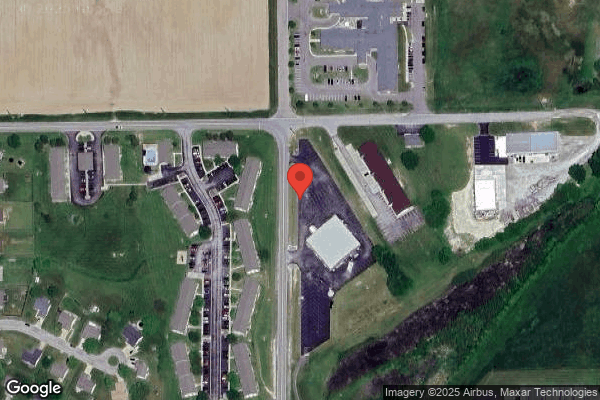
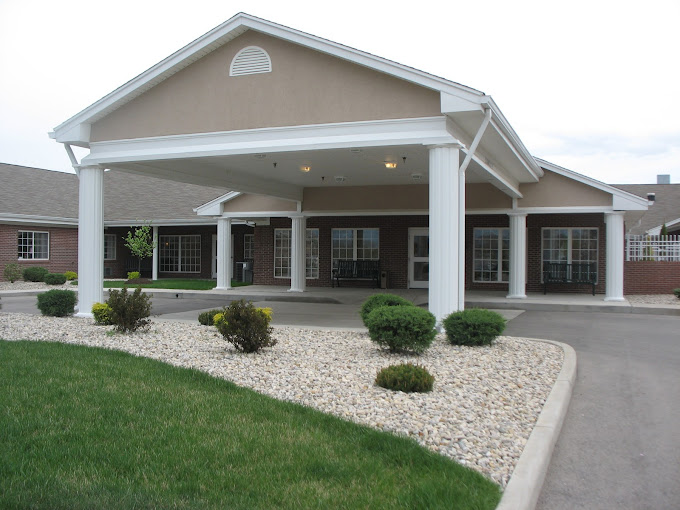
2320 N MONTGOMERY ROAD, GREENSBURG, IN 47240 (812) 527-2222
For profit - Corporation 64 Beds TRILOGY HEALTH SERVICES Data: November 2025
Trust Grade
40/100
#327 of 505 in IN
Last Inspection: May 2025

Inspected within the last 6 months. Data reflects current conditions.

Overview

Aspen Place Health Campus has a Trust Grade of D, indicating below-average quality and some concerns about care. They rank #327 out of 505 facilities in Indiana, placing them in the bottom half, and #4 out of 5 in Decatur County, meaning only one local option is better. The facility is experiencing a worsening trend, with issues increasing from 7 in 2024 to 9 in 2025. Staffing is a relative strength, with a 3/5 star rating and a turnover of 35%, which is better than the state average. While there have been no fines, which is positive, there were serious incidents reported, including a resident suffering an injury due to improper catheter care and another resident fracturing a bone because staff did not follow transfer protocols requiring two-person assistance. These findings highlight both strengths in staffing and coverage but significant weaknesses in adherence to care plans.

Trust Score
D
40/100
In Indiana
#327/505
Bottom 36%
Safety Record
Moderate
Needs review
Inspections
Getting Worse
7 → 9 violations
Staff Stability
○ Average
35% turnover. Near Indiana's 48% average. Typical for the industry.
Penalties
✓ Good
No fines on record. Clean compliance history, better than most Indiana facilities.
Skilled Nurses
✓ Good
Each resident gets 75 minutes of Registered Nurse (RN) attention daily — more than 97% of Indiana nursing homes. RNs are the most trained staff who catch health problems before they become serious.
Violations
⚠ Watch
29 deficiencies on record. Higher than average. Multiple issues found across inspections.
★★☆☆☆
2.0
Overall Rating
★★★☆☆
3.0
Staff Levels
★★★★☆
4.0
Care Quality
★★☆☆☆
2.0
Inspection Score
Stable
2024: 7 issues
2025: 9 issues

The Good

  • 4-Star Quality Measures · Strong clinical quality outcomes
  • Full Sprinkler Coverage · Fire safety systems throughout facility
  • No fines on record
  • Staff turnover below average (35%)

    13 points below Indiana average of 48%

Facility shows strength in quality measures, fire safety.

The Bad

2-Star Overall Rating

Below Indiana average (3.1)

Below average - review inspection findings carefully

Staff Turnover: 35%

11pts below Indiana avg (46%)

Typical for the industry

Chain: TRILOGY HEALTH SERVICES

Part of a multi-facility chain

Ask about local staffing decisions and management

The Ugly 29 deficiencies on record

2 actual harm
May 2025 9 deficiencies
CONCERN (D)

Potential for Harm - no one hurt, but risky conditions existed

Report Alleged Abuse (Tag F0609)

Could have caused harm · This affected 1 resident

Based on interview and record review, the facility failed to report an allegation of abuse in a timely manner for 1 of 15 residents reviewed for reporting of alleged violations. (Resident 20) Findings...

Read full inspector narrative →
Based on interview and record review, the facility failed to report an allegation of abuse in a timely manner for 1 of 15 residents reviewed for reporting of alleged violations. (Resident 20) Findings include: During an interview, on 05/06/25 at 1:16 P.M., Resident 20 indicated a few weeks ago she had gone to the bathroom and her wet wipes were gone. Certified Nurse Aide (CNA) 11 was assisting her roommate. The resident asked the CNA to get her some wipes because someone had taken hers out of the bathroom. The CNA gave her about five wipes and the resident told her that wouldn't be enough, and she wanted a full pack. The CNA had brought her a full pack of wipes and stood in the doorway to the bathroom and tossed the full package of wipes at her. The wipes hit the back of her wheelchair and landed in the seat. She believed the CNA was angry when she tossed the wipes into the bathroom. She reported to other staff member, but didn't think it had been taken care of. She felt safe in the building but thought it was unacceptable that the CNA tossed the wipes towards her. During an interview, on 05/12/25 at 1:26 P.M., CNA 11 indicated a few weeks ago she was assisting Resident 20's roommate when Resident 20 was in the bathroom asking for wet wipes. She handed the resident a few wipes, but the resident told her it wasn't enough and threw the wipes down on the ground. She went and got the resident a pack of wipes and went back into the bathroom. The resident was sitting on the toilet with the wheelchair in front of her. She went to give the resident the wipes and they hit the back of the wheelchair and landed in the seat. She never threw the wipes at her. She asked the resident if she needed anything else and she told her no. The nurse working that night had her go into the resident's room because the resident wanted to make a complaint and the nurse wanted both of them in the room. They all went into the room and the resident said she wasn't going to talk with the CNA in the room. She left the room and made sure another staff member has cared for that resident since that night. During an interview, on 05/12/25 at 9:24 A.M., the Director of Nursing (DON) indicated she had gotten called to the business office on a Friday related to an accusation that CNA 11 had thrown a package of wet wipes at the resident a few days prior. The CNA was working that day and had gone and talked with her. She was removed from taking care of that resident. The resident made Qualified Medication Aide (13) aware that CNA 11 had thrown wipes at her the night that it happened. Licensed Practical Nurse (LPN) 12 had taken the CNA to the resident's room that night to resolve the issue, but the resident wouldn't speak to her about it. She investigated and did not believe the CNA threw the wipes at the resident. The facility investigation was provided by the DON on 05/13/25 at 11:23 A.M. The investigation included, but was not limited to the following: - A typed statement from Resident 20, dated 05/02/25 , that indicated the incident occurred on 04/28/25. The resident had indicated that CNA 11 had thrown a package of wipes at her. - A written statement from LPN 12, that indicated she had entered the resident's room to answer the call light, and the resident had appeared upset. She had asked her if she was ok and she said no that she was upset. The resident told her that she needed to file a complaint. The LPN explained that she would need to get a complaint form and left the room to get one. She walked to the nurse's station to get the form and asked CNA 11 about the resident because the resident was upset. The CNA explained that the resident had wanted wipes but she was busy so she gave her a handful until she could get her a pack, but she was upset. LPN 12 has asked CNA 11 to go to the room with her to get both sides of the story. When they entered the room, the resident asked why she had brought the CNA with her. The resident had said she wouldn't talk to the LPN, and she would talk to someone later. - A written statement from QMA 13 indicated on 04/30/25 Resident 20 had called her into the room to tell her about an incident with CNA 11. Resident 20 had told her that the CNA had thrown wipes at her. - A written statement from CNA 11 indicated on 04/29/25 she was assisting Resident 20's roommate when Resident 20 was in the bathroom asking for wet wipes. She handed the resident a few wipes, but the resident didn't like that and wanted a new pack. She told her she would get her some when she was done. She had gone and gotten a pack of wipes and put them in the resident's wheelchair. The nurse had wanted her to go into the resident's room and the resident didn't like that and that she would just talk to the higher ups. She had tried to keep herself away from the resident's room. During an interview, on 05/12/25 at 2:13 P.M., CNA 14 indicated if a resident reported any type of abuse to her, she would report it to the Administrator immediately anytime of the day. During an interview, on 05/13/25 at 10:35 P.M., the DON indicated staff should report allegations of abuse immediately to her or the Administrator. She would immediately remove the staff from the situation and report it to the state. The staff should have reported this incident sooner. The clinical record for Resident 20 was reviewed on 05/08/25 at 10:15 A.M. A Quarterly Minimum Data Set (MDS) assessment, dated 02/13/25, indicated the resident was cognitively intact. The resident's diagnoses included, but were not limited to, anemia, heart failure, hypertension, diabetes, malnutrition, depression, and bipolar. During an interview, on 05/13/25 at 2:45 P.M., the Administrator indicated they did not have a policy for reporting, and they would follow the state guidelines. 3.1-28(b)(2)(c)
CONCERN (D)

Potential for Harm - no one hurt, but risky conditions existed

Quality of Care (Tag F0684)

Could have caused harm · This affected 1 resident

Based on record review and interview, the facility failed to follow a physician's order related to blood pressure monitoring for 1 of 15 residents reviewed for quality of care. (Resident 26) Findings ...

Read full inspector narrative →
Based on record review and interview, the facility failed to follow a physician's order related to blood pressure monitoring for 1 of 15 residents reviewed for quality of care. (Resident 26) Findings include: The clinical record for Resident 26 was reviewed on 05/08/25 at 10:35 A.M. A Quarterly Minimum Data Set (MDS) assessment, dated 04/18/25, indicated the resident was severely cognitively impaired. The resident's diagnoses included, but were not limited to, acute respiratory failure with hypoxia, hypertension, non-Alzheimer dementia, malnutrition, anxiety, depression, and psychotic disorder. A physician's order, dated 01/30/25 through 02/24/25, indicated the staff were to check the resident's blood pressure daily. The resident's clinical record lacked document blood pressures for the following dates: - 02/02/25 through 02/04/25, - 02/08/25, - 02/09/25, - 02/11/25 through 02/13/25, - 02/17/25, - 02/19/25, - 02/20/25, - 02/22/25, and - 02/23/25. During an interview, on 05/12/25 at 9:18 A.M., RN 15 indicated if a physician ordered for a resident's vital signs to be monitored then they would be documented the in Electronic Medication Administration Record. During an interview, on 05/13/25 at 3:27 P.M., Corporate Clinical Support Nurse indicated they did not have a policy for following physician orders, it was just standards of practice. 3.1-37(a)
CONCERN (D)

Potential for Harm - no one hurt, but risky conditions existed

Incontinence Care (Tag F0690)

Could have caused harm · This affected 1 resident

Based on interview and record review, the facility failed to ensure residents with a urinary tract infection received antibiotic treatment in a timely manner for 2 of 15 residents reviewed for laborat...

Read full inspector narrative →
Based on interview and record review, the facility failed to ensure residents with a urinary tract infection received antibiotic treatment in a timely manner for 2 of 15 residents reviewed for laboratory services. (Resident 26 and 31) Findings include: 1. The clinical record for Resident 26 was reviewed on 05/08/25 at 10:35 A.M. A Quarterly Minimum Data Set (MDS) assessment, dated 04/18/25, indicated the resident was severely cognitively impaired. The resident's diagnoses included, but were not limited to, acute respiratory failure with hypoxia, hypertension, non-Alzheimer dementia, malnutrition, anxiety, depression, and psychotic disorder. A Progress Note, dated 04/15/25 at 1:51 P.M., indicated the resident's urine was obtained for a Urinalysis Culture and Sensitivity (UA C&S). A Progress Note, dated 04/17/25 at 2:47 P.M., indicated the resident's urine culture was pending at that time. A Progress Note, dated 04/21/25 at 3:07 P.M., indicated the resident's urine culture result showed a Urinary Tract Infection (UTI) and a new order was obtained for Macrobid (an antibiotic) 100 milligrams, twice a day for 10 days. A Laboratory Report document indicated the resident's urine was collected on 04/14/25 at 2:15 P.M., received at the laboratory (lab) on 04/16/25 at 12:10 P.M., and the culture results were reported on 04/18/25 at 10:54 P.M. 2. The clinical record for Resident 31 was reviewed on 05/07/25 at 2:56 P.M. An Annual MDS assessment, dated 02/04/25, indicated the resident was cognitively intact. The resident's diagnoses included, but were not limited to, metabolic encephalopathy, anemia, heart failure, hypertension, neurogenic bladder, diabetes, paraplegia, malnutrition, anxiety, depression, and respiratory failure. A Progress Note, dated 03/11/25 at 4:52 P.M., indicated the resident's urine was obtained and was in the refrigerator waiting for the lab to pick it up. A Physician Progress Note, dated 03/14/25 at 6:14 A.M., indicated the resident had their urinary catheter replaced on 03/11/25 due to leaking and a UA was obtained and was pending at time of visit. A Progress Note, dated 03/17/25 at 11:55 P.M., indicated the Nurse Practitioner was in for rounds and a new order was received to start the resident on Linezolid 600 milligrams, twice a day for 10 days, for a UTI. A Laboratory Report, indicated the resident's urine was collected on 03/11/25 at 4:15 P.M., received at the lab on 03/12/25 at 1:51 P.M., and the culture results were reported on 03/14/25 at 7:17 A.M. A physician's order, dated 03/17/25 through 03/27/25, indicated the resident was to receive linezolid 600 milligrams, twice a day, for 10 days. The March 2025 Electronic Medication Administration Record indicated the resident had not received the first dose of the antibiotic until 03/18/25 from 6:00 P.M. to 10:00 P.M. due to the medication being unavailable. During an interview, on 05/12/25 at 9:18 A.M., RN 15 indicated when they received orders for a UA C&S, they would obtain the urine and have it ready for the lab to pick it up. The lab techs came nightly. They would have the preliminary results by the afternoon. If the urine needed to be cultured, it would take 48 to 72 hours to get those results back. Once they had the results they would send them to the physician. The resident should start on an antibiotic as soon as possible when the results were back. There was always a physician available to call once they got the results of the culture back to get orders. During an interview, on 05/13/25 at 10:08 A.M., the Infection Preventionist indicated when a resident had an order for a UA C&S, the nursing staff would get the urine, and the lab would pick it up in the evening. The preliminary results usually came back within 24 hours, and the final culture came back after 72 hours. If the staff were not seeing the culture results after 72 hours, then they should be calling the lab to obtain those results. Residents should start on an antibiotic within 72-84 hours after obtaining the urine. The lab came to the facility every day except Saturdays and staff could always call the lab and get results. There were some nurses that had access to view the labs online. During an interview, on 05/12/25 at 3:15 P.M., Corporate Clinical Support Nurse indicated the facility did not have a policy on timeliness of labs. 3.1-49(a)
CONCERN (D)

Potential for Harm - no one hurt, but risky conditions existed

Deficiency F0692 (Tag F0692)

Could have caused harm · This affected 1 resident

2. The clinical record for Resident 26 was reviewed on 05/08/25 at 10:35 A.M. A Quarterly Minimum Data Set assessment, dated 04/18/25, indicated the resident was severely cognitively impaired. The res...

Read full inspector narrative →
2. The clinical record for Resident 26 was reviewed on 05/08/25 at 10:35 A.M. A Quarterly Minimum Data Set assessment, dated 04/18/25, indicated the resident was severely cognitively impaired. The resident's diagnoses included, but were not limited to, acute respiratory failure with hypoxia, hypertension, non-Alzheimer dementia, malnutrition, anxiety, depression, and psychotic disorder. The resident's clinical record lacked documented meals for the following dates and times for a resident with a diagnosis of malnutrition: - 03/01/25 at dinner, - 03/02/25 at breakfast, lunch, and dinner, - 03/03/25 at breakfast and lunch, - 03/05/25 at breakfast and lunch, - 03/12/25 at dinner, - 03/15/25 at breakfast and lunch, - 03/17/25 at breakfast and lunch, - 03/26/25 at breakfast and lunch, - 03/30/25 at breakfast and lunch, - 04/17/25 at breakfast and lunch, - 04/18/25 at breakfast and lunch, - 04/22/25 at breakfast and lunch, - 05/10/25 at breakfast and lunch, and - 05/11/25 at dinner. During an interview, on 05/13/25 at 11:12 A.M., Certified Nurse Aide 14 indicated resident meals were documented in the resident's clinical record. The current facility policy titled; Guidelines for Meal Service was provided by the Director of Nursing on 05/13/25 at 1:23 P.M. The policy indicated, .Meal intake should be recorded in the electronic health record . 3.1-46(a)(1) Based on record review and interview, the facility failed to monitor daily weights, administer an ordered medication related to fluid retention, and monitor meal consumptions for 2 of 3 residents reviewed for nutrition. (Resident 27 and 26) Findings include: 1. The clinical record for Resident 27 was reviewed on 05/09/25 at 9:16 A.M. A Quarterly Minimum Data Set (MDS) assessment, dated 02/27/25, indicated the resident was cognitively intact. The resident's diagnoses included, but were not limited, heart disease, hypertension, and diabetes. An open-ended physician's order, with a start date of 10/28/24, indicated the resident was to be weighed daily. An open-ended physician's order, with a start date of 10/28/24, indicated a PRN (as needed) dose of Lasix was to be administered if the resident gained two pounds in one day or five pounds in a week. The resident's clinical record lacked a document weight for the following dates: - 03/05/25, - 03/07/25, - 03/08/25, - 03/13/25, - 03/28/25, - 03/30/25, - 03/31/25, - 04/01/25, - 04/02/25. - 04/03/25, - 04/06/25, - 04/10/25, - 04/16/25, - 04/24/25, - 04/29/25, and - 05/01/25. The Resident's weight gain was two pounds or greater on the following days and a PRN dose of Lasix was not administered: - 03/19/25 weight was 218 pounds, - 03/20/25 weight was 221 pounds, - 04/11/25 weight was 203 pounds, - 04/12/25 weight was 205 pounds, - 04/19/25 weight was 205 pounds, - 04/20/25 weight was 208.3 pounds, - 04/26/25 weight was 206.6 pounds, - 04/27/25 weight was 209.1 pounds, - 05/04/25 weight was 205.2 pounds, and - 05/05/25 weight was 209 pounds. During an interview on 05/12/25 at 2:54 P.M., Qualified Medication Aide (QMA) 16 indicated she would obtain the resident's weight upon rising or between 6:00 A.M. and 10:00 A.M. The mechanical lift had a scale to obtain the resident's weight, so even if the resident didn't want to get up their weight could still be measured. She would notify the nurse of the weight, and the nurse would give permission for the PRN dose of Lasix to be given. Resident 26 was usually agreeable to being weighed. During an interview on 05/13/25 at 1:06 P.M., RN 15 indicated the CNA would obtain the resident's weight first thing of a morning and report it to her. She would look at the previous day's weight and administer the medication if there was a weight gain greater than two pounds. During an interview on 05/13/25 at 3:27 P.M., Corporate Clinical Support Nurse indicated they did not have a policy for following physician orders, it was just standards of practice.
CONCERN (D)

Potential for Harm - no one hurt, but risky conditions existed

Pharmacy Services (Tag F0755)

Could have caused harm · This affected 1 resident

Based on record review and interview, the facility failed to ensure medications were available for 1 of 15 residents reviewed for pharmacy services. (Resident 26) Findings include: The clinical record...

Read full inspector narrative →
Based on record review and interview, the facility failed to ensure medications were available for 1 of 15 residents reviewed for pharmacy services. (Resident 26) Findings include: The clinical record for Resident 26 was reviewed on 05/08/25 at 10:35 A.M. A Quarterly Minimum Data Set (MDS) assessment, dated 04/18/25, indicated the resident was severely cognitively impaired. The resident's diagnoses included, but were not limited to, acute respiratory failure with hypoxia, hypertension, non-Alzheimer dementia, malnutrition, anxiety, depression, and psychotic disorder. A physician's order, dated 11/24/24 through 02/25/25, indicated the resident was to receive tramadol (a pain medication) 50 milligrams, twice a day from 6:00 A.M. to 10:00 A.M. and 6:00 P.M. to 10:00 P.M. The January 2025 Electronic Medication Administration Record indicated the resident had not received the medication on the following dates and times: - On 01/22/25 from 6:00 P.M. to 10:00 P.M., the resident's medication was not administered due to the medication being unavailable. - On 01/24/25 from 6:00 A.M. to 10:00 A.M., the resident's medication was not administered due to the medication being unavailable and the resident needed a new prescription. - On 01/25/25 from 6:00 A.M. to 10:00 A.M., the resident's medication was not administered due to the medication being unavailable. - On 01/26/25 from 6:00 A.M. to 10:00 A.M., the resident's medication was not administered due to the medication being unavailable. - On 01/28/25 from 6:00 P.M. to 10:00 P.M., the resident's medication was not administered due to the medication being unavailable. - On 01/29/25 from 6:00 A.M. to 10:00 A.M., the resident's medication was not administered due to the medication being unavailable. A Physician Progress Note, dated 01/21/25, indicated the resident was seen by the Nurse Practitioner with no indication a new prescription was needed for the tramadol. The resident was being seen for having recurring abdominal discomfort and a gallbladder ultrasound order. A Progress Note, dated 01/25/25 at 7:45 P.M., indicated the resident was out of Tramadol and needed a new prescription. The writer went to the nurse to request to the provider for a 3-day supply. The request was placed in the provider book at the 200 Hall nurse's station. A Physician Progress Note, dated 01/27/25 at 6:11 A.M., indicated the resident was seen by the Nurse Practitioner. The note lacked any indication that the resident needed a new prescription for tramadol. A Progress Note, dated 01/29/25 at 8:10 A.M., indicated a message was sent to the Nurse Practitioner requesting a hard script for tramadol. During an interview, on 05/12/25 at 9:18 A.M., RN 15 indicated when a resident was out of a medication that required a prescription they could pull one emergency dose from the emergency drug kit. They would need to call the physician to get a prescription sent to the pharmacy. They should have a new prescription within 24 hours. If nursing staff communicated with the physician related to medications being unavailable, it should be documented in a progress note. The current facility policy titled, Guidelines for Medication Orders, with a review date of 12/17/24 was provided by the Director of Nursing on 05/12/25 at 3:01 P.M. The policy indicated, .The purpose of the policy it to establish uniform guidelines in the receiving and recording of medication orders . The current facility policy titled, Medication Ordering and Receiving from Pharmacy, with a revised date of 11/18, was provided by the Director of Nursing on 05/12/25 at 3:01 P.M. The policy indicated, .Reorder medication several days in advance of need, as directed by the pharmacy order and delivery schedule, to assure an adequate supply is on hand . 3.1-25(a)
CONCERN (D)

Potential for Harm - no one hurt, but risky conditions existed

Deficiency F0760 (Tag F0760)

Could have caused harm · This affected 1 resident

Based on observation, interview, and record review, the facility failed to ensure medications were administered appropriately to prevent significant medication errors for 1 of 3 residents reviewed for...

Read full inspector narrative →
Based on observation, interview, and record review, the facility failed to ensure medications were administered appropriately to prevent significant medication errors for 1 of 3 residents reviewed for significant medication errors. (Resident 23) Findings include: QMA 9 was observed preparing medications for Resident 23 on 05/12/25 at 8:48 A.M. QMA 9 sanitized her hands and opened the plastic packages that contained the resident's various medications and placed the medications in a cup. The medications included, but were not limited to, a 20 milliequivalent (mEq) Extended Release (ER) Potassium Chloride tablet. QMA 9 indicated the resident took her medications crushed. She removed a soft gel vitamin supplement tablet from the medication cup and indicated the gel tablet couldn't be crushed. She poured the remaining medications into a clear packet and crushed them with the pill crusher on the medication cart. She poured the crushed medications back into the cup, added pudding and the gel tablet to the cup, and preceded to administer the medications to the resident. During an interview, on 05/12/25 at 9:09 A.M., QMA 9 indicated there were several medications that were not allowed to be crushed because of the coating on the medications. There was a do not crush list on the medication cart. She reviewed the list and indicated the potassium chloride table she administered to the resident was on the do not crush list. She was not aware that it was not to be crushed. She learned something new. The resident's clinical record was reviewed on 05/13/25 at 3:50 P.M. A Quarterly Minimum Data Set assessment, dated 03/11/25, indicated the resident was severely cognitively impaired. The resident's diagnoses included, but were not limited to, coronary artery disease, hypertension, and malnutrition. The resident's most recent laboratory values were reviewed, and her potassium level was within normal limits. The Medications Not To Be Crushed list, with a revision date of 12/22, was provided by the Corporate Clinical Support Nurse on 05/13/25 at 3:30 P.M. The list indicated the Potassium Chloride tablet was not to be crushed because it was an extended-release medication. 3.1-48(c)(2)
CONCERN (D)

Potential for Harm - no one hurt, but risky conditions existed

Deficiency F0761 (Tag F0761)

Could have caused harm · This affected 1 resident

Based on observation and interview, the facility failed to appropriately store medications for 1 of 3 medication carts reviewed (100 Hall Medication Cart). Findings include: On 05/13/25 at 1:13 P.M....

Read full inspector narrative →
Based on observation and interview, the facility failed to appropriately store medications for 1 of 3 medication carts reviewed (100 Hall Medication Cart). Findings include: On 05/13/25 at 1:13 P.M., the 100 Hall Medication Cart was observed with RN 10 and contained the following: - A Basaglar insulin pen for Resident 30. The pen was 1/2 full and was not labeled with an opened on date, and - A 198-milliliter bottle of liquid fish oil for Resident 30. The bottle was two-thirds full and was not labeled with an opened-on date. During an interview, on 05/13/25 at 1:18 P.M., RN 10 indicated the resident received 32 units of the insulin twice a day and received 2.5 ml of the fish oil daily. Both medications should have been labeled with opened on dates. The Basaglar insulin pen package insert indicated, .Throw away all insulin .in use after 28 days, even if there is insulin left . The current facility policy, titled MEDICATION STORAGE IN THE FACILITY, with a revision date of 11/18, was provided by the Corporate Clinical Support Nurse on 05/13/25 at 3:15 P.M. The policy indicated, .When the original seal of a manufacturer's container or vial is initially broken, the container or vial will be dated .a date opened sticker shall be placed on the medication . 3.1-25(o)
CONCERN (E)

Potential for Harm - no one hurt, but risky conditions existed

Infection Control (Tag F0880)

Could have caused harm · This affected multiple residents

2. The clinical record for Resident 10 was reviewed on 05/08/25 at 1:33 P.M. A Quarterly Minimum Data Set (MDS) assessment, dated 03/09/25, indicated the resident was severely cognitively impaired. Th...

Read full inspector narrative →
2. The clinical record for Resident 10 was reviewed on 05/08/25 at 1:33 P.M. A Quarterly Minimum Data Set (MDS) assessment, dated 03/09/25, indicated the resident was severely cognitively impaired. The resident's diagnoses included, but were not limited to, Chronic Obstructive Pulmonary Disease (COPD), hypertension, heart failure, dementia. The resident had an unhealed pressure ulcer on her right buttocks. An open-ended physician's order, with a start date of 12/13/24, indicated staff were to use Enhanced Barrier Precautions (EBP), wearing a gown and gloves at minimum during high contact care activities. During an observation, on 05/12/25 2:09 P.M., the resident's door had a sign on it that indicated staff were to STOP and that the resident was in ENHANCED BARRIER PRECAUTIONS. Everyone must wear gloves and a gown for High-Contact Resident Care Activities, including wound care. RN 7 entered the resident's room and provided direct care as she removed and then reattached the wound dressing to visualize the wound without donning a gown. During an interview, on 05/12/25 at 2:12 P.M., RN 7 indicated nursing staff should wear gloves and a gown when providing direct care for residents who are in EBP. She should have worn a gown when she was touching the wound dressing for Resident 10. 3. Resident 40's clinical record was reviewed on 05/07/25 at 3:09 P.M. A Significant Change MDS assessment, dated 03/17/25, indicated the resident was severely cognitively impaired. The resident's diagnoses included, but were not limited to, heart failure, non-Alzheimer's dementia, and peripheral vascular disease. The resident had pressure ulcers and venous ulcers that were present on admission. The resident's current physician's orders included, but were not limited to, an open-ended order, with a start date of 04/29/25, that indicated the resident was in EBP and staff were to wear a gown and gloves at minimum during high-contact care activities. During an observation, on 05/12/25 at 1:21 P.M., the resident's door had a sign on it that indicated staff were to STOP and that the resident was in ENHANCED BARRIER PRECAUTIONS. Everyone must wear gloves and a gown for High-Contact Resident Care Activities, including wound care. RN 7 and RN 8 entered the resident's room and proceeded to cleanse and administer wound care treatments to the resident's multiple wounds without donning gowns. During an interview, on 05/12/25 at 2:12 P.M., RN 7 indicated nursing staff should wear gloves and a gown when providing direct care for residents who are in EBP. She should have worn a gown during the wound dressing changes for Resident 40. The current facility policy, titled Enhanced Barrier Precautions (EBP) Standard Operating Procedure, dated 04/01/24, was provided by the DON on 05/12/25 at 3:01 P.M. The policy indicated, .EBP will be in place during high-contact care activities for residents with the following conditions .All Residents with chronic wounds, including but not limited to, pressure ulcers .at minimum, staff shall wear gloves and gowns during high-contact care activities . 3.1-18(b) Based on record review, interview, and observation, the facility failed to follow infection control guidelines related to infection tracking and trending, and Enhanced Barrier Precautions (EBP) related to infection control. (Residents 10 and 40) Findings include: 1. During a review of the Infection Control Tracking and Trending documentation on 05/13/25 at 10:08 A.M., The facility lacked documented tracking of antibiotic use for February and March 2025. During an interview on 05/13/25 at 3:35 P.M., the Infection Preventionist indicated she came to this facility in April and infections and antibiotic usage was not tracked in February and March. The current facility policy titled, Infection Prevention and Control Program with a review date of 12/17/24, was provided by the Administrator on 05/06/25. The policy indicated .The purpose of this policy is to: To establish and maintain an infection prevention and control program designed to provide a safe, sanitary, and comfortable environment and to help prevent the development and transmission of communicable diseases and infections .The campus has a system for preventing, identifying, reporting, investigating, and controlling infections and communicable diseases .The campus shall designate a member of the clinical team to monitor the campus .program to perform surveillance to identify, investigate, control, and prevent the spread of infection and reporting .
CONCERN (E)

Potential for Harm - no one hurt, but risky conditions existed

Deficiency F0947 (Tag F0947)

Could have caused harm · This affected multiple residents

Based on record review and interview, the facility failed to ensure the staff had the required six hours of dementia training within six months of hire and three hours annually for 3 of 10 employee re...

Read full inspector narrative →
Based on record review and interview, the facility failed to ensure the staff had the required six hours of dementia training within six months of hire and three hours annually for 3 of 10 employee records reviewed. (CNA 2, CNA 3, and CNA 5) Findings include: The employee records were provided by the Employee Experience Manager on 05/08/25. The following staff members, working on the skilled unit failed to have the required number of hours of dementia training prior to working with residents that had a diagnosis of dementia: - Certified Nurse Aide (CNA) 2 was hired on 06/19/24 and had 1.5 hours of dementia training, - CNA 3 was hired on 12/20/24 and had 1 hour of dementia training, and - CNA 5 was hired on 10/16/24 and had 1.5 hours of dementia training. During an interview, on 05/09/25 at 11:13 A.M., the Employee Experience Manager indicated she had provided all the documented dementia training in the employee files. Reports were sent to the staff through email, and it was their responsibility to complete the training. The department managers received a report indicating which staff members still had training to complete. The department managers were to follow up with their staff. She believed new staff members were to have six hours of dementia training and was unsure of older employees. During an interview, on 05/09/25 at 11:28 A.M., Corporate Clinical Support Nurse indicated the facility did not have a policy related to dementia training they would follow State and Federal regulations. 3.1-14(u)
Jun 2024 6 deficiencies
CONCERN (D)

Potential for Harm - no one hurt, but risky conditions existed

Deficiency F0554 (Tag F0554)

Could have caused harm · This affected 1 resident

Based on observation, interview, and record review, the facility failed to assess a resident to self-administer medications for 1 of 14 residents reviewed. (Resident 43) Findings include: During an ob...

Read full inspector narrative →
Based on observation, interview, and record review, the facility failed to assess a resident to self-administer medications for 1 of 14 residents reviewed. (Resident 43) Findings include: During an observation on 06/12/24 at 9:30 A.M., Resident 43 had a medicine cup full of pills sitting on his over the bed table on his breakfast tray. No staff members were in the room. At 9:31 A.M., LPN (Licensed Practical Nurse) 5 stopped in the resident's room and told him to not forget to eat his breakfast and to take his morning medications, then left the room. Eight pills of various colors, shapes, and sizes were in the medication cup. The resident indicated one was for phantom pain, one was a blood thinner, and one was an iron pill. A second cup was on the tray filled to the top with a reddish clear fluid. During an observation and interview on 06/12/24 at 10:00 A.M., the resident's breakfast tray was still on the over the bed table. The tray had two medicine cups sitting on it, one with a small white pill the resident identified as their water pill that they didn't like to take so they put it off as long as they could, and a cup filled to the top with a reddish clear fluid. During an observation and interview on 06/12/24 at 11:37 A.M., the resident was sitting up on their bed. A medicine cup with a Lasix (water pill), as identified by the resident, was still sitting on the over the bed table. The resident indicated they were getting ready to take it. During an interview on 06/13/24 at 2:49 P.M., LPN 7 indicated if a resident self-administered their medications there would be an assessment completed in Observations on the EHR (Electronic Health Record). They currently did not have any residents who self-administered their medications other than maybe an inhaler. They had one resident, who was not Resident 43, who liked to have their medications left at the bedside to take when they wanted to, but they had to have a self-administer assessment completed. During an interview on 06/13/24 at 3:59 P.M., LPN 7 indicated Resident 43 was bad about acting like they took their medications and picked out the ones they wanted. The resident should not have had medications left at the bedside. They did not have a Self-Administration Assessment completed in order for them to be able to have medications left at the bedside. During an interview on 06/14/24 at 9:32 A.M., the Clinical Support indicated the resident may have an order to self-administer medications, but they should also have had the assessment completed prior to self-administering their medications and she did not believe the resident had the assessment completed. The clinical record was reviewed on 06/14/24 at 11:07 A.M. An admission MDS (Minimum Data Set Assessment), dated 05/10/24, indicated the resident was cognitively intact. The resident's diagnoses included, but were not limited to, infection and inflammatory reaction due to internal left knee prosthesis, arthritis, psychotic disorder, and history of malignant neoplasm of the kidney. The record lacked an assessment allowing the resident to safely self-administer their medications. The current MEDICATION ADMINISTRATION - GENERAL GUIDELINES policy, with a revised date of 11/18, was provided by the Clinical Support on 06/13/24 at 2:22 P.M. The policy indicated, .Medications are administered as prescribed in accordance with good nursing principles and practices .Residents are allowed to self-administer medications when specifically authorized by the attending physician and in accordance with procedures for self-administration of medications .The resident is always observed after administration to ensure that the dose was completely ingested . The Guidelines for Self-Administration of Medications policy, with a reviewed date of 12/31/23, was provided by the Clinical Support on 06/14/24 at 9:55 A.M. The policy indicated, .Residents requesting to self-medicate .shall be assessed using the observation Trilogy- Self Administration of Medication within the electronic health record .Results of the assessment will be presented to the physician for evaluation and an order for self-medication .The order should include the type of medication(s) the resident is able to self-medicate. i.e.:all oral meds, oral meds with the exception of ., nebulizer treatment only, all medications including injection, oral, inhalers, drops, etc . 3.1-11(a)
CONCERN (D) 📢 Someone Reported This

A family member, employee, or ombudsman was alarmed enough to file a formal complaint

Potential for Harm - no one hurt, but risky conditions existed

ADL Care (Tag F0677)

Could have caused harm · This affected 1 resident

**NOTE- TERMS IN BRACKETS HAVE BEEN EDITED TO PROTECT CONFIDENTIALITY** Based on record review and interview, the facility failed to provide bathing for 2 of 3 residents reviewed for Activities of Dai...

Read full inspector narrative →
**NOTE- TERMS IN BRACKETS HAVE BEEN EDITED TO PROTECT CONFIDENTIALITY** Based on record review and interview, the facility failed to provide bathing for 2 of 3 residents reviewed for Activities of Daily Living. (Residents D and E) Findings include: 1. During an interview on 06/13/24 at 1:43 P.M., CNA (Certified Nurse Aide) 8 indicated resident showers were offered twice a week or more if they preferred. The showers were documented in the computer system or a shower sheet. The residents would be offered a shower or a bed bath and in between their shower days they were given a partial bed bath. The partial bed bath was just to wash their peri area and their arm pits. If a resident refused the shower or bed bath it would be document in the clinical record and on the shower sheets. The clinical record for Resident D was reviewed on 06/13/24 at 11:04 A.M. An admission MDS (Minimum Data Set) assessment, dated 03/11/24, indicated the resident was cognitively intact. The resident's diagnoses included, but were not limited to, atrial fibrillation, hypertension, and respiratory failure. The Point of Care History and the Shower Sheets indicated the resident had the following showers or complete bed baths since admission to the facility on [DATE]: - 04/09/24, shower, - 04/02/24, shower - 03/29/24, complete bed bath - 03/26/24, shower, - 03/22/24, shower, - 03/11/24, complete bed bath. The resident had 6 out of 10 showers, complete bed baths, or refusals from admission to discharge on [DATE]. 2. The clinical record for Resident E was reviewed on 06/12/24 at 3:08 P.M. An admission MDS assessment, dated 03/12/24, indicated the resident was cognitively intact. The diagnoses for the resident, included but were not limited to, fracture of the right fibula, anemia, hypertension, and diabetes. During an interview on 06/14/24 at 2:19 P.M., LPN (Licensed Practical Nurse) 7 indicated the resident was non-compliant with care at times. He refused his showers and liked to use the bed pan. The refusal of showers was to be documented in the computer charting or on a shower sheet. The Point of Care History and the Shower Sheets indicated the resident had the following showers, refusals, or complete bed baths from admission on [DATE] through 04/30/24: - 03/07/24, complete bed bath, - 03/15/24, refused, - 03/16/24, complete bed bath, - 03/19/24, shower, - 03/22/24, refused, - 03/26/24, refused, - 03/29/24, shower, - 04/02/24, shower, - 04/12/24, refused, - 04/16/24, shower, and - 04/22/24, shower. The resident was given or offered a bath or shower 11 of 15 times from 03/07/24 through 04/30/24. The current facility policy, titled Guidelines for Bathing Preference with a review date of 12/31/23, was provided by the Clinical Nurse Consultant on 05/08/24 at 2:51 P.M. The policy indicated, .Bathing shall occur at least twice a week unless resident preference states otherwise . The current facility policy, titled Nursing ADL Documentation Guidelines with a review date of 12/31/23, was provided by the Clinical Nurse Consultant on 05/08/24 at 2:51 P.M. The policy indicated, To document the type and amount of assistance provided to the resident for activities of daily living .Completion of ADL service will be validated through the use of the CARE ASSIST ADL reports .ADL services will be conducted and documented by the CNA each shift at the [point of care] or as reasonably possible after care . This citation relates to Complaint IN00435626. 3.1-38(a)(2)(A)
CONCERN (D)

Potential for Harm - no one hurt, but risky conditions existed

Incontinence Care (Tag F0690)

Could have caused harm · This affected 1 resident

**NOTE- TERMS IN BRACKETS HAVE BEEN EDITED TO PROTECT CONFIDENTIALITY** Basedonobservation interview andrecordreview thefacilityfailedtofollowappropriateinfectioncontrolguidelinesrelatedtoindwelling u...

Read full inspector narrative →
**NOTE- TERMS IN BRACKETS HAVE BEEN EDITED TO PROTECT CONFIDENTIALITY** Basedonobservation interview andrecordreview thefacilityfailedtofollowappropriateinfectioncontrolguidelinesrelatedtoindwelling urinarycathetersforaresidentwhohadahistoryofUTIs(UrinaryTractInfections for1 of3 residentsreviewedforurinarycatheters/ UTIs (Resident34) Findingsinclude During an observation on 06/11/24 at 10:39 A.M., Resident34 was in their wheelchair propelling themselves and exitingtheir bathroom. Two to three inches of their indwellingurinarycathetertubing wasdraggingonthefloorundertheir wheelchair During an observation on 06/11/24 at 10:44 A.M., the resident was sitting in their wheelchair in their room. Their urinary catheter tubing contained tancoloredpiecesofdebrisapproximately2 to 3 mm (millimeters) inlengthandwidth During an observation on 06/11/24 at 1:34 P.M., the residentwasintheTherapyGymsittinginhiswheelchair Partofhisindwellingurinarycatheterbagandtubingweretouchingthefloor During and observation and interview on 06/12/24 at 10:03 A.M., the resident was in their wheelchair in their room. Their urinary catheter bag was touching the floor as was 6 to 8 inches of the catheter tubing. The tubing contained cloudy yellow urine. The resident indicated a staff member had put medicine in their catheter earlier that morning. They were able to get themselves into their wheelchair but needed staff's help hangingtheir urinarycatheterbagundertheir wheelchair During an observation on 06/12/24 at 3:03 PM, theresidentwas in their room sitting in their wheelchair. Their urinarycatheterbagandtubingwere touchingthefloor Theurineinthe catheter tubingwascloudyandyellow Duringaninterviewon06/12/24 at 3:15 P.M., theTherapyManagerindicatedtheresidentdidnottransferbythemselves. They had been discharged fromtherapyasaonepersonassist Duringaninterview and observation on06/12/24 at 3:18 P.M., CNA(Certified Nurse Aide) 3 indicated the resident required the assistance of one staff member whenusing thebathroom and getting ready for bed. They needed helppivotingandtransferring While observing the resident in their room, the CNA indicatedtheurinary catheter bagandtubingshouldnotbetouchingthefloor Theclinicalrecordwasreviewedon06/12/24 at 3:08 P.M. AnAnnualMDS(Minimum Data Set) assessment dated [DATE], indicatedtheresidentwasmoderatelycognitivelyimpaired Theresident's diagnosesincluded butwerenotlimitedto stroke neurogenicbladder diabetes dementia andhemiplegia Theresidentrequiredextensiveassistanceoftwostaffmembersfortransfers Duringaninterviewon06/14/24 10:15 AM, theIP(InfectionPreventionist andtheMDSCoordinatorindicatedtheresidentreceived abladderirrigationasaUTIpreventionbecausethey hadrecurrentUTIs Thephysiciansordersrelatedtotheresidentsindwellingcatheterwereprovidedbythe ClinicalSupporton06/14/24 at 10:51 A.M The orders included butwerenotlimitedto acurrentopenendedorder withastartdateof02/08/24, forClorpactin (an antibacterial agent) flush, 60 ml (milliliters) infused in the bladder and clamped for 15 minutes. ThecurrentUrinaryCatheterCare policy, with a reviewed date of 12/31/23, wasprovidedbyClinicalSupporton06/14/24 at 9:55 A.M. The policy indicated, .To prevent infection of the resident's urinary tract .Be sure the catheter tubing and drainage bag are kept off the floor . 3.1-41(a(2)
CONCERN (D) 📢 Someone Reported This

A family member, employee, or ombudsman was alarmed enough to file a formal complaint

Potential for Harm - no one hurt, but risky conditions existed

Deficiency F0692 (Tag F0692)

Could have caused harm · This affected 1 resident

Based on record review and interview, the facility failed to follow hospital discharge orders and verify admission weights for 1 of 3 residents reviewed for hydration/nutrition. (Resident D) Findings ...

Read full inspector narrative →
Based on record review and interview, the facility failed to follow hospital discharge orders and verify admission weights for 1 of 3 residents reviewed for hydration/nutrition. (Resident D) Findings include: 1. The clinical record for Resident D was reviewed on 06/13/24 at 11:04 A.M. An admission MDS (Minimum Data Set) assessment, dated 03/11/24, indicated the resident was cognitively intact. The resident's diagnoses included, but were not limited to, atrial fibrillation, hypertension, and respiratory failure. The hospital discharge summary for the resident, dated 03/06/24, indicated the resident's heart failure instructions for daily management was to be weighed daily on the same scale and at approximately the same time of day. The weight should be reported to the physician if the resident had a weight gain of three pounds in a day or five pounds in a week. The facility was to use the hospital discharge weight as a baseline reference. The facility was to continue a low sodium diet and limit the fluid intake to 1.5 to 2 liters per day. The resident's hospital discharge weight was 177 pounds. A Facility Progress Note, dated 03/06/24 at 1:30 P.M., indicated the resident arrived at the facility at 1:30 P.M. The resident's admitting diagnoses was pericardial effusion (the buildup of extra fluid in the space around the heart). The resident had a pericardial drain while in the hospital that was healed and had 1800 ml (milliliters) of fluid removed. The resident had the following weights documented while in the facility: - 03/06/24, the resident's weight was 191 pounds, - 03/11/24, the resident's weight was 189.9 pounds, - 03/18/24, the resident's weight was 190.2 pounds, - 03/25/24, the resident's weight was 190.2 pounds, - 04/01/24, the resident's weight was 164.8 pounds and 165.9 pounds, - 04/02/24, the resident's weight was 166 pounds, - 04/03/24, the resident's weight was 166 pounds, - 04/04/24, the resident's weight was 165.2 pounds, and - 04/05/24, the resident's weight was 165.2 pounds. The clinical record lacked documentation the resident was weighed daily until 04/01/24, lacked the prescribed low sodium diet, fluid intake monitoring, and lacked follow-up with the admission weight when it was different than the hospital discharge weight. During an interview on 06/13/24 at 1:38 P.M., RN 6 indicated when a resident admitted to the facility from the hospital she would get report from the hospital. Once the resident got to the facility, she would complete a consent to treat, admission assessment, skin assessment, obtain the resident's code status, and orient the resident to their surroundings. She would review the resident's admitting physician orders and transcribe them into the clinical record. A second nurse would verify the orders and then the hospital forms would be scanned into the clinical record. During an interview on 06/13/24 at 1:42 P.M., CNA (Certified Nurse Aide) 8 indicated when a resident required a daily weight, she would obtain that weight when the resident got up in the morning. The residents could be weighed by sitting in a weight chair or by the full body lift. The facility had not had any concerns with their scales recently. If a resident had a significant weight change, she would alert the nurse on duty for the day. During an interview on 06/13/24 at 4:00 P.M., the DON (Director of Nursing) indicated if the resident's discharge paperwork indicated they were to be weighed daily, then it should have been transcribed on admission. The resident had a significant weight decrease while a resident, but his hospital discharge paperwork showed he weighed 177 pounds when he was discharged . The resident could not gain that much weight when leaving the hospital and getting to the facility. She was unsure why there was a weight difference, but it should have been addressed. The current facility policy titled Notification of Change with a review date of 12/31/23, was provided by the Clinical Support on 06/13/24 at 3:06 P.M. The policy indicated, .To ensure appropriate individuals are notified of change in condition . This citation relates to Complaint IN00435626. 3.1-46(a)(1) 3.1-46(a)(2)
CONCERN (E)

Potential for Harm - no one hurt, but risky conditions existed

Deficiency F0761 (Tag F0761)

Could have caused harm · This affected multiple residents

Based on observation, interview, and record review, the facility failed to appropriately store medications for 1 of 2 medication carts reviewed (300 Hall Medication Cart), and for 1 of 2 medication ro...

Read full inspector narrative →
Based on observation, interview, and record review, the facility failed to appropriately store medications for 1 of 2 medication carts reviewed (300 Hall Medication Cart), and for 1 of 2 medication rooms (300 Hall Medication Room) reviewed. Findings include: 1. On 06/14/24 at 9:57 A.M., the 300 Hall Medication Cart was observed with LPN (Licensed Practical Nurse) 7 and contained the following: - A Lispro insulin pen for Resident 28. The pen was well over 3/4 full and was not labeled with an opened on date. During an interview on 06/14/24 at 9:59 A.M., LPN 7 indicated Resident 28 usually received insulin four times a day, so he went through insulin pens pretty quickly. The undated pen was delivered by the pharmacy on 05/13/24, but it was kept in the refrigerator until it was opened. The pen was nearly full, so she didn't think it had been in use for very long. She had not administered the insulin to the resident that morning. The insulin pen was good for 28 days after it was opened. The pen should have been labeled when it was opened. 2. The 300 Hall Medication Storage Room refrigerator was observed on 06/14/24 at 10:10 A.M., with RN 6 and contained the following: - An opened box that contained a nearly empty vial of TB (Tuberculin) serum. The vial was not labeled with an opened on date. During an interview on 06/14/24 at 10:12 A.M., RN 6 indicated the TB serum was good for 30 days from the opened on date. The serum should have been dated when it was first opened. During an interview on 06/14/24 at 10:42 A.M., the Regional Corporate Support Nurse indicated several staff members were recently tested for TB with the undated serum. Resident records reviewed indicated the following residents' TB tests were performed using the unlabeled vial of TB serum: - Resident 159 received a TB test on 06/05/24, - Resident 43 received a TB test on 06/05/24, - Resident 56 received a TB test on 06/08/24, and - Resident 57 received a TB test on 06/13/24. The TB serum package insert was provided by the Administrator on 06/14/24 at 2:00 P.M. The directions for storage indicated, .vials in use more than 30 days should be discarded . The current facility policy, titled MEDICATION STORAGE IN THE FACILITY, with a revision date of 11/18, was provided by the Administrator on 06/14/24 at 10:34 A.M. The policy indicated, .When the original seal of a manufacturer's container or vial is initially broken, the container or vial will be dated .a date opened sticker shall be placed on the medication . 3.1-25(o)
CONCERN (E)

Potential for Harm - no one hurt, but risky conditions existed

Food Safety (Tag F0812)

Could have caused harm · This affected multiple residents

Based on observation and interview, the facility failed to store food appropriately for 1 of 2 kitchen observations. Findings include: During the initial kitchen tour on 06/10/24 at 10:18 A.M., with ...

Read full inspector narrative →
Based on observation and interview, the facility failed to store food appropriately for 1 of 2 kitchen observations. Findings include: During the initial kitchen tour on 06/10/24 at 10:18 A.M., with the Dietary Manager the following was observed in a walk-in refrigerator: - five store bought chuck roasts with a use by or freeze by date of 06/06/24 for one of them, 06/07/24 for two of them, and 06/08/24 for two of them, - a metal tray that had a cantaloupe sitting in it, with a sticker on the tray that indicated produce with a use by date of 05/28/24, - a cart with several trays of alcohol that contained a 3/4 full jar of maraschino cherries with a use by date of 05/24/23, - a 1/4 full jar of jelly with a use by date of 06/08/24, and - a prepared fruit cup laying on the floor that contained grapes and honey dew melon with a use by date of 06/05/24. The Dietary Manager indicated it was the responsibility of the cooks, Assistant Dietary Manager, and herself to ensure outdated foods were discarded. The refrigerator was to be checked once a day. The weekend cook was responsible for checking the refrigerators on the weekends. The current facility policy titled, Food Labeling and Dating, with a revised date of 04/26/22, was provided by the Clinical Support on 06/14/24 at 9:55 A.M. The policy indicated, .To provide knowledge and direction on how to properly label and date food items and food production . 3.1-21(i)(3)
Jan 2024 1 deficiency
CONCERN (D) 📢 Someone Reported This

A family member, employee, or ombudsman was alarmed enough to file a formal complaint

Potential for Harm - no one hurt, but risky conditions existed

Respiratory Care (Tag F0695)

Could have caused harm · This affected 1 resident

Based on observation, interview, and record review, the facility failed to follow appropriate infection control guidelines related to storage and dating of respiratory supplies for 3 of 4 residents re...

Read full inspector narrative →
Based on observation, interview, and record review, the facility failed to follow appropriate infection control guidelines related to storage and dating of respiratory supplies for 3 of 4 residents reviewed for respiratory care. (Residents C, D, and E) Findings include: 1. During an observation and interview on 01/31/24 at 11:02 A.M., Resident C was sitting up in her bed in her room. The side of her bed was pushed up flat against the wall. The opposite side of the bed had a plastic bag taped to the bed rail and was dated 10/2. The resident had oxygen tubing with a nasal cannula coiled up and tucked into the handle of her oxygen concentrator machine. The tubing was not dated. The resident indicated staff sometimes placed the tubing in the bag on the side of her bed dated 10/2 and she had recently had RSV (Respiratory Syncytial Virus). During an observation with the IP (Infection Preventionist) and the DON (Director of Nursing) on 1/31/24 at 12:24 P.M., Resident C was sitting in her bed in her room. The DON verified the date of 10/2 labeled on the plastic bag hanging on the side of the resident's bed. There was another bag on the other side of the bed against the wall that was dated 1/13. The IP struggled to get access to the bag, due to the side of the bed being pressed up against the wall. The resident had oxygen tubing with a nasal cannula coiled up and tucked into the handle of her oxygen concentrator machine. The DON indicated oxygen tubing should be dated if it was not kept in a plastic bag. Tubing was changed every 30 days. Resident C had been one of their residents who had recently had RSV. The clinical record for Resident C was reviewed on 01/31/24 at 11:35 A.M. A Quarterly MDS (Minimum Data Set) assessment, dated 10/16/23, indicated the resident was cognitively intact. The diagnoses included, but were not limited to, COPD (Chronic Obstructive Pulmonary Disease), anemia, hypertension, renal insufficiency, neurogenic bladder, diabetes, paraplegia, malnutrition, anxiety, depression, and respiratory failure. The EMAR/ETAR (Electronic Medication Administration Record/Electronic Treatment Administration Record) for January 2024 was provided by the Administrator on 01/31/24 at 1:53 P.M., and included, but was not limited to, the following physician's orders: - Contact/Droplet Precautions, with a start date of 01/12/24, and a discontinued date of 01/22/24. - Change oxygen tubing monthly once a day on the first of the month, with a start date of 06/29/23. - Oxygen at 2 Liters per nasal cannula at night, with a start date of 06/29/23. The Respiratory Surveillance Line List indicated the resident had symptoms of RSV with an onset date of 01/01/24. A Hospital Emergency Department Note, dated 01/12/24, indicated, under the Discharge Assessment, the resident had RSV. 2. During an observation on 01/31/24 at 11:58 A.M., Resident D was sitting in her room in a recliner wearing oxygen per a nasal cannula. The tubing was attached to a water reservoir on the oxygen concentrator machine. The tubing and the water reservoir were not dated. The resident indicated she did not know if the staff changed the tubing or not. Several inches of tubing were lying on the floor. No plastic bags for the tubing were in the room. The resident indicated she did not have a mask for breathing treatments, she just used inhalers. During an observation with the IP and the DON on 01/31/24 at 12:28 P.M., Resident D was observed sitting in her room in her chair wearing her oxygen. Several inches of her oxygen tubing were lying on the floor between the oxygen concentrator and the resident's chair. The IP could not find a date on the tubing or the water reservoir and indicated they should have both been dated. An admission MDS assessment, dated 01/17/24, indicated the resident was cognitively intact. The diagnoses included, but were not limited to, pneumonia, COPD, and acute respiratory failure. The EMAR/ETAR for January 2024 included, but was not limited to, the following current physician's order: - Oxygen at 2 Liters per nasal cannula continuous, with a start date of 01/11/24. The record lacked an order to change the tubing and any indication as to when then current oxygen tubing was put into service. 3. During an observation on 01/31/24 at 12:08 P.M., Resident E was sitting in his room in his recliner, he was wearing oxygen per a nasal cannula. He had a breathing treatment mask laying on his bedside table that was not in a plastic bag. The tubing was not dated, nor was the mask. His oxygen was running at 2.5 liters per minute. During an observation with the IP and the DON on 01/31/24 at 12:20 P.M., Resident E was sitting in his room in his chair wearing oxygen tubing with a nasal cannula. His respiratory treatment mask was lying on the nightstand. The IP indicated she assumed the tape on his oxygen mask must have fallen off because she did not see any dates on the mask or the tubing. The DON indicated the masks were usually kept in a plastic bag, not lying on the nightstand. No plastic bags were observed in the immediate area. A Quarterly MDS assessment, dated 11/03/23, indicated the resident was moderately cognitively impaired. The diagnoses included, but were not limited to, aphasia, hypertension, dementia, and COPD. The EMAR/ETAR for January 2024 included, but was not limited to, the following current physician's orders: - Change oxygen tubing monthly once a day on the first of the month, with a start date of 06/17/22. - Oxygen at 2-3 Liters per nasal cannula, continuous, with a start date of 05/22/23. The current Administration of Oxygen policy, with a reviewed date of 12/31/23, was provided by Clinical Support on 01/31/24 at 2:11 P.M. policy indicated, .Guideline to properly Administering Oxygen and any Respiratory procedure .Date the tubing for the date it was initiated .Tubing should be changed monthly and PRN (as needed) . This citation relates to Complaint IN00426895. 3.1-47(a)(6)
Apr 2023 12 deficiencies 1 Harm
SERIOUS (G)

Actual Harm - a resident was hurt due to facility failures

Incontinence Care (Tag F0690)

A resident was harmed · This affected 1 resident

**NOTE- TERMS IN BRACKETS HAVE BEEN EDITED TO PROTECT CONFIDENTIALITY** Based on observation, record review, and interview, the facility failed to appropriately secure a resident's catheter, resulting...

Read full inspector narrative →
**NOTE- TERMS IN BRACKETS HAVE BEEN EDITED TO PROTECT CONFIDENTIALITY** Based on observation, record review, and interview, the facility failed to appropriately secure a resident's catheter, resulting in an injury of a split and wound to the resident's penis (Resident 46), follow the physician's orders related to catheterization (Resident 46), and the proper positioning of an indwelling urinary catheter drainage bag for a resident that developed a UTI (Resident 28) for 2 of 18 residents reviewed. Findings include: 1. During an observation of Resident 46 on 04/26/23 at 2:53 P.M., the ADON (Assistant Director of Nursing) alerted the resident that she was going to observe and cleanse his penis. The resident agreed. The resident's pants and brief were removed. The resident had just had a suprapubic catheter placed. The penis was split from the underneath side of the head down the back side of the shaft. The record for Resident 46 was reviewed on 04/25/23 at 2:29 P.M. An Annual MDS (Minimum Data Set) assessment, dated 03/06/23, indicated the resident was moderately cognitively impaired. The diagnoses included, but were not limited to, anemia, heart failure, hypertension, diabetes, non-Alzheimer's dementia, UTI (Urinary Tract Infection), and BPH (Benign Prostatic Hyperplasia). The resident required extensive assistance of two or more staff members for transfers, toileting, and bed mobility. A Care Plan, with a start date of 07/21/22, was reviewed on 04/25/23 at 2:29 P.M., the Care Plan indicated the resident used a anchored Foley catheter for a diagnosis of obstructive uropathy, an intervention included, but was not limited to, apply catheter securing device to maintain tubing proper alignment with a start date of 07/21/22. The care plan was reviewed and revised on 04/25/23 at 3:28 P.M. by MDS Support 3, and the intervention was removed, at that time, from the care plan. A Care Plan, dated 03/01/23, indicated the resident had a mechanical injury to the penis from the anchored Foley catheter. An intervention included, but was not limited to, apply a catheter secure device to maintain tubing in proper alignment, with a start date of 04/17/23. A Urology Note, dated 10/25/22, indicated the resident was being seen for urinary retention. The assessment and plan were that the urinary catheter was removed. The resident would unlikely be able to urinate spontaneously but was on maximum medical therapy. The resident had a 30% chance of being able to urinate sitting in the chair with a urinal. They would have the nursing home start in and out catheterization four times daily as that was a lower risk for sepsis than a chronic catheter. The resident would return in one month to see how he had done. The October 2022 EMAR/ETAR (Electronic Medication Administration Record/Electronic Treatment Administration Record) was provided by the DON on 04/28/23 at 5:03 P.M., and included, but was not limited to, a physician's order dated 10/28/22 through 10/31/22, for In and Out Cath (catheterization), three times a day (not four times daily as the urologist specified). The record indicated the in and out catheterization was not administered the following dates and times: - 10/28/22 at 8:15 P.M., the reason was the resident no longer had a catheter, - 10/29/22 at 4:15 A.M., the reason was the resident no longer had a catheter, - 10/29/22 at 1:15 P.M., the reason was the resident had voided that shift, - 10/29/22 at 8:15 P.M., the reason was when the catheter was progressed there was frank (evident) blood expelled from the penis around the urethra. There was no urine that progressed into the catheter, - 10/30/22 at 4:15 A.M., the reason was that during the last in and out the resident had blood from the urethra, - 10/30/22 at 1:15 P.M., the reason was the resident voided that shift, and - 10/30/22 at 8:15 P.M., the reason was the resident voided on the toilet. A Progress Note, dated 12/13/23 at 1:03 P.M., indicated the resident had a split in his penis. The resident had previously seen the Urologist, on 11/29/22, and they were aware of the condition. A Facility Wound Management Detail Report, dated 12/13/22, indicated the resident had trauma to the penile shaft that measured 5.2 cm x 2.4 cm. The wound was mucosa area under the penile shaft where the indwelling urinary catheter was inserted. An IDT (Interdisciplinary Team) Progress Note, dated 12/13/23 at 4:03 P.M., indicated the resident had an open area that measured 5.2 cm (centimeters) x (by) 2.4 cm x less than 0.1 cm. The area was dark pink with a small amount of purulent (pus) drainage. The area was cleansed with betadine and a urinary catheter anchor was applied to the right thigh. The RN had notified the urology office related to the split in the penis. The resident had been seen by urology in November and they were aware of the issue. A Wound Clinic Note, dated 01/31/23, indicated the resident had developed destruction to the penis secondary to the catheter. There was nothing to be done to salvage the penis unless he had a suprapubic catheter placed and then would require reconstructive surgery of the penis. At the patient's age and overall health, they did not feel it was a realistic expectation. The actual catheter tubing was somewhat short and the placement of the tube holder on his leg was causing a downward traction. The resident had a Stage 3 (Full-thickness skin loss in which subcutaneous fat may be visible in the ulcer and granulation tissue and epibole [rolled wound edges] are often present. Slough [non-viable yellow, tan, gray, green or brown tissue; usually moist, can be soft, stringy, and mucinous in texture. Slough may be adherent to the base of the wound or present in clumps throughout the wound bed] and/or eschar [dead tissue] may be visible but does not obscure the depth of tissue loss) pressure ulcer to the penis that had been present for four weeks. The problem was determined to have been caused by a medical device. There was a minimum amount of serous (watery, clear, or slightly yellow/tan/pink fluid that has separated from the blood) and yellow or brown exudate draining from the ulcer. The ulcer bed had exposed subcutaneous tissue. The ulcer was not malodorous. The ulcer boarder was poorly defined. There was 100% granulation tissue with a confluent pattern of pale and beefy red quality. The wound measured 4.3 cm (centimeters) x (by) 1.5 cm x 0.8 cm. The wound treatment was to cleanse daily with normal saline, apply Medihoney (a wound cleansing ointment) , and cover with an absorbent pad placed in the brief or cover with stretch netting. A Wound Clinic Note, dated 02/28/23, indicated the resident had a Stage 3 pressure ulcer to the penis that had been present for 8 weeks. There was a minimum amount of serous exudate draining from the ulcer. The ulcer bed had exposed subcutaneous tissue. The ulcer boarder was poorly defined. There was 100% granulation with a confluent pattern of pale and beefy red quality. The wound measured 4 cm x 1.5 cm x 0.6 cm. The treatment remained the same. The traction on the catheter had been reduced by proper positioning. The penis was unchanged. There was really nothing to be done for this unless the resident or family wanted a suprapubic catheter. The resident was discharged from wound care. The facility lacked any monitoring or assessments for the resident's pressure ulcer to the penis. The only assessments document were the two wound clinic notes. The wound clinic notes indicated the resident's wound was present for four weeks prior to 1/31/23. A Urology Note, dated 03/24/23, indicated the resident's situation was discussed with the resident and his family members. The resident had BPH with obstruction leading to urinary retention associated with his severe deconditioning. The following options were discussed: - 1. In and out catheterization four times daily. This evidently did not work well at the current nursing home. - 2. Chronic Foley catheter with monthly replacement. I was told this does not work well either as they have not been changing his catheter every month. - 3. Suprapubic Tube placement which would require an anesthetic. This would have the advantage of decreasing testicle and prostate infections but not overall number of infections. The penis would not heal. - 4. Trial and void with removal of catheter now that the resident could stand spontaneously. After discussion, option four was chosen. During an interview on 04/26/23 at 9:00 A.M., QMA (Qualified Medication Aide) 18 indicated the resident had a wound to his penis and the penis was split from his indwelling urinary catheter. The resident's catheter had pulled on his penis causing the split. The resident had gone out that day to have a suprapubic catheter placed. During an interview on 04/26/23 at 1:20 P.M., the ADON indicated the resident had a mechanical issue from his catheter and talked to the family about getting a suprapubic catheter. The resident still had a split in the penis, but the wounds were healed. The intervention put into place was for a catheter securement device. If the resident was already care planned for a catheter securing device, then it should have been in place prior to the wounds on 12/13/22. During an interview on 04/27/23 at 9:28 A.M., RN 5 indicated if a resident had an order for in and out catheterization then the nurse would insert a catheter into the resident and remove it when there was no more urine flow. The order should have been followed as it was specified. During an interview on 04/27/23 at 11:21 A.M., a Wound Clinic nurse indicated the resident's catheter was anchored to the leg and that caused a pressure ulcer from the tension of it pulling. The resident's penis had a split and the pressure ulcer was where the catheter laid underneath. The wound had granulation tissue and was a Stage 3. He was seen twice there and discharged due to not being able to continue to do anything for the wound. The resident would have needed a suprapubic catheter to let the wound heal. During an interview on 04/28/23 at 4:14 P.M., the DON indicated the resident's order from urology should have been followed. No policy could be provided for In and Out Catheterization. The current facility policy titled, Urinary Catheter Care with a review date of 12/31/22, was provided by Clinical Support 4 on 04/28/23 at 4:18 P.M. The policy indicated, .Ensure the catheter remains secured. A leg strap may be used to reduce friction and movement at the insertion site . The current facility policy titled, Patient with a Foley Catheter, with a revised date of 08/05/22, and provided by Administrator 9 on 04/28/23 at 2:33 P.M. The policy indicated, .Make sure catheter tubing is secure to leg to avoid any unnecessary pulling on the bladder . 2. During an observation on 04/24/23 at 1:42 P.M., the resident was sitting in his recliner with the urinary catheter drainage bag hanging on the right side of the chair and resting on the floor. During an observation on 04/26/23 at 4:02 P.M., the resident was sitting in his recliner with the urinary catheter drainage bag hanging on the right side of the chair and resting on the floor. The record for Resident 28 was reviewed on 04/27/233 at 11:06 A.M. An admission MDS, dated [DATE], indicated the resident was moderately cognitively impaired. The diagnoses included, but were not limited to, prostate cancer, heart failure, hypertension, diabetes, and renal insufficiency. The resident had had a UTI in the last 30 days and had an indwelling urinary catheter. A physician's order, dated 03/30/23, indicated Tobermycin (an antibiotic) 80 mg (milligrams) to be given intravenously every 12 hours for 6 days, for a UTI. During an interview on 04/28/23 at 2:08 P.M., CNA 12 indicated the catheter drainage bag should be kept lower than the resident's bladder and should never touch the floor. The current facility policy titled, Urinary Catheter Care with a review date of 12/31/22, was provided by Clinical Support 4 on 04/27/23 at 4:18 P.M. The policy indicated, .Be sure the catheter tubing and drainage bag are kept off the floor . 3.1-18(a)
CONCERN (D)

Potential for Harm - no one hurt, but risky conditions existed

Notification of Changes (Tag F0580)

Could have caused harm · This affected 1 resident

Based on record review and interview, the facility failed to notify the physician of a change in a resident's condition for 1 of 18 resident's review. (Resident 15) Findings include: The record for Re...

Read full inspector narrative →
Based on record review and interview, the facility failed to notify the physician of a change in a resident's condition for 1 of 18 resident's review. (Resident 15) Findings include: The record for Resident 15 was reviewed on 04/27/23 at 10:15 A.M. A Quarterly MDS (Minimum Data Set) assessment, dated 03/23/23, indicated the resident was severely cognitively impaired. The diagnoses included, but were not limited to, hypertensive heart and chronic kidney disease with heart failure, hypertension, renal insufficiency, diabetes, non-Alzheimer's dementia, malnutrition, and depression. A Progress Note, dated 11/26/22 at 5:51 P.M., indicated the resident had a severe choking episode in the dining room. The CNA (Certified Nurse Aide) was able to clear the airway and assess that the resident was pocketing food. The vital signs and lung sounds were within normal limits. The resident's diet was downgraded to mechanical soft by the nurse pending a speech therapy evaluation. The record lacked documentation that the physician was notified of the choking incident on 11/26/22 until a speech therapy plan of treatment was signed on 12/02/22. During an interview on 04/27/23 at 1:31 P.M., the DON (Director of Nursing) indicated the record lacked documentation the physician was notified and the physician should have been notified of any choking episodes. During an interview on 04/27/23 at 1:52 P.M., QMA (Qualified Medication Aide) 6 indicated if a resident had a choking episode she would assist the resident, then call the nurse that was in facility to assess the resident. The nurse would make a request for a speech therapy evaluation. If the incident happened on a weekend, she would call the weekend nurse supervisor and they could put in an immediate override of the resident's diet until the speech evaluation could be completed. The nurse was supposed to call and notify the physician and family of any changes in a resident's condition. The current facility policy, titled Notification of Change in Condition with an effective date of 05/10/2016 was provided by Clinical Support 4 on 04/27/23 at 2:46 P.M. The policy indicated, .To ensure appropriate individuals are notified of change in condition. The facility must inform the resident, consult with the physician and if known notify the resident's legal representative when: An accident involving the resident which results in an injury and has the potential for requiring physician intervention .A significant change in the resident's physical, mental or psychosocial status .A need to alter treatment significantly . 3.1-5(a)(2)
CONCERN (D)

Potential for Harm - no one hurt, but risky conditions existed

ADL Care (Tag F0677)

Could have caused harm · This affected 1 resident

**NOTE- TERMS IN BRACKETS HAVE BEEN EDITED TO PROTECT CONFIDENTIALITY** Based on interview and record review, the facility failed to provide activities of daily living related to routine bathing for 1...

Read full inspector narrative →
**NOTE- TERMS IN BRACKETS HAVE BEEN EDITED TO PROTECT CONFIDENTIALITY** Based on interview and record review, the facility failed to provide activities of daily living related to routine bathing for 1 of 24 residents reviewed. (Resident 26) Findings include: During an interview on 04/24/23 at 10:12 A.M., Resident 26 indicated she had been having a problem with getting showers. She usually only received one shower a week. The staff usually gave her showers in the morning. The record was reviewed on 04/25/23 at 10:58 A.M. An admission MDS (Minimum Data Set) assessment, dated 02/26/23, indicated the resident was severely cognitively impaired. The resident required extensive assistance of one staff member for personal hygiene and bathing. The diagnoses included, but were not limited to, heart failure, arthritis, osteoporosis, stroke, and dementia. During an interview on 04/27/23 at 1:33 P.M., CNA (Certified Nurse Aide) 14 indicated residents were showered twice a week at a minimum. Bathing would be documented in the EHR (Electronic Health Record). They completed shower sheets (paper) sometimes as well. On 04/27/23 at 1:42 P.M., paper shower sheets from February through 04/27/23, were sorted with Clinical Support 2 and another staff member. No shower sheets for the resident were identified. A three-ring binder that contained paper shower sheets was later provided with no shower sheets for the resident identified. The POC (Point of Care) history report from the EHR, dated 02/21/23 through 04/27/23, was provided by MDS Support 3 on 04/27/23 at 1:54 P.M. The record indicated the resident had not had a complete bed bath or shower from 04/18/23 to 04/27/23 (nine days). The record indicated the resident received a complete bed bath or a shower on the following dates: - Tuesday, 04/18/23, shower, - Friday, 04/14/23, shower, - Tuesday, 04/04/23, shower, - Friday, 03/31/23, shower, - Wednesday, 03/22/23, complete bed bath, - Tuesday, 03/21/23, complete bed bath, - Friday, 03/17/23, (refused), - Wednesday, 03/15/23, complete bed bath, - Friday, 03/03/23, shower, and - Tuesday, 02/28/23, shower. The resident was admitted on [DATE] and did not receive a shower or complete bed bath until seven days later, on 02/28/23. The resident received a shower or complete bed bath ten times. The resident should have been bathed twice a week for a total of 18 times. During an interview on 04/27/23 at 2:34 P.M., QMA (Qualified Medication Aide) 7 indicated if a resident refused a shower the nursing staff were supposed to educate the resident on the importance of bathing and at least encourage them to get a sponge bath. The CNA staff were to report refusals to the nurse or QMA on duty and the refusal should be documented in the Progress Notes. The Progress Notes, from 02/21/23 through 04/27/23, were provided by MDS Support 3 on 04/27/23 at 3:09 P.M. The record lacked documentation the resident had refused any showers or bathing. During an interview on 04/27/23 at 2:37 P.M., CNA 8 indicated the resident was supposed to be bathed on day shift on Tuesdays and Fridays. During an interview on 04/27/23 at 2:52 P.M., Clinical Support 2 indicated if a resident had not stated a preference, they were bathed twice a week. The Profile Care Guide Care Plan was provided by Clinical Support 2 on 04/27/23 at 2:56 P.M. An Approach indicated the resident was to be showered on Tuesdays and Fridays on day shift, with a start date of 02/23/23. The current facility policy, titled Guidelines for Bathing Preference with a review date of 12/31/22, was provided by Clinical Support 2 on 04/27/23 at 2:46 P.M. The policy indicated, .Bathing shall occur at least twice a week unless resident preference states otherwise . The current facility policy, titled Nursing ADL Documentation Guidelines with a review date of 12/31/22, was provided by Clinical Support 4 on 04/27/23 at 2:46 P.M. The policy indicated, To document the type and amount of assistance provided to the resident for activities of daily living .Completion of ADL service will be validated through the use of the CARE ASSIST ADL reports .ADL services will be conducted and documented by the CNA each shift at the [point of care] or as reasonably possible after care . 3.1-38(a)(2)(A)
CONCERN (D)

Potential for Harm - no one hurt, but risky conditions existed

Quality of Care (Tag F0684)

Could have caused harm · This affected 1 resident

Based on observation, interview, and record review, the facility failed to follow the physician's order related to dressing changes for 1 of 6 residents reviewed for skin conditions (Resident 14) Find...

Read full inspector narrative →
Based on observation, interview, and record review, the facility failed to follow the physician's order related to dressing changes for 1 of 6 residents reviewed for skin conditions (Resident 14) Findings include: During an interview and observation on 04/24/23 at 1:02 P.M., Resident 14 indicated she had been in the hospital for a blood clot on her lung and one by her knee. She had a reaction to a blood thinner and was going to the wound clinic for a wound on her shin area from the reaction to the blood thinner. The record was reviewed on 04/28/23 at 3:16 P.M. A Quarterly MDS (minimum data set) assessment, dated 03/14/23, indicated the resident was cognitively intact. The diagnoses included, but were not limited to, pulmonary embolism and contusion of the right lower leg. The Care Plan for the resident's venous stasis ulcer to her right lower extremity, with a start date of 04/25/23, was provided by Administrator 9 on 04/28/23 at 3:29 P.M. An intervention, with a start date of 04/25/23, indicated Treatment per MD order. The EMAR/ETAR (Electronic Medication Administration Record/Electronic Treatment Administration Record) for April 2023, was provided by MDS Support 3 on 04/28/23 at 10:00 A.M., and included, but was not limited to, the following physician's orders for the resident's right lower leg: - Wound Care: Clean tunnel at 1 o'clock and 11 o'clock daily with saline, pack with normal saline soaked gauze, Hydrofera Blue (a blue antibacterial foam dressing), cover with ABD (Abdominal gauze) pad, Kerlix (gauze wrap), and ace wrap, once a day, with a start date of 04/24/23, a discontinued date of 04/27/23, and a current open-ended order for the same treatment with a start date of 04/27/23. The record lacked documentation that the Hydrofera Blue was ever out of stock or unavailable for use. A dressing change to the resident's right lower leg was observed on 04/27/23 at 4:05 P.M., with LPN (Licensed Practical Nurse) 16. The nurse donned gloves, unwrapped the elastic ace wrap from the right lower leg, removed the Kerlix gauze wrapped around the leg, removed 3 ABD pads that were moist with exudate, then soaked the gauze packing that was directly against the wound to loosen the gauze from the wound bed. The nurse changed gloves, used a swab on a stick to peel back the gauze. The wound bed was red and beefy, had slight bleeding, an undermining pocket toward the knee, and a 3 cm x 0.25 cm strip of yellow slough at the top left of the wound at 10 o'clock. The nurse changed gloves, packed the wound with normal saline soaked gauze, with 2 (4 x 4) gauze pads in the tunneled area, covered the wound bed with normal saline soaked gauze, covered with the wound with three ABD pads, wrapped the lower leg with Kerlix, then wrapped it with ace bandages. The prescribed Hydrofera Blue was not on the wound when the old dressing was removed, nor was it applied with the new dressing. A dressing change to the resident's right lower leg was observed on 04/28/23 at 1:28 P.M., with the ADON. The nurse gathered supplies, entered the resident's room, placed the supplies on a clean bath towel on the over bed table, then prepared garbage bags for trash and soiled linens. The ADON washed her hands with soap and water, donned gloves, checked for pain, placed a clean towel under resident's right lower leg, unwrapped ace wraps from the leg, then cut and unwrapped the Kerlix gauze wrap that had a moderate amount of brown tinged drainage and a moderate amount of red bloody drainage. The ABD pads were stuck to wound so the nurse soaked them with normal saline to assist in removal. Gauze was exposed that was covering the wound bed. The ADON indicated the Hydrofera Blue should have been on top of the gauze packing the wound bed. She indicated they had run out of the product, and it had been ordered. She had it at the nurse's station and forgotten to bring it in. The nurse removed the gauze that was packed in the top of the wound in the tunneled area, squirted normal saline from a syringe into the area at the top of the wound, cleansed the wound with normal saline soaked gauze, removed her gloves, covered the wound with a towel, used hand sanitizer, and left the room to retrieve the ordered Hydrofera Blue dressing. The nurse returned, opened a package with a long swab, used hand sanitizer, donned gloves, measured the depth of the tunneled area to be 4.5 cm deep, measured the wound, laying the plastic part of the outside of the swab package against the resident's wound, cleaned the tunneled area with normal saline again, opened packages of rolled gauze, rooted through a box of supplies that were on the resident's bed while still wearing her gloves, opened one end of a package of 4 x 4 gauze pads, poured normal saline into the package, then packed the tunneled area at the top of the wound with the soaked gauze. She covered the rest of the wound bed with the Hydrofera Blue foam pad that was approximately 3 1/2 x 5. The nurse covered the top part of the wound with an ABD pad, wrapped the leg with gauze, wrapped the leg with the ace wraps, removed her gloves, and gathered the dirty linens and trash. The Progress Notes for April 2023 were provided by MDS Support 3 on 04/28/23 at 2:04 P.M. The record lacked documentation that any dressing change products were unavailable for use or that the physician or pharmacy had been notified related to the availability of the prescribed treatment. During an interview on 04/25/23 at 3:48 P.M., LPN 10 indicated residents' medications should be available to them within 24 hours. The current Dressing Changes policy, with a review date of 12/31/22, was provided by Administrator 9 on 04/28/23 at 2:33 P.M. The policy indicated, .To ensure measures that will promote and maintain good skin integrity while maintaining standard measures that will minimize /control contamination .Follow doctor's recommendations for treatment . The current UNAVAILABLE MEDICATIONS policy, with a revised date of 11/18, was provided by MDS Support 3 on 04/28/23 at 10:29 A.M. The policy indicated, .The facility must make every effort to ensure that mediations are available to meet the needs of each resident .Facility personnel shall: .Notify the attending physician of the situation and explain the circumstances, expected availability and optional therapy(ies) that are available .If the the facility personnel is unable to obtain a response from the attending physician, the personnel should notify the supervisor and contact the Facility Medial Director for orders and/or direction . 3.1-37(a)
CONCERN (D)

Potential for Harm - no one hurt, but risky conditions existed

Pressure Ulcer Prevention (Tag F0686)

Could have caused harm · This affected 1 resident

Based on observation, interview, and record review, the facility failed to follow the physicians' orders for the interventions/treatments of pressure ulcers for 2 of 5 residents reviewed for pressure ...

Read full inspector narrative →
Based on observation, interview, and record review, the facility failed to follow the physicians' orders for the interventions/treatments of pressure ulcers for 2 of 5 residents reviewed for pressure ulcers. (Residents 16 and 31) Findings include: 1. During an observation on 04/24/23 at 9:12 A.M., Resident 16 was not in her room. A pair of foam boots were lying on her bed. During an observation on 04/24/23 at 9:16 A.M., Resident 16 was sitting in the dining room at a table. Her left foot was resting on the floor with a gripper sock on. Her right foot was resting on her wheelchair foot pedal. During an observation on 04/24/23 at 12:58 P.M., Resident 16 was sitting in the common area with gripper socks in place and both feet were resting on her wheelchair foot pedals. There were no foam boots in place. During an observation on 04/27/23 at 9:22 A.M., Resident 16 was sitting in the common area on the 200 Hall. Her right foot was resting on the wheelchair pedal and her left foot was resting on the floor. There were no foam boots in place. Resident 16's heel wound was observed with the ADON on 04/28/23 at 11:56 A.M., the ADON gathered her supplies, washed her hands, raised the bed up, and donned her gloves. She assisted the resident to turning on her side a little and removed pillows and blankets from atop the resident. A foam boot was removed from the left foot. The ADON indicated the dressing was dated 04/26 and was a Monday, Wednesday, and Friday dressing change. The gauze wrap was removed, and a secured foam bandage dated 04/26 was removed. The old dressing had a moderate amount of drainage. The ADON removed her gloves and washed her hands. The wound was measured by the DON (Director of Nursing) and was 2 cm in diameter. The wound was covered in 50% slough with granulation tissue present. The area was cleansed with soap and water, then the wound bed was covered with Santyl and gauze. A foam heel pad was put in place and secured with gauze wrap. The resident's foam boot was placed on the foot. During an interview on 04/28/23 at 12:14 P.M., the ADON (Assistant Director of Nursing) provided the treatment order for the resident that indicated the treatment started on 04/22/23 and was supposed to be daily dressing changes. The treatment order was put in the system, on 04/20/23, for Monday, Wednesday, and Friday dressing changes. The record for Resident 16 was reviewed on 04/26/23 at 8:53 A.M. A Quarterly MDS (Minimum Data Set) assessment, dated 03/25/23, indicated the resident was severely cognitively impaired. The diagnoses included, but were not limited to, anemia, hypertension, malnutrition, and anxiety. The resident required extensive assistance of two or more staff for bed mobility, transfers, and toilet use and required total assistance with bathing. A Progress Note, dated 11/20/22 at 3:45 A.M., indicated the nurse noted a large blister to the left heel on 11/19/22. Skin prep and a foam boot were applied. The nurse observed the blister on 11/20/22 and the blister had burst. The wound was cleansed with normal saline, dried, and a foam dressing was applied. A Facility Wound Management Detail Report, dated 12/08/22, indicated the resident had a Stage 3 pressure ulcer to the left heel. The wound measured 4.3 cm x 4 cm. There was a moderate amount of serosanguineous (pale red to pink, thin and watery) exudate. The wound was covered in 100% slough. A Facility Wound Management Detail Report, dated 01/05/23, indicated the resident had a Stage 3 pressure ulcer to the left heel. The wound measured 2.4 cm x 2 cm x 0.2 cm. There was a moderate amount of serosanguineous exudate. The wound was covered in 100% slough. A Facility Wound Management Detail Report, dated 02/02/23, indicated the resident had a Stage 3 pressure ulcer to the left heel. The wound measured 2.1 cm x 2.1 cm x 0.1 cm. There was a light amount of serosanguineous exudate. There was granulation tissue present. A Facility Wound Management Detail Report, dated 03/09/23, indicated the resident had an Unstageable (full-thickness skin and tissue loss Full-thickness skin and tissue loss in which the extent of tissue damage within the ulcer cannot be confirmed because the wound bed is obscured by slough or eschar) pressure ulcer to the left heel. The wound measured 2 cm x 2.1 cm x 0.1 cm. There was a light amount of serosanguineous exudate. The wound was covered in 50% slough and 50% eschar. A Facility Wound Management Detail Report, dated 04/20/23, indicated the resident had a Stage 3 pressure ulcer to the left heel. The wound measured 1.7 cm x 1.7 cm x 0.3 cm. There was a moderate amount of seropurulant (yellow or tan, cloudy and thick) exudate. The wound was covered in 75% slough and 25% granulation tissue. A Wound Clinic Note, dated 11/22/22, indicated the resident had a Stage 3 pressure ulcer to the left heel that measured 4.3 cm x 4 cm x 0.1 cm. This was the first noted date of the wound. A Wound Clinic Note, dated 04/20/23, indicated the resident had an Unstageable pressure ulcer to the left heel that measured 1.7 cm x 1.7 cm x 0.3 cm. There was a moderate amount of yellow or brown exudate. The treatment was to cleanse the wound with soap and water, apply Santyl (a wound healing ointment), apply gauze, cover with allevyn, kerlix, and tape. The dressing was to be changed daily for one week. The resident was seen at the wound clinic the following dates for the left heel pressure ulcer: - 11/22/22, - 12/01/22, - 12/15/22, - 12/30/22, - 01/12/23, - 01/19/23, - 01/26/23, - 02/02/23, - 02/13/23, - 02/23/23, - 03/02/23, - 03/09/23, - 03/16/23, - 03/23/23, - 03/30/23, - 04/14/23, and - 04/20/23. The record lacked wound assessments for the following weeks: - 11/22/22- 12/01/22, - 12/16/22 to 12/30/22, - 02/02/23 to 02/13/23, and - 03/3023 to 04/13/23. During an interview on 04/26/23 at 9:08 A.M., QMA (Qualified Medication Aide) 18 indicated the resident had a wound to her left heel. She wore foam boots to both feet and never refused to put them on. She had been wearing them for a few months. She was supposed to always wear them. During an interview on 04/26/23 at 1:35 P.M., the ADON and DON indicated the resident had admitted to the facility with multiple wounds. The resident had a decline in health and had been refusing care. The resident had a letter of unavoidability that should have been completed and was not. The wound had started on 12/08/22 and the resident had refused care on 12/09/22, 12/11/22, and 12/12/22 that were documented in the progress notes. A wound event had been opened on 11/19/22 and closed 12/15/22. The resident had been wearing foam boots since January. The nurses would assess the resident's skin weekly with showers and all the nursing staff would assess the wound with any care they were providing. They would monitor for redness, swelling, areas turning red and not going away. The staff should have noticed redness or boggy heels before it was a blister. She had started a QA (Quality Assurance) action plan with audits when she first came to the building on 02/14/23. The QA information was provided by the ADON. The QA development and action plan for 02/14/23 listed Resident 16, but nothing had been checked. The record lacked documentation the resident had behaviors prior to the wound developing on 11/19/22. During an interview on 04/26/23 at 2:14 P.M., the ADON indicated she started a QAPI (Quality Assurance Performance Improvement) on 04/25/23 related to wound measurements as she noticed they had not been getting completed. The QAPI audits were blank. During an interview on 04/27/23 at 11:25 A.M., a Wound Clinic Nurse indicated the resident was to have offloading boots since November and they were to be worn at all times. The resident had started seeing them for the left heel wound in November. She had already been seeing them for other wounds. 2. The record for Resident 31 was reviewed on 04/27/23 at 1:14 P.M. An admission MDS assessment, dated 02/15/23, indicated the resident was cognitively intact. The diagnoses included, but were not limited to, atrial fibrillation, renal insufficiency, wound infection, and a pressure ulcer to the right ankle. The resident was admitted with a Stage 3 pressure ulcer. A Facility Wound Management Report, dated 02/14/23, indicated the resident had a pressure ulcer to the right ankle that was 1.2 cm x 2 cm. There was a light amount of seropurulant exudate. The wound was covered in 100% slough. A Facility Wound Management Report, dated 03/20/23, indicated the resident had a pressure ulcer to the right ankle that measured 1.2 cm x 1.5 cm x 0.2 cm. There was a moderate amount of serosanguineos exudate. The wound was covered in 50% granulation tissue. A Facility Wound Management Report, dated 04/03/23, indicated the resident had a pressure ulcer to the right ankle that measured 1.2 cm x 1.2 cm x 0.1 cm. There was a moderate amount of serosanguineos exudate. A Facility Wound Management Report, dated 04/25/23, indicated the resident had a pressure ulcer to the right ankle that measured 1.4 cm x 1.2 cm x 0.1 cm. There was a moderate amount of serosanguineos exudate. A Wound Clinic Note, dated 02/13/23, indicated the resident was seen for a pressure ulcer to the right lateral ankle. The wound measured 1.3 cm x 1.2 cm x 0.2, prior to debriendment. Post debridement the wound measured 1.4 cm x 1.2 cm x 0.2 cm. The treatment plan was to cleanse the area with normal saline, apply Medihoney Calcium Alginate and cover with a boarder foam, three times a week for two weeks. A Wound Clinic Note, dated 02/20/23, indicated the resident was seen for a pressure ulcer to the right lateral ankle. The wound measured 1.1 cm x 1.2 cm x 0.2 cm, prior and post debridement. The treatment plan was to cleanse the area with normal saline, apply Medihoney Calcium Alginate and cover with a boarder foam, three times a week for two weeks. A Wound Clinic Note, dated 03/06/23, indicated the resident was seen for a pressure ulcer to the right lateral ankle. The wound measured 1.1 cm x 1.7 cm x 0.2 cm, prior and post debridement. The treatment plan was to cleanse the area with normal saline, apply Medihoney Calcium Alginate and cover with allevyn life three times a week for two weeks. A Wound Clinic Note, dated 03/20/23, indicated the resident was seen for a pressure ulcer to the right lateral ankle. The wound measured 1.2 cm x 1.5 cm x 0.2 cm, prior and post debridement. The treatment plan was to start a wound vac. A Wound Clinic Note, dated 03/27/23, indicated the resident was seen for a pressure ulcer to the right lateral ankle. The wound measured 1.2 cm x 1.3 cm x 0.2 cm. The treatment plan was to continue the wound vac. A physician's order, dated 02/14/23 through 03/22/23, indicated the staff were to cleanse the right ankle with normal saline, apply Silver Alginate (a wound absorption ointment), apply a horseshoe callus pad, and cover with a foam dressing. The dressing was to be changed three times a week. The February and March 2023 EMAR/ETAR lacked documentation that the resident had received the Medihoney Calcium Alginate treatment from 02/14/23 through 03/20/23. During an interview on 04/28/23 at 10:15 A.M., a Wound Clinic Nurse indicated they had been seeing the resident for a while for a wound to the right ankle. The resident's right foot has and outward rotation, so it was hard to keep pressure of the ankle. Silver Alginate treatment was used more for absorption and the Medihoney Calcium Alginate worked to cleanse wounds. The wound clinic had orders for the Medihoney to be used in February. The facility should have been using it. The wound clinic would always send an opened tube with the resident when they left their appointment. They had never given verbal orders to the facility to use Silver Alginate instead of Medihoney. During an interview on 04/28/23 at 5:03 P.M., the DON indicated the treatment administered should have been Medihoney and not Silver Alginate. The current faciltiy policy titled, Guidelines for Pressure Prevention with an effective date of 08/02/2016 and was provided by Clinical Support 4 on 04/27/23 at 2:46 P.M. The policy indicated, .To maintain good skin intergrity and avoid development of pressure ulcers .inspect the skin daily during care for signs of skin breakdown or changes to the skin. Notify the nurse of changes . The current facility policy titled, Guidelines for General Wound and Skin Care with an approval date of 05/10/2017 was provided by the DON on 04/26/23 at 12:38 P.M. The policy indicated, .To provide measures that will promote and maintain good skin good skin integrity .Doucment type of wound, location, stage (if applicable), length, width, depth, in centimeters, base, drainage, peri wound tissue, and treatment of the wound weekly .Notify the wound care nurse/nurse supervisor for all new stage II-IV pressure ulcers . The current facility policy titled, Pressure/Stasis/Arterial/Diabetic Wound Guidelines with a review date of 12/31/22, was provided by the DON on 04/26/23 at 12:56 P.M. The policy indicated, .To provide weekly documentation of wound measurements and condition . 3.1-40(a)(2)
CONCERN (D)

Potential for Harm - no one hurt, but risky conditions existed

Deficiency F0692 (Tag F0692)

Could have caused harm · This affected 1 resident

Based on record review and interview, the facility failed to implement recommendations from the RD in a timely manner for 1 of 2 residents reviewed for nutrition. (Resident 1) Findings include: The re...

Read full inspector narrative →
Based on record review and interview, the facility failed to implement recommendations from the RD in a timely manner for 1 of 2 residents reviewed for nutrition. (Resident 1) Findings include: The record for Resident 1 was reviewed on 04/25/23 at 3:26 P.M. An admission MDS (Minimum Data Set) assessment, dated 03/20/23, indicated the resident was moderately cognitively impaired. The diagnoses included, but were not limited to, encounter for surgical after care following surgery of the digestive system, malnutrition, gallstone ileus, and partial intestinal obstruction. The resident had episodes of coughing or choking during meals or when swallowing medications and was on a therapeutic diet. The Event Summary List was provided by the ADON (Assistant Director of Nursing) on 04/25/23 at 10:35 A.M. An Event, dated Wednesday 04/12/23, from the RD (Registered Dietician), indicated the resident had a 10 pound weight loss in the past 29 days and Med Pass (a nutritional supplement) was recommended, 90 ml (milliliters), twice a day, for added protein and kcals (kilocalories). The order for the recommended nutritional supplement was not put into place until eight days later on 04/20/23. During an interview on 04/27/23 at 11:03 A.M., the DON (Director of Nursing) indicated the RD came in once a month, reviewed charts, diet orders, weights, and gave recommendations on adding supplements. When the administrative staff had their daily morning meeting, they reviewed the recommendations, orders, Progress Notes, Events, and falls. The recommendations would be reviewed by the NP (Nurse Practitioner). They had a folder they placed the recommendations in for her to review along with any notes or anything they had concerns with. The NP was in the facility on Monday, Thursday, and Friday. The Medical Director came in on the first Tuesday of every month. The Progress Notes were provided by the DON on 04/27/23 at 11:38 A.M., and included, but were not limited to, the following: - a Note, dated 04/12/23, from the RD indicating the resident had a partial intestinal obstruction, had lost 10 pounds in the past 29 days, and recommended Med Pass 90 ml, twice a day, for added protein and kcals, and - a Note, dated 04/20/23, from the DON, indicating Med Pass 90 ml, twice a day, had been added to the resident's orders. During an interview on 04/27/23 at 11:38 A.M., the DON indicated the recommendation from the RD on 04/12/23 should have been addressed sooner than 04/20/23. The current Nutrition Recommendation Guideline policy with a review date of 12/01/21, was provided by Administrator 9 on 04/27/23 at 3:34 P.M. The policy indicated, .Dietician completes Nutrition Recommendation .Suggested discipline follows up on recommendation(s) in a timely manner . 3.1-46(a)(1)
CONCERN (D)

Potential for Harm - no one hurt, but risky conditions existed

Deficiency F0740 (Tag F0740)

Could have caused harm · This affected 1 resident

Based on record review and interview, the facility failed to follow Care Plan interventions following a self-harm allegation for 1 of 5 residents reviewed for unnecessary medications. (Resident 3) Fin...

Read full inspector narrative →
Based on record review and interview, the facility failed to follow Care Plan interventions following a self-harm allegation for 1 of 5 residents reviewed for unnecessary medications. (Resident 3) Findings include: The clinical record for Resident 3 was reviewed on 04/25/23 at 3:39 P.M. An Annual MDS (Minimum Data Set) assessment, dated 03/12/23, indicated the resident was moderately cognitively impaired. The diagnoses included, but were not limited to, anemia, hypertension, non-Alzheimer's dementia, malnutrition, anxiety, and depression. A Progress Note, dated 03/31/23 at 2:45 P.M., indicated a phone call was received from the resident's daughter. The resident had called her multiple times saying she wanted someone to come and get her and told the daughter she wanted to kill herself. The Social Service Director was talking with the resident and the ADON (Assistant Director of Nursing) was calling psychiatry services. A Progress Note, dated 03/31/23 at 2:47 P.M., indicated the Nurse Practitioner was notified of the resident's comment about wanting to kill herself and 15-minute checks were initiated. A Care Plan, titled At risk for self-harm including suicide with a start date of 12/13/20 was reviewed on 04/25/23 at 3:39 P.M. The Care Plan was last revised on 03/16/23 and included the following interventions: - start date of 12/13/20, the resident would immediately be placed on 1:1 (one on one) observation and remain on 1:1 until no longer voicing self-harm including, but not limited to, suicidal ideation's with a plan, had been assessed by the physician, and the physician documented in the medical record the resident was safe to be on the campus and not a danger to self or others, -start date of 12/13/20, the resident would immediately be placed on 1:1 and sent to the hospital for evaluation, -start date of 12/13/20, the staff would encourage the resident to communicate feelings, concerns, and fears, -start date of 12/13/20, the staff would observe, record, and report any changes in the resident's mood in the medical record, and -start date of 12/13/20, the staff would remove all objects from the resident's room that pose a risk for self-harm. The clinical record lacked documentation the resident was ever placed on 1:1 observation or sent to the local hospital. During an interview on 04/26/23 at 2:38 P.M., the Social Service Director indicated the nurses had alerted her of the resident's statement. She and the MDS Coordinator had talked with the resident. The resident didn't have a plan to harm herself and was placed on the list to be seen by psychiatric services. It happened on a Friday and the resident was placed on 15-minute checks through the weekend. She had seen the resident again that Monday and the resident was seen by psych services. During an interview on 04/26/23 at 3:58 P.M., the ADON (Assistant Director of Nursing) and Clinical Support 4 indicated the resident's Care Plan should have been followed or updated related to self-harm to justify the 15-minute checks being completed. The Care Plan for Self-Harm was provided by Administrator 9 on 04/27/23 at 10:35 A.M. The Care Plan was reviewed and revised on 04/26/23 at 4:29 P.M. by the MDS Support and the following interventions were back dated to 03/31/23: - Based on the resident assessment the charge nurse may assign 1:1 supervision (i.e., has a plan and is danger to self) or 15-minute checks (i.e., if safe to remain in the campus and was not a danger to self) to ensure the resident's safety, and - Notify the psych provider as needed. The current facility policy titled, Comprehensive Care Plan Guidelines, with a review date of 12/31/22, was provided by Administrator 9 on 04/27/23 at 10:35 A.M. The policy indicated, .To ensure appropriateness of services and communication that will meet the resident's needs, severity/stability of conditions, impairment, disability, or disease in accordance with state and federal guidelines .Comprehensive care plans need to remain accurate and current . 3.1-43(a)(1)
CONCERN (D)

Potential for Harm - no one hurt, but risky conditions existed

Pharmacy Services (Tag F0755)

Could have caused harm · This affected 1 resident

**NOTE- TERMS IN BRACKETS HAVE BEEN EDITED TO PROTECT CONFIDENTIALITY** Based on record review and interview, the facility failed to have medications available for 2 of 18 residents reviewed for pharm...

Read full inspector narrative →
**NOTE- TERMS IN BRACKETS HAVE BEEN EDITED TO PROTECT CONFIDENTIALITY** Based on record review and interview, the facility failed to have medications available for 2 of 18 residents reviewed for pharmacy services. (Residents 16 and 1) Findings include: 1. The record for Resident 16 was reviewed on 04/26/23 at 8:53 A.M. A Quarterly MDS (Minimum Data Set) assessment, dated 03/25/23, indicated the resident was severely cognitively impaired. The diagnoses included, but were not limited to, anemia, hypertension, malnutrition, and anxiety. The resident required extensive assistance of two or more staff for bed mobility, transfers, and toilet use and required total assistance with bathing. An open-ended physician's order with a start date of 12/02/22, indicated the resident was to receive pregabalin (a nerve medication), 75 mg (milligrams), three times a day. The April 2023 EMAR/ETAR (Electronic Medication Administration Record/Electronic Treatment Administration Record) indicated the resident did not receive the medication on the following dates and times: - 04/04/23 from 11:00 A.M. to 1:30 P.M. and 6:00 P.M. to 10:00 P.M. due to the drug being unavailable, - 04/05/23 from 11:00 A.M. to 1:30 P.M. due to the drug being unavailable, - 04/06/23 from 6:00 A.M. to 10:00 A.M., P.M. and 11:00 A.M. to 1:30 P.M. due to the drug being unavailable, - 04/07/23 from 6:00 A.M. to 10:00 A.M., 11:00 A.M. to 1:30 P.M., and 6:00 P.M. to 10:00 P.M. due to the drug being unavailable, - 04/08/23 from 6:00 A.M. to 10:00 A.M. due to the drug being unavailable, - 04/09/23 from 6:00 A.M. to 10:00 A.M. and 6:00 P.M. to 10:00 P.M. due to the drug being unavailable, - 04/10/23 from 6:00 A.M. to 10:00 A.M., 11:00 A.M. to 1:30 P.M., and 6:00 P.M. to 10:00 P.M. due to the drug being unavailable, - 04/11/23 from 6:00 A.M. to 10:00 A.M., 11:00 A.M. to 1:30 P.M., and 6:00 P.M. to 10:00 P.M. due to the drug being unavailable, - 04/12/23 from 6:00 A.M. to 10:00 A.M., 11:00 A.M. to 1:30 P.M., and 6:00 P.M. to 10:00 P.M. due to the drug being unavailable, - 04/13/23 from 6:00 A.M. to 10:00 A.M., 11:00 A.M. to 1:30 P.M., and 6:00 P.M. to 10:00 P.M. due to the drug being unavailable, - 04/14/23 from 6:00 A.M. to 10:00 A.M., 11:00 A.M. to 1:30 P.M., and 6:00 P.M. to 10:00 P.M. due to the drug being unavailable, - 04/15/23 from 6:00 A.M. to 10:00 A.M. and 11:00 A.M. to 1:30 P.M. due to the drug being unavailable, - 04/16/23 from 6:00 A.M. to 10:00 A.M., 11:00 A.M. to 1:30 P.M., and 6:00 P.M. to 10:00 P.M. due to the drug being unavailable, - 04/17/23 from 6:00 A.M. to 10:00 A.M., 11:00 A.M. to 1:30 P.M., and 6:00 P.M. to 10:00 P.M. due to the drug being unavailable, - 04/18/23 from 6:00 A.M. to 10:00 A.M., 11:00 A.M. to 1:30 P.M., and 6:00 P.M. to 10:00 P.M. due to the drug being unavailable, - 04/19/23 from 6:00 A.M. to 10:00 A.M., 11:00 A.M. to 1:30 P.M., and 6:00 P.M. to 10:00 P.M. due to the drug being unavailable, - 04/20/23 from 6:00 A.M. to 10:00 A.M. and 11:00 A.M. to 1:30 P.M. due to the drug being unavailable, - 04/22/23 from 6:00 A.M. to 10:00 A.M., 11:00 A.M. to 1:30 P.M., and 6:00 P.M. to 10:00 P.M. due to the drug being unavailable, and - 04/23/23 from 6:00 A.M. to 10:00 A.M., and 11:00 A.M. to 1:30 P.M. due to the drug being unavailable. The record lacked documentation that the physician was notified of the medication being unavailable. During an interview on 04/28/23 at 3:47 P.M., QMA (Qualified Medication Aide) 18 indicated the pregabalin medication was not available in the EDK (Emergency Drug Kit). If the medication was signed off and not available, then it was signed off when it should not have been. An open-ended physician's order with a start date of 11/01/22, indicated the resident was to receive pantoprazole (a reflux medication) 40 mg, twice a day. The April 2023 EMAR/ETAR indicated the resident did not receive the medication on the following dates and times: - 04/06/23 from 6:00 A.M. to 10:00 A.M. due to the drug being unavailable, - 04/09/23 from 6:00 A.M. to 10:00 A.M. due to the drug being unavailable, - 04/13/23 from 6:00 A.M. to 10:00 A.M. and 6:00 P.M. to 10:00 P.M. due to the drug being unavailable, - 04/14/23 from 6:00 A.M. to 10:00 A.M. due to the drug being unavailable, - 04/17/23 from 6:00 A.M. to 10:00 A.M. and 6:00 P.M. to 10:00 P.M. due to the drug being unavailable, - 04/18/23 from 6:00 A.M. to 10:00 A.M. and 6:00 P.M. to 10:00 P.M. due to the drug being unavailable, - 04/19/23 from 6:00 A.M. to 10:00 A.M. and 6:00 P.M. to 10:00 P.M. due to the drug being unavailable, - 04/20/23 from 6:00 A.M. to 10:00 A.M. due to the drug being unavailable, - 04/21/23 from 6:00 A.M. to 10:00 A.M. and 6:00 P.M. to 10:00 P.M. due to the drug being unavailable, - 04/22/23 from 6:00 A.M. to 10:00 A.M. and 6:00 P.M. to 10:00 P.M. due to the drug being unavailable, and - 04/24/23 from 6:00 A.M. to 10:00 A.M. and 6:00 P.M. to 10:00 P.M. due to the drug being unavailable. The record lacked documentation that the physician was notified of the medication being unavailable. During an interview in 04/26/23 at 9:00 A.M., QMA 18 indicated if a resident's medication was unavailable, she would check the EDK first, if it wasn't available there, she would mark the medication as unavailable and call the pharmacy. They would let her know when the medication was coming. The medication should be delivered that night or the next day. The physician should be notified if a medication was not administered and documented in a progress note. During an interview on 04/28/23 at 4:08 P.M., the DON (Director of Nursing) indicated she had talked to the pharmacy about the resident's medications being unavailable. The resident was private pay with Medicaid pending. She was waiting for the family to say they were going to pay for the medication or if they were going to provide it. The physician was notified but she wasn't sure where it was documented. During an interview on 04/28/23 at 5:36 P.M., the DON indicated she could not provide any documentation that the physician was notified of the medications being unavailable. 2. During an interview on 04/26/23 at 9:44 A.M., Resident 1 was awake and sitting in her recliner in her room. She indicated she had come to the facility after having surgery for a blocked bowel. She had been in the hospital for seven days. Her pain when she first got here was about an 8 out of 10. She was taking something stronger than Tylenol after her surgery and it had helped. During an interview on 04/25/23 at 3:44 P.M., RN 19 indicated when a resident came from the hospital the nurse on the floor would get a report from the sending facility. The admitting nurse on the floor put the physician's orders that come from the hospital in the computer. During an interview on 04/25/23 at 3:48 P.M., LPN 10 indicated when a resident was admitted from a hospital, the hospital discharge orders would say what medications they had received at the hospital, what orders to continue, and what orders to stop. They had an EDK they could get medications from or they could order the medications immediately, and they could have them in an hour or so. The resident's medications should be available to them within 24 hours. The resident had gall stones that had passed into her digestive system and had formed a bowel blockage. The hospital did a bowel resection, took out her gallbladder, and repaired an umbilical hernia. She was in quite a bit of pain when she arrived to the facility. The record was reviewed on 04/25/23 at 3:26 P.M. An admission MDS assessment, dated 03/20/23, indicated the resident was moderately cognitively impaired. The diagnoses included, but were not limited to, encounter for surgical after care following surgery of the digestive system, malnutrition, gallstone ileus, and partial intestinal obstruction. The resident received pain medication as needed, and frequently had pain. T The hospital Discharge summary, dated [DATE] at 1:28 P.M., was provided by the DON on 04/28/23 at 9:20 A.M. The record indicated the resident had a physician's order for Tramadol (a pain medication) 50 mg, every eight hours as needed. The Event Summary List was provided by the ADON (Assistant Director of Nursing) on 04/25/23 at 10:35 A.M. A Pharmacy Recommendation Event, dated 03/17/23 at 11:42 A.M., indicated the pharmacist had reviewed the medication regime and additional admission documentation had not been linked to the electronic heath record at that time related to the hospital discharge medication list. The Progress Notes were provided by the DON on 04/27/23 at 11:38 A.M. The Note, dated 03/17/23 at 9:30 P.M., indicated the resident had complained of a moderate amount of pain. The nurse attempted to give her Tramadol 50 mg, which was on her MAR (Medication Administration Record), to be given as needed. There was no Tramadol in the narcotics drawer. The nurse called the pharmacy and they indicated they had never received a prescription for Tramadol. The nurse attempted to call the MD who was on call. The On Call MD declined to call in a prescription. The nurse called the DON and the DON stated if the On Call MD would not give a prescription, the NP (Nurse Practitioner) would send one the next day and to please contact the NP to make sure the prescription for the Tramadol was sent in the next day. The EMAR/ETAR for March 2023, was provided by MDS Support 3 on 04/28/23 at 10:29 A.M., and included, but was not limited to, the following open-ended physician's order: - Tramadol 50 mg, every eight hours as needed for moderate pain, with a start date of 03/14/23. The record indicated the resident had abdominal pain rated 8 out of 10, on 03/17/23, at 9:02 P.M. The medication was not administered because there was no prescription on file per the pharmacy. The resident had complained of pain on 03/18/23 at 2:40 A.M., and the medication was not given. The resident was not given the prescribed medication until 03/22/23 at 8:09 A.M., for back pain rated 7 out of 10, nine days after the resident was admitted to the facility. The EDK was observed with QMA 11 on 04/28/23 at 2:53 P.M. Tramadol was available in the EDK. The current UNAVAILABLE MEDICATIONS policy, with a revised date of 11/18, was provided by MDS Support 3 on 04/28/23 at 10:29 A.M. The policy indicated, .The facility must make every effort to ensure that mediations are available to meet the needs of each resident .Facility personnel shall: .Notify the attending physician of the situation and explain the circumstances, expected availability and optional therapy(ies) that are available .If the facility personnel is unable to obtain a response from the attending physician, the personnel should notify the supervisor and contact the Facility Medial Director for orders and/or direction . 3.1-25(a)
CONCERN (D)

Potential for Harm - no one hurt, but risky conditions existed

Deficiency F0760 (Tag F0760)

Could have caused harm · This affected 1 resident

Based on observation, interview, and record review, the facility failed to prevent a significant medication error related to Coumadin (a blood thinner) for 1 of 18 residents reviewed. (Resident 31) Fi...

Read full inspector narrative →
Based on observation, interview, and record review, the facility failed to prevent a significant medication error related to Coumadin (a blood thinner) for 1 of 18 residents reviewed. (Resident 31) Findings include: During an observation on 04/26/23 at 2:37 P.M., Resident 31 was sitting in his room. The resident had a visitor, and the call light was within reach. There were no concerns noted. The clinical record for the resident was reviewed on 04/27/23 at 1:14 P.M. An admission MDS (Minimum Data Set) assessment, dated 02/15/23, indicated the resident was cognitively intact. The diagnoses included, but were not limited to, atrial fibrillation, renal insufficiency, wound infection, and a pressure ulcer to the right ankle. A Progress Note, dated 04/18/23 at 8:30 A.M., indicated the resident's blood test for INR (International Normalized Ratio) was 1.1, and the PT (Prothrombin Time) was 12.9. The physician was notified. A Progress Note, date 04/18/23 at 6:31 P.M., indicated the physician called the facility and was asking why the residents INR level was dropping instead of rising. Upon looking into the resident's medication orders it was determined that the residents Coumadin medication was stopped too early. New orders were received to start Lovenox (an injection blood thinner) 40 mg (milligrams), twice a day, until 04/22/23. All appropriate parties were notified. During an interview on 04/28/23 at 11:08 A.M., LPN (Licensed Practical Nurse) 15 indicated the nurses obtained the residents' PT/INR levels in the facility by using a finger stick method. Resident 31's results would get faxed to the Coumadin Clinic. The medication should be administer as ordered. She had been the nurse working the day it was discovered the resident's Coumadin had not been given. She obtained the level and faxed it to the clinic. The clinic had called and asked why the resident's levels were dropping. She started looking into it and the resident had been being prepped for vascular surgery and the order was transcribed wrong. The physician had ordered Lovenox. The resident did not have to go to the hospital nor had they suffered any complications from not receiving the Coumadin. His vital signs had remained stable and he had no bleeding or bruising concern. During an interview on 04/28/23 at 2:34 P.M., the ADON (Assistant Director of Nursing) indicated a nurse had notified her that a resident's INR level was off. There had been a transcription error with the medication. The resident was scheduled for surgery on 4/26/23 and the resident's Coumadin was to be held on 04/21/23, before surgery. A nurse had transcribed the order wrong and didn't change the date when it was supposed to be held. The resident had not received the Coumadin dose starting from 04/12/23 instead of 04/21/23. Since the resident had not received his Coumadin on 04/12/23 through 04/19/23 the physician ordered Lovenox to be administer instead of the Coumadin, to increase the resident's IN. The resident Commanding order from 04/12/23 through 04/19/23, was to receive 2 mg on Mondays and Fridays and 3 mg all other days. The current facility policy titled, Anti-Coagulation Assessment Guideline with a review date of 12/31/22, was provided by Administrator 9 on 04/28/23 at 2:33 P.M. The policy indicated, .to provide guidelines for monitoring residents on anticoagulant therapy .Residents receiving Commanding will have labs ordered by the physician to monitor & adjust dosing .For residents receiving Commanding, most recent Commanding lab will be reviewed prior to administering Commanding. The nurse will ensure that an order is in place for the next Commanding lab . The current facility policy titled, Guidelines for Medication Orders, with a review date of 12/31/22, was provided by Clinical Support 4 on 04/27/23 at 2:46 P.M. The policy indicated, .To establish guidelines in the receiving and recording of medication orders . 3.1-48(ac)(2)
CONCERN (D)

Potential for Harm - no one hurt, but risky conditions existed

Laboratory Services (Tag F0770)

Could have caused harm · This affected 1 resident

Based on record review and interview, the facility failed to follow a physician's order related to obtaining laboratory test for 1 of 18 residents reviewed. (Resident 15) Findings included: The record...

Read full inspector narrative →
Based on record review and interview, the facility failed to follow a physician's order related to obtaining laboratory test for 1 of 18 residents reviewed. (Resident 15) Findings included: The record for Resident 15 was reviewed on 04/27/23 at 10:15 A.M. A Quarterly MDS (Minimum Data Set) assessment, dated 03/23/23, indicated the resident was severely cognitively impaired. The diagnoses included, but were not limited to, hypertensive heart and chronic kidney disease with heart failure, hypertension, renal insufficiency, diabetes, non-Alzheimer's dementia, malnutrition, and depression. A Psychiatry Progress Note, dated 11/08/22, indicated the resident had a GFR (Glomerular Filtration Rate), a kidney function level, of 31. The resident's Cymbalta (a depression medication) was discontinued, and they were started on Effexor (a depression medication). A BMP (Basic Metabolic Panel) lab (laboratory test) was to be checked in two weeks. A Psychiatry Progress Note, dated 12/08/22, indicated the resident was to continue the Effexor medication and to obtain a BMP level. The record lacked documentation the BMP level was obtained from 11/08/22 through 12/10/22. During an interview on 04/27/23 at 2:16 P.M., RN 5 indicated when a physician ordered labs the nurse would input an ancillary order. The labs would be obtained the same evening on second or third shift and picked up by the pharmacy. The results would be available within 24 to 72 hours. Once the results were received, they would be sent to the ordering physician. During an interview on 04/28/23 at 10:27 A.M., the DON (Director of Nursing) indicated the resident's lab order for November got missed and should have been completed. No policy was provided for obtaining labs. 3.1-49(a)
CONCERN (D)

Potential for Harm - no one hurt, but risky conditions existed

QAPI Program (Tag F0867)

Could have caused harm · This affected 1 resident

Based on interview and record review, the facility failed to demonstrate that ongoing corrective actions were in place to address a significant medication error related to Coumadin for 1 of 18 residen...

Read full inspector narrative →
Based on interview and record review, the facility failed to demonstrate that ongoing corrective actions were in place to address a significant medication error related to Coumadin for 1 of 18 residents reviewed. (Resident 31) Findings include: The current Quality Assessment and Assurance Committee Action Plan was provided by Administrator 17 on 04/25/23. The plan indicated, .Action Item/Intervention .Responsible Party .Target Date . During the Annual Recertification and Complaint survey, from 04/24/23 to 04/28/23, F760 was cited. The facility's Quality Assurance Committee did not implement on-going appropriate measures to correct identified issues or prevent deficiencies as follows: 1. Significant Medication Errors: One resident experienced a significant medication error when his Coumadin medication was not administered. During an interview on 04/28/23 at 2:34 P.M., the ADON (Assistant Director of Nursing) indicated she started a Quality Assurance related to residents on Coumadin. The nurses must have a second nurse verify the order and next date for the PT/INR (Prothrombin Time/International Normalized Ratio.) She had completed an audit of all the orders to ensure everyone had Coumadin orders and PT/INR dates. The management team had a meeting daily, Monday through Friday, and she would go through all the orders to make sure no Coumadin orders were missed and that the documentation was there as a daily audit. She educated the nurse that had the medication error verbally but did not document it anywhere. All the nurses had received education on verification of two nurses for Coumadin orders. There was no education specific to medication errors with Coumadin. The QA (Quality Assurance) was ongoing daily. Her initial audits were in a box under her desk and not with the other ongoing QA records. The Quality Assessment and Assurance Committee Action Plan indicated the Action Plan was for Medication Errors. The goal was for no Coumadin errors. The Action Item/Intervention included the following: - 1. Review all like residents for potential for medication errors, with a target date of 04/20/23, - 2. Educate nursing on Coumadin errors- two nurses to verify that order was correctly entered in the EMAR (Electronic Medication Administration Record), with a target date of 04/20/23, and - 3. Review Coumadin orders during CCM (morning meetings) for errors, with an ongoing target date. The Survey POC Audit Tool, dated April 2023, indicated the audits were completed on 04/20/23 and 04/25/23. The nurse education, dated 04/20/23, indicated all Coumadin orders must be verified by a second nurse and needed to chart in a progress note that it was verified. The nursing education lacked any education related to medication errors with Coumadin. A Progress Note for Resident 31, dated 04/27/23 at 11:19 A.M., indicated a PT/INR was completed in house and the results were sent to the physician for verification on previous Coumadin orders to restart. The nurse was waiting for a response. There were no other notes indicating the residents Coumadin order was verified by two nurses on 04/27/23 or that a new PT/INR order was obtained. The April 2023 EMAR/ETAR (Electronic Treatment Administration Record) for Resident 31 indicated the resident was administered Coumadin 3 mg (milligrams) on 04/27/23. During an interview on 04/28/23 at 2:58 P.M., Clinical Support 4 indicated she had told them to have written education on Friday 04/20/23 and it should have been done. During an interview on 04/28/23 at 3:13 P.M., Clinical Support 4 indicated the education for verification of two nurses should have been followed. Cross Reference F760.
CONCERN (D)

Potential for Harm - no one hurt, but risky conditions existed

Infection Control (Tag F0880)

Could have caused harm · This affected 1 resident

Based on interview, record review, and observation, the facility failed to follow appropriate infection control guidelines for 1 of 6 residents reviewed for wound care (Resident 47), and for 1 of 2 re...

Read full inspector narrative →
Based on interview, record review, and observation, the facility failed to follow appropriate infection control guidelines for 1 of 6 residents reviewed for wound care (Resident 47), and for 1 of 2 residents reviewed for urinary catheter care. (Resident 38) Findings include: 1. During an interview on 04/24/23 at 10:46 A.M., Resident 47 indicated he had been in a hospital last year and had a wound on his backside since that time. The staff in the facility changed the dressing twice a day or whatever the wound clinic prescribed. He went to the wound clinic every week or two. The record was reviewed on 04/28/23 at 10:56 A.M. A Quarterly MDS (Minimum Data Set) assessment, dated 03/28/23, indicated the resident was cognitively intact. The diagnoses included, but were not limited to, traumatic spinal cord dysfunction and pressure ulcer of the sacral region. The resident had one unhealed stage 4 (bone and/or tendon visible) pressure ulcer that was present on admission. The dressing change to the resident's pressure ulcer of the sacral region was observed on 04/26/23 at 12:59 P.M., with LPN (Licensed Practical Nurse) 10. The nurse gathered supplies, placed them on the over the bed table, and had the resident roll onto his left side. The nurse washed her hands, donned clean gloves, removed the old dressing that had a moderate amount of drainage, then removed her gloves. The nurse donned clean gloves, sprayed the wound with wound cleanser, wiped the inside of the wound with a gauze pad, touched the call light button on the wall with her gloved hand to cancel it, continued using both hands for the dressing change procedure, applied Skin Prep (a skin toughening agent) around the perimeter of the wound, dusted the outside edges of the wound with Nystatin powder (an antifungal medication), folded two small square sheets (approximately 1-1/2 (inches) of Adaptic (a non-adhering dressing designed to minimize the pooling of fluid at the wound site) and applied them inside the wound to the exposed bone, packed the wound with silver alginate, covered it with a 4 x (by) 4 gauze pad, then an ABD (Abdominal) gauze pad, then with an island dressing. The nurse removed her gloves and dated the dressing. The nurse indicated on admission the wound was as big as your fist. The wound was observed to be about the size of a golf ball with measurable depth. During an interview on 04/28/23 at 2:16 P.M., Clinical Support 4 and the ADON (Assistant Director of Nursing) indicated during a dressing change, clean technique was to be followed. Things were not sterile, but you do not contaminate, and dressing change products should be kept on a clean field. Staff should not be touching inanimate items outside of the clean field. The current Dressing Changes policy, with a review date of 12/31/22, was provided by Administrator 9 on 04/28/23 at 2:33 P.M. The policy indicated, .To ensure measures that will promote and maintain good skin integrity while maintaining standard measures that will minimize /control contamination . 2. During an observation on 04/24/23 at 1:17 P.M., CNA (Certified Nurse Aide) 13 placed a graduated cylinder on the end of the resident's bed. She held the urinary catheter drainage bag with an ungloved hand above the graduated cylinder and above the resident's bladder. She removed the drainage tube from the holder on the urinary drainage bag with her gloved left hand, unclamped the tube, and emptied the urine from the urinary drainage bag. She closed the clamp on the tube, placed it back in the holder on the side of the urinary drainage bag, and hung the urinary drainage bag on the side of the bed. She measured the urine, took the graduated cylinder to the bathroom, emptied it in the toilet, and rinsed the graduated cylinder. The clinical record for Resident 38 was reviewed on 04/26/23 at 1:36 P.M. An Annual MDS assessment, dated 01/21/23, indicated the resident was severely cognitively impaired. The diagnoses included, but were not limited to, hypertension, stroke, and neurogenic bladder. The resident had an indwelling urinary catheter. During an interview on 04/28/23 at 2:08 P.M., CNA 12 indicated she would always wear gloves and would never place a urinal or graduated cylinder on a resident's bed to empty the catheter drainage bag. The catheter drainage bag should be kept lower than the resident's bladder. The current facility policy titled, Emptying Urinary Bag with a review date of 12/31/22, was provided by Clinical Support 2 on 04/28/23 at 2:38 P.M. The policy indicated, .keep the drainage bag below the level of the resident's bladder .wash and dry hands thoroughly .put on disposable gloves . 3.1-18(a)
Mar 2023 1 deficiency 1 Harm
SERIOUS (G) 📢 Someone Reported This

A family member, employee, or ombudsman was alarmed enough to file a formal complaint

Actual Harm - a resident was hurt due to facility failures

Accident Prevention (Tag F0689)

A resident was harmed · This affected 1 resident

Based on interview, observation, and record review, the facility failed to follow the Emergency Preparation Plan or use a Hoyer lift to transfer a resident, who required the extensive assistance of tw...

Read full inspector narrative →
Based on interview, observation, and record review, the facility failed to follow the Emergency Preparation Plan or use a Hoyer lift to transfer a resident, who required the extensive assistance of two staff and a Hoyer lift for transfers, resulting in a fracture for 1 of 3 residents reviewed for accidents. (Resident B) Findings include: The clinical record for Resident B was reviewed on 2/28/23 at 2:45 p.m. A Quarterly MDS (Minimum Data Set) assessment, dated 12/10/22, indicated the resident was severely cognitively impaired. She required extensive assistance of two staff for mobility, transfer, and ADLs (Activities of Daily Living). The diagnoses included, but were not limited to, dementia, heart disease, weakness, and morbid obesity. A current Care Plan for Resident B, with an intervention approach date of 11/20/19, indicated the resident required extensive assistance with a Hoyer lift for transfers, two staff assistance with bed mobility, and extensive assistance with a Hoyer lift for toileting. A physician's order, dated 2/27/23, indicated the staff were to obtain a 2-view x-ray to the left shoulder. A Progress Note, dated 2/28/23 at 2:53 a.m., indicated Resident B returned from the ED (Emergency Department) with a diagnosis of a fracture of the proximal end of the left humerus and a fracture of the surgical neck of left humerus. A Patient Report for Resident B, dated 2/27/23, indicated the resident had an X-ray of the left shoulder. There was an acute impacted proximal humeral fracture at the surgical neck. There was an avulsion fragmentation of the greater tuberosity. A Progress Note, dated 2/27/23 at 1:30 p.m., indicated Resident B was sitting in her recliner in her room; a tornado warning was called for the city. Resident B asked to be moved out her room for the warning. She required the use of a Hoyer lift; but due to the eminent weather conditions, the staff had used three staff to assist her to her wheelchair, to move her to an area of safety. When assisting the resident back to her room after the warning was canceled, the resident started to complain of pain in her left shoulder. The area was examined, and an abnormal alignment was noted. The Point of Care ADL (Activities of Daily Living) indicated the resident required extensive assistance or total dependence for the following dates and times: - On 2/26/23 at 11:20 a.m., total dependence of two or more staff members and a mechanical lift, - On 2/26/23 at 5:22 p.m., total dependence of two or more staff members and a mechanical lift, - On 2/25/23 at 9:40 a.m., extensive assistance of one staff member and a transfer aid, - On 2/25/23 at 5:55 p.m., extensive assistance of one staff member and a mechanical lift, and - On 2/24/23 at 9:16 p.m., extensive assistance of one staff member and a mechanical lift. During an interview on 2/28/23 at 11:18 a.m., the DON (Director of Nursing) indicated on 2/27/23 there was a tornado warning. During the tornado warning Resident B was transferred from a recliner to a wheelchair by three CNA's (Certified Nursing Aide) and a QMA (Qualified Medication Assistant) to assist her to an area of safety, resulting in fractures of the proximal end of the left humerus and surgical neck of the left humerus. Resident B was a Hoyer lift, but the Hoyer was not available, so they manually transferred her. She was sent out to the hospital. During an interview on 2/28/23 at 11:23 a.m., CNA 2 indicated the tornado sirens were going off, and Resident B wanted to get up from her recliner in her room, into the wheelchair, to move to the hall. CNAs 3, 4, and QMA 5, assisted with a manual lift of Resident B. There was a Hoyer pad under her. CNA 2 grabbed the strap on one side, CNA 3 grabbed the strap on the other side and the QMA grabbed the straps between her legs. They lifted her up, turned her, and CNA 4 positioned the wheelchair under her. Resident B only complained of leg pain at that time. The resident had no complaints about her arm when she was in the hallway. After the all clear was announced, they returned the resident to her room, used the Hoyer to place the resident in her recliner. At that time, she complained of arm pain and was unable to lift her left arm. CNA 2 was able to feel the separation in the bone of the arm and immediately reported it. Resident B was sent out to hospital. During an interview on 2/28/23 at 11:35 a.m., the DON indicated there were two Hoyer lifts in the building. There was one Hoyer lift for the 200 Hall for seven residents that required a Hoyer lift transfer, and the other Hoyer lift was shared between the 100 and 300 Halls for two residents that required a Hoyer lift transfer on the 100 Hall. During an interview and observation on 2/28/23 at 1:29 p.m., the DON indicated Resident B had osteopenia. The Regional Clinical Support (RCS) indicated when the staff transferred the resident, they used the Hoyer pad and had an arm under each arm of the resident. The RCS had asked CNA 2 to demonstrate the transfer of Resident B. He sat in a chair with a Hoyer pad under him, CNA 2 indicated she was on the right side of the resident and another CNA was on the left. Both CNAs placed an arm under the RCS arms on each side and used both hands to hold the pad strap while the DON used the straps between the RCS's legs. They then stood him up, pivoted him to the left, and the third CNA placed a rolling chair under him. During an interview on 3/1/23 at 1:07 p.m., CNA 6 indicated if a resident required the use of a Hoyer lift, staff could not transfer them manually. She had checked on Resident B five minutes before she was manually transferred during the tornado warning. The resident said she was fine, and the CNA closed the curtains and gave her a blanket to cover herself. There was a lot of chaos, and everyone was over talking each other. Things needed to be a lot calmer and she had never completed a code black warning drill before. During an interview on 3/1/23 at 1:17 p.m., Licensed Practical Nurse (LPN) 7 indicated if a resident required the use of a Hoyer lift, it would not be appropriate to transfer by a manual lift. During an interview on 3/1/23 at 1:20 p.m., CNA 8 indicated if a resident required the use of a two person Hoyer lift, it would require two people and the lift. It would not be appropriate to manually lift them. The current facility policy titled Emergency Operations Plan and dated 11/1/17, was provided by the Administrator on 2/28/23 at 2:38 p.m. The policy indicated, .Severe Weather and Tornado .3. In the event of a Tornado Warning .B .ii. If residents .cannot quickly get up, move .as far away from the window as possible with the privacy curtains pulled around them and blankets on them . The current facility policy titled Hoyer User Instruction Manual and dated 2014, was provided by the RCS on 3/1/23 at 10:27 a.m. The policy indicated, .Statement of Intended Use .The intended us of this lifting devise is for the safe lifting and transfer of an individual from one resting surface to another . The current facility policy titled Guidelines for resident utilizing a lift and dated 5/11/17, was provided by the RCS on 3/1/23 at 10:27 a.m. The policy indicated, .Purpose: To ensure the safety of residents and staff when performing lift transfer task .Procedures: .3. Staff should seek the assistance of a second person for those residents' care planned for assistance of two with the lifting device . 3.1-45(a)(2)
Understanding Severity Codes (click to expand)
Life-Threatening (Immediate Jeopardy)
J - Isolated K - Pattern L - Widespread
Actual Harm
G - Isolated H - Pattern I - Widespread
Potential for Harm
D - Isolated E - Pattern F - Widespread
No Harm (Minor)
A - Isolated B - Pattern C - Widespread

Questions to Ask on Your Visit

  • "Can I speak with families of current residents?"
  • "What's your RN coverage like on weekends and overnight?"

Our Honest Assessment

Strengths
  • • No fines on record. Clean compliance history, better than most Indiana facilities.
  • • 35% turnover. Below Indiana's 48% average. Good staff retention means consistent care.
Concerns
  • • 29 deficiencies on record, including 2 serious (caused harm) violations. Ask about corrective actions taken.
  • • Grade D (40/100). Below average facility with significant concerns.
Bottom line: Trust Score of 40/100 indicates significant concerns. Thoroughly evaluate alternatives.

About This Facility

What is Aspen Place Health Campus's CMS Rating?

CMS assigns ASPEN PLACE HEALTH CAMPUS an overall rating of 2 out of 5 stars, which is considered below average nationally. Within Indiana, this rating places the facility higher than 0% of the state's 100 nursing homes. A rating at this level reflects concerns identified through health inspections, staffing assessments, or quality measures that families should carefully consider.
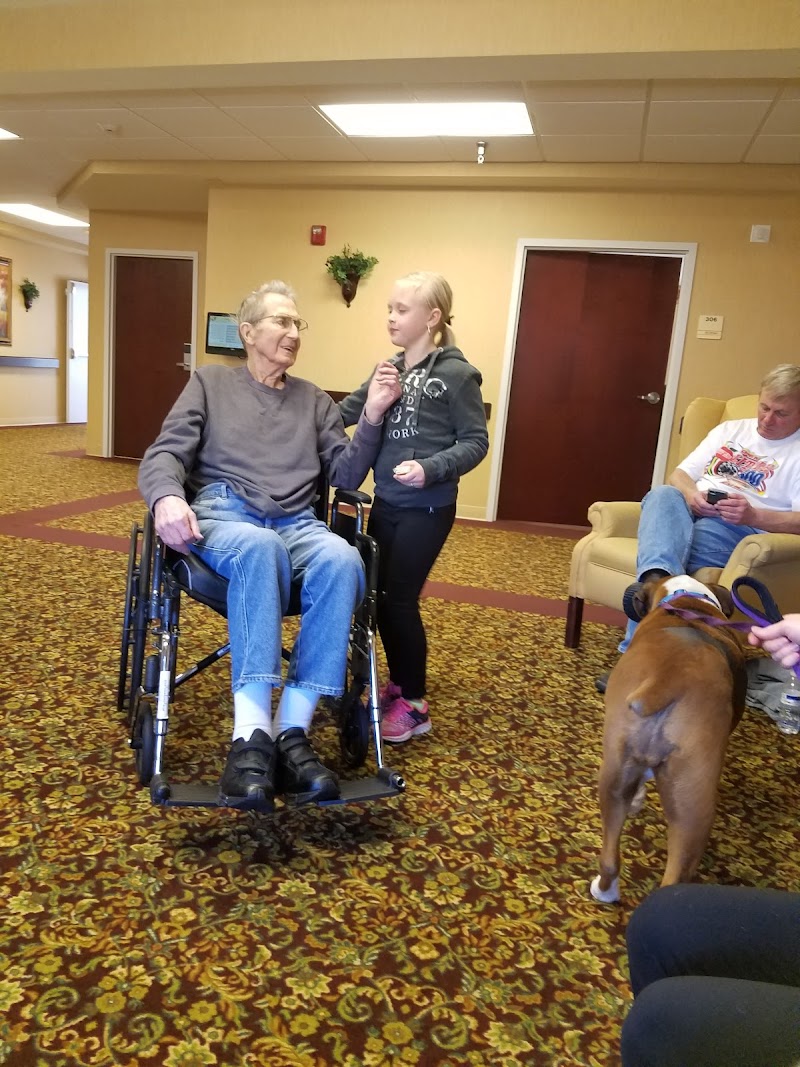
How is Aspen Place Health Campus Staffed?

CMS rates ASPEN PLACE HEALTH CAMPUS's staffing level at 3 out of 5 stars, which is average compared to other nursing homes. Staff turnover is 35%, compared to the Indiana average of 46%. This relatively stable workforce can support continuity of care.

What Have Inspectors Found at Aspen Place Health Campus?

State health inspectors documented 29 deficiencies at ASPEN PLACE HEALTH CAMPUS during 2023 to 2025. These included: 2 that caused actual resident harm and 27 with potential for harm. Deficiencies causing actual harm indicate documented cases where residents experienced negative health consequences.
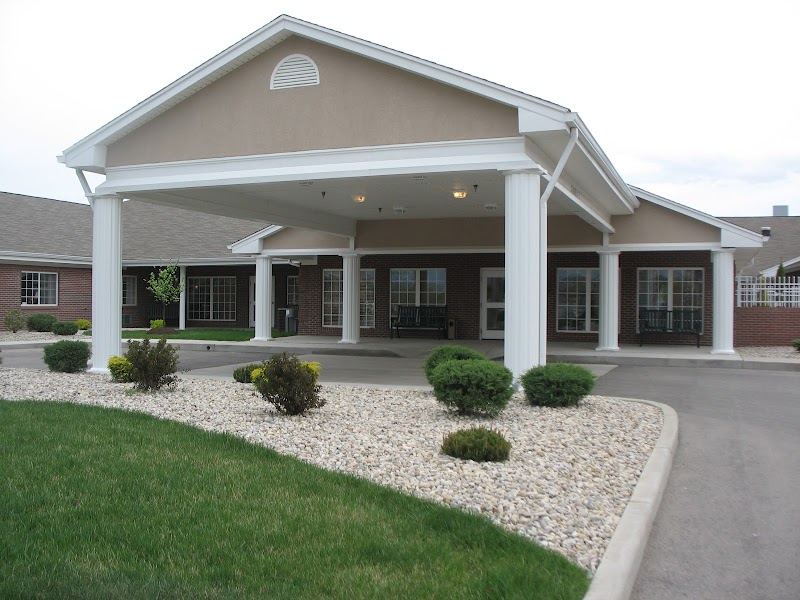
Who Owns and Operates Aspen Place Health Campus?

ASPEN PLACE HEALTH CAMPUS is owned by a for-profit company. For-profit facilities operate as businesses with obligations to shareholders or private owners. The facility is operated by TRILOGY HEALTH SERVICES, a chain that manages multiple nursing homes. With 64 certified beds and approximately 43 residents (about 67% occupancy), it is a smaller facility located in GREENSBURG, Indiana.
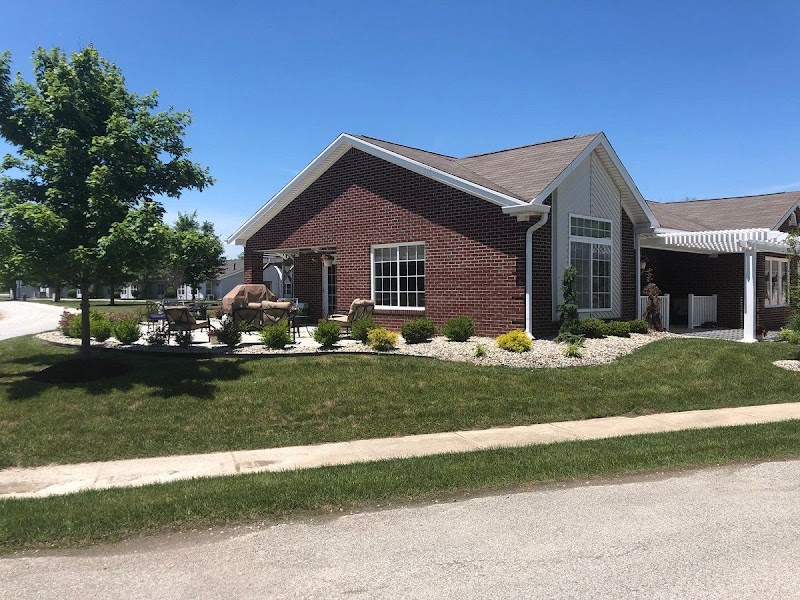
How Does Aspen Place Health Campus Compare to Other Indiana Nursing Homes?

Compared to the 100 nursing homes in Indiana, ASPEN PLACE HEALTH CAMPUS's overall rating (2 stars) is below the state average of 3.1, staff turnover (35%) is significantly lower than the state average of 46%, and health inspection rating (2 stars) is below the national benchmark.

What Should Families Ask When Visiting Aspen Place Health Campus?

Based on this facility's data, families visiting should ask: "Can I visit during a mealtime to observe dining assistance and food quality?" "How do you handle medical emergencies, and what is your hospital transfer rate?" "Can I speak with family members of current residents about their experience?"

Is Aspen Place Health Campus Safe?

Based on CMS inspection data, ASPEN PLACE HEALTH CAMPUS has a clean safety record: no substantiated abuse findings (meaning no confirmed cases of resident harm), no Immediate Jeopardy citations (the most serious violation level indicating risk of serious injury or death), and is not on the Special Focus Facility watch list (a federal program monitoring the lowest-performing 1% of nursing homes). The facility has a 2-star overall rating and ranks #100 of 100 nursing homes in Indiana. While no facility is perfect, families should still ask about staff-to-resident ratios and recent inspection results during their visit.

Do Nurses at Aspen Place Health Campus Stick Around?

ASPEN PLACE HEALTH CAMPUS has a staff turnover rate of 35%, which is about average for Indiana nursing homes (state average: 46%). Moderate turnover is common in nursing homes, but families should still ask about staff tenure and how the facility maintains care continuity when employees leave.

Was Aspen Place Health Campus Ever Fined?

ASPEN PLACE HEALTH CAMPUS has no federal fines on record. CMS issues fines when nursing homes fail to meet care standards or don't correct problems found during inspections. The absence of fines suggests the facility has either maintained compliance or corrected any issues before penalties were assessed. This is a positive indicator, though families should still review recent inspection reports for the full picture.

Is Aspen Place Health Campus on Any Federal Watch List?

ASPEN PLACE HEALTH CAMPUS is not on any federal watch list. The most significant is the Special Focus Facility (SFF) program, which identifies the bottom 1% of nursing homes nationally based on persistent, serious quality problems. Not being on this list means the facility has avoided the pattern of deficiencies that triggers enhanced federal oversight. This is a positive indicator, though families should still review the facility's inspection history directly.