MORNING BREEZE RETIREMENT COMMUNITY AND HEALTHCARE
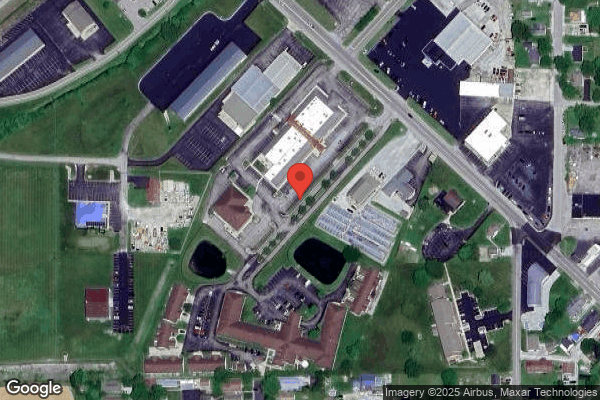
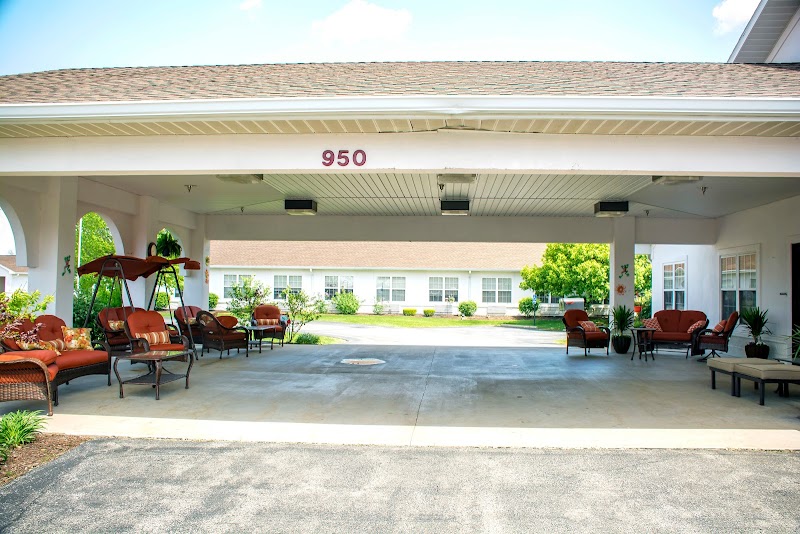
950 N LAKEVIEW DR, GREENSBURG, IN 47240 (812) 662-7778
Non profit - Corporation 64 Beds EXCEPTIONAL LIVING CENTERS Data: November 2025
Trust Grade
85/100
#79 of 505 in IN
Last Inspection: August 2024

Within standard 12-15 month inspection cycle. Federal law requires annual inspections.

Overview

Morning Breeze Retirement Community and Healthcare has a Trust Grade of B+, which means it is above average and recommended for families considering options for their loved ones. It ranks #79 out of 505 nursing homes in Indiana, placing it in the top half of facilities in the state, and it is the top-rated option out of five in Decatur County. The facility's performance trend is stable, with 13 concerns identified, which is consistent with the previous year's findings. Staffing is a relative strength, with a turnover rate of 42%, lower than the state average, though the staffing rating is average at 3 out of 5 stars. Notably, there have been no fines reported, which is a positive sign. However, there are some weaknesses to consider. Recent inspections found that five resident rooms had dangerously hot water temperatures, posing a risk for burns. Additionally, there was a concern regarding medication records for one resident, where a narcotic pain medication was not accurately documented, potentially impacting care quality. The facility also failed to properly store a medication that had expired, raising concerns about medication safety. Overall, while Morning Breeze has many strengths, it is important for families to weigh these concerns when making a decision.

Trust Score
B+
85/100
In Indiana
#79/505
Top 15%
Safety Record
Low Risk
No red flags
Inspections
Holding Steady
3 → 3 violations
Staff Stability
○ Average
42% turnover. Near Indiana's 48% average. Typical for the industry.
Penalties
✓ Good
No fines on record. Clean compliance history, better than most Indiana facilities.
Skilled Nurses
○ Average
Each resident gets 41 minutes of Registered Nurse (RN) attention daily — about average for Indiana. RNs are the most trained staff who monitor for health changes.
Violations
⚠ Watch
13 deficiencies on record. Higher than average. Multiple issues found across inspections.
★★★★★
5.0
Overall Rating
★★★☆☆
3.0
Staff Levels
★★★★★
5.0
Care Quality
★★★★☆
4.0
Inspection Score
Stable
2023: 3 issues
2024: 3 issues

The Good

  • 5-Star Quality Measures · Strong clinical quality outcomes
  • Full Sprinkler Coverage · Fire safety systems throughout facility
  • No fines on record
  • Staff turnover below average (42%)

    6 points below Indiana average of 48%

Facility shows strength in quality measures, fire safety.

The Bad

Staff Turnover: 42%

Near Indiana avg (46%)

Typical for the industry

Chain: EXCEPTIONAL LIVING CENTERS

Part of a multi-facility chain

Ask about local staffing decisions and management

The Ugly 13 deficiencies on record

Oct 2024 1 deficiency
CONCERN (D) 📢 Someone Reported This

A family member, employee, or ombudsman was alarmed enough to file a formal complaint

Potential for Harm - no one hurt, but risky conditions existed

Medical Records (Tag F0842)

Could have caused harm · This affected 1 resident

Based on interview and record review, the facility failed to ensure a resident's medication administration record accurately reflected the administration of narcotic pain medication for 1 of 3 residen...

Read full inspector narrative →
Based on interview and record review, the facility failed to ensure a resident's medication administration record accurately reflected the administration of narcotic pain medication for 1 of 3 residents reviewed for medication administration. (Resident C). Findings include: The clinical record for Resident C was reviewed on 10/17/24 at 9:35 A.M. An admission Minimum Data Set (MDS) assessment, dated 09/24/24, indicated the resident was moderately cognitively impaired. The resident's diagnoses included, but were not limited to, anemia, hypertension, diabetes, and seizure disorder. A Physician's order, with a start date of 09/20/24, indicated staff were to administer 15 mg (milligrams) of Morphine Sulfate by mouth every three hours as needed for severe pain for 14 days. The September Controlled Drug Receipt/Record/Disposition Form, for the resident's Morphine Sulfate 15 mg medication, indicated the resident's medication was signed out as given on the following dates and times: 09/21/24 at 3:30 A.M., 09/21/24 at 11:45 A.M., 09/21/24 at 9:01 P.M., 09/22/24 at 5:10 A.M., 09/23/24 at 1:45 A.M., 09/23/24 at 5:26 A.M., 09/23/24 at 1:30 P.M., 09/24/24 at 4:30 (no other specification noted), 09/24/24 at 9:00 A.M., and 09/25/24 at 11:00 A.M. The September 2024 Electronic Medication Administration Record (EMAR) lacked documentation that the medication was administered on the following dates and times: 09/21/24 at 11:45 A.M. and 09/24/24 at 4:30 (no other specification noted). During an interview on 10/17/24 at 3:30 P.M., RN 2 indicated that when staff were administering a resident's narcotic, they were to write it in the narcotic book with the current date and time, then documented it in the electronic system. Anytime anything was signed out on the narcotic sheet, it was also documented in the electronic system. A current facility policy, titled Documentation of Medication Administration, with a revision date of April 2007, was provided by the Director of Nursing (DON) on 10/17/24 at 3:00 P.M. The policy indicated, .A nurse .shall document all medications administered to each resident on the resident's medication administration record (MAR). Administration of medication must be documented immediately after (never before) it is given . This citation relates to Complaint IN00444788. 3.1-50(a)(1) 3.1-50(a)(2)
Aug 2024 2 deficiencies
CONCERN (D)

Potential for Harm - no one hurt, but risky conditions existed

Deficiency F0761 (Tag F0761)

Could have caused harm · This affected 1 resident

**NOTE- TERMS IN BRACKETS HAVE BEEN EDITED TO PROTECT CONFIDENTIALITY** Based on observation and interview, the facility failed to appropriately store medications related to an expired medication vial...

Read full inspector narrative →
**NOTE- TERMS IN BRACKETS HAVE BEEN EDITED TO PROTECT CONFIDENTIALITY** Based on observation and interview, the facility failed to appropriately store medications related to an expired medication vial for 1 of 2 medication rooms reviewed. (Long Hall medication room refrigerator) Findings include: The Medication Room for the Long Hall was observed with LPN 1 on [DATE] at 3:32 P.M. The refrigerator contained an open vial of TB (Tuberculin) serum with an open date written on the side of the bottle of [DATE]. The vial was over half full. During an interview on [DATE] at 3:57 P.M., the DON (Director of Nursing) indicated the TB serum should have been discarded after 30 days from the open date. She could not identify how many residents could have received this medication after its expiration due to limited documentation in their system. The TB serum package insert was provided by the DON on [DATE] at 4:00 P.M. The directions for storage indicated, .vials in use more than 30 days should be discarded . The current facility policy, titled Storage of Medications, and dated 2020, was provided by the DON on [DATE] at 4:15 P.M. The policy indicated, .The facility stores all drugs and biologicals in a safe, secure, and orderly manner . ,and .Discontinued, outdated, or deteriorated drugs or biologicals are returned to the dispensing pharmacy or destroyed . 3.1-25(o)
CONCERN (E)

Potential for Harm - no one hurt, but risky conditions existed

Safe Environment (Tag F0921)

Could have caused harm · This affected multiple residents

**NOTE- TERMS IN BRACKETS HAVE BEEN EDITED TO PROTECT CONFIDENTIALITY** Based on interview, observation, and record review, the facility failed to provide safe water temperatures for 5 of 9 resident r...

Read full inspector narrative →
**NOTE- TERMS IN BRACKETS HAVE BEEN EDITED TO PROTECT CONFIDENTIALITY** Based on interview, observation, and record review, the facility failed to provide safe water temperatures for 5 of 9 resident rooms observed. (Rooms 45, 47, 42, 43, and 1) Findings include: During an interview and observation on 08/13/24 at 12:53 P.M., Resident 11 indicated the water in his bathroom was hot. The water in the resident's bathroom sink was felt and found to be hot. The water stream was to hot to keep a hand under the water flow without discomfort. The water temperature was tested with a probe and was found to be 121.5 degrees Fahrenheit. On 08/13/24 the following water temperatures were checked using a probe thermometer: - At 12:56 P.M., Resident room [ROOM NUMBER] the water temperature was 124.1 degrees Fahrenheit, - At 1:00 P.M., Resident room [ROOM NUMBER] the water temperature was 122.6 degrees Fahrenheit, - At 1:02 P.M., Resident room [ROOM NUMBER] the water temperature was 122.2 degrees Fahrenheit, - At 1:04 P.M., Resident room [ROOM NUMBER] the water temperature was 121.6 degrees Fahrenheit. During an interview on 08/13/24 at 1:16 P.M., the Maintenance Director indicated he would check the facility water temperature using a laser gun. He would point the gun's [NAME] towards the the bottom of the sink where the water was pooled. The following water temperatures were observed on 08/13/24, with the Maintenance Director using the laser gun: - At 1:16 P.M., Resident room [ROOM NUMBER] the water temperature was 120.0 degrees Fahrenheit, - At 1:18 P.M., Resident room [ROOM NUMBER] the water temperature was 116.0 degrees Fahrenheit, and - At 1:24 P.M., Resident room [ROOM NUMBER] the water temperature was 116.0 degrees Fahrenheit. During an observation and interview on 08/13/24, of hot water temperatures with the Administrator using a probe thermometer, that was provided by the Dietary Manager, the following was observed: - At 1:33 P.M., Resident room [ROOM NUMBER] the water temperature was 121.0 degrees Fahrenheit, - At 1:35 P.M., Resident room [ROOM NUMBER] the water temperature was 121.2 degrees Fahrenheit, - At 1:36 P.M., Resident room [ROOM NUMBER] the water temperature was 120.7 degrees Fahrenheit, - At 1:39 P.M., Resident room [ROOM NUMBER] the water temperature was 121.5 degrees Fahrenheit, and - At 1:41 P.M., Resident room [ROOM NUMBER] the water temperature was 121.4 degrees Fahrenheit. During an interview on 08/13/24 at 1:33 P.M., the Dietary Manger indicated the thermometer was calibrated to read hot water temperatures. During an interview on 08/13/24 at 1:45 P.M., the Administrator indicated the hot water temperatures should be 120 or below per the facility policy. During an interview on 08/13/24 at 1:48 P.M., the Maintenance Director indicated he would test the hot water temperatures at each nurses station. He would only test resident rooms if there was a problem. The purpose to keep the temperatures below 120 was so that resident's didn't get burnt. During an observation on 08/13/24 at 1:54 P.M., the mixing valve thermometer was at 120 degrees Fahrenheit. During an interview on 08/13/24 at 2:02 P.M., the Maintenance Director indicated the mixing valve was turned down a notch. During an interview on 08/14/24 at 9:15 A.M., the Administrator indicated they had flushed the water lines and a company came in and replaced a part. The facility hot water monitoring logs from 06/24/24 through 08/09/24 indicated the only documented temperatures were at the two nurses stations, Nurse Station 1 and Nurse Station 2 . There were no resident rooms documented. The current facility policy, titled Water Temperatures were provided by the Administrator on 08/13/24 at 1:45 P.M. The policy indicated, .of no more than 120 [degrees] Fahrenheit, or the maximum allowable temperature per state regulations .Water heaters that service resident rooms, bathrooms, common areas, and tub/shower areas shall be set to temperatures Tap water in the facility shall be kept within temperature range to prevent scalding of residents .Maintenance staff or designee shall conduct periodic tap water checks and record the water temperatures in a safety log .If at any time water temperatures feel excessive to the touch (i.e., hot enough to be painful or cause reddening of the skin after removal of the hand from the water), staff will report this finding to the immediate supervisor .If the water temp [temperature] is found to be out of acceptable range nursing staff will be notified, maintenance notified and a maintenance request completed and the Administrator notified . 3.1-19(r)(1) 3.1-19(r)(2)
Jul 2023 3 deficiencies
CONCERN (D)

Potential for Harm - no one hurt, but risky conditions existed

Notification of Changes (Tag F0580)

Could have caused harm · This affected 1 resident

Based on record review and interview, the facility failed to notify the residents' physician for medications not administered for 2 of 15 residents reviewed for notification of change. (Residents 23 a...

Read full inspector narrative →
Based on record review and interview, the facility failed to notify the residents' physician for medications not administered for 2 of 15 residents reviewed for notification of change. (Residents 23 and 32) Findings include: 1. The clinical record for Resident 23 was reviewed on 06/28/23 at 9:29 A.M. A Quarterly MDS (Minimum Data Set) assessment, dated 06/05/23, indicated the resident was severely cognitively impaired. The diagnoses included, but were not limited to, Alzheimer's disease, anemia, hypertension, and diabetes. An open-ended physician's order, with a start date of 04/27/23, indicated the resident was to receive Humalog (an insulin medication) 20 units in the morning. The May and June EMAR/ETAR (Electronic Medication Administration Record/Electronic Treatment Administration Record) indicated the resident had not received the medication on the following dates: - 05/05/23, due to the resident eating less than 50% of meal, - 05/06/23, due to the resident eating less than 50% of meal, - 05/07/23, due to out of range vital, - 05/12/23, due to out of range vital, - 05/15/23, due to the resident eating less than 50% of meal, - 05/17/23, due to out of range vital, - 05/18/23, refused, - 05/19/23, refused, - 05/21/23, due to out of range vital, - 05/22/23, due to out of range vital, - 05/28/23, unknown, - 06/02/23, due to the resident eating less than 50% of meal, - 06/12/23, due to no insulin required, - 06/15/23, due to out or range vital, - 06/16/23, due to out of range vital, and - 06/22/23, due to no insulin required. An open-ended physician order, with a start date of 04/27/23, indicated the resident was to receive Humalog 10 units in the afternoon. The May and June EMAR/ETAR (Electronic Medication Administration Record/Electronic Treatment Administration Record) indicated the resident had not received the medication on the following dates: - 05/04/23, due to resident not eating well, - 05/05/23, due to out of range vital, - 05/08/23, due to out of range vital, - 05/09/23, due to low blood sugar of 83, - 05/11/23, due to the resident had a poor appetite, - 05/14/23, due to the resident refused, - 05/21/23, due to the resident was out of the facility, - 05/29/23, due to the resident refused - 06/01/23, due to the resident refused, - 06/06/23, due to resident refused meal, - 06/12/23, due to no insulin required, - 06/15/23, due to out of range vital, - 06/16/23, due to out of range vital, and - 06/22/23, due to no insulin required. The clinical record lacked documentation that the physician had been notified of the Humalog not being administered. During an interview on 06/29/23 at 9:54 A.M., LPN (Licensed Practical Nurse) 3 indicated if a resident had hold parameters (instructions for not administering a medication), then the nurse could hold a medication. If the medication did not have hold parameters, they could hold a medication as a nursing precaution, but the physician would have to be notified the medication was held and staff would have to document in a progress note that the physician was notified. 2. The clinical record for Resident 32 was reviewed on 06/27/23 at 2:33 P.M. A Quarterly MDS assessment, dated 04/09/23, indicated the resident was moderate cognitively impaired. The diagnoses included, but were not limited to, dementia, cancer, hypertension, diabetes, anxiety, and depression. An open-ended physician's order, with a start of 12/15/22, indicated the resident was to receive Lantus (an insulin medication) 72 units at bedtime (7:00 P.M.). The June 2023 EMAR/ETAR indicated the resident had not received the Lantus on the following dates: - 06/01/23, due to blood sugar of 107, - 06/07/23, due to blood sugar of 178, - 06/08/23, due to blood sugar of 219, - 06/12/23, due to blood sugar of 115, - 06/15/23, due to blood sugar of 182, - 06/17/23, due to unknown, - 06/21/23, due to blood sugar of 167, - 06/22/23, due to blood sugar of 170, and - 06/25/23, due to no insulin required. The clinical record lacked documentation the physician had been notified of the resident's Lantus not being administered. During an interview on 06/29/23 at 10:10 A.M., a facility Nurse Practitioner indicated once a resident received Lantus it should last about 12 hours. A resident's Lantus shouldn't be held since it was a long-acting insulin. If the staff were holding the resident's Lantus, then the physician should have been notified. During an interview on 06/29/23 at 10:16 A.M., the DON (Director of Nursing) indicated if a resident's Lantus didn't have hold parameters the medications should not have been held. If it was held due to nursing judgement the physician should be notified and staff should document the notification in the clinical record. The current, undated, facility policy titled, Change in a Resident's Condition or Status was provided by the DON on 06/30/23 at 2:03 P.M. The policy indicated, .The nurse will notify the resident's attending physician or physician on call when there has been a(an): .need to alter the resident's medical treatment .The nurse will record in the resident;s medical record information relative to changes in the resident;s medical/mental condition or status . 3.1-5(a)(3)
CONCERN (D)

Potential for Harm - no one hurt, but risky conditions existed

Pressure Ulcer Prevention (Tag F0686)

Could have caused harm · This affected 1 resident

Based on observation, interview, and record review, the facility failed to ensure the resident's wound treatments were administered appropriately and accurately assess for 1 of 2 residents reviewed fo...

Read full inspector narrative →
Based on observation, interview, and record review, the facility failed to ensure the resident's wound treatments were administered appropriately and accurately assess for 1 of 2 residents reviewed for pressure ulcers. (Resident 6) Findings include: During an interview on 06/28/23 at 10:46 A.M., the FWN (Facility Wound Nurse) indicated Resident 6 had a wound on her right heel and a wound on her coccyx. The heel wound was identified in March. The coccyx wound was identified more recently. The resident was receiving hospice services, so she worked with hospice to manage and treat the resident's wounds. There was a lack of communication related to documentation between the facility and hospice regarding the resident's wounds. Resident 6's wounds were observed with the FWN on 06/29/23 at 9:35 A.M. The FWN removed the resident's sock on her right foot. An undated dressing was observed on the resident's heel. The skin around the wound was dry and flaky. The wound measured 4 cm (centimeters) x 4 cm. The wound was reddish purple, with a quarter sized area in the center that was blackish purple in color. The skin appeared to be hard. There was no drainage or odor. The FWN indicated the dressing was last changed by a hospice nurse. The FWN administered the treatment to the heel and then prepared to treat the wound on the resident's coccyx. The resident rolled over and the FWN adjusted the resident's clothing to expose the wound. The dressing on the resident's coccyx was undated as well. There was reddish brown drainage visible through the transparent portion of the dressing. The coccyx wound measured 4.3 cm x 4.8 cm, with a depth of 0.4 cm. The wound bed was dark red in color. There was no odor or signs of infection. The FWN indicated the wound was a Stage 3 (Full-thickness skin loss in which subcutaneous fat may be visible in the ulcer) pressure ulcer and the dressing was changed daily and as needed. Both dressings should have been dated and initialed. The resident's clinical record was reviewed on 06/28/23 at 2:22 P.M. A Quarterly MDS (Minimum Data Set) assessment, dated 03/28/23, indicated the resident was moderately cognitively impaired. The diagnoses included, but were not limited to, cancer, hypertension, renal disease, non-Alzheimer's dementia, and malnutrition. The resident was on hospice. The resident was at risk for pressure ulcers but had no pressure injuries at the time of the assessment. The FWN provided the resident's wound assessments on 06/28/23 at 11:15 A.M. The documentation included Skin Observation Tool assessments from the resident's EHR (Electronic Health Record), the FWN's handwritten notes, and a document from the hospice provider that listed measurements of the resident's wounds. The documentation included, but were not limited to, the following: - A Skin Observation Tool, dated 05/23/23, indicated sites observed as the right heel and coccyx. No new areas noted was documented in the notes section of the assessment. - A Skin Observation Tool, dated 05/30/23, indicated sites observed as the right heel and coccyx. There was no further documentation on the assessment. - A handwritten note, dated 05/31/23, that listed the resident's name and a measurement of the wound on the resident's right heel. The wound measured 1.1 cm x 1.1 cm. - A Skin/Wound Progress Note, dated 06/01/2023, indicated the resident had a new area on their coccyx that measured 3 cm x 3 cm x 0.1 cm. A necrotic area was observed. A new MD order was obtained to cleanse the wound and apply Santyl (an ointment that removes dead skin from wounds). - A Skin Observation Tool, dated 06/07/23, indicated sites observed as the right heel and coccyx. There was no further documentation on the assessment. - A handwritten note, dated 06/09/23, that listed the resident's name and indicated the wound on the right heel measured 1.0 cm x 1.2 cm. The wound on the coccyx measured 5.4 cm x 6.5 cm x 2.6 cm. During an interview on 06/30/23 at 11:44 A.M., the FWN indicated she would normally document wound measurements, the wound bed description, a description of the skin around a wound, signs of infection, and any drainage from the wound as part of the weekly wound assessment in the resident's EHR. The current wound documentation lacked information about the wounds. She thought the coccyx wound would have been classified as an Unstageable (obscured full-thickness skin and tissue loss, full-thickness skin and tissue loss in which the extent of tissue damage within the ulcer cannot be confirmed because the wound bed is obscured by slough [moist dead tissue] or eschar [dry dead tissue]) wound when it was discovered. She would think it should have been discovered before it was unstageable. During an interview on 07/03/23 at 9:47 A.M., the resident's family member indicated she talked to the facility about dating the dressings on the resident's wounds because there was no date on the dressings when she was in the facility yesterday visiting with the resident. If the dressings weren't dated, staff wouldn't know when the dressings were last changed and if they still needed to be changed. The current facility policy, titled Skin and Wound Care Management Program, with an effective date of 04/12/23, was provided by the DON (Director of Nursing) on 06/30/23 at 2:35 P.M. The policy indicated, .the facility provides care and services consistent with professional standards of practice .weekly wound rounds are completed for residents with wounds. Rounds include wound assessment and measurements of wounds documented .as appropriate . The current facility policy, titled Dressings, Dry/Clean, with a revised date of September 2013, was provided by the DON on 07/03/23 at 9:21 A.M. The policy indicated, .label tape or dressing with date, time and initials .the following information should be recorded in the resident's medical record .or designated wound form .wound appearance, including wound bed, edges, presence of drainage .type of dressing used, and wound care given .all assessment data .wound bed color, size, drainage, etc . 3.1-40(a)(1) 3.1-40(a)(2)
CONCERN (D)

Potential for Harm - no one hurt, but risky conditions existed

Deficiency F0698 (Tag F0698)

Could have caused harm · This affected 1 resident

Based on observation, interview, and record review, the facility failed to follow a physician's order related to fluid restriction for 1 of 1 resident reviewed for dialysis. (Resident 43) Findings inc...

Read full inspector narrative →
Based on observation, interview, and record review, the facility failed to follow a physician's order related to fluid restriction for 1 of 1 resident reviewed for dialysis. (Resident 43) Findings include: During an observation on 06/30/23 at 10:25 A.M., Resident 43 was out of her room. A large plastic cup was sitting on the overbed table and was full of clear fluid. The cup was undated. During an observation on 06/30/23 at 1:23 P.M., Resident 43 was sitting in her recliner holding a glass of clear liquids and taking drinks. There was a large plastic cup full of clear liquids, that was undated on the overbed table. The clinical record for the resident was reviewed on 06/28/23 at 1:31 P.M. A Quarterly MDS (Minimum Data Set) assessment, dated 05/23/23, indicated the resident was cognitively intact. The diagnoses included, but were not limited to, anemia, hypertension, renal insufficiency, diabetes, anxiety, and dependence on renal dialysis. The resident received dialysis while a resident at the facility. An open-ended physician's order, dated 06/15/23, indicated the resident was on a fluid restriction of 1200 ml (milliliters) per day, 240 ml per meal and 160 ml per shift for medication pass. The June 2023 EMAR/ETAR (Electronic Medication Administration Record/Electronic Treatment Administration Record) lacked a documented amount of fluids in ml during each shift. The June records for Amount Eaten and Fluids consumed during meals lacked documentation of fluid intakes on the following dates and meal times: - 06/21/23 at breakfast or lunch, - 06/22/23 at breakfast or dinner, - 06/23/23 at breakfast and dinner, - 06/24/23 at dinner, - 06/25/23 at dinner, and - 06/29/23 at dinner. During an interview on 06/29/23 at 9:50 A.M., LPN (Licensed Practical Nurse) 3 indicated the resident was alert and oriented and went to dialysis three time a week. The resident would consume breakfast before she left for dialysis and would then eat lunch when she returned. She was able to take snacks with her. During an interview on 06/30/23 at 10:15 A.M., LPN 4 indicated if a resident was on a fluid restriction, she would check the order to see how much they could consume in a day. She would continue to check the resident throughout the day to see if they had consumed extra fluids. The total amount of fluids consumed throughout the day would be documented in the EMAR. During an interview on 06/30/23 at 1:24 P.M., CNA (Certified Nurse Aide) 5 indicated to determine if a resident was on a fluid restriction, she would be informed during report at the beginning of her shift or look on the resident's profile. She was aware the resident was on a fluid restriction. The kitchen would bring out the fluids on the meal tray and the nurse would give fluids with medication pass. She wouldn't pass ice water to the resident. If the resident refused to abide by the fluid restriction and wanted more to drink, she would alert the nurse. The current facility policy titled, Encouraging and Restricting Fluids with a revised date of October 2021, was provided by the DON (Director of Nursing) on 06/30/23 at 2:03 P.M. The policy indicated, .The purpose is to provide the resident with the amount of fluids necessary to maintain optimum health. This may include encouraging or restricting fluids .Record fluid intake .Documentation .The amount (in mLs) of fluids consumed by the resident during the shift .If the resident refused the treatment, the reason(s) why and the intervention taken . 3.1-37(a)
Aug 2022 7 deficiencies
CONCERN (D)

Potential for Harm - no one hurt, but risky conditions existed

Quality of Care (Tag F0684)

Could have caused harm · This affected 1 resident

Based on observation, interview, and record review, the facility failed to follow manufacturer's guidelines related to insulin pen usage for 1 of 6 residents observed for medication administration (Re...

Read full inspector narrative →
Based on observation, interview, and record review, the facility failed to follow manufacturer's guidelines related to insulin pen usage for 1 of 6 residents observed for medication administration (Resident 49) and failed to follow physician's orders related to interventions for a resident with congestive heart failure for 1 of 2 residents reviewed for edema. (Resident 33) Findings include: 1. During an observation on 08/11/22 at 8:05 A.M., LPN (Licensed Practical Nurse) 2 prepared to administer medications to Resident 49. The LPN opened a new, unused Lantus (a long acting insulin) insulin pen and attached a needle to the pen. She held the pen sideways and indicated she was priming the pen, to expel any air bubbles. She continued to hold the pen sideways and dialed up 20 units of insulin. She entered the resident's room and administered the medication. LPN 2 did not cleanse the pen prior to attaching the needle and did not hold the pen upright when she primed the pen. During an observation on 08/11/22 at 8:25 A.M., LPN 2 gathered Resident 49's Novolog (a short acting insulin) insulin pen from the medication cart. LPN 2 attached a needle to the pen, held the pen sideways and primed the pen. She continued to hold the pen sideways and dialed up 30 units of insulin. LPN 2 did not cleanse the pen prior to attaching the needle and did not hold the pen upright when she primed the pen. During an interview on 08/11/22 at 8:28 A.M., LPN 2 indicated she would normally cleanse the top of an insulin pen with alcohol prior to attaching a needle. She did not hold the pens upright when she primed them. The LPN then detached the needle from Resident 49's Novolog pen, cleansed the top of the insulin pen with an alcohol swab, and attached a new needle. The LPN held the pen upright, primed the pen with 2 units of insulin, and dialed up 30 units of insulin to administer to the resident. The current, undated Lantus package insert was provided by the DON (Director of Nursing) on 08/11/22 at 2:55 P.M. The insert indicated, .ATTACH THE NEEDLE .wipe the pen tip (rubber seal) with an alcohol swab .PERFORM A SAFETY TEST .Dial a test dose of 2 units .Hold the pen with the needle pointing up and lightly tap the insulin reservoir so the air bubbles rise to the top of the needle. This will help you get the most accurate dose .Press the injection button all the way in and check to see that insulin comes out of the needle .Always perform the safety test before each injection . The current Novolog package insert, with a revised date of 03/2021, was provided by the DON on 08/12/22 at 11:45 A.M. The insert indicated, .Pull off the pen cap .wipe the rubber stopper with an alcohol swab .To avoid injecting air and to ensure proper dosing .Turn the dose selector to select 2 units. Hold your insulin .Flex Pen with the needle pointing up. Tap the cartridge gently with your finger a few times to make any air bubbles collect at the top of the cartridge. Keep the needle pointing upwards, press the bottom all the way in .A drop of insulin should appear at the needle tip . The current facility policy, titled Insulin Administration, with a revised date of September 2014, was provided by the Administrator on 08/11/22 at 2:50 P.M. The policy indicated, .Disinfect the top of the vial with an alcohol wipe . 2. During an observation and interview on 08/08/22 at 2:05 P.M., Resident 33 was sitting in a chair in her room. Her left ankle was visible and swollen. She indicated she had worn those tight socks once and she was not going to wear them again. During an observation and interview on 08/10/22 at 1:45 P.M., the resident was sitting in a chair in her room. Both of her ankles were swollen and her short socks were making indentations on her ankles. She indicated she was taking a medication for the swelling in her legs, but they continued to swell. The resident was not wearing long compression stockings. During an observation on 08/11/22 at 10:50 A.M., the resident was sitting in her room in a recliner with her feet elevated. She was not wearing compression stockings. Both of her legs were visibly swollen. She was wearing shoes and socks and her socks were making indentations on her ankles. During an interview on 08/11/22 at 2:25 P.M., CNA (Certified Nurse Aide) 3 and CNA 4, indicated if a resident had refused to wear their compression stockings they would report to the nurse and the nurse would go and try to assist the resident with putting them on. The CNAs educated the residents on the need for the compression stockings. During an interview on 08/11/22 02:31 PM., LPN 2, indicated if a resident had refused to wear their compression stockings the CNAs would report it to the nurse. The nurse would re-approach and educate the resident. If the resident continued to refuse, they would notify the physician and see if they wanted to order something else or discontinue the order. If the physician was notified it would be documented in the progress notes. Sometimes the resident would allow putting the compression stockings on then took them off. The physician should have been notified of the resident's refusals. The clinical record was reviewed on 08/11/22 at 2:47 P.M A Quarterly MDS (Minimum Data Set) assessment, dated 08/01/22, indicated the resident was severely cognitively impaired. The diagnoses included, but were not limited to, Parkinson's Disease, congestive heart failure, and muscle wasting. A physician's order, with a start date of 10/08/21, was provided by LPN 2 on 08/11/22 at 3:03 P.M. The order indicated the resident was to wear compression stockings during the day and to remove them at bedtime. Staff were to assist the resident with putting them on in the morning. The progress notes for July and August 2022, were provided by LPN 2 on 08/11/22 at 3:03 P.M. The progress notes lacked documentation the physician had been notified of the resident's refusals to wear the compression stockings. The current Requesting, Refusing and/or Discontinuing Care or Treatment policy, with a revised date of February 2021, was provided by the ADON (Assistant Director of Nursing) on 08/11/22 at 3:24 P.M. The policy indicated, .Documentation pertaining to a resident's .refusal of treatment includes at least the following: .The date and time the practitioner was notified as well as the practitioner's response .The healthcare practitioner must be notified of refusal of treatment . 3.1-37(a) 3.1-5(a)(3)
CONCERN (D)

Potential for Harm - no one hurt, but risky conditions existed

Accident Prevention (Tag F0689)

Could have caused harm · This affected 1 resident

3. The clinical record for Resident 6 was reviewed on 08/09/22 at 2:44 P.M. An Annual MDS assessment, dated 05/26/22, indicated, the resident was cognitively intact. The diagnoses, included but were n...

Read full inspector narrative →
3. The clinical record for Resident 6 was reviewed on 08/09/22 at 2:44 P.M. An Annual MDS assessment, dated 05/26/22, indicated, the resident was cognitively intact. The diagnoses, included but were not limited to, stroke, hypertension, diabetes, anxiety, and depression. The resident had a fall with injury since the last assessment. A Progress Note, dated 05/22/22 at 5:30 P.M., indicated the resident had returned from being out of the facility with family. The resident and family had stated the resident had consumed alcohol and upon the assessment the resident was inebriated (intoxicated). A Progress Note, dated 05/22/22 at 7:45 P.M., indicated the resident was attempting to transfer himself from a chair to the bed. The resident had lost his balance and fell to the floor. He suffered a 2 centimeter by 0.1 centimeter laceration to the forehead with steri-strips applied and neurological assessments were initiated. The family and physician were notified. A Progress Note, dated 05/22/22 at 9:00 P.M., indicated the resident had a fall while ambulating himself to the bathroom. The resident had no injuries from the fall. Neurological assessments were reinitiated and all appropriate notifications were made. A Progress Note, dated 05/23/22 at 9:40 A.M., indicated the IDT (Interdisciplinary Team) had reviewed the falls and indicated the root cause was determined to be lack of safety awareness and impaired balance. A new intervention was implemented for education on using the call light during periods of time when the cognition was altered. The clinical record lacked a care plan for alcohol use or any documentation that the resident was placed on any increased monitoring after his return to the facility intoxicated. During an interview on 08/11/22 at 9:32 P.M., LPN (Licensed Practical Nurse) 8 indicated Resident 6 had weakness on one side of the body due to a stroke. During an interview on 08/11/22 at 11:01 A.M., the DON indicated the resident had a couple of falls on a weekend shift. She was the nurse on duty when the resident had gone of the facility with family and consumed some alcohol while out. He had decreased safety awareness and imbalance upon returning to the facility. After returning he had two falls. Assessments were completed on each fall and the family was educated to not allow the resident to consume alcohol while out on visits. The resident had obtained a laceration to his head on one of the falls that did not require him to be sent to the hospital. Increased safety checks were not documented in the clinical record. The IDT had reviewed the falls and education was provided to use the call light when cognition was altered. She would determine the intervention was appropriate by verbal and demonstration reinforcement. The current facility policy titled, Falls and Fall Risk, Managing, with a revised date of March 2018, was provided by the DON on 08/11/22 at 12:02 P.M. The policy indicated, .Based on previous evaluations and current data, the staff will identify interventions related to the resident's specific risks and causes to try to prevent the resident from falling and to try to minimize complications from falling .Fall Risk Factors: .2. Resident conditions that may contribute to the risk of falls include: .c.delirium and other cognitive impairment . 3.1-45(a)(2) 2. Resident 54 was observed in her room on 08/09/22 at 9:44 A.M. The resident was sitting in her wheelchair at her overbed table. She was holding a cup of unidentified medications. The resident was actively taking the medications unsupervised and drinking milk to wash them down. The resident indicated the cup of medications had been left in her room for a little while that morning. Sometimes the nurses stood over her while she took her medicine and sometimes they did not. She could take her medications by herself. The resident's clinical record was reviewed on 08/11/22 at 1:56 P.M. An admission MDS assessment, dated 07/02/22, indicated the resident was cognitively intact. The diagnoses included, but were not limited to, atrial fibrillation, heart failure, diabetes, and end stage renal disease. The resident's current medication orders were as followed: clonidine patch 0.3 mg, carvedilol 25 mg BID, Sevelamer Carbonate Tab 800 mg 3 tab by mouth before meals, ondansetron hcl 4 mg, insulin glargine hydrocodone 5/325, eliquis 2.5 mg, melatonin 5 mg, allopurinol 100 mg give 200 mg, hydroxyzine 25 mg, trazodone 50 mg, prednisone 1 mg daily for chf x 90 days, trulicity inject 1.5 mg every evening on Fridays, humalog 18 units before meals, and renal-vite 0.8 mg. The August 2022, EMAR was provided by the DON on 08/12/22 at 11:45 A.M. The record indicated the resident had not received narcotics during the morning medication administration. The record lacked an order for the resident to self-administer medications. The complete care plan record was provided by the DON on 08/12/22 at 11:45 A.M. The record lacked a care plan and an intervention to permit the resident to self-administer her medications. During an interview on 08/11/22 10:53 A.M. the Administrator indicated there were no residents that self administered their medications. During an interview on 08/12/22 09:48 A.M., QMA (Qualified Medication Aide) 5 indicated there were no residents in the facility that self administered medications. Nursing staff were never to leave a resident's medications at bedside. The current facility policy, titled Self-Administration of Medications, with a revision date of February 2021, was provided by the Administrator on 08/12/22 at 11:28 A.M. The policy indicated, .Residents have the right to self-administer medications if the interdisciplinary team has determined that it is clinically appropriate and safe for the resident to do so .If it is deemed safe and appropriate for a resident to self-administer medications, this is documented in the medical record and care plan. The decision .is reassessed periodically . The current facility policy, titled Administering Oral Medications, with a revision date of October 2010, was provided by the Administrator on 08/12/22 at 1128 A.M. The policy indicated, .Remain with the resident until all medications have been taken . Based on observation, interview, and record review, the facility failed to ensure residents' safety related to unauthorized medications at the bedside for 2 of 24 residents observed (Residents 49 and 54) and failed to implement appropriate interventions for a resident with an altered mental status prior to a fall for 1 of 4 residents reviewed for falls. (Resident 6) Findings include: 1. During an observation and interview on 08/08/22 at 10:46 A.M., Resident 49 was sitting in her room in her wheelchair. A full cup of medications were on the resident's over the bed table. The resident indicated the staff trusted her. She had been down to the therapy gym for therapy, then gone to the exercise activity so the staff had left them in her room for her. When she left for therapy and the group exercise activity her medications were not in her room. When she returned to her room the medications had been left on her table. There were 13 whole pills and one half of a pill visible in the medication cup. During an interview on 08/12/22 at 9:39 A.M., the DON (Director of Nursing) indicated if a resident was permitted to self-administer medications they would have a lock box and a self-administration of medication evaluation completed. They would also be care planned to self-administer medications. The August 2022, EMAR (Electronic Medication Administration Record) was provided by the DON on 08/12/22 at 11:45 A.M. The record indicated the resident had not received narcotics during the morning medication administration. The record lacked an order for the resident to self-administer medications. The resident's prescribed medications ordered by the physician, for 6:00 A.M. on 08/08/22, included, but were not limited to: - a cranberry capsule 400 mg (milligrams), - isosorbide monitrate 30 mg for edema, - montelukast 10 mg for cough, - potassium chloride 20 MEQ (Milliequivalents) for hypokalemia, - torsemide 20 mg, two tablets for congestive heart failure, - Trintellix 20 mg for depression, - buspirone 7.5 mg for anxiety, - Cefdinir 300 mg for urinary tract infection, - Eliquis 2.5 mg for atrial fibrillation, and - Gabapentin 300 mg for polyarthritis. The complete care plan record was provided by the DON on 08/12/22 at 11:45 A.M. The record lacked a care plan and an intervention to permit the resident to self-administer her medications. The clinical record was reviewed on 08/09/22 at 1:08 P.M. A Quarterly MDS (Minimum Data Set) assessment, dated 07/21/22, indicated the resident was cognitively intact. The diagnoses included, but were not limited to, COPD (Chronic Obstructive Pulmonary Disease), heart failure, and neurogenic bladder. The resident required extensive assistance of two or more staff members for bed mobility, transfers, personal hygiene, dressing, toilet use, and locomotion on and off the unit.
CONCERN (D)

Potential for Harm - no one hurt, but risky conditions existed

Incontinence Care (Tag F0690)

Could have caused harm · This affected 1 resident

Based on observation, interview, and record review, the facility failed to follow appropriate infection control guidelines to prevent UTIs (Urinary Tract Infections) for residents with indwelling urin...

Read full inspector narrative →
Based on observation, interview, and record review, the facility failed to follow appropriate infection control guidelines to prevent UTIs (Urinary Tract Infections) for residents with indwelling urinary catheters for 1 of 1 resident reviewed for catheter care with a UTI. (Resident 49) Findings include: During an observation and interview on 08/08/22 at 10:39 A.M., Resident 49 was sitting in her wheelchair in her room. Her indwelling urinary catheter tubing was on the floor under her foot. She was wearing tennis shoes. She indicated she had the urinary catheter because her urine was not draining well enough and she'd had a lot UTIs. She'd had the catheter for about a year. The drainage bag was emptied two to three times a day. She could not remember how often the staff cleaned around the insertion site. During an observation on 08/09/22 at 12:52 P.M., the resident was sitting in her wheelchair at the door to the therapy gym. Part of her indwelling urinary catheter bag was resting against the floor along with approximately three inches of her catheter tubing. During an observation on 08/09/22 at 2:45 P.M., the resident was in the main dining room in a group activity. Her urinary catheter bag was hanging on the back of her wheelchair at the middle of her back above her bladder. During an observation and interview with LPN (Licensed Practical Nurse) 2 on 08/12/22 at 9:00 A.M., the resident was in her room in her wheelchair with one to two inches of her urinary catheter tubing touching the floor. LPN 2 indicated the tubing should not be touching the floor and went into the resident's room to adjust the catheter tubing. The clinical record was reviewed on 08/09/22 at 1:08 P.M. A Quarterly MDS (Minimum Data Set) assessment, dated 07/21/22, indicated the resident was cognitively intact. The diagnoses included, but were not limited to, COPD (Chronic Obstructive Pulmonary Disease), heart failure, and neurogenic bladder. The resident required extensive assistance of two or more staff members for bed mobility, transfers, personal hygiene, dressing, toilet use, and locomotion on and off the unit. A physician's order, with a start date of 08/01/22, was provided by the DON (Director of Nursing) on 08/12/22 at 10:10 A.M. The order indicated the resident received Cefdinir (an antibiotic) 300 milligrams, two times a day for a UTI until 08/09/22. The current Catheter Care, Urinary policy, with a revised date of September 2014, was provided by the DON on 08/12/22 at 10:10 A.M. The policy indicated, .purpose .to prevent catheter-associated urinary tract infections .The urinary drainage bag must be held or positioned lower than the bladder at all times to prevent the urine in the tubing and drainage bag from flowing back into the urinary bladder .Be sure the catheter tubing and drainage bag are kept off the floor . 3.1-41(a)(2)
CONCERN (D)

Potential for Harm - no one hurt, but risky conditions existed

Deficiency F0744 (Tag F0744)

Could have caused harm · This affected 1 resident

Based on record review and interview, the facility failed to develop a resident-center care plan related to dementia for 1 of 2 residents reviewed for dementia care. (Resident 28) Findings include: Th...

Read full inspector narrative →
Based on record review and interview, the facility failed to develop a resident-center care plan related to dementia for 1 of 2 residents reviewed for dementia care. (Resident 28) Findings include: The clinical record for Resident 28 was reviewed on 08/09/22 at 3:06 P.M. An Annual MDS (Minimum Data Set) assessment, dated 06/20/22, indicated the resident was severely cognitively impaired. The diagnoses included, but were not limited to, dementia without behavioral disturbances, hypertension, non-Alzheimer's dementia, anxiety, depression, and respiratory failure. The Complete Care Plan, was provided by the ADON (Assistant Director of Nursing) on 08/11/22 at 10:00 A.M. and lacked a care plan related to dementia. During an interview on 08/11/22 at 9:34 A.M., LPN (Licensed Practical Nurse) 8 indicated the resident would wander the building and yell out for her kids. The resident loved to drink coke. The staff all knew the resident liked to drink coke. If it was a new staff member, they would just let them know. During an observation on 08/11/22 at 1:01 p.m., the resident was sitting in her wheelchair in the common area outside the nurses station. She was observing other residents and staff while staff were attempting to engage the resident in an activity. During an interview on 08/12/22 at 1:07 P.M., TNA (Temporary Nurse Aide) 9 indicated if she needed to see resident interventions, she would look at the care plan in the clinical record. This resident should have a care plan for dementia care but she had never looked at it before. She knew to help calm the resident would be distractions, talking with the resident, and getting her drinks. She was unable to locate a dementia care plan for the resident. During an interview on 08/12/22 at 1:14 P.M., the ADON indicated all staff were made aware of resident centered interventions for dementia by report and looking at the care plan. This resident's non-pharmalogical interventions included one on one, food, drinks, and expressing selves. The resident was lacking a care plan for dementia and should have had one in place. The current facility policy titled, Dementia-Clinical Protocol with a revised date of November 2018, was provided by the ADON on 08/12/22 at 1:26 P.M. The policy indicated, .Treatment/Management .1. For the individual with confirmed dementia, the IDT [Interdisciplinary Team] will identify a resident-centered care plan to maximize remaining function and quality of life . 3.1-37(a)
CONCERN (D)

Potential for Harm - no one hurt, but risky conditions existed

Deficiency F0757 (Tag F0757)

Could have caused harm · This affected 1 resident

Based on record review and interview, the facility failed to monitor residents blood pressure and heart rate before administering medications for 2 of 5 residents reviewed for unnecessary medications....

Read full inspector narrative →
Based on record review and interview, the facility failed to monitor residents blood pressure and heart rate before administering medications for 2 of 5 residents reviewed for unnecessary medications. (Residents 28 and 45) Findings include: 1. The clinical record for Resident 28 was reviewed on 08/09/22 at 3:06 P.M. An Annual MDS (Minimum Data Set) assessment, dated 06/20/22, indicated the resident was severely cognitively impaired. The diagnoses included, but were not limited to, dementia without behavioral disturbances, hypertension, non-Alzheimer's dementia, anxiety, depression, and respiratory failure. An open ended physician's order, with a start date of 02/01/22, indicated the staff were to administer Labetalol (a hypertension medication) 100 mg (milligrams) once a day for hypertension, and to hold the medication for a heart rate less than 80 or a systolic blood pressure less than 120. The July and August 2022 EMAR/ETAR (Electronic Medication Administration Record/Electronic Treatment Administration Record) was reviewed and indicated the resident had received the hypertension medication the following day when the blood pressure was less than 120 or the heart rate was less than 80: - 07/01/22 with a heart rate of 65, - 07/04/22 with a heart rate of 59, - 07/05/22 with a heart rate of 79, - 07/06/22 with a heart rate of 63, - 07/07/22 with a heart rate of 58, - 07/09/22 with a heart rate of 68, - 07/10/22 with a heart rate of 61, - 07/11/22 with a heart rate of 72, - 07/12/22 with a heart rate of 77, - 07/15/22 with a heart rate of 68, - 07/18/22 with a heart rate of 70, - 07/20/22 with a heart rate of 68, - 07/24/22 with a heart rate of 74, - 07/25/22 with a heart rate of 76, - 07/26/22 with a heart rate of 70, - 07/27/22 with a heart rate of 68, - 07/28/22 with a heart rate of 64, - 07/29/22 with a heart rate of 76, - 07/30/22 with a heart rate of 67, - 08/03/22 with a heart rate of 78, - 08/08/22 with heart rate of 68, and - 08/10/22 with a heart rate of 55 and a blood pressure of 103/76. The July and August 2022 clinical record lacked indication the medication had been held. During an interview on 08/11/22 at 9:22 A.M., LPN (Licensed Practical Nurse) 8 indicated residents' medications would be signed on the EMAR. If a medication had hold parameters and was out of the parameters, she would hold the medication and document it on the EMAR why it wasn't given. If she had to hold the medication continuously then she would document in the clinical record and notify the physician. During an interview on 08/11/22 at 10:39 A.M., the ADON (Assistant Director of Nursing) indicated if a resident's medication had hold parameters and the medication was out of the parameters the nurse should have not administered the medication and document in the EMAR that the medication was held. If there was a check on the EMAR then it meant the mediation was administered. 2. The clinical record for Resident 48 was reviewed on 08/09/22 at 3:15 P.M. A Quarterly MDS assessment, dated 07/30/22, indicated the resident was severely cognitively impaired. The diagnoses included, but were not limited to, acute respiratory failure, hypertension, dementia, and psychotic disorder. An open ended physician's order, with a start date of 06/22/22, indicated the nursing staff were to give diltiazem (a blood pressure medication) 120 mg (milligrams), twice a day for hypertension, and hold if the systolic blood pressure was less than 100. The July and August 2022 EMAR/ETAR indicated the resident had received the diltiazem the following days when the systolic blood pressure was less than 100 or was not obtained: - 07/14/22 at 6:00 P.M. with no blood pressure noted, - 07/19/22 at 6:00 P.M. with no blood pressure noted, - 07/20/22 at 6:00 A.M. with a blood pressure of 72/42 and 6:00 P.M. with no blood pressure noted, - 07/22/22 at 6:00 A.M. with a blood pressure of 83/53 and 6:00 P.M. with no blood pressure noted, - 07/23/22 through 07/30/22 at 6:00 P.M. with no blood pressure noted, - 08/01/22 through 08/05/22 at 6:00 P.M., with no blood pressure noted, - 08/07/22 through 08/10/22 at 6:00 P.M. with no blood pressure noted, - 08/08/22 at 6:00 A.M. with a blood pressure of 98/43, and - 08/09/22 at 6:00 A.M. with a blood pressure of 88/43. The clinical record lacked indication that the medication had been held. A Care Plan, initiated on 07/12/22, indicated the resident had hypertension. Interventions included, but were not limited to, give antihypertensive medications as ordered. During an interview on 08/12/22 at 1:14 P.M., the ADON indicated Resident 28 and 45 suffered no ill effects from receiving the medications outside of the parameters. The current facility policy, titled Administering Medications', with a revised date of April 2019 was provided by the ADON on 08/11/22 at 10:00 A.M. The policy indicated, .Medications are administered in a safe and timely manner, and as prescribed . 3.1-48(a)(3)
CONCERN (D)

Potential for Harm - no one hurt, but risky conditions existed

Deficiency F0761 (Tag F0761)

Could have caused harm · This affected 1 resident

Based on observation, interview, and record review, the facility failed to store medication appropriately related to unlabeled insulin pens for 1 of 3 medication carts observed (Team 1 Medication Cart...

Read full inspector narrative →
Based on observation, interview, and record review, the facility failed to store medication appropriately related to unlabeled insulin pens for 1 of 3 medication carts observed (Team 1 Medication Cart). Findings include: 1. During an observation on 08/11/22 at 8:05 A.M. LPN (Licensed Practical Nurse) 2 prepared to administer medications to Resident 49. The LPN opened the Team 1 Medication Cart and gathered a used Lantus insulin pen with 200 of 300 units remaining, labeled with the resident's name. The pen lacked an opened on date. 2. During an observation of the Team 1 Medication Cart with QMA (Qualified Medication Aide) 5 on 08/12/22 at 09:30 A.M. the following items were improperly labeled: - Resident 48's used Levemir insulin pen with 195 of 300 units remaining. The pharmacy label indicated the pen was received from the pharmacy on 07/12/22. The pen was not labeled with an opened on date, and - Resident 54's used Lantus insulin pen with 100 of 300 units remaining. The pharmacy label indicated the pen was received from the pharmacy on 07/28/22. The pen was not labeled with an opened on date. During an interview on 08/12/22 at 09:35 A.M., QMA 5 indicated she was unsure how long the insulin pens were good for after they were opened. The pens should be labeled with an opened on date. The current facility policy titled Storage of Medications, with a revised date of November 2020 was provided by the Director of Nursing on 08/12/22 at 11:45 A.M. The policy indicated, .The facility stores all drugs and biologicals in a safe, secure, and orderly manner . 3.1-25(k)(6)
CONCERN (D)

Potential for Harm - no one hurt, but risky conditions existed

Medical Records (Tag F0842)

Could have caused harm · This affected 1 resident

**NOTE- TERMS IN BRACKETS HAVE BEEN EDITED TO PROTECT CONFIDENTIALITY** Based on interview and record review, the facility failed to document resident information related to discharge for 1 of 15 resi...

Read full inspector narrative →
**NOTE- TERMS IN BRACKETS HAVE BEEN EDITED TO PROTECT CONFIDENTIALITY** Based on interview and record review, the facility failed to document resident information related to discharge for 1 of 15 residents reviewed for identifiable information. (Resident 26) Findings include: During an interview on 08/11/22 at 9:17 A.M., LPN (Licensed Practical Nurse) 8 indicated Resident 26 had complaints of chest pain one evening and she had received orders to send her to the emergency room. When she would receive the orders to send someone to the hospital she would complete her assessment on paper, prepare the appropriate paperwork, call report to the hospital, notify the family and emergency transport. She would send all the paperwork with the resident and did not keep any copies and would document in a progress note the situation with the resident and where they went. The clinical record for Resident 26 was reviewed on 08/09/22 at 2:06 P.M. A Quarterly MDS (Minimum Data Set) assessment, dated 06/18/22, indicated the resident was severely cognitively impaired. The diagnoses included, but were not limited to, heart failure and schizophrenia. The census report for Resident 26 indicated she was discharged to the hospital on [DATE]. The clinical record lacked documentation or an assessment indicating the resident had been sent to the hospital on [DATE] until a late entry note was entered on 08/11/22 at 1:42 P.M. after the concern was brought to the attention of DON during the survey process. During an interview on 08/12/22 at 9:46 A.M., the DON (Director of Nursing) indicated the resident's clinical record should have had a progress note prior to the late entry note indicating she was sent to the hospital. The management team usually discuss in morning meeting and those notes would be reviewed at that time. The current facility policy titled, Charting and Documentation, was revised July 2017 was provided by the DON on 08/11/22 at 2:49 P.M. The policy indicated, .All services provided to the resident, progress toward the care plan goal, or any changes in the resident's medical, physical, functional or psychosocial condition, shall be documented in the resident's medical record. The medical record should facilitate communication between the interdisciplinary team regarding the resident's condition and response to care . 3.1-50(a)(1) 3.1-50(a)(2)
Understanding Severity Codes (click to expand)
Life-Threatening (Immediate Jeopardy)
J - Isolated K - Pattern L - Widespread
Actual Harm
G - Isolated H - Pattern I - Widespread
Potential for Harm
D - Isolated E - Pattern F - Widespread
No Harm (Minor)
A - Isolated B - Pattern C - Widespread

Questions to Ask on Your Visit

  • "Can I speak with families of current residents?"
  • "What's your RN coverage like on weekends and overnight?"

Our Honest Assessment

Strengths
  • • Grade B+ (85/100). Above average facility, better than most options in Indiana.
  • • No major safety red flags. No abuse findings, life-threatening violations, or SFF status.
  • • No fines on record. Clean compliance history, better than most Indiana facilities.
  • • 42% turnover. Below Indiana's 48% average. Good staff retention means consistent care.
Concerns
  • • 13 deficiencies on record. Higher than average. Multiple issues found across inspections.
Bottom line: Generally positive indicators. Standard due diligence and a personal visit recommended.

About This Facility

What is Morning Breeze Retirement Community And Healthcare's CMS Rating?

CMS assigns MORNING BREEZE RETIREMENT COMMUNITY AND HEALTHCARE an overall rating of 5 out of 5 stars, which is considered much above average nationally. Within Indiana, this rating places the facility higher than 99% of the state's 100 nursing homes. This rating reflects solid performance across the metrics CMS uses to evaluate nursing home quality.

How is Morning Breeze Retirement Community And Healthcare Staffed?

CMS rates MORNING BREEZE RETIREMENT COMMUNITY AND HEALTHCARE's staffing level at 3 out of 5 stars, which is average compared to other nursing homes. Staff turnover is 42%, compared to the Indiana average of 46%. This relatively stable workforce can support continuity of care.

What Have Inspectors Found at Morning Breeze Retirement Community And Healthcare?

State health inspectors documented 13 deficiencies at MORNING BREEZE RETIREMENT COMMUNITY AND HEALTHCARE during 2022 to 2024. These included: 13 with potential for harm.
Who Owns and Operates Morning Breeze Retirement Community And Healthcare?

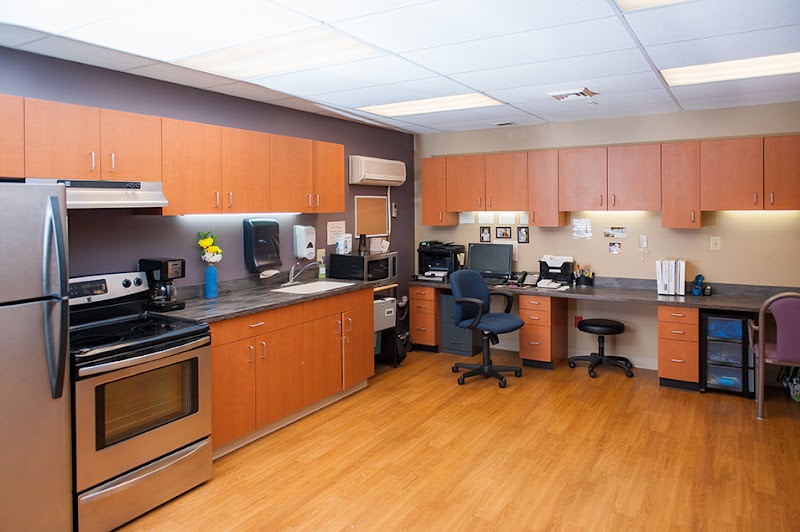
MORNING BREEZE RETIREMENT COMMUNITY AND HEALTHCARE is owned by a non-profit organization. Non-profit facilities reinvest revenue into operations rather than distributing to shareholders. The facility is operated by EXCEPTIONAL LIVING CENTERS, a chain that manages multiple nursing homes. With 64 certified beds and approximately 55 residents (about 86% occupancy), it is a smaller facility located in GREENSBURG, Indiana.
How Does Morning Breeze Retirement Community And Healthcare Compare to Other Indiana Nursing Homes?

Compared to the 100 nursing homes in Indiana, MORNING BREEZE RETIREMENT COMMUNITY AND HEALTHCARE's overall rating (5 stars) is above the state average of 3.1, staff turnover (42%) is near the state average of 46%, and health inspection rating (4 stars) is above the national benchmark.

What Should Families Ask When Visiting Morning Breeze Retirement Community And Healthcare?

Based on this facility's data, families visiting should ask: "Can I visit during a mealtime to observe dining assistance and food quality?" "How do you handle medical emergencies, and what is your hospital transfer rate?" "Can I speak with family members of current residents about their experience?"

Is Morning Breeze Retirement Community And Healthcare Safe?

Based on CMS inspection data, MORNING BREEZE RETIREMENT COMMUNITY AND HEALTHCARE has a clean safety record: no substantiated abuse findings (meaning no confirmed cases of resident harm), no Immediate Jeopardy citations (the most serious violation level indicating risk of serious injury or death), and is not on the Special Focus Facility watch list (a federal program monitoring the lowest-performing 1% of nursing homes). The facility has a 5-star overall rating and ranks #1 of 100 nursing homes in Indiana. While no facility is perfect, families should still ask about staff-to-resident ratios and recent inspection results during their visit.

Do Nurses at Morning Breeze Retirement Community And Healthcare Stick Around?

MORNING BREEZE RETIREMENT COMMUNITY AND HEALTHCARE has a staff turnover rate of 42%, which is about average for Indiana nursing homes (state average: 46%). Moderate turnover is common in nursing homes, but families should still ask about staff tenure and how the facility maintains care continuity when employees leave.

Was Morning Breeze Retirement Community And Healthcare Ever Fined?

MORNING BREEZE RETIREMENT COMMUNITY AND HEALTHCARE has no federal fines on record. CMS issues fines when nursing homes fail to meet care standards or don't correct problems found during inspections. The absence of fines suggests the facility has either maintained compliance or corrected any issues before penalties were assessed. This is a positive indicator, though families should still review recent inspection reports for the full picture.

Is Morning Breeze Retirement Community And Healthcare on Any Federal Watch List?

MORNING BREEZE RETIREMENT COMMUNITY AND HEALTHCARE is not on any federal watch list. The most significant is the Special Focus Facility (SFF) program, which identifies the bottom 1% of nursing homes nationally based on persistent, serious quality problems. Not being on this list means the facility has avoided the pattern of deficiencies that triggers enhanced federal oversight. This is a positive indicator, though families should still review the facility's inspection history directly.