WILLOWS OF GREENSBURG
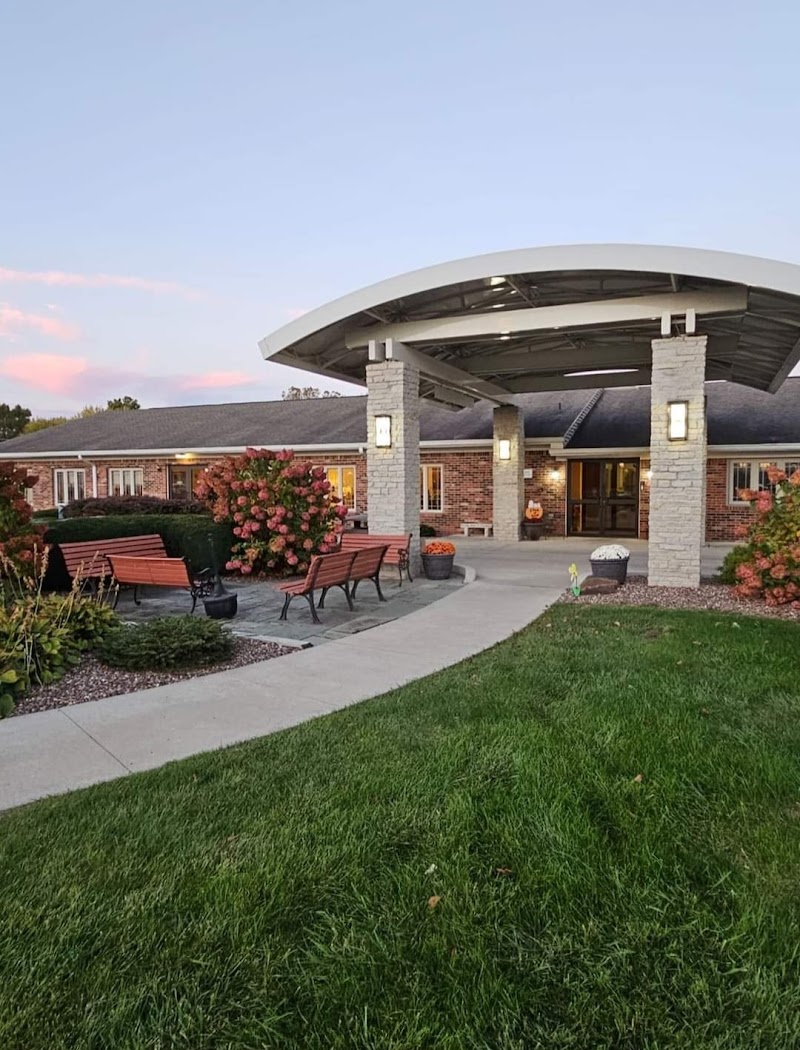
410 PARK RD, GREENSBURG, IN 47240 (812) 663-7543
Non profit - Corporation 100 Beds Independent Data: November 2025
Trust Grade
50/100
#411 of 505 in IN
Last Inspection: April 2025

Within standard 12-15 month inspection cycle. Federal law requires annual inspections.

Overview

Willows of Greensburg has a Trust Grade of C, which means it is average and sits in the middle of the pack. It ranks #411 out of 505 facilities in Indiana, placing it in the bottom half, and #5 out of 5 in Decatur County, indicating there are no better local options. The facility's trend is worsening, with issues increasing from 10 in 2024 to 13 in 2025. Staffing is rated average with a 3 out of 5 stars and a turnover rate of 48%, which is comparable to the state average. There have been no fines, which is a positive sign, and the facility has more RN coverage than many others in the state, suggesting better oversight. However, there are some concerning incidents. A resident experienced multiple falls, including an unwitnessed fall from their wheelchair, which indicates potential safety issues. Additionally, another resident did not receive their prescribed medication for an extended period, raising concerns about medication management. While the facility has strengths such as no fines and decent staffing levels, these specific incidents highlight significant areas for improvement.

Trust Score
C
50/100
In Indiana
#411/505
Bottom 19%
Safety Record
Low Risk
No red flags
Inspections
Getting Worse
10 → 13 violations
Staff Stability
⚠ Watch
48% turnover. Above average. Higher turnover means staff may not know residents' routines.
Penalties
✓ Good
No fines on record. Clean compliance history, better than most Indiana facilities.
Skilled Nurses
○ Average
Each resident gets 33 minutes of Registered Nurse (RN) attention daily — about average for Indiana. RNs are the most trained staff who monitor for health changes.
Violations
⚠ Watch
32 deficiencies on record. Higher than average. Multiple issues found across inspections.
★★☆☆☆
2.0
Overall Rating
★★★☆☆
3.0
Staff Levels
★★★☆☆
3.0
Care Quality
★★☆☆☆
2.0
Inspection Score
Stable
2024: 10 issues
2025: 13 issues

The Good

  • Full Sprinkler Coverage · Fire safety systems throughout facility
  • No fines on record

Facility shows strength in fire safety.

The Bad

2-Star Overall Rating

Below Indiana average (3.1)

Below average - review inspection findings carefully

Staff Turnover: 48%

Near Indiana avg (46%)

Higher turnover may affect care consistency

The Ugly 32 deficiencies on record

Aug 2025 2 deficiencies
CONCERN (D) 📢 Someone Reported This

A family member, employee, or ombudsman was alarmed enough to file a formal complaint

Potential for Harm - no one hurt, but risky conditions existed

Incontinence Care (Tag F0690)

Could have caused harm · This affected 1 resident

Based on record review and interview, the facility failed to provide appropriate urinary catheter care for 1 of 3 residents reviewed for urinary catheter care. (Resident C)Findings Include:The clinica...

Read full inspector narrative →
Based on record review and interview, the facility failed to provide appropriate urinary catheter care for 1 of 3 residents reviewed for urinary catheter care. (Resident C)Findings Include:The clinical record for Resident C was reviewed on 8/14/2025 at 11:30 A.M. A Quarterly Minimum Data Set (MDS) assessment, dated 5/22/2025, indicated the resident was severely cognitively impaired. The resident's diagnoses included, but were not limited to, hypertension, atrial fibrillation, End-stage renal disease, and Alzheimer's disease. A Progress Note, dated 8/7/2025 at 8:50 A.M., created by Registered Nurse (RN) 2, indicated the Nurse Practitioner (NP) was made aware of Resident C's increase fatigue. New orders were obtained to anchor a urinary catheter and administer a normal saline bolus of 500 cubic centimeter (cc) over two hours and then decrease to 100cc every hour for 48 hours. A Progress Note, dated 8/7/2025 at 2:30 P.M., created by RN 3, indicated Resident C had a 16 French indwelling urinary catheter with a 15 milliliter (ml) balloon. Upon insertion of the urinary catheter there was no urine return. A Progress Note, dated 8/7/2025 at 8:29 P.M., created by RN 3, indicated a Qualified Medical Assistant from another unit reported to them the presence of blood in Resident C's urinary catheter bag. Bright red blood was noted in the catheter tubing and bag. Emergency Medical Services (EMS) arrived and transported the resident to the hospital.The clinical record lacked documentation to indicate the resident's catheter placement was reassessed prior to the presence of blood in the catheter bag. A Hospital Transfer Report, dated 8/7/2025, indicated Resident C had an Abdomen/Pelvis Computed Tomography (CT) Scan. A Radiology Impression indicated a urinary catheter balloon was inflated within the penile urethra. During an interview, on 8/14/2025 at 3:08 P.M., RN 3 indicated that after inserting a urinary catheter the nurse would need to make sure there was urine return in the tubing. If there was no urine return, the urinary catheter would need to be monitored to ensure urine return began. The current facility policy titled, Validation Checklist Catheterization (Male), dated 2023, was provided by the Director of Nursing (DON) on 8/14/2025 at 3:53 P.M. The policy indicated, .Inserted the catheter gently into the meatus or until urine began to flow from the bladder .if resistance continued, do not force entry . This citation relates to Complaints 2574159 and 2572941. 3.1-41(a)(2)
CONCERN (D) 📢 Someone Reported This

A family member, employee, or ombudsman was alarmed enough to file a formal complaint

Potential for Harm - no one hurt, but risky conditions existed

Pharmacy Services (Tag F0755)

Could have caused harm · This affected 1 resident

Based on record review, and interview the facility failed to provide an ordered medication for 1 of 3 resident's reviewed. (Resident B)Findings Include: The clinical record for Resident B was reviewed...

Read full inspector narrative →
Based on record review, and interview the facility failed to provide an ordered medication for 1 of 3 resident's reviewed. (Resident B)Findings Include: The clinical record for Resident B was reviewed on 8/14/2025 at 11:18 A.M. The record indicated the resident was severely cognitively impaired. The resident's diagnoses included, but were not limited to, non-Alzheimer's dementia, atrial fibrillation, and hypertension. A physician's order, dated 6/22/2025, indicated Resident B was to receive Memantine (a cognition medication) 5 milligram (mg), one tablet twice a day.The order was discontinued on 7/7/25 with a note stating, Meds from home no interchange needed. The resident's medication administration record was reviewed. The resident had not received the prescribed Memantine from 7/8/25 through 7/28/25.A Health Status Note, dated 8/08/25 at 3:11 P.M., indicated the family notified the facility of discontinuance of memantine on 7/07/2025. The writer confirmed and notified the Nurse Practitioner (NP). During an interview, on 8/14/2025 at 1:28 P.M., RN 2 indicated that on 7/07/25 she discontinued Resident B's Memantine medication on accident, and the family notified her of the missing medication on 7/28/2025. The medication was restarted on 7/29/2025. A current physician's order, with a start date of 7/29/2025, indicated Resident B was to receive Memantine extended release 14 mg daily. The current facility policy titled, Physician Medication/ Ancillary Order Policy & Procedure, dated 07/2023, was provided by the Director of Nursing (DON) on 8/14/2025 at 3:15 P.M. The policy indicated, .Ensure medications/treatments are provided to residents . in accordance with the order . This citation relates to Complaint 2587102. 16.2-5-6 (l) (2)
Jul 2025 1 deficiency
CONCERN (D) 📢 Someone Reported This

A family member, employee, or ombudsman was alarmed enough to file a formal complaint

Potential for Harm - no one hurt, but risky conditions existed

Quality of Care (Tag F0684)

Could have caused harm · This affected 1 resident

Based on record review and interview, the facility failed to document a fall and start neurological assessments in a timely manner for 1 of 3 residents reviewed for quality of care. (Resident C)Findin...

Read full inspector narrative →
Based on record review and interview, the facility failed to document a fall and start neurological assessments in a timely manner for 1 of 3 residents reviewed for quality of care. (Resident C)Findings include:The clinical record for Resident C was reviewed on 07/22/25 at 9:55 A.M. A Quarterly Minimum Data Set (MDS) assessment, dated 05/21/25, indicated the resident was severely cognitively impaired. The resident's diagnoses included, but were not limited to, stroke, heart failure, hypertension, dementia, anxiety, and depression. The resident used a walker for mobility and required partial to moderate staff assistance for Activities of Daily Living (ADLs). During an interview, on 07/23/25 at 10:53 A.M., the Director of Nursing (DON) indicated she was made aware Resident C had a fall through a text message from RN 2 on 06/09/25 at 11:12 P.M. RN 2 sent a second text message on 06/09/25 at 11:47 P.M. that the resident was having hip pain. She sent a text back advising RN 2 to make the Nurse Practitioner (NP) aware. RN 2 sent a third text message on 06/10/25 at 7:19 A.M., that the NP wanted the resident to have an x-ray of her left hip. The x-ray report indicated the resident had a left hip fracture. RN 2 did not complete a risk management for the unwitnessed fall; she had completed the form the next day. During an interview, on 07/23/25 at 11:12 A.M., Certified Nurse Aide (CNA) 3, indicated on 06/09/25 she started her shift at 10:00 P.M. Shortly after she arrived on the unit, she heard a loud thud. She went to Resident C's room and saw she had fallen. She went to the nurse's station and alerted RN 2 that the resident was on the floor. He went to the resident's room, checked her vital signs, and assisted the resident back to bed. A few minutes later the resident turned her call light on and complained of pain. CNA 3 told RN 2 and he went to the resident's room, checked her vital signs, and indicated to her the resident was fine. Around midnight the resident turned her call light on again and complained of pain and said she wanted to go to the local hospital. CNA 3 said she informed RN 2 who went to the medication cart and took something to the resident. The resident slept for the rest of her shift. During an interview, on 07/23/2025 at 11:37 A.M., Licensed Practical Nurse (LPN) 4 indicated when a resident had a fall, she would complete a head-to-toe assessment, check vital signs, range of motion of arms and legs, and if everything checked out fine, she would assist them back to bed or a chair. She would notify the DON, NP, and the resident's representative to alert them of the fall. The NP would either be called or sent a text message for them to call back. Any new orders from the NP were given verbally to the nurse. A risk management fall assessment should be completed in the resident's clinical record and neurological (neuros) assessment were completed on paper. Neurological assessments were completed at the time of the fall, every 15 minutes for the first hour, every 30 minutes for the next two hours, every four hours for five times, and every eight hours for six times. A progress note should also be documented about the fall. An unwitnessed fall assessment form was completed by the DON on 06/09/25 at 11:20 P.M.A Neuro Assessment form was started for Resident C on 06/10/25. The first set of neuros were completed and documented at 12:30 A.M. A current facility policy titled Fall Management, was provided by the DON on 7/23/25 at 11:20 A.M., with a date of 08/01/2023 , indicated .Post Fall 1. Any resident experiencing a fall will be assessed immediately by the charge nurse for possible injuries and necessary treatment will be provided.6. The nurse will document the fall, resident and nurse statement, MD/family notification, pain assessment, potential root cause of fall, and immediate intervention.This citation relates to complaint 1294215.3.1-37(a)
Apr 2025 10 deficiencies
CONCERN (D)

Potential for Harm - no one hurt, but risky conditions existed

Deficiency F0578 (Tag F0578)

Could have caused harm · This affected 1 resident

**NOTE- TERMS IN BRACKETS HAVE BEEN EDITED TO PROTECT CONFIDENTIALITY** Based on record review and interview, the facility failed to document an appropriate advance directive for 1 of 16 residents' ad...

Read full inspector narrative →
**NOTE- TERMS IN BRACKETS HAVE BEEN EDITED TO PROTECT CONFIDENTIALITY** Based on record review and interview, the facility failed to document an appropriate advance directive for 1 of 16 residents' advanced directives reviewed. (Resident 260) Findings include: The clinical record for Resident 260 was reviewed on [DATE] at 11:20 A.M. An admission Minimum Data Set (MDS) assessment, dated [DATE], indicated the resident was severely cognitively impaired. The resident's diagnoses included, but were not limited to, hypertension, diabetes, and non-Alzheimer's dementia. The resident had a signed Out of Hospital Do Not Resuscitate (DNR) Declaration and Order, dated [DATE], along with a Physician Orders for Scope of Treatment (POST) form that indicated the resident was a DNR signed the same day. A current, open-ended physician's order, dated [DATE], indicated the resident was to receive Cardiopulmonary Resuscitation (CPR). During an interview, on [DATE] at 12:48 P.M., Licensed Practical Nurse (LPN) 2 indicated when a resident admitted to the facility the nurse would complete the POST Forms and the Out of Hospital DNR with the family and transcribe the order to indicate if the resident was to receive CPR or if the resident was a DNR. During an interview, on [DATE] at the Director of Nursing (DON) indicated when a resident admitted the Social Service Director would complete resident's POST Forms. The management staff would complete an admission review to ensure that the POST form matched the resident's orders. If the resident had an Out of Hospital DNR then they should have a physician's order for being a DNR and not for CPR. The current, undated, facility policy titled, Code Status was provided by the DON on [DATE] at 1:18 P.M. The policy indicated, .to adhere to resident's rights to formulate advance directives. In accordance to these rights, this facility will implement procedures to communicate a resident's code status to those individuals who need to know this information . 3.1-(f)(5)
CONCERN (D)

Potential for Harm - no one hurt, but risky conditions existed

Quality of Care (Tag F0684)

Could have caused harm · This affected 1 resident

Based on record review and interview, the facility failed to follow MD orders related to cardiac medication administration order parameters for 1 of 16 residents reviewed for Quality of Care. (Residen...

Read full inspector narrative →
Based on record review and interview, the facility failed to follow MD orders related to cardiac medication administration order parameters for 1 of 16 residents reviewed for Quality of Care. (Resident 27) Findings include: The clinical record for Resident 27 was reviewed on 04/03/25 at 2:55 P.M. A Quarterly Minimum Data Set assessment, dated 12/31/24, indicated the resident was cognitively intact. The resident's diagnoses included, but were not limited to, anemia, orthostatic hypotension, and disorders of the autonomic nervous system. The resident's current physician's orders included an open-ended order, with a start date of 01/24/25, to administer midodrine (a medication for low blood pressure) 5 mg (milligrams) two times a day for hypotension. The medication was to be held if the resident's systolic (the top number) blood pressure was greater than 140. The resident's Electronic Medication Administration Record (EMAR) for February and March 2025 indicated the resident received the midodrine medication when their blood pressure was assessed and top number was above 140 on the following dates and times: - The medication was administered on 02/02/25 at 8:00 A.M., when the blood pressure was 141/86, - The medication was administered on 02/11/25 at 8:00 A.M., when the blood pressure was 172/59, - The medication was administered on 02/14/25 at 8:00 A.M., when the blood pressure was 180/68, - The medication was administered on 02/16/25 at 4:00 P.M., when the blood pressure was 147/86, - The medication was administered on 02/17/25 at 4:00 P.M., when the blood pressure was 173/87, - The medication was administered on 02/21/25 at 4:00 P.M., when the blood pressure was 157/78, - The medication was administered on 03/05/25 at 4:00 P.M., when the blood pressure was 161/85, - The medication was administered on 03/06/25 at 4:00 P.M., when the blood pressure was 161/90, - The medication was administered on 03/10/25 at 8:00 A.M., when the blood pressure was 156/88, - The medication was administered on 03/14/25 at 8:00 A.M., when the blood pressure was 154/70, - The medication was administered on 03/27/25 at 8:00 A.M., when the blood pressure was 162/60, and - The medication was administered on 03/27/25 at 4:00 P.M., when the blood pressure was 163/60. During an interview, on 04/04/25 at 11:25 A.M., Licensed Practical Nurse 7 indicated if a medication had hold parameters the nurse would check the resident's blood pressure and would not administer the medication if the blood pressure was out of range (too high or too low). The medication should be documented as held and there was a space to indicate why the medication was not given. The current, undated facility policy, titled Medication Administration Policy was provided by the Director of Nursing on 04/07/25 at 12:50 P.M. The policy indicated, .Obtain and record vital signs, when applicable or per physician orders. When applicable, hold medications for those vital signs outside the physician's prescribed parameters . 3.1-48(a)(6)
CONCERN (D)

Potential for Harm - no one hurt, but risky conditions existed

Deficiency F0692 (Tag F0692)

Could have caused harm · This affected 1 resident

Based on record review and interview, the facility failed to document meal consumption for 1 of 1 residents reviewed for nutrition. (Resident 12) Findings include: 1. The clinical record for Resident ...

Read full inspector narrative →
Based on record review and interview, the facility failed to document meal consumption for 1 of 1 residents reviewed for nutrition. (Resident 12) Findings include: 1. The clinical record for Resident 12 was reviewed on 04/03/25 at 11:13 A.M. A Quarterly Minimum Data Set (MDS) assessment, dated 12/24/24, indicated the resident was severely cognitively impaired. The resident's diagnoses included, but were not limited to, dementia, hypertension, diabetes, stroke, anxiety, and depression. The resident's meal consumption records lacked documented values on the following dates and times: - On 03/05/25 at breakfast and lunch, - On 03/07/25 at breakfast and lunch, - On 03/09/25 at lunch, - On 03/10/25 at breakfast and lunch - On 03/11/25 at breakfast and lunch, - On 03/12/25 at lunch, - On 03/13/25 at breakfast and lunch, - On 03/15/25 at breakfast and lunch, - On 03/16/25 at breakfast and lunch, - On 03/17/25 at breakfast and lunch, - On 03/18/25 at breakfast and lunch, - On 03/19/25 at breakfast and lunch, - On 03/20/25 at lunch, - On 03/23/25 at breakfast and lunch, - On 03/24/25 at breakfast and lunch, - On 03/25/25 at breakfast, - On 03/26/25 at lunch, - On 03/27/25 at breakfast and lunch, and - On 04/2/25 at breakfast and lunch. During an interview, on 04/03/25 at 3:06 P.M., Certified Nurse Aide (CNA) 10 indicated meal consumption should be recorded in the computer daily at the end of the shift. The current facility policy titled, Meal Service, was provided by the Director of Nursing (DON) on 04/07/25 at 12:50 P.M. The policy indicated, .Staff will document meal consumption in the medical record . 3.1-46(a)(1)
CONCERN (D)

Potential for Harm - no one hurt, but risky conditions existed

Deficiency F0727 (Tag F0727)

Could have caused harm · This affected 1 resident

Based on interview and record review, the facility failed to provide the required Registered Nurse (RN) on duty for eight consecutive hours a day for 2 of the 7 days reviewed. Findings include: The a...

Read full inspector narrative →
Based on interview and record review, the facility failed to provide the required Registered Nurse (RN) on duty for eight consecutive hours a day for 2 of the 7 days reviewed. Findings include: The as worked nursing schedule, from 04/01/25 to 04/06/25, indicated there had not been an RN on duty for eight consecutive hours on Saturday, 04/05/25 and Sunday, 04/06/25. During an interview, on 04/07/25 at 1:42 P.M., the Director of Nursing (DON) indicated RN 3 worked night shift on Saturday 04/05/25 and Sunday 04/06/25. He was the only RN on the schedule for the weekend. His hours were not eight consecutive hours for each day. During an interview, on 04/07/25 at 2:10 P.M., the DON indicated the facility did not have a policy for RN coverage, they followed State and Federal regulations. 3.1-17(b)(3)
CONCERN (D)

Potential for Harm - no one hurt, but risky conditions existed

Pharmacy Services (Tag F0755)

Could have caused harm · This affected 1 resident

**NOTE- TERMS IN BRACKETS HAVE BEEN EDITED TO PROTECT CONFIDENTIALITY** Based on record review and interview, the facility failed to transcribed medications on admission for 1 of 16 residents reviewed...

Read full inspector narrative →
**NOTE- TERMS IN BRACKETS HAVE BEEN EDITED TO PROTECT CONFIDENTIALITY** Based on record review and interview, the facility failed to transcribed medications on admission for 1 of 16 residents reviewed for pharmacy services. (Resident 3) Findings include: The clinical record for Resident 3 was reviewed on 04/02/25 at 1:59 P.M. An Annual Minimum Data Set (MDS) assessment, dated 01/22/25, indicated the resident was moderately cognitively impaired. The resident's diagnoses included, but were not limited to, diabetes, anemia, heart failure, hypertension, seizure disorder, non-Alzheimer's dementia, and depression. A Psychiatry Progress Note, dated 01/07/25, indicated the residents Fluoxetine (an antidepressant) medication was to be increased from 60 milligrams (mg) to 80 milligrams once a day, due to the resident having increased behaviors of increased irritability and being easily angered. The resident was admitted to the local hospital on [DATE] and returned to the facility on [DATE]. The hospital discharge instructions, dated [DATE], indicated the resident was to receive Fluoxetine 80 mg once a day. A physician's order, dated 01/16/25 through 01/19/25, indicated the resident was to receive Fluoxetine 40 mg once a day. A current physician's order, with a start date of 01/19/25, indicated the resident was to receive Fluoxetine 40 mg once a day. The January, February, March, and April Electronic Medication Administration Record (EMAR) indicated the resident had received 40 mg of Fluoxetine instead of 80 mg each day from 01/16/25 through 04/07/25. During an interview, on 04/03/25 at 12:48 P.M., Licensed Practical Nurse (LPN) 2 indicated when a resident admitted to the facility the nurse would transcribe orders for the residents. During an interview, on 04/07/25 at 9:28 A.M., Licensed Practical Nurse (LPN) 7 indicated if a physician or Nurse Practitioner came to the facility and had new orders for a resident the nurse on the floor or the Assistant Director of Nursing would transcribe the orders. During an interview, on 04/07/25 at 1:39 P.M., the Director of Nursing (DON) indicated the resident had returned from the hospital on [DATE]. The resident's order was transcribed wrong when she returned. She should have been receiving 80 mg of the Fluoxetine instead of 40 mg each day. The current, undated, facility policy titled, Medication Orders, was provided by the DON on 04/07/25 at 2:03 P.M. The policy indicated, .This facility shall use uniform guidelines for the ordering of medications .Clarify the order .Transcribe newly prescribed medications on the MAR [Medications Administration Record] or treatment record or ensure the order is in the electronic MAR . 3.1-25(b)(9) 3.1-25(e)(3) 3.1-37(a)
CONCERN (D)

Potential for Harm - no one hurt, but risky conditions existed

Deficiency F0761 (Tag F0761)

Could have caused harm · This affected 1 resident

Based on observation, interview, and record review, the facility failed to appropriately store medications for 1 of 2 medication rooms reviewed. (Station 4 Medication Room) Findings include: The Med...

Read full inspector narrative →
Based on observation, interview, and record review, the facility failed to appropriately store medications for 1 of 2 medication rooms reviewed. (Station 4 Medication Room) Findings include: The Medication Room on Station 4 was observed with Licensed Practical Nurse (LPN) 2 on 04/07/25 at 8:56 A.M. The medication refrigerator contained the following items: - A box that contained an opened vial of TB (Tuberculin) serum. The vial was not labeled with an opened on date. The box indicated the serum was received from the pharmacy on 02/06/25, and - A clear plastic bag that contained two boxes of TB serum. One of the vials had been opened and used. The vial was not labeled with an opened on date. The label on the bag indicated the serum was received from the pharmacy on 02/26/25. During an interview, on 04/07/25 at 8:56 A.M., LPN 2 indicated the TB serum should have been dated when it was opened and first used. There had been 3 or 4 residents admitted to Station 4 since the medication was delivered from the pharmacy. The TB serum package insert was provided by the Director of Nursing (DON) on 04/07/25 at 12:50 P.M. The directions for storage indicated, .vials in use more than 30 days should be discarded . The current facility policy, titled VIALS AND AMPULES OF INJECTABLE MEDICATIONS, with a revision date of August 2014, was provided by the DON on 04/07/25 at 12:50 P.M. The policy indicated, .Unopened vials expire on the manufacturer's expiration date .Opening a vial triggers a shortened expiration date that is unique for that product .At a minimum, the date opened must be recorded . 3.1-25(o)
CONCERN (D)

Potential for Harm - no one hurt, but risky conditions existed

Laboratory Services (Tag F0770)

Could have caused harm · This affected 1 resident

Based on record review and interview, the facility failed to obtain a urinalysis in a timely manner for 1 of 6 residents reviewed for laboratory services. (Resident 27) Findings include: The clinical ...

Read full inspector narrative →
Based on record review and interview, the facility failed to obtain a urinalysis in a timely manner for 1 of 6 residents reviewed for laboratory services. (Resident 27) Findings include: The clinical record for Resident 27 was reviewed on 04/03/25 at 2:55 P.M. A Quarterly Minimum Data Set assessment, dated 12/31/24, indicated the resident was cognitively intact. The resident's diagnoses included, but were not limited to, anemia, orthostatic hypotension, renal insufficiency, neurogenic bladder, and disorders of the autonomic nervous system. The resident had an indwelling urinary catheter. A Health Status Note, dated 02/18/25 at 6:16 P.M., indicated the resident had a new physician's order to obtain a urinalysis (UA) with Culture and Sensitivity (C&S). A Health Status Note, dated 02/22/25 at 9:48 P.M., indicated the resident had a pending UA at that time. A Health Status Note, dated 02/25/25 at 2:01 A.M., indicated the resident's urine had been collected for a UA. A Health Status Note, dated 03/03/25 at 7:24 P.M., indicated the resident received their first dose of Ceftriaxone (an antibiotic) for a UTI (Urinary Tract Infection). During an interview, on 04/07/25 at 8:48 A.M., Licensed Practical Nurse (LPN) 2 indicated if she received a physician's order to obtain a UA, the sample should be obtained within 24 hours. If she got the order, she would try to get the sample that same day before her shift was over. Samples were placed in the refrigerator for the Laboratory Technicians (Lab Techs) to pick up, they came to the facility every day. Once the sample went to the lab, it would take 48 to 72 hours for the C&S report. The lab faxed the results to the facility. The facility would notify the MD or Nurse Practitioner. During an interview, on 04/07/25 at 10:18 A.M., the Director of Nursing (DON) indicated they received a report from the laboratory that indicated the specimen collection for the UA that was ordered on 02/18/25 was cancelled. The collection date listed on the form was 02/20/25 and the cancellation was reported on 02/24/25. There was no explanation as to why it was cancelled. The facility obtained a new urine sample on 02/25/25, it was received in the lab on 02/26/25, and the results were available on 03/01/25. During an interview, on 04/07/25 at 10:10 A.M., Support staff from the Laboratory indicated the Lab Tech came to the facility to collect the urine sample on 02/20/25, 02/21/25, and on 02/24/25 but each time it wasn't available. They usually tried three times to collect a sample and if it wasn't available they would cancel the lab order. A facility nurse signed off on the cancellation. They did come back on 02/25/25 and collected a new sample. The current, undated facility policy, titled Laboratory Services and Reporting, was provided by the DON on 04/07/25 at 12:50 P.M. The policy indicated, .The facility must provide or obtain laboratory services .The facility is responsible for the timeliness of the services . 3.1-49(a)
CONCERN (D)

Potential for Harm - no one hurt, but risky conditions existed

Infection Control (Tag F0880)

Could have caused harm · This affected 1 resident

Based on observation, interview, and record review, the facility failed to follow infection control guidelines related to Peripherally Inserted Central Catheter (PICC) lines and indwelling urinary cat...

Read full inspector narrative →
Based on observation, interview, and record review, the facility failed to follow infection control guidelines related to Peripherally Inserted Central Catheter (PICC) lines and indwelling urinary catheters for 3 of 6 residents reviewed for infection control. (Resident 27, 18, and 1) Findings include: 1. Resident 27's clinical record was observed on 04/03/25 at 2:55 P.M. A Quarterly Minimum Data Set (MDS) assessment, dated 12/31/24, indicated the resident was cognitively intact. The resident's diagnoses included, but were not limited to, anemia, orthostatic hypotension, renal insufficiency, neurogenic bladder, and disorders of the autonomic nervous system. A Health Status Note, dated 03/21/25 at 6:31 P.M., indicated a PICC line was placed in the resident's right arm. The resident denied pain or discomfort. The resident's current physician's orders included, but were not limited to the following: - An open-ended order, with a start date of 03/24/25, to change the PICC line dressing every 7 days and as needed, and - An open-ended order, with a start date of 03/24/25, to monitor the resident's IV site every shift for infection or infiltration. The resident was observed in her room on 04/01/25 at 1:25 P.M. The resident indicated she was recently treated with IV antibiotics for a urinary tract infection (UTI). A PICC line had been placed in her right arm for the medication. They were waiting to see if she needed more antibiotics before they removed the PICC. The dressing on the PICC was observed. There were no signs of infection. The dressing was dated 03/21/25. The resident was observed in her room on 04/03/25 at 9:03 A.M. The resident's PICC line dressing was observed. The dressing was intact, and there were no signs of infection. The resident indicated nursing staff flushed the PICC twice a day to keep it patent, but no one had changed the dressing since they initially placed the PICC line on 03/21/25. The resident's PICC dressing was observed with Licensed Practical Nurse (LPN) 2 on 04/03/25 at 9:58 A.M. LPN 2 indicated the dressing was dated 03/21/25. She needed to double check the order, but she was sure the dressing should have been changed by now. The current, undated facility policy, titled PICC/Midline/CV AD Dressing Change, was provided by the Director of Nursing (DON) on 04/07/25 at 12:50 P.M. The policy indicated, .It is the policy of this facility to change .(PICC) .dressing weekly or if soiled .to decrease potential for infection and/or cross contamination . 2. Resident 18 was observed on 04/01/25 at 11:10 A.M. The resident was in a chair near the nurses' station. The resident's indwelling urinary catheter bag was in a dignity sleeve, but the bottom of the urinary bag was resting on the floor near the chair. Resident 18 was assisted into the main dining room on 04/01/25 at 11:59 A.M. A staff member was pushing the resident in his wheelchair. The resident's catheter drainage bag was under the wheelchair and was dragging on the floor behind him. The bag was in a dignity sleeve, but the bottom of the urinary bag was touching the floor. Resident 18 was observed on 04/02/25 at 1:55 P.M. The resident was in bed and his urinary catheter drainage bag was hanging on the side of the bed. The corner of the bag was resting on the floor. Resident 18 was observed on 04/04/25 at 9:05 A.M. The resident was sitting in his chair near the nurses' station. The resident's urinary catheter bag and tubing were resting on the floor. During an interview, on 04/04/25 at 9:13 A.M., Certified Nurse Aide (CNA) 3 indicated the resident's urinary catheter bag should have a dignity sleeve on it and the bag shouldn't be touching the floor. She hung the bag under the resident's wheelchair. Resident 18 was observed on 04/04/25 at 11:20 A.M. The resident was sitting in his wheelchair near the nurses' station. The resident's urinary catheter bag was in a dignity sleeve hanging under his wheelchair, but the catheter tubing was resting on the floor under the chair. Resident 18's clinical record was reviewed on 04/03/25 at 3:11 P.M. A Quarterly MDS assessment, dated 01/04/25, indicated the resident was severely cognitively impaired. The resident's diagnoses included, but were not limited to, dementia, cancer, and obstructive uropathy. The resident had an indwelling urinary catheter. 3. During an observation, on 04/03/25 at 1:33 P.M., Resident 1 was lying in bed, her urinary catheter bag was hanging on the left side of the bed. The bag was touching the floor. During an observation, on 04/03/25 at 2:20 P.M., Resident 1 was lying in bed, her urinary catheter bag was hanging on the left side of the bed. The bag was touching the floor. During an interview, on 04/04/25 at 2:24 P.M., Certified Nurse Aide (CNA) 9 indicated residents urinary catheter bags should not touch the floor. There was a dignity bag over the urinary catheter bag, but they were too big, and the urinary bag slid out of it due to a hole in bottom. The current, undated, facility policy titled, Catheter Care was provided by the ADON on 04/07/25 at 1:24 P.M. The policy indicated, .It is the policy of this facility to ensure that residents with indwelling catheters receive appropriate catheter care and maintain their dignity and privacy when indwelling catheters are in use . 3.1-18(b)
CONCERN (E)

Potential for Harm - no one hurt, but risky conditions existed

Comprehensive Care Plan (Tag F0656)

Could have caused harm · This affected multiple residents

5. Resident 22's clinical record was reviewed on 04/02/25 at 2:02 P.M. A Quarterly MDS assessment, dated 01/17/25, indicated the resident was severely cognitively impaired. The resident's diagnoses in...

Read full inspector narrative →
5. Resident 22's clinical record was reviewed on 04/02/25 at 2:02 P.M. A Quarterly MDS assessment, dated 01/17/25, indicated the resident was severely cognitively impaired. The resident's diagnoses included, but were not limited to, Parkinson's disease, heart failure, hypertension, anxiety, and dementia. The resident used a wheelchair and required partial to moderate assist from staff for mobility. The resident experienced two or more falls without injury and two or more falls with injury since the last assessment. An Incident Note, dated 01/23/25 at 10:01 A.M., indicated the resident experienced an unwitnessed fall on 01/22/25 at 7:20 A.M. The resident fell from his wheelchair in the dining room. The resident was not injured and denied pain. An intervention to place bright colored tape on the brakes of the wheelchair to remind and encourage the resident to lock brakes on the wheelchair when attempting to stand would be beneficial. The resident's Care Plan for falls included, but was not limited to the following interventions: - An intervention, with a start date of 05/09/23, to use anti roll backs on the wheelchair, and - An intervention, with a start date of 01/24/25, to use bright colored tape on the brakes of the wheelchair. The resident was observed on 04/02/25 at 11:09 A.M. The resident was in his room in his recliner. The resident's wheelchair was in the room near the closet. The wheelchair lacked anti roll back tippers on the back of the wheelchair and bright colored tape on the brakes. The resident was observed on 04/02/25 at 1:46 P.M. The resident was in his wheelchair by the nurse's station. The wheelchair lacked anti roll back tippers on the back of the wheelchair and bright colored tape on the brakes. The resident was observed on 04/03/25 at 9:27 A.M. The resident was in his room in his recliner. The resident's wheelchair was in the room near the closet. The wheelchair lacked anti roll back tippers on the back of the wheelchair and bright colored tape on the brakes. During an interview, on 04/03/25 at 1:38 P.M., CNA 8 indicated interventions were passed on in report at the beginning of each shift. The resident had a clip alarm on his person when in the recliner and a floor mat next to his bed. He was unaware of any interventions for the resident's wheelchair. 6. Resident 7's clinical record was reviewed on 04/03/25 at 11:00 A.M. A Quarterly MDS assessment, dated 01/24/25, indicated the resident was severely cognitively impaired. The resident's diagnoses included, but were not limited to, dementia, hypertension, renal insufficiency, depression, anxiety, and PTSD. The Complete Care Plan lacked a care plan related to the residents PTSD diagnosis. During an interview, on 04/07/25 at 11:11 A.M., the SSD indicated there should have been a care plan for the resident related to his diagnoses of PTSD. The current, undated, facility policy titled, Comprehensive Care Plans, was provided by the DON on 04/07/25 at 12:50 P.M. The policy indicated, .It is the policy of this facility to develop and implement a comprehensive person-centered care plan for each resident, consistent with resident rights, that include measurable objectives and timeframes to meet a resident's medical, nursing, and mental and psychosocial needs that are identified in the resident's comprehensive assessment . 3.1-31(a) Based on record review, observation, and interview, the facility failed to ensure care planned interventions were followed related to fall interventions and care plans were in place for residents with a diagnosis of Post Traumatic Stress Disorder (PTSD) for 6 of 16 residents reviewed for Care Plans. (Residents 48, 18, 260, 51, 22, 7) Findings include: 1. Resident 48's clinical record was reviewed on 04/03/25 at 3:23 P.M. A Quarterly Minimum Data Set (MDS) assessment, dated 03/09/25, indicated the resident was moderately cognitively impaired. The resident used a walker and a wheelchair and required partial to moderate assist from staff for mobility. The resident's diagnoses included, but were not limited to, Parkinson's disease, hypertension, and dementia. The resident experienced two or more falls without injury since the last assessment. An Incident Note, dated 09/04/24 at 8:16 A.M., indicated the resident experienced a fall on 09/4/24 at 1:15 A.M. The resident was observed laying on the floor in his room. The resident was not injured and indicated he was sitting in his recliner and wanted to go over towards his closet. An intervention to hang a sign to remind the resident to use his call light for assistance was added to his plan of care. An Incident Note, dated 02/14/25 at 9:46 A.M., indicated the resident experienced a fall earlier that day. The resident was found by staff sitting next to his bed. An intervention to add non-skid strips to the floor next to the resident's bed was added to his plan of care. The resident's Care Plan for falls included, but was not limited to the following interventions: - An intervention, with a start date of 09/04/24, for call light signage to be hung in the resident's room to remind him to use the call light for assistance, and - An intervention, with a start date of 02/14/25, for non-skid strips to be placed on the floor next to the bed. The resident's room was observed on 04/02/25 at 10:15 A.M. The resident was in his wheelchair in the room. There was no signage hanging in the room related to the call light and no non-skid strips visible on the floor near the resident's bed. The resident's room was observed on 04/02/25 at 1:49 P.M. The resident was in bed. There was no signage hanging in the room related to using the call light. There were non-skid strips on the floor to the left of the bed, but under the bed. The strips were placed in the wrong direction, with only about 5 inches of one strip visible. The resident's room was observed on 04/03/25 at 8:51 A.M. The resident was in his chair. There was no signage hanging in the room related to using the call light. The non-skid strips were under the resident's bed and not visible. The resident's room was observed with Licensed Practical Nurse (LPN) 2 on 04/03/25 at 2:13 P.M. There was no signage noted on the walls and the bed was covering the non-skid strips on the floor. LPN 2 indicated there should be a sign on the wall to remind the resident to use his call light. The sign was face down on the resident's bedside stand. The non-skid strips were on the floor, but the bed was covering them. The strips should be placed parallel to the bed, alongside of it, so the resident would step on them if he got out of bed. These strips were going the wrong way. The bed had always been in the position it was in; it had not been recently moved. 2. Resident 18's clinical record was reviewed on 04/03/25 at 3:11 P.M. A Quarterly MDS assessment, dated 01/04/25, indicated the resident was severely cognitively impaired. The resident's diagnoses included, but were not limited to, dementia, cancer, anemia, and hypertension. The resident used a walker and a wheelchair and required partial to moderate assist from staff for mobility. The resident experienced two or more falls without injury since the last assessment. An Incident Note, dated 10/28/24 at 9:53 A.M., indicated the resident experienced a fall on 10/25/24 at 6:45 P.M. The resident was witnessed by staff standing up from his recliner. The resident began walking when he lost his balance and fell backwards. Staff was unable to reach him before he fell. The resident was not injured. An intervention to place a clip alarm to notify staff when the resident was attempting to stand without assistance was added to the resident's plan of care. An Incident Note, dated 12/23/24 at 8:33 A.M., indicated the resident was observed climbing back into bed from the floor in his room. The resident did have an abrasion to his forehead. The fall alarm was unplugged from the alarm box. Staff were educated on ensuring the alarm was in place, plugged in, and functioning appropriately. The alarm box was placed out of the resident's reach so he couldn't unplug it without staff's knowledge. A Health Status Note, dated 03/07/25 9:39 A.M., indicated the resident experienced a fall on 03/06/25. The resident was on the floor across the room. A Hospice Aide had just given the resident a shower and did not plug in the floor mat alarm. The resident suffered no injuries. Education was to be provided to hospice staff related to fall interventions. The resident's Care Plan for falls included, but was not limited to the following interventions: - An intervention, with a start date of 03/12/25, to use a clip alarm as ordered. The resident was observed on 04/03/25 at 1:16 P.M. The resident was in his room in bed. The resident's wheelchair was in the room near the bed. The resident's clip alarm was attached to the wheelchair and not with the resident in bed. During an interview, on 04/03/25 at 1:20 P.M. Certified Nurse Aide (CNA) 3 indicated the resident's clip alarm should have been moved from the wheelchair to the resident's bed. Hospice staff had assisted him with a shower and put him to bed earlier that day, they should have put the alarm in place. 3. During an observation of Resident 260's room, on 04/02/25 at 11:01 A.M., there were no noticeable non-skid strips in front of the resident's recliner. During an observation of Resident 260's room, on 04/02/25 at 1:52 P.M., there were no noticeable non-skid strips in front of the resident's recliner. During an observation of Resident 260's room, on 04/03/25 at 8:59 A.M., there were no noticeable non-skid strips in front of the resident's recliner. During an observation of Resident 260's room, on 04/03/25 at 12:53 P.M., there were no noticeable non-skid strips in front of the resident's recliner. The clinical record for Resident 260 was reviewed on 04/02/25 at 11:20 A.M. An admission MDS assessment, dated 01/23/25, indicated the resident was severely cognitively impaired. The resident's diagnoses included, but were not limited to, hypertension, diabetes, and non-Alzheimer's dementia. A Progress Note, dated 03/17/25 at 2:25 P.M., indicated the resident was placed in his recliner to elevate his legs. The resident had slid to the end of the recliner to the floor. The call light was in reach but was not initiated. There were no injuries noted. A Progress Note, 03/18/25 at 9:46 A.M., indicated the IDT had reviewed the resident's unwitnessed fall on 03/17/25. The nurse was called to the resident's room and was found to be sitting on his buttocks in front of the recliner. The resident was unable to describe the fall. All interventions were reviewed and believed the non-skid strips in front of the recliner would be beneficial related to the fall. The current care plan included an intervention, but was not limited to, non-skid strips in front of the recliner related to a fall on 03/17/25. During an interview, on 04/03/25 at 1:41 P.M., Qualified Medication Aide (QMA) 6 indicated if a resident had a fall, she would find new fall interventions on their CNA pocket sheets or in report. During an interview, on 04/03/25 at 1:46 P.M., LPN 5 indicated she would find resident's fall interventions that were new on the home screen of their computer system, and they would stay there for 24 hours. All the other interventions would be found in the resident's orders and were passed on to them during report. The Director of Nursing (DON) and Assistance Director of Nursing (ADON) were responsible for inputting new interventions and making sure the interventions were in place. During an interview and observation of Resident 260's room on 04/03/25 at 1:50 P.M., LPN 5 indicated the resident had lacked non-skid strips in front if the recliner. 4. The clinical record for Resident 51 was reviewed on 04/03/25 at 9:18 A.M. A Quarterly MDS assessment, dated 02/26/25, indicated the resident was severely cognitively impaired. The diagnoses included, but were not limited to, dementia, anemia, hypertension, renal insufficiency, diabetes, anxiety, post-traumatic stress disorder (PTSD), sleep terrors, and nightmare disorder. The Complete Care Plan lacked an appropriate care plan and interventions related to the residents PTSD diagnosis. During an interview, on 04/07/25 at 11:11 A.M., the Social Service Director (SSD) indicated she would develop care plans for residents if they had a diagnosis of PTSD. The care plan would have interventions related to the diagnosis and would explain what the resident's PTSD was related to, to help staff with their triggers.
MINOR (C)

Minor Issue - procedural, no safety impact

Deficiency F0577 (Tag F0577)

Minor procedural issue · This affected most or all residents

Based on observation and interview, the facility failed to ensure State Survey Results were available to view for 3 of 5 days during the survey. Findings include: During an observation, on 04/02/25 at...

Read full inspector narrative →
Based on observation and interview, the facility failed to ensure State Survey Results were available to view for 3 of 5 days during the survey. Findings include: During an observation, on 04/02/25 at 3:00 P.M., the survey results were not available to view. There was no posting close to the front entrance indicating where the results were located. During an observation, on 04/03/25 at 11:30 A.M., the survey results were not available to view. There was no posting close to the front entrance indicating where the results were located. During an observation, on 04/03/25 at 12:37 P.M., a sign in the hallway by the therapy department indicated the State Survey results could be found in the file on the wall pocket. The survey results were not in the wall pocket and there was nothing posted close to the front door that indicated where the results were located. During an observation, on 04/04/25 at 9:10 A.M., the survey results were not available to view. There was no posting close to the front entrance indicating where the results were located. During an interview, on 04/04/25 at 12:24 P.M., the Administrator indicated that the State Survey results should be out where visitors could view them without having to ask. The current, undated, and untitled facility policy was provided by the Administrator on 04/04/25 at 12:59 P.M. The policy indicated, .The purpose of this policy is to uphold a resident's right to examine the results of the most recent survey of the facility conducted by federal or state surveyors and any planned correction in effect with respect to the facility .A readable copy .is maintained in a 3-ring loose-leaf binder .located [in the main lobby] .is readily accessible without one having to ask staff members for the information . 3.1-3(b)(1)
Dec 2024 2 deficiencies
CONCERN (D) 📢 Someone Reported This

A family member, employee, or ombudsman was alarmed enough to file a formal complaint

Potential for Harm - no one hurt, but risky conditions existed

Accident Prevention (Tag F0689)

Could have caused harm · This affected 1 resident

**NOTE- TERMS IN BRACKETS HAVE BEEN EDITED TO PROTECT CONFIDENTIALITY** Based on interview and record review, the facility failed to ensure a resident received appropriate care and treatment in a time...

Read full inspector narrative →
**NOTE- TERMS IN BRACKETS HAVE BEEN EDITED TO PROTECT CONFIDENTIALITY** Based on interview and record review, the facility failed to ensure a resident received appropriate care and treatment in a timely manner after experiencing an unwitnessed fall for 1 of 3 residents reviewed for falls. (Resident E) Findings include: During an interview on 12/18/24 at 1:20 P.M., Certified Nurse Aide (CNA) 2 indicated Resident E fell on the morning of 12/11/24. She was standing at the nurses' station, and the resident was in his room and his door was open. She saw the resident stand up from his recliner. She told him to, Hold on, and as she rounded the corner of the counter heading to his room he must have fallen because he was on the floor laying on his left side by the time she had gotten to him. Licensed Practical Nurse (LPN) 3 came in, assessed the resident, and then they both assisted him up from the floor and into his bed. The resident walked with assistance to the bed and did not indicate he was in any pain. A short time later, as CNA 2 was providing personal hygiene care, she noticed the resident was rubbing his right thigh. He did not verbalize he was in pain. The resident was not acting like himself, but he hadn't been for the last couple of days. He had COVID-19 and a possible urinary tract infection. CNA 2 told LPN 3 about the resident rubbing his thigh and LPN 3 said they would continue to monitor him or keep an eye on him. CNA 2 checked on him at lunch and she brought him his meal tray, but he didn't eat anything. He didn't get out of bed the rest of the shift. She provided personal hygiene care again sometime after lunch but before the end of her shift (her shift ended at 2:00 P.M.). He was holding his right thigh, but he didn't say anything about being in pain. CNA 2 didn't work the next day, when she came back on 12/13/24 staff told her the resident had been sent out to the hospital. During an interview on 12/19/24 at 1:28 P.M., the Director of Nursing (DON) indicated the night shift nurse noticed the resident's leg was swollen on the evening of 12/11/24. The Nurse Practitioner (NP) was in the facility on 12/12/24, and had assessed the resident. The NP indicated staff were to monitor his leg and encourage the resident to elevate the leg. That evening, the nurse on duty was concerned about the resident's right hip as it was swollen, and she noticed shortening of the leg. They called the NP who ordered a STAT (immediate) X-ray. At that time, they still were unaware that the resident had fallen on 12/11/24. The resident had COVID-19, and while they were waiting for the X-ray to be obtained, the resident's respiratory status was worsening. They sent him to the local hospital before the mobile X-ray company arrived. An X-ray was obtained at the hospital, and it was determined the resident had fractured his right hip. At that time, the DON had started to investigate the injury and CNA 2 told her the resident had fallen on 12/11/24 and that LPN 3 knew about the fall. The LPN had assisted her with getting the resident up from the fall and back into bed. The DON reviewed the resident's record, and the nurse had not documented anything about the fall, and she had not reported the fall to any other staff members. The DON asked LPN 3 about the resident and if he had fallen. The nurse denied any knowledge of the resident falling and suggested another staff member may have dropped the resident and didn't say anything. The DON indicated the LPN was no longer an employee. During an interview on 12/19/24 at 1:35 P.M., the DON indicated when a resident experienced a fall nursing staff were to assess the resident immediately for any injury and obtain their vital signs. If the resident's range of motion was good, they would assist the resident up from the floor, if there was an injury they would call Emergency Medical Services (EMS). If the fall was not witnessed or if the resident hit their head, they would begin neurological assessments. They would put an immediate intervention in place. They would notify the MD or Nurse Practitioner (NP), Administrator, DON, and the resident's family, They would document the fall in the computer. There would be progress notes and assessments. The Interdisciplinary team would review the fall and determine the cause. Care plans would be updated to reflect interventions put into place related to the fall. Resident E's clinical record was reviewed on 12/18/24 at 12:55 P.M. A Quarterly Minimum Data Set assessment, dated 10/03/24, indicated the resident was severely cognitively impaired. The resident's diagnoses included, but were not limited to, dementia, anemia, hypertension, heart failure, anxiety, depression, seizure disorder, and Chronic Obstructive Pulmonary Disease. The resident had experienced two falls since the last assessment. A Progress Note, dated 12/12/24 at 7:18 A.M., indicated the resident's right leg was swollen from his knee to his hip. There was no rotation of the hip joint. There were no bruises or discoloration of the right hip. There was no grimacing or crying out. A Progress Note, dated 12/12/24 at 10:10 A.M., indicated the resident's right hip and leg were swollen. The NP was made aware, and she assessed the resident. A Progress Note, dated 12/12/24 at 10:10 P.M., indicated the resident was moaning and crying out during care. The NP was made aware and ordered an x-ray of the resident's right hip. A Progress Note, dated 12/13/24 at 3:40 A.M., indicated the resident was experiencing shortness of breath and a decrease in his oxygen saturation rate. The resident was sent out to the local hospital. The resident's record lacked any indication the resident had experienced a fall on 12/11/24. An X-ray of the resident's right hip was obtained at the local hospital on [DATE] at 11:11 A.M. The clinical indication for the X-ray was swelling and deformity. The findings indicated the resident had a previous right hip replacement. There was now a displacement of the femoral stem with the fracture abnormality involving the intertrochanteric and subtrochanteric aspect of the right hip/femur. The current facility policy, titled Fall Management, dated, 08/01/23, was provided by the Administrator on 12/19/24 at 1:52 P.M. The policy indicated, .Any resident experiencing a fall will be assessed immediately by the charge nurse for possible injuries and necessary treatment will be provided .A neurological assessment will be initiated on all un-witnessed falls .the physician will be contacted immediately if there are injuries .the family will be notified .falls will be discussed by the interdisciplinary team .Fall follow up assessment will be completed and documented by licensed nurse every shift x 72 hours .nurse will document the fall in the medical record to include description of fall, resident and nurse statement, MD/family notification, pain assessment, potential root cause of fall, and immediate intervention .Notify DON . This citation relates to Complaint IN00449496.
CONCERN (D) 📢 Someone Reported This

A family member, employee, or ombudsman was alarmed enough to file a formal complaint

Potential for Harm - no one hurt, but risky conditions existed

Medical Records (Tag F0842)

Could have caused harm · This affected 1 resident

**NOTE- TERMS IN BRACKETS HAVE BEEN EDITED TO PROTECT CONFIDENTIALITY** Based on interview and record review, the facility failed to document and report forward of a resident's fall to ensure a reside...

Read full inspector narrative →
**NOTE- TERMS IN BRACKETS HAVE BEEN EDITED TO PROTECT CONFIDENTIALITY** Based on interview and record review, the facility failed to document and report forward of a resident's fall to ensure a resident received appropriate care and treatment in a timely manner for 1 of 3 residents reviewed for Resident Records. (Resident E) Findings include: During an interview on 12/18/24 at 1:20 P.M., Certified Nurse Aide (CNA) 2 indicated Resident E fell on the morning of 12/11/24. She was standing at the nurses' station, and the resident was in his room and his door was open. She saw the resident stand up from his recliner. She told him to, Hold on, and as she rounded the corner of the counter heading to his room he must have fallen because he was on the floor laying on his left side by the time she had gotten to him. Licensed Practical Nurse (LPN) 3 came in, assessed the resident, and then they both assisted him up from the floor and into his bed. The resident walked with assistance to the bed and did not indicate he was in any pain. A short time later, as CNA 2 was providing personal hygiene care, she noticed the resident was rubbing his right thigh. He did not verbalize he was in pain. The resident was not acting like himself, but he hadn't been for the last couple of days. He had COVID-19 and a possible urinary tract infection. CNA 2 told LPN 3 about the resident rubbing his thigh and LPN 3 said they would continue to monitor him or keep an eye on him. CNA 2 checked on him at lunch and she brought him his meal tray, but he didn't eat anything. He didn't get out of bed the rest of the shift. She provided personal hygiene care again sometime after lunch but before the end of her shift (her shift ended at 2:00 P.M.). He was holding his right thigh, but he didn't say anything about being in pain. CNA 2 didn't work the next day, when she came back on 12/13/24 staff told her the resident had been sent out to the hospital. During an interview on 12/19/24 at 1:28 P.M., the Director of Nursing (DON) indicated the night shift nurse noticed the resident's leg was swollen on the evening of 12/11/24. The Nurse Practitioner (NP) was in the facility on 12/12/24, and had assessed the resident. The NP indicated staff were to monitor his leg and encourage the resident to elevate the leg. That evening, the nurse on duty was concerned about the resident's right hip as it was swollen, and she noticed shortening of the leg. They called the NP who ordered a STAT (immediate) X-ray. At that time, they still were unaware that the resident had fallen on 12/11/24. The resident had COVID-19, and while they were waiting for the X-ray to be obtained, the resident's respiratory status was worsening. They sent him to the local hospital before the mobile X-ray company arrived. An X-ray was obtained at the hospital, and it was determined the resident had fractured his right hip. At that time, the DON had started to investigate the injury and CNA 2 told her the resident had fallen on 12/11/24 and that LPN 3 knew about the fall. The LPN had assisted her with getting the resident up from the fall and back into bed. The DON reviewed the resident's record, and the nurse had not documented anything about the fall, and she had not reported the fall to any other staff members. The DON asked LPN 3 about the resident and if he had fallen. The nurse denied any knowledge of the resident falling and suggested another staff member may have dropped the resident and didn't say anything. The DON indicated the LPN was no longer an employee. During an interview on 12/19/24 at 1:35 P.M., the DON indicated when a resident experienced a fall nursing staff were to assess the resident immediately for any injury and obtain their vital signs. If the resident's range of motion was good, they would assist the resident up from the floor, if there was an injury they would call Emergency Medical Services (EMS). If the fall was not witnessed or if the resident hit their head, they would begin neurological assessments. They would put an immediate intervention in place. They would notify the MD or Nurse Practitioner (NP), Administrator, DON, and the resident's family, They would document the fall in the computer. There would be progress notes and assessments. The Interdisciplinary team would review the fall and determine the cause. Care plans would be updated to reflect interventions put into place related to the fall. Resident E's clinical record was reviewed on 12/18/24 at 12:55 P.M. A Quarterly Minimum Data Set assessment, dated 10/03/24, indicated the resident was severely cognitively impaired. The resident's diagnoses included, but were not limited to, dementia, anemia, hypertension, heart failure, anxiety, depression, seizure disorder, and Chronic Obstructive Pulmonary Disease. The resident had experienced two falls since the last assessment. A Progress Note, dated 12/12/24 at 7:18 A.M., indicated the resident's right leg was swollen from his knee to his hip. There was no rotation of the hip joint. There were no bruises or discoloration of the right hip. There was no grimacing or crying out. A Progress Note, dated 12/12/24 at 10:10 A.M., indicated the resident's right hip and leg were swollen. The NP was made aware, and she assessed the resident. A Progress Note, dated 12/12/24 at 10:10 P.M., indicated the resident was moaning and crying out during care. The NP was made aware and ordered an x-ray of the resident's right hip. A Progress Note, dated 12/13/24 at 3:40 A.M., indicated the resident was experiencing shortness of breath and a decrease in his oxygen saturation rate. The resident was sent out to the local hospital. The resident's record lacked any indication the resident had experienced a fall on 12/11/24. An X-ray of the resident's right hip was obtained at the local hospital on [DATE] at 11:11 A.M. The clinical indication for the X-ray was swelling and deformity. The findings indicated the resident had a previous right hip replacement. There was now a displacement of the femoral stem with the fracture abnormality involving the intertrochanteric and subtrochanteric aspect of the right hip/femur. The current facility policy, titled Fall Management, dated, 08/01/23, was provided by the Administrator on 12/19/24 at 1:52 P.M. The policy indicated, .Any resident experiencing a fall will be assessed immediately by the charge nurse for possible injuries and necessary treatment will be provided .A neurological assessment will be initiated on all un-witnessed falls .the physician will be contacted immediately if there are injuries .the family will be notified .falls will be discussed by the interdisciplinary team .Fall follow up assessment will be completed and documented by licensed nurse every shift x 72 hours .nurse will document the fall in the medical record to include description of fall, resident and nurse statement, MD/family notification, pain assessment, potential root cause of fall, and immediate intervention .Notify DON . This citation relates to Complaint IN00449496. 3.1-50(a)(2)
Nov 2024 4 deficiencies
CONCERN (D) 📢 Someone Reported This

A family member, employee, or ombudsman was alarmed enough to file a formal complaint

Potential for Harm - no one hurt, but risky conditions existed

Report Alleged Abuse (Tag F0609)

Could have caused harm · This affected 1 resident

Based on record review and interview, the facility failed to ensure an allegation of abuse was reported to the Indiana Department of Health (IDOH) within two hours of the abuse allegation for 1 of 4 r...

Read full inspector narrative →
Based on record review and interview, the facility failed to ensure an allegation of abuse was reported to the Indiana Department of Health (IDOH) within two hours of the abuse allegation for 1 of 4 residents reviewed for abuse. (Resident F) Findings include: An anonymous interview during the survey process from October 30, 2024 at 9:00 A.M. through November 1, 2024 at 12:30 P.M., Staff Member 50 indicated they had witnessed Staff Member 11 oddly personalize herself with Resident F. They witnessed the resident and Staff Member 11 lying in bed together multiple times. Sometimes Staff Member 11 would be under the covers with the resident. When Staff Member 11 was in the resident's room Resident F would fondle her breasts and grab her butt. Staff Member 11's response was to giggle and never redirected the resident. Over the weekend Staff Member 11 sat with Resident F in his recliner with the resident's hand on her butt. An anonymous telephone interview conducted during the survey process from October 30, 2024 through November 1, 2024 12:30 P.M., Staff Member 32 indicated they had witnessed Staff Member 11 climb into bed with Resident F and lay her head on his chest. The resident would put his arms around her and touch her breasts. An anonymous interview during the survey process from October 30, 2024 at 9:00 A.M. through November 1, 2024 at 12:30 P.M., Staff Member 9 indicated Staff Member 11 allowed Resident F to touch her breasts and butt, and allowed the resident to stick his hand down her shirt. During an interview with the Administrator on 10/31/24 at 3:25 P.M., she indicated there was an allegation of inappropriate behavior reported to her by two facility staff members last week. A staff member from the Corporate office came to the facility to investigate the allegations. She had not reported the allegations to the State prior to their investigation. The Staff Member was suspended on Wednesday and returned to work on Monday after a coaching session regarding professionalism, following care plans, and redirecting residents. The clinical record for Resident F was reviewed on 11/01/24 at 8:16 A.M. A Quarterly Minimum Data Set (MDS) assessment, dated 08/30/24, indicated the resident's cognition was severely impaired. The resident's diagnoses include, but were not limited to, aphasia, hypertension, depression, and stroke. A current care plan, with initiated date of 04/18/24, indicated Resident F made sexual gestures towards female staff and a history of inappropriate touching. The interventions included, but were not limited to, dated 4/18/24, if behavior occurs immediately stop care, preserve residents' rights dignity and safety, and then step away. A current care plan, with initiated date of 5/24/24, indicated Resident F had manipulative behaviors and grabbed staff during care. The interventions included, but were not limited to, dated 5/24/24, always approach in a calm manner with smile; do not argue with the resident; and try to find a resolution to the residents' concerns. An investigation document, dated 10/22/24, indicated Over the past two weeks, it has been brought to my attention by several co-workers some concerns they have . [Staff Member 11] . allowing a resident [Resident F] to touch her breasts . An investigation document, dated 10/22/24 at 9:40 P.M., indicated Staff Member 4 witnessed Resident F attempting continuously to grab Staff Member 11's butt. Other staff members attempted to tell the resident to stop. Staff Member 11 laughed and never attempted to correct him or move away. During an interview on 11/01/24 at 9:55 A.M., Staff Member 11 indicated Resident F had some behaviors of grabbing at staff inappropriately. Redirection had been the plan since admission. A facility reported incident, dated 10/31/24 at 3:30 P.M., indicated it was reported that a male resident made contact with a nurse's breasts. The current facility policy, with a revised date of 08/28/23, titled Reportable Incidents and Unusual Occurrences, Abuse prevention, Reporting, and Investigation Policy, was provided by Corporate on 11/01/24 at 11:54 A.M. The policy indicated . All residents have the right to be free from .sexual, physical, and mental abuse .procedures in place that prohibit mistreatment .Immediate reporting of alleged violations .Immediately means as soon as possible, but no later than two hours after the allegation is made, if the events that cause the allegation involve abuse .sexual abuse .any staff to resident sexual contact .Incidents of mistreatment, exploitation, neglect, or abuse . must be reported immediately to the Long-Term Care Division of the Indiana State Department of Health, adult protective services and other officials in accordance with state law .should be reported immediately, but no later than two (2) hours after the allegation is made . 3.1-28(e)
CONCERN (D) 📢 Someone Reported This

A family member, employee, or ombudsman was alarmed enough to file a formal complaint

Potential for Harm - no one hurt, but risky conditions existed

Assessment Accuracy (Tag F0641)

Could have caused harm · This affected 1 resident

Based on observation, record review, and interview, the facility failed to ensure the Minimum Data Set (MDS) assessments were accurately completed for 1 of 4 residents related to behaviors. (Resident ...

Read full inspector narrative →
Based on observation, record review, and interview, the facility failed to ensure the Minimum Data Set (MDS) assessments were accurately completed for 1 of 4 residents related to behaviors. (Resident F) Findings include: During an observation and interview on 11/01/24 at 10:29 A.M., Resident F was observed punching the side of his wheelchair. During an interview with the Director Of Nursing (DON) on 11/01/24 9:51 A.M., she indicated Resident F had behaviors of grabbing since the beginning and the interventions were to redirect. A Quarterly MDS assessment, dated 06/06/24, indicated Resident F's cognition was severely impaired. He was dependent on staff for activities of daily living. The Resident had no behaviors documented on Section E Behavior Symptoms of hitting, kicking, pushing, scratching, or sexual acts. The behavior log dated from May 30, 2024 to June 6, 2024, indicated the resident had exhibited grabbing behaviors on the following dates: - 05/30/24, - 05/31/24, - 06/01/24, - 06/02/24, - 06/04/24, and - 06/05/24 A Quarterly MDS assessment, dated 08/30/24, indicated Resident F's cognition was severely impaired. He was dependent on staff for activities of daily living. The Resident had no behaviors documented on Behavior Symptoms of hitting, kicking, pushing, scratching, or sexual acts. An Activity Participation note, dated 08/24/24 at 7:30 P.M., indicated the Activity Department attempted to take Resident F to an event via the facility bus. The resident was uncooperative on the bus and would not leave the emergency release handles alone on the windows. He began hitting the window as hard as he could making the back window pop out. The resident grabbed hold of the seat belt and would not let go. Nursing staff had to get the resident back off of the bus. A Health Status note, dated 08/27/24 at 10:05 A.M., indicated Resident F had increased agitation and restlessness that shift with and without care. Four staff members were required to safely transfer the resident to a chair due to his grabbing and swatting at staff. The behavior log lacked documentation related to the residents behaviors on 08/24/24 and 08/27/24. A current care plan, with initiated date of 5/24/24, indicated Resident F had manipulative behaviors of hitting the arm of his wheelchair and grabbed staff during care. The care plans lacked revised updated interventions for the residents identified ongoing behaviors. No facility policy was provided. The facility used the Resident Assessment Instrument (RAI) as a guide for MDS assessments.
CONCERN (D) 📢 Someone Reported This

A family member, employee, or ombudsman was alarmed enough to file a formal complaint

Potential for Harm - no one hurt, but risky conditions existed

Deficiency F0657 (Tag F0657)

Could have caused harm · This affected 1 resident

Based on interview, record review, and observation, the facility failed to revise a residents behavior plan of care related to interventions for 1 of 4 residents reviewed for care plan revision. (Resi...

Read full inspector narrative →
Based on interview, record review, and observation, the facility failed to revise a residents behavior plan of care related to interventions for 1 of 4 residents reviewed for care plan revision. (Resident F) Findings include: The clinical record for Resident F was reviewed on 11/01/24 at 8:16 A.M. A Quarterly Minimum Data Set (MDS) assessment, dated 08/30/24, indicated the resident's cognition was severely impaired. The resident's diagnoses include, but were not limited to, aphasia, hypertension, depression, and stroke. A current care plan, with initiated date of 04/18/24, indicated Resident F made sexual gestures towards female staff and a history of inappropriate touching. The interventions included, but were not limited to, dated 4/18/24, if behavior occurs immediately stop care, preserve residents' rights dignity and safety, and then step away. A current care plan, with initiated date of 5/24/24, indicated Resident F had manipulative behaviors of hitting the arm of his wheelchair and grabbed staff during care. The interventions included, but were not limited to, dated 5/24/24, always approach in a calm manner with smile; do not argue with the resident; and try to find a resolution to the residents' concerns. The care plans lacked revised updated interventions for the residents identified ongoing behaviors. An Activity Participation note, dated 08/24/24 at 7:30 P.M., indicated the Activity Department attempted to take Resident F to an event via the facility bus. The resident was uncooperative on the bus and would not leave the emergency release handles alone on the windows. He began hitting the window as hard as he could making the back window pop out. The resident grabbed ahold of a seat belt and would not let go. Nursing staff had to get the resident back off the bus. A Health Status note, dated 08/27/24 at 10:05 A.M., indicated Resident F had increased agitation and restlessness that shift with and without care. Four staff members were required to safely transfer the resident to a chair due to grabbing and swatting at staff. An Administration note, dated 09/02/24 at 7:35 A.M., indicated Resident F was striking out at the bed and repeatedly moving his legs and yelling out. Distraction methods were ineffective. A Health status note, dated 09/20/24 at 2:24 P.M., indicated Resident F was reported to have been hitting the shower bed with his hand during a shower and caused a skin tear on his finger. A Heath Status note, dated 09/25/24 at 10:57 A.M., indicated Resident F was restless and agitated. During care it took five staff members to assist and redirect the resident due to him yelling and attempting to grab staff and items. A behavior note, dated 10/12/24 at 10:05 P.M., indicated Resident F continuously grabbed staffs' breasts and butt. Redirecting was unsuccessful and the behavior continued during patient care. Only effective intervention was staff leaving the room. During an observation and interview on 11/01/24 at 10:29 A.M., CNA 30 indicated they had just finished providing care for the resident and Resident F was very grabby today. The Resident was observed repeatedly punching the side of his wheelchair. An anonymous interview during the survey process from October 30, 2024 9:00 A.M. through November 1, 2024 12:30 P.M., Staff Member 27 indicated that Resident F grabbed at female breasts constantly, and it didn't matter what you said to try to get him to let go he would just squeeze harder. The resident would beat on his chair constantly at the nurses' station. The current facility policy titled, Behavior Management Policy dated 11/28/19, indicated, .For residents who have been identified as having on-going behaviors/mood alterations, a behavior tracking should be utilized for all observed issues. Nurses should be informed when staff have witnessed an on-going or chronic symptom that may require tracking .will use Behavior Documentation to guide in the IDT discussion regarding Residents with symptoms and the effectiveness of interventions. If behavior/mood interventions were not effective, the IDT will review and determine if new interventions should be initiated .will communicate recommended interventions to all staff via the Care Plan. The current undated facility policy titled, Comprehensive Care Plans indicated, .comprehensive care plan will include measurable objectives and timeframes .will be utilized to monitor the resident's progress. Alternative interventions will be documented, as needed. 3.1-37(a)
CONCERN (D) 📢 Someone Reported This

A family member, employee, or ombudsman was alarmed enough to file a formal complaint

Potential for Harm - no one hurt, but risky conditions existed

Deficiency F0740 (Tag F0740)

Could have caused harm · This affected 1 resident

Based on interview, observation, and record review, the facility failed to monitor, completely document, and address a residents behaviors related to health services for 1 of 4 residents reviewed. (Re...

Read full inspector narrative →
Based on interview, observation, and record review, the facility failed to monitor, completely document, and address a residents behaviors related to health services for 1 of 4 residents reviewed. (Resident F) Findings include: During an observation and interview on 11/01/24 at 10:29 A.M., CNA 30 indicated they had just finished providing care for the resident and Resident F was very grabby today. The Resident was observed repeatedly punching the side of his wheelchair. An anonymous interview during the survey process with Staff Member 21 from October 30, 2024 9:00 A.M. through November 1, 2024 12:30 P.M., they indicated that Resident F had full mobility of his right hand, and he grabbed at everyone with it. When staff were changing him he would grab at their breasts or other private areas. If staff told him to stop, he would start digging his fingernails into them. He has dislocated thumbs of staff members before. An anonymous interview during the survey process with Staff Member 38 from October 30, 2024 9:00 A.M. through November 1, 2024 12:30 P.M., they indicated while working with Resident F they had recently had their shirt ripped and was told by the resident to let him see the staff's breasts. An anonymous interview during the survey process with Staff Member 16 from October 30, 2024 9:00 A.M. through November 1, 2024 12:30 P.M., they indicated Resident F once grabbed their scrub top and pulled it down to see their breasts and then tried to stick his hand down their shirt. They told the resident to please stop and let go, but by the time another staff member walked into the room Resident F had his hand on their throat. They indicated he did this to all female staff. An anonymous interview during the survey process with Staff Member 27 from October 30, 2024 9:00 A.M. through November 1, 2024 12:30 P.M., they indicated Resident F grabbed at female breasts constantly and it didn't matter what you said he would just squeeze harder. The resident would beat on his chair constantly at the nurses' station. A behavior note, dated 10/12/24 at 10:05 P.M., indicated Resident F continuously grabbed staffs' breasts and butt. Redirecting was unsuccessful and the behavior continued during patient care. Only effective intervention was staff leaving the room. A Heath Status note, dated 09/25/24 at 10:57 A.M., indicated Resident F was restless and agitated. During care it took five staff members to assist and redirect the resident, due to him yelling and attempting to grab staff and items. An Intradisciplinary Team (IDT) note, dated 09/23/24 at 12:35 P.M., lacked documentation related to the residents behavior resulting in the skin tear. A Health status note, dated 09/20/24 at 2:24 P.M., indicated Resident F was reported to have been hitting the shower bed with his hand during a shower and caused a skin tear on his finger. An Administration note, dated 09/02/24 at 7:35 A.M., indicated Resident F was striking out at the bed and repeatedly moving his legs and yelling out. Distraction methods were ineffective. A Health Status note, dated 08/27/24 at 10:05 A.M., indicated Resident F had increased agitation and restlessness that shift with and without care. Four staff members were required to safely transfer the resident to a chair due to grabbing and swatting at staff. An Activity Participation note, dated 08/24/24 at 7:30 P.M., indicated the Activity Department attempted to take Resident F to an event via the facility bus. The resident was uncooperative on the bus and would not leave the emergency release handles alone on the windows. He began hitting the window as hard as he could making the back window pop out. The resident grabbed a hold of a seat belt and would not let go. Nursing staff had to get the resident back off the bus. During an interview with the Administrator on 11/01/24 at 11:01 A.M., she indicated the Social Service Director was currently on leave and she (the Administrator) was covering her duties. A current care plan, with initiated date of 04/18/24, indicated Resident F made sexual gestures towards female staff and a history of inappropriate touching. The interventions included, but were not limited to, dated 4/18/24, if behavior occurs immediately stop care, preserve residents' rights dignity and safety and then step away. A current care plan, with initiated date of 5/24/24, indicated Resident F had manipulative behaviors of hitting the arm of his wheelchair and grabbed staff during care. The interventions included, but were not limited to, dated 5/24/24, always approach in a calm manner with smile; do not argue with the resident; and try to find a resolution to the residents' concerns; learn residents' routine and do not change if possible; meet resident's requests promptly. The residents clinical record lacked any Social Service follow up or revised interventions related to the behaviors. The clinical record for Resident F was reviewed on 11/01/24 at 8:16 A.M. A Quarterly Minimum Data Set (MDS) assessment, dated 08/30/24, indicated the resident's cognition was severely impaired. The resident's diagnoses include, but were not limited to, Aphasia, Hypertension, depression, and stroke. The Behavior log, dated 08/01/24 through 10/31/24, related to if the resident had behavior symptoms of the following: frequent crying, repeated movement, yelling/screaming, kicking hitting, pushing, grabbing, pinching/scratching/spitting, biting, wandering, abusive language, threatening behavior, sexually inappropriate, and rejection of care indicated the following: Resident F's behavior log from 08/01/24 to 10/31/24, indicated the resident had these behaviors on the following dates: - 09/03/24, - 09/05/24, - 09/06/24, - 09/08/24, - 09/25/24, - 09/28/24, - 09/30/24, - 10/04/24, - 10/09/24, - 10/10/24, - 10/20/24, - 10/25/24, and - 10/29/24. The behavior log lacked documentation to indicate the resident expressed behaviors on 8/24/24 and 8/27/24, 09/02/24, 09/20/24, and 10/12/24. The current facility policy titled, Behavior Management Policy dated 11/28/19, indicated, .For residents who have been identified as having on-going behaviors/mood alterations, a behavior tracking should be utilized for all observed issues. Nurses should be informed when staff have witnessed an on-going or chronic symptom that may require tracking .will use Behavior Documentation to guide in the IDT discussion regarding Residents with symptoms and the effectiveness of interventions. If behavior/mood interventions were not effective, the IDT will review and determine if new interventions should be initiated .will communicate recommended interventions to all staff via the Care Plan. 3.1-37(a)
May 2024 3 deficiencies
CONCERN (D)

Potential for Harm - no one hurt, but risky conditions existed

Quality of Care (Tag F0684)

Could have caused harm · This affected 1 resident

Based on observation, interview, and record review, the facility failed to follow manufacturer's guidelines related to insulin pen usage (Residents 35), and failed to follow physician's orders related...

Read full inspector narrative →
Based on observation, interview, and record review, the facility failed to follow manufacturer's guidelines related to insulin pen usage (Residents 35), and failed to follow physician's orders related to hold parameters for a blood pressure medication (Resident 52) for 2 of 7 residents reviewed for quality of care. Findings include: 1. Medication administration was observed on 05/29/24 at 9:03 A.M., with RN 3. The RN retrieved an Insulin Aspart pen and a Basalgar insulin pen from a plastic bag and indicated Resident 35 was to receive 15 units of the Aspart (a short-acting insulin) and 30 units of Basalgar (a long-acting insulin). The nurse applied needles to both pens but did not cleanse the rubber seals with an alcohol wipe before attaching the needles. She turned the dials at the end of the pens to the appropriate doses and then dialed up an additional 3 units per pen to prime the pens. The RN held the pens sideways and primed both pens, cleansed the resident's skin and administered the insulin. During an interview following the medication administration, the RN indicated she should have cleansed the pens with alcohol before attaching the needles. She usually held the insulin pens sideways when she primed them. The clinical record for Resident 35 was reviewed on 05/29/24 at 9:45 A.M. A Quarterly MDS (Minimum Data Set) assessment, dated 03/18/24, indicated the resident was moderately cognitively impaired. The resident's diagnoses included, but were not limited to, diabetes and stroke. The current facility policy, titled Insulin Pen, and dated 07/23, was provided by the DON (Director of Nursing) on 05/30/24 at 10:40 A.M. The policy indicated, .Insulin pens will be primed prior to each use to avoid collection of air in the insulin reservoir .wipe the rubber seal with an alcohol pad .With the needle pointing up, push the plunger, and watch to see that at least one drop of insulin appears on the tip of the needle . 2. The clinical record for Resident 52 was reviewed on 05/28/24 at 10:53 A.M. An admission MDS assessment, dated 03/19/24, indicated the resident was severely cognitively impaired. The resident's diagnoses included, but were not limited to, stroke, hypertension, and diabetes. The resident's current physician's orders included an opened-ended order, with a start date of 03/22/24, for lisinopril (a blood pressure medication), 10 mg (milligrams) once a day. The medication was to be held if the resident's SBP (Systolic Blood Pressure) was less than 110. The March, April, and May 2024 EMARs (Electronic Medication Administration Records) were reviewed and indicated the medication was administered daily. The resident's record lacked documentation of the resident's blood pressure prior to the medication administration for 52 of 69 days reviewed: - 03/22/24, - 03/25/24 through 04/01/24, - 04/05/24 through 04/07/24, - 04/10/24, - 04/12/24 through 04/14/24, - 04/16/24, - 04/19/24 through 05/01/24, - 05/03/24 through 05/08/24, - 05/10/24 through 05/13/24, - 05/15/24, - 05/17/24 through 05/22/24, and - 05/24/24 through 05/29/24. During an interview on 05/30/24 at 8:36 A.M., QMA (Qualified Medication Aide) 4 indicated if a resident had a hold parameter ordered for a medication, they were to check the resident's blood pressure or heart rate before they gave the medication. If the blood pressure or heart rate was too low, they were to hold the medication and document it in the EMAR. The current facility policy, titled Medication Administration, dated 07/2023, was provided by the DON on 05/30/24 at 2:04 P.M. The policy indicated, .Obtain and record vital signs, when applicable or per physician's orders. When applicable, hold the medication for those vital signs outside the physician's prescribed parameters . 3.1-37(a) 3.1-48(a)(3)
CONCERN (D)

Potential for Harm - no one hurt, but risky conditions existed

Incontinence Care (Tag F0690)

Could have caused harm · This affected 1 resident

Based on observation, interview, and record review, the facility failed to provide resident education related to urinary catheter care related to risk of placement for 1 of 2 residents reviewed for ur...

Read full inspector narrative →
Based on observation, interview, and record review, the facility failed to provide resident education related to urinary catheter care related to risk of placement for 1 of 2 residents reviewed for urinary catheters. (Resident 29) Findings include: During an observation on 05/29/24 at 12:48 P.M., Resident 29 was self-transferring to their wheelchair in their room. The urinary catheter bag was hanging on the right side of the wheelchair under the arm rest above the resident's waist. During an observation on 05/29/24 at 1:14 P.M., the resident was sitting in her wheelchair with her urinary catheter bag hanging off the right side of the wheelchair under the arm rest above the resident's waist in the main dining room. During an observation 05/29/24 at 3:35 P.M., the resident was in the public bathroom by the main entrance doors, emptying her urinary catheter bag into the toilet while she was sitting in her wheelchair. During an observation on 05/30/24 at 10:08 A.M., the resident was sitting at the nurse's station in their wheelchair with their urinary catheter bag under the right-side arm rest of the wheelchair. During an interview on 05/23/24 at 2:04 P.M., the resident indicated she had a urinary catheter. The urinary catheter bag was usually placed on the side of wheelchair under the right-side handle. During an interview on 05/30/24 at 3:18 P.M., the resident indicated she did their own urinary catheter care. During an interview with CNA (Certified Nurse Aide) 2 on 05/30/24 at 2:40 P.M., she indicated Resident 29 usually provided her own urinary catheter care and would call for assistance with getting dressed as needed. The resident usually needed help to complete her shower. Usually, the staff would ask the resident if she needed help with catheter care and the resident had already done it. The staff had gone in the resident's room today to empty the urinary catheter bag and she had already emptied it herself. The CNA indicated the typical placement of the resident's urinary catheter bag was clipped onto the side under her armrest. The urinary catheter bags were supposed to be hung underneath the wheelchair, but the resident liked it on the side of her wheelchair because it was easier for her to access. During an interview with the DON (Director Of Nursing) on 05/30/24 at 2:54 P.M., she indicated therapy usually worked with the residents for providing their own urinary catheter care. They would educate the residents on admission related to the urinary catheter care and placement of the urinary catheter bag. She had not documented education with the resident related to her urinary catheter care or placement of the urinary catheter bag, it was usually something they just went over with them verbally. She was unsure if the residents would be care planned for the education and providing their own urinary catheter care. She indicated residents that provide their own catheter care should have been educated on the proper placement or risk of placement of the catheter bag. During an interview with the DON 05/30/24 at 3:41 P.M., she indicated she could not provide any documentation for the resident's education related to urinary catheter care and urinary catheter bag placement. The clinical record for the resident was reviewed on 05/28/24 at 9:32 P.M. The Quarterly MDS (Minimum Data Set) assessment, dated 02/26/24, indicated the resident was moderately cognitively impaired. The resident's diagnoses included, but were not limited to, neuromuscular dysfunction of bladder and diabetes. The resident required staff supervision with toileting. The facility's Infection tracking and trending documents were reviewed on 05/30/24 at 9:36 A.M. The documents indicated the resident had a confirmed UTI on 02/12/24 and 12/06/23. A Progress Note, dated 02/29/24 at 11:09 P.M., indicated the resident had reported a significant amount of leakage from the urinary catheter. There was a large amount of sediment in the tubing and entry holes at the tip of the catheter when changed. A current physician's order, with the start date of 12/13/23, indicated that staff were to provide Foley catheter care every shift. A current physician's order, with the start date of 05/12/24, indicated the resident had a Foley catheter due to neuromuscular dysfunction of the bladder. The clinical record lacked documentation that the resident was educated on proper urinary catheter bag placement related to bladder level. The resident lacked a care plan for self-catheter bag placement and self-catheter care. The current facility policy titled Catheter Care dated 07/23 was provided by DON on 5/30/24 at 2:04 P.M. The policy indicated, .is the policy of this facility to ensure that residents with indwelling catheters receive appropriate catheter care . 3.1-41(a)(2)
CONCERN (D)

Potential for Harm - no one hurt, but risky conditions existed

Infection Control (Tag F0880)

Could have caused harm · This affected 1 resident

Based on observation, interview, and record review, the facility failed to follow infection control guidelines related to indwelling urinary catheters for 1 of 2 residents reviewed for urinary cathete...

Read full inspector narrative →
Based on observation, interview, and record review, the facility failed to follow infection control guidelines related to indwelling urinary catheters for 1 of 2 residents reviewed for urinary catheters. (Resident 51) Findings include: On 05/23/24 at 11:43 A.M., Resident 51 was observed in his wheelchair in the main dining room. The resident's urinary catheter drainage bag was in a dignity pouch. The drainage bag and pouch were hanging from his wheelchair, with the bottom of the pouch resting on the dining room floor. On 05/24/24 at 10:01 A.M., the resident was in his room sitting in a recliner. The resident's catheter drainage bag was hanging from his wheelchair and not in a dignity pouch. The bottom of the residents catheter drainage bag was resting directly on the floor. The resident indicated he had not had the urinary catheter for very long. On 05/28/24 at 10:41 A.M., the resident was in his room in bed. The resident's catheter drainage bag was in a dignity pouch. The bag and pouch were laying in a plastic wash basin on the floor. The resident's record was reviewed on 05/28/24 at 11:57 A.M. An admission MDS (Minimum Data Set) assessment, dated 02/19/24, indicated the resident was moderately cognitively impaired. The resident's diagnoses included, but were not limited to, Parkinson's disease, dementia, diabetes, BPH (benign prostatic hyperplasia) and history of bladder cancer. The resident's current physician's orders included an open ended order, with a start date of 05/12/24, for the resident to utilize an indwelling urinary catheter for obstructive uropathy. On 05/30/24 at 10:59 A.M., the resident was observed with CNA (Certified Nurse Aide) 2. The resident was in his room in bed. The bed was in a lower position, and the catheter drainage bag and dignity pouch were hanging on the side of his bed, with the bottom of the drainage bag hanging out of the dignity pouch and resting directly on the floor mat. CNA 2 indicated the drainage bag and pouch should not touch the floor. She adjusted the bag on the bed so that it didn't touch the floor or the floor mat. During an interview on 05/30/24 at 2:54 P.M., the DON (Director of Nursing) indicated the facility did not have a policy on catheter bag placement, but staff knew that catheter bags should be off the floor. 3.1-18(b)
Feb 2024 1 deficiency
CONCERN (D) 📢 Someone Reported This

A family member, employee, or ombudsman was alarmed enough to file a formal complaint

Potential for Harm - no one hurt, but risky conditions existed

Pharmacy Services (Tag F0755)

Could have caused harm · This affected 1 resident

Based on interview, observation, and record review, the facility failed to assure the appropriate resident received prescribed medications for 1 of 4 residents reviewed for pharmacy services. (Residen...

Read full inspector narrative →
Based on interview, observation, and record review, the facility failed to assure the appropriate resident received prescribed medications for 1 of 4 residents reviewed for pharmacy services. (Resident B) Findings included: During an interview on 02/02/24 at 10:12 A.M., QMA (Qualified Medication Aide) 3 indicated there had been an incident when a resident received the wrong medications. She had Resident D's medications in a cup and sat them down on her food tray in the dining room of the Dementia Unit. The QMA turned her back to the resident. Usually, the resident took her medications right away. As the QMA was returning to the table with Resident B's medications, Resident D asked where her medications were. The QMA asked Resident D if she had not taken her medications. The QMA took medications to resident B who indicated he had already taken his medications (meaning he had taken Resident D's). Following the incident, the QMA indicated she would stand and wait until residents took all their medications. She had not had an issue before. She would put their medication on their tray and tell them to take them when they were ready. Prior to the incident, she had to take in-services every year for medication administration. She was educated following the incident and the resident was monitored closely. During an interview on 02/02/24 at 10:30 A.M., the DON (Director of Nursing) indicated a QMA was passing medications on the Dementia Unit. She went to give a resident her medications. The resident set them down on the table. The QMA turned her back and another resident took the medications. When medications were being administered, staff were supposed to stay with the resident until they took them. They did not currently have any residents in the building who self-administered their medications. During an interview and observation on 02/02/24 at 7:32 A.M., Resident D indicated staff normally stood by them when taking their medications. The resident was independently mobile and was using a walker in the dining room. During an interview and observation on 02/02/24 at 8:05 A.M., Resident B indicated normally medications were delivered at the table while they were in the dining room. The resident was independently mobile and observed to be up and walking about. The clinical record for Resident B was reviewed on 02/02/24 at 8:51 A.M. A Quarterly MDS (Minimum Data Set) assessment, dated 10/23/23, indicated the resident was severely cognitively impaired. The diagnoses included, but were not limited to, Alzheimer's disease, hypertension, diabetes, and renal insufficiency. The resident required supervision and one staff member's assistance for transfers. The resident used no mobility devices in the seven days of the review period. The Progress Notes for Resident B were provided by the DON on 02/02/24 at 11:24 A.M., and included, but were not limited to, the following: - A note, dated 01/02/24 at 8:28 A.M., indicated the resident had taken the wrong medications. The clinical record for Resident D was reviewed on 02/02/24 at 9:06 A.M. A Quarterly MDS assessment, dated 10/31/23, indicated the resident was moderately cognitively impaired. The diagnoses included, but were not limited to, hypertension, seizure disorder, anxiety, depression, bipolar disorder, and psychotic disorder. The resident received an antipsychotic medication. The January 2024 EMAR/ETAR (Electronic Medication Administration Record/Electronic Treatment Administration Record) for Resident D was provided by the Regional Nurse on 02/02/24 at 11:02 A.M. The record indicated the resident received the following medications at 8:00 A.M. on 01/02/24: - Abilify (an antipsychotic) 5 mg (milligrams), - Aptiom (an anticonvulsant) 800 mg, - Vitamin B12 1000 mcg (micrograms), - Lasix (a diuretic) 20 mg, - Vitamin B complex, - Zyrtec (an allergy medication) 10 mg, - Lamotrigine (an anti-epileptic) 200 mg, - Lithium Carbonate (an anti-manic) 450 mg, - Omega-3 Fatty Acids 1000 mg, - Topiramate (an anticonvulsant) 200 mg, and - Oxybutynin Chloride (for bladder spasms) 5 mg. The current Medication Administration policy, with a copyright date of 2023, was provided by the Regional Nurse on 02/02/24 at 11:02 A.M. The policy indicated, .Medications are administered by licensed nurses, or other staff who are legally authorized to do so in this state, as ordered by the physician and in accordant with professional standards of practice .Compare medication source with MAR to verify resident name, medication name, form, dose, route, and time . The current Medication Errors policy, with a copyright date of 2023, was provided by the DON on 02/02/24 at 11:24 A.M. The policy indicated, .It is the policy of this facility to provide protections for the health, welfare, and rights of each resident by ensuring residents receive care and services safely in an environment free of significant medication errors . The Past noncompliance began on 01/02/24 and the deficient practice was corrected on 01/24/24, prior to the survey entrance. The facility implemented a systemic plan that included the following actions: The facility completed staff education on medication administration, the QMA was directly in-service and monitored, the medication administration/errors were included and monitored through QAPI (Quality Assurance and Performance Improvement). This deficiency relates to complaint IN00425267. 3.1-25(b)(1)
Mar 2023 9 deficiencies
CONCERN (D)

Potential for Harm - no one hurt, but risky conditions existed

Quality of Care (Tag F0684)

Could have caused harm · This affected 1 resident

Based on interview, observation, and record review, the facility failed to appropriately assess and administer treatments for 1 of 2 residents reviewed for wounds. (Resident 37) Findings include: Duri...

Read full inspector narrative →
Based on interview, observation, and record review, the facility failed to appropriately assess and administer treatments for 1 of 2 residents reviewed for wounds. (Resident 37) Findings include: During an interview on 03/22/23 at 9:54 A.M., Resident 37 indicated he had some skin conditions. He had a diabetic ulcer on his foot when he came to the facility. He has had venous ulcers on his legs and his ankle. Most of the wounds were healed at this time. He went to the local wound clinic weekly. On 03/27/23 at 8:50 A.M., the resident's wounds were observed with LPN (Licensed Practical Nurse) 3. The resident indicated he had weeping wounds on both of his lower legs in the past, but they were much improved. There were some flaky areas on the residents legs but no open wounds. The dressing on the left ankle was removed. The dressing was clean, there was no odor. The wound was approximately 0.5 cm (centimeters) x (by) 0.5 cm x 0.2 cm in depth. The wound bed was pink, there were no signs of infection. The wounds on the resident's left lateral foot and heel were healed. The resident's clinical record was reviewed on 03/24/23 at 1:41 P.M. An admission MDS (Minimum Data Set) assessment, dated 11/17/22, indicated the resident was cognitively intact. The diagnoses included, but were not limited to, diabetes, arthritis, dementia, and seizure disorder. The resident had a diabetic foot ulcer on admission. During an interview on 03/24/23 at 2:00 P.M., RN 2 indicated the resident was admitted to the facility with wounds on his skin, including the diabetic foot wound. The facility completed an initial assessment of all of the resident's skin impairments and treatment orders were in place. The resident had always gone to the wound clinic weekly, sometimes more frequently. The facility did not document weekly assessments of the wounds, they referred to the wound clinic notes for the assessments. There should be a weekly wound assessment for each week from the wound clinic in the resident's clinical record. A Wound Clinic Progress Note, dated 12/15/22, indicated the resident had a venous ulcer on his left lower extremity that measured 6 cm x 6 cm x 0.1 cm. There was a moderate amount of drainage, and the ulcer bed had exposed subcutaneous tissue. The ordered treatment would be administered every other day for two weeks. The comments section indicated the physician would be on vacation for the next two weeks. The resident would see a different physician for one visit while he was away, and he would see the resident again in three weeks. The resident demonstrated understanding. The resident's December 2022 ETAR (Electronic Treatment Administration Record) included a physician's order, with a start date of 12/17/22, to cleanse the leg wound with normal saline, apply a hydrofiber antimicrobial wound dressing, an absorbent pad, wrap with a gauze roll, and secure with tape every other day for wound treatment. The ETAR lacked documentation the treatment was administered on 12/17, 12/19, 12/21, 12/23, 12/25, 12/27, and 12/29/22. The clinical record lacked wound assessments for the weeks of December 18, 2022 and December 25, 2022. During an interview on 03/24/23 at 3:48 P.M., WCN (wound care nurse) 7 indicated the resident was seen at the wound clinic on 12/15/22, and the wounds were assessed at that time. The next time the resident was seen in the clinic was on 01/05/23. The nurse indicated they tell the facilities they need to document their own weekly wound assessments incase there were times the resident wasn't seen at the wound clinic. A Wound Clinic Progress Note, dated 01/05/23, indicated the resident's venous ulcer of the lower leg measured 13 cm x 9 cm x 0.1 cm. During an interview on 03/28/23 at 11:05 A.M., WCN 8 indicated the wound clinic documentation from the visit on 01/05/23 indicated a new area on the resident's left leg merged with the area that was previously measured at 6 cm x 6 cm on 12/15/22. The new area was first identified on 01/05/23, but the original wound was still there. The 13 cm x 9 cm x 0.1 cm measurement included both areas. The wounds were finally healed at this time. The current, undated facility policy, titled SKIN CONDITION AND PRESSURE ULCER ASSESSMENT POLICY, was provided by the Administrator on 03/27/23 at 2:23 P.M. The policy indicated, .Pressure or other ulcers present will be documented onto the Wound Summary form and updated weekly, using the Skin Condition Report as a guide to document same .Previous skin measurements will be reviewed to ensure all locations to the assessed are identified and to analyze the healing process . 3.1-37(a)
CONCERN (D)

Potential for Harm - no one hurt, but risky conditions existed

Pressure Ulcer Prevention (Tag F0686)

Could have caused harm · This affected 1 resident

**NOTE- TERMS IN BRACKETS HAVE BEEN EDITED TO PROTECT CONFIDENTIALITY** Based on observation, interview, and record review, the facility failed to assess a resident admitted with a pressure ulcer for ...

Read full inspector narrative →
**NOTE- TERMS IN BRACKETS HAVE BEEN EDITED TO PROTECT CONFIDENTIALITY** Based on observation, interview, and record review, the facility failed to assess a resident admitted with a pressure ulcer for 1 of 1 resident reviewed for pressure ulcers. (Resident 53) Findings include: During and observation and interview on 03/22/23 at 11:28 A.M., Resident 53 was sitting in his wheelchair in his room. The resident's family member indicated he had an open area on his buttocks that he had when he was admitted to the facility from the hospital. The clinical record for Resident 53 was reviewed on 03/22/23 at 3:08 P.M. The resident's diagnoses included, but were not limited to, senile degeneration of the brain, weakness, pressure ulcer of unspecified severity, pressure ulcer of right buttock, Stage 3 (full thickness tissue loss. Subcutaneous fat may be visible, but bone, tendon or muscle was not exposed. Slough may be present but does not obscure the depth of tissue loss. May include undermining or tunneling), pressure ulcer of the left buttock and hypertension. A Hospital Discharge summary, dated [DATE], indicated the resident had Stage 3 pressure ulcers to the right and left buttocks, and a Stage 2 (partial thickness loss of dermis presenting as a shallow open ulcer with a red, pink wound bed, without slough. May also present as an intact or open/ruptured serum-filled blister) pressure ulcer to the sacral region. No measurements were listed. A Facility admission Assessment, dated 03/17/23, was incomplete and lacked documentation of the pressure ulcers described in the hospital discharge summary. A Progress Note, dated 03/17/23 at 2:33 P.M., indicated the hospital had called and given a report on the resident. The resident had areas to the bilateral buttocks that were Stage 2 and Stage 3 pressure ulcers. A current physician's order, with a start date of 03/18/23, indicated the staff were to apply Calmoseptine ointment to the buttocks, twice a day, to protect the skin. The treatment was completed per the order. A current physician's order, with a start date of 03/19/23, indicated the staff were to apply a Mepilex (absorbent foam dressing) pad to the coccyx, every 72 hours, for an open area. The treatment was completed per the order. The clinical record lacked an assessment of the resident's pressure ulcers to the buttocks. During an interview on 03/23/23 at 1:52 P.M., RN 5 indicated Resident 58 had been in the facility for about 2 weeks. He had a coccyx wound that he was admitted with, and the staff administered the treatments every 3 days. The wound wasn't deep and looked more like shearing or a skin tear. The admitting nurse would assess the wound and document it in the admission assessment/skin assessment. It would need to be documented that it was present on admission. RN 2 was the wound nurse, and she completed wound rounds once a week. During an interview on 03/23/23 at 2:45 P.M., RN 2 indicated the resident was new and she didn't know much about him. There were no measurements or assessments of the resident's wounds. The wounds should have been assessed and measured on the admission assessment. During an interview on 03/23/23 at 3:31 P.M., the DON (Director of Nursing) indicated the admission assessment was incomplete and should have been completed. The current, undated, facility policy titled, Skin Condition and Pressure Ulcer Assessment was provided by the Administrator on 03/24/23 at 2:26 P.M. The policy indicated, .To establish guidelines for assessing, monitoring, and documenting the presence of skin breakdown and pressure or other ulcers and assuring interventions are implemented. To provide a system and tools to evaluate the response to medical, nursing, and dietary treatment and intervention .A Skin Condition assessment and Pressure Ulcer Risk assessment will be performed at the time of admission, quarterly and as necessary. Residents identified by the Braden Scale as being at risk of a skin breakdown will have a weekly skin assessment by a licensed nurse . 3.1-40(a)(2)
CONCERN (D)

Potential for Harm - no one hurt, but risky conditions existed

Staffing Information (Tag F0732)

Could have caused harm · This affected 1 resident

Based on observation and interview, the facility failed to post nurse staffing daily for the survey period of 03/21/23 through 03/27/23. Findings include: During an observation on 03/21/23 at 12:52 P...

Read full inspector narrative →
Based on observation and interview, the facility failed to post nurse staffing daily for the survey period of 03/21/23 through 03/27/23. Findings include: During an observation on 03/21/23 at 12:52 P.M., the nurse staffing was posted at Nurse's Station 4 and was dated for 03/20/23. During an observation on 03/22/23 at 1:05 P.M., the nurse staffing was posted at Nurse's Station 4 and was dated for 03/21/23. During an observation on 03/27/23 at 1:12 P.M., the nurse staffing was posted at Nurse's Station 4 and was dated for 03/25/23. During an interview on 03/27/23 at 3:00 P.M., the MDS (Minimum Data Set) assessment Coordinator indicated the night shift nurse filled out the nurse staffing form and placed it in the picture frame at the nurse's station prior to 7:00 A.M. each morning. During an interview on 03/27/23 at 3:56 P.M., the Administrator indicated the facility had no specific policy for staff posting, they followed the federal regulations.
CONCERN (D)

Potential for Harm - no one hurt, but risky conditions existed

Deficiency F0740 (Tag F0740)

Could have caused harm · This affected 1 resident

Based on interview and record review, the facility failed to address psychological evaluation recommendations for 1 of 5 residents reviewed for unnecessary medications. (Resident 16) Findings include:...

Read full inspector narrative →
Based on interview and record review, the facility failed to address psychological evaluation recommendations for 1 of 5 residents reviewed for unnecessary medications. (Resident 16) Findings include: Resident 16's clinical record was reviewed on 03/27/23 at 2:48 P.M. An Annual MDS (Minimum Data Set) assessment, dated 09/23/22, indicated the resident was moderately cognitively impaired. The diagnoses included, but were not limited to, alcohol dependence with alcohol induced persisting dementia, anxiety, depression, and PTSD (Post Traumatic Stress Disorder). A Psychological Evaluation Report, dated 11/08/22, indicated the resident was evaluated due to a significant change/re-escalation in behavior, re-writing his family member letters with bizarre/paranoid allegations. The psychologist's recommendations included, but were not limited to: - Recent initiation of behavior therapy, given medications alone were not resolving his active/ongoing depression/anxiety. - MD may consider adding routine Buspar (a medication for anxiety) for the resident's highly active anxiety/distress. - Rule out if it would be possible for the resident's family member to offer some reassuring contact at times, even if by letter. The clinical record lacked documentation the psychologist's recommendations were addressed by the resident's physician. During an interview on 03/27/23 at 10:59 A.M., the Social Services Director indicated she was familiar with the resident. He didn't really exhibit behaviors. He could be very isolated at times and had a history of delusional behaviors. His family member did not come to see him, she communicated with him via letters. The resident had gone through cycles with his letter writing. There would be times he didn't send any letters and then times he would send out several letters at once. She was not sure if the resident's family member responded to the resident's letters directly. She communicated with the facility if the resident indicated he needed something or if there was a concern identified from his letters. The resident was reviewed in the monthly behavior meetings and anytime there was a concern identified. The resident had consistently received anti-anxiety medication, including at the time of the psychologist's recommendation. There were no current issues. During an interview on 03/27/23 at 2:25 P.M., the MDS Coordinator indicated the facility could not provide documentation that indicated whether the psychologist's recommendation was addressed one way or another. During an interview on 03/27/23 at 2:35 P.M., the Administrator indicated once a recommendation was made, it was sent on the MD and the MD would address it. The MD should indicate if they agreed with the recommendation or not. During an interview on 03/27/23 at 3:54 P.M., the Administrator indicated they could not provide a facility policy related to psychologist recommendations. 3.1-37(a)
CONCERN (D)

Potential for Harm - no one hurt, but risky conditions existed

Pharmacy Services (Tag F0755)

Could have caused harm · This affected 1 resident

Based on record review and interview, the facility failed to ensure medications were available and administered as ordered by the physician for 3 of 6 residents reviewed for medications. (Residents 20...

Read full inspector narrative →
Based on record review and interview, the facility failed to ensure medications were available and administered as ordered by the physician for 3 of 6 residents reviewed for medications. (Residents 20, 38, and 16) Findings include: 1. The clinical record for Resident 20 was reviewed on 03/23/23 at 10:12 A.M. An admission MDS (minimum data set) assessment, dated 02/10/23, indicated the resident was severely cognitively impaired. The diagnoses included, but were not limited to, hypertension, non-Alzheimer's dementia, and diabetes. A physician's order, dated 02/05/23 through 02/23/23, indicated the resident was to receive Trulicity (an insulin medication), 3 mg (milligrams), once a day, on Sundays. A current physician's order, with a start date of 02/26/23, indicated the resident was to receive Trulicity, 3 mg, once a day, on Sundays. The February and March 2023 EMAR/ETAR (Electronic Medication Administration Record/Electronic Treatment Administration Record) indicated the resident had not received the medication on the following dates: - 02/05/23, indicated other/see progress notes, - 02/12/23, indicated other/see progress notes, - 02/19/23, indicated absent from home without medication, - 02/26/23, indicated other/see progress notes, - 03/05/23, indicated absent from home with medication, and - 03/12/23, indicated other/see progress notes. The February and March 2023 Progress Notes, indicated the following: - On 02/05/23 at 8:27 P.M., indicated the Trulicity medication was not available, and the family was made aware and were to supply the medication when it was available. - On 02/12/23 at 9:25 P.M., indicated the Trulicity medication was not available. - On 02/26/23 at 10:14 P.M., indicated the Trulicity medication was not available. - On 03/05/23 at 10:38 A.M., indicated the resident had gone home overnight with his family member and the medications were sent with him. - On 03/12/23 at 10:24 P.M., indicated the Trulicity medication was not available. A physician's order, dated 02/14/23, indicated the facility may obtain Trulicity from the local hospital pharmacy if available. If greater than 14 days since last given, then the medication should be restarted at 0.75 mg weekly. The resident's clinical record lacked documentation that the Trulicity medication was restarted at the 0.75 mg dose. The resident was given 3 mg on 03/19/23. During an interview on 03/24/23 at 10:26 A.M., RN 2 indicated the local hospital had no record of dispensing Trulicity for the resident for February or March and a local pharmacy had not dispensed it since October. During an interview on 03/24/23 at 1:06 P.M., RN 2 indicated the facility pharmacy had no record of filling the resident's Trulicity medication in February, but it was filled March 1st. If the facility ordered medication, it should have been delivered to the facility within 24 hours. The medication must stay in the refrigerator and was to be administered once a week. 2. The clinical record for Resident 38 was reviewed on 03/22/23 at 1:31 P.M. A Quarterly MDS assessment, dated 02/07/23, indicated the resident was moderately cognitively impaired. The diagnoses included, but were not limited to, Alzheimer's disease, anemia, hypertension, renal insufficiency, obstructive uropathy, diabetes, and anxiety. A current physician's order, with a start date of 09/14/22, indicated the staff were to administer buspirone (an anxiety medication), 7.5 mg, twice a day. The January, February, and March 2023 EMAR/ETAR was reviewed and lacked documentation the medication was administered on the following dates and times: - 01/07/23 at 6:00 A.M., - 01/09/23 through 01/11/23, at 6:00 A.M., - 01/18/23 at 6:00 A.M., - 01/19/23 at 6:00 A.M., - 01/21/23 at 6:00 A.M., - 01/23/23 at 6:00 A.M., - 01/26/23 at 6:00 A.M., - 01/27/23 at 6:00 A.M., - 02/04/23 at 6:00 A.M., - 02/14/23 at 6:00 A.M. and 4:00 P.M., - 03/03/23 at 4:00 P.M., - 03/04/23 at 6:00 A.M., - 03/06/23 at 4:00 P.M., - 03/07/23 at 6:00 A.M. and 4:00 P.M., and - 03/08/23 at 6:00 A.M. and 4:00 P.M. The January, February, and March 2023 Progress Notes indicated the following: - On 02/14/23 at 6:11 A.M., indicated the medication was on order. - On 02/14/23 at 5:19 P.M., indicated there was no supply and the pharmacy was notified. - On 03/03/23 at 4:49 P.M., indicated there was no supply. - On 03/04/23 at 9:37 A.M., indicated the medication was on order. - On 03/06/23 at 4:17 P.M., indicated there was no supply. - On 03/07/23 at 9:02 A.M., indicated the medication was on order and the facility was waiting to receive. - On 03/07/23 at 5:08 P.M., indicated the medication was on order. - On 03/08/23 at 6:49 P.M., indicated the medication was on order. During an interview on 03/24/23 at 9:39 A.M., RN 6 indicated if a medication was not available, he would check the EDK (Emergency Drug Kit) first. If the medication was not available in the EDK he would see if he could get it sent STAT (immediately) from the pharmacy. The STAT medications would arrive within a few hours. If a medication was ordered early in the day, it would usually arrive that evening. If a medication was unavailable to be given, he would notify the pharmacy and the physician. 3. Resident 16's clinical record was reviewed on 03/27/23 at 2:48 P.M. A Quarterly MDS assessment, dated 12/20/22, indicated the resident was cognitively intact. The diagnoses included, but were not limited to, alcohol dependence with alcohol induced persisting dementia, anxiety, depression, hyperlipidemia, GERD (Gastroesophageal reflux disease), and hypothyroidism. A current open ended physician's order, with a start date of 06/09/22, indicated the resident was to receive lorazepam, 0.5 mg three times a day (6:00 A.M., 2:00 P.M., and 8:00 P.M.) for anxiety. The March 2023 EMAR was reviewed and indicated the resident had not received the medication on the following dates and times: - 03/05/23 at 6:00 A.M., - 03/06/23 at 6:00 A.M., - 03/07/23 at 8:00 P.M., - 03/08/23 at 6:00 A.M., - 03/10/23 at 6:00 A.M., - 03/20/23 at 6:00 A.M., - 03/21/23 at 6:00 A.M., - 03/24/23 at 6:00 A.M., and - 03/25/23 at 2:00 P.M. A current open ended order, with a start date of 01/12/23, indicated the resident was to receive metoclopramide, 5 mg before meals related to nausea. The March 2023 EMAR was reviewed and indicated the resident had not received the medication on the following dates and times: - 03/05/23 at 6:00 A.M., - 03/06/23 at 6:00 A.M., and - 03/10/23 at 6:00 A.M. A current open ended order, with a start date of 08/12/22, indicated the resident was to receive levothyroxine, 75 mcg (micrograms) one time daily for hypothyroidism. The March 2023 EMAR was reviewed and indicated the resident had not received the medication on the following dates and times: - 03/05/23 at 6:00 A.M., - 03/06/23 at 6:00 A.M., and - 03/10/23 at 6:00 A.M. A current open ended order, with a start date of 12/14/22, indicated the resident was to receive omeprazole delayed release, 40 mg daily for GERD. The March 2023 EMAR was reviewed and indicated the resident had not received the medication on the following dates and times: - 03/05/23 at 6:00 A.M., - 03/06/23 at 6:00 A.M., and - 03/10/23 at 6:00 A.M. During an interview on 03/24/23 at 1:44 P.M., RN 2 indicated if a medication was refused or if the resident was out of the building, that should be indicated on the EMAR. There could be an indication on the EMAR to review a progress note if there was an issue. There shouldn't be blank spaces on the EMAR for medication administration. The clinical record lacked documentation that the medications were unavailable or that the resident refused the medications. The current facility policy titled, Unavailable Medications, dated 12/17, was provided by the Administrator on 03/24/23 at 3:33 P.M. The policy indicated, .The facility must make every effort to ensure that medications are available to meet the needs of each resident .Nursing staff shall: Notify the attending physician of the situation and explain the circumstances, expected availability and optional therapy(ies) that are available . The current, undated, facility policy titled, Oral Medication Administration was provided by the Administrator on 03/24/23 at 2:45 P.M. The policy indicated, .The administration of oral medications shall be dispensed in a safe manner .Document on the MAR as appropriate . 3.1-25(a)
CONCERN (D)

Potential for Harm - no one hurt, but risky conditions existed

Deficiency F0757 (Tag F0757)

Could have caused harm · This affected 1 resident

Based on record review and interview, the facility failed to administer medications related to hold parameters for 3 of 6 residents reviewed for unnecessary medications. (Residents 20, 38, and 1) Find...

Read full inspector narrative →
Based on record review and interview, the facility failed to administer medications related to hold parameters for 3 of 6 residents reviewed for unnecessary medications. (Residents 20, 38, and 1) Findings include: 1. The clinical record for Resident 20 was reviewed on 03/23/23 at 10:12 A.M. An admission MDS (Minimum Data Set) assessment, dated 02/10/23, indicated the resident was severely cognitively impaired. The diagnoses included, but were not limited to, hypertension, non-Alzheimer's dementia, and diabetes. A physician's order, dated 02/04/23 through 02/23/23, indicated the resident was to take Metoprolol (a blood pressure medication) 50 mg (milligrams), twice a day for hypertension. The medication was to be held (not given) if the systolic blood pressure was less than 110 or pulse (heart rate) less than 60. A physician's order, dated 02/23/23 through 03/23/23, indicated the resident was to take Metoprolol 50 mg, twice a day for hypertension. The medication was to be held if the systolic blood pressure was less than 110 or pulse less than 60. The February and March 2023 EMAR/ETAR (Electronic Medication Administration Record/Electronic Medication Administration Record) indicated the Metoprolol medication was given when the resident's systolic blood pressure was less than 110 or the pulse was less than 60: - 02/14/23 at 8:00 A.M., the blood pressure was 105/68, - 02/16/23 at 5:00 P.M., the pulse was 58, - 02/20/23 at 5:00 P.M., the pulse was 50, - 02/21/23 at 8:00 A.M., the pulse was 54, - 02/26/23 at 5:00 P.M., the pulse was 54, - 03/01/23 at 8:00 A.M., the blood pressure was 108/73, - 03/05/23 at 8:00 A.M., the blood pressure was 99/64 and the heart rate was 56, - 03/13/23 at 5:00 P.M., the pulse was 55, - 03/15/23 at 5:00 P.M., the blood pressure was 98/85, - 03/20/23 at 8:00 A.M., the pulse was 54, and - 03/21/23 at 5:00 P.M., the blood pressure was 94/51. The clinical record lacked indication the medication was held on the above dates and times. 2. The clinical record for Resident 38 was reviewed on 03/22/23 at 1:31 P.M. A Quarterly MDS assessment, dated 02/07/23, indicated the resident was moderately cognitively impaired. The diagnoses included, but were not limited to, Alzheimer's disease, anemia, hypertension, renal insufficiency, obstructive uropathy, diabetes, and anxiety. A Progress Note, dated 02/15/23 at 7:49 A.M., indicated a new physician's order was received to discontinue lisinopril and start losartan-hydrochlorothiazide 100/25 mg, once a day, and hold for a systolic blood pressure less than 140. The current physician's order, with a start date of 02/15/23, indicated the resident was to receive Losartan-Potassium, 100-25 mg, once a day, for hypertension. The order lacked indication the medication was to be held if the systolic blood pressure was less than 140. The February and March 2023 EMAR/ETAR indicated the resident received the medication every day from 02/15/23 through 03/24/23, except on 03/08/23 when the medication was held. The Vitals Report for February and March 2023 indicated the resident systolic blood pressure was less than 140 on the following dates: - 02/23/23 the blood pressure was 131/85, - 02/24/23 the blood pressure was 134/72, - 02/26/23 the blood pressure was 132/78, - 03/01/23 the blood pressure the was 138/72, - 03/02/23 the blood pressure was 138/72, - 03/03/23 the blood pressure was 138/85, - 03/04/23 the blood pressure was 134/88, - 03/05/23 the blood pressure was 128/68, - 03/06/23 the blood pressure was 130/70, - 03/07/23 the blood pressure was 134/86, - 03/09/23 the blood pressure was 110/66, - 03/10/23 the blood pressure was 138/74, - 03/11/23 the blood pressure was 134/75, - 03/12/23 the blood pressure was 132/76, - 03/15/23 the blood pressure was 137/88, - 03/16/23 the blood pressure was 139/74, - 03/17/23 the blood pressure was 137/89, - 03/18/23 the blood pressure was 138/73, - 03/20/23 the blood pressure was 135/77, - 03/21/23 the blood pressure was 134/76, - 03/22/23 the blood pressure was 136/74, - 03/23/23 the blood pressure was 113/81, and - 03/24/23 the blood pressure was 124/82. The current, undated, facility policy titled, Oral Medication Administration was provided by the Administrator on 03/24/23 at 2:45 P.M. The policy indicated, .The administration of oral medications shall be dispensed in a safe manner .Document on the MAR as appropriate . The current, undated, facility policy titled, Physician Orders was provided by the Administrator in 03/24/23 at 3:33 P.M. The policy indicated, .To obtain orders for care and treatment of resident(s) as may be necessary .Document the new order on appropriate MAR or TAR as appropriate . 3. The clinical record for Resident 1 was reviewed on 03/24/23 at 1:48 P.M. A Significant Change MDS assessment, dated 12/30/22, indicated the resident was severely cognitively impaired. The diagnoses included, but were not limited to, hypertension, diabetes, neurogenic bladder, cerebral Palsy, anxiety and depression. A physician's order, with a start date of 01/01/2023, indicated the resident was to take Metoprolol 50 mg, twice a day for hypertension. The medication was to be held if the systolic blood pressure was less than 110 or pulse less than 60. The January, February and March 2023 EMAR/ETAR indicated the Metoprolol medication was given when the resident's systolic blood pressure was less than 110 or the pulse was less than 60: - 01/01/23 at 8:00 A.M., the pulse was 52, - 01/01/23 at 5:00 P.M., the pulse was 56, - 01/02/23 at 8:00 A.M., the pulse was 56, - 01/06/23 at 8:00 A.M., the pulse was 59, - 01/14/23 at 5:00 P.M., the pulse was 56, - 01/22/23 at 8:00 A.M., the pulse was 59, - 02/15/23 at 5:00 P.M., the blood pressure was 105/60, - 02/17/23 at 5:00 P.M., the pulse 54, - 02/20/23 at 5:00 P.M., the pulse was 58, - 03/05/23 at 8:00 A.M., the pulse was 55, - 03/08/23 at 5:00 P.M., the pulse was 59, - 03/11/23 at 5:00 P.M., the pulse was 50, and - 03/14/23 at 8:00 A.M., the pulse was 57. The clinical record lacked indication the medication was held on the above dates and times. During an interview on 03/24/23 at 1:35 P.M., RN 2 indicated if parameters are written on the medication order they should be followed. The current, undated, facility policy titled, Oral Medication Administration was provided by the Administrator on 03/24/23 at 2:45 P.M. The policy indicated, .The administration of oral medications shall be dispensed in a safe manner .Document on the MAR as appropriate . The current, undated, facility policy titled, Physician Orders was provided by the Administrator in 03/24/23 at 3:33 P.M. The policy indicated, .To obtain orders for care and treatment of resident(s) as may be necessary .Document the new order on appropriate MAR or TAR as appropriate . 3.1-48(a)(6)
CONCERN (D)

Potential for Harm - no one hurt, but risky conditions existed

Food Safety (Tag F0812)

Could have caused harm · This affected 1 resident

Based on observation and interview, the facility failed to store foods appropriately related to thawing meat and labeling foods for 1 of 3 kitchen observations and labeling residents' food from outsid...

Read full inspector narrative →
Based on observation and interview, the facility failed to store foods appropriately related to thawing meat and labeling foods for 1 of 3 kitchen observations and labeling residents' food from outside sources for 1 of 2 snack refrigerators (Unit 1) observed. Findings include: 1. The initial kitchen tour was conducted on 03/21/23 at 10:10 A.M., and the following was observed: - A two compartment deep sink had two rolls of meat laying in the bottom of the left side. The meat was not in a pan. One roll was approximately two feet long and sealed at both ends. One roll was a partial roll, approximately eight inches long, of ground beef that was open on one end and covered loosely with plastic wrap. - The walk-in freezer had a large sheet cake pan of frozen cheddar biscuits. The bottom layer of approximately 64 biscuits was covered with parchment paper, 12 biscuits were laying on top of the parchment paper uncovered. The tray was not dated or labeled. The DM (Dietary Manager) removed the tray from the freezer, threw the top layer of biscuits away and labeled the parchment paper. During an interview, on 03/21/23, the DM indicated she did not normally place meat in the sink. She had taken the meat out of the refrigerator to cook it. When she took it out of the pan on the rack in the refrigerator it was dripping blood, so she placed it in the sink. 2. The snack refrigerator on Unit 1 was observed on 03/21/23 at 12:09 P.M., with QMA (Qualified Medication Aide) 4 and contained the following: - A gray plastic bag with three plastic containers, one with vegetable soup, one with fruit Jell-o, and one with crackers and cheese. Each container was labeled with Resident 15's name but no date, - A large plastic tub of salad with cheese, bacon bits, and cucumbers that were liquefying, with no name or date, - An unlabeled unopened can of energy drink, - An unlabeled unopened yogurt cup, - An unlabeled unopened bottle of diet soda, - An unlabeled medium size plastic tub with 1/2 of a sandwich that had a bite out of it, and - In the freezer, a small white ice pack that the QMA indicated came with refrigerated medications when delivered by the pharmacy. The ice packs were not normally kept in the freezer. The ice pack was not labeled. During an interview on 03/21/23 at 2:08 P.M., QMA 4 indicated food items brought in by families should be labeled with the resident's name and a date. The current undated Proper Thawing of Foods Policy was provided by the Administrator on 03/22/23 at 9:25 A.M. The policy indicated, .Food shall be thawed in a way that minimizes growth of microorganisms and is in compliance with sanitation regulations .Place food on a tray/pan with label and date. Also include what day and meal it is for . The current undated Personal Food Items policy was provided by the DON (Director of Nursing) on 03/22/23 at 9:13 A.M. The policy indicated, .It is the policy of this facility to properly label, store, and discard food items provided from any outside source for a resident .Items should be labeled with .Resident Name/Room Number .Date for discard . 3.1-21(i)(3)
CONCERN (D)

Potential for Harm - no one hurt, but risky conditions existed

Deficiency F0883 (Tag F0883)

Could have caused harm · This affected 1 resident

**NOTE- TERMS IN BRACKETS HAVE BEEN EDITED TO PROTECT CONFIDENTIALITY** Based on interview and record review, the facility failed to offer a resident the pneumococcal vaccine for 1 of 5 residents revi...

Read full inspector narrative →
**NOTE- TERMS IN BRACKETS HAVE BEEN EDITED TO PROTECT CONFIDENTIALITY** Based on interview and record review, the facility failed to offer a resident the pneumococcal vaccine for 1 of 5 residents reviewed for immunizations. (Resident 45) Findings include: The clinical record for Resident 45 was reviewed on 03/23/23 at 11:10 A.M. The admission MDS (minimum data set) assessment, dated 2/6/23, indicated the resident's vaccine status for pneumococcal vaccine on the MDS was left blank. An Influenza/Pneumonia Vaccination Consent Form indicated the resident wanted to receive the Pneumonia Vaccine. The form was signed by the resident's POA (Power of Attorney) on 02/17/23. The resident's record lacked indication he had received the pneumonia vaccine since admission to the facility. The resident's immunization record was provided on 03/24/23 at 1:30 P.M. The record indicated the resident had last received a pneumonia vaccine on 11/13/08. During an interview on 03/23/23 at 2:57 P.M., RN 2 indicated if a resident or POA signed a vaccine consent form, the Social Service Director would obtain the vaccine records. During an interview on 03/24/23 at 1:05 P.M., RN 2 indicated if the resident was eligible for the vaccine, such as pneumonia, the facility ordered it from their pharmacy and it would arrive within a few days. The resident would then get the vaccine in the facility. If the resident was over 65 they were eligible for the pneumonia vaccine. During an interview on 03/24/23 at 10:32 A.M., the Social Service Director indicated she had sent an email this morning about getting the resident's records for his vaccine status. She would usually notify them right away about getting the record. T During an interview on 03/24/23 at 1:51 P.M., RN 2 indicated the resident should have been offered and given the vaccine if it had been signed for and requested on admission to the facility. The current facility policy titled, Influenza/Pneumococcal Vaccination Program, with a revised date of 04/07/14, was provided by the Administrator on 03/21/23 at 11:30 A.M. The policy indicated, .Pneumococcal pneumonia is the most frequent cause of secondary bacterial pneumonia following influenza infection. Unless contraindicated pneumococcal vaccine is strongly recommended for all person over [AGE] years of age and should receive a second dose of vaccine if more than 5 years have passed since their initial vaccination AND their age was less than 65 years at the time of the initial vaccination . 3.1-18(b)
CONCERN (D)

Potential for Harm - no one hurt, but risky conditions existed

Deficiency F0887 (Tag F0887)

Could have caused harm · This affected 1 resident

Based on interview and record review, the facility failed to offer a resident the COVID-19 vaccine or booster for 1 of 5 residents reviewed for immunizations. (Resident 45) Findings include: The clini...

Read full inspector narrative →
Based on interview and record review, the facility failed to offer a resident the COVID-19 vaccine or booster for 1 of 5 residents reviewed for immunizations. (Resident 45) Findings include: The clinical record for Resident 45 was reviewed on 03/23/23 at 11:10 A.M. The resident's admission MDS (minimum data set) assessment was dated 2/6/23. A COVID-19 Vaccine or Booster Consent form indicated the resident wanted to receive the COVID-19 vaccine booster. The form was signed by the resident's POA (Power of Attorney) on 02/17/23. The resident's record lacked indication he had received the COVID-19 vaccine booster since admission to the facility. The resident's immunization record was provided on 03/24/23 at 1:30 P.M. The record indicated the resident had received the COVID-19 vaccine on 02/22/21, 03/22/21, and 11/24/21. During an interview on 03/23/23 at 2:28 P.M., RN 2 indicated the facility offered for residents and staff to get the COVID-19 vaccine and the easiest way to give them was to have a clinic because they could administer more at one time. If a resident was admitted and wanted the vaccine, the facility would arrange for them to get it somewhere else like a local pharmacy, the health department, or hospital. During an interview on 03/23/23 at 2:57 P.M., RN 2 indicated if a resident or POA signed a vaccine consent form, the Social Service Director would obtain the vaccine records. During an interview on 03/24/23 at 10:32 A.M., the Social Service Director indicated she had sent an email this morning about getting the resident's records for his vaccine status. She would usually notify them right away about getting the record. During an interview on 03/24/23 at 1:51 P.M., RN 2 indicated the resident should have been offered and given the vaccine if it was signed for on admission to the facility. The current facility policy titled, SARS V-2 COVID-19 VACCINE, and dated 05/25/21, was provided but the Administrator on 03/21/23 at 11:30 A.M. The policy indicated, .In an effort to protect residents, employees and the community, it is the policy of the facility that all residents and employees will be offered the COVID-19 vaccine .All residents should be offered opportunities to receive COVID-19 immunization . 3.1-18(b)
Understanding Severity Codes (click to expand)
Life-Threatening (Immediate Jeopardy)
J - Isolated K - Pattern L - Widespread
Actual Harm
G - Isolated H - Pattern I - Widespread
Potential for Harm
D - Isolated E - Pattern F - Widespread
No Harm (Minor)
A - Isolated B - Pattern C - Widespread

Questions to Ask on Your Visit

  • "Can I speak with families of current residents?"
  • "What's your RN coverage like on weekends and overnight?"

Our Honest Assessment

Strengths
  • • No major safety red flags. No abuse findings, life-threatening violations, or SFF status.
  • • No fines on record. Clean compliance history, better than most Indiana facilities.
Concerns
  • • 32 deficiencies on record. Higher than average. Multiple issues found across inspections.
  • • Grade C (50/100). Below average facility with significant concerns.
Bottom line: Mixed indicators with Trust Score of 50/100. Visit in person and ask pointed questions.

About This Facility

What is Willows Of Greensburg's CMS Rating?

CMS assigns WILLOWS OF GREENSBURG an overall rating of 2 out of 5 stars, which is considered below average nationally. Within Indiana, this rating places the facility higher than 0% of the state's 100 nursing homes. A rating at this level reflects concerns identified through health inspections, staffing assessments, or quality measures that families should carefully consider.

How is Willows Of Greensburg Staffed?

CMS rates WILLOWS OF GREENSBURG's staffing level at 3 out of 5 stars, which is average compared to other nursing homes. Staff turnover is 48%, compared to the Indiana average of 46%. RN turnover specifically is 75%, which is notably high. RNs provide skilled clinical oversight, so turnover in this role can affect medical care quality.

What Have Inspectors Found at Willows Of Greensburg?

State health inspectors documented 32 deficiencies at WILLOWS OF GREENSBURG during 2023 to 2025. These included: 31 with potential for harm and 1 minor or isolated issues.
Who Owns and Operates Willows Of Greensburg?

WILLOWS OF GREENSBURG is owned by a non-profit organization. Non-profit facilities reinvest revenue into operations rather than distributing to shareholders. The facility operates independently rather than as part of a larger chain. With 100 certified beds and approximately 60 residents (about 60% occupancy), it is a mid-sized facility located in GREENSBURG, Indiana.
How Does Willows Of Greensburg Compare to Other Indiana Nursing Homes?

Compared to the 100 nursing homes in Indiana, WILLOWS OF GREENSBURG's overall rating (2 stars) is below the state average of 3.1, staff turnover (48%) is near the state average of 46%, and health inspection rating (2 stars) is below the national benchmark.

What Should Families Ask When Visiting Willows Of Greensburg?

Based on this facility's data, families visiting should ask: "Can I visit during a mealtime to observe dining assistance and food quality?" "How do you handle medical emergencies, and what is your hospital transfer rate?" "Can I speak with family members of current residents about their experience?"

Is Willows Of Greensburg Safe?

Based on CMS inspection data, WILLOWS OF GREENSBURG has a clean safety record: no substantiated abuse findings (meaning no confirmed cases of resident harm), no Immediate Jeopardy citations (the most serious violation level indicating risk of serious injury or death), and is not on the Special Focus Facility watch list (a federal program monitoring the lowest-performing 1% of nursing homes). The facility has a 2-star overall rating and ranks #100 of 100 nursing homes in Indiana. While no facility is perfect, families should still ask about staff-to-resident ratios and recent inspection results during their visit.

Do Nurses at Willows Of Greensburg Stick Around?

WILLOWS OF GREENSBURG has a staff turnover rate of 48%, which is about average for Indiana nursing homes (state average: 46%). Moderate turnover is common in nursing homes, but families should still ask about staff tenure and how the facility maintains care continuity when employees leave.

Was Willows Of Greensburg Ever Fined?

WILLOWS OF GREENSBURG has no federal fines on record. CMS issues fines when nursing homes fail to meet care standards or don't correct problems found during inspections. The absence of fines suggests the facility has either maintained compliance or corrected any issues before penalties were assessed. This is a positive indicator, though families should still review recent inspection reports for the full picture.

Is Willows Of Greensburg on Any Federal Watch List?

WILLOWS OF GREENSBURG is not on any federal watch list. The most significant is the Special Focus Facility (SFF) program, which identifies the bottom 1% of nursing homes nationally based on persistent, serious quality problems. Not being on this list means the facility has avoided the pattern of deficiencies that triggers enhanced federal oversight. This is a positive indicator, though families should still review the facility's inspection history directly.