CENTURY VILLA HEALTH CARE
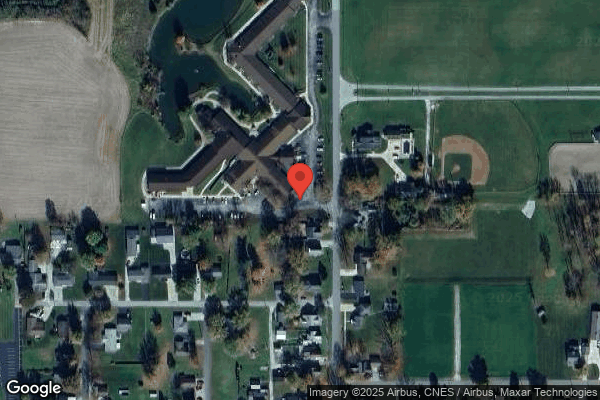

705 N MERIDIAN ST, GREENTOWN, IN 46936 (765) 628-3377
Non profit - Corporation 84 Beds EXCEPTIONAL LIVING CENTERS Data: November 2025
Trust Grade
75/100
#131 of 505 in IN
Last Inspection: October 2024

Within standard 12-15 month inspection cycle. Federal law requires annual inspections.

Overview

Century Villa Health Care in Greentown, Indiana, has a Trust Grade of B, indicating it is a good choice but not the highest quality option. It ranks #131 out of 505 facilities in Indiana, placing it in the top half, and is the best option among the seven nursing homes in Howard County. The facility shows an improving trend, reducing issues from seven in 2023 to four in 2024. Staffing is average with a 3/5 rating and a turnover rate of 40%, which is lower than the state average, suggesting that staff are familiar with residents. While there have been no fines, which is a positive sign, there are some concerning incidents noted in inspections. For example, staff failed to change gloves and wash hands properly during wound care, which could risk infection. Additionally, a resident experienced a choking episode, and the physician was not notified in a timely manner. Another incident involved incorrect oxygen settings for a resident, indicating some gaps in care. Overall, while there are strengths such as no fines and a good rank, families should be aware of the care deficiencies noted in the inspections.

Trust Score
B
75/100
In Indiana
#131/505
Top 25%
Safety Record
Low Risk
No red flags
Inspections
Getting Better
7 → 4 violations
Staff Stability
○ Average
40% turnover. Near Indiana's 48% average. Typical for the industry.
Penalties
✓ Good
No fines on record. Clean compliance history, better than most Indiana facilities.
Skilled Nurses
✓ Good
Each resident gets 42 minutes of Registered Nurse (RN) attention daily — more than average for Indiana. RNs are trained to catch health problems early.
Violations
⚠ Watch
15 deficiencies on record. Higher than average. Multiple issues found across inspections.
★★★★☆
4.0
Overall Rating
★★★☆☆
3.0
Staff Levels
★★★★☆
4.0
Care Quality
★★★★☆
4.0
Inspection Score
Stable
2023: 7 issues
2024: 4 issues

The Good

  • 4-Star Quality Measures · Strong clinical quality outcomes
  • Full Sprinkler Coverage · Fire safety systems throughout facility
  • No fines on record
  • Staff turnover below average (40%)

    8 points below Indiana average of 48%

Facility shows strength in quality measures, fire safety.

The Bad

Staff Turnover: 40%

Near Indiana avg (46%)

Typical for the industry

Chain: EXCEPTIONAL LIVING CENTERS

Part of a multi-facility chain

Ask about local staffing decisions and management

The Ugly 15 deficiencies on record

Oct 2024 3 deficiencies
CONCERN (D)

Potential for Harm - no one hurt, but risky conditions existed

Notification of Changes (Tag F0580)

Could have caused harm · This affected 1 resident

Based on record review and interview, the facility failed to ensure the physician was notified timely of a choking episode for 1 of 1 resident reviewed for respiratory infection. (Resident 12) Finding...

Read full inspector narrative →
Based on record review and interview, the facility failed to ensure the physician was notified timely of a choking episode for 1 of 1 resident reviewed for respiratory infection. (Resident 12) Finding includes: The clinical record for Resident 12 was reviewed on 9/26/24 at 3:59 p.m. The diagnoses included, but were not limited to, chronic kidney disease stage 3, psychotic and mood disturbance, anxiety, and vascular dementia with psychotic behavior. A progress note, dated 9/20/24 at 11:07 p.m., indicated the resident choked on hamburger meat during dinner. The resident was breathing but coughing. The resident was unable to bring the food up. The resident was suctioned to remove phlegm and mucus. The resident continued to cough and when she spoke, she made a gurgling sound. The resident's daughter was notified. A triage form, dated 9/20/24 at 7:00 p.m., indicated the resident had a possible aspiration and requested the nurse practitioner (NP) to assess the resident's lung sounds on Monday (9/23/24). A nurse practitioner's progress note, dated 9/23/24, indicated the resident was seen for an acute visit for a recent coughing episode. The resident experienced an episode over the weekend, during which she required suctioning. The nursing staff reported changes in breath sounds following the episode. During the examination, wheezing was noted throughout the resident's lungs. The choking episode and wheezing raised concern for a possible respiratory issue. The plan was to obtain a 2-view chest x-ray to evaluate for potential pneumonia. Oxygen saturation (percentage of oxygen in the blood) and changes in respiratory exam would be continuously monitored. Follow-up would be scheduled when results were returned or sooner if necessary. A progress note, dated 9/24/24 at 3:04 p.m., indicated the NP reviewed the chest x-ray results. New orders were received for Augmentin (an antibiotic) 800/125 milligrams (mg) for 5 days and to monitor oxygen saturation twice daily for a cough. A physician's order, dated 9/24/24, indicated Ipratropium-Albuterol solution (a medication used to treat lung conditions) 0.5-2.5 mg /3 milliliters (ml) 1 vial inhale orally twice daily for shortness of breath for 10 days. A care plan, dated 9/24/24, indicated the resident had pneumonia. The approaches included, but were not limited to, auscultate lung sounds, listen for crackle and breath sounds due to atelectasis (in aspiration pneumonia rhonchi and wheezing are also present), and monitor and document for mental changes, in the elderly, pneumonia may initially present as mental changes and cough only. During an interview, on 10/01/24 at 2:40 p.m., the Nurse Practitioner indicated she was notified of the episode by the triage note on Monday (9/23/24). A current policy, titled Acute Condition Changes, dated as revised 2017 and received from the Assistant Director of Nursing (ADON) on 10/1/24 at 2:08 p.m., indicated .the facility shall use defined protocol to evaluate and report changes in condition of its residents/patients .physicians shall help identify and manage causes of acute changes of condition (ACOC) .acute changes of condition will be identified and managed properly .residents/patients with acute changes of condition will not experience preventable decline in condition while being treated in the facility .the nursing staff will contact the physician based on the urgency of the situation .for emergencies, they will call or page the physician and request a prompt response (within approximately one-half hour or less) 3.1-5(a)(1) 3.1-5(a)(2) 3.1-5(a)(3)
CONCERN (D)

Potential for Harm - no one hurt, but risky conditions existed

Respiratory Care (Tag F0695)

Could have caused harm · This affected 1 resident

Based on observation, interview and record review, the facility failed to ensure the correct amount of oxygen was administered as ordered by the physician for 1 of 1 resident reviewed for respiratory ...

Read full inspector narrative →
Based on observation, interview and record review, the facility failed to ensure the correct amount of oxygen was administered as ordered by the physician for 1 of 1 resident reviewed for respiratory care. (Resident 54) Finding includes: During an observation, on 9/25/24 at 2:23 p.m., Resident 54's oxygen concentrator (a device used to provide supplemental oxygen therapy) was set on 2.5 liters per minute (L). During an observation, on 9/26/24 at 12:20 p.m., the resident was sitting in the common area and his portable oxygen tank was set on 4L. The clinical record for Resident 54 was reviewed on 9/27/24 at 10:22 a.m. The diagnoses included, but were not limited to, chronic obstructive pulmonary disease, hypertension, and chronic kidney disease. A care plan, dated 6/18/24, indicated the resident was on oxygen therapy. Interventions included, but were not limited to, monitor oxygen saturation, monitor for signs and symptoms of respiratory distress, and administer oxygen by nasal cannula as ordered. A physician's order, dated 7/12/24, indicated the resident was to receive 2L of oxygen continuously. During an interview, on 9/25/24 at 12:24 a.m., LPN 4 indicated the resident's oxygen concentrator was on 2.5L. The resident's order was for 2 to 4L depending on the resident. During an interview, on 9/26/24 at 12:25 p.m., the Director of Nursing (DON) indicated the resident oxygen was set on 4L and she was not sure of the resident's order. During an interview, on 9/26/24 at 1:17 p.m., the DON indicated the resident's order was for 2L and the resident was on 4L. The staff should follow the physician's order. A current policy, titled Oxygen Administration, revised 10/2010 and received from the DON on 9/26/24 at 10:40 a.m., indicated .The purpose of this procedure is to provide guidelines for safe oxygen administration .Verify that there is a physician's order for this procedure. Review the physician's orders or facility protocol for oxygen administration 3.1-47(a)(6)
CONCERN (E)

Potential for Harm - no one hurt, but risky conditions existed

Infection Control (Tag F0880)

Could have caused harm · This affected multiple residents

**NOTE- TERMS IN BRACKETS HAVE BEEN EDITED TO PROTECT CONFIDENTIALITY** 5. During a wound care observation, on 10/2/24 at 9:58 a.m., LPN 2 did not change her gloves and did not perform hand hygiene af...

Read full inspector narrative →
**NOTE- TERMS IN BRACKETS HAVE BEEN EDITED TO PROTECT CONFIDENTIALITY** 5. During a wound care observation, on 10/2/24 at 9:58 a.m., LPN 2 did not change her gloves and did not perform hand hygiene after removing Resident 38's shoe and dirty dressing before cleansing the wound with saline and gauze. She did not change gloves and perform hand hygiene after putting Resident 38's shoe back on and before re-capping the Santyl ointment. The clinical record for Resident 38 was reviewed on 9/26/24 at 3:25 p.m. The diagnoses included, but were not limited to, Parkinson's disease, dementia, muscle weakness, and abnormalities of gait and mobility. A care plan, dated 8/14/24, indicated the resident had an arterial wound on her left ankle. Interventions included, but were not limited to, administering treatments as ordered. A physician's order, dated 9/3/24, indicated the resident's left ankle wound was to be cleansed with normal saline, skin prep was to be applied around the wound, Santyl ointment was to be applied to the wound bed, and the area was to be covered with an island dressing once daily. 6. During an observation, on 9/27/24 at 11:31 a.m., Resident 48 was sitting in his wheelchair and the catheter tubing was on the floor. The clinical record for Resident 48 was reviewed on 9/27/24 at 10:52 a.m. The diagnoses included, but were not limited to, chronic kidney disease, congestive heart failure, hypertension, and major depressive disorder. A care plan, dated 4/9/24, indicated the resident had a foley catheter. Interventions included, but were not limited to, barrier precautions and checking the tubing for kinks each shift. A physician's order, dated 4/9/24, indicated the indwelling catheter tubing was to be secured using an anchoring device to prevent movement every shift. During an interview, on 9/27/24 at 11:34 a.m., the DON indicated the catheter tubing should not be on the floor. A current facility policy, titled Catheter Care, Urinary, dated as revised 8/22 and received from the DON on 9/30/24 at 9:00 a.m., indicated .The purpose of this procedure is to ensure bags are kept off the floor .Check the resident frequently A current facility policy, titled Wound Care, dated as revised October 2010 and received from the Director of Nursing (DON) on 10/2/24 at 11:39 a.m., indicated .Steps in the Procedure .Put on exam glove. Loosen tape and remove dressing. 5. Pull glove over dressing and discard into appropriate receptacle. Wash and dry your hands thoroughly. 6. Put on gloves A current facility policy, titled Isolation- Categories of Transmission-Based Precautions, dated 4/2/24 and received from Clinical Support on 9/27/24 at 1:50 p.m., indicated .When a resident is placed on transmission-based precautions, appropriate notification is placed on the room entrance door .so that personnel and visitors are aware of the need for and the type of precaution .(enhanced barrier precautions) .used for residents who .are infected or colonized with MDROs (or have risk factors for MDRO acquisition) A current facility policy, titled Handwashing/ Hand Hygiene, dated 8/19 and received from the Administrator on 10/1/24 at 9:25 a.m., indicated .Use an alcohol-based hand rub .or soap .and water for the following situations .Before and after direct contact with residents c. Before preparing or handling medications .After contact with objects .in the immediate vicinity of the resident .Before and after entering isolation precaution settings A current facility policy, titled Isolation- Categories of Transmission-Based Precautions, dated 4/2/24 and received from Clinical Support on 9/27/24 at 1:50 p.m., indicated .Contact precautions are implemented for residents .infected with microorganisms that can be transmitted by direct contact with the resident or indirect contact with environmental surfaces .Staff .wear gloves .when entering the room .Gloves are removed, and hand hygiene performed before leaving the room .Staff .wear a disposable gown upon entering the room 3.1-18(b) 3.1-18(l) Based on observation, interview and record review, the facility failed to ensure the correct personal protective equipment (PPE) for contact precautions was used, to perform hand hygiene after resident contact, to utilize enhanced barrier precautions (EBP) when required, to protect clean laundry from contamination, to perform hand hygiene and change gloves while performing wound care, and to keep the indwelling catheter tubing from touching the floor for 7 of 7 residents reviewed for infection control. (Resident 19, 33, 47, 18, 20, 38 and 48) Findings include: 1. During an observation, on 9/27/24 at 8:54 a.m., QMA 5 was giving medications to Resident 28. After finishing with Resident 28, she walked over to Resident 19 and touched the resident's blanket without wearing a gown or gloves as she asked if the resident needed anything. Resident 19 had an order for contact precautions with a sign on the door. QMA 5 exited the room and walked directly to her medication cart outside the dining room. No hand hygiene was observed while she was in the room, walking down the hall, or at the medication cart. She then wrote on her resident information paper, accessed her computer screen, and prepared Resident 18's morning medications. During an observation, on 9/30/24 at 9:23 a.m., LPN 4 was giving medications to Resident 19 who remained on contact precautions with no gown or gloves on while she was in the room. The clinical record for Resident 19 was reviewed on 9/27/24 at 9:32 a.m. The diagnoses included, but were not limited to, chronic kidney disease stage 3, personal history of malignant neoplasm of bronchus and lung, personal history of malignant neoplasm of brain, and history of Escherichia coli extended-spectrum beta-lactamases producing organism (ESBL) with current infection. A physician's order, dated 9/25/24, indicated contact isolation precautions for ESBL in urine culture every shift until 10/1/24. A care plan intervention, initiated 9/25/24, indicated contact isolation precautions for ESBL for Resident 19. A nurse's note, dated 9/25/24 at 12:57 p.m., indicated the Nurse Practitioner (NP) ordered contact precautions. During an interview, on 9/30/24 at 1:35 p.m., LPN 4 indicated for enhanced barrier precautions, staff should wear a gown and gloves when giving direct care or touching a resident, and contact isolation was basically the same thing. She indicated they had to wear gowns and gloves when they were going to be in contact with an area where the infection was but not every time you went into the room. During an interview, on 10/01/24 at 2:26 p.m., the Assistant Director of Nursing (ADON) indicated that all staff had been educated on hand hygiene and the correct use of PPE, including requirements for wearing gowns and gloves every time they enter a room under contact precautions. 2. During random observations, on 9/25/24, 9/26/24, 9/27/24, 9/30/24, 10/1/24 and 10/2/24, Resident 33 was not on enhanced barrier precautions and there was no sign on her door. The clinical record for Resident 33 was reviewed on 9/27/24 at 10:44 a.m. The diagnoses included, but were not limited to, frequent history of extended spectrum beta lactamase (ESBL) resistance infections, stage 3 chronic kidney disease, overactive bladder, type 2 diabetes mellitus, spondylosis cervical region, and systemic lupus erythematosus. The resident was considered colonized (organism was frequently present in stool and urine) with ESBL. A urinalysis culture report, dated 4/14/24 at 2:32 p.m., indicated the resident's urine had ESBL present. A Minimum Data Set (MDS) quarterly assessment, dated 7/3/24, indicated the resident had a multi-drug-resistant organism (MDRO): ESBL. A urinalysis culture report, dated 7/9/24 at 1:36 p.m., indicated the resident's urine had proteus mirabilis ESBL present. A urinalysis culture report, dated 8/1/24 at 12:34 p.m., indicated the resident's urine had proteus mirabilis ESBL present. A MDS quarterly assessment, dated 9/30/24, indicated the resident was occasionally incontinent of urine and frequently incontinent of bowel. The clinical record did not include an order for enhanced barrier precautions. During an interview, on 9/26/24 at 11:35 a.m., CNA 6 indicated Resident 33 was not on enhanced barrier precautions. During an interview, on 10/01/24 at 2:26 p.m., the ADON indicated the resident was not on enhanced barrier precautions. During an interview, on 10/01/24 at 2:35 p.m., the NP indicated the resident had frequent urinary tract infection cultures which showed ESBL. A Centers for Medicare and Medicaid Services (CMS) memorandum QSO-24-08-NH, titled Enhanced Barrier Precautions in Nursing Homes, dated 3/20/24, indicated EBP are indicated for residents with any of the following: Infection or colonization with a CDC-targeted MDRO . Centers for Disease Control and Prevention (CDC) website, https://www.cdc.gov/hai/containment/PPE-Nursing-Homes.html, titled Implementation of Personal Protective Equipment (PPE) Use in Nursing Homes to Prevent Spread of Multidrug-resistant Organisms (MDROs), accessed on 9/26/24 at 11:00 a.m., indicated ESBL was a CDC-targeted MDRO. 3. During random observations, on 9/25/24, 9/26/24, 9/27/24, 9/30/24, 10/1/24 and 10/2/24, Resident 47 was not on enhanced barrier precautions (EBP) and there was no sign on her door. The clinical record for Resident 47 was reviewed on 9/30/24 at 9:25 a.m. The diagnoses included, but were not limited to, disorder of kidney and bladder and neuromuscular dysfunction of the bladder. A physician's order, dated 7/26/24, indicated foley catheter (indwelling urethral catheter) care every shift. A nurse's note, dated 9/12/24 at 11:59 a.m., indicated the resident's indwelling urethral catheter was draining clear yellow urine. A MDS quarterly assessment, dated 9/6/24, indicated the resident had an indwelling urethral catheter. A care plan, initiated 7/25/24, indicated the resident had a foley catheter related to neurogenic bladder. The clinical record did not include an order for enhanced barrier precautions. During an interview, on 10/01/24 at 3:25 p.m., the Director of Nursing (DON) indicated the resident had an indwelling urethral catheter present and should be on EBP. She did not know why there was no signage on the door or an order. A Centers for Medicare and Medicaid Services (CMS) memorandum QSO-24-08-NH, titled Enhanced Barrier Precautions in Nursing Homes, dated 3/20/24, indicated EBP are indicated for residents with any of the following .indwelling medical devices even if the resident is not known to be infected or colonized with a MDRO .Indwelling medical device examples include .urinary catheters 4. During an observation, on 10/01/24 at 11:02 a.m., there were three pairs of pants and one shirt hanging on the handrail outside of room [ROOM NUMBER]. Resident 18 and Resident 20 were in room [ROOM NUMBER] with contact droplet isolation for Covid. During an interview, on 10/01/24 at 11:04 a.m., CNA 7 indicated the clothes were not supposed to be hanging on the hand railing outside. During an interview, on 10/01/24 at 11:32 a.m., the Housekeeping Manager indicated she told the staff to hang the clothes on the outside of the door so the nursing staff would take it in. Clothes should not be hung on the rails outside the rooms.
Jul 2024 1 deficiency
CONCERN (D) 📢 Someone Reported This

A family member, employee, or ombudsman was alarmed enough to file a formal complaint

Potential for Harm - no one hurt, but risky conditions existed

Resident Rights (Tag F0550)

Could have caused harm · This affected 1 resident

Based on interview and record review, the facility failed to ensure a staff member treated residents with respect and dignity while providing Activities of Daily Living (ADL) care for 3 of 5 residents...

Read full inspector narrative →
Based on interview and record review, the facility failed to ensure a staff member treated residents with respect and dignity while providing Activities of Daily Living (ADL) care for 3 of 5 residents being reviewed for ADL care. (Resident B, G and H) The deficient practice was corrected on 12/28/23, prior to the start of the survey, and was therefore past noncompliance. Finding includes: A document, titled Indiana State Department of Health Survey Report System, dated 12/22/23 at 7:30 a.m., indicated CNA 1 was being very abrupt and trying to hurry Resident B during ADL care, to the point, she was in tears. CNA 1 acted as if she had no patience for her. The incident was witnessed by the resident's daughter and other staff members. After the incident investigation was completed, it was determined CNA 1 acted abruptly and, in a haste, to do Resident B's ADL care. The resident felt tearful, since she was hurried to do her morning tasks. After interviews with other residents on the date in question and careful consideration, CNA 1 was relieved of her employment at the facility. A facility document, titled Status Change Notice, dated 12/22/23, indicated CNA 1 was involuntarily terminated from the facility, on 12/22/24, for providing abrupt care with a resident, which was witnessed by a family and staff member. A handwritten statement from CNA 2, dated 12/22/23, indicated the day started out bad. She witnessed CNA 1 being very rushed + [and] abrupt and she came off as she was agitated with a resident. The clinical record for Resident B was reviewed on 7/11/24 at 12:10 p.m. Diagnoses included, but were not limited to, dementia, anxiety, acute respiratory failure with hypoxia, and chronic kidney disease stage 5. A quarterly Minimum Data Set (MDS) assessment, completed on 12/14/23, indicated Resident B had a moderate cognitive impairment. She was totally dependent on the facility staff for mobility. A care plan, dated as initiated on 12/15/23, with a revised date of 6/20/24, addressed the problem the resident required assistance with ADL's related to debility, self-care deficit, respiratory failure, chronic obstructive pulmonary disease, congestive heart failure, and diabetes mellitus. Interventions included, but were not limited to, 12/15/23, monitor for fatigue and provide rest periods as needed. 12/15/23, provide adaptive equipment: wheelchair. 12/15/23, total dependence with two assist using sit to stand lift. 12/15/23, use mechanical sit to stand lift with two staff member's assistance for transfers. A Social Service Director (SSD) progress note, dated 12/22/23 at 9:08 a.m., indicated Resident B's daughter came to the Social Service Director and indicated her mother's aide had been verbally mean to her that morning and physically rough. This same CNA had treated her mother like this before, but she had let it go. She was not going to let it happen anymore. The SSD spoke to the resident, who was crying, and she confirmed with the resident the same aide had been mean to her before and the resident pleaded she did not want that CNA to care for her any longer. A SSD progress note, dated 12/22/23 at 9:14 a.m., Resident G indicated he got along with CNA 1, but she could be a bit rough around the edges when she was in a bad mood. When the resident was asked when the last time CNA 1 was in a bad mood, he indicated that morning. The resident indicated CNA 1 was not mean, but she was rough while getting him out of the bed. A SSD progress note, dated 12/22/23 at 9:21 a.m., the SSD spoke with Resident H to see how his morning had been, and he indicated it could have been better. When asked what happened, he indicated CNA 1 was very grouchy and was not nice while providing care that morning. The resident indicated CNA 1 got a little rough sometimes, which was normal for that CNA to act that way. During a phone interview, on 7/11/24 at 12:30 p.m., Resident B's daughter indicated her mother called her on 12/22/23 and was crying because CNA 1 had gotten her up for lunch, abruptly and quickly with the stand-up lift, while yelling at her. She was afraid she was going to fall out of the stand-up lift because she was shaking as she stood in the stand-up lift, due to the fast pace which CNA 1 was pushing the stand-up lift. When she arrived at the facility, her mother was in the dining room, crying because she did not believe someone would treat her like that. Her daughter indicated her mother deserved to be treated with respect and dignity. Resident B was still upset about the incident with the stand up lift a few days later. She did not want CNA 1 to care for her anymore and she relayed that information to the management staff. During an interview, on 7/11/24 at 11:30 a.m., the Director of Nursing (DON) indicated CNA 1 was terminated for poor customer service due to providing abrupt care with Resident B. A facility document, titled Resident Rights, dated 12/2016 and provided by the DON on 7/12/24 at 3:06 p.m., indicated .Employees shall treat all residents with kindness, respect and dignity. Policy Interpretation and Implementation: 1. Federal and state laws guarantee certain basic rights to all residents of this facility. These rights include the resident's right to .be treated with respect, kindness, and dignity . The deficient practice was corrected by 12/28/23, after the facility implemented a systemic plan that included the following actions: all the residents on the hallway with Resident B were interviewed, all facility staff were re-educated regarding abuse and neglect, Resident B's care plan was updated, SSD monitored the residents' psychosocial status, and CNA 1 was terminated. 3.1-3(t)
Oct 2023 1 deficiency
CONCERN (D) 📢 Someone Reported This

A family member, employee, or ombudsman was alarmed enough to file a formal complaint

Potential for Harm - no one hurt, but risky conditions existed

Accident Prevention (Tag F0689)

Could have caused harm · This affected 1 resident

**NOTE- TERMS IN BRACKETS HAVE BEEN EDITED TO PROTECT CONFIDENTIALITY** Based on observation, interview and record review, the facility failed to ensure a resident with a diagnosis of Alzheimer's dise...

Read full inspector narrative →
**NOTE- TERMS IN BRACKETS HAVE BEEN EDITED TO PROTECT CONFIDENTIALITY** Based on observation, interview and record review, the facility failed to ensure a resident with a diagnosis of Alzheimer's disease who was a known risk for an elopement was kept safe from eloping from the facility property for 1 of 1 resident being reviewed for elopement. (Resident B) The deficient practice was corrected on 9/30/23, prior to the start of the survey, and was therefore past noncompliance. Finding includes: An incident report to the Indiana Department of Health (IDOH), dated 10/2/23, indicated an elopement event involving a resident occurred on 9/29/23 at 5:55 p.m. A staff member returning to the facility, on 9/29/23 at 5:55 p.m., observed Resident B at the edge of the property by a mailbox of the neighboring property. She stopped and brought the resident back into the facility, then reported the incident. The root cause of the elopement was while a visiting family member came in and out of the facility, the resident followed the family member out of the facility. The resident thought she was going home. The temperature that day was 73 degrees Fahrenheit, and it was sunny outside. The resident was fully clothed at the time of the incident. On 10/11/23 at 11:23 a.m., Physical Therapist 1 was observed using a rolling measuring wheel (used to measure steps or feet while walking) from the middle of the main dining room and walking to the mailbox at the house across the street from the facility. The resident propelled herself 537 feet from the main dining room to the mailbox. The Executive Director (ED) indicated the elopement incident occurred at dinnertime, approximately at 5:45 p.m. She had been in the dining room eating and left the dining room, but a staff member had redirected her to her room and the staff member thought she went back to her room. She was an elopement risk prior to eloping. The facility did not have a wanderguard door system to prevent residents who were diagnosed with Alzheimer's from leaving the facility. They thought the resident got out of the facility because a 12-[AGE] year-old girl was running in and out of the facility. The girl would go out to her car, then run back into the facility to visit her grandma, then go back out the front doors. She did this at least three times. The thought was when the girl ran back inside, the resident was sitting in the lobby, waited for the door to open, then propelled herself out the front door and down the road towards town. The ED indicated Resident M can propel herself at a fast pace in her wheelchair, as if she was walking with her feet, in the wheelchair. The record for Resident M was reviewed on 10/11/23 at 2:15 p.m. Diagnoses included, but were not limited to, cerebral infarction, Alzheimer's disease, and chronic obstructive pulmonary disease. The resident's admission Minimum Data Set (MDS) assessment, dated 8/18/23, indicated her Brief Interview for Mental Status was a three, which indicated she was severely cognitively impaired. Her functional status indicated her locomotion on and off the unit was a setup help only with the assistance of one person. A progress note, dated 9/29/23 at 6:00 p.m., indicated the resident was found by QMA 4 outside in front of the facility right by the road at 5:55 p.m. The resident was looking for her kids and she decided if they were not coming to the facility, then she would go home. Two CNAs observed her leaving the dining room indicating she was looking for her children. Both CNAs suggested for her to go to the 100 or 400 hallways. She started to go down the 400-hallway, so both CNAs went back to the dining room. The only way the resident got out without setting off an alarm was if she turned around and headed to the front of the facility as the two CNAs went to the dining room to finish meal prep. The young girl with the family repeatedly went in and out the sliding glass front door. Most likely, she followed the young girl out the front door. The resident had a care plan, dated 8/15/23, which addressed the problem she had impaired cognitive function/dementia or impaired thought processes related to dementia. Approaches included, but were not limited to, 8/15/23, cue, reorient and supervise as needed. During an interview, on 10/11/23 at 12:00 p.m., QMA (Qualified Medication Aide) 4 indicated she was on her way back to the facility to work on an art project when she saw Resident M propelling herself down the side of the road, across the street from the facility in the gravel part of the side of the road. She knew who the resident was because she had taken care of her before. When QMA 4 asked her what she was doing, she indicated she was looking for her kids. She got the resident to get into her vehicle, then brought her back to the facility. The resident did have dementia. During an interview, on 10/11/23 at 1:51 p.m., RN 5 indicated, on 9/23/22, she had tried to get the resident to go to the dining room, but she did not want to go in there. Approximately 10 minutes after RN 5 was in the dining room, QMA 4 brought the resident in from her vehicle. A current policy, titled Emergency Procedure-Missing Resident, dated August 2018 and provided by the Director of Nursing on 10/11/23 at 11:40 a.m., indicated Resident elopement resulting in a missing resident is considered a facility emergency. Policy Interpretation and implementation: 1. Residents at risk for wandering and/or elopement will be monitored, and staff will take necessary precautions to ensure their safety. 2. Staff will implement the protocol for missing resident immediately upon discovering that a resident cannot be located The deficient practice was corrected by 9/30/23, after the facility implemented a systemic plan that included the following actions: The facility investigated the incident involving Resident M. The Executive Director notified the required state agencies. The Maintenance Director checked the function of all exit doors. Current residents in the facility were assessed for elopement risk and care plans for residents identified as being at risk for were reviewed and updated. Elopement books were reviewed. An elopement drill was completed. Education was initiated for staff and an AD Hoc Quality Assurance Performance Improvement meeting was held with the Medical Director by phone. This Federal tag relates to Complaint IN00418739. 3.1-45(a)(2)
Aug 2023 6 deficiencies
CONCERN (D)

Potential for Harm - no one hurt, but risky conditions existed

Quality of Care (Tag F0684)

Could have caused harm · This affected 1 resident

2. During an observation, on 8/1/23 at 1:55 p.m., Resident 362 was sitting up in a chair and had a red open area on her right shin without a dressing. During an observation, on 8/3/23 at 10:42 a.m., t...

Read full inspector narrative →
2. During an observation, on 8/1/23 at 1:55 p.m., Resident 362 was sitting up in a chair and had a red open area on her right shin without a dressing. During an observation, on 8/3/23 at 10:42 a.m., the resident was sitting up in a chair with a dressing to her right shin covering up the open area. The record for Resident 362 was reviewed on 8/3/23 at 10:30 a.m. Diagnoses included, but were not limited to, chronic obstructive pulmonary disease, dementia, and congestive heart failure. An admission nursing assessment, dated 7/25/23 at 2:30 p.m., indicated the nurse noted multiple wounds on the resident's legs and feet. The nurse who completed the assessment had put the wound notes in the comment section instead of the wounds section. A physician's order, dated 8/3/23, indicated the facility was to do wound care to both feet and legs every day and as needed. The resident went eight (8) days with no wound treatments to the open areas on the right shin. During an interview, on 8/3/23 at 12:04 p.m., RN 4 indicated the resident admitted to the facility with wounds to her legs and feet. During an interview, on 8/7/23 at 11:18 a.m., the Wound Charge Nurse indicated the resident came into the facility with the wounds. The wound care was not triggered since the staff nurse put the admission wound information in the comment section and not the wound section. The facility should have notified the doctor when the initial skin assessment was completed to obtain orders for the wound treatment. A current policy, titled Dressing Changes, dated 11/21/14 and received from the Clinical Support Nurse on 8/7/23 at 3:39 p.m., indicated .Infection control practices regarding dressing changes is followed to assist in prevention of exposure to infectious situations by reducing the number of instances of individual exposure to harmful substances .the following general guidelines will be followed: Review the physicians order regarding dressing changes .Administer treatment as ordered by the physician A current policy for resident assessment was requested but was not provided by exit conference. 3.1-37(a) Based on observation, interview and record review, the facility failed to ensure a resident had a physician's order for a dressing and to address a wound found on admission for 2 of 2 residents reviewed for non-pressure skin conditions. (Resident E and 362) Findings include: 1. During an observation, on 8/7/23 at 1:44 p.m., Certified Nursing Assistant (CNA) 5 and CNA 6 were providing incontinence care for Resident E. When CNA 6 removed the resident's pants, a dressing was noticed on the resident's left lower leg. The leg had a stretchy wrap from approximately four inches from the knee to the ankle. There was approximately one inch of a white pad sticking out of the top of the stretchy wrap. The record for Resident E was reviewed on 8/4/23 at 3:44 p.m. Diagnoses included, but were not limited to, dementia, macular degeneration, pain in thoracic spine, and repeated falls. During an interview, on 8/7/23 at 1:45 p.m., CNA 5 indicated she worked on 8/4/23 and did not remember the dressing on the resident's leg. During an interview, on 8/7/23 at 1:46 p.m., CNA 6 indicated she had no idea why she had the dressing and thought maybe it was from a fall over the weekend. During an interview, on 8/7/23 at 1:50 p.m., the Director of Nursing (DON) indicated she did not know why the resident had the wrap and the resident needed to have an order for the dressing. During an interview, on 8/7/23 at 4:00 p.m., the DON had talked to the hospice agency and her nursing staff, and no one knew why the dressing was on the resident's leg. The CNAs working indicated the dressing was not there on 8/4/23 and there should have been an order on the Medication Administration Record (MAR) for any dressings.
CONCERN (D)

Potential for Harm - no one hurt, but risky conditions existed

Deficiency F0692 (Tag F0692)

Could have caused harm · This affected 1 resident

Based on record review and interview, the facility failed to notify the physician of a significant weight loss and to ensure the resident received nutritional interventions in a timely manner for 1 of...

Read full inspector narrative →
Based on record review and interview, the facility failed to notify the physician of a significant weight loss and to ensure the resident received nutritional interventions in a timely manner for 1 of 5 residents reviewed for nutrition. (Resident 45) Finding includes: The record for Resident 45 was reviewed on 8/3/23 at 12:06 p.m. Diagnoses included, but were not limited to malignant neoplasm of the left breast and mild cognitive impairment of an unknown cause. The resident had the following weights: 1. On 4/24/23, the weight was 95.2 pounds. 2. On 5/5/23, the weight was 89.5 pounds which was a significant weight loss of 5.99% in 9 days. A physician order, dated 5/13/23, indicated Remeron (an appetite stimulant) was ordered. The intervention was implemented 8 days after the significant weight loss occurred. A physician notification of the significant weight loss was not noted in the Electronic Record from 4/24/23 to 5/13/23. During an interview, on 8/3/23 at 3:19 p.m., the Assistant Director of Nursing indicated the physician should be notified of a significant weight loss. The Nurse Practitioner (NP) was notified on 5/13/23 when the order for Remeron was received. The notification to the NP occurred 8 days after the significant weight loss occurred. A current policy, titled Change in a Resident's Condition or Status, dated as revised February 2021 and received from the Director of Nursing on 87/23 at 3:43 p.m., indicated .Our facility promptly notifies the resident, his or her attending physician, and the resident representative of changes in the resident's medical/mental condition and/or status .The nurse will notify the resident's attending physician or physician on call when there has been a .significant change in the resident's physical/emotional/mental condition .A 'significant change' of condition is a major decline or improvement in the resident's status that .will not normally resolve itself without intervention by staff or implementing stand disease-related clinical interventions .impacts more than one area of the resident's health status A current policy, titled Significant Weight Loss, dated as revised 4/2021 and received from the Executive Director on 8/8/23 at 12:03 p.m., indicated .The goal of medical nutrition therapy [MNT] is to identify underlying causes or factors contributing to the significant unplanned weight loss, and intervene as appropriate to resolve the problem and stabilize the weight .Appropriate members of the interdisciplinary team will .Identify individuals with significant weight losses .Weight loss .5% weight loss in 1 month .Assess whether or not the weight loss was desirable [avoidable or unavoidable], and document accordingly .Request/implement nutrition interventions based on the individual case 3.1-46(a)(1)
CONCERN (D)

Potential for Harm - no one hurt, but risky conditions existed

Deficiency F0698 (Tag F0698)

Could have caused harm · This affected 1 resident

Based on observation, interview and record review, the facility failed to assess and document the post dialysis and daily observation for 1 of 1 resident reviewed for dialysis. (Resident 22) Findings ...

Read full inspector narrative →
Based on observation, interview and record review, the facility failed to assess and document the post dialysis and daily observation for 1 of 1 resident reviewed for dialysis. (Resident 22) Findings include: The record for Resident 22 was reviewed on 08/03/23 at 10:02 a.m. Diagnoses included, but were not limited to, dependence on renal dialysis, and stage 4 chronic kidney disease. A care plan, dated 7/15/23, indicated the resident needed hemodialysis related to ESRD (end stage renal disease). The interventions included, but were not limited to, emergency care of shunt: apply pressure and call 911, monitor vital signs (blood pressure, pulse, etc.), notify physician of significant abnormalities, monitor signs and symptoms of infection, monitor, document, and report symptoms of renal insufficiency (poor kidney function), bleeding, or worsening peripheral edema. A progress note, dated 6/19/23 at 11:15 a.m., indicated the resident was at dialysis. The resident left at 9:45 a.m. for dialysis appointment with Quality Care Transport. A progress note, dated 6/23/23 at 9:46 a.m., indicated the resident was transported to dialysis per Quality Care ambulance. A progress note, dated 8/2/23 at 9:45 a.m., indicated the resident was on leave of absence to dialysis. There were no post dialysis notes in the electronic medical record. During an interview, on 8/7/23 at 11:12 a.m., the Assistant Director of Nursing indicated the resident went to dialysis on Monday, Wednesday, and Friday. During an interview, on 8/7/23 at 1:31 p.m., the Director of Nursing indicated the resident did not have a shunt/graft, as indicated in the care plan, but had a line in the subclavian area. During an interview, on 8/7/23 at 2:50 p.m., the Director of Nursing indicated there was a sign off form in the dialysis binder when the resident was returned from dialysis, it was signed and verified by facility staff and remained in the binder. The form contained information sent to the dialysis unit and returned with information from dialysis. She did not have a post dialysis assessment. A current policy, titled Hemodialysis Access Care, with a revision date of 9/2010 and received from the Director of Nursing on 8/7/23 at 1:30 p.m., indicated .the general medical nurse should document in the resident's medical record every shift as follows .location of catheter, condition of dressing (interventions if needed) .if dialysis was done during the shift .any part of report from dialysis nurse post-dialysis being given .observations post - dialysis 3.1-37(a)
CONCERN (D)

Potential for Harm - no one hurt, but risky conditions existed

Staffing Data (Tag F0851)

Could have caused harm · This affected 1 resident

Based on record review and interview, the facility failed to ensure the mandatory submission of staffing information, Payroll Based Journal (PBJ), was electronically submitted to the Centers for Medic...

Read full inspector narrative →
Based on record review and interview, the facility failed to ensure the mandatory submission of staffing information, Payroll Based Journal (PBJ), was electronically submitted to the Centers for Medicare and Medicaid Services (CMS) in a timely manner for the 2nd Quarter of 2023. (1/1/2023-3/31/2023) Finding includes: Staffing information was reviewed on 8/1/23 at 1:40 p.m. During an interview with the Administrator, on 8/1/23 at 1:40 p.m., the Certification and Survey Provider Enhanced Reports 3 (CASPER 3) was given to the Administrator. He indicated he was checking on why all areas were triggered in the Payroll Based Journal (PBJ), he knew they turned it in so he will call Corporate. During an interview with the Administrator, on 8/1/23 at 4:40 p.m., he indicated he spoke with Corporate about the PBJ information. Corporate indicated they received the information on time from the facility but unfortunately it was not turned in on time. Corporate office staff had it on their desk and it was not turned in timely.
CONCERN (D)

Potential for Harm - no one hurt, but risky conditions existed

Infection Control (Tag F0880)

Could have caused harm · This affected 1 resident

Based on observation, interview and record review, the facility failed to ensure staff wore gloves when performing a blood glucose check for 1 of 5 residents reviewed for medication administration. (R...

Read full inspector narrative →
Based on observation, interview and record review, the facility failed to ensure staff wore gloves when performing a blood glucose check for 1 of 5 residents reviewed for medication administration. (Resident 29) Finding includes: During an observation, on 8/2/23 at 12:12 p.m., RN 2 entered the dining room holding an accu check machine (to test blood sugar levels), an alcohol swab and a lancet. She approached the resident and bent down holding the accu check machine under the table. She began talking to the resident and cleaned the resident's finger with an alcohol swab. The nurse did not have gloves on and took the lancet and stuck the resident's finger. She obtained the blood and finished the accu check. The record for Resident 29 was reviewed on 8/4/23 at 4:03 p.m. Diagnoses included, but were not limited to, type 2 diabetes, chronic kidney disease, atrial fibrillation, dementia, and anxiety disorder. During an interview, on 8/2/23 at 12:15 p.m., RN 2 indicated she did not know what the facility policy said about accu checks and she should not have done a blood sugar check in the dining room without gloves. During an interview, on 8/2/23 at 12:30 p.m., the Director of Nursing (DON) indicated the facility policy was to wear gloves when doing an accu check and not to do one in the dining room. A current policy, titled Blood Glucose Monitoring, dated 5/17/16 and received from the Director of Nursing on 8/2/23 at 12:30 p.m., indicated .The nurse will assist the resident with blood glucose monitoring to obtain a quantitative measure of blood glucose as ordered by the physician .Assemble equipment and take to bedside/resident. Explain procedure and provide privacy. Wash hands & apply gloves .Remove gloves and wash hands A current policy, titled Medication Administration, dated as revised on 4/2019 and received from the Director of Nursing on 8/7/23 at 3:40 p.m., indicated .Medications are administered in a safe and timely manner .Staff follows established facility infection control procedures (e.g., handwashing, antiseptic technique, gloves, isolation precautions, etc.) for the administration of medications, as applicable 3.1-18(b) 3.1-18(l)
CONCERN (D)

Potential for Harm - no one hurt, but risky conditions existed

Deficiency F0883 (Tag F0883)

Could have caused harm · This affected 1 resident

**NOTE- TERMS IN BRACKETS HAVE BEEN EDITED TO PROTECT CONFIDENTIALITY** Based on interview and record review, the facility failed to ensure a resident received the pneumococcal immunization and/or not...

Read full inspector narrative →
**NOTE- TERMS IN BRACKETS HAVE BEEN EDITED TO PROTECT CONFIDENTIALITY** Based on interview and record review, the facility failed to ensure a resident received the pneumococcal immunization and/or notified the physician when the resident or resident's representative had questions or concerns for 1 of 5 residents reviewed for immunizations. (Resident 6) Finding includes: The record for Resident 6 was reviewed on 8/7/23 at 9:59 a.m. The immunization record indicated the resident did not have a pneumococcal immunization. During an interview, on 8/7/23 at 3:36 p.m., the DON (Director of Nursing) indicated the family was concerned with getting the vaccination. The MD (Medical Doctor) had been notified of the situation and was waiting to hear back about a decision. During an interview, on 8/7/23 at 3:42 p.m., the ADON (Assistant Director of Nursing) provided a note, dated 8/7/23 at 8:36 a.m., which indicated the facility contacted the MD and was waiting for a call back about getting the health clearance for the vaccination. There was no documentation to support the facility contacted the MD in a timely manner about the family's concern since the resident was admitted on [DATE]. A current policy, titled Pneumococcal Vaccine, dated as revised in October 2019 and received from the DON at 1:00 p.m., indicated .Prior to or upon admission, residents will be assessed for eligibility to receive the pneumococcal vaccine series, and when indicated, will be offered the vaccine series within thirty (30) days of admission to the facility unless medically contraindicated or the resident has already been vaccinated 3.1-13(a)(1)
Dec 2022 1 deficiency
CONCERN (D) 📢 Someone Reported This

A family member, employee, or ombudsman was alarmed enough to file a formal complaint

Potential for Harm - no one hurt, but risky conditions existed

Quality of Care (Tag F0684)

Could have caused harm · This affected 1 resident

Based on observation, interview and record review, the facility failed to assess, monitor and document a bruise from an unknown origin throughout the healing process for 1 of 1 resident reviewed for n...

Read full inspector narrative →
Based on observation, interview and record review, the facility failed to assess, monitor and document a bruise from an unknown origin throughout the healing process for 1 of 1 resident reviewed for non-pressure skin areas. (Resident C) Finding includes: A report, titled Indiana State Department Health Survey Report System, undated, indicated on 11/08/22 at 10:01 a.m., a bruise was observed on Resident C's left arm with an unknown origin. After further investigation, the resident indicated CNA 1 grabbed her left arm during a bed change, but the facility did not substantiate allegations of abuse against CNA 1. A written statement by the Director of Nursing (DON), dated 11/8/22, indicated there were no visible handprints on Resident C's left arm. The record for Resident C was reviewed on 12/7/22 at 3:30 p.m. Diagnoses included, but were not limited to, encephalopathy, chronic obstructive pulmonary disease, depression, pain, and generalized muscle weakness. Resident C's quarterly MDS (Minimum Data Set) assessment, dated 10/5/22, indicated she had a BIMS (Brief Interview Mental Status) assessment score of 14, which indicated she was cognitively intact. She required extensive two-person physical assist for bed mobility, transfers, locomotion on and off the unit, dressing, toilet use and personal hygiene. Bathing required extensive assist with one person. The resident's record lacked progress notes, a skin observation tool assessment, and an observation/event monitoring documentation to indicate the bruise on the resident's left arm observed, on 11/8/22, had been assessed and was being monitored throughout the healing process. The last completed Skin Observation Tool, dated 11/4/22 at 10:27 a.m., indicated the resident had no red, open or bruise areas noted at the time. During an interview, on 12/7/22 at 3:33 p.m., the Assistant Director of Nursing (ADON) indicated she observed a bruise on Resident C's left arm. The bruise was a purple and the size of a dime when she found it on 11/8/22. She did not document an assessment of the bruise in her records, but she was sure the nurse caring for her assessed and documented it. The facility did not typically follow through with monitoring, such as measuring small bruises like the one she found on the resident. The nurses would document whether the bruise was still present or not. On 12/8/22 at 2:38 p.m., Resident C was observed lying, in her bed, with her right arm propped up on two pillows. She had a faintly yellow bruise noted just above her wrist area. When asked if she knew how she got the bruise, she indicated an unidentified CNA grabbed her arm and she demonstrated how she grabbed her arm. During an interview, on 12/8/22 at 3:00 p.m., the DON indicated the bruise on Resident C's left forearm was a small yellow bruise when the ADON observed it on 11/8/22. She would check for the assessment, monitoring and documentation of the bruise. During an interview, on 12/8/22 at 5:25 p.m., the Executive Director (ED), DON and ADON was in attendance. The ED indicated they did not have the measurements for resident's bruise to her left arm. The ADON indicated she thought the dayshift nurse on 11/8/22, was going to assess and document the bruise and the dayshift nurse thought she was going to assess and document the bruise. Neither of them assessed or documented it. The DON indicated there was no documentation of an assessment or monitoring of the bruise through the healing process. A current facility policy, titled Facility Responsibilities for Reporting Allegations, dated as revised September 2022 and provided by the DON on 12/7/22 at 12:53 p.m., indicated The following addresses facility responsibilities for .injuries of unknown source .Injuries on Unknown Source NOT Required to Report .NOTE: Even if the injury is not one that requires a report, the facility should adequately assess and monitor the resident, notify the physician/resident representative as appropriate, and document the injury and investigation as a part of the resident's medical record 3.1-37(a)
Sept 2022 3 deficiencies
CONCERN (D)

Potential for Harm - no one hurt, but risky conditions existed

PASARR Coordination (Tag F0644)

Could have caused harm · This affected 1 resident

Based on record review and interview the facility failed to submit an updated Preadmission Screening and Resident Review (PASARR) after a new diagnosis of mental illness was identified for 1 of 1 resi...

Read full inspector narrative →
Based on record review and interview the facility failed to submit an updated Preadmission Screening and Resident Review (PASARR) after a new diagnosis of mental illness was identified for 1 of 1 residents reviewed for PASARR. (Resident 2) Finding includes: Resident 2's clinical record was reviewed on 9/14/22 at 1:02 p.m. Diagnoses included, but were not limited to, unspecified dementia without behavioral disturbance, other recurrent depressive disorders, and delusional disorders. A level one PASARR was completed on 2/25/22 with no mental illness diagnoses listed and resulted in no recommendations for a level two PASARR. A Nursing Progress Note, dated 5/16/22 at 3:55 p.m., indicated the resident was transported to a psychiatric hospital. A Nursing Progress Note, dated 5/31/22 at 11:00 a.m., indicated the resident returned from the psychiatric hospital. A Nursing Progress Note, dated 5/31/22 at 3:27 p.m., indicated the Psychiatric Nurse Practitioner (NP) evaluated the resident and added the diagnosis of delusional disorders. During an interview, on 9/15/22 at 9:58 a.m., the Social Services Director (SSD) indicated the Minimum Data Set (MDS) assessment coordinator typically completed the PASARR. She indicated the PASARR should have been submitted with the identification of the delusional disorders and would check with the MDS coordinator. During an interview, on 9/15/22 at 10:00 a.m., the SSD indicated an updated PASARR with the diagnoses of delusional disorders had not been submitted and should have been. A current facility policy with an effective date of 6/25/17, titled PASARR (Preadmission Screening and Resident Review) and provided by the Director of Nursing (DON) on 9/16/22 at 2:51 p.m., indicated .It is the policy of the facility to coordinate the assessment process with the preadmission screening and annual resident review (PASARR) program under Medicaid in Subpart C to the extent practicable to avoid duplicative testing and effort. This includes incorporating the recommendations from the PASARR level ll determination and evaluation in the residents' assessment, care plan, and transition of care; and referring all level ll residents and all residents with new or evident conditions related to Level ll review upon significant change in status assessment . 3.1-16(d)
CONCERN (D)

Potential for Harm - no one hurt, but risky conditions existed

Quality of Care (Tag F0684)

Could have caused harm · This affected 1 resident

**NOTE- TERMS IN BRACKETS HAVE BEEN EDITED TO PROTECT CONFIDENTIALITY** Based on interview and record review, the facility failed to ensure a resident, who had an order for daily weights to monitor fo...

Read full inspector narrative →
**NOTE- TERMS IN BRACKETS HAVE BEEN EDITED TO PROTECT CONFIDENTIALITY** Based on interview and record review, the facility failed to ensure a resident, who had an order for daily weights to monitor for congestive heart failure, received daily weights and/or an alternative method for assessment of heart disease for 1 of 5 residents reviewed for hospitalization. (Resident 31). Finding includes: Resident 31's clinical record was reviewed on 9/16/22 at 9:40 a.m. Current diagnoses included, but were not limited to, chronic diastolic congestive heart failure, acute and chronic respiratory failure with hypercapnia, atherosclerotic heart disease of native coronary artery without angina pectoris, and hypertensive heart, and chronic kidney disease with heart failure. The resident had a current 4/26/22 physician's order to obtain a daily weight and notify the physician of a weight gain of greater than 3 pounds in one day and/or greater than 5 pounds in a week in order to monitor for congestive heart failure. The resident had a current care plan problem/need regarding The resident has Congestive Heart Failure [CHF]. This problem originated, 9/9/2021. Approaches to this problem included, but were not limited to, Monitor/document/report PRN [as needed] any s/sx [signs and symptoms] of Congestive Heart Failure: dependent edema of legs and feet, periorbital edema, SOB [shortness of breath] upon exertion, cool skin, dry cough, distended neck veins, weakness, weight gain unrelated to intake, crackles and wheezes upon auscultation of the lungs, Orthopnea, weakness and/or fatigue, increased heart rate (Tachycardia) lethargy and disorientation. A 9/4/22, hospital discharge summary indicated the resident was admitted to the hospital on [DATE]. The discharge summary included but was not limited to the following: Problem focused hospital course: . chest radiograph showing cardiomegaly, and pulmonary venous congestion Chronic diastolic CHF .The heart is enlarged and there is pulmonary venous congestion . Review of the resident's weight record for July 1 2022 to September 12, 2022 (a 74 day period of time) indicated the following: The resident did not have documented refusal or documented weights for 31 of 74 days 7/1/22, 7/4/22, 7/5/22, 7/7/22, 7/13/22, 7/14/22, 7/15/22, 7/17/22, 7/18/22, 7/19/22, 7/21/22, 7/23/22, 7/25/22, 7/26/22, 7/28/22, 7/29/22, 7/31/22, 8/2/22, 8/4/22, 8/8/22, 8/9/22, 8/11/22, 8/14/22, 8/15/22, 8/18/22, 8/19/22, 8/20/22, 8/21/22, 8/23/22, 8/7/22, and 9/12/22. During an interview on 9/16/22 at 3:33 p.m., the Director of Nursing (DON) indicated the resident often refused to be weighed because she found getting out on bed to be painful. The staff had been lax in documenting the resident's refusals. The facility had informed the physician of the resident's refusal on this day. The physician had discontinued the daily weights on this date (9/16/22). She indicated the facility had not evaluated and identified other alternative methods to assess the resident for congestive heart failure. 3.1-37
CONCERN (D)

Potential for Harm - no one hurt, but risky conditions existed

Pharmacy Services (Tag F0755)

Could have caused harm · This affected 1 resident

Based on interview and record review, the facility failed to provide ordered medications for 1 of 10 residents reviewed for medication use. (Resident 65) Finding includes: During an observation, on 9/...

Read full inspector narrative →
Based on interview and record review, the facility failed to provide ordered medications for 1 of 10 residents reviewed for medication use. (Resident 65) Finding includes: During an observation, on 9/12/22 at 2:05 p.m., Resident 65 was sitting in his recliner in his room with his eyes closed. He did not respond to his name. In an interview at the time of the observation, the resident's wife indicated he had times when he was so tired, he barely opened his eyes. The resident's clinical record was reviewed on 9/13/22 at 1:18 p.m. Diagnoses included, but were not limited to, somnolence. A Nursing Progress Note, dated 9/2/22 at 6:36 p.m., indicated the physician saw the resident on rounds and ordered methylphenidate (stimulant) 5 milligrams (mg) daily. A Nursing Progress Note, dated 9/3/22 at 11:56 a.m., indicated methylphenidate was not given because of waiting on delivery. A Nursing Progress Note, dated 9/5/22 at 8:10 a.m., indicated methylphenidate was not given because the medication was not available. A Nursing Progress Note, dated 9/7/22 at 10:20 a.m., indicated methylphenidate was not given because the medication was not available A Nursing Progress Note, dated 9/8/22 at 9:07 a.m., indicated methylphenidate was not given because it was not in the facility or in the emergency drug kit (EDK). A Nursing Progress Note, dated 9/9/22 at 8:39 a.m., indicated methylphenidate was not given because the medication was not available. The Nursing Progress Notes lacked documentation of notification of the physician or pharmacy of the unavailability of methylphenidate. During an interview, on 9/13/22 at 3:35 p.m., the Director of Nursing (DON) indicated she would investigate why methylphenidate was unavailable to be administered to the resident until 9/10/22. During an interview, on 9/13/22 at 3:53 p.m., the DON indicated the administration of the methylphenidate was delayed because a written script for the medication was not given to the pharmacy by the physician. The Nurse Practitioner (NP) wrote the script for the methylphenidate. The pharmacy sent the medication once the script was received. During an interview, on 9/15/22 at 2:39 p.m., Licensed Practical Nurse (LPN) 2 indicated when a resident's medication was unavailable, she would look through the resident's back up medications. Next, she would check the EDK. Then, she would notify the pharmacy and the physician. During an interview, on 9/16/22 at 12:07 p.m., Registered Nurse (RN) 3 indicated when a medication was unavailable in the medication cart, she checked the EDK. Next, she would notify the pharmacy to get an emergency delivery if the medication was needed emergently. Then, she would notify the physician or NP. A current facility policy with an effective date of 6/21/17, titled Medication Administration and provided by the DON on 9/16/22 at 11:54 a.m., indicated . If a medication is unavailable, contact the pharmacy and document accordingly . 3.1-25(a)
Understanding Severity Codes (click to expand)
Life-Threatening (Immediate Jeopardy)
J - Isolated K - Pattern L - Widespread
Actual Harm
G - Isolated H - Pattern I - Widespread
Potential for Harm
D - Isolated E - Pattern F - Widespread
No Harm (Minor)
A - Isolated B - Pattern C - Widespread

Questions to Ask on Your Visit

  • "Can I speak with families of current residents?"
  • "What's your RN coverage like on weekends and overnight?"

Our Honest Assessment

Strengths
  • • No major safety red flags. No abuse findings, life-threatening violations, or SFF status.
  • • No fines on record. Clean compliance history, better than most Indiana facilities.
  • • 40% turnover. Below Indiana's 48% average. Good staff retention means consistent care.
Concerns
  • • 15 deficiencies on record. Higher than average. Multiple issues found across inspections.
Bottom line: Generally positive indicators. Standard due diligence and a personal visit recommended.

About This Facility

What is Century Villa Health Care's CMS Rating?

CMS assigns CENTURY VILLA HEALTH CARE an overall rating of 4 out of 5 stars, which is considered above average nationally. Within Indiana, this rating places the facility higher than 99% of the state's 100 nursing homes. This rating reflects solid performance across the metrics CMS uses to evaluate nursing home quality.

How is Century Villa Health Care Staffed?

CMS rates CENTURY VILLA HEALTH CARE's staffing level at 3 out of 5 stars, which is average compared to other nursing homes. Staff turnover is 40%, compared to the Indiana average of 46%. This relatively stable workforce can support continuity of care.

What Have Inspectors Found at Century Villa Health Care?

State health inspectors documented 15 deficiencies at CENTURY VILLA HEALTH CARE during 2022 to 2024. These included: 15 with potential for harm.

Who Owns and Operates Century Villa Health Care?

CENTURY VILLA HEALTH CARE is owned by a non-profit organization. Non-profit facilities reinvest revenue into operations rather than distributing to shareholders. The facility is operated by EXCEPTIONAL LIVING CENTERS, a chain that manages multiple nursing homes. With 84 certified beds and approximately 71 residents (about 85% occupancy), it is a smaller facility located in GREENTOWN, Indiana.
How Does Century Villa Health Care Compare to Other Indiana Nursing Homes?

Compared to the 100 nursing homes in Indiana, CENTURY VILLA HEALTH CARE's overall rating (4 stars) is above the state average of 3.1, staff turnover (40%) is near the state average of 46%, and health inspection rating (4 stars) is above the national benchmark.

What Should Families Ask When Visiting Century Villa Health Care?

Based on this facility's data, families visiting should ask: "Can I visit during a mealtime to observe dining assistance and food quality?" "How do you handle medical emergencies, and what is your hospital transfer rate?" "Can I speak with family members of current residents about their experience?"

Is Century Villa Health Care Safe?

Based on CMS inspection data, CENTURY VILLA HEALTH CARE has a clean safety record: no substantiated abuse findings (meaning no confirmed cases of resident harm), no Immediate Jeopardy citations (the most serious violation level indicating risk of serious injury or death), and is not on the Special Focus Facility watch list (a federal program monitoring the lowest-performing 1% of nursing homes). The facility has a 4-star overall rating and ranks #1 of 100 nursing homes in Indiana. While no facility is perfect, families should still ask about staff-to-resident ratios and recent inspection results during their visit.

Do Nurses at Century Villa Health Care Stick Around?

CENTURY VILLA HEALTH CARE has a staff turnover rate of 40%, which is about average for Indiana nursing homes (state average: 46%). Moderate turnover is common in nursing homes, but families should still ask about staff tenure and how the facility maintains care continuity when employees leave.

Was Century Villa Health Care Ever Fined?

CENTURY VILLA HEALTH CARE has no federal fines on record. CMS issues fines when nursing homes fail to meet care standards or don't correct problems found during inspections. The absence of fines suggests the facility has either maintained compliance or corrected any issues before penalties were assessed. This is a positive indicator, though families should still review recent inspection reports for the full picture.

Is Century Villa Health Care on Any Federal Watch List?

CENTURY VILLA HEALTH CARE is not on any federal watch list. The most significant is the Special Focus Facility (SFF) program, which identifies the bottom 1% of nursing homes nationally based on persistent, serious quality problems. Not being on this list means the facility has avoided the pattern of deficiencies that triggers enhanced federal oversight. This is a positive indicator, though families should still review the facility's inspection history directly.