ENVIVE OF HARTFORD CITY
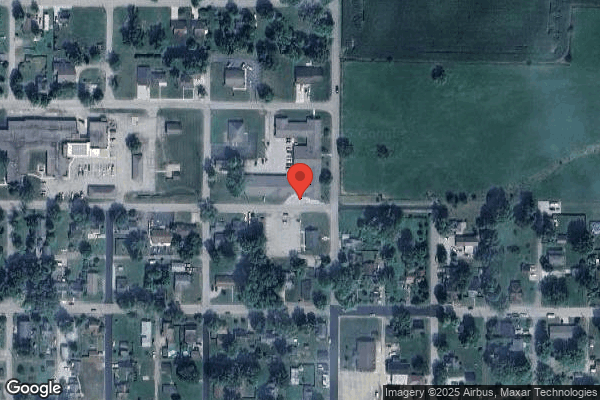
715 N MILL ST, HARTFORD CITY, IN 47348 (765) 348-2273
For profit - Corporation 78 Beds ENVIVE HEALTHCARE Data: November 2025
Trust Grade
75/100
#140 of 505 in IN
Last Inspection: November 2024

Within standard 12-15 month inspection cycle. Federal law requires annual inspections.

Overview

Envive of Hartford City has a Trust Grade of B, indicating that it is a good choice for families seeking a nursing home, as it is solidly above average. It ranks #140 out of 505 facilities in Indiana, placing it in the top half, and #2 out of 2 in Blackford County, meaning there is only one other local option available. The facility is currently improving, as it has reduced the number of issues from five in 2024 to two in 2025. Staffing is a strength with a 4 out of 5 rating and a turnover rate of 40%, which is lower than the state average, suggesting that staff are experienced and familiar with residents' needs. While the facility has no fines on record, there are some concerns, including instances of unclean carpeting in resident areas and a lack of consistent registered nurse coverage on certain days, which could impact resident care. Overall, while there are areas that need attention, the facility has many positive attributes.

Trust Score
B
75/100
In Indiana
#140/505
Top 27%
Safety Record
Low Risk
No red flags
Inspections
Getting Better
5 → 2 violations
Staff Stability
○ Average
40% turnover. Near Indiana's 48% average. Typical for the industry.
Penalties
✓ Good
No fines on record. Clean compliance history, better than most Indiana facilities.
Skilled Nurses
✓ Good
Each resident gets 67 minutes of Registered Nurse (RN) attention daily — more than 97% of Indiana nursing homes. RNs are the most trained staff who catch health problems before they become serious.
Violations
⚠ Watch
19 deficiencies on record. Higher than average. Multiple issues found across inspections.
★★★★☆
4.0
Overall Rating
★★★★☆
4.0
Staff Levels
★★★★★
5.0
Care Quality
★★★☆☆
3.0
Inspection Score
Stable
2024: 5 issues
2025: 2 issues

The Good

  • 4-Star Staffing Rating · Above-average nurse staffing levels
  • 5-Star Quality Measures · Strong clinical quality outcomes
  • Full Sprinkler Coverage · Fire safety systems throughout facility
  • No fines on record
  • Staff turnover below average (40%)

    8 points below Indiana average of 48%

Facility shows strength in staffing levels, quality measures, fire safety.

The Bad

Staff Turnover: 40%

Near Indiana avg (46%)

Typical for the industry

Chain: ENVIVE HEALTHCARE

Part of a multi-facility chain

Ask about local staffing decisions and management

The Ugly 19 deficiencies on record

Aug 2025 1 deficiency
CONCERN (F) 📢 Someone Reported This

A family member, employee, or ombudsman was alarmed enough to file a formal complaint

Potential for Harm - no one hurt, but risky conditions existed

Safe Environment (Tag F0921)

Could have caused harm · This affected most or all residents

**NOTE- TERMS IN BRACKETS HAVE BEEN EDITED TO PROTECT CONFIDENTIALITY** Based on observation, interview, and record review, the facility failed to ensure carpeting in resident rooms, hallways and comm...

Read full inspector narrative →
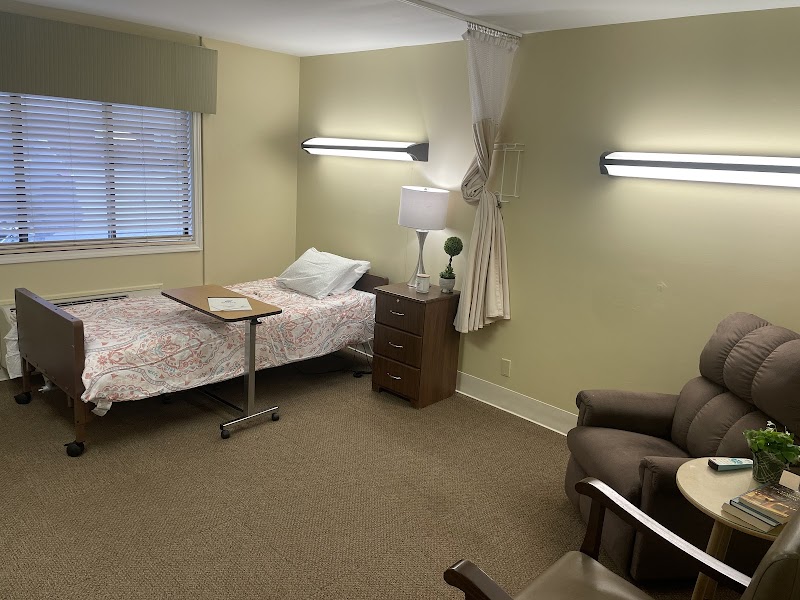
**NOTE- TERMS IN BRACKETS HAVE BEEN EDITED TO PROTECT CONFIDENTIALITY** Based on observation, interview, and record review, the facility failed to ensure carpeting in resident rooms, hallways and common areas were clean and free from stains for 2 of 2 units in the facility (100 hall and 200 hall). This deficient practice had the potential to impact 25 of 25 residents who resided in the facility. Findings include:Confidential interviews were conducted during the survey. During a confidential interview, it was indicated the hallways had spots or stains. The facility said they would have the carpet cleaned. It was at least five months since they shampooed it. It needed a good scrub. During a confidential interview, it was indicated the facility shampooed the carpet once in a while, but not often.During a confidential interview, it was indicated there had been spots on hallway carpets for quite a while.During a confidential interview, it was indicated there was heavy staining on the carpet in empty resident rooms.During a confidential interview, it was indicated the facility did not have a way to shampoo carpets.During a confidential interview, it was indicated dark spots on the carpet had been present for over a year and a half. Review of Resident Council meeting minutes for May, June, and July 2025 indicated concerns regarding the frequency and thoroughness of room cleaning and/or floor cleaning. During an environmental tour of the facility on 8/6/25 from 11:36 a.m. to 12:12 p.m., the following concerns regarding clean and stain-free carpets were observed: The Theater Room common activity room carpeting had approximately 11 dark brown quarter-sized marks in the center of the room.The 200 hallway had brown carpeting over the entire hall. The hallway had grayish discoloration to carpeting at the threshold area of the majority of the resident room doorways.The hallway carpeting outside of room [ROOM NUMBER] had a white- yellowish mark approximately the 1/2 inch by 1/2 inch in size. The hallway carpet outside room [ROOM NUMBER] had a dark brown smudgy mark approximately 3 inches by 2 inches.Unoccupied resident room [ROOM NUMBER]'s carpet located outside the bathroom door had a brownish gray discolored area about 2 feet by 2 feet .Unoccupied resident room [ROOM NUMBER]'s carpet in front of the armoire had a dark brown spot with a spill-like pattern approximately 1 foot by 2 foot. In the middle of the room, there was another dark brown spot about 4 inches by 4 inches in size.In the center of the 200 hallway between rooms [ROOM NUMBERS], the carpet had a dark brown spot approximately 3 inches by 3 feet.Throughout the 200 hallway the carpet had random dark brown colored quarter-sized spots. The hallway carpet outside room [ROOM NUMBER] had a one foot by one foot splatter-like dark brown mark.The hallway carpet outside room [ROOM NUMBER] had a one foot by one foot dark mark. The hallway carpet outside the 200 shower room threshold area had a gray discolored area which extended from the door to about two feet out.The hallway outside room [ROOM NUMBER] had a 1 foot by two-foot spill-like dark mark.Unoccupied resident room [ROOM NUMBER]'s carpeting had 3 feet by 6 feet splotchy discoloration in the center of the room. Unoccupied resident room [ROOM NUMBER]'s carpeting had a one foot by two feet dark spot in the center of the room and beside the bed had a dark brown smudge-looking three feet by one foot mark.The hallway carpet in the middle of hall between room [ROOM NUMBER] and 202 had one foot by 2 feet oily-looking dark mark. Unoccupied resident room [ROOM NUMBER]'s carpeting had a three feet by five feet dark mark, just inside door. The rest of the carpet had splotchy discoloration throughout the room. Resident room [ROOM NUMBER]'s carpeting in front of recliner had a two foot by one foot dark mark.Unoccupied resident room [ROOM NUMBER]'s carpeting had a four foot by three foot dark mark in center of room and small spots throughout.The Entrance Lobby/Lounge, 200 Nursing Station, and hallway leading from these areas to the 100 Hall/Secured Unit, Main Dining Room and Therapy room also had brown carpet with random discoloration. The Entrance Lobby/Lounge had a one foot by one foot dark brown mark on the carpet in front of the TV and there were multiple small dark spots in front of the chair.The hallway carpet outside the Administrator's office had a one foot by two foot dark brown spill like mark.The 200 Hall Nursing Station carpet had a two foot by three foot dark brown spot.The hallway carpet outside the Employee Entrance Service Corridor door had a two foot by one foot dark brown mark and three inch by one inch dark mark.The Therapy room carpet had a two foot by two foot dark brown mark in the center of the room.The 100 Hall/Secured Dementia Unit had a lighter brown flecked carpet throughout the hallway and in resident rooms.The hallway carpet outside room [ROOM NUMBER] had a one foot by two foot discolored area.The hallway carpet outside the Treatment Room had a one foot by one foot dark brown spot.Unoccupied resident room [ROOM NUMBER]'s carpet had a two foot by three-foot light gray mark in the center of the room.The hallway carpeting outside room [ROOM NUMBER] had a four inch by three inch yellow/off white mark.The hallway carpet prior to rooms [ROOM NUMBERS] had an eight inches by two inch dark brown spilled pattern mark.The hallway carpet prior to rooms [ROOM NUMBERS] had a two foot by one foot dark brown mark.The hallway carpet in front of the exit door by room [ROOM NUMBER] had a white ring like a leak stain which extended from the door approximately one foot and was about five feet in length.The combination Lounge and Dining room's carpet had a one foot by two foot yellowish stain by the table.The small lounge by the 100 hall nursing station's carpet had a three inch by five inch dark mark and a four inch by three inch dark mark. During an interview on 8/6/25 at 10:42 a.m., the DON indicated the facility had borrowed a carpet shampooer from a sister facility and shampooed carpets near the end of June 2025. A professional carpet cleaning statement, provided by the Administrator on 8/6/25 at 10:43 a.m., indicated the carpeting in the 3three halls, lobby, Nurses Station, Office, and a spot in the Therapy Room was last professionally cleaned on 11/5/24. This citation relates to Intake 2578686.
Mar 2025 1 deficiency
CONCERN (D) 📢 Someone Reported This

A family member, employee, or ombudsman was alarmed enough to file a formal complaint

Potential for Harm - no one hurt, but risky conditions existed

Deficiency F0761 (Tag F0761)

Could have caused harm · This affected 1 resident

Based on observation, interview, and record review, the facility failed to ensure resident medications were properly labeled and disposed of for 1 of 3 medication carts observed. (200 Front Hall Cart)...

Read full inspector narrative →
Based on observation, interview, and record review, the facility failed to ensure resident medications were properly labeled and disposed of for 1 of 3 medication carts observed. (200 Front Hall Cart) Finding includes: During an observation, on 3/13/25 beginning at 11:04 a.m., the top drawer in the left section of the 200 Front Hall Medication Cart contained an uncovered paper medication cup containing a green capsule, two cream-colored capsules, two round white tablets, and one oblong oval shaped white tablet. The paper cup had Resident N's last name and the words evening meds written in pen on it. During an interview, at the same time of the observation above, LPN 3 indicated she had not noticed the paper cup of medications in the cart when she passed medications earlier. Resident N had probably refused the medications, and the evening shift nurse had forgotten to destroy them. When a resident refused his/her medication, the medication should be destroyed right away. During an interview, on 3/13/25 at 11:06 a.m., the Director of Nursing indicated medications should be destroyed immediately after a resident refused them, and medications found in medication cups in the medication cart should be destroyed upon finding them. A current facility policy, dated 8/2024, titled Discarding and Destroying Medications, provided by the Administrator on 3/13/25 at 1:57 p.m., indicated the following: .Medications that cannot be returned to the dispensing pharmacy (e.g., non unit-dose medications, medications refused by the resident, and/or medications left by residents upon discharge) are disposed of in accordance with federal, state and local regulations governing management of non-hazardous pharmaceuticals, hazardous waste and controlled substances This citation relates to Complaint IN00453004. 3.1-25(k) 3.1-25(o)
Nov 2024 4 deficiencies
CONCERN (D) 📢 Someone Reported This

A family member, employee, or ombudsman was alarmed enough to file a formal complaint

Potential for Harm - no one hurt, but risky conditions existed

Quality of Care (Tag F0684)

Could have caused harm · This affected 1 resident

Deficiency Text Not Available

Read full inspector narrative →
Deficiency Text Not Available
CONCERN (D)

Potential for Harm - no one hurt, but risky conditions existed

Drug Regimen Review (Tag F0756)

Could have caused harm · This affected 1 resident

Based on interview and record review, the facility failed to ensure pharmacy recommendations were reviewed and addressed in a timely manner for 2 of 5 residents reviewed for unnecessary medications (R...

Read full inspector narrative →
Based on interview and record review, the facility failed to ensure pharmacy recommendations were reviewed and addressed in a timely manner for 2 of 5 residents reviewed for unnecessary medications (Resident 16 and Resident 18). Findings include: 1. Resident 16's clinical record was reviewed on 11/7/24 at 11:52 a.m. Diagnoses included aphasia following cerebral infarction, depression, disorientation, and anxiety disorder. Physician's orders included lorazepam (antianxiety) 0.5 mg (milligrams) two tablets every 4 hours as needed (PRN) for anxiety/agitation (started 10/27/24) and lorazepam 0.5 mg every 6 hours PRN anxiety/agitation (started 8/5/24 and discontinued 10/27/24). A significant change Minimum Data Set (MDS) assessment, dated 8/28/24, indicated the resident was severely cognitively impaired. A medication administration record for August 2024 indicated the resident was given lorazepam 0.5 mg on 8/5/24 at 5:04 p.m. and 11:05 p.m., 8/7/24 at 11:24 a.m., and 8/12/24 at 9:03 p.m. A medication regimen review, completed on 8/19/24, indicated lorazepam 0.5 mg give every 6 hours PRN anxiety/agitation started on 8/5/24 was a PRN order for a psychotropic drug and was limited to 14 days, except if the prescribing practitioner believed that it was appropriate for the PRN order to be extended beyond 14 days. Rationale and duration of the PRN order was to be documented by the prescriber in the resident's medical record. A medication administration record for September 2024 indicated the resident was given lorazepam 0.5 mg on 9/11/24 at 1:56 p.m. and 10:18 p.m., 9/14/24 at 10:57 p.m., 9/17/24 at 9:09 p.m., 9/18/24 at 6:12 a.m., 9/20/24 at 10:32 p.m., 9/21/24 at 7:11 p.m., and 9/28/24 at 1:57 a.m. A medication administration record for October 2024 indicated the resident was given 0.5 mg lorazepam on 10/18/24 at 10:35 p.m., 10/26/24 at 7:28 p.m., and 10/27/24 at 1:46 p.m. A medication regimen review, completed on 10/21/24, indicated lorazepam 0.5 mg give every 6 hours PRN anxiety/agitation started on 8/5/24 was a PRN order for a psychotropic drug and was limited to 14 days except if the prescribing practitioner believed that it was appropriate for the PRN order to be extended beyond 14 days. Rationale and duration of the PRN order was to be documented by the prescriber in the resident's medical record. The nurses notes lacked documentation of physician notification and response to the 8/19/24 and 10/21/24 medication regimen reviews. A Nurse's Note, dated 10/27/24 at 3:27 p.m., indicated the PRN lorazepam order for 0.5 mg started on 8/5/24 was discontinued. A new order for lorazepam 1 mg every 4 hours PRN anxiety/agitation was started and lacked a stop date. 2. Resident 28's clinical record was reviewed on 11/7/24 at 9:27 a.m. Diagnoses included anxiety disorder and congestive heart failure. Physician's orders included lorazepam 0.5 mg every 6 hours PRN for anxiety/agitation (started 7/30/24) and lorazepam 0.5 mg two times a day (started 11/4/24). A significant change MDS assessment, dated 8/9/24, indicated the resident was moderately cognitively impaired. A medication administration record for August 2024 indicated the resident was given lorazepam 0.5 mg on 8/13/24 at 7:05 p.m. and 8/15/24 at 6:00 p.m. A medication regimen review, completed on 8/19/24, indicated lorazepam 0.5 mg give every 6 hours PRN anxiety/agitation started on 7/30/24 required a 14 day stop date or for longer duration if clinically appropriate. A medication administration record for October 2024 indicated the resident was given lorazepam 0.5 mg on 10/4/24 at 3:54 p.m. The Nurse's Notes lacked documentation of the physician notification and response of the 8/19/24 medication regimen review. During an interview, on 11/8/24 at 3:38 p.m., the DON indicated the pharmacy's medication regimen review would have been sent to the resident's physician for review. She usually kept the reviews clipped until she received a response. She had missed this review and did not have a physician response. A current facility policy, dated 2020, provided by the DON on 11/8/24 at 4:43 p.m., titled Drug Regimen Review, indicated the following: .A written report is provided to the physician within seven working days or according to facility policy, with a copy to the facility .The physician's response is documented in the Consultant Pharmacist review record or elsewhere in the resident's medical record .The physician provides a written response of the report to the facility within one month after the report is sent. A copy of the report is kept by the facility until the physicians signed response is returned 3.1-25(i)
CONCERN (D)

Potential for Harm - no one hurt, but risky conditions existed

Medication Errors (Tag F0758)

Could have caused harm · This affected 1 resident

Based on observation, interview, and record review, the facility failed to ensure non-pharmacological interventions were attempted prior to the administration of an as needed (PRN) psychoactive medica...

Read full inspector narrative →
Based on observation, interview, and record review, the facility failed to ensure non-pharmacological interventions were attempted prior to the administration of an as needed (PRN) psychoactive medication for 2 of 5 residents reviewed for unnecessary medications. (Resident 16 and Resident 28) Findings include: 1. During an observation, on 11/4/24 at 9:20 a.m., Resident 16 rested in bed with his eyes closed. On 11/6/24 at 3:59 p.m., the resident rested in bed in bed with his eyes closed and leaned right. On 11/7/24 at 12:43 p.m., the resident rested in bed with his eyes gazing at the television. Resident 16's clinical record was reviewed on 11/7/24 at 11:52 a.m. Diagnoses included aphasia following cerebral infarction, depression, disorientation, and anxiety disorder. Physician's orders included lorazepam (antianxiety) 0.5 mg (milligrams) two tablets every 4 hours PRN for anxiety/agitation (started 10/27/24), lorazepam 0.5 mg every 6 hours PRN anxiety/agitation (started 8/5/24 and discontinued 10/27/24), and duloxetine (antidepressant) delayed release 90 mg daily (started 10/22/24). A significant change Minimum Data Set (MDS) assessment, dated 8/28/24, indicated the resident was severely cognitively impaired. He was dependent on staff for oral hygiene, toileting hygiene, personal hygiene, showering/bathing, upper and lower body dressing, rolling left and right, moving from sitting to lying and lying to sitting, and transfers. A care plan for the behavior of calling 911 for basic needs instead of pressing his call light was initiated 5/31/24 and revised on 9/18/24. The interventions included the following: Care givers to provide positive interaction and attention and to stop and talk to the resident when passing by him (initiated 5/31/24 and revised on 9/18/24). Discuss the resident's behavior with him and explain/reinforce why the behavior is inappropriate and/or unacceptable (initiated 5/21/24 and revised 9/18/24). Monitor behavior episodes and attempt to determine underlying cause. Consider location, time of day, persons involved, and situations. Document behavior and potential causes (initiated 5/31/24). A care plan for the use of antianxiety medication to treat symptoms of anxiety disorder was initiated on 7/10/24 and revised on 7/10/24. The goals included the resident will show decreased number of episodes of anxiety though the next review date of 12/5/24 (initiated 7/10/24 and revised 8/29/24). The interventions included the following: Administer antianxiety medications as ordered by the physician. Monitor for side effects and effectiveness every shift (initiated 7/10/24). A medication administration record for August 2024 indicated the resident was given lorazepam 0.5 mg on 8/5/24 at 5:04 p.m. and 11:05 p.m., 8/7/24 at 11:24 a.m., and 8/12/24 at 9:03 p.m. A Nurse's Note, dated 8/5/24 at 5:01 p.m., indicated the resident was having anxiety. The physician ordered PRN lorazepam 0.5 mg every 6 hours. A Nurse's Note, dated 8/5/24 at 5:04 p.m., indicated the resident was having a lot of anxiety/agitation and a PRN lorazepam was given. The resident's clinical record lacked interventions attempted prior to administration of the PRN medication. A Nurse's Note, dated 8/5/24 at 11:05 p.m., indicated the resident was given a PRN lorazepam for anxiety/agitation. The resident's clinical record lacked interventions attempted prior to administration of the PRN medication. The behavior monitoring and interventions report on 8/5/24 indicated no resident behaviors were observed. No interventions were marked. A Nurse's Note, dated 8/6/24 at 8:58 a.m., indicated the resident was sleeping soundly and would not awaken to take medications. A Nurse's Note, dated 8/7/24 at 11:24 a.m., indicated the resident was given a PRN lorazepam for anxiety/agitation. The resident's clinical record lacked interventions attempted prior to administration of the PRN medication. No behaviors or interventions were marked on the behavior monitoring and interventions report on 8/7/24. A nurses note, dated 8/12/24 at 9:03 p.m., indicated the resident was given a PRN lorazepam for anxiety/agitation. The resident's clinical record lacked interventions attempted prior to administration of the PRN medication. The behavior monitoring and interventions report on 8/12/24 indicated no resident behaviors were observed and no interventions attempted. A medication administration record for September 2024 indicated the resident was given lorazepam 0.5 mg on 9/11/24 at 1:56 p.m. and 10:18 p.m., 9/14/24 at 10:57 p.m., 9/17/24 at 9:09 p.m., 9/18/24 at 6:12 a.m., 9/20/24 at 10:32 p.m., 9/21/24 at 7:11 p.m., and 9/28/24 at 1:57 a.m. A Nurse's Note, dated 9/11/24 at 1:56 p.m., indicated the resident was given a PRN lorazepam for anxiety/agitation. The resident's clinical record lacked interventions attempted prior to administration of the PRN medication. No behaviors or interventions were marked on the behavior monitoring and interventions report on 9/11/24. A Nurse's Note, date 9/14/24 at 10:57 p.m., indicated the resident was given a PRN lorazepam for anxiety/agitation. The resident's clinical record lacked interventions attempted prior to administration of the PRN medication. The behavior monitoring and interventions report on 9/14/24 indicated no resident behaviors were observed. No interventions were marked. A Nurse's Note, dated 9/17/24 at 9:09 p.m., indicated the resident was given a PRN lorazepam for anxiety/agitation. The resident's clinical record lacked interventions attempted prior to administration of the PRN medication. No behaviors or interventions were marked on the behavior monitoring and interventions report on 9/17/24. A nurses note, dated 9/18/24 at 6:12 a.m., indicated the resident was given a PRN lorazepam for anxiety/agitation. The resident's clinical record lacked interventions attempted prior to administration of the PRN medication. No behaviors or interventions were marked on the behavior monitoring and interventions report on 9/18/24. A Nurse's Note, dated 9/20/24 at 10:32 p.m., indicated the resident was given a PRN lorazepam for anxiety/agitation. The resident's clinical record lacked interventions attempted prior to administration of the PRN medication. No behaviors or interventions were marked on the behavior monitoring and interventions report on 9/20/24. A nurses note, dated 9/21/24 at 7:11 p.m., indicated the resident was given a PRN lorazepam for anxiety/agitation. The resident's clinical record lacked interventions attempted prior to administration of the PRN medication. No behaviors or interventions were marked on the behavior monitoring and interventions report on 9/21/24. A Nurse's Note, dated 9/28/24 at 1:57 a.m., indicated the resident was given a PRN lorazepam for anxiety/agitation. The resident's clinical record lacked interventions attempted prior to administration of the PRN medication. The behavior monitoring and interventions report on 9/28/24 indicated no resident behaviors were observed. No interventions were marked. A medication administration record for October 2024 indicated the resident was given 0.5 mg lorazepam on 10/18/24 at 10:35 p.m., 10/26/24 at 7:28 p.m., and 10/27/24 at 1:46 p.m. A Nurse's Note, dated 10/18/24 at 10:35 p.m., indicated the resident was given a PRN lorazepam for anxiety/agitation. The resident's clinical record lacked interventions attempted prior to administration of the PRN medication. The behavior monitoring and interventions report on 10/18/24 indicated no resident behaviors were observed. No interventions were marked. A Nurse's Note, dated 10/26/24 at 7:28 p.m., indicated the resident was given a PRN lorazepam for anxiety/agitation. The resident's clinical record lacked interventions attempted prior to administration of the PRN medication. The behavior monitoring and interventions report on 10/26/24 indicated no resident behaviors were observed. No interventions were marked. 2. During an observation on 11/4/24 at 10:14 a.m., Resident 28 was sitting up in a wheelchair in her room with her eyes open. During an observation on 11/6/24 at 3:57 p.m., the resident was lying in bed with her eyes closed. During an observation on 11/7/24 at 8:30 a.m., the resident was lying in bed in with her eyes closed. Resident 28's clinical record was reviewed on 11/7/24 at 9:27 a.m. Diagnoses included anxiety disorder and congestive heart failure. Physician's orders included lorazepam 0.5 mg every 6 hours PRN for anxiety/agitation (started 7/30/24), lorazepam 0.5 mg two times a day (started 11/4/24), and hydroxyzine pamoate (used for anxiety) 25 mg twice a day (started 2/15/24 and discontinued 11/4/24). A significant change MDS assessment, dated 8/9/24, indicated the resident was moderately cognitively impaired. She required partial/moderate assistance with toileting hygiene, showering and bathing, upper body dressing, and moving from sitting to lying and lying to sitting. She was dependent on the staff for transfers. A care plan with a focus on the resident's restlessness, nervousness, and other anxiety symptoms due to anxiety disorder was initiated on 1/8/24 and revised on 8/28/24. The interventions included the following: Encourage the resident to participate in activities of choice (initiated 1/15/24 and revised 8/28/24). Give meds as ordered (initiated 1/8/24 and revised 1/15/24). A medication administration record for October 2024 indicated the resident was given lorazepam 0.5 mg on 10/4/24 at 3:54 p.m. A Nurse's Note, dated 10/4/24 at 3:54 p.m., indicated the resident was given a PRN lorazepam for anxiety/agitation. The resident's clinical record lacked interventions attempted prior to administration of the PRN medication. No behaviors or interventions were marked on the behavior monitoring and interventions report on 10/4/24. During an interview, on 11/8/24 at 10:10 a.m., Licensed Practical Nurse (LPN) 7 indicated prior to giving any PRN medications, interventions should be attempted. The nurse should always put in a progress note of the behavior and the interventions. During an interview, on 11/8/24 at 10:24 a.m., Registered Nurse (RN) 8 indicated before giving PRN medications, the order should be checked, the expiration date should be checked, check what interventions are appropriate and do those, and document the behavior and interventions. During an interview, on 11/8/24 at 3:48 p.m., the Director of Nursing (DON) indicated interventions should be attempted prior to giving PRN psychoactive medications. She was unable to supply documentation of interventions attempted prior to the administration of the PRN medications for the residents. A current facility policy, dated 8/2024, provided by the DON on 11/8/24 at 4:43 p.m., titled Psychotropic Medication Use, indicated the following: .Non-pharmacological approaches are used (unless contraindicated) to minimize the need for medications, permit the lowest possible dose, and allow for discontinuation of medications when possible 3.1-48(a)(4)
CONCERN (D)

Potential for Harm - no one hurt, but risky conditions existed

Infection Control (Tag F0880)

Could have caused harm · This affected 1 resident

Based on observation, interview, and record review, the facility failed to utilize infection prevention and control procedures during insulin administration for 2 of 4 residents reviewed for medicatio...

Read full inspector narrative →
Based on observation, interview, and record review, the facility failed to utilize infection prevention and control procedures during insulin administration for 2 of 4 residents reviewed for medication administration. (Residents 16 and 7) Findings include: 1. During a random medication administration observation on 11/6/24 at 10:56 a.m., RN 5 removed Resident 16's insulin aspart Flexpen 100 units/milliliter(mL) from the compartment in the top drawer of the medication cart where the insulin pens for the residents on the 200 unit were stored. She removed the unsealed pen cap, did not cleanse the rubber stopper of the multi-dose pen, and attached the pen needle to the insulin pen. The pen was primed and dialed to 11 units for scheduled and sliding scale insulin. The skin was cleansed with an alcohol pad, and the insulin was administered subcutaneously in the resident's right lower abdomen. Resident 16's clinical record was reviewed on 11/8/24 at 12:35 p.m. Diagnoses included, type 2 diabetes mellitus with diabetic neuropathy. Current physician's orders, dated 5/8/24, included insulin aspart injection solution 100 units/mL - inject 7 units subcutaneously with meals and insulin aspart injection solution 100 units/mL - inject as per sliding scale subcutaneously with meals. 2. During a random medication administration observation on 11/6/24 at 11:20 a.m., RN 5 removed Resident 7's Humalog KwikPen (insulin) solution pen-injector 100 units/mL from the compartment in the top drawer of the medication cart where the insulin pens for the residents on the 200 unit were stored. She removed the unsealed pen cap, did not cleanse the rubber stopper of the multi-dose pen, and attached the pen needle to the insulin pen. The pen was primed and dialed to a total of 7 units for scheduled and sliding scale insulin. The skin was cleansed with an alcohol pad, and the insulin was administered subcutaneously in the resident's left upper arm. Resident 7's clinical record was reviewed on 11/8/24 at 12:49 p.m. Diagnoses included, type 2 diabetes mellitus with other circulatory complications. A current physician's order, dated 11/27/23, included Humalog injection solution 100 units/mL - inject 5 units subcutaneously with meals. A current physician's order, dated 12/13/23, included Humalog KwikPen solution pen-injector 100 units/mL - inject as per sliding scale subcutaneously before meals and at bedtime. During an interview on 11/6/24 at 11:30 a.m., RN 5 indicated she should have cleansed the rubber stoppers for the insulin pen injectors prior to attachment of the needles during the medication administration observations, because they were pierced multiple times since they were opened for administration of the medication. This should have been done for infection prevention. During an interview on 11/7/24 at 3:04 p.m., the [NAME] President of Clinical Operations indicated the insulin pens should have been cleansed prior to attachment of the needle according to the manufacturers' guidelines. A current document, last revised on 2/2023, titled Insulin Aspart FlexPen INSTRUCTIONS FOR USE, provided by the Administrator on 11/7/24 at 3:03 p.m., indicated the following: .Preparing your Insulin Aspart FlexPen . A. Pull off the pen cap . Wipe the rubber stopper with an alcohol swab A current document, last revised on 7/2023, titled INSTRUCTIONS FOR USE HUMALOG . KwikPen . injection, for subcutaneous use 3 mL single-patient-use pen (100 units per mL), provided by the Administrator on 11/7/24 at 3:03 p.m., indicated the following: .Preparing your Pen . Step 1: .Pull the Pen Cap straight off . Wipe the Rubber Seal with an alcohol swab A current document, titled Insulin Pens, last reviewed 2/24/24 and retrieved on 11/12/24 from the Cleveland Clinic website: https://my.clevelandclinic.org/health/treatments/17923-insulin-pen-injections. The guidance included the following: Step-by-step instructions for preparing your insulin pen include: 1. Wash your hands. 2. Remove the cap of the insulin pen . 4. Wipe the rubber stopper with an alcohol wipe. 5. Attach a new pen needle to the insulin pen 3.1-18(a)
Jun 2024 1 deficiency
CONCERN (D) 📢 Someone Reported This

A family member, employee, or ombudsman was alarmed enough to file a formal complaint

Potential for Harm - no one hurt, but risky conditions existed

Report Alleged Abuse (Tag F0609)

Could have caused harm · This affected 1 resident

**NOTE- TERMS IN BRACKETS HAVE BEEN EDITED TO PROTECT CONFIDENTIALITY** Based on interview and record review, the facility failed to ensure an abuse allegation was reported to the Indiana Department o...

Read full inspector narrative →
**NOTE- TERMS IN BRACKETS HAVE BEEN EDITED TO PROTECT CONFIDENTIALITY** Based on interview and record review, the facility failed to ensure an abuse allegation was reported to the Indiana Department of Health for 1 of 4 residents reviewed for abuse. (Resident D and Resident B) Findings include: During an interview with Resident D, on 6/14/24 at 1:07 p.m., she indicated when she was in her previous room, Resident B had pushed her into her room from behind and told her to stay in her room, and she didn't need to be coming out of her room. Resident D reported this to the Administrator and the Social Service Director and completed a grievance form. Resident D's clinical record was reviewed on 6/14/24 at 12:50 p.m. A significant change Minimum Data Set (MDS) assessment indicated she was cognitively intact. She had a care plan for making false statements/accusations towards staff and other residents, i.e. making statements that she was hit or pushed by another resident when it was impossible for that to have happened (Revised 4/23/24). Her interventions included allow her to vent feelings (1/8/24), allow her to express her concerns (revised 4/19/24), provide comfort/support (revised 4/19/24), and redirect her and offer alternative options (revised 4/19/24). A Resident Concern Form for Resident D, dated 5/17/24 at 8:30 a.m. and completed by the Housekeeping Supervisor, indicated Resident D stated Resident B came to her door and grabbed her door handle and told her to stay in her d--n room. She told him not to say that and walked past him. An addendum to Resident D's concern/grievance, dated 5/17/24 at 9:00 a.m., written by the Administrator, indicated the initial story reported was that Resident B pushed Resident D back into her room as she was trying to get out of her room. Resident D told the Housekeeping Supervisor that Resident B told Resident D that he was going to kick her a--. The Administrator spoke with Resident D after this was reported and Resident D explained that Resident B followed her to her room, put his hand on her door and told her to get in there and stay. The Housekeeping Supervisor received two different stories than what the Administrator received. The Administrator spoke with each staff member, and no one saw it happen as well as no one saw Resident B on that end of the hall that morning. A handwritten statement by RN 4, dated 5/17/24, indicated RN 4 was standing at the blood sugar medication cart and Resident D told her Resident B had pushed her into her room and she was going to move to another room. A handwritten statement by the Housekeeping Supervisor, dated 5/17/24 at 8:35 a.m., indicated Resident D came up to her in the hall and told her Resident B shoved her into her room and told her he was going to knock her on her a--. When the Housekeeping Supervisor came out of room [ROOM NUMBER], Resident B was outside of a nearby room, nowhere close to her room, walking towards her. A social service note, dated 5/20/24 at 2:56 p.m., indicated the Social Service Director checked with Resident D regarding her room change. She stated she was comfortable in the room, and she had no further issues with her peer. If she saw him in the hallway, she just didn't talk to him or went in the other direction. During an interview with the Administrator, on 6/17/24 at 12:20 p.m., she indicated Resident D initially reported to the Housekeeping Supervisor that Resident B pushed her in her room and told her to stay in her room. When the Administrator went to Resident D's room to interview her, she indicated to her Resident B followed her to her room, put his hand on her door, and told her to get in there and stay. The allegation was not reported to the state agency because when she went to talk to Resident D, she changed her story and said that he followed her to her room and put his hand on her door and told her to get in there and stay. A current facility policy, titled Resident Abuse, Neglect and Exploitation Procedural Guidelines, provided by the Administrator on 6/17/24 at 1:59 p.m., indicated the following: .Procedures .4.d. Identification .ii. The Executive Director is responsible for: 1. Notification to the State Department of Health (per State Guidelines) .g. Reporting/response .ii. Ensure that all alleged violations involving abuse .are reported immediately .and to other officials (including to the State Survey Agency) This citation relates to Complaint IN00432995. 3.1-28(c)
Dec 2023 8 deficiencies
CONCERN (D)

Potential for Harm - no one hurt, but risky conditions existed

Deficiency F0576 (Tag F0576)

Could have caused harm · This affected 1 resident

Based on record review and interview, the facility failed to ensure residents' right to receive mail on Saturdays was maintained for 9 of 9 residents interviewed during a resident council meeting. Fin...

Read full inspector narrative →
Based on record review and interview, the facility failed to ensure residents' right to receive mail on Saturdays was maintained for 9 of 9 residents interviewed during a resident council meeting. Findings include: During a resident council interview, on 12/15/23 at 2:00 p.m., the residents present indicated mail was not delivered on Saturdays. During an interview, on 12/15/23 at 3:13 p.m., the Administrator indicated the mail was sorted and delivered to residents Monday through Friday, but they did not pass mail on Saturdays. Review of an undated, current facility policy, titled INDIANA RESIDENT RIGHTS & FACILITY RESPONSIBILITIES, provided by the DON on 12/19/23 at 3:58 p.m., indicated it is the facility's policy to abide by all resident rights, and to communicate these rights to residents and their designated representatives in a language that they can understand .(s) The resident has the right to privacy in written communications, including the right to: (1) send and promptly receive mail that is unopened. 3.1-3(s)(1)
CONCERN (D)

Potential for Harm - no one hurt, but risky conditions existed

Deficiency F0699 (Tag F0699)

Could have caused harm · This affected 1 resident

Based on observation, interview, and record review, the facility failed to ensure a resident with PTSD (Post Traumatic Stress Disorder) received care to mitigate triggers that may cause re-traumatizat...

Read full inspector narrative →
Based on observation, interview, and record review, the facility failed to ensure a resident with PTSD (Post Traumatic Stress Disorder) received care to mitigate triggers that may cause re-traumatization for 1 of 1 residents reviewed for trauma informed care (Resident 26). Findings include: During an observation, on 12/15/23 at 10:34 a.m., Resident 26 was outside for a smoke break with a staff member and four other residents. Her clinical record was reviewed on 12/15/23 at 11:00 a.m. Diagnoses included PTSD. Current physician orders included Seroquel (anti-psychotic) 25 mg, give two tablets (50 mg) at bedtime for PTSD, ordered 10/6/23. A 10/17/23 admission MDS (Minimum Data Set) assessment indicated she was cognitively intact. She had no mood or behaviors. She received an anti-psychotic medication on a routine basis. A current care plan, dated 10/19/23, indicated she used anti-psychotic medications related to traumatic stress disorder. The goal, with a target date of 1/23/23, indicated she would remain free of psychotropic drug related complications, including movement disorder, discomfort, hypotension, gait disturbance, constipation/impaction, or cognitive/behavioral impairment through review date. The interventions, dated 10/19/23, indicated psychotropic medications would be administered as ordered and side effects and effectiveness would be monitored, ongoing need for medication discussed with physician and family, reviewed behaviors/interventions and alternate therapies attempted and their effectiveness, and monitor, document, and report as needed any adverse reactions of psychotropic medications. A current care plan, dated 12/7/23, indicated she had a behavior problem related to she got unnecessarily agitated/angry with staff. The goal, with a target date of 1/23/24, indicated she would have no evidence of behavior problems by review date. The interventions, dated 12/7/23, indicated medications would be administered as ordered and side effects and effectiveness would be monitored and documented, and if reasonable, resident's behavior would be discussed with her and an explanation for why behavior was inappropriate and/or unacceptable. The care plans lacked information of what triggered a re-traumatization for the resident and interventions/strategies to mitigate this risk. A Psychosocial Assessment, dated 10/30/23 at 9:45 a.m., indicated the resident had a verbal altercation with another resident. The diagnosis that may have contributed to the problem was PTSD. Triggers that may have caused behavioral outbursts included fighting or angry outbursts. She was re-directed to an area with less stimulation. A Psychosocial Note, dated 10/30/23 at 9:49 a.m., indicated no mood or behavior changes noted. A facility form, titled Behavior Monthly Flow Sheet, indicated the following behaviors were monitored, agitated/angry and uncooperative/refusal of care. In October the following behaviors had been observed: agitated/angry on 10/7/23 and uncooperative/refused care on 10/26/23. In November the following behaviors had been observed: she had been uncooperative/refused care on 11/4/23. A Mood and Behavior Communication Memo, dated 12/17/23 at 10:00 p.m., indicated the resident and her roommate had argued about the television and lights. The interventions included, provided one on one and conversation of interest. The clinical record lacked information of what triggered a re-traumatization for the resident and interventions/strategies to mitigate this risk. During an interview, on 12/19/23 at 9:53 a.m., LPN 7 indicated not being able to take a smoke break triggered behaviors from the resident. The interventions used included activities were offered and she played games on her phone. During an interview, on 12/19/23 at 10:33 a.m., the Social Service Director indicated her triggers were being around abusive men. Her behaviors were not something that medication would improve. She gathered information from behavior memos and reviewed progress notes to log behaviors, what interventions had been attempted, and effectiveness of interventions. During an interview, on 12/19/23 at 11:06 a.m., the DON indicated the resident's triggers included not being able to go out to smoke because of weather, when someone disagreed with her, and when she wasn't first at something. Review of a current facility policy, titled Trauma Informed Care (TIC) Policy, dated 2019 and provided by the DON on 12/19/23 at 3:58 p.m., indicated .The facility will ensure that residents who are survivors receive culturally competent, trauma informed care in accordance with professional standards of practice and accounting for residents' experiences and preferences in order to eliminate or mitigate triggers that may cause re-traumatization of the resident .Trauma informed activities of the facility include, but are not limited to: .Care planning person centered approaches and interventions in response to the universal screening and/or periodic assessment of resident survivor needs including but not limited to honoring individual preferences and routines and responding to the emotional and psychosocial needs of resident survivors .Implementation of monitoring the staff implementation of interventions and performing quality improvement measures in response to identified needs and/or as problems are identified
CONCERN (D)

Potential for Harm - no one hurt, but risky conditions existed

Deficiency F0744 (Tag F0744)

Could have caused harm · This affected 1 resident

**NOTE- TERMS IN BRACKETS HAVE BEEN EDITED TO PROTECT CONFIDENTIALITY** Based on observation, interview, and record review, the facility failed to ensure a resident received individualized, non-pharma...

Read full inspector narrative →
**NOTE- TERMS IN BRACKETS HAVE BEEN EDITED TO PROTECT CONFIDENTIALITY** Based on observation, interview, and record review, the facility failed to ensure a resident received individualized, non-pharmacological interventions for dementia-type behaviors before increasing psychoactive medications for 2 of 5 residents reviewed for dementia care (Resident 18 and 25). Finding includes: 1. During an observation, on 12/15/23 at 9:53 a.m., Resident 18 was conversing with her roommate in her room. During an observation, on 12/19/23 at 10:34 a.m., Resident 18 was sitting in her wheelchair in her room crocheting. Resident 18's clinical record was reviewed on 12/15/23 at 9:15 a.m. She was admitted on [DATE]. Her diagnoses included anxiety disorder, unspecified, unspecified dementia, unspecified severity with anxiety, unspecified dementia, unspecified severity, with mood disturbance, major depressive disorder, single episode, moderate, and unspecified dementia, unspecified severity, with agitation. Her physician's orders included donepezil (for Alzheimer's disease)10 mg at bedtime (12/5/22), quetiapine fumarate (antipsychotic) 50 mg daily (8/26/23), quetiapine fumarate 50 mg - 2 tablets at bedtime (8/26/23), sertraline (antidepressant) 100 mg daily - take with 1.5 tablets of 50 mg to equal 175 mg (12/21/22), and sertraline 50 mg 1.5 tablets daily - take with 100 mg tablet to equal 175 mg (12/21/22). An 11/15/23 quarterly Minimum Data Set (MDS) assessment indicated the resident was moderately cognitively impaired. She had no mood indicators for depression. She had no behaviors. She took antidepressant and antipsychotic medications. A care plan, initiated on 12/5/22, indicated the resident was at risk for elopement related to cognitive impairment and/or impaired safety awareness. Interventions, initiated on 12/5/22, included offer distractions when resident is wandering such as activities of choice, pleasant diversion, food, conversation, television, music, etc., offer resident baby doll or stuffed animal to care for, offer resident the restroom, and redirect the resident to appropriate areas. A care plan, initiated on 12/8/22 and revised on 6/22/23, indicated the resident had impaired cognitive function related to dementia, long-term memory loss, and short-term memory loss. Interventions, initiated 12/8/22, included administer medications as ordered. Monitor/document for side effects and effectiveness. Communication: use the resident preferred name. Identify yourself at each interaction. Face the resident when speaking and make eye contact. Reduce any distractions - turn off television, radio, close door, etc. The resident understands consistent simple directive sentences. Provide the resident with necessary cues - stop and return if agitated. Keep the resident's routine consistent and try to provide consistent care givers as much as possible to decrease confusion. Monitor/document/report as needed any changes in cognitive function, specifically expressing self, difficulty understanding others, level of consciousness, mental status. Provide a program of activities that accommodates the resident's abilities. Provide the resident with a homelike environment. A care plan, initiated on 12/8/22 and revised on 8/18/23, indicated the resident may exhibit restlessness, nervousness, and/or other anxiety symptoms related to anxiety. Interventions, initiated on 12/8/22, included: The resident was on a behavior monitoring program. Give medications as ordered. Medication review as indicated. A care plan, initiated and revised on 12/8/23, indicated the resident was at risk for exhibiting crying, tearfulness and/or expressions of sadness related to depression. Interventions included: Behavior monitoring as indicated (12/8/22). Medication review as indicated (12/8/22). Provide comfort and one on one as needed (11/28/23). A care plan, initiated and revised on 9/10/23, indicated the resident has delusions related to the resident telling staff her son had been in and he would be back to take her home. Interventions, initiated on 9/10/23, included: Behavior Monitoring Program as indicated. Medication review as indicated. Delusions: Assist resident to an area with less stimulation; Assure resident that the delusion is not real and that she is safe; Explain task to the resident. A Social Services note, on 8/17/23 at 2:15 p.m., indicated the resident had been seen by the psych NP. Her quetiapine had been reduced from 50 mg twice a day to 50 mg daily at bedtime. A Progress note, on 8/25/23 at 8:00 p.m., indicated the resident's representative voiced concerns that the resident was having increased confusion and agitation. The resident had insisted that her family was coming to take her home and refused to go to bed several evenings in a row. According to the resident's representative, when the resident lived with the resident's representative, the quetiapine dose had been reduced and she had worsening behaviors. The physician was notified. A Nurses note, on 8/26/23 at 6:01 p.m., indicated the resident was at the nurse's station stating her family was coming to pick her up like he picked up last evening. The nurse told the resident she had not left the previous evening. The resident's representative was called and indicated the family was not coming to get her that evening. A Nurses note, on 8/26/23 at 8:28 p.m., indicated the on-call physician was notified and gave the order to restart the resident at the original dose of quetiapine. The order for quetiapine was to take 50 mg every morning and 100 mg every bedtime. The recent gradual dose reduction had failed due to increased delusions. A Nurses note, on 8/27/23 at 6:10 p.m., indicated the resident was slightly agitated and anxious. She packed her belongings and indicated her son was coming to get her. The progress notes lacked additional documentation of behaviors or interventions provided from 8/27/23 through 12/13/23. No behaviors or interventions were documented in the tasks list from 11/18/23 through 12/18/23. During an interview, on 12/19/23 at 2:16 p.m., LPN 52 indicated the resident did not have behaviors except when she had a bladder infection several months ago. During an interview, on 12/19/23 at 2:18 p.m., the Social Services Designee (SSD) indicated she had questioned the increase in the quetiapine when she reviewed the behaviors. There was one behavior documented on 8/25/23 on the behavior monthly flow sheet of delusions with the interventions being ineffective. The on-call physician had increased the resident's quetiapine dosage, not the psych NP. She was uncertain why the psych NP had not addressed the increase in the medication. 2. During an observation, on 12/14/23 at 3:28 p.m., Resident 25 was sitting in a wheel-chair in the doorway of her room. On 12/15/23 at 10:37 a.m., she was sitting in a wheel-chair in her room. On 12/15/23 at 1:45 p.m., she was sitting in a wheel-chair in her room with a blanket draped over her. On 12/18/23 at 9:33 a.m., she was in a wheel-chair propelling herself around the facility. On 12/18/23 at 9:38 a.m., she had propelled the wheel-chair in front of the nurses' station and asked if she could leave. A QMA dialed the phone for her and she spoke with her daughter. On 12/18/23 at 9:43 a.m., she was in wheel-chair near the nurses station writing checks with her purse on her lap. On 12/19/23 at 8:28 a.m., she was sitting in her room in a wheel-chair. On 12/19/23 at 8:45 a.m., she was sitting in her room in a wheel-chair. Resident 25's clinical record was reviewed on 12/15/23 at 9:36 a.m. Diagnoses included, anxiety disorder and dementia, unspecified severity, with anxiety that had been added to her list of diagnoses on 11/27/23. Current physician orders included Xanax (anti-anxiety) 0.25 mg, give two tablets (0.5 mg) every 24 hours PRN (as needed) for breakthrough anxiety (order date 12/16/23), Xanax 0.25 mg, one tablet three times a day for anxiety (order date 12/18/23), Xanax 0.25 mg, give two tablets (0.5 mg) in the afternoon for anxiety (order date 12/19/23), and target behaviors: anxiety: self-reported nervousness, restlessness, sleeplessness, at the end of each shift mark how often behavior occurred, intensity, and how she responded to redirection (order date 12/13/23). An 10/5/23 admission MDS assessment indicated she had severe cognitive impairment. Her preferences indicated it was somewhat important to her to have snacks between meals, to have books, newspaper, and magazines, to listen to music, to do things with groups of people, and to participate in religious activities. It was very important to her to keep up with the news, to do her favorite activities, and go outside when the weather permitted. A current care plan, dated 11/27/23, indicated she exhibited restlessness, nervousness and/or other anxiety/confusion symptoms related to she thought her daughter had left her here and was confused as to why she was at the facility and wanted to go home. The goal, initiated on 11/27/23 and with a target date of 1/11/24, indicated she would have decreased anxiety symptoms through next review. Interventions dated 11/27/23 included, behavior monitoring program as indicated, and give medications as ordered. Interventions dated 12/5/23 included, resident assured her family knew she was at facility and didn't forget her, redirected to her room to see that her personal items were there, offered food or drink of her choice, and provided comfort and emotional support. A Mood and Behavior Communication Memo, dated 11/15/23, indicated she had hollered out, got up, and walked in the hallway. Interventions that had been attempted without effectiveness included, toileting, change position, provided fluids, provided quiet environment, placed in chair and/or bed, provided one on one, allowed her to vent her feelings, provided reassurance and comfort, allowed time to calm/re-approach, and re-direction. A Mood and Behavior Communication Memo, dated 11/23/23 at 6:00 p.m., indicated she had been restless and rejected care. Interventions that had been attempted without effectiveness included toileting, provided fluids, provided quiet environment, provided one on one, allowed her to vent her feelings, provided reassurance and comfort, allowed time to calm/re-approach, and re-direction. A progress note, dated 11/27/23 at 4:04 a.m., indicated she had been anxious, restless, and confused all evening. She was assisted to bed and had rested well. A progress note, dated 11/27/23 at 11:56 a.m., indicated she continued to be anxious while self propelling in hallway. A progress note, dated 11/27/23 at 1:39 p.m., indicated a new order to add a diagnosis of dementia. A progress note, dated 11/29/23 at 5:30 p.m., indicated she had increased anxiety, PRN medication for anxiety had been given with little effectiveness. She had been tearful, shaky, and stated she was scared. Staff had provided one on one time with re-direction that had been somewhat effective, wanted to be with someone at all times, and physician was notified. A Mood and Behavior Communication Memo, dated 11/29/23, indicated she had been restless through the night. Interventions that had been attempted without effectiveness included toileting, changed position, provided fluids, provided quiet environment, mental health services, and validation of feelings and words. A progress note, dated 11/30/23 at 1:13 p.m., indicated the physician had ordered an increase in her anti-anxiety medication. A facility form, titled Behavior Monthly Flow Sheet, indicated the following behaviors were monitored, restlessness/nervous, hallucinations/paranoia/delusion, refusal of care, and wandering. In November the following behaviors had been observed, she had been restless/nervous on 11/15, 11/23, 11/29, and 11/30/23, and she had a refusal of care on 11/23/23. A progress note, dated 12/2/23 at 7:52 a.m., indicated she had increased anxiety, the PRN anti-anxiety medication had been given. She had been shaky and stated she was scared. Staff had provided one on one with re-direction that had been somewhat effective. She had a hallucination of a little boy and girl in her room that had told her she had to leave. Staff continued to assure her she was safe. A progress note, dated 12/4/23 at 12:20 p.m., indicated a new order had been received to discontinue the PRN anti-anxiety medication and start Xanax 0.5 mg tablet four times a day. A progress note, dated 12/8/23 at 8:16 a.m., indicated the Xanax was decreased to 0.25 mg three times a day. A progress note, dated 12/9/23 at 8:16 a.m., indicated Resident 25 had been anxious, followed the nurse around the facility, and was not easily re-directed. Scheduled medication had been given but had not been effective. Call placed to physician for an order for a PRN dose of Xanax for breakthrough anxiety. A progress note, dated 12/12/23 at 12:08 p.m., indicated an order for Xanax 0.25 mg one tablet every 24 hours PRN had been received. A progress note, dated 12/16/23 at 9:57 a.m., indicated she had been anxious, followed nurse around the facility, and was not easily re-directed. Scheduled medication given as ordered but was not effective. She had called her son three times and her daughter twice that morning. A progress note, dated 12/16/23 at 12:06 p.m., indicated the physician was notified of her behavior, and an order to had been received to increase the PRN Xanax to 0.5 mg for breakthrough anxiety. A progress note, dated 12/17/23 at 2:51 a.m., indicated she was awake and sitting on the side of her bed yelling and trying to get up. Staff explained it was too early to get up and assisted her back into the bed. A progress note, dated 12/18/23 at 1:50 p.m., indicated order had been received to adjust the routine Xanax order to 0.25 mg three times a day and 0.5 mg in the afternoon. A Mood and Behavior Communication Memo, dated 12/12/23 at 2:45 a.m., indicated restlessness, she had gotten herself up in the wheelchair and was going down the hallway. She indicated she didn't want to go to bed. Interventions: provided snack, provided one on one, allowed her to vent her feelings. The outcome, she her eventually allowed staff to put back to bed. A Mood and Behavior Communication Memo, dated 12/16/23 at 11:58 a.m., indicated she had been verbally aggressive and exit seeking, and tried to open front door to leave. She had been told she could not leave because she lived here, and she turned around and screamed that she did not live there. Interventions: allowed time to calm/re-approach, re-direction, PRN medication administered. The outcome, she continued to exit seek. A Mood and Behavior Communication Memo, dated 12/17/23 at 1:30 a.m. and 3:00 a.m., indicated she had walked around her room without staff assistance, she was assisted back into bed but she continued to get up. Interventions: provided snack, provided one on one, allowed her to vent her feelings, and re-direction. The outcome, she continued to try to get up. During an interview, on 12/19/23 at 9:53 a.m., LPN 7 indicated Resident 25 had a short attention span, liked interactions with others, and felt most comfortable when her daughter was there. The interventions she used included, encouraged her to attend activities, assisted her with calling her son or daughter, and the PRN Xanax. Her dementia was the cause of her behaviors. If a behavior was noted, it got documented in Risk Management section of the electronic clinical record and the SSD (Social Service Director) reviewed those notes. During an interview, on 12/19/23 at 10:45 a.m., the SSD indicated the resident had a short attention span and her behaviors were related to dementia. Staff had attempted to re-direct her, offer her snacks, and assist her to call her family. It was sometimes hard to distract her and better to give her the anti-anxiety medication instead. She reviewed the Mood and Behavior Communication Memos and checked progress notes daily for the behavior monitoring and tracking. During an interview, on 12/19/23 at 11:15 a.m., the DON indicated staff were expected to fill out the behavior communication paper and give to the SSD when a resident had a behavior. It would include interventions that would have been tried and if they had been effective. Her behaviors were related to dementia. Non-pharmacological interventions were expected to be attempted before administering the PRN Xanax. Review of a current facility policy, titled Personalized Care, dated 6/1/2023 and provided by the DON on 12/19/23 at 3:58 p.m., indicated .1. All staff will be involved in life enrichment programming during the residents' waking hours. The life enrichment programming in the facilities is designed to engage the residents and facilitate the highest level of function .2. Although residents with memory impairment do better when a basic routine is followed, individualized, center focused care provides flexibility and facilitates honoring personal interests and preferences 3.1-37(a)
CONCERN (D)

Potential for Harm - no one hurt, but risky conditions existed

Medication Errors (Tag F0758)

Could have caused harm · This affected 1 resident

**NOTE- TERMS IN BRACKETS HAVE BEEN EDITED TO PROTECT CONFIDENTIALITY** Based on observation, interview, and record review, the facility failed to ensure non-pharmacological interventions were employe...

Read full inspector narrative →
**NOTE- TERMS IN BRACKETS HAVE BEEN EDITED TO PROTECT CONFIDENTIALITY** Based on observation, interview, and record review, the facility failed to ensure non-pharmacological interventions were employed prior to increasing an antipsychotic medication for 1 of 5 residents reviewed for unnecessary medications (Resident 18). Finding includes: During an observation, on 12/15/23 at 9:53 a.m., Resident 18 was conversing with her roommate in her room. During an observation, on 12/19/23 at 10:34 a.m., Resident 18 was sitting in her wheelchair in her room crocheting. Resident 18's clinical record was reviewed on 12/15/23 at 9:15 a.m. She was admitted on [DATE]. Her diagnoses included anxiety disorder, unspecified, unspecified dementia, unspecified severity with anxiety, unspecified dementia, unspecified severity, with mood disturbance, major depressive disorder, single episode, moderate, and unspecified dementia, unspecified severity, with agitation. Her physician's orders included donepezil (for Alzheimer's disease)10 mg at bedtime (12/5/22), quetiapine fumarate (antipsychotic) 50 mg daily (8/26/23), quetiapine fumarate 50 mg - 2 tablets at bedtime (8/26/23), sertraline (antidepressant) 100 mg daily - take with 1.5 tablets of 50 mg to equal 175 mg (12/21/22), and sertraline 50 mg 1.5 tablets daily - take with 100 mg tablet to equal 175 mg (12/21/22). An 11/15/23 quarterly Minimum Data Set (MDS) assessment indicated the resident was moderately cognitively impaired. She had no mood indicators for depression. She had no behaviors. A care plan, initiated and revised on 12/8/22, indicated the resident used antipsychotic medications and was at risk for complications. Interventions included administer psychotropic medications as ordered by physician and monitor for side effects and effectiveness every shift, discus with physician, family about ongoing need for use of medication, review behaviors/interventions and alternate therapies attempted and their effectiveness as per facility policy. A medication regimen review by the pharmacist was completed on 6/26/23. A reduction in the dose of quetiapine from 100 mg at bedtime and 50 mg daily to quetiapine 75 mg at bedtime and 50 mg daily (a reduction of 175 mg to 125 mg total daily) was recommended. The physician agreed on 6/27/23 and the order was changed on 6/30/23. A NP progress note, on 7/20/23 at 9:39 a.m., indicated the resident had a gradual dose reduction of quetiapine on 6/30/23. Psychotropic medications and behaviors were reviewed. No behaviors had been reported over the review period. The plan for the resident was to decrease the quetiapine to 50 mg twice a day as a gradual dose reduction attempt. A NP progress note, on 8/17/23 at 4:14 p.m., indicated the NP attended a behavior management meeting and reviewed the psychotropic medications and behaviors. No behaviors had been reported over the review period. The plan for the resident was to decrease the quetiapine to 50 mg at bedtime as a gradual dose reduction attempt. A Progress note, on 8/25/23 at 8:00 p.m., indicated the resident's representative voiced concerns that the resident was having increased confusion and agitation. The resident had insisted that her family was coming to take her home and refused to go to bed several evenings in a row. According to the resident's representative, when the resident lived with the resident's representative, the quetiapine dose had been reduced and she had worsening behaviors. The physician was notified. A Nurses note, on 8/26/23 at 6:01 p.m., indicated the resident was at the nurse's station stating her family was coming to pick her up like he picked up last evening. The resident had not left the previous evening. The resident's representative was called and indicated the family was not coming to get her that evening. A Nurses note, on 8/26/23 at 8:28 p.m., indicated the on-call physician was notified and gave the order to restart the resident at the original dose of quetiapine. The order for quetiapine was to take 50 mg every morning and 100 mg every bedtime. The recent gradual dose reduction had failed due to increased delusions. A Nurses note, on 8/27/23 at 6:10 p.m., indicated the resident was slightly agitated and anxious. She packed her belongings and indicated her son was coming to get her. Behavior Monthly Flow Sheets for June, July, and August 2023, provided by the Social Service Director on 12/19/23 at 2:15 p.m., indicated the resident had one behavior of delusions on 8/26/23 with no additional behaviors documented for other months or days. During an interview, on 12/19/23 at 2:16 p.m., LPN 52 indicated the resident did not have behaviors except when she had a bladder infection several months ago. During an interview, on 12/19/23 at 2:18 18 p.m., the Social Services Designee indicated the resident had been admitted with the quetiapine order and other psychotropic medications. The psych NP had been working on reducing the quetiapine and did not order the increases. The son did not think the reduction in the quetiapine would be successful, but it was. The increase in the dose was ordered by the on-call doctor over a weekend. Generally, if a dose reduction had failed, the medication would not immediately be increased to the original dose before the two previous reductions. The resident had not had behaviors until the last gradual dose reduction. A current facility policy, dated 2020, provided by the DON on 12/19/23 at 3:58 p.m., titled Monitoring of Anti-Psychotics, indicated .Gradual dose reduction is attempted with all residents who receive antipsychotic medications, unless clinically contraindicated. Contraindication to dose reduction must be documented in the resident's medical record by the responsible physician .During the last seven days of each month in which the dose is reduce an assessment of the behavior is completed by the nursing staff, to guide the physician in making dose reductions 3.1-48(b)(2)
CONCERN (D)

Potential for Harm - no one hurt, but risky conditions existed

Deficiency F0761 (Tag F0761)

Could have caused harm · This affected 1 resident

**NOTE- TERMS IN BRACKETS HAVE BEEN EDITED TO PROTECT CONFIDENTIALITY** A. Based on observation, interview, and record review, the facility failed to ensure biologicals requiring refrigeration were mo...

Read full inspector narrative →
**NOTE- TERMS IN BRACKETS HAVE BEEN EDITED TO PROTECT CONFIDENTIALITY** A. Based on observation, interview, and record review, the facility failed to ensure biologicals requiring refrigeration were monitored per CDC guidelines for 1 of 1 refrigerators reviewed for medication/biological storage. B. Based on observation, interview, and record review, the facility failed to ensure residents' medications were properly disposed of or sent back to the pharmacy for credit for 1 of 1 medication storage rooms observed. Findings include: A. During an observation of the medication storage room beginning on [DATE] at 8:49 a.m., with RN 51, the medication refrigerator contained 10 vials/doses of influenza vaccines and had a standard thermometer. The refrigerator log indicated the refrigerator temperature was monitored daily. A facility document, provided by the DON on [DATE] at 10:08 a.m., titled Daily Freezer/Refrigerator Temperature Log, indicated the location was the medication room for [DATE]. Temperatures for the refrigerator were taken daily. During an interview, on [DATE] at 10:08 a.m., the DON indicated the refrigerator containing the vaccines had always been monitored daily not twice a day. During an interview, on [DATE] at 11:12 a.m., the DON indicated the facility did not have a policy on the storage of vaccines. The article Vaccine Storage and Handling Toolkit - [DATE], was retrieved on [DATE] from the Centers of Disease Control and Prevention website at https://www.cdc.gov/vaccines/hcp/admin/storage/toolkit/storage-handling-toolkit.pdfhttps://www.cdc.gov/vaccines/hcp/admin/storage/toolkit/storage-handling-toolkit.pdf. The guidance indicated if the temperature monitoring device did not read maximum/minimum temperatures then the temperature must be checked and recorded a minimum of two times a day as a minimal action to protect the vaccine supply. B. During an observation of the medication storage room beginning on [DATE] at 8:49 a.m. with RN 51, a tub filled with multiple medications for multiple residents was on a bottom shelf. During an interview, at the same time, RN 51 indicated the medications were to be returned to the pharmacy. She was uncertain of the paperwork to be filled out or the process as she had not sent back medications herself. During an observation beginning on [DATE] at 10:08 a.m., the tub filled with medications was reviewed with the DON. The medications included Entresto (for heart failure), Xarelto (blood thinner), doxycycline (antibiotic), amoxicillin and clavulanic acid (antibiotic), cefuroxime (antibiotic), glucagon injection (for very low blood sugars), a discharged resident's insulin injectable pens (for diabetes), a deceased resident's Tresiba Flex touch injectable pens (for diabetes), a discharged resident's Prevnar 20 vaccine (vaccine), an unmarked used fluticasone propionate salmeterol inhaler (for difficulty breathing), and loose, unmarked albuterol/ipratropium vials for nebulizer (for difficulty breathing). A stack of six medication cards was near the bottom of the tub with return paperwork dated [DATE]. During an interview, at the same time, the DON indicated one of the nurses periodically went through the medication carts and refrigerator to check for and remove expired/discharged residents' medications and discontinued medications. The medications had not been sorted yet, so no paperwork had been filled out. A current policy, dated 2020, titled Medication Storage in the Facility, provided by the DON on [DATE] at 11:12 a.m., indicated .Outdated, contaminated, or deteriorated medications and those in containers that are cracked, soiled, or without secure closures are immediately removed from stock, disposed of according to the procedures for medication destruction, and reordered from the pharmacy, if a current order exists A current policy, dated 2020, titled Returning of Prescription Medications to the Pharmacy, provided by the DON on [DATE] at 11:12 a.m., indicated POLICY: Each state has specific rules and regulations as it relates to returning medications- Each facility and pharmacy will adhere to their individual State's Rules and Regulations as it pertains to returns 3.1-25(o) 3.1-25(q) 3.1-25(r)
CONCERN (D)

Potential for Harm - no one hurt, but risky conditions existed

Deficiency F0887 (Tag F0887)

Could have caused harm · This affected 1 resident

3. Resident 23's clinical record was reviewed on 12/15/23 at 9:17 a.m. Her diagnoses included pneumonia, atherosclerotic heart disease of native coronary artery without angina pectoris, acute, atrial ...

Read full inspector narrative →
3. Resident 23's clinical record was reviewed on 12/15/23 at 9:17 a.m. Her diagnoses included pneumonia, atherosclerotic heart disease of native coronary artery without angina pectoris, acute, atrial fibrillation, and acute on chronic diastolic (congestive) heart failure. She had received COVID-19 vaccinations on the following dates 7/6/21, 8/9/21, 11/19/21, 2/11/22, and 8/9/22. She was offered and declined the COVID-19 vaccine on 7/3/23. Her clinical record lacked information that she had been offered the latest and recommended vaccine for COVID-19. 4. Resident 18's clinical record was reviewed on 12/15/23 at 9:18 a.m. Her diagnoses included presence of cardiac pacemaker and atrial fibrillation. She lacked a COVID-19 immunization. Her resident representative was offered and declined the COVID-19 vaccine on 12/5/22. Her clinical record lacked information that she had been offered the latest and recommended vaccine for COVID-19. During an interview on 12/19/23 at 2:49 p.m., the DON indicated the facility offered the COVID-19 vaccine upon admission. If residents had received both boosters for COVID-19, then they were good. She was uncertain if the newest COVID-19 booster had been offered to the residents. During an interview on 12/19/23 at 3:50 p.m., the DON indicated she had called the pharmacy. The pharmacy had the new vaccine. The facility had not offered the latest COVID-19 vaccine to the residents. The article Use of Updated COVID-19 Vaccines 2023-2024 formula for Persons Aged > 6 Months: Recommendations of the Advisory Committee on Immunization Practices [ACIP] - United States, September 2023 was retrieved on 12/19/23 from the Centers of Disease Control (CDC) website at https://www.cdc.gov/mmwr/volumes/72/wr/mm7242e1.htm#:~:text=On%20September%2012%2C%202023%2C%20ACIP,persons%20aged%20%E2%89%A56%20months. The guidance included: .On September 12, 2023, ACIP recommended vaccination with the updated 2023-2024 COVID-19 vaccine for all persons aged > 6 months . A current facility policy, dated 8/2022, provided by the administrator with the entrance conference paperwork on 12/13/23, indicated .COVID-19 Boosters will be offered and given based on current CDC recommendations 3.1-18(b)(5) Based on record review and interview, the facility failed to ensure residents were offered the latest and recommended COVID-19 vaccine for 4 of 5 residents reviewed for COVID-19 vaccinations (Residents 12, 25, 23, and 18). Findings include: 1. Resident 12's clinical record was reviewed on 2/18/23 at 9:42 a.m. Diagnoses included, type 2 diabetes mellitus and malignant neoplasm of unspecified site of left female breast. A COVID-19 Resident Vaccine Education form, signed by the resident and dated 8/8/22, indicated she requested the facility ensured she was vaccinated as soon as available. A review of her immunization status indicated her last COVID-19 vaccine had been administered on 12/6/22. Her clinical record lacked information that she had been offered the latest and recommended vaccine for COVID-19. 2. Resident 25's clinical record was reviewed on 12/15/23 at 9:36 a.m. Diagnoses included, type 2 diabetes mellitus and atherosclerotic heart disease. An informed consent of COVID-19 vaccine was signed by the resident and dated 9/14/23. A review of her immunization history status indicated her last COVID-19 vaccine had been administered on 3/3/21. Her clinical record lacked information that she had been offered the latest and recommended vaccine for COVID-19.
CONCERN (F)

Potential for Harm - no one hurt, but risky conditions existed

Deficiency F0727 (Tag F0727)

Could have caused harm · This affected most or all residents

Based on record review and interview, the facility failed to ensure a Registered Nurse (RN) worked 8 consecutive hours in the facility on any given day. This had the potential to affect 30 of 30 resid...

Read full inspector narrative →
Based on record review and interview, the facility failed to ensure a Registered Nurse (RN) worked 8 consecutive hours in the facility on any given day. This had the potential to affect 30 of 30 residents who resided in the facility. Findings include: A Payroll Based Journal (PBJ) report, compiled on 12/7/23 for Fiscal Year 2023's 3rd quarter (April 1 - June 30), indicated four or more days within the quarter with no RN hours. The report indicated the dates without RN coverage included April 1, April 2, April 15, April 29, May 13, and May 14. A review of the facility's Daily Nursing Assignment Sheets indicated the following: On April 1, there had not been an RN for eight consecutive hours at the facility. On April 2, there had not been an RN for eight consecutive hours at the facility. On April 15, there had not been an RN for eight consecutive hours at the facility. On April 29, the DON was included as having been at the facility for eight consecutive hours for RN coverage. On May 13, there had not been an RN for eight consecutive hours at the facility. On May 14, there had not been an RN for eight consecutive hours at the facility. During an interview, on 12/19/23 at 11:02 a.m., the DON indicated there had been dates when an RN was not at the facility for eight consecutive hours. There had been times that she was in the facility as RN coverage, but did not work eight consecutive hours. During an interview, on 12/19/23 at 11:28 a.m., the Business Office Manager indicated when the DON or MDS (Minimum Data Set) Nurse were in the facility for RN coverage, she coded their hours to reflect the hours were counted as RN coverage. Review of a current facility policy, titled RN Coverage, with a last revision date of 6/1/2023 and provided by the Regional Administrator on 12/19/23 at 4:33 p.m., indicated .Registered Nurse (RN): Registered nurses (RNs) are responsible for the overall delivery of care to the residents .Nursing homes must have at least one RN for at least 8 straight hours a day, 7 days a week 3.1-17(b)(3)
CONCERN (F)

Potential for Harm - no one hurt, but risky conditions existed

Food Safety (Tag F0812)

Could have caused harm · This affected most or all residents

**NOTE- TERMS IN BRACKETS HAVE BEEN EDITED TO PROTECT CONFIDENTIALITY** Based on observation, interview, and record review, the facility failed to ensure the appropriate storage of refrigerated foods ...

Read full inspector narrative →
**NOTE- TERMS IN BRACKETS HAVE BEEN EDITED TO PROTECT CONFIDENTIALITY** Based on observation, interview, and record review, the facility failed to ensure the appropriate storage of refrigerated foods by the use of a refrigerator unable to maintain refrigeration at safe levels. This deficiency had the potential to affect 30 of 30 residents residing in the facility who received meals from the kitchen. Finding includes: During an observation, on 12/13/23 at 10:07 a.m., the kitchen refrigerator temperature was 46 degrees Fahrenheit (F). The refrigerator contained various items including cheese and other dairy products. The Dietary Manager, at the same time, indicated the staff had been in and out of the refrigerator recently. She thought this was why the refrigerator temperature was reading 46 degrees F. Review of a facility Resource: Refrigerator/Freezer Temperature Log, document, provided by the Administrator on 12/13/23 at 11:02 a.m., indicated the refrigerator temperatures for December 2023 were as follows: 12/1/23 morning 41 degrees, evening 46 degrees 12/2/23 morning 44 degrees, evening 45 degrees 12/3/23 morning 42 degrees, evening 43 degrees 12/4/23 morning 46 degrees, evening 49 degrees 12/5/23 morning 48 degrees, evening 49 degrees 12/6/23 morning 48 degrees, evening 49 degrees 12/7/23 morning 46 degrees, evening 47 degrees 12/8/23 morning 47 degrees, evening 46 degrees 12/9/23 morning 46 degrees, evening 46 degrees 12/10/23 morning 46 degrees, evening 47 degrees 12/11/23 morning 45 degrees, evening 47 degrees 12/12/23 morning 45 degrees, evening 46 degrees 12/13/23 morning 47 degrees. During an interview, on 12/14/23 at 3:20 p.m., the Dietary Manager indicated the facility had received and installed a new refrigerator that afternoon. All of the food stored in the previous refrigerator had been thrown away. She had no where else to store the refrigerated foods while waiting for the new refrigerator, as there were no other refrigerators in the kitchen. She had let maintenance know about the increased refrigerator temperatures on 12/1/23. During an interview, on 12/15/23 at 1:44 p.m., the Administrator indicated during morning meeting on 12/8/23, she learned about the refrigerator not staying cold. She reported the refrigerator's malfunctioning to her corporate managers. No other refrigerators were used in the kitchen. On 12/13/23, about midday, all the food in the refrigerator had been thrown away. The food thrown away included cottage cheese, cream cheese, other cheeses, and milk. During an interview, on 12/15/23 at 1:52 p.m., the Dietary Manager indicated she had placed frozen eggs in the old refrigerator to thaw and used them. The refrigerator had contained butter and tomatoes. She had purchased small amounts of milk at a time, so it was not in the refrigerator too long. She thought maintenance thawed the refrigerator on 12/13/23. An invoice for the new refrigerator, provided by the Administrator on 12/15/23 at 2:01 p.m., was dated 12/13/23. During an interview, on 12/15/23 at 2:22 p.m., the Maintenance Director indicated he learned about the malfunctioning refrigerator on 12/8/23. He unthawed the refrigerator on 12/8/23\, as it had a brick of ice on the coils. The refrigerator was working when he left the faciity on [DATE]. He told the administrator about the malfunctioning refrigerator. He unthawed the refrigerator again on 12/14/23, but it began accumulating ice on the coils within a very short time. The facility only had the one refrigerator. A current facility policy for Kitchen Operations: Food Storage, dated 1/2023, provided by the Dietary Manager on 12/18/23 at 10:50 a.m., indicated .Food is stored at an appropriate temperature .Temperatures for refrigerators should be <41 [degrees] Fahrenheit .If temperature of refrigerator is above 40 [degrees] F, take food temperatures of item(s) stored within. If items remain at 41 [degrees] F or less, move items to working refrigeration unit. If items are above 41 [degrees] F, discard and log items discarded 3.1-21(i)(3)
Nov 2023 1 deficiency
CONCERN (D) 📢 Someone Reported This

A family member, employee, or ombudsman was alarmed enough to file a formal complaint

Potential for Harm - no one hurt, but risky conditions existed

Deficiency F0744 (Tag F0744)

Could have caused harm · This affected 1 resident

**NOTE- TERMS IN BRACKETS HAVE BEEN EDITED TO PROTECT CONFIDENTIALITY** Based on interview and record review, the facility failed to develop and implement individualized interventions for a cognitivel...

Read full inspector narrative →
**NOTE- TERMS IN BRACKETS HAVE BEEN EDITED TO PROTECT CONFIDENTIALITY** Based on interview and record review, the facility failed to develop and implement individualized interventions for a cognitively impaired resident who displayed sexual behaviors for 1 of 3 residents reviewed for behaviors (Resident C). Findings include: Resident C's clinical record was reviewed on 11/3/23 at 10:16 a.m. Diagnoses included hemiplegia and hemiparesis following cerebral infarction affecting left non-dominant side, wandering in diseases classified elsewhere and unspecified dementia, moderate, with other behavioral disturbance. An order initiated on 11/3/23 at 10:03 a.m. indicated to monitor the resident for behaviors related to being sexual in nature: roaming/wandering in other resident's rooms, inappropriate gestures, and seeking male residents. Notify the RN immediately. Redirect her immediately and document the outcomes every two hours. A 10/24/23, quarterly, Minimum Data Set (MDS) assessment indicated she was severely cognitively impaired and had delusions (misconceptions or beliefs that are firmly held, contrary to reality). She had a current care plan problem of sexually inappropriate behaviors such as flashing her breast to staff/residents/guests and inappropriately touching male residents (initiated on 10/1/23 and revised on 10/29/23). Her interventions included redirect her to an area with less stimulus (10/1/23), psychiatric evaluation/treatment as needed (10/1/23), behavior monitoring program (10/1/23), she was to wear a one-piece undergarment under her clothing (10/29/23), staff was to assist her to and from all meals (10/29/23), provide diversion by offering her an activity that interested her (10/29/23), remove her from the stimulus/situation (10/29/23), 15 minute checks (11/1/23) and labs as ordered (11/1/23). A nurses note, dated 9/10/23 at 12:15 p.m., indicated she was being sexually inappropriate, as she raised her top and showed other residents and staff her breasts. Redirecting her was unsuccessful. A female resident came to the nurses' station and said Resident C had come into her room while she was sleeping in her chair and rubbed her hands. Yesterday, she did the same thing, and rubbed her stomach and then put her hand down by her private area. They told her they would watch Resident C more closely and keep Resident C out of her room. The ADON was notified, and she would notify the Administrator. The ADON called back to the facility, and they were told to do one on ones with Resident C and social services would work on getting a psychiatric evaluation for her. Social services indicated the doctor needed notified to get an order for a urine analysis and to continue one on ones with Resident C. A nurses note, dated 9/11/23 at 5:56 a.m., indicated she lifted her shirt and exposed her breast three times since 5:50 a.m. She was provided snack and fluids for a distraction. Staff sat with her and she continued to lift her shirt. The ADON was notified. A nurses note, dated 9/11/23 at 10:36 a.m., indicated she had increased behaviors and an order was obtained for a urine analysis. A nurses note, dated 9/11/23 at 2:14 p.m., indicated a new order was obtained to start cefuroxime (antibiotic) 500 mg twice a day for 10 days for a urinary tract infection (UTI). A psychiatric nurse practitioner note, dated 10/29/23 at 12:55 p.m., indicated Resident C was involved in a reportable sexual behavior with another resident on 10/29/23. The behavior was isolated and the residents were separated. Resident C would continue on one on one observation and then switch to 15 minute checks. Resident C posed no threat to herself or others at that time. A social service note, dated 11/1/23 at 10:58 a.m., indicated one on one observations ended and 15-minute checks had been initiated. During an interview with CNA 9, on 11/3/23 at 9:51 a.m., she indicated she was walking down the hall on 10/29/23 and noticed Resident C's wheelchair was at the entrance to Resident B's room. When she walked to the room, Resident C was sitting in her wheelchair and Resident B was standing in front of her. Resident C had her hand inside the front of Resident B's pants. The CNA told Resident C she couldn't do that, and told Resident B he shouldn't let her do that. She removed her from his room and took her to the nurses station. Resident B didn't normally have sexual behaviors. Resident C would say things like that guy was [NAME] and she would like to get with him. She would say and do things but she wouldn't remember doing them after 30 seconds. During an interview with CNA 11, on 11/3/23 at 9:59 a.m., she indicated when Resident C had a UTI, she liked pulling up her shirt, so they started putting her in a body suit. Resident C liked to wheel herself near the dining room, which was near Resident B's room, and they had encouraged Resident B and Resident C to stay separated. Resident B would blame Resident C for following him. She observed Resident C try to touch Resident B in his private area about a handful of times, in the hallway, but he would back up and not allow her to touch him. They had been drawn towards each other for about a month. During an interview with CNA 13, on 11/3/23 at 10:08 a.m., she indicated Resident C had a UTI and was lifting her shirt up and exposing her breasts. If she caught Resident C in Resident B's doorway, she would redirect her. She had caught them together before, but nothing happened. They had been trying to keep them separated for a month or so. Resident C didn't remember what she had done. During an interview with CNA 15, on 11/3/23 at 11:12 a.m., she indicated Resident C lifted her shirt and exposed her breasts. They had found out she had a UTI. She now wore a body suit. She felt Resident B liked the attention from Resident C, and he would come out of his room with just a brief on and he looked for Resident C. They would sit together, and he would look around to see who was watching them. While doing one on ones with Resident C, she indicated she had sexual desires. While Resident C was in the activity room today, she tried to fix Resident C's shirt and Resident C indicated she liked to show them her breasts. During an interview with the DON, on 11/3/23 at 12:16 p.m., she indicated Resident C liked men. She had heard that she was a flasher in the bars when she was younger. They ordered onesies for her, but they only had two of them and they tried to make sure they had them washed. She was on an antibiotic for a UTI and they thought that had cured her from exposing herself, but then, she had this incident with Resident B. Resident B was cognitively intact and he was the type that he would not encourage Resident C, but would not stop her either. During an interview with Resident C, on 11/3/23 at 2:10 p.m., she indicated she was leaving here in a couple days. She had never touched anyone or been touched by anyone inappropriately, she did not have a boyfriend but was looking for a husband. During an interview with Resident B, on 11/3/23 at 4:20 p.m., he indicated Resident C had been flashing him about everyday for the last couple of weeks. If she started to do it, he would turn his back to her. He came out of the bathroom and he had a Velcro zipper on his pants, and the Velcro was open. She had touched him through his pants and indicated to him that she wanted to play with it and he told her she shouldn't do that. One of the aides came and told her she wasn't supposed to do that. Resident C had told him that she had the hots for him and she wanted to have sex with him, but he had erectile dysfunction. He felt that she was just a hard-up old lady. During an interview with Resident C's roommate, on 11/3/23 at 4:38 p.m., she indicated she had been in the common area with Resident C and Resident B. Resident C had lifted her shirt and told him that she would like him to perform oral sex on her. One time, she had caught Resident C going into another male resident's room while he was in bed and she pulled her out of his room. Resident C indicated to her that she wanted to crawl in bed with him and have sex with him. A current facility policy, dated 8/2022, titled Behavior Assessment/Monitoring, provided by the Administrator on 11/3/23 at 4:10 p.m., indicated the following: .General Guidelines .a. Behavior is regulated by the brain and is influenced by past experiences, personality traits .Management 1. The interdisciplinary team will evaluate behavioral symptoms in residents to determine the degree of severity, distress and potential safety risk to the resident and develop a plan of care accordingly .a. Atypical behavior will be differentiated from behavior that is dangerous or problematic for the resident(s) or staff, or behavior that signals underlying distress. b. If the behavior is atypical but not problematic or dangerous and the resident does not appear to be in distress, then the IDT will monitor for changes but not necessarily intervene to normalize the behavior .7. Interventions will be individualized and part of an overall care environment that supports physical, functional, and psychosocial needs and strives to understand, prevent or relieve the resident's distress or loss of abilities. 8. Interventions and approaches will be based on detailed assessment of physical, psychological and behavioral symptoms and their underlying causes, as well as the potential situational and environmental reasons for the behavior This citation relates to Complaint IN00420684. 3.1-37(a)
Feb 2023 3 deficiencies
CONCERN (D)

Potential for Harm - no one hurt, but risky conditions existed

Deficiency F0558 (Tag F0558)

Could have caused harm · This affected 1 resident

**NOTE- TERMS IN BRACKETS HAVE BEEN EDITED TO PROTECT CONFIDENTIALITY** Based on observation, interview, and record review, the facility failed to follow the grievance process for a resident-reported ...

Read full inspector narrative →
**NOTE- TERMS IN BRACKETS HAVE BEEN EDITED TO PROTECT CONFIDENTIALITY** Based on observation, interview, and record review, the facility failed to follow the grievance process for a resident-reported concern for 1 of 2 residents reviewed for edema. (Resident 27) Finding includes: During an interview, on 2/6/23 at 4:27 p.m., a bariatric wheel chair was in the hallway outside of Resident 27's room. Inside her room was a bed, a television on the wall to the side of the foot of the bed, and a straight-backed, average-sized chair with arm rests. The chair had a fan placed on it at the foot of her bed, in the corner beside the closet. The chair was the width of a regular box fan and not an appropriate size for the resident to sit in. It did not have a method in which one could elevate legs, nor did allow for positioning in a manner that one could elevate their legs. A walkway was between the foot of the bed and the chair to allow entry to the roommates side of the room. The resident was observed with several blankets stacked on the foot of her bed where she laid her head, as she was positioned on her left side with her bare feet barely on the edge of the bed. Her feet and lower legs were edematous. The resident indicated she had trouble with swelling in her feet and it was very uncomfortable to lay in the bed all the time to try to elevate her feet but they became too swollen when she left them down on the floor, or remained up in her wheelchair. Staff discouraged her from staying up in the wheelchair because of the swelling in her feet and legs. She explained she had to lay on her left side while in bed due to a previous injury to her right shoulder years ago, which created significant pain in other positions in bed. She preferred to listen to movies on television that she was familiar with before she lost her eyesight because she could then visualize the movie in her head. She would like to sit up in a chair and watch television at times. She had asked different staff members, on different occasions, about a recliner or chair in which she could sit up and keep her feet elevated to avoid the excess swelling. She was not made aware of any solution to her reported concern. At times, she sat up on the toilet and left the bathroom door open to listen to the television so she could sit up out of her bed but she could not elevate her feet while on the toilet either. She was unable to afford a leather recliner like the facility required of residents. Resident 27's clinical record was reviewed on 2/8/23 at 9:10 a.m. Diagnoses included legal blindness, obesity, adult body mass index 50.0 - 59.0, unspecified depression, unspecified anxiety disorder, unspecified osteoarthritis, restless leg syndrome and unspecified insomnia. Current medications included, hydrochlorothiazide (diuretic) 25 milligrams (mg) once daily, venlafaxine hydrochloride (depression) 150 mg twice daily, buspirone hydrochloride (anxiety) 5 mg once daily, ropinirole hydrochloride (restless leg syndrome) 0.25 mg once daily at bedtime, hydrocodone-acetaminophen (narcotic pain medication) 5-325 mg twice daily and trazodone hydrochloride (insomnia) 75 mg once daily at bedtime. An 11/23/22, quarterly, Minimum Data Set (MDS) assessment indicated the resident's cognitive status was intact. Rejection of care behaviors were not exhibited. She required extensive assistance from a staff member for bed mobility, transfers, dressing, toileting and personal hygiene. The resident used a wheelchair for mobility. A current care plan for impaired visual function, dated 11/7/22, indicated the resident had glaucoma and was legally blind. A current care plan, dated 11/7/22, indicated the resident had an activity of daily living deficit related to mobility deficits, neuropathy, legally blind, low back pain, incontinence and obesity. A current care plan, dated 11/7/22, indicated the resident exhibited restlessness, nervousness and/or other anxiety symptoms related to anxiety. A current care plan, dated 11/7/22, indicated the resident was at risk for fluid imbalance related to mobility deficits and hypertension. Interventions included, medications as ordered and observe for and notify provider for signs and symptoms of fluid overload such as increased edema, elevated blood pressure or shortness of breath. A current care plan, dated 11/7/22, indicated the resident was at risk for pain related to mobility deficits, arthritis, low back pain and neuropathy. Interventions included, evaluate the effectiveness of pain interventions, review for compliance, alleviating of symptoms, resident satisfaction with results and impact on functional ability and cognition. A current care plan, dated 11/28/22, indicated the resident planned to remain in the nursing facility for long term care. Interventions included, provide comfort and support as needed. A current care plan, dated 11/7/22, indicated the resident has an altered cardiovascular status related to hypertension. Interventions included, monitor/document/report any changes in lung sounds, edema and dependent edema. During an interview, on 2/9/23 at 11:58 a.m., Certified Nurse's Aide (CNA) 6 indicated the resident laid down a lot and did have trouble with swelling in her feet. The resident had told her the bed was not comfortable to elevate her feet and this had been reported to the Director of Nursing (DON) and the Assistant Director of Nursing (ADON). They were informed of the resident's swollen feet and she was uncomfortable trying to elevate her feet in the bed. This was mentioned to them as recent as the current week. The resident had a recliner in her room when she was on the 100 Unit, during a previous admission, but she did not have a recliner or method to elevate her feet during the current admission, unless she sat up in her bed. During an interview, on 2/9/23 at 12:11 p.m., the resident's bariatric wheelchair was in the 200 unit hallway outside the resident's door. Resident 27 was laying on her left side with her head at the foot of the bed and her feet on the edge, with her television on. Her bare feet were edematous. She indicated she would be sitting up in a chair with her feet elevated if she had a way to do this. She had reported concerns regarding the swelling and the inability to sit up in a chair and recline her feet to two different aides and the Maintenance Manager. She had spoken to the Maintenance Manager a couple of times, soon after she admitted . He told her he had some cloth recliners available, but they were only able to use leather. He did not have a solution for her and had not spoken to her about it any further. Management staff had not spoken to her to follow up on her concerns regarding her swelling and the need for a chair/method to elevate her feet, despite many different times she had brought it to staff's attention. Her room set up remained unchanged from the previous observation on 2/6/23. During an interview, on 2/9/23 at 12:26 p.m., the Maintenance Manager indicated he was unable to remember if anyone asked him to get a recliner for the resident, but at times staff reported things to him throughout the day and had not filled out work orders. It was possible the resident mentioned it to him and he forgot about it. He did not have a way to track these requests. Resident 27 had a black leather recliner when she was admitted to the facility previously, on the 100 unit. The recliner remained at the facility when she discharged . It had been in use by another resident until 2/4/23. He was not aware of any plan to move the available recliner to Resident 27's room for her to use, but it remained available. The black leather recliner in room [ROOM NUMBER] on the 100 unit was the exact recliner the resident previously used and was available for use. (This room was vacant at the time of the observation.) The facility was not required to provide a recliner for the residents, but if they had one available, they would have allowed a resident to utilize it. A review of the Maintenance Requisition forms from 10/27/22 through the date of the survey lacked any work order requisitions regarding a recliner for the resident. During an interview, on 2/9/23 at 1:02 p.m., CNA 7 indicated she was familiar with all of the residents in the building. The resident had swelling in her feet most of the time and had mentioned it was uncomfortable for her to elevate her feet in bed. She wanted a recliner or way to elevate her feet while she sat up and had mentioned this very frequently since she admitted to the facility in November. Since the resident brought this up on a regular basis, she had reported it to the DON and the ADON verbally on several occasions. Due to obesity, the chair with arms in the corner of the resident's room was not of appropriate size for the resident, and did not have a way to elevate the resident's feet. The resident did not have any devices/furniture in her room on which to elevate her feet except the bed. She had never seen a recliner in the resident's room during the current admission, nor was she aware of any attempts to provide a chair or recliner to allow her to elevate her feet. Recliners had been available for use in vacant rooms on different occasions since the resident had made the requests. Any resident concerns were able to be reported orally or in writing to the DON or ADON. Review of the Grievance Log on 2/9/23 at 1:26 p.m., lacked any record of the above mentioned concerns from the resident. During an interview, on 2/9/23 at 1:26 p.m., the Social Services Director indicated she did not have any additional concerns/grievances in the last year other than those listed on the Grievance Log. Grievances were able to be submitted by staff, residents or family members. Any concerns not immediately resolved were required to be placed on the report of concerns for the grievance process. They had a locked box for grievances or they could be submitted to a department head. Any concerns reported to a staff member should have been documented. She placed them on a report and issued them to the appropriate department head to address for the grievance process. During an interview, on 2/9/23 at 1:51 p.m., Registered Nurse 9 indicated at times the resident was noted with edema in her feet. The resident was often laying on her bed and did not have a recliner in her room to sit up and elevate her feet. She had a larger wheelchair and was uncertain if the resident could physically utilize the straight back chair with arm rests, and it lacked a foot rest to elevate her feet. The resident rarely left her room. Any concerns should always be reported to the Administrator. During an interview, on 2/9/23 at 2:12 p.m., the ADON indicated reports of a concern should have a form turned in to the Social Services Director for the grievance process. It was not appropriate for a concern reported to a staff member not being addressed. She denied any knowledge of the resident's concerns. Family members were required to provide recliners, but they have allowed residents to use a recliner from the facility in the past. It was beneficial for a residents with edema to elevate their feet in a recliner. During an interview, on 2/9/23 at 2:25 p.m., the DON, she indicated concerns should be placed on a form, but they could be reported to a department head as well. Concerns reported to a staff member should have been followed up on. She denied any knowledge of the resident's concerns. She indicated the resident did not have a chair to elevate her feet and an ottoman was not appropriate due to a fall hazard. She was unaware if both a bed and recliner would fit in the resident's room. During an interview, on 2/9/23 at 2:50 p.m., the Social Services Director (SSD) indicated the resident had asked about a recliner when she admitted to the facility. She told the resident the facility did not supply a recliner, but she could bring in her own leather recliner. The resident told her she did not have the money, but she could pay 50 dollars for a recliner. She asked the SSD to keep an eye out for one and let her know. The SSD indicated she would let her know if she heard of any, but no one attempted to follow up when a recliner became available since the facility was not required to provide recliners. Recliners were often in the rehab to home rooms, but they could be moved to other rooms. She had not made this a concern for the grievance process. A current facility policy, dated 8/23/22, titled Resident Concerns and Grievances, provided by the Social Services Director on 2/9/23 at 2:03 p.m., indicated the following: POLICY . Resident, representative or family concerns/grievances occurring during the resident's stay shall be responded to promptly and without fear of reprisal or discrimination. Each resident has the right to: file grievances orally or in writing; file a grievance anonymously, and to obtain a written decision regarding his or her grievance An undated document, titled, INDIANA RESIDENT RIGHTS & FACILITY RESPONSIBILITIES, provided by the Social Services Director on 2/10/23 at 5:36 p.m., indicated the following: .It is the facility's policy to abide by all resident rights, and to communicate these rights to residents and their designated representatives in a language that they can understand Residents' rights (l) When a resident or family group exists, the facility must listen to the views and act upon the grievances and recommendations of residents and families and report back at a later time in accordance with facility policy (v) A resident has the right to the following: (1) Reside and receive services in the facility with reasonable accommodations of the individual's needs and preferences, except when the health or safety of the individual or other residents would be endangered Grievances (a) A resident has the right to the following: (1) Voice a grievance without discrimination or reprisal. Such grievances include those with respect to treatment which has been furnished as well as that which has not been furnished. (2) Prompt efforts by the facility to resolve grievances the resident may have, including those with respect to the behavior of other residents 3.1-3(v)(1) 3.1-7(a)(1) 3.1-7(a)(2)
CONCERN (D)

Potential for Harm - no one hurt, but risky conditions existed

Pressure Ulcer Prevention (Tag F0686)

Could have caused harm · This affected 1 resident

**NOTE- TERMS IN BRACKETS HAVE BEEN EDITED TO PROTECT CONFIDENTIALITY** Based on observation, interview, and record review, the facility failed to prevent the development and progression of pressure i...

Read full inspector narrative →
**NOTE- TERMS IN BRACKETS HAVE BEEN EDITED TO PROTECT CONFIDENTIALITY** Based on observation, interview, and record review, the facility failed to prevent the development and progression of pressure injuries for 1 of 5 resident reviewed for pressure injuries (Resident 25). Findings include: During a random observation, on 2/6/23 at 3:32 p.m., Resident 25 was sitting in her recliner and crocheting. She was wearing slippers. During a random observation, on 2/8/23 at 2:11 p.m., the resident was sitting in her recliner with her eyes closed. A heel boot was on her right foot. Her left foot was bare, with a heel boot on the floor beside it. During a random observation, on 2/9/23 at 8:21 a.m., the resident was sitting in her recliner with her eyes closed. She was wearing slippers. Resident 25's clinical record was reviewed on 2/9/23 at 11:19 a.m. Diagnoses included anxiety, dementia with mood disturbance, dementia with agitation, restless leg syndrome, pressure-induced deep tissue damage of left heel, and pressure-induced deep tissue damage of right heel. Physician's orders included apply sure prep (barrier film wipe) to heels every shift (initiated 1/18/23), float heels while in bed as tolerated every shift (initiated 1/5/23), pressure reducing cushion to wheelchair (initiated 12/5/22), and pressure relieving mattress to bed (initiated 12/5/22). A current care plan, initiated on 12/5/22 and revised on 12/8/22, indicated the resident had an activities of daily living (ADL) self-care performance deficit related to mobility deficits, dementia, arthritis, chronic pain, and edema. An intervention (initiated 12/5/22) was to assist with bed mobility as needed/indicated. A current care plan, initiated on 12/5/22 and revised on 12/8/22, indicated the resident was at risk for impaired skin integrity related to mobility deficits, fragile skin, and edema. An intervention (initiated on 12/5/22) was to observe skin with daily cares and notify nurse of any new or worsening areas. A current care plan, initiated on 1/9/23 and revised on 1/30/23, indicated the resident had deep tissue injuries to the right and left heels, related to mobility deficits. Interventions included educate the resident/family/caregivers as to causes of skin breakdown (initiated 1/9/23), encourage and assist the resident to change position frequently (initiated 1/9/23), and float heels while in bed as tolerated (initiated on 2/7/23). A 12/11/22, admission Minimum Data Set (MDS) assessment indicated the resident was severely cognitively impaired. She required extensive assistance of two persons for bed mobility, transfers, and toileting. An Interdisciplinary Team (IDT) note, dated 12/6/22 at 11:34 p.m., indicated the resident was admitted on [DATE]. She was at low risk for pressure related skin injuries. She was admitted with redness to her buttocks, with a treatment in place and the wound nurse to follow. A Skin/Wound note, dated 12/10/22 at 10:00 p.m., indicated the certified nurse aides (CNAs) reported bruising to the back of the resident's heels during the resident's shower. The left heel had a blood blister approximately 4 centimeters (cm) in diameter. The right heel had a blister approximately 2 cm in diameter. An IDT note, dated 12/15/22 at 11:00 a.m., indicated the resident had blisters to both heels. The resident was somewhat stationary after going to bed and did not reposition herself or feet once she was settled in bed. The physician ordered heel boots and skin barrier film to her heels when in bed. An IDT note, dated 12/21/22 at 11:47 a.m., indicated the right and left heel blisters remained intact. The blisters had increased in size, but were flattening out. An IDT note, dated 12/28/22 at 2:13 p.m., indicated the right heel blister measured 3.0 cm by 2.5 cm with less than 0.1 cm depth and was improving. The left heel blister measured 4.0 cm by 4.5 cm with less than 0.1 cm depth and was improving. An IDT note, dated 1/4/23 at 1:31 p.m., indicated the intact blister to the right heel was discovered to be a stage 2 pressure injury (partial thickness loss of dermis presenting as a shallow open ulcer with a red or pink wound bed, without slough or bruising. May also present as an intact or open/ruptured blister). The area was firm to touch, with purple/blue discoloration to the wound bed. The intact blister to the left heel was discovered to be a stage 2 pressure injury. The area was mushy/boggy to touch with purple/blue discoloration to the wound bed. A left heel wound evaluation by the wound Nurse Practitioner (NP), dated 1/11/23 at 10:29 a.m., indicated the left heel area previously classified as a stage 2 pressure injury was an unstageable pressure injury (full-thickness skin and tissue loss in which the extent of tissue damage within the ulcer cannot be confirmed because it is obscured by slough or eschar) with a length of 3.60 cm by a width of 3.81 cm. The wound bed was 100 % slough/eschar (dead tissue) and black in color. A right heel wound evaluation by the wound NP, dated 1/11/23 at 10:30 a.m., indicated the right heel area previously classified as a stage 2 pressure injury was an unstageable pressure injury, with a length of 2.32 cm by a width of 2.85 cm. The wound bed was 100 % slough/eschar and black and red in color. A left heel wound evaluation by the wound NP, dated 1/25/2023 at 8:40 a.m., indicated the pressure injury was now classified as a suspected deep tissue injury (purple or maroon localized area of discolored intact skin or blood-filled blister due to damage of underlying soft tissue from pressure and/or shear). The wound had worsened. A right heel wound evaluation by the wound NP, dated 1/25/23 at 8:41 a.m., indicated the pressure ulcer was now classified as a suspected deep tissue injury. The wound had worsened. A left heel wound evaluation by the wound NP, dated 2/8/23 at 6:38 a.m., indicated the pressure ulcer remained a suspected deep tissue injury with a wound bed of 70% slough/eschar and 30 % epithelialization (wound healing process). A right heel wound evaluation by the wound NP, dated 2/8/23 at 6:38 a.m., indicated the pressure ulcer remained a suspected deep tissue injury with a wound bed of 60% slough/eschar and 40% epithelialization. During an observation, on 2/10/23 at 10:21 a.m., LPN 4 removed the resident's heel boots and applied sure prep. The left heel had a blackened area the size of a half dollar. The right heel had a reddened area the size of a quarter. The resident indicated both her heels were sore. During an interview, on 2/10/23 at 10:55 a.m., CNA 12 indicated she tried to encourage the resident to wear heel boots, but the resident did not like them and often removed them. During an interview, on 2/10/23 at 12:42 p.m., CNA 6 indicated she encouraged the resident to elevate her feet and keep her heel boots on. The resident frequently removed her heel boots. During an interview, on 2/10/23 at 1:18 p.m., LPN 4 indicated she believed the pressure injuries to the resident were probably present on admission. She was unable to locate documentation of the existence of the pressure injuries prior to 12/10/22. A current facility policy, dated 9/1/2022, provided by the Corporate Consultant, and titled Pressure Prevention, indicated the following: . Purpose to maintain good skin integrity and avoid development of pressure ulcers 3.1-40(a)
CONCERN (D)

Potential for Harm - no one hurt, but risky conditions existed

Pharmacy Services (Tag F0755)

Could have caused harm · This affected 1 resident

Based on interview and record review, the facility failed to administer ordered medications for 1 of 5 residents reviewed for unnecessary medications (Resident 3). Findings include: Resident 3's recor...

Read full inspector narrative →
Based on interview and record review, the facility failed to administer ordered medications for 1 of 5 residents reviewed for unnecessary medications (Resident 3). Findings include: Resident 3's record was reviewed on 2/9/23 at 8:39 a.m. Diagnoses included hypertensive heart disease with heart failure, chronic systolic and diastolic congestive heart failure, coronary artery disease, paroxysmal atrial fibrillation, peripheral vascular disease and bradycardia. Physician's orders included sacubitril-valsartan (used for chronic heart failure) 49-51 mg (milligrams) two times a day ordered on 6/17/22, and discontinued on 8/5/22. A care plan initiated on 2/11/22 and revised on 9/26/22, indicated the resident had altered cardiovascular status related to congestive heart failure, coronary artery disease, peripheral vascular disease, hypertension, atrial fibrillation and bradycardia. An intervention, initiated on 2/11/22, indicated to give medications as ordered. The resident's medication administration record (MAR) from 6/1/22 through 6/30/22 indicated sacubitril-valsartan 49-51 mg was unavailable on 6/19/22, 6/20/22, 6/22/22, 6/24/22, 6/25/22, 6/28/22 and 6/30/22. The MAR from 7/1/22 through 7/31/22 indicated the medication was unavailable on 7/2/22 morning and evening doses, 7/3/22 morning and evening doses, 7/4/22, 7/5/22, 7/6/22, 7/10/22, 7/11/22 and 7/14/22. An Orders Administration Note, on 6/28/22 at 9:00 p.m., indicated sacubitril-valsartan 49-51 mg was not administered. The medication was held as it was not available at the time of administration. The nurse was notified and aware of the medication not being available. An Orders Administration Note, on 7/2/22 at 8:07 p.m., indicated sacubitril-valsartan 49-51 mg was not administered. The medication was held as it was not available at the time of administration. The nurse was notified and aware of the medication not being available. An Orders Administration Note, on 7/3/22 at 8:00 a.m., indicated sacubitril-valsartan 49-51 mg was not administered. The medication was held as it was not available at the time of administration. The nurse was notified and aware of the medication not being available. An Orders Administration Note, on 7/3/22 at 8:17 p.m., indicated sacubitril-valsartan 49-51 mg was not administered. The medication was held as it was not available at the time of administration. The nurse was notified and aware of the medication not being available. An Orders Administration Note, on 7/4/22 at 8:04 p.m., indicated pharmacy would be delivering sacubitril-valsartan 49-51 mg. An Orders Administration Note, on 7/10/22 at 8:08 p.m., indicated sacubitril-valsartan 49-51 mg was not administered. The medication was held as it was not available at the time of administration. The nurse was notified and aware of the medication not being available. An Orders Administration Note, on 7/11/22 at 8:00 p.m., indicated sacubitril-valsartan 49-51 mg was not administered. The medication was held as it was not available at the time of administration. The nurse was notified and aware of the medication not being available. An Orders Administration Note, on 7/14/22 at 9:38 p.m., indicated sacubitril-valsartan 49-51 mg was not administered. The medication was held as it was not available at the time of administration. The nurse was notified and aware of the medication not being available. During an interview, on 2/10/23 at 1:14 p.m., Licensed Practical Nurse (LPN) 2 indicated when a medication was unavailable, she checked if the medication had been reordered. Then, she would look in the Pyxis (an automated medication dispensing system) for the medication. If the medication was not available, the pharmacy would be notified. She would notify the physician and see if she could an order to hold the medication one time until it arrived from the pharmacy. The unavailability of the medication would also be passed on in report. During an interview, on 2/10/23 at 1:29 p.m., LPN 3 indicated if a medication was not in the resident's medication section, she would check to ensure it had not been placed in another area. She would check the Pyxis for availability of the medication. Next, if not in Pyxis, she would notify the physician about the lack of the medication to get an order to hold the medication. She would notify the pharmacy to get the medication and pass it on in report. If the medication was not sent, then pharmacy would have to be notified again. She would speak with someone to find out why medication was not sent. During an interview, on 2/10/23 at 3:25 p.m., the Director of Nursing (DON) and Assistant Director of Nursing (ADON) reviewed the 6/2022 and 7/2022 MARs and indicated they had each marked the medication unavailable one time. Both indicated they would have notified the pharmacy to order the medication but did not remember the circumstances. The DON indicated she believed the medication may have been available, but was not administered, as the medication order was listed in the generic name and the medication container may have listed the brand name. A current facility policy, dated 12/1/22, provided by the Administrator on 2/10/23 at 3:47 p.m., and titled Medication Administration, indicated the following: .Medication will be administered in a safe and effective manner .if unfamiliar with the medication, consult a drug reference, manufacturer package inserts, or pharmacist for more information 3.1-25(a)
Understanding Severity Codes (click to expand)
Life-Threatening (Immediate Jeopardy)
J - Isolated K - Pattern L - Widespread
Actual Harm
G - Isolated H - Pattern I - Widespread
Potential for Harm
D - Isolated E - Pattern F - Widespread
No Harm (Minor)
A - Isolated B - Pattern C - Widespread

Questions to Ask on Your Visit

  • "Can I speak with families of current residents?"
  • "What's your RN coverage like on weekends and overnight?"

Our Honest Assessment

Strengths
  • • No major safety red flags. No abuse findings, life-threatening violations, or SFF status.
  • • No fines on record. Clean compliance history, better than most Indiana facilities.
  • • 40% turnover. Below Indiana's 48% average. Good staff retention means consistent care.
Concerns
  • • 19 deficiencies on record. Higher than average. Multiple issues found across inspections.
Bottom line: Generally positive indicators. Standard due diligence and a personal visit recommended.

About This Facility

What is Envive Of Hartford City's CMS Rating?

CMS assigns ENVIVE OF HARTFORD CITY an overall rating of 4 out of 5 stars, which is considered above average nationally. Within Indiana, this rating places the facility higher than 99% of the state's 100 nursing homes. This rating reflects solid performance across the metrics CMS uses to evaluate nursing home quality.

How is Envive Of Hartford City Staffed?

CMS rates ENVIVE OF HARTFORD CITY's staffing level at 4 out of 5 stars, which is above average compared to other nursing homes. Staff turnover is 40%, compared to the Indiana average of 46%. This relatively stable workforce can support continuity of care.

What Have Inspectors Found at Envive Of Hartford City?

State health inspectors documented 19 deficiencies at ENVIVE OF HARTFORD CITY during 2023 to 2025. These included: 19 with potential for harm.

Who Owns and Operates Envive Of Hartford City?

ENVIVE OF HARTFORD CITY is owned by a for-profit company. For-profit facilities operate as businesses with obligations to shareholders or private owners. The facility is operated by ENVIVE HEALTHCARE, a chain that manages multiple nursing homes. With 78 certified beds and approximately 28 residents (about 36% occupancy), it is a smaller facility located in HARTFORD CITY, Indiana.

How Does Envive Of Hartford City Compare to Other Indiana Nursing Homes?

Compared to the 100 nursing homes in Indiana, ENVIVE OF HARTFORD CITY's overall rating (4 stars) is above the state average of 3.1, staff turnover (40%) is near the state average of 46%, and health inspection rating (3 stars) is at the national benchmark.

What Should Families Ask When Visiting Envive Of Hartford City?

Based on this facility's data, families visiting should ask: "Can I visit during a mealtime to observe dining assistance and food quality?" "How do you handle medical emergencies, and what is your hospital transfer rate?" "Can I speak with family members of current residents about their experience?"

Is Envive Of Hartford City Safe?

Based on CMS inspection data, ENVIVE OF HARTFORD CITY has a clean safety record: no substantiated abuse findings (meaning no confirmed cases of resident harm), no Immediate Jeopardy citations (the most serious violation level indicating risk of serious injury or death), and is not on the Special Focus Facility watch list (a federal program monitoring the lowest-performing 1% of nursing homes). The facility has a 4-star overall rating and ranks #1 of 100 nursing homes in Indiana. While no facility is perfect, families should still ask about staff-to-resident ratios and recent inspection results during their visit.

Do Nurses at Envive Of Hartford City Stick Around?

ENVIVE OF HARTFORD CITY has a staff turnover rate of 40%, which is about average for Indiana nursing homes (state average: 46%). Moderate turnover is common in nursing homes, but families should still ask about staff tenure and how the facility maintains care continuity when employees leave.

Was Envive Of Hartford City Ever Fined?

ENVIVE OF HARTFORD CITY has no federal fines on record. CMS issues fines when nursing homes fail to meet care standards or don't correct problems found during inspections. The absence of fines suggests the facility has either maintained compliance or corrected any issues before penalties were assessed. This is a positive indicator, though families should still review recent inspection reports for the full picture.

Is Envive Of Hartford City on Any Federal Watch List?

ENVIVE OF HARTFORD CITY is not on any federal watch list. The most significant is the Special Focus Facility (SFF) program, which identifies the bottom 1% of nursing homes nationally based on persistent, serious quality problems. Not being on this list means the facility has avoided the pattern of deficiencies that triggers enhanced federal oversight. This is a positive indicator, though families should still review the facility's inspection history directly.