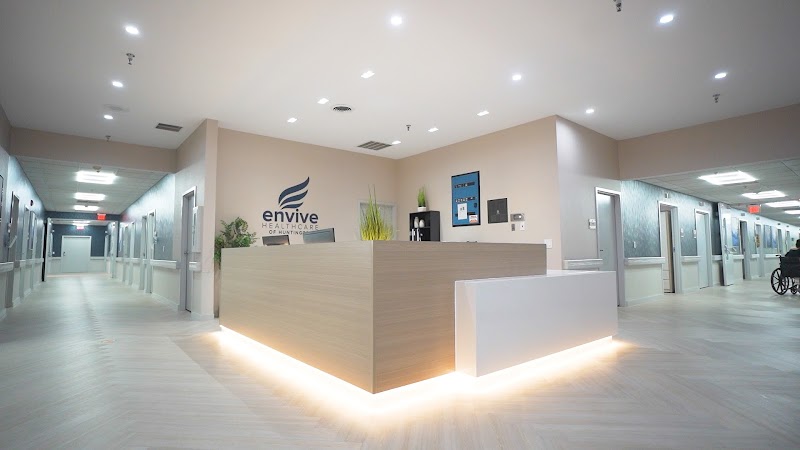
ENVIVE OF HUNTINGTON
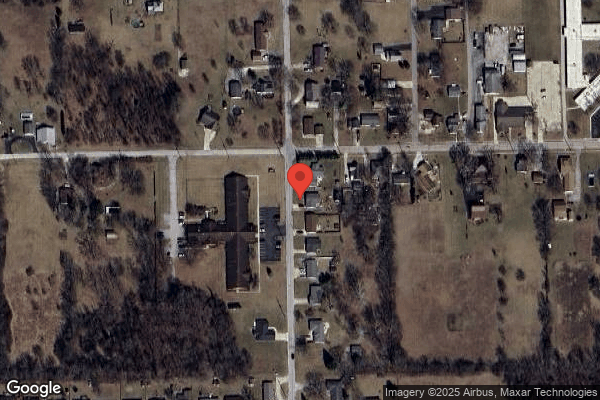
850 ASH ST, HUNTINGTON, IN 46750 (260) 358-0047
For profit - Corporation 55 Beds ENVIVE HEALTHCARE Data: November 2025
Trust Grade
68/100
#141 of 505 in IN
Last Inspection: January 2025

Within standard 12-15 month inspection cycle. Federal law requires annual inspections.

Overview

Envive of Huntington has a Trust Grade of C+, indicating it is slightly above average, but not exceptional. It ranks #141 out of 505 facilities in Indiana, placing it in the top half, and #2 out of 5 in Huntington County, meaning only one local option is rated higher. The facility's performance is worsening, with issues increasing from 4 in 2024 to 8 in 2025. Staffing is a mixed bag; while the turnover rate is relatively low at 32%, earning a good rating, the overall staffing score is only 2 out of 5 stars, indicating some challenges in maintaining adequate staff levels. There are concerning fines of $15,874, which are higher than 92% of Indiana facilities, suggesting ongoing compliance problems. RN coverage is average, which is important as RNs typically catch potential issues that CNAs might miss. Specific incidents include improper food storage practices that could affect all residents and failures to obtain consent from residents before posting their images online, raising concerns about dignity and privacy. Overall, while there are strengths in staffing retention, the facility faces significant challenges that families should consider carefully.

Trust Score
C+
68/100
In Indiana
#141/505
Top 27%
Safety Record
Low Risk
No red flags
Inspections
Getting Worse
4 → 8 violations
Staff Stability
○ Average
32% turnover. Near Indiana's 48% average. Typical for the industry.
Penalties
○ Average
$15,874 in fines. Higher than 54% of Indiana facilities. Some compliance issues.
Skilled Nurses
○ Average
Each resident gets 37 minutes of Registered Nurse (RN) attention daily — about average for Indiana. RNs are the most trained staff who monitor for health changes.
Violations
⚠ Watch
23 deficiencies on record. Higher than average. Multiple issues found across inspections.
★★★★☆
4.0
Overall Rating
★★☆☆☆
2.0
Staff Levels
★★★★★
5.0
Care Quality
★★★☆☆
3.0
Inspection Score
Stable
2024: 4 issues
2025: 8 issues

The Good

  • 5-Star Quality Measures · Strong clinical quality outcomes
  • Full Sprinkler Coverage · Fire safety systems throughout facility
  • No fines on record
  • Staff turnover below average (32%)

    16 points below Indiana average of 48%

Facility shows strength in quality measures, fire safety.

The Bad

Staff Turnover: 32%

14pts below Indiana avg (46%)

Typical for the industry

Federal Fines: $15,874

Below median ($33,413)

Minor penalties assessed

Chain: ENVIVE HEALTHCARE

Part of a multi-facility chain

Ask about local staffing decisions and management

The Ugly 23 deficiencies on record

Sept 2025 3 deficiencies
CONCERN (D) 📢 Someone Reported This

A family member, employee, or ombudsman was alarmed enough to file a formal complaint

Potential for Harm - no one hurt, but risky conditions existed

Resident Rights (Tag F0550)

Could have caused harm · This affected 1 resident

Based on interview and record review, the facility failed to promote and protect resident dignity by ensuring residents' written consent was received per facility policy before posting photographs and...

Read full inspector narrative →
Based on interview and record review, the facility failed to promote and protect resident dignity by ensuring residents' written consent was received per facility policy before posting photographs and videos on the facility's social media platforms for 2 of 8 residents reviewed. (Resident D and E)Findings include:A facility social media posting, on 7/28/25, showed a photograph of Resident D during an arts and crafts activity. A facility social media posting, on 8/13/25, showed photographs of some of the facility's residents at a lake during a meal. Resident E was pictured in the online photographs. Resident D's clinical record was reviewed on 9/19/25 at 10:34 a.m. Diagnoses included dementia, depression, and mild cognitive impairment.During an interview, on 9/19/25 at 11:45 a.m., the Administrator indicated Resident D did not have a signed photography/video release form in her admission packet.A consent record, provided by the Administrator, on 9/19/25 at 2:12 p.m., indicated Resident D signed consent for photographs intended for medical records and activities. The consent did not include social media release.Resident E's clinical record was reviewed on 9/19/25 at 10:40 a.m. Diagnoses included diabetes, bipolar disorder, and heart failure.A 8/7/25, quarterly, Minimum Data Set (MDS) assessment indicated Resident E was cognitively intact.During an interview, on 9/19/25 at 11:12 a.m., the Administrator indicated Resident E did not have a signed photography/video consent release form in his admission packet.During an interview, on 9/19/25 at 1:09 p.m., Resident D indicated she was aware pictures were taken of her and were used within the facility and were on the facilities social media pages. She did not have a concern with the posted pictures. Resident E was unavailable for an interview during the survey on 9/19/25. On 9/19/25 at 1:23 p.m., the DON confirmed photography on the facilities social media posts included Resident D and Resident E.A current facility policy, titled Videotaping, Photographing, and other imaging of Residents, provided by the Administrator, on 9/19/25 at 2:32 p.m., indicated the following: .2.Staff may not take or release images or recordings of any resident without explicit written consent. Written consent must be obtained from the resident or representative prior to obtaining images or recordings of the resident for any purposes other than investigation of abuse, neglect, or emergencies, and photography obtained for personal/ family use at the verbal request of the resident or family This citation relates to Intake 2609206.3.1-3(t)
CONCERN (D) 📢 Someone Reported This

A family member, employee, or ombudsman was alarmed enough to file a formal complaint

Potential for Harm - no one hurt, but risky conditions existed

Quality of Care (Tag F0684)

Could have caused harm · This affected 1 resident

Based on observation and interview, the facility failed to implement facility policy for assistive device use during a mobility transfer of a physically dependent resident for 1 of 1 residents reviewe...

Read full inspector narrative →
Based on observation and interview, the facility failed to implement facility policy for assistive device use during a mobility transfer of a physically dependent resident for 1 of 1 residents reviewed for transfers. (Resident M)Findings include:Resident M's clinical record was reviewed on 9/19/25 at 11:43 a.m. Diagnoses included Parkinson's disease, muscle weakness, tremors and difficulty in walking.Current orders included weight bearing as tolerated with hip (protection) precautions.A 9/12/25, quarterly, Minimum Data Set (MDS) assessment indicated the resident was cognitively intact. Resident M had upper and lower extremity impairment on one side. Resident M was dependent on staff members for chair/bed to chair transfers.Resident M's current care plan included: I have an Activity of Daily Living (ADL) self- care performance deficit related to Parkinson's disease, tremors, and weakness initiated on 4/4/25 and reviewed on 8/7/25. Interventions included transfers required extensive assistance with two staff members. CNA may use mechanical lift as needed.During an observation, on 9/19/25 at 10:24 a.m., CNA 3 and CNA 5 transferred Resident M without the use of an assistive device or gait belt. Both CNAs placed their arms under Resident M's armpits before lifting resident up and out of his recliner. They both cued Resident M to move his feet while they transferred resident over to his bed. After foley catheter and incontinence care was completed, CNA 3 and CNA 5 transferred resident from his bed back into his recliner by grabbing Resident M under his armpits. Both CNAs cued Resident M to use his feet as they transferred him into his recliner.During an interview, on 9/19/25 at 10:41 a.m., CNA 3 and CNA 5 both indicated they should have used a gait belt to transfer Resident M.On 9/19/25 at 10:59 a.m., RN 4 indicated staff should have used a gait belt while Resident M was transferred.On 9/19/25 at 11:06 a.m., the DON indicated Resident M required a gait belt during transfers. A current policy, titled Safe lifting and Movement of Residents, provided by the Administrator, on 9/19/25 at 11:54 a.m., indicated the following: .1. Resident safety, dignity, comfort and medical condition will be incorporated into goals and decisions regarding the safe lifting and moving of residents. 4. Staff responsible for direct resident care will be trained in the use of manual (gait/ transfer belts) and mechanical lifting devices This citation relates to Intake 2616293. 3.1-37(a)
CONCERN (D) 📢 Someone Reported This

A family member, employee, or ombudsman was alarmed enough to file a formal complaint

Potential for Harm - no one hurt, but risky conditions existed

Infection Control (Tag F0880)

Could have caused harm · This affected 1 resident

Based on observation and interview, the facility failed to maintain appropriate infection control practices during urinary catheter and incontinence care for 1 of 3 residents reviewed for infection co...

Read full inspector narrative →
Based on observation and interview, the facility failed to maintain appropriate infection control practices during urinary catheter and incontinence care for 1 of 3 residents reviewed for infection control. (Resident M)Findings include:Resident M's clinical record was reviewed on 9/19/25 at 11:43 a.m. Diagnoses included Parkinson's disease, diabetes, muscle weakness, and tremors.A 9/12/25, quarterly, Minimum Data Set (MDS) assessment indicated resident was cognitively intact. Resident M had upper and lower extremity impairment on one side. Resident M was dependent on staff members for toileting.Resident M's current care plan included: I have an Activity of Daily Living (ADL) self- care performance deficit related to Parkinson's disease, tremors, and weakness initiated on 4/4/25 and reviewed on 8/7/25. Interventions included toilet use: assistance with toileting needs, dependent on two staff members.During an incontinence care observation, on 9/19/25 at 10:24 a.m., CNA 3 washed her hands and put on gloves. Resident M had had a small bowel movement. After providing incontinence care and redressing the resident, CNA 3, still wearing the same gloves used to provide incontinence care, touched Resident M's call light and his bed controls before she walked over to the trash can and removed her gloves. After she removed her gloves, CNA 3 performed hand hygiene.During an interview, on 9/19/25 at 10:41 a.m., CNA 3 indicated she should have removed her gloves before she touched Resident M's call light and bed controls.On 9/19/25 at 10:59 a.m., RN 4 indicated staff should remove their gloves and perform hand hygiene before touching a residents call light or bed controls after providing incontinence care.On 9/19/25 at 11:06 a.m., the DON indicated she would expect staff to remove gloves and perform hand hygiene before touching anything as their gloves would be considered dirty.A current policy, titled Handwashing/ Hand Hygiene, provided by the Administrator, on 9/19/25 at 11:54 a.m., indicated the following: .All personnel shall follow the handwashing/ hand hygiene procedures to help prevent the spread of infections to other personnel, residents, and visitors This citation relates to Intake 2616293. 3.1-18(l)
Jan 2025 5 deficiencies
CONCERN (D)

Potential for Harm - no one hurt, but risky conditions existed

Transfer Notice (Tag F0623)

Could have caused harm · This affected 1 resident

Based on record review and interview, the facility failed to provide notice of transfer/discharge to a representative of the Office of the State Long-Term Care Ombudsman for 1 of 2 residents reviewed ...

Read full inspector narrative →
Based on record review and interview, the facility failed to provide notice of transfer/discharge to a representative of the Office of the State Long-Term Care Ombudsman for 1 of 2 residents reviewed for hospitalization. (Resident 21) Findings include: Resident 21's clinical record was reviewed on 1/23/25 at 10:17 a.m. Diagnoses included, but were not limited to, Type 1 diabetes mellitus, bipolar disorder, anoxic brain damage, and end stage renal disease. On 3/25/24, Resident 21 was showing signs and symptoms of diabetic ketoacidosis. The resident was lethargic and nauseated. His blood glucose level was checked and resulted in a reading of HI. He was transferred to the emergency room for evaluation and treatment. The clinical record lacked an Ombudsman notification for a transfer/discharge on this date. On 5/18/24, the resident refused to go to dialysis, refused all medications, and had a blood glucose reading of HI. The nurse practitioner gave an order for the resident to be transferred to the emergency room. He was then transferred to another acute care facility to receive dialysis. On 10/8/24, the resident complained of a headache. His blood pressure was 226/127 (normal blood pressure ranges from 110/70 to 120/80). He was sent to the emergency room and transferred from there to another acute care facility where he was treated for hypertension, hyperglycemia (high blood glucose), and hyperkalemia (high potassium). On 12/8/24, the resident was anxious, restless, and refused to take his medications. He was sent to the emergency room for evaluation and treatment. He was admitted to the acute care facility. During a review of monthly Ombudsman notifications, provided by the Social Services Director (SSD) on 1/23/25 at 12:30 p.m., the records lacked notification of Resident 21's transfers for the following months: March 2024, May 2024, October 2024, and December 2024. During an interview, on 1/23/25 at 2:22 p.m., the Social Services Director indicated a report was run monthly, which included transfers and discharges. She would provide these reports to the Ombudsman on a monthly basis, via email. If a resident had been put on a bed-hold status, the electronic health record would not notify her of a resident's hospitalization. It was her understanding that the Ombudsman should only be notified if the resident had been discharged and their return was not anticipated. During an interview, on 1/23/25 at 2:58 p.m., the Administrator indicated the facility did not have a policy addressing notification of the Ombudsman. 3.1-12(a)(6)(A)(iv)
CONCERN (D)

Potential for Harm - no one hurt, but risky conditions existed

Deficiency F0657 (Tag F0657)

Could have caused harm · This affected 1 resident

**NOTE- TERMS IN BRACKETS HAVE BEEN EDITED TO PROTECT CONFIDENTIALITY** Based on interview and record review, the facility failed to review and revise care plan interventions for dialysis and pressure...

Read full inspector narrative →
**NOTE- TERMS IN BRACKETS HAVE BEEN EDITED TO PROTECT CONFIDENTIALITY** Based on interview and record review, the facility failed to review and revise care plan interventions for dialysis and pressure injury management for 2 of 13 residents reviewed for care plans. (Residents 21 and 27) Findings include: Resident 21's clinical record was reviewed on 1/23/25 at 10:17 a.m. Diagnoses included hypertension, type 1 diabetes mellitus, anoxic brain damage, and end stage renal disease. A physician order, dated 10/18/24 at 9:00 a.m., indicated a pre-dialysis assessment was to be completed every Monday, Wednesday, and Friday. A physician order, dated 10/18/24 at 3:30 p.m., indicated a post-dialysis assessment was to be completed every Monday, Wednesday, and Friday. A current care plan, initiated 3/7/24, indicated the resident had renal insufficiency related to end stage renal disease. The resident required hemodialysis. An intervention, initiated on 10/6/22 and revised on 3/7/24, indicated the resident was to go for scheduled dialysis appointments. He received dialysis Tuesday, Thursday, and Saturday. During an interview, on 1/23/25 at 9:15 a.m., LPN 5 indicated the dialysis days and times should be in the resident's orders and on the medication administration record (MAR). The electronic record system prompted nurses to perform the pre-assessments and post-assessments on dialysis days. During an interview, on 1/23/25 at 9:29 a.m., RN 4 indicated there was a bar at the top of the resident's care profile which indicated dialysis was Monday, Wednesday, and Friday between 9:30 a.m. and 3:15 p.m. 2. Resident 27's clinical record was reviewed on 1/21/25 at 9:28 a.m. Diagnoses included alcoholic cirrhosis of liver with ascites (a chronic liver disease caused by excessive alcohol consumption, leading to scarring and damage to the liver), muscle weakness, dysphagia (swallowing difficulties), essential hypertension (high blood pressure), alcoholic polyneuropathy (nerve damage caused by chronic alcohol abuse), and pressure ulcer of left buttock, unstageable. A nursing progress note, dated 9/22/24 at 10:36 a.m., indicated the CNA notified the writer that Resident 27 had a purplish area to his left buttock, which was not open at that time. The area was cleansed, and a comfort dressing was applied. Resident 27 denied any pain or discomfort. The physician, DON, and the residents representative were notified of the area. A nursing progress note, dated 9/24/24 at 10:52 a.m., indicated Resident 27 continued with worsening overall decline in his condition. He had increased confusion, difficulty staying awake and alert, increased edema and increased abdominal distention. The Nurse Practitioner (NP) was notified, and the resident was sent to the emergency room (ER) by EMS for evaluation and treatment. A nursing progress note, dated 10/5/24 at 4:10 p.m., indicated Resident 27 returned from the hospital accompanied by hospital staff. Resident 27 was alert and oriented and had a pressure injury to his left buttock and multiple areas of bruising to his upper extremities. The resident denied any pain or discomfort. Resident 27's care plan was not updated to include the presence of a pressure injury, nor a goal for healing and interventions for management of the injury. A skin Assessment document, dated 10/15/24 at 3:06 a.m., indicated Resident 27 had skin discolorations or impairments on his skin and was not a new area of discoloration or impaired skin integrity. The wound location was on Resident 27's left buttock, which was an open area. Treatment continued as ordered and the wound NP assessed the area weekly. A quarterly Minimum Data Set (MDS) assessment, dated 10/12/24, indicated Resident 27 had one unstageable (cannot be accurately staged due to the presence of a thick layer of dead tissue (eschar) or slough that obscures the underlying wound bed) pressure ulcer due to coverage of the wound bed by slough and/or eschar. Resident 27 required substantial/ maximal assist by staff members for toileting hygiene, upper body dressing, personal hygiene, rolling to the left and right, sit to lying, lying to sitting, chair/bed to chair transfer, toilet transfer and tub/shower transfer. He had no impairment to his upper and lower extremities. Resident 27's clinical record continued to lack a care plan for the management of the unstageable pressure injury to his left buttock. A current care plan focus, initiated and revised on 1/17/25, indicated Resident 27 had an unstageable pressure ulcer/injury to his left buttock. He was at risk for complications related to wound healing and at risk for developing another pressure ulcer. Interventions included the following: Administer treatments as ordered and monitor for effectiveness. Assess/record/monitor wound healing. Measure length, width, and depth where possible. Assess and document the status of wound perimeter, wound bed and healing progress. Report improvements and declines to the physician. Encourage and assist resident to change position frequently. Follow facility policies/protocols for the prevention/treatment of skin breakdown. Pressure reducing mattress to bed. Pressure relieving cushion to wheelchair/chair. Supplements as ordered to promote healing. During an interview, on 1/21/25 at 2:42 p.m., the DON indicated Resident 27 admitted from the hospital on [DATE] with a pressure injury on his left buttock. His interventions included a low air loss mattress, turn and reposition every two hours as tolerated, and pressure reducing cushions to his wheelchair. During an interview, on 1/21/25 at 2:49 p.m., Social Services indicated care plans were updated quarterly, and she tried to keep them updated continuously. She ran orders every morning, anything new with any resdient would show up on the orders. Resident 27's care plan should have been updated when he returned from the hospital. A current policy, titled Care Plans, Comprehensive Person-Centered, provided by the Administrator on 1/22/25 at 11:59 a.m., indicated the following: .12. The interdisciplinary team reviews and updated the care plan: When there has been a significant change in the resident's condition, when the desired outcome is not met, when the resident has been readmitted to the facility from a hospital stay, and at least quarterly, in conjunction with the required quarterly MDS assessment 3.1-35(e)
CONCERN (D)

Potential for Harm - no one hurt, but risky conditions existed

Quality of Care (Tag F0684)

Could have caused harm · This affected 1 resident

Based on interview and record review, the facility failed to ensure an anti-hypotensive medication was ordered and administered according to indication for use for 1 of 8 residents reviewed for medica...

Read full inspector narrative →
Based on interview and record review, the facility failed to ensure an anti-hypotensive medication was ordered and administered according to indication for use for 1 of 8 residents reviewed for medication administration. (Resident 21) Findings include: Resident 21's clinical record was reviewed on 1/23/25 at 10:17 a.m. Diagnoses included anoxic brain damage (lack of oxygen to the brain) not elsewhere classified, type 1 diabetes mellitus, end stage renal disease (kidney failure), dependence on renal dialysis, bipolar disorder, and hypertension (high blood pressure). Current medications included midodrine (medication used to increase blood pressure) 2.5 milligram (mg), take one tablet three times a day every Tuesday, Thursday, Saturday, and Sunday for hypotension, hold if systolic (top number) blood pressure was greater than 120 millimeter of mercury (mmHg) and midodrine 5 mg, take one tablet three times a day every Monday, Wednesday, and Friday; hold if systolic blood pressure was less than 120 mmHg. A December 2024 MAR indicated Midodrine 2.5 mg was administered as follows: On 12/14/24 at 7:30 a.m., when his systolic blood pressure was 126 mmHg. During an interview, on 1/23/25 at 9:51 a.m., the DON indicated the order for Midodrine 5 mg give one tablet by mouth three times a day every Monday, Wednesday, and Friday for hypotension and to hold if systolic blood pressure was less than 120 mmHg was written incorrectly. The order should state to hold the medication if systolic blood pressure was greater than 120 mmHg. Whichever nurse worked alongside the nurse who placed the medication order, that staff member would double check to make sure the order was put in the computer correctly. Staff were not administering the medication correctly as the order was written to hold the medication if Resident 21's systolic blood pressure was below 120 mmHg. During an interview, on 1/23/25 at 11:00 a.m., the Nurse Practitioner (NP) 6 indicated the order for Midodrine 5 mg give one tablet by mouth three times a day every Monday, Wednesday, and Friday for hypotension and to hold if systolic blood pressure is less than 120 mmHg was written incorrectly. The medication should have been held if the residents systolic blood pressure was greater than 120 mmHg not less than 120 mmHg. Almost all verbal orders were sent to him electronically to be reviewed and signed. It was an error on his part as well. With the midodrine being at a low dose, it would increase Resident 21's blood pressure both systolic and diastolic by 10-20 points each. 3.1-37(a)
CONCERN (D)

Potential for Harm - no one hurt, but risky conditions existed

Deficiency F0757 (Tag F0757)

Could have caused harm · This affected 1 resident

Based on interview and record review, the facility failed to obtain blood pressure readings before administering an anti-hypotensive medication per physician order for 1 of 8 residents reviewed for me...

Read full inspector narrative →
Based on interview and record review, the facility failed to obtain blood pressure readings before administering an anti-hypotensive medication per physician order for 1 of 8 residents reviewed for medication administration. (Resident 27) Findings include: Resident 27's clinical record was reviewed on 1/21/25 at 9:28 a.m. Diagnoses included alcoholic cirrhosis of liver with ascites (a chronic liver disease caused by excessive alcohol consumption, leading to scarring and damage to the liver), muscle weakness, dysphagia (swallowing difficulties), essential hypertension (high blood pressure), alcoholic polyneuropathy (nerve damage caused by chronic alcohol abuse). Current medications included midodrine 10 mg, take one tablet by mouth two times a day for decreased blood pressure; hold if blood pressure was greater than 120/80 mmHg. A December 2024 Medication Administration Record (MAR) indicated midodrine 10 mg was given on 12/28/24 at 9:00 a.m., when Resident 27's blood pressure was outside the parameters for the medication. His blood pressure was documented at 148/89. A January 2025 MAR indicated midodrine 10 mg was held when Resident 27's blood pressure was not documented in the MAR, under the vital signs tab, or in the progress note as follows: On 1/3/25 at 9:00 p.m. On 1/7/25 at 9:00 p.m. On 1/9/25 at 9:00 p.m. On 1/12/25 at 9:00 p.m. On 1/16/25 at 9:00 p.m. On 1/17/25 at 9:00 p.m. During an interview, on 1/22/25 at 1:15 p.m., QMA 3 indicated an X marked on the MAR indicated the medication was not given. Staff would document vitals on the MAR when giving the medication, under the vitals tab, or in the progress note. During an interview, on 1/22/25 at 1:20 p.m., RN 4 indicated if a resident's vital signs were outside the parameters, they would be documented on the MAR. During an interview, on 1/22/25 at 1:30 p.m., LPN 5 indicated vital signs would be documented under the progress note tab in the MAR. Vital signs could also be documented under the vitals tab or progress notes. During an interview, on 1/22/25 at 1:32 p.m., the DON indicated staff were checking off that the parameters for the medication were checked but not necessarily meaning that the medication was administered. A current policy, titled Administering Medications, provided by the DON, on 1/23/25 at 12:40 p.m., indicated the following: .4. Medications are administered in accordance with prescriber orders, including any required time frame 3.1-48(a)(3)
CONCERN (D)

Potential for Harm - no one hurt, but risky conditions existed

Medication Errors (Tag F0758)

Could have caused harm · This affected 1 resident

Based on observation, interview, and record review, the facility failed to ensure residents did not receive antipsychotic medication without indication related to targeted behavior expressions and men...

Read full inspector narrative →
Based on observation, interview, and record review, the facility failed to ensure residents did not receive antipsychotic medication without indication related to targeted behavior expressions and mental health diagnoses for 1 of 6 residents reviewed for unnecessary medications. (Resident 28) Findings include: Resident 28's clinical record was reviewed on 1/22/25 at 10:15 a.m. Diagnoses included bipolar disorder, mild intellectual disabilities, paranoid personality disorder, delusional disorder, and major depressive disorder, recurrent, severe, without psychotic features. Resident 28's quarterly Minimum Data Set (MDS) assessments, dated 2/23/24, 4/17/24, and 6/24/24, indicated in section I (medical diagnoses), the resident did not have a psychotic disorder: An annual MDS assessment, dated 9/24/24, indicated the resident did have a psychotic disorder, categorized as other than schizophrenia. A quarterly MDS assessment, dated 12/23/24, indicated the resident did have a psychotic disorder (other than schizophrenia). A care plan, initiated on 10/20/22, indicated the resident used antipsychotic medication(s) related to paranoid personality disorder. Interventions included administration of psychotropic medications as ordered by physician, and consider dosage reduction when clinically appropriate, A care plan, initiated 10/23/24, indicated the resident exhibited signs and symptoms of depression, such as being tearful, withdrawn from activities, agitation, and restlessness. Interventions included administering medications as ordered and to monitor and document side effects and effectiveness of medications. Discuss with the resident her fears and issues regarding health or other subjects. Review behaviors/interventions and alternate therapies attempted and their effectiveness as per facility policy. A care plan, revised on 11/19/24, indicated the resident used an anti-anxiety medication for restlessness and agitation. Interventions included administering anti-anxiety medications as ordered, and monitor for side effects and effectiveness every shift. Monitor the resident for safety. Anti-anxiety medication are associated with an increased risk of confusion, amnesia, loss of balance, and cognitive impairment that looks like dementia. There was an increased risk of falls, broken hips, and legs. Monitor/document/report, as needed, any adverse reactions to anti-anxiety therapy such as drowsiness, lack of energy, clumsiness, slow reflexes, slurred speech, confusion and disorientation, depression, dizziness, lightheadedness, impaired thinking and judgement, memory loss, forgetfulness, etc . Unexpected side effects included mania, hostility, rage, aggressive or impulsive behavior, and hallucinations. A current care plan, revised 4/2/24, indicated the resident demonstrated cognitive impairment, in particular, with her short term memory. She had a diagnosis of mild intellectual impairment. The goal was she would remain oriented to her name and her personal surroundings daily. Interventions included administering medications as ordered, monitor and document side effects and effectiveness, ask yes and/or no question in order to determine her needs, cue, reorient, and supervise as needed, engage the resident in simple, structured activities that avoid overly demanding tasks, keep the resident's routine consistent and try to provide consistent care givers as much as possible in order to decrease confusion. A current 4/2/24 care plan indicated the resident demonstrated cognitive impairment and as an adverse result, her communication ability was impaired. The goal was for the resident to continue to verbally express her basic needs daily. Interventions included anticipating and meeting her needs, allow her adequate time to respond, repeat as necessary, and not to rush her during conversations. Encourage the resident to continue stating thoughts even if she was having difficulty expressing herself. Monitor and document nonverbal indicators of discomfort or distress. A current 4/2/24 care plan also indicated the resident suffered with bipolar disorder and as an adverse result, she had increased potential for mood decline. Interventions included administering anti-depressant medication as prescribed, assist the resident, family, and caregivers to identify strengths, positive coping skills, and to reinforce these. Encourage the resident to express her feelings, provide behavioral health consults as needed, and monitor/record/report to the medical director any acute feelings of sadness, loss of pleasure, loss of interest in activities, feelings of worthlessness or guilt, and any changes in sleep patterns. Observe for signs and symptoms of mania or hypomania, racing thoughts, euphoria, increased irritability, frequent mood changes, pressured speech, flight of ideas, and marked changes in need for sleep, agitation or hyperactivity. A current 4/2/24 care plan indicated the resident heard voices tell her she was going to have to move back to a group home. She did not want to go back. The voices also told her they were going to move in with her at her apartment and she did not want them to. She wanted to stay here (the facility). Interventions included a behavior monitoring program, medication reviews as indicated, and to assure her the hallucination was not real and that she was safe. Engage in activities and assist to an area with less stimulation. Current physician orders included the following: Lorazepam (a benzodiazepine used to treat anxiety) 1 mg one time a day for anxiety, dated 1/3/25 at 9:00 a.m., Paliperidone (antipsychotic) oral tablet, extended release, 1.5 mg one time a day every Monday, related to bipolar disorder and paranoid personality disorder, dated 11/25/24 at 9:00 a.m., Paliperidone tablet, extended release, 3 mg one time a day every Tuesday, Wednesday, Thursday, Friday, Saturday, and Sunday, related to bipolar disorder and paranoid personality disorder, dated 11/22/24 at 9:00 a.m., Sertraline HCL (antidepressant) oral tablet, 50 mg, 1 tablet by mouth one time a day related to other specified depressive episodes. Give with 25 mg tablet for total dose of 75 mg daily, dated 4/10/24 at 9:00 a.m., and Sertraline HCL oral tablet 25 mg, 1 tablet by mouth one time a day to be given with 50 mg tablet for a total dose of 75 mg daily, dated 4/10/24 at 9:00 a.m. A behavior note, dated 9/24/24 at 4:39 p.m., indicated the resident was interviewed to complete a PHQ-9 depression assessment. After the interview was completed, the resident became tearful, saying she could hear voices of people who were not there. She could not determine what they were saying, but she could hear voices. The floor nurse was notified. A social services progress note, dated 12/20/24 at 11:25, indicated the resident became tearful, afraid she was going to be discharged or moved to another facility. After receiving reassurance from the social service director (SSD), she did calm down. The SSD indicated the resident was very childlike in her mannerisms and seemed to be intellectually challenged. She also seemed to have some cognitive deficits that hindered her emotionally. A progress note, dated 12/21/24 at 8:07 a.m., indicated the resident was tearful. She thought the facility had given away her room and she had nowhere to go. She was reassured that her room had not been taken. She continued to be tearful and chose to lay down for a nap. A progress note, dated 12/27/24 at 12:27 p.m., indicated the resident was making rude comments in the dining room. Her overall mood seemed different. She was fearful that she was going to have to move. The resident's distress required redirection several times during the noon meal. A progress note, dated 1/1/25 at 12:41 p.m., indicated the resident was tearful, sad, and bawling, stating the staff was going to kick her out and she would have nowhere to go. A progress note, dated 1/2/25 at 11:01 A.M., indicated the resident had failed the gradual dose reduction of the anti-anxiety medication lorazepam 1 mg, and was to resume the medication once daily for anxiety. A review of pharmacy medication regimen reviews, on 1/22/25 at 1:46 p.m., indicated the following: A progress note, dated 10/17/24 at 11:53, indicated a gradual dose reduction (GDR) meeting was held. Lorazepam was reviewed for a GDR attempt. The interdisciplinary team (IDT) determined to change the lorazepam 1 mg daily to as needed (PRN) for 14 days, then review. It was clinically contraindicated to reduce the antipsychotic paliperidone or the antidepressant sertraline while attempting to reduce the lorazepam at that time. A progress note, dated 10/17/24, at which time the lorazepam dose had been changed to as needed, indicated no changes were made to sertraline or paliperidone because reducing more than one psychotropic could cause undo distress that could negatively impact the resident's function and well-being. A progress note, dated 10/31/24 at 8:56 a.m., indicated the lorazepam was due for review. It had been on hold for 14 days with no use. The IDT team decided to discontinue the lorazepam order at that time, related to non-use. A progress note, dated 11/21/24 at 11:45 a.m., indicated a GDR meeting was held that morning. The IDT team discussed medications and determined to attempt a GDR of the antipsychotic paliperidone. The plan was to decrease the Monday dose to 1.5 mg and continue the Tuesday through Sunday dose at 3 mg. Further review of progress notes indicated no behaviors, including hallucinations or delusions, for the following time periods: 6/20/24 - 7/20/24 - No behaviors. 7/21/24 - 8/20/24 - No behaviors. 8/21/24 - 9/20/24 - No behaviors. During an interview with the MDS Coordinator, on 1/22/25 at 1:58 p.m., she indicated the psychiatric nurse practitioner had added the diagnosis of delusional disorder to the resident's chart on 9/19/24. During an interview with RN 4, on 1/23/25 at 1:02 p.m., she indicated the resident's ability to understand conversations often waxed and waned. The resident could become tearful and easily upset. She could be difficult to redirect, it took time to get her to calm down. She could become tearful at any given time, sometimes during meals. During an interview with LPN 5, on 1/23/25 at 1:07 p.m., she indicated the resident could understand if asked specific questions. The resident was more of an observer. Her tearfulness was random and not prompted by anything in particular. She could be difficult to redirect. She could take a piece of a conversation and direct it towards herself (mistakenly), causing her distress. Many times, the resident's response seemed more like an anxiety response. During an interview with CNA 8, on 1/23/25 at 2:06 p.m., she indicated Resident 28 could understand when speaking with her. She would sometimes cry or say ouch when being touched, even gently. The resident could be calmed down. CNA 8 never observed the resident to be inconsolable. Conversations with Resident 28 were not like conversing with an adult. She required reassurance and responded well when the staff spent time with her or gave her a hug. A facility policy, revised 8/2024, provided by the administrator on 1/22/25 at 12:30 p.m., and titled Antipsychotic Medication Use, indicated the following: Policy Statement - Residents will not receive medications that are not clinically indicated to treat a specific condition. 1) Residents will only receive antipsychotic medications when necessary to treat specific conditions for which they are indicated and effective. 2) The attending physician and other staff will gather and document information to clarify a resident's behavior, mood, function, medical condition, specific symptoms, and risks to the resident and others .4) The attending physician and facility staff will identify acute psychiatric episodes and will differentiate them from enduring psychiatric conditions 3.1-48(a)(6)
Sept 2024 3 deficiencies
CONCERN (D) 📢 Someone Reported This

A family member, employee, or ombudsman was alarmed enough to file a formal complaint

Potential for Harm - no one hurt, but risky conditions existed

Free from Abuse/Neglect (Tag F0600)

Could have caused harm · This affected 1 resident

Based on interview and record review, the facility failed to protect a resident from sexual abuse perpetrated by an employee engaging in sexually-toned conversations and behavior for 1 of 1 resident r...

Read full inspector narrative →
Based on interview and record review, the facility failed to protect a resident from sexual abuse perpetrated by an employee engaging in sexually-toned conversations and behavior for 1 of 1 resident reviewed for sexual abuse. (Resident B) Findings include: During an interview on 9/18/24 at 10:51 a.m., Resident B indicated he and DE5 (Dietary Employee 5) had been Facebook Friends and communicated via Facebook Private Messenger. They had friendly conversations at first. It became obvious to him that DE 5 liked him more than a friend. She became flirty. She had sent him pictures of herself in pajamas. On another occasion, she had messaged him that she was wearing only a bra and panties. Because she had a fiancée, the resident ended the relationship. To Resident B, being engaged was the same as almost married or married. During the interview, Resident B displayed multiple conversations on Private Messenger between him and DE5. The last message was dated May 29, 2024. The message indicated he had felt the conversations should stop now because the employee was in a committed relationship. Resident B indicated their conversations had ended shortly after the May 29 message. Some time in May, he had told the Social Services Director (SSD) he thought DE5 liked him as more than friends. The SSD told him he should stop private messaging her. He had been trying to handle it all himself, but decided to tell the SSD. The SSD did not speak to him again about the matter. The Previous Administrator had never spoken with him about messaging with DE5. No employee in any department had asked him any questions regarding his conversation from May, when he told the SSD, until September 2024 when the new Administrator asked him questions one day ago. Resident B's clinical record was reviewed on 9/18/24 at 10:27 a.m. Current diagnoses included toxic encephalopathy, spastic hemiplegia of the left non-dominate side and depression. A 7/2/24, quarterly, MDS (Minimum Data Set) assessment indicated the resident was cognitively intact. The clinical record lacked documentation or care planning regarding the resident making false statements. A copy of a messenger screen shot, provided by the Administrator on 9/18/24 at 1:09 p.m. and had been obtained as part of her incident investigation, indicated Laying on the bed I'm in just my bra and panties. The screen shots were identified as being provided by Resident B as part of the facility's investigation. The screen shots were consistent with the messages shown by Resident B during the 9/18/24 interview. During an interview on 9/18/24 at 11:49 a.m., the Administrator indicated, on 9/17/24, the facility received an anonymous call alleging Resident B and DE5 were having an unknown type of personal relationship. She asked questions of the caller and was provided no additional information. She began an investigation immediately and learned Resident B and DE5 had been conversational through Facebook Private Messenger. The conversations may have been inappropriate in nature. The resident had provided screen shoots of the messages and there was questionable content. She had suspended the employee. The Social Services Director (SSD) and Dietary Manager (DM) indicated they had both been aware of the messaging relationship. The DM told her she had informed the previous administrator. The current Administrator indicated she could not find a file, notes, an investigation, a facility reported incident, or other documentation regarding the allegation, nor an investigation by the previous administrator. During a phone interview on 9/18/24 at 1:21 p.m., DE5 indicated she had been Facebook Friends and Facebook Private Messaged with Resident B. She understood that the facility had expectations about what type of interactions staff could have with residents. She had a personality that could be seen as flirty. She had sent a photo of herself in pajamas, which covered her body, to Resident B. Sending that photo may have crossed the line for staff-resident interaction. She had once sent a message that stated she was wearing only her bra and panties while messaging. She indicated the message about her bra and panties may have crossed the line for staff to resident interaction. She had said I like you to the resident and it could have been romantic in nature. She thought he was a cutie. The DM had spoken to her once or twice about messaging with Resident B. Their conversations had continued after the DM had spoken to her. The previous administrator had never spoken to her about messaging with Resident B. Since the DM spoke to her in around May, no other facility leadership had ever spoken to her about messaging with Resident B until the new administrator did, and she was suspended. She and the resident had stopped messaging months ago maybe the end of May or first of June. They had definitely stopped messaging by the Fourth of July. During an interview on 9/18/24 at 12:14 p.m., the Social Services Director (SSD) indicated Resident B had spoken to her about thinking DE5 liked him as more than a friend. She told the resident to cease messaging DE5. She did not make an entry in the resident's clinical record. She did not know the date. It was more than a couple months ago. She did pass on the information to the previous administrator. The previous administrator did not ask her for a written statement and she put nothing in writing. The previous administrator indicated she was aware and the DM told her and it had been addressed. She did not follow-up with the resident to determine if the situation was resolved. During an interview on 9/18/24 at 1:32 p.m., the DM indicated she had been aware of DE5 and Resident B messaging on their phones, in approximately May 2024. Her first understanding was they were just talking and saying good night and such. She had told DE5 to stop because these things can go too far and bad things could come from it. Then two employees came to her again (DE6 and DE7) and one or both of them said the two were now messaging inappropriate things like the size of male genitals. On both occasions, she went to the previous administrator and reported her concerns. When told about the messaging about genitals, the previous administrated responded we facility could not do anything unless they were actually having sex. The DM had no documentation or notes regarding when she reported to the previous administrator, statements from staff, when she told DE5 to cease messaging, or any information related to the resident and staff messaging one another. During an interview on 9/19/24 at 9:53 a.m., DE6 (Dietary Employee 6) indicated she worked with DE5. She had reported concerns regarding DE5 messaging with Resident B to the DM. She believed she told the DM two or more times about her concerns with DE5 and the resident messaging. At first it seemed too friendly, and maybe flirty. DE5 talked to her about the resident and called him a cutie. DE5 would talk about Resident B regularly. Then she learned the two were talking about inappropriate thing like the size of male genitalia. She then reported her concerns again to the DM. She had reported her concerns more than a couple of months ago. A current, 1/1/23, policy titled, Abuse and Neglect Policy, provided by the Administrator on 9/18/24 at 1:56 p.m., indicated sexual abuse includes, but is not limited to, sexual harassment, sexual coercion, or sexual assault. A current, 8/2024, facility policy titled, Abuse, Neglect, Exploitation and Misappropriation, Reporting and Investigating, provided by the Administrator on 9/19/24 at 10:45 a.m., indicated the administrator or the individual making the allegation immediately reports .to the following agencies: a. The state licensing/certification agency . Investigation: 1. All allegations are thoroughly investigated. The administrator initiates the investigation. 6. Any employee who has been accused of resident abuse is placed on leave with no resident contact until the investigation is complete. 7. The individual conducting the investigation as a minimum: . t. interview the person(s) reporting the incident; u. interview any witnesses to the incident; w. interview the resident (as medically appropriate) or the resident's representative; .bb. document the investigation completely and thoroughly. A current, July 2016, policy, titled E-mail, Internet and Social Media Use, provided by the Administrator on 9/18/24 at 2:00 p.m., indicated social media platform will be used only within the legal, ethical and professional boundaries established by state and federal privacy laws, professional standards of practice, and facility policy. This citation relates to Complaint IN00443474. 3.1-27(a)
CONCERN (D) 📢 Someone Reported This

A family member, employee, or ombudsman was alarmed enough to file a formal complaint

Potential for Harm - no one hurt, but risky conditions existed

Report Alleged Abuse (Tag F0609)

Could have caused harm · This affected 1 resident

Based on interview and record review, the facility failed to report an allegation of sexual abuse to the Indiana Department of Health when the concern was initially identified for 1 of 1 residents rev...

Read full inspector narrative →
Based on interview and record review, the facility failed to report an allegation of sexual abuse to the Indiana Department of Health when the concern was initially identified for 1 of 1 residents reviewed for reporting abuse to the state agency. (Resident B) Findings include: During an interview on 9/18/24 at 10:51 a.m., Resident B indicated he and DE5 (Dietary Employee 5) had been Facebook Friends and communicated via Facebook Private Messenger. They had friendly conversations at first. It became obvious to him that DE 5 liked him more than a friend. She became flirty. She had sent him pictures of herself in pajamas. On another occasion, she had messaged him that she was wearing only a bra and panties. Because she had a fiancée, the resident ended the relationship. To Resident B, being engaged was the same as almost married or married. During the interview, Resident B displayed multiple conversations on Private Messenger between him and DE5. The last message was dated May 29, 2024. The message indicated he had felt the conversations should stop now because the employee was in a committed relationship. Resident B indicated their conversations had ended shortly after the May 29 message. Some time in May, he had told the Social Services Director (SSD) he thought DE5 liked him as more than friends. The SSD told him he should stop private messaging her. He had been trying to handle it all himself, but decided to tell the SSD. The SSD did not speak to him again about the matter. The Previous Administrator had never spoken with him about messaging with DE5. No employee in any department had asked him any questions regarding his conversation from May, when he told the SSD, until September 2024 when the new Administrator asked him questions one day ago. A copy of a messenger screen shot, provided by the Administrator on 9/18/24 at 1:09 p.m. and had been obtained as part of her incident investigation, indicated Laying on the bed I'm in just my bra and panties. The screen shots were identified as being provided by Resident B as part of the facility's investigation. The screen shots were consistent with the messages shown by Resident B during the 9/18/24 interview. During an interview on 9/18/24 at 11:49 a.m., the Administrator indicated, on 9/17/24, the facility received an anonymous call alleging Resident B and DE5 were having an unknown type of personal relationship. She asked questions of the caller and was provided no additional information. She began an investigation immediately and learned Resident B and DE5 had been conversational through Facebook Private Messenger. The conversations may have been inappropriate in nature. The resident had provided screen shoots of the messages and there was questionable content. She had suspended the employee. The Social Services Director (SSD) and Dietary Manager (DM) indicated they had both been aware of the messaging relationship. The DM told her she had informed the previous administrator. The current Administrator indicated she could not find a file, notes, an investigation, a facility reported incident, or other documentation regarding the allegation, nor an investigation by the previous administrator. During an interview on 9/18/24 at 12:14 p.m., the Social Services Director (SSD) indicated Resident B had spoken to her about thinking DE5 liked him as more than a friend. She told the resident to cease messaging DE5. She did not make an entry in the resident's clinical record. She did not know the date. It was more than a couple months ago. She did pass on the information to the previous administrator. The previous administrator did not ask her for a written statement and she put nothing in writing. The previous administrator indicated she was aware and the DM told her and it had been addressed. She did not follow-up with the resident to determine if the situation was resolved. During a phone interview on 9/18/24 at 1:21 p.m., DE5 indicated she had been Facebook Friends and Facebook Private Messaged with Resident B. She understood that the facility had expectations about what type of interactions staff could have with residents. She had a personality that could be seen as flirty. She had sent a photo of herself in pajamas, which covered her body, to Resident B. Sending that photo may have crossed the line for staff-resident interaction. She had once sent a message that stated she was wearing only her bra and panties while messaging. She indicated the message about her bra and panties may have crossed the line for staff to resident interaction. She had said I like you to the resident and it could have been romantic in nature. She thought he was a cutie. The DM had spoken to her once or twice about messaging with Resident B. Their conversations had continued after the DM had spoken to her. The previous administrator had never spoken to her about messaging with Resident B. Since the DM spoke to her in around May, no other facility leadership had ever spoken to her about messaging with Resident B until the new administrator did, and she was suspended. She and the resident had stopped messaging months ago maybe the end of May or first of June. They had definitely stopped messaging by the Fourth of July. During an interview on 9/18/24 at 1:32 p.m., the DM indicated she had been aware of DE5 and Resident B messaging on their phones, in approximately May 2024. Her first understanding was they were just talking and saying good night and such. She had told DE5 to stop because these things can go too far and bad things could come from it. Then two employees came to her again (DE6 and DE7) and one or both of them said the two were now messaging inappropriate things like the size of male genitals. On both occasions, she went to the previous administrator and reported her concerns. When told about the messaging about genitals, the previous administrated responded we facility could not do anything unless they were actually having sex. The DM had no documentation or notes regarding when she reported to the previous administrator, statements from staff, when she told DE5 to cease messaging, or any information related to the resident and staff messaging one another. During an interview on 9/19/24 at 9:53 a.m., DE6 (Dietary Employee 6) indicated she worked with DE5. She had reported concerns regarding DE5 messaging with Resident B to the DM. She believed she told the DM two or more times about her concerns with DE5 and the resident messaging. At first it seemed too friendly, and maybe flirty. DE5 talked to her about the resident and called him a cutie. DE5 would talk about Resident B regularly. Then she learned the two were talking about inappropriate thing like the size of male genitalia. She then reported her concerns again to the DM. She had reported her concerns more than a couple of months ago. A current, 1/1/23, policy titled, Abuse and Neglect Policy, provided by the Administrator on 9/18/24 at 1:56 p.m., indicated sexual abuse includes, but is not limited to, sexual harassment, sexual coercion, or sexual assault. A current, 8/2024, facility policy titled, Abuse, Neglect, Exploitation and Misappropriation, Reporting and Investigating, provided by the Administrator on 9/19/24 at 10:45 a.m., indicated the administrator or the individual making the allegation immediately reports .to the following agencies: a. The state licensing/certification agency . Investigation: 1. All allegations are thoroughly investigated. The administrator initiates the investigation. 6. Any employee who has been accused of resident abuse is placed on leave with no resident contact until the investigation is complete. 7. The individual conducting the investigation as a minimum: . t. interview the person(s) reporting the incident; u. interview any witnesses to the incident; w. interview the resident (as medically appropriate) or the resident's representative; .bb. document the investigation completely and thoroughly. This finding relates to IN00443474. 3.1-28(c)
CONCERN (D) 📢 Someone Reported This

A family member, employee, or ombudsman was alarmed enough to file a formal complaint

Potential for Harm - no one hurt, but risky conditions existed

Investigate Abuse (Tag F0610)

Could have caused harm · This affected 1 resident

Based on interview and record review, the facility failed to complete a thorough investigation regarding sexual misconduct of an employee until approximately 4 months following the facility being info...

Read full inspector narrative →
Based on interview and record review, the facility failed to complete a thorough investigation regarding sexual misconduct of an employee until approximately 4 months following the facility being informed for 1 of 1 resident reviewed for timely investigation of allegations of abuse. (Resident B) Findings include: During an interview on 9/18/24 at 10:51 a.m., Resident B indicated he and DE5 (Dietary Employee 5) had been Facebook Friends and communicated via Facebook Private Messenger. They had friendly conversations at first. It became obvious to him that DE 5 liked him more than a friend. She became flirty. She had sent him pictures of herself in pajamas. On another occasion, she had messaged him that she was wearing only a bra and panties. Because she had a fiancée, the resident ended the relationship. To Resident B, being engaged was the same as almost married or married. During the interview, Resident B displayed multiple conversations on Private Messenger between him and DE5. The last message was dated May 29, 2024. The message indicated he had felt the conversations should stop now because the employee was in a committed relationship. Resident B indicated their conversations had ended shortly after the May 29 message. Some time in May, he had told the Social Services Director (SSD) he thought DE5 liked him as more than friends. The SSD told him he should stop private messaging her. He had been trying to handle it all himself, but decided to tell the SSD. The SSD did not speak to him again about the matter. The Previous Administrator had never spoken with him about messaging with DE5. No employee in any department had asked him any questions regarding his conversation from May, when he told the SSD, until September 2024 when the new Administrator asked him questions one day ago. Resident B's clinical record was reviewed on 9/18/24 at 10:27 a.m. Current diagnoses included toxic encephalopathy, spastic hemiplegia of the left non-dominate side and depression. A 7/2/24, quarterly, MDS (Minimum Data Set) assessment indicated the resident was cognitively intact. The clinical record lacked documentation or care planning regarding the resident making false statements. A copy of a messenger screen shot, provided by the Administrator on 9/18/24 at 1:09 p.m. and had been obtained as part of her incident investigation, indicated Laying on the bed I'm in just my bra and panties. The screen shots were identified as being provided by Resident B as part of the facility's investigation. The screen shots were consistent with the messages shown by Resident B during the 9/18/24 interview. During an interview on 9/18/24 at 11:49 a.m., the Administrator indicated, on 9/17/24, the facility received an anonymous call alleging Resident B and DE5 were having an unknown type of personal relationship. She asked questions of the caller and was provided no additional information. She began an investigation immediately and learned Resident B and DE5 had been conversational through Facebook Private Messenger. The conversations may have been inappropriate in nature. The resident had provided screen shoots of the messages and there was questionable content. She had suspended the employee. The Social Services Director (SSD) and Dietary Manager (DM) indicated they had both been aware of the messaging relationship. The DM told her she had informed the previous administrator. The current Administrator indicated she could not find a file, notes, an investigation, a facility reported incident, or other documentation regarding the allegation, nor an investigation by the previous administrator. During a phone interview on 9/18/24 at 1:21 p.m., DE5 indicated she had been Facebook Friends and Facebook Private Messaged with Resident B. She understood that the facility had expectations about what type of interactions staff could have with residents. She had a personality that could be seen as flirty. She had sent a photo of herself in pajamas, which covered her body, to Resident B. Sending that photo may have crossed the line for staff-resident interaction. She had once sent a message that stated she was wearing only her bra and panties while messaging. She indicated the message about her bra and panties may have crossed the line for staff to resident interaction. She had said I like you to the resident and it could have been romantic in nature. She thought he was a cutie. The DM had spoken to her once or twice about messaging with Resident B. Their conversations had continued after the DM had spoken to her. The previous administrator had never spoken to her about messaging with Resident B. Since the DM spoke to her in around May, no other facility leadership had ever spoken to her about messaging with Resident B until the new administrator did, and she was suspended. She and the resident had stopped messaging months ago maybe the end of May or first of June. They had definitely stopped messaging by the Fourth of July. During an interview on 9/18/24 at 12:14 p.m., the Social Services Director (SSD) indicated Resident B had spoken to her about thinking DE5 liked him as more than a friend. She told the resident to cease messaging DE5. She did not make an entry in the resident's clinical record. She did not know the date. It was more than a couple months ago. She did pass on the information to the previous administrator. The previous administrator did not ask her for a written statement and she put nothing in writing. The previous administrator indicated she was aware and the DM told her and it had been addressed. She did not follow-up with the resident to determine if the situation was resolved. During an interview on 9/18/24 at 1:32 p.m., the DM indicated she had been aware of DE5 and Resident B messaging on their phones, in approximately May 2024. Her first understanding was they were just talking and saying good night and such. She had told DE5 to stop because these things can go too far and bad things could come from it. Then two employees came to her again (DE6 and DE7) and one or both of them said the two were now messaging inappropriate things like the size of male genitals. On both occasions, she went to the previous administrator and reported her concerns. When told about the messaging about genitals, the previous administrated responded we facility could not do anything unless they were actually having sex. The DM had no documentation or notes regarding when she reported to the previous administrator, statements from staff, when she told DE5 to cease messaging, or any information related to the resident and staff messaging one another. During an interview on 9/19/24 at 9:53 a.m., DE6 (Dietary Employee 6) indicated she worked with DE5. She had reported concerns regarding DE5 messaging with Resident B to the DM. She believed she told the DM two or more times about her concerns with DE5 and the resident messaging. At first it seemed too friendly, and maybe flirty. DE5 talked to her about the resident and called him a cutie. DE5 would talk about Resident B regularly. Then she learned the two were talking about inappropriate thing like the size of male genitalia. She then reported her concerns again to the DM. She had reported her concerns more than a couple of months ago. A current, 1/1/23, policy titled, Abuse and Neglect Policy, provided by the Administrator on 9/18/24 at 1:56 p.m., indicated sexual abuse includes, but is not limited to, sexual harassment, sexual coercion, or sexual assault. A current, 8/2024, facility policy titled, Abuse, Neglect, Exploitation and Misappropriation, Reporting and Investigating, provided by the Administrator on 9/19/24 at 10:45 a.m., indicated the administrator or the individual making the allegation immediately reports .to the following agencies: a. The state licensing/certification agency . Investigation: 1. All allegations are thoroughly investigated. The administrator initiates the investigation. 6. Any employee who has been accused of resident abuse is placed on leave with no resident contact until the investigation is complete. 7. The individual conducting the investigation as a minimum: . t. interview the person(s) reporting the incident; u. interview any witnesses to the incident; w. interview the resident (as medically appropriate) or the resident's representative; .bb. document the investigation completely and thoroughly. This finding relates to IN00443474. 3.1-28(c) 3.1-28 (d)
Apr 2024 1 deficiency
CONCERN (D)

Potential for Harm - no one hurt, but risky conditions existed

Infection Control (Tag F0880)

Could have caused harm · This affected 1 resident

Based on observation, interview, and record review, the facility failed to ensure hand hygiene was completed before and after moments of resident contact during random observations. Findings include:...

Read full inspector narrative →
Based on observation, interview, and record review, the facility failed to ensure hand hygiene was completed before and after moments of resident contact during random observations. Findings include: During a random observation, on 4/2/24 at 9:52 a.m., Restorative Aide 4 propelled Resident 17 back to his room in his wheelchair. Upon entering his room, she helped the resident adjust his foot pedals and brought his bedside table over to him before exiting his room. No hand hygiene was performed after exiting the resident's room. During an interview, on 4/2/24 at 9:54 a.m., Restorative Aide 4 indicated she had hand sanitizer in her work room. She tried to go back to her work room between each resident contact to perform hand hygiene, but sometimes if she saw another resident requiring therapy, she would take them down to her work room before performing hand hygiene. During a random observation, on 4/2/24 at 10:07 a.m., the Activities Director entered Resident 5's room and assisted the resident with putting on her oxygen tubing. Upon exiting the resident's room, the Activities Director followed Resident 5 into the crafting room, where she picked up a box containing crafting supplies and distributed the items to Resident 5 and 14. No hand hygiene was performed before touching and distributing the crafting supplies. During an interview, on 4/3/24 at 8:46 a.m., the Activities Director indicated most of the time, she carried hand sanitizer in her pocket. She also had hand sanitizer in her work room. She was supposed to perform hand hygiene before and after entering a resident's room. During an interview, on 4/5/24 at 3:00 p.m., the DON and Nurse Consultant both indicated they expected staff to perform hand hygiene before and after entering resident rooms where care was performed. A current facility policy, dated 2/2022 and titled Hand Washing/ Hand Hygiene, provided by the Corporate Nurse on 4/3/24 at 4:20 p.m., indicated the following .Health Care Workers shall use hand hygiene at times such as: Before/after having direct physical contact with residents 3.1-18(l)
Jun 2023 2 deficiencies
CONCERN (D) 📢 Someone Reported This

A family member, employee, or ombudsman was alarmed enough to file a formal complaint

Potential for Harm - no one hurt, but risky conditions existed

Deficiency F0698 (Tag F0698)

Could have caused harm · This affected 1 resident

Based on interview and record review, the facility failed to provide transportation to dialysis treatment for 1 of 1 residents reviewed for dialysis (Resident B). Findings include: The clinical reco...

Read full inspector narrative →
Based on interview and record review, the facility failed to provide transportation to dialysis treatment for 1 of 1 residents reviewed for dialysis (Resident B). Findings include: The clinical record for Resident B was reviewed on 6/29/2023 at 10:14 a.m. Diagnoses included chronic respiratory failure with hypoxia, chronic heart failure, end stage renal failure, dependence on renal dialysis and anxiety disorder. A current physician order, dated 5/26/23, indicated she needed dialysis every Tuesday, Thursday and Saturday at 5:30 a.m. A current care plan, dated 5/26/23, indicated Resident B required hemodialysis due to renal failure. Interventions included encourage resident to go for the scheduled dialysis appointments. Resident receives dialysis hemodialysis at [name of dialysis facility] every Tuesday, Thursday, and Saturday 5:30 am. Review of the facility appointment calendar indicated on 6/13/2023, Resident B was scheduled for dialysis at 5:30 a.m. During an interview on 6/29/2023 at 10:27 a.m., Resident B indicated, on 6/13/23, a scheduled dialysis appointment was missed due to a lack of transportation. The resident did not go to dialysis until Thursday, 6/15/23. During an interview on 6/29/23 at 11:27 a.m., the Housekeeping Supervisor indicated she started assisting with the transport after Resident B missed a dialysis appointment. She did not know how or why Resident B did not have transportation set up for the appointment. During an interview on 6/29/23 at 11:35 a.m., The Activity Director indicated she had been involved with transportation for approximately two months. The nurses scheduled the appointments and the Administrator determined who was available to drive, and informed the driver of the appointment. She was not sure how Resident B missed the dialysis appointment. During an interview on 6/29/23 at 12:04 p.m., QMA 5 indicated she usually got appointment information from the nurse and put the information on the calendar. The Administrator and/or DON worked out who was able to do the transport. The facility attempted to transport residents with the facility bus. During an interview on 6/29/23 at 12:08 p.m., the Administrator indicated he checked the appointment book on Mondays and scheduled the drivers through the week. If something happened, he would find another driver. He indicated there had been a slip up with Resident B's dialysis appointment on 6/13/23. The facility tried to reschedule the appointment for later that day but was unsuccessful. The facility did not have a contingency plan for Resident B's transport. During an interview on 6/29/23 at 12:38 p.m., the DON and Administrator indicated they were looking for policies related to appointments and following physician orders. The facility had no written procedures for the transportation process. The DON indicated the corporate office was in the process of developing and writing policies. No further information was provided. This federal tag relates to Complaint IN00411317. 3.1-37(b)
CONCERN (D) 📢 Someone Reported This

A family member, employee, or ombudsman was alarmed enough to file a formal complaint

Potential for Harm - no one hurt, but risky conditions existed

Deficiency F0774 (Tag F0774)

Could have caused harm · This affected 1 resident

Based on interview and record review, the facility failed to ensure a resident had reliable transportation to a scheduled mammogram appointment, resulting in a prolonged wait for another appointment a...

Read full inspector narrative →
Based on interview and record review, the facility failed to ensure a resident had reliable transportation to a scheduled mammogram appointment, resulting in a prolonged wait for another appointment and an increase in anxiety, for 1 of 3 residents reviewed for transportation. Findings include: The clinical record for Resident D was reviewed on 6/29/23 at 11:17 a.m. Diagnoses included adult failure to thrive, malignant neoplasm of upper-outer quadrant of left female breast, depressive disorder, anxiety disorder, schizoaffective disorder, and obsessive-compulsive disorder. On 6/29/23 at 11:12 a.m., the facility appointment calendar was reviewed and indicated, on 5/30/23 at 4:15 p.m., Resident D had a mammogram appointment. During an interview on 6/29/23 at 11:11 a.m., Resident D indicated she had an appointment for a mammogram on 5/30/23. The facility had arranged for transportation to the appointment. The appointment was missed due to the facility not being able to secure a driver for the bus. She was not informed of the lack of transportation until 15 minutes before the appointment, which caused her to experience increased anxiety. During an interview on 6/29/23 at 12:08 p.m., the Administrator indicated Resident D's appointment had to be rescheduled because another resident was being transported to a scheduled appointment, and the bus would not be back in time to get Resident D to her appointment. The facility rescheduled the mammogram appointment for 7/14/23 (forty-four days after the original appointment). The facility did not have a back up plan for transportation. This federal tag relates to Complaint IN00411317. 3.1-49(j)(3)
May 2023 5 deficiencies
CONCERN (D)

Potential for Harm - no one hurt, but risky conditions existed

PASARR Coordination (Tag F0644)

Could have caused harm · This affected 1 resident

Based on interview and record review, the facility failed to complete a new screening for newly diagnosed mental illnesses for 1 of 1 residents reviewed for Preadmission Screening and Resident Review ...

Read full inspector narrative →
Based on interview and record review, the facility failed to complete a new screening for newly diagnosed mental illnesses for 1 of 1 residents reviewed for Preadmission Screening and Resident Review (PASARR) (Resident 25). Finding includes: Resident 25's clinical record was reviewed on 5/23/23 at 10:33 a.m. Diagnoses included delusional disorders (7/12/22), hallucinations (7/12/22), restlessness and agitation (3/24/22), and major depressive disorder, recurrent severe without psychotic features (10/22/21). Current orders included nortriptylline (antidepressant) 50 mg daily at bedtime (8/18/22), quetiapine (antipsychotic) 100 mg twice a day (2/16/23), paroxetine (antidepressant) 40 mg daily (4/17/23), cannabis (over the counter hemp that contains active chemicals that cause drug-like effect all through the body, including the central nervous system) 1/2 gummy every morning and afternoon for mental and emotional steadiness, and cannabis 1/2 gummy every night for relaxation (4/23/23). A current care plan, initiated and revised on 6/9/22, indicated the resident had auditory and visual hallucinations. He often believed he was somewhere he was not, and people were not who he thought they were. A current care plan, initiated and revised on 7/12/22, indicated the resident used antipsychotic medications related to hallucinations and delusions. A current care plan, initiated on 10/21/22 and revised on 11/8/22, indicated the resident suffered with severe cognitive impairment and past head trauma. As a result, he might suffer delusions that were distressing to him. He might curse, yell, and refuse redirection during those times. A current care plan, initiated and revised on 1/27/23, indicated the resident refused care related to hallucinations, delusions, agitation, and restlessness. A PASARR completed on 10/25/21 indicated the resident had the following mental health diagnoses: major depression, anxiety disorder, and depression/depressive disorder. There were no known mental health symptoms affecting the individual's ability to think through or complete tasks which he should physically be capable of completing. The resident's medications listed were paroxetine 40 mg and quetiapine 50 mg. The clinical record lacked an updated PASARR after being diagnosed with delusions and hallucinations. A Nurses Note, dated 8/17/22 at 1:30 p.m., indicated the resident sat at the front entrance and yelled at a person only he could see. When asked what was wrong, the resident indicated the person, whom only he could see, thought he needed new ears and new teeth. He threatened the person in the hallucination. He wanted the police called. A Nurses Note, dated 8/28/23 at 4:59 p.m., indicated the resident hallucinated. A family member came in to calm down the resident. An NP (Nurse Practitioner) Progress Note, dated 11/2/22 at 10:42 p.m., indicated she was notified of the resident not sleeping well at night and being combative with care. He was reported to be sleeping two to three hours at night, then also throughout the day. A Nurses Note, dated 12/7/22 at 1:23 p.m., indicated the resident became agitated and punched the wall. A Behavior Note, dated 2/15/23 at 3:04 p.m., indicated the resident was combative with staff. Redirection had little effect on the resident's behavior. The resident was exit seeking. A Behavior Note, dated 4/16/23 at 6:55 p.m., indicated the resident pulled the drawer out of the nightstand. He smashed the drawer. He grabbed a second drawer and threw it through the window and broke the glass. The resident was sent to the hospital to ensure he was not injured. During an interview, on 5/26/23 at 11:51 a.m., the Social Services Director (SSD) indicated the resident should have had a new PASARR completed when the diagnoses of hallucinations and delusions were added. A current policy, provided by the Corporate VP (Vice President) on 5/26/23 at 2:08 p.m., revised on 8/2022, and titled Indiana PASRR, indicated the following: .the PASRR process is a requirement in all Indiana Health Coverage Programs .Screening occurs prior to admission or when there is a significant change in the physical or mental condition of a resident
CONCERN (D)

Potential for Harm - no one hurt, but risky conditions existed

Respiratory Care (Tag F0695)

Could have caused harm · This affected 1 resident

Based on observation, interview, and record review the facility failed to obtain an order for oxygen for 1 of 2 residents reviewed for respiratory care (Resident 6). Finding includes: During an obser...

Read full inspector narrative →
Based on observation, interview, and record review the facility failed to obtain an order for oxygen for 1 of 2 residents reviewed for respiratory care (Resident 6). Finding includes: During an observation, on 5/24/23 at 12:32 p.m., Resident 6 ambulated in the hallway with a rolling walker and wore a nasal cannula attached to a portable oxygen tank. During an observation, on 5/25/23 at 10:30 a.m., the resident sat in the dining room and wore a nasal cannula attached to a portable oxygen tank. During an observation, on 5/26/23 at 11:16 a.m., the resident sat in her recliner in her room and wore a nasal cannula attached to a portable oxygen tank turned to 2 liters per minute (lpm). The resident's clinical record was reviewed on 5/24/23 at 10:31 a.m. Diagnoses included chronic obstructive pulmonary disease, obstructive sleep apnea, asthma, and chronic kidney disease with heart failure. Current orders included fluticasone propionate (steroid used to treat nasal congestion) 50 mcg/act (micrograms per spray) nasal spray - One spray in both nostrils two times a day, montelukast (asthma therapy) 10 mg at bedtime, and torsemide (diuretic) 40 mg in the morning and 20 mg in the afternoon. The clinical record lacked an order for oxygen. A current care plan, initiated and revised on 4/15/22, indicted the resident had impaired gas exchange related to chronic lung disease and allergies. The interventions initiated and revised on 4/15/22 included oxygen as ordered. During an interview, on 5/26/23 at 10:31 a.m., CNA 2 indicated the resident wore oxygen. The resident often applied the nasal cannula herself. During an interview, on 5/26/23 at 11:02 a.m., QMA 7 indicated the resident was on oxygen, but was uncertain of the liter flow. She asked CNA 3 to check the oxygen tank to see what liter flow was administered. CNA 3 indicated the oxygen tank was set at 2 lpm. During an interview, on 5/26/23 at 1:49 p.m., LPN 4 indicated the resident should have an order for oxygen if using it. If the resident did not have an order, she would need to get one from the physician. During an interview, on 5/26/23 at 1:52 p.m., the DON indicated the resident should have an order for the oxygen. She did not routinely wear her oxygen. She was unable to locate an order for oxygen in the resident's clinical record. A current policy, provided by the Corporate VP on 5/26/23 at 3:16 p.m., revised on 12/2022, and titled Physician Orders, indicated .The facility shall document all medications that it orders and receives 3.1-47(a)(6)
CONCERN (D)

Potential for Harm - no one hurt, but risky conditions existed

Infection Control (Tag F0880)

Could have caused harm · This affected 1 resident

Based on observation, record review, and interview, the facility failed to ensure a QMA (Qualified Medication Aid) administered medications in a sanitary manner for 1 of 3 medication administration ob...

Read full inspector narrative →
Based on observation, record review, and interview, the facility failed to ensure a QMA (Qualified Medication Aid) administered medications in a sanitary manner for 1 of 3 medication administration observations (QMA 7). Findings included: During a medication administration observation, on 5/26/23 at 11:23 a.m., QMA 7 pulled out a resident's medication blister card of Methadone (narcotic analgesic) 10 mg (milligram) tablet from the medication cart and popped out one tablet from the blister card into her bare hand. Immediately following the observation she indicated she should not have popped the pill into her bare hand. During a medication administration observation, on 5/26/23 at 11:27 a.m., QMA 7 pulled out a resident's medication blister card of oxycodone (narcotic analgesic) 5 mg tablet from the medication cart and popped out one tablet from the blister card into her bare hand. Immediately following the observation she indicated she should not have popped the pill into her bare hand. During an interview, on 5/26/23 at 2:08 p.m., the DON indicated medication should not be popped into a staff member's bare hands. Review of a current facility policy, titled Medication Administration, dated 12/2022 and provided by Corporate [NAME] President on 5/26/23 at 2:08 p.m., indicated Medications will be administered in a safe and effective manner Review of a current facility policy, titled Infection Prevention and Control Program, with a revised date of 8/29/22 and provided upon survey entrance on 5/22/23, indicated .To establish and maintain an infection prevention and control program designed to provide a safe, sanitary and comfortable environment and to help prevent the development and transmission of communicable diseases and infections 3.1-18(b)(1)
CONCERN (F)

Potential for Harm - no one hurt, but risky conditions existed

Food Safety (Tag F0812)

Could have caused harm · This affected most or all residents

Based on observation, interview, and record review, the facility failed to ensure food was stored in a sanitary manner. This deficiency had the potential to affect 36 of 36 residents who received thei...

Read full inspector narrative →
Based on observation, interview, and record review, the facility failed to ensure food was stored in a sanitary manner. This deficiency had the potential to affect 36 of 36 residents who received their meals from the facility kitchen. Findings include: During a kitchen observation beginning on 5/22/23 at 10:37 a.m., eight one-quart containers of thawed frozen orange juice were stored in the milk refrigerator in the kitchen. The container labels indicated to keep frozen. The container had no manufacturers expiration or use by dates, or dates received by the facility. An unsealed bag of broccoli and an unsealed bag of chicken breasts were in the upright freezer in the kitchen. A zipper lock bag of croutons and a container of graham cracker crumbs were stored on a shelf in the kitchen with pans and bowls. A container with peanut butter, stored in a cabinet above the sink, had soft peanut butter surrounding the perimeter on outside of the container where the lid was secured. The lower part of the outside of the container had multiple areas of dried peanut butter. An open plastic bucket of individually wrapped saltine crackers was located in a cabinet underneath a sink, near the pipes. A box of individually wrapped saltine crackers was in the same cabinet to the side of the pipes. During an interview, at the time of the kitchen observation, the Dietary Manager indicated she was unaware the frozen orange juice concentrate should be stored in the freezer and had been keeping it in the refrigerator. The bags in the freezer should have been closed with clips. Food items should have been stored in the food storage area, not on the shelves with pans and bowls. The peanut butter container should have been cleaned as needed. She was uncertain if food items should have been stored under a sink or not. A current policy, provided by the Corporate VP on 5/26/23 at 2:08 p.m., revised on 1/2023, and titled Kitchen Operations: Food Storage, indicated the following: .Sufficient storage facilities are provided to keep foods safe, wholesome, and appetizing. Food is stored at an appropriate temperature and by methods designed to prevent contamination .Frozen Foods .c. Foods should be covered or wrapped tightly .d. Items that have been frozen and thawed should be used within 72 hours of being thawed, unless otherwise specified by the manufacturer . 3.1-21(i)(3)
CONCERN (F)

Potential for Harm - no one hurt, but risky conditions existed

Antibiotic Stewardship (Tag F0881)

Could have caused harm · This affected most or all residents

Based on interview and record review, the facility failed to ensure criteria for antibiotic use was met before prescribing 15 out of 24 antibiotics, prescribed between January and April 2023. Findings...

Read full inspector narrative →
Based on interview and record review, the facility failed to ensure criteria for antibiotic use was met before prescribing 15 out of 24 antibiotics, prescribed between January and April 2023. Findings include: Review of a current facility policy titled Antibiotic Stewardship Policy, with a revised date of December 2016 and provided by the DON on 5/23/2023 at 11:45 a.m., indicated: .1. The purpose of our Antibiotic Stewardship Program is to monitor the use of antibiotics in our residents. 2. Orientation, training and education of staff will emphasize the importance of antibiotic stewardship and will include how inappropriate use of antibiotics affects individual residents and the overall community Review of a current facility policy titled Infection Control Policies and Practices, (IPCP) with a revised date of August 2021 and provided by the DON on 5/23/2023 at 11:45 a.m., under the subtitle Policy Interpretation and Implementation, indicated: .3. The Quality Assurance and Performance Improvement Committee, through the Infection Control Committee, shall establish, review, and revise infection control policies and practices, and help department heads and managers ensure that they are implemented and followed. 7. Outcome surveillance should be reviewed by the IPCP designee. Documentation shall be reviewed within the resident's Electronic Health Record to assist in identifying if the infection meets the McGeer Criteria. Refer to McGeer's Criteria for Long Term Care Surveillance Definitions for Infections On 5/26/23 at 9:00 a.m., the facility Infection Tracking-Antibiotic Surveillance Logs were reviewed and indicated the following: 1. The January 2023 log indicated one resident was prescribed cephalexin for cellulitis which was started on 1/13/2023 and ended on 1/23/2023. McGeer's criteria for antibiotic use had not been met. 2. The February 2023 log indicated one resident with a wound had been prescribed doxycycline which was started on 2/12/2023 and ended on 2/19/2023. McGeer's criteria for antibiotic use had not been met. 3. The March 2023 log included one resident with a sinus infection was prescribed Augmentin which was started on 3/16/2023 and ended on 3/23/2023. McGeer's criteria for antibiotic use had not been met. 4. The April 2023 log indicated four residents were prescribed antibiotics that had not met McGeer's criteria for antibiotic use, as follows: a. Ampicillin for a UTI (Urinary Tract Infection) had been started on 4/10/2023 and ended on 4/17/2023. b. Doxycycline prescribed for a wound had been started on 4/18/2023 and ended on 4/28/2023. c. Augmentin prescribed for pharyngitis had been started on 4/24/2023 and ended on 5/1/2023. d. Cefdinir prescribed for pneumonia had been started on 4/26/2023 and ended on 5/1/2023. 5. The May 2023 log indicated eight residents prescribed antibiotics that had not met McGeer's criteria for antibiotic use as follows: a. Doxycycline prescribed for an abscess started on 5/11/2023 and ended on 5/21/2023. b. Meropenum intravenous prescribed for a Urinary Tract Infection (UTI) started on 5/11/2023 and ended on 5/16/2023. c. Azythromycin prescribed for a sinus infection started on 5/14/2023 and ended on 5/23/2023. d. Nitrofurantoin prescribed for a UTI started on 5/22/2023 to be completed on 6/1/2023. e. Clindamycin prescribed for cellulitis on 5/24/2023 to be completed on 6/2/2023. f. Erythromycin eye ointment prescribed prophylactically for history of retinal detachment started on 5/24/2023 with no end date ordered. g. Cefazolin prescribed for a septic pulmonary embolism started on 5/15/2023 to be completed on 6/26/2023. h. Meropenum intravenous prescribed for peritonitis started on 5/14/2023 and ended on 5/23/2023. During an interview with the DON, on 5/26/2023 at 2:38 p.m., the DON indicated she used McGeer's Criteria to determine the need for antibiotics. According to the DON, the Medical Director prescribed antibiotics whether or not criteria was met. Antibiotic use was regularly discussed at Quality Assurance & Assessment meetings, but the Medical Director had not been in attendance since DON date of hire in November 2022 and was not on-board with the antibiotic stewardship program.
Apr 2023 2 deficiencies
CONCERN (D) 📢 Someone Reported This

A family member, employee, or ombudsman was alarmed enough to file a formal complaint

Potential for Harm - no one hurt, but risky conditions existed

Abuse Prevention Policies (Tag F0607)

Could have caused harm · This affected 1 resident

Based on interview and record review, the facility failed to ensure staff reported suspicion of abuse to the Administrator immediately after abuse was suspected for 1 of 3 abuse allegations reviewed. ...

Read full inspector narrative →
Based on interview and record review, the facility failed to ensure staff reported suspicion of abuse to the Administrator immediately after abuse was suspected for 1 of 3 abuse allegations reviewed. (CNA 2, CNA 3, and Resident E) Findings include: During an interview on 4/13/2023 at 10:55 a.m., Housekeeper 1 indicated approximately two weeks prior, she observed CNA 2 and CNA 3 tell Resident E to shut his mouth and they would get to him when they had time. The Housekeeper indicated staff did not speak to residents in a respectful manner. Housekeeper 1 indicated she did not report the concerns to the Administrator. The clinical record for Resident E was reviewed on 4/13/2023 at 12:44 p.m. Diagnoses included hemiplegia and hemiparesis following cerebral infarction affecting left non-dominate side, chronic obstructive pulmonary disease, morbid obesity, depressive disorder with psychotic symptoms, anxiety, restlessness, agitation, and violent behaviors. The resident was assessed as cognitively intact. During an interview on 4/13/2023 at 12:22 p.m., CNA 2 denied resident neglect or speaking to residents in a disrespectful manner. During an interview on 4/13/2023 at 1:04 p.m., CNA 3 denied making any inappropriate comments to residents or neglecting them in anyway. During an interview on 4/13/2023 at 4:02 p.m., the Administrator and the Director of Nursing (DON) indicated during orientation, staff were instructed to report any suspicion or actually witnessed abuse, neglect or mistreatment of resident immediately. The Administrator indicated he practiced an open door policy and his telephone number was posted for staff use. Neither the Administrator, nor the DON, were aware staff were not reporting concerns per policy. A current facility policy, dated 9/2022, titled Resident Abuse, Neglect and Exploitation Procedural Guidelines, was provided by the facility on 4/13/2023 at 10:10 a.m. The policy indicated the following: c. Prevention ii. 5. Staff is required to report concerns, incidents and grievances immediately to your manager and/or Executive Director and Director of Nursing Services. d. Identification ii. Any person with knowledge or suspicion of suspected violations shall report immediately, without fear of reprisal. iv. IMMEDIATELY notify the Executive Director. If the Executive Director is absent they may appoint a designee This federal tag relates to Complaints IN00405888 and IN00406007. 3.1-28(c)
CONCERN (D) 📢 Someone Reported This

A family member, employee, or ombudsman was alarmed enough to file a formal complaint

Potential for Harm - no one hurt, but risky conditions existed

Deficiency F0947 (Tag F0947)

Could have caused harm · This affected 1 resident

Based on interview and record review, the facility failed to ensure dementia training was completed for 2 of 5 staff reviewed for education. (CNA 4 and CNA 5) Findings include: During an employee reco...

Read full inspector narrative →
Based on interview and record review, the facility failed to ensure dementia training was completed for 2 of 5 staff reviewed for education. (CNA 4 and CNA 5) Findings include: During an employee record review on 4/13/2023, the following was indicated: a. CNA 4 was hired on 3/9/2022. No annual dementia education was documented. b. CNA 5 was hired 11/19/2021. No annual dementia education was documented. During an interview on 4/13/2023 at 4:04 p.m., the Administrator and DON indicated the staff would be removed from the schedule until the training had been completed. The facility had been recently bought and some of the education records were unable to be located. This federal tag relates to Complaints IN00405888 and IN00406007. 3.1-14(u)
Dec 2022 1 deficiency
CONCERN (D)

Potential for Harm - no one hurt, but risky conditions existed

Infection Control (Tag F0880)

Could have caused harm · This affected 1 resident

Based on observation and interview, the facility failed to properly prevent and/or contain COVID-19 by failing to ensure a housekeeper performed hand hygiene and did not take a housekeeping cart into ...

Read full inspector narrative →
Based on observation and interview, the facility failed to properly prevent and/or contain COVID-19 by failing to ensure a housekeeper performed hand hygiene and did not take a housekeeping cart into a COVID-19 positive resident's room (Housekeeper 16). Findings include: During the initial tour of the facility, on 12/6/22 at 8:40 a.m., the DON indicated there were six residents positive for COVID-19. During a random observation, on 12/6/22 at 9:38 a.m., Housekeeper 16 applied a gown, gloves, N95 mask, and face shield and then pushed the housekeeping cart into a COVID-19 positive resident's room (as indicated by signage on the resident's door). On 12/6/22 at 9:46 a.m., Housekeeper 16 exited the COVID positive room. She took off her faceshield and placed it face down on top of the isolation cart, which contained clean PPE (Personal Protective Equipment). She placed the used N95 mask on the faceshield and put on a surgical mask. She did not perform hand hygiene. She walked to the housekeeping closet, retrieved a roll of trash bags, and walked back to the same resident's room. She donned a gown, removed her surgical mask, and laid the mask on the isolation cart. She re-applied the N95 mask and face shield and re-entered the room with the roll of trash bags. She did not perform hand hygiene. On 12/6/22 at 9:51 a.m., Housekeeper 16 opened the door to the COVID-19 positive room and pushed the housekeeping cart into the hallway. She placed the mop on the floor outside of the room and exited the room. With bare hands, she took the mop head off and placed it in a bag attached to the housekeeping cart. She then removed her face shield and N95 mask and placed them in the trash. She applied the surgical mask she had left on the isolation cart. She did not perform hand hygiene. She pushed the housekeeping cart to the housekeeping closet. During an interview, at the time of the observation, she indicated she would normally perform hand hygiene and carried hand sanitizer in her pocket. She pulled out a tube of skin repair cream from her pocket, indicated it had sanitizer in it, and applied it to her hands. She did not usually take the housekeeping carts into the COVID-19 positive rooms but was told today by her supervisor that she shouldn't keep opening the doors to the COVID-19 positive rooms to grab what she needed off the cart. During an interview with Housekeeper 8, on 12/6/22 at 10:36 a.m., she indicated she did not take the housekeeping cart into the COVID positive rooms, she felt that it would create more of an exposure to COVID-19. Her supervisor had not told her to take the housekeeping cart into the COVID positive rooms. She did not wear a face shield into the COVID-19 positive rooms. During an interview with the DON, on 12/7/22 at 8:28 a.m., she indicated the housekeeping carts were not to be taken into resident rooms. A current procedure provided by the Administrator on 12/7/22 at 4:16 p.m., indicated the following: .Attachment A: Donning PPE . Safe work practices, keep hands away from face . limit surfaces touched . perform hand hygiene .Attachment B: Removing PPE . goggles/face shield, outside of goggles or face shield are contaminated! . place in designated receptacle for reprocessing or in waste container . mask or respirator . discard in waste container . hand hygiene, perform hand hygiene immediately after removing all PPE! 3.1-18(a)
Nov 2022 1 deficiency
CONCERN (D) 📢 Someone Reported This

A family member, employee, or ombudsman was alarmed enough to file a formal complaint

Potential for Harm - no one hurt, but risky conditions existed

ADL Care (Tag F0677)

Could have caused harm · This affected 1 resident

Based on observation, interview, and record review, the facility failed to provide showers to dependent residents for 3 of 3 residents reviewed for showers (Resident B, C and D). Findings include: D...

Read full inspector narrative →
Based on observation, interview, and record review, the facility failed to provide showers to dependent residents for 3 of 3 residents reviewed for showers (Resident B, C and D). Findings include: During a review of the facility grievance binder, on 11/22/22 at 10:09 a.m., a concern/grievance was completed by the prior Administrator, on 9/23/22 at 12:45 p.m., for Resident B regarding concerns about showers. The action taken was for nursing to do showers per schedule on Wednesdays and Saturdays on day shift, per Resident B's request. Resident B was okay with the resolution. On 10/15/22 at 10:00 a.m., a concern/grievance was completed by the Social Service Director for Resident D, as she had reported she was not able to get her shower the night prior. She was odorous and had chin whiskers. The action taken was direct care and clinical staff were spoken to and she would receive a shower that day. The form was not signed by the Administrator. 1. During an interview with Resident B, on 11/22/22 at 10:26 a.m., her hair was slightly oily and pulled back into a bun. She indicated she was supposed to get her showers on Wednesday and Saturdays, and she was not getting them like she wanted them. She did not get one on a Saturday and didn't always get them twice a week. Resident B's clinical record was reviewed on 11/22/22 at 11:53 a.m. Diagnoses included, but were not limited to, hemiplegia and hemiparesis following cerebral infarction affecting right dominant side, muscle weakness (generalized), difficulty in walking, not elsewhere classified, acquired absence of right leg below knee, acquired absence of left leg below knee and need for assistance with personal care. A quarterly MDS (Minimum Data Set) assessment, dated 11/1/22, indicated she was moderately cognitively impaired. She required extensive assistance of two staff members for bed mobility, transfers, dressing and toilet use. She required extensive assistance of one staff member for personal hygiene. She was totally dependent for bathing. She had an impairment to both of her lower extremities and used a wheelchair for mobility. She had a 9/27/22 revised careplan for an ADL (Activities of Daily Living) self-care performance deficit related to disease process, hemiplegia, limited mobility, limited range of motion, stroke, right and left below the knee amputation and muscle spasms. Interventions were personal hygiene/oral care assistance as needed/indicated and bathing/showering assistance as needed/indicated, initiated on 9/27/22. A review of her shower documentation, indicated she was to receive a shower on Wednesdays and Saturdays. She did not receive a shower on 9/24/22, 10/5/22, 10/8/22, 10/12/22, 10/15/22, 10/29/22, 11/5/22 and 11/12/22. 2. During an interview with Resident C, on 11/22/22 at 10:30 a.m., her hair was slightly oily and pulled back into a ponytail. She indicated it had been about a week since she had a shower. She got a shower when the girls had time, and they missed her showers a lot. She got a shower once a week if she was lucky. Resident C's clinical record was reviewed on 11/22/22 at 12:04 p.m. Diagnoses included hemiplegia and hemiparesis following cerebral infarction affecting left non-dominant side. A quarterly MDS assessment, dated 11/2/22, indicated she was moderately cognitively impaired. She required extensive assistance of one staff member for bed mobility, transfers, dressing, toilet use and personal hygiene. She was totally dependent for bathing. She had an impairment to one side of her upper and lower extremity and used a wheelchair for mobility. She had a 4/25/22 revised careplan for an ADL (Activities of Daily Living) self-care performance deficit related to cerebrovascular accident with left hemiplegia, osteoarthritis, chronic pain, asthma, diaphragmatic hernia, coronary artery disease and cerebral occlusion/stenosis. Her goal was she would remain clean and well-groomed through her stay. Her 4/25/22 initiated interventions were personal hygiene/oral care assist as needed/indicated, bathing/showering assist as needed/indicated and praise all efforts at self-care. A review of her shower documentation, indicated she was to receive showers on Wednesdays and Saturdays during the day. She did not receive a shower on 10/1/22, 10/5/22, 10/8/22, 10/12/22, 10/15/22, 10/29/22 and 11/12/22. 3. During an interview with Resident D, on 11/22/22 at 1:39 p.m., her hair was slightly oily. She indicated she didn't know the last time she had a shower. She did not remember the day of the week she was supposed to get them on, but she had not had a shower recently. Resident D's clinical record was reviewed on 11/22/22 at 11:38 a.m. Diagnoses included, but were not limited to, acute embolism and thrombosis of unspecified deep veins of unspecified lower extremity and morbid (severe) obesity due to excess calories. A quarterly MDS assessment, dated 8/24/22, indicated she was moderately cognitively impaired. She required extensive assistance of two staff members for bed mobility, transfer, dressing, toilet use and personal hygiene. She used a walker. She required physical help in part of her bathing activity with one staff member. She had a 12/27/21 revised careplan for an ADL self-care performance deficit related to debility, activity intolerance, chronic obstructive pulmonary disease, anemia, and bipolar/depression. Her goal was she would remain clean and well-groomed through her stay. Her interventions were personal hygiene/oral care assist as needed/indicated and provide sponge bath when a full bath or shower cannot be tolerated, initiated on 12/27/21. A review of her shower documentation indicated she was to receive showers on Tuesday and Friday evenings. She did not receive a shower on 10/7/22, 10/11/22, 10/14/22, 10/18/22, 10/21/22, 10/28/22, 11/4/22 and 11/18/22. During an interview with CNA 12 on 11/22/22 at 1:32 p.m., she indicated for the most part they were able to get their showers done. They were having problems with the water in the shower room on the 200 hall, but the Maintenance Supervisor had ordered the parts for it. She took the residents to the 100 hall shower room for showers. During an interview with the Social Service Director, on 11/22/22 at 3:26 p.m., she indicated when she completed the grievance forms, she would then take them to the department managers to get resolved and they would come up with a long-term resolution. In the cases with Resident B and D, they were resolved at the time. The grievances are to go to the Administrator, and she was to make sure it was resolved and see to it that a long-term resolution was put into place. These types of grievances seemed to resurface. The grievances were reviewed in the morning stand up meetings and then also reviewed in the stand down meetings in the afternoon. There was not a system in place to make sure showers were getting completed. The DON and interim Administrator were well aware of the shower issue. Review of a current facility policy titled, Nursing ADL Documentation Guidelines/ADL Report Guidelines, provided by the Nurse Consultant on 11/22/22 at 4:04 p.m., indicated the following: .Procedures 1. Completion of ADL services will be validated through the use of the PCC (Point Click Care) ADL reports. This will be accomplished by the DHS (Director of Health Services) or designee. The PCC Compliance Report will be reviewed and utilized during the morning stand up interdisciplinary team meeting to review provision of services This Federal tag relates to complaint IN00390912. 3.1-38(a)(3)
Understanding Severity Codes (click to expand)
Life-Threatening (Immediate Jeopardy)
J - Isolated K - Pattern L - Widespread
Actual Harm
G - Isolated H - Pattern I - Widespread
Potential for Harm
D - Isolated E - Pattern F - Widespread
No Harm (Minor)
A - Isolated B - Pattern C - Widespread

Questions to Ask on Your Visit

  • "Can I speak with families of current residents?"
  • "What's your RN coverage like on weekends and overnight?"

Our Honest Assessment

Strengths
  • • 32% turnover. Below Indiana's 48% average. Good staff retention means consistent care.
Concerns
  • • 23 deficiencies on record. Higher than average. Multiple issues found across inspections.
  • • $15,874 in fines. Above average for Indiana. Some compliance problems on record.
Bottom line: Mixed indicators with Trust Score of 68/100. Visit in person and ask pointed questions.

About This Facility

What is Envive Of Huntington's CMS Rating?

CMS assigns ENVIVE OF HUNTINGTON an overall rating of 4 out of 5 stars, which is considered above average nationally. Within Indiana, this rating places the facility higher than 99% of the state's 100 nursing homes. This rating reflects solid performance across the metrics CMS uses to evaluate nursing home quality.

How is Envive Of Huntington Staffed?

CMS rates ENVIVE OF HUNTINGTON's staffing level at 2 out of 5 stars, which is below average compared to other nursing homes. Staff turnover is 32%, compared to the Indiana average of 46%. This relatively stable workforce can support continuity of care.

What Have Inspectors Found at Envive Of Huntington?

State health inspectors documented 23 deficiencies at ENVIVE OF HUNTINGTON during 2022 to 2025. These included: 23 with potential for harm.

Who Owns and Operates Envive Of Huntington?

ENVIVE OF HUNTINGTON is owned by a for-profit company. For-profit facilities operate as businesses with obligations to shareholders or private owners. The facility is operated by ENVIVE HEALTHCARE, a chain that manages multiple nursing homes. With 55 certified beds and approximately 46 residents (about 84% occupancy), it is a smaller facility located in HUNTINGTON, Indiana.

How Does Envive Of Huntington Compare to Other Indiana Nursing Homes?

Compared to the 100 nursing homes in Indiana, ENVIVE OF HUNTINGTON's overall rating (4 stars) is above the state average of 3.1, staff turnover (32%) is significantly lower than the state average of 46%, and health inspection rating (3 stars) is at the national benchmark.

What Should Families Ask When Visiting Envive Of Huntington?

Based on this facility's data, families visiting should ask: "Can you walk me through typical staffing levels on day, evening, and night shifts?" "Can I visit during a mealtime to observe dining assistance and food quality?" "How do you handle medical emergencies, and what is your hospital transfer rate?" "Can I speak with family members of current residents about their experience?" These questions are particularly relevant given the below-average staffing rating.

Is Envive Of Huntington Safe?

Based on CMS inspection data, ENVIVE OF HUNTINGTON has a clean safety record: no substantiated abuse findings (meaning no confirmed cases of resident harm), no Immediate Jeopardy citations (the most serious violation level indicating risk of serious injury or death), and is not on the Special Focus Facility watch list (a federal program monitoring the lowest-performing 1% of nursing homes). The facility has a 4-star overall rating and ranks #1 of 100 nursing homes in Indiana. While no facility is perfect, families should still ask about staff-to-resident ratios and recent inspection results during their visit.

Do Nurses at Envive Of Huntington Stick Around?

ENVIVE OF HUNTINGTON has a staff turnover rate of 32%, which is about average for Indiana nursing homes (state average: 46%). Moderate turnover is common in nursing homes, but families should still ask about staff tenure and how the facility maintains care continuity when employees leave.

Was Envive Of Huntington Ever Fined?

ENVIVE OF HUNTINGTON has been fined $15,874 across 1 penalty action. This is below the Indiana average of $33,238. While any fine indicates a compliance issue, fines under $50,000 are relatively common and typically reflect isolated problems that were subsequently corrected. Families should ask what specific issues led to these fines and confirm they've been resolved.

Is Envive Of Huntington on Any Federal Watch List?

ENVIVE OF HUNTINGTON is not on any federal watch list. The most significant is the Special Focus Facility (SFF) program, which identifies the bottom 1% of nursing homes nationally based on persistent, serious quality problems. Not being on this list means the facility has avoided the pattern of deficiencies that triggers enhanced federal oversight. This is a positive indicator, though families should still review the facility's inspection history directly.