HICKORY CREEK AT HUNTINGTON

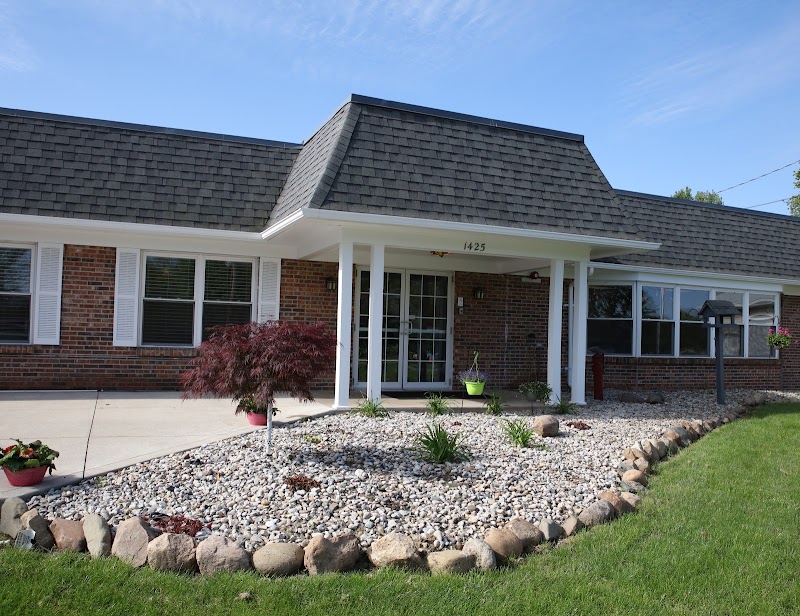
1425 GRANT ST, HUNTINGTON, IN 46750 (260) 356-4867
For profit - Individual 36 Beds AMERICAN SENIOR COMMUNITIES Data: November 2025
Trust Grade
90/100
#53 of 505 in IN
Last Inspection: March 2025

Within standard 12-15 month inspection cycle. Federal law requires annual inspections.

Overview

Hickory Creek at Huntington has an excellent Trust Grade of A, indicating it is highly recommended and performs well compared to other facilities. It ranks #53 out of 505 in Indiana, placing it in the top half of nursing homes in the state, and is the best option among five facilities in Huntington County. The facility is improving, as it reduced its issues from 2 in 2023 to 1 in 2025. Staffing is a concern, with a low rating of 1 out of 5 stars, but the turnover rate is 45%, which is slightly below the state average of 47%. The facility has no fines, which is a positive sign, but it does have less RN coverage than 79% of Indiana facilities, meaning there may be fewer registered nurses available to catch potential problems. Specific incidents noted by inspectors include the failure to properly dispose of unlabeled and unused medications, which could lead to safety risks, and a lack of physician orders for adjusting oxygen levels for a resident. Additionally, there was an issue with narcotic medication not being handled according to facility policy. While the facility has strong overall quality measures and health inspections, these weaknesses in medication management and staffing could be concerning for families considering this home.

Trust Score
A
90/100
In Indiana
#53/505
Top 10%
Safety Record
Low Risk
No red flags
Inspections
Getting Better
2 → 1 violations
Staff Stability
⚠ Watch
45% turnover. Above average. Higher turnover means staff may not know residents' routines.
Penalties
✓ Good
No fines on record. Clean compliance history, better than most Indiana facilities.
Skilled Nurses
⚠ Watch
Each resident gets only 24 minutes of Registered Nurse (RN) attention daily — below average for Indiana. Fewer RN minutes means fewer trained eyes watching for problems.
Violations
✓ Good
Only 3 deficiencies on record. Cleaner than most facilities. Minor issues only.
★★★★★
5.0
Overall Rating
★☆☆☆☆
1.0
Staff Levels
★★★★★
5.0
Care Quality
★★★★★
5.0
Inspection Score
Stable
2023: 2 issues
2025: 1 issues

The Good

  • 5-Star Quality Measures · Strong clinical quality outcomes
  • Full Sprinkler Coverage · Fire safety systems throughout facility
  • No fines on record

Facility shows strength in quality measures, fire safety.

The Bad

Staff Turnover: 45%

Near Indiana avg (46%)

Higher turnover may affect care consistency

Chain: AMERICAN SENIOR COMMUNITIES

Part of a multi-facility chain

Ask about local staffing decisions and management

The Ugly 3 deficiencies on record

Mar 2025 1 deficiency
CONCERN (D)

Potential for Harm - no one hurt, but risky conditions existed

Deficiency F0761 (Tag F0761)

Could have caused harm · This affected 1 resident

Based on observation and interview, the facility failed to dispose of unlabeled and unused medications for 2 of 4 medication carts reviewed for medication storage and labeling. (Medication Cart B and ...

Read full inspector narrative →
Based on observation and interview, the facility failed to dispose of unlabeled and unused medications for 2 of 4 medication carts reviewed for medication storage and labeling. (Medication Cart B and Medication Cart C) Findings include: During a medication storage observation of Medication Cart B, accompanied by QMA 3 on 3/5/25 at 11:17 a.m., a loose pill was found on the bottom of the second drawer, towards the back of the cart. An additional loose pill was found at the bottom of the second drawer. QMA 3 indicated the pills should be disposed of. The medication carts were cleaned out once a week. Any loose pills would be discarded using the drug buster solution. During a medication storage observation of Medication Cart C, accompanied by QMA 3 on 3/5/25 at 11:22 a.m., a loose pill was found on the bottom of the second drawer, towards the middle of the drawer. QMA 3 indicated the pill should be disposed of. During an interview with the Corporate Nurse, during the medication cart observation, she indicated loose pills should be disposed of using the drug buster solution. A current facility policy, titled Medication Storage and Expiration, provided by the Administrator on 3/6/25 at 3:35 p.m., indicated the following: .Facility should destroy and reorder medications with soiled, illegible, worn, makeshift, incomplete, damaged, or missing labels or cautionary instructions 3.1-25(j)
Jul 2023 2 deficiencies
CONCERN (D)

Potential for Harm - no one hurt, but risky conditions existed

Respiratory Care (Tag F0695)

Could have caused harm · This affected 1 resident

Based on observation, record review, and interview, the facility failed to ensure oxygen was not titrated without a physician's order for 1 of 2 residents reviewed for respiratory care (Resident 29). ...

Read full inspector narrative →
Based on observation, record review, and interview, the facility failed to ensure oxygen was not titrated without a physician's order for 1 of 2 residents reviewed for respiratory care (Resident 29). Findings include: During an observation on 7/18/23 at 10:41 a.m., Resident 29 rested quietly in bed with her eyes closed. She received oxygen at 3 lpm (liters per minute) per nasal cannula. On 7/19/23 at 9:51 a.m., the resident rested in bed with her eyes closed and received oxygen at 3 lpm per nasal cannula. On 7/20/23 at 9:49 a.m., the resident rested in bed with her eyes closed. Her respirations were noisy and congested. She received oxygen at 3 lpm per nasal cannula. The resident's clinical record was reviewed on 7/19/23 at 2:54 p.m. Her diagnoses included chronic obstructive pulmonary disease, pulmonary fibrosis, heart failure, peripheral vascular disease, hypotension, and atherosclerotic heart disease of the native coronary artery without angina pectoris. Current physician's orders included morphine (opioid pain medication) concentrate solution 100 mg/5 ml: 0.25 ml every four hours (7/19/23) and admit to hospice (5/31/23). The facility clinical record lacked physician orders for oxygen therapy. A current care plan, dated 5/30/23, revised on 6/19/23, indicated the resident had the potential for impaired gas exchange related to COPD (chronic obstructive pulmonary disease). The goal, with a target date of 9/5/23, was the resident would have adequate respiratory functions as evidenced by decreased or absence of dyspnea, improved breath sounds, decreased or absence of shortness of breath, and improved oximetry results. The interventions included administer oxygen as ordered (5/31/23). A current care plan, dated 5/30/23, revised on 6/19/23, indicated the resident was at risk for ineffective tissue perfusion related to heart failure, atherosclerotic heart disease of the native coronary artery without angina pectoris, peripheral vascular disease, and hypotension. The interventions included administer oxygen as ordered (5/31/23). A Progress Note, dated 5/31/23 at 2:40 p.m., indicated the resident was admitted to the facility with an oxygen saturation of 81% on room air. Oxygen was applied at 2 lpm. A Progress Note, dated 6/8/23 at 4:28 p.m., indicated the resident received oxygen per nasal cannula at 3 lpm. A Progress Note, dated 7/9/23 at 1:48 p.m., indicated the resident's oxygen saturation was 96% with oxygen on at 3 lpm. During an interview, on 7/20/23 at 10:09 a.m., LPN 51 indicated the resident's oxygen delivery was kept around 3 lpm. They titrated the oxygen according to the oxygen saturation levels. Oxygen therapy needed to be ordered by a medical provider. She was unable to locate orders for oxygen for the resident in the facility's clinical record system. During an interview, on 7/20/23 at 10:13 a.m., LPN 52 indicated the resident should have an oxygen order. Many of the resident's medications had been discontinued recently. She was unable locate previous or current orders for the oxygen in the facility clinical record system. On 7/20/23 at 10:32 a.m., the Director of Nursing (DON) indicated the resident did not have an order for oxygen, but should have. Review of the resident's visit note report from the hospice binder, provided by the DON on 7/20/23 at 10:34 a.m., indicated the resident received oxygen at 3 lpm on 7/5/23. Review of the resident's client medication report from the hospice binder, provided by the DON on 7/20/23 at 10:34 a.m., indicated the resident had a hospice order for continuous oxygen at 2-4 lpm. The order lacked parameters for adjustment of oxygen liter flow. The hospice contract agreement with the facility, provided by the administrator during the entrance conference on 7/18/23, was reviewed, on 7/21/23 at 2:01 p.m., and indicated .Responsibilities of the Facility .Maintain an accurate medical record that includes all services and events provided. During an interview, on 7/24/23 at 3:07 p.m., the Administrator indicated the facility used a quality assurance tool for oxygen use. The tool was used to ensure oxygen use protocols were followed. The tool was completed in 1/2023 and 5/2023 and was due again 9/2023. The tool included checking for an order for oxygen. The tool completed for 5/2023 had been completed just prior to the admission of the resident. He indicated the resident had a hospice order for oxygen. This order had not been placed in the facility's orders for the resident. A current, undated facility policy, provided by the Administrator on 7/24/23 at 3:08 p.m., indicated, .Initiation of Oxygen 1) Verify physician order .4) Obtain the appropriate oxygen delivery device .7) Apply device to the patient with appropriate liter flow 3.1-47(a)(6)
CONCERN (D) 📢 Someone Reported This

A family member, employee, or ombudsman was alarmed enough to file a formal complaint

Potential for Harm - no one hurt, but risky conditions existed

Pharmacy Services (Tag F0755)

Could have caused harm · This affected 1 resident

Based on record review and interview, the facility failed to ensure narcotic medication was handled and accounted for according to facility policy for 1 of 6 residents reviewed for pharmaceutical serv...

Read full inspector narrative →
Based on record review and interview, the facility failed to ensure narcotic medication was handled and accounted for according to facility policy for 1 of 6 residents reviewed for pharmaceutical services. (Resident B) Findings include: A review of Resident B's clinical record was completed on 7/20/23 at 11:04 a.m. Diagnoses included cerebral atherosclerosis, spastic quadriplegic cerebral palsy, and generalized anxiety disorder. A physician's order, dated 6/7/23 and discontinued on 6/20/23, indicated lorazepam (to treat anxiety) 0.5 mg (milligram) administer 1 mg every four hours for generalized anxiety disorder. During an interview on 7/20/23 at 11:45 a.m., the ADON indicated the medication count on 6/14/23 had been over for lorazepam 0.5 mg during the narcotic count the morning of 6/14/23. The night shift nurse (LPN 6) had administered baclofen (a muscle relaxer) instead of lorazepam. The baclofen medication card had been placed in the narcotic box in error. When LPN 6 arrived the next morning, QMA 3 told her something was off with the count. At that time, it was determined the baclofen had been given instead of lorazepam. The ADON contacted the NP regarding the error. The four Lorazepam tablets were destroyed by the ADON with QMA 3 as a witness. The ADON notified the DON and the Administrator and was counseled for destroying the medication instead of documenting the medication error. During an interview on 7/20/23 at 12:01 p.m., the DON indicated the facility paid for the four destroyed tablets to be replaced. She immediately educated the ADON on the appropriate way to handle a miscount of medications. LPN 6 would not confirm if she gave the baclofen or just skipped the lorazepam doses. During an interview on 7/20/23 at 12:07 p.m., the Administrator indicated he was made aware of the medication error and the inappropriate correction of the lorazepam count. The ADON was educated immediately regarding the policy for disposal of medications and medication errors. Review of a narcotic count sheet for June 2023, provided by the ADON on 7/20/23 at 12:28 p.m. indicated a handwritten notation of count corrected, initialed by the ADON on 6/14/23. A Medication/Treatment Error Report dated 6/14/23 at 9:00 a.m., received from the ADON 7/23/23 at 12:00 p.m., indicated lorazepam 1 mg (two 0.5 mg tablets) not given at 12:00 a.m. and 4:00 a.m. The NP was notified on 6/14/23 at 8 a.m. and Resident B's family was notified on 6/14/23 at 8:30 a.m. The DON was notified by the ADON on 6/14/23 at 9:00 a.m. Measures taken to prevent recurrence included .education and med pass observation. LPN 6, who made the error, refused to sign the Medication/Treatment Error Report and quit her job. The document was signed by the DON on 6/15/23. A document titled Drug Disposition Form dated 6/14/23 at 8:30 a.m. and received from ADON on 7/20/23 at 12:00 p.m. indicated RX # 604434560, drug Lorazepam (Ativan) 0.5 mg, quantity 4, reason for destruction code 5 (dropped/ruined), and method of destruction code D (other - drug buster), was signed by the ADON and QMA 3. A document titled Record of Facility Inservice dated 6/14/23 and received from DON on 7/20/23 at 12:28 p.m. indicated the in-service focused on counting narcotics at shift change and included a summary indicating Nurses and QMA's need to count prior to handing off cart keys to anyone. Every shift, every time. The DON provided a Quality Assurance Tool on 7/24/23 at 2:51 p.m The document was undated. During an interview on 7/24/23 at 2:51 p.m., the DON indicated the date should have been recorded as 6/30/23. The assessment tool was completed by the Regional Director of Clinical Services (RDCS).The document indicated the suspected drug diversion was immediately reported to the DON and/or Administrator, an investigation of the diversion was started immediately and an interview of all staff involved was completed. Human Resources was notified of the drug diversion with potential recommendations followed. The narcotic count sheets were reviewed for the entire facility for discrepancies or unusual activity and indicated no other discrepancies were observed. Individual controlled records were reviewed for each resident for discrepancies and no other discrepancies were observed. The facility cameras were reviewed as needed or available. All narcotics were counted and accuracy was verified for the entire building including the Emergency Drug Kits. The shred boxes were investigated for potential missing card/sheets. A soft file was kept with Administrator/DON regarding investigation with summary of findings typed up. Narcotic storage and destruction was occurring per policy. Staff education was provided for any areas of opportunity. A current Medication Errors policy with a revision date of 11/2018, was provided by the DON on 7/21/23 at 3:01 p.m., and indicated the following: .Policy - It is the policy of this provider to ensure residents residing in the facility are free of medication errors and the facility maintains a medication error rate of less than 5%. Procedure - When a suspected medication error is identified, the nurse will immediately assess the condition of the affected resident and notify the physician of the event. The responsible party/family will be notified of the error. The DON will be notified of the error, resident condition. The charge nurse will correct findings contributing to the error (i.e. destroy/return discontinued meds, correcting transcription errors, etc.) to prevent further errors. The charge nurse will complete a medication error report, including a brief summary of findings. Documentation in the medical record will include physicians/family notification, type of error, and assessment of resident. The licensed nurse/QMA responsible for the error will be required to meet with the DON/designee to review the medication error report. Education/Disciplinary actions are determined based on the medication error and the individual staff member's past performance errors. Medication errors resulting in outcomes that require medical treatment beyond an ER/Physician evaluation or monitoring of vital signs will be reported to IDOH and reviewed as needed in facility QAPI meetings The deficient practice was corrected by 7/3/23, prior to the start of the survey, and was therefore past noncompliance. The facility had completed assessments, audits, and education related to the facility's Medication Errors protocol. This Federal tag relates to complaint IN00412174. 3.1-25(n)
Understanding Severity Codes (click to expand)
Life-Threatening (Immediate Jeopardy)
J - Isolated K - Pattern L - Widespread
Actual Harm
G - Isolated H - Pattern I - Widespread
Potential for Harm
D - Isolated E - Pattern F - Widespread
No Harm (Minor)
A - Isolated B - Pattern C - Widespread

Questions to Ask on Your Visit

  • "Can I speak with families of current residents?"
  • "What's your RN coverage like on weekends and overnight?"

Our Honest Assessment

Strengths
  • • Grade A (90/100). Above average facility, better than most options in Indiana.
  • • No major safety red flags. No abuse findings, life-threatening violations, or SFF status.
  • • No fines on record. Clean compliance history, better than most Indiana facilities.
  • • Only 3 deficiencies on record. Cleaner than most facilities. Minor issues only.
Concerns
  • • No significant concerns identified. This facility shows no red flags across CMS ratings, staff turnover, or federal penalties.
Bottom line: Generally positive indicators. Standard due diligence and a personal visit recommended.

About This Facility

What is Hickory Creek At Huntington's CMS Rating?

CMS assigns HICKORY CREEK AT HUNTINGTON an overall rating of 5 out of 5 stars, which is considered much above average nationally. Within Indiana, this rating places the facility higher than 99% of the state's 100 nursing homes. This rating reflects solid performance across the metrics CMS uses to evaluate nursing home quality.
How is Hickory Creek At Huntington Staffed?

CMS rates HICKORY CREEK AT HUNTINGTON's staffing level at 1 out of 5 stars, which is much below average compared to other nursing homes. Staff turnover is 45%, compared to the Indiana average of 46%. This relatively stable workforce can support continuity of care.

What Have Inspectors Found at Hickory Creek At Huntington?

State health inspectors documented 3 deficiencies at HICKORY CREEK AT HUNTINGTON during 2023 to 2025. These included: 3 with potential for harm.
Who Owns and Operates Hickory Creek At Huntington?

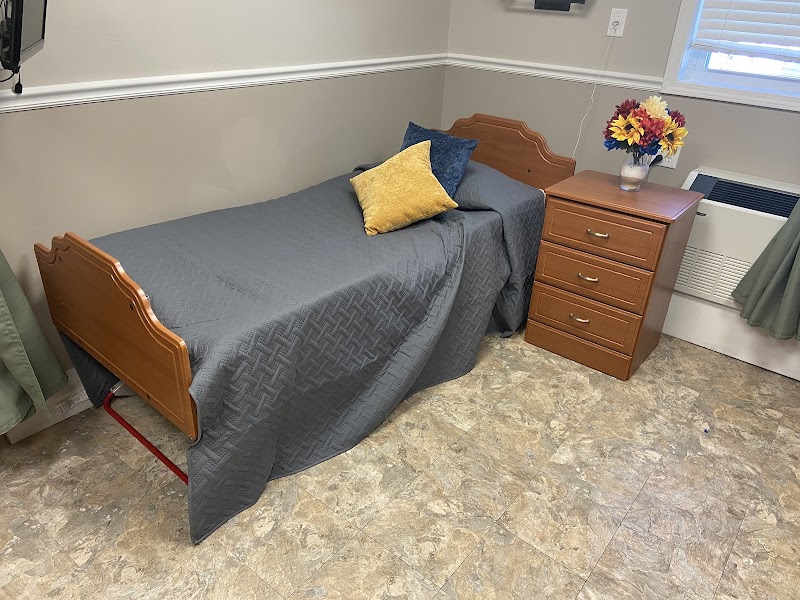
HICKORY CREEK AT HUNTINGTON is owned by a for-profit company. For-profit facilities operate as businesses with obligations to shareholders or private owners. The facility is operated by AMERICAN SENIOR COMMUNITIES, a chain that manages multiple nursing homes. With 36 certified beds and approximately 31 residents (about 86% occupancy), it is a smaller facility located in HUNTINGTON, Indiana.

How Does Hickory Creek At Huntington Compare to Other Indiana Nursing Homes?

Compared to the 100 nursing homes in Indiana, HICKORY CREEK AT HUNTINGTON's overall rating (5 stars) is above the state average of 3.1, staff turnover (45%) is near the state average of 46%, and health inspection rating (5 stars) is much above the national benchmark.

What Should Families Ask When Visiting Hickory Creek At Huntington?

Based on this facility's data, families visiting should ask: "Can you walk me through typical staffing levels on day, evening, and night shifts?" "Can I visit during a mealtime to observe dining assistance and food quality?" "How do you handle medical emergencies, and what is your hospital transfer rate?" "Can I speak with family members of current residents about their experience?" These questions are particularly relevant given the below-average staffing rating.

Is Hickory Creek At Huntington Safe?

Based on CMS inspection data, HICKORY CREEK AT HUNTINGTON has a clean safety record: no substantiated abuse findings (meaning no confirmed cases of resident harm), no Immediate Jeopardy citations (the most serious violation level indicating risk of serious injury or death), and is not on the Special Focus Facility watch list (a federal program monitoring the lowest-performing 1% of nursing homes). The facility has a 5-star overall rating and ranks #1 of 100 nursing homes in Indiana. While no facility is perfect, families should still ask about staff-to-resident ratios and recent inspection results during their visit.

Do Nurses at Hickory Creek At Huntington Stick Around?

HICKORY CREEK AT HUNTINGTON has a staff turnover rate of 45%, which is about average for Indiana nursing homes (state average: 46%). Moderate turnover is common in nursing homes, but families should still ask about staff tenure and how the facility maintains care continuity when employees leave.

Was Hickory Creek At Huntington Ever Fined?

HICKORY CREEK AT HUNTINGTON has no federal fines on record. CMS issues fines when nursing homes fail to meet care standards or don't correct problems found during inspections. The absence of fines suggests the facility has either maintained compliance or corrected any issues before penalties were assessed. This is a positive indicator, though families should still review recent inspection reports for the full picture.

Is Hickory Creek At Huntington on Any Federal Watch List?

HICKORY CREEK AT HUNTINGTON is not on any federal watch list. The most significant is the Special Focus Facility (SFF) program, which identifies the bottom 1% of nursing homes nationally based on persistent, serious quality problems. Not being on this list means the facility has avoided the pattern of deficiencies that triggers enhanced federal oversight. This is a positive indicator, though families should still review the facility's inspection history directly.