
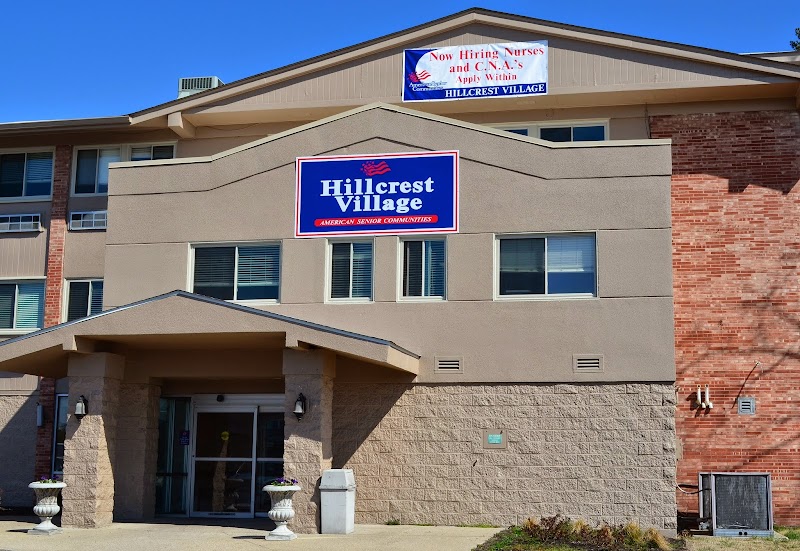
HILLCREST VILLAGE

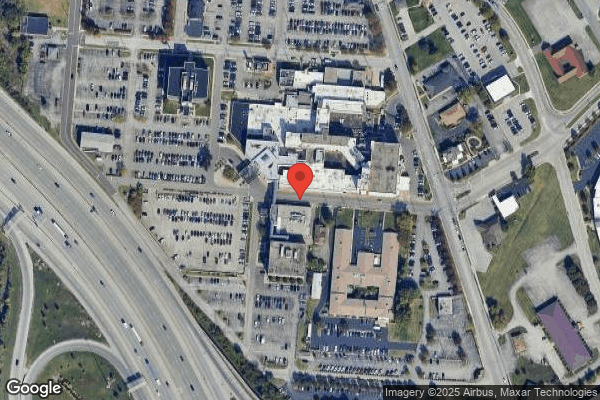
203 SPARKS AVE, JEFFERSONVILLE, IN 47130 (812) 283-7918
For profit - Corporation 149 Beds AMERICAN SENIOR COMMUNITIES Data: November 2025
Trust Grade
50/100
#355 of 505 in IN
Last Inspection: January 2025

Within standard 12-15 month inspection cycle. Federal law requires annual inspections.

Overview

Hillcrest Village in Jeffersonville, Indiana has a Trust Grade of C, meaning it is average and sits in the middle of the pack among nursing homes. It ranks #355 out of 505 facilities in Indiana, placing it in the bottom half, and #4 out of 7 in Clark County, indicating that only three local options are better. The facility shows an improving trend, with issues decreasing from 6 in 2024 to 4 in 2025. Staffing is a noted weakness, with a poor rating of 1 out of 5 stars and a turnover rate of 42%, which is below the state average of 47%. On the positive side, the facility has not incurred any fines and offers average RN coverage, which is important for monitoring residents' health. However, there have been concerning incidents, such as a failure to accurately document narcotic medication administration for multiple residents and a lack of communication with a physician when a resident's blood pressure fell outside acceptable limits, which could pose risks to their well-being.

Trust Score
C
50/100
In Indiana
#355/505
Bottom 30%
Safety Record
Low Risk
No red flags
Inspections
Getting Better
6 → 4 violations
Staff Stability
○ Average
42% turnover. Near Indiana's 48% average. Typical for the industry.
Penalties
✓ Good
No fines on record. Clean compliance history, better than most Indiana facilities.
Skilled Nurses
⚠ Watch
Each resident gets only 27 minutes of Registered Nurse (RN) attention daily — below average for Indiana. Fewer RN minutes means fewer trained eyes watching for problems.
Violations
⚠ Watch
31 deficiencies on record. Higher than average. Multiple issues found across inspections.
★★☆☆☆
2.0
Overall Rating
★☆☆☆☆
1.0
Staff Levels
★★★★★
5.0
Care Quality
★★☆☆☆
2.0
Inspection Score
Stable
2024: 6 issues
2025: 4 issues

The Good

  • 5-Star Quality Measures · Strong clinical quality outcomes
  • Full Sprinkler Coverage · Fire safety systems throughout facility
  • No fines on record
  • Staff turnover below average (42%)

    6 points below Indiana average of 48%

Facility shows strength in quality measures, fire safety.

The Bad

2-Star Overall Rating

Below Indiana average (3.1)

Below average - review inspection findings carefully

Staff Turnover: 42%

Near Indiana avg (46%)

Typical for the industry

Chain: AMERICAN SENIOR COMMUNITIES

Part of a multi-facility chain

Ask about local staffing decisions and management

The Ugly 31 deficiencies on record

May 2025 2 deficiencies
CONCERN (D) 📢 Someone Reported This

A family member, employee, or ombudsman was alarmed enough to file a formal complaint

Potential for Harm - no one hurt, but risky conditions existed

Quality of Care (Tag F0684)

Could have caused harm · This affected 1 resident

Based on interview and record review, the facility failed to ensure blood pressure medications were held for out-of-parameter readings for 2 of 3 residents reviewed for medication administration. (Res...

Read full inspector narrative →
Based on interview and record review, the facility failed to ensure blood pressure medications were held for out-of-parameter readings for 2 of 3 residents reviewed for medication administration. (Resident B and Resident D) Findings include: 1. The clinical record for Resident B was reviewed on 5/1/25 at 12:40 p.m. The resident's diagnosis included, but was not limited to, hypotension (low blood pressure). The admission order, dated 3/19/25, indicated the resident was to receive midodrine (medication for low blood pressure) 5 mg (milligrams) three times a day at 8:00 a.m., 2:00 p.m. and 8:00 p.m. The medication was to be held if the SBP (systolic blood pressure) was greater than 135 and/or DBP (diastolic blood pressure) was greater that 85. Review of the March 2025 medication administration record indicated, on 4/22/25 at 8:00 p.m., the resident's midodrine was administered when the resident's SBP was 142. During an interview, on 5/2/25 at 12:55 p.m., Licensed Practical Nurse (LPN) 6 indicated blood pressure medications should not be administered with out-of-range parameters. 2. The clinical record for Resident D was reviewed on 5/1/25 ay 3:05 p.m. The resident's diagnosis included, but was not limited to, hypotension. The physician's order, dated 4/7/25, indicated the resident was to receive midodrine 2.5 mg three times a day at 5:00 a.m., 11:00 a.m. and 4:00 p.m. The medication was to be held if the resident's SBP was greater that 140. Review of the April 2025 medication administration record indicated the medication was administered on the following dates and times: - On 4/17/25 at 5:00 a.m., the resident's midodrine was administered when the resident's SBP was 145. - On 4/18/25 at 5:00 a.m., the resident's midodrine was administered when the resident's SBP was 150 - On 4/18/25 at 11:00 a.m., the resident's midodrine was administered when the resident's SBP was 145 - On 4/24/25 at 5:00 a.m., the resident's midodrine was administered when the resident's SBP was 149 - On 4/24/25 at 4:00 p.m., the resident's midodrine was administered when the resident's SBP was 146 - On 4/25/25 at 5:00 a.m., the resident's midodrine was administered when the resident's SBP was 151 - On 4/25/25 at 4:00 p.m., the resident's midodrine was administered when the resident's SBP was 144 - On 4/29/25 at 5:00 a.m., the resident's midodrine was administered when the resident's SBP was 149 This Citation relates to Complaint IN00456231 3.1-37
CONCERN (E) 📢 Someone Reported This

A family member, employee, or ombudsman was alarmed enough to file a formal complaint

Potential for Harm - no one hurt, but risky conditions existed

Medical Records (Tag F0842)

Could have caused harm · This affected multiple residents

Based on interview and record review, the facility failed to ensure residents' (Resident C, Resident D and Resident E) medication administration records accurately reflected the administration of narc...

Read full inspector narrative →
Based on interview and record review, the facility failed to ensure residents' (Resident C, Resident D and Resident E) medication administration records accurately reflected the administration of narcotic medications for 3 of 4 residents reviewed for documentation. Findings include: 1. The clinical record for Resident C was reviewed on 5/1/25 at 2:52 p.m. The resident's diagnoses included, but were not limited to, anxiety, diabetes and chronic pancreatitis. The April 2025 medication administration record (MAR) indicated the resident was to receive Xanax (narcotic anti-anxiety medication) 0.25 mg (milligrams) twice daily at 8:00 a.m. and 8:00 p.m. and oxycodone 10 mg every 4 hours as needed for severe pain. The April 2025 controlled substance record indicated the resident received the Xanax on the following dates and times: - 4/14/25 at 8:00 a.m. - 4/16/25 at 8:00 a.m. - 4/18/25 at 8:00 a.m. - 4/23/25 at 8:00 a.m. The April 2025 controlled substance record indicated the resident received the oxycodone on the following dates and times: - 4/05/25 at 4:40 p.m. - 4/07/25 at 11:20 a.m. and 3:20 p.m. - 4/10/25 at 3:00 p.m. - 4/12/25 at 4:12 p.m. - 4/13/25 at 1:00 a.m., 6:00 a.m. and 8:18 p.m. - 4/15/25 at 4:00 p.m. - 4/16/25 at 4:00 p.m. - 4/19/25 at 8:00 a.m. and 7:33 p.m. - 4/23/25 at 8:00 a.m. and 6:00 p.m. - 4/25/25 at 9:00 a.m. and 2:00 p.m. The April 2025 MAR lacked documentation of the administration of the medications. During an interview on 5/2/25 at 12:55 p.m., Licensed Practical Nurse (LPN) 6 indicated the medication administration record should be signed out when a narcotic medication was administered. 2. The clinical record for Resident D was reviewed on 5/1/25 at 3:05 a.m. The resident's diagnoses included, but were not limited to, depression and rheumatoid arthritis. The March 2025 and April 2025 medication administration record indicated the resident was to receive Tramadol (narcotic pain medication) 50 mg ever 8 hours as needed for pain. Review of the March 2025 and April 2025 controlled substance record indicated the resident received Tramadol (narcotic pain medication) on the following dates and times. - 3/12/25 at 6:00 p.m. - 3/24/25 at 5:00 a.m. - 4/24/25 at 8:00 a.m. - 4/30/25 at 4:40 p.m. The March 2025 and April 2025 medication administration record lacked documentation of the administration of the medication. 3. The clinical record for Resident E was reviewed on 5/2/25 at 9:35 a.m. The resident's diagnoses included, but were not limited to, left femur fracture and osteoarthritis. The April 2025 medication administration record indicated the resident was to receive hydrocodone-acetaminiphen (narcotic pain medication) 5-325 mg every 6 hours as needed for pain. The April 2025 controlled substance record indicated the resident received the medication on the following dates and times: - 4/15/25 at 4:52 p.m. - 4/16/25 at 7:00 p.m. - 4/17/25 at 3:30 a.m. - 4/20/25 at 12:00 p.m. The April 2025 medication administration record lacked documentation of the administration of the medication. On 5/2/25 at 2:16 p.m., the Director of Nursing provided a current copy of the document titled Controlled Substances: Storage, Documentation, Inventory and Destruction (Includes Fentanyl Patch Removal and Destruction) dated 11/2024. It included, but was not limited to, Procedure .Documentation .When a controlled substance is administered to a resident, it must be recorded in the resident's Medication Administration Record .as well as in the resident's Controlled Substances Inventory Record at the time of administration 3.1-50(a)(2)
Jan 2025 2 deficiencies
CONCERN (D)

Potential for Harm - no one hurt, but risky conditions existed

ADL Care (Tag F0677)

Could have caused harm · This affected 1 resident

Based on record review and interview, the facility failed to ensure showers were provided consistently for 1 of 3 residents reviewed for Activities of Daily Living care. (Resident 84) Findings include...

Read full inspector narrative →
Based on record review and interview, the facility failed to ensure showers were provided consistently for 1 of 3 residents reviewed for Activities of Daily Living care. (Resident 84) Findings include: The record for Resident 84 was reviewed on 1/27/25 at 11:30 a.m. The resident's diagnoses included, but were not limited to, Parkinson's disease, spinal stenosis, type 2 diabetes mellitus, panic disorder, Meniere's disease, tremor, repeated falls, displaced longitudinal fracture of left patella, subsequent encounter for closed fracture with routine healing, reduced mobility, and muscle weakness. The care plan, dated 9/6/24, indicated the resident required staff assistance to complete activities of daily living (ADL) tasks completely. The interventions included, but were not limited to, the resident had a desire to improve current functional status, assist the resident with ambulation using a walker or wheelchair, physical therapy for mobility, assistance with transfers as needed, assistance with bathing as needed per resident preference. Offer showers two times per week, partial bath in between, assistance with dressing/grooming/hygiene as needed and encourage the resident to do as much for self as possible. The Quarterly Minimum Data Set (MDS) assessment, dated 10/24/24, indicated the resident was cognitively intact. The resident required partial to moderate staff physicial assistance with bathing. The review of the resident's scheduled Shower Report record indicated the following: - On 12/2/24 the shower sheet lacked documentation indicating the resident received a shower. - On 12/9/24 the shower sheet lacked documentation indicating the resident received a shower. - On 12/16/24 the shower sheet lacked documentation indicating the resident received a shower. - On 12/19/24 the shower sheet lacked documentation indicating the resident received a shower. - On 12/21/24 the shower sheet lacked documentation indicating the resident received a shower. - On 12/30/24 the shower sheet lacked documentation indicating the resident received a shower. During an interview, on 1/27/25 at 11:27 a.m., the resident indicated she did not get showers like she was supposed to. She was supposed to get two showers a week, but she was lucky to get one a week. During an interview, on 1/30/25 at 8:50 a.m., Certified Nursing Aide (CNA) 4 indicated the CNAs were supposed to check off what they did for the resident when they provided assistance with giving a shower. During an interview, on 1/30/25 at 8:52 a.m., CNA 5 indicated the staff had been in serviced on checking the boxes on the shower sheet and not leaving them blank. The CNA indicated if the boxes were not checked off, the resident did not get a shower. During an interview, on 1/30/25 at 9:00 a.m., Licensed Practical Nurse (LPN) 3 indicated if the shower sheets were blank then the shower was not given. If staff did not document, then the shower wasn't done. The LPN indicated she would not sign a blank shower record. During an interview, on 1/30/25 at 9:15 a.m., the DON indicated the staff should document on the shower report sheet when the resident had a shower and what care was provided. 3.1-38(2)(A)
CONCERN (D)

Potential for Harm - no one hurt, but risky conditions existed

Pharmacy Services (Tag F0755)

Could have caused harm · This affected 1 resident

Based on record review and interview, the facility failed to ensure a resident received medications as ordered and administered in a timely manner for 2 of 3 resident reviewed for pharmacy services. (...

Read full inspector narrative →
Based on record review and interview, the facility failed to ensure a resident received medications as ordered and administered in a timely manner for 2 of 3 resident reviewed for pharmacy services. (Residents 62 and 64) Findings include: 1. The record for Resident 62 was reviewed on 1/27/25 at 12:29 p.m. The resident's diagnoses included, but were not limited to, acute and chronic respiratory failure with hypoxia, chronic obstructive pulmonary disease, asthma and chronic pain. The physician's order, dated 1/28/25, indicated the resident was to receive Percocet (oxycodone-acetaminophen) 5-325 mg (milligram) every 8 hours orally, and not to exceed 3 gm (gram) of Acetaminophen from all sources within 24 hours. The Quarterly Minimum Data Set (MDS) assessment, dated 12/22/24, indicated the resident was cognitively intact. The care plan, dated 10/14/20 and revised 1/28/25, indicated the resident was at risk for pain related to the absence of the right leg below the knee. The interventions include, but were not limited to, the resident would be free from adverse effects of pain, administer pain medications as ordered, assistance with positioning to comfort, document effectiveness of prn (as needed) pain medications, notify the physician if pain was unrelieved and/or worsening, observe for adverse side effects of pain, observe for nonverbal signs of pain and offer nonpharmacological interventions. The nurse's note, dated 7/15/24 at 6:09 a.m., indicated the resident missed the 6:00 a.m. dose of Oxycodone (Percocet) 5 mg. The medication was not available in Emergency Drug Kit (EDK) and the pharmacy was notified that it needed to be refilled. The pharmacy indicated that the EDK would be changed out on Wednesdays. The nurse's note, dated 7/23/24 at 3:20 p.m., indicated the required form faxed back to pharmacy was for Percocet and the facility requested the medication to be sent STAT (urgent). The nurse's note, dated 8/17/24 at 12:17 a.m., indicated the Nurse Practitioner (NP) was notified that the resident needed a new prescription for Oxycodone 5 mg. The prescription was sent to the pharmacy, and an gave a code to pull three tablets from the EDK. The nurse's note, dated 8/20/24 at 6:02 a.m., indicated the Percocet 5/325 mg awaited prior approval from the physician per the pharmacy spokesperson. The nurse's note, dated 8/21/24 at 9:39 a.m., indicated the Percocet 5/325 mg awaited prior approval from the physician per the pharmacy spokesperson. The nurse's note, dated 10/29/24 at 3:38 p.m., indicated the resident was out of Percocet. A call was placed to the pharmacy to request an authentication code. The pharmacist indicated the EDK was out of her dose, and they would get a refill sent out STAT. The nurse's note, dated 1/14/25 at 3:36 a.m., indicated pharmacy was notified about the absent Norco. The pharmacy indicated they were waiting on the prescription. The nurse's note, dated 1/15/25 at 9:52 a.m., indicated the resident was still out of pain medications, and needed prior approval. The nurse's note, dated 1/22/25 at 12:39 p.m., indicated the resident was still out of pain medications, and waiting for prior approval, but was able to get a code to get it out of the EDK. During an interview on 1/30/25 at 10:45 a.m., the DON indicated the prior approvals for certain medications were getting more difficult. If a resident's medication was not in the medication cart, staff could get the medication from the EDK. It shouldn't take more than a few hours to a day to get the medication from the pharmacy. They did have a backup pharmacy, but they would use them for emergency medications only. The pharmacy would refill the EDK once a week. 2. The record for Resident 64 was reviewed on 1/27/25 at 11:11 a.m. The resident's diagnoses included, but were not limited to, acute respiratory failure with hypoxia, atrial fibrillation, cardiomegaly, type 2 diabetes mellitus, hypertension, and chronic pain. The Annual MDS assessment, dated 12/10/24, indicated the resident was cognitively intact. The nurse's note, dated 12/29/23 at 3:28 p.m., indicated resident's vascular access was replaced with a midline in the resident's left upper extremity. The nurse indicated the residents scheduled antibiotic meropenem-0.9% sodium chloride, that was due at 10:00 a.m., was given at 3:00 p.m. The Infection Prevention nurse was informed regarding the missed dose at 10:00 a.m. The nurse's note, dated 1/2/24 at 2:15 p.m., indicated three doses of the resident's intravenous (IV) antibiotics were missed. The NP was notified, and it was okay to extend the antibiotics to ensure the complete ordered dose was administered. The nurse's note, dated 1/3/24 at 7:21 p.m., indicated the resident was out of IV medication. The pharmacy was notified, and the pharmacy indicated the resident's order had been completed, and all the doses were sent out. The pharmacy was informed that the order was extended due to the missed doses. The pharmacist requested an order be faxed over to him so he could STAT the medication. He indicated the facility had the medication in the EDK. The facility's EDK did not have the right dose available, and the reconstitution was out of stock in the EDK. During an interview, on 1/30/25 at 9:00 a.m., Licensed Practical Nurse (LPN) 3 indicated if a resident's medication wasn't delivered, she would call the pharmacy and notify the provider. Medication should not take days to get to the facility. It should only take a couple of hours at the most to receive STAT medications from the pharmacy. Medications could be pulled from the EDK. If the medication was a narcotic, they would need a code from the pharmacy to retrieve the medication. The facility had a backup pharmacy they could use. The facility had access to the pharmacy, and they provided services 24 hours a day. Medications could be delayed but not missed. 3.1-25(G)(3)
Nov 2024 4 deficiencies
CONCERN (D) 📢 Someone Reported This

A family member, employee, or ombudsman was alarmed enough to file a formal complaint

Potential for Harm - no one hurt, but risky conditions existed

Deficiency F0554 (Tag F0554)

Could have caused harm · This affected 1 resident

Based on observation, interview, and record review, the facility failed to ensure medications for a resident, without a self-administration assessment, were not left at bedside for 1 of 3 residents re...

Read full inspector narrative →
Based on observation, interview, and record review, the facility failed to ensure medications for a resident, without a self-administration assessment, were not left at bedside for 1 of 3 residents reviewed for medication self-administration. (Resident B) Findings include: The clinical record for Resident B was reviewed on 11/6/24 at 10:34 a.m. The resident's diagnoses included, but were not limited to, hypertension, left sided hemiparesis (a condition that causes paralysis or weakness on one side of the body) and hemiplegia (one-sided muscle paralysis or weakness) secondary to CVA (cerebral vascular accident) and diabetes. On 11/6/24 at 9:18 a.m., the resident was observed sitting up in her bed eating her breakfast alone in her room. A medication cup with six medication tablets/capsules were observed on her bedside table. Review of the November 2024 Medication Administration Record indicated the resident's following morning medications were to be administered between 7:00 a.m. and 11:00 a.m. - Amlodipine 10 mg (milligrams) for hypertension - Aspirin 81 mg for CVA - Clopidogrel 75 mg for CVA - Metformin 500 mg for diabetes - Metoprolol 25 mg for hypertension - Hydralazine 25 mg for hypertension The clinical record lacked documentation of the resident having a self-administration medication assessment and a physician's order to self-administer medications. During an interview on 11/6/24, Licensed Practical Nurse (LPN) 4 indicated the resident did not self-administer medications. The medications in the resident's room was her morning medications. The resident was taking her medications when she left the room. During an interview on 11/8/24 at 11:42 a.m., the Director of Nursing indicated the resident did not have a medication self-administration assessment. On 11/8/24 at 11:31 a.m., the Director of Nursing provided a current copy of the document titled Self Administration of Medications dated 1/2015. It included, but was to limited to, Procedure .If a resident desires to participate in self-administration, the Interdisciplinary Team will assess the competence of the resident to participate by completing the Self-Administration of Medication Assessment observation .A physician order will be obtained specifying the resident's ability to self-administer medications This Citation relates to Complaint IN00444619 3.1-11(a)
CONCERN (D) 📢 Someone Reported This

A family member, employee, or ombudsman was alarmed enough to file a formal complaint

Potential for Harm - no one hurt, but risky conditions existed

Quality of Care (Tag F0684)

Could have caused harm · This affected 1 resident

Based on interview and record review, the facility failed to ensure increased monitoring and interventions were in place for a resident (Resident B) with consistent high blood pressures and a history ...

Read full inspector narrative →
Based on interview and record review, the facility failed to ensure increased monitoring and interventions were in place for a resident (Resident B) with consistent high blood pressures and a history of a cardiovascular accident for 1 of 3 residents reviewed for quality of care. Findings include: The clinical record for Resident B was reviewed on 11/6/24 at 10:34 a.m. The resident's diagnoses included, but were not limited to, hypertension and CVA (cardiovascular accident) with left sided hemiparesis (a condition that causes paralysis or weakness on one side of the body). The current care plan, dated 4/23/24, indicated the resident was at risk for ineffective tissue perfusion related to hypertension, diabetes, anemia and CVA with left sided hemiparesis. The interventions included, but were not limited to: administer medications as ordered; administer oxygen as ordered; elevate lower extremities as needed; labs as ordered; monitor vital signs; observe for and document signs and symptoms of changes in mental status, disorientation, increased confusion, anxiety and notify the physician; observe for and document any decreased urinary output and notify physician; offer rest periods as needed; and observe for and document pallor, cyanosis, dizziness, syncope, shortness of breath, bounding/thready pulse, headache, variations in B/P, abnormal lung sounds, abnormal oxygen saturation, poor capillary refill, abnormal skin color, edema and to notify the physician. The physician's order, dated 7/30/24, indicated the resident was to receive hydralazine (blood pressure medication) 50 mg (milligrams) three times a day (TID) at 8:00 a.m., 2:00 p.m. and 8:00 p.m. The physician's order, dated 6/10/24, indicated the resident was to receive clonidine 0.1 mg twice daily in the morning between 7:00 a.m. and 11:00 a.m. and the evening between 7:00 p.m. and 11:00 p.m. The progress note, dated 8/6/24 at 6:35 p.m., indicated the resident refused the hydralazine 50 mg because the resident believed the medication was too strong. The nurse practitioner was made aware. The progress note, dated 8/9/24 at 1:55 p.m., indicated the resident continued to refuse the hydralazine 50 mg. The nurse practitioner was notified with a new order to discontinue the hydralazine 50 mg TID and to start hydralazine 25 mg TID at 8:00 a.m., 2:00 p.m. and 8:00 p.m. The progress note, dated 8/11/24 at 11:35 p.m., indicated the resident called 911 due to she did not feel good and was light headed. The resident called 911 before speaking to the nurse. The progress note, dated 8/13/24 at 4:10 p.m., indicated the resident's blood pressure (BP) was 164/98 (systolic blood pressure [top number] maximum blood pressure during contraction of the ventricles and diastolic [bottom number] minimum pressure recorded just prior to next contraction). The nurse practitioner was notified with a new order to administer clonidine 0.1 mg now. Review of the resident's vital signs report on 11/7/24 at 2:40 p.m. indicated the acceptable range for systolic blood pressure (top number) was between 90 to 180 mmhg (a unit of pressure used to measure blood pressure). The acceptable diastolic range (bottom number) was 50 to 95). The August 2024 vital signs report indicated the resident had the following out of parameter blood pressures. On 8/2/24 at 11:38 a.m., the resident's B/P was 157/99 with no follow up or documented recheck of the blood pressure. On 8/7/24 at 10:35 p.m., the resident's B/P was 190/106 with no follow up or documented recheck of the blood pressure. On 8/10/24 at 7:17 p.m., the resident's B/P was 192/111 with no follow up or documented recheck of the blood pressure. On 8/11/24 at 8:25 a.m., the resident's B/P was 178/106 with no follow up or documented recheck of the blood pressure. On 8/11/24 at 1:00 p.m., the resident's B/P was 178/103 with no follow up or documented recheck of the blood pressure. On 8/17/24 at 8:48 a.m., the resident's B/P was 188/99 with no follow up or documented recheck of the blood pressure. On 8/18/24 at 8:52 a.m., the resident's B/P was 198/107 with no follow up or documented recheck of the blood pressure. On 8/18/24 at 9:20 p.m., the resident's B/P was 179/115 with no follow up or documented recheck of the blood pressure. On 8/22/24 at 2:23 p.m., the resident's B/P was 169/99 with no follow up or documented recheck of the blood pressure. On 8/22/24 at 9:52 p.m., the resident's B/P was 172/96 with no follow up or documented recheck of the blood pressure. On 8/23/24 at 8:57 a.m., the resident's B/P was 160/98 with no follow up or documented recheck of the blood pressure. On 8/25/24 at 10:27 a.m., the resident's B/P was 197/101 with no follow up or documented recheck of the blood pressure. On 8/26/24 at 9:27 p.m., the resident's B/P was 173/100 with no follow up or documented recheck of the blood pressure. On 8/29/24 at 9:35 a.m., the resident's B/P was 143/96 with no follow up or documented recheck of the blood pressure. On 8/30/24 at 11:22 p.m., the resident's B/P was 180/114 with no follow up or documented recheck of the blood pressure. The progress note, dated 9/7/24, indicated the resident called 911 from her personal cell phone. The resident's blood pressure at 4:00 p.m. was 166/99 and she would not allow a recheck of her blood pressure, and called emergency medical services (EMS) instead. The progress note, dated 9/10/24 at 3:35 a.m., indicated the resident call 911 with claims of not feeling well related to her blood pressure. The resident's vital signs were assessed twice prior to 911 call and the vitals were within normal limits. The resident wanted the nurse to give her clonidine but the resident did not have an as needed order. The progress note, dated 9/10/24 at 5:59 a.m., indicated the hospital called and informed the facility that the resident was to be discharged . The resident was given clonidine in the emergency department. The progress note, dated 9/10/24 at 11:55 a.m., indicated the resident had returned from the hospital with a high blood pressure of 196/116. The nurse practitioner was notified and the resident's morning medications were administered. The resident's blood pressure stabilized at 158/80. The progress note, dated 9/18/24 at 1:33 p.m., indicated the Director of Nursing Services provided the nurse practitioner with a vital signs report to review from 9/1/24 through 9/18/24. Upon review, on 9/6/24, 9/10/24, 9/13/24, 9/14/24, 9/15/24, 9/17/24 and today, the resident had out of range blood pressure results. The nurse practitioner indicated the resident refused to comply with the medication regimen and the facility was to continue with the current orders. The progress note, dated 9/18/24 at 6:08 p.m., indicated the resident continued to complain of not feeling well, very anxious and upset at this time. The resident stated her family never visits her and that she did not like her roommate. One on one attempted but the resident continued to be argumentative and defensive. Current blood pressure reading was 165/96. The nurse practitioner was notified with a new order for an electrocardiogram (EKG). The progress note, dated 9/19/24 at 12:02 a.m., indicated the resident had called 911 for an ambulance to come pick her up and take her to the hospital due to her elevated blood pressure. The progress note, dated 9/19/24 at 2:30 a.m., indicated the resident returned from the hospital with a blood pressure of 156/90. The progress note, dated 9/20/24 at 4:16 p.m., indicated the EKG results were reviewed by the nurse practitioner with a new order to schedule an appointment with the cardiologist. The progress note, dated 9/20/24 at 11:55 p.m., indicated the resident requested a blood pressure check with a reading of 164/94. The resident received her night time medications at 10:30 p.m. with a blood pressure of 172/82 prior to administration. The resident stated her blood pressure had not gone down. The resident called 911 for transport to the hospital. The progress note, dated 9/21/24 at 11:09 a.m., indicated the resident returned from the hospital in stable condition and no new orders were requested. The resident refused vital signs at that time. The progress note, dated 9/29/24 at 11:27 p.m., indicated the resident refused all of her night medications except for her blood pressure medications. Review of the September 2024 vital signs report indicated the resident had the following out of parameter B/P's: On 9/6/24 at 10:31 a.m., the resident's B/P was 186/86 with no follow up or documented recheck of the blood pressure. On 9/10/24 at 10:05 a.m., the resident's B/P was 196/116 with no follow up or documented recheck of the blood pressure. On 9/13/24 at 9:47 p.m., the resident's B/P was 188/98 with no follow up or documented recheck of the blood pressure. On 9/14/24 at 8:29 a.m., the resident's B/P was 170/110 with no follow up or documented recheck of the blood pressure. On 9/15/24 at 9:24 p.m., the resident's B/P was 165/101 with no follow up or documented recheck of the blood pressure. On 9/17/24 at 10:09 p.m., the resident's B/P was 183/107 with no follow up or documented recheck of the blood pressure. On 9/18/24 at 8:31 p.m., the resident's B/P was 200/128; the follow up blood pressure was on 9/19/24 at 12:01 a.m. with 190/116. On 9/21/24 at 11:49 a.m., the resident's B/P was 183/111 with no follow up or documented recheck of the blood pressure. On 9/21/24 at 9:45 p.m., the resident's B/P was 189/101 with no follow up or documented recheck of the blood pressure. On 9/24/24 at 9:41 p.m., the resident's B/P was 161/104 with no follow up or documented recheck of the blood pressure. On 9/26/24 at 9:51 p.m., the resident's B/P was 160/104 with no follow up or documented recheck of the blood pressure. On 9/27/24 at 9:10 p.m., the resident's B/P was 198/84 with no follow up or documented recheck of the blood pressure. On 9/28/24 at 8:12 a.m., the resident's B/P was 187/105 with no follow up or documented recheck of the blood pressure. The progress note, dated 10/15/24 at 3:13 p.m., indicated the nurse practitioner was notified of the resident's abnormal vital signs and the resident's refusal of medications. No new orders were received. The progress note, dated 10/24/24 at 5:42 p.m., indicated the physician was in for a routine visit. The resident's clonidine 0.1 mg was discontinued. New orders were obtained for a clonidine patch 0.1 mg/24 hour to be applied weekly and to start metoprolol 25 mg twice daily with vital signs monitoring and parameters. The progress note, dated 10/31/24 at 11:44 p.m., indicated the resident had an elevated blood pressure. The nurse practitioner was made aware and an as needed clonidine 0.1 mg was given. The blood pressure was rechecked after 30 minutes with a reading of 189/87. Review of the October 2024 vital signs report indicated the resident had the following out of parameter B/P's: On 10/4/24 at 9:07 p.m., the resident's B/P was 172/99 with no follow up or documented recheck of the blood pressure. On 10/5/24 at 9:25 a.m., the resident's B/P was 148/98 with no follow up or documented recheck of the blood pressure. On 10/5/24 at 10:04 p.m., the resident's B/P was 146/99 with no follow up or documented recheck of the blood pressure. On 10/12/24 at 9:58 a.m., the resident's B/P was 181/95 with no follow up or documented recheck of the blood pressure. On 10/12/24 at 9:15 p.m., the resident's B/P was 148/96 with no follow up or documented recheck of the blood pressure. On 10/18/24 at 10:14 a.m., the resident's B/P was 159/99 with no follow up or documented recheck of the blood pressure. On 10/19/24 at 8:50 p.m., the resident's B/P was 188/90 with no follow up or documented recheck of the blood pressure. On 10/26/24 at 9:18 a.m., the resident's B/P was 179/115 with no follow up or documented recheck of the blood pressure. On 10/27/24 at 9:05 a.m., the resident's B/P was 179/99 with no follow up or documented recheck of the blood pressure. On 10/27/24 at 8:43 p.m., the resident's B/P was 134/44 with no follow up or documented recheck of the blood pressure. On 10/29/24 at 1:29 p.m., the resident's B/P was 168/99 with no follow up or documented recheck of the blood pressure. On 10/31/24 at 8:14 a.m., the resident's B/P was 189/106 with no follow up or documented recheck of the blood pressure. Review of the November 2024 vital signs report indicated the resident had the following out of parameter B/P's: On 11/4/24 at 8:20 a.m., the resident's B/P was 156/99 with no follow up or documented recheck of the blood pressure On 11/6/24 at 9:47 p.m., the resident's B/P was 160/97 with no follow up or documented recheck of the blood pressure On 11/7/24 at 8:36 a.m., the resident's B/P was 189/104 with no follow up or documented recheck of the blood pressure Review of the September 1, 2024 and October 29, 2024, the clinical record lacked documentation of the resident's refusals of blood pressure medications. During an interview on 11/6/24 at 2:32 p.m., Licensed Practical Nurse (LPN) 4 indicated the resident had refused her medications a lot except for her blood pressure and diabetes medication. Her blood pressure was consistently high and new blood pressure medications were started. During an interview on 11/7/24 at 2:24 p.m., Nurse Practitioner (NP) 22 indicated she did not make changes to the residents blood pressure medications due to the resident being very noncompliant, in a consecutive manner. She would order something and the resident would not want it and she would say it did not work. She refused medications at times and would then call 911 because her blood pressure was high. She tried to increase the resident's hydralazine, but the resident did not want the 50 mg, but wanted the 25 mg of hydralazine. She did not think the resident was alert and oriented, however, the resident's BIMS (brief interview of mental status) on 10/11/24 was intact. When the resident refused suggested changes, she considered that non-compliance on her part. The staff reported to her that the resident had refused her medications. Her plan for a hypertensive crisis would include a cardiology consult, neurology consult, increase her clonidine patch, add as needed clonidine with parameters, notify her of refusals, and an emergency transfer with blood pressure parameters. The physician's order, dated 11/7/24, indicated the resident was to have a Clonidine patch weekly, 0.1 mg transdermal once a day on Thursdays. The physician's orders, dated 11/8/24, indicated the resident was to have Hydralazine 25 mg every 8 hours as needed for hypertension; contact provider if SBP greater than 180 and send to the ER for systolic blood pressure greater than 180 or diastolic blood pressure greater than 120 with any of the following: chest pain, SOA, back pain, numbness and back pain, numbness or change in vision; and staff were to monitor for increased symptoms of chest pain, shortness of air, back pain, numbness and change in vision every shift. During an interview on 11/8/24 at 12:16, NP 22 indicated she had not made any changes in the resident's medications prior to 11/7/24 since the resident had just been seen by the MD on 10/24/24. This Citation relates to Complaint IN00444619 3/1-37
CONCERN (D) 📢 Someone Reported This

A family member, employee, or ombudsman was alarmed enough to file a formal complaint

Potential for Harm - no one hurt, but risky conditions existed

Medical Records (Tag F0842)

Could have caused harm · This affected 1 resident

Based on interview and record review, the facility failed to ensure a resident's record accurately reflected the administration of medications for 1 of 3 residents reviewed for medical records. (Resid...

Read full inspector narrative →
Based on interview and record review, the facility failed to ensure a resident's record accurately reflected the administration of medications for 1 of 3 residents reviewed for medical records. (Resident B) Findings include: The clinical record for Resident B was reviewed on 11/6/24 at 10:34 a.m. The resident's diagnoses included, but was not limited to, hypertension and diabetes. The care plan, dated 4/23/24, indicated the resident had ineffective tissue perfusion related to hypertension and diabetes with an intervention to administer medications as ordered. The physician's order, dated 6/10/24, indicated the resident was to receive metformin (diabetes medication) 500 mg (milligrams) twice a day at 8:00 a.m. and 8:00 p.m. Review of the October 2024 Medication Administration Record lacked documentation of the administration of the medication on 10/11/24 at 8:00 a.m. and 10/31/24 at 8:00 a.m. The physician's order, dated 8/16/24, indicated the resident was to receive hydralazine (blood pressure medication) 25 mg three times a day at 8:00 a.m., 2:00 p.m. and 8:00 p.m. Review of the October 2024 Medication Administration Record lacked documentation of the administration of the medication on 10/08/24 at 8:00 p.m., 10/09/24 at 8:00 p.m., 10/11/24 at 8:00 a.m., 10/14/24 at 8:00 p.m., 10/21/24 at 8:00 p.m., 10/28/24 at 8:00 p.m., 10/29/24 at 8:00 p.m., and 10/31/24 at 8:00 p.m. The physician's order, dated 10/31/24 was created on 11/8/24 at 11:03 a.m., indicated the resident was to receive a one-time dose of clonidine (blood pressure medication) 0.1 mg for elevated blood pressure. The October 2024 Medication Administration Record lacked documentation for the administration of the one-time medication. During an interview on 11/8/24 at 9:06 a.m., Licensed Practical Nurse (LPN) 5 indicated when medications were administered, they should be signed out on the medication administration record. For a one-time order staff were to enter the one-time order in the electronic medical record and sign it off on the medication administration record once the medication was administered. On 11/8/24 at 11:31 a.m., the Director of Nursing provided a current copy of the document titled Medication Administration (Medication Pass Procedure) dated 07/2023. It included, but was not limited to, Procedure Steps .Medication administration will be recorded on the MAR/EMAR .after given This Citation relates to Complaint IN00444619 3.1-50(a)(2)
CONCERN (E) 📢 Someone Reported This

A family member, employee, or ombudsman was alarmed enough to file a formal complaint

Potential for Harm - no one hurt, but risky conditions existed

Notification of Changes (Tag F0580)

Could have caused harm · This affected multiple residents

Based on interview and record review, the facility failed to ensure the physician was notified when a resident's (Resident B) blood pressure was not within set parameters for 1 of 3 residents reviewed...

Read full inspector narrative →
Based on interview and record review, the facility failed to ensure the physician was notified when a resident's (Resident B) blood pressure was not within set parameters for 1 of 3 residents reviewed for notification of change in condition. Findings include: The clinical record for Resident B was reviewed on 11/6/24 at 10:34 a.m. The resident's diagnoses included, but were not limited to, hypertension and left sided hemiparesis (a condition that causes paralysis or weakness on one side of the body)/hemiplegia (one-sided muscle paralysis or weakness) secondary to cardiovascular accident. Review of the resident's vital signs report on 11/7/24 at 2:40 p.m. indicated the acceptable range for the resident's systolic blood pressure (maximum blood pressure during contraction of the ventricles) was between 90 to 180 mmhg (a unit of pressure used to measure blood pressure). The acceptable diastolic range (minimum pressure recorded just prior to next contraction) was 50 to 95. The August 2024 vital signs report indicated the resident had the following out of parameter blood pressures (B/P) - 8/2/24 at 11:38 a.m. - B/P was 157/99 - 8/7/24 at 10:35 p.m. - B/P was 190/106 - 8/10/24 at 7:17 p.m. - B/P was 192/111 - 8/11/24 at 8:25 a.m. - B/P was 178/106 - 8/11/24 at 1:00 p.m. - B/P was 178/103 - 8/17/24 at 8:48 a.m. - B/P was 188/99 - 8/18/24 at 8:52 a.m. - B/P was 198/107 - 8/18/24 at 9:20 p.m. - B/P was 179/115 - 8/22/24 at 2:23 p.m. - B/P was 169/99 - 8/22/24 at 9:52 p.m. - B/P was 172/96 - 8/23/24 at 8:57 a.m. - B/P was 160/98 - 8/24/24 at 10:15 p.m. - B/P was 185/99 - 8/25/24 at 10:27 a.m. - B/P was 197/101 - 8/26/24 at 9:27 p.m. - B/P was 173/100 - 8/29/24 at 9:35 a.m. - B/P was 143/96 - 8/30/24 at 11:22 p.m. - B/P was 180/114 Review of the September 2024 vital signs report indicated Resident B had the following out of parameter B/P's: - 9/6/24 at 10:31 a.m. - B/P was 186/86 - 9/10/24 at 10:05 a.m. - B/P was 196/116 - 9/13/24 at 9:47 p.m. - B/P was 188/98 - 9/14/24 at 8:29 a.m. - B/P was 170/110 - 9/14/24 at 9:18 p.m. - B/P was 186/107 - 9/15/24 at 9:24 p.m. - B/P was 165/101 - 9/17/24 at 10:09 p.m. - B/P was 183/107 - 9/18/24 at 8:31 p.m. - B/P was 200/128 - 9/21/24 at 11:49 a.m. - B/P was 183/111 - 9/21/24 at 9:45 p.m. - B/P was 189/101 - 9/24/24 at 9:41 p.m. - B/P was 161/104 - 9/26/24 at 9:51 p.m. - B/P was 160/104 - 9/27/24 at 9:10 p.m. - B/P was 198/84 - 9/28/24 at 8:12 a.m. - B/P was 187/105 Review of the October 2024 vital signs report indicated Resident B had the following out of parameter B/P's: - 10/4/24 at 9:07 p.m. - B/P was 172/99 - 10/5/24 at 9:25 a.m. - B/P was 148/98 - 10/5/24 at 10:04 p.m. - B/P was 146/99 - 10/12/24 at 9:58 a.m. - B/P was 181/95 - 10/12/24 at 9:15 p.m. - B/P was 148/96 - 10/18/24 at 10:14 a.m. - B/P was 159/99 - 10/19/24 at 8:50 p.m. - B/P was 188/90 - 10/26/24 at 9:18 a.m. - B/P was 179/115 - 10/27/24 at 9:05 a.m. - B/P was 179/99 - 10/27/24 at 8:43 p.m. - B/P was 134/44 - 10/29/24 at 1:29 p.m. - B/P was 168/99 - 10/31/24 at 8:14 a.m. - B/P was 189/106 Review of the November 2024 vital signs report indicated Resident B had the following out of parameter B/P's: - 11/4/24 at 8:20 a.m. - B/P was 156/99 - 11/6/24 at 9:47 p.m. - B/P was 160/97 - 11/7/24 at 8:36 a.m. - B/P was 189/104 The clinical record lacked the physician's notification for the resident's out of parameter blood pressures. During an interview on 11/7/24 at 2:24 p.m., Nurse Practitioner 12 indicated extremely high or low blood pressures would be a change of condition and the expectation would be that facility staff would have notified her at the time of occurrence. On 11/8/24 at 11:31 a.m., the Director of Nursing provided a current copy of the document titled Resident Change of Condition Policy: dated 11/2018. It included, but was not limited to, It is the policy of this facility that all changes in resident condition will be communicated to the physician .and that appropriate, timely, and effective intervention takes place This Citation relates to Complaint IN00444619 3.1-5(a)(2)
Jul 2024 2 deficiencies
CONCERN (D) 📢 Someone Reported This

A family member, employee, or ombudsman was alarmed enough to file a formal complaint

Potential for Harm - no one hurt, but risky conditions existed

Report Alleged Abuse (Tag F0609)

Could have caused harm · This affected 1 resident

Based on interview and record review, the facility management failed to report an incident to the Indiana Department of Health when a resident (Resident B ) reported an allegation of abuse for 1 of 3 ...

Read full inspector narrative →
Based on interview and record review, the facility management failed to report an incident to the Indiana Department of Health when a resident (Resident B ) reported an allegation of abuse for 1 of 3 residents reviewed for verbal abuse. Findings include: The clinical record for Resident B was reviewed on 7/22/24 at 9:33 a.m. The diagnoses included, but were not limited to, right fibula/tibia fracture and peripheral autonomic neuropathy. The admission MDS (minimum data set) assessment, dated 5/7/24, indicated the resident's cognition was alert and oriented. During a telephone interview on 7/22/24 at 9:59 a.m., Resident B indicated she had multiple bad interactions with LPN (Licensed Practical Nurse) 7. During one incident, she had requested her pain medication from LPN 7, at which point, LPN 7 became aggressive and told Resident B she had a problem. Resident B asked LPN 7 why she had to be such a smart a** and LPN 7 responded because you are acting like a smart a**. She reported the incident to LPN 6. Review of the facility reported incidents for June 2024 lacked documentation of an allegation of verbal abuse for Resident B. During an interview on 7/23/24 at 11:16 a.m., LPN 6 indicated Resident B did report that LPN 7 called her a smart a**. She reported the incident to the ED (Executive Director). During an interview on 7/23/24 at 11:32 a.m., the ED indicated no staff member had reported anything of that nature to him. The facility provided no other information related to the incident. On 7/23/24 at 1:06 p.m., the Director of Nursing provided a current copy of the document titled Abuse Prohibition, Reporting, and Investigation dated 6/2023. It included, but was not limited to, Reporting/Response .All abuse allegations must be reported to the Executive Director immediately .it must be reported immediately but no later than 2 hours to the Long-Term Care Division of the Indiana Department of Health via the Gateway Portal This Citation relates to Complaint IN00436365. 3-1.28(c)
CONCERN (D) 📢 Someone Reported This

A family member, employee, or ombudsman was alarmed enough to file a formal complaint

Potential for Harm - no one hurt, but risky conditions existed

Quality of Care (Tag F0684)

Could have caused harm · This affected 1 resident

Based on interview and record review, the facility failed to ensure a resident's blood pressure was obtained prior to medication administration (Resident D) for 1 of 3 residents reviewed for quality o...

Read full inspector narrative →
Based on interview and record review, the facility failed to ensure a resident's blood pressure was obtained prior to medication administration (Resident D) for 1 of 3 residents reviewed for quality of care. Findings include: The clinical record for Resident D was reviewed on 7/22/24 at 12:40 p.m. The diagnoses included, but were not limited to, cardiovascular disease and hypertension (high blood pressure). The physician's order, dated 5/22/24, indicated the resident was to receive Clonidine HCl (hydrochloride) 0.1 mg (milligrams) every 6 hours at 12:00 a.m., 6:00 a.m., 12:00 p.m. and 6:00 p.m. for hypertension. The medication was to be held for a systolic blood pressure less than 100. The care plan, dated 5/5/2021, indicated the resident was at risk for ineffective tissue perfusion due to hypertension and to administer medications as ordered by the physician. Review of the June and July 2024 MAR (medication administration record) indicated the following related to the administration of Resident D's Clonidine: - On 6/02/24 at 6:00 a.m., the resident's Clonidine was administered. The resident's blood pressure was not documented. - On 6/02/24 at 12:00 p.m., the resident's Clonidine was administered. The resident's blood pressure was not documented. - On 6/02/24 at 6:00 p.m., the resident's Clonidine was administered. The resident's blood pressure was not documented. - On 6/08/24 at 12:00 a.m., the resident's Cloniidine was not administered as it was on hold. There was no documentation as to why the medication was on hold. During an interview on 7/23/24 at 1:43 p.m., LPN (Licensed Practical Nurse) 8 indicated if there were blood pressure parameters in place for a resident, the resident's blood pressure should have been documented and obtained prior to the administration of the medication. On 7/23/24 at 1:06 p.m., the Director of Nursing provided a current copy of the document titled Medication Administration (Medication Pass Procedure) dated 7/23. It included, but was not limited to, Vital signs obtained, if necessary .Medication administration will be recorded on the MAR .after given This Citation relates to Complaint IN00436365. 3.1-37
Dec 2023 7 deficiencies
CONCERN (D) 📢 Someone Reported This

A family member, employee, or ombudsman was alarmed enough to file a formal complaint

Potential for Harm - no one hurt, but risky conditions existed

Report Alleged Abuse (Tag F0609)

Could have caused harm · This affected 1 resident

Based on record review and interview, the facility failed to report an allegation of neglect and mistreatment to the administrator of the facility and to other officials (including to the State Survey...

Read full inspector narrative →
Based on record review and interview, the facility failed to report an allegation of neglect and mistreatment to the administrator of the facility and to other officials (including to the State Survey Agency and adult protective services) in accordance with State law through established procedures for 1 of 2 residents reviewed for abuse. (Resident B) Findings include: The record for Resident B was reviewed on 12/12/23 at 10:00 a.m. The diagnoses included, but were not limited to, malignant neoplasm of pancreas, unspecified, malignant neoplasm of unspecified part of unspecified bronchus or lung with chemotherapy, dysarthria following cerebral infarction, chronic obstructive pulmonary disease, and occlusion and stenosis of unspecified carotid artery. The 5 Day Minimum Data Set (MDS) assessment, dated 10/29/23, indicated the resident was alert and oriented, had no mood issues and occasionally refused care. The Behavioral Health Monthly Review, dated 11/13/23, completed by the Social Worker, indicated the resident had new/worsening behavior of refusal of care and had intermittent confusion. During an interview with Unit Manager 3 on 12/10/23 at 10:00 a.m., she indicated the resident had a tendency to be argumentative and was confused at times, but usually was okay. During an interview with Unit Manager 3 on 12/11/23 at 9:10 a.m., she indicated the resident was getting more confused and that she would tell stories about staff not caring for her. The other day she was at an appointment, she told everyone no one would give her a shower, food to eat, and they slapped her around. Human Resources reported it to her and when she checked on her the next day, she said everything was fine with no issues. She did not report it to the Director of Nursing (DON) or to the Executive Director (ED). On 12/12/23 at 9:30 a.m., a request for the Reportable Incidents to State in last six months was requested from the DON and ED. The Reportables lacked documentation of the incident being reported to the State. During an interview on 12/14/23 at 8:40 a.m., with the Human Resources Director, he indicated he did not initially recall the resident making any statements about not being treated right at the facility as he only dropped her off and then later picked her up. He did indicate the resident was upset when he picked her up and reported to Unit Manager 3 that the resident had said something about someone was being mean to her. During an interview with the DON on 12/14/23 at 9:00 a.m., she indicated she had spoken with Unit Manager 3, who told her the chemotherapy center called her and said Resident B was making statements at the chemotherapy center about the facility being mean to her and when she later spoke with the resident, she was better, so she didn't report the incident to either her or the ED. The allegation of mistreatment was not reported to the State like it should have been. The computer based employee training indicated Unit Manager 3 completed the Elder Justice Act and Abuse Recognition, Prohibition and Reporting inservice on 1/5/23 and The Guardian/Abuse inservice on 11/6/23. The facility's current policy titled Abuse Prohibition, Reporting, and Investigation included, but was not limited to, .Policy: It is the policy of [name of facility] to provide each resident with an environment that is free from abuse, neglect .Education/Training: 1. Employees, whether direct care, contract staff, ancillary departments, .receive instruction/training on abuse during orientation and periodically during ongoing in-service education. The education/training will include: .b. Identifying what constitutes abuse, neglect .d. Reporting abuse, neglect .e. who and when staff and others must report their knowledge related to any alleged violation Reporting/Response: 1. All abuse allegations must be reported to the Executive Director immediately .2. The Executive director will ensure all alleged violations involving abuse, neglect .are reported not later than 24 hours if the events that cause the allegation do not involve abuse and do not result in serious bodily injury, to the Long Term Care Division of the Indiana State Department of Health via the Gateway Portal . This citation relates to Complaint IN00423583 3.1-27(a)(3)
CONCERN (D)

Potential for Harm - no one hurt, but risky conditions existed

Pharmacy Services (Tag F0755)

Could have caused harm · This affected 1 resident

**NOTE- TERMS IN BRACKETS HAVE BEEN EDITED TO PROTECT CONFIDENTIALITY** 3. The clinical record for Resident 68 was reviewed on 12/13/23 at 1:10 p.m. The diagnoses included, but were not limited to, os...

Read full inspector narrative →
**NOTE- TERMS IN BRACKETS HAVE BEEN EDITED TO PROTECT CONFIDENTIALITY** 3. The clinical record for Resident 68 was reviewed on 12/13/23 at 1:10 p.m. The diagnoses included, but were not limited to, osteomyelitis of the vertebra, lumbar region, type II diabetes, methicillin staphylococcus aureus infection, hemiplegia affecting the left side, dementia, repeated falls, and weakness. The physician order, dated 10/23/23, indicated gabapentin 400 mg oral 4 time a day. Cefazolin 1 gram, IV ( intravenous) every 8 hours, with a start date of 3/26/23. The Significant Change MDS (Minimum Data Set) assessment, dated 10/22/23, indicated the resident cognitively intact. The clinical record lacked documentation indicating why the medication was unavailable, physician notification and attempting to get the medication from a local pharmacy. The MAR (Medication Administration Record), dated 12/8/23, indicated gabapentin 400 mg was not administered at 8:00 a.m., 12:00 p.m. and 4:00 p.m. due to the medication being unavailable at the pharmacy. Cefazolin 1 gram IV was not administered on 3/26/23, at 2:00 p.m. and 10:00 p.m. due to the medication was out of stock. During an interview on 12/13/23 at 12:08 p.m., the DON indicated if a medication was not available from the facility contracted pharmacy, they would go to a local pharmacy for the medication. The resident had been on long term antibiotics due to osteomyelitis of the spine. The infectious disease doctor was trying to keep the infection from spreading. Normally if a dose of antibiotics were not available the NP (Nurse Practitioner) would be called and she would change the stop date for the antibiotic, but the resident was on continuous antibiotics and the stop date could not be changed. During an interview on 12/14/23 at 10:30 a.m., RN 19 indicated if the pharmacy was unable to send the antibiotic they would check in the pix's system. Sometimes they had IV antibiotics. If they did not have any they would use the local pharmacy. During an interview on 12/13/23 at 1:20 p.m., the DON indicated she was unsure if the facility had a policy for documentation of narcotic administration. 3.1-25(b) 3.1-25(b)(3) 3.1-25(b)(8) Based on observation, record review and interview, the facility failed to ensure accurate documentation in the Controlled Drug Administration Record sheets of the administered narcotics for 3 of 56 residents receiving narcotics (Residents 64, 95, 20, 226, and 87) and failed to ensure oral and intravenous antibiotics were available for administration. (Resident 68) Findings include: 1. The following was observed on 12/12/23 at 1:57 p.m., in the 2 Southeast Hall medication carts 1 and 2: a. Resident 64's hydrocodone-acetaminophen 5-325 mg (milligram) Controlled Substances Record sheet had a count of 26 tablets left. The last dose was signed out at 6:30 a.m., by LPN (Licensed Practical Nurse) 13. There were 25 tablet of the medication on the card. The record for Resident 64 was reviewed on 12/13/23 at 2:30 p.m. The diagnosis included, but was not limited to, fibromyalgia. The care plan, dated 11/19/21, indicated the resident was at risk for pain related to decreased mobility, fibromyalgia, chronic back pain, and recent heart surgery. The interventions, included but was not limited to, administer medication as ordered. The physician's order, dated 9/26/23, indicated to administer hydrocodone-acetaminophen 5-325 mg (milligrams) every 6 hours as needed for chronic pain. The Significant Change MDS (Minimum Data Set) assessment, dated 10/3/23, indicated the resident was cognitively intact. b. Resident 95's Lacosamide 200 mg Controlled Substances Record sheet had a count of 29 tablets left. The last dose signed out was between 7:00 a.m. and 11:00 a.m. by LPN 11. There were 28 tablet of the medication on the card. The record for Resident 95 was reviewed on 12/13/23 at 2:45 p.m. The diagnosis included, but was not limited to, convulsions. The care plan, dated 2/21/23, indicated the resident was at risk for adverse side effects related to the use of anticonvulsant or antiseizure medication. The interventions, included but were not limited to, administer medications as ordered, observe for effectiveness. The physician's order, dated 7/23/23, indicated to administer lacosamide 200 mg twice daily. The Significant Change MDS assessment, dated 10/30/23, indicated the resident was severely impaired c. Resident 20's pregabalin 100 mg Controlled Substances Record sheet had a count of 21 tablets left. The last dose signed out was between 7:00 a.m. and 11:00 a.m. by LPN 11. There were 20 tablet of the medication on the card. The record for Resident 20 was reviewed on 12/13/23 at 2:57 p.m. The diagnoses included, but were not limited to, pain in the knees and right hip, seizures, restless legs syndrome, and neuropathy. The care plan, dated 8/6/21, indicated the resident was at risk for adverse side effects related to the use of anticonvulsant or antiseizure medication. The interventions included, but were not limited to, administer medications as ordered, observe for effectiveness. The care plan, dated 8/6/21, indicated the resident was at risk for pain related to decreased mobility, chronic pain, and scoliosis. The interventions included, but was not limited to, administer medications as ordered. The physician's order, dated 8/26/22, indicated to administer pregabalin 100 mg, three times daily. The Annual MDS assessment, dated 9/13/23, indicated the resident was cognitively intact. During an interview on 12/12/23 at 1:59 p.m., LPN 11 indicated she would sign out narcotics when she gave them. She just got distracted by something or someone. 2. The following were observed on 12/12/23 at 2:20 p.m., in the 1 [NAME] medication cart: a. Resident 226's hydrocodone-acetaminophen 5-325 mg Controlled Substances Record sheet had a count of 20 tablets left. The last dose signed out was at 7:30 a.m. by RN 12. There were 21 tablets of the medication on the card. The record for Resident 226 was reviewed on 12/12/23 at 3:00 p.m. The diagnoses included, but were not limited to, type 2 diabetes mellitus with a foot ulcer, and cellulitis of the right lower limb. The physician's order, dated 12/11/23, indicated the administer hydrocodone-acetaminophen 5-325 mg every 4 hours as needed for pain. The care plan, dated 12/11/23, indicated the resident was at risk for pain related to coronary artery disease, status post coronary artery bypass graft, neuropathy, decreased mobility, and weakness. The interventions included, but were not limited to, administer medications as ordered, document effectiveness of medication, and notify the MD if pain was unrelieved and/or worsening. The resident was admitted on [DATE] and no cognitive status was documented. b. Resident 87's lorazepam 2 mg Controlled Substances Record sheet had a count of 4 tablets left. The last dose signed out was at 11:05 a.m. by RN 12. There were 5 tablets of the medication on the medication card. The record for Resident 87 was reviewed on 12/13/23 at 3:08 p.m. The diagnoses included, but were not limited to, somnolence, altered mental status, intellectual disabilities, and acute respiratory failure with hypoxia. The care plan, dated 10/31/23, indicated the resident was at risk for adverse side effects related to the use of psychotropic medication, antianxiety, antidepressant and hypnotic. The interventions included, but were not limited to, administer medications as ordered and observe for effectiveness. The 5 Day MDS assessment, dated 11/5/23, indicated the resident was severely impaired. The physician's order, dated 11/30/23, indicated to administer lorazepam 2 mg every 8 hours as needed for anxiety. The order was discontinued on 12/13/23. During an interview on 12/12/23 at 2:27 p.m., RN 12 indicated she guessed it had been signed out, but not given.
CONCERN (E)

Potential for Harm - no one hurt, but risky conditions existed

Deficiency F0554 (Tag F0554)

Could have caused harm · This affected multiple residents

Based on observation, record review, and interview, the facility failed to ensure appropriate oversight of medication administration during 5 of 25 random observations. (Residents 104, 12, 98, 134, an...

Read full inspector narrative →
Based on observation, record review, and interview, the facility failed to ensure appropriate oversight of medication administration during 5 of 25 random observations. (Residents 104, 12, 98, 134, and 97) Findings include: 1. During an observation on 12/11/23 at 9:05 a.m., Resident 104 was resting abed, finishing her breakfast. There was a medication cup containing 1 clear yellow capsule, 1 red oblong capsule, 1 small green oblong tablet, 1 white round scored tablet, 1 white round unscored tablet, 1 large white oblong tablet, and 1 small pink oval tablet. The nurse was not within sight. During an interview on 12/111/23 at 9:06 a.m., Resident 104 indicated the pills in the cup were her morning medications. Staff typically left her medication on the table. She was going to take them in a little while. They'd been brought to her about 5 to 10 minutes prior. During an interview on 12/11/23 at 9:14 a.m., RN 20 indicated she didn't know if the resident typically kept her medications at bedside. She usually watched the residents take them. She entered the room and observed the medication cup. She asked Resident 104 if they were her medications and the resident indicated they were. The nurse indicated she guessed they were from that morning. She was not certain if the resident had been assessed to take medication by herself or have medications left at the bedside. She did not typically leave medications at the bedside, but Resident 104 was usually with it. The medications in the cup were the resident's vitamin C, Eliquis, garlic, potassium, sertraline, Thera M plus, and zinc. The record for Resident 104 was reviewed on 12/11/23 at 10:00 a.m. The diagnoses included, but were not limited to, depression, vitamin D deficiency, and saddle embolus of pulmonary artery with acute cor pulmonale. The Quarterly MDS (Minimum Data Set) assessment, dated 10/24/23, indicated the resident was moderately cognitively impaired. The physician's current orders indicated the resident was receiving garlic 1000 milligrams (mg) daily, sertraline 25 mg daily, Eliquis 5 mg twice daily, potassium chloride 20 meq daily, vitamin C 500 mg daily, and Thera M plus multivitamin 1 tablet daily. The MAR indicated the medications were last documented as administered on 12/11/23 between 7:00 a.m. and 11:00 a.m., by RN 20. The resident's record lacked documentation of any orders, care plan, or assessments for the resident to self-administer medications, or any orders for the resident's medications to be left at her bedside. 2. During an observation on 12/11/23 at 10:38 a.m., Resident 12 was resting abed self-administering a nebulizer treatment. The nebulizer machine was running, the resident had the mouthpiece in her mouth and was inhaling the vapor, which could be seen exiting the end of the mouthpiece upon the resident's exhalation. There was an albuterol sulfate HFA 90 mcg/act (micrograms per actuation) inhaler lying on her bedside table. The nurse was not in sight. During an interview on 12/11/23 at 10:39 a.m., Resident 12 indicated the nurses brought her breathing treatments to her but did not stay in the room with her while she administered it. The record for Resident 12 was reviewed on 12/11/23 at 12:30 p.m. The resident's diagnoses included, but were not limited to, COPD and chronic respiratory failure. The Significant Change MDS assessment, dated 11/6/23, indicated the resident was cognitively intact. The physician's current orders indicated the resident was receiving albuterol sulfate HFA 90 mcg/act (micrograms per actuation) 2 puffs inhaled every 6 hours as needed, budesonide 0.5 mg per 2 mL 1 vial twice daily, and ipratropium-albuterol 0.5 mg per 3 mL 1 vial every 6 hours. The December MAR indicated the following: - There were no administrations of the resident's albuterol sulfate HFA 90 mcg/act documented in the month of December. - The resident's budesonide 0.5 mg per 2 mL was last documented as administered between 7:00 a.m. and 11:00 a.m. on 12/11/23. - The resident's ipratropium-albuterol 0.5mg per 3 mL was last documented as administered at 10:00 a.m. The resident's record lacked documentation of any orders, care plan, or assessments for self-administration of medications, or any orders for the resident's medications to be left at her bedside. 3. During an observation on 12/13/23 at 12:45 p.m., Resident 98 was resting abed with her eyes closed. There was a medication cup on the table with 2 white tablets imprinted TCL 340. The nurse was not in sight of the room or the medication. The nurse was down the hall preparing another resident's medication. During an interview on 12/13/23 at 12:47 p.m., LPN 21 indicated she would have sworn the resident took the medication when she gave it to her. She had taken the medication in about 10 minutes prior, it was the resident's Tylenol. The resident's diagnoses included, but were not limited to, cognitive communication deficit, lack of coordination, muscle weakness, and personal history of transient ischemic attack. The Quarterly MDS assessment, dated 10/6/23, indicated the resident was moderately cognitively impaired. The physician's current orders indicated the resident was receiving Tylenol 325 mg 2 tablets 4 times daily for pain. The MAR indicated the medication was last documented as administered by LPN 21 on 12/11/23 at 12:00 p.m. The resident's record lacked documentation of any orders, care plan, or assessments for the resident to self-administer medications, or any orders for the resident's medications to be left at her bedside. 4. During an observation on 12/11/23 at 9:29 a.m., a liquid medication in a medication cup and two tablets in another medication cup were observed on the bedside table of Resident 134. On 12/11/23 at 10:42 a.m., LPN 14 was asked to return to Resident 134's room to identify the medications at her bedside. LPN 14 asked the resident to take her medications. The LPN indicated the tablets were metformin and Buspar and the liquid medication was a protein. The record for Resident 134 was reviewed on 12/12/23. The diagnoses included, but were not limited to, type 2 diabetes mellitus, generalized anxiety disorder, and depression. The care plan, dated 11/17/23, indicated the resident was at risk for adverse side effects related to the use of psychotropic medication related to antianxiety, antidepressant and hypnotic medications. The interventions, dated 11/17/23, included, but were not limited to, administer medications as ordered, observe for effectiveness, document side effects as observed and notify the MD. The care plan, dated 11/17/23, indicated the resident was at risk for adverse effects of hyperglycemia or hypoglycemia related to use of glucose lowering medication and/or diagnoses of diabetes mellitus. The interventions, dated 11/17/23, included, but was not limited to, administer medications as ordered. The physician's current order, dated 11/17/23, indicated to administer metformin 1000 mg twice daily at 8:00 a.m. and 5:00 p.m., given with meals for the diagnoses of type 2 diabetes mellitus. The MDS (Minimum Data Set) admission assessment, dated 11/23/23, indicated the resident was cognitively intact. The physician's order, dated 11/27/23, indicated to administer buspirone 10 mg (milligrams) three times daily for generalized anxiety disorder. The physician's order, dated 11/27/23, indicated to administer ProSource liquid 10-100 grams-kcal/30 mL (milliliters) daily to promote wound healing. During an interview on 12/12/23 at 8:52 a.m., LPN 14 indicated when administering a resident's medication she should make sure the resident took the medication in front of her. 5. During an observation on 12/12/23 at 8:27 a.m., Resident 97 walked out of her room to LPN 15 in the hallway, by the medication cart, and indicated her pills were on her bedside table from the night shift. She had missed her 4:00 a.m. levothyroxine and it was not in her medications. On 12/12/23 at 8:33 a.m., Unit Manager 16 and LPN 15 entered the resident's room and obtained the medications. The resident indicated she had not received her levothyroxine a lot of times. The resident indicated if the levothyroxine was there, it was lost. On 12/12/23 at 8:42 a.m., Unit Manager 16 indicated the identity of the 4 tablets in the cup. The medications were; gas relief 80 mg, 2 tablets and Acetaminophen 325 mg, 2 tablets. The resident's diagnoses included, but were not limited to, type 2 Diabetes Mellitus and rheumatoid arthritis. The Quarterly MDS assessment, dated 9/18/23, indicated the resident was cognitively intact. She required extensive assistance for ambulation and transfers. The care plan, dated 1/19/23, indicated the resident was at risk for pain related to decreased mobility and fibromyalgia. The interventions included, but were not limited to, administer medications as ordered, document effectiveness of p.m. medications, and notify the MD if pain was unrelieved and/or worsening. The December MAR (Medication Administration Record) for 12/12/23, lacked documentation of the administration of 2 tablets of acetaminophen 325 mg. The physician's orders lacked documentation of an order for the resident to receive Gas Relief or levothyroxine. The physician's orders, dated 1/18/23, indicated the administer acetaminophen 325 mg 2 chewable tablets every 4 hours as needed. On 12/12/23 at 8:46 a.m., Unit Manager 16 indicated when medications were found at a resident's bedside, the Unit Manager should be notified. The nurse should have let the resident know they had their medication and watched the resident take their medication. The night shift nurse was LPN 17 and she had left the medication on the bedside table for Resident 97. During an interview on 12/12/23 at 9:18 a.m., Unit Manager 16 indicated Resident 97 was not on levothyroxine, and did not have an order for it. During an interview on 12/12/23 at 10:00 a.m. the DON indicated the facility did not have Self Administrations of Medication Assessments for residents. Cross Reference F565. 3.1-11(a)
CONCERN (E)

Potential for Harm - no one hurt, but risky conditions existed

Deficiency F0565 (Tag F0565)

Could have caused harm · This affected multiple residents

- Resident 62 indicated the nurse left his aspirin at bedside and did not wait for him to take it. He indicated he would get to it at some point and take it. The resident's Annual MDS assessment, date...

Read full inspector narrative →
- Resident 62 indicated the nurse left his aspirin at bedside and did not wait for him to take it. He indicated he would get to it at some point and take it. The resident's Annual MDS assessment, dated 10/12/23, indicated the resident had moderate cognitive impairment and required cues for recall. - Resident 71 indicated staff had a hard time waking her up between 4:00 to 6:00 a.m. If they were unable to wake her, then they would leave her medication at bedside for her to take when she did become awake. The nurse was not there when she took her medication. The Annual MDS assessment, dated 11/8/23, indicated the resident was cognitive intact. - Resident 20 indicated if she was not awake when they came in to give her the morning medications, they would leave them at beside and leave the room. She indicated she would take them when she got up. The Annual MDS assessment, dated 9/13/23, indicated the resident was cognitively intact. - Resident 85 indicated some nurses would drop her medications off at bedside and she would take them later without them present. The Quarterly MDS assessment, dated 9/27/23, indicated the resident had trouble remembering the year but otherwise was cognitively intact. The facility's current policy titled Resident Council included, but was not limited to, Policy: The facility will promote and support the resident's right to participate and organize resident council. The council will be used to communicate concerns .and guide facility life. Procedure: .6. Concerns or suggestions from the meeting will be addressed by the appropriate department. The Executive director will review all minutes and concern to ensure thorough resolution of concerns . The facility's current policy titled Food Advisory Committee included, but was not limited to, Policy: Resident Food Advisory Committee meetings will be held routinely to obtain input from residents on the menu, to review meal service .Procedure: 4. Concerns/suggestions related to meals or meal service will be documented and addressed as needed. Follow up will be reviewed with the committee at the next scheduled meeting to ensure resolution. Cross Reference F554, F804, F809 3.1-3(l) Based on record review and interview, the facility failed to act upon resident concerns of food temperatures, taste of food, drinks not being passed at meal times, and medications being left at bedside for 8 of 13 Resident Council meetings (December 2022, January, February, April, June, August, November and December 2023) and for 6 of 10 Food Advisory Committee meetings (June, July, September, October, and 2 in November 2023). This deficient practice had the potential to affect 116 residents currently residing in the facility. Findings include: The Resident Council Meetings between December 2022 and December 2023 indicated the following concerns were not acted upon or resolved: - On 12/27/22, the temperature of the food was not appropriate and the food was too cold or just room temperature. No follow up response to this concern. - On 1/25/23, the temperature of the food was not appropriate and the meats were cold. The response from the Dietary Manager on 1/27/23 was that an inservice was held with all production personnel with a reminder for temperature checks throughout the meal. - On 2/28/23, the temperature of the food was not appropriate, the salads were getting hot and were wilted due to them being put on the hot plate. The response from the Dietary Manager, on 3/1/23, indicated the production staff were informed of the steps required for temperature control with food. - On 4/25/23, the food was lacking seasoning, flavorings and spices. No response or follow up to this concern. - On 6/27/23, the temperature of the food was not appropriate and the food was coming out cold. Residents indicated they did not receive drinks with their meals, mainly at lunch. The response from the DHS (Director of Health Services), on 6/30/23, indicated staff would be inserviced on proper meal time protocols. - On 8/29/23, the temperature of the food was not appropriate, and weekend meals were coming out cold. There was no response or follow up to this concern. - On 11/28/23, the temperature of the food was not appropriate and the food did not look or taste good. Several residents indicated they were not getting drinks for lunch on 2 Southeast Hall, 2 South Hall and 2 [NAME] Hall. The response from the DHS, on 11/28/23, indicated the Unit Managers were to observe meal service to ensure drinks are passed with lunch. Review of the June to December 2023 Food Advisory Committee Meeting notes indicated the following concerns were not addressed: - On June 8, 2023, CNAs (Certified Nurse Aide) were not giving drinks to the residents at meal. - On July 20, 2023, CNAs were not giving drinks to the residents at meals. - On September 21, 2023, snacks were not being passed at night and staff were heard to say they were taking the home to their kids. - On October 5, 2023, snacks sometimes were not passed out until around midnight; the selective menus were not being followed; and the broccoli and cauliflower was so hard as it was not done enough. - On November 2, 2023, the food was not hot or cold enough. - On November 16, 2023, Dinner came out late more often than not. During the Resident Council meeting on December 12, 2023, between 2:00 p.m. and 2:40 p.m., 11 residents were present. The Activities Director indicated all 11 residents were alert and oriented, and regularly attended the meeting, the following concerns were voiced: - 4 of the 11 residents indicated they were diabetics and that the CNAs (Certified Nurse Aide) were not always coming around and offering a bedtime snack. Even if a resident asked for one, staff would not get them one as they would indicate the requested item was not available. One resident indicated that if residents did not eat their dinner meal, a snack was needed to hold them over until breakfast the next day and that was a long time to go without something to eat between lunch and breakfast the next day. - Evening meal tended to get to the floor by 6:30 to 7:00 p.m., sometimes it had been 8:00 p.m , and residents were never told why it was late which happened frequently. - The lunch trays today never came to the 2nd floor until 1:40 p.m. [NAME] Hall was always served last. One resident indicated he had just received his lunch tray right before the Resident Council meeting today and did not have time to eat. The dining room was served by 12:30 p.m. and then 2nd floor was supposed to receive their trays shortly afterwards. - The food was cold frequently, no particular meal was more of a problem than others. Some of the aides would heat it up and some won't. - They do not always get something to drink with their meals as the drink cart did not make it around to everyone. The cart was often seen on the hall just sitting there. The aides would pass drinks only to their section of people, but no one made sure the other residents on the hall had their drinks. Or the cart came long after the residents had finished their meal. The residents wanted their drinks with their trays.
CONCERN (E)

Potential for Harm - no one hurt, but risky conditions existed

Deficiency F0745 (Tag F0745)

Could have caused harm · This affected multiple residents

**NOTE- TERMS IN BRACKETS HAVE BEEN EDITED TO PROTECT CONFIDENTIALITY** 2. The record for Resident 12 was reviewed on 12/12/23 at 9:35 a.m. The diagnoses included, but were not limited to, bipolar dis...

Read full inspector narrative →
**NOTE- TERMS IN BRACKETS HAVE BEEN EDITED TO PROTECT CONFIDENTIALITY** 2. The record for Resident 12 was reviewed on 12/12/23 at 9:35 a.m. The diagnoses included, but were not limited to, bipolar disorder and generalized anxiety disorder. The Significant Change MDS assessment, dated 11/6/23, indicated the resident was cognitively intact. The care plan, dated 4/24/23, indicated the resident was at risk for signs and symptoms of depression. The interventions included, but were not limited to, allow the resident to express feelings and frustrations, offer validation and support, emphasize and promote independence and feelings of control/choice, encourage activities of interest, encourage family support and involvement, medications per order, obtain psychological consult and psychotherapy consult. The resident's care plan lacked interventions or a plan of care specific to the resident's history of hallucinations. The Psychiatric NP (Nurse Practitioner) note, dated 5/15/23 at 6:16 a.m., indicated the resident was seen for a psychiatric evaluation. She had a history of bipolar disorder and generalized anxiety disorder. Her symptoms were chronic and moderate with intermittent disturbances. She reported having a nervous breakdown when her spouse passed which required inpatient treatment. She was estranged from her family member. She had been hospitalized with hallucinations. Her consultations for treatment included the Social Worker. She would benefit from psychotherapy due to grief and persistent depression. The nurse's note, dated 9/16/23 at 7:07 a.m., indicated the resident was hallucinating. Her roommate stated the resident was seeing dead people. Her respirations were 30, her blood pressure was 95/54, her oxygen was 89% on 2 lpm, her pulse was 50, and her respirations were labored. She was sent to the hospital. The Psychiatric NP note, dated 9/25/23 at 6:17 a.m., indicated the resident was seen for a psychiatric medication visit. She reported hallucinations, which included seeing forms above the TV when she was watching TV. The forms were friendly and grinned. Her consultations for treatment included the Social Worker. The Psychiatric NP note, dated 10/9/23 at 6:11 a.m., indicated the resident reported seeing trolls or something in the corner above the TV. They waved at her. It scared her. One turned into her mother that day and it really scared her. The resident had increased visual hallucinations which were causing her distress. She was started on Seroquel 12.5 mg for the hallucinations. The consultations for treatment included the social worker. The Psychiatric NP note, dated 10/30/23 at 6:20 a.m., indicated the resident reported she was hallucinating again. It started 2 to 3 days prior. She was having weird hallucinations. She was seeing her multiple deceased family members. She was referred to psychotherapy for medical concerns and lack of family support. Consultations included the social worker. The record lacked documentation of any psychosocial follow-up with the Social Worker on the reported concerns of the resident experiencing visual hallucinations. During an interview on 12/13/23 at 1:19 p.m., the SSD (Social Services Director) indicated she had been the SSD for over a year. She knew Resident 12 had a history of hallucinations and at one time the Psychiatric NP had told her about it but it wasn't anything recent. She certainly had a history of hallucinations, but she herself was not doing any monitoring of the hallucinations or following up with nursing staff on whether or not the resident had continued concerns. That was something she left to the psychiatric provider. During an interview on 12/14/23 at 1:55 p.m. CNA 23 indicated she did take care of Resident 12 regularly. Sometimes she got a little upset, but she hadn't mentioned having hallucinations. She was not aware the resident had a history of hallucinations. No one had ever discussed with her how to address that. 3. The record for Resident 79 was reviewed on 12/12/23 at 12:55 p.m. The diagnoses included, but were not limited to, anxiety, depression, schizophrenia, bipolar disorder, and tobacco use. The Quarterly MDS assessment, dated 11/17/23, indicated the resident was cognitively intact. The Psychiatric NP note, dated 8/28/23 at 6:21 a.m., indicated the resident needed more pods for his electronic cigarette and he needed to talk to the social worker. Some of the nurses were giving him a hard time. They did not help him enough. It made him frustrated. He was angry with the nurses. The consultations for treatment included nursing staff and the social worker. The Psychiatric NP note, dated 9/25/23 at 6:20 a.m., indicated the resident reported he was frustrated and felt like staff did not give him enough breathing treatments. He did not have a good appetite. He was mad at himself. He was a little depressed. He had anxiety and could not do exercises anymore. Consultations for treatment included nursing staff and the social worker. The record lacked documentation of any psychosocial follow-up with the Social Worker on the resident's concerns and mood changes. During an interview on 12/13/23 at 1:22 p.m., the SSD she was aware the resident had concerns about his cigarette pods. The psychiatric NP spoke with her directly about any concerns she felt were pertinent, but she didn't recall her reporting concerns about his breathing treatments, but that wasn't something that was normally brought to her. She did not document about following up on the resident's concerns about his electronic cigarettes. During an interview on 12/13/23 at 1:45 p.m., the DON indicated the SSD rounded with the psychiatric nurse practitioner and would come to nursing staff to report any concerns voiced. 4. During an interview on 12/11/23 at 10:22 a.m., Resident 115 was very tearful. She indicated she had to come to the facility because she lost her home and her care. She came here for therapy after a recent hospital stay. She was supposed to leave but didn't have anywhere to go, so they moved her upstairs. Social Services had not discussed with her any goals or where to go from here. The record for Resident 115 was reviewed on 12/11/23 at 11:30 a.m. The diagnoses included, but were not limited to, depression, HIV (human immunodeficiency virus), and mood disorder. The admission MDS assessment, dated 11/23/23, indicated the resident was cognitively intact. The admission observation., dated 11/17/23 at 11:03 a.m., indicated the resident reported often feeling sad, depressed, or lonely. She had a serious mental illness. She felt down, depressed, or hopeless 12 to 14 days out of the last two weeks. She felt bad about herself or like she was a failure to herself or others 12 to 14 days out of the last two weeks. She planned for short term placement at the facility. A care plan was in place to monitor for signs of depression and mood swings. The care plan, dated 12/11/23, indicated the resident was at risk for fluctuations in mood. The interventions included, but were not limited to, allow resident to vent her feelings/frustrations, offer resident diversional activity such as listening to country music, provide resident with calm environment, give resident personal space, and psychiatric services as needed or routine. The nurse's note, dated 11/17/23 at 11:58 a.m., indicated the resident was admitted to the facility and all department heads were notified of her arrival. The Social Services note, dated 11/24/23 at 12:46 p.m., indicated the resident was requesting discharge in fear of a room move. The SSD assured her she would not be moving as long as she planned to remain rehabilitation to home. The resident informed the SSD she could not go home with her family member and would have to move in with a different family member. The SSD attempted to contact the family to confirm a discharge plan but got no answer. She advised the patient she would not be discharged until the SSD could confirm she had a place to discharge to. The Social Services note, dated 12/4/23 at 2:44 p.m., indicated the discharge date was received from therapy. The resident indicated she had nowhere to go. A list of housing resources was provided for disabled or senior individuals. The SSD was unable to provide any further resources as the patients income was zero. The patient said she did not have any family who could house her until she was able to obtain a livable income. The SSD and BOM (Business Office Manager) offered Medicaid and the resident did not want to apply. She said she would leave the facility. The resident would discharge to a homeless shelter on 12/5/23. The late entry nurse's note, authored on 12/14/23 at 10:59 a.m. and dated 12/6/23, indicated the ED (Executive Director), DON (Director of Nursing), and BOM (Business Office Manager) met with the resident and her family and friend. The SSD had met with them earlier and the family had been aggressive. The SSD had directed the family and friend to meet with the ED, DON, and BOM. During the meeting the family refused to take the resident home with them due to her diagnosis. They were educated on transmission however still refused to take her home. The family became argumentative and the resident requested they be removed from the meeting. The resident informed the DON, ED, and BOM of her desire to stay and file for Medicaid and housing. She was offered a long term care room and moved to the second floor. The record lacked documentation of any further psychosocial follow-up by the SSD or any social services staff in relation to her. During an interview on 12/13/23 at 1:15 p.m., the SSD indicated the resident had a recent diagnosis and had come to the facility for therapy. She was then discharged from therapy. The found out at discharge she wasn't able to return to her prior living situation. They completed a Medicaid application and kept her at the facility. The resident should get approval rather quickly due to an expedited diagnosis. She was inappropriate for assisted living because she was so young and did not have income. She gave the resident resources for housing based on her income which she would have to call and ask about. The resident was very capable of doing that herself. She could only assist with placement with assisted living. They tried not to discharge to homeless shelters. During an interview on 12/14/23 at 1:40 p.m., Resident 115 indicated someone spoke to her on 12/13/23 asking if she was ok but she did not know who it was. Prior to then no one had stopped in to check on her aside from nursing staff. She did not know who the SSD was. She could not recall anyone giving her a copy of low income housing options. A family member had taken her to sign up for disability. On 12/4/23 she was told she could go to a homeless shelter, but she didn't want to do that. Somehow the facility came up with a way for her to stay there, they had not provided her any assistance or discussed long term care options with her aside from staying at the facility. She did not want to stay long term at the facility. She wanted to get her own apartment or go back home. The resident was very tearful during the conversation. During an interview on 12/14/23 at 1:55 p.m., CNA 23 indicated Resident 115 had only been there a week or two. She was crying a day or two prior. She was sad. She didn't like taking so many medications, she missed her family. She tried to talk to her and reassure her. She told her to call her family and tell them to come up and talk to her. She didn't know about the resident's personal family dynamics. She knew she was basically there because she was homeless. The Social Services Director Job Description, which was signed and dated by the SSD on 8/10/22, included, but was not limited to, . The Social Service Director provides medically related social services to attain or maintain the highest practicable physical, mental, and psychosocial well-being of each resident, and shares a responsibility towards creating and sustaining an environment that humanizes and individualizes each residents living area . Essential Position functions . Reviews resident's needs and care plan with progress notes indicating implementation of methods to respond to identified needs. Provides assistance to residents and spouses to utilize community resources through referral when the services needed are not provided by the facility. Provides assistance to residents in adjusting to the facility . Advises appropriate referrals to minimize social and economic obstacles to discharge. Coordinates discharge planning and communicates to those who need to know any obstacles the resident may have upon discharge . 3.1-34(a) Based on record review and interview, the facility failed to ensure appropriate social services follow-up and monitoring of residents with hallucinations, concerns, and mood changes for 4 of 5 residents reviewed for Social Services (Residents 2, 12, 79, and 115) Findings include: 1. The clinical record for Resident 2 was reviewed on 12/11/23 at 11:54 a.m. The diagnoses included, but were not limited to, schizophrenia, anxiety disorder, depression, and insomnia. The Quarterly MDS (Minimum Data Set) assessment, dated 10/20/23, indicated the resident was cognitively intact. The current physician's order indicated the resident was to receive buspirone 30 mg (milligrams) oral twice a day, with a start date of 9/18/23; Clonazepam 0.5 mg oral twice a day, with a start date of 12/2/22, Clozapine 100 mg oral, three times a day; given with a 50 mg tablet to equal 150 mg, with a start date of 1/31/23; Clozapine 50 mg oral, three times a day; give with a 100 mg tablet to equal 150 mg, with a start date of 1/31/23; and Trazodone 100 mg oral at bedtime, with a start date of 3/14/23. The resident may receive psychiatric services, with a start date of 12/13/23. The care plan, dated 12/16/21 and revised on 11/24/23, indicated the resident was at risk for signs and symptoms of depression. The interventions included, but were not limited to, the resident would have no increase in symptoms of depression aeb (as evidenced by) PHQ-9 (Patient Health Questionnaire) score and observations of signs and symptoms of depression, encourage family support and involvement, obtain a psychiatric consult or a psychotherapy consult, allow the resident to express his feelings and frustrations, offer validation and support, and encourage activities of interest. The clinical record lacked documentation indicating the Social Services staff follow up visits were completed. The Social Services note, dated 1/9/23 at 2:24 p.m., indicated the resident's PHQ9 and the assessment was high at 14, indicating depression. During the interview with the resident, he indicated he had been feeling down or depressed. He found little interest in doing things, had trouble staying asleep, and he had trouble with his appetite. He felt like a failure on some days. The Social Service Significant Change note, dated 2/24/23 at 1:06 p.m., indicated the residents PHQ9 score was 00 showing no depression. The assessment indicated the resident had delusions and had difficulty sleeping, anxiety, and smoking. The Social Service note, dated 5/12/23, indicated the residents PHQ-9 was a score of 11. The resident indicated he found little to no interest in doing things, poor appetite, feels down and depressed most days, had trouble staying asleep most nights, feels restless most nights, and tired most days. The psychiatric notes, dated 5/15/23, indicated the resident was seen for a follow up psychiatric visit to assess and manage his chronic mental health illnesses. His symptoms were chronic, moderate in severity, ongoing, intermittent and he does not respond to medicine. On the exam, the resident was seen seated on the side of his bed. He was awake, alert and in no acute distress. When he was asked how he was he indicated he was doing pretty good he thought. He was not sleeping good at all and did not know why. He would walk to try to get exercise. He felt his appetite was ok, but he could be a little depressed. He would read the Bible every day, and felt like people up in heaven were looking down on him. He worried about not being busy enough. He would tell himself to have patience, any one could come see him when they needed him. He would have hallucinations only if he stared at something really small. The resident had a blunted affect. The Social Services progress note, dated 8/3/23 at 7:30 p.m., indicated the resident reported during his mood interview that he got depressed sometimes, had not been sleeping, had little energy, and had trouble concentrating on things. The residents PHQ9 assessment score was an 11. The Social Service note, dated 8/30/23, the resident indicated I feel like my cranium is splitting apart. I don't play with my body, and my head starts to hurt. He did not play with his body because his head started to hurt. He went to see if his spending money was there, and he was told no. People can be argued with and get anything done. He thought maybe it got lost. He wanted a soda pop and indicated it wouldn't hurt if he only drank one. The resident indicated he drank ten 2 liters and had to go to the hospital. He wasn't supposed to drink soda pop that fast because it wasn't good for you. He got hungry, but he didn't want to eat all of his food. He was worried he might get mad because he got irritated easy. He felt irritated because he compared himself to other people. He had been seeing a psychiatrist since he was [AGE] years old. He indicated he was anxious and upset. He had double vision when watching television. During an interview on 12/14/23 at 9:30 a.m., RN 19 indicated the resident's behavior and mood was stable at that time. He did see psychiatric and she thought his depression was stable. Staff would encourage the resident to come out of his room and join in on activities. Sometimes he would attend the activities. He was kind of a loner. He walked several times a day for exercise. During an interview on 12/14/23 at 10:30 a.m., SSA (Social Service Assistant) indicated the PHQ9 was a form used to indicate the residents mental health status. If the resident had a resident that scored a 14 on the PHQ9 and then a month later the resident was a 0, she would review the resident's psychiatric notes, follow up on the previous PHQ9, look at medications, and follow up with the resident in a few days, and document in the clinical record. The SSA indicated a follow up progress note should have been made in the clinical record when the PHQ9 was 14, then went to 0 and then back to 13. She would question if the assessment was accurate or not.
CONCERN (E)

Potential for Harm - no one hurt, but risky conditions existed

Deficiency F0804 (Tag F0804)

Could have caused harm · This affected multiple residents

2. During an observation on 12/11/23 at 1:14 p.m. a test tray was provided. The green beans were lukewarm. The potatoes were cool to taste. The temperature of the chicken was room temperature, and the...

Read full inspector narrative →
2. During an observation on 12/11/23 at 1:14 p.m. a test tray was provided. The green beans were lukewarm. The potatoes were cool to taste. The temperature of the chicken was room temperature, and the meat was very dry on the end of the breast and moderately dry in the middle. a. The record for Resident 12 was reviewed on 12/12/23 at 9:35 a.m. The Significant Change MDS assessment, dated 11/6/23, indicated the resident was cognitively intact. During an interview on 12/11/23 at 10:45 a.m., Resident 12 indicated she did not like the food. The resident's had talked to dietary staff several times and they didn't feel like they were doing anything. There was no flavor too it. The food was horrible. The grilled cheese sandwiches could be used as ammo because they were so hard. The hamburgers were burnt. The vegetables were overdone, and the soups often were watered down. b. The record for Resident 115 was reviewed on 12/11/23 at 11:30 a.m. The admission MDS assessment, dated 11/23/23, indicated the resident was cognitively intact. During an interview on 12/11/23 at 10:27 a.m., Resident 115 indicated the food was not good. It was cold by the time they got it. The pancakes that morning were undercooked. The sausage was always cold. One night they had lasagna, and it was burnt. It was just not good food. c. The record for Resident 13 was reviewed on 12/11/23 at 11:07 a.m. The Quarterly MDS assessment, dated 10/23/23, indicated the resident was cognitively intact. During an interview on 12/11/23 at 10:01 a.m., Resident 13 indicated the food was hit and miss, but when it was bad it was really bad, which happened 3 to 4 times weekly. It was often overcooked. The burgers were burnt and too tough. 3. During an observation on 12/13/23 at 9:26 a.m., CNA 22 filled a plastic cup with ice from the ice machine in the second-floor pantry. She then filled the cup with water from the pantry sink. She indicated this was where they obtained the ice and water for their residents. The water did have a taste and smell of mildew or mold. During an observation on 12/13/23 at 9:32 a.m., the Dietary Manager assisted with obtaining a pitcher of ice water from the second-floor pantry. The Dietary Manager tasted the water and indicated it tasted bitter, maybe not filtered, and that it didn't taste good to her. a. The record for Resident 12 was reviewed on 12/12/23 at 9:35 a.m. The Significant Change MDS assessment, dated 11/6/23, indicated the resident was cognitively intact. During an interview on 12/11/23 at 10:43 a.m., Resident 12 indicated the water tasted like mold and it stunk. It did not matter what cup it was given in, it smelled. They had told everyone, but nothing was fixed. b. The record for Resident 115 was reviewed on 12/11/23 at 11:30 a.m. The admission MDS assessment, dated 11/23/23, indicated the resident was cognitively intact. During an interview on 12/14/23 at 1:40 p.m., Resident 115 indicated she didn't drink the water because it didn't taste right. It did not taste like water. It tasted like it was rusty. The facility's current policy titled Food Temperatures included, but was not limited to, Policy: The facility will maintain proper food temperature control to prevent food borne illness. Procedure: .2. All hot and cold food items will be served to the resident at a temperature that is considered palatable at the time the resident receives the food .4. Cooking temperatures must be reached and maintained according to current FDA [Food and Drug Administration] Food Code guidance .6. To take hot food temperatures, insert the thermometer into the thickest portion of the food while avoiding bones, if present .7. To take cold food temperatures, insert the thermometer into the food item using care not to touch the container 8. Temperatures shall be monitored and recorded on the Weekly Temperature Record prior to the start of and throughout meal service to ensure holding temperatures are maintained 9. Hot foods will be held at or above 135 degrees F. If minimum temperature requirements are not maintained, food will need to be reheated to a minimum temperature of 165 degrees F for 15 seconds before serving . 3.1-21(a)(1) 3.1-21(a)(2) Based on record review, observation and interview, the facility failed to ensure residents were served meals that conserved flavor, palatability and were at temperatures that were appetizing. This deficient practice had the potential to affect 116 residents currently residing in the facility. Findings include: 1. The review of the June to December 2023 Food Advisory Committee Meeting notes indicated the following concerns which were not addressed: - On October 5, 2023, the broccoli and cauliflower were so hard, as if it was not cooked. - On November 2, 2023, the food was not hot or cold enough. The Resident Council minutes for December 2022 to November 2023 indicated the following concerns: - On 12/27/22, the temperature of the food was not appropriate and the food was too cold or just room temperature. No follow up response to this concern. - On 1/25/23, the temperature of the food was not appropriate, and the meats were cold. - On 2/28/23, the temperature of the food was not appropriate, the salads were getting hot and were wilted due to them being put on the hot plate. - On 4/25/23, food was lacking seasoning, flavorings and spices. No follow up response to this concern. - On 6/27/23, the temperature of the food was not appropriate, food was coming out cold. No follow up response to this concern. - On 8/29/23, the temperature of the food was not appropriate, weekend meals were coming out cold. No follow up response to this concern. - On 11/28/23, the temperature of the food was not appropriate and the food did not look or taste good. No follow up response to this concern. During a check of the food temperatures with [NAME] 7, on 12/10/23 between 11:32 a.m. and 12:15 p.m., the following were observed: - [NAME] 7 was observed to test the food temperatures from the side of the pans, which had a higher temperature degree. After checking the temperatures in the center of the pans, the temperatures were much lower and the food items were placed back into steamer or oven and re-checked a short time later. The cook was not observed to have stirred the food to evenly distribute the heat. - The Brussels sprouts on the steam table originally had a temperature of 50 degrees Fahrenheit (F), the butter was sitting on top of the Brussels spouts and had not melted. The [NAME] took them off the steam table and placed the pan on the stove to cook. A re-check of the temperature at 12:10 p.m. indicated it was now at 201 degrees F. - The mashed potatoes on the steam table had a temperature of 131.7 degrees F. The [NAME] took them off the steam table and placed the large pan in the oven. A re-check of the temperature at 11:54 a.m. indicated the temperature was now at 135.7 degrees F. After being stirred, the [NAME] placed the potatoes into 2 smaller pans and placed them in the oven. A re-check of the temperature at 12:00 p.m. indicated the temperature was now at 167.7 degrees F. - The puree Brussels sprouts had a temperature of 164 degrees F. The cook put them back into the steamer. A re-check of the temperature at 11:52 a.m. indicated the temperature was now 167.7 degrees F. During the lunch observation on 12/10/23 between 11:32 a.m. and 1:15 p.m., the window from the dining room to the kitchen was observed open and a cool breeze was blowing through the window across the open pans of food on the steam table. The Temperature Log lacked documentation of a record of the meal having been temperature checked throughout the meal. During an interview with the Dietary Manager on 12/10/23 at 1:00 p.m., she indicated that the reason fish sticks would not be served on tonight's supper meal was because she only had one box of fish sticks. During a test of the temperature of the foods on the steam table and the oven on 12/11/23 between 11:35 a.m. and 12:00 p.m., the following were observed: - The pan of oven roasted potatoes was taken out of the oven and initially had a temperature of 130.1 degrees F. The [NAME] put the pan back into the oven. A re-check of the temperature of the potatoes after being removed from the oven at 12:00 p.m. was 178 degrees F. The cook was not observed to stir any of the food to evenly distribute the heat. The Temperature Log lacked documentation of the record of the meal having been temperature checked throughout the meal. A test tray was obtain from the 2 [NAME] food cart (the last cart to be served) after all the trays had been served. A check of the temperature of the foods at 1:08 p.m. with the Dietary Manager indicated the following: - Oven breaded chicken had a temperature of 114 degrees F. - Oven roasted potatoes had a temperature of 114 degrees F. - The green beans had a temperature of 117 degrees F. - The pineapple had a temperature of 53 degrees F. - The pellet hot plate base under the plate of food was cold to the touch. The Dietary Manager indicated at that time the temperatures were lower than they should have been and that the pineapples were just dipped up out of the can as the staff forgot about them. During an interview with the Dietary Manager at 1:30 p.m., she indicated they did use the pellet system to heat up their bottom plate holders to keep the food warm. When informed the pellet plate holder on the test tray was cold to the touch and was not observed to have been in use at lunch on 12/10/23. During the Resident council meeting on 12/12/23 between 2:00 and 2:40 p.m., the following concerns were indicated: - The food was cold frequently - no particular meal was more of a problem than others. Some of the aides would heat it up and some wouldn't. - The kitchen would also run out of food - they would respond that they had nothing left if asked. Residents had menus to circle to indicate what they wanted, but then they didn't get it because the kitchen would say they ran out. The residents also do not always get an alternate if they asked - the kitchen would tell them they didn't have it. During an interview with the Dietary Manager on 12/12/23 at 2:45 p.m., she indicated the reason the trays to second floor were late was because they had to stop serving the chili after the dining room was served around 12:30 p.m. because the chili needed to be brought back up to temperature as it had cooled off too much. She indicated the air was blowing through the serving window and doors were being opened frequently as she had also received her food delivery at the time of serving, but indicated the trays were not really that late to the units. When informed that at 1:53 p.m., the trays on [NAME] hall were just now beginning to be passed, she indicated she did not realize they were that late. While the [NAME] 8 was checking the temperature of the steam table items on 12/13/23 at 11:48 a.m., the window roll screen was observed up all the way. A cool breeze was steadily blowing through the window across the steam table food items as the lids had been removed. During an interview with the [NAME] 8 on 12/13/23 at 11:57 a.m., she indicated that normally the window roll was closed until it was time to serve the dining room. It was then opened to serve the dining room and then re-closed to finish serving the hall trays, but for some reason, it was opened early today. When the air was blowing across the food on the steam table, this could be a reason why the temperature of the foods might drop while serving. They were having trouble with the plate warmers as they might be getting old. At 12:51 p.m., the window roll was closed. During an interview with the Dietary Manager on 12/13/23 at 11:56 a.m., she indicated she had removed a couple of the heated bases because they were not working to keep the food hot. Cross Reference F565 and F809
CONCERN (E)

Potential for Harm - no one hurt, but risky conditions existed

Deficiency F0809 (Tag F0809)

Could have caused harm · This affected multiple residents

Based on record review and interview, the facility failed to ensure meals were served at the designated times and residents were offered a nourishing snack at night. This deficient practice had the po...

Read full inspector narrative →
Based on record review and interview, the facility failed to ensure meals were served at the designated times and residents were offered a nourishing snack at night. This deficient practice had the potential to affect 116 of 116 residents currently residing in the facility. Findings include: Review of the June to November 2023 Food Advisory Committee meetings identified the following concerns: - On September 21, 2023, the residents were not getting snacks at night as staff were heard to say they were taking them home to their children. - On October 5, 2023, the snacks were not passed out until around midnight. - On November 16, 2023, dinner comes out late more often than not. During an interview with the Director of Health Services (DHS) on 12/10/23 at 1:33 p.m., she indicated dietary had stopped stocking the pantry with snacks because it was either not being passed or the staff were eating the food. A nourishment cart came out at 10:00 a.m., 2:00 p.m., and at night before dietary left for the evening with a variety of snacks to be passed to whoever wanted something. While walking to the Activities room on 12/12/23 at 1:53 p.m., the 2 [NAME] Hall trays were observed were just starting to be served. Upon questioning at this time, the Scheduler confirmed that they were just starting to pass trays to the residents on that hall. The trays were not always this late and that dietary offered no reason for them being late. During the December 12, 2023 Resident Council meeting, between 2:00 and 2:40 p.m., with 11 residents identified as being alert and oriented by the Activity Director, the following concerns were identified: - 4 of the 11 residents indicated they were diabetics and that the CNAs (Certified Nurse Aides) were not always coming around and offering a bedtime snack. Even if a resident asked for one, staff would not get them one as they would indicate the requested item was not available. One resident indicated that if residents did not eat their dinner meal, a snack was needed to hold them over until breakfast the next day and that was a long time to go without something to eat between lunch and breakfast the next day. - Evening meal tended to get to the floor by 6:30 p.m. to 7:00 p.m., sometimes it had been 8:00 p.m , and residents were never told why it was late, which happened frequently. - The lunch trays today never came to the 2nd floor until 1:40 p.m. [NAME] hall was always served last. One resident indicated he had just received his lunch tray right before the Resident Council meeting today and did not have time to eat. The dining room was served by 12:30 p.m. and then 2nd floor was supposed to receive their trays shortly afterwards. During an interview with the Dietary Manager on 12/12/23 at 2:45 p.m., she indicated the reason the trays to second floor were late was because they had to stop serving the chili after the dining room was served around 12:30 p.m. because the chili needed to be brought back up to temperature as it had cooled off too much. She indicated air was blowing into the serving window and doors were being opened frequently as she had also received her food delivery at the time of serving, but indicated the trays were not really that late to the units. When informed that at 1:53 p.m., the trays on [NAME] hall were just now beginning to be passed, she indicated she did not realize they were that late. Observation of the lunch meal tray pass, on 12/13/23, indicated the trays were delivered to the units and dining room at the following times: - The Moving forward cart left the kitchen at 12:17 p.m. - The 1 [NAME] Hall cart left the kitchen at 12:24 p.m. - The Dining room served between 12:25 and 12:51 p.m. - The 2 East Hall cart left the kitchen at 1:06 p.m. - The 2 South East Hall cart left the kitchen at 1:20 p.m. - The 2 South Hall cart left the kitchen at 1:30 p.m. - The 2 [NAME] Hall cart left the kitchen at 1:41 p.m. The last tray was served by 1:44 p.m. The posted unit and dining room times indicated the lunch and dinner trays were to be served at the following times: - Moving Forward - 12:00 p.m. and 5:00 p.m. - 1 [NAME] Hall - 12:15 p.m. and 5:10 p.m. - Dining Room - 12:15 to 12:45 p.m. and 5:10 to 5:30 p.m. - 2 East Hall - 12:50 p.m. and 5:40 p.m. - 2 South East Hall - 1:00 p.m. and 5:40 p.m. - 2 South Hall - 1:10 p.m. and 6:00 p.m. - 2 [NAME] Hall - 1:20 p.m. and 6:10 p.m. The facility's current policy titled Bedtime Snacks (H.S. Snacks) included, but was not limited to, Policy: Every resident will be offered a bedtime snack (H.S.snack) as medically appropriate. Procedure: 1. Residents are offered a snack consistent with their prescribed diet order before retiring each evening .3. H.S. snacks must be offered and nursing staff will document on the Medication Administration Record (MAR/eMAR) as accepted (A), refused (R), or sleeping (S). 3.1-21(e)
Oct 2023 2 deficiencies
CONCERN (E) 📢 Someone Reported This

A family member, employee, or ombudsman was alarmed enough to file a formal complaint

Potential for Harm - no one hurt, but risky conditions existed

Pharmacy Services (Tag F0755)

Could have caused harm · This affected multiple residents

Based on interview and record review, the facility failed to ensure medications were administered, as ordered by the physician, for 19 of 20 residents reviewed for medication administration on the wes...

Read full inspector narrative →
Based on interview and record review, the facility failed to ensure medications were administered, as ordered by the physician, for 19 of 20 residents reviewed for medication administration on the west wing. (Residents B, C, D, E, F, G, H, K, L, M, N, O, P, Q, R, S, T, U and V). Findings include: 1. The clinical record for Resident B was reviewed on 10/26/23 at 11:15 a.m. The diagnoses included, but were not limited to, chronic obstructive pulmonary disease (COPD), congestive heart failure (CHF), constipation, insomnia and behavioral disorder. Resident B resided on the west wing. The October 2023 physician order report indicated the resident was to receive the following: - Budesonide suspension via nebulizer, 0.5 mg (milligrams)/2 ml (milliliters), one vial for inhalation twice daily for COPD between 7:00 a.m. to 11:00 a.m. and 7:00 p.m. to 11:00 p.m. - Divalproex, delayed release, 125 mg twice a day for behavioral disorder between 7:00 a.m. to 11:00 a.m. and 7:00 p.m. to 11:00 p.m. - Formoterol fumarate solution via nebulizer, 20 mcg (micrograms)/2 ml, one vial for inhalation every 12 hours for COPD at 8:00 a.m. and 8:00 p.m. - Melatonin 3 mg at bedtime for insomnia between 7:00 p.m. to 11:00 p.m. - Potassium Chloride 10 meq (milliequivalents) twice daily for chronic CHF between 7:00 a.m. to 11:00 a.m. and 7:00 p.m. to 11:00 p.m. - Senna tablet 8.6 mg at bedtime for constipation between 7:00 p.m. to 11:00 p.m. The October 2023 medication administration lacked documentation of the residents evening medications being administered on 10/24/23. 2. The clinical record for Resident C was reviewed on 10/26/23 at 11:39 a.m. The diagnoses included, but were not limited to, asthma, hyperlipidemia, constipation, irritable bowel syndrome (IBS), diabetes and neuropathy. The October 2023 physician order report indicated the resident was to receive the following: - Novolog Flexpen insulin (rapid acting), per sliding scale at 8:00 p.m. for diabetes - Atorvastatin 10 mg at bedtime for Hyperlipidemia between 7:00 p.m. and 11:00 p.m. - Dicyclomine 20 mg at 8:00 p.m. for IBS - Flovent aerosol inhaler, 110 mcg 2 puffs via inhalation for asthma between 7:00 p.m. and 11:00 p.m. - Percocet (narcotic pain medication) 5-325 mg at 10:00 p.m. for pain. - Gabapentin 600 mg for neuropathy at 8:00 p.m. - Senna tablet 8.6 mg at bedtime for constipation between 7:00 p.m. to 11:00 p.m. The October 2023 medication administration lacked documentation of the residents evening medications being administered on 10/24/23. 3. The clinical record for Resident D was reviewed on 10/26/23 at 11:55 a.m. The diagnoses included, but were not limited to, hyperlipidemia, chronic obstructive pulmonary disease (COPD) low back pain, and constipation. The October 2023 physician order report indicated the resident was to receive the following: - Atorvastatin 80 mg at bedtime between 7:00 p.m. and 11:00 p.m. for hyperlipidemia - Budesonide-formoterol 160 - 4.5 mcg, 2 puffs via inhalation at 8:00 p.m. for COPD - Colace 100 mg for constipation between 7:00 p.m. and 11:00 p.m. - Gabapentin 300 mg at 8:00 p.m. for back pain. The October 2023 medication administration lacked documentation of the residents evening medications being administered on 10/24/23. 4. The clinical record for Resident E was reviewed on 10/26/23 at 12:10 p.m. The diagnoses included, but were not limited to, lower back pain, insomnia, and sleep tremors. The October 2023 physician order report indicated the resident was to receive the following: - Lidocaine medicated adhesive patch, 5% to the lower back between 7:00 p.m. and 11:00 p.m. for pain - Melatonin 10 mg at 8:00 p.m. for insomnia - Prazosin 1 mg between 7:00 p.m. and 11:00 p.m. for sleep tremors - Trazodone 150 mg between 7:00 p.m. and 11:00 p.m. for insomnia The October 2023 medication administration lacked documentation of the residents evening medications being administered on 10/24/23. 5. The clinical record for Resident F was reviewed on 10/26/23 at 12:20 p.m. The diagnoses included, but were not limited to, epilepsy and insomnia. The October 2023 physician order report indicated the resident was to receive the following: - Melatonin 10 mg at bedtime between 7:00 p.m. and 11:00 p.m. for insomnia - Levetiracetam 750 mg at bedtime between 7:00 p.m. and 11:00 p.m. for epilepsy The October 2023 medication administration lacked documentation of the residents evening medications being administered on 10/24/23. 6. The clinical record for Resident G was reviewed on 10/26/23 at 12:30 p.m. The diagnoses included, but were not limited to, bipolar disease, hyperlipidemia, and depression. The October 2023 physician order report indicated the resident was to receive the following: - Atorvastatin 20 mg at bedtime between 7:00 p.m. and 11:00 p.m. for hyperlipidemia - Buspirone 10 mg at 8:00 p.m. for bipolar disease - Divalproex 250 mg between 7:00 p.m. and 11:00 p.m. for bipolar disease - Mirtazapine 7.5 mg between 7:00 p.m. and 11:00 p.m. for depression - Olanzapine 5 mg between 7:00 p.m. and 11:00 p.m. for bipolar disease The October 2023 medication administration lacked documentation of the residents evening medications being administered on 10/24/23. 7. The clinical record for Resident H was reviewed on 10/26/23 at 12:40 p.m. The diagnoses included, but were not limited to, hypertension, insomnia, vitamin deficiency, hyperlipidemia, muscle weakness and chronic pain. The October 2023 physician order report indicated the resident was to receive the following: - Doxazosin 4 mg between 7:00 p.m. and 11:00 p.m. for hypertension - Melatonin 10 mg between 7:00 p.m. and 11:00 p.m. for insomnia - Potassium Chloride 10 meq between 7:00 p.m. and 11:00 p.m. for vitamin deficiency - Simvastatin 10 mg between 7:00 p.m. and 11:00 p.m. for hyperlipidemia - Tizanidine 2 mg at 8:00 p.m. for muscle weakness - Tylenol 650 mg at 8:00 p.m. for chronic pain The October 2023 medication administration lacked documentation of the residents evening medications being administered on 10/24/23. 8. The clinical record for Resident K was reviewed on 10/26/23 at 12:55 p.m. The diagnoses included, but were not limited to, diabetes and constipation. The October 2023 physician order report indicated the resident was to receive the following: - Lispro insulin per sliding scale at 8:00 p.m. - Senna tablet 17.2 mg at bedtime for constipation between 7:00 p.m. to 11:00 p.m. The October 2023 medication administration lacked documentation of the residents evening medications being administered on 10/24/23. 9. The clinical record for Resident L was reviewed on 10/26/23 at 2:01 p.m. The diagnoses included, but were not limited to mild pain and pulmonary fibrosis. The October 2023 physician order report indicated the resident was to receive the following: - Acetaminophen 500 mg at 8:00 p.m. for mild pain - Guaifenesin 20 ml at 8:00 p.m. The October 2023 medication administration lacked documentation of the residents evening medications being administered on 10/24/23. 10. The clinical record for Resident M was reviewed on 10/26/23 at 2:15 p.m. The diagnoses included, but were not limited to, diabetes, hyperlipidemia, embolus of pulmonary artery The October 2023 physician order report indicated the resident was to receive the following: - Blood sugar check at 8:00 p.m. - Humalog insulin (rapid acting) per sliding scale at 8:00 p.m. - Atorvastatin 40 mg between 7:00 p.m. and 11:00 p.m. for hyperlipidemia - Eliquis 5 mg between 7:00 p.m. and 11:00 p.m. for anticoagulant The October 2023 medication administration lacked documentation of the residents evening medications being administered on 10/24/23. 11. The clinical record for Resident N was reviewed on 10/26/23 at 2:30 p.m. The diagnoses included, but were not limited to, hyperlipidemia, insomnia, hypokalemia and constipation. The October 2023 physician order report indicated the resident was to receive the following: - Atorvastatin 20 mg between 7:00 p.m. and 11:00 p.m. for hyperlipidemia - Melatonin 10 mg between 7:00 p.m. and 11:00 p.m. for insomnia - Potassium Chloride 40 meq between 7:00 p.m. and 11:00 p.m. for hypokalemia - Florastor 250 mg between 7:00 p.m. and 11:00 p.m. for constipation The October 2023 medication administration lacked documentation of the residents evening medications being administered on 10/24/23. 12. The clinical record for Resident O was reviewed on 10/26/23 at 2:42 p.m. The diagnoses included, but were not limited to, hypertension, irritable bowel syndrome (IBS), mood disorder, dementia and depression. The October 2023 physician order report indicated the resident was to receive the following: - Clonidine 0.1 mg at 8:00 p.m. for hypertension - Depakote 250 mg between 7:00 p.m. and 11:00 p.m. for mood disorder - Dicyclomine 10 mg at 8:00 p.m. for IDS - Donepezil 5 mg between 7:00 p.m. and 11:00 p.m. for dementia - Sertraline 200 mg between 7:00 p.m. and 11:00 p.m. for depression The October 2023 medication administration lacked documentation of the residents evening medications being administered on 10/24/23. 13. The clinical record for Resident P was reviewed on 10/26/23 at 2:55 p.m. The diagnoses included, but were not limited to, wedge compression fracture, anxiety, depression, insomnia and atrial flutter. The October 2023 physician order report indicated the resident was to receive the following: - Baclofen 5 mg between 7:00 p.m. and 11:00 p.m. for wedge compression fracture - Lorazepam 0.5 mg between 7:00 p.m. and 11:00 p.m. for anxiety - Percocet (narcotic pain medication) 7.5-325 mg at 8:00 p.m. for pain - Seroquel 25 mg between 7:00 p.m. and 11:00 p.m. for depression - Trazodone 100 mg between 7:00 p.m. and 11:00 p.m. for insomnia - Xarelto 20 mg between 7:00 p.m. and 11:00 p.m. for atrial flutter The October 2023 medication administration lacked documentation of the residents evening medications being administered on 10/24/23. 14. The clinical record for Resident Q was reviewed on 10/26/23 at 3:06 p.m. The diagnoses included, but were not limited to, anxiety, pulmonary embolism, chronic pain, depression, constipation, schizoaffective disorder and vitamin deficiency. The October 2023 physician order report indicated the resident was to receive the following: - Miralax powder, 17 grams at 8:00 p.m. for constipation - Buspirone 15 mg at 8:00 p.m. for anxiety - Eliquis 5 mg at 8:00 p.m. for pulmonary embolism - Gabapentin 300 mg at 8:00 p.m. for chronic pain - Lorazepam 1 mg at 8:00 p.m. for anxiety - Oxcarbazepine 300 mg at 8:00 p.m. for depressive disorder - Risperidone 0.5 mg at 8:00 p.m. for schizoaffective disorder - Sodium chloride 1,000 mg at 8:00 p.m. for vitamin deficiency The October 2023 medication administration lacked documentation of the residents evening medications being administered on 10/24/23. 15. The clinical record for Resident R was reviewed on 10/26/23 at 3:18 p.m. The diagnoses included, but were not limited to, hyperlipidemia and hypertension. The October 2023 physician order report indicated the resident was to receive the following: - Lipitor 20 mg between 7:00 p.m. and 11:00 p.m. for hyperlipidemia - Coreg 3.125 mg between 7:00 p.m. and 11:00 p.m. for hypertension The October 2023 medication administration lacked documentation of the residents evening medications being administered on 10/24/23. 16. The clinical record for Resident S was reviewed on 10/26/23 at 3:30 p.m. The diagnoses included, but were not limited to, hypertensive heart disease, chronic kidney disease, insomnia, nausea and gastro-esophageal reflux disease (GERD). The October 2023 physician order report indicated the resident was to receive the following: - Doxazosin 2 mg between 7:00 p.m. and 11:00 p.m. for hypertensive heart/chronic kidney disease - Florastor 250 mg between 7:00 p.m. and 11:00 p.m. to promote digestive health - Melatonin 10 mg between 7:00 p.m. and 11:00 p.m. for insomnia - Promethazine 12.5 mg at 10:00 p.m. for nausea - Sodium bicarbonate 1,300 mg at 9:00 p.m. for GERD The October 2023 medication administration lacked documentation of the residents evening medications being administered on 10/24/23. 17. The clinical record for Resident T was reviewed on 10/26/23 at 3:40 p.m. The diagnoses included, but were not limited to, chronic pain, insomnia, constipation, and benign prostatic hyperplasia (BPH). The October 2023 physician order report indicated the resident was to receive the following: - AsperFlex 4% medicated Lidocaine patch between 7:00 p.m. and 11:00 p.m. for chronic pain - Lidocaine 5% medicated patch between 7:00 p.m. and 11:00 p.m. for chronic pain - Melatonin 10 mg between 7:00 p.m. and 11:00 p.m. for insomnia - Percocet (narcotic pain medication) 10-325 mg at 8:00 p.m. for chronic pain - Senna 17.2 mg between 7:00 p.m. and 11:00 p.m. for constipation - Tamsulosin 0.4 mg between 7:00 p.m. and 11:00 p.m. for BPH - Trazodone 200 mg between 7:00 p.m. and 11:00 p.m. for insomnia The October 2023 medication administration lacked documentation of the residents evening medications being administered on 10/24/23. 18. The clinical record for Resident U was reviewed on 10/25/23 at 9:20 p.m. The diagnoses included, but were not limited to, insomnia, depression and pain. The October 2023 physician order report indicated the resident was to receive the following: - Biofreeze 4% gel at 8:00 p.m. for muscle pain - Melatonin 10 mg between 7:00 p.m. and 11:00 p.m. for insomnia - Mirtazapine 15 mg between 7:00 p.m. and 11:00 p.m. for depression - Trazodone 150 mg between 7:00 p.m. and 11:00 p.m. for insomnia The October 2023 medication administration lacked documentation of the residents evening medications being administered on 10/24/23. 19. The clinical record for Resident V was reviewed on 10/25/23 at 9:10 p.m. The diagnoses included, but were not limited to, diabetes, hyperlipidemia, hypertension, insomnia, muscle spasms, chronic pain and neuropathy. The October 2023 physician order report indicated the resident was to receive the following: - Blood sugar check between 7:00 p.m. and 11:00 p.m. for diabetes - Basaglar glargine insulin (long acting), 10 units at 8:00 p.m. for diabetes - Atorvastatin 80 mg between 7:00 p.m. and 11:00 p.m. for hyperlipidemia - Carvedilol 12.5 mg between 7:00 p.m. and 11:00 p.m. for hypertension - Gabapentin 400 mg at 8:00 p.m. for diabetic neuropathy - Hydrocodone-acetaminophen (narcotic pain medication) 10-325 mg at 8:00 p.m. for chronic pain - Metformin 500 mg between 7:00 p.m. and 11:00 p.m. for diabetes - Tizanidine 2 mg at 10:00 p.m. for muscle spasms - Trazodone 100 mg between 7:00 p.m. and 11:00 p.m. for insomnia The October 2023 medication administration lacked documentation of the residents evening medications being administered on 10/24/23. During an interview on 10/25/23 at 8:12 p.m., Staff Member 2 indicated there was some confusion last night (10/24/23) and no one had the back west wing from 6:30 to 10:30 p.m. Staff Member 3 came and asked who the nurse was the west wing when he got here at 10:30 p.m. and asked if any of the residents had gotten their medication. That was when we figured out no one was back there and the residents had not received their medications. On 10/26/23 at 11:47 a.m., the Executive Director provided a current copy of the document titled General Dose Preparation and Medication Administration dated 12/1/07. It included, but was not limited to, This policy .sets forth the procedures to .medication administration .During medication administration .Administer medications within timeframes specified On 10/26/23 at 12:02 p.m., the Executive Director provided a current copy of the document titled Medication Errors dated 11/2018. It included, but was not limited to, Policy .It is the policy of this provider to ensure residents residing in the facility are free of medication errors and the facility maintains a medication error rate of less than 5% This citation relates to Complaint IN00420492 3.1-25(a)
CONCERN (E) 📢 Someone Reported This

A family member, employee, or ombudsman was alarmed enough to file a formal complaint

Potential for Harm - no one hurt, but risky conditions existed

Deficiency F0760 (Tag F0760)

Could have caused harm · This affected multiple residents

Based on interview and record review, the facility failed to prevent a significant medication errors related to insulin and anticoagulant administration for 4 of 20 residents reviewed for medication a...

Read full inspector narrative →
Based on interview and record review, the facility failed to prevent a significant medication errors related to insulin and anticoagulant administration for 4 of 20 residents reviewed for medication administration on the west wing. (Residents C, M, Q, and V). Findings include: 1. The clinical record for Resident C was reviewed on 10/26/23 at 11:39 a.m. The diagnosis included, but was not limited to, diabetes. The October 2023 physician order report indicated the resident was to receive the following: - Novolog Flexpen insulin (rapid acting), per sliding scale at 8:00 p.m. for diabetes. The October 2023 medication administration lacked documentation of the resident's blood sugar check and/or the administration of the resident's insulin on the evening of 10/24/23. 2. The clinical record for Resident M was reviewed on 10/26/23 at 2:15 p.m. The diagnoses included, but were not limited to, diabetes and embolus of pulmonary artery The October 2023 physician order report indicated the resident was to receive the following: - Blood sugar check at 8:00 p.m. - Humalog insulin (rapid acting) per sliding scale at 8:00 p.m. - Eliquis 5 mg between 7:00 p.m. and 11:00 p.m. for anticoagulant The October 2023 medication administration lacked documentation of the resident's blood sugar check and the administration of medications on the evening of 10/24/23. 3. The clinical record for Resident Q was reviewed on 10/26/23 at 3:06 p.m. The diagnosis included, but was not limited to, pulmonary embolism. The October 2023 physician order report indicated the resident was to receive the following: - Eliquis 5 mg at 8:00 p.m. for pulmonary embolism The October 2023 medication administration lacked documentation of the resident receiving the evening anticoagulant on 10/24/23. 4. The clinical record for Resident V was reviewed on 10/25/23 at 9:10 p.m. The diagnosis included, but was not limited to, diabetes. The October 2023 physician order report indicated the resident was to receive the following: - Blood sugar check between 7:00 p.m. and 11:00 p.m. for diabetes - Basaglar glargine insulin (long acting), 10 units at 8:00 p.m. for diabetes The October 2023 medication administration lacked documentation of the administration of the medications on 10/24/23 between 7:00 p.m. and 11:00 p.m. During an interview on 10/25/23 at 8:12 p.m., Staff Member 2 indicated there was some confusion last night (10/24/23) and no one had the back west wing from 6:30 to 10:30 p.m. Staff Member 3 came and asked who the nurse was the west wing when he got here at 10:30 p.m. and asked if any of the residents had gotten their medication. That was when we figured out no one was back there and the residents had not received their medications. On 10/26/23 at 11:47 a.m., the Executive Director provided a current copy of the document titled General Dose Preparation and Medication Administration dated 12/1/07. It included, but was not limited to, This policy .sets forth the procedures to .medication administration .During medication administration .Administer medications within timeframes specified On 10/26/23 at 12:02 p.m., the Executive Director provided a current copy of the document titled Medication Errors dated 11/2018. It included, but was not limited to, Policy .It is the policy of this provider to ensure residents residing in the facility are free of medication errors . This citation relates to Complaint IN00420492 3.1-48(c)(1)
Oct 2023 2 deficiencies
CONCERN (D) 📢 Someone Reported This

A family member, employee, or ombudsman was alarmed enough to file a formal complaint

Potential for Harm - no one hurt, but risky conditions existed

Transfer Requirements (Tag F0622)

Could have caused harm · This affected 1 resident

**NOTE- TERMS IN BRACKETS HAVE BEEN EDITED TO PROTECT CONFIDENTIALITY** Based on observation, interview and record review, the facility failed to ensure a safe discharge for a resident (Resident B) fo...

Read full inspector narrative →
**NOTE- TERMS IN BRACKETS HAVE BEEN EDITED TO PROTECT CONFIDENTIALITY** Based on observation, interview and record review, the facility failed to ensure a safe discharge for a resident (Resident B) for 1 of 3 residents reviewed for discharge rights. Findings include: During an interview on 10/23/23 at 9:45 a.m., the complainant indicated the same day Resident B discharged home, he ended up back in the emergency department. The facility delivered a bed that did not function. The head of the bed would not raise up or down. She had pleaded with the facility to keep the resident until they could figure something out related to the payor source. The resident could not get out of bed and he needed 24-hour care. Resident B's roommate was autistic and could not be a caregiver. No one evaluated the resident's home prior to discharge. The clinical record for Resident B was reviewed on 10/23/23 at 9:11 a.m. The diagnoses included, but were not limited to, left sided hemiplegia and hemiparesis, morbid obesity, repeated falls, gout, and diabetes. The admission MDS (Minimum Data Set) assessment, dated 10/12/23, indicated the resident's cognition was intact. The care plan, dated 9/28/23, indicated the resident required assistance with activities of daily living and was to be transferred with a mechanical lift with the assistance of two staff members. The progress note, dated 10/2/23 at 2:27 p.m., indicated the nurse was asked to help transfer the resident and indicated the resident was flaccid on the left side of the body. The resident was unable to lift his left arm or leg and reported that it all feels numb on that side. The left arm was swollen, red and unable to squeeze with the left had. The nurse practitioner was notified with a new order to send the resident to the hospital for evaluation. The progress noted, dated 10/3/23 at 9:58 a.m., indicated the resident was admitted for a stroke. The progress note, dated 10/10/23 at 10:26 a.m., indicated the resident required the assistance of two staff with activities of daily living and the use of a full body mechanical lift transfers. The progress note, dated 10/11/23 at 1:39 p.m., indicated the resident required total assistance with transfers. The progress note, dated 10/18/23 at 3:27 p.m., indicated the resident was 71 inches tall and weighed 363 pounds. The progress note, dated 10/18/23 at 3:28 p.m., indicated a discharge letter was received from the resident's insurance with a last covered day of 10/19/23. The resident was assisted with filing an appeal. The resident was not eligible for traditional medicaid due to his age and had not been deemed disabled. The resident had zero income, required total care and needed long term care. The resident did not have the appropriate payor source to remain in the facility. The resident asked for a hospital bed to be ordered. Pending appeal review, the resident will need to discharge back home with his roommate on 10/20/23. The physical therapy Discharge summary, dated [DATE] at 9:27 a.m., indicated the discharge recommendations included the assistance of nursing with out of bed functional transfers with the use of a full body mechanical lift. The occupational therapy Discharge summary, dated [DATE] at 3:22 p.m., indicated the resident had a friend that resided with him and assisted with his needs that may arise, however was not at the home all of the time. The resident was to discharge with the plan of going home in question due to the resident continues to require assistance with all care. The progress note, dated 10/20/23 at 3:55 p.m., indicated the resident had concerns about discharge related to not having a bed. The resident was informed that a bed was donated and was to be delivered to his house. The resident was in agreement and felt at ease knowing he had a bed. During an interview on 10/23/23 at 10:29 a.m., CNA Certified Nurse Aide) 3 indicated she and CNA 4 transported Resident B home. There was a make shift ramp in the front. She and CNA 4 wheeled Resident B up the ramp. There was a gap between the ramp and the house and they were concerned that the wheelchair wheels would get stuck. A friend of Resident B's was there and helped pull Resident B in the home. She and CNA 4 transferred the resident to the bed. She had to fiddle with the bed a bit, but got it to work. There was no full body lift located in the home. One person could not get the resident out of bed. During an interview on 10/23/23 at 10:45 a.m., the therapy manager indicated there was not a home evaluation done for Resident B and they had not been completed since COVID and never resumed. No one had requested a home evaluation. With regards to safe transfer, she did speak with the resident's caregiver and the resident about safety. The resident always spoke of his roommate as a caregiver and was informed by both that the caregiver helped with bathing, supplied meals and helped him to the bathroom. The resident could not transfer with one person after his stroke. During an interview on 10/23/23 at 11:19 a.m., CNA 4 indicated she did go with CNA 3 to take the resident home. We took him to his house, transferred him to bed, and gave him everything he had requested and then they left. He had no furniture, only a bed that the facility provided in the living room with a TV and refrigerator. The ramp into the house looked sketchy. His roommate lifted the front of the wheelchair up to get it in the house and offered to help transfer him to bed. We told him not to help, since we were certified. His bedroom was the living room and they did not go anywhere else in the house. On 10/23/23 at 1:07 p.m., Resident B was observed resting in his hospital bed. He indicated he received a bed from the facility that did not work. He had a stroke on his left side and could not use that arm well at all. When the staff dropped him off at home, he told them he needed 24-hour care. He could not do his medications and he could not get out of bed. He called his advocate who advised him to call 911. His roommate chose not to change him or get him up, however he does make his food and take him to appointments. He had no one to help him with his personal needs, like changing, transferring, or getting his medication. He needed 24 hour care. During an interview on 10/23/23 at 1:12 p.m., Resident B's roommate indicated the bed that was delivered did not work. The head of the bed would not go up. He told them at the facility that he could not change him or get him up. He could only do the basic little things he needs like micro-waving him something to eat or take him to an appointment. On 10/23/23 at 2:45 p.m., the Executive Director provided a current, undated copy of the document titled Home Discharge Summary Checklist. It included, but was not limited to, Discharge to Home Procedure .prior to discharge, therapy includes recommendations or instructions for a safe transition to home This citation relates to Complaint IN00420157 3.1-12(a)(21)
CONCERN (D) 📢 Someone Reported This

A family member, employee, or ombudsman was alarmed enough to file a formal complaint

Potential for Harm - no one hurt, but risky conditions existed

Accident Prevention (Tag F0689)

Could have caused harm · This affected 1 resident

Based on interview and record review, the facility failed to ensure a resident (Resident H ) was provided adequate supervision and assistance of two staff members with a transfer in accordance with th...

Read full inspector narrative →
Based on interview and record review, the facility failed to ensure a resident (Resident H ) was provided adequate supervision and assistance of two staff members with a transfer in accordance with the resident's plan of care for 1 of 3 residents reviewed for accident hazards. Findings include: The clinical record for Resident H was reviewed on 10/23/23 at 2:30 p.m. The diagnoses included, but were not limited to, discitis of the lumbar region, vertigo, hypertension, and morbid obesity. During an interview on 10/24/23 at 10:20 a.m., Resident H indicated she had a fall last week during a transfer. The CNA (Certified Nursing Aide) 7 was helping her get in the bed and used the sit to stand lift. She told the CNA she felt like she was falling. She started to fall and the aide put her knee in the resident's back and lowered her to the floor. There was only the one aide in the room during the transfer. The care plan, dated 3/11/22, indicated the resident required assistance with activities of daily living and needed assistance of 2 staff members, with a gait belt, for transfers. The progress note, dated 10/18/23 at 5:46 p.m., indicated upon entering Resident H's room, CNA 7 was noted holding the resident from behind off the floor. The resident's legs were strapped into the sit to stand lift. The resident's legs were removed from the lift and was assisted to the floor. The resident was assessed with no injuries. CNA 7 reported that the resident let go of the hand bars of the lift and slid out. The resident's plan of care lacked documentation of a sit to stand lift for transfers. During an interview on 10/24/23 at 12:33 p.m., CNA 5 indicated when the sit to stand lift was used, there should always be 2 staff members present. On 10/23/23 at 2:45 p.m., the Executive Director provided a current copy of the document titled Stand Lift dated 2/2010. It included, but was not limited to, Procedure Steps .The stand-up mechanical lift is to be used by two staff members with residents that are unable to stand and bear weight This citation relates to Complaint IN00419726 3.1-45(a)(2)
Apr 2023 2 deficiencies
CONCERN (D) 📢 Someone Reported This

A family member, employee, or ombudsman was alarmed enough to file a formal complaint

Potential for Harm - no one hurt, but risky conditions existed

Deficiency F0552 (Tag F0552)

Could have caused harm · This affected 1 resident

Based on interview and record review, the facility failed to ensure a resident (Resident F) was notified when a scheduled appointment was canceled for 1 of 3 residents reviewed for resident rights. Fi...

Read full inspector narrative →
Based on interview and record review, the facility failed to ensure a resident (Resident F) was notified when a scheduled appointment was canceled for 1 of 3 residents reviewed for resident rights. Findings include: The clinical record for Resident F was reviewed on 4/17/23 at 3:00 p.m. The diagnoses included, but were not limited to, dementia without behavioral disturbance and anxiety. The Quarterly Minimum Data Set (MDS) assessment, dated 2/28/23, indicated the resident's cognition was moderately impaired. A confidential interview, during the survey period, indicated Resident F had an appointment scheduled with her outside primary care physician. The physician was to assess the resident for dementia. Resident F had gone down to the lobby downstairs to wait for transportation to pick her up. The transport service never showed up. A staff member went down to the lobby to inform Resident F that the appointment had been canceled. Resident F was never informed of the appointment cancellation or why it was canceled. The progress note, dated 3/9/23 at 9:58 a.m., indicated the resident had an appointment on 3/13/23 at 11:00 a.m. Transportation was to pick up the resident at 10:00 a.m., and the resident was aware. The clinical record lacked documentation of the cancellation of the appointment, resident, or resident representative notification that the appointment had been canceled. During an interview on 4/17/23 at 4:18 a.m., the Social Services Assistant (SSA) indicated it was reported to her that the resident had an appointment and needed transportation set up. She spoke with the resident who told her the appointment was for a check up. She then spoke with the ADNS (Assistant Director of Nursing Services) about the appointment. Since they could not tell what the appointment was for, the ADNS canceled the appointment. During an interview on 4/19/23 at 1:16 p.m., LPN (Licensed Practical Nurse) 4 indicated when a physician's appointment was canceled, the resident and family should have been notified. On 4/19/23 at 12:25 p.m., the Director of Nursing provided a current copy of the document titled Resident Rights. It included, but was not limited to, Resident rights .right to a dignified existence, self-determination, and communication with and access to .persons .services .outside the facility .Be informed, in advance, of changes to the plan of care 3.1-3(n)(1) 3.1-3(n)(2)
CONCERN (D) 📢 Someone Reported This

A family member, employee, or ombudsman was alarmed enough to file a formal complaint

Potential for Harm - no one hurt, but risky conditions existed

Deficiency F0760 (Tag F0760)

Could have caused harm · This affected 1 resident

Based on interview and record review, the facility failed to ensure residents (Residents B and K) were free of medication errors for 2 of 4 residents reviewed for significant medication errors. Findin...

Read full inspector narrative →
Based on interview and record review, the facility failed to ensure residents (Residents B and K) were free of medication errors for 2 of 4 residents reviewed for significant medication errors. Findings include: 1. The clinical record for Resident B was reviewed on 4/17/23 at 1:42 p.m., The diagnosis included, but was not limited to, diabetes. The physician's order, dated 2/28/23, indicated the resident was to receive humalog insulin (fast acting), 15 units three times a day at 8:00 a.m., 12:00 p.m. and 5:00 p.m. The physician's order, dated 2/28/23, indicated the resident was to receive glargine insulin (slow acting), 60 units twice a day at 7:00 a.m. and 9:00 p.m. The progress note, dated 3/16/23 at 8:38 a.m., indicated LPN (Licensed Practical Nurse) 5 mistakenly gave the resident the incorrect dose of humalog insulin. The nurse practitioner was notified with a new order to monitor the resident's blood glucose every 15 minutes. The written statement, dated 3/16/23, indicated LPN 5 checked the resident's blood glucose which was 115. LPN 5 administered 60 units of humalog to the resident. Approximately 10 minutes later, LPN 5 realized the resident should have had 60 units of the glargine insulin. LPN 5 immediately notified the nurse practitioner with a new order to monitor the resident's blood glucose every 15 minutes. During an interview on 4/18/23 at 2:55 p.m., LPN 7 indicated the 5 rights of medication administration were the right dose, right route, right time, right resident and right medication. 2. The clinical record for Resident K was reviewed on 4/19/23 at 12:10 p.m. The diagnosis included, but was not limited to, diabetes. The admission MDS (Minimum Data Set) assessment, dated 4/15/23, indicated the resident's cognition was intact. Review of the resident's advance directives indicated Resident K's family member was her guardian. The physician's order, dated 4/10/23, indicated the resident was to receive insulin glargine, 40 units, twice a day at 8:00 a.m. and 8:00 p.m. The physician's order, dated 4/9/23, indicated the resident was to receive Novolog insulin (fast acting) per sliding scale. The care plan, dated 4/11/23, indicated the resident received glucose lowering medications for diabetes and staff were to administer medications as ordered. The progress note, dated 4/14/23 at 8:20 p.m., indicated while giving the resident her night time insulin, Resident K noticed the insulin pen and said it was not the right one. The nurse had given approximately 20 units of Novolog before stopping. The LPN immediately double checked the resident's order and the resident was correct, it was the wrong dose of insulin. The resident's blood glucose was monitored. The clinical record lacked documentation of physician and guardian notification. During an interview on 4/19/23 at 12:35 p.m., Resident K indicated she was supposed to get 40 units of slow acting insulin. The nurse (LPN 6) was starting to give her 40 units of the fast acting insulin. She told LPN 6 it was the wrong insulin and she gave her all 40 units. During an interview on 4/19/23 at 1:36 p.m., LPN 6 indicated she had picked up the wrong insulin pen. She notified the resident's non-guardian family member, as the resident was on the phone with her at the time. The 5 rights of medication administration were the right dose, right medication, right resident, right time and right route. During an interview on 4/19/23 at 1:16 p.m., LPN 4 indicated when a medication error occurred, the physician and family should have been notified. On 4/19/23 at 12:25 p.m., the Director of Nursing provided a current copy of the document titled General Dose Preparation and Medication Administration dated 1/1/22. It included, but was not limited to, This Policy .sets forth the procedures related to .medication administration .Prior to administration of medication .Facility staff should .Verify each time a medication is administered that it is the correct medication, at the correct dose On 4/19/23 at 12:25 p.m., the Director of Nursing provided a current copy of the document titled Medication Errors dated 11/2018. It included, but was not limited to, Policy .It is the policy of this provider to ensure residents residing in the facility are free of medication errors and the facility maintains a medication error rate of less than 5% .Procedure .When a suspected medication error is identified, the nurse will immediately .notify the physician of the event .Documentation in the medical record will include physicians/family notification This Federal tag relates to Complaints IN00404248 and IN00406678 3.1-48(a)(1)
Mar 2023 2 deficiencies
CONCERN (D) 📢 Someone Reported This

A family member, employee, or ombudsman was alarmed enough to file a formal complaint

Potential for Harm - no one hurt, but risky conditions existed

Transfer Requirements (Tag F0622)

Could have caused harm · This affected 1 resident

Based on interview and record review, the facility failed to ensure a resident (Resident B) discharged to the hospital was allowed to return for 1 of 3 residents reviewed for acute care hospital disch...

Read full inspector narrative →
Based on interview and record review, the facility failed to ensure a resident (Resident B) discharged to the hospital was allowed to return for 1 of 3 residents reviewed for acute care hospital discharge. Findings include: The clinical record for Resident B was reviewed on 3/8/23 at 1:07 p.m. The diagnoses included, but was not limited to, depression and mood disorder with depressive features. The care plan, dated 7/22/22, indicated the resident had a behavior of throwing his meal tray. The interventions indicated staff were to calmly approach, redirect to enjoyable activity, give the resident options, allow the resident to advocate for himself and to give the resident an opportunity to eat where he would like to eat. The progress note, dated 12/9/22 at 7:17 p.m., indicated the resident was very combative towards staff and other residents. The resident threw his dinner tray, hitting, kicking and throwing any item within reach. When the resident's roommate entered the room, the resident began to throw items and yell at roommate. Staff attempted to redirect the resident several times, which was unsuccessful. The nurse practitioner was notified with a new order to send out for evaluation. EMS (emergency medical services) arrived and would not take resident due to the resident refused to go. The resident's roommate was moved to another room. The progress note, dated 12/10/22 at 2:31 a.m., indicated the resident's behavior had improved. The progress note, dated 12/12/22 at 7:03 a.m., indicated the resident was seen by psychiatric nurse practitioner. New orders were obtained to increase Depakote (mood stabilizer) and to add seroquel (antipsychotic) and hydroxyzine (antianxiety). The progress note, dated 12/16/22 at 4:24 p.m., indicated the resident complained of a continued cough and weakness. The resident requested to be seen at the hospital for evaluation. The nurse practitioner was updated with a new order to send the resident to the hospital for evaluation. The facility provided transportation. The IDT (interdisciplinary) behavior note, dated 12/17/22 at 8:04 p.m., indicated the resident the resident was yelling and threw his lunch tray and remote towards the roommates side of room. The roommate left the room until the resident was transferred to the hospital for a psychiatric evaluation. The hospital progress note, dated 12/17/22 at 1:37 a.m., indicated the emergency department attempted to send the resident back to his facility on oral antibiotics but the facility stated they did not have a bed for him anymore and did not want the patient to return. There were no behaviors documented while at the emergency department. During an interview on 3/9/23 at 11:38 a.m., the Executive Director (ED) indicated the resident was having combative behaviors and throwing things. He had spoken to the physician from the emergency department at around 1:00 a.m. (12/17/22) and they wanted to send the resident back. The ED told the physician that the resident needed to have a psychiatric evaluation before sending back. He had also spoken to the resident's daughter who agreed the resident needed a psychiatric evaluation. The resident was only at the hospital for a couple of hours. The ED did not tell the hospital that he could not come back, but told them he did not have a bed until he had a psychiatric evaluation. The clinical record lacked documentation of the resident's behaviors on 12/16/22 by the nurse, and any conversation with the hospital and the resident's daughter. On 3/10/23 at 10:17 a.m., the Director of Nursing provided a current copy of the document titled Behavior Management dated 7/1/22. It included, but was not limited to, Procedure .If the behavioral expression is new, worsening, or high risk, the nurse will record the behavior using the New/Worsening Behavior Event On 3/10/23 at 12:44 p.m., the Director of Nursing provided a current copy of the document titled Hospital Discharge/Transfer dated 5/03. It included, but was not limited to, Policy .It is the policy of this facility to make the transition for residents transferring from one facility to another safe and to provide continuity of care and services .Procedure .The resident must be permitted to return to the facility unless the facility determines that circumstances outlined .The assessment of the resident's condition .must be made based on the resident's current status rather than that upon discharge from the facility This Federal tag relates to Complaint IN00401792 3.1-12(a)(3)
CONCERN (D) 📢 Someone Reported This

A family member, employee, or ombudsman was alarmed enough to file a formal complaint

Potential for Harm - no one hurt, but risky conditions existed

Deficiency F0773 (Tag F0773)

Could have caused harm · This affected 1 resident

Based on interview and record review, the facility failed to ensure a resident's (Resident C) abnormal labs were addressed, in a timely manner, for 1 of 3 residents reviewed laboratory services. Findi...

Read full inspector narrative →
Based on interview and record review, the facility failed to ensure a resident's (Resident C) abnormal labs were addressed, in a timely manner, for 1 of 3 residents reviewed laboratory services. Findings include: The clinical record for Resident C was reviewed on 3/8/23 at 1:42 p.m. The diagnoses included, but were not limited to, diabetes, hypertension and chronic kidney disease. The care plan, dated 10/28/22, indicated the resident was at risk for fluid imbalance and to notify the physician for signs/symptoms of fluid imbalance. The progress note, dated 1/2/23 at 2:27 p.m., indicated the nurse practitioner was notified of the resident's refusal of medications. A new order was received for a BMP (basic metabolic panel) in the morning (1/3/23). The final lab report, faxed to the facility on 1/3/23 at 10:38 a.m., indicated the resident's sodium level was 157 (normal reference range between 136 to 145); the potassium level was 3.1 (normal reference range between 3.5 to 5.3); and a chloride level of 118 (normal reference range between 96 and 110). The lab was signed as reviewed by the nurse practitioner on 1/3/23. The clinical record lacked any intervention related to the abnormal lab until 1/5/23. The physician's order, dated 1/5/23, indicated the resident was to receive Sodium Chloride 0.45% at 50 ml (milliliters)/hour intravenous. The progress note, dated 1/6/23 at 2:16 a.m., indicated a midline was placed and staff were awaiting IV fluids which were ordered STAT. The pharmacy report indicated the IV Sodium Chloride solution was delivered on 1/6/23 at 5:25 a.m. The progress note, dated 1/6/23 at 7:21 p.m., indicated STAT labs (CMP - complete metabolic panel, and CBC - complete blood count) were attempted and unable to obtain and phlebotomy was notified of the need to come in and draw STAT labs. Review of the 1/6/23 lab results indicated a critical sodium level of 163, a potassium level of 3.2 and a chloride level of 122. During an interview on 3/9/23 at 4:05 p.m., the nurse practitioner indicated she may have signed the wrong date on the lab. She saw the labs on the same day that she wrote the order (1/5/23) for the IV fluids. She could not recall whether she was notified prior to 1/5/23. On 3/10/23 at 10:17 a.m., the Director of Nursing provided a current copy of the document titled Labs and Diagnostics dated 11/2017. It included, but was not limited to, It is the policy .to provide or obtain laboratory .services to meet the needs of its residents. The facility is responsible for the quality and timeliness of the services .The facility must promptly notify the .nurse practitioner .of lab or diagnostic results that fall outside of the clinical reference ranges This Federal tag relates to Complaint IN00402410 3.1-49(f)(2)
Feb 2023 1 deficiency
CONCERN (D) 📢 Someone Reported This

A family member, employee, or ombudsman was alarmed enough to file a formal complaint

Potential for Harm - no one hurt, but risky conditions existed

Medical Records (Tag F0842)

Could have caused harm · This affected 1 resident

Based on interview and record review, the facility failed to ensure a resident's (Resident E) record accurately reflected the administration of antibiotics for 1 of 3 residents reviewed for medication...

Read full inspector narrative →
Based on interview and record review, the facility failed to ensure a resident's (Resident E) record accurately reflected the administration of antibiotics for 1 of 3 residents reviewed for medication administration. Findings include: The clinical record for Resident E was reviewed on 2/2/23 at 12:17 p.m. The diagnoses included, but were not limited to, malignant neoplasm of the head, face and neck; and infection of the bone and wound. The January 2023 medication administration record (MAR) indicated the resident was to receive Vancomycin (Antibiotic) 1,250 mg (milligrams) intravenously every 18 hours for a wound infection and Ceftazidime 2 grams/100 ml (milliliters) every 8 hours at 2:00 a.m., 10:00 a.m. and 6:00 p.m. for an infection of the bone. Review of the January 2023 MAR lacked documentation of the administration of the Vancomycin on 1/8/23 at 2:00 p.m. and the Vancomycin and Ceftazidime on 1/10/23 at 2:00 a.m. During an interview on 2/3/23 at 11:30 a.m., RN (Registered Nurse) 3 indicated medications should be signed out on the medication administration record when administered. On 2/3/23 at 11:44 a.m., the Director of Nursing provided a current copy of the document titled General Dose Preparation and Medication Administration dated 1/1/13. It included, but was not limited to, Procedure .Document necessary medication administration .when medications are given .on appropriate forms This Federal tag relates to Complaint IN00399029 3.1-50(a)(1) 3.1-50(a)(2)
Nov 2022 5 deficiencies
CONCERN (D)

Potential for Harm - no one hurt, but risky conditions existed

Deficiency F0558 (Tag F0558)

Could have caused harm · This affected 1 resident

Based on observation, interview and record review, the facility failed to ensure a resident was provided a bed and mattress that could accommodate his height comfortably for 1 of 108 resident beds obs...

Read full inspector narrative →
Based on observation, interview and record review, the facility failed to ensure a resident was provided a bed and mattress that could accommodate his height comfortably for 1 of 108 resident beds observed. (Resident 309) Finding includes: During an observation of Resident 309 on 11/14/22 at 11:46 a.m., the mattress was observed to be too short for the bed. The resident's feet were touching the footboard as the mattress was down low on the bed and touched the foot board. A 1 foot gap was observed at the head of the bed. If the mattress was pulled up to the head board, the resident's feet would hang off the edge of the mattress. The resident indicated that the mattress could be pulled up in the bed and that this was the bed he was admitted to. When the resident fully extended his body in the bed, his feet were at the end of the mattress and the top of his head was slightly hanging off the mattress. During a second observation of the resident in bed on 11/15/22 at 10:10 a.m. the resident was curled up on his right side. A gap of 1 foot at head of bed was observed. Although the resident was curled up in bed, he was still the length of the mattress. The clinical record for Resident 309 was reviewed on 11/15/22 at 12:39 p.m. The diagnoses included, but were not limited to, type 2 diabetes mellitus, history of pulmonary embolism, status post heart transplant, chronic obstructive pulmonary disease and congestive heart failure. The admission Minimum Data Set (MDS) assessment, dated 11/14/22, indicated the resident was cognitively intact. The resident's admitting height, on 11/8/22, indicated he was 6 foot 6 inches tall. During an observation of Resident's 309's mattress on 11/16/22 at 8:30 a.m., while accompanied by the Executive Director, the resident was observed on his left side in the bed. The resident was curled up but was still the length of the mattress. A gap of 1 foot at the top of the bed as the mattress did not fit the bed. The Executive Director indicated maintenance added a bed extension to his bed when he first came in as he was tall, but apparently maintenance did not look at the mattress to see if it fit. 3.1-3(v)(1)
CONCERN (D)

Potential for Harm - no one hurt, but risky conditions existed

Deficiency F0561 (Tag F0561)

Could have caused harm · This affected 1 resident

Based on observation, record review, and interview, the facility failed to ensure resident preferences and choices for meal service were honored for 1 of 3 residents reviewed for food choices. (Reside...

Read full inspector narrative →
Based on observation, record review, and interview, the facility failed to ensure resident preferences and choices for meal service were honored for 1 of 3 residents reviewed for food choices. (Resident 35) Findings include: During an observation on 11/15/22 at 1:16 p.m., Resident 35 was served her lunch tray. The tray had a main course meal of broccoli chicken rice casserole. The resident indicated she did not like rice, and she had been served sweet and sour meatballs with rice just the night before. The information on her tray ticket only indicated the resident did not want Chinese food. The resident indicated she would just pass on the meal. The clinical record for Resident 35 was reviewed on 11/15/22 at 1:29 p.m. The diagnoses included, but were not limited to, major depressive disorder, vitamin deficiency, and constipation. The Annual MDS (Minimum Data Set) assessment, dated 9/7/22, indicated the resident was cognitively intact. The care plan, dated 8/25/15 and last revised 9/20/22, indicated the resident consumed 50% or less of her regular diet at times and was at altered nutritional risk. The interventions included, but were not limited to, dislikes kale, cauliflower, Chinese food, spinach, and rice, regular diet, and encourage 75% of intake at meals. The physician's order, dated 12/30/19, indicated the resident received a regular diet. The resident's meal tracking profile included a list of 65 dislikes, which included but was not limited to, chicken and rice casserole, steamed, fried, brown, white, and yellow rice. The resident's meal slips for the week of 11/14/22 thru 11/18/22, indicated the following: - On 11/14/22, the resident received sweet and sour meatballs with rice, mixed vegetables, and egg rolls. - On 11/15/22, the resident received chicken broccoli and rice casserole for the lunch meal and was supposed to receive salisbury steak, brown gravy, alternate vegetables, a baked potato and sour cream for dinner. During an interview on 11/14/22 at 9:30 a.m., Resident 35 indicated she had hated rice and Chinese food and every time she turned around it was on her plate. She had told the facility she did not like it several times and they still gave it to her. Resident 35's roommate as well indicated she had observed the resident receiving rice and there was an issue with not getting what they put on their menus. During an interview on 11/16/22 at 1:20 p.m., Resident 35 indicated on 11/15/22 she was supposed to receive a baked potato with sour cream and she did not get it. During an interview on 11/18/22 at 11:18 a.m., RN 14 indicated she was familiar with the resident but off the top of her head she did not know the resident's dietary dislikes. There was a form with dietary dislikes for the residents. She was not aware off hand, that the resident did not like rice. The resident's dislikes would be on their paper card that was on their tray and that was how she monitored to see if they were getting a food that was on their dislike list. They would get them a meal replacement if they disliked something. When passing the tray she looked and made sure they got what they ordered and checked their dislikes. During an interview on 11/18/22 at 11:26 a.m., the Registered Dietician indicated the Dietary Manager interviewed the residents on their preferences. The resident's dislikes and likes should be on her meal ticket and most of the time it was also on the care plan. Resident 35's dislikes were kale, cauliflower, Chinese food, and rice, according to her care plan. When they put her dislikes into their meal tracking system, then it should automatically kick out something that would conflict with the meal. It should be kicking her dislikes out, it was a systemic issue they were going to have to fix. During an interview on 11/18/22 at 11:31 a.m., the Dietary Manager indicated the resident's dislikes did not show up on her physical meal ticket. During an interview on 11/18/22 at 11:38 a.m., the Dietary Assistant indicated chicken and rice casserole was on the resident's dislikes and it should have been taken off. It shouldn't print it as a meal choice for her. She should not be served anything with rice, but they wouldn't know it because it doesn't show on her meal ticket. The sweet and sour meatballs had included rice and she should not have gotten it as a meal option. The Daily Requirement - Personal Food Preferences policy and procedure, last reviewed December 2017, provided on 11/18/22 at 1:30 p.m. by the Director of Nursing, included, but was not limited to, . Procedure . 3. The Community will give consideration to religious, ethnic, and personal preferences . 3.1-3(u)(3)
CONCERN (D)

Potential for Harm - no one hurt, but risky conditions existed

Quality of Care (Tag F0684)

Could have caused harm · This affected 1 resident

Based on observation, record review, and interview, the facility failed to ensure appropriate documentation of blood sugar levels and administration of insulin for a resident with diabetes, for 1 of 5...

Read full inspector narrative →
Based on observation, record review, and interview, the facility failed to ensure appropriate documentation of blood sugar levels and administration of insulin for a resident with diabetes, for 1 of 5 residents reviewed for quality of care. (Resident 66) Findings include: The clinical record for Resident 66 was reviewed on 11/18/22 at 12:16 p.m. The diagnosis included, but was not limited to, type 2 diabetes mellitus. The Annual MDS (Minimum Data Set) assessment, dated 9/21/22, indicated the resident was cognitively intact and received insulin daily. The care plan, dated 11/3/21, indicated the resident was at risk for adverse effects of hyperglycemia related to the use of glucose lowering medication and a diagnosis of diabetes mellitus. Interventions included, but were not limited to, medications as ordered and monitor blood sugars as ordered. The physician's order, dated 11/10/21, indicated the resident received insulin lispro per sliding scale four times daily at 8:00 a.m.,12:30 p.m., 5:00 p.m., and 8:00 p.m., as follows: If blood sugar was less than 60, call MD. If blood sugar was 0 to 199, give 0 Units. If blood sugar was 200 to 250, give 3 Units. If blood sugar was 251 to 300, give 6 Units. If blood sugar was 301 to 350, give 8 Units. If blood sugar was 351 to 400, give 12 Units. If blood sugar was greater than 400, give 15 Units. If blood sugar was greater than 400, call MD (Medical Doctor). The resident's June 2022 Medication Administration Record (MAR) for insulin lispro per sliding scale 4 times daily was not documented as completed on the following dates, as indicated by a blank hole in the MAR on June 13 at 8:00 a.m., June 20 at 12:30 p.m., and June 26 at 8:00 p.m. The resident's July 2022 MAR for insulin lispro per sliding scale 4 times daily was not documented as completed on the following dates, as indicated by a blank hole in the MAR on July 10 and 17 at 8:00 p.m., July 18 at 8:00 a.m., July 19 at 12:30 p.m., and July 22 at both 12:30 p.m. and 5:00 p.m. The resident's August 2022 MAR for insulin lispro per sliding scale 4 times daily was not documented as completed on the following dates, as indicated by a blank hole in the MAR on August 4 and 17 at 8:00 a.m. and August 30 at 12:30 p.m. The resident's September 2022 MAR for insulin lispro per sliding scale 4 times daily was not documented as completed as indicated by a blank hole in the MAR on September 20 at 8:00 a.m. and September 26 at 12:30 p.m. The resident's October 2022 MAR for insulin lispro per sliding scale 4 times daily was not documented as completed on the following dates, as indicated by a blank hole in the MAR on October 18 and 21 at 5:00 p.m., October 30 at both 8:00 a.m. and 8:00 p.m., and October 31 at 5:00 p.m. During an interview on 11/18/22 at 11:08 a.m., RN 14 indicated the resident was on insulin. They obtained her blood sugars before meals and administered her insulin accordingly. When documenting, she would put in the resident's blood glucose value, see what her sliding scale was, then get the insulin and administer it to the resident. She would then document the administration. During an interview on 11/18/22 at 11:58 a.m., the Director of Nursing (DON) indicated the blanks on the MAR would be a hole in the MAR, which would indicate the medication was not documented as given. It was an omission. All medications should be given as ordered, and documented. If the medication was not given she would expect staff to document it. The Medication Pass Procedure policy, last reviewed December 2016, provided on 11/18/22 at 1:30 p.m. by the DON, included, but was not limited to, . 16. Medication administration will be recorded on the MAR . after given . 3.1-37(a)
CONCERN (D)

Potential for Harm - no one hurt, but risky conditions existed

Pressure Ulcer Prevention (Tag F0686)

Could have caused harm · This affected 1 resident

2. The clinical record for Resident 310 was reviewed on 11/15/22 at 1:46 p.m. The diagnoses included, but were not limited to, cellulitis of perineum, diarrhea, vitamin B12 deficiency, pressure ulcer ...

Read full inspector narrative →
2. The clinical record for Resident 310 was reviewed on 11/15/22 at 1:46 p.m. The diagnoses included, but were not limited to, cellulitis of perineum, diarrhea, vitamin B12 deficiency, pressure ulcer of sacral region, muscle weakness, abnormalities of gait and mobility, and reduced mobility. The nurse's note, dated 10/28/22 at 6:48 p.m., indicated the resident was admitted to the facility with a decubitus ulcer to the sacrum area which was very large, described as baseball sized and had a depth that revealed bone. The wound observation, dated 10/28/22, indicated the resident had a deep tissue injury to the left heel measuring 2 cm in length by 2 cm in width. The wound observation, dated 10/28/22, indicated the resident had a stage 4 pressure ulcer to her sacrum which was present on admission. The wound measured 8 cm in length, 11 cm in width, and 4.5 cm in depth. The wound had 5 cm of undermining and was 50% granulation tissue and 25% slough, with 25% eschar. The physician's order, dated 10/28/22, indicated to turn and reposition the resident every 2 hours while in bed. The admission Minimum Data set assessment, dated 11/3/22, indicated the resident was severely cognitively impaired, required extensive assistance of 2 or more staff with bed mobility, transfers, and toileting, was at risk for developing pressure ulcers, had one stage 4 pressure ulcer and one unstageable deep tissue injury which were both present on admission. The care plan, dated 11/4/22, indicated the resident had impaired skin integrity with pressure injuries to her left heel and sacrum. Interventions included, but were not limited to, turn and reposition every 2 hours. The wound observation, dated 11/4/22, indicated the wound to the resident's coccyx was stable and measured 8.3 cm in length, 11.1 cm in width, and 4.3 cm in depth with 5 cm of undermining. The wound was 50% slough. The physician's order, dated 11/14/22, indicated to change the dressing to cleanse the resident's wound to her buttocks, pat dry, and apply a moist to moist Dakin's dressing every night shift. The wound observation, dated 11/11/22, indicated the wound was stable, measuring 2.4 cm in length by 2 cm in width. The wound observation, dated 11/14/22, indicated the wound to the resident's coccyx was stable and measured 8.3 cm in length, 9.5 cm in width, 4 cm in depth, with 4 cm of undermining. The wound was 50% granulation and 50% slough. During an interview on 11/16/22 at 1:15 p.m., the resident's family member indicated he was in the facility with her daily from 12:00 p.m. to 6:00 p.m. and he did not see staff turn or reposition her. He believed she was supposed to be turned every 2 hours to get her off her rear end, but he did not ever see them do it. They sometimes put a pillow under one side. During an observation on 11/17/22 at 9:07 a.m., Resident 310 was lying flat on her back with an air mattress bed in place. There were no pillows in place for positioning. During an observation on 11/17/22 at 10:54 a.m., Resident 310 was lying flat on her back with no pillows in place for positioning. The resident's family member was present in the room and indicated they had been in the room since around 9:00 a.m. and no one had turned the resident. He had not ever seen pillows for positioning in place. During an observation on 11/17/22 at 11:49 a.m., Resident 310 remained lying flat on her back with two family members at her bedside. Family indicated they had remained in the room continuously and no staff members had turned or repositioned the resident yet. There were still no pillows in place for positioning. During an observation on 11/17/22 at 1:14 p.m., the resident remained flat on her back with no pillows for positioning. The resident's family member indicated a nurse had been in to give the resident a pain pill, but had not repositioned the resident. During an interview on 11/17/22 at 1:17 p.m., CNA (Certified Nurse Aide) 13 indicated she was the only one taking care of Resident 310. She had not turned the resident that day since around 9:00 a.m. or 9:30 a.m. She had gone back in at 10:50 a.m., but it had been close to lunch so she hadn't turned her because she needed to be on her back for lunch. During an interview on 11/17/22 at 2:34 p.m., the Wound Nurse indicated the resident's wound was improving and looked better than it had the week prior. Staff were to turn the resident every 2 hours. During an interview on 11/17/22 at 2:43 p.m., the Director of Nursing (DON) indicated she thought perhaps staff were more cautious to turn the resident because of her pain level, but the rule of thumb was to turn the resident every 2 hours. She did not know why the CNA waited over 4 hours. Staff knew to turn resident's every 2 hours. She did know the resident's wound was improving, she was on a low air loss mattress and was still getting her treatments done. During an observation on 11/18/22 at 9:33 a.m., the ADON (Assistant Director of Nursing) and LPN (Licensed Practical Nurse) 17 provided wound care for Resident 310. The resident was rolled to her left side and a very large open wound was observed to the resident's coccyx. The ADON indicated the wound appeared to be 50% slough, which was yellow in color. The rest of the wound bed was beefy red. There was approximately 25% of the wound margins covered in yellow slough tissue. The ADON measured the wound, indicating it measured 7 cm in length, 10 cm in width, and 4 centimeters in depth with 4 centimeters of undermining. The Skin Management Program policy, last revised May 2022, provided on 11/17/22 at 2:35 p.m. by the DON, included, but was not limited to, . It is the policy of [Name of Company] to ensure that each resident receives care, consistent with professional standards of practice, to prevent pressure ulcers and does not develop pressure ulcers unless the individual's clinical condition demonstrates that they were unavoidable; and a resident with pressure ulcers receives necessary treatment and services, consistent with professional standards of practice, to promote healing, prevent infection and prevent new pressure ulcers from developing . 3. Interventions to prevent wounds from developing and/or promote healing will be initiated based upon the individual's risk factors . Redistribute pressure (such as repositioning, protecting and/or offloading heels, etc.) . 3.1-40(a)(1) Based on, observation, record review, and interview, the facility failed to ensure interventions were initiated or implemented and failed to prevent the development of two Stage 2 pressure ulcers for 2 of 11 residents reviewed for pressure ulcers. (Residents 39 and 110) Findings include: 1. During an observation of Resident 39 on 11/16/22 at 12:50 p.m., he was in his room, in his wheelchair. His heels were not elevated, he had no non-skid socks on, and his bandaged heels were resting on the floor. The clinical record for Resident 39 was reviewed on 11/15/22 at 1:32 p.m. The diagnoses included, but were not limited to, type 1 diabetes mellitus with diabetic polyneuropathy, low back pain, anemia, atherosclerotic heart disease, unsteadiness on his feet, difficulty in walking, abnormalities of gait and mobility, reduced mobility, and severe sepsis with septic shock. The care plan, dated 2/11/22 and last revised on 11/10/22, indicated the resident was at risk for further skin breakdown. Pressure injury to the left heel, right heel and left ankle. The interventions indicated: dated 9/26/22, to apply no shoe to the left foot and to apply a preventative treatment as ordered; dated 2/18/22, to apply a low air loss mattress with bolsters; dated 2/11/22, to assess and document his skin condition weekly and as needed. Notify the MD (medical doctor) of abnormal findings, to encourage the resident to turn and reposition at least every 2 hours, to float bilateral heels while in bed, and to provide a preventative treatment as ordered. The Quarterly MDS (Minimum Data Set) assessment, dated 6/9/22, indicated the resident was moderately cognitively impaired. He required extensive assistance of one staff for bed mobility, walking, personal hygiene, and dressing. He required limited assistance for transfer and toilet use. The care plan, dated 7/6/22 and last revised on 11/4/22 at 11:03 a.m., indicated the resident had impaired skin integrity pressure injury to the left ankle, right heel, and a blister to the left heel. The resident was at risk for further skin breakdown. The interventions indicated: dated 9/26/22, to use preventative treatment as ordered; dated 9/22/22, to apply no shoe to the left foot; dated 9/13/22, to use a heel float cushion for the bilateral heels; dated 9/6/22, provide a low air loss mattress with bolsters; dated 7/6/22 to assess the wound weekly, documenting measurements and description, to notify the MD of changes in the wound such as worsening or signs of infection, and to observe for signs of infection. The physician's order, dated 7/14/22, indicated to complete the weekly skin assessment at bedtime on Fridays. The Wound Management note, dated 7/5/22, indicated the resident was admitted from the hospital with a stage 3 pressure ulcer to the left outer ankle. The Weekly Skin Assessment, dated 9/16/22, indicated no edema and no new open areas. The bilateral feet had warm, dry and intact skin. No reddened or discolored areas were observed. The Wound Management note, dated 9/22/22 at 6:22 p.m., indicated a stage 2 wound to the left lateral heel was first observed of the clear fluid filled blister. The wound measured 5 cm (centimeters) long by 9 cm wide. The physician's order, dated 9/22/22 and discontinued 11/10/22, indicated to apply a skin prep to the blister on the left posterior heel, cover with an ABD (abdominal) pad and wrap with a rolled gauze. The IDT (Interdisciplinary Team) initial wound review note, dated 9/23/22 at 3:24 p.m., indicated a new wound or skin injury of the fluid filled blister to the left lateral heel at a stage 2. The orders were to continue the current treatment order of a skin prep to the blister and an ABD pad to the heel. The Weekly Skin Assessment, dated 9/24/22, indicated no edema and no new open areas. The bilateral feet had warm, dry and intact skin. No reddened or discolored areas were observed. The Wound Management note, dated 10/7/22 at 10:32 a.m., indicated the stage 2 wound to the left lateral heel measured 4 cm long by 5.5 cm wide. The blister was intact. The Weekly Skin Assessment, dated 10/14/22, indicated no new open areas to the right heel. The bilateral feet had warm, dry and intact skin. No reddened or discolored areas were observed. Edema was present. The Wound Management note, dated 10/21/22 at 11:59 a.m., indicated the stage 2 wound to the left lateral heel measured 4 cm long by 3.5 cm wide. The blister was intact. The Weekly Skin Assessment, dated 10/22/22, indicated no edema or new open areas to the right heel. The bilateral feet had warm, dry and intact skin. No reddened or discolored areas were observed. The Wound Management note, dated 10/29/22 at 10:01 p.m., indicated the resident had an unstageable deep tissue wound to the right heel was first observed. The wound measured 5 cm long by 3 cm wide with a maroon colored blood filled blister. The physician's orders, dated 10/30/22 and discontinued on 11/10/22, indicated to clean the right heel with normal saline, pat dry, skin prep and cover with dry dressing and wrap with a rolled gauze every shift. The IDT initial wound review note, dated 10/31/22 at 3:29 p.m., indicated a DTI (deep tissue injury) to the right heel, which was a maroon colored blood filled blister. The diagnosis and contributing factors related to the wound development was the new onset of edema to the right leg. The Weekly Skin Assessment, dated 11/1/22, indicated no edema to the feet and no new open areas to the right heel. The bilateral feet had warm, dry and intact skin. No reddened or discolored areas were observed. The Wound Management note, dated 11/4/22 at 11:18 a.m., indicated the unstageable deep tissue wound to the right heel measured 4.8 cm long by 3 cm wide. The blood filled blister was improving. The Wound Management note, dated 11/4/22 at 11:12 a.m., indicated the stage 2 wound to the left lateral heel measured 3.9 cm long by 3 cm wide. The wound was stable with 4 cm of wound edge surrounding the wound. The Quarterly MDS assessment, dated 11/10/22, indicated the resident was severely cognitively impaired. He required extensive assistance of one staff for bed mobility, walking, personal hygiene, dressing, transfer and toilet use. The nurse's note, dated 11/10/22 at 12:21 p.m., indicated a wound culture was obtained from the left lateral heel. The culture was obtained by the wound company's NP at bedside. The wound culture was sent to a local hospital laboratory for review. The Wound Culture results, collected 11/10/22, indicated on 11/13/22, the culture results indicated MRSA (methicillin resistant staphylococcus aureus). The Wound Management note, dated 11/10/22 at 2:32 p.m., indicated the wound to the left lateral heel was now an unstageable deep tissue injury and measured 3 cm long by 2 cm wide. The wound was covered with 100 percent slough and was declining. The resident was now followed by a wound company and the treatment was changed to betadine paint every shift. The physician's order, dated 11/10/22, indicated to cleanse the left heel with normal saline, pat dry, paint with betadine, cover with ABD and wrap with a rolled gauze twice daily. The IDT weekly wound review note, dated 11/10/22 at 2:08 p.m., indicated an unstageable wound to the right heel with a decline. An order for doxycycline 100 mg (milligrams) daily until 11/15/22. A culture was obtained. The resident was now followed by a wound company. The physician's order, dated 11/10/22, indicated to clean the right heel with normal saline, pat dry, paint the wound with betadine and cover with dry dressing and wrap with a rolled gauze every shift. The Wound Management note, dated 11/11/22 at 3:52 p.m., indicated the unstageable deep tissue wound to the right heel measured 5 cm long by 5.5 cm wide and was stable. The nurse's note, dated 11/15/22 at 10:15 a.m., indicated the resident was continued on an antibiotic related to the wound infection. The wound culture was positive for MRSA. The resident was placed in isolation precautions. The physician's order, dated 11/15/22, indicated the resident was to be in Contact and Droplet Isolation for ten days or until the criteria had been met for removal related to MRSA of the left foot. The care plan, dated 11/15/22 and last revised on 11/15/22 at 9:34 a.m., indicated the resident had the need for contact isolation related to MRSA of the left foot. The interventions included, but were not limited to, 11/15/22 educate visitors on necessary precautions needed for the specific type of infection, to follow the facility's infection control policies and procedures when cleaning and disinfecting the room, handling of soiled or contaminated linen, disinfecting equipment, etc., to use contact isolation precautions, and to utilize guidelines for transmission-based precautions. The care plan lacked documentation of the resident's non-compliance with pressure ulcer interventions. During an observation of Resident 39 on 11/17/22 at 9:55 a.m., he was sitting in his room, in his wheelchair. His left heel was wrapped in a rolled gauze. His right foot was bare. Both heels were resting on the floor. During an observation and interview on 11/17/22 at 10:25 a.m., by the Wound NP (Nurse Practitioner) 4 with the assistance of Wound Nurse 5 for Resident 39, indicated the NP did not observe the resident being in contact precautions for MRSA. The NP entered the resident's room twice without PPE (Personal Protective Equipment) and was told by the wound nurse to wear the PPE. The NP indicated when a door was open, it was hard to see the signage. The resident indicated the bandage to his right heel came off last night. He wasn't sure what happened to it. The NP measured the left outer ankle, which he was admitted with, at 1.4 cm (centimeters) long by 0.8 cm wide. There was 100% slough and no drainage. The left foot had one plus edema. The NP indicated the resident was non-compliant with offloading his heels. The resident asked her if she had a bi-plane for him to float his heels with. She did not respond. The NP measured the left lateral heel at 1.8 cm long by 1 cm wide. There was 100% eschar and no drainage. The right heel was sitting on the floor with no dressing. The NP measured the right heel at 4 cm long by 5 cm wide. There was no drainage with 100% eschar. The NP indicated to continue the current dressing orders and the wounds had improved. The resident indicated the dressing to his right heel fell off around 2:30 a.m. When he was awakened by staff to go to the bathroom, he did not tell staff it fell off, but he indicated they knew. During an observation and interview on 11/17/22 at 10:35 a.m., Wound Nurse 3 entered the room with the dressing to cover the wounds. She indicated the left outer heel wound was caused from the metal brace applied at the hospital. The resident had four plus edema to the bilateral feet at that time. The resident had a fluid filled blister to the left heel and a blood filled blister to the right heel. The blister to the left heel popped open when the resident used his heel to help staff position him in bed. She indicated the left outer heel was where the MRSA was. During the dressing application on 11/17/22 at 10:37 a.m., by RN 8 with the assistance by Wound Nurse 3, the left wounds were cleaned with a normal saline soaked gauze. Betadine was applied to cover the wounds and an ABD dressing was applied. The left heel was wrapped with a rolled gauze. The right heel was treated and dressed in the same manner. The heels were not offloaded by the staff. During an interview on 11/17/22 at 10:59 a.m., Wound Nurse 3 indicated the resident stayed up in his wheelchair most of the day. Pressure relieving boots would have been applied, but the resident was a fall risk. He was encouraged to lift his heels while in bed. She did not know that the dressing to the right heel was missing, but the nurse should replace the dressing if it was missing. The treatment could have been done, even if the NP was going to conduct an assessment. During an interview on 11/17/22 at 11:12 a.m., RN 8 indicated she first observed the dressing missing to the resident's right heel around 10:35 a.m., that morning. During an interview on 11/18/22 at 9:40 a.m., the DON (Director of Nursing) indicated the nurse should have gotten the dressing re-applied as soon as she could. The edema and his scooting in his wheelchair caused the pressure ulcers. He developed the pressure ulcers to the heels and ankle in house. He spent most of his day in his wheelchair. He was independent and non-compliant with offloading and using his call light for assistance. He was a fall risk and she felt the boots would slide and cause a fall. The resident was severely cognitively impaired. During an interview on 11/18/22 at 9:59 a.m., CNA (Certified Nurse Aide) 9 indicated she observed the dressing was off of the resident's right heel a little after breakfast between 7:00 a.m. and 9:30 a.m. She informed the nurse at that time. The resident was compliant with using his wedge when he was in bed. He was not like that when he first admitted . He would not offload his heels.
CONCERN (E)

Potential for Harm - no one hurt, but risky conditions existed

Infection Control (Tag F0880)

Could have caused harm · This affected multiple residents

Based on observation, and interview, the facility failed to ensure infection control practices were followed related to proper use of personal protective equipment (PPE) for 5 of 9 staff observed for ...

Read full inspector narrative →
Based on observation, and interview, the facility failed to ensure infection control practices were followed related to proper use of personal protective equipment (PPE) for 5 of 9 staff observed for Infection Prevention. (Dietary [NAME] 11, Dietary Aide 12, Dietary Aide 13, Dietary [NAME] 12, and NP 4) Findings Include, 1. During the initial tour of the kitchen with the Dietary Manager (DM), on 11/14/22 between 9:20 a.m. and 10:00 a.m., the following concerns were observed: The Dishwashing Aide 18 was observed with his mask down below his nose and chin while washing dishes and interacting with the other dietary staff. Dishwashing Aide 18, Dietary [NAME] 11, and Dietary Aide 12 were observed wearing their masks improperly. Dietary [NAME] 11 was observed with her mask below her nose and chin. Dietary Aide 12, was observed with her mask below her nose. During the lunch tray observation on 11/14/22, at 11:15 a.m., the Dietary [NAME] 11 and Dietary Aide 12 were observed serving food with their mask down below their nose and chin while setting up resident food trays. During an observation on 11/15/22, 12:30 p.m., the Dietary [NAME] 12 was observed with her mask below her nose and chin while sitting up the resident's lunch trays and interacting with the dietary staff. During an observation on 11/18/22, at 8:10 a.m., Dietary [NAME] 12 and Dietary Aide 13 were observed with their masks below their nose while preparing the resident's breakfast. The current county positivity rate, dated 11/11/22, indicated the county positivity rate was high at 21.56%. Surgical masks were required for all staff members. During an interview on 11/18/22, at 8:10 a.m., Dietary Aide 13 indicated staff are supposed to wear a mask at all times. Mask should cover the nose and mouth. During an interview on 11/18/22, at 8:15 a.m., Dietary [NAME] 12 indicated all staff were supposed to wear a mask. The mask should cover the nose and the mouth. The mask should be worn at all times. During an interview on 11/18/22 at 1:35 p.m., the Infection Preventionist indicated the county positivity rate was 21.56%. She would consider that a high percentage for the county. All staff must wear a mask regardless of the staff members vaccination status. 2. During an observation and interview on 11/17/22 at 10:25 a.m., by the Wound NP (Nurse Practitioner) 4 with the assistance of Wound Nurse 5 for Resident 39, indicated the NP did not observe the resident being in contact precautions for MRSA (methicillin resistant staphylococcus aureus). The NP entered the resident's room twice without PPE (Personal Protective Equipment) and was told by the wound nurse to wear the PPE. The NP indicated when a door was open, it was hard to see the signage. The clinical record for Resident 39 was reviewed on 11/15/22 at 1:32 p.m. The diagnoses included, but were not limited to, type 1 diabetes mellitus with diabetic polyneuropathy, low back pain, anemia, atherosclerotic heart disease, unsteadiness on his feet, difficulty in walking, abnormalities of gait and mobility, reduced mobility, and severe sepsis with septic shock. The care plan, dated 11/15/22 and last revised on 11/15/22 at 9:34 a.m., indicated the resident had the need for contact isolation related to MRSA of the left foot. The interventions included, but were not limited to, 11/15/22 educate visitors on necessary precautions needed for the specific type of infection, to follow the facility's infection control policies and procedures when cleaning and disinfecting the room, handling of soiled or contaminated linen, disinfecting equipment, etc., to use contact isolation precautions, and to utilize guidelines for transmission-based precautions. The Wound Culture results, collected 11/10/22, indicated on 11/13/22, the culture results indicated MRSA. The nurse's note, dated 11/15/22 at 10:15 a.m., indicated the resident was continued on an antibiotic related to the wound infection. The wound culture was positive for MRSA. The resident was placed in isolation precautions. The physician's order, dated 11/15/22, indicated the resident was to be in Contact and Droplet Isolation for ten days or until the criteria had been met for removal related to MRSA of the left foot. The Infection Prevention and Control policy, last revised October 2022, provided on 18//24/22 at 12:15 p.m. by the Director of Nursing, included, but was not limited to, .c. Face covering or mask (covering mouth and nose) in accordance with CDC (Center of Disease Control) guidance. The CDC guidance on 11/21/22, at 8:17 a.m., indicated when the county positivity rate was at a high level wear a high-quality mask or respirator. 3.1-18(b)
Understanding Severity Codes (click to expand)
Life-Threatening (Immediate Jeopardy)
J - Isolated K - Pattern L - Widespread
Actual Harm
G - Isolated H - Pattern I - Widespread
Potential for Harm
D - Isolated E - Pattern F - Widespread
No Harm (Minor)
A - Isolated B - Pattern C - Widespread

Questions to Ask on Your Visit

  • "Can I speak with families of current residents?"
  • "What's your RN coverage like on weekends and overnight?"

Our Honest Assessment

Strengths
  • • No major safety red flags. No abuse findings, life-threatening violations, or SFF status.
  • • No fines on record. Clean compliance history, better than most Indiana facilities.
  • • 42% turnover. Below Indiana's 48% average. Good staff retention means consistent care.
Concerns
  • • 31 deficiencies on record. Higher than average. Multiple issues found across inspections.
  • • Grade C (50/100). Below average facility with significant concerns.
Bottom line: Mixed indicators with Trust Score of 50/100. Visit in person and ask pointed questions.

About This Facility

What is Hillcrest Village's CMS Rating?

CMS assigns HILLCREST VILLAGE an overall rating of 2 out of 5 stars, which is considered below average nationally. Within Indiana, this rating places the facility higher than 0% of the state's 100 nursing homes. A rating at this level reflects concerns identified through health inspections, staffing assessments, or quality measures that families should carefully consider.

How is Hillcrest Village Staffed?

CMS rates HILLCREST VILLAGE's staffing level at 1 out of 5 stars, which is much below average compared to other nursing homes. Staff turnover is 42%, compared to the Indiana average of 46%. This relatively stable workforce can support continuity of care.

What Have Inspectors Found at Hillcrest Village?

State health inspectors documented 31 deficiencies at HILLCREST VILLAGE during 2022 to 2025. These included: 31 with potential for harm.

Who Owns and Operates Hillcrest Village?

HILLCREST VILLAGE is owned by a for-profit company. For-profit facilities operate as businesses with obligations to shareholders or private owners. The facility is operated by AMERICAN SENIOR COMMUNITIES, a chain that manages multiple nursing homes. With 149 certified beds and approximately 115 residents (about 77% occupancy), it is a mid-sized facility located in JEFFERSONVILLE, Indiana.

How Does Hillcrest Village Compare to Other Indiana Nursing Homes?

Compared to the 100 nursing homes in Indiana, HILLCREST VILLAGE's overall rating (2 stars) is below the state average of 3.1, staff turnover (42%) is near the state average of 46%, and health inspection rating (2 stars) is below the national benchmark.

What Should Families Ask When Visiting Hillcrest Village?

Based on this facility's data, families visiting should ask: "Can you walk me through typical staffing levels on day, evening, and night shifts?" "Can I visit during a mealtime to observe dining assistance and food quality?" "How do you handle medical emergencies, and what is your hospital transfer rate?" "Can I speak with family members of current residents about their experience?" These questions are particularly relevant given the below-average staffing rating.

Is Hillcrest Village Safe?

Based on CMS inspection data, HILLCREST VILLAGE has a clean safety record: no substantiated abuse findings (meaning no confirmed cases of resident harm), no Immediate Jeopardy citations (the most serious violation level indicating risk of serious injury or death), and is not on the Special Focus Facility watch list (a federal program monitoring the lowest-performing 1% of nursing homes). The facility has a 2-star overall rating and ranks #100 of 100 nursing homes in Indiana. While no facility is perfect, families should still ask about staff-to-resident ratios and recent inspection results during their visit.

Do Nurses at Hillcrest Village Stick Around?

HILLCREST VILLAGE has a staff turnover rate of 42%, which is about average for Indiana nursing homes (state average: 46%). Moderate turnover is common in nursing homes, but families should still ask about staff tenure and how the facility maintains care continuity when employees leave.

Was Hillcrest Village Ever Fined?

HILLCREST VILLAGE has no federal fines on record. CMS issues fines when nursing homes fail to meet care standards or don't correct problems found during inspections. The absence of fines suggests the facility has either maintained compliance or corrected any issues before penalties were assessed. This is a positive indicator, though families should still review recent inspection reports for the full picture.

Is Hillcrest Village on Any Federal Watch List?

HILLCREST VILLAGE is not on any federal watch list. The most significant is the Special Focus Facility (SFF) program, which identifies the bottom 1% of nursing homes nationally based on persistent, serious quality problems. Not being on this list means the facility has avoided the pattern of deficiencies that triggers enhanced federal oversight. This is a positive indicator, though families should still review the facility's inspection history directly.