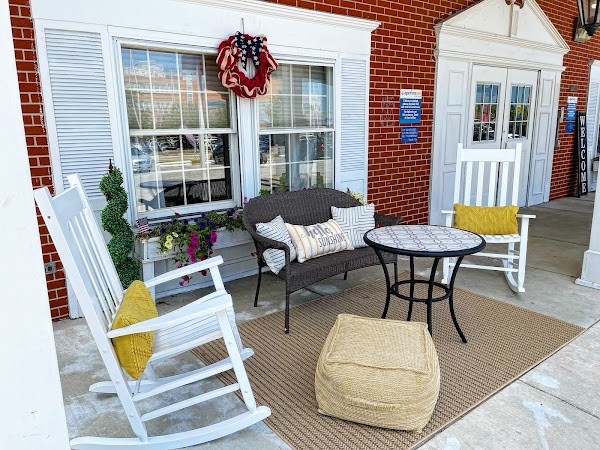
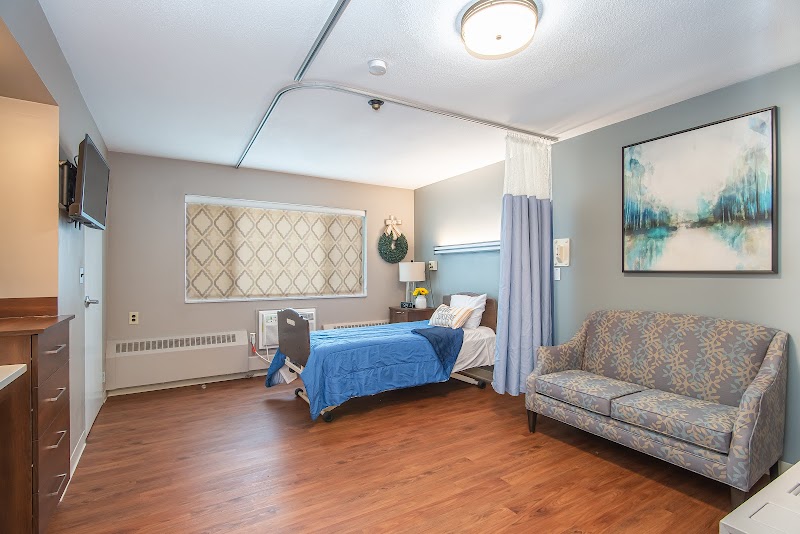

APERION CARE KOKOMO

3518 S LAFOUNTAIN ST, KOKOMO, IN 46902 (765) 453-4666
For profit - Corporation 105 Beds APERION CARE Data: November 2025
Trust Grade
38/100
#325 of 505 in IN
Last Inspection: September 2024

Within standard 12-15 month inspection cycle. Federal law requires annual inspections.

Overview

Aperion Care Kokomo has received a Trust Grade of F, indicating significant concerns about the facility's quality and care. It ranks #325 out of 505 nursing homes in Indiana, placing it in the bottom half, and #6 out of 7 in Howard County, suggesting limited local alternatives. The facility is showing an improving trend, with the number of issues decreasing from 15 in 2023 to 12 in 2024, but it still faces serious staffing challenges, reflected in a poor staffing rating of 1 out of 5 stars and a high turnover rate of 59%. There are concerning fines totaling $15,593, which are higher than 87% of other facilities in Indiana, and the facility has less RN coverage than 77% of state facilities, which can affect the quality of care. Recent inspector findings include a serious incident where a resident was not protected from mental and verbal abuse, as well as failures to notify physicians about significant weight changes for residents, highlighting ongoing risks to resident safety and well-being.

Trust Score
F
38/100
In Indiana
#325/505
Bottom 36%
Safety Record
Moderate
Needs review
Inspections
Getting Better
15 → 12 violations
Staff Stability
⚠ Watch
59% turnover. Above average. Higher turnover means staff may not know residents' routines.
Penalties
✓ Good
$15,593 in fines. Lower than most Indiana facilities. Relatively clean record.
Skilled Nurses
⚠ Watch
Each resident gets only 26 minutes of Registered Nurse (RN) attention daily — below average for Indiana. Fewer RN minutes means fewer trained eyes watching for problems.
Violations
⚠ Watch
40 deficiencies on record. Higher than average. Multiple issues found across inspections.
★★☆☆☆
2.0
Overall Rating
★☆☆☆☆
1.0
Staff Levels
★★★★★
5.0
Care Quality
★★☆☆☆
2.0
Inspection Score
Stable
2023: 15 issues
2024: 12 issues

The Good

  • 5-Star Quality Measures · Strong clinical quality outcomes
  • Full Sprinkler Coverage · Fire safety systems throughout facility
  • No fines on record

Facility shows strength in quality measures, fire safety.

The Bad

2-Star Overall Rating

Below Indiana average (3.1)

Below average - review inspection findings carefully

Staff Turnover: 59%

13pts above Indiana avg (46%)

Frequent staff changes - ask about care continuity

Federal Fines: $15,593

Below median ($33,413)

Minor penalties assessed

Chain: APERION CARE

Part of a multi-facility chain

Ask about local staffing decisions and management

Staff turnover is elevated (59%)

11 points above Indiana average of 48%

The Ugly 40 deficiencies on record

1 actual harm
Dec 2024 3 deficiencies
CONCERN (D) 📢 Someone Reported This

A family member, employee, or ombudsman was alarmed enough to file a formal complaint

Potential for Harm - no one hurt, but risky conditions existed

Deficiency F0557 (Tag F0557)

Could have caused harm · This affected 1 resident

Based on interview and record review, the facility failed to ensure a resident's specialized wheelchair was treated with respect when the wheelchair was unable to be located after his discharge from t...

Read full inspector narrative →
Based on interview and record review, the facility failed to ensure a resident's specialized wheelchair was treated with respect when the wheelchair was unable to be located after his discharge from the facility for 1 of 3 residents reviewed for personal property. (Resident B) Finding includes: A document, titled Intake Information, dated 11/22/24, indicated an anonymous person notified the Indiana Department of Health Resident B was loaned a Quickie QRI blue wheelchair from a specialized wheelchair company, when he was discharged from the rehabilitation hospital on 7/12/24. After he was admitted to the facility, he was placed in bed, and he never saw the loaner wheelchair again. He was transferred to the hospital on 7/30/24, and never returned to the facility. The facility was unable to find the loaner specialty wheelchair the resident was admitted to the facility in and his insurance company was being charged for the loaner chair. During an interview, on 12/2/24 at 12:05 p.m., the Executive Director (ED) indicated Resident B was transported to the facility from the hospital on 7/12/24, on a stretcher by ambulance to his room. She knew how he was transported because she was in her office when he was wheeled by on the stretcher. There was no specialty wheelchair in his room. She was notified sometime in October 2024, by his mother that he had been transported to the facility on the day of admission by a van in his wheelchair and she wanted the wheelchair back. The ED indicated she looked for a specialty wheelchair and could not find one anywhere in the facility. She told the resident's mother to give her a description of the wheelchair, so she knew exactly what she was looking for and the mother never gave her a description. She thought they were looking for a high-back wheelchair and they never found one of those in the facility. During a phone interview, on 12/2/24 at 12:31 p.m., a confidential interviewee indicated an ambulance company van brought Resident B in a specialty loaner wheelchair to the facility to use until he came home, then he would get a wheelchair custom made for him when he got home. He had to return the loaner prior to getting the custom build wheelchair. The confidential interviewee provided a description of the wheelchair with the serial number. The clinical record for Resident B was reviewed on 12/2/24 at 1:19 p.m. The diagnoses included, but were not limited to, flaccid neuropathic bladder, complete paraplegia, and muscle wasting and atrophy. A facility document, titled Admission-admission Observation, dated 7/12/24 at 2:08 p.m., indicated the admission details for Resident B included, but were not limited to, arrival via ambulatory, stretcher or wheelchair (neither one of these options were selected as a way the resident arrived at the facility). The vitals area indicated at 2:40 p.m., the resident weighed 168 pounds using a wheelchair to weigh him. During an interview, on 12/2/24 at 4:45 p.m., Resident B indicated he was transported to the admitting facility on 7/12/24, via a van in the loaner wheelchair he was given at the hospital prior to discharge. When he arrived at the facility, he was taken out of his wheelchair, placed in bed, and his wheelchair was removed from his room. He never saw the loaner wheelchair again. During an interview, on 12/3/24 at 9:34 a.m., the Executive Director (ED) indicated if a resident was admitted with a wheelchair, the wheelchair should stay with the resident their entire stay at the facility. During an interview, on 12/3/24 at 10:35 a.m., the Assistant Director of Nursing (ADON) indicated the day Resident B was admitted , he turned his call light on shortly after he was admitted , and she answered the call light. He wanted to get up out of bed, so she got a wheelchair from therapy, but it was not comfortable for him, so she had physical therapy complete a wheelchair evaluation on him. During a phone interview, on 12/3/24 at 10:48 a.m., National Seating and Mobility in Indianapolis was called and Staff member 7 indicated a loaner Quickie QRI wheelchair was delivered to the Rehabilitation Hospital of Indiana (RHI) on 7/8/24, to Resident B, who was being discharged to Aperion Care Kokomo on 7/11/24. During a phone interview, on 12/3/24 at 11:50 a.m., Team Lead staff member for Health Information Management 8 called back from RHI indicating an ambulance company transported Resident B in an ambulance van via his loaner wheelchair to the facility. An outside entity company came to their facility to measure the resident, then provided the resident with a loaner wheelchair until his was built. During an interview, on 12/3/24 at 12:10 p.m., the Regional [NAME] President of Operations and LPN 12 was in attendance. LPN 12 indicated she was the nurse who admitted Resident B to the facility on 7/12/24. He was pushed into his room in a wheelchair. He sat up in the wheelchair for a while after being admitted , then he was placed in bed to finish his admission assessment. She had no idea what happened to the wheelchair he was transported to the facility in after he was placed in bed. A current facility policy, titled Resident Rights, dated 1/4/19 and provided by the Executive Director on 12/2/24 at 1:19 p.m., indicated .These rights include the resident's right to .Retain and use personal possessions to the maximum extent that space and safety permit This citation relates to Complaint IN00447825. 3.1-9(a) 3.1-9(b) 3.1-9(c)
CONCERN (D) 📢 Someone Reported This

A family member, employee, or ombudsman was alarmed enough to file a formal complaint

Potential for Harm - no one hurt, but risky conditions existed

Pressure Ulcer Prevention (Tag F0686)

Could have caused harm · This affected 1 resident

**NOTE- TERMS IN BRACKETS HAVE BEEN EDITED TO PROTECT CONFIDENTIALITY** Based on interview and record review, the facility failed to ensure staff completed an accurate admission assessment of a reside...

Read full inspector narrative →
**NOTE- TERMS IN BRACKETS HAVE BEEN EDITED TO PROTECT CONFIDENTIALITY** Based on interview and record review, the facility failed to ensure staff completed an accurate admission assessment of a resident's pressure ulcer by a licensed nurse qualified to assess pressure wounds according to their policy and procedure for 1 of 1 new admission reviewed for a pressure ulcer. (Resident B) Finding includes: During a phone interview, on 12/2/24 at 12:31 p.m., a confidential interviewee indicated Resident B had a pressure ulcer which was almost healed when he arrived at this facility, on 7/12/24, but when he left the facility to be hospitalized on [DATE], the pressure ulcer on his coccyx was a Stage 4. The clinical record for Resident B was reviewed on 12/2/24 at 1:19 p.m. The diagnoses included, but were not limited to, flaccid neuropathic bladder, complete paraplegia, and muscle wasting and atrophy. A rehabilitation hospital document, titled Wound Care Note, dated 6/21/24, from Resident B's admission prior to his admission to the facility indicated on admission to the hospital he presented with a sacral (coccyx) Deep Tissue Injury (DTI) (intact skin with localized area of persistent non-blanchable deep red, maroon, and purple discoloration due to damage of underlying soft tissue) which evolved to an unstageable pressure wound. The physical exam of the coccyx wound, dated 7/8/24 at 9:00 p.m., indicated Resident B's pressure injury wound measurements were 9 cm (centimeters) wide, 5.5 cm long and 0.2 cm deep and the wound tissue had 20% slough attached to it (non-viable yellow, tan, gray, green or brown tissue; usually moist, could be soft, stringy and mucinous in texture) and/or eschar (dead or devitalized tissue that was hard or soft in texture; usually black, brown, or tan in color, and might appear scab-like). The stage was unstageable (full-thickness skin and tissue loss in which the extent of tissue damage within the ulcer cannot be confirmed because the wound bed is obscured by slough or eschar). A facility document for Resident B's admission, titled Admission/re-admission Observation dated 7/12/24 at 11:00 a.m., indicated Resident B had a sacrum pressure area, which measured approximately 2.5 cm in diameter with a yellowish and white wound bed with a pink center. The documentation of the pressure ulcer did not include the stage of the pressure ulcer and if there was any drainage observed. A facility document, titled Weekly Skin Observation, dated 7/16/24 at 8:30 a.m., indicated Resident B had a pressure wound to his coccyx area and his right buttock. The comment section area indicated no new areas were noted. The dressing and treatment were completed following his shower. The coccyx and right buttock pressure wounds lacked documentation of size (length x width x depth), stage of pressure ulcer, odor, drainage and description. A facility document, titled Initial Wound Evaluation & Management Summary, dated 7/23/24, indicated Resident B had an unstageable pressure wound to his coccyx. The wound measured 5 cm x 4.2 cm x 1.0 cm. There was a moderate amount of serosanguineous drainage. There was 100% necrotic tissue (necrotic tissue and eschar were usually firmly adherent to the base of the wound and often the sides/ edges of the wound). A hospital document, titled Inpatient Consult to Wound Care, dated 7/30/24, indicated Resident B had a pressure wound to his sacrum (coccyx). The wound was a deep, foul smelling open wound. The wound was open. The wound was present on admission. The stage 4 wound measured 5 cm x 4 cm x 3.5 cm, there was 90% slough and 10% bone was seen. The wound bed was black. The exposure was bone exposed with necrosis. There was scant amount of drainage from the wound with an odor coming from wound. During an interview, on 12/3/24 at 3:45 p.m., the Director of Nursing (DON) indicated the previous Assistant Director of Nursing (ADON) quit her position in July 2024 around the time the resident was admitted . The previous ADON was responsible for assessing and managing the wounds in the facility. A current policy, titled Pressure Injury and Skin Condition Assessment, dated 1/17/18 and provided by the Executive Director on 12/3/24 at 11:30 a.m., indicated .Pressure and other ulcers (diabetic, arterial, venous) will be assessed and measured at least every seven (7) days by licensed nurse, and documented in the resident's clinical record .A wound assessment will be initiated and documented in the resident chart when pressure and/or other ulcers are identified by licensed nurse .Pressure injuries and other ulcers .will be measured at least weekly and recorded in centimeters in the resident's clinical record. 11. A wound assessment for each identified open area will be completed and will include: a. Site location b. Size (length x width x depth) c. Stage of Pressure ulcer d. Odor e. Drainage f. Description g. Date and initials of individual performing the assessment 3.1-40(a)(2)
CONCERN (D) 📢 Someone Reported This

A family member, employee, or ombudsman was alarmed enough to file a formal complaint

Potential for Harm - no one hurt, but risky conditions existed

Incontinence Care (Tag F0690)

Could have caused harm · This affected 1 resident

**NOTE- TERMS IN BRACKETS HAVE BEEN EDITED TO PROTECT CONFIDENTIALITY** Based on interview and record review, the facility failed to ensure staff anchored an indwelling catheter with proper placement ...

Read full inspector narrative →
**NOTE- TERMS IN BRACKETS HAVE BEEN EDITED TO PROTECT CONFIDENTIALITY** Based on interview and record review, the facility failed to ensure staff anchored an indwelling catheter with proper placement into a resident's bladder for 1 of 1 resident reviewed for an indwelling catheter. (Resident B) Finding includes: During a phone interview, on 12/2/24 at 12:31 p.m., a confidential interviewee indicated prior to Resident B being admitted to the hospital on [DATE], two nurses placed indwelling catheters in the wrong place and caused trauma to his urinary tube. The first nurse put too large of a tube in, and it had to be removed because of the blood in the catheter, then the second nurse put too large of a catheter in as well and it was inserted in the wrong place. The clinical record for Resident B was reviewed on 12/2/24 at 1:19 p.m. The diagnoses included, but were not limited to, flaccid neuropathic bladder, complete paraplegia, and muscle wasting and atrophy. A nursing progress note, dated 7/29/24 at 10:50 a.m., indicated an indwelling catheter size 16 French/10 cubic centimeter (cc) balloon was inserted into Resident B's bladder without difficulty for a diagnosis of neurogenic bladder. This progress note did not indicate if there was a urine return, or the color of the urine return when the indwelling catheter was anchored. A nursing progress note, dated 7/29/24 at 11:12 a.m., indicated the nurse who anchored the indwelling catheter on Resident B was called to his room by a CNA due to complaints of blood in his catheter. Upon entering the resident's room, there was a dark red fluid in the resident's catheter. The catheter was removed without difficulty. The nurse covered the urethral meatus and applied pressure after removing the catheter. After the resident was cleaned up, there was no bleeding noted to the opening of the urethra. A PRN (as needed) pain medication was given to the resident as requested. A nursing progress note, dated as a late entry on 7/29/24 at 3:20 p.m., indicated a 12 French indwelling urethral catheter with a six-cc balloon was anchored without difficulty. A large amount of bloody urine with blood clots drained into the catheter drainage bag and from around the catheter at the meatus. A hospital document, titled ED [Emergency Department] Progress Notes, dated 7/30/24 at 4:48 a.m., indicated the resident had an indwelling catheter, which was reportedly placed by the facility staff last night and it resulted in penile bleeding and hematuria (blood in the urine.) The abdomen and pelvis IV (intravenous) contrast CAT Scan completed on 7/30/24 at 6:43 a.m., indicated the indwelling catheter was malpositioned (not correctly placed) with the balloon blown up within the penile urethra. Urology was consulted for the malposition indwelling catheter. During an interview, on 12/3/24 at 11:11 a.m., the Regional [NAME] President of Operations indicated he did not have any further information to provide for the catheter anchored on 7/29/24, at the facility prior to the resident's hospitalization on 7/30/24. The nurse should have documented if she got a urine return or not. A current policy, titled FOLEY CATHERIZATION AND REMOVAL, undated and provided by the Executive Director on 12/3/24 at 10:17 a.m., indicated .INSERTION PROCEDURE: Follow approved sterile technique for catheter insertion. (Same as straight catheter technique for male or female) Inflate balloon to the capacity with sterile water to test for balloon patency. Deflate for insertion, then re-inflate. 6. Pull catheter gently to be sure it is secured in the bladder .Document pertinent observations on nursing record 3.1-41(a)(2)
Sept 2024 7 deficiencies
CONCERN (D)

Potential for Harm - no one hurt, but risky conditions existed

Deficiency F0567 (Tag F0567)

Could have caused harm · This affected 1 resident

Based on interview and record review, the facility failed to ensure a resident was able to receive personal funds when requested for 1 of 1 resident reviewed for personal funds. (Resident 36) Finding ...

Read full inspector narrative →
Based on interview and record review, the facility failed to ensure a resident was able to receive personal funds when requested for 1 of 1 resident reviewed for personal funds. (Resident 36) Finding includes: During an interview, on 9/16/24 at 11:17 a.m., Resident 36 indicated she asked several times to get money from her account and she was not able to get money out of her account. An email, dated 9/17/24, from the Corporate Business Office Manager indicated she had deposited the resident's check into the AR side instead of her RFMS (Resident Fund Management Service) account. During an interview, on 9/23/24 at 9:27 a.m., the Administrator indicated the facility did not have a business office manager. The Corporate Business Office Manager was covering multiple facilities. During an interview, on 9/23/24 at 10:00 a.m., the Administrator indicated when the resident was discharged to another facility they cancelled Resident 36's funds. When the resident was readmitted , her funds were messed up. The resident's funds could take more than 30 days to get resolved. During an interview, on 9/23/24 at 12:07 p.m., the Corporate Business Office Manager indicated the RFMS (Resident Fund Management Service) rejected her funds. The resident's social security check was deposited into her account, and it was rejected. The facility had to reapply for her, and it took a while. They received a check for $333.00, and the Corporate Business Office Manager had deposited all the check into her facility patient liability billing account and did not deposit $50 to her personal account. During an interview, on 9/23/24 at 3:02 p.m., the Administrator indicated if the resident wanted the funds today, she would take the money out of the Administrator's personal funds to give to the resident. The Administrator's funds would be reimbursed from the corporate office. A current policy, titled Resident Funds, dated as revised 4/29/19 and received from the Administrator on 9/23/24 at 2:00 p.m., indicated .This facility manages the personal funds of residents when such request is made by the resident .The resident may choose to have the facility hold, safeguard, and manage his/her personal funds .Resident funds are deposited into an interest bearing resident trust fund account .Residents should have access to petty cash on an ongoing basis and be able to arrange for access for larger funds .Resident requests for access to their funds should be honored by facility staff as soon as possible but no later than .Three banking days for amounts of $100.00 ($50.00 for Medicaid residents) A current policy, titled Resident Rights, dated 8/23/17 and received from the Administrator on 9/23/24 at 9:00 p.m., indicated .To promote the exercise of rights for each resident .These rights include the resident's right to: Exercise his or her rights .If he or she wishes, have the facility manage his personal funds 3.1-6(e) 3.1-6(f)(1)
CONCERN (D)

Potential for Harm - no one hurt, but risky conditions existed

Deficiency F0657 (Tag F0657)

Could have caused harm · This affected 1 resident

**NOTE- TERMS IN BRACKETS HAVE BEEN EDITED TO PROTECT CONFIDENTIALITY** Based on observation, interview and record review, the facility failed to ensure a care plan was reviewed and revised as appropr...

Read full inspector narrative →
**NOTE- TERMS IN BRACKETS HAVE BEEN EDITED TO PROTECT CONFIDENTIALITY** Based on observation, interview and record review, the facility failed to ensure a care plan was reviewed and revised as appropriate for 1 of 4 residents reviewed for accidents. (Resident 23) Finding includes: During daily observations, on 9/16/24, 9/17/24, 9/18/24, 9/19/24 and 9/20/24, a mattress was noted on the floor on the right side of Resident 23's bed with the left side of the bed positioned against the half wall in the room. The clinical record for Resident 23 was reviewed on 9/17/24 at 3:22 p.m. The diagnoses included, but were not limited to, seizures, schizoaffective disorder, depression, pseudobulbar affect, dementia- moderate with behavioral disturbance, cerebellar ataxia, bipolar disorder, chronic kidney disease-stage 3, intellectual disabilities, and atrial flutter. A Minimum Data Set (MDS) assessment, dated 3/26/24, indicated Resident 23 was discharged to an inpatient psychiatric facility and was expected to return to the facility. The resident was readmitted to the facility on [DATE]. A care plan, dated 6/10/24, indicated interventions included, but were not limited to, the resident was to be 1:1 with staff member at all times and Mattress against wall between wall and bed for resident safety. Both interventions were initiated on 3/22/24 with no revision date. The resident was not observed to be on 1:1 with a staff member or to have a mattress between the resident's bed and the wall. During an interview, on 9/20/24, the Director of Nursing (DON) indicated the care plan had not been updated to indicate the resident no longer needed to be 1:1 with a staff member and no longer needed a mattress against the wall beside her bed, following the resident's stay at an inpatient psychiatric facility. A current policy, titled Comprehensive Care Plan, dated as revised 11/17/17, indicated .A comprehensive care plan must be .reviewed and revised by the interdisciplinary team after each assessment, including both the comprehensive and quarterly review assessments .The care plan should be revised on an ongoing basis to reflect changes in the resident and the care that the resident is receiving 3.1-35(d)(2)(B)
CONCERN (D)

Potential for Harm - no one hurt, but risky conditions existed

Respiratory Care (Tag F0695)

Could have caused harm · This affected 1 resident

Based on observation, interview and record review, the facility failed to administer oxygen at the correct flow rate as ordered by the physician for 2 of 3 residents reviewed for respiratory care. (Re...

Read full inspector narrative →
Based on observation, interview and record review, the facility failed to administer oxygen at the correct flow rate as ordered by the physician for 2 of 3 residents reviewed for respiratory care. (Residents 32 and 43) Findings include: 1. During an observation, on 9/16/24 at 4:03 p.m., Resident 32 was receiving oxygen at a flow rate of 2 liters per minute (LPM) via a nasal canula. During an observation, on 9/17/24 at 9:15 a.m., Resident 32 was receiving oxygen at a flow rate of 2 LPM via a nasal canula. During an observation, on 9/18/24 at 11:35 a.m., the resident was receiving oxygen at a flow rate of 2 LPM via a nasal canula. During an observation, on 9/19/24 at 1:29 p.m., Resident 32 was receiving oxygen at a flow rate of 2 LPM via a nasal canula. The clinical record for Resident 32 was reviewed on 9/19/24 at 12:35 p.m. The diagnoses included, but were not limited to, chronic obstructive pulmonary disease (COPD), chronic respiratory failure with hypoxia (not enough oxygen in the body), asthma, atrial fibrillation, dependence on supplemental oxygen, and anxiety disorder. A current care plan, dated as initiated and revised on 11/27/23, indicated to use oxygen therapy for altered respiratory status related to COPD, anxiety disorder, respiratory failure with hypoxia, and asthma. Interventions included, but were not limited to, administering oxygen via nasal canula according to the physician's order. A physician's order, dated 2/2/24, indicated to administer oxygen at 3 LPM via nasal canula continuously every day and night shift for COPD. A physician's progress note, dated 9/16/24, indicated the resident was dependent on 3 LPM of oxygen with a plan to continue the supplemental oxygen at 3 LPM continuously for the resident's COPD, asthma, and respiratory failure with hypoxia. A Medication Administration Record (MAR), dated 9/1/24 through 9/30/24, indicated the resident was administered 3 LPM of oxygen continuously. During an observation and interview, on 9/19/24 at 1:40 p.m., the Assistant Director of Nursing (ADON) indicated the resident was on 2 LPM of oxygen rather than the ordered 3 LPM. The ADON indicated the oxygen should be at the rate ordered by the physician.2. During an observation, on 9/17/24 at 11:29 a.m., Resident 43 was receiving oxygen at a flow rate of 4 LPM via a nasal canula. During an observation, on 9/19/24 at 2:38 p.m., the resident was receiving oxygen at a flow rate of 4 LPM via a nasal canula. During an observation, on 9/23/24 at 11:28 a.m., the resident was receiving oxygen at a flow rate between 3 and 3.5 LPM via a nasal canula. The clinical record for Resident 43 was reviewed on 9/17/24 at 4:24 p.m. The diagnoses included, but were not limited to, acute respiratory failure with hypoxia, chronic obstructive pulmonary disease (COPD), anxiety, chronic kidney disease (CKD), and arteriosclerotic heart disease. A care plan, dated 6/20/23, indicated the resident was at risk for altered respiratory status/difficulty breathing related to morbid obesity, COPD, congestive heart failure (CHF), and a history of embolism and thrombosis. Approaches included, but were not limited to, O2 via NC (nasal cannula) per MD order. A physician's order, dated 6/20/24, indicated O2 at 3 LPM every day and night shift. A MAR, dated 9/1/24 to 9/30/24, indicated the resident received O2 at 3 LPM every day and night shift. During an interview, on 9/23/24 at 10:20 a.m., LPN 6 indicated the oxygen should have been at 3 LPM per the physician's order. A current policy, titled Oxygen Safety, undated and received from the Director of Nursing on 9/20/24 at 3:24 p.m., indicated .Oxygen is a prescribed drug and must have a Physician's order which outlines .liter flow .All changes in an order (liter flow .) must be verified by physician BEFORE changes are made. 31-47(a)(6)
CONCERN (D)

Potential for Harm - no one hurt, but risky conditions existed

Deficiency F0727 (Tag F0727)

Could have caused harm · This affected 1 resident

Based on interview and record review, the facility failed to ensure a Registered Nurse (RN) was in the facility at least 8 consecutive hours a day, 7 days a week for 5 of the days reviewed during the ...

Read full inspector narrative →
Based on interview and record review, the facility failed to ensure a Registered Nurse (RN) was in the facility at least 8 consecutive hours a day, 7 days a week for 5 of the days reviewed during the third quarter for RN coverage. (8/10, 8/11, 8/31, 9/1 and 9/14/24) Finding includes: A Payroll-Based Journal (PBJ) staffing report, for the third quarter of 2024, indicated the facility had failed to have licensed nursing coverage for 24 hour/day. During a record review, on 9/23/24 at 11:20 a.m., the actual worked staffing schedule indicated there was no RN coverage for 8/10, 8/11, 8/31, 9/1 and 9/14/24. During an interview, on 9/19/24 at 11:18 a.m., the Director of Nursing (DON) indicated RN 2 was on call for 8/10, 8/11, 8/31, 9/1 and 9/14/24. The nurse was not in the building on those days. During an interview, on 9/23/24 at 2:20 p.m., the Scheduler indicated other than management staff, the facility had one RN who worked every other weekend. The facility followed the state regulations and guidelines and did not have a policy for staffing. 3.1-17(b)(3)
CONCERN (D)

Potential for Harm - no one hurt, but risky conditions existed

Pharmacy Services (Tag F0755)

Could have caused harm · This affected 1 resident

Based on record review and interview, the facility failed to ensure medications were available and a resident received her scheduled medication as ordered for 1 of 1 resident reviewed for pharmacy ser...

Read full inspector narrative →
Based on record review and interview, the facility failed to ensure medications were available and a resident received her scheduled medication as ordered for 1 of 1 resident reviewed for pharmacy services. (Resident 4) Finding includes: During an interview, on 9/16/24 at 11:42 a.m., Resident 4 indicated she had missed 2 days of her Oxybutynin (used for overactive bladder) and she had several incontinent episodes. She was told by staff the pharmacy was slow and had not delivered the medication. During an interview, on 9/18/24 at 11:29 a.m., Resident 4 indicated she did not receive her morning dose of Oxybutynin. The staff told her the pharmacy had not delivered it yet. The resident indicated she had not received her Oxybutynin for 3 days and had increased incontinence episodes. The clinical record for Resident 4 was reviewed on 9/18/24 at 8:49 a.m. The diagnoses included, but were not limited to, overactive bladder, rheumatoid arthritis, emphysema, and hypertension. A care plan, dated 12/24/22, indicated Resident 4 had an alteration in urinary elimination. Interventions included, but were not limited to, bladder assessments completed upon admission, quarterly and when needed and to monitor for incontinence and change as needed. A care plan, dated 12/24/22, indicated Resident 4 was incontinent of bowel and bladder. Interventions included, but were not limited to, monitor any possible causes of bladder incontinence. A physician's order, dated 6/20/24, indicated to give 1 tablet of Oxybutynin Chloride ER (Extended Release) 10 mg (milligrams) daily. A pharmacy signed delivery invoice indicated the resident received 14 tablets of Oxybutynin 10 mg ER tablets from the pharmacy on 8/24/24, and did not receive additional tablets until 9/18/24. During an interview, on 9/18/24 at 11:32 a.m., QMA 3 indicated the resident did not have the Oxybutynin 10 mg tablets in the drawer with the rest of her other pills. The medication was not available in the Emergency Drug Kit (EDK). QMA 3 looked in the bottom of the medication cart and found a card of Oxybutynin 10 mg ER containing 14 tabs which were received on 9/18/24. During an interview, on 9/19/24 at 1:24 p.m., the Director of Nursing (DON) indicated the pharmacy documentation indicated the resident went 7 days without her medication. The staff should have documented the medication was unavailable and contacted the pharmacy. During an interview, on 9/19/24 at 2:20 p.m., the resident indicated she received her medication, on 9/18/24 and 9/19/24, and her incontinent episodes were a lot less. A current policy, titled Medication Administration General Guidelines, undated and received from the DON on 9/18/24 at 4:27 p.m., indicated .If a medication with a current active order cannot be located in the medication cart/drawer, other areas of the medication cart, medication room, and facility (e.g., other units) are searched, if possible. If the medication cannot be located after further investigation, the pharmacy is contacted, or medication removed from the emergency kit .If a dose of regularly scheduled medication is .not available .the space provided on the front of the MAR for that dosage administration is initialed and circled. 3.1-25(a) 3.1-25(g)(3)
CONCERN (D)

Potential for Harm - no one hurt, but risky conditions existed

Deficiency F0761 (Tag F0761)

Could have caused harm · This affected 1 resident

Based on observation and record review, the facility failed to ensure eye drops were dated when opened and medication drawers were free of loose unidentified medications for 1 of 2 medication carts re...

Read full inspector narrative →
Based on observation and record review, the facility failed to ensure eye drops were dated when opened and medication drawers were free of loose unidentified medications for 1 of 2 medication carts reviewed for medication storage. (walnut hall) Findings include: During an observation, on 9/23/24 at 3:04 p.m., 2 bottles of eye drops for Resident 49 were opened and in the top drawer of the medication cart. No open dates were on the bottle or plastic bag containing the bottles. The second drawer of the medication cart had 6 loose medications: 1 large green, 2 round white, 2 oval white and 1 small round yellow pill. A physician's order, dated 9/19/24, indicated to administer 1 drop of prednisolone acetate ophthalmic suspension to Resident 49 in both eyes. During an interview, on 9/23/24 at 3:07 p.m., QMA 3 indicated the eye drops should have had open dates on the package or bottle and the loose medications should have been removed and destroyed. A current policy, titled Storage of Medications, not dated and received from the Administrator on 9/23/24 at 1:57 p.m., indicated .certain medications or package types, such as I.V. solutions, multiple dose, injectable vials, ophthalmic, nitroglycerin tablets, once opened, required an expiration date shorter that the manufacturer's expiration date to insure medication and potency .when the original seal of a manufacturer's container or vial is initially broken, the container or vial will be dated .the nurse shall place a date opened sticker on the medication and enter the date opened 3.1-25(m) 3.1-25(o)
CONCERN (D)

Potential for Harm - no one hurt, but risky conditions existed

Deficiency F0804 (Tag F0804)

Could have caused harm · This affected 1 resident

Based on observation, interview and record review, the facility failed to ensure food was served at the proper temperature, menus were followed, or residents were offered a substitution of nutritional...

Read full inspector narrative →
Based on observation, interview and record review, the facility failed to ensure food was served at the proper temperature, menus were followed, or residents were offered a substitution of nutritional value of their choice, and to ensure puree recipes were followed to ensure residents received nutritional adequacy for 1 of 1 resident and 2 of 2 cooks reviewed for food and diet. (Resident 32, [NAME] 4 and [NAME] 5) Findings include: 1. During an interview, on 9/17/24 at 10:07 a.m., Resident 32 indicated the food tasted terrible because they kept decreasing the budget and the food was often served cold. During an interview, on 9/18/24 at 12:05 p.m., Resident 32 indicated the fish was served very cold last evening, he was not sure if it was cooked all the way because it still seemed a little frozen in the middle, and the coleslaw was served at room temperature. During an interview, on 9/20/24 at 10:07 a.m., Resident 32 indicated according to the menu last evening he was to be served a bacon, lettuce, tomato (BLT) wrap with a salad but instead he received a grilled cheese sandwich with mashed potatoes and gravy. Resident 32 indicated this menu substitution happened routinely without them ever asking him what he would like as a substitute for his selection when they ran out of the menu items or had to serve something different because they did not have the correct ingredients. During an observation, on 9/20/24 at 12:36 p.m., the room tray cart with the 300 hall room trays were being passed out and a test tray was received at 12:51 p.m. During an observation and interview, on 9/20/24 at 12:51 p.m., the Dietary Manager (DM) tested the temperature of the items on the food tray. The temperature of the fish was 118.9. She indicated the temperature for the fish should be 145 degrees. The clinical record for Resident 32 was reviewed on 9/19/24 at 12:35 p.m. The diagnoses included, but were not limited to, chronic obstructive pulmonary disease, chronic respiratory failure with hypoxia, other asthma, bipolar disorder current episode hypomanic, recurrent major depressive disorder, atrial fibrillation, and anxiety disorder. A Minimum Data Set (MDS) assessment, dated 6/9/24, indicated the resident had a Brief Interview for Mental Status (BIMS) score of 14, which indicated he was cognitively intact. A current care plan, dated as initiated and revised on 11/27/23, included the problem of having the potential for a nutritional problem. 2. During an observation, on 9/17/24 at 11:12 a.m., the facility menu indicated garlic bread was to be served for lunch. [NAME] 4 indicated the facility had one resident on a puree diet. The cook retrieved two slices of garlic bread from a metal pan and placed the garlic bread in the robot coupe (blender). She then added two Tablespoons of melted butter. The cook then added two and half cups of milk and started the blender. She looked inside the blender and stated the bread was too runny. The cook then added two slices of white bread. The Dietary Manager (DM) asked [NAME] 4 if she followed the recipe and had noticed [NAME] 4 used a four-cup measuring cup instead of a one cup measuring cup to measure the milk. The DM told [NAME] 4 the recipe called for 3/4 cup of milk, and she measured two and half cups instead. The extra milk made the bread too runny. 3. During an observation, on 9/17/24 at 11:05 a.m., [NAME] 5 placed a bowl of unmeasured cake into the robot coupe. She then took a gallon of milk and poured an unmeasured amount of milk into the blender. She blended the cake and milk and indicated it was still too thick. [NAME] 5 then added another unmeasured amount of milk and poured it into the robot coupe. She blended the mixer and scrapped the edges of the inside of the robot coupe. She indicated it was still too thick and added more milk. [NAME] 5 indicated she should have measured the ingredients and followed the recipe. During an interview, on 9/17/24 at 11:35 a.m., the DM indicated [NAME] 4 and [NAME] 5 were supposed to follow the recipes and they did not. A current policy, titled Pureed Food Preparation, dated 2020 and received from the DM on 9/17/24 at 1:35 p.m., indicated .Pureed foods will be prepared using standardized recipes to ensure quality, flavor, palatability, and maximum nutritive value .Standardized recipes will be used to prepare all pureed foods .Serve with appropriate scoop number or divide equally to provide an equal number of portions. All of the pureed food must be used in order to deliver correct nutrient density to each resident .Review altered pureed recipes with the facility Registered Dietitian. Pureed foods will be the consistency of applesauce or smooth, mashed potatoes .Staff will be in-serviced on proper preparation of pureed foods 3.1-21(a)(1) 3.1-21(a)(2) 3.1-21(a)(3) 3.1-21(a)(4)
Jan 2024 2 deficiencies
CONCERN (D) 📢 Someone Reported This

A family member, employee, or ombudsman was alarmed enough to file a formal complaint

Potential for Harm - no one hurt, but risky conditions existed

Resident Rights (Tag F0550)

Could have caused harm · This affected 1 resident

Based on interview and record review, the facility failed to ensure residents were treated with respect and dignity from a staff member for 4 of 8 residents reviewed respect and dignity. (Residents F,...

Read full inspector narrative →
Based on interview and record review, the facility failed to ensure residents were treated with respect and dignity from a staff member for 4 of 8 residents reviewed respect and dignity. (Residents F, D, E and B) Findings include: 1. A facility document, titled Concern/Compliment Form, dated 10/23/23, indicated, on 10/23/23, Resident F asked her roommate to turn on the call button for her at approximately 8:00 p.m. LPN 2 went into her room to ask what she wanted. The resident indicated she wanted a pain pill and LPN 2 responded with I don't have time for that right now. The summary of pertinent findings indicated the resident received her pain medication, at 8:00 p.m., as routinely scheduled. 2. A facility document, titled Concern/Compliment Form, dated 12/11/23, indicated, on 12/8/23, Resident D asked to go to the Harmony unit to take her shower. The CNA went to check for a shower chair. The resident waited at the Harmony nurses' station. LPN 2 indicated I don't know why people can't stay on their own F***ing hallway. The resident went back to her room and took her shower on 12/9/23 instead. The summary of pertinent findings indicated the incident was partially substantiated. LPN 2 was spoken to and told this behavior was unacceptable and was not going to be tolerated. LPN 2 indicated she told Resident D she needed to take a shower on her hallway. She indicated to the resident the Harmony hallway had a lot of COVID residents on it at that time, so she should go back down to the Walnut hallway and request her shower be done there. The corrective actions taken indicated LPN 2 had to do customer service training on the computer and she was given a verbal warning, with the next step being a written warning. During an interview, on 1/24/24 at 2:45 p.m., Resident D indicated, on 12/8/23 at approximately 9 p.m., she asked her CNA if she could use the Harmony shower room to take a shower. She and the CNA went to the Harmony unit. The CNA went to get the shower chair and shower room ready, while the resident waited at the nurses' station. LPN 2 was standing at the medication cart in front of the nurses' station. LPN 2 indicated I don't know why people can't stay on their own f***ing hallway. Then, LPN 2 started telling Resident D, she should not be on the Harmony hallway due to there was a lot of residents with COVID-19, she needed to go back to her own hallway, and request her shower on her hall. The walnut hallway did not have a shower room on it. The resident went back to her room and took her shower the next day. Resident D indicated she was disrespected by LPN 2 by the way she was spoken to. 3. A facility document, titled Concern/Compliment Form, dated 12/15/23, indicated, on 12/14/23, Resident E woke up at 7:00 p.m., and had not received a room tray, so she went to the kitchen door to notify them. LPN 2 saw her at the kitchen door and yelled at her with an attitude indicating to her she could not be in that hallway. The resident indicated to the nurse, no one had been to her room, and she had not gotten dinner. LPN 2 indicated no one was supposed to be on that hallway (it was the COVID hallway at that time.) The summary of pertinent findings indicated the incident was partially substantiated. LPN 2 was spoken to regarding this incident, and she admitted to telling the resident she was not to be on the hallway because it was the COVID hallway. She denied yelling and being aggressive and indicated she spoke loudly. An unidentified kitchen worker had written a statement, dated 12/15/23, which indicated while she was attempting to get what Resident E wanted to eat for dinner at the kitchen door, on 12/14/23, LPN 2 came around the corner and started going off asking the resident if she wanted COVID-19 again. LPN 2 told her if all the red signs and trash bags were not enough for her to see she was on the COVID hallway, then she was going to end up with COVID-19 again. 4. A document, titled Indiana State Department of Health Survey Report System, dated 1/8/24, indicated Resident B reported LPN 2 used profanity while speaking to him. After the investigation, LPN 2 was terminated for violating company policy. a. A facility document, titled Concern/Compliment Form, dated 11/8/23, indicated, on the evening of 11/7/23, Resident B asked LPN 2 to get him up into his wheelchair. She indicated you're staying in bed. The resident indicated to the nurse he would call the police and the nurse indicated Don't threaten me. The summary of pertinent findings indicated the incident was unsubstantiated. The corrective actions indicated LPN 2 was instructed to assist the resident up when the CNAs finished his personal care. b. A facility document, titled Concern/Compliment Form, dated 1/9/24, indicated, on 1/8/24, Resident B turned on his call light for assistance at approximately 7:30 p.m. LPN 2 came into his room at approximately 9:45 p.m. He indicated he wanted to go outside to smoke. LPN 2 indicated to him You need to Quit hitting that F***ing button. I have things to do. What do you want? The summary of pertinent findings indicated the incident was substantiated. LPN 2 used profanity towards the resident. LPN 2 already had multiple complaints alleged against her regarding her verbal aggression in the recent past. The corrective actions taken indicated she was terminated for misconduct. A facility document, titled Human Resources Notice of Corrective Action, dated 12/22/23 and provided by the Executive Director (ED) on 1/24/24 at 2:55 p.m., indicated LPN 2 was given a final written warning due to at that time, she had multiple grievances regarding her yelling or speaking rudely to residents. Those residents were not comfortable with asking her for help. A typed statement by the Executive Director (ED), dated 1/12/24, indicated a phone conversation occurred between the ED and LPN 2. LPN 2 was notified she was terminated because she had several complaints regarding how she spoke and treated residents, in addition to the concern with Resident B. The ED indicated the Director of Nursing (DON) and the Human Resources Director (HRD) was in attendance during the phone call to LPN 2. A facility document, titled Human Resources Notice of Corrective Action, dated 1/12/24 and provided by the Executive Director (ED) on 1/24/24 at 2:55 p.m., indicated LPN 2 was terminated due to a resident complained she used profanity and was yelling at him because he used his call light. She was on a final written warning and had been told not to get any other resident complaints against her regarding speaking negatively or yelling at them. She was terminated due to misconduct towards a resident. During a phone interview, on 1/24/24 at 1:19 p.m., LPN 2 indicated from 12/5/23 until the end of 12/2023, Resident B complained about all the nursing staff daily. She wrote progress notes regarding his behavior and threats to get someone in trouble if he did not get to go smoke when it was below the allowed temperature for the residents to go outside and smoke. Resident D came towards the end of her hall, which had COVID-19 residents on it. She indicated to the resident she was not allowed to shower on the COVID-19 hallway. The resident reported her for telling her to get off the F***ing hallway. Resident E was walking in the COVID-19 hallway when she asked the resident to come and talk with her a minute. LPN 2 told the resident she could not be on the COVID-19 hallway, and she reported LPN 2 for yelling at her. She was terminated due to the tone of my voice. A current policy, titled Resident Rights, dated 1/4/19 and provided by the DON on 1/24/24 at 3:40 p.m., indicated .Guidelines: Notice of resident rights will be provided upon admission to the facility. These rights include the resident's right to Exercise his or her rights .Exercising rights means that residents have autonomy and choice, to the maximum extent possible, about how they wish to live their everyday lives and receive care, subject to the facility's rules, as long as those rules do not violate a regulatory requirement A current facility handbook policy, dated 01/2023 and provided by the ED on 1/24/24 at 1:45 p.m., indicated .Employee Conduct .it is important that you maintain the highest standards of conduct, courtesy and respect for the dignity of others at all times .Any concerns regarding employee conduct will be addressed through the Corrective Action process .each employee's conduct and performance will conform with the highest standards of professionalism and ethical practice, the requirements of their job .and applicable federal, state and local laws, rules and regulations .Violations of Aperion's standards of conduct may lead to corrective action, up to and including immediate termination. Violations of Conduct Standards That Constitute Grounds for Immediate Dismissal .Engaging in abusive, discourteous, profane, indecent or unprofessional language or conduct while on duty or on Aperion property .Threatening, intimidating or coercing patients .Violating any federal, state or local laws, rules or regulations applicable to Aperion or any of its programs .Violating any other policy or procedure of Aperion, whether or not set forth in this handbook This citation relates to Complaint IN00425889. 3.1-3(t)
CONCERN (D) 📢 Someone Reported This

A family member, employee, or ombudsman was alarmed enough to file a formal complaint

Potential for Harm - no one hurt, but risky conditions existed

Deficiency F0602 (Tag F0602)

Could have caused harm · This affected 1 resident

Based on interview and record review, the facility failed to ensure a resident was free from theft, related to a staff member not returning her change after picking up food for her for 1 of 2 resident...

Read full inspector narrative →
Based on interview and record review, the facility failed to ensure a resident was free from theft, related to a staff member not returning her change after picking up food for her for 1 of 2 residents reviewed for misappropriation of property. (Residents C and K) Finding includes: 1. A document, titled Indiana State Department of Health Survey Report System, dated 11/13/23 and provided by the Executive Director (ED) on 1/24/24 at 11:59 a.m., indicated Resident C gave CNA 3 fifty dollars to purchase Taco Bell for her and the CNA did not return the resident's change. When the investigation was completed, it was determined CNA 3 was given fifteen dollars for the Taco Bell and ten dollars to go pick it up. After the investigation was completed, CNA 3 was terminated for violating the company policy. A facility document, titled Concern/Compliment Form, dated 11/14/23 and provided by the ED on 1/24/24 at 11:59 a.m., indicated Resident C gave CNA 3 a total of $50. $20 to buy the food and $30 for gas for the CNA to pick up the food for the resident. The resident indicated she did not get any change and now she wanted her thirty dollars in change back. The summary of pertinent findings indicated the theft allegation was substantiated when CNA 3 admitted to taking Resident C's money. CNA 3 indicated Resident C gave her $25. The food cost $15 and she kept $10 for gas because the resident told her she could keep it. The corrective actions taken was CNA 3 was terminated for violating company policy on getting money from a resident. Resident C's $10 the CNA admitted to taking was reimbursed into her personal funds account. A facility handwritten statement by CNA 3, dated 11/13/23, indicated, on 11/13/23, Resident C gave her $25 to go get her Taco Bell and she was offered $10 in gas money to go get the food and she took it. She went to get the resident's food at approximately 7:30 p.m., and came back to work. A typed facility statement, dated 11/14/23, indicated the Executive Director (ED) spoke with CNA 3 regarding the grievance she received from Resident C, who indicated she had given the CNA $50 ($20 for food and $30 for gas). The resident was complaining she did not get her change back and wanted her $30. CNA 3 indicated she went to get Resident C's food at approximately 7:30 p.m. The resident gave her a total of $25, the food was $15, and she kept the $10 for gas because the resident offered it to her. During an interview, on 1/24/24 at 2:18 p.m., Resident C indicated she gave CNA 3 $46 to get her nachos and three tacos at Taco Bell. The CNA asked the resident if she could keep $10 for gas money and the resident agreed, but CNA 3 kept all the resident's change which was owed back to her. The facility was reimbursing the resident her $10 for the gas money she gave CNA 3. The resident indicated this incident was not the first time CNA 3 had asked her to keep money out for gas. On another occasion when the CNA went to get her food, she had asked the resident if she could keep $5 for gas money. She did not realize Taco Bell was basically across the street from the facility or she would not have let her keep the money for gas. A facility document, titled Human Resources Notice of Corrective Action, dated 11/15/23, indicated CNA 3 was terminated. The rule or policy involved indicated CNA 3 admitted to keeping a resident's $10 for gas money. It was against company policy for any staff member to take any money from a resident. She violated company's policy, which resulted in termination. 2. A facility document, titled Concern/Compliment Form, dated 11/14/23 and provided by the ED on 1/24/24 at 11:59 a.m., indicated Resident K did not get her sixty five cents back for change from a $1.50 candy bar and $1.85 drink. The summary of pertinent findings indicated the concerns were partially substantiated. The CNA (CNA 3) admitted the resident gave her $2 for the vending machine and the resident had fifteen cents in change left over, which the CNA placed in the resident's room. The corrective action taken was the CNA was educated and she was terminated on a different finding. A typed facility statement, dated 11/14/23, by the ED, indicated she had received a grievance regarding Resident K gave CNA 3 $4 to get her a candy bar, which cost $1.50 and a drink, which cost $1.85 and the CNA did not give the resident her sixty five cents in change back to her. During an interview, on 1/24/24 at 2:31 p.m., Resident K indicated she had given CNA 3 $4 to get her a candy bar and drink out of the vending machines and the CNA did not give her back her sixty five cents in change. A current facility handbook policy, dated 01/2023 and provided by the ED on 1/24/24 at 1:45 p.m., indicated .Violations of Conduct Standards That Constitute Grounds for Immediate Dismissal .Violating any federal state or local laws, rules or regulations applicable to Aperion or any of its programs .Asking a resident for money or other gifts or approaching a resident with the intention of solicitating money or other gifts This citation relates to Complaint IN00425889. 3.1-28(a)
Sept 2023 2 deficiencies 1 Harm
SERIOUS (G) 📢 Someone Reported This

A family member, employee, or ombudsman was alarmed enough to file a formal complaint

Actual Harm - a resident was hurt due to facility failures

Free from Abuse/Neglect (Tag F0600)

A resident was harmed · This affected 1 resident

**NOTE- TERMS IN BRACKETS HAVE BEEN EDITED TO PROTECT CONFIDENTIALITY** Based on observation, interview and record review, the facility failed to ensure a resident was free from mental and verbal abus...

Read full inspector narrative →
**NOTE- TERMS IN BRACKETS HAVE BEEN EDITED TO PROTECT CONFIDENTIALITY** Based on observation, interview and record review, the facility failed to ensure a resident was free from mental and verbal abuse and intimidation, failed to ensure a staff member intervened while a resident was being mentally and verbally abused and intimidated, and failed to provide 72-hour psychosocial follow-up for 1 of 3 residents reviewed for abuse. (Resident B) Resident B indicated while being abused by the Executive Director, she thought she was going to be hit, her personal space was invaded, she was in fear for her life, and following the incident she thought the Executive Director (ED) sent an unidentified man hit man into the facility to harm her in retaliation for the ED being suspended. Finding includes: On 9/28/23 at 9:45 a.m., the Business Office Manager (BOM) indicated the previous ED was no longer the ED at the facility anymore. A document, titled Indiana State Department of Health Survey Report System, dated 9/28/23 at 12:39 p.m., indicated on 9/20/23 at 9:15 a.m., during a meeting between the previous ED and Resident B, Resident B indicated the previous ED took her walker out of her hands and was rude to her. After a thorough investigation, the five-day follow-up indicated the previous ED acted in an unprofessional manner leading Resident B to believe she had to discharge from the facility. When the Interim ED spoke to Resident B, he offered her to return to the facility. During an interview, on 9/28/23 at 11:00 a.m., the Interim ED indicated he had spoken (verbal counseling) to the previous ED within the past few weeks for how she was treating the managers and staff in general. She had treated some of the managers mean and staff members rudely and mean. She called out managers in the morning meeting instead of waiting to get them by themselves. She called out staff members in the hallways, instead of taking them into an unoccupied room. Many staff members were intimidated by her and afraid of losing their jobs if they reported her, so they would not report her to him when he came to visit the facility. He discovered the intimidation and fear of retaliation of staff members' jobs by the previous ED after he terminated her. During an interview, on 9/28/23 at 1:36 p.m., Resident B was observed sitting in her wheelchair, in her room, with her ex-husband sitting on her bed. She indicated, on 9/20/23, she was getting dressed to go home to see her dogs when the previous Executive Director busted in the door of her room. Breakfast had just been served onto her bedside table in front of her. She was sitting in her recliner with her bedside table across the front of her chair with her breakfast on it. She had just started eating her toast. Her ex-husband was sitting on her bed. The previous ED asked Resident B why her ex-husband was at the facility. The resident indicated he was at the facility because he took care of her and her animals. The previous ED indicated to the resident, he had to leave the facility. The resident indicated to the previous ED, if he had to leave, then she had to leave also, since he was her caregiver. The previous ED indicated she did not have to leave, but her ex-husband had to leave because he was not allowed to stay the night at the facility with her. Resident B indicated if he left, then she would leave also because he was her caregiver, since there was not enough staff at the facility to care for her in a timely manner. The previous ED indicated then the resident was to leave also. The previous ED jerked the bedside table out from in front of her and came at her like an angry bull. She invaded her personal space with her face up close to the resident's face and her arms pulled back and her chest puffed out indicating she was to leave the facility now. Resident B indicated to the previous ED, she was invading her personal space and told her to step back, which she did step back out of her face. The resident indicated at that time; she was scared to death of the previous ED. She thought the previous ED was going to hit her when she was invading her personal space. The previous ED left the room, but five minutes later, she came back to the room with three to four nurses and boxes to pack her belongings. Resident B had already begun to pack her belongings and the previous ED asked Resident B what she was doing, and the resident indicated she was leaving as the previous ED had told her to do. The previous ED indicated to her; she never told her to leave. She admitted on [DATE]. The Maintenance Director got her ex-husband a nice chair to sleep in, since he was with her every night providing care for her. He took care of her because there was not enough staff to care for her in a timely manner. She left with her belongings the day of the incident and went back home with her ex-husband. Resident B indicated after the previous ED was asked to leave the facility and she had returned as a resident, one evening she observed a tall African American male walking down the hallway towards her. She thought the previous ED hired this man as a hit man to come and kill me in retaliation for her being sent home. The Interim ED called and asked her to come back to the facility the next night (9/21/23) after she went home. The facility bus picked her up at her house and brought her back to the facility. She was anxious to come out of her room when the previous ED was in the facility, but after she was terminated, Resident B started going out to activities. She used to be very social when she lived at home. During an interview, on 9/28/23 at 2:00 p.m., Resident B's ex-husband indicated he stayed at the facility overnight each night from 6:00 p.m. until 10:00 a.m., the next day. His wife was incontinent, and it took the staff so long to answer her call light at times. If he did not stay and take care of her, she would wet on herself and he did not want that to happen. Depending on how well she was doing each day determined whether he spent the night to provide care for her or not. One of the nurses told him to park out back and gave him the code to the back door to the facility, so he could leave and come back into the facility as he pleased. He was present when the previous ED came down to the resident's room, on 9/20/23. She got right up into her face, invading her personal space and was yelling at her indicating he had to get out of the facility because he could not stay there. He was taken back while the yelling was going on and was in shock. He did not even know what to do because he was not believing what he was witnessing. During an interview, on 9/28/23 at 2:25 p.m., Qualified Medication Aide (QMA 6) indicated the previous ED and Housekeeping delivered boxes to Resident B's room for her to pack her belongings. The day before (9/19/23) the previous ED was standing in the hallway yelling at CNAs 7 and 8, but she did not know why she was yelling at them. During an interview, on 9/28/23 at 2:20 p.m., LPN 9 indicated the previous ED was in the hallway on the day before the incident with Resident B (9/19/23) being very loud and angry indicating I need all the CNAs in room [ROOM NUMBER] now. She was upset because a housekeeper had told her a CNA refused to pack the resident's belongings up in room [ROOM NUMBER] after the CNA was told the resident was being discharged . The record for Resident B was reviewed on 9/28/23 at 3:10 p.m. Diagnoses included, but were not limited to, diabetes mellitus type II, need for assistance with personal care, depression, generalized anxiety disorder, weakness, and chronic kidney disease stage 3. An admission Minimum Data Set (MDS) assessment, dated 8/24/23, indicated the resident's Brief Interview for Mental Status was coded at an 11, which indicated the resident had mild cognitive impairment. A psychiatry progress note, dated 9/15/23 at 1:00 a.m., indicated the visit was for her initial psych evaluation and medication management and to address an increase in her anxiety symptoms. She was started on Buspirone (an anti-anxiety medication) 5 mg (milligrams) by mouth three times a day that visit. She had no history of psychotropic medication use prior to her facility admission. She had generalized weakness. She had a changed sleep pattern. Her appearance/behavior was calm and cooperative. Her mood was depressed. She had mild judgement impairment and mild insight impairment. Her attention/concentration was good. Diagnoses for this visit was moderate major depressive disorder, and generalized anxiety disorder. A psychiatry progress note, dated 9/18/23 at 1:00 a.m., indicated the visit was to complete the Mini Mental State Examination (MMSE), which the resident scored a 28/30, which indicated no cognitive impairment. Her Preadmission Screening and Resident Review (PASRR) indicated she had not had previous psychiatric admissions or outpatient mental health services prior to being admitted to the facility. She was dependent for all Activities of Daily Living (ADL) except for feeding herself and she was incontinent. She had no use of psychotropic medication use prior to being admitted to the facility. Her cognition function was intact. Her appearance/behavior was calm and cooperative. Her mood was depressed. She had a fair short-term memory. She had mild impairment of her judgement and insight. Her depression screening test completed on 8/30/23, indicated she was positive for depression. The dementia assessment completed on 8/25/23, indicated she scored 3/6, which indicated she was somewhat dependent with a moderate functional impairment. A progress note, dated 9/20/23 at 9:16 a.m., indicated Resident B's discharge paperwork was explained to her and she refused to sign the Against Medial Advice (AMA) paperwork. The AMA paperwork was signed by two nurses. The resident was provided with medications as approved by the facility corporate office. She was transported from the facility to home by her husband's vehicle. She took her personal walker with her. There was a lack of 72-hour follow-up in the resident's record for psychosocial monitoring following mental and verbal abuse and intimidation by the previous ED. A care plan for Resident B indicated she had a history of being a social person and enjoying people. During an interview, on 9/28/23 at 4:03 p.m., CNA 7 indicated she came around the Harmony nurses' desk when she heard a loud commotion from down the hall. She heard yelling as she picked up room trays from breakfast. The previous ED was yelling at Resident B and Resident B was telling the previous ED she was not staying at this facility if her ex-husband could not stay with her. She walked up to Resident B's room and observed the previous ED to be standing in front of the resident who was sitting in her recliner. The previous ED was pointing her finger at the resident standing above her as the resident was sitting in her recliner. The previous ED was towering over the resident because she was a tall and larger lady. When asked if 0 was quiet and 10 was extremely loud, CNA 7 indicated the previous ED was yelling at a level 10 at the resident. When asked why she did not intervene when the previous ED was yelling at the resident, CNA 7 indicated she was intimated by the previous ED and now afraid of her due to a situation she and CNA 10 experienced the day before (9/19/23). She was told to go to another resident's room with the previous ED, on 9/19/23, where she waited for CNA 10 to arrive. When CNA 10 arrived at the resident's room, the previous ED along with the Housekeeping Supervisor in attendance in the room, the previous ED started screaming at a level 10 with aggressive screaming because she and the Housekeeping Supervisor thought CNAs 7 and 10 refused to pack the discharged resident's belongings. CNA 7 indicated they both wanted to wait to pack her belongings until closer to her being discharged because she had dementia and they did not want her to have any behaviors when she seen them packing her belongings up. If the previous ED was mad at a resident for something, she was fiery mad and aggressive with the resident. The ADON (Assistant Director of Nursing) and the Wound Doctor had to have heard the screaming across the hallway because they were over there working on a resident's wounds. She felt she was bullied by the previous ED and was scared to break up the interaction between the previous ED and Resident B because of her being screamed at the day before. During an interview, on 9/28/23 at 4:31 p.m., the ADON indicated the day prior to the incident with Resident B (9/19/23), she and the Wound Physician was in the room across the hallway from the resident who was to be discharged later that day. They both overheard the previous ED yelling at two CNAs while in the resident's room. When asked how loud she was yelling if 0 was quiet and 10 was extremely loud, she indicated she was yelling at a level 9. The Wound Physician made the statement Someone's in trouble. The ADON indicated she could hear anger in the previous ED's voice while yelling at the CNAs. On the day of the incident, (9/20/23), between the previous ED and Resident B, the previous ED told the ADON and the DON (Director of Nursing) to go down to Resident B's room with her to be her witness when she talked to her. Both the ADON and DON went to the resident's room with the previous ED. The previous ED clarified with Resident B why she was not staying at the facility. Resident B indicated because the previous ED kicked her out of the facility. The previous ED indicated she had not kicked her out and Resident B indicated when she kicked her ex-husband out of the facility, she kicked her out also. The previous ED was re-clarifying and backsliding to cover herself on kicking the resident out of the facility because after she left the resident's room, she came from the Redbud hallway to her office talking angrily on her cell phone in the hallway, saying I want her out of here now today repeatedly. In staff meetings, she called managers out and was passive-aggressive with them. She picked on staff and made it difficult on staff if she did not like you. The previous ED ran the facility like a Tyrant ruler by staff working under fear and intimidation. During an interview, on 9/29/23 at 11:26 a.m., CNA 8 indicated Resident B was her resident the day of the incident between her and the previous ED (9/20/23). The incident happened around breakfast time. Her ex-husband had been in her room staying with her every night to help provide care for her, which all the CNAs where so glad he was there because she did require a lot of care at times and required a lot of emotional care and attention. CNA 8 had been in her room at least twice that day already. The previous ED walked into the room as CNA 8 was walking to the resident's room, so she stayed outside the room, because she did not go in resident's rooms when management or nurses were in their rooms out of respect for the resident's privacy. The previous ED was fussing at Resident B, but she did not know why she was fussing at her. The resident was sitting in her recliner with her walker in front of her and the previous ED was standing in front of her walker. Her bedside table was at the side of her recliner. The previous ED was screaming at the resident at a level 10 if 0 was quiet and 10 was extremely loud. After she was finished fussing at the resident, the previous ED stormed out of the resident's room and she pointed to CNA 8 and instructed her to get the resident and her husband some boxes. She pointed to the floor tech girl and instructed her to get the resident and her husband some boxes. The floor tech girl got the boxes for the resident and her husband and CNA 8 got a cart for them, so they were able to wheel their belongings out of the facility to their car. CNA 8 indicated when the previous ED stormed out of the resident's room and pointed at her, instructing her to get the boxes, she felt like a child and her mom was scolding her. She did not intervene during the screaming at the resident because she was shocked it was happening and she was intimidated by the previous ED. A document, titled Human Resources Notice of Corrective Action, dated 9/25/23 and provided by the Interim ED on 9/29/23 at 12:29 p.m., indicated the Previous ED was terminated on 9/25/23, after an allegation of verbal and mental abuse was brought forward about her. After an investigation was complete, it was found that her actions were in violation of Center for Medicare and Medicaid Services (CMS) and the Indiana Department of Health's abuse regulations and the facility's policy on abuse and the companies code of conduct. During a phone interview, on 9/29/23 at 12:19 p.m., the previous ED indicated the Business Office Manager (BOM) told her Resident B's husband was living there at the facility. She went to the resident's room and found her and her husband in the room. She asked the resident if he was spending the night in her room and the resident indicated she had permission for her husband to sleep at the facility with her. She indicated she spoke to them and told them on the day she admitted he was only allowed to spend one night. The previous ED told them both he was not allowed to sleep at the facility at night, that's when the resident began to escalate and raise her voice toward the previous ED and indicated if the previous ED was kicking out her husband, she would be living also. The previous ED told her that was fine if that was the way it had to be and the resident then escalated more, saying the previous ED was kicking her out of the facility. She tried to tell the resident again she was able to stay, but her husband was not able to sleep in her room anymore. At some point during the conversation, the walker got moved from out in front of the resident and the previous ED did not know how it got moved. The resident accused the previous ED of abusing her and threatening her. She indicated the Regional [NAME] President terminated her on Monday (9/25/23) for causing psychosocial harm to Resident B. During a phone interview, on 9/29/23 at 12:43 p.m., CNA 10 indicated the previous ED indicated she needed to talk to her on the day before the incident between her and Resident B (9/19/23). A CNA was busy and was not packing up a resident's belongings, who had been discharged . She was not going to pack up the belongings at that time, because that resident would have behaviors. CNAs 7 and 10 were in the room along with the Housekeeping Supervisor when the previous ED was screaming at CNAs 7 and 10. When asked what the level of loudness was of the previous ED's voice if 0 was quiet and 10 was extremely loud, she indicated a level 8. The Wound Nurse from the facility and the Wound Physician was in the room across the hall working on a resident's wounds and they heard the previous ED screaming at the CNAs. She was being aggressive with the CNAs for no reason. CNA 10 was confused as to why the previous ED was coming at her like that. There was a monthly in-service that day and the previous ED brought up packing up resident's belongings. CNA 7 made a comment and the previous ED got very aggressive with her during the meeting raising her voice at CNA 7 and cut her off, so she was not able to speak. During an interview, on 9/29/23 at 1:51 p.m., Floor Tech 12 indicated she was cleaning the floors on the 300 Hallway when the incident occurred between the previous ED and Resident B. When the previous ED came out of room [ROOM NUMBER], she pointed her finger at her and CNA 8 instructing them to get boxes for the resident in room [ROOM NUMBER]. She had never seen the previous ED get upset like that before with a resident. She got three big sized boxes and took them and sat them at the side of Resident B's door in the hallway, since there were management staff in her room talking with her. 30-45 minutes after the incident with the previous ED, Resident B and her husband packed their belongings and left the facility. During an interview, on 9/29/23 at 2:20 p.m., the Interim DON with the Social Service Director in attendance, indicated she and the ADON witnessed the previous ED being angry and aggressive while walking down the Redbud hallway carrying on a conversation regarding Resident B needing to leave the facility today. She told her and the ADON to go to Resident B's room with her to be her witness as to what was being said because she did not want her saying she had been inappropriate with her or threatened her. After she, the ADON, and the previous ED left Resident B's room, she, and the Social Service Director (SSD) went to Resident B's room to talk to her privately. Resident B and her husband indicated she was being thrown out of the facility by the previous ED. The DON indicated after the previous ED was terminated, Resident B started coming out of her room more and socializing with other residents. She would do activities now, where she mainly stayed in room before the previous ED was terminated. The SSD indicated she did not perform a psychosocial assessment on her as required following the abuse allegation. A current policy, titled Abuse Prevention and Reporting-Indiana, dated with a revision date of 10/28/22 and provided by the Interim ED on 9/28/23 at 3:15 p.m., indicated The facility affirms the right of our residents to be free from abuse .This facility therefore prohibits abuse. In order to do so, the facility has attempted to establish a resident sensitive and resident secure environment. The purpose of this policy is to assure that the facility is doing all that is within its control to prevent occurrences of abuse .This will be done by .Immediately protecting residents involved in identified reports of possible abuse .Definitions: Abuse: Abuse means any physical or mental injury or sexual assault inflicted upon a resident other than by accidental means. Abuse is the willful infliction of injury, unreasonable confinement, intimidation or punishment with resulting physical harm, pain or mental anguish to a resident. This also includes the deprivation by an individual, including a caretaker .mental and psychosocial well-being. The term willful in the definition of abuse means the individual must have acted deliberately, not that the individual must have intended to inflict injury or harm .Mental and Verbal Abuse: Mental abuse is the use of verbal or nonverbal conduct which causes or has the potential to cause the resident to experience humiliation, intimidation, fear, shame, agitation, or degradation. Verbal abuse may be considered to be a type of mental abuse. Verbal abuse includes the use of oral, written, or gestured communication, or sounds, to residents within hearing distance, regardless of age, ability to comprehend or disability. Examples of mental and verbal abuse include, but are not limited to .Yelling or hovering over a resident with the intent to intimate; threatening residents, including but limited to depriving a resident of care of withholding a resident from contact with family and friends .Orientation and Training of Employees: During orientation of new employees, the facility will cover at least the following topics .What constitutes abuse .The facility may not discharge, demote, suspend, threaten, harass or deny a promotion or other employment-related benefit to an employee, or in any other manner discriminate against an employee in the terms and conditions of employment because of lawful acts done by the employee; or file a complaint or a report against a nurse or other employee with the appropriate State professional disciplinary agency because of lawful acts done by the nurse or employee A current policy, titled Verbal/Mental Abuse Allegation Staff to Resident Quality Assurance Checklist, undated and provided by the Interim ED on 9/29/23 at 3:46 p.m., indicated Immediate: Alleged staff member removed from all resident contact. Alleged staff member escorted from the facility. Alleged staff member placed on suspension pending investigation .Resident assessed for psychological injury & documented .Resident placed on report for 72 hour follow up documentation on incident .INVESTIGATION/PREVENTATIVE MEASURES .SS (Social Services) Psychosocial Assessment This Federal tag relates to Complaint IN00418301. 3.1-27(a)(1) 3.1-27(b)
CONCERN (D) 📢 Someone Reported This

A family member, employee, or ombudsman was alarmed enough to file a formal complaint

Potential for Harm - no one hurt, but risky conditions existed

Transfer Requirements (Tag F0622)

Could have caused harm · This affected 1 resident

**NOTE- TERMS IN BRACKETS HAVE BEEN EDITED TO PROTECT CONFIDENTIALITY** Based on observation, interview and record review, the facility failed to ensure a facility-initiated transfer or discharge not ...

Read full inspector narrative →
**NOTE- TERMS IN BRACKETS HAVE BEEN EDITED TO PROTECT CONFIDENTIALITY** Based on observation, interview and record review, the facility failed to ensure a facility-initiated transfer or discharge not in alignment with the resident's goals for care and preferences did not occur when a resident was told to leave the facility by the Executive Director (ED) for 1 of 1 resident being reviewed for transfer and discharge. (Resident B) Finding includes: A document, titled Indiana State Department of Health Survey Report System, dated 9/28/23 at 12:39 p.m., indicated on 9/20/23 at 9:15 a.m., during a meeting between the previous ED and Resident B, Resident B indicated the previous ED took her walker out of her hands and was rude to her. After a thorough investigation, the five-day follow-up indicated the previous ED acted in an unprofessional manner leading Resident B to believe she had to discharge from the facility. When the Interim ED spoke to Resident B, he offered her to return to the facility. During an interview, on 9/28/23 at 1:36 p.m., Resident B was observed sitting in her wheelchair, in her room, with her ex-husband sitting on her bed. She indicated, on 9/20/23, she was getting dressed to go home to see her dogs when the previous Executive Director busted in the door of her room. The previous ED asked Resident B why her ex-husband was at the facility. The resident indicated he was at the facility because he took care of her and her animals. The previous ED indicated to the resident, he had to leave the facility. The resident indicated to the previous ED, if he had to leave, then she had to leave also, since he was her caregiver. The previous ED indicated she did not have to leave, but her ex-husband had to leave because he was not allowed to stay the night at the facility with her. Resident B indicated if he left, then she would leave also because he was her caregiver, since there was not enough staff at the facility to care for her in a timely manner. The previous ED indicated then the resident was to leave also. The previous ED jerked the bedside table out from in front of her and came at her like an angry bull. She invaded her personal space with her face up close to the resident's face and her arms pulled back and her chest puffed out indicating she was to leave the facility now. The previous ED left the room, but five minutes later, she came back to the room with three to four nurses and boxes to pack her belongings. The Interim ED called and asked her to come back to the facility the next night (9/21/23) after she went home. The facility bus picked her up at her house and brought her back to the facility. During an interview, on 9/28/23 at 2:25 p.m., Qualified Medication Aide (QMA 6) indicated the previous ED and Housekeeping delivered boxes to Resident B's room for her to pack her belongings. The record for Resident B was reviewed on 9/28/23 at 3:10 p.m. Diagnoses included, but were not limited to, diabetes mellitus type II, need for assistance with personal care, depression, generalized anxiety disorder, weakness, and chronic kidney disease stage 3. An admission Minimum Data Set (MDS) assessment, dated 8/24/23, indicated the resident's Brief Interview for Mental Status was coded at an 11, which indicated the resident had mild cognitive impairment. A progress note, dated 9/20/23 at 9:16 a.m., indicated Resident B's discharge paperwork was explained to her and she refused to sign the Against Medial Advice (AMA) paperwork. The AMA paperwork was signed by two nurses. The resident was provided with medications as approved by the facility corporate office. She was transported from the facility to home by her husband's vehicle. She took her personal walker with her. During an interview, on 9/28/23 at 4:03 p.m., CNA 7 indicated she came around the Harmony nurses' desk when she heard a loud commotion from down the hall. She heard yelling as she picked up room trays from breakfast. The previous ED was yelling at Resident B and Resident B was telling the previous ED she was not staying at this facility if her ex-husband could not stay with her. She walked up to Resident B's room and observed the previous ED to be standing in front of the resident who was sitting in her recliner. The previous ED was pointing her finger at the resident standing above her as the resident was sitting in her recliner. The previous ED was towering over the resident because she was a tall and larger lady. During an interview, on 9/28/23 at 4:31 p.m., the ADON indicated on the day of the incident, (9/20/23), between the previous ED and Resident B, the previous ED told the ADON and the DON (Director of Nursing) to go down to Resident B's room with her to be her witness when she talked to her. Both the ADON and DON went to the resident's room with the previous ED. The previous ED clarified with Resident B why she was not staying at the facility. Resident B indicated because the previous ED kicked her out of the facility. The previous ED indicated she had not kicked her out and Resident B indicated when she kicked her ex-husband out of the facility, she kicked her out also. The previous ED was re-clarifying and backsliding to cover herself on kicking the resident out of the facility because after she left the resident's room, she came from the Redbud hallway to her office talking angrily on her cell phone in the hallway, saying I want her out of here now today repeatedly. During an interview, on 9/29/23 at 11:26 a.m., CNA 8 indicated Resident B was her resident the day of the incident between her and the previous ED (9/20/23). The previous ED walked into the room as CNA 8 was walking to the resident's room, so she stayed outside the room, because she did not go in resident's rooms when management or nurses were in their rooms out of respect for the resident's privacy. The previous ED was fussing at Resident B, but she did not know why she was fussing at her. The resident was sitting in her recliner with her walker in front of her and the previous ED was standing in front of her walker. Her bedside table was at the side of her recliner. The previous ED was screaming at the resident at a level 10 if 0 was quiet and 10 was extremely loud. After she was finished fussing at the resident, the previous ED stormed out of the resident's room and she pointed to CNA 8 and instructed her to get the resident and her husband some boxes. She pointed to the floor tech girl and instructed her to get the resident and her husband some boxes. The floor tech girl got the boxes for the resident and her husband and CNA 8 got a cart for them, so they were able to wheel their belongings out of the facility to their car. During a phone interview, on 9/29/23 at 12:19 p.m., the previous ED indicated the Business Office Manager (BOM) told her Resident B's husband was living there at the facility. She went to the resident's room and found her and her husband in the room. She asked the resident if he was spending the night in her room and the resident indicated she had permission for her husband to sleep at the facility with her. She indicated she spoke to them and told them on the day she admitted he was only allowed to spend one night. The previous ED told them both he was not allowed to sleep at the facility at night, that's when the resident began to escalate and raise her voice toward the previous ED and indicated if the previous ED was kicking out her husband, she would be living also. The previous ED told her that was fine if that was the way it had to be and the resident then escalated more, saying the previous ED was kicking her out of the facility. She tried to tell the resident again she was able to stay, but her husband was not able to sleep in her room anymore. During an interview, on 9/29/23 at 1:51 p.m., Floor Tech 12 indicated she was cleaning the floors on the 300 Hallway when the incident occurred between the previous ED and Resident B. When the previous ED came out of room [ROOM NUMBER], she pointed her finger at her and CNA 8 instructing them to get boxes for the resident in room [ROOM NUMBER]. She had never seen the previous ED get upset like that before with a resident. She got three big sized boxes and took them and sat them at the side of Resident B's door in the hallway, since there were management staff in her room talking with her. 30-45 minutes after the incident with the previous ED, Resident B and her husband packed their belongings and left the facility. During an interview, on 9/29/23 at 2:20 p.m., the Interim DON with the Social Service Director in attendance, indicated she and the ADON witnessed the previous ED being angry and aggressive while walking down the Redbud hallway carrying on a conversation regarding Resident B needing to leave the facility today. She told her and the ADON to go to Resident B's room with her to be her witness as to what was being said because she did not want her saying she had been inappropriate with her or threatened her. After she, the ADON, and the previous ED left Resident B's room, she, and the Social Service Director (SSD) went to Resident B's room to talk to her privately. Resident B and her husband indicated she was being thrown out of the facility by the previous ED. This Federal tag relates to Complaint IN00418301. 3.1-12(a)(3) 3.1-12(a)(4)(A)
Jul 2023 13 deficiencies
CONCERN (D)

Potential for Harm - no one hurt, but risky conditions existed

Deficiency F0582 (Tag F0582)

Could have caused harm · This affected 1 resident

Based on record review and interview, the facility failed to ensure residents with Medicare Part A services ending were issued SNF ABN's (Skilled Nursing Facility Advance Beneficiary Notice of Non-cov...

Read full inspector narrative →
Based on record review and interview, the facility failed to ensure residents with Medicare Part A services ending were issued SNF ABN's (Skilled Nursing Facility Advance Beneficiary Notice of Non-coverage) for 2 of 3 residents reviewed for beneficiary notification. (Resident 8 and 352) Findings include: 1. Resident 8 was started on Medicare Part A services on 11/26/22. The facility initiated the discharge from Medicare Part A service when benefits were not exhausted. A NOMNC (Notice of Medicare Non-Coverage) indicated the last date of Medicare Part A coverage would have started 2/10/23. There was no SNF ABN. 2. Resident 352 was started on Medicare Part A services on 12/5/22. The facility initiated the discharge from Medicare Part A service when benefit days were not exhausted. A NOMNC indicated the last Medicare Coverage date would have started on 1/2/23. There was no SNF ABN. During an interview, on 7/24/23 at 1:30 p.m., the Business Office Manager indicated the Social Worker working at the time was new and she was not sure the Social Worker had completed them. There were no SNF ABN forms. There was no policy for Beneficiary Notices. 3.1-4(f)(3)
CONCERN (D)

Potential for Harm - no one hurt, but risky conditions existed

Transfer Notice (Tag F0623)

Could have caused harm · This affected 1 resident

Based on interview and record review, the facility failed to notify the family and Ombudsman for a resident who was hospitalized and then transferred to another facility for 1 of 3 residents reviewed ...

Read full inspector narrative →
Based on interview and record review, the facility failed to notify the family and Ombudsman for a resident who was hospitalized and then transferred to another facility for 1 of 3 residents reviewed for hospitalization. (Resident 9) Finding includes: During an interview, on 07/23/23 at 2:12 p.m., Resident 9 indicated he was hospitalized recently for psychiatric concerns. The record for Resident 9 was reviewed on 07/25/23 at 9:08 a.m. Diagnoses included, but were not limited to, schizoaffective disorder, bipolar type, and dementia. A progress note, dated 4/20/23, indicated the resident was having suicidal thoughts and the facility decided to send him to the hospital. A progress note, dated 4/20/23, indicated the resident returned from the hospital and was resting in bed. A progress note, dated 4/21/23, indicated a referral was sent and accepted to another facility pending ordered medical equipment was received. A progress note, dated 4/24/23, indicated the resident was transferred to the new facility for treatment. The facility did not notify Resident 9's family or Ombudsman (an individual who investigates and attempts to resolve complaints when dealing with specific state agencies) for the hospitalization or transfer to another facility. During an interview, on 7/26/23 at 4:41 p.m., the DON (Director of Nursing) and Clinical Support Nurse indicated there was no documentation to support the facility contacted the family or ombudsman. A current policy, titled Physician-Family Notification- Change in Condition, dated as revised on 11/13/18 and received from the DON on 7/27/23 at 2:18 p.m., indicated .The facility will inform the resident; consult with the resident's physician or authorized designee such as Nurse practitioner; and if known, notify the resident's legal representative or an interested family member when there is .A decision to transfer or discharge the resident from the facility 3.1-12(a)(6)(A)(ii) 3.1-12(a)(6)(A)(iv)
CONCERN (D)

Potential for Harm - no one hurt, but risky conditions existed

Deficiency F0657 (Tag F0657)

Could have caused harm · This affected 1 resident

Based on interview and record review, the facility failed to ensure an initial care plan meeting was held for a cognitively intact resident for 1 of 1 resident reviewed for care plan meetings. (Reside...

Read full inspector narrative →
Based on interview and record review, the facility failed to ensure an initial care plan meeting was held for a cognitively intact resident for 1 of 1 resident reviewed for care plan meetings. (Resident 102) Findings include: During an interview, on 7/23/23 at 3:20 p.m., Resident 102 indicated he had not been to a care plan meeting. The record for Resident 102 was reviewed on 7/24/23 at 3:51 p.m. Diagnoses included, but were not limited to, congestive heart failure, type 2 diabetes mellitus with diabetic neuropathy, major depressive disorder, chronic obstructive pulmonary disease, chronic kidney disease, acquired absence of left leg below the knee, acquired absence of right leg below the knee, anemia, and old myocardial infarction. The progress notes did not include any social services note on the initial care plan or the reason the care plan was not completed. During an interview, on 7/26/23 at 9:42 a.m., the Social Services Director (SSD) indicated she did not have an initial care plan meeting with the resident and still had not had a care plan meeting with the resident. He was upset about being at the facility and did not sign the admission paperwork until 6/28/23. A current policy, titled Comprehensive Care Plan, dated as revised on 3/8/2017 and received from the Director of Nursing (DON) on 7/26/23 at 11:24 a.m., indicated .To develop a comprehensive care plan that directs the care team and incorporates the resident's goals, preferences and services that are to be furnished to attain or maintain the resident's highest practicable physical, mental, and psychosocial well-being .The facility will develop and implement a comprehensive person-centered care plan for each resident, consistent with the resident rights .In consultation with the resident and the resident's representative[s] .The resident's goals for admission and desired outcomes .The resident's preference and potential for future discharge .To the extent practicable, the participation of the resident and the resident's representative[s]. An explanation should be included in a resident's medical record if the participation of the resident and their resident representative is determined not practicable for the resident's care plan .The resident and/or representative shall be invited to review the plan of care with the interdisciplinary team either in person, via telephone or video conference[if available] at least quarterly .As a best practice, the interdisciplinary team should attempt to schedule an initial meeting with the resident and/or resident representative within 5 days of admission to review the baseline plan of care and make updates or revisions as indicated based on feedback and input of the resident and/or representative prior to the development of the comprehensive care plan 3.1-3(n)(3)
CONCERN (D)

Potential for Harm - no one hurt, but risky conditions existed

Quality of Care (Tag F0684)

Could have caused harm · This affected 1 resident

Based on record review and interview, the facility failed to ensure residents were given anti-anxiety medication as scheduled for 1 of 5 residents reviewed for quality of care. (Resident 49) Finding i...

Read full inspector narrative →
Based on record review and interview, the facility failed to ensure residents were given anti-anxiety medication as scheduled for 1 of 5 residents reviewed for quality of care. (Resident 49) Finding includes: The record for Resident 49 was reviewed on 7/25/23 at 10:32 a.m. Diagnoses include, but were not limited to, cerebral palsy, protein-calorie malnutrition, epilepsy, hypertension, and intellectual disabilities. A physician's order, dated 7/18/23, indicated Ativan (an anti-anxiety medication) 0.5 mg (milligrams) tablet give 1 tablet twice a day. A Controlled Drug Administration Record indicated the medication was not delivered until 7/23/23 and the first dose was given on 7/23/23 at 8:00 p.m. A care plan, dated 7/18/23, indicated Resident 29 used anti-anxiety medication. Interventions included, but were not limited to, administer anti-anxiety medications as ordered by physician. During an interview, on 7/27/23 at 4:24 p.m., the Director of Nursing indicated she was told the Ativan was a hospice issue and not the facility. The medication was ordered on 7/18/23 and the facility did not receive the medication until 7/23/23. The Emergency Drug Kit (EDK) carried Ativan 0.5 mg tablets and no Ativan was removed and given to the resident. The nurse should have taken the medication from the EDK. A current policy, titled Physician Orders - Entering and Processing, received by the MDS Coordinator on 7/28/23 at 10:42 a.m., indicated .To provide general guidelines when receiving, entering and confirming physician or prescriber's order. (a prescriber is noted as physician, nurse practitioner, and a physician's assistant) .Notify the resident's physician (if not the prescribing physician), for verification if applicable. Notify the family/responsible party and the resident of the new orders (if resident is alert) .If the medication is needed immediately, it will be removed from the Emergency Drug Kit (EDK). All appropriate paperwork will be filled out when a drug is removed from the EDK 3.1-37(a)
CONCERN (D)

Potential for Harm - no one hurt, but risky conditions existed

Deficiency F0697 (Tag F0697)

Could have caused harm · This affected 1 resident

Based on interview and record review, the facility failed to ensure a resident's PRN (as needed) pain medication was available for administration and to notify the physician the pain medication was no...

Read full inspector narrative →
Based on interview and record review, the facility failed to ensure a resident's PRN (as needed) pain medication was available for administration and to notify the physician the pain medication was not available for 1 of 1 resident reviewed for pain. (Resident 102) Finding includes: During an interview, on 7/23/23 at 3:30 p.m., the resident indicated he had been out of pain medications for 5 days. The record for Resident 102 was reviewed on 7/24/23 at 3:51 p.m. Diagnoses included, but were not limited to, congestive heart failure, type 2 diabetes mellitus with diabetic neuropathy, major depressive disorder, chronic obstructive pulmonary disease, chronic kidney disease, acquired absence of left leg below the knee, acquired absence of right leg below the knee, anemia, and old myocardial infarction. A physician's order, dated 7/4/23, indicated oxycodone 10 mg tablets to give one every 6 hours as needed for pain. A Pharmascript Controlled Drug Administration Record, dated 7/2023, for oxycodone (an opioid) IR (immediate release) 10 mg (milligram) to give one tablet every 6 hours as needed for pain, showed the last tablet was administered on 7/22/23 at 10:00 p.m. A nursing progress note, dated 7/24/23 at 5:30 a.m., indicated the resident had pain and swelling in the genitals. The resident currently had testicle pain and phantom leg pain. A physician's progress note, dated 7/24/23 at 1:57 p.m., indicated if the resident's pain was not controlled with 10 mg oxycodone, then would make the oxycodone every 4 hours PRN. A physician's order, dated 7/24/23, indicated to give oxycodone 10 mg by mouth every 4 hours as needed for pain. A Pharmascript Controlled Drug Administration Record, dated 7/25/23, indicated 30 oxycodone IR 10 mg tablets were received on 7/25/23. The resident did not have any oxycodone 10 mg tablets at the facility between 7/22/23 and 7/25/23. The progress notes did not include a notification to the physician to indicate the resident had been out of oxycodone since 7/22/23. During an interview, on 7/27/23 at 9:34 a.m., the DON (Director of Nursing) indicated the prescription for the oxycodone had been sent to the pharmacy although the pharmacy needed a physician's signature, and the facility was not notified. This was the reason the resident was without the oxycodone from 7/22/23 through 7/25/23. There was no documentation on the electronic record to show when the prescription was sent in, when the physician was asked for the signature, or if the physician was notified the resident was out of the oxycodone from 7/22/23 through 7/25/23. A current policy, titled Pain Management Program, dated as revised on 7/6/18 and received from the DON on 7/27/23 at 12:45 p.m., indicated .To establish a program which can effectively manage pain in order to remove adverse physiologic and physiological effects of unrelieved pain and to develop an optimal pain management plan to enhance healing and promote physiological and psychological wellness .The purpose of this policy is to accomplish that goal through an effective pain management program .The pain management program includes the following components .Documentation of pain assessment and monitoring .Informed resident participation in care decisions, including managing pain .Pain medication shall be appropriate for the population served .Pharmacological and non-pharmacological interventions will be included in the care plan and addressed in direct and indirect care assignments .The resident's physician will be notified of the resident's complaints of pain which are not relieved by comfort measures, including pain medications 3.1-37(a)
CONCERN (D)

Potential for Harm - no one hurt, but risky conditions existed

Deficiency F0698 (Tag F0698)

Could have caused harm · This affected 1 resident

Based on interview and record review, the facility failed to ensure residents were monitored for a fluid restriction for 1 of 1 resident reviewed for dialysis. (Resident 40) Finding includes: The rec...

Read full inspector narrative →
Based on interview and record review, the facility failed to ensure residents were monitored for a fluid restriction for 1 of 1 resident reviewed for dialysis. (Resident 40) Finding includes: The record for Resident 40 was reviewed on 7/25/23 at 10:03 a.m. Diagnoses included, but were not limited to, end stage renal disease, dependence on renal dialysis, severe protein-calorie malnutrition, multiple myeloma not having achieved remission, seizures, atrial fibrillation, and chronic obstructive pulmonary disorder. A care plan, dated as revised on 10/20/22, indicated the resident had dialysis 3 times a week related to renal failure. The interventions included, but were not limited to, give 32 oz to 48 oz of fluids a day. Dietary to provide 240 ml's(milliliters) with meals and nursing to provide 160 ml's every shift and 237 ml's of Nepro (replaces protein loss during dialysis) and to monitor intake and output. A care plan, dated as revised on 7/6/23, indicated the resident had an unplanned/unexpected weight gain related to overeating. The interventions included, but were not limited to, dietary to provide 240 ml's fluid at meals, monitor and record food intake at each meal. A physician's order, dated 7/5/23, indicated the resident was to receive 32 to 48 ounces of fluids a day. The order indicated to give 240 ml's with meals and nursing to provide 160 ml's every shift. The resident would also receive 237 ml's of Nepro twice a day. The resident was on a 1440 ml's a day fluid restriction. A Documentation Survey Report, for 7/2023, indicated 19 out of 20 days the resident went over his daily fluid restriction. An IDT (Interdisciplinary Team) care plan note, dated 7/7/2023, indicated the IDT team met with the resident and discussed his fluid restriction. During an interview, on 7/25/23 at 11:17 a.m., LPN 3 indicated the resident was on a fluid restriction and was not sure how many ml's he was allowed daily. During an interview, on 7/26/23 at 2:13 p.m., the Clinical Support Nurse indicated residents on fluid restriction should be followed and Resident 40 was not. During an interview, on 7/27/23 at 1:04 p.m., the Director of Nursing (DON) indicated the resident was on a fluid restriction and should be monitored daily. A current policy, titled Fluid Restrictions, dated as revised in 2017 and received from the Administrator on 7/26/23 at 8:50 a.m., indicated .A fluid restriction may be ordered with any diet consistency or therapeutic order. Fluid restrictions are most likely to be ordered for an individual who would benefit from limiting fluid to prevent fluid retention such as those with kidney, heart or liver failure .Because of the risk of too little fluids being consumed, the individual should be assessed by the Registered Dietitian initially and then routinely thereafter .Fluid restrictions are typically ordered in total ml's allowed per day which then must be divided among nursing, dining services and activities. The amount allowed at meals is usually indicated on the individual's meal card. Nursing services is recommended to include the amount allocated with medications on the MAR or other flow sheet 3.1-37(a)
CONCERN (D)

Potential for Harm - no one hurt, but risky conditions existed

Drug Regimen Review (Tag F0756)

Could have caused harm · This affected 1 resident

**NOTE- TERMS IN BRACKETS HAVE BEEN EDITED TO PROTECT CONFIDENTIALITY** Based on interview and record review, the facility failed to ensure a pharmacy recommendation was addressed by the physician to ...

Read full inspector narrative →
**NOTE- TERMS IN BRACKETS HAVE BEEN EDITED TO PROTECT CONFIDENTIALITY** Based on interview and record review, the facility failed to ensure a pharmacy recommendation was addressed by the physician to review accuracy of a medication prescribed for 1 of 5 residents reviewed for unnecessary medications. (Resident 102) Finding includes: The record for Resident 102 was reviewed on 7/24/23 at 3:51 p.m. Diagnoses included, but were not limited to, congestive heart failure, type 2 diabetes mellitus with diabetic neuropathy, major depressive disorder, chronic obstructive pulmonary disease, chronic kidney disease, acquired absence of left leg below the knee, acquired absence of right leg below the knee, anemia, and old myocardial infarction. A physician's order, dated 6/17/23 through 6/28/23, indicated to administer Jardiance (a medication used to lower blood sugar) 10 mg (milligrams) one time a day for diabetes mellitus type 2. A physician's order, dated 6/28/23 through 7/9/23, indicated to give Jardiance 10 mg (milligrams) one time a day for diabetes mellitus type 2. A physician's order, dated 6/28/23 open ended, indicated to administer Humalog (a type of insulin) Kwik pen subcutaneous 100 units per milliliter to inject per sliding scale. A Pharmacist Recommendation Summary, dated 6/30/23, indicated the resident was prescribed Jardiance 10 mg daily although this order was not listed on the resident's transfer records from the previous long term care facility. Please confirm if the medication was to be continued. Please clarify the order with prescriber and update the electronic medication record accordingly. The Pharmacist Recommendation Summary, dated 6/30/23, did not include an answer from the physician. A hospital Discharge summary, dated [DATE], indicated the resident's hospital diagnoses included, but were not limited to, acute metabolic encephalopathy, acute delirium, polypharmacy (the simultaneous use of multiple drugs to treat a single condition or the use of multiple drugs for one or more conditions), acute kidney injury on chronic kidney disease and hyperkalemia. The discharge orders included to stop Aldactone (a diuretic), Jardiance and Buspar (an anti-anxiety) medication. During an interview, on 7/26/23 at 4:41 p.m., the DON (Director of Nursing) indicated there was no physician response to the Pharmacist Recommendation Summary dated 6/30/23. She started looking at the requests when she started working in July and realized none of the requests from June had been addressed by the physician. The current Nursing Drug Handbook indicated Jardiance was contraindicated in patients with severe kidney impairment and to use cautiously in patients with moderate kidney impairment and in those taking diuretics. A current policy, titled Medication Regimen Review, dated 8/2020 and received from the DON on 7/27/23 at 12:44 p.m., indicated .The consultant pharmacist performs a comprehensive review of each resident's medication regimen and clinical record at least monthly. The medication regimen review [MRR] includes evaluating the resident's response to medication therapy to determine that the resident maintains the highest practicable level of functioning and preventing or minimizing adverse consequences related to medication therapy. The MRR also involves a thorough review of the resident records and may include collaboration with other members of the interdisciplinary team, collaboration with the resident, family members, or other resident representatives. MRR also involves reporting of findings with recommendations for improvement. All findings and recommendations are reported to the Director of Nursing, the Attending Physician, the Medical Director, and the Administrator or in accordance with facility policy .The consultant pharmacist reviews the medication regimen of each resident at least monthly. A more frequent review may be deemed necessary if, for example, the medication regimen is thought to contribute to an acute change in status or adverse consequence of the resident is not expected to stay 30 days .The findings are phoned, faxed, or e-mailed within 24 hours, or in accordance with facility policy, to the Director of Nursing or designee and are documented and stored with the other consultant pharmacist recommendations in the resident's active record .The prescriber is notified if needed .The consultant pharmacist identifies irregularities through a variety of sources including the resident's clinical record, pharmacy records, and other applicable documents .Recommendations are acted upon and documented by the facility staff and/or the prescriber .The prescriber accepts and acts upon recommendation or rejects provides an explanation for disagreeing . 3.2-25(i)
CONCERN (D)

Potential for Harm - no one hurt, but risky conditions existed

Deficiency F0761 (Tag F0761)

Could have caused harm · This affected 1 resident

Based on observation and interview, the facility failed to ensure medications were stored properly for 1 of 2 medication rooms reviewed for medication storage. (200 Unit) Finding includes: During an o...

Read full inspector narrative →
Based on observation and interview, the facility failed to ensure medications were stored properly for 1 of 2 medication rooms reviewed for medication storage. (200 Unit) Finding includes: During an observation, on 07/25/23 at 2:26 p.m., a bottle of melatonin (for insomnia) was found in a storage cabinet in the medication room with no name on it and medications were found lying out on the countertop. During an interview, on 07/25/23 at 2:27 p.m., LPN 10 indicated she was unsure who the bottle of medication belonged to and the medications on the countertop were discontinued. A current policy, titled Medication Storage, dated as revised on 7/2/19 and received from the DON (Director of Nursing) indicated .Purpose: To ensure proper storage, labeling and expiration dates of medications, biologicals, syringes and needles .6. Facility should destroy and reorder medications and biologicals with soiled, illegible, worn, makeshift, incomplete, damaged or missing labels 3.1-25(j) 3.1-25(o)
CONCERN (D)

Potential for Harm - no one hurt, but risky conditions existed

Deficiency F0790 (Tag F0790)

Could have caused harm · This affected 1 resident

Based on interview and record review, the facility failed to ensure a resident's preference to obtain dental services was assessed for 1 of 1 resident reviewed for dental services. (Resident 102) Find...

Read full inspector narrative →
Based on interview and record review, the facility failed to ensure a resident's preference to obtain dental services was assessed for 1 of 1 resident reviewed for dental services. (Resident 102) Finding includes: During an interview, on 7/23/23 at 3:24 p.m., Resident 102 indicated he had no teeth and wanted dentures. He had not been seen by the dentist and no one had helped him to get dentures. A care plan, dated 6/20/23, indicated the resident had a nutritional problem or potential for a problem related to being edentulous (lacking teeth), diabetes mellitus type 2, kidney disease, and major depressive disorder. The interventions included, but were not limited to, encourage intake of meals and snacks and to monitor for signs of difficulty swallowing. A care plan, dated 6/20/23, indicated the resident was edentulous and chose not to wear dentures. The interventions included, but were not limited to, dental consult as indicated. The electronic health record did not have a consent or decline of dental services for Resident 102. A review of the dental waiting list for the facility dental provider and the dental list for resident's scheduled for outside providers did not include Resident 102. During an interview, on 7/26/23 at 11:29 a.m., the Social Services Director (SSD) indicated the residents were not asked to sign a dental consent or dental decline upon admission. The residents would just let her know if they wanted dental services. There was no information in the admission packet or documentation to explain how the resident would get dental services. Since employed at the facility, she had only set up residents to see outside dentists not the facility dentist. During an interview, on 7/26/23 at 12:06 p.m., the Admissions Director indicated there was no consent in the Admissions Packet for dental services and he did not know why one was not included. A current policy, titled Dental Services and Loss or Damage of Dentures, dated as revised on 3/8/2017 and received from the Director of Nursing (DON) on 7/27/23 at 12:44 p.m., indicated .The facility will, if necessary or requested by the resident, assist with scheduling appointments for dental services, arranging for transportation to and from the dental services location and promptly refer residents with lost or damaged dentures for dental services 3.1-24(a)(1) 3.1-24(a)(3)
CONCERN (D)

Potential for Harm - no one hurt, but risky conditions existed

Deficiency F0847 (Tag F0847)

Could have caused harm · This affected 1 resident

Based on interview and record review, the facility failed to ensure residents understood what an arbitration agreement included and to ensure the agreement was electronically signed only if a resident...

Read full inspector narrative →
Based on interview and record review, the facility failed to ensure residents understood what an arbitration agreement included and to ensure the agreement was electronically signed only if a resident was in agreement to the arbitration for 2 of 3 residents reviewed for arbitration agreements. (Resident 102 and 17) Findings include: 1. During an interview, on 7/23/23 at 3:18 p.m., Resident 102 indicated the facility tried to get him to sign an arbitration agreement and he would not sign it. The record for Resident 102 was reviewed on 7/24/23 at 3:51 p.m. Diagnoses included, but were not limited to, congestive heart failure, type 2 diabetes mellitus with diabetic neuropathy, major depressive disorder, chronic obstructive pulmonary disease, chronic kidney disease, acquired absence of left leg below the knee, acquired absence of right leg below the knee, anemia, and old myocardial infarction. The resident's admission packet, dated 6/16/23 and signed on 6/28/23, had an electronic signature agreeing to the Arbitration Agreement Rider to the admission Contract. The Business Office Manager (BOM) had signed the contract on 7/11/23. During an interview, on 7/26/23 at 11:40 a.m., the BOM indicated she had been filling in for the admission Director while he was on leave and completed the admissions packet for Resident 102. Everything in the admissions packet was on autofill and she was not sure if the resident signed the binding arbitration agreement, or the computer just filled in the electronic signature. She did explain the arbitration agreement to the resident and told him he could fight against anything for the facility although it would just have to be done and settled at the facility. The resident had been argumentative, and she did not really want to review the information with him. During an interview, on 7/26/23 at 12:01 p.m., the Admissions Director indicated the resident's electronic signature on the Arbitration Agreement Rider would only auto populate if the question was answered as a yes. The admissions packet was completed on a computer tablet and the resident would sign once, then the signature would auto populate for each yes. He could talk to the resident again on 7/27/23 to explain the agreement. The agreement could be rescinded although the facility preferred if they agreed to the arbitration agreement. It was no big deal if the resident did not agree. During an interview, on 7/27/23 at 11:06 a.m., the Admissions Director and the BOM were in the resident's room to review the arbitration agreement. The resident indicated he did not know what the arbitration agreement meant. The Admissions Director explained the arbitration agreement again and the resident indicated he was okay with the agreement and did not need it changed. 2. During an interview, on 7/27/23 at 11:50 a.m., Resident 17 indicated he was not sure what an arbitration agreement was and was not aware he signed one when he completed his admission packet to the facility. He was not in a good spot when he arrived at the facility and did not remember much about the admission. The record for Resident 17 was reviewed on 7/27/23 at 10:05 a.m. Diagnoses included, but were not limited to, chronic obstructive pulmonary disease, type 2 diabetes mellitus with diabetic neuropathy, severe morbid obesity, and anxiety disorder. The admissions packet, dated 8/26/22, had an electronic resident's signature dated 9/2/22 and the Arbitration Rider had an electronic resident's signature dated 9/2/22. During an interview, on 7/27/23 at 12:45 p.m., the Administrator indicated the facility did not have a policy on arbitration agreements and followed the federal guidelines. 3.1-3(u)(3) 3.1-4(a)
CONCERN (D)

Potential for Harm - no one hurt, but risky conditions existed

Deficiency F0883 (Tag F0883)

Could have caused harm · This affected 1 resident

Based on record review and interview, the facility failed to ensure the residents who received influenza vaccines signed consents and education for 3 out of 5 residents reviewed for immunizations. (Re...

Read full inspector narrative →
Based on record review and interview, the facility failed to ensure the residents who received influenza vaccines signed consents and education for 3 out of 5 residents reviewed for immunizations. (Residents 39, 23 and 17) Findings include: 1. The immunization record for Resident 39 was reviewed on 7/27/23 at 3:25 p.m. The electronic record indicated the resident had received an influenza vaccine on 10/18/22. There was no consent. 2. The immunization record for Resident 23 was reviewed on 7/27/23 at 3:27 p.m. The electronic record indicated the resident had received an influenza vaccine on 10/12/22. There was no consent. 3. The immunization record for Resident 17 was reviewed on 7/27/23 at 3:35 p.m. The electronic record indicated the resident had received an influenza vaccine on 10/22/22. There was no consent. During an interview, on 7/28/23 at 2:00 p.m., the Director of Nursing indicated she was unable to find the consents for the influenza vaccines. A current policy, titled Influenza and Pneumococcal Immunizations, dated 4/21/22, indicated .a new consent form and CDC Influenza Vaccine Information Sheet will be provided to the resident or representative each year .the residents medical includes documentation that indicates, at a minimum, the following .resident or resident's representative was provided education regarding the benefits and potential side effects of influenza immunization .the resident either received or did not receive the influenza immunization due to medical contraindications or refusal 3.1-13(a)(1)
CONCERN (E)

Potential for Harm - no one hurt, but risky conditions existed

Deficiency F0692 (Tag F0692)

Could have caused harm · This affected multiple residents

Based on interview and record review, the facility failed to recognize and notify the physician of a significant weight gain for 2 of 5 residents (Resident 40 and 48) and a significant weight loss for...

Read full inspector narrative →
Based on interview and record review, the facility failed to recognize and notify the physician of a significant weight gain for 2 of 5 residents (Resident 40 and 48) and a significant weight loss for 2 of 5 residents reviewed for nutrition (Resident 8 and 9). Findings include: 1. The record for Resident 40 was reviewed on 7/25/23 at 10:03 a.m. Diagnoses included, but were not limited to, end stage renal disease, dependence on renal dialysis, severe protein-calorie malnutrition, multiple myeloma not having achieved remission, seizures, atrial fibrillation, and chronic obstructive pulmonary disorder. The resident had the following weights: 1. On 12/3/22, the weight was 195.8 pounds. 2. On 3/1/23, the weight was 193.9 pounds. 3. On 6/14/23, the weight was 242.8 pounds. The resident had a 25.22% weight gain in 3 months and a 24.00% weight gain in 6 months. There was no documentation of the physician being notified of the significant weight gain. A physician's order, dated 7/5/23, indicated the resident was to receive 32 to 48 ounces of fluids a day. The order indicated to give 240 ml's (milliliters) with meals and nursing to provide 160 ml's every shift. The resident would also receive 237 ml's of Nepro (a nutrition shake) twice a day. A care plan, dated as revised on 7/6/23, indicated the resident had an unplanned/unexpected weight gain related to overeating. The interventions included, but were not limited to, dietary to provide 240 ml's fluid at meals, monitor and to record food intake at each meal. An IDT (Interdisciplinary Team) care plan note, dated 7/7/2023, indicated the IDT team met with the resident to discuss his diabetic Low Concentrated Sweets diet with double protein and his fluid restriction. A Documentation Survey Report for 7/2023 indicated the percentage of meals eaten by the resident were 76-100%. During an interview, on 7/27/23 at 1:04 p.m., the Director of Nursing (DON) indicated she implemented a Comprehensive Clinical Review (CCR) meeting starting this week. The facility had not addressed weights since March. When a resident had a weight loss or gain, she would discuss the weights with the Dietary Manager. She noticed many residents had a significant weight loss or gain and it usually triggered at 5 percent. The residents with a weight loss or gain should be reweighed. 2. The record for Resident 48 was reviewed on 7/25/23 at 10:12 a.m. Diagnoses included, but were not limited to, quadriplegia, traumatic brain injury, aphasia, convulsions, depression, and neurostimulator. The resident had the following weights: 1. On 4/10/23, the weight was 128.2 pounds. 2. On 6/6/23, the weight was 170.0 pounds. The resident had an 34.87% weight gain in 3 months. There was no documentation of the physician being notified of the significant weight gain. A care plan, dated as revised on 1/18/23, indicated the resident required a PEG tube feeding related to malnutrition, dysphagia, and traumatic brain injury. The interventions included, but were not limited to, for the Registered Dietician (RD) to evaluate quarterly and when necessary, to monitor caloric intake, estimate needs and make recommendations for changes to tube feeding as needed. A care plan, dated as revised on 2/14/23, indicated the resident had a nutritional problem or potential nutritional problem related to malnutrition, presence of peg tube. The interventions included, but were not limited to, monitor, record, and report to the physician significant weight loss: 3 pounds in 1 week, more than 5% in 1 month, more than 7.5% in 3 months and more than 10% in 6 months, RD to evaluate and make diet change recommendations when needed. A physician's order, dated 2/13/23, indicated the resident's diet was pureed texture and pudding consistency liquids. A physician's order, dated 4/12/23, indicated to give Jevity 1.5 at 90 milliliters for 8 hours over night from 10:00 p.m. to 6:00 a.m. During an interview, on 7/25/23 at 12:17 p.m., the Director of Nursing (DON) indicated she thought the resident had incorrect weights on 6/6/23 and 7/6/23. She believed the resident was weighed in his wheelchair and the wheelchair was not deducted. The resident was not reweighed and with a weight gain the resident should had been reweighted. During an interview, on 7/26/23 at 10:57 a.m., LPN 3 indicated the resident did have continuous Enteral feeding starting in the evening and running through the night. The resident was also eating food by mouth. 3. The record for Resident 8 was reviewed on 7/27/23 at 11:29 a.m. Diagnoses included, but were not limited to, paranoid schizophrenia, morbid (severe) obesity due to excess calories, chronic obstructive pulmonary disease, and major depressive disorder. The resident had the following weights: 1. On 5/2/2023, the weight was 322.2 pounds. 2. On 5/9/2023, the weight was 302.4 pounds. 3. On 6/2/2023, the weight was 305.6 pounds. The resident had a 6.1% weight loss in a one-week period. There was no documentation the significant weight loss was reported to the physician, no documentation from the Dietitian and the resident was not reweighed. A quarterly Minimum Data Set assessment, dated on 6/3/23, indicated Resident 8 had a loss of 5% or more in the last month and was not on prescribed weight loss regimen. A care plan, dated 6/3/23, indicated the resident had a potential nutritional risk. The interventions included, but were not limited to, a desire for weight loss and nutritional status would remain stable with desired weight loss through next review. 4. The record for Resident 9 was reviewed on 07/25/23 at 9:08 a.m. Diagnoses included, but were not limited to, hyperlipidemia, type 2 diabetes, anemia, hypothyroidism, and thrombocytopenia. A weight log indicated the following weights: 1. On 11/3/22, the weight was 236 pounds. 2. On 12/7/22, the weight was 227 pounds. 3. On 1/3/23, the weight was 222 pounds. 4. On 2/2/23, the weight was 218 pounds. The resident had a 7.6% weight loss in 3 months from 11/3/22 to 2/2/23. A care plan, dated 01/28/2021, indicated to monitor the resident's weight and report significant gains and losses to the MD according to the facility protocol. During an interview, on 07/28/23 at 10:33 a.m., the facility indicated the resident's weight did not trigger for a significant weight loss of 7.5% in 90 days. The facility followed the current CMS (Centers for Medicare and Medicaid) guidelines to identify significant weight losses. A current policy, titled Weights, dated as revised on 10/17/19 and received from the DON on 7/27/23 at 12:48 p.m., indicated .Each resident shall be weighed on admission and at least monthly thereafter, or in accordance with Physician orders or plan of care. Residents identified at nutritional risk may be weighed weekly or bi-weekly as per physician order or Interdisciplinary Team recommendation. Re-weight should be obtained if there is a difference of 5# or greater (loss or gain) since previous recorded weight. Re-weight should be taken as soon as possible after an unanticipated weight change is noted and prior to calling the physician. (Usually within 72 hours). Efforts should be made to obtain all weights and re-weights by the 10th of each month. Undesired or unanticipated weight gains/loss of 5% in 30 days, 7.5% in three months, or 10% in six months shall be reported to the physician, Dietician and/or Dietary Manager as appropriate 3.1-46 (a)(1)
CONCERN (E)

Potential for Harm - no one hurt, but risky conditions existed

Safe Environment (Tag F0921)

Could have caused harm · This affected multiple residents

**NOTE- TERMS IN BRACKETS HAVE BEEN EDITED TO PROTECT CONFIDENTIALITY** Based on observation and interview, the facility failed to ensure the walls were free from cracks, scratches, gouges, peeling wa...

Read full inspector narrative →
**NOTE- TERMS IN BRACKETS HAVE BEEN EDITED TO PROTECT CONFIDENTIALITY** Based on observation and interview, the facility failed to ensure the walls were free from cracks, scratches, gouges, peeling wallpaper and paint chips, ceiling tiles were not leaking water, did not have brown stains or were falling from the ceiling, drywall was not exposed, gouges were not on doors, debris was not on the room floors and to ensure a plant chemical was not left unattended for 8 of 8 rooms and failed to ensure concrete was not broken and uneven for 1 of 1 smoking area and debris was not on the hallway floors for 3 of 3 halls reviewed for environment. (Rooms 100, 101, 103, 105, 201, 203, 204, 207, the 100, 200 and 300 halls, and the smoking area) Findings include: 1. During room observations, starting on 7/23/23 at 10:44 a.m., the following were observed: a. room [ROOM NUMBER], the bed sheets appeared dirty, and the bed was not made, the room had scuff marks on the bottom of the walls, and the floor had debris. b. room [ROOM NUMBER], the floor had debris and treatment supplies were scattered on the top of the resident's dresser. c. room [ROOM NUMBER], the baseboard below the air conditioner was hanging down and exposing drywall and the walls had peeling wallpaper. d. room [ROOM NUMBER] had peeling paint on the corner wall, the left side of the window had scratched paint, the door entering the room had approximately a 10-inch black scuff mark along the bottom of the door and approximately a 5-foot black mark on the bottom of the left wall. e. room [ROOM NUMBER] had the baseboard trim sunken in and black marks on door, the ceiling panels had brown stains. f. room [ROOM NUMBER] had eleven (11) brown stained areas on the ceiling tiles. g. room [ROOM NUMBER], the wall by the bathroom had gouges, the door to the bathroom had black marks and the paint behind the bed was missing. h. room [ROOM NUMBER], the closet door had black marks on bottom, an empty medicine cup was on the floor by the television, the nightstand had gouges, paint was missing on the left closet door and the wall by the sink had black marks and gouges. 2. During hallway observations, the following were observed: a. The hallway floors on the 100, 200 and 300 halls had debris. b. The 300 hall had a pink basin in the middle of the hallway and water was dripping into the basin from the ceiling. c. The exit door to the smoking area had the bottom half of the door scuffed with black marks. d. The 200 hall had a ceiling tile fall approximately 20 feet from a surveyor and staff. 3. The smoking area had a large amount of broken concrete in the middle of the sidewalk A Concern/Compliment form, dated 6/10/23, indicated a resident was concerned when going out to smoke he was going to fall out of his wheelchair due to an uneven and broken sidewalk. During a facility tour, on 7/26/23 at 10:35 a.m., the Maintenance Director indicated the facility was having a hard time getting ceiling tiles, and the doors were being painted. He was not aware of room [ROOM NUMBER]'s baseboard under the air conditioner fallen off the brackets. Hall 300 had a pink basin with a caution sign beside it and there was water in the bottom of the basin. The ceiling tile was dripping because of condensation from the pipe in the ceiling needing repaired. The concrete outside the smoking door was uneven making it hard for staff and residents to walk or push a wheelchair. During an interview, on 7/26/23 at 11:30 a.m., the Administrator indicated the basin was in the hallway collecting condensation from the ceiling pipe. 4. During an observation, on 7/24/23 at 11:08 a.m., there was a [NAME] drinking water gallon container half full sitting on the windowsill of room [ROOM NUMBER]. The liquid in the container was a bluish-green color. LPN 2 indicated it was miracle grow used to fertilize the residents' plants. Resident 31 had multiple plants in the facility and used miracle grow for all the plants. The container was not marked indicating it was Miracle-Gro and not a substance for drinking. During an interview, on 7/24/23 at 11:22 a.m., the Administrator indicated the container of bluish-green liquid was for the plants and she thought the container belonged to Resident 31. During an interview, on 7/24/23 at 11:24 a.m., Resident 31 told the Administrator the container was filled with Miracle-Gro, and he also had a Miracle-Gro container on the bottom shelf of his plant stand which had the same color of liquid in it. A Safety Data Sheet, last revised on 12/04/2015, indicated for Miracle-Gro all-purpose plant food to read the label before use. For eye contact, to immediately flush eyes with plenty of water and to check for and remove any contact lenses. For inhalation, to move the victim to fresh air and keep at rest in a position comfortable for breathing. For skin contact, to flush skin and remove contaminated clothing and shoes. If material had been swallowed and the exposed person was conscious, to give small quantities of water to drink. Do not induce vomiting unless directed by medical personnel. Contact a poison treatment specialist immediately if large quantities had been ingested or inhaled. Gloves should be always worn when handling the material. A current policy, titled Resident Rights, dated as reviewed on 1/4/19 and received from the Administrator on 7/23/23 at 11:25 a.m., indicated .To promote the exercise of rights for each resident, including any who face barriers (such as communication problems, hearing problems and cognition limits) in the exercise of their rights .Notice of resident rights will be provided upon admission to the facility. These rights include the resident's right to: Voice grievances and have the facility respond to those grievances, exercising rights means that residents have autonomy and choice, to the maximum extent possible, about how they wish to live their everyday lives and receive care 3.1-19(f)(5)
Jul 2022 13 deficiencies
CONCERN (D)

Potential for Harm - no one hurt, but risky conditions existed

Deficiency F0578 (Tag F0578)

Could have caused harm · This affected 1 resident

Based on interview and record review, the facility failed to ensure a resident's representative had signed for code status preferences for 1 of 1 residents reviewed for advanced directives (Resident 4...

Read full inspector narrative →
Based on interview and record review, the facility failed to ensure a resident's representative had signed for code status preferences for 1 of 1 residents reviewed for advanced directives (Resident 41). Finding includes: The record for Resident 41 was reviewed on 7/8/22 at 3:10 p.m. Diagnoses included, but were not limited to, delusional disorder, ventricular fibrillation, major depressive disorder, chronic obstructive pulmonary disease, history of a traumatic brain injury and an old myocardial infarction. An Indiana Living Will Declaration, dated 9/28/2018 and signed by the resident, indicated the resident did not want to receive artificially supplied nutrition and hydration if the effort to sustain life was futile or excessively burdensome to him. The Living Will Declaration did not include if the resident wanted to be resuscitated or not. A physician's order, dated 11/18/21, indicated DNR (do not resuscitate). A progress note, dated 7/6/22 at 4:08 p.m., indicated the Power of Attorney (POA) gave consent for the DNR and the code status remained the same. The progress notes did not include conversations with the resident or resident's POA prior to 7/6/22 about the residents code status. A POST (Physician Orders for Scope of Treatment) form, dated 7/6/22, indicated do not attempt resuscitation (DNR) if the resident had no pulse and was not breathing. The optional additional order section of the form, indicated the POA gave verbal consent for the code status on the phone and the code status remained the same. The physician signed the form on 7/6/22. During an interview, on 7/11/22 at 4:47 p.m., the Director of Nursing (DON) indicated she did not know why the POST form was not completed until 7/6/22 and would need to look into the delay. During an interview, on 7/13/22 at 12:23 p.m., the DON indicated the only POST form the resident had was completed on 7/6/22. She did not know the reason the form was not completed until then to provide the information on the resident and the POA for determination of resuscitation status. A current policy, titled Advance Directives, dated as revised 8/14/18 and received from the DON on 7/13/22 at 12:26 p.m., indicated .To ensure that all residents and/or resident representatives are informed concerning the right to accept or refuse medical or surgical treatment and, at the resident's option, formulate an advance directive .For purposes of this policy and procedure 'Advanced Directives' means a written instrument, such as a living will or life prolonging procedure declaration, appointment of health care representative and power of attorney for health care purposes. These directives are established under state law and relate to the provision of medical care when the individual is incapacitated .At the time of admission each resident will be asked if they have made advanced directives and provided educational information regarding state and federal law .The Social Service and/or Admissions Director will be responsible for providing copies of state statutes, regulations, and information regarding Advance Directive[s], to resident, legal representatives upon admission and also to families who wish to receive such information and assistance regarding Advanced Directive [s]and decisions regarding life sustaining measures and in no event shall give legal advice on the need for medical care directives .The resident, the legal representative, or the will individual who has been authorized as the resident health care representative will be asked if an Advanced Directive, as recognized under the state law, has been executed. Documentation concerning this inquiry and the individual response shall include the date the entry was made and the individual making this inquiry. This information shall be documented in the resident's medical record .If the individual is incapacitated at the time of admission and is unable to receive information or articulate whether or not he or she has executed and advance directive, the facility may give advance directive information to the individual's resident representative in accordance with State law 3.1-3(u)(3)
CONCERN (D)

Potential for Harm - no one hurt, but risky conditions existed

Deficiency F0583 (Tag F0583)

Could have caused harm · This affected 1 resident

Based on observation, interview and record review, the facility failed to ensure a resident's personal information was protected for 1 of 1 resident reviewed for confidentially. (Resident 46) Finding ...

Read full inspector narrative →
Based on observation, interview and record review, the facility failed to ensure a resident's personal information was protected for 1 of 1 resident reviewed for confidentially. (Resident 46) Finding includes: The record for Resident 46 was reviewed on 07/08/22 at 10:57 a.m. Diagnoses included, but were not limited to, congestive heart failure, type 2 diabetes mellitus, end stage renal disease, atrial fibrillation, seizures and hypertension. A physician's order, dated 7/6/22, indicated kayexalate (used to treat high blood potassium) 15 mg (milligrams)/60 ml (milliliters) to give 60 ml by mouth daily. During an observation, on 07/07/22 at 9:19 a.m., LPN 1 opened a bottle of kayexalate and poured the medication in a medication cup. LPN 1 then placed the empty bottle into the medication cart's trash. The bottle of kayexalate had a label with the resident's personal information. During an interview, on 07/07/22 at 9:19 a.m., LPN 1 indicated she should not have thrown the medication bottle in the trash with the resident's information on the bottle. She should have taken the label off the bottle and put it in the sharps container. During an interview, on 07/13/22 at 2:51 p.m., the Director of Nursing indicated the labels for medication should be removed and put in the sharps container when the medication was finished. There were no policy provided at the time of exit. 3.1-3(o)
CONCERN (D)

Potential for Harm - no one hurt, but risky conditions existed

Free from Abuse/Neglect (Tag F0600)

Could have caused harm · This affected 1 resident

Based on interview and record review, the facility failed to ensure residents were free from hearing cursing and threatening language by a staff member for 2 of 2 residents reviewed for abuse (Residen...

Read full inspector narrative →
Based on interview and record review, the facility failed to ensure residents were free from hearing cursing and threatening language by a staff member for 2 of 2 residents reviewed for abuse (Resident 4 and 24). Findings include: 1. During an interview, on 7/11/22 at 1:40 p.m., Resident 4 indicated CNA 6 said she was going to throw my head in (the) hall while the resident was in the dining room. This happened in June of 2022. The resident told the nurse and the nurse told her to talk to the Administrator in training (AIT). The resident told the AIT and he filled out a paper and he watched the video of the dining room incident. The video did not have sound. During an interview, on 7/11/22 at 1:46 p.m., CNA 6 indicated she had worked at the facility for 7 to 8 years and usually worked the 2-10 p.m. shift. She had not had any residents indicate concerns about the care she provided. She indicated the residents would tell her she did a great job. She indicated Resident 4 had a history of making false accusations about the staff so they provided care to this resident in pairs. There was one female resident who did not reside in the facility any longer who CNA 6 was not able to provide care for since the resident was always saying things. During an interview, on 7/11/22 at 3:27 p.m., the AIT indicated Resident 4 did not tell him CNA 6 had told her she was going to throw her head in the hall. Resident 4 just told him CNA 6 did not like her. There was an incident in the dining room with the resident and CNA 6 and he watched the camera. CNA 6 did not have any interactions with the resident on the video of the dining room when it was reviewed. The incident was not substantiated and no other resident interviews were completed. Resident 4 and Resident 24 had not indicated CNA 6 had verbally threatened them prior to this conversation. The issue with CNA 6 previously was not determined to be abuse but a customer service issue. The record for Resident 4 was reviewed on 7/11/22. Diagnoses included, but were not limited to chronic obstructive pulmonary disease, respiratory failure with hypoxia, asthma, morbid obesity and hypertension. 2. During an interview, on 7/6/2022 at 3:59 p.m., Resident 24 indicated CNA 6 worked the first and second shifts. CNA 6 yelled at the resident 2-3 months ago and the facility did not let the CNA in the resident's room any more. CNA 6 was always yelling and would say f***ing this and f***ing that. The resident did not think it was professional for the CNA to use those words. The record for Resident 24 was reviewed on 7/7/22 at 2:19 p.m. Diagnoses included, but were not limited to, multiple sclerosis, emphysema, seizures, chronic pulmonary embolism, chronic pain syndrome, schizoaffective disorder and major depressive disorder. During an anonymous interview, the anonymous interviewee indicated some of the staff had attitudes. CNA 6 would cuss like a sailor and she had an attitude. During an interview, on 7/11/22 at 3:14 p.m., the Director of Nursing (DON) indicated CNA 6 had complaints from residents and the residents commented they did not like CNA 6's personality. The residents would make all kinds of complaints and the staff would follow up and accommodate what the resident wanted. CNA 6 was not allowed to work with Resident 24 since Resident 24 did not like the way the CNA talked. CNA 6 did not talk abusive, the resident just didn't like the way she talked. The scheduler was notified to not schedule CNA 6 with Resident 24 although the DON had not talked to CNA 6 about the situation. There was no entry made in the personnel record of CNA 6 or any other place about her not being able to take care of Resident 24. The other staff and residents were not interviewed about their interactions with CNA 6. During an interview, on 7/11/22 at 3:27 p.m., the AIT indicated Resident 24 had indicated CNA 6 was cursing a lot in the hallway. CNA 6 was talking with other CNAs. It was a customer service issue and the DON talked with CNA 6 either one or two weeks ago. The DON told CNA 6 not to work with Resident 24 anymore. The staff were given education. We apologized for the inconvenience and it was very unprofessional. Resident 24 was not able to give an exact date and time of the incident. Other residents were not interviewed. During an interview, on 7/12/22 at 10:54 a.m., Resident 35 indicated there was a CNA who was always on her phone and told him to shut up. He did not know the name of the CNA. She was disrespectful and had also cussed at him. During an interview, on 7/12/22 at 11:01 a.m., LPN 5 indicated the night shift nurse had reported a CNA was rude to residents and the nurse reported the CNA a couple of weeks ago. LPN 5 could not remember the CNA's name. The CNA was still working at the facility. During an interview, on 7/13/22 at 2:49 p.m., the AIT indicated the verbal abuse allegation for CNA 6 was not completed. There was a customer service issue and he wanted to interview the residents again because they have a history of changing stories. A current policy, titled Abuse Prevention and Reporting-Indiana, revised on 12/17/21 and received at the entrance conference from the AIT, indicated .The resident has the right to be free from abuse, neglect, misappropriation of resident property, and exploitation .Abuse is the willful infliction of injury, unreasonable confinement, intimidation, or punishment with resulting physical harm, pain or mental anguish .It includes verbal abuse, sexual abuse, physical abuse and mental abuse .Orientation and Training of Employees .During orientation of new employees, the facility will cover at least the following topics .Sensitivity to resident rights and resident needs .What constitutes abuse, neglect, exploitation and mistreatment .How to recognize and deal with burnout, frustration, and stress that may lead to inappropriate responses or abusive reactions to residents .This facility desires to prevent abuse, neglect, exploitation, mistreatment and misappropriation of resident property by establishing a resident sensitive and resident secure environment .Resident and family concerns will be recorded, reviewed, addressed, and responded to using the facility's grievance procedures .Any incident or allegation involving abuse, neglect, exploitation, mistreatment or misappropriation of resident property will result in an investigation .Employees of this facility who have been accused of abuse, neglect, exploitation, mistreatment or misappropriation of resident property will be removed from resident contact immediately until the results of the investigation have been reviewed by the administrator 3.1-27(b)
CONCERN (D)

Potential for Harm - no one hurt, but risky conditions existed

Transfer Notice (Tag F0623)

Could have caused harm · This affected 1 resident

Based on interview and record review, the facility failed to ensure a bed hold was sent to the hospital and the Ombudsmen was notified for 2 of 4 residents reviewed for hospitalization. (Resident 31 a...

Read full inspector narrative →
Based on interview and record review, the facility failed to ensure a bed hold was sent to the hospital and the Ombudsmen was notified for 2 of 4 residents reviewed for hospitalization. (Resident 31 and 33) Findings include: 1. The record for Resident 31 was reviewed on 07/08/22 at 9:32 a.m. Diagnoses included, but were not limited to, dementia, Alzheimer's disease, glaucoma, hypertension and pacemaker. A nurse's note, dated 02/12/22, indicated the resident had a change in condition and was sent to the hospital. The facility nurse called [hospital] and the resident was being admitted with acute renal failure and metabolic acidosis (too much acid accumulated in the body). 2. The record for Resident 33 was reviewed on 07/08/22 at 11:21 a.m. Diagnoses included, but were not limited to, acute kidney failure, type 2 diabetes mellitus, chronic kidney disease, atrial fibrillation, delusional disorders, depressive disorder, vascular dementia with behavioral disturbance, pseudobulbar affect, impulse disorder and hypertension. A nurse's note, dated 04/17/22, indicated the resident had a change in condition. The resident was sent to [hospital] and admitted with pneumonia and acute kidney injury (kidneys suddenly stop working properly). During an interview, on 07/13/22 at 2:08 p.m., the Director of Nursing (DON) indicated there was no documentation for a bed hold sent with Resident 31 and 33 to the hospital. The Ombudsman was not notified of the residents hospitalization. A current policy, titled Discharge/Transfer of Resident, not dated and received from the DON on 7/13/22 at 9:26 a.m., indicated .To provide safe departure from the facility .Review and adhere to current federal regulations as found in Resident Rights and Transfer and Discharge Policies 3.1-12(a)(6)(A)(iv) 3.1-12(a)(25)(A) 3.1-12(a)(25)(B)
CONCERN (D)

Potential for Harm - no one hurt, but risky conditions existed

Assessment Accuracy (Tag F0641)

Could have caused harm · This affected 1 resident

Based on record review and interview, the facility failed to ensure a Minimum Data Set (MDS) assessment was coded accurately to reflect the nutritional status of a resident for 1 of 16 residents revie...

Read full inspector narrative →
Based on record review and interview, the facility failed to ensure a Minimum Data Set (MDS) assessment was coded accurately to reflect the nutritional status of a resident for 1 of 16 residents reviewed for MDS accuracy. (Resident 38) Finding includes: The record for Resident 38 was reviewed on 07/08/22 at 1:30 p.m. Diagnoses included, but were not limited to, end stage renal disease, diabetes mellitus, and congestive heart failure (a condition when the heart doesn't pump blood as it should causing fluid to build up in the lungs). The resident's weight was reviewed and indicated the following: a. On 03/09/22, weight was 190.0 lbs. (pounds) This was the resident's admission weight. b. On 04/04/22, weight was 187.6 lbs. (1.2% weight loss within 30 days) c. On 05/01/22, weight was 187.2 lbs. d. On 06/01/22, weight was 183.0 lbs. (2.24% weight loss in 30 days and 2.45% weight loss within 3 months) e. On 07/05/22, weight was 184.2 lbs. A significant change MDS assessment, dated 06/03/22, indicated the resident had a significant weight loss of more than 5% in the last month. During an interview, on 07/11/22 at 11:31 a.m., the RD (Registered Dietician) indicated the resident's weights have been stable and the resident did not have a significant weight loss from her admission weight through her current weight. During an interview, on 07/11/22 at 11:59 a.m., the MDS Coordinator indicated the significant weight loss indicated on the resident's MDS assessment was a data entry error and there was not a policy on MDS accuracy. The facility followed the Resident Assessment Instrument (RAI) manual. The October 2017 RAI Manual indicated .Code 0, no or unknown: if the resident has not experienced weight loss of 5% or more in the past 30 days or 10% or more in the last 180 days or if information about prior weight is not available 3.1-31(d)
CONCERN (D)

Potential for Harm - no one hurt, but risky conditions existed

PASARR Coordination (Tag F0644)

Could have caused harm · This affected 1 resident

Based on interview and record review, the facility failed to ensure another PASARR (Preadmission Screening and Resident Review) was completed when the resident had a new mental health diagnosis and wa...

Read full inspector narrative →
Based on interview and record review, the facility failed to ensure another PASARR (Preadmission Screening and Resident Review) was completed when the resident had a new mental health diagnosis and was prescribed an antipsychotic medication and to ensure PASARR Level II recommendations were followed for 2 of 2 residents reviewed for PASARR (Resident 24 and 39). Findings include: 1. The record for Resident 24 was reviewed on 7/7/22 at 2:19 p.m. Diagnoses included, but were not limited to, multiple sclerosis, emphysema, seizures, chronic pulmonary embolism, chronic pain syndrome, schizoaffective disorder and major depressive disorder. A PASARR level II, dated 3/10/22, indicated the resident had a diagnoses of major depressive disorder severe without psychotic features and generalized anxiety disorder. A physician's order, dated 8/29/2020, indicated abilify (an antipsychotic medication) 10 mg (milligram) at bedtime related to schizoaffective disorder. A diagnosis of schizoaffective disorder was added on 8/19/2020 and a diagnosis of bipolar disorder was added on 8/12/2020. During an interview, on 7/12/22 at 4:09 p.m., the Director of Nursing (DON) indicated the resident did not have another PASARR level II completed when the new diagnoses of schizoaffective disorder and the antipsychotic medication was added. 2. The record for Resident 39 was reviewed on 7/7/22 at 3:53 p.m. Diagnoses included, but were not limited to, schizoaffective disorder, bipolar disorder, schizophrenia, generalized anxiety disorder, obsessive compulsive disorder and recurrent depressive disorder. A PASARR level II, dated 3/3/21, indicated the resident would need specialized services and rehabilitative services. The resident was to get individual therapy from mental health services to help the resident better manage his symptoms. During an interview, on 7/11/22 at 12:10 p.m., the Assistant Director of Nursing (ADON) indicated the resident was not receiving mental health therapy services. During an interview, on 7/11/22 at 4:48 p.m., the DON indicated the business office manager would receive the completed PASARR and then would give it to the Social Service Director (SSD) to review the PASARR II recommendations. The SSD would be in charge of implementing the PASARR recommendations for the resident. A current policy, titled Preadmission Screening and Annual Resident Review [PASARR], dated as revised on 11/17/17 and received from the DON on 7/12/22 at 4:24 p.m., indicated .It is the policy to screen all potential admissions on an individual basis Based upon the Level I screen, the facility will not admit an individual with a mental disorder or intellectual disability until the Level II screening process has been completed and the recommendations allow for a nursing facility admission and the facility's ability to provide the specialized services determined in the Level II screen .Annually and with any significant change of status, the facility will complete the PASARR Level I screen for those individuals identified per the Level II screen requiring specialized services. The facility will report any changes as identified via the screen to the state mental health authority or state intellectual disability authority promptly .The objective of the PASARR policy is to ensure that individuals with mental illness and intellectual disabilities receive the care and services that they need in the most appropriate setting. The PASARR will be evaluated annually and upon any significant change for those individuals identified .Upon completion of the Level II screen, the facility will review the screen recommendations and determine the facility's ability to provide the specialized services outlined .Upon admission, the facility will include the PASARR level II determination and evaluation report into the residents' assessment, comprehensive care plan .The facility will care plan and provide the specialized services as indicated in the level II determination. The services will be provided under the direction of the qualified personnel indicated .The facility will refer all level II residents and all resident with newly evident or possible serious mental disorder, intellectual disability, or related condition for a level II review upon a significant change in status assessment to the State PASARR representative 3.1-16(d)(1)(A) 3.1-16(d)(1)(B)
CONCERN (D)

Potential for Harm - no one hurt, but risky conditions existed

Comprehensive Care Plan (Tag F0656)

Could have caused harm · This affected 1 resident

Based on interview and record review, the facility failed to develop a person-centered comprehensive care plan which addressed the physical, mental and psychosocial needs of a resident who smoked for ...

Read full inspector narrative →
Based on interview and record review, the facility failed to develop a person-centered comprehensive care plan which addressed the physical, mental and psychosocial needs of a resident who smoked for 1 of 1 resident reviewed for smoking. (Resident 26) Finding includes: The record for Resident 26 was reviewed on 07/08/22 at 11:20 a.m. Diagnoses included, but were not limited to, anxiety disorder, major depressive disorder and tobacco use. A Smoking Safety Assessment, dated 05/24/22, indicated the resident currently smoked independently. The resident's record did not contain a smoking care plan. During an interview, on 07/12/22 at 4:25 p.m., the SSD (Social Service Director) indicated she was responsible to develop care plans for residents who smoke and was unsure if the resident had care plan developed to address his preference to smoke. During an interview, on 07/13/22 at 10:32 a.m., the DON (Director of Nursing) indicated she could not provide a smoking care plan for the resident and he should have had one in place. A current policy, titled Comprehensive Care Plan, dated as revised on 11/17/17 and provided by the ADON (Assistant Director of Nursing) on 07/12/22 at 4:31 p.m., indicated .The comprehensive care plan must describe the following: The services that are to be furnished to attain or maintain the resident's highest practicable physical, mental, and psychosocial well-being .Any specialized services 3.1-35(a)
CONCERN (D)

Potential for Harm - no one hurt, but risky conditions existed

Deficiency F0660 (Tag F0660)

Could have caused harm · This affected 1 resident

Based on interview and record review, the facility failed to have a discharge care plan for 1 of 2 residents reviewed for discharge planning. (Resident 53) Finding includes: The record for Resident 53...

Read full inspector narrative →
Based on interview and record review, the facility failed to have a discharge care plan for 1 of 2 residents reviewed for discharge planning. (Resident 53) Finding includes: The record for Resident 53 was reviewed on 07/08/22 at 10:17 a.m. Diagnoses included, but were not limited to, intervertebral disc degeneration lumber region, asthma, anxiety disorder, cellulitis, depression, hypertension and chronic pain. During the record review, Resident 53 did not have discharge care planning in place. During an interview, on 07/12/22 at 3:39 p.m., the Director of Nursing (DON) indicated there was no discharge care plan for Resident 53. A current policy, titled Comprehensive Care Plan, dated as revised on 11/17/17 and received from the Assistant Director of Nursing (ADON) on 7/12/22, indicated .The facility will develop and implement a comprehensive person-centered care plan for each resident, consistent with the resident rights, that includes measurable objectives and timeframes to meet a resident's medical, nursing, and mental and psychosocial needs that are identified in the comprehensive assessment .The resident's preference and potential for future discharge, including the resident's desire to return to the community and any referrals to local contact agencies and/or other appropriate entities .Discharge plans in the comprehensive care plan, as appropriate 3.1-12(a)(18)(19)
CONCERN (D)

Potential for Harm - no one hurt, but risky conditions existed

Quality of Care (Tag F0684)

Could have caused harm · This affected 1 resident

Based on observation, interview and record review, the facility failed to assess and document skin conditions for edema for 2 of 3 residents reviewed for skin conditions. (Resident 4 and 17) Findings ...

Read full inspector narrative →
Based on observation, interview and record review, the facility failed to assess and document skin conditions for edema for 2 of 3 residents reviewed for skin conditions. (Resident 4 and 17) Findings include: 1. During an observation, on 7/6/22 at 12:54 p.m., Resident 4 had swelling of both lower legs and the swelling was worse on the left side. During an observation, on 7/11/22 at 1:40 p.m., the resident was sitting up on the edge of her bed and both of her legs remained swollen. During a requested observation with the Assistant Director of Nursing (ADON), on 7/12/22 at 12:19 p.m., the ADON indicated the resident always had edema, now had more edema than usual and the resident always had her legs dangling. The record for Resident 4 was reviewed on 7/11/22 at 2:15 p.m. Diagnoses included, but were not limited to, chronic obstructive pulmonary disease, chronic respiratory failure with hypoxia, asthma and hypertension. A care plan, dated 4/21/22, indicated the resident was at a risk for alteration in fluid balance related to chronic obstructive pulmonary disease, respiratory failure with hypoxia, morbid obesity, hypertension and chronic kidney disease. The interventions included, but were not limited to, observe for peripheral edema and report finding to physician. A nursing progress note, dated 6/24/22 at 3:54 a.m., indicated the resident had been awake all night, had sat on the edge of the bed with her legs down. The resident's left thigh was swollen from sitting on the edge of her bed. The resident had the following weights: a. The weight on 6/1/22 was 293 pounds. b. The weight on 7/5/22 was 301 pounds which was an increase of 8 pounds. A weekly skin assessment, dated 7/7/22 at 1:00 p.m., indicated the resident had continued treatment on her abdominal folds. The skin assessment did not include edema of the legs. During an interview, on 7/12/22 at 2:20 p.m., the ADON indicated the resident's edema was more than had ever been noted before. The Nurse Practitioner (NP) was notified and ordered stat (urgent) labs, stat chest X-ray and tubi grips (support for the management of swelling) and Lasix (a diuretic) 40 mg (milligram) to give today. An SBAR (situation, background, assessment, recommendation) Communication Form, dated 7/12/22, indicated the resident had edema and shortness of breath. The NP ordered Lasix 40 mg x 1 now, stat labs, stat chest X-ray and compression/tubi grips to bilateral lower extremities to be put on in the morning and take of at bedtime. The chest X-ray report, dated 7/12/22, indicated the resident had a small left lower lobe infiltrate with trace left pleural effusion. During an interview, on 7/12/22 at 4:11 p.m., the Director of Nursing (DON) indicated she could not find any progress notes for the identification of the resident's edema other than on 6/24/22 and 7/12/22. 2. During an observation, on 7/6/22 at 1:43 p.m., Resident 17 had very reddened lower legs and swelling noted in the left lower leg. During an observation, on 7/7/22 at 3:49 p.m., the resident was ambulating in the hallway, his lower legs remained reddened with swelling on the left lower leg. The record for Resident 17 was reviewed on 7/12/22 at 10:55 a.m. Diagnoses included, but were not limited to, hemiplegia and hemiparesis (weakness and paralysis) following a cerebral infarction affecting the left non dominant side, chronic pain syndrome, seizures and lack of coordination. A weekly skin assessment, dated 7/12/22 at 7:00 a.m., indicated the resident's skin was warm and dry and within normal limits and no foot concerns were noted. The weekly skin assessment did not include the reddened legs or swelling of the legs. During an interview, on 7/12/22 at 2:21 p.m., the ADON indicated the resident had about 2 plus edema, had natural coloring of his legs which was reddened and stated his socks were tight around his ankles. The NP was notified and ordered TED (thromboembolic deterrent) hose to start in the morning, labs in the morning and the NP will see the resident. The facility did a teachable moment with the nurse who completed the weekly skin assessment on 7/12/22. During an interview, on 7/12/22 at 3:08 p.m., LPN 5 indicated the resident's legs were discolored and had edema which was noted after she completed the weekly skin assessment this morning. She would consider the discolored legs a concern although she had not documented anything about them yet. A current policy, titled Pressure Injury and Skin Condition Assessment, dated as revised on 1/17/18 and received from the clinical support on 7/13/22 at 4:05 p.m., indicated .To establish guidelines for assessing, monitoring and documenting the presence of skin breakdown pressure injuries and other ulcers and assuring interventions are implemented .Residents identified will have a weekly skin assessment by a licensed nurse 3.1-37(a)
CONCERN (D)

Potential for Harm - no one hurt, but risky conditions existed

Deficiency F0757 (Tag F0757)

Could have caused harm · This affected 1 resident

Based on interview and record review, the facility failed to ensure a resident was given the physician ordered antibiotic to treat a urinary tract infection for 1 of 5 residents reviewed for unnecessa...

Read full inspector narrative →
Based on interview and record review, the facility failed to ensure a resident was given the physician ordered antibiotic to treat a urinary tract infection for 1 of 5 residents reviewed for unnecessary medications (Resident 26). Finding includes: The record for Resident 26 was reviewed on 07/08/22 at 11:20 a.m. Diagnoses included, but were not limited to, neuromuscular dysfunction of the bladder (a condition where there was a lack of bladder control due to brain, spinal cord, or nerve problems), paraplegia (paralysis of the legs and lower body typically caused by a spinal cord injury) and urinary tract infections. A urine culture lab report, dated 07/07/22, indicated the resident had a urinary tract infection and the bacteria present in his urine was resistant to the antibiotic Bactrim (an antibiotic often used to treat urinary tract infections). A progress note, dated 07/08/22, indicated the ADON (Assistant Director of Nursing) notified the physician of the culture results and received a verbal nursing order from the physician to start Bactrim DS two times a day for 10 days. The resident's MAR (Medication Administration Record), for July 2022, indicated the resident received Bactrim DS from 8:00 p.m., on July 8th through 8:00 a.m., on July 13th. During an interview, on 07/13/22 at 3:37 p.m., the ADON indicated she received a verbal order from the physician to start Augmentin (an antibiotic also used to treat a urinary tract infection) but when she documented the order into the resident's record she wrote Bactrim DS and not Augmentin. She indicated this was a transcription medication error. A current policy, titled Physician Orders-Entering and Processing, dated as revised on 01/31/18 and provided by the Clinical Support Nurse, on 07/13/22 at 4:05 p.m., indicated Purpose: To provide general guidelines when receiving, entering, and confirming physician or prescribers orders 3.1-48(a)(4)
CONCERN (E)

Potential for Harm - no one hurt, but risky conditions existed

Deficiency F0657 (Tag F0657)

Could have caused harm · This affected multiple residents

4. During an interview, on 07/06/22 at 12:08 p.m., the resident indicated she and her son had two appointments for a care plan meeting but the facility changed the time and her son could not make it. ...

Read full inspector narrative →
4. During an interview, on 07/06/22 at 12:08 p.m., the resident indicated she and her son had two appointments for a care plan meeting but the facility changed the time and her son could not make it. The record for Resident 38 was reviewed on 07/08/22 at 1:30 p.m. Diagnoses included, but were not limited to, diabetes mellitus, high blood pressure and anxiety disorder. A care plan note, dated 05/04/22 at 11:01 a.m., indicated Care Plan Meeting resident had concerns, concerns were addressed. Resident's son unable to participate d/t [due to] work called in early. SSD [Social Service Director], AD [Activities Director], and DON [Director of Nursing] attended care plan meeting. During an interview, on 07/12/22 at 4:00 p.m., the SSD indicated care plan meetings should be every quarter and both family and the resident were invited. It was not just the residents' concerns which are to be discussed in the meetings but also basic nursing care needs, medications, current orders, diet, diagnoses, therapy orders and discharge planning as well. The meeting notes should be included in the resident's record in either a care plan assessment note or in a general progress note. Resident 38's documented care plan note indicated only her concerns and was not a thorough and complete meeting addressing the other pertinent areas of care. During the exit conference, on 7/13/22 at 5:20 p.m., the Administrator indicated the interim SSD had only been able to complete the 72 hour new admission care plans and had not completed the quarterly care plan meetings. A current policy, titled Comprehensive Care Plan, dated as revised on 11/17/17 and provided by the Assistant Director of Nursing on 07/12/22 at 4:31 p.m., indicated .The comprehensive care plan must describe the following: The services that are to be furnished to attain or maintain the resident's highest practicable physical, mental, and psychosocial well-being .Any specialized services .the resident's preference and potential for future discharge .The care plan should be revised on an ongoing basis to reflect changes in the resident and the care that the resident is receiving .The resident and/or resident representative shall be invited to review the plan of care with the interdisciplinary team either in person, via telephone or video conference .at least quarterly 3.1-35(d)(2)(B) Based on interview and record review, the facility failed to ensure care plan meetings were completed quarterly for 4 of 4 residents reviewed for care plan meetings. (Resident 24, 39, 41 and 38) Findings include: 1. During an interview, on 7/6/22 at 4:03 p.m., Resident 23 indicated she had missed the only care plan meeting she was invited to because the staff did not come to get her. This happened last winter and she had not had a care plan meeting since then. The record for Resident 24 was reviewed on 7/7/22 at 2:19 p.m. Diagnoses included, but were not limited to, multiple sclerosis, emphysema, seizures, chronic pulmonary embolism, chronic pain syndrome, schizoaffective disorder and major depressive disorder. A care plan meeting invite was dated 5/6/21. There was no care plan meeting notes in the electronic record after the care meeting invite dated 5/6/21. A care plan meeting invite was dated 8/9/21. There was no care plan meeting notes in the electronic record after the care meeting invite dated 8/9/21. 2. During an interview, on 7/6/22 at 4:21 p.m., Resident 39 indicated he had not been to any care plan meetings and did not know what a care plan meeting was. The record for Resident 39 was reviewed on 7/7/22 at 3:38 p.m. Diagnoses included, but were not limited to, schizoaffective disorder, bipolar disorder, type 2 diabetes mellitus, anemia, fracture of the shaft of the left arm humerus and sleep apnea. During an interview, on 7/8/22 at 3:38 p.m., the Social Service Director (SSD) indicated she had not completed a care plan meeting with this resident since she had been employed at the facility and his last care plan meeting was in March or April. During an interview, on 7/8/22 at 3:38 p.m., the Director of Nursing (DON) indicated there was only one care plan meeting on 3/7/22 and she could not locate any more care plan meetings in the electronic health record. 3. The record for Resident 41 was reviewed on 7/8/22 at 3:10 p.m. Diagnoses included, but were not limited to, chronic obstructive pulmonary disease, bipolar disorder, history of traumatic brain injury and old myocardial infarction. The electronic health record did not include documentation on care plan meetings. During an interview, on 7/8/22 at 4:25 p.m., the Assistant Director of Nursing (ADON) indicated the previous social worker had been completing care plan meetings although she was not documenting them in the electronic health record.
CONCERN (E)

Potential for Harm - no one hurt, but risky conditions existed

Medication Errors (Tag F0758)

Could have caused harm · This affected multiple residents

3. The record for Resident 33 was reviewed on 07/08/22 at 11:21 a.m. Diagnoses included, but were not limited to, acute kidney failure, type 2 diabetes mellitus, chronic kidney disease, atrial fibrill...

Read full inspector narrative →
3. The record for Resident 33 was reviewed on 07/08/22 at 11:21 a.m. Diagnoses included, but were not limited to, acute kidney failure, type 2 diabetes mellitus, chronic kidney disease, atrial fibrillation, delusional disorders, depressive disorder and hypertension. A physician's order, dated 03/31/22, indicated to give risperidone (an antipsychotic medication) 1 mg (milligram) tablet by mouth at bedtime. A care plan, revised 12/26/21, indicated the resident was using antipsychotic medication. Interventions included, but were not limited to, monitor for side effects and effectiveness every shift. During a record review, the MAR (Medication Administration Record) indicated the order for monitoring for antipsychotropic medication side effects was discontinued on 06/21/22 and restarted on 07/12/22. During an interview, on 07/12/22 at 4:20 p.m., the DON indicated the order for monitoring side effects for an antipsychotic medication was discontinued in 06/22. It should not have been taken off the MAR. The antipsychotic monitor for side effects was added 07/12/22. 4. The record for Resident 35 was reviewed on 07/07/22 at 3:06 p.m. Diagnoses included, but were no limited to, anxiety disorder, major depressive disorder and insomnia. A physician's order, dated 10/28/21, indicated the resident was to receive trazodone (a medication used to treat depression and insomnia) 50 mg (milligrams) at bed time for insomnia. A document, titled Psychotropic & Sedative/Hypnotic Utilization By Resident, updated between 12/1/21 and 12/21/21 and provided by the DON on 07/13/22 at 11:39 a.m., indicated the resident's trazodone was ordered on 10/28/21 and was to be revaluated for a gradual dose reduction on 04/22. During an interview, on 07/13/22 at 11:37 a.m., the DON indicated she could not provide documentation where the resident's current order for trazodone had been revaluated and a gradual dose reduction was completed. A current policy, titled Psychotropic Medication-Gradual Dosage Reduction, dated as revised on 2/1/18 and received from the DON on 7/13/22 at 12:26 p.m., indicated .To ensure that residents are not given psychotropic drugs unless psychotropic drug therapy is necessary to treat a specific or suspected condition as per current standards of practice, and are prescribed at the lowest therapeutic dose to treat such conditions .The plan to alternatives to psychotropic medication and/or use of psychotropic shall be incorporated into the care plan with suitable goals and approaches. This will be initiated by the resident's needs/problems, goals and approaches as it relates to the use of psychotropic drug use .Residents on anti-psychotic drug therapy will be monitored for tardive dyskinesia side effects every 6 months through the use of the AIMS scale .Gradual Dosage Reductions[GDR] .Residents who use psychotropic drugs shall receive gradual dose reductions and behavior interventions, unless clinically contraindicated, in an effort to discontinue or reduce the medication. A gradual dose reduction shall be encouraged at least twice yearly unless previous attempts at reduction have been unsuccessful or reduction is clinically contraindicated. The drug reduction will continue until eliminated or the clinical condition of resident worsens .The time frames and duration of attempts to taper any medication must be consistent with accepted standards of practice .This reduction procedure will help ensure the resident is maintained on the lowest possible dose of psychotropic medication, and also will help to determine if psychotropic medication is still needed, and will help to detect signs of extra-pyramidal symptoms upon withdrawal of the masking effects of the neuroleptic A current policy, titled AIMS Side Effect Monitoring, dated as revised on 1/11/18 and received from the DON on 7/13/22 at 9:26 a.m., indicated .Abnormal Involuntary Movement Scale [AIMS]-records the occurrence of tardive dyskinesia [TD-a neurological disorder characterized by involuntary movements of the face and jaw] of residents receiving psychotropic medications. To assess the presence of movement and non-movement side effects, and to follow the severity of TD over time .AIMS examination procedure will be repeated at intervals of no less than every six [6] months 3.1-48(b)(2) Based on interview and record review, the facility failed to ensure psychotropic side effect testing was completed every 6 months, to recommend gradual dose reductions and to monitor for side effects of psychotropic medications for 4 of 6 residents reviewed for unnecessary medications. (Resident 39, 41, 33 and 35) Findings include: 1. During an interview, on 7/6/22 at 4:56 p.m., Resident 39 indicated he had Tardive dyskinesia (a movement disorder which caused symptoms of uncontrolled facial movements and movements of the limbs and torso). The record for Resident 39 was reviewed on 7/7/22 at 3:38 p.m. Diagnoses included, but were not limited to, schizoaffective disorder, bipolar disorder, secondary parkinsonism (when symptoms similar to Parkinson disease are caused by medicines), generalized anxiety disorder, unspecified dementia with behavioral disturbance, disturbance of salivary secretion, recurrent depressive disorder and obsessive compulsive disorder. A physician's order, dated 4/6/21, indicated clozaril (an antipsychotic to treat schizophrenia) 125 mg (milligram) in the morning related to schizophrenia and 200 mg at bedtime A physician's order, dated 1/15/21, indicated abilify (an antipsychotic medication) one time a day related to schizoaffective disorder. A review of AIMS (abnormal involuntary movement scale which is used to detect tardive dyskinesia and follow the severity of tardive dyskinesia) testing indicated the following: a. An AIMS test was completed on 6/25/21 b. An AIMS test was completed on 2/22/22 There was no AIMS test in the electronic health record for 12/2022. 2. The record for Resident 41 was reviewed on 7/6/22 at 3:10 p.m. Diagnoses included, but were not limited to, major depressive disorder, bipolar disorder, unspecified psychosis not due to a substance of known physiological condition, hallucinations, delusional disorder and history of traumatic brain injury. A physician order, dated 8/25/21, indicated olanzapine (an antipsychotic medication) 2.5 mg at bedtime for psychotic disorder. A physician's order, dated 8/26/21, indicated sertraline 50 mg one time a day for depression. During an interview, on 7/13/22 at 12:23 p.m., the Director of Nursing (DON) indicated the resident did not have any GDR requests or GDRs completed. There was no documentation in the electronic health record of any GDRs and she could not locate any GDR forms.
CONCERN (E)

Potential for Harm - no one hurt, but risky conditions existed

Infection Control (Tag F0880)

Could have caused harm · This affected multiple residents

**NOTE- TERMS IN BRACKETS HAVE BEEN EDITED TO PROTECT CONFIDENTIALITY** Based on observation, interview and record review, the facility failed to develop and implement written policies and procedures ...

Read full inspector narrative →
**NOTE- TERMS IN BRACKETS HAVE BEEN EDITED TO PROTECT CONFIDENTIALITY** Based on observation, interview and record review, the facility failed to develop and implement written policies and procedures for infection control, to contain the spread of infections and the Covid-19 virus, when the facility failed to ensure staff wore gloves appropriately and a glucometer was cleaned with the appropriate disinfectant for 2 of 3 residents reviewed for medication administration (Residents 12 and 38), staff wore PPE (personal protective equipment) into an isolation room for 1 of 2 residents reviewed for transmission based precautions (Resident 103) and a resident's bathroom floor was free from cardboard boxes for 1 of 8 bathrooms observed on the 100 hall (room [ROOM NUMBER]). Findings include: 1. During an observation, on 07/07/22 at 9:15 a.m., LPN 1 administered 1 drop of rhopressa (used to treat high eye pressure) 0.25% eye drop to the right eye of Resident 12. LPN 1 was not wearing gloves and touched Resident 12's right upper eyelid with her left hand. LPN 1 left the resident's room and did not wash or sanitize her hands. During an interview, on 07/07/22 at 9:16 a.m., LPN1 indicated she should had worn gloves when doing the residents eye drops and sanitized her hands. LPN 1 stated she did not have gloves. The record for Resident 12 was reviewed on 07/08/22 at 10:09 a.m. Diagnoses included, but were not limited to, Parkinson's disease, dementia, type 2 diabetes mellitus, glaucoma, anxiety disorder, hypertension, depression disorder and bipolar disorder. A physician's order, dated 12/09/21, indicated to instill 1 drop of rhopressa solution in right eye twice a day. 2. During an observation, on 07/07/22 at 9:23 a.m., LPN 1 put on gloves at the medication cart located in front of room [ROOM NUMBER]. She walked down the hall to room [ROOM NUMBER]. LPN 1 injected 10 units of Humalog (to treat diabetes) subcutaneous (applied under the skin) in Resident 12's left lower abdomen. The same gloves were used to give the resident 1 drop of brimonide timolol 0.2-0.5% in right eye. The nurse exited room [ROOM NUMBER] wearing the dirty gloves and walked back to her medication cart in front of room [ROOM NUMBER]. During an interview, on 07/07/22 at 9:26 a.m., LPN 1 indicated she should have changed her gloves between medication and washed her hands. She also should not walk in the hall wearing dirty gloves. A physician's order, dated 03/07/21, indicated to give brimonidine tartrate-timolol (treat glaucoma) 0.2-0.5%, instill 1 drop in the right eye twice a day. A physician's order, dated 06/22/22, indicated to inject 10 units of Humalog 100 unit/ml subcutaneously before meals. 3. During an observation, on 07/06/22 at 12:14 p.m., in room [ROOM NUMBER] the bathroom had boxes on the floor. The resident not able to access the toilet. During an interview, on 07/06/22 at 12:20 p.m., the Assistant Director of Nursing (ADON) indicated the boxes on the bathroom floor were personal dishes and Christmas decorations. 5. The record for Resident 38 was reviewed on 07/08/22 at 1:30 p.m. Diagnoses included, but were not limited to, end stage kidney disease, high blood pressure and diabetes mellitus. a. During a blood glucose assessment observation for Resident 38, on 07/06/22 at 12:22 p.m., LPN 5 was observed to place the glucose machine directly on her medication cart without a clean barrier between the cart and machine, briefly (less than 30 seconds), wipe the blood glucose machine with an alcohol swab and immediately place the glucose machine into her medication cart. During an interview, at that time, LPN 5 indicated she always used an alcohol swab to clean the glucose machine and then put it in her cart. b. During a medication administration observation, on 07/06/22 at 12:25 p.m., LPN 5 was observed to inject 4 units of Humalog Insulin (a quick acting medication used to lower an elevated blood sugar) subcutaneously (an injection just under the skin) to Resident 38 in her upper left arm without wearing gloves. During an interview, at that time, she indicated she should have put gloves on before giving the injection. A current policy, titled Medication Administration Injection - Insulin Preparation & Administration, undated indicated .Equipment .4. Glove on non-dominant hand A current policy, titled Ophthalmic Drops and Ointments, dated as revised 02/02/18 and received from the Administer in Training on 07/11/22 at 12:00 p.m., indicated .Eye drops, ointments and discs are applied to the eye for diagnostic and therapeutic purposes .Procedure: Verify medication order on MAR. Check medication and label .Identify resident. Explain procedure. Perform hand hygiene .If multiple eye drops are to be administered, wait 5 minutes between medications .Document dose administered. Perform had hygiene A current policy, titled Glucometer Cleaning, dated as revised on 11/17/17 and provided by the Assistant Director of Nursing on 07/07/22 at 10:42 a.m., indicated .4. Wipe meter with 1:10 solution bleach wipe/towel until all surfaces of the glucometer are visibly wet. 5. Discard bleach wipe. 6. Place glucometer on a clean surface such as a paper towel and allow to air dry for not less than 3 minutes . 3.1-18(b) 3.1-18(l) 4. During tour of the facility, on 07/06/2022 at 12:14 p.m., Resident 103 was observed from the hallway to be lying in bed. A bright yellow warning sign on the resident's door indicated Quarantine/Observation, Yellow Zone, Droplet & Contact Precautions. Instructions on the sign for all entering the room indicated, Full PPE (Personal Protection Equipment) to be used when entering the room including N95, face shield, gown and gloves. A large 3-drawer bin, stocked with gowns, gloves, eye protection and N95 masks was next the door outside the resident's room and a wall mounted ABHR (alcohol based hand rub) station was mounted on the wall in the hall next to the entrance to the room. CNA 4 entered the resident's room wearing a surgical mask. The CNA walked to the resident's bedside and talked with the resident about what kind of drink she would like for her lunch meal. During her conversation with the resident, CNA 4 was observed with her bare hands to rearrange items on the resident's over-the-bed table and touch the resident's bed and bed linens. Upon exiting the room, CNA 4 was interviewed regarding why the resident was in transmission based precautions. The CNA indicated Oh, I don't know, looked at the 3-drawer bin of PPE and quickly walked down the hall. Approximately 3 minutes later, CNA 3 was observed to enter Resident 103's room carrying the resident's lunch tray. Immediately following her was CNA 4. Both CNAs wore surgical masks into the room and were not observed to be wearing gloves. The lunch tray was placed on the resident's over-the-bed table. After some discussion with the resident, CNA 3 and CNA 4 used their bare hands to reposition the resident in bed, touching the resident and the bed linens. When the CNAs exited the resident's room, CNA 3 was observed to utilize the wall mounted ABHR to sanitize her hands and CNA 4 did the same. During an interview, at the time of the exit regarding the resident being in precautions, CNA 3 indicated she was unsure why the resident was in precautions adding she thought the resident may have edema or something. When the 2 CNAs were questioned regarding the required PPE listed on the yellow warning sign, they did not answer and walked away down the hall.
Understanding Severity Codes (click to expand)
Life-Threatening (Immediate Jeopardy)
J - Isolated K - Pattern L - Widespread
Actual Harm
G - Isolated H - Pattern I - Widespread
Potential for Harm
D - Isolated E - Pattern F - Widespread
No Harm (Minor)
A - Isolated B - Pattern C - Widespread

Questions to Ask on Your Visit

  • "Why is there high staff turnover? How do you retain staff?"
  • "Can I speak with families of current residents?"
  • "What's your RN coverage like on weekends and overnight?"

Our Honest Assessment

Strengths
  • • Licensed and certified facility. Meets minimum state requirements.
Concerns
  • • 40 deficiencies on record, including 1 serious (caused harm) violation. Ask about corrective actions taken.
  • • $15,593 in fines. Above average for Indiana. Some compliance problems on record.
  • • Grade F (38/100). Below average facility with significant concerns.
  • • 59% turnover. Above average. Higher turnover means staff may not know residents' routines.
Bottom line: Trust Score of 38/100 indicates significant concerns. Thoroughly evaluate alternatives.

About This Facility

What is Aperion Care Kokomo's CMS Rating?

CMS assigns APERION CARE KOKOMO an overall rating of 2 out of 5 stars, which is considered below average nationally. Within Indiana, this rating places the facility higher than 0% of the state's 100 nursing homes. A rating at this level reflects concerns identified through health inspections, staffing assessments, or quality measures that families should carefully consider.

How is Aperion Care Kokomo Staffed?

CMS rates APERION CARE KOKOMO's staffing level at 1 out of 5 stars, which is much below average compared to other nursing homes. Staff turnover is 59%, which is 13 percentage points above the Indiana average of 46%. High turnover can affect care consistency as new staff learn residents' individual needs.

What Have Inspectors Found at Aperion Care Kokomo?

State health inspectors documented 40 deficiencies at APERION CARE KOKOMO during 2022 to 2024. These included: 1 that caused actual resident harm and 39 with potential for harm. Deficiencies causing actual harm indicate documented cases where residents experienced negative health consequences.

Who Owns and Operates Aperion Care Kokomo?

APERION CARE KOKOMO is owned by a for-profit company. For-profit facilities operate as businesses with obligations to shareholders or private owners. The facility is operated by APERION CARE, a chain that manages multiple nursing homes. With 105 certified beds and approximately 48 residents (about 46% occupancy), it is a mid-sized facility located in KOKOMO, Indiana.

How Does Aperion Care Kokomo Compare to Other Indiana Nursing Homes?

Compared to the 100 nursing homes in Indiana, APERION CARE KOKOMO's overall rating (2 stars) is below the state average of 3.1, staff turnover (59%) is significantly higher than the state average of 46%, and health inspection rating (2 stars) is below the national benchmark.

What Should Families Ask When Visiting Aperion Care Kokomo?

Based on this facility's data, families visiting should ask: "How do you ensure continuity of care given staff turnover, and what is your staff retention strategy?" "Can you walk me through typical staffing levels on day, evening, and night shifts?" "Can I visit during a mealtime to observe dining assistance and food quality?" "How do you handle medical emergencies, and what is your hospital transfer rate?" These questions are particularly relevant given the facility's high staff turnover rate and the below-average staffing rating.

Is Aperion Care Kokomo Safe?

Based on CMS inspection data, APERION CARE KOKOMO has a clean safety record: no substantiated abuse findings (meaning no confirmed cases of resident harm), no Immediate Jeopardy citations (the most serious violation level indicating risk of serious injury or death), and is not on the Special Focus Facility watch list (a federal program monitoring the lowest-performing 1% of nursing homes). The facility has a 2-star overall rating and ranks #100 of 100 nursing homes in Indiana. While no facility is perfect, families should still ask about staff-to-resident ratios and recent inspection results during their visit.

Do Nurses at Aperion Care Kokomo Stick Around?

Staff turnover at APERION CARE KOKOMO is high. At 59%, the facility is 13 percentage points above the Indiana average of 46%. High turnover means new staff may not know residents' individual needs, medications, or preferences. It can also be disorienting for residents, especially those with dementia who rely on familiar faces. Families should ask: What is causing the turnover? What retention programs are in place? How do you ensure care continuity during staff transitions?

Was Aperion Care Kokomo Ever Fined?

APERION CARE KOKOMO has been fined $15,593 across 1 penalty action. This is below the Indiana average of $33,235. While any fine indicates a compliance issue, fines under $50,000 are relatively common and typically reflect isolated problems that were subsequently corrected. Families should ask what specific issues led to these fines and confirm they've been resolved.

Is Aperion Care Kokomo on Any Federal Watch List?

APERION CARE KOKOMO is not on any federal watch list. The most significant is the Special Focus Facility (SFF) program, which identifies the bottom 1% of nursing homes nationally based on persistent, serious quality problems. Not being on this list means the facility has avoided the pattern of deficiencies that triggers enhanced federal oversight. This is a positive indicator, though families should still review the facility's inspection history directly.