BRICKYARD HEALTHCARE -SYCAMORE VILLAGE CARE CENTER
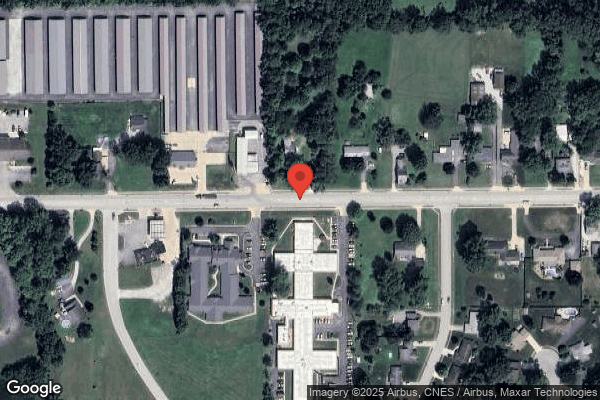
2905 W SYCAMORE ST, KOKOMO, IN 46901 (765) 452-5491
For profit - Corporation 110 Beds BRICKYARD HEALTHCARE Data: November 2025
Trust Grade
40/100
#435 of 505 in IN
Last Inspection: December 2024

Within standard 12-15 month inspection cycle. Federal law requires annual inspections.

Overview

Brickyard Healthcare - Sycamore Village Care Center has a trust grade of D, indicating below-average performance and some significant concerns. It ranks #435 out of 505 nursing homes in Indiana, placing it in the bottom half of facilities in the state, and #7 out of 7 in Howard County, meaning there is only one other local option that performs better. The facility is currently improving, with the number of issues identified decreasing from 14 in 2023 to 9 in 2024. Staffing is an average concern with a turnover rate of 50%, similar to the state average, and they have no fines on record, which is a positive aspect. However, there have been notable incidents, such as staff improperly using residents' personal funds without consent and failing to securely store controlled substances, highlighting serious issues with resident safety and financial management. Overall, while there are some strengths, families should weigh these concerns carefully when considering this facility for their loved ones.

Trust Score
D
40/100
In Indiana
#435/505
Bottom 14%
Safety Record
Low Risk
No red flags
Inspections
Getting Better
14 → 9 violations
Staff Stability
⚠ Watch
50% turnover. Above average. Higher turnover means staff may not know residents' routines.
Penalties
✓ Good
No fines on record. Clean compliance history, better than most Indiana facilities.
Skilled Nurses
○ Average
Each resident gets 32 minutes of Registered Nurse (RN) attention daily — about average for Indiana. RNs are the most trained staff who monitor for health changes.
Violations
⚠ Watch
36 deficiencies on record. Higher than average. Multiple issues found across inspections.
★☆☆☆☆
1.0
Overall Rating
★☆☆☆☆
1.0
Staff Levels
★★★☆☆
3.0
Care Quality
★★☆☆☆
2.0
Inspection Score
Stable
2023: 14 issues
2024: 9 issues

The Good

  • Full Sprinkler Coverage · Fire safety systems throughout facility
  • No fines on record

Facility shows strength in fire safety.

The Bad

1-Star Overall Rating

Below Indiana average (3.1)

Significant quality concerns identified by CMS

Staff Turnover: 50%

Near Indiana avg (46%)

Higher turnover may affect care consistency

Chain: BRICKYARD HEALTHCARE

Part of a multi-facility chain

Ask about local staffing decisions and management

The Ugly 36 deficiencies on record

Dec 2024 9 deficiencies
CONCERN (D)

Potential for Harm - no one hurt, but risky conditions existed

Deficiency F0582 (Tag F0582)

Could have caused harm · This affected 1 resident

Based on interview and record review, the facility failed to ensure the SNF-ABN (Skilled Nursing Facility-Advanced Beneficiary Notice) forms were accurately completed for 2 of 3 residents discharged f...

Read full inspector narrative →
Based on interview and record review, the facility failed to ensure the SNF-ABN (Skilled Nursing Facility-Advanced Beneficiary Notice) forms were accurately completed for 2 of 3 residents discharged from Medicare services and remained in the facility. (Resident 45 and 91) Findings include: 1. The Advance Beneficiary Notice of Non-coverage (ABN) form for Resident 45 was reviewed on 12/13/24 at 2:03 p.m. On 10/8/24, the facility provided Resident 45 the ABN form which indicated their coverage was ending on 10/10/24. The form was blank in response to the options of coverage for physical therapy and occupational therapy. The blank section of the ABN form read as follows: Read this notice to make an informed decision about your care, ask any questions and choose an option below about whether to receive therapy. Check only one box. We cannot do this for you. There were no options chosen for this section of the form. 2. The ABN form for Resident 91 was reviewed on 12/13/24 at 2:03 p.m. On 12/4/24, the facility provided Resident 91 the ABN form which indicated their coverage was ending on 12/2/24. The form was blank in response to the options for remaining in the facility. The blank section of the SNF ABN form read as follows: Read this notice to make an informed decision about your care, ask any questions and choose an option below. Check only one box. We cannot do this for you. There were no options chosen for this section of the form. During an interview, on 12/16/24 at 10:48 a.m., the Business Office Manager (BOM) indicated the Social Service department was responsible for assisting the residents to complete the forms. The Business Office would only assist with completion of the forms if Social Services was not present at the time the forms were to be completed. She indicated if one form had an option chosen, then she would assume all the forms would have an option chosen. During an interview, on 12/16/24 at 10:53 a.m., the Social Service Director indicated one of the three options for coverage should have been chosen and should not have been blank. A current facility policy, titled Advance Beneficiary Notices, dated 2024 and received from the Executive Director on 12/19/24 at 12:15 p.m., indicated .Contents of the form shall comply with related instructions and regulations regarding the use of the form .The Business Office Manager, or designee, is responsible for issuing notices .Documentation shall comply with form instructions .A notice must be completed before delivery 3.1-4(f)(3)
CONCERN (D)

Potential for Harm - no one hurt, but risky conditions existed

PASARR Coordination (Tag F0644)

Could have caused harm · This affected 1 resident

Based on interview and record review, the facility failed to ensure Preadmission Screening and Record Review (PASARR) evaluations were updated and accurate for 2 of 4 residents reviewed for PASARR. (R...

Read full inspector narrative →
Based on interview and record review, the facility failed to ensure Preadmission Screening and Record Review (PASARR) evaluations were updated and accurate for 2 of 4 residents reviewed for PASARR. (Resident 95 and 52) Findings include: 1. The clinical record for Resident 95 was reviewed on 12/16/24 at 8:56 a.m. The diagnoses included, but were not limited to, major depressive disorder, post-traumatic distress disorder, insomnia, and anxiety disorder. A PASARR notice of level I screen outcome, dated 10/23/24, indicated a Level II screen was not required. The rational for the determination indicated there was no evidence of a serious mental health condition. The PASARR level I screen indicated major depressive disorder was listed as a current mental health condition and the current mental health medications prescribed were duloxetine and bupropion for depression. The PASARR did not include the diagnoses of anxiety disorder, post-traumatic stress disorder, or insomnia. Physician's orders, dated 11/12/24, indicated Resident 95 was taking Buspirone 5 mg (milligrams) for anxiety disorder and trazadone 50 mg for insomnia. During an interview, on 12/18/24 at 11:57 a.m., the Social Service Director indicated the PASARR did not include the diagnoses of anxiety, post-traumatic stress disorder, or insomnia and was missing the medications buspirone and trazadone. 2. The clinical record for Resident 52 was reviewed on 12/16/24 at 2:44 p.m. The diagnoses included, but were not limited to, anxiety disorder, post-traumatic distress disorder, depression, and adjustment disorder. A notice of PASARR level 1 screen outcome, dated 10/24/24, indicated no level 2 was required and no mental illness was suspected. The current mental health medications included aripiprazole (an antipsychotic medication) and duloxetine (an antidepressant medication). If changes occur or new information refuted these findings, a new screen must be submitted. Physician's orders, with a start date of 11/18/24, indicated clonazepam and buspirone (antianxiety medications) and zolpidem tartrate (a hypnotic medication for sleep). Clonazepam, buspirone and zolpidem were not included on the PASARR mental health medication section. During an interview, on 12/17/24 at 10:24 a.m., the Social Service Director indicated another PASARR would be completed if new psychotropic medications were added and another PASARR was not completed. A current facility policy, titled Resident Assessment - Coordination with PASARR Program, dated 2024 and received from the Executive Director on 12/17/24 at 10:35 a.m., indicated .All applicants to this facility will be screened for serious mental disorders or intellectual disabilities and related conditions in accordance with the State's Medicaid rules for screening .Negative Level I Screen - permits admission to proceed and ends the PASARR process unless a positive serious mental disorder or intellectual disability arises later .Any resident who exhibits a newly evident or possible serious mental disorder, intellectual disability, or a related condition will be referred promptly to the state mental health or intellectual disability authority for a level II resident review 3.1-16(d)(1)(A) 3.1-16(d)(1)(B)
CONCERN (D) 📢 Someone Reported This

A family member, employee, or ombudsman was alarmed enough to file a formal complaint

Potential for Harm - no one hurt, but risky conditions existed

Quality of Care (Tag F0684)

Could have caused harm · This affected 1 resident

Based on interview and record review, the facility failed to ensure the physician ordered parameters to hold blood pressure medications were followed for 1 of 1 resident reviewed for quality of care. ...

Read full inspector narrative →
Based on interview and record review, the facility failed to ensure the physician ordered parameters to hold blood pressure medications were followed for 1 of 1 resident reviewed for quality of care. (Resident 87) Finding includes: The clinical record for Resident 87 was reviewed on 12/16/24 at 8:35 a.m. The diagnoses included, but were not limited to, essential primary hypertension, type 2 diabetes mellitus with diabetic chronic kidney disease, chronic kidney disease stage 3, and dementia. A physician's order, dated 5/9/24 and discontinued 12/5/24 at 5:15 p.m., indicated to give diltiazem (a blood pressure medication) by mouth two times a day and to hold the medication for a systolic blood pressure less than 120. A physician's order, dated 12/6/24, indicated to give lisinopril (a blood pressure medication) by mouth one time a day and to hold the medication for a systolic blood pressure less than 120. A Medication Administration Record (MAR), dated October 2024, indicated diltiazem was given on 10/23/24 with a systolic blood pressure of 117. A Medication Administration Record (MAR), dated November 2024, indicated diltiazem was given on 11/22/24 with a systolic blood pressure of 109. A MAR, dated December 2024, indicated diltiazem was given, on 12/4/24, with a diltiazem was given on 12/4/24 with a systolic blood pressure of 105, on 12/5/24 with a systolic blood pressure of 115, and lisinopril was given on 12/15/24 with a systolic blood pressure of 118. During an interview, on 12/19/24 at 9:39 a.m., the Dementia Unit Manager 8 and LPN 9 indicated a check mark on the MAR indicated the medication had been given. If the blood pressure was below the ordered parameter, then the medication should have been held and marked with a code 3 or 7 to show it had not been given. A current facility policy, titled Medication Administration, received from the Director of Nursing (DON) on 12/19/24 at 12:02 p.m., indicated .When applicable, hold medication for those vital signs outside the physician's prescribed parameters 3.1-37(a)
CONCERN (D)

Potential for Harm - no one hurt, but risky conditions existed

Deficiency F0692 (Tag F0692)

Could have caused harm · This affected 1 resident

**NOTE- TERMS IN BRACKETS HAVE BEEN EDITED TO PROTECT CONFIDENTIALITY** Based on interview and record review, the facility failed to ensure an admission weight was obtained for 2 of 5 residents review...

Read full inspector narrative →
**NOTE- TERMS IN BRACKETS HAVE BEEN EDITED TO PROTECT CONFIDENTIALITY** Based on interview and record review, the facility failed to ensure an admission weight was obtained for 2 of 5 residents reviewed for nutrition. (Resident D and H) Finding includes: 1. The clinical record for Resident D was reviewed on 12/16/24 at 9:10 a.m. The diagnoses included, but were not limited to, type 2 diabetes mellitus, muscle wasting and atrophy, and chronic heart failure. A weight summary indicated Resident D weighed 284 pounds on 11/11/24. This was the first weight the facility recorded in the electronic medical record (EMR). Resident D was admitted on [DATE]. The resident was not weighed until 5 days after admission. The facility's clinical admission assessment, dated 11/6/24, included a spot to enter the weight. There was no weight entered. 2. The clinical record for Resident H was reviewed on 12/16/24 at 10:45 a.m. The diagnoses included, but were not limited to, muscle wasting and atrophy, essential hypertension, and morbid obesity. A weight summary indicated Resident H weighed 306 pounds on 12/13/24. This was the first weight the facility recorded in the EMR. Resident H was admitted on [DATE]. The resident was not weighed until 6 days after admission. The facility's clinical admission assessment, dated 12/9/24, included a spot to enter the weight. There was no weight entered. During an interview, on 12/19/24 at 9:56 a.m., Licensed Practical Nurse (LPN) 6 indicated the first day a resident was admitted an admission weight would be obtained. During an interview, on 12/19/24 at 10:16 a.m., Regional Dietician 11 indicated if the resident had a history of heart failure an admission weight would be obtained the day they were admitted . During an interview, on 12/19/24 at 11:25 a.m., LPN 7 indicated the day a resident was admitted , the facility would obtain an admission weight. The facility did not have a policy which addressed admission weights. 3.1-46(a)(1)
CONCERN (D)

Potential for Harm - no one hurt, but risky conditions existed

Tube Feeding (Tag F0693)

Could have caused harm · This affected 1 resident

Based on observation, interview and record review, the facility failed to ensure policy and procedures were followed for medications administered through a gastrostomy tube (g-tube) for 1 of 1 residen...

Read full inspector narrative →
Based on observation, interview and record review, the facility failed to ensure policy and procedures were followed for medications administered through a gastrostomy tube (g-tube) for 1 of 1 resident reviewed for a gastrostomy tube. (Resident 67) Finding includes: During an observation, on 12/17/24 at 1:58 p.m., Registered Nurse (RN) 5 opened a medication capsule and poured the medicine into an unmeasured cup of water. RN 5 entered Resident 67's room and placed the cup with the medication, a piston (used to delivery medication into the g-tube) and a 10 milliliter (ml) syringe of normal saline solution on the bedside table. She removed the cap of the prefilled normal saline syringe and placed the end of the syringe to the g-tube port. RN 5 pushed the normal saline into the residents g-tube port, then took the larger piston and filled the piston with the medication. She then quickly pushed the medication into the g-tube. The clinical record for Resident 67 was reviewed on 12/13/24 at 11:35 a.m. The diagnoses included, but were not limited to, gastrostomy tube (g-tube) and dysphagia (difficulty swallowing). A physician's order, dated 8/20/24, indicated to check placement of the g-tube prior to medication administration and to flush the g-tube with 30 ml of water before and after the medication administration. A physician's order, dated 9/26/24, indicated to give gabapentin (a medication used for nerve pain) 400 milligram (mg) capsule via g-tube three times a day. During an interview, on 12/17/24 at 1:58 p.m., RN 5 indicated she flushed the g-tube with the prefilled normal saline solution syringe to make sure the tube was not clogged. She forgot to check placement or residual prior to the giving the medication. During an interview, on 12/17/24 at 2:14 p.m., the Director of Nursing (DON) indicated a prefilled normal saline solution syringe should not be used on a g-tube. The nurse should use water before and after the medication was given through a g-tube and not use normal saline. A current facility policy, titled Medication Administration via Enteral Tube, dated 2024 and received from the DON indicated .Verify physician orders for medication and enteral tube flush amount .Enteral tube placement must be verified prior to administering any fluids or medication .Flush enteral tube with at least 15 ml of water prior to administering medication unless otherwise ordered by prescriber. Dilute the solid or liquid medication .Flush tube again with at least 15 ml water taking into account resident's volume status .Flush the tube with a final flush of at least 15 ml of water to ensure drug delivery and clear the tube 3.1-44(a)(2)
CONCERN (D)

Potential for Harm - no one hurt, but risky conditions existed

Deficiency F0700 (Tag F0700)

Could have caused harm · This affected 1 resident

Based on observation, interview and record review, the facility failed to ensure a physician's order, a care plan, a signed consent, and an assessment was obtained prior to the use of side rails for 1...

Read full inspector narrative →
Based on observation, interview and record review, the facility failed to ensure a physician's order, a care plan, a signed consent, and an assessment was obtained prior to the use of side rails for 1 of 7 residents reviewed for accidents. (Resident 95) Finding includes: During an observation and interview, on 12/12/24 at 10:07 a.m., Resident 95 was in his room lying in bed with bilateral side rails attached to the bed. He indicated the side rails were on the bed when he moved in, and he believed the side rails were to keep him from rolling out of the bed. The facility did not have him sign a consent for the use of the side rails. During an observation, on 12/13/24 10:14 a.m., Resident 95 was lying in bed with bilateral side rails attached to the bed. During an observation, on 12/16/24 at 11:31 a.m., Resident 95 was sitting up on the side of his bed with bilateral side rails attached to the bed. The clinical record for Resident 95 was reviewed on 12/16/24 at 8:56 a.m. The diagnoses included, but were not limited to, muscle wasting and atrophy, cellulitis of left lower limb, acquired absence of left great toe, and impaired balance. A physician's order, an informed consent, and an assessment for the use of the side rails were not found in the resident's medical record. A care plan, dated 11/17/24 and last revised 11/22/24, indicated Resident 95 had a self-care performance deficit. Interventions included, but were not limited to, providing limited assistance with bathing, dressing, toileting, personal hygiene, transfers, and bed mobility. Resident 95's care plans did not include the current use of the side rails. During an interview, on 12/16/24 at 2:19 p.m., the Director of Nursing (DON) indicated an assessment, and consent should be completed before side rails are attached to a resident's bed. Resident 95 was placed into a bed which already had the side rails attached and the facility did not obtain the consent and assessment. A current facility policy, titled Proper Use of Bed Rails, dated 2024 and received by the Executive Director (ED) on 12/17/24 at 12:16 p.m., indicated .It is the policy of this facility to utilize a person-centered approach when determining the use of bed rails. If bed rails are used, the facility ensures correct installation use and maintenance of the rails .Examples of bed rails include, but are not limited to side rails, bed side rails, safety rails, grab bars and assist bars 3.1-45(a)(1)
CONCERN (D) 📢 Someone Reported This

A family member, employee, or ombudsman was alarmed enough to file a formal complaint

Potential for Harm - no one hurt, but risky conditions existed

Pharmacy Services (Tag F0755)

Could have caused harm · This affected 1 resident

**NOTE- TERMS IN BRACKETS HAVE BEEN EDITED TO PROTECT CONFIDENTIALITY** Based on interview and record review, the facility failed to ensure pharmaceutical services were obtained and maintained timely ...

Read full inspector narrative →
**NOTE- TERMS IN BRACKETS HAVE BEEN EDITED TO PROTECT CONFIDENTIALITY** Based on interview and record review, the facility failed to ensure pharmaceutical services were obtained and maintained timely to support a resident's healthcare needs for 1 of 5 residents reviewed for pain management. (Resident E) Finding includes: An Indiana Department of Health intake form indicated Resident E was made to detox from his medications. There was no physician's order to stop the medication, and the resident was discharged from the facility without his Multiple Sclerosis (a disease in which the immune system eats away at the protective covering of nerves) medication. The clinical record for Resident E was reviewed on 12/17/24 at 9:15 a.m. The diagnoses included, but were not limited to, Multiple Sclerosis, anxiety disorder, and muscle spasms of back. A Preadmission Screening and Resident Review (PASRR), dated 6/7/24, indicated Resident E would need support from staff to take his medications safely and correctly. A hospital history and physical, dated 6/13/24, indicated Buprenorphine (an opioid medication used to treat opioid use disorder, acute pain, and chronic pain) was on Resident E's current medication list. The resident was admitted to the facility from the hospital on 6/14/24. The hospital discharge orders, dated 6/14/24, indicated to continue to administer Buprenorphine 8 milligram (mg), 0.5 tablet three times a day. A physician's order, dated 6/17/24, indicated Resident E was to receive Buprenorphine 8 mg, 0.5 tablet three times a day for Multiple Sclerosis. The Medication Administration Record (MAR) indicated the Buprenorphine 0.5 tablet three times a day was not administered in the afternoon or evening of 6/27/24. A physician's order, dated 6/28/24, indicated Resident E was to take Buprenorphine 8 mg, 1.5 tablets one time a day. A physician's order, dated 7/8/24, indicated Resident E was to take Buprenorphine 8 mg and to give 4 mg three times a day. A nursing progress note, dated 7/9/24, indicated the medication had been held due to the administration instructions had been changed. A nursing progress note, dated 7/14/24 at 3:40 p.m., indicated the facility was out of the Buprenorphine. A nursing progress note, dated 7/16/24, indicated Resident E had asked about being out of his medication. The facility contacted the pharmacy and was informed a new prescription was needed before the pharmacy could fill the order. A nursing progress note, dated 7/17/24, indicated the Nurse Practitioner (NP) 10 agreed to send a new order of Buprenorphine with enough doses to last until 7/31/24. NP 10 was seeing other patients and would not send the order until the evening. The medication would not be available until 7/18/24. A nursing progress note, dated 7/21/24, indicated the facility received a fax from the pharmacy and the order for the medication needed clarified. A nursing progress note, dated 7/24/24, indicated the medication was unavailable and could not be administered. A nursing progress note, dated 7/25/24, indicated Resident E requested to be discharged early. The resident was discharged from the facility on 7/25/24. The medical record for Resident E indicated the resident missed 19 days of Buprenorphine. A facility Discharge summary, dated [DATE], indicated medications were sent home with Resident E. The facility was to print and attach a copy of discharge medications to Resident E's discharge packet. A copy of the discharge medication list was not found in the discharge packet provided by the facility for review and no appointment for the pain clinic had been made. During an interview, on 12/17/24 at 11:47 a.m., the Director of Nursing (DON) indicated she was unaware the medication order of Buprenorphine was to be given for the resident's Multiple Sclerosis. During an interview, on 12/19/24 at 1:33 p.m., the Executive Director (ED) indicated the facility did not have any further information to submit regarding Resident E's medication or the facility being unable to obtain the medication from the pharmacy. A current facility policy, titled Pharmacy Services, dated 2024 and received from the DON on 12/19/24 at 8:35 a.m., indicated .It is the policy of this facility to ensure that pharmaceutical services, whether employed by the facility or under an agreement, are provided to meet the needs of each resident, are consistent with the state and federal requirements, and reflect current standards of practice .The process (including documentation, as applicable) of receiving and interpreting prescriber's orders; acquiring, receiving .reconciling .distributing, administering .of all medications .The facility will provide pharmaceutical services to include procedures that ensure accurate acquiring, receiving, dispensing, and administering of all routine and emergency drugs and biologicals to meet the needs of each resident, are consistent with state and federal requirements, and reflect current standards of practice .The licensed pharmacist will collaborate with facility leadership and staff to coordinate pharmaceutical services within the facility, guide development and evaluation of pharmaceutical services procedures, and help the facility identify, evaluate, and resolve pharmaceutical concerns which affect resident care, medication care, or quality of life .The pharmacist is responsible for helping the facility obtain and maintain timely and appropriate pharmaceutical services that support residents' healthcare needs, goals and quality of life that are consistent with current standards of practice and meet state and federal requirements. The pharmacist, in collaboration with the facility and medication director, should include within its services to .Develop mechanisms or communicating, addressing, and resolving issues related to pharmaceutical services .Strive to assure that medications are requested, received, and administered in a timely manner as ordered by the authorized prescriber (in accordance with state requirements), including physicians, advanced practice nurses, pharmacists, and physician assistants .The pharmacist, in collaboration with the facility and medical director, may include other aspects of pharmaceutical services such as .Development of procedures and guidance in relation to medication issues This citation relates to Complaint IN00439869. 3.1-25(a) 3.1-25(g)(1) 3.1-25(g)(2) 3.1-25(g)(3)
CONCERN (D)

Potential for Harm - no one hurt, but risky conditions existed

Infection Control (Tag F0880)

Could have caused harm · This affected 1 resident

2. During observations, on 12/12/24, 12/13/24, and 12/17/24, no enhanced barrier precautions (EBP) sign was noted outside Resident 61's room per the physician's order. During observations, on 12/18/2...

Read full inspector narrative →
2. During observations, on 12/12/24, 12/13/24, and 12/17/24, no enhanced barrier precautions (EBP) sign was noted outside Resident 61's room per the physician's order. During observations, on 12/18/24 and 12/19/24, both an enhanced barrier precautions and Contact Precaution signs were noted in the hallway outside the resident's door. The clinical record for Resident 61 was reviewed on 12/16/24 at 10:09 a.m. The diagnoses included, but were not limited to, enterocolitis due to clostridium difficile (C-diff), urinary tract infection, retention of urine, and benign prostatic hyperplasia with lower urinary tract symptoms. A current physician's order, dated 8/20/24, indicated enhanced barrier precautions were to be in place and a sign was to be outside the resident's room. A physician's order, initiated on 11/7/24 and completed on 12/7/24, indicated the resident was to be on contact precautions for enterocolitis due to clostridium difficile. A care plan, initiated 8/20/24, indicated Resident 61 required enhanced barrier precautions. Interventions included, but were not limited to, follow enhanced barrier precaution guidelines as ordered. During an interview, on 12/17/24 at 11:25 a.m., Licensed Practical Nurse (LPN) 2 indicated Resident 61 should be on contact precautions and a sign should be up outside the resident's door. During an interview, on 12/18/24 at 1:25 p.m., the Director of Nursing (DON) indicated both contact precaution and enhanced barrier precautions signs were in place outside of Resident 61's door. The enhanced barrier precautions sign was placed to the left of the door and the contact precaution sign was placed to the right over a personal protective equipment (PPE) cart. She indicated staff were to follow the contact precautions. During an interview, on 12/19/24 at 9:42 a.m., CNA 2 indicated Resident 61 was on contact precautions and staff were to wear gowns and gloves every time they entered the room. During an interview, on 12/19/24 at 9:45 a.m., LPN 3 indicated there was a current physician's order for enhanced barrier precautions. The order for contact precautions was completed on 12/7/24 and the contact precaution sign should not be outside the resident's door. A current facility policy, titled Enhanced Barrier Precautions, dated 3/20/24 and received from the Executive Director (ED) on 12/17/2024 at 4:04 p.m., indicated .Enhanced barrier precautions (EBP) refer to an infection control intervention designed to reduce transmission of multi-drug resistant organisms that employs targeted gown and gloves use during high contact resident care activities .An order for enhanced barrier precautions will be obtained for residents with any of the following .wounds .feeding tubes .Implementation of Enhanced Barrier Precautions .PPE for enhanced barrier precautions .when performing high-contact care activities .High-contact resident care activities include .Device care or use .feeding tubes .Wound care A current facility policy, titled Transmission-Based (Isolation) Precautions, dated May 2024 and received from the DON on 12/19/24 at 12:02 p.m., indicated .contact precautions refer to measures that are intended to prevent transmission of infectious agents which are spread by direct or indirect contact with the resident or the resident's environment .Initiation of Transmission-Based Precautions .signage that includes instructions for use of specific PPE will be placed in a conspicuous location outside the resident's room 3.1-18(b) Based on observation, interview and record review, the facility failed to ensure staff wore PPE (personal protective equipment) and to ensure the correct isolation signs were posted for 2 of 3 residents reviewed for transmission-based precautions. (Resident 67 and 61) Finding includes: 1. During an observation, on 12/17/24 at 1:58 p.m., Registered Nurse (RN) 5 entered Resident 67's room to administer medication. The resident was in enhanced barrier precautions. RN 5 did not put on a gown when entering the room. The clinical record for Resident 67 was reviewed on 12/13/24 at 11:35 a.m. The diagnoses included, but were not limited to, hypoxia, cardiomegaly, anxiety disorder, pressure ulcers, gastrostomy tube (g-tube), and dysphagia (difficulty swallowing). A physician's order, dated 8/20/24, indicated enhanced barrier precaution with a sign outside the resident's room and to wear a gown and gloves for high contact resident care. A care plan, dated as revised on 10/25/24, indicated Resident 67 required enhanced barrier precautions. Interventions included, but were not limited to, follow enhanced barrier precaution guidelines as ordered, PPE for high-contact resident care and for residents with urinary catheters and feeding tubes. During an interview, on 12/17/24 at 1:58 p.m., Registered Nurse (RN) 5 indicated she should have put on an isolation gown. During an interview, on 12/17/24 at 2:35 a.m., Licensed Practical Nurse (LPN) 4 indicated a gown and gloves were required when providing care to Resident 67. Staff providing direct care to the resident was responsible to wear the proper PPE.
CONCERN (E)

Potential for Harm - no one hurt, but risky conditions existed

Deficiency F0761 (Tag F0761)

Could have caused harm · This affected multiple residents

Based on observation, interview and record review, the facility failed to ensure compromised controlled substance medications were not stored in the medication cart for 2 of 4 medication carts observe...

Read full inspector narrative →
Based on observation, interview and record review, the facility failed to ensure compromised controlled substance medications were not stored in the medication cart for 2 of 4 medication carts observed for medication storage. (North cart and South cart) Findings include: 1. During an observation, on 12/18/24 at 10:45 a.m., the North medication cart had five compromised controlled substance cards. a. The clinical record for Resident 14 was reviewed on 12/18/24 at 11:35 a.m. The diagnoses included, but were not limited to, insomnia and anxiety disorder A card of quviviq (for insomnia) 25 milligram (mg) tablet for Resident 14 had clear tape covering the back of the number 6 slot. b. The clinical record for Resident 42 was reviewed on 12/18/24 at 11:40 a.m. The diagnoses included, but were not limited to, pain and anxiety. A card of oxycodone (for pain) 10 mg tablet for Resident 42 had a slit on the back of the card in the number 22 slot. A card of alprazolam (for anxiety) 1 mg tablet for Resident 42 had a slit on the back of the card in the number 23 slot. c. The clinical record for Resident 51 was reviewed on 12/18/24 at 11:47 a.m. The diagnoses included, but were not limited to, pain. A card of Norco (for pain) 10-325 mg tablet had a slit on the back of the card in the number 8 slot. d. The clinical record for Resident 23 was reviewed on 12/18/24 at 11:55 a.m. The diagnoses included, but were not limited to, pain. A card of tramadol (for pain) 50 mg tablet had a slit on the back of the card in the number 30 slot. During an interview, on 12/18/24 at 12:00 p.m., LPN 13 indicated there should not be tape or slits on the back of the cards. She did not look at the back of the cards when counting the narcotics. 2. During an observation, on 12/18/24 at 12:15 p.m., the South medication cart had one compromised controlled substance card. The clinical record for Resident 75 was reviewed on 12/18/24 at 12:35 p.m. The diagnoses included, but were not limited to, insomnia and anxiety disorder A card of Clonazepam (for anxiety) 0.5 mg had a slit on the back of the card in the number 29 slot. During an interview, on 12/18/24 at 12:00 p.m., Licensed Practical Nurse (LPN) 12 indicated the pills should not be taped or opened on the back of the cards. The pills should be destroyed by two nurses. During an interview, on 12/18/24 at 12:30 p.m., the Director of Nursing (DON) indicated the staff should not tape the backs of the narcotics cards. The pills needed to be destroyed. A current policy, titled Controlled Substance Administration & Accountability, dated 2024 and received from the DON on 12/19/24 at 9:43 a.m., indicated .Obtaining/Removing/Destroying Medication .The entire amount of controlled substances obtained or dispensed is accounted for. Two licensed staff must witness any disposal or destruction of a controlled substance and document same on the Drug Disposition Record, Control Drug Record, or via the automated dispensing system 3.1-25(n) 3.1-25(o)
Oct 2023 1 deficiency
CONCERN (D) 📢 Someone Reported This

A family member, employee, or ombudsman was alarmed enough to file a formal complaint

Potential for Harm - no one hurt, but risky conditions existed

Accident Prevention (Tag F0689)

Could have caused harm · This affected 1 resident

Based on interview and record review, the facility failed to ensure staff were being supervised when a staff member physically kicked a resident in his back for 1 of 3 residents reviewed for abuse. (R...

Read full inspector narrative →
Based on interview and record review, the facility failed to ensure staff were being supervised when a staff member physically kicked a resident in his back for 1 of 3 residents reviewed for abuse. (Resident B) The deficient practice was corrected on 10/15/2023, prior to the start of the survey, and was therefore past noncompliance. Finding includes: An incident report to the Indiana Department of Health indicated a staff member struck Resident B in the back while he was standing next to the medication cart in the facility. The resident complained of back pain, on 10/3/2023, after the kick to his back. The resident was sent to the hospital for evaluation per physician's order, on 10/3/2023. The staff member was suspended when the hospital staff indicated the resident alleged abuse by the staff member. Family was notified and the investigation continued. The resident returned to the facility with no new orders from the hospital and was not admitted to the hospital. The local police department was notified of the abuse allegation. The record for Resident B was reviewed on 10/25/2023 at 10:31 a.m. Diagnoses included, but were not limited to, discitis (an infection of the intervertebral disc space) of the lumbosacral region, osteomyelitis (inflammation of the bone) of the vertebra and lumbar region, electrocution, chronic pain, and acquired absence of the left and right upper limbs. An emergency room (ER) report from the hospital, dated 10/3/2023, indicated no acute fracture or traumatic subluxation was identified. Vertebral body heights were preserved. Sacral joints were congruent. The impression was no evidence of acute fracture or traumatic subluxation of the lumbar. The police were notified and spoke with the resident. The resident spoke with the facility, and he returned to the facility with no new orders. In a facility investigation note, dated 10/3/2023, Staff Member 3 indicated the resident came to her around 8:00 p.m., and indicated Staff Member 2 ran up to him jokingly and kicked him in the back while he was at the medication cart earlier in the day. He did not report it until now because Staff Member 2 asked him not to report the incident. The resident said he had called his lawyer and his lawyer wanted him to have an x-ray. Staff Member 3 notified the Director of Nursing (DON) and began an investigation. In a facility investigation note, dated 10/3/2023, Staff Member 2 indicated she did jokingly kick the resident in his back, on 10/3/2023 at 5:00 p.m., while he was standing near the nurses medication cart on the south hall. She meant to kick the medication cart but missed and kicked the resident instead. She indicated the resident was in some pain but was not eligible for pain medication for another hour. The resident was okay with the incident and knew it was not intentional and she was just playing around. She did not report the incident. In a facility investigation note, dated 10/4/2023, Staff Member 4 indicated she was at the nursing medication cart with the resident at 5:00 p.m., on 10/3/2023, when Staff Member 2 came walking by and playfully kicked her foot up and her foot made contact with the residents lower back area. The resident was not upset nor in pain. The resident signed himself out of the facility to go and play with his dog outside. Later in the evening, around 7:30 p.m., the resident complained of pain in the lower back area. The area was red, no bleeding was noted, and medication was given to the resident for pain. The staff member did not report the incident. A facility investigation note, dated 10/3/2023 at 11:25 p.m., indicated during an interview with the Executive Director (ED) and the resident, the resident indicated he did feel the staff member intended to kick him but not to cause him any harm. It was a lack of professionalism from Staff Member 2. She was just playing around and made a bone head move. He was not afraid of Staff Member 2 and was not afraid to be at the facility. A facility investigation note, dated 10/3/2023 at 11:30 p.m., indicated during an interview with the DON and the resident while the resident was in the hospital ER, the resident indicated he felt a jolt on his back while he was standing at the medication cart. The resident indicated he was kicked by Staff Member 2 with her boot to his back. The resident indicated it could have been unintentional. The resident indicated he was not afraid of Staff Member 2. She meant him no harm. The x-rays of his back were okay, and the police had been notified. He felt safe to return to the facility. A facility investigation note, dated 10/4/2023 at 8:30 a.m., indicated during an interview with the ED and the resident, the resident indicated he did not want to talk without his lawyer present. The resident did indicate he and Staff Member 2 were friends and he felt bad he got her into trouble. He indicated he felt safe at the facility and wanted to stay until he was discharged . A staff member notification, dated 10/3/2023, indicated Staff Member 2 was suspended pending investigation of an alleged abuse allegation. Staff member 2 made contact with a resident's back potentially causing injury and did not report the unusual occurrence immediately. A staff member notification, dated 10/5/2023, indicated Staff Member 2 was terminated. Staff Member 2 made contact with a resident's back potentially causing injury and did not report the unusual occurrence immediately. A staff member notification, dated 10/4/2023, indicated Staff Member 4 was given disciplinary action for not reporting an unusual occurrence which involved a violation of safety rules. During an interview, on 10/25/2023 at 1:19 p.m., the ED indicated Staff Member 2 kicked Resident B in his back. Resident B was sent to the ER for evaluation after complaining of pain 3 hours after the incident occurred. His x-rays were negative for trauma or a fracture. Staff Member 2 was suspended immediately and then terminated after the investigation. Staff Member 4 received disciplinary action for not immediately starting an investigation when the incident occurred. During an interview, on 10/25/2023 at 2:47 p.m., the DON indicated she was not notified of the abuse allegation until 3 hours after the incident occurred. The staff thought Staff Member 2 was horseplaying with the resident and he had no pain nor was upset about the incident. The resident complained of pain and requested an x-ray of his back which was when they notified her of the incident. The deficient practice was corrected, by 10/15/23, after the facility implemented a systemic plan that included the following actions: The facility investigated the incident involving Resident B and the abuse allegation, terminated Staff Member 2, educated the staff on abuse, residents rights and professionalism and the facility began audits on residents which included skin assessments and interviews. This Federal tag relates to Complaint IN00418925. 3.1-45(a)(2)
Oct 2023 13 deficiencies
CONCERN (D)

Potential for Harm - no one hurt, but risky conditions existed

Resident Rights (Tag F0550)

Could have caused harm · This affected 1 resident

**NOTE- TERMS IN BRACKETS HAVE BEEN EDITED TO PROTECT CONFIDENTIALITY** Based on observation, interview and record review, the facility failed to ensure residents were dressed in regular clothing like...

Read full inspector narrative →
**NOTE- TERMS IN BRACKETS HAVE BEEN EDITED TO PROTECT CONFIDENTIALITY** Based on observation, interview and record review, the facility failed to ensure residents were dressed in regular clothing like other residents unless their preferences were identified for alternative clothing for 1 of 1 resident reviewed for dignity. (Resident 75) Finding includes: During an observation, on 9/28/23 at 1:15 p.m., Resident 75 was in her room, sitting in her wheelchair. She was wearing a hospital gown and had a blanket covering her legs. During an observation, on 9/28/23 at 3:44 p.m., the resident was in a wheelchair propelling herself in the hallway and common area wearing a hospital gown. The other residents in the facility were observed wearing regular clothing. The record for Resident 75 was reviewed on 9/27/23 at 4:39 p.m. Diagnoses included, but were not limited to, fracture of the right femur (thigh bone), chronic obstructive pulmonary disease, and post-traumatic stress disorder. A resident personal belongings inventory sheet, dated 9/13/23 and signed by the resident, indicated one black sleeveless top, one brownish colored pair of slippers, one white [NAME] sweater, one pair of black biker shorts, two brushes, one black cell phone, one charger and extra black box, two (2) word search books, and one coloring book. A care plan for wearing a hospital gown in the hallway and common areas was not located. During an interview, on 9/29/23 at 3:11 p.m., the resident indicated she preferred to wear her clothes and did not like to wear a gown in the halls. The resident was admitted with one pair of yellow pants, one red shirt, and a pair of white socks. There were no clothes in her room and the staff told her they were down in the laundry being washed. She indicated they had not washed her clothes since she had been there. During an interview, on 9/29/23 at 3:13 p.m., the Executive Director (ED) and the Director of Nursing (DNS) indicated last Friday they had a conversation with the resident about calling her loved one to bring clothes in. They both indicated her family brought clothes into her. On 9/28/23, there was a late note put in, for 9/27/23, indicating the resident's clothes were being labeled and in the laundry. During an interview, on 9/29/23 at 3:20 p.m., the ED and DNS asked the resident if she remembered talking to them. The ED and DNS asked if they could get clothes for her. The DNS and ED asked the resident if she called her loved one to bring her clothes as was mentioned in their conversation. During an interview, on 9/29/23 at 3:21 p.m., the resident indicated she remembered talking to them. The resident did not call her loved one to bring in the clothes and her boyfriend never brought her clothes. The resident indicated she wanted to wear something other than a hospital gown. During an interview, on 9/29/23 at 3:35 p.m., the resident indicated she only had the outfit she was admitted to the facility. She came with one pair of yellow pants, one red shirt, and one pair of white socks. Her boyfriend did not bring her clothes. She was wearing a Colts short sleeved shirt, a white pair of pants, and a pair of short white socks given to her by staff. During an interview, 9/29/23 at 3:09 p.m., the Clinical Support Nurse indicated there was no care plan or documentation to indicate the resident's preference was to wear a hospital gown. A current policy, titled Resident Rights, not dated and received from the ED at the entrance conference, indicated .The facility will inform the resident both orally and in writing in a language that the resident understands of his or her rights and all rules and regulations governing resident conduct and responsibilities during the stay in the facility 3.1-3(t)
CONCERN (D)

Potential for Harm - no one hurt, but risky conditions existed

Notification of Changes (Tag F0580)

Could have caused harm · This affected 1 resident

Based on interview and record review, the facility failed to notify the physician of a blood glucose level greater than the physician's call orders for 1 of 1 resident reviewed for notification. (Resi...

Read full inspector narrative →
Based on interview and record review, the facility failed to notify the physician of a blood glucose level greater than the physician's call orders for 1 of 1 resident reviewed for notification. (Resident B) Finding includes: The record for Resident B was reviewed on 9/27/23 at 5:02 a.m. Diagnoses included, but were not limited to, type 2 diabetes mellitus and dependence on renal dialysis. A care plan, dated 11/27/20, indicated the resident was at risk for alteration in blood glucose due to diabetes mellitus. The interventions included, but were not limited to, give insulin per order, report abnormal results per parameters/guidelines. A physician's order, dated 9/17/22, indicated to give Lispro (insulin for blood glucose levels) solution 100 unit/ml(milliliter). Inject the insulin as per sliding scale if the blood glucose levels were as follows: a. 150-200 = 1 units. b. 201-250 = 2 units. c. 251-300 = 3 units. d. 301-350 = 4 units. e. 351-400 = 5 units. Call the physician if the blood glucose levels were less than 70 or more than 400. A facility vital sign document indicated the following blood glucose levels: a. The blood glucose level, on 4/10/23, was 446. The physician was not notified. b. The blood glucose level, on 4/14/23, was 475. The physician was not notified. c. The blood glucose level, on 4/21/23, was 423. The physician was not notified. d. The blood glucose level, on 9/24/23, was 447. The physician was notified 3 days later, on 9/29/23. There was no documentation to indicate the physician was notified of the blood glucose levels out of the call parameter. During an interview, on 10/3/23 at 11:16 a.m., the Nurse Manager indicated if a blood glucose level was out of range, they would call their endocrinologist. The nurses would sometimes take a second blood glucose level when they received a high reading. It was preferred, the nurses not chart a high blood glucose level until they have tested it twice. The facility policy indicated when a resident had a blood glucose level out of the physician's call orders, the nurse should call the physician if it was out of the range. During an interview, on 10/3/23 at 4:14 p.m., the Director Nursing Services (DNS) indicated the facility did not contact the physician with the blood glucose levels above 400. A current policy, titled Blood Glucose Monitoring, revised 2022 and received from the Director of Nursing on 10/3/23 at 9:00 a.m., indicated .The facility will perform blood glucose monitoring as per physician's orders .Verify the physician's orders .Report critical test results to physician timely .Document the procedure 3.1-5(a)(2) 3.1-5(a)(3)
CONCERN (D) 📢 Someone Reported This

A family member, employee, or ombudsman was alarmed enough to file a formal complaint

Potential for Harm - no one hurt, but risky conditions existed

Free from Abuse/Neglect (Tag F0600)

Could have caused harm · This affected 1 resident

Based on interview and record review, the facility failed to protect the residents' right to be free from verbal abuse for 1 of 1 resident reviewed for abuse. (Resident C) Finding includes: During an ...

Read full inspector narrative →
Based on interview and record review, the facility failed to protect the residents' right to be free from verbal abuse for 1 of 1 resident reviewed for abuse. (Resident C) Finding includes: During an interview, on 9/26/23 at 10:07 a.m., Resident C indicated someone had sworn at her and was unsure of who or when. The record for Resident C was reviewed on 9/28/23 at 11:53 a.m. Diagnoses included, but were not limited to, major depressive disorder, heart failure, and vascular dementia. The facility did an investigation on 7/12/23. The investigation included: a. During an interview, on 7/12/23, CNA 4 indicated he was asked for help by 2 other CNAs to assist with care for Resident C. b. During an interview, on 7/12/23, CNA 5 indicated she and CNA 6 got the help of CNA 4 to help provide care for Resident C. She indicated the resident was resistant to care and she heard CNA 4 say shut your old a** up. The roommate was not in the room. c. During an interview, on 7/12/23, CNA 6 indicated she asked CNA 4 to help provide care to Resident C. She indicated while providing care she heard CNA 4 say yeah you know what time it is, come on, get your old a** up. The facility investigation indicated they did not substantiate the allegation. During the investigation, the facility identified customer service issues with CNA 4 and made the decision to no longer employ him. During an interview, on 9/29/23 at 3:44 p.m., CNA 5 indicated CNA 4 said shut your old a** up to the resident. During an interview, on 9/29/23 at 3:44 p.m., CNA 6 indicated CNA 4 said yeah you know what time it is, come on, get your old a** up to the resident. During an interview, on 10/2/23 at 11:35 a.m., the Clinical Support Nurse indicated she did not deny the incident happened, but the facility did abuse training and an investigation so what else could the facility have done. During an interview, on 10/03/23 at 12:45 p.m., the DNS (Director of Nursing Services) indicated the resident used to work in a factory and was a truck driver, so she was used to foul language. What seemed like inappropriate language to one person might not be inappropriate language to the resident. She was not sure if the resident was care planned for being ok with inappropriate language. A current care plan, dated 3/13/23, indicated to allow for a calm and unhurried environment and to encourage communication. The resident did not have a care plan for being ok with the use of inappropriate language. A current policy, titled Abuse, Neglect and Exploitation, dated 2023 and received upon entrance from the Executive Director indicated .Verbal Abuse means the use of oral, written or gestured communication or sounds that willfully includes disparaging or derogatory terms to residents or their families, or within their hearing distance regardless of their age, ability to comprehend, or disability 3.1-27(b)
CONCERN (D)

Potential for Harm - no one hurt, but risky conditions existed

Comprehensive Care Plan (Tag F0656)

Could have caused harm · This affected 1 resident

Based on observation, interview and record review, the facility failed to ensure a comprehensive care plan was implemented to address a resident's preferences for 1 of 1 resident reviewed for dignity....

Read full inspector narrative →
Based on observation, interview and record review, the facility failed to ensure a comprehensive care plan was implemented to address a resident's preferences for 1 of 1 resident reviewed for dignity. (Resident 75) Finding includes: During an observation, on 9/28/23 at 3:44 p.m., Resident 75 was in a wheelchair in the common area wearing a hospital gown. The record for Resident 75 was reviewed on 9/27/23 at 4:39 p.m. Diagnoses included, but were not limited to, fracture of the right femur (thigh bone), chronic obstructive pulmonary disease, and post-traumatic stress disorder. A care plan for wearing a hospital gown in the common areas was not located. During an interview, on 9/29/23 at 3:11 p.m., the resident indicated she preferred to wear her own clothes and did not like to wear a gown in the halls. The resident was admitted with one pair of yellow pants, one red shirt, and a pair of white socks. There were no clothes in her room and the staff told her they were down in the laundry being washed. She indicated they had not washed her clothes since she had been there. During an interview, on 9/29/23 at 3:09 p.m., the Clinical Support Nurse indicated there was no care plan or documentation to indicate the resident's preference was to wear a hospital gown. A current policy, titled Care Plan Revisions Upon Status Change, dated 2/2023 and received from the Director of Nursing Services on 10/13/22 at 1:20 p.m., indicated .The comprehensive care plan will be reviewed, and revised as necessary, when a resident experiences a status change .Upon identification of a change in status, the nurse will notify the Minimum Data Set (MDS) Coordinator, the physician, and the resident representative .The care plan will be updated with the new or modified interventions 3.1-31(a)
CONCERN (D) 📢 Someone Reported This

A family member, employee, or ombudsman was alarmed enough to file a formal complaint

Potential for Harm - no one hurt, but risky conditions existed

Quality of Care (Tag F0684)

Could have caused harm · This affected 1 resident

Based on interview and record review, the facility failed to ensure there was communication between the hospice company and the facility for care provided by the hospice staff for 1 of 1 resident revi...

Read full inspector narrative →
Based on interview and record review, the facility failed to ensure there was communication between the hospice company and the facility for care provided by the hospice staff for 1 of 1 resident reviewed for hospice. (Resident 73) Findings include: The record for Resident 73 was reviewed on 9/28/23 at 1:23 p.m. Diagnoses included, but were not limited to, traumatic subdural (between the skull and the brain) hemorrhage, dementia with other behavioral disturbance, aphasia (difficulty speaking), senile degeneration of the brain, anxiety disorder, major depressive disorder, and repeated falls. A care plan, dated 12/18/22, indicated the resident was on hospice care related to end of life care. The interventions included, but were not limited to, coordinate care with hospice, keep the family informed of changes in condition, and to notify hospice of any changes in condition or medication changes. A physician's order, dated 3/8/23, indicated hospice. The hospice binder had a CNA visit listed, on 9/22/23. The hospice Certified Nursing Assistant (CNA) care plan, dated 7/27/23, indicated the CNA was to complete a shower at each visit, assist to get dressed, comb hair, shampoo hair, complete oral hygiene, and provide nail care. The hospice care plan did not include the frequency of hospice CNA visits. During an interview, on 9/28/23 at 3:21 p.m., the Dementia Unit Manager (UM) did not know if the hospice CNA had been at the facility this week for the resident. During an interview, on 9/29/23 at 3:20 p.m., LPN 12 indicated she would call hospice to find out why the hospice CNA had not been to the facility this week or why there was no documentation of the CNA visit. The hospice supervisor was not sure if the hospice CNA had been to see the resident this week and would find out and call the facility back. The hospice CNA was to visit the resident at the facility twice weekly. During an interview, on 10/2/23 at 2:13 p.m., the Director of Nursing Services (DNS) indicated the resident admitted to the facility on hospice. During an interview, on 10/3/23 at 10:05 a.m., CNA 7 indicated the hospice CNA was supposed to be at the facility twice weekly for the resident although the CNA only came once weekly. A current policy, titled, Hospice Services Facility Agreement, dated 2023 and received from the DNS on 10/3/23 at 1:20 p.m., indicated, .It is the policy of this facility to provide and/or arrange for hospice services in order to protect a resident's right to a dignified existence, self-determination, and communication with, and access to, persons and services inside and outside the facility .The Administrator maintains agreements with one or more Medicare-certified hospices .If hospice care is furnished in the facility through an agreement, the facility will .Ensure the hospice services meet professional standards and principles that apply to individuals providing services in the facility, and to the timeliness of the services .Have a written agreement with the hospice that is signed by an authorized representative of the hospice and an authorized representative of the LTC [long term care] facility before hospice care is furnished to any resident .The written agreement[s] will set out at least the following .The services hospice will provide .the hospice's responsibilities for determining the appropriate hospice plan of care .The services the facility will continue to provide based on each resident's plan of care .A communication process, including how the communication will be documented between the facility and the hospice provider, to ensure that the needs of the resident are addressed and met 24 hours per day .The facility has a designated [the Assistant Director of Nursing, or specify the member from the interdisciplinary team] to be responsible for working with hospice representatives to coordinate care to the resident provided by the facility and hospice staff .The designated member of the facility working with the hospice representative is responsible for .Communicating with hospice representatives and other healthcare providers participating in the provision of care for the terminal illness, related conditions, and other conditions, to ensure quality of care for the resident and family 3.1-37(a)
CONCERN (D)

Potential for Harm - no one hurt, but risky conditions existed

Deficiency F0688 (Tag F0688)

Could have caused harm · This affected 1 resident

**NOTE- TERMS IN BRACKETS HAVE BEEN EDITED TO PROTECT CONFIDENTIALITY** Based on observation, interview and record review, the facility failed to ensure a resident's contracted fingers/hands were asse...

Read full inspector narrative →
**NOTE- TERMS IN BRACKETS HAVE BEEN EDITED TO PROTECT CONFIDENTIALITY** Based on observation, interview and record review, the facility failed to ensure a resident's contracted fingers/hands were assessed and to provide services for the contractures for 1 of 2 residents reviewed for limited range of motion. (Resident 73) Finding includes: During an observation, on 9/29/23 at 12:18 p.m., Resident 73 was sitting up in bed, with a food tray in front of her and was eating using her hands. The resident's fingers were all pointed to the palms of her hands. The record for Resident 73 was reviewed on 9/28/23 at 1:23 p.m. Diagnoses included, but were not limited to, traumatic subdural (between the skull and the brain) hemorrhage, dementia with other behavioral disturbance, aphasia (difficulty speaking), senile degeneration of the brain, anxiety disorder, major depressive disorder, and repeated falls. A care plan, dated 12/20/22, indicated the resident had difficulty chewing related to her diagnosis of dementia. The resident used assistive devices to aid in feeding herself and still needed staff assistance. The interventions included, but were not limited to, use a divided plate as ordered, monitor meal consumption, and to provide assistance at meals. The care plan did not include anything about finger/hand contractures. A wound care progress note, dated 4/11/23, indicated the resident had moisture and odor noted on the palmar surface of her bilateral hands related to contractures. The resident had generalized dry, thin, and fragile skin. The plan included, the resident's fingernails needed trimmed and to ensure the hands were dried completely to prevent yeast and skin breakdown. The wound note did not include if the contractures were new or had been there previously. A Minimum Data Set (MDS) assessment, dated 7/6/23, indicated the resident had no impairment in functional limitation with her hands. During an observation, on 10/2/23 at 12:21 p.m., with the Clinical Support Nurse, the resident was sitting up in a Broda chair (chair for positioning). The resident's fingers were contracted towards the palms of her hand. During an interview, on 10/2/23 at 12:22 p.m., the Dementia Unit Manager indicated the resident could only barely open her hands and could grasp some items. During an interview, on 10/2/23 at 12:23 p.m., CNA 7 indicated the resident could only partially open her fingers and most of the time her fingers were closed towards the palms of her hands. During an interview, on 10/2/23 at 2:13 p.m., the Director of Nursing Services (DNS) indicated the resident did not have a previous therapy evaluation of her hands since she was on hospice. During an interview, on 10/2/23 at 2:28 p.m., Occupational Therapist (OT) 11 indicated today was the first therapy screening for the resident. She was asked to look at the resident's hands. The resident had trouble opening her hands. Both hands had contractures. All the resident's fingers except her thumbs had contractures. She was not able to determine the cause of the contractures. The resident's wrists had limited range of motion although no contracture. During an interview, on 10/2/23 at 2:42 p.m., the Executive Director (ED) indicated she did not know the resident's condition of her fingers/hands at admission and did not know if the contractures were the same, better, or worse. During an interview, on 10/3/23 at 10:05 a.m., CNA 7 indicated the resident's [NAME] on the computer kiosk did not have anything listed about the resident's hand contractures or range of motion (ROM) for the fingers/hands. During an interview, on 10/3/23 at 11:47 a.m., the DNS indicated there was no documentation to show if the resident's contractures were present upon admission or if they had improved or worsened. The documentation she could provide was the wound note, dated 4/11/23. During an interview, on 10/3/23 at 3:54 p.m., the DNS indicated the resident did not have a care plan for the finger/hand contractures. A current policy, titled Skin Assessment, dated 2022 and received from the DNS on 10/3/23 at 1:20 p.m., indicated .It is our policy to perform a full body skin assessment as part of our systematic approach to pressure injury prevention and management. This policy includes the following procedural guidelines in performing the full body skin assessment .A full body, or head to toe, skin assessment will be conducted by a licensed or registered nurse upon admission/re-admission, daily for three days, and weekly thereafter. The assessment may also be performed after a change of condition or after any newly identified pressure injury The facility did not provide a policy on contractures by time of exit. 3.1-42(a)(1) 3.1-42(a)(2)
CONCERN (D)

Potential for Harm - no one hurt, but risky conditions existed

Deficiency F0725 (Tag F0725)

Could have caused harm · This affected 1 resident

Based on interview and record review, the facility failed to provide enough staff to prevent low weekend staffing reported in the third quarter to the Pay-Roll Based Journal (PBJ) staffing report and ...

Read full inspector narrative →
Based on interview and record review, the facility failed to provide enough staff to prevent low weekend staffing reported in the third quarter to the Pay-Roll Based Journal (PBJ) staffing report and to provide staff to have activities for the residents on the 100 and 200 halls. Findings include: 1. A PBJ staffing report, for the third quarter of 2023, indicated the facility had reported low weekend staffing for the months of April, May, and June. During a resident council meeting, on 9/28/23 at 1:34 p.m., the resident council reported the staff were slow to answer call lights or they would come into the room, turn off the call light, and not come back. The day shift and the evening shift were the worst for getting call lights answered. During an interview, on 10/3/23 at 12:35 p.m., the Executive Director (ED) indicated she did not start working until July 2023 and was not able to address the low weekend staffing as reported on the PBJ report. During an interview, on 10/03/23 at 12:57 p.m., the Director of Nursing Services (DNS) indicated the third quarter staffing was excessively low on the weekend. They had several staff quit and leave. The month of April had lots of staff off for spring break. They were working short, one Unit Manager and 10 CNAs (Certified Nursing Assistants) over all the shifts. The facility management staff had worked to cover the CNA shortages. She was not able to show the schedules for the third quarter when management covered the shortages for the CNAs and would provide the schedules on 10/4/23 by email. The facility had not provided schedules to show how the management staff covered the shortages for the CNAs during the third quarter. 2. During a resident council meeting, on 9/28/23 at 1:34 p.m., the resident council representative indicated the facility had not had activities for months now. There was a volunteer who came in twice a week for bingo. The facility would only allow the volunteer to work two days a week. They indicated it was boring and depressing since there was nothing to do. During an interview, on 10/3/23 at 11:39 a.m., the DNS indicated the facility had not had full time staff for activities since June 2023. The Executive Director (ED) indicated contracted services were being used and providing activity staff as needed. They also had volunteers twice a week for bingo. There was music entertainment once monthly and therapy animals every 2 weeks. A current policy, titled Activities, dated 2023 and received from the Medical Record staff on 10/2/23 at 10:00 a.m., indicated .It is the policy of this facility to provide an ongoing program to support residents in their choice of activities based on their comprehensive assessment, care plan, and preferences. Facility-sponsored group, individual, and independent activities will be designed to meet the interests of each resident, as well as support their physical, mental, and psychosocial well-being. Activities will encourage both independence and interaction with the community 3.1-17(a)
CONCERN (D)

Potential for Harm - no one hurt, but risky conditions existed

Medication Errors (Tag F0758)

Could have caused harm · This affected 1 resident

2. The record for Resident J was reviewed on 9/27/23 at 4:19 p.m. Diagnoses included, but were not limited to, Alzheimer's disease, anxiety disorder, cognitive communication deficit, insomnia, anxiety...

Read full inspector narrative →
2. The record for Resident J was reviewed on 9/27/23 at 4:19 p.m. Diagnoses included, but were not limited to, Alzheimer's disease, anxiety disorder, cognitive communication deficit, insomnia, anxiety, dementia in other diseases, and psychosis related to dementia and depression. A physician's order, dated 8/23/23, indicated Risperdal (a medication for schizophrenia) 0.5 mg daily for psychosis with dementia. An IDT (interdisciplinary team) note, dated 3/1/23 at 5:55p.m., indicated a new order for Risperdal 0.25 mg (milligrams) was given by the psychiatric nurse practitioner. The resident's husband and hospice were made aware of the new order. The resident would be observed routinely for signs and symptoms of side effects to the medication. AIMs (Abnormal Involuntary Movement scale) assessment completed and would be completed routinely while taking antipsychotic medication. An IDT note, dated 3/29/23 at 2:44 p.m., indicated a new order was given by the psychiatric nurse practitioner to increase the dosage of Risperdal to 0.5 mg at bedtime. Hospice and the resident's husband made aware of the new order. The IDT notes did not include documentation on education provided to the husband regarding the antipsychotic medications, risks/benefits, or medication side effects. A care plan, dated 2/11/22, indicated a potential for drug related complications associated with the use of psychotropic medications related to anti-anxiety, anti-depressant, and anti-psychotic medications. Interventions included, but were not limited to, observe for side effects of antipsychotic medication, and report them to the physician: sedation (sleepiness), drowsiness, dry mouth, constipation, blurred vision, extra pyramidal symptoms (muscle dysfunction), weight gain, edema (swelling), postural hypotension (low blood pressure), sweating, loss of appetite, and urinary retention. During an interview, on 10/3/23 at 11:00 a.m., the DNS indicated she did not have documentation of education for the husband regarding the use of the Risperdal, side effects, or the risks and benefits of the medication. A current publication, titled Mobile PDR (physician's desk reference), indicated .Abilify [aripiprazole] is an antipsychotic .used in adults for schizophrenia, bipolar 1 disorder and as an adjunct for major depression . antipsychotics are not a recommended treatment of dementia-related psychosis in geriatric adults and the use of Abilify should be avoided if possible due to an increase in morbidity and mortality in elderly adults with dementia receiving antipsychotics .deaths have typically resulted from heart failure, sudden death or infections (primarily pneumonia) .an increased incidence of cerebrovascular adverse events, including fatal events, has been reported A current publication, titled Mobile PDR (physician's desk reference), indicated .Risperdal (risperidone) is an antipsychotic .used for schizophrenia and bipolar disorder in adults .antipsychotics are not a recommended treatment of dementia-related psychosis in geriatric adults and the use of risperidone should be avoided if possible due to an increase in morbidity and mortality in elderly adults with dementia receiving antipsychotics .deaths have typically resulted from heart failure, sudden death or infections (primarily pneumonia) .an increased incidence of cerebrovascular adverse events, including fatal events, has been reported A current policy, titled Use of Psychotropic Medication, not dated and received from the DNS on 10/3/23 at 1:00 p.m., indicated .the indications for initiating, withdrawing or withholding medications as well as the use of non-pharmacological approaches will be determined by: assessing the residents underlying condition, current signs, symptoms expressions, and preferences and goals for treatment .identification of underlying causes (when possible) .the attending physician will assume leadership in medication management by developing, monitoring, and modifying medication regimen in collaboration with residents, their families and/or representatives, other professionals, and the interdisciplinary team .the indications for use of any psychotropic drug will be documented in the medical record .residents who use psychotropic drugs shall receive a gradual dose reduction, unless clinically contraindicated, in an effort to discontinue these drugs .the effects of psychotropic medications on a resident's physical, mental and psychosocial well-being will be evaluated on an ongoing basis, such as: upon physician evaluation (routine and as needed), during the pharmacist's monthly medication regimen review, during MDS (minimum data set) review (quarterly, annually, significant change), and in accordance with nurse assessments and medication monitoring parameters consistent with clinical standards of practice, manufacturers specifications, and the resident's comprehensive plan of care .the residents response to the medication(s), including progress towards goals and presence/ absence of adverse consequences, shall be documented in the resident's medical record .the facility shall identify the medication for use, as possible, using pre-admission screening and other pre-admission data .the physician in collaboration with the consultant pharmacist shall re-evaluate the use of the medication and consider whether or not the medication can be reduced or discontinued upon admission or soon after admission 3.1-48(a)(6) 3.1-48(b)(2) Based on observation, interview and record review, the facility failed to ensure residents and resident's representatives were informed of the risks of antipsychotic medications and a gradual dose reduction was considered for 2 of 5 residents reviewed for unnecessary medications. (Resident 73 and J) Findings include: 1. During an observation, on 9/27/23 at 12:00 p.m., Resident 73 was in her room with staff assisting her to eat lunch and the resident was making some grunting sounds. During an observation, on 9/28/23 at 3:07 p.m., the resident responded yes to the knock on her door. During an observation, on 9/29/23 at 3:25 p.m., the resident was in the shower room with staff and making repetitive sounds. The record for Resident 73 was reviewed on 9/28/23 at 1:23 p.m. Diagnoses included, but were not limited to, traumatic subdural (between the skull and the brain) hemorrhage, dementia with other behavioral disturbance, aphasia (difficulty speaking), senile degeneration of the brain, anxiety disorder, major depressive disorder, and repeated falls. a. A care plan, dated 12/19/22, indicated the resident was at a risk for adverse effects related to psychotropic drug use. The interventions included, but were not limited to, observe for side effects and report to the physician, a pharmacist review of the medications as needed, provide medication as ordered by the physician, and evaluate for effectiveness and to refer to mental health services for medication and behavior intervention recommendations. A care plan, dated 4/11/23, indicated the resident occasionally had disruptive behaviors during activities such as yelling out which was related to the diagnosis of dementia. The interventions included, but were not limited to, the resident didn't like to sit still for long so please bring to activities just before the program begins, provide shorter duration activities, call the resident's name or gently touch her arm to help maintain awareness of the activity, offer soothing activities and understand if the resident wants to stay in her room. A physician's order, dated 12/9/22, indicated to give aripiprazole (an antipsychotic medication) 2 milligram (mg) one time a day related to severe dementia with behavioral disturbance. A care plan meeting minutes, dated 12/9/22, indicated the team members in attendance included nursing and the resident's family member. The areas discussed included, discharge plans, advanced directives, acute medical conditions, chronic medical conditions, skin/wound conditions, nutrition/hydration, cognition, bowel/bladder, rehabilitation services, physical function, and behavior health activities. The care plan meeting minutes did not include anything about medications, medications side effects, or medication risks and benefits. During an interview, on 10/2/23 at 2:13 p.m., the Director of Nursing Services (DNS) indicated the facility talked about the resident's medications during the care plan meeting although they did not have any specifics about what was discussed listed in the care plan meeting minutes. The facility did not have any documentation of a review of the medication risks and benefits. b. A Treatment Administration Record (TAR), for the month of March 2023, with behavior monitoring for psychosis/delusions, agitation and repetitive calling out, indicated the resident had none of those behaviors for the month. A TAR, for the month of April 2023, with behavior monitoring for psychosis/delusions, agitation and repetitive calling out, indicated the resident had one behavior on April 7 for the day shift. The resident remained the same after the interventions of fluids, food, redirection, and one to one. The TAR did not indicate which one of the listed behaviors occurred. A pharmacy physician recommendation, dated 4/3/23, indicated the resident had a current order for aripiprazole 2 mg daily for dementia with behaviors since 12/22. Please consider discontinuing. The physician/prescriber response, dated 4/14/23, indicated the gradual dose reduction (GDR) was contraindicated due to the resident continued to exhibit behaviors and the behaviors were expected to worsen with a change of medication. The physician/prescribed response did not include the type of behaviors exhibited by the resident. A progress note, dated 6/2/23 at 12:23 p.m., indicated the resident was being assisted with lunch. The resident often had behaviors of yelling out related to the diagnosis of dementia and difficulty making herself understood. The resident's behavior was not distressing to herself or to others. The resident was generally easily redirected. The resident's care plan reflected she would yell at at times. During an interview, on 10/3/23 at 10:05 a.m., CNA 3 indicated the resident would repeat words, really didn't have any behaviors, and did not try to hurt herself or anyone else. Sometimes she would try to get out of bed by herself. During an interview, on 10/3/23 at 11:29 a.m., the DNS indicated the resident's behaviors included some calling out and some refusals of care. The resident's daughter in law had indicated the resident was rude and blunt. The DNS was not able to report any psychosis, delusions, or distressing resident behaviors.
CONCERN (D)

Potential for Harm - no one hurt, but risky conditions existed

Dental Services (Tag F0791)

Could have caused harm · This affected 1 resident

Based on observation, interview and record review, the facility failed to ensure a resident who requested dental services had the paperwork completed and was scheduled for the dentist for 1 of 2 resid...

Read full inspector narrative →
Based on observation, interview and record review, the facility failed to ensure a resident who requested dental services had the paperwork completed and was scheduled for the dentist for 1 of 2 residents reviewed for dental. (Resident H) Finding includes: During an observation, on 9/26/23 at 2:23 p.m., Resident H was watching television in her room. She had some missing bottom teeth and no top teeth. Her front bottom teeth were noted to have some yellowish substance from the gums extending up to the teeth. The record for Resident H was reviewed on 9/27/23 at 4:07 p.m. Diagnoses included, but were not limited to, unspecified dementia, chronic obstructive pulmonary disease, cerebral infarction, hemiplegia (paralysis of one side of the body) affecting the right dominant side, dysphagia (difficulty swallowing), and osteoarthritis. A physician's order, dated 4/27/23, indicated the resident may see the podiatrist, dentist, audiologist, ophthalmologist, and optometrist. An application for limited benefit in-facility dental policy was signed by the resident's responsible party on 4/27/23 to consent to the facility dental services. A care plan, dated 4/27/23, indicated the resident was at a risk for dental problems related to full upper dentures, partial bottom dentures, and being dependent for oral care. The resident did not want to wear the dentures. The interventions included, but were not limited to, assist with oral care as needed and to observe and notify the physician of any changes in dental status. A care plan, dated 6/30/23, indicated the resident would have the following ancillary services made available to her including dental, optical, podiatry, and audiology. The goal included the resident would have the desired ancillary services through the next review on 8/4/23. The interventions included, but were not limited to, the resident had elected to have dental, optical, audiology, and behavioral health services. During an interview, on 10/2/23 at 2:19 p.m., the Director of Nursing Services (DNS) indicated she did not take care of scheduling and putting residents on the dental list. She did not know the reason Resident H had not been seen by the dentist yet. A dental schedule, for 10/18/23, did not include Resident H as being scheduled for dental services. A progress note, dated 10/2/23 at 3:11 p.m., indicated the resident's Designated Power of Attorney (DPOA) was called and informed of paperwork which needed signed for the resident to be seen for dental care. During an interview, on 10/3/23 at 10:56 a.m., the Social Services Director indicated it would take 3 to 4 days for a dental referral to be sent and then it would take one (1) month to three (3) months before the resident would be seen for dental services. The SSD did not know the reason Resident H's dental visit had been delayed. During an interview, on 10/3/23 at 11:06 a.m., the Alzheimer's Unit Director indicated the resident needed additional paperwork signed before she could be put on the dentist's list and she was not aware of the needed paperwork. The SSD just gave her the paperwork yesterday. A current policy, titled Dental Services, dated 2023 and received from the DNS on 10/3/23 at 1:20 p.m., indicated .It is the policy of this facility to assist in obtaining routine [to the extent covered under the State plan] and emergency dental care .'Routine dental services' means an annual inspection of the oral cavity for signs of disease, diagnosis of dental disease, dental radiographs as needed, dental cleaning, fillings [new and repairs] minor partial or full denture adjustments, smoothing of broken teeth, and limited prosthodontic procedures, e.g., taking impressions for dentures and fitting dentures .The dental needs of each resident are identified through the physical assessment .and are addressed in each resident's plan of care .Residents and /or resident representatives, during the admission process, are notified of dental services available under the State plan .The facility will, if necessary or requested, assist the resident with making dental appointments and arranging transportation to and from the dental services location .All actions and information regarding dental services, including any delays related to obtaining dental services will be documented in the resident's medical record 3.1-24(a)(1)
CONCERN (D)

Potential for Harm - no one hurt, but risky conditions existed

Infection Control (Tag F0880)

Could have caused harm · This affected 1 resident

2. During an observation, on 9/26/23 at 2:38 p.m., Resident M was lying in bed with the catheter bag on the floor. The Social Service Director (SSD) went into the resident's room, hooked the catheter ...

Read full inspector narrative →
2. During an observation, on 9/26/23 at 2:38 p.m., Resident M was lying in bed with the catheter bag on the floor. The Social Service Director (SSD) went into the resident's room, hooked the catheter bag on the wheelchair, and indicated the catheter bag should not be on the floor. The record for Resident M was reviewed on 9/27/23 at 4:57 p.m. Diagnoses included, but were not limited to, neuromuscular dysfunction of the bladder (the nerves and muscles do not work well together in the bladder), presence of urogenital implants (way to help treat stress incontinence caused by a weak sphincter) and urinary tract infection. A care plan, dated 11/3/22, indicated the resident had alterations in elimination of bowel and bladder, indwelling urinary catheter. Interventions included, but were not limited to, keep the drainage bag of the catheter below the level of the bladder and off the floor. During an interview, on 9/26/23 at 2:38 p.m., the Social Service Director indicated the catheter bag should not be on the floor. During an interview, on 10/2/23 at 9:23 a.m., the Executive Director (ED) was aware the catheter bag on the floor. 3. During an ongoing observation of medication administration, on 9/27/23 starting at 9:57 a.m., LPN 8 did not sanitize her hands. The nurse took a pill out of the package using her bare hands and placed the pill in a medication cup for Resident 35. The record for Resident 35 was reviewed on 9/27/23 at 2:57 p.m. Diagnoses included, but were not limited to, congestive heart failure, hypertension, and diabetes mellitus. During an interview, on 9/27/23 at 10:07 a.m., LPN 8 indicated she should have sanitized her hands and not touched the pill with her bare hands. During an interview, on 9/27/23 at 11:17 a.m., the Director of Nursing Services (DNS) indicated pills should not be touched with bare hands. A current policy, titled Hand Hygiene, dated 2023 and received from the DNS on 10/3/23 at 1:20 p.m., indicated .Hand hygiene is a general term for cleaning your hands by handwashing with soap and water or the use of an antiseptic hand rub, also known as alcohol-based hand rub (ABHR) .Staff will perform hand hygiene when indicated, using proper technique consistent with accepted standards of proactive A current policy, titled Medication Administration, dated 2023 and received from the DNS on 10/2/23 at 1:20 p.m., indicated .Wash hands prior to administering medication per facility protocol and products 3.1-18(b)(1) 3.1-18(l) Based on observation, interview and record review, the facility failed to ensure staff sanitized their hands during dining service, staff used gloves to touch medications and a resident's Foley (indwelling urinary) catheter was off the floor for 1 of 2 dining rooms observed, 1 of 7 residents observed for medication administration and 1 of 1 resident reviewed for urinary catheters. (Activity Staff 2, Resident M, and Resident 35) Findings include: 1. During a dining observation of the memory care unit, on 9/27/23 at 11: 48 a.m., Activity Staff 2 was observed to assist a resident to cut up the food on her plate and spread her napkin out. Activity Staff 2 then took a clean tray from the food cart and walked into another resident room to assist her to set up her tray. Then Activity Staff 2 picked up the dirty tray from outside the memory care isolation room and put the dirty tray on the dining table which had drinks with some type of red liquid. The drinks had not been used yet. There were also unused condiment packets and a coffee carafe for serving on the same table. Activity Staff 2 did not sanitize her hands after touching any of the trays including the dirty tray from the isolation room. During an interview, on 9/27/23 at 12:10 p.m., the Executive Director (ED) indicated she would do an in-service on the use of hand sanitizer with the staff.
CONCERN (E) 📢 Someone Reported This

A family member, employee, or ombudsman was alarmed enough to file a formal complaint

Potential for Harm - no one hurt, but risky conditions existed

Deficiency F0567 (Tag F0567)

Could have caused harm · This affected multiple residents

**NOTE- TERMS IN BRACKETS HAVE BEEN EDITED TO PROTECT CONFIDENTIALITY** Based on interview and record review, the facility failed to notify residents' family representatives prior to staff spending th...

Read full inspector narrative →
**NOTE- TERMS IN BRACKETS HAVE BEEN EDITED TO PROTECT CONFIDENTIALITY** Based on interview and record review, the facility failed to notify residents' family representatives prior to staff spending the residents' personal funds for 4 of 4 residents reviewed for protection of resident funds. (Residents B, E, F and D) Findings include: A facility incident report, dated 9/12/23, indicated Unit Manager 10 was utilizing Kohl's cash which was rewarded when purchasing resident items to assist them in spending down their resident accounts. During the investigation, it was discovered Unit Manager 10 had purchased items for 4 residents between 2022-2023 and had received Kohl's cash during the purchases and it was not returned to the residents. 1. The record for Resident B was reviewed on 9/27/23 at 5:02 p.m. Diagnoses included, but were not limited to, anxiety disorder, bipolar disorder, cognitive communication disorder, and depressive disorder. During an interview, on 9/28/23 at 11:49 a.m., the Business Office Manager (BOM) indicated the Social Service Director (SSD) and Unit Manager 10 were able to shop for the residents. They would go to the BOM and request money. They would ask for $1,000.00 or more to shop for the residents' personal items. The families were not notified of the funds being removed from the personal accounts. 2. The record for Resident E was reviewed on 9/27/23 at 3:59 p.m. Diagnoses included, but were not limited to, dementia, anxiety disorder, and depressive disorder. During an interview, on 10/02/23 at 9:09 a.m., the Executive Director (ED) indicated the families were not notified of the money taken out of the resident's funds. 3. The record for Resident F was reviewed on 9/27/23 at 4:0 p.m. Diagnoses included, but were not limited to, dementia with agitation, anxiety disorder, and delusional disorders. An email, dated 8/2/22 at 2:52 p.m., indicated the family representative asked to be informed of all purchases made on the resident's behalf. During an interview, on 9/28/23 at 11:49 a.m., the BOM indicated the former Activity Director was the one mainly shopping for the resident. Unit Manager 10 would shop for the residents on the dementia unit. The staff would request money for the residents. They would provide receipts and bring in the purchased item. 4. During an interview, on 9/27/23 at 4:07 p.m., Resident D's family member indicated the BOM gave permission to Unit Manager 10 to use the resident's money to buy clothes for the resident. The facility did not get her consent to spend the money. Unit Manager 10 had spent some of the money for herself. The record for Resident D was reviewed on 9/27/23 at 4:07 p.m. Diagnoses included, but were not limited to, dementia, generalized anxiety disorder, down syndrome, and a communication deficit. During an interview, on 10/2/23 at 9:09 a.m., the ED indicated Unit Manager 10 only admitted to using 360 dollars of [NAME] cash and she was aware there was a lot more than Unit Manager 10 admitted to. The Power of Attorney (POA) was not notified prior to shopping. A current policy, titled Resident Personal Funds, dated 2023 and received from the ED on 9/28/23 at 10:56 a.m., indicated .The resident has a right to manage his or her financial affairs to include the right to know, in advance, what charges a facility may impose against a resident's personal funds .The facility will establish and maintain a system that assures a full and complete and separate accounting, according to generally accepted accounting principles, of each resident's person funds entrusted to the facility on the resident's behalf .The individual financial record must be available to the resident through quarterly statements and upon request This Federal Tag relates to Complaint IN00418241. 3.1-6(e)
CONCERN (E) 📢 Someone Reported This

A family member, employee, or ombudsman was alarmed enough to file a formal complaint

Potential for Harm - no one hurt, but risky conditions existed

Deficiency F0602 (Tag F0602)

Could have caused harm · This affected multiple residents

**NOTE- TERMS IN BRACKETS HAVE BEEN EDITED TO PROTECT CONFIDENTIALITY** 4. During an interview, on 9/27/23 at 4:07 p.m., Resident D's family member indicated the BOM gave permission for Unit Manager 1...

Read full inspector narrative →
**NOTE- TERMS IN BRACKETS HAVE BEEN EDITED TO PROTECT CONFIDENTIALITY** 4. During an interview, on 9/27/23 at 4:07 p.m., Resident D's family member indicated the BOM gave permission for Unit Manager 10 to use the resident's money to buy clothes for the resident. The facility did not get her consent to spend the money. Unit Manager 10 had spent some of the money for herself. The record for Resident D was reviewed on 9/27/23 at 4:07 p.m. Diagnoses included, but were not limited to, dementia, generalized anxiety disorder, down syndrome, and a communication deficit. An investigation report, dated 9/25/23, indicated Unit Manager 10 made the following purchase, on 8/8/22 at 7:12 p.m.: a. The receipt total was $1,122.32. b. Unit Manager 10's charge card ending in 4201 was charged $300. c. The rest of the bill was paid with the resident's funds totaling $900 in cash. $77.68 was issued in change. d. A total of $200 in Kohl's cash was issued. The $200 [NAME] cash was not returned to the resident. An investigation report, dated 9/25/23, indicated Unit Manager 10 made a purchase which used $900 from the resident's funds. $160 in Kohl's cash was issued. The $160 in Kohl's cash was not returned to the resident. During an interview, on 10/2/23 at 9:09 a.m., the ED indicated Unit Manager 10 only admitted to using $360 of [NAME] cash and she was aware there was a lot more than Unit Manager 10 admitted to. The Power of Attorney (POA) was not notified prior to shopping. During an interview, on 9/28/23 at 11:49 a.m., the Business Office Manager indicated the former Activity Director was the one mainly shopping for the residents. Unit Manager 10 would shop for the residents on the dementia unit. The staff would request money for the residents. They would provide receipts and bring in the purchased items. They would ask for 1000's of dollars before. The families were not called to notify them of the funds being removed from the resident's account. A current policy, titled Abuse, Neglect and Exploitation, dated 2023 and received from the ED on 9/29/23 at 4:46 p.m., indicated .by developing and implementing written policies and procedures that prohibit an prevent abuse, neglect, exploitation and misappropriation of resident property .Misappropriation of Resident Property means the deliberate misplacement, exploitation, or wrongful, temporary or permanent, use of a resident's belongings or money without the resident's consent This Federal Tag relates to Complaint IN00418241. 3.1-28(a) Based on interview and record review, the facility failed to ensure residents' personal property was not used by staff for 4 of 4 residents reviewed for misappropriation of property. (Residents B, E, F and D) Findings include: A facility incident report, dated 9/12/23, indicated Unit Manager 10 was utilizing Kohl's cash which was rewarded when purchasing resident items to assist them in spending down their resident accounts. During the investigation, it was discovered Unit Manager 10 had purchased items for 4 residents between 2022-2023 and had received Kohl's cash during the purchases and it was not returned to the residents. 1. The record for Resident B was reviewed on 9/27/23 at 5:02 p.m. Diagnoses included, but were not limited to, anxiety disorder, bipolar disorder, cognitive communication disorder, and depressive disorder. A Withdrawal Transaction Report for a Kohl's receipt, dated 10/8/22, indicated Unit Manager 10 was using her personal account and receiving Kohl's cash and Kohl's rewards. The amount Unit Manager 10 received was Kohl's cash of $400.00 and Kohl's rewards of $106.73. During an interview, on 9/29/23 at 3:32 p.m., the Executive Director (ED) indicated she took the Kohl's receipts and verified the receipts with the items in the resident's room. The item on the receipt indicated a bottle of Juicy [NAME] cologne was purchased for $119.00. The items purchased did not get put on the resident's inventory sheet, however the ED indicated the facility took the receipts and matched the items on the receipt with what was in the residents room. The Juicy [NAME] cologne was not verified. During an interview, on 9/28/23 at 11:49 a.m., the Business Office Manager indicated the former Activity Director was the one mainly shopping for the resident. Unit Manager 10 would shop for the residents on the dementia unit. The staff would come to her and request money. The residents had to spend down their money so nothing was really said. They would provide receipts and bring in the purchased items. They would ask for 1000's of dollars before and now anything over $300 must be approved by the ED. The families were not called to notify them of the funds being removed from the resident's account. 2. The record for Resident E was reviewed on 9/27/23 at 3:59 p.m. Diagnoses included, but were not limited to, dementia, anxiety disorder, and depressive disorder. A Withdrawal Transaction Report for a Kohl's receipt, dated 8/26/23, indicated Unit Manager 10 was using her personal account and receiving Kohl's cash and Kohl's rewards. The amount Unit Manager 10 received was Kohl's cash of $360.00 and Kohl's rewards of $91.88. 3. The record for Resident F was reviewed on 9/27/23 at 4:0 p.m. Diagnoses included, but were not limited to, dementia with agitation, anxiety disorder, and delusional disorders. A Withdrawal Transaction Report for a Kohl's receipt, dated 8/26/23, indicated Unit Manager 10 was using her personal account and receiving Kohl's cash and Kohl's rewards. The amount Unit Manager 10 received was Kohl's cash of $400.00 and Kohl's rewards of $11.68.
CONCERN (E)

Potential for Harm - no one hurt, but risky conditions existed

Deficiency F0679 (Tag F0679)

Could have caused harm · This affected multiple residents

**NOTE- TERMS IN BRACKETS HAVE BEEN EDITED TO PROTECT CONFIDENTIALITY** Based on observation, interview and record review, the facility failed to ensure activities were offered daily for 5 of 5 reside...

Read full inspector narrative →
**NOTE- TERMS IN BRACKETS HAVE BEEN EDITED TO PROTECT CONFIDENTIALITY** Based on observation, interview and record review, the facility failed to ensure activities were offered daily for 5 of 5 residents reviewed for activities. (Resident 18, 23, 29, 43 and 85) Findings include: 1. During an interview, on 9/28/23 at 1:34 p.m., Resident 18 indicated there had been a volunteer coming in twice a week for bingo. They had not had an Activity Director for months. The record for Resident 18 was reviewed on 9/29/23 at 4:16 p.m. Diagnoses included, but were not limited to, depressive disorder, anxiety disorder, hypertension, and heart failure. A care plan, dated 12/24/19, indicated the resident made their activity interests known. Interventions included, but were not limited to, enjoyed attending group functions such as bingo, trivia, and parties/socials at her discretion. A documentation survey report, for 9/1/23 to 9/28/23, indicated the resident participated in 8 activities marked for dayshift and 3 activities marked for evening shift. 2. During an interview, on 9/28/23 at 1:35 p.m., Resident 23 indicated she was so bored and depressed because she had nothing to do. The record for Resident 23 was reviewed on 9/2/23 at 4:16 p.m. Diagnoses included, but were not limited to, anxiety disorder, bipolar disorder, and hypertension. A care plan, dated 11/17/21, indicated the resident made their activity interests known. Interventions included, but were not limited to, enjoyed attending group functions such as socials, spiritual programs, resident council, bingo/other games, and exercise at her discretion and parties/socials at her discretion. A documentation survey report, for 9/1/23 to 9/28/23, indicated the resident participated in 8 activities marked for dayshift and 1activity marked for evening shift. 3. During an interview, on 9/28/23 at 1:37 p.m., Resident 29 indicated all the facility had to do was bingo twice a week. The record for Resident 29 was reviewed on 10/2/23 at 4:16 p.m. Diagnoses included, but were not limited to, depressive disorder, anxiety disorder, bipolar disorder, and schizophrenia. A care plan, dated 3/27/23, indicated the resident had personal preferences and activities of interest. Interventions included, but were not limited to, it was important for the resident to make her own decisions related to group activities and her level of participation. A documentation survey report, for 9/1/23 to 9/28/23, indicated the resident participated in 8 activities marked for dayshift and 2 activities marked for evening shift. 4. During an observation, on 9/29/23 at 9:23 a.m., the resident was lying in her bed. She indicated no activities were offered to her yesterday or today and she was bored. During an interview, on 9/26/23 at 12:10 p.m., Resident 43 indicated she enjoyed doing activities and had not participated in them for a while. The Activity staff quit and had been gone for a few months. The only activity they had was bingo once or twice a week and a volunteer came in for bingo. The record for Resident 43 was reviewed on 9/2/23 at 4:16 p.m. Diagnoses included, but were not limited to, depressive disorder, anxiety disorder, hypertension, and heart failure. A care plan, dated 12/24/19, indicated the resident made their activities of interest known. Interventions included, but were not limited to, enjoyed attending group functions such as bingo, trivia, and parties/socials at her discretion. A documentation survey report, for 8/24/23 to 9/14/23, indicated the resident participated in 3 activities marked for dayshift. During an interview, on 9/28/23 at 11:49 a.m., the Business Office Manager indicated the previous Activity Director was no longer employed and it had been several months since there had been an Activity Director for the skilled side of the building. During an interview, on 9/29/23 at 8:40 a.m., the Director of Nursing Services (DNS) indicated they hired two different people for activities and they both quit. The old Activities Director quit without notice a few months ago. The facility had a volunteer coming in twice a week for bingo and a lady once a month played a [NAME] during meals. The skilled side did not have activities and the dementia unit did. She could not pull activities from the dementia unit. The dementia unit went to Indiana beach on an outing and the skilled side had not been on any outings. During an interview, on 9/29/23 at 9:12 a.m., the DNS indicated they offered the residents coloring pages and bingo twice a week. During an interview, on 10/02/23 at 10:00 a.m., the Executive Director (ED) indicated she was aware activities was an issue. 5. During an observation, on 9/27/23 at 10:52 a.m., Resident 85 was lying in bed in his room. During an observation, on 9/28/23 at 1:41 p.m., the resident was lying in bed in his room with his eyes closed. The television was on. During an observation, on 9/29/23 at 12:32 p.m., the resident was lying in bed in his room with his eyes closed. The television was on. During an observation, on 10/3/23 at 9:59 a.m., the resident was lying in bed with his eyes closed. The room was darkened, the television was not on and there was no reading material on his bedside table, nightstand, or dresser. The record for Resident 85 was reviewed on 9/29/23 at 3:52 p.m. Diagnoses included, but were not limited to, bipolar disorder with current episode depressed, type 2 diabetes mellitus with diabetic neuropathy, generalized anxiety disorder, weakness, and mild cognitive impairment of an unknown cause. A care plan, dated 6/26/23, indicated the resident had impaired cognitive function as evidenced by a diagnosis of mild cognitive impairment of an unknown cause. The interventions included, but were not limited to, involve in activities not dependent on the resident's ability to communicate, music, parties, games and involve in enjoyable activities which orient to reality. An activity assessment, dated 6/17/23, indicated the resident's leisure preferences included reading, television, music, and visiting with family. An activity report, dated August 2023, indicated the resident had activities on 8/5, 8/6, 8/12, 8/13, 8/19, 8/26 and 8/27/23. This was a total of 7 days out of 31. An activity report, dated September 2023, indicated the resident had activities on 9/1, 9/2, 9/3, 9/9, 9/10, 9/11, 9/16, 9/17, 9/24 and 9/25. This was 10 days out of 30 days. During an observation and interview, on 10/3/23 at 10:50 a.m., an anonymous staff indicated the resident did not have any reading material in his room currently. He did like the daily handout provided by the facility although for some reason he did not have one in his room. There was no reading material on his dresser, nightstand or on his bedside table. He would play bingo sometimes. During an interview, on 10/3/23 at 11:27 a.m., the Director of Nursing Services (DNS) indicated the resident's son was very active and would bring stuff in and out of the resident's room. The resident would go to bingo sometimes. During an interview, on 10/3/23 at 11:39 a.m., the DNS indicated the facility had not had a full-time staff for activities since June 2023. The Executive Director (ED) indicated they had volunteers twice a week for bingo. There was music entertainment once monthly and therapy animals every 2 weeks. A current policy, titled Activities, dated 2023 and received from the Medical Record staff on 10/2/23 at 10:00 a.m., indicated .It is the policy of this facility to provide an ongoing program to support residents in their choice of activities based on their comprehensive assessment, care plan, and preferences. Facility-sponsored group, individual, and independent activities will be designed to meet the interests of each resident, as well as support their physical, mental and psychosocial well-being. Activities will encourage both independence and interaction with the community .'Activities' refer to any endeavor, other than routine ADLs [activities of daily living], in which a resident participates that is intended to enhance her/his sense of well-being and to promote or enhance physical cognitive, and emotional health. These include, but are not limited to activities that promote self-esteem, pleasure, comfort, education, creativity, success, and independence .Each resident's interest and needs will be assessed on a routine basis .Activities will be designed with the intent to .Enhance the resident's sense of well-being, belonging, and usefulness .Create opportunities for each resident to have a meaningful life .Promote or enhance physical activity .Promote or enhance cognition .promote or enhance emotional health .Reflect resident's interests and age .Reflect choices of the resident .Activities will include individual, small and large group activities as well as .Indoor and Outdoor Activities .Activities away from the facility .Religious Programs .Exercise Programs .Community Activities .Social Activities .In-Room Activities .Individualized Activities .Educational Programs 3.1-33(a) 3.1-33(b)(1) 3.1-33(b)(2) 3.1-33(b)(3) 3.1-33(b)(4) 3.1-33(b)(5) 3.1-33(c)
Aug 2022 13 deficiencies
CONCERN (D)

Potential for Harm - no one hurt, but risky conditions existed

Notification of Changes (Tag F0580)

Could have caused harm · This affected 1 resident

Based on interview and record review, the facility failed to contact the primary responsible party for a resident's fall for 1 of 1 residents reviewed for notification. (Resident G) Finding includes: ...

Read full inspector narrative →
Based on interview and record review, the facility failed to contact the primary responsible party for a resident's fall for 1 of 1 residents reviewed for notification. (Resident G) Finding includes: During an interview, on 08/16/22 at 11:02 a.m., Resident G's daughter indicated the resident had a fall and she was not notified. The record was reviewed on, 08/16/22 02:44 p.m., diagnoses included, but were not limited to, Alzheimer's disease, transient cerebral ischemic attack, seizures, essential hypertension, hypokalemia, anxiety, mood disorder due to known physiological condition, vascular dementia with behavioral disturbance, cognitive deficit, and cardiac murmur. An IDT (interdisciplinary team) fall note, dated 8/6/22 at 02:06 p.m., indicated the resident's secondary responsible party was notified. Documentation was not found to explain the reason the primary responsible party was not contacted. During an interview , on 8/22/22 at 2:30p.pm., the Unit Manager of the ACU (Alzhiemer' care unit), indicated the primary responsible party should be called first and then the secondary responsible party. She indicated a note should have been made to indicate the reason the secondary responsible party was notified. At the time of exit the facility had not provided a policy on notification. 3.1-5(a)(1)
CONCERN (D)

Potential for Harm - no one hurt, but risky conditions existed

PASARR Coordination (Tag F0644)

Could have caused harm · This affected 1 resident

**NOTE- TERMS IN BRACKETS HAVE BEEN EDITED TO PROTECT CONFIDENTIALITY** Based on interview and record review, the facility failed to review and implement PASARR (preadmission screening and resident re...

Read full inspector narrative →
**NOTE- TERMS IN BRACKETS HAVE BEEN EDITED TO PROTECT CONFIDENTIALITY** Based on interview and record review, the facility failed to review and implement PASARR (preadmission screening and resident review) Level II recommendations for 1 of 1 residents reviewed for PASARR (Resident 94). Finding includes: During an interview, on [DATE] at 1:03 p.m., the resident indicated she had been at the facility a month and had not seen the doctor. The resident was on the AACU (advanced Alzheimer's care unit). The record for Resident 94 was reviewed on [DATE] at 9:55 a.m. Diagnoses included, but were not limited to, chronic obstructive pulmonary disease, occlusion and stenosis of bilateral carotid arteries, age related cognitive decline, unspecified psychosis not due to a substance disorder or known physiological condition, anxiety disorder, mood disorder due to a known physiological condition with mixed features, major depressive disorder and unspecified dementia without behavioral disturbance. A physician's order, dated [DATE], indicated psych services to evaluate and treat. A progress noted, dated [DATE] at 4:58 p.m., indicated the resident's guardian signed the immunization consents and the code status form. The forms were signed by the Area V guardian. The consent for the psychiatric evaluation was not included in the progress note dated [DATE]. The note did not include the resident or family were asked about their wishes for code status. A progress note, dated [DATE] at 10:45 a.m., indicated the resident had a BIMS (brief interview for mental status) score of 15 which indicated intact cognitive response. A PASARR Level II, dated [DATE], indicated according to the PASARR level I, the resident was diagnosed with bipolar disorder, anxiety disorder and mood disorder, however this information was not supported in the medical records. Based on the assessment and the resident's level of care, she met the nursing home criteria for support with hypertension and hands on care needs. The resident would need to be provided supportive counseling from staff, a behaviorally based treatment plan, a dementia work-up, family involvement in care, the facility to obtain archived psychiatric records to clarify her history and a psychiatric evaluation. The reason for the supports indicated the resident would benefit from a dementia work up to determine a diagnosis, would benefit from a psychiatric evaluation to obtain her psychiatric history and to confirm a diagnosis and would benefit from family involvement in care to ensure her treatment needs were being met. A progress note, dated [DATE] at 11:22 a.m., indicated the resident's guardian from Area V was talked to and would be at the facility later in the day to complete documents for election of services. The election of services included the psychiatric (psych) evaluation consent. The facility had the physician's order for the psych evaluation, dated [DATE], and had not obtained consent for the services yet. During an interview, on [DATE] at 10:34 a.m. with the Area V guardian, she indicated she had signed the advanced directive paperwork for the resident and signed for a DNR (do not resuscitate). She did not get input from the family or the resident about their wishes for CPR (cardiopulmonary resuscitation) when she decided on the DNR status. During an interview, on [DATE] at 2:31 p.m., ACU (Alzheimer's care unit) Unit Manager (UM) 2, indicated the physician gave her an order on [DATE] to have a neurology work up although she had not entered the order into the electronic health record. She was not aware a psych evaluation had been recommended by the PASARR Level II and a consent for ancillary services had not been signed yet. She did not know who should have reviewed the PASARR Level II recommendations and make sure they were completed. The resident's family had been in the facility to visit. During an interview, on [DATE] at 11:30 a.m., the DNS (Director of Nursing Services) indicated the psychiatrist or Nurse Practitioner (NP) for psychiatry were at the facility weekly. Resident 94 had not been scheduled for the psychiatric evaluation because a consent had not been obtained. During an interview, on [DATE] at 2:45 p.m., UM 2, indicated the social services director was supposed to review the PASARR level II recommendations and make sure they were completed. The social services director was no longer employed at the facility. A current policy titled, Resident Assessment-Coordination with PASARR Program, dated 2021 and received from the DNS on [DATE] at 11:04 a.m., indicated, .This facility coordinates assessments with the preadmission screening and resident review [PASARR] program under Medicaid to ensure that individuals with a mental disorder, intellectual disability, or a related condition receives care and services in the most integrated setting appropriate to their needs .PASARR Level II .determines the appropriate setting for the individual, and recommends any specialized services and/or rehabilitative services the individual needs .The Social Services Director shall be responsible for keeping track of each resident's PASARR screening status, and referring to the appropriate authority .Recommendations, such as any specialized services, from a PASARR level II determination and/or PASARR evaluation report will be incorporated into the resident's assessment, care planning, and transitions of care . 3.1-16(d)(1)(B)
CONCERN (D)

Potential for Harm - no one hurt, but risky conditions existed

ADL Care (Tag F0677)

Could have caused harm · This affected 1 resident

Based on observation, interview, and record review, the facility failed to clean and clip a resident's fingernails for 1 of 2 residents for activities of daily living. (Resident 10) Finding includes: ...

Read full inspector narrative →
Based on observation, interview, and record review, the facility failed to clean and clip a resident's fingernails for 1 of 2 residents for activities of daily living. (Resident 10) Finding includes: During an observation, on 08/15/22 at 03:42 p.m., the resident's fingernails on his right hand had a dark brown substance under and on the fingernails. He was eating food with his right hand. During an observation, on 08/17/22 at 03:21p.m., the resident was laying in the bed with the head of bed elevated. The resident had on a clean gown and clean sheets were on in his bed. He just had a bath. The fingernails on both of his were hands long, jagged and pointed with brown substance on the fingernails of the right hand. During an observation, on 8/18/22 at 10:44 a.m., the resident's fingernails were noted to be long, jagged and pointed. The right hand had a brown substance on and under the fingernails. There was bleeding noted from the wounds on his head. During an observation, on 8/19/22 at 11:30 a.m., the resident indicated he had his fingernails trimmed. The fingernails on the right hand had been trimmed, but some of the brown substance remained. The fingernails on the left hand had some of the fingernails trimmed. The record was reviewed, on 08/16/22 02:58 p.m., Diagnoses included, but were not limited to, unspecified dementia with behavioral disturbance, type 2 diabetes mellitus with diabetic neuropathy, cerebral infarct, chronic pain, restlessness and agitation, psychotic disorder with delusions, hallucinations, pseudobulbar affect, and major depressive disorder. A Nurse Practitioner progress note, dated 8/12/22 at 12:55p.m., indicated the resident's head trauma was from his repeated scratching. A care plan, dated 12/29/22, indicated the resident had a physical function deficit, the interventions included, but were not limited to, 2 person extensive assist with self care and personal hygiene. A care plan, dated 11/24/2021, indicated the resident had a self care deficit. The interventions included, but were not limited to, provide assistance with ADLs (activities of daily living). During an interview, on 8/17/22 at 11:18a.m., CNA 3 indicated the brown substance on his fingernails were from scratching his head wounds. His fingernails were cleaned daily. At the time of the exit the facility did not provide a policy for ADL care. 3.1-38(a)(3)(E)
CONCERN (D)

Potential for Harm - no one hurt, but risky conditions existed

Quality of Care (Tag F0684)

Could have caused harm · This affected 1 resident

Based on interview and record review, the facility failed to assess and document the improvement or worsening of a resident's ongoing skin condition for 1 of 3 residents reviewed for non pressure skin...

Read full inspector narrative →
Based on interview and record review, the facility failed to assess and document the improvement or worsening of a resident's ongoing skin condition for 1 of 3 residents reviewed for non pressure skin conditions (Resident D). Finding includes: During an interview on 8/18/22 at 2:27 p.m., Resident D's family indicated the resident had ongoing issues with redness under her bilateral breasts and skin folds under the abdominal area and in the groin area. The resident had the redness under her bilateral breasts since June and the resident complained of pain from the redness. The staff were supposed to put powder on the reddened areas on each shift. The family did not understand how the red areas could continue if the facility was providing treatment to the reddened skin. The record for Resident D was reviewed on 8/17/22 at 3:28 p.m. Diagnoses included, but were not limited to, immobility syndrome, chronic obstructive pulmonary disease, type 2 diabetes mellitus, unspecified dementia without behavioral disturbance, congestive heart failure, erythema intertrigo (skin on skin friction which includes mild redness to intense inflammation with oozing, exudate and crusting). A progress note, dated 6/19/22 at 4:16 p.m., indicated the resident had excoriation under her bilateral breasts and under her bilateral abdominal folds. A facility grievance, dated 7/14/22, indicated the resident's daughter had concerns which included the resident had redness on her bottom and upper part of the left thigh on 7/14/22. The resident's skin was assessed and a yeast rash was present. A physician's order, dated 7/16/22, indicated clotrimazone-bethamethasone (a treatment for fungal infections) 1-0.5% cream to apply to bilateral buttocks every shift for 14 days. A physician's order, dated 7/17/22, indicated nystatin-triamcinolone (a treatment for fungal infections) to apply to rash on the bilateral buttock and peri area for 14 days. A facility grievance form, dated 8/17/22, indicated the resident's daughter had stated the resident's skin under her bilateral breasts and pannus (excess skin in the abdomen which hangs over the pubic region) was reddened. The resident's skin was assessed and a new physician's order was obtained. A physician's order, dated 8/18/22, indicated to apply gold bond powder to bilateral breasts and the abdomen every shift for redness. A physician's order, dated 8/18/22, indicated to place a sheet of interdry (a skin protectant for skin fold and other skin to skin contact) under each breast and pannus every day shift for redness. A skin assessment, dated 8/10/22 at 1:49 p.m., indicated the resident had redness and pre-existing skin issues. The area of the redness and pre-existing skin issues were not documented. A skin assessment, dated 8/17/22 at 5:15 a.m., indicated the resident had no redness, rash or pre-existing skin conditions. During an interview, on 8/19/22 at 3:03 p.m., the DNS (director of nursing services), indicated the the skin assessments did not show the area of the skin affected by the redness since it would trigger a computer system the facility no longer used. The resident had a yeast infection which had improved so the treatment had changed from the antifungal to the gold bond powder. The facility did not document if the affected skin was improving or worsening. The staff would communicate with each to know the condition of the skin. The DON did not know if the resident's skin was clear on 8/17/22 and then worsened when the daughter voiced concerns on 8/17/22. A current policy, titled, Skin Assessment, dated 2021 and received from the DNS on 8/22/22 at 11:04 a.m., indicated, .It is our policy to perform a full body skin assessment as part of our systematic approach to pressure injury prevention and management. This policy includes the following procedural guidelines in performing the full body skin assessment .A full body, or head to toe, skin assessment will be conducted by a licensed or registered nurse upon admission/re-admission, daily for three days, and weekly thereafter. The assessment may also be performed after a change of condition or after any newly identified pressure injury .Note any skin conditions such as redness, bruising, rashes, blisters, skin tears, open areas, ulcers, and lesions .Thoroughly inspect each surface of a skin fold .Consider moisture and weight exerted by opposing skin and/or body parts [i.e. Abdominal pannus]when determining pressure versus moisture related etiology. Pressure injuries may result from tissue pressure of high concentration of adipose tissue, and may be in areas other than bony prominences .Documentation of skin assessment .Document observations This Federal Tag relates to Complaint IN00388390. 3.1-37(a)
CONCERN (D)

Potential for Harm - no one hurt, but risky conditions existed

Accident Prevention (Tag F0689)

Could have caused harm · This affected 1 resident

**NOTE- TERMS IN BRACKETS HAVE BEEN EDITED TO PROTECT CONFIDENTIALITY** Based on observation, interview, and record review, the facility failed to ensure fall interventions were implemented for 1 of 4...

Read full inspector narrative →
**NOTE- TERMS IN BRACKETS HAVE BEEN EDITED TO PROTECT CONFIDENTIALITY** Based on observation, interview, and record review, the facility failed to ensure fall interventions were implemented for 1 of 4 residents reviewed for falls (Resident 24). Findings include: During an observation on 8/16/22, Resident 24 was laying in the bed with the bed against the wall, the mat was not at the bedside, and the bed was not in the lowest position. During an observation, on 08/17/22 04:13p.m. the resident was laying in the bed with the bed against the wall, the mat was not at the bedside, and his bed was not in the lowest position. During an observation, on 08/18/22 10:56 a.m., the resident was laying in the bed with the bed against the wall, the bed was in lowest position and the mat was not at the bedside. Resident 24's record was reviewed on 08/16/22 03:07 p.m. Diagnoses included, but were not limited to, encephalopathy unspecified, chronic obstructive pulmonary disease, morbidly obese, peripheral vascular disease, major depressive disorder, muscle weakness, difficulty walking, and legal blindness. A fall progress note, dated 8/3/22 at 03:00 p.m., indicated the intervention for this fall was to place the bed against the wall. A care plan, dated 4/30/22, the resident was at risk for falls. The interventions were for the bed brakes to be locked, the bed to be in lowest position, the call light or personal items available and in easy reach, a hoyer lift for transfers, to keep the environment well lit and free of clutter, a mat at the bedside, and a wheelchair for mobility when the resident was out of bed. A [NAME] for the resident's care, indicated safety interventions for the bed breaks to be locked, the call light or personal items available and in easy reach, to keep the environment well lit and free of clutter, and the bed against the wall. At the time of exit the facility did not provide policy for falls. 3.1-45(a)(2)
CONCERN (D)

Potential for Harm - no one hurt, but risky conditions existed

Incontinence Care (Tag F0690)

Could have caused harm · This affected 1 resident

**NOTE- TERMS IN BRACKETS HAVE BEEN EDITED TO PROTECT CONFIDENTIALITY** Based on interview and record review, the facility failed to review a resident's previous records and assess for side effects of...

Read full inspector narrative →
**NOTE- TERMS IN BRACKETS HAVE BEEN EDITED TO PROTECT CONFIDENTIALITY** Based on interview and record review, the facility failed to review a resident's previous records and assess for side effects of urinary stents for 1 of 1 residents reviewed for urinary tract infections (Resident 55). Finding includes: During an observation, on 8/15/22 at 12:39 p.m., there was a sign on the resident's door to indicate transmission based precautions were to be used and to contact staff prior to entering the room. The staff indicated the resident was on contact precautions for a urinary tract infection (UTI) and was being treated with antibiotics. The record for Resident 55 was reviewed on 8/17/22 at 2:45 p.m. Diagnoses included, but were not limited to, chronic obstructive pulmonary disease, acute cystitis without hematuria, mechanical complication of indwelling ureteral stent, chronic kidney disease stage 3, unspecified hydronephrosis and dementia without behavioral disturbance. A hospital report, dated 11/29/21, and uploaded into the facility electronic health record on 4/20/22, indicated the resident had a UTI. The resident had a right ureteral stent and and significant dilation of the right renal pelvis and possible stent obstruction. The resident was admitted for the UTI, possible pyelonephritis (inflammation of the kidney due to a bacterial infection), and possible stent obstruction. The resident would benefit from placement in a skilled nursing facility at the memory care unit. A progress note, dated 6/19/22 at 10:00 a.m., indicated the resident returned from a leave of absence with her family and the family indicated the resident had blood in her urine while at home and an odor in the urine was noted. The resident indicated she had stomach pain. The physician was notified. A progress note, dated 6/20/22 at 6:00 a.m., indicated the resident touched her abdomen and stated it hurts. The resident rubbed her abdomen and went back to sleep. A progress note, dated 6/21/22 at 9:19 a.m., indicated the nurse practitioner (NP) was in the facility to see the resident. The resident made complaints of abdominal discomfort and new orders were given for labs and and X-ray of the kidneys, ureter and bladder. A progress note, dated 6/21/22 at 10:58 a.m., indicated the resident's son had called and had concerns regarding the resident having a possible UTI. He indicated the resident had foul smelling dark urine when she was on leave with him. A urine sample had been obtained and the results were pending. The son provided information about the resident's previous urologist. A progress note, dated 6/21/22 at 5:32 p.m., indicated the X-ray results were received and showed the resident had a right ureteral stent present. The NP was notified and no new orders were given. A progress note, dated 6/22/22 at 6:58 p.m., indicated the resident had a new diagnoses for the presence of a right ureteral stent. A care plan, dated 6/22/22, indicated the resident had an alteration in her kidney function related to the presence of a right ureteral stent. The interventions included, but were not limited to, right ureteral stent. There was no care plan for the stent or for the potential for urinary tract infections prior to 6/22/22. A progress note, dated 6/24/22 at 5:13 p.m., indicated the physician reviewed the results of the urinalysis and new orders were given for an antibiotic. A progress note, dated 6/25/22 at 7:30 a.m., indicated the resident had blood in her brief and was very weak and dizzy. The resident was very shaky, weak, and had unclear speech. The physician was notified and an order to sent the resident to the emergency room was received. A hospital record, dated 6/25/22, indicated the resident had a urinary tract infection with right hydronephrosis (excess fluid in a kidney due to blockage in the tube which connects the kidney to the bladder, the ureter). The urologist would remove and replace the stent. A hospital Discharge summary, dated [DATE], indicated the resident had ESBL in her urine and would be treated for 10-14 days. The resident had a procedure for a retained stent with a hydronephrotic right kidney. When the stent was removed there was purulent(containing pus), foul smelling and bloody urine obtained. Another stent was inserted. A physician's order, dated 8/8/22, indicated contact precautions. A physician's order, dated 8/8/22 indicated to obtain a urinalysis due to foul smelling urine. During an interview, on 8/19/22 at 10:16 a.m., the Assistant Director of Nursing Services (ADNS), indicated at the end of June the resident had VRE (vancomycin resistant enterococcus) which was a bacterial infection in her urine. Then after her hospitalization in June she had ESBL (extended spectrum beta-lactamase) bacterial infection in her urine. The facility needed to keep an eye on the resident due to the stents and she would probably need to be in enhanced barrier precautions. The resident did have a urology appointment set up. The resident was admitted to the facility with a UTI, had UTI on 6/22/22, was hospitalized for the UTI on 6/25/22 and had another UTI on 8/5/22. During an interview, on 8/19/22 at 2:15 p.m., the ACU (Alzheimer's care unit) Unit Manager (UM) 2 indicated the resident had been there since December of last year, would use the restroom on her own and was hospitalized in June with complaints of abdominal pain. She had just completed an antibiotic for a UTI. She had a large amount of blood from her urine and was sent to the hospital. After she was admitted , the facility found out she had stents which was not on her documentation and the facility was thrown for a loop with that information. She now had an appointment for follow up with a urologist. A care plan, dated 8/3/22, indicated the resident had a UTI and had the potential for UTI due to a history of chronic UTIs. The interventions included, but were not limited to, assist with toileting or incontinence care as needed, observe and report signs and symptoms of UTI such as frequency or pain. A current policy titled, Infection Prevention and Control Program, dated 2021, and received from the Director of Nursing Services at admission indicated, .An effective infection prevention and control program is necessary to identify risk factors which could cause an infection, and when an infection is identified to control the spread of infections and outbreaks .Program development and oversight emphasize the prevention and management of infections. Program oversight preventing, identifying, reporting, investigating, and controlling infections and communicable diseases for all residents Upon exit the facility had not provided a policy on comprehensive care plans. 3.1-41(a)(2)
CONCERN (D)

Potential for Harm - no one hurt, but risky conditions existed

Deficiency F0692 (Tag F0692)

Could have caused harm · This affected 1 resident

Based on observation, interview, and record review, the facility failed to identify significant weight loss and potential causes for the significant weight loss for 1 of 3 residents reviewed for nutri...

Read full inspector narrative →
Based on observation, interview, and record review, the facility failed to identify significant weight loss and potential causes for the significant weight loss for 1 of 3 residents reviewed for nutrition (Resident 70). Finding includes: During an observation, on 8/15/22 at 12:18 a.m., Resident 70 was in the dining room sitting in a high back wheelchair. The wheelchair was pushed away from the table and the resident had his arms extended trying to reach his food and drinks. The resident took the bowl of fruit and tilted it spilling half the fruit on the table. The resident ate approximately 50% of his lunch. During an observation, on 8/16/22 at 9:41 a.m., the resident was asleep and did not want to eat. A progress note, dated 8/16/22 at 2:20 p.m., stated the resident was sick and did not want to eat. The resident said he did not feel well and wanted to stay in bed. The record for Resident 70 was reviewed on 8/16/22 at 2:46 p.m. Diagnoses included, but were not limited to, chronic obstructive pulmonary disease, hemiplegia and hemiparesis, epilepsy, moderate protein-calorie malnutrition, acute kidney failure, nicotine dependence, hypertension, depressive disorder, bipolar disorder, unspecified dementia with behavioral disturbance and noncompliance with medical treatment and regimen. A physician's order, dated 12/31/21, indicated regular diet, mechanical soft, thickened nectar liquids. May have regular consistency snacks when upright in chair. A physician's order, dated 1/23/22, indicated house supplements every day shift for lunch. A physician's order, dated 6/21/22, indicated weekly weights. The resident had the following weights: a. On 7/22/22 was 155 pounds. This weight was listed as confirmed. b. On 8/5/22 was 144 pounds which was a 7.10% (significant) weight loss in 14 days. This weight was listed as confirmed. A progress note, dated 8/15/2022 at 9:00 a.m., the Registered Dietitian acknowledged the resident's weight loss. The resident had been followed by Nutrition At Risk (NAR) in the past. There were no recommendations at this time and the physician was not notified. A care plan, dated 1/20/22, indicated the resident had swallowing and chewing difficulty. Interventions included, but were not limited to, weights per md order, provide assistance with meals, proper positioning at meals. The care plan evaluation did not include the significant weight loss on 8/5/22. During an interview, on 8/22/22 at 3:05 p.m., the DNS noted the physician was not notified and nothing was done for the significant weight loss between 7/22/22 and 8/5/22. The resident had been on NAR in the past and was on weekly weights. A current policy titled, Weight Monitoring, dated 2021 and received from the Unit Manager 2 on 8/22/22 at 4:3 p.m., indicated, .Based on the resident's comprehensive assessment, the facility will ensure that all residents maintain acceptable parameters of nutritional status, such as usual body weight or desirable body weight range and electrolyte balance, unless the resident's clinical condition demonstrates that this is not possible or resident preferences indicate otherwise .Weight can be useful indicator of nutritional status. Significant unintended changes in weight (loss or gain) or insidious weight loss (gradual unintended loss over a period of time) may indicate a nutritional problem .The facility will utilize a systemic approach to optimize a resident's nutritional status. This process includes: Identifying and assessing each resident's nutritional status and risk factors .Monitoring the effectiveness of interventions and revising them as necessary 3.1-46(a)(1)
CONCERN (D)

Potential for Harm - no one hurt, but risky conditions existed

Respiratory Care (Tag F0695)

Could have caused harm · This affected 1 resident

Based on observation, interview, and record review, the facility failed to ensure physician orders for oxygen were followed for a resident in COVID-19 isolation (Resident J), and to turn on a portable...

Read full inspector narrative →
Based on observation, interview, and record review, the facility failed to ensure physician orders for oxygen were followed for a resident in COVID-19 isolation (Resident J), and to turn on a portable oxygen tank for (Resident 57), and to fill a portable oxygen tank for (Resident 57) for 3 of 3 residents reviewed for supplemental oxygen. Findings include: 1. During an observation, on 8/16/22 at 10:31 a.m., Resident J was in isolation for COVID-19. She was in bed and not wearing oxygen. The record for Resident J was reviewed on 8/16/22 at 3:34 p.m. Diagnoses included, but were not limited to, COVID-19 positive, chronic obstructive pulmonary disease (COPD), congestive heart failure (CHF), anxiety order and hypertension. A physician's order, dated 8/10/22, indicated the resident was to receive 1 to 3 liters per minute (1-3 L/min) nasal cannula (NC) to keep oxygen saturations (sats)(tells how well oxygen is being sent to parts of your body) 92% or more and to call physician if increase was needed. The order was to be discontinued on 8/24/22. A Weights and Vitals Summary dated, 8/10/22 to 8/20/22, indicated the oxygen sats were recorded for the resident while she was on room air. The oxygen sats for 8/13, 8/19, and 8/16/22 were documented as oxygen via nasal cannula. A care plan, dated 9/20/21, indicated the resident was at risk for shortness of breath. Interventions included, but were not limited to, administer oxygen as ordered. During an interview, on 8/22/22 at 4:02 p.m., the Director of Nursing Services (DNS) stated the resident had an order for oxygen and did not know why she was not wearing it or why it was discontinued on 8/20/22. 2. During an observation, on 8/18/22 at 11:05 a.m., the Resident 57 was sitting in his room with his portable tank on 2 L NC. The tank appeared to be empty. RN 3 checked and the tank was empty. During an interview, on 8/18/22 at 11:07 a.m., RN 3 stated there was no oxygen in the tank. The portable tanks usually lasted 2 to 3 hrs. The staff filled the tanks up in the morning and should have been checked by now and filled. She took the resident and filled his portable tank. The record for Resident 57 was reviewed on 8/17/22 at 12:12 p.m. Diagnoses included, but were not limited to, chronic obstruction pulmonary disorder, anxiety disorder, pulmonary histoplasmosis capsulati (an infection caused by breathing in spores of fungus often found in bird droppings) and sarcoidosis(a disease characterized by the growth of tiny collections of inflammatory cells most commonly the lungs and lymph nodes). A physician's order, dated 9/3/21, indicated titrate oxygen at 2-4 liters (2-4 L/min) nasal cannula and to keep oxygen saturations above 90%. Notify the physician if increase of oxygen was needed. A care plan, dated 5/27/20, indicated the resident was at risk for alteration in respiratory status. Interventions included, but were not limited to, administer oxygen as ordered. 3. During an observation, on 8/17/22 at 11:09 a.m., Resident 70 was sitting at the nurses station wearing a nasal cannula. The resident's portable oxygen tank was turned off. The resident had been waiting for an unknown time for the nurse to turn on the tank. The DNS checked the resident's oxygen sats and turned the tank on. During an interview, on 08/17/22 at 11:12 a.m., the DNS indicated he was on oxygen and they were titrating him from 1 to 3 liters to keep sats above 90%. He was waiting for the nurse to turn his tank on. The record for Resident 70 was reviewed on 8/16/22 at 2:46 p.m. Diagnoses included, but were not limited to, COPD, atrial fibrillation, acute kidney failure, nicotine dependence, hypertension, and depressive disorder. A progress note, dated 8/16/2022 at 3:29 p.m, the results for a chest X-ray was reported to the physician. Antibiotics were ordered for a diagnosis of pneumonia. A physician's order, dated 2/18/22, indicated continuous oxygen at 1 to 3 liters (1-3 L/min) nasal cannula. Notify the physician if oxygen saturations were below 90%. A physician's order, dated 8/16/22, indicated Cefuroxime Axetil (an antibiotic) 250 milligrams (mg) tablet give 1 tablet twice a day. A physician's order, dated 8/16/22, doxycycline hyclate (an antibiotic) 100 mg tablet give 1 tablet twice a day for 7 days. A care plan, dated 5/27/20, indicated the resident was at risk for respiratory infection. Interventions included, but were not limited to administer oxygen as ordered. A current policy titled, Oxygen Administration, dated 11/2017 and received from Director Nursing Services (DNS) on 8/17/22 at 2:25 p.m., indicated .Oxygen is administered under orders of a physician, except in the case of an emergency. In such case, oxygen is administered and orders for oxygen are obtained as soon as practicable when the situation is under control .Staff shall document the initial and ongoing assessment of the resident's condition warranting oxygen and the response to oxygen therapy. The resident's care plan shall identify the interventions for oxygen therapy, based upon the resident's assessment and orders, such as, but not limited to: a. The type of oxygen delivery system, B. When to administer, such as continuous or intermittent and/or when to discontinue. c. Equipment setting for the prescribed flow rates. d. Monitoring of SpO2 (oxygen saturation) levels and/or vital signs, as ordered. e. Monitoring for complications associated with the use of oxygen .The equipment needed for oxygen administration will depend on the type of delivery system ordered. a. Nasal Cannula - Oxygen is administered through plastic cannulas in the nostrils. Effective for low oxygen concentrations less than 40%. Requires humidification's at flow rates greater than 4 liters/minute. Staff shall notify the physicians of any changes in the resident's condition, including changes in vital signs, oxygen concentrations, or evidence of complications associated with the use of oxygen 3.1-47(a)(6)
CONCERN (D)

Potential for Harm - no one hurt, but risky conditions existed

Medication Errors (Tag F0758)

Could have caused harm · This affected 1 resident

3. Resident 36's record was reviewed, on 08/19/22 02:54 p.m., Diagnoses included, but were not limited to, alzhiemer's disease, subarachnoid hemorrhage, dementia with behavioral disturbance, major dep...

Read full inspector narrative →
3. Resident 36's record was reviewed, on 08/19/22 02:54 p.m., Diagnoses included, but were not limited to, alzhiemer's disease, subarachnoid hemorrhage, dementia with behavioral disturbance, major depressive disorder, adjustment disorder with mixed anxiety and depressed mood, and visual disturbances. A physician's order, dated 3/31/22, indicated to administer Abilify 1mg one time a day for the diagnosis of adjustment disorder. A physician's recommendation, dated 8/11/22, indicated the resident had been recieving Abilify 1mg from 3/31/22 to 8/11/22 for the diagnosis of adjustment disorder. The pharmacist made the recommendation to discontinue or reduce the medication. The physician's order was to discontinue the medication. During an interview, on 08/19/22 at 02:38p.m., ACU Unit Manager 2 indicated the Abilify was given for the diagnosis of adjustment disorder with mixed anxiety and depressed mood disorder. She indicated the medication was discontinued due to dose reduction guidelines. The resident was on the medication for four months and 11 days before a recommendation had been documented. A current policy, titled, Unnessary Drugs -Without Indication for use, dated October 2022, recieved from the DNS (director of nursing service), on 08/22/22 at 11:04a.m., indicated, .It is the facilty policy that each resident's drug regimen is managed and moitored to promote or maintain the resident's highest practible mental, physical and psychosocial well-being free from unnecessaary drugs. ' .Indications for use' is the identified , documented clinical rationale for administering a medication that is based on an assessment of the resident's condition and therapeutic goals and is consistant with manufacturer's recommendations and/or clinical practice guidelines, clinical standards of practice guidelines, clinical standards of practice, medication references, clinical studies, or evidenced-based review articles that are publised in medical and/or pharmacy journals.Documentation will be provided in the resident's medical record to show adequate indications for the medication's use and the diagnosed condition for which it is prescribed. A current publication of PDR.net, (physicians desk reference) indicated Depakote was used for seizures, acute mania associated with bipolar disorder with or without psychotic features and migraines. The medication had a black box warning and was not indicated for use in those with organic brain syndrome which includes dementia. A current publication of PDR.net indicated the approved use for apriprazole (Abilify)was to administered orally in adults for schizophrenia and bipolar 1 disorder. The black box warning indicated antipsychotics were not approved for dementia-related psychosis in geriatric patients. The use of aripiprazole should be avoided in the geriatric population, if possible, due to the increased morbidity and mortality in the elderly. The Beers Criteria considers antipsychotics potentially inappropriate medications in elderly patients except for treating schizophrenia. 3.1-48 (a)(4) Based on interview and record review, the facility failed to ensure residents with dementia had appropriate diagnoses for the prescribed medications for 3 of 6 residents reviewed for unneccessary medications (Resident B, H and 36). Findings include: 1. The record for Resident B was reviewed on 8/19/22 at 4:40 p.m. Diagnoses included, but were not limited to, diabetes mellitus, unspecified dementia and anxiety disorder. A physician order, dated 2/17/22 and discontinued on 8/8/22 indicated to give depakote delayed release 125 mg (milligram) give one tablet in the evening for dementia with behavioral disturbance A physician order, dated 7/25/22 and discontinued on 8/8/22 indicated to give depakote 125mg in the evening related to unspecified dementia with behavioral disturbance. During an interview, on 8/22/22 at 11:02 a.m., the Director of Nursing services (DNS) indicated the resident had not been seen by psychiatric services since she was waiting on Medicaid approval. A care plan, dated 2/28/22 and revised on 4/4/22 indicated the resident had behaviors which included placing herself on the floor, crying, trying to push open internal doors and refusing to bathe. The interventions included, but were not limited to, give medications as ordered by the physician and to attempt interventions before the resident begins to exit seek. A care plan, dated 3/1/22, indicated the resident had behaviors which included throwing her lunch tray into the hallway. The interventions included, but were not limited to, give medications as ordered by the physician and to offer a diversion. A gradual dose reduction (GDR), dated 8/4/22, indicated the resident had received divalproex (Depakote an anticonvulsant) 125 mg (milligram) every evening for dementia with behaviors since 2/22. The recommendation was to please consider discontinuing the medication. The physician response, not dated, was to stop the Depakote. During an interview, on 8/22/2 at 2:56 p.m., the ACU (Alzheimer's care unit) Unit Manager (UM) 2 indicated the pharmacy had recommended the depakote be discontinued due to the resident was on the lowest dose of the medication and it was time to discontinue. The pharmacy did not request the discontinuation of the medication due to the diagnosis of dementia with behaviors linked to the medication. The resident was on the medication for 6 months before the medication was discontinued. 2. The record for Resident H was reviewed on 8/18/22 at 11:49 a.m. Diagnoses included, but were not limited to, dementia with Lewy bodies, major depressive disorder, dementia with behavioral disturbance, aa psychotic disorder with delusions due to a known physiological condition and cognitive communication deficit. During an interview, on 8/19/22 at 2:22 p.m., the ACU UM 2 indicated the resident would wander in her wheelchair, liked to socialize with the other ladies and would participate in some activities. During an interview, on 8/19/22 at 3:28 p.m., the Director of Nursing Services (DNS), indicated the resident was on the Depakote for adjunct therapy for with the Seroquel (an antipsychotic) for the treatment of the psychosis. A physician order, dated 9/15/21, indicated to give Depakote ER 500 mg (milligram) at bedtime related to the psychotic disorder with delusions due to a known physiological condition. A GDR. dated 3/4/22, indicated the resident had been given Depakote ER 500 mg for dementia with behaviors since 9/2021. Please consider reducing the Depakote ER to 250 mg in the evening. If a GDR was clinically contraindicated, please document the clinical rationale. The physician response, dated 3/9/22, indicated the resident had a recent change of the Seroquel dose and the resident's mood was not stable and changes would likely exacerbate the symptoms. During an interview, on 8/18/22 at 1:52 p.m., the DHS indicated the psychiatric note stated the resident was on the Depakote for dementia with behaviors and the physician order indicated the resident was on the Depakote for psychosis. The two diagnosis did not match, the pharmacy had not given a recommendation for a diagnosis review. She did not know why the physician order and the psychiatry note did not match and the prescriber had not been asked about the discrepancy with the diagnosis. During an interview, on 8/18/22 at 2:12 p.m., the ACU UM 2 indicated she had clicked the wrong diagnosis when she entered the Depakote and it was previously entered in the computer for dementia with behavioral disturbance.
CONCERN (D)

Potential for Harm - no one hurt, but risky conditions existed

Unnecessary Medications (Tag F0759)

Could have caused harm · This affected 1 resident

Based on observation, interview, and record review, the facility failed to ensure a seizure medication and an effervescent tablet were administered correctly resulting in an 11.54% medication error ra...

Read full inspector narrative →
Based on observation, interview, and record review, the facility failed to ensure a seizure medication and an effervescent tablet were administered correctly resulting in an 11.54% medication error rate for 3 of 26 observed for medication administrations (Residents 195). Findings include: During the medication administration with Licensed Practical Nurse (LPN) 11, on 8/19/22 at 9:22 a.m., the following was observed for Resident 195: LPN 11 prepared the potassium bicarb-citric acid 20 meq(millequivalant) effervescent tablet by placing the tablet in approximately 100mls(milliliters) of water. She placed the cup aside to let the tablet dissolve. She poured the phenytoin suspension into a 30 ml medication cup. She started to go into the resident's room with the medication and was stopped. The nurse measured the phenytoin suspension by using a 1 ml syringe. She filled the syringes 4 times putting the medication in another 30ml medication cup. LPN 11 used the syringe and measured the remaining phenytoin suspension. There was an additional 0.5mls of phenytoin suspension remaining in the cup. She entered the room and turned off the Jevity 1.2 enteral feeding infusing in at 70ml(milliliters)/hr(hour) and administered the medication. During an interview, on 8/19/22 at 9:22 a.m., LPN 11 indicated a syringe should be used to measure the correct dose of phenytoin and not a medication cup. The resident has a history of seizures and it is important to measure the medication correctly. There was 0.5 ml of medication remaining in the medication cup. If you have too much or too little of the medication it can cause a seizures. LPN 11 stated she was going to prepare the potassium tablet. The order did not have instructions on how much water to use so 100mls should be fine since she got enough additional water. The order should be clarified so the correct amount of water is used for the tablet. The record for Resident 195 was reviewed on 8/16/22 at 3:33 p.m. Diagnoses included, but were not limited to, seizures, acute respiratory failure with hypoxia(oxygen deficiency), multiple sclerosis(autoimmune disorder resulting in nerve damage), congestive heart failure and nontraumatic subdural hemorrhage(bleeding in the brain). A physician's order, dated 8/12/22, indicated phenytoin suspension 100mg/ml to give 4ml via g-tube every 12 hours. Hold the tube feeding 1 hour before and after administration. A physician's order, dated 8/11/22, indicated potassium bicarb-citric acid 20 meq effervescent tablet to give via g-tube daily. A current policy titled, Medication Administration, dated 2022 and received from the Director Nursing Services on 8/22/22 at 11:04 a.m., indicated, .Review the MAR to identify medication to be administered .Administer medication as ordered in accordance with manufacturer specifications .Shake well to mix suspensions A current policy, titled Medication Order, dated 2022 and received from the Director Nursing Services on 8/22/22 at 4:52 p.m., indicated .The facility shall use uniform guidelines for the ordering of medication .Medication should be administered only upon the signed order .Each medication order should be documented .The order should be recorded on the physician order sheet, and the Medication Administration Record(MAR) .Clarify the order A medication administration policy for g-tubes was not received at the time of the exit conference. 3.1-48(c)(1)
CONCERN (D)

Potential for Harm - no one hurt, but risky conditions existed

Deficiency F0883 (Tag F0883)

Could have caused harm · This affected 1 resident

Based on record review and interview, the facility failed to ensure completion of routine vaccinations for 3 of 5 residents reviewed for pneumococcal vaccinations (Resident 18, 33 and 95). Findings i...

Read full inspector narrative →
Based on record review and interview, the facility failed to ensure completion of routine vaccinations for 3 of 5 residents reviewed for pneumococcal vaccinations (Resident 18, 33 and 95). Findings include: During a record review, on 8/18/22 at 03:22 p.m., the following was observed: 1. Resident 18 signed a consent on 12/28/21 to receive a pneumococcal vaccination. The resident had not received the Pneumonvax23 vaccine until 8/18/22. 2. Resident 33 signed a consent on 6/14/22 to receive a pneumococcal vaccination. The resident had not received the Pneumonvax23 vaccine until 8/18/22. 3. Resident 95 signed a consent on 7/27/22 to receive a pneumococcal vaccination. The resident has not received a pneumococcal vaccine until 8/18/22. During an interview, on 8/22/22 at 1:52 p.m., the DNS indicated vaccination were now going to be followed by the Infection Preventionist and Director of Clinical Services (DCS). They would review the records and they would be kept up to date. They have not had anyone to do this and fell behind. During an interview, on 8/22/22 at 3:17 p.m., the DNS the facility was waiting for Resident 94's pneumovax to be delivered. The facility requested they requested the vaccination from the pharmacy on 8/20/22. Resident 18 had a signed consent to receive the pneumovax when she was not sick. Her consent was signed on 12/28/21 and she was feeling better so should she should get it. During an interview, on 8/22/22 at 3:35 p.m., the Director of Clinical Services (DCS) indicated the next COVID-19 clinic will be this Friday 8/26/22. Resident 33 was scheduled to have his second dose then. He did not receive it earlier because there was an outbreak of COVID-19 in the building. A current policy titled, Influenza/Pneumococcal Immunization Guideline, dated 2022 and received at entrance from the Executive Director, indicated, .LivingCenters will offer and encourage that each resident receive immunization against Influenza annually, as well as lifetime immunization against Pneumococcal disease. This immunization will be administered unless it is medically contraindicated, the resident has already been communicated or the resident and/or responsible party refuses the immunization .Upon admission to the LivingCenter the resdient and/or responsible party will be given education regarding the risk and benefits of receiving the Influenza and Pneumococcal immunization vaccine .The resident and/or responsible party will be required to sign the Immunization Consent of Declination Form .If the immunization was refused, verify that the Immunization Constanted Declination Form was completed and signed 3.1-13(a)
CONCERN (D)

Potential for Harm - no one hurt, but risky conditions existed

Safe Environment (Tag F0921)

Could have caused harm · This affected 1 resident

Based on observation, interview, and record review, the facility failed to ensure soiled incontinence briefs were placed in trash cans and soiled laundry was removed from the room for 1 of 1 resident ...

Read full inspector narrative →
Based on observation, interview, and record review, the facility failed to ensure soiled incontinence briefs were placed in trash cans and soiled laundry was removed from the room for 1 of 1 resident reviewed for COVID-19 isolation (Resident J), and the facility failed to ensure staff smoked in designated smoking areas for 2 of 3 facility units reviewed (Alzheimer unit and advanced Alzheimer's unit). Finding includes: 1. During an observation, on 8/16/22 at 10:31 a.m., the resident was in COVID-19 isolation. The room had a very strong urine odor. There was a urine soaked depends in the middle of the floor. There were flies around the residents face, a dirty blanket and a sheet rolled up on the chair. The record for Resident J was reviewed on 8/16/22 at 3:34 p.m. Diagnoses included, but were not limited to, COVID-19 positive, chronic obstructive pulmonary disease (COPD), congestive heart failure (CHF), anxiety order, and hypertension. During an interview, on 08/16/22 at 10:39 a.m., Certified Nursing Assistant (CNA) 6 was unsure if the resident wore incontinence briefs and the last time the resident was changed. She thought the resident was changed an 1 hour ago. CNA 6 opened the residents door and saw the soiled depends on the floor in the middle of the room. The room had a very strong urine smell. She noticed the pillow case was missing, there were flies in the room, dirty linen in the chair, and the resident had nothing to drink. She stated the resident and room would be cleaned up. During an interview, on 8/17/22 at 11:16 a.m., Housekeeping 8 was not sure when the resident's room was last mopped. During an interview, on 8/17/22 at 11:21 a.m., Housekeeping 9 was told by management she could mop the residents floor at the end of the day. The resident was in isolation and they could not cross contaminate the rooms. A physician's order, dated 8/10/22, indicated the resident was in droplet isolation for COVID-19 until 8/24/22. A current policy titled, Resident Rights, dated 2022 and received from the ACU Unit Manager 2 on 8/22/22 at 4:33 p.m., indicated, .Safe environment. The resident has a right to a safe, clean, comfortable and homelike environment, including but not limited to receiving treatment and supports for daily living safely A current policy, titled Safe and Homelike Environment, not dated and received from the DNS on 8/22/22 at 4:52 p.m., indicated, .In accordance with residents' rights, the facility will provide a safe, clean, comfortable and homelike environment .Housekeeping and maintenance services will be provided as necessary to maintain a sanitary, orderly and comfortable environment .The facility will provide and maintain bed and bath linens that are clean and in good conditions .General Considerations: Minimize odors by disposing of soiled linens promptly and reporting lingering odors and bathrooms needing cleaning to Housekeeping Department A current policy, titled Infection Prevention and Control Program, not dated and received at entrance, indicated .LivingCenters will offer and encourage that each resident receive immunications against Influenza annually, as well as lifetime immunications against Pneumococcal disease. This immunization will be administered unless it is mediccally contraindiccated, the resident has already been immunized or the residnet and/or responsible party refuses the immunization .standing order for the Pneumococcal immunization to be adminisgered will be obtained from a resident's attending physician and/or center Medical Director .Upon admission to the LivingCenter the resident and/or responsible party will be given education regarding the risks and benefits of receiving the Influenza and Pneumococcal immunization vaccine .The resident and/or responsible party will be required to sign the Immunization Consent or Declllination Form .Document the administration of the pneumococcal vaccine in the electronic health record Immunization portal 2. During an interview, on 8/16/22 at 3;18 p.m., Resident 24 indicated the staff smoke right outside her room at night. There were cigarette ends on the grass outside of the resident's window. During a facility tour, on 8/17/22 at 11:11 a.m., the fenced in area outside the dementia unit had cigarette ends scattered in various location. The Maintenance Staff 4 indicated the nurses would smoke at the table outside the dementia unit and throw the cigarette ends on the concrete. The area was not a designated smoking area. Maintenance Staff 4 also would find cigarette ends in the plant containers, the grass and in the flower beds. There were about 20 cigarette ends by the dementia door which had a bench next to it, 10 cigarette ends by the door to the CNA (certified nurse aide) station and cigarette ends in the grass next to the resident rooms, cigarette ends in the cracks of the concrete and on the concrete patio. The other end of the building had a designated smoking area for staff. During an interview, on 8/17/22 at 11:19 a.m., the maintenance director indicated, the staff did not need to smoke in the outside area next to the dementia unit as this area was for the residents. The facility had a designated smoking place for staff. During an interview, on 8/17/22 at 11:38 a.m., the Executive Director indicated the area outside the dementia unit was not a designated smoking area. A current policy, titled, Employee Smoking, not dated and received from the Director of Nursing on 8/17/22 at 2;03 p.m., indicated Sycamore Village Care Center provides our employees, residents, and visitors with a smoke-free environment .Smoking is prohibited in all areas except the designated area for employee smoking .[Refer to any applicable state laws regarding workplace smoking.] .A 'Designated Smoking Area' sign will be posted where smoking is permitted .Violation should be reported to the employee's supervisor as soon as practical .It is the responsibility of all personnel to report smoking violations. The various supervisors are responsible for enforcing these rules .Any and all inquiries concerning smoking regulations should be referred to Human Resources .Violations of this policy will result in disciplinary action up to and including termination .Electronic cigarettes will adhere to the same restrictions as any other smoking product 3.1-19(c)
CONCERN (E)

Potential for Harm - no one hurt, but risky conditions existed

Deficiency F0726 (Tag F0726)

Could have caused harm · This affected multiple residents

Based on interview and record review, the facility failed to ensure licensed and certified staff were in the building and available to provide insulin injections for 5 of 5 residents on the ACU (Alzhe...

Read full inspector narrative →
Based on interview and record review, the facility failed to ensure licensed and certified staff were in the building and available to provide insulin injections for 5 of 5 residents on the ACU (Alzheimer's care unit) and AACU (advanced Alzheimer's care unit) who received daily insulin (Resident D, B, C, F and E). Findings include: 1. During an interview, on 8/18/22 at 2:27 p.m., Resident D's daughter indicated on 7/10/22 at 3:19 p.m., the facility nurse called to let her know her mom did not get her morning insulin. The agency QMA (qualified medication aide) who was working was not able to give the insulin. The record for Resident D was reviewed on 8/17/22 at 3:28 p.m. Diagnoses included, but were not limited to type 2 diabetes mellitus, unspecified dementia without behavioral disturbance, congestive heart failure and chronic obstructive pulmonary disease. A physician's order, dated 6/14/22, indicated to give Basaglar (a long acting insulin kwikpen 100 units/milliliter (ml) 18 units subcutaneously one time a day for type 2 diabetes mellitus. The administration time was 9:00 a.m. The medication administration record (MAR) dated July 1 through 31, 2022 was left blank for the 9:00 a.m. administration on July 10 of the Basaglar insulin. A progress note, dated 7/10/22 at 2:10 p.m., indicated the agency QMA had not given the resident her morning insulin. The physician was notified and ordered the resident to have the morning dose of insulin now as a one time only order. The family was notified. A facility grievance, dated 7/14/22, indicated the daughter was concerned since the resident did not receive her insulin on 7/10/22. The Director of Nursing Services (DNS) indicated the insulin was held due to the resident's blood sugar reading was 134 and the resident had complaints of nausea after eating. 2. The record for Resident 22 was reviewed on 8/19/22 at 4:40 p.m. Diagnoses included, but were not limited to, diabetes mellitus, unspecified dementia, anemia, and anxiety disorder. A physician order, dated 4/11/22, indicated to give Insulin Lispro (a rapid acting insulin) 100 units/ml solution with a pen injector as per sliding scale subcutaneously before meals: if the blood sugar was 151-200 give 2 units, 201-250 give 4 units, 251-300 give 6 units, 301-350 give 8 units, 351-400 give 10 units and call the physician for blood sugar less than 60 or greater then 400. The MAR, dated July 1 through July 31, 2022 indicated on 7/10/22 the spots for the administration of insulin Lispro and the glucomer cheks for 6:30 a.m. and 11:30 a.m. were left blank. The MAR, dated July 1 through 31, 2022, indicated the July 10 blood sugar reading at 4:30 p.m. was 256 and the resident was administered 6 units of insulin Lispro. There was no progress note, dated 7/10/22, to indicate the physician or the family had been notified of the missed insulin doses. 3. The record for Resident 3 was reviewed on 8/17/22 at 3:49 p.m. Diagnoses included, but were not limited to, type 2 diabetes mellitus and dementia with behavioral disturbance. A physician's order, dated 7/10/22, indicated to give Basaglar Kwikpen solution 100 units/ml to give 25 units subcutaneously two times a day related to type 2 diabetes mellitus. A physician's order, dated 7/10/22, indicated to give Basaglar insulin 25 units one time only for the missed dose. The MAR, dated 7/1/22 through 7/31/22, indicated the dose of Basaglar insulin on 7/10/22 was signed as given. A progress note, dated 7/10/22 at 2:10 p.m., indicated the agency staff stated the routine morning does of insulin was not administered. The physician was notified and a one time order to give 25 units of Basaglar now was given. The family was notified. During an interview, on 8/22/22 at 10:07 a.m., the DHS indicated the resident did not receive her insulin on the morning on 7/10/22 even though it was signed as given. The evening shift nurse LPN 10 did get the order to give the dose later in the day. 4. The record for Resident F was reviewed on 8/18/22 at 4:45 p.m. Diagnoses included, but were not limited to, type 2 diabetes mellitus, aphasia following cerebral infarction, and adult failure to thrive. A physician's order, dated 6/6/22, indicated to give Basaglar Kwikpen 100 units/ml pen injector 55 units in the morning related to type 2 diabetes. The MAR, dated July 1 to July 31, 2022, for the a.m. insulin administration on 7/10/22 at 7:00 a.m. was left blank and the 7:00 a.m. and the 11:00 a.m. glucometer checks were left blank. A progress note, dated 7/10/22 at 2:39 p.m., indicated the agency staff did not give any insulin during the day shift today. The physician was notified and a new order to give the resident 25 units of Basaglar insulin one time only and to continue the usual accuchecks and insulin in the evening. The family was notified. 5. The record for Resident E was reviewed on 8/18/22 at 12:20 a.m. Diagnoses included, but were not limited to, type 2 diabetes mellitus, unspecified dementia with behavioral disturbance and long term use of insulin. A physician's order, dated 7/10/22, indicated Basaglar Kwikpen 100unit/ml solution to give 16 units subcutaneously one time a day related to type 2 diabetes mellitus. The MAR, dated July 1 through July 31, 2022, was blank for July 10th at 9:00 a.m. A progress note, dated 7/10/22 at 2:15 p.m., indicate the agency staff did not give the resident her morning insulin. The physician was notified and a new order to give the morning insulin now as a one time only order was obtained. The family was notified. During an interview, on 8/19/22 at 11:19 a.m., LPN (Licensed practical nurse) 10, indicated on July 10, 2022 she arrived to work at 2:00 p.m. There were two agency QMAs working on the day shift and they stated no one on the ACU or AACU got their insulin on the day shift. The QMAs were not insulin certified. They didn't seek a nurse from section one to give the insulin. The ACU UM 2 was notified immediately. The physician was notified because the residents needed their insulin and he gave orders for the residents who missed the insulin in the morning. During an interview, on 8/19/22 at 2:46 p.m., the ACU UM 2 indicated she was not working on July 10th, was contacted by the evening staff nurse and notified the resident's morning insulin had not been given because the QMA on duty was not insulin certified. She indicated Residents D, B, C, F and E had all missed their morning insulin doses. During an interview, on 8/19/22 at 3:10 p.m., the Director of Health Services (DHS), indicated the QMAs who did not administer the insulins on 7/10/22 worked for an agency. One QMA worked on the ACU and the other on the AACU. The QMA 11 and QMA 12 were not certified to administer insulin. The QMAs had not returned to the facility to work. On 7/10/22 from 9:30 a.m. until 10:55 a.m., there was not a licensed nurse in the building. A current policy, titled, Medication Administration, dated 2022 and received from the DHS on 8/22/22 at 11:04 a.m., indicated, .Medications are administered by licensed nurses, or other staff who are legally authorized to do so in this state, as ordered by the physician and in accordance with professional standards of practice, in a manner to prevent contamination or infection .Administer medication as ordered in accordance with manufacturer specification .Correct any discrepancies and report to nurse manager This Federal tag relates to Complaint IN00388390. 3.1-17(b)
Understanding Severity Codes (click to expand)
Life-Threatening (Immediate Jeopardy)
J - Isolated K - Pattern L - Widespread
Actual Harm
G - Isolated H - Pattern I - Widespread
Potential for Harm
D - Isolated E - Pattern F - Widespread
No Harm (Minor)
A - Isolated B - Pattern C - Widespread

Questions to Ask on Your Visit

  • "Can I speak with families of current residents?"
  • "What's your RN coverage like on weekends and overnight?"

Our Honest Assessment

Strengths
  • • No major safety red flags. No abuse findings, life-threatening violations, or SFF status.
  • • No fines on record. Clean compliance history, better than most Indiana facilities.
Concerns
  • • 36 deficiencies on record. Higher than average. Multiple issues found across inspections.
  • • Grade D (40/100). Below average facility with significant concerns.
Bottom line: Trust Score of 40/100 indicates significant concerns. Thoroughly evaluate alternatives.

About This Facility

What is Brickyard Healthcare -Sycamore Village's CMS Rating?

CMS assigns BRICKYARD HEALTHCARE -SYCAMORE VILLAGE CARE CENTER an overall rating of 1 out of 5 stars, which is considered much below average nationally. Within Indiana, this rating places the facility higher than 0% of the state's 100 nursing homes. A rating at this level reflects concerns identified through health inspections, staffing assessments, or quality measures that families should carefully consider.
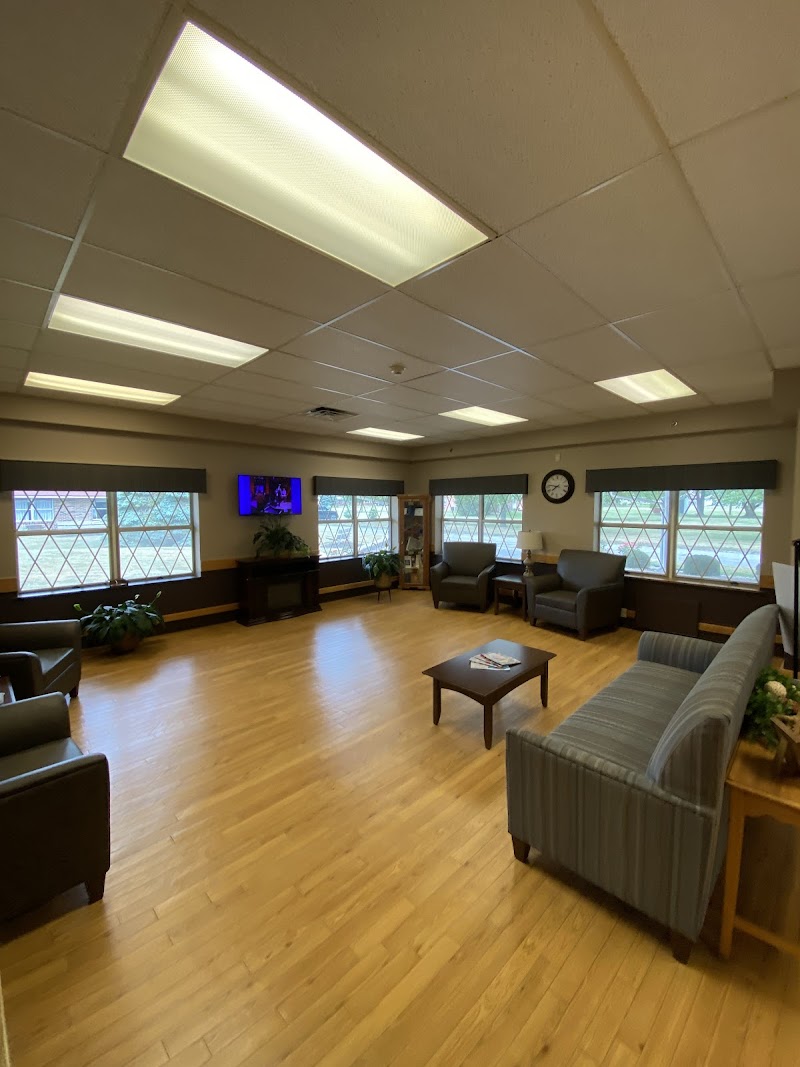
How is Brickyard Healthcare -Sycamore Village Staffed?

CMS rates BRICKYARD HEALTHCARE -SYCAMORE VILLAGE CARE CENTER's staffing level at 1 out of 5 stars, which is much below average compared to other nursing homes. Staff turnover is 50%, compared to the Indiana average of 46%.

What Have Inspectors Found at Brickyard Healthcare -Sycamore Village?

State health inspectors documented 36 deficiencies at BRICKYARD HEALTHCARE -SYCAMORE VILLAGE CARE CENTER during 2022 to 2024. These included: 36 with potential for harm.
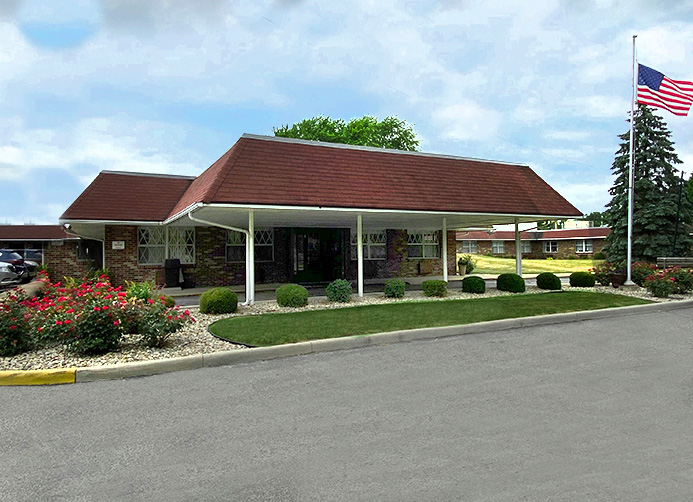
Who Owns and Operates Brickyard Healthcare -Sycamore Village?

BRICKYARD HEALTHCARE -SYCAMORE VILLAGE CARE CENTER is owned by a for-profit company. For-profit facilities operate as businesses with obligations to shareholders or private owners. The facility is operated by BRICKYARD HEALTHCARE, a chain that manages multiple nursing homes. With 110 certified beds and approximately 105 residents (about 95% occupancy), it is a mid-sized facility located in KOKOMO, Indiana.
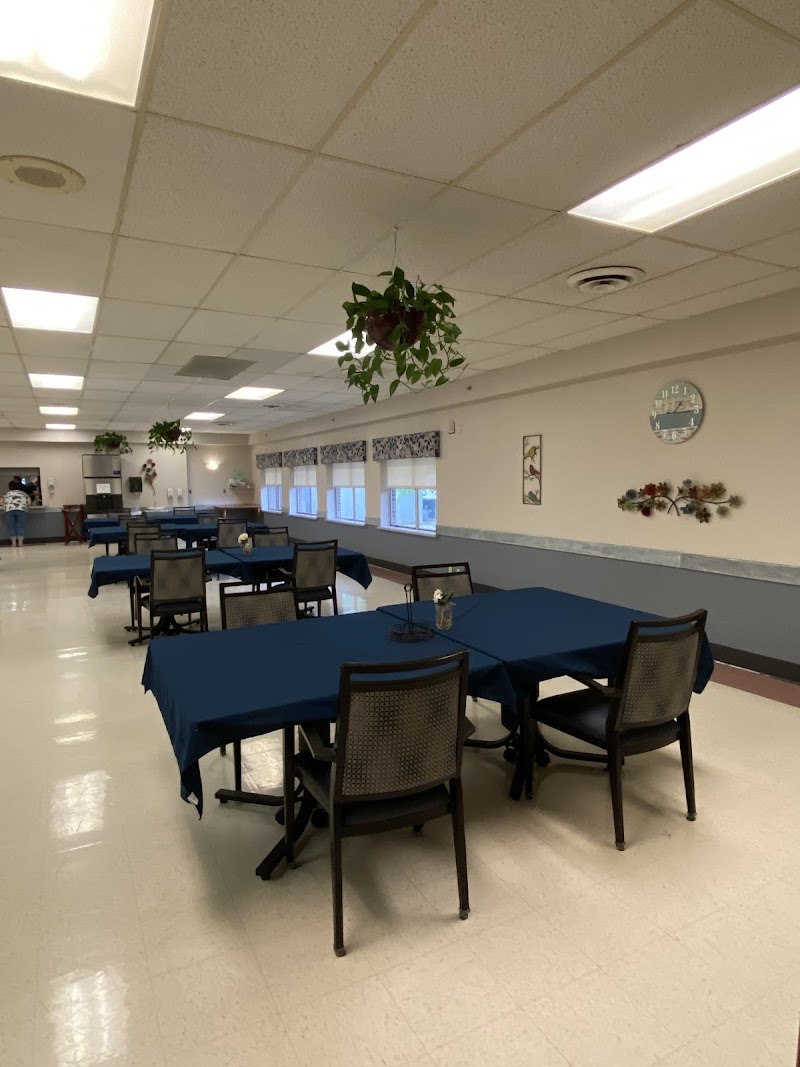
How Does Brickyard Healthcare -Sycamore Village Compare to Other Indiana Nursing Homes?

Compared to the 100 nursing homes in Indiana, BRICKYARD HEALTHCARE -SYCAMORE VILLAGE CARE CENTER's overall rating (1 stars) is below the state average of 3.1, staff turnover (50%) is near the state average of 46%, and health inspection rating (2 stars) is below the national benchmark.

What Should Families Ask When Visiting Brickyard Healthcare -Sycamore Village?

Based on this facility's data, families visiting should ask: "Can you walk me through typical staffing levels on day, evening, and night shifts?" "Can I visit during a mealtime to observe dining assistance and food quality?" "How do you handle medical emergencies, and what is your hospital transfer rate?" "Can I speak with family members of current residents about their experience?" These questions are particularly relevant given the below-average staffing rating.

Is Brickyard Healthcare -Sycamore Village Safe?

Based on CMS inspection data, BRICKYARD HEALTHCARE -SYCAMORE VILLAGE CARE CENTER has a clean safety record: no substantiated abuse findings (meaning no confirmed cases of resident harm), no Immediate Jeopardy citations (the most serious violation level indicating risk of serious injury or death), and is not on the Special Focus Facility watch list (a federal program monitoring the lowest-performing 1% of nursing homes). The facility has a 1-star overall rating and ranks #100 of 100 nursing homes in Indiana. While no facility is perfect, families should still ask about staff-to-resident ratios and recent inspection results during their visit.

Do Nurses at Brickyard Healthcare -Sycamore Village Stick Around?

BRICKYARD HEALTHCARE -SYCAMORE VILLAGE CARE CENTER has a staff turnover rate of 50%, which is about average for Indiana nursing homes (state average: 46%). Moderate turnover is common in nursing homes, but families should still ask about staff tenure and how the facility maintains care continuity when employees leave.

Was Brickyard Healthcare -Sycamore Village Ever Fined?

BRICKYARD HEALTHCARE -SYCAMORE VILLAGE CARE CENTER has no federal fines on record. CMS issues fines when nursing homes fail to meet care standards or don't correct problems found during inspections. The absence of fines suggests the facility has either maintained compliance or corrected any issues before penalties were assessed. This is a positive indicator, though families should still review recent inspection reports for the full picture.

Is Brickyard Healthcare -Sycamore Village on Any Federal Watch List?

BRICKYARD HEALTHCARE -SYCAMORE VILLAGE CARE CENTER is not on any federal watch list. The most significant is the Special Focus Facility (SFF) program, which identifies the bottom 1% of nursing homes nationally based on persistent, serious quality problems. Not being on this list means the facility has avoided the pattern of deficiencies that triggers enhanced federal oversight. This is a positive indicator, though families should still review the facility's inspection history directly.