KOKOMO HEALTHCARE CENTER
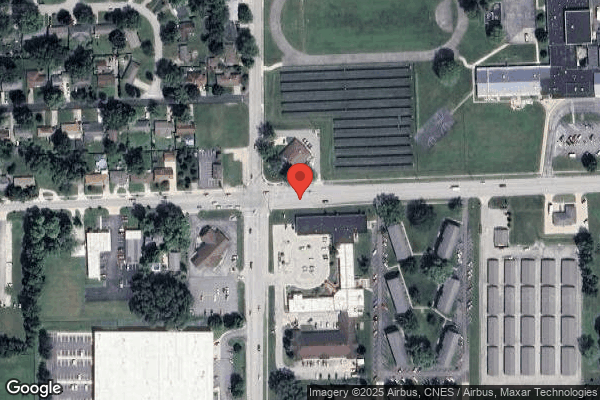
429 W LINCOLN RD, KOKOMO, IN 46902 (765) 453-5600
For profit - Corporation 80 Beds COMMUNICARE HEALTH Data: November 2025
Trust Grade
70/100
#155 of 505 in IN
Last Inspection: October 2024

Within standard 12-15 month inspection cycle. Federal law requires annual inspections.

Overview

Kokomo Healthcare Center has received a Trust Grade of B, indicating it is a good choice but not without some concerns. It ranks #155 out of 505 facilities in Indiana, placing it in the top half overall and #2 out of 7 in Howard County, meaning there is only one local option that is better. The facility is improving, with the number of issues decreasing from 17 in 2023 to 7 in 2024. However, staffing is a weakness, with a low rating of 1 out of 5 stars and a turnover rate of 49%, which is average for the state. There have been no fines, which is positive, but RN coverage is concerning, as it is less than 83% of other Indiana facilities. Specific incidents raised during inspections include a failure to ensure proper handwashing facilities in the kitchen, a resident using unlabeled oxygen tubing, and the facility not addressing concerns raised by the resident council. Overall, while there are strengths such as a good health inspection rating, the staffing issues and specific deficiencies are areas of concern for families considering this facility.

Trust Score
B
70/100
In Indiana
#155/505
Top 30%
Safety Record
Low Risk
No red flags
Inspections
Getting Better
17 → 7 violations
Staff Stability
⚠ Watch
49% turnover. Above average. Higher turnover means staff may not know residents' routines.
Penalties
✓ Good
No fines on record. Clean compliance history, better than most Indiana facilities.
Skilled Nurses
⚠ Watch
Each resident gets only 25 minutes of Registered Nurse (RN) attention daily — below average for Indiana. Fewer RN minutes means fewer trained eyes watching for problems.
Violations
⚠ Watch
25 deficiencies on record. Higher than average. Multiple issues found across inspections.
★★★★☆
4.0
Overall Rating
★☆☆☆☆
1.0
Staff Levels
★★★★★
5.0
Care Quality
★★★★☆
4.0
Inspection Score
Stable
2023: 17 issues
2024: 7 issues

The Good

  • 5-Star Quality Measures · Strong clinical quality outcomes
  • Full Sprinkler Coverage · Fire safety systems throughout facility
  • No fines on record

Facility shows strength in quality measures, fire safety.

The Bad

Staff Turnover: 49%

Near Indiana avg (46%)

Higher turnover may affect care consistency

Chain: COMMUNICARE HEALTH

Part of a multi-facility chain

Ask about local staffing decisions and management

The Ugly 25 deficiencies on record

Oct 2024 2 deficiencies
CONCERN (D)

Potential for Harm - no one hurt, but risky conditions existed

Safe Environment (Tag F0584)

Could have caused harm · This affected 1 resident

Based on observation, interview and record review, the facility failed to ensure the concrete in the outside patio was free of uneven areas for 3 of 3 residents and 1 of 1 family member who voiced con...

Read full inspector narrative →
Based on observation, interview and record review, the facility failed to ensure the concrete in the outside patio was free of uneven areas for 3 of 3 residents and 1 of 1 family member who voiced concerns for the environment. (Resident 37, 44, 15 and 262) Finding includes: 1. During a resident council interview, on 10/10/24 at 2:08 p.m., Resident 37 indicated the patio area was a safety concern due to uneven concrete. Resident 37 and Resident 44 indicated other residents had tripped over the uneven concrete and Resident 15 tipped his wheelchair backwards and hit his head while trying to go over the uneven concrete. During an observation, on 10/10/24, the outdoor patio area had multiple areas of uneven concrete. 2. The clinical record for Resident 15 was reviewed on 10/11/24 at 12:06 p.m. The diagnoses included, but were not limited to, acquired absence of the right and left legs below the knee, nicotine dependence, chronic obstructive pulmonary disease, weakness, and anxiety disorder. A post fall evaluation, dated 8/19/24 at 12:37 a.m., indicated Resident 15 was outside smoking. As the resident was finished and going back inside, he tried to pop a wheelie over the small bump and fell backwards hitting his head on the concrete. An annual Minimum Data Set (MDS) assessment, dated 9/5/24, indicated Resident 15 used a manual wheelchair for mobility and required substantial/maximal assistance (helper did more than half the effort). 3. During an interview, on 10/11/24 at 12:06 p.m., Resident 262's daughter indicated her father's legs would sometimes drop off his foot pedals when his wheelchair went over the uneven concrete. The resident's wife indicated other residents had issues getting over the uneven concrete when they were propelling themselves in their wheelchairs. During an interview, on 10/11/24 at 12:12 p.m., a staff member indicated the residents would occasionally have trouble getting over the uneven concrete. During a facility tour, on 10/11/24 at 2:26 p.m., the Executive Director (ED) indicated the concrete was uneven in the patio area. At exit conference, the facility did not provide an environmental policy and indicated they followed the state regulations. 3.1-19(f)(5)
CONCERN (D)

Potential for Harm - no one hurt, but risky conditions existed

Quality of Care (Tag F0684)

Could have caused harm · This affected 1 resident

Based on observation, interview and record review, the facility failed to ensure the physician was notified before medications were given when a resident was suspected of being intoxicated from alcoho...

Read full inspector narrative →
Based on observation, interview and record review, the facility failed to ensure the physician was notified before medications were given when a resident was suspected of being intoxicated from alcohol intake for 1 of 1 resident reviewed for quality of care. (Resident 53) Findings include: During an observation, on 10/7/24 at 3:01 p.m., a bruise was noted on the right side of Resident 53's face. During an interview, on 10/07/24 at 4:12 p.m., the resident indicated she fell and did not remember falling. The clinical record for Resident 53 was reviewed on 10/08/24 at 2:52 pm. The diagnoses included, but were not limited to, moderate protein calorie malnutrition, anemia, major depressive disorder, opioid abuse, alcohol abuse, and anxiety. A physician's order, dated 9/20/24, indicated to give temazepam (a medication used for insomnia) 30 mg (milligrams) at bedtime. A physician's order, dated 9/20/24, indicated to monitor for sedative and hypnotic side effects. The monitoring included, but were not limited to, sedation, drowsiness, increased falls, dizziness, weakness and hangover effect every shift related to hypnotic medication use. A medication administration record, dated 10/1/24 to 10/31/24, indicated the temazepam was administered at 9:36 p.m., on 10/6/24. A telehealth progress note, dated 10/6/24 at 10:38 p.m., indicated the resident had a fall. She was found on the floor with right cheek and eye edema. The resident appeared to be intoxicated. She was out on a leave of absence and when she returned to the facility, she was showing signs of intoxication. She struck her head when she fell. She refused to participate with neurologic checks. A progress note, dated 10/6/24 at 11:01 p.m., indicated the resident was found on the floor at approximately 10:00 p.m. She was alert and oriented. She had a bruise and edema on the left cheek and eye. The resident was not cooperative and refused neurological checks (tests to evaluate the nervous system). An order was obtained to send the resident to the emergency department for evaluation. An interdisciplinary team follow-up progress note, dated 10/7/24 at 1:15 p.m., indicated the resident had an unwitnessed fall upon her return to the facility from a leave of absence. The resident reported to the staff she fell out of bed. She was found by staff on the floor next to her bed. The root cause of the incident indicated when the resident returned from her leave of absence at approximately 9:30 p.m., the staff reported the resident smelled of alcohol and appeared intoxicated. The resident was uncooperative and was not allowing the staff to perform neurological checks after hitting her head during the fall. There was no documentation the physician was notified of the resident's suspected intoxication prior to administering the temazepam. During an interview, on 10/11/24 at 3:00 p.m., Director of Nursing indicated if a resident was intoxicated the medication should have been held. A current publication, titled Mobile PDR, indicated . increased central nervous system (CNS) and respiratory depressant effects may be seen when temazepam is used with alcohol .ethanol ingestion should be avoided during temazepam use .ethanol intoxication may increase the risk of serious CNS or respiratory depressant effects A current policy, titled Medication Administration, not dated and received from the Director of Nursing on 10/11/24 at 3:00 p.m., indicated .a resident centered, individualized approach to medication administration will be used for administering medications as possible .safety and avoiding adverse effects are considered a high priority for medication administration and may preclude some preferences A current policy, titled Resident Substance Abuse in Facility, not dated and received from the Director of Nursing on 10/11/24 at 3:00 p.m., indicated .being under the influence of illicit drugs or alcohol places the resident at risk for overdose, falls, and respiratory depression and places other residents at risk for injury by a resident under the influence of illicit or illegal drugs or alcohol .the facility will safeguard the resident under the influence of illicit or illegal drugs to the extent possible, as well as provide a safe environment for other residents, staff and visitors 3.1-37(a)
May 2024 3 deficiencies
CONCERN (D)

Potential for Harm - no one hurt, but risky conditions existed

Deficiency F0700 (Tag F0700)

Could have caused harm · This affected 1 resident

Based on observation, interview and record review, the facility failed to ensure assessments were completed and physician's orders and consents were obtained prior to the use of side rails for 2 of 2 ...

Read full inspector narrative →
Based on observation, interview and record review, the facility failed to ensure assessments were completed and physician's orders and consents were obtained prior to the use of side rails for 2 of 2 residents reviewed for accident hazards. (Resident 117 and 118) Findings include: 1. During an observation, on 5/13/24 at 1:07 p.m., Resident 117 had two upper side rails on her bed which were in the raised position. The clinical record for Resident 117 was reviewed on 5/14/24 at 4:06 p.m. The diagnoses included, but were not limited to, wedge compression fracture of the thoracic (T) spine at T 11 and T 12, generalized muscle weakness, and restless leg syndrome. A progress note, dated 5/3/24 at 1:49 p.m., indicated the resident was at the facility for rehabilitation services due to a spinal fixation at level T 12 due to a fall. The electronic record did not have a side rail assessment or consent. A physician's order, dated 5/15/24, indicated 1/4 side rails to the bed to promote independence with activities of daily living. The physician's order for the side rails was completed after the side rails were utilized. A care plan, dated 5/3/24 and revised on 5/16/24, indicated the resident had an activities of daily living self-care performance deficit related to the wedge compression fracture of the T 11 and T 12 vertebra. The interventions included, but were not limited to, 1/4 side rails which was added to the care plan on 5/16/24. During an interview, on 5/16/24 at 10:29 a.m., the Clinical Support Nurse indicated the side rail assessment was not completed until 5/15/24. The side rail informed consent was signed by the resident on 5/8/24 however there was no date by the resident's signature to show when the consent was signed. 2. During an observation, on 5/14/24 at 11:10 a.m., Resident 118 had two upper side rails on his bed with the left side rail in the raised position. The clinical record for Resident 118 was reviewed on 5/15/24 at 12:22 p.m. The diagnoses included, but were not limited to, a fracture of the shaft of the humerus of the right arm, congestive heart failure, and weakness. The electronic record did not include a side rail consent or assessment. A physician's order, dated 5/15/24, indicated 1/4 side rails to the bed to promote independence with activities of daily living. The physician order was obtained after the side rails were on the resident's bed. During an interview, on 5/16/24 at 10:30 p.m., the Clinical Support Nurse indicated the resident did not have a side rail assessment or consent completed until 5/15/24. The consent and assessment should have been completed when the side rails were applied. A current policy, titled Safe Use of Bed Rails, not dated and received from the Executive Director on 5/15/24 at 3:30 p.m., indicated .It is the policy of this facility to provide resident centered care that meets the safety, psychosocial, physical and emotional needs and concerns of the residents. The facility will assess the residents' cognition and therapeutic need of the bed rail to assist the resident in reaching their highest potential of independence. A physician order is required to implement the use of bed rails .Assessment of residents with bed rails include .Review of prior interventions and outcomes prior to the initiation of the bed rails .Consent .Disclosure of the needs, risk and benefits of use .Education provided to the resident or resident representative .Signed by the resident or, if applicable, the resident representative .Monitoring .Documentation .Physician order is required .Completion of Bed Safety Evaluation .Consent obtained for bed rail use .Education provided to the resident .Care Plan for the use/need for bed rails 3.1-45(a)(1)
CONCERN (D)

Potential for Harm - no one hurt, but risky conditions existed

Medication Errors (Tag F0758)

Could have caused harm · This affected 1 resident

Based on interview and record review, the facility failed to ensure a prn (as needed) psychotropic medication was renewed after 14 days for 1 of 5 residents reviewed for unnecessary medications. (Resi...

Read full inspector narrative →
Based on interview and record review, the facility failed to ensure a prn (as needed) psychotropic medication was renewed after 14 days for 1 of 5 residents reviewed for unnecessary medications. (Residents 38) Finding includes: The clinical record for Resident 38 was reviewed on 5/15/24 at 3:45 p.m. The diagnoses included, but were not limited to, fracture of the second cervical vertebra, adjustment disorder with mixed anxiety and depressed mood, vascular dementia, and cognitive communication deficit. A care plan, dated 1/15/24, indicated the resident had a mood problem potential related to anxiety and depressed mood. The interventions included, but were not limited to, monitoring and recording mood to determine if problems seem to be related to external causes, medications, treatments, concern over diagnosis, and change in sleep patterns. A physician's order, dated 5/1/24, indicated to give lorazepam (an anxiety medication) concentrate 2 milligram(mg)/milliliter(ml) 0.5 ml by mouth every 4 hours prn (as needed). A Medication Administration Record (MAR) indicated the resident received the following: a. On 5/14/24 at 3:00 p.m., the resident received a prn lorazepam concentrate 2mg/ml b. On 5/15/24 at 8:00 p.m., the resident received a prn lorazepam concentrate 2mg/ml c. On 5/16/24 at 2:52 p.m., the resident received a prn lorazepam concentrate 2mg/ml During an interview, on 5/16/24 at 11:43 a.m., the Director of Nursing (DON) indicated a prn lorazepam order needed to have a 14 day stop date. The physician would need to reevaluate the resident's need for the antianxiety medication after 14 days. During an interview, on 5/17/24 at 9:07 a.m., the Clinical Support Nurse indicated if the resident had an order for prn lorazepam, the medication would need to have a stop date after 14 days. A current policy, titled Antipsychotic Second Clinical Review, no date and received by the Clinical Support Nurse on 5/17/24 at 9:28 a.m., indicated .Antipsychotic Medication Orders will .Require a clinical review by a supervisory level nurse .PRN or as needed use of antipsychotic medications is: Not to be used routinely due to increased risk for adverse events .Supported by documentation within the medical record .Limited to 14 days use and may not be continued/renewed unless the attending physician or prescribing practitioner evaluates the resident for the appropriateness of that medication .A face-to face assessment of the resident is required by the practitioner .Telephonic or verbal orders may not be provided .Documentation by the practitioner is required in the progress notes .If on-going a new order for the PRN antipsychotic is required to be written every 14 days with the prescriber assessment and documentation .The physician/provider makes the final determination regarding the use of the medication 3.1-48(b)(2)
CONCERN (E)

Potential for Harm - no one hurt, but risky conditions existed

Respiratory Care (Tag F0695)

Could have caused harm · This affected multiple residents

2. During an observation, on 5/13/24 at 1:30 p.m., Resident 20 was wearing oxygen with an unlabeled nasal cannula tubing. During an observation, on 5/14/24 at 11:00 a.m., Resident 20 was wearing oxyge...

Read full inspector narrative →
2. During an observation, on 5/13/24 at 1:30 p.m., Resident 20 was wearing oxygen with an unlabeled nasal cannula tubing. During an observation, on 5/14/24 at 11:00 a.m., Resident 20 was wearing oxygen with an unlabeled nasal cannula tubing. The clinical record for Resident 20 was reviewed on 5/14/24 at 4:08 p.m. The diagnoses included, but were not limited to, multiple sclerosis, edema, chronic obstructive pulmonary disease, anemia, dependence on supplemental oxygen, anxiety, and other seasonal allergic rhinitis. A physician's order, dated 3/8/24, indicated to administer oxygen at 2 liters per minute via nasal cannula (NC) continuously every shift for chronic respiratory failure. A physician's order, dated 3/25/24, indicated to change oxygen tubing and humidifier every 7 days and as needed (prn) every night shift on Monday. During an interview, on 5/16/24 at 11:10 a.m., LPN 1 indicated the nurses would verify the flow rate with the physician's order and set the oxygen flow according to the order. She indicated the tubing was ordered to be changed every Monday on nightshift. 3. During an observation, on 5/13/24 at 12:30 p.m., Resident 23 was wearing oxygen at a flow rate of 3 liters per minute with unlabeled nasal cannula tubing. During an observation, on 5/14/24 at 10:46 a.m., Resident 23 was wearing oxygen at 2.5 liters per minute with unlabeled nasal cannula tubing. During an observation, on 5/15/24 at 10:50 a.m., the resident was wearing oxygen at 2.5 liters per minute with unlabeled nasal cannula tubing. The clinical record for Resident 23 was reviewed on 5/15/24 at 09:38 a.m. The diagnoses included, but were not limited to, moderate persistent asthma, aneurysm of carotid artery, nonrheumatic aortic valve stenosis, chronic obstructive pulmonary disease, hypothyroidism, and anemia. A physician's order, dated 9/27/23, indicated to administer oxygen at 2 liters per minute via nasal cannula continuously every shift. A physician's order, dated 3/25/24, indicated to change, initial, and date the cannula tubing every night shift on Monday. 4. During an observation, on 5/13/24 at 12:55 p.m., Resident 43 was wearing oxygen at 3 liters per minute with unlabeled nasal cannula tubing. During an observation, on 5/14/24 at 10:15 a.m., Resident 43 was wearing oxygen at 3 liters per minute with unlabeled nasal cannula tubing. The clinical record for Resident 43 was reviewed on 5/16/24 at 2:41p.m. The diagnoses included, but were not limited to, chronic obstructive pulmonary disease, type 2 diabetes mellitus with diabetic autonomic polyneuropathy, tobacco use, difficulty in walking, weakness, anxiety disorder, anemia, bipolar disorder, and recurrent major depressive disorder. A physician's order, dated 4/29/24, indicated to administer oxygen at 2 liters per minute via nasal cannula continuously every shift. A physician's order, dated 3/25/24, indicated to change cannula tubing every night shift on Monday. During an interview, on 5/16/24 at 11:10 a.m., LPN 1 indicated the nurses verify the flow rate with the physician's order and set the oxygen flow according to the order. She indicated the tubing was ordered to be changed every Monday on nightshift. A current policy, titled Continuous Aerosol Therapy, no date and received from the Clinical Support Nurse on 5/16/24 at 2:19 p.m., indicated .A physician order/provider's order is required for aerosol therapy with or without oxygen .The order should include the mode of administration (mask, collar, face tent) .The frequency and the duration of the therapy .The percentage of oxygen. A current policy, titled Supplemental Oxygen using Nasal Cannula, no date and received from the Clinical Support Nurse on 5/15/24 at 11:45 a.m., indicated .The nurse or RT (respiratory therapist) will verify the oxygen order for route an LPM (liters per minute) delivery rate .The nurse of RT will set the delivery rate on the tank or concentrator as ordered by the physician .Nasal cannulas and tubing are changed weekly or when soiled and labeled with date opened A current policy, titled Oxygen-Medical Gas Use, no date and received from the Clinical Support Nurse on 5/15/24 at 11:45 a.m., indicated .Residents Receiving Oxygen .Will have a physician/provider's order for the oxygen including route of administration, liters per minute and frequency of use 3.1-47(a)(6) Based on observation, interview and record review, the facility failed to ensure there was an accurate physician's order for the use of oxygen, oxygen was set at the correct liter flow rate, the compressor was set at the correct rate and oxygen tubing was labeled and dated for 4 of 4 residents reviewed for oxygen. (Resident 118, 20, 23 and 43) Findings include: 1. During an observation, on 5/14/24 at 11:16 a.m., Resident 118's Easy Air compressor was set at 20 and the oxygen concentrator was set at 2 liters per minute for the trach stoma (opening). During an observation, on 5/16/24 at 11:07 a.m., the resident was sitting up in a chair in his room and the oxygen concentrator was set at 2 liters per minute. The resident did not have oxygen on his trach stoma. The clinical record for Resident 118 was reviewed on 5/15/24 at 12:22 p.m. The diagnoses included, but were not limited to, congestive heart failure, chronic obstructive pulmonary disease, and dependence on supplemental oxygen. A care plan, dated 5/8/24, indicated the resident had chronic obstructive pulmonary disease with shortness of breath while lying flat. The interventions included, but were not limited to, oxygen therapy as ordered. A physician's order, dated 5/14/24, indicated oxygen at 3 liters per minute by the stoma mask continuous with compression at 50%. During an interview, on 5/15/24 at 11:15 a.m., the outside oxygen company representative who set up the resident's oxygen to his trach stoma indicated the Easy air setting should be at 20 for pressure, 80 for humidity and the oxygen concentrator at 2 liters per minute. During an interview, on 5/16/24 at 11:09 a.m., LPN 2 indicated the resident's oxygen concentration should be set at 3 liters per minute for continuous use. She would need to look at the physician's order to see what the Easy air compressor should be set on. She was going to call the Director of Nursing (DON) because she did not know what the Easy air should be set at. During an observation and interview, on 5/16/24 at 11:12 a.m., the DON indicated the respiratory therapist from the oxygen supply company should have set up the Easy air compressor at the correct rate and it should not be changed. The DON set the Easy air on 50 and the concentrator at 3 liters per minute. During an interview, on 5/16/24 at 3:28 p.m., the Clinical Support Nurse indicated the physician's order for the Easy air compressor should have been written to set the machine at 20 and it would equal the 50%. The staff working should have known how to set the Easy air compressor by following the physician's order. The physician's order was not clear.
Mar 2024 2 deficiencies
CONCERN (D) 📢 Someone Reported This

A family member, employee, or ombudsman was alarmed enough to file a formal complaint

Potential for Harm - no one hurt, but risky conditions existed

Deficiency F0726 (Tag F0726)

Could have caused harm · This affected 1 resident

Based on interview and record review, the facility failed to ensure a Qualified Medication Aide (QMA) asked for permission prior to giving as needed (PRN) medications to 2 of 3 residents reviewed for ...

Read full inspector narrative →
Based on interview and record review, the facility failed to ensure a Qualified Medication Aide (QMA) asked for permission prior to giving as needed (PRN) medications to 2 of 3 residents reviewed for staff working outside their professional classification. (Residents B and C) Findings include: During an investigation regarding a missing card of narcotic medication, it was discovered a QMA was administering PRN pain medications without the permission of a licensed nurse. 1. During an interview with a confidential interviewee, the person indicated QMA 6 administered Resident B's Tramadol (a non-narcotic pain medication) without the permission of a licensed person. The record for Resident B was reviewed on 3/7/24 at 1:30 p.m. The diagnoses included, but were not limited to, hemiplegia and hemiparesis following cerebral infarction, anxiety disorder, hypertension, major depressive disorder, and chronic obstructive pulmonary disease. A nursing progress note, dated 12/22/23 at 6:18 a.m., indicated the resident received Tramadol 100 mg (milligrams) for pain. There was no documentation from a licensed person indicating QMA 6 had permission to give this medication. The narcotic sheet for Resident B was reviewed, and included, but were not limited to, the following entries: On 12/11/23 at 7:00 p.m., one Tramadol 100 mg tablet was given by QMA 6. There was no documentation from a licensed person indicating QMA 6 had permission to give this medication. On 12/17/23 at 9:00 a.m., one Tramadol 100 mg tablet was given by QMA 6. There was no documentation from a licensed person indicating QMA 6 had permission to give this medication. 2. During an interview with a confidential interviewee, the person indicated QMA 6 administered Resident C's Hydrocodone/APAP (Acetaminophen) (a narcotic pain medication) without the permission of a licensed person. The record for Resident C was reviewed on 3/7/24 at 1:45 p.m. The diagnoses included, but were not limited to, type II diabetes mellitus, hypertension, heart failure, peripheral vascular disease, and major depressive disorder. A nursing progress note, dated 11/29/23 at 7:35 a.m., indicated Hydrocodone-Acetaminophen 5-325 mg one tablet was given for pain by QMA 6. There was no documentation from a licensed person indicating QMA 6 had permission to give this medication. A nursing progress note, dated 12/6/23 at 7:47 a.m., indicated Hydrocodone-Acetaminophen 5-325 mg one tablet was given for pain by QMA 6. There was no documentation from a licensed person indicating QMA 6 had permission to give this medication. A nursing progress note, dated 12/17/23 at 8:59 a.m., indicated Hydrocodone-Acetaminophen 5-325 mg one tablet was given for pain by QMA 6. There was no documentation from a licensed person indicating QMA 6 had permission to give this medication. A nursing progress note, dated 12/22/23 at 6:52 a.m., indicated Hydrocodone-Acetaminophen 5-325 mg one tablet was given for pain by QMA 6. There was no documentation from a licensed person indicating QMA 6 had permission to give this medication. A nursing progress note, dated 1/14/24 at 12:57 p.m., indicated Hydrocodone-Acetaminophen 5-325 mg one tablet was given for pain by QMA 6. There was no documentation from a licensed person indicating QMA 6 had permission to give this medication. The narcotic sheet for Resident B was reviewed, and included, but were not limited to, the following entries: On 11/29/23 at 8:30 a.m., one Hydrocodone-Acetaminophen 5-325 mg tablet was given by QMA 6. There was no documentation from a licensed person indicating QMA 6 had permission to give this medication. On 11/29/23 at 1:30 p.m., one Hydrocodone-Acetaminophen 5-325 mg tablet was given by QMA 6. There was no documentation from a licensed person indicating QMA 6 had permission to give this medication. On 12/6/23 at 7:47 p.m., one Hydrocodone-Acetaminophen 5-325 mg tablet was given by QMA 6. There was no documentation from a licensed person indicating QMA 6 had permission to give this medication. On 12/11/23 at 8:00 p.m., one Hydrocodone-Acetaminophen 5-325 mg tablet was given by QMA 6. There was no documentation from a licensed person indicating QMA 6 had permission to give this medication. On 12/17/23 at 8:00 a.m., one Hydrocodone-Acetaminophen 5-325 mg tablet was given by QMA 6. There was no documentation from a licensed person indicating QMA 6 had permission to give this medication. On 12/22/23 at 8:00 a.m., one Hydrocodone-Acetaminophen 5-325 mg tablet was given by QMA 6. There was no documentation from a licensed person indicating QMA 6 had permission to give this medication. On 1/14/24 at 12:00 p.m., one Hydrocodone-Acetaminophen 5-325 mg tablet was given by QMA 6. There was no documentation from a licensed person indicating QMA 6 had permission to give this medication. During an interview, on 3/6/24 at 4:00 p.m., Resident C indicated she had asked for pain medication one time, but someone had signed her pain medication out 4 or 5 other times indicating they gave her pain medications, when she did not receive the pain medication. She did not know her name. She did not work in the hallway very often. During an interview, on 3/7/24 at 10:15 a.m., the Executive Director and the Director of Nursing were in attendance. The Executive Director and the Director of Nursing both indicated they did not know a licensed nurse had to give permission and sign after a QMA gave a PRN medication. This citation relates to Complaint IN00429433 3.1-14(i)
CONCERN (D) 📢 Someone Reported This

A family member, employee, or ombudsman was alarmed enough to file a formal complaint

Potential for Harm - no one hurt, but risky conditions existed

Pharmacy Services (Tag F0755)

Could have caused harm · This affected 1 resident

Based on interview and record review, the facility failed to follow their medication destruction and narcotic storage policy and procedure for 1 of 3 residents reviewed for pharmaceutical services. (R...

Read full inspector narrative →
Based on interview and record review, the facility failed to follow their medication destruction and narcotic storage policy and procedure for 1 of 3 residents reviewed for pharmaceutical services. (Resident D) Finding includes: A document, titled Intake Information, dated 2/27/24, from the Indiana Department of Health indicated a concern was filed alleging a card of narcotic medication was missing after being removed from the medication cart by a staff member. The clinical record for Resident D was reviewed on 3/7/24 at 12:10 p.m. The diagnoses included, but were not limited to, protein-calorie malnutrition, anxiety disorder, depression, hypotension, chronic pain syndrome, and gastrostomy. The resident had an order, dated 1/11/24, for Hydrocodone-Acetaminophen (a narcotic medication) 10-325 mg (milligrams), give one tablet by mouth three times a day for pain. This medication was discontinued on 2/7/24. A narcotic count sheet indicated Hydrocodone/APAP (Acetaminophen) 10-325 mg give one tablet by mouth three times a day for pain. The sheet indicated there were 12 tablets left on the card on 2/8/24 at 8:00 p.m. At the bottom of the narcotic count sheet, the date of discontinuance was listed as 2/7/24 and the date of disposition was listed as 2/19/24. A narcotic card count sheet indicated, on 2/13/24, QMA 6 removed Resident D's Hydrocodone card and narcotic sheet from the cart. There was no verification of the removal of this narcotic medication by a second licensed person. The narcotic card count, on 2/13/24 at 6:00 a.m., was 26 narcotics. The narcotic card count, on 2/13/24 at 2:00 p.m., was 25 narcotics remaining. During an interview, on 3/6/24 at 10:09 a.m., the Executive Director (ED), Director of Nursing (DON) and [NAME] President of Clinical Operations (VPCO) were in attendance. The DON indicated QMA 6 (the scheduler) had removed a card of discontinued Hydrocodone pills from the Central hallway cart. She took them to her office and locked them up when she realized the DON and Unit Manager were in a meeting and were not able to destroy the medication at that time. The Scheduler was unaware she was not able to remove the medication as she did not know the correct procedure for the facility since she was new. She removed the narcotic sheet and the narcotics from the cart and could not place them back in the cart since she had removed them and signed them out of the cart as being removed already. She indicated the Unit Manager obtained the narcotic medication from QMA 6's office. The DON did not realize it at that time, so she went to her office to obtain the narcotics and they were gone, so she called the Scheduler looking for them. She learned the Unit Manager removed the narcotics from the scheduler's office and placed the medication in their office. The Unit Manager and DON destroyed the narcotic medication. During an interview, on 3/7/24 at 10:52 a.m., QMA 6 indicated she pulled out a card of discontinued Hydrocodone pills off the Central hallway medication cart, on 2/13/24, then went to the conference room to give them to the DON and Unit Manager to destroy. She seen they were in a meeting, so she stuck the card and sheet of discontinued narcotics in her binder and kept them with her all day until she left the facility, which was when she locked them in her office. She had stayed down in the North hallway most of the day doing her scheduling, so she always had her binder with her. Other staff members had a key to her office such as CNA 9, CNA 13, CNA 14, the Unit Manager, and the DON. The Unit Manager went into her office after she left and retrieved the narcotics and sheet from her binder, which were in a drawer. During a confidential interview, the person indicated the staff licensed personnel were not allowed to remove narcotic cards from the carts or destroy narcotic cards. The DON and Unit Manger destroyed the medications and either the DON or the Unit Manager would come to the medication cart to get the discontinued medication. If it was a narcotic, then the nurse on the cart had to co-sign with them, when they removed the card from the cart. A current policy, titled Storage of Controlled Substances, dated 9/2018 and provided by the ED on 3/6/24 at 12:00 p.m., indicated .Medications classified by the Drug Enforcement Administration (DEA) as controlled substances are subject to special handling, storage disposal and recordkeeping in the facility in accordance with federal, state and other applicable laws and regulations .Schedule II through V medications and other medications subject to abuse or diversion are stored in either a permanently affixed, double locked compartment separate from all other medications or in accordance with state regulations. The access system to controlled medications is not the same as the access system for other medications (e.g., the key that opens the compartment is different from the key that opens the medication cart). If a key system is used, the medication nurse on duty maintains possession of the key to controlled substances, are kept by the Director of Nursing or designee .A controlled substance accountability record is prepared by the pharmacy/facility for all Schedule II, III, IV, and V medications, including those in the emergency supply .Controlled substances remaining in the facility after the order has been discontinued or the resident has been discharged are retained in the facility in a securely locked area with restricted access until destroyed in accordance with facility policy and state regulations. Accountability records for discontinued controlled substances are maintained with the unused supply until it is destroyed or disposed of, and then stored for five years or as required by applicable law or regulation A current policy, titled Discontinued Medications, dated 9/2018 and provided by the ED on 3/7/24 at 2:45 p.m., indicated .When medications are discontinued by the prescriber or the resident is discharged and medications are not sent with the resident, the medications are marked as discontinued and stored in a secure and separate area from the active medications until destroyed per facility policy or returned to the pharmacy when permissible by state regulations .The nurse documents the order to discontinue the medication in the resident's record .Medications are removed from the medication cart or active supply immediately upon receipt of an order to discontinue (to avoid inadvertent administration). 3. Medications awaiting disposal or return are stored in a locked, secure area designed for that purpose until destroyed or picked up by the pharmacy .Discontinued medications not returned to the pharmacy are destroyed in accordance with facility policy This citation relates to Complaint IN00429433. 3.1-25(n) 3.1-25(o)
Nov 2023 14 deficiencies
CONCERN (D)

Potential for Harm - no one hurt, but risky conditions existed

Notification of Changes (Tag F0580)

Could have caused harm · This affected 1 resident

**NOTE- TERMS IN BRACKETS HAVE BEEN EDITED TO PROTECT CONFIDENTIALITY** Based on interview and record review, the facility failed to notify the physician and the resident's representative of a fall fo...

Read full inspector narrative →
**NOTE- TERMS IN BRACKETS HAVE BEEN EDITED TO PROTECT CONFIDENTIALITY** Based on interview and record review, the facility failed to notify the physician and the resident's representative of a fall for 1 of 1 resident reviewed for notification. (Resident 64) Finding includes: During an interview, on 10/31/23 at 10:57 a.m., Resident 64's family member indicated they were not notified when the resident fell on [DATE]. The record for Resident 64 was reviewed on 11/1/23 at 11:39 a.m. Diagnoses included, but were not limited to, hypertension, depressive disorder, and dementia. A post fall evaluation, dated 10/28/23 at 6:00 p.m., indicated the fall was unwitnessed and the resident indicated he hit his head on the floor. The resident was not sent to the hospital and the physician or family was not notified. A progress note, dated 10/30/23 at 10:48 a.m., indicated the Nurse Practitioner was notified two days after the fall. A late entry progress note, dated 10/30/2023 at 12:54 p.m., indicated Resident 64 was found on the floor at the end of his bed. The resident indicated he did not hit his head and there were no injuries. An IDT (interdisciplinary team) fall note, dated 10/30/23 at 11:03 a.m., indicated the resident was in the wrong wheelchair at dinner and did not have anti-lock brakes. During an interview, on 11/2/23 at 3:15 p.m., the Corporate Support Nurse indicated they could not find any documentation the physician or resident's representative was called when the resident fell. A late entry note was charted, on 10/30/23, for the fall on 10/28/23. She had asked the nurse why she did not chart or call the physician and the resident's representative and the nurse had indicated she was just too busy. A current policy, titled Fall Prevention and Management, dated as revised 6/1/22 and received from the Clinical Support Nurse on 11/6/23 at 1:42 p.m., indicated .It is the policy of this facility to provide resident centered care that meets the psychosocial, physical, and emotional needs, concerns of the residents .Fall prevention and management is the process of identifying risk factors that can minimize the potential for falls and also a process to manage a resident's care if a fall occurs .The family and physician should then be notified with the information obtained. Document all interventions and family/physician notification A current policy, titled Notification of Change in Condition, not dated and received from the Clinical Support Nurse on 11/6/23 at 1:42 p.m., indicated .It is the policy of this facility to provide resident centered care that meets the psychosocial, physical, and emotional needs, concerns of the residents .The purpose of this policy is to provide guidance for notification made to residents, resident representatives, and authorized family members for resident changes in condition. Changes may include but are not limited to accidents, incidents, transfers, changes in overall health status, significant medical changes .The attending practitioner is promptly notified of significant changes in condition .When a change in condition is noted, the nursing staff will contact the resident representative 3.1-5(a)(1)
CONCERN (D) 📢 Someone Reported This

A family member, employee, or ombudsman was alarmed enough to file a formal complaint

Potential for Harm - no one hurt, but risky conditions existed

Report Alleged Abuse (Tag F0609)

Could have caused harm · This affected 1 resident

**NOTE- TERMS IN BRACKETS HAVE BEEN EDITED TO PROTECT CONFIDENTIALITY** Based on interview and record review, the facility failed to report to the state agency a drug overdose which resulted in the us...

Read full inspector narrative →
**NOTE- TERMS IN BRACKETS HAVE BEEN EDITED TO PROTECT CONFIDENTIALITY** Based on interview and record review, the facility failed to report to the state agency a drug overdose which resulted in the use of Narcan (a medication used to treat narcotic overdose) and a hospitalization for 1 of 2 residents reviewed for behavioral health. (Resident C) Finding includes: The record for Resident C was reviewed on [DATE] at 10:23 a.m. Diagnoses included, but were not limited to, protein calorie malnutrition, anxiety disorder, a history of malignant neoplasm of the tongue, and chronic pain syndrome. A progress note, dated [DATE] at 10:33 a.m., indicated Resident C was found unresponsive by a staff member at 9:32 a.m., when the staff member entered the room to administer morning medications. Cardiopulmonary Resuscitation (CPR) was initiated, and Emergency Medical Services (EMS) arrived at 9:40 a.m. The resident was transported to the hospital at 9:56 a.m. A progress note, dated [DATE] at 11:40 a.m., indicated the resident was unresponsive and 911 was called. The EMS administered Narcan, and the resident was then responsive. The EMS found drug paraphernalia on the resident's bed after he was moved to the EMS gurney. The resident was transferred to the hospital by EMS. A hospital admission note, dated [DATE], indicated the resident had an opioid overdose. A crack pipe was found underneath the resident by the EMS. The resident tested positive for opiates, cocaine, and benzodiazepines. A hospital Discharge summary, dated [DATE], indicated Resident C's admission diagnosis was an opioid overdose and the discharge diagnosis was an opioid overdose. The resident presented to the Emergency Department after he was found unresponsive with pinpoint pupils and had no pulse. He received brief CPR. He admitted to smoking cocaine about four times a week and he had inhaled heroin on the day of admission. A crack pipe was found at the skilled nursing facility and the resident was laying on it. There was not a facility reported incident (FRI) to the State Agency to include Resident C's overdose, drug possession, and hospitalization. During an interview, on [DATE] at 11:09 a.m., an anonymous staff indicated she was told to keep quiet about the resident's overdose. During an interview, on [DATE] at 11:36 a.m., the Executive Director (ED) indicated she was in the building, on [DATE], when Resident C was getting chest compressions. The emergency medical technicians arrived and found some questionable items in the resident's room. The police were called and found a glass pipe in the room. The resident had overdosed on crack cocaine and heroin. The facility was not aware of any substance abuse issues with the resident until he went to the hospital for the overdose. She was not aware the incident had to be reported to the state agency. During an interview, on [DATE] at 11:40 a.m., the Director of Nursing (DON) indicated she was not aware a resident's overdose needed reported to the state agency. During an interview, on [DATE] at 11:41 a.m., the Clinical Support Nurse indicated she was not aware a resident's overdose needed reported to the state agency. The facility had not provided a policy for reporting to the state agency by the time of exit. This Federal tag relates to Complaint IN00420789. 3.1-28(c)
CONCERN (D)

Potential for Harm - no one hurt, but risky conditions existed

Assessment Accuracy (Tag F0641)

Could have caused harm · This affected 1 resident

Based on interview and record review, the facility failed to ensure a Minimum Data Set (MDS) assessment was coded correctly for a resident who had a Preadmission Screening and Resident Review (PASARR)...

Read full inspector narrative →
Based on interview and record review, the facility failed to ensure a Minimum Data Set (MDS) assessment was coded correctly for a resident who had a Preadmission Screening and Resident Review (PASARR) Level II completed for 1 of 2 residents reviewed for PASARR. (Resident 63) Finding includes: The record for Resident 63 was reviewed on 11/3/23 at 2:54 p.m. Diagnoses included, but were not limited to, chronic obstructive pulmonary disease, schizoaffective disorder, and moderate protein-calorie malnutrition. A PASARR Level II, dated 2/9/23, indicated the resident had a serious mental illness due to the diagnoses of schizoaffective disorder and schizophrenia. This was considered a PASARR Level II condition. An annual MDS assessment, dated 5/17/23, indicated the resident did not have a PASARR Level II condition. During an interview, on 11/3/23 at 1:58 p.m., the MDS Coordinator indicated the resident did not have a PASARR Level II marked on the MDS assessment, dated 5/17/23. The resident did have a PASARR Level II, and this should have been marked on the MDS assessment. During an interview, on 11/6/23 at 4:55 p.m., the Clinical Support Nurse indicated the facility did not have an MDS policy and used the Resident Assessment Instrument (RAI) manual for MDS assessments. 3.1-31(d)(3)
CONCERN (D)

Potential for Harm - no one hurt, but risky conditions existed

PASARR Coordination (Tag F0644)

Could have caused harm · This affected 1 resident

Based on interview and record review, the facility failed to implement the Preadmission Screening and Resident Review (PASARR) Level II recommendations for 1 of 2 residents reviewed for PASARR. (Resid...

Read full inspector narrative →
Based on interview and record review, the facility failed to implement the Preadmission Screening and Resident Review (PASARR) Level II recommendations for 1 of 2 residents reviewed for PASARR. (Resident 63) Finding includes: During an interview, on 10/31/23 at 11:48 a.m., Resident 63 indicated he was working on his own arrangements to live somewhere else. He did not have a case manager and had signed up for the housing authority. He had applied for an apartment and the apartment complex needed more information. The record for Resident 63 was reviewed on 11/3/23 at 2:54 p.m. Diagnoses included, but were not limited to, chronic obstructive pulmonary disease, schizoaffective disorder, and moderate protein-calorie malnutrition. A care plan, dated 6/5/22, indicated the resident wanted to be discharged to home. The interventions included, but were not limited to, discuss with rehab any special equipment needs, provide education to the resident regarding obtaining equipment, and to notify the medical provider of discharge plans. The care plan did not include any case management services to explore community living. A PASARR Level II, dated 2/9/23, indicated the resident needed the following rehabilitative services: a. Supportive counseling from the nursing facility staff. b. Training in community living skills. c. Training in self-healthcare management. d. Training on activities of daily living skills. e. Case management to explore community living. f. Crisis intervention. g. Occupational therapy evaluation. h. Physical therapy evaluation. i. Family involvement in care. j. Medication review k. Individual mental health therapy. l. Psychiatric evaluation. The PASARR Level II indicated the reason for the psychiatric evaluation was to clarify the diagnosis and to recommend treatment. The case management was needed for discharge planning to make referrals to any services needed. The resident would benefit from training on health needs and daily care needs to be more successful in a community living setting. The PASARR Level II recommendations were not included in the resident's care plan. A PASARR Level II, dated 4/17/23, indicated the resident met PASARR criteria for mental illness based on the diagnosis of schizoaffective disorder and would need to be provided the following rehabilitative services by the facility: a. Supportive counseling from the nursing facility staff. b. Family involvement in care. c. Medication review. d. Individual mental health therapy. e. Outpatient mental health treatment services. f. Socialization/leisure/recreation activities. The care plan did not include any of the PASARR services to be provided. During an interview, on 11/1/23 at 11:29 a.m., the Social Services Director (SSD) indicated the resident was wanting to live on his own. He had applied to a local apartment complex. He did not have a case manager to assist with the applications even though the PASARR Level II indicated the resident needed a case manager to help him get alternative living arrangements. The SSD was not aware of the PASARR Level II recommendations. The resident had been at the facility for over one year and was still trying to make alternative living arrangements on his own. During an interview, on 11/3/23 at 1:58 p.m., the Minimum Data Set (MDS) Coordinator indicated the PASARR Level II was not included on the MDS assessment. Since the MDS assessment was not coded correctly, the PASARR Level II recommendations did not get added to the care plan. She thought the resident refused a psychiatric evaluation although she was not sure. During an interview, on 11/6/23 at 10:32 a.m., the Executive Director (ED) indicated there was no documentation in the Electronic Health Record (EHR) about the resident applying for alternate places to live. The care plan meeting notes did not include the resident was applying for alternate living arrangements or if the facility was assisting with the living arrangements. The resident had declined a psychiatric evaluation and was not receiving mental health services. There was no documentation in the EHR to show the resident refused the psychiatric services or if the services were offered. A current policy, titled Indiana PASSR, dated as reviewed 8/24/2020 and received from the Clinical Support Nurse on 11/6/23 at 4:15 p.m., indicated .The preadmission screening and resident review process, otherwise known as PASRR, is a federally mandated process to ensure nursing facility applicants and resident with serious mental illness and/or intellectual and development disabilities are identified and placed appropriately in the least restrictive setting. PASRR ensures that persons with disability are admitted or allowed to remain in a particular nursing facility only if they can be appropriately served in the facility. PASRR ensures that individuals are provided with the disability services they need, including rehabilitative and specialized services. The goal of PASRR activity is to optimize each individual's placement success, treatment success, and ultimately, the individual's quality of life .The PASARR Level II evaluation identifies rehabilitative or specialized services that an individual may require 3.1-16(d)(1)(B)
CONCERN (D)

Potential for Harm - no one hurt, but risky conditions existed

Deficiency F0657 (Tag F0657)

Could have caused harm · This affected 1 resident

**NOTE- TERMS IN BRACKETS HAVE BEEN EDITED TO PROTECT CONFIDENTIALITY** 2. During an interview, on [DATE] at 10:01 a.m., Resident 32 indicated he did not remember having a care plan meeting in a long ...

Read full inspector narrative →
**NOTE- TERMS IN BRACKETS HAVE BEEN EDITED TO PROTECT CONFIDENTIALITY** 2. During an interview, on [DATE] at 10:01 a.m., Resident 32 indicated he did not remember having a care plan meeting in a long time. The record for Resident 32 was reviewed on [DATE] at 4:21 p.m. Diagnoses included, but were not limited to, hemiplegia and hemiparesis following cerebral infarction (stroke) affecting the right dominant side, occlusion/stenosis of the left carotid artery, personal history of a TIA (transient ischemic attack), atrial fibrillation (irregular heart beat), hypertension (high blood pressure), cardiomegaly (enlarged heart), COPD (chronic obstructive pulmonary disease), convulsions, alcohol dependence, history of traumatic brain injury, major depressive disorder, edema (swelling), and personality disorder. A care plan communication note, dated [DATE], indicated a care plan meeting was held for the resident. The resident's daughter was invited but did not attend. The Social Services Director, Activities Director, Dietary Manager, and the DON (Director of Nursing) attended. His code status was to provide CPR. He was to be showered 2 days a week, and he was on a regular diet. Questions or concerns were addressed. The meals were discussed and there were no concerns at this time. He was not interested in having all his teeth pulled. The care plan communication note did not indicate if the resident was present, or if the care plan was discussed with him. A care plan note, dated [DATE] at 11:17a.m., indicated the resident met with the Social Services Director and Business Office Manager to discuss the resident's unpaid bill for the dentist. There were no other care plan notes in the electronic medical record. During an interview, on [DATE] at 10:00 a.m., the Social Services Director indicated she had noted the care plan note which was completed on [DATE] regarding the dental bill. A current policy, titled Plan of Care Overview, dated as revised [DATE] and received from the Clinical Nurse Consultant on [DATE] at 4:20 p.m., indicated .the purpose of the policy is to provide guidance to the facility to support the inclusion of the resident or resident representative in all aspects of person-centered care planning and that this planning includes the provision of services to enable the resident to live with dignity and supports the resident's goals, choices and preferences including but not limited to, goals related to their daily routines and goals to potentially return to a community setting .resident/ representatives will be offered opportunities to voice their view .resident/representative will have the right to participate in the development and implementation of his/her own plan of care .review care plans quarterly and/or with significant change in cares .support the residents right to participate in treatment an d care planning .an interdisciplinary care team that participates in the planning and implementation of care may include but is not limited to .family, resident, resident representative or other individual the requests to be present .members of the care planning team will coordinate care to meet resident preferences and care needs utilizing a holistic approach .care plan documents are resident specific/resident focused and reflect resident/representative opportunities for participation and preferences 3.1-35(d)(2)(B) Based on interview and record review, the facility failed to ensure care plan meetings included the resident and were documented in the Electronic Health Record (EHR) for 2 of 2 residents reviewed for care plan meetings. (Resident 63 and 32) Findings include: 1. During an interview, on [DATE] at 11:48 a.m., Resident 63 indicated he had not had a care plan meeting since he first arrived to the facility. The record for Resident 63 was reviewed on [DATE] at 2:54 p.m. Diagnoses included, but were not limited to, chronic obstructive pulmonary disease, schizoaffective disorder, and moderate protein-calorie malnutrition. During an interview, on [DATE] at 10:32 a.m., the Executive Director (ED) indicated the Social Services Director (SSD) did not have a laptop and would enter her information on paper and then later into her desktop. A paper copy of the resident's care plan meeting was provided by the ED. A care plan communication, dated [DATE] and received from the ED on [DATE] at 10:40 a.m., indicated the family was not invited. The SSD, Director of Nursing, and Activities Director attended the meeting. The resident's code status, shower days, and diet were reviewed. A care plan communication, dated [DATE], indicated the resident's family was not invited. The SSD, dietary staff, Director of Nursing, and Activities Director attended the meeting. The resident's code status, shower days, and diet were reviewed. The care plan communications did not include the time of day of the meeting, if the resident was in attendance for the meeting, or if the resident's discharge plans were discussed.
CONCERN (D)

Potential for Harm - no one hurt, but risky conditions existed

Quality of Care (Tag F0684)

Could have caused harm · This affected 1 resident

Based on interview and record review, the facility failed to ensure a hospice binder was updated and showed ongoing communication between the hospice provider and the facility for 1 of 2 residents rev...

Read full inspector narrative →
Based on interview and record review, the facility failed to ensure a hospice binder was updated and showed ongoing communication between the hospice provider and the facility for 1 of 2 residents reviewed for hospice and end of life. (Resident 39) Finding includes: The record for Resident 39 was reviewed on 11/02/23 at 10:52 a.m. Diagnoses included, but were not limited to, hemiplegia (paralysis of one side of the body) and hemiparesis (weakness of one side of the body) after a stroke, heart failure, and sequelae (residual effects) of a cerebral infarction (stroke). A physician's order, dated 6/14/23, indicated the resident was on hospice. Resident 39's hospice binder had the following visit entries: a. 5/22/23, seen by nurse. b. 5/23/23, seen by nurse. c. 5/29/23, seen by nurse. d. 6/2/34, seen by nurse. e. 6/5/23, seen by nurse. f. 7/21/23, seen by nurse. g. 10/30/23, seen by nurse. During an observation, on 11/01/23 at 10:53 a.m., a hospice staff member asked a facility staff member if she could sign her tablet to show she had visited the resident. The hospice staff member and facility staff member did not discuss what care was provided. During an interview, on 11/02/23 at 10:44 a.m., LPN 9 indicated she was unaware where the rest of the entries in the hospice binder were. During an interview, on 11/02/23 at 3:15 p.m., the Infection Preventionist indicated hospice usually saw residents twice per week and documented in the resident's hospice binders by the nurse's station. She was unsure where the rest of the documentation was located. During an interview, on 11/3/23 at 9:58 a.m., the Executive Director of the hospice company indicated the hospice binders should be updated every 2 weeks. They preferred face to face reports, but the hospice binders should be updated every 2 weeks. A current hospice agreement, titled HOSPICE CARE SERVICE AGREEMENT, dated January 2018 and received from the Administrator during entrance, indicated .All communication between the Hospice and Nursing Facility pertaining to the care and services provided to the Resident Patient shall be documented in the Resident Patient's clinical record 3.1-37(a)
CONCERN (D)

Potential for Harm - no one hurt, but risky conditions existed

Deficiency F0688 (Tag F0688)

Could have caused harm · This affected 1 resident

Based on observation, interview and record review, the facility failed to ensure a resident with limited range of motion had a plan of care in place for accommodation of needs for 1 of 3 residents rev...

Read full inspector narrative →
Based on observation, interview and record review, the facility failed to ensure a resident with limited range of motion had a plan of care in place for accommodation of needs for 1 of 3 residents reviewed for limited range of motion. (Resident 63) Findings include: During an observation and interview, on 10/31/23 at 11:20 a.m., Resident 63 was sitting on the bed in his room. His head was tilted down towards his chest. He indicated he liked to watch television (TV) although he couldn't see the TV in his room because it was mounted on the wall. The TV was mounted on the wall close to the ceiling. He would like the TV to be moved where he could see it, but he did not like to ask for help. During an observation and interview, on 10/31/23 at 11:53 a.m., the resident indicated he was not able to move his neck due to a history of a tumor. Physical therapy was not able to help him, and he had a large hump on his left shoulder. The resident was not able to bring his head up to a normal position and his head was tilted down while talking. The record for Resident 63 was reviewed on 11/3/23 at 2:54 p.m. Diagnoses included, but were not limited to, chronic obstructive pulmonary disease, moderate protein-calorie malnutrition, schizoaffective disorder, and generalized edema. The diagnoses did not include the kyphosis (an excessive outward curvature of the spine causing a hunching of the back) or limited range of motion to the head and neck. During an interview, on 11/6/23 at 2:41 p.m., the Physical Therapist indicated the resident's comfortable position was to have his head down. He had the problem since admission. The resident had kyphosis. The forward position of his head was more extreme, his shoulders were rounded forward, and it had caused a hunchback appearance. The resident kept his head down towards his chest and was only able to move it up a little. A care plan, initiated on 5/20/22, indicated the resident had an activities of daily living (ADL) self-care performance deficit and required assistance with ADLs due to weakness. The interventions included, but were not limited to, required assistance with bathing, dressing, ambulation, transfers, and eating. The resident preferred to get out of bed early in the morning and to go to bed late. The care plan did not include any interventions for the limited range of motion for the head and neck. A care plan, dated 11/16/22, indicated the resident had little or no activity involvement and wished to not participate. The interventions included, but were not limited to, assist with transport to activities as needed, assure the activities were compatible with the resident's physical and cognitive capabilities, to interview and determine the resident's activity preferences, and to offer the resident technology of interest such as a laptop and internet access. The care plan did not include the resident wanted to watch TV or accommodations for the resident to be able to watch TV in his room. The care plans did not include the resident's kyphosis of his back. During an interview, on 11/6/23 at 10:32 a.m., the Executive Director (ED) indicated there was no documentation in the resident's care plan of his inability to move his head and neck to an upright position or accommodations for being able to view his television. A current policy, titled admission Evaluation, not dated and received from the Clinical Support Nurse on 11/3/23 at 11:08 a.m., indicated .It is the policy of this facility to provide resident centered care that meets the psychosocial, physical and emotional needs and concerns of the residents. A systematic evaluation is completed by a licensed nurse upon admission/readmission to assist in determining the most effective and appropriate care needs of each resident admitted to the center .Communicate Care Plan needs to team A current policy, titled Plan of Care Overview, dated as revised on 7/26/2018 and received from the Clinical Support Nurse on 11/6/23 at 1:42 p.m., indicated .for the purpose of this policy the Plan of Care, also Care Plan is the written treatment provided for a resident that is resident-focused and provides for optimal personalized care . It is the policy of this facility to provide resident centered care that meets the psychosocial, physical and emotional needs and concerns of the residents .The facility will .Provide an RN [registered nurse] assessment of the resident as an on-going, periodic review that provides the foundation for resident focused care and the care planning process .Care plan documents are resident specific/resident focused and reflect resident/representative opportunities for participation and preferences 3.1-42(a)(2)
CONCERN (D) 📢 Someone Reported This

A family member, employee, or ombudsman was alarmed enough to file a formal complaint

Potential for Harm - no one hurt, but risky conditions existed

Deficiency F0740 (Tag F0740)

Could have caused harm · This affected 1 resident

**NOTE- TERMS IN BRACKETS HAVE BEEN EDITED TO PROTECT CONFIDENTIALITY** 2. A FRI (Facility Reported Incident), dated [DATE], indicated Resident B had attempted suicide by using her call light cord to ...

Read full inspector narrative →
**NOTE- TERMS IN BRACKETS HAVE BEEN EDITED TO PROTECT CONFIDENTIALITY** 2. A FRI (Facility Reported Incident), dated [DATE], indicated Resident B had attempted suicide by using her call light cord to strangle herself. Staff heard gagging noises coming from her room and intervened. The resident was assessed and was sent out to the hospital for evaluation. The record for Resident B was reviewed on [DATE] at 1:32 p.m. Diagnoses included, but were not limited to, schizophrenia, generalized anxiety disorder, vascular dementia with agitation, and major depressive disorder. A progress note, dated [DATE] at 4:06 p.m., indicated the resident returned from the hospital. The family and provider were notified. A baseline care plan, dated [DATE], indicated the resident was assessed when she was readmitted from the hospital. The assessment did not address the resident's recent suicide attempt with initial interventions. During an observation, on [DATE] at 9:43 a.m., Resident B had a corded call light in her room. During an interview, on [DATE] at 10:03 a.m., the IP (Infection Preventionist) and the DON (Director of Nursing) indicated they would discuss the call light cord and the possibility of replacing it with a call bell instead without the cord. During an interview, on [DATE] at 10:29 p.m., the IP indicated the call light with the cord would not be removed. The initial baseline care plan did not include any suicide precaution interventions including the use of the corded call light. A current policy, titled admission Evaluation, received from the Clinical Support Nurse on [DATE] at 11:08 a.m., indicated .admission: the first 24 hours the resident is initially admitted to the facility or a re-admission of a resident who has been absent 24 hours .It is the policy of this facility to provide resident centered care that meets the psychosocial, physical and emotional needs and concerns of the resident. A systematic evaluation is completed by a licensed nurse upon admission/readmission to assist in determining the most effective and appropriate care needs of each resident admitted to the center .Prioritize resident needs with appropriate interventions .Create a baseline care plan within 48 hours of admission A current policy, titled Behavioral Management General, received from the Clinical Support Nurse on [DATE] at 4:15 p.m., indicated .It is the policy of this facility to identify and safely manage residents who are exhibiting behaviors related to psychiatric diagnoses or who may present a danger to themselves or others A current policy, titled Resident Substance Abuse in facility, not dated and received from the Clinical Support Nurse on [DATE] at 1:43 p.m., indicated .Abused substances .for the purpose of this policy, is meant to imply drugs consumed by any route that have no medical use or drugs that are prescribed by a physician for other persons, or route or schedule .It is the policy of this facility to provide resident centered care that meets the psychosocial, physical and emotional needs and concerns of the residents. Safety is a primary concern for our residents, staff and visitors. The purpose of this policy is to provide guidance to the staff when substance abuse is confirmed or suspected in a resident and not intended to be step-by-step procedure. Each resident will be provided care based on their individual medical and emotional need .A facility may admit a resident who has a history or diagnosis of substance abuse. However, residents may not possess, use or provide any illicit drugs or abuse drugs in any manner, and may not have drug-related paraphernalia in their possession while a resident in the facility This Federal tag relates to Complaints IN00420085 and IN00420789. 3.1-37(a) 3.1-43(a)(2) Based on observation, interview and record review, the facility failed to assess and provide a plan of care for a resident with a history of substance abuse and to assess and provide an immediate plan of care for a resident who had a suicide attempt for 2 of 3 residents reviewed for mood and behaviors. (Resident C and B) Findings include: 1. The record for Resident C was reviewed on [DATE] at 10:23 a.m. Diagnoses included, but were not limited to, protein calorie malnutrition, anxiety disorder, a history of malignant neoplasm of the tongue, and chronic pain syndrome. An admission document, faxed to the facility on [DATE], included an internal medicine progress note which indicated the resident had a long history of nicotine and cocaine abuse. The resident's care plans did not include the resident had a substance abuse history. A progress note, dated [DATE] at 11:40 a.m., indicated the resident was unresponsive and 911 was called. The Emergency Medical Services (EMS) administered Narcan, and the resident was then responsive. The EMS found drug paraphernalia on the resident's bed after he was moved to the EMS gurney. The resident was transferred to the hospital by EMS. A hospital admission note, dated [DATE], indicated the resident had an opioid overdose. A crack pipe was found underneath the resident by the Emergency Medical Services. The resident tested positive for opiates, cocaine, and benzodiazepines. A hospital Discharge summary, dated [DATE], indicated Resident C's admission diagnosis was opioid overdose and the discharge diagnosis was opioid overdose. The resident presented to the Emergency Department after he was found unresponsive with pinpoint pupils and had no pulse. He received brief cardiopulmonary resuscitation (CPR). He admitted to smoking cocaine about four times a week and inhaled heroin on the day of admission. A crack pipe was found at the skilled nursing facility, and the resident was laying on it. During an interview, on [DATE] at 11:09 a.m., an anonymous staff indicated the resident left the facility every day about 12 noon or 1:00 p.m., and did not come back to the facility until 8:00 p.m., or 9:00 p.m. The resident did not have a care plan to monitor his mood and behaviors after returning from his daily leaves of absence. During an interview, on [DATE] at 11:23 a.m., the Social Services Director (SSD) indicated the resident was found unresponsive and the Emergency Medical Technicians (EMTs) saw a crack pipe in his room. The facility was not aware the resident was using illegal substances in the facility. The resident said one of his friends gave him the heroin. The SSD had not started a care plan for substance use. During an interview, on [DATE] at 11:36 a.m., the ED indicated the resident was found unresponsive, on [DATE], and had overdosed on crack cocaine and heroin. She was not aware of any substance abuse by the resident until he went to the hospital. She did not know his admission paperwork included the resident had a long-standing history of cocaine abuse.
CONCERN (D)

Potential for Harm - no one hurt, but risky conditions existed

Dental Services (Tag F0791)

Could have caused harm · This affected 1 resident

Based on observation, interview and record review, the facility failed to ensure a resident had both his upper and lower dentures as documented in the admission assessment for 1 of 4 residents reviewe...

Read full inspector narrative →
Based on observation, interview and record review, the facility failed to ensure a resident had both his upper and lower dentures as documented in the admission assessment for 1 of 4 residents reviewed for dental services. (Resident 18) Finding includes: During an interview, on 10/30/23 at 2:13 p.m., Resident 18 indicated he lost his bottom teeth and was still looking for them. They were lost while he was sleeping. The record for Resident 18 was reviewed on 11/3/23 at 2:05 p.m. Diagnoses included, but were not limited to, end stage renal disease, type 2 diabetes mellitus, chronic obstructive pulmonary disease, dependence on renal dialysis, major depressive disorder, and anxiety disorder. An admission assessment, dated 8/31/23, indicated the resident had a full set of dentures. A care plan, dated 9/8/23, indicated the resident had oral/dental problems, was edentulous (no natural teeth), and had a full set of dentures. The interventions included, but were not limited to, complete an oral assessment upon admission, dental consult as needed, and observe for dental problems including missing teeth. A care plan, dated 9/8/23 and last revised on 11/1/23, indicated the resident had a potential for altered nutritional status. The interventions included, but were not limited to, ensure dentures were utilized for meals. During an interview, on 11/6/23 at 2:55 p.m., the Clinical Support Nurse indicated the resident lost his bottom dentures at a previous facility. She looked at the admission assessment and it indicated the resident had upper and lower dentures. An inventory of the resident's dentures upon admission could not be located. A current policy, titled Dental Services, not dated and received from the Clinical Support Nurse on 11/6/23 at 4:15 p.m., indicated .It is the policy of this facility to provide resident centered care that meets the psychosocial, physical and emotional needs and concerns of the resident .Dental and Oral health can impact the physical as well as the mental/emotional and psychological health of a resident. Poor dentition and/or poor oral health may impact nutritional and weight loss status .For Medicaid residents .The facility must provide all emergency dental services and those routine dental services to the extent covered under the Medicaid state plan .The facility must inform the resident of the deduction for the incurred medical expense available under the Medicaid State plan and must assist the resident in applying for the deduction .If any resident is unable to pay for dental services, the facility should attempt to find alternative funding sources of delivery systems so that the resident may receive the services needed to meet their dental needs and maintain his/her highest practicable level of well-being 3.1-24(a)(3)
CONCERN (D)

Potential for Harm - no one hurt, but risky conditions existed

Deficiency F0804 (Tag F0804)

Could have caused harm · This affected 1 resident

Based on observation, interview and record review, the facility failed to ensure meals were served at a safe and appetizing temperature for 1 of 1 tray tested for a safe and appetizing temperature. (2...

Read full inspector narrative →
Based on observation, interview and record review, the facility failed to ensure meals were served at a safe and appetizing temperature for 1 of 1 tray tested for a safe and appetizing temperature. (200 Hall) Finding includes: During an interview, on 10/30/23 at 2:11 p.m., Resident 18 indicated the food was terrible. It did not taste good. The food was cold when it should be hot. He had made complaints, but it did not change. During an interview, on 10/30/23 at 3:02 p.m., Resident 274 indicated her food was not warm when it was delivered to her room. During an observation, on 10/31/2023 at 12:47 p.m., the Dietary Manager used the facilities thermometer and tested a tray. The beef enchilada was 137.7 degrees Fahrenheit (F), the rice was 134.4 degrees, and the refried beans was 127.7 degrees. During an interview, on 10/31/23 at 12:55 p.m., the Dietary Manager indicated the temperature of the refried beans, rice, and beef enchilada were all under the recommended temperatures. The beef enchilada should be served at 145 degrees or greater. The refried beans and rice should be served at 135 degrees or greater. The food on the tray would need to be reheated. A current policy, titled Food: Quality and Palatability, dated as revised 9/2017 and received from the Clinical Support Nurse on 11/6/23 at 1:42 p.m., indicated .Food will be prepared by methods that conserve nutritive value, flavor and appearance. Food will be palatable, attractive and served at a safe and appetizing temperature .Food should be at the appropriate temperature as determined by the type of food to ensure resident's satisfaction minimizes the risk for scalding and burns .The Cook(s) prepare food in a sanitary manner utilizing the principles of Hazard Analysis Critical Control Point (HACCP) and time and temperatures guidelines as outlined the Federal Food Code 3.1-21(a)(2)
CONCERN (D)

Potential for Harm - no one hurt, but risky conditions existed

Infection Control (Tag F0880)

Could have caused harm · This affected 1 resident

**NOTE- TERMS IN BRACKETS HAVE BEEN EDITED TO PROTECT CONFIDENTIALITY** Based on observation, interview and record review, the facility failed to ensure dirty clothes, cardboard boxes, and piles of cl...

Read full inspector narrative →
**NOTE- TERMS IN BRACKETS HAVE BEEN EDITED TO PROTECT CONFIDENTIALITY** Based on observation, interview and record review, the facility failed to ensure dirty clothes, cardboard boxes, and piles of clean clothes were not touching the ground for 3 of 3 rooms reviewed for infection control. (room [ROOM NUMBER], 414 and 416) Findings include: During a tour, beginning at 9:20 p.m., on 11/3/23, with the Administrator and the Maintenance Director, the following were observed: 1. room [ROOM NUMBER] had multiple cardboard boxes on floor. 2. room [ROOM NUMBER] had a large cardboard box on the floor with linen, a hospital gown, and a medium size duffle bag on the top of the box. 3. room [ROOM NUMBER] had a pair of dirty jeans, a plaid shirt, and a wet towel on the floor. There were three stacks of clean clothes by the window. During an interview, on 10/31/23 at 10:00 a.m., Certified Nursing Assistant (CNA) 2 indicated dirty clothes should never be left on the floor. The dirty clothes should be bagged and put in the soiled linen cans. During an interview, on 10/31/23 at 10:07 a.m., Qualified Medical Assistant (QMA) 4 indicated dirty clothes and cardboard boxes should never be left on the floor. During an interview, on 10/31/23 at 10:10 a.m., the Social Services Director indicated the dirty clothes in room [ROOM NUMBER] should not be left on the floor. The piles of clothes should be put up in their drawers and not on the floor this could be a hazard. A current policy, titled Infection Control Practices for Laundry/Linens, dated as revised 6/21/17 and received from the Clinical Support Nurse on 11/6/23 at 1:44 p.m., indicated .Provide the storage, handling and processing of linen activities following practices to decrease the risk of spreading infection and exposure to bloodborne pathogens. Consider all soiled linen contaminated and treat and handle such .Soiled linen is placed in hampers or carts at or near the location where it was used. Soiled linen carts or hampers shall be covered with a lid 3.1-18(b)
CONCERN (E)

Potential for Harm - no one hurt, but risky conditions existed

Deficiency F0565 (Tag F0565)

Could have caused harm · This affected multiple residents

Based on interview and record review, the facility failed to respond to concerns the resident council group brought up during their resident council meetings for 12 of 12 resident council meeting minu...

Read full inspector narrative →
Based on interview and record review, the facility failed to respond to concerns the resident council group brought up during their resident council meetings for 12 of 12 resident council meeting minutes reviewed. Finding includes: During a review of the resident council meeting minutes, on 10/5/23 at 3:00 p.m., the residents had brought up the following: a. New ideas for activities. b. A request to have more resident parties. c. Concerns with stained laundry. d. Concerns with call lights. e. Concerns with housekeeping taking trash. f. Maintenance concerns. The minutes did not indicate if the concerns brought up from the resident council group had been considered. The meeting minutes had a space, titled Old business, and this space was marked as NA (not applicable) or good follow up. The meeting minutes did not include if the department managers were notified of the concerns brought up by the resident council group and any resolution to the concerns. During a resident council meeting, on 11/1/23 at 3:11 p.m., the resident council group indicated there were concerns brought up at the resident council meetings although the concerns did not get addressed at times. During an interview, on 11/3/23 at 2:11 p.m., the Activity Director indicated she would write the resident council meeting notes. The Old Business section of the resident council meeting minutes was for recording if the residents had money problems. She did not put on the meeting minutes what happened the previous month at the resident council and what concerns or requests had been addressed. A current policy, titled Resident Rights, dated as revised on 6/21/2021 and received from the Clinical Support Nurse on 11/6/23 at 1:43 p.m., indicated .It is the policy of this facility to provide resident centered care that meets the psychosocial, physical and emotional needs and concerns of the residents .The purpose of this policy is to guide employees in the general principles of dignity and respect of caring for residents .Procedure .Form or Participate in Resident Groups .Residents have a right to form or participate in a resident group to discuss issues and concerns about the facilities policies and operations such as a resident council .The facility will provide meeting space and must listen to and act upon grievances and recommendations of the group A current policy, titled Resident Council, dated 4/22/21 and received from the Executive Director on 11/4/23 at 4:15 p.m., indicated .Duties of the Resident Council include .Helping identify concerns .Serving as a sounding board for new ideas .Document the Resident Council Meeting on the Resident Council Minutes Form. Any concerns voiced at the meeting should be documented on the Concern Form and distributed to the appropriate Department Head . 3.1-3(l)
CONCERN (E)

Potential for Harm - no one hurt, but risky conditions existed

Safe Environment (Tag F0921)

Could have caused harm · This affected multiple residents

**NOTE- TERMS IN BRACKETS HAVE BEEN EDITED TO PROTECT CONFIDENTIALITY** Based on observation, interview and record review, the facility failed to ensure toilet bowls and towel racks were clean, walls ...

Read full inspector narrative →
**NOTE- TERMS IN BRACKETS HAVE BEEN EDITED TO PROTECT CONFIDENTIALITY** Based on observation, interview and record review, the facility failed to ensure toilet bowls and towel racks were clean, walls were free from marks, scratches, peeling wallpaper, gouges, and paint chips, rooms were free from dirty clothes and piles of clean clothes on the floor, toilet bolts were covered, and a dining plan was established when the dining room was closed for remodeling for 9 of 9 rooms and the main dining room observed for environment. (room [ROOM NUMBER], 204, 208, 215, 312, 414, 416, 424 and 425) Findings include: During a tour, beginning at 9:20 p.m., on 11/3/23, with the Administrator and the Maintenance Director, the following were observed: 1. room [ROOM NUMBER] had missing bolt covers on both sides of the toilet sticking up 2 or 3 inches. The toilet bowl had a brown ring in the bottom and the towel bar had dried scum. 2. room [ROOM NUMBER] had a bolt on the right side of the toilet sticking out about 3 inches and there was a round toilet seat on an oblong toilet. 3. room [ROOM NUMBER] had toilet bolts which were sticking up about 2 inches and were not covered. 4. room [ROOM NUMBER] had multiple cardboard boxes on the floor. 5. room [ROOM NUMBER] had chipped paint on the walls and an area of wallpaper peeling off near the ceiling. 6. room [ROOM NUMBER] had a large cardboard box on the floor, the wall behind the bed had gouges and approximately a 2 foot(ft) by 2 ft area with black scuff marks. 7. room [ROOM NUMBER] had a door with no trim. There were gouges on the wall with peeled off paint around the door and along bottom of the wall. There were a pair of dirty jeans, a plaid shirt, and a wet towel on the floor in the middle of the room and three stacks, approximately 2 foot tall, of clean clothes on the floor by the window. During an interview, on 10/31/23 at 10:10 a.m., the Social Service Director indicated in room [ROOM NUMBER] the dirty clothes should not be left on the floor and the piles of clothes should be put up in their drawers and not stacked on the floor. 8. room [ROOM NUMBER] had missing baseboard trim around the bottom of sink and under the sink was a white board placed against the left wall. 9. room [ROOM NUMBER] had a large area of paint peeled from behind the bed. 10. During an observation, on 10/30/23 at 1:00 p.m., the main dining room was located by the kitchen. The doors were closed, and a sign indicated the dining room was closed for remodeling. During an observation, on 10/31/23 at 12:00 p.m., the residents were painting in a room used for activities and dining located on the 400 Hall. During an observation, on 10/31/23 at 12:25 p.m., the lunch trays arrived on the 400 Hall. The residents continued to paint. A Certified Nursing Assistant (CNA) started to pass meal trays out to the residents and the Activities Director stopped the CNA. Painting supplies were covering all the tables and there was no place for the lunch trays. The Activities Director stopped the painting, and the residents were told to either go to their rooms or the 200 Hall dining room for lunch. During an observation, on 10/31/23 at 12:30 p.m., the 200 Hall dining room had nine residents sitting at six tables. There were three tables against the windows and three tables in the center of the room. Two vending machines were against the right wall and chairs were lined up against the left wall. The room was small and crowded with very little room to maneuver wheelchairs. During an interview, on 10/30/23 at 1:07 p.m., the Dietary Manager (DM) indicated the main dining room was closed for remodeling. The facility was using a room on the 400 Hall and the 200 Hall for dining. The DM did not know when the main dining room would be completed. During an interview, on 11/03/23 at 9:31 a.m., the Maintenance Director indicated they were working on the building. They purchased paint and putty to patch the walls and were working on the halls. During an interview, on 11/3/23 at 9:37 a.m., the Administrator indicated they were doing a large renovation project. They were painting and remodeling the main dining room. The boxes and clothes should not be on the floor, and they were having a hard time finding trim for the doors. The facility did not have an environmental policy. 3.1-19(f)(5)
CONCERN (F)

Potential for Harm - no one hurt, but risky conditions existed

Food Safety (Tag F0812)

Could have caused harm · This affected most or all residents

Based on observation, interview and record review, the facility failed to ensure the ice scoop was stored in a container, the handwashing station had running water, and a trash can was available at th...

Read full inspector narrative →
Based on observation, interview and record review, the facility failed to ensure the ice scoop was stored in a container, the handwashing station had running water, and a trash can was available at the handwashing station. This deficient practice had the potential to affect 70 of 70 residents who received food from the kitchen. Findings include: During a tour of the kitchen, on 10/30/23 at 1:07 p.m., with the Dietary Manager (DM) the following was observed: 1. The handwashing station's sink did not have running water. The white plumbing pipe was sitting in the sink. 2. The ice scoop was sitting on a wire shelf with other supplies and not stored in a container. 3. The handwashing sink did not have a trash can. The staff were using the trash can for dirty linen. During an interview, on 10/30/23 at 1:10 p.m., the DM indicated the handwashing sink had not worked for a while. The staff were washing their hands in the sink by the dishwasher or the three-compartment sink. The handwashing sink should have been fixed and the staff should not use the sink which was used for dishwashing. During an interview, on 10/30/23 at 1:13 p.m., the DM indicated the ice scoop should be in a container and not sitting on the wire shelf with other items. The ice scoop would be considered dirty. During an interview, on 10/31/23 at 11:31 a.m., [NAME] 6 indicated the hands-free trash can was being used for soiled linen. The staff used the large trash can by the dishwasher. During an interview, on 10/31/23 at 11:33 a.m., the DM indicated she used her elbow to prop the lid up on the large trash can. There should be a hands-free trash can by the hand washing sink. During an interview, on 10/31/23 at 11:35 a.m., [NAME] 7 indicated she would wash her hands and use a paper towel to open the large trash can lid and place the towels in the large trash can. A current policy, titled Environment, revised on 9/2017 and received from the Administrator on 11/1/23 at 10:00 a.m., indicated .All food preparation areas, food services areas, and dining areas will be maintained in a clean and sanitary condition .The Dining Services Director will ensure that all employees are knowledgeable in the proper procedures for cleaning and sanitizing of all food service equipment and surfaces .All trash will be contained in covered, leak-proof containers that prevent cross contamination 3.1-21(i)(3)
Oct 2023 1 deficiency
CONCERN (D) 📢 Someone Reported This

A family member, employee, or ombudsman was alarmed enough to file a formal complaint

Potential for Harm - no one hurt, but risky conditions existed

Accident Prevention (Tag F0689)

Could have caused harm · This affected 1 resident

Based on observation, interview and record review, the facility failed to ensure a smoker was supervised while smoking at an unauthorized smoking time when her oxygen tank caught on fire for 1 of 3 re...

Read full inspector narrative →
Based on observation, interview and record review, the facility failed to ensure a smoker was supervised while smoking at an unauthorized smoking time when her oxygen tank caught on fire for 1 of 3 residents being reviewed for smoking accidents. (Resident B) The deficient practice was corrected on 10/2/23, prior to the start of the survey, and was therefore past noncompliance. Finding includes: A document, titled Indiana State Department of Health Survey Report System, dated 10/12/23, indicated on 10/1/23 at 3:37 p.m., Resident B was outside on the patio with her portable oxygen tank, when it sparked and began to smoke. Staff was alerted and immediately responded by extinguishing the oxygen tank to ensure the resident's safety. The portable tank was not touching the ground and was appropriately placed on the back of the resident's wheelchair. At no time was the resident exposed to the smoking portable tank. Through the facility's investigation, it was discovered another resident was in the same vicinity. Both residents were moved to a safe location. During an interview, on 10/12/23 at 10:56 a.m., Resident B indicated she did not remember the date or time of the oxygen incident. She knew it was after the last smoking break time, so it had to be after 9:00 p.m. She and another resident were outside on the back patio where the residents go to smoke, smoking by themselves. For some reason, she had two portable oxygen tanks on the back of her wheelchair. She usually shut her oxygen tank off but left her cannula in her nose when she went out to smoke. She thought she had turned her oxygen tank off, but she must have tuned the second tank on instead of turning the first one off. She was smoking her cigarette and next thing she knew, the other resident, who was smoking outside on the patio with her was ripping the oxygen tubing out of her nose and telling her to get up away from her wheelchair. Then, he ran into the facility to get a staff member to come help put the fire out. She indicated the other resident saved her life by removing her oxygen from her face. She did not go out to the smoking times at 8:00 a.m., and 10:00 a.m., but she did go smoke at the other times, which were at 1:00 p.m., 3:30 p.m., 6:00 p.m., and the last one was at 9:00 p.m. When asked how she obtained the cigarettes and lighter to go out and smoke at an undesignated smoking time and how did she get out the locked door, she indicated she snuck a few cigarettes out of her pack before she had to hand them back to the facility staff, she already had an extra lighter and the other resident she went outside with knew the code to get out onto the patio. She indicated even if residents did not know the code, all they had to do was hold the door handle for 15 seconds then the door opened. There was a red button on the outside of the door on the patio they pushed to shut off the sounding alarm once the door opened. They pushed the same red button to let them back in the facility after they were finished smoking. On 10/12/23 at 11:27 p.m., the Maintenance Director was observed changing the door code on the keypad to the door to the patio. At that time, he indicated Resident B and another resident was outside smoking at 1:30 a.m., on 9/29/23, when Resident B's portable oxygen tank caught on fire. A staff member took a fire extinguisher from the [NAME] hallway outside to the patio and used it to put the fire out. He changed the code to the door that day and had changed it several times since then. Whenever he got word, a resident may know the code to the door he changed the door code. A review of a list of the current smokers in the facility indicated Resident B was on the list of current smokers. The names of the residents with oxygen were highlighted in pink and Resident B's name was highlighted in pink. The record review for Resident B was completed on 10/12/23 at 12:45 p.m. Diagnoses included, but were not limited to, type II diabetes mellitus, chronic obstructive pulmonary disease, tobacco use, difficulty in walking, and anxiety disorder. Resident B had a care plan which addressed the problem she was non-compliant with the facility smoking policy. Interventions included, but were not limited to, 5/31/22, behavioral health consults as needed, 8/22/23, communicate with resident/resident representative regarding behaviors and treatment. Resident B had a care plan which addressed the problem she had a behavior problem of smoking with oxygen on and not following the smoking policy. Interventions included, but were not limited to, 7/25/23, behavioral health consults as needed, 7/25/23, communicate with resident/resident representative regarding behaviors and treatment, and 7/25/23, document resident's behaviors (verbal and physical) and all nursing/physician actions. A review of the current smoking times provided by the Executive Director (ED) on 10/12/23 at 12:15 p.m., indicated the smoking times were at 8:00 a.m., 10:00 a.m., 1:00 p.m, 3:30 p.m., and 6:00 p.m. At that time, the ED indicated there were no independent unsupervised smokers anymore. She had spoken to the ombudsman to ask him what she should do to prevent Resident B from smoking with her oxygen on and he suggested stopping the independent unsupervised smoking times and make all the smokers smoke at supervised smoking times, so this was what she did. On 10/12/23 at 3:30 p.m., an attempt to contact the other resident who was outside smoking with Resident B was made and there was no answer and there was no way to leave a message. Pictures of the burnt oxygen tubing and oxygen tank were reviewed on 10/12/23 at 4:17 p.m., after being provided by the [NAME] President of Risk Management and Performance Improvement. The oxygen tubing where it connected into the portable oxygen tank was melted and black. The top of the oxygen tank where the oxygen tubing connected to the portable oxygen tank was black and melted. The strap which connected to the portable tank was burned off the tank. The area above the knob to dial in how much oxygen the resident would have gotten was black. The metal port where the oxygen tubing connected to the portable oxygen tank was black on the inside surrounding the port. During a phone interview, on 10/12/23 at 4:35 p.m., QMA 4 indicated she was at the central nurses' station when a resident came up to her and told her Resident B fell asleep with her head on her chest, with her cigarette in her hand, and her cigarette fell onto her oxygen tank and burnt her oxygen tank. The male resident indicated he saw a green spark like a firecracker prior to the flames starting. When she got out to the patio where the smokers smoke at, she observed flames coming from the back of Resident B's wheelchair. The resident was standing by the back of her wheelchair trying to get her cigarettes and her bag off the back of it. Her wheelchair was sitting in the corner of the patio. The other resident was trying to get her into the building to safety. QMA 4 got both the residents into the facility, then went to the [NAME] hallway to get a fire extinguisher and put the fire to the back of the wheelchair and oxygen tank out. The fire was at the top of the oxygen tank where the oxygen attaches to the tank and the strap for the tank was located. Her wheelchair was also burnt. Resident B had to be given a new wheelchair. QMA 4 indicated the male resident who had been outside smoking with Resident B had since passed away after he was discharged from the facility, and he was not able to be interviewed. During a phone interview, on 10/12/23 at 5:06 p.m., RN 5 indicated Resident B indicated to her she was smoking with her oxygen on with another resident on the patio, when her oxygen tank caught on fire. The fire incident happened around 1:00 a.m. A current policy, titled Resident Smoking Guidelines, undated, provided by the ED on 10/12/23 at 12:15 p.m., indicated .Definition .Supervised Smoker: a resident is unable to demonstrate safe smoking habits including smoking material management, lighting, controlling cigarette ash extinguishing smoking materials and requires staff supervision when smoking. Policy .Residents will be assessed by the interdisciplinary team (IDT) and designated 1) independent or 2 (supervised .Procedure: 1. Assessment, observation, and designation of independent or supervised smoker will be made by the IDT team for each resident who requests to smoke in the facility. a. Complete the Smoking Assessment upon admission, quarterly, and with a significant change in condition .5. Smokers will be permitted to smoke only in designated smoking areas a. For Supervised Smokers: smoking times will be posted by the facility .8. Facility staff will: a. Secure smoking materials in a locked area when not in use by the resident/patient for both independent and supervised smokers .9. Smoking safety instructions for all smokers will include a. All smoking materials will be maintained by the facility staff and provided to the resident/patient on request. b. smoking will only be in designated areas. c. Smoking materials will be returned to the facility staff upon completion of smoking. d. Noncompliance with the smoking policy may lead to discharge notification. e. Supervised smoking will be performed by a staff member A current policy, titled Oxygen Therapy Safety Standards, undated, provided by the ED on 10/12/23 at 12:15 p.m. indicated .Policy .The purpose of this policy is to provide guidance for the safe use, transport and storage of oxygen as well as understand the unique properties of liquid oxygen .Procedure: 1. Oxygen Safety Standards and Precautions .b. These standards address the dangers of fire, as well as physical injury from oxygen and its containment vessels. c. Oxygen is an element that, that at atmospheric temperatures and pressures, exists as a colorless, odorless, tasteless gas .c. Oxygen is a non-flammable gas but supports combustion and can accelerate burning when flames/fire/sparks are present. 1. When a resident is using oxygen therapy, whether by mask or nasal cannula or other device, small amounts of oxygen leak out and around the device creating an oxygen-rich environment immediately surrounding the area nearest the resident. 2. The area near and around a resident using oxygen will support and accelerate burning. 3. In the presence of an ignition source (fire, sparks) and a fuel (paper, clothes etc.), oxygen will vigorously accelerate combustion. 4. Materials that normally will not burn in air, may burn in air, may burning an oxygen-enriched atmosphere. 5. Materials that do burn in air, will burn more vigorously and at a higher temperature in an oxygen enriched atmosphere. 6. Since fires can ignite more readily in an oxygen-enriched atmosphere, and these fires burn explosively, it is extremely important that fire prevention measures are taken to ensure safety .h. No smoking: smoking is prohibited in all areas where oxygen is stored, transported or used .q. Open flames will not be permitted in an oxygen administration area, this includes fires for cooking, gas heating appliances, candles, oil lamps, electric radiant heaters etc. r. Residents, nursing agency personnel/caregivers and families must be educated regarding the safe use of oxygen use .No flames (smoking, candles, etc.) when oxygen in use This deficient practice was corrected by 10/2/23, after the facility implemented a systemic plan that included the following actions: Both residents were immediately assessed for injury. Both portable oxygen tanks were replaced. Both residents were educated on the designated smoking times. Both residents were educated on safe smoking and oxygen safety. The facility implemented a smoking monitor to sit outside the patio door for the 10 p.m. to 6 a.m., daily time frame. The code to the door in the designated smoking area was changed on 10/1/23. The facility conducted an audit of all portable oxygen tanks to ensure they were in good working order and had no evidence of malfunction. The facility conducted a search of residents' rooms with their consent for smoking materials and secured them in the lock boxes if found. The facility educated all smokers utilizing the Resident Smoking policy with emphasis on designated smoking times and oxygen safety. The residents were educated on reporting to staff any signs of portable oxygen tank malfunctions with emphasis leaking tanks, smoking tanks, squealing tanks, or flames. The facility competed 100% education with all staff utilizing the Resident Smoking policy and Oxygen Safety policy with emphasis on designated smoking times, providing supervision, removing oxygen/storing oxygen while smoking and fire safety and prevention The facility will conduct weekly fire drills on each shift for four weeks to ensure fire safety protocol is met on all shifts and staff have a clear understanding of roles and responsibility during a fire. The Director of Nursing or Designee will observe five residents each week for four weeks, then three residents each week for four weeks, then one resident each week for four weeks to ensure residents are supervised during designated smoking times and no oxygen is in the designated smoking area and all portable oxygen tanks appear to be in good working order. The results of the audit observations will be reported, reviewed, and trended for compliance thru the facility Quality Assurance Committee for a minimum of six months, then randomly thereafter for further recommendations. This Federal tag relates to Complaint IN00418728. 3.1-45(a)(2)
Jun 2023 1 deficiency
CONCERN (D) 📢 Someone Reported This

A family member, employee, or ombudsman was alarmed enough to file a formal complaint

Potential for Harm - no one hurt, but risky conditions existed

Incontinence Care (Tag F0690)

Could have caused harm · This affected 1 resident

**NOTE- TERMS IN BRACKETS HAVE BEEN EDITED TO PROTECT CONFIDENTIALITY** Based on interview and record review, the facility failed to ensure a resident's catheter drainage bag was not touching the floo...

Read full inspector narrative →
**NOTE- TERMS IN BRACKETS HAVE BEEN EDITED TO PROTECT CONFIDENTIALITY** Based on interview and record review, the facility failed to ensure a resident's catheter drainage bag was not touching the floor for 1 of 3 residents reviewed for suprapubic catheters. (Resident B) Finding includes: An anonymous complaint sent to the Indiana Department of Health indicated there were issues with catheter bags at the facility. On 6/14/23 at 11:12 a.m., Resident B's suprapubic catheter (a catheter surgically inserted into the bladder through the abdominal wall to drain urine from the bladder) drainage bag was observed secured to the bed frame and lying on the floor. At that time, CNA 1 entered the resident's room and indicated the catheter bag should not be lying on the floor. CNA 1 was asked to empty the resident's catheter bag. She indicated there was 1000 ml (milliliters) in the catheter bag. CNA 1 indicated she emptied catheter bags when she noticed they needed emptied. At that time, Resident B indicated she was admitted to the facility in February 2023, and she had been hospitalized [DATE] through 13, for what they thought was a drug overdose, but the diagnosis ended up being a severe UTI (Urinary Tract Infection), then she was hospitalized again in April or May for a couple of days for urosepsis. Resident B's record was reviewed on 6/14/23 at 12:32 p.m. Diagnoses included, but were not limited to, multiple sclerosis, Methicillin Resistant Staphylococcus Aureus Infection (MRSA), sepsis, UTI, metabolic encephalopathy, neuromuscular dysfunction of bladder, systemic lupus erythematous (autoimmune disease), rheumatoid arthritis (autoimmune disease), fibromyalgia (autoimmune disease) and presence of urogenital implants. The progress notes were reviewed, which included, but were not limited to, the following: On 2/9/23 at 1:36 p.m., a physician's progress note indicated the visit was for a comprehensive visit. The resident was a new resident to the facility. She had a diagnosis of UTI, multiple sclerosis, and systemic lupus erythematous. On 3/14/23 at 9:45 a.m., the resident was in a lethargic state. She indicated she was not feeling well and felt nauseated and requested to be sent to the hospital for further evaluation. On 3/14/23 at 5:31 p.m., the resident returned from the hospital with documentation indicating she had an infection in her urine. On 3/16/23 at 7:00 p.m., a physician's progress note indicated the resident was readmitted to the facility for metabolic encephalopathy. She was seen and examined for medical necessity for readmission to the facility for metabolic encephalopathy after being sent to the hospital for lethargy. On 3/25/23 at 5:35 p.m., the resident was transferred to the hospital ER (Emergency Room) due to a migraine with complaints of inability to swallow by mouth due to nausea. She insisted on going to the ER to be treated. On 3/25/23 at 10:17 p.m., the resident returned from the hospital with an order for Cephalexin 500 mg (milligrams) (an antibiotic medication used to treat infections) by mouth three times a day for a UTI. On 4/17/23 at 5:34 a.m., the resident requested her suprapubic catheter be changed because she suspected it was clogged. Urine flow was visible from the catheter to the urine drainage bag, so the catheter was flushed with sterile water and patency was confirmed. On 5/4/23 at 7:47 p.m., at 6:20 p.m. the resident's suprapubic catheter was irrigated with 60 ml of prescribed compounded solution, the solution set for 30 minutes, then it was drained. The catheter drainage bag was changed, and the suprapubic catheter site was cleaned. On 5/6/23 at 1:00 p.m., a telehealth progress note indicated the resident stated she had frequent loss of consciousness for the past three years and 'i had no workup done because [sic] no one believed me until now when the CNA saw it,' which lasted for seconds she thinks. She had a pain pump, but she had not taken a bolus from the pain pump today. The resident was observed by video. She was also tachycardic (fast heartrate) and hypotensive (low blood pressure) and was concerned about having an infection and wished to go to the ER. An order was given to send to the ER. On 5/6/23 at 10:30 p.m., an eINTERACT SBAR (Situation, Background, Assessment and Recommendations) Summary for Providers entry document indicated the resident's blood pressure was 90/50 at 10:32 p.m., pulse was 110 and irregular at 10:32 p.m. The primary diagnosis included, but were not limited to, multiple sclerosis, epilepsy, systemic lupus erythematosus, Methicillin Resistant Staphylococcus Aureus infection, metabolic encephalopathy, rheumatoid arthritis with rheumatoid factor, presence of urogenital implants, neuromuscular dysfunction of bladder, and fibromyalgia. Recommendations were to send the resident to the ER. On 5/6/23 at 10:56 p.m., Resident B was sent to the ER. On 5/7/23 at 5:10 a.m., the resident was admitted to the hospital for sepsis and an acute UTI. On 5/7/23 at 6:46 p.m., (late note) on 5/6/23 at 9:00 p.m., the resident indicated she had lost her conscious [sic] many times that particular day, but she had not given herself any boluses from her pain pump. The nurse contacted the physician group on call and was instructed to send the resident to the ER. On 5/10/23 at 7:07 p.m., the resident returned from the hospital. On 5/13/23 at 2:07 p.m., a physician's progress note indicated the resident was evaluated by a video call with the nurse present. Resident B was slow to respond verbally and indicated her arms and legs felt weighted down and she felt malaise (tired and weak) and fatigued. She indicated she felt similar to the same way when she was septic prior to that day. She was slurring her words and the nurse in the room with her indicated this was a new symptom for her. The concern was for sepsis versus cerebral infarct, so the recommendation was to send her to the ER. On 5/13/23 at 2:39 p.m., the resident was transported to the ER by ambulance. On 5/14/23 at 9:22 p.m., the resident received IV (intravenous) fluids and IV antibiotics for MRSA in her urine. A hospital document, titled Patient Discharge Instructions, dated 3/25/23 at 7:52 p.m., indicated Resident B's hospital discharge diagnoses included, but were not limited to; nausea and vomiting, abdominal pain and UTI. She was prescribed Cephalexin 500 mg by mouth one capsule every six hours until medication was gone. She was also prescribed prochlorperazine (a medication used for nausea and vomiting) 5 mg by mouth as needed for nausea and vomiting. A hospital document, titled Patient Summary Report, dated 5/7/23 at 3:26 a.m., indicated Resident B's admitting diagnosis was UTI. The reason she was admitted to the hospital was for sepsis (the body's overwhelming and life-threatening response to an infection which can lead to tissue damage, organ failure, and death) unspecified organism acute UTI and multiple sclerosis. The organism in her urine was the resistive organism MRSA. Her assessment indicated she had a UTI with a neurogenic bladder and the presence of a suprapubic catheter. She had a history of UTI's. Resident B's urine culture from her urine sample on 3/7/23, had Providencia Rottgeri that grew in it and the urine sample from 3/25/23 had MRSA that grew in it. She was started on two different IV antibiotics and her suprapubic catheter was changed at the hospital. She continued to have a fast pulse rate and a low blood pressure. She had hypoalbuminemia, which the Physician indicated complicated all aspects of her care. During an interview, on 6/14/23 at 12:03 p.m., the Executive Director (ED) and Director of Nursing (DON) were in attendance. The DON indicated Resident B kept her bed in the low position, so her catheter bag laid on the floor as it was secured to her bed frame. The resident had a history of UTI's prior to her admission to the facility, which was the reason her physician had the suprapubic catheter placed, to try to prevent further UTI's. A catheter drainage bag care policy to indicate how the catheter bag was to be secured to prevent it from touching the floor was requested on 6/14/23 at 1:07 p.m. During an interview, on 6/14/23 at 2:40 p.m., the ED indicated the facility did not have a catheter drainage bag care policy to indicate to staff how the catheter bag should be secured to prevent it from touching the floor. This Federal tag relates to Complaint IN00410238. 3.1-41(a)(2)
Mar 2023 1 deficiency
CONCERN (E) 📢 Someone Reported This

A family member, employee, or ombudsman was alarmed enough to file a formal complaint

Potential for Harm - no one hurt, but risky conditions existed

Safe Environment (Tag F0921)

Could have caused harm · This affected multiple residents

**NOTE- TERMS IN BRACKETS HAVE BEEN EDITED TO PROTECT CONFIDENTIALITY** Based on observation and interview, the facility failed to ensure cabinets were free from marks, tiles were free from cracks and...

Read full inspector narrative →
**NOTE- TERMS IN BRACKETS HAVE BEEN EDITED TO PROTECT CONFIDENTIALITY** Based on observation and interview, the facility failed to ensure cabinets were free from marks, tiles were free from cracks and the walls were free from cracks, scratches, gouges, and paint chips, free from bent blinds, free from dirty clothes off the floor, and failed to ensure toilet bolts were covered for 13 of 13 rooms observed for environment. (Rooms 101, 105, 112, 205, 216, 304, 305, 310, 314, 407, 412, 422, and 424) Finding includes: During a tour, on 3/15/23 beginning at 3:00 p.m., with the Administrator and Director of Plant Operations, the following were observed: 1. room [ROOM NUMBER] had bent blinds. There were 4 bottom slots bent on the bottom of the blind and the pull downs did not work. 2. room [ROOM NUMBER] had 1 inch by 1.5-inch gouges on the left side of the wall and a 2ft (foot) by 4 ft section of the same wall with several black scratches all. 3. room [ROOM NUMBER] had an area on the wall by the head of the bed with 2 ft by 2 ft black marks. The wall behind the headboard also had black scuff marks. 4. room [ROOM NUMBER]'s wheelchair brakes would not lock and moved back in forth. 5. room [ROOM NUMBER] had a large bubble on the wallpaper on the left wall. 6. room [ROOM NUMBER] had scrapes on the wall. 7. room [ROOM NUMBER] had large gouges in the bathroom door and scuff marks on the room door. 8. room [ROOM NUMBER] had scratches on the wall behind the chair. 9. room [ROOM NUMBER] had scratches on the wall next to the window. 10. room [ROOM NUMBER]'s cabinets by the sink had white marks on the tiles. The tiles appeared dirty with cracked areas and dark lines between the cracks. The wall behind the bed by the window was missing paint in several large areas which were bigger than a soft ball. 11. room [ROOM NUMBER] had tiles under the sink which were dirty, was missing part of the baseboard, had gouging on the wall behind the bed, a white plaster area was on the wall by the window. There were no bolt covers on either side of toilet, bolts were sticking up about two inches. The wall to the bathroom had gouged and missing paint. 12. room [ROOM NUMBER], dirty clothes were left on the floor of the bathroom and were observed there for days before they were picked up. 13. room [ROOM NUMBER], the bolt on the left side of the toilet was missing a cap with the bolt sticking up about one inch. There were used gloves folded inside each other on the floor next to the trash can, the wall next to the bathroom had black marks all over it, there were purple marks on the tile under the sink, the tile between the window wall and bed had big missing chunks. During an interview, on 3/10/23 at 2:43 p.m., the Administrator indicated she told Maintenance about the wheelchair brakes for room [ROOM NUMBER]. During an interview, on 3/15/23 at 3:00 p.m., the Maintenance Director indicated he fixed the brakes on the wheelchair and covered the toilet bolts. The bubbled wallpaper was caused by painting over the wallpaper, the scratches, gouges, and chipped paint on the walls were caused by wheelchairs. A current policy, titled Resident Rights, not dated and received from the Administrator on 3/9/23 at 3:30 p.m., indicated .It is the policy of this facility to provide resident centered care that meets the psychosocial, physical and emotional needs and concerns of the resident. Safety of residents, visitors, and employees is a top priority of care .b. Privacy concerning their Privacy, Property, and Living Arrangements including but not limited to: 1. Keep and use personal belongings and property as long as they don't interfere with the rights health, or safety of others The facility did not have an Environmental policy. This Federal Tag relates to Complaints IN00403911 and IN00402753. 3.1-19(f)(5)
Dec 2022 1 deficiency
CONCERN (D) 📢 Someone Reported This

A family member, employee, or ombudsman was alarmed enough to file a formal complaint

Potential for Harm - no one hurt, but risky conditions existed

Safe Environment (Tag F0921)

Could have caused harm · This affected 1 resident

Based on observation, interview and record review, the facility failed to ensure personal care equipment was properly stored to promote a safe, clean, and comfortable environment for 5 of 10 resident ...

Read full inspector narrative →
Based on observation, interview and record review, the facility failed to ensure personal care equipment was properly stored to promote a safe, clean, and comfortable environment for 5 of 10 resident rooms observed for environment. (Residents F, G, H, and K) Findings include: During a tour of the facility with the ED (Executive Director) in attendance, on 12/27/22 at 2:27 p.m., the following observations were made: 1. Resident F's bathroom was observed at 2:28 p.m. There was an uncovered pink fractured bedpan placed in between the handicapped safety rail going around the back of the toilet and the toilet. At that time, the ED indicated the bedpan could be placed there for storage, but it was to be covered with a bag. 2. Resident G's bathroom was observed at 2:30 p.m. There was an uncovered pink wash basin sitting directly on the floor, under the sink, and another uncovered pink wash basin was sitting on the edge of the sink leaning against the wall to stop it from falling on the floor. The wash basin sitting on the sink had personal care items observed in it. At that time, the ED indicated the wash basins should not be sitting on the floor or the sink. 3. Resident H's bathroom was observed at 2:53 p.m. There was an uncovered large blue bedpan sitting on its side on the floor between the left side of the toilet and the wall. At that time, the ED indicated the bedpan was to be bagged and it should not be sitting on the floor. 4. Resident K's bathroom was observed at 2:59 p.m. There was an uncovered urinal sitting on the back of the toilet. At that time, the ED indicated the urinal should have been placed into a plastic bag. At the end of the tour, the ED indicated all the personal care equipment must be placed in a bag to be stored. These items were reused if they were stored properly. A current policy, titled Routine Resident Care, undated and provided by the Regional Director of Clinical Operations (RDCO) on 12/27/22 at 2:15 p.m., indicated .Definition: Routine Resident Care: care that is not necessarily medically or clinically based but necessary for quality of life promoting dignity and independence, as appropriate .Procedure .3. Unlicensed Staff: a. Provide routine daily care by a certified nursing assistant under the supervision of a licensed nurse. b. Routine care by a nursing assistant includes but is not limited to the following .iv. Assisting in maintenance of belongings and immediate environment of residents .vi. Providing privacy and personal space This Federal tag relates to Complaint IN00396088. 3.1-19(f)(5)
Understanding Severity Codes (click to expand)
Life-Threatening (Immediate Jeopardy)
J - Isolated K - Pattern L - Widespread
Actual Harm
G - Isolated H - Pattern I - Widespread
Potential for Harm
D - Isolated E - Pattern F - Widespread
No Harm (Minor)
A - Isolated B - Pattern C - Widespread

Questions to Ask on Your Visit

  • "Can I speak with families of current residents?"
  • "What's your RN coverage like on weekends and overnight?"

Our Honest Assessment

Strengths
  • • No major safety red flags. No abuse findings, life-threatening violations, or SFF status.
  • • No fines on record. Clean compliance history, better than most Indiana facilities.
Concerns
  • • 25 deficiencies on record. Higher than average. Multiple issues found across inspections.
Bottom line: Mixed indicators with Trust Score of 70/100. Visit in person and ask pointed questions.

About This Facility

What is Kokomo Healthcare Center's CMS Rating?

CMS assigns KOKOMO HEALTHCARE CENTER an overall rating of 4 out of 5 stars, which is considered above average nationally. Within Indiana, this rating places the facility higher than 99% of the state's 100 nursing homes. This rating reflects solid performance across the metrics CMS uses to evaluate nursing home quality.
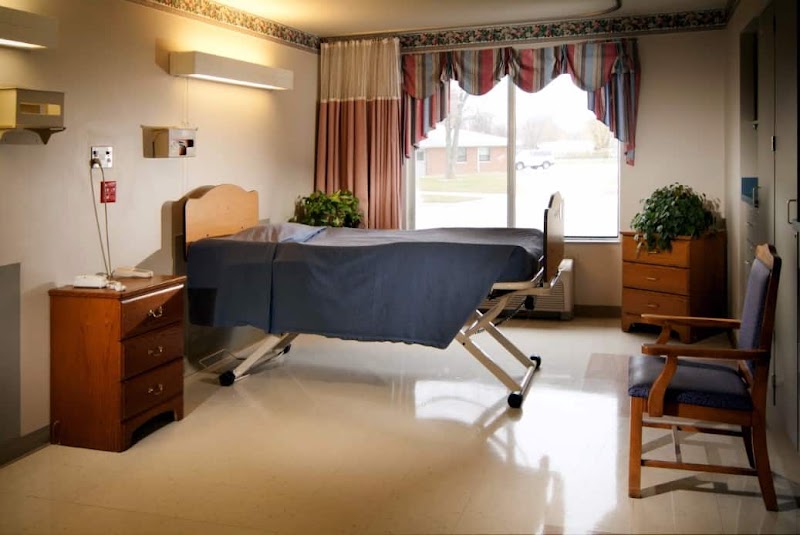
How is Kokomo Healthcare Center Staffed?

CMS rates KOKOMO HEALTHCARE CENTER's staffing level at 1 out of 5 stars, which is much below average compared to other nursing homes. Staff turnover is 49%, compared to the Indiana average of 46%. RN turnover specifically is 78%, which is notably high. RNs provide skilled clinical oversight, so turnover in this role can affect medical care quality.

What Have Inspectors Found at Kokomo Healthcare Center?

State health inspectors documented 25 deficiencies at KOKOMO HEALTHCARE CENTER during 2022 to 2024. These included: 25 with potential for harm.
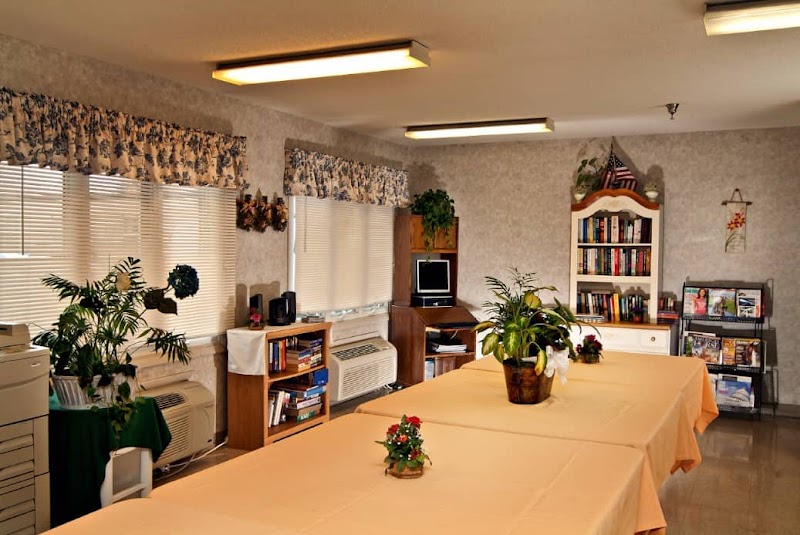
Who Owns and Operates Kokomo Healthcare Center?

KOKOMO HEALTHCARE CENTER is owned by a for-profit company. For-profit facilities operate as businesses with obligations to shareholders or private owners. The facility is operated by COMMUNICARE HEALTH, a chain that manages multiple nursing homes. With 80 certified beds and approximately 63 residents (about 79% occupancy), it is a smaller facility located in KOKOMO, Indiana.
How Does Kokomo Healthcare Center Compare to Other Indiana Nursing Homes?

Compared to the 100 nursing homes in Indiana, KOKOMO HEALTHCARE CENTER's overall rating (4 stars) is above the state average of 3.1, staff turnover (49%) is near the state average of 46%, and health inspection rating (4 stars) is above the national benchmark.

What Should Families Ask When Visiting Kokomo Healthcare Center?

Based on this facility's data, families visiting should ask: "Can you walk me through typical staffing levels on day, evening, and night shifts?" "Can I visit during a mealtime to observe dining assistance and food quality?" "How do you handle medical emergencies, and what is your hospital transfer rate?" "Can I speak with family members of current residents about their experience?" These questions are particularly relevant given the below-average staffing rating.

Is Kokomo Healthcare Center Safe?

Based on CMS inspection data, KOKOMO HEALTHCARE CENTER has a clean safety record: no substantiated abuse findings (meaning no confirmed cases of resident harm), no Immediate Jeopardy citations (the most serious violation level indicating risk of serious injury or death), and is not on the Special Focus Facility watch list (a federal program monitoring the lowest-performing 1% of nursing homes). The facility has a 4-star overall rating and ranks #1 of 100 nursing homes in Indiana. While no facility is perfect, families should still ask about staff-to-resident ratios and recent inspection results during their visit.

Do Nurses at Kokomo Healthcare Center Stick Around?

KOKOMO HEALTHCARE CENTER has a staff turnover rate of 49%, which is about average for Indiana nursing homes (state average: 46%). Moderate turnover is common in nursing homes, but families should still ask about staff tenure and how the facility maintains care continuity when employees leave.

Was Kokomo Healthcare Center Ever Fined?

KOKOMO HEALTHCARE CENTER has no federal fines on record. CMS issues fines when nursing homes fail to meet care standards or don't correct problems found during inspections. The absence of fines suggests the facility has either maintained compliance or corrected any issues before penalties were assessed. This is a positive indicator, though families should still review recent inspection reports for the full picture.

Is Kokomo Healthcare Center on Any Federal Watch List?

KOKOMO HEALTHCARE CENTER is not on any federal watch list. The most significant is the Special Focus Facility (SFF) program, which identifies the bottom 1% of nursing homes nationally based on persistent, serious quality problems. Not being on this list means the facility has avoided the pattern of deficiencies that triggers enhanced federal oversight. This is a positive indicator, though families should still review the facility's inspection history directly.