WELLBROOKE OF KOKOMO
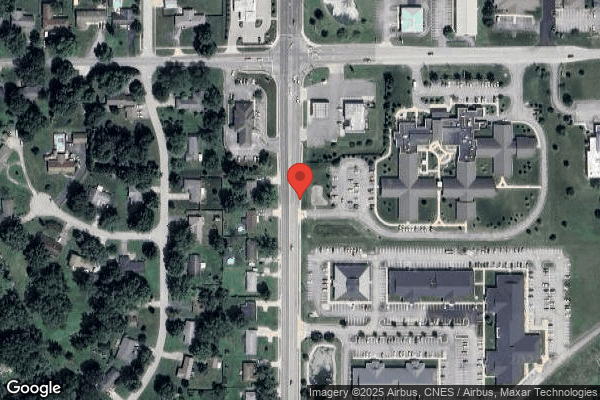

2200 SOUTH DIXON ROAD, KOKOMO, IN 46902 (765) 455-4443
For profit - Limited Liability company 70 Beds TRILOGY HEALTH SERVICES Data: November 2025
Trust Grade
48/100
#311 of 505 in IN
Last Inspection: March 2025

Within standard 12-15 month inspection cycle. Federal law requires annual inspections.

Overview

Wellbrooke of Kokomo has received a Trust Grade of D, indicating below-average performance with some concerning issues. Ranking #311 out of 505 facilities in Indiana places it in the bottom half of nursing homes, and #5 out of 7 in Howard County means there are only two local options that are better. The facility is showing signs of improvement, as the number of issues has decreased from 8 in 2024 to 4 in 2025. Staffing is rated at 2 out of 5, which is below average, with a turnover rate of 49% that is similar to the state average. While the facility has higher RN coverage than 96% of Indiana homes, it has faced serious incidents, including failures to monitor significant weight changes leading to hospitalization and errors in medication administration that resulted in readmission to the hospital. Additionally, fines of $12,074 are concerning, as they are higher than 87% of Indiana facilities, indicating potential compliance problems.

Trust Score
D
48/100
In Indiana
#311/505
Bottom 39%
Safety Record
Moderate
Needs review
Inspections
Getting Better
8 → 4 violations
Staff Stability
⚠ Watch
49% turnover. Above average. Higher turnover means staff may not know residents' routines.
Penalties
⚠ Watch
$12,074 in fines. Higher than 92% of Indiana facilities. Major compliance failures.
Skilled Nurses
✓ Good
Each resident gets 69 minutes of Registered Nurse (RN) attention daily — more than 97% of Indiana nursing homes. RNs are the most trained staff who catch health problems before they become serious.
Violations
⚠ Watch
36 deficiencies on record. Higher than average. Multiple issues found across inspections.
★★★☆☆
3.0
Overall Rating
★★☆☆☆
2.0
Staff Levels
★★★★★
5.0
Care Quality
★★☆☆☆
2.0
Inspection Score
Stable
2024: 8 issues
2025: 4 issues

The Good

  • 5-Star Quality Measures · Strong clinical quality outcomes
  • Full Sprinkler Coverage · Fire safety systems throughout facility
  • No fines on record

Facility shows strength in quality measures, fire safety.

The Bad

3-Star Overall Rating

Near Indiana average (3.1)

Meets federal standards, typical of most facilities

Staff Turnover: 49%

Near Indiana avg (46%)

Higher turnover may affect care consistency

Federal Fines: $12,074

Below median ($33,413)

Minor penalties assessed

Chain: TRILOGY HEALTH SERVICES

Part of a multi-facility chain

Ask about local staffing decisions and management

The Ugly 36 deficiencies on record

2 actual harm
Aug 2025 1 deficiency
CONCERN (D) 📢 Someone Reported This

A family member, employee, or ombudsman was alarmed enough to file a formal complaint

Potential for Harm - no one hurt, but risky conditions existed

Quality of Care (Tag F0684)

Could have caused harm · This affected 1 resident

**NOTE- TERMS IN BRACKETS HAVE BEEN EDITED TO PROTECT CONFIDENTIALITY** Based on interview and record review, the facility failed to ensure a resident was assessed timely after an unwitnessed fall and...

Read full inspector narrative →
**NOTE- TERMS IN BRACKETS HAVE BEEN EDITED TO PROTECT CONFIDENTIALITY** Based on interview and record review, the facility failed to ensure a resident was assessed timely after an unwitnessed fall and to ensure monitoring and measurements of a bruise which resulted from the fall was completed for 1 of 3 residents reviewed for quality of care. (Resident C)Findings include:The clinical record for Resident C was reviewed on 8/27/25 at 10:43 a.m. The diagnoses included, but were not limited to, Parkinson's disease with dyskinesia, squamous cell carcinoma of the skin, cerebral ischemia, difficulty in walking, mental disorder, lack of coordination, and repeated falls.A nursing progress note, dated 6/22/25 at 9:13 a.m., indicated Resident C was moved from room [ROOM NUMBER] to 229 due to his toilet being broken. A nursing progress note, dated 6/22/25 at 10:18 a.m., indicated Resident C was on a fall follow-up. He had a bruise observed to his lower back and right lateral side of his chest. He took an as needed Percocet for pain this morning.A nursing progress note, dated 6/22/25 at 1:41 p.m., indicated the occurrence date and time of the fall was on 6/21/25 at 10:30 p.m. Resident C had self-reported a fall in his bathroom. There were no complaints of pain and no limitations with range of motion when he was assessed the next morning. The new intervention was to remind the resident to keep his nonskid footwear on while transferring. The resident's representative was notified of the fall.A nursing progress note, dated 6/22/25 at 5:21p.m., indicated the resident remained on a fall follow-up. He took Tylenol for complaints of lower back pain, where the bruise was located, from the fall he had on 6/21/25.An Intradisciplinary (IDT) note, dated 6/23/25 at 4:43 p.m., indicated Resident C had an unwitnessed self-reported fall in his bathroom on 6/21/25 at 10:30 p.m. He was cognitively intact and reported he transferred himself into his wheelchair, propelled himself into the bathroom, toileted himself, then lost his balance and fell when attempting to transfer himself onto the toilet from his wheelchair. He had a 22-inch wheelchair, which could be difficult for him to maneuver independently in small spaces. He had bare feet at the time of the fall. Resident C reported he got himself up off the floor into his wheelchair, then propelled himself back to his room and turned on his call light to notify staff water was leaking from his toilet. When the nurse assessed the resident, he had bruising to his lower back. He was educated to call for assistance using his call light and was provided with additional nonslip socks. He was offered the chance to move to a different room closer to the nurse's station or with a different bathroom set up, but he declined both offers. The root cause of the fall was the resident lost his balance when he was transferring from the toilet to his wheelchair. The new intervention initiated was a sign was placed in the bathroom and the resident was educated to ask for assistance and wear nonslip footwear when transferring.The resident's record lacked documentation of a post fall assessment the evening the resident fell. The record also lacked an assessment of the bruise to Resident C's back area including a description of the bruise and measurements.During a phone interview, on 8/27/25 at 3:25 p.m., CNA 2 indicated Resident C had his call light on and was sitting in his wheelchair in the doorway to his room. Resident C told her he fallen in the bathroom and broke his toilet, then got himself back up into his wheelchair. He told her he had gotten his own towels out of the linen closet and put them on the bathroom floor. She immediately went to LPN 1 and informed her Resident C fell. She had made it clear which resident had fallen.During a phone interview, on 8/27/25 at 4:22 p.m., QMA 6 indicated, on 6/21/25 at 10:30 p.m., CNA 2 told her a resident fell. The resident she was told had fallen had the same first name as Resident C. QMA 6 indicated she went to the other resident's room (not Resident C) to check on him and he indicated he did not fall. QMA 6 then informed LPN 1 she a resident fell, she checked on him, and he indicated he did not fall. When QMA 6 went into Resident C's room the next morning (on 6/22/25 at approximately 4:00 a.m.) to administer his medications, he indicated his bathroom had been flooded with water from his toilet. QMA 6 then realized Resident C was the resident who had fallen the night before. QMA 6 then went to LPN 5 and reported Resident C had fallen last night.During a phone interview, on 8/27/25 at 12:05 p.m., LPN 1 indicated she was working Resident C's unit, on 6/21/25 from 10 a.m. to 10 p.m., but she was not taking care of Resident C during the shift.During a phone interview, on 8/27/25 at 3:52 p.m., LPN 5 indicated he was notified by QMA 6, on 6/22/25 at approximately 5:00 a.m., Resident C had fallen on 6/21/25 at 10:30 p.m. LPN 5 went to Resident C's room and seen his toilet was broken. He completed a fall assessment with neurological checks at that time.During an interview, on 8/27/25 at 3:30 p.m., Clinical Support 8 indicated Resident C's bruise to his back which was noticed after his fall was not measured and followed according to the facility policy and procedure.A current facility policy, titled Bruise, Rash, Lesion, Skin Tear, Laceration Assessment Guidelines, dated 5/10/16 and provided by Clinical Support 8 on 8/27/25 at 1:09 p.m., indicated .utilized to describe and monitor bruises, rashes, lesions, skin tears and lacerations.If skin alteration occurs post admission, follow the below steps: a. Complete Bruise incident in EHR (electronic health record) by an RN/LPN along with the template/assessment progress note. IDT should review this timely and wound nurse or designee complete an assessment in wound management or Wound Zoom. This may not include hemosiderin staining, petechiae, and senile purpura. B. Continue to monitor weekly in wound management or Wound Zoom. C. Must review for at least 1 week in wound management or Wound Zoom. Once wound nurse/designee determines that the wound is healing as expected, resolved or becomes a chronic skin condition this wound nurse/designee may heal the wound in wound management or Wound Zoom.This citation related to Intakes 1376644, 1376646 and 13766473.1-37(a)
Mar 2025 3 deficiencies
CONCERN (D)

Potential for Harm - no one hurt, but risky conditions existed

Respiratory Care (Tag F0695)

Could have caused harm · This affected 1 resident

Based on observation, interview and record review, the facility failed to ensure oxygen was administered at the correct physician ordered flow rate for 2 of 4 residents reviewed for respiratory care. ...

Read full inspector narrative →
Based on observation, interview and record review, the facility failed to ensure oxygen was administered at the correct physician ordered flow rate for 2 of 4 residents reviewed for respiratory care. (Resident 34 and 37) Findings include: 1. During an observation, on 3/11/25 at 3:49 p.m., the resident was sitting in his room with oxygen administered at 3 liters per minute (L) via nasal cannula. During an observation, on 3/12/25 at 3:22 p.m., the resident was resting in his bed with oxygen administered at 3 L via nasal cannula. The clinical record for Resident 34 was reviewed on 3/13/25 at 9:17 a.m. The diagnoses included, but were not limited to, chronic obstructive pulmonary disease with acute exacerbation, acute respiratory failure with hypoxia, acute respiratory infection, and respiratory syncytial virus. A physician's order, dated 2/1/25, indicated to administer oxygen at 2 L per nasal cannula continuously. During an interview, on 3/13/25 at 8:05 a.m., the Director of Nursing (DON) indicated the staff were supposed to verify how much oxygen the resident was on with the physician's order. 2. During an observation, on 3/11/25 at 12:06 p.m., the resident was lying in bed with 3 L of oxygen administered via nasal cannula. During an observation, on 3/12/25 at 3:33 p.m., the resident was lying in bed with 3 L of oxygen administered via nasal cannula. The clinical record for Resident 37 was reviewed on 3/12/25 at 3:42 p.m. The diagnoses included, but were not limited to, hypertensive heart disease with heart failure, acute on chronic diastolic congestive heart failure, chronic respiratory failure with hypoxia, emphysema, pulmonary fibrosis, and shortness of breath. A physician's order, dated 9/19/24, indicated to administer oxygen at 2 L per nasal cannula continuously. During an interview, on 3/13/25 at 10:28 a.m., LPN 1 indicated oxygen should be administered according to the physician's order. A current facility policy, titled Administration of Oxygen, dated 12/13/24 and received from the Clinical Support Nurse on 3/14/25 at 9:40 a.m., indicated .Verify physician's order .Adjust the oxygen delivery device so that .the proper flow of oxygen is administered 3.1-47(a)(6)
CONCERN (E)

Potential for Harm - no one hurt, but risky conditions existed

Transfer Notice (Tag F0623)

Could have caused harm · This affected multiple residents

4. The clinical record for Resident 18 was reviewed on 3/12/25 at 12:07 a.m. The diagnoses included, but were not limited to, acute respiratory failure, hypertension, congestive heart failure, chronic...

Read full inspector narrative →
4. The clinical record for Resident 18 was reviewed on 3/12/25 at 12:07 a.m. The diagnoses included, but were not limited to, acute respiratory failure, hypertension, congestive heart failure, chronic obstructive pulmonary disease, chronic kidney disease, and diabetes mellitus. A nursing progress note, dated 1/12/25 at 11:49 a.m., indicated the resident was transferred to the hospital for a decline in condition and increased confusion. During the clinical record review, there was no documentation found to indicate the resident and resident's representative were given information in writing regarding the reason for the resident's transfer to the hospital. 5. The clinical record for Resident 74 was reviewed on 3/14/25 at 11:11 a.m. The diagnoses included, but were not limited to, malignant neoplasm of cecum, chronic obstructive pulmonary disease, diabetes mellitus, anxiety disorder, acute pulmonary edema, and depression. A nursing progress note, dated 1/12/25 at 11:49 a.m., indicated the resident was transferred to the hospital. The Nurse Practitioner was notified and gave a verbal order to send Resident 74 to the emergency room for evaluation and treatment. During the clinical record review, there was no documentation found to indicate the resident and resident's representative were given information in writing regarding the reason for the resident's transfer to the hospital. During an interview, on 3/14/25 at 9:38 a.m., the Clinical Support Nurse indicated they did not find documentation to indicate the residents or resident's representatives were given information in writing regarding the reason for the resident's hospitalization. During an interview, on 3/14/25 at 11:22 a.m., the Executive Director (ED) indicated she did not have any documentation to indicate the residents or resident's representatives were given information in writing regarding the reason for the resident's hospitalization. A current facility policy, titled Guidelines for Transfer and Discharge (including AMA), dated as reviewed on 11/18/16 and received from the ED on 3/19/25 at 1:39 p.m., indicated .Notify the resident in writing, and if known, a family member or legal representative, 30 days in advance, of the transfer or discharge, the effective date of transfer or discharge, the location to which the resident is transferred or discharged , and the reasons for the transfer of discharge, according to the criteria for transfer or discharge .Record the reasons for, the effective date of transfer or discharge, and the location to which the resident is being transferred or discharged in the medical record and on a discharge form or a letter. Give a copy of the discharge notice to the resident and his/her family legal representative .The physician should document medical reasons for transfer or discharge in the medical record when the reason for transfer and discharge is for any reason other than nonpayment of the stay or the facility ceasing to operate 3.1-12(a)(6)(A)(i) 3.1-12(a)(6)(A)(ii) 3.1-12(a)(6)(A)(iii) Based on interview and record review, the facility failed to ensure residents and resident's representatives were given notification in writing of the reason for the resident's transfer and discharge to the hospital for 5 of 5 residents reviewed for hospitalization or discharge. (Resident 36, 28, 30, 18 and 74) Findings include: 1. The clinical record for Resident 36 was reviewed on 3/12/25 at 2:49 p.m. The diagnoses included, but were not limited to, hypertensive chronic kidney disease, chronic obstructive pulmonary disease, acute respiratory failure with hypoxia, acute respiratory failure with hypercapnia, influenza with other respiratory manifestations, pneumonia, and sepsis. A nursing progress note, dated 10/30/24 at 7:23 p.m., indicated the resident was sent to the emergency room for evaluation following a fall. A nursing progress note, dated 10/31/24 at 3:01 p.m., indicated the resident had been admitted to the hospital for a hip fracture. During the clinical record review, there was no documentation found to indicate the resident and resident's representative were given information in writing regarding the reason for the resident's transfer to the hospital. 2. The clinical record for Resident 28 was reviewed on 3/12/25 at 2:55 p.m. The diagnoses included, but were not limited to, hypertensive heart disease, acute on chronic diastolic (congestive) heart failure, left bundle branch block, arteriosclerotic heart disease without angina pectoris, severe protein calorie malnutrition, polyneuropathy, gout, pleural effusion, edema, and osteoarthritis. A nursing progress note, dated 1/23/25 at 4:30 p.m., indicated the resident was transferred to the hospital for evaluation following a fall. A nursing progress note, dated 1/23/25 at 5:11 a.m., indicated the resident had been admitted to the hospital for a right hip fracture. During the clinical record review, there was no documentation found to indicate the resident and resident's representative were given information in writing regarding the reason for the resident's transfer to the hospital.3. The clinical record for Resident 30 was reviewed on 3/17/25 at 10:02 a.m. The diagnoses included, but were not limited to, chronic obstructive pulmonary disease, pulmonary embolism, hypertension, congestive heart failure, obesity, cerebrovascular accident, hemiplegia, hemiparesis, transient ischemic attack, and muscle weakness. A nursing progress note, dated 1/18/25 at 12:25 p.m., indicated the resident was sent to the emergency room for evaluation. A nursing progress note, dated 1/19/25 at 4:08 a.m., indicated the resident had been admitted to the hospital for pulmonary embolism and right heart strain. During the clinical record review, there was no documentation found to indicate the resident and resident's representative were given information in writing regarding the reason for the resident's transfer to the hospital.
CONCERN (E)

Potential for Harm - no one hurt, but risky conditions existed

Deficiency F0625 (Tag F0625)

Could have caused harm · This affected multiple residents

3. The clinical record for Resident 30 was reviewed on 3/17/25 at 10:02 a.m. The diagnoses included, but were not limited to, chronic obstructive pulmonary disease, pulmonary embolism, hypertension, c...

Read full inspector narrative →
3. The clinical record for Resident 30 was reviewed on 3/17/25 at 10:02 a.m. The diagnoses included, but were not limited to, chronic obstructive pulmonary disease, pulmonary embolism, hypertension, congestive heart failure, obesity, cerebrovascular accident, hemiplegia, hemiparesis, transient ischemic attack, and muscle weakness. A nursing progress note, dated 1/18/25 at 12:25 p.m., indicated the resident was sent to the emergency room for evaluation. A nursing progress note, dated 1/19/25 at 4:08 a.m., indicated the resident had been admitted to the hospital for pulmonary embolism and right heart strain. During the clinical record review, there was no documentation found to indicate the resident and resident's representative were given information in writing regarding the facility's bed hold policy, including the facility's charge to hold a bed. Based on interview and record review, the facility failed to ensure residents and resident representatives were given notification in writing of the facility's policy for bed hold and cost at the time of transfer to the hospital for 5 of 5 residents reviewed for hospitalization or discharge. (Resident 36, 28, 30, 18 and 74) Findings include: 1. The clinical record for Resident 36 was reviewed on 3/12/25 at 2:49 p.m. The diagnoses included, but were not limited to, hypertensive chronic kidney disease, chronic obstructive pulmonary disease, acute respiratory failure with hypoxia, acute respiratory failure with hypercapnia, influenza with other respiratory manifestations, pneumonia, and sepsis. A nursing progress note, dated 10/30/24 at 7:23 p.m., indicated the resident was sent to the emergency room for evaluation following a fall. A nursing progress note, dated 10/31/24 at 3:01 p.m., indicated the resident had been admitted to the hospital for a hip fracture. During the clinical record review, there was no documentation found to indicate the resident and resident's representative were given information in writing regarding the facility's bed hold policy, including the facility's charge to hold a bed. 2. The clinical record for Resident 28 was reviewed on 3/12/25 at 2:55 p.m. The diagnoses included, but were not limited to, hypertensive heart disease, acute chronic diastolic (congestive) heart failure, left bundle branch block, arteriosclerotic heart disease without angina pectoris, severe protein calorie malnutrition, polyneuropathy, gout, pleural effusion, edema, and osteoarthritis. A nursing progress note, dated 1/23/25 at 4:30 p.m., indicated the resident was transferred to the hospital for evaluation following a fall. A nursing progress note, dated 1/23/25 at 5:11 a.m., indicated the resident had been admitted to the hospital for a right hip fracture. During the clinical record review, there was no documentation found to indicate the resident and resident's representative were given information in writing regarding the facility's bed hold policy, including the facility's charge to hold a bed.4. The clinical record for Resident 18 was reviewed on 3/12/25 at 12:07 a.m. The diagnoses included, but were not limited to, acute respiratory failure, hypertension, congestive heart failure, chronic obstructive pulmonary disease, chronic kidney disease, and diabetes mellitus. A nursing progress note, dated 1/12/25 at 11:49 a.m., indicated the resident was transferred to the hospital for a decline in condition and increased confusion. During the clinical record review, there was no documentation found to indicate the resident and resident's representative were given information in writing regarding the facility's bed hold policy, including the facility's charge to hold a bed. 5. The clinical record for Resident 74 was reviewed on 3/14/25 at 11:11 a.m. The diagnoses included, but were not limited to, malignant neoplasm of cecum, chronic obstructive pulmonary disease, diabetes mellitus, anxiety disorder, acute pulmonary edema, and depression. A nursing progress note, dated 1/12/25 at 11:49 a.m., indicated the resident was transferred to the hospital. The Nurse Practitioner was notified and gave a verbal order to send Resident 74 to the emergency room for evaluation and treatment. During the clinical record review, there was no documentation found to indicate the resident and resident's representative were given information in writing regarding the facility's bed hold policy, including the facility's charge to hold a bed. During an interview, on 3/14/25 at 9:38 a.m., the Clinical Support Nurse indicated they did not find documentation to indicate the resident or resident representatives were given information in writing regarding the facility's bed hold policy at the time of the resident's hospitalization. During an interview, on 3/14/25 at 11:22 a.m., the Executive Director (ED) indicated she did not have any documentation to indicate the resident or resident representatives were given information in writing regarding the facility's bed hold policy at the time of the resident's hospitalization. A current facility policy, titled Bed Hold Policy, dated as revised on 11/18/16 and received from the ED on 3/17/25 at 2:15 p.m., indicated .The campus will properly inform residents in advance of their option to make bed-hold payments as well as the amount of the facility's charge to hold a bed. For this optional payment, the campus must make clear that the resident/responsible party must affirmatively elect to make them prior to being billed .If the resident leaves the campus for hospitalization, therapeutic leave, or any other reason (other than the resident's death) .The campus will continue to hold the resident's bed until notified by resident of the responsible party/agent that the bed is no longer desired .It is the policy of the Company that every campus will properly inform residents in advance of their option to make a bed-hold and the amount of the facility charge A current facility policy, titled Guidelines for Transfer and Discharge (including AMA), dated as reviewed on 11/18/16 and received from the ED on 3/19/25 at 1:39 p.m., indicated .Notice of Bed-Hold Policy and readmission .Before the facility transfers a resident to a hospital or allows a resident to go on therapeutic leave, Nursing staff or other designated staff member should provide written information to the resident and a family member of legal representative of the bed-hold and admission policies 3.1-12(a)(25)(A) 3.1-12(a)(25)(B)
Feb 2024 8 deficiencies 1 Harm
SERIOUS (G)

Actual Harm - a resident was hurt due to facility failures

Quality of Care (Tag F0684)

A resident was harmed · This affected 1 resident

**NOTE- TERMS IN BRACKETS HAVE BEEN EDITED TO PROTECT CONFIDENTIALITY** Based on record review and interview, the facility failed to ensure significant weight changes were identified and timely interv...

Read full inspector narrative →
**NOTE- TERMS IN BRACKETS HAVE BEEN EDITED TO PROTECT CONFIDENTIALITY** Based on record review and interview, the facility failed to ensure significant weight changes were identified and timely interventions were implemented for 2 of 5 residents reviewed for changes in weight (Resident 109 and 19). This deficient practice resulted in Resident 109 experiencing two events of significant weight gain which required hospitalization for fluid overload and Resident 19 experiencing significant weight loss which required hospitalization for altered mental status and dehydration. Finding includes: 1. The clinical record for Resident 109 was reviewed on 2/12/24 at 4:19 p.m. The diagnoses included, but were not limited to, sepsis, acute and chronic respiratory failure, acute on chronic congestive heart failure, acute kidney failure, type 2 diabetes mellitus, and unspecified dementia. A care plan, dated 12/28/23, indicated the resident had a potential for cardiovascular distress related to a diagnosis of hypertension, congestive heart failure, anemia and coronary artery disease. The goal indicated the resident would be free from signs and symptoms of cardiovascular distress. The approaches included, but were not limited to, observe and report signs and symptoms of cardiovascular distress and to obtain vital signs as needed. A care plan, dated 12/28/23, indicated the resident had chronic kidney disease stage 4. The goal was for the resident not to exhibit signs of fluid volume excess. The approaches included but were not limited to, assess for fluid excess including weight gain, edema, shortness of breath; and to monitor the weight as ordered. A physician order, dated 12/28/23 through 1/5/24, indicated to weigh the resident daily between 6:00 a.m. and 2:00 p.m. A physician order, dated 2/2/24, indicated the diet was a consistent carbohydrate (CCHO), no added salt with regular texture and thin liquids. The resident had the following weights documented in the vitals report: a. On 12/27/23 the weight was 228.2 pounds. b. On 12/30/23 the weight was 240.4 pounds which was a 12.2 pound significant weight gain of 5.35% in 3 days. There was only one weight documented in the EHR for 12/30/23. c. On 12/31/23 the weight was 241.8 pounds which was an additional weight gain of 1.4 pounds. This was a significant weight gain of 5.96% in 4 days. d. On 1/1/24 the weight was 242. 8 pounds which was an additional weight gain. This was a significant weight gain of 6.4% in 5 days. e. On 1/2/24 the weight was 244.4 pounds which was a total weight gain of 16.2 pounds in 6 days. This was a significant weight gain of 7.10% in 6 days. f. On 1/4/24 the weight was 245.2 pounds which was a total weight gain of 17 pounds in 7 days. This was a significant weight gain of 7.71% in 8 days. A Registered Dietitian (RD) progress note, dated 12/30/23, indicated the resident had a questionable weight gain since admission. The resident had documented excellent meal and snack intake. Daily weights were ordered. The current regimen would be continued. A progress note, dated 1/4/24 at 3:03 p.m., indicated the resident had an 18 pound weight gain since admission on [DATE]. The weight upon admission was 228.2 pounds. The physician wrote an order on 1/3/24 to add Lasix (diuretic medication) 20 milligrams (mg) daily. The order indicated the staff should continue to monitor the resident and obtain daily weights. A progress note, dated 1/5/24 at 12:56 p.m., indicated the resident's weight was 255 pounds. The resident's weight yesterday was 245 pounds. The resident complained of slight shortness of breath and edema was noted throughout the body. The Emergency Medical Services (EMS) was called. From the documented weights from 1/4/24 and 1/5/24, the resident had gained an additional 10.4 pounds in one day. From 12/27/23 until 1/5/24, the resident had a significant weight gain of 11.7%. A progress note, dated 1/5/24 at 6:22 p.m., indicated the resident was admitted to a local hospital for a diagnosis of fluid overload. A progress note, dated 1/17/24 at 1:13 p.m., indicated the resident was re-admitted to the facility from the hospital. The local hospital discharge report, printed 1/17/24, indicated the resident had a diagnosis of heart failure. The discharge instructions indicated to notify the physician for a weight gain of 3 pounds overnight or 5 pounds in one week. Rapid weight gain was probably a sign of fluid retention and a sign of worsening heart failure. If the resident has swelling in the legs, feet or abdomen the medical doctor should be called. A physician's order, dated 1/18/24 through 1/26/24, indicated staff should weigh Resident 109 daily to monitor signs and symptoms of congestive heart failure. The resident had the following weights on the vitals report: a. On 1/17/24 at 1:33 p.m., the re-admission weight was 217.8 pounds. b. On 1/17/24 at 8:56 p.m., the weight was 219.4 pounds. c. On 1/22/24 the weight was 231.8 pounds which was a 12.4 pound significant weight gain of 5.65% in 5 days. There were no daily weights documented in the Electronic Health Record (EHR) between 1/18/24 and 1/21/23 and no weights documented between 1/23/24 and 1/26/24. There were no interventions for the 12.4 pounds significant weight gain on 1/22/24 until 1/26/24. A late entry NP note dated 1/22/24 and entered into the EHR on 1/25/24 at 1:02 p.m indicated the resident was admitted to the facility on [DATE] following hospitalization for sepsis. She returned to the hospital on 1/5/24 for fluid overload. The resident's weight on 1/22/24, was 231.8 pounds. The assessment and plan included the resident had a history of congestive heart failure a had fluid overload which hospitalization for diuresis. The resident was to continue to have daily weights. The NP late entry note lacked documentation to include the resident's weight of 231.8 was identified as a significant weight gain of 12. 4 pounds in 5 days of 5.65%. A progress note, dated 1/26/24 at 12:39 p.m., indicated the resident had a weight gain with edema which was reported to the Nurse Practitioner (NP) and staff were awaiting orders. A progress note, dated 1/26/24 at 1:10 p.m., indicated the resident's oxygen saturations were between 83% and 88%. Oxygen at 2 Liters(L) per minute by nasal cannula was added and the oxygen saturation improved to 95%. The resident had increased edema and weight gain. Lasix (a diuretic) was given intramuscularly (IM) earlier. The NP was aware. A progress note, dated 1/26/24 at 7:52 p.m., indicated the resident reported chest pain. The oxygen saturations were 86-88% on 3L of oxygen per nasal cannula. The resident had gained 12 pounds in 5 days according to recent weights. EMS was called for transport to the emergency room for evaluation and treatment. A hospital ER exam and disposition note, dated 1/26/24, indicated the resident had a history of congestive heart failure, chronic kidney disease stage 4 and Alzheimer's. The resident was from a nursing care facility and had gained several pounds of weight with leg swelling over the last several days. The resident had been complaining of a cough and feeling more short of breath. When EMS arrived at the facility the resident's oxygen saturation was 89% on room air. The diagnoses included hypoxic respiratory failure and acute on chronic congestive heart failure. The resident would be admitted to the hospital. A progress note, dated 1/27/24 at 2:55 a.m., indicated the resident was admitted to the Intensive Care Unit with a diagnosis of congestive heart failure and acute renal failure. During an interview, on 2/14/24 at 12:16 p.m., the Clinical Support Nurse indicated there were no notifications made to the physician, NP or resident representative between 1/22/24 and 1/26/24 for the significant weight gain. There was a physician order for daily weights and no weights were documented in the EHR after 1/22/24 through 1/26/24. The NP saw the resident on 1/22/24 and did not document there was a significant weight gain. During an interview, on 2/14/24 at 2:33 p.m., the Clinical Support Nurse indicated around 1/22/24 there was a lot of staff out with COVID-19 including the Certified Nursing Assistant (CNA) mentor. The CNA mentor would do the daily weights and document them in the EHR. The daily weights were completed on paper although could not be entered into the EHR since they were more than 14 days past the time. The facility only had 14 days to complete a late entry. The facility did not have a policy or protocol for CHF. It was up to the physician to decide on the orders. During an interview, on 2/15/24 at 1:40 p.m., the NP 9 indicated she was not concerned about the resident's weight since the weight prior to the first hospitalization was 255.6 pounds. She did not document the previous weight on 2/17/24 in her progress notes and should have documented it. The resident was a chronic snacker and it was not always healthy snacks. The resident gained fluid quickly. The weights reviewed were in the EHR and not documented on paper. She did not look at the weights charted on paper. She was not aware the daily weights between 1/23/24 and 1/26/24 were not documented in the EHR. She would not have changed the treatment even though the resident had been in the hospital for fluid overload. If she was quick to treat the resident, it could put the resident in worsening renal failure. 2. The clinical record for Resident 19 was reviewed on 2/13/24 at 4:04 p.m. The diagnoses included, but were not limited to, Alzheimer's disease, type 2 diabetes mellitus, major depressive disorder and anxiety disorder. A physician's order, dated 5/123 through 1/17/24, indicated to weigh the resident monthly on the first Wednesday of the month. A physician's order, dated 1/25/24, indicated the resident was to receive a consistent carbohydrate diet (CCHO) with regular texture and thin liquids. A care plan, dated 10/1/22 and last reviewed on 1/29/24, indicated the resident had a potential for an alteration in nutritional status related to her diagnoses, medications, fluid balance, intake, physical activity and metabolic demands. The goal indicated the resident would maintain her weight at a healthy range without any unwarranted significant weight changes. The approaches included, but were not limited to, assist with meals as needed, obtain weight as ordered or needed, provide the diet, supplements, medications and adaptive equipment as ordered. A care plan, dated 9/28/22 and last updated on 1/29/24, indicated the resident received diuretic medication related to hypertension. The goal was that the resident would not exhibit signs/symptoms of low potassium or dehydration. The approaches included, but were not limited to, encourage fluids throughout the day if not contraindicated, observe for dehydration including dizziness on sitting/standing, change in mental status, decreased urine output, concentrated urine, dry lips, dry mucous membranes and report symptoms of low potassium including confusion, irritability, low heart rate and anorexia. The resident had the following weights: a. On 11/15/23 the weight was 153 pounds. b. On 12/6/23 the weight was 158.3 pounds. c. On 1/3/24 the weight was not taken. d. On 1/17/24 at 8:26 p.m. the weight was 140.2 pounds. This was a loss of 18.1 pounds in 28 days which was a 11.43% significant weight loss. e. On 1/17/24 at 8:37 p.m. the weight was 140.2 pounds. A late entry progress note, dated 1/17/24 at 2:06 p.m. and entered on 1/21/24 at 10:08 a.m., indicated there was a noted rash to the right side of the resident's forehead. The medical doctor (MD) gave an order for acyclovir (an antiviral) 800 milligram (mg) 5 times a day for 7 days with a diagnosis of shingles. The resident was placed in contact isolation. A Registered Dietitian progress note, dated 1/18/24, indicated a re-weight was requested to validate the significant weight change. There was no re-weight completed between 1/18/24 and 1/23/24. The electronic health record did not include the resident's representative was notified of the significant weight loss. A progress note, dated 1/20/24 at 2:12 p.m., indicated the resident's treatment for shingles continued and the resident remained in isolation. The rash continued to the right side of the forehead and into the eye. Resident 19 had increased weakness and poor appetite. The significant weight loss of 11.43% occurred on 1/17/24 and the acyclovir was prescribed on 1/17/24. A Nurse Practitioner (NP) progress note, dated 1/22/24 at 10:19 a.m., indicated the resident had shingles over the right eye and was being treated with acyclovir. The resident denied any problems although she had significant cognitive impairment. The weight on 1/22/24 was 140.2 pounds. The assessment and plan included to continue the acyclovir until completion. The NP note did not include documentation to show the NP was aware Resident 19 had experienced a significant weight loss of 18.1 pounds which was 11.43% in 28 days. There was no documentation to include interventions to prevent further weight loss were implemented. A progress note, dated 1/23/24 at 9:18 a.m., indicated the resident was not responsive and the EMS was called. A progress note, dated 1/23/24 at 1:47 p.m., indicated the resident was admitted to the hospital with a diagnosis of dehydration and had not been eating the last 2 to 3 days. A hospital history and physical, dated 1/23/24, indicated the resident had a history of dementia. When the resident presented to the emergency room she had a urinary tract infection and acute kidney injury from dehydration and prerenal azotemia (dehydration as result of failure to ingest fluids or fluid loss from diarrhea). The assessment and plan indicated the following: a. metabolic encephalopathy (damage to the brain) and the resident would likely be back to baseline in 1 to 2 days. b. advanced dementia and in hospice condition. c. prerenal azotemia/acute kidney injury with plan to hydrate slowly. d. dehydration/cystitis(inflammation of the bladder usually caused by infection) and treat with Rocephin (an antibiotic). The resident was hospitalized from [DATE] through 1/25/24. During an interview, on 2/14/24 at 4:49 p.m., the Clinical Support Nurse indicated the resident's hospital history and physical indicated the resident had encephalopathy (damage to the brain), dehydration and acute kidney injury (sudden episode of kidney damage common in elderly which could be caused by severe dehydration). The resident had significant weight loss on 1/17/24 and the RD asked for a re-weight. The re-weight was not done since the resident was in isolation for shingles and did not feel well. There were no interventions implemented for the significant weight loss. Drug information from Mayo Clinic was provided by the Clinical Support Nurse on acyclovir which showed it caused dehydration. The resident had been consuming adequate intake. There was no documentation to show the resident's representative had been notified of the significant weight loss. A current policy, titled, Guidelines for Weight Tracking, reviewed on 12/31/23 and received from the Clinical Support Nurse on 2/12/24 at 4:53 p.m., indicated, .To ensure resident weight is monitored for weight gain and/or loss to prevent complications arising from compromised nutrition/hydration .Residents will have their weight taken and recorded upon admission to establish a baseline .The facility dietitian or representative will review the resident's nutritional status, usual body weight and current weight to implement a nutritional program when warranted .The weight should be recorded in the individual resident medical record .Residents who have a weight that seem out of normal range shall be re-weighed to determine the accuracy of the original weight .The physician, resident representative and dietitian shall be notified of a weight variance of 5% in 30 days, 7.5% in 90 days, and 10% in 180 days [unless on a planned weight loss or gain program] .Residents with a significant weight change can be added to Clinically At Risk A current policy, titled, Physician-Provider Notification Guidelines, reviewed on 12/31/23 and received from the Clinical Support Nurse on 2/14/24 at 5:24 p.m., indicated, .To ensure the resident's physician or practitioner [may include NP, PA, or clinical nurse specialist] is aware of all diagnostic testing results or change in condition in a timely manner to evaluate condition for need of provision of appropriate interventions for care .Resident assessments for change in condition, suspected injury, event of unknown origin or ordered lab and/or other diagnostic tests should be completed in a timely manner .Attempts to notify the physician/provider and their response should be documented in the resident electronic health record A current policy, titled, Guidelines for Late Entry and Corrections to Medical Record, reviewed on 12/31/23 and received from the Clinical Support Nurse on 2/14/24 at 5:24 p.m., indicated, .To provide guidelines for entering pertinent information to the medical record out of sequence .Each entry to the medical record shall include the date, time and signature of the staff member recording the data .Late entries should be an exception and not the rule .Late entries to the medical record should be completed within 14 days 3.1-37(a)
CONCERN (D)

Potential for Harm - no one hurt, but risky conditions existed

Deficiency F0554 (Tag F0554)

Could have caused harm · This affected 1 resident

Based on observation, interview and record review, the facility failed to ensure a resident had a self medication administration assessment and an order for the resident to keep the medication at the ...

Read full inspector narrative →
Based on observation, interview and record review, the facility failed to ensure a resident had a self medication administration assessment and an order for the resident to keep the medication at the bedside prior to leaving eye drops in the room for the resident to self administer for 1 of 1 residents observed for medication administration. (Resident 159) Findings include: During an observation, on 2/8/24 3:35 p.m., Resident 159 had four bottles of eye drops without pharmacy labels on the resident's over bed table. The clinical record for Resident 159 reviewed on 2/12/24 at 3:35 p.m. The diagnoses included, but were not limited to, diabetes mellitus, depression, anxiety disorder and urinary retention. During an interview, on 2/8/24 at 3:35 p.m., Resident 159 indicated the eye drops on the table belonged to him. The resident gave his own eye drops. A physician's order, dated 1/17/24, indicated brimonidine(for glaucoma) drops 0.2 % to give 1 drop in both eyes twice a day. A physician's order, dated 1/17/24, indicated lananoprost 0.005% (for glaucoma) to give 1 drop in the left eye at bedtime. There were no physician orders for the dorozamide hcl 2% (for glaucoma) ophthalmic solution and the systane complete PF propylene glycol (to relieve dry, irritated eyes). During an interview, on 2/08/24 at 3:35 p.m., the Qualified Medical Assistant(QMA) 6 indicated residents need an order to give their own medication. Resident 159's bottles of eye drops should not be left in his room on the table. During an interview, on 2/08/24 at 3:45 p.m., the Director of Health Services (DHS) indicated residents need a physician's order to give their on medication. The bottles of eye drop should not be left in the room. The resident does not have an order to keep the medication at the bedside or a self medication administration assessment completed. A current policy, titled, Guidelines for Self-Administration of Medications, dated 12/31/23, received from clinical support, on 2/12/24 at 4:06 p.m., indicated .residents requesting self-medicate or has self-medication as a part of their plan of care shall be assessed using the observation -Self Administration of Medication within the electronic health record. Results of the assessment will be presented to the physician for evaluation and an order for self-medication .The order should include the type of medication(s) the resident is able to self-medicate .all medications including injection, oral, inhalers, drops .The medication will be kept in a locked drawer in the residents' room. The resident will maintain the key, as well as, a key will be maintained by the licensed nurse and or QMA .A Self-Medication plan of care will be initiated and updated as indicated .The assessment will be documented in the EHR 3.1-11(a)
CONCERN (D)

Potential for Harm - no one hurt, but risky conditions existed

Comprehensive Assessments (Tag F0636)

Could have caused harm · This affected 1 resident

**NOTE- TERMS IN BRACKETS HAVE BEEN EDITED TO PROTECT CONFIDENTIALITY** Based on observation, interview, and record review, the facility failed to observe and evaluate for appropriate and safe use of ...

Read full inspector narrative →
**NOTE- TERMS IN BRACKETS HAVE BEEN EDITED TO PROTECT CONFIDENTIALITY** Based on observation, interview, and record review, the facility failed to observe and evaluate for appropriate and safe use of fall prevention interventions for 1 of 4 residents reviewed for accidents (Resident 48). Finding includes: During an observation, on 2/8/24 at 2:50 p.m., the resident's bed was in the lowest position with mats on both sides of the bed. The resident was noted to walk from the bed to the chair independently. The clinical record for Resident 48 was reviewed on 02/09/24 03:59 p.m. The diagnoses included, but were not limited to, dementia, sequelae of cerebral infarction, depression, and anxiety. A physician's order, dated 1/5/24, indicated the bed was to be in the lowest position. A physician's order, dated 1/5/24, indicated to place a mat at bedside. A care plan, dated 1/8/24, indicated resident wandered without purpose. A care plan, dated 1/8/24, indicated there was a profile care guide to communicate resident care needs. The interventions included, but were not limited to, bed in low position with mat when occupied, wander guard to right ankle, and dycem (a non-slip material) to the wheelchair. A care plan, dated 1/8/24, indicated the resident was a risk for falls related to decreased mobility, dementia with behavioral disturbances, auditory and visual hallucinations, coronary artery disease, cerebral vascular accident, anemia, hypertension, delirium, psychosis, anxiety, depression, seizures, and convulsion. The interventions included, but were not limited to, bed in low position with mat when occupied, and ensure the floor was free of liquids and foreign objects. An alarm and restrictive device evaluation, dated 2/8/24 at 6:10 p.m., indicated the type of alarm or restrictive device evaluation was for a bed in low position. The resident needed an alarm or restrictive device to identify patterns or routines. An alarm or device informed consent, dated 2/8/24 at 6:12 p.m., indicated the consent was for a bed in low position with a mat at bedside. The benefits for implementing alarm and or device was functional ability, including strength and balance. The risks for implementing the device were accidental hazards, barrier to residents from safety getting out of bed and/or chair, physical restraint, other potential physical outcomes, and other potential negative psychosocial outcomes. The alarm and/or device was being used as an enabler. Verbal consent was obtained from the daughter. During an interview, dated 02/12/24 4:34 p.m., clinical support indicated the family had requested the bed with low mat at admission on [DATE]. The staff performed a device sweep on 2/8/24 and had completed consents and assessments not done prior to the 2/8/24. A current policy titled, Guidelines for Restraint/Enabler Use, received from clinical support, on 2/13/23 at 2:30 p.m., indicated .the purpose of the policy is to ensure completion of observation and evaluation for appropriate and safe use of restraints/enablers for each resident .each resident shall have an individualized nursing observation upon admission, quarterly and prn (as needed) that shall address the need for a safety device, medical symptom for use of the device and identification of whether the device restricts movement or limits the resident from doing something they could previously do .the interdisciplinary team shall evaluate all factors leading to consideration of a device, determine that resident needs are being met and the need to restrain is not the result of an unmet need, investigate alternatives to restraints and determine that all alternative measures have been exhausted and found to be unsuccessful, weigh the risk and benefits of restraint/enabler use, develop measures to minimize the risks and resident decline, make decisions that the device is the most appropriate for the situation .assess the resident to determine functional status .consideration should be taken to determine what the level of function is 3.1-31(a) 3.1-31(d)
CONCERN (D)

Potential for Harm - no one hurt, but risky conditions existed

ADL Care (Tag F0677)

Could have caused harm · This affected 1 resident

Based on observation, interview, and record review the facility failed to ensure a resident's facial hair was shaved for 1 of 2 residents reviewed for activities of daily living (Resident 11) and fail...

Read full inspector narrative →
Based on observation, interview, and record review the facility failed to ensure a resident's facial hair was shaved for 1 of 2 residents reviewed for activities of daily living (Resident 11) and failed to provide denture care for 1 of 2 residents reviewed for activities of daily living (Resident 108). Findings include: 1. During an observation on 2/9/24 at 11:11 a.m., Resident 11 was sitting in her chair in her room. She had facial hair, approximately 1/2 inch long, on her chin. The clinical record for Resident 11 was reviewed on 02/12/24 at 09:45 a.m. The diagnoses included, but were not limited to, hypertensive congestive heart failure, supraventricular tachycardia (rapid heart rate), paroxysmal a fib (irregular heartbeat), pulmonary fibrosis, spondylolistheses cervical region (displacement of vertebra), disc degeneration lumbar, delirium due to known physiological condition, repeated falls, and chronic pain syndrome. A Minimum Data Set (MDS) assessment, dated 12/22/23, indicated the resident required partial and/or moderate assistance with upper body performance. A care plan, dated 12/21/23, indicated the resident had a potential for decline in functional status related to decrease mobility, weakness, and falls. The goal was to be free of complications of functional decline. The interventions include, but were not limited to, offering facial shaving on shower days, as needed (PRN) or as requested and notify nursing of refusals. A review of shower sheets (forms that indicated what type of shower/bath and skin assessment on scheduled shower days), dated 12/22/23 to 2/13/24, did not include shaving had occurred or refused. There was no documentation by the nurse or certified resident care aide of refusals to be shaved. A care profile located on the electronic health record did not include shaving the resident. There were no progress notes the resident had refused to be shaved. 2. During an observation on 2/8/24 at 2:49 p.m., Resident 108 was leaning back in a recliner in the common area close to the nurse's station, his mouth was wide open, and it appeared he was missing some teeth on the top and the bottom of his mouth. The clinical record for Resident 108 was reviewed on 2/12/24 at 9:30 a.m. The diagnoses included, but were not limited to, multiple fractures of the ribs on the left side, laceration of the spleen, fall, cerebral ischemia, depression, and type 2 diabetes mellitus. A care plan, dated 1/23/24, indicated the resident required staff assistance to complete self-care and mobility tasks completed and safely. The approaches included, but were not limited to, offer facial shaving on shower days and provide nail care on shower days. The care plan did not include any type of mouth care or denture care. A Profile Guide, dated 1/23/24, indicated for the category of glasses, dentures, and hearing aids that the resident had glasses. The Profile Guide did not include the documentation of the resident having upper and lower partial dentures. During an interview and observation, on 2/12/24 at 2:57 p.m., Certified Nursing Assistant (CNA) 8 indicated Resident 108 did not have dentures. If the resident had dentures it would be listed in the care plan. CNA 8 went to the resident's room and observed Resident 108 had a partial denture on the top and the bottom. The resident did not have a denture cup in the room. CNA 8 indicated the resident must not take the partial dentures out of his mouth. During an interview, on 2/12/24 at 3:07 p.m., the Director of Health Services (DHS) indicated the CNAs would ask their nurse or look at the assignment sheet to know if a resident had dentures. The resident's assignment sheet did not include if the resident had dentures. The resident's profile guide also did not include if the resident had dentures. The profile guide should have included the dentures and who would be taking care of the dentures. During an interview, on 2/13/24 at 11:15 a.m., the Clinical Support Nurse indicated the resident's upper and lower partial dentures were not listed on the resident's profile guide. This was where the information should be located so the staff would know if they needed to care for the dentures or if the resident would care for the dentures on their own. A Caregiver New Hire Checklist, dated 3/22/23, and received from the Clinical Support Nurse on 2/13/24 at 3:45 p.m., indicated, The Caregiver New Hire Checklist should be completed within the first .days of employment with the guidance of a Caregiver Preceptor. Upon completion, the CRCA[Certified Resident Care Aide] and DHS [Director of Health Services] will sign acknowledging these items were covered and the CRCA is prepared to serve the residents in the campus .AM CARE .Dentures .Oral care .Facial Hair[male and female] .PM CARE .Dentures .Oral Care 3.1-38(a)(3)(C) 3.1-38(a)(3)(D)
CONCERN (D)

Potential for Harm - no one hurt, but risky conditions existed

Respiratory Care (Tag F0695)

Could have caused harm · This affected 1 resident

Based on interview and record review, the facility failed to ensure there was a physician's order for the use of oxygen and failed to ensure the physician's order was followed for 1 of 1 residents rev...

Read full inspector narrative →
Based on interview and record review, the facility failed to ensure there was a physician's order for the use of oxygen and failed to ensure the physician's order was followed for 1 of 1 residents reviewed for oxygen use (Resident 30). Finding includes: The clinical record for Resident 30 was reviewed on 2/14/24 at 2:00 p.m. The diagnoses included, but were not limited to, congestive heart failure(CHF), chronic kidney disease, and edema. A physician's order, dated, 12/29/23, indicated to give continuous oxygen at 3 liters(L). A Vital Signs Record, dated 12/21/23 through 1/3/24, indicated the following: a. On 12/22/23 at 6:16 p.m., the resident was on 2 liters of oxygen. b. On 12/23/23 at 4:21 p.m., the resident was on 2 liters of oxygen. c. On 12/24/23 at 3:51 a.m., the resident was on 3 liters of oxygen. d. On 12/24/23 at 11:03 a.m., the resident was on 2 liters of oxygen. e. On 12/31/23 at 9:01a.m and 4:39 p.m., the resident was on room air. f. On 1/1/24 at 1:21 a.m., 4:06 p.m., and 4:27 p.m., the resident was on room air. g. On 1/2/24 at 9:08 a.m., the resident was on room air. h. On 1/2/24 at 10:02 a.m., the resident was on 2 liters of oxygen. i. On 1/3/24 at 5:38 a.m., 5:39 p.m., and 8:29 p.m., the resident was on room air. A care plan, dated 12/22/23, indicated the resident had a potential for complications related to CHF. Interventions included, but were not limited to, giving oxygen per the physician orders. A care plan, dated 12/22/23, indicated the resident had a potential for shortness of breath while lying down. Interventions included, but were not limited to, administering oxygen per physician orders and as needed. During an interview, on 2/14/24 at 3:45 p.m., the Clinical Support Nurse verified the physician orders for oxygen administration were missing on 12/22/23 and were for 3L continuous on 12/29/23. A current policy titled, Administration of Oxygen, revised 5/2018, received from clinical support, on 2/14/24 at 5:10 p.m., indicated .Verify physician's order for the procedure. In cases of emergency oxygen may be administered as a nursing intervention until a physician order may be obtained 3.1-47(a)(6)
CONCERN (D)

Potential for Harm - no one hurt, but risky conditions existed

Pharmacy Services (Tag F0755)

Could have caused harm · This affected 1 resident

Based on interview and record review, the facility failed to ensure there was a physician's order for the use of oxygen and the physician's order was followed for 1 of 1 residents reviewed for oxygen ...

Read full inspector narrative →
Based on interview and record review, the facility failed to ensure there was a physician's order for the use of oxygen and the physician's order was followed for 1 of 1 residents reviewed for oxygen use (Resident 30). Finding includes: The clinical record for Resident 30 was reviewed on 2/14/24 at 2:00 p.m. The diagnoses included, but were not limited to, congestive heart failure(CHF), chronic kidney disease, and edema. A physician's order, dated, 12/29/23, indicated to give continuous oxygen at 3 liters(L). A Vital Signs Record, dated 12/21/23 through 1/3/24, indicated the following: a. On 12/22/23 at 6:16 p.m., the resident was on 2 liters of oxygen. b. On 12/23/23 at 4:21 p.m., the resident was on 2 liters of oxygen. c. On 12/24/23 at 3:51 a.m., the resident was on 3 liters of oxygen. d. On 12/24/23 at 11:03 a.m., the resident was on 2 liters of oxygen. e. On 12/31/23 at 9:01a.m and 4:39 p.m., the resident was on room air. f. On 1/1/24 at 1:21 a.m., 4:06 p.m., and 4:27 p.m., the resident was on room air. g. On 1/2/24 at 9:08 a.m., the resident was on room air. h. On 1/2/24 at 10:02 a.m., the resident was on 2 liters of oxygen. i. On 1/3/24 at 5:38 a.m., 5:39 p.m., and 8:29 p.m., the resident was on room air. A care plan, dated 12/22/23, indicated the resident had a potential for complications related to CHF. Interventions included, but were not limited to, giving oxygen per the physician orders. A care plan, dated 12/22/23, indicated the resident had a potential for shortness of breath while lying down. Interventions included, but were not limited to, administering oxygen per physician orders and as needed. During an interview, on 2/14/24 at 3:45 p.m., the Clinical Support Nurse verified the physician orders for oxygen administration were missing on 12/22/23 and were for 3L continuous on 12/29/23. A current policy titled, Administration of Oxygen, revised 5/2018, received from clinical support, on 2/14/24 at 5:10 p.m., indicated .Verify physician's order for the procedure. In cases of emergency oxygen may be administered as a nursing intervention until a physician order may be obtained 3.1-47(a)(6)
CONCERN (D)

Potential for Harm - no one hurt, but risky conditions existed

Medication Errors (Tag F0758)

Could have caused harm · This affected 1 resident

Based on interview and record review, the facility failed to ensure as needed (PRN) anxiety medications were prescribed only for 14 days and reviewed for the need to continue use for 1 of 5 resident r...

Read full inspector narrative →
Based on interview and record review, the facility failed to ensure as needed (PRN) anxiety medications were prescribed only for 14 days and reviewed for the need to continue use for 1 of 5 resident reviewed for unnecessary medications (Resident 15). Finding includes: The clinical record for Resident 15 was reviewed on 2/9/24 at 12:16 p.m. The clinical diagnoses included, but were not limited to, depression, anxiety disorder, fracture of left pubis (either of a pair of bones forming the two sides of the pelvis) and hypertension. A physician's order, dated 1/23/24 and open ended, indicated to give 1 tablet lorazepam (an anti-anxiety medication) 0.5 milligrams (mg) three times a day when needed. During an interview, on 2/12/24 at 1:46 p.m., the Director of Nursing (DON) was not aware the PRN lorazepam was not renewed after 14 days. The PRN Ativan should have a 14 day stop date. A current policy titled, Psychotropic Medication Usage and Gradual Dose Reduction, dated 10/9/17, received from Clinical Support, on 2/12/24 at 4:06 p.m., indicated .To ensure every effort is made for residents receiving psychoactive medications to obtain the maximum benefit with minimal unwanted side effects through appropriate use, evaluation and monitoring by the interdisciplinary team .Orders for PRN medications will have designated purpose for use .Administration of PRN medications will be documented in the eMAR and indicate prior interventions to include; non-pharmacological interventions .PRN order for psychotropic drugs are limited to 14 days .PRN orders for anti-psychotic drugs are limited to 14 days and cannot be renewed unless the attending physician or prescribing practitioner evaluates the resident for the appropriateness of that medication 3.1-48(b)(2)
CONCERN (D)

Potential for Harm - no one hurt, but risky conditions existed

Medical Records (Tag F0842)

Could have caused harm · This affected 1 resident

Based on record review and interview, the facility failed to ensure the Electronic Health Record (EHR) contained accurate information about a resident's advanced directives for 1 of 1 resident reviewe...

Read full inspector narrative →
Based on record review and interview, the facility failed to ensure the Electronic Health Record (EHR) contained accurate information about a resident's advanced directives for 1 of 1 resident reviewed for advanced directives (Resident 55). Finding includes: The clinical record for Resident 55 was reviewed on 2/13/24 at 12:14 p.m. Diagnoses included, but were not limited to, a fracture of the neck of the left femur, dementia without behavioral disturbance, depression, insomnia, and dependence on supplemental oxygen. The resident's face sheet indicated the resident's code status was do not resuscitate (DNR). A physician's order, dated 11/21/23, the resident was a full code status. An Out of Hospital Do Not Resuscitate Declaration and Order, was dated 11/21/23 and signed by the resident's representative and two witnesses on 11/21/23. The physician signed the form on 11/21/23. During an interview, on 2/13/24 at 3:32 p.m., the Clinical Support Nurse indicated she did not know the reason the physician order on 11/21/23 indicated the resident was a full code status. A current policy, titled, Guidelines for Advanced Directives, revised on 12/14/23 and received from the Clinical Support Nurse on 2/14/24 at 5:24 p.m., indicated, .To ensure facility staff obtains and follows resident's advanced directives regarding end-of-life care .Advanced Directives will be reviewed with resident and /or resident representative by the Customer Service representative or designee at time of admission, with the quarterly comprehensive assessment and PRN .The resident or representative will advise the CSR[customer services representative]/designee regarding wishes for end of life directives and code status. The 'DNR' form will be completed documenting these desires and scanned into the medical record .The nursing staff will obtain an order from the attending physician for the desired code status .Designation of code status and obtainment of physician order will be part of the medical record 3.1-50(a)(2)
Dec 2023 1 deficiency
CONCERN (D) 📢 Someone Reported This

A family member, employee, or ombudsman was alarmed enough to file a formal complaint

Potential for Harm - no one hurt, but risky conditions existed

Medical Records (Tag F0842)

Could have caused harm · This affected 1 resident

Based on interview and record review, the facility failed to ensure there was accurate documentation of narcotic pain medication being signed out for 1 of 3 residents being reviewed for accurate docum...

Read full inspector narrative →
Based on interview and record review, the facility failed to ensure there was accurate documentation of narcotic pain medication being signed out for 1 of 3 residents being reviewed for accurate documentation. (Resident B) Finding includes: The record for Resident B was reviewed on 11/30/23 at 3:45 p.m. Diagnoses included, but were not limited to, malignant neoplasm of endocrine pancreas, Parkinson's disease, type 2 diabetes mellitus, osteoarthritis, secondary malignant neoplasm of liver and intrahepatic bile duct, and muscle weakness. A narcotic count sheet for Resident B's Morphine 100 mg (milligrams) per 5 ml (milliliters) (20 mg/1ml) was reviewed and indicated the following doses of Morphine (a narcotic pain medication, which is highly regulated by the federal government) were given on the following dates and times: On 11/1/23 at 3:00 a.m., 0.25 mg were given, and 0 mg were wasted. On 12/1/23 at 1:30 a.m., 0.5 mg were given, and 0 mg were wasted. On 12/1/23 at 2:30 a.m., 0.5 mg were given, and 0 mg were wasted. On 12/1/23 at 4:00 a.m., 0.5 mg were given, and 0 mg were wasted. The Electronic Medication Administration Record (EMAR), dated 11/1/23 to 11/30/23, included, but was not limited to, the following physician's order: 10/22/23 to 11/24/23, Morphine Concentrate (Schedule II) solution 100 mg/5 ml (20 mg/1 ml). Give 0.25 ml by mouth every six hours as needed (PRN) for pain. There was no documentation in the EMAR, on 11/1/23, to indicate the resident had received a PRN dose of Morphine for pain as recorded on the narcotic sheet. The EMAR, dated 12/1/23, included, but was not limited to, the following physician's order: 11/30/23, Morphine Concentrate (Schedule II) solution 100 mg/5 ml (20 mg/1 ml). Give 0.5 ml by mouth as needed every one hour for pain. There was no documentation in the EMAR, on 12/1/23, to indicate the resident had received a PRN dose of Morphine for pain at 1:30 a.m., 2:30 a.m., or 4:00 a.m., as recorded on the narcotic sheet. During an interview, on 12/1/23 at 2:15 p.m., RN 5 indicated after a PRN narcotic dose was given, the dose administered was to be documented on the EMAR. After reviewing the resident's EMAR's for November and December, they had discovered there were four doses of PRN Morphine solution which were signed out on the narcotic count sheet, but not signed out on the EMARs. By not signing out the PRN doses on the EMAR, this was considered a documentation error. A current policy, titled Disposal of Medications and Medication-Related Supplies IEI: Controlled Substance Disposal, dated 01/17 and provided by the Clinical Support Nurse on 12/1/23 at 2:31 p.m., indicated .Medications included in the Drug Enforcement Administration (DEA) classification as controlled substances are subject to special handling, storage, disposal and recordkeeping in the facility in accordance with federal and state laws and regulations .The Director of Nursing, in collaboration with the Consultant Pharmacist, is responsible for the facility's compliance with federal and state laws and regulations in the handling of controlled medications A current policy, titled Medication Administration Times Procedural Guidelines, dated 12/1/21 and provided by the Director of Nursing Services (DNS) on 11/29/23 at 1:00 p.m., indicated .To ensure medication is administered in resident centered fashion and documented in medical record This citation relates to Complaint IN00421571. 3.1-50(a)(2)
Mar 2023 2 deficiencies 1 Harm
SERIOUS (G) 📢 Someone Reported This

A family member, employee, or ombudsman was alarmed enough to file a formal complaint

Actual Harm - a resident was hurt due to facility failures

Deficiency F0760 (Tag F0760)

A resident was harmed · This affected 1 resident

Based on interview and record review, the facility failed to ensure a resident received medications according to the hospital discharge instructions for 1 of 3 residents reviewed for significant medic...

Read full inspector narrative →
Based on interview and record review, the facility failed to ensure a resident received medications according to the hospital discharge instructions for 1 of 3 residents reviewed for significant medication error. (Resident B) Resident B was readmitted to the hospital. Findings include: The record for Resident B was reviewed on 3/7/2023 at 2:46 p.m. Diagnoses included, but were not limited to, saddle embolus of pulmonary artery with acute cor pulmonale, acute respiratory failure with hypoxia, acute embolism, and thrombosis of unspecified deep veins of lower extremity, bilateral, hypotension, and type 2 diabetes mellitus with hyperglycemia. The discharge instructions from the hospital, dated 12/22/2022, indicated the resident was to call and schedule an appointment with hematology in 2 weeks: a referral to discuss your blood clot and blood thinner. The discharge medication record from the hospital, dated 12/22/2022, indicated the resident was to receive Eliquis (a blood thinning medication used to prevent blood clots) 5 mg (milligrams) tablets, take 2 tablets (10 milligrams) twice daily for 3 days (12/22, 12/23, and 12/24/2022). The discharge medication record from the hospital, dated 12/22/2022, indicated the resident was to receive apixaban (also known as Eliquis) 5 mg tablet twice a day starting on 12/24/2022 for 30 days. The Medication Administration Record (MAR) indicated Resident B received Eliquis 5 mg on 12/22/2022 instead of 20 mg. The MAR indicated Resident B received Eliquis 5 mg on 12/23/2022 instead of 20 mg. The MAR indicated Resident B received Eliquis 10 mg on 12/24/2022 instead of 20 mg. The MAR indicated Resident B received Eliquis 10 mg on 12/25/2022, the correct dose. The MAR indicated Resident B did not receive Eliquis 10 mg on 12/26, 12/27, 12/28, 12/29, 12/30, 12/31/2022, 1/1/2023, 1/2, and 1/3. The MAR indicated the following medications were not given on 12/23/2022: 1. Nexium (to treat heartburn) 40 mg capsule, give one capsule once daily (QD). 2. Rosuvastatin (to treat high cholesterol) 20 mg tablet, give 1/2 tablet QD. 3. Restasis (to treat chronic dry eyes) 0.5%, give 1 drop to the affected eye twice a day (BID). 4. Trulicity pen injector (used once weekly to improve blood sugar) 4.5 mg/0.5 ml, give 0.5 ml subcutaneous QD on Friday (12/23/2022 was a Friday). 5. Vitamin D3 (a supplement) 25 mcg/1000 units tablet, give one tablet QD. 6. Vitamin B6 (a supplement) 1.5 mg tablet, give one tablet QD. 7. Wellbutrin XL (an antidepressant) 300 mg tablet, give one tablet QD. 8. Hydrochlorothiazide (to treat blood pressure and edema) 25 mg tablet, give one tablet BID (additionally this medication was not given on 12/22/2022). 9. Jardiance (used to lower blood sugar) tablet 10 mg, give one tablet QD. 10. Klor-Con (a supplement) M20 tablet, give one tablet QD. 11. Lantus Solostar U-100 Insulin pen, give 10 units subcutaneous QD. 12. Balsalazide (an anti-inflammatory) capsule 750 mg, give 3 capsules BID. 13. Cetirizine (an antihistamine) 10 mg tablet, give one tablet QD. 14. Meloxicam (a nonsteroidal anti-inflammatory) 15 mg tablet, give one tablet QD (additionally this medication was not given on 12/30, 12/31/2022, 1/1/2023, 1/2 and 1/3/2023). A nursing note, dated 12/23/2022 at 2:44 p.m., indicated medications were pulled from the EDK (emergency drug kit), 5 mg of Eliquis was given but not documented. Augmentin (an antibiotic), aspirin, and metoprolol (a blood pressure medication) were given. Resident B was sent to the emergency room (ER) on 1/3/2023 with shortness of breath (SOB) and chest pain. Diagnoses from the ER indicated Acute Pulmonary Embolism (PE)/bilateral DVTs, and failed anticoagulation. The hospital note indicated the resident was admitted to the hospital PCU (progressive care unit) for close monitoring, it was unclear whether the resident had residual thromboembolism verse a new PE (pulmonary embolism). During an interview, on 03/08/2023 at 1:28 p.m., the complainant indicated the resident had not been receiving her Eliquis medication from the facility which had been ordered daily. The resident told her she had not received her pink pill like she was used to getting for her blood clots. The resident also told her she had not received any medication on 12/23/2022. The complainant told the facility she had a concern regarding medication administration and asked the facility to investigate the situation. The facility told her the resident did not get some of her medications on 12/23/2022 because of the snowstorm and the facility pharmacy refused to deliver medications on 12/23/2022. The Eliquis medication had not been given to the resident since 12/25/2022. The Director of Nursing (DON) indicated there had been a transcription error which caused the resident to not get her Eliquis medication. During an interview, on 3/8/2023 at 11:55 p.m., the Executive Director (ED) indicated the facility was not aware until 1/4/2023, the resident had not been receiving her Eliquis medication as per MD admission order. An investigation found the MD admission order had been transcribed incorrectly. The order transcribed discontinued the Eliquis medication on 12/25/2022. The medication error was not reported to the state because it had been a transcription error which caused the medication error. During an interview, on 3/8/2023 at 12:55 p.m., the DON indicated the facility was not aware until 1/4/2023, the resident had not been receiving her Eliquis medication as per MD admission order. An investigation found the MD admission order had been transcribed incorrectly. The order transcribed discontinued the Eliquis medication on 12/25/2022. The medication error was not reported to the state because it had been a transcription error which caused the medication error. The medications were not given on 12/23/2022 because of their unavailability. The facility pharmacy would not deliver during a snowstorm. No other pharmacies were contacted for the medications not given. During a telephone interview, on 3/7/2023 at 2:30 p.m., Staff Member 2 indicated on 1/3/2023, the resident complained of SOB and chest pain. The nurse practitioner evaluated the resident and treated her with medication. The resident was then sent to the ER. The facility investigation, dated 1/4/2023, indicated Staff Member 3 admitted to not putting in the Eliquis orders correctly. A current policy, titled Guidelines for Medication Orders, dated as reviewed 12/31/2022 and received from the ED on 3/8/2023 at 2:30 p.m., indicated .4. Medication orders a. When recording medication orders specify .The type, route, dosage and frequency, strength of the medication and reason for the order This Federal tag relates to Complaint IN00402582. 3.1-48(c)(2)
CONCERN (D) 📢 Someone Reported This

A family member, employee, or ombudsman was alarmed enough to file a formal complaint

Potential for Harm - no one hurt, but risky conditions existed

Report Alleged Abuse (Tag F0609)

Could have caused harm · This affected 1 resident

Based on interview and record review, the facility failed to ensure significant medication errors were reported to the Indiana Department of Health (IDOH) for 1 of 3 residents reviewed for reporting a...

Read full inspector narrative →
Based on interview and record review, the facility failed to ensure significant medication errors were reported to the Indiana Department of Health (IDOH) for 1 of 3 residents reviewed for reporting allegations. Finding includes: The record for Resident B was reviewed on 3/7/2023 at 2:46 p.m. Diagnoses included, but were not limited to, saddle embolus of pulmonary artery with acute cor pulmonale, acute respiratory failure with hypoxia, acute embolism, and thrombosis of unspecified deep veins of lower extremity, bilateral, hypotension, and type 2 diabetes mellitus with hyperglycemia. The discharge instructions from the hospital, dated 12/22/2022, indicated the resident was to call and schedule an appointment with hematology in 2 weeks: a referral to discuss your blood clot and blood thinner. The discharge medication record from the hospital, dated 12/22/2022, indicated the resident was to receive Eliquis (a blood thinning medication used to prevent blood clots) 5 mg (milligrams) tablets, take 2 tablets (10 milligrams) twice daily for 3 days (12/22, 12/23, and 12/24/2022). The discharge medication record from the hospital, dated 12/22/2022, indicated the resident was to receive apixaban (also known as Eliquis) 5 mg tablet twice a day starting on 12/24/2022 for 30 days. The Medication Administration Record (MAR) indicated Resident B received Eliquis 5 mg on 12/22/2022 instead of 20 mg. The MAR indicated Resident B received Eliquis 5 mg on 12/23/2022 instead of 20 mg. The MAR indicated Resident B received Eliquis 10 mg on 12/24/2022 instead of 20 mg. The MAR indicated Resident B received Eliquis 10 mg on 12/25/2022, the correct dose. The MAR indicated Resident B did not receive Eliquis 10 mg on 12/26, 12/27, 12/28, 12/29, 12/30, 12/31/2022, 1/1/2023, 1/2, and 1/3. Resident B was sent to the emergency room (ER) on 1/3/2023 with shortness of breath (SOB) and chest pain. Diagnoses from the ER indicated Acute Pulmonary Embolism (PE)/bilateral DVTs, and failed anticoagulation. The hospital note indicated the resident was admitted to the hospital PCU (progressive care unit) for close monitoring, it was unclear whether the resident had residual thromboembolism verse a new PE (pulmonary embolism). During an interview, on 3/8/2023 at 11:55 p.m., the Executive Director (ED) indicated the facility was not aware until 1/4/2023, the resident had not been receiving her Eliquis medication as per MD admission order. An investigation found the MD admission order had been transcribed incorrectly. The order transcribed discontinued the Eliquis medication on 12/25/2022. The medication error was not reported to the state because it had been a transcription error which caused the medication error. During an interview, on 3/8/2023 at 12:55 p.m., the DON indicated the facility was not aware until 1/4/2023, the resident had not been receiving her Eliquis medication as per MD admission order. An investigation found the MD admission order had been transcribed incorrectly. The order transcribed discontinued the Eliquis medication on 12/25/2022. The medication error was not reported to the state because it had been a transcription error which caused the medication error. The medications were not given on 12/23/2022 because of their unavailability. The facility pharmacy would not deliver during a snowstorm. No other pharmacies were contacted for the medications not given. This Federal tag relates to Complaint IN00402582. 3.1-28(c)
Dec 2022 21 deficiencies
CONCERN (D)

Potential for Harm - no one hurt, but risky conditions existed

Resident Rights (Tag F0550)

Could have caused harm · This affected 1 resident

Based on observation, interview and record review, the facility failed to ensure a resident was treated with dignity when the staff failed to ensure her clothing covered her exposed skin for 1 of 1 re...

Read full inspector narrative →
Based on observation, interview and record review, the facility failed to ensure a resident was treated with dignity when the staff failed to ensure her clothing covered her exposed skin for 1 of 1 resident reviewed for dignity. (Resident G) Finding includes: During an observation, on 11/29/22 at 10:27 a.m., Resident G was sleeping, in her high back wheelchair, in the lounge. The resident's shirt was pulled up exposing her bare abdomen. There were two residents sitting in the lounge and staff walking in the hallway. During an observation, on 11/30/22 at 3:51 p.m., the resident was sitting in the lounge. The resident's right shirt sleeve was pulled down approximately 5 inches exposing her right bare shoulder. There were three residents in the lounge and staff walking in the hallway. The record for Resident G was reviewed on 11/30/22 at 2:27 p.m. Diagnoses included, but were not limited to, Alzheimer's disease, dementia (without behavioral disturbance, psychotic disturbance, and anxiety), anxiety disorder, and depressive disorder. A Quarterly Minimum Data Set (MDS) assessment, dated 9/14/22, indicated the resident had a Brief Interview for Mental Status (BIMS) score of 3 which indicated a severe cognitive impairment. During an interview, on 12/01/22 at 9:10 a.m., CNA 2 indicated Resident G would get fidgety and pull on her clothes. The staff would have to fix the resident's clothing. A current policy, titled Resident Right Guidelines, dated as revised on 5/11/17 and received upon entrance indicated .To ensure resident rights are respected and protected and provide an environment in which they can be exercised .Residents shall not leave their individual personalities or basic human rights behind when they move to a health campus. The following is a list of rights recognized by staff at [name of facility]: Our residents have the right to .be treated with dignity and respect .Be treated fairly, courteously and with respect by all staff 3.1-3(t)
CONCERN (D)

Potential for Harm - no one hurt, but risky conditions existed

Deficiency F0578 (Tag F0578)

Could have caused harm · This affected 1 resident

Based on record review and interview, the facility failed to obtain a physician's order for a code status to reflect the do not resuscitate form for 1 of 1 resident reviewed for advanced directives. (...

Read full inspector narrative →
Based on record review and interview, the facility failed to obtain a physician's order for a code status to reflect the do not resuscitate form for 1 of 1 resident reviewed for advanced directives. (Resident P) Finding includes: The record for Resident P was reviewed on 11/30/22 at 2:31 p.m. Diagnoses included, but were not limited to, hypothyroidism, chronic osteoarthritis with pain, left sided colitis, lower gastrointestinal bleed, history of hypertension, and chronic leg wounds. An Out of Hospital Do Not Resuscitate form, dated 11/24/22, signed by the resident, witnesses, and the physician, indicated the resident requested a do not resuscitate status. A physician's order, dated 1/24/22, indicated a full code status. A care plan for code status was not located in the electronic record. During an interview, on 12/2/22 at 3:40 p.m., the Clinical Support Nurse indicated the order for the code status was a full code and should have been a do not resuscitate. A current policy, titled Guidelines for Advanced Directives, dated 5/22/18 and received from the Clinical Support Nurse on 12/7/22 at 5:35 p.m., indicated .the nursing staff would obtain an order from the attending physician for the desired code status .designation of code status and obtainment of the physician's order would be part of the medical record 3.1-4(f)(4)(A)(ii)
CONCERN (D)

Potential for Harm - no one hurt, but risky conditions existed

Deficiency F0582 (Tag F0582)

Could have caused harm · This affected 1 resident

Based on record review and interview, the facility failed to document the resident or family member's choice regarding end of therapy services on the skilled nursing facility advance beneficiary notic...

Read full inspector narrative →
Based on record review and interview, the facility failed to document the resident or family member's choice regarding end of therapy services on the skilled nursing facility advance beneficiary notice of non-coverage (SNF-ABN) form for 2 of 3 residents reviewed for beneficiary notices. Findings include: 1. A SNF-ABN for Resident 111, dated 9/13/22, indicated the family representative was contacted by phone on 9/13/22, informing the family member therapy services were to end on 9/19/22. A notation at the bottom of the form indicated the Social Service Director contacted the family member. The form contained 3 options for the resident or family to choose from for payment when services end. The options were not marked, and the note written by the Social Service Director did not indicate the resident or family had chosen an option. 2. A SNF-ABN for Resident 112, dated 10/3/22, indicated the family representative was contacted by phone on 10/3/22, informing the family member therapy services were to end on 10/5/22. A notation at the bottom of the form indicated the Social Service Director contacted the family member. The form contained 3 options for the resident or family to choose from for payment when services end. The options were not marked, and the note written by the Social Service Director did not indicate the resident or family had chosen an option. A SNF-ABN for Resident 112, dated 11/2/22, indicated the family representative was contacted by phone on 10/30/22, informing the family member therapy services were to end 11/2/22. A notation at the bottom of the form indicated the Social Service Director contacted the family member. The form contained 3 options for the resident to choose from for payment when services end. The options were not marked, and the note written by the Social Service Director did not indicate the resident or family had chosen an option. During an interview, on 12/06/22 at 2:52 p.m., the Executive Director and the Social Service Director indicated the SNF-ABN form did not designate the option chosen. A current policy, titled NOMNC: Completion SOP, dated 6/22/21 and received from the Executive Director on 12/7/22 at 10:04 a.m., indicated .if a resident is within their 100 day benefit period and facility is notifying them that their coverage is ending .for residents receiving therapy under Medicare part A social services will deliver Notice of Medicare Non Coverage .the resident has Medicare A days remaining and is staying on campus after therapy discharge .social services would issue the SNF-ABN form in addition to the NOMNC 3.1-4(f)(2) 3.1-4(f)(3)
CONCERN (D) 📢 Someone Reported This

A family member, employee, or ombudsman was alarmed enough to file a formal complaint

Potential for Harm - no one hurt, but risky conditions existed

Deficiency F0583 (Tag F0583)

Could have caused harm · This affected 1 resident

Based on observation and interview, the facility failed to ensure residents confidential information was placed out of sight for 17 of 32 rooms on the 200 front hall which was reviewed for privacy. (R...

Read full inspector narrative →
Based on observation and interview, the facility failed to ensure residents confidential information was placed out of sight for 17 of 32 rooms on the 200 front hall which was reviewed for privacy. (Rooms 218 to 234) Finding includes: During an observation, on 12/02/22 at 10:57 a.m., the front cart on the 200 hall had a resident information paper on top of the medication cart. The cart was unlocked and unattended. During an observation, on 12/02/22 at 10:59 a.m., the computer in the lounge across from the nurse's station was open with resident information on the screen. During an interview, on 12/2/22 at 10:57 a.m., CNA 8 indicated RN 9 was working the front cart on the 200 hall and was on a lunch break. CNA 8 walked over to the unattended cart and indicated the cart should be locked. The form on top of the cart was a form used by the nurses for their shift notes and should be covered due to privacy. During an interview, on 12/2/22 at 11:02a.m., CNA 3 indicated she was charting resident information on the computer in the lounge. She went to answer a call light and did not log off the computer. The policy for using the computer was to log off when finished or the computer was unattended. A current policy, titled Medication Storage in the Facility, dated as revised on 1/17 and received from the Clinical Support Nurse on 12/2/22 at 9:51 p.m., indicated .Medications and biologicals are stored safely, securely, and properly, following manufacturer's recommendations or those of the supplier. The medication supply is accessible only to licensed facility personnel, pharmacy personnel, or staff members lawfully authorized to administer medications (such as medication aids) are permitted to access medications. Medication rooms, carts, and medication supplies are locked when not attended by persons with authorized access A current policy, titled Resident Rights Guidelines, dated as revised on 5/11/17 and received upon entrance, indicated .to ensure resident rights are respected and protected and provide an environment in which they can be exercised .Have their records containing personal and financial information kept confidential This Federal tag relates to Compliant IN00379823. 3.1-3(o)
CONCERN (D)

Potential for Harm - no one hurt, but risky conditions existed

Deficiency F0657 (Tag F0657)

Could have caused harm · This affected 1 resident

Based on interview and record review, the facility failed to ensure a comprehensive care plan for the use of an anticonvulsant medication and medical diagnoses were implemented for 1 of 2 residents re...

Read full inspector narrative →
Based on interview and record review, the facility failed to ensure a comprehensive care plan for the use of an anticonvulsant medication and medical diagnoses were implemented for 1 of 2 residents reviewed for comprehensive care plans. (Resident K) Finding includes: The record for Resident K was reviewed on 11/30/22 at 5:16 p.m. Diagnoses included, but were not limited to, type 2 diabetes mellitus, unspecified dementia without behavioral disturbance, psychotic disturbance, mood disturbance, and anxiety. A physician's order, dated 8/23/22, indicated Depakote sprinkles (an anticonvulsant medication also used as a mood stabilizer) 125 milligrams three times daily related to delusional disorder, dementia without behaviors, psychotic disturbance, depression, and anxiety. There was no care plan in the electronic record for delusional disorder, dementia without behaviors, psychotic disturbance, or Depakote. There was no care plan in the electronic record to monitor for the side effects of Depakote. There was no care plan in the electronic record to monitor for behaviors related to the psychotic disturbance. During an interview, on 12/05/22 at 12:42 p.m., Certified Resident Care Assistant 4 indicated the resident did not display behaviors to indicate a psychotic disturbance. During an interview, on 12/7/22 at 5:00 p.m., the Clinical Support Nurse indicated the care plans covered sadness and tearfulness but did not cover delusions or a psychotic disturbance. A current policy, titled Comprehensive Care Plan Guideline, dated 5/22/2018 and received from the Clinical Support Nurse on 12/7/22 at 3:35 p.m., indicated .a comprehensive care plan will be developed within 7 days of completion of the admission comprehensive assessment .problem areas should identify the relative concerns .interventions should be reflective of the individual's needs and risk influence .the care plan should be reviewed no less than quarterly and revised to reflect changes in the resident's condition A current policy, titled Psychotropic Medication Usage and Gradual Dose Reduction, dated 11/7/22 and received from the Clinical Support Nurse on 12/5/22 at 4:55 p.m., indicated .residents shall receive psychotropic medications only if necessary by the prescriber .the medical necessity would be documented the resident's medical record and in the care planning process 3.1-35(a) 3.1-35(d)(1) 3.1-35(d)(2)
CONCERN (D) 📢 Someone Reported This

A family member, employee, or ombudsman was alarmed enough to file a formal complaint

Potential for Harm - no one hurt, but risky conditions existed

ADL Care (Tag F0677)

Could have caused harm · This affected 1 resident

Based on observation, interview and record review, the facility failed to ensure a resident needing assistance with ADLs (activity of daily living) was provided their scheduled showers for 1 of 1 resi...

Read full inspector narrative →
Based on observation, interview and record review, the facility failed to ensure a resident needing assistance with ADLs (activity of daily living) was provided their scheduled showers for 1 of 1 resident reviewed for activity of daily living. (Resident G) Finding includes: During an observation, on 10/29/22 at 2:27 p.m., Resident G's hair appeared greasy and uncombed. During an observation, on 11/30/22 at 3:51 p.m., the resident was in the lounge with dirty and uncombed hair. During an observation, on 12/1/22 at 11:05 a.m., the resident was sitting at the desk, in the lounge, her hair appeared greasy. During an observation, on 12/2/22 at 11:26 a.m., the resident had greasy hair. During an observation, on 12/6/22 at 4:23 p.m., the resident had on clean clothes and her hair remained greasy. The record for Resident G was reviewed on 11/30/22 at 2:27 p.m. Diagnoses included, but were not limited to, Alzheimer's disease, dementia (without behavioral disturbance, psychotic disturbance, and anxiety), anxiety disorder, and depressive disorder. The MDS (Minimum Data Set) assessment, dated 9/14/22, indicated the resident was a two-person total assist with showers and bathing. A care plan, revised on 3/18/22, indicated to provide showers on Wednesday and Saturday's. A care plan, revised on 5/16/22, indicated the resident was at risk for falls. Interventions included, but were not limited to, use a shower chair for showers. A Point of Care History indicated Resident G missed the following showers: a. 5 showers in September b. 6 showers in October. c. 7 showers in November. During an interview, on 12/2/22 at 11:02 a.m., CNA 3 indicated she was unsure when Resident G received showers. During an interview, on 12/6/22 at 4:00 p.m., the Executive Director (ED) indicated the staff did not chart when the resident had their hair washed. A current policy, titled Guidelines for Bathing Preference, dated as revised 5/11/18 and received from the Clinical Support Nurse on 12/7/22 at 5:35 p.m., indicated .If the resident is unable to communicate their preference this information shall be obtained from the resident representative based on known history .Bathing shall occur at least twice a week unless resident preference states otherwise This Federal tag relates to Complaints IN00388766 and IN00394417. 3.1-38(a)(3)(B)
CONCERN (D) 📢 Someone Reported This

A family member, employee, or ombudsman was alarmed enough to file a formal complaint

Potential for Harm - no one hurt, but risky conditions existed

Quality of Care (Tag F0684)

Could have caused harm · This affected 1 resident

Based on interview and record review, the facility failed to determine if a resident was cleared to have showers after a surgical procedure for 1 of 2 residents reviewed for quality of care. (Resident...

Read full inspector narrative →
Based on interview and record review, the facility failed to determine if a resident was cleared to have showers after a surgical procedure for 1 of 2 residents reviewed for quality of care. (Resident C) Finding includes: During an interview, on 11/29/22 at 1:45 p.m., the resident's family member indicated the resident went three weeks without a shower and the family had questioned the staff if he had received a shower. The record for Resident C was reviewed on 12/1/22 at 4:34 p.m. Diagnoses included, but were not limited to, displaced fracture of the left femur, acute posthemorrhagic anemia, chronic obstructive pulmonary disease, and convulsions. A physician's order, dated 11/2/22, indicated if no drainage for 3 consecutive days, then the incision may remain open, and the resident may start to shower. Monitor three times a day. A Treatment Administration Record (TAR), dated 11/2/22 through 11/30/22, indicated there was a signature every day, three times a day, to show the incision had been checked by the staff. There were no notes to indicate if the incision had drainage or not, if the three consecutive days had occurred without drainage, or if the resident was eligible to receive a shower. A resident profile guide, dated 11/2/22, indicated showers were on Wednesdays and Saturdays according to the resident's preference. A point of care history, dated 11/1/22 through 11/30/22, indicated the resident received a shower on 11/20/22 which was 19 days after admission and no more showers were documented as given. During an interview, on 12/6/22 at 11:16 a.m., the DHS (Director of Health Services) indicated the resident had received two showers while he was in the facility. He did have a dressing on his hip when he arrived. There was no documentation to indicate the resident was cleared to have a shower. During an interview, on 12/6/22 at 11:18 a.m., the Clinical Support Nurse indicated there was no documentation to show when the incision was dry for 3 consecutive days and no documentation of when the showers could start. A current policy, titled Guidelines for Bathing Preference, dated 5/11/16 and received from the Clinical Support Nurse on 12/7/22 at 5:35 p.m., indicated .The resident will determine their preferences for bathing upon admission .Day of the week .Time of day .Type of bathing .tub bath, bed bath or shower .Bathing shall occur at least twice a week unless resident preference states otherwise 3.1-37(a)
CONCERN (D) 📢 Someone Reported This

A family member, employee, or ombudsman was alarmed enough to file a formal complaint

Potential for Harm - no one hurt, but risky conditions existed

Pressure Ulcer Prevention (Tag F0686)

Could have caused harm · This affected 1 resident

Based on observation, interview and record review, the facility failed to assess a resident's skin for new wounds and pre-medicate a resident prior to a dressing change for 1 of 5 residents reviewed f...

Read full inspector narrative →
Based on observation, interview and record review, the facility failed to assess a resident's skin for new wounds and pre-medicate a resident prior to a dressing change for 1 of 5 residents reviewed for pressure wounds. (Resident O) Finding includes: During an observation, on 12/1/22 at 12:13 p.m., Resident O was having a left heel dressing change by the facility wound nurse and the Assistant Director of Health Services (ADHS). Resident O was crying out in pain when they moved her left leg. The wound nurse requested RN 5 give the resident pain medication during the dressing change. The pain medication was given, and the wound nurse removed the old dressing from the left foot. The wound on the left heel had bone exposed. The resident continued to cry out in pain when the staff moved her left leg. The wound nurse cleansed the wound with normal saline, applied an iodoflex pad (absorbs fluids, removes debris, and kills bacteria) to the wound bed, and covered the area with a dressing pad. The resident cried out in pain and stated, it hurts. The left foot was wrapped with one roll of Kerlex (gauze dressing) and the Kerlex was wrapped with an ace wrap to secure the dressing in place. During an interview, on 12/1/22 at 12:13 p.m., the wound care nurse indicated Resident O had a Stage 4 pressure ulcer and it was considered a facility acquired pressure wound. The resident had a lot of pain during the dressing change and should have had pain medication prior to the dressing change. The record for Resident O was reviewed on 11/30/22 at 2:47 p.m. Diagnoses included, but were not limited to, flaccid hemiplegia left dominant side, dysphasia, aphasia, pressure ulcer of left buttock, pressure ulcer of left heel, and contractures to the left and right lower legs. Resident O's physician's orders included, but were not limited to, weekly skin assessments, offloading boots to the bilateral heels as tolerated three times a day, the resident was to wear a Prevalon boot to the left heel at all times as tolerated three times a day, to apply skin prep to the right heel three times a day, to cleanse the left heel wound with wound cleanser or normal saline and apply iodoflex pad to wound bed, and cover with kerlix (gauze) and secure with an ace wrap daily, tramadol (for pain) 50 mg (milligram) tablet give three times a day for pain, and Morphine concentrate (for pain) 5 mg solution give 0.25 ml every 3 hours when needed for pain. A TAR (Treatment Administration Record), dated 5/1/22 through 7/6/22, indicated there were no new skin impairments on the weekly skin assessments. A progress note, dated 2/23/22 at 4:00 p.m., indicated the left heel pressure ulcer was healed and preventative treatment remained in place. A wound clinic note, dated 7/6/22 at 9:24 a.m., indicated the resident's left heel wound had reopened. She did not have the Prevalon boot on which the wound clinic had dispensed at a previous visit. She had a smaller offloading heel protector on. A progress note, dated 7/6/2022 at 10:21 a.m., indicated Resident O returned from the wound center. The resident had a new pressure ulcer to the left heel. The treatment orders were for silver alginate. A progress note, dated 7/6/22 at 1:09 p.m., indicated the resident had a new stage III wound on her left heel. The dressing was silver alginate, gauze and to wrap with kerlix. The dressing would be changed daily. A wound note, dated 7/6/22 at 9:11 p.m., indicated the following: a. length 3.8 cm (centimeters). b. no depth was noted. c. no exudate was noted. d. no wound odor was present. e. the wound was Stage III. f. no undermining was present. g. no sinus tract/tunneling was present. h. granulation tissue was 100%. i. tissue type was slough. j. the wound edges/margins were irregular. A progress note, dated 7/8/22 at 12:46 p.m., indicated the left heel dressing was changed. The heel wound was declining, and it looked worse since the visit to the wound care center. Applied silver alginate to the open area and wrapped the foot in kerlix. A care plan, dated 7/8/22, indicated the resident had a pressure ulcer to the left heel. Interventions included, but were not limited to, administer analgesic per physician's order, observe for and report signs of pain, off-loading boots, and treatment per physician's orders. During an interview, on 12/2/22 at 11:55 a.m., the facility wound care nurse indicated she started working at the facility the end of June or the first of July 2022. She was told the resident had a deep tissue injury and the Director of Health Services (DHS) was doing the wound care. During an interview, on 12/2/22 at 4:01 p.m., the DHS indicated the facility did not have a wound nurse when she was hired. She started at the end of April and was going through orientation. The Interim DHS was documenting wound care. When she was off orientation, the Interim DHS left. When asked who was taking care of the wounds from when the Interim DHS left and the wound care nurse started, she had no response. During an interview, on 12/07/22 at 12:05 p.m., the wound care nurse indicated she found the wound on 7/6/22 at 6:00 a.m., when she was doing her skin assessment. She wrapped her heel with gauze and the resident went to the wound clinic. She did not document her note until later. The resident returned from the wound care center with new orders for her left heel and the wound clinic staged her wound at a Stage III. The last weekly skin assessment was documented on 6/30/22. The stage III pressure wound was noted 6 days after the weekly skin assessment. A current policy, titled Guidelines for weekly skin observation, dated on 1/7/19 and received from Clinical Support Nurse on 12/1/22 at 4:52 p.m., indicated .To monitor the effectiveness of intervention for pressure reduction, identify areas of skin impairment in the early development stage and implement other preventative and/or treatment measures as indicated .A full body observation shall be completed weekly by the licensed nurse .Upon admission the admitting nurse shall include as part of the admission orders a week skin observation. The order shall read: Weekly skin observation on day of the week. 0=no areas of skin impairment. 1=new area of impairment (see wound event). 2= existing area of impairment (see wound management tool and/or event) The date the observation should be completed shall be assessed to the DHS or designee and indicated by the corresponding date on the treatment administration record (TAR). The nurse completing the weekly skin check shall indicate the appropriate number (0, 1, 2) medication note. Initiate applicable Wound Event if a new area of impairment is identified. This may not include incidental bruises, hemosiderin staining, petechia and senile purpura. In addition to the Weekly Observation by the licensed nurse, the nursing assistant shall observe skin for areas of impairment with the bathing and daily dressing and pericare and notify the nurse if an area is identified A current policy, titled Dressing Changes, not dated and received from Clinical Support Nurse on 12/5/22 at 4:55 p.m., indicated .To ensure measures that will promote and maintain good skin integrity while maintaining standard measures that will minimize/control contamination. Place plastic bag or trash can near to dispose the soiled dressing. Create a clean field. Remove old adhesive with adhesive remover, if necessary, taking care not to get solution into wound. Wash hands with soap and water. provide weekly documentation of wound, wash hands with soap and water, open dressing pack, put on first pair of disposable gloves .Remove gloves and discard. Wash hands with soap and water. Assist resident to comfortable position with call light in reach This Federal Tag relates to Complaintss IN00394256 and IN00394417. 3.1-40(a)(2)
CONCERN (D) 📢 Someone Reported This

A family member, employee, or ombudsman was alarmed enough to file a formal complaint

Potential for Harm - no one hurt, but risky conditions existed

Accident Prevention (Tag F0689)

Could have caused harm · This affected 1 resident

Based on observation, interview and record review, the facility failed to monitor a resident for a concussion and to monitor a hematoma which occurred after a fall for 1 of 3 residents reviewed for ac...

Read full inspector narrative →
Based on observation, interview and record review, the facility failed to monitor a resident for a concussion and to monitor a hematoma which occurred after a fall for 1 of 3 residents reviewed for accidents. (Resident T) Finding includes: During an observation, on 11/29/22 at 11:32 a.m., the resident had a large bruise on her nose, a bruise on the right upper face (the size of a 50 cent piece) and a large abrasion on the forehead (the size of two 50 cent pieces). The resident indicated she fell while she was waiting for help to go to the bathroom. During an observation, on 11/30/22 at 4:05 p.m., the resident was sitting up, in a wheelchair, in her room. She had a scabbed area on the left eyebrow, purplish to yellowish bruising on both sides of her face, a purplish bruise on the top of her nose and a reddened abrasion on her forehead. The record for Resident T was reviewed on 11/30/22 at 2:39 p.m. Diagnoses included, but were not limited to, contusion of the right knee, pain in the right lower leg, macular degeneration, weakness, repeated falls, and difficulty in walking. A progress note, dated 11/27/22 at 12:27 a.m., indicated the resident had fallen onto the floor and was trying to get up on her own. The resident had a skin tear to the left side of her face and a large hematoma to the forehead. There was an order to send the resident to the ER for evaluation and treatment. A progress note, dated 11/27/22 at 12:42 a.m., indicated the resident returned to the facility from the emergency room with no new orders. An ER visit report, dated 11/27/22 at 3:25 a.m., indicated because the injury was to the resident's head, it was possible a concussion [mild brain injury] could result. Symptoms of a concussion could show up later. Be alert for the signs and symptoms of a concussion which could include, headache, nausea or vomiting, sensitivity to light or noise, personality changes, vision changes, loss of consciousness, unusual sleepiness or grogginess, and confusion. An interdisciplinary note, dated 11/28/22 at 3:04 p.m., indicated the resident had fallen onto the floor while she was trying to get up on her own. She had a skin tear to the left side of her face and a large hematoma to the forehead. She was sent to the ER for evaluation and treatment. During an interview, on 12/1/22 at 11:10 a.m., the Clinical Support Nurse indicated the resident did not have documentation of the condition of the hematoma after the fall and there was no documentation of neuro checks being completed after the resident returned from the ER with the instructions to monitor for a concussion. A current policy, titled Guidelines for Neurological Checks, dated as revised on 3/16/22 and received from the Clinical Support Nurse on 12/7/22 at 4:45 p.m., indicated .Guidelines for Neurological Checks .To evaluate the level of consciousness, evaluate pupil response, motor function, and vital signs that may alert staff for potential head injury or seizure activity .Residents having a fall should be evaluated for injury .Consciousness will be identified by observation of the resident, speech and responsiveness. Is the resident .Alert .Drowsy .Stuporous .Comatose A current policy, titled Falls Management Program Guidelines, dated as reviewed 3/16/22 and received from the Clinical Support Nurse on 12/1/22 at 4:52 p.m., indicated .Trilogy health services [THS} strives to maintain a hazard free environment, mitigate fall risk factors and implement preventative measures .Should the resident experience a fall the attending nurse shall complete the 'Fall Event' .This includes an investigation of the circumstances surrounding the fall to determine the cause of the episode, a reassessment to identify possible contributing factors, interventions to reduce the risk of repeat episodes and a review of the IDT to evaluate thoroughness of the investigation and appropriateness of the interventions .Nursing staff will monitor and document continued resident response and effectiveness of interventions for 72 hours 3.1-45(a)(1)
CONCERN (D) 📢 Someone Reported This

A family member, employee, or ombudsman was alarmed enough to file a formal complaint

Potential for Harm - no one hurt, but risky conditions existed

Incontinence Care (Tag F0690)

Could have caused harm · This affected 1 resident

2. During an interview, on 11/29/22 at 3:45 p.m., Resident D indicated she currently had a urinary tract infection (UTI). The record for Resident D was reviewed on 11/30/22 at 2:51 p.m. Diagnoses inc...

Read full inspector narrative →
2. During an interview, on 11/29/22 at 3:45 p.m., Resident D indicated she currently had a urinary tract infection (UTI). The record for Resident D was reviewed on 11/30/22 at 2:51 p.m. Diagnoses included, but were not limited to, hypertensive heart, chronic kidney disease stage 3, acute and chronic systolic heart failure, type 2 diabetes, and dehydration. A progress note, dated 10/15/22 at 9:16 p.m., indicated the hospice nurse called the facility to inform them of a new order for Bactrim (an antibiotic) twice daily for 7 days to treat a UTI. A progress note, dated 11/7/22 at 11:16 a.m., indicated an order for Macrobid (an antibiotic) 100 milligrams twice daily for 7 days for a UTI. A progress note, dated 11/7/22 at 2:14 p.m., indicated the resident complained of pain with urination, pelvic discomfort, and increased confusion. A progress note, dated 11/11/22 at 1:21 p.m., indicated the resident continued to complain of burning with urination despite antibiotic treatment. A telephone call was placed to inform hospice. A progress note, dated 11/14/22 at 4:20 p.m., indicated the resident complained of pain with urination. Hospice and family were made aware. A new order for a urinalysis and urine culture and sensitivity was obtained. A urinalysis report, dated 11/17/22 at 3:12 p.m., indicated the color of urine was orange, cloudy, nitrites were positive, leukocytes were 2+, white blood cells were 10-50, bacteria was 1+, and a note from the Nurse Practitioner was to wait for the culture. A urine culture report, dated 11/17/22 at 7:27 p.m., indicated 10,000 to 100,000 mixed fora. Suggest appropriate recollection if clinically indicated. A progress note, dated 11/18/22 at 12:19 a.m., indicated the Nurse Practitioner visited, reviewed the urinalysis and was awaiting results of the urine culture. A progress note, dated 11/21/22 at 5:02 p.m., indicated the hospice nurse visited and wrote new orders to repeat urinalysis and urine culture. A progress note, dated 11/21/22 at 11:14 p.m., indicated a urine sample was collected. A progress note, dated 11/23/22 at 9:25 p.m., indicated a urine sample was collected. A urinalysis report, dated 11/24/22 at 2:44 p.m., indicated cloudy yellow urine, leukocytes 3+, white blood cell counts 10-50, and bacteria 1+. A progress note, dated 11/25/22 at 12:54 p.m., indicated a new order for Macrobid 100 milligrams twice daily for 10 days. A urine culture report, dated 11/26/22 at 9:25 p.m., indicated the bacteria was enterococcus faecalis. A progress note, dated 11/30/22 at 3:20 p.m., indicated the resident revoked hospice to be evaluated and treated for urinary tract infection symptoms. A progress note, dated 11/30/22 at 9:28 p.m., indicated the resident returned from the emergency room with new order for levofloxacin (antibiotic). An indwelling catheter was placed in the emergency room and a referral was made to urology. An emergency room report, dated 11/30/22 at 7:03 p.m., indicated the resident's complaint was a urinary tract infection for 2-3 months, antibiotics were not working and there was burning on urination. A urinalysis was obtained and confirmed a urinary tract infection and a culture was ordered. The granddaughter reported to the physician, the resident had been on multiple antibiotics in the past 2-3 months and symptoms never fully resolved. The granddaughter expressed fear of the resident developing sepsis. The resident chose to have foley catheter inserted and start Levaquin (an antibiotic) A care plan for the urinary tract infections or the antibiotic usage was not located in the record. During an interview, on 11/29/22 at 4:00p.m., a Certified Resident Care Assistant indicated the resident had revoked hospice and requested to go the emergency room for recurrent urinary tract infections. A current policy, titled Infection, indicated .Surveillance activities to identify, investigate control and prevent the spread of infection .infections shall be tracked per hall/unit, type of infection and monitor lab reports to identify infections This Federal tag relates to Complaint IN00394417. 3.1-41(a)(1) 3.1-41(a)(2) Based on interview and record review, the facility failed to obtain a physician's order for the use of a Foley catheter and to identify the cause of worsening urinary symptoms for 2 of 4 residents reviewed for urinary tract infections (UTI) and urinary catheter use (Resident B and D). Findings include: 1. During an interview, on 12/1/22 at 10:23 a.m., an anonymous complainant indicated the resident's urinary catheter had come out at the facility and there was no notification from the facility. The record for Resident B was reviewed on 11/30/22 at 4:57 p.m. Diagnoses included, but were not limited to, chronic obstructive pulmonary disease, chronic kidney disease stage 3, type 2 diabetes mellitus, dementia, and anxiety. During an interview, on 12/5/22 at 12:12 p.m., the DHS (Director of Health Services) indicated the resident did not have any orders for an indwelling Foley (a type of urinary catheter) catheter. During an interview, on 12/5/22 at 12:14 p.m., the Clinical Support Nurse indicated the record was confusing since the resident was marked as incontinent although the admission assessment indicated the resident had an indwelling Foley catheter. During an interview, on 12/5/22 at 12:52 p.m., the [name of hospice] case manager indicated the resident had a Foley catheter at the facility and it was still in place the morning prior to discharge from the facility. The following day the family indicated the Foley catheter was dislodged. The case manager did not know if the catheter was dislodged before or after the discharge from the facility. During an interview, on 12/7/22 at 12:40 p.m., the Clinical Support Nurse indicated there was no physician's order for the urinary catheter during the stay at the facility and there should have been a physician's order.
CONCERN (D) 📢 Someone Reported This

A family member, employee, or ombudsman was alarmed enough to file a formal complaint

Potential for Harm - no one hurt, but risky conditions existed

Deficiency F0692 (Tag F0692)

Could have caused harm · This affected 1 resident

Based on interview and record review, the facility failed to ensure resident's weights were monitored and interventions were in place for significant weight changes for 3 of 5 residents reviewed for n...

Read full inspector narrative →
Based on interview and record review, the facility failed to ensure resident's weights were monitored and interventions were in place for significant weight changes for 3 of 5 residents reviewed for nutrition. (Residents L, T, and C) Findings include: 1. The record for Resident L was reviewed on 12/5/22 at 2:50 p.m. Diagnoses included, but were not limited to, altered mental status, type 2 diabetes mellitus, hearing loss, and generalized muscle weakness. A physician's order, dated 5/23/22, indicated CCHO (consistent carbohydrate) mechanical soft diet with thin liquids. A RD (Registered Dietician) note, dated 4/29/22 at 4:31 p.m., indicated the resident was admitted for a left hip fracture and was on a CHHO diet. There was no edema noted upon admission. The resident was at a risk for malnutrition related to inadequate intake. The resident's current weight was 154 pounds. Medpass 90 ml (milliliter) two times daily for nutrition support was recommended. The plan of care would be continued, and recommendations made as appropriate. The resident had the following weights: a. On 4/19/22, the weight was 154.4 pounds. b. On 5/3/22, the weight was 146.5 pounds which was a significant weight loss of 5.05% in 14 days. c. On 5/19/22, the weight was 140.2 pounds which was a 9.3% weight loss in one month. d. On 6/7/22, the weight was 150.8 pounds which was a significant weight gain of 7.56% in 19 days. e. On 6/8/22, the weight was 142 pounds which was a significant weight loss of 5.8% in one day. f. On 7/8/22, the weight was 152 pounds which was a significant weight gain of 7.04% in one month. g. On 7/25/22, the weight was 155.6 pounds. h. On 7/26/22, the weight was 158.2 pounds. i. On 8/1/22, the weight was 161 pounds which was a significant weight gain of 5.92% in less than one month. There was no RD note, no progress notes and no new interventions implemented on 5/3/22 when the significant weight loss of 5.05% occurred. There was no RD note, no progress notes and no new interventions when the resident had a continued weight loss on 5/19/22 of 9.3% in one month. A NP (Nurse Practitioner) note, dated 6/9/22, indicated the resident's weights had been stable. The resident weights had not been stable and included significant weight loss. 2. The record for Resident T was reviewed on 11/30/22 at 2:39 p.m. Diagnoses included, but were not limited to, macular degeneration, weakness, repeated falls, and cardiomegaly. A physician's order, dated 5/17/22, indicated to weigh on Thursdays every week. A physician's order, dated 5/19/22, indicated to give hydrochlorothiazide (a diuretic) 12.5 mg (milligram) to administer if the systolic blood pressure was greater than 160 once a day. The Medication Administration Records (MAR), from 5/19/22 through 12/2/22, were reviewed and the resident received no doses of the hydrochlorothiazide. A physician's order, dated 11/30/22, indicated a regular diet, mechanical soft food, and thin liquids on a divided plate. The resident had the following weights: a. On 6/30/22, the weight was 155.7 pounds. b. On 7/7/22, the weight was 138 pounds which was a 11.37% weight loss in 7 days. c. On 7/8/22, the weight was 128.4 pounds which was an additional 6.96% weight loss in one day for a total of 17.16% weight loss in 8 days. d. On 7/22/22, the weight was 131. 2 pounds which was a 15.35% weight loss since 6/30/22. A RD note, dated 6/29/22, indicated the resident weighed 156 pounds. The resident had weight fluctuations due to diuretic use. A RD note, dated 7/13/22, indicated the resident triggered for a significant weight loss in 30 days and a re-weight was recommended for accuracy. A RD note, dated 8/28/22, indicated the resident had triggered for a significant weight loss for 90 days although had regained weight. The weight fluctuations were due to diuretic use. No new recommendations as the resident had stable weights. During an interview, on 12/1/22 at 11:10 a.m., the Clinical Support Nurse indicated the RD had noted the resident's significant weight loss was due to the use of diuretics and the resident had not received any diuretics since she had been at the facility. 3. The record for Resident C was reviewed on 12/1/22 at 4:34 p.m. Diagnoses included, but were not limited to, displaced intertrochanteric fracture of the left femur, covid 19, chronic obstructive pulmonary disease, atrial fibrillation, and dysphasia (difficulty in swallowing). A care plan, dated 11/11/22, indicated the resident had impaired swallowing related to a dysphagia diagnosis. The interventions included, but were not limited to, notify the physician of a significant weight loss. A RD note, dated 11/14/22 at 9:36 a.m., indicated the resident was admitted for a left hip fracture and was covid positive. Bilateral lower extremity edema was noted upon admission. The weight fluctuations were related to edema. Fortified shakes with meals were recommended for nutritional support. The resident had the following weights: a. On 11/4/22, the weight was 101.8 pounds b. On 11/20/22, the weight was 93.8 pounds which was a 7.86% weight loss in 16 days. c. On 11/28/22, the weight was 89.6 pounds which was a 11.98% weight loss in 24 days. There were no new interventions in place after the resident had the significant weight loss. During an interview, on 12/5/22 at 12:33 p.m., the Clinical Support Nurse indicated there was no documentation in the EHR of notification to the physician for the significant weight loss. There was not a nutrition note after the significant weight loss occurred. The IDT team should review significant weight losses, decide if a re-weight was needed, notify the physician, and make referrals to the RD. A current policy, titled Guidelines for Weight Tracking, dated as reviewed 3/16/22 and received from the Clinical Support Nurse on 12/1/22 at 11:59 a.m., indicated Residents will have their weight taken and recorded upon admission to establish a baseline .Unless otherwise indicated or ordered by the physician the resident will have their weight taken and recorded monthly .The facility dietician or representative will review the resident's nutritional status, usual body weight and current weight to implement a nutritional program when warranted .To the extent possible the same scale, same person, same wheelchair [if applicable] should be used to ensure consistency .Residents who have a weight that seem out of normal range shall be re-weighed to determine the accuracy of the original weight .The physician, resident representative and dietician shall be notified of a weight variance of 5% in 30 days, 7.5% in 90 days, and 10% in 180 days .Residents with a significant weight change can be added to Clinically At Risk This Federal tag relates to Complaint IN00389008. 3.1-46(a)(1)
CONCERN (D)

Potential for Harm - no one hurt, but risky conditions existed

Respiratory Care (Tag F0695)

Could have caused harm · This affected 1 resident

2. During an observation, on 11/29/22 2:13 p.m., Resident 204 was sitting in her wheelchair with oxygen at 2 liters per nasal cannula. During an observation, on 12/1/22 at 10:15 a.m., the resident was...

Read full inspector narrative →
2. During an observation, on 11/29/22 2:13 p.m., Resident 204 was sitting in her wheelchair with oxygen at 2 liters per nasal cannula. During an observation, on 12/1/22 at 10:15 a.m., the resident was sitting in a recliner, in her room, without oxygen on. During an observation, on 12/2/22 at 3:34 p.m., the resident was sitting in her room, in her recliner, with her feet elevated and no oxygen on. Oxygen equipment remained in the room. The record for Resident 204 was reviewed on 11/30/22 at 2:31 p.m. Diagnoses included, but were not limited to, hypothyroidism, chronic osteoarthritis and pain, history of hypertension, and chronic lower extremity wounds. A progress note, dated 11/24/22 at 10:41 p.m., indicated the resident had oxygen on. A care plan, dated 12/1/22, indicated the resident had a potential for complications, functional and cognitive status decline related to the resident required oxygen at times. Interventions included, but were not limited to, administer oxygen per physician orders, and assess for level of consciousness and coherency. There was no order for oxygen in the electronic record. During an interview, on 12/1/22 at 10:15 a.m., the resident indicated she did not have to use the oxygen any longer. During an interview, on 12/1/22 at 10:30 a.m., Licensed Practical Nurse 6 indicated the resident's oxygen was no longer in use. No order was in the electronic record to discontinue oxygen. A current policy, titled Guidelines for Medication Orders, dated 12/1/21 and received from the Clinical Support Nurse on 12/4/22 at 2:24 p.m., indicated .a current list of orders will be maintained in the electronic record of each resident .when recording oxygen orders specify .rate of flow, route and rationale 3.1-47(a)(6) Based on observation, interview and record review, the facility failed to ensure physician's orders were followed for oxygen usage, to have a physician's order for supplemental oxygen, and to date the oxygen tubing when it was changed for 2 of 2 residents reviewed for respiratory care. (Resident 155 and 204) Findings include: 1. During an observation, on 11/30/22 at 4:15 p.m., Resident 155 was sitting in her recliner wearing oxygen via nasal cannula. The resident's oxygen concentrator liter flow was at 3 liters. The oxygen tubing did not have a date which indicate when the tubing was changed. The record for Resident 155 was reviewed on 11/30/22 at 4:10 p.m. Diagnoses included, but were not limited to, chronic obstructive pulmonary disease (COPD), acute and chronic respiratory failure, anxiety disorder, and shortness of breath. A physician's order, dated 1/7/18, indicated the resident was to receive 2 liters (2 L/min) via nasal cannula (NC) continuous and to check every shift. A physician's order, dated 9/1/18, indicated to change oxygen tubing the first of the month between 10:00 p.m., and 6:00 a.m. A care plan, dated as revised on 10/19/22, indicated the resident was at risk for shortness of breath while lying flat. Interventions included, but were not limited to, administer oxygen per physician's order. During an interview, on 11/30/22 at 4:02 p.m., RN 10 indicated the oxygen tubing had no date on the tubing to indicated when it was changed. The tubing should have a date written clearly when the tubing was changed. Resident 155 had the oxygen flow at 3L, and it should be on 2L.
CONCERN (D) 📢 Someone Reported This

A family member, employee, or ombudsman was alarmed enough to file a formal complaint

Potential for Harm - no one hurt, but risky conditions existed

Medication Errors (Tag F0758)

Could have caused harm · This affected 1 resident

Based on interview and record review, the facility failed to ensure residents had an appropriate diagnosis for the use of psychotropic medications, to complete Abnormal Involuntary Movement Scale (AIM...

Read full inspector narrative →
Based on interview and record review, the facility failed to ensure residents had an appropriate diagnosis for the use of psychotropic medications, to complete Abnormal Involuntary Movement Scale (AIMS) and medication blood levels for 3 of 5 residents reviewed for psychotropic medications. (Resident 412, 411 and 402) Findings include: 1. The record for Resident 412 was reviewed on 2/2/23 at 11:36 a.m. Diagnoses included, but were not limited to, unspecified dementia, moderate major depressive disorder, and delirium due to a known physiological condition. A physician's order, dated 11/5/22, indicated to give aripiprazole (an antipsychotic) 2 mg (milligram) once a day for a mood disorder due to known physiological condition with depressive features. A care plan, dated 11/17/22, indicated the resident was at a risk for adverse consequences related to receiving an antipsychotic medication for a mood disorder. The approaches included, but were not limited to, AIMS test per guidelines and to observe and report signs of extrapyramidal symptoms (serious side effects of antipsychotic medication including restlessness, involuntary muscle contractions, stiff muscles, and involuntary facial movements). The resident did not have an AIMS completed in the Electronic Health Record. During an interview, on 3/3/23 at 5:25 p.m., the Clinical Support Nurse indicated the resident did not have an AIMS completed and was on an antipsychotic medication. 2. The record for Resident 411 was reviewed on 2/2/23 at 11:14 a.m. Diagnoses included, but were not limited to, dementia with behavioral disturbance, pseudobulbar affect, anxiety disorder, severe major depressive disorder with psychotic symptoms, mood disorder due to known physiological condition, and delirium due to a known physiological condition. A physician's order, dated 10/15/22, indicated valproic acid (an anticonvulsant used to stabilize mood) 250 mg (milligram)/5 ml (milliliter) to give 10 ml by gastric tube twice a day. The physician's order did not include a diagnosis and did not include orders for a valproic acid level or ammonia level. A Psychotherapy Progress note, dated 11/18/22, indicated the resident had a history of mood swings. The diagnoses included delirium due to a known physiological condition and an adjustment disorder with mixed anxiety and depressed mood. A care plan, dated 12/7/22, indicated the resident was at a risk of adverse consequences related to receiving an anticonvulsant medication for behavior disturbance and pseudobulbar affect. The approaches included, but were not limited to, administer medication per physician orders, provide the lowest effective dose possible and observe for side effects. A care plan, dated 2/2/23, indicated the resident presented with a diagnosis of migraine headaches which was treated with valproic acid. The approaches included, but were not limited to, monitor the adverse side effects of the medication, and observe mood, affect and behaviors with all hands-on care and contacts. The resident's diagnosis list did not include migraine headaches. The diagnosis for the medication was not clear if it was prescribed for the adjustment disorder, behaviors, pseudobulbar affect, or migraine headaches. During an interview, on 2/2/23 at 3:31 p.m., the Social Services Director (SSD) indicated the facility had reached out to the psychiatric service provider to get supporting diagnoses and clarification. The facility did not get cooperation from the provider and was in the process of getting a new psychiatric provider. During an interview, on 2/2/23 at 5:26 p.m., the Clinical Support Nurse indicated the resident did not have any valproic acid levels or ammonia levels completed. 3. The record for Resident 402 was reviewed on 2/2/23 at 1:58 p.m. Diagnoses included, but were not limited to, a fracture to the right femur, type 2 diabetes mellitus, pulmonary embolism, diabetic neuropathy, and malignant neoplasm of the pancreas. A physician's order, dated 12/29/22, indicated to give Zyprexa (an antipsychotic) 5 mg at bedtime. There was no diagnosis with the physician's order. A physician's order, dated 1/5/23, indicated a psychiatric evaluation. A progress note, dated 2/2/23 at 2:00 p.m., indicated the SSD and Clinical Support Nurse spoke to the NP regarding clarification for the use of Zyprexa. The resident had presented with signs and symptoms of a depressed mood during the hospital stay and upon admission to the facility. The NP clarified the diagnosis as a major depressive disorder. The resident had been on the medication for 35 days at the facility prior to getting a diagnosis for the antipsychotic medication. During an interview, on 2/2/23 at 3:32 p.m., the SSD indicated the facility was to be in compliance with diagnoses for the psychotropic medications on 12/29/22. They had been reaching out to the psychiatric provider to get clarification for the diagnoses for medications. Then they reached out to the physician. The resident did not have a diagnosis for the antipsychotic until 2/2/23. During an interview, on 2/2/23 at 5:25 p.m., the Clinical Support Nurse indicated the resident had not had the psychiatric evaluation ordered on 1/5/23. A current Nursing Drug Handbook indicated aripiprazole was indicated for schizophrenia, bipolar mania, and adjunctive treatment of major depressive disorder. The adverse reactions included, but were not limited to, extrapyramidal disorder and tardive dyskinesia (repetitive, involuntary movements). The nursing considerations included, but were not limited to, monitor for signs and symptoms of tardive dyskinesia. Elderly patients, especially women were at highest risk of developing this adverse effect. A current Nursing Drug Handbook indicated valproic acid was indicated for the use of seizures, mania and to prevent migraine headaches. The drug level was to be monitored for therapeutic levels. The use of the medication could cause elevated ammonia resulting in fatal encephalopathy (brain disease) and could indicate liver failure. Serious or fatal hepatoxicity may follow nonspecific symptoms such as malaise, fever, and lethargy. The prescriber should be notified at once if symptoms appeared. A current Nursing Drug Handbook indicated Zyprexa was indicated for use with schizophrenia, manic episodes linked to bipolar disorder, depressive episodes associated with bipolar disorder, treatment resistant depression and preventing chemotherapy-associated nausea or vomiting. A current policy, titled Guidelines for: Abnormal Involuntary Movement Scale, dated as last reviewed on 12/01/22 and received from the Clinical Support Nurse on 2/2/23 at 5:17 p.m., indicated .To assess residents that have prescribed antipsychotic medications to identify symptoms that may indicate the presence of Tardive Dyskinesia: a neurologic disorder characterized by abnormal involuntary movements which may occur as an undesired effect of dopamine blocking medications as well as other mediations .A licensed nurse will complete an AIMS scale assessment on all residents on antipsychotic medications and or other medications known to cause Tardive Dyskinesia .The AIMS assessment will be completed if possible, prior to the resident beginning this type of medication, or at the earliest possible time; either after admission; after medications listed above are prescribed; and with dosage changes A current policy, titled Psychotropic Medication Usage and Gradual Dose Reductions, dated as reviewed on 11/15/21 and received from the Clinical Support Nurse on 2/2/23 at 5:17 p.m., indicated .Residents shall receive psychotropic medications only if designated medically necessary by the prescriber, with appropriate diagnosis or documentation to support its usage. The medical necessity will be documented in the resident's medical record and in the care planning process This deficiency was cited on 12/7/22. The facility failed to implement a systemic plan of correction to prevent recurrence. 3.1-48(a)(3) 3.1-48(a)(4) 3.1-48(a)(5)
CONCERN (D) 📢 Someone Reported This

A family member, employee, or ombudsman was alarmed enough to file a formal complaint

Potential for Harm - no one hurt, but risky conditions existed

Deficiency F0760 (Tag F0760)

Could have caused harm · This affected 1 resident

Based on interview and record review, the facility failed to ensure residents were free of significant medication errors for pain medication, blood pressure medication and insulin administration for 3...

Read full inspector narrative →
Based on interview and record review, the facility failed to ensure residents were free of significant medication errors for pain medication, blood pressure medication and insulin administration for 3 of 3 residents reviewed for medication errors. (Resident T, S and H) Findings include: 1. The record for Resident T was reviewed on 11/30/22 at 2:39 p.m. Diagnoses included, but were not limited to, hypertension, cardiomegaly, localized swelling of the right lower limb, and weakness. A physician's order, dated 5/19/22 and open ended, indicated to administer hydrochlorothiazide (a medication to treat high blood pressure and fluid retention) 12.5 mg (milligram) once a day if the systolic blood pressure was greater than 160. The Medication Administration Records (MAR), dated 5/1/2022 through 11/30/22, indicated no hydrochlorothiazide had been administered. The Vitals report, dated 5/1/22 through 11/21/22, indicated the resident had the following blood pressure readings: 1. On 5/20/22, BP (blood pressure) was 195/68. 2. On 5/24/22, BP was 186/98. 3. On 5/26/22, BP was 165/94. 4. On 5/28/22, BP was 172/74. 5. On 6/2/22, BP was 183/84. 6. On 6/4/22, BP was 164/82. 7. On 6/9/22, BP was 162/92. 8. On 6/14/22, BP was 162/80. 9. On 6/23/22, BP was 169/83. 10. On 7/3/22, BP was 177/94. 11. On 7/10/22, BP was 170/80. 12. On 7/15/22, BP was 174/88. 13. On 7/17/22, BP was 161/88. 14. On 7/18/22, BP was 168/71. 15. On 7/27/22, BP was 163/84. 16. On 7/29/22, BP was 178/85. 17. On 8/19/22, BP was 176/64. 18. On 8/21/22, BP was 165/75. 19. On 9/4/22, BP was 173/74. 20. On 9/13/22, BP was 170/99. 21. On 9/19/22, BP was 162/85. 22. On 9/26/22, BP was 174/90. 23. On 9/27/22, BP was 188/82. 24. On 9/29/22, BP was 167/89. 25. On 10/3/22, BP was 177/78. 25. On 10/25/22, BP was 179/74. 26. On 10/26/22, BP was 163/71. 27. On 11/4/22, BP was 181/74. 28. On 11/10/22, BP was 176/94. 29. On 11/14/22, BP was 171/77. The resident should have had 29 doses of HCTZ which were not administered. During an interview, on 12/1/22 at 11:10 a.m., the Clinical Support Nurse indicated the resident had an order for hydrochlorothiazide (HCTZ) once a day for systolic blood pressure greater than 160 and the resident had not received any of the medication when the blood pressure reading was greater than 160. The daily blood pressure had not been linked to the medication. 2. The record for Resident S was reviewed on 12/1/22 at 4:03 p.m. Diagnoses included, but were not limited to, type 2 diabetes mellitus, chronic kidney disease stage 4 and pressure ulcer of the left buttock stage 2. A physician's order, dated 11/22/22, indicated to give Levemir (a long-acting insulin) 70 units twice a day. The MAR, for December 2022, indicated on 12/2/22 the Levemir insulin was not administered in the a.m., due to a low blood sugar reading of 97. A normal blood sugar reading could range from 90-130. During an interview, on 12/6/22 at 11:43 a.m., the Director of Health Services (DHS) indicated there were no physician orders to hold the Levemir insulin and no documentation to the physician of the Levemir insulin not being administered. During an interview, on 12/6/22 at 11:45 a.m., the Clinical Support Nurse indicated there was no order to hold the Levemir insulin. There was no reason to have held the insulin since a blood sugar of 97 would not determine to the need to hold a long-acting insulin and there was no documentation the physician was notified. 3. During an interview, on 11/28/22 at 4:38 p.m., Resident H indicated he had requested pain medication and it took over 1 and 1/2 hours to receive the medication and another time it took over 2 hours. The record for Resident H was reviewed on 12/1/22 at 3:36 p.m. Diagnoses included, but were not limited to, spinal stenosis of the cervical region, hypertensive heart disease with heart failure, chronic obstructive pulmonary disease, osteoarthritis, and type 2 diabetes mellitus with diabetic neuropathy. A New Prescription Summary, written 11/12/22, indicated the physician's order was for hydrocodone (an opioid pain medication) 5 mg-acetaminophen 325 mg tablet, one every 6 hours by mouth for 7 days. The quantity of the medication was 28 tablets. A progress note, dated 11/12/22 at 9:23 a.m., indicated the resident had complained of pain of a 9 out of 10 and the physician gave a new order for hydrocodone 5-acetaminophen 325 mg four times a day as needed. The MAR, dated 11/1/22 through 11/30/22, indicated the hydrocodone 5 mg-acetaminophen 325 mg was one tablet every 6 hours as needed. The original prescription, dated 11/12/22, was written every 6 hours and not as needed. A Synchrony Pharmacy Controlled Drug Use Record, dated 11/12/22, indicated hydrocodone 5 mg-acetaminophen 325 mg one tab by mouth every 6 hours. A progress note, dated 11/17/22 at 6:04 p.m., indicated there was a new order to change the hydrocodone-acetaminophen from as needed to routine. This was not a change as the original prescription was for routine and not for an as needed administration. During an interview, on 12/5/22 at 12:30 p.m., the Clinical Support Nurse indicated the order for the hydrocodone-acetaminophen should have been clarified since the progress noted stated the medication was written as needed and the physician order was routine and not as needed. A current policy, titled Guidelines for Medication Orders, dated as reviewed on 12/1/2021 and received from the Clinical Support Nurse on 12/4/22, indicated .To establish guidelines in the receiving and recording of medication orders .When recording medication orders specify .They type, route, dosage, frequency, strength of the medi[c]ation and reason for the order .Telephone or verbal orders for drugs must include .The name and strength of the drug .The quantity or specific duration of the drug .The dosage and frequency of administration .Route of administration .Diagnosis for use .Date and time order received .Telephone or verbal orders shall be countersigned by the physician as designated by state regulation A current policy, titled Medication Administration General Guidelines, dated as revised on 01/17 and received from the Clinical Support Nurse on 12/6/22 at 2:24 p.m., indicated .Medications are administered as prescribed in accordance with good nursing principles and practices and only by persons legally authorized to do so .FIVE RIGHTS .Right resident, right drug, right dose, right route and right time, are applied for each medication being administered This Federal tag relates to Complaint IN00392390. 3.1-25(b)(9) 3.1-48(c)(2)
CONCERN (D)

Potential for Harm - no one hurt, but risky conditions existed

Deficiency F0761 (Tag F0761)

Could have caused harm · This affected 1 resident

Based on observation, interview and record review, the facility failed to ensure refrigerator temperature logs were completed, the thermometer in the freezer was working, and a resident self-administe...

Read full inspector narrative →
Based on observation, interview and record review, the facility failed to ensure refrigerator temperature logs were completed, the thermometer in the freezer was working, and a resident self-administering medications, insulins and eye drops were labeled and stored in a locked area for 1 of 1 medication room and 1 of 1 resident reviewed for medication storage. (Resident 205) Findings include: 1. During an interview, on 12/1/22 at 11:14 a.m., Resident 205 indicated he kept his eye drops, in his room, in medication bottles which were not labeled. He was administering his own insulin and kept the insulin in his drawer. During an observation, on 12/1/22 at 11:14 a.m., three medication bottles with the labels removed were sitting on the resident's bedside table with eye drops and ointments in them. A plastic pencil box was in the opened drawer of the bedside table with insulin. A biohazard box was sitting on top of the bedside table with old insulin pen needles in it. The record for Resident 205 was reviewed on 12/1/22 at 1:30 p.m. Diagnoses included, but were not limited to, type 2 diabetes mellitus with chronic kidney disease, and unspecified cataract. A physician's order, dated 11/11/22, indicated erythromycin ointment (antibiotic) 5 milligram/gram 0.5 inches to eye, resident may keep at bedside. A physician's order, dated 11/11/22, indicated plateau drops (glaucoma medication) 0.5% one drop to right eye daily, resident may keep at bedside. A physician's order, dated 11/11/22, indicated Thera tears drops (artificial tears) one drop hourly as needed, resident may keep at bedside. A physician's order, dated 11/11/22, indicated Humalog (insulin) Kwik pen insulin 100 units/milliliters, amount per sliding scale four times daily. May keep at bedside. A physician's order, dated 11/11/22, indicated Humalog Kwik pen insulin 100 units/milliliters, 4 units subcutaneous before meals. May keep at bedside. A physician's order, dated 11/11/22, indicated Lantus Solostar (insulin) insulin pen 100 units/milliliter 20 units at bedtime A self-administration assessment, dated 11/11/22 at 5:02 p.m., indicated insulins were appropriately labeled and stored in the medication cart. The resident was determined to be appropriate for self-administration. A self-administration assessment, dated 11/11/22 at 8:45 a.m., indicated eye drops were appropriately labeled and stored in the room. The resident was determined to be appropriate for self-administration. There was no care plan for self-administration of medication. During an interview, on 12/3/22 at 11:30 a.m., the Assistant Director of Health Services indicated the eye medication prescribed were in unlabeled bottles without labels or open dates on the medications. The insulin pens were in the bedside table which was not a locked drawer, in a plastic pencil box, and the insulins were not labeled. He was not aware of a policy requiring the medications to be locked.2. During an observation, on 12/01/22 at 11:23 a.m., LPN 5 indicated the refrigerator had a locked box inside it which contained lorazepam (antianxiety medication). The medication storage room refrigerator temperature was 32 degrees, and the freezer had a thermometer without a battery. The temperature log was missing dates for March, April, May, June and missing sheets for July, August, September, October, November, and December 2022. During an interview, on 12/01/22 at 11:26 a.m., the Director of Health Services indicated her expectations was for the staff to fill out the temperature logs for the medication room freezer and refrigerator A current policy, titled Guidelines for Self-Administration of Medications, dated 5/22/18 and received from the Clinical Support Nurse on 12/2/22 at 9:56 a.m., indicated .residents requesting self-medicate .shall be assessed .the medication will be kept in a locked drawer in the residents room. The resident will maintain the key as well as, a key will be maintained by the licensed nurse or AMA (qualified medication aide) A current policy, titled Medication Storage in the Facility, dated 1/17 and received from the Clinical Support Nurse on 12/2/22 at 9:51 a.m., indicated .all medications dispensed by the pharmacy are stored in the container with the pharmacy label A current policy, titled Storage of Medications, dated as revised on 5/2017 and received from the Clinical Support Nurse on 12/2/22 at 9:51 a.m., .Medications and biologicals are stored safely, securely, and properly, following manufacturer's recommendations or those of the supplier. The medications supply is accessible only to licensed facility personnel, pharmacy personnel, or staff members lawfully authorized to administer medications .Only licensed nurses, pharmacy personnel, and those lawfully authorized to administer medications (such as medication aides) are permitted to access medications. Medications rooms, carts, and medication supplies are locked when not attended by persons with authorized access .Except for those requiring refrigeration or freezing, medications intended for internal use are stored in a medication cart or other designated area 3.1-25(j) 3.1-25(m)
CONCERN (D) 📢 Someone Reported This

A family member, employee, or ombudsman was alarmed enough to file a formal complaint

Potential for Harm - no one hurt, but risky conditions existed

Medical Records (Tag F0842)

Could have caused harm · This affected 1 resident

Based on interview and record review, the facility failed to document a resident's food intake for 1 of 3 residents reviewed for complete and accurate documentation. (Resident J) Finding includes: Dur...

Read full inspector narrative →
Based on interview and record review, the facility failed to document a resident's food intake for 1 of 3 residents reviewed for complete and accurate documentation. (Resident J) Finding includes: During an interview, on 4/30/22 at 4:41 p.m., an anonymous complainant indicated the resident went without food a couple of times including not getting supper on 8/24/22. The record for Resident J was reviewed on 11/30/22 at 3:46 p.m. Diagnoses included, but were not limited to, aortic abdominal aneurysm repair graft, abscess of the abdominal wall, type 2 diabetes mellitus, chronic obstructive pulmonary disease, and anxiety disorder. A care plan, dated 8/11/22, indicated the resident was at a risk for dehydration and fluid imbalance. The interventions included, but were not limited to, observe and report to the physician and registered dietician any decreases in intakes. A care plan, dated 8/11/22, indicated the resident was at a risk of malnutrition related to diagnoses, inadequate intakes, and/or metabolic demands. The interventions included, but were not limited to, assist with meals as needed, offer alternate food and beverage items as needed, and provide diet as ordered. A care plan, dated 8/11/22, indicated the resident had an impairment in functional status. The interventions included, but were not limited to, the resident required supervision and assistance with eating. A summary of breakfast, a.m. snacks, lunch, p.m. snacks, dinner, bedtime snacks, supplement, and fluid record, from 8/5/22 through 91/3/22, showed the resident had no documentation for the following meals: a. No documentation of lunch on 8/7/22 b. No documentation of dinner on 8/9/22 c. No documentation of dinner on 8/24/22 d. No documentation of dinner on 8/25/22 e. No documentation of dinner on 8/26/22 f. No documentation of lunch on 8/27/22 g. No documentation of lunch on 8/29/22 h. No documentation of breakfast, lunch, or dinner on 8/30/22 i. No documentation of dinner on 9/9/22. j. No documentation of dinner on 9/11/22. The electronic record did not have documentation if the resident received the meals and did not eat them or if the resident did not receive the meals. Upon exit, the facility had not presented a policy on documentation of food intakes. This Federal tag relates to Complaint IN00389008. 3.1-50(a)(1) 3.1-50(a)(2)
CONCERN (D)

Potential for Harm - no one hurt, but risky conditions existed

Infection Control (Tag F0880)

Could have caused harm · This affected 1 resident

Based on observation, interview and record review, the facility failed to develop and implement written policies and procedures for infection control, to contain the spread of infections including the...

Read full inspector narrative →
Based on observation, interview and record review, the facility failed to develop and implement written policies and procedures for infection control, to contain the spread of infections including the Covid-19 virus, when the facility failed to ensure doors remained closed during and after an aerosol treatment and staff wore Personal Protective Equipment (PPE) when administering an aerosol treatment to 1 of 5 residents reviewed for medication administration. (Resident 155) Finding includes: During an observation, on 12/1/22 at 10:05 a.m., RN 5 indicated she was giving Resident 155 her aerosol treatment. She entered the resident's room without putting on Personal Protective Equipment (PPE), started the resident's aerosol treatment and exited the room without shutting the door. There were no PPE storage bins outside of the resident's room. During an observation, on 12/1/22 at 2:30 p.m., five isolation bins were added to the hallway for residents with aerosol treatments for Rooms 203, 206, 208, 220 and 231. The record for Resident 155 was reviewed on 11/30/22 at 4:10 p.m. Diagnoses included, but were not limited to, chronic obstructive pulmonary disease, acute and chronic respiratory failure, anxiety disorder, and shortness of breath. A physician's order, dated 4/26/22, indicated to give Perforomist (formoterol fumarate) (a bronchodilator) 20 mcg(micrograms/2ml(milligrams) solution for nebulization two times a day. A physician's order, dated 5/2/22, indicated to give 0.5mg/2ml budesonide (a steroid) solution for nebulization two times a day. During an interview, on 12/1/22 at 10:08 a.m., RN 5 indicated she did not shut the door after she started Resident 155's aerosol treatment. She thought the door was supposed to be shut during the aerosol treatment and 30 minutes after the treatment was finished. She did not think PPE was needed. She would have to double check. During an interview, on 12/1/22 at 10:10 a.m., the Director of Health Services (DHS) indicated she would have to check the aerosol treatment policy to be sure. She thought the resident's door should remain shut during the treatment and 30 minutes after. During an interview, on 12/1/22 at 10:12 a.m., RN 5 indicated she checked the policy, and the door was to be shut during the treatment and 1 hour after the treatment. She indicated she shut the resident's door. During an interview, on 12/1/22 at 10:25 a.m., the DHS indicated the door was to be kept shut 1 hour after a treatment. During an interview, on 12/02/22 at 9:08 a.m., the Clinical Support Nurse indicated the isolation bins were placed because the residents were on Transmission Based Precaution (TBP). The signs were also placed on the resident's door because of the TBP. The doors were to remain closed for 1 hour post treatment. A current policy, titled Infection Prevention and Control Program (IPCP), dated as revised on 11/10/17 and received upon entrance, indicated .To establish and maintain an infection preventionist and control program designed to provide a safe, sanitary and comfortable environment and to help prevent the development and transmission of communicable diseases and infections .The campus has a system for preventing, identifying, reporting, investing, and controlling infections and communicable diseases that: Covers all residents, staff, volunteers, visitors, and other individuals providing services under a contractual arrangement .Follows acceptable national standards .Reviews each department's policies and procedures annually for their adherence to infection control principles. Including nursing . 3.1-18(b)
CONCERN (E) 📢 Someone Reported This

A family member, employee, or ombudsman was alarmed enough to file a formal complaint

Potential for Harm - no one hurt, but risky conditions existed

Notification of Changes (Tag F0580)

Could have caused harm · This affected multiple residents

6. The record for Resident K was reviewed on 11/30/22 at 5:16 p.m. Diagnoses included, but were not limited to, type 2 diabetes mellitus, unspecified dementia without behavioral disturbance, psychotic...

Read full inspector narrative →
6. The record for Resident K was reviewed on 11/30/22 at 5:16 p.m. Diagnoses included, but were not limited to, type 2 diabetes mellitus, unspecified dementia without behavioral disturbance, psychotic disturbance, mood disturbance, anxiety, acute respiratory failure with hypoxia, chronic obstructive pulmonary disease, pleural effusion, and osteoarthritis. A physician's order, dated 5/12/22, indicated to obtain weight daily. A physician's order, dated 10/28/22, indicated Glucerna (liquid protein supplement) twice daily. A physician's order, dated 10/27/22, indicated a controlled carbohydrate diet, regular consistency with thin liquids. A care plan, dated 10/24/22, indicated the potential for alteration in nutritional status related to diagnoses, medications, fluid imbalance, diet, intake, physical activity, and metabolic demands. Interventions included, but were not limited to, weigh as ordered or needed. A nutritional quarterly/re-admission note, dated 6/26/22 at 9:06 a.m., indicated the resident remained on a controlled carbohydrate diet with average intakes of greater than 75% in 7 days. An order for Glucerna for nutrition support was initiated. Mirtazapine was ordered and may help with appetite and intake. Weight was 165. Resident K had the following weights: a. On 7/21/22, the weight was 164.6 pounds. b. On 7/22/22, the weight was 153.8 pounds which was a 7.2% weight loss in one day. There were no dietitian progress notes in the electronic record for weight loss on 7/22/22. There were no progress notes in the electronic record to indicate the physician was notified of the weight loss on 7/22/22. 7. The record for Resident Q was reviewed on 11/30/22 at 3:12 p.m. Diagnoses included, but were not limited to, angina, old heart attack, history of cerebral infarct (stroke), chronic obstructive pulmonary disease, type 2 diabetes, and bipolar disorder. A care plan, dated 11/28/22, indicated the resident was at risk for hypoglycemia (low blood sugar) or hyperglycemia (high blood sugar). Interventions included, but were not limited to, monitor blood sugars per physician's order, observe for symptoms of hypoglycemia and hyperglycemia, registered dietitian consult as needed, and follow recommendations. A progress note, dated 12/2/22 at 1:30 p.m., indicated the resident complained of not feeling well and the blood sugar was 54 per glucometer. The resident was given orange juice with sugar, and she ate her lunch. A progress note, dated 12/2/22 at 2:06 p.m., indicated a re-check of the blood sugar after eating her lunch was 78. A progress note, dated 12/3/22 at 6:28 p.m., indicated the resident's blood sugar was 60, a snack was given, and the staff would recheck the blood sugar. There were no progress notes indicating a blood sugar was re-checked. There were progress notes to indicate the physician was notified of the low blood sugars. The Medication Administration Record (MAR), dated 12/1/22 to 12/5/22, indicated on 12/2/22 from 3:30 p.m., to 5:00 p.m., the blood sugar was 64. The MAR, dated 12/1/22 to 12/5/22, indicated on 12/2/22 from 10:30 a.m., to 12:00 p.m., the blood sugar was 68. The MAR, dated 12/1/22 to 12/5/22, indicated on 12/4/22 from 4:00 a.m., to 6:00 a.m., the blood sugar was 65. There was no documentation the physician was notified of the low blood sugars. A current policy, titled Guidelines for Weight Tracking, indicated .the physician, resident representative and dietitian she be notified of a weight variance of 5% in 30 days, 7.5% in 90 days, and 10% in 180 days A current policy, titled Physician-Provider Notification, dated 12/1/21 and received from the Clinical Support Nurse on 12/6/22 at 2:24 p.m., indicated .the provider should be notified of critical lab results or an immediate need by phone as soon as the results are known .during non-office hour times the nurse should notify the physician or provider by phone of abnormal lab results or the need for physician or provider intervention A current policy, titled Medication Administration-General Guidelines, dated 1/17 and received from the Clinical Support Nurse on 12/6/22 at 2:24 p.m., indicated .if the dose of a regularly scheduled medication is withheld, refused, not available, or given at time other than the scheduled time .it is documented on the medication administration record or in the electronic health record .an explanatory note is also entered This Federal tag relates to Complaint IN00389008. 3.1-5(a)(2) 5. The record for Resident M was reviewed on 11/30/22 at 2:15 p.m. Diagnoses included, but were not limited to, dementia, pseudobulbar affect (inappropriate involuntary laughing and crying due to a nervous system disorder), metabolic encephalopathy (chemical imbalance in the blood), and anoxic brain damage (lack of oxygen to the brain). A care plan, dated 10/28/22, indicated the resident required tube feeding to meet their nutrition and hydration needs and to support overall metabolic demand. Interventions included, but were not limited to, administer tube feeding as ordered by the physician, check proper placement of tube feeding prior to every feeding, provide free water flushes as ordered, and weight as ordered. A care plan, dated 11/28/22, indicated the resident was at risk for aspiration due to having a tube feeding, and a history of swallowing issues. Interventions included, but were not limited to, diet as ordered, dietician to evaluate, monitor and record meal intake, notify physician and family of significant weight changes, administer enteral feeding per physician's order, check placement and patency of feeding tube, and observe for signs of malnutrition. A dietician note, dated 10/28/22, indicated the resident was NPO (nothing by mouth) and ordered Glucerna (name of enteral feeding) 1.2 through a gastric tube (a tube inserted through the abdomen to bring nutrition directly to the stomach). The resident would receive 275 (milliliters) ml five times a day A dietician note, dated 11/20/22, indicated the resident passed a swallow study. The resident's diet was upgraded to a Controlled Carbohydrate (CCHO) with regular thin liquids. The resident was to continue the enteral feedings of Glucerna 1.2 at 50 ml for 10 hours with water flushes of 20 ml an hour for 10 hours. The feedings were scheduled from 8:00 p.m., to 6:00 a.m. A physician's order, dated 11/29/22, indicated to discontinue the gastric tube feedings. Resident M had the following weights: a. On 10/19/2022, the weight was 227.9 pounds b. On 11/21/2022, the weight was 240.6 pounds which was a 5.57% weight gain in 1 month. During an interview, on 12/06/22 at 9:24 a.m., LPN 5 was not aware of Resident M's weight gain. The resident was no longer getting tube feedings and was eating about 50-75% of meals. The physician was not notified of the resident's significant weight gain.Based on interview and record review, the facility failed to notify the physician of significant weight changes, for not administering a long-acting insulin, and for low blood sugar readings for 7 of 7 residents reviewed for notification. (Residents L, T, S, C, M, K and Q) Findings include: 1. The record for Resident L was reviewed on 12/5/22 at 2:50 p.m. Diagnoses included, but were not limited to, altered mental status, type 2 diabetes mellitus, hearing loss, and generalized muscle weakness. A physician's order, dated 5/23/22, indicated CCHO (consistent carbohydrate) mechanical soft diet with thin liquids. A physician's order, dated 11/21/22, indicated a weekly weight on Mondays. The resident had the following weights: a. On 4/19/22, the weight was 154.4 pounds. b. On 5/3/22, the weight was 146.5 pounds which was a significant weight loss of 5.05% in 14 days. c. On 5/19/22, the weight was 140.2 pounds which was a 9.3% weight loss in one month. d. On 6/7/22, the weight was 150.8 pounds which was a significant weight gain of 7.56% in 19 days. e. On 6/8/22, the weight was 142 pounds which was a significant weight loss of 5.8% in one day. f. On 7/8/22, the weight was 152 pounds which was a significant weight gain of 7.04% in one month. A RD (Registered Dietician) note, dated 4/29/22 at 4:31 p.m., indicated the resident was admitted for a left hip fracture and was on a CCHO diet. There was no edema noted upon admission. The resident was at a risk for malnutrition related to inadequate intake. The resident's current weight was 154 pounds. Medpass 90 ml (milliliter) two times daily for nutrition support was recommended. The plan of care would be continued, and recommendations made as appropriate. There was no note in the EHR (electronic health record) to indicate the physician was notified of the significant weight loss on 5/3/22 and 5/19/22. There was no note in the EHR to indicate the physician was notified of the significant weight gain on 6/7/22 or if the weight on 6/7/22 was inaccurate. There was no note in the EHR to indicate the physician was notified of the significant weight gain on 7/8/22. 2. The record for Resident T was reviewed on 11/30/22 at 2:39 p.m. Diagnoses included, but were not limited to, macular degeneration, weakness, repeated falls, and cardiomegaly. A physician's order, dated 5/17/22, indicated to weigh on Thursday. The resident had the following weights: a. On 6/30/22, the weight was 155.7 pounds. b. On 7/7/22, the weight was 138 pounds which was a 11.37% weight loss in 7 days. c. On 7/8/22, the weight was 128.4 pounds which was an additional 6.96% weight loss in one day for a total of 17.16% weight loss in 8 days. d. On 7/22/22, the weight was 131.2 pounds which was a 15.35% weight loss since 6/30/22. During an interview, on 12/1/22 at 11:10 a.m., the Clinical Support Nurse indicated she did not see any notes in the EHR where the physician was notified of the resident's significant weight loss. 3. The record for Resident S was reviewed on 12/1/22 at 4:03 p.m. Diagnoses included, but were not limited to, congestive heart failure, type 2 diabetes mellitus, and chronic kidney disease. A physician's order, dated 11/22/22, indicated to give Levemir (a long-acting insulin) 70 units twice a day. A MAR (Medication Administration Record) for December 2022, indicated on 12/2/22 the Levemir insulin was not administered in the a.m. due to a low blood sugar reading of 97. A normal blood sugar reading can range from 90-130. During an interview, on 12/6/22 at 11:43 a.m., the Director of Health Services (DHS) indicated there were no physician orders to hold the Levemir insulin and no documentation to the physician of the Levemir insulin not being administered. During an interview, on 12/6/22 at 11:45 a.m., the Clinical Support Nurse indicated there was no order to hold the Levemir insulin. There was no reason to have held the insulin since a blood sugar of 97 would not determine the need to hold a long-acting insulin and there was no documentation the physician was notified. 4. The record for Resident C was reviewed on 12/1/22 at 4:34 p.m. Diagnoses included, but were not limited to, displaced intertrochanteric fracture of the left femur, covid 19, chronic obstructive pulmonary disease, atrial fibrillation, and dysphasia (difficulty in swallowing). A care plan, dated 11/11/22, indicated the resident had impaired swallowing related to a dysphagia diagnosis. The interventions included, but were not limited to, notify the physician of a significant weight loss. The resident had the following weights: a. On 11/4/22, the weight was 101.8 pounds. b. On 11/20/22, the weight was 93.8 pounds which was a 7.86% weight loss in 16 days. c. On 11/28/22, the weight was 89.6 pounds which was a 11.98% weight loss in 24 days. During an interview, on 12/5/22 at 12:33 p.m., the Clinical Support Nurse indicated there was no documentation in the EHR of notification to the physician for the significant weight loss. There was not a nutrition note after the significant weight loss occurred. The IDT team should review significant weight losses, decide if a re-weight was needed, notify the physician, and make referrals to the RD.
CONCERN (E)

Potential for Harm - no one hurt, but risky conditions existed

PASARR Coordination (Tag F0644)

Could have caused harm · This affected multiple residents

Based on interview and record review, the facility failed to ensure a PASARR (Preadmission Screening and Resident Review) was completed when a resident had a new mental health diagnosis added and was ...

Read full inspector narrative →
Based on interview and record review, the facility failed to ensure a PASARR (Preadmission Screening and Resident Review) was completed when a resident had a new mental health diagnosis added and was prescribed an antipsychotic medication for 2 of 2 residents reviewed for PASARR. (Resident 16 and M) Findings include: 1. The record for Resident 16 was reviewed on 11/30/22 at 2:39 p.m. Diagnoses included, but were not limited to, dementia, anxiety disorder, chronic pain, and cognitive communication deficit. A PASARR level I, dated 3/21/22, indicated the resident had no mental health diagnoses, dementia, or neurocognitive disorder. The resident did not have an antianxiety, antipsychotic, or antidepressant medication ordered. A physician's order, dated 11/5/22, indicated fluoxetine (an antidepressant) 60 mg (milligram) capsule by mouth daily. A physician's order, dated 11/9/22, indicated abilify (an antipsychotic) 2 mg capsule by mouth daily. A physician's order, dated 11/9/22, indicated buspirone (an antianxiety) 7.5 mg tablet by mouth daily. During an interview, on 12/6/22 at 2:30 p.m., the Executive Director (ED) indicated the resident should have had a new Level I completed when the resident was started on an antianxiety, antidepressant, and antipsychotic medication. 2. The record for Resident M was reviewed on 11/30/22 at 2:15 p.m. Diagnoses included, but were not limited to, dementia, pseudobulbar affect disorder, metabolic encephalopathy, and an anoxic brain injury. A PASARR level I, dated 8/19/22, indicated the resident had no mental health diagnoses, dementia, or neurocognitive disorder. The resident did not have an antidepressant or antianxiety medication ordered. A physician's order, dated 10/15/22, indicated olanzapine (an antipsychotic) 5 mg tablet by mouth daily. A physician's order, dated 10/16/22, indicated Lexapro (an antidepressant) 60 mg tablet by mouth daily. A physician's order, dated 11/9/22, indicated buspirone (an antianxiety medication) 7.5 mg by mouth daily. A care plan, dated 10/24/22, indicated the resident was at risk for adverse consequences related to receiving an antipsychotic medication. Interventions included, but were not limited to, gradual dose reduction in two separate quarters, observe and report signs of sedation, and extrapyramidal symptoms. During an interview, on 12/06/22 at 2:25 p.m., the ED indicated a new Level I should have been completed and was not. A current policy, titled PASRR Quick Sheet, undated and received from Clinical Support Nurse on 12/6/22 at 10:30 a.m., indicated .Below are items that can/will trigger a Level II PASRR. You will need to review the status of each item below when doing an admission or significant change to see if it warrants contacting the PASRR Office to request a Level II evaluation OR a Response to Referral Form .New admission: If any of the following triggers a positive response, the Level I .These diagnoses must be given by a Psych MD/ARNP and not by a PCP or some other type of treatment provider other than a psychiatry .Individual has an Intellectual Disability, Major Depression Disorder, Anxiety Disorder, PTSD, etc 3.1-16(d)(1)(A) 3.1-16(d)(1)(B)
CONCERN (E) 📢 Someone Reported This

A family member, employee, or ombudsman was alarmed enough to file a formal complaint

Potential for Harm - no one hurt, but risky conditions existed

Deficiency F0725 (Tag F0725)

Could have caused harm · This affected multiple residents

Based on interview and record review, the facility failed to ensure adequate staff were available to assess a resident after a fall, to ensure a resident received the physician ordered pain medication...

Read full inspector narrative →
Based on interview and record review, the facility failed to ensure adequate staff were available to assess a resident after a fall, to ensure a resident received the physician ordered pain medication, a resident's intake was recorded, a resident received showers, a resident received physician ordered blood pressure medication and to address the resident council concerns about call lights for 4 of 4 residents and the resident council group reviewed for sufficient staffing. (Resident T, H, C, D, and the Resident Council Group) Findings include: 1. During an observation, on 11/29/22 at 11:32 a.m., Resident T had a large bruise on her nose, a bruise on the right upper face about the size of a 50 cent piece, and a large abrasion to her forehead about the size of two 50 cent pieces. The resident indicated she fell while she was waiting for help to go to the bathroom. It sometimes would take a while for the staff to answer call lights. The resident had a fall on 11/27/22 which resulted in a hematoma to her head and an ER visit. The facility staff did not document if the hematoma had worsened or improved and did not complete assessments for a concussion as instructed by the ER discharge documents. A physician's order for Resident T, dated 5/19/22 and open ended, indicated to administer hydrochlorothiazide (a medication to treat high blood pressure and fluid retention) 12.5 mg (milligram) once a day if the systolic blood pressure was greater than 160. The Medication Administration Records (MAR), dated 5/1/2022 through 11/30/22, indicated no hydrochlorothiazide had been administered. The resident should have had 29 doses of HCTZ which were not administered. 2. During an interview, on 11/28/22 at 4:38 p.m., Resident H indicated he had requested pain medication and it took over 1 and 1/2 hours to get them. Another time it took over 2 hours before he received the pain medications. The resident's medication for pain had been transcribed incorrectly, on 11/12/22, to be given just as needed instead of routinely as was ordered by the physician and was not corrected until 11/17/22. 3. During an interview, on 4/30/22 at 4:41 p.m., an anonymous complainant indicated Resident J went without food a couple of times including not getting supper on 8/24/22. The resident also had several accidents while waiting for his call light to be answered. The facility failed to document the resident food intakes for dinner (the evening meal) for 8/24/22 and on 9 other days. 4. During an interview, on 11/29/22 at 1:45 p.m., Resident C's family member indicated the resident went three weeks without a shower and the family had questioned the staff if he received a shower. A point of care history, dated 11/1/22 through 11/30/22, indicated the resident received a shower on 11/20/22 which was 19 days after admission and no more showers were documented as given. During an interview, on 12/2/22 at 10:47 a.m., the facility scheduler 6 indicated the staffing was getting better and it was so bad for a while, some of the CNAs were quitting to go to another place to make more money. The QMAs (Qualified Medication Aides) had to work as CNAs and management staff would have to cover the medication carts. The scheduler, the DHS (Director of Health Services), the wound care nurse and the two MDS staff would help cover. The residents were complaining a lot about call lights in the 100 and 200 halls. The residents would call their family members on their cellular phones to tell them they had to wait on call lights. During an interview, on 12/6/22 at 11:15 a.m., the DHS indicated call light audits were completed sporadically. The DHS would go into a resident room and turn on the call light and stay in the room until the call light was answered. The facility system did not have the capability to monitor call light waiting times. There had been improvement lately on call light wait times which would depend on the census and the staff to resident loads. There was low CNA staffing and the QMAs would have to cover the floor and the administrative staff would have to cover the medication carts. The management staff would have to fill in 2-3 times weekly. 5. During a resident council meeting, on 12/1/22 at 2:00 p.m., Resident D indicated the facility was short staffed and needed more CNAs. The resident was almost sliding out of her wheelchair, turned on her call light and waited over 20 minutes before staff came to help. She had almost slid out of her wheelchair. Her roommate Resident K had ambulated to the nurse's station to look for help and there was staff sitting and standing at the nurses station and were ignoring the call lights. During a review of the resident council meeting minutes the council had voiced the following concerns: a. On 1/25/22, call light waiting times and the attitudes of CNAs. b. On 3/29/22, call light waiting times. c. On 5/25/22, wait time for medications. d. On 8/19/22, call lights. e. On 11/15/22, call light waiting times. There was no response to the concerns about the call lights documented in the resident council meeting minutes. 6. During a review of the Resident Concern Log, dated 5/18/22 through 11/27/22, there were 21 concerns about call light waiting times and 22 concerns about resident grooming/bathing. The facility responses to the grievances included, apologies, education to staff and assurance to residents their call lights would be answered. During an interview, on 12/7/22 at 4:15 p.m., the Executive Director (ED) indicated the Director of Health Services was doing spot checks on call light responsiveness by walking into a room and pushing the call light to wait to see how long it took staff to answer the light. The new staff had a difficult time transitioning to the normal flow such as assisting residents to the dining room. The other staff had been in a routine during covid when the residents stayed in their room and now the residents were going to the dining room. The staff were used to providing all the resident care on the units. A current policy, titled Resident Rights Guidelines, dated as reviewed 12/1/2021 and received from the DHS upon admission, indicated .To ensure residents rights are respected and protected and provide an environment in which they can be exercised .Residents shall not leave their individual personalities or basic human rights behind when they move to a health campus .Our residents have a right to .Be treated with dignity and respect .Freedom to talk with staff and express concerns/grievances without fear of reprisal .Be treated fairly, courteously and with respect by all staff This Federal tag relates to Complaints IN00394417, IN00392390, IN00389008, and IN00388766. 3.1-17(a)
CONCERN (E)

Potential for Harm - no one hurt, but risky conditions existed

Deficiency F0726 (Tag F0726)

Could have caused harm · This affected multiple residents

Based on interview and record review, the facility failed to ensure a staff member had the appropriate competencies and skills sets when a Certified Resident Care Aide (CRCA) performed the duties of a...

Read full inspector narrative →
Based on interview and record review, the facility failed to ensure a staff member had the appropriate competencies and skills sets when a Certified Resident Care Aide (CRCA) performed the duties of a Certified Resident Medication Aide (CRMA) for 123 days of the 226 days worked. (CRCA 19) Finding includes: During a review of the employee files, on 12/5/22, CRCA 19 was listed as a CRMA who was hired on 9/18/2021. A review of the staff licenses provided by the facility indicated CRCA only held a CNA certificate. During an interview, on 12/5/22 at 3:15 p.m., the Executive Director (ED) indicated CRCA 19 came to Indiana from another state and had taken the QMA course however she had not received her certificate from the state of Indiana yet. The Aide Training, Certification, & Investigations Director from IDOH was contacted, on 12/6/22, for assistance to determine the status of the license for CRCA 19. An email received from [name of college], dated 12/7/22 at 10:41 a.m., indicated The Congratulations letter that you sent is a CNA congratulations letter, not a QMA congratulations letter. The only application we have on file for this candidate is an out of state (OR) CNA application. Our testing system shows the candidate was delivered a CNA exam on 12/20/21, the date of the congratulations letter (attached). We submitted the CNA results to IDOH on February 21, 2022. No other scores or applications are in our system for this candidate. A working schedule for CRCA 19 indicated she worked 123 days of her 226 days worked as a QMA. A job description for a CRMA was signed and dated by CRCA 19 on 5/16/22 and indicated .attend and participate in continuing education programs deigned to keep you abreast of changes in your profession, as well as to maintain your certification on a current status .Must be a Certified Medication Aide, having successfully completed a state approved training program and any necessary examination, and must provide documentation of such certification upon application for the position A review of the Medication Administration Record (MAR) and Treatment Administration Record (TAR) for Resident 6, 16, and 17, indicated CRCA 19 administered medications which included controlled substance medications and insulin. The MARs and TARs also indicated CRCA 19 had monitored for targeted behaviors, signs and symptoms of shortness of breath (SOB), signs and symptoms of bleeding along with monitoring for the adverse side effects of antianxiety medications, antidepressant medications, anticonvulsant medications, and antipsychotic medications. During an interview, on 12/7/22 at 10:50 a.m., the ED indicated CRCA 19 had worked as a CRMA since she was hired on 9/28/21. She had worked as both a QMA and CNA equally. During an interview, on 12/7/22 at 12:36 p.m., the Clinical Support Nurse indicated she could not answer how CRCA 19 came to work as a QMA when she was only had a CNA certificate. During an interview, on 12/7/22 at 12:46 p.m., the ED indicated she was the person who interviewed CRCA 19. CRCA 19 was from another state and indicated she transferred her license to Indiana. When the ED requested and received the form from Ivy Tech, she assumed it was for a QMA certification. In order for a QMA to administer insulin, a special certification was needed. It was normally obtained via Ivy Tech college and would be indicated on the QMA's license. She under the impression CRCA 19 had obtain the extra insulin certification also because this was what CRCA 19 indicated. During an interview, on 12/7/22 at 3:16 p.m., the ED indicated a QMA can complete a medication administration and complete simple treatments such as tropical creams. A QMA should not monitor or assess since it was outside their scope of practice. An Indiana Administration Code Article 2. Qualified Medication Aides indicated .Scope of Practice .The following tasks are within the scope of practice for the QMA unless prohibited by the facility .Observe and report to the facility's nurse reactions and side effect to medication exhibited by a resident .Administer regularly prescribed medication which the QMA has been trained to administer only after personally preparing (setting up) the medication to be administered .Count, administer, and document controlled substances .Conduct finger stick blood glucose testing (specific to the glucose meter used), reporting result to the licensed nurse 3.1-14(j) 3.1-14(s)
Understanding Severity Codes (click to expand)
Life-Threatening (Immediate Jeopardy)
J - Isolated K - Pattern L - Widespread
Actual Harm
G - Isolated H - Pattern I - Widespread
Potential for Harm
D - Isolated E - Pattern F - Widespread
No Harm (Minor)
A - Isolated B - Pattern C - Widespread

Questions to Ask on Your Visit

  • "Can I speak with families of current residents?"
  • "What's your RN coverage like on weekends and overnight?"

Our Honest Assessment

Strengths
  • • Licensed and certified facility. Meets minimum state requirements.
Concerns
  • • 36 deficiencies on record, including 2 serious (caused harm) violations. Ask about corrective actions taken.
  • • $12,074 in fines. Above average for Indiana. Some compliance problems on record.
  • • Grade D (48/100). Below average facility with significant concerns.
Bottom line: Trust Score of 48/100 indicates significant concerns. Thoroughly evaluate alternatives.

About This Facility

What is Wellbrooke Of Kokomo's CMS Rating?

CMS assigns WELLBROOKE OF KOKOMO an overall rating of 3 out of 5 stars, which is considered average nationally. Within Indiana, this rating places the facility higher than 0% of the state's 100 nursing homes. This mid-range rating indicates the facility meets federal standards but may have areas for improvement.

How is Wellbrooke Of Kokomo Staffed?

CMS rates WELLBROOKE OF KOKOMO's staffing level at 2 out of 5 stars, which is below average compared to other nursing homes. Staff turnover is 49%, compared to the Indiana average of 46%.

What Have Inspectors Found at Wellbrooke Of Kokomo?

State health inspectors documented 36 deficiencies at WELLBROOKE OF KOKOMO during 2022 to 2025. These included: 2 that caused actual resident harm and 34 with potential for harm. Deficiencies causing actual harm indicate documented cases where residents experienced negative health consequences.

Who Owns and Operates Wellbrooke Of Kokomo?

WELLBROOKE OF KOKOMO is owned by a for-profit company. For-profit facilities operate as businesses with obligations to shareholders or private owners. The facility is operated by TRILOGY HEALTH SERVICES, a chain that manages multiple nursing homes. With 70 certified beds and approximately 52 residents (about 74% occupancy), it is a smaller facility located in KOKOMO, Indiana.

How Does Wellbrooke Of Kokomo Compare to Other Indiana Nursing Homes?

Compared to the 100 nursing homes in Indiana, WELLBROOKE OF KOKOMO's overall rating (3 stars) is below the state average of 3.1, staff turnover (49%) is near the state average of 46%, and health inspection rating (2 stars) is below the national benchmark.

What Should Families Ask When Visiting Wellbrooke Of Kokomo?

Based on this facility's data, families visiting should ask: "Can you walk me through typical staffing levels on day, evening, and night shifts?" "Can I visit during a mealtime to observe dining assistance and food quality?" "How do you handle medical emergencies, and what is your hospital transfer rate?" "Can I speak with family members of current residents about their experience?" These questions are particularly relevant given the below-average staffing rating.

Is Wellbrooke Of Kokomo Safe?

Based on CMS inspection data, WELLBROOKE OF KOKOMO has a clean safety record: no substantiated abuse findings (meaning no confirmed cases of resident harm), no Immediate Jeopardy citations (the most serious violation level indicating risk of serious injury or death), and is not on the Special Focus Facility watch list (a federal program monitoring the lowest-performing 1% of nursing homes). The facility has a 3-star overall rating and ranks #100 of 100 nursing homes in Indiana. While no facility is perfect, families should still ask about staff-to-resident ratios and recent inspection results during their visit.

Do Nurses at Wellbrooke Of Kokomo Stick Around?

WELLBROOKE OF KOKOMO has a staff turnover rate of 49%, which is about average for Indiana nursing homes (state average: 46%). Moderate turnover is common in nursing homes, but families should still ask about staff tenure and how the facility maintains care continuity when employees leave.

Was Wellbrooke Of Kokomo Ever Fined?

WELLBROOKE OF KOKOMO has been fined $12,074 across 2 penalty actions. This is below the Indiana average of $33,200. While any fine indicates a compliance issue, fines under $50,000 are relatively common and typically reflect isolated problems that were subsequently corrected. Families should ask what specific issues led to these fines and confirm they've been resolved.

Is Wellbrooke Of Kokomo on Any Federal Watch List?

WELLBROOKE OF KOKOMO is not on any federal watch list. The most significant is the Special Focus Facility (SFF) program, which identifies the bottom 1% of nursing homes nationally based on persistent, serious quality problems. Not being on this list means the facility has avoided the pattern of deficiencies that triggers enhanced federal oversight. This is a positive indicator, though families should still review the facility's inspection history directly.