BRICKYARD HEALTHCARE - TERRACE CARE CENTER
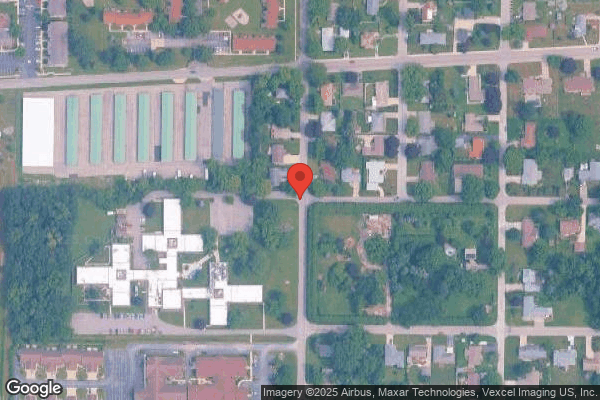
1900 ANDREW AVE, LA PORTE, IN 46350 (219) 362-7014
For profit - Limited Liability company 176 Beds BRICKYARD HEALTHCARE Data: November 2025
Trust Grade
50/100
#332 of 505 in IN
Last Inspection: June 2025

Inspected within the last 6 months. Data reflects current conditions.

Overview

Brickyard Healthcare - Terrace Care Center has received a Trust Grade of C, indicating it is average and situated in the middle of the pack among nursing homes. In Indiana, it ranks #332 out of 505 facilities, placing it in the bottom half, and #3 out of 4 in La Porte County, meaning there is only one local option that is better. The facility is improving, with the number of issues dropping from 19 in 2024 to 8 in 2025. Staffing is a relative strength, with a turnover rate of 41% which is lower than the state average of 47%, but the overall staffing rating is still only 2 out of 5 stars. There have been no fines reported, which is a positive sign, but there are significant areas for concern, such as failure to monitor medication properly and inadequate infection control practices. Specific incidents include a resident not receiving necessary medication adjustments and a lack of proper hygiene practices during wound care. While the facility shows some strengths, families should weigh these against the noted deficiencies.

Trust Score
C
50/100
In Indiana
#332/505
Bottom 35%
Safety Record
Low Risk
No red flags
Inspections
Getting Better
19 → 8 violations
Staff Stability
○ Average
41% turnover. Near Indiana's 48% average. Typical for the industry.
Penalties
✓ Good
No fines on record. Clean compliance history, better than most Indiana facilities.
Skilled Nurses
⚠ Watch
Each resident gets only 29 minutes of Registered Nurse (RN) attention daily — below average for Indiana. Fewer RN minutes means fewer trained eyes watching for problems.
Violations
⚠ Watch
43 deficiencies on record. Higher than average. Multiple issues found across inspections.
★★☆☆☆
2.0
Overall Rating
★★☆☆☆
2.0
Staff Levels
★★★☆☆
3.0
Care Quality
★★☆☆☆
2.0
Inspection Score
Stable
2024: 19 issues
2025: 8 issues

The Good

  • Full Sprinkler Coverage · Fire safety systems throughout facility
  • No fines on record
  • Staff turnover below average (41%)

    7 points below Indiana average of 48%

Facility shows strength in fire safety.

The Bad

2-Star Overall Rating

Below Indiana average (3.1)

Below average - review inspection findings carefully

Staff Turnover: 41%

Near Indiana avg (46%)

Typical for the industry

Chain: BRICKYARD HEALTHCARE

Part of a multi-facility chain

Ask about local staffing decisions and management

The Ugly 43 deficiencies on record

Jun 2025 6 deficiencies
CONCERN (D) 📢 Someone Reported This

A family member, employee, or ombudsman was alarmed enough to file a formal complaint

Potential for Harm - no one hurt, but risky conditions existed

Deficiency F0554 (Tag F0554)

Could have caused harm · This affected 1 resident

Based on observation, record review, and interview, the facility failed to ensure residents had physician's orders for medications and an assessment to self-administer their own medications for 2 of 2...

Read full inspector narrative →
Based on observation, record review, and interview, the facility failed to ensure residents had physician's orders for medications and an assessment to self-administer their own medications for 2 of 2 residents reviewed for self-administration of medication. (Residents B and H) Findings include: 1. During random observations on 6/23/25 at 3:07 p.m. and 6/25/25 at 8:41 p.m., a bottle of carboxymethylcellulose sodium ophthalmic solution (an eye lubricant) eye drops and a Ventolin HFA (an inhaled breathing medication) inhaler were observed on Resident H's bedside table. During an interview on 6/25/25 at 8:41 a.m., the resident indicated he self-administered the eye drops and inhaler when he needed them. The resident's record was reviewed on 6/24/25 at 2:59 p.m. Diagnoses included, but were not limited to, heart failure and chronic obstructive pulmonary disease (COPD). The 3/20/25 Quarterly Minimum Data Set (MDS) assessment indicated the resident was cognitively intact for daily decision making, and required supervision with activities of daily living (ADLs) and transfers. A Physician's Order, dated 10/2/24, indicated carboxymethylcellulose sodium ophthalmic solution 0.5 %, 1 drop in both eyes every 12 hours as needed for dry eyes. A Physician's Order, dated 11/7/24, indicated Ventolin HFA, 2 puffs inhaled orally, every 4 hours as needed for shortness of breath. There was no physician's order or assessment for self-administration. During an interview on 6/25/25 at 2:40 p.m., LPN 3 indicated there should be a self-administration assessment and an order for a resident to keep medications at their bedside, but she did not see either for Resident H. 2. On 6/25/25 at 11:54 a.m., three sealed lidocaine patches (topical pain medication patch) were observed on Resident B's bedside table. At that time, the resident indicated staff left the patches for him to put on himself. He indicated he usually applied them, unless he wanted to use one in a place he could not reach. On 6/25/25 at 12:27 p.m., Resident B was observed opening a new lidocaine patch and applying it to his left knee. The resident's record was reviewed on 6/25/25 at 12:41 p.m. Diagnoses included, but were not limited to, encephalopathy (damaged brain function), dementia, and opioid abuse. The 6/6/25 Quarterly Minimum Data Set assessment indicated the resident had severe cognitive impairment, and required supervision with activities of daily living (ADLs) and transfers. A Physician's Order, dated 4/28/25, indicated lidocaine pain relief 4% patch, apply one time a day and remove per schedule. There was no order or assessment for self-administration. During an interview on 6/25/25 at 2:40 p.m., LPN 3 indicated Resident B liked to put his own lidocaine patches on, but there was no self-administration assessment or physician's order. During an interview on 6/25/25 at 3:26 p.m., the interim Director of Nursing Services indicated self-administration assessments and physicians' orders were required for a resident to keep medications at their bedside and the staff needed to be re-educated. A policy titled, Resident Self-Administration of Medication, received as current from the Director of Nursing on 6/26/25 at 12:22 p.m., indicated, . A resident may only self-administer medications after the facility's interdisciplinary team has determined which medications may be self-administered safely . This citation relates to complaint IN00460504. 3.1-11(a)
CONCERN (D)

Potential for Harm - no one hurt, but risky conditions existed

Deficiency F0692 (Tag F0692)

Could have caused harm · This affected 1 resident

**NOTE- TERMS IN BRACKETS HAVE BEEN EDITED TO PROTECT CONFIDENTIALITY** Based on record review and interview, the facility failed to ensure food consumption logs were completed for residents with a hi...

Read full inspector narrative →
**NOTE- TERMS IN BRACKETS HAVE BEEN EDITED TO PROTECT CONFIDENTIALITY** Based on record review and interview, the facility failed to ensure food consumption logs were completed for residents with a history of weight loss for 1 of 1 resident reviewed for nutrition. (Resident 107) Finding includes: The record for Resident 107 was reviewed on 6/24/25 at 3:50 p.m. Diagnoses included, but were not limited to, pneumonitis due to inhalation of food and vomit, dementia, Huntington's disease, Parkinson's disease, bipolar disorder, chronic kidney disease, high blood pressure, depression, and dysphagia (difficulty swallowing). The 5/7/25 Annual Minimum Data Set (MDS) assessment indicated the resident was moderately impaired for daily decision making, needed supervision with eating and weighed 171 pounds with no current weight loss. A Physician's Order, dated 6/19/25, indicated a regular mechanical soft/easy chew regular thin liquid diet. The recorded weights were: 4/2/25 180 pounds 4/14/25 169 pounds 4/20/25 169 pounds 4/22/25 171 pounds 4/27/25 171 pounds 5/5/25 171 pounds 6/2/25 173 pounds 6/22/25 175 pounds The resident was admitted to the hospital on [DATE] and returned to the facility on 4/12/25. A Registered Dietitian (RD) assessment, dated 4/17/25, indicated the resident's weight was 169 pounds which was a significant weight loss greater than 5% in the last 30 days, a loss of 5.6% related to recent hospitalization. The food consumption logs in the CNA task section indicated there was no documentation of all three meals on the following dates and times: breakfast: 4/14, 4/23, 5/4 5/30, 6/4, 6/17, 6/18, 6/19, and 6/22/25 lunch: 4/2, 4/14, 4/21, 4/23, 5/4, 5/12, 5/21, 5/26, 5/30, 6/4, 6/5, 6/17, 6/18, 6/19, and 6/22/25 dinner: 4/13, 4/14, 4/16, 4/19, 4/21, 4/28, 4/29, 5/9, 5/16, 5/18, 5/31, 6/5, 6/8, 6/12, and 6/16/25 During an interview on 6/27/25 at 9:00 a.m. the Director of Nursing indicated food consumption logs were to be completed after every meal. 3.1-46(a)(1)
CONCERN (D)

Potential for Harm - no one hurt, but risky conditions existed

Respiratory Care (Tag F0695)

Could have caused harm · This affected 1 resident

Based on observation, record review, and interview, the facility failed to ensure oxygen was set at the correct flow rate for 1 of 3 residents reviewed for respiratory care. (Resident F) Finding inclu...

Read full inspector narrative →
Based on observation, record review, and interview, the facility failed to ensure oxygen was set at the correct flow rate for 1 of 3 residents reviewed for respiratory care. (Resident F) Finding includes: On 6/24/25 at 10:15 a.m. and 3:00 p.m., Resident F was observed in his room seated on the side of his bed. The resident had oxygen in use by the way of a nasal cannula. The resident's oxygen concentrator was set at 3 1/2 liters. On 6/25/25 at 9:10 a.m., the resident was again observed in his room with oxygen per nasal cannula in use. The oxygen concentrator was set at 3 1/2 liters. The record for Resident F was reviewed on 6/26/25 at 11:42 a.m. Diagnoses included, but were not limited to, acute and chronic respiratory failure with hypoxia, chronic obstructive pulmonary disease (COPD), and dyspnea (difficulty breathing). The Quarterly Minimum Data Set (MDS) assessment, dated 5/29/25, indicated the resident was cognitively intact for daily decision making. A Care Plan, dated 2/22/25, indicated the resident had oxygen therapy related to COPD and ineffective gas exchange. Interventions included, but were not limited to, oxygen via nasal cannula at two liters continuously. A Physician's Order, dated 2/23/25 and listed as current on the June 2025 Physician's Order Summary (POS), indicated the resident was to receive 2 liters of oxygen per minute continuously via nasal cannula. During an interview on 6/26/25 at 3:20 p.m., the Director of Nursing indicated the resident's oxygen concentrator should have been set at 2 liters. 3.1-47(a)(6)
CONCERN (D)

Potential for Harm - no one hurt, but risky conditions existed

Deficiency F0761 (Tag F0761)

Could have caused harm · This affected 1 resident

**NOTE- TERMS IN BRACKETS HAVE BEEN EDITED TO PROTECT CONFIDENTIALITY** Based on observation, record review and interview, the facility failed to ensure proper medication storage related to pre-filled...

Read full inspector narrative →
**NOTE- TERMS IN BRACKETS HAVE BEEN EDITED TO PROTECT CONFIDENTIALITY** Based on observation, record review and interview, the facility failed to ensure proper medication storage related to pre-filled saline syringes used to flush PICC (peripherally inserted central catheter) lines not stored securely, an expired insulin vial, and an expired emergency drug kit (EDK) box for 1 of 1 resident observed during medication pass, 1 of 3 medication carts observed and 1 of 2 medication rooms observed. (Resident 109, a Rainbow Unit medication cart and the Memory Unit medication room) Findings include: 1. During medication pass on [DATE] at 7:53 a.m., RN 3 was observed preparing to administer an Intravenous (IV) antibiotic medication through Resident 109's PICC line. The RN entered the resident's room with the IV antibiotic and two 10 cubic centimeters (cc) normal saline pre-filled syringes. She flushed the resident's PICC line with one of the pre-filled normal saline syringes, connected the IV antibiotic and turned on the pump. She told the resident she would be back in 30 minutes to disconnect the IV. At that time, the RN walked out of the room, leaving the other pre-filled normal saline syringe on the resident's over bed table. During an interview on [DATE] at 2:32 p.m., RN 3 indicated she was unaware she should not have left the saline syringe on the over bed table in the resident's room. 2. On [DATE] at 9:10 a.m., RN 2 was observed in the Memory Unit medication room. At that time, inside the locked refrigerator there was an EDK box with an expiration date of 5/25. During an interview at that time, RN 2 indicated the pharmacy comes to the facility weekly and checked the medication room. During an interview on [DATE] at 11:30 a.m., the Director of Nursing indicated pharmacy was supposed to be checking the EDK box in the refrigerator every Thursday during their visit. 3. On [DATE] at 9:23 a.m., LPN 1 was observed by a Rainbow Unit medication cart. At that time, there was one multi-vial of Lispro Insulin with an open date of [DATE] and an expiration date of [DATE]. During an interview on [DATE] at 11:30 a.m., the Director of Nursing (DON) indicated the open vial of insulin should have been discarded after it had expired. The current 2025 Medication Storage policy, provided by the DON indicated all drugs and biologicals will be stored in a locked compartment, cabinet, drawer or refrigerator. During a medication pass, medications must be under the direct observation of the person administering medications or locked in the medication cart. 3.1-25(m) 3.1-25(o)
CONCERN (E) 📢 Someone Reported This

A family member, employee, or ombudsman was alarmed enough to file a formal complaint

Potential for Harm - no one hurt, but risky conditions existed

Quality of Care (Tag F0684)

Could have caused harm · This affected multiple residents

Based on observation, record review, and interview, the facility failed to ensure medications were held based on insulin and blood pressure parameters for 1 of 2 residents reviewed for insulin and 2 o...

Read full inspector narrative →
Based on observation, record review, and interview, the facility failed to ensure medications were held based on insulin and blood pressure parameters for 1 of 2 residents reviewed for insulin and 2 of 5 residents reviewed for unnecessary medications. (Residents G, E, and H) The facility also failed to ensure discolorations were monitored and treatments were obtained for venous stasis ulcers and frequent diarrhea for 2 of 5 residents reviewed for skin conditions non-pressure related (Residents F and D) and 1 of 3 residents reviewed for constipation and diarrhea. (Resident C) The facility also failed to ensure recommendations were carried out from specialty physicians for 1 of 1 resident reviewed for change in condition. (Resident H) Findings include: 1. The record for Resident G was reviewed on 6/25/25 at 12:57 p.m. Diagnoses included, but were not limited to, type 2 diabetes and Parkinson's disease. The Quarterly Minimum Data Set (MDS) assessment, dated 4/4/25, indicated the resident was cognitively intact and received insulin injections. A Care Plan, reviewed on 4/28/25, indicated the resident had type 2 diabetes without complications. Interventions included, but were not limited to, diabetes medications as ordered by the physician. A Physician's Order, dated 5/13/25, indicated the resident was to receive 22 units of Glargine insulin (a long acting insulin) one time a day at 8:00 a.m. The insulin was to be held if the resident's blood sugar was less than 150. The resident was also to receive 20 units of Glargine insulin at 8:00 p.m. and the resident's insulin was to be held if his blood sugar was less than 150. The May 2025 Medication Administration Record (MAR) indicated the resident received his insulin when his blood sugar was below 150 on the following dates at times: 8:00 a.m.: 5/14, 5/15, 5/18, 5/19 & 5/28/25 8:00 p.m.: 5/29/25 The June 2025 MAR indicated the resident received his insulin when his blood sugar was below 150 on the following dates at times: 8:00 a.m.: 6/2, 6/4, 6/5, 6/9, 6/15, 6/16, 6/19, & 6/23/25 8:00 p.m.: 6/3 & 6/16/25 During an interview on 6/26/25 at 3:20 p.m., the Director of Nursing indicated the resident's insulin should have been held as ordered. 2. The record for Resident E was reviewed on 6/26/25 at 2:38 p.m. Diagnoses included, but were not limited to, mild dementia with anxiety and hypertension. The Significant Change Minimum Data Set (MDS) assessment, dated 5/16/25, indicated the resident was moderately cognitively impaired for daily decision making. A Care Plan, reviewed on 5/19/25, indicated the resident had hypertension (high blood pressure) and hyperlipidemia (high cholesterol). Interventions included, but were not limited to, give medications as ordered. A Physician's Order, dated 6/1/25, indicated the resident was to receive Metoprolol Tartrate (a heart medication) 25 milligrams (mg) 1 tablet every morning and at bedtime. Hold and notify the physician of systolic blood pressure (top number) less than 110 or diastolic (bottom number) less than 60. The June 2025 Medication Administration Record (MAR) indicated the resident received the Metoprolol when his systolic blood pressure was below 110 and the diastolic blood pressure was less than 60 on the following dates and times: AM dose: - 6/5/25 blood pressure 98/68 PM dose: - 6/4/25 blood pressure 105/70 - 6/23/25 blood pressure 108/61 - 6/24/25 blood pressure 110/58 During an interview on 6/26/25 at 3:20 p.m., the Director of Nursing indicated the resident's Metoprolol should have been held as ordered. 3. On 6/24/25 at 10:15 a.m., Resident F was observed in his room sitting on the side of his bed. His pants were slightly pulled down and a large area of purplish discoloration was observed on his left hip. The record for Resident F was reviewed on 6/26/25 at 11:42 a.m. Diagnoses included, but were not limited to, fall from bed and history of aneurysm of lower extremity. The Quarterly Minimum Data Set (MDS) assessment, dated 5/29/25, indicated the resident was cognitively intact and he received an anticoagulant (a blood thinner). A Care Plan, dated 3/5/25, indicated the resident was on anticoagulant therapy related to personal history of pulmonary embolism. Interventions included, but were not limited to, daily skin inspections and report abnormalities to the nurse. A Physician's Order, dated 4/8/25, indicated the resident was to receive Apixaban (a blood thinner) 5 milligrams (mg) twice a day. Nurse's Notes, dated 6/18/25 at 5:30 a.m., indicated the resident was noted to have bruising on his left hip. A Weekly Skin Review, dated 6/18/25, indicated the resident had a pre-existing bruise to the left hip. A Weekly Skin Review, dated 6/25/25, indicated the resident's skin was intact. There was no documentation related to the bruising to the left hip. During an interview on 6/26/25 at 3:20 p.m., the Director of Nursing indicated the bruising to the resident's left hip should have been documented on the weekly skin review sheet. The current facility policy titled, Skin Assessment, was provided by the Director of Nursing on 6/27/25 at 11:30 a.m. The policy indicated a full body, or head to toe, skin assessment would be conducted by a licensed or registered nurse upon admission, re-admission, and weekly thereafter. The assessment may also be performed after a change of condition or after any newly identified pressure injury. 4. During an interview on 6/23/25 at 11:04 a.m., Resident D indicated she had diarrhea on a regular basis and received no medications for it. The record for Resident B was reviewed on 6/25/25 at 11:40 a.m. Diagnoses included, but were not limited to, vascular dementia, constipation, pain, and stroke. The 5/7/25 Minimum Data Set (MDS) assessment indicated the resident was moderately impaired for daily decision making and was always incontinent of bowel. The bowel incontinence log in the CNA task section indicated the resident had loose/diarrhea on the following days: - 5/27, 5/28, 5/29 times two, 5/30, 6/1, 6/2 times three, 6/3 times two, 6/5, 6/7 times three, 6/9 times two, 6/10, 6/11 times two, 6/12 times two, 6/13, 6/14 times three, 6/15, 6/16, 6/17 times two, 6/18 times four, 6/21 times two, 6/22 times three, 6/23, and 6/24/25 times two. A Nurses' Note by the Infection Preventionist, dated 6/13/25 at 9:39 a.m., indicated the resident had loose stools often. The stools had no characteristics of C-diff, they were not a watery diarrhea, and she had no cramping or tenderness to the abdomen. There were no scheduled or as needed medications ordered for diarrhea. A Physician's Order, dated 4/9/25, indicated Senna (a medication used for constipation) Oral Tablet 8.6 milligrams (mg), give two tablets by mouth at bedtime. During an interview on 6/26/25 at 2:10 p.m., RN 1 indicated she was not made aware of the resident having diarrhea from the morning shift report. During an interview on 6/26/25 at 2:10 p.m., CNA 1 indicated the resident had not had a bowel movement yet that day, but he had taken care of her in the past, and all of her stools were loose like diarrhea. He indicated they had reported the diarrhea to the nurses, they all know about it. During an interview on 6/26/25 at 2:25 p.m., the Unit Manger indicated there was no documentation in nursing notes regarding the diarrhea. During an interview on 6/26/25 at 3:20 p.m., the Director of Nursing indicated there was no documentation regarding the diarrhea in the record and she had no additional information to provide. 5. During an observation on 6/23/25 at 2:15 p.m., Resident C was observed in bed. At that time, there was a large amount of flaking skin on the bed sheets as well as streaks of blood. The resident's right outer shin was observed to be raw, open and red. During an observation on 6/24/25 at 2:54 p.m., the resident was in bed. The right outer shin was red and open with dry flakes of skin noted on the bed sheets. During an observation on 6/25/25 at 10:03 a.m. and 11:49 a.m., the resident was observed in bed. At those times, his right outer shin was observed to be red, open and raw with flakes of skin on the bed sheets. During an interview at that time, the resident indicated his right leg had been that way the last couple of days, it gets worse then it gets better. He indicated there was no treatment being done at the present time. On 6/26/25 at 2:20 p.m., RN 1 was in the resident's room. At that time, there was a bandage that was falling off the resident's right lower leg. The bed sheets were bloody. During an interview at that time, RN 1 indicated the Unit Manager just got a new treatment for his leg as she was made aware of it that day. The record for Resident C was reviewed on 6/25/25 9:23 a.m. Diagnoses included, but were not limited to, COPD, stroke, heart failure, atrial fibrillation, chronic venous hypertension with ulcer of right lower extremity and high blood pressure. The 3/26/25 Quarterly Minimum Data Set (MDS) assessment indicated the resident was moderately impaired for daily decision making and needed assistance with personal hygiene. The resident had no rashes or open lesions and had an application of ointments other than to the feet. There was no care plan for skin impairment. There were no current Physician Orders for a treatment to the right lower leg. A treatment, dated 6/3/25 and discontinued on 6/17/25, indicated clean right anterior lower leg with wound cleanser, pat dry, apply Xerofoam gauze to wound and wrap with rolled gauze three times a week and as needed. A Nurse Practitioner (NP) Wound Note, dated 6/2/25, indicated the resident had a venous stasis ulcer to the right anterior lower leg that measured 13 centimeters (cm) in length, by 6 cm in width with a scant amount of drainage. A NP Wound Note, dated 6/16/25, indicated the stasis ulcer was resolved. A Weekly Skin Review assessment, dated 6/21/25, indicated there was redness that continued to bilateral lower extremities. The areas were monitored and treated as ordered. During an interview on 6/26/25 at 2:25 p.m., the Unit Manager indicated she was just made aware of the open area this morning and notified the NP, who gave new orders for treatment. During an interview on 6/26/25 at 3:20 p.m., the Director of Nursing had no additional information to provide. 6. During an interview on 6/23/25 at 3:04 p.m., Resident H indicated he was getting emails from his specialists that he had been missing appointments and tests they had ordered. The record for Resident H was reviewed on 6/24/25 at 2:59 p.m. Diagnoses included, but were not limited to, heart failure and chronic obstructive pulmonary disease (COPD). The 3/20/25 Quarterly Minimum Data Set (MDS) assessment indicated the resident was cognitively intact for daily decision making, and required supervision with activities of daily living (ADLs) and transfers. A 5/2/25 Physician's Order from the resident's nephrologist (kidney doctor) indicated to log the resident's blood pressures for one week and fax them to the doctor's office. The record lacked evidence of a blood pressure log being sent to the doctor. A 5/8/25 Physician's Order from the resident's oncologist (cancer doctor) indicated, . CBC, CMP, Vit B12, Folate, Lactate dehydrogenase, Ferritin, Hepatic Panel, Periph [peripheral] smear pathology review [lab work]. Labs are scheduled at Main Hospital 6-4-25 at 11 a.m . The record lacked evidence of the lab work being completed. A 6/1/25 Physician's Order indicated midodrine HCl (a medication to treat low blood pressure) every 8 hours, hold if systolic (top number in a blood pressure reading) blood pressure was above 125. The June 2025 Medication Administration Record (MAR) indicated: a. The following scheduled midodrine doses were blank on the MAR: 6/5/25 and 6/15/25 at 10:00 p.m., 6/11/25, 6/12/25, 6/13/25, 6/14/25, 6/15/25, 6/16/25, 6/18/25, and 6/19/25 at 6:00 a.m b. The following scheduled midodrine doses were held, but no blood pressure was documented: 6/3/25 2:00 p.m. and 10:00 p.m., 6/11/25 2:00 p.m., 6/22/25 6:00 a.m., and 6/23/25 2:00 p.m. c. The following midodrine doses were administered despite a systolic blood pressure over 125: 6/7/25 at 2:00 p.m.- blood pressure 127/69, 6/7/25 at 10:00 p.m.- blood pressure 126/76, and 6/17/25 at 10:00 p.m.- blood pressure 130/87. The Care Plan, last revised on 4/7/25, indicated the resident had high cholesterol, coronary artery disease, and difficulty breathing. Interventions included administering medications as ordered, documenting and reporting vital signs as ordered, and obtaining/reporting lab work as ordered. During an interview on 6/26/25 11:35 a.m., the DON was informed of the findings and indicated she had no additional information or documentation to provide. This citation relates to complaints IN00460458 and IN00460504. 3.1-37
CONCERN (E)

Potential for Harm - no one hurt, but risky conditions existed

Infection Control (Tag F0880)

Could have caused harm · This affected multiple residents

**NOTE- TERMS IN BRACKETS HAVE BEEN EDITED TO PROTECT CONFIDENTIALITY** Based on observation, record review, and interview, the facility failed to ensure infection control practices were in place and ...

Read full inspector narrative →
**NOTE- TERMS IN BRACKETS HAVE BEEN EDITED TO PROTECT CONFIDENTIALITY** Based on observation, record review, and interview, the facility failed to ensure infection control practices were in place and implemented related to the storage of wash basins, urinals, and bed pans, the changing of gloves during wound care for 1 of 2 residents reviewed for pressure ulcers, and the lack of personal protective equipment (PPE) during 1 of 1 intravenous (IV) medication administration. (The Memory Unit, Residents 15 and 109) Findings include: 1. During the Environmental Tour on 6/27/25 at 2:12 p.m., with the Maintenance Supervisor and the Administrative Consultant, the following was observed: The Memory Unit a. In the bathroom of room [ROOM NUMBER], there were two urinals hanging from the grab bar located next to the toilet. The closet located in the bathroom had one wash basin and two bed pans stacked on top of each other. The wash basin and bed pans were not contained. Two residents shared the bathroom. b. There was a wash basin on the floor underneath the sink in the bathroom of room [ROOM NUMBER]. Two residents shared the bathroom. c. There was a urinal hanging from the grab bar located next to the toilet in the bathroom of room [ROOM NUMBER]. Two residents shared the bathroom. During an interview on 6/27/25 at the time, the Administrative Consultant indicated the urinals, bedpans, and wash basins should have been placed in bags. The facility policy titled Disinfection of Bedpans and Urinals was provided by the Director of Nursing on 6/27/25 at 2:38 p.m. and identified as current. The policy indicated to store bedpans and urinals in the resident's bedside cabinet or drawer after placing in a plastic bag as per facility policy. 2. Wound care for Resident 15 was observed on 6/26/25 at 9:19 a.m. RN 2 donned a gown and a pair of gloves prior to entering the resident's room. Upon entering the room, the RN removed the top sheet from the resident's bed and placed it on the floor. The resident's heel boots were also removed and placed on the floor. The RN proceeded to remove the dressing to the resident's sacrum. She then cleansed the sacral wound with wound cleanser, packed the wound with Dakin's (a wound disinfectant) soaked gauze, and covered the area with a foam dressing. After completing the treatment to the sacrum, the RN proceeded to reposition the resident and provide incontinence care with the assistance of the CNA. The RN did not change her gloves after completing the treatment to the sacrum. After providing incontinence care, the RN removed a dressing to the resident's chest. She cleansed the area with wound cleanser, tore a calcium alginate pad (a type of wound dressing) in half and placed the pad on the wound bed wearing the same gloves and covered the area with a dry dressing. The RN then proceeded to remove a dressing from the resident's right breast. After removing the dressing, the RN cleansed the area with wound cleanser and packed the wound with Dakin's soaked gauze and covered the area with a dry dressing. The RN was wearing the same pair of gloves that she used to complete the treatment to the sacrum, provide incontinence care, and complete the treatment to the chest and breast areas. During an interview on 6/26/25 at 10:25 a.m., the Infection Preventionist indicated the RN should have changed her gloves going from dirty to clean areas and she should have changed her gloves between each treatment. During an interview on 6/26/25 at 3:20 p.m., the Director of Nursing indicated the RN should have changed her gloves in between treatments and the linen should not have been placed on the floor. The current facility policy titled Clean Dressing Change was provided by the Director of Nursing on 6/27/25 at 11:30 a.m., the policy indicated gloves were to be changed after soiled dressings were removed and in between each dressing change. 2. During medication pass on 6/25/25 at 7:53 a.m., RN 3 was observed preparing to administer an Intravenous (IV) antibiotic medication through Resident 109's PICC line. There was a sign on the resident's room door which indicated he was in Enhanced Barrier Precautions (EBP). Staff that were to come in contact with the resident should don gloves and an isolation gown. The RN entered the resident's room with the IV antibiotic and two 10 cubic centimeters (cc) normal saline pre-filled syringes. She washed her hands with soap and water and donned clean gloves to both hands. She did not don an isolation gown. She flushed the resident's PICC line with one of the pre-filled normal saline syringes, connected the IV antibiotic and turned on the pump. She told the resident she would be back in 30 minutes to disconnect the IV. At 8:56 a.m., RN 3 entered the resident's room to disconnect the IV antibiotic medication from the pump. She washed her hands with soap and water and donned a clean pair of gloves to both hands. She did not don an isolation gown. She removed the IV tubing from the PICC line port, and threw it away. She flushed the PICC line with a pre-filled normal saline syringe and clamped the line. She removed her gloves, performed hand hygiene and walked out of the room. During an interview on 6/25/25 at 2:32 p.m., RN 3 indicated she was aware the resident was in EBP and she should have worn a gown while administering the IV antibiotic medication. During an interview on 6/25/25 at 3:00 p.m., the Director of Nursing (DON) indicated the RN should have worn a gown during the administration of the IV antibiotic during medication pass. The current 2025 Enhanced Barrier Precautions policy provided DON on 6/25/25 at 3:10 p.m., indicated EBP will be followed in high contact resident care activities such as device care or use of PICC lines. 3.1-18(b)
May 2025 2 deficiencies
CONCERN (D) 📢 Someone Reported This

A family member, employee, or ombudsman was alarmed enough to file a formal complaint

Potential for Harm - no one hurt, but risky conditions existed

ADL Care (Tag F0677)

Could have caused harm · This affected 1 resident

Based on observation, record review, and interview, the facility failed to ensure activities of daily living (ADLs) were completed for a dependent resident related to incontinence care and providing a...

Read full inspector narrative →
Based on observation, record review, and interview, the facility failed to ensure activities of daily living (ADLs) were completed for a dependent resident related to incontinence care and providing assistance in getting out of bed in a timely manner for 1 of 3 residents reviewed for ADLs. (Resident D) Finding includes: On 5/19/25 at 8:50 a.m., Resident D was observed lying in her bed with her breakfast covered and sitting on her bedside table. The resident indicated she had not been able to eat breakfast yet because she was told wound care was supposed to come see her next and that was 40 minutes ago. She liked to get up and out of bed to eat and they told her they would get her up after her wound treatment. The resident also indicated a nurse's aide had put her diaper on wrong during the night and that's why I peed the bed all night long, so now I'm stuck sitting in this puddle. The resident lifted the blanket to the side and lifted her body up to reveal a large wet spot in the middle of her bed that covered the middle half of the bed. The resident's brief was dry and had been changed that morning. On 5/19/25 at 8:59 a.m., CNA 1 was observed asking a nurse if the resident could get up and eat. She wanted to get out of bed to eat but was waiting on wound care. The nurse indicated the resident could be up. CNA 1 did not re-enter resident D's room, she gowned up and went into another resident's room to provide care. During an interview on 5/19/25 at 9:04 a.m., CNA 1 indicated she knew the resident's bed was soiled and she had changed the resident's brief, but did not change the bed because the resident wanted to get out of bed to eat and she was going to be seen by wound care. She was going to change her bed at that time. Resident D's record was reviewed on 5/20/25 at 9:31 a.m. The diagnoses included, but were not limited to, kidney failure, ileostomy status, weakness, and history of falling. A Care Plan, dated 4/18/25, indicated the resident had an ADL self-care performance deficit related to weakness and difficulty in walking. Interventions were to provide AM preferred routine of dressing and grooming before breakfast and assist with toilet and transfer. The admission Minimum Data Set (MDS) assessment, dated 4/24/25, indicated the resident was cognitively intact for daily decision making. Eating and oral hygiene required set up and clean up assistance. The resident required substantial/maximum assistance for toileting and shower/bathing. The resident required dependent care with lower body dressing and the resident was frequently incontinent. During an interview on 5/19/25 at 9:14 a.m., the Administrator indicated she understood the concern and would re-educate CNA 1 immediately. This citation relates to Complaint IN00456969. 3.1-38(a)(2)(B) 3.1-38(a)(2)(C)
CONCERN (D) 📢 Someone Reported This

A family member, employee, or ombudsman was alarmed enough to file a formal complaint

Potential for Harm - no one hurt, but risky conditions existed

Quality of Care (Tag F0684)

Could have caused harm · This affected 1 resident

**NOTE- TERMS IN BRACKETS HAVE BEEN EDITED TO PROTECT CONFIDENTIALITY** Based on observation, record review, and interview, the facility failed to administer medications as ordered related to antibiot...

Read full inspector narrative →
**NOTE- TERMS IN BRACKETS HAVE BEEN EDITED TO PROTECT CONFIDENTIALITY** Based on observation, record review, and interview, the facility failed to administer medications as ordered related to antibiotic therapy for 3 of 3 residents reviewed for Intravenous Therapy and failed to ensure wound treatments were completed and signed out as ordered for 1 of 3 residents reviewed for non-pressure related skin conditions. (Residents C, F and G) Findings include: 1. Resident C's record was reviewed on 5/19/25 at 9:38 a.m. The diagnoses included, but were not limited to, local infection of the skin and subcutaneous tissue unspecified, depression, hypertension (high blood pressure), kidney failure, asthma, and pain in unspecified hip. The admission Minimum Data Set (MDS) assessment, dated 4/24/25, indicated Resident C was cognitively intact for daily decision making. Eating, oral hygiene, personal hygiene, and upper body dressing required set up or clean up assistance. Toileting required supervision or touching assistance. Shower and bathing required partial/moderate assistance, and lower body dressing and putting on footwear required substantial/maximum assistance. The resident had a surgical wound that was present on admission. A Nurse Note, dated 4/16/25 at 11:00 p.m., indicated communication was received regarding a new admission. Medication orders had been reviewed and verified and compared to discharge medication reconciliation. Antibiotic required an end date and rounding was notified. A Hospital Patient Summary Report, dated 4/1/25, indicated the resident had a recent history of a prosthetic antibiotic spacer implantation that became infected. The Hospital Discharge Report, dated 4/17/25, indicated 1 of 2 doses of Cefazolin was received. The last dose was administered on 4/17/25 at 3:15 p.m. and the next dose was due at bedtime. The Hospital Discharge summary, dated [DATE], indicated the resident required 6 weeks of antibiotic therapy. A Care Plan, dated 4/17/25, indicated the resident had a surgical incision to the left hip. Interventions were to keep the incision site clean and dry, assess skin condition weekly, and to monitor for signs and symptoms of infection. A Nurses Note, dated 4/17/25 at 8 :35 p.m., indicated the resident arrived via private transportation service, the resident had pain to his left hip where there was a surgical incision on the left hip with a clean and dry dressing intact. The resident was on antibiotics and had a patent PICC line. A Physician's Order, dated 4/18/25 indicated to administer Cefazolin (antibiotic) 2 grams (GM) intravenously (IV) every 8 hours for infection of the left hip. A Medication Administration Note, dated 4/18/25 at 5:53 a.m., indicated Cefazolin intravenous solution 2 gm was not given due to waiting on delivery from pharmacy. The April 2025 Medication Administration Record (MAR) indicated Cefazolin was documented as view progress notes on 4/17/25 and was not signed out, on 4/18/25 the medication was marked as discontinued. The resident did not receive the 4/17/25 Cefazolin dose. There was no follow up documented with the surgeon or infectious disease physician to verify an antibiotic end date or course of treatment. An Advance Care Planning Note, dated 4/20/25 at 11:00 p.m., indicated the resident was at the facility for rehabilitation for a post infection of his prosthetic limb (sic) and was post antibiotics. A Physician's Order, dated 4/21/25 indicated to apply betadine swab sticks to left hip every day shift and cover with an island bordered gauze dressing. The April 2025 Treatment Administration Record (TAR) indicated the wound treatment for the left hip was not signed out on 4/25/25, 4/28/25, and 4/29/25. A Physician's Order, dated 4/29/25 indicated to discontinue PICC (Peripherally Inserted Central Catheter) line. During an interview on 5/19/25 at 10:00 a.m., the Director of Nursing (DON) indicated Resident C's discharge instructions indicated he had received 1 of 2 doses of Cefazolin. She indicated the Nurse Practitioner (NP) came in and discontinued the order and indicated the antibiotic was completed. She was not here on that day but when she returned, she questioned the order. The NP notes indicated they were completed, and they were following physician's orders. No other clarification was completed. During an interview on 5/19/25 at 11:14 a.m., the DON indicated the NP who discontinued the antibiotic was no longer with the facility. During a phone interview on 5/19/25 at 11:37 a.m., the NP indicated indicated she reviewed the record and the discharge instructions had indicated the antibiotic would be completed on 4/17/25. She indicated, as far as I knew he completed the antibiotic before I got there on the 18th. The infectious disease nurse had told her the resident was finished with antibiotics as well. She usually talked with the nursing staff to verify any medications because she did not have an active MAR available on her screen. During a phone interview on 5/19/25 at 1:51 p.m., Resident C's orthopedic surgeon indicated Resident C had been readmitted to the hospital for a small collection of fluid at the infection site (left hip) and for worsening back pain. The resident was failing treatment due to the lack of antibiotics. The resident had a known infected total hip and he had completed two surgeries on the resident. The resident had a big abscess and osteomyelitis of the spine. The resident should have been treated with at least 4-6 weeks of antibiotic treatment outpatient; one dose of the medication would not even make sense. There was no follow up with my office. He indicated this was not the resident's first hip surgery and the resident knew he needed antibiotics, and he indicated that he asked the staff frequently why he wasn't receiving any. He indicated he looked over the discharge paperwork in the system and the instructions for continued antibiotics were correct at that time. The resident had capacity, and this should have been followed up with regardless if there was a communication deficit in the paperwork. During an interview on 5/19/25 at 4:10 p.m., the Infection Prevention (IP) nurse indicated there were no active signs of infection and the resident had never mentioned he should have been on antibiotics, the resident was very talkative, and he had been at the facility before, he was comfortable here. The paperwork indicated the Cefazolin antibiotic stop date was 4/17/25. She did not recall a conversation with the NP regarding this resident. There was no warmth or redness at the site. During an interview on 5/20/25 at 12:01 p.m., the DON and the Administrator indicated they understood the concerns about the wound treatment and medication not being given as ordered and had no additional information to provide. 2. Resident F's record was reviewed on 5/20/25 at 10:48 a.m. The diagnoses included, but were not limited to, chronic non-pressure ulcer of the left foot, major depression, insomnia, osteomyelitis (infection of bone and muscle) and high blood pressure. The admission Minimum Data Set (MDS) assessment, dated 4/29/25, indicated the resident was cognitively intact for daily decision making and the resident received IV therapy. A Care Plan, dated 4/23/25, indicated the resident had an infection related to a wound. Interventions were to administer antibiotics and treatment as ordered. A Physician's Order dated 4/23/25 indicated to administer Cefazolin (antibiotic) 2 grams (GM) intravenously (IV) every 8 hours for wound infection until 5/5/25. The April 2025 Medication Administration Record (MAR) indicated Cefazolin was not signed out on the following dates: 4/24/25 at 10:00 p.m. 4/25/25 at 2:00 p.m. 4/28/25 at 10:00 p.m. 4/30/25 at 6:00 a.m. During an interview on 5/20/25 at 1:15 p.m., the DON indicated she could not find any documentation indicating why the Cefazolin antibiotics were not given. 3. Resident G's record was reviewed on 5/20/25 at 12:11 p.m. The diagnoses included, but were not limited to, osteomyelitis (bone and muscle infection), stroke, heart disease, and hypertension (high blood pressure). A Care Plan, dated 5/13/25, indicated the resident had an infection. Interventions were to administer antibiotics per physician orders, monitor temperature, and maintain universal precautions when providing care. A Baseline Care Plan, dated 5/15/25, indicated the resident was cognitively intact. A Physician's Order, dated 5/14/25, indicated to administer Ampicillin-Sulbactam (antibiotic) 3 grams (GM) intravenously (IV) every 8 hours for osteomyelitis to the left foot until 6/18/25. The May 2025 Medication Administration Record (MAR) indicated Ampicillin-Sulbactam was not signed out on the following dates: 5/15/25 at 6:00 a.m. and 10:00 p.m. 5/16/25 at 6:00 a.m. 5/18/25 at 10:00 p.m. During an interview on 5/20/25 at 2:00 p.m., the DON indicated she could not find any documentation indicating why the Ampicillin antibiotics were not given. This citation relates to Complaint IN00458815. 3.1-37(a)
Oct 2024 1 deficiency
CONCERN (D) 📢 Someone Reported This

A family member, employee, or ombudsman was alarmed enough to file a formal complaint

Potential for Harm - no one hurt, but risky conditions existed

Accident Prevention (Tag F0689)

Could have caused harm · This affected 1 resident

Based on record review and interview, the facility failed to ensure a resident's safety after an exit alarm sounded for 1 of 1 resident reviewed for accidents. (Resident C) The deficient practice was ...

Read full inspector narrative →
Based on record review and interview, the facility failed to ensure a resident's safety after an exit alarm sounded for 1 of 1 resident reviewed for accidents. (Resident C) The deficient practice was corrected on 10/4/24, prior to the start of the survey, and was therefore past noncompliance. The facility completed an investigation and inserviced staff and families regarding elopement and alarm procedures. Finding includes: The record for Resident C was reviewed on 10/24/24 at 11:23 a.m. Diagnoses included, but were not limited to, sleep disorder, weakness, fall, dementia with anxiety, major depressive disorder, and fracture of the neck of the left femur. The 7/15/24 Quarterly Minimum Data Set (MDS) assessment indicated the resident was cognitively intact for daily decision making. She had no behaviors and no episodes of wandering. The resident utilized a walker for ambulation. The Elopement Risk Evaluation, dated 7/14/24, indicated the resident was not at risk to elope at the time, placement on the elopement risk protocol was not indicated. The resident had no Care Plan related to wandering based on the Quarterly MDS and elopement risk assessment. An Indiana Department of Health (IDOH) reported incident, dated 10/3/24 at 11:15 p.m., indicated Resident exited the building by entering door code to release door and exiting building. Resident noted to have an unwitnessed fall off property. 911 notified and resident transferred to ER for evaluation and treatment. Resident returned to facility. The resident sustained abrasions to the left side of her face and to her finger. A Nurse's Note, dated 10/4/24 at 1:14 a.m., indicated the resident returned to the facility from the hospital accompanied by her daughter. The resident was alert and oriented to self, place, and situation. The resident was noted with an abrasion to the left side of her face. The resident was able to transfer herself and ambulate with the use of a rolling walker. The Interdisciplinary Team (IDT) Note, dated 10/4/24 at 1:24 p.m., indicated the team met to review last night's event in which the resident was noted to have exited the facility. The IDT found in the late evening, the resident entered the code to exit the facility using the ambulance bay exit door. The resident had her shoes and coat on, her laundry basket, and money for her hair cut that upcoming weekend with her. Upon her return, the resident appeared calm, and she indicated that she used the code and was wanting to walk to her daughter's home. The resident's daughter indicated she had the resident exit the facility using the ambulance bay on the weekends using the code. The daughter stated the code out loud in front of the resident. The resident nodded her head in agreement. A Social Service Progress Note, dated 10/4/24 at 2:24 p.m., indicated a meeting was held with the resident's daughter. The resident's daughter reported that her mother often waited for her by the door to take her out on pass. The daughter indicated her mother knew how to enter the code and exit the door. The resident's daughter reported she was not sure why her mother would have left the facility unattended. She indicated her mother did call her earlier on Wednesday afternoon asking her to come and get her. The resident's daughter reported her mother was frustrated that her mother-in-law was living at home with her. The daughter was educated on the sign in and out procedures when taking her mother out on pass. The daughter was escorted to the nurses' station and shown the procedure and expressed understanding. Review of the facility investigation, initiated on 10/4/24, indicated the resident was seen by CNA 1 at approximately 10:00 p.m. - 10:15 p.m. The resident was provided a brief and assisted to the toilet as that was her routine. The resident had her shoes and clothing on but that was normal for the resident. Nothing seemed unusual with her. RN 1's statement indicated, between 10:45 p.m. and 11:00 p.m., he responded to the ambulance bay door alarm. Earlier in the shift, he believed that an ambulance had come into the facility. A CNA responded to the door alarm around 8:00-9:00 p.m. and the ambulance staff reported they were there for a resident on the Gardens Unit. He believed the door was being used by the ambulance staff again to return a resident and he did not have a reason to believe that a resident had exited, as he looked out into the bay area and did not see anyone in the yard. During an interview on 10/24/24 at 2:15 p.m., the Interim Director of Nursing (DON) indicated the resident, upon her return, had indicated she was going to her daughter's house. Follow up interview with the Interim DON at 2:34 p.m., indicated the last time somebody laid eyes on the resident was between 10:00 p.m. and 10:15 p.m. A late hospital return arrived at the facility and staff thought the alarm was possibly related to that. Only the ambulance bay area was checked, and no residents were observed. The Interim DON indicated staff responded to the alarm, but a resident head count was not completed, and it should have been. Multiple inservices had been held and changes were being implemented with the exit doors. Families were informed residents would need to be signed out for leave and the door codes were not to be shared. The current facility policy titled, Elopements and Wandering Residents indicated the facility was equipped with door locks/alarms to help avoid elopements, alarms were not a replacement for necessary supervision and staff were to be vigilant in responding to alarms in a timely manner, and the facility shall establish and utilize a systemic approach to monitoring and managing residents at risk for elopement or unsafe wandering, including identification and assessment of risk evaluation and analysis of hazards and risks, and monitoring for effectiveness and modifying interventions when necessary. 3.1-45(a)(2)
Jun 2024 2 deficiencies
CONCERN (D) 📢 Someone Reported This

A family member, employee, or ombudsman was alarmed enough to file a formal complaint

Potential for Harm - no one hurt, but risky conditions existed

Report Alleged Abuse (Tag F0609)

Could have caused harm · This affected 1 resident

**NOTE- TERMS IN BRACKETS HAVE BEEN EDITED TO PROTECT CONFIDENTIALITY** Based on observation, record review and interview, the facility failed to ensure all covered individuals (anyone who was an owne...

Read full inspector narrative →
**NOTE- TERMS IN BRACKETS HAVE BEEN EDITED TO PROTECT CONFIDENTIALITY** Based on observation, record review and interview, the facility failed to ensure all covered individuals (anyone who was an owner, operator, employee, manager, agent, or contractor of the facility) was notified annually of their obligation and requirement to comply with the reporting of reasonable suspicion of crimes against a resident, related to an allegation of sexual abuse for 1 of 2 residents reviewed for abuse. (Resident B) Finding includes: During an observation on 6/17/24 at 9:40 a.m., Resident B was observed in bed and awake. At that time, she was able to confirm she was going home soon and no longer need hemodialysis. During an interview at the time, the resident indicated that she did not remember any male nurse forcing her to take her medications or asking her for sexual favors. The resident indicated she remembered on one night, the room was very dark, and a male came into her room and that scared her. She did not know who he was, but the room was so dark, it had just startled her. The record for Resident B was reviewed on 6/17/24 at 11:20 a.m. The resident was admitted to the facility on [DATE] and was on hemodialysis. Diagnoses included, but were not limited to, stroke, cardiac arrest, respiratory failure, atrial fibrillation, anemia, end stage renal disease, anoxic brain damage, alcohol abuse, cocaine abuse, heart failure, high blood pressure, and altered mental status. The admission Minimum Data Set (MDS) assessment, dated 5/19/24, indicated the resident was not cognitively intact for daily decision making and was dependent on staff for toileting and transfers in and out of bed. The 5 day Medicare MDS assessment, dated 6/1/24, indicated the resident was not cognitively intact for daily decision making. A Care Plan, dated 5/22/24, indicated the resident had impaired cognition and dementia related to a stroke. The approaches were to explain all procedures and reason before performing them. A Nurses' Note, dated 5/27/24 at 2:05 p.m., indicated the resident had arrived back to the facility from the hospital where she was treated for an urinary tract infection with Vancomycin-Resistant Enterococci (an organism that was resistant to powerful antibiotics). A Nurses' Note, dated 5/27/24 at 9:53 p.m., indicated the resident refused to take her medications and sent the nurse away. The nurse explained the importance of taking the medications, but the resident declined. A Nurses's Note, dated 5/28/24 at 12:19 a.m., indicated the resident refused a bolus enteral feeding through the peg tube. The nurse explained the importance of taking the feeding, but the resident declined. A Pre/Post Dialysis Evaluation, dated 5/28/24 at 6:31 a.m., indicated the resident was chronically confused. A Nurses' Note, dated 5/29/24 at 7:54 p.m., indicated the resident refused the enteral feedings through the peg tube. The resident continued to state she doesn't like the nurse (this writer). The 5/2024 Medication Administration Record indicated the resident had refused all of her 8:00 p.m. medications on 5/27/24 and the 6:00 a.m. medications on 5/28/24. A Hemodialysis Patient Note, dated 5/28/24 at 11:10 a.m., indicated Pt [patient] came in to facility talking and asked another pt to use her phone to call her daughter. Pt was alert and was speaking on phone. When pt came back to treatment floor pt stated she was not feeling well and that she was sick, at this time patient was refusing to get into the treatment chair. She seemed scared, anxious, and was very tearful. Vitals were stable 124/90 Heart Rate 77 Pulse Ox 99%. Writer accessed [sic] pt, lungs diminished with edema to the abdomen. Pt feeding tube has yellow tint to it, and pt had a Hoyer lift under her but it was completely tangled and criss crossed. Writer called [doctor name] to please come and access [sic] the patient In the meantime, pt reported to a teammate that last night a male nurse stood over her and was trying to force her to take medicine. The patient states she refused the medication and that she felt as if the RN was trying to give her medication so he can do 'something' to her. Pt states the male nurse said to her 'take your clothes off and bend over so I can get in that bootyhole' pt states she refused and states RN then said 'then take your clothes off and spread your legs' pt states she refused again and told the RN that she is 'not allowed to do that.' Pt states she stayed up all night trying to make sure the RN did not come back. During a phone interview on 6/17/24 at 9:52 a.m., the Dialysis Nurse indicated she was the charge nurse the day the resident made the allegation of sexual abuse. She reported the incident to the Dialysis Facility Administrator at the dialysis center. The Social Worker (SW) and the patient's daughter were also notified. The Dialysis Nurse indicated she did not notify the long term care facility where the resident resided, but the Dialysis Administrator tried contacting them. During a phone interview on 6/17/24 at 10:08 a.m., the Dialysis Facility Administrator indicated she was made aware of the situation on the day the allegation was made. She notified the SW who then notified APS (Adult Protective Service). She tried calling the nursing home for 3 days in a row on 5/28, 5/29 and 5/30/24, and was told the Director of Nursing (DON) was not available. On 5/28/24 at 11:48 a.m., she spoke with someone, asked for the DON, and they told her she was not available. She called again at 12:38 p.m. and was directed to the DON's voicemail, which was full so she was not able to leave a message. She tried calling on 5/29 and 5/30/24, each time asking for the DON and was directed to voicemail where the mail box remained full, so therefore, she was not able to leave a message. The SW tried calling the nursing home several times and was not able to leave a message because the DON's mailbox was full. The Dialysis Administrator indicated in circumstances like these, she has always notified the DON, she would never speak to the patient's nurse as that was not appropriate because that nurse could have been the perpetrator. She had never received any information on how to report the incident to the facility and only learned of the DON's name the first day she called the facility. The local police were not notified of the allegation of sexual abuse. During an interview on 6/17/24 at 10:45 a.m., the administrator was informed of the allegation of sexual abuse. She was not aware of the allegation and indicated she would start an investigation right away. At 11:10 a.m., the administrator indicated there was a male nurse who worked on 5/27 and 5/28/24 on the resident's unit. The nurse was notified they were suspended pending an investigation. The 5/27 and 5/28/24 nurses' notes were documented by the male RN who worked with the resident those nights. The Administrator indicated no one from the dialysis center had notified her of any allegation of abuse. During an interview on 6/17/24 at 1:01 p.m., the [NAME] President of Operations indicated there have been no annual letters sent to covered individuals regarding their obligation and the facility's protocol for reporting a suspicious crime. This citation relates to Complaints IN00435794 and IN00435885. 3.1-28(c)
CONCERN (D) 📢 Someone Reported This

A family member, employee, or ombudsman was alarmed enough to file a formal complaint

Potential for Harm - no one hurt, but risky conditions existed

Deficiency F0660 (Tag F0660)

Could have caused harm · This affected 1 resident

**NOTE- TERMS IN BRACKETS HAVE BEEN EDITED TO PROTECT CONFIDENTIALITY** Based on record review and interview, the facility failed to ensure continuity of care was provided after a resident was dischar...

Read full inspector narrative →
**NOTE- TERMS IN BRACKETS HAVE BEEN EDITED TO PROTECT CONFIDENTIALITY** Based on record review and interview, the facility failed to ensure continuity of care was provided after a resident was discharged home with orders for intravenous (IV) antibiotic medications and the care of a PICC (a peripherally inserted central catheter) line for continued treatment for a bone infection for 1 of 3 residents reviewed for discharge. (Resident C) Finding includes: The closed record for Resident C was reviewed on 6/17/24 at 2:05 p.m. The resident was admitted to the facility on [DATE] and discharged to home on 5/30/24. Diagnoses included, but were not limited to, osteomyelitis (bone infection) of the left ankle and foot, type 2 diabetes, abscess of the left lower limb, heart disease, acute kidney failure, high blood pressure, and obesity. The admission Minimum Data Set (MDS) assessment, dated 5/14/24, indicated the resident was cognitively intact for daily decision making. A Nurses' Note, dated 5/7/24 at 6:40 p.m., indicated the resident was admitted to the facility from the hospital. He recently had surgery for an incision and drainage of the left foot and ankle, and was on IV antibiotic therapy for 6 weeks. The resident had a single lumen PICC line to the right upper extremity. Physician's Orders, dated 5/7/24, indicated IV-PICC change transparent dressing on admission, then weekly and prn thereafter every night shift on Sunday. Give Piperacillin Sod-Tazobactam (an antibiotic medication) Intravenous solution reconstituted 4.5 (4-0.5) grams (gm). Use 4.5 gram intravenously every 8 hours for osteomyelitis until 6/9/24. The Medication Administration Record for 5/2024 indicated the transparent dressing for the PICC line was last completed on 5/26/24. The Piperacillin was scheduled to be administered at 6:00 a.m., 2:00 p.m., and 8:00 p.m. The last dose administered to the resident was on 5/30/24 at 2:00 p.m., before he was discharged home. A Discharge summary, dated [DATE], indicated the resident was to be discharged to home and was living with his parents. The resident had a wound that was in need of daily skin treatments. The resident would be going home with the PICC line to continue IV antibiotic therapy until 6/9/24. The resident wanted to leave the nursing facility and return home to finish up the IV antibiotics, and also wanted a new home health agency, as he was not happy with his previous one. A new (incorrect) home health agency was listed with a telephone number as well as follow up physician appointments. A Nurses' Note, dated 5/30/24 at 3:42 p.m., identified as a late entry with unknown date, indicated the resident finished therapy and was able to be discharged home. The resident left the facility with his mother and was given the transfer discharge order, bed hold policy, and medication list. An IDT (Interdisciplinary Team) Note, dated 5/31/24 at 12:01 p.m. and documented as a late entry on 6/1/24, indicated Writer went to talk with resident regarding discharge planning and resident was informed that Writer would call previous home care agency and to resume services with the intent of continuing IV treatment at home per request of resident. Writer called [name of home health agency] this day and confirmed referral sent and confirmed resuming IV treatment to resume at home with services. Writer called pharmacy [name] stated they contracted with and Writer confirmed that [pharmacy name] is contracted with [home health agency name] and would continue IV treatment. Resident and family aware. Resident was also given phone contacts to each agency if there were any questions or concerns. Resident did not state any further concerns with the facility or discharge. An IDT Note, dated 6/4/24 at 3:11 p.m., indicated followed up with home health agency and spoke with their Director of Nursing regarding the post discharge follow up on 5/30/24. The home health agency confirmed they would be able to help with the IV medication. On 5/30/24 the home health pharmacy was notified regarding the IV antibiotics for the resident. The pharmacy indicated they needed a flush order and a line report to complete the referral. Both were faxed over to the pharmacy by the end of the day on 5/30/24. A confirmation was not received from either the home health agency or the home health pharmacy. A follow up phone call was made on 6/4/24 to the pharmacy home health agency and they informed the facility they did not receive any of the information that was requested and did not communicate any further information. On day of discharge, the resident and his parents were provided phone numbers for the home health agencies and the pharmacy home health. Both IDT notes were written and documented by the facility's Social Worker (SW). The resident was discharged home on 5/30/24. The discharge instructions, dated [DATE], did not have the current home health agency or the pharmacy home health agency contact names or phone numbers. There were 2 fax cover sheets, both dated 5/30/34, one with the home health agency contact and telephone number and one for the pharmacy home health agency. The SW had checked urgent on the cover sheets and also checked please reply back. There was no follow up by the SW with either the pharmacy or home health agency the next day on 5/31/24, to confirm the resident would be able to receive the IV antibiotics at home every 8 hours and for the care of PICC line. During an interview on 6/17/24 at 3:06 p.m., the SW indicated the resident told her the first week he was at the facility that he did not want to be there, but each time she had talked him into staying to complete the IV antibiotic therapy. He also told her he would like a new home health agency because the one he had used before had many problems. She was informed on 5/28/24 that the physician gave the ok to discharge the resident to home and to continue the IV antibiotics there. She reached out to several home health agencies for a referral, however, none of them would take his commercial insurance, so she ended having to go back to his previous home health agency. She phoned the home health agency and was given a verbal consent they would be able to provide the IV antibiotics, pump and take care of the PICC line. She also faxed all of the information to both the home health and the pharmacy home health agencies. The pharmacy replied back to her and indicated they needed an order for the flushes and a line report for the PICC line. The SW indicated she faxed all of that information back to them, but did not hear anything from either agency. She did not follow up with either home health agency on 5/31/24, which was a Friday, before the weekend. The Administrator called her on Saturday 6/1/24 and wanted some information about the discharge because the resident did not have the antibiotics. The discharge instructions were not updated and had a different home health agency listed with contact names and numbers. The SW indicated she had given the resident a post-it note with the phone numbers of both agencies. She came back to work after the weekend and on 6/3/24, there was no report from the home health agencies. On 6/4/24 she called both agencies to see why the IV antibiotics had not been started. During an interview on 6/17/24 at 3:10 p.m., the Administrator indicated she was notified by the on call manager on Saturday 6/1/24 the resident had called in and indicated he did not have his antibiotics yet. She called the SW right away to get the resident's history. She indicated she told the on call manager to call him back and tell him to go the emergency room (ER) for treatment. During an interview on 6/17/24 at 3:25 p.m., the MDS Coordinator indicated she was the manager on duty on 6/1/24. The resident had called the facility and informed her he had not received his IV antibiotics. She notified the on call nursing supervisor and also notified the administrator. The administrator called back and told her to call the resident back and tell him to go to the ER, so she did. The resident was very mad and upset and asked if the facility was going to pay for his ER bill once he was treated. This citation relates to Complaint IN00436047. 3.1-12(a)(3)
Apr 2024 13 deficiencies
CONCERN (D)

Potential for Harm - no one hurt, but risky conditions existed

Deficiency F0554 (Tag F0554)

Could have caused harm · This affected 1 resident

Based on observation, record review, and interview, the facility failed to ensure a self-medication administration assessment was completed for residents with medications at the bedside for 2 of 2 ran...

Read full inspector narrative →
Based on observation, record review, and interview, the facility failed to ensure a self-medication administration assessment was completed for residents with medications at the bedside for 2 of 2 random observations. (Residents 105 and 2) Findings include: 1. On 4/15/24 at 9:34 a.m., Resident 105 was observed sitting on the side of her bed. There was a medication cup that contained a small amount of medication solution on top of the bedside table. The record for Resident 105 was reviewed on 4/15/24 at 2:15 p.m. The diagnoses included, but were not limited to, depression, diabetes, traumatic amputation of left foot, hypertension (high blood pressure), and urinary tract infection. The admission Minimum Data Set (MDS) assessment, dated 1/29/24, indicated the resident was cognitively intact for daily decision making. A Physicians' Order, dated 3/30/24, indicated to give 30 milliliters (ml) of ProT Gold (supplement) once a day. There was no self-medication administration assessment. There was no Physician order to self-administer medications. During an interview on 4/16/21 at 11:20 a.m., the Director of Nursing (DON) indicated she understood the medication should not have been left at the bedside and had no additional information to provide. 2. On 4/14/24 at 11:39 a.m., Resident 2 was observed sitting in her wheelchair eating a snack. There was a bottle of acetaminophen on top of the bedside table. On 4/15/24 at 9:48 a.m., Resident 2 was observed knitting in her wheelchair. There was a bottle of acetaminophen on the bedside table along with 2 tubes of pain-relieving cream. The record for Resident 2 was reviewed on 4/16/24 at 9:25 a.m. The diagnoses included, but were not limited to, heart failure, anxiety, depression, hypertension (high blood pressure), muscle weakness, and low back pain. The Quarterly Minimum Data Set (MDS) assessment, dated 3/28/24, indicated the resident was cognitively intact for daily decision making. A Physician's Order, dated 1/9/24 at 6:45 p.m., indicated to give Tylenol (Acetaminophen) 250 milligrams (mg) by mouth every 4 hours as needed for pain. There was no self-medication administration assessment. There was no Physician's Order to self-administer medications. There was no Physician's Order for topical pain cream. During an interview on 4/16/21 at 11:25 a.m., the Director of Nursing (DON) indicated she understood the medication should not have been left at the bedside and had no additional information to provide. 3.1-7(a)(2)
CONCERN (D)

Potential for Harm - no one hurt, but risky conditions existed

ADL Care (Tag F0677)

Could have caused harm · This affected 1 resident

Based on observation, record review, and interview, the facility failed to provide ADL (activities of daily living) assistance to dependant residents related to nail care and the removal of facial hai...

Read full inspector narrative →
Based on observation, record review, and interview, the facility failed to provide ADL (activities of daily living) assistance to dependant residents related to nail care and the removal of facial hair, for 1 of 2 residents reviewed for ADL care. (Resident 41) Finding includes: During an interview on 4/14/24 at 11:40 a.m., Resident 41 indicated his nails were long and dirty and someone usually came in to clean them, but they had not been done in awhile. At that time, the resident's nails were long with a dark colored substance underneath them. The resident was also unshaven. During random observations on 4/15/24 at 1:33 p.m. and on 4/16/24 at 9:00 a.m., the resident was observed in bed. At those times, the resident's nails were long and dirty and he was unshaven. The record for Resident 41 was reviewed on 4/15/24 at 2:40 p.m. Diagnoses included, but were not limited to, senile degeneration, high blood pressure, hallucinations, anxiety, and pain. The 2/6/24 Quarterly Minimum Data Set (MDS) assessment, indicated the resident was moderately impaired for daily decision making and needed partial to moderate assist with personal hygiene. The Care Plan, revised on 11/27/23, indicated the resident had an ADL self care deficit. The Shower Sheets, dated 4/1 and 4/4/24, indicated the resident's nails were clipped. There was no other documentation his nails had been clipped and/or cleaned since then. There was no documentation indicating the last time the resident had been shaved. During an interview on 4/17/24 at 12:15 p.m., the Director of Nursing indicated the resident received Hospice services and now the CNA was only coming one time a week. She would expect nursing staff to make sure the resident's nails were clipped and cleaned and he was shaved. 3.1-38(a)(3)(D) 3.1-38(a)(3)(E)
CONCERN (D)

Potential for Harm - no one hurt, but risky conditions existed

Quality of Care (Tag F0684)

Could have caused harm · This affected 1 resident

2. On 4/14/24 at 11:28 a.m., Resident 122 was observed sitting on the side of his bed. His right lower leg was dry, red, and scaly, and his foot was swollen. The resident was wearing sweat pants and t...

Read full inspector narrative →
2. On 4/14/24 at 11:28 a.m., Resident 122 was observed sitting on the side of his bed. His right lower leg was dry, red, and scaly, and his foot was swollen. The resident was wearing sweat pants and there was an indentation on the outside of his leg. The resident was not wearing TED hose. On 4/15/24 at 2:25 p.m., the resident was observed sitting on the edge of the bed. He was not wearing TED hose. On 4/16/24 at 8:58 a.m., the resident was observed sitting on the edge of the bed. Both lower extremities were dry, scaly, red, and swollen. The resident pushed lightly against both of his legs and demonstrated deep indentations. The resident had 4+ pitting edema (indentation that takes 2-3 minutes for skin to rebound). At 9:00 a.m., the resident's indentation in his legs had not yet rebounded. The resident was not wearing TED hose. On 4/17/24 at 9:32 a.m., Resident 122 was observed sitting up in bed with his sister at the bedside. He was not wearing TED hose and he indicated he had been asking for them for weeks. The record for Resident 122 was reviewed on 4/16/24 at 1:24 p.m. The diagnoses included, but were not limited to, heart failure, respiratory failure with hypoxia, bipolar, anxiety, cellulitis (bacterial infection of the skin) of left and right lower limb and neuropathy (numbness and pain in feet). The admission Minimum Data Set (MDS) assessment, dated 4/2/24, indicated the resident was moderately impaired for daily decision making. A Care Plan, dated 3/36/24, indicated the resident had congestive heart failure (CHF). Interventions included, elevating lower extremities, observe for signs and symptoms of CHF such as shortness of breath, dependant edema of the legs and feet, and obtain lab/diagnostic work as ordered. A Physician's Order, dated 4/1/24, indicated for the resident to wear bilateral TED hose every day and evening shift and off at night. A Nurse's Note, dated 4/14/24 at 12:38 p.m., indicated the resident had a critical lab result. The resident's brain natriuretic peptide (BNP, a test to indicate heart failure) level was 1107 (normal <100). The Physician and patient were made aware of the results. A Physicians' Note, dated 4/12/24, indicated the resident had a positive cardiovascular assessment with pitting edema in bilateral upper and lower extremities. The Treatment Administration Record (TAR) indicated the TED hose were not signed out as being on from 4/13/24- 4/17/24. During an interview on 4/17/24 at 10:18 a.m., CNA 1 indicated she had not cared for the resident in a while, but she had personally put his TED hose on when she previously provided care for him. During an interview on 4/17/24 at 10:30 a.m., CNA 2 indicated she had been assigned to the resident this week and was unaware the resident wore TED hose. During an interview on 4/17/24 at 2:25 p.m., the Memory Unit Manager indicated she was not aware the resident had not been wearing his TED hose all week and she would follow up immediately. During an interview on 4/17/24 at 3:07 p.m., the Memory Unit Manager indicated they provided a new set of TED hose to the resident and received alternate intervention orders by the Nurse Practitioner (NP) to apply ace wraps to the resident's legs if the resident's TED hose were unavailable. 3.1-37(a) Based on observation, record review, and interview, the facility failed to ensure non-pressure skin treatments were completed as ordered and TED (compression support stockings) hose were in use for a resident with edema, for 2 of 4 residents reviewed for non-pressure skin conditions. (Residents 64 and 122) Findings include: During a random observation on 4/14/24 at 1:30 p.m., Resident 64 was observed sitting in his wheelchair. At that time, the resident's lower legs were observed with dry scaly skin and were red in color. The resident indicated staff complete a treatment to them a couple times a week. The record for Resident 64 was reviewed on 4/15/24 at 2:12 p.m. Diagnoses included, but were not limited to, stroke, heart failure, cellulitis, high blood pressure, and atrial fibrillation. The Annual Minimum Data Set (MDS) assessment, dated 3/4/24, indicated the resident was not cognitively intact for daily decision making. The resident was at risk for pressure ulcers, but currently had none. The Care Plan, revised on 3/21/24, indicated the resident had cellulitis. Physician's Orders, dated 3/5/24, indicated Clotrimazole-Betamethasone (a cream used to treat redness and swelling for fungal infections) 1-0.05 % Cream, apply to bilateral lower extremities every day and evening shift for dryness. The Treatment Administration Record (TAR) for the month of 3/2024, indicated the treatment of Clotrimazole-Betamethasone 1-0.05 % Cream was not signed out as being completed on evening shift for 3/5, 3/9, 3/19, and 3/20/24. The TAR for the month of 4/2024, indicated the Clotrimazole-Betamethasone 1-0.05 % Cream was not signed out as being completed on the day shift on 4/9/24 and the evening shift on 4/12/24. During an interview on 4/17/24 at 2:00 p.m., the Director of Nursing indicated there might have been a QMA working on that cart on those days, however, the treatment was in their scope of practice, so she would expected the treatments to be done as ordered.
CONCERN (D)

Potential for Harm - no one hurt, but risky conditions existed

Deficiency F0688 (Tag F0688)

Could have caused harm · This affected 1 resident

Based on observation, record review, and interview, the facility failed to ensure ankle braces were applied as ordered for 1 of 1 residents reviewed for limited range of motion (ROM). (Resident 40) Fi...

Read full inspector narrative →
Based on observation, record review, and interview, the facility failed to ensure ankle braces were applied as ordered for 1 of 1 residents reviewed for limited range of motion (ROM). (Resident 40) Finding includes: On 4/14/24 at 8:41 a.m., 11:45 a.m., and 2:11 p.m., Resident 40 was observed in his broda chair (a positioning wheelchair). The resident was wearing his shoes and no ankle braces were in use. On 4/15/24 at 1:26 p.m., the resident was again observed in his broda chair. The resident had shoes on and no ankle braces were in use. On 4/16/24 at 8:42 a.m., the resident was seated in his broda chair by the nurses' station. He was wearing shoes and no ankle braces were in use. The resident's right foot was leaning on the right side of the foot rest. At 1:15 p.m., the resident's right foot was again leaning on the right side of the foot rest on the broda chair. No ankle braces were in use. At 3:35 p.m., the resident's left foot was leaning on the left side of the foot rest. Again, no ankle braces were in use. On 4/17/24 at 1:17 p.m., the resident was seated in his broda chair by the nurses' station. He was not wearing shoes and no ankle braces were in use. The record for Resident 40 was reviewed on 4/15/24 at 3:52 p.m. Diagnoses included, but were not limited to, spastic cerebral palsy and intellectual disabilities. The 3/7/24 Significant Change Minimum Data Set (MDS) assessment, indicated the resident was moderately impaired for daily decision making. He had a limitation in range of motion (ROM) to both sides of his upper and lower extremities. The resident had not received restorative services for splint or brace assistance during the assessment reference period. The resident did not have a current Care Plan related to the use of the ankle braces. A Physician's Order, dated 6/22/23 and listed as current on the April 2024 Physician's Order Summary, indicated the resident was to wear bilateral ankle braces for up to 3-4 hours at a time. Staff were to don/doff (put on and take off) the brace and perform skin checks every shift. Staff were to stop using the brace if any skin issues were noted. The order had not been transcribed onto the June 2023 thru April 2024 Medication or Treatment Administration Records. There was also no indication the ankle braces had been applied under the Task section of the electronic medical record for the last 30 days. During an interview on 4/17/24 at 3:00 p.m., the Director of Nursing indicated therapy was supposed to discontinue the order and the resident no longer wore the ankle braces. 3.1-42(a)(2)
CONCERN (D)

Potential for Harm - no one hurt, but risky conditions existed

Accident Prevention (Tag F0689)

Could have caused harm · This affected 1 resident

Based on record review and interview, the facility failed to provide adequate supervision for a resident in the shower room which resulted in a fall, for 1 of 3 residents reviewed for accidents. (Resi...

Read full inspector narrative →
Based on record review and interview, the facility failed to provide adequate supervision for a resident in the shower room which resulted in a fall, for 1 of 3 residents reviewed for accidents. (Resident 34) Finding includes: During an interview on 4/14/24 at 9:44 a.m., Resident 34 indicated she was left alone in the shower room, went to stand up to clean her buttocks, slipped and fell. She indicated the shower chair was not locked, that's why I fell. Staff assisted her into the shower room and they knew she was in there by herself. During an interview on 4/17/24 at 1:30 p.m., the resident was asked again about her fall in the shower room. At that time, she indicated she was helped into the shower room by staff and there were other CNAs in the room talking. One of the CNAs helped her wash her back, and then after she was finished, she did not hear any more talking and indicated she knew was left alone in there, so she continued to wash herself and stood up to wash behind her, went to sit back down and fell to the floor because the wheels on the shower chair were not locked. She screamed out loud and they all came running back in, including the nurse. The record for Resident 34 was reviewed on 4/16/24 at 1:00 p.m. Diagnoses included, but were not limited to, dementia without behaviors, ischemic heart disease, angina, history of falling, osteoporosis, pain, anxiety, and major depressive disorder. The 3/13/24 Quarterly Minimum Data Set (MDS) assessment, indicated the resident was cognitively intact for daily decision making and needed partial to moderate assistance with the task of shower/bathe self. The resident needed supervision or touch assistance with the tasks of tub/shower transfer (the ability to get in and out of a tub/shower) and the task of sit to stand (the ability to come to a standing position from sitting in a chair, wheelchair, or on the side of the bed). The Care Plan, revised on 1/23/24, indicated the resident was cognitively intact. The Care Plan, revised on 1/23/24, indicated the resident was at risk for falls. The approaches were to assist with transfers during showering. A Change of Condition, dated 4/10/24 at 11:00 a.m., indicated the resident was observed sitting on her buttocks in front of the shower chair in the shower room. There were 2 CNAs with the resident and the resident indicated she stood up to wash her bottom, and when she was done, she went to sit down and the shower chair slipped out from under her. The resident indicated the wheels were not locked. A Post Fall Evaluation, dated 4/10/24 at 3:28 p.m., indicated the resident's fall in the shower room was not witnessed. The reason for the fall was the wheels on the shower chair were not locked. The bathroom call light was on when the resident was found. The resident was taking a shower, stood up, went to sit back down, and slipped from the shower chair and landed on her buttocks. An IDT (Interdisciplinary Team) Fall Note, dated 4/13/24 at 8:23 a.m. and identified as a late entry, indicated staff noted the resident slipped and fell while attempting to sit on the shower chair. The staff were unable to intervene in time to prevent the fall. The resident was alert and oriented and slipped while attempting to sit on the shower chair. The IDT recommended the resident to be assisted times by 1 staff with transfers in the shower and shower socks upon arrival. There was no investigation regarding the resident's claims she was left alone in the shower room and the fact the wheels on the shower chair were unlocked. During an interview on 4/17/24 at 2:00 p.m., the Director of Nursing indicated she had gone back to speak with the resident regarding the fall. The resident told her a CNA had helped her wash her knees and then pulled the shower curtain around her. After the curtain was pulled, she did not hear anyone else talking any more. The DON asked the resident if it was possible the staff were still in the shower room, and behind the curtain, and the resident told her she did not think anyone was in the room because no one was speaking. She then stood up to continue bathing herself and went to sit down and fell. The DON had no other information to provide. 3.1-45(a)(2)
CONCERN (D)

Potential for Harm - no one hurt, but risky conditions existed

Incontinence Care (Tag F0690)

Could have caused harm · This affected 1 resident

Based on observation, record review, and interview, the facility failed to ensure foley (urinary) catheter bags and tubing were kept off the floor, for 1 of 4 residents reviewed for catheters. (Reside...

Read full inspector narrative →
Based on observation, record review, and interview, the facility failed to ensure foley (urinary) catheter bags and tubing were kept off the floor, for 1 of 4 residents reviewed for catheters. (Resident 53 ) Finding includes: On 4/14/24 at 10:58 a.m., Resident 53 was observed sitting in his wheelchair. The foley bag was resting on the ground underneath the resident's wheelchair. On 4/14/24 at 11:25 a.m., the resident was observed sitting in his wheelchair asleep. The foley bag was resting on the floor underneath his wheelchair. On 4/14/24 at 2:16 p.m., the resident was observed sitting in his wheelchair watching his tablet. The foley bag remained resting on the floor beneath his wheelchair. The record for Resident 53 was reviewed on 4/15/24 at 1:44 p.m. Diagnoses included, but were not limited to, cerebral palsy, high blood pressure, urine retention, acute kidney disease, and obstructive uropathy. The Quarterly Minimum Data Set (MDS) assessment, dated 1/17/24, indicated the resident was cognitively intact and had a indwelling catheter. The resident was dependent with toileting hygiene. The Care Plan, dated on 2/19/24, indicated the resident had an urinary tract infection. The Care Plan, dated on 2/19/24, indicated the resident had an alteration in bladder elimination due to having an indwelling catheter. Interventions included, keeping drainage bag off the floor and keep drainage bag of catheter below the level of the bladder at all times. A Physicians' Order, dated 4/11/24, indicated to give Nitrofurantoin Macrocrystal (an antibiotic) 100 milligrams (mg) by mouth two times a day for an urinary tract infection (UTI) for 5 Days A Physicians' Order, dated 4/10/24, indicated to give Cephalexin (an antibiotic) 500 mg by mouth four times a day for an UTI for 7 days. During an interview on 4/16/21 at 11:24 a.m., the Director of Nursing (DON) indicated she understood the concern with the foley bag on the floor and had no additional information to provide. 3.1-41(a)(2)
CONCERN (D)

Potential for Harm - no one hurt, but risky conditions existed

Respiratory Care (Tag F0695)

Could have caused harm · This affected 1 resident

**NOTE- TERMS IN BRACKETS HAVE BEEN EDITED TO PROTECT CONFIDENTIALITY** 2. On 4/14/24 at 11:27 a.m., Resident 37 was observed wearing oxygen via nasal cannula. The flow rate was above 2.5 and under 3 ...

Read full inspector narrative →
**NOTE- TERMS IN BRACKETS HAVE BEEN EDITED TO PROTECT CONFIDENTIALITY** 2. On 4/14/24 at 11:27 a.m., Resident 37 was observed wearing oxygen via nasal cannula. The flow rate was above 2.5 and under 3 liters. On 4/15/24 at 9:46 a.m., the resident was observed sitting in his wheelchair. He was wearing oxygen at almost 3 liters via nasal cannula. On 4/16/24 at 10:25 a.m., the resident was in his wheelchair, he had oxygen on via nasal cannula. The flow rate on the portable oxygen tank was marked at 3 liters. The record for Resident 37 was reviewed on 4/15/24 at 3:18 p.m. The diagnoses included, but were not limited to, heart failure, stroke, cardiomyopathy, hypertension (high blood pressure), muscle weakness, urinary tract infection, chronic obstructive pulmonary disease (COPD), and anemia. The admission Minimum Data Set (MDS) assessment, dated 4/5/24, indicated the resident was severely impaired with decision making. A Care Plan, dated 3/29/24, indicated the resident had altered respiratory status/difficulty breathing related to COPD. Interventions included, administer medications as ordered and observe for side effects and effectiveness. There was no care plan for oxygen use. A Physician's Order, dated 4/15/24 at 2:30 p.m., indicated to administer continuous oxygen at 2 liters per minute (lpm) via nasal cannula. There were no orders for the oxygen until 4/15/24. During an interview on 4/16/24 at 11:18 a.m., the Director of Nursing (DON) indicated she understood the oxygen concern and had no additional information to provide. 3. On 4/14/24 at 10:38 a.m., Resident 116 was observed asleep in his wheelchair. The resident was wearing oxygen via nasal cannula at 4.5 liters. During an interview at that time, the resident indicated on 4/13/24 he was having trouble getting air into his lungs. He was then started on oxygen and had been on oxygen therapy continually. On 4/14/24 at 11:18 a.m., the resident was wearing oxygen at 1.5 liters via nasal cannula. On 4/15/24 at 9:42 a.m., the resident was observed watching TV in his wheelchair. He wore oxygen via nasal cannula at 1.5 liters. On 4/15/24 at 1:37 p.m., the resident was observed asleep in his chair, and he wore oxygen via nasal cannula at 1.5 liters. The record for Resident 116 was reviewed on 4/15/24 at 12:56 p.m. The diagnoses included, but were not limited to, osteomyelitis, asthma, diabetes, heart failure, and chronic kidney disease. The admission Minimum Data Set (MDS) assessment dated [DATE], indicated the resident was moderately impaired with daily decision making. A Care Plan, dated 2/8/24, indicated the resident required oxygen therapy related to ineffective gas exchange. Interventions included, administer oxygen as needed per physician order, monitor oxygen saturations on room air and/or oxygen, and monitor oxygen flow rate and response. A Physicians' Order, dated 4/14/24 at 1:56 p.m., indicated to administer oxygen via nasal cannula at 2 liters per minute as needed. A Nurses Note, dated 4/13/24 at 10:45 p.m., the resident had a change of condition and was short of breath. The resident was placed on oxygen at 3 liters. There were no Physician's Order for oxygen therapy during the 4/14/24 observations. During an interview on 4/16/24 at 11:23 a.m., the Director of Nursing (DON) indicated she understood the oxygen concern and had no additional information to provide. During an interview on 4/17/24 at 2:17 p.m., the DON indicated the oxygen flow rate should follow Physician's Orders. 3.1-47(a)(6) Based on observation, record review, and interview, the facility failed to ensure oxygen was set at the correct flow rate, for 3 of 5 residents reviewed for respiratory care (Residents 228, 37 and 116) Findings include: 1. During random observations on 4/14/24 at 9:10 a.m. and 11:10 a.m., Resident 228 was observed wearing oxygen per nasal cannula. At those times, the flow rate on the room concentrator was set at 2 liters per minute. On 4/15/24 at 9:30 a.m., and 1:25 p.m., the resident was observed wearing oxygen per nasal cannula. At those times the oxygen was above the 2 liter mark but below the 2.5 liter mark. The record for Resident 228 was reviewed on 4/15/24 at 1:50 p.m. Diagnoses included, but were not limited to, respiratory failure, congestive heart failure, heart disease, high blood pressure, and shortness of breath. The 3/27/24 admission Minimum Data Set (MDS) assessment, indicated the resident was cognitively intact for daily decision making and used oxygen while a resident. The Care Plan, dated 3/22/24, indicated the resident required oxygen therapy related to chronic respiratory failure. The approaches were to administer oxygen as needed per Physician's Orders. Physician's Orders, dated 4/8/24, indicated continuous oxygen at 3 liters per minute per nasal cannula. During an interview on 4/17/24 at 2:00 p.m., the Director of Nursing indicated the oxygen should be on as ordered.
CONCERN (D)

Potential for Harm - no one hurt, but risky conditions existed

Deficiency F0761 (Tag F0761)

Could have caused harm · This affected 1 resident

**NOTE- TERMS IN BRACKETS HAVE BEEN EDITED TO PROTECT CONFIDENTIALITY** Based on observation, record review, and interview, the facility failed to ensure medications were labeled with a date opened an...

Read full inspector narrative →
**NOTE- TERMS IN BRACKETS HAVE BEEN EDITED TO PROTECT CONFIDENTIALITY** Based on observation, record review, and interview, the facility failed to ensure medications were labeled with a date opened and not expired, related to a multi-dose insulin vial and insulin pens, for 2 of 3 medication carts observed. (Rainbow and Reflections medication carts) Findings include: 1. On [DATE] at 10:34 a.m., a medication cart on the Rainbow unit was observed. At that time, there was 1 multi-dose vial of Novolog insulin with an open date of [DATE]. During an interview at that time, the Rainbow Unit Manager indicated it should have been discarded after 28 days. 2. On [DATE] at 10:46 a.m., a medication cart on the Reflections unit was observed. At that time, there was 1 Basaglar and 1 Lantus insulin kwikpens observed with no date opened. During an interview at that time, LPN 1 indicated both pens should have been labeled with a date opened. During an interview on [DATE] at 1:00 p.m., the Nurse Consultant indicated the pens were to be dated when opened and the Novolog multi-dose vial was expired. The current 2024 Labeling of Medications and Biologicals policy, provided by the Nurse Consultant on [DATE] at 1:12 p.m., indicated labels for multi-use vials must include the date the vial was initially opened or accessed and all opened or accessed vials should be discarded within 28 days unless the manufacture specifies a different date. 3.1-25(j) 3.1-25(o)
CONCERN (D)

Potential for Harm - no one hurt, but risky conditions existed

Dental Services (Tag F0791)

Could have caused harm · This affected 1 resident

Based on record review and interview, the facility failed to provide dental services to a resident requesting dentures, for 1 of 1 resident reviewed for dental care. (Resident 19) Finding includes: Du...

Read full inspector narrative →
Based on record review and interview, the facility failed to provide dental services to a resident requesting dentures, for 1 of 1 resident reviewed for dental care. (Resident 19) Finding includes: During an interview on 4/15/24 at 2:35 p.m., Resident 19 indicated his dentures needed to be tightened up. The resident's upper denture was observed to be loose and flapped when the resident spoke. The record for Resident 19 was reviewed on 4/15/24 at 2:58 p.m. Diagnoses included, but were not limited to, high blood pressure, transient cerebral ischemic attack, type 2 diabetes, major depressive disorder, and acute respiratory failure. The Quarterly Minimum Data Set (MDS) assessment, dated 1/22/24, indicated the resident was moderately impaired for decision making and had no oral problems. A Care Plan, updated 2/19/2024, indicated the resident had oral/dental problems. A Dental Visit Note, dated 1/19/23, indicated all the resident's teeth were loose, decayed and broken down. The plan was to extract all remaining teeth and have a complete upper and lower denture made. There were no follow up visits made back to the dentist for the above recommendations, nor were there any follow up conversations documented with the resident if he would like new dentures and to continue with above plan. During an interview on 4/18/24 at 9:11 a.m., the Social Service Director (SSD) indicated the resident had declined dental services on 10/25/20. During an interview on 4/18/24 at 9:47 a.m., the SSD indicated someone added the resident to be seen by the dentist on 1/19/23 without a signed treatment consent, however the resident didn't refuse to be seen at that time. There were no follow up visits from the initial appointment because the resident declined dental services again in 10/2023. 3.1-24(a)(1)
CONCERN (D)

Potential for Harm - no one hurt, but risky conditions existed

Medical Records (Tag F0842)

Could have caused harm · This affected 1 resident

Based on record review and interview, the facility failed to ensure clinical records were complete and accurately documented related to sliding scale insulin administration, for 1 of 5 residents revie...

Read full inspector narrative →
Based on record review and interview, the facility failed to ensure clinical records were complete and accurately documented related to sliding scale insulin administration, for 1 of 5 residents reviewed for unnecessary medications. (Resident 107) Finding includes: The record for Resident 107 was reviewed on 4/16/23 at 9:10 a.m. Diagnoses included, but were not limited to, type 2 diabetes mellitus and mild cognitive impairment. The Significant Change Minimum Data Set (MDS) assessment, dated 2/15/24, indicated the resident had short and long term memory problems and she was severely impaired for daily decision making. The resident had also received insulin during the assessment reference period. A Physician's Order, dated 3/21/24, indicated the resident was to receive Lispro Insulin (a short acting insulin) before meals and at bedtime based on the following sliding scale: 151 - 200 = 2 units 201 - 250 = 4 units 251 - 300 = 6 units 301 - 350 = 8 units 351 - 400 = 10 units If blood sugar was greater than 400, give 12 units and call the Physician. Notify the Physician if the resident's blood sugar was less than 60. The March 2024 Medication Administration Record (MAR) indicated the resident's sliding scale insulin was not signed out as being given on 3/26 at 8:00 p.m., and on 3/29/24 at 4:00 p.m. and 8:00 p.m. The April 2024 MAR, indicated the resident's sliding scale insulin was not signed out as being given on 4/12 at 4:00 p.m. and 8:00 p.m., and on 4/17/24 at 11:00 a.m. and 8:00 p.m. During an interview on 4/18/24 at 1:30 p.m., the Director of Nursing indicated a QMA had been scheduled on those dates and the Nurse administered the insulin but did not sign it out. 3.1-50(a)(1) 3.1-50(a)(2)
CONCERN (E)

Potential for Harm - no one hurt, but risky conditions existed

Deficiency F0804 (Tag F0804)

Could have caused harm · This affected multiple residents

2. During an interview on 4/14/24 at 9:41 a.m., Resident 34 indicated the food was horrible and overcooked. During an interview on 4/15/24 at 1:30 p.m., the resident indicated the chicken served for ...

Read full inspector narrative →
2. During an interview on 4/14/24 at 9:41 a.m., Resident 34 indicated the food was horrible and overcooked. During an interview on 4/15/24 at 1:30 p.m., the resident indicated the chicken served for lunch was tough and she did not eat. During a random observation on 4/16/24 at 7:30 a.m., the resident was observed in bed and her breakfast tray was on the over bed table with the dome lid on top of it. The lid was removed and an overcooked fried egg (crisp all around the edges) and an under cooked piece of bacon was observed. The resident indicated at that time, the bacon looked raw and she was not eating the overcooked egg. During an interview on 4/17/24 at 1:30 p.m., the resident indicated she had enjoyed the lunch meal, however, she did not eat any of her breakfast because it looked disgusting. 3. During a random observation on 4/16/24 at 10:00 a.m., a resident's breakfast tray was observed on an over bed table. The fried egg was green and light gray in color, there was 1 piece of bacon that was burned and the other piece was looked like it was raw. At 10:10 a.m., the Dietary Food Manager (DFM) was asked to observe the breakfast meal that had been served to a resident. During an interview on 4/16/24 at 10:20 a.m., the DFM indicated she was going to do an inservice on cooking and preparing breakfast food. 4. During an interview on 4/14/24 at 11:40 a.m., Resident 41 indicated the food was overcooked. He stated The sausage patties were so hard you could throw it at a wall and it would make a hole. During an interview on 4/18/24 at 10:00 a.m., the Administrator indicated the dietary staff were contracted and not employed by the facility. She indicated it was time for a change. 3.1-21(a)(2) Based on observation and interview, the facility failed to ensure palatable and attractive food was served for 1 of 2 meals observed and for 2 of 3 residents reviewed for food. (The breakfast meal, Residents 34 and 41) Findings include: 1. During the Resident Council interview on 4/16/24 at 1:57 p.m., 10 residents were in attendance. Over half of the residents in attendance indicated breakfast was not good that morning. They indicated the bacon looked raw and the eggs were discolored. One resident indicated her bacon was raw on one end and burnt on the other. Several of the residents indicated the fried eggs looked green and they didn't want to eat them. One resident stated, the eggs looked like the Dr. Seuss book [NAME] Eggs and Ham. Some of the residents also indicated the sausage patties served for the breakfast meal on 4/14/24 were hard like hockey pucks. During an interview on 4/16/24 at 2:30 p.m., the Administrator indicated the facility had a new Dietary Food Manager and the Resident Council concerns would be addressed.
CONCERN (E)

Potential for Harm - no one hurt, but risky conditions existed

Deficiency F0805 (Tag F0805)

Could have caused harm · This affected multiple residents

Based on observation and interview, the facility failed to prepare a pureed (blended smooth) diet designed to meet the needs of the residents. This had the potential to affect 10 of 10 residents who r...

Read full inspector narrative →
Based on observation and interview, the facility failed to prepare a pureed (blended smooth) diet designed to meet the needs of the residents. This had the potential to affect 10 of 10 residents who received a pureed diet. Finding includes: On 4/17/24 at 11:12 a.m., [NAME] 1 was observed preparing a pureed cabbage braised recipe. [NAME] 1 added 10 scoops of cabbage to the mixer and turned on the mix cycle. [NAME] 1 then added 2 cups of sauerkraut juice. The mixer was turned back on and stirred. The mixture was observed to be watery and [NAME] 1 added a tablespoon of thickener. The mixer was turned back on and then stirred to review consistency. [NAME] 1 then added another tablespoon of thickener and turned on the mixer. A total of 7 tablespoons of thickener were added to the recipe. Once the mixture was completed, the pureed meal was appropriate consistency and was free of lumps or chunks. During an interview on 4/17/24 at 11:25 a.m., [NAME] 1 indicated the cabbage was too watery and she had to add more thickener. During an interview on 4/17/24 at 11:29 a.m., [NAME] 1 indicated the recipe would not make 10 servings and she would have to make more. During an interview on 4/17/24 at 12:00 p.m., the Director of Nursing (DON) indicated the dietary recipe should have been followed. A recipe titled; Pureed Cabbage Braised was provided by the Dietary Manager on 4/17/24 at 11:10 a.m. This current recipe indicated, . Add water if product needs thinning . 3.1-21 )(a)(3)
CONCERN (E)

Potential for Harm - no one hurt, but risky conditions existed

Deficiency F0809 (Tag F0809)

Could have caused harm · This affected multiple residents

Based on observation and interview, the facility failed to ensure meals were served as scheduled for 2 of 2 meal observations. (The lunch meal) Findings include: 1. On 4/16/24 at 12:20 p.m., residents...

Read full inspector narrative →
Based on observation and interview, the facility failed to ensure meals were served as scheduled for 2 of 2 meal observations. (The lunch meal) Findings include: 1. On 4/16/24 at 12:20 p.m., residents were observed seated at their tables in the main dining room. Staff started passing beverages to the residents at 12:35 p.m. and the first tray served to the residents was at 1:15 p.m. The residents were observed becoming impatient and wanting their food. On 4/17/24 at 1:01 p.m., a food cart was taken to the Memory Lane Unit from the kitchen. At 1:10 p.m., a second cart was sent to Memory Lane. At 1:11 p.m. on 4/17/24, the first tray in the main dining room was served. The posted meal times indicated Memory Lane was to be served lunch at 12:30 p.m. and the Main Dining Room at 1:00 p.m. During an interview on 4/18/24 at 10:00 a.m., the Administrator indicated the dietary staff was a contracted service for the facility and the meals should have been served on time. 2. During the Resident Council interview on 4/16/24 at 1:57 p.m., 10 residents were in attendance. The majority of the residents indicated they ate their meals in the main dining room. The residents in attendance indicated breakfast was served late on Sunday morning (4/14/24) and lunch was late today. They also indicated that dinner was sometimes served late on bingo night. 3.1-21(c)
Feb 2024 1 deficiency
CONCERN (D) 📢 Someone Reported This

A family member, employee, or ombudsman was alarmed enough to file a formal complaint

Potential for Harm - no one hurt, but risky conditions existed

Accident Prevention (Tag F0689)

Could have caused harm · This affected 1 resident

Based on observation, record review and interview, the facility failed to ensure fall interventions were in place as care planned for a resident with a history of falls, for 1 of 3 residents reviewed ...

Read full inspector narrative →
Based on observation, record review and interview, the facility failed to ensure fall interventions were in place as care planned for a resident with a history of falls, for 1 of 3 residents reviewed for falls. (Resident B) Finding includes: On 2/27/24 at 11:45 a.m., Resident B was observed seated in a wheelchair near the nurses' station. Her room was observed to have a standard mattress on the bed and there was no floor mat visible. On 2/27/24 at 3:00 p.m., with the Director of Nursing (DON) present, the resident was observed in her bed with her eyes closed. She was on a standard mattress and there was not a mat on the floor next to the bed. The resident's record was reviewed on 2/27/24 at 1:56 p.m. Diagnoses included, but were not limited to, Alzheimer's dementia, osteoporosis and a history of fall. The resident resided on the memory care unit. The Quarterly Minimum Data Set assessment, dated 2/13/24, indicated the resident had severe cognitive deficits and required extensive assistance of two staff for bed mobility, toileting and transfers. The current Fall Care Plan indicated the resident was at risk for falls, related a history of falls and a new environment. Interventions included, but were not limited to, a defined perimeter mattress and a low bed with mat. A Post Fall Evaluation, dated 1/30/24, indicated the resident had fallen in her room next to her bed while attempting to self transfer. She sustained a small skin tear to her right thumb and a bruise to her nose. During an interview with the DON on 2/27/24 at 3:00 p.m., she indicated a defined perimeter mattress was either a concave or a bolstered mattress. The resident had a standard mattress on her bed and there was no mat on the floor. There was no additional information provided. This citation relates to Complaint IN00429142. 3.1-45(a)
Jan 2024 2 deficiencies
CONCERN (D) 📢 Someone Reported This

A family member, employee, or ombudsman was alarmed enough to file a formal complaint

Potential for Harm - no one hurt, but risky conditions existed

Deficiency F0692 (Tag F0692)

Could have caused harm · This affected 1 resident

**NOTE- TERMS IN BRACKETS HAVE BEEN EDITED TO PROTECT CONFIDENTIALITY** Based on record review and interview, the facility failed to ensure residents maintained acceptable parameters of nutritional st...

Read full inspector narrative →
**NOTE- TERMS IN BRACKETS HAVE BEEN EDITED TO PROTECT CONFIDENTIALITY** Based on record review and interview, the facility failed to ensure residents maintained acceptable parameters of nutritional status related to meal consumption records not completed for residents with weight loss for 1 of 3 residents reviewed for nutrition. (Resident B) Finding includes: Resident B's record was reviewed on 1/8/23 at 9:06 a.m. The resident was admitted to the facility on [DATE] and discharged to the hospital on [DATE]. Diagnoses included, but were not limited to, multiple sclerosis, respiratory failure, diabetes mellitus, and chronic kidney disease. The Discharge Return Anticipated Minimum Data Set (MDS) assessment, dated 12/11/23, indicated the resident was severely impaired for daily decision making. He required assistance with eating and received a mechanically altered diet. A shower sheet, dated 11/20/23, indicated the resident weighed 149.6 pounds. On 12/8/23, Resident B's weight was 143.3 pounds. A Care Plan, dated 12/2/23, indicated the resident was at nutritional risk related to varying meal intakes, requiring a mechanically altered diet due to dysphagia, and a decreased ability to feed himself. Interventions included, but were not limited to, monitor weight per orders, observe meal intakes, and provide Mighty Shake three times daily per order. A Dietary/ Nutrition Note, dated 11/25/23 at 8:39 a.m., indicated the resident had meal intakes varying from 0-100%. The resident would continue to be monitored via Nutrition at Risk (NAR). A Follow-up Note, dated 12/3/23 at 3:08 p.m., indicated the Nurse Practitioner ordered shakes/supplements three times a day and weekly weights due to poor appetite for the resident. The Meal Consumption logs for 11/18/23 - 12/11/23 were blank for the following meals: - Lunch meal on 11/18/23, 11/22/23, 11/26/23, and 12/10/23 - Dinner meal on 11/18/23, 11/22/23, 11/26/23, 12/1/23, 12/7/23, and 12/10/23 During an interview on 1/9/24 at 1:10 p.m., the Director of Nursing indicated the meal consumption logs should have been filled out to completion. He was being followed by the Registered Dietician for weight loss. This citation relates to Complaints IN00423424 and IN00424049. 3.1-46(a)
CONCERN (D) 📢 Someone Reported This

A family member, employee, or ombudsman was alarmed enough to file a formal complaint

Potential for Harm - no one hurt, but risky conditions existed

Deficiency F0757 (Tag F0757)

Could have caused harm · This affected 1 resident

Based on record review and interview, the facility failed to ensure medications were managed appropriately related to medications not signed out as ordered for 2 of 3 residents reviewed for unnecessar...

Read full inspector narrative →
Based on record review and interview, the facility failed to ensure medications were managed appropriately related to medications not signed out as ordered for 2 of 3 residents reviewed for unnecessary medications (Residents B and C). Findings include: 1. Resident B's record was reviewed on 1/8/23 at 9:06 a.m. Diagnoses included, but were not limited to, multiple sclerosis, respiratory failure, diabetes mellitus, and chronic kidney disease. The Discharge Return Anticipated Minimum Data Set (MDS) assessment, dated 12/11/23, indicated the resident was severely impaired for daily decision making. He received an antidepressant, anti-anxiety, and opioid medication. The November 2023 Physician Order Summary (POS), indicated the resident received the following medications: - Actos (diabetic medication) tablet 30 milligrams (mg) by mouth once daily - Diazepam (antidepressant medication) tablet 2 mg by mouth three times daily - Glimepiride (diabetic medication) tablet 1 mg by mouth once daily - Protonix (reduces amount of acid in the stomach) tablet delayed release 20 mg by mouth once daily The November and December 2023 Medication Administration Record (MAR), indicated the medications were not administered as ordered on the following dates and times: - Actos tablet on 12/7/23 at 8:00 a.m. - Diazepam tablet on 11/19/23 at 5:00 a.m. and 8:00 p.m., 11/27/23 at 8:00 p.m., 12/8/23 at 5:00 a.m., 1:00 p.m., and 8:00 p.m., 12/9/23 at 5:00 a.m. and 8:00 p.m., 12/10/23 at 5:00 a.m., 1:00 p.m., and 8:00 p.m., and 12/11/23 at 5:00 a.m. and 1:00 p.m. - Glimepiride tablet on 12/7/23 at 8:00 a.m. - Protonix tablet on 11/28/23 at 5:00 a.m. During an interview on 1/9/24 at 1:10 p.m. , the Director of Nursing indicated she was unable to locate documentation of the medications being administered. The nursing staff should have put in a progress note with the reason the medications were not administered. 2. Resident C's record was reviewed on 1/8/23 at 11:50 p.m. Diagnoses included, but were not limited to, dementia, major depressive disorder, and anxiety disorder. The Quarterly Minimum Data Set (MDS) assessment, dated 12/8/23, indicated the resident was severely cognitively impaired. He received an anti-anxiety, antidepressant, and opioid medication. A Physician Order, dated 9/1/23, indicated lorazepam (an anti-anxiety medication) 2 milligram/milliliter (mg/ml), 0.5 milliliter (ml) by mouth four times a day. The December 2023 Medication Administration Record (MAR) indicated the lorazepam medication was not marked off as administered on the following dates and times: - 12/1/23 at 12:00 p.m., 12/4/23 at 10:00 p.m., 12/16/23 at 10:00 p.m., 12/20/23 at 4:00 p.m., 12/22/23 at 10:00 p.m., 12/25/23 at 10:00 p.m., 12/30/23 at 10:00 p.m., and 12/31/23 at 10:00 p.m. During an interview on 1/9/24 at 1:10 p.m., the Director of Nursing indicated she was unable to locate documentation of the administration of the medication. This citation relates to Complaints IN00423424 and IN00424049. 3.1-48(a)(6)
Sept 2023 2 deficiencies
CONCERN (D) 📢 Someone Reported This

A family member, employee, or ombudsman was alarmed enough to file a formal complaint

Potential for Harm - no one hurt, but risky conditions existed

Medication Errors (Tag F0758)

Could have caused harm · This affected 1 resident

Based on record review and interview, the facility failed to ensure side effects for antipsychotic medications were monitored for 1 of 3 residents reviewed for unnecessary medications. (Resident J) Fi...

Read full inspector narrative →
Based on record review and interview, the facility failed to ensure side effects for antipsychotic medications were monitored for 1 of 3 residents reviewed for unnecessary medications. (Resident J) Finding includes: The record for Resident J was reviewed on 9/26/23 at 1:58 P.M. Diagnoses included, but were not limited to, heart failure, asthma, respiratory failure, diabetes, and cirrhosis (liver failure). The admission Minimum Data Set (MDS) assessment, dated 8/4/23, indicated the resident was cognitively intact. In the last 7 days, the resident received antipsychotic, anti-anxiety, and antidepressant medications 7 times. A Care Plan, dated on 8/14/23, indicated the resident used anti-anxiety medication, hypnotic medication and antidepressant medication. The approaches were to observe for side effects of each of the medications. A Physician's order, dated 7/29/23 and updated on 9/25/23, indicated Bupropion (an anti-depressant medication) 150 milligrams (mg) to be given by mouth one time a day for depression. A Physician's order, dated 7/29/23 and updated on 9/25/23, indicated Buspirone (an anti-anxiety medication) 15 mg to be given by mouth two times a day for anxiety disorder. A Physician's order, dated 7/29/23, indicated Aripiprazole (an antidepressant medication) 15 mg be given by mouth in the morning for depression. There were no orders to monitor for signs and symptoms of side effects for the use of the psychotropic medications. The Medication Administration Records (MAR's) from July through September 2023, indicated the Bupropion and Buspirone were administered every day from 7/29/23 to 9/27/23. Aripiprazole was administered every day from 7/29/23 to 8/18/23 when the medication was discontinued. The 7/2023, 8/2023 and 9/2023 MAR's, indicated there was no documentation of the monitoring of signs and symptoms of side effects for the psychotropic medications. Interview with the Director of Nursing (DON) on 9/27/23 at 9:25 a.m., indicated the policy for monitoring antipsychotics, antidepressants, and anti-anxiety medications was to have a monitoring for side effects order and a care plan in place for each medication. Interview with the DON on 9/27/23 at 12:39 p.m., indicated she was aware they should have been monitoring the resident for medication side effects. This Federal tag is related to Complaint IN00417431. 3.1-48(a)(3)
CONCERN (D) 📢 Someone Reported This

A family member, employee, or ombudsman was alarmed enough to file a formal complaint

Potential for Harm - no one hurt, but risky conditions existed

Deficiency F0773 (Tag F0773)

Could have caused harm · This affected 1 resident

**NOTE- TERMS IN BRACKETS HAVE BEEN EDITED TO PROTECT CONFIDENTIALITY** Based on record review and interview, the facility failed to ensure labs were completed as ordered and the Physician was notifie...

Read full inspector narrative →
**NOTE- TERMS IN BRACKETS HAVE BEEN EDITED TO PROTECT CONFIDENTIALITY** Based on record review and interview, the facility failed to ensure labs were completed as ordered and the Physician was notified of the results for 2 of 3 residents reviewed for lab services. (Residents G and D) Findings include: 1. Resident G's record was reviewed on 9/26/23 at 12:45 p.m. The resident was admitted on [DATE]. Diagnoses included, but were not limited to, congestive heart failure, cardiomyopathy and hypertension. A Physician's Order, dated 9/22/23, indicated to obtain a CMP (complete metabolic panel), a CBC with diff (complete blood count with differential), folate, TSH (thyroid stimulating hormone), hemoglobin A1C (a lab to monitor blood sugar control) and a vitamin D level on 9/25/23. There was no documentation the lab draw had been completed on 9/25/23, why it had not been completed or if it was rescheduled. Interview with LPN 1 on 9/26/23 at 2:20 p.m., indicated labs had not been completed for the resident. At 2:30 p.m., the Nurse Consultant was notified of the above and asked to confirm if that was correct. A General Note, dated 9/26/23 at 2:59 p.m., indicated, during lab review it was noted the CMP, CBC with diff, Folate, TSH, and A1C was not drawn. Physician, responsible party and lab were notified, and rescheduled for 9/27/23. Interview with the Director of Nursing, on 9/27/23 at 8:35 a.m., indicated the lab service had come on 9/25/23 to draw the ordered tests, but they did not have a social security number (SSN) for the resident so they were unable to do it. They came this morning and obtained the lab draw. Interview with the Unit Manager, on 9/27/23 at 10:45 a.m., indicated she was asked yesterday to put in a progress note that the labs had not been completed on Monday. During the interview, she phoned the lab to confirm they had been drawn this morning. She asked why they had not been completed on Monday and the lab staff indicated they did not have the resident's SSN. She did not know if the lab had notified the facility. 2. The record for Resident D was reviewed on 9/25/23 at 2:00 p.m. Diagnoses included, but were not limited to, congestive heart failure, hyperlipidemia (elevated lipids), anemia, and urinary tract infection. The admission Minimum Data Set (MDS) assessment, dated 3/10/23, indicated the resident was cognitively intact and he had received antibiotics during the assessment reference period. The resident had a complete blood count (CBC) with differential drawn on 4/19/23. The resident's red blood cells, hemoglobin (a protein contained in the red blood cells) and hematocrit (measures the volume of red blood cells) were low. There was no documentation the Physician was notified of the abnormal laboratory results. The resident had a lipid panel (a blood test that measures the amount of certain fat molecules in the blood) completed on 4/25/23. The resident's triglycerides were high and his HDL (good cholesterol) was low. There was no documentation the Physician was notified of the abnormal laboratory results. Interview with the Director of Nursing on 9/27/23 at 1:30 p.m., indicated the Physician or the Nurse Practitioner should have been notified of the abnormal lab results. This Federal tag relates to Complaint IN00409405. 3.1-49(f)(1) 3.1-49(f)(2)
May 2023 2 deficiencies
CONCERN (D) 📢 Someone Reported This

A family member, employee, or ombudsman was alarmed enough to file a formal complaint

Potential for Harm - no one hurt, but risky conditions existed

Deficiency F0698 (Tag F0698)

Could have caused harm · This affected 1 resident

Based on record review and interview, the facility failed to ensure dialysis access sites were assessed and monitored for 2 of 3 residents reviewed for dialysis. (Residents C and D) Findings include: ...

Read full inspector narrative →
Based on record review and interview, the facility failed to ensure dialysis access sites were assessed and monitored for 2 of 3 residents reviewed for dialysis. (Residents C and D) Findings include: 1. The record for Resident C was reviewed on 5/3/23 at 11:28 a.m. Diagnoses included, but were not limited to, chronic kidney disease and dependent on renal dialysis. The admission Minimum Data Set (MDS) assessment, dated 5/2/23 and still in progress, indicated the resident was cognitively intact. A Care Plan, dated 4/26/23, indicated the resident received hemodialysis related to renal failure. Interventions included, but were not limited to, check access site (fistula/graft/catheter) for signs of infection (redness, hardness, swelling, pain, drainage, elevated temperature, and body chills). A Physician's Order, dated 4/25/23, indicated the access site was to be assessed for any signs and symptoms of bleeding and infection every day shift on Tuesday, Thursday, and Saturday. The April and May 2023 Medication and Treatment Administration Records, indicated there was no documentation related to assessing the access site. There was also no documentation indicating what type of dialysis access site the resident had in place. Interview with the Director of Nursing on 5/3/23 at 3:30 p.m., indicated the resident had a perma catheter access site and the area should have been monitored. 2. The record for Resident D was reviewed on 5/3/23 at 12:39 p.m. Diagnoses included, but were not limited to, chronic kidney disease and dependence on renal dialysis. The admission Minimum Data Set (MDS) assessment, dated 4/28/23, indicated the resident was cognitively intact and she was receiving dialysis while a resident of the facility. A Care Plan, dated 4/26/23, indicated the resident had an alteration in her kidney function evidenced by hemodialysis. Interventions included, but were not limited to, check access site (fistula/graft/catheter) for signs of infection (redness, hardness, swelling, pain, drainage, elevated temperature, and body chills). The May 2023 Physician's Order Summary indicated the resident received dialysis three times a week on Monday, Wednesday, and Friday. There was not a Physician's Order related to monitoring the dialysis access site. The April and May 2023 Medication and Treatment Administration Records, indicated there was no documentation related to assessing the access site. Interview with the Director of Nursing on 5/3/23 at 3:30 p.m., indicated the resident had a perma catheter access site and the area should have been monitored. This Federal tag relates to Complaint IN00406134. 3.1-37(a)
CONCERN (D) 📢 Someone Reported This

A family member, employee, or ombudsman was alarmed enough to file a formal complaint

Potential for Harm - no one hurt, but risky conditions existed

Medical Records (Tag F0842)

Could have caused harm · This affected 1 resident

Based on record review and interview, the facility failed to maintain clinical records that were complete and accurately documented related to food intake for 1 of 3 residents reviewed for nutrition. ...

Read full inspector narrative →
Based on record review and interview, the facility failed to maintain clinical records that were complete and accurately documented related to food intake for 1 of 3 residents reviewed for nutrition. (Resident F) Finding includes: The record for Resident F was reviewed on 5/3/23 at 1:32 p.m. Diagnoses included, but were not limited to, morbid obesity due to excess calories and type 2 diabetes mellitus. The admission Minimum Data Set (MDS) assessment, dated 3/25/23, indicated the resident was cognitively intact and he needed extensive assistance with eating. A Care Plan, dated 4/7/23, indicated the resident was at nutritional risk related to obesity and a body mass index (BMI) greater than 35. He required a therapeutic diet related to wounds, hand tremors, history of a tube feeding, and his meal intake varied. Interventions included, but were not limited to, monitor and record meal intake daily. A Physician's Order, dated 3/22/23, indicated the resident was to receive a regular diet with double protein. On 4/3/23, the resident weighed 252 pounds and on 5/2/23, the resident weighed 245 pounds. The April 2023 Food Consumption Sheets, indicated the following: - No breakfast was documented on 4/7/23 and 4/16/23 - No dinner was documented on 4/9/23, 4/29/23, and 4/30/23 - No breakfast or lunch was documented on 4/10/23, 4/11/23, 4/13/23, 4/17/23, 4/21/23, 4/23/23, and 4/24/23 Interview with the Nurse Consultant on 5/3/23 at 4:30 p.m., indicated the intervention to monitor and record food intake daily should not have been listed on the Care Plan. This Federal tag relates to Complaint IN00404287. 3.1-50(a)(1)
Jan 2023 12 deficiencies
CONCERN (D) 📢 Someone Reported This

A family member, employee, or ombudsman was alarmed enough to file a formal complaint

Potential for Harm - no one hurt, but risky conditions existed

Quality of Care (Tag F0684)

Could have caused harm · This affected 1 resident

**NOTE- TERMS IN BRACKETS HAVE BEEN EDITED TO PROTECT CONFIDENTIALITY** Based on observation, record review, and interview, the facility failed to ensure edema was assessed and monitored and Physician...

Read full inspector narrative →
**NOTE- TERMS IN BRACKETS HAVE BEEN EDITED TO PROTECT CONFIDENTIALITY** Based on observation, record review, and interview, the facility failed to ensure edema was assessed and monitored and Physician's Orders were obtained for moisture associated skin damage (MASD - which is caused by prolonged exposure to various sources of moisture, including urine or stool.) for 1 of 2 residents reviewed for edema and for 1 of 6 residents reviewed for skin conditions non-pressure related. (Residents D and E) Findings include: 1. The closed record for Resident D was reviewed on 1/23/23 at 2:37 p.m. The resident was admitted to the facility on [DATE] and left against medical advice on 8/24/22. Diagnoses included, but were not limited to, morbid obesity, type 2 diabetes, cancer of the cervix, anemia, edema, and sepsis. There was no Minimum Data Set (MDS) assessment available for review. There was no Care Plan for the MASD. A Nurses' Note, dated 8/23/22 at 7:50 p.m., indicated the resident arrived at the facility at 7:15 p.m. There were multiple bruises noted to the lower abdomen, excoriation to the inner thighs, and several open areas to the buttocks. A Skin Only Evaluation, dated 8/23/22 at 7:50 p.m., indicated the resident had current skin issues. Excoriation was observed to the groin and inner thighs. There were multiple open areas to both buttocks with excoriation. All of the areas were painful for the resident. A Nurses' Note, dated 8/24/22 at 5:11 a.m., indicated the resident was alert and oriented. The bilateral buttocks had excoriation. All areas were cleansed and a treatment was applied. A Wound Evaluation, dated 8/24/22 at 11:12 a.m., by the Wound Nurse Practitioner (NP), indicated the resident had MASD to the right upper thigh that measured 7.12 centimeters (cm) by 6.34 cm, the right buttock that measured 10.63 cm by 8.85 cm, and the left buttock that measured 14.52 cm by 6.75 cm. All of the above areas had 100% of epithelial tissue. The NP had indicated Nystatin powder twice a day for the upper thigh area and Nystatin cream to both buttocks twice a day and prn (as needed). There were no Physician's Orders for a treatment of the MASD (open areas) on the resident's buttocks. There was no documentation any treatment had been completed. There were no preventative creams ordered for the resident. Interview with the Director of Nursing on 1/24/23 at 11:46 a.m., indicated there were no Physician's Orders for a treatment for the MASD on the resident's buttocks. She indicated the Wound NP was at the facility and assessed the open areas and ordered a treatment for all of them. 2. During an interview with Resident E on 1/18/23 at 11:19 a.m., indicated his ankles and feet were swollen. He indicated his feet and ankles were so bad, he had to get a bigger pair of shoes. At that time, Agency RN 1 entered the room and removed the resident's socks. Both feet and ankles were swollen. The record for Resident E was reviewed on 1/23/23 at 10:48 a.m. Diagnoses included, but were not limited to, multiple sclerosis, high blood pressure, and pain. The admission Minimum Data Set (MDS) assessment, dated 1/9/23, indicated the resident was moderately impaired for decision making. The resident needed extensive assist with 2 person physical assist for bed mobility and transfers. There was no Care Plan for edema. A Coms - Skin Only Evaluation, dated 1/2, 1/9, 1/16, and 1/19/23, indicated the resident had no skin issues. A Wound Nurse Practitioner (NP) Note, dated 1/10/23 at 10:07 p.m., indicated a comprehensive skin and wound evaluation was completed. The resident had dry skin to both feet. The wound plan of care was to moisturize his feet daily. A Care Plan Meeting Note, dated 1/17/23 at 11:13 a.m., indicated the resident had an issue with lower leg edema. The Unit Manager indicated she would discuss the concern with the team and would resolve. There was no assessment or documentation of the edema to the feet and ankles in the clinical record. There were no Physician's Orders for any moisturizing lotion for his feet. Physician's Orders, dated 1/19/23 with a start date of 1/20/23, indicated furosemide (a diuretic medication) 10 milligrams (mg) daily for 7 days for edema. Interview with the Memory Unit Manager on 1/23/23 at 11:45 a.m., indicated she was made aware of the edema during the care conference, however, there was no documentation she notified the Physician. There was no documentation of an assessment in the clinical record of the edema. She was unaware the Wound NP had recommended to moisturize the resident's feet every day. She had not assessed the resident's edema. This Federal tag relates to Complaint IN00390234. 3.1-37(a)
CONCERN (D)

Potential for Harm - no one hurt, but risky conditions existed

Deficiency F0685 (Tag F0685)

Could have caused harm · This affected 1 resident

Based on record review and interview, the facility failed to ensure follow up visits to an Ophthalmologist occurred for a resident needing cataract surgery for 1 of 1 residents reviewed for vision and...

Read full inspector narrative →
Based on record review and interview, the facility failed to ensure follow up visits to an Ophthalmologist occurred for a resident needing cataract surgery for 1 of 1 residents reviewed for vision and hearing. (Resident 85) Finding includes: During an interview on 1/18/23 at 11:06 a.m., Resident 85 indicated he had a consult about cataract surgery but had not heard anything more about it. The record for Resident 85 was reviewed on 1/20/23 at 10:40 a.m. Diagnoses included, but were not limited to, type 2 diabetes, chronic pain, high blood pressure, and anxiety. The Significant Change Minimum Data Set (MDS) assessment, dated 12/26/22, indicated the resident was cognitively intact. Interview with Social Service (SS) Employee 1 on 1/23/23 at 4:10 p.m., indicated after 2020, they had trouble getting vision services for the residents, so they were sending residents out to local eye doctors. She did remember the resident going out to see the Optometrist and would look into it. A SS Note, dated 1/23/23 at 5:10 p.m., indicated the resident was seen by an Optometrist on 3/3/22. He was then seen again on 3/17/22 to pick up his new glasses. He was referred to an Ophthalmologist and an appointment was scheduled on 5/16/22. The resident had refused to go due to health conditions at that time. The resident asked if the writer could call and reschedule the appointment with the Ophthalmologist and was in agreement to go that time. A SS note, dated 1/24/23 at 8:39 a.m., indicated an appointment was scheduled for 4/27/23 at 1:15 p.m. The resident was made aware. Interview with SS on 1/24/23 at 8:50 a.m., indicated the resident did go out of the facility for an eye appointment last March and another appointment was set up in May 2022. The resident refused to go to that appointment for health reasons. There was no follow up with the resident or the surgeon after May of 2022 to see if he wanted to still have the consult and have his cataracts removed. 3.1-39(a)(1)
CONCERN (D)

Potential for Harm - no one hurt, but risky conditions existed

Deficiency F0688 (Tag F0688)

Could have caused harm · This affected 1 resident

Based on observation, record review, and interview, the facility failed to ensure Physician's orders were in place for a wedge positioning device for 1 of 2 residents reviewed for limited range of mot...

Read full inspector narrative →
Based on observation, record review, and interview, the facility failed to ensure Physician's orders were in place for a wedge positioning device for 1 of 2 residents reviewed for limited range of motion (ROM). (Resident 62) Finding includes: On 1/20/23 at 9:44 a.m. and again at 11:15 a.m., Resident 62 was observed sitting in a wheelchair in her room. The resident had a wedge device between both of her legs. A Velcro strap was attached to the device and around the resident's left leg. Another Velcro strap was attached to the device and around the resident's right leg but not strapped closed. On 1/20/23 at 1:27 p.m., Resident 62 was observed sitting in a wheelchair by the nurse's station. The resident had a wedge device between both of her legs with the Velcro straps around both legs and strapped. Record review for Resident 62 was completed on 1/20/23 at 1:04 p.m. Diagnoses included, but were not limited to, stroke and dementia. The Quarterly Minimum Data Set (MDS) assessment, dated 11/2/22, indicated the resident was cognitively impaired. The resident required an extensive 2+ person assistance for bed mobility, transfers, and dressing. The resident had a functional limitation in ROM to both sides of her lower extremities. A Care Plan, dated 2/25/22 and revised 10/17/22, indicated the resident had a physical functioning deficit related to: Contractures to the right hand and elbow and bilateral legs/feet. An intervention included to apply and remove splints per the Physician's order. There was no documentation to indicate a Physician's order was received for the wedge positioning device to include directions for use. Interview with QMA 1 on 1/20/23 at 1:27 p.m., indicated she had applied the resident's wedge positioning device to her legs that morning. She believed the resident was supposed to wear it while she was sitting up in the wheelchair to keep her legs together for positioning. Interview with the Rainbow Unit Manager on 1/20/23 at 1:34 p.m., indicated she believed therapy was doing a trial run on the wedge positioning device. The resident was to wear it while up in the wheelchair so her legs did not fall to one side. The nursing staff was to put the device on and take it off. There was not a Physician's order for the positioning device. She indicated she must have overlooked getting an order but there should have been one. 3.1-42(a)(2)
CONCERN (D)

Potential for Harm - no one hurt, but risky conditions existed

Deficiency F0692 (Tag F0692)

Could have caused harm · This affected 1 resident

**NOTE- TERMS IN BRACKETS HAVE BEEN EDITED TO PROTECT CONFIDENTIALITY** 2. The record for Resident 74 was reviewed on 1/20/23 at 1:20 p.m. Diagnoses included, but were not limited to, fractured femur,...

Read full inspector narrative →
**NOTE- TERMS IN BRACKETS HAVE BEEN EDITED TO PROTECT CONFIDENTIALITY** 2. The record for Resident 74 was reviewed on 1/20/23 at 1:20 p.m. Diagnoses included, but were not limited to, fractured femur, stroke, dementia, depression, and high blood pressure. The resident was admitted on [DATE]. The Quarterly Minimum Data Set (MDS) assessment, dated 12/26/22, indicated the resident was severely impaired for decision making. The resident had no oral problems, weight loss or weight gain. She weighed 128 pounds. The Care Plan, revised on 1/3/23, indicated the resident had a self care impairment related to the fracture and arthritis. The approaches were to provide up to extensive assistance with 1 staff with eating. The Care Plan, revised on 1/10/23, indicated the resident was at nutritional risk. The approaches were monitor and record meal intakes daily. A Registered Dietitian (RD) Note, dated 1/10/23 at 11:03 a.m., indicated the resident had a significant weight loss of 8.5% in the last 30 days. The weekly weights were as follows: - 1/15/23 119 pounds - 1/8/23 119 pounds - 1/1/23 120 pounds - 12/22/22 128 pounds - 12/11/22 130 pounds - 12/2/22 131 pounds The meal consumption logs in last 30 days indicated the breakfast meal was not documented on 12/28, 12/29, 12/30/22, 1/1, 1/3, 1/8, 1/15, and 1/18/23. The lunch meal was not documented on 12/28, 12/29, 12/30/22, 1/1, 1/8, and 1/15/23. The dinner meal was not documented on 12/26/22, 1/8, and 1/11/23. Interview with the Memory Unit Manager on 1/23/23 at 10:45 a.m., indicated the resident's meal consumption intakes were to be completed after every meal. 3.1-46(a)(1) Based on observation, record review, and interview, the facility failed to ensure acceptable parameters of nutrition were maintained related to completing food consumption documentation for residents with a history of weight loss for 2 of 3 residents reviewed for nutrition. (Residents 34 and 74) Findings include: 1. The record for Resident 34 was reviewed on 1/20/23 at 11:52 a.m. Diagnoses included, but were not limited to, type 2 diabetes mellitus and dementia with behavior disturbance. The Quarterly Minimum Data Set (MDS) assessment, dated 12/23/22, indicated the resident was moderately impaired for daily decision making and she needed extensive assistance with eating. The resident also received a mechanically altered, therapeutic diet. A Care Plan, dated 12/10/22, indicated the resident was at nutritional risk related to obesity, she required a therapeutic and mechanically altered diet, her meal intakes varied, and she had decreased ability to feed herself at meals. The resident had significant weight losses documented on 8/28, 9/9, 10/16, and 12/2/22. Interventions included, but were not limited to, monitor and record meal intakes daily. A Physician's Order, dated 1/5/23, indicated the resident was to receive a mechanical soft diet with double protein at meals for wound healing. The food consumption log, dated 12/20/22 through 1/19/23, indicated the following: - No dinner was documented on 12/28/22. - No breakfast was documented on 1/6/23. - No breakfast or lunch was documented on 1/3, 1/12, and 1/14/23. Interview with the Director of Nursing on 1/24/23 at 2:34 p.m., indicated the resident's meal intake should have been documented.
CONCERN (D)

Potential for Harm - no one hurt, but risky conditions existed

Tube Feeding (Tag F0693)

Could have caused harm · This affected 1 resident

Based on observation, record review, and interview, the facility failed to check placement for a peg tube prior to the administration of medication for 1 of 1 peg tubes observed during medication pass...

Read full inspector narrative →
Based on observation, record review, and interview, the facility failed to check placement for a peg tube prior to the administration of medication for 1 of 1 peg tubes observed during medication pass. (Resident 49) Finding includes: On 1/19/23 at 4:14 p.m., LPN 1 was observed preparing and pouring medications for Resident 49. All the medications were crushed separately and to be administered through the peg tube. He entered the resident's room, washed his hands with soap and water, and donned clean gloves. He placed the enteral feeding on hold and listened to the resident's bowel sounds by using a stethoscope. He proceeded to flush the peg tube and administer the medication one by one. He did not did not check for placement prior to administration. The record for Resident 49 was reviewed on 1/24/23 at 9:16 a.m. Diagnoses included, but were not limited to, stroke, peg tube, and dysphagia (difficulty swallowing). Physician's Orders, dated 8/22/22, indicated the resident was NPO (nothing by mouth). Jevity enteral feeding was to be infused at 64 cubic centimeters (cc) per hour continuously. The current and undated, Medication Administration via Enteral Tube policy, provided by the Regional Nurse Consultant on 1/24/23 at 3:50 p.m., indicated enteral tube placement must be verified prior to administration of fluids or medications. Interview with the Regional Nurse Consultant on 1/20/23 at 10:08 a.m., indicated the LPN should have checked for placement prior to administration of the medications. 3.1-44(a)(2)
CONCERN (D)

Potential for Harm - no one hurt, but risky conditions existed

Deficiency F0697 (Tag F0697)

Could have caused harm · This affected 1 resident

**NOTE- TERMS IN BRACKETS HAVE BEEN EDITED TO PROTECT CONFIDENTIALITY** Based on record review and interview, the facility failed to ensure narcotic pain medication was available for a resident who wa...

Read full inspector narrative →
**NOTE- TERMS IN BRACKETS HAVE BEEN EDITED TO PROTECT CONFIDENTIALITY** Based on record review and interview, the facility failed to ensure narcotic pain medication was available for a resident who was newly admitted and experiencing severe pain for 1 of 2 residents reviewed for pain. (Resident 224) Finding includes: During an interview with Resident 224 on 1/19/23 at 8:52 a.m., she indicated her pain medications were not available for 2 days after she was admitted . She wanted a pain pill yesterday evening and was told there were none available. During an interview on 1/19/23 at 3:30 p.m., the resident indicated the nurse told her only 3 pills were available and they were still waiting for the doctor to sign the pain prescription. During an interview on 1/20/23 at 9:35 a.m., the resident indicated her pain medication was not available in the middle of the night. She asked for a pain pill around 8:00 p.m. and received it, however nothing was available after that. Her pain level was currently a 9 out of 10. The record for Resident 224 was reviewed on 1/23/23 at 10:10 a.m. The resident was admitted on [DATE] at 3:00 p.m. Diagnoses included, but were not limited to, partial traumatic amputation or right great toe, cellulitis of lower limb, and frostbite to toes and fingers. A Care Plan, dated 1/12/23, indicated the resident needed pain management and monitoring related to a surgical procedure. The approaches were to administer pain medications as ordered. Physician's Orders, dated 1/11/23, indicated the resident was to receive Hydrocodone-Acetaminophen tablet (a narcotic pain medication) 7.5-325 milligrams (mg). Give 1 tablet by mouth every 6 hours as needed (prn) for pain. Physician's Orders, dated 1/19/23 at 2:37 p.m., indicated Norco tablet 5-325 mg. Give 1 tablet by mouth every 8 hours as needed for severe pain only. Acetaminophen 650 mg every 6 hours prn for mild to moderate pain. The Medication Administration Record (MAR), dated 1/2023, indicated the resident received a Norco tablet for the first time on 1/12/23 at 11:31 a.m. The resident's pain was a 9 out of 10. The resident received another Norco tablet on 1/13/23 at 8:00 a.m. and 4:24 p.m. The Controlled Substance Accountability Sheet indicated on 1/18/23 at 2:30 p.m., a Norco tablet was administered and the quantity remaining was 0. On 1/19/23 (no time) 3 tablets were received and at 3:30 a.m. the resident received a pain pill. A Pain Assessment, dated 1/12/23, indicated the resident had frostbite at the right great toe and heels. The pain was achy, sharp at times, dull, stabbing, and throbbing. An Audit Report indicated the original Norco pain medication order was dated 1/11/23 at 5:01 p.m. The Physician had not signed the order until 1/12/23 at 11:22 a.m. Interview with the Director of Nursing on 1/23/23 at 12:20 p.m., indicated a total of 20 tablets were dispensed to the [NAME] machine (automated emergency drug supply). The resident received her first Norco on 1/12/23 in the late morning. The nurse who took the order should have immediately sent the request in for the Physician or Nurse Practitioner to sign the prescription so the pharmacy would dispense the narcotic medication. 3.1-37(a)
CONCERN (D) 📢 Someone Reported This

A family member, employee, or ombudsman was alarmed enough to file a formal complaint

Potential for Harm - no one hurt, but risky conditions existed

Deficiency F0757 (Tag F0757)

Could have caused harm · This affected 1 resident

Based on record review and interview, the facility failed to manage medications appropriately related to not signing out medications as ordered for 1 of 7 residents reviewed for unnecessary medication...

Read full inspector narrative →
Based on record review and interview, the facility failed to manage medications appropriately related to not signing out medications as ordered for 1 of 7 residents reviewed for unnecessary medications. (Resident C) Finding includes: The record for Resident C was reviewed on 1/23/23 at 9:45 a.m. Diagnoses included, but were not limited to, dementia with behavior disturbance. The 12/31/22 Quarterly Minimum Data Set (MDS) assessment, indicated the resident had short and long term memory problems and was moderately impaired for daily decision making. The resident also had trouble sleeping during the last 7-11 days. A Physician's Order, dated 2/14/22, indicated the resident was to receive Aricept (a medication for dementia) 5 milligrams (mg) every evening and Namenda (a medication for dementia) 5 mg at bedtime. A Physician's Order, dated 2/20/22, indicated the resident was to receive Melatonin 5 mg at bedtime related to a sleep disorder. The September 2022 Medication Administration Record (MAR), indicated the Aricept, Namenda, and Melatonin were not signed out as being given on 9/27/22. The October 2022 MAR, indicated the Melatonin had not been signed out as being given on 10/6, 10/11, and 10/12/22. The November 2022 MAR, indicated the Aricept and Namenda had not been signed out as being given on 11/29/22 and the Melatonin had not been signed out on 11/29 and 11/30/22. Interview with the Director of Nursing on 1/24/23 at 2:34 p.m., indicated the medications should have been signed out as being given. This Federal tag relates to Complaint IN00386371. 3.1-48(a)(6)
CONCERN (D) 📢 Someone Reported This

A family member, employee, or ombudsman was alarmed enough to file a formal complaint

Potential for Harm - no one hurt, but risky conditions existed

Deficiency F0760 (Tag F0760)

Could have caused harm · This affected 1 resident

Based on record review and interview, the facility failed to ensure a resident was free of a significant medication error related to receiving the wrong medications for 1 of 7 residents reviewed for u...

Read full inspector narrative →
Based on record review and interview, the facility failed to ensure a resident was free of a significant medication error related to receiving the wrong medications for 1 of 7 residents reviewed for unnecessary medications. (Resident B) Finding includes: The record for Resident B was reviewed on 1/20/23 at 10:36 a.m. Diagnoses included, but were not limited to, dementia with behavior disturbance, psychotic disorder, hypertension, and type 2 diabetes mellitus. The Annual Minimum Data Set (MDS) assessment, dated 11/17/22, indicated the resident was cognitively intact. During the assessment reference period, the resident had received injections, antipsychotic medications, anti-anxiety medications, antidepressant medications, and a diuretic (water pill). A Care Plan, reviewed on 10/17/22, indicated the resident was at risk for impaired cognition related to Schizophrenia, Mood Disorder, and Dementia. Interventions included, but were not limited to, Zyprexa (an antipsychotic medication) and Depakote (mood stabilizer) as ordered. A Change of Condition note, dated 8/26/22 at 9:18 a.m., indicated the resident was given the wrong medication. The Physician was notified and orders were received to send the resident to the emergency room for evaluation. The resident's blood pressure was 174/93 (normal blood pressure 120/80). Nurses' Notes, dated 8/26/22 at 9:47 a.m., indicated the resident was given a few medications in error. The Physician was notified and orders were received to send the resident to the emergency room for evaluation. The resident's blood pressure was 172/112 and when rechecked, it was 150/82. Nurses' Notes, dated 8/26/22 at 2:44 p.m., indicated the resident was being admitted for observation for hypotension (low blood pressure). The facility investigation indicated on the morning of 8/26/22, LPN 2 reported a medication error to the Director of Nursing (DON). The LPN indicated she had mistakenly given Resident B the 8:00 a.m. medications meant for his roommate. The resident received Anoro Ellipta Aerosol (an inhaler) 1 puff, Aspirin 81 milligrams (mg), Thiamine (a vitamin) 100 mg, Namenda (a dementia medication) 10 mg, and Rifaximin (an antibiotic) 550 mg. The LPN was a new nurse to the facility and she had been checked off on the Medication Administration Policy on 8/23/22. The LPN finished her shift on 8/26/22 and proceeded to submit her resignation. Interview with the DON on 1/20/23 at 1:37 p.m., indicated Resident B did receive the medications in error and he was sent to the emergency room for evaluation. She also indicated there were no changes in the resident's baseline. This Federal tag relates to Complaint IN00390590. 3.1-48(c)(2)
CONCERN (E)

Potential for Harm - no one hurt, but risky conditions existed

ADL Care (Tag F0677)

Could have caused harm · This affected multiple residents

2. On 1/18/23 at 11:00 a.m., Resident 74 was observed in bed. At that time, her fingernails were long and dirty. On 1/19/23 at 3:23 p.m., the resident was observed sitting up in a high back wheelchai...

Read full inspector narrative →
2. On 1/18/23 at 11:00 a.m., Resident 74 was observed in bed. At that time, her fingernails were long and dirty. On 1/19/23 at 3:23 p.m., the resident was observed sitting up in a high back wheelchair. At that time, her fingernails were long and dirty. On 1/20/23 at 9:37 a.m., and on 1/23/23 at 11:00 a.m., the resident was observed in bed. At those times, her fingernails were long and dirty. The record for Resident 74 was reviewed on 1/20/23 at 1:20 p.m. Diagnoses included, but were not limited to, fractured femur, stroke, and dementia. The Quarterly Minimum Data Set (MDS) assessment, dated 12/26/22, indicated the resident was severely impaired for decision making and had no behaviors of refusing care. She was an extensive assist with a 2 person physical assist for personal hygiene and totally dependent on staff for bathing. The Care Plan, revised on 1/3/23, indicated the resident had a self care impairment related to the fracture and arthritis. There was no Care Plan indicating the resident refused care. There was no documentation in the clinical record the resident refused nail care. Interview with the Memory Unit Manager on 1/24/23 at 2:45 p.m., indicated there was no documentation the resident refused nail care or a Care Plan for refusal of care. 3. During an interview with Resident 218 on 1/18/23 at 10:35 a.m., indicated he needed to be fed due to his fractured cervical spine. The staff would drop off the meal tray and come back in 30 minutes to feed him and then the food would be really cold. On 1/20/23 from 8:07 a.m., to 8:34 a.m., the resident was observed in bed and his breakfast tray was on the over bed table. During that time frame, no staff member had came into the room to feed him. At 8:34 a.m., CNA 1 was standing at the bed side providing care. The breakfast tray remained on the over bed table untouched and covered. Interview with CNA 1 at that time, indicated the tray had been there for a little bit, but she did not bring it in and did not know when the tray was placed there. She was preparing to feed the resident. Interview with the Unit Manager on 1/20/23 at 8:42 a.m., indicated the first cart of breakfast trays arrived to the unit around 7:30 a.m., and the second cart came down to the unit minutes after. On 1/20/23 at 1:03 p.m., the resident was laying in bed and awake. His lunch tray was observed on the over bed table not touched. CNA 2 was observed entering the room to feed him. The resident's roommate's family member indicated the resident was waiting for someone to come and feed him. Interview with CNA 2 at that time, indicated she did not deliver the tray to his room for lunch. Interview with a dietary aide on 1/20/23 at 1:09 p.m., indicated the Memory Unit trays were delivered at 12:30 p.m. The record for Resident 218 was reviewed on 1/23/23 at 12:34 p.m. Diagnoses included, but were not limited to, type 2 diabetes, anxiety disorder, muscle weakness, and cervical fracture. The 1/16/23 admission Minimum Data Set (MDS) assessment indicated the resident was cognitively intact. The resident needed extensive assist with 1 person physical assist for eating. A Care Plan, dated 1/10/23, indicated the resident had a physical functioning deficit related to a cervical fracture. The approaches were to provide up to extensive assistance times 1 with eating. Interview with the Memory Unit Manager on 1/24/23 at 10:15 a.m., indicated the resident required assistance from the staff to be fed. 4. During an interview with Resident E on 1/18/23 at 11:24 a.m., he indicated he wore a condom (external urinary catheter) catheter due to his multiple sclerosis. The resident indicated the condom catheter was supposed to be changed every day and it had not been done. The record for Resident E was reviewed on 1/23/23 at 10:48 a.m. Diagnoses included, but were not limited to, multiple sclerosis and pain. The admission Minimum Data Set (MDS) assessment, dated 1/9/23, indicated the resident was moderately impaired for decision making. The resident needed extensive assist with 2 person physical assist for toilet use, and personal hygiene. A Care Plan, revised on 1/20/23, indicated the resident had an alteration in elimination of bowel and bladder and wore a condom catheter. The approaches were to provide condom catheter care per facility policy. Physician's Orders, dated 1/3/23, indicated the resident may have a condom catheter. There were no orders on how often the catheter was to be changed. There was no documentation on the 1/2023 Medication Administration Record or the Treatment Administration Record for changing the catheter on a daily basis. The current undated Condom Catheter Care policy, provided by the Director of Nursing on 1/23/23 at 3:38 p.m., indicated any condom catheter would be changed every 24 hours or as per manufacturer's instructions. Interview with the Memory Unit Manager on 1/23/23 at 11:45 a.m., indicated she had thought his mother was changing the catheter every day. There was no documentation in the chart to indicate it had been done every day. 3.1-38(a)(2)(C) 3.1-38(a)(2)(D) 3.1-38(a)(3)(E) Based on observation, record review, and interview, the facility failed to provide ADL (activities of daily living) assistance to dependent residents related to incontinence care, nail care, changing urinary catheters, and dining assistance for 4 of 7 residents reviewed for ADL care. (Residents 66, 74, 218, and E) Findings include: 1. On 1/18/23 at 2:09 p.m., Resident 66 was seated in a chair in the activity lounge. A urine odor was noted. When the resident stood from the chair, the back of her pants were wet and the area extended to mid thigh. The resident proceeded to the other activity room located across the hall. At 2:18 p.m., 2:45 p.m., and 3:10 p.m., the resident continued to go back and forth between the activity rooms. The resident remained in the wet pants. Multiple staff were in the activity rooms and the resident was not provided assistance to change her pants. The record for Resident 66 was reviewed on 1/20/23 at 9:53 a.m. Diagnoses included, but were not limited to, Alzheimer's disease with early onset, psychosis, and delirium. The 10/29/22 Quarterly Minimum Data Set (MDS) assessment indicated the resident was cognitively impaired for daily decision making and required extensive assistance with dressing and toilet use. The resident was also frequently incontinent of urine. A Care Plan, reviewed 11/14/22, indicated the resident had a physical functioning deficit related to having a self care impairment. Interventions included, but were not limited to, may require up to extensive assistance of 1 or 2 with toilet use. Interview with the Director of Nursing on 1/24/23 at 2:34 p.m., indicated the resident should have been assisted in a more timely manner with changing her pants.
CONCERN (E)

Potential for Harm - no one hurt, but risky conditions existed

Deficiency F0804 (Tag F0804)

Could have caused harm · This affected multiple residents

Based on interview, observation, and record review, the facility failed to ensure food served to resident rooms was palatable for 1 of 1 units observed. This had the potential to affect the 19 residen...

Read full inspector narrative →
Based on interview, observation, and record review, the facility failed to ensure food served to resident rooms was palatable for 1 of 1 units observed. This had the potential to affect the 19 residents who resided on that unit and received food from the kitchen. (Residents 44, 54 and Rainbow Unit) Findings include: 1. Interview with Resident 44, who resided on the Rainbow Unit, on 1/18/23 at 2:29 p.m., indicated she received her meals in her room. The food was not warm for a lot of the meals she had been served. A follow up interview with Resident 44 on 1/24/23 at 10:30 a.m., indicated the lunch that she had received the day before was cold. 2. Interview with Resident 54, who resided on the Rainbow Unit, on 1/19/23 at 10:12 a.m., indicated she sometimes would eat her meals in her room. The vegetables were often raw and the food overall was not served hot. On 1/23/23 at 12:23 p.m., the lunch trays were delivered to the Rainbow Unit in a food cart. The last tray was removed at 12:31 p.m. The tray had a plastic dome lid covering the plate. At that time, the Dietary Manager (DM) removed the plastic dome lid and used a food thermometer to obtain the following food temperatures: - Pork: 122 degrees - Stuffing: 135 degrees - Cut carrots: 131 degrees The food was then tasted. The pork and cut carrots were not warm to taste. The stuffing was warm to taste. Interview at that time with the DM, indicated she believed the food should be served at 120 degrees but she would have to look at the policy. The food should always be served hot to the residents. A facility policy titled, Food Preparation Guidelines, and received as current from the facility on 1/23/23, indicated, .3. Food and drinks shall be palatable, attractive, and at a safe and appetizing temperature. Strategies to ensure resident satisfaction include: .c. Serving hot foods/drinks hot and cold foods/drinks cold 3.1-21(a)(2)
CONCERN (E)

Potential for Harm - no one hurt, but risky conditions existed

Food Safety (Tag F0812)

Could have caused harm · This affected multiple residents

Based on observation and interview, the facility failed to ensure a sanitary kitchen related to built up grease on the flat top, stove top, and sides of the oven in 1 of 1 kitchens observed (Main Kitc...

Read full inspector narrative →
Based on observation and interview, the facility failed to ensure a sanitary kitchen related to built up grease on the flat top, stove top, and sides of the oven in 1 of 1 kitchens observed (Main Kitchen). This had the potential to affect 116 residents who received food from the kitchen. Findings include: 1. During the initial kitchen tour on 1/18/23 at 9:18 a.m., with [NAME] 1, the following was observed: - The flat top, stove top, and sides of the oven had a build up of grease. 2. During the follow-up tour in the kitchen on 1/23/23 at 11:46 a.m., with the Dietary Manager the following was still observed: - The flat top, stove top, and sides of the oven had a build up of grease. Interview with the Dietary Manager at that time indicated the dietary staff was responsible for cleaning. There should not have been a build up of grease on the cooking appliances. 3.1-21(i)(3)
CONCERN (E) 📢 Someone Reported This

A family member, employee, or ombudsman was alarmed enough to file a formal complaint

Potential for Harm - no one hurt, but risky conditions existed

Safe Environment (Tag F0921)

Could have caused harm · This affected multiple residents

**NOTE- TERMS IN BRACKETS HAVE BEEN EDITED TO PROTECT CONFIDENTIALITY** 2. During the initial kitchen tour on 1/18/23 at 9:18 a.m. with [NAME] 1, the following was observed: a. The floor had a build u...

Read full inspector narrative →
**NOTE- TERMS IN BRACKETS HAVE BEEN EDITED TO PROTECT CONFIDENTIALITY** 2. During the initial kitchen tour on 1/18/23 at 9:18 a.m. with [NAME] 1, the following was observed: a. The floor had a build up of dirt and debris. b. The hand washing sink was dirty and slow to drain. c. The soap dispenser above the hand washing sink was dirty. d. The corner bottom part of the wall by the hand washing sink was cracked and gouged. 3. During the follow-up tour in the kitchen on 1/23/23 at 11:46 a.m. with the Dietary Manager, the following was still observed: a. The floor had a build up of dirt and debris. b. The hand washing sink was dirty and slow to drain. c. The soap dispenser above the hand washing sink was dirty. d. The corner bottom part of the wall by the hand washing sink was cracked and gouged. Interview with the Dietary Manager at that time, indicated the dietary staff was responsible for deep cleaning the kitchen and the above areas should have been cleaned or repaired. She had told maintenance that morning about the sink. She was unaware the sink was slow to drain until that morning. This Federal tag relates to Complaint IN00386371. 3.1-19(f) Based on observation and interview, the facility failed to ensure the residents' environment, as well as the kitchen area, was clean and in good repair related to dirty floors, marred walls, marred doors, loose baseboards, lime build up on faucets, leaking faucets, slow draining sinks, burnt out light bulbs, dirty sinks, and dirty soap dispensers in 1 of 1 kitchen areas and on 3 of 3 units. (The Main Kitchen, Rainbow, Reflections, and Memory Lane Units) Findings include: 1. During the Environmental tour with the Director of Maintenance on 1/24/23 at 3:34 p.m., the following was observed: Rainbow Unit a. The over bed light fixture in room [ROOM NUMBER] for bed 1 had a burnt out light bulb. The bathroom faucet was leaking water around the knobs after being turned on. The wall behind the toilet was gouged and marred. The walls in the bathroom were marred. The corner wall by the closet was marred and a section of baseboard was missing. Two residents resided in the room and shared the bathroom. b. The faucet leaked in the bathroom of room [ROOM NUMBER]. One resident used this bathroom. c. The faucet leaked in the bathroom of room [ROOM NUMBER]. The wall by the bathroom closet was gouged and marred. The wall behind the toilet was gouged and the baseboard was peeling away from the wall. The baseboard was missing next to the closet door. Two residents resided in the room and share the bathroom. d. The baseboard next to the closet in the bathroom of room [ROOM NUMBER] was loose and the bathroom sink was slow to drain. Two residents shared the bathroom. e. The sink in the bathroom of room [ROOM NUMBER] was slow to drain. There were also sections of loose baseboard. Two residents shared the bathroom. f. The bathroom door as well as the bathroom walls in room [ROOM NUMBER] were marred. One resident resided in the room. g. The walls and door in room [ROOM NUMBER] were scratched and marred and the floors were dirty. Two residents resided in the room. Reflections Unit a. The bathroom door frame in room [ROOM NUMBER] had areas of chipped paint and was marred. The bathroom door was also scuffed at the base on the inside of the door. The paint was warped underneath the bathroom sink. Two residents shared the bathroom. b. The wall next to bed 2 in room [ROOM NUMBER] was scratched and marred. The wall behind the head of the bed was also marred. There was no pull cord for the call light in the bathroom. The baseboard in the left hand corner behind the toilet was pulling away from the wall. The wall behind the toilet was marred. The caulk around the bathroom sink was cracked in sections. Two residents resided in this room and shared the bathroom. c. The floor tile in room [ROOM NUMBER] was discolored with a pinkish tint in some sections. The door to the room was scratched and marred. The bathroom faucet had an accumulation of lime build up and leaked when turned on. Areas of paint had been peeled off next to the bathroom call light. Two residents resided in this room and shared the bathroom. d. The door to room [ROOM NUMBER] as well as the walls were scratched and marred. One resident resided in this room. e. A section of baseboard was missing from behind the door in room [ROOM NUMBER]. The wall was marred behind the resident's recliner and where an arm chair was located. The floor tile beneath the bathroom sink was dark and discolored. Standing water was observed in the bathroom sink on 1/19/23 at 11:20 a.m. One resident resided in this room. Memory Lane a. The wall behind the head of bed 2 as well as the side of the wall in room [ROOM NUMBER] was marred. Two residents resided in the room. b. The bathroom walls and door frame in room [ROOM NUMBER] were marred. There was lime build up on the bathroom sink faucet. One resident used the bathroom. c. The floor mat next to bed 2 in room [ROOM NUMBER] was dirty. The walls in the room as well as in the bathroom were scuffed and marred. One resident resided in the room. Interview with the Director of Maintenance at the time, indicated all of the above were in need of cleaning and/or repair.
Understanding Severity Codes (click to expand)
Life-Threatening (Immediate Jeopardy)
J - Isolated K - Pattern L - Widespread
Actual Harm
G - Isolated H - Pattern I - Widespread
Potential for Harm
D - Isolated E - Pattern F - Widespread
No Harm (Minor)
A - Isolated B - Pattern C - Widespread

Questions to Ask on Your Visit

  • "Can I speak with families of current residents?"
  • "What's your RN coverage like on weekends and overnight?"

Our Honest Assessment

Strengths
  • • No major safety red flags. No abuse findings, life-threatening violations, or SFF status.
  • • No fines on record. Clean compliance history, better than most Indiana facilities.
  • • 41% turnover. Below Indiana's 48% average. Good staff retention means consistent care.
Concerns
  • • 43 deficiencies on record. Higher than average. Multiple issues found across inspections.
  • • Grade C (50/100). Below average facility with significant concerns.
Bottom line: Mixed indicators with Trust Score of 50/100. Visit in person and ask pointed questions.

About This Facility

What is Brickyard Healthcare - Terrace's CMS Rating?

CMS assigns BRICKYARD HEALTHCARE - TERRACE CARE CENTER an overall rating of 2 out of 5 stars, which is considered below average nationally. Within Indiana, this rating places the facility higher than 0% of the state's 100 nursing homes. A rating at this level reflects concerns identified through health inspections, staffing assessments, or quality measures that families should carefully consider.
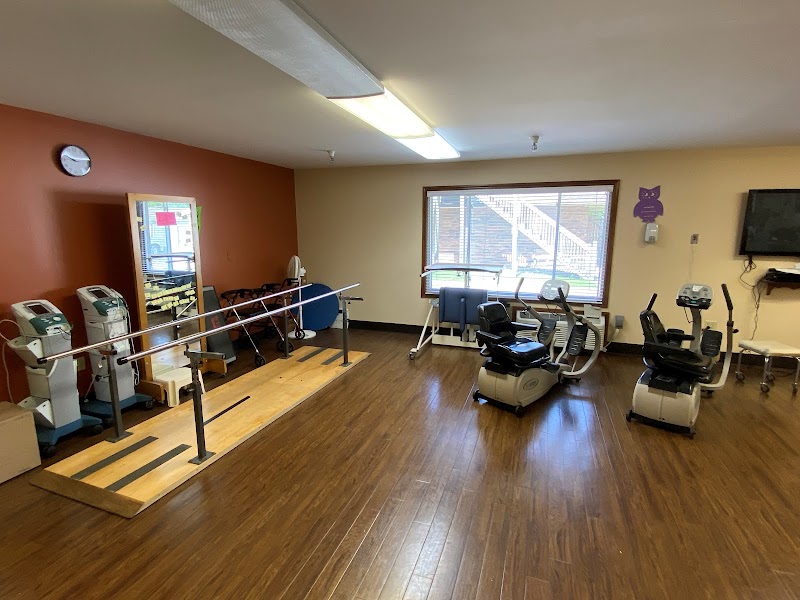
How is Brickyard Healthcare - Terrace Staffed?

CMS rates BRICKYARD HEALTHCARE - TERRACE CARE CENTER's staffing level at 2 out of 5 stars, which is below average compared to other nursing homes. Staff turnover is 41%, compared to the Indiana average of 46%. This relatively stable workforce can support continuity of care.

What Have Inspectors Found at Brickyard Healthcare - Terrace?

State health inspectors documented 43 deficiencies at BRICKYARD HEALTHCARE - TERRACE CARE CENTER during 2023 to 2025. These included: 43 with potential for harm.
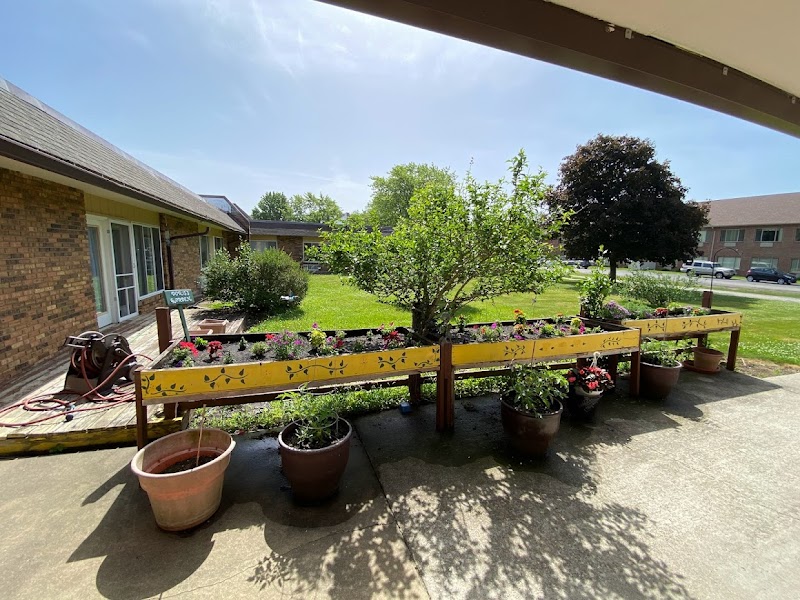
Who Owns and Operates Brickyard Healthcare - Terrace?

BRICKYARD HEALTHCARE - TERRACE CARE CENTER is owned by a for-profit company. For-profit facilities operate as businesses with obligations to shareholders or private owners. The facility is operated by BRICKYARD HEALTHCARE, a chain that manages multiple nursing homes. With 176 certified beds and approximately 132 residents (about 75% occupancy), it is a mid-sized facility located in LA PORTE, Indiana.
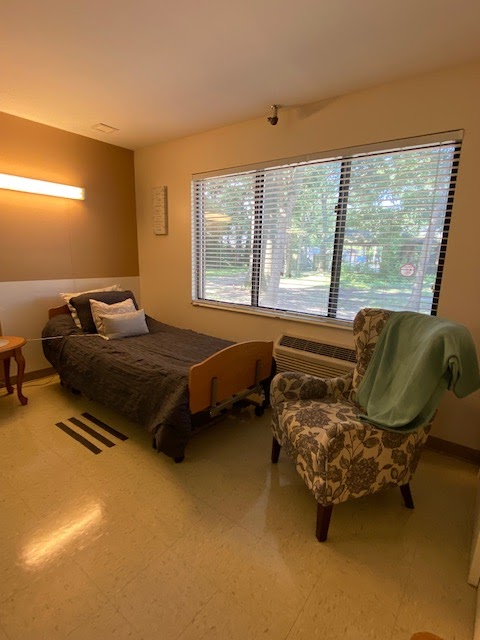
How Does Brickyard Healthcare - Terrace Compare to Other Indiana Nursing Homes?

Compared to the 100 nursing homes in Indiana, BRICKYARD HEALTHCARE - TERRACE CARE CENTER's overall rating (2 stars) is below the state average of 3.1, staff turnover (41%) is near the state average of 46%, and health inspection rating (2 stars) is below the national benchmark.

What Should Families Ask When Visiting Brickyard Healthcare - Terrace?

Based on this facility's data, families visiting should ask: "Can you walk me through typical staffing levels on day, evening, and night shifts?" "Can I visit during a mealtime to observe dining assistance and food quality?" "How do you handle medical emergencies, and what is your hospital transfer rate?" "Can I speak with family members of current residents about their experience?" These questions are particularly relevant given the below-average staffing rating.

Is Brickyard Healthcare - Terrace Safe?

Based on CMS inspection data, BRICKYARD HEALTHCARE - TERRACE CARE CENTER has a clean safety record: no substantiated abuse findings (meaning no confirmed cases of resident harm), no Immediate Jeopardy citations (the most serious violation level indicating risk of serious injury or death), and is not on the Special Focus Facility watch list (a federal program monitoring the lowest-performing 1% of nursing homes). The facility has a 2-star overall rating and ranks #100 of 100 nursing homes in Indiana. While no facility is perfect, families should still ask about staff-to-resident ratios and recent inspection results during their visit.

Do Nurses at Brickyard Healthcare - Terrace Stick Around?

BRICKYARD HEALTHCARE - TERRACE CARE CENTER has a staff turnover rate of 41%, which is about average for Indiana nursing homes (state average: 46%). Moderate turnover is common in nursing homes, but families should still ask about staff tenure and how the facility maintains care continuity when employees leave.

Was Brickyard Healthcare - Terrace Ever Fined?

BRICKYARD HEALTHCARE - TERRACE CARE CENTER has no federal fines on record. CMS issues fines when nursing homes fail to meet care standards or don't correct problems found during inspections. The absence of fines suggests the facility has either maintained compliance or corrected any issues before penalties were assessed. This is a positive indicator, though families should still review recent inspection reports for the full picture.

Is Brickyard Healthcare - Terrace on Any Federal Watch List?

BRICKYARD HEALTHCARE - TERRACE CARE CENTER is not on any federal watch list. The most significant is the Special Focus Facility (SFF) program, which identifies the bottom 1% of nursing homes nationally based on persistent, serious quality problems. Not being on this list means the facility has avoided the pattern of deficiencies that triggers enhanced federal oversight. This is a positive indicator, though families should still review the facility's inspection history directly.