MILLER'S HEALTH & REHAB BY MILLER'S MERRY MANOR
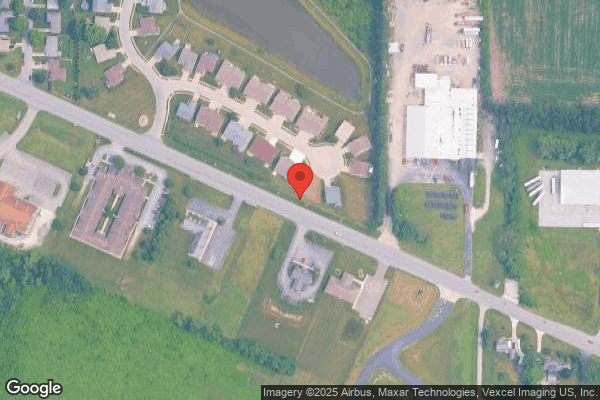
3530 MONROE STREET, LA PORTE, IN 46350 (219) 841-8020
For profit - Individual 81 Beds MILLER'S MERRY MANOR Data: November 2025
Trust Grade
55/100
#269 of 505 in IN
Last Inspection: May 2024

Within standard 12-15 month inspection cycle. Federal law requires annual inspections.

Overview

Miller's Health & Rehab by Miller's Merry Manor in La Porte, Indiana, has a Trust Grade of C, which means it is average compared to other facilities. It ranks #269 out of 505 in the state, placing it in the bottom half, but it is #2 out of 4 in La Porte County, indicating that only one local option is better. The facility is improving, as it reduced its issues from 8 in 2024 to 2 in 2025. Staffing is rated 3 out of 5 stars, with a turnover rate of 55%, which is average for Indiana. Although there are no fines on record, there have been concerning incidents, such as a resident not receiving prescribed oxygen and staff failing to follow proper isolation protocols when entering a resident's room. Overall, while there are strengths like good RN coverage, families should be aware of these weaknesses when considering this nursing home.

Trust Score
C
55/100
In Indiana
#269/505
Bottom 47%
Safety Record
Low Risk
No red flags
Inspections
Getting Better
8 → 2 violations
Staff Stability
⚠ Watch
55% turnover. Above average. Higher turnover means staff may not know residents' routines.
Penalties
✓ Good
No fines on record. Clean compliance history, better than most Indiana facilities.
Skilled Nurses
✓ Good
Each resident gets 53 minutes of Registered Nurse (RN) attention daily — more than average for Indiana. RNs are trained to catch health problems early.
Violations
⚠ Watch
35 deficiencies on record. Higher than average. Multiple issues found across inspections.
★★★☆☆
3.0
Overall Rating
★★★☆☆
3.0
Staff Levels
★★★☆☆
3.0
Care Quality
★★★☆☆
3.0
Inspection Score
Stable
2024: 8 issues
2025: 2 issues

The Good

  • Full Sprinkler Coverage · Fire safety systems throughout facility
  • No fines on record

Facility shows strength in fire safety.

The Bad

3-Star Overall Rating

Near Indiana average (3.1)

Meets federal standards, typical of most facilities

Staff Turnover: 55%

Near Indiana avg (46%)

Frequent staff changes - ask about care continuity

Chain: MILLER'S MERRY MANOR

Part of a multi-facility chain

Ask about local staffing decisions and management

Staff turnover is elevated (55%)

7 points above Indiana average of 48%

The Ugly 35 deficiencies on record

Jul 2025 2 deficiencies
CONCERN (D) 📢 Someone Reported This

A family member, employee, or ombudsman was alarmed enough to file a formal complaint

Potential for Harm - no one hurt, but risky conditions existed

Quality of Care (Tag F0684)

Could have caused harm · This affected 1 resident

**NOTE- TERMS IN BRACKETS HAVE BEEN EDITED TO PROTECT CONFIDENTIALITY** Based on record review and interview, the facility failed to ensure a stat (immediate) chest X-ray was reported timely, eye drop...

Read full inspector narrative →
**NOTE- TERMS IN BRACKETS HAVE BEEN EDITED TO PROTECT CONFIDENTIALITY** Based on record review and interview, the facility failed to ensure a stat (immediate) chest X-ray was reported timely, eye drops were administered as ordered by the physician, a skin tear was treated and monitored, and a resident was treated for constipation for 1 of 1 resident reviewed for hospitalization and 1 of 1 resident reviewed for constipation. (Residents B and G)Findings include: 1. The closed record for Resident B was reviewed on 7/22/25 at 1:30 p.m. Diagnoses included but were not limited to, anemia, kidney failure, heart failure, high blood pressure, falls, glaucoma, and heart disease. The admission Minimum Data Set (MDS) assessment, dated 3/14/25, indicated the resident was moderately impaired for daily decision making. A Care Plan, dated 3/10/25, indicated the resident had visual impairment related to glaucoma. The approaches were to instill medication as per physician orders. A Care Plan, dated 3/17/25, indicated the resident had a skin tear to the right great toe. A Care Plan, dated 3/18/25, indicated the resident tested positive for COVID-19.A Physician's Order, dated 3/7/25 and discontinued on 3/11/25, indicated Travoprost (an eye drop used for glaucoma) Solution 0.004 %, instill one drop in both eyes in the evening for glaucoma. A Physician's Order, dated 3/11/25 and discontinued 3/14/25, indicated Travoprost (an eye drop used for glaucoma) Solution 0.004 %, instill one drop in both eyes at bedtime for glaucoma. A Physician's Order, dated 3/14/25, indicated Travoprost (an eye drop used for glaucoma) Solution 0.004 %, instill one drop in both eyes at bedtime for glaucoma patient supplied. The Medication Administration Record (MAR) for the month of 3/2025, indicated the eye drops were not signed out as being administered and coded with a 3 (indicating the medication was not available) on 3/8, 3/9, 3/10, 3/11, and 3/12/25. Documentation in the nurses' notes, dated 3/8, 3/9, 3/10, 3/11, and 3/12/25, indicated Travoprost Solution 0.004 %, instill one drop in both eyes in the evening for glaucoma. The medication was unavailable at this time.Nurses' Notes, dated 3/12/25 at 7:46 p.m., indicated the resident's daughter brought the Travoprost eye drops due to them not being available from pharmacy. A Nursing Initial Occurrence, dated 3/14/25 at 10:10 p.m., indicated the resident's right great toe got stuck under the wheel of the wheelchair. A skin tear was sustained measuring 0.75 centimeters (cm) in length by 0.5 cm.in width. The CNAs were instructed to make sure the resident was wearing shoes or non-slip socks during transfers and transports. The skin tear was cleansed with soap and water and covered with ABD and tape. The next and last Nursing Occurrence Follow Up Assessments were completed on 3/15/25 at 3:28 p.m. and 10:56 p.m. The directions on the form indicated Complete follow-up assessments for all occurrences each shift for 24 hours, if an injury occurred complete each shift for 72 hours. A Physician's Order, dated 3/17/25, indicated cleanse the skin tear to the right great toe with normal saline and apply Comfitel (a silicone wound dressing) contact layer and cover with a bordered foam. Change twice weekly on Tuesday and Friday and as needed for soilage or dislodgement. There were no treatment orders for the skin tear until 3/17/25. The Treatment Administration Record (TAR) for the month of 3/2025 indicated the treatment for the skin tear was not signed out as being completed on Tuesday 3/18/25. A Nurses' Note, dated 3/15/25 at 2:37 p.m., indicated staff messaged the doctor to obtain an order for Zofran as needed for nausea and dry heaving. There was no other documentation earlier in the day to indicate the resident was nauseated or vomiting. A Physician's Order, dated 3/15/25 at 2:52 p.m., indicate Zofran (a medication used for nausea) give 4 mg by mouth every four hours as needed for nausea and vomiting. Nurse Practitioner (NP) Note, dated 3/21/25 at 11:43 a.m., indicated the patient had a cough with congestion and a chest X-ray would be ordered. A Physician's Order, dated 3/21/25 at 11:43 a.m., indicated stat chest X-ray for shortness of breath. A Nurses' Note, dated 3/21/25 at 6:26 p.m., indicated the daughter called and asked if the resident could get Tessalon Pearls (a medication used for cough). The physician ordered the Tessalon pearls 200 mg three times a day as needed. A Physician's Order, dated 3/21/25 at 9:04 p.m., indicated Benzonatate Capsule 200 mg, give one tablet every eight hours as needed for cough. The order was not put in the computer until 9:04 p.m. so it could be sent to the pharmacy. A Nurses Note, dated 3/22/25 at 8:41 a.m., indicated the chest X-ray results were received and daughter and physician were notified.There was no documentation in the clinical record regarding nursing staff following up on the results of the stat chest X-ray on 3/21/25. During an interview on 7/24/25 at 3:45 p.m., the Assistant Director of Nursing (ADON) indicated the eye drops were not available from the pharmacy. During an interview on 7/25/25 at 11:36 am., the ADON indicated there was no follow up vital signs after the skin tear on the right great toe and there was no treatment order for the skin tear until 3/17/25. The treatment was not signed out on 3/18/25. The Tessalon pearls were delivered to the facility on 3/22/25 at 6:25 p.m. There was no documentation or assessment of the resident having any nausea or vomiting on 3/15/25 prior to getting the order for the Zofran. The X-ray company was called by nursing staff at 1:02 p.m. (79 minutes after the order was written). The company arrived to the facility and obtained the chest X-ray at 2:55 p.m. and results were signed by the Physician on 3/22/25 at 1:07 a.m. She indicated a stat X-ray was to be obtained and completed within four hours. She would have expected nursing staff to follow up with the X-ray company as to what the results were. 2. During an interview on 7/22/25 at 10:50 a.m., the resident indicated she has not had a bowel movement in a while. The record for Resident G was reviewed on 7/23/25 at 9:45 a.m. The resident was admitted to the facility on [DATE]. Diagnoses included, but were not limited to, fracture of left humerus, fracture of left wrist, hypothyroidism, and laceration of the eyelid. The admission Minimum Data Set (MDS) assessment was still in progress. A Care Plan, dated 7/20/25, indicated the resident had the potential for constipation. The approaches were to administer laxatives and/or stool softeners as ordered. A Nurses' Note, dated 7/21/25, indicated the resident had complaints of having no bowel movement in a few days. The physician was notified and new orders were obtained. There were no other nursing progress notes regarding the resident's complaints of constipation. A Physician's Order, dated 7/20/25, indicated Hydrocodone (a narcotic) 7.5-325 mg, give one tablet every six hours as needed for pain. Physician's Orders, dated 7/21/25, indicated Milk of Magnesia 400 milligrams (mg), give 30 milliliters (ml) every 24 hours as needed for constipation. Miralax oral powder 17 grams, give one scoop one time a day for constipation and Sennosides 8.6 mg, give two tablets one time for constipation. A Physician's Order, dated 7/22/25, indicated Hydrocodone (a narcotic) 7.5-325 mg, give one tablet two times a day for pain. The 7/2025 Medication Administration Record (MAR) indicated the resident received 5 doses of the as needed Hydrocodone from 7/21-7/22/25. The resident did not receive the as needed Milk of Magnesia. She received one dose of the Sennosides on 7/21/25, no dose on 7/22/25 and one dose on 7/23/25. The three-day bowel pattern record indicated no bowel movement was documented from 7/20/25 at 3:42 p.m. through 7/23/25 2:22 p.m. The bowel movement documentation every shift indicated a small bowel movement was recorded on 7/21/25 at 2:10 p.m. During an interview on 7/24/25 at 3:45 p.m., the Assistant Director of Nursing (ADON) indicated it was documented the resident had a bowel movement on 7/21/25 at 2:10 p.m. She was not aware the three-day bowel movement pattern indicated the resident had no bowel movement on 7/21/25. She was aware the resident did not receive the as needed Milk of Magnesia. There was no follow up documentation regarding the resident's complaints of constipation. The current 3/1/2001 Bowel Elimination policy, provided by the ADON on 7/25/25 at 11:40 a.m., indicated if a resident complained of constipation, or at least on the third day with no bowel movement, an ordered bowel aid or stool softener will be administered. This citation relates to Complaint 1554512. 3.1-37(a)
CONCERN (D) 📢 Someone Reported This

A family member, employee, or ombudsman was alarmed enough to file a formal complaint

Potential for Harm - no one hurt, but risky conditions existed

Incontinence Care (Tag F0690)

Could have caused harm · This affected 1 resident

Based on observation, record review, and interview, the facility failed to ensure indwelling Foley (urinary) catheter tubing was kept off the floor, urinary outputs were documented, and urinalysis was...

Read full inspector narrative →
Based on observation, record review, and interview, the facility failed to ensure indwelling Foley (urinary) catheter tubing was kept off the floor, urinary outputs were documented, and urinalysis was collected in a timely manner for 2 of 3 residents reviewed for catheters. (Residents H and E)Findings include:1. During random observations on 7/21/25 at 10:16 a.m. and 12:40 p.m., Resident H was observed sitting in a wheelchair. At those times, an indwelling Foley catheter was observed underneath the wheelchair and the bottom of the bag was on the floor. The record for Resident H was reviewed on 7/23/25 at 10:07 a.m. Diagnoses included, but were not limited to, right femur fracture, obstructive and reflux uropathy (a condition where urine flows backward from the bladder into the ureters and potentially the kidneys), urine retention and chronic kidney disease. The 6/26/25 admission Minimum Data Set (MDS) assessment indicated the resident was cognitively intact for daily decision making and had an indwelling Foley catheter. The Care Plan, dated 6/13/25, indicated the resident required the use of a catheter due to untreatable urinary retention. The approaches were to document urinary output. A Physician's Order, dated 6/16/25, indicated Foley catheter #16 with a 10 milliliter balloon. A Physician's Order, dated 7/4/25, indicated the Foley catheter was to be switched to leg bag during the day and privacy bag at bedtime. A Physician's Order, dated 7/6/25, indicated Keflex (an antibiotic) 500 milligrams (mg) three times a day for seven days for an urinary tract infection. The urinary output documentation in the CNA task section indicated the output was incomplete on the day shift on 6/14, 6/15, 6/21, 6/27, 7/8, and 7/11/25, on the evening shift on 7/2 and 7/17/25 and on the midnight shift on 6/25/25. During an interview on 7/24/25 at 1:45 p.m., the Nurse Consultant indicated the Foley catheter bag should not have been touching the floor. During an interview on 7/24/25 at 3:45 p.m., the Administrator had no additional information to provide regarding the urinary output not being completed. The current 6/15/2010 Output Monitoring policy, provided by the Assistant Director of Nursing (ADON) on 7/25/25 at 11:40 a.m., indicated output will be monitored each shift and documented in the medical record in point click care. The current 8/30/2007 Foley Catheter and Maintenance policy, provided by the ADON on 7/25/25 at 11:40 a.m., indicated ensure the bag or tubing was not touching the floor. 2. During a random observation on 7/21/2025 at 1:02 p.m., Resident E was moaning, indicating her back hurt when she tried to move. At that time, LPN 2 indicated she informed the doctor of the pain. He told her to give the resident Tylenol and that he would come see the resident. The record for Resident E was reviewed on 7/23/25 at 10:45 a.m. Diagnoses included, but were not limited to, diabetes, heart failure, and acute kidney failure. The 5/29/25 5-Day Minimum Data Set (MDS) assessment indicated the resident had moderate cognitive impairment, required moderate assistance with activities of daily living (ADLs) and maximal assistance with transfers. A Physician's Note, dated 7/21/25 at 6:34 p.m., indicated the resident had complaint of pelvic and back pain, and staff was to obtain a urine sample for urinalysis and culture with antibiotic sensitivity. A Physician's Order, dated 7/22/25, indicated to straight cath (insert temporary catheter to drain the bladder) the resident to obtain the urine sample. A Progress Note, dated 7/23/25, indicated a Foley catheter (tube inserted and maintained in the bladder to drain urine) was to be inserted due to an unsuccessful attempt to straight cath. During an interview on 7/24/25 at 1:45 p.m., the Nurse Consultant indicated the process for obtaining a urine sample for analysis should be more timely. This citation relates to Complaint 1554511. 3.1-41(a)(2)
May 2024 7 deficiencies
CONCERN (D)

Potential for Harm - no one hurt, but risky conditions existed

Deficiency F0561 (Tag F0561)

Could have caused harm · This affected 1 resident

**NOTE- TERMS IN BRACKETS HAVE BEEN EDITED TO PROTECT CONFIDENTIALITY** Based on record review and interview, the facility failed to ensure a resident's preferences were honored related to the type of...

Read full inspector narrative →
**NOTE- TERMS IN BRACKETS HAVE BEEN EDITED TO PROTECT CONFIDENTIALITY** Based on record review and interview, the facility failed to ensure a resident's preferences were honored related to the type of diet they received for 1 of 1 resident reviewed for choices. (Resident 50) Finding includes: During an interview on 5/16/24 at 10:23 a.m., Resident 50 indicated there was one issue that kept upsetting her. She indicated her doctor told her she could have whatever she wanted to eat, however, the staff here kept telling her she cannot have certain items. On Mother's Day, she was in the dining room and everyone at her table received ham and she got something else to eat. She asked the staff if she could have a piece of ham and was told No. She then handed the person the plate and said I want ham so get it for me please. The staff took the plate and brought back a piece of ham and mashed potatoes but there was no gravy on the potatoes. She asked the staff where the gravy was for the potatoes, and the staff stated, Well you wanted the ham so you do not get gravy on the potatoes because that is too much salt. During an interview on 5/20/24 at 9:10 a.m., the resident indicated she was able to get what she wanted for her meals over the past weekend with no issues, however, every day she has had to ask for bacon even though she wrote it on her meal ticket. Sometimes she received it and sometimes she did not. The meal ticked indicated the resident was to receive a 3-4 gram sodium diet. The record for Resident 50 was reviewed on 5/17/24 at 1:37 p.m. The resident was admitted to the facility on [DATE]. Diagnoses included, but were not limited to, histoplasmosis (infection by a fungus found in the droppings of birds and bats in humid areas), chronic kidney disease, type 2 diabetes, respiratory failure, hepatic fibrosis, thrombocytopenic purpura, and high blood pressure. The 4/30/24 admission Minimum Data Set (MDS) assessment indicated the resident was cognitively intact for daily decision making. A Care Plan, initiated on 4/23/24, indicated the resident needed limited to extensive assist with ADL's (Activities of Daily Living) since the recent hospital stay and required set up to supervision with eating. The approaches were staff will assess and honor her preferences. Physician's Orders, dated 4/24/24, indicated 3-4 gram sodium controlled carbohydrate diet. During an interview on 5/21/24 at 8:45 a.m., the Director of Nursing indicated the resident was cognitively intact and had not further information to provide. 3.1-3(u)(1)
CONCERN (D)

Potential for Harm - no one hurt, but risky conditions existed

Comprehensive Care Plan (Tag F0656)

Could have caused harm · This affected 1 resident

Based on observation, record review, and interview, the facility failed to ensure individualized Care Plans were developed and implemented related to behaviors for 1 of 15 residents reviewed for care ...

Read full inspector narrative →
Based on observation, record review, and interview, the facility failed to ensure individualized Care Plans were developed and implemented related to behaviors for 1 of 15 residents reviewed for care plan development and implementation. (Resident 22) Finding includes: During an observation and interview on 5/16/24 at 10:25 a.m., Resident 22 voiced concerns of another resident stealing items from her room and indicated the same resident smacked her in the face after she had snatched a marker out of the other resident's hand. The resident indicated this resident consistently steals from everyone and she was attempting to stop her from stealing the marker. She indicated the Director of Nursing was informed about the incident. The resident's allegations of abuse were reported to the Administrator on 5/16/24 at 11:55 a.m. The Administrator indicated she was unaware of this incident and would report and investigate the matter. Resident 22's record was reviewed on 5/16/24 at 11: 00 a.m. Diagnoses included, but were not limited to, major depressive and anxiety disorder. An Annual Minimum Data Set assessment, dated 4/10/24, indicated the resident was cognitively intact for daily decision making and had no behaviors. During an interview on 5/21/24 at 2:17 p.m., the Director of Nursing indicated there was a Care Plan regarding the resident's exaggerations and/or telling lies. A Care Plan, dated 5/20/24 after the resident's allegation, indicated the resident had a history of making false allegations that have been investigated and proven to be false. The resident reported that she had told staff concerns and then went back and told others she didn't report things. The Care Plan also indicated the resident's daughter reported that historically, the resident lied and not to believe anything that she said. During an interview on 5/22/24 at 8:30 a.m., the Administrator indicated a Care Plan meeting was held on 4/10/24 with the resident, her daughter, the Director of Nursing, and herself. At that time, the resident informed them that she had taken the marker out of another resident's hand, however, she never once said the resident had hit her. The Administrator indicated the resident would be very nice to the alleged resident and invite her in her room and give her cookies and candy, and then the next time the other resident went into her room, she was yelling at her to leave the room and accused her of taking items. She indicated there was no Care Plan in the resident's clinical record regarding her manipulative behavior with the alleged resident, or any interventions, prior to 5/20/24. 3.1-35(a)
CONCERN (D)

Potential for Harm - no one hurt, but risky conditions existed

Quality of Care (Tag F0684)

Could have caused harm · This affected 1 resident

**NOTE- TERMS IN BRACKETS HAVE BEEN EDITED TO PROTECT CONFIDENTIALITY** 2. On 5/16/24 at 10:02 a.m., Resident 6 was observed lying in bed with her heels floated. There was a dressing on the residents ...

Read full inspector narrative →
**NOTE- TERMS IN BRACKETS HAVE BEEN EDITED TO PROTECT CONFIDENTIALITY** 2. On 5/16/24 at 10:02 a.m., Resident 6 was observed lying in bed with her heels floated. There was a dressing on the residents right foot dated 5/14/24. The resident indicated the treatment for her foot was to be completed daily. On 5/16/24 at 11:11 a.m., the resident was observed sitting up in bed. The dressing on her right foot had not been changed yet and was still dated 5/14/24. On 5/16/24 at 12:00 p.m., the resident was observed lying in bed with family at the bedside. The dressing had not been changed yet and was dated 5/14/24. During an interview at the time, the resident indicated the nurse communicated she would come back and change her right foot dressing on 5/15/24. The nurse had not come back to change it. The record for Resident 6 was reviewed on 5/20/24 at 3:42 p.m. The diagnoses included, but were not limited to, heart failure, depression, kidney disease, and cellulitis of the right leg. The Significant Change Minimum Data Set (MDS) assessment, dated 5/3/24, indicated the resident was cognitively intact for daily decision making and she had impairment of both legs. A Physicians' Order, dated 5/9/24, indicated to cleanse the right heel with saline, pat dry, apply betadine, cover with a non adherent dressing, and wrap with kerlix daily and as needed. A Nurses' Note, dated 5/9/2024 at 9:42 a.m., indicated the resident had a new non-pressure wound to the right posterior heel. Interventions were to cleanse with saline, apply betadine, cover with a non adherent dressing, and wrap with kerlix. The dressing was to be changed daily and as needed for soilage. During an interview on 5/16/24 at 12:06 p.m., Agency LPN 1 indicated the hospice nurse changed the dressings on days she provided care. When the hospice nurse was not in the facility, the nurse would be responsible for daily dressing changes. During an interview on 5/21/24 at 9:13 a.m., the Director of Nursing (DON) indicated she understood the concern regarding the missed dressing change and had no additional information to provide. 3.1-37(a) Based on observation, record review, and interview, the facility failed to ensure bruised areas were assessed and monitored, and non-pressure skin treatments were completed as ordered, for 2 of 4 residents reviewed for non-pressure skin conditions. (Residents 40 and 6) Findings include: 1. During a random observation on 5/17/24 at 9:00 a.m., Resident 40 was observed in a recliner chair in her room. At that time, a bruise was noted under the left eye. On 5/20/24 at 12:10 p.m., the resident was observed sitting in a wheelchair eating lunch in the main dining room. At that time, the bruise remained under the left eye. The record for Resident 40 was reviewed on 5/17/24 at 11:14 a.m. The resident was admitted to the facility on [DATE]. Diagnoses included,but were not limited to, fractured ribs, Alzheimer's disease, high blood pressure, acute kidney failure, falls, type 2 diabetes, high blood pressure and anxiety. The 4/24/24 admission Minimum Data Set (MDS) assessment indicated the resident was not cognitively intact for daily decision making. A Care Plan, initiated on 4/17/24, indicated the resident was at risk for skin breakdown. The approaches were to monitor skin daily with care and perform a weekly skin assessment by the nurse. Physician's Orders, dated 4/18/24, indicated to monitor bruise to left eye, face, neck, and back of head for 7 days and report any changes. The resident was admitted to the hospital on [DATE] and returned on 5/6/24. The Nursing Acute Return Assessment, dated 5/6/24, indicated the resident's skin was intact with no pre-existing bruising under the left eye. The Nursing-Assess Skilled (every shift times 72 hours then daily) Assessment, dated 5/7/24 at 12:30 a.m., indicated no skin issues old or new. There was no documentation in Nursing Progress Notes on 5/6-5/16/24 regarding the bruise under the left eye. During an interview on 5/17/24 at 1:45 p.m., CNA 1 indicated the resident had not had a fall since she had been here, and the bruise was old from when she was first admitted . During an interview on 5/17/24 at 2 p.m., RN 1 indicated the bruise was from her fall prior to coming into the facility and it was monitored on the Treatment Administration Record. During an interview on 5/21/24 at 8:45 a.m., the Director of Nursing indicated after the resident returned from the hospital on 5/6/24, the bruise should have been assessed as pre-existing and monitored again. The current 4/23/24 Wound (Pressure Injury) and Non-Wound Assessment and Documentation policy, provided by the Administrator on 5/21/24 at 1:37 p.m., indicated non-wound skin altercations such as bruising will be monitored at least daily for 7 days for complications such as pain that may indicate further assessment.
CONCERN (D)

Potential for Harm - no one hurt, but risky conditions existed

Accident Prevention (Tag F0689)

Could have caused harm · This affected 1 resident

Based on observation, record review, and interview, the facility failed ensure adequate supervision was provided for a resident related to fall interventions for 1 of 1 resident reviewed for falls. (R...

Read full inspector narrative →
Based on observation, record review, and interview, the facility failed ensure adequate supervision was provided for a resident related to fall interventions for 1 of 1 resident reviewed for falls. (Resident 48) Finding includes: During a random observation on 5/16/24 at 11:30 a.m., Resident 48 was observed in bed. At that time, the bed was observed in a high position and there was no floor mat next to either side of the bed. The resident's spouse was seated in a chair by the window. On 5/17/24 at 9:00 a.m., the resident was observed in bed and CNA 1 was getting him dressed. At that time, the bed was in a very high position and the floor mat was against the wall. The CNA indicated she was preparing to get him up in the wheelchair by using the hoyer lift. At 9:05 a.m., the CNA left the room to get the hoyer lift and left the bed in the high position with the floor mat against the wall while the resident was still in the bed. At 9:11 a.m., the CNA came back to the unit with the hoyer lift and proceeded to get the resident into the chair. On 5/20/24 at 9:12 a.m., the resident was observed in bed. At the time, the bed was in a low position, however, the floor mat was against the wall. The resident's spouse was seated in the chair by the head of the bed. On 5/20/24 at 11:45 a.m., the resident was observed in bed. At that time, the bed was in a very high position and the floor mat was against the wall and not beside the bed. The resident's spouse was seated in a chair by the window. The record for Resident 48 was reviewed on 5/20/24 at 9:16 a.m. Diagnoses included, but were not limited to, fracture T9-T10 (Thoracic spine) vertebra, anemia, Parkinson's disease, and high blood pressure. The 5/2/24 Significant Change Minimum Data Set (MDS) assessment indicated the resident was moderately impaired for daily decision making. The resident had a limitation in range of motion to both upper and lower extremities and was dependent on staff for transfers and bed mobility. The resident had no history of falls and had unhealed pressure injuries. A Care Plan, initiated on 1/12/24, indicated the resident was at risk for falls due to Parkinson's disease and incontinence. Physician's Orders, dated 4/25/24, indicated place the bed in the lowest position and have a fall mat in place every shift for safety. During an interview on 5/21/24 at 8:45 a.m., the Director of Nursing indicated the bed should be in the lowest position with the floor mat on the side of the bed while the resident was in bed. The Unit Manager spoke to the resident's spouse, who said she told staff to keep the bed in the high position while she was there so she did not have to look down at the resident. 3.1-45(a)(2)
CONCERN (D)

Potential for Harm - no one hurt, but risky conditions existed

Respiratory Care (Tag F0695)

Could have caused harm · This affected 1 resident

2. On 5/16/24 at 10:31 a.m., Resident 44 was observed lying in bed. She was wearing oxygen via nasal cannula and the flow rate was under the 3 liter line. On 5/16/24 at 11:22 a.m., the resident was ob...

Read full inspector narrative →
2. On 5/16/24 at 10:31 a.m., Resident 44 was observed lying in bed. She was wearing oxygen via nasal cannula and the flow rate was under the 3 liter line. On 5/16/24 at 11:22 a.m., the resident was observed sitting in her wheelchair. She was wearing oxygen via nasal cannula and the flow rate was set at just under the 3 liter line. On 5/17/24 at 11:11 a.m., the resident was observed not wearing oxygen. She had a portable tank attached to her wheelchair and the flow rate was on at 3 liters. The resident indicated she just had a bath and was taking an oxygen break for a moment. On 5/20/24 at 11:34 a.m., the resident was sitting in her wheelchair and her oxygen was on and in place. The oxygen flow rate was on at 3 liters. On 5/20/24 at 1:25 p.m., the resident was observed in her recliner eating lunch. She was wearing oxygen via nasal cannula and the flow rate was on at 3 liters. The record for Resident 44 was reviewed on 5/17/24 at 1:07 p.m. The diagnoses included, but were not limited to, arthritis right shoulder, atrial fibrillation, aphasia, anemia, hypertension, obstructive uropathy, and high cholesterol. The admission Minimum Data Set (MDS) assessment, dated 2/19/24, indicated the resident was cognitively intact for daily decision making. The resident required oxygen therapy. There was no oxygen care plan. A Physician's Order, dated 2/13/24, indicated to check the oxygen flow rate was on at 2 liters. A Nurses Note, dated 2/13/24 at 12:07 p.m., indicated the resident's oxygenation level on room air was 87% and 2 liters of oxygen was applied. A Nurses Note, dated 3/8/24 at 1:32 p.m., indicated the nasal cannula was secured and oxygen was on at 2 liters. The Treatment Administration Record (TAR) for May 2024 indicated oxygen was signed out as being administered at 2 Liters on the following dates: 5/16/24, 5/17/24, 5/18/24, 5/19/24, and 5/20/24. During an interview on 5/21/24 at 9:13 a.m., the Director of Nursing (DON) indicated she understood the concern regarding the resident's oxygen not being on at the correct rate and had no additional information to provide. 3.1-47(a)(6) Based on observation, record review, and interview, the facility failed to ensure oxygen was set at the correct flow rate, for 2 of 3 residents reviewed for respiratory care (Residents 49 and 44) Findings include: 1. On 5/16/24 at 10:36 a.m., Resident 49 was observed sitting in a recliner chair in his room. At that time, he was wearing oxygen per nasal cannula and was connected to the room concentrator. The ball on the oxygen dial was all the way at the bottom of and well below 0.5 liters. On 5/17/24 at 8:59 a.m., the resident was observed wearing the oxygen and the ball on the oxygen dial was below the 0.5 liter mark. On 5/17/24 at 12:28 p.m., the resident was observed wearing the oxygen and the bottom of the ball on the dial was above the 0.5 liter mark. The record for Resident 49 was reviewed on 5/20/24 at 10:59 a.m. Diagnoses included, but were not limited to, fracture of left femur, COPD, heart failure, respiratory failure, type 2 diabetes, high blood pressure, and atrial fib. The 3/26/24 admission Minimum Data Set (MDS) assessment indicated the resident was cognitively intact for daily decision making. The resident used oxygen while at the facility and received diuretic medication. A Care Plan, dated 5/17/24, indicated the resident had heart failure. The approaches were to provide oxygen as ordered. Physician's Orders, dated 3/19/24, indicated oxygen at 0.5 liters per minute per nasal cannula, continuously every shift. During an interview on 5/21/24 at 8:45 a.m., the Director of Nursing indicated the oxygen should be set on 0.5 liters and ball should be centered in the middle of the line of the amount to be administered.
CONCERN (D)

Potential for Harm - no one hurt, but risky conditions existed

Deficiency F0757 (Tag F0757)

Could have caused harm · This affected 1 resident

**NOTE- TERMS IN BRACKETS HAVE BEEN EDITED TO PROTECT CONFIDENTIALITY** 3. The record for Resident 6 was reviewed on 5/20/24 at 3:42 p.m. The diagnoses included, but were not limited to, heart failure...

Read full inspector narrative →
**NOTE- TERMS IN BRACKETS HAVE BEEN EDITED TO PROTECT CONFIDENTIALITY** 3. The record for Resident 6 was reviewed on 5/20/24 at 3:42 p.m. The diagnoses included, but were not limited to, heart failure, depression, kidney disease, and cellulitis of right leg. The Significant Change Minimum Data Set (MDS) assessment, dated 5/3/24, indicated the resident was cognitively intact for daily decision making. A Physician's Order, dated 3/23/24, indicated to administer Losartan Potassium tablet 100 milligrams (mg) daily. The medication was to be held if the resident's systolic blood pressure was less than 120. The Medication Administration Records (MAR) for March - May 2024 indicated the Losartan was signed out as given with the blood pressure less than 120 systolic on the following dates: - 3/21/24 with a blood pressure of 119/73. - 4/19/24 with a blood pressure of 97/78. - 5/9/24 with a blood pressure of 110/70. The resident's blood pressure was not documented on the Medication Administration Record (MAR) for the months of 10/2023, 11/2023, 12/2023, and 1/2024, nor was the resident's blood pressure documented in the vitals section of the electronic medical record on a consistent basis. During an interview on 5/21/24 at 11:39 a.m., the Director of Nursing (DON) indicated she understood the concern regarding the medication was administered outside of the ordered parameters and no additional information was provided. 3.1-48(a)(3) 3.1-48(a)(4) Based on record review and interview, the facility failed to ensure blood pressure and diuretic medications were not administered outside of their physician ordered parameters for 3 of 6 residents reviewed for unnecessary medications. (Residents 40, 49, and 6) Findings include: 1. The record for Resident 40 was reviewed on 5/17/24 at 11:14 a.m. The resident was admitted to the facility on [DATE]. Diagnoses included,but were not limited to, fractured ribs, Alzheimer's disease, high blood pressure, acute kidney failure, falls, type 2 diabetes, high blood pressure and anxiety. The 4/24/24 admission Minimum Data Set (MDS) assessment indicated the resident was not cognitively intact for daily decision making. A Care Plan, dated 4/17/24, indicated the resident had chronic cardiovascular disease related to high blood pressure. The approaches were to administer medications as ordered. Physician's Orders, dated 4/30/24, indicated Clonidine (a medication used to reduce blood pressure) 0.1 milligrams (mg), give 1 tablet by mouth two times a day and hold if the systolic blood pressure (top number) was less than 140. Physician's Orders, dated 5/2/24, indicated Hydralazine (a medication used to reduce blood pressure) 50 mg, give 1 tablet by mouth every 6 hours and hold if the systolic blood pressure was less than 160. Physician's Orders, dated 5/6/24, indicated Metoprolol Tartrate (a medication to lower the heart rate and blood pressure) 50 mg, give 1 tablet by mouth two times a day and hold if the systolic blood pressure was less than 140 and pulse was less than 60. The 4/2024 and the 5/2024 Medication Administration Record (MAR) indicated the Clonidine was administered on 5/15/24 (p.m.) dose with a blood pressure of 111/58. The Hydralazine was administered on the following days and times against ordered parameters: - 5/9/24 11 a.m. dose with a blood pressure of 98/52 - 5/13/24 5 p.m. dose with a blood pressure of 136/60 - 5/7/24 11 p.m. dose with a blood pressure of 155/76 - The Hydralazine was held on 5/10/24 at the 5 a.m. dose with a blood pressure of 164/80 The Metoprolol was administered on the following days and times against ordered parameters: - 4/30/24 the 9 p.m. dose with a pulse of 49 - 5/13/24 9 a.m. dose with a blood pressure of 149/70 - 5/14/23 9 p.m. dose with a blood pressure of 159/66 - 5/18/24 with a pulse of 57 - The Metoprolol was held on 5/8/24 at 9 a.m. with a blood pressure of 145/68. During an interview on 5/21/24 at 1:05 p.m., the Director of Nursing indicated the blood pressure medication should have been given as ordered by the physician. 2. The record for Resident 49 was reviewed on 5/20/24 at 10:59 a.m. Diagnoses included, but were not limited to, fracture of left femur, COPD, heart failure, respiratory failure, type 2 diabetes, high blood pressure, and atrial fib. The 3/26/24 admission Minimum Data Set (MDS) assessment indicated the resident was cognitively intact for daily decision making. The resident used oxygen while at the facility and received diuretic medication. A Care Plan, dated 5/17/24, indicated the resident had heart failure. The approaches were to administer medication as ordered. Physician's Orders, dated 4/21/24, indicated the following: - Furosemide (a diuretic medication) 40 milligrams (mg), give 1 tablet by mouth two times a day for edema and hold if systolic blood pressure was less than 140. - Aldactone (a diuretic medication) 25 mg, give 1 tablet by mouth two times a day for edema and hold if systolic blood pressure was less than 140. The 4/2024 and 5/2024 Medication Administration Records (MAR) indicated the Furosemide and the Aldactone were administered on 4/29/24 for the a.m. dose with a blood pressure of 138/72. They both were administered on 4/29/24 for the p.m. dose with a blood pressure of 133/74. The Aldactone and the Furosemide were administered on 5/4/24 for the a.m. dose with a blood pressure of 136/85 and the Furosemide was administered on 5/1/24 for the a.m. dose with a blood pressure of 112/64. During an interview on 5/21/24 at 1:05 p.m., the Director of Nursing indicated the diuretic medications should have been administered as ordered by the physician.
CONCERN (E)

Potential for Harm - no one hurt, but risky conditions existed

Medical Records (Tag F0842)

Could have caused harm · This affected multiple residents

**NOTE- TERMS IN BRACKETS HAVE BEEN EDITED TO PROTECT CONFIDENTIALITY** 4. On 5/16/24 at 10:39 a.m., Resident 1 was observed not wearing any oxygen, there was an oxygen concentrator and tubing against...

Read full inspector narrative →
**NOTE- TERMS IN BRACKETS HAVE BEEN EDITED TO PROTECT CONFIDENTIALITY** 4. On 5/16/24 at 10:39 a.m., Resident 1 was observed not wearing any oxygen, there was an oxygen concentrator and tubing against the wall that was turned off. The resident indicated they were no longer using it. On 5/16/24 at 12:20 p.m., the resident was observed sitting in her wheelchair in the dining area for lunch. The resident was not wearing any oxygen. There was an order in the chart for continuous oxygen use at 2 liters. On 5/17/24 at 11:12 a.m., the resident was observed sitting in her wheelchair. She was not wearing any oxygen. The concentrator and tubing were placed against the wall. On 5/20/24 at 11:36 p.m., the resident was observed sitting in her wheelchair, she was not wearing any oxygen. The oxygen tank was off and stored against the wall. The resident indicated she no longer used the oxygen. The record for Resident 11 was reviewed on 5/17/24 at 2:14 p.m. The diagnoses included, but were not limited to, kidney failure, cellulitis of the lower leg, diabetes, respiratory failure, dementia, bipolar disorder, heart failure, sleep disorder, dysphagia (difficulty swallowing), depression, difficulty walking, hypertension (high blood pressure), and anxiety. The Significant Change Minimum Data Set (MDS) assessment, dated 2/15/24, indicated the resident was cognitively intact for daily decision making and she required oxygen therapy. A Physician's Order, dated 5/9/24, indicated to administer oxygen at 2 liters via nasal cannula every shift. The May 2024 Medication Administration Record (MAR) indicated the resident's oxygen was signed out as being administered on the following dates: 5/16/24, 5/17/24, 5/18/24, 5/19/24 and 5/20/24. During an interview on 5/21/24 at 9:13 a.m., the Director of Nursing (DON) indicated she understood the concern regarding Resident 11's oxygen being signed out as given and had no additional information to provide. 3.1-50(a)(1) 3.1-50(a)(2) Based on observation, record review, and interview, the facility failed to ensure clinical records were complete and accurately documented related to a resident's temperature on the Infection Control Assessment for 1 of 1 residents reviewed for urinary tract and respiratory infections, completed meal consumption and monitoring intake of nutritional supplements for 1 of 1 residents reviewed for nutrition, discontinuing pressure injury treatments for 1 of 2 residents reviewed for pressure ulcers, and the documentation of oxygen when not in use for 1 of 3 residents reviewed for oxygen therapy. (Residents 25, 40, 48 and 11) Findings include: 1. The record for Resident 25 was reviewed on 5/20/24 at 2:02 p.m. Diagnoses included, but were not limited to, obstructive uropathy, urine retention, high blood pressure, chronic kidney disease, stroke, and Alzheimer's dementia. The 5/1/24 admission minimum Data Set (MDS) assessment indicated the resident was moderately impaired for decision making. The resident was not receiving antibiotics for any infection. There was no Care Plan for antibiotic therapy. Physician's Orders, dated 5/12/24, indicated Amoxicillin-Pot Clavulanate (an antibiotic medication) 875-125 milligrams (mg), give 1 tablet by mouth every 12 hours for Atelectasis (occurs when the small sacs in the lungs (alveoli) can't inflate properly, leading to a partial or full collapse of the lungs) for 10 days. Physician's Orders, dated 5/14/24, indicated Cipro 500 mg (an antibiotic medication) give 1 tablet by mouth two times a day for an Urinary Tract Infection for 7 days. A Nursing Infection Assessment, dated 5/15/24 at 2:06 p.m., indicated the resident's temperature documented was from 5/14/24 at 10:45 a.m. A Nursing Infection Assessment, dated 5/19/24 at 9:45 a.m., , indicated the resident's temperature documented was from 5/18/24 at 7:40 p.m. During an interview on 5/21/24 at 8:45 a.m., the Director of Nursing indicated the Nursing Infection Assessment was completed daily on the evening shift while the resident was receiving antibiotics and the resident's temperature should be checked at the time the assessment was completed. 2. During a random observation on 5/20/22 at 12:10 p.m., the Resident 40 received her lunch meal. At that time, she was served a 4 ounce glass of a thick white substance. The record for Resident 40 was reviewed on 5/17/24 at 11:14 a.m. The resident was admitted to the facility on [DATE]. Diagnoses included,but were not limited to, fractured ribs, Alzheimer's disease, high blood pressure, acute kidney failure, falls, type 2 diabetes, high blood pressure and anxiety. The 4/24/24 admission Minimum Data Set (MDS) assessment indicated the resident was not cognitively intact for daily decision making. The resident's current weight on 5/13/24 was 101 pounds. The resident weighed 110 pounds on admission [DATE]) which was a significant weight loss. The meal consumption in the last 30 days indicated the breakfast meal was not documented on 4/19, 4/23, 4/25, and 5/10/24. The lunch meal was not documented on 4/24 and 4/25/24 and the dinner meal was not documented on 4/18/24. A Nurses' Note, dated 5/16/24 at 12:14 p.m., indicated the IDT (Interdisciplinary Team) met to discuss the resident's current weight loss. The Dietary manager recommended 4 ounce sugar free healthshake three times a day with meals and monitor weekly weights. The Physician was notified and in agreement. A new order was received for sugar free healthshake with meals. There was no Physician's Order for the healthshake. There was no documentation of how much of the healthshake the resident consumed. During an interview on 5/21/24 at 8:45 a.m., the Director of Nursing (DON) indicated all health shakes were poured into a glass and not in individual cartons. The amount consumed after each meal should be documented on the Enteral/Supplement Administration Record and meal consumption should be documented after each meal. The current 8/23/23 Wound, Weight, and Hydration Meeting policy, provided by the DON on 5/21/24 at 1:47 p.m., indicated the Dietary Manager should review the menus online during the meeting to ensure supplements or food add-ons were included on the menu or added to the menu. The task list on the POC (computerized charting) would be monitored during the meeting to ensure house shakes were being documented along with intakes. 3. The record for Resident 48 was reviewed on 5/20/24 at 9:16 a.m. Diagnoses included, but were not limited to, fracture T9-T10 (Thoracic spine) vertebra, anemia, Parkinson's disease, and high blood pressure. The 5/2/24 Significant Change Minimum Data Set (MDS) assessment indicated the resident was moderately impaired for daily decision making. The resident had a limitation in range of motion to both upper and lower extremities and was dependent on staff for transfers and bed mobility. The resident had no history of falls and had unhealed pressure injuries. A Care Plan, dated 1/12/24, indicated the resident was admitted with a wound that was caused by wearing a back brace. Physician's Orders, dated 3/20/24, indicated Santyl Ointment 250 units/grams, apply to upper back wound topically every day shift and cover with 6 by 6 bordered foam dressing. Physician's Orders, dated 5/8/24, indicated cleanse wound with normal saline and apply dermasyn AG gel to the wound bed and cover with 4 by 4 bordered foam dressing. The order was discontinued on 5/16/24. The Treatment Administration Record (TAR), dated 5/2024, indicated the Santyl was signed out as being completed 5/1-5/17/24. The dermasyn AG gel was also signed out as being completed 5/9-5/16/24. Both treatments were signed out as being done at the same time. During an interview on 5/21/24 at 1:05 p.m., the Director of Nursing indicated, from 5/9-5/16/24, the treatment to the wound was the dermasyn AG gel and not the Santyl. The Wound Nurse forgot to discontinue the Santyl.
Feb 2024 1 deficiency
CONCERN (D) 📢 Someone Reported This

A family member, employee, or ombudsman was alarmed enough to file a formal complaint

Potential for Harm - no one hurt, but risky conditions existed

Deficiency F0757 (Tag F0757)

Could have caused harm · This affected 1 resident

**NOTE- TERMS IN BRACKETS HAVE BEEN EDITED TO PROTECT CONFIDENTIALITY** Based on record review and interview, the facility failed to ensure a resident was not given a medication listed as an allergy, ...

Read full inspector narrative →
**NOTE- TERMS IN BRACKETS HAVE BEEN EDITED TO PROTECT CONFIDENTIALITY** Based on record review and interview, the facility failed to ensure a resident was not given a medication listed as an allergy, making them at risk for potential adverse consequences, related to antibiotics for an urinary tract infection (UTI), for 1 of 3 residents reviewed for infections. (Resident B) Finding includes: The closed record for Resident B was reviewed on 2/1/24 at 10:23 a.m., Diagnoses included, but were not limited to, heart failure, heart disease, high blood pressure, edema, and pulmonary hypertension. The resident was allergic to Sulfadiazine (an sulfonamide antibiotic used to treat many different kinds of bacterial infections, like those of the brain, ears, and urinary tract). The admission Minimum Data Set (MDS) assessment, dated 10/4/23, indicated the resident was moderately impaired for daily decision making. The resident had a significant change in status on 10/31/23 at 9:49 a.m., and was sent to the hospital. The resident returned to the facility on [DATE] at 6:53 p.m. and was readmitted with an UTI and prescribed antibiotics. Physician's Orders, dated 11/2/23, indicated Levaquin (Levofloxacin - an antibiotic) tablet 250 milligrams (mg), give 1 tablet by mouth one time a day for a UTI for 7 days. A Nurses' Note, dated 11/3/23 at 12:18 p.m., indicated staff received the urine sensitivity report from the hospital and the resident had ESBL (extended spectrum beta-lactamase) in the urine. The antibiotic of Levaquin was resistant to the organism, so the Physician was notified and new orders were received to discontinue Levaquin and begin Bactrim DS (sulfonamide antibiotic) twice a day for 7 days. The urine culture results, dated 11/3/23, indicated the resident was positive for ESBL in the urine and the organism was resistant to Levaquin but was susceptible to Bactrim and Macrobid. Physician's Orders, dated 11/3/23, indicated Bactrim DS tablet 800-160 mg (Sulfamethoxazole-Trimethoprim), give 1 tablet by mouth every 12 hours times 7 days for an UTI. The 11/2023 Medication Administration Record (MAR), indicated the Bactrim was signed out as being administrated on 11/3/23 at 9 p.m., 11/4 at 9 a.m. the resident refused, 11/4 at 9 p.m. it was given, and 11/5/23 at 9 a.m., it was given. Nurses' Notes, dated 11/4/23 at 10:12 a.m., indicated the Physician was notified of resident's allergy to Sulfa and was also sent a copy of culture obtained from the hospital. The Physician ordered an intravenous (IV) antibiotic of Invanz, however, the resident refused the IV. Nurses' Notes, dated 11/5/23 at 7:16 a.m., indicated the Physician was sent the hospital culture for the resident's UTI and again was asked what he would like to order for it. A new order was received for Macrobid 100 mg twice a day for 7 days. A medication transaction sheet from the emergency drug kit, indicated the Bactrim was removed on 11/3 at 8:18 p.m., 11/4 at 9:42 a.m., and 11/4 at 7:42 p.m. and administered to the resident. During an interview on 2/1/24 at 2:30 p.m., the Director of Nursing indicated the pharmacy would have sent a fax over to the facility indicating the resident was allergic to the Bactrim, and would not have sent any of the medication. She indicated when nursing realized the medication had not been sent and saw the fax, the Physician was notified, however, the resident still received 3 doses of the Bactrim medication that she was allergic to because they pulled it from the emergency medication supply. This citation relates to Complaint IN00423376. 3.1-48(a)(5)
Nov 2023 1 deficiency
CONCERN (D) 📢 Someone Reported This

A family member, employee, or ombudsman was alarmed enough to file a formal complaint

Potential for Harm - no one hurt, but risky conditions existed

Accident Prevention (Tag F0689)

Could have caused harm · This affected 1 resident

**NOTE- TERMS IN BRACKETS HAVE BEEN EDITED TO PROTECT CONFIDENTIALITY** Based on record review and interview, the facility failed to ensure a resident was assessed and monitored after a fall, and fail...

Read full inspector narrative →
**NOTE- TERMS IN BRACKETS HAVE BEEN EDITED TO PROTECT CONFIDENTIALITY** Based on record review and interview, the facility failed to ensure a resident was assessed and monitored after a fall, and failed to ensure the responsible party and Physician were notified after a fall for 1 of 3 residents reviewed for falls. (Resident C) The deficient practice was corrected on 10/31/23, prior to the start of the survey, and was therefore past noncompliance. The facility completed an investigation and inserviced staff regarding post fall procedures. Finding includes: Resident C's closed record was reviewed on 11/28/23 at 9:55 a.m. The resident was admitted to the facility on [DATE]. Diagnoses included, but were not limited to, encounter for surgical aftercare following surgery of the digestive system, congestive heart failure and anxiety. The resident was transferred to the hospital on [DATE] where he later passed away. The admission Minimum Data Set assessment, dated 10/20/23, indicated the resident had moderate cognitive impairment, and required partial/ moderate staff assistance for toileting and transfers. A General Note, dated 10/20/23 at 9:45 a.m., indicated at 8:00 a.m. the resident was noted to have a change in condition, was sleepy/ lethargic, confused, unable to respond appropriately to questions, garbled speech and unable to follow commands. Vitals signs were in normal limits. Unable to perform stroke assessment due to change in condition. The Physician was notified and orders received to send to emergency room for evaluation. Daughter was notified. A Grievance was made by the resident's daughter on 10/30/23, after the resident had passed away, asking if the resident had fallen in the bathroom on 10/20/23 and had to crawl back to bed. The investigation indicated the resident had slid off the toilet with staff assistance. There had been no documentation of the fall, any post-fall assessment, notification of family and Physician, or a fall occurrence initiated. A late entry General Note, dated 10/20/23 at 9:15 a.m. and recorded on 10/31/23, indicated the nurse was called into the room by a CNA. Upon entering the room, the resident was on the floor in the bathroom with a CNA holding him under the arms. The CNAs indicated he was falling off the toilet and they lowered him to floor, he had not hit his head. A change in condition was noted to level of consciousness, the Physician had been notified of the change in condition, and ordered to be sent to emergency room. Family was notified he was sent to hospital. Telephone interview with CNA 1 on 11/28/23 at 2:00 p.m., indicated she was in the resident's room assisting the roommate and another aide was with Resident C in the bathroom. Resident C was fidgeting and antsy, the aide indicated he was falling off the toilet, CNA 1 assisted her lowering the resident to the ground. She then notified the nurse, who checked his vital signs, then they assisted him into bed and got him dressed. Interview with the Administrator, on 11/28/23 at 11:20 a.m., indicated management knew nothing about the resident's fall until a phone call with the resident's daughter on 10/30/23. She had been told by her father's roommate he had seen the resident crawling on the floor after he fell in the bathroom. They initiated an investigation and determined the resident had been lowered to the floor and it had not been reported. The Administrator indicated it was an agency nurse, who was not aware a lowering to the floor was considered a fall. They had since completed education with the nurse and all nursing staff regarding fall management. The Administrator provided copies of fall in-services completed on 10/31/23. The current policy, Fall Management Procedure, was provided by the Administrator, indicated, .2. A. Complete a fall risk assessment located in the EMR [electronic medical record] upon admission, with each fall, annually and with significant change .B. Immediately post fall- an intervention must be put into place to prevent reoccurrence ., and .3. Post Fall Investigation .will be completed as soon as possible by completing the paper QAPI [Quality Assurance] protected OCCURRENCE INVESTIGATION form The citation relates to Complaint IN00421482. 3.1-45(a)
Aug 2023 1 deficiency
CONCERN (D) 📢 Someone Reported This

A family member, employee, or ombudsman was alarmed enough to file a formal complaint

Potential for Harm - no one hurt, but risky conditions existed

Quality of Care (Tag F0684)

Could have caused harm · This affected 1 resident

**NOTE- TERMS IN BRACKETS HAVE BEEN EDITED TO PROTECT CONFIDENTIALITY** Based on record review and interview, the facility failed to ensure residents received the necessary treatment and services rela...

Read full inspector narrative →
**NOTE- TERMS IN BRACKETS HAVE BEEN EDITED TO PROTECT CONFIDENTIALITY** Based on record review and interview, the facility failed to ensure residents received the necessary treatment and services related to the lack of an assessment for a resident when the family had concerns with the resident potentially being shocked from his ICD (implantable cardioverter defibrillator) (sends a shock and resets an abnormal heartbeat back to normal) and not documenting resident's pulse daily as part of the plan of care for 3 of 3 residents reviewed for pacemaker/defibrillator devices. (Residents B, C, and D) Findings include: 1. Record review for Resident B was completed on 8/29/23 at 9:21 a.m. Diagnoses included, but were not limited to heart failure, hypertension, orthostatic hypotension, atrial fibrillation and cardiac pacemaker. The Medicare 5 Day Minimum Data Set (MDS) assessment, dated 4/28/23, indicated the resident was cognitively intact. A Care Plan, dated 2/28/23, indicated the resident had a pacemaker in place. Interventions included to count and record the apical pulse rate and rhythm for one full minute daily and notify the doctor if above 100 or below 60. The May 2023 Vitals tracking indicated the resident's pulse was not documented on the following days: 5/1, 5/2, 5/4-5/9, 5/13, 5/14, 5/16, 5/18, 5/23, 5/25, 5/26, 5/28-5/31/23 A Progress Note, dated 5/26/23 at 10:44 a.m., indicated the doctor was notified that the resident had chosen to stop all treatments and wished to be palliative care only. The resident's family was there and agreed with decision. A Nursing Assessment, dated 5/27/23, indicated the resident's blood pressure was 105/70, pulse 107, respirations 18 and oxygen saturation 96% (percent) on room air. A Progress Note dated 5/31/23 at 9:07 a.m., indicated the resident was declining. They received an order from the physician to have the pacemaker company come out to turn off the resident's ICD pacemaker. The record lacked any documentation an assessment, including the resident's vitals, had been completed since 5/27/23. A Progress Note, dated 5/31/23 at 2:00 p.m., indicated the resident was found without vitals. The family was at the bedside. An order was received from the physician to release the body to the funeral home. Interview with RN 1 on 8/29/23 at 11:03 a.m., indicated she was the resident's nurse the night before he had passed away. There were no concerns or observations the resident had any problems with his pacemaker. The next morning she came into work and the family stopped her and told her the resident was getting shocked from his pacemaker. She then went and reported this to the resident's nurse. Interview with LPN 1 on 8/29/23 at 11:08 a.m., indicated RN 1 had told her the family had concerns the resident's pacemaker was shocking him. She went and observed the resident and did not believe the resident was getting shocked. The resident was incoherent at the time and was actively dying. She tried to explain to the resident's family the resident was dying and was probably having spasms from being in renal failure. The family requested to have the pacemaker turned off. She then went and spoke with the Unit Manager. They called the pacemaker company and they indicated they would come out to turn it off and the facility could place a magnet over the pacemaker to turn it off while waiting for a representative to arrive. LPN 1 indicated they did not have a magnet. They called a hospice company that came to the facility and borrowed one from them. She had placed the magnet and secured on the resident as best as she could with tape, but the resident was being restless and the magnet was not wanting to stay in place. She had not documented anything related to this incident or any assessment she had completed on the resident. Interview with the Unit Manger on 8/20/23 at 11:13 a.m., indicated LPN 1 had told her the resident's family was concerned he was getting shocked from his pacemaker and they wanted it turned off. She went and observed the resident and did not believe the resident was getting shocked. They notified the doctor and he said they could call the company and get it turned off. They called the company and were told they could use a magnet to turn it off until the company representative arrived. They tried to secure the magnet as best as they could with tape. The company came and turned off the resident's pacemaker prior to his passing that day. She had not documented anything related to the incident or any assessment she had completed on the resident. Interview with the Director of Nursing on 8/29/23 at 3:10 p.m., indicated she had worked at the facility for 7 months and nursing had not been in-serviced during that time for pacemakers/defibrillators. She indicated a magnet was used to turn off a pacemaker/defibrillator. They did not keep magnets in the facility because the nurses are not ACLS (advanced cardiac life support) certified. If an incident happened, they would send the resident out to the hospital. Resident B's family did not want him sent out to the hospital, so that is why the nurse received the magnet and put it on the resident before the pacemaker company could come and turn it off. She indicated the pulse checked daily was supposed to be done until the first pacemaker check up. The resident had a checkup completed in April 2023 so the pulse did not need to be checked daily. The resident's care plan should have been updated to not include that intervention. Nursing should have documented the incident and any assessments they had completed on the resident. 2. Record review for Resident C was completed on 8/29/23 at 12:45 p.m. Diagnoses included, but were not limited to, atrial fibrillation, heart failure, hypertension, and cardiomyopathy. The admission MDS, dated [DATE], indicated the resident was cognitively intact. A Care Plan, dated 7/21/23 and revised 7/24/23, indicated the resident had a pacemaker. An intervention included to count and record the apical pulse for one full minute daily. The August 2023 Vitals indicated the resident's pulse was not documented on the following days: 8/2-8/4, 8/6, 8/7, 8/9-8/11, 8/13, 8/14, 8/16, 8/18, 8/20-8/24, and 8/27/23 Interview with the Director of Nursing on 8/29/23 at 3:10 p.m., indicated the pulse checked daily was supposed to be done until the first pacemaker check up. The resident had a checkup completed already and the pulse did not need to be checked daily. The resident's care plan should have been updated to not include that intervention. 3. Record review for Resident D was completed on 8/29/23 at 1:07 p.m. Diagnoses included, but were not limited to, atrial fibrillation, hypertension, heart failure, and cardiac pacemaker. The resident was admitted on [DATE]. The admission MDS assessment, dated 8/10/23, indicated the resident was cognitively intact. A Care Plan, dated 8/3/23 and revised 8/4/23, indicated the resident had a pacemaker in place. An intervention included to count and record the apical pulse for one full minute daily. The August 2023 Physician's Order Summary indicated the resident had a pacemaker placed on 7/27/23. An order was to check the apical pulse rate and rhythm daily for 1 minute. Notify the physician if above 110 or below 60. The August 2023 Treatment Administration Record (TAR) was checked off every day that the pulse was checked, but lacked a documented rate of the pulse. The August 2023 Vitals indicated the resident's pulse was not documented on the following days: 8/7, 8/8, 8/10, 8/12, 8/17-8/22, 8/24, 8/26, 8/27/23 Interview with the Director of Nursing on 8/29/23 at 3:10 p.m., indicated the resident's pacemaker was new and nursing should have documented the pulse rate each day. A facility policy titled, Pacemaker Care Procedure and received as current from the facility on 8/29/23, indicated, .II. Check apical pulse rate & rhythm daily (MAR/TAR) for residents with new pacemaker . This Federal tag related to Complaint IN00412002. 3.1-37(a)
Apr 2023 10 deficiencies
CONCERN (D)

Potential for Harm - no one hurt, but risky conditions existed

Deficiency F0554 (Tag F0554)

Could have caused harm · This affected 1 resident

Based on observation, record review, and interview, the facility failed to ensure residents had Physician's Orders for medications and an assessment to self-administer their own medications for 1 of 1...

Read full inspector narrative →
Based on observation, record review, and interview, the facility failed to ensure residents had Physician's Orders for medications and an assessment to self-administer their own medications for 1 of 1 residents reviewed for self-administration of medication. (Residents 36) Finding includes: On 4/10/23 at 9:42 a.m., Resident 36 was observed in bed. There was a container of Bacitracin ointment on a bedside table. The resident indicated the staff were applying it to his bottom at one time because it was reddened. On 4/11/23 at 9:57 a.m., the Bacitracin ointment was observed on a bedside table. On 4/12/23 at 11:39 a.m., the Bacitracin ointment was observed on a bedside table. Resident 36's record was reviewed on 4/12/23 at 1:23 p.m. Diagnoses included, but were not limited to, heart attack, heart failure, and renal insufficiency. The Quarterly Minimum Data Set (MDS) assessment, dated 1/11/23, indicated the resident was cognitively intact for daily decision making. There were no Physician's Orders for the Bacitracin ointment. There was no self-administration assessment of medication assessments completed for the resident. Interview with the Director of Nursing on 4/13/23 at 2:45 p.m., indicated the resident did not have an order for the Bacitracin so she was unsure where he would have obtained the medication. 3.1-11(a)
CONCERN (D)

Potential for Harm - no one hurt, but risky conditions existed

Notification of Changes (Tag F0580)

Could have caused harm · This affected 1 resident

Based on observation, record review and interview, the facility failed to ensure the Physician was notified of treatment refusals for 1 of 1 residents reviewed for notification of change. (Resident 8)...

Read full inspector narrative →
Based on observation, record review and interview, the facility failed to ensure the Physician was notified of treatment refusals for 1 of 1 residents reviewed for notification of change. (Resident 8) Finding includes: On 4/11/23 at 9:45 a.m., Resident 8 was observed in her room in bed. Her left elbow area did not have an ace wrap in place. On 4/12/23 at 10:33 a.m. and 1:52 p.m., the resident was observed in her room in bed. There was no ace wrap in use to the left elbow area. On 4/13/23 at 9:15 a.m., the resident was observed in her room in bed. There was no ace wrap in use to the left elbow area. The record for Resident 8 was reviewed on 4/11/23 at 1:20 p.m. Diagnoses included, but were not limited to, dementia with behavior disturbance and contracture (tightening of the muscles and tendons that cause the joints to become stiff) of the left elbow. The Quarterly Minimum Data Set (MDS) assessment, dated 3/21/23, indicated the resident was cognitively impaired for daily decision making and she had a functional limitation in range of motion (ROM) to one side of the upper extremities. A Physician's Order, dated 2/24/23, indicated the resident had left elbow edema and a gel pad was to be applied directly to the elbow and the elbow was to be wrapped with an ace bandage for compression every day and remove at night. The April 2023 Treatment Administration Record (TAR) indicated the resident refused the treatment on 4/1, 4/2, 4/3, 4/4, 4/5, 4/9, 4/10, 4/11, 4/12, and 4/13/23. There was no documentation indicating the Physician had been notified of the treatment refusals. Interview with the Director of Nursing on 4/14/23 at 12:20 p.m., indicated the Physician should have been notified of the resident refusals. 3.1-5(a)(2)
CONCERN (D)

Potential for Harm - no one hurt, but risky conditions existed

Deficiency F0602 (Tag F0602)

Could have caused harm · This affected 1 resident

Based on record review and interview, the facility failed to protect the residents' right to be free from misappropriation of property related to stolen jewelry by CNA 1 for 2 of 2 residents reviewed ...

Read full inspector narrative →
Based on record review and interview, the facility failed to protect the residents' right to be free from misappropriation of property related to stolen jewelry by CNA 1 for 2 of 2 residents reviewed for misappropriation of property. (Residents 50 and 23) The deficient practice was corrected by 2/17/23, prior to the start of the survey, and was therefore past noncompliance. The facility thoroughly investigated the missing jewelry as well as notified the police. A report was initiated by the police department and a detective was assigned to the case. CNA 1 was terminated as she failed to return phone calls or come back to the facility for a statement. The case was still open as some of the jewelry was still missing. Findings include: 1. During an interview, on 4/11/23 at 9:44 a.m., Resident 50 indicated 1 of her wedding rings was stolen about 2 months ago. She indicated she had heard the person confessed to stealing the rings, but was not sure if it was a CNA or a nurse who worked at the facility. They told her the staff member had pawned the jewelry. The record for Resident 50 was reviewed on 4/11/23 at 1:05 p.m. Diagnoses included, but were not limited to, heart disease, chronic pain, high blood pressure, and hearing loss. The Quarterly Minimum Data Set (MDS) assessment, dated 3/15/23, indicated the resident was cognitively intact. A General Note, dated 2/21/23 at 6:08 p.m., indicated staff spoke with the resident today about her missing ring. The resident indicated she had spoken with the police and they did have some leads, but hadn't heard anything more as of yet. The resident indicated she wanted to be hopeful of finding the ring but was doubtful of ever getting it back. The resident also indicated she had hoped the person was caught so they could not take from anyone else. An Incident Report, dated 2/17/23, indicated the resident reported to staff while they were providing care, her wedding band was missing. The resident had 3 rings and one was missing and she remembered seeing her ring the day before. The room was searched and the ring was not located. The resident's daughter was called and informed as well as the local police. An officer came into the facility to take the resident's statement. The investigation into the missing ring was initiated on 2/17/23. An interview with the Administrator and the resident on 2/17/23, indicated the resident realized her ring was missing this morning around 4 or 4:30 a.m., when the CNAs came in her room to provide care. The resident had 3 rings on her finger and only 2 were present, as the outside band was missing. The resident indicated 2 to 3 weeks ago, while she was sleeping in her bed, she woke up abruptly to someone tugging on her finger. She pulled her hand back and saw a staff member kneeling on the side of her bed. The staff member indicated she was checking to see if she was wet. The resident thought the situation was weird, because normally staff turn on the light and announce themselves, but this time the lights were not on. The resident described the staff member as having blonde hair and was of medium build. The resident had informed her daughter about the incident but did not tell the facility staff. Another staff interview (no date), from CNA 3 indicated I was sitting in the nurses station and heard yelling from [Resident 50's] room. I walked in and another aide [CNA 1] was standing in front of her trying to calm her down. [Resident 50] then told me she felt someone pulling on her ring finger and there was a band missing. I asked her if she saw anything and she described a 'short tiny blonde girl', but could not see her face. [CNA 1] got very defensive and swearing it wasn't her. After that I left the room and told the nurse everything I heard and saw. A statement from the Director of Nursing (DON) on 2/17/23, indicated [CNA 1] came into my office stating that [Resident 50] reported to her that her ring was missing. Per [CNA 1], her and [CNA 3] were in the room together when the resident reported the ring missing. [CNA 1] states they looked all over the room to see if they could locate the ring. The ring was not located and [CNA 1] states she told the resident to call the police. Follow up to the investigation, added on 2/24/23, indicated the investigation revealed that suspected aide provided care to resident multiple times the night prior to waking up and finding ring missing. Employee has not been cooperative with investigation and is not returning phone calls or text messages. Employee has been terminated. Follow up by Social Service has been done with resident and no signs of distress has been noted. Resident voices disappointment that ring is gone, but happy that employee is no longer working at the facility. Facility is still working with local police department as needed for additional information. Interview with the Administrator on 4/12/23 10:27 a.m., indicated on or around January 27, 2023 she was approached by a resident's daughter (who since had passed away) about a missing ring. The daughter was not sure the ring was even at the facility and thought that maybe one of her sisters might have taken it home with them. The daughter told the Administrator not to worry about it and she was going ask her siblings if they took her ring. A couple days later, the daughter came back to the facility to pay the remainder of the bill, and informed the Administrator she had spoken with her siblings and no one took her mother's ring, so she filed a police report on her own. On 2/17/23, CNA 1 informed the DON that Resident 50 had reported to her one of her rings was missing. At that time, CNA 1 was working midnights, so she reported the incident right before she left and her shift was over. Neither Resident 50 nor her daughter reported to her about someone tugging on her finger during the night. A Police Detective came to the facility and requested video tapes and other statements from the staff and copies of schedules. The detective indicated she could not find the CNA, however, the facility gave the detective the emergency file information and they located CNA 1 and were able to tell her to come to the police station for a statement. The detective informed them they were able pull video and the CNA's driver license information from the pawn shop. 2. During an interview on 4/10/23 at 11:06 a.m., Resident 23 indicated she had two gold and diamond rings missing. The record for Resident 23 was reviewed on 4/11/23 at 1:08 p.m. Diagnosis included, but were not limited to major depressive disorder, high blood pressure, and slurred speech. The Annual Minimum Data Set (MDS) assessment, dated 2/20/23, indicated the resident was cognitively intact. An Incident Report, dated 2/17/23 at 2:30 p.m., indicated the resident reported 2 of her rings were missing. The resident looked down at her hand and didn't see her engagement ring and was not sure when the ring went missing. The resident indicated a wedding band also went missing last week. The family was called to confirm the resident had the rings in the facility and to get a description of the rings. The local police were notified and the investigation was initiated. The suspected employee had been suspended pending investigation. Follow up to the investigation, added on 2/24/23, indicated the investigation revealed that suspected aide provided care to resident multiple times the night prior to waking up and finding ring missing. Employee has not been cooperative with investigation and is not returning phone calls or text messages. Employee has been terminated. Follow up by Social Service has been done with resident and no signs of distress has been noted. Resident voices disappointment that ring is gone, but happy that employee is no longer working at the facility. Facility is still working with local police department as needed for additional information. Interview with the Administrator on 4/12/23 at 10:27 a.m., indicated on 2/17/23, the resident reported that she had rings missing. They started the investigation and with Resident 50's description of the staff member, the Administrator was able to identify the CNA. A Police Detective came to the facility and requested video tapes and other statements from the staff and copies of schedules. The detective indicated she could not find the CNA, however, the facility gave the detective the emergency file information and they located CNA 1 and were able to tell her to come to the police station for a statement. The detective informed them they were able pull video and the CNA'S driver license information from the pawn shop. The current 12/4/17 Abuse Prohibition, Reporting, and Investigation policy, provided by the Administrator on 4/11/23 at 9:00 a.m., indicated it was the facility's policy that all residents have the right to be free from verbal, sexual, physical, and mental abuse, corporal punishment, and involuntary seclusion. 3.1-28(a)
CONCERN (D)

Potential for Harm - no one hurt, but risky conditions existed

ADL Care (Tag F0677)

Could have caused harm · This affected 1 resident

**NOTE- TERMS IN BRACKETS HAVE BEEN EDITED TO PROTECT CONFIDENTIALITY** 2. On 4/10/23 at 9:42 a.m., Resident 36 was observed in bed. His fingernails were long and there was an accumulation of dirt und...

Read full inspector narrative →
**NOTE- TERMS IN BRACKETS HAVE BEEN EDITED TO PROTECT CONFIDENTIALITY** 2. On 4/10/23 at 9:42 a.m., Resident 36 was observed in bed. His fingernails were long and there was an accumulation of dirt underneath them. Resident 36's record was reviewed on 4/12/23 at 1:23 p.m. Diagnoses included, but were not limited to, heart attack, heart failure, and renal insufficiency. The Quarterly Minimum Data Set (MDS) assessment, dated 1/11/23, indicated the resident was cognitively intact for daily decision making. He required extensive assistance with two persons physical assist for bed mobility, transfer, and toilet use. He required limited assistance with one person physical assist for personal hygiene. Interview with the Director of Nursing on 4/13/23 at 2:45 p.m., indicated the resident's fingernails should have been cleaned and trimmed. 3.1-38(a)(3)(E) 3.1-38(b)(6) Based on observation, record review, and interview, the facility failed to ensure dependent residents received the necessary care to maintain Activities of Daily Living (ADLs) related to turning and repositioning in bed and dirty fingernails for 2 of 4 residents reviewed for ADLs. (Residents 164 and 36) Findings include: 1. During an interview on 4/10/23 at 11:02 a.m., Resident 164 indicated a couple nights ago, the CNAs put him to bed with the hoyer lift and left the pad underneath him. The hoyer pad remained underneath him until the next morning. He has asked staff to be turned and repositioned but they do not come back to help him and he cannot do it by himself. The resident indicated the midnight shift was the worst, they do not come and turn him like he should be. During an interview on 4/11/23 at 9:55 a.m., the resident indicated getting turned at night time was still a problem. The record for Resident 164 was reviewed on 4/11/23 at 2:10 p.m. The resident was readmitted to the facility on [DATE]. Diagnoses included, but were not limited to, necrotizing fasciitis, chronic pain, cellulitis of the upper limb, neuromuscular of the bladder, prostate and stomach cancer. The admission Minimum Data Set (MDS) assessment, dated 3/30/23, indicated the resident was cognitively intact and had an indwelling foley (urinary) catheter. The resident was an extensive assist with a 2 person physical assist for bed mobility and transfers. The Care Plan, dated 3/13/23, indicated the needed assistance with all ADLs, including bed mobility, eating, toileting and transfers. The bed mobility in the electronic charting point of care task section, completed by the CNA, indicated bed mobility: self performance - How resident moves to and from lying position, turns side to side, and positions body while in bed or alternate sleep furniture. In the last 30 days the following was documented for bed mobility (when the resident was turned and repositioned): 3/14/23 at 2:48 p.m. 3/17/23 at 10:16 a.m. and 5:15 p.m. 3/19/23 at 9:43 a.m., 7:52 p.m., and 11:39 p.m. 3/20/23 12:29 p.m. 3/23/23 9:11 p.m. and 11:27 p.m. 3/24/23 11:12 a.m. and 4:02 p.m. 3/28/23 9:26 a.m. and 10:33 p.m. 3/30/23 11:24 a.m. and 8:13 p.m. 4/5/23 10:33 a.m. and 9:26 p.m. 4/9/23 1:30 p.m. and 3:02 p.m. 4/10/23 5:17 a.m., 12:12 p.m., and 9:40 p.m. 4/11/23 6:26 p.m., 10:04 a.m., and 4:14 p.m. 4/12/23 1:39 a.m. and 7:53 a.m. There was no documentation on 3/21 or 3/22/23 the resident was turned or repositioned. Interview with the Director of Nursing on 4/13/23 at 10:15 a.m., indicated the documentation of the resident being turned and repositioned was lacking in the clinical record. All residents should be turned and repositioned every 2 hours.
CONCERN (D)

Potential for Harm - no one hurt, but risky conditions existed

Quality of Care (Tag F0684)

Could have caused harm · This affected 1 resident

**NOTE- TERMS IN BRACKETS HAVE BEEN EDITED TO PROTECT CONFIDENTIALITY** 2. On 4/10/23 at 1:44 p.m., Resident 22 was observed sitting in her wheelchair. At that time, both of her hands and upper arms w...

Read full inspector narrative →
**NOTE- TERMS IN BRACKETS HAVE BEEN EDITED TO PROTECT CONFIDENTIALITY** 2. On 4/10/23 at 1:44 p.m., Resident 22 was observed sitting in her wheelchair. At that time, both of her hands and upper arms were observed with deep dark blue and red discolorations. The resident was admitted to the hospital on [DATE] and returned on 4/12/23. The record for Resident 22 was reviewed on 4/11/23 at 1:30 p.m. The resident was admitted to the facility on [DATE]. Diagnoses included, but were not limited to, heart failure, fracture of the right knee, iron deficiency anemia, heart disease, atrial fibrillation, and high blood pressure. The admission Minimum Data Set (MDS) assessment, dated 3/7/23, indicated the resident was cognitively intact. In the last 7 days, the resident received an anticoagulant medication 7 times. The Care Plan, dated 2/28/23, indicated the resident was receiving an anticoagulant medication for atrial fibrillation. The approaches were to monitor for signs and symptoms of bruising. Physician's Orders, dated 2/28/23, indicated Apixaban (an anticoagulant medication) oral tablet 2.5 milligrams (mg). Give 1 tablet by mouth two times a day for clot prevention. A Nursing admission Assessment, dated 2/28/23 indicated the resident had no bruising or dark discoloration anywhere. The resident was admitted to the hospital on [DATE] for increased edema and drainage to the lower legs. A skin tear was documented on the e-Interact Change in Condition Evaluation. There was no documentation regarding any bruising when the resident was sent to the hospital. A Nursing Acute Return From Short Term Stay Assessment, dated 4/7/23, indicated the resident had no bruising anywhere and only was observed with a skin tear. A late entry, documented on 4/11/23 at 3:10 p.m. on the Nursing Acute Return From Short Term Stay Assessment, indicated dark purple discoloration noted to bilateral hands, forearms, and bilateral lower extremities. There were no measurements of the bruising. A Nursing-Assess Skilled Form, dated 4/8/23 at 12:59 a.m., 9:59 a.m., 5:35 p.m., on 4/9/23 at 12:43 a.m., 9:43 a.m., and 3:45 p.m., and on 4/10/23 at 5:25 a.m., and 2:08 p.m. all indicated the resident had no bruising anywhere. There was no documentation on 4/2023 Treatment Administration Record (TAR) the bruises were monitored for 7 days after admission. Interview with CNA 2 on 4/10/23 at 2:30 p.m., indicated the resident has had those dark discolorations to both of her hands for a while. Interview with a Senior Director of Nursing from a sister facility on 4/12/23 at 11:15 a.m., indicated the nurse went back and made a late entry on what she remembered from the resident's readmission on [DATE]. There were no measurements of the bruises. 3. On 4/10/23 at 10:50 a.m., Resident 33 was observed in her room, sitting in a wheelchair. At that time, the back of each of her hands were discolored with red and purple areas. On 4/11/23 at 1:04 p.m., the resident was observed walking with therapy in the hallway. The red and purple discoloration remained to the back of each hand. The record for Resident 33 was reviewed on 4/11/23 at 1:11 p.m. Diagnoses included, but were not limited to, fractured femur, anxiety, and high blood pressure. The 5 Day Medicare Minimum Data Set (MDS) assessment, dated 3/7/23, indicated the resident was moderately impaired for decision making. A Care Plan, dated 11/30/22, indicated the resident was at risk for skin breakdown. The approaches were to monitor skin daily during care. There was no documentation in nursing notes regarding discoloration to the back of both hands. A Nursing-Weekly Assessment, dated 3/27/23, indicated the resident had no skin issues. A Nursing-Assess Skilled Form, dated 4/5/23 and 4/10/23 indicated the resident had no bruising, rashes or excoriation. There were no Physician's Orders to monitor any discoloration to the back of her hands. The 4/2023 Treatment Administration Record (TAR) lacked documentation to monitor any bruising. A facility Post Occurrence IDT and Fall Risk Assessment Form, dated 4/12/23, at 8:42 a.m., indicated on 4/11/23 at 4:00 p.m., the resident was found to have bruising to top of right and left hand. The resident stated I get these all the time. They are nothing just leave them alone. They don't bother me. The resident was encouraged to wear geri-sleeves, however, she indicated she does not need or want them. She was also encouraged to wear long sleeves or a sweater. The root cause for the bruising was the resident had a long history of steroid use due to respiratory issues, so the skin was fragile and bruised easily. Interview with the Senior Director of Nursing (DON) from a sister facility on 4/12/23 at 11:15 a.m., indicated there was no documentation of the bruising to the back of the resident's hands prior to 4/11/23. The current 5/17/17 Wound [Pressure Injury] and Non Wound Assessment and Documentation policy, provided by the Senior DON on 4/12/23 at 12:00 p.m., indicated all non wound skin alterations will be managed by the licensed staff nurses. Initial assessment and documentation will e completed on the Nursing-New Skin Alteration Assessment or if on a new admit on the Nursing-Admission/Return Assessment. The non-wound area will be placed on the TAR with instructions to monitor at least daily until it was healed. Bruises will be monitored at least daily times 7 days for complications such as pain that may indicate need for further assessment. 3.1-37(a) Based on observation, record review, and interview, the facility failed to ensure areas of bruising were assessed and monitored, and geri-sleeves (protective skin sleeves) were applied as ordered for 1 of 1 residents reviewed for anticoagulant (blood thinning) medication side effects and 2 of 3 residents reviewed for skin conditions non-pressure related. (Residents 30, 22, and 33) Findings include: 1. On 4/10/23 at 2:05 p.m., Resident 30 was observed with a large area of reddish/purplish discoloration to his right forearm, no geri-sleeves were in use at that time. The record for Resident 30 was reviewed on 4/12/23 at 11:49 a.m. Diagnoses included, but were not limited to, stroke and muscle weakness. The Medicare 5 day Minimum Data Set (MDS) assessment, dated 3/25/23, indicated the resident required extensive assist with bed mobility and transfers. The resident had also received an anticoagulant medication within the last 7 days. A Care Plan, reviewed on 3/9/23, indicated the resident was at risk for developing skin tears and/or bruises due to decreased subcutaneous tissue secondary to the aging process and other disease processes. Interventions included, but were not limited to, apply geri-sleeves. A Physician's Order, dated 8/16/19 and listed as current on the April 2023 Physician's Order Summary (POS), indicated the resident was to have geri-sleeves to the bilateral upper extremities every shift for skin protection and they could be removed for hygiene. A Physician's Order, dated 3/18/23, indicated the resident was to receive Eliquis (a blood thinner) 5 milligrams (mg) twice a day. A Physician's Order, dated 4/11/23, indicated to monitor the bruise to the right forearm/ hand x 7 days. Monitor for signs and symptoms of infection, increased pain, or unusual changes and report to the Physician every shift for 7 days. A Nursing Weekly Assessment, dated 4/5/23, indicated the resident had old bruising to his bilateral upper extremities. A Nursing Occurrence Initial Assessment, dated 4/11/23 at 4:02 p.m., indicated the resident had bruising to his right forearm and hand that measured 7 centimeters (cm) x 4 cm. The bruising was to be monitored every shift. Interview with the Director of Nursing on 4/12/23 at 2:00 p.m., indicated orders to monitor the bruising should have been obtained and the area assessed when it was first noted. She also indicated the resident should have been wearing his geri-sleeves.
CONCERN (D)

Potential for Harm - no one hurt, but risky conditions existed

Deficiency F0685 (Tag F0685)

Could have caused harm · This affected 1 resident

**NOTE- TERMS IN BRACKETS HAVE BEEN EDITED TO PROTECT CONFIDENTIALITY** Based on interview and record review, the facility failed to ensure residents received proper treatment and assistive devices to...

Read full inspector narrative →
**NOTE- TERMS IN BRACKETS HAVE BEEN EDITED TO PROTECT CONFIDENTIALITY** Based on interview and record review, the facility failed to ensure residents received proper treatment and assistive devices to maintain hearing abilities related to not monitoring and assisting with a resident's hearing aid for 1 of 1 resident reviewed for hearing. (Resident 23) Finding includes: Interview with Resident 23 on [DATE] at 11:08 a.m., indicated the resident had difficulty with hearing and would like hearing aids. During a follow up interview on [DATE] at 1:40 PM, the resident indicated she wished she could hear the television. Resident 23's record was reviewed on [DATE] at 1:08 p.m Diagnoses included, but were not limited to, type 2 diabetes, transient cerebral ischemic attack, major depressive disorder, hypertension, dysphasia, and slurred speech. The Quarterly Minimum Data Set (MDS) assessment, dated [DATE], indicated the resident was cognitively intact. She required moderate assistance with activities of daily living and had minimal difficulty with hearing. The record lacked documentation related to the resident wearing hearing aids. Interview with LPN 1 on [DATE] at 11:35 a.m., indicated the resident never expressed she had issues with hearing, but LPN 1 did have to speak louder for her. Interview with the Activity Director/ Social Service (SS) designee on [DATE] at 1:28 p.m., indicated the resident was supposed to have an audiology appointment in February. The audiologist was to reschedule the appointment. She had spoken to the resident's son and he observed the resident was wearing her deceased husband's hearing aids. An appointment had not been rescheduled for audiology. The Activity Director/SS designee indicated a call was made today and there was not a return call back yet. Interview with the Social Service Director (SSD) on [DATE] at 1:51 p.m., indicated she was not aware the resident had been wearing her deceased husband's hearing aids. Audiology was contacted today and they were waiting on a return call. The resident was on the list to be seen. The SSD indicated it was not uncommon for audiology to wait 2 months before they return to the facility once called. Family can have the resident sent out to an audiologist if they would like, but it would be an extra charge. Audiology liked to come to the facility to see residents in a group to make sure pay was covered. She was not aware of this resident's hearing issues and will contact the son to see if he would like her to go out for an appointment. Follow up interview with the Activity Director/SS designee on [DATE] at 11:06 a.m., indicated audiology will be in the facility on [DATE] and the resident was on the list to be seen. 3.1-39(a)
CONCERN (D)

Potential for Harm - no one hurt, but risky conditions existed

Deficiency F0692 (Tag F0692)

Could have caused harm · This affected 1 resident

Based on record review and interview, the facility failed to ensure residents maintained acceptable parameters of nutritional status related to meal consumption records not completed for residents wit...

Read full inspector narrative →
Based on record review and interview, the facility failed to ensure residents maintained acceptable parameters of nutritional status related to meal consumption records not completed for residents with a history of weight loss and supplements not provided as ordered for 1 of 1 residents reviewed for nutrition. (Resident 19) Finding includes: Interview with Resident 19 on 4/10/23 at 3:00 p.m., indicated she had lost weight and she was not always offered her supplement. The record for Resident 19 was reviewed on 4/13/23 at 8:53 a.m. Diagnoses included, but were not limited to, Parkinson's disease, dysphagia (difficulty swallowing), and gastroesophageal reflux disease (GERD). The Quarterly Minimum Data Set (MDS) assessment, dated 2/23/23, indicated the resident was cognitively intact and required supervision with eating. The resident also had a significant weight loss and was receiving a therapeutic diet. A Care Plan, reviewed on 2/2023, indicated the resident was at nutritional risk related to not always making healthy meal choices, weight fluctuations due to stomach problems, multiple dislikes/ intolerances, and having a weight loss of 10% in the last 6 months. Interventions included, but were not limited to, offer replacement for food/beverages not consumed or if she consumed 50% or less of a meal and monitor weights and intakes. On 10/7/22 the resident weighed 167 pounds. On 4/12/23, the resident weighed 136 pounds. A Physician's Order, dated 2/15/23, indicated the resident was to receive Ensure Clear with meals, 8 ounces three times daily. The Food Consumption logs for March and April 2023, indicated there was no food consumption documented on the following dates: - No dinner was documented on 3/23 and 3/27/23 - No breakfast or lunch was documented on 4/4 and 4/5/23 - No lunch was documented on 4/11/23 The March 2023 Medication Administration Record (MAR), indicated there was no documentation related to the Ensure being offered on the following dates and times: - 3/20/23 at 8:00 a.m. and 12:00 p.m. - 3/23 and 3/26/23 at 12:00 p.m. and 5:00 p.m. - 3/26/23 at 12:00 p.m. - 3/4, 3/5, 3/18, 3/19, and 3/25/23 at 5:00 p.m. The April 2023 MAR, indicated there was no documentation related to the Ensure being offered on the following dates and times: - 4/4 and 4/6/23 at 12:00 p.m. - 4/1 and 4/5/23 at 5:00 p.m. Interview with the Director of Nursing on 4/14/23 at 9:25 a.m., indicated the resident's food consumption logs should have been completed and her Ensure should have been documented as being offered. 3.1-46(a)(1)
CONCERN (D)

Potential for Harm - no one hurt, but risky conditions existed

Deficiency F0757 (Tag F0757)

Could have caused harm · This affected 1 resident

Based on record review and interview, the facility failed to manage medications appropriately related to administering medications as ordered for 1 of 5 residents reviewed for unnecessary medications....

Read full inspector narrative →
Based on record review and interview, the facility failed to manage medications appropriately related to administering medications as ordered for 1 of 5 residents reviewed for unnecessary medications. (Resident 16) Finding includes: Resident 16's record was reviewed on 4/12/23 at 10:31 a.m. Diagnoses included, but were not limited to, senile degeneration of the brain, heart failure, depression, and hyperlipidemia. The admission Minimum Data Set (MDS) assessment, dated 3/30/23, indicated the resident was severely cognitively impaired. The March 2023 Physician's Order Summary (POS) indicated orders for the following: - Amlodipine besylate (blood pressure medication) tablet 5 milligram (mg) one time daily - Cholecalciferol (vitamin D3 supplement) tablet 25 microgram (mcg) one time daily - Mirtazapine (antidepressant medication) tablet 15 mg one time daily The March 2023 Medication Administration Record (MAR) indicated the following: - Amlodipine besylate tablet 5 mg was not marked as administered in the morning of 3/22/23, 3/23/23, 3/24/23, 3/27/23, 3/28/23, 3/29/23, and 3/30/23 - Cholecalciferol tablet 25 mcg was not marked as administered in the morning of 3/22/23, 3/23/23, 3/24/23, 3/27/23, 3/28/23, 3/29/23, and 3/30/23 - Mirtazapine tablet 15 mg was not marked as administered in the evening on 3/21/23, 3/22/23, 3/23/23, and 3/29/23 Interview with the Director of Nursing on 4/13/23 at 2:45 p.m., indicated the resident was admitted to the facility on Hospice and they were to provide all of her medications. The medications were not delivered to the facility from Hospice in a timely manner. 3.1-48(a)(6)
CONCERN (D)

Potential for Harm - no one hurt, but risky conditions existed

Deficiency F0761 (Tag F0761)

Could have caused harm · This affected 1 resident

Based on observation, interview, and record review, the facility failed to ensure medications were labeled correctly related to eye drops and insulin for 2 of 4 residents observed during medication pa...

Read full inspector narrative →
Based on observation, interview, and record review, the facility failed to ensure medications were labeled correctly related to eye drops and insulin for 2 of 4 residents observed during medication pass (Residents 46 and 167) Findings include: 1. On 4/12/23 at 8:43 a.m., LPN 1 was observed preparing medication for Resident 46. She removed a medication eye drop of Timolol 0.25 mg (milligrams)/ 5 ml (milliliters) ophthalmic solution (eye drop). She administered one drop in each eye to the resident. The medication only had the name of the resident and strength of medication and did not have instructions related to how many drops to give and in which eye(s) . Interview with LPN 1 at that time, indicated the bag with the directions label was missing. The resident was supposed to get 1 drop in each eye. Interview with the Director of Nursing on 4/12/23 11:28 AM., indicated the eye drops should have been properly labeled. 2. On 4/12/23 at 9:18 a.m., LPN 2 was observed preparing medication for Resident 167. The LPN removed a package of insulin from the medication cart. At that time, the label indicated to give 25 units of Glargine insulin at bedtime. LPN 2 administered 20 units of Glargine insulin to the resident. Interview with LPN 2 at that time, indicated the resident was to receive 20 units of the Glargine insulin 2 times a day. A change of direction sticker should have been put on the insulin package. The record for Resident 167 was reviewed on 4/12/23 at 10:00 a.m. The April 2023 Physicians' Order Summary indicated to administer Insulin Glargine 20 units twice a day. Interview with the Director of Nursing on 4/12/23 11:28 AM., indicated the insulin should have been properly labeled. The facility's Storage of Medication policy did not address the updating of labeling. 3.1-25(j) 3.1-25(k)
CONCERN (D)

Potential for Harm - no one hurt, but risky conditions existed

Infection Control (Tag F0880)

Could have caused harm · This affected 1 resident

**NOTE- TERMS IN BRACKETS HAVE BEEN EDITED TO PROTECT CONFIDENTIALITY** 2. On [DATE] at 8:43 a.m., LPN 1 was observed preparing to check Resident 46's blood sugar. She removed a glucometer, lancet, al...

Read full inspector narrative →
**NOTE- TERMS IN BRACKETS HAVE BEEN EDITED TO PROTECT CONFIDENTIALITY** 2. On [DATE] at 8:43 a.m., LPN 1 was observed preparing to check Resident 46's blood sugar. She removed a glucometer, lancet, alcohol swabs, and the test strips from the medication cart. She performed hand hygiene and donned gloves and proceeded to walk into the resident's room and check her blood sugar. Once the procedure was completed, she put the lancet in the sharps container, removed her gloves, performed hand hygiene, wiped the glucometer with an alcohol pad and placed it back into the medication cart. She did not clean the glucometer before use. Interview with LPN 1 on [DATE] at 8:47 a.m., indicated she forgot to clean the glucometer before use, and she usually used alcohol pads to clean the glucometer. She indicated there were disinfecting wipes in the cart called Microdot Wipe Minute. She then used the wipes to clean the meter, and put the meter back in the cart. The manufacturer's instructions on the cleaning wiped indicated the meter must remain wet for 1 minute, LPN 1 indicated she didn't know how to make sure the meter remained wet for 1 minute. The glucometer was used for four residents on the hallway. Interview with the Director of Nursing (DON) on [DATE] at 11:28 a.m., indicated LPN 1 should have used the disinfectant wipes correctly before and after use. A Policy, titled, Cleaning of Glucometer, presented by the DON as current on [DATE], indicated: 1. Purpose: To maintain infection control between resident use. 2. Procedure: A.) The Glucometer will be disinfected after completing a blood sugar using a commercial disinfectant wipe (Clorox, Lysol, Gulf South, etc) and completely wiping down the glucometer so it is visibly wet. Avoid getting the screen wet, as the disinfectant could leak into the internal components and destroy the meter. B.) Disinfectant should never be sprayed directly on the machine. Always use a cloth or wipes. C.) Follow manufacturer's instructions related to length of time to disinfect before reusing. Air dry time is typically around 30 seconds, so you must rewet the meter or wrap the wet wipe around the meter after wiping it down to ensure the proper contact time is achieved as directed by the manufacturer. D.) Place wrapped Glucometer in covered container and set timer for manufacturer's contact kill time. E.) Once contact kill time has expired, wait and allow to air dry before re-using the glucometer. 3.1-18(b) Based on observation, record review, and interview, the facility failed to ensure infection control guidelines were in place and implemented related to an indwelling foley catheter on the floor and improper cleaning of a glucometer for 1 of 1 residents reviewed for catheters and 1 of 1 observations of a glucometer. (Residents 164 and 46) Findings include: 1. On [DATE] at 11:03 a.m., Resident 164 was observed sitting in a recliner chair in his room. At that time, his foley (urinary) catheter was hanging on the side of the trash can with the bottom of the bag touching the floor. On [DATE] at 9:55 a.m. and at 2:45 p.m., the resident was observed sitting in his recliner chair. The foley catheter was observed hanging on the garbage bag on the side of the trash can. The spout was not tucked inside and was touching the floor, as was the bottom of the bag. On [DATE] at 11:20 a.m., the resident was observed sitting in his chair with visitors in the room. The foley catheter was hanging on the side of the trash can. The spout was not tucked inside and was touching the floor, as was the bottom of the bag. The record for Resident 164 was reviewed on [DATE] at 2:10 p.m. The resident was readmitted to the facility on [DATE]. Diagnoses included, but were not limited to, necrotizing fasciitis, chronic pain, cellulitis of the upper limb, neuromuscular of the bladder, prostate and stomach cancer. The admission Minimum Data Set (MDS) assessment, dated [DATE], indicated the resident was cognitively intact and had an indwelling foley catheter. The resident was an extensive assist with a 2 person physical assist for bed mobility and transfers. There was no Care Plan for the foley catheter. Physician's Order, dated [DATE], indicated catheter care every shift and ensure catheter drainage bag was below the waist and covered. The resident had no history of urinary tract infections. Interview with the Director of Nursing (DON) on [DATE] at 10:15 a.m., indicated the foley catheter should not be on the floor. The current [DATE], Foley Catheter Care and Maintenance policy, provided by the DON on [DATE] at 11:40 a.m., indicated ensure the bag or tubing was not touching the floor.
Apr 2022 13 deficiencies
CONCERN (D)

Potential for Harm - no one hurt, but risky conditions existed

Deficiency F0554 (Tag F0554)

Could have caused harm · This affected 1 resident

2. During a random observation on 4/4/22 at 9:41 a.m., Resident C was observed in bed with her eyes closed. There was a small plastic cup of pills observed on the over bed table, as well as a cup of r...

Read full inspector narrative →
2. During a random observation on 4/4/22 at 9:41 a.m., Resident C was observed in bed with her eyes closed. There was a small plastic cup of pills observed on the over bed table, as well as a cup of red liquid. The resident opened her eyes and indicated it was not a good time to talk and the nurse left the pills there for me to take when I wake up. Interview with the resident on 4/4/22 at 1:43 p.m., indicated the nurse had left her medications on the table before for her to take when she woke up that morning. The record for Resident C was reviewed on 4/6/22 at 9:56 a.m. Diagnoses included, but were not limited to, multiple sclerosis, major depressive disorder, high blood pressure, dementia, sleep disorders, anxiety disorder, and neuromuscular bladder. The Modification of the Quarterly Minimum Data Set (MDS) assessment, dated 1/7/22, indicated the resident was cognitively intact. She needed extensive assist with a 2 person physical assist with bed mobility and transfers and she had a stage 3 pressure ulcer. There was no care plan, self administration assessment, or Physician's Orders for the resident to self administer her own medications. Interview with LPN 1 on 4/6/22 a 10:43 a.m., indicated the resident was sleeping on Monday and she did not want to wake her up, so she left the medications on the over bed table and did not stay with her to see if she took them. Interview with the Director of Nursing on 4/7/22 at 10:30 a.m., indicated nursing staff were not to leave medications at the bedside for the residents to take by themselves. The current 3/1/2001 Self Administration of Meds Procedure and Assessments policy, provided by the Director of Nursing on 4/7/22 at 1:30 p.m., indicated any resident expressing a desire to self administer medication must review and sign a self administration request form. An assessment of the resident's abilities to self administer meds would be completed prior to initiation of training. Until determination was made, the facility would administer all medications. 3.1-11(a) Based on observation, record review, and interview, the facility failed to ensure residents had Physician's Orders and an assessment to self administer their own medications for 1 of 14 residents reviewed for self administration of medication. (Residents 100 and C) Findings include: 1. On 4/4/22 at 11:10 a.m., a bottle of Ocufresh eye drops (lubricating eye drops) was observed on the bedside stand in Resident 100's room. On 4/5 at 9:28 a.m., 4/6 at 2:35 p.m., and 4/7/22 at 10:10 a.m. and 1:17 p.m., the bottle of Ocufresh eye drops remained on the bedside stand. The record for Resident 100 was reviewed on 4/8/22 at 10:20 a.m. Diagnoses included, but were not limited to, orthopedic aftercare and displaced fracture of the right femur. The admission Minimum Data Set (MDS) assessment, dated 3/29/22, indicated the resident was moderately impaired for daily decision making. The resident did not have a care plan for self administering medications nor did she have a self administration of medication assessment completed. The April 2022 Physician's Order Summary (POS), indicated the resident did not have an order for the Ocufresh eye drops. Interview with the Director of Nursing on 4/8/22 at 9:30 a.m., indicated a clarification order needed to be obtained to see if the resident could keep the eye drops at the bedside.
CONCERN (D)

Potential for Harm - no one hurt, but risky conditions existed

Transfer Requirements (Tag F0622)

Could have caused harm · This affected 1 resident

Based on interview and record review, the facility failed to ensure that discharge instructions were provided to the resident and/or resident's family for 1 of 1 residents reviewed for discharge. (Res...

Read full inspector narrative →
Based on interview and record review, the facility failed to ensure that discharge instructions were provided to the resident and/or resident's family for 1 of 1 residents reviewed for discharge. (Resident 6) Finding includes: Resident 6's record was reviewed on 4/6/22 at 1:23 p.m. Diagnoses included, but were not limited to, COVID-19, pneumonia, hypothyroidism, and high blood pressure. The Discharge Minimum Data Set (MDS) assessment, dated 1/4/22, indicated the resident planned to discharge to another facility and return was not anticipated. The resident was severely cognitively impaired. A Nursing Note, dated 12/23/21, indicated the resident chose to transfer to another facility on 1/4/22. The Physician agreed with the plan for discharge. The resident would be discharged with the current medications and treatment. The record lacked documentation of discharge instructions, a plan of care, and if discharge medications were provided to the resident and/or family at the appropriate time. Interview with the Director of Nursing on 4/8/22 at 2:02 p.m., indicated the discharge instructions should have been sent with the resident upon discharge. 3.1-12(a)(3)
CONCERN (D)

Potential for Harm - no one hurt, but risky conditions existed

Deficiency F0661 (Tag F0661)

Could have caused harm · This affected 1 resident

Based on interview and record review, the facility failed to ensure the discharge summary, including the recapitulation of stay, were completed at the time of discharge for 1 of 1 residents reviewed f...

Read full inspector narrative →
Based on interview and record review, the facility failed to ensure the discharge summary, including the recapitulation of stay, were completed at the time of discharge for 1 of 1 residents reviewed for discharge. (Resident 6) Finding includes: Resident 6's record was reviewed on 4/6/22 at 1:23 p.m. Diagnoses included, but were not limited to, COVID-19, pneumonia, hypothyroidism, and high blood pressure. The Discharge Minimum Data Set (MDS) assessment, dated 1/4/22, indicated the resident planned to discharge to another facility and return was not anticipated. The resident was severely cognitively impaired. A Nursing Note, dated 12/23/21, indicated the resident chose to transfer to another facility on 1/4/22. The Physician agreed with the plan for discharge. The resident would be discharged with the current medications and treatment. The record lacked a discharge summary, including the recapitulation of stay. Interview with the Director of Nursing on 4/8/22 at 2:02 p.m., indicated the record should have contained the discharge summary, including the recapitulation of stay. 3.1-36(a)(1)
CONCERN (D)

Potential for Harm - no one hurt, but risky conditions existed

Quality of Care (Tag F0684)

Could have caused harm · This affected 1 resident

2. On 4/4/22 at 9:53 a.m., Resident 21 was observed seated in a chair in his room. There were multiple darkened areas on the back of both of his hands and there was a dark purple bruise noted to the l...

Read full inspector narrative →
2. On 4/4/22 at 9:53 a.m., Resident 21 was observed seated in a chair in his room. There were multiple darkened areas on the back of both of his hands and there was a dark purple bruise noted to the left outer lower arm. Interview with LPN 1 on 4/6/22 at 11:15 a.m., indicated she was not made aware the resident had a bruise to his left outer arm. Skin assessments were to be completed every week. She would do an assessment of the bruise and document in the nursing progress notes. The record for Resident 21 was reviewed on 4/6/22 at 10:46 a.m. Diagnoses included, but were not limited to, congestive heart failure, stroke, hemiplegia (paralysis on one side of the body) left side, atrial fibrillation, high blood pressure, and anxiety disorder. The admission Minimum Data Set (MDS) assessment, dated 2/4/22, indicated the resident was moderately impaired for decision making. In the last 7 days, the resident had not taken an anticoagulant medication. The last weekly nursing assessment was dated 3/23/22 and the resident's skin was intact with no bruises. There was no documentation in the clinical record the resident had a bruise noted to the outer aspect of his left arm or the back of his hand. There was no documentation in nursing progress notes on 4/6/22 of an assessment of the bruise. Interview with Agency LPN 1 on 4/7/22 at 9:14 a.m., indicated she was not given any information regarding any bruising to his left arm or hand. An interview at 9:25 a.m., indicated she went and assessed the resident's skin. He had multiple discolorations noted to the back of his hands and a larger one on the left outer arm. The area was measured and she would document in the progress notes. Nurses' Notes, dated 4/7/22 at 9:21 a.m., indicated the resident was assessed for bruising to the left upper extremity. He had a 4 centimeter (cm) by 4 cm bruise to the lateral aspect of the wrist. He was also noted with some discoloration to the back of the left hand and throughout entire arm. Interview with the Director of Nursing (DON) on 4/7/22 at 10:30 a.m., indicated LPN 1 assessed the resident's left arm bruise on 4/6/22, however, she was unaware there was no documentation in the chart about the bruise. The current 5/17/17 Wound (Pressure Injury) and Non-wound Assessment and Documentation policy, provided by the DON on 4/7/22 at 1:30 p.m., indicated all non wound skin altercations would be managed by the licensed staff nurse. Initial assessment and documentation would be completed on nursing new skin alteration assessment form. 3. On 4/5/22 at 12:51 p.m., Resident 38 was observed ambulating on her own with her rolling walker. The record for Resident 38 was reviewed on 4/5/22 at 1:41 p.m. Diagnoses included, but were not limited to, heart failure, high blood pressure, anxiety, dementia, chronic pain, insomnia,and anemia. The Quarterly Minimum Data Set (MDS) assessment, dated 3/9/22, indicated the resident was moderately impaired for cognition and was receiving hospice services. The resident needed supervision with set up help only for toilet use. She was always continent of bowel. A Care Plan, dated 8/21/17, indicated the resident had the potential for constipation with a goal of having a regular bowel movement every 1-3 days. The nursing approaches were to record bowel movement (bm) size (small, med, large, xlarge). Physician's Orders, dated 3/9/22, indicated a Fentanyl Patch (a narcotic medication) 72 Hour, 12 micrograms (mcg) and Fentanyl Patch 72 Hour 25 mcg, apply both to equal 37 mcg. Physician's Orders, dated 7/20/21, indicated Morphine Sulfate (Concentrate) (a narcotic medication) Solution 20 milligrams/milliliters (mg/ml). Give 5 mg by mouth every 2 hours as needed for pain/dyspnea (difficulty breathing). Physician's Orders, dated 9/26/19, indicated Hydromorphone HCl Tablet (a narcotic medication) 2 mg by mouth four times a day for pain. The resident had the following medications for constipation: 2/18/22 Colace Capsule 100 mg (Docusate Sodium) give 2 capsules by mouth one time a day for constipation. 1/19/22 Bisacodyl Suppository 10 mg, insert 1 suppository rectally every 12 hours as needed. 1/3/21 Senna-S Tablet 8.6-50 mg (Sennosides-Docusate Sodium), give 2 tablets by mouth one time a day for constipation Nurses' Notes, dated 1/18/22 at 12:26 a.m., indicated the resident called staff to the bathroom. Upon entering, the resident had blood on her hands. The resident stated, I was impacted so I dug the poop out. The resident was assessed and her bowel sounds were sluggish. Blood was noted by the rectum as well. The resident was given prune juice to help facilitate a bowel movement. Will continue to monitor. The bowel movement (bm) sheets indicated there was no bm recorded on 1/6-1/9, 1/19-1/23, 1/27, 1/28, 1/29-1/31, 2/17-2/19, 2/22-2/24, 3/13-3/14, 3/17-3/20, 3/22-3/28, 3/30, 3/31, 4/1, and 4/4-4/5/22. Interview with the Director of Nursing on 4/7/22 at 10:30 a.m., indicated the resident was very forgetful and did not even remember when she had eaten. It had been very difficult with her remembering if she had a bowel movement or not, as she does not remember. There was no bowel program in place to prompt nursing staff when the CNA's had documented none for bm for so many days in a row. 3.1-37(a) Based on observation, record review, and interview, the facility failed to ensure foot rests were applied to the wheelchair for 1 of 1 residents reviewed for positioning. The facility also failed to assess for signs and symptoms of constipation and assess and monitor bruising for 1 of 1 residents reviewed for constipation and 1 of 1 residents reviewed for skin conditions (non-pressure related). (Residents B, 21, and 38) Findings include: 1. On 4/4/22 at 1:40 p.m., Resident B was observed in her room seated in her wheelchair. There were no foot rests on the resident's wheelchair. Her feet were dangling and she was not able to touch the floor. On 4/7/22 at 1:42 p.m., the resident was again observed in her room seated in her wheelchair. The foot rests for the wheelchair were not in place and the resident's feet were dangling. The foot rests were observed on a chair cushion in the resident's room. The record for Resident B was reviewed on 4/5/22 at 2:21 p.m. Diagnoses included, but were not limited to, aftercare following joint replacement surgery and type 2 diabetes mellitus. The Quarterly Minimum Data Set (MDS) assessment, dated 1/7/22, indicated the resident was cognitively intact and she required extensive assistance with bed mobility and transfers. The Care Plan, dated 4/4/22, indicated the resident needed Occupational Therapy as evidenced by requiring increased assistance with basic ADL's (activities of daily living). Interventions included, but were not limited to, therapeutic exercise, therapeutic activity, self care training, and wheelchair management. Interview with the Director of Nursing on 4/8/22 at 9:30 a.m., indicated the resident's foot rests should have been in place when she was up in the wheelchair.
CONCERN (D)

Potential for Harm - no one hurt, but risky conditions existed

Deficiency F0685 (Tag F0685)

Could have caused harm · This affected 1 resident

Based on record review and interview, the facility failed to ensure a resident with significant eye pain was provided follow up appointments with an eye doctor for 1 of 2 residents reviewed for vision...

Read full inspector narrative →
Based on record review and interview, the facility failed to ensure a resident with significant eye pain was provided follow up appointments with an eye doctor for 1 of 2 residents reviewed for vision. (Resident 5) Finding includes: During an interview with Resident 5 on 4/4/22 at 11:42 a.m., the resident indicated her eyes were dry and gritty and she felt like she had sand in her eyes all of the time. She had seen 5 different doctors and they didn't know what was wrong. I need an antibiotic or something. During an interview with the resident on 4/5/22 at 8:17 a.m., indicated My eye still bothers me. I bought my own eyes drops, but it doesn't really help. The record for Resident 5 was reviewed on 4/7/22 at 3:25 p.m. Diagnoses included, but were not limited to, heart failure, diabetes, high blood pressure, bipolar disorder, anxiety disorder, major depressive disorder, and dementia with behaviors. The 1/4/22 Quarterly Minimum Data Set (MDS) assessment, indicated the resident was cognitively intact. The resident had no behaviors and in the last 7 days she received insulin, an antidepressant, an antibiotic, a diuretic, and opioid medications. The Care Plan, updated 1/2022, indicated the resident had right eye irritation and at times she would scratch the eye. The nursing approaches were to heal without infection, administer treatment as ordered, appointment with eye doctor, encourage resident not to rub or pick at eye, monitor for signs and symptoms of infection and update doctor as needed. Nurses' Notes, dated 10/6/21 at 3:14 p.m., indicated the resident received eyeglasses from provider. Writer delivered to resident who stated that she would try them on later. Writer made resident aware that the provider would be here on October 13th to make any needed adjustments. emergency room (ER) notes, dated 11/6/21, indicated the resident was seen for chemical conjunctivitis of both eyes, contact dermatitis, and right corneal abrasion. Discharge instructions indicated she should follow up with an Ophthalmologist in 2 to 3 days for evaluation. An antibiotic for the eye was ordered at that time. Physician's Orders, dated 11/17/20, indicated the only eye medication the resident was receiving was Lubricant Eye Drops Solution (Carboxymethylcellulose Sodium) instill 1 drop in both eyes every 8 hours as needed for dry eyes. Unsupervised self-administration, may keep at bedside There was no documentation the resident ever had a follow up appointment with an Ophthalmologist after the ER visit. Interview with LPN 2 on 4/5/22 at 1:16 p.m., indicated all appointments were scheduled on the calendar and she was unsure if the resident had an appointment with the Ophthalmologist. She had remembered her eye being red one day from rubbing it. Interview with LPN 1 on 4/6/22 at 3:01 p.m., indicated she was aware the resident's eye did bother her and she had her own drops at the bedside that she could administer. Interview with the Director of Nursing (DON) on 4/5/22 at 2:13 p.m., indicated she was not aware of any outside appointment made with an eye doctor. Sometimes she goes on her own with her friend. Interview with the DON on 4/7/22 at 12:05 p.m., indicated there was no follow up with the Ophthalmologist after the ER visit. The facility had a Unit Manager who switched around during that time in November and it was missed. 3.1-39(a)(1)
CONCERN (D)

Potential for Harm - no one hurt, but risky conditions existed

Pressure Ulcer Prevention (Tag F0686)

Could have caused harm · This affected 1 resident

2. During an observation of a pressure ulcer treatment on 4/7/22 at 9:38 a.m., Resident C was observed in bed. The Director of Nursing (DON) and Agency LPN 1 were going to change the resident's wound ...

Read full inspector narrative →
2. During an observation of a pressure ulcer treatment on 4/7/22 at 9:38 a.m., Resident C was observed in bed. The Director of Nursing (DON) and Agency LPN 1 were going to change the resident's wound vac. Agency LPN 1 picked up the wound vac, which was observed on the floor in a black bag. She opened the bag and the wound vac was turned off. The machine was not lit up and the canister was empty. The LPN turned on the machine to make sure it worked and the machine turned on and was functional. The bandages were removed and the wound was clean and pink. Interview with Agency LPN 1 on 4/7/22 at 10:12 a.m., indicated she was unaware the wound vac was turned off. The record for Resident C was reviewed on 4/6/22 at 9:56 a.m. Diagnoses included, but were not limited to, multiple sclerosis, major depressive disorder, high blood pressure, dementia, sleep disorders, anxiety disorder, and neuromuscular bladder. A Modification of the Quarterly Minimum Data Set (MDS) assessment, dated 1/7/22, indicated the resident was cognitively intact. She needed extensive assist with a 2 person physical assist with bed mobility and transfers and she had a stage 3 pressure ulcer. A Care Plan, dated 8/7/21, indicated the resident had a pressure injury located on the coccyx. The approaches were to administer treatment (product specific) as ordered. Physician's Orders, dated 3/3/22, indicated cleanse right gluteal wound with normal saline. Apply skin prep to surrounding skin. Insert white foam into undermining at 9 o'clock. Cover with black foam and hook to suction at 120 mmHg (millimeters of mercury) pressure to wound vac. Change 3 times weekly, Tuesdays at wound clinic and staff Thursday and Saturday. Physician's Orders, dated 4/2/22, indicated to monitor wound vac if it is on continuously. Physician's Orders, dated 9/18/21 and discontinued on 2/22/22, indicated diet supplement: Pro Heal two times a day to promote wound healing. Physician's Orders, dated 2/22/22, indicated Diet Supplement: Pro Heal three times a day to promote wound healing. The right buttock wound was first noted on 8/1/21 and the last measurement was on 3/31/22. The wound was a non healing stage 3 and measured 1.5 centimeters (cm) by 0.1 cm by 5.5 cm. depth. The wound was dark red at the wound base with tunneling at 9 o'clock. A Registered Dietitian (RD) note, dated 2/9/22, indicated noted per Wound Assessment on 2/4 that pressure ulcer was non-healing. ProHeal 30 milliliters (ml) twice a day provides 30 grams of protein and 200 calories. Nursing to increase ProHeal to 30 ml three times a day. An RD note, dated 2/22/22, noted per Wound Assessment on 2/17 that pressure ulcer was non-healing. Nursing to increase ProHeal to 30 ml three times a day. Interview with the DON on 4/7/22 at 11:20 a.m., indicated the RD recommendations were not acted upon in a timely manner and the wound vac should have been on continuously. This Federal tag relates to Complaint IN00375342. 3.1-40(a)(2) Based on observation, record review, and interview, the facility failed to ensure wound measurements were completed and documented, wound vacuums were turned on, and Registered Dietitian recommendations related to wound healing were carried out in a timely manner for 2 of 2 residents reviewed for pressure ulcers. (Residents B and C) Findings include: 1. The record for Resident B was reviewed on 4/5/22 at 2:21 p.m. Diagnoses included, but were not limited to, aftercare following joint replacement surgery and type 2 diabetes mellitus. The Quarterly Minimum Data Set (MDS) assessment, dated 1/7/22, indicated the resident was cognitively intact and she required extensive assistance with bed mobility and transfers. A Care Plan, dated 9/21/21 and reviewed January 2022, indicated the resident was at risk for skin breakdown. Interventions included, but were not limited to, notify Physician and family of any change in skin integrity and skin assessment at least weekly by a nurse. Nurses' Notes, dated 2/27/22 at 11:29 a.m., indicated the resident had an intact blood blister to her right heel. The resident's Physician and Power of Attorney (POA) were made aware and staff would continue to monitor the area. An Initial Nursing Occurrence form was completed on 2/27/22. There were no documented measurements of the area to the right heel. A Physician's Order, dated 2/27/22, indicated the resident was to receive Betadine Solution 10% (a skin disinfectant) to the right heel topically two times a day for skin protection. The treatment was discontinued on 3/16/22. A Physician's Order, dated 3/16/22, indicated the right heel was to be cleansed with normal saline, pat completely dry, and apply skin prep to the surrounding area. Alldress (a type of wound dressing) was to be applied. The dressing was to be changed every 2 days and the area was to be monitored for redness, pain, and drainage. The treatment was discontinued on 3/30/22. There were no weekly wound measurements completed between 2/27 and 3/30/22. Interview with the Director of Nursing (DON) on 4/7/22 at 2:15 p.m., indicated when a new skin area was found, it was to be documented on a new skin occurrence sheet and then the wound nurse would follow up. The area would be measured and assessed weekly. Interview with the DON on 4/8/22 at 9:55 a.m., indicated the Physician was notified of the area via tiger text, a picture was sent with measurements and treatment orders were obtained. However, the nurse did not create a progress note from the tiger text so the measurements were not available for review.
CONCERN (D)

Potential for Harm - no one hurt, but risky conditions existed

Incontinence Care (Tag F0690)

Could have caused harm · This affected 1 resident

Based on observation, record review, and interview the facility failed to ensure orders were obtained and/or clarified related to the use of a foley catheter for 1 of 1 residents reviewed for catheter...

Read full inspector narrative →
Based on observation, record review, and interview the facility failed to ensure orders were obtained and/or clarified related to the use of a foley catheter for 1 of 1 residents reviewed for catheters. (Resident 15) Finding includes: On 4/4/22 at 9:31 a.m., Resident 15 was observed in her room. The resident had a foley catheter in place that was draining clear yellow urine. The record for Resident 15 was reviewed on 4/5/22 at 12:24 p.m. Diagnoses included, but were not limited to, atrial fibrillation, heart failure, hypertension, and anxiety. The Annual Minimum Data Set (MDS) assessment, dated 1/6/22, indicated the resident was cognitively intact and occasionally incontinent of urine. There was no care plan related to the foley catheter. A Nurse Practitioner (NP) progress note, dated 3/22/22 at 11:49 a.m., indicated the resident stated she had not been urinating a lot. Add Metolazone (a diuretic) 2.5 milligrams (mg) for 5 days, straight cath for urinary retention and if greater than 250 milliliters (ml) anchor foley. There was no documentation indicating what size foley catheter was to be anchored. Nurses' Notes, dated 3/22/22 at 7:02 p.m., indicated a 16 french/20 cubic centimeter (cc) foley catheter was anchored with 300 cc's of urine output. A Physician's Order, dated 3/22/22, indicated catheter care was to be completed every shift and ensure the catheter drainage bag was below the waist and covered. The catheter was to be changed for leaking or dislodgement and the drainage bag was to be changed at the time of the catheter change. There was no order for the foley catheter. Interview with the Administrator on 4/7/22 at 2:35 p.m., indicated the nurse should have completed the orders and a care plan should have been initiated. 3.1-41(a)(1)
CONCERN (D)

Potential for Harm - no one hurt, but risky conditions existed

Respiratory Care (Tag F0695)

Could have caused harm · This affected 1 resident

2. On 4/4/22 at 9:29 a.m., Resident 15 was observed in her room. The resident was wearing oxygen via nasal cannula. The flow rate was set at 2 liters and her oxygen tubing was not dated. On 4/5/22 at...

Read full inspector narrative →
2. On 4/4/22 at 9:29 a.m., Resident 15 was observed in her room. The resident was wearing oxygen via nasal cannula. The flow rate was set at 2 liters and her oxygen tubing was not dated. On 4/5/22 at 12:50 p.m., the resident's oxygen concentrator was turned off and her oxygen tubing was not dated. The record for Resident 15 was reviewed on 4/5/22 at 12:24 p.m. Diagnoses included, but were not limited to, atrial fibrillation, heart failure, hypertension, and anxiety. The Annual Minimum Data Set (MDS) assessment, dated 1/6/22, indicated the resident was cognitively intact and occasionally incontinent of urine. Oxygen use was not coded. There was no care plan related to oxygen use. A Nurse Practitioner (NP) progress note, dated 3/22/22 at 11:49 a.m., indicated the NP was asked by nursing staff to see the resident. Earlier today when they called, she had shortness of breath and hypoxia (lack of oxygen). The resident was started on 2 liters of oxygen and her oxygen saturation increased. The April 2022 Physician's Order Summary (POS), indicated there was no order for the resident's oxygen and no order to change the tubing. Interview with Agency LPN 1 on 4/5/22 at 12:56 p.m., indicated she was told in report the resident had oxygen at 2 liters continuously. She also indicated the tubing was to be changed weekly. Interview with LPN 2 on 4/5/22 at 12:59 p.m., indicated there was no order for the oxygen and tubing changes. She indicated someone must have forgotten to enter an order. She also indicated oxygen tubing was to be changed weekly and documented in the record. 3.1-47(a)(6) Based on observation, record review, and interview, the facility failed to ensure oxygen was set at the correct flow rate, oxygen tubing was dated, and orders were obtained for oxygen for 2 of 2 residents reviewed for oxygen. (Residents 98 and 15) Findings include: 1. On 4/4/22 at 2:59 p.m., Resident 98 was observed in his room. He was wearing oxygen via nasal cannula and his oxygen concentrator was set at 3 liters. On 4/5/22 at 12:51 p.m., the resident was wearing his oxygen and his oxygen concentrator was set at 3 liters. On 4/6/22 at 9:50 a.m., the resident was observed in his room. He was wearing his oxygen and his oxygen concentrator was set at 3 liters. On 4/7/22 at 2:00 p.m., the resident was observed in his room reading the newspaper. His oxygen was in use and his oxygen concentrator was set at 3 liters. The record for Resident 98 was reviewed on 4/6/22 at 10:13 a.m. Diagnoses included, but were not limited to, pneumonia and pulmonary embolism. The admission Minimum Data Set (MDS) assessment, dated 3/28/22, indicated the resident was cognitively intact and he required the use of oxygen. A Physician's Order, dated 3/21/22, indicated the resident was to have oxygen at 2 liters per nasal cannula continuously when sleeping every shift. Interview with the Director of Nursing on 4/8/22 at 9:55 a.m., indicated the resident's oxygen concentrator was turned back down to 2 liters and he was to wear the oxygen at night. She also indicated nursing was going to start weaning his oxygen today and they would see how he did.
CONCERN (D)

Potential for Harm - no one hurt, but risky conditions existed

Deficiency F0697 (Tag F0697)

Could have caused harm · This affected 1 resident

Based on record review and interview, the facility failed to ensure a resident was free from pain related to providing scheduled and prn (as needed) narcotic medication during a leave of absence for 1...

Read full inspector narrative →
Based on record review and interview, the facility failed to ensure a resident was free from pain related to providing scheduled and prn (as needed) narcotic medication during a leave of absence for 1 of 1 residents reviewed for pain. (Resident 5) Finding includes: During an interview on 4/4/22 at 12:00 p.m., Resident 5 indicated I have purple feet by the end of the day and I don't want to wear the compression stockings, because they hurt. I don't want my veins to be cut or dug into. They give me pain meds when I ask for them. During an interview on 4/6/22 at 9:29 a.m., Resident 5 indicated I take my pain med before I leave and when I come back. I am not allowed to take the Norco out with me. I am out with my boyfriend on Tuesdays and Thursdays from 11:00 a.m. until dinner time, well over 4 hours. I have pain when I am out with him, and I have prn Norco, but I can't take them out with me. I worked in a pharmacy so I am aware of the medications that I am taking and I know my pain will not get much better. The record for Resident 5 was reviewed on 4/7/22 at 3:25 p.m. Diagnoses included, but were not limited to, heart failure, diabetes, high blood pressure, bipolar disorder, anxiety disorder, major depressive disorder, neuropathy, fibromyalgia, and dementia with behaviors. The 1/4/22 Quarterly Minimum Data Set (MDS) assessment, indicated the resident was cognitively intact. The resident had no behaviors and in the last 7 days she received insulin, an antidepressant, an antibiotic, a diuretic, and opioid medications. The Care Plan, updated 1/2022, indicated the resident had potential for pain/discomfort related to neuropathy and fibromyalgia. The approaches were that the pain would be controlled to an acceptable level, administer pain medication as per doctor orders, and note the effectiveness. Give prn meds for breakthrough pain as per doctor's orders and note the effectiveness. Acknowledge presence of pain and discomfort and listen to the resident's concerns. Physician's Orders, dated 3/12/22, indicated Norco Tablet 7.5-325 MG (Hydrocodone-Acetaminophen), give 1 tablet by mouth two times a day for pain and give 1 tablet by mouth every 4 hours as needed for pain. Physician's Orders, dated 8/2/18, indicated may go LOA (Leave of Absence) with medications. A Nursing Self Administration of medication assessment, dated 1/28/2019, indicated yes can correctly document self administration of medication. The interdisciplinary team had determined the resident was able to safely self-administer medications. Interview with LPN 2 on 4/5/22 at 1:16 p.m., indicated the resident leaves on Tuesdays and Thursdays with her friend. She usually let staff know when she was going. She had asked to take the prn Norco with her, but I am not allowed to give that to her. She receives her evening medications when she comes back, usually around 7:00 p.m. at the latest. Interview with the Director of Nursing (DON) on 4/5/22 at 2:10 p.m., indicated the resident was allowed to take any of her medications with her, but not the Norco medication. They were not allowed to send narcotics with the resident. The resident would get mad and choose not take any of her meds with her. Interview with the Administrator and the DON on 4/7/22 at 11:25 a.m., indicated the resident would have to sign out the narcotic medication, and it would be placed in a sealed envelope. They would have to have Physician's orders for her to self administer the narcotic and then assess her to see if was able to take the Norco on her own. Currently they were looking into the prn Norco and maybe making another scheduled time for her to receive it. The Physician had been notified and indicated if she had that much pain, then she should stay at the facility. The current 2/3/2020 Therapeutic Leave (LOA) Procedure policy, provided by the DON on 4/7/22 at 2:20 p.m., indicated medications due on the leave should be packaged according to administration times for each day. 3.1-37(a)
CONCERN (D)

Potential for Harm - no one hurt, but risky conditions existed

Deficiency F0757 (Tag F0757)

Could have caused harm · This affected 1 resident

Based on record review and interview, the facility failed to ensure medications were administered during multiple Leaves of Absence (LOA) and blood pressure parameters were followed as ordered for 2 o...

Read full inspector narrative →
Based on record review and interview, the facility failed to ensure medications were administered during multiple Leaves of Absence (LOA) and blood pressure parameters were followed as ordered for 2 of 5 residents reviewed for unnecessary medications. (Residents 5 and 8) Findings include: 1. The record for Resident 5 was reviewed on 4/7/22 at 3:25 p.m. Diagnoses included, but were not limited to, heart failure, diabetes, high blood pressure, bipolar disorder, anxiety disorder, major depressive disorder, neuropathy, fibromyalgia and dementia with behaviors. The 1/4/22 Quarterly Minimum Data Set (MDS) assessment, indicated the resident was cognitively intact. The resident had no behaviors and in the last 7 days she received insulin, an antidepressant, an antibiotic, a diuretic, and opioid medications. A Care Plan, updated 1/2022, indicated the resident had diabetes and had the potential for having hyper/hypoglycemia. The approaches were to give meds as ordered, monitor blood sugar as ordered, and give oral hypoglycemic as ordered. Physician's Orders, dated 2/24/22, indicated Novolog Mix 70/30 Suspension Insulin. Inject as per sliding scale subcutaneously three times a day: if 120 - 250 = 20 units; 251 - 350 = 30 units; 351 - 399 = 35 units over 400, notify MD/NP. The order was discontinued on 3/11/22. Physician's Orders, dated 3/11/22, indicated Novolog Mix 70/30 Suspension (70-30) Insulin 100 units/milliliters (ml). Inject as per sliding scale subcutaneously three times a day: if 120 - 250 = 20 units; 251 - 350 = 30 units; 351 - 399 = 35 units over 400, notify MD/NP. The Medication Administration Record (MAR) for March 2022, indicated a 2 (LOA without meds) was coded for the Insulin for md (mid day) on 3/1, 3/3, 3/5, 3/6, 3/8, 3/12, 3/15, 3/17, 3/19, 3/22 and 3/24/22. A 2 was coded for pm (evening) on 3/1, 3/3, 3/5, 3/6, 3/8, 3/10, 3/15, 3/17, 3/19, 3/21, 3/22, and 3/24/22. The resident's blood sugar for the am on 3/4/22 was 442. She had missed the md and pm doses on 3/3/22. The MAR for April 2022 indicated a 2 was coded for md dose on 4/2, 4/5, and 4/7/22. A 2 was coded for the pm dose on 4/2, 4/3, 4/5 and 4/7/22 A Physician's Progress Note, dated 3/14/22 at 4:07 p.m., indicated there was no documentation the Physician was aware the resident had been missing her sliding scale Insulin and that her blood sugars were high. There was no care plan addressing the risks and the benefits of the resident missing her sliding scale Insulin injections when she left the facility with her friend. Interview with the Director of Nursing on 4/8/22 at 10:00 a.m., indicated they had not spoken to the Physician about adjusting or changing the Insulin to different times of the day, however, he was aware the resident did go out almost daily with her friend. The resident cannot self administer her insulin on her own, so there was not an option for her to take it with her. There was no care plan explaining to the resident the risks and benefits of her medication or her noncompliance with her diet and diabetes and missing doses of insulin. 2. The record for Resident 8 was reviewed on 4/5/22 at 12:57 p.m. Diagnoses included, but were not limited to, cellulitis of right lower limb, COPD (Chronic Obstructive Pulmonary Disease), acute kidney failure, PVD (Peripheral Vascular Disease), high blood pressure, and heart failure. The admission Minimum Data Set (MDS) assessment, dated 1/11/22, indicated the resident was cognitively intact. In the last 7 days the resident had received an anticoagulant and diuretic medication. Physician's Orders, dated 1/27/22, indicated Midodrine HCl (a medication to treat low blood pressure) 10 milligrams (mg), give 10 mg by mouth three times a day for hypotension. Hold if systolic (top number) > (greater than) 120. The Medication Administration Record (MAR) for March 2022, indicated the Midodrine a.m. dose was given and not held on the following dates: - 3/25 blood pressure 132/78 - 3/28 blood pressure 128/77 The medication was held and not given on the following date: - 3/18 blood pressure 105/65 The p.m. medication dose was given and not held on: - 3/18 blood pressure 121/76 - 3/22 blood pressure 128/65 - 3/24 blood pressure 131/72 - 3/28 blood pressure 139/82 The p.m. dose was held and not given on: - 3/17 blood pressure 120/73 The hs (bedtime) dose was given and not held on: - 3/21 blood pressure 128/70 - 3/25 blood pressure 132/59 - 3/27 blood pressure 129/68 - 3/28 blood pressure 141/80 - 3/29 blood pressure 129/67 - 3/30 blood pressure 127/60 The MAR for April 2022, indicated the a.m. dose of the Midodrine was given and not held on 4/3 for a blood pressure of 143/83. The midday dose was given and not held on 4/3 for a blood pressure of 151/79. The hs does was given and not held on the following dates: - 4/1 blood pressure 131/66 - 4/3 blood pressure 151/79 - 4/4 blood pressure 157/76 - 4/5 blood pressure 122/55 The hs dose was held and not given on 4/2 for a blood pressure of 106/60. Interview with the Director of Nursing on 4/7/22 at 10:30 a.m., indicated she thought the nursing staff were getting confused regarding the greater than symbol on the order for the Midodrine. She was going to spell out the words greater than instead of using the symbol. 3.1-48(a)(3)
CONCERN (D)

Potential for Harm - no one hurt, but risky conditions existed

Medication Errors (Tag F0758)

Could have caused harm · This affected 1 resident

**NOTE- TERMS IN BRACKETS HAVE BEEN EDITED TO PROTECT CONFIDENTIALITY** 2. The record for Resident 28 was reviewed on 4/6/22 at 8:30 a.m. Diagnoses included, but were not limited to, dementia and dyst...

Read full inspector narrative →
**NOTE- TERMS IN BRACKETS HAVE BEEN EDITED TO PROTECT CONFIDENTIALITY** 2. The record for Resident 28 was reviewed on 4/6/22 at 8:30 a.m. Diagnoses included, but were not limited to, dementia and dysthymic disorder (a mild but long term form of depression). The resident was admitted to the facility on [DATE]. The Quarterly Minimum Data Set (MDS) assessment, dated 2/16/22, indicated the resident was moderately impaired for daily decision making. She had no behaviors and had received an antipsychotic and antidepressant medication in the last 7 days. A gradual dose reduction (GDR) had not been attempted. The April 2022 Physician's Order Summary (POS) indicated the resident received Fluphenazine HCL (an antipsychotic medication) 2.5 milligrams (mg) daily for a personal history of psychosis. The medication was started on 5/17/21. A Pharmacy recommendation, dated 8/18/21, indicated to decrease the Fluphenazine from 2.5 mg to 1 mg. The Physician disagreed and indicated the dose was effective for the resident and she had been on the medication since August of 2017. A Pharmacy recommendation, dated 12/15/21 and 2/16/22, indicated to again decrease the Fluphenazine from 2.5 mg to 1 mg. On 12/20/21 the Physician indicated to continue the current dose. No other rationale was provided. On 2/28/22 the resident's Power of Attorney (POA) wanted to do research before the dose was changed, she indicated the resident had been stable on that dose for many years. The Physician was aware of the POA's wishes. The behavior meeting notes indicated the resident's behaviors had been minimal in December 2021, January 2022, and February 2022. Interview with the Social Service Designee on 4/7/22 at 2:22 p.m., indicated the resident's daughter did not want the dose of the medication changed and that was why they didn't move forward with the GDR attempt. 3.1-48(a)(3) 3.1-48(b)(2) Based on record review and interview, the facility failed to ensure an AIMS (abnormal involuntary movement) scale was completed and a gradual dose reduction (GDR) was attempted for 2 of 5 residents reviewed for unnecessary medications. (Residents 102 and 28) Findings include: 1. The record for Resident 102 was reviewed on 4/5/22 at 1:01 p.m. Diagnoses included, but were not limited to, dementia with behavioral disturbance, major depressive disorder, anxiety, and psychotic disorder. The resident was admitted to the facility on [DATE]. The admission Minimum Data Set (MDS) assessment, dated 3/25/22, indicated the resident was moderately impaired for daily decision making and she had received an antipsychotic medication during the assessment reference period. An AIMS scale had not been completed upon admission. Interview with the Director of Nursing (DON) on 4/7/22 at 2:15 p.m., indicated Social Service staff usually completed the AIMS scales. At 3:15 p.m., the DON indicated Social Service staff had not completed the AIMS scale due to the resident being short term. The facility had received guidance from corporate indicating the short term residents did not have to have an AIMS scale completed on admission. The facility AIMS scale policy provided by the Administrator on 4/8/22 at 3:31 p.m., indicated the AIMS would be completed by a licensed nurse upon initiation of an antipsychotic medication and every 6 months thereafter as long as the resident was administered the medication.
CONCERN (E)

Potential for Harm - no one hurt, but risky conditions existed

Infection Control (Tag F0880)

Could have caused harm · This affected multiple residents

7. During a random observation on 4/4/22 at 11:44 a.m., CNA 1 was observed entering Resident F's room. Signage on the door indicated the resident was in droplet isolation precautions which required th...

Read full inspector narrative →
7. During a random observation on 4/4/22 at 11:44 a.m., CNA 1 was observed entering Resident F's room. Signage on the door indicated the resident was in droplet isolation precautions which required the use of a gown, eye protection, N95 mask, and gloves upon entrance. CNA 1 donned a gown, goggles, gloves, and an N95 placed on top of a surgical mask before entering the room. Interview with CNA 1 on 4/4/22 at 11:47 a.m., indicated she forgot to take off the surgical mask as she was hurrying to enter the resident's room. 8. During a random observation on 4/4/22 at 3:00 p.m., a visitor was observed to walk into Resident F's room with a surgical mask on. Signage on the door indicated the resident was in droplet isolation precautions which required the use of a gown, eye protection, N95 mask, and gloves upon entrance. Interview with the Director of Nursing on 4/8/22 at 11:07 a.m., indicated the visitor should have donned the correct protective equipment before entering the resident's room. 9. During a random observation on 4/5/22 at 10:16 a.m., CNA 2 was observed to enter Resident F's room. Signage on the door indicated the resident was in droplet isolation precautions which required the use of a gown, eye protection, N95 mask, and gloves upon entrance. CNA 2 donned a gown, eye protection, gloves, and was wearing a surgical mask. Interview with CNA 2 on 4/5/22 at 10:19 a.m., indicated she did not have to wear an N95 mask if she was wearing the face shield into a room. 10. During a random observation on 4/5/22 at 12:16 p.m., CNA 3 was observed entering Resident E's room. Signage on the door indicated the resident was in contact and droplet isolation precautions which required the use of a gown, eye protection, N95 mask, and gloves upon entrance. CNA 3 donned a gown and gloves and was wearing a surgical mask. Interview with CNA 3 on 4/5/22 at 12:18 p.m., indicated she should have donned eye protection and an N95 mask but she did not see any available in the isolation supply cart. Interview with the Director of Nursing on 4/8/22 at 11:07 a.m., indicated staff and visitors should have donned the correct personal protective equipment according to the posted signage before entering the isolation rooms. This Federal tag relates to Complaint IN00372931. 3.1-18(b) 5. During a random observation on 4/4/22 at 10:19 a.m., Housekeeper 1 was observed wearing gloves to both hands while standing at the nurses' station. She proceeded to clean the top counter with the gloved hands, walked over to the trash can and picked up the garbage and threw it away. With the same gloves on, she pushed her housekeeping cart to another garbage can and picked up that garbage and threw it away, still wearing the same gloves. She pushed her cart down the hall to a resident's room. She knocked on the resident's door, wearing the same gloves and walked into the room and started cleaning. She wore the same pair of gloves the entire time. On 4/7/22 at 10:12 a.m., Housekeeper 1 was observed walking around the 200 unit wearing gloves to both hands. She started to empty the trash cans with the gloves on and continued to pick up trash from other waste baskets. Interview with Housekeeper 1, at that time, indicated she was unaware she could not wear gloves in the hallway. Interview with the Director of Nursing on 4/7/22 at 11:30 a.m., indicated gloves were not to be worn in the hallway. 6. During an observation of a pressure ulcer treatment on 4/7/22 at 9:38 a.m., Resident C was observed in bed. The Director of Nursing (DON) and Agency LPN 1 were going to change the resident's wound vac. Both the DON and Agency LPN 1 donned a pair of clean gloves without performing hand hygiene. The resident was positioned onto her left side and Agency LPN 1 removed the old bandages. She removed her gloves and donned a clean pair of gloves to both hands without performing hand hygiene. She cleaned the wound with normal saline and removed both gloves and donned new gloves, without performing hand hygiene. She used a pair of scissors and cut the white and black foam. The LPN did not clean the scissors prior to using them. She placed the white foam into the wound and removed her gloves and threw them away. She donned a pair of clean gloves to both hands without performing hand hygiene. She finished connecting the wound vac and removed her gloves and washed her hands with soap and water. The LPN picked up her supplies and placed the scissors into her pocket and left the room. Interview with Agency LPN 1 on 4/7/22 at 10:12 a.m., indicated she did not clean the scissors prior to or after she was finished with the treatment. She did not perform hand hygiene before donning clean gloves and after removing soiled gloves. Interview with the DON on 4/7/22 at 11:45 a.m., indicated hand hygiene was to be performed before donning clean gloves and after doffing soiled gloves. Based on observation, record review, and interview, the facility failed to ensure infection control guidelines were in place and implemented, including those to prevent and/or contain COVID-19, related to masks not worn correctly, not wearing the correct personal protective equipment in isolation rooms, not monitoring COVID-19 signs and symptoms, hand hygiene not completed before and after glove use, and wearing gloves in the hallway for random observations for infection control, 1 of 1 residents reviewed for COVID-19 and 1 of 1 treatment observations. (Residents F, E, D, and C) Findings include: 1. During a random observation on 4/5/22 at 9:35 a.m., a family member was observed entering and exiting Resident F's room. The family member was wearing a surgical mask and no other personal protective equipment was donned prior to entering the room. Signage on the door indicated the resident was in droplet isolation precautions which required the use of a gown, eye protection, N95 mask, and gloves upon entrance. At 9:36 a.m., a CNA instructed the family member on personal protective equipment (PPE) use. The family member indicated she was not aware she had to wear a gown, gloves, and eye protection while she was in the resident's room. 2. During a random observation on 4/5/22 at 9:45 a.m., COTA 1 and PTA 1 were observed in Resident E's room. Signage on the door indicated the resident was in contact and droplet isolation precautions which required the use of a gown, eye protection, N95 mask, and gloves upon entrance. Both therapy employees were wearing a gown, gloves, N95 mask, and safety glasses. Prior to leaving the resident's room, the COTA and PTA removed their gown and gloves and performed hand hygiene. They did not remove their N95 masks or clean their safety glasses before leaving the resident's room. Interview with the Administrator and Therapy Director on 4/8/22 at 1:54 p.m., indicated the COTA and PTA should have discarded their N95 masks prior to leaving the resident's room and applied a new mask. 3. On 4/5/22 at 2:18 p.m., RN 1 was donning personal protective equipment (PPE) prior to entering Resident F's room. Signage on the door indicated the resident was in droplet isolation precautions which required the use of a gown, eye protection, N95 mask, and gloves upon entrance. The RN donned a gown, placed an N95 mask over her surgical mask, and then applied gloves. She did not perform hand hygiene before donning her gloves. When leaving the resident's room, the RN discarded the N95 mask and she did not change her surgical mask. Interview with the Director of Nursing on 4/8/22 at 1:15 p.m., indicated the RN should not have placed the N95 mask over her surgical mask and she should have completed hand hygiene prior to donning her gloves. 4. The record for Resident D was reviewed on 4/7/22 at 2:00 p.m. Diagnoses included, but were not limited to, COVID-19 and chronic obstructive pulmonary disease. Nurses' Notes, dated 2/21/22 at 2:31 p.m., indicated the resident had tested positive for COVID-19 and was moved to the COVID unit. The Confirmed COVID-19 assessment was completed once on 2/22, 2/23, 2/25, and 2/27/22. The assessment was not completed on 2/24/22. Interview with the Director of Nursing on 4/7/22 at 2:15 p.m., indicated the COVD-19 assessment was to be completed every shift. She indicated 12 hour shifts were scheduled for the COVID unit so assessments were to be completed twice a day.
MINOR (C)

Minor Issue - procedural, no safety impact

Deficiency F0727 (Tag F0727)

Minor procedural issue · This affected most or all residents

Based on record review and interview, the facility failed to ensure a Registered Nurse (RN) worked 8 consecutive hours in the facility on any given day. Finding includes: The staffing schedules for 3...

Read full inspector narrative →
Based on record review and interview, the facility failed to ensure a Registered Nurse (RN) worked 8 consecutive hours in the facility on any given day. Finding includes: The staffing schedules for 3/7-4/7/22 were reviewed on 4/7/22 at 2:00 p.m. On 3/12, 3/13, and 3/26/22 there was no RN coverage for 8 consecutive hours. Interview with the Administrator on 4/7/22 at 2:30 p.m., indicated she was aware there was no RN coverage on the above weekends. Interview with the Director of Nursing on 4/8/22 at 11:45 a.m., indicated she reviewed the schedules and none of the RN's on the management team had worked those days. She was aware that one of the weekends had 3 to 4 RNs working and the other weekend had none, all due to scheduling conflicts with families. 3.1-17(b)(3)
Understanding Severity Codes (click to expand)
Life-Threatening (Immediate Jeopardy)
J - Isolated K - Pattern L - Widespread
Actual Harm
G - Isolated H - Pattern I - Widespread
Potential for Harm
D - Isolated E - Pattern F - Widespread
No Harm (Minor)
A - Isolated B - Pattern C - Widespread

Questions to Ask on Your Visit

  • "Why is there high staff turnover? How do you retain staff?"
  • "Can I speak with families of current residents?"
  • "What's your RN coverage like on weekends and overnight?"

Our Honest Assessment

Strengths
  • • No major safety red flags. No abuse findings, life-threatening violations, or SFF status.
  • • No fines on record. Clean compliance history, better than most Indiana facilities.
Concerns
  • • 35 deficiencies on record. Higher than average. Multiple issues found across inspections.
  • • Grade C (55/100). Below average facility with significant concerns.
  • • 55% turnover. Above average. Higher turnover means staff may not know residents' routines.
Bottom line: Mixed indicators with Trust Score of 55/100. Visit in person and ask pointed questions.

About This Facility

What is Miller'S Health & Rehab By Miller'S Merry Manor's CMS Rating?

CMS assigns MILLER'S HEALTH & REHAB BY MILLER'S MERRY MANOR an overall rating of 3 out of 5 stars, which is considered average nationally. Within Indiana, this rating places the facility higher than 0% of the state's 100 nursing homes. This mid-range rating indicates the facility meets federal standards but may have areas for improvement.

How is Miller'S Health & Rehab By Miller'S Merry Manor Staffed?

CMS rates MILLER'S HEALTH & REHAB BY MILLER'S MERRY MANOR's staffing level at 3 out of 5 stars, which is average compared to other nursing homes. Staff turnover is 55%, which is 9 percentage points above the Indiana average of 46%. High turnover can affect care consistency as new staff learn residents' individual needs.

What Have Inspectors Found at Miller'S Health & Rehab By Miller'S Merry Manor?

State health inspectors documented 35 deficiencies at MILLER'S HEALTH & REHAB BY MILLER'S MERRY MANOR during 2022 to 2025. These included: 34 with potential for harm and 1 minor or isolated issues.
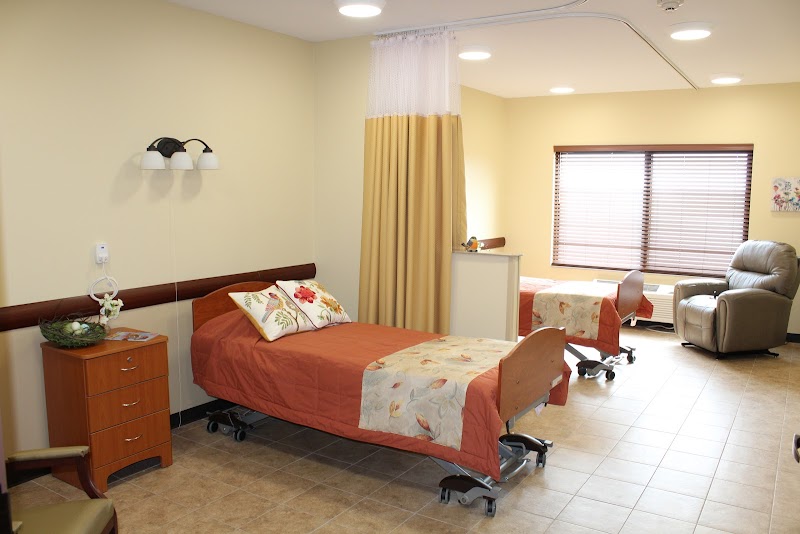
Who Owns and Operates Miller'S Health & Rehab By Miller'S Merry Manor?

MILLER'S HEALTH & REHAB BY MILLER'S MERRY MANOR is owned by a for-profit company. For-profit facilities operate as businesses with obligations to shareholders or private owners. The facility is operated by MILLER'S MERRY MANOR, a chain that manages multiple nursing homes. With 81 certified beds and approximately 56 residents (about 69% occupancy), it is a smaller facility located in LA PORTE, Indiana.

How Does Miller'S Health & Rehab By Miller'S Merry Manor Compare to Other Indiana Nursing Homes?

Compared to the 100 nursing homes in Indiana, MILLER'S HEALTH & REHAB BY MILLER'S MERRY MANOR's overall rating (3 stars) is below the state average of 3.1, staff turnover (55%) is near the state average of 46%, and health inspection rating (3 stars) is at the national benchmark.

What Should Families Ask When Visiting Miller'S Health & Rehab By Miller'S Merry Manor?

Based on this facility's data, families visiting should ask: "How do you ensure continuity of care given staff turnover, and what is your staff retention strategy?" "Can I visit during a mealtime to observe dining assistance and food quality?" "How do you handle medical emergencies, and what is your hospital transfer rate?" "Can I speak with family members of current residents about their experience?" These questions are particularly relevant given the facility's high staff turnover rate.

Is Miller'S Health & Rehab By Miller'S Merry Manor Safe?

Based on CMS inspection data, MILLER'S HEALTH & REHAB BY MILLER'S MERRY MANOR has a clean safety record: no substantiated abuse findings (meaning no confirmed cases of resident harm), no Immediate Jeopardy citations (the most serious violation level indicating risk of serious injury or death), and is not on the Special Focus Facility watch list (a federal program monitoring the lowest-performing 1% of nursing homes). The facility has a 3-star overall rating and ranks #100 of 100 nursing homes in Indiana. While no facility is perfect, families should still ask about staff-to-resident ratios and recent inspection results during their visit.

Do Nurses at Miller'S Health & Rehab By Miller'S Merry Manor Stick Around?

Staff turnover at MILLER'S HEALTH & REHAB BY MILLER'S MERRY MANOR is high. At 55%, the facility is 9 percentage points above the Indiana average of 46%. High turnover means new staff may not know residents' individual needs, medications, or preferences. It can also be disorienting for residents, especially those with dementia who rely on familiar faces. Families should ask: What is causing the turnover? What retention programs are in place? How do you ensure care continuity during staff transitions?

Was Miller'S Health & Rehab By Miller'S Merry Manor Ever Fined?

MILLER'S HEALTH & REHAB BY MILLER'S MERRY MANOR has no federal fines on record. CMS issues fines when nursing homes fail to meet care standards or don't correct problems found during inspections. The absence of fines suggests the facility has either maintained compliance or corrected any issues before penalties were assessed. This is a positive indicator, though families should still review recent inspection reports for the full picture.

Is Miller'S Health & Rehab By Miller'S Merry Manor on Any Federal Watch List?

MILLER'S HEALTH & REHAB BY MILLER'S MERRY MANOR is not on any federal watch list. The most significant is the Special Focus Facility (SFF) program, which identifies the bottom 1% of nursing homes nationally based on persistent, serious quality problems. Not being on this list means the facility has avoided the pattern of deficiencies that triggers enhanced federal oversight. This is a positive indicator, though families should still review the facility's inspection history directly.