ENVIVE OF LAWRENCEBURG
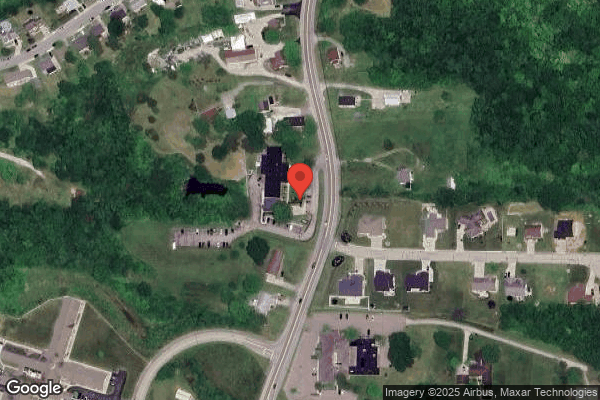
403 BIELBY RD, LAWRENCEBURG, IN 47025 (812) 537-1132
For profit - Limited Liability company 100 Beds ENVIVE HEALTHCARE Data: November 2025
Trust Grade
30/100
#344 of 505 in IN
Last Inspection: March 2025

Within standard 12-15 month inspection cycle. Federal law requires annual inspections.

Overview

Envive of Lawrenceburg has received a Trust Grade of F, indicating significant concerns about the facility's quality of care. It ranks #344 of 505 nursing homes in Indiana, placing it in the bottom half of the state, and #3 of 4 in Dearborn County, meaning only one local option is better. While the facility is reportedly improving with a decrease in issues from 9 in 2024 to 8 in 2025, the staffing rating is only 1 out of 5 stars, and the turnover rate is high at 58%, which is above the state average. On the positive side, there are no fines on record, and the facility has excellent quality measures with 5 out of 5 stars. However, there have been serious incidents, including a resident who fell and sustained a laceration due to insufficient staff assistance and another resident who suffered a fracture during a transfer when the appropriate lift was not used, highlighting critical areas needing improvement in care practices.

Trust Score
F
30/100
In Indiana
#344/505
Bottom 32%
Safety Record
High Risk
Review needed
Inspections
Getting Better
9 → 8 violations
Staff Stability
⚠ Watch
58% turnover. Above average. Higher turnover means staff may not know residents' routines.
Penalties
✓ Good
No fines on record. Clean compliance history, better than most Indiana facilities.
Skilled Nurses
○ Average
Each resident gets 37 minutes of Registered Nurse (RN) attention daily — about average for Indiana. RNs are the most trained staff who monitor for health changes.
Violations
⚠ Watch
28 deficiencies on record. Higher than average. Multiple issues found across inspections.
★★☆☆☆
2.0
Overall Rating
★☆☆☆☆
1.0
Staff Levels
★★★★★
5.0
Care Quality
★★☆☆☆
2.0
Inspection Score
Stable
2024: 9 issues
2025: 8 issues

The Good

  • 5-Star Quality Measures · Strong clinical quality outcomes
  • Full Sprinkler Coverage · Fire safety systems throughout facility
  • No fines on record

Facility shows strength in quality measures, fire safety.

The Bad

2-Star Overall Rating

Below Indiana average (3.1)

Below average - review inspection findings carefully

Staff Turnover: 58%

12pts above Indiana avg (46%)

Frequent staff changes - ask about care continuity

Chain: ENVIVE HEALTHCARE

Part of a multi-facility chain

Ask about local staffing decisions and management

Staff turnover is elevated (58%)

10 points above Indiana average of 48%

The Ugly 28 deficiencies on record

3 actual harm
Sept 2025 2 deficiencies 1 Harm
SERIOUS (G) 📢 Someone Reported This

A family member, employee, or ombudsman was alarmed enough to file a formal complaint

Actual Harm - a resident was hurt due to facility failures

Accident Prevention (Tag F0689)

A resident was harmed · This affected 1 resident

Based on record review and interview the facility failed to provide appropriate assistance to prevent an avoidable accident for 1 of 3 residents reviewed for accidents hazards. This deficient practice...

Read full inspector narrative →
Based on record review and interview the facility failed to provide appropriate assistance to prevent an avoidable accident for 1 of 3 residents reviewed for accidents hazards. This deficient practice resulted in the resident acquiring right medial and right posterior orbital fractures. (Resident D) Findings include:The clinical record for Resident D was reviewed on 9/22/2025 at 3:15 P.M. An admission Minimum Data Set (MDS) assessment, dated 9/3/2025, indicated the resident was severely cognitively impaired. The diagnoses included, but were not limited to, heart failure, asthma, and respiratory failure. The Resident required maximal assistance to transferring from lying to sitting and sitting to standing.The At Risk for Falls Care Plan, dated 8/27/25 and revised on 9/8/25, indicated the resident will be free of falls. The interventions included, but were not limited to, dated 8/27/25, anticipate and meet the resident's needs; and, dated 9/6/25, resident's room closer to nurses station for closer monitoring.The Physical Therapy Progress Report, dated 8/23/25, indicated the resident required maximum assistA facility incident report, dated 9/6/25, indicated staff found Resident D lying on the floor near the resident's room doorway. The resident had gotten up unassisted and lost balance, the resident was unsure where she was going or what she was needing. The resident had a laceration to the left side of her forehead.During an interview, on 9/22/2025 at 10:45 A.M., Certified Nursing Assistant (CNA) 3 indicated she was getting Resident D up for breakfast on 9/12/2025 and left the resident sitting on the side of the bed while she walked to the far corner of the room to retrieve the resident's wheelchair. While her back was to the Resident, she heard a loud noise and turned to find the resident lying face first on the ground. The resident hit her head hard and broke her dentures. CNA 3 said sometimes Resident C can hold herself up and sometimes she can't. She was told by other staff that the resident had been declining and to be careful with her. Ever since the resident came back from the hospital after this incident, she has required a mechanical lift for transfer and used a specialized mobility challenges ergonomic wheelchair instead of regular wheelchair.During an interview, on 9/22/2025 at 1:30 P.M., Therapy Staff Member 4 indicated Resident C came from home and was at the facility for therapy. Resident C required maximal verbal direction. For example, if you asked her to stand up, she wouldn't understand what you were asking. She was not following direction. She was dropped from seeing therapy after her last fall on 9/12/2025. The last few times Therapy Staff Member 4 helped Resident C she required maximal assistance. She required maximal assistance with two staff members just to get her out of the chair when she was in therapy doing exercises. Therapy Staff Member 4 indicated she would not have left Resident C sit on the side of her bed alone while she retrieved her wheelchair from across the room. During an interview, on 9/22/2025 at 3:40 P.M., RN 5 indicated she was the nurse who responded to Resident C's fall on 9/12/2025. Upon entering the room Resident C was laying on the floor face first with her hands alongside her body like she did not attempt to catch herself. She had a laceration on the side of her face and bruising was already starting. A Hospital Document, dated 9/12/2025 at 8:47 A.M., showed the findings from the computed tomography (CT) scan indicating the resident had a new right medial orbital blowout fracture with opacification of the adjacent ethmoid sinuses. Additionally, a subtle new acute fracture within the posterior right orbital wall. A hematoma in the right cheek with extensive surrounding inflammation. Also, a laceration with a total repaired wound length of 5 centimeters (cm). The current facility policy, titled Falls and Fall Risk, managing, with a revision date of August 2024, was provided by the Administrator on 9/22/2025 at 4:20 P.M. The policy indicated, .the staff will identify interventions related to the residents' specific risks and causes to try to prevent the resident from falling and to try to minimize complications from falling .The current facility policy, titled Safe lifting and Movement of Residents, with a revision date of August 2024, was provided by the Administrator on 9/22/2025 at 4:20 P.M. The policy indicated, .In order to protect the safety and well-being of staff and residents, and to promote quality of care, this facility uses appropriate techniques and devices to lift and move residents .This citation relates to Intake 2616965.3.1-45(a)(1)
CONCERN (D) 📢 Someone Reported This

A family member, employee, or ombudsman was alarmed enough to file a formal complaint

Potential for Harm - no one hurt, but risky conditions existed

Deficiency F0919 (Tag F0919)

Could have caused harm · This affected 1 resident

Based on observation, interview, and record review the facility failed to provide adequate equipment to allow residents to call for assistance through a communication system which relays the call dire...

Read full inspector narrative →
Based on observation, interview, and record review the facility failed to provide adequate equipment to allow residents to call for assistance through a communication system which relays the call directly to a staff member or to a centralized staff work area from the residents bedside for 1 of 3 residents reviewed. (Resident C) Findings include:During an interview, on 9/22/2025 at 9:08 A.M., Resident C indicated he had no call light available. When Resident C moved into his room Maintenance came in, and he told the resident there was no spot to hook a call light up. He had been in the room for a few months, and had never received a call light. The facility provided a bell to ring, but he was unable to find it anymore. When he did have access to the bell staff were never able to hear it no matter how much he rang because he was located at the last room at the end of the hallway. Usually if he needed someone he would go into the bathroom and use the call light in there. There was one night he was unable to get out of bed, and needed to vomit and he had to yell out for help because he had no call light available. During an interview and observation, on 9/22/25 at 10:14 A.M., Registered Nurse (RN) 2 indicated Resident C used a wheelchair, and was able to make his needs known. The resident should have had a call light at the bedside at all times. During an observation with RN 2 in Resident C's room she confirmed there was no call light plugged into the wall above the residents bed. She identified where it should have been and asked Resident C if he had ever had a call light. Resident C replied he had not ever had a call light. During an interview, on 9/22/2025 at 10:40 A.M., the Maintenance Supervisor indicated he was aware there was no call light in Resident C's room. He said the room was a single room initially, so a second call light was never installed. A facility documented email was provided on 9/22/2025 at 1:50 P.M. by the Administrator, the email document titled call light boxes indicated that on 7/22/2025 they had not received the call light boxes yet and asked if they were on backorder. The next email was dated 9/22/2025 at 10:48 A.M. and stated following up here. An email reply was returned on 9/22/2025 at 1:01 P.M. and indicated the boxes were being shipped out that day. During an interview, on 9/22/2025 at 1:50 P.M., the Administrator indicated Resident C had a functioning call light now. The old call light for the room was hooked up. There were no additional emails from 7/22/2025 to 9/22/2025 about the call light boxes order.During an observation, on 9/22/2025 at 3:30 P.M., Resident C pressed his call light button while laying in bed. The light above the residents room door did not light up nor was there a sound. Resident C then hit the bell now placed on his bedside table three times, and then dropped the bell onto the floor. No staff responded from the sound. During an interview, on 9/22/2025 at 3:35 P.M., the Administrator indicated Resident C's call light was on and indicated the light overtop of the stairwell beside his room was the light associated with his call light not the light over his room. She also indicated there was no sound at the nurses station from the resident hitting the call light like the other call lights. The clinical record for Resident C was reviewed on 9/22/2025 at 3:00 P.M. A Quarterly Minimum Data Set (MDS) assessment, dated 6/26/2025, indicated the Resident was cognitively intact. The resident's diagnoses included, but were not limited to, hypertension, stroke, and depression. The resident was impaired on one side for upper and lower extremities. He used a wheelchair, and required moderate assistance with lower body dressing.The current facility policy, titled Answering the Call Light, with a revision date of August 2024, was provided by the Administrator on 9/22/2025 at 4:20 P.M. The policy indicated, .Be sure that the call light is plugged in and functioning at all time . Ensure that the call light is accessible to the resident when in bed .Report all defective call lights to the nurse supervisor promptly .3.1-19(u)
Jun 2025 1 deficiency
CONCERN (E) 📢 Someone Reported This

A family member, employee, or ombudsman was alarmed enough to file a formal complaint

Potential for Harm - no one hurt, but risky conditions existed

Safe Environment (Tag F0921)

Could have caused harm · This affected multiple residents

Based on observation and interview, the facility failed to maintain a functional, sanitary and comfortable homelike environment related to dripping and pooling water. This deficent practice had the po...

Read full inspector narrative →
Based on observation and interview, the facility failed to maintain a functional, sanitary and comfortable homelike environment related to dripping and pooling water. This deficent practice had the potiential to affect 49 of 49 residents residing in the facility. Findings include: The first-floor dining room was observed on 06/19/25 at 8:32 A.M. The door was left open to the first-floor main hallway. The exterior wall had a large window, with a heating and air conditioning unit below the window in the center of the wall. Above the window unit on the ceiling, an area, approximately four feet long and three feet wide, was covered with a black spotted substance with brown staining all around the center, and visible moisture. A brown liquid substance dripped in three separate spots on the floor leaving half dollar sized brown stains on the floor. The stained ceiling was concaved outward, bowing down towards the floor. During an interview, on 06/19/25 at 11:03 A.M., Qualified Medication Aide (QMA) 1 indicated she had noticed the spot on the ceiling in April or May but didn't go in the dining room very often. The Maintenance Director had been in there multiple times, but she was unaware of what he was doing. During an interview, on 06/19/25 at 10:48 A.M., the Maintenance Director indicated he had found out about the leak the day before and he needed to take the heating and air conditioning unit out of the second-floor dining room. The unit on the second floor was not draining properly causing it to leak. He had replaced the unit in April of 2025. During an observation, on 06/19/25 at 11:08 A.M., the second-floor dining room had the door closed. Upon entrance the exterior wall had a large window with a heating and air conditioning unit below the window in the center of the wall. The cover was pulled off the unit and sitting to the left side. The unit was plugged into the wall and running at 72 degrees. There was a pool of water in front of it covering approximately 3 square floor tiles. During an observation in the first-floor dining room, on 06/19/25 at 1:19 P.M., a constant drip, with approximately a two second spacing, was coming from above the top of the windowsill near the ceiling. Water was pooling on the eight inch deep window sill, approximately one foot wide, and dripping into the air conditioning unit underneath the sill. Water was splattered on the floor in front of the air conditioning unit covering an area approximately one to two feet in front of the unit. During an observation and interview, on 06/19/25 at 1:35 P.M., in the activities room in the basement directly below the first-floor dining room. The exterior wall had a large window, with a heating and air conditioning unit below the window in the center of the wall. Above the window there was approximately a three foot long by one foot wide area on the ceiling that was concaved outward towards the floor leaving a small opening towards the window. A small amount of water was noted underneath the area on the windowsill. The Maintenance Director indicated the area was fixed two weeks ago and was from the unit on the first-floor leaking. The Social Services director indicated they usually had 12-15 residents in the room for activities, and at times, 50 people for events. During an interview, on 06/19/25 at 1:14 P.M., QMA 2 indicated there were currently nine residents living on the first floor. Six of them were independently mobile. Others walked the hallways regularly with therapy. The current facility policy, dated August of 2024, titled Homelike Environment, was provided by the Administrator on 06/19/25 at 1:00 P.M. The policy indicated, .Residents are provided with a safe, clean, comfortable and homelike environment .These characteristics include: clean, sanitary, and orderly environment . 3.1-19(f)(5)
Mar 2025 5 deficiencies
CONCERN (D)

Potential for Harm - no one hurt, but risky conditions existed

Quality of Care (Tag F0684)

Could have caused harm · This affected 1 resident

Based on observation, interview, and record review, the facility failed to follow the manufacturer's guidelines related to insulin pen usage for 1 of 5 residents observed for medication administration...

Read full inspector narrative →
Based on observation, interview, and record review, the facility failed to follow the manufacturer's guidelines related to insulin pen usage for 1 of 5 residents observed for medication administration. (Resident 12) Findings include: During an interview and observation with RN 7, on 03/12/25 at 11:13 A.M., medication administration was observed. The nurse prepared insulin for Resident 12 using an insulin pen. RN 7 indicated the resident was to receive 4 units of Aspart/Novolog insulin scheduled with meals and 6 units per the sliding scale, for a total of 10 units. The nurse removed the insulin pen from the medication cart, checked the label, removed the pen cap, cleaned the end of the pen with an alcohol wipe, applied the needle, and removed the cap of the needle. She turned the pen dose selector to two units, primed the pen holding the pen tip facing the floor, squirted out the two units of insulin, turned the pen dose selector to 10 units, donned gloves, and went into the resident's room. The nurse administered the insulin into the resident's abdomen. During an interview with RN 7, immediately following the procedure, she indicated the purpose of priming the insulin pen was to get the air out of the pen to ensure it would actually administer the insulin. When getting air out of a pen, they primed it to get it out. She was not trained on how to hold the pen when priming it, only to not hold it sideways. If it was a syringe, you would see the air and push it out holding it upright. If she wanted air out of the pen she should have held the insulin pen upright. The package insert for the Novolog insulin pen was provided by the Director of Nursing (DON) on 03/17/25 at 2:23 P.M. The instructions for use indicated, .Priming your Novolog .Pen .Turn the dose selector to select 2 units .Hold the Pen with the needle pointing up. Tap the top of the Pen gently a few times to let any air bubbles rise to the top .Hold the Pen with the needle pointing up. Press and hold in the dose button until the dose counter shows0 .A drop of insulin should be seen at the needle tip . The Electronic Medication Administration Record/Electronic Treatment Administration Record (EMAR/ETAR) for Resident 12 was reviewed on 03/17/25 at 2:26 P.M. The record indicated she had no critical Blood Sugar values prior to 03/12/25. The current Administering Medications policy, with a revised date of 08/2024, was provided by the DON on 03/17/25 at 1:07 P.M. The policy indicated, .Medications are administered in a safe and timely manner, and as prescribed . 3.1-37(a) 3.1-47(a)(1)
CONCERN (D)

Potential for Harm - no one hurt, but risky conditions existed

Accident Prevention (Tag F0689)

Could have caused harm · This affected 1 resident

Based on observation, interview, and record review, the facility failed to ensure an accident hazard was thoroughly investigated after a resident acquired a fracture and laceration to her thumb for 1 ...

Read full inspector narrative →
Based on observation, interview, and record review, the facility failed to ensure an accident hazard was thoroughly investigated after a resident acquired a fracture and laceration to her thumb for 1 of 3 residents reviewed for accident hazards. (Resident 13) Findings include: The clinical record for Resident 13 was reviewed on 03/12/25 at 3:04 P.M. A Quarterly Minimum Data Set (MDS) assessment, dated 02/10/25, indicated the resident was severely cognitively impaired. The resident's diagnoses included, but were not limited to, a fracture of the left ilium, seizure disorder, anxiety, and severe intellectual disabilities. A Progress Note, dated 03/01/25 at 12:54 A.M., indicated Licensed Practical Nurse (LPN) 2 entered the resident's room and the resident was observed to have a laceration to her left thumb and the nail bed was red and discolored. During an interview, on 03/12/25 at 10:59 A.M., RN 7 indicated the resident could get herself in and out of her wheelchair, would crawl on the floor, and could only say a few simple words. During an observation, on 03/13/25 at 10:55 A.M., Resident 13 was sitting in her wheelchair in the hallway on the third floor. Her left thumb wound was closed and had light bruising. The accident investigation folder was reviewed on 03/14/25 at 10:50 A.M. The folder contained the incident report filed with the State Department of Health, an X-ray report dated, 02/28/25, a follow up orthopedic physician's visit, dated 03/05/25, and a note from the Assistant Director of Nursing (ADON). During an interview on 03/14/25 at 11:30 A.M., the Administrator indicated there wasn't much in the accident investigation folder, it was pretty cut and dry. During an interview on 03/14/25 at 3:39 P.M., LPN 2 indicated the night of the accident she was in another resident's room when the Certified Nurse Aide (CNA) asked her to come to Resident 13's room. She entered the room and saw blood on the resident's hand. She asked what happened, the resident looked at her and said eat. The CNA was unclear what had happened. LPN 2 cleaned the resident's hand, phoned the ADON and the on-call Nurse Practitioner (NP) who gave the order to send the resident to the emergency room to be evaluated. LPN 2 said she had looked on the wheelchair, the bed, and around the room, and found there was a small amount of blood located on the door frame next to the strike plate. She wrote a Progress Note and put information regarding the incident in the Risk Management part of the electronic health record. During an interview on 03/17/25 at 11:08 A.M., the ADON indicated LPN 2 phoned her and notified her of the accident to Resident 13. The resident was sent to the local emergency room to be treated. The resident wouldn't leave a bandage on her thumb. The wound was healing. The strike plate was taken off the resident's door. During an interview on 03/17/25 at 11:13 A.M., the Administrator indicated after learning of the accident involving Resident 13, she sent the maintenance man a text message requesting the strike plate on the door be removed. No other rooms were reviewed. The accident folder lacked any investigation of the other resident room strike plates or interviews with staff and cognitively intact residents. The current facility policy, titled Accidents and incidents - investigating and reporting, with an effective/revision date of 08/2024, was provided by the Director of Nursing on 03/17/25 at 1:07 P.M. The policy indicated, .All accidents and incidents involving residents, employees, visitors, vendors, etc., occurring on our premises shall be investigated and reported to the administrator .The following data, as applicable, shall be included on the Report of Incident/Accident form: .k. Any corrective action taken . 3.1-45(a)
CONCERN (D)

Potential for Harm - no one hurt, but risky conditions existed

Deficiency F0692 (Tag F0692)

Could have caused harm · This affected 1 resident

**NOTE- TERMS IN BRACKETS HAVE BEEN EDITED TO PROTECT CONFIDENTIALITY** Based on observation, interview, and record review, the facility failed to provide physician ordered nutritional supplements for...

Read full inspector narrative →
**NOTE- TERMS IN BRACKETS HAVE BEEN EDITED TO PROTECT CONFIDENTIALITY** Based on observation, interview, and record review, the facility failed to provide physician ordered nutritional supplements for 1 of 2 residents reviewed for nutrition. (Resident 29) Findings include: On 03/12/25 at 3:24 P.M., Resident 29 was observed in the Activity Room participating in an ice cream activity. The resident was very thin in appearance. The clinical record was reviewed on 03/12/25 at 2:58 P.M. The resident was admitted to the facility on [DATE]. A Quarterly Minimum Data Set (MDS) assessment, dated 02/20/25, indicated the resident was severely cognitively impaired. The resident's diagnoses included, but were not limited to, depression, anxiety, cardiac arrhythmia, and malnutrition. The resident was 72 inches tall, weighed 105 pounds, and was on a physician prescribed weight gain program. The admission MDS assessment, dated 11/11/24, indicated the resident had a diagnosis of malnutrition, was 72 inches tall, and weighed 113 pounds. The current Nutrition Care Plan, with an initiated date of 11/03/24, was provided by the Director of Nursing (DON) on 03/17/25 at 1:07 P.M. The Care Plan indicated the resident was at risk for malnutrition. The interventions included, but were not limited to, Provide and serve supplements as ordered with an initiated date of 11/09/24. An admission Nutritional Risk Assessment, with an effective date of 11/07/24, indicated the resident had the nutritional supplement, Boost Plus, in use, three times a day, that was ordered by the MD/Nurse Practitioner (NP) at admission. The reason for the supplement was listed as the resident's risk for malnutrition. The resident's weight was 112 pounds and her Ideal Body Weight was listed as 160 pounds. The resident was underweight, had no chewing or swallowing problems, and needed one staff member to physically assist her with eating. The resident was on a regular diet with chopped meats. The November 2024 Electronic Medication Administration Record (EMAR) and the Progress Notes, that included the EMAR notes, were provided by the DON on 03/17/25 at 1:07 P.M. The records indicated the resident was to receive Boost Plus dietary supplement three times a day, with a start date of 11/01/24. The resident did not receive the supplement on the following dates and times: - On 11/06/24 at 9:00 A.M., 1:00 P.M., and 6:00 P.M., the resident's supplement was not available. - On 11/12/24 at 9:00 A.M., 1:00 P.M., and 6:00 P.M., the resident's supplement was not available. - On 11/13/24 at 6:00 P.M., the resident's supplement was not available. - On 11/14/24 at 9:00 A.M., 1:00 P.M., and 6:00 P.M., the resident's supplement was not available. During an interview, on 03/14/25 at 2:00 P.M., the Assistant Director of Nursing (ADON) indicated the pharmacy did not deliver Ensure (dietary supplements). The ADON indicated she ordered the resident's Ensure from another company. If she had a resident on Ensure, she had ordered it weekly. There had been times when they had ordered Ensure from an online retailer. If an order was given on a Friday, she could go to a local pharmacy and pick up Ensure. If they could get a case of it from the online retailer, then they went to a local store and picked up enough to last until the delivery was made. During an interview, on 03/17/25 at 2:02 P.M., Corporate Clinical Support indicated they did not have a policy related to following physician's orders. The current Resident Rights policy, with a revised date of 08/2024, was provided by the Director of Nursing on 03/17/25 at 1:07 P.M. The policy indicated, .Federal and state laws guarantee certain basic rights to all resident of this facility .equal access to quality care . 3.1-25(a) 3.1-46(a)(1)
CONCERN (D)

Potential for Harm - no one hurt, but risky conditions existed

Infection Control (Tag F0880)

Could have caused harm · This affected 1 resident

Based on observation and interview, the facility failed to follow appropriate infection control guidelines during medication administration related to hand hygiene for 2 of 5 residents observed. (Resi...

Read full inspector narrative →
Based on observation and interview, the facility failed to follow appropriate infection control guidelines during medication administration related to hand hygiene for 2 of 5 residents observed. (Residents 28 and 18) Findings include: Medication administration was observed on 03/12/25 at 9:05 A.M., with Qualified Medication Aide (QMA) 8. The QMA prepared a cup of medications and a cup of water for Resident 3. She passed the cups back and forth while assisting the resident, went back to the computer on the medication cart, touched the keys on the computer, then used hand sanitizer. The QMA proceeded to prepare medications for Resident 28, retrieving medications from the cart and documenting on the computer. She prepared a cup of medications, took the medications into the resident's room, donned gloves, administered eye drops, removed her gloves, took the cup of medications back out to the medication cart, and crushed them. She mixed the medications with a spoonful of applesauce, entered the resident's room and assisted the resident with their medications by spooning the mixture into her mouth. The QMA held the resident's insulated cup and touched the resident's straw using both hands during medication administration. The QMA went back to the medication cart, touched the computer keys, touched the mouse, unlocked the cart with a key and started preparing medications for Resident 18. The QMA failed to use hand sanitizer or wash her hands and continued touching the keyboard of the computer, the mouse, medication cards, the medication cart keys, the medicine cup of pills and the water cup. The QMA used hand sanitizer then entered Resident 18's room to administer her medications. During an interview, immediately following the observation, the QMA indicated staff should use hand sanitizer between residents. If a staff members' hands were soiled, they should wash them with soap and water. The current Handwashing and Hand Hygiene policy, with a revised date of 08/2024, was provided by the Director of Nursing on 03/17/25 at 2:23 P.M. The policy indicated, .Hand hygiene is indicated .after touching the resident's environment . The current Administering Medications policy, with a revised date of 08/2024, was provided by the Director of Nursing on 03/17/25 at 1:07 P.M. The policy indicated, .Medications are administered in a safe and timely manner .Staff follows established facility infection control procedures .handwashing .for the administration of medications . 3.1-18(l)
CONCERN (E)

Potential for Harm - no one hurt, but risky conditions existed

Deficiency F0761 (Tag F0761)

Could have caused harm · This affected multiple residents

Based on observation, interview, and record review, the facility failed to store medications appropriately related to labeling medications, cleanliness of medication carts, loose pills, discontinued m...

Read full inspector narrative →
Based on observation, interview, and record review, the facility failed to store medications appropriately related to labeling medications, cleanliness of medication carts, loose pills, discontinued medications, and expired medications for 2 of 3 Medication Carts reviewed (South Medication Cart on the third floor, North Medication Cart on the second floor) and 1 of 2 Medication Storage areas reviewed (First floor). Findings include: 1. The South Mediation Cart on the third floor was observed on 03/17/25 at 9:59 A.M., with Licensed Practical Nurse (LPN) 4 and contained the following: - An Albuterol inhaler, prescribed on 09/19/24, for Resident 12 , with no open date, - A small side drawer containing bottled liquid medications with a shiny film covering the bottom of the drawer, - One medium round white loose pill, - One small oval white loose pill, and The following cards of discontinued medications: - Cephalexin, an antibiotic, 500 milligrams (mg), 3 pills left, for Resident 13, - Guaifenesin, an expectorant, 600 mg, 3 pills left, for Resident 37, - Cefdinir, an antibiotic, 300 mg, 2 pills left, for Resident 14, - Macrobid, an antibiotic, 100 mg, 2 pills left, for Resident 14, - SMZ-TMP (Bactrim), an antibiotic, 800-160 mg, one pill left, for Resident 14, and - Dabigatran (Pradaxa), an anticoagulant, 150 mg, 3 pills left, for Resident 14. During an interview, at the time of observation, LPN 4 indicated, Resident 14 had been on three antibiotics because they were not working, or she was having a reaction. The Bactrim and the Macrobid had been delivered on 10/24/24. The Cefdinir was delivered in February. The discontinued medications should not have been in the Medication Cart. For discontinued medications, they had a bin they put them in located in the medication room and pharmacy would pick them up. The physician's orders were provided by the Director of Nursing (DON) on 03/17/25 at 1:07 P.M., and indicated the following: - Resident 14's Cefdinir was discontinued on 02/19/25, - Resident 14's Macrobid was discontinued on 10/28/24, - Resident 14's Bactrim was discontinued on 11/02/24, and - Resident 14's Pradaxa was discontinued on 10/26/24. 2. The North Medication Cart on the second floor was observed on 03/17/25 at 10:17 A.M., with LPN 5 and contained the following: - An Admelog insulin pen, 3/4 full, for Resident 17, with no open date, - A Basaglar/Lantus insulin pen, 1/3 full, for Resident 17, with an open date of 01/05/25, LPN 5 indicated it was good for 30 days after opening, - one medium round yellow loose pill, and - one large white oval loose pill. The physician's orders were provided by the DON on 03/17/25 at 1:07 P.M., and indicated the following: - Resident 17 received Admelog insulin, 5 units, on 03/16/25 at 9:00 P.M., and - Resident 17 received Lantus insulin, 4 units, on 03/17/25 at 9:00 A.M. 3. During an observation on 03/17/25 at 10:54 A.M., on the first floor, RN 6 indicated they did not really have a medication room on the first floor. They had a supply room, and a small, locked refrigerator located at the nurse's station. The refrigerator contained the following: - An open vial of Flu vaccine, delivered on 11/13/24, 1/2 full, with no open date noted on the vial or the box. During an interview, at the time of observation, RN 6 indicated the floor staff administered the flu vaccine to the incoming residents. During an interview, on 03/17/25 at 1:54 P.M., RN 6 indicated medications in the medication carts should be labeled with an open date when put into service. Discontinued medications should be removed from the medication carts and either returned to the pharmacy or destroyed based on the medication. The package insert for the Lantus insulin pen was provided by the DON on 03/17/25 at 2:23 P.M. The record indicated prefilled pens should be discarded after 28 days at room temperature or in use. The current Medication Labeling and Storage policy, with a revised date of 08/2024, was provided by the DON on 03/17/25 at 1:07 P.M. The policy indicated, .The nursing staff is responsible for maintaining medication storage and preparation areas in a clean, safe, and sanitary manner .If the facility has discontinued, outdated or deteriorated medications or biologicals, the dispensing pharmacy is contacted for instructions regarding returning or destroying these items .Multi-dose vials that have been opened or accessed .needle punctured .are dated and discarded within 28 days unless the manufacturer specifies a shorter or longer date for the open vial . 3.1-25(j) 3.1-25(o)
Oct 2024 1 deficiency
CONCERN (D) 📢 Someone Reported This

A family member, employee, or ombudsman was alarmed enough to file a formal complaint

Potential for Harm - no one hurt, but risky conditions existed

Food Safety (Tag F0812)

Could have caused harm · This affected 1 resident

Based on observation and interview, the facility failed to store food appropriately for 1 of 2 kitchen observations. Findings include: During an observation on 10/02/24 at 9:40 A.M., of the facilitie...

Read full inspector narrative →
Based on observation and interview, the facility failed to store food appropriately for 1 of 2 kitchen observations. Findings include: During an observation on 10/02/24 at 9:40 A.M., of the facilities kitchen refrigerators and dry storage the following was observed: - an undated, sealed gallon sized bag half full of cooked ham, - an undated, sealed gallon sized bag half full of cooked taco meat, - a square lidded container, approximately quart sized, filled with country gravy with a prepared date of 09/27/24, and a discard date of 08/01/24, - an undated resident's left over pizza box with pizza inside, - a gallon of mustard opened, 3/4 full, with a manufacturer best if used by date of 02/10/24, - two gallons of milk, one unopened and one 3/4 full, with a manufacturer best if used by date of 10/01/24. - an unopened dented gallon can of mandarin oranges was on the front of the dry food storage shelf. During an interview with [NAME] 2 on 10/02/24 at 9:55 A.M., she indicated that the kitchen serves 34 to 36 residents. All the food items that were undated or outdated would be thrown away. During an interview with [NAME] 2 on 10/02/24 at 1:31 P.M., she indicated that the refrigerators should be checked daily. Cooked foods are only good for three days stored in the refrigerator, and they were supposed to date them as soon as they put them in the refrigerator. The pizza box found in the fridge earlier that morning was a resident's. All resident food that was left over should not be put in the kitchen fridge. She was unsure which resident's pizza it was. During an interview with Resident B on 10/02/24 at 10:58 A.M., they indicated that they had been served spoiled meat, sour broccoli, spoiled milk and juices before. A current facility policy titled Kitchen Operations: Food storage, was provided by the DON (Director of Nursing) on 10/02/24 at 1:25 P.M., with a revision date of January of 2023, stated .severely dented cans . should be exposed of promptly .Leftover prepared foods .must clearly be labeled with the name of the product, the date it was prepared, and marked to indicate the date by which the food shall be consumed or discarded. Leftover foods can be held at 41 degrees Fahrenheit or less for no more than three days .each nursing unit with a refrigerator used to store food/beverage items for resident consumption . This citation relates to Complaint IN00442330. 3.1-21(i)(1) and (3)
Aug 2024 1 deficiency
CONCERN (D) 📢 Someone Reported This

A family member, employee, or ombudsman was alarmed enough to file a formal complaint

Potential for Harm - no one hurt, but risky conditions existed

Investigate Abuse (Tag F0610)

Could have caused harm · This affected 1 resident

Based on interview and record review, the facility failed to thoroughly investigate a resident's allegation of abuse for 1 of 1 abuse allegations reviewed. (Resident B) Findings include: During an int...

Read full inspector narrative →
Based on interview and record review, the facility failed to thoroughly investigate a resident's allegation of abuse for 1 of 1 abuse allegations reviewed. (Resident B) Findings include: During an interview on 08/13/24 at 10:14 A.M., the SSD (Social Services Director) indicated Resident B made some allegations of physical abuse during a meeting on 08/08/24. The SSD followed up with the resident for 72 hours related to the allegations and the resident did not repeat the allegations or have any other concerns. She did not interview any other residents about abuse. When she brought the allegation to the Administrator, he took over the investigation. The incident was reported to the State Department of Health by the Administrator on 08/08/24 at 3:28 P.M. The brief description of the incident indicated the resident told a social worker she had been locked in her closet and locked in her room and that someone choked her at night. The resident stated she had a bruise above her eye. The resident was assessed and had no bruising above her eye or on her throat. The resident had a cupboard for clothing that did not lock and there were no locks on the residents' room doors. The resident's Psychiatric Health Care Provider was notified of the resident's increased hallucinations and would look at adjusting the resident's medications at their next visit. The resident's clinical record was reviewed on 08/12/24 at 7:26 P.M. A Quarterly MDS (Minimum Data Set) assessment, dated 07/30/24, indicated the resident was severely cognitively impaired. The resident's diagnoses included, but were not limited to, alcohol abuse with alcohol-induced psychotic disorder with hallucination, anxiety, depression, and seizure disorder. The resident resided on the third floor of the facility. During an interview on 08/13/24 at 10:43 A.M., the Administrator indicated the SSD came to him with the resident's allegations. He typed up the reportable and sent it to the State. They looked at the complaint. The resident had no closets to lock her in, and no locks on her doors. The resident reported being choked, but the resident was assessed and had no injuries. Normally, they would interview the other residents that resided on the same floor the resident lived on, but they were all too confused and non-interviewable. The DON (Director of Nursing) may have assessed the non-interviewable residents for signs or symptoms of abuse. During an interview on 08/13/24 at 11:52 A.M., the DON indicated she completed a head-to-toe assessment of Resident B, with no findings. She assessed the other residents that resided on the third floor on the side of the hall that Resident B lived on. There were some residents that were interviewable that lived on the third floor. She did not ask any of the interviewable residents about abuse. She thought the SSD was interviewing residents. Several residents could have been interviewed; she did physical assessments on residents that were not interviewable. A document signed by the DON on 08/09/24 at 2:00 P.M., indicated the names and room numbers of the seven residents that were assessed and found to have no bruising or skin discoloration. A Bed Board for 08/09/24 indicated twenty residents resided on the third floor at the time the allegation of abuse was made. Seven of those residents (Residents B, E, F, G, H, J, and K) were assessed for bruises and skin discoloration. The other thirteen residents (Residents L, M, N, O, P, Q, R, S, T, V, W, X, and Z) that lived on the third floor were not assessed for signs or symptoms of abuse. Of the thirteen residents not assessed, six of them (Residents L, M, S, V, W, and X) were determined to be cognitively intact and interviewable based on their most recent MDS assessments. The current facility policy, titled Accidents/Incidents/Investigation, with an effective date of 10/2022, was provided by the Administrator on 08/13/24 at 1:25 P.M. The policy indicated, .All accidents or incidents involving residents .shall be investigated .The following data, as applicable, shall be included .Other pertinent data as necessary or required . This citation relates to Complaint IN00440606. 3.1-28(d)
Feb 2024 7 deficiencies
CONCERN (D)

Potential for Harm - no one hurt, but risky conditions existed

Comprehensive Care Plan (Tag F0656)

Could have caused harm · This affected 1 resident

2. Resident 25 was observed on 02/06/24 at 11:18 A.M. The resident was missing several teeth. The resident indicated she was missing teeth and had some cavities she wanted worked on. She wanted to see...

Read full inspector narrative →
2. Resident 25 was observed on 02/06/24 at 11:18 A.M. The resident was missing several teeth. The resident indicated she was missing teeth and had some cavities she wanted worked on. She wanted to see the dentist. She told a staff member, but she was not sure who it was. She had been in the facility since July of 2023. The resident's clinical record was reviewed on 02/08/24 at 2:29 P.M. An admission MDS assessment, dated 07/12/23, indicated the resident was severely cognitively impaired. The diagnoses included, but were not limited to, diabetes, heart failure, and renal disease. The assessment indicated the resident had obvious or likely cavities or broken natural teeth. The Care Area Assessment Summary section of the assessment indicated that the Dental Care care area triggered and should be addressed in the resident's care plan. The resident's complete Care Plan was provided by the DON on 02/09/24 at 11:40 A.M. and lacked a care plan related to the resident's oral status. During an interview on 02/09/24 at 1:50 P.M., the DON indicated the resident did sign up for ancillary services that included dental services upon admission. There were some issues with the resident's insurance. The resident was on the list to see the dentist at the end of this month. She was not sure why the resident did not have a care plan for her oral status. 3. On 02/07/24 at 10:03 A.M., Resident 3 was observed in her room sitting upright in her wheelchair. A body positioning device was attached to the back of the resident's wheelchair with straps on each side of the resident's seat. The device went over the resident's shoulders and buckled on each side of the resident's trunk. A seat belt was also in place and buckled across the resident's midsection at the hips. During an interview on 02/07/24 at 10:18 A.M., RN 3 indicated the resident had a seat belt and a harness type positioning device. She wasn't sure if the resident had an order for the devices. Nursing staff did not document monitoring of the devices that she was aware of. The resident's record was reviewed on 02/07/24 at 11:00 A.M. An Annual MDS (Minimum Data Set) assessment, dated 12/19/23, indicated the resident's memory was impaired. The diagnoses included, but were not limited to, seizure disorder, severe intellectual disabilities, and diabetes. The resident's lower extremities were impaired. The resident required substantial/maximal assistance for eating and upper body dressing and was totally dependent on staff for assistance with all other ADLs (Activities of Daily Living). The resident's record lacked a physician's order for the positioning device or seat belt; a care plan for the assessment for use of the devices, and documentation of ongoing monitoring of the use of the devices. During an interview on 02/07/24 at 10:27 A.M., the DON (Director of Nursing) indicated the resident did have a seat belt and positioning device. There should be a physician's order for the seat belt and positioning device and orders to monitor the resident when the devices were being used. The current facility policy, titled Comprehensive Care Plan Guideline, with a revision date of 08/2022, was provided by the [NAME] President of Clinical Services on 02/09/24 at 2:31 P.M. The policy indicated, .To ensure appropriateness of services and communication that will meet the resident's needs .in accordance with state and federal regulations .Care plan interventions should be reflective of risk area(s) or disease processes that impact the individual resident . 3.1-35(a) Based on observation, record review, and interview, the facility failed to ensure care plans were in place for residents related to a risk for skin impairments, resident's oral health status; and a care plan/physician's order related to the adequate assessment, and ongoing monitoring for the use of a seat belt and body positioning device for 3 of 14 residents reviewed for care plans. (Residents 14, 25, and 2) Findings include: 1. On 02/07/24 at 3:25 P.M., Resident 14 was observed to have an open area on his right buttock. The Wound Nurse indicated the area was newly identified and a dressing was placed on the wound daily. The clinical record for Resident 14 was reviewed on 02/07/24 at 3:41 P.M. An Annual MDS (Minimum Data Set) assessment, dated 12/11/23, indicated the resident was moderately cognitively impaired. The diagnoses included, but were not limited, coronary artery disease, hypertension, chronic obstructive pulmonary disease, arthritis, and depression. The resident was at risk for skin break down and required assistance with transfers. The resident's complete Care Plan was provided by the DON (Director of Nursing) on 02/09/24 at 11:40 A.M. and lacked a care plan related to the resident's at risk for skin break down status. During an interview on 02/09/24 at 1:50 P.M., the DON indicated the resident previously had a care plan related to his risk for skin break down. The care plan was discontinued. She was unsure why the resident no longer had an at risk for skin break down care plan.
CONCERN (D)

Potential for Harm - no one hurt, but risky conditions existed

Quality of Care (Tag F0684)

Could have caused harm · This affected 1 resident

2. Medication administration was observed on 02/08/24 at 8:42 A.M., with RN 5 as she prepared insulin pens for Resident 24. The RN gathered a Lispro insulin pen and a Lantus insulin pen from a plastic...

Read full inspector narrative →
2. Medication administration was observed on 02/08/24 at 8:42 A.M., with RN 5 as she prepared insulin pens for Resident 24. The RN gathered a Lispro insulin pen and a Lantus insulin pen from a plastic bag and indicated the resident was to receive 17 units of Lispro (a short-acting insulin) with meals and 40 units of Lantus (a long acting insulin). The resident's blood glucose level had been 178. The nurse applied needles to both pens, not wiping off the rubber seal with an alcohol wipe, turned the dial at the end of the pens to the appropriate dose, used hand sanitizer, entered the resident's room, cleaned the resident's abdomen with an alcohol wipe, donned gloves, verified the resident's name, administered the two insulins, holding the pens in place for a few seconds following administration, and exited the room. During an interview following the administration of the insulin, the RN indicated when preparing an insulin pen for use, she would wipe off the insulin pen tip with an alcohol wipe, apply the needle, turn the pen to the required dose, and administer the insulin. After conferring with QMA (Qualified Medication Aide) 6, the RN indicated you should prime the insulin pen before use. The clinical record for Resident 24 was reviewed on 02/08/24 at 9:45 A.M. A Quarterly MDS assessment, dated 01/18/24, indicated the resident was cognitively intact. The diagnoses included, but were not limited to, diabetes and renal insufficiency. The Lantus insulin package insert was provided by the [NAME] President of Clinical Services on 02/08/24 at 3:05 P.M. The record indicated, .HOW TO USE YOUR LANTUS .PEN .Wipe the pen tip (rubber seal) with an alcohol swab .Remove the protective seal from the new needle, line the needle up straight with the pen, and screw the needle on .after you have attached the needle, take off the outer needle cap and save it .Remove the inner needle cap and throw it away . PERFORM A SAFETY TEST .Dial a test dose of 2 units .Hold pen with the needle pointing up and lightly tap the insulin reservoir so the air bubbles rise to the top of the needle. This will help you get the most accurate dose .Press the injection button all the way in and check to see that insulin comes out of the needle . The Lispro insulin package insert was provided by the [NAME] President of Clinical Services on 02/09/24 at 3:32 P.M. The record indicated, .INSTRUCTIONS FOR USE .Pull the Pen Cap straight off .Wipe the Rubber Seal with an alcohol swab .push the capped Needle straight onto the Pen .Pull off the Outer Needle Shield .Pull off the Inner Needle Shield .Prime before each injection .Priming you Pen means removing the air from the Needle and Cartridge that may collect during normal use and ensures that the Pen is working correctly .If you do not prime before each injection, you may get too much or too little insulin .To prime your Pen, turn the Dose Knob to select 2 units .Hold your Pen with the Needle pointing up. Tap the Cartridge Holder gently to collect air bubbles at the top .Continue holding your Pen with Needle pointing up. Push the Dose Knob in until it stops, and 0 is seen in the Dose Window .You should see insulin at the tip of the Needle . The current Medication Administration and General Guidelines policy, 2020 Edition, was provided by the [NAME] President of Clinical Services on 02/09/24 at 3:32 P.M. The policy indicated, .Medications are administered .using good nursing principles and practices . 3.1-37(b) Based on observation, interview, and record review, the facility failed to follow physician's orders for insulin administration (Resident 22) and and follow manufacturer's guidelines related to insulin pen usage (Resident 24) for 2 of 6 residents observed for Quality of Care. Findings include: 1. The clinical record for Resident 22 was reviewed on 02/06/24 at 3:20 P.M. A Quarterly MDS (Minimum Data Set) assessment, dated 12/22/23, indicated the resident was moderately cognitively impaired. The diagnoses included, but were not limited to, dementia, hypertension, diabetes, anxiety, and depression. A physician's order, dated of 09/18/23 through 02/02/24, indicated the resident was to receive Insulin Glargine Solution 100 units per ml (milliliter). The staff were to inject 30 units subcutaneously one time a day for diabetes, hold if blood sugar was less than 120 mg/dl (milligrams per deciliter). The EMAR/ETAR (Electronic Medication Administration Record/Electronic Treatment Administration Record) for December 2023, January and February 2024, indicated the resident had received the insulin medication when the blood sugar was less than 120 mg/dl for the following dates: - On 12/02/23 the resident's blood sugar was 104. - On 12/08/23 the resident's blood sugar was 104. - On 12/17/23 the resident's blood sugar was 112. - On 12/18/23 the resident's blood sugar was 114. - On 12/19/23 the resident's blood sugar was 82. - On 12/20/23 the resident's blood sugar was 95. - On 12/22/23 the resident's blood sugar was 92 - On 12/23/23 the resident's blood sugar was 95. - On 12/24/23 the resident's blood sugar was 101. - On 12/25/23 the resident's blood sugar was 78. - On 12/26/23 the resident's blood sugar was 89. - On 01/01/24 the resident's blood sugar was 108. - On 01/02/24 the resident's blood sugar was 91. - On 01/03/24 the resident's blood sugar was 113. - On 01/08/24 the resident's blood sugar was 93. - On 01/13/24 the resident's blood sugar was 112. - On 01/14/24 the resident's blood sugar was 96. - On 01/16/24 the resident's blood sugar was 102. - On 01/17/24 the resident's blood sugar was 118. - On 01/18/24 the resident's blood sugar was 83. - On 01/20/24 the resident's blood sugar was 86. - On 01/21/24 the resident's blood sugar was 77. - On 01/22/24 the resident's blood sugar was 107. - On 01/23/24 the resident's blood sugar was 99. - On 01/29/24 the resident's blood sugar was 119. - On 02/01/24 the resident's blood sugar was 85. - On 02/02/24 the resident's blood sugar was 79. On 02/08/24 at 10:57 A.M., RN 3 indicated if a resident had a routine insulin medication, she would use the blood sugar reading that was taken earlier that morning. If there were hold parameters for the medication the physician's orders should have been followed. The current facility policy titled Medication Administration and General Guidelines was provided by the Director of Nursing on 02/08/24 at 12:44 P.M. The policy indicated .Medications are administered in accordance with written orders of the attending physician .
CONCERN (D)

Potential for Harm - no one hurt, but risky conditions existed

Deficiency F0698 (Tag F0698)

Could have caused harm · This affected 1 resident

Based on observation, interview, and record review, the facility failed to adequately monitor a dialysis access site for 1 of 2 residents that received dialysis treatments. (Resident 25) Findings incl...

Read full inspector narrative →
Based on observation, interview, and record review, the facility failed to adequately monitor a dialysis access site for 1 of 2 residents that received dialysis treatments. (Resident 25) Findings include: On 02/07/24 at 10:16 A.M., Resident 25 was observed in her room in her wheelchair. A dressing was observed on her right chest. The resident indicated she received dialysis treatments through the access site in her chest. She had surgery recently to place a fistula (a surgically created vascular access used for dialysis treatments) in her left arm. The fistula was not ready to be used yet, so they still used the chest access. During an interview on 02/08/24 at 12:06 P.M., RN 3 indicated the resident had a permacath access site in her chest and a fistula in her arm. Nursing staff assessed the fistula site and documented the assessment in the resident's EHR (Electronic Health Record) every shift. If a resident had a permacath, the site should be assessed to ensure the dressing was clean, dry, and intact. You would also look for signs of infection or bleeding. She did assess the permacath site, but she did not document the assessment. The resident's clinical record was reviewed on 02/08/24 03:01 P.M. A Quarterly MDS (Minimum Data Set) Assessment, dated 01/15/24, indicated the resident was moderately cognitively impaired. The diagnoses included, but were not limited to, diabetes, heart failure, and renal disease. The resident received dialysis treatments. The resident's current physician's orders were reviewed and lacked an order to assess the resident's permacath access site. The resident's record lacked documentation the access site was assessed with any regularity. During an interview on 02/09/24 at 1:50 P.M., the DON (Director of Nursing) indicated the resident should have had an order to assess the dialysis access site and the assessment should have been documented. The current facility policy, titled Dialysis Monitoring, with a revision date of 11/2022, was provided by the DON on 02/05/24. The policy indicated, .If the resident has a catheter for dialysis the nurse will assess the catheter site for any signs of drainage and condition of the dressing to the site every shift .Documentation .3. Assessment of dialysis catheter site for any signs of drainage and condition of the dressing to the site . 3.1-37(a)
CONCERN (D)

Potential for Harm - no one hurt, but risky conditions existed

Pharmacy Services (Tag F0755)

Could have caused harm · This affected 1 resident

**NOTE- TERMS IN BRACKETS HAVE BEEN EDITED TO PROTECT CONFIDENTIALITY** Based on record review and interview, the facility failed to transcribe orders on admission for 1 of 5 residents reviewed for ph...

Read full inspector narrative →
**NOTE- TERMS IN BRACKETS HAVE BEEN EDITED TO PROTECT CONFIDENTIALITY** Based on record review and interview, the facility failed to transcribe orders on admission for 1 of 5 residents reviewed for pharmacy services. (Resident 16) Findings include: The clinical record for Resident 16 was reviewed on 02/07/24 at 10:11 A.M. An admission MDS (Minimum Data Set) assessment, dated 01/18/24, indicated the resident was moderately cognitively impaired. The diagnoses included, but were not limited to, hypertension, non-Alzheimer's dementia, seizure disorder, depression, and paranoid personality disorder. A Hospital Discharge summary, dated [DATE], included, but were not limited to, the following discharge medication orders: - Zyprexa/Olanzapine (an antipsychotic medication) 5 mg (milligrams) daily, and - Baclofen/Lioresal (a muscle relaxant) 5 mg, three times daily. The January and February 2024 EMAR/ETAR (Electronic Medication Administration Record/Electronic Treatment Administration Record) indicated the resident had received the following medications: - Olanzapine 20 mg, daily from 01/09/24 through 01/23/24, - Olanzapine 15 mg, daily from 01/24/24 through 02/07/24, and - Midodrine (a hypotension medication) 5 mg, three time a day from 01/09/24 through 02/08/24. The residents clinical record lacked that an order was transcribed for the Baclofen since admission on [DATE]. During an interview on 02/08/24 at 2:08 P.M., LPN (Licensed Practical Nurse) 4 indicated when the resident was admitted she had transcribed the Zyprexa order wrong. The resident's order should have been 5 mg daily and not 20 mg daily. The resident should have never had an order for midodrine, and the resident should have been started on baclofen upon admission. The current, undated, facility policy titled, Medication Orders was provided by the [NAME] President of Clinical Services on 02/08/24 at 3:57 P.M. The policy indicated, .Written transfer orders (sent with a resident by a hospital or other health care facility) .Implement a transfer order without further validation if it is signed and dated by the resident's current attending physician. Unless the order is unclear or incomplete, or the date signed is different from the date of admission. If the order is unsigned or signed by another prescriber or the date is other than the date of admission, the receiving nurse verifies the order with the current attending physician before the medications are administered. The nurse documents verification on the admission order record by entering the time, date, and signature . 3.1-37(a) 3.1-48(a)(1)
CONCERN (D)

Potential for Harm - no one hurt, but risky conditions existed

Deficiency F0761 (Tag F0761)

Could have caused harm · This affected 1 resident

Based on observation and interview, the facility failed to store medications appropriately for 2 of 3 medications rooms (Units 2 and 3) and 2 of 3 medication carts reviewed. (Units 2 and 1) Findings i...

Read full inspector narrative →
Based on observation and interview, the facility failed to store medications appropriately for 2 of 3 medications rooms (Units 2 and 3) and 2 of 3 medication carts reviewed. (Units 2 and 1) Findings include: 1. On 02/08/24 at 12:10 P.M., a medication room located behind the unlocked nurse's station on Unit 2 was observed. RN 5 opened the door to the medication room without unlocking it. The room contained medical supplies and a large gray tote that was overflowing with residents' medications. The medications varied from pills to IV (intravenous) medications and the RN indicated the medications were waiting to be returned to the pharmacy. IV antibiotic medications for Resident 26 were laying on an open shelf. The RN indicated the nurses, CNA's (Certified Nurse Aides), and QMA's (Qualified Medication Aides) had access to the medication room. The medication storage room should have been locked. During an observation on 02/08/24 at 12:20 P.M., RN 5 went down the hallway to assist a resident and was out of view of the medication room. The medication room remained unlocked. 2. During an observation on 02/08/24 at 12:27 P.M., a medication room located behind the unlocked nurse's station on Unit 3 was unlocked with no staff present. Resident 195 walked down the hallway past the nurse's station. At 12:28 P.M., RN 3 came and entered the medication room. The room contained medical supplies. A gray tote contained two bottles of MiraLAX with no resident name or label and an inhaler with no resident name or label. The refrigerator contained an undated ¾ full bottle of tuberculin serum. RN 3 indicated the serum was good for 30 days after it was opened. 3. During an observation on 02/08/24 at 12:22 P.M., a medication cart on Unit 2 contained a Lantus insulin pen for Resident 6, that was half full with no open date. RN 5 indicated the insulin should have had an open date. 4. During an observation on 02/08/24 at 12:59 P.M., a medication cart on Unit 1 was observed with RN 9. The cart contained a vial of Novolin R (an insulin medication) for Resident 32. The vial was ¾ full and had an open date of 01/03/24. The DON (Director of Nursing) indicated the medication was good for 28 days after opening. During an interview on 02/08/24 at 1:54 P.M., the DON indicated the tuberculin serum should have had an open date and the medication storage rooms should have been locked. The current, undated, package insert titled, Tubersol, was provided by the ADON (Assistant Director of Nursing) on 02/08/24 at 3:05 P.M. The policy indicated, .A vial of TUBERSOL which has been entered and in use for 30 days should be discarded . The Lantus insulin package insert was provided by the [NAME] President of Clinical Services on 02/08/24 at 3:05 P.M. The record indicated, .Once you take your SoloStar [Lantus] out of cool storage, for use or as a spare, you can use it for up to 28 days . The current, undated, facility policy titled, Medication Storage in the Facility, was provided by the ADON on 02/08/24 at 3:05 P.M. The policy indicated, .Medications and biologicals are stored safely, securely, and properly following manufacturer's recommendations or those of the supplier. The supply is accessible only to license nursing personnel, pharmacy personnel, or staff members lawfully authorized to administer medications .Only licensed nurses, the Consultant Pharmacist, and those lawfully authorized to administer medications (e.g., medication aides) are allowed unsupervised access to medications. Medication rooms, carts, and medication supplies are locked or attended by persons with authorized access . The current, undated, facility policy titled, Expired Medications and Medications with Shortened Expiration Dates, was provided by the ADON on 02/08/24 at 3:05 P.M. The policy indicated, .Ensure that all medications in the facility are rotated and/or reviewed on a consistent basis to prevent having expired medications in the facility .In the event that a medication has a [shortened] expiration date once opened the medication (open-dated) will be labeled with the date opened and the initials of the nurse . 3.1-25(j) 3.1-25(o) 3.1-25(q)
CONCERN (E)

Potential for Harm - no one hurt, but risky conditions existed

Safe Environment (Tag F0584)

Could have caused harm · This affected multiple residents

**NOTE- TERMS IN BRACKETS HAVE BEEN EDITED TO PROTECT CONFIDENTIALITY** Based on observation, interview, and record review, the facility failed to provide a homelike setting for 7 of 14 residents usin...

Read full inspector narrative →
**NOTE- TERMS IN BRACKETS HAVE BEEN EDITED TO PROTECT CONFIDENTIALITY** Based on observation, interview, and record review, the facility failed to provide a homelike setting for 7 of 14 residents using the shower rooms on the 100 Hall related to loose wires hanging from the walls. Findings include: On 02/07/24 at 10:11 A.M., Shower room [ROOM NUMBER] on the 100 Hall was observed. Four black electrical wires were running from a hole in the wall near the ceiling, behind the entrance door, down to the floor with the ends of the wires bundled and wound back and forth laying on the floor. The ends of the wires were wrapped with blue paper-like tape. The bundle was approximately 12 inches by 4 inches and the full length of the bundle was laying flat against the floor. During an observation and interview on 02/08/24 at 12:12 P.M., Shower room [ROOM NUMBER] on the 100 Hall had four black electrical wires hanging from a hole in the wall near the ceiling above the entrance door. The wires were draped over a second door in the shower room that led to the toilet area and hung down the door to about two feet from the floor. The ends of the wires were wrapped in blue paper-like tape. CNA (Certified Nurse Aide) 7 indicated the shower rooms had been remodeled and the wires in both shower rooms had been this way since October of 2023. The residents currently used both shower rooms. During an interview on 02/08/24 at 12:29 P.M., Resident 33 indicated she had used both shower rooms recently. During an interview and observation on 02/08/24 at 12:35 P.M., the Maintenance Director indicated the wires were from the old call light system and were to be used for the future call light system. The wires were currently dead. The shower rooms had been remodeled since September of 2023, and the wires had been hanging there since that time. He verified the wire ends were wrapped in painter's tape, not electrical tape. Shower rooms [ROOM NUMBERS] were observed on 02/08/24 at 3:19 P.M. The wires had been cut off at the wall and capped with red and yellow wire caps. During an interview on 02/08/24 at 3:20 P.M., the Administrator indicated he had the Maintenance Director test the wires, cut the wires off, cap them, and put fire caulk around the wires. He did not know why the Maintenance Director decided to cut the wires off today. During an interview on 02/09/24 at 11:00 A.M., the Maintenance Director indicated it was an executive decision after he had spoken with the Administrator to cut the wires. They had verified there was no power going to them, it was a dead system. He was told by the contractors to leave them for the new system they would be installing. The original quote for the call light system, dated 10/11/23, was provided by the [NAME] President of Clinical Services on 02/09/24 at 2:29 P.M. He indicated the contract was just for the first floor of the building and the remodel should be finished by the middle of the first quarter of the year 2024. The quote did not list a specific date the call system was to be completed. The current facility admission Agreement provided at the Entrance Conference indicated, .The resident has a right to a safe, clean, comfortable and homelike environment . 3.1-19(f)(5)
CONCERN (F)

Potential for Harm - no one hurt, but risky conditions existed

Deficiency F0838 (Tag F0838)

Could have caused harm · This affected most or all residents

Based on interview and record review, the facility failed to ensure a complete and accurate facility assessment based on the resident population and identification of resources needed to provide the n...

Read full inspector narrative →
Based on interview and record review, the facility failed to ensure a complete and accurate facility assessment based on the resident population and identification of resources needed to provide the necessary care and services required for their residents for 1 of 1 assessment reviewed. Finding includes: On 02/05/24 at 11:00 A.M., the Administrator provided a facility assessment form dated 12/27/23. The form was incomplete related to the care areas and population of residents in the facility and the number of residents in each care area. The form lacked resources needed during emergencies. The form lacked training topics and competencies specific to the facility. The form lacked physical environment and building/plant needs. On 02/09/24 at 2:17 P.M., the Administrator indicated he and the Director of Nursing started working on the facility assessment in November 2023. He acknowledged the facility assessment was incomplete and didn't show an accurate picture of the facility. The current facility policy, titled Facility assessment Policy, with a revision date of 06/2022, was provided by the Administrator on 02/09/24 at 2:55 P.M. The policy indicated, .The facility must conduct and document a facility-wide assessment to determine what resources are necessary to care for the residents competently during both day-to-day operations and emergencies .
Aug 2023 1 deficiency 1 Harm
SERIOUS (G) 📢 Someone Reported This

A family member, employee, or ombudsman was alarmed enough to file a formal complaint

Actual Harm - a resident was hurt due to facility failures

Accident Prevention (Tag F0689)

A resident was harmed · This affected 1 resident

**NOTE- TERMS IN BRACKETS HAVE BEEN EDITED TO PROTECT CONFIDENTIALITY** Based on observation, interview, and record review, the facility failed to transfer a resident, that required a full body mechan...

Read full inspector narrative →
**NOTE- TERMS IN BRACKETS HAVE BEEN EDITED TO PROTECT CONFIDENTIALITY** Based on observation, interview, and record review, the facility failed to transfer a resident, that required a full body mechanical lift, safely using the appropriate lift resulting in a fracture for 1 of 3 residents reviewed for accidents. (Resident C) Findings include: On 8/9/23 at 11:08 a.m., the Director of Nursing (DON) indicated on 7/27/23 Resident C was being assisted into bed with a lift. The resident yelled out in pain and was sent out to the emergency room (ER). The resident had a fractured left fibula and a follow up appointment with Orthopedics. During an observation and interview on 8/9/23 at 1:57 p.m., Resident C was lying in her bed, her left leg was wrapped and elevated on a pillow. She indicated she required a full body mechanical lift for transfers. On 7/27/23, the day of the incident, she was in the wheelchair for a long time and had asked to be put to bed. The full body mechanical lift had quit working. The staff couldn't find a cord to charge it, so they use a standing aid transfer system (required partial weight bearing) to transfer her to the bed. The resident had asked them not to use the standing aid unit. The staff indicated she had to use it or she could not get back to bed. The Certified Nursing Aides (CNAs) held the back of her pants and had an arm under each of her arms as they assisted her to stand up. She told them to set her back in the chair, but they wouldn't. They rolled her over to the bed, then swung her legs onto the bed. The clinical record for Resident C was reviewed on 8/9/23 at 12:48 p.m. A Quarterly MDS (Minimum Data Set) assessment, dated 6/30/23, indicated the resident was cognitively intact. She required extensive assistance of two or more staff members for mobility, transfers, and toilet use. She was 67 inches tall and weighed 263. The resident's diagnoses included, but were not limit to, cirrhosis of the liver, chronic kidney disease Stage 3, weakness, and anxiety. A Care Plan, with a revision date of 12/18/22, indicated the resident had an Activities of Daily Living (ADL) self-care performance deficit, related to immobility. The interventions indicated the resident required a mechanical lift with two staff assistance for transfers. The resident's record lacked documentation related to the transfer on 7/27/23 at 6:15 p.m. A Progress Note, dated 7/27/23 at 10:34 p.m., indicated Resident C started to complain of chest pain and right foot pain. The right foot was unremarkable. The resident stated that the chest pain was like when she had an MI (Myocardial Infarction). The staff called 911 and the local ER was notified. A Progress Note, dated 7/28/23 at 5:13 a.m., indicated the resident would be returning to the facility with a fracture of the left fibula. An Orthopedic Report, dated 8/1/23, indicated the resident was non-ambulatory at baseline. An x-ray of the left ankle indicated a nondisplaced distal fibula fracture. During an interview on 8/10/23 at 11:17 a.m., CNA 3 indicated on 7/27/23 Resident C had been up since that morning because she had an appointment. The full body mechanical lift (non-weight bearing) was how they got her up that morning, and she was insisting that she had to lay down. Her family member was in the room at the time. They went to get the full body mechanical lift and it was not operating correctly. There was concern for the resident's safety. The nurse was notified, and the care plan only stated, mechanical lift with two assists. It was explained we could use the standing aid transfer system and the resident agreed. Because she was a large person, for safety, a third CNA assisted with the transfer. The standing aid transfer system was placed in front of her, with one staff on each side, one behind her, and her family member in front. She was assisted to a somewhat standing position and the lift pad used with the full body mechanical lift was attached to the standing aid transfer system. During the pivot of the standing aid transfer system the resident cried out indicating she was in pain. She was lowered to her bed, laid down, placed in a comfortable position, and the nurse was notified. During an interview on 8/10/23 at 10:56 a.m., Licensed Practical Nurse (LPN) 2 indicated on the day of the incident (7/27/23) she was the day shift nurse. The incident occurred during the nursing shift change (6:15 p.m.). Resident C had been up since the 1:00 p.m. smoke break and was insisting she wanted to lay down. The CNAs went to get the full body mechanical lift and it was not working. They notified the nurse and the only plausible solution for immediate transfer was by using the standing aid transfer system. The resident was agreeable to the standing aid transfer system, because she insisted, she was not going to sit up all night. They normally used the full body mechanical lift for her transfers, but her care plan only indicated a mechanical lift with two-assist. To ensure her safety a third CNA was sent into the room to assist with the other two staff doing the transfer. She had not contact maintenance about the full body lift since the girls had already posted in the notification that the full body lift was down (not working) twice. During an interview on 8/10/23 at 10:12 a.m., the DON indicated when the facility rented the full body mechanical lift, and it was not working the decision was made to use the standing aid transfer system to put the resident in bed. The resident's requested to go to bed. The resident was agreeable to use the standing aid transfer system. She just wanted to get to bed. A third CNA was sent in to assist the other two CNAs for safety. The resident's family member was also present in the room during the transfer. The CNAs had indicated that as they were turning the standing aid transfer system, the resident stated, oh my leg, and they immediately sat her on the edge of the bed with the unit. A Physical Therapy Discharge summary, dated [DATE] through 1/31/23, provided by the PT (Physical Therapy) Manager on 8/10/23 at 1:47 p.m., indicated Resident C was non-ambulatory. During an interview on 8/10/23 at 1:48 p.m., the PT Manager indicated the standing aid transfer system was a mobility frame sit to stand unit. It was primarily used by the therapy department. There were only two nurses who had been trained to use the mobility frame and it had never been used with Resident C. A Physical Therapy Evaluation and Plan of Treatment, dated 12/28/22, indicated Resident C required assistance for transfers using a full body mechanical lift. During an interview on 8/10/23 at 1:57 p.m., the DON indicated the Fire Department was not contacted for assistance with a transfer for Resident C on 7/27/23. During an interview and observation on 8/10/23 at 2:03 p.m., CNA 4 demonstrated to the DON how the standing aid transfer system was to be used. The DON indicated she was not aware the unit was not a mechanical lift. During an interview on 8/10/23 at 3:06 p.m., the DON indicated there were 14 residents that resided in the facility that required a full body mechanical lift for transfers. The full body mechanical lift was fixed on 7/28/23. The current facility policy, titled Resident Transfers , with a revision date of 9/2022, was provided by the DON on 8/10/23 at 1:45 p.m. The policy indicated, .to ensure the safety of residents and staff when performing mobility/transfer task .SOP DETAILS .1. Shall determine the type of transfer device, amount of assistance required to assist with safe mobility .b. weight bearing status .3. Determine the amount of assistance required for transfers and record this on the .Resident Care Plan . The current facility policy, titled Accidents/Incidents/Investigation, with a revision date of 10/2022, was provided by the DON on 8/10/23 at 1:45 p.m. The policy indicated, .3. In compliance with current rules and regulations governing accidents and or incidents involving a medical device . This Federal tag relates to Complaints IN00414379 and IN00413989. 3.1-45(a)
Jan 2023 10 deficiencies 1 Harm
SERIOUS (G)

Actual Harm - a resident was hurt due to facility failures

Pressure Ulcer Prevention (Tag F0686)

A resident was harmed · This affected 1 resident

**NOTE- TERMS IN BRACKETS HAVE BEEN EDITED TO PROTECT CONFIDENTIALITY** 2. During an interview on 01/03/23 at 1:44 P.M., Resident 9 indicated she had a wound on her right heel. She would go to the wou...

Read full inspector narrative →
**NOTE- TERMS IN BRACKETS HAVE BEEN EDITED TO PROTECT CONFIDENTIALITY** 2. During an interview on 01/03/23 at 1:44 P.M., Resident 9 indicated she had a wound on her right heel. She would go to the wound clinic once a week and they would change the dressing there. The facility no longer changed the dressing. She had the wound for several months. The clinical record for Resident 9 was reviewed on 01/04/23 at 3:33 P.M. A Quarterly MDS assessment, dated 11/20/22, indicated the resident was cognitively intact. The diagnoses included, but were not limited to, acute osteomyelitis of the right ankle and foot, anemia, diabetes, and sacral spina bifida. The resident had impairments to both sides of the lower extremities and a diabetic foot ulcer. A Progress Note, dated 08/08/22 at 4:06 P.M., indicated staff called the ADON to the resident's room. The resident had an open area to the right heel that was a Stage 2 pressure area. New orders were obtained to cleanse the wound bed with wound cleanser, apply collagen to the right heel wound bed, and cover with a dry dressing. An Initial Wound Assessment, dated 08/08/22, indicated the resident right heel wound measured 1.3 cm x 1.3 cm x 0.2 cm. A Weekly Wound Assessment, dated 08/10/22, indicated the resident had a diabetic wound to the right heel that was acquired in house. The wound measured 1.3 cm x 1.3 cm x 0.2 cm. There was 76 to 100% (percent) granulation tissue to the wound bed. A Weekly Wound Assessment, dated 09/07/22, indicated the resident had a diabetic wound to the right heel that was acquired in house. The wound measured 2 cm x 1.9 cm x 0.2 cm. There was 76 to 100 % epithelial tissue present. The wound had deteriorated. A Weekly Wound Assessment, dated 10/12/22, indicated the resident had a diabetic wound to the right heel that was acquired in house. The wound measured 2.5 cm x 2 cm x 0.3 cm. There was 0 to 25% granulation tissue and 51 to 75% slough. The wound was improving. A Weekly Wound Assessment, dated 12/14/22, indicated the resident had a diabetic wound to the right heel that was acquired in house. The wound measured 1.7 cm x 1.2 cm. There was 76-100% epithelial tissue present. The wound was improving. No current wound measurements were provided from the wound clinic or the facility. The clinical record including the August, September, October, and November 2022 EMAR/ETAR lacked documentation that the right heel wound treatment was completed as ordered on the following dates: - 08/20/22, - 08/21/22, - 09/11/22, - 09/19/22, - 10/10/22, - 11/02/22, - 11/28/22, and - 11/29/22. The clinical record lacked documentation that the resident had any preventative interventions in place for the right heel prior to the wound developing. An intervention to elevate the right heel off the bed with pillows while in bed was initiated on 09/12/22, after the wound was identified on 8/8/22 A Wound Clinic Visit Note, dated 10/10/22 and 11/21/22, indicated the resident was seen for a wound check of a Stage 3 (full thickness skin loss involving damage or necrosis of subcutaneous tissue) pressure ulcer to the right heel. A Progress Note, dated 08/10/22 at 2:54 P.M., indicated a new order was obtained to cleanse the wound with normal saline or sterile water, apply alginate to the right heel wound bed, and cover with a clean dressing, daily. A Progress Note, dated 09/12/22 at 4:58 P.M., indicated the resident was seen by an outside wound clinic. New orders were obtained for Dakin's wet to dry dressing to the right heel daily, and make sure the right heel is elevated off the bed with pillows. A Progress Note, dated 11/07/22 at 12:49 P.M., indicated the resident's right leg was noted to be angry red, warm to touch, with 2+ pitting edema. The resident was to be seen at the outside wound clinic for an appointment later in the day. A Progress Note, dated 11/11/22 at 4:34 P.M., indicated the writer had received report from the local hospital. The resident had been receiving treatment for osteomyelitis and MRSA of the right foot. The nurse reported the resident had a PICC line in the right upper extremity and was receiving IV antibiotics. The treatment for the right heel was to administer Dakin's 1/4 strength solution to the wound daily. The complete Care Plan was provided by the DON on 01/06/23 at 3:06 P.M. A diabetic ulcer to the right foot Care Plan was developed on 01/04/23, indicated the following: - avoid exposure to temperature extremes: heating pads, hot water bottles, heat lamps, hot or cold solutions and socks, sunburn, icepacks, - avoid mechanical trauma, - diet as ordered, - encourage and assist resident to reposition frequently, - ensure appropriate protective devices are applied to affected areas, - labs as ordered, - meds as ordered, - monitor blood sugar levels, - monitor and document wound size, - monitor, document, and report any sign or symptoms of infection, - monitor, document, and report any changes in wound, - NAR (Nutritionally at Risk) to follow, and - refer to foot care nurse or podiatrist. An at risk for skin integrity Care Plan, with a start date of 02/22/22, indicated the following: - diet as ordered, started 11/17/22 - educate resident, family, caregivers of causative factors and measures to prevent skin injury, started 02/22/22, - encourage good nutrition and hydration to promote healthier skin, started 02/22/22, - follow facility protocols for treatment of injury, started 02/22/22, - keep skin clean and dry, use lotion on dry skin, started 02/22/22, - labs as ordered, started 02/22/22, - observe skin with daily cares, notify the nurse of any new or worsening areas, started 02/22/22, and - treatments as ordered, started 11/17/22. During an interview on 01/05/23 at 9:26 A.M., QMA (Qualified Medication Aide) 4 indicated the resident needed assistance with showers. She had a wound on one of her legs that she went to the wound clinic for. She was compliant with care. During an interview on 01/05/23 at 5:37 P.M., the Wound Clinic Nurse indicated the resident had been receiving wound care services for a Stage 3 pressure ulcer to the right heel since 09/12/22. The wound was a Stage 3 at the first appointment prior to debridement. Currently, the wound had greatly improved since the resident first came in for treatment. On 12/20/22, the wound clinic changed the resident's orders and indicated that the facility was no longer to change the dressings. It was only changed once a week at the wound clinic. The resident had been sent to the hospital from her appointment on 11/07/22 for osteomyelitis in the wound. During an interview on 01/06/23 at 10:06 A.M., RN 2 indicated she started following the resident's wound on 09/14/22. The wound was identified by the facility on 08/08/22 as a diabetic ulcer. The resident had started going to the wound clinic on 09/12/22. In November she was sent from a wound clinic appointment to the hospital with osteomyelitis. If the wound clinic classified a wound as a pressure ulcer, then the facility should change their documentation of the wound. The treatments should be completed per the MD orders. During an interview on 01/09/23 at 2:32 P.M., RN 2 indicated she was unsure of what caused the wound on the resident's heel. 3. During an observation and interview on 01/03/23 at 12:34 P.M., Resident 13 was sitting in his wheelchair in his room. He was wearing non-skid socks. He indicated he had a blister on his left heel. He took off his sock and revealed an island dressing covering his heel that was dated 01/03/23. The clinical record was reviewed on 01/05/23 at 12:29 P.M. A Quarterly MDS assessment, dated 11/08/22, indicated the resident was moderately cognitively impaired. The diagnoses included, but were not limited to, coronary artery disease, orthostatic hypotension, and transient visual loss. The resident was at risk for pressure ulcers and had two Stage 2 pressure ulcers. The resident required extensive assistance of one staff member for bed mobility, transfers, dressing, toileting, and personal hygiene. The Weekly Wound Assessment records from the EHR (Electronic Health Record) were provided by the DON on 01/06/23 at 2:25 P.M. The records indicated the resident had a facility acquired suspected DTI (Deep Tissue Injury) to both the left and right heels. The left heel wound was first identified on 10/19/22. Wound descriptions were as follows: - 10/19/22, initial assessment, Left lateral heel noted with fluid filled blister to site with skin intact. No measurements were documented on the assessment. (A paper document, titled Wound Assessments was provided by RN 2 on 01/09/23, and indicated the wound measured 4 cm x 2.5 cm) - 11/23/22, Area noted with light pink and patial pale moist appearance with scattered scaly surrounding skin, size 3 cm x 2.5 cm (no depth listed); 0 to 25% slough; 51 to 75% epithelial tissue. - 01/04/23, Area noted with scabbing intact to site, size 0.7 cm x 0.7 cm; 76 to 100% epithelial tissue. The right heel wound was first identified on 11/16/22. Wound descriptions were as follows: - 11/16/22, DTI noted to right heel. No measurements were documented on the assessment. (A paper document, titled Wound Assessments was provided by RN 2 on 01/09/23, and indicated the wound measured 2 cm x 1.8 cm) - 11/23/22, right heel noted with improvement, area noted with scattered scaly skin with small light pink moist appearance, size 2 cm x 2 cm x 0.1 cm; 26 to 50% epithelial tissue; 26 to 50% granulation tissue. - 01/04/23, area noted with scab intact to site, size; 1.3 cm x 0.6 cm. The complete Care Plan, including resolved Care Plans, were provided by the DON on 01/05/23 at 12:30 P.M., and included, but were not limited to, the following: - A Care Plan for a blister to the resident's left heel, with an initiated date of 09/07/22, and a resolved date of 11/04/22, indicated the resident had received antibiotic therapy for the wound with an initiated date of 09/12/22. - A Care Plan for being at risk for impaired skin integrity related to a history of open areas to his bilateral lower extremities, with an initiated date of 04/12/22, and a revised date of 06/24/22. The current interventions included: Diet as ordered, labs as ordered, and to observe the skin with daily care. No preventative treatments were initiated on the Care Plan prior to the development of the pressure ulcers to the resident's heels. During an interview on 01/09/23 at 11:00 A.M., RN 2 indicated the resident had a blister on his left heel that was a pressure injury blister that started on 09/07/22. It had healed then it reopened. When she identified a new wound she measured them, completed an initial wound assessment, and notified the physician, the family, and the DON. The current Pressure Prevention policy, with a revised date of 08/2022 was provided by the Chief Nursing Officer on 01/09/23 at 11:31 A.M. The policy indicated, .PURPOSE .To maintain good skin integrity and avoid development of pressure ulcers .Care plan interventions shall be implemented based on risk factors identified in the nursing assessment . The current Pressure/Stasis/Arterial/Diabetic Wounds policy, with a revised date of 09/01/22, was provided by the Administrator on 01/09/23 at 10:39 A.M. The policy indicated, .PURPOSE .To provide weekly documentation of wound measurements and condition .Complete event for each impaired area .Document description of wound .Length .Width .Depth .Re-assessment/measurement weekly . 3.1-40(a)(1) 3.1-40(a)(2) Based on observation, interview, and record review, the facility failed to ensure residents had not acquired in house pressure ulcers and the worsening of pressure ulcers for 3 of 4 residents reviewed for pressure ulcers. This deficient practice resulted in two residents' pressure ulcers worsening to a Stage 4 and Stage 3 and one residents' wound identified as a deep tissue injury. (Residents 25, 9, and 13) Findings include: 1. During an interview and observation on 01/03/23 at 12:04 P.M., Resident 25's right elbow was in a padded heel protector. The resident indicated he had an open wound on his right elbow. The clinical record for Resident 25 was reviewed on 01/05/23 at 12:17 P.M. The 5 day MDS (Minimum Data Set) assessment, dated 10/13/22, indicated the resident was severely cognitively impaired. The diagnoses included, but were not limited to, hypertension, hemiparesis, anxiety, depression, and dementia. The resident required the extensive assistance of one staff member for most ADLs (Activities of Daily Living). The resident was at risk for developing pressure ulcer and had no pressure ulcers at the time of the assessment. An Initial Wound Assessment, dated 11/09/22, indicated the resident had a Stage 2 (full thickness tissue loss) pressure ulcer on his right elbow measuring 3 cm (centimeter) x (by) 2 cm x 0.1 cm. The pressure ulcer was acquired in the facility. The treatment was to apply a medicated pink foam dressing every three days. An additional order was included on the ETAR (Electronic Treatment Administration Record) to ensure the pink dressing was intact to the right elbow every shift. The ETAR lacked documentation nursing staff ensured the dressing was in place from 11/09/22 to 11/14/22. On 11/15/22 A new treatment was obtained to cleanse the right elbow with normal saline or sterile water, apply honey gel and cover with bordered foam dressing every day and as needed for soilage. The ETAR indicated the treatments were completed as ordered except for 11/20/22, when the resident refused. A Weekly Wound Assessment, dated 11/16/22, indicated the resident had a Stage 2 pressure ulcer on his right elbow measuring 3 cm x 2 cm x 0.2 cm. A Weekly Wound Assessment, dated 11/23/22, indicated the resident was seen by the wound doctor in the facility. The pressure ulcer on the right elbow had worsened and was now a Stage 4(full thickness tissue loss with bone, tendon, or muscle exposed, slough or eschar maybe present). The wound measured 3 cm x 3 cm x 1 cm. The resident was sent to the local hospital on [DATE] for cellulitis and wound evaluation of the right elbow and returned on 12/01/22. A Weekly Wound Assessment, dated 12/07/22, indicated the resident had a Stage 4 pressure ulcer on his right elbow measuring 2.5 cm x 2 cm x 0.7 cm. A Weekly Wound Assessment, dated 12/28/22, indicated the resident had a Stage 4 pressure ulcer on his right elbow measuring 1.7 cm x 1.2 cm x 0.2 cm. During an interview on 01/09/23 at 12:03 P.M., RN 2 indicated the resident was added to her wound rounding list on 11/09/22 when the Stage 2 pressure ulcer was discovered. Prior to the development of the pressure ulcer the resident had pain relieving patches placed on the right elbow and believed that was what caused the pressure. His wound was evaluated weekly.
CONCERN (D)

Potential for Harm - no one hurt, but risky conditions existed

Comprehensive Care Plan (Tag F0656)

Could have caused harm · This affected 1 resident

**NOTE- TERMS IN BRACKETS HAVE BEEN EDITED TO PROTECT CONFIDENTIALITY** 3. During an observation and interview on 01/03/23, Resident 30 indicated she had an indwelling urinary catheter. The urinary ca...

Read full inspector narrative →
**NOTE- TERMS IN BRACKETS HAVE BEEN EDITED TO PROTECT CONFIDENTIALITY** 3. During an observation and interview on 01/03/23, Resident 30 indicated she had an indwelling urinary catheter. The urinary catheter bag was hanging under the resident's wheelchair and off the floor. The clinical record for Resident 30 was reviewed on 01/06/23 at 9:24 A.M. A Quarterly MDS assessment, dated 11/22/22, indicated the resident was cognitively intact. The diagnoses included, but were not limited to, hypertension, diabetes, UTI (Urinary Tract Infection), and anxiety. The resident had a urinary catheter. The complete Care Plan record for Resident 30 was provided by the Administrator on 01/09/23 at 3:27 P.M. The record lacked a Care Plan for the urinary catheter. During an interview on 01/09/23 at 2:44 P.M., the CNO (Chief Nurse Officer) indicated the resident Care Plans were developed through the MDS assessments, Interdisciplinary meetings, initial assessments, and the nursing clinical team. The resident will have an initial 24-hour care plan and then an extensive care plan will be developed. The residents should be care planned for urinary catheters, tracheostomy, oxygen, wounds, and infections. The current Comprehensive Care Plan Guideline policy, with a revised date of 08/2022, was provided by the Administrator on 01/09/23 at 3:35 P.M. The policy indicated, .PURPOSE .The ensure appropriateness of services and communication that will meet the resident's needs, severity/stability of conditions, impairment, disability, or disease .A comprehensive care plan will be developed within 7 days of completion of the admission comprehensive assessment .Problem areas should identify the relative concerns .Comprehensive care plans need to remain accurate and current .New interventions will be added and updated during or directly following Clinical care meeting . 3.1-35(a) 2. During an interview on 01/09/23 at 11:45 A.M., RN 2 indicated Resident 27 had a PICC (Peripherally Inserted Central Catheter) line since she came back to the facility after a hospitalization in November 2022. They were going to discontinue the PICC in November but needed to send the resident to the hospital to have it removed. The resident was diagnosed with a urinary tract infection in December, and since the PICC had not been removed yet, they kept it in place and administered an antibiotic through it. On 01/09/23 at 11:53 A.M., Resident 27's PICC line was observed with RN 2. There was a tunneled PICC line in the right upper area of the resident's chest. A gauze dressing covered by a transparent dressing was dated 01/08/23 and initialed. There were two needless connection ports visible hanging below the dressing. The dressing was clean and dry and there were no signs of infection, but the entry point in the skin was unable to be visualized as it was covered by the gauze dressing that was in place. The resident's clinical record was reviewed on 01/08/23 at 2:00 P.M. A Quarterly MDS (Minimum Data Set) assessment, dated 12/02/22, indicated the resident required total staff assistance for all ADLs (Activities of Daily Living). The diagnoses included, but were not limited to, stroke, hemiplegia, seizure disorder, and respiratory failure. The complete Care Plan record was provided by the Administrator on 01/09/23 at 3:24 P.M. The record lacked a Care Plan related to the resident's PICC line. Based on observation, interview, and record review, the facility failed to develop Care Plans related to a resident having a tracheostomy, an intravenous catheter, and an indwelling urinary catheter for 3 of 17 residents' care plans reviewed. (Residents 26, 27, and 30) Findings include: 1. Resident 26 was observed on 01/05/23 at 2:39 P.M., laying in bed. Suction equipment was at the bedside. The resident's tracheostomy was visible and had the respirator tubing attached. During an interview on 01/05/23 at 11:01 A.M., RT (Respiratory Therapist) 5 indicate the resident could go for short periods of time off of the ventilator. He would try to pull on the ventilator apparatus when he got restless. A few weeks ago, they tried using a speaking valve, but the resident had a lot of secretions making it difficult. He had moderate to copious amounts of secretions. The clinical record was reviewed on 01/04/23 at 11:28 A.M. The resident was admitted to the facility on [DATE]. A Quarterly MDS (Minimum Data Set) assessment, dated 11/12/22, indicated the resident was rarely/never understood. The diagnoses included, but were not limited to, encephalopathy, heart failure, dementia, and respiratory failure. Special treatments the resident received while residing in the facility included, but were not limited to, oxygen, tracheostomy care, and the use of an invasive mechanical ventilator. The complete Care Plan record was provided by the DON (Director of Nursing) on 01/06/23 at 11:00 A.M. The record lacked a Care Plan related to the resident's respiratory condition and tracheostomy.
CONCERN (D)

Potential for Harm - no one hurt, but risky conditions existed

Deficiency F0661 (Tag F0661)

Could have caused harm · This affected 1 resident

Based on record review and interview, the facility failed to complete a discharge summary for 1 of 4 residents reviewed for discharge. (Resident 6) Findings include: The clinical record for Resident 6...

Read full inspector narrative →
Based on record review and interview, the facility failed to complete a discharge summary for 1 of 4 residents reviewed for discharge. (Resident 6) Findings include: The clinical record for Resident 6 was reviewed on 01/09/23 at 2:13 P.M. A Quarterly MDS (Minimum Data Set) Assessment, dated 11/03/22, indicated the resident was cognitively intact. The diagnoses included, but were not limited to, fracture, anemia, heart failure, malnutrition, and depression. A Progress Note, dated 12/22/22, indicated the resident discharged home with her husband in a private car with medications. A Discharge Assessment was opened and incomplete in the electronic health record. During an interview on 01/05/23 at 9:37 A.M., QMA (Qualified Medication Aide) 3 indicated the resident had been admitted to the facility for therapy services. She was able to discharge home the week of Christmas after completion of therapy. During an interview on 01/09/23 at 11:32 A.M., RN 2 indicated the resident had chosen to discharge home. When a resident was going to discharge home a discharge assessment would be opened in the electronic health record and all departments had their own part of the assessment to complete. The day of discharge the assessment would get printed off and the nurse would review the assessment with the resident or family member. During an interview on 01/09/23 at 4:05 P.M., the Social Service Director indicated the resident had discharged home with family. When a resident discharged home a discharge assessment should be completed. Each department had their own section on the assessment that should have been filled out. The resident should be provided with a copy of the assessment when they discharged . During an interview on 01/09/23 5:08 P.M., the ADON (Assistant Director of Nursing) indicated the resident's discharge summary should have been completed. The current facility policy titled, Discharge, dated 8/2022, was provided by the ADON on 01/09/23 at 5:08 P.M. The policy indicated, .When a resident's discharge is anticipated, a discharge summary and post-discharge plan will be developed to assist the resident to adjust to his/her new living environment . 3.1-36(a)(1) 3.1-36(a)(2) 3.1-36(a)(3) 3.1-36(b)
CONCERN (D)

Potential for Harm - no one hurt, but risky conditions existed

Incontinence Care (Tag F0690)

Could have caused harm · This affected 1 resident

Based on observation, interview, and record review, the facility failed to follow physician orders related to antibiotic use for a UTI for 1 of 2 residents reviewed for UTI's. (Resident 30) Findings i...

Read full inspector narrative →
Based on observation, interview, and record review, the facility failed to follow physician orders related to antibiotic use for a UTI for 1 of 2 residents reviewed for UTI's. (Resident 30) Findings include: During an observation and interview on 01/03/23, Resident 30 indicated she had an indwelling urinary catheter. The urinary catheter bag was hanging under the resident's wheelchair and off the floor. The clinical record for Resident 30 was reviewed on 01/06/23 at 9:24 A.M. A Quarterly MDS (Minimum Data Set) assessment, dated 11/22/22, indicated the resident was cognitively intact. The diagnoses included, but were not limited to, hypertension, diabetes, UTI (Urinary Tract Infection), and anxiety. The resident had a urinary catheter. A Physician Progress Note, dated 11/15/22 at 10:18 P.M., indicated for the resident to continue Amoxicillin (an antibiotic) 500 mg (milligrams), twice a day, for 10 days, through 11/24/22, for a UTI. A Progress Note, dated 11/16/22 at 11:12 A.M., indicated the resident had an allergy to penicillin and the Nurse Practitioner was being notified to obtain a new order. The November 2022 EMAR (Electronic Medication Administration Record) lacked indication that the resident had received any antibiotics during November 2022. A Progress Note, dated 12/17/22 at 12:54 P.M., indicated the resident's urine culture results were received and the Nurse Practitioner was notified. The resident was started on an antibiotic for seven days. During an interview on 01/09/23 at 3:42 P.M., the DON (Director of Nursing) indicated the resident should have had a new order for the antibiotic or a note indicating the physician had been followed up with in regard to the penicillin allergy. The current facility policy titled, Resident Change of Condition, with a revised date of 8/2022, was provided by the Administrator on 01/09/23 at 3:54 P.M. The policy indicated, .It is the policy of the facility that all changes in resident condition will be communicated to the physician and family/responsible party, and that appropriate, timely, and effective intervention takes place . 3.1-41(a)(2)
CONCERN (D)

Potential for Harm - no one hurt, but risky conditions existed

Deficiency F0694 (Tag F0694)

Could have caused harm · This affected 1 resident

Based on interview, observation, and record review, the facility failed to ensure a resident with a PICC (Peripherally Inserted Central Catheter) line was monitored and dressing changes completed for ...

Read full inspector narrative →
Based on interview, observation, and record review, the facility failed to ensure a resident with a PICC (Peripherally Inserted Central Catheter) line was monitored and dressing changes completed for 1 of 2 residents reviewed for IV (intravenous) medication administration. (Resident 27) Findings include: During an interview on 01/09/23 at 11:45 A.M., RN 2 indicated Resident 27 came back to the facility after a hospitalization in November with the PICC line. The resident received medication through the line while in the facility. The type of PICC line, the resident had, needed to be removed at the hospital. The MD gave orders, on 11/29/22, to send the resident out to have the PICC line removed. It took some time to arrange transportation to the hospital. In the meantime, the resident got sick again and required IV antibiotics before they sent her out to remove the PICC. The facility kept the PICC line in place and used it for medication administration. The resident currently (-1/09/23) had the PICC line still in place. If a resident had a PICC line, there should be physician's orders for the line itself and orders to change the dressing. There should be orders to monitor the line daily for signs of infection or any other complications. There were orders to flush the line with normal saline twice a day and orders for a heparin flush if needed. On 01/09/23 at 11:53 A.M., Resident 27's PICC line was observed with RN 2. There was a tunneled PICC line in the right upper area of the resident's chest. A gauze dressing covered by a transparent dressing was dated 01/08/23 and initialed. There were two needless connection ports visible hanging below the dressing. The dressing was clean and dry and there were no signs of infection, but the entry point in the skin was unable to be visualized as it was covered by the gauze dressing that was in place. The resident's clinical record was reviewed on 01/08/23 at 2:00 P.M. A Quarterly MDS (Minimum Data Set) assessment, dated 12/02/22, indicated the resident required total staff assistance for all ADLs (Activities of Daily Living). The diagnoses included, but were not limited to, stroke, hemiplegia, seizure disorder, and respiratory failure. A progress note, dated 11/16/22, indicated the resident returned from the hospital at approximately 4:00 P.M. The resident had a tunneled PICC Line to the right upper chest. A progress note, dated 11/29/22, indicated the PICC line to the resident's right upper chest was unable to be removed at the facility. The MD was notified and gave an order to send the resident to the local hospital, when possible, to remove the PICC. The December 2022 EMAR (Electronic Medication Administration Record) indicated the resident received Zosyn (an antibiotic) intravenously four times a day for 8 days for a urinary tract infection from 12/14/22 through 12/21/22. The resident's current physician's orders included an open ended order with a start date of 12/31/22 to change the PICC line dressing every 7 days and as needed for soilage. The clinical record lacked documentation of dressing change orders prior to 12/31/22. The clinical record currently lacked monitoring orders for the PICC line. The current facility policy, titled CATHETER INSERTION AND CARE, with an effective date of 11/2020, was provided by the DON (Director of Nursing on 01/09/23 at 4:25 P.M. The policy indicated, .dressings will be changed at specific intervals .to prevent catheter-related infections .change transparent semi-permeable membrane (TSM) dressings at least every 5-7 days and PRN (when wet, soiled, or not intact .If gauze is used, it must be changed every 2 days . 3.1-47(a)(2)
CONCERN (D)

Potential for Harm - no one hurt, but risky conditions existed

Respiratory Care (Tag F0695)

Could have caused harm · This affected 1 resident

Based on interview, observation, and record review, the facility failed to appropriately manage a resident's respiratory needs related to dating equipment for 1 of 5 residents observed for respiratory...

Read full inspector narrative →
Based on interview, observation, and record review, the facility failed to appropriately manage a resident's respiratory needs related to dating equipment for 1 of 5 residents observed for respiratory care. (Resident 29) Findings include: During an interview and observation on 01/03/23 at 12:24 P.M., Resident 29 indicated he used a BIPAP (Bilevel Positive Airway Pressure) machine. He tested positive for COVID-19 a couple of months ago. He had no other respiratory infections since that time. He had a tracheostomy at one time that was healed. The tubing attached to his oxygen concentrator had a piece of tape on it dated 12/14/22 and initialed JR. During an observation on 01/04/23 at 8:50 A.M., the resident's oxygen tubing had a piece of tape on it dated 12/14/22 and initialed JR. During an observation on 01/04/23 at 11:59 A.M., the oxygen tubing was still dated 12/14/22. The resident indicated Respiratory Therapy usually changed the tubing every week. He was in charge of cleaning his own mask. During an interview on 01/04/23 at 12:00 P.M., RN 2 indicated Respiratory Therapy changed the residents' oxygen tubing. During an interview and observation on 01/04/23 at 12:01 P.M., RT (Respiratory Therapist) 3 indicated oxygen tubing was changed on night shift every Wednesday by the RT on duty. The staff placed a tag on the tubing with the date when it was put into service. Staff were not required to initial the tubing, but some did. The tubing was observed with RT 3. The resident indicated he had received new tubing but had not put it in place yet. RT 3 indicated it was technically not the resident's responsibility to change the oxygen tubing leading off of the oxygen concentrator. The Care Plans were provided by the Administrator on 01/09/23 at 3:28 P.M., and indicated the resident was at risk for ineffective breathing patterns related to obstructive sleep apnea, respiratory failure, a history of tobacco use, and obesity. The interventions included, but were not limited to, administer oxygen as prescribed or per standing order. The December 2022 EMAR/ETAR (Electronic Medication Administration Record/Electronic Treatment Administration Record) was provided by the Administrator on 01/09/23 at 3:28 P.M., and included, but was not limited to, a physician's order to change the oxygen tubing to the BIPAP machine on night shift every Wednesday, with an active date of 08/17/22. The record documentation indicated the resident's tubing had been changed on the following dates: - 12/14/22 (signed off with staff member initials jran), - 12/21/22 (signed off with staff member initials tbol), and - 12/28/22 (signed off with staff member initials RAS). The Respiratory Surveillance Line List record was provided by the DON (Director of Nursing) on 01/04/23. The record indicated the resident had tested positive for COVID-19 and had symptoms of fever, body aches, and a headache, on 10/25/22. The current Oxygen delivery/handling policy, with a revised date of 09/2022, was provided by the Administrator on 01/09/23 on 3:54 P.M. The policy indicated, .Purpose .To ensure the safe and accurate delivery of oxygen .Oxygen .tubing .will be changed weekly . 3.1-47(a)(6)
CONCERN (D)

Potential for Harm - no one hurt, but risky conditions existed

QAPI Program (Tag F0867)

Could have caused harm · This affected 1 resident

Based on interview and record review, the facility failed to demonstrate that ongoing corrective actions were in place to address unresolved quality deficiencies related to pressure ulcers, that were ...

Read full inspector narrative →
Based on interview and record review, the facility failed to demonstrate that ongoing corrective actions were in place to address unresolved quality deficiencies related to pressure ulcers, that were previously cited on the last annual survey, for 1 of 10 deficiencies reviewed. (Pressure Ulcers) Findings include: During this annual recertification and complaint survey, from 01/03/23 to 01/09/23, one deficiency was a repeated citation from the last annual survey, F686. The facility's Quality Assurance Committee did not implement on-going appropriate measures to correct identified issues or prevent deficiencies as follows: Pressure Ulcers: Three residents acquired pressure ulcer wounds that the facility failed to prevent, identify, and appropriately administer treatments to. Cross reference F686 During an interview on 01/09/23 at 5:22 P.M., the Administrator and CNO (Chief Nurse Officer) indicated during QAPI (Quality Assurance and Performance Improvement) meetings the focus had been on wound care and dining services. A new wound provider would be starting at the end of the month, they would provide education to the nursing staff, complete skin sweeps, and admission assessments. QAPI for wound care started immediately upon taking the Administrator position, the facility had been discussing wound care, high protein diets, dining services, and have had some inservices. She had not documented any audits for QAPI. During an interview on 01/09/23 at 6:03 P.M., the ADON indicated she had completed skin sweeps of all the residents in November and had planned on doing skin sweeps every other month. The residents were placed on a wound rounding list and their orders were reviewed for pressure relieving devices. The audits were currently blank. During an interview on 01/09/23 at 6:19 P.M., the ADON and CNO indicated the dietician was asked to assess the identified residents, and the residents' Vitamin C and protein was to be increased for wound healing. She had implemented additional and new interventions for residents with wounds and wound prevention. She had not completed any audits to ensure the interventions were effective. The current facility policy, titled Quality Assurance and Performance Improvement (QAPI), was provided by the Administrator on 01/09/23 at 6:17 P.M. The policy indicated, .The primary goals of the QAPI committee are to: 1. Establish, maintain, and oversee facility systems and processes to support the delivery of quality of care and services . 3.1-52(b)(2)
CONCERN (D)

Potential for Harm - no one hurt, but risky conditions existed

Deficiency F0883 (Tag F0883)

Could have caused harm · This affected 1 resident

**NOTE- TERMS IN BRACKETS HAVE BEEN EDITED TO PROTECT CONFIDENTIALITY** Based on interview and record review, the facility failed to offer a resident influenza and pneumococcal vaccines for 1 of 5 res...

Read full inspector narrative →
**NOTE- TERMS IN BRACKETS HAVE BEEN EDITED TO PROTECT CONFIDENTIALITY** Based on interview and record review, the facility failed to offer a resident influenza and pneumococcal vaccines for 1 of 5 residents reviewed for immunizations. (Resident 27) Findings include: Resident 27's clinical record was reviewed on 01/08/23 at 2:00 P.M. A Quarterly MDS (Minimum Data Set) assessment, dated 12/02/22, indicated the resident required total staff assistance for all ADLs (Activities of Daily Living). The diagnoses included, but were not limited to, stroke, hemiplegia, seizure disorder, and respiratory failure. The Special Treatments and Programs section of the assessment indicated the resident did not receive the influenza vaccine for the current influenza season in the facility. The vaccine was not offered. The assessment indicated the resident's pneumococcal vaccination was not up to date. The vaccine was not offered. The resident was initially admitted to the facility on [DATE]. The resident remained in the facility until she was hospitalized on [DATE] but returned on 09/22/22. The resident remained in the facility until she was hospitalized on [DATE] but returned on 11/16/22. The resident currently resided in the facility. During an interview on 01/09/23 at 5:03 P.M., the DON (Director of Nursing) indicated the resident must have been missed. The family was contacted today and indicated they did want the resident to receive the influenza and pneumococcal vaccines. During an interview on 01/09/23 at 5:08 P.M., the ADON (Assistant Director of Nursing) indicated on admission, staff would check the State immunization registry to verify a resident's vaccination status. If a resident was not up to date on their vaccinations, the facility would offer the vaccines. The current facility policy, titled Influenza, Pneumococcal and COVID-19 Immunizations, with a revision date of 08/2022, was provided by the Administrator on 01/09/23 at 5:03 P.M. The policy indicated, .Upon admission each resident/resident representative will be provided with information regarding the risk and benefits of influenza, pneumococcal .immunization .A copy will be retained in their medical record .Upon admission each resident/resident representative will sign an informed consent form indicated acceptance/refusal of immunization. A copy will be retained in the medical record and results added to the preventative health record in EHR (Electronic Health Record) . 3.1-18(b)
CONCERN (D)

Potential for Harm - no one hurt, but risky conditions existed

Deficiency F0887 (Tag F0887)

Could have caused harm · This affected 1 resident

**NOTE- TERMS IN BRACKETS HAVE BEEN EDITED TO PROTECT CONFIDENTIALITY** Based on interview and record review, the facility failed to offer a resident the COVID-19 vaccine for 1 of 5 residents reviewed...

Read full inspector narrative →
**NOTE- TERMS IN BRACKETS HAVE BEEN EDITED TO PROTECT CONFIDENTIALITY** Based on interview and record review, the facility failed to offer a resident the COVID-19 vaccine for 1 of 5 residents reviewed for immunizations. (Resident 27) Findings include: Resident 27's clinical record was reviewed on 01/08/23 at 2:00 P.M. A Quarterly MDS (Minimum Data Set) assessment, dated 12/02/22, indicated the resident required total staff assistance for all ADLs (Activities of Daily Living). The diagnoses included, but were not limited to, stroke, hemiplegia, seizure disorder, and respiratory failure. The resident was initially admitted to the facility on [DATE]. The resident remained in the facility until she was hospitalized on [DATE] but returned on 09/22/22. The resident remained in the facility until she was hospitalized on [DATE] but returned on 11/16/22. The resident currently resided in the facility. During an interview on 01/09/23 at 5:03 P.M., the DON (Director of Nursing) indicated the resident must have been missed. The family was contacted today and indicated they did want the resident to receive the COVID-19 vaccine. During an interview on 01/09/23 at 5:08 P.M., the ADON (Assistant Director of Nursing) indicated on admission, staff would check the State immunization registry to verify a resident's vaccination status. If a resident was not up to date on their vaccinations, the facility would offer the vaccines. The resident did test positive for COVID-19 in the beginning of November of 2022 and has since recovered. She was not hospitalized due to COVID-19. The current facility policy, titled Influenza, Pneumococcal and COVID-19 Immunizations, with a revision date of 08/2022, was provided by the Administrator on 01/09/23 at 5:03 P.M. The policy indicated, .Upon admission each resident/resident representative will be provided with information regarding the risk and benefits of .COVID-19 immunization .A copy will be retained in their medical record .Upon admission each resident/resident representative will sign an informed consent form indicated acceptance/refusal of immunization. A copy will be retained in the medical record and results added to the preventative health record in EHR (Electronic Health Record) . 3.1-18(b)
CONCERN (E)

Potential for Harm - no one hurt, but risky conditions existed

Deficiency F0727 (Tag F0727)

Could have caused harm · This affected multiple residents

Based on interview and record review, the facility failed to provide the required RN on duty for eight hours a day for 4 of the 16 days reviewed. Findings include: During an interview on 01/09/23 at ...

Read full inspector narrative →
Based on interview and record review, the facility failed to provide the required RN on duty for eight hours a day for 4 of the 16 days reviewed. Findings include: During an interview on 01/09/23 at 2:49 P.M., the ADON (Assistant Director of Nursing) and CNO (Chief Nurse Officer) indicated there should be RN coverage for 8 hours a day, every day. The as-worked nursing schedule indicated there had not been an RN on duty for eight consecutive hours on Saturday 12/03/22, Sunday 12/04/22, Saturday 12/17/22, and Sunday 12/18/22. During an interview on 01/09/23 at 3:19 P.M., the Administrator indicated there was no RN on the schedule for 12/03/22, 12/04/22, 12/17/22, and 12/18/22. During an interview on 01/09/22 at 5:03 P.M., the DON indicated the facility did not have a policy for RN coverage. They followed State and Federal regulations. 3.1-17(b)(3)
Understanding Severity Codes (click to expand)
Life-Threatening (Immediate Jeopardy)
J - Isolated K - Pattern L - Widespread
Actual Harm
G - Isolated H - Pattern I - Widespread
Potential for Harm
D - Isolated E - Pattern F - Widespread
No Harm (Minor)
A - Isolated B - Pattern C - Widespread

Questions to Ask on Your Visit

  • "Why is there high staff turnover? How do you retain staff?"
  • "Can I speak with families of current residents?"
  • "What's your RN coverage like on weekends and overnight?"

Our Honest Assessment

Strengths
  • • No fines on record. Clean compliance history, better than most Indiana facilities.
Concerns
  • • Multiple safety concerns identified: 3 harm violation(s). Review inspection reports carefully.
  • • 28 deficiencies on record, including 3 serious (caused harm) violations. Ask about corrective actions taken.
  • • Grade F (30/100). Below average facility with significant concerns.
  • • 58% turnover. Above average. Higher turnover means staff may not know residents' routines.
Bottom line: Trust Score of 30/100 indicates significant concerns. Thoroughly evaluate alternatives.

About This Facility

What is Envive Of Lawrenceburg's CMS Rating?

CMS assigns ENVIVE OF LAWRENCEBURG an overall rating of 2 out of 5 stars, which is considered below average nationally. Within Indiana, this rating places the facility higher than 0% of the state's 100 nursing homes. A rating at this level reflects concerns identified through health inspections, staffing assessments, or quality measures that families should carefully consider.
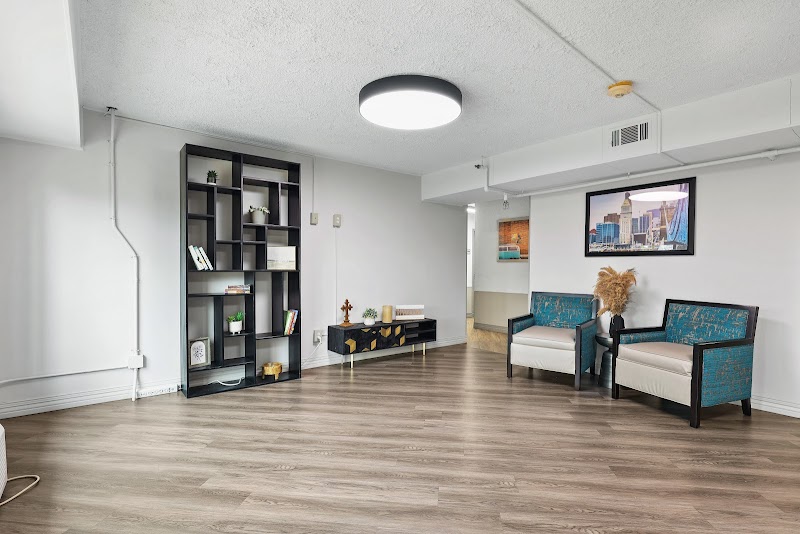
How is Envive Of Lawrenceburg Staffed?

CMS rates ENVIVE OF LAWRENCEBURG's staffing level at 1 out of 5 stars, which is much below average compared to other nursing homes. Staff turnover is 58%, which is 12 percentage points above the Indiana average of 46%. High turnover can affect care consistency as new staff learn residents' individual needs. RN turnover specifically is 71%, which is notably high. RNs provide skilled clinical oversight, so turnover in this role can affect medical care quality.

What Have Inspectors Found at Envive Of Lawrenceburg?

State health inspectors documented 28 deficiencies at ENVIVE OF LAWRENCEBURG during 2023 to 2025. These included: 3 that caused actual resident harm and 25 with potential for harm. Deficiencies causing actual harm indicate documented cases where residents experienced negative health consequences.

Who Owns and Operates Envive Of Lawrenceburg?

ENVIVE OF LAWRENCEBURG is owned by a for-profit company. For-profit facilities operate as businesses with obligations to shareholders or private owners. The facility is operated by ENVIVE HEALTHCARE, a chain that manages multiple nursing homes. With 100 certified beds and approximately 50 residents (about 50% occupancy), it is a mid-sized facility located in LAWRENCEBURG, Indiana.

How Does Envive Of Lawrenceburg Compare to Other Indiana Nursing Homes?

Compared to the 100 nursing homes in Indiana, ENVIVE OF LAWRENCEBURG's overall rating (2 stars) is below the state average of 3.1, staff turnover (58%) is significantly higher than the state average of 46%, and health inspection rating (2 stars) is below the national benchmark.

What Should Families Ask When Visiting Envive Of Lawrenceburg?

Based on this facility's data, families visiting should ask: "How do you ensure continuity of care given staff turnover, and what is your staff retention strategy?" "Can you walk me through typical staffing levels on day, evening, and night shifts?" "Can I visit during a mealtime to observe dining assistance and food quality?" "How do you handle medical emergencies, and what is your hospital transfer rate?" These questions are particularly relevant given the facility's high staff turnover rate and the below-average staffing rating.

Is Envive Of Lawrenceburg Safe?

Based on CMS inspection data, ENVIVE OF LAWRENCEBURG has a clean safety record: no substantiated abuse findings (meaning no confirmed cases of resident harm), no Immediate Jeopardy citations (the most serious violation level indicating risk of serious injury or death), and is not on the Special Focus Facility watch list (a federal program monitoring the lowest-performing 1% of nursing homes). The facility has a 2-star overall rating and ranks #100 of 100 nursing homes in Indiana. While no facility is perfect, families should still ask about staff-to-resident ratios and recent inspection results during their visit.

Do Nurses at Envive Of Lawrenceburg Stick Around?

Staff turnover at ENVIVE OF LAWRENCEBURG is high. At 58%, the facility is 12 percentage points above the Indiana average of 46%. Registered Nurse turnover is particularly concerning at 71%. RNs handle complex medical decisions and coordinate care — frequent RN changes can directly impact care quality. High turnover means new staff may not know residents' individual needs, medications, or preferences. It can also be disorienting for residents, especially those with dementia who rely on familiar faces. Families should ask: What is causing the turnover? What retention programs are in place? How do you ensure care continuity during staff transitions?

Was Envive Of Lawrenceburg Ever Fined?

ENVIVE OF LAWRENCEBURG has no federal fines on record. CMS issues fines when nursing homes fail to meet care standards or don't correct problems found during inspections. The absence of fines suggests the facility has either maintained compliance or corrected any issues before penalties were assessed. This is a positive indicator, though families should still review recent inspection reports for the full picture.

Is Envive Of Lawrenceburg on Any Federal Watch List?

ENVIVE OF LAWRENCEBURG is not on any federal watch list. The most significant is the Special Focus Facility (SFF) program, which identifies the bottom 1% of nursing homes nationally based on persistent, serious quality problems. Not being on this list means the facility has avoided the pattern of deficiencies that triggers enhanced federal oversight. This is a positive indicator, though families should still review the facility's inspection history directly.