SHADY NOOK CARE CENTER
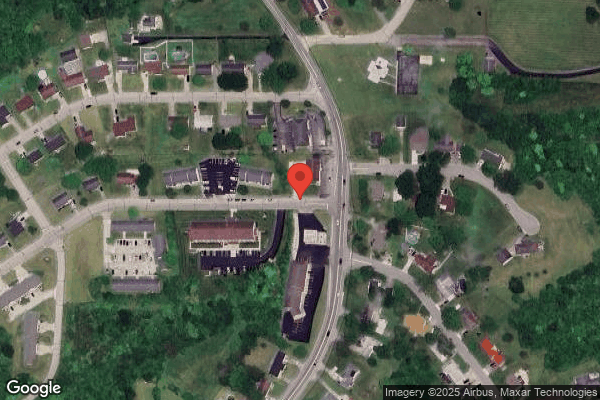

36 VILLAGE DRIVE, LAWRENCEBURG, IN 47025 (812) 537-0930
For profit - Corporation 94 Beds ADAMS COUNTY MEMORIAL HOSPITAL Data: November 2025
Trust Grade
65/100
#287 of 505 in IN
Last Inspection: November 2024

Within standard 12-15 month inspection cycle. Federal law requires annual inspections.

Overview

Shady Nook Care Center has a Trust Grade of C+, indicating it is decent and slightly above average among nursing homes. It ranks #287 out of 505 facilities in Indiana, placing it in the bottom half, but it is #2 out of 4 in Dearborn County, meaning there is only one other local option that is better. The facility is improving, having reduced issues from 7 in 2024 to just 1 in 2025. Staffing is a concern, with a below-average rating of 2 out of 5 stars and a turnover rate of 53%, which is in line with the state average. However, the center has good RN coverage, exceeding 77% of facilities in the state, which is beneficial for resident care. Despite these strengths, there are notable weaknesses. Recent inspections found significant concerns, including failure to maintain sanitary food storage practices, which could affect all residents, and instances of medications being administered late to multiple residents, potentially impacting their health. Overall, while Shady Nook Care Center has some positive attributes, families should weigh these against the identified issues before making a decision.

Trust Score
C+
65/100
In Indiana
#287/505
Bottom 44%
Safety Record
Low Risk
No red flags
Inspections
Getting Better
7 → 1 violations
Staff Stability
⚠ Watch
53% turnover. Above average. Higher turnover means staff may not know residents' routines.
Penalties
✓ Good
No fines on record. Clean compliance history, better than most Indiana facilities.
Skilled Nurses
○ Average
Each resident gets 37 minutes of Registered Nurse (RN) attention daily — about average for Indiana. RNs are the most trained staff who monitor for health changes.
Violations
⚠ Watch
20 deficiencies on record. Higher than average. Multiple issues found across inspections.
★★★☆☆
3.0
Overall Rating
★★☆☆☆
2.0
Staff Levels
★★★☆☆
3.0
Care Quality
★★★☆☆
3.0
Inspection Score
Stable
2024: 7 issues
2025: 1 issues

The Good

  • Full Sprinkler Coverage · Fire safety systems throughout facility
  • No fines on record

Facility shows strength in fire safety.

The Bad

3-Star Overall Rating

Near Indiana average (3.1)

Meets federal standards, typical of most facilities

Staff Turnover: 53%

Near Indiana avg (46%)

Higher turnover may affect care consistency

Chain: ADAMS COUNTY MEMORIAL HOSPITAL

Part of a multi-facility chain

Ask about local staffing decisions and management

The Ugly 20 deficiencies on record

Feb 2025 1 deficiency
CONCERN (D) 📢 Someone Reported This

A family member, employee, or ombudsman was alarmed enough to file a formal complaint

Potential for Harm - no one hurt, but risky conditions existed

Incontinence Care (Tag F0690)

Could have caused harm · This affected 1 resident

**NOTE- TERMS IN BRACKETS HAVE BEEN EDITED TO PROTECT CONFIDENTIALITY** Based on interview and record review, the facility failed to ensure a resident with urinary incontinence received services to ma...

Read full inspector narrative →
**NOTE- TERMS IN BRACKETS HAVE BEEN EDITED TO PROTECT CONFIDENTIALITY** Based on interview and record review, the facility failed to ensure a resident with urinary incontinence received services to maintain continence in a timely manner for 1 of 5 residents reviewed for urinary incontinence. (Resident B) Findings include: An admission Minimum Data Set (MDS) assessment, dated 11/15/24, indicated Resident B was cognitively intact. The resident's diagnoses included, but were not limited to, malnutrition, arthritis, and retention of urine. The resident was incontinent of bowel and bladder. Hospital discharge instructions, dated [DATE], indicated Resident B had an ongoing problem with urinary retention. The resident had a scheduled appointment with Urology for 12/04/24 at 2:00 P.M., as well as an ultrasound scheduled, of her abdomen, on 12/04/24 at 1:00 P.M. During an interview, on 02/19/2025 at 10:35 A.M., the Director of Nursing (DON) indicated that Resident B's appointments for 12/04/24 had all been rescheduled locally to accommodate family attending, and that she would provide appointment confirmations for appointments being rescheduled. A Provider Progress Note, dated 12/05/24, indicated that on discharge from the hospital Resident B was supposed to have a urology appointment, an upcoming abdominal ultrasound, cardiology appointment, and optometry appointment. The only one visualized as scheduled was a cardiology appointment for that day. The concern was brought to the DON's attention. An Appointment Detail Document, provided by the DON on 02/19/25 at 11:20 A.M., indicated that a new patient urology appointment for Resident B was scheduled on 12/05/24 at 3:25 P.M. The appointment was scheduled for 01/07/25 at 1:30 P.M. The clinical record lacked information regarding the urology appointment on 01/07/25 prior to 02/19/25. During an interview, on 02/19/25 at 11:20 A.M. , the DON indicated that due to weather conditions on 01/07/25 the urology office closed for the day resulting in cancellation of the resident's appointment. An Appointment Detail Document, provided by the DON on 02/19/25 at 1:09 P.M., indicated that a urology appointment was rescheduled that day for 04/09/25 at 9:10 A.M. During an interview, on 02/19/25 at 1:35 P.M., the DON indicated that the facility scheduler had received a call from the urologist office today to reschedule the appointment for Resident B. When asked if there was proof of additional contact being made prior to today in the progress notes the DON was unsure. Progress notes for the past 90 days for Resident B were provided by the DON on 02/19/25 at 2:50 P.M. No progress notes were made prior to 02/19/25 about contact made with the urology office. During an interview with the Urology Office, on 02/19/25 at 1:36 P.M., they indicated that a new urology appointment for Resident B was scheduled today, and that the only other appointment they had scheduled prior to today was the 01/07/25 appointment. During an interview on 02/19/25 at 2:30 P.M., LPN 2 indicated that the facility would ensure residents made it to scheduled appointments, and if an appointment was canceled due to weather it should be rescheduled. The current facility policy, titled Physician Orders, with a revised date of 03/17/22, was provided by the DON on 02/19/25 at 3:02 P.M. The policy indicated, .The facility is obligated to follow and carry out orders of the prescriber in accordance with all applicable state and federal guidelines . The current facility policy, titled Urinary Tract Infections/Bacteriuria - Clinical Protocol, with a revised date of April 2018, was provided by the DON on 02/19/25 at 2:50 P.M. The policy indicated, .The physician and staff will identify individuals with a history of .risk factors (for example, an indwelling urinary catheter, kidney stones, urinary out-flow obstruction, ect.) .The Physician will help identify causes of, and factors contributing to . bladder outlet obstruction, .and medications that can cause urinary retention .1. The physician will order appropriate treatment . based on a pertinent assessment . This citation relates to Complaint IN00451861. 3.1-41(a)(2)
Nov 2024 6 deficiencies
CONCERN (D)

Potential for Harm - no one hurt, but risky conditions existed

Assessment Accuracy (Tag F0641)

Could have caused harm · This affected 1 resident

Based on record review and interview, the facility failed to ensure the accuracy of Minimum Data Set assessments for 3 of 21 residents reviewed. (Residents 8, 91, and 27) Findings include: 1. The clin...

Read full inspector narrative →
Based on record review and interview, the facility failed to ensure the accuracy of Minimum Data Set assessments for 3 of 21 residents reviewed. (Residents 8, 91, and 27) Findings include: 1. The clinical record for Resident 8 was reviewed on 11/13/24 at 1:15 P.M. A Quarterly Minimum Data Set (MDS) assessment, dated 10/14/24, indicated the resident was cognitively intact. The Swallowing/Nutritional Status section of the assessment indicated the resident received parenteral/intravenous feeding and had a feeding tube while he was a resident in the facility during the assessment review period. The resident's physician's orders for October 2024 lacked an order for tube feeding. During an interview on 11/08/24 at 9:45 A.M., the resident indicated he had never had a feeding tube. During an interview on 11/13/24 at 1:36 P.M., the MDS Coordinator indicated the resident didn't have a feeding tube. The Quarterly MDS assessment was incorrect. 2. The clinical record for Resident 91 was reviewed on 11/08/24 at 1:30 P.M. A Discharge MDS assessment, dated 10/04/24, indicated the resident was moderately cognitively impaired. The Identification section of the assessment indicated the resident discharged from the facility on 10/04/24. The discharge was planned, and the resident went to a short-term general hospital. During an interview on 11/08/24 at 10:56 A.M., the Therapy Manager indicated the resident went to another Long Term Care (LTC) facility. A Nursing Note, dated 10/4/2024 at 12:00 P.M., indicated the resident was discharging to another facility and was transported by the facility bus. During an interview on 11/13/24 at 1:51 P.M., the MDS Coordinator indicated the resident did not go to the hospital he went to another LTC facility. The assessment should have accurately reflected the resident's discharge destination. 3. The clinical record for Resident 27 was reviewed on 11/13/24 at 2:02 P.M. A Quarterly MDS assessment, dated 08/22/24, indicated the resident was moderately cognitively impaired. The resident's diagnoses included, but were not limited to, diabetes, hypertension, dementia, and chronic obstructive pulmonary disease. Section O special treatments, procedures, and programs indicated the resident was receiving Hospice care while he was a resident in the facility during the assessment review period. The August 2024 physician orders, provided by the Director of Nursing (DON) on 11/14/24 at 2:15 P.M., lack documentation that the resident received Hospice care. During an interview on 11/13/24 at 1:36 P.M., the MDS Coordinator indicated the resident didn't receive Hospice care. The Quarterly MDS assessment was incorrect and she referred to the RAI manual for completing MDS assessments. 3.1-31(c)(5) 3.1-31(c)(6) 3.1-31(c)(8)
CONCERN (D)

Potential for Harm - no one hurt, but risky conditions existed

Quality of Care (Tag F0684)

Could have caused harm · This affected 1 resident

Based on record review and interview, the facility failed to obtain physician ordered vital signs prior to medication administration for 1 of 21 residents reviewed for Quality of Care. (Resident 1) Fi...

Read full inspector narrative →
Based on record review and interview, the facility failed to obtain physician ordered vital signs prior to medication administration for 1 of 21 residents reviewed for Quality of Care. (Resident 1) Findings include: The clinical record for Resident 1 was reviewed on 11/07/24 at 1:33 P.M. A Quarterly Minimum Data Set (MDS) assessment, dated 10/24/24, indicated the resident was moderately cognitively impaired. The resident's diagnoses included, but were not limited to, hypertension, diabetes, and dementia. The Electronic Medication Administration Records (EMAR) for September and October 2024, were provided by the DON on 11/13/24 at 12:54 P.M., and included, but were not limited to, the following: The September EMAR indicated the resident received the following medications: - Lisinopril, for hypertension, 20 milligrams (mg) one time a day. Staff were to hold (not give) the medication if the resident's systolic blood pressure (the top number) was less than 100 or if their heart rate was less than 60 beats per minute. The medication had a start date of 11/14/23. The record had places to document the resident's blood pressure (BP) and heart rate at 9:00 A.M., when the medication was due to be administered. The EMAR documents were left blank from September 3 through September 30, 2024. - Propranolol, for hypertension, 10 mg two times a day, at 7:00 A.M. and 7:00 P.M. Staff were to hold the medication if the resident's systolic blood pressure was less than 100 or if their heart rate was less than 60 beats per minute. The medication had a start date of 01/17/22. The record had places to document the resident's BP and heart rate, two times a day, that were left blank for the entire month of September 2024. The Vitals records for September 2024, were provided by the DON on 11/13/24 at 12:54 P.M., and indicated the resident's blood pressure and heart rate were documented on the following dates and times: - 09/01/24 at 7:10 A.M., - 09/01/24 at 8:28 P.M., - 09/02/24 at 7:17 A.M., - 09/03/24 at 12:20 A.M., - 09/03/24 at 6:45 A.M., - 09/04/24 at 11:46 P.M., - 09/05/24 at 11:03 P.M., - 09/10/24 at 7:31 A.M., - 09/14/24 at 8:13 P.M., - 09/19/24 at 11:42 P.M., and - 09/24/24 at 11:06 P.M. The Progress Notes for September and October 2024, were provided by the DON on 11/13/24 at 12:54 P.M. A Progress Note, dated 09/10/24 at 8:30 A.M., indicated the resident's medications, Propranolol and Lisinopril, had been held due to the resident's heart rate of 56, which was below the prescribed limit. The record lacked documentation of any refusals by the resident, or any other vital signs related to the prescribed times the medications were due to be administered. The Interdisciplinary Notes indicated the resident had falls on 09/03/24 and 09/24/24. No other falls were documented in the Progress Notes. Neurological Evaluation Flow Records for the falls on 09/03/24 and 09/24/24 were provided by the DON on 11/13/24 at 10:22 A.M. The records indicated the resident's blood pressure and heart rate were documented on the following dates and times that were within the two hour time frame the medications were to be administered: - 09/03/24 at 7:05 A.M., - 09/04/24 at 7:05 A.M., - 09/05/24 at 7:05 A.M., - 09/06/24 at 7:05 A.M., - 09/24/24 at 7:15 P.M., and from 09/25/24 through 09/29/24, the vital signs were documented twice a day, in the morning, AM, and in the evening, PM, with no specific times listed. The resident's clinical record lacked any vitial signs of BP or heart rate related to the administration of Lisinopril and Propranolol for the following dates: September 6, 7, 8, 9, 11, 12. 13, 20, 21, 22, 23 and 30, 2024. The October EMAR indicated the resident received the following medications: - Lisinopril, for hypertension, 20 mg one time a day. Staff were to hold the medication if the resident's systolic blood pressure was less than 100 or if their heart rate was less than 60 beats per minute. The medication had a start date of 11/14/23. The record had places to document the blood pressure and heart rate that were left blank from October 1, through October 25, 2024. - Propranolol, for hypertension, 10 mg two times a day, at 9:00 A.M., and 8:00 P.M. Staff were to hold the medication if the resident's systolic blood pressure was less than 100 or if their heart rate was less than 60 beats per minute. The medication had a start date of 01/17/22. The record had places to document the blood pressure and heart rate, twice a day, that were left blank from October 1, 2024, through the 9:00 A.M. dose on October 25, 2024. The Vitals records for October 2024, were provided by the DON on 11/13/24 at 12:54 P.M. The resident's blood pressure and heart rate were documented on the following dates and times: - 10/02/24 at 2:44 P.M., - 10/25/24 at 8:20 P.M., and from 10/26/24 through 10/31/24, the vital signs were documented twice a day, once in the morning, and once in the evening. The resident's clinical record lacked any vitial signs of BP or heart rate related to the administration of Lisinopril and Propranolol for the following dates: October 1 and October 3 through 24, 2024. During an interview on 11/08/24 at 9:47 A.M., RN 4 indicated the facility no longer used hard (paper) charts. During an interview on 11/12/24 at 3:29 P.M., RN 4 indicated there was a place on the EMAR for vital signs to be recorded if a medication required a parameter. Staff were to obtain the vital sign prior to the administration of the medication. There was a notation staff could put on the EMAR as to why the medication was held. Staff had to notify the physician if the medication was held. The current Administering Medications policy, with a revised date of December 2012, was provided by the DON on 11/13/24 at 10:45 A.M. The policy indicated, .Medications shall be administered in a safe and timely manner, and as prescribed .The individual administering the medication must check the label THREE (3) times to verify the right resident, right medication, right dosage, right time and right method (route) of administration before giving the medication .information must be checked/verified for each resident prior to administering medications .Vital signs, if necessary .As required or indicated for a medication, the individual administering the medication will record in the resident's medical record . 3.1-37(a)
CONCERN (D)

Potential for Harm - no one hurt, but risky conditions existed

Incontinence Care (Tag F0690)

Could have caused harm · This affected 1 resident

Based on observation, interview, and record review, the facility failed to follow appropriate infection control guidelines related to indwelling urinary catheters for a resident who had a Urinary Trac...

Read full inspector narrative →
Based on observation, interview, and record review, the facility failed to follow appropriate infection control guidelines related to indwelling urinary catheters for a resident who had a Urinary Tract Infection for 1 of 2 residents reviewed for urinary catheters. (Resident 7) Findings include: During an observation on 11/07/24 at 1:39 P.M., Resident 7 was in their wheelchair in the main dining room. Five to six inches of their indwelling urinary catheter tubing was laying on the floor under their wheelchair. During an observation on 11/08/24 at 11:57 A.M., Resident 7 was in their wheelchair in the main dining room eating lunch, five to six inches of their indwelling urinary catheter tubing was laying on the floor under their wheelchair. During an observation on 11/08/24 at 2:56 P.M., Resident 7 was in their wheelchair in the main dining room propelling herself, five to six inches of their indwelling urinary catheter tubing was dragging on the floor under their wheelchair. During an observation and interview on 11/08/24 at 2:58 P.M., the Director of Nursing (DON) indicated the indwelling urinary catheter tubing should not be touching the floor. During an interview on 11/08/24 at 3:30 P.M., Certified Nurse Aide (CNA) 2 indicated the urinary catheter bag and tubing should not be touch the floor. The clinical record was reviewed on 11/08/24 at 3:00 P.M. A Quarterly Minimum Data Set (MDS) assessment, dated 10/21/24, indicated the resident was cognitively intact. The residents diagnoses included, but were not limited to, hypertension, renal insufficiency, obstructive uropathy (a condition where the flow of urine is blocked), and diabetes. The resident had an indwelling urinary catheter. The November 2024 Electronic Medication Administration Record (EMAR) indicated the resident was to receive Bactrim (an antibiotic) 800-160 milligrams (mg) 1 tablet every morning for a Urinary Tract Infection (UTI) for 7 days, with a start date of 11/09/24, and Bactrim 400-80 mg 1 tablet every evening for a UTI for 7 days, with a start date of 11/08/24. The current Catheter Care, Urinary policy, with a revised date of December 2007, was provided by Administrator on 11/13/24 at 10:48 A.M. The policy indicated, .To prevent infection of the resident's urinary tract .Be sure the catheter tubing and drainage bag are kept off the floor . 3.1-41(a)(2)
CONCERN (D)

Potential for Harm - no one hurt, but risky conditions existed

Deficiency F0757 (Tag F0757)

Could have caused harm · This affected 1 resident

Based on record review and interview, the facility failed to follow the physician's orders related to hold parameters for a medication for 1 of 5 residents reviewed for unnecessary medications. (Resid...

Read full inspector narrative →
Based on record review and interview, the facility failed to follow the physician's orders related to hold parameters for a medication for 1 of 5 residents reviewed for unnecessary medications. (Resident 72) Findings include: The clinical record for Resident 72 was reviewed on 11/07/24 at 1:28 P.M. A Quarterly Minimum Data Set (MDS) assessment, dated 09/18/24, indicated the resident was severely cognitively impaired. The resident's diagnoses included, but were not limited to, Parkinson's disease and ventricular fibrillation (irregular contraction of the heart muscle). The Electronic Medication Administration Records (EMAR) for October and November 2024, were provided by the Director of Nursing (DON) on 11/13/24 at 10:45 A.M. The records indicated the resident had the following current physician's order: - Metoprolol 25 milligrams (mg), give 12.5 mg by mouth, two times a day related to ventricular fibrillation. The medication was to be held (not given) if the resident's heart rate was less than 60 beats per minute. The start date for the medication was 10/04/24. The record indicated the medication had been administered outside of the ordered parameters, when the resident's heart rate was less than 60 beats per minute, on the following dates and times: - 10/06/24, at 9:00 A.M., the heart rate was 42, - 10/06/24, at 9:00 P.M., the heart rate was 56, - 10/11/24, at 9:00 A.M., the heart rate was 49, - 10/14/24, at 9:00 A.M., the heart rate was 52, - 10/19/24, at 9:00 A.M., the heart rate was 48, - 11/02/24, at 9:00 A.M., the heart rate was 46, - 11/02/24, at 9:00 P.M., the heart rate was 57, - 11/03/24, at 9:00 A.M., the heart rate was 58, and - 11/07/24, at 9:00 P.M., the heart rate was 51. During an interview on 11/08/24 at 9:47 A.M., RN 4 indicated the facility no longer used hard (paper) charts. During an interview on 11/12/24 at 3:29 P.M., RN 4 indicated there was a place on the EMAR for vital signs to be recorded if a medication required a parameter. Staff were to obtain the vital sign prior to the administration of the medication. There was a notation staff could put on the EMAR as to why the medication was held. Staff had to notify the physician if the medication was held. The current Administering Medications policy, with a revised date of December 2012, was provided by the DON on 11/13/24 at 10:45 A.M. The policy indicated, .Medications shall be administered in a safe and timely manner, and as prescribed .The individual administering the medication must check the label THREE (3) times to verify the right resident, right medication, right dosage, right time and right method (route) of administration before giving the medication .information must be checked/verified for each resident prior to administering medications .Vital signs, if necessary . 3.1-48(a)(6)
CONCERN (D)

Potential for Harm - no one hurt, but risky conditions existed

Deficiency F0761 (Tag F0761)

Could have caused harm · This affected 1 resident

Based on observation and interview, the facility failed to appropriately store medications for 3 of 4 medication carts reviewed. (C Street Medication Cart 1, C Street Medication Cart 2, and B Street M...

Read full inspector narrative →
Based on observation and interview, the facility failed to appropriately store medications for 3 of 4 medication carts reviewed. (C Street Medication Cart 1, C Street Medication Cart 2, and B Street Medication Cart 1) Findings include: 1. On 11/12/24 at 9:59 A.M., C Street Medication Cart 1 was observed with RN 4 and contained the following: - A small round yellow pill and a small oblong pale green pill were lying loose in the bottom of the second drawer, and - A small round white pill was lying loose in the bottom of the third drawer. 2. On 11/12/24 at 10:03 A.M., C Street Medication Cart 2 was observed with RN 4 and contained the following: - One small round white pill and one half of a small round white pill were lying loose in the bottom of the second drawer. 3. On 11/12/24 at 10:11 A.M., Unit Manager 7 was observed removing a small round pink pill and a small round white pill from the bottom of the second drawer of the B Street Medication Cart 1. The pills were loose and not in a secured medication sheet. During an interview on 11/12/24 at 10:26 A.M., the Director of Nursing (DON) indicated loose pills should not be lying in the bottom of the medication carts. She was unaware of which residents the loose medications would have belong too. The current undated facility policy, titled MEDICATION STORAGE IN THE FACILITY, was provided by the DON on 11/13/24 at 10:23 A.M. The policy indicated, .Medications and biologicals are stored safely, securely, and properly, following manufacturer's recommendations or those of the supplier . 3.1-25(o)
CONCERN (F)

Potential for Harm - no one hurt, but risky conditions existed

Food Safety (Tag F0812)

Could have caused harm · This affected most or all residents

Based on observation, interview, and record review, the facility failed to prepare and store foods in a sanitary manner for 2 of 2 kitchen observations and failed to maintain resident snack refrigerat...

Read full inspector narrative →
Based on observation, interview, and record review, the facility failed to prepare and store foods in a sanitary manner for 2 of 2 kitchen observations and failed to maintain resident snack refrigerators in a sanitary manner related to the storage of non-food items and outdate foods for 3 of 3 snack refrigerators observed. This deficient practice had the potential to affect on 82 of 82 residents who receive food from the kitchen or snack refrigerators. Findings include: 1. During the initial kitchen tour on 11/06/24 at 11:14 A.M., with the Dietary Manager (DM), the following was observed: - The dry storage room floor was littered with pieces of dry cereal, a package of crackers; a line of white powder, one and a half inches wide by two feet long running along the wall behind a wire rack of shelves; bits of white paper and straw; a large plastic bag, open to air, of white powder was sitting inside of an open cardboard box; and there was a large silver scoop laying in the bag on top of the powder. The DM indicated the white powder was food thickener and a scoop should not have been left in the bag with the thickener. - Two silver bowls, inverted and covering plates in the plate warmer had a brown/yellow sticky residue in the edges of the bowls, - Two black wheeled carts, with three shelves, were sticky and littered with crumbs. One cart held trays of the lunchtime dessert, and one cart held stacks of clean trays to be used for the meal service, - The lower shelves of three food preparation tables were littered with crumbs and crumbs along the floor under them, - The metal shelf unit holding the juice machine had several black, six inch by two inch, mechanical apparatuses attached to the back of the cart that were covered in gray dust as were the wires on the rack, and - Two black chunks of debris, one inch by two inches in length, were noted by the wall under food prep table near the door to the main dining room. The cleaning schedule for the week was posted on the wall in the kitchen and was provided by the DM on 11/06/24 at 11:41 A.M. The DM indicated staff would initial the area on the cleaning schedule after they had completed the tasks on their shift. The DM opened a drawer in her office that contained several older cleaning schedules, none of which were dated to indicate what week they applied to. The cleaning schedule for the week of 11/03/24 though 11/09/24 indicated no cleaning had been completed since day shift on Monday, 11/04/24. Cleaning tasks to be completed by the morning and evening shift staff members were listed for each day of the week. 2. During the second tour of the kitchen on 11/12/24 at 11:05 A.M., the following was observed: - The metal shelf unit holding the juice machine had several black, six inch by two inch, mechanical apparatuses attached to the back of the cart that were covered in gray dust as were the wires on the rack, - One black wheeled cart with three shelves had sticky spots and was littered with crumbs. The top two shelves of the cart held stacks of clean trays to be used for residents' meal service, - Two silver bowls, inverted to cover the top of stacks of plates in the plate warmer, had a brown/yellow residue in the edges of the bowls, and - A small shelf under the steam table contained stacks of small bowl sized plastic lids sitting with four loose paper clips. A nearby cup held several paperclips. 3. Residents' snack refrigerators were observed on 11/13/24 at 11:32 A.M., with the Assistant Director of Nursing (ADON), and contained the following: - The C-Street refrigerator contained a soft sided dark colored cold pack in the freezer that had no resident identifying marks. The pack was approximately 12 inches by 12 inches in size. The ADON indicated it had been in there for at least as long as she could remember, but did not know who or what it was for. The soft covered ice pack was labeled Cold Therapy, and - The resident snack refrigerator used for A and B Streets contained a plastic bag of small cups of ice cream in the freezer that were leaning against a large soft covered ice pack, labeled Cold Therapy. The pack was approximately 12 inches by 12 inches in size. 4. The resident snack refrigerator for D-Street was observed on 11/13/24 at 11:42 A.M., with Licensed Practical Nurse (LPN) 6, and contained the following: - A gray plastic grocery bag, labeled Pam C., that contained a bowl of coleslaw with a lid, dated 08/02/24, a small paper sack containing onion rings and a dirty spoon, and a sandwich box with 1/2 of a sandwich. LPN 6 indicated residents' items should be dated when put in the refrigerator and disposed of after 48 hours. During an interview on 11/13/24 at 11:50 A.M., the ADON indicated she did not know what the facility policy was related to having cold therapy ice packs in the residents' snack refrigerators. During an interview on 11/13/24 at 2:09 P.M., the Therapy Manager indicated they stored ice packs for residents in their therapy gym. The Nursing Manager had the code to enter the Therapy Gym should they need to. The therapy staff did not place resident ice packs in the resident snack refrigerators. The ice packs were soft sided and blue in color. During an interview on 11/13/24 at 2:21 PM., the ADON indicated all of the residents in the building received food from the facility kitchen. The undated Cleaning Schedule policy was provided by the Administrator on 11/13/24 at 1:46 P.M. The record indicated, .All small equipment .appliances .counters .dishes .Delivery carts . were to be cleaned after each use. The current Unit Kitchenettes and Pantries policy, with a reviewed date of 07/2023, was provided by the Administrator on 11/13/24 at 1:46 P.M. The policy indicated, .The food service manager will .remove outdated items . The current Foods Brought by Family/Visitors policy, with a revised date of October 2017, was provided following the Entrance Conference. The policy indicated, .Food brought .that is left with the resident to consume later will be labeled and stored in a manner that is clearly distinguishable from facility-prepared food .Perishable foods must be stored in re-sealable containers with tightly fitting lids in a refrigerator. Containers will be labeled with the resident's name, the item and the use by date .The nursing and/or food service staff will discard any foods .that show obvious signs of potential food borne danger .for example .mold .past due package expiration dates . The current Cleaning and Sanitation of Food Service Areas policy, with a reviewed date of 07/2023, was provided by the Administrator on 11/13/24 at 1:46 P.M. The policy indicated, .The food service staff will maintain the sanitation of the .food service areas through compliance with a writen [sic], comprehensive cleaning schedule .A cleaning schedule will be posted for all cleaning tasks .Staff will be held accountable for cleaning assignments . 3.1-21(i)(3)
Jun 2024 1 deficiency
CONCERN (D) 📢 Someone Reported This

A family member, employee, or ombudsman was alarmed enough to file a formal complaint

Potential for Harm - no one hurt, but risky conditions existed

Pharmacy Services (Tag F0755)

Could have caused harm · This affected 1 resident

Based on record review and interview, the facility failed to administer routine insulin in a timely manner for 1 of 3 residents reviewed for pharmacy services. (Resident B) Findings include: The clini...

Read full inspector narrative →
Based on record review and interview, the facility failed to administer routine insulin in a timely manner for 1 of 3 residents reviewed for pharmacy services. (Resident B) Findings include: The clinical record for Resident B was reviewed on 06/04/24 at 5:32 P.M. A Quarterly MDS (Minimum Data Set) assessment, dated 05/07/24, indicated the resident was cognitively intact. The resident's diagnoses included, but were not limited to, end stage renal disease, heart failure, hypertension, and diabetes. The resident was administered insulin during the review period. An open-ended physician's order indicated the resident was to be administered Tresiba (an insulin medication) 30 units at 9:00 P.M., every night for diabetes. The March, April, and May 2024 EMAR/ETAR (Electronic Medication Administration Record/Electronic Treatment Administration Record) indicated the resident had received the insulin two times in 24 hours on the following dates and times: - 03/12/24 at 2:44 A.M. and 8:11 P.M., - 03/25/24 at 2:14 A.M. and 8:39 P.M., - 05/28/24 at 1:04 A.M. and 8:20 P.M., - 04/15/24 at 12:49 A.M. and 9:17 P.M., - 04/27/24 at 12:50 A.M., and 9:23 P.M., - 05/05/24 at 1:14 A.M. and 9:01 P.M., - 05/08/24 at 12:23 A.M., and 9:12 P.M., and - 05/12/24 at 2:27 A.M., and 9:27 P.M. During an interview on 06/05/24 at 2:13 P.M. LPN (Licensed Practical Nurse) 2 indicated if a resident had a routine dose of insulin that was due at the same time every day or night then the nurse had a two hour window to give the medication, it should be given either and hour before or and hour after the scheduled administered dose time. It should never be administered after the one hour. During an interview on 06/05/24 at 4:25 P.M., Resident B indicated there were many nights they had to be woken up to get their insulin. The nurse would not bring it in until midnight or later, which was after the scheduled time it was to be given. The current facility policy titled, Insulin Administration was provided by the Administrator on 06/05/24 at 3:23 P.M. The policy indicated .To provide guidelines for the safe administration of insulin to residents with diabetes . The current facility policy titled, Administering Medications was provided by the Administrator on 06/05/24 at 3:23 P.M. The policy indicated, .Medications shall be administered in a safe and timely manner, and as prescribed .Medications must be administered within (1) hour of their prescribed time, unless otherwise specified . This citation relates to complaints IN00433817 and IN00435973. 3.1-37(a) 3.1-48(a)
Sept 2023 6 deficiencies
CONCERN (D) 📢 Someone Reported This

A family member, employee, or ombudsman was alarmed enough to file a formal complaint

Potential for Harm - no one hurt, but risky conditions existed

Quality of Care (Tag F0684)

Could have caused harm · This affected 1 resident

Based on observation, interview, and record review, the facility failed to follow physician orders related to insulin administration, notification, and hold parameters for 1 of 21 residents reviewed f...

Read full inspector narrative →
Based on observation, interview, and record review, the facility failed to follow physician orders related to insulin administration, notification, and hold parameters for 1 of 21 residents reviewed for quality of care. (Resident 48) Findings include: 1.a. During an observation and interview on 09/20/23 at 9:58 A.M., Resident 48 was lying in her bed. She indicated she had problems with her blood glucose levels being high and low. A Quarterly MDS (Minimum Data Set) assessment, dated 08/12/23, indicated the resident was moderately cognitively impaired. The diagnoses included, but were not limited to, diabetes, hypertension, renal insufficiency, anxiety, and depression. A physician's order with a start date of 04/10/23 and discontinue date of 09/13/23, indicated the resident was to receive Novolog (an insulin medication), 18 units before meals for diabetes, give after the meal was eaten and hold for blood glucose < (less than) 100. The provider MUST be notified if blood glucose is < 60 and/or >(greater) 450 and documented. A physician's order with a start date of 09/14/23 and discontinue date of 09/21/23, indicated the resident was to receive Novolog, 14 units before meals for diabetes, give after the meal was eaten and hold for blood glucose < 100. The provider MUST be notified if blood glucose is < 60 and/or > 450 and documented. The June, July, August, and September 2023 Insulin Administration Record from the EMAR/ETAR (Electronic Medication Administration Record/Electronic Treatment Administration Record) indicated the resident had received the insulin mediation when the blood sugar was less than 100 and staff were to notify the physician of the blood glucose being greater than 450 on the following dates and times: - On 06/1/23 at 4:30 P.M., the medication was administered when the blood glucose level was 56, - On 06/15/23 at 11:30 A.M., the blood glucose was 475 with no indication the physician was notified, - On 06/17/23 at 4:30 P.M., the medication was administered when the blood glucose level was 92, - On 6/19/23 at 11:30 A.M., the blood glucose was 487 with no indication the physician was notified, - On 07/06/23 at 4:30 P.M., the medication was administered when the blood glucose was 97, - On 07/10/23 at 11:30 A.M., the blood glucose was 520 with no indicated the physician was notified, - On 07/15/23 at 4:30 P.M., the blood glucose was 557 with no indication the physician was notified, - On 07/20/23 at 4:30 P.M., the medication was administered when the blood glucose level was 78, - On 07/28/23 at 11:30 A.M., the blood glucose was 586 with no indication the physician was notified, - On 08/10/23 at 7:30 A.M., the medication was administered when the blood glucose level was 93, - On 08/14/23 at 7:30 A.M., the blood glucose was 553 with no indication the physician was notified, - On 08/17/23 at 4:30 P.M., the medication was administered when the blood glucose level was 96, - On 08/18/23 at 11:30 A.M., the blood glucose was 520 with no indication the physician was notified, - On 08/24/23 at 11:30 A.M., the blood glucose was 499 with no indication the physician was notified, - On 09/03/23 at 7:30 A.M., the blood glucose was 490 with no indication the physician was notified, - On 09/09/23 at 7:30 A.M., the medication was administered when the blood glucose level was 97, - On 09/10/23 at 7:30 A.M., the medication was administered when the blood glucose level was 79, and - On 09/14/23 at 7:30 A.M., the medication was administered when the blood glucose level was 87. The clinical record lacked documentation that the medication was held or that the provider was notified of the above blood glucose levels. During an interview on 09/22/23 at 10:08 A.M., LPN (Licensed Practical Nurse) 3 indicated if a resident had hold parameters for a medication, then the medication would be documented as held in the EMAR and it should be documented in a progress note. If the order had call parameters, then she would call the provider if it was indicated, and it should be documented in a progress note that they were notified. During an interview on 09/25/23 at 2:05 P.M., RN 6 indicated a check mark on the EMAR would mean the medication was given. 1.b An EMAR Progress Note, dated 08/10/23 at 8:36 P.M., indicated the resident's MD orders related to their blood glucose parameters were that staff were to call the physician if above 450 or below 70. The blood sugar (glucose) was 33. A soda and sugar packet were provided, and the resident was alert. She was diaphoretic and shaky. The blood sugar was checked at 15-minute intervals. Yogurt, cheese, and Glucerna were provided, and the blood sugar was steadily rising. At 11:30 P.M., the blood sugar was 189. The provider was aware. A Triage Note, dated 08/10/23, indicated a message was dispatched from the nurse at the facility, calling to report that the resident's blood glucose level was low. New orders were sent to monitor the residents accucheck (blood glucose) every 2 hours X (times) 3, then every 4 hours until the resident was seen by the primary care provider, continue to monitor for change in condition, and place in the acute book for the primary care provider. The clinical record lacked any documented blood glucose levels from 08/10/23 at 11:30 P.M., until 08/11/23 at 5:08 A.M., when the blood glucose was 225. The record lacked documentation that the every 4 hour blood glucose checks were entered into the resident record and followed. The primary care provider had not seen the resident from 08/10/23 until 08/31/23. A Care Plan that indicated the resident had diabetes with a start date of 11/04/21, included but was not limited to the following interventions: - administer diabetes medications as ordered with a start date of 11/04/21, and - fasting serum blood sugar as ordered by the doctor with a start date of 11/04/21. During an interview on 09/25/23 at 3:40 P.M., the DON and Administrator indicated if the order was to recheck the blood sugar, then it should have been documented. The current Insulin Administration policy, with a revised date of September 2014 and was provided by the Administrator on 09/25/23 at 4:58 P.M., indicated .to provide guidelines for the safe administration of insulin to residents with diabetes .The type of insulin, dosage requirements, strength, and method, of administration must be verified before administration, to assure that it corresponds with the order on the medication sheet and the physician's order .The nurse shall notify the Director of Nursing Services and Attending Physician of any discrepancies .Documentation .The resident's blood glucose result, as ordered . The current facility policy titled, Administering Medications, with a revised date of December 2012, was provided by the Administrator on 09/22/23 at 1:45 P.M. The policy indicated, .Medications must be administered in accordance with the orders, including any required time frame . The current facility policy titled, Change in a Resident's Condition or Status with a revised date of 12/16/21, was provided by the Administrator on 09/22/23 at 1:45 P.M. The policy indicated, .Our facility shall promptly notify the resident, his or her Attending Physician, and representative (sponsor) of changes in the resident's medical/mental condition and/or status (e.g., changes in level of care, billing/payments, resident rights, etc.) .The nurse will notify the resident's Attending Physician or physician on call when there has been a(an): .need to alter the resident's medical treatment significantly . 3.1-37(a)
CONCERN (D) 📢 Someone Reported This

A family member, employee, or ombudsman was alarmed enough to file a formal complaint

Potential for Harm - no one hurt, but risky conditions existed

Accident Prevention (Tag F0689)

Could have caused harm · This affected 1 resident

Based on observation, record review, and interview, the facility failed to ensure appropriate fall interventions were implemented for 1 of 4 residents reviewed for falls. (Resident C) Findings include...

Read full inspector narrative →
Based on observation, record review, and interview, the facility failed to ensure appropriate fall interventions were implemented for 1 of 4 residents reviewed for falls. (Resident C) Findings include: On 09/21/23 at 11:03 A.M., Resident C was observed at a table during the bingo activity in the common area on the locked unit. The resident was in a wheelchair and was wearing a sling on her left arm. An Incident Note, dated 09/04/23 at 1:13 P.M., indicated a staff member was assisting the resident with getting dressed. The staff member bent down to pull up the resident's pants and the resident began to fall forward. The staff member stood and grabbed the resident, attempting to prevent a fall. The resident did fall, and landed head first on the floor on their left side. During the fall assessment, the resident was increasingly lethargic with decreased movement and her pupil size appeared to be decreasing. Neurological assessments were initiated, and abnormalities were noted. Pressure was held to the laceration on the resident's head. 911 was contacted and the resident was sent out to the local hospital for evaluation. Hospital documentation, dated 09/04/23 at 11:23 A.M., indicated the resident presented to the facility after a fall. Facility staff were changing the resident's clothes when she fell out of bed and hit the left side of her head and left shoulder. The resident was holding her shoulder and appeared to be in pain. The hospital assessment indicated the resident sustained a traumatic subdural hematoma without loss of consciousness and a 3-part fracture of the surgical neck of the left humerus. During an interview on 09/21/23 at 11:21 A.M., CNA (Certified Nurse Aide) 2 indicated she was with the resident when she fell. The resident was on the bed and the CNA was assisting her with getting dressed. The resident stood up just fine. The CNA was standing behind the resident and her hand was around the resident's hip. The resident's pants were down at her ankles and when the CNA went to pull up her pants, the resident bent down to pull up her pants too. The resident reached down and lost her balance, and the CNA couldn't catch her. The CNA was not using a gait belt. She didn't know why she didn't use one, she didn't have one on her. The resident required the assistance of one staff member with ADLs (Activities of Daily Living) . The resident's record was reviewed on 09/22/23 at 2:27 P.M. An Annual MDS (Minimum Data Set) assessment, dated 06/16/23, indicated the resident was severely cognitively impaired. The diagnoses included, but were not limited to Alzheimer's disease, hypertension, and anxiety. The resident required the extensive assistance of two staff members for most ADLs including dressing, toileting, bed mobility, and transfers. During an interview on 09/25/23 at 10:40 A.M., CNA 5 indicated staff were to always use a gait belt if a resident needed assistance during transferring. If a resident required limited to extensive assistance, staff were to use a gait belt. During an interview on 09/25/23 at 10:54 A.M., the DON (Director of Nursing) indicated before the resident fell, she required the extensive assistance of one and sometimes two staff members. The CNA should have been using a gait belt and she didn't. The current facility policy, titled GAIT BELT USE, with a revision date of 05/27/21, was provided by the Administrator on 09/25/23 at 1:19 P.M. The policy indicated, .Nursing staff may utilize gait belts on residents who need one person assist or more for transferring and ambulation .using a gait belt while transferring or walking with a resident can provide you and the resident with increased safety and security. You can help control a resident's balance and keep the resident from falling using a gait belt . The current facility policy, titled Falls Prevention -- Potential Interventions, with a revision date of April 2012, was provided by the Administrator on 09/25/23 at 1:19 P.M. The policy indicated, .Staff Education .Gait belt for transfers and ambulation, as appropriate . This Federal tag relates to Complaint IN00416797. 3.1-45(a)(2)
CONCERN (D)

Potential for Harm - no one hurt, but risky conditions existed

Incontinence Care (Tag F0690)

Could have caused harm · This affected 1 resident

Based on observation, interview, and record review, the facility failed to ensure a resident who provided self care with an indwelling urinary catheter was educated on catheter care and infection cont...

Read full inspector narrative →
Based on observation, interview, and record review, the facility failed to ensure a resident who provided self care with an indwelling urinary catheter was educated on catheter care and infection control guidelines related to transmission based precautions for a urinary tract infection that required transmission base precautions for 1 of 4 residents reviewed for urinary tract infections. (Resident 77) Findings include: During an interview in his room on 09/19/23 at 1:39 P.M., Resident 77 indicated he had an indwelling urinary catheter. He had had several UTIs (urinary tract infections) and was currently being treated for a UTI with two different types of bacteria. Staff did not clean his catheter insertion site. He received a shower twice a week and it got cleaned at that time. He did not clean his urinary catheter insertion site himself. There were times that staff would empty his catheter drainage bag and the other times he would empty the bag himself and tell the staff how much urine there was. During the interview, the resident picked up his catheter drainage bag that was hanging on his walker with his bare hand, attempted to hang it on his bed frame, and then hung it back on his walker. The resident's urine was amber colored and there was no sediment observed. The resident did not perform hand hygiene before or after touching his catheter bag. There was no indication the resident was in TBP (transmission based precautions). The resident was observed in the therapy room on 09/21/23 at 9:45 A.M. The resident's catheter drainage bag was hanging on his walker. The resident's room was observed. There was no indication the resident was in TBP. The resident was observed in the therapy room on 09/22/23 at 9:23 A.M. The resident's room was observed. There was no indication the resident was in TBP. The resident's clinical record was reviewed on 09/22/23 3:35 P.M. A Quarterly MDS (Minimum Data Set) assessment, dated 07/11/23, indicated the resident was cognitively intact. The diagnoses included, but were not limited to, renal failure, obstructive uropathy, diabetes, and depression. The resident had a UTI in the last 30 days. The resident had an indwelling urinary catheter and was continent of bowel. The resident required the limited assistance of 1 staff member for toileting and personal hygiene. During an interview on 09/25/23 at 10:40 A.M., CNA (Certified Nurse Aide) 5 indicated she routinely worked on the hall and was familiar with Resident 77. The staff did not provide peri-care or clean the resident's catheter insertion site for the resident. He emptied his catheter drainage bag by himself and would let them know his output. He did a lot of his bathroom stuff by himself. They might provide set up for care at times, meaning they might give him gloves and wipes, but he did it himself. The aides did routinely provide catheter care for the residents, but not for this resident. During an interview on 09/25/23 at 10:55 A.M., the DON (Director of Nursing) indicated the resident had the urinary catheter on admission, but he was fairly new to having one. He had to be educated on not pulling on the catheter and keeping the catheter off of the floor. If a resident was going to provide their own catheter care, they would be educated on the care needed and they should be able to provide a return demonstration of their ability to care for their own catheter. The education and return demonstration should be documented in the resident's record. Staff should still periodically check to make sure the resident was doing it correctly. A Nursing Note, dated 09/14/23 at 2:12 A.M., indicated the resident called staff and indicated he was burning in his catheter area. A new order was entered to obtain a urine sample. An Infection Note, dated 09/17/23 at 1:30 A.M., indicated the UA (urinalysis) results were received and staff were awaiting the culture and sensitivity results. A Lab Results Report, dated 09/17/23 at 2:31 P.M., indicated the resident had greater than 100,000 cfu/ml (colony forming unit per milliliter) of Pseudomonas Aeruginosa and greater than 100,000 cfu/ml of Methicillin Resistant Staphylococcus Aureus. The report indicated .***STAPH AUREUS IS MRSA*** . The report listed the appropriate antibiotics for the types of bacteria to treat the infection. During an interview on 09/25/23 at 2:51 P.M., the DON indicated the resident had two different types of bacteria in his urine, including MRSA. The resident should have been placed in contact isolation TBP and was not. Staff should have been wearing a gown, gloves, and a face shield when they were handling the resident's urine. The facility could provide no documentation of education provided to the resident related to urinary catheter care. The resident's complete Care Plan was provided by the Administrator on 09/25/23 at 3:00 P.M. and included a care plan that indicated the resident had an ADL Self Care Performance Deficit, that was initiated on 06/22/23. Interventions included, but were not limited to, an intervention that was initiated on 06/19/23, that indicated the resident required one staff member's participation to use the toilet. The current facility policy, titled INFECTION CONTROL, Prevention, Control, and Antibiotic Stewardship was provided by the Administrator on 09/19/23 at 1:00 P.M. The policy indicated, .The purpose .is to provide a safe, sanitary, and comfortable environment, to help prevent the development and transmission of communicable diseases and infections .A Resident newly diagnosed with MDRO [Multi Drug Resistant Organism] infection is evaluated for appropriate precautions and room placement . 3.1-18(b)(2) 3.1-41(a)(2)
CONCERN (D)

Potential for Harm - no one hurt, but risky conditions existed

Deficiency F0692 (Tag F0692)

Could have caused harm · This affected 1 resident

Based on observation, interview, and record review, the facility failed to follow a physician's order related to weight monitoring for 2 of 21 residents reviewed for hydration status. (Residents 29 an...

Read full inspector narrative →
Based on observation, interview, and record review, the facility failed to follow a physician's order related to weight monitoring for 2 of 21 residents reviewed for hydration status. (Residents 29 and 71) Findings include: 1. During an observation on 09/25/23 at 10:39 A.M., Resident 29 was sitting in the dining room with staff. The clinical record for Resident 29 was reviewed on 09/25/23 at 9:45 A.M. A Quarterly MDS (Minimum Data Set) assessment, indicated the resident was cognitively intact. The diagnoses included, but were not limited to, anemia, heart failure, hypertension, and depression. An open-ended physician's order, with a start date of 07/01/23, indicated the resident was to have daily weights, once a day for health monitoring. The MD was to be notified of a 4 pound or greater weight gain. The July, August, and September 2023 EMAR/ETAR (Electronic Medication Administration Record/Electronic Treatment Administration Record) indicated the resident lacked a documented weight or had a weight gain of 4 or more pounds on the following dates with no indication the physician was notified: - On 07/05/23 the resident weighed 204.8 pounds and on 07/06/23 the resident weighed was 210.8 pounds, a 6-pound weight gain, - On 07/07/23, no weight was documented, - On 07/17/23, no weight was documented, - On 07/19/23, no weight was documented, - On 07/20/23, no weight was documented, - On 08/10/23, the resident weighed 197.8 pounds and on 08/11/23 the resident weighed 206.6, an 8.8-pound weight gain, - On 08/17/23, the resident weighed 200.2 pounds and on 08/18/23 the resident weighed 205.2, a 5.2-pound weight gain, - On 09/07/23, the resident weighed 196.6 and on 09/08/23 the resident weighed 205.6, a 9-pound weight gain, - On 09/15/23, the resident weighed 196.2 and on 09/16/23 the resident weighed 205.6, a 9.4-pound weight gain. The clinical record lacked documentation that the physician was notified or that the weights were obtained for the above dates. 2. During an observation on 09/21/23 at 10:52 A.M., Resident 71 was sitting in her room watching the television. There were no concerns. The clinical record for Resident 71 was reviewed on 09/22/23 at 2:46 P.M. A Quarterly MDS assessment, dated 08/16/23, indicated the resident was cognitively intact. The diagnoses included, but were not limited to, heart failure, anemia, hypertension, and diabetes. A physician's order, with a start date of 06/13/23 and stop date of 08/04/23, indicated the resident was to be weighed daily. The MD was to be notified if the weight was up or down by 2 pounds in a day. The June, July, and August, 2023 EMAR/ETAR indicated the resident lacked a documented weight on the following dates. - On 06/17/23, no weight was documented, - On 06/20/23, no weight was documented, - On 06/24/23, no weight was documented, - On 06/25/23, no weight was documented, - On 06/30/23, no weight was documented, - On 07/15/23, no weight was documented, - On 07/24/23, no weight was documented. An open ended physician's order, with a start date of 09/12/23, indicated the resident was to be weighed daily at 5:30 A.M. for congestive heart failure. The MD was to be notified for a weight gain of 3 pounds in a day or 5 pounds in a week. - On 09/12/23 the resident weighed 116 pounds and on 09/16/23 the resident weighed 123.8 pounds, a weight gain of 7.8 pounds in 4 days. - On 09/22/23 the resident weighed 121.8 pounds and on 09/23/23 the resident weighed 127.2 pounds, a weight gain of 5.4 pounds in 1 day. The clinical record lacked documentation that the physician was notified of the weights for the above dates. The current facility policy titled, Heart Failure - Clinical Protocol with a revised date of July 2013, was provided by the Administrator on 09/25/23 at 4:58 P.M. The policy indicated .In addition the nurse will assess and document/report the following: a. Vital signs; .The physician will review and make recommendations for relevant aspects of the nursing care plan; for example, what symptoms to expect, how often and what (weights, renal function, digoxin level, etc.) to monitor, when to report findings to the physician, etc . 3.1-46(1)
CONCERN (D)

Potential for Harm - no one hurt, but risky conditions existed

Deficiency F0699 (Tag F0699)

Could have caused harm · This affected 1 resident

Based on record review and interview, the facility failed to ensure resident specific interventions to provide trauma informed care were in place for 1 of 1 resident with a diagnosis of Post Traumatic...

Read full inspector narrative →
Based on record review and interview, the facility failed to ensure resident specific interventions to provide trauma informed care were in place for 1 of 1 resident with a diagnosis of Post Traumatic Stress Disorder. (Resident 11) Findings include: Resident 11's clinical record was reviewed on 09/22/23 at 3:46 P.M., and indicated the following: - A Quarterly MDS (Minimum Data Set) assessment, dated 03/18/23, indicated the resident was cognitively intact. The diagnoses included, but were not limited to, Alzheimer's dementia, anxiety, depression, and PTSD (Post Traumatic Stress Disorder). - A Quarterly MDS assessment, dated 03/24/23, indicated the resident was cognitively intact. The diagnoses included, but were not limited to, Alzheimer's dementia, anxiety, depression, and PTSD. - An Annual MDS assessment, dated 06/23/23, indicated the resident was severely cognitively impaired. The diagnoses included, but were not limited to, Alzheimer's dementia, anxiety, depression, and PTSD. - A Quarterly MDS assessment, dated 06/30/23, indicated the resident was severely cognitively impaired. The diagnoses included, but were not limited to, Alzheimer's dementia, anxiety, depression, and PTSD. - A Quarterly MDS assessment, dated 07/17/23, indicated the resident was severely cognitively impaired. The diagnoses included, but were not limited to, Alzheimer's dementia, anxiety, depression, and PTSD. A Psychiatry Progress Note, dated 08/29/22, indicated the resident was being seen to assess and manage her chronic psychiatric diagnoses. The resident had a psychiatric history of anxiety, major depressive disorder, PTSD, Alzheimer's disease, and personality behaviors. The Assessment and Plan indicated the resident's PTSD was stable, and staff were to offer supportive measures. During an interview on 09/22/23 at 2:14 P.M., the Social Services Director indicated the resident did have a diagnosis of PTSD. The diagnosis was part of the resident's clinical record when she arrived at this facility. The resident had not really exhibited any signs of distress since admission to the facility. If a resident had a diagnosis of PTSD, she would investigate to try and determine what caused the PTSD and would create a care plan with resident specific interventions to try and minimize triggers and re-traumatization. She did not know what the resident's PTSD was related to. The resident had a Care Plan that listed PTSD as a diagnosis, but there were no specific interventions related to the PTSD. The resident's Care Plans were reviewed and included a Care Plan, initiated on 07/04/22 and revised on 06/02/23, that indicated the resident was at risk for an alteration in mood state related to depression, personality disorder, and PTSD along with anxiety. The Care Plan listed the following interventions: - Administer medications as ordered. Observe for and document side effects and effectiveness. - Allow the resident time to talk and encourage the expression of feelings. - Arrange for the resident's clergy or spiritual leader of choice to visit as requested. - Discuss with the resident/family/caregivers any concerns, fears, and issues regarding health. - Psychiatric consult as needed. - The resident needs adequate rest periods. - The resident needs to be reminded/escorted/encouraged to attend activities. The Care Plan lacked resident specific interventions related to their PTSD diagnosis. The current facility policy, titled Behavior Assessment, Intervention, and Monitoring, with a most recent revision date of September 2022, was provided by the Administrator on 09/25/23 at 4:42 P.M. The policy indicated, .Behavior symptoms will be identified using facility-approved behavioral screening tools and the comprehensive assessment .Interventions will be individualized and part of an overall care environment that supports physical, functional and psychological needs . 3.1-37(a)
CONCERN (D)

Potential for Harm - no one hurt, but risky conditions existed

Deficiency F0760 (Tag F0760)

Could have caused harm · This affected 1 resident

Based on observation, interview, and record review, the facility failed to prevent a significant medication error related to insulin administration for 1 of 4 residents reviewed for medication adminis...

Read full inspector narrative →
Based on observation, interview, and record review, the facility failed to prevent a significant medication error related to insulin administration for 1 of 4 residents reviewed for medication administration. (Resident 48) Findings include: During an observation on 09/21/23 at 11:20 A.M., QMA (Qualified Medication Aide) 4 obtained Resident 48's blood glucose level. The glucometer read a value of 255. QMA 4 indicated she was to call the C Street Nurse to give the insulin injection, she was not certified to give insulin injections. During an observation and record review on 09/21/23 at 11:38 A.M., LPN (Licensed Practical Nurse) 3 drew up 6 units of Novolog insulin into a syringe, assisted Resident 48 from the dining room, where she was waiting for lunch, to her room. LPN 3 started to walk into the resident's room to administer the insulin when she was asked to verify the insulin order prior to administration of the insulin. The insulin was not administered to the resident. LPN 3 provided the current open-ended physician's order, with a start date of 09/21/23, that indicated the resident was to receive Novolog insulin 6 units subcutaneously after meals for diabetes, give after the resident had eaten her meal, hold for a blood glucose less than 100. The provider MUST be notified if blood glucose was less than 60 and/or greater than 450 and documented. During an interview on 09/21/23 at 11:39 A.M., LPN 3 indicated she usually gave the insulin injections prior to the resident eating her meal. During an interview on 09/21/23 at 11:41 A.M., the DON (Director of Nursing) called the NP (Nurse Practitioner) and clarified the insulin order. The insulin was to be given after the resident had finished eating. The clinical record for Resident 48 was reviewed on 09/21/23 at 1:22 P.M. A Quarterly MDS (Minimum Data Set) assessment, dated 08/12/23, indicated the resident was moderately cognitively impaired. The diagnoses included, but were not limited to, diabetes, Alzheimer's disease, hypertension, anxiety, and depression. Review of the resident's history of blood glucose levels, the resident had blood sugar levels below the hold parameters on multiple occupancies (6/2, 6/17, 7/6, 7/20, 8/10, 8/18, 9/9, 9/10, and 9/14/23). The current Insulin Administration policy, with a revised date of September 2014, was provided by the Administrator on 09/25/23 at 4:58 P.M. The policy indicated .to provide guidelines for the safe administration of insulin to residents with diabetes .The type of insulin, dosage requirements, strength, and method, of administration must be verified before administration, to assure that it corresponds with the order on the medication sheet and the physician's order .The nurse shall notify the Director of Nursing Services and Attending Physician of any discrepancies .Documentation .The resident's blood glucose result, as ordered . 3.1-48(c)(2)
May 2023 1 deficiency
CONCERN (E) 📢 Someone Reported This

A family member, employee, or ombudsman was alarmed enough to file a formal complaint

Potential for Harm - no one hurt, but risky conditions existed

Pharmacy Services (Tag F0755)

Could have caused harm · This affected multiple residents

Based on interview and record review, the facility failed to administer medications in a timely manner for 5 of 5 residents reviewed for medications. (Residents B, C, D, E, and F) Findings include: 1....

Read full inspector narrative →
Based on interview and record review, the facility failed to administer medications in a timely manner for 5 of 5 residents reviewed for medications. (Residents B, C, D, E, and F) Findings include: 1. The record for Resident B was reviewed on 5/10/23 at 11:00 a.m. The diagnoses included, but were not limited to, neoplasm of unspecified behavior of brain, hypertension, and bipolar disorder. A Medication Administration Audit Report for the physician ordered medications for Resident B was provided by the DON (Director of Nursing) on 5/11/23 at 12:00 p.m. The report indicated the resident's medications were given late on the following dates and times: - On 4/6/23 the medications were due at 7:00 p.m. and were given at 9:10 p.m., - On 4/8/23 the medications were due at 7:00 p.m. and were given at 9:15 p.m., - On 4/9/23 the medications were due at 7:00 p.m. and were given on 4/10/23 at 12:03 a.m., - On 4/9/23 the medications were due at 7:00 a.m. and were given at 9:00 a.m., - On 4/10/23 the medications were due at 7:00 p.m. and were given at 11:39 p.m., - On 4/11/23 the medications were due at 7:00 p.m. and were given at 11:21 p.m., - On 4/12/23 the medications were due at 7:00 a.m. and were given at 10:40 a.m., - On 4/12/23 the medications were due at 7:00 p.m. and were given at 11:44 p.m., - On 4/13/23 the medications were due at 7:00 p.m. and were given at 9:42 p.m., - On 4/15/23 the medications were due at 7:00 a.m. and were given at 10:33 a.m., - On 4/16/23 the medications were due at 7:00 a.m. and were given at 10:15 a.m., - On 4/17/23 the medications were due at 7:00 a.m. and were given at 9:21 a.m., - On 4/18/23 the medications were due at 7:00 a.m. and were given at 9:02 a.m., - On 4/19/23 the medications were due at 7:00 a.m. and were given at 9:51 a.m., - On 4/20/23 the medications were due at 7:00 a.m. and were given at 10:24 a.m., - On 4/21/23 the medications were due at 7:00 a.m. and were given at 10:07 a.m., - On 4/22/23 the medications were due at 7:00 a.m. and were given at 10:14 a.m., - On 4/24/23 the medications were due at 7:00 a.m. and were given at 10:08 a.m., - On 4/25/23 the medications were due at 7:00 a.m. and were given at 10:06 a.m., - On 4/26/23 the medications were due at 7:00 a.m. and were given at 1:23 p.m., - On 4/27/23 the medications were due at 7:00 a.m. and were given at 9:29 a.m., - On 4/28/23 the medications were due at 7:00 a.m. and were given at 10:14 a.m., - On 4/29/23 the medications were due at 7:00 a.m. and were given at 10:39 a.m., - On 4/30/23 the medications were due at 7:00 a.m. and were given at 10:26 a.m., - On 4/30/23 the medications were due at 7:00 p.m. and were given at 10:05 p.m., - On 5/1/23 the medications were due at 7:00 a.m. and were given at 8:56 a.m., - On 5/1/23 the medications were due at 7:00 p.m. and were given at 10:46 p.m., - On 5/2/23 the medications were due at 7:00 a.m. and were given at 8:51 a.m., - On 5/2/23 the medications were due at 7:00 p.m. and were given at 8:57 p.m., - On 5/3/23 the medications were due at 7:00 a.m. and were given at 10:15 a.m., - On 5/4/23 the medications were due at 7:00 a.m. and were given at 9:49 a.m., - On 5/5/23 the medications were due at 7:00 a.m. and were given at 9:28 a.m., - On 5/5/23 the medications were due at 7:00 p.m. and were given at 9:27 p.m., - On 5/6/23 the medications were due at 7:00 a.m. and were given at 10:28 a.m., - On 5/6/23 the medications were due at 7:00 p.m. and were given on 5/7/23 at 12:09 a.m., - On 5/7/23 the medications were due at 7:00 p.m. and were given at 10:51 p.m., - On 5/8/23 the medications were due at 7:00 a.m. and were given at 11:01 a.m., - On 5/9/23 the medications were due at 7:00 a.m. and were given at 10:03 a.m., and - On 5/10/23 the medications were due at 7:00 a.m. and were given at 9:56 a.m. 2. The record for Resident C was reviewed on 5/10/23 at 11:47 a.m. The diagnoses included, but were not limited to, heart failure, kidney failure, and anxiety. A Medication Administration Audit Report for the physician ordered medications for Resident C was provided by the DON on 5/11/23 at 12:00 p.m. The report indicated the resident's medications were given late on the following dates and times: - On 4/1/23 the medications were due at 9:00 p.m. and were given at 11:35 p.m., - On 4/3/23 the medications were due at 9:00 p.m. and were given at 11:35 p.m., - On 4/4/23 the medications were due at 9:00 p.m. and were given at 5:33 a.m., - On 4/5/23 the medications were due at 9:00 a.m. and were given at 12:30 p.m. and 1:18 p.m., - On 4/6/23 the medications were due at 9:00 p.m. and were given on 4/7/23 at 12:01 a.m., - On 4/9/23 the medications were due at 9:00 a.m. and were given at 11:10 a.m., - On 4/10/23 the medications were due at 9:00 a.m. and were given at 11:54 a.m., - On 4/11/23 the medications were due at 9:00 p.m. and were given at 11:00 p.m., - On 4/12/23 the medications were due at 9:00 a.m. and were given at 11:01 a.m., - On 4/12/23 the medications were due at 9:00 p.m. and were given at 11:00 p.m., - On 4/13/23 the medications were due at 9:00 p.m. and were given on 4/14/23 at 3:16 a.m., - On 4/14/23 the medications were due at 9:00 p.m. and were given at 11:26 p.m., - On 4/15/23 the medications were due at 9:00 p.m. and were given at 11:19 p.m., - On 4/17/23 the medications were due at 9:00 a.m. and were given at 11:23 a.m., - On 4/18/23 the medications were due at 9:00 p.m. and were given at 10:57 p.m., - On 4/21/23 the medications were due at 9:00 a.m. and were given at 11:26 a.m., - On 4/22/23 the medications were due at 9:00 p.m. and were given at 11:17 p.m., - On 4/23/23 the medications were due at 9:00 a.m. and were given at 11:04 a.m., - On 4/26/23 the medications were due at 9:00 a.m. and were given at 12:01 p.m., - On 4/26/23 the medications were due at 9:00 p.m. and were given at 10:53 p.m., - On 4/27/23 the medications were due at 9:00 a.m. and were given at 11:06 a.m., - On 4/28/23 the medications were due at 9:00 a.m. and were given at 10:40 a.m. and 3:15 p.m., and - On 4/29/23 the medications were due at 9:00 a.m. and were given at 11:14 a.m. 3. During an interview on 5/10/23 at 2:23 p.m., Resident D indicated she frequently received her medications up to two hours late. The record for Resident D was reviewed on 5/10/23 at 3:01 p.m. The diagnoses included, but were not limited to, hemiplegia following intracranial hemorrhage affecting left non-dominant side, symbolic dysfunctions, and Alzheimer's disease. The resident's cognition was moderately impaired. A Medication Administration Audit Report for the physician ordered medications for Resident D was provided by the DON on 5/11/23 at 12:00 p.m. The report indicated the resident's medications were given late on the following dates and times: - On 4/3/23 the medications were due at 7:00 a.m. and were given at 7:59 p.m., - On 4/3/23 the medications were due at 7:00 p.m. and were given at 10:28 p.m., - On 4/5/23 the medications were due at 7:00 p.m. and were given at 9:17 p.m., - On 4/7/23 the medications were due at 7:00 p.m. and were given at 9:06 p.m., - On 4/8/23 the medications were due at 7:00 a.m. and were given at 3:39 p.m., - On 4/9/23 the medications were due at 7:00 a.m. and were given at 5:14 p.m., - On 4/9/23 the medications were due at 7:00 p.m. and were given on 4/10/23 at 6:00 a.m., - On 4/10/23 the medications were due at 7:00 a.m. and were given at 10:54 a.m., - On 4/11/23 the medications were due at 7:00 p.m. and were given at 10:57 p.m. - On 4/12/23 the medications were due at 7:00 p.m. and were given on 4/13/23 at 5:45 a.m., - On 4/13/23 the medications were due at 7:00 a.m. and were given at 4:13 p.m., - On 4/13/23 the medications were due at 7:00 p.m. and were given at 11:27 p.m., - On 4/15/23 the medications were due at 7:00 p.m. and were given at 10:12 p.m., - On 4/17/23 the medications were due at 7:00 a.m. and were given at 9:46 a.m., - On 4/17/23 the medications were due at 7:00 p.m. and were given at 9:10 p.m., - On 4-18-23 the medications were due at 7:00 p.m. and were given at 11:57 p.m., - On 4/21/23 the medications were due at 7:00 p.m. and were given at 9:04 p.m., - On 4/23/23 the medications were due at 7:00 p.m. and were given at 9:16 p.m., - On 4/24/23 the medications were due at 7:00 p.m. and were given at 9:16 p.m., - On 4/26/23 the medications were due at 7:00 p.m. and were given at 10:30 p.m., - On 4/27/23 the medications were due at 7:00 a.m. and were given at 10:54 a.m. and 5:14 p.m., - On 4/27/23 the medications were due at 7:00 p.m. and were given at 9:03 p.m., and - On 4/30/23 the medications were due at 7:00 p.m. and were given at 9:25 p.m. 4. The record for Resident E was reviewed on 5/11/23 at 2:42 p.m. The diagnoses included, but were not limited to, chronic obstructive pulmonary disease (COPD), diabetes mellitus, heart failure, and hyperlipidemia. A Medication Administration Audit Report for the physician ordered medications for Resident E was provided by the DON on 5/11/23 at 3:11 p.m. The report indicated the resident's medications were given late on the following dates and times: - On 4/1/23 the medications were due at 7:00 p.m. and were given at 11:21 p.m., - On 4/2/23 the medications were due at 9:00 a.m. and were given at 11:11 a.m., - On 4/3/23 the medications were due at 9:00 p.m. and were given on 4/4/23 at 12:13 a.m., - On 4/4/23 the medications were due at 9:00 p.m. and were given on 4/5/23 at 5:36 a.m., - On 4/5/23 the medications were due at 9:00 a.m. and were given at 1:28 p.m., - On 4/6/23 the medications were due at 9:00 p.m. and were given on 4/7/23 at 12:12 a.m., - On 4/7/23 the medications were due at 6:00 a.m. and were given at 5:41 p.m., - On 4/11/23 the medications were due at 9:00 p.m. and were given at 10:56 p.m., - On 4/12/23 the medications were due at 6:00 a.m. and were given at 11:50 a.m., - On 4/13/23 the medications were due at 9:00 a.m. and were given at 11:18 a.m., - On 4/14/23 the medications were due at 9:00 p.m. and were given at 11:38 p.m., - On 4/15/23 the medications were due at 9:00 p.m. and were given at 11:16 p.m., - On 4/17/23 the medications were due at 6:00 a.m. and were given at 5:18 p.m., - On 4/18/23 the medications were due at 6:00 a.m. and were given at 7:54 a.m., - On 4/20/23 the medications were due at 9:00 a.m. and were given at 11:04 a.m., - On 4/23/23 the medications were due at 9:00 a.m. and were given at 11:10 a.m., - On 4/25/23 the medications were due at 9:00 p.m. and were given on 4/26/23 at 12:06 a.m., - On 4/26/23 the medications were due at 9:00 a.m. and were given at 10:59 a.m., - On 4/28/23 the medications were due at 9:00 a.m. and were given at 12:11 p.m., and - On 4/28/23 the medications were due at 9:00 p.m. and were given at 11:15 p.m. 5. The record for Resident F was reviewed on 5/11/23 at 2:47 p.m. The diagnoses included, but were not limited to, acute and chronic respiratory failure with hypoxia, hyperlipidemia, encephalopathy, and cardiac defibrillator. A Medication Administration Audit Report for the physician ordered medications for Resident F was provided by the DON on 5/11/23 at 3:11 p.m. The report indicated the resident's medications were given late on the following dates and times: - On 4/1/23 the medications were due at 8:00 p.m. and 9:00 p.m. and were given at 11:36 p.m., - On 4/2/23 the medications were due at 2:00 p.m. and were given at 4:21 p.m., - On 4/3/23 the medications were due at 8:00 p.m. and 9:00 p.m. and were given at 11:36 p.m., - On 4/4/23 the medications were due at 8:00 p.m. and 9:00 p.m. and were given on 4/5/23 at 4:35 a.m., - On 4/6/23 the medications were due at 6:00 a.m. and were given at 8:19 a.m., - On 4/10/23 the medications were due at 8:00 p.m. and 9:00 p.m. and were given at 11:37 p.m., - On 4/11/23 the medications were due at 8:00 p.m. and 9:00 p.m. and were given at 11:19 p.m., - On 4/12/23 the medications were due at 8:00 p.m. and 9:00 p.m. and were given at 10:41 p.m., - On 4/13/23 the medications were due at 2:00 p.m. and were given at 3:54 p.m., - On 4/13/23 the medications were due at 8:00 p.m. and 9:00 p.m. and were given at 10:32 p.m., - On 4/14/23 the medications were due at 8:00 p.m. and 9:00 p.m. and were given on 4/15/23 at 12:29 a.m., - On 4/15/23 the medications were due at 8:00 p.m. and 9:00 p.m. and were given at 11:46 p.m., - On 4/16/23 the medications were due at 8:00 p.m. and 9:00 p.m. and were given at 10:44 p.m., - On 4/17/23 the medications were due at 10:00 p.m. and were given on 4/18/23 at 5:47 a.m., - On 4/18/23 the medications were due at 8:00 p.m. and 9:00 p.m. and were given at 10:44 p.m., - On 4/20/23 the medications were due at 8:00 p.m. and 9:00 p.m. and were given on 4/21/23 at 12:23 a.m., - On 4/21/23 the medications were due at 8:00 p.m. and 9:00 p.m. and were given at 11:13 p.m., - On 4/22/23 the medications were due at 8:00 p.m. and 9:00 p.m. and were given at 11:54 p.m., - On 4/23/23 the medications were due at 8:00 p.m. and 9:00 p.m. and were given at 11:22 p.m., - On 4/25/23 the medications were due at 2:00 p.m. and were given at 5:49 p.m., - On 4/25/23 the medications were due at 8:00 p.m. and 9:00 p.m. and were given on 4/26/23 at 12:18 a.m., - On 4/26/23 the medications were due at 10:00 p.m. and were given on 4/27/23 at 1:01 a.m., - On 4/27/23 the medications were due at 8:00 p.m., 9:00 p.m., and 10:00 p.m. and were given on 4/28/23 at 3:09 a.m., - On 4/28/23 the medications were due at 8:00 p.m. and 9:00 p.m. and were given on 4/29/23 at 12:11 a.m., - On 4/30/23 the medications were due at 2:00 p.m. and were given at 3:46 p.m., and - On 4/30/23 the medications were due at 8:00 p.m. and 9:00 p.m. and were given at 10:49 p.m. During an interview on 5/11/23 at 10:29 a.m., Qualified Medication Aide (QMA) 2 indicated when medications were given, the staff were to document the actual time the medication was given. The medications could be given one hour before and one hour after the scheduled administration time. During an interview on 5/11/23 at 10:32 a.m., RN 3 indicated when medications were given the computer documented the actual time the medications was given. The medications could be given one hour before and one hour after the medications were due. During a confidential interview, on 5/11/23 10:47 a.m., a resident's family member indicated the resident received her medications late on multiple times and days. During an interview on 5/11/23 at 11:06 a.m., the DON indicated medications could be given one hour before and one hour after the scheduled administration time. The current facility policy titled, Administering Medications with a revised date of December 2012 was provided by the Administrator. The policy indicated, .Medications shall be administered in a safe and timely manner, and as prescribed .3. Medications must be administered within one (1) hour of their prescribed time . This Federal tag relates to Complaint IN00406692. 3.1-25(3)
Aug 2022 5 deficiencies
CONCERN (D)

Potential for Harm - no one hurt, but risky conditions existed

Deficiency F0692 (Tag F0692)

Could have caused harm · This affected 1 resident

Based on observation, interview, and record review, the facility failed to provide nutritional supplements for a resident with poor meal intake for 1 of 2 residents reviewed for nutrition. (Resident 6...

Read full inspector narrative →
Based on observation, interview, and record review, the facility failed to provide nutritional supplements for a resident with poor meal intake for 1 of 2 residents reviewed for nutrition. (Resident 61) Findings include: During an observation and interview on 08/01/22 at 9:19 A.M., Resident 61 was sitting in her room in a recliner. She was admitted in February. The food was a shame. One day she got a tossed salad and the greens were wilted. She sent it back. There were days where she consumed the equivalent of one meal. She indicated she had lost 12 pounds in the last month. The meal intake records for the previous 30 days were provided by the DON (Director of Nursing) on 08/03/22 at 2:20 P.M. The record indicated the resident had eaten 0-25% on the following days for the following meals: - 07/05/22, breakfast and lunch, - 07/06/22, supper, - 07/07/22, breakfast, lunch, and supper, - 07/08/22, breakfast and lunch, - 07/09/22, breakfast and supper, - 07/10/22, lunch, - 07/12/22, lunch, - 07/13/22, breakfast, lunch, and supper, - 07/15/22, breakfast and lunch, - 0716/22, breakfast, - 07/21/22, breakfast, lunch, and supper, - 0722/22, supper, - 07/25/22, breakfast, - 07/26/22, breakfast, - 07/27/22, breakfast and supper, - 07/28/22, breakfast and lunch, - 07/30/22, breakfast and supper, and - 07/31/22, breakfast and lunch. The Weights and Vitals Summary record was provided by the DON on 08/03/22 at 2:20 P.M. The record indicated the resident weighed 202.8 pounds on 07/06/22, and 190 pounds on 07/20/22. The current active physician's orders were provided by the DON on 08/03/22 at 2:20 P.M. An order, with a start date of 02/23/22, indicated the staff may provide a nutritional supplement as needed if meal intake was less than 50%. The EMAR/ETAR for July 2022, was provided by the DON on 08/03/22 at 2:20 P.M. The record lacked documentation the resident had an order for a nutritional supplement as needed if meal intake was less than 50%. The Care Plan was provided by the DON on 08/03/22 at 2:20 P.M., and indicated the resident was at risk for alterations in nutrition. The Progress Notes for July 2022 were provided by the DON on 08/03/22 at 2:20 P.M. The record lacked any notes in July indicating the resident had been offered a nutritional supplement on the days and times she had consumed less than 50% of her meals. The clinical record was reviewed on 08/04/22 at 11:33 A.M. A Quarterly MDS (Minimum Data Set) assessment, dated 07/13/22, indicated the resident was moderately cognitively impaired. The diagnoses included, but were not limited to, dementia and muscle weakness. During an interview on 08/03/22 at 1:15 P.M., LPN (Licensed Practical Nurse) 2 indicated nutritional supplements would be on the EMAR/ETAR. It would have been a PRN (as needed) order. During an interview on 08/03/22 at 1:20 P.M., the DON indicated the order for the nutritional supplement if meal intake was less than 50% should have been a PRN order on the EMAR/ETAR. The current Food and Nutrition Services policy, with a revised date of 10/2017, was provided by the Administrator on 08/04/22 at 3:33 P.M. The policy indicated, .nutritional supplements will be provided within 45 minutes of either resident request or scheduled meal time . 3.1-46(a)(2)
CONCERN (D)

Potential for Harm - no one hurt, but risky conditions existed

Medication Errors (Tag F0758)

Could have caused harm · This affected 1 resident

2. The clinical record for Resident 15 was reviewed on 08/03/22 at 1:31 P.M. A Quarterly MDS assessment, dated 06/06/22, indicated the resident was cognitively intact. The diagnoses included, but were...

Read full inspector narrative →
2. The clinical record for Resident 15 was reviewed on 08/03/22 at 1:31 P.M. A Quarterly MDS assessment, dated 06/06/22, indicated the resident was cognitively intact. The diagnoses included, but were not limited to, Alzheimer's dementia, non-Alzheimer's dementia, anxiety, and depression. The resident received antipsychotic, antianxiety, and antidepressant medications for seven of seven days of the assessment review period. The resident's EMAR/ETAR for July 2022 was provided by the Administrator on 08/04/22 at 11:22 A.M., and contained the following orders: - Abilify tablet (an antipsychotic medication), 5 mg, 1 tablet by mouth one time a day for depression, with a start date of 07/12/22, and - Buspirone HCL tablet (an antianxiety medication), 15 mg, give one tablet by mouth two times a day for anxiety, with a start date of 11/05/21. The records lacked documentation and an order to monitor for ASE to the antipsychotic and antianxiety medications. Based on record review and interview, the facility failed to monitor residents who received psychotropic medications for Adverse Side Effects for 3 of 5 residents reviewed for unnecessary medications. (Resident 48, 15, and 46) Findings include: 1. The clinical record for Resident 48 was reviewed on 08/03/22 at 2:46 P.M. An Annual MDS (Minimum Data Set) assessment, dated 07/01/22, indicated the resident was cognitively intact. The diagnoses included, but were not limited to, heart failure, anxiety, and depression. The resident had received antidepressant and antianxiety medications for seven of the seven days of the assessment review period. The EMAR/ETAR (Electronic Medication Administration Record/Electronic Treatment Administration Record) for July and August 2022, was provided by the MDS Coordinator on 08/03/22 at 3:57 P.M., and contained the following orders: - Xanax Tablet 0.5 mg (milligram), 1 tablet by mouth two times a day for anxiety, with an active date of 04/26/22, - Venlafaxine 150 mg by mouth one time a day related to depressive episodes, with an active date of 06/17/22, and - Wellbutrin 100 mg, 1 tablet by mouth one time a day for depression, with an active date of 03/03/22. The records lacked documentation and an order to monitor for ASE (Adverse Side Effects) to the antidepressants and antianxiety medications. The Care plans were provided by the DON on 08/04/22 at 10:34 A.M. A care plan indicated the resident had diagnoses of major depressive disorder and anxiety. The intervention, with an initiated date of 04/13/22, indicated staff were to administer medications as ordered and to monitor and document side effects and effectiveness. During an interview on 08/03/22 at 3:24 P.M., LPN (Licensed Practical Nurse) 2 indicated for residents who received psychotropic medications the staff monitored for ASE and charted on the ETAR. The ETAR would have an order listing the possible ASE to each psychotropic medication. 3. The clinical record for Resident 46 was reviewed on 08/03/22 at 10:17 A.M. An Annual MDS assessment, dated 06/30/22, indicated the resident was severely cognitively impaired. The diagnoses included, but were not limited to, dementia, anxiety, and depression. The resident received antipsychotic, antianxiety, and antidepressant medications for seven of seven days of the assessment review period. The EMAR/ETAR for July 2022 was provided by the Administrator on 08/04/22 at 2:29 P.M., and contained the following order: - Ativan tablet (an antianxiety medication), 0.5 mg, give 1 tablet by mouth two times a day for anxiety. The record lacked documentation and an order to monitor for ASE to the antianxiety medication. The Care plans were provided by the DON on 08/04/22 at 2:29 P.M. A care plan indicated the resident used psychotropic medications related to behavior management, depression, anxiety, agitation, and dementia. The interventions included, but were not limited to, administer medications as ordered and to monitor and document side effects and effectiveness, with an initiated date of 08/28/2020. The current facility policy, titled Antipsychotic Medication Use, with a revised date of December 2016, was provided by the MDS coordinator on 08/03/22 at 3:57 P.M. The policy indicated, .Nursing staff shall monitor for and report any .side effects and adverse consequences of antipsychotic medications to the Attending Physician . 3.1-48(a)(3)
CONCERN (D)

Potential for Harm - no one hurt, but risky conditions existed

Deficiency F0761 (Tag F0761)

Could have caused harm · This affected 1 resident

Based on observation, interview, and record review, the facility failed to store medications appropriately related to labeling medications in the medication carts for 3 of 6 medication carts reviewed....

Read full inspector narrative →
Based on observation, interview, and record review, the facility failed to store medications appropriately related to labeling medications in the medication carts for 3 of 6 medication carts reviewed. (B Hall Medication Cart, C Hall Medication Cart, and D Hall Medication Cart) Findings include: 1. A medication cart on the B hall was observed on 07/31/22 at 2:28 P.M., with LPN (Licensed Practical Nurse) 3, and contained the following medications: - A Levamire insulin bottle with an opened date of 06/30/22, for Resident 65, the bottle was less than half full. - An Albuterol inhaler had no opened date, for Resident 55. The LPN indicated insulin was good for one month after it was opened and medications should be labeled with an opened date. 2. A medication cart on the C hall was observed on 07/31/22 at 2:42 P.M., with RN 5, and contained the following medications: - A Lantus insulin bottle with an opened date of 05/26/22, for Resident 1, the bottle was less than 1/4 full. - An Albuterol inhaler had no open date for Resident 7. The RN indicated insulin was good for 30 days once opened and medications should have had an opened date on them. 3. A medication cart on the D hall was observed on 07/31/22 at 2:50 P.M., with QMA (Qualified Medication Aide) 6, and contained the following medications: - An Albuterol inhaler with no opened date for Resident 27. - Levamir insulin with a label that indicated it was to be discarded after 07/21/22, was still in the drawer for Resident 20. The QMA indicated she did not administer insulin to residents but she believed it was good for 30 days after it was opened. The medications should have had an opened date. The current Medication Storage Policy, with a reviewed date of September 12, 2014, was provided by the DON on 08/04/22 at 10:34 A.M. The policy indicated, .Medications are to be stored in a safe, secure, and orderly manner in accordance with federal and state regulations and facility policies . 3.1-25(j) 3.1-25(o)
CONCERN (D)

Potential for Harm - no one hurt, but risky conditions existed

Infection Control (Tag F0880)

Could have caused harm · This affected 1 resident

Based on observation, interview, and record review, the facility failed to follow appropriate infection control guidelines related to indwelling urinary catheters for 2 of 3 residents reviewed for inf...

Read full inspector narrative →
Based on observation, interview, and record review, the facility failed to follow appropriate infection control guidelines related to indwelling urinary catheters for 2 of 3 residents reviewed for infection control. (Residents 70 and 175) Findings include: 1. On 07/31/22 at 5:24 P.M., Resident 70 was observed in her room lying in bed on her left side. The resident's bed was in a low position, with floormats on either side of the bed. The resident's urinary catheter drainage bag was hanging on the right side of the bed. The drainage bag was touching the floor in between the floor mat and the bed. On 08/01/22 at 10:18 A.M., the resident was observed in bed. The resident's catheter drainage bag was hanging on the right side of the bed. The bottom of the bag was resting on the floor in between the bed and the floor mat. On 08/02/22 at 9:21 A.M., the resident was observed in bed. The resident was lying on her right side. The bed was in a low position and the catheter bag was hanging from the bed in such a way that half of the drainage bag was lying flat on the floor. Bright yellow urine was observed in the bag and tubing. During an interview on 08/02/22 at 9:35 A.M., LPN (Licensed Practical Nurse) 6 indicated catheter bags and tubing should not touch the floor. This resident was in a low bed and the drainage bag was hanging in the wrong spot on the bed. LPN 6 tried to adjust the bag, but it was still touching the floor. The nurse retrieved a plastic basin, placed the basin on the floor, and placed the drainage bag inside the basin to keep it from touching the floor. On 08/02/22 at 2:52 P.M., the resident was observed in bed. The bed was in a low position and the catheter drainage bag was lying on floor next to the plastic basin. The resident's clinical record was reviewed on 08/04/22 at 9:36 AM. A Quarterly MDS (Minimum Data Set) assessment, dated 07/12/22, indicated the resident was severely cognitively impaired. The diagnoses included, but were not limited to, heart failure, hypertension, neurogenic bladder, malnutrition, anxiety, and depression. The resident required extensive staff assistance for all ADLs (Activities of Daily Living). The resident had an indwelling urinary catheter. 2. On 07/31/22 at 3:45 P.M., Resident 175 was observed in her room laying in bed. The resident's bed was in a low position. The resident's urinary catheter drainage bag was hanging on the left side of the bed. The catheter tubing and drainage bag were touching the floor. The bag was bent with two inches of the bag laying on the floor. On 07/31/22 at 5:11 P.M., the resident was observed in her room laying in bed. The resident's bed was in a low position. The resident's urinary catheter drainage bag was hanging on the left side of the bed. The catheter tubing and drainage bag were touching the floor. The bag was bent with two inches of the bag laying on the floor. On 08/01/22 at 09:31 A.M., the resident was observed sitting up in bed being assisted with breakfast. The resident's catheter drainage bag was hanging on the left side of the bed. The catheter tubing and drainage bag were resting on floor. The bag was bent with half of the bag laying on the floor. On 08/02/22 at 10:42 A.M., the resident was observed in bed. The bed was in a low position and the catheter bag was hanging from the left side of the bed, both the tubing and drainage bag were touching the floor. On 08/02/22 at 2:56 P.M., the resident was observed in bed. The bed was in low position. The resident's catheter drainage bag was hanging from the right side of the bed. The catheter tubing and drainage bag were touching the floor. The bag was bent with one inch of the bag laying on the floor. The resident's clinical record was reviewed on 08/02/22 at 10:10 A.M. An admission MDS assessment, dated 07/20/22, indicated the resident was severely cognitively impaired. The diagnoses included, but were not limited to, stroke, hypertension, pneumonia, and anxiety. The resident required extensive staff assistance for all ADLs. The resident had an indwelling urinary catheter. During an interview on 08/03/22 at 12:55 P.M., the MDS coordinator indicated catheter bags and tubing should not touch the floor. The current facility policy, titled Catheter Care, Urinary, with a revised date of September 2014, was provided by the Administrator on 08/04/22 at 11:16 A.M. The policy indicated, .The purpose of this procedure is to prevent urinary tract infections .Be sure the catheter tubing and drainage bag are kept off the floor . 3.1-18(b)
CONCERN (E)

Potential for Harm - no one hurt, but risky conditions existed

Food Safety (Tag F0812)

Could have caused harm · This affected multiple residents

Based on observation and interview, the facility failed to store foods in a sanitary manner related to unlabeled (chicken soup and tenders) and outdated (milk cartons, mozzarella cheese) foods during ...

Read full inspector narrative →
Based on observation and interview, the facility failed to store foods in a sanitary manner related to unlabeled (chicken soup and tenders) and outdated (milk cartons, mozzarella cheese) foods during 1 of 3 kitchen observations. Findings include: During the initial tour of the kitchen with the Kitchen Manager on 07/31/22 at 2:25 P.M., the following was observed: The large, walk-in refrigerator contained the following items: - 5 single serving cartons of fat free skim milk with an expired on date of 07/28/22. - A gallon sized container 1/3 filled with mozzarella cheese, with a prepared on label dated 07/12/22. The Kitchen Manager indicated the expired milk should have been discarded. The cheese was good for 5 to 7 days after it was opened, and it should be discarded. During a random interview on 07/31/22 at 3:33 P.M., Resident 29 indicated she recently received spoiled milk with her meal. The milk tasted bad; it had happened a couple of times. The milk was good today. The small refrigerator contained the following items: - A gallon sized container full of chicken noodle soup that was not labeled with a prepared on or use by date. - A gallon sized container full of cooked chicken tenders that was not labeled with a prepared on or use by date. The kitchen manager indicated she prepared the items in the small refrigerator last night but had not labeled them appropriately. The current facility policy, titled Food Receiving and Storage, with a revision date of July 2014, was provided by the Administrator on 08/04/22 at 11:16 A.M. The policy indicated, .Foods shall be received and stored in a manner that complies with safe food handling practices .All foods stored in the refrigerator or freezer will be covered, labeled, and dated (use by date) . 3.1-21(i)(2) 3.1-21(i)(3)
Understanding Severity Codes (click to expand)
Life-Threatening (Immediate Jeopardy)
J - Isolated K - Pattern L - Widespread
Actual Harm
G - Isolated H - Pattern I - Widespread
Potential for Harm
D - Isolated E - Pattern F - Widespread
No Harm (Minor)
A - Isolated B - Pattern C - Widespread

Questions to Ask on Your Visit

  • "Can I speak with families of current residents?"
  • "What's your RN coverage like on weekends and overnight?"

Our Honest Assessment

Strengths
  • • No major safety red flags. No abuse findings, life-threatening violations, or SFF status.
  • • No fines on record. Clean compliance history, better than most Indiana facilities.
Concerns
  • • 20 deficiencies on record. Higher than average. Multiple issues found across inspections.
Bottom line: Mixed indicators with Trust Score of 65/100. Visit in person and ask pointed questions.

About This Facility

What is Shady Nook's CMS Rating?

CMS assigns SHADY NOOK CARE CENTER an overall rating of 3 out of 5 stars, which is considered average nationally. Within Indiana, this rating places the facility higher than 0% of the state's 100 nursing homes. This mid-range rating indicates the facility meets federal standards but may have areas for improvement.

How is Shady Nook Staffed?

CMS rates SHADY NOOK CARE CENTER's staffing level at 2 out of 5 stars, which is below average compared to other nursing homes. Staff turnover is 53%, compared to the Indiana average of 46%.

What Have Inspectors Found at Shady Nook?

State health inspectors documented 20 deficiencies at SHADY NOOK CARE CENTER during 2022 to 2025. These included: 20 with potential for harm.

Who Owns and Operates Shady Nook?

SHADY NOOK CARE CENTER is owned by a for-profit company. For-profit facilities operate as businesses with obligations to shareholders or private owners. The facility is operated by ADAMS COUNTY MEMORIAL HOSPITAL, a chain that manages multiple nursing homes. With 94 certified beds and approximately 88 residents (about 94% occupancy), it is a smaller facility located in LAWRENCEBURG, Indiana.

How Does Shady Nook Compare to Other Indiana Nursing Homes?

Compared to the 100 nursing homes in Indiana, SHADY NOOK CARE CENTER's overall rating (3 stars) is below the state average of 3.1, staff turnover (53%) is near the state average of 46%, and health inspection rating (3 stars) is at the national benchmark.

What Should Families Ask When Visiting Shady Nook?

Based on this facility's data, families visiting should ask: "Can you walk me through typical staffing levels on day, evening, and night shifts?" "Can I visit during a mealtime to observe dining assistance and food quality?" "How do you handle medical emergencies, and what is your hospital transfer rate?" "Can I speak with family members of current residents about their experience?" These questions are particularly relevant given the below-average staffing rating.

Is Shady Nook Safe?

Based on CMS inspection data, SHADY NOOK CARE CENTER has a clean safety record: no substantiated abuse findings (meaning no confirmed cases of resident harm), no Immediate Jeopardy citations (the most serious violation level indicating risk of serious injury or death), and is not on the Special Focus Facility watch list (a federal program monitoring the lowest-performing 1% of nursing homes). The facility has a 3-star overall rating and ranks #100 of 100 nursing homes in Indiana. While no facility is perfect, families should still ask about staff-to-resident ratios and recent inspection results during their visit.

Do Nurses at Shady Nook Stick Around?

SHADY NOOK CARE CENTER has a staff turnover rate of 53%, which is 7 percentage points above the Indiana average of 46%. Moderate turnover is common in nursing homes, but families should still ask about staff tenure and how the facility maintains care continuity when employees leave.

Was Shady Nook Ever Fined?

SHADY NOOK CARE CENTER has no federal fines on record. CMS issues fines when nursing homes fail to meet care standards or don't correct problems found during inspections. The absence of fines suggests the facility has either maintained compliance or corrected any issues before penalties were assessed. This is a positive indicator, though families should still review recent inspection reports for the full picture.

Is Shady Nook on Any Federal Watch List?

SHADY NOOK CARE CENTER is not on any federal watch list. The most significant is the Special Focus Facility (SFF) program, which identifies the bottom 1% of nursing homes nationally based on persistent, serious quality problems. Not being on this list means the facility has avoided the pattern of deficiencies that triggers enhanced federal oversight. This is a positive indicator, though families should still review the facility's inspection history directly.