HOMEWOOD HEALTH CAMPUS
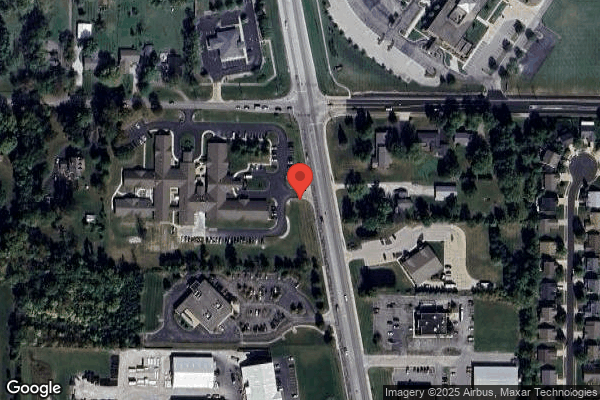
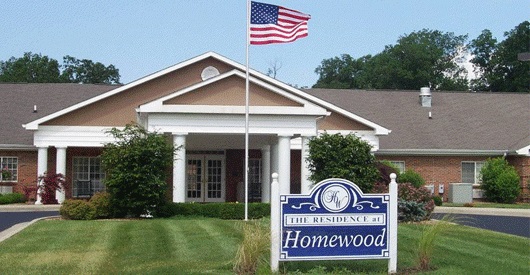
2494 N LEBANON ST, LEBANON, IN 46052 (765) 482-2076
For profit - Corporation 68 Beds TRILOGY HEALTH SERVICES Data: November 2025
Trust Grade
55/100
#256 of 505 in IN
Last Inspection: May 2025

Inspected within the last 6 months. Data reflects current conditions.

Overview

Homewood Health Campus in Lebanon, Indiana, has a Trust Grade of C, which means it is average and sits in the middle of the pack compared to other facilities. It ranks #256 out of 505 in the state, indicating it is in the bottom half, and #3 out of 6 in Boone County, meaning only one local facility is rated higher. Unfortunately, the facility's condition is worsening, with a rise in reported issues from 13 in 2024 to 14 in 2025. Staffing is rated at 2 out of 5 stars, with a turnover rate of 56%, which is typical for Indiana, but the facility does provide more RN coverage than 91% of Indiana facilities, a positive aspect since RNs can identify issues that CNAs might miss. While there are no fines on record, which is a good sign, there are concerns about specific incidents, such as residents reporting long wait times for call light responses, sometimes exceeding an hour, and failures in personalizing care plans for advanced directives, which could have serious implications for residents' end-of-life choices. Additionally, there were issues with improperly disposing of medications for discharged residents, raising concerns about medication safety. Overall, while there are some strengths, such as RN coverage, the facility has notable weaknesses that families should consider.

Trust Score
C
55/100
In Indiana
#256/505
Top 50%
Safety Record
Low Risk
No red flags
Inspections
Getting Worse
13 → 14 violations
Staff Stability
⚠ Watch
56% turnover. Above average. Higher turnover means staff may not know residents' routines.
Penalties
✓ Good
No fines on record. Clean compliance history, better than most Indiana facilities.
Skilled Nurses
✓ Good
Each resident gets 54 minutes of Registered Nurse (RN) attention daily — more than average for Indiana. RNs are trained to catch health problems early.
Violations
⚠ Watch
34 deficiencies on record. Higher than average. Multiple issues found across inspections.
★★★☆☆
3.0
Overall Rating
★★☆☆☆
2.0
Staff Levels
★★★★★
5.0
Care Quality
★★☆☆☆
2.0
Inspection Score
Stable
2024: 13 issues
2025: 14 issues

The Good

  • 5-Star Quality Measures · Strong clinical quality outcomes
  • Full Sprinkler Coverage · Fire safety systems throughout facility
  • No fines on record

Facility shows strength in quality measures, fire safety.

The Bad

3-Star Overall Rating

Near Indiana average (3.1)

Meets federal standards, typical of most facilities

Staff Turnover: 56%

10pts above Indiana avg (46%)

Frequent staff changes - ask about care continuity

Chain: TRILOGY HEALTH SERVICES

Part of a multi-facility chain

Ask about local staffing decisions and management

Staff turnover is elevated (56%)

8 points above Indiana average of 48%

The Ugly 34 deficiencies on record

Sept 2025 1 deficiency
CONCERN (D) 📢 Someone Reported This

A family member, employee, or ombudsman was alarmed enough to file a formal complaint

Potential for Harm - no one hurt, but risky conditions existed

Infection Control (Tag F0880)

Could have caused harm · This affected 1 resident

Based on observation, interview and record review, the facility failed to ensure Enhanced Barrier Precautions (EBP) were in place and followed for 3 of 5 residents reviewed for pressure ulcers (Reside...

Read full inspector narrative →
Based on observation, interview and record review, the facility failed to ensure Enhanced Barrier Precautions (EBP) were in place and followed for 3 of 5 residents reviewed for pressure ulcers (Residents H, F and G).Findings include:During a facility tour, on 9/9/25, with the Director of Health Services (DHS) and the Assistant Director of Health Services (ADHS), the following residents did not have Enhanced Barrier Precautions (EBP) in place and followed.1. Resident H had a dressing around his right great toe. The ADHS indicated the resident had a pressure ulcer to his right great toe. There were no Enhanced Barrier Precautions in place. When the DHS raised the resident's right foot to make it easier to see the dressing on his toe, she did not put on a gown prior to touching the resident's foot.The clinical record for Resident H was reviewed on 9/10/25 at 3:15 p.m. The diagnoses included, but were not limited to, type II diabetes mellitus, dementia, pulmonary fibrosis, major depressive disorder, and cognitive communitive disorder.A physician's order, dated 9/4/25, indicated Resident H's ulcer wound was to be cleaned with wound cleanser or normal saline, patted dry, then skin prep was to be applied to the peri-wound, and covered with a foam dressing.A physician's order for Enhanced Barrier Precautions was not entered until 9/9/25.There were no signs present in the room or on the door to alert staff Resident H required Enhanced Barrier Precautions.2. The DHS and ADHS stood Resident F up from her wheelchair and pulled her pants down, so her coccyx dressing could be observed. The DHS and ADHS did not put on a gown before having contact with the resident. There were no Enhanced Barrier Precautions in place.The clinical record for Resident F was reviewed on 9/10/25 at 3:30 p.m. The diagnoses included, but were not limited to, type II diabetes mellitus, cognitive communication deficit, pain, and osteoarthritis.A physician's order, dated 8/6/25, indicated Resident F's sacrum wound was to be cleansed with wound cleanser or normal saline, patted dry, skin prep applied to the peri-wound, then covered with a dry protective dressing every three days.A physician's order for Enhanced Barrier Precautions was not entered until 9/9/25.There were no signs present in the room or on the door to alert staff Resident F required Enhanced Barrier Precautions.3. Resident G had a left foot dressing observed to be dry and intact at 2:07 p.m. There were no Enhanced Barrier Precautions in place.The clinical record for Resident G was reviewed on 9/10/25 at 3:45 p.m. The diagnoses included, but were not limited to, type II diabetes mellitus, chronic kidney disease stage 3, cardiac pacemaker, and pressure-induced deep tissue damage of left heel.A physician's order, dated 9/8/25, indicated to cleanse the left heel wound with saline, pat dry, apply Betadine to the skin flap and surrounding tissue, then cover with bordered foam and heel foam and change daily.A physician's order for Enhanced Barrier Precautions was not entered until 9/9/25.There were no signs present in the room or on the door to alert staff Resident G required Enhanced Barrier Precautions.During an interview, on 9/9/25 at 2:07 p.m., the Assistant Director of Health Services indicated there should have been personal protective equipment (PPE) set up in the rooms and they should have had a physician's order for Enhanced Barrier Precautions.During an interview, on 9/9/25 at 3:14 p.m., the Director of Health Services indicated both herself and the Assistant Director of Health Services should have stopped and put on PPE prior to touching residents with wounds.A current facility policy, titled Enhanced Barrier Precautions (EBP) Standard Operating Procedure, dated 4/1/24 and provided by the Executive Director on 9/10/25 at 11:47 a.m., indicated .Guidance for enhanced barrier precautions (EBP) to decrease risk of becoming colonized and developing infections with multidrug-resistant organism (MDRO) status.Enhanced Barrier Precautions (EBP) will be in place during high-contact care activities for residents with the following conditions: a. Residents at an increased risk of MDRO acquisition which include: i. All residents with chronic wounds, including but not limited to, pressure ulcers, diabetic foot ulcers, unhealed surgical ulcers and venous stasis ulcers.Personal Protective Equipment (PPE) should be used even if blood and body fluid exposure is not anticipated. a. At a minimum, staff shall wear gloves and gown during high-contact care activities.This citation was related to Intake 2610362.3.1-18(b)(2)
May 2025 13 deficiencies
CONCERN (D)

Potential for Harm - no one hurt, but risky conditions existed

Deficiency F0552 (Tag F0552)

Could have caused harm · This affected 1 resident

Based on interview and record review, the facility failed to ensure an informed consent for antipsychotic medication use was obtained for 1 of 5 residents reviewed for unnecessary medication. (Residen...

Read full inspector narrative →
Based on interview and record review, the facility failed to ensure an informed consent for antipsychotic medication use was obtained for 1 of 5 residents reviewed for unnecessary medication. (Resident 34) Findings include: The clinical record for Resident 34 was reviewed on 5/14/25 at 8:48 a.m. The diagnoses included, but were not limited to, dementia with psychotic disturbance, anxiety, and depression. A physician's order, with a start date of 4/15/25, indicated Resident 34 was to take risperidone (an antipsychotic medication) 0.5 milligrams twice a day. A care plan, dated 4/16/25, indicated Resident 34 was at risk for adverse consequences related to receiving an antipsychotic medication. There was no documentation found in Resident 34's electronic health record to indicate the resident or the resident's representative was informed of the risks and benefits of the antipsychotic medication, treatment alternatives, and the option to choose the preferred treatment. During an interview, on 5/15/25 at 5:20 p.m., Resident 34's daughter indicated Resident 34 was admitted to an area hospital for evaluation in April 2025. Resident 34 had been discharged from the hospital and had returned to the facility. The facility did not inform the family of the changes to Resident 34's medication regimen. During an interview, on 5/16/25 at 8:33 a.m., the Interim Director of Nursing indicated Resident 34's medications were reviewed with Resident 34's Power of Attorney (POA) during a care planning meeting but informed consent was not completed at the time the meeting took place. During an interview, on 5/16/25 at 2:54 p.m., Resident 34's POA indicated she was not aware of any medication changes made during the hospital stay. The facility had not informed her of black box warnings or the risks and benefits for any medications since Resident 34 had returned to the facility. A current facility policy, titled Psychotropic medication use and gradual dose reduction guidelines, dated 3/2025 and received from Clinical Support Nurse 4 on 5/16/25 at 1:43 p.m., indicated .To ensure every effort is made for residents receiving psychoactive medications to obtain the maximum benefits with minimal unwanted side effects through appropriate use, evaluation and monitoring by the interdisciplinary team .A consent shall be obtained upon admission for ordered psychotropic medications to ensure appropriate indications for use and that the Resident/Responsible party is educated on the risks, benefits, alternative treatment options and applicable black box warnings 3.1-3(n)(2)
CONCERN (D)

Potential for Harm - no one hurt, but risky conditions existed

Deficiency F0558 (Tag F0558)

Could have caused harm · This affected 1 resident

Based on interview and record review, the facility failed to ensure a resident's preference of having female caregivers was documented and followed for 1 of 1 resident reviewed for accommodation of ne...

Read full inspector narrative →
Based on interview and record review, the facility failed to ensure a resident's preference of having female caregivers was documented and followed for 1 of 1 resident reviewed for accommodation of needs. (Resident 25) Findings include: During an interview, on 5/12/25 at 1:55 p.m., Resident 25 indicated she preferred females to complete catheter care on her and there were males who would complete her catheter care. During an interview, on 5/13/25 at 1:50 p.m., Certified Nursing Assistant (CNA) 8 indicated the staff knew Resident 25 did not like male staff members to complete peri-care or catheter care for her. It was known, females should be completing the catheter and peri-care for Resident 25 and not male staff members. The clinical record for Resident 25 was reviewed on 5/13/25 at 1:44 p.m. The diagnoses included, but were not limited to, Parkinson's disease and heart failure. A physician's order, dated 12/21/21, indicated to complete catheter care every shift, three (3) times per day. A quarterly Minimum Data Set (MDS) assessment, dated 3/12/25, indicated Resident 25 was cognitively intact and had indwelling catheter. There was no documentation in the clinical record to indicate Resident 25 preferred female caregivers and there was no care plan related to Resident 25's preference for female caregivers prior to 5/13/25. A Medication Administration Record (MAR), dated May of 2025, indicated the following: a. catheter care was completed by Registered Nurse (RN) 15 (a male nurse) on the 3rd shift on 5/1/25, 5/14/25, and 5/18/25. b. catheter care was completed by Licensed Practical Nurse (LPN) 14 (a male nurse) on the 3rd shift on 5/3/25, 5/9/25, and 5/12/25. c. catheter care was completed by CNA 13 (a male CNA) on the 3rd shift on 5/5/25, 5/6/25, 5/7/25, 5/8/25, and 5/11/25. During an interview, on 5/16/25 at 3:07 p.m., the Director of Nursing (DON) indicated it was known the resident did not want male staff members caring for her. This was an off and on thing for Resident 25. A current facility policy, titled Resident Rights Guidelines, dated 12/17/24 and received from Clinical Support Nurse 4 on 5/19/25 at 10:40 a.m., indicated .Residents shall not leave their individual personalities or basic human rights behind when they move to a health campus. The following is a list of rights recognized by staff .Our residents have a right to .Be treated with dignity and respect. b. Be given the information necessary to participate in decisions which affect them both individually and cooperatively .Be consulted and encouraged to have input into their care plan which guides the services delivered to the residents 3.1-3(n)(3) 3.1-3(t) 3.1-3(u)(1) 3.1-3(u)(3) 3.1-3(v)(1)
CONCERN (D)

Potential for Harm - no one hurt, but risky conditions existed

Deficiency F0628 (Tag F0628)

Could have caused harm · This affected 1 resident

Based on interview and record review, the facility failed to ensure there was documentation the bed hold policy was provided to a resident for 1 of 1 resident reviewed for bed hold policy. (Resident 6...

Read full inspector narrative →
Based on interview and record review, the facility failed to ensure there was documentation the bed hold policy was provided to a resident for 1 of 1 resident reviewed for bed hold policy. (Resident 6) Findings include: The clinical record for Resident 6 was reviewed on 5/12/25 at 10:52 a.m. The diagnoses included, but were not limited to, falls, chronic pain, and low back pain. A nursing progress note, dated 12/3/24, indicated the resident had sustained a fracture to the tail bone and was transported to the hospital. A copy of the bed hold policy was not located in the resident's clinical record. During an interview, on 5/19/25 at 1:45 p.m., the Corporate Minimum Data Set (MDS) nurse indicated a bed hold policy was not provided. A current facility policy, titled Bed Hold Notification, dated as last reviewed 1/8/25 and received from the Corporate MDS nurse on 5/19/25 at 1:59 p.m., indicated .Residents and Responsible Parties have a right to be notified verbally and in writing on reserve bed payment policy per the state plan when someone goes out to the hospital .Before a nursing facility transfers a resident to a hospital .the nursing facility must provide written information to the resident and resident representative that specifies the duration of the state bed hold policy 3.1-12(a)(25)(A) 3.1-12(a)(25)(B)
CONCERN (D)

Potential for Harm - no one hurt, but risky conditions existed

Assessment Accuracy (Tag F0641)

Could have caused harm · This affected 1 resident

Based on observation, interview and record review, the facility failed to ensure a Minimum Data Set (MDS) assessment was coded correctly for 1 of 1 resident reviewed for MDS assessments. (Resident C) ...

Read full inspector narrative →
Based on observation, interview and record review, the facility failed to ensure a Minimum Data Set (MDS) assessment was coded correctly for 1 of 1 resident reviewed for MDS assessments. (Resident C) Findings include: During an observation, on 5/12/25 at 12:16 p.m., Resident C was receiving oxygen from a portable oxygen tank. During an observation, on 5/13/25 at 9:43 a.m., Resident C was receiving oxygen from a portable oxygen tank. During an observation, on 5/13/24 at 1:54 p.m., Resident C was receiving oxygen. During an observation, on 5/14/25 at 9:19 a.m., Resident C was receiving oxygen from a portable oxygen tank. The clinical record for Resident C was reviewed on 5/14/25 at 10:45 a.m. The diagnoses included, but were not limited to, saddle embolus of the pulmonary artery with cor pulmonale (a clot at the bifurcation of the pulmonary artery which obstructed blood flow), pulmonary fibrosis, and atelectasis (part or full collapse of the lung). Resident C's care plan, dated 11/5/24, indicated to administer oxygen per the physician's order. A physician's order, dated 11/19/24, indicated to administer oxygen at four (4) liters per minute as needed to maintain saturation of 92 percent or greater. A quarterly Minimum Data Set (MDS) assessment, dated 2/20/25, indicated the resident was not receiving oxygen administration. During an interview, on 5/13/25 at 9:53 a.m., the Director of Nursing indicated Resident C received four (4) liters of oxygen. During an interview, on 5/14/25 at 3:29 p.m., MDS Coordinator 11 indicated the resident was on supplemental oxygen and it was not correct on the MDS assessment. A current facility document, titled CMS's RAI Version 3.0, dated 10/2023 and received from the Executive Director on 5/16/25 at 9:33 a.m., indicated .Code continuous or intermittent oxygen administered via mask, cannula, etc 3.1-31(c)(6)
CONCERN (D)

Potential for Harm - no one hurt, but risky conditions existed

Deficiency F0658 (Tag F0658)

Could have caused harm · This affected 1 resident

Based on interview and record review, the facility failed to ensure documentation showed as needed (PRN) medications were administered under the direction of a licensed nurse for 1 of 1 resident revie...

Read full inspector narrative →
Based on interview and record review, the facility failed to ensure documentation showed as needed (PRN) medications were administered under the direction of a licensed nurse for 1 of 1 resident reviewed for pain. (Resident 26) Findings include: The clinical record for Resident 26 was reviewed on 5/14/25 at 1:49 p.m. The diagnoses included, but were not limited to, type 2 diabetes mellitus with diabetic neuropathy, spondylosis of the lumbar region, and pain. A current care plan, dated 10/19/23, indicated Resident 26 was at risk for pain and to administer medications as ordered. 1. A physician's order, dated 7/20/24, indicated to give acetaminophen 650 milligrams (mg) for mild to moderate pain every 6 hours as needed. The Medication Administration Record (MAR) dated 5/1/25-5/16/25, indicated acetaminophen was given as needed for pain by a QMA without record of an assessment or permission from a licensed nurse on 5/2/25 and 5/8/25. 2. A physician's order, dated 7/11/24, indicated to give Norco (a narcotic pain medication) 7.5 mg- 325 mg for moderate to severe pain every 6 hours as needed. The MAR, dated April 2025, indicated Norco was given as needed for pain by a QMA without a record of an assessment or permission from a licensed nurse on 4/4/25, 4/24/25, and 4/30/25. The MAR dated 5/1/25-5/16/25, indicated Norco was given as needed for pain by a QMA without record of an assessment or permission from a licensed nurse on 5/10/25 and 5/16/25. During an interview, on 5/15/25 at 10:43 a.m., LPN 2 indicated the QMA should let her know if a resident needed a PRN medication and she would assess the resident, verify the appropriateness of giving the medication, and then authorize the administration based on the physician's order. The process would all be charted in the medical record on the MAR. During an interview, on 5/15/25 at 10:50 a.m., QMA 10 indicated if a resident needed a PRN medication, a licensed nurse on duty would be asked to assess the resident and give permission to administer the medication. It would then be charted the medication was given under the direction of the nurse on the MAR. During an interview, on 5/16/25 at 2:55 p.m., Clinical Support Nurse 4 indicated a QMA was required to have a nurse assess the resident and give permission for the PRN administration. A current facility policy, titled ADMINISTRATION OF PRN MEDICATIONS, dated 12/13/24 and received from the Executive Director (ED) on 5/16/25 at 1:25 p.m., indicated .If PRN medication is to be administered by a QMA, the Standards of Practice for PRN medication administration by a Qualified Medication Assistant shall be observed under the direction of licensed nurse A current facility policy, titled MEDICATION ADMINISTRATION- GENERAL GUIDELINES, dated 11/18 and received from Clinical Support Nurse 4 on 5/19/25 at 3:58 p.m., indicated .Medications are administered only by .personnel authorized by state laws and regulations to administer medications A current job description, titled Certified Resident Medication Associate, (QMA) received from the Clinical Support Nurse 4 on 5/16/25 at 2:55 p.m., indicated .Follow the policies and procedures of the facility governing the administering of medications to residents This citation relates to Complaints IN00454050 and IN00458258. 3.1-35(g)(1) 3.1-35(g)(2)
CONCERN (D)

Potential for Harm - no one hurt, but risky conditions existed

Quality of Care (Tag F0684)

Could have caused harm · This affected 1 resident

Based on interview and record review, the facility failed to ensure staff obtained and documented a resident's vital signs prior to administering a medication with physician's ordered hold parameters ...

Read full inspector narrative →
Based on interview and record review, the facility failed to ensure staff obtained and documented a resident's vital signs prior to administering a medication with physician's ordered hold parameters for 1 of 1 resident reviewed for quality of care. (Resident 22) Findings include: The clinical record for Resident 22 was reviewed on 5/15/25 at 11:07 a.m. The diagnoses included, but were not limited to, chronic obstructive pulmonary disease, type 2 diabetes mellitus with diabetic polyneuropathy and hypoglycemia, hypertension, cognitive communication deficit, edema, and bradycardia. A physician's order, dated 4/18/25, indicated to give metoprolol succinate (a medication which lowers blood pressure and heart rate) 25 milligrams once a day with special instructions to hold the medication for a heart rate of less than 55 or a systolic blood pressure less than 110. A physician's order, dated 4/18/25, indicated to obtain a blood pressure and heart rate reading twice a day for 7 days. A Medication Administration Record (MAR), dated April 2025, indicated Resident 22's vital signs were obtained as ordered 4/18/25 through 4/26/25. Metoprolol was given with a documented heart rate of less than 55 on the following dates: On 4/19/25, with a heart rate of 51. On 4/20/25, with a heart rate of 48. On 4/22/25, with a heart rate of 51. After 4/26/25, the MAR did not include a documented heart rate or blood pressure to verify the safety of giving the metoprolol. A MAR, dated 5/1/25 through 5/15/25, indicated the only vital signs recorded for Resident 22 was on 5/3/25. The heart rate recorded was 53. Metoprolol was administered. The MAR did not include any other documented heart rate or blood pressures to verify the safe administration of metoprolol according to the hold parameters for the remaining administrations. During an interview, on 5/15/25 at 10:43 a.m., LPN 2 indicated vital signs should have been obtained and recorded on the MAR before administering a medication with physician ordered hold parameters. During an interview, on 5/16/25 at 11:09 a.m., the Clinical Support Nurse 4 indicated she could not find any verification of vital signs being obtained prior to the medication administration. A current facility policy, titled MEDICATION ADMINISTRATION-GENERAL GUIDELINES, dated 11/18 and received from Clinical Support Nurse 4 on 5/19/25 at 3:58 p.m., indicated .Medications are administered in accordance with written orders of the prescriber 3.1-37(a)
CONCERN (D)

Potential for Harm - no one hurt, but risky conditions existed

Accident Prevention (Tag F0689)

Could have caused harm · This affected 1 resident

2. The clinical record for Resident 6 was reviewed on 5/15/25 at 12:56 p.m. The diagnoses included, but were not limited to, falls, chronic pain, and low back pain. An interdisciplinary team (IDT) not...

Read full inspector narrative →
2. The clinical record for Resident 6 was reviewed on 5/15/25 at 12:56 p.m. The diagnoses included, but were not limited to, falls, chronic pain, and low back pain. An interdisciplinary team (IDT) note, dated 5/5/25 at 11:00 a.m., indicated Resident 6 was found lying on the floor in her room. She was more than two (2) feet from her bed. The bed was documented to be in a semi-low position. The resident had indicated to the staff she had rolled out of the bed. She was barefoot and laying on her right side. The root cause of the fall was related to the resident rolling from her bed. The intervention was to provide a perimeter mattress. A care plan, dated 9/13/24, indicated the resident was at risk for falling related to weakness. An intervention, initiated on 5/5/25, indicated .Perimeter mattress During an observation and interview, on 5/16/25 at 1:51 p.m., the Director of Nursing indicated the mattress on the bed of Resident 6 was not a perimeter mattress. The resident should have had a perimeter mattress as it was part of her fall precautions. During an interview, on 5/16/25 at 2:08 p.m., the Director of Nursing indicated the mattress had been moved to a different room during the remodeling of the resident's room. The mattress was not moved back to the resident's room after the remodel. It should have been moved back to her room with her. A current facility policy, titled Fall Management Program Guidelines, dated 12/17/24 and received from Clinical Support Nurse 4 on 5/19/25 at 10:40 a.m., indicated .The purpose of this policy is to .mitigate fall risk factors and implement preventative measures .Care plan interventions should be implemented .Any orders received from the physician should be noted and carried out This citation relates to Complaints IN00458006 and IN00458258. 3.1-45(a)(1) 3.1-45(a)(2) Based on observation, interview and record review, the facility failed to ensure a resident was transferred according to the plan of care to prevent a fall and a post fall parameter mattress intervention was in place for 2 of 8 residents reviewed for accidents. (Resident 2 and 6) Findings include: 1. The clinical record for Resident 2 was reviewed on 5/14/25 at 1:53 p.m. The diagnoses included, but were not limited to, age related osteoporosis, history of falling, and unspecified glaucoma. A physician's order, dated 6/4/24, indicated to use the sit-to-stand lift to transfer Resident 2 in and out of bed only per Resident 2's request and therapy approval. A current care plan, dated 10/10/24, indicated staff should use the sit-to-stand lift to transfer Resident 2 in and out of bed. A nursing progress note, dated 4/28/25 at 6:24 p.m., indicated an aide was assisting the resident into bed when the resident started to lose strength and balance. The resident was then assisted to the floor without further incident. No injury was noted. Additional staff were able to assist Resident 2 off the floor and into bed. An interdisciplinary team (IDT) note, dated 4/30/25 at 10:01 a.m., indicated the IDT team reviewed the incident, and it was found the staff did not use the sit-to-stand lift to transfer the resident to the bed. The root cause was the staff did not use the proper lift, and Resident 2 had an increased weakness. During an interview, on 5/15/25 at 10:34 a.m., the Director of Nursing (DON) indicated the staff should have used the sit-to-stand lift to transfer the resident in and out of bed. During an interview, on 5/15/25 at 10:42 a.m., the DON indicated the aide used the wrong transfer method. She was supposed to use the sit-to-stand lift. During an interview, on 5/16/25 at 11:45 a.m., the DON indicated they did not complete audits on the other residents to ensure they were receiving proper transfers.
CONCERN (D) 📢 Someone Reported This

A family member, employee, or ombudsman was alarmed enough to file a formal complaint

Potential for Harm - no one hurt, but risky conditions existed

Incontinence Care (Tag F0690)

Could have caused harm · This affected 1 resident

Based on interview and record review, the facility failed to ensure catheter urine output was accurately recorded as ordered for 1 of 1 resident reviewed for urinary catheters. (Resident 26) Findings ...

Read full inspector narrative →
Based on interview and record review, the facility failed to ensure catheter urine output was accurately recorded as ordered for 1 of 1 resident reviewed for urinary catheters. (Resident 26) Findings include: The clinical record for Resident 26 was reviewed on 5/14/25 at 1:49 p.m. The diagnoses included, but were not limited to, sepsis, infection and inflammatory reaction due to indwelling urethral catheter, bacteremia, hematuria, obstructive and reflux uropathy, and retention of urine. A physician's order, dated 11/11/24, indicated to place an indwelling urinary catheter for obstructive and reflux uropathy. A physician's order, dated 1/26/24, indicated to monitor the catheter output three times a day. A physician's order, dated 7/31/24, indicated give 20 milligrams of Lasix (a diuretic medication) twice a day for edema (swelling). A facility document, dated 5/1/25 through 5/15/25, indicated the following: On 5/2/25 at 3:19 a.m., large was recorded. On 5/2/25 at 9:13 a.m., large was recorded. On 5/3/25 12:28 p.m., medium was recorded. On 5/3/25 10:22 p.m., large was recorded. On 5/4/25 12:04 p.m., medium was recorded. On 5/4/25 9:06 p.m., medium was recorded. On 5/5/25 12:57 p.m., large was recorded. On 5/5/25 8:00 p.m., large was recorded. On 5/5/25 9:57 p.m., large was recorded. On 5/6/25 at 1:08 a.m., large was recorded. On 5/6/25 at 12:56 p.m., medium was recorded. On 5/6/25 at 8:15 p.m., large was recorded. On 5/6/25 at 11:30 p.m., large was recorded. On 5/7/25 at 10:59 a.m., medium was recorded. On 5/7/25 at 2:22 p.m., medium was recorded. On 5/7/25 at 8:18 p.m., large was recorded. On 5/7/25 at 9:30 p.m., large was recorded. On 5/8/25 at 12:58 a.m., large was recorded. On 5/8/25 at 9:21 p.m., large was recorded. On 5/9/25 at 3:12 p.m., medium was recorded. On 5/9/25 at 9:31 p.m., large was recorded. On 5/10/25 at 3:17 p.m., large was recorded. On 5/10/25 at 11:36 p.m., large was recorded. On 5/11/25 at 1:35 p.m., medium was recorded. On 5/12/25 at 11:56 a.m., medium was recorded. On 5/13/25 at 10:39 a.m., medium was recorded. On 5/13/25 at 2:03 p.m., medium was recorded. On 5/13/25 at 10:06 p.m., medium was recorded. On 5/14/25 at 1:35 a.m., large was recorded. On 5/14/25 at 12:27 p.m., large was recorded. On 5/14/25 at 11:55 p.m., large was recorded. On 5/15/25 at 1:09 p.m., large was recorded. During an interview, on 5/15/25 at 10:39 a.m., Certified Nursing Assistant (CNA) 9 indicated the staff should use a urinal to measure the urine when emptying residents' catheters and then record the exact milliliter (ml) each shift in the medical record. During an interview, on 5/16/25 at 2:57 p.m., Clinical Support Nurse 4 indicated it was not acceptable to use the terms small, medium, or large for catheter output in the medical record. A current facility policy, titled Emptying Urinary Bag, dated 12/16/24 and received from Clinical Support Nurse 4 on 5/16/25 at 2:55 p.m., indicated .Assemble the equipment and supplies .Measuring container (calibrated) . Position the measuring container under the drainage bag .Measure and record the urinary output .The following information as applicable may be recorded in the resident's medical record .The amount of urine emptied from the drainage bag A current facility policy, titled Urinary Catheter Care, dated 12/16/24 and received from the Executive Director on 5/15/25 at 1:15 p.m., indicated .Observe the resident's urine level for noticeable increases or decreases .Maintain an accurate record of the resident's daily output 3.1-41(a)(2)
CONCERN (D)

Potential for Harm - no one hurt, but risky conditions existed

Respiratory Care (Tag F0695)

Could have caused harm · This affected 1 resident

Based on observation, interview and record review, the facility failed to ensure physician's orders were obtained and followed for 2 of 2 residents reviewed for oxygen administration. (Resident C and ...

Read full inspector narrative →
Based on observation, interview and record review, the facility failed to ensure physician's orders were obtained and followed for 2 of 2 residents reviewed for oxygen administration. (Resident C and 109) Findings include: 1. During an observation, on 5/12/25 at 12:16 p.m., Resident C was observed in the dining room with a portable oxygen tank set to administer two (2) liters per minute of oxygen via nasal cannula. During an observation, on 5/13/25 at 9:43 a.m., Resident C was in an activity with a portable oxygen tank set to administer two (2) liters per minute of oxygen via nasal cannula. During an interview, on 5/13/25 at 9:53 a.m., the Director of Nursing (DON) reviewed Resident C's physician's orders. She indicated Resident C was to receive four (4) liters per minute of oxygen and Resident C's tank was set at two (2) liters. During an observation, on 5/13/24 at 1:54 p.m., Resident C's oxygen was set at four (4) liters per nasal cannula. The clinical record for Resident C was reviewed on 5/14/25 at 10:45 a.m. The diagnoses included, but were not limited to, saddle embolus of the pulmonary artery with cor pulmonale (a clot at the bifurcation of the pulmonary artery which obstructed blood flow), pulmonary fibrosis, and atelectasis (part or full collapse of the lung). A care plan, dated 11/5/24, indicated the resident had the potential for cardiovascular distress and to administer oxygen per the order. A care plan, dated 11/5/24, indicated the resident had the potential for complications due to pulmonary fibrosis and to administer oxygen per the orders. A physician's order, dated 11/19/24, indicated to administer oxygen at four (4) liters per nasal cannula as needed to maintain saturation of 92 percent or greater. The order was noted to be discontinued and a new order for oxygen at two (2) liters was initiated on 5/13/25 at 12:17 p.m. 2. During an observation, on 5/12/25 at 2:12 p.m., Resident 109 was observed to receive supplemental oxygen set between 2.5 and 3 liters per minute via nasal cannula. During an observation, on 5/14/25 at 1:36 p.m., Resident 109 was observed with supplemental oxygen at three (3) liters per minute via nasal cannula. The clinical record for Resident 109 was reviewed on 5/14/25 at 9:47 a.m. The diagnoses included, but were not limited to, chronic respiratory failure, chronic lung disease, and emphysema. A care plan, dated 4/17/25, indicated the resident had a potential for functional and cognitive decline related to pulmonary fibrosis. An intervention indicated to administer oxygen per the physician's orders. A care plan, dated 4/17/25, indicated Resident 109 had the potential for shortness of breath while lying flat. An intervention indicated to administer oxygen per the physician's order and as needed. A physician's order, dated 4/17/25, indicated the resident had chronic lung disease to manage oxygen administration in coordination with the physician to prevent respiratory acidosis. Resident 109 did not have a physician's order which addressed how much oxygen the resident was to receive. A current facility policy, titled Administration of Oxygen, dated 12/13/24 and received from the Corporate Minimum Data Set (MDS) nurse, indicated .Verify physician's order This citation relates to Complaint IN00458258. 3.1-47(a)(6)
CONCERN (D)

Potential for Harm - no one hurt, but risky conditions existed

Deficiency F0757 (Tag F0757)

Could have caused harm · This affected 1 resident

Based on interview and record review, the facility failed to ensure Abnormal Involuntary Movement Scale (AIMS) assessments were completed for evaluation of adverse reactions related to antipsychotic m...

Read full inspector narrative →
Based on interview and record review, the facility failed to ensure Abnormal Involuntary Movement Scale (AIMS) assessments were completed for evaluation of adverse reactions related to antipsychotic medications for 1 of 5 residents reviewed for unnecessary medications. (Resident 19) Findings include: The clinical record for Resident 19 was reviewed on 5/14/25 at 11:10 a.m. The diagnoses included, but were not limited to, psychosis not due to a substance or known physiological condition, dementia with psychotic disturbance, psychotic disorder with hallucinations due to a known physiological condition, delirium due to known physiological condition, major depressive disorder, anxiety disorder, auditory hallucinations, and visual hallucinations. A physician's order, dated 8/12/24, indicated to give olanzapine (an antipsychotic medication) 5 milligrams at bedtime. A psychiatry progress note, dated 9/23/24, indicated the resident was taking olanzapine and the last AIMS assessment was completed on 6/21/23. A care plan, dated 11/1/24, indicated Resident 19 was at risk for adverse consequences related to antipsychotic medications and to conduct an AIMS test per guidelines. During an interview, on 5/16/25 at 11:09 a.m., Clinical Support Nurse 4 indicated the facility could not find a documented AIMS assessment and one should have been conducted. A current facility policy, titled Guidelines for: Abnormal Involuntary Movement Scale, dated 12/17/24 and received from the Executive Director on 5/16/25 at 1:25 p.m., indicated .To assess residents that have prescribed antipsychotic medications to identify symptoms that may indicate the presence of Tardive Dyskinesia; a neurologic disorder characterized by abnormal involuntary movements which may occur .The AIMS assessment will be completed .at the earliest possible time; either after admission; after medications .are prescribed; and with dosage changes. 3. The AIMS assessment will be repeated .every six months 3.1-48(a)(3)
CONCERN (D)

Potential for Harm - no one hurt, but risky conditions existed

Deficiency F0761 (Tag F0761)

Could have caused harm · This affected 1 resident

Based on observation, interview and record review, the facility failed to ensure medications were labeled with pharmacy labels and the date the medications were opened in 2 of 2 medication carts revie...

Read full inspector narrative →
Based on observation, interview and record review, the facility failed to ensure medications were labeled with pharmacy labels and the date the medications were opened in 2 of 2 medication carts reviewed for medication storage. (100 hall and 200 hall) Findings include: 1. The medication cart, on the 100-hall, was reviewed on 5/15/25 at 10:11 a.m. The following was observed: a. The first drawer contained an open bottle of Carbamide Peroxide 6.5% (ear drops). The medication was not labeled with the date it had been opened. b. The second drawer contained an open bottle of liquid Haloperidol (an antipsychotic medication). The bottle was half empty and was not labeled with the date the medication had been opened. During an interview, on 5/15/25 at 10:20 a.m., LPN 2 indicated the medications should have been labeled with the date they were opened. 2. The medication cart, on the 200-hall, was reviewed on 5/15/25 at 10:55 a.m. The following was observed in the top drawer: a. Spiriva (an inhalation spray), with a sticker, indicating the medication should be discarded 90 days after being opened. The medication was not labeled with the date it had been opened. b. Lispro (an insulin injection pen) without a pharmacy label. c. Lantus (an insulin injection pen) without a pharmacy label. During an interview, on 5/15/25 at 10:55 a.m., QMA 3 indicated the pharmacy labels must have fallen off the insulin injection pens, and all medications should be dated when they are opened. A current facility policy, titled Medication Storage in the Facility, dated 11/18 and received from the Executive Director on 5/16/25 at 9:57 a.m., indicated .Medications and biologicals are stored safely, securely, and properly, following manufacture's recommendations or those of the supplier .All medications dispensed by the pharmacy are stored in the container with the pharmacy label .When the original seal of a manufacturer's container or vial is initially broke, the container or vial will be dated .A [date opened] sticker shall be placed on the medication .The expiration date of the vial or container will be [(30)] days unless the manufacturer recommends another date or regulations/guidelines require different dating 3.1-25(j) 3.1-25(k)(1) 3.1-25(k)(2) 3.1-25(k)(3) 3.1-25(k)(4) 3.1-25(k)(5) 3.1-25(k)(6) 3.1-25(k)(7)
CONCERN (D) 📢 Someone Reported This

A family member, employee, or ombudsman was alarmed enough to file a formal complaint

Potential for Harm - no one hurt, but risky conditions existed

Infection Control (Tag F0880)

Could have caused harm · This affected 1 resident

Based on observation, interview and record review, the facility failed to ensure staff wore personal protective equipment (PPE) correctly, performed hand hygiene, and changed gloves for 2 of 2 randoml...

Read full inspector narrative →
Based on observation, interview and record review, the facility failed to ensure staff wore personal protective equipment (PPE) correctly, performed hand hygiene, and changed gloves for 2 of 2 randomly observed staff members reviewed for infection control. (QMA 10 and RN 7) Findings include: During an observation, on 5/15/25 at 1:17 p.m., RN 7 and QMA 10 tied PPE gowns at the back of their neck, neither staff member tied the gowns closed at their waist and entered Resident C's room. 1. QMA 10 with gloves on, cleaned Resident C's mouth with a toothette (an oral swab) and discard it. QMA 10 then moved the mechanical lift into place. She picked up the resident's catheter drainage system with her left gloved hand and attached the bag to the mechanical lift strap. She ensured the sling was properly connected to the mechanical lift and used the control to lift the resident. The resident was then lowered to the bed. QMA 10 removed the resident's hearing aids and put them onto the charger. She assisted the resident to turn onto her left side. QMA 10 was then observed to handle the resident's oxygen line/nasal cannula and place it on the resident. She was not observed to remove her gloves, perform hand hygiene, or apply new gloves. QMA 10 then assisted in removing the resident's pants. QMA 10 held the catheter bag and tubing to guide it through the resident's pant leg. QMA 10 was observed to handle the cleaning wipe packaging and remove a clean wipe for RN 7. QMA 10 retrieved another clean wipe from the package and handed it to the RN. After handing more wipes to RN 7, QMA 10 was then observed to remove her gloves. She indicated she needed to get washcloths and wash her hands with soap and water. During an interview, on 5/15/25 at 1:28 p.m., QMA 10 indicated she had not changed her gloves between the observed tasks. 2. During an observation, on 5/15/25 at 1:32 p.m., RN 7 used wipes to clean Resident C's bowel movement. She removed and discarded her gloves and put on a pair of clean gloves. She was not observed to have performed hand hygiene after removing her gloves or before applying new gloves. Resident C was then positioned for wound care to the left coccyx area. RN 7 was observed to clean the wound area with normal saline. She then wiped all around the surrounding area and then back to the wound. She repeated the process of cleaning the wound then the surrounding area including the wound area. During an interview, on 5/15/25 at 1:50 p.m., RN 7 indicated she should have cleaned the wound from the inside to the outside, their gowns should have been tied correctly, and gloves should have been changed after handling the catheter bag and in between tasks. During an interview, on 5/16/25 at 8:32 a.m., the Director of Nursing indicated wounds were to be cleaned from the inside to the outside. A current facility document, titled SEQUENCE FOR PUTTING ON PERSONAL PROTECTIVE EQUIPMENT (PPE), undated, and received from the Executive Director on 5/16/24 at 9:17 a.m., indicated .GOWN .fasten in back at neck and waist A current facility policy, titled Guidelines for Handwashing/Hand Hygiene, dated 12/17/24 and received from the Executive Director on 5/16/25 at 9:17 a.m., indicated .Health Care Workers .shall use hand hygiene at times such as .After removing gloves, worn per Standard Precautions for direct contact with excretions or secretions, mucous membranes, specimens, resident equipment, grossly soiled linen, etc This citation relates to Complaint IN00458080. 3.1-18(b)(2) 3.1-18(l)
CONCERN (F) 📢 Someone Reported This

A family member, employee, or ombudsman was alarmed enough to file a formal complaint

Potential for Harm - no one hurt, but risky conditions existed

Deficiency F0725 (Tag F0725)

Could have caused harm · This affected most or all residents

3. During a resident council meeting, on 5/14/25 at 10:01 a.m., Resident 14 indicated the facility had an issue with the call light response, he indicated it was on and off. Resident 1 indicated she h...

Read full inspector narrative →
3. During a resident council meeting, on 5/14/25 at 10:01 a.m., Resident 14 indicated the facility had an issue with the call light response, he indicated it was on and off. Resident 1 indicated she had rung the call light a bunch of times with no answer. The resident council meeting notes were reviewed, on 5/14/25, and indicated: a. The meeting note, dated 7/22/24, indicated concerns about call light response times. There were no further notes about call lights. b. The meeting note, dated 8/19/24, indicated all residents at the meeting were upset about the waiting time for the call lights and indicated some staff would come in, turn off the light, and not return. c. The meeting note, dated 10/22/24, indicated residents were concerned about call lights. There were no further notes about the call lights. d. The meeting note, dated 11/18/24, indicated residents had voiced concerns over the waiting time for call lights, and had indicated at times the wait was over an hour. It was noted all staff had been educated on answering call lights and everyone could answer the call light. e. The meeting note, dated 1/21/25, indicated residents had voiced concerns about call lights. There were no other notes found addressing call lights. f. The meeting note, dated 2/17/25, indicated residents voiced concerns over call light wait times. One resident indicated they had waited 25 minutes in the bathroom. It was noted staff were spoken to regarding waiting times and staff were educated to round and answer call lights in a timely manner. g. The meeting note, dated 3/17/25, indicated residents voiced concerns over call light waiting times. Some residents indicated they had waited over an hour. It was noted staff were educated on call light expectations and answering call lights in a timely manner. h. The meeting note, dated 4/21/25, indicated call light response times were worse between 2:00 p.m. and 6:00 p.m. It was noted staff were educated on the importance of answering call lights in an appropriate time frame. 4. During an observation, on 5/14/25 at 1:37 p.m., Resident 109 activated her call light to get assistance to lay down. The call light was responded to by CNA 9 on 5/14/25 at 1:43 p.m. The CNA was observed to enter the room, address the resident, and turn off the call light. The CNA did not assist the resident and instead, left the room. During an interview, on 5/14/25 at 1:44 p.m., CNA 9 indicated she was not supposed to turn off the light without taking care of the residents' needs. A current facility policy, titled On-Call (Clinical and Caregivers) Policy, last updated in February 2023 and received from Clinical Support 4 on 5/19/25 at 10:40 a.m., indicated .To deliver excellence in customer service, we must provide sufficient staff to meet the needs of our residents. The purpose of this policy is to provide guidance for efficient and orderly administration of the on-call policy .The on-call person will be required to come into the campus if there is a vacancy that has caused the campus to fall below their minimum staffing requirements .The person on-call must be available by phone and must be able to arrive at the campus within two (2) hours of a call .If a significant event or reportable occurs (e.g., abuse, misappropriation, elopement, significant injury, etc.) the ED and DHS/DPAS must be notified regardless of on-call status A facility document, titled Clinical In-Service, dated 4/2/25 and received from the Executive Director on 5/14/25 at 12:08 p.m., indicated .Call lights are to be answered by everyone, not just the aids A current facility policy, titled Guidelines for Answering Call Lights, dated as last reviewed on 12/14/24 and received from Executive Director on 5/14/25 at 12:08 a.m., indicated .Provide the service the resident requested and turn off the call light This citation relates to Complaints IN00454050, IN00455509, IN00458006, IN00458080 and IN00458258. 3.1-17(a) 3.1-17(b)(2) 3.1-17(c)(2) 3.1-17(d) Based on interview and record review, the facility failed to ensure sufficient qualified nursing staff were available to provide nursing and related services to the residents and a licensed staff member was available on-call to cover the staffing needs of the facility. This deficient practice had the potential to affect 92 of 92 residents who resided in the facility. Findings include: 1. A [NAME] Payroll Based Journal (PBJ) for the first quarter of 2025 indicated the facility had a 1-star staffing rating. 2. A nursing progress note, dated 4/19/25 at 2:30 a.m., indicated Licensed Practical Nurse (LPN) 12 heard an alarm sounding. A resident was at the end of the 200-hallway. LPN 12 ran to the end of the hallway. The resident opened the door and stepped outside. While trying to bring the resident back inside, the resident hit LPN 12 in the head with a glass vase full of water and flowers. The resident was brought back inside the facility. The Director of Nursing (DON), Executive Director (ED), Assistant Director of Nursing (ADON) was notified. LPN 12 was given an order from the ED to send the resident to the emergency room to be evaluated and treated. 911 was notified and the police and paramedics arrived to take the resident to the hospital. During an interview, on 5/12/25 at 2:58 p.m., LPN 12 indicated the resident did hit her in the head with a vase and she sustained a concussion. She contacted the DON, and they could not find any staff to cover her. She was the only licensed staff member in the building and no other licensed staff member came in to replace her all night. During an interview, on 5/16/25 at 10:25 a.m., the ED indicated she was aware of the incident, and she had asked the nurse to seek medical treatment immediately. They called to get the nurse a replacement. No other staff member came in to relieve LPN 12. The facility's back up plan was an on-call staff member would come in if something were to happen. The back-up staff were not able to come in. During an interview, on 5/16/25 at 10:56 a.m., the ED indicated the staff member on call the night of the incident was a Qualified Medical Assistant (QMA) and not a licensed staff member. They attempted to call the ADON. The DON lived out of state. The DON tried to make phone calls. They did not have a licensed staff on-call. The facility did not have a licensed nurse available to replace the licensed nurse who was hit on the head with a glass vase and was told to go seek medical attention.
Aug 2024 2 deficiencies
CONCERN (D) 📢 Someone Reported This

A family member, employee, or ombudsman was alarmed enough to file a formal complaint

Potential for Harm - no one hurt, but risky conditions existed

Report Alleged Abuse (Tag F0609)

Could have caused harm · This affected 1 resident

Based on observation, interview, and record review, the facility failed to ensure an elopement of a resident was reported to the Indiana Department of Health for 1 of 2 residents reviewed for elopemen...

Read full inspector narrative →
Based on observation, interview, and record review, the facility failed to ensure an elopement of a resident was reported to the Indiana Department of Health for 1 of 2 residents reviewed for elopement (Resident B). Finding includes: During an observation on 08/20/24 at 8:58 a.m., Resident B was in her room dressed, clean and dry and wearing a wander guard bracelet on her wrist. She was alert, able to sit up on the side of the bed without assistance and very friendly. She currently resided in the Legacy Memory Care Unit of the Assisted Living Facility. Her wheel chair was noted to be parked in close proximity to her bed and within reach. During an interview on 08/21/24 at 10:29 a.m., the Corporate Support Nurse indicated on 07/18/24, Resident B exited the campus out the 300 hall door. The alarm did sound and a family member observed the resident exit and reported it to staff immediately. The staff responded. The resident used the side walk to the Health Care Center parking lot and crossed the street. She was observed by the home owner, across the street, who was out in the yard. Responding staff did get to the resident. It took about three (3) minutes. The resident had been last observed by a nurse at 8:22 p.m. The nurse then had to go print reports, due to the internet outage. The responding staff returned Resident B to the facility at 8:33 p.m. Staff did all the right things (followed the elopement policy) and it was documented on paper (due to the system being down). It was not reported to the state because the Corporate Support Nurse had not been made aware of the incident. The Director of Nursing, at the time told the CNAs to falsify documentation. The Executive Director told the CNAs to report the facts. It was reported to the Executive Director. Attempts to contact the Director of Nursing were made, but she would not respond and she did not return to the facility. The incident was treated like it happened 08/20/24 and the report to the state was currently in process. During an observation on 8/21/22 at 10:33 a.m., the road next to the facility was noted to allow two way traffic and had a speed limit of 30 miles per hour. The road ran east to west. The house was noted to be directly across the street from the Health Care parking lot and entrance. There was little traffic at that time of the day. There was no answer at the house. A second attempt to speak with the occupant of the house was made at 12:45 p.m. There was no answer. During an interview on 8/21/24 at 12:47 p.m., CNA 1 indicated last month (July 2024) the computer system was out. Staff was getting residents ready for bed. He was in the 100 hall and the CNA 2 went to get supplies. A family member stopped CNA 2 to inform her an alarm was sounding in the 300 Hall and a resident left and had not come back. CNA 1 and CNA 2 did a head count and searched the rooms in the 300 Hall. CNA 1 was unable to identify how long it took to check the rooms and do the head count. Both CNAs then went outside via the emergency door of the 300 unit, where the alarm was sounding. The went to the parking lot in the back of the facility and observed the resident across the street. The neighbor, across the street, was under his car. The CNAs returned the resident, the resident seemed o.k. They entered the facility using the main door to the Assisted Living and took the resident to the nurse. CNA 2 did place calls to the Executive Director, while they were with the resident, across the street. She tried to contact all of management. The Executive Director did finally answer. The Executive Director was made aware of the incident while they were across the street with the resident. The Director of Nursing, at that time, was in the Assisted Living facility. They took the resident to the nurse and went back to patient care. While they were assisting residents the former Director of Nursing came to the room they were working in and told both CNAs they needed to write a statement. While they were still providing care, in the room, he indicated the former Director of Nursing told them to write a statement to indicate the resident did not make it across the street and she was in full sight the whole time. He refused to write a statement and indicated it was not true and the Director of Nursing was informed that would be falsification. The former Director of Nursing left. She returned about five (5) minutes later and informed CNA 1 she had spoke with the Executive Director and the Executive Director said to write the statement, give the facts, so the incident could be reported. He did not write the statement. The next day the Executive Director asked him to write the statement. She pulled him into an empty room on the 300 unit and asked him what was wrong. He was frustrated and felt both the Executive Director and former Director of Nursing wanted him to falsify a statement. The Executive Director indicated the Director of Nursing was leaving anyway; he still refused to write a statement. During an interview on 8/21/24 at 2:15 p.m., CNA 2 indicated CNA 1 and her were working on the floor, she had finished her work on her hall and CNA 1 asked her to get supplies. On her way back, a family member stopped her and said an alarm was going off. She asked if the family member had seen a lady in a wheelchair and the family member responded yes. She went to CNA 2 and informed him. Both CNAs went to the 300 Hall and searched the rooms, Resident B was not found. They both walked out of the building and observed Resident B across the street. The neighbor was under his car working. CNA 2 indicated she apologized, and the neighbor responded it was o.k. She then made calls to the Director of Nursing, Executive Director, and the MDS Coordinator. None of them answered. She kept calling the Executive Director and she finally answered. CNA 2 indicated the Executive Director was informed of the incident while both CNAs were in the neighbor's driveway. CNA 2 indicated the Executive Director kept saying, so she [Resident B] was inside the whole time. CNA 2 indicated she responded, no that is not what happened. The Director of Nursing was in the facility on the Assisted Living side. The Executive Director informed CNA 2 that she would call the Director of Nursing and inform her. A little later the Director of Nursing came and told both CNA 1 and CNA 2 not to include, in their statements, that the resident was across the street. CNA 2 asked the Director of Nursing if she wanted them to lie and per the CNA, the Director of Nursing responded it was not lying it was emphasizing. CNA 2 did not write any statements. During the interview CNA 2 shared her phone record. It was noted calls were placed on 07/18/24 to the Executive Director twice with a history of 2 seconds as well as the other management staff, also 2 seconds. On July 18, 2024 at 8:32 p.m., the third call to the Executive Director had a duration of one (1) minute. During an interview on 08/21/24 at 3:49 p.m. the Executive Director indicated she was notified that Resident B had eloped off campus, the same day it happened. She was told the resident was within the line of sight. She realizes now it should have been reported and it will not happen again. At the time the facility records system was off-line due to outages that affected the country. There was a lot happening. She did get the call and it was quick. She did not get a lot of details. After the incident occurred, she did ask for witness statements and was told they (the CNAs) would type them up. They did not type up statements. She indicated she did try to contact the Director of Nursing and was not able to contact her. She never questioned if the incident needed to be reported to the state agency. During a telephone interview on 08/21/24 at 4:00 p.m., the former Director of Nursing indicated on that evening (July 18, 2024) she was on her way to the facility to print paperwork due to the system was down. She did not have password access to the area of the system, but she was going to try to print the information. While on her way to the facility she received a call from the Executive Director and was informed of the incident and told to assess Resident B. The record for Resident B was reviewed on 08/21/24 at 9:54 a.m. Diagnoses included, but were not limited to unspecified dementia, unspecified fracture of the lower end of the right femur (upper leg) and chronic diastolic heart failure. The resident admitted to the Health Care Center on 06/01/24 and was transferred to the locked memory care unit on the assisted living on 07/23/24. The resident had a Brief Interview for Mental Status (BIMS) assessment score of 5 indicating the resident had severe cognitive impairment dated 06/27/24. The progress notes indicated Resident B had exited the building using an emergency exit on 07/07/24 but she had not got off of the facility property. Staff responded promptly and returned the resident to the facility. The resident was placed in the memory care activity program and engaged in activity. She was noted, on 07/09/24, to self propel herself in her wheel chair and wander into other residents' rooms. On 07/15/24 Resident B was self propelling her wheel chair and asking which exit would get her to the .front of the nursing building On 07/16/24 a note indicated Resident B had attempted to exit the doors at the end of the hall twice. The alarms sounded and staff returned the resident to the common area. She was then taken to the Legacy Memory Care Unit, a locked unit, for the remainder of the day. A nursing note, dated 07/18/24 at 11:45 p.m. indicated the resident was in bed, she had no exit seeking behavior on the shift. The resident was on safety checks. She had no complaints of pain and staff would continue to monitor. The signature of the writer was not legible. An Interdisciplinary Team note, dated 07/19/24 at 9:30 a.m., indicated the resident had exited the campus on 07/18/24 by way of the 300 Hall emergency exit and was brought back inside by staff at 8:33 p.m. The resident was assessed and denied any pain, She was put on 1 on 1 observation until she was calm. It was noted the wander guard was in place. The resident indicated she was checking the cats. She was found to be dressed appropriately in jeans, sweater, socks and shoes. She was not found to have any psychosocial distress. She was unable to recall the events. A document titled INDIANA STATE DEPARTMENT OF HEALTH SURVEY REPORT SYSTEM was received from the Corporate Support Nurse on 08/21/24 at 2:43 p.m. The report was filed to the Indiana State Department of Health on 08/21/24 (33 days after the incident). The incident was dated 07/18/24 and the description indicated, .8/21/24 Resident exited the campus and went across the street safely to visit with neighbor A facility policy related to reporting incidents to the Indiana Department of Health was requested of the Corporate Support Nurse. A policy titled, External Reporting, last reviewed on 12/31/23 and received from the Corporate Support Nurse on 08/21/24 at 2:43 p.m., did not cover reporting incidents to Indiana Department of Health. At the time the policy was provided the Corporate Support Nurse indicated the facility followed the state regulations and the incident should have been reported to the state. A facility docuemt titled, CHECKLIST FOR POST ELOPEMENT, dated 08/20/24, and received from the CSN on 08/21/24 at 2:43 p.m., indicated .ED/DHS .assist with investigation/audits .ED/DHS or designee to start investigation: get statements from employees nursing and non-nursing .Have DVP and Clincial Support review and approve reportable paperwork before sending to agencies (State Department of Health, Ombudsman, Adult Protective Services, and or local law enforcement as indicated .Complete five day final and have DVP and Clinical Support review and approve prior to sending to agencies This citation relates to Complaints IN00439455 and IN00439970. 3.1-28(c)
CONCERN (D) 📢 Someone Reported This

A family member, employee, or ombudsman was alarmed enough to file a formal complaint

Potential for Harm - no one hurt, but risky conditions existed

Investigate Abuse (Tag F0610)

Could have caused harm · This affected 1 resident

**NOTE- TERMS IN BRACKETS HAVE BEEN EDITED TO PROTECT CONFIDENTIALITY** Based on observation, interview, and record review, the facility failed to timely investigate an elopement when the incident occ...

Read full inspector narrative →
**NOTE- TERMS IN BRACKETS HAVE BEEN EDITED TO PROTECT CONFIDENTIALITY** Based on observation, interview, and record review, the facility failed to timely investigate an elopement when the incident occurred for 1 of 1 resident, reviewed for eloping from the facility (Resident B). Finding includes: During an interview on 08/21/24 at 10:29 a.m., the Corporate Support Nurse indicated on 07/18/24, Resident B exited the campus out the 300 hall door. The alarm did sound and a family member observed the resident exit and reported it to staff immediately. The staff responded. The resident used the side walk to the Health Care Center parking lot and crossed the street. She was observed by the home owner, across the street, who was out in the yard. Responding staff did get to the resident. It took about three (3) minutes. The resident had been last observed by a nurse at 8:22 p.m. The nurse then had to go print reports, due to the internet outage. The responding staff returned Resident B to the facility at 8:33 p.m. Staff did all the right things (followed the elopement policy) and it was documented on paper (due to the system being down). It was not reported to the state because the Corporate Support Nurse had not been made aware of the incident. The Director of Nursing, at the time) told the CNAs to falsify documentation. The Executive Director told the CNAs to report the facts. It was reported to the Executive Director. Attempts to contact the Director of Nursing were made, but she would not respond and she did not return to the facility. The incident was treated like it happened yesterday (08/20/24) and the report to the state was currently in process. During an observation on 8/21/22 at 10:33 a.m., the road was noted to allow two way traffic and had a speed limit of 30 miles per hour. The road runs east to west. The house was noted to be directly across the street from the Health Care parking lot and entrance. There was little traffic at that time of the day. There was no answer at the house. A second attempt to speak with the occupant of the house was made at 12:45 p.m. There was no answer. A facility document titled, Trilogy Health Services, LLC Statement of Witness Form, dated 08/20/24. and received from the Corporate Support Nurse on 08/21/24 at 2:43 p.m., indicated, on 07/18/24 the charting system went down and staff were unable to access the electronic medical record system. The writer went to the Assisted Living and attempted to get the offline Medication and Treatment Records for the residents. She returned to the hall at 8:33 p.m. At that time the CNAs were bringing Resident B down the hallway. The CNAs stated the resident had exited the facility from the 300 Unit door and had been found outside. The writer took the resident to her room and assessed her. No injuries were noted and the resident's wander guard was in place. The resident was then placed on monitoring. The Executive Director(ED), Director of Nursing (DHS), and Nurse Practitioner (NP) were notified. The last time the resident was observed by the writer was shortly prior to her going to the Assisted Living side of the facility at 8:20 p.m. The resident was up and in her wheel chair at the time. The document was dated 08/20/24 and signed by RN 3. A facility document titled, Trilogy Health Services, LLC Statement of Witness Form, dated 08/20/24 and received from the Corporate Support Nurse on 08/21/24 at 2:43 p.m., indicated, on 07/18/24 the writer was assisting CNA 1 with a resident. She went to get resident care items and was informed by a family member an alarm was sounding on the 300 Hall. The writer asked the family member if a resident had exited the door and returned. The family member informed her a resident went out but she did not see the resident return. CNA 1 was informed of the incident and both staff members checked the residents. They found that Resident B was not in the campus. She then went outside and upon exiting the Health Center door she observed Resident B across the street with the neighbor. The resident was returned to the facility and RN 3 assessed her. The ED and DHS were made aware. The document was dated 08/20/24 and signed by CNA 2. A facility document titled, Trilogy Health Services, LLC Statement of Witness Form, dated 08/20/24, and received from the Corporate Support Nurse on 08/21/24 at 2:43 p.m., indicated, on 07/18/24, the writer was working on his hall, putting residents to bed. CNA 2 was assisting. CNA 2 went to get supplies that were needed and when she returned she informed him an alarm was sounding and they needed to do a head check (check all residents). They realized Resident B was not in the campus and CNA 2 went outside and found the resident across the street at the neighbors house. They returned the resident back to the facility and RN 3 was notified. The ED and DHS were also notified. The document was dated 08/20/24 and signed by CNA 1. A facility document titled, Trilogy Health Services, LLC Statement of Witness Form, dated 08/20/24, and received from the Corporate Support Nurse on 08/21/24 at 2:43 p.m., indicated the writer was not made aware Resident B had exited the campus and was .without remaining in the line of sight . A staff member did .reach out to her but no details were provided with the exception that the incident had been reported to the DHS. She requested the staff members write out a statement and submit it to the DHS, but they refused to write the witness statements at that time. The document referenced the incident date as 07/18/24, was dated 08/20/24 and signed by the ED. A facility document titled, Trilogy Health Services, LLC Statement of Witness Form, dated 08/20/24, and received from the Corporate Support Nurse on 08/21/24 at 2:43 p.m., indicated the DHS notified the writer a resident had exited the facility but was .within sight . She reviewed the Interdisciplinary Team note the next day and .no concerns were noted . The document referenced the incident date as 07/18/24, was dated 08/20/24 and signed by the ED. A facility document titled, Trilogy Health Services, LLC Statement of Witness Form, dated 08/20/24, and received from the Corporate Support Nurse on 08/21/24 at 2:43 p.m., indicated the neighbor, living directly across from the Health Care entrance (located on [NAME] 250 N.) stated at approximately 8:25 p.m. (07/18/24) he noted the resident .tooling around on sidewalk of [NAME] building and in parking lot The resident crossed the street and was friendly and began a conversation with him. Someone from the facility then came approximately two (2) minutes later and took the resident back to the facility. The document had no signature of the neighbor and was dated 08/20/24. A facility docent titled, CHECKLIST FOR POST ELOPEMENT, dated 08/20/24, and received from the CSN on 08/21/24 at 2:43 p.m., indicated .ED/DHS .assist with investigation/audits .ED/DHS or designee to start investigation: get statements from employees nursing and non-nursing .Have DVP and Clinical Support review and approve reportable paperwork before sending to agencies (State Department of Health, Ombudsman, Adult Protective Services, and or local law enforcement as indicated .Complete five day final and have DVP and Clinical Support review and approve prior to sending to agencies This citation relates to Complaints IN00439455 and IN00439970. 3.1-28(e)
May 2024 11 deficiencies
CONCERN (D) 📢 Someone Reported This

A family member, employee, or ombudsman was alarmed enough to file a formal complaint

Potential for Harm - no one hurt, but risky conditions existed

Resident Rights (Tag F0550)

Could have caused harm · This affected 1 resident

Based on observation, interview, and record review, the facility failed to ensure a resident, (Resident E) was treated with respect and dignity during a transfer observation, and failed to ensure a re...

Read full inspector narrative →
Based on observation, interview, and record review, the facility failed to ensure a resident, (Resident E) was treated with respect and dignity during a transfer observation, and failed to ensure a resident, (Resident B) was treated with respect and dignity during a treatment observation for 2 of 3 residents reviewed for dignity. Findings include: 1. On 5/17/24 at 11:25 a.m., the following was observed: Certified Nursing Aides (CNA) 14 and 15 entered Resident E's room to lay her roommate down. Resident E was observed sitting up in bed as she attempted to get out of bed. She was observed to have had an incontinent episode and stool was noted as it seeped from the edges of her brief. Resident E complained that her bottom was burning and itching very bad and she continued to attempt to get out of bed. CNA 14 indicated they would get Resident E cleaned up first since her roommate was comfortably asleep in her Broda chair. CNA 14 looked in the resident's closet, but indicated there were no pants so she left the room to go get Resident E a new pair of pants. After CNA 14 left, CNA 15 brought Resident E's wheelchair to the side of her bed. Without the application of a gait belt, CNA 15 grabbed the back of Resident E's saturated brief as she attempted to stand up. Resident E struggled to support her own weight and hesitated to stand up all the way or pivot toward the seat of the chair. Resident E appeared to be anxious and confused. CNA 15 gave repeated instructions for the resident to put her right hand on her right arm rest, but Resident E kept putting her hand on the left arm rest during the transfer. CNA 15 let go of Resident E with one hand while maintaining her grasp on the back the resident's brief, as she attempted to move Resident E's hand from the left arm rest to the right. This appeared to startle Resident E, as the aides hand left Resident E's arm, Resident E reached out to grab CNA 15 for more support. CNA 15 pushed the resident's hips back to move her body away from Resident E's reach and with a sigh and eye roll CNA 15 scolded Resident E and indicated, don't grab me, don't pinch me. Resident E continued to struggle to support her full weight, and was unable to complete the transfer from the edge of the bed. CNA 15 did not offer or attempt to raise the level of the bed, or apply a gait belt. As Resident E struggled, CNA 15's instructions became more clipped, her tone became more stern, and she sighed deeply many times. During one attempt, CNA 15 had the resident's left arm, and held onto the back of her brief which was pulled taunt against the resident's bottom which caused her stool to seep out from the edges more. Resident E was trying to straighten herself and stand, but CNA 15 indicated, you're either going to have to turn and sit in the wheelchair, or sit back down on the bed, you're too heavy. Resident E sat back onto the bed and looked up at the aide and indicated, Heavy? I'm not heavy, I'm usually told I'm so light. CNA 15 rolled her eyes. After Resident E sat for a few moments to rest, she was able to stand up and finally transferred to her wheelchair and was taken into the bathroom for incontinent care. 2. During an interview on 5/16/24 at 1:39 p.m., Resident B indicated she needed to be changed and requested her incontinent care to be observed to show the areas of irritation on her bottom and thighs which bothered her. She pressed her call light and within a few minutes Qualified Medication Aide (QMA) 7 and CNA 14 entered the room. Resident B was rolled onto her right side where she faced QMA 7 who helped keep the resident in place with her hands on her hip and waist. When asked if Resident B was in any pain, or would she be able to tolerate some repositioning onto her side more often, before the resident could answer, QMA 7 rolled her head upward and rolled her eyes as she shook her head, no. QMA 7 indicated out loud, but not to the resident, no she doesn't, let us turn her, she never lets us reposition her. Resident B indicated, Yes I would! After Resident B's incontinent care was complete, both QMA 7 and CNA 14 left her room without offering to reposition her. Resident B indicated she would let them reposition her, but they are always in a rush and don't take their time. She indicated it made her feel like she was a burden and because it took too long to help get things just right for her, she didn't want to bother the staff. During an interview on 5/21/24 at 9:44 a.m., the Executive Director (ED) and Director of Nursing (DON) were informed of the above observations. The DON indicated usually Resident E was able to help with minimal assistance for her transfers, but if the aide realized she was struggling she should have used a gait belt and not the back of the brief which could tear. The DON indicated Resident B did often refuse all types of care, but the QMA should have asked if the resident would like to be repositioned when she said she would let them and document the results. The ED indicated all residents should be treated with respect and dignity, and not be made to feel bad about themselves or like a burden. On 5/20/24 at 12:20 p.m., the DON provided a copy of current facility policy titled, Resident Rights Guidelines, revised, 5/11/17. The policy indicated, Residents shall not leave their individual personalities or basic human rights behind when they move to a health campus. The following is a list of rights recognized by staff at Trilogy Health Services: Our residents have the right to be treated with dignity and respect . freedom to talk with staff and express concerns/grievances without fear of reprisal . be treated fairly, courteously and with respect by all staff This citation relates to Complaint IN00417591. 3.1-3(a)
CONCERN (D) 📢 Someone Reported This

A family member, employee, or ombudsman was alarmed enough to file a formal complaint

Potential for Harm - no one hurt, but risky conditions existed

ADL Care (Tag F0677)

Could have caused harm · This affected 1 resident

Based on observation, interview, and record review, the facility failed to ensure Activities of Daily Living (ADL) preferences were honored and implemented for a totally dependent resident for 1 of 3 ...

Read full inspector narrative →
Based on observation, interview, and record review, the facility failed to ensure Activities of Daily Living (ADL) preferences were honored and implemented for a totally dependent resident for 1 of 3 residents reviewed for ADLs, (Resident B). Findings include: During a continuous observation and interview on 5/15/24 from 2:00 p.m., until 2:22 p.m., Resident B was observed in bed. She was lying flat on her back in her bed. She wore a hospital gown, and her hair was matted and tangled. Thick build up of eye drainage was observed caked in her eye lashes, and there were flakes of dandruff in her hair. A napkin from lunch remained on her chest, where bits of food crumbs had fallen, and there was food crust/stains around her mouth. Resident B indicated, no one had helped her get cleaned up after lunch. During a confidential interview during the survey, it was indicated that several complaints had been made and were ongoing related to Resident B's care. She went days or weeks without getting her teeth brushed, her hair was not washed with her special shampoo, and she was often left in soiled briefs. The following grievance documentation was provided for Resident B: a. an e-mail addressed to the Executive Director (ED) sent March 31, 2023 at 3:56:49 p.m., .She is also stating she is left for hours and not being changed . The ED replied and indicated she would speak to the nursing team. b. an e-mail addressed to the ED sent August 29, 2023 at 5:18 p.m., .she is stating it would be nice if her teeth were brushed more along with having her face washed and hair combed . The ED replied and indicated, the issue would be addressed and shared with the Director of Nursing Services (DNS). c. an e-mail addressed to the ED sent November 7, 2023 T 4:27:23 P.M., .She stated she had asked numerous staff members about getting her briefs changed after having a bowel movement and was simply blown off and told they were busy. She eventually fell asleep in the dirty briefs and this was not addressed for quite some time . The ED replied and indicated, it was not the facilities standard, and she would look into the issue. d. a text message screen shot sent to the ED on 1/29/24 at 6:10 p.m., .she is stating her teeth have not been brushed for several days, this seems to be an ongoing issue . The ED replied and indicated she had spoken to the Certified Nursing Aides (CNA). e. a text message screen shot sent to the ED on 2/17/24 at 5:10 p.m., .she states her teeth still have not been brushed . what can we do to assure this is done on a daily basis? It has been weeks per [Resident B] and this is not acceptable . seems to be an ongoing issue. I bring it up, her teeth are brushed a couple of days and then they stop. It should be done everyday without my intervention . the ED replied the following day and indicated her teeth had been brushed that morning. f. a text message screen shot sent to the ED on 2/28/24 at 6:28 p.m., .any update on our conversation yesterday? She still has not have her teeth brushed yet, she would like a new toothbrush too . The ED replied that the clinical team was trying a new adaptive toothbrush. On 5/16/24 at 9:36 a.m., Resident B was observed as she remained in bed, and she indicated she had not had her teeth brushed yet that morning. Her hair remained tangled and there were flakes of dandruff in her hair. During a continuous observation on 5/16/24 from 1:39 p.m., until 2:27 p.m., Resident B received incontinent care. She had a large bowel movement and indicated she had not been changed since earlier in the morning. During the incontinent care, CNA 14 used a whole packet of wet wipes, and not a personal cleanser. On 5/17/24 at 9:04 a.m., Resident B was observed as she remained in bed, and she indicated she had not had her teeth brushed yet that morning. Her hair remained tangled and there were flakes of dandruff in her hair. During an interview on 5/20/24 at 1:28 p.m., Resident B was observed as she remained in bed, and she indicated she had not had her teeth brushed yet that morning. Her hair remained tangled and there were flakes of dandruff in her hair. During an interview on 5/21/24 at 1:38 p.m., Resident B was observed and appeared to have had a complete bed-bath. Her face was clean and free of debris, her hair had been neatly combed and Resident B indicated, I think they are trying to butter me up, they came in here to see me and got me cleaned up and my hair and teeth brushed, I feel like a person again. On 5/15/24 at 2:24 p.m., Resident B's medical record was reviewed. She was a long-term care resident with diagnoses which included, but were not limited to, Parkinson's disease, hypertensive (high blood pressure), and heart disease with heart failure. She had a current physician's order to use a personal cleanser when completing incontinent care. She had a current physician's order for Ketoconazole shampoo to be used on her shower days. Her Shower days were Monday and Fridays for the morning/day shift and she preferred complete bed baths. Resident B's Medication Administration Record (MAR) was reviewed and revealed that her Ketoconazole shampoo was ordered on the for the evening shift, with several notes that the shampoo had not been applied as her scheduled showers were for the Day shift. Her Shower sheets were reviewed and revealed the following: a. at the time of the record review, Resident B had only received one complete bed bath for the month on 5/13/24. b. In April she did not receive her bed bath on the 8th, 12th, 22nd, or the 26th. c. In March she did not receive her bed bath on the 8th, 11th, 22nd, or the 29th. Her Resident Profile, dated 5/14/24, indicated the following approaches for care which included, but were not limited to: a. incontinent care and foley catheter [which did not specify the use of a personal cleanser] b. assist with oral care as needed [but did not specify resident's preference for time of day or frequency i.e. daily, twice a day . ect.] c. see shower schedule [which did not specify the type/frequency of bathing]. d. skin- incontinent care protective ointment as needed [did not specify the use of a personal cleanser]. Resident B's care plans were reviewed: One care plan indicated, Resident demonstrates non-compliance/refusals with physician orders and/or plan of care as evidenced by: Refusing therapy, meals, care, turning, and weekly weight at times. The care plan was last reviewed on 7/7/24, however all the interventions were dated 1/3/22 and no new interventions had been put into place to address or encourage or educate Resident B against refusals. Her care plans lacked revision to include the special shampoo she required and the days, frequency and/or preference she had for bathing and lacked revision to specify the frequency or preferences she had for brushing her teeth. During an interview on 5/21/24 at 3:00 p.m., the Regional Clinical Support Nurse (RCS) indicated Resident's preferences for all ADLS should be honored and care planned as detailed as possible. She indicated the facility followed the Indiana code for ADL morning and evening routine care, and at that time provided a copy of Indiana Code as she indicated, there was no facility policy for ADL care and that Residents should be treated with respect and dignity regarding their ADL preferences. On 5/20/24 at 12:20 p.m., the DON provided a copy of current facility policy titled, Resident Rights Guidelines, revised, 5/11/17. The policy indicated, Residents shall not leave their individual personalities or basic human rights behind when they move to a health campus. The following is a list of rights recognized by staff at Trilogy Health Services: Our residents have the right to be treated with dignity and respect . freedom to talk with staff and express concerns/grievances without fear of reprisal . be treated fairly, courteously and with respect by all staff . be consulted and encouraged to have input into their care plan which guides the services delivered to the resident This citation relates to Complaint IN00417591. 3.1-38(a)(3)
CONCERN (D) 📢 Someone Reported This

A family member, employee, or ombudsman was alarmed enough to file a formal complaint

Potential for Harm - no one hurt, but risky conditions existed

Deficiency F0679 (Tag F0679)

Could have caused harm · This affected 1 resident

**NOTE- TERMS IN BRACKETS HAVE BEEN EDITED TO PROTECT CONFIDENTIALITY** Based on observation, interview, and record review, the facility failed to ensure a person-centered and meaningful activity prog...

Read full inspector narrative →
**NOTE- TERMS IN BRACKETS HAVE BEEN EDITED TO PROTECT CONFIDENTIALITY** Based on observation, interview, and record review, the facility failed to ensure a person-centered and meaningful activity program was implemented for a resident (Resident B) to maintain and/or enhance her quality of life for 1 of 3 residents reviewed for activities. Findings include: During a continuous observation and interview on 5/15/24 from 2:00 p.m., until 2:22 p.m., Resident B was observed in bed. The lights were off, there were personal items stacked in front of her TV which was off. Resident B was alert and oriented and engaged in conversation. Resident B indicated she did not get invited to activities, and any activity she wanted to try, staff did not have her up and ready in time. She required a Hoyer lift for transfers which was painful, especially when staff often rushed through the task and did not take their time to help make sure she was comfortable, it was too much trouble. During the interview, activity staff was heard in the hallway inviting other residents to activities. Resident B asked who was in the hall and what they were doing. When explained, Resident B indicated, they won't come ask me, and I do not have a calendar to see for myself. An activity calendar was observed on top of a pile of incontinent briefs which were stacked on top of her visitors chair. The calendar was out of Resident B's line of sight, and out of her reach. On 5/15/24 at 2:55 p.m., Activity Staff was observed as they invited several residents to an upcoming activity. Resident B was not invited. During a confidential interview, it was indicated, Resident B was no longer receiving one-on-one (1:1) activities. They used to talk with her about genealogy and helped her with research which she had loved, but they stopped doing that. There was a Silly [NAME] activity a while back that Resident B didn't even know about, it was a family member that saw it on the Facilities Facebook page. Resident B used to attend Silly [NAME] when it was held at the local library, and she would have loved to have been a part of it. The activity calendar was brought to the room, but it got thrown away or misplaced where Resident B could not see it. There had been an [NAME] Farm Tractor show and she really wanted to see what that was about, but no one came to help get her up in time or try to involve her. It was hard for Resident B to get out of bed and she did not like the use of the Hoyer lift, so they used to come to her room for the 1:1s. She enjoyed conversations, looking things up on the internet, genealogy research, bird identification etc. She used to like to read, but required glasses, which had been lost, and she could no longer hold the books due to contractures in her hands and weakness. On 5/16/24 at 9:36 a.m., Resident B was observed as she remained in bed. Resident B indicated she had not been invited to any activities so far that morning, and she did not know what was on the calendar for the day. She indicated she would like someone to read the calendar to her to discuss what was going on, and she enjoyed it when staff read the Daily Chronicle to her. Resident B indicated they were supposed to read the chronicle to her since she was unable to read it well enough herself. On 5/16/24 at 10:13 a.m., the Activity Director (AD) entered Resident B's room with the Daily Chronicle. She exited the room a minute later at 10:14 a.m. The Chronicle was not read to Resident B. During a continuous observation on 5/16/24 from 1:39 p.m., until 2:27 p.m., Activity Staff invited residents to upcoming activities. Resident B was not invited/encouraged. On 5/17/24 at 9:04 a.m., Activity Staff were observed as they invited and assisted several residents out for a Scenic Tour travel on the bus. Resident B was not invited. On 5/20/24 at 9:21 a.m., an Activity Assistant entered Resident B's room to pass out the Daily Chronicle. He exited the room, moments later at 9:23 a.m. The Chronicle was not read to Resident B and she was not invited/encouraged for upcoming activities. On 5/20/24 at 10:43 a.m., an Activity Assistant was observed in the main lounge with several residents. She indicated, she was doing Mindful Moments, which was a colorful sensory puzzle game where the residents talked about the shapes as they matched the pieces. Resident B was not invited. During an interview on 5/20/24 at 1:28 p.m., Resident B indicated, someone had come to ask her about her glasses and some other things but everything they said, it seemed they got it wrong. On 5/15/24 at 2:24 p.m., Resident B's medical record was reviewed. She was a long-term care resident with diagnoses which included, but were not limited to, Parkinson's disease and hypertensive (high blood pressure) heart disease with heart failure. Her Resident Profile, dated 5/14/24, indicated the following approaches for care: a. incontinent care and foley catheter b. regular diet with plate guard per family request and built up silverware as needed. c. glasses d. assist with oral care as needed e. bed rail assessed as enabler f. Hoyer, wheelchair, bedbound g. see shower schedule h. skin- incontinent care protective ointment as needed i. transfers with Hoyer, and head of bed elevated Her profile lacked revision to include invitations or encouragement to activities, and/or the requirement of 1:1 activity. Resident B's comprehensive care plans were reviewed, which included, but were not limited to the following: a. Resident demonstrated visual losses, Last reviewed/revised 3/18/24, with the Goal of the Resident would continue to participate in his/her activities of daily living despite significant visual loss/legal blindness. Interventions included, but were not limited to, provide visual-aid appliances such as Braille reading materials and talking books. b. My ability to make decisions regarding my daily activity engagement may be altered due to my diagnosis of Parkinson's and dementia. I have a history of enjoying pets, animals, and religious services. Last reviewed/revised 3/18/24 with the goal of positively responding and actively participating in one-on-one visits at least 1 time per week. Interventions included, but were not limited to provide in-room sensory related supplies as appropriate and try smaller groups. c. My faith is important to me and it is important that I continue to engage in religious services or practices. Please help me do this by providing me opportunities to watch services on TV. Last reviewed/revised 3/18/24. Interventions included but were not limited to the following approaches: It was important for the resident to be able to go outside and get fresh air when the weather was good. Provide the resident with opportunities to go outside. Invite the resident to visit the courtyards when the weather was nice. It was important to the resident to do things with groups of people. Invite and or engage the resident to the following group activities that were meaningful to her, such as crochet, reading about plants, gardening, watching/listening to the TV. It was important to the resident to keep up with the news. It was important to me to be around animals. The resident enjoy being around dogs and cats. Please invite the resident to see animals when they were at the campus. Please invite and assist the resident, as needed, to activities of her interest where she may exercise her strengths and ability to participate. d. Resident demonstrates non-compliance/refusals with physician orders and/or plan of care as evidenced by: Refusing therapy, meals, care, turning, and weekly weight at times. The care plan was last reviewed on 7/7/24, however all the interventions were dated 1/3/22 and no new interventions had been put into place to address or encourage or educate Resident B against refusals. An Annual Life Enrichment assessment, dated,12/15/23 indicated, provided resources would include: reading materials, plant activities and religious needs. I am most successful in a 1:1 setting. Provide me with individual interventions, with the goal of attending religious programs, outings, brunch and/or happy hour. A Quarterly Life Enrichment assessment, dated 3/15/24 indicated independent activities of interest in which the Resident Participated was: Watching TV and Other: reading and visitors. The question of if the Resident had interest in changing her activity pursuits or trying new activities was answered yes, that she would like to try to get up more. The record lacked documentation of attempts and/or encouragement to get Resident B up more. Resident B's Activity Participation Log was reviewed. On 5/4/24 an activity note indicated, resident was playing games on phone, however she did not have a phone with games on it. On 5/16/24 she was coded as having participated in the Mindful Moments activity. However, she had not been invited to the activity and the activity had not been provided in her room. On 5/16/24 she was coded as having declined the Scenic Tour activity. Resident B had not been invited. On 5/18/24 and 5/19/24 she was coded as reading, but Resident B did not have reading material other than the Daily Chronicle, which she could not read because she did not have glasses. On 5/20/24 at 12:20 p.m., the Director of Nursing Services (DNS) provided a copy of current facility policy titled, Life Enrichment Program Components/Standards, revised 6/3/17. The policy indicated, the Life Enrichment Department designs programs which are meaningful, diverse, stimulating, and consistent with the needs, preferences, and abilities of each individual resident/patient . individual or independent pursuits: provide opportunities for residents/patients to participate in structured and unstructured programs This citation relates to Complaints IN00433378 and IN00417591. 3.1-33(a)
CONCERN (D)

Potential for Harm - no one hurt, but risky conditions existed

Accident Prevention (Tag F0689)

Could have caused harm · This affected 1 resident

Based on observation, interview, and record review, the facility failed to prevent the potential for accidents during a resident's transfer, ensuring the implementation of routine monitoring for an el...

Read full inspector narrative →
Based on observation, interview, and record review, the facility failed to prevent the potential for accidents during a resident's transfer, ensuring the implementation of routine monitoring for an electronic wheelchair seatbelt and by ensuring a new mattress was appropriately measured and fitted to the bed frame for 3 of 3 residents reviewed for accidents (Residents E, 8 and C). Findings include: 1. On 5/17/24 at 11:25 a.m., the following was observed. Certified Nursing Aides (CNA) 14 and 15 entered Resident E's room to lay her roommate down. Resident E was observed sitting up in bed as she attempted to get out of bed. She was observed to have had an incontinent episode and stool was noted as it seeped from the edges of her brief. Resident E complained that her bottom was burning and itching very bad and she continued to attempt to get out of bed. CNA 14 indicated they would get Resident E cleaned up first since her roommate was comfortable asleep in her broad chair. CNA 14 looked in the resident's closet, but indicated there were no pants so she left the room to go get Resident E a new pair of pants. After CNA 14 left, CNA 15 brought Resident E's wheelchair to the side of her bed. Without the application of a gait belt, CNA 15 grabbed the back of Resident E's saturated brief as she attempted to stand up. Resident E struggled to support her own weight and hesitated to stand up all the way or pivot toward the seat of the chair. CNA 15 let go of Resident E with one hand while maintaining her grasp on the back the resident's brief, as she attempted to move Resident E's hand from the left arm rest to the right. This appeared to startle Resident E, as the aide's hand left Resident E's arm, Resident E reached out to grab CNA 15 for more support. CNA 15 pushed her hips back to move her body away from Resident E's reach and with a sigh and eye roll, CNA 15 scolded Resident E and indicated, don't grab me, don't pinch me. Resident E continued to struggle to support her full weight and was unable to complete the transfer from the edge of the bed. CNA 15 did not offer or attempt to raise the level of the bed or apply a gait belt. During an interview on 5/21/24 at 9:44 a.m., the Executive Director (ED) and Director of Nursing (DON) were informed of the above observations. The DON indicated, usually Resident E was able to help with minimal assistance for her transfers, but if the aide realized she was struggling she should have used a gait belt and not the back of the brief which could tear. On 5/20/24 at 10:28 a.m., Resident E's medical record was reviewed. She was a long-term care resident with diagnoses which include, but were not limited to, Alzheimer's disease (a degenerative brain disease which affects short and long-term memory), a history of falling, lack of coordination, unsteadiness on feet and muscle weakness. Resident E had a comprehensive care plan, initiated 1/31/23, which indicated she had functional impairment related to bed mobility, transfers toileting and eating. Interventions for this plan of care included, but were not limited to, assistance with transfers keeping in mind that ADL's could fluctuate frequently. On 5/17/24 at 1:55 p.m., the Minimum Data Set (MDS) Support nurse provided a copy of current facility policy titled, Resident Transfers, revised 5/11/16. The policy indicated, To ensure the safety of residents and staff when performing mobility/transfers tasks. On 5/21/24 at 3:13 p.m. the Regional Clinical Support (RCS) provided a copy of the Indiana State Department of Health Nurse Aide Curriculum, revised 3/21/14. The curriculum indicated, .do not cause the resident pain or injury, be gentle, do not rush . proper transfer: planning and safety . using transfer/gait belt, secure belt around resident's waist and over their clothes . Role of the Nurse Aide, provide for privacy and encourage the resident to help as much as possible to promotes independence . be patient and give the resident time to adjust to change in position . observe resident for signs of discomfort or fatigue 2. On 5/15/24 at 9:59 a.m., Resident 8 was observed. He was seated in an electronic wheelchair. A blue seat belt strap was observed secured across his waist. When asked about his belt, Resident 8 indicated, this is for safety, so I don't go flying out of my chair if I go too fast. Resident 8's hands were observed to be malformed, crooked and Resident 8 indicated he had bad rheumatoid arthritis and he was not able to use his hands very well. During an interview on 5/17/24 at 12:09 p.m., the Therapy Director (TD) indicated Resident 8 was initially evaluated for the electric wheelchair and the safety seat belt. After his discharge from therapy, she did not know if there was any further ongoing nursing assessments for changes in his ability to use the seat belt. The chair and seat belt should be care planned so nursing knew to check for placement, safety and appropriateness. During an interview on 5/17/24 at 12:15 p.m., the Director of Health Services (DHS) indicated she was not sure if there was any ongoing monitoring of the seat belt, but there should be a physician's order and care plan for the device. During an interview on 5/20/24 at 1:41 p.m., the Regional Clinical Consultant (RCS) indicated the care plan had not been revised as it should be, and ongoing assessment for safety should be put in place. On 5/16/24 at 9:47 a.m., Resident 8's medical record was reviewed. He was a long-term care resident with a diagnosis which included, but was not limited to, rheumatoid arthritis (RA- chronic inflammatory disorder usually affecting small joints in the hands and feet causing pain and deformity). The record lacked a physician's order for the use of a seat belt. Resident 8 had a comprehensive care plan, dated 1/16/2020, indicated he used an electric wheelchair to self-propel throughout the facility. He had been screened by therapy and deemed safe to operate the wheelchair, but the care plan lacked revision to include the use of a safety belt. Resident 8 had a comprehensive care plan, initiated 4/10/19, indicated he had limited range of motion of both his hand and fingers related to RA. Interventions for the plan of care included, but was not limited to, observe for and report any increased stiffness in joints and follow therapy recommendations. On 5/21/24 at 9:32 a.m., Resident 8 was observed. He was seated in his wheelchair with his seat belt secured. When asked if he could demonstrate releasing and re-applying the belt, Resident 8 was able to unsnap the buckle, but did not have the strength or dexterity to loosen the strip of Velcro, and he did not have the strength or dexterity to re-snap the buckle. On 5/20/24 at 11:05 a.m., the Executive Director (ED) provided a copy of current facility policy titled, Guidelines for Restraints/Enabler Use, revised 10/9/17. The policy indicated, to ensure completion of observation and evaluation for appropriate and safe use of restraints/enablers for each resident . An order shall be obtained that specifies the type of restraint/enabler and reason for use .a comprehensive plan of care shall be developed that . addressed safety issues because of restraint/enabler use . identifies measured to minimize the risk of resident decline and maintain strength and mobility . is reviewed as necessary, at least quarterly 3. On 5/20/24 at 9:36 a.m., Resident C was observed. She laid in her bed which had a Low-Air-Loss (LAL) mattress in place. The head of her bed (HOB) was elevated so she could eat her breakfast, however she appeared to have slid down and leaned to the right, almost against the side rail. There was an over-bed triangular trapeze. Resident C complained that she was happy to have the new mattress, but it seemed like no one knew how to help get her comfortable. Additionally, Resident C complained that when she laid the HOB down to reposition herself and use her trapeze, there was a gap between the mattress and the headboard. She was not used to the new LAL mattress so she slid faster than she was used to and her head would fall over the edge of the mattress. Resident C requested to be repositioned and Certified Nursing Aides (CNA) 14 and 16 came to help her get repositioned. When the HOB of her bed was laid down, Resident C grabbed her trapeze bar, and was able to hoist herself up the length of the mattress. There was a large gap between the edge of the mattress and the head of the bed so that Resident C's head could hang off the edge. CNA 16 indicated she would let the Maintenance Director know. During an interview on 5/20/24 at 10:53 a.m., the Therapy Director (TD) indicated if a resident got a new mattress and utilized mobility devices such as side rails and/or a trapeze, she would expect a referral to therapy for an evaluation to ensure proper positioning and safety precautions. On 5/20/24 at 11:11 a.m., Resident C's mattress and bed frame was observed with the Director of Nursing Services (DNS). The DNS indicated the gap was too large and she would work with Maintenance on adjusting the frame or getting a wedge at the foot of the bed to close the gap. On 5/20/24 at 10:40 a.m., Resident C's medical record was reviewed. She was a long-term care resident who had diagnoses which included, but were not limited to, acute and chronic respiratory failure with hypoxia, chronic obstructive pulmonary disease with (acute) exacerbation, chronic pain syndrome and chronic respiratory failure. She had physician's orders for Lorazepam, (a sedative medication which can cause drowsiness), Percocet (a narcotic pain medication which can cause drowsiness), and morphine, (an opioid pain medication which can cause drowsiness). Resident C had a physician's order for the utilization of a Trapeze bar for bed mobility. The record lacked an order for the LAL mattress. The record lacked documentation of a therapy referral to evaluate the new mattress. On 5/20/24 at 11:05 a.m., the RCS indicated, there was no policy related to the LAL mattress and bedframe, but the facility would follow mobility devices and bed rail policy to ensure resident safety. At this time the RCC provided a copy of current facility policy titled, Guidelines for the Use of Bed Rails, revised, 10/9/17. The policy indicated, Accident hazards: the resident could attempt to climb over, around, between or through the rails or over the foot board. A resident or part of his/her body could be caught between rails, the openings of the rails, or between the bed rails and mattress 3.1-45(a)
CONCERN (D)

Potential for Harm - no one hurt, but risky conditions existed

Respiratory Care (Tag F0695)

Could have caused harm · This affected 1 resident

**NOTE- TERMS IN BRACKETS HAVE BEEN EDITED TO PROTECT CONFIDENTIALITY** Based on observation, interview, and record review, the facility failed to ensure respiratory equipment was stored according to ...

Read full inspector narrative →
**NOTE- TERMS IN BRACKETS HAVE BEEN EDITED TO PROTECT CONFIDENTIALITY** Based on observation, interview, and record review, the facility failed to ensure respiratory equipment was stored according to the facility policy for 1 of 1 residents reviewed for respiratory equipment (Resident 44). Findings include: On 5/14/24 at 1:48 p.m., Resident 44's continuous positive airway pressure (CPAP) facial equipment was observed uncovered on the resident's bedside table. On 5/17/24 at 11:14 a.m., Resident 44's CPAP facial equipment was observed uncovered on the resident's bedside table. On 5/17/24 at 2:09 p.m., Resident 44's record was reviewed. He was admitted on [DATE]. His diagnoses included, but were not limited to, obstructive sleep apnea (OSA) (difficulty breathing while sleeping), dementia (progressive loss of intellectual functioning), chronic obstructive pulmonary disease (COPD) (lung disease including constriction of the airways), hypotension (low blood pressure), altered mental status (AMS), asthma (chronic disease of bronchial airways causing difficulty breathing). Physician orders included, but were not limited to, fluticasone propionate salmeterol aerosol powder breath activate inhaler for shortness of breath and albuterol sulfate inhaler as needed for shortness of breath. A care plan, dated 10/20/23, indicated Resident 44 had impaired cognition and impaired communication with associated short term memory impairment and risk short term memory impairment and risk for confusion, disorientation, altered mood, impaired or reduced safety awareness related to diagnosis of dementia. A care plan, dated 10/20/23, indicated Resident 44 had potential for shortness of breath while lying flat related to COPD, OSA, and asthma. A care plan, dated 10/20/23, indicated Resident 44 had a potential for complications, functional and cognitive status decline related to respiratory disease related to COPD, OSA, and asthma. A care plan, dated 5/17/24, indicated Resident 44 demonstrated non-compliance with physician orders and/or plan of care as evidence by family non-compliant in plan of care in regards to care .bagging of tubing. The goal indicated the resident's preferences will be honored to the extent that non-compliance with physician orders will not result in injury to self or others. The nursing approached included to assess for need for a guardian or other legal oversight as needed, educate the resident regarding physician orders and risk and benefits of compliance, encourage the resident to actively participate in care plan and decision making by offering choices and discussion of advance directives and monitor the resident's ability to give informed consent and fluctuations in decision making. During an interview, on 5/20/24 at 11:46 a.m., Regional Clinical Support (RCS) indicated CPAP's should have been covered when not in use. She indicated the policy said the nebulizer circuits should be covered which included the CPAP's used by the residents. A current policy, titled, Respiratory Equipment, dated 12/31/23, was provided by the Administrator, on 5/20/24 at 11:03 a.m. A review of the policy indicated, .Overview .To provide infection control guidelines to help prevent infections associated with respiratory therapy equipment and to prevent transmission of infections to resident and staff .Medication Nebulizers/Continuous Aerosol .Store circuit in plastic bag, marked with date and resident's name, between uses 3.1-47(a)(6)
CONCERN (D)

Potential for Harm - no one hurt, but risky conditions existed

Deficiency F0757 (Tag F0757)

Could have caused harm · This affected 1 resident

Based on record review and interview, the facility failed to indicate the rationale for the use of medications for residents reviewed for medication use for 2 of 2 residents (Resident 33 and 19). Fin...

Read full inspector narrative →
Based on record review and interview, the facility failed to indicate the rationale for the use of medications for residents reviewed for medication use for 2 of 2 residents (Resident 33 and 19). Findings include: 1. On 5/15/24 at 2:55 p.m., a record review was completed for Resident 33. She had the following diagnoses which included but were not limited to type 2 diabetes mellitus, depression, major depression, and heart disease. She had the following medication orders that lacked an indication for use. a. Atorvastin (medication typically used for hyperlipidemia) 80 milligrams (mg) at bedtime for an indication of use of not applicable (N/A). b. Basaglar kwikpen U-100 insulin (medication typically used for diabetes mellitus) 20 units at bedtime. The medication order lacked an indication for use. c. Clonidine (medication typically used for hypertension and heart failure) 0.2 mg give with 0.3 mg to equal 0.5 mg daily with an indication for use of N/A. d. Ferrous sulfate (medication typically used for anemia) 325 mg two times daily for an indication of use of N/A. e. Levothyroxine (medication typically used for hypothyroidism) 25 micrograms (mcg) daily for an indication of use of N/A. f. Megace (medication typically used to increase appetite in the elderly) 40 mg two times daily for an indication of use of N/A. g. Metoprolol (medication typically used for hypertension)100 mg daily for an indication of use of N/A. 2. On 5/15/24 at 1:57 p.m., a record review was completed for Resident 19. He had the following diagnoses which included but were not limited to COPD, type II diabetes mellitus, morbid obesity, chest pain, heart failure, and major depression with psychotic symptoms. He had the following medication orders that lacked an indication for use. a. Isosorbide mononitrate (medication typically used for hypertension) 60 mg daily for an indication of use of N/A. b. Docusate sodium (medication typically used for constipation) 100 mg two times daily for an indication of use of N/A. c. Crestor (medication typically used for hyperlipidemia)10 mg at bedtime for an indication of use of N/A d. Cyanobalamin (medication typically used for vitamin B12 deficiency) once daily. The order lacked an indication for use. e. Ferrous Sulfatae (medication typically used for anemia) 325 mg 1 tablet daily. This order lacked an indication for use. f. Finasteride (medication typically used for enlarged prostate) 5 mg daily. This order lacked an indication for use. g. Potassium chloride (medication typically used for potassium deficiency) 10 meq daily. This order lacked an indication for use. h. Miralax (medication typically used for constipation) 17 grams daily as needed for an indication of use of N/A. i. Pregabalin (medication typically used for nerve pain) 50 mg capsule three times daily for an indication of use of N/A. j. Protonix (medication typically used for gastro-esophageal reflux disease) 40mg daily for an indication of use of N/A. k. Ranolazine (medication typically used for chest pain) 1000 mg two times daily for an indication of use of N/A. l. Tamsulosin (medication typically used for enlarged prostate) 0.4mg daily for an indication of use of N/A. m. Toprol XL medication typically used for hypertension) 50 mg daily for an indication of use of N/A. A policy titled, Guidelines for Medication Orders, was provided by the Regional Clinical Support on 5/15/24 at 2:32 p.m. It indicated, .When recording medication orders specify: the type, route, dosage, frequency, strength of the medication and reason for order (i.e. Dilantin 100mg three times daily for seizure disorder) . 3.1-48(a)(1) 3.1-48(a)(2) 3.1-48(a)(3) 3.1-48(a)(4) 3.1-48(a)(5) 3.1-48(a)(6)
CONCERN (E)

Potential for Harm - no one hurt, but risky conditions existed

Deficiency F0657 (Tag F0657)

Could have caused harm · This affected multiple residents

**NOTE- TERMS IN BRACKETS HAVE BEEN EDITED TO PROTECT CONFIDENTIALITY** Based on record review and interview, the facility failed to personalize resident care plans for advanced directives for 5 of 5 ...

Read full inspector narrative →
**NOTE- TERMS IN BRACKETS HAVE BEEN EDITED TO PROTECT CONFIDENTIALITY** Based on record review and interview, the facility failed to personalize resident care plans for advanced directives for 5 of 5 residents reviewed for advance directive care plans (Resident 11, 19, 32, 35, and 40). Findings include: 1. On [DATE] at 12:52 p.m., a record review was completed for Resident 11. She had the following diagnoses which included, but not limited to urinary tract infection, chest pain, chronic obstructive pulmonary disease (COPD), atrial fibrillation (A-Fib), hyperlipidemia, and dementia. Resident 11 had a care plan indicating she had chosen to have the following advanced directive, but failed to indicate whether she was to have CPR (cardiopulmonary resuscitation) or DNR (do not resuscitate). She had an order, dated [DATE], for a DNR. 2. On [DATE] at 2:46 p.m., a record review was completed for Resident 19. He had the following diagnoses which included but were not limited to COPD, type II diabetes mellitus, morbid obesity, chest pain, heart failure, and major depression with psychotic symptoms. Resident 19 had an order for him to have CPR (Full Code). He lacked a care plan addressing his desire to have CPR. 3. On [DATE] at 2:12 p.m., a record review was completed for Resident 32. He had the following diagnoses which included but were not limited to urinary tract infection, swelling of left lower leg, bradycardia (a slow heartbeat), type 2 diabetes mellitus, and major depressive disorder. Resident 32 had an order for DNR dated [DATE]., He lacked a care plan addressing his desire to be a DNR. 4. On [DATE] at 11:43 a.m., a record review was completed for Resident 35. She had the following diagnoses which included but were not limited to COPD, heart failure, type 2 diabetes, chronic kidney disease, depression, and chest pain. She had an order for full code dated [DATE]. Her care plan, dated [DATE], lacked addressing her desire to be a full code. 5. On [DATE] at 2:34 p.m., a chart review was completed for Resident 40. He had the following diagnoses which included but were not limited to juvenile myoclonic epilepsy (an epilepsy syndrome characterized by myoclonic jerks (quick jerks of the arms or legs), generalized tonic-clonic seizures), dysphagia (difficulty swallowing), pain, major depressive disorder, and general anxiety disorder. He had an order, dated [DATE], for him to be a DNR. He lacked a care plan addressing his desire to be a DNR. A policy titled, Comprehensive Care Plan Guideline was provided by the Regional Nurse Support on [DATE] at 2:32 p.m. It indicated, .Comprehensive care plans need to remain accurate and current . 3.1-35(c)(1)
CONCERN (E)

Potential for Harm - no one hurt, but risky conditions existed

Pharmacy Services (Tag F0755)

Could have caused harm · This affected multiple residents

**NOTE- TERMS IN BRACKETS HAVE BEEN EDITED TO PROTECT CONFIDENTIALITY** Based on record review and interview, the facility failed to properly dispose of medications belonging to residents for 1 of 6 r...

Read full inspector narrative →
**NOTE- TERMS IN BRACKETS HAVE BEEN EDITED TO PROTECT CONFIDENTIALITY** Based on record review and interview, the facility failed to properly dispose of medications belonging to residents for 1 of 6 resident reviewed for medication disposition (Resident 204, 205 and 50). Findings include: 1. On [DATE] at 11:36 a.m., a record review was completed for Resident 204. He has the following diagnoses which included but were not limited to hypertension, hyperlipidemia, hypothyroidism, insomnia, and pain. He was discharged from the facility on [DATE]. He had the following medications unaccounted for after being discharged from the facility. a.) Amlodipine 5 milligrams (mg) b.) Aspirin 81 mg c.) Atorvastatin 80 mg d.) Cholecalciferol 1,250 micrograms (mcg) (50,000 unit) e.) Ipratropium-albuterol 0.5 mg - 3 mg (2.5mg/3ml) f.) Levothyroxine 112 mcg g.) Melatonin 5 mg h.) Ondansetron 4 mg i.) Tylenol 325 mg 2. On [DATE] at 11:47 a.m., a record review was completed for Resident 205. She had the following diagnoses which included but were not limited to hypertension, heart failure, diabetes mellitus type 2, and depression. She was discharged from the facility on [DATE]. She had the following medication unaccounted for after being discharged from the facility. a.) Furosemide 20 mg b.) Humalog U-100 insulin pen c.) Coreg 12.5 mg d.) Lantus U-100 insulin pen e.) Sertraline 50 mg daily f.) Tylenol 500 mg g.) Glucagon emergency kit 1mg 3. On [DATE] at 2:32 p.m., a comprehensive record review was completed for Resident 50. She had the following diagnoses which included but were not limited to hypertension, hyperlipidemia, and constipation. She discharged from the facility on [DATE]. She had the following medications unaccounted for after being discharged from the facility. a.) Miralax 3350 17 gram (gm) powder b.) Oxycodone 5 mg c.) Potassium chloride 20 milliequivalents (meq) d.) Protonix 40 mg e.) Aspirin 81 mg f.) Atorvastatin 80 mg g.) Plavix 75 mg h.) Furosemide 40 mg i.) Lorazepam 0.5 mg j.) Magnesium oxide 400 mg k.) Metoprolol 25 mg On [DATE] at 10:46 a.m., the Regional Support Nurse indicated it was difficult to account for medications disposed of because they got individual pill packs for a week at a time for residents. She indicated they put controlled substances into a secured box for pharmacy to pick up and destroy. On [DATE] at 11:30 a.m., Pharmacy indicated they were unable to find medication disposition logs on for the residents listed above. They indicated controlled substances should be destroyed at the facility level. If the facility put controlled substances in the secured box, the medications went to a DEA facility for proper destruction. A policy titled, PackEdge SOP for Medication Changes, Discontinued Medications, and Medication Destruction, was provided by the Director of Nursing Services (DNS) on [DATE] at 10:46 a.m. It indicated, .The facility should destroy any controlled narcotic medications from the multi-dose packaging system for any unneeded, discontinued medications within the medication destruction disposal solution. The facility shall return to the pharmacy any non-controlled medications for resident's medications that are discontinued, expired and/or discharged 3.1-25(a) 3.1-25(b)(1) 3.1-25(c)
CONCERN (E)

Potential for Harm - no one hurt, but risky conditions existed

Deficiency F0761 (Tag F0761)

Could have caused harm · This affected multiple residents

**NOTE- TERMS IN BRACKETS HAVE BEEN EDITED TO PROTECT CONFIDENTIALITY** Based on observation and interview, the facility failed to date and/or label insulin pens, eye drops, and inhalers when opened, ...

Read full inspector narrative →
**NOTE- TERMS IN BRACKETS HAVE BEEN EDITED TO PROTECT CONFIDENTIALITY** Based on observation and interview, the facility failed to date and/or label insulin pens, eye drops, and inhalers when opened, and remove expired insulin pens and lorazepam from the cart when expired for 2 of 3 medication carts and 1 of 1 medication storage room reviewed for medication storage. Findings include: 1. The following medications were in the 100-hall medication cart: a. Resident 14 had a bottle of lorazepam 2mg/ml in the refrigerator. It expired on [DATE]. b. Resident 29 had basaglar insulin dated [DATE]. It was expired. c. Resident 33 had basaglar insulin with no date to indicate when it was opened. She also had lantus insulin with a date opened of [DATE]. It was expired. She had a bottle of refresh eye drops in the cart. The drops lacked a label. d. Resident 5 had an albuterol inhaler HFA 90mcg per actuation. It lacked a date to indicate when it was opened. She had an inhaler trelegy ellipta 100mcg/62.5mcg/25mcg in the cart. It lacked a date to indicate when it was opened. e. Resident 42 had an albuterol inhaler HFA 90mcg per actuation. It lacked a date to indicate when it was opened. He had a bottle of genteal tear solution sent from the pharmacy on [DATE]. It lacked a date to indicate when it was opened. f. Resident 4 had a bottle of latanoprost and genteal tears solution. Both lacked dates to indicate when they were opened. g. Resident 26 had a bottle of latanoprost sol 0.005% solution in the medication cart. It lacked a date to indicate when it was opened. h. Resident 21 had a bottle of carboxymethyl solution 0.5% in the medication cart that lacked a date to indicate when it was opened. 2.)The following was observed on the 300 hall medication cart: a. Resident 6 had novolog insulin indicating it was opened on [DATE]. On [DATE] at 12:20 p.m., RN 6 was present during the observation and confirmed findings. A current policy, titled, Medication Storage in the Facility, dated 11/18, was provided by the Regional Clinical Support (RCS), on [DATE] at 9:55 a.m. A review of the policy indicated, .Medications and biologicals are stored safely .Only licensed nurses, pharmacy personnel, and those lawfully authorized to administer medications .are permitted to access medications .Certain medications .such as .multiple dose injectable vials, ophthalmics .once opened, require an expiration date shorter than the manufacturer's expiration date to insure medication purity and potency 3.1-25(j) 3.1-25(m) 3.1-25(n)
CONCERN (E)

Potential for Harm - no one hurt, but risky conditions existed

Food Safety (Tag F0812)

Could have caused harm · This affected multiple residents

Based on observation and interview, the facility failed to ensure hand hygiene was completed between residents during meal service for 1 of 1 observation of dining (Residents 26, 18, and1) Findings in...

Read full inspector narrative →
Based on observation and interview, the facility failed to ensure hand hygiene was completed between residents during meal service for 1 of 1 observation of dining (Residents 26, 18, and1) Findings include: On 5/14/24 at 11:43 a.m., 37 residents were observed during a lunch service. Dietary Aide (DA) 12 was observed to serve milk to Resident 26, then moved his wheelchair into a better position in front of the lunch table. He was observed to hold the handles of his wheelchair with his bare hands. DA 12 did not use hand washing and hand sanitizer before providing a drink to Resident 18. After a short conversation with Resident 18, he went to a cabinet, used his bare hand to open it and retrieved a clothing protector and placed it on the resident. DA 12 did not do any hand hygiene and provided a drink for an unidentified resident. DA 12's bare hands were observed on the Resident's 1 wheelchair handles as he brought her into the lunch room. He did not do any hand hygiene, then went to a cabinet area and opened a drawer with his bare hand. He removed a plate and retrieved a Styrofoam cup with liquid inside to provide to Resident 1. On 5/16/24 at 11:00 a.m., the Infection Preventionist (IP) indicated her expectation was for staff who provide resident transportation to the dining room for meals should have used hand washing or hand sanitizer before provided the resident with drinks or food after touching their wheelchair handles with their bare hands and between residents after providing items for lunch service. She indicated every Friday, she was the meal manager and observed hand hygiene during meals. Sometimes, she would observed meals unexpectedly. A current policy, titled, Guideline for Handwashing/Hand Hygiene, dated 12/31/23, was provided by the Regional Clinical Support, on 5/17/24 at 11:40 a.m. A review of the policy indicated, .Handwashing is the single most important factor in preventing transmission of infections .All healthcare workers shall utilize hand hygiene frequently and appropriately .Health Care Workers (HCW) shall use hand hygiene at time such as .Before/after preparing/serving meals 3.1-21(i)(3)
CONCERN (E)

Potential for Harm - no one hurt, but risky conditions existed

Deficiency F0883 (Tag F0883)

Could have caused harm · This affected multiple residents

**NOTE- TERMS IN BRACKETS HAVE BEEN EDITED TO PROTECT CONFIDENTIALITY** Based on interview and record review, the facility failed to ensure the infection control program objectives were followed regar...

Read full inspector narrative →
**NOTE- TERMS IN BRACKETS HAVE BEEN EDITED TO PROTECT CONFIDENTIALITY** Based on interview and record review, the facility failed to ensure the infection control program objectives were followed regarding the influenza vaccinations for residents in a timely manner for 5 of 22 residents reviewed for 2023/2024 flu season (Resident 8, 22, 23, 38, and 46). This deficiency was corrected on 4/26/24 prior to the start of the survey and was therefore Past noncompliance. Finding include: On 5/16/23 at 12:04 p.m., Resident 46's immunizations were reviewed. The last flu vaccination for her was provided on 1/27/23. On 5/16/24 at 3:30 p.m., the Regional Clinical Support (RCS) indicated the facility did not offer Resident 46 a flu vaccination for the 2023/24 flu season. She indicated when the Director of Health Services (DHS) started at the facility in 2/12/24, she updated everyone with tuberculous (TB) screenings, and was working on updates for flu vaccinations. On 5/16/24 at 11:20 a.m., the Infection Preventionist (IP) indicated flu shots were mandatory at this facility. Resident should have been provided flu vaccination annually, every October. During an interview, on 5/20/24 at 10:31 a.m., the Director of Health Services (DHS) indicated the resident influenza (flu) vaccinations were a priority due to it still being flu season when she started working at the facility on 2/12/24. She provided the, Department Action Plan Update. It indicated the action plan starting date was 3/21/24 and the expected ending date was 7/21/24. The goal was to have an infection control binder that was current and have all vaccines and tuberculous (TB) screening caught-up per policy. The Root Cause analysis was the facility had, no infection control nurse designated to follow program. The Plan of Action was to assign the Infection Control program to the Assistant Director of Health Services (ADHS). The Systemic Monitoring included monitoring the infection control binder and auditing vaccines. The Progress Comments indicated, on 4/26/24, the resident TB screenings and the IC binder were up-to-date. On 5/20/24 at 10:35 a.m., the DHS indicated there was no working IP when she came here in February. The Assistance Director of Health Services (ADHS) was hired on 3/12/24, and she became the IP. On 5/20/24 at 11:48 a.m., the RCS indicated and provided documentation of a former employee who became the IP on 2/14/23 while also working as the MDS Coordinator (MDSC) 13. She left the facility employ on 3/14/24. She indicated the facility did not have a gap in IP coverage. The previous MDSC 13 did not have enough time to complete the MDSC job and do IP for the build effectively. On 5/20/24 at 1:30 p.m., the RCS provided the facility's Preventive Health Care Report, dated 2/1/24 to 5/20/24. It indicated the residents who did not have flu vaccinations for the 2023/24 flu season. a Resident 23 was admitted on [DATE], he did not get the flu vaccine until 3/13/24. b. Resident 8 was admitted on [DATE], he did not get the flu vaccine until 3/13/24. c. Resident 22 was admitted on [DATE], she did not get the flu vaccine until 3/13/24. d. Resident 38 was admitted on [DATE], he did not get the flu vaccine until 3/15/23. A current policy, titled, Guidelines for Influenza, Pneumococcal, & Covid-19 Immunizations, dated 12/31/23, was provided after the entrance conference. A review of the policy indicated, .Purpose .to establish an immunization program that facilitates providing education to residents .allowing them to make an informed decision regarding immunization and to follow through per their decision to received or not to receive immunization .Each resident .will be provided annually with information regarding the risk and benefits of influenza vaccine and receive the immunization per their request A current policy, titled, Infection Prevention and Control Program (IPCP), dated 12/31/23, was provided after the entrance conference. A review of the policy indicated, .to establish and maintain an infection prevention and control program designed to provide a safe, sanitary and comfortable environment and to help prevent the development and transmission of communicable diseases and infections .The campus shall designate a member of the clinical team to monitor the campus IPCP program .Monitors compliance with infection control practices and procedure 3.1-18(b)(5)
Mar 2023 7 deficiencies
CONCERN (D)

Potential for Harm - no one hurt, but risky conditions existed

Deficiency F0552 (Tag F0552)

Could have caused harm · This affected 1 resident

2. The record for Resident 29 was reviewed. Diagnoses included, but were not limited to, unspecified dementia with other behavioral disturbance. A physician's order, with a start date of 2/23/23, indi...

Read full inspector narrative →
2. The record for Resident 29 was reviewed. Diagnoses included, but were not limited to, unspecified dementia with other behavioral disturbance. A physician's order, with a start date of 2/23/23, indicated to give Risperidone (an antipsychotic medication). There was no documented diagnosis. The physician's order indicated a Safety Alert which indicated a Drug-to-Condition Interaction Alert for Risperidone .should be used with extreme caution when senile dementia, a condition related to .Unspecified dementia, unspecified severity, with other behavioral disturbance exists. A review of the Prescription Fax Request for Resident 29, received on 3/6/23 at 2:38 p.m., indicated Resident 29 had a new prescriptions (sic) of Risperidone with a start date of 2/22/23 with diagnosis of Unspecified dementia, unspecified severity, with other behavioral disturbance (Primary, Admission), Influenza due to identified novel influenza A virus with other respiratory manifestations and .Acute bronchitis due to respirator .(sic). During an interview, on 03/06/23 at 3:03 p.m., the Clinical Support Nurse (CSN) indicated an antipsychotic medication used with a dementia diagnosis had side effects which could include .up to death with the use of the antipsychotics and dementia. The CSN reviewed Resident 29's medical record for documentation the risk versus benefit for antipsychotic use were discussed and documented and indicated the risk versus benefit was .not spelled out in that (medical record). During an interview, on 03/07/23 at 1:39 p.m., Resident 29's family member indicated no they (facility) had not discussed the risk versus the benefits and the potential side effects of the antipsychotic medication Risperidone. The Nursing Drug Handbook 2023 indicated Risperidone had a black box alert which included there was an increased risk of mortality in elderly patients with dementia-related psychosis, mainly due to pneumonia and heart failure. The side effects included, but were not limited to, agitation, anxiety, insomnia, headache, aggressive behavior, and orthostatic hypotension. The adverse effects included, but were not limited to, tardive dyskinesia [characterized by tongue protruding, puffing of the cheeks, chewing, or puckering of mouth], muscle rigidity, altered mental status, irregular pulse or blood pressure, cardiac arrhythmias, acute renal failure, hyperglycemia, and death. A facility policy, titled Resident's First Meeting Guidelines dated as last reviewed 12/31/22 and provided by the Corporate Support Nurse on 03/15/23 at 11:10 a.m., indicated .To facilitate communication and participation regarding the resident's plan of care, medical condition and care needs between the resident, family, resident representative and care givers .The Resident First Meeting is a time to communicate information related to care needs and medical condition and seek input from the resident or representative 3.1-3(n)(2) Based on interview and record review, the facility failed to ensure residents who received high risk antipsychotic medication had the risks and benefits reviewed with them and/or their representatives for 2 of 5 residents reviewed for unnecessary medications. (Resident 40 and 29) Findings include: 1. The record for Resident 40 was reviewed on 03/02/23 at 4:02 p.m. Diagnoses included, but were not limited to, unspecified dementia without behavioral disturbance, psychotic disturbance, mood disturbance, and anxiety. A physician's order, initiated on 01/27/23, indicated to give Seroquel (an antipsychotic) 25 mg times two tablets every bedtime for Alzheimer's delusions. This order was a dosage change. A care plan, initiated on 07/28/22, indicated Resident 40 was at risk for adverse consequences related to the use of an antipsychotic medication. A facility document, titled Observation Detail List Report, with a completed date of 06/09/22 and provided by the Corporate Support Nurse on 03/07/23 at 1:32 p.m., indicated the resident was using an antipsychotic medication. The name of the medication was not listed. There were no side effects for the medication listed. During an interview, on 03/06/23 at 1:50 p.m., the Corporate Support Nurse indicated prior to the start of psychoactive medications, or a change in psychoactive medications, the facility needed to have the resident or responsible party fill out a consent which indicated they had been informed of the risks and the benefits of using the medications. Each medication used should have its own consent form. During a telephone interview, on 03/07/23 at 1:18 p.m., the responsible party for Resident 40 indicated the facility did call on some medications to tell him what they were for, but they did not inform him of the risk versus the benefits of the medications nor did they inform him of the side effects of the medications, especially of the black box warning for Seroquel (an antipsychotic), which has a black box warning indicating elderly patients with dementia-related psychosis treated with an antipsychotic drugs are at an increased risk of death. During an interview, on 03/07/23 at 1:42 p.m., the Corporate Support Nurse indicated Resident 40's first meeting had documentation indicating he was on psychotropic medications and the family was aware. A recent publication of PDR.net' indicated .Seroquel was used in adults for the treatment of schizophrenia, mania associated with bipolar 1 disorder, bipolar depression, maintenance of bipolar one disorder .antipsychotics were not approved for treatment of dementia-related psychosis in geriatric patients and the use of Seroquel in this population should be avoided if possible due to an increase in morbidity and mortality in geriatric patients with dementia receiving atypical antipsychotics
CONCERN (D)

Potential for Harm - no one hurt, but risky conditions existed

Deficiency F0554 (Tag F0554)

Could have caused harm · This affected 1 resident

Based on observation, interview and record review, the facility failed to ensure the IDT (Interdisciplinary Team) determined which medications may be self-administered and failed to ensure a physician...

Read full inspector narrative →
Based on observation, interview and record review, the facility failed to ensure the IDT (Interdisciplinary Team) determined which medications may be self-administered and failed to ensure a physician's order to use and keep medications at the bedside was obtained for 1 of 1 resident reviewed for self-administration. (Resident 20) Finding includes: During an observation, on 03/07/23 at 8:46 a.m., Resident 20 had on his bedside table a bottle of dorzol/timol solution (eye drops) 2 percent, a bottle of dorzolamide (eye drops) 2 percent, a bottle of brimonidine solution (eye drops) 0.2 percent and a bottle of ipratropium (a nasal spray) spray 0.6 percent. Resident 20 indicated he administered the medications himself and then nursing picks them up. The record for Resident 20 was reviewed on 03/07/23 at 1:43 p.m. Diagnosis included, but were not limited to, age related debility, syncope and collapse, and acute respiratory distress. There was no self-administer of medication assessment in the record at the time of the review. There were no orders to self-administer any medications in the record at the time of the review. During an interview, on 03/07/23 at 10:15 a.m., RN 1 indicated she had asked tons of times for Resident 20 to have an order to self-administer the medications, as he liked to do it. At the time, she reviewed his chart and indicated he did not have an order or a self-administration assessment for the medications. A facility policy, titled Guidelines for Self-Administration of Medication, dated as last reviewed on 12/31/22 and provided by the Corporate Support Nurse on 03/07/23 at 1:32 p.m., indicated .PURPOSE .To ensure the safe administration of medications for residents who request to self-medicate .Residents requested to self-medicate .shall be assessed using the observation .Self Administration of Medications .Results of the assessment will be presented to the physician for evaluation and an order for self-medication 3.1-11(a)
CONCERN (D)

Potential for Harm - no one hurt, but risky conditions existed

Deficiency F0659 (Tag F0659)

Could have caused harm · This affected 1 resident

Based on observation, interview and record review, the facility failed to ensure a licensed staff member assessed a resident prior to an as needed medication (PRN) was administered by a QMA for 1 of 1...

Read full inspector narrative →
Based on observation, interview and record review, the facility failed to ensure a licensed staff member assessed a resident prior to an as needed medication (PRN) was administered by a QMA for 1 of 1 randomly observed resident receiving a PRN medication. (Resident 31) Finding includes: During an observation, on 03/03/23 at 3:33 p.m., the spouse of Resident 31 approached QMA 7 and asked if Resident 31 was given his Mucinex (a medication for cough and congestion). She indicated he was congested. The QMA removed the Mucinex and prepped the medication for administration. The QMA then briefly spoke with LPN 5 in the hall, and then went into the room. The QMA was observed to administer the medication to the resident. The nurse was not observed to assess the resident prior to the administration of the medication. The record for Resident 31 was reviewed on 03/07/23 at 10:27 a.m. Diagnoses included, but were not limited to, hypertensive heart disease with heart failure (heart problems which occur because of high blood pressure), chronic congestive heart failure (the heart has trouble pumping blood to the body) and vascular dementia. A physician's order, initiated on 02/24/23, indicated to give Mucinex 12 hour extended-release tablet two times a day as needed for cough. There was no assessment charted at the time of the record review. During an interview, on 03/03/23 at 3:37 p.m., QMA 7 indicated she did administer the medication without the approval of a licensed staff member. She did not consult the nurse prior to administering the medication and it was not in her scope of practice to administer a PRN (as needed) medication without a licensed staff member's approval. During an interview, on 03/03/34 at 3:41 p.m., the Director of Nursing was notified and indicated she had sent the nurse to assess the resident. During an interview, on 03/07/23 at 9:29 a.m., the Corporate Support Nurse indicated the approval to administer the medication was completed after the fact. The resident was assessed and the approval to administer the medication was after the medication was administered. The QMA did not get approval prior to administering the medication. A facility document, titled .Job Descriptions .Certified Resident Medication Associate, (QMA) provided by the Corporate Support Nurse on 03/07/23 at 10:27 a.m., indicated, .The Certified Resident Medication Associate is primarily responsible to assist in the administering of medications as ordered by the attending physician, under the direction of the .nurse A facility policy, titled General Guidelines for Administration of Medication, undated and provided by the Corporate Support Nurse on 03/07/23 at 10:27 a.m., indicated .The nurse must know the nature of the drug .before the drug is administered 3.1-35(g)(2)
CONCERN (D)

Potential for Harm - no one hurt, but risky conditions existed

Accident Prevention (Tag F0689)

Could have caused harm · This affected 1 resident

2. During an observation, on 03/02/23 at 9:22 a.m., Resident 16 was observed up, in her wheelchair, self-propelling herself in the hall. The resident was wearing white socks without a nonskid bottom. ...

Read full inspector narrative →
2. During an observation, on 03/02/23 at 9:22 a.m., Resident 16 was observed up, in her wheelchair, self-propelling herself in the hall. The resident was wearing white socks without a nonskid bottom. The record for Resident 16 was reviewed on 03/02/23 at 2:27 p.m. Diagnoses included, but were not limited to, senile degeneration of the brain, dementia, and psychotic disturbance. A care plan, with a problem start date of 10/10/22, indicated Resident 16 was a risk for falling related to impaired mobility, senile degeneration of the brain, and incontinence. One intervention put in place to help prevent a fall was to provide nonskid footwear. During an interview, on 03/02/23 at 11:15 a.m., RN 2 indicated, as she observed Resident 16 wearing regular socks, the resident was to have some rubber bottom to her footwear. 3. During an observation, on 03/01/23 at 3:06 p.m., Resident 30 was observed up, in his wheelchair, and had self-propelled himself into the hall. The resident was wearing white athletic/tube socks without a nonskid bottom. During an observation, on 03/02/23 at 9:18 a.m., Resident 30 was observed up in his wheelchair in his room. The resident was wearing white athletic/tube socks without a nonskid bottom. During an observation, on 03/02/23 at 11:22 a.m., Resident 30 was observed wearing white athletic/tube socks without a nonskid bottom. At the time, RN 4 had responded to the resident's call light for assistance while in the restroom. During an interview, on 03/02/23 at 11:26 a.m., RN 4 indicated Resident 30 was supposed to have nonskid footwear because he had a history of falls. The record for Resident 30 was reviewed on 03/02/23 at 11:23 a.m. Diagnoses included, but were not limited to, muscle weakness, dementia without behavioral disturbances, and other reduced mobility. A care plan, with a problem start date of 06/30/22, indicated Resident 30 was a risk for falling related to impaired mobility and a history of falls. One intervention put in place to help prevent a fall was to provide nonskid footwear. During an interview, on 03/03/23 at 10:20 a.m., the Corporate Support Nurse indicated care planned interventions were to be in place per the care plan. Nursing and the management teams were responsible to ensure the interventions were in place. A facility policy, titled Fall Management Program Guidelines, dated as reviewed on 03/16/22 and provided by the Corporate Support Nurse on 03/03/23 at 8:37 a.m., indicated .Care plan interventions should be implemented that address the resident's risk factors 3.1-45(a)(1) 3.1-45(a)(2) Based on observation, interview and record review, the facility failed to ensure fall interventions were being followed to prevent further falls for 3 of 3 residents reviewed for accidents. (Resident 39, 16, and 30) Findings include: 1. During an interview, on 03/02/2023 at 1:28 p.m., a concerned family member of Resident 39 indicated she had received a call from the facility approximately 3 weeks prior to inform her the resident had fallen while being transferred in the bathroom. She was concerned a gait belt was not used at the time of the transfer. Resident 39 had a stroke and required a gait belt during transfers. The record for Resident 39 was reviewed on 03/02/2023 at 3:40 p.m. Diagnoses included, but were not limited to, history of significant fracture of the shaft of the right fibula, history of falls, hemiplegia and hemiparesis following a cerebral infarction (stroke) affecting the right dominant side, hypertension, anxiety disorder, tremors, and generalized muscle weakness. A progress noted, dated 10/29/22 at 12:46 p.m., indicated the resident was assisted to the floor by a CNA (Certified Nursing Assistant) when transferring in the restroom. Interventions to prevent new falls were for a gait belt to be used when transferring, and to ensure the resident had proper footwear when transferring. A progress noted, dated 02/03/23 at 1:02 p.m., indicated the resident was being reviewed for falls. The resident was assisted to the floor in the bathroom by the CNA. The root cause was the resident needed to toilet and the resident's legs became weak. The new intervention was a gait belt should be used for transfers. A care plan, initiated 11/09/2022, identified a problem the resident was at risk for falling. Interventions were revised on 02/02/2023 to include a gait belt was to be used for transfers. A fall event, dated 02/09/2023 at 10:40 a.m., indicated the resident was assisted to the ground by a CNA. The location of the event was in the resident's bathroom while transferring with a CNA. The event indicated the resident was assisted to the floor and no adaptive equipment was used during the transfer. During an interview, on 03/03/2023 at 9:46 a.m., Resident 39 indicated she recalled the incident, although she could not remember the CNA's name. She remembered the aide did not utilize a gait belt at the time of this event. During an interview, on 03/06/2023 at 1:50 p.m., the Corporate Support Nurse (CSN) indicated it was the expectation of the facility a gait belt would be used during the transfer of a dependent resident. A gait belt was not in use during the fall event of Resident 39.
CONCERN (D)

Potential for Harm - no one hurt, but risky conditions existed

Deficiency F0757 (Tag F0757)

Could have caused harm · This affected 1 resident

Based on interview and record review, the facility failed to ensure medication orders contained the appropriate indication for the administration of the medications for 1 of 5 residents reviewed for m...

Read full inspector narrative →
Based on interview and record review, the facility failed to ensure medication orders contained the appropriate indication for the administration of the medications for 1 of 5 residents reviewed for medications. (Resident 40) Finding includes: The record for Resident 40 was reviewed on 03/02/23 at 4:02 p.m. Diagnoses included, but were not limited to, unspecified dementia without behavioral disturbance, psychotic disturbance, mood disturbance, and anxiety. A physician's order, initiated on 05/23/22, indicated to give finasteride (a medication for an enlarged prostate) 5 milligrams (mg) once a day. The indication for use was Alzheimer's disease, contact with and (suspected) exposure to COVID-19, dementia with behavioral disturbance, and vomiting. A physician's order, initiated on 05/23/22, indicated to give folic acid (vitamin B-9) 1 mg once a day. The indication for use was Alzheimer's disease, contact with and (suspected) exposure to COVID-19, dementia with behavioral disturbance, and vomiting. A physician's order, initiated on 05/23/22, indicated to give a multivitamin tablet once a day. The indication for use was Alzheimer's disease, contact with and (suspected) exposure to COVID-19, dementia with behavioral disturbance, and vomiting. A physician's order, initiated on 05/23/22, indicated to give Tamsulosin (a medication used for an enlarged prostate) 0.4 mg once a day. The indication for use was Alzheimer's disease, contact with and (suspected) exposure to COVID-19, dementia with behavioral disturbance, and vomiting. A physician's order, initiated on 05/23/22, indicated to give Xarelto (a medication to help prevent clotting in the blood) 20 mg once a day. The indication for use was Alzheimer's disease, contact with and (suspected) exposure to COVID-19, dementia with behavioral disturbance, and vomiting. During an interview, on 03/06/23 at 10:50 a.m., the Corporate Support Nurse indicated the correct diagnoses were not on the orders. A facility policy, titled Guidelines for Telephone Orders, dated as last reviewed on 12/31/22 and provided by the Corporate Support Nurse on 03/06/23 at 10:50 a.m., indicated .Both paper and electronic medication orders shall contain the name of the medication .diagnosis for use 3.1-48(a)(4)
CONCERN (D)

Potential for Harm - no one hurt, but risky conditions existed

Medication Errors (Tag F0758)

Could have caused harm · This affected 1 resident

Based on interview and record review, the facility failed to provide appropriate diagnosis for use of psychotropic medications (antipsychotic medication) for 2 of 5 residents reviewed for psychotropic...

Read full inspector narrative →
Based on interview and record review, the facility failed to provide appropriate diagnosis for use of psychotropic medications (antipsychotic medication) for 2 of 5 residents reviewed for psychotropic medications. (Resident 29 and 40) Findings include: 1. The record for Resident 29 was reviewed. Diagnoses included, but were not limited to, unspecified dementia with other behavioral disturbance. During an interview, on 03/03/23 at 8:48 a.m., Resident 29's family member indicated Resident 29 was aggressive in the hospital. He was having delusions in the hospital, thinking he was in other places. A physician's order, with a start date of 2/23/23, indicated to give Risperidone (an antipsychotic medication). There was no documented diagnosis. The physician's order indicated a Safety Alert which indicated a Drug-to-Condition Interaction Alert for Risperidone .should be used with extreme caution when senile dementia, a condition related to .Unspecified dementia, unspecified severity, with other behavioral disturbance exists. A review of the Prescription Fax Request for Resident 29, received on 3/6/23 at 2:38 p.m., indicated Resident 29 had a new prescriptions (sic) of Risperidone with a start date of 2/22/23 with diagnosis of Unspecified dementia, unspecified severity, with other behavioral disturbance (Primary, Admission), Influenza due to identified novel influenza A virus with other respiratory manifestations and .Acute bronchitis due to respirator .(sic). During an interview, on 03/03/23 at 10:58 a.m., the Director of Nursing (DON) indicated it was important for an appropriate diagnosis for use of antipsychotic medication because the facility did not want to prescribe antipsychotic for no apparent reason. The DON reviewed Resident 29's medical record for orders for antipsychotic medication and indicated the resident was on Risperidone. There was no diagnosis for treatment. The diagnosis for treatment was on the escribed (prescription fax request) order and influenza was not an appropriate diagnosis for an antipsychotic medication and dementia was not an appropriate diagnosis for treatment with Risperidone. During an interview, on 03/03/23 at 11:36 a.m., the Corporate Support Nurse (CSN) reviewed Resident 29's medical record and indicated the resident had not had behaviors while in the facility. Dementia was not an appropriate diagnosis for use of the antipsychotic medication. 2. The record for Resident 40 was reviewed on 03/02/23 at 4:02 p.m. Diagnoses included, but were not limited to, unspecified dementia without behavioral disturbance, psychotic disturbance, mood disturbance, and anxiety. A physician's order, initiated on 05/23/22, indicated to give Buspirone (an anti-anxiety medication) tablet; 5 milligrams (mg) three times a day. The indication for use was Alzheimer's disease, contact with and (suspected) exposure to COVID-19, dementia with behavioral disturbance, and vomiting. A physician's order, initiated on 11/18/22, indicated to give escitalopram (an antidepressant) 5 mg once a day. The indication for use was Alzheimer's disease, contact with and (suspected) exposure to COVID-19, dementia with behavioral disturbance, and vomiting. During an interview, on 03/06/23 at 10:50 a.m., the Corporate Support Nurse indicated the correct diagnoses were not on the orders. A facility policy, titled Guidelines for Telephone Orders, dated as last reviewed on 12/31/22 and provided by the Corporate Support Nurse on 03/06/23 at 10:50 a.m., indicated .Both paper and electronic medication orders shall contain the name of the medication .diagnosis for use 3.1-48(a)(4)
CONCERN (D)

Potential for Harm - no one hurt, but risky conditions existed

Safe Environment (Tag F0921)

Could have caused harm · This affected 1 resident

**NOTE- TERMS IN BRACKETS HAVE BEEN EDITED TO PROTECT CONFIDENTIALITY** Based on observation, interview and record review, the facility failed to remove a used brief from a room which caused the room ...

Read full inspector narrative →
**NOTE- TERMS IN BRACKETS HAVE BEEN EDITED TO PROTECT CONFIDENTIALITY** Based on observation, interview and record review, the facility failed to remove a used brief from a room which caused the room to smell of urine (Resident 45), failed to ensure floors were not sticky (room [ROOM NUMBER]), failed to removed soiled linen and trash from a room (Resident 207), failed to ensure soiled linen was not left on furniture (Resident 207) and failed to make repairs to dry wall (Rooms 103, 111 and 112) observed for environment. Findings include: 1. During an observation, on 03/01/23 at 10:31 a.m., Resident 45 was sitting up in his room. The room smelled of urine. A used brief was observed in the trash can. During an interview, on 03/01/23 at 10:47 a.m., RN 2 indicated the brief should have been removed. 2. During an observation, on 03/01/23 at 11:26 a.m., the floor of room [ROOM NUMBER] was found to be very sticky throughout the room as evidenced by shoes sticking to the floor with every step. 3. During an observation, on 03/01/23 at 11:44 a.m., Resident 207's bed was observed to be stripped of all linen, a sheet was found on the bed crumpled and wet, a hospital gown and sheet were found in a clear plastic bag on the bed, and the items felt cool/wet, a clear bag containing items which appeared to be trash was found with a brown material on the items, the items in the bag were left on the bed and a white comforter and sheet were found crumpled in the chair. 4. During an observation of wound care, on 03/03/23 at 11:53 a.m., the floor of room [ROOM NUMBER] was found to be sticky. During an interview, on 03/03/23 at 11:57 a.m., the Wound Nurse indicated she was not sure if it was from the cleaner used on the floor or a protective seal on floor. 5. During an observation, on 03/06/23 beginning at 2:20 p.m., with the Director of Plant Operations, gouges in the wall under the light of room [ROOM NUMBER] were observed. Gouges in the dry wall of room [ROOM NUMBER] were observed and gouges in the dry wall of room [ROOM NUMBER] were observed. During an interview, on 03/06/23 at 2:20 p.m., the Director of Plant Operations indicated the gouges were from the beds. A facility job description, titled Director of Plant Operations, dated effective 08/17/16 and provided by the Corporate Support Nurse on 03/07/23 at 9:30 a.m., indicated .Performs repairs as needed A facility policy, titled Guidelines for Handling Linen, dated as reviewed on 12/31/22 and provided by the Corporate Support Nurse on 03/07/23 at 9:30 a.m., indicated .Do not place soiled linen on furniture A facility policy, titled Resident Rights Guidelines, dated as reviewed on 12/31/22 and provided by the Corporate Support Nurse on 03/07/23 at 9:30 a.m., indicated .Our residents have a right to .all .state specific resident rights 3.1-19(f)(5) 3.1-19(g)(1)
Understanding Severity Codes (click to expand)
Life-Threatening (Immediate Jeopardy)
J - Isolated K - Pattern L - Widespread
Actual Harm
G - Isolated H - Pattern I - Widespread
Potential for Harm
D - Isolated E - Pattern F - Widespread
No Harm (Minor)
A - Isolated B - Pattern C - Widespread

Questions to Ask on Your Visit

  • "Why is there high staff turnover? How do you retain staff?"
  • "Can I speak with families of current residents?"
  • "What's your RN coverage like on weekends and overnight?"

Our Honest Assessment

Strengths
  • • No major safety red flags. No abuse findings, life-threatening violations, or SFF status.
  • • No fines on record. Clean compliance history, better than most Indiana facilities.
Concerns
  • • 34 deficiencies on record. Higher than average. Multiple issues found across inspections.
  • • Grade C (55/100). Below average facility with significant concerns.
  • • 56% turnover. Above average. Higher turnover means staff may not know residents' routines.
Bottom line: Mixed indicators with Trust Score of 55/100. Visit in person and ask pointed questions.

About This Facility

What is Homewood Health Campus's CMS Rating?

CMS assigns HOMEWOOD HEALTH CAMPUS an overall rating of 3 out of 5 stars, which is considered average nationally. Within Indiana, this rating places the facility higher than 0% of the state's 100 nursing homes. This mid-range rating indicates the facility meets federal standards but may have areas for improvement.
How is Homewood Health Campus Staffed?

CMS rates HOMEWOOD HEALTH CAMPUS's staffing level at 2 out of 5 stars, which is below average compared to other nursing homes. Staff turnover is 56%, which is 10 percentage points above the Indiana average of 46%. High turnover can affect care consistency as new staff learn residents' individual needs.

What Have Inspectors Found at Homewood Health Campus?

State health inspectors documented 34 deficiencies at HOMEWOOD HEALTH CAMPUS during 2023 to 2025. These included: 34 with potential for harm.
Who Owns and Operates Homewood Health Campus?

HOMEWOOD HEALTH CAMPUS is owned by a for-profit company. For-profit facilities operate as businesses with obligations to shareholders or private owners. The facility is operated by TRILOGY HEALTH SERVICES, a chain that manages multiple nursing homes. With 68 certified beds and approximately 52 residents (about 76% occupancy), it is a smaller facility located in LEBANON, Indiana.
How Does Homewood Health Campus Compare to Other Indiana Nursing Homes?

Compared to the 100 nursing homes in Indiana, HOMEWOOD HEALTH CAMPUS's overall rating (3 stars) is below the state average of 3.1, staff turnover (56%) is significantly higher than the state average of 46%, and health inspection rating (2 stars) is below the national benchmark.

What Should Families Ask When Visiting Homewood Health Campus?

Based on this facility's data, families visiting should ask: "How do you ensure continuity of care given staff turnover, and what is your staff retention strategy?" "Can you walk me through typical staffing levels on day, evening, and night shifts?" "Can I visit during a mealtime to observe dining assistance and food quality?" "How do you handle medical emergencies, and what is your hospital transfer rate?" These questions are particularly relevant given the facility's high staff turnover rate and the below-average staffing rating.

Is Homewood Health Campus Safe?

Based on CMS inspection data, HOMEWOOD HEALTH CAMPUS has a clean safety record: no substantiated abuse findings (meaning no confirmed cases of resident harm), no Immediate Jeopardy citations (the most serious violation level indicating risk of serious injury or death), and is not on the Special Focus Facility watch list (a federal program monitoring the lowest-performing 1% of nursing homes). The facility has a 3-star overall rating and ranks #100 of 100 nursing homes in Indiana. While no facility is perfect, families should still ask about staff-to-resident ratios and recent inspection results during their visit.

Do Nurses at Homewood Health Campus Stick Around?

Staff turnover at HOMEWOOD HEALTH CAMPUS is high. At 56%, the facility is 10 percentage points above the Indiana average of 46%. High turnover means new staff may not know residents' individual needs, medications, or preferences. It can also be disorienting for residents, especially those with dementia who rely on familiar faces. Families should ask: What is causing the turnover? What retention programs are in place? How do you ensure care continuity during staff transitions?

Was Homewood Health Campus Ever Fined?

HOMEWOOD HEALTH CAMPUS has no federal fines on record. CMS issues fines when nursing homes fail to meet care standards or don't correct problems found during inspections. The absence of fines suggests the facility has either maintained compliance or corrected any issues before penalties were assessed. This is a positive indicator, though families should still review recent inspection reports for the full picture.

Is Homewood Health Campus on Any Federal Watch List?

HOMEWOOD HEALTH CAMPUS is not on any federal watch list. The most significant is the Special Focus Facility (SFF) program, which identifies the bottom 1% of nursing homes nationally based on persistent, serious quality problems. Not being on this list means the facility has avoided the pattern of deficiencies that triggers enhanced federal oversight. This is a positive indicator, though families should still review the facility's inspection history directly.