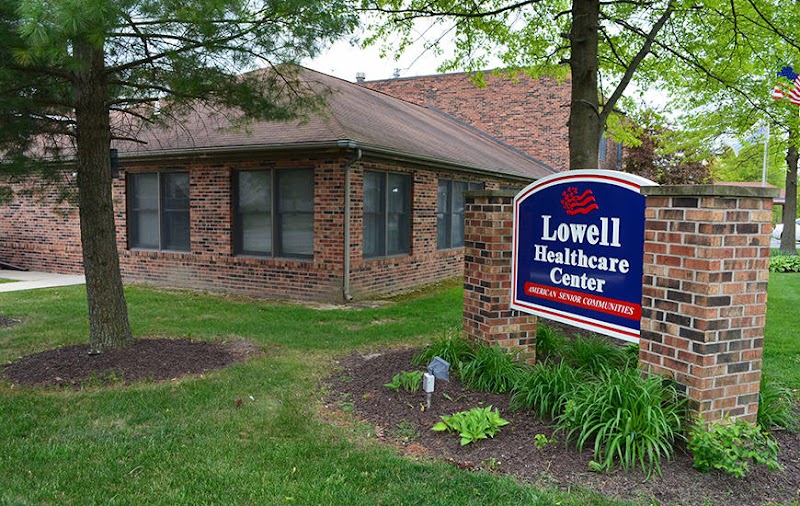
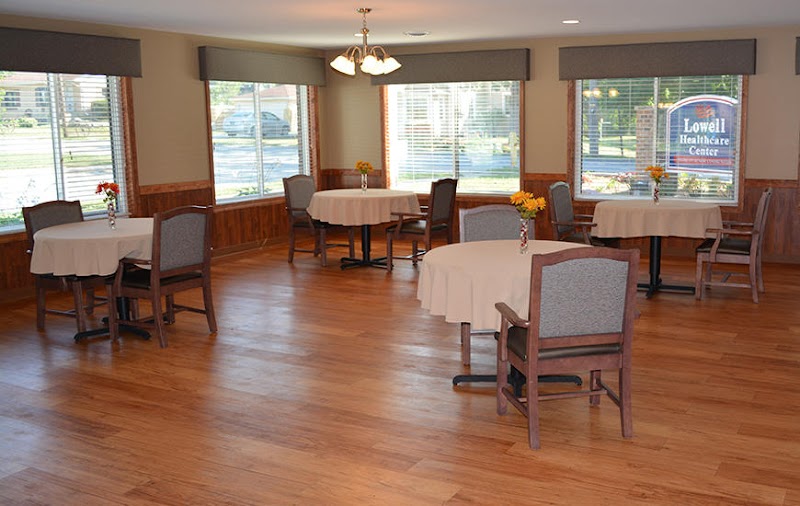

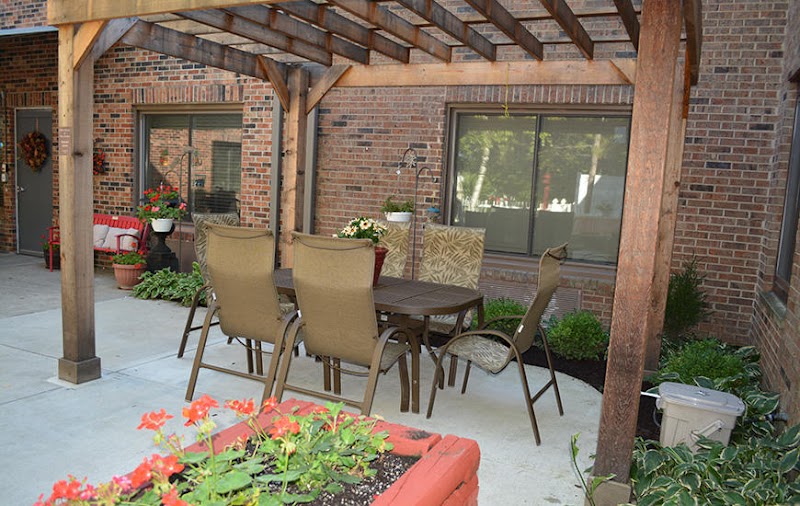
LOWELL HEALTHCARE

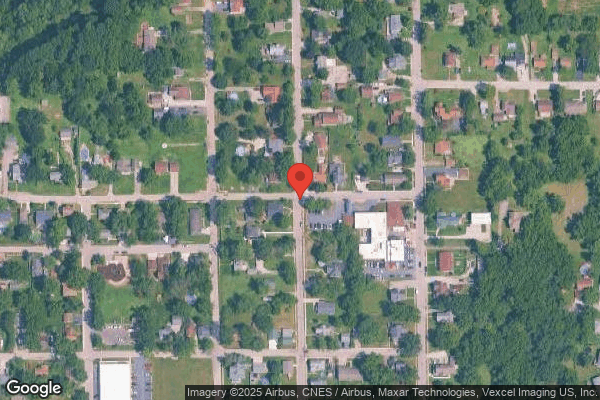
710 MICHIGAN ST, LOWELL, IN 46356 (219) 696-7791
For profit - Corporation 86 Beds AMERICAN SENIOR COMMUNITIES Data: November 2025
Trust Grade
80/100
#157 of 505 in IN
Last Inspection: December 2024

Within standard 12-15 month inspection cycle. Federal law requires annual inspections.

Overview

Lowell Healthcare has a Trust Grade of B+, indicating it is above average and recommended for families considering care options. It ranks #157 out of 505 facilities in Indiana, placing it in the top half, and is the best option out of 20 facilities in Lake County. However, the trend is concerning as the number of issues has increased from 5 to 7 in just one year. Staffing is stable with a turnover rate of 32%, which is below the state average, but the facility does have average RN coverage. Although there have been no fines, there are several notable concerns, including improper food handling practices that could jeopardize resident health, medication administration issues where staff touched pills directly with their hands, and a failure to provide essential care for a resident with edema. While Lowell Healthcare has strengths, such as good staffing stability, families should weigh these issues when making their decision.

Trust Score
B+
80/100
In Indiana
#157/505
Top 31%
Safety Record
Low Risk
No red flags
Inspections
Getting Worse
5 → 7 violations
Staff Stability
○ Average
32% turnover. Near Indiana's 48% average. Typical for the industry.
Penalties
✓ Good
No fines on record. Clean compliance history, better than most Indiana facilities.
Skilled Nurses
○ Average
Each resident gets 36 minutes of Registered Nurse (RN) attention daily — about average for Indiana. RNs are the most trained staff who monitor for health changes.
Violations
⚠ Watch
12 deficiencies on record. Higher than average. Multiple issues found across inspections.
★★★★☆
4.0
Overall Rating
★★★☆☆
3.0
Staff Levels
★★★★★
5.0
Care Quality
★★★☆☆
3.0
Inspection Score
Stable
2023: 5 issues
2024: 7 issues

The Good

  • 5-Star Quality Measures · Strong clinical quality outcomes
  • Full Sprinkler Coverage · Fire safety systems throughout facility
  • No fines on record
  • Staff turnover below average (32%)

    16 points below Indiana average of 48%

Facility shows strength in quality measures, fire safety.

The Bad

Staff Turnover: 32%

14pts below Indiana avg (46%)

Typical for the industry

Chain: AMERICAN SENIOR COMMUNITIES

Part of a multi-facility chain

Ask about local staffing decisions and management

The Ugly 12 deficiencies on record

Dec 2024 5 deficiencies
CONCERN (D)

Potential for Harm - no one hurt, but risky conditions existed

Quality of Care (Tag F0684)

Could have caused harm · This affected 1 resident

Based on observation, record review and interview, the facility failed to ensure a resident with edema received the necessary care and treatment related to Medigrips (elastic type stocking) not in pla...

Read full inspector narrative →
Based on observation, record review and interview, the facility failed to ensure a resident with edema received the necessary care and treatment related to Medigrips (elastic type stocking) not in place as ordered for 1 of 2 residents reviewed for edema. (Resident 12) Finding includes: On 12/8/24 at 1:18 p.m., Resident 12 was observed seated in her wheelchair. Her legs were discolored a light purple and swollen, there were no Medigrips on her legs. On 12/10/24 at 1:22 p.m., the resident was observed in bed. Her legs were discolored, swollen and there were no Medigrips in place. On 12/11/24 at 9:38 a.m., the resident was observed with RN 1 seated in her wheelchair. There were no Medigrips in place. The RN indicated she was unsure who was responsible for putting them on or removing them. The RN later indicated the Medigrip order had been discontinued. The resident's record was reviewed on 12/10/24 at 10:54 a.m. Diagnoses included, but were not limited to, venous insufficiency, hypertensive heart disease with heart failure and dementia. The Quarterly Minimum Data Set assessment, dated 10/3/24, indicated the resident had significant cognitive impairment and required substantial assistance with bed mobility, transfers and toileting. A Physician's Order, dated 11/22/23, indicated to apply Eucerin cream generously to BKE (below knee extremities), then apply Medigrip size G cut to at least 55 centimeters daily. The November and December 2024 Medication Administration Record indicated the Eucerin and Medigrips were signed out daily as completed. There was no indication the order had been discontinued. During an interview on 12/11/24 at 9:53 a.m., the Director of Nursing (DON) indicated she thought the order had been discontinued due to the resident refusing them. She was made aware the order was still in place and being signed out as completed, no refusals were documented. The DON indicated they would correct the order. 3.1-37(a)
CONCERN (D)

Potential for Harm - no one hurt, but risky conditions existed

Pressure Ulcer Prevention (Tag F0686)

Could have caused harm · This affected 1 resident

Based on observation, record review and interview, the facility failed to ensure a resident received the necessary treatment for a pressure ulcer related to the incorrect treatment provided during wou...

Read full inspector narrative →
Based on observation, record review and interview, the facility failed to ensure a resident received the necessary treatment for a pressure ulcer related to the incorrect treatment provided during wound care for 1 of 3 residents reviewed for pressure ulcers. (Resident 73) Finding includes: On 12/11/24 at 9:15 a.m., Resident 73's wound care was observed with the Wound Nurse. The resident had a stage 4 pressure ulcer to her sacral area. The nurse positioned the resident on her left side and removed the old dressing. She cleansed the wound bed with Anasept (a wound cleanser) and gauze. She then applied a sheet of collagen to the wound bed and a piece of Maxorb (absorbent material used for wounds). The wound nurse then used an absorbent island border dressing to cover the wound. The resident's record was reviewed on 12/9/24 at 12:55 p.m. Diagnoses included, but were not limited to, multiple sclerosis, diabetes mellitus and stage 4 pressure ulcer. The Quarterly Minimum Data Set assessment, dated 11/22/24, indicated the resident was cognitively intact and required moderate assistance for bed mobility and was dependent on staff for transfers. A Physician's Order, dated 11/26/24, indicated to cleanse the wound with Anasept, apply collagen, then apply Maxorb AG cut to fit, apply Sureprep to surrounding skin then cover with super absorbent dressing. During an interview on 12/11/24 at 9:35 a.m. with the Wound Nurse, she indicated she had forgotten to apply the Sureprep to the skin as ordered. 3.1-40(a)(2)
CONCERN (D)

Potential for Harm - no one hurt, but risky conditions existed

Deficiency F0761 (Tag F0761)

Could have caused harm · This affected 1 resident

Based on observation, record review and interview, the facility failed to ensure a medication was kept in a locked medication cart at all times for 1 of 6 residents observed during medication administ...

Read full inspector narrative →
Based on observation, record review and interview, the facility failed to ensure a medication was kept in a locked medication cart at all times for 1 of 6 residents observed during medication administration. (Resident 10) Finding includes: On 12/11/24 at 9:17 a.m., QMA 1 was observed preparing medications for Resident 10. She indicated she could not find the resident's Miralax (a laxative medication) so she could not administer it. She notified RN 1 that she could not find the medication. RN 1 indicated she would look in the medication room to see if it was with the overflow medications. QMA 1 finished preparing the resident's other medications and gave them to the resident. On 12/11/24 at 9:33 a.m., QMA 1 began preparing Resident 9's medications. RN 1 approached the medication cart and indicated she was able to get Resident 10's Miralax from the Pyxis (a medication dispensing machine). She handed the Miralax medication to QMA 1. QMA 1 wrote Resident 10's name on the medication and set it on top of the medication cart. She then continued to prepare Resident 9's medications, entered Resident 9's room and administered his medications. QMA 1 had not put Resident 10's Miralax in the medication cart and it remained on top of the medication cart, out of her sight, while she was administering Resident 9's medications. On 12/11/24 at 10:01 a.m., QMA 1 exited Resident 9's room and returned to the medication cart. She took Resident 10's Miralax from the top of the medication cart and administered it to Resident 10. During an interview on 12/11/24 at 11:32 a.m., the Director of Nursing was made aware the QMA had not stored the medication properly. A Medication Storage policy was requested. A facility policy, titled Medication Storage and Expiration Policy, indicated, .3. Medications including treatment items should be stored in a locked cabinet/cart or locked medication room that is inaccessible by residents and visitors . 3.1-25(m)
CONCERN (E)

Potential for Harm - no one hurt, but risky conditions existed

Infection Control (Tag F0880)

Could have caused harm · This affected multiple residents

Based on observation, record review, and interview, the facility failed to ensure infection control practices and standards were maintained, related to staff touching pills during medication administr...

Read full inspector narrative →
Based on observation, record review, and interview, the facility failed to ensure infection control practices and standards were maintained, related to staff touching pills during medication administration for 3 of 6 residents observed during medication administration. (Residents 71, 10, and 9) The facility also failed to ensure reuseable equipment was disinfected after use on residents for 2 of 6 residents observed during medication administration. (Residents 10 and 47) Findings include: 1. On 12/11/24 at 9:06 a.m., QMA 1 was observed preparing Resident 71's medications. She popped each pill out of the medication cards one at a time, into her hand, and then put them in a medication cup. She then administered the medications to the resident and continued to the next resident. At 9:17 a.m., QMA 1 was observed preparing Resident 10's medications. She popped multiple pills out of the medication cards one at a time, into her hand, and then put them in a medication cup. She then administered the medications to the resident and continued to the next resident. At 9:33 a.m., QMA 1 was observed preparing Resident 9's medications. She popped multiple pills out of the medication cards one at a time, into her hand, and then put them in a medication cup. She then administered the medications to the resident and continued to the next resident. During an interview on 12/11/24 at 11:32 a.m., the Director of Nursing was made aware QMA 1 had touched the medications with her hands. A Medication Administration policy was requested. A facility policy, titled Medication Administration (Medication Pass Procedure), indicated, .5. Medications are opened without contaminating. 2. On 12/11/24 at 9:17 a.m., QMA 1 was observed preparing Resident 10's medications. She obtained the blood pressure machine rolling cart from the Nurse's Station and entered the resident's room. QMA 1 applied the blood pressure cuff to the resident's left arm and turned on the machine. When the blood pressure was completed, QMA 1 removed the blood pressure cuff, rolled it up and returned it to the cart. The resident's blood pressure reading was low, so she informed RN 1. RN 1 then re-applied the blood pressure cuff to the resident's left arm and turned on the machine. When the blood pressure was completed, RN 1 removed the blood pressure cuff, rolled it up and returned it to the cart. Neither QMA 1 nor RN 1 had cleaned or disinfected the blood pressure cuff before or after use. 3. On 12/11/24 at 10:04 a.m., QMA 1 was observed preparing Resident 47's medications. She obtained the blood pressure machine rolling cart from the hallway and entered the resident's room. QMA 1 applied the blood pressure cuff to the resident's left arm and turned on the machine. When the blood pressure was completed, QMA 1 removed the blood pressure cuff, rolled it up and returned it to the cart. QMA 1 had not cleaned or disinfected the blood pressure cuff before or after use. During an interview on 12/11/24 at 11:32 a.m., the Director of Nursing was made aware QMA 1 and RN 1 had not cleaned the blood pressure cuff before or after use. A reuseable equipment cleaning policy was requested. A facility policy, titled Equipment Cleaning, indicated, .Electrical equipment .4. Select appropriate germicidal/disinfectant spray or aerosol to cover all surfaces. 5. Follow label recommendations for sit time prior to wiping off sprayed surfaces . 3.1-18(b)
CONCERN (F)

Potential for Harm - no one hurt, but risky conditions existed

Food Safety (Tag F0812)

Could have caused harm · This affected most or all residents

Based on observation, record review, and interview, the facility failed to serve food under sanitary conditions related to touching food with dirty gloves. This had the potential to affect 76 resident...

Read full inspector narrative →
Based on observation, record review, and interview, the facility failed to serve food under sanitary conditions related to touching food with dirty gloves. This had the potential to affect 76 residents who received food from the kitchen. (Main Kitchen) Findings include: 1. During a follow-up tour of the kitchen on 12/11/24 at 12:00 p.m., [NAME] 1 was observed donning gloves. He picked up a box of cellophane wrap and moved it, then picked up a cardboard box containing frozen sausage patties. He opened the box of the frozen sausage patties with the same gloved hands, opened the plastic bag inside, scooped out handfuls of the sausage patties with the same gloved hands, and placed the patties on a baking sheet. He did not perform hand hygiene or change his gloves during the preparation of the food. 2. On 12/11/24 at 12:03 p.m., the Dietary Food Manager (DFM) was observed preparing food for lunch. She had placed a baking sheet that was covered by a single layer of cellophane wrap on the food preparation counter. She manipulated the cellophane wrap to try and cover the baking sheet containing bread and then moved a box of cellophane wrap. She donned clean gloves, removed a new sheet of cellophane wrap from the box, and placed it on the countertop. She removed the old cellophane wrap from the baking sheet, picked up pieces of bread with the same gloved hands, and proceeded to prepare the food. She then covered the baking sheet with the new cellophane wrap and removed her gloves. The DFM did not change her gloves or perform hand hygiene. At the time, the DFM indicated she would dispose of the food that was touched with the gloves. A policy titled, Use of Gloves, indicated .Procedure 1. Clean gloves will be worn when handling any food directly. 2. Gloves are not a substitute for handwashing. Hands will be washed before putting on gloves and upon removal .4. Gloves are just like hands; they get soiled. Anytime a contaminated surface is touched, gloves must be changed and hands washed. 5. Gloves should only be utilized for one task. Gloves should be changed between tasks or if a single task lasts longer than 4 hours. 3.1-21(i)(3)
Jan 2024 2 deficiencies
CONCERN (D)

Potential for Harm - no one hurt, but risky conditions existed

Quality of Care (Tag F0684)

Could have caused harm · This affected 1 resident

Based on observation, record review, and interview, the facility failed to ensure residents received the necessary treatment and services related to the lack of monitoring and assessments of a skin di...

Read full inspector narrative →
Based on observation, record review, and interview, the facility failed to ensure residents received the necessary treatment and services related to the lack of monitoring and assessments of a skin discoloration for 1 of 2 residents reviewed for non-pressure skin conditions. (Resident 47) Finding includes: On 1/23/24 at 11:28 a.m., Resident 47 was observed with a reddened area noted on her nose. The resident indicated it was from her BiPAP (bilevel positive airway pressure) mask that she wore at night. On 1/24/24 at 9:19 a.m., Resident 47 was observed sitting in a chair. She had a reddened area noted on the bridge of her nose. On 1/25/24 at 2:28 p.m., Resident 47 was observed sitting up in a chair. She had a reddened area with a small scab present, along with an indentation on the bridge of her nose. Resident 47's record was reviewed on 1/24/24 at 9:00 a.m. Diagnoses included, but were not limited to, chronic respiratory failure, obstructive sleep apnea, and chronic obstructive pulmonary disease. The State Optional Minimum Data Set (MDS) assessment, dated 11/9/23, indicated the resident was cognitively intact for daily decision making and was a 1 person assist for ADLs (activities of daily living). A current Care Plan, indicated the resident was at risk for decreased skin integrity, pressure ulcers, and skin tears, with a risk factor including, but not limited to, using BiPAP. The January 2024 Physician's Order Summary indicated, BiPAP at night with fraction of inspired oxygen (FiO2) 32%, inspiratory pressure 14, expiratory pressure 7, and oxygen at 3 liters. Change the mask & tubing as needed. There was no documentation in the clinical record related to the reddened scabbed area on Resident 47's nose. During an interview on 1/25/24 at 2:32 p.m., the Director of Nursing indicated she was not aware the resident had any marks on her nose. They will re-evaluate the mask fit and contact respiratory services if needed. 3.1-37(a)
CONCERN (D)

Potential for Harm - no one hurt, but risky conditions existed

Unnecessary Medications (Tag F0759)

Could have caused harm · This affected 1 resident

Based on observation, record review, and interview, the facility failed to ensure a medication error rate of less than 5% for 1 of 5 residents observed during medication pass. Two errors were observed...

Read full inspector narrative →
Based on observation, record review, and interview, the facility failed to ensure a medication error rate of less than 5% for 1 of 5 residents observed during medication pass. Two errors were observed during 30 opportunities for errors during medication administration. This resulted in a medication error rate of 6.67%. (Resident 282) Finding includes: On 1/24/24 at 11:11 a.m., RN 1 was observed preparing Resident 282's medications to be administered via a gastrostomy tube (g-tube, a tube inserted through the belly that brings nutrition to the stomach). The nurse crushed 2 different medications, which included 1 Nephro Vite (vitamin) tablet and 1 Carafate (anti-ulcer medication) tablet. She poured the crushed medications together into a plastic cup and added an unmeasured amount of water. The RN indicated she added approximately 30 ml (milliliters of water to the medications). She then proceeded to check for placement of the g-tube by auscultation. She flushed the g-tube with 30 ml of water and then administered the cup with the 2 medications into the tube. The nurse then administered another 30 ml of water into the tube. She indicated she always administered the crushed medications all at once through the tube. A Nursing Skills Competency for Enteral Tube-Medication Administration, dated 1/2010 and updated 5/2023, given by the Director of Nursing (DON) indicated, .2. Dissolve each crushed medication in at least 10 cc-30 cc of water .12. Flush tubing with at least 15 cc of water between each medication . During an interview on 1/24/24 at 11:55 a.m., the DON indicated they did not have a policy that would indicate medications could not be crushed and administered via g-tube at the same time. She would expect nursing to use nursing judgment, and if there were only 2 medications, she would administer them together. The State Operations Manual (SOM) Appendix PP, revised 2/3/2023 indicated, .The standard of practice is that crushed medications should not be combined and given all at once via feeding tube. Crushing and combining medications may result in physical and chemical incompatibilities leading to an altered therapeutic response, or cause feeding tube occlusions when the crushed medications are combined and administered via feeding tube. Flushing the feeding tube between each medication is also standard of practice . 3.1-48(c)(1)
Feb 2023 5 deficiencies
CONCERN (D)

Potential for Harm - no one hurt, but risky conditions existed

ADL Care (Tag F0677)

Could have caused harm · This affected 1 resident

Based on observation, record review, and interview, the facility failed to ensure ADL (activities of daily living) care was provided related to not assisting a dependent resident with shaving for 1 of...

Read full inspector narrative →
Based on observation, record review, and interview, the facility failed to ensure ADL (activities of daily living) care was provided related to not assisting a dependent resident with shaving for 1 of 3 residents reviewed for ADL care. (Resident 56) Finding includes: On 2/7/23 at 11:22 a.m. and 2/8/23 at 8:51 a.m., Resident 56 was observed in his bed, he was unshaven. On 2/9/23 at 1:20 p.m., the resident was in bed and unshaven. At that time, he indicated he preferred to be clean shaved. The resident's record was reviewed on 2/9/23 at 9:24 a.m. Diagnoses included, but were not limited to, cerebral infarction and dementia. The Quarterly Minimum Data Set assessment, dated 11/23/22, indicated he had moderate cognitive impairment and required extensive assistance of one for personal hygiene. The shower book indicated the resident received showers twice weekly on Wednesday and Saturdays. Shower sheets for the past 30 days indicated the resident had only been shaved on 1/10/23 and 1/25/23. There were no refusals noted. Interview with CNA 3 on 2/9/23 at 11:45 a.m., indicated they would give him a shower twice weekly and he needed assistance with shaving. She was unsure when the resident had been shaved last. 3.1-38(a)(3)
CONCERN (D)

Potential for Harm - no one hurt, but risky conditions existed

Quality of Care (Tag F0684)

Could have caused harm · This affected 1 resident

Based on observation, record review, and interview, the facility failed to ensure tubi grips (elastic compression bandage) were in use as ordered for 1 of 1 residents reviewed for edema. (Resident 225...

Read full inspector narrative →
Based on observation, record review, and interview, the facility failed to ensure tubi grips (elastic compression bandage) were in use as ordered for 1 of 1 residents reviewed for edema. (Resident 225) Finding includes: On 2/7/23 at 9:55 a.m., Resident 225 was observed seated in her wheelchair in her room. She had white crew socks and shoes in place to both feet. Her ankles appeared to be slightly swollen. On 2/8/23 at 2:18 p.m., Resident 225 was observed seated in her wheelchair in the first floor lounge area watching television. She had white crew socks and shoes in place to both feet. Her ankles appeared to be slightly swollen. On 2/9/23 at 2:05 p.m., Resident 225 was observed seated in her wheelchair in the first floor lounge area. She had white crew socks and shoes in place to both feet. Staff then escorted resident out of the lounge area to an activity. The resident's record was reviewed on 2/10/23 at 10:10 a.m. Diagnoses included, but were not limited to, hypertension, dementia, and pulmonary hypertension. The admission Minimum Data Set (MDS) assessment, dated 11/28/22, indicated the resident was cognitively impaired. She required extensive one person assistance for bed mobility and extensive two person assistance for transfers. A Physician's Order, dated 1/25/23, indicated tubi grips to bilateral lower extremities for edema, may remove for hygiene and to be removed before bed. The Treatment Administration Record (TAR), dated 2/2023, indicated the tubi grips were signed off as in place on the day shift (7 a.m. through 3 p.m.) on 2/7/23, 2/8/23, and 2/9/23. Interview with the Director of Nursing (DON) on 2/9/23 at 2:30 p.m., indicated the resident was wearing regular socks and the tubi grips were not in place. She was going to ask the Nurse Practitioner if they could discontinue them since the resident's edema had decreased. 3.1-37(a)
CONCERN (D)

Potential for Harm - no one hurt, but risky conditions existed

Incontinence Care (Tag F0690)

Could have caused harm · This affected 1 resident

Based on observation, record review, and interview, the facility failed to ensure a resident with a urinary catheter, who was awaiting results of a urine Culture and Sensitivity (C&S) for a possible U...

Read full inspector narrative →
Based on observation, record review, and interview, the facility failed to ensure a resident with a urinary catheter, who was awaiting results of a urine Culture and Sensitivity (C&S) for a possible Urinary Tract Infection (UTI), received the proper care and services related to improper catheter positioning for 1 of 2 residents reviewed for catheters. (Resident 14) Finding includes: On 2/7/23 at 12:54 p.m., Resident 14 was observed sitting in a wheelchair in her room. The resident's catheter bag was hanging from underneath the wheelchair, out of the dignity bag and resting directly on the floor. On 2/8/23 at 9:13 a.m., Resident 14 was observed sitting in a wheelchair in her room. The resident's catheter bag was hanging from underneath the wheelchair. The bag was touching up against the legs of the wheelchair and the inner tire. The dignity bag was on the floor underneath the wheelchair. Record review for Resident 14 was completed on 2/8/23 at 9:06 a.m. Diagnoses included, but were not limited to, neurogenic bladder, and dementia. The Significant Change Minimum Data Set (MDS) assessment, dated 12/25/22, indicated the resident was cognitively intact. The resident required an extensive 1 person assist for toilet use and had an indwelling Foley catheter. A Care Plan, dated 10/21/22 and revised 1/4/23, indicated the resident required an indwelling supra-pubic urinary catheter due to: neuromuscular dysfunction of the bladder. Interventions included to not allow tubing or any part of the drainage system to touch the floor and to store the collection bag inside a protective dignity pouch. A Progress Note, dated 2/5/23 at 2:15 p.m., indicated urine was collected from the catheter collection bag to be picked up by the laboratory. The urine was dark amber, slight foul odor and sediment were noted. A Progress Note, dated 2/10/23 at 6:27 a.m., indicated the urine C&S test remained pending at the laboratory at that time. Interview with LPN 1 on 2/8/23 at 9:16 a.m., indicated the resident had a urinalysis completed. The results were received but they still had not received the C&S results. The resident's catheter bag should always be covered and not on the floor or touching any part of the wheelchair while being uncovered. 3.1-41(a)(2)
CONCERN (D)

Potential for Harm - no one hurt, but risky conditions existed

Deficiency F0692 (Tag F0692)

Could have caused harm · This affected 1 resident

**NOTE- TERMS IN BRACKETS HAVE BEEN EDITED TO PROTECT CONFIDENTIALITY** Based on observation, record review, and interview, the facility failed to ensure food consumption logs were completed for resid...

Read full inspector narrative →
**NOTE- TERMS IN BRACKETS HAVE BEEN EDITED TO PROTECT CONFIDENTIALITY** Based on observation, record review, and interview, the facility failed to ensure food consumption logs were completed for residents with a history of weight loss for 2 of 3 residents reviewed for nutrition. (Residents 18 and 36) Findings include: 1. The record for Resident 18 was reviewed on 2/9/23 at 10:34 a.m. Diagnoses included, but were not limited to, hypertension, dementia, and cerebral infarction. The resident was hospitalized on [DATE] and returned to the facility on 1/20/23. The Significant Change Minimum Data Set (MDS) assessment, dated 1/7/23, indicated the resident was cognitively impaired and required an extensive assistance of one with eating. The resident weighed 230 pounds on 1/4/23 and 209 pounds on 2/6/23. A Progress Note, dated 2/8/23, indicated the resident had a 9.1% weight loss in 90 days and a 10.7% weight loss in 180 days. The Meal Consumption Log for February 2023 lacked documentation of the following meals: - Breakfast on 2/1/23, 2/6/23, and 2/8/23 - Lunch on 2/1/23, 2/6/23, and 2/8/23 The Meal Consumption Log for January 2023 lacked documentation of the following meals: - Breakfast on 1/20/23 - Lunch on 1/3/23, 1/6/23, 1/8/23, 1/13/23, 1/15/23, 1/20/23, and 1/30/23 - Dinner on 1/2/23, 1/4/23, 1/5/23, and 1/6/23 Interview with the Director of Nursing (DON) on 2/8/23 at 10:41 a.m., indicated the food consumption logs were incomplete and they had been having trouble with their electronic charting going in and out. She was unable to provide any further documentation. 2. The record for Resident 36 was reviewed on 2/8/23 at 2:27 p.m. Diagnoses included, but were not limited to, dementia, hypertension, and adult failure to thrive. The Significant Change Minimum Data Set (MDS) assessment, dated 1/11/23, indicated the resident was cognitively impaired and had weight loss. The resident weighed 130 pounds on 8/6/22 and 117 pounds on 2/6/23. A Progress Note, dated 2/8/23, indicated the resident had a 10% weight loss in 180 days. The Meal Consumption Log for February 2023 lacked documentation of the following meals: - Breakfast on 2/4/23 - Lunch on 2/7/23, and 2/4/23 - Dinner on 2/6/23 The Meal Consumption Log for January 2023 lacked documentation of the following meals: - Lunch on 1/6/23, 1/7/23, 1/27/23, and 1/31/23 - Dinner on 1/3/23, 1/4/23, 1/15/23, 1/16/23, 1/21/23, 1/27/23, 1/28/23, and 1/29/23 Interview with the Director of Nursing (DON) on 2/8/23 at 10:41 a.m., indicated the food consumption logs were incomplete and they had been having trouble with their electronic charting going in and out. She was unable to provide any further documentation. 3.1-46(a)(1) 3.1-46(a)(2)
CONCERN (D)

Potential for Harm - no one hurt, but risky conditions existed

Drug Regimen Review (Tag F0756)

Could have caused harm · This affected 1 resident

Based on record review and interview, the facility failed to ensure each resident's medication regimen was managed and monitored to promote or maintain the resident's highest practicable mental, physi...

Read full inspector narrative →
Based on record review and interview, the facility failed to ensure each resident's medication regimen was managed and monitored to promote or maintain the resident's highest practicable mental, physical, and psychosocial well-being related to Pharmacy recommendations lacking follow up for 1 of 5 residents reviewed for unnecessary medications. (Resident 61) Finding includes: The record for Resident 61 was reviewed on 2/10/23 at 11:31 a.m. The resident diagnoses included, but were not limited to, Alzheimer's dementia and a history of falls. The current Physician's Order Summary indicated the resident took meclizine (a medication used to treat dizziness and nausea) 12.5 milligrams (mg) in the morning and 25 mg in the evening. A Pharmacy Review, dated 1/11/23, recommended decreasing the meclizine to 12.5 mg twice daily due to a recent fall. The Pharmacy review had been signed by the Nurse Practitioner, but it was left blank as to whether to accept or decline the recommendation. Interview with the Director of Nursing on 2/10/23 at 1:46 p.m., indicated she had contacted the Nurse Practitioner and they were going to accept the recommendation to decrease the meclizine. She was unsure why it had not been completed before. 3.1-48(a)(5)
Understanding Severity Codes (click to expand)
Life-Threatening (Immediate Jeopardy)
J - Isolated K - Pattern L - Widespread
Actual Harm
G - Isolated H - Pattern I - Widespread
Potential for Harm
D - Isolated E - Pattern F - Widespread
No Harm (Minor)
A - Isolated B - Pattern C - Widespread

Questions to Ask on Your Visit

  • "Can I speak with families of current residents?"
  • "What's your RN coverage like on weekends and overnight?"

Our Honest Assessment

Strengths
  • • Grade B+ (80/100). Above average facility, better than most options in Indiana.
  • • No major safety red flags. No abuse findings, life-threatening violations, or SFF status.
  • • No fines on record. Clean compliance history, better than most Indiana facilities.
  • • 32% turnover. Below Indiana's 48% average. Good staff retention means consistent care.
Concerns
  • • 12 deficiencies on record. Higher than average. Multiple issues found across inspections.
Bottom line: Generally positive indicators. Standard due diligence and a personal visit recommended.

About This Facility

What is Lowell Healthcare's CMS Rating?

CMS assigns LOWELL HEALTHCARE an overall rating of 4 out of 5 stars, which is considered above average nationally. Within Indiana, this rating places the facility higher than 99% of the state's 100 nursing homes. This rating reflects solid performance across the metrics CMS uses to evaluate nursing home quality.

How is Lowell Healthcare Staffed?

CMS rates LOWELL HEALTHCARE's staffing level at 3 out of 5 stars, which is average compared to other nursing homes. Staff turnover is 32%, compared to the Indiana average of 46%. This relatively stable workforce can support continuity of care.

What Have Inspectors Found at Lowell Healthcare?

State health inspectors documented 12 deficiencies at LOWELL HEALTHCARE during 2023 to 2024. These included: 12 with potential for harm.

Who Owns and Operates Lowell Healthcare?

LOWELL HEALTHCARE is owned by a for-profit company. For-profit facilities operate as businesses with obligations to shareholders or private owners. The facility is operated by AMERICAN SENIOR COMMUNITIES, a chain that manages multiple nursing homes. With 86 certified beds and approximately 77 residents (about 90% occupancy), it is a smaller facility located in LOWELL, Indiana.

How Does Lowell Healthcare Compare to Other Indiana Nursing Homes?

Compared to the 100 nursing homes in Indiana, LOWELL HEALTHCARE's overall rating (4 stars) is above the state average of 3.1, staff turnover (32%) is significantly lower than the state average of 46%, and health inspection rating (3 stars) is at the national benchmark.

What Should Families Ask When Visiting Lowell Healthcare?

Based on this facility's data, families visiting should ask: "Can I visit during a mealtime to observe dining assistance and food quality?" "How do you handle medical emergencies, and what is your hospital transfer rate?" "Can I speak with family members of current residents about their experience?"

Is Lowell Healthcare Safe?

Based on CMS inspection data, LOWELL HEALTHCARE has a clean safety record: no substantiated abuse findings (meaning no confirmed cases of resident harm), no Immediate Jeopardy citations (the most serious violation level indicating risk of serious injury or death), and is not on the Special Focus Facility watch list (a federal program monitoring the lowest-performing 1% of nursing homes). The facility has a 4-star overall rating and ranks #1 of 100 nursing homes in Indiana. While no facility is perfect, families should still ask about staff-to-resident ratios and recent inspection results during their visit.

Do Nurses at Lowell Healthcare Stick Around?

LOWELL HEALTHCARE has a staff turnover rate of 32%, which is about average for Indiana nursing homes (state average: 46%). Moderate turnover is common in nursing homes, but families should still ask about staff tenure and how the facility maintains care continuity when employees leave.

Was Lowell Healthcare Ever Fined?

LOWELL HEALTHCARE has no federal fines on record. CMS issues fines when nursing homes fail to meet care standards or don't correct problems found during inspections. The absence of fines suggests the facility has either maintained compliance or corrected any issues before penalties were assessed. This is a positive indicator, though families should still review recent inspection reports for the full picture.

Is Lowell Healthcare on Any Federal Watch List?

LOWELL HEALTHCARE is not on any federal watch list. The most significant is the Special Focus Facility (SFF) program, which identifies the bottom 1% of nursing homes nationally based on persistent, serious quality problems. Not being on this list means the facility has avoided the pattern of deficiencies that triggers enhanced federal oversight. This is a positive indicator, though families should still review the facility's inspection history directly.