GRAND VALLEY HEALTH & REHAB
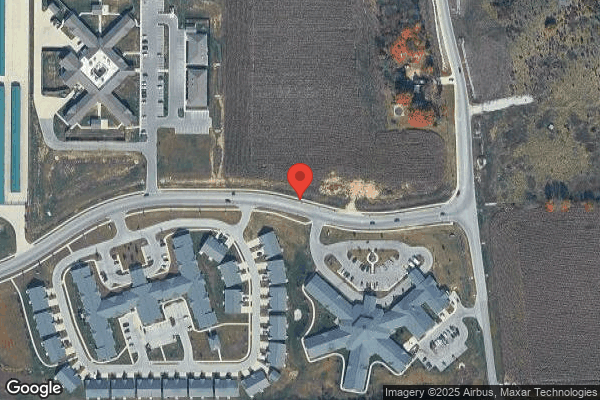
621 GRAND VALLEY BOULEVARD, MARTINSVILLE, IN 46151 (765) 342-7114
Government - County 100 Beds HCF MANAGEMENT INDIANA Data: November 2025
Trust Grade
93/100
#41 of 505 in IN
Last Inspection: June 2025

Inspected within the last 6 months. Data reflects current conditions.

Overview

Grand Valley Health & Rehab in Martinsville, Indiana, has received an excellent Trust Grade of A, indicating it is highly recommended for families seeking care. It ranks #41 out of 505 facilities in Indiana, placing it in the top half, and is the best option among 6 facilities in Morgan County. The facility is on an improving trend, reducing its issues from 3 in 2023 to 2 in 2025. However, while staffing turnover is low at 28%, the facility has concerning RN coverage that is less than 79% of state facilities, which may impact the quality of care. Specific concerns include failures to label oxygen tubing for residents and administering medications contrary to physician orders, as well as not having a certified Infection Preventionist on staff, raising potential risks for residents. Overall, while there are strengths in the facility's reputation and staffing stability, these deficiencies warrant careful consideration.

Trust Score
A
93/100
In Indiana
#41/505
Top 8%
Safety Record
Low Risk
No red flags
Inspections
Getting Better
3 → 2 violations
Staff Stability
✓ Good
28% annual turnover. Excellent stability, 20 points below Indiana's 48% average. Staff who stay learn residents' needs.
Penalties
✓ Good
No fines on record. Clean compliance history, better than most Indiana facilities.
Skilled Nurses
⚠ Watch
Each resident gets only 28 minutes of Registered Nurse (RN) attention daily — below average for Indiana. Fewer RN minutes means fewer trained eyes watching for problems.
Violations
✓ Good
Only 5 deficiencies on record. Cleaner than most facilities. Minor issues only.
★★★★★
5.0
Overall Rating
★★☆☆☆
2.0
Staff Levels
★★★★☆
4.0
Care Quality
★★★★★
5.0
Inspection Score
Stable
2023: 3 issues
2025: 2 issues

The Good

  • 4-Star Quality Measures · Strong clinical quality outcomes
  • Low Staff Turnover (28%) · Staff stability means consistent care
  • Full Sprinkler Coverage · Fire safety systems throughout facility
  • No fines on record
  • Staff turnover is low (28%)

    20 points below Indiana average of 48%

Facility shows strength in quality measures, staff retention, fire safety.

The Bad

Chain: HCF MANAGEMENT INDIANA

Part of a multi-facility chain

Ask about local staffing decisions and management

The Ugly 5 deficiencies on record

Jun 2025 2 deficiencies
CONCERN (D)

Potential for Harm - no one hurt, but risky conditions existed

Deficiency F0658 (Tag F0658)

Could have caused harm · This affected 1 resident

Based on record review and interview, the facility failed to ensure medication were administered per the physician's orders for 2 of 5 residents reviewed for unnecessary medications. (Resident 71, Res...

Read full inspector narrative →
Based on record review and interview, the facility failed to ensure medication were administered per the physician's orders for 2 of 5 residents reviewed for unnecessary medications. (Resident 71, Resident 33) Findings include: 1. On 6/12/25 at 11:35 a.m., Resident 71's clinical record was reviewed. The diagnoses included, but were not limited to, congestive heart failure and atrial flutter. A Physician's Order for metoprolol (a medication used to slow the heart rate) 50 mg (milligrams) oral tablet extended release daily, initiated 4/6/25. The medication was to be held if the resident's pulse was below 60 beats per minute. The Medication Administration Record indicated on the following dates, the medication was administered when the resident's pulse was below 60 beats per minute: - On 5/725, 57 beats per minute. - On 5/8/25, 52 beats per minute. - On 5/12/25, 57 beats per minute. - On 5/13/25, 57 beats per minute. - On 5/19/25, 57 beats per minute. - On 5/21/25, 55 beats per minute. - On 5/22/25, 58 beats per minute. - On 5/27/25, 53 beats per minute. - On 6/2/25, 52 beats per minute. - On 6/4/25, 52 beats per minute. - On 6/5/25, 55 beats per minute. - On 6/7/25, 57 beats per minute. - On 6/9/25, 53 beats per minute. 2. On 6/11/25 at 11:05 a.m., Resident 33's clinical record was reviewed. The diagnoses included, but were not limited to, hypertension, atrial fibrillation, and respiratory failure. The Physician Order Report indicated metoprolol tartrate 25 (mg) milligrams administer half tablet by mouth twice a day. Hold the medication if heart rate was less than 60 or the systolic (the top number in a blood pressure reading) blood pressure was less than 110 (order start date 12/27/24). The May 2025 Medication Administration Record (MAR) indicated to administer metoprolol tartrate 25 mg half tablet twice a day. Hold the medication if heart rate was less than 60 or the systolic blood pressure was less than 110. The MAR indicated the following: - On 5/21/25 at 6:30 a.m. - 10:30 a.m. the medication was administered. The pulse was 57. The clinical record lacked documentation of medication being held. The June 2025 Medication Administration Record indicated to administer metoprolol tartrate 25 mg half tablet twice a day. Hold the medication if heart rate was less than 60 or the systolic blood pressure was less than 110. The MAR indicated the following: - On 6/1/25 at 6:30 p.m. - 10:30 p.m. the medication was administered. The blood pressure was 103/76. The clinical record lacked documentation of medication being held. - On 6/7/25 at 6:30 a.m. - 10:30 a.m. the medication was administered. The blood pressure was 100/56. The clinical record lacked documentation of medication being held. - On 6/9/25 at 6:30 a.m. - 10:30 a.m. the medication was administered. The blood pressure was 101/43. The clinical record lacked documentation of medication being held. During an interview on 6/12/25 at 1:35 p.m., the Director of Nursing indicated per physician order, the medication should not have been administered to the resident on the aforementioned dates. On 6/12/25 at 2:01 p.m., the Corporate Administrator provided the facility's policy, Medication Administration, revised date 4/17, and indicated it was the policy being used. A review of the policy indicated, .To safely administer medications as per physicians' order .20. Always take pulse and B/P as indicated if ordered prior to giving certain cardiac or antihypertensive drugs. Notify the physician if the vital signs are not within the acceptable range . 3.1-35(g)(1)
CONCERN (D)

Potential for Harm - no one hurt, but risky conditions existed

Deficiency F0882 (Tag F0882)

Could have caused harm · This affected 1 resident

Based on interview and record review, the facility failed to ensure designation of a certified Infection Preventionist (IP). The IP did not currently dedicate at least part time hours to the role of I...

Read full inspector narrative →
Based on interview and record review, the facility failed to ensure designation of a certified Infection Preventionist (IP). The IP did not currently dedicate at least part time hours to the role of IP for 2 of 2 staff members reviewed for IP (Director of Nursing and RN 1). Findings include: On 6/8/25 at 11:30 a.m., the Administrator provided documentation which indicated the Director of Nursing (DON) was the facility's Infection Preventionist (IP) nurse. During an interview on 6/12/25 at 2:05 p.m., RN 1 indicated she was responsible for the infection tracking and monitoring. She had not received certification in Infection Prevention and Control. During an interview on 6/12/25 at 2:05 p.m., the DON indicated she was currently responsible for the infection prevention quality and assurance. She indicated she also worked full time in the facility as the DON and was unable to show she devoted 20 hours each week to infection prevention. She confirmed RN 1 did not have infection prevention certification. During an interview on 6/12/25 at 2:26 p.m., the Corporate Administrator indicated he was aware the facility needed to have a staff member devoted to the IP nurse role which was not the DON. On 6/12/25 at 2:26 p.m., the Corporate Administrator provided the IP job description, Infection Preventionist, dated 2023, and indicated it was the job description currently being used. A review of the job description indicated, . Reports To: Director of Nursing . 5. Infection prevention and control (IPC) training must be sufficient to perform the role of the IP . 6. An IP must have obtained specialized PIC training beyond initial professional training or education prior to assuming the role . On 6/12/25 at 2:26 p.m., the Corporate Administrator provided the DON job description, Director of Nursing, dated 2023, and indicated it was the job description currently being used. A review of the job description indicated, . Summary: . He/she assumes responsibility for nursing service compliance in accordance to facility policy and procedure as well as Federal Regulations and State Rules governing the facility .
Apr 2023 3 deficiencies
CONCERN (D)

Potential for Harm - no one hurt, but risky conditions existed

Transfer Notice (Tag F0623)

Could have caused harm · This affected 1 resident

Based on interview and record review, the facility failed to ensure the written notification required for a transfer and discharge was given to the resident or the resident representative for 1 of 4 r...

Read full inspector narrative →
Based on interview and record review, the facility failed to ensure the written notification required for a transfer and discharge was given to the resident or the resident representative for 1 of 4 residents reviewed for hospitalization. (Resident 57) Finding includes: On 4/27/23 at 10:15 a.m., Resident 57's clinical record was reviewed. The diagnoses included, but were not limited to, chronic kidney disease, cholecystitis (inflammation of the gall bladder), and diabetes mellitus. A progress note, dated 12/31/22 at 8:30 a.m., indicated Resident 57 was sent to the emergency room. The Notice of Transfer or Discharge, dated 12/31/22, lacked documentation the resident or the resident's representative had been notified of the transfer in writing and provided the appeal rights information in writing including the contact information of the the Office of the State LTC (Long Term Care) Ombudsman after the resident was sent out to the hospital. A progress note, dated 1/13/23 at 9:45 a.m., indicated Resident 57 was sent to the the emergency room. The Notice of Transfer or Discharge, dated 1/12/23, lacked documentation the resident or the resident's representative had been notified of the transfer in writing and provided the appeal rights information in writing including the contact information of the the Office of the State LTC (Long Term Care) Ombudsman after the resident was sent out to the hospital. During an interview on 4/28/23 at 12:25 p.m., the Director of Nursing (DON) indicated the Notice of Transfer or Discharge for Resident 57 lacked the resident or resident's representative notification in writing. On 4/28/23 at 12:51 p.m., the DON provided the facility policy, Transfer/Discharge, dated 1/2015 and indicated this was the policy currently being used by the facility. A review of the policy indicated .(A) Notify the resident of the transfer or discharge and the reasons for the move in writing and in a language and manner that the resident understands. The health facility must place a copy of the notice in the residents' clinical record and transmit a copy to the following: (i) The resident .(iii) The resident's legal representative 3.1-12(a)(6)(A)(i) 3.1-12(a)(6)(A)(iii)
CONCERN (D)

Potential for Harm - no one hurt, but risky conditions existed

Deficiency F0625 (Tag F0625)

Could have caused harm · This affected 1 resident

Based on interview and record review, the facility failed to ensure the notification of the bed-hold policy required for residents who transferred to the hospital was provided for 1 of 4 residents rev...

Read full inspector narrative →
Based on interview and record review, the facility failed to ensure the notification of the bed-hold policy required for residents who transferred to the hospital was provided for 1 of 4 residents reviewed for hospitalization. (Resident 57) Finding includes: On 4/27/23 at 10:15 a.m., Resident 57's clinical record was reviewed. The diagnoses included, but were not limited to, chronic kidney disease, cholecystitis (inflammation of the gall bladder), and diabetes mellitus. Resident 57's progress notes indicated the following: - On 12/31/22 at 8:30 a.m., Resident 57 was sent to the emergency room. There was no documentation that a written notice that specified the facility's bed-hold policy was provided to the resident or the resident's representative. - On 1/13/23 at 9:45 a.m., Resident 57 was sent to the the emergency room. There was no documentation that a written notice that specified the facility's bed-hold policy was provided to the resident or the resident's representative During an interview on 4/28/23 at 12:25 p.m., the Director of Nursing (DON) indicated Resident 57's bed-hold policy lacked the resident or resident's representative notification in writing. On 4/28/23 at 12:51 p.m., the DON provided the facility policy, Bedhold, revision date 7/2018, and indicated this was the policy currently being used by the facility. A review of the policy indicated .At the time of transfer of a resident for hospitalization or therapeutic leave, a nursing facility must provide to the resident to the resident or resident representative written notice which specifies the duration of the bed-hold policy 3.1-12(a)(25) 3.1-12(a)(26)
CONCERN (E)

Potential for Harm - no one hurt, but risky conditions existed

Respiratory Care (Tag F0695)

Could have caused harm · This affected multiple residents

Based on observation, interview, and record review, the facility failed to ensure oxygen tubing was labeled and dated for 5 of 5 residents reviewed for respiratory care. (Resident 6, Resident 47, Resi...

Read full inspector narrative →
Based on observation, interview, and record review, the facility failed to ensure oxygen tubing was labeled and dated for 5 of 5 residents reviewed for respiratory care. (Resident 6, Resident 47, Resident 60, Resident 51, and Resident 44). Findings include 1. On 4/23/23 at 12:05 p.m., Resident 6 was observed in bed in her room. She was receiving oxygen via oxygen tubing and a nasal cannula. The oxygen tubing had no label indicating the date it was changed. On 4/25/23 at 9:40 a.m., Resident 6 was observed in bed in her room. She was receiving oxygen via oxygen tubing and a nasal cannula. The oxygen tubing had no label indicating the date it was changed. On 4/26/23 at 10:00 a.m., Resident 6 was observed in bed in her room. She was receiving oxygen via oxygen tubing and a nasal cannula. The oxygen tubing had no label indicating the date it was changed. On 4/25/23 at 2:30 p.m., Resident 6's clinical record was reviewed. The diagnoses included, but were not limited to, cerebral infarction and chronic obstructive pulmonary disease. A current physician's order with a start date of 8/30/22 indicated the resident was prescribed supplemental oxygen at 2 liters per minute. 2. On 4/23/23 at 12:05 p.m., Resident 47 was observed in bed in his room. On the floor, beside the bed was a nasal cannula and oxygen tubing attached to an oxygen delivery machine. The oxygen tubing had no label indicating the date it was changed. On 4/25/22 at 9:45 a.m., Resident 47 was observed in bed in his room. On the floor, beside the bed was a nasal cannula and oxygen tubing attached to an oxygen delivery machine. The oxygen tubing had no label indicating the date it was changed. On 4/26/23 at 10:05 a.m., Resident 47 was observed in bed in his room. On the floor, beside the bed was a nasal cannula and oxygen tubing attached to an oxygen delivery machine. The oxygen tubing had no label indicating the date it was changed. On 4/25/23 at 2:40 p.m., Resident 47's clinical record was reviewed. The diagnoses included, but were not limited to, Alzheimer's disease and chronic obstructive pulmonary disease. A current physician's order with a start date of 8/30/22 indicated the resident was prescribed supplemental oxygen at 2 liters per minute. 3. On 4/23/23 at 12:15 p.m., Resident 60 was observed in her chair in her room. She was receiving oxygen via oxygen tubing and a nasal cannula. The oxygen tubing had no label indicating the date it was changed. On 4/25/23 at 9:50 a.m., Resident 60 was observed in her chair in her room. She was receiving oxygen via oxygen tubing and a nasal cannula. The oxygen tubing had no label indicating the date it was changed. On 4/26/23 at 10:10 a.m., Resident 60 was observed in her chair in her room. She was receiving oxygen via oxygen tubing and a nasal cannula. The oxygen tubing had no label indicating the date it was changed. On 4/25/23 at 3:05 p.m., Resident 60's clinical record was reviewed. The diagnoses included, but were not limited to, chronic respiratory failure and chronic obstructive pulmonary disease. A current physician's order with a start date of 8/31/22 indicated the resident was prescribed supplemental oxygen at 2 liters per minute. 5. On 4/24/23 at 10:51 a.m., Resident 44 was observed to be lying in bed with an oxygen nasal cannula in her nostrils. The tubing for the oxygen and the humidification bottle were undated. On 4/26/23 at 9:42 a.m., Resident 44 was observed to be lying in bed with an oxygen nasal cannula in her nostrils. The tubing for the oxygen was undated. On 4/27/23 at 11:25 a.m., Resident 44 was observed to be lying in bed with an oxygen nasal cannula in her nostrils. The tubing for the oxygen was undated. On 4/28/23 at 10:23 a.m., Resident 44 was observed to be lying in bed with an oxygen nasal cannula in her nostrils. The tubing for the oxygen was undated. Resident 44's clinical record was reviewed on 4/26/23 at 11:07 a.m. The diagnosis included, but was not limited to, chronic respiratory failure. Physician orders, dated 4/27/23, indicated Resident 44 utilized supplemental oxygen via nasal cannula at 2 L (liters) as needed. During an interview on 4/26/23 at 10:25 a.m., the DON indicated the oxygen tubing and humidifiers had no labels as they should have had that indicated when they were changed and Resident 47's tubing and cannula should not have been on the floor. On 4/28/23 at 11:00 a.m., the DON provided the facility policy, Oxygen Therapy, dated 10/2014, and indicated this was the policy currently being used by the facility. A review of the policy did not indicate putting a date on the oxygen tubing or the humidification bottle. 3.1-47(a)(6) 4. On 4/25/23 at 11:51 a.m., Resident 51 was observed in her bedroom receiving concentrated oxygen via nasal cannula. No date was observed on the oxygen tubing nor concentrator. The resident indicated staff change the tubing when they replace the water (concentrator). On 4/26/23 at 10:15 a.m., Resident 51's clinical record was reviewed. The diagnoses included, but were not limited to, asthma, Chronic Obstructive Pulmonary Disease (COPD), obstructive hypertropic cardiomyopathy (a condition in which the heart muscle becomes abnormally thick), and heart failure. Review of the resident's current, April, 2023, physicians orders indicated on 2/10/23, the resident was ordered continuous supplemental oxygen via nasal cannula flowing at 1 liter per minute.
Understanding Severity Codes (click to expand)
Life-Threatening (Immediate Jeopardy)
J - Isolated K - Pattern L - Widespread
Actual Harm
G - Isolated H - Pattern I - Widespread
Potential for Harm
D - Isolated E - Pattern F - Widespread
No Harm (Minor)
A - Isolated B - Pattern C - Widespread

Questions to Ask on Your Visit

  • "Can I speak with families of current residents?"
  • "What's your RN coverage like on weekends and overnight?"

Our Honest Assessment

Strengths
  • • Grade A (93/100). Above average facility, better than most options in Indiana.
  • • No major safety red flags. No abuse findings, life-threatening violations, or SFF status.
  • • No fines on record. Clean compliance history, better than most Indiana facilities.
  • • Only 5 deficiencies on record. Cleaner than most facilities. Minor issues only.
Concerns
  • • No significant concerns identified. This facility shows no red flags across CMS ratings, staff turnover, or federal penalties.
Bottom line: Generally positive indicators. Standard due diligence and a personal visit recommended.

About This Facility

What is Grand Valley Health & Rehab's CMS Rating?

CMS assigns GRAND VALLEY HEALTH & REHAB an overall rating of 5 out of 5 stars, which is considered much above average nationally. Within Indiana, this rating places the facility higher than 99% of the state's 100 nursing homes. This rating reflects solid performance across the metrics CMS uses to evaluate nursing home quality.

How is Grand Valley Health & Rehab Staffed?

CMS rates GRAND VALLEY HEALTH & REHAB's staffing level at 2 out of 5 stars, which is below average compared to other nursing homes. Staff turnover is 28%, compared to the Indiana average of 46%. This relatively stable workforce can support continuity of care.

What Have Inspectors Found at Grand Valley Health & Rehab?

State health inspectors documented 5 deficiencies at GRAND VALLEY HEALTH & REHAB during 2023 to 2025. These included: 5 with potential for harm.

Who Owns and Operates Grand Valley Health & Rehab?

GRAND VALLEY HEALTH & REHAB is owned by a government entity. Government-operated facilities are typically run by state, county, or municipal agencies. The facility is operated by HCF MANAGEMENT INDIANA, a chain that manages multiple nursing homes. With 100 certified beds and approximately 92 residents (about 92% occupancy), it is a mid-sized facility located in MARTINSVILLE, Indiana.

How Does Grand Valley Health & Rehab Compare to Other Indiana Nursing Homes?

Compared to the 100 nursing homes in Indiana, GRAND VALLEY HEALTH & REHAB's overall rating (5 stars) is above the state average of 3.1, staff turnover (28%) is significantly lower than the state average of 46%, and health inspection rating (5 stars) is much above the national benchmark.

What Should Families Ask When Visiting Grand Valley Health & Rehab?

Based on this facility's data, families visiting should ask: "Can you walk me through typical staffing levels on day, evening, and night shifts?" "Can I visit during a mealtime to observe dining assistance and food quality?" "How do you handle medical emergencies, and what is your hospital transfer rate?" "Can I speak with family members of current residents about their experience?" These questions are particularly relevant given the below-average staffing rating.

Is Grand Valley Health & Rehab Safe?

Based on CMS inspection data, GRAND VALLEY HEALTH & REHAB has a clean safety record: no substantiated abuse findings (meaning no confirmed cases of resident harm), no Immediate Jeopardy citations (the most serious violation level indicating risk of serious injury or death), and is not on the Special Focus Facility watch list (a federal program monitoring the lowest-performing 1% of nursing homes). The facility has a 5-star overall rating and ranks #1 of 100 nursing homes in Indiana. While no facility is perfect, families should still ask about staff-to-resident ratios and recent inspection results during their visit.

Do Nurses at Grand Valley Health & Rehab Stick Around?

Staff at GRAND VALLEY HEALTH & REHAB tend to stick around. With a turnover rate of 28%, the facility is 17 percentage points below the Indiana average of 46%. Low turnover is a positive sign. It means caregivers have time to learn each resident's needs, medications, and personal preferences. Consistent staff also notice subtle changes in a resident's condition more quickly.

Was Grand Valley Health & Rehab Ever Fined?

GRAND VALLEY HEALTH & REHAB has no federal fines on record. CMS issues fines when nursing homes fail to meet care standards or don't correct problems found during inspections. The absence of fines suggests the facility has either maintained compliance or corrected any issues before penalties were assessed. This is a positive indicator, though families should still review recent inspection reports for the full picture.

Is Grand Valley Health & Rehab on Any Federal Watch List?

GRAND VALLEY HEALTH & REHAB is not on any federal watch list. The most significant is the Special Focus Facility (SFF) program, which identifies the bottom 1% of nursing homes nationally based on persistent, serious quality problems. Not being on this list means the facility has avoided the pattern of deficiencies that triggers enhanced federal oversight. This is a positive indicator, though families should still review the facility's inspection history directly.