MAJESTIC CARE OF MCCORDSVILLE
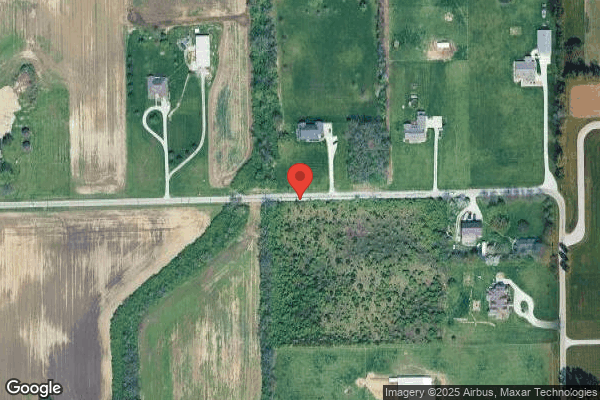
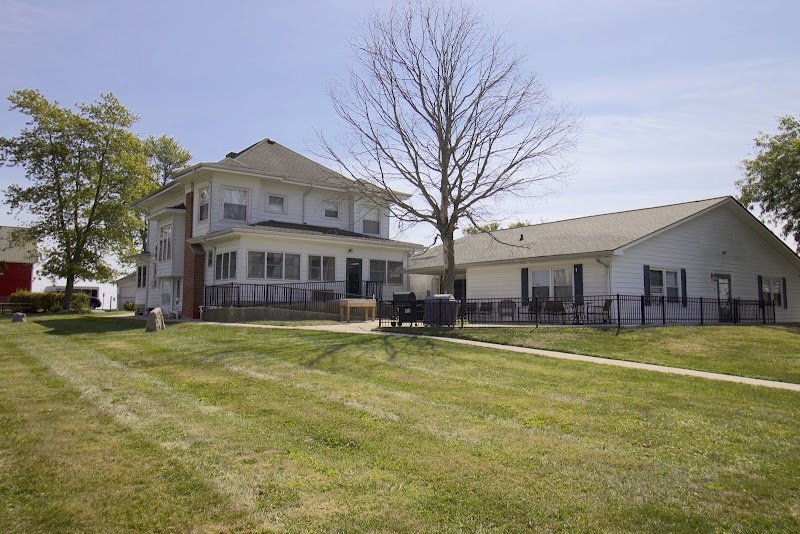
7476 W LANE RD, MCCORDSVILLE, IN 46055 (317) 335-2159
Government - County 48 Beds MAJESTIC CARE Data: November 2025
Trust Grade
70/100
#159 of 505 in IN
Last Inspection: June 2025

Inspected within the last 6 months. Data reflects current conditions.

Overview

Majestic Care of McCordsville has a Trust Grade of B, indicating it is a good option for families, though not without its concerns. It ranks #159 out of 505 facilities in Indiana, placing it in the top half, and is the best choice among five local facilities in Hancock County. The facility is showing improvement, with the number of issues decreasing from six in 2024 to three in 2025. However, staffing is a significant weakness, with a low rating of 1 out of 5 and a high turnover rate of 61%, which is concerning compared to the state average. While the facility has no fines on record, there have been specific incidents, such as the lack of a Registered Nurse on duty for several hours on multiple days and improper medication storage, which raise concerns about resident safety and care. On the positive side, the facility has excellent quality measures, suggesting that when care is provided, it is of high quality.

Trust Score
B
70/100
In Indiana
#159/505
Top 31%
Safety Record
Low Risk
No red flags
Inspections
Getting Better
6 → 3 violations
Staff Stability
⚠ Watch
61% turnover. Above average. Higher turnover means staff may not know residents' routines.
Penalties
✓ Good
No fines on record. Clean compliance history, better than most Indiana facilities.
Skilled Nurses
⚠ Watch
Each resident gets only 27 minutes of Registered Nurse (RN) attention daily — below average for Indiana. Fewer RN minutes means fewer trained eyes watching for problems.
Violations
⚠ Watch
20 deficiencies on record. Higher than average. Multiple issues found across inspections.
★★★★☆
4.0
Overall Rating
★☆☆☆☆
1.0
Staff Levels
★★★★★
5.0
Care Quality
★★★★☆
4.0
Inspection Score
Stable
2024: 6 issues
2025: 3 issues

The Good

  • 5-Star Quality Measures · Strong clinical quality outcomes
  • Full Sprinkler Coverage · Fire safety systems throughout facility
  • No fines on record

Facility shows strength in quality measures, fire safety.

The Bad

Staff Turnover: 61%

15pts above Indiana avg (46%)

Frequent staff changes - ask about care continuity

Chain: MAJESTIC CARE

Part of a multi-facility chain

Ask about local staffing decisions and management

Staff turnover is elevated (61%)

13 points above Indiana average of 48%

The Ugly 20 deficiencies on record

Aug 2025 1 deficiency
CONCERN (D) 📢 Someone Reported This

A family member, employee, or ombudsman was alarmed enough to file a formal complaint

Potential for Harm - no one hurt, but risky conditions existed

Accident Prevention (Tag F0689)

Could have caused harm · This affected 1 resident

Based on interview and record review, the facility failed to ensure two staff members were utilized to transfer a resident from the shower chair for 1 of 4 residents reviewed for accidents. (Resident ...

Read full inspector narrative →
Based on interview and record review, the facility failed to ensure two staff members were utilized to transfer a resident from the shower chair for 1 of 4 residents reviewed for accidents. (Resident B)Findings include:The clinical record for Resident B was reviewed on 8/18/25 at 12:17 p.m. Her diagnoses included, but were not limited to, history of left total knee replacement, dementia, mood disorder, and depression. A care plan, created 12/28/23 and revised 2/10/25, indicated she required two-person assistance for transfers due to weakness and combative behaviors, as she would pinch or hit staff in various places such as their arms, stomach, and breast. An intervention, revised 5/23/24, was to provide two staff assistance with a stand-up lift with transfers on and off the shower chair for safety. The 8/10/25 Change of Condition evaluation indicated she had warmth and swelling to her left leg/knee area, and it was painful to touch. Her pain level, on a scale of one to ten, was a five. She needed more assistance with activities of daily living and had a decline in transferring. The 8/13/25 follow up reportable incident and investigative file was provided by the DON (Director of Nursing) on 8/18/25 at 12:20 p.m. The 8/13/25 follow up reportable indicated, on 8/10/25 at 2:01 p.m., Resident B was noted to have swelling and pain to her left leg. An x-ray was taken and indicated an acute oblique distal femur fracture. She was sent to the emergency room for further evaluation, and an investigation was initiated. The follow-up section indicated, Based on investigation findings, injury occurred during transfer. Staff member educated on appropriate transfer. The investigative file included the 8/10/25 x-ray of her left femur. The impressions were an acute displaced distal femur fracture.An interview was conducted with the DON on 8/18/25 at 12:36 p.m. She indicated Resident B had a prosthetic knee and they thought her knee somehow twisted when transferred into the stand- up lift by CNA (Certified Nurse Aide) 2. CNA 2 transferred Resident B several times that day, once from bed into her wheelchair to go to the dining room for breakfast, once from her wheelchair into the shower chair in the shower room, again from the shower chair back into her wheelchair, and from her wheelchair back into bed. Afterwards, she had swelling and pain to her knee. CNA 3 was also present for transfers during the shower. Resident B had dementia and was unable to inform them of what happened. Licensed Practical Nurse (LPN) 4 was the nurse present that day, who assessed Resident B. An interview was conducted with CNA 2 on 8/19/25 at 10:58 a.m. She indicated Resident B required two-person assistance to transfer using the stand-up lift. On 8/10/25, she transferred her in the morning, during her shower, and into bed after the shower. CNA 3 assisted CNA 2 with the transfers by helping to support Resident B while being transferred. Resident B was weak during the morning transfer and then vomited in the dining room during breakfast. She and CNA 3 assisted her into the shower. After returning her to bed, CNA 2 informed LPN 4 that Resident B's left leg did not look the same as her right leg. Resident B did not have the ability to really move herself without assistance. If she were to have fallen, she would have needed assistance to get up. CNA 2 thought Resident B had an accident, but she did not think it happened on her shift. An interview was conducted with LPN 4 on 8/18/25 at 1:34 p.m. She indicated Resident B required two-person assistance to transfer using the stand-up lift. They needed two staff for safety reasons, so one could guide the resident and the other to lift her up, as both maneuvered the resident during the lift. She did not assist with any transfers of Resident B on 8/10/25. She was walking with another resident by the shower room. CNA 2 called her name, so LPN 4 peaked her head into the shower room and saw CNA 2 hooking Resident B up to the stand-up lift by herself. LPN 4 only saw CNA 2 in the shower room at this time. Resident B did not appear to be in pain when she saw her in the shower room. Soon afterwards, CNA 2 requested she come to Resident B's room to look at her left leg. Resident B's left leg was sore, as she flinched back and said ouch, when LPN 4 touched it. She did not know who, if anyone was involved in Resident B's transfer back into bed after the shower. An interview was conducted with CNA 3 on 8/18/25 at 2:04 p.m. She indicated Resident B required two-person assistance to transfer using the stand-up lift. She required two people, because one person had to support the resident, while the other one placed the lift pad underneath her back to put her into the chair. She only assisted with one transfer of Resident B on 8/10/25, at breakfast time, from her wheelchair to the shower chair. She did not assist with transferring Resident B any other time that day. She was not present in the shower room for the transfer from the shower chair into her wheelchair. She stated, I'm sure.The Transfers & Mechanical Lifts policy was provided by the DON on 8/18/25 at 12:20 p.m. It indicated, PROCEDURE.10. Two staff members must be utilized when transferring residents with a mechanical lift.13. Staff members are expected to maintain compliance with safe handling/transfer practices.14. Resident lifting and transferring will be performed according to the resident's individual plan of care.This Citation relates to Intake 2586312.3.1-45(a)(2)
Jun 2025 2 deficiencies
CONCERN (D)

Potential for Harm - no one hurt, but risky conditions existed

Deficiency F0676 (Tag F0676)

Could have caused harm · This affected 1 resident

Based on observation, interview, and record review, the facility failed to assist a resident with hearing aid placement for 1 of 1 resident reviewed for hearing (Resident 9). Findings include: Durin...

Read full inspector narrative →
Based on observation, interview, and record review, the facility failed to assist a resident with hearing aid placement for 1 of 1 resident reviewed for hearing (Resident 9). Findings include: During an observation and interview with Resident 9 on 6/3/25 at 11:23 a.m., the resident did not have hearing aids in place. Resident 9 indicated she could not hear the conversation and needed her hearing aids. During an observation on 6/4/25 at 10:32 a.m., Resident 9 did not have hearing aids in place. During an observation and interview with Resident 9 on 6/5/25 at 11:33 a.m., the resident did not have hearing aids in place. Resident 9 indicated she could not hear the conversation and needed her hearing aids. During an interview with the Director of Nursing (DON) on 6/5/25 at 1:52 p.m., she indicated the nurse was responsible for ensuring Resident 9's hearing aids were in place. The DON indicated if the resident refused to wear the hearing aids, then the nurse would document the refusal. During an interview with the DON on 6/6/25 at 11:15 a.m., she indicated she was unable to find documentation that Resident 9 had refused to wear her hearing aids. The clinical record of Resident 9 was reviewed on 6/6/25 at 11:30 a.m. The diagnoses included, but were not limited to, schizophrenia, hypertension, anxiety, age related physical debility, and vascular dementia. The plan of care for Resident 9, dated 2/12/24, indicated the resident had difficulty with communication due to a hearing deficit and had hearing aids. The interventions included, but were not limited to, assistance with hearing aid placement every day and remove at bedtime and ensure hearing aids were in place, working, and in good repair every day. A Quarterly Minimum Data Set (MDS) assessment for Resident 9, dated 5/28/25, indicated the resident was cognitively intact for daily decision making. The Activities of Daily Living (ADL) policy provided by the Administrator, on 6/6/25 at 9:44 a.m., indicated care and services would be provided for ADL's, included, but were not limited to, assistance with functional communication systems. The facility would maintain individual objectives of the plan of care. 3.1-38(a)(2)(E)
CONCERN (D)

Potential for Harm - no one hurt, but risky conditions existed

Dental Services (Tag F0791)

Could have caused harm · This affected 1 resident

Based on observation, interview, and record review, the facility failed to follow up with dental recommendations for 1 of 3 residents reviewed for dental status and services. (Resident 4) Findings inc...

Read full inspector narrative →
Based on observation, interview, and record review, the facility failed to follow up with dental recommendations for 1 of 3 residents reviewed for dental status and services. (Resident 4) Findings include: The clinical record for Resident 4 was reviewed on 6/3/25 at 10:35 a.m. Her diagnoses included, but were not limited to, anxiety, depression, atrial fibrillation, hypertension, and heart failure. The 4/8/25 Quarterly MDS (Minimum Data Set) assessment indicated she was cognitively intact. An interview was conducted with Resident 4 in her room on 6/3/25 at 10:37 a.m. She opened her mouth, pointed to a front, bottom tooth and indicated the tooth needed to come out. She saw a dentist about a year ago, and they were supposed to take it out, but never did. The 1/17/23 physician's order indicated she may be seen by the dentist. The 6/26/23 dental care plan, last revised 1/10/25, indicated she had oral/dental health problems due to some missing teeth. The goal was for her to be free of chewing problems, infection, pain, and/or bleeding in the oral cavity. An intervention was to coordinate arrangements for dental care and transportation as needed/ordered. The 10/13/23 dental note indicated she had natural dentition with root tips and fractures noted. Recommendations for follow-up were exams and cleanings with up to three hygiene visits during the next six months. The first visit to be completed within ninety days. There was no information in the clinical record to indicate any follow-up exams or cleanings were done during the six months following her 10/13/23 dental visit. An interview was conducted with the SSD (Social Services Director) on 6/4/25 at 2:00 p.m. She indicated she spoke with their dental provider and was informed Resident 4's insurance was canceled, but she was now eligible to be seen again, so the provider would be sending a new consent form for her to be seen at their next visit. She was unsure what happened, but they were taking care of it. On 6/5/25 at 10:23 a.m., the NC (Nurse Consultant) provided the 5/15/24 dental note from an outside provider. It indicated the recommended and discussed course of treatment was for extraction of three teeth. The treatment plan was presented by the business assistant and signed by Resident 4. The next visit was for extractions after medication consultation. The 5/15/24 social services note, written by the SSD as a late entry, indicated Resident went to an outside dentist today. The treatment plan includes the extraction of 3 teeth (1 broken and 2 loose). However, the resident only wants the broken tooth out. She states that she will let the 2 loose teeth fall out on their own. She was educated on the need to extract but still wanted only the broken tooth out. Dentist will call and schedule appointment for the procedure. There was no information in the clinical record to indicate follow-up with the dentist after the 5/15/24 teeth extraction recommendations. An interview was conducted with the Practice Manager of the outside dental provider, who saw Resident 4 on 5/15/24. She indicated they never heard back from Resident 4's physician after they sent out a medical clearance form for contraindications to hold blood thinner medication for the extractions. They sent the form three times but never got a response from the physician. The facility also never reached out to them after Resident 4's 5/15/24 appointment. An interview was conducted with the Administrator on 6/5/25 at 10:42 a.m. She indicated Resident 4 did not want to follow through with the extractions recommended at her 5/15/24 appointment, because she thought it would ruin her appearance. An interview was conducted with LPN (Licensed Practical Nurse) 2 on 6/5/25 at 10:44 a.m. She indicated at least six months ago, Resident 4 informed her that her teeth did not bother her anymore and didn't want them extracted. Usually, when residents return from outside appointments with recommendations, LPN 4 moved forward with the recommendation, made a note about it, and scheduled, but she did not make a note about this particular recommendation. An interview was conducted with Resident 4 on 6/5/25 at 11:15 a.m. She indicated she never refused to have her tooth extracted. She always wanted it out and still did. The Dental Services policy was provided by the Administrator on 6/6/25 at 11:38 a.m. It indicated, It is the policy of this facility to assist residents in obtaining routine (to the extent covered under the State plan) and emergency dental care Oral care and denture care shall be provided in accordance with identified needs and as specified in the plan of care The facility will, if necessary or requested, assist the resident with making dental appointments and arranging transportation to and from the dental services location All actions and information regarding dental services, including any delays related to obtaining dental services, will be documented in the resident's medical record. 3.1-24(a)(1) 3.1-24(a)(2) 3.1-24(b)
May 2024 6 deficiencies
CONCERN (D)

Potential for Harm - no one hurt, but risky conditions existed

ADL Care (Tag F0677)

Could have caused harm · This affected 1 resident

**NOTE- TERMS IN BRACKETS HAVE BEEN EDITED TO PROTECT CONFIDENTIALITY** 2. The clinical review for Resident D was completed on 5/22/2024 at 11:15 a.m. The medical diagnosis included a history of strok...

Read full inspector narrative →
**NOTE- TERMS IN BRACKETS HAVE BEEN EDITED TO PROTECT CONFIDENTIALITY** 2. The clinical review for Resident D was completed on 5/22/2024 at 11:15 a.m. The medical diagnosis included a history of stroke. An Annual MDS Assessment, dated 4/16/2024, indicated Resident D was cognitively intact, did not have psychosis, did have verbal behaviors directed at others 1-3 days during the review period, and did not reject care. Activities of daily living indicated that Resident D was dependent on staff for showering/bathing and for transferring. An activities of daily living care plan, dated 4/17/2023, indicated that Resident D needed assistance of one staff to prove her with bathing on her shower days and assistance of one staff for hygiene needs. A fall care plan, dated 4/29/2023, indicated to keep Resident D's call light within reach. A respiratory care plan, dated 4/17/2023, indicated for Resident D to utilize oxygen as ordered. A physician order, dated 12/5/2023, indicated for Resident D to have oxygen therapy at three liters per minute. A preference assessment, dated 3/22/2024, indicated that it was very important for Resident D to make decisions regarding her bathing. A task, dated 12/4/2023, indicated for Resident D to receive showers on Monday and Thursday evenings. An observation on 5/21/2024 at 12:09 p.m., indicated CNA 4 and CNA 5 provided Resident D with a bed bath, perineal care, catheter care, and transfer from her bed to her wheelchair. During this care, Resident D did not receive shampooing of the hair but was set up to brush her hair once in the wheelchair. At the beginning of the care, Resident D was observed to utilize oxygen via nasal cannula at three liters per minute. During the observation at 12:22 p.m., CNA 5 assisted Resident D to roll towards CNA 4. CNA 5 assisted Resident D with cleaning a small amount of bowel movement. Resident D was indicated that staff had not gotten her cleaned up well enough over the weekend and she felt like she was sore down there. CNA 5 wiped from the anus towards the vaginal opening, folded the washcloth to repeat this, then repeated this actions once more. CNA 5 discarded the used washcloth then changed her gloves then used a new washcloth to wipe off Resident D's bottom of the soapy residue. Later in that observation on 5/21/2024 at 12:50 p.m., Resident D had her oxygen removed due to it becoming tangled when her shirt when she was dressed in bed. Both CNAs began assisting Resident D to untangle the oxygen but neither placed it back upon Resident D. CNA 4 exited the Resident's room at 12:55 p.m. CNA 5 left the room at 12:57 p.m. to retrieve something from outside of the room. Resident D was left in bed without a staff member present with the foot of her bed pulled out from the wall, her call light was not given to her, and her oxygen was not placed. At 12:58 p.m., Resident D began to call out loudly that she could not breath without her oxygen and that she needed her oxygen. At 12:00 p.m. both CNAs returned to the room. Resident D was still calling out for her oxygen and ice pack. CNA 5 placed the oxygen back to Resident D via her nasal cannula and informed her that the staff were able to get her up to her recliner. An interview and observation with Resident D on 5/21/2024 at 4:01 p.m. indicated that she was blind after her stroke. She stated that she had not had her hair washed since March of this year and that her hair smelled to her. Her hair appeared somewhat unkempt, specifically at the nape of her neck where it appeared tangled with some slight build up. She stated her preference was to have a shower in the shower room, but she has been here a year, and no one has ever taken her into the shower room. She stated she doesn't feel like bed baths get her clean enough. She stated she would like to receive showers every day since that was her routine when she could care for herself, but she understands that isn't possible. She iterated instead she was comfortable with receiving showers and have her hair shampooed twice a week like everyone else with her bed baths in between, but she stated she is not receiving showers in the shower room or shampooing of her hair. She indicated she does not like to use shampoo caps because they leave residue in her hair. A shower sheet was provided for Resident D, dated 5/21/2024. There was a place to indicate yes or no if a shower was given, and what type of bathing was provided such as a bed bath, shower, or resident refused. Both locations were left blank. Review of the electronic care documentation indicated that Resident D last documented hair wash under this task was on 5/2/2024. Review of previous shower sheets had types of bathing (shower, bed bath, completed bed bath) indicated intermittently, but not always. The last documented complete bed bath from the paper shower sheets was completed on 5/16/2024. A shower sheet from 5/19/2024 did not indicate what type of bathing or care was provided. An interview with Resident D with staff on 5/23/2023 at 12:09 p.m., indicated she preferred showers and had not had her hair shampooed since March of this year. Resident D stated again that her hair smelled and asked a staff member conducting the interview how often they washed their hair. In response to the staff member's answer, Resident D stated that she wanted her hair shampooed twice a week. An interview with the Executive Director on 5/23/2024 at 3:20 p.m. indicated that shower preferences would be indicated under the resident's tasks. An interview with Resident D on 5/24/2024 at 12:48 p.m. reiterated that she had not received a shower in the shower since her admission here and did not have her hair shampooed since March of this year. A document entitled, Resident Rights, was provided by the Director of Nursing on 5/23/2024 at 3:15 p.m. The resident's right included the right to be informed of, and participate in, the resident's treatment including the right to determine the type, frequency, and [NAME] of care. Another resident right was indicated as the right to make choices about aspects of the resident's life in the facility that are significantly important to the resident. A policy entitled, Perineal Care, was provided by the Director of Nursing on 5/21/2024 at 3:15 p.m. The policy indicated, .Cleanse buttocks and anus, front to back; vagina to anus in females . A policy entitled, Use of Assistive Devices, was provided by the Executive Director on 5/22/2024 at 4:55 p.m. The policy indicated that the facility would provide assistive devices for residents as needed. This Federal tag relates to Complaint IN00432944. 3.1-3(v)(1) 3.1-38(a)(2)(A) 3.1-38(a)(3)(B) 3.1-47(a)(6) Based on interview, observation, and record review, the facility failed to assist a female dependent resident with perineal care in a manner to promote infection control, provide a dependent resident hair shampooing per her preference, to providing bathing type to a dependent resident's preference, and ensure availability of assistive devices for 1 of 2 residents reviewed for activities of daily living (Resident D). The facility failed to implement the use of long sleeves as a preventative measure for a resident with skin impairments for 1 of 1 residents reviewed for non-pressure skin impairments (Resident 9). Findings include: 1. The clinical record for Resident 9 was reviewed on 5/22/24 at 2:52 p.m. The diagnoses included, but were not limited to, anorexia, generalized anxiety disorder, and dementia. An admission minimum data set (MDS) assessment, dated 3/19/24, indicated severe cognitive impairment and the need for supervision/touching assistance with upper body dressing and partial/moderate assistance with personal hygiene. A skin care plan, dated 4/2/24, indicated Resident 9 had chronic bruising and was at risk for bruising to bilateral arms due to thin fragile skin. A skin impairment care plan, dated 5/20/24, indicated Resident 9 had a skin tear to left lateral arm (elbow) and upper left arm abrasion. There were no interventions on the care plans that consisted of preventative measures such as wearing long sleeves or geri sleeves (protective arm sleeves). There were no current physician orders for geri sleeves. A skin and wound note, dated 3/26/24, indicated a skin tear to the right elbow with a recommendation to consider geri-sleeves for protection. Resident 9 had a skin tear related to thin, fragile, atrophic skin. Recommended preventing further skin injury by avoiding friction/shear and long sleeves and pants when possible. A skin and wound note, dated 4/2/24, indicated a skin tear to the right elbow, left hand, left wrist, and left elbow. A recommendation listed to consider geri-sleeves for protection. Resident 9 had a skin tear related to thin, fragile, atrophic skin. Recommended preventing further skin injury by avoiding friction/shear and long sleeves and pants when possible. A skin and wound note, dated 5/21/24, indicated Resident 9 had fallen and obtained a skin tear to the left posterior arm and left elbow. Treatment recommendations were to consider geri-sleeves. Recommended preventing further skin injury by avoiding friction/shear and long sleeves and pants when possible. An observation conducted on 5/21/24 at 11:05 a.m., of Resident 9 lying in bed with short sleeves on and no geri sleeves in place. An observation conducted on 5/21/24 at 11:57 a.m., of Resident 9 lying in bed with short sleeves on and no geri sleeves in place. An observation conducted on 5/22/24 at 4:45 p.m., of Resident 9 up in the wheelchair in his room with a short sleeve on and no geri sleeves in place. An interview conducted with the Director of Nursing (DON), on 5/23/24 at 3:07 p.m., indicated Resident 9 would remove gauze wraps and geri sleeves when it was trialed with him. They believed Resident 9 wearing long sleeves would be a different approach to attempt with him as an intervention. A policy titled Skin Management, dated January 2022, was provided by the DON on 5/23/24 at 9:25 a.m. The policy indicated the following, .PREVENTION .a) Care plan interventions will be implemented based on resident specific risk factors .7. Residents identified at risk for skin breakdown will have appropriate prevention interventions put into place .a) A care plan will be developed specific to the resident's needs including prevention interventions
CONCERN (D)

Potential for Harm - no one hurt, but risky conditions existed

Accident Prevention (Tag F0689)

Could have caused harm · This affected 1 resident

Based on interview, observation, and record review, the facility failed to implement the use of padded side rails for two residents with a care planned for seizure disorders (Resident 9 and Resident D...

Read full inspector narrative →
Based on interview, observation, and record review, the facility failed to implement the use of padded side rails for two residents with a care planned for seizure disorders (Resident 9 and Resident D) and failed to utilize a Hoyer lift pad to the manufacturer's guidelines for 1 of 2 residents reviewed for accidental hazards. (Resident D) Findings include: 1. The clinical record for Resident 9 was reviewed on 5/22/2024 at 2:33 p.m. The medical diagnoses included dementia and psychosis disorder. An admission Minimum Data Set (MDS) Assessment, dated 3/19/2024, indicated that Resident 9 was cognitively impaired and had a seizure disorder or epilepsy. A seizure care plan, dated 3/8/2024, indicated for Resident 9 to utilize padded side rails. An observation on 5/21/2024 at11:05 a.m. indicated Resident 9 laying in bed with a white bed without padding. An observation on 5/22/2024 at 2:45 p.m. indicated Resident 9 laying in bed with a white bed rail without padding. An interview with LPN 3 on 5/22/2024 3:01 p.m., indicated that Resident 9's bed rails were not padded. 2. The clinical review for Resident D was completed on 5/22/2024 at 11:15 a.m. The medical diagnosis included a history of stroke. An Annual MDS Assessment, dated 4/16/2024, indicated Resident D was cognitively intact, did not have psychosis, did have verbal behaviors directed at others 1-3 days during the review period, and did not reject care. Activities of daily living indicated that Resident D was dependent on staff for showering/bathing and for transferring. A seizure care plan, dated 4/17/2023, indicated for Resident D to utilize padded side rails. An observation on 5/21/2024 at 12:13 p.m. indicated Resident D laying in bed without padded side rails. An observation on 5/22/2024 at 2:40 p.m. indicated Resident D laying in bed without padded side rails. An interview with CNA 6 on 5/22/2024 at 2:42 p.m. indicated Resident D did not have padded side rails. A policy entitled, Use of Assistive Devices, was provided by the Executive Director on 5/22/2024 at 4:55 p.m. The policy indicated that the facility would provide assistive devices as needed for residents. A fall care plan, dated 4/29/2023, indicated Resident D had a transfer status that required the use of two staff members and a Hoyer (full body mechanical) lift. An interview and observation on 5/21/2024 at 1:12 p.m. indicated CNA 5 rolled Resident D towards the wall where CNA 4 was located. The Hoyer lift sling was placed partially under Resident D. CNA 4 then assisted Resident D in rolling back to the right side of her bed, open to the center of the room, to finish placing the Hoyer lift sling under Resident D. CNA 5 obtained the Hoyer lift from the center of the room and began to lower the arm of the lift for ease of placing the loops. CNA 4 indicated white to CNA to direct that color of loop they would utilize to lift Resident D. CNA 4 and CNA 5 placed the loops upon the lift support hooks starting with Resident D's left shoulder then left leg, right leg, and finishing with the right shoulder. The leg straps were placed on the Hoyer lift support hook without crossing the leg straps. During the placement of the loops, they had to pause to lower the arm slightly more due to tension when placing the last loop associated with the right shoulder. At 1:17 p.m. on 5/21/2024, CNA 5 guided the lift and CNA 4 guided Resident D. CNA 4 helped turn Resident D once she was suspended in the sling and moved from the bed to straddle the boom of the Hoyer lift while CNA 5, at the control of the lift, helped guide Resident D's leg to move around the boom. The staff attempted to get Resident D into her recliner per her request, but the recliner was noted to not be plugged. CNA 4 went behind the recliner, sliding it out from the wall some, and then picked up a black cord but was unable to find where it plugged in. Resident D began to loudly state that her back hurt and that she was slipping. Resident D then agreed to get in her wheelchair. CNA 4 repositioned Resident D's wheelchair to be placed in the middle of the room, facing the room door, before Resident D was then maneuvered into her wheelchair. A policy entitled, Safe Resident Handling/Transfers, was provided by the Director of Nursing on 5/21/2024 at 3:15 p.m. The policy indicated, .Staff will perform mechanical lists/ transfers according to the manufacturer's instructions for use of the device . An Operator's Manual for the Hoyer lift utilized was provided by the Executive Director on 5/22/2024 at 12:49 p.m. The manual indicated when attaching the sling to lift to attach right shoulder strap to the nearest sling support hook then repeat for the left shoulder strap. The manual emphasized not to crisscross the shoulder straps. The manual indicated to be sure leg straps are properly crisscross as shower in a diagram then attached to sling support hooks away from the resident. This Federal tag relates to Complaint IN00432944. 3.1-45(a)(2)
CONCERN (D)

Potential for Harm - no one hurt, but risky conditions existed

Medication Errors (Tag F0758)

Could have caused harm · This affected 1 resident

Based on interview and record review, the facility administered a resident his antipsychotic medication in excessive dosage for 1 of 5 residents reviewed for unnecessary medication. (Resident H) Findi...

Read full inspector narrative →
Based on interview and record review, the facility administered a resident his antipsychotic medication in excessive dosage for 1 of 5 residents reviewed for unnecessary medication. (Resident H) Findings include: The clinical record for Resident H was reviewed on 5/21/24 at 1:50 p.m. His diagnoses included, but were not limited to, psychotic disorder with delusions, major depression, and dementia. The psyche (psychiatric/psychological) services care plan, revised 6/23/23, indicated he received services through the facility's provider related to major depression, psychotic disorder, and dementia. An intervention was medication management though the facility's provider. An interview was conducted with Family Member 11 on 5/21/24 at 1:57 p.m. She indicated she thought Resident H was receiving too many psychotropic medications at the facility. He had a medication change regarding one of his antipsychotic medications earlier this year, but the facility never notified her of the change. The 2/9/24 psyche note read, Resident has a history of delusions and agitation, none noted today. Continue Risperdal 0.5 mg twice daily. Continue to monitor for new or worsening delusions or behaviors. The 2/9/24 physician orders indicated to administer two 0.25 mg tablets (0.5 mg total) of Risperdal two times a day, starting 2/9/24. The electronic health record indicated Resident H received 0.5 mg of Risperdal 3 times a day between 2/10/24 and 2/15/24. An interview was conducted with the DON on 5/23/24 at 12:52 p.m. She indicated there was no verification the facility notified Family Member 11 of Resident H's 2/9/24 Risperdal medication change. They probably called Family Member 11 to inform her, but she was likely unavailable, and the call was not documented. The 2/16/24 Note To Attending Physician/Prescriber indicated Resident H had been taking Risperidone 0.75 mg in the morning and 0.5 mg in the evening. On 2/9/24, a provider progress note indicated a plan to decrease Risperidone to 0.5 mg BID (twice daily.) The 0.75 mg morning order was discontinued and a new order for 0.5 mg twice daily was added, but the existing 0.5 mg evening order remained active in the facility's electronic health record. This resulted in a current dose of 0.5 mg three times daily which was not intended. Recommend immediate update of [name of electronic health record] orders to match provider intended order of 0.5 mg BID. The 2/23/24 physician/prescriber response section of the note read, Risperdal dose corrected to 0.5 mg bid. An interview was conducted with the DON (Director of Nursing) on 5/24/24 at 11:11 a.m. She indicated on 2/9/24 she entered a new Risperdal order of 0.5 mg twice daily, discontinued the 0.75 mg morning order for Risperdal, but did not discontinue the 0.5 mg evening order of Risperdal. The 2/9/24 Risperdal change should have been a decrease, but in error, it was an increase. The Use of Psychotropic Medication policy was provided by the DON on 5/24/24 at 12:57 p.m. It read, Residents are not given psychotropic drugs unless the medication is necessary to treat a specific condition, as diagnosed and documented in the clinical record, and the medication is beneficial to the resident, as demonstrated by monitoring and documentation of the resident's response to the medication(s). 3.1-48(a)(1)
CONCERN (D)

Potential for Harm - no one hurt, but risky conditions existed

Infection Control (Tag F0880)

Could have caused harm · This affected 1 resident

Based on observations, interview, and record review, the facility failed to utilize Enhanced Barrier Precautions (EBP) for 1 of 5 residents reviewed for infection control. (Resident D) Findings inclu...

Read full inspector narrative →
Based on observations, interview, and record review, the facility failed to utilize Enhanced Barrier Precautions (EBP) for 1 of 5 residents reviewed for infection control. (Resident D) Findings include: 1. The clinical review for Resident D was completed on 5/22/2024 at 11:15 a.m. The medical diagnoses included history of a stroke and overactive bladder. An Annual MDS Assessment, dated 4/16/2024, indicated Resident D was cognitively intact and utilized an indwelling urinary device. A care plan, dated 3/28/2024, indicated to utilized a gown and gloves during high contact care with Resident D. A physician order, dated 12/29/2023, indicated Resident D had an indwelling urinary device in the form of a suprapubic catheter. A physician order, dated 3/27/2024, indicated to utilize enhanced barrier precautions during high contact care activity with Resident D. An observation started on 5/21/2024 at 12:13 p.m., indicated CNA 4 and CNA 5 providing Resident D with a bed bath, catheter care, and transfer. Resident D had an indwelling suprapubic urinary catheter. Both CNAs utilized universal precautions of disposable gloves during the care, but neither utilized the enhance barrier precautions of a gown. An interview with CNA 5 on 5/21/2024 at 1:11 p.m. indicated that they usually use enhanced barrier precautions of gloves and gown when providing direct care to Resident D, but it had slipped both her and the other CNA's mind. A policy entitled, Enhanced Barrier Precautions, was provided by the Director of Nursing on 5/21/2024 at 3:15 p.m. The policy indicated that the facility would utilize EBP for residents with indwelling medical devices, including urinary catheters. EBP included the utilization of gown and gloves during high contact resident care, including bathing, transferring, and device care. 3.1-18(a)
CONCERN (E)

Potential for Harm - no one hurt, but risky conditions existed

Deficiency F0761 (Tag F0761)

Could have caused harm · This affected multiple residents

**NOTE- TERMS IN BRACKETS HAVE BEEN EDITED TO PROTECT CONFIDENTIALITY** Based on observation, interview, and record review, the facility failed to properly store a medicated cream for 1 of 1 residents...

Read full inspector narrative →
**NOTE- TERMS IN BRACKETS HAVE BEEN EDITED TO PROTECT CONFIDENTIALITY** Based on observation, interview, and record review, the facility failed to properly store a medicated cream for 1 of 1 residents reviewed for medications at the bedside (Resident D) and failed to ensure the medication carts did not contain expired insulin for four residents for 2 of 2 medication carts observed. (Residents 1, 2, 4 and 8) Findings include: 1. The clinical review for Resident D was completed on [DATE] at 11:15 a.m. The medical diagnosis included a history of stroke. An Annual MDS Assessment, dated [DATE], indicated Resident D was cognitively intact. An observation on [DATE] at 12:14 p.m. indicated a container of medicated cream with a pharmacy label for Resident D was being stored on an open front white shelf above the television stand in Resident D's room. An observation on [DATE] at 12:40 p.m. indicated the container of medications cream with a pharmacy label for Resident D remained on the while shelf in Resident D's room. An observations and interview with LPN 2 on [DATE] at 12:46 p.m. indicated the container of medications cream with a pharmacy label for Resident D was on the shelf in Resident D's room. LPN 2 confirmed this was a currently ordered medicated cream for Resident D, the container was open, and should not be stored in Resident D's room. LPN 2 then removed the cream from Resident D's room. 2. An observation was conducted of a medication cart with Licensed Practical Nurse (LPN) 3 on [DATE] at 9:10 a.m. There was Humalog (fast acting insulin) for Resident 2 with the bottle dated for [DATE]. LPN 3 indicated Resident 2 doesn't receive the sliding scale insulin that often. An observation was conducted of another medication cart with LPN 2 on [DATE] at 9:20 a.m. There was bottle that contained Fiasp injection (fast acting insulin) with a date of [DATE] for Resident 1. There was a bottle that contained insulin lispro (fast acting insulin) for Resident 8 that was dated for [DATE]. There was a bottle that contained Novolog (fast acting insulin) for Resident 4 dated for [DATE] and a bottle that contained Lantus (long-acting insulin) dated for [DATE]. LPN 2 indicated when she opened the bottles where the insulin was stored in, the vials had dates consistent with the dates listed on the bottles. An interview conducted with DON, on [DATE] at 3:07 p.m., indicated the pharmacy came out last month and audited the medication carts. The pharmacy conducted audits monthly. The night shift staff conducted audits of the medication carts as well. A policy titled Medication Storage, undated, was provided by the Director of Nursing (DON) on [DATE] at 1:32 p.m. The policy indicated the following, .1. General Guidelines .a. All drugs and biologicals will be stored in locked compartments (i.e., medication carts, cabinets, drawers, refrigerators, medication rooms) under proper temperature controls .b. Only authorized personnel will have access to the keys to locked compartments .3. External products: Disinfectants and drugs for external use are stored separately from internal and injectable medications .8. Unused medications: The pharmacy and all medication rooms are routinely inspected by the consultant pharmacist for discontinued, outdated, defective, or deteriorated medications with worn, illegible, or missing labels 3.1-25(o)
CONCERN (F)

Potential for Harm - no one hurt, but risky conditions existed

Deficiency F0727 (Tag F0727)

Could have caused harm · This affected most or all residents

Based on interview and record review, the facility failed to have a Registered Nurse (RN) on duty for 8 consecutive hours per day for 6 days during the months of April and May of 2024 with the potenti...

Read full inspector narrative →
Based on interview and record review, the facility failed to have a Registered Nurse (RN) on duty for 8 consecutive hours per day for 6 days during the months of April and May of 2024 with the potential to affect 32 of 32 residents residing at the facility. Findings include: The Director of Nursing (DON) provided the daily schedules for April 2024 until May 24, 2024. The following dates were noted without RN coverage for 8 consecutive hours: 4/13/24, 4/14/24, 4/27/24, 4/28/24, 5/11/24, & 5/12/24. An interview conducted with the DON, on 5/23/24 at 9:52 a.m., indicated there were no RN hours that consisted of 8 consecutive hours for the days listed.
Jul 2023 1 deficiency
CONCERN (D) 📢 Someone Reported This

A family member, employee, or ombudsman was alarmed enough to file a formal complaint

Potential for Harm - no one hurt, but risky conditions existed

Quality of Care (Tag F0684)

Could have caused harm · This affected 1 resident

Based on interview and record review, the facility failed to ensure all falls and associated follow-up related to each fall, were documented in the clinical record, a thorough post-fall investigation ...

Read full inspector narrative →
Based on interview and record review, the facility failed to ensure all falls and associated follow-up related to each fall, were documented in the clinical record, a thorough post-fall investigation was conducted, including, but were not limited to, verification of following the current care plan interventions were implemented for 2 of 3 residents reviewed for falls. (Resident B and D) Findings include: 1. The clinical record of Resident B was reviewed on 7-20-23 at 12:04 p.m. Her diagnoses included, but were not limited to, Huntington's disease and dementia. Her most recent Minimum Data Set (MDS) assessment, dated 6-19-23, indicated she was non-verbal, had short-term and long-term memory problems and was severely cognitively impaired; was non-ambulatory and used a wheelchair for mobility, she required extensive assistance of two or more persons to totally dependent for all activities of daily living, such as eating, bathing, turning and repositioning, toileting and mobility. A fall risk assessment, dated 4-25-23, identified this resident as a moderate fall risk on 4-25-23. An updated fall risk assessment, dated 7-3-23, post-fall, identified this resident as a high fall risk. Resident B's clinical record indicated on 7-2-23 at 11:30 a.m., Writer was called by staff that patient is on the floor. Found patient lying on her left side close to bed. [sic] upon assessment, hematoma [bruise] noted on left forehead and scratch on left knee. Alert and able to move all extremities. Ice pack applied on forehead, first aid performed on left knee. prn [as needed] Tylenol given. On call NP [nurse practitioner], daughter and DON [Director of Nursing] made aware. Neuro check [neurological exam] initiated. A review of the fall by the Interdisciplinary Team was conducted the next day, which identified fall mat not down and bed was not in the lowest position, as a contributing factor to the unwitnessed fall. A facility document, identified as an incident report, and specified to be, Privileged and Confidential - not a part of the Medical Record, was provided by the facility as a part of the facility's investigation for Resident B. It indicated the unwitnessed fall occurred on 7-2-23 at 9:30 a.m. It indicated Resident B was found by RN 7, after notification by an unspecified CNA, lying on the floor on her left side and close to her bed. It indicated Resident B was assessed to have a hematoma on her left forehead and a scratch to her left knee, but was alert and able to move her extremities and notifications were made to her daughter, the nurse practitioner on call and the DON. It indicated neurochecks were initiated and no injuries post investigation. Predisposing factors identified were confusion, impaired memory and incontinence. A review of the post-fall neurochecks for Resident B indicated she was neurologically stable for 72 hours post-fall. In an interview with a family member on 7-21-23 at 11:01 a.m., she indicated a sibling had been notified by the facility of Resident B's fall on the morning of 7-2-23. She specified it had been a long-term intervention that her mom's bed was to be left in the lowest position and with the floor mat in place whenever someone is not directly working with her. She added in the fall notification, the facility stated Resident B had been found on the floor, with no floor mat in place and the bed was not in the lowest position. She indicated the facility had not provided clear information on how this happened or who was responsible. She elaborated she arrived after the fall and was with her mother from about 10:00 a.m. to 2:00 p.m., and she had taken multiple pictures of her mother's facial and shoulder bruising from the fall. She shared Resident B had been care planned for some time for her to be gotten up for all meals and fed in her broda chair. The day of the fall, she learned Resident B was still in bed and fed breakfast in bed around 9:00 a.m. The main reason for this is that she is a choking risk, because of her Huntington's diagnosis. The family member noted the signs on her mother's wall, related to be gotten up in the morning and to eat all meals in her chair and a turning schedule appeared the next day (7-3-23) and was informed the DON had put those in place. She added on the day of the fall, but after the fall, she observed a male staff member transfer her mother and he scooped her up and held her like you would a baby to move her. Normally they use 2 people to move [transfer] her. In an interview with CNA 5 on 7-20-23 at 2:16 p.m., she indicated on the morning of 7-2-23, she was picking up breakfast trays, but was not assigned to Resident B's hall. That morning she was still in bed when I was picking up trays and noticed she had not been fed yet. She is normally a morning get up. The nurse asked [name of CNA 4, Resident B's assigned CNA], why he hadn't gotten her up yet and told him to get her up. [Name of CNA 4] asked me to help feed her and I did and fed her in bed, before he got her up. He told me that he was going to get her up after I fed her. I fed her with the bed in low position, as usual, and the side rails were in the up position. The side rails were not padded at that time. I lowered the head of the bed some, not flat, when I finished feeding her. I found out about her falling from the nurse, [name of RN 7], before lunch time. I left [name of Resident B] right after I fed her to go work with my patients. Nothing was mentioned to me about how she was found. I had not moved the floor mat beside her bed when I fed her, because there's not a reason to. CNA 4 was not scheduled to work during the survey. Attempts to contact CNA 4 by telephone were unsuccessful. An investigation note, signed by the DON and dated 7-3-23, indicated CNA 4, stated he was scheduled to get resident in question up for the morning; he stated when he left resident's bedside, the nurse and a CNA was there. An associated note, dated 7-4-23, and signed by the DON denoted the nurse on duty at the time of Resident B's fall, RN 7, stated that she asked CNA 4, to get resident up and he [name of CNA 4] stated he wanted to smoke a cigarette first. A Care Team Member Corrective Action Form, dated 7-11-23, and signed by the DON and Executive Director (ED) indicated CNA 4 not taking responsibility for fall. It included a statement CNA 4 refused to sign the document, as he was not the aid assist [sic] the resident to eat, and didn't leave her up or w/o [without] fall mat. Resident B's fall care plans indicated she was to be assisted for transfer from bed to chair and returned to bed with the assistance of 2 staff members and the use of a gait belt, effective 4-8-22. She was care planned to have the bed in the low position with a floor mat in place, effective 4-8-22. She was care planned for 2-1/2 siderails for safety, effective 4-8-22. A review of Resident B's care plans for assistance with activities of daily living, denoted she requires extensive to total assistance of one to two persons with bed mobility, effective 4-8-23, with a revision, dated 7-5-23. New interventions added on 7-7-23, included, but were not limited to assistance to bed promptly after dinner and to be up in the wheelchair for all meals. 2. The clinical record of Resident D was reviewed on 7-21-23 at 9:10 a.m. His diagnoses included, but were not limited to, rhabdomyolysis (muscle tissue breakdown, resulting in the release of myoglobin into the blood which can adversely affect the kidneys), moderate protein-calorie malnutrition, anorexia, repeated falls and age-related debility. His most recent Minimum Data Set (MDS) assessment, dated 5-29-23, indicated he had moderate cognitive impairment, was ambulatory with limited assistance from one person and used a walker or wheelchair for mobility. It indicated he had two or more falls without injury and one non-major injury from a fall since the last assessment period. It indicated he was involved with occupational therapy since 4-20-23. A progress note, dated 5-18-23, identified as a Non Pressure Ulcer Note, indicated, Resident reported to writer that while attempting to transfer to toilet from w/c [wheelchair] he lost his balance and hit his back on the side of the wall and toilet paper holder. Resident did not inform staff of incident at time. Stated 'I didn't think it was a big deal.' Resident can not remember exact day that this happened, stated a few days ago maybe. Resident educated that staff should be notified when this happens. NP [nursee practitioner] notified of bruise. No additional information regarding the unwitnessed fall or bruise was located in the clinical record. The next note in clinical record was dated 5-30-23 was related to a psychiatric in-house visit. In an interview with Resident D on 7-20-23 at 1:55 p.m., he indicated he has had multiple falls with minor injuries while at facility, most of the falls were my own fault, to be honest. Just not thinking and ended up with falling. Kind of embarrassing. In an interview on 7-21-23 at 9:50 a.m., with the Director of Nursing (DON), the progress notes for Resident D were reviewed from the end of April, 2023 to the present time. The DON was unable to locate any other details, including an assessment at the time of learning of the fall or any follow-up or notifications to the Executive Director (ED), attending physician or to any responsible party, located in the clinical record related to the 5-18-23, fall. In an interview with the ED on 7-21-23 at 10:10 a.m., she indicated the skin note dated 5-18-23, which mentioned an unwitnessed fall was written by the former DON. It was her last day working here. I could not find any other information to suggest the fall was reported to anyone else or any investigation conducted for it. The ED clarified she was unable to locate any follow-up assessment documentation. In an interview with the ED on 7-21-23 at 12:15 p.m., she indicated it was her understanding, related to post-fall follow-up, there should be an assessment made by a licensed nurse and a written follow-up note made at least daily for 72 hours. This Federal tag relates to Complaint IN00412708. 3.1-37(a)
Apr 2023 8 deficiencies
CONCERN (D)

Potential for Harm - no one hurt, but risky conditions existed

Free from Abuse/Neglect (Tag F0600)

Could have caused harm · This affected 1 resident

Based on interview and record review, the facility failed to protect a resident's right to be free from physical abuse inflicted by another resident. This affected 1 of 4 residents reviewed for abuse....

Read full inspector narrative →
Based on interview and record review, the facility failed to protect a resident's right to be free from physical abuse inflicted by another resident. This affected 1 of 4 residents reviewed for abuse. (Resident 12) Findings include: During an interview, on 4/25/23 at 10:47 a.m., Resident 12 indicated another resident hit him with his wheel chair, slapped him several times in the face, and his lip had bled. He said he was two or three doors down from his room at that time, and the resident who slapped him lives next door. An incident report was provided by the Executive Director, on 4/26/23 at 11:00 a.m. The incident report indicated on 3/26/23 at 2:45 p.m., Resident 23 and Resident 12 were passing each other in the hallway when [Resident 23] stood up and made contact with [Resident 12]. Nursing staff intervened and assisted [Resident 23] away from [Resident 12]. Type of injury .Head to toe assessment completed with noted swelling to left side of [Resident 12's] face. Action taken - Residents were immediately separated. Resident [12] not in any psychosocial distress. 15-minute checks initiated. MD and responsible parties notified. Preventative measures taken - Residents do not reside in the same room. Psych services to follow up. Care plan will be reviewed for appropriate behavior management interventions. Any pertinent information will be added to follow up. Follow up - 3/31/2023 Residents seen by social services. Resident [12] not in psychosocial distress. Resident [23] seen by mental health services and new orders received. Facility will continue to follow orders. No further incidents. Resident 12's record was reviewed, on 4/26/23 at 12:04 p.m., and indicated diagnoses that included, but were not limited to, encephalopathy (altered brain function), alcohol use with alcohol - induced persisting dementia, chronic obstructive pulmonary disease, high blood pressure, age-related physical debility, repeated falls, and sleep disorders. An admission Minimum Data Set assessment, dated 3/20/23 indicated Resident 12 was moderately cognitively impaired in cognitive skills for daily decision making, had behavioral symptoms directed towards others, behavioral symptoms not directed toward others, and these behaviors did not put the resident at significant risk for physical illness or injury, or interfere with the resident's care, or interfere with the resident's participation in activities or social interactions. This did not put others at significant risk of physical injury, intrude on the privacy or activity of others, or disrupt care or living environment. He wandered 1 to 3 days, which did not intrude on others. A progress note, dated 3/26/2023 at 2:45 p.m., indicated: Resident passing another resident in hall other resident made inappropriate contact with resident, DON (Director of Nursing) and administrator notified. A progress note, dated 3/26/2023 at 2:45 p.m., indicated: Late Entry: Note Text: Slight swelling noted to left side of face, no discoloration or open areas noted. NP/family notified. A progress note, dated 3/26/2023 at 3:41 p.m., indicated: Social Services Note Late Entry: Resident walking down the hallway when other resident made inappropriate contact. Resident was assisted to hos (sic) room. Writer checked on resident later and he was resting in bed watching TV. An Interdisciplinary Team (IDT) progress note, dated 3/27/2023 at 9:36 a.m., indicated: Late Entry: IDT met to review incident from 3/26/23. Resident was walking in hallway and another resident made inappropriate contact with resident. Slight swelling noted to left side of face at time of incident. No swelling noted today. Residents were immediately separated and skin assessment completed. NP and family notified of incident. Resident is pleasant this AM. Focused Charting, dated 3/27/2023 at 10:20 a.m., and 3/30/23 at 7:01 p.m., indicated Resident 12's vital signs were within normal limits, he had no signs or symptoms of psychosocial distress, and he was in a pleasant mood. During every day of the survey, Resident 12 was observed frequently walking in the hallway, he spoke to others, and was calm and friendly. During an interview, on 4/28/23 at 10:03 a.m., the Executive Director indicated Resident 23, has not been aggressive with any other residents and they placed him in a room by himself so he would be away from residents. A policy for Abuse Prevention Program, with a last revision date of March, 2021, was provided by the Executive Director, on 4/26/23 at 11:25 a.m. The policy included, but was not limited to: Policy: Our residents have the right to be free from abuse, neglect, misappropriation of resident property, exploitation, corporal punishment and involuntary seclusion and any physical or chemical restraint not required to treat the resident's symptom .Our facility is committed to protecting our residents from abuse by anyone including, but not necessarily limited to: facility staff, other residents .To help with identification of incidents of abuse, the following definitions of abuse are provided: Abuse - the willful infliction of injury, unreasonable confinement, intimidation, or punishment with resulting physical harm, pain or mental anguish 3.1-27(a)(1)
CONCERN (D) 📢 Someone Reported This

A family member, employee, or ombudsman was alarmed enough to file a formal complaint

Potential for Harm - no one hurt, but risky conditions existed

ADL Care (Tag F0677)

Could have caused harm · This affected 1 resident

2. The clinical record for Resident E was reviewed on 4/26/2023 at 1:30 p.m. The medical diagnoses included apraxia and stroke. A Quarterly Minimum Data Set (MDS) assessment, dated 22/3/2023, indicat...

Read full inspector narrative →
2. The clinical record for Resident E was reviewed on 4/26/2023 at 1:30 p.m. The medical diagnoses included apraxia and stroke. A Quarterly Minimum Data Set (MDS) assessment, dated 22/3/2023, indicated that Resident E needed assistance of one staff for her bathing tasks. A care plan, dated 10/29/2022, indicated Resident E was dependent on one or two staff members for bathing tasks. An interview with Resident E and observation on 4/24/2023 at 2:44 p.m. indicated resident had greasy hair. Resident E stated she had only two showers and two baths since she had been in the facility. She stated they do not wash her hair. An observation on 4/25/2023 at 1:35 p.m. indicated Resident E was sitting in her wheelchair with her husband present, her hair remained greasy and appeared unkempt. An observation on 4/26/2023 at 11:45 a.m., indicated Resident E's hair remained greasy and unkempt. 3. The clinical record for Resident G was reviewed on 4/26/2023 at 10:45 a.m. The medical diagnoses included dementia and difficulty walking. An Annual MDS Assessment, dated 3/14/2023, indicated Resident G was cognitively intact and needed extensive assistance of one staff member for personal hygiene. A care plan, dated 3/25/2022, indicated the Resident G needed staff assistance with grooming tasks. An interview with Resident G and observation on 4/24/2023, indicated that Resident G had long facial hair on her chin. She indicated that staff only shave it on shower days and that the facial hair bother her. Resident G was pull at the hair on her chin during the conversation. An observation on 4/25/2023 at 11:35 a.m. indicated Resident G continued to have long facial hair. An observation on 4/26/2023 at 11:15 a.m. indicated Resident G continued to have long facial hair. A policy entitled, Activities of Daily Living (ADLs), was provided by the Executive Director on 4/27/2023 at 3:00 p.m. The policy indicated, .Care and services will be provided .Bathing, dressing, grooming, and oral care . A policy entitled, Grooming a Resident's Facial Hair, was provided by the Executive Director on 4/27/2023 at 3:00 p.m. The policy indicated, .It is the practice of this facility to assist resident with grooming facial hair . This Federal tag relates to Complaint IN00404161. 3.1-38(a)(3)(B) 3.1-38(a)(3)(C) 3.1-38(a)(3)(D) Based on observation, interview and record review the facility failed to provide dependent residents with nail care, oral care, hair care and facial hair removal for 3 of 7 residents reviewed for Activities of Daily Living (ADL) (Resident C, Resident E and Resident G). Findings include: 1.) During an observation on 4/24/23 at 2:21 p.m., Resident C's fingernails were long with black substance underneath them. During an interview with Resident C's family member on 4/25/23 at 1:35 p.m., indicated the resident's teeth had gotten worse since being at facility. The family member indicated she was unsure if the facility was providing the resident with oral care because she had never seen a toothbrush or toothpaste in the resident's room. During an observation on 4/25/23 at 2:01 p.m., Resident C's fingernails were long with black substance underneath them. During an observation on 4/26/23 at 12:05 p.m., Resident C was sitting in the dining room in a wheelchair, the resident's fingernails were long with black substance underneath them. The resident's teeth had a thick film on them with white substance at gum line, the resident had mouth odor when she talked. The resident indicated the staff do not assist her with brushing her teeth and she wouldn't mind if they would help her brush her teeth. The resident indicated she did not necessarily like her fingernails long like they were. Review of the record of Resident C on 4/26/23 at 1:45 p.m., indicated the resident's diagnoses included, but were not limited to, psychosis, schizophrenia, degenerative disease, hypertension, depression, obsessive compulsive disorder, peripheral vascular disease, pressure ulcer of the left heel and chronic kidney disease. The plan of care for Resident C, dated 12/29/23, indicated the resident was at risk for oral/dental problems due to missing teeth. The interventions included, but were not limited to, provide mouth care or encourage resident to perform oral care twice daily and as needed and provide nail care on bath days. The Quarterly Minimum Data Set (MDS) for Resident C, dated 4/7/23, indicated the resident was moderately impaired for daily decision making. The resident required extensive assistance of one person for personal hygiene. During an observation on 4/27/23 at 11:55 a.m., LPN 4 searched Resident C drawers and bedside table there was no toothbrush or toothpaste. The resident's bathroom there was no toothbrush or toothpaste observed. During an interview with the Director Of Nursing on 4/27/23 at 2:15 p.m., indicated it was the CNA's responsibility to provide Resident C with nail care and it was the nurses and CNA's responsibility to provide Resident C with oral care.
CONCERN (D)

Potential for Harm - no one hurt, but risky conditions existed

Quality of Care (Tag F0684)

Could have caused harm · This affected 1 resident

**NOTE- TERMS IN BRACKETS HAVE BEEN EDITED TO PROTECT CONFIDENTIALITY** 2. The clinical record for Resident 5 was reviewed on 4/27/2023 at 10:45 a.m. The medical diagnoses included Alzheimer's and dia...

Read full inspector narrative →
**NOTE- TERMS IN BRACKETS HAVE BEEN EDITED TO PROTECT CONFIDENTIALITY** 2. The clinical record for Resident 5 was reviewed on 4/27/2023 at 10:45 a.m. The medical diagnoses included Alzheimer's and diabetes. A Quarterly Minimum Data Set Assessment, dated 3/11/2023, indicated that Resident 5 was cognitively impaired. A skin impairment care plan, dated 11/3/2022, indicated Resident 5 had skin alternations to the right first and second toe related to dragging foot while in wheelchair. A weekly nursing assessment, dated 10/27/2022, indicated Resident 5 did not have any skin alternations. A physician order for Resident 5, dated 10/30/2022, indicated a treatment for the right foot. No documentation indicated what kind of skin alternation identified for the treatment ordered on 10/30/2022. A nurse practitioner notes, dated 11/1/2022, indicated to send Resident 5 to the emergency room related to declining wounds to his feet. An after-visit summary from the hospital, dated 11/1/2022, indicated Resident 5 refused treatment (labs, intravenous fluids, and imaging) and left against medical advice. An observation on 4/25/2023 at 2:02 p.m., indicated Resident 5 was laying in bed with pressure reliving boots on. Resident 5's right foot had blackened toes. An interview with LPN 2 on 4/26/2023 at 1:35 p.m., indicated that Resident 5's foot started as a blister and was sheared open within days. He was taken to the emergency room but refused all treatment. He had a follow up appointment but refused to go. She indicated he has good and bad days, but he still routinely refuses cares. She stated Resident 5 will often kick during wound care and hit/pinch during other care, so she tries to reapproach him frequently. An interview with CNA 3 on 4/27/2023 at 2:25 p.m. indicated that they were aware of Resident 5's foot. Resident 5 was prone to refusals of care, including removing his shoes, prior to the discovery of the alternation. Since then, he does not wear shoes, but he does have the soft boots he wears when he is in bed. They indicated that Resident 5's wound appeared very quickly as a blister and then it had busted open, but they could not remember the exact date of this. An interview with DON on 4/27/2023 at 1:30 p.m., indicated she was not the DON at the time of the incident with Resident 5's foot, but it reported that the alternation started as a blister related to the way he would self-propel in the wheelchair and occasionally drag his foot. At this time, he had a history of refusing care (taking off his shoes, getting in the shower, etc.). She stated Resident 5 was evaluated at the hospital on [DATE] related to the skin shearing off the blister where he has refused treatment and came back to the facility. The progression of the wound was rapid. Since that time, a rounding wound care nurse practitioner has weekly seen him. An interview with DON on 4/27/2023 at 2:05 p.m. indicated she could not locate documentation related to the initial identification of the skin impairment to Resident 5's foot impairment. A policy entitled, Skin Management, was provided by the Director of Nursing on 4/27/2023 at 10:30 a.m. The policy indicated, .Alternations in skin integrity will be reported to the physician/NP and responsible party/family .All newly identified areas after admission will be documented .IDT [Interdisciplinary] review of new skin alternations in skin integrity will be completed weekly . 3.1-37(a) Based on observation, interview and record review the facility failed to provide pressure relieving boots for a resident with a heel wound and failed to timely identify and document a skin alteration for 2 of 3 residents reviewed for skin impairment (Resident C and Resident 5). Findings include: 1.) During an observation on 4/24/23 at 2:20 p.m., Resident C was laying in bed, the resident's heels were flat on the bed. The resident's pressure relieving boots were laying in her recliner. During an interview with Resident C's family member on 4/25/23 at 1:43 p.m., indicated the resident did not always have her pressure relieving boots on when the family visited her. Review of the record of Resident C on 4/26/23 at 1:45 p.m., indicated the resident's diagnoses included, but were not limited to, psychosis, schizophrenia, degenerative disease, hypertension, depression, obsessive compulsive disorder, peripheral vascular disease, pressure ulcer of the left heel and chronic kidney disease. The physician order for Resident C, dated 3/4/23, indicated the resident was ordered pressure relieving boots to bilateral feet every shift. The wound assessment for Resident C, dated 3/3/23, indicated the resident acquired an unstageable pressure ulcer to the left heel measuring 5.18 centimeter (cm) by 4.71 cm. The wound assessment indicated the resident was to have soft offloading heel boots. The wound assessment for Resident C, dated 4/7/23, indicated the resident had a arterial wound on the left heel measuring 6.63 cm by 6.27 cm. The area was dry and unstable with eschar. The wound changed from a pressure ulcer to a arterial wound related to vascular studies concluding extensive stenosis and calcification of the left arteries. The wound assessment indicated the resident was to have soft offloading heel boots. The plan of care for Resident C,dated 3/20/23, indicated the resident had developed a arterial ulcer to the left heel due to extensive stenosis and calcification of the left arteries and peripheral vascular disease. The interventions included, but were not limited to, pressure relieving boots to bilateral feet daily. The Quarterly Minimum Data Set (MDS) for Resident C, dated 4/7/23, indicated the resident was moderately impaired for daily decision making. The resident required extensive assistance of two people for bed mobility and transfers. The resident does not ambulate. The resident was at risk for pressure. The skin risk assessment for Resident C, dated 4/25/23, indicated the resident was at risk for developing a pressure ulcer. During an observation on 4/27/23 at 11:55 a.m., LPN 4 provided Resident C with a wound treatment to the left heel. The left heel was black and tender to touch. During an interview with the Director Of Nursing (DON) on 4/27/23 at 2:15 p.m., indicated it was the CNA's and nurses responsibility to ensure Resident C had on pressure relieving boots.
CONCERN (D)

Potential for Harm - no one hurt, but risky conditions existed

Accident Prevention (Tag F0689)

Could have caused harm · This affected 1 resident

**NOTE- TERMS IN BRACKETS HAVE BEEN EDITED TO PROTECT CONFIDENTIALITY** 2. The clinical record for Resident 5 was reviewed on 4/27/2023 at 10:45 a.m. The medical diagnoses included Alzheimer's and dia...

Read full inspector narrative →
**NOTE- TERMS IN BRACKETS HAVE BEEN EDITED TO PROTECT CONFIDENTIALITY** 2. The clinical record for Resident 5 was reviewed on 4/27/2023 at 10:45 a.m. The medical diagnoses included Alzheimer's and diabetes. A Quarterly Minimum Data Set Assessment, dated 3/11/2023, indicated that Resident 5 was cognitively impaired. A fall care plan, dated 4/11/2022, indicated for Resident 5 to have a low bed with a fall mat. An observation on 4/25/2023 at 2:02 p.m., indicated Resident 5 was laying in bed with his fall mat folded at the end of his bed. An observation on 4/26/2023 at 12:30 p.m., indicated Resident 5 was laying in bed with his fall mat folded at the end of his bed and stood upon edge. An observation on 4/26/2023 at 1:10 p.m. indicated Resident 5 was laying in bed with his fall mat folded at the end of his bed and stood upon edge. A policy entitled, Fall Management, was provided by the Executive Director on 4/28/2023 at 10:25 a.m. The policy indicated, .A care plan will be developed at time of admission with specific care plan interventions to address each resident's fall risk factors . 3.1-45(a)(2) Based on observation, interview and record review the facility failed to assist a resident while in the bathroom resulting in a fall and failed to implement a fall intervention of a mat beside the bed for 2 of 6 residents reviewed for accidents (Resident C and Resident 5). Findings include: 1.) During an interview with Resident C's family member on 4/25/23 at 1:44 p.m., indicated Resident C fell trying to go to the bathroom on her own a few weeks ago. Review of the record of Resident C on 4/26/23 at 1:45 p.m., indicated the resident's diagnoses included, but were not limited to, psychosis, schizophrenia, degenerative disease, hypertension, depression, obsessive compulsive disorder, peripheral vascular disease, pressure ulcer of the left heel and chronic kidney disease. The plan of care for Resident C, dated 1/6/23, indicated the resident was at risk for falls due to weakness and an unsteady gait with a past of falls and attempts to transfer self. The interventions included, assist with toileting. The fall risk assessment for Resident C, dated 1/20/23, indicated the resident was at a high risk for falls. The progress note for Resident C, dated 3/31/23 at 7:58 p.m., indicated the resident had an unwitnessed fall. The resident had no injuries and was assisted by two staff into the wheelchair. The Interdisciplinary Team (IDT) progress note for Resident C, dated 4/3/23, indicated the resident was found sitting on the floor in front of the toilet on 3/31/23. The resident had been sitting on the toilet prior to falling. The resident stated she was trying to go back to bed. The intervention was not to leave the resident alone in the bathroom. The Quarterly Minimum Data Set (MDS) for Resident C, dated 4/7/23, indicated the resident was moderately impaired for daily decision making. The resident required extensive assistance of two people for transfers and toileting needs. The resident does not ambulate. The [NAME] for Resident C, dated 4/28/23, indicated the safety precautions, included, but were not limited to, do not leave alone in the bathroom. During an observation on 4/27/23 at 10:30 a.m., Physical Therapy Assistant (PTA) 9 and CNA 3 used a gait belt and transferred Resident C from the wheelchair to the toilet. She required extensive assist of 2 for the transfer. She kept her legs partially bent at the knees all the time. She was returned to her wheelchair with 2 assist and the gait belt. During an interview with the Director Of Nursing (DON) on 4/27/23 at 2:15 p.m., indicated Resident C was left alone in the bathroom on 3/31/23 when she fell. The CNA had left the Resident C alone in the bathroom to go get something. The DON indicated she verbally communicates to staff not to leave residents alone in the bathroom and it was also communicated on Resident C's [NAME].
CONCERN (D)

Potential for Harm - no one hurt, but risky conditions existed

Deficiency F0692 (Tag F0692)

Could have caused harm · This affected 1 resident

Based on interview and record review, the facility failed to notify Resident E's physician of a clinically significant weight loss for 1 of 2 resident reviewed for nutrition. (Resident E) Findings inc...

Read full inspector narrative →
Based on interview and record review, the facility failed to notify Resident E's physician of a clinically significant weight loss for 1 of 2 resident reviewed for nutrition. (Resident E) Findings include: The clinical record for Resident E was reviewed on 4/26/2023 at 1:30 p.m. The medical diagnoses included apraxia and stroke. A Quarterly Minimum Data Set (MDS) assessment, dated 22/3/2023, indicated that Resident E needed assistance of one staff for her bathing tasks. A nutritional care plan for Resident E, dated 11/1/2022, indicated for weights to be obtained as ordered and to notify the physician of significant weight changes. Weights recorded for Resident E: 10/29/2022 - 184 lbs. (Admission) 11/4/2022 - 182 lbs. 12/6/2022 - 160 lbs. (-12.1% in one month) 1/6/2023 - 146 lbs. (-8.75% in one month) 2/6/2023 - 145 lbs. The clinical record did not indicate weekly weight for the first four weeks after admission and did not include weight weights after significant weight variation. No register dietician recommendations or visit completed after weight variation on 12/6/2023. An interview with DON on 4/27/2023 at 3:05 p.m. indicated she could not locate weekly weights after admission or after weight variation. A policy entitled, Resident Weight Monitoring, was provided by the Executive Director on 4/28/2023 at 10:25 a.m. The policy indicated, .Weekly Weights .should include new admissions . [and] residents exhibiting significant weight changes . 3.1-46(a)(1)
CONCERN (D)

Potential for Harm - no one hurt, but risky conditions existed

Deficiency F0740 (Tag F0740)

Could have caused harm · This affected 1 resident

**NOTE- TERMS IN BRACKETS HAVE BEEN EDITED TO PROTECT CONFIDENTIALITY** Based on interview and record review, the facility failed to monitor the type of behaviors and interventions used after a behavi...

Read full inspector narrative →
**NOTE- TERMS IN BRACKETS HAVE BEEN EDITED TO PROTECT CONFIDENTIALITY** Based on interview and record review, the facility failed to monitor the type of behaviors and interventions used after a behavior occurred for 1 of 4 residents reviewed for behaviors. (Resident 23) Findings include: Resident 23's record was reviewed, on 4/26/23 at 2:18 p.m., and indicated diagnosis that included, but were not limited to, epileptic seizures, high blood pressure, dementia, depression, anxiety, psychotic disorder with delusions, history of transient ischemic attacks and stroke, and repeated falls. An admission Minimum Data Set (MDS) assessment, dated 6/1/22, indicated Resident 23 was cognitively intact, he had verbal behavioral symptoms directed toward others such as threatening others, screaming at others, and cursing at others, but did not put others at significant risk for physical injury. A Quarterly MDS, dated [DATE], indicated Resident 23 was moderately cognitively impaired, had behaviors of delusions, verbal behavioral symptoms directed toward others such as threatening others, screaming at others, cursing at others, and wandered 1 to 3 days during the 7 day assessment period. A care plan for: [Resident 23] exhibits behavior symptoms of physical aggression towards others as dated 3/27/23. Goals: [Resident 23] will demonstrate the ability to seek out staff/caregiver support when feeling frustrated or provoked. Interventions included, but were not limited to, will demonstrate effective coping skills related to behavior, administer medications as ordered, allow resident to vent feelings and needs, approach resident in a calm and friendly manor, assess resident's needs for food, thirst, toileting, comfort level, body positioning, pain, and treat if indicated, document behaviors per behavior management program, identify behavior triggers and reduce exposure to triggers. On 4/26/23 at 10:25 a.m., Resident 23 was observed in bed, sitting up, with his eyes closed. On 4/26/23 at 1:05 p.m., Resident 23 was observed sitting up in bed, his overbed table was over his bed with his lunch on it. He was feeding himself and a few minutes later he was calling out help. He has been observed to call for help and his call light was in reach. Behavior monitoring records for March and April 2023, were reviewed and indicated behaviors are documented on the Treatment Administration Record (TAR). The TAR for March 2023 indicated Resident 23 had 10 behaviors. The TAR for April 1 through April 27th, indicated Resident 23 had 7 behaviors. There was no documentation that indicated the type of behavior, nor what interventions were used to address the behavioral needs of the resident. On 4/28/23 at 1:00 p.m., the Director of Nursing indicated they did not document the type of behavior and she is going to reach out to their consultants for additional training; she thinks her staff needs more training. She said she added, on the CNA's tasks, a place for the CNA's to document behaviors. A policy for Mood and Behavior Management was provided by the Director of Nursing on 4/28/23 at 1:16 p.m. The policy included, but was not limited to: Purpose: To provide interventions for residents exhibiting problematic or distressing moods and/or behaviors. Policy: It is the policy of [NAME] Care to provide interventions for all residents with behavioral and/or mood indicators that may be problematic or distressing. Residents are provided a supportive environment that is aimed at preventions, relief and/or accommodation of their behavior and/or mood in addition to interventions that are specific to the resident's individualized needs. 3.1-43(a)(1)
CONCERN (D)

Potential for Harm - no one hurt, but risky conditions existed

Deficiency F0745 (Tag F0745)

Could have caused harm · This affected 1 resident

Based on interview and record review the facility failed to provide psychiatric services for a resident with mental illness for 1 of 1 resident reviewed for psychiatric services (Resident C). Finding...

Read full inspector narrative →
Based on interview and record review the facility failed to provide psychiatric services for a resident with mental illness for 1 of 1 resident reviewed for psychiatric services (Resident C). Finding include: During an interview with Resident C's family member on 4/25/23 at 1:48 p.m., indicated the resident had mental illness schizophrenia. The family member was concerned that she was not receiving the care and counseling she needed. The family member indicated Resident C had received psychiatric services most of her life and felt the resident would benefit from psychiatric services. Review of the record of Resident C on 4/26/23 at 1:45 p.m., indicated the resident's diagnoses included, but were not limited to, depression, psychosis, schizophrenia and obsessive compulsive disorder. The pharmacy recommendations for Resident C, dated 1/17/23, indicated the resident was due for a gradual dose reduction on her antidepressant and antipsychotic medication. The physician responded to refer the resident to psychiatric services. The physician order for Resident C, dated 1/23/23, indicated the resident was ordered psychiatric services provided by the local long term care psychiatric elder care provider. The plan of care for Resident C, dated 3/2/23, indicated the resident was at risk for alteration in mood and depression symptoms because the resident had verbalized or displayed the following mood indicators: little pleasure/interest in doing things, feeling tired or having little energy and trouble concentrating. The intervention included, but were not limited to, behavioral health consults as needed. The Quarterly Minimum Data Set (MDS) for Resident C, dated 4/7/23, indicated the resident was moderately impaired for daily decision making. The resident had depression, psychotic disorder and schizophrenia. During an interview with the Director Of Nursing (DON) on 4/27/23 at 2:15 p.m., indicated Resident C had not been treated by psychiatric services. The resident would be seen the next time psychiatric services came to the facility. The DON indicated it was the Social Service Director's responsibility to ensure Resident C had been seen and provided psychiatric services. The behavioral health services policy provided by the Administrator on 4/28/23 at 10:20 a.m., indicated the facility would provide and residents would receive behavioral health services as needed to attain or maintain the highest practicable physical, mental and psychosocial well-being. 3.1-(a)(3)
CONCERN (D)

Potential for Harm - no one hurt, but risky conditions existed

Dental Services (Tag F0791)

Could have caused harm · This affected 1 resident

Based on observation, interview and record review the facility failed to provide routine dental services for residents with missing teeth and teeth that were in poor repair for 3 of 5 residents review...

Read full inspector narrative →
Based on observation, interview and record review the facility failed to provide routine dental services for residents with missing teeth and teeth that were in poor repair for 3 of 5 residents reviewed for dental services (Resident C, Resident 14 and Resident 21). Findings include: 1.) During an interview on 4/24/23 at 2:26 p.m., Resident C indicated her teeth were bad and she wanted them fixed. The resident would not show me her teeth because she said they were bad. During an interview with Resident C's family member on 4/25/23 at 1:35 p.m., indicated the resident's teeth had gotten worse since being at facility. The resident was missing teeth and had not been seen by a dentist. Review of the record of Resident C on 4/26/23 at 1:45 p.m., indicated the resident's diagnoses included, but were not limited to, psychosis, schizophrenia, degenerative disease, hypertension, depression, obsessive compulsive disorder, peripheral vascular disease, pressure ulcer of the left heel and chronic kidney disease. The physician order for Resident C, dated 6/29/23, indicated the resident may receive dental services. 2.) During an observation and interview with Resident 14 on 4/25/23 at 12:09 p.m., indicated she did not have any mouth pain, but her upper dentures did not fit anymore. The resident indicated she would like to see a dentist and get new dentures but she had not. The resident was observed to have no upper teeth/dentures. Review of the record of Resident 14 on 4/28/23 at 12:20 p.m., indicated the resident's diagnoses, included but were not limited, chronic kidney disease, diabetes, dysphagia, chronic respiratory failure and asthma. The physician order for Resident 14, dated 12/16/22, indicated the resident may receive dental services. 3.) During an observation on 4/25/23 at 2:01 p.m., Resident 21 was missing several lower and upper teeth and teeth were in poor repair. Review of the record of Resident 21 on 4/26/23 at 2:32 p.m., indicated the resident's diagnoses included, but were not limited to, traumatic subdural hemorrhage, bipolar disorder and dementia. The physician order for Resident 21, dated 3/31/22, indicated the resident may receive dental services. During an interview with the Director Of Nursing (DON) on 4/27/23 at 2:15 p.m., indicated she could not find where Resident C, Resident 14 or Resident 21 had received dental services. The DON indicated it was the Social Service Director's responsibility to ensure the residents received dental services. The dental services policy provided by the Administrator on 4/28/23 at 10:20 a.m., indicated the facility would obtain needed dental services, including routine and emergency dental services and assist in providing these services and make prompt referrals for dental services. 3.1-24(a)(1)(b)
Feb 2023 1 deficiency
CONCERN (D) 📢 Someone Reported This

A family member, employee, or ombudsman was alarmed enough to file a formal complaint

Potential for Harm - no one hurt, but risky conditions existed

Safe Environment (Tag F0921)

Could have caused harm · This affected 1 resident

**NOTE- TERMS IN BRACKETS HAVE BEEN EDITED TO PROTECT CONFIDENTIALITY** Based on observation, interview and record review, the facility failed to ensure a resident's room provided a safe environment a...

Read full inspector narrative →
**NOTE- TERMS IN BRACKETS HAVE BEEN EDITED TO PROTECT CONFIDENTIALITY** Based on observation, interview and record review, the facility failed to ensure a resident's room provided a safe environment as evidenced by one wall, adjacent to a resident's bed, had 4 screws extending from the wall that could be a potential hazard for a resident. (Resident ) Findings include: During a tour of random resident rooms with the Maintenance Director on 2-20-23 at 10:30 a.m., room [ROOM NUMBER] was observed to have a piece of painted wall covering attached to the wall, adjacent to the door bed. The length of the bed was positioned adjacent to the wall covering with the exposed screws. The top portion of the wall covering was located approximately four feet from the floor and had 4 screws in a linear pattern, spaced about 6 to 12 inches apart, near the top portion of the wall covering. In an interview with Resident F at this time, he indicated it appeared to him the screws were about one-eighth of an inch from being flush with the wall and could be a potential hazard for scraping one's body or clothing. He indicated he has not had problems with such as he is able to keep his arms and body parts away from the screws. In an interview with the Maintenance Director on 2-20-23 at 10:55 a.m., he indicated he had noticed the screws in this room at that area were not flush with the wall the previous week, but had not gotten it fixed yet, but would get it fixed as soon as possible. He explained in the last week, there had been multiple room moves and prior to the the room moves, the bed had been located in a fashion that the head of the bed had been directly located in front of this wall covering, not as it currently was located with the length of the bed being adjacent to the wall covering. A review of Resident F's clinical record on 2-20-23 at 12:30 p.m., indicated he was cognitively intact. This Federal tag relates to Complaint IN00401721. 3.1-19(f)
Dec 2022 1 deficiency
CONCERN (D) 📢 Someone Reported This

A family member, employee, or ombudsman was alarmed enough to file a formal complaint

Potential for Harm - no one hurt, but risky conditions existed

Accident Prevention (Tag F0689)

Could have caused harm · This affected 1 resident

**NOTE- TERMS IN BRACKETS HAVE BEEN EDITED TO PROTECT CONFIDENTIALITY** Based on interview and record review, the facility failed to maintain their fall management policy by not assessing residents' f...

Read full inspector narrative →
**NOTE- TERMS IN BRACKETS HAVE BEEN EDITED TO PROTECT CONFIDENTIALITY** Based on interview and record review, the facility failed to maintain their fall management policy by not assessing residents' fall risk quarterly and not ensuring neurological assessments were completed for residents with unwitnessed falls and/or head injuries for 3 of 3 residents reviewed for falls. (Residents D, F, and G) Findings include: 1. The clinical record for Resident D was reviewed on 12/28/22 at 10:12 a.m. Resident D's diagnoses included, but not limited to, anxiety disorder, hypertension, and chronic pain syndrome. Resident D's annual MDS (minimum data set) dated 11/22/22 indicated, Resident D was cognitively intact and required extensive assistance of one person for bed mobility, transfers, toileting, personal hygiene, and eating. A nursing note dated 11/25/22 at 8:20 p.m. indicated, Resident D had been found lying on the floor on his right side. When he was asked about having pain or discomfort, Resident D indicated, he had pain with trying to get up from the floor. Resident was sent to the emergency room and later returned to the facility with a right hip fracture. An interview with Resident D was conducted on 12/28/22 at 11:54 a.m. Resident D indicated, on the day he fell, he was walking back to his bed from the doorway and when he reached his bed, he believed he was close enough to get into the bed, but missed it and landed on the floor. He indicated, he knew immediately that he had broke his hip. Resident D's fall risk assessment dated [DATE] indicated, he was high risk for falls. Resident D's clinical record did not contain any further fall risk assessments nor did it contain a neurological assessment post fall. 2. The clinical record for Resident F was received on 12/27/22 at 5:03 p.m. Resident F's diagnoses included, but not limited to, epileptic seizures, depression, anxiety, and falls. Resident F's quarterly MDS indicated, he was mildly cognitively impaired and required extensive assistance of one person for bed mobility, transfers, toileting, and personal hygiene. A nursing note dated 12/6/22 at 2 p.m. indicated, Resident F was found sitting on the floor of his room. Resident F indicated, he was trying to reach his tray and fell. He stated, he had hit his head when he fell. Resident F remained in the facility post fall. Resident F's fall risk assessments dated 5/25/22 (admission) and 12/6/22 both indicated he was high risk for falls. Resident F's neurological assessment flow sheet dated 12/6/22 indicated assessments were taken on 12/6/22 at the following times: 2:08 p.m., 2:30 p.m., 2:42 p.m., 5:30 p.m., 6:30 p.m., and 7:30 p.m. No further neurological assessments were located. 3. The clinical record for Resident G was reviewed on 12/28/22 at 2:07 p.m. Resident G's diagnoses included, but not limited to, Huntington's disease, anxiety disorder, and major depressive disorder. Resident G's quarterly MDS dated [DATE] indicated, Resident G was severely cognitively impaired and required extensive assistance of one person for bed mobility, transfers, toileting, and personal hygiene. A Summary for Providers note dated 12/23/22 at 8:56 p.m. indicated, Resident G had an unwitnessed fall and had a hematoma (large collection of blood that causes a lump) on the right side of her head, an abrasion on her right forehead and was unable to answer questions appropriately or stand without assistance. Resident G was sent to the emergency room. Resident G sustained a right fibular fracture. Resident G's fall risk assessments dated 3/29/22(significant change), 5/15/22 (post fall), and 12/23/22 (post fall) indicated she was a high risk for falls. Resident G's clinical record did not contain any neurological assessments for the 12/23/22 fall. A Fall Management Policy was received from RNC (Regional Nurse Consultant) on 12/28/22 at 2 p.m. The policy indicated, Fall risk .1. Fall risk will be assessed upon admission, quarterly and with significant change .Post fall .1. Any resident experiencing a fall will be assessed immediately by the charge nurse for possible injuries and necessary treatment will be provided. A neurological assessment will be initiated on all un-witnessed falls; every 15 minutes for 1 hour then every 1 hours for four hours, then every 4 hours for 20 hours, then every 8 hours for 48 hours. A neurological assessment will be initiated on all residents with a suspected head injury based upon the fall; every 15 minutes for 1 hour then every 1 hour for four hours, then every 4 hours for 20 hours, then every 8 hours for 48 hours. Information will be entered into Risk Management. This Federal tag relates to complaint IN00397519. 3.1-45
Understanding Severity Codes (click to expand)
Life-Threatening (Immediate Jeopardy)
J - Isolated K - Pattern L - Widespread
Actual Harm
G - Isolated H - Pattern I - Widespread
Potential for Harm
D - Isolated E - Pattern F - Widespread
No Harm (Minor)
A - Isolated B - Pattern C - Widespread

Questions to Ask on Your Visit

  • "Why is there high staff turnover? How do you retain staff?"
  • "Can I speak with families of current residents?"
  • "What's your RN coverage like on weekends and overnight?"

Our Honest Assessment

Strengths
  • • No major safety red flags. No abuse findings, life-threatening violations, or SFF status.
  • • No fines on record. Clean compliance history, better than most Indiana facilities.
Concerns
  • • 20 deficiencies on record. Higher than average. Multiple issues found across inspections.
  • • 61% turnover. Above average. Higher turnover means staff may not know residents' routines.
Bottom line: Mixed indicators with Trust Score of 70/100. Visit in person and ask pointed questions.

About This Facility

What is Majestic Care Of Mccordsville's CMS Rating?

CMS assigns MAJESTIC CARE OF MCCORDSVILLE an overall rating of 4 out of 5 stars, which is considered above average nationally. Within Indiana, this rating places the facility higher than 99% of the state's 100 nursing homes. This rating reflects solid performance across the metrics CMS uses to evaluate nursing home quality.
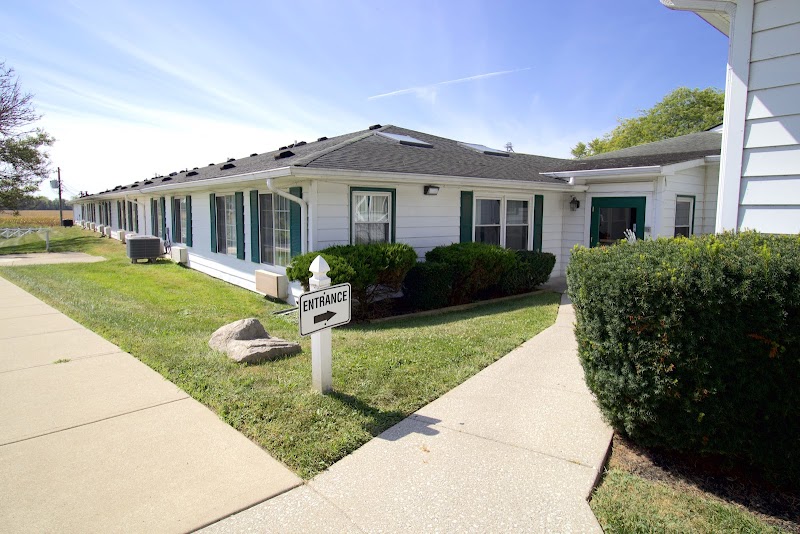
How is Majestic Care Of Mccordsville Staffed?

CMS rates MAJESTIC CARE OF MCCORDSVILLE's staffing level at 1 out of 5 stars, which is much below average compared to other nursing homes. Staff turnover is 61%, which is 15 percentage points above the Indiana average of 46%. High turnover can affect care consistency as new staff learn residents' individual needs.

What Have Inspectors Found at Majestic Care Of Mccordsville?

State health inspectors documented 20 deficiencies at MAJESTIC CARE OF MCCORDSVILLE during 2022 to 2025. These included: 20 with potential for harm.
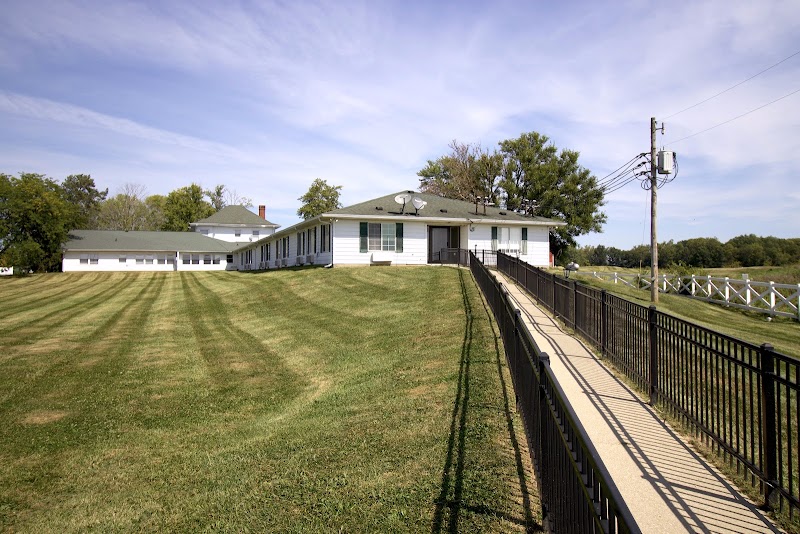
Who Owns and Operates Majestic Care Of Mccordsville?

MAJESTIC CARE OF MCCORDSVILLE is owned by a government entity. Government-operated facilities are typically run by state, county, or municipal agencies. The facility is operated by MAJESTIC CARE, a chain that manages multiple nursing homes. With 48 certified beds and approximately 28 residents (about 58% occupancy), it is a smaller facility located in MCCORDSVILLE, Indiana.
How Does Majestic Care Of Mccordsville Compare to Other Indiana Nursing Homes?

Compared to the 100 nursing homes in Indiana, MAJESTIC CARE OF MCCORDSVILLE's overall rating (4 stars) is above the state average of 3.1, staff turnover (61%) is significantly higher than the state average of 46%, and health inspection rating (4 stars) is above the national benchmark.

What Should Families Ask When Visiting Majestic Care Of Mccordsville?

Based on this facility's data, families visiting should ask: "How do you ensure continuity of care given staff turnover, and what is your staff retention strategy?" "Can you walk me through typical staffing levels on day, evening, and night shifts?" "Can I visit during a mealtime to observe dining assistance and food quality?" "How do you handle medical emergencies, and what is your hospital transfer rate?" These questions are particularly relevant given the facility's high staff turnover rate and the below-average staffing rating.

Is Majestic Care Of Mccordsville Safe?

Based on CMS inspection data, MAJESTIC CARE OF MCCORDSVILLE has a clean safety record: no substantiated abuse findings (meaning no confirmed cases of resident harm), no Immediate Jeopardy citations (the most serious violation level indicating risk of serious injury or death), and is not on the Special Focus Facility watch list (a federal program monitoring the lowest-performing 1% of nursing homes). The facility has a 4-star overall rating and ranks #1 of 100 nursing homes in Indiana. While no facility is perfect, families should still ask about staff-to-resident ratios and recent inspection results during their visit.

Do Nurses at Majestic Care Of Mccordsville Stick Around?

Staff turnover at MAJESTIC CARE OF MCCORDSVILLE is high. At 61%, the facility is 15 percentage points above the Indiana average of 46%. High turnover means new staff may not know residents' individual needs, medications, or preferences. It can also be disorienting for residents, especially those with dementia who rely on familiar faces. Families should ask: What is causing the turnover? What retention programs are in place? How do you ensure care continuity during staff transitions?

Was Majestic Care Of Mccordsville Ever Fined?

MAJESTIC CARE OF MCCORDSVILLE has no federal fines on record. CMS issues fines when nursing homes fail to meet care standards or don't correct problems found during inspections. The absence of fines suggests the facility has either maintained compliance or corrected any issues before penalties were assessed. This is a positive indicator, though families should still review recent inspection reports for the full picture.

Is Majestic Care Of Mccordsville on Any Federal Watch List?

MAJESTIC CARE OF MCCORDSVILLE is not on any federal watch list. The most significant is the Special Focus Facility (SFF) program, which identifies the bottom 1% of nursing homes nationally based on persistent, serious quality problems. Not being on this list means the facility has avoided the pattern of deficiencies that triggers enhanced federal oversight. This is a positive indicator, though families should still review the facility's inspection history directly.