BRICKYARD HEALTHCARE - MERRILLVILLE CARE CENTER
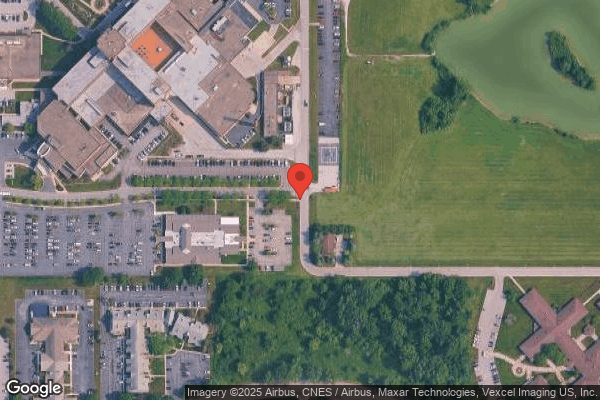
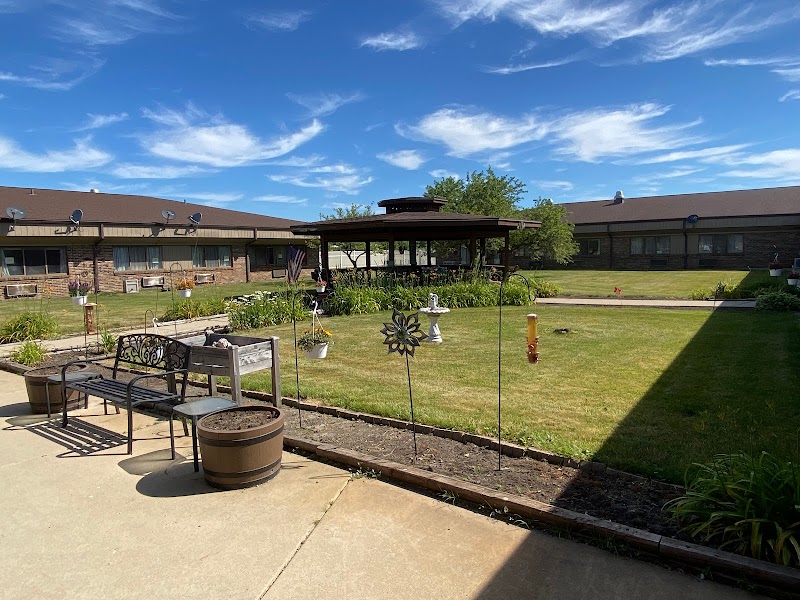
8800 VIRGINIA PLACE, MERRILLVILLE, IN 46410 (219) 736-1310
For profit - Corporation 164 Beds BRICKYARD HEALTHCARE Data: November 2025
Trust Grade
20/100
#430 of 505 in IN
Last Inspection: June 2024

Within standard 12-15 month inspection cycle. Federal law requires annual inspections.

Overview

Brickyard Healthcare - Merrillville Care Center received a Trust Grade of F, indicating poor performance with significant concerns. It ranks #430 out of 505 facilities in Indiana, placing it in the bottom half, and #9 out of 20 in Lake County, meaning there are only a few local options that are better. While the facility's trend is improving, with a reduction in issues from 16 in 2024 to 1 in 2025, it still reported 35 total issues, including a serious incident where a cognitively impaired resident was physically harmed, requiring sutures for injuries. Staffing is below average with a 2/5 rating and a turnover rate of 49%, which is around the state average. On a positive note, the facility has not incurred any fines, which is a good sign, and maintains average registered nurse coverage, helping to catch potential problems. However, there were concerns regarding food sanitation and cleanliness in the kitchen, which could affect residents' health.

Trust Score
F
20/100
In Indiana
#430/505
Bottom 15%
Safety Record
High Risk
Review needed
Inspections
Getting Better
16 → 1 violations
Staff Stability
⚠ Watch
49% turnover. Above average. Higher turnover means staff may not know residents' routines.
Penalties
✓ Good
No fines on record. Clean compliance history, better than most Indiana facilities.
Skilled Nurses
○ Average
Each resident gets 36 minutes of Registered Nurse (RN) attention daily — about average for Indiana. RNs are the most trained staff who monitor for health changes.
Violations
⚠ Watch
35 deficiencies on record. Higher than average. Multiple issues found across inspections.
★☆☆☆☆
1.0
Overall Rating
★★☆☆☆
2.0
Staff Levels
★★★☆☆
3.0
Care Quality
★☆☆☆☆
1.0
Inspection Score
Stable
2024: 16 issues
2025: 1 issues

The Good

  • Full Sprinkler Coverage · Fire safety systems throughout facility
  • No fines on record

Facility shows strength in fire safety.

The Bad

1-Star Overall Rating

Below Indiana average (3.1)

Significant quality concerns identified by CMS

Staff Turnover: 49%

Near Indiana avg (46%)

Higher turnover may affect care consistency

Chain: BRICKYARD HEALTHCARE

Part of a multi-facility chain

Ask about local staffing decisions and management

The Ugly 35 deficiencies on record

1 actual harm
Jan 2025 1 deficiency 1 Harm
SERIOUS (G) 📢 Someone Reported This

A family member, employee, or ombudsman was alarmed enough to file a formal complaint

Actual Harm - a resident was hurt due to facility failures

Free from Abuse/Neglect (Tag F0600)

A resident was harmed · This affected 1 resident

**NOTE- TERMS IN BRACKETS HAVE BEEN EDITED TO PROTECT CONFIDENTIALITY** Based on record review, observation, and interview, the facility failed to protect a cognitively impaired resident's rights to b...

Read full inspector narrative →
**NOTE- TERMS IN BRACKETS HAVE BEEN EDITED TO PROTECT CONFIDENTIALITY** Based on record review, observation, and interview, the facility failed to protect a cognitively impaired resident's rights to be free from physical abuse for 1 of 2 residents reviewed for abuse. (Residents B and C). This deficient practice resulted in Resident B sustaining swelling with discoloration injuries to the bilateral eyes and left wrist, a laceration on the right toe, and a laceration on the right ankle that required six sutures to repair. Finding includes: A Facility-Reported Incident (FRI), dated 12/29/24, indicated the following: .Incident date: 12/29/24 Incident time: 9:30 a.m. Description added -12/29/24 Nurse observed [Resident B] with blood on the foot part of the bed, with an open area noted to right ankle, 2 cm [centimeters] X 0.3 cm, right toe with open area 0.9 cm X 0.3 cm, right eye swollen, left eye discoloration noted, and swelling to left wrist noted upon full assessment. When asked [Resident B], BIM [Brief Interview of Mental Status] 5 [cognitively impaired] was asked what happened he pointed to roommate [Resident C], BIM 15 [cognitively intact]. Assessment completed of [Resident C] denies the allegation but bruising was noted to both of his hands. Action Taken added -- 12/29/2024 Residents put on 1 to 1 [one-to-one] until resident [Resident B] was sent to hospital for evaluation. Full assessment done on both residents, including neuro checks. Both doctors and families were notified . Type of injury added -- 12/29/2024 Injuries noted to [Resident B] as described and [Resident C] noted with bruising to hands upon assessment . Type of preventative measures added -- 12/29/2024 Investigation initiated: 1 to 1 staff initiated with residents. Social services notified. Residents both deny any pain, discomfort and no signs and symptoms of psychosocial distress or changes. Manager on duty notified and follow up in place. Care plans to be updated. Police to be notified due to allegation. Interviews of staff and residents will be conducted. Safety precautions in place A local Police Department Report, dated 12/29/24, indicated the following: The Police Department responded to the facility on [DATE] at 10:38 a.m. for a battery report.Upon arrival I was met by the Nursing Manager [Alzheimer's Unit Director] who advised that they needed to report an attack on a patient [Resident B]. The [Alzheimer's Unit Director] reported that the attack was discovered that morning by [CNA 1] while making rounds. [Resident B] was transported by medics to [Hospital] at least an hour prior to notifying police and not currently on scene. [Resident B] is said to suffer from a stroke and dementia making him nearly nonverbal. [CNA 1] located [Resident B] with a pool of blood under his leg, observed a black eye and swelling to his forehead along with a knot on his wrist. She then observed what appeared to be a puncture wound near his ankle and a small laceration to his toe. Although [Resident B] is nonverbal they asked him who did this causing him to point at his roommate [Resident C]. They advised that [Resident C] claimed that he did not do anything but also did not know what happened. [Resident C] is said to not be able to walk however his bed was on the lowest setting to the floor and they observed what appeared to be bruising and redness to his palms. Although [Resident C] can not [sic] walk they believe that he is able to pull himself from his bed and back again without the use of his legs. The [Alzheimer's Unit Director] advised that she looked through [Resident C's] belongings and the only weapons she located was that of a small [NAME] folding pocket knife [sic] and a pair of scissors; both of which were collected by her and secured in her office before my arrival. Due to the time lapse, the scene was already cleaned up and the sheets were removed from [Resident B's] bed before my arrival. Prior to being transported staff took photographs of [Resident C's] injuries which were forwarded to my department mail and uploaded .I further took photographs of the room, [Resident C], and his hands. [Resident C] claimed he did not know what happened nor did he see anyone enter the room prior to [CNA 1] this morning. He also advised that he has been roommates with [Resident B] for approximately 2 months and only had issues with him being loud but nothing recently. I collected and photographed the knife and scissors from [Alzheimer's Unit Director]. Both were secured and placed in an evidence locker at the police station .I attempted to follow up with [Resident B] at hospital however nursing staff advised that he was medicated at this time and that he was not able to speak with me . The record review for Resident C was completed on 1/2/25 at 3:01 p.m. Diagnoses included, but were not limited to, Chronic Obstructive Pulmonary Disease (COPD), heart failure, anxiety, dementia, and depression. The resident was admitted to the facility on [DATE]. The Quarterly Minimum Data Set (MDS) assessment, dated 12/2/24, indicated the resident was cognitively intact. The resident had no mood problems, behaviors, or indicators of psychosis. The resident had impairment on both sides of his lower extremities with functional limitation in range of motion (ROM). The resident was dependent on staff for transfers from his bed to his wheelchair. A Care Plan, dated 10/22/24 and revised 11/4/24, indicated the resident had an activities of daily living (ADL) self-care performance deficit related to decreased mobility, COPD, dementia, anxiety, heart failure, and major depressive disorder. The resident required assistance with ADL care, transfers, and bed mobility. The resident would often stay in bed and decline to get up. The progress notes, assessments, and care plans, dated September 2024 through 12/29/24, did not include any documentation to indicate Resident C had any prior behaviors or altercations with Resident B. The record review for Resident B was completed on 1/3/25 at 12:04 p.m. Diagnoses included, but were not limited to, paranoid schizophrenia, hemiplegia (partial paralysis on one side of body) following a stroke, altered mental status, and vascular dementia with behavioral disturbance. The Quarterly MDS assessment, dated 9/23/24, indicated the resident was severely cognitively impaired for daily decision making. The resident had difficulty focusing attention, was easily distracted or had difficulty keeping track of what was said. There were no indicators of psychosis. The resident had an impairment on one side of his upper and both sides of his lower extremities with functional limitation in ROM. The resident was dependent for transfers from his bed and required a partial to moderate assistance for bed mobility. The resident had clear speech, was able to make self understood, and a clear comprehension ability to understand others. He had inattention behavior that was continuously present. A Care Plan, dated 10/11/24, indicated the resident had impaired cognitive function related to vascular dementia. An intervention included to ask yes or no questions in order to determine the resident's needs. A Care Plan, dated 10/14/21 and revised 4/10/24, indicated the resident had a physical functioning deficit related to mobility impairment, right dominant side hemiplegia. The resident preferred to stay in bed. The resident required assistance of one to two people for bed mobility and transfer assistance. A Progress Note, dated 12/29/24 at 8:35 a.m., indicated, .Writer was call [sic] into the room by other nurse on shift and CNA. Writer observed resident has a pool of blood by his feet, a cut to his right ankle approximately 2 cm x 0.5 cm, a cut on right foot to the small toe approximately 0.9 cm x 0.3 cm, right eye with some discoloration, left eye swollen with some discoloration, and left wrist warm to touch, discolored, and tender to touch. Resident was asked who did it. Resident pointed to the roommate [Resident C] .911 called, MD notified, PRN pain medication given, resident place on 1:1, Neuro checks implemented. An After Visit Summary from the Emergency Department, dated 12/29/24, indicated Resident B was seen in the emergency room after an assault. The resident had a CT (computed tomography, computerized x-ray) of his head, cervical spine and facial bones. There was no acute fracture or dislocation. The CT facial bones showed possible left periorbital and maxillary cellulitis; however, he had a black eye and no cellulitis. There was an x-ray completed of the left wrist and right hip. The wrist x-ray showed an old navicular fracture. The right hip x-ray did not show an acute fracture or discoloration. The foot x-ray was negative for acute fracture. There was a laceration to his right heel, and it was repaired with 6 sutures. A follow up from the FRI from 12/29/24, dated 1/3/25, indicated the following: . [Resident B] had injuries sustained after an alleged assault from resident [Resident C]. There were no witnesses to the event. The police were called on 12/29/24 and a report was generated. [Resident C] was noted with bruising to his hands but denied the assault allegation. He stated the bruising was from a small chain that he swings around his hand. The [Resident C] is able to move out of bed but there have been no incidents with the [Resident C] that involved any type of abuse of assault. Both residents were sent to the hospital for evaluation and monitored 1:1 until they were moved. Both were put in separate rooms and ultimately [Resident B] was sent to another facility per families [sic] prior request. Witness statements were taken from staff and there were no reported abuse or witnesses from residents. Upon investigation [Resident C] appears to have been the perpetrator of the assault. The State surveyors are currently in the facility and reviewing this incident . During an interview on 1/3/25 at 9:09 a.m., the Administrator indicated she was called on 12/29/24 at 9:37 a.m. and told of Resident B's injuries. The nurse reported to her that Resident B was being sent out to the emergency department. CNA 1 did her rounds around 7:00 a.m., and Resident B was fine. CNA 1 then went back into the room at around 8:30 a.m. and saw Resident B had blood in his bed on his sheets and a had black eye. CNA 1 asked Resident B what happened and Resident B pointed to his roommate, Resident C. The Administrator then interviewed Resident B and asked him if Resident C did this, and Resident B pointed to Resident C. She asked if Resident C had ever touched him before and he shook his head no. She indicated CNA 1 told her the first time she did rounds, Resident C's bed was in a high position. The second time she came back in, Resident C's bed was in a low position. Resident B could not get out of bed by himself, but she believed that Resident C could transfer himself out of his bed and into his wheelchair independently. There were no prior incidents between Resident B and C that were reported to her. The Administrator interviewed Resident C and observed redness to his hands. He told her it was from a beaded chain that he would wrap around his hands. Resident C denied the allegations and said he did not know what happened. She told the resident they were going to have to find a different place for him. The resident told her he wanted to go to a different nursing home. The Administrator indicated an outside entity staff member had also interviewed Resident C. The outside entity staff member told the Administrator that Resident C said he had hit Resident B with a reacher (handheld tool designed to extend your reach allowing to grip objects out of arm's length). The Administrator interviewed other residents in the surrounding areas and no other residents heard or saw anything happen. She believed since the resident's bed was in a low position when CNA 1 came back into the room that Resident C had gotten out of bed and possibly assaulted Resident B since that was what he told the outside entity staff member. She was unsure why Resident C would assault Resident B since there were no prior incidents. There were no residents in the area who had behaviors or would have wandered into the room. Resident B was discharged to a different facility per the family's request and Resident C was on one-to-one supervision until he was discharged to a different facility. During an interview on 1/3/24 at 9:39 a.m., CNA 1 indicated she had made her first rounds around 6:45 a.m. Both Resident B and Resident C were in bed. Resident C's bed was in a high position. Resident C's wheelchair was about three feet away from his bed. She then came back around 8:00 a.m., to deliver the resident's breakfast trays. CNA 1 delivered Resident C's tray first. He was in his bed and awake. She then proceeded to give Resident B his tray. She saw Resident B's face swollen and bruised and blood all over the foot of the bed. Resident B appeared to have been crying. CNA 1 indicated there was so much blood on the bed, and she was unsure where it was coming from. She asked the resident who did this and Resident B then pointed to Resident C. She immediately called the nurse for help. CNA 1 indicated Resident B did not really communicate, he would be able to say yes or no but did not talk much. He mostly made sounds. She had not heard any sounds coming from the room prior to going in. Resident B would not be able to get in and out of bed on his own. Resident C could get out of bed on his own but rarely ever did. CNA 1 did not observe any blood on Resident C or his clothing, but indicated his palms had a blue discoloration. Resident C had a metal fidget [NAME] and plastic reacher with a a metal end on his bedside table. She did not observe any blood on the objects at the time. CNA 1 indicated she was not aware of any previous behavioral issues between the residents prior to the incident. During an interview on 1/3/24 at 9:51 a.m., CNA 2 indicated CNA 1 had called her to come into the room approximately around 8:25 a.m., while she was passing resident breakfast trays. Resident C was in his bed with the curtain closed. She did not observe any discolorations or blood on Resident C. Resident B was observed in bed with a black eye and blood on the bed towards his feet. When Resident B was asked how this happened to him, he pointed towards Resident C. CNA 2 did not work with Resident B or Resident C often and was unaware of any prior behavioral incidents between the two residents. The staff helped clean up Resident B before paramedics arrived. During an interview on 1/3/25 at 10:07 a.m., CNA 3 indicated she was called into the residents' room. CNA 1 was in the room. Resident B was in bed with discolorations on his face and blood on the bed. CNA 1 asked him who did this to him and Resident B pointed to Resident C. Resident C just had a blank face and didn't say anything. She didn't observe any discolorations or blood on Resident C. She indicated Resident C could get out of bed on his own if he wanted to. She was working on the opposite hall on the unit that morning and did not see anyone go into the room. CNA 3 indicated she was not aware of any previous behavioral issues between the residents prior to the incident. During an interview on 1/3/25 at 10:11 a.m., Dietary Aide 1 indicated he had delivered the room cart to the unit that morning. He did not see or hear anything out of the ordinary. During an interview on 1/3/25 at 10:51 a.m., LPN 1 indicated she was passing medications on the unit when she was called into the residents' room by RN 1. Resident B was lying in bed with a pool of blood by his feet. His face was discolored, and his eye was swollen. She indicated the resident didn't communicate and when asked what happened, he then pointed to his roommate Resident C. LPN 1 observed bruising on Resident C's hands but could not recall where on the hands. Resident C had a reacher on his bedside table, but she did not notice any blood on the reacher or on Resident C. LPN 1 had last been in the room at 7:00 a.m., and both residents were in bed. Resident B was asleep, and she could not recall if Resident C was awake or asleep. LPN 1 indicated she was not aware of any previous behavioral incidents with the residents prior to the incident. During an interview on 1/3/25 at 10:58 a.m., RN 1 indicated she was passing medications on a different hallway. She was not the residents' nurse that day, but CNA 1 called her at approximately 8:30 a.m. because LPN 1 was busy with another resident. When she walked into the room, she saw that Resident B had a lot of blood on the bed. He had a discoloration to his eye. She then called LPN 1 to come into the room. They assessed the resident, cleaned him up and asked who hurt him. Resident B then pointed to his roommate Resident C. RN 1 indicated the paramedics also asked Resident B who injured him, and Resident B pointed to Resident C. She asked Resident C what happened, and he indicated he did not know. She asked Resident B if anyone else came into the room and he said he didn't know. Resident C was assessed, and he had bruising observed on the palm side of his hands. RN 1 did not observe any blood on Resident C. She was unaware of any behavioral incidents with the residents prior to the incident. During an interview on 1/3/25 at 12:17 p.m., the Alzheimer's Unit Director ([NAME]) indicated she was the Manager on Duty when the incident occurred. She was made aware of the situation that happened. Resident B had already been sent to the hospital at that time. She asked if any of the staff had searched for any weapons in the room and they told her they had not. She then proceeded in to search the room. She asked Resident C if he had any weapons. He told her he had a pocketknife in his wallet in a drawer to his nightstand. The resident reached over and retrieved the wallet and gave her the knife. She did not observe any blood on the knife. There was also a pair of scissors in a shaving package underneath his television. The [NAME] retrieved them and there was no blood observed on the scissors. She did not observe any discolorations or blood on Resident C. She was in the room when the police arrived and questioned Resident C. The police asked him what happened to his roommate. Resident C said he did not know. The police officer asked him if anyone else came into their room and the resident indicated he didn't see anyone because his curtain was closed. The police officer then went and got pictures from the nurse, came back 15 minutes later and said he needed to take pictures of Resident C's hands because the nurse said he had bruising. The police officer did not say anything to her related to if he saw any bruising. The police officer took the pictures, the pocketknife and the scissors. The [NAME] was unaware of any behavioral problems with the residents prior to the incident. During an interview on 1/3/25 at 12:31 p.m., the Social Services Director (SSD) indicated Resident C was admitted to the facility several years ago. He was living with his sister and mother, and they could no longer provide care for him. He was unable to care for himself. He had been roommates with Resident B since September 2024 and the only problem she heard about was that Resident C was complaining that Resident B's television was too loud. The SSD provided Resident C with headphones and there were no further complaints. Resident C did receive psychiatric services in the past but would often refuse. Resident C indicated he did not like talking with the therapists and had not seen psychiatric services in a long time. The resident did not take any psychotropic medications and was not currently on any behavioral monitoring. There were no prior behavioral incidents of physical aggression that were reported for which precautions would have to be put into place prior to the incident with Resident B. A facility policy titled, Abuse, Neglect and Exploitation and received as current from the Administrator on 1/3/25, indicated, .It is the policy of this facility to provide protections for the health, welfare and rights of each resident by developing and implementing written policies and procedures that prohibit and prevent abuse, neglect, exploitation and misappropriation of resident property . 1. The facility will develop and implement written policies and procedures that: a. Prohibit and prevent abuse, neglect, and exploitation of residents and misappropriation of resident property .V. Investigation of Alleged Abuse, Neglect and Exploitation . B. Written procedures for investigations include: . 2. Exercising caution in handling evidence that could be used in a criminal investigation (e.g., not tampering or destroying evidence) . This citation relates to Complaints IN00450120 and IN00450272. 3.1-27(a)(1)
Aug 2024 2 deficiencies
CONCERN (D) 📢 Someone Reported This

A family member, employee, or ombudsman was alarmed enough to file a formal complaint

Potential for Harm - no one hurt, but risky conditions existed

Deficiency F0660 (Tag F0660)

Could have caused harm · This affected 1 resident

Based on record review & interview, the facility failed to implement a complete discharge planning process and ensure that the discharge needs of each resident were identified and met related to lack ...

Read full inspector narrative →
Based on record review & interview, the facility failed to implement a complete discharge planning process and ensure that the discharge needs of each resident were identified and met related to lack of ongoing Physician follow up for an abnormal wound culture result, indicating an infection, prior to discharge from the facility, for 1 of 3 residents reviewed for skin conditions. (Resident B) The deficient practice was corrected by 7/31/24, prior to the start of the survey, and was therefore past noncompliance. The facility investigated the delay in treatment following the receipt of abnormal wound culture results, completed audits for all wound cultures in the last 90 days, educated all nursing staff on the policy for wound culture tracking and notifications, and implemented a Laboratory Tracking Log. Finding includes: Resident B's closed record was reviewed on 8/1/24 at 10:57 a.m. Diagnoses included, but were not limited to, motor vehicle injury, fracture of upper end of left humerus, fracture of medial condyle of left femur, fracture of left side rib, and insomnia. The admission Minimum Data Set (MDS) assessment, dated 7/9/24, indicated the resident was cognitively intact for daily decision making. There was an impairment to the upper and lower left extremities. He required substantial assistance for hygiene and transfers. A Care Plan, dated 7/8/24, indicated the resident had altered skin integrity, non-pressure skin conditions related to a traumatic wound to the left medial knee. Interventions included, but were not limited to, conduct weekly skin inspections, monitor for signs and symptoms of infection such as swelling, redness, warmth, discharge, or odor, and notify physician of significant findings. A Nurses' Note, dated 7/8/2024 at 11:48 a.m., indicated the resident had a traumatic wound to the left knee measuring 8 centimeters (cm) by 4.5 cm. A Physician's Order, dated 7/10/24, indicated to obtain a wound culture to the traumatic wound on the resident's left medial knee. A Nurses' Note, dated 7/10/24, indicated the resident had a change of condition. Redness, warmth, and swelling was noted to the left lower extremity surrounding the wound to the left medial knee. The wound was cleansed with wound cleanser, serous drainage was noted from wound, and then sampled with a wound culture swab in a sterile manner. A Nurses' Note, dated 7/16/2024 at 3:12 p.m., indicated the Physician was informed of the wound culture results. No new orders at this time. Awaiting new orders at this time. The resident and the Power of Attorney (POA) were informed. The Wound Culture report, undated with the sample collected on 7/10/24, indicated the left medial knee wound had many enterobacter cloacae (gram-negative bacteria) and many staphylococcus aureus (gram-positive bacteria). There were moderate gram negative bacilli, moderate gram positive cocci, rare white blood cells, and rare epithelial cells. The McGreer's Definitions for Healthcare Associated Infections for Surveillance for Long Term Care Facilities indicated the following criteria: SKIN AND SOFT TISSUE INFECTION Cellulitis/soft tissue/wound infection One of the following criteria must be met: 1. Pus present at a wound, skin, or soft tissue site. (OR) 2. The resident must have four or more of the following signs or symptoms: - fever (>38ºC) or worsening mental/functional status; and/or the presence of new or increasing (at the affected site): - heat - redness - swelling - tenderness or pain - serous drainage A Nurses' Note, dated 7/23/24 at 10:45 a.m., indicated the resident was discharged home with family, medications and instructions were received, and the resident and family acknowledged understanding. No concerns were voiced at the time. There was no further follow up regarding the abnormal wound culture results or orders received prior to discharge. A Nurses' Note, dated 7/24/24 at 7:17 a.m., indicated an antibiotic was ordered for discharged Resident B by the Nurse Practitioner (NP) and sent to an outside pharmacy. During an interview on 8/2/24 at 12:30 p.m., the Interim Administrator indicated the nurse who put in the note had a language barrier, which was the reason for the note that said there were no orders and also awaiting orders. The Physician was notified of the wound culture and there were no new orders at the time. The NP sent in an order for the antibiotic to appease the family, as they called the facility the day after the resident's discharge requesting antibiotics. There was no other follow up until the facility received the communication from the family and the facility had since implemented a corrective plan of action related to this incident. An Ad Hoc QAPI, dated 7/31/24, was received on 8/2/24 at 12:45 p.m. from the Director of Nursing, and indicated the identified opportunity for improvement/deficient practice was delay in treatment following receipt of culture results. The facility completed audits for all wound cultures in the last 90 days to check for any outstanding results or follow up that was needed. All nursing staff was educated on the policy for wound culture tracking and notifications. The Laboratory Tracking Log included Resident B, who had a wound culture completed on 7/10/24. The wound culture resulted on 7/14/24 and were abnormal results. The action taken was placing an order sent to an outside pharmacy. A Policy titled, Wound Cultures, indicated .1. A wound will only be cultured in accordance with a physician order, when signs and symptoms of infection are present .6. Notify physician of initial and final culture results. This citation relates to Complaint IN00439994. 3.1-12(a)(19)
CONCERN (D) 📢 Someone Reported This

A family member, employee, or ombudsman was alarmed enough to file a formal complaint

Potential for Harm - no one hurt, but risky conditions existed

Quality of Care (Tag F0684)

Could have caused harm · This affected 1 resident

**NOTE- TERMS IN BRACKETS HAVE BEEN EDITED TO PROTECT CONFIDENTIALITY** Based on record review and interview, the facility failed to ensure medications were managed appropriately related to medication...

Read full inspector narrative →
**NOTE- TERMS IN BRACKETS HAVE BEEN EDITED TO PROTECT CONFIDENTIALITY** Based on record review and interview, the facility failed to ensure medications were managed appropriately related to medications not signed out and given as ordered for 2 of 3 residents reviewed for unnecessary medications. (Residents B and G) Findings include: 1. Resident B's closed record was reviewed on 8/1/24 at 10:57 a.m. Diagnoses included, but were not limited to, motor vehicle injury, fracture of upper end of left humerus, fracture of medial condyle of left femur, fracture of left side rib, and insomnia. The admission Minimum Data Set (MDS) assessment, dated 7/9/24, indicated the resident was cognitively intact for daily decision making. There was an impairment to the upper and lower left extremities. He required substantial assistance for hygiene and transfers. A Physician's Order, dated 7/3/24 at 9:00 p.m., indicated Xanax (an anti-anxiety medication) extended release 1 milligram oral tablet once daily. The July 2024 Medication Administration Record indicated Xanax was not marked as administered from 7/3/24 thru 7/9/24. A Nurses' Note, dated 7/4/24 at 10:48 a.m., indicated the resident's son stated the resident had not received Xanax during his hospital stay and did not want the resident to take it any longer. A Nurses' Note, dated 7/15/24 at 12:53 p.m., indicated the Nurse Practitioner reviewed the medication list and a new order was received to discontinue Xanax, melatonin, Ambien (a sedative), and hydroxyzine (an antihistamine). During an interview on 8/2/24 at 12:30 p.m., the Interim Administrator indicated the medication was not available, but the family had also requested the medication be discontinued from use. There was no documentation in the resident's record to indicate the NP or Physician was contacted by facility staff regarding discontinuing the Xanax prior to 7/15/24. 2. Resident G's record was reviewed on 8/1/24 at 2:14 p.m. Diagnoses included, but were not limited to, local infection of the skin and subcutaneous tissue, high blood pressure, and type 2 diabetes mellitus. The admission Minimum Data Set, dated [DATE], was still in progress. A Care Plan, dated 7/17/24, indicated the resident had a wound infection. Interventions included, but were not limited to, administer antibiotic therapy as per order until 8/13/24. The July 2024 Physician's Order Summary (POS) indicated the resident received the following antibiotic intravenous medications: - Cefazolin sodium solution reconstituted 2 grams every 8 hours until 8/13/24 - Ceftriaxone sodium solution reconstituted 2 grams once a day for 10 days - Vancomycin solution 1 gram once a day for 10 days The July 2024 Medication Administration Record (MAR) indicated the following medications were not administered as ordered: - Cefazolin was not marked as administered on 7/15/24 at 10:00 p.m. and 7/26/24 at 2:00 p.m. The corresponding Nurses' Note indicated the medication was on order. - Ceftriaxone was not marked as administered on 7/30/24 at 12:00 p.m. The corresponding Nurses' Note indicated the medication was on order. - Vancomycin was not marked as administered on 7/30/24 at 6:00 a.m. The corresponding Nurses' Note indicated the medication was on order. During an interview on 8/2/24 at 1:11 p.m., the Interim Administrator indicated she had no further information related to the antibiotics not signed out as administered. This citation relates to Complaint IN00439994. 3.1-37(a)
Jun 2024 10 deficiencies
CONCERN (D)

Potential for Harm - no one hurt, but risky conditions existed

ADL Care (Tag F0677)

Could have caused harm · This affected 1 resident

Based on observation, interview, and record review, the facility failed to ensure dependent residents received help with Activities of Daily Living (ADLs) related to build up on teeth for 1 of 7 resid...

Read full inspector narrative →
Based on observation, interview, and record review, the facility failed to ensure dependent residents received help with Activities of Daily Living (ADLs) related to build up on teeth for 1 of 7 residents reviewed for ADLs. (Resident 54) Finding includes: On 6/10/24 at 10:38 a.m., Resident 54 was observed sitting in bed. The resident's mouth was dry and crusty. His teeth were noted to be discolored and had build up on them. On 6/11/24 at 2:39 p.m., Resident 54 was observed sitting in bed. His mouth was dry and crusty when he opened it. His teeth were discolored and had build up on them. On 6/13/24 at 3:59 p.m., Resident 54 was observed in bed. His mouth was dry and crusty. His teeth were discolored and had build up on them. Resident 54's record was reviewed on 6/11/24 at 3:50 p.m. Diagnoses included, but were not limited to, cerebral infarction and chronic respiratory failure. The Quarterly Minimum Data Set (MDS) assessment, dated 3/19/24, indicated the resident was severely cognitively impaired. He was dependent on staff for oral hygiene, toileting hygiene, and personal hygiene. A Care Plan, dated 7/27/23, indicated the resident had an ADL self-care deficit related to weakness, history of a cerebral infarction, chronic respiratory failure, status post tracheostomy removal. Interventions included, but were not limited to, oral care assistance as needed. A Care Plan, dated 5/10/24, indicated the resident was at risk for dental problems related to discolored teeth and the resident was dependent on staff for oral care. Interventions included, but were not limited to, assist with oral care as ordered and as needed. A Physician's Order, dated 5/13/24, indicated oral care every shift. The June 2024 Medication Administration Record (MAR) indicated oral care was signed off as completed every shift. During an interview on 6/13/24 at 3:48 p.m., CNA 1 indicated the resident received oral care by wiping his mouth with a foam swab dipped in mouth wash. She had never brushed his teeth with a toothbrush. During an interview on 6/14/24 at 10:18 a.m., the Nurse Consultant indicated the resident was unable to follow commands to swish water or spit. She had no further information to provide. 3.1-38(a)(3)(C)
CONCERN (D)

Potential for Harm - no one hurt, but risky conditions existed

Deficiency F0685 (Tag F0685)

Could have caused harm · This affected 1 resident

Based on record review and interview, the facility failed to ensure residents with impaired vision received the necessary services for 1 of 1 resident reviewed for vision. (Resident 70) Finding includ...

Read full inspector narrative →
Based on record review and interview, the facility failed to ensure residents with impaired vision received the necessary services for 1 of 1 resident reviewed for vision. (Resident 70) Finding includes: During an interview on 6/10/24 at 2:49 p.m., Resident 70 indicated he needed to get his cataracts checked. He had an appointment set up over a year ago, but it was canceled. Resident 70's record was reviewed on 6/12/24 at 8:56 a.m. Diagnoses included, but were not limited to, chronic obstructive pulmonary disease and hyperlipidemia. The Quarterly Minimum Data Set assessment, dated 3/13/24, indicated the resident was cognitively intact. His vision was listed as adequate with no corrective lenses. A Progress Note, dated 1/27/23, indicated the resident had received a referral for a cataract evaluation from the optometrist. The appointment was scheduled for 2/7/23. A Progress Note, dated 2/3/23, indicated the resident wanted to cancel his scheduled eye appointment due to the cold weather and would like to reschedule when the weather was warmer. A Progress Note, dated 2/6/23, indicated the resident's family had been informed of his choice to cancel his eye appointment and it would be rescheduled for a later date. An optometry note, dated 1/4/24, indicated the resident was referred for removal of right eye cataract but was unable to make the appointment last year. His right eye distance vision was still blurry. The recommendation was to get a consult for a cataract evaluation of the right eye and possible treatment. A written order was given to the charge nurse, who indicated the resident had been scheduled in the past and refused to go. Care plan meeting reviews, dated 2/22/24 and 4/30/24, indicated the resident had last been seen by optometry on 1/4/24. No further information was documented. There was a lack of documentation the facility had attempted to reschedule the appointment or make any further arrangements for the resident to receive the recommended specialty eye care services. During an interview on 6/13/24 at 2:12 p.m., Social Services 1 indicated she was still looking for a traveling eye doctor/specialist who could come see the resident and possibly perform any procedures in the facility because the resident required a stretcher for transportation. If she were to make an outside appointment for him, they would refuse to see him since he could not transfer himself off the stretcher, and the ambulance staff would not assist the resident with transferring once at the appointment. She was unable to provide any documentation she had followed up with the 1/4/24 optometry recommendation and indicated she needed to be better about her documentation. 3.1-39(a)(1)
CONCERN (D)

Potential for Harm - no one hurt, but risky conditions existed

Accident Prevention (Tag F0689)

Could have caused harm · This affected 1 resident

Based on observation, record review, and interview, the facility failed to ensure a dependent resident was transferred with a Hoyer lift (a full body mechanical lift) as indicated on the Resident Care...

Read full inspector narrative →
Based on observation, record review, and interview, the facility failed to ensure a dependent resident was transferred with a Hoyer lift (a full body mechanical lift) as indicated on the Resident Care Sheet for 1 of 1 resident reviewed for accidents. (Resident 113) Finding includes: On 6/11/24 at 8:55 a.m., CNA 2 was observed attempting to transfer Resident 113 from her bed into her wheelchair. The resident was on her bed in a semi-seated position, her left arm was contracted and she had a splint on her right hand. Resident 113 was unable to sit upright on the side of bed by herself and was falling backward. The CNA was leaning forward in front of her, instructing Resident 113 to hold on to her neck as CNA 2 was attempting to hold the resident around her waist. The resident was unable to hold onto the CNA with her right arm only. Her legs were stretched forward and her feet were not securely on the floor. After several minutes, CNA 3 entered the room and indicated to CNA 2 that the resident could not be transferred like that, she needed a sit to stand lift (a device that assists residents from a seated to standing position for transferring). The resident's record was reviewed on 6/11/24 at 1:33 p.m. Diagnoses included, but were not limited to, hemiplegia (one sided paralysis) and hemiparesis (one sided weakness) of the non dominant side, cerebral ischemia and degenerative disease of the nervous system. The Quarterly Minimum Data Set assessment, dated 4/8/24, indicated the resident was cognitively intact and was dependent for transfers, bed mobility and toileting. The Resident Care Sheet indicated the resident was a two person assist with a Hoyer mechanical lift for transfers. During an interview with CNA 2 on 6/11/24 at 9:10 a.m., she indicated she was not familiar with the resident and should have checked the Care Sheet prior to attempting to transfer her. During an interview with the D Unit Manager on 6/11/24 at 11:10 a.m., she indicated the resident needed a Hoyer mechanical lift for transfers and she would begin education with the staff. On 6/12/24 at 11:29 a.m., the resident was observed seated in her wheelchair in the hallway. Her left arm was contracted, she had a splint on her left hand and her left leg was in a foot rest. During an interview on 6/12/24 at 1:26 p.m., CNA 4 indicated he had transferred the resident by himself from the bed that morning by standing and pivoting her to the wheelchair. He was not aware she was supposed to be transferred with a mechanical lift. The policy, Safe Resident Handling/Transfers, indicated, .All residents require safe handling when transferred to prevent or minimize the risk for injury to themselves and the employees that assist them. While manual lifting techniques may be utilized dependent upon the resident's condition and mobility, the use of mechanical lift are a safer alternative and should be used . and, .Staff members are expected to maintain compliance with safe handling/ transfer practices 3.1-45(a)
CONCERN (D)

Potential for Harm - no one hurt, but risky conditions existed

Tube Feeding (Tag F0693)

Could have caused harm · This affected 1 resident

Based on observation, record review, and interview, the facility failed to ensure gastrostomy tube (peg tube) care was completed as ordered related to incorrect enteral feeding administration for 1 of...

Read full inspector narrative →
Based on observation, record review, and interview, the facility failed to ensure gastrostomy tube (peg tube) care was completed as ordered related to incorrect enteral feeding administration for 1 of 3 residents reviewed for peg tubes. (Resident 54) Finding includes: On 6/10/24 at 10:38 a.m., Resident 54 was observed in bed. He had a tube feeding pump connected to Jevity 1.5 cal (type of feeding) infusing at 70 milliliters per hour (ml/hour) On 6/11/24 at 2:39 p.m., Resident 54 was observed in bed. He had a tube feeding pump connected to Jevity 1.5 cal infusing at 70 ml/hour. Resident 54's record was reviewed on 6/11/24 at 3:50 p.m. Diagnoses included, but were not limited to, cerebral infarction and chronic respiratory failure. The Quarterly Minimum Data Set (MDS) assessment, dated 3/19/24, indicated the resident was severely cognitively impaired. He was dependent on staff for oral hygiene, toileting hygiene, and personal hygiene. A Care Plan, dated 7/27/23, indicated the resident was dependent on tube feedings. Interventions included, but were not limited to, elevate head of bed at least 30-45 degrees during and for 30 to 60 minutes after feeding and enteral formula and feedings as ordered. The June 2024 Physician's Order Summary indicated enteral tube feeding of Jevity 1.5 cal at 75 ml/hour for 22 hours a day. During an interview on 6/13/24 at 9:27 a.m., the Director of Nursing had no further information to provide. 3.1-44(a)(2)
CONCERN (D)

Potential for Harm - no one hurt, but risky conditions existed

Respiratory Care (Tag F0695)

Could have caused harm · This affected 1 resident

Based on observation, record review, and interview, the facility failed to ensure a resident received proper care and treatment related to oxygen administration flow rate for 1 of 1 resident reviewed ...

Read full inspector narrative →
Based on observation, record review, and interview, the facility failed to ensure a resident received proper care and treatment related to oxygen administration flow rate for 1 of 1 resident reviewed for oxygen. (Resident 13) Finding includes: On 6/11/24 at 2:33 p.m., Resident 13 was observed in bed. He had a nasal cannula in his nares and the oxygen concentrator was set to a flow rate 4.5 liters per minute (lpm). On 6/13/24 at 8:57 a.m., Resident 13 was observed in bed. He had a nasal cannula in his nares and the oxygen concentrator was set to a flow rate 4.5 lpm. Resident 13's record was reviewed on 6/11/24 at 2:21 p.m. Diagnoses included, but were not limited to, acute respiratory failure, chronic bronchitis, and adult failure to thrive. The Significant Change Minimum Data Set (MDS) assessment, dated 4/8/24, indicated the resident was cognitively intact for daily decision making and was dependent on staff for all activities of daily living including, eating, hygiene, and bathing. The June 2024 Physician's Order Summary indicated oxygen at 3 liters per minute per nasal cannula if oxygen saturations were 90% or below, as needed for shortness of breath. A Care Plan, dated 6/13/24, indicated the resident required oxygen therapy. Interventions included, but were not limited to, administer oxygen as needed per Physician's Orders. During an interview on 6/13/24 at 10:33 a.m., the Nurse Consultant indicated she had no further information to provide. A policy titled, Oxygen Administration, indicated .1. Oxygen is administered under orders of a physician, except in the case of an emergency . 3.1-47(a)(6)
CONCERN (D)

Potential for Harm - no one hurt, but risky conditions existed

Deficiency F0697 (Tag F0697)

Could have caused harm · This affected 1 resident

Based on record review and interview, the facility failed to ensure a follow up for a pain specialist's medication order was completed for 1 of 1 resident reviewed for pain. (Resident 128) Finding inc...

Read full inspector narrative →
Based on record review and interview, the facility failed to ensure a follow up for a pain specialist's medication order was completed for 1 of 1 resident reviewed for pain. (Resident 128) Finding includes: During an interview on 6/10/24 at 11:43 a.m., Resident 128's daughter indicated she had taken the resident to see a pain specialist in April. The resident had a history of spinal fusion surgery and would sometimes have pain when doing activities of daily living (ADLs) and therapy. She was aware the resident would not get back to her prior level of function and was worried about her being in pain. The specialist had ordered Tramadol (an opioid pain medication) as needed (PRN). The daughter had taken the prescription to a pharmacy, had the medication filled, brought the medication to the facility, and had given it to the resident's nurse. She had recently found out the resident had never received the Tramadol medication and she was not told why. She had asked the D Wing Unit Manager about it and was told there was no order for the medication and the pain assessment showed the resident was not having any pain. She had spoken with the Director of Nursing (DON) about her concerns a couple days ago. The resident's record was reviewed on 6/11/24 at 2:51 p.m. Diagnoses included, but were not limited to, wedge compression fracture of T (thoracic vertebrae) 11-12, dementia with psychotic disturbance, and arthrodesis (joint fusion). The Quarterly Minimum Data Set assessment, dated 5/21/24, indicated the resident was cognitively impaired and received a scheduled pain medication. A current care plan indicated the resident was at risk for pain related to a wedge compression fracture. The interventions included, to administer pain medication as ordered. The Physician's Order Summary, dated 6/2024, indicated the resident received Tylenol (acetaminophen) 500 mg (milligrams) every eight hours. There were no orders for Tramadol. The Medication Administration Records (MAR), dated 6/2024, 5/2024, and 4/2024, indicated the resident had not received any Tramadol medication. A Pain Evaluation in Advanced Dementia assessment, dated 4/8/24, had a score of zero which indicated no signs and symptoms of pain. A Progress Note, dated 4/22/24 at 10:04 a.m., indicated the resident had returned from her appointment and there were no new orders. A Progress Note Late Entry, dated 6/5/24 at 2:35 p.m., written for 4/22/24, indicated the resident's daughter was requesting the resident start Tramadol 50 mg daily and that the pain specialist had ordered it. There were no orders received from the specialist and no script had been received. The resident had no pain upon assessment. The facility's Nurse Practitioner (NP) was notified of the daughter's request and denied it. The NP felt the resident's pain was managed with Tylenol. There was lack of any documentation that the pain specialist's office had been contacted for clarification or follow up or that the resident's daughter had been updated. A Progress Note Late Entry, dated 6/9/24 at 9:33 a.m., written for 4/22/24, indicated the Tramadol order per the family's request was on hold due to waiting for the pain specialist to clarify. There was lack of any documentation of any further follow-up with the pain specialist's office or that the resident's daughter had been updated. A Progress Note, dated 6/7/24 at 10:28 a.m., indicated the pain specialist's office had been contacted to obtain clarification orders from the resident's appointment in April. A Nurse Practitioner Note, dated 4/3/24, indicated, .Plan .wedge compression fracture of T 11-T 12 vertebra .PRN Tramadol. Continue lidocaine, PRN Tylenol . A Nurse Practitioner Note, dated 5/17/24, indicated, .Her daughter tells staff that her mother is in a lot of pain. She wants her mother to have pain medication. She did not appear to be in pain during her visit today . No diaphoresis, screaming, wincing, grimacing, or guarding present .Plan .wedge compression fracture of T 11-T 12 vertebra .PRN Tramadol. Continue lidocaine, PRN Tylenol . During an interview on 6/13/24 at 9:33 a.m., the DON indicated she had spoken with the resident's daughter last week and the daughter indicated she had taken the resident to the pain specialist on 4/15/24 and received an order for Tramadol. The daughter had the order filled at a pharmacy, brought it in, and gave it to staff. The DON indicated staff had not given the medication since they had no script or orders from the Doctor's office. The DON had called the Doctor's office last week to clarify and had not received a call back. She had then contacted the facility Physician and obtained the order for the Tramadol per the resident's daughter's request. She was unsure why no one had followed up with the pain specialist sooner. During an interview on 6/13/24 at 11:42 a.m., the D Wing Unit Manager indicated the resident's daughter had brought in a bottle of PRN Tramadol and given it to the nurse. She had not brought in any order or script. The Unit Manager had contacted the pain specialist office and had not heard back. She then contacted the facility NP, who had completed a pain assessment and had not agreed with the daughter and indicated Tylenol would cover any pain. There was a pain assessment documented every shift on the MAR and the resident had no documented pain. She had not completed any further follow-up with the pain specialist's office, as she felt the situation had been handled by the facility NP. A facility policy, received as current, titled, Consulting Physician/Practitioner Orders, indicated, .A consulting physician/practitioner may include, but is not limited to, a resident's: .d. Specialist .Regarding orders for controlled substance the nurse will: a. verify that the order and original, valid prescription, match. b. Forward the original, valid prescription, with the verification order to the pharmacy per protocol. c. If the orders do not match, or in the absence of an original, valid prescription, obtain an original, valid prescription, and forward it along with the written order to pharmacy per protocol . 3.1-37(a)
CONCERN (D)

Potential for Harm - no one hurt, but risky conditions existed

Drug Regimen Review (Tag F0756)

Could have caused harm · This affected 1 resident

Based on record review and interview, the facility failed to update physician's orders after a medication regimen review was conducted for 1 of 5 residents reviewed for unnecessary medications. (Resid...

Read full inspector narrative →
Based on record review and interview, the facility failed to update physician's orders after a medication regimen review was conducted for 1 of 5 residents reviewed for unnecessary medications. (Resident 68) Finding includes: Resident 68's record was reviewed on 6/12/24 at 11:38 a.m. Diagnoses included, but were not limited to, end stage renal disease and dependence on renal dialysis. The Quarterly Minimum Data Set assessment, dated 4/22/24, indicated the resident was cognitively intact for daily decision making and received dialysis treatments. A Pharmacy Medication Regimen Review, dated 4/23/24, indicated a recommendation was made to reduce polypharmacy. Current orders included pantoprazole (decreases stomach acid) 40 milligrams (mg) every morning, melatonin (a sleep aid) 8 mg every night, hydroxyzine (antihistamine used to reduce itching) 25 mg every night and Zyrtec (treats allergy symptoms) 10 mg daily. The Physician/Prescriber response indicated to change hydroxyzine 25 milligrams by mouth to nightly as needed. The June 2024 Physician's Order Summary indicated hydroxyzine 25 milligram tablet by mouth at bedtime. During an interview on 6/13/24 at 2:45 p.m., the Nurse Consultant indicated the orders should have been updated. 3.1-(i)
CONCERN (D)

Potential for Harm - no one hurt, but risky conditions existed

Deficiency F0757 (Tag F0757)

Could have caused harm · This affected 1 resident

2. The record for Resident 74 was reviewed on 6/12/24 at 2:34 p.m. Diagnoses included, but were not limited to, type 2 diabetes mellitus, hypertension, and congestive heart failure. The Significant Ch...

Read full inspector narrative →
2. The record for Resident 74 was reviewed on 6/12/24 at 2:34 p.m. Diagnoses included, but were not limited to, type 2 diabetes mellitus, hypertension, and congestive heart failure. The Significant Change Minimum Data Set assessment, dated 5/16/24, indicated the resident was cognitively impaired and received insulin injections. A care plan, updated 3/25/24, indicated the resident had diabetes. The interventions included, .diabetes medications as ordered by physician .glucose monitoring as per order . The Physician's Order Summary, dated 6/2024, indicated an order for Humalog (insulin) per sliding scale (insulin given based on blood sugar results) with meals: 151-200=2u (units) 201-250=10u 251-300=15u 301-350=20u 351-400=25u The Medication Administration Record (MAR), dated 6/2024, indicated the blood sugar result and the amount of insulin administered were left blank on the following dates and times: - 8:00 a.m. on 6/8/24, and 6/9/24 - 12:00 p.m. on 6/6/24, 6/8/24, and 6/9/24 - 5:00 p.m. on 6/1/24, 6/2/24, 6/3/24, 6/7/24, 6/8/24, and 6/9/24. There were no eMAR (electronic medication administration record) notes documented for the above dates and times. A Daily Blood Sugar Log, dated 6/2024, was provided by the Director of Nursing (DON). There were documented blood sugars for the above dates and times but no documented insulin administration. The resident's blood sugar at 8:00 a.m. on 6/8/24 was 176, he should have received 2 units of insulin. The resident's blood sugar at 8:00 a.m. on 6/9/24 was 203, he should have received 10 units of insulin. The resident's blood sugar at 12:00 p.m. on 6/6/24 was 329, he should have received 20 units of insulin. The resident's blood sugar at 12:00 p.m. on 6/9/24 was 244, he should have received 10 units of insulin. The resident's blood sugar at 5:00 p.m. on 6/1/24 was 183, he should have received 2 units of insulin. The resident's blood sugar at 5:00 p.m. on 6/2/24 was 161, he should have received 2 units of insulin. The resident's blood sugar at 5:00 p.m. on 6/9/24 was 344, he should have received 20 units of insulin. During an interview on 6/13/24 at 3:22 p.m the DON indicated when there was a QMA working the unit, the blood sugars were documented on a paper log since they could not administer insulin. The nurses would administer the insulin but would not document it in the MAR. They would then cosign the blood sugar log. When staff completed their monthly audits, if any blanks were noted, they would have the nurse who worked document a late entry. 3.1-48(a)(1) Based on record review and interview, the facility failed to ensure each resident's medication regimen was managed and monitored to promote or maintain the resident's highest practicable mental, physical, and psychosocial well-being, related to a medication scheduled during the resident's routine dialysis time and blood sugars levels and insulin administration not documented, for 2 of 5 residents reviewed for unnecessary medications. (Residents 28 and 74) Findings include: 1. During an interview with Resident 28 on 6/11/24 at 8:54 a.m., he indicated he attended dialysis three times a week on Tuesdays, Thursdays and Saturdays. Tuesdays and Thursdays he was picked up around 9:30 a.m. and returned around 3:00 p.m. On Saturdays, he was picked up earlier, around 6 a.m. Resident 28's record was reviewed on 6/12/24 at 2:23 p.m. Diagnoses included, but were not limited to, Diabetes Mellitus, dependence on renal dialysis and cerebral infarction. The Quarterly Minimum Data Set (MDS) assessment, dated 4/24/24, indicated the resident was cognitively intact and was dependent for bed mobility, transfers and toileting. A Physician's Order, dated 1/25/24, indicated to give Pepcid (a medication used to treat stomach acid) 20 milligrams, in the afternoon on Tuesdays, Thursdays and Saturdays for GERD (gastroesophageal reflux disease). The May and June 2024 Medication Administration Record (MAR) indicated the Pepcid was scheduled to be given on Tuesdays, Thursdays and Saturdays at 2:00 p.m. The medication was not given on the following days due to the resident not being in the facility: 5/2/24 5/4/24 5/7/24 5/14/24 5/21/24 5/23/24 6/4/24 6/6/24 6/11/24 During an interview with the Administrator on 6/13/24 at 2:05 p.m., she indicated the medical director indicated if a resident was at dialysis when a medication was due, it was just not given. When asked why the medication was scheduled only during dialysis times, she indicated that should be looked into. She later indicated the medication had been discontinued. The policy, Medication Administration was reviewed and did not pertain to medication scheduling.
CONCERN (E)

Potential for Harm - no one hurt, but risky conditions existed

Safe Environment (Tag F0921)

Could have caused harm · This affected multiple residents

Based on observation, record review, and interview, the facility failed to ensure a sanitary environment was maintained related to an accumulation of dust and debris on floors, piping, and fan blades,...

Read full inspector narrative →
Based on observation, record review, and interview, the facility failed to ensure a sanitary environment was maintained related to an accumulation of dust and debris on floors, piping, and fan blades, as well as loose and detached base boards for 1 of 1 kitchen areas. (The Main Kitchen) Findings include: During the Kitchen Sanitation Tour on 6/10/24 at 9:10 a.m. with the Dietary Food Manager (DFM), the following was observed: a. The wall located behind the convection oven and the oven had an accumulation of dust and debris along the base of the wall. The white pipes located behind the convection oven and oven had an accumulation of dried food spillage. b. The ceiling vent located in between the steam table and the exit door to the kitchen had an accumulation of dust. c. A fan, anchored to the wall in the dish room, had an accumulation of dust on the fan blades and fan cover. The fan was not in use at the time. d. The base board located underneath the eye wash sink in the dish room was loose in some sections and pulled away from the wall. During an interview at that time, the DFM indicated all of the above was in need of cleaning and/or repair. 3.1-19(f)
CONCERN (F)

Potential for Harm - no one hurt, but risky conditions existed

Food Safety (Tag F0812)

Could have caused harm · This affected most or all residents

Based on observation, record review, and interview, the facility failed to serve food under sanitary conditions related to dirty and greasy food equipment, an accumulation of dust on fan blades, food ...

Read full inspector narrative →
Based on observation, record review, and interview, the facility failed to serve food under sanitary conditions related to dirty and greasy food equipment, an accumulation of dust on fan blades, food spillage, lack of hair restraints, touching food with gloved hands after touching other items, and the dishwasher gauge not functioning for 1 of 1 kitchen observed. (The Main Kitchen). This had the potential to affect 137 residents who received food from the kitchen. Findings include: 1. During the Kitchen Sanitation Tour on 6/10/24 at 9:10 a.m. with the Dietary Food Manager (DFM), the following was observed: a. A bag of noodles, located in the dry storage room, was not fastened. Loose noodles were observed on the shelves and on top of food boxes. b. The upper shelf located on the oven had an accumulation of crumbs and dust. c. There was an accumulation of dust and dried food spillage on the front of the convection oven. d. A large orange fan, located on a shelf in the dish room, had an accumulation of dust on the fan blades and fan cover. The fan was in use at that time and blowing directly towards clean dishes. e. The dishwasher was identified as being high temperature by the DFM. The final rinse temperature gauge did not move during the rinse cycle and registered at 140 degrees Fahrenheit. There was also no plastic cover over the gauge. The June 2024 Dish Machine Temperature Log indicated the final rinse cycle registered 140 degrees Fahrenheit for the noon and evening meal on 6/9 and the breakfast meal on 6/10/24. During an interview at that time, the DFM indicated he would call someone out to look at the dishwasher. 2. On 6/10/24 at 11:06 a.m., Dietary Employee 1 was observed to donn a pair of clean gloves and proceeded to the walk in refrigerator. He exited the refrigerator with a bag of lettuce. He opened the bag of lettuce and put some on a plate, he then obtained a knife and a boiled egg. He held the boiled egg with his gloved hand while slicing it. He did not change gloves prior to doing this. The Dietary Employee was not wearing a beard guard while preparing the salad. During an interview at that time, the DFM indicated the above was in need of cleaning and the Dietary Employee should have been wearing a beard guard and changed his gloves prior to touching the boiled egg. 3.1-21(i)(3)
Mar 2024 2 deficiencies
CONCERN (D) 📢 Someone Reported This

A family member, employee, or ombudsman was alarmed enough to file a formal complaint

Potential for Harm - no one hurt, but risky conditions existed

Pressure Ulcer Prevention (Tag F0686)

Could have caused harm · This affected 1 resident

**NOTE- TERMS IN BRACKETS HAVE BEEN EDITED TO PROTECT CONFIDENTIALITY** Based on observation, record review, and interview, the facility failed to ensure a treatment for a pressure ulcer was administe...

Read full inspector narrative →
**NOTE- TERMS IN BRACKETS HAVE BEEN EDITED TO PROTECT CONFIDENTIALITY** Based on observation, record review, and interview, the facility failed to ensure a treatment for a pressure ulcer was administered as ordered and failed to thoroughly assess a resident's pressure ulcers upon admission into the facility, for 2 of 3 residents reviewed for pressure ulcers. (Residents D and B) Findings include: 1) During an observation on 3/4/24 from 9:53 a.m. to 11:19 a.m., the Nurse Practitioner (NP) Wound Specialist was completing the weekly assessments of Resident D's pressure ulcers. Nurse 1 and CNA's 1 and 2 assisted with the assessments. CNA 1 and CNA 2 positioned the resident on the right side and supported the resident to prevent rolling from the bed. Nurse 1 removed the transparent dressing and wound vacuum tubing over the left hip pressure area and the NP measured and assessed the the area. After the wounds were all assessed and measured, Nurse 1 attempted to change the wound vacuum dressing on the left hip. The left hip area was cleaned, then the Nurse placed the cut foam into the wound opening. The Nurse was unable to affix the wound cover firmly on the left hip pressure wound, and CNA 2 left the room to obtain another wound vacuum set up. The wound vacuum kits brought back to the room by CNA 2 were not the correct size, and Nurse 1 then left the room to obtain another kit. Nurse 1 re-entered the room with another wound vacuum kit, and applied the transparent dressing and tubing over the foam. The tubing on the kit was too large for the wound vacuum being used. Nurse 1 indicated there were no other kits and a shipment was to be delivered later that day. Nurse 1 reported this to the Wound Specialist NP. She indicated if more supplies were to arrive today, then Nurse 1 was to place a regular dressing over the left hip and to apply the wound vacuum when the supplies came in. Resident D's record was reviewed on 3/4/24 at 11:38 a.m. The diagnoses included, but were not limited to, stroke. A Quarterly Minimum Data Set (MDS) assessment, dated 2/9/24, indicated a moderately impaired cognitive status, dependent for bed mobility and all other activities of daily living, and had three stage 3 (full thickness tissue loss) pressure ulcers and two unstageable (unable to determine the depth and severity) pressure ulcers. A Care Plan, dated 11/3/23, indicated a pressure wound to the left hip. The interventions included, the pressure area would be treated as ordered. A Physician's Order, dated, 2/19/24, indicated the left hip was to be cleansed with wound cleanser. Calcium alginate (wound repair) was to applied to the wound bed and the wound vacuum was to applied to the wound on Monday, Wednesday, and Friday. The 3/4/24 Wound Specialist NP Progress Note, indicated the left hip was 5.5 cm (centimeters) by 7 cm with a depth of 1 cm. The area was improving and had undermining from 12-3 o'clock which measured 5 cm. The area had heavy serosanguinous (blood/serum) drainage. The area was cleansed with wound cleanser. The primary treatment was calcium alginate to the surface level that is open and the wound vacuum three times a week. During an observation on 3/4/24 at 1:21 p.m. through 2:21 p.m., Nurse 1 and the ADON (Assistant Director of Nursing) entered the room. The ADON supported the resident on his right side. Nurse 1 cleansed the left hip area. Nurse 1 placed a cut foam piece into the wound and indicated the treatment was for calcium alginate and the wound vacuum. Nurse 1 indicated the calcium alginate was on the foam and was unable to provide information the calcium alginate was on the foam upon review of the wound vacuum kit package. Nurse 1 then indicated the Wound Specialist NP had only wanted the foam and the wound vacuum applied to the wound. The Physician's Orders were reviewed. The ADON indicated the Physician's Orders were to be followed. Nurse 1 then placed the calcium alginate over the foam that was placed in the wound and the ADON informed him the calcium alginate was to be placed in the wound and then the foam was to be placed. The calcium alginate had not been applied to the wound on either wound treatment observation. 2) Resident B's closed record was reviewed on 3/1/24 at 10:31 a.m. The resident was admitted on [DATE] and discharged on 2/3/24. The diagnoses included, but were not limited to, dementia. An admission MDS assessment, dated 2/3/24, indicated a long and short term memory problem, was dependent for bed mobility and transfers, had no pressure ulcers, and received pressure ulcer care. During an interview with the MDS Nurse, she indicated she was unable to document the resident had pressure ulcers on the MDS because there were no measurements or assessments, but the resident had treatment orders. The Nurse's admission Assessment, dated 1/29/24, indicated there was a pressure ulcer located on the coccyx and the left buttock. There were no further assessments of the pressure ulcers on the coccyx and left buttocks. A Hospital transfer Physician's Order, dated 1/29/24, indicated there were pressure ulcers on the sacrum and left ischium. They were to be cleansed, plurogel (moist wound healing treatment) was to be applied, and the areas were to be covered with a foam adhesive dressing every three days. A Physician's Order, dated 2/1/24, indicated the wound treatments had been changed, and the areas were to be cleansed, collagen (wound healing) was to be applied, and then the areas covered with a border foam dressing daily and as needed. There were no wound assessments by the facility located in the record from 1/29/24 through 2/3/24. During an interview on 3/1/24 at 12:03 p.m., the Director of Nursing (DON) was unable to locate assessments of the pressure ulcers in the record. During an interview on 3/1/24 at 12:35 p.m., the DON indicated she was attempting to call the Wound Nurse at the time to see if she had measurements written down elsewhere. During an interview on 3/4/24 at 8:30 a.m., the DON indicated a piece of paper the Admitting Nurse had given her, had the wounds measured. Notes written on the back of a piece of paper not in the resident's medical record, with no date and no other descriptions, indicated, the sacrum measured 9 cm x 11 cm x 0.4 cm, the left ischium measured 4 cm x 4 cm x 0.3 cm. There were deep tissue injuries (non-open pressure to the skin) on the right buttock, which measured 3 cm x 3 cm, the right hip 7 cm x 5 cm, and the left thigh 2 cm x 0.1 cm. A pressure ulcer policy, dated 2023 and received from the DON as current, indicated interventions would be implemented for all residents who were assessed at risk or who had a pressure injury present. Individual interventions would be specific to the factors identified in the pressure injury assessment. Interventions would be implemented in accordance with the Physician's Orders. This citation relates to Complaint IN00427763. 3.1-40(a)(2)
CONCERN (D) 📢 Someone Reported This

A family member, employee, or ombudsman was alarmed enough to file a formal complaint

Potential for Harm - no one hurt, but risky conditions existed

Infection Control (Tag F0880)

Could have caused harm · This affected 1 resident

Based on observation, record review, and interview, the facility failed to ensure infection control guidelines were implemented, related to hand hygiene with resident care and glove removal, changes o...

Read full inspector narrative →
Based on observation, record review, and interview, the facility failed to ensure infection control guidelines were implemented, related to hand hygiene with resident care and glove removal, changes of contaminated gloves, cleaning of reusable equipment, and contamination of gauze during an observation of wound care. (Resident D and Nurse 1) Finding includes: During an observation of wound care for Resident D on 3/4/24 from 9:53 a.m. to 11:19 a.m., Nurse 1 donned gloves. The wound dressing was removed from the right heel by Nurse 1 with a gloved hand. There was serosanguinous drainage on the dressing and slough on the right heel. Nurse 1 then reached for the bottle of spray wound wash, with the same gloved hands. He sprayed the wound wash on a gauze pad and patted the wound to cleanse. He then reached into the bag of gauze pads and obtained more pads with the same gloves he used to remove the dressing and clean the wound. He sprayed more wound wash from the bottle on the gauze, and continued to cleanse the wound. He then used his gloved hand to push his hair behind his ear. He then started to place a clean dressing on the heel and was stopped, due to the gloves had not been changed and touching his hair. He acknowledged this had not been completed, then changed gloves without performing hand hygiene. He then removed the transparent dressing from the left hip wound, and removed the wound vacuum tubing and the foam from the wound with a gloved hand. He then left the room without removal of the gloves or hand hygiene, and was observed at the treatment cart in the hall. He was then stopped and reminded he still had gloves on from the dressing/wound vacuum removal. He then removed the gloves and alcohol based hand rub was used. Nurse 1 re-entered the room, then donned gloves and sprayed the wound wash on a gauze and cleansed the wound on the coccyx, and applied a dressing to the wound. Nurse 1 then attempted to place the wound vacuum on the left hip. He cut the foam with the scissors, and then placed the foam inside the right hip wound, then used the same gloved hands to reach inside the bag that contained gauze, and used a gauze pad to cleanse around the wound. He was unable to get the wound cover to affix firmly around the the wound, and asked the CNA in the room to obtain another kit for him, then removed his gloves with hand hygiene. While waiting for the new wound vacuum kit, he wiped sweat off his brow with a tissue from his pocket, and pulled his hair back away from his face several times. When the new wound vacuum kit arrived to the room, he started to don gloves and was stopped due to no hand hygiene had been completed. He then went to the bathroom and washed his hands. After care had been completed, he discarded the unused wound vacuum supplies that were opened. He removed the bag of gauze, the wound wash spray, and the scissors from the room, and placed them directly on the treatment cart. He then moved the treatment cart to the other unit for another dressing change. The resident for the other dressing change was not in their room and a decision was made to complete other dressing changes. Nurse 1 was then stopped. Once informed of the contamination of the gauze in the bag, the wound wash, and the scissors, he discarded the gauze bag and cleansed the scissors and wound wash bottle with sanitizing wipes. A clean dressing change policy, dated 2023 and received from the Director of Nursing (DON) as current, indicated hands were to be washed and clean gloves were to be applied prior to the dressing change, after removal of the dressing, after cleansing the wound, and after the new dressing was applied. A hand hygiene policy, dated 2023 and received from the DON as current, indicated the staff would perform hand hygiene when indicated. This citation relates to Complaint IN00427763. 3.1-18(b)
Feb 2024 2 deficiencies
CONCERN (D) 📢 Someone Reported This

A family member, employee, or ombudsman was alarmed enough to file a formal complaint

Potential for Harm - no one hurt, but risky conditions existed

Pressure Ulcer Prevention (Tag F0686)

Could have caused harm · This affected 1 resident

**NOTE- TERMS IN BRACKETS HAVE BEEN EDITED TO PROTECT CONFIDENTIALITY** Based on observation, record review, and interview, the facility failed to ensure each resident received the necessary treatment...

Read full inspector narrative →
**NOTE- TERMS IN BRACKETS HAVE BEEN EDITED TO PROTECT CONFIDENTIALITY** Based on observation, record review, and interview, the facility failed to ensure each resident received the necessary treatment and services to promote healing for pressure ulcers, related to follow up with pressure ulcer treatment recommendations, for 1 of 3 residents reviewed for pressure ulcers. (Resident F) Finding includes: On 1/31/24 at 3:36 p.m., Resident F was observed lying in bed. The resident's pressure ulcers were observed with the Director of Nursing (DON) and 2 other staff. There was a dark maroon discoloration to her left heel, and a dark colored scabbed area to her right hip. No treatments were in place or completed to the areas at this time. The DON indicated the area to the right hip was hard like a scab. Record review for Resident F was completed on 1/31/24 at 12:00 p.m. Diagnoses included, but were not limited to, cerebral infarction, heart failure, and hypertension. The resident was admitted to the facility on [DATE]. A Progress Note, dated 1/23/24 at 8:13 p.m., indicated the resident had arrived at the facility. Small areas of abrasions were noted to the left posterior shoulder, buttocks, and right hip. Both heels were soft. Staff had offloaded the resident's heels and notified the Physician. No new orders were received. A Skin and Wound Note, dated 1/29/2024 at 4:38 a.m., was completed by the Wound Care Nurse Practitioner (NP). The resident had been seen by the Wound Care NP on 1/29/24 at 10:38 a.m. There was a deep tissue injury (DTI) to the left heel, measuring 2 centimeters (cm) by 4 cm by 0.1 cm, and the wound base was 100% epithelial. There was a DTI to the right hip, measuring 2 cm by 1.5 cm by 0.1 cm, and the wound base was 100% eschar. The treatment recommendations for the left heel were to cleanse with wound cleanser, apply betadine, and secure with rolled gauze daily. The treatment recommendations for the right hip were to cleanse with normal saline, apply medical grade honey, and secure with bordered gauze daily. The preventative measures indicated to float heels while in bed with use of prevalon boots. The Physician's Order Summary, dated 1/2024, lacked any treatment orders for the left heel or right hip. A Physician's Order, dated 1/29/24, indicated to apply boots to both feet for diagnosis DTI. The Medication Administration Record (MAR) and Treatment Administration Record (TAR), dated 1/2024, lacked documentation of any treatments to the left heel or right hip. During an interview with the Administrator on 1/31/24 at 3:20 p.m., she indicated the Wound Nurse had worked last night and was not in the facility currently. The Administrator had spoken with her, and she had rounded with the Wound Care NP on 1/29/24. When the Wound Care NP rounded, they usually assessed the wounds but didn't usually voice any treatment recommendations at the time. The Wound Nurse would usually find out about any recommendations once she received the Wound Care NP's notes. The Wound Nurse had received the Wound Care NP's notes/treatment recommendations for Resident F later the night of 1/29/24, but had not agreed with them. She wanted to check with the resident's Nurse Practitioner (NP) before implementing the orders, so she left the recommendations in the NP's folder for her to see upon her next visit to the facility. The Wound Nurse had not called or followed up with the NP, and no treatment orders had been put into place. The Administrator indicated the Wound Nurse had observed the wounds daily, and there had been no change to the areas. Staff had now notified the NP and were waiting to hear back. This citation relates to Complaint IN00419359. 3.1-40(a)(2)
CONCERN (D) 📢 Someone Reported This

A family member, employee, or ombudsman was alarmed enough to file a formal complaint

Potential for Harm - no one hurt, but risky conditions existed

Infection Control (Tag F0880)

Could have caused harm · This affected 1 resident

Based on observation and interview, the facility failed to properly prevent and/or contain COVID-19 related to the use of personal protective equipment in an isolation room. (Resident B) Finding inclu...

Read full inspector narrative →
Based on observation and interview, the facility failed to properly prevent and/or contain COVID-19 related to the use of personal protective equipment in an isolation room. (Resident B) Finding includes: On 1/31/24 at 11:55 a.m., CNA 1 arrived to Resident B's door with her lunch tray. The resident's door indicated Droplet/Contact Isolation. Proper Personal Protective Equipment (PPE): an isolation gown, protective eye wear, an N95 face mask, and gloves to both hands before entering. There was a PPE bin located right outside the door. The CNA set the tray down onto the PPE bin, and then proceeded to put on an N95 mask and a gown. The CNA then entered the resident's room with her room tray, and had not put on eye protection or gloves. Upon observation of the PPE bin, there was not any eye protection stored inside it. On 1/31/24 at 12:03 p.m., CNA 1 was observed sitting in a chair next to Residents B's bed. She was feeding the resident. The CNA had on a gown and an N95 mask. She was not wearing eye protection or gloves. The CNA indicated the resident had COVID-19. She indicated staff was supposed to wear gloves and eye protection when residents had COVID-19, but she forgot to put them on. During an interview on 1/31/24 at 12:08 p.m., the IP (Infection Preventionist) indicated the resident had COVID-19. The CNA should have put on eye protection and gloves before entering the room. If there was no eye protection inside the PPE bin, she should have asked for some. 3.1-18(b)
Aug 2023 7 deficiencies
CONCERN (D)

Potential for Harm - no one hurt, but risky conditions existed

ADL Care (Tag F0677)

Could have caused harm · This affected 1 resident

Based on observation, record review, and interview, the facility failed to ensure a dependent resident was provided with ADL (activities of daily living) care related to long, dirty fingernails for 1 ...

Read full inspector narrative →
Based on observation, record review, and interview, the facility failed to ensure a dependent resident was provided with ADL (activities of daily living) care related to long, dirty fingernails for 1 of 3 residents reviewed for ADL care. (Resident 98) Finding includes: On 8/8/23 at 9:49 a.m., Resident 98 was observed laying in bed. His fingernails were long and had dark debris under them. He indicated they needed to be cut. On 8/11/23 at 8:10 a.m., the resident was observed in bed, his fingernails were long and had dark debris under them. He indicated they had not been cut yet. The record for Resident 98 was reviewed on 8/9/23 at 8:49 a.m. Diagnoses included, but were not limited to, asthma, chronic obstructive pulmonary disease and cerebral infarction. The Quarterly Minimum Data Set assessment, dated 6/8/23, indicated the resident was cognitively intact and required extensive 1+ assist for hygiene, bed mobility and transfers. Interview with the Director of Nursing, on 8/11/23 at 8:15 a.m., indicated ADL care included bathing, hair care, nail care and overall appearance. She indicated she would send the CNA to tend to the resident's fingernails. Interview with the Administrator, on 8/11/23 at 8:37 a.m., indicated Restorative Aide (RA) 1 had cut and cleaned his nails on Tuesday (8/8/23), and that she had not seen the resident's fingernails, but would go look at them. RA 1 indicated she had trimmed and cleaned his nails Tuesday, but did not document anywhere. At 8:45 a.m., the Administrator indicated the resident's fingernails were longer than she would like to see and she had instructed the CNA to trim them, the nails had been cleaned already. 3.1-38(a)(3)
CONCERN (D)

Potential for Harm - no one hurt, but risky conditions existed

Respiratory Care (Tag F0695)

Could have caused harm · This affected 1 resident

Based on observation, record review, and interview, the facility failed to ensure residents received proper treatment and care related to oxygen administration flow rate for 1 of 2 residents reviewed ...

Read full inspector narrative →
Based on observation, record review, and interview, the facility failed to ensure residents received proper treatment and care related to oxygen administration flow rate for 1 of 2 residents reviewed for respiratory care. (Resident 102) Finding includes: On 8/7/23 at 1:55 p.m., Resident 102 was observed in bed. Her oxygen nasal cannula was on and connected to the oxygen concentrator, but the concentrator was turned off. She indicated she was not feeling well and that was probably why. RN 1 was notified. The RN entered the room and turned the concentrator on to 3 liters per minute (lpm), she offered the resident a breathing treatment, then exited the room. The resident's record was reviewed on 8/7/23. Diagnoses included, but were not limited to, congestive heart failure and chronic obstructive pulmonary disease. The admission Minimum Data Set assessment, dated 6/23/23, indicated the resident used oxygen and was cognitively intact. A Physician's Order, dated 6/1/23, indicated the resident was to receive oxygen at 4 lpm. On 8/7/23 at 2:15 p.m., the RN was asked to check the setting on the concentrator. She indicated the resident should be on 4 lpm. She adjusted the flow rate to 4 lpm at that time. 3.1-47(a)(6)
CONCERN (D)

Potential for Harm - no one hurt, but risky conditions existed

Deficiency F0757 (Tag F0757)

Could have caused harm · This affected 1 resident

Based on record review and interview, the facility failed to ensure each resident's medication regimen was managed and monitored to promote or maintain the resident's highest practicable mental, physi...

Read full inspector narrative →
Based on record review and interview, the facility failed to ensure each resident's medication regimen was managed and monitored to promote or maintain the resident's highest practicable mental, physical, and psychosocial well-being related to a blood pressure medication administered outside of parameters for 1 of 5 residents reviewed for unnecessary medications. (Resident 98) Finding includes: The record for Resident 98 was reviewed on 8/9/23 at 8:49 a.m. Diagnoses included, but were not limited to, asthma, chronic obstructive pulmonary disease and hypotension (low blood pressure). The Quarterly Minimum Data Set assessment, dated 6/8/23, indicated the resident was cognitively intact and required extensive 1+ assist for bed mobility and transfers. The current Physician's Order indicated to give Midodrine (a medication used to raise blood pressure), 10 milligrams, three times daily. Hold the medication if the systolic blood pressure (top number in blood pressure, BP) was greater than 130. Review of the July and August 2023 Medication Administration Records indicated the medication was given out of parameters of the following dates: - 8/7/23 BP at 1:00 p.m. 140/65 - 8/3/23 BP at 9:00 a.m. 132/72 - 8/2/23 BP at 5:00 p.m. 159/88 - 7/20/23 BP at 9:00 a.m. 162/94 - 7/18/23 BP at 5:00 p.m. 178/90 - 7/14/23 BP at 5:00 p.m. 142/78 - 7/11/23 BP at 5:00 p.m. 141/93 - 7/11/23 BP at 9:00 a.m. 144/85 - 7/7/23 BP at 1:00 p.m. 134/68 - 7/7/23 BP at 9:00 a.m. 134/68 Interview with the Director of Nursing, on 8/10/23 at 9:33 a.m., indicated the medication had been given outside of parameters and the Physician had been notified at that time. 3.1-48(a)(1)
CONCERN (D)

Potential for Harm - no one hurt, but risky conditions existed

Medication Errors (Tag F0758)

Could have caused harm · This affected 1 resident

Based on record review and interview, the facility failed to ensure residents were free from unnecessary medications, related to a lack of non-pharmacological interventions attempted before the admini...

Read full inspector narrative →
Based on record review and interview, the facility failed to ensure residents were free from unnecessary medications, related to a lack of non-pharmacological interventions attempted before the administration of antipsychotic medication and a PRN (as needed) antipsychotic order in place longer than 14 days for 1 of 5 residents reviewed for unnecessary medications. (Resident 30) Finding includes: The record for Resident 30 was reviewed on 8/10/23 at 2:07 p.m. Diagnoses included, but were not limited to, anxiety disorder, bipolar disorder, and major depressive disorder. A Physician's Order, dated 6/25/23, indicated Zyprexa (olanzapine, an antipsychotic medication) 2.5 mg (milligrams) every 12 hours PRN (as needed) for anxiety. The Medication Administration Record (MAR), dated 8/2023, indicated the resident received the Zyprexa medication on the following days: 8/2/23, 8/3/23, 8/4/23, and 8/7/23. The Medication Administration Record (MAR), dated 7/2023, indicated the resident received the Zyprexa medication on the following days: 7/1/23, 7/2/23, 7/3/23, 7/5/23, 7/7/23, 7/9/23, 7/10/23, 7/11/23, 7/15/23, 7/16/23, 7/17/23, 7/19/23, 7/21/23, 7/22/23, 7/23/23, 7/24/23, 7/26/23, 7/27/23, 7/28/23, 7/29/23, and 7/30/23. An initial Psychiatry Consult, dated 8/2/23, indicated to discontinue the PRN Zyprexa. The Zyprexa Physician's Order was discontinued on 8/9/23, which was longer than 14 days duration. There was a lack of documentation of any behavior monitoring or non-pharmacological interventions attempted prior to administering the Zyprexa medication. There was a lack of rationale provided by the Physician or Nurse Practitioner as to why the PRN medication was prescribed longer than 14 days. Interview with the Administrator on 8/11/23 at 9:43 a.m., indicated she was unable to provide any documentation of non-pharmacological interventions. The Physician had seen the resident on 7/7/23 and documented to continue Zyprexa for diagnosis of anxiety disorder. There was no further rationale provided. 3.1-48(a)(6)
CONCERN (D)

Potential for Harm - no one hurt, but risky conditions existed

Deficiency F0773 (Tag F0773)

Could have caused harm · This affected 1 resident

Based on record review and interview, the facility failed to ensure the Physician was notified of a abnormal laboratory test result for 1 of 5 residents reviewed for unnecessary medications. (Resident...

Read full inspector narrative →
Based on record review and interview, the facility failed to ensure the Physician was notified of a abnormal laboratory test result for 1 of 5 residents reviewed for unnecessary medications. (Resident 98) Finding includes: The record for Resident 98 was reviewed on 8/9/23 at 8:49 a.m. Diagnoses included, but were not limited to, asthma, chronic obstructive pulmonary disease and cerebral infarction. The Quarterly Minimum Data Set assessment, dated 6/8/23, indicated the resident was cognitively intact and required extensive 1+ assist for bed mobility and transfers. A Pharmacy Recommendation, dated 1/10/23, indicated the resident was taking theophylline (medication for asthma symptoms), this medication had a narrow therapeutic range and it was recommended to obtain a theophylline level at least every six months. The Physician agreed. A Physician's Order, dated 2/17/23, indicated to obtain a theophylline level every six months. The lab result was not located in the resident's record. On 8/10/23, the Director of Nursing provided a copy of the lab result dated 2/20/23. The result was 2 micrograms per milliliter (mcg/ml). The therapeutic range was between 10-20 mcg/ml. There was no indication in Progress Notes or Physician Notes the Physician had been notified of the abnormal lab result, nor had there been any changes in the dosage of theophylline. Interview with the Administrator, on 8/10/23 at 2:33 p.m., indicated she had notified the Physician at that time. He had ordered an adjustment in the theophylline dose, and a redraw of the lab on Monday. 3.1-49(f)(2)
CONCERN (D)

Potential for Harm - no one hurt, but risky conditions existed

Dental Services (Tag F0791)

Could have caused harm · This affected 1 resident

Based on observation, record review, and interview, the facility failed to ensure a resident received routine and/ or emergency dental services related to a delay in scheduling a procedure to have tee...

Read full inspector narrative →
Based on observation, record review, and interview, the facility failed to ensure a resident received routine and/ or emergency dental services related to a delay in scheduling a procedure to have teeth extracted for 1 of 1 residents reviewed for dental services. (Resident 34) Finding includes: On 8/7/23 at 10:20 a.m., Resident 34 was observed in her room. She had several missing teeth. She indicated her teeth were in bad condition and needed to be pulled so she could get dentures, but the facility hadn't scheduled that appointment yet. She had seen the dentist who comes to the facility, but they were unable to extract teeth. The resident's record was reviewed on 8/10/23 at 8:39 a.m. Diagnoses included, but were not limited to, congestive heart failure and chronic respiratory failure. The Quarterly Minimum Data Set assessment, dated 5/17/23, indicated the resident was cognitively intact and required extensive 1+ assistance for bed mobility and transfers. She had likely cavities or broken teeth. A Dental Note, dated 5/22/23, indicated the resident had many decayed and broken down teeth. Dentist recommends extraction of all remaining teeth and make dentures after healing from extractions. A referral has been made for outside doctor to extract teeth and make dentures. A Dental Hygienist Note, dated 3/13/23, indicated the resident complained of tooth pain and wanted all remaining teeth pulled. Social Services indicated they were working on finding a dentist equipped to treat the resident. A Dental Note, dated 12/15/22, indicated the resident had many decayed and broken down teeth. Dentist recommends extraction of all remaining teeth and make dentures after healing from extractions. A referral has been made for outside doctor to extract teeth and make dentures. Interview with the Social Service Director (SSD) and Administrator on 8/10/23 at 10:08 a.m., indicated they were having difficulty finding a dentist that could accommodate a stretcher in the office. The Administrator indicated she would contact the Medical Director to assist with finding a provider. The issue had been ongoing too long and the resident needed to have her teeth extracted. 3.1-24(b)
CONCERN (E)

Potential for Harm - no one hurt, but risky conditions existed

Infection Control (Tag F0880)

Could have caused harm · This affected multiple residents

2. On 8/9/23 at 9:09 a.m. LPN 1 was observed preparing the medications for Resident 298. She took the blood pressure cuff and pulse oximeter from the rolling cart and placed them on the resident. She ...

Read full inspector narrative →
2. On 8/9/23 at 9:09 a.m. LPN 1 was observed preparing the medications for Resident 298. She took the blood pressure cuff and pulse oximeter from the rolling cart and placed them on the resident. She checked the blood pressure, pulse, and oxygen saturation. She placed the blood pressure cuff and pulse oximeter back on the rolling cart and administered the resident's medications. She had not cleaned or disinfected the equipment. At 9:19 a.m. LPN 1 was observed preparing the medications for Resident 296. She took the blood pressure cuff and pulse oximeter from the rolling cart and placed them on the resident. She checked the blood pressure, pulse, and oxygen saturation. She placed the blood pressure cuff and pulse oximeter back on the rolling cart and administered the resident's medications. She had not cleaned or disinfected the equipment. At 9:26 a.m. LPN 1 was observed preparing the medications for Resident 46. She took the blood pressure cuff and pulse oximeter from the rolling cart and placed them on the resident. She checked the blood pressure, pulse, and oxygen saturation. She placed the blood pressure cuff and pulse oximeter back on the rolling cart and administered the resident's medications. She had not cleaned or disinfected the equipment. Interview with LPN 1 on 8/9/23 at 9:35 a.m., indicated she should have cleaned the equipment with a germicidal wipe in between residents. A facility policy, received as current from the Administrator, titled Cleaning and Disinfection of Resident-Care Equipment, indicated, .Reusable multiple-resident items are items that may be used multiple times for multiple residents. Examples include stethoscopes, blood pressure cuffs, feeding tube pumps, and oxygen concentrators .Each user is responsible for routine cleaning and disinfection of multi resident items after each use, particularly before use for another resident .Multiple resident use equipment shall be cleaned and disinfected after each use . 3.1-18(b) Based on observation, record review, and interview, the facility failed to ensure infection control guidelines were in place and implemented related to respiratory masks uncovered when not in use and not cleaning a shared use blood pressure cuff and pulse oximeter between residents. (Residents 102, 46, 296 and 298) Findings include: 1. On 8/7/23 at 1:55 p.m., Resident 102 was observed in bed. There was a nebulizer (machine used to deliver breathing treatments) and a BiPap (bilevel positive airway pressure, a type of ventilator used to help breathing) on the table next to the bed. The BiPap mask was on the floor, uncovered. The nebulizer mask was resting on the nebulizer uncovered. On 8/10/23 at 8:36 a.m., and 8/11/23 at 8:08 a.m., the nebulizer mask was observed on the table uncovered. Interview with the Director of Nursing (DON), on 8/7/20 at 2:20 p.m., indicated when nebulizer and BiPap masks were not in use, they should be in plastic bags unless the nebulizer mask was drying from being cleaned, then it would be on a paper towel until dried. The policy, Nebulizer Therapy, was received from the DON on 8/7/23, indicated after use, .3. Disassemble parts after every treatment. 4. Rinse the nebulizer cup and mouthpiece with sterile or distilled water. 5. Shake off excess water. 6. Air dry on an absorbent towel. 7. Once completely dry, store the nebulizer cup and the mouthpiece in a zip lock bag
May 2023 3 deficiencies
CONCERN (D) 📢 Someone Reported This

A family member, employee, or ombudsman was alarmed enough to file a formal complaint

Potential for Harm - no one hurt, but risky conditions existed

Quality of Care (Tag F0684)

Could have caused harm · This affected 1 resident

Based on record review and interview, the facility failed to schedule an appointment with a Physician as ordered for a 1 of 3 residents reviewed for Physician's appointments. (Resident G) Finding incl...

Read full inspector narrative →
Based on record review and interview, the facility failed to schedule an appointment with a Physician as ordered for a 1 of 3 residents reviewed for Physician's appointments. (Resident G) Finding includes: Resident G's record was reviewed on 5/18/23 at 1:07 p.m. The diagnoses included, but were not limited to, metabolic encephalopathy, diabetes mellitus, and dementia. The Hospital Transfer Orders (After Visit Summary) for re-admission into the facility, dated 5/3/23, indicated a follow up appointment with the Nephrologist was to be scheduled as soon as possible. A written statement on the transfer orders, indicated order to make in. There was no documentation in the Nurses' Progress Notes an appointment had been scheduled or if the resident went to an appointment to the Nephrologist. During an interview on 5/18/23 at 3:01 p.m. RN 1 indicated, per the electronic calendar, an appointment with the Nephrologist had been scheduled for 5/16/23 at 9 a.m. She was unable to verify if the resident had gone to the appointment. On 5/18/23 at 3:15 p.m., RN 2 notified the Nephrologist's Office. They indicated the resident had not been scheduled for an appointment on 5/16/23 at 9 a.m. and no other appointments had been scheduled for the resident. This Federal tag relates to Complaint IN00401074. 3.1-37
CONCERN (D) 📢 Someone Reported This

A family member, employee, or ombudsman was alarmed enough to file a formal complaint

Potential for Harm - no one hurt, but risky conditions existed

Respiratory Care (Tag F0695)

Could have caused harm · This affected 1 resident

Based on interview and record review, the facility failed to ensure a resident was properly assessed before and after a nebulizer (an inhaled breathing treatment) treatment for 1 of 2 residents review...

Read full inspector narrative →
Based on interview and record review, the facility failed to ensure a resident was properly assessed before and after a nebulizer (an inhaled breathing treatment) treatment for 1 of 2 residents reviewed for Respiratory care. (Resident E) Finding includes: Resident E's closed record was reviewed on 5/17/23 12:40 p.m. The diagnoses included, but were not limited to, acute kidney failure and stroke. A Physician's Order, dated 4/25/23, indicated a nebulizer treatment of ipratropium-albuterol (inhaled medication) 0.5-2.3, 3 milligrams per 3 milliliters every 4 hours as needed for shortness of breath or wheezing. The Medication Administration Record (MAR), dated 5/2023, indicated the nebulizer treatment was administered on 5/3/23 at 2:47 a.m. There was no reason for administration documented and no assessment of lung sounds, vital signs, and oxygen saturation prior to or after the administration of the medication. The MAR, dated 5/3/23 at 7:04 a.m., indicated the nebulizer treatment was effective. There was no assessment of the lung sounds, vital signs, and oxygen saturation for 5/3/23 in the Nurses' Progress Notes. A facility nebulizer therapy policy, dated 2022 and received as current from the Administrator in Training, indicated the documentation in the resident's medical record was to include the vital signs and respiratory assessment. The vital signs and respiratory assessments were to be completed prior to the administration of the medication to establish a baseline. No further information was received upon exit from the facility on 5/19/23 at 12:30 p.m. This Federal tag relates to Complaint IN00408440. 3.1-47(a)(6)
CONCERN (E) 📢 Someone Reported This

A family member, employee, or ombudsman was alarmed enough to file a formal complaint

Potential for Harm - no one hurt, but risky conditions existed

Medical Records (Tag F0842)

Could have caused harm · This affected multiple residents

Based on record review and interview, the facility failed to ensure residents' records were accurate and complete, related to documentation of the completion of treatments, a Physician's consult visit...

Read full inspector narrative →
Based on record review and interview, the facility failed to ensure residents' records were accurate and complete, related to documentation of the completion of treatments, a Physician's consult visit, medications administered, referral for a resident to transfer to another facility, and scheduling of a Physician's appointment, for 4 of 11 residents reviewed for medical record documentation. (Residents D, E, F, and G) Findings include: 1. Resident D's closed record was reviewed on 5/17/23 at 3:49 p.m. The diagnoses included, but were not limited to, Alzheimer's disease. The Physician's Orders, dated 3/16/23, indicated the left medial distal foot and the left medial heel were to be washed with normal saline or wound wash, patted dry, skin prep was to be applied, and the areas were to be left open to air daily on the day shift. The Physician's Orders, dated 3/23/23, indicated the left lateral ankle, left lateral foot, left lateral heel, the left medial proximal foot, and the left posterior heel were to be washed with normal saline or wound wash, patted dry, skin prep (skin protector) was to be applied, and the areas were to be left open to air daily on the day shift. The Treatment Administration Record (TAR), dated 3/2023, indicated a lack of initials to document the treatments had been completed on 3/29/23. The Physician's Orders, dated 3/30/23, indicated the left lateral ankle, left lateral foot, left lateral heel, left medial distal foot, left medial heel, left medial proximal foot, and the left posterior heel were to be washed with normal saline or wound wash, patted dry, betadine was to be applied, and the areas were to be left open to air. The Physician's Orders, dated 4/6/23, indicated the right heel and right medial heel were to be washed with normal saline or wound wash, patted dry, betadine was to be applied, and the areas were to be left open to air. A Physician's Order, dated 4/13/23, indicated the left medial ankle was to be washed with normal saline or wound wash, patted dry, betadine was to be applied, and the area was to be left open to air. The TAR, dated 4/2023, indicated a lack of initials to document the treatments had been completed on 4/16/2023. During an interview on 5/18/23 at 10:14 a.m., the Administrator in Training (AIT) indicated she had spoken to the Assistant Director of Nursing and she remembered she came in on 3/29/23 due to the Wound Nurse was not able to come in that day, and she had completed the treatments. She had also indicated she remembered she had been called in again on 4/16/23 to do the treatments and the treatments had been completed. She had forgotten to mark her initials on the TAR's. She attempted to place her initials on the TAR for 3/2023 on the evening of 5/17/23 and the computer would not let her, so she had written a note in the Nurse's Progress Notes. She did place her initials on the TAR for the date of 4/16/23 on 5/17/23. The Wound Nurse Practitioner (NP) had written recommendations on 4/6/23, 4/13/23, and 4/20/23 for a vascular consult due to the areas on the resident's lower extremities. The Nurses' Progress Notes lacked documentation the vascular consult had been scheduled and completed. On 5/18/23 at 11:10 a.m., the facility's Wound Nurse indicated the Vascular Physician had been at the facility. She had passed him as she was walking out of the facility. The Nurse on duty may have forgotten to chart he had seen the resident and the Wound NP continued to write the recommendation since there was no documentation he had seen the resident. Information from the Vascular Consult visit was received on 5/19/23 at 12:15 p.m. from the AIT and indicated the Physician had seen the resident on 4/13/23. 2. Resident E's closed record was reviewed on 5/17/23 12:40 p.m. The diagnoses included, but were not limited to, acute kidney failure, stroke, and diabetes mellitus. The Physician's Orders included the following medications: On 4/25/23, magnesium oxide (supplement) 400 mg (milligrams), give 800 mg twice a day. On 4/25/23, potassium chloride (supplement), 20 meq (milliequivalents), give 40 meq twice a day. On 4/25/23, Protonix (stomach medication), give 40 mg twice a day. On 4/25/23, sucralfate oral suspension (stomach medication), 1 gram per 10 ml (milliliters), give 10 ml's four times a day. On 4/26/23, xifaxan (liver medication), 550 mg, give 550 mg twice a day. The Medication Administration Record, dated 5/2023, indicated on 5/2/23 at 5 p.m., the magnesium oxide, potassium chloride, Protonix, sucralfate, and xifaxan, had not been initialed as administered as ordered. During an interview on 5/17/23 at 4:47 p.m., the AIT indicated the resident had transferred to another room that day and the Nurse scheduled to give the medications indicated she had administered the medication but was unable to document the administration at the time the medications were given. 3. Resident F's record was reviewed on 5/18/23 at 11:26 a.m. The diagnoses included, but were not limited to, kidney failure. A Social Service Progress Note, dated 5/2/23 at 4:27 p.m., indicated a request for a referral for transfer to another facility be sent to the facility by the Resident's Representative. A Social Service Progress Note, indicated the referral to the other facility had not been sent until 5/16/23 at 4:27 p.m. During an interview on 5/18/23 at 12:18 p.m., the Social Service Director indicated he had attempted to call the other facility twice and their Admission's Coordinator was not in the building and he had called on 5/16/23 and requested the fax number for the referral to be faxed. He indicated he had not documented his attempts to notify the other facility about the referral. 4. Resident G's record was reviewed on 5/18/23 at 1:07 p.m. The diagnoses included, but were not limited to, metabolic encephalopathy, diabetes mellitus, and dementia. The Hospital Transfer Orders (After Visit Summary) for re-admission into the facility, dated 5/3/23, indicated a follow up appointment with the Infectious Disease Specialist was to be scheduled for one week post discharge from the hospital. There was no documentation in the record the appointment had been scheduled. On 5/18/23 at 3:13 p.m., RN 1 contacted the Infectious Disease Physician's office and was informed an appointment had been made for 5/31/23 at 1:20 p.m. RN 1 was unable to find the appointment documented in the record or on the electronic scheduling log. 3.1-(a)(1) 3.1-(a)(2)
Jan 2023 5 deficiencies
CONCERN (D) 📢 Someone Reported This

A family member, employee, or ombudsman was alarmed enough to file a formal complaint

Potential for Harm - no one hurt, but risky conditions existed

Accident Prevention (Tag F0689)

Could have caused harm · This affected 1 resident

Based on observation, record review, and interview, the facility failed to ensure a resident who was a fall risk had a care-planned intervention in place related to a floor mat next to the bed for 1 o...

Read full inspector narrative →
Based on observation, record review, and interview, the facility failed to ensure a resident who was a fall risk had a care-planned intervention in place related to a floor mat next to the bed for 1 of 3 residents reviewed for falls and fall risk interventions. (Resident M) Finding includes: Resident M was observed lying in bed on 1/24/23 at 11:51 a.m., 1/26/23 at 10:36 a.m., and 1/26/23 at 10:58 a.m. There was no floor mat next to the bed. Resident M's record was reviewed on 1/26/23 at 11:35 a.m. The diagnoses included, but were not limited to, dementia and repeated falls. A Quarterly Minimum Data Set assessment, dated 12/16/22, indicated a severely impaired cognitive status, required extensive assistance of one for bed mobility, and limited assistance of one for transfers. Staff were required for stabilization for transfers and had no falls. A Care Plan, dated 10/6/21, indicated a she was a risk for falls. The interventions included a mat was to be placed on the floor next to the bed. During an interview on 1/26/23 at 12:09 p.m., CNA 3 indicated there was a Resident Care Sheet at the Nurses' Desk with interventions to be followed and there had not been a mat at the bedside. A Resident Care Sheet, received from CNA 3 as current on 1/26/23 at 12:15 p.m., indicated the resident was a two person mechanical lift for transfers and a floor mat was to be placed next to the bed. This Federal tag relates to Complaint IN00394035. 3.1- 45(a)(2)
CONCERN (D) 📢 Someone Reported This

A family member, employee, or ombudsman was alarmed enough to file a formal complaint

Potential for Harm - no one hurt, but risky conditions existed

Deficiency F0692 (Tag F0692)

Could have caused harm · This affected 1 resident

Based on observation, record review, and interview the facility failed to ensure a resident who was a nutritional risk received a therapeutic diet as ordered related to fortified foods omitted from th...

Read full inspector narrative →
Based on observation, record review, and interview the facility failed to ensure a resident who was a nutritional risk received a therapeutic diet as ordered related to fortified foods omitted from the diet for 1 of 3 residents reviewed for nutrition. (Resident M) Finding includes: During an observation on 1/26/23 at 11:47 a.m., Resident M was sitting in a high back chair in the dining room. She received her lunch meal, which consisted of ground turkey and gravy, sweet potatoes, peas, and chocolate chip cookies. The tray card indicated a mechanical soft regular diet. The staff assisted her with her meal and she consumed 100% of the sweet potatoes, 90% of the turkey, and bites of the peas, then indicated she was through with her meal. Resident M's record was reviewed on 1/26/23 at 11:35 a.m. The diagnoses included, but were not limited to, dementia and mild protein calorie mal-nutrition. A Quarterly Minimum Data Set assessment, dated 12/16/22, indicated a severely impaired cognitive status, supervision of one staff for eating, and had no significant weight loss or gain. A Care Plan, dated 12/9/22, indicated a diet alteration due to dysphagia, was on a mechanically altered diet, had an underweight status, and was a risk for malnutrition. The interventions included a diet as ordered would be served. The weight in pounds on 6/1/22 was 103, on 7/7/22 was 100, 11/2/22 was 94, 12/7/22 was 95, and 1/3/23 was 95. A Registered Dietician's Nutritional Assessment, dated 12/9/22, indicated the ideal body weight was 95-116 pounds and the body mass index was less than 19 at 17.9 and she was underweight The calorie needs were 1440-1680 per day and she was consuming 51-100% of her mechanical soft diet. The estimated nutritional needs for gradual weight gain was desired and fortified foods at all meals to aid in weight status was recommended. The Physician's Orders included on 11/1/21 a regular mechanical soft diet and on 12/12/22 fortified foods were to be served with all meals. During an interview on 1/26/23 at 12:10 p.m., Nurse 2 indicated fortified foods were not listed on the tray card. The Dietary Manager indicated there were no fortified foods served to the resident. She indicated if it was not listed on the tray card, she would not have been served the fortified foods. She had not received the order for the fortified foods so the tray card had not been changed. This Federal tag relates to Complaint IN00399676. 3.1-46(a)(2)
CONCERN (D) 📢 Someone Reported This

A family member, employee, or ombudsman was alarmed enough to file a formal complaint

Potential for Harm - no one hurt, but risky conditions existed

Tube Feeding (Tag F0693)

Could have caused harm · This affected 1 resident

Based on observation, record review, and interview, the facility failed to ensure a g-tube (feeding tube) was verified for placement per professional standards of practice prior to the administration ...

Read full inspector narrative →
Based on observation, record review, and interview, the facility failed to ensure a g-tube (feeding tube) was verified for placement per professional standards of practice prior to the administration of medication for 1 of 1 resident with a g-tube observed for placement verification. (Resident G and Nurse 1) Finding includes: During a Medication Administration Pass observation on 1/24/23 at 12:30 p.m., Nurse 1 prepared Resident G's medication. Nurse 1 then entered the resident's room and stopped the liquid feeding being infused. She then placed air into the g-tube with a syringe and used a stethoscope on the abdomen and listened for air in the abdomen as verification of placement of the feeding tube. The medication was then administered after the g-tube was flushed with water. During an interview on 1/26/23 at 1:36 p.m., Regional Nurse 2 indicated the verification of placement of the g-tube should have been completed by aspiration of the gastric content. A facility policy for validation of placement of a feeding tube, dated 2019 and received from the Director of Nursing as current, indicated the gastric content was to be aspirated for verification of the g-tube placement prior to the administration of medication. This Federal tag relates to Complaint IN00393922. 3.1-44(a)(2)
CONCERN (E) 📢 Someone Reported This

A family member, employee, or ombudsman was alarmed enough to file a formal complaint

Potential for Harm - no one hurt, but risky conditions existed

Deficiency F0917 (Tag F0917)

Could have caused harm · This affected multiple residents

Based on observation and record review, the facility failed to ensure each resident had adequate furniture in their rooms related to no regular chairs for residents and/or visitors to sit were observe...

Read full inspector narrative →
Based on observation and record review, the facility failed to ensure each resident had adequate furniture in their rooms related to no regular chairs for residents and/or visitors to sit were observed in 36 of 64 rooms observed on 3 of 3 units. (Units B, C & D) Finding includes: During an observation on 1/24/23 from 9:38 a.m. through 10:10 a.m., there were no regular chairs for residents and/or visitors in rooms 2, 3, 5, 7, 9, 10, 12, 18, 20, 207, 210, 212, 219, 221, 223, 225, 227, 229, 231, 303, 304, 306, 307, 308, 312, 313, 314, 320, 321, 323, 325, 329, 331, 332, 333, and 334. Resident R was interviewed on 1/24/23 at 9:42 a.m. and indicated when she had visitors, they had to sit on her bed. Resident S was interviewed on 1/24/23 at 9:48 a.m. and indicated when he had visitors, they either sat in his recliner, bed, or in his wheelchair. Resident O was interviewed on 1/26/23 at 10:15 a.m. and indicated he would like a chair in his room. When he had visitors, they had to ask for a chair. Resident P was interviewed on 1/26/23 at 10:20 a.m. and indicated when she had visitors come in, they either sat on the bed with her or in her wheelchair and she would like to have a regular chair in the room so her visitors would have somewhere to sit. Resident N was observed on 1/26/23 at 10:21 a.m. sitting in her wheelchair. She currently had a visitor in the room who was sitting on the heater in the room. Resident Q was interviewed on 1/26/23 at 10:48 a.m. and indicated he would like to have a chair in his room so his visitors would have somewhere to sit when they visited. During an interview on 1/27/23 at 9:50 a.m., the Administrator indicated the facility had chairs available for the resident rooms. The staff would remove the chairs or if the resident had more than one visitor, they would take the chairs out of another room and they would not be replaced/returned to that room. This Federal tag relates to Complaint IN000399301. 3.1-19(m)(4)(C)
CONCERN (E) 📢 Someone Reported This

A family member, employee, or ombudsman was alarmed enough to file a formal complaint

Potential for Harm - no one hurt, but risky conditions existed

Deficiency F0925 (Tag F0925)

Could have caused harm · This affected multiple residents

Based on observation, record review and interview, the facility failed to follow recommendations from the Pest Control company to assist with keeping bugs at a minimum, related to fruit flies and the ...

Read full inspector narrative →
Based on observation, record review and interview, the facility failed to follow recommendations from the Pest Control company to assist with keeping bugs at a minimum, related to fruit flies and the cleaning of a drain and a sink for 1 of 1 kitchen, which provided food for 122 of 131 residents who resided in the facility. (Main Kitchen) Finding includes: During an observation on the D-Unit on 1/27/23 at 8:30 a.m., a fruit fly was seen flying around in the hallway outside the dining room. The Pest Control Proof of Service forms were reviewed on 1/27/23 at 8:45 a.m. and included the following information: On 10/27/22, there was debris accumulated in a floor drain of the kitchen, which could lead to a pest infestation. The action recommended was to clean and remove debris in the floor drain. On 11/2/22, there was an accumulation in a floor drain in the kitchen. The action recommended was to clean and remove debris in the floor drain to prevent possible pest infestation. The comments included, Interior service completed follow up done for fruit fly activity in kitchen. Drains still hadn't been clean [sic] since last service. Drains had even more food debris accumulated. This should be added to routine cleaning weekly to ensure no accumulation of organic matter to prevent breeding zones for small flies .Proper cleaning is mandatory to keep small flies down to a minimum . On 12/22/22, floor drains/troughs needed cleaned. The action recommended indicated the drains needed opened, scrubbed and treated with a bio-cleaner. Debris accumulated in the floor drain and needed to be cleaned to prevent a possible pest infestation. The Treatment Notes, dated 12/22/22, indicated preventative treatment was completed for fruit flies in the kitchen. The drain were starting to build up with debris. The drains were not being maintained properly. There was no live activity sighted at the time of service, but could start if the recommendations were not followed. The kitchen drains and sinks were observed on 1/27/23 at 9:30 a.m. There were small fruit flies observed flying above the prep sink. The Dietary Manager (DM) indicated at the time of the observation, the drain by the food prep sink accumulated debris. The DM lifted the lid from the drain next to the prep sink, there was a large accumulation of debris in the drain. She indicated a chemical was to be used to flush the drain every night that assisted with keeping the drain clean. She was unable to acknowledge the drain had been flushed on 1/26/23. She indicated the system would get backed up and the debris would clog the drain and this had been happening, for a while. She indicated this was why the prep sink was not being used. The prep sink was observed to not have a strainer or cover over the garbage disposal and a large amount of onion peels and other substances were observed in the disposal. During an observation on 1/27/23 at 9:36 a.m with the Administrator present, he acknowledged the large amount of accumulation of debris in the drain and the DM indicated the sink was used on 1/27/23 to cut up onions earlier in the morning. This Federal tag relates to Complaint IN00393929. 3.1-19(f)(4)
Aug 2022 3 deficiencies
CONCERN (D)

Potential for Harm - no one hurt, but risky conditions existed

Accident Prevention (Tag F0689)

Could have caused harm · This affected 1 resident

Based on observation, record review, and interview, the facility failed to ensure timely follow up was completed related to x-ray results for a resident who had a fall for 1 of 4 residents reviewed fo...

Read full inspector narrative →
Based on observation, record review, and interview, the facility failed to ensure timely follow up was completed related to x-ray results for a resident who had a fall for 1 of 4 residents reviewed for accidents. (Resident 21) Finding includes: On 8/23/22 at 10:38 a.m., Resident 21 was observed lying in bed with her eyes closed. There was a fall mat on the floor on the left side of her bed. The resident was not responsive when spoken to. Record review for Resident 21 was completed on 8/24/22 at 4:07 p.m. Diagnoses included, but were not limited to, type 2 diabetes mellitus, osteoporosis, and hypertension. The Quarterly MDS (Minimum Data Set) assessment, dated 5/23/22, indicated the resident was cognitively intact, received hospice services, and had not had any falls since the prior assessment. An Indiana Department of Health (IDOH) reportable incident, dated 3/21/22, indicated on 3/19/21 the resident had been found lying on her back on the floor in her room on her left side with her feet towards the head of the bed. Her right knee was swollen, painful when moved, and bruised. The Physician was notified, and orders were received for x-rays of the right lower leg. The right knee x-ray results, dated 3/19/22 at 12:59 p.m., indicated no fracture. The right tibia/fibula x-ray results, dated 3/19/22 at 12:59 p.m., indicated an acute proximal right lower leg fracture involving the tibia and fibula. Both x-ray results were listed on the same page. The resident was sent to the hospital for treatment of the fracture on 3/21/22. A Progress Note, dated 3/19/22 at 10:12 a.m., indicated the resident's right lower leg was noted to have swelling and bruising related to the fall. The Physician was notified and gave an order for an x-ray of the right lower leg. A Physician's Order, dated 3/19/22, indicated x-ray of right knee tibia and fibula stat (urgent, rush). A Progress Note, dated 3/19/22 at 1:30 p.m., indicated the x-ray results were negative and the Physician was notified. A Progress Note, dated 3/21/22 at 7:31 a.m., indicated the resident was noted with a fluid filled blister to her right knee. Reported to this writer that Resident has a FX (fracture) of the RT (right) Proximal Tibia et (and) Fibula with no displacement. Hospice and the Physician were notified, and orders were received to send the resident to the hospital for evaluation Interview with the Director of Nursing on 8/26/22 at 11:47 a.m., indicated the nurse on Saturday 3/19/22 had only received the right knee x-ray results that were negative, which is why she charted she received negative results. The Unit Manager came in on Monday 3/21/22 and found the tibia and fibula x-ray results on the fax machine, which was positive for the fracture. She was unable to provide the x-ray results the nurse had received and indicated when she asked radiology to send them to her, both the right knee and right tibia/fibula results appeared on the same page. She indicated there was a delay in treatment of the fracture. The nurse should have ensured she had the results of both the right knee and right tibia/fibula x-rays. 3.1-45(a)
CONCERN (E)

Potential for Harm - no one hurt, but risky conditions existed

Deficiency F0804 (Tag F0804)

Could have caused harm · This affected multiple residents

Based on observation, record review and interview, the facility failed to prepare pureed (blended food) meals to correct texture and did not follow the puree recipe. This had the potential to affect 1...

Read full inspector narrative →
Based on observation, record review and interview, the facility failed to prepare pureed (blended food) meals to correct texture and did not follow the puree recipe. This had the potential to affect 16 residents who received pureed meals from the kitchen. (Main Kitchen) Finding includes: On 8/24/22 at 3:27 p.m., the [NAME] was observed preparing pureed food for dinner. He indicated he was going to prepare 16 servings of cold tuna salad. The cook scooped 8 cups of tuna into the blender, put on the lid, measured 1 cup of water from the faucet, added the water to the tuna and blended. The mixture was thin and runny. He then added 1 tablespoon of thickener into the mixture. He placed the lid on the blender and blended the mixture. The tuna mixture was still thin and runny. He add 2 more tablespoons of thickener and blended again. He then placed the mixture into the serving container. He indicated he needed to make more to fill the serving container up to the line. He placed 2 cups of tuna and 1/2 cup of water into the blender, he then added a tablespoon of thickener and blended together. He emptied the blender into the same serving container. He took the temperature of the the tuna, which was 50 degrees. He placed the serving container on ice, and indicated he was going to serve it. The recipe for tuna salad was presented as follows: For 10 servings: Add 10 1/2 cups of tuna salad Add 20 slices of bread Add broth or gravy if product needs thinning, add commercial thickener if product needs thickening. The current policy, Puree Food Preparation, was received from the Nurse Consultant on 8/25/22 at 11:48 a.m., indicated, .The goal is a smooth, soft, homogeneous consistency similar to soft mashed potatoes and .Do not use water as an additive to prepare puree foods During an interview with the [NAME] and Dietary Manager (DM) on 8/24/22 at 4:21 p.m., the DM indicated the tuna puree was too thin. The [NAME] indicated he thought the puree was too thick and added water. Per the DM, he did not follow the recipe and did not prepare enough for the 16 purees, but only made 10 servings. The DM indicated the puree bread had been forgotten. 3.1-21(a)(1)(2)
CONCERN (E)

Potential for Harm - no one hurt, but risky conditions existed

Food Safety (Tag F0812)

Could have caused harm · This affected multiple residents

Based on observation, record review and interview, the facility failed to ensure a sanitary kitchen related to touching food and non-food items without changing gloves, foods being held at temperature...

Read full inspector narrative →
Based on observation, record review and interview, the facility failed to ensure a sanitary kitchen related to touching food and non-food items without changing gloves, foods being held at temperatures out of safe range and improper cleaning of the food thermometer. This had the potential to affect 113 residents who received food prepared from the kitchen. (Main Kitchen) Findings include: 1. On 8/24/22 at 3:27 p.m., the [NAME] was observed preparing pureed food for dinner. He indicated he was going to prepare 16 servings of cold tuna salad. The [NAME] scooped 8 cups of tuna into blender, put on the lid, measured 1 cup of water from the faucet then turned faucet off, using the same gloved hands. He added water to tuna and blended. The mixture was thin and runny. He then added 1 tablespoon of thickener into the mixture. The thickener had three measuring spoons already in the container. The cook used his same gloved hands with visible tuna on the gloves to measure thickener and tuna drippings were observed in the thickener. He placed the lid on the blender and blended the mixture. The tuna mixture was still thin and runny. Using the same gloved hands, he add 2 more tablespoons of thickener from the container and blended again. He then placed the mixture into a serving container. He indicated he needed to make more to fill the serving container up to the line. Using the same gloved hands, he placed 2 cups of tuna and 1/2 cup of water into the blender, he then added a tablespoon of thickener and blended together. He emptied the blender into the same serving container. He took the temperature of the the tuna, which was 50 degrees. He placed the serving container on ice, and indicated he was going to serve it. 2. On 8/24/22 at 4:03 p.m., the [NAME] was observed checking the temperatures of foods prepared for serving as follows: - He temped the pureed corn chowder and used a sani-cloth to clean the thermometer. - He then temped the corn chowder and cleaned with the same sani-cloth. - Next, he temped a hamburger patty, indicated it was 133 degrees, cleaned the thermometer with the same sani-cloth, then disposed of the cloth. - Temperature of diced tomatoes was 46 degrees and a new sani cloth was used to clean the thermometer. - Temperature of chopped lettuce was 54 degrees, the thermometer was cleaned with same sani-cloth. - Temperature of regular tomatoes was 41 degrees, the thermometer was cleaned with same sani-cloth - Temperature or regular lettuce was 50 degrees, the thermometer was cleaned with same sani-cloth. - Temperature of regular tuna was 53.8 degrees, the thermometer was cleaned with same sani-cloth. - The pureed tuna salad was not temped again after the initial reading of 50 degrees. Interview with the [NAME] at that time indicated he was proceeding to serve everything he had just temped. 3. On 8/24/22 at 4:18 p.m., the [NAME] was observed plating meals. He washed his hands and applied gloves, then retrieved a bowl, scooped a serving of corn chowder into the bowl and placed it on a serving tray. He retrieved a plate, placed a hamburger bun onto the plate and opened up the bun using the same gloved hands. He placed a scoop of tuna salad on the bun, then with the same gloved hands, pulled shredded lettuce from its serving container, added diced tomatoes and then placed the top of the bun on the sandwich. This plate was added to the residents tray. The [NAME] retrieved another bowl, and followed the same process as above and was then stopped by the surveyor. The current policy, Maintaining a Sanitary Tray Line, was received from the Nurse Consultant on 8/25/22 at 11:48 a.m., indicated, .Change gloves when activities are changed, or when the type of food being handled is changed or leaving the work station , and, .Periodically monitor food temperatures throughout the meal service to ensure proper hot (at or above 135 degrees) or cold holding temperatures (at or below 41 degrees) The current policy, Food Safety Requirements, indicated, .All equipment used in the handling of food shall be cleaned and sanitized and handled in a manner to prevent contamination Interview with the [NAME] and Dietary Manager (DM) on 8/24/22 at 4:21 p.m., the DM indicated the [NAME] should have used tongs for the bread, lettuces and tomatoes. The hamburger patty was under proper holding temperature of 135 degrees, and the cold tuna salad and cold puree tuna was above the proper temperature of 41 degrees. The measuring spoons should not have been stored in the thickener, he should have changed gloves before scooping out the thickener and used a different set of measuring spoons each time while using a multi-use container of thickener. 3.1-21(i)(3)
Understanding Severity Codes (click to expand)
Life-Threatening (Immediate Jeopardy)
J - Isolated K - Pattern L - Widespread
Actual Harm
G - Isolated H - Pattern I - Widespread
Potential for Harm
D - Isolated E - Pattern F - Widespread
No Harm (Minor)
A - Isolated B - Pattern C - Widespread

Questions to Ask on Your Visit

  • "What safeguards are in place to prevent abuse and neglect?"
  • "Can I speak with families of current residents?"
  • "What's your RN coverage like on weekends and overnight?"

Our Honest Assessment

Strengths
  • • No fines on record. Clean compliance history, better than most Indiana facilities.
Concerns
  • • Multiple safety concerns identified: Federal abuse finding, 1 harm violation(s). Review inspection reports carefully.
  • • 35 deficiencies on record, including 1 serious (caused harm) violation. Ask about corrective actions taken.
  • • Grade F (20/100). Below average facility with significant concerns.
Bottom line: This facility has a substantiated abuse finding. Extreme caution advised. Explore alternatives.

About This Facility

What is Brickyard Healthcare - Merrillville's CMS Rating?

CMS assigns BRICKYARD HEALTHCARE - MERRILLVILLE CARE CENTER an overall rating of 1 out of 5 stars, which is considered much below average nationally. Within Indiana, this rating places the facility higher than 0% of the state's 100 nursing homes. A rating at this level reflects concerns identified through health inspections, staffing assessments, or quality measures that families should carefully consider.
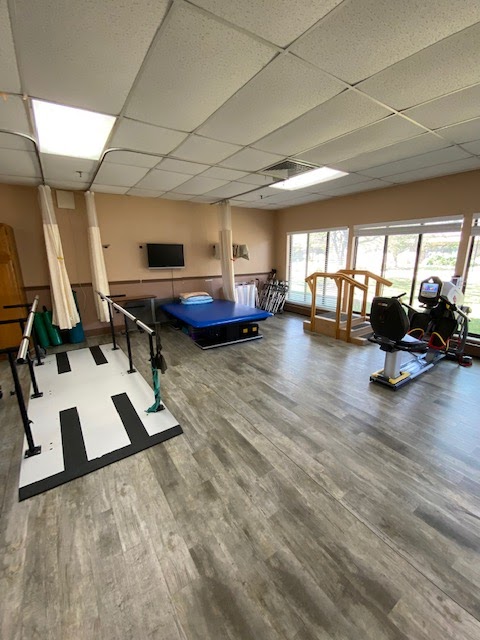
How is Brickyard Healthcare - Merrillville Staffed?

CMS rates BRICKYARD HEALTHCARE - MERRILLVILLE CARE CENTER's staffing level at 2 out of 5 stars, which is below average compared to other nursing homes. Staff turnover is 49%, compared to the Indiana average of 46%.

What Have Inspectors Found at Brickyard Healthcare - Merrillville?

State health inspectors documented 35 deficiencies at BRICKYARD HEALTHCARE - MERRILLVILLE CARE CENTER during 2022 to 2025. These included: 1 that caused actual resident harm and 34 with potential for harm. Deficiencies causing actual harm indicate documented cases where residents experienced negative health consequences.
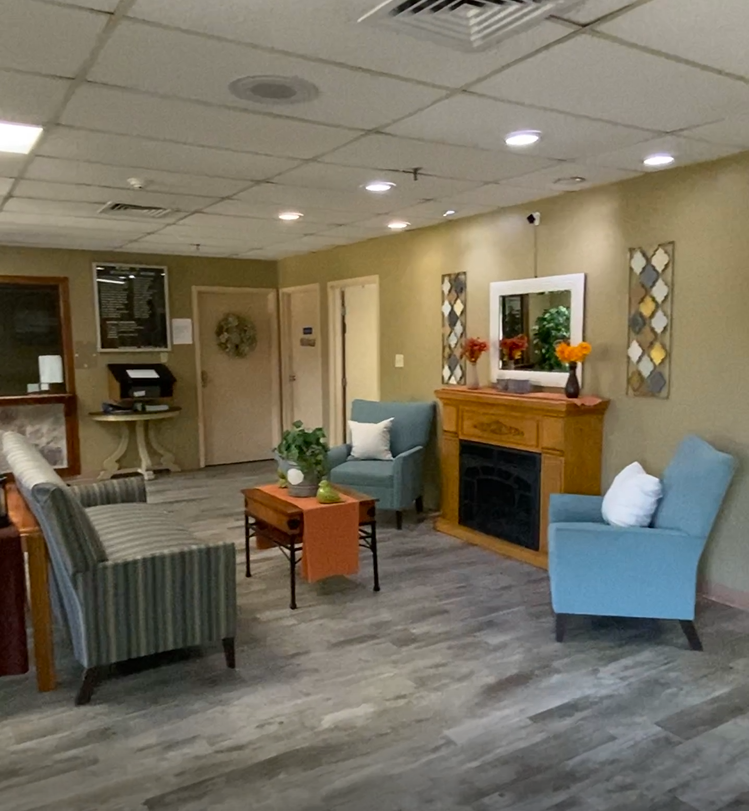
Who Owns and Operates Brickyard Healthcare - Merrillville?

BRICKYARD HEALTHCARE - MERRILLVILLE CARE CENTER is owned by a for-profit company. For-profit facilities operate as businesses with obligations to shareholders or private owners. The facility is operated by BRICKYARD HEALTHCARE, a chain that manages multiple nursing homes. With 164 certified beds and approximately 142 residents (about 87% occupancy), it is a mid-sized facility located in MERRILLVILLE, Indiana.
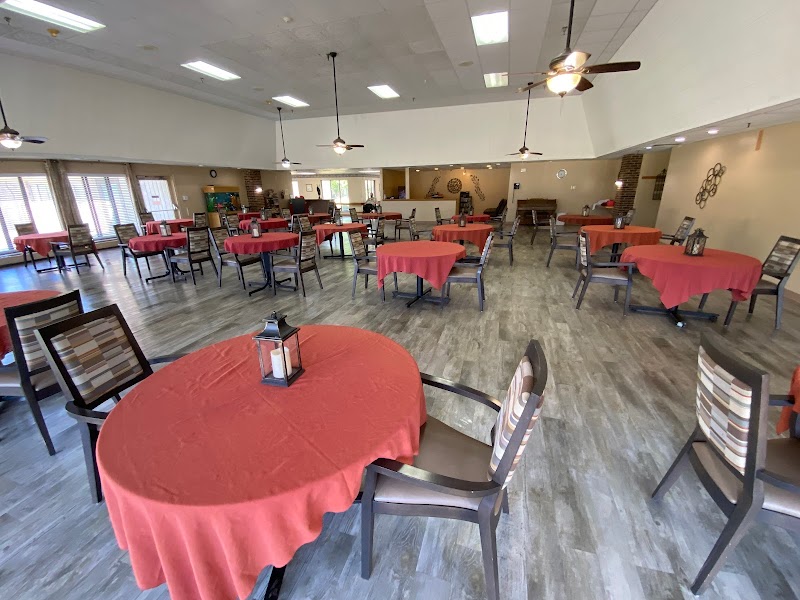
How Does Brickyard Healthcare - Merrillville Compare to Other Indiana Nursing Homes?

Compared to the 100 nursing homes in Indiana, BRICKYARD HEALTHCARE - MERRILLVILLE CARE CENTER's overall rating (1 stars) is below the state average of 3.1, staff turnover (49%) is near the state average of 46%, and health inspection rating (1 stars) is much below the national benchmark.

What Should Families Ask When Visiting Brickyard Healthcare - Merrillville?

Based on this facility's data, families visiting should ask: "What safeguards and monitoring systems are in place to protect residents from abuse or neglect?" "Can you walk me through typical staffing levels on day, evening, and night shifts?" "Can I visit during a mealtime to observe dining assistance and food quality?" "How do you handle medical emergencies, and what is your hospital transfer rate?" These questions are particularly relevant given the substantiated abuse finding on record and the below-average staffing rating.

Is Brickyard Healthcare - Merrillville Safe?

Based on CMS inspection data, BRICKYARD HEALTHCARE - MERRILLVILLE CARE CENTER has documented safety concerns. The facility has 1 substantiated abuse finding (meaning confirmed case of resident harm by staff or other residents). The facility has a 1-star overall rating and ranks #100 of 100 nursing homes in Indiana. Families considering this facility should ask detailed questions about what corrective actions have been taken since these incidents.

Do Nurses at Brickyard Healthcare - Merrillville Stick Around?

BRICKYARD HEALTHCARE - MERRILLVILLE CARE CENTER has a staff turnover rate of 49%, which is about average for Indiana nursing homes (state average: 46%). Moderate turnover is common in nursing homes, but families should still ask about staff tenure and how the facility maintains care continuity when employees leave.

Was Brickyard Healthcare - Merrillville Ever Fined?

BRICKYARD HEALTHCARE - MERRILLVILLE CARE CENTER has no federal fines on record. CMS issues fines when nursing homes fail to meet care standards or don't correct problems found during inspections. The absence of fines suggests the facility has either maintained compliance or corrected any issues before penalties were assessed. This is a positive indicator, though families should still review recent inspection reports for the full picture.

Is Brickyard Healthcare - Merrillville on Any Federal Watch List?

BRICKYARD HEALTHCARE - MERRILLVILLE CARE CENTER is not on any federal watch list. The most significant is the Special Focus Facility (SFF) program, which identifies the bottom 1% of nursing homes nationally based on persistent, serious quality problems. Not being on this list means the facility has avoided the pattern of deficiencies that triggers enhanced federal oversight. This is a positive indicator, though families should still review the facility's inspection history directly.