LINCOLNSHIRE HEALTH & REHABILITATION CENTER

8380 VIRGINIA ST, MERRILLVILLE, IN 46410 (219) 769-9009
Government - County 100 Beds CASA CONSULTING Data: November 2025
Trust Grade
38/100
#461 of 505 in IN
Last Inspection: July 2024

Within standard 12-15 month inspection cycle. Federal law requires annual inspections.

Overview

Lincolnshire Health & Rehabilitation Center has received a Trust Grade of F, indicating significant concerns and overall poor quality of care. It ranks #461 out of 505 facilities in Indiana, placing it in the bottom half, and #17 out of 20 in Lake County, meaning only a few local options are worse. While the facility has shown some improvement in trending issues, reducing from 14 to 5 problems over the past year, the staffing situation is concerning with only 1 out of 5 stars and a high turnover rate of 55%, which is slightly above state averages. Notably, the home has faced $3,418 in fines, higher than 78% of Indiana facilities, and there have been specific incidents, such as a lack of RN coverage for eight consecutive hours, which could have affected all residents, and issues with food preparation not meeting dietary needs for residents on pureed diets. Families should weigh these significant weaknesses against the few strengths when considering this facility for their loved ones.

Trust Score
F
38/100
In Indiana
#461/505
Bottom 9%
Safety Record
Low Risk
No red flags
Inspections
Getting Better
14 → 5 violations
Staff Stability
⚠ Watch
55% turnover. Above average. Higher turnover means staff may not know residents' routines.
Penalties
○ Average
$3,418 in fines. Higher than 64% of Indiana facilities. Some compliance issues.
Skilled Nurses
⚠ Watch
Each resident gets only 21 minutes of Registered Nurse (RN) attention daily — below average for Indiana. Fewer RN minutes means fewer trained eyes watching for problems.
Violations
⚠ Watch
55 deficiencies on record. Higher than average. Multiple issues found across inspections.
★☆☆☆☆
1.0
Overall Rating
★☆☆☆☆
1.0
Staff Levels
★★★☆☆
3.0
Care Quality
★☆☆☆☆
1.0
Inspection Score
Stable
2024: 14 issues
2025: 5 issues

The Good

  • Full Sprinkler Coverage · Fire safety systems throughout facility
  • No fines on record

Facility shows strength in fire safety.

The Bad

1-Star Overall Rating

Below Indiana average (3.1)

Significant quality concerns identified by CMS

Staff Turnover: 55%

Near Indiana avg (46%)

Higher turnover may affect care consistency

Federal Fines: $3,418

Below median ($33,413)

Minor penalties assessed

Chain: CASA CONSULTING

Part of a multi-facility chain

Ask about local staffing decisions and management

The Ugly 55 deficiencies on record

Jul 2025 4 deficiencies
CONCERN (D) 📢 Someone Reported This

A family member, employee, or ombudsman was alarmed enough to file a formal complaint

Potential for Harm - no one hurt, but risky conditions existed

Safe Environment (Tag F0584)

Could have caused harm · This affected 1 resident

Based on observation, record review, and interview, the facility failed to ensure a resident had a clean and homelike environment, related to a resident lying on soiled bottom sheet on the bed for 1 r...

Read full inspector narrative →
Based on observation, record review, and interview, the facility failed to ensure a resident had a clean and homelike environment, related to a resident lying on soiled bottom sheet on the bed for 1 random observation. (Resident C) Finding includes: During an observation 7/7/25 at 9:47 a.m., Resident C was lying on her back in bed. She indicated she needed to be changed and that she was in a mess. The resident's skin was scaly and shedding from the shoulders and arms. There were several pieces of dry skin, dark specks and dark discoloration spots on the bottom sheet of the bed under the resident's arms. The resident indicated she had not had any care since last night. During an observation on 7/7/25 at 10:03 a.m., CNA 1 and CNA 2 entered the room to provide care to the resident. CNA 1 indicated the resident had a skin condition. When the top sheet was removed, the resident's skin on her torso and legs were also scaly and shedding. There was a copious amount of dried skin flakes and discoloration areas from her skin on the bottom sheet. CNA 2 indicated she had started her shift at 7:00 a.m. and had not provided care to the resident prior to this observation. Resident C's record was reviewed on 7/7/25 at 1:46 p.m. The diagnoses included, but were not limited to, diabetes mellitus and psoriasiform dermatitis. A Quarterly Minimum Data Set assessment, dated 6/6/25, indicated an intact cognitive status, required maximum assistance for bathing, hygiene, and bed mobility. The CNA observation for incontinence task in the electronic medical record indicated the resident had been checked on 7/6/25 at 7:55 p.m. On 7/7/25 at 5:17 a.m., it was marked as not-applicable. This citation relates to Complaint IN00462425. 3.1-19(f)(5)
CONCERN (D) 📢 Someone Reported This

A family member, employee, or ombudsman was alarmed enough to file a formal complaint

Potential for Harm - no one hurt, but risky conditions existed

Comprehensive Care Plan (Tag F0656)

Could have caused harm · This affected 1 resident

Based on observation, record review, and interview, the facility failed to ensure a comprehensive care plan was implemented for a resident with a skin condition for 1 of 4 resident care plans reviewed...

Read full inspector narrative →
Based on observation, record review, and interview, the facility failed to ensure a comprehensive care plan was implemented for a resident with a skin condition for 1 of 4 resident care plans reviewed. (Resident C) Finding includes: During an observation 7/7/25 at 9:47 a.m., Resident C was lying on her back in bed. She indicated she needed to be changed and that she was in a mess. The resident's skin was scaly and shedding from the shoulders and arms. There were several pieces of dry skin, dark specks and dark discoloration spots on the bottom sheet of the bed under the resident's arms. During an observation on 7/7/25 at 10:03 a.m., CNA 1 and CNA 2 entered the room to provide care to the resident. CNA 1 indicated the resident had a skin condition. When the top sheet was removed, the resident's skin on her torso and legs were also scaly and shedding. There was a copious amount of dried skin flakes and discoloration areas from the skin on the bottom sheet. Resident C's record was reviewed on 7/7/25 at 1:46 p.m. The diagnoses included, but were not limited to, diabetes mellitus and psoriasiform dermatitis. A Quarterly Minimum Data Set assessment, dated 6/6/25, indicated an intact cognitive status, required maximum assistance for bathing, hygiene, and bed mobility. A Physician's Order, dated 7/1/25, indicated Tacrolimus external cream 0.1% (treatment for dry, itching, and rashes of the skin), apply to affected areas every day and evening for skin impairment. Apply the cream to the bilateral upper and lower extremities, abdomen and the back. The record lacked a comprehensive care plan related to the psoriasiform dermatitis. The Director of Nursing was notified on 7/7/25 at 3:02 p.m. the record lacked a care plan for the psoriasiform dermatitis. No Care Plan had been received at the time of exiting the facility on 7/7/25 at 5:00 p.m. This citation relates to Complaint IN00462425. 3.1-35(b)(1)
CONCERN (D) 📢 Someone Reported This

A family member, employee, or ombudsman was alarmed enough to file a formal complaint

Potential for Harm - no one hurt, but risky conditions existed

ADL Care (Tag F0677)

Could have caused harm · This affected 1 resident

Based on observation, record review, and interview, the facility failed to ensure a dependent resident received assistance with activities of daily living (ADLs) related to the timeliness of incontine...

Read full inspector narrative →
Based on observation, record review, and interview, the facility failed to ensure a dependent resident received assistance with activities of daily living (ADLs) related to the timeliness of incontinence care for 1 of 3 residents reviewed for ADLs. (Resident C) Finding includes: During an observation 7/7/25 at 9:47 a.m., Resident C was lying on her back in bed. She indicated she needed changed and that she was in a mess and she had not had any care since last night. During an observation on 7/7/25 at 10:03 a.m., CNA 1 and CNA 2 entered the room to provide care to the resident. CNA 2 indicated she had started her shift at 7:00 a.m. and had not provided care to the resident prior to this observation. CNA 1 indicated the resident required assistance for bed mobility. There was a large amount of dried dark fluid with rings and reddish/pink drainage that covered the incontinent pad under the resident. The incontinent brief was saturated. CNA 2 indicated the resident's skin weeped and some of the drainage on the incontinent pad was from the skin. During the care, the resident moaned with pain and stated I can't do this no more. She indicated she wanted to be left alone. CNA 1 and CNA 2 attempted to comfort the resident and asked the resident if she would like to rest. She indicated she wanted to rest. The CNAs covered the resident with a sheet and assured her they would return. CNA 2 then reported the pain and the resident's request to LPN 3. During an interview on 7/7/25 at 10:30 a.m., LPN 3 indicated the resident received routine pain medication at 8:50 a.m. During an observation on 7/7/25 at 11:40 a.m., CNA 1 and CNA 2 were providing care. The resident was assisted to roll onto her right side. There was a copious amounts of dried dark drainage and reddish/pink drainage on the incontinence pad. The CNAs' indicated they were not sure if the drainage on the pad was from urine or from the uncovered left hip pressure ulcer. Resident C's record was reviewed on 7/7/25 at 1:46 p.m. The diagnoses included, but were not limited to, diabetes mellitus and psoriasiform dermatitis. A Care Plan, revised on 3/26/25, indicated a risk for complications, related to urinary incontinence. The interventions included incontinence care would be provided after each incontinence episode. The resident would be checked and the brief/incontinence pad would be changed with routine care rounds and as needed. A Quarterly Minimum Data Set assessment, dated 6/6/25, indicated an intact cognitive status, required maximum assistance for bathing, hygiene, and bed mobility and was dependent for toileting. She was frequently incontinent of bowel and bladder. The CNAs observation for incontinence task in the electronic medical record indicated she had been checked on 7/6/25 at 7:55 p.m. On 7/7/25 at 5:17 a.m., it was marked as not-applicable. During an interview on 7/7/25 at 3:00 p.m., the Wound Nurse indicated the resident's skin was not seeping and the pressure area on the left hip had drainage. The drainage on the left hip would not be enough to cover the whole incontinence pad. An incontinence policy, dated 2/12/21 and received from the Administrator as current, indicated the residents would be provided assistance with incontinence care routinely. Included in the incontinence care was brief changes, peri-care, clothing changes, and bed linen changes. This citation relates to Complaint IN00462425. 3.1-38(a)(2)(C)
CONCERN (D) 📢 Someone Reported This

A family member, employee, or ombudsman was alarmed enough to file a formal complaint

Potential for Harm - no one hurt, but risky conditions existed

Pressure Ulcer Prevention (Tag F0686)

Could have caused harm · This affected 1 resident

Based on observation, record review, and interview, the facility failed to ensure treatments for pressure ulcers were in place as ordered by the physician for 1 of 3 residents reviewed for pressure ul...

Read full inspector narrative →
Based on observation, record review, and interview, the facility failed to ensure treatments for pressure ulcers were in place as ordered by the physician for 1 of 3 residents reviewed for pressure ulcers. (Resident C) Finding includes: During an observation on 7/7/25 at 11:40 a.m., CNAs 1 and CNAs 2 were providing care. The resident was rolled to her right side. There was a pressure ulcer observed on the left hip, and superficial open areas on the lower back/sacrum area and right buttock. The right buttock had bloody drainage present. There were no dressings on any of the open areas. CNAs 1 looked in the brief and linens being removed from under the resident and found no dressings. CNAs 1 and CNAs 2 indicated they had not been made aware the dressings were not present by the previous shift. During an interview on 7/7/25 at 11:45 a.m., the Wound Nurse indicated the treatments had been completed by her on 7/3/25. There were physician's orders to change the dressings if soiled or if the dressings came off. During an interview on 7/7/25 at 12:00 p.m., the Director of Nursing indicated she had spoken to the nurse who worked the night shift and was informed the nurse had completed the dressing changes on the night shift of 7/7/25. Resident C's record was reviewed on 7/7/25 at 1:46 p.m. The diagnoses included, but were not limited to, diabetes mellitus and psoriasiform dermatitis. Physician's Orders, dated 4/28/25, indicated the sacrum area and right buttock area was to be cleansed with normal saline, patted dry, and covered with a hydrocolloid dressing three times a week and as needed for dislodgement and/or if soiled. The treatment was to be completed on Mondays, Wednesdays, and Fridays. A Care Plan, revised on 5/1/25, indicated an infection of a pressure ulcer wound. The interventions included treatments would be administered as ordered. A Physician's Order, dated 5/30/25, indicated the left hip pressure ulcer was to be cleansed with normal saline, patted dry, packed with iodoform (antiseptic and antimicrobial wound treatment), and covered with a foam dressing daily and as needed for dislodgement and/or if soiled. A Care Plan, dated 6/5/25, indicated a pressure ulcer was present. The interventions included wound care would be provided as ordered by the Physician. A Quarterly Minimum Data Set assessment, dated 6/6/25, indicated an intact cognitive status, required maximum assistance for bathing, hygiene and bed mobility and was dependent for toileting. She was frequently incontinent of bowel and bladder. There was one stage three (full thickness skin loss) pressure ulcer and pressure ulcer care was provided. The Medication and Treatment Administration Records, dated 7/2025, indicated the left hip treatment had not been completed on 7/5/25 and 7/6/25 on day shift as scheduled. The hydrocolloid dressings had been documented as completed on 7/4/25. There were no as needed treatments documented as completed. During an interview on 7/7/25 at 3:00 p.m., the Wound Nurse indicated the hydrocolloid dressings were not on the resident and she had completed all the dressing treatments this morning. This citation relates to Complaint IN00462425. 3.1-40(a)(2)
Jun 2025 1 deficiency
CONCERN (D) 📢 Someone Reported This

A family member, employee, or ombudsman was alarmed enough to file a formal complaint

Potential for Harm - no one hurt, but risky conditions existed

Quality of Care (Tag F0684)

Could have caused harm · This affected 1 resident

Based on record review and interview, the facility failed to ensure residents received blood sugar monitoring, insulin and hypoglycemic medications as ordered by the Physician for 3 of 3 residents rev...

Read full inspector narrative →
Based on record review and interview, the facility failed to ensure residents received blood sugar monitoring, insulin and hypoglycemic medications as ordered by the Physician for 3 of 3 residents reviewed for diabetes management. (Residents B, C and D) Findings include: 1. Resident B's closed record was reviewed on 6/4/25 at 10:43 a.m. The diagnoses included, but were not limited to, diabetes mellitus. A Quarterly Minimum Data Set (MDS) assessment, dated 4/28/25, indicated the resident received insulin in the past 6 days. A Physician's Order, dated 4/23/25 and discontinued on 5/9/25 at 1:37 p.m., indicated blood sugar levels were to be obtained before meals and at bedtime and the amount of humalog insulin to be administered was dependent on the blood sugar results (sliding scale). The order indicated blood sugar results 0-150: no insulin was to be given, blood sugars 151-200: 2 units were to be given, blood sugars 201-250: 4 units were to be given, blood sugars 251-300: 6 units were to be given, blood sugars 301-350, 8 units were to be given, blood sugars 351-400, 10 units were to be given, and a blood sugar above 400, 12 units of insulin were to be given and the physician notified. If the blood sugar was less than 70, the physician was to be notified. The April 2025 Medication Administration Record (MAR) indicated on 4/28/25 at 11:00 a.m., there was no blood sugar level obtained and it was coded as no insulin was required. On 4/29/25 at 9:00 p.m., there was no blood sugar level obtained and it indicated the insulin was refused. The May 2025 MAR indicated on 5/1/25 and 5/2/25 at 6:00 a.m., the blood sugar level was not obtained and no insulin was administered. On 5/2/25 at 9:00 p.m., there was no blood sugar level obtained and the insulin was marked as refused. On 5/3/25 at 9:00 p.m., there was no blood sugar level obtained and the insulin was marked as refused. On 5/4/25, 5/6/26, and 5/7/25 at 6:00 a.m., there was no blood sugar level obtained and no insulin was administered. On 5/9/25 at 11:00 a.m., there was no blood sugar level obtained and the insulin dose was coded as non-applicable. A Physician's Order, dated 5/9/25 at 5:00 p.m. indicated the blood sugar monitoring had been decreased to twice a day and the sliding scale remained the same. The May 2025 MAR indicated on 5/9/25 at 5:00 p.m., there was no blood sugar level obtained. On 5/10/25, 5/11/25, and 5/12/25 at 8:00 a.m. and 5:00 p.m., there were no blood sugar levels obtained. During an interview on 6/4/25 at 1:55 p.m., the Director of Nursing (DON) and the Corporate RN Consultant indicated the blood sugar results were not available for the above dates. The Corporate RN Consultant indicated the resident was transferred to the hospital on 5/12/25 and his blood sugar was 115 at the hospital. 2. Resident C's closed record was reviewed on 6/4/25 at 1:30 p.m. The diagnoses included, but were not limited to, diabetes mellitus. An admission MDS assessment, dated 3/11/25, indicated a hypoglycemic medication had been administered during the look back period. The Physician's Orders, dated 3/4/25, indicated the blood sugar was to be monitored four times a day and notify the physician if it was below 70 or above 400. Glipizide (hypoglycemic medication) 2.5 milligrams (mg) was to be administered daily. The March 2025 MAR indicated the blood sugar monitoring was scheduled for 6:00 a.m., 12:00 p.m., 5:00 p.m., and 9:00 p.m. daily. The blood sugar monitoring was marked as completed without results documented at 6:00 a.m. on March 5 through 15, 2025, March 17, 19, 20, 21, and 22, 2025. The blood sugar monitoring was marked as completed without results documented at 12:00 p.m. on March 5 through 12, 2025, March 15, 16, 17, 19, 20, 21, and 22, 2025. The blood sugar monitoring was marked as completed without results documented at 5:00 p.m. on March 5 through 10, 2025, March 12-17, 2025, March 20 and 22, 2025. On March 23, 2025 the blood sugar monitoring was not documented as completed. The blood sugar monitoring was marked as completed without results documented at 9:00 p.m. on March 5 through the 10, 2025, March 12, 14, 25, 16, 2025, and March 19, 20, and 22, 2025. On March 23, 2025 the blood sugar monitoring was not documented as completed on March 23, 2025. During an interview on 6/4/25 at 2:40 p.m., the Corporate RN Consultant acknowledged the blood sugar results were not documented prior to March 24, 2025. 3. Resident D's record was reviewed on 6/5/25 at 9:31 a.m. The diagnoses included, but were not limited to, diabetes mellitus. A Quarterly MDS assessment, dated 3/10/25, indicated a hypoglycemic medication had been administered. The Physician's Orders, dated 5/24/24, indicated an order for blood glucose monitoring daily and to notify the physician if the blood sugar was below 70 or above 350. On 1/18/25 through 3/22/25, Metformin (hypoglycemic) 500 mg (milligrams) two times a day was to be administered. On 3/22/25, Metformin 1000 mg was to be given two times a day. The March 2025 Medication Administration Record (MAR) indicated the blood sugar level was not obtained on March 1 and 9, 2025. The Metformin 500 mg was not administered as ordered for the A.M. dose on March 1 and 8, 2025 and the P.M. dose on March 3, 2025. The May 2025 MAR indicated the blood sugar was not obtained on May 9, 2025. The Metformin 1000 mg was not administered on May 9, 2025 for the A.M. dose and on May 7 and 9, 2025 for the P.M. dose. During an interview on 6/5/25 at 10:44 a.m., the DON indicated she was unable to verify the blood sugar testing had been completed or that the Metformin was administered as ordered. This citation relates to Complaints IN00456433 and IN00460374. 3.1-37(a)
Jul 2024 12 deficiencies
CONCERN (D)

Potential for Harm - no one hurt, but risky conditions existed

Deficiency F0554 (Tag F0554)

Could have caused harm · This affected 1 resident

Based on observation, record review, and interview, the facility failed to ensure residents had physician's orders for a medication, physician's orders for self-administration of medications, and a se...

Read full inspector narrative →
Based on observation, record review, and interview, the facility failed to ensure residents had physician's orders for a medication, physician's orders for self-administration of medications, and a self-administration of medications assessment completed for 1 of 2 residents reviewed for self-administration of medication. (Resident 4) Finding includes: On 7/8/24 at 11:51 a.m., there was a bottle of fluticasone spray (nasal spray) observed on Resident 4's bedside table. At the time, the resident indicated that she took the nasal spray by herself whenever she felt that she needed it. On 7/10/24 at 11:54 a.m., the bottle of fluticasone spray was still observed on the bedside table. Resident 4's record was reviewed on 7/10/24 at 11:14 a.m. Diagnoses included, but were not limited to, heart failure and adult failure to thrive. The Quarterly MDS (Minimum Data Set) assessment, dated 6/5/24, indicated the resident was cognitively intact for daily decision making. There were no physician's orders for the fluticasone spray. There was no care plan for self-administration of the fluticasone. There were no self-administration of medication assessments. During an interview on 7/11/24 at 10:52 a.m., the Unit B Manager indicated she would look into it and provided no further information. A Policy, titled, Self-Administration of Medication Program, indicated .5. If a resident requests to self-administer drugs, it is the responsibility of the IDT to determine that it is safe for the resident to self-administered rugs, before the resident may exercise that right .7. The admitting nurse or designee will complete the Self-Administration of Medication Evaluation and report the findings to the Unit Manager or designee .9. Once the resident has been deemed safe by the IDT an order will be obtained from the resident's physician or physician extender listing the medications(s) that may be self-administered, where the medications will be stored, who will be responsible for documentation and the location of administration .10. Appropriate documentation of the above determinations will be documented in the resident's care plan. 3.1-11(a)
CONCERN (D) 📢 Someone Reported This

A family member, employee, or ombudsman was alarmed enough to file a formal complaint

Potential for Harm - no one hurt, but risky conditions existed

Notification of Changes (Tag F0580)

Could have caused harm · This affected 1 resident

Based on observation, record review and interview, the facility failed to notify the family/representative of new orders for medications for 1 of 5 residents reviewed for unnecessary medications. (Res...

Read full inspector narrative →
Based on observation, record review and interview, the facility failed to notify the family/representative of new orders for medications for 1 of 5 residents reviewed for unnecessary medications. (Resident B) Finding includes: Resident B's record was reviewed on 7/9/24 at 11:18 a.m. Diagnoses included, but were not limited to, schizoaffective disorder, anxiety disorder, dementia with behavioral disturbance, and bipolar disorder without psychotic features. The Quarterly Minimum Data Set (MDS) assessment, dated 6/26/24, indicated the resident was severely cognitively impaired for daily decision making. Medications received while a resident included, but were not limited to, antipsychotics on a routine basis, anti-anxiety medications, and opioids (pain medications). A Nurses' Note, dated 5/23/2024 at 8:11 p.m., indicated the resident complained of right hip pain. A new order was placed for Icy Hot Patch daily to the right hip and off at bedtime. A Nurses' Note, dated 5/29/2024 at 3:58 p.m., indicated the Psychiatric Nurse Practitioner placed a new order for sertraline (an antidepressant) 50 milligrams (mg) daily. The resident was aware. A Nurses' Note, dated 6/12/2024 at 11:28 p.m., indicated the Psychiatric Nurse Practitioner placed a new order for aricept (dementia treatment) 5 mg at bedtime. The resident was aware. A Nurses' Note, dated 6/18/2024 at 3:01 p.m., indicated the resident requested a smoking patch. The physician was notified and new orders for a smoking patch were received. The resident was aware. A Nurses' Note, dated 7/9/2024 at 2:43 p.m., indicated the Psychiatric Nurse Practitioner placed new ordered to discontinue sertraline 50 mg daily and start sertraline 75 mg daily for anxiety. The resident was aware. During an observation on 7/10/24 at 12:10 p.m., Resident B was observed to be in her wheelchair wheeling herself down the hallway. She was observed speaking to LPN 1, but the conversation was unclear. LPN 1 indicated the resident often hallucinated, which she was doing at the time, saying her family was there right next to her and she was having a conversation with them. LPN 1 indicated this was her usual state of mind. During an interview on 7/11/24 at 11:57 a.m., the Director of Nursing indicated the resident was her own responsible party. They had tried to call the resident's daughter in the past and never received a response. A Policy titled, Change in Condition Process, indicated .The facility must inform the resident, consult with the resident's physician and notify the resident's family member or legal representative when there is a change requiring such notification. Situations requiring notification include: .3. A need to alter treatment significantly; that is, a need to discontinue an existing form of treatment due to adverse consequences, or to commence a new form of treatment. This may include: b. Discontinuing a treatment or changing a medication due to: adverse consequences, acute condition, exacerbation of a chronic condition. This citation was related to Complaint IN00436382. 3.1-5(a)(3)
CONCERN (D) 📢 Someone Reported This

A family member, employee, or ombudsman was alarmed enough to file a formal complaint

Potential for Harm - no one hurt, but risky conditions existed

Deficiency F0657 (Tag F0657)

Could have caused harm · This affected 1 resident

**NOTE- TERMS IN BRACKETS HAVE BEEN EDITED TO PROTECT CONFIDENTIALITY** 3. Resident B's record was reviewed on 7/9/24 at 11:18 a.m. The resident was admitted to the facility on [DATE]. Diagnoses inclu...

Read full inspector narrative →
**NOTE- TERMS IN BRACKETS HAVE BEEN EDITED TO PROTECT CONFIDENTIALITY** 3. Resident B's record was reviewed on 7/9/24 at 11:18 a.m. The resident was admitted to the facility on [DATE]. Diagnoses included, but were not limited to, schizoaffective disorder, anxiety disorder, depression, dementia with behavioral disturbances, and bipolar disorder without psychotic features. The Quarterly Minimum Data Set (MDS) assessment, dated 6/26/24, indicated the resident was severely cognitively impaired for daily decision making. She required setup or clean-up assistance with eating, oral hygiene, toileting hygiene, and bathing. She received scheduled pain medication and antipsychotic medications on a routine basis as well as anti-anxiety medications. The record lacked documentation of a care plan meeting since admission. There was no documentation of an invitation to a care plan meeting sent to the resident and/or the resident representative. During an interview on 7/11/24 at 1:52 p.m., the Social Service Director indicated she had never held a care plan meeting with the resident and/or resident representative. It was expected to hold a care plan meeting within 72 hours after a new admission. She was unable to provide any documentation of a care plan meeting invitation being sent to the resident and/or representative. The current policy, Comprehensive Resident Centered Care Plan, indicated, .It is the policy of the facility to promote interdisciplinary care for our residents by utilizing the interdisciplinary plan of care based on assessment, planning, treatment, service and intervention , and, .5. The planning process will: a. Facilitate the inclusion of the resident and/or resident representative The policy also indicated, .1. A comprehensive care plan will be .v. To the extent practicable, the participation of the resident and the resident's representative(s). An explanation must be included in the resident's medical record if the participation of the resident and their representative is determined not practicable for the development of the resident's care plan This citation was related to Complaint IN00436382. 3.1-35(b)(1) Based on record review and interview, the facility failed to ensure quarterly care plan meetings were completed and/or family representatives were invited for 3 of 4 residents reviewed for care planning. (Residents D, E and B) Findings include: 1. During an interview on 7/8/24 at 11:05 a.m., Resident D's Power of Attorney (POA)/ family representative indicated she had not been invited to a care plan meeting in a very long time. They used to do phone conferences, but that had not occurred recently. The resident's record was reviewed on 7/9/24 at 11:54 a.m. Diagnoses included, but were not limited to, hemiplegia (one sided weakness) and hemiparesis (one sided paralysis) following a cerebral vascular accident, dysphagia, and contracture of the right hand. The Quarterly Minimum Data Set (MDS) assessment, dated 5/28/24, indicated the resident had severe cognitive impairment, required set up assistance for meals, and extensive 2+ staff assistance for bed mobility. There was no documentation a care plan meeting had been completed in 2024. A Care Plan Meeting Invitation, dated 5/5/24, indicated the resident was invited and noted, the resident was sleepy. The POA/representative section was left blank. During an interview on 7/9/24 at 2:43 p.m., the Social Service Director indicated a list was provided to the receptionist monthly of care plan meetings that were due and invitations were sent out to the families. If there was not a social service note, there was no care plan meeting held. If no one responded, there was no one with whom to have the meeting. She indicated they may not have the correct address for the POA. 2. During an interview on 7/8/24 at 8:51 a.m., Resident E indicated he had not attended a care plan meeting and was not familiar with what that was. The resident's record was reviewed on 7/11/24 at 11:09 a.m. Diagnoses included, but were not limited to, gangrene, metabolic encephalopathy, and diabetes mellitus. The Quarterly MDS assessment, dated 6/24/24, indicated the resident was cognitively intact. There was no documentation a care plan meeting had been completed in 2024. During an interview on 7/11/24 at 12:05 p.m., the Social Service Director indicated she was unable to find a recent care plan meeting for the resident. If the resident was invited and didn't want to attend, it should still be documented. She also indicated the resident was due for a care plan meeting in March and June, but had been in the hospital. They should have rescheduled the meetings, but did not.
CONCERN (D)

Potential for Harm - no one hurt, but risky conditions existed

ADL Care (Tag F0677)

Could have caused harm · This affected 1 resident

2. During an interview on 7/8/24 at 11:48 a.m., Resident 4 indicated the staff were not providing her incontinence care timely. There were often times when they would come into her room and turn off h...

Read full inspector narrative →
2. During an interview on 7/8/24 at 11:48 a.m., Resident 4 indicated the staff were not providing her incontinence care timely. There were often times when they would come into her room and turn off her call light and say they would come back to perform the incontinence care, however it would take them hours to do so. Resident 4's record was reviewed on 7/10/24 at 11:14 a.m. Diagnoses included, but were not limited to, heart failure, polyneuropathy (disease affecting peripheral nerves), and adult failure to thrive. The Quarterly MDS assessment, dated 6/5/24, indicated the resident was cognitively intact for daily decision making. She had functional limitation in range of motion on both lower extremities. She was dependent for toileting hygiene and bathing and required substantial/maximal assistance for personal hygiene. She was always incontinent of bladder and frequently incontinent of bowel continence. She had 1 stage 4 pressure ulcer that was present upon admission/entry or reentry. A Care Plan, dated 5/29/24, indicated the resident required assistance with activities of daily living (ADLs) including bed mobility, eating, transfers/mechanical lift device, and toileting. Interventions included, but not limited to, assist with bed mobility, bathing, and toileting care as needed. The Bowel and Bladder (B&B) - Bladder Elimination Point of Care Task indicated there was a frequency of every shift. The documentation was reviewed for the last 30 days and the resident was marked as incontinent only twice per day on 6/11, 6/15, 6/16, 6/20, 6/22, 6/23, 6/24, 6/26, 7/4, 7/6, and 7/9/24. The resident was marked as incontinent once on 6/14 and 6/18/24. During an interview on 7/11 at 11:15 a.m., the Director of Nursing indicated that it was expected CNAs were checking and changing the dependent residents every two hours and documenting at least once a shift. 3. During an interview on 7/8/24 at 9:31 a.m., Resident C indicated he needed his nails trimmed on both his hands and feet and his fingernails were in need of cleaning. He was having to manually disimpact his stool and so his fingernails were dirty. His nails were observed to be long and dirty and his toenails were long upon observation at the time. During an observation on 7/9/24 at 11:48 a.m., Resident C was observed lying in his bed. He had long dirty fingernails and his toenails were long. Resident C's record was reviewed on 7/11/24 at 9:28 a.m. Diagnoses included, but were not limited to, hemiplegia and hemiparesis affecting the right dominant side and vascular dementia. The Annual Minimum Data Set (MDS) assessment, dated 5/3/24, indicated the resident was cognitively intact for daily decision making. He had limited range of motion on both sides on upper and lower extremities. He required total assistance with toileting hygiene, bathing, and transfers. He required substantial/maximal assistance with personal hygiene. He was frequently incontinent of bladder and always incontinent of bowel. A Care Plan, dated 4/4/24, indicated the resident was resistive to care as evidenced by refusing treatment. Interventions included, but were not limited to, allow the resident to make decisions about treatment regimen, encourage resident to receive care throughout the shift while providing options, and if resident resists with ADL care, reassure resident, leave and return 5-10 minutes later and try again. The Bath and Skin Report Sheet for July 2024 indicated the resident had a shower on 7/1/24 which included lotion application, shaving, and nails trimmed. On 7/4/24, he had a bed bath, lotion application, shaving, and nails trimmed. On 7/8/24, he had a shower, lotion application, shaved, and nails trimmed. There was no documentation that the resident received toenail care. During an interview on 7/11/24 at 4:09 p.m., the Director of Nursing indicated the resident required assistance for nail care. The nurses were to take care of his toenails. Staff should document nail care on the shower sheets. The resident had no documentation that he was digging stool out or that he had constipation, but he should have received nail care as needed if his fingernails were dirty. 3.1-38(a)(2)(C) 3.1-38(a)(3)(E) Based on interview, observation, and record review, the facility failed to ensure residents received the necessary care for activities of daily living (ADLs) related to the lack of documentation of incontinence care and residents with long, dirty fingernails and toenails for 3 of 11 residents reviewed for ADL care. (Residents 10, 4 and C) Findings include: 1. On 7/8/24 at 11:30 a.m., Resident 10 was interviewed. The resident indicated the staff never check his brief to see if he needed to be changed. Record review for Resident 10 was completed on 7/9/24 at 1:53 p.m. Diagnoses included, but were not limited to hypertension, anxiety, depression, bipolar, and psychotic disorder. The Quarterly Minimum Data Set (MDS) assessment, dated 4/12/24, indicated the resident was cognitively intact. The resident required a substantial assistance for bed mobility and was dependent for transfers. The resident was always incontinent of bladder. A Care Plan, dated 5/17/23, indicated the resident experienced bladder incontinence. An intervention included to check and change with routine care rounds and as needed. The Bladder Elimination Task for the past 30 days indicated urinary continence care was not documented on the following dates and shifts: Days: 6/17/24 and 7/1/24 Evenings: 6/13, 6/14, 6/16, 6/19, 6/21, 6/22, 6/23, 6/24, 6/25, 6/26, 6/29, 7/5, and 7/8/24. Nights: 6/13, 6/14, 6/20, 6/23, 7/5, and 7/6/24. During an interview on 7/10/24 at 11:48 a.m., CNA 2 indicated the CNAs worked 8 hour shifts. The resident was incontinent of bladder and wore a brief. Staff were supposed to check residents every 2 hours for incontinence care. They were supposed to document at least once per shift if the resident was continent or incontinent and if care was completed. During an interview on 7/10/24 at 1:46 p.m., the Director of Nursing (DON) indicated the CNAs were expected to check the residents every 2 hours for incontinence care and document in the Tasks at least 1 time per shift related to the residents' continence status and if care was completed.
CONCERN (D)

Potential for Harm - no one hurt, but risky conditions existed

Quality of Care (Tag F0684)

Could have caused harm · This affected 1 resident

3. During an observation on 7/8/24 at 9:34 a.m., Resident C was observed to be in bed. He had no heel protector or offloading in place on his right foot. He had an area of discoloration noted to his r...

Read full inspector narrative →
3. During an observation on 7/8/24 at 9:34 a.m., Resident C was observed to be in bed. He had no heel protector or offloading in place on his right foot. He had an area of discoloration noted to his right big toe. On 7/9/24 at 11:48 a.m., Resident C was observed to be in bed. He had no heel protector or offloading in place on his right foot and an area of discoloration was observed to his right big toe. Resident C's record was reviewed on 7/11/24 at 9:28 a.m. Diagnoses included, but were not limited to, hemiplegia and hemiparesis affecting the right dominant side and vascular dementia. The Annual Minimum Data Set (MDS) assessment, dated 5/3/24, indicated the resident was cognitively intact for daily decision making. He had limited range of motion on both sides on upper and lower extremities. He required total assistance with toileting hygiene, bathing, and transfers and substantial/maximal assistance with personal hygiene. He was frequently incontinent of bladder and always incontinent of bowel. A Physician's Order, dated 5/1/24, indicated heel protector to right heel while in bed every shift for prophylaxis. A Care Plan, dated 7/10/24, indicated the resident had an abrasion to the right great toe and right second toe. Interventions included, but were not limited to, encourage turning and repositioning, provide treatment per Physician's Order and the resident refuses heel protectors. The record lacked documentation of monitoring whether the heel protectors were on, off, or refused. During an interview on 7/11/24 at 2:12 p.m., the Unit B Manager indicated there should have been a place to document whether the heel protectors were on, off, or refused. A Policy titled, Wound Prevention, indicated, 3 .c) Pressure relief .iii. As needed position and reposition the resident with pillows and other supportive devices 3.1-37(a) Based on observation, record review, and interview, the facility failed to ensure residents received the necessary care and treatment, related to administering a blood pressure medication out of the prescribed parameters, the lack of assessment and a treatment order for a resident with a bandage, and a resident not wearing preventative heel protectors as ordered, for 1 of 5 residents reviewed for unnecessary medications (Resident 28) and 2 of 4 residents reviewed for non-pressure skin conditions. (Residents 39 and C) Findings include: 1. Record review for Resident 28 was completed on 7/11/24 at 12:22 p.m. Diagnoses included, but were not limited to, atrial fibrillation, heart failure, hypertension, and orthostatic hypotension. The admission Minimum Data Set (MDS) assessment, dated 6/11/24, indicated the resident was cognitively intact. The July 2024 Physician's Order Summary indicated an order for midodrine hcl (treats low blood pressure) 2.5 mg (milligrams) twice a day for orthostatic hypotension. Hold the medication if the systolic blood pressure (SBP) (top reading of a blood pressure) was greater than 130. The June and July 2024 Medication Administration Records indicated the midodrine hcl was administered on the following dates and times when the SBP was out of parameters and should not have been administered. - 6/7/24 at HS (at bedtime) the blood pressure (BP) was 139/78 - 6/8/24 at HS the BP was 139/71 - 6/23/24 in the AM (morning) the BP was 132/69 - 6/26/24 in the AM the BP was 133/72 - 6/27/24 in the AM the BP was 131/72 - 6/28/24 at HS the BP was 132/76 - 7/1/24 at HS the BP was 135/71 - 7/3/24 in the AM the BP was 136/78 - 7/4/24 in the AM the BP was 138/76 - 7/5/24 in the AM the BP was 132/70 - 7/6/24 in the AM the BP was 131/68 - 7/7/24 in the AM the BP was 132/75 - 7/8/24 in the AM the BP was 132/76 - 7/10/24 in the AM the BP was 134/71 - 7/11/24 in the AM the BP was 134/78 During an interview on 7/12/24 at 2:25 p.m., the Director of Nursing indicated the resident received the midodrine hcl when his BP was out of parameters and he should not have been administered the medication. She would in-service the staff on administering medications with prescribed parameters. 2. On 7/9/24 at 9:05 a.m., Resident 39 was observed sitting on the side of her bed. The resident had a large brown bandage with a smaller yellow bandage on top of it above her right wrist. The resident indicated she had the bandage put on last week in the hospital after a blood transfusion. On 7/10/24 at 11:45 a.m., the resident was propelling herself in a wheelchair down the hallway. The brown bandage with the yellow bandage was still observed above her right wrist. On 7/11/24 at 9:43 a.m., the resident was sitting in a wheelchair in her room eating breakfast. The brown bandage with the yellow bandage was still observed above her right wrist. Record review for Resident 39 was completed on 7/10/24 at 11:47 a.m. Diagnoses included, but were not limited to, anemia, heart failure, hypertension, end stage renal disease, diabetes mellitus, and dementia. The Significant Change Minimum Data Set (MDS) assessment, dated 5/13/24, indicated the resident was cognitively intact. The resident required supervision for dressing, substantial maximum assistance with personal hygiene, and partial moderate assistance for transfers. The resident received an anticoagulant (blood thinning) medication. A Care Plan, dated 5/19/23, indicated the resident was at risk for abnormal bleeding/bruising related to the use of anticoagulant medications. An intervention included to monitor for side effects and effectiveness which included bruising. The July 2024 Physician's Order Summary (POS) indicated the following orders: - apixaban (blood thinner) 2.5 mg (milligrams) twice a day. Monitor resident for signs and symptoms of adverse effects, including bruising, bleeding, and skin changes every shift. - Blood Infusion Appointment on 7/3/24 at 1:15 p.m., at the hospital. The record lacked any documentation related to an assessment, monitoring, or physician's order for the resident's bandage, including the reason for the bandage. During an interview on 7/11/24 at 11:15 a.m., the Director of Nursing (DON) indicated the resident had a blood transfusion at the hospital the prior week and the bandage was put on there. She was unable to provide any documentation related to physician's orders or monitoring of the area and the bandage should have been removed.
CONCERN (D)

Potential for Harm - no one hurt, but risky conditions existed

Deficiency F0685 (Tag F0685)

Could have caused harm · This affected 1 resident

Based on record review and interview, the facility failed to ensure residents with impaired hearing received the necessary services for 1 of 1 resident reviewed for hearing. (Resident C) Finding inclu...

Read full inspector narrative →
Based on record review and interview, the facility failed to ensure residents with impaired hearing received the necessary services for 1 of 1 resident reviewed for hearing. (Resident C) Finding includes: During an interview on 7/8/24 at 9:31 a.m., Resident C indicated he was in need of hearing aids. He was observed to be hard of hearing, was yelling out, and was reading lips while in conversation. Resident C's record was reviewed on 7/11/24 at 9:28 a.m. Diagnoses included, but were not limited to, hemiplegia and hemiparesis affecting the right dominant side and vascular dementia. The Annual Minimum Data Set (MDS) assessment, dated 5/3/24, indicated the resident was cognitively intact for daily decision making and had adequate hearing. There were no care plans related to hearing loss. During an interview on 7/11/24 at 1:54 p.m., the Social Service Director indicated she was never informed that the resident wanted to see an audiologist, however he was hard of hearing. She did not provide any further information or prior visits from an audiologist. During an interview on 7/11/24 at 4:09 p.m., the Director of Nursing indicated the resident had always been hard of hearing as far as she knew. She provided no further information. During an interview on 7/12/24 at 9:31 a.m., LPN 1 indicated the resident seemed like he would be reading her lips when they were in the middle of conversation. During an interview on 7/12/24 at 10:07 a.m., CNA 3 indicated the resident was hard of hearing. She would have to approach the resident very close in order for him to hear her, and it seemed like he was trying to read her lips to understand her. He often would yell really loudly that he could not hear you as you tried to enter his room. During an interview on 7/12/24 at 9:54 a.m., the SSD indicated they had set up an appointment for outside audiology services for the following week. A Policy titled, Treatment/Devices to Maintain Hearing/Vision, indicated .1. The facility will ensure that residents receive proper treatment and assistive devices to maintain vision and hearing abilities, the facility will, if necessary, assist the resident: a. In making appointments, and b. By arranging for transportation to and from the office of a practitioner specializing in the treatment of vision or hearing impairment or the office of a professional specializing in the provision of vision or hearing assistive devices .3. When identified, the vision and or hearing needs of a resident will be communicated to the Director of Social Services or Designee. 3.1-39(a)(1)
CONCERN (D)

Potential for Harm - no one hurt, but risky conditions existed

Deficiency F0688 (Tag F0688)

Could have caused harm · This affected 1 resident

**NOTE- TERMS IN BRACKETS HAVE BEEN EDITED TO PROTECT CONFIDENTIALITY** Based on observation, record review, and interview, the facility failed to ensure a resident received the necessary treatment to...

Read full inspector narrative →
**NOTE- TERMS IN BRACKETS HAVE BEEN EDITED TO PROTECT CONFIDENTIALITY** Based on observation, record review, and interview, the facility failed to ensure a resident received the necessary treatment to prevent decreased range of motion, related to a splint not in place as recommended for 1 of 3 residents reviewed for range of motion. (Resident D) Finding includes: On 7/8/24 at 11:07 a.m., Resident D was observed lying in bed. Her right hand was contracted (fixed tightening of muscle, tendon, ligament or skin) and there was a hand splint hanging on the wall next to her bed. The resident was observed again on 7/9/24 at 11:26 a.m., 7/10/24 at 8:49 a.m., and 7/11/24 at 8:47 a.m. lying in bed without the hand splint in place. The resident's record was reviewed on 7/9/24 at 11:54 a.m. Diagnoses included, but were not limited to, hemiplegia (one sided weakness) and hemiparesis (one sided paralysis) following a cerebral vascular accident, dysphagia, and contracture of the right hand. The Quarterly Minimum Data Set assessment, dated 5/28/24, indicated the resident had severe cognitive impairment, required set up assistance for meals, and extensive 2+ staff assistance for bed mobility. There was not a current or discontinued physician's order for a splint to be applied to the right hand. An Occupational Therapy (OT) Discharge summary, dated [DATE], indicated recommendations were the resident required 24-hour care related to assistance needed for ADLs (activities of daily living) and to wear a splint to the right hand with established wearing time. The resident had met the goal of safely wearing least restrictive splinting/orthotic device for 4 hours on and 4 hours off. During an interview on 7/9/24 at 2:35 p.m., the Therapy Director indicated the discharge summary indicated the resident should be wearing a splint and he would look into it. During a follow up interview on 7/10/24 at 10:15 a.m., the Therapy Director indicated the recommendation had been made by a PRN (as needed) Occupational Therapist and must have been missed. Recommendations were normally communicated to nursing verbally or by a communication form. He indicated the resident would be reevaluated by therapy. 3.1-42(a)(2)
CONCERN (D)

Potential for Harm - no one hurt, but risky conditions existed

Deficiency F0692 (Tag F0692)

Could have caused harm · This affected 1 resident

Based on observation, record review, and interview, the facility failed to ensure a resident with dysphagia (difficulty swallowing) received adaptive equipment as ordered during meals for 1 of 2 resid...

Read full inspector narrative →
Based on observation, record review, and interview, the facility failed to ensure a resident with dysphagia (difficulty swallowing) received adaptive equipment as ordered during meals for 1 of 2 residents reviewed for nutrition. (Resident D) Finding includes: On 7/10/24 at 8:49 a.m., Resident D was observed in bed eating breakfast. There was Styrofoam cup with water and a straw, a cup of juice, and a cup of coffee. There was no 2 handled mug present on the breakfast tray. At 10:15 a.m., the resident was observed again in bed. The cup with the straw and beverage cups had been removed and there was a 2 handled mug on her table. On 7/12/24 at 9:20 a.m., CNA 1 was observed removing the resident's breakfast tray from her table. There was a cup of juice with a straw and a cup of coffee. There was no 2 handled mug on the tray. The CNA indicated she had not put the straw in the cup and it must have come from the kitchen. There was a tray ticket on her tray that indicated no straws and to use a 2 handled mug. The resident's record was reviewed on 7/9/24 at 11:54 a.m. Diagnoses included, but were not limited to, hemiplegia (one sided weakness) and hemiparesis (one sided paralysis) following a cerebral vascular accident, dysphagia, and contracture of the right hand. The Quarterly Minimum Data Set (MDS) assessment, dated 5/28/24, indicated the resident had severe cognitive impairment and required set up assistance for meals. The current Physician's Order Summary indicated the resident was on a regular, mechanical soft diet, no straws, and use a 2 handled mug. The Dietary Care Plan indicated to provide adaptive equipment as ordered to aid in self feeding. 3.1-46
CONCERN (D)

Potential for Harm - no one hurt, but risky conditions existed

Respiratory Care (Tag F0695)

Could have caused harm · This affected 1 resident

Based on observation, record review, and interview, the facility failed to ensure residents received proper treatment and care related to oxygen administration for 1 of 1 resident reviewed for respira...

Read full inspector narrative →
Based on observation, record review, and interview, the facility failed to ensure residents received proper treatment and care related to oxygen administration for 1 of 1 resident reviewed for respiratory care. (Resident 1) Finding includes: On 7/8/24 at 9:08 a.m. Resident 1 was observed lying in bed with her eyes closed. She had an oxygen concentrator at her bedside that was on and set at 2 liters (L). A nasal cannula was attached to the concentrator and was laying on the floor beside the bed. On 7/9/24 at 11:37 a.m. Resident 1 was observed lying in bed with her eyes closed. She had the nasal cannula in place and the oxygen was running at 2 L. On 7/10/24 at 2:52 p.m. Resident 1 was observed lying in bed with her eyes closed. The oxygen concentrator was on and set at 2 L. The nasal cannula was hanging on the tube feeding pole beside the resident's bed. On 7/11/24 at 8:35 a.m. Resident 1 was observed lying in bed with her eyes closed. She had the nasal cannula in place and the oxygen was running at 2 L. Record review for Resident 1 was completed on 7/10/24 at 9:07 a.m. Diagnoses included, but were not limited to, atrial fibrillation, hypertension, and Parkinson's disease. The Quarterly Minimum Data Set (MDS) assessment, dated 4/15/24, indicated the resident was cognitively impaired and had not used oxygen. The Physician's Order Summary, dated 7/2024, lacked any orders for oxygen. The Medication Administration Record (MAR), dated 7/2024, lacked any documentation that oxygen was administered. During an interview on 7/11/24 at 11:03 a.m., the Director of Nursing indicated she was unsure what the resident's oxygen orders were, but she would have the Unit Manager look into it. During an interview on 7/11/24 at 11:05 a.m., the A-Wing Unit Manager indicated there were no current oxygen orders for the resident. A facility policy, titled, Oxygen Administration, received as current, indicated .an order is required when administering supplemental oxygen. The order should include the oxygen liter flow, delivery device [nasal cannula, mask, high flow nasal cannula] as well as the diagnosis/indication for use . 3.1-47(a)(6)
CONCERN (D) 📢 Someone Reported This

A family member, employee, or ombudsman was alarmed enough to file a formal complaint

Potential for Harm - no one hurt, but risky conditions existed

Deficiency F0697 (Tag F0697)

Could have caused harm · This affected 1 resident

Based on record review and interview, the facility failed to ensure pain medications were available and administered to a resident per the physician's orders for 1 of 2 residents reviewed for pain. (R...

Read full inspector narrative →
Based on record review and interview, the facility failed to ensure pain medications were available and administered to a resident per the physician's orders for 1 of 2 residents reviewed for pain. (Resident C) Finding includes: During an interview on 7/8/24 at 9:37 a.m., Resident C indicated that he received scheduled pain medications, however he often missed doses due to the medications not being available in the facility. Resident C's record was reviewed on 7/11/24 at 9:28 a.m. Diagnoses included, but were not limited to, hemiplegia and hemiparesis affecting the right dominant side and vascular dementia. The Annual Minimum Data Set (MDS) assessment, dated 5/3/24, indicated the resident was cognitively intact for daily decision making. He received opioid pain medications. A Care Plan, dated 7/4/24, indicated the resident was at risk for complaints of pain. Interventions included, but were not limited to, administer analgesia as per orders. A Physician's Order, dated 5/1/24, indicated hydrocodone-acetaminophen 10-325 milligrams (mg) tablet, 1 tablet by mouth every 6 hours. The June 2024 Medication Administration Record (MAR) indicated the resident did not receive the hydrocodone-acetaminophen tablet on the following dates and times: - 6/1/24 at 6:00 p.m. - 6/2/24 at 12:00 a.m., 6:00 a.m., 12:00 p.m., and 6:00 p.m. - 6/3/24 at 12:00 a.m. and 6:00 a.m. - 6/4/24 at 12:00 a.m. - 6/17/24 at 6:00 p.m. - 6/22/24 at 6:00 a.m. - 6/27/24 at 12:00 a.m., 6:00 a.m., and 12:00 p.m. - 6/28/24 at a 12:00 a.m. - 6/30/24 at 6:00 a.m. The July 2024 Medication Administration Record (MAR) indicated the resident did not receive the hydrocodone-acetaminophen tablet on the following dates and times: - 7/1/24 at 8:00 a.m. - 7/5/24 at 12:00 a.m. and 6:00 p.m. - 7/6/24 at 12:00 a.m. and 6:00 p.m. - 7/7/24 at 12:00 a.m. - 7/10/24 at 6:00 a.m. A Progress Note, dated 6/1/2024 at 8:24 p.m., indicated the hydrocodone-acetaminophen required a new script and the doctor was made aware. A Progress Note, dated 6/2/2024 at 12:38 a.m., indicated the hydrocodone-acetaminophen tablets were to be delivered by pharmacy. A Progress Note, dated 6/2/2024 at 6:53 a.m., indicated pharmacy was called to re-order the hydrocodone-acetaminophen tablets and a new script was needed from the doctor. The doctor was made aware. A Progress Note, dated 6/2/2024 at 11:34 a.m., indicated the pharmacy was to deliver the hydrocodone-acetaminophen, a new script was needed, and the doctor was aware. A Progress Note, dated 6/27/2024 at 6:31 a.m., indicated the hydrocodone-acetaminophen tablets were unavailable and pharmacy was made aware. A Progress Note, dated 7/5/2024 at 12:21 a.m., indicated the hydrocodone-acetaminophen tablets were unavailable. The pharmacy was aware and informed the facility they only had a script to send in 1 tablet and required a new script from the doctor. During an interview on 7/12/24 at 1:33 p.m., the Director of Nursing indicated the facility had ordered the medications from the pharmacy and the delay was because they were waiting on a new script from the doctor. This citation was related to Complaint IN00436382. 3.1-37(a)
CONCERN (E)

Potential for Harm - no one hurt, but risky conditions existed

Deficiency F0805 (Tag F0805)

Could have caused harm · This affected multiple residents

Based on observation, interview, and record review, the facility failed to ensure food was prepared in form to meet individual needs related to not following a recipe for pureed food and not making pu...

Read full inspector narrative →
Based on observation, interview, and record review, the facility failed to ensure food was prepared in form to meet individual needs related to not following a recipe for pureed food and not making pureed food the correct consistency. This had the potential to affect all 5 residents who received a pureed diet. (Main Kitchen) Finding includes: On 7/10/24 at 10:29 a.m., [NAME] 1 was observed preparing pureed food. She indicated she was going to puree 5 servings of broccoli. The cook had a recipe titled, Pureed Broccoli. She poured the broccoli with an unknown amount of liquid into the blender. She added 3 tablespoons of a thickening powder to the blender and began to blend. She then added 2 more tablespoons of thickener and blended again. She poured the broccoli out of the blender into a separate container. The cook indicated the puree was finished, the correct consistency, and ready to be served. The pureed broccoli was observed to be watery with no thickened consistency. The Dietary Manager (DM) indicated the puree was too thin and for the cook to add more thickener. The cook then added 2 more tablespoons into the container and used a whisk to stir up the puree. She indicated the puree was finished and at the correct consistency and handed the puree to the DM. The DM indicated the puree was still too thin. He then poured an unknown amount of thickener into the container until it was thickened. During an interview after the puree observation, the DM indicated the cook should have added more of thickening agent. The puree was too thin and not the correct consistency. He would in-service the staff on preparing pureed foods. The recipe titled, Pureed Broccoli, indicated to make 5 servings the ingredients were to add .2 and 1/2 cups of Broccoli and 2 tablespoons of Margarine, Solids .Place prepared vegetables and margarine in a washed and sanitized food processor; blend until smooth .2. If the product needs thickening, gradually add a commercial or natural food thickener (ex, potato flakes or baby rice cereal) to achieve a smooth, pudding or soft mashed potato consistency . A facility policy, titled Pureed Diet and received as current from the facility, indicated, .8. c. Drain liquid from portions needed for pureed preparation. Reserve liquid in case additional liquid is needed when pureeing to the correct consistency .i. If the recipe does not yield the correct texture, add a measured amount of fluid or thickening agent to yield the desired consistency . 3.1-21(a)(3)
CONCERN (E)

Potential for Harm - no one hurt, but risky conditions existed

Infection Control (Tag F0880)

Could have caused harm · This affected multiple residents

3. During a random observation on 7/9/24 at 11:46 a.m., Resident 23's door had a sign next to the door indicating to see nursing staff prior to entrance to the room. There were no other signs on or ne...

Read full inspector narrative →
3. During a random observation on 7/9/24 at 11:46 a.m., Resident 23's door had a sign next to the door indicating to see nursing staff prior to entrance to the room. There were no other signs on or near the doorway. On 7/10/24 at 11:50 a.m., Resident 23's door had a plain white piece of paper that said Contact Isolation typed in a large font which was hanging below the sign indicating to see nursing staff prior to entrance to the room. There were no other signs or information on or near the door. Resident 23's record was reviewed on 7/11/24 at 11:31 a.m. Diagnoses included, but were not limited to, disc degeneration and generalized anxiety disorder. A Physician's Order, dated 7/7/24 at 7:00 p.m., indicated erythromycin ointment (antibiotic) 5 milligram/gram, 1 ribbon in both eyes twice daily for conjunctivitis. A Physician's Order, dated 7/8/24 at 8:49 a.m., indicated contact isolation (gown and glove) due to conjunctivitis. During an interview on 7/8/24 at 9:53 a.m., LPN 1 indicated Resident 23 was not under isolation precautions currently, but the staff had posted the signage to see nursing before entrance due to her being on an antibiotic ointment for eye drainage. It had not been confirmed as conjunctivitis so she was not under any type of isolation precautions yet. During an interview on 7/11/24 at 10:52 a.m., the Unit B Manager indicated she was responsible for updating signage on the doors when she came in on Monday mornings. She had no other signs for contact isolation that included what personal protective equipment was required to enter the room. 3.1-18(b) 2. On 7/11/24 at 9:16 a.m., QMA 1 was observed preparing medications for the resident in Room B 5-1. QMA 1 indicated she was going to check the resident's blood pressure prior to administering the medications, but needed the blood pressure cuff, which was on A-Wing. She asked the Director of Nursing to bring her the blood pressure cuff/rolling cart. She took the cart with the blood pressure cuff on it and entered the resident's room. She placed the blood pressure cuff on the resident's arm and checked her blood pressure. She took the machine out of the room and set it in the hallway next to the medication cart. She then administered the resident's medications. She did not clean or disinfect the blood pressure cuff. QMA 1 then began preparing the medications for the resident in Room B 1-2. She took the cart with the blood pressure cuff on it and entered the resident's room. She placed the blood pressure cuff on the resident's arm and checked her blood pressure. She took the machine out of the room and set it in the hallway next to the medication cart. She then administered the resident's medications. She did not clean or disinfect the blood pressure cuff. During an interview on 7/11/24 at 9:56 a.m., QMA 1 indicated she should have cleaned the blood pressure cuff with a sani wipe in between residents. A facility policy received as current, titled Infection Prevention and Control Program, indicated, .15. Cleaning and disinfection of environmental surfaces and reuseable equipment .b. The facility cleaning/disinfection policies include handling of equipment shared among residents [ .blood pressure cuffs .] c. Facility has policies and procedures to ensure that reuseable medical devices are cleaned and reprocessed appropriately prior to use on another resident .e. Supplies necessary for appropriate cleaning and disinfection procedures .are available and used according to manufacturer instructions for use . Based on observation, record review and interview, the facility failed to ensure infection control measures were in place and implemented related to lack of a clothing protector used when sorting soiled laundry, incorrect signage posted for a resident on contact isolation, and not cleaning a shared blood pressure cuff between uses. (Laundry Aide 1, QMA 1, and Resident 23) Findings include: 1. On 7/12/24 at 10:50 a.m., the laundry room was observed with Laundry Aide 1. In the dirty laundry sorting area, there were no aprons or clothing coverings observed hanging. During an interview at that time, the Laundry Aide indicated she wore gloves when sorting the dirty laundry. She did not wear any type of clothing protector and indicated she had never been instructed to do so. The Laundry Policy was received and did not address the above issue.
May 2024 1 deficiency
CONCERN (E) 📢 Someone Reported This

A family member, employee, or ombudsman was alarmed enough to file a formal complaint

Potential for Harm - no one hurt, but risky conditions existed

Infection Control (Tag F0880)

Could have caused harm · This affected multiple residents

Based on observation, interview, and record review, the facility failed to ensure correct Personal Protective Equipment (PPE) was used by a staff members (CNA 1), when providing care to a resident who...

Read full inspector narrative →
Based on observation, interview, and record review, the facility failed to ensure correct Personal Protective Equipment (PPE) was used by a staff members (CNA 1), when providing care to a resident who was in Enhanced Barrier Precautions for 1 of 3 residents observed who were in EBP. (Resident D) This had the potential to affect 34 residents who resided on 1 of 2 Units. (A-Unit) Finding includes: During an observation on 5/30/24 at 11:06 a.m., there was a sign on the wall outside of Resident D's door that indicated the resident was on Enhanced Barrier Precautions. There was no PPE located outside or inside of the room. During an observation on 5/30/24 at 11:32 a.m., CNA 1 entered the room, donned gloves and started to initiate incontinence care and was stopped. CNA 1 removed the gloves and stepped into the hallway where the EBP sign was reviewed. CNA 1 indicated she was unsure what EBP was and indicated if the resident was on isolation, there was usually a cart with PPE outside the door. The Administrator was then interviewed and indicated more containers for PPE were ordered and PPE was located at the end of the hallways. The Administrator indicated CNA 1 worked as needed and inservice training on PPE/EBP had been completed and was mandatory, though the staff do not always come to the training. During an observation on 5/30/24 at 11:42 a.m., CNA 1 donned a gown and gloves and completed Resident D's incontinent care. Resident D's record was reviewed on 5/31/24 at 9:57 a.m. The diagnoses included, but were not limited to, stroke and end stage kidney disease with dependence on renal dialysis. A Physician's Order, dated 5/23/24, indicated EBP was to be followed due to the resident having a dialysis port. An EBP inservice completed by the facility, dated 5/24/24, indicated EBP was to be used for close physical contact and care. A sign would be posted at the door to alert the staff gloves and gowns were required with direct care. The undated facility's EBP Guidelines, received as current from the Administrator 5/30/24 at 2:00 p.m., indicated the use of gown and gloves during high-contact resident care activities was required. EBP was to be used with transfers or during bathing assistance and when close physical contact is present. 3.1-18(b)
Apr 2024 1 deficiency
CONCERN (D) 📢 Someone Reported This

A family member, employee, or ombudsman was alarmed enough to file a formal complaint

Potential for Harm - no one hurt, but risky conditions existed

ADL Care (Tag F0677)

Could have caused harm · This affected 1 resident

Based on observation, record review, and interview, the facility failed to ensure dependent residents received assistance with activities of daily living (ADLs) related to the timeliness of incontinen...

Read full inspector narrative →
Based on observation, record review, and interview, the facility failed to ensure dependent residents received assistance with activities of daily living (ADLs) related to the timeliness of incontinence care, for 2 of 3 residents reviewed for ADLs. (Residents B and C) Findings include: 1. During a random observation on 8/8/24 at 4:15 a.m., CNA 1 was observed walking into Resident B's room. At that time, she indicated she was going to check him for incontinence and provide care if needed. There was a foul odor of bowel movement in the room, and the resident was observed in bed lying on the right side. The resident's incontinent brief was noted to be on the floor. The CNA removed the top sheet and observed a large amount of bowel movement on the top sheet, bottom sheet, on the incontinence pad and on the resident's buttocks. The CNA started to clean the resident with incontinence wipes and, as she was doing so, the bowel movement was sticking to the resident's buttocks and was hard to remove. There was also a large amount of food crumbs observed in the bed. During an interview at that time, the CNA indicated she last checked and changed the resident right after she had come to work around 11:30 p.m. She did not check the resident at least 2 hours after the first time. The record for Resident B was reviewed on 4/8/24 at 7:17 a.m. Diagnoses included, but were not limited to, heart failure, dementia, end stage renal disease, anemia, dialysis dependent, and osteomyelitis of the left foot and ankle. The Quarterly Minimum Data Set (MDS) assessment, dated 3/15/24, indicated the resident was severely impaired for daily decision making. The resident was dependent with toileting hygiene, was occasionally incontinent of urine and frequently incontinent of bowel movement. A Care Plan, dated 3/13/24, indicated the resident required assistance with ADLs, including bed mobility, toileting and bathing. Interventions included, assist with toileting care as needed at a level the resident required. A Care Plan, dated 3/13/24, indicated the resident experienced bowel and/or bladder incontinence, related to restricted mobility and the need for staff assistance with toileting. Interventions included, to offer and assist with toileting upon rising, before or after meals, at bedtime, and with routine care rounds at night. The Task for Bladder Elimination indicated in the last 30 days, there was only 1 documented entry regarding bladder elimination on 3/10/24, 3/11/24, 3/13/24, 3/15/24, 3/23/24, 4/3/24, and 4/7/24. Bladder Elimination was documented twice on 3/18/24, 3/19/24, 3/20/24, 3/21/24, 3/24/24, 3/25/24, 3/26/24, 3/27/24, 3/28/24, 3/29/24, 3/30/24, 4/1/24, and 4/5/24. During an interview on 4/8/24 at 8:24 a.m., the Nurse Consultant indicated residents were to be checked and/or changed at least every 2 hours. 2. During a random observation on 4/8/24 at 4:30 a.m., CNA 1 was observed walking into Resident C's room. The resident was observed lying in bed and was awake. At that time, the CNA stated to the resident, Are you ok? Do you need to be changed? The resident indicated she was good, so the CNA started to walk out of the room. The CNA was stopped and asked what time the resident was last checked or changed for incontinence. She indicated she had not checked her at all during the shift because around 11:30 p.m., the resident was sleeping, so she did not wake her up. The CNA was asked to check the resident for incontinence. She removed the top sheet and the resident's brief was saggy in the front. The resident rolled onto the right side and the brief was removed. There was dark colored urine observed with a moderate amount of bowel movement that was saturated into the brief. The resident was then cleaned and changed for the first time during the night. The record for Resident C was reviewed on 4/8/24 at 7:30 a.m. Diagnoses included, but were not limited to, stroke, type 2 diabetes, high blood pressure, heart failure, atrial fibrillation, psychosis, dementia, anemia, end stage renal disease, and anxiety. The Annual Minimum Data Set (MDS) assessment, dated 1/23/24, indicated the resident was severely impaired for daily decision making. The resident needed partial to moderate assistance with toileting and was frequently incontinent of bowel and bladder. A Care Plan, revised on 1/30/24, indicated the resident required assistance with ADLs, including toileting and bathing. The interventions indicated to assist with toileting care as needed. A Care Plan, revised on 1/30/24, indicated the resident experienced bowel and bladder incontinence. The interventions were to check and change with routine care rounds and as needed. The Task for Urinary Incontinence indicated in the last 30 days, there was only 1 documented entry regarding urinary incontinence on 3/12-3/17/24, 3/20/24, 3/26/24, 3/28/24, 3/30/24, 3/31/24, 4/1/24, and 4/6/24. There were only 2 documented entries for urinary incontinence on 3/10/24, 3/11/24, 3/18/24, 3/19/24, 3/21/24, 3/22/24, 3/24/24, 3/25/24, 3/27/24, 4/2/24, and 4/5/24. There was no documentation at all on 3/23/24. During and interview on 4/8/24 at 7:57 a.m., the A wing Unit Manager indicated the residents should be checked for incontinence at least every 2 hours. During an interview on 4/8/24 at 8:24 a.m., the Nurse Consultant indicated residents were to be checked and/or changed at least every 2 hours. The current 2/16/21 Activities of Daily Living/Maintain Abilities policy, provided by the Nurse Consultant on 4/8/24 at 8:20 a.m., indicated the facility will provide care and services for the following activities of daily living: Elimination-toileting. This citation relates to Complaint IN00429439. 3.1-38(a)(2)(C)
Dec 2023 4 deficiencies
CONCERN (D) 📢 Someone Reported This

A family member, employee, or ombudsman was alarmed enough to file a formal complaint

Potential for Harm - no one hurt, but risky conditions existed

Accident Prevention (Tag F0689)

Could have caused harm · This affected 1 resident

Based on observation, record review, and interview, the facility failed to ensure a resident who was being transferred in a bus to an appointment was secured appropriately in the bus to prevent the wh...

Read full inspector narrative →
Based on observation, record review, and interview, the facility failed to ensure a resident who was being transferred in a bus to an appointment was secured appropriately in the bus to prevent the wheelchair from tipping over and also failed to ensure a Physician's Order and Care Planned intervention was in place to prevent falls, related to anti-roll back device was not located on a wheelchair for 2 of 3 residents reviewed for accidents. (Residents K and G) Findings include: 1. Resident K's record was reviewed on 12/5/23 at 1 p.m. The diagnoses included, but were not limited to, multiple sclerosis and convulsions. A Quarterly Minimum Data Set (MDS) assessment, dated 9/5/23, indicated a moderately impaired cognitive status, extensive assistance of two for transfers, and supervision for locomotion. A Care Plan, dated 5/25/23, indicated a risk for falls and a wheelchair was used for locomotion. The interventions included, anti-roll back device for the wheelchair and a non-slide pad (dycem) for the wheelchair seat. A Nurse's Note, dated 11/28/23 at 1:15 p.m., indicated the a call from the facility's Bus Driver indicated the resident had fallen while in the bus and had hit her head. She was driven to the hospital emergency room and was being evaluated and treated. A Nurse's Note, dated 11/28/23 at 6:35 p.m., indicated the ambulance transferred the resident back to the facility. She indicated she felt better, was alert and oriented to person, place and time, voiced no complaints, and denied pain and discomfort. A Fall Interdisciplinary Note, dated 12/4/23 at 7:16 a.m., indicated the resident was being transferred by the facility bus to a doctor's appointment and fell inside the bus. The Bus Driver indicated one of the straps that secured the wheelchair in the bus had broken and caused the wheelchair to tip over. The root cause of the fall indicated the Bus Driver needed more training on how to effectively secure the wheelchair residents in the bus and education had been provided for safety measures during transport. The investigation of the occurrence indicated the resident was interviewed on 11/28/23, and stated she had fallen while being transported to the hospital for a doctor's appointment. She had not felt the driver had strapped her wheelchair in properly and forgot to put the straps on her chair. While being transported, she felt her chair leaning. The Bus Driver left her on the floor of the bus because she had been in pain and drove immediately to the Emergency Room. An interview with the Bus Driver on 12/1/23, indicated he had assisted the resident onto the bus on 11/28/23 around 12:30 p.m. and was transferring her to a doctor's appointment. He strapped the wheelchair down with two straps on the right and one strap on the left. The straps were tight. The last corner of the transfer, he had heard a loud noise and observed the wheelchair on its side on the floor. He stopped the bus and checked the resident. She was not moved and had voiced she was in pain. He was close to the hospital and drove her to the Emergency Room. Staff at the emergency room came out and assessed and moved the resident to the inside of the hospital. He then notified the Nurse at the facility. The emergency room Notes, dated 11/28/23, indicated the resident was found lying on her right side on the floor. Her head was resting on the metal part of the ramp. She complained of head and neck pain. The CT scan of the cervical spine was negative for a fracture and the CT scan of head was negative for acute intracranial abnormality. A signed statement from the Maintenance Director from a sister facility indicated on 11/28/23, a full inspection of the bus was completed upon return to the facility. All devices and the straps and lap belt were functioning properly. The Bus Driver indicated the devices to strap down the wheelchair were strapped to the wheels and not to the frame of the wheelchair. On 12/1/23 when the Bus Driver returned to work, re-education was completed for the correct way to strap a wheelchair in the bus. A return demonstration was completed for safe transport. During an interview on 12/5/23 at 1:29 p.m., the Regional [NAME] President of Operations (VPO) indicated after the occurrence, the bus was inspected, there had been no broken straps. He was placed on suspension and had not worked again until re-training had been completed and the drug test was returned. During an interview with the Bus Driver on 12/7/23 at 8:08 a.m., he indicated he had worked a sister facility prior to working at this facility. He had occasionally driven the bus for that facility and the buses functioned the same. He had been trained by the Activity Director at the other facility how the wheelchair was to be strapped in the bus for a safe transport and that was how Resident K's wheelchair was strapped down. He had strapped the back straps on the wheelchair frame and front straps to the wheelchair frame. The straps were locked into place. When the chair tipped over, the front and back strap on the right side of the wheelchair had come off. When this happened he was about 300 feet from the Hospital, he had not moved the resident and took her to the emergency room and they come out to get her. He has been re-trained by the Maintenance Director from a sister facility and he showed him where to anchor the straps, which were in a different place on the wheelchair than he had been shown before, and to make sure the straps were tightened. An observation of a resident being secured in the bus on 12/7/23 at 9:28 a.m., indicated the wheelchair was locked, the back straps were hooked to the right and left bar on the frame on the back of the wheelchair and front right and left strap was hooked to the cross bar under the wheelchair. The straps were tightened and locked into place. The wheelchair was checked to ensure it would not move. He then place the safety belt on the resident and again checked to make sure the wheelchair was secured. An interview on 12/7/23 at 9:49 a.m. with the Maintenance Director of the sister facility, indicated the Bus Driver had attached the strap to the wheel and not the frame of the chair. He had been re-trained, and had completed a return demonstration. A facility policy, dated 9/1/20, titled, Vehicle Safety, and received from the Regional [NAME] President of Operations, indicated the wheelchair's brakes were to be locked, the front straps were to be secured close to the seat surface and to ensure the straps were secure. The rear straps were to be secured close to the seat surface and were to be checked to ensure they were secured. 2. Resident G was observed on 12/4/23 at 7:39 a.m., 8:32 a.m., 9:03 a.m., and 12:26 p.m. sitting in the wheelchair. There was no anti-roll back device on the wheelchair. He was observed on 12/5/23 at 11:35 a.m. sitting in the wheelchair in the activity room coloring. There was no anti-roll back device on the wheelchair. The Director of Nursing indicated at the time of the observation, the anti-roll back device was not on his wheelchair. Resident G's record was reviewed on 12/5/23 at 10:56 a.m. The diagnoses included, but were not limited to, dementia. A Quarterly MDS assessment, dated 11/11/23, indicated an severely impaired cognitive status, no behaviors, a wheelchair was used, was dependent for transfer, and had two or more falls without injuries. A Care Plan, dated 5/15/23, indicated a risk for falls. The interventions included an anti-roll back device was to be used. A Physician's Order, dated 5/9/23, indicated anti-roll backs were to be used on his wheelchair. This citation relates to Complaint IN00415577. 3.1-45(a)(2)
CONCERN (E) 📢 Someone Reported This

A family member, employee, or ombudsman was alarmed enough to file a formal complaint

Potential for Harm - no one hurt, but risky conditions existed

Safe Environment (Tag F0921)

Could have caused harm · This affected multiple residents

**NOTE- TERMS IN BRACKETS HAVE BEEN EDITED TO PROTECT CONFIDENTIALITY** Based on observation, record review, and interview, the facility failed to ensure the residents' environment was sanitary and co...

Read full inspector narrative →
**NOTE- TERMS IN BRACKETS HAVE BEEN EDITED TO PROTECT CONFIDENTIALITY** Based on observation, record review, and interview, the facility failed to ensure the residents' environment was sanitary and comfortable, related to cob webs, dirt and debris on the floor, liquid feeding dried on IV/feeding pump poles, a feeding pump, and floors, cable and outlet covers loose or off, a soiled over the bed table, an over the bed table with a gouge, a cracked floor mat, a wedge pillow stored on the floor, and an accumulation of dust on a bathroom fan, for rooms on 2 of 2 Units. (B-Unit and A-Unit) Findings include: During an Environmental Tour, on 12/7/23 from 10 a.m. to 10:23 a.m., with Employee 1 and the Regional [NAME] President of Operations, the following was observed: 1. B-Unit a. room [ROOM NUMBER], where one resident resided, had cobwebs on the floor under the closet door and under the desk and debris on the floor near the base boards. b. room [ROOM NUMBER] had dried liquid feeding on the base of the IV pole. There was an IV pump on the pole. c. room [ROOM NUMBER] was observed empty on 12/4/23 and 12/5/23 and on 12/5/23 at 9:35 a.m., there was dirt and debris on the floor close to the baseboard, cobwebs between wall and the heating unit with multiple dead bugs, food splatters on the wall and what appeared to be a piece of puree orange substance on the floor. The cover to the cable outlet was missing. d. On 12/7/23 during the Environmental Tour, a male resident was now in room [ROOM NUMBER], lying in bed. The above findings were still present. there was also food and a used dressing patch on the floor under the bed. e. room [ROOM NUMBER], the top and base of the over the bed table was soiled. There was dried feeding on the base of the IV pole and an excessive amount of dust on the bathroom fan. f. room [ROOM NUMBER], there was a large accumulation of debris in front of the closet for bed 1 and a dark substance on the privacy curtain for bed 2. 2. A-Unit a. room [ROOM NUMBER] had dried feeding on the floor by bed 2. There was dried feeding on the feeding pump and the pole. and the over the bed table for bed 2 had a gouge out of it. The outlet cover next to bed 1 was loose and off. b. room [ROOM NUMBER], the resident in bed 1 had been discharged on 9/6/23. Her personal belongings remained boxed up in the room. Dried liquid feeding remained on the floor next to bed 1. Bed 2 in the room was occupied by another resident. c. room [ROOM NUMBER] bed 2, there was a mat with several cracks on the floor next to the bed and a bed wedge was stored on the floor behind the head of the bed. there was dirt and debris on the floor by the closet and the corner of the room by the bathroom. During the observations, Employee 1 indicated the rooms were deep cleaned monthly and they were trying to start and deep clean all the rooms. Employee 1 and the Corporate Regional Consultant acknowledged all of the above findings. A facility policy, dated 9/1/2020, titled, Safe/Clean/Comfortable/Homelike Environment, received as current from the Regional [NAME] President of Operations, indicated the cleaning staff would clean the noncritical medical equipment surfaces with a detergent/disinfectant. They would keep housekeeping surfaces, floors, walls, and tabletops, visibly clean on a regular basis. They would perform deep cleaning upon discharge of a resident, monthly, and as needed. They would clean walls, blinds, and window curtains when they were visibly soiled. The daily cleaning procedure, received from the Regional [NAME] President of Operations on 12/7/23 at 12:06 p.m., indicated daily cleaning included, but was not limited to, bedside tables and all flat surfaces. The walls were to be spot cleaned and the privacy curtains were to be inspected. The dust mop was to be used on the floor and followed by a damp mop. This citation relates to Complaints IN00415074 and IN00415577. 3.1-19(e)
CONCERN (F) 📢 Someone Reported This

A family member, employee, or ombudsman was alarmed enough to file a formal complaint

Potential for Harm - no one hurt, but risky conditions existed

Deficiency F0727 (Tag F0727)

Could have caused harm · This affected most or all residents

Based on record review and interview, the facility failed to ensure a Registered Nurse (RN) was scheduled in the facility for at least 8 consecutive hours a day, 7 days a week. This had the potential ...

Read full inspector narrative →
Based on record review and interview, the facility failed to ensure a Registered Nurse (RN) was scheduled in the facility for at least 8 consecutive hours a day, 7 days a week. This had the potential to affect 64 of 64 residents who resided in the facility. Finding includes. Review of the nursing staffing schedules for November 2023 on 12/6/23 at 2 p.m., indicated there was no RN in the facility for eight consecutive hours on November 11, 2023. During an interview on 12/7/23 at 8:57 a.m., the Director of Nursing acknowledged the schedule for 11/11/23 indicated the RN who was scheduled had called off and there was no other RN in the building for eight consecutive hours. This citation related to Complaints IN00419693, IN00422944, and IN00423001. 3.1 -17(b)(3)
MINOR (C) 📢 Someone Reported This

A family member, employee, or ombudsman was alarmed enough to file a formal complaint

Minor Issue - procedural, no safety impact

Staffing Information (Tag F0732)

Minor procedural issue · This affected most or all residents

Based on record review and interview, the facility failed to ensure the posted Nurse Staffing Information was up-to-date and current, related to call-offs, no shows, and replacements not updated every...

Read full inspector narrative →
Based on record review and interview, the facility failed to ensure the posted Nurse Staffing Information was up-to-date and current, related to call-offs, no shows, and replacements not updated every shift. This had the potential to affect all of the residents who resided in the facility for the month of November, 2023. Finding includes: The Nurse Staffing Information was reviewed with the nursing schedules for the month of November 2023 on 12/6/23 at 2 p.m., 19 of 30 days of posting were not up-to-date and current related to call offs and/or no shows. On 11/1/23, there were 2 LPN's on days and 2 LPN's on evenings and 7 CNA's/QMA's on days. The schedule indicated there was 1 LPN on days, 1 LPN on evenings, and 6 CNA's/QMA's on days. On 11/2/23, the posting indicated 2 LPN's on days, 3 LPN's on evenings, 8 CNA's/QMA's on days and 6 CNA's/QMA's on evenings. The schedule indicated there was 1 LPN on days, 2 LPN's on evenings, 6 CNA's on days, and 5 CNA's on evenings. On 11/6/23, the posting indicated 7 CNA's/QMA's on day shift. The schedule indicated there was 6. On 11/7/23, the posting indicated there was 1 LPN on evening shift. The schedule indicated there was no LPN on evening shift. On 11/10/23, the posting indicated there was 1 RN and 1 LPN on night shift. The schedule indicated there were 2 RN's and no LPN on the night shift. On 11/11/23, the posting indicated there was 1 RN on evening shift, 7 CNA's/QMA's on days and 7 CNA's/QMA's on evenings. The schedule indicated there was no RN on evening shift and 6 CNA's/QMA's on the day and evening shift. On 11/12/23, the posting indicated there were 7 CNA's/QMA's on day shift, 6 CNA's/QMA's on evening shift, and 4 CNA's/QMA's on night shift. The schedule indicated there was 6 CNA's/QMA's on day shift, 5 on evening shift, and 3 on night shift. On 11/13/23, the posting indicated there were 8 CNA's/QMA's on day shift. The schedule indicated there were 7. On 11/14/23, the posting indicated there were 4 CNA's/QMA's on night shift. The schedule indicated there were 3. On 11/15/23, the posting indicated there were 2 LPN's and 6 CNA's/QMA's on day shift. The schedule indicated there was 1 LPN and 4 CNA's/QMA's on day shift. On 11/18/23, the posting indicated 2 LPN's on day shift and 4 CNA's/QMA's on night shift. The schedule indicated there was 1 LPN on day shift and 3 CNA's/QMA's on night shift. On 11/19/23, the posting indicated there were 7 CNA's/QMA's on day shift. The schedule indicated there were 6. On 11/20/23, the posting indicated there were 2 RN's on evening shift and 8 CNA's/QMA's on day shift. The schedule indicated there was 1 RN on evening shift and 6 CNA's/QMA's on days. On 11/21/23, the posting indicated there was 2 LPN's on evening shift. The schedule indicated there was 1 LPN. On 11/22/23, the posting indicated there were 7 CNA's/QMA's on the day shift. The schedule indicated there were 5. On 11/23/23, the posting indicated there were 2 LPN's on the evening shift, 6 CNA's/QMA's on the evening shift, and 4 CNA's/QMA's on the night shift. The schedule indicated there was 1 LPN on evenings, 4 CNA's/QMA's on evening shift, and 3 CNA's/QMA's on night shift. On 11/24/23, the posting indicated there were 2 LPN's on the evening shift, 2 LPN's on the night shift, 7 CNA's/QMA's on the evening shift and 4 CNA's/QMA's on the night shift. The schedule indicated there was 1 LPN on the evening shift, 5 CNA's/QMA's on the evening shift,and 3 CNA's/QMA's on the night shift. On 11/25/23, the posting indicated there was 2 LPN's on the day shift, 2 LPN's on the evening shift, 7 CNA's/QMA's on the evening shift and 4 CNA's/QMA's on the night shift. The schedule indicated there was 1 LPN on the day shift, 1 LPN on the evening shift, 4 CNA's/QMA's on the evening shift and 2 CNA's/QMA's on the night shift. On 11/26/23 the posting indicated there was 2 LPN's scheduled on the evening shift, 8 CNA's/QMA's on the day shift, and 4 CNA's/QMA's on the night shift. The schedule indicated there was 1 LPN on the evening shift, 7 CNA's/QMA's on the day shift, and 3 CNA's/QMA's on the night shift. During an interview on 12/7/23 at 8:57 a.m., the Director of Nursing indicated the Receptionist was responsible for updating the posting. This citation relates to Complaints IN00419693, IN00422944, and IN00423001.
Jul 2023 10 deficiencies
CONCERN (D)

Potential for Harm - no one hurt, but risky conditions existed

Deficiency F0567 (Tag F0567)

Could have caused harm · This affected 1 resident

Based on observation and interview, the facility failed to ensure residents had access to their personal funds at all times for 1 of 2 residents reviewed for personal funds. (Resident 67) Finding incl...

Read full inspector narrative →
Based on observation and interview, the facility failed to ensure residents had access to their personal funds at all times for 1 of 2 residents reviewed for personal funds. (Resident 67) Finding includes: On 7/24/23 at 8:40 a.m., the Resident Trust Banking Hours were observed posted at the front desk. The hours were Monday-Friday 8:00 a.m. to 4:00 p.m. and Saturday-Sunday 9:00 a.m.-5:00 p.m. Interview with Resident 67, on 7/24/23 at 10:22 a.m., indicated she was not able to get money from her personal funds account on the weekends. Interview with the Business Office Manager, on 7/28/23 at 2:47 p.m., indicated the receptionist kept resident funds in a lock box and she would give them money as requested. If the receptionist wasn't there, no one else had access to the lockbox or kept money on hand for the residents. 3.1-6(f)(1)
CONCERN (D)

Potential for Harm - no one hurt, but risky conditions existed

Comprehensive Care Plan (Tag F0656)

Could have caused harm · This affected 1 resident

2. Record review for Resident 34 was completed on 7/27/23 at 8:48 a.m. Diagnoses included, but were not limited to, dementia, depression, hypertension, and diabetes mellitus. The Annual Minimum Data S...

Read full inspector narrative →
2. Record review for Resident 34 was completed on 7/27/23 at 8:48 a.m. Diagnoses included, but were not limited to, dementia, depression, hypertension, and diabetes mellitus. The Annual Minimum Data Set (MDS) assessment, dated 6/18/23, indicated the resident was moderately cognitively impaired. The preference section indicated it was very important for the resident to listen to music and somewhat important to do things with groups of people. The resident had received an antidepressant and anticoagulant medication. The July 2023 Physician's Order Summary (POS) indicated orders for the following medications: - eliquis (anticoagulant, blood thinner) 5 mg (milligrams) twice a day - citalopram (antidepressant) 10 mg, half tablet every day - tradjenta (antidiabetic medication) 5 mg every day The record lacked any documentation an activity, anticoagulant, antidepressant, or diabetes care plan had been completed. Interview with the Activity Director on 7/27/23 at 11:25 a.m., indicated she could not provide any documentation an activity care plan had been completed. Interview with the MDS Coordinator on 7/27/23 at 12:57 p.m., indicated the care plans had not been completed but should have been. 3.1-35(a) Based on observation, record review, and interview, the facility failed to develop and implement comprehensive, resident-centered Care Plans related to activities, antidepressant medications, diabetes and anticoagulant medications for 2 of 17 resident Care Plans reviewed. (Residents 44 and 34) Findings include: 1. On 7/24/23 at 10:00 a.m., 7/25/23 at 11:48, 7/26/23 at 8:38, 10:00 a.m., and 12:35 p.m., Resident 44 was observed lying in bed with the television on. The resident indicated she liked to get out of bed for an hour sometimes, but she couldn't remember the last time she had been out of bed. The resident's record was reviewed on 7/25/23 at 11:10 a.m. Diagnoses included, but were not limited to, Parkinson's disease, weakness and neuropathy. The Quarterly Minimum Data Set assessment, dated 7/1/23, indicated a cognitive assessment could not be completed, and the resident required extensive one person assistance for transfers and toileting and two person assistance for bed mobility. The Quarterly Activities Evaluation, dated 7/5/23, indicated it was somewhat important to the resident to do things in groups of people, listen to music she liked, do favorite activities, and attend religious services. The evaluation did not specify what the resident's favorite activities were. The current Activity Care Plan indicated the resident may need encouragement and reminders to attend and participate in programs, and to invite, encourage, and assist to programs of interest. The Care Plan lacked any interventions that included specific activities the resident enjoyed or the frequency to attend. Interview with the Activity Director, on 7/27/23 at 9:27 a.m., indicated the Care Plan was incomplete and should include activities and frequencies.
CONCERN (D)

Potential for Harm - no one hurt, but risky conditions existed

Deficiency F0679 (Tag F0679)

Could have caused harm · This affected 1 resident

2. On 7/24/23 at 9:30 a.m., Resident 34 was observed lying in bed yelling out that she was hungry. The resident's curtain was pulled around the bed. The resident's television or radio was not on. On ...

Read full inspector narrative →
2. On 7/24/23 at 9:30 a.m., Resident 34 was observed lying in bed yelling out that she was hungry. The resident's curtain was pulled around the bed. The resident's television or radio was not on. On 7/25/23 at 9:34 a.m., the resident was lying in bed. The curtain was pulled around the bed. The resident's television or radio was not on. On 7/25/23 at 2:02 p.m., the resident was observed lying in bed. The resident's television or radio was not on. There were other residents observed playing bingo in the Main Dining Room (MDR) at that time. On 7/26/23 at 1:56 p.m. and again at 2:57 p.m., the resident was observed lying in bed. The resident's television or radio was not on. There were other residents observed listening to live entertainment in the MDR at that time. Record review for Resident 34 was completed on 7/27/23 at 8:48 a.m. Diagnoses included, but were not limited to, dementia, depression and diabetes mellitus. The Annual Minimum Data Set (MDS) assessment, dated 6/18/23, indicated the resident was moderately cognitively impaired. The resident required an extensive 1 person assistance for transfers and locomotion. The preference section indicated it was very important for the resident to listen to music and somewhat important to do things with groups of people. A Care Plan, dated 6/19/23, indicated the resident's vision had been assessed to be highly impaired. An intervention included to introduce self and others and to orient the resident to her surroundings as needed. An Activity Participation Note, dated 6/19/23 at 12:32 p.m., indicated the resident liked to go to activities and listen to what was going on. The resident's record lacked any documentation an activity care plan or activity assessment had been completed for the resident. Interview with the Activity Director on 7/27/23 at 11:25 a.m., indicated she was unable to find an activity assessment or care plan had been completed for the resident. She indicated staff was supposed to turn the resident's radio on for her daily. There had been some problems with the CNAs not getting some of the residents out of bed and bringing them to activities. She was unable to provide any documentation the resident had been getting any 1 on 1 activities provided in her room. 3. On 7/25/23 at 9:41 a.m., Resident 40 was observed lying in bed in her room. The residents eyes were open. There was a sign on the wall that indicated to have the radio on. The resident's radio was not turned on. On 7/26/23 at 9:44 a.m., the resident was lying in bed and her radio was not turned on. The resident also had a television by her bed that was also not turned on. The resident was looking towards her roommate's television but the television was angled away from her and the volume was low. On 7/26/23 at 1:58 p.m., the resident was sitting up in bed with her eyes open. Neither the resident's radio nor television was turned on. The resident was looking towards her roommate's television again but the television was angled away from her and the volume was low. There were other residents observed listening to live entertainment in the MDR at that time. Record review for Resident 40 was completed on 7/26/23 at 9:20 a.m. Diagnoses included, but were not limited to, stroke, aphasia (loss of ability to understand or express speech), dementia, depression, and hemiplegia (paralysis of one side of the body). The Annual MDS (Minimum Data Set) assessment, dated 4/24/23, indicated the resident was severely cognitively impaired. The resident required a total 2+ person assist for transfers and an extensive 1 person assist for locomotion. The preference section indicated it was somewhat important for her to listen to music, do things with groups of people, and to do her favorite activities. A Care Plan, dated 6/7/23, indicated the resident was independently capable of pursuing her own activities of preference without intervention from the care center as identified in the resident's activity assessment. Interventions included to check in on the resident on a daily basis to ensure she had material desired, and invite and encourage to new and available programs. The resident's record lacked any documentation an activity assessment had been completed for the resident that included what her favorites activities were. Interview with the Activity Director on 7/27/23 at 11:25 a.m., indicated she was unable to find an activity assessment had been completed for the resident. She indicated staff was supposed to turn the resident's radio on for her daily. There had been some problems with the CNAs not getting some of the residents out of bed and bringing them to activities. She was unable to provide any documentation the resident had been getting any 1 on 1 activities provided in her room. 3.1-33(a) Based on observation, record review, and interview, the facility failed to ensure an ongoing activity program was implemented for dependent residents for 3 of 4 residents reviewed for activities. (Residents 44, 34 and 40) Findings include: 1. On 7/24/23 at 10:00 a.m., 7/25/23 at 11:48, 7/26/23 at 8:38, 10:00 a.m., and 12:35 p.m., Resident 44 was observed lying in bed with the television on. The resident indicated she liked to get out of bed for an hour sometimes, but she couldn't remember the last time she had been out of bed. The resident's record was reviewed on 7/25/23 at 11:10 a.m. Diagnoses included, but were not limited to, Parkinson's disease, weakness and neuropathy. The Quarterly Minimum Data Set assessment, dated 7/1/23, indicated a cognitive assessment could not be completed, and the resident required extensive one person assistance for transfers and toileting and two person assistance for bed mobility. The Quarterly Activities Evaluation, dated 7/5/23, indicated it was somewhat important to the resident to do things in groups of people, listen to music she liked, do favorite activities and attend religious services. The current Activity Care Plan indicated the resident may need encouragement and reminders to attend and participate in programs, and to invite, encourage and assist to programs of interest. The Activity Participation log for the past 30 days indicated the resident had one on one visits two times, and food and socialize two times. The remaining activities were watching television alone. Interview with the Activity Director, on 7/27/23 at 9:27 a.m., indicated staff would visit her 2-3 times a week for reading or puzzles. She indicated it was not documented as it should be.
CONCERN (D)

Potential for Harm - no one hurt, but risky conditions existed

Quality of Care (Tag F0684)

Could have caused harm · This affected 1 resident

Based on observation, record review, and interview, the facility failed to ensure residents received the necessary treatment and services related to the monitoring and assessment of a resident with a ...

Read full inspector narrative →
Based on observation, record review, and interview, the facility failed to ensure residents received the necessary treatment and services related to the monitoring and assessment of a resident with a possible change in condition for 1 of 1 residents reviewed for change in condition, monitoring and assessment of skin discolorations for 1 of 2 residents reviewed for non-pressure related skin conditions, and an improper length of a bed for 1 of 1 residents reviewed for positioning. (Residents 63, 43 and 13) Findings include: 1. On 7/26/23 at 11:50 a.m., RN 2 was observed passing medication to Resident 63. The resident was seated in his wheelchair. His head was tipped forward toward his chest and his eyes were closed. A family member was present and indicated she thought he was getting worse. She indicated his left side seemed weaker, he was less alert than usual and complained about pain in his stomach. The RN indicated she would get him back to bed after lunch. She indicated she wasn't familiar with the resident and would have to look in his chart. She then exited the room. The resident was drooling onto his shirt and the family member present indicated she wanted a Physician to see him. At 12:03 p.m., the RN was observed at her medication cart. She was still passing medications. The RN was notified the family member was very concerned about the resident and indicated she would check on him. At 12:52 p.m., the resident was observed back in bed. His eyes were closed and his mouth was open. His lunch was on the table in front of him untouched. On 7/27/23 at 8:35 a.m., the resident was observed in bed. He indicated he didn't feel well yesterday and his legs were hurting him. The resident's record was reviewed on 7/26/23 at 12:56 p.m. Diagnoses included, but were not limited to, cerebral infarction, hemiplegia (one sided paralysis) and hemiparesis (one sided weakness) of the right side. The Quarterly Minimum Data Set assessment, dated 6/7/23, indicated the resident had significant cognitive deficits and required extensive assist of one for bed mobility and transfers. There was no assessment or progress note from earlier that day related to the possible change in condition. On 7/27/23 at 8:38 a.m., there was still no assessment or progress note from the previous day. Interview with the Director of Nursing, on 7/27/23 at 10:17 a.m., indicated if a family member was voicing concern about a resident's condition, she would expect to see an assessment completed. She indicated she would contact the RN. 2. On 7/24/23 at 12:40 p.m., Resident 43 was observed seated in her room eating lunch. She had reddish/ purple discolorations on both forearms. On 7/25/23 at 9:12 a.m., the resident was observed in her room. The discolorations to both arms were still present. She indicated it was from scratching her arms and they were getting bigger, and had been there for about a week. The resident's record was reviewed on 7/27/23 at 10:37 a.m. Diagnoses included, but was not limited to, atrial fibrillation and heart failure. The Quarterly Minimum Data Set assessment, dated 5/21/23, indicated the resident was cognitively intact and required extensive assistance of one for bed mobility and transfers. A Physician's Order, dated 5/1/23, indicated to take Eliquis (an anticoagulant drug) 2.5 milligrams twice daily for atria fibrillation. The current Anticoagulant Care Plan indicated the resident was at risk for abnormal bleeding/ bruising related to use of an anticoagulant and to monitor for side effects every shift. The July 2023 Bath and Skin Report indicated the resident's skin was intact on 7/13/23, 7/17/23, 7/20/23 and 7/24/23. On 7/27/23, the Skin Report indicated there was a bruise on the right arm only. There was no progress note or assessment related to the discolorations. Interview with the Director of Nursing, on 7/27/23 at 1:25 p.m., indicated any skin concerns should be documented on the Bath and Skin Reports or weekly skin assessments. A facility policy titled, Skin Condition Assessment & Monitoring-Pressure and Non-Pressure and received as current from the Wound Nurse on 7/26/23, indicated, .At the earliest sign of a pressure injury or other skin problem, the resident, legal representative, and attending physician will be notified . 3. On 7/24/23 at 1:31 p.m., Resident 13 was observed lying in bed. The resident's head of the bed was raised up and the resident was sitting upright. Both of the resident's feet were touching the foot board. The resident had one boot to the left foot in place while lying in the bed. The resident had no boot or protection to the right foot. The right foot was pressed up against the foot board and his knees were slightly bent. The resident indicated he thought the bed was too small for him because he's a big guy. On 7/27/23 at 9:07 a.m., the resident was observed lying in bed. The head of the bed was elevated while the resident ate his breakfast. The right and left boot were placed on the resident's feet. Both of the resident's feet were resting on the foot board. The resident's knees were also flexed at that time. On 7/27/23 at 2:32 p.m., the resident was observed lying in bed. The resident indicated he was used to being uncomfortable in the bed and he tolerated the short bed. The resident elevated the foot of his mattress, while he lowered the head of the bed. The resident's feet were not touching the footboard, however the resident's head of the bed was positioned less than 30 degrees for this to occur. Record review for Resident 13 was completed on 7/24/23 at 9:15 a.m. Diagnosis included, but were not limited to, legal blindness, chronic obstructive pulmonary disease, pain unspecified ankle and joints of unspecified foot, muscle weakness, unspecified lack of coordination, spastic hemiplegia affecting left dominant side, hemiplegia unspecified affecting left dominant side. The Quarterly Minimum Data Set (MDS) assessment, dated 6/15/23, indicated the resident was cognitively intact. The resident required an extensive assist of 1 person for bed mobility. The resident had spastic hemiplegia (paralysis of one side of the body), which affected the left side of the resident's body. The resident's height was 73 inches tall. A Care Plan, dated 8/26/23, indicated the resident required assistance with activities of daily living, including bed mobility, eating, transfers, toileting and bathing related to legal blindness, chronic obstructive pulmonary disease, diabetes mellitus, and hemiplegia. A Physician's Order, dated 4/25/23, indicated the head of the bed was to be elevated to not less than 30 degrees at all times, due to shortness of breath when lying flat related to a diagnosis of chronic obstructive pulmonary disease. Interview with the Director of Nursing, on 7/27/23 2:01 p.m., indicated the resident's bed should be longer and the beds can be extended. She would have the maintenance man extend the resident's bed. Interview with the Maintenance Director, on 7/27/23 2:08 p.m., indicated he extended the resident's bed as far as it will go and it cannot be extended any further. 3.1-37(a)
CONCERN (D)

Potential for Harm - no one hurt, but risky conditions existed

Pressure Ulcer Prevention (Tag F0686)

Could have caused harm · This affected 1 resident

Based on observation, record review, and interview, the facility failed to ensure a resident with a pressure ulcer received the necessary treatment and services to promote healing, related to the lack...

Read full inspector narrative →
Based on observation, record review, and interview, the facility failed to ensure a resident with a pressure ulcer received the necessary treatment and services to promote healing, related to the lack of a timely treatment put into place for 1 of 4 residents reviewed for pressure ulcers. (Resident 40) Finding includes: On 7/26/23 at 9:49 a.m., Resident 40 was observed receiving wound care from the Wound Nurse. The resident had an open area observed to her right ankle. The area was approximately the size of a half dollar coin. The area was red with slough (dead skin tissue) observed to the bed of the wound. Record review for Resident 40 was completed on 7/26/23 at 9:20 a.m. Diagnoses included, but were not limited to, stroke, aphasia (loss of ability to understand or express speech), dementia, depression, and hemiplegia (paralysis of one side of the body). The Quarterly Minimum Data Set (MDS) assessment, dated 6/3/23, indicated the resident was moderately cognitively impaired. The resident required an extensive 1 person assist with bed mobility. The resident did not have any pressure ulcers. A Care Plan, dated 6/1/23, indicated the resident was at risk for pressure ulcers. An intervention included to inform the resident, family, and caregivers of any new area of skin breakdown. A Progress Note, dated 6/20/23 at 3:38 p.m., indicated the resident was noted to have open skin on the left ankle outer aspect. The area was cleansed with normal saline, patted dry, and a dressing was applied and properly secured. The resident tolerated the procedure fairly okay. The left lower extremity was elevated on a soft pillow. There was no documentation of an assessment of the wound that included the size or characteristics of the wound. There was no documentation the Physician or the Wound Nurse was notified of the resident's wound until 6/28/23. A Wound Nurse note, dated 6/28/23 at 5:30 p.m., indicated she was called into the resident's room to show her a wound on the resident's right ankle. The area was assessed and measured 2.5 cm (centimeters) x 2.5 cm. There was 90% slough and 10% granulation (new tissue). The Physician was called. A Physician's Order, dated 6/28/23, indicated to apply Santyl (wound ointment) to the right outer ankle every day. A Physician's Order, dated 6/28/23, indicated to use heel protectors in bed every shift. A Care Plan, dated 6/28/23, indicated the resident had a pressure ulcer. Interventions included to administer treatments as ordered and monitor for effectiveness. Interview with the Wound Nurse on 7/26/23 at 10:08 a.m., indicated the wound was found on 6/20/23. She was not informed the resident had a wound until 6/28/23. The Progress Note, dated 6/20/23, had also indicated the wrong ankle. The resident's wound was on the right ankle and not the left as documented. When she observed the wound on 6/28/23, it was covered with a dry dressing. The wound presented as an unstageable pressure ulcer on the right ankle. The resident's family member was in the room at the time and indicated the wound appeared the same as it did the first time they saw it on 6/20/23. She was unsure why, when the nurse discovered the wound, that she did not call the Physician to receive an order for a treatment for the wound or why no one notified her about the wound until 6/28/23. A facility policy titled, Skin Condition Assessment & Monitoring-Pressure and Non-Pressure and received as current from the Wound Nurse on 7/26/23, indicated, .At the earliest sign of a pressure injury or other skin problem, the resident, legal representative, and attending physician will be notified . 3.1-40(a)(2) 3.1-40(a)(3)
CONCERN (D)

Potential for Harm - no one hurt, but risky conditions existed

Drug Regimen Review (Tag F0756)

Could have caused harm · This affected 1 resident

Based on observation, record review, and interview, the facility failed to identify or act on an irregularity in a resident's medication regimen related to an unnamed medication being administered for...

Read full inspector narrative →
Based on observation, record review, and interview, the facility failed to identify or act on an irregularity in a resident's medication regimen related to an unnamed medication being administered for 1 of 5 residents reviewed during medication pass. (Resident 1) Finding includes: On 7/27/23 at 9:00 a.m., LPN 1 was observed giving Resident 1 medication during medication pass observation. The July 2023 Medication Administration Record (MAR) included a medication called drug to be applied to the left side of the resident's neck twice daily. The LPN indicated she did not know what that medication was. She looked through the medication and treatment carts and was unable to locate a topical medication for the resident. She then looked at the Physician Orders, and indicated the medication was called drug. She indicated she would have to call the Physician to clarify the order. A Physician's Order, dated 5/12/23, indicated to apply drug twice daily to the left side of neck for redness, itching and swelling. The July 2023 MAR indicated the medication drug was administered 44 times that month. Interview with the Director of Nursing, on 7/27/23 at 9:52 a.m., indicated the Unit Managers and Pharmacist reviewed all residents' medications monthly and should have caught the discrepancy and corrected it. 3.1-25(i)
CONCERN (E)

Potential for Harm - no one hurt, but risky conditions existed

Deficiency F0802 (Tag F0802)

Could have caused harm · This affected multiple residents

Based on observation, record review, and interview, the facility failed to ensure there was sufficient dietary staff available to effectively serve meals in a timely manner. This had the potential to ...

Read full inspector narrative →
Based on observation, record review, and interview, the facility failed to ensure there was sufficient dietary staff available to effectively serve meals in a timely manner. This had the potential to affect 65 residents who received meals from the kitchen. (Main Kitchen) Finding includes: On 7/24/23 at 9:30 a.m., Resident 34, who resided on the A Unit, was observed lying in bed yelling out that she was hungry. Interview with QMA 1 at that time indicated the breakfast trays had not been brought to the unit yet and the resident always says she's hungry. The QMA didn't indicate he would check on the room trays or offer to get the resident something to eat. A breakfast room tray cart was observed to arrive to the A Unit at 10:00 a.m. Review on 7/28/23 at 10:00 a.m. of the Resident Council Follow-Up, indicated that on 7/3/23, it was brought to the facility's attention the residents had a concern that meals were very late on the weekends. The Dietary Manager (DM) response, dated 7/7/23, indicated, Apologize for tardiness of meals on weekends! Often have call-offs and do our very best to get meals out in timely manner! Interview with Resident 16 on 7/24/23 at 10:12 a.m., indicated the food was served late all the time. Interview with Resident 48 on 7/24/23 at 10:45 a.m., indicated the food was always late. Interview with the DM on 7/27/23 at 11:45 a.m., indicated the breakfast room carts were served late on 7/24/23 because one kitchen staff member called off that morning and another one had quit that morning. No one came into the kitchen to help her get the trays out in a timely manner. She was finally able to get someone to come into work to help her get the rest of the meals out on time that day. The breakfast room trays usually start to go out at 8:00 a.m. On the 24th, the B wing breakfast cart went out around 9:00 a.m. - 9:15 a.m., and the A Wing 10:00 a.m.-10:15 a.m. Interview with the Administrator on 7/28/23 at 10:07 a.m., indicated the QMA should have offered the resident something to eat. They have hired another cook for the evenings to have more help in the kitchen. 3.1-20(h)
CONCERN (E)

Potential for Harm - no one hurt, but risky conditions existed

Safe Environment (Tag F0921)

Could have caused harm · This affected multiple residents

Based on observation and interview, the facility failed to keep the residents' environment clean and in good repair related to dirty floors, damaged walls, peeling non-skin strips, a running toilet, a...

Read full inspector narrative →
Based on observation and interview, the facility failed to keep the residents' environment clean and in good repair related to dirty floors, damaged walls, peeling non-skin strips, a running toilet, and broken furniture on 2 of 2 units. (The A and B Units) Findings include: During the environmental tour, on 7/28/23 at 9:20 a.m., with the Maintenance Director and the Administrator, the following was observed: 1. A Unit a. The A unit common area carpet was dirty, there was debris under the chairs and the end table was missing the drawer. 31 residents resided on the A Unit. b. Room A05: the bathroom floor was dirty and the non-skid strips were peeling off the floor. Two residents resided in the room. c. Room A07: there was a build up of dirt on the bathroom floor. Two residents resided in the room. d. Room A17: there was a buildup of dirt around the bathroom baseboards. Two residents resided in the room. e. Room A19: the non-skid strips in the bathroom were peeling off the floor and the call light cord was only about three inches long. One resident resided in that room. 2. B Unit- a. Room B16: the toilet was running nonstop. Two residents resided in the room. b. Room B18: there was a large plastered area on the bathroom wall that was painted a different color than the rest of the room. One resident resided in the room. c. Room B23: there were gouges in the wall behind bed 1. Two residents resided in the room. Interview with the Administrator at that time, indicated the above items were in need of cleaning or repair. 3.1-19(f)
MINOR (C)

Minor Issue - procedural, no safety impact

Incontinence Care (Tag F0690)

Minor procedural issue · This affected most or all residents

2. On 7/24/23 at 2:15 p.m., Resident 12 was observed lying in bed. There was an odor of bowel movement in the room. The resident indicated the nursing staff were not emptying his colostomy (opening fr...

Read full inspector narrative →
2. On 7/24/23 at 2:15 p.m., Resident 12 was observed lying in bed. There was an odor of bowel movement in the room. The resident indicated the nursing staff were not emptying his colostomy (opening from the large intestine to the outside of the body so stool can pass through) like they were supposed to. Record review for Resident 12 was completed on 7/28/23 at 9:32 a.m. Diagnoses included, but were not limited to, anxiety, anemia, and depression. The Quarterly Minimum Data Set (MDS) assessment, dated 5/16/23, indicated the resident was cognitively intact. The resident required required an extensive 2+ person assistance for bed mobility. The resident required an extensive 1 person assistance for toilet use. The resident had an ostomy (surgery to create an opening from an area inside the body to the outside). A Care Plan, dated 5/17/23, indicated the resident had a colostomy. Interventions included to empty, irrigate, and cleanse ostomy pouch on a routine basis using the appropriate equipment. The July 2023 Physician's Order Summary indicated orders for the following: - Colostomy care every shift. - Colostomy: Change the wafer and the pouch daily and when necessary The July 2023 Medication Administration Record (MAR) or Treatment Administration Record (TAR) did not include any documentation the colostomy care or changing of the pouch was completed. Interview with the Director of Nursing (DON) on 7/28/23 at 11:30 a.m., indicated she was unsure why the orders for the colostomy were not on the TAR for the nursing staff to check off they were doing care. She could not provide any documentation the colostomy care was completed every shift or the colostomy wafer and pouch was changed daily. 3.1-41(a)(2) Based on observation, record review, and interview, the facility failed to ensure a resident with abnormal urine in the indwelling catheter was assessed timely and a resident with a colostomy received daily colostomy care for 2 of 2 residents reviewed for urinary catheters, bowel and bladder care. (Residents 66 and 12) Findings include: 1. On 7/24/23 at 11:41 a.m., 7/26/23 at 8:40 a.m., and 7/28/23 at 8:40 a.m., Resident 66 was observed laying in her bed. There was an indwelling catheter bag hanging on the side of the bed. In the tubing, the urine was very cloudy with a large amount of sediment present. The resident's record was reviewed on 7/26/23 at 9:22 a.m. Diagnoses included, but were not limited to, sacral pressure ulcer and spina bifida. The Quarterly Minimum Data Set assessment, dated 5/23/23, indicated the resident was cognitively intact, required extensive assistance for bed mobility and had an indwelling catheter. The current Catheter Care Plan indicated the resident required a catheter related to her pressure ulcer. Interventions included to monitor, record and report to Physician any sign of a urinary infection such as pain, burning, cloudiness, no output, increased pulse and temperature. On 7/28/23 at 11:51, RN 1 indicated she was not aware the residents urine was cloudy or had sediment present. She then observed the urine in the catheter and indicated it was cloudy and she would notify the Physician at that time.
MINOR (C)

Minor Issue - procedural, no safety impact

Staffing Information (Tag F0732)

Minor procedural issue · This affected most or all residents

Based on observation and interview, the facility failed to have accurate and complete daily nurse staffing postings. This had the potential to affect all 67 residents residing in the facility. Finding...

Read full inspector narrative →
Based on observation and interview, the facility failed to have accurate and complete daily nurse staffing postings. This had the potential to affect all 67 residents residing in the facility. Finding includes: On 7/24/23 at 8:44 a.m., the nursing staffing posting was observed on the wall near the main entrance. The nursing staffing posting was dated 7/21/23 and did not have any hours documented under the actual hours worked column. On 7/24/23 at 12:01 p.m., the nursing staffing posting was observed on the wall near the main entrance. The nursing staffing posting was dated 7/21/23 and did not have any hours documented under the actual hours worked column. On 7/24/23 at 2:00 p.m., the nursing staffing posting was observed on the wall near the main entrance. The nursing staffing posting was still dated 7/21/23 and did not have any hours documented under the actual hours worked column. Review of the nursing staffing postings, dated 6/24/23 through 7/24/23, lacked any documentation under actual hours worked columns. The columns were left blank. Interview with the Director of Nursing (DON) on 7/24/23 at 2:01 p.m., indicated she was not aware the incorrect date was posted or that the postings were not complete. She would update the posting.
May 2023 2 deficiencies
CONCERN (D) 📢 Someone Reported This

A family member, employee, or ombudsman was alarmed enough to file a formal complaint

Potential for Harm - no one hurt, but risky conditions existed

Report Alleged Abuse (Tag F0609)

Could have caused harm · This affected 1 resident

Based on interview and record review, the facility failed to ensure an allegation of abuse was immediately reported to the Administrator for 2 of 3 residents reviewed for reporting abuse. (Residents C...

Read full inspector narrative →
Based on interview and record review, the facility failed to ensure an allegation of abuse was immediately reported to the Administrator for 2 of 3 residents reviewed for reporting abuse. (Residents C and D) Finding includes: A Confidential Interview on 5/9/23 at 12:12 p.m., indicated Resident C had been found in Resident D's room with her hand on Resident D's genitals on 5/3/23. An interview with the Administrator on 5/9/23 at 12:25 p.m., indicated she had not been informed of the incident and an investigation would be initiated immediately. During an interview on 5/9/23 at 12:36 p.m., QMA 1 indicated on 5/3/23 on the evening shift, Resident C had not been seen for a while and the staff began looking for her. Resident D's room door was closed and when it was opened by RN 2, Resident D was lying in bed with his covers pulled down and Resident C had her hands on his genitals. RN 3 was informed of the incident by RN 2 and had indicated she would notify the Director of Nursing (DON). During an interview on 5/9/23 at 12:43 p.m., RN 2 indicated Resident C was observed in Resident D's room. Resident C was observed touching Resident D's genitals. Resident D's bed covers were pulled down. She indicated she immediately reported the incident to Unit Manager 4, who was the Supervisor in the facility. During an interview on 5/9/23 at 12:50 p.m., Unit Manager 4 indicated RN 3 had notified her that Resident C had not been recently seen in the facility and was not in her room. A search of the facility was initiated. RN 2 had opened Resident D's room door, and she was standing behind RN 2 when the door was opened. She observed Resident C in the room close to the bed and at that time RN 2 had informed her the resident's hands were on Resident D's genitals. Unit Manager 4 indicated Resident C was immediately removed from the room and she notified the DON of the incident. During an interview on 5/9/23 at 12:54 p.m., RN 3 indicated she was informed Resident C had been observed in Resident D's room and as RN 2 entered the room, Resident D had attempted to cover himself up. She had not been informed Resident C had been touching Resident D's genitals. She indicated Unit Manager 4 had been informed and she had said she would notify the DON the next day (5/4/23) and she informed the Unit Manager the DON needed to be notified that evening. During an interview on 5/9/23 at 1:05 p.m., the DON indicated she had received a call from Unit Manager 4 on 5/3/23 and was informed Resident C had been found sitting beside Resident D's bed. She had directed the Unit Manager to speak with Resident D and ask him why he had not activated his call light when Resident C was in the room. She indicated she had not been informed Resident C had been touching Resident D's genitals. On 5/5/23, Unit Manager 5 had reported to her that CNA 6 and CNA 7 had informed her they had heard from other staff that Resident C was found fondling Resident D's genitals on 5/3/23. She then notified RN 3, who had told her she was not the one who observed the resident. She was unable to reach RN 2 to question her about the incident. She indicated there had not been anything documented in the either of the resident's records. The DON had not spoken with QMA 1 and had not interviewed other staff members. During an interview on 5/9/23 at 1:16 p.m., Unit Manager 5 indicated on 5/4/23, CNA 6 and CNA 7 had reported to her that they had heard Resident C had been found in Resident D's room and was observed fondling Resident D. She reported the information to the DON. She had not reported the incident to the Administrator because the DON had informed her it was not a reportable incident. Resident C's record was reviewed on 5/9/23 at 2:44 p.m. The diagnoses included, but were not limited to fracture right femur, stroke, and dementia A Quarterly Minimum Data Set (MDS) assessment, dated 4/25/23, indicated her cognitive status was severely impaired. Resident D's record was reviewed on 5/9/23 at 3:48 p.m. The diagnosis included, but were not limited to dementia. A Quarterly MDS assessment, dated 2/1/23, indicated a moderately impaired cognitive status. A facility policy, dated 9/1/20, titled, Abuse Prevention and Reporting, and received as current by the Administrator, indicated, .Employees and volunteers are required to report any incident, allegation or suspicion of potential abuse .they observe, hear about, or suspect to the administrator immediately, or to an immediate supervisor who must then immediately report to the administrator . This Federal tag relates to Complaints IN00407716 & IN00408215. 3.1-28(c)
CONCERN (D) 📢 Someone Reported This

A family member, employee, or ombudsman was alarmed enough to file a formal complaint

Potential for Harm - no one hurt, but risky conditions existed

Medical Records (Tag F0842)

Could have caused harm · This affected 1 resident

Based on record review and interview, the facility failed to ensure a medical record was complete related to lack of documentation of observations of alleged abuse, for 2 of 3 residents reviewed for m...

Read full inspector narrative →
Based on record review and interview, the facility failed to ensure a medical record was complete related to lack of documentation of observations of alleged abuse, for 2 of 3 residents reviewed for medical records. (Residents C and D) Finding includes: A Confidential Interview on 5/9/23 at 12:12 p.m., indicated Resident C had been found in Resident D's room with her hand on Resident D's genitals on 5/3/23. Cross reference F609. Resident C's record was reviewed on 5/9/23 at 2:44 p.m. The diagnoses included, but were not limited to fracture right femur, stroke, and dementia. There was no documentation of the the incident observed by staff on 5/3/23. Resident D's record was reviewed on 5/9/23 at 3:48 p.m. The diagnosis included, but were not limited to dementia. There was no documentation of the incident observed by staff on 5/3/23. During an interview on 5/9/23 at 1:05 p.m., the Director of Nursing indicated she was aware the incident had not been documented in either record on 5/5/23. This Federal tag relates to Complaints IN00407716 & IN00408215. 3.1-50(a)(1)
Mar 2023 6 deficiencies
CONCERN (D) 📢 Someone Reported This

A family member, employee, or ombudsman was alarmed enough to file a formal complaint

Potential for Harm - no one hurt, but risky conditions existed

Deficiency F0554 (Tag F0554)

Could have caused harm · This affected 1 resident

Based on observation, record review, and interview, the facility failed to ensure a resident had a Physician's Order and an assessment to self-administer their own medications for 1 of 1 resident room...

Read full inspector narrative →
Based on observation, record review, and interview, the facility failed to ensure a resident had a Physician's Order and an assessment to self-administer their own medications for 1 of 1 resident rooms observed for medications at the bedside. (Resident C) Finding includes: During an observation on 2/28/23 at 5:28 a.m., LPN 6 entered the room to answer the call light that had been activated. Resident C indicated he needed incontinence care. LPN 6 informed him she would inform his CNA. During an observation on 2/28/23 at 5:32 a.m., Resident C was lying in bed. There were two pills in a plastic cup next to a half glass of water sitting out of reach from the resident on the over the bed table. The resident indicated the medications were brought into the room at around 5 a.m. and no one had awakened him to take the medications. Incontinence care was then provided to the resident by CNA 1 and CNA 2. At 5:57 a.m. on 2/28/23, CNA 2 placed the over the bed table within reach of the resident. The resident then placed the medication in his mouth followed by a drink of water. During an interview on 2/28/23 at 6:02 a.m., LPN 6 indicated medication was not to be left at the bedside. The medications in the cup were Kepra (seizure medication) and levothyroxine. Resident C's record was reviewed on 2/28/23 at 1:39 p.m. The diagnoses included, but were not limited to morbid obesity and colostomy. A Quarterly Minimum Data Set (MDS) assessment, dated 2/20/23, indicated an intact cognitive status. The Physician's Orders, dated 8/28/22, indicated Kepra 750 milligrams and levothyroxine 25 micrograms were to be administered between 4 a.m. and 7 a.m. There was no self-administration of medication assessment or order in the record. A self-administration of medication policy, dated 10/2014 and received as current from the Corporate RN, indicated residents who chose to self administer medications would be assessed for the ability to self administer medications. A medication administration policy, dated 10/2014 and received as current from the Corporate RN, indicated, residents were allowed to self-administer medications when specifically authorized by the physician and in accordance with the procedures for self-administration medication. The resident was to always be observed for the medication administration. 3.1-25(m)
CONCERN (D) 📢 Someone Reported This

A family member, employee, or ombudsman was alarmed enough to file a formal complaint

Potential for Harm - no one hurt, but risky conditions existed

ADL Care (Tag F0677)

Could have caused harm · This affected 1 resident

Based on observation, record review, and interview, the facility failed to ensure extensive to dependent residents received necessary care and services in a timely manner, related to activities of dai...

Read full inspector narrative →
Based on observation, record review, and interview, the facility failed to ensure extensive to dependent residents received necessary care and services in a timely manner, related to activities of daily living (ADLs) of incontinent care and repositioning for 2 of 5 residents reviewed for incontinent care and repositioning. (Residents C and G) Findings include: 1. During an observation on 2/28/23 from 5:32 a.m. through 6:00 a.m., CNA 1 and CNA 2 entered Resident C's room and began incontinence care and colostomy care. The resident was wearing a brief and inside the brief there were two urine saturated bath towels and the creases of the groin had a dried caked white substance. The scrotum and penis were pinkish/red in color, and there was a strong urine odor in the room. CNA 2 indicated the resident chose to have the bath towels in the brief. CNA 1 indicated the the last time incontinence care had been completed was at 1:00 a.m. The resident indicated the last time he had incontinence care was around 9 or 10 p.m. the last evening. CNA 1 informed the resident he had not waken the resident up when incontinence care was given at 1 a.m. CNA 2 indicated she had not assisted in the 1 a.m. incontinence care. The resident required both CNA 1 and CNA 2 to assist the resident to onto his right side. CNA 1 placed a new plastic bag around the end of the colostomy bag and emptied the contents of the colostomy into the plastic bag. When finished emptying the bag, the opening of the colostomy bag was wiped with a towel then clamped shut There had been no drainage from the colostomy bag prior to the emptying of the bag. The back of the brief was saturated with dark brown liquid, and the incontinent pad under the resident had dried beige color stains/rings and the bottom sheet of the bed had dried beige color stains/rings with some red drainage on the sheet. CNA 1 indicated the drainage on the pad and sheet was from the colostomy. The brief, incontinent pad, and bottom sheet were changed with effort from both CNA's required to turn the resident from side to side in the bed. Resident C's record was reviewed on 2/28/23 at 1:39 p.m. The diagnoses included, but were not limited to morbid obesity and colostomy. A Quarterly Minimum Data Set (MDS) assessment, dated 2/20/23, indicated an intact cognitive status, required extensive assistance of two or more staff for bed mobility, was incontinent of urine, and had a ostomy for bowel movements. The Care Plans indicated: On 3/15/22, had increased excoriation. The interventions included, the skin and linens were to be kept clean and dry and the excoriation was to be treated per the Physician's Orders. On 4/9/21, required assistance with toileting. The interventions included incontinence care would be provided as needed. On 9/20/21, bladder incontinence was present. The interventions included incontinence care would be provided after each incontinent episode. A Physician's Order, dated 1/9/23, indicated Triad Paste (zinc oxide based paste) was to be applied to the groin every evening shift. 2. Observations of Resident G on 2/28/23 were as follows: At 5:25 a.m. and 6:02 a.m., Resident G was lying on her back. The bed was flat, and she was asleep. At 7:28 a.m., she remained asleep and lying on her back. CNA 3 entered the room, then walked out without any care provided. At 8:27 a.m., the breakfast tray was delivered to the room. The head of the bed was elevated by CNA 3, the breakfast tray was set up, and the resident remained on her back. At 8:55 a.m., she remained in a sitting position in the bed with her head of the bed up and was feeding herself small bites of breakfast. At 9:12 a.m., she remained on her back in a sitting position in bed. She indicated she was done with the breakfast. At 9:21 a.m., she remained on her back in a sitting position in bed. The Unit Manager entered the room and removed the breakfast tray from the room. At 9:30 a.m., she remained on her back in a sitting position in bed. At 9:40 a.m., her eyes were closed, she remained on her back. The head of the bed remained elevated. CNA 3 entered the room and assisted the resident's roommate. At 10:06 a.m., LPN 4 and LPN 5 entered the room. LPN 5 indicated they were not in the room to provide incontinence care and were just going to reposition her. LPN 4 and LPN 5 then lowered the head of the bed and turned the resident to the right side. The brief was saturated. The brief was removed and there was a dried white substance on the buttocks. The buttocks was pink in color. The incontinent pad underneath the brief had a dried brown ring, which was acknowledged by LPN 5. Incontinence care and a linen change was then completed by LPN 4 and LPN 5. The Wound Nurse was interviewed on 2/28/22 at 10:29 a.m. and indicated the resident had MASD (moisture associated skin damage) and the treatment of zinc oxide paste for the MASD had not been completed yet. Resident G's record was reviewed on 2/28/23 at 9:41 a.m. The diagnoses included, but were not limited to dementia and spinal stenosis. A Quarterly MDS assessment, dated 2/9/23, indicated a severely impaired cognitive status, required extensive assistance of one staff for bed mobility and toileting. Was always incontinent of urine and had an ostomy for bowel movements. A Care Plan, dated 2/23/23, indicated MASD was present. The interventions included the skin was to be kept clean and dry and toileting assistance was to be provided. A Care Plan, dated 8/30/21, indicated a limited functional status for toileting. The interventions included she would be observed for incontinence every two hours and as needed and incontinent care would be provided. This Federal tag relates to Complaints IN00395090, IN00395441, and IN00400848. 3.1-38(a)(3) 3.1-38(a)(3)(A) 3.1-38(a)(3)(D)
CONCERN (D) 📢 Someone Reported This

A family member, employee, or ombudsman was alarmed enough to file a formal complaint

Potential for Harm - no one hurt, but risky conditions existed

Quality of Care (Tag F0684)

Could have caused harm · This affected 1 resident

Based on observation, record review, and interview, the facility failed to ensure a resident received treatment and care in accordance with professional standards, related to open skin areas observed ...

Read full inspector narrative →
Based on observation, record review, and interview, the facility failed to ensure a resident received treatment and care in accordance with professional standards, related to open skin areas observed during care not being reported to the Nurse by the CNA's, for 1 of 2 residents observed for quality of care. (Resident C) Finding includes: During an observation of care on 2/28/23 at 5:32 a.m., CNA 1 and CNA 2 provided incontinence care and a bed linen change to Resident C. CNA 1 was on the left side of the bed and CNA 2 was on the right side of the bed and assisted the resident to turn onto his right side. While lying on his right side, an opened area on the skin was observed on his left upper side and was an approximate size of a quarter. Resident C's record was reviewed on 2/28/23 at 1:39 p.m. The diagnoses included, but were not limited to, morbid obesity and colostomy. A Care Plan, dated 9/20/21, indicated bladder incontinence was present. The interventions included skin breakdown would be reported. The Nurses' Progress Notes, dated 2/28/23, had one entry timed at 12:33 p.m. There was no documentation of an assessment or Physician notification of the skin open area on the left upper side. The Director of Nursing (DON), indicated in an interview on 2/28/23 at 2:58 p.m., the CNA's were to report any skin openings to the Nurse when they were found. The Wound Nurse Progress Note, dated 2/28/23 at 4:43 p.m., indicated an assessment of the skin had been completed and there were two skin open areas found. The left lateral breast was measured at 1 cm (centimeter) by 2 cm with a depth of 0.1 cm and the left lateral back was 2 cm x 3.5 cm with a depth of 0.1 cm, and had a small amount of bloody drainage. The Physician was notified and a treatment order was obtained. The Responsible Party and the resident were notified of the new orders. The Wound Nurse was interviewed on 3/1/23 at 9:20 a.m. and indicated the DON had informed her of the skin open areas on the afternoon of 2/28/23. An investigation and assessment of the areas was initiated. The areas were found as stage 2 areas (superficial pressure area). The CNA's had not reported the areas. A written statement from CNA 1, dated 2/28/23 and provided by the Wound Nurse, indicated CNA 1 had forgotten to inform the Nurse about the skin open areas. The Prevention of Pressure Wounds, facility policy, dated 6/2017, and received from the Corporate RN as current, indicated , .The facility should have a system/procedure to assure assessments are timely and and appropriate and changes in condition are recognized, evaluated, reported to the practitioner, physician, and family, and addressed .Immediately report any signs of a developing pressure injury . This Federal tag relates to Complaint IN00395441. 3.1-37
CONCERN (D) 📢 Someone Reported This

A family member, employee, or ombudsman was alarmed enough to file a formal complaint

Potential for Harm - no one hurt, but risky conditions existed

Deficiency F0692 (Tag F0692)

Could have caused harm · This affected 1 resident

2. The closed record for Resident D was reviewed on 2/28/23 at 1:15 p.m. Diagnoses included, but were not limited to, dementia, hypertension and congestive heart failure. The admission Minimum Data Se...

Read full inspector narrative →
2. The closed record for Resident D was reviewed on 2/28/23 at 1:15 p.m. Diagnoses included, but were not limited to, dementia, hypertension and congestive heart failure. The admission Minimum Data Set (MDS) assessment, dated 9/21/22, indicated the resident was cognitively impaired and required an extensive assist of one with eating. A dietary care plan indicated the resident received a regular diet and had pressure ulcers. The interventions included to record oral intake. A Nutritional Observation, dated 9/29/22, indicated the resident had pressure injuries and required staff assistance with eating. The Meal Consumption Intake for November 2022 lacked documentation of the following meals: - Breakfast on 11/4/22 - Lunch on 11/4/22 - Dinner on 11/2/22 There was no documentation for any meals on 11/1/22 and 11/3/22. The Meal Consumption Intake for October 2022 lacked documentation of the following meals: - Breakfast on 10/5/22, 10/6/22, 10/10/22, 10/11/22, 10/22/22, 10/25/22, and 10/28/22. - Lunch on 10/5/22, 10/6/22, 10/10/22, 10/11/22, 10/21/22, 10/22/22, 10/25/22, and 10/28/22. - Dinner on 10/7/22, 10/12/22, 10/13/22, and 10/26/22. There was no documentation for any meals on 10/1/22, 10/2/22, 10/3/22, 10/4/22, 10/8/22, 10/9/22, 10/14/22, 10/15/22, 10/16/22, 10/18/22, 10/23/22, 10/27/22, 10/29/22, 10/30/22, and 10/31/22. Interview with the Director of Nursing (DON) on 3/1/23 at 1:17 p.m., indicated the food consumption logs were incomplete. She was unable to provide any further documentation. This Federal tag relates to Complaints IN00395441 and IN00401857. 3.1-46(a)(1) 3.1-46(a)(2) Based on record review and interview, the facility failed to ensure residents maintained acceptable parameters of nutritional status, related to residents care-planned as a nutritional risk did not have the meal consumption records completed to ensure there was dietary intakes at each meal, for 2 of 3 residents reviewed for dietary intakes. (Residents F and D) Findings include: 1. Resident F's closed record was reviewed on 3/1/23 at 9:53 a.m. The diagnoses included, but were not limited to, stroke and dementia. The admission date was 12/19/22. A Care Plan, dated 12/25/22, indicated a regular diet, left more than 25% or more uneaten, and had a low body mass index (BMI) (Body fat based on height and weight). The interventions included, a diet was to be served as ordered and the amount of intake of the diet was to be recorded. A Physician's Order, dated 12/22/22, indicated a regular diet. The Weight Record, dated 12/21/22, indicated a weight of 87.5 with a BMI of 15.52 (underweight is less than 18.2). There were no meal intakes documented on the meal intake record or the Nurses' Progress Notes on 12/19/22 for dinner, 12/21/22 for breakfast, lunch, or dinner, 12/23/22 for breakfast, lunch, or dinner, 12/24/22 for breakfast and lunch, and 12/25/22 for breakfast and lunch.
CONCERN (D) 📢 Someone Reported This

A family member, employee, or ombudsman was alarmed enough to file a formal complaint

Potential for Harm - no one hurt, but risky conditions existed

Deficiency F0757 (Tag F0757)

Could have caused harm · This affected 1 resident

Based on observation, record review, and interview, the facility failed to ensure a resident's medication regimen was managed and monitored related to a Physician's Order for the application and remov...

Read full inspector narrative →
Based on observation, record review, and interview, the facility failed to ensure a resident's medication regimen was managed and monitored related to a Physician's Order for the application and removal of a lidocaine pain patch not followed or clarified for where the patch was to be placed, for 1 of 1 residents reviewed for unnecessary medications. (Resident G) Finding includes: During an observation on 2/28/23 at 10:06 a.m., LPN 4 and LPN 5 provided Resident G with incontinence care. During the care, LPN 4 removed a patch, dated 2/27/23, from the left frontal thigh. LPN 4 identified the patch as the lidocaine patch. Resident G's record was reviewed on 2/28/23 at 9:41 a.m. The diagnoses included, but were not limited to, dementia and spinal stenosis. A Care Plan, dated 8/30/23, indicated a risk for for pain. the interventions included medications would be administered per orders. A Physician's Order, dated 8/23/21, indicated a lidocaine 4% patch was to be applied at 9 a.m. and taken off at 9 p.m. The location of where the patch was to be placed was not included in the order. The February 2023 Medication Administration Record indicated the lidocaine patch had been applied at 9 a.m. on 2/28/23. During an interview on 2/28/23 at 12:02 p.m., LPN 5 indicated he had placed the lidocaine patch on the resident's back this morning. The resident had stenosis so he placed the patch on her lower back. The Physician's Order had not indicated where to place the patch. He had been unaware the other patch had not been removed from 2/27/23. A medication administration policy, dated 10/2014 and received from the Corporate RN as current, indicated medications were to be administered as prescribed. 3.1-48(a) 3.1-48(a)(1)
CONCERN (D) 📢 Someone Reported This

A family member, employee, or ombudsman was alarmed enough to file a formal complaint

Potential for Harm - no one hurt, but risky conditions existed

Infection Control (Tag F0880)

Could have caused harm · This affected 1 resident

Based on observation and interview, the facility failed to ensure infection control practices and standards were maintained related to glove usage and handwashing, for 1 of 2 observations of infection...

Read full inspector narrative →
Based on observation and interview, the facility failed to ensure infection control practices and standards were maintained related to glove usage and handwashing, for 1 of 2 observations of infection control practices during incontinence care. (CNA 1 and Resident C) Finding includes: During an observation on 2/28/23 from 5:32 a.m. through 6 a.m., CNA 1 provided colostomy and incontinence care, with the assistance of CNA 2, for Resident C. CNA applied gloves upon entering the resident's room. CNA 1 emptied the colostomy bag into a plastic bag, wiped the end of the bag and clamped the bag. CNA 1 then removed the soiled brief with two urine saturated towels and used wipes to clean the resident. CNA then exited the room without removing the gloves and returned to the room with clean linen to change the bed. The gloves had not been changed during the procedure nor had handwashing taken place throughout the incontinence care and changing of the bed linen. CNA 1 used the bed controls to lower the bed and raise the head of the bed with the same gloves used to provide care. CNA 1 then removed the gloves and entered the hall to place the linens and trash in the barrels in the hallway. The Corporate RN reminded CNA 1 once in the hallway to use the alcohol gel hand sanitizer. A hand-washing policy, dated 3/2020, indicated, when hands were not visibly soiled, an alcohol based hand rub was to be used after direct contact with a resident, before donning gloves, before moving to a contaminated body site to a clean body site during resident care, after contact with potentially infectious material, and after removing gloves. 3.1-18(b)
Nov 2022 4 deficiencies
CONCERN (D) 📢 Someone Reported This

A family member, employee, or ombudsman was alarmed enough to file a formal complaint

Potential for Harm - no one hurt, but risky conditions existed

Transfer Requirements (Tag F0622)

Could have caused harm · This affected 1 resident

Based on record review and interview, the facility failed to ensure a Notice of Transfer form was completed accurately for a resident who had been transferred to the Hospital for 1 of 3 residents revi...

Read full inspector narrative →
Based on record review and interview, the facility failed to ensure a Notice of Transfer form was completed accurately for a resident who had been transferred to the Hospital for 1 of 3 residents reviewed for Notice of Transfer. (Resident C) Finding includes: Resident C's record was reviewed on 11/7/22 at 9:55 a.m. The diagnoses included, but were not limited to, stroke and hemiplegia of the right side. A Nurse's Progress Note, dated 10/15/22 at 3:33 p.m., indicated a family member had called 911 for the resident to be transferred an Emergency Room. A Notice of Transfer or Discharge form, dated 10/15/22, indicated the resident had been transferred to a private residence. The reason for the transfer or discharge indicated the resident had improved sufficiently and no longer needed the services provided by the nursing facility. During an interview on 11/7/22 at 2:24 p.m., The Medical Records Clerk indicated she had sent the notice to the resident's responsible party. She had been informed by the Unit Manager the family would not indicate what Hospital they were transferring him to, so she didn't know what address of the facility to document and used the home address instead of indicating he went to another health facility. This Federal tag relates to Complaint IN00393439. 3.1-12(a)(9) .
CONCERN (D) 📢 Someone Reported This

A family member, employee, or ombudsman was alarmed enough to file a formal complaint

Potential for Harm - no one hurt, but risky conditions existed

Deficiency F0624 (Tag F0624)

Could have caused harm · This affected 1 resident

Based on record review and interview, the facility failed to ensure a safe and orderly transfer for a resident who was transferred to the hospital Emergency Room, related to a transfer form with infor...

Read full inspector narrative →
Based on record review and interview, the facility failed to ensure a safe and orderly transfer for a resident who was transferred to the hospital Emergency Room, related to a transfer form with information about the resident's care not sent with the resident for 1 of 3 residents reviewed for transfers to the hospital. (Resident C) Finding includes: Resident C's record was reviewed on 11/7/22 at 9:55 a.m. The diagnoses included, but were not limited to, stroke and hemiplegia of the right side. A Nurse's Progress Note, dated 10/15/22 at 3:33 p.m., indicated a family member had called 911 for the resident to be transferred an Emergency Room. A Resident Grievance/Complaint Form, dated 10/15/22, indicated a family member was upset they had found the resident sitting on the floor on a mat and had smeared feces on him. Actions taken indicated the staff had cleaned the resident due to pulling the brief off and he had gotten out of bed and was sitting on the floor mat. A typed statement, signed by Employee 1, dated 10/15/22, indicated a family member had arrived around 2 p.m. and found the resident sitting on the floor on a mat. There were three staff members in the room. The family member called 911 so the resident could be transferred to the hospital. Employee 1 was interviewed on 11/7/22 at 11:26 a.m., and indicated a Transfer Form was not sent with the resident to the hospital. She indicated the family member wanted nothing to do with the employees. The EMS had not asked for any transfer forms nor asked the staff any questions. This Federal tag relates to Complaint IN00393439. 3.1-12(a)(21)
CONCERN (D) 📢 Someone Reported This

A family member, employee, or ombudsman was alarmed enough to file a formal complaint

Potential for Harm - no one hurt, but risky conditions existed

Accident Prevention (Tag F0689)

Could have caused harm · This affected 1 resident

Based on record review and interview, the facility failed to complete follow up assessments after a resident fall, investigate the circumstances of why a resident who was a fall risk was found on the ...

Read full inspector narrative →
Based on record review and interview, the facility failed to complete follow up assessments after a resident fall, investigate the circumstances of why a resident who was a fall risk was found on the floor, and assess the resident for injuries due to another possible fall, for 1 of 3 residents reviewed for accidents. (Resident C) Finding includes: Resident C's record was reviewed on 11/7/22 at 9:55 a.m. The diagnoses included, but were not limited to, stroke and hemiplegia of the right side. An admission Fall Risk Assessment, dated 10/13/22, indicated a high risk for falls. An admission Mental Status Assessment, dated 10/14/22, indicated a severely impaired cognitive status. A Care Plan, dated 10/14/22, indicated a risk for falls. The interventions included, a floor mat was to be placed on the open side of the bed, well maintained footwear was to be provided, and the call light was to be within in reach. The Nurses' Progress Notes indicated the following: At 10/14/22 at 11:57 p.m., the resident was found lying on the right side with both legs bent on the floor in the room. The resident had stated he slid out of the bed. The assessment indicated no additional bruising, skin tears, or lacerations. He had indicated he had not hit his head. There was full passive range of motion to the upper and lower extremities. There was no external rotation or shortening of the lower extremities. He denied pain. The Physician and Responsible party had been made aware and three staff members had assisted him back to bed. A mat was placed on the side of the bed, the bed was placed in low position, and the call light was placed within reach. At 10/15/22 at 2:28 p.m. (next documentation in the Nurses' Progress Notes), indicated the resident was not easily re-directed while care was being completed by staff. At 10/15/22 at 3:33 p.m., a family member had called 911 for the resident to be transferred an Emergency Room. Vital signs had been obtained on 10/15/22 at 12:35 p.m. without further assessment for injuries due to an unwitnessed fall. A Resident Grievance/Complaint Form, dated 10/15/22, indicated a family member was upset they had found the resident sitting on the floor on a mat and had smeared feces on him. Actions taken indicated the staff had cleaned the resident due to pulling the brief off and he had gotten out of bed and was sitting on the floor mat. A typed statement, signed by Employee 1, dated 10/15/22, indicated the Midnight Nurse had informed her the resident had climbed out of bed numerous times during the shift and because of this a floor mat was placed on the floor. A family member had arrived at the facility about 2 p.m. The resident had been receiving care by three staff members and the family member had demanded the care be stopped and wanted to know why the resident was on the mat located on the floor. The family member would not allow the care to be completed and the family member called 911 so the resident could be transferred to the hospital. A typed statement, signed by Employee 2, dated 10/15/22, indicated a family member had confronted them about the resident being on the floor and it was explained the resident falls out of bed and the mat was placed to protect the resident from injury. The family member then notified 911 for a transfer to the hospital. There was no documentation in the record to indicate the resident had been found on the floor mat. There had been no assessment of the resident after being found on the floor mat. During an interview on 11/7/22 at 11:26 a.m., Employee 1 indicated they received in report the resident had been attempting to get out of bed throughout the night. The bed had been in the lowest position and he would move from the bed to the floor mat. When a family member entered the resident's room, they had found the resident on the mat and requested that staff stop providing care to the resident. Right before the family member entered the room, the staff were in the room. They had shut the door and were obtaining supplies so care could be provided. The resident was covered in feces and had been incontinent of urine. The family member was upset and finally had agreed to let staff clean the resident up. The family member requested Employee 1 to get out of the room. The incident had not been documented. She had been in the room approximately around noon and administered medication and obtained vital signs and the resident was in bed and the bed was in the lowest position. She indicated Employee 2 assisted another employee with the care, but could not remember who the other employee was. Employee 2 was interviewed on 11/7/22 at 11:50 a.m., and indicated another CNA had been taking care of the resident. The resident was on a mat on the floor when they entered the room to assist the other employee. The family member then entered the room and voiced they had not wanted the staff to touch the resident. They were upset. The family member allowed he care to be provided. Care was provided prior to the EMS (Emergency Medical System) arriving. The family member would not allow the staff to assist the resident off the floor. Employee 2 had not been in the resident's room prior to this incident. Employee 3 was interviewed on 11/7/22 at 11:55 a.m. and indicated the resident was not on her assignment and she had not taken care of the resident. Agency Employee 4 was interviewed on 11/7/22 at 11:58 p.m. and indicated the CNA had reported to her on 10/14/22 at 11:57 p.m. that the resident had been found on the floor. He was assessed and had no injuries and was assisted back to bed. The bed had been placed in the low position and a mat was placed on the floor as an intervention due to the slide out of the bed. After he had been assisted back to bed, he went to sleep. He had not been attempting to get out of bed. After the fall she had attempted to call the Responsible Party, there had been no answer, and she had not left a voicemail. Agency Employee 5 was interviewed on 11/7/22 at 12:18 p.m., and indicated the resident was not on her assignment and was unsure of the CNA's name who was assigned to him. She indicated when she entered his room, he was on the floor and had feces and urine on him. She indicated she had not been one of the employees who assisted in the care and was unsure of the names of the employees who did provide the care to him. Agency Employee 6 was interviewed on 11/7/22 at 12:38 p.m., indicated she had assisted the resident off the floor with Agency Employee 4 on 10/14/22 at 11:57 p.m She had been informed the resident moved around in the bed. She was unable to recall any further falls on that day. Employee 7 was interviewed on 11/7/22 at 1:30 p.m. and indicated the first time she had observed the resident on 10/15/22 was at 2:45 p.m., after the family had come down the hallway yelling the resident was on the floor. They went to the resident's room and he was on the floor and had crawled off the mat. She was not sure if he was on a mat or a mattress, though it had covers and a pillow on it. There was no linen or pillows on the actual bed and it had looked like he had been sleeping on the mat/mattress on the floor. There had been feces smeared and the brief was partially off. Employee 8 was interviewed on 11/7/22 at 1:55 p.m. and indicated the family member had came down the hallway yelling the resident was on the floor. She entered the room and an inflated mattress was observed on the floor in the resident's room and he was on the mattress. There was feces on his gown and the sheet. There were no linens on the bed. A CNA, who she had not recognized, had come into the room and was going to provide care. Agency Employee 9 was interviewed on 11/7/22 at 3 p.m. and indicated she had worked the midnight shift of 10/15/22. The resident had fallen already and a mat was placed on the floor by Agency Employee 4. A CNA had informed her she had put the resident on a mattress on the floor so he would not fall. She was unable to remember who the CNA was. The CNA was informed she could not put a mattress on the floor and the employees assisted the resident back to bed. She had looked in on him through out the night and he had been sleeping soundly and had not attempted to get out of bed on his own. She indicated she had not completed any follow up assessments to the previous fall since he had no injury at the time of the fall and he had been sleeping. A facility fall policy, dated 8/2008, and received from the Director of Nursing as current, indicated the staff were to evaluate and document falls that have occurred. The staff were to follow up on any falls until the resident was stable and delayed complications were ruled out or resolved. Delayed complication could occur hours or several days after a fall. The Federal tag relates to Complaint IN000393439. 3.1-45(a)(2)
CONCERN (E) 📢 Someone Reported This

A family member, employee, or ombudsman was alarmed enough to file a formal complaint

Potential for Harm - no one hurt, but risky conditions existed

Safe Environment (Tag F0921)

Could have caused harm · This affected multiple residents

**NOTE- TERMS IN BRACKETS HAVE BEEN EDITED TO PROTECT CONFIDENTIALITY** Based on observations, interview, and record review, the facility failed to maintain a sanitary and homelike environment, relate...

Read full inspector narrative →
**NOTE- TERMS IN BRACKETS HAVE BEEN EDITED TO PROTECT CONFIDENTIALITY** Based on observations, interview, and record review, the facility failed to maintain a sanitary and homelike environment, related to resident rooms with dirty floors, walls, privacy curtains, and over the bed tables, broken and missing floor tile, over the bed tables with missing or peeling veneer, peeling floor grips, and broken plastic slats on the air conditioner/heater, for 4 of 25 rooms observed. (Rooms A-Unit - 1, 11, and 15. B-Unit - 21) Findings Include: 1. During an Environmental Tour on 11/7/22 at 8:38 a.m. through 8:54 a.m., of the A-Unit, the following was observed: a. In room [ROOM NUMBER] there was a dark brown substance on the privacy curtains and wall next to bed 1. b. In room [ROOM NUMBER], the area for Bed 1 had dried liquid stains on the over bed tables, dirty floor around the base board and in the upper left hand corner of the room. There were brown stained tiles on the floor behind the head of the bed. There was a brown liquid substance that had run down the wall and dried on the wall behind the bed. c. In room [ROOM NUMBER], there were 2 over the bed tables in the room with the veneer off. The base board by the closet was dirty next to the closet in the Bed 2 area. The Bed 1 area had a dirty floor, stains on the wall, and peeling floor grips. 2. During an Environmental Tour on 11/7/22 at 8:54 p.m. of the B-Unit, The following was observed: In room [ROOM NUMBER], the Bed 2 area had an over the bed table with peeling veneer. There was a cracked and missing tile on the floor and the air conditioning/heater had several broken plastic slats. During an Environmental Tour on 11/7/22 at 2:39 p.m., the Maintenance Director acknowledged all of the above findings as needing cleaning or repair. An undated policy, titled, Competencies for Housekeeping, received as current from the Director of Housekeeping and Maintenance on 11/7/22 at 2:58 p.m., indicated daily cleaning of the room included, but was not limited to, mopping the entire floor and cleaning the furniture. This Federal tag relates to Complaint IN00393439. 3.1-19(f)(5)
Jul 2022 10 deficiencies
CONCERN (D)

Potential for Harm - no one hurt, but risky conditions existed

Deficiency F0558 (Tag F0558)

Could have caused harm · This affected 1 resident

Based on observation, record review and interview, the facility failed to accommodate the needs of a dependent resident related to the call light being out of reach for 1 of 18 residents observed for ...

Read full inspector narrative →
Based on observation, record review and interview, the facility failed to accommodate the needs of a dependent resident related to the call light being out of reach for 1 of 18 residents observed for call lights. (Resident 22) Finding includes: On 7/18/22 at 1:05 p.m., Resident 22 was observed awake in bed. The call light was on the floor next to the resident's bed. On 7/21/22 at 2:27 p.m., Resident 22 was observed awake in bed. The call light was on the floor next to the resident's bed. The resident's record was reviewed on 7/21/22 at 3:30 p.m. Diagnoses included, but were not limited to, anemia, heart failure, high blood pressure, and diabetes mellitus. The admission Minimum Data Set (MDS) assessment, dated 7/13/22, indicated the resident was cognitively intact and required extensive one person assistance with bed mobility and toileting. Interview with the Environmental Services Director, on 7/21/22 at 2:27 p.m., indicated the call light should have been in reach for the resident. 3.1-3(v)(1)
CONCERN (D)

Potential for Harm - no one hurt, but risky conditions existed

Quality of Care (Tag F0684)

Could have caused harm · This affected 1 resident

3. On 7/18/22 at 12:49 p.m., Resident 60 was observed in the hallway propelling herself in her wheelchair. There was a purple discoloration to her right wrist. She indicated she was not sure how it ha...

Read full inspector narrative →
3. On 7/18/22 at 12:49 p.m., Resident 60 was observed in the hallway propelling herself in her wheelchair. There was a purple discoloration to her right wrist. She indicated she was not sure how it happened. On 7/20/22 at 9:56 a.m., Resident 60 was observed lying in bed watching television. The purple discoloration remained to her right wrist. Record review for Resident 60 was completed on 7/20/22 at 2:19 p.m. Diagnoses included, but were not limited to, multiple sclerosis, hypothyroidism, and anxiety disorder. The Quarterly MDS assessment, dated 6/17/22, indicated the resident was cognitively intact. The resident required an extensive 1 person assist for personal hygiene and was totally dependent on staff for bathing. The Bath and Skin Report sheet, dated 7/2022, indicated the resident received a shower on 7/4, 7/7, 7/11, 7/14, and 7/18. There were no areas of bruising or discoloration documented. Interview with LPN 1 on 7/20/22 at 10:29 a.m., indicated she was not aware of any skin discolorations or bruising and would go assess the resident. A facility policy, titled Measurement of Alterations in Skin Integrity, indicated .1. At first observation of any skin condition, the charge nurse or treatment nurse is responsible to measure and/or describe skin condition in the clinical record .Skin conditions such as bruises, skin tears, abrasion, rashes, and moisture/incontinence associated dermatitis will be described upon initial observation and documented in the clinical record. Weekly measurements of these areas are not required . 3.1-37(a) Based on observation, record review, and interview, the facility failed to ensure residents received the necessary treatment and services related to the monitoring and assessment of skin discolorations for 2 of 5 residents reviewed for non-pressure related skin conditions and an improper length of a bed for 1 of 1 residents reviewed for positioning. (Residents 44, 13, and 60) Findings include: 1. On 7/19/22 at 9:03 a.m., Resident 44 was observed lying in bed. Large dark purple discolorations were observed to both forearms and his left elbow. On 7/21/22 at 9:23 a.m., Resident 44 was observed lying in bed. The dark purple discolorations were still observed to both arms. Record review for Resident 44 was completed on 7/20/22 at 2:48 p.m. Diagnoses included, but were not limited to, atrial fibrillation, heart failure, hypertension, and dementia. The admission Minimum Data Set (MDS) assessment, dated 6/9/22, indicated the resident was moderately cognitively impaired. The resident required an extensive assist of 1 person for bed mobility, transfers, dressing, toilet use, and personal hygiene. The resident had received an anticoagulant medication (blood thinning medication). A Care Plan, dated 6/7/22, indicated the resident was at risk for abnormal bleeding/bruising related to the use of Eliquis (blood thinning medication). An intervention included to report signs of active bleeding which included ecchymotic areas (bruising). The July 2022 Physician's Order Summary indicated an order for Eliquis 2.5 mg (milligrams) twice a day. Bath Sheets, dated 7/2, 7/6, 7/9, 7/13, and 7/16/22, did not have any bruises or discolored areas marked. The record lacked any documentation to indicate his skin discolorations were being monitored. Interview with LPN 1 on 7/21/22 at 9:28 a.m., indicated she was unaware the resident had any discolorations. The staff should have noticed the discolorations during his daily care and reported it to the nurse. Interview with B Wing Unit Manager on 7/21/22 at 10:15 a.m., indicated the resident's discolorations should have been monitored until they were gone, especially when the resident was on an anticoagulant medication. A facility policy, titled Orders For Anticoagulants, and received as current from the Administrator, indicated, .4. Nursing must notify the physician if the resident has any signs or symptoms of internal bleeding such as hematuria or excessive bruising . 2. On 7/19/22 at 11:04 a.m., Resident 13 was observed lying in bed. The resident's head of bed was raised up and the resident was sitting up right. His legs were observed with a slight bend in the knees and his feet were in a flexed position up against the foot board of the bed. The resident indicated the bed was too small for him and he was uncomfortable. He further indicated he was unable to completely stretch his legs out unless he bent his knees some but his feet would still be up against the foot board. On 7/20/22 at 9:00 a.m., the resident was observed lying in bed. The head of bed was raised slightly up and he was still observed with his feet flexed up against the foot board. On 7/21/22 at 2:36 p.m., the resident was observed lying in bed. The head of bed was raised slightly and the resident's knees were raised slightly. His feet were still observed flexed up against the foot board. Record review for Resident 13 was completed on 7/20/22 at 9:05 a.m. Diagnoses included, but were not limited to, anemia, orthostatic hypotension, dementia, and hemiplegia (paralysis of one side of the body). The Significant Change MDS assessment, dated 4/26/22, indicated the resident was cognitively intact. The resident required an extensive assist of 1 person for bed mobility. The resident had impairment on both sides of his upper and lower extremities for functional limitation in range of motion. The resident was 73 inches tall. A Care Plan, dated 1/18/22, indicated the resident was limited in functional status in regards to the ability to independently change positions in bed, in example as to turn, sit up, or move to head of bed. An intervention included to maintain body in functional alignment when at rest and to provide assist with bed mobility as needed. Interview with Environmental Services Director on 7/21/22 at 2:36 p.m., indicated he was unaware that the resident's feet reached the foot board. There was no order for a bigger bed or additional placement of bolsters. He indicated he would extend the foot board further and add a bolster.
CONCERN (D)

Potential for Harm - no one hurt, but risky conditions existed

Accident Prevention (Tag F0689)

Could have caused harm · This affected 1 resident

Based on observation, record review, and interview, the facility failed to ensure fall precautions were in place for a resident with a history of falls for 1 of 5 residents reviewed for accidents. (Re...

Read full inspector narrative →
Based on observation, record review, and interview, the facility failed to ensure fall precautions were in place for a resident with a history of falls for 1 of 5 residents reviewed for accidents. (Resident 60) Finding includes: On 7/20/22 at 9:56 a.m., Resident 60 was observed lying in bed watching television. There were no non-skid strips observed to the floor anywhere in her room or bathroom. On 7/21/22 at 10:15 a.m., Resident 60 was observed seated in her wheelchair propelling herself toward the activity room. There were no non-skid strips observed to the floor anywhere in her room or bathroom. Record review for Resident 60 was completed on 7/20/22 at 2:19 p.m. Diagnoses included, but were not limited to, multiple sclerosis, hypothyroidism, and anxiety disorder. The Quarterly MDS (Minimum Data Set) assessment, dated 6/17/22, indicated the resident was cognitively intact. The resident required an extensive 1 person assist with bed mobility and transfers. She had impairment of the functional range of motion to the lower extremity on one side. A Fall Investigation, dated 3/11/22, indicated the resident had attempted to stand up from her wheelchair to reach her belongings in her closet, lost her balance, and fell to the floor on her right side. She was sent to the hospital and was discovered to have a right femur fracture. She returned to the facility on 3/18/22. A Physician's Order, dated 3/21/22, indicated anti skid strips in bathroom and next to bed. A Care Plan, updated 7/8/22, indicated the resident was at risk for falls. The interventions included, non skid strips in front of the closet, next to the bed, and in the bathroom. Interview with the Director of Nursing and Nurse Consultant on 7/21/22 at 11:09 a.m., indicated they would review the fall interventions. A facility policy, titled Falls-Clinical Protocol, indicated, .Treatment/Management 1. Based on preceding assessment, the staff and Physician will identify pertinent interventions to try to prevent subsequent falls and to address risks of serious consequences of falling .2. If underlying causes cannot be readily identified or corrected, staff will try various relevant interventions, based on assessment of the nature or category of falling . 3.1-45(a)
CONCERN (D)

Potential for Harm - no one hurt, but risky conditions existed

Deficiency F0697 (Tag F0697)

Could have caused harm · This affected 1 resident

**NOTE- TERMS IN BRACKETS HAVE BEEN EDITED TO PROTECT CONFIDENTIALITY** Based on observation, record review and interview, the facility failed to ensure a dependent, non-verbal resident received pain ...

Read full inspector narrative →
**NOTE- TERMS IN BRACKETS HAVE BEEN EDITED TO PROTECT CONFIDENTIALITY** Based on observation, record review and interview, the facility failed to ensure a dependent, non-verbal resident received pain medication prior to a dressing change for a stage 4 pressure ulcer for 1 of 4 residents reviewed for pain. (Resident 37) Finding includes: On 7/20/22 at 8:50 a.m., Resident 37's wound care was observed with the Wound Nurse and Hospice Aide. The Wound Nurse indicated the resident had been given a pain pill prior to the treatment. The resident was turned onto her left side, she began to whine, [NAME] her brows, and grimace. The Wound Nurse removed the old dressing to her sacrum. There was a large, irregular shaped pressure ulcer and bone exposed. The resident was whimpering and continued to have facial grimacing. The Hospice Aide patted her on the arm and attempted to reassure her. The wound was cleansed with saline and gauze, then packed with medicated gauze. The resident continued to whimper and grimace. When the treatment was completed, the resident was positioned on her back. Her face relaxed, she was no longer crying out and she was staring at the wall. When asked if she was having pain, she was unable to answer and continued to stare at the wall. The resident's record was reviewed on 7/19/22 at 1:39 p.m. Diagnoses included, but were not limited to, osteomyelitis (bone infection), unspecified dementia, stage 4 pressure ulcer and aphasia (inability to express self). The resident was receiving hospice services. The Quarterly Minimum Data Set assessment, dated 5/31/22, indicated the resident had severe cognitive impairment and required extensive one person assist for bed mobility and extensive two person assist for transferring. A Pain Assessment for Cognitively Impaired was completed on 7/7/22. The assessment indicated the resident exhibited signs of pain such as crying, groaning, whimpering, whining and moaning. She would exhibit resistance to certain movements, would occasionally grimace or frown, and be withdrawn. The interpretation was the resident experienced moderate pain and was provided analgesics and rest. A Physician's Order indicated the resident had a Fentanyl patch (narcotic pain medication) for pain. The dosage had been changed from 50 micrograms (mcg) to 75 mcg on 7/11/22 due to increased signs of pain. The Physician's Order Summary, dated 7/2022, indicated the resident could have Norco (narcotic pain medication) 10/325 milligrams (mg) every 8 hours as needed (PRN) for pain, and Morphine 10 mg/ 5 milliliters (ml) give .25 ml every 2 hours as needed for pain. A Physician's Order, dated 7/11/22, indicated the resident was to have dressing changes to the sacrum wound on Mondays, Wednesdays and Fridays, and as needed if dislodged or soiled. The Medication Administration Record, dated 7/2022, lacked documentation that Norco or Morphine had been given on 7/20/22 prior to the dressing change. There was no PRN pain medication given on 7/11 or 7/14/22 when dressing changes had been completed previously. Interview with LPN 1 on 7/20/21 at 10:18 a.m., indicated she had not given the resident any pain medication that morning, but she would do so now. Interview with the Director of Nursing (DON) on 7/22/22 at 10:09 a.m., indicated the resident was monitored for pain every hour or two. She would grunt or cry out but had pain medications available as needed. She indicated she should have been medicated prior to wound care but there was not an order to do so. During a follow up interview at 10:24 a.m., the DON indicated she had contacted hospice about scheduling pain medication prior to dressing changes and would discuss during the next IDT (interdisciplinary team) meeting. 3.1-37(a)
CONCERN (D)

Potential for Harm - no one hurt, but risky conditions existed

Medication Errors (Tag F0758)

Could have caused harm · This affected 1 resident

**NOTE- TERMS IN BRACKETS HAVE BEEN EDITED TO PROTECT CONFIDENTIALITY** Based on record review and interview, the facility failed to ensure an AIMS (Abnormal Involuntary Movement Scale) assessment was...

Read full inspector narrative →
**NOTE- TERMS IN BRACKETS HAVE BEEN EDITED TO PROTECT CONFIDENTIALITY** Based on record review and interview, the facility failed to ensure an AIMS (Abnormal Involuntary Movement Scale) assessment was completed for a resident taking antipsychotic medications for 1 of 5 residents reviewed for unnecessary medications. (Resident 11) Finding includes: Resident 11's record was reviewed on 7/22/22 at 9:27 a.m. The resident was admitted to the facility on [DATE]. Diagnoses included, but were not limited to, Parkinson's disease and cognitive communication deficit. The Quarterly Minimum Data Set (MDS) assessment, dated 7/18/22, indicated the resident had severe cognitive impairment. The Physician's Order Summary, dated 7/2022, indicated the resident received risperidone (an antipsychotic medication), 0.5 milligrams twice daily. The record lacked a recent AIMS assessment. The last assessment was completed on 2/8/21. Interview with the Nurse Consultant on 7/22/22 at 1:55 p.m., indicated 2/8/21 was the last AIMS assessment completed. The AIMS was to be completed every six months. She indicated Social Services would update the assessment. 3.1-48(a)(3)
CONCERN (D)

Potential for Harm - no one hurt, but risky conditions existed

Deficiency F0800 (Tag F0800)

Could have caused harm · This affected 1 resident

**NOTE- TERMS IN BRACKETS HAVE BEEN EDITED TO PROTECT CONFIDENTIALITY** Based on observation, record review, and interview, the facility failed to ensure residents' food preferences were assessed and ...

Read full inspector narrative →
**NOTE- TERMS IN BRACKETS HAVE BEEN EDITED TO PROTECT CONFIDENTIALITY** Based on observation, record review, and interview, the facility failed to ensure residents' food preferences were assessed and honored and education was given related to their diet for 2 of 2 residents reviewed for food. (Residents 12 and 324) Findings include: 1. On 7/18/22 at 1:55 p.m., Resident 12 was observed sitting in her wheelchair in her room eating lunch. The resident had chicken and stuffing with gravy on both of them. The resident had eaten just a little bit of the chicken. The resident indicated she had told the facility she did not like gravy or rice and they still served it to her all the time. On 7/19/22 at 1:59 p.m., the resident was observed propelling herself down the hallway in her wheelchair. She indicated she was served a pork chop at lunch with gravy on it and rice. On 7/20/22 at 8:54 a.m., the resident was observed sitting in her wheelchair in her room eating breakfast. The resident indicated, no bacon again today. The resident had a diet card on her tray that indicated, Dislikes: no bacon, sausage, ham, hot dogs, bologna, salami, gravy, tomatoes/tomato products, bratwurst, fish, and rice. The resident indicated that she had never told anyone she disliked any of those food items except for the gravy and rice. She was unsure why the food items were written on the diet card. On 7/21/22 at 12:10 p.m., the residents lunch tray was delivered to her room. The food on the plate consisted of beef and potatoes with gravy on it and green beans. Record review for Resident 12 was completed on 7/21/22 at 10:32 a.m. Diagnoses included, but were not limited to, heart failure, end stage renal disease, and hyperkalemia. The Quarterly Minimum Data Set (MDS) assessment, dated 5/3/22, indicated the resident was cognitively intact. The resident received a therapeutic diet. A Dietary Note completed by the Registered Dietician, dated 5/26/22 at 2:19 p.m., indicated the Nurse Practitioner had requested the resident watch her intake of sodium. She would recommend her diet order be amended to include: no bacon, sausage, ham, salami, bologna, hot dogs, or soup. The record lacked any documentation the resident was told and educated about her diet being changed to omit those foods. Interview with the Dietary Manager (DM) on 7/21/22 at 1:57 p.m., indicated she had not spoken to the resident about not being able to have specific foods. She further indicated the resident should not have been served gravy on her food or the rice. Interview with the Registered Dietician on 7/21/22 at 1:59 p.m., indicated she was unsure if anyone had spoken to the resident about why it was recommended to not have the foods listed as dislikes on her diet card. The diet card said, dislikes because they could not edit it to say anything else. The resident should not have been served the gravy on her food or the rice. She further indicated she would talk to the DM about paying closer attention to the diet cards. 2. On 7/18/22 at 2:53 p.m., Resident 324 was observed sitting in his room. He indicated he was new to the facility and had never received a menu for meals. He indicated no one had ever asked him what foods he liked or disliked. On 7/22/22 at 1:04 p.m., the resident was observed sitting in a wheelchair in his room. The resident indicated he had told the staff he disliked eggs and oatmeal and was still being served those items for breakfast. He further indicated he was unaware of what alternatives they had to offer and had asked for a menu but had never received one. Record review for Resident 324 was completed on 7/20/22 at 11:15 a.m. Diagnoses included, but were not limited to, end stage renal disease, heart failure, and diabetes mellitus. The resident was admitted to the facility on [DATE]. The 5 Day MDS assessment, dated 7/18/22, indicated the resident was cognitively intact. The resident did not have a specific diet marked on the assessment. The record lacked any documentation to indicate the resident's food preferences had been reviewed. Interview with the DM on 7/22/22 at 1:16 p.m., indicated she had not yet spoken to the resident about his food preferences of what he liked or disliked. She relied a lot on the CNAs to ask the residents. She would normally talk with the residents within 3 days of their admission but had not spoken to him yet because she had not had the time. She was unaware that he didn't like eggs or oatmeal or that he didn't know about the menu alternatives. 3.1-21(a)(4)
CONCERN (D)

Potential for Harm - no one hurt, but risky conditions existed

Deficiency F0925 (Tag F0925)

Could have caused harm · This affected 1 resident

Based on observation and interview, the facility failed to maintain an environment free of pests, related to ants on a resident's bed and floor during a random observation of a resident's room. (Resid...

Read full inspector narrative →
Based on observation and interview, the facility failed to maintain an environment free of pests, related to ants on a resident's bed and floor during a random observation of a resident's room. (Resident 42) Finding includes: On 7/18/22 at 1:14 p.m., Resident 42 requested a Surveyor come to her room. She pointed to an ant on her bed. There were 6-7 ants observed crawling on the sheet at the head of her bed, a few more on the bed railing, and several observed on the floor. Interview with Resident 42 at that time indicated there had been ants on her sheets the previous night and the staff had changed her sheets. The Maintenance Director was brought into the room at 1:19 p.m. He observed the ants and indicated they needed to remove the resident from her bed immediately. During an interview with the Maintenance Director at that time, he indicated an exterminator came into the building twice a month, mostly for ants. If there were ants seen in between visits, he used a bleach solution to treat the area. He indicated they would take care of the concern right away. 3.1-19(f)(4)
CONCERN (E)

Potential for Harm - no one hurt, but risky conditions existed

Deficiency F0802 (Tag F0802)

Could have caused harm · This affected multiple residents

Based on observation, record review, and interview, the facility failed to ensure there was sufficient dietary staff available to effectively serve meals in a timely manner. This had the potential to ...

Read full inspector narrative →
Based on observation, record review, and interview, the facility failed to ensure there was sufficient dietary staff available to effectively serve meals in a timely manner. This had the potential to affect 69 residents who received meals from the kitchen. (Main Kitchen) Finding includes: On 7/18/22 at 8:55 a.m., the initial kitchen observation was completed. The Dietary Manager (DM) was plating breakfast trays. The DM indicated there had been two call offs, and she was trying to get breakfast served. The normal kitchen staff consisted of a dishwasher, an aide, and a cook. On 7/19/22 at 9:30 a.m., the DM was again observed plating breakfast trays. There was one other staff member in the kitchen. On 7/19/22 at 9:55 a.m., the breakfast trays were taken to the A wing to be served to residents. The Meal Schedule indicated breakfast was to be served on the A wing between 7:45 and 8:00 a.m. Interview with the DM on 7/19/22 at 9:30 a.m., indicated there was a call off again that day and another staff member was on vacation. She indicated the backup plan in the event of call offs was for herself to assist. Administrative staff would assist if she had asked, but she had not notified them as the call off occurred at 2:00 a.m. Interview with the Administrator on 7/22/22 at 9:52 a.m., she indicated she had just been notified there was an issue getting breakfast to the units and a staff member had been sent to assist. 3.1-20(h)
CONCERN (E)

Potential for Harm - no one hurt, but risky conditions existed

Food Safety (Tag F0812)

Could have caused harm · This affected multiple residents

Based on observation, record review, and interview, the facility failed to ensure a safe and sanitary kitchen related to improper food storage in the refrigerator and freezer, expired food, improper d...

Read full inspector narrative →
Based on observation, record review, and interview, the facility failed to ensure a safe and sanitary kitchen related to improper food storage in the refrigerator and freezer, expired food, improper drying of bowls and improper handling of food during food service. This had the potential to affect the 69 residents who received meals from the kitchen. (Main Kitchen) Findings include: 1. During the initial tour of the kitchen on 7/18/22 at 9:15 a.m. with the Dietary Manager (DM), the following was observed: a. In the freezer: -There were boxes and containers stacked on shelves touching the ceiling. -There was a covered foil container of chili dated 5/9/22 with a use by date of 7/9/22. b. In the refrigerator: - There were two boxes of lettuce sitting directly on the floor. Interview with the DM on 7/20/22 at 10:40 a.m. indicated her stock person was a new hire and was still in training. A facility policy, titled Storage of Food and Supplies, received as current, indicated .2. Food and supplies will be stored six (6) inches above the floor on clean racks or shelves and at least eighteen (18) inches from sprinkler heads .5. Food stored in refrigerators or freezers will be stored on shelves, racks, dollies, or other surfaces that facilitate cleaning . 2. On a follow-up visit to the kitchen on 7/20/22 at 10:40 a.m., there were bowls observed drying in the dishwasher areas. The bowls were upside down resting directly on trays, with no air able to circulate around them. There was water pooled around the bowls. Interview with the DM on 7/20/22 at 10:40 a.m., indicated she was instructed not to use netted drying mats as they were unnecessary. She had instructed staff that if they pulled out a wet bowl they should use a single paper towel, wipe once, throw it away, then use more if needed to dry it. A facility policy titled, Dishwashing Procedure, received as current, indicated .11. Allow dishes to air dry before stacking . 3. On 7/20/22 at 11:45 a.m., Dietary Aide (DA) 1 was observed plating lunch trays. She was wearing disposable gloves. She reached into a bag of buns and placed one on the plate, then used tongs to place beef on a scale then onto the bun. She reached down to a storage shelf under the steam table, then pulled the service cart closer to her with her gloved hand. She then used a scoop to serve waffle fries and reached into the bag and retrieved another bun with her same gloved hand. She had not changed her gloves. She proceeded to prepare the next plate. Interview with the DM on 7/20/22 at 11:55 a.m., indicated the DA should not be touching food and non food items with the same gloved hands, and she would talk to her immediately. 3.1-21(i)(3)
MINOR (B)

Minor Issue - procedural, no safety impact

Safe Environment (Tag F0921)

Minor procedural issue · This affected multiple residents

Based on observation and interview, the facility failed to keep the residents' environment clean and in good repair related to peeling paint and scuffed walls, running toilet, and bed control cords in...

Read full inspector narrative →
Based on observation and interview, the facility failed to keep the residents' environment clean and in good repair related to peeling paint and scuffed walls, running toilet, and bed control cords in need of repair for 1 of 2 units. (The B Wing) Findings include: During the Environmental tour on 7/21/22 at 2:27 p.m., the following was observed: 1. B Wing, B Hall a. Room B12: There was peeling paint and scuffed walls behind and above the headboard of the bed. One resident resided in the room. b. Room B16: The toilet tank was running and making a constant noise. Two residents resided in the room. 2. B Wing, C Hall a. Room B20: The cord for the bed controls on bed 1 were wrapped around the bed side railing. The cord was wrapped in black tape that was peeling away from the cord. The bed side railing had black markings across it. Interview with the Environmental Services Director on 7/21/22 at 2:36 p.m., indicated he was unaware of the needed repairs observed on the tour, but they would be corrected immediately. 3.1-19(f)
Understanding Severity Codes (click to expand)
Life-Threatening (Immediate Jeopardy)
J - Isolated K - Pattern L - Widespread
Actual Harm
G - Isolated H - Pattern I - Widespread
Potential for Harm
D - Isolated E - Pattern F - Widespread
No Harm (Minor)
A - Isolated B - Pattern C - Widespread

Questions to Ask on Your Visit

  • "Can I speak with families of current residents?"
  • "What's your RN coverage like on weekends and overnight?"

Our Honest Assessment

Strengths
  • • No major safety red flags. No abuse findings, life-threatening violations, or SFF status.
  • • $3,418 in fines. Lower than most Indiana facilities. Relatively clean record.
Concerns
  • • 55 deficiencies on record. Higher than average. Multiple issues found across inspections.
  • • Grade F (38/100). Below average facility with significant concerns.
Bottom line: Trust Score of 38/100 indicates significant concerns. Thoroughly evaluate alternatives.

About This Facility

What is Lincolnshire Health & Rehabilitation Center's CMS Rating?

CMS assigns LINCOLNSHIRE HEALTH & REHABILITATION CENTER an overall rating of 1 out of 5 stars, which is considered much below average nationally. Within Indiana, this rating places the facility higher than 0% of the state's 100 nursing homes. A rating at this level reflects concerns identified through health inspections, staffing assessments, or quality measures that families should carefully consider.

How is Lincolnshire Health & Rehabilitation Center Staffed?

CMS rates LINCOLNSHIRE HEALTH & REHABILITATION CENTER's staffing level at 1 out of 5 stars, which is much below average compared to other nursing homes. Staff turnover is 55%, compared to the Indiana average of 46%.

What Have Inspectors Found at Lincolnshire Health & Rehabilitation Center?

State health inspectors documented 55 deficiencies at LINCOLNSHIRE HEALTH & REHABILITATION CENTER during 2022 to 2025. These included: 51 with potential for harm and 4 minor or isolated issues. While no single deficiency reached the most serious levels, the total volume warrants attention from prospective families.
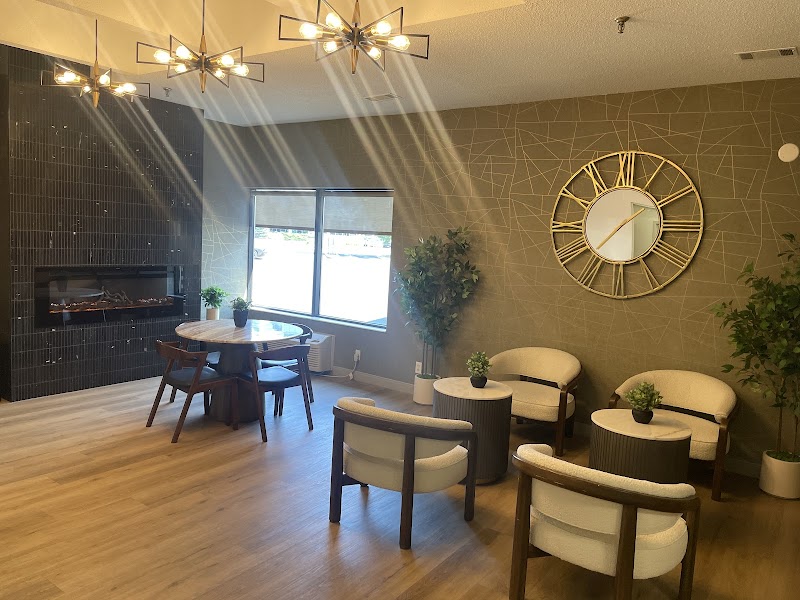
Who Owns and Operates Lincolnshire Health & Rehabilitation Center?

LINCOLNSHIRE HEALTH & REHABILITATION CENTER is owned by a government entity. Government-operated facilities are typically run by state, county, or municipal agencies. The facility is operated by CASA CONSULTING, a chain that manages multiple nursing homes. With 100 certified beds and approximately 75 residents (about 75% occupancy), it is a mid-sized facility located in MERRILLVILLE, Indiana.
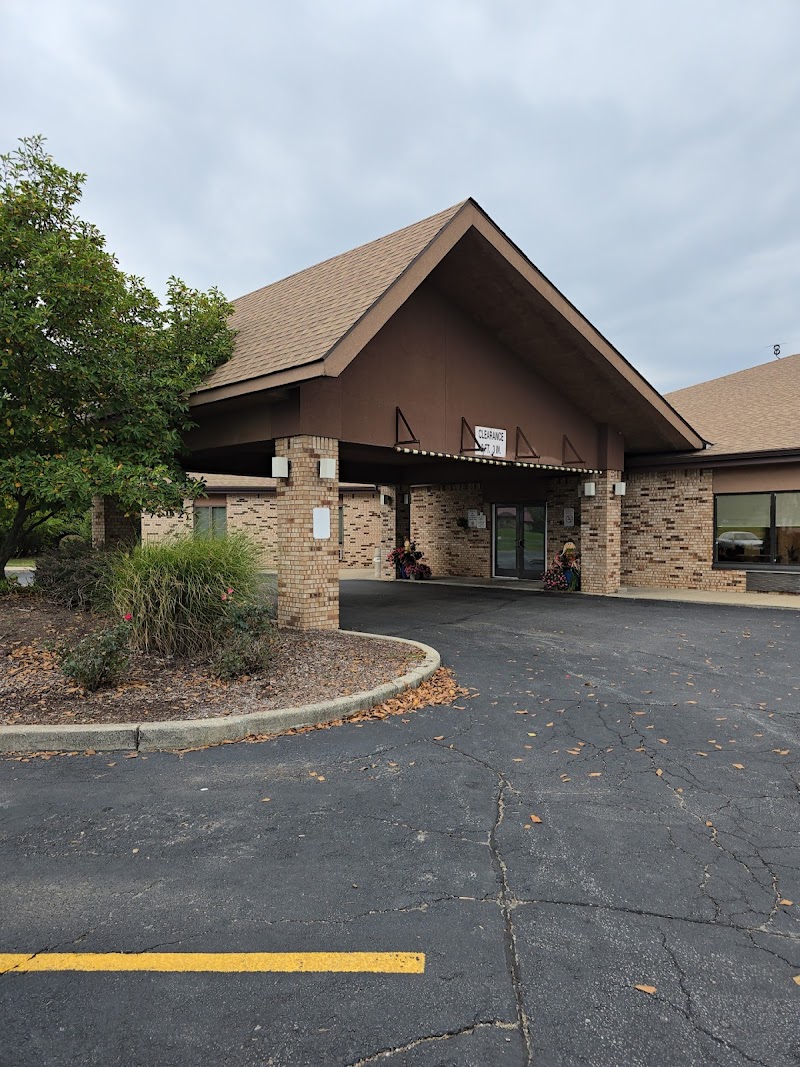
How Does Lincolnshire Health & Rehabilitation Center Compare to Other Indiana Nursing Homes?

Compared to the 100 nursing homes in Indiana, LINCOLNSHIRE HEALTH & REHABILITATION CENTER's overall rating (1 stars) is below the state average of 3.1, staff turnover (55%) is near the state average of 46%, and health inspection rating (1 stars) is much below the national benchmark.

What Should Families Ask When Visiting Lincolnshire Health & Rehabilitation Center?

Based on this facility's data, families visiting should ask: "Can you walk me through typical staffing levels on day, evening, and night shifts?" "Can I visit during a mealtime to observe dining assistance and food quality?" "How do you handle medical emergencies, and what is your hospital transfer rate?" "Can I speak with family members of current residents about their experience?" These questions are particularly relevant given the below-average staffing rating.

Is Lincolnshire Health & Rehabilitation Center Safe?

Based on CMS inspection data, LINCOLNSHIRE HEALTH & REHABILITATION CENTER has a clean safety record: no substantiated abuse findings (meaning no confirmed cases of resident harm), no Immediate Jeopardy citations (the most serious violation level indicating risk of serious injury or death), and is not on the Special Focus Facility watch list (a federal program monitoring the lowest-performing 1% of nursing homes). The facility has a 1-star overall rating and ranks #100 of 100 nursing homes in Indiana. While no facility is perfect, families should still ask about staff-to-resident ratios and recent inspection results during their visit.

Do Nurses at Lincolnshire Health & Rehabilitation Center Stick Around?

LINCOLNSHIRE HEALTH & REHABILITATION CENTER has a staff turnover rate of 55%, which is 9 percentage points above the Indiana average of 46%. Moderate turnover is common in nursing homes, but families should still ask about staff tenure and how the facility maintains care continuity when employees leave.

Was Lincolnshire Health & Rehabilitation Center Ever Fined?

LINCOLNSHIRE HEALTH & REHABILITATION CENTER has been fined $3,418 across 1 penalty action. This is below the Indiana average of $33,113. While any fine indicates a compliance issue, fines under $50,000 are relatively common and typically reflect isolated problems that were subsequently corrected. Families should ask what specific issues led to these fines and confirm they've been resolved.

Is Lincolnshire Health & Rehabilitation Center on Any Federal Watch List?

LINCOLNSHIRE HEALTH & REHABILITATION CENTER is not on any federal watch list. The most significant is the Special Focus Facility (SFF) program, which identifies the bottom 1% of nursing homes nationally based on persistent, serious quality problems. Not being on this list means the facility has avoided the pattern of deficiencies that triggers enhanced federal oversight. This is a positive indicator, though families should still review the facility's inspection history directly.