SPRING MILL HEALTH CAMPUS
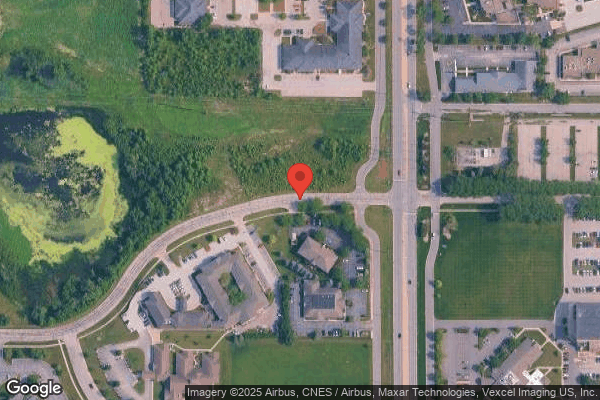

101 W 87TH AVE, MERRILLVILLE, IN 46410 (219) 756-0744
Government - County 64 Beds CASA CONSULTING Data: November 2025
Trust Grade
35/100
#389 of 505 in IN
Last Inspection: September 2024

Within standard 12-15 month inspection cycle. Federal law requires annual inspections.

Overview

Spring Mill Health Campus in Merrillville, Indiana, has received a Trust Grade of F, which indicates significant concerns about the care provided. With a rank of #389 out of 505 facilities in the state, they are in the bottom half of Indiana nursing homes, and #6 out of 20 in Lake County means only five other local options are rated better. The facility's trend is improving, with issues decreasing from 17 in 2024 to just 3 in 2025, but staffing remains a concern with a high turnover rate of 66%, significantly above the state average of 47%. While there have been no fines recorded, which is a positive sign, specific incidents such as a failure to administer necessary insulin for a resident and inadequate follow-up on mental health services highlight serious care gaps. Additionally, there were infection control violations, including improper hand hygiene by staff after resident contact, indicating areas that need urgent attention despite some strengths in staffing stability.

Trust Score
F
35/100
In Indiana
#389/505
Bottom 23%
Safety Record
Moderate
Needs review
Inspections
Getting Better
17 → 3 violations
Staff Stability
⚠ Watch
66% turnover. Above average. Higher turnover means staff may not know residents' routines.
Penalties
✓ Good
No fines on record. Clean compliance history, better than most Indiana facilities.
Skilled Nurses
○ Average
Each resident gets 38 minutes of Registered Nurse (RN) attention daily — about average for Indiana. RNs are the most trained staff who monitor for health changes.
Violations
⚠ Watch
56 deficiencies on record. Higher than average. Multiple issues found across inspections.
★★☆☆☆
2.0
Overall Rating
★★★☆☆
3.0
Staff Levels
★★☆☆☆
2.0
Care Quality
★★☆☆☆
2.0
Inspection Score
Stable
2024: 17 issues
2025: 3 issues

The Good

  • Full Sprinkler Coverage · Fire safety systems throughout facility
  • No fines on record

Facility shows strength in fire safety.

The Bad

2-Star Overall Rating

Below Indiana average (3.1)

Below average - review inspection findings carefully

Staff Turnover: 66%

19pts above Indiana avg (46%)

Frequent staff changes - ask about care continuity

Chain: CASA CONSULTING

Part of a multi-facility chain

Ask about local staffing decisions and management

Staff turnover is elevated (66%)

18 points above Indiana average of 48%

The Ugly 56 deficiencies on record

2 actual harm
Jul 2025 1 deficiency
CONCERN (D) 📢 Someone Reported This

A family member, employee, or ombudsman was alarmed enough to file a formal complaint

Potential for Harm - no one hurt, but risky conditions existed

Deficiency F0757 (Tag F0757)

Could have caused harm · This affected 1 resident

**NOTE- TERMS IN BRACKETS HAVE BEEN EDITED TO PROTECT CONFIDENTIALITY** Based on record review and interview, the facility failed to ensure prn (as needed) medications were administered with documenta...

Read full inspector narrative →
**NOTE- TERMS IN BRACKETS HAVE BEEN EDITED TO PROTECT CONFIDENTIALITY** Based on record review and interview, the facility failed to ensure prn (as needed) medications were administered with documentation for an indication for use for 1 of 3 residents reviewed for hospice. (Resident C) Finding includes: The closed record for Resident C was reviewed on [DATE] at 7:25 a.m. The resident expired in the facility on [DATE] while receiving hospice services. Diagnoses included, but were not limited to, stroke, dysphagia (difficulty swallowing), chronic kidney disease, quadriplegia, vascular dementia, and heart failure The Significant Change Minimum Data Set (MDS) assessment, dated [DATE], indicated the resident cognitively impaired for daily decision making and received hospice care. A Care Plan, dated [DATE], indicated the resident was at risk for pain. The nursing approaches were to record and report any nonverbal signs of pain. A Physician's Order, dated [DATE], indicated Lorazepam (an antianxiety medication) Concentrate, 2 milligrams/milliliters (mg)/(ml), give 0.5 ml by mouth every 1 hour as needed for anxiety, restlessness, and insomnia. A Physician's Order, dated [DATE], indicated Morphine Sulfate (a narcotic medication) oral Solution 20 mg/ml, give 0.25 ml sublingually (under the tongue) every 1 hour as needed for pain or shortness of breath. The Medication Administration Record (MAR) for the months of 3/2025 and 4/2025 indicated the Lorazepam was administered on [DATE] at 11:29 a.m. and [DATE] at 9:06 a.m. The Morphine Sulfate was administered on [DATE] at 12:28 p.m., [DATE] at 9:57 a.m., [DATE] at 9:06 a.m., and 4/12 at 3:21 a.m. A Nurses' Note, dated [DATE] at 11:29 a.m., indicated the Lorazepam was administered as needed for anxiety, restlessness, and insomnia. The Hospice Nurse was in the facility and it was given to the nurse to administer the medication. A Nurses' Note, dated [DATE] at 12:28 p.m., indicated the Morphine Sulfate was administered as needed for pain or shortness of breath and the resident spit out the medication. A Nurses' Note, dated [DATE] at 9:57 a.m., indicated the Morphine Sulfate was administered as needed for pain or shortness of breath. A Nurses' Note, dated [DATE] at 9:06 a.m., indicated the Morphine Sulfate was administered as needed for pain or shortness of breath. The resident was restless. A Nurses' Note, dated [DATE] at 9:06 a.m., indicated the Lorazepam was administered as needed for anxiety, restlessness, and insomnia. The resident was restless. There was no documentation to indicate why the two medications were given at the same time. A Nurses' Note, dated [DATE] at 3:21 a.m., indicated the Morphine Sulfate was administered as needed for pain or shortness of breath. At 4:46 a.m., the nurse documented the Morphine was effective. A Nurses' Note, dated [DATE] at 4:53 a.m., indicated the nurse entered the resident's room, and noted the resident not breathing. The carotid and apical pulses were checked and her pupils were fixed and dilated. The Hospice Nurse was notified as well as the physician and family. There was no documentation of a specific indication for the use of the Lorazepam or the Morphine Sulfate prior to the administration of the medications. There was no documentation the resident had experienced any pain, anxiety, or restlessness prior to receiving the medications. During an interview on [DATE] at 12:00 p.m., the Director of Nursing had no additional information to provide. This citation relates to Complaint IN00459069. 3.1-48(a)(4)
Feb 2025 2 deficiencies
CONCERN (D) 📢 Someone Reported This

A family member, employee, or ombudsman was alarmed enough to file a formal complaint

Potential for Harm - no one hurt, but risky conditions existed

Deficiency F0620 (Tag F0620)

Could have caused harm · This affected 1 resident

**NOTE- TERMS IN BRACKETS HAVE BEEN EDITED TO PROTECT CONFIDENTIALITY** Based on record review and interview, the facility failed to implement the admission policy, related to an admission Agreement n...

Read full inspector narrative →
**NOTE- TERMS IN BRACKETS HAVE BEEN EDITED TO PROTECT CONFIDENTIALITY** Based on record review and interview, the facility failed to implement the admission policy, related to an admission Agreement not explained and signed by a resident who had been admitted into the facility for 1 of 1 resident reviewed for admission Agreement implementation. (Resident D) Finding includes: Resident D's record was reviewed on 2/18/25 at 10:53 a.m. The diagnoses included, but were not limited to, chronic respiratory failure. The Census History indicated the resident was admitted into the facility on 8/24/24. A transfer/discharge to an acute care hospital occurred on 9/25/24 and a return re-admission occurred on 9/30/24. A transfer/discharge to an acute care hospital occurred on 10/2/24 with a return re-admission on [DATE]. A transfer/discharge to an acute care hospital occurred on 11/14/24 with a return re-admission on [DATE]. The resident was discharged to another facility on 1/16/25. A Quarterly Minimum Data Set assessment, dated 11/24/24, indicated an intact cognitive status. There was no signed admission Agreement that included, but was not limited to, the consent for treatment, explanations of resident rights, characteristics and services of the facility, conditions for transfer discharges, bed hold policies, room changes, personal property, financial responsibilities, which included Medicare and Medicaid services, the daily basic rate and what was covered by the basic rate and what was not covered by the basic rate, physician services, grievance procedures, safe guarding personal property, and other terms of agreements. During an interview on 2/18/25 at 1:20 p.m., the Admission's Manager indicated the resident had not signed the admission Agreement and she had not explained the items in the agreement to the resident. She indicated the resident seemed confused when he came back from dialysis and she did not feel comfortable going over the paperwork and having the resident sign the agreement since there was a lot of information in the admission Agreement. No further information was provided when asked why the admission Agreement had not been completed on the non-dialysis days. During the interview on 2/18/15 at 1:20 p.m., the Administrator indicated the admission Agreement was to be completed for all admissions. 3.1-4(a)
CONCERN (D) 📢 Someone Reported This

A family member, employee, or ombudsman was alarmed enough to file a formal complaint

Potential for Harm - no one hurt, but risky conditions existed

Deficiency F0757 (Tag F0757)

Could have caused harm · This affected 1 resident

Based on record review and interview, the facility failed to ensure a resident received blood sugar monitoring to determine if insulin was required (sliding scale) for 1 of 3 residents reviewed for un...

Read full inspector narrative →
Based on record review and interview, the facility failed to ensure a resident received blood sugar monitoring to determine if insulin was required (sliding scale) for 1 of 3 residents reviewed for unnecessary medications. (Resident B) Finding includes: Resident B's record was reviewed on 2/18/25 at 9 a.m. The diagnoses included, but were not limited to, stroke and diabetes mellitus. A Quarterly Minimum Data Set assessment, dated 11/4/24, indicated a severely impaired cognitive status and received insulin in the past seven days. A Physician's Order, dated 11/13/24, indicated the blood sugars were to be obtained before meals and at bedtime and Humalog insulin was to be administered if the blood sugar was 151 or higher. The doses of insulin was to be given per the results of the blood sugar results (sliding scale). The Medication Administration Record (MAR), dated 12/2024, indicated the blood sugar was not obtained to determine if insulin was required on 12/1/14 at 9 p.m., 12/8/24 at 11:30 a.m., 5:30 p.m., and 9 p.m., 12/21/24 at 9 p.m., and 12/28/24 at 5:30 p.m. and 9 p.m. The MAR, dated 1/2025, indicated the blood sugar was not obtained to determine if insulin was required on 1/8/25 at 9 p.m., 1/11/15 at 9 p.m., 1/13/24 at 9 p.m., 1/15/25 at 9 p.m., 1/27/25 at 9 p.m., 1/29/25 at 11:30 a.m., and 1/30/25 at 5:30 p.m. and 9 p.m. The Director of Nursing (DON) was informed of the missed blood sugar monitoring on 2/18/25 at 11 a.m. No further information was provided at end of the Exit Conference on 2/18/25 at 3:42 p.m. A facility glucose testing policy, dated 1/2/21 and received as current from the DON, indicated the Physician's Order was to be reviewed prior to the testing and all results of the testing were to be recorded on the MAR. A facility medication administration policy, dated 2/17/20 and received as current from the DON, indicated medications were to be administered in accordance with the Prescriber's orders. This citation relates to Complaint IN00452516. 3.1-48(a)(3)
Sept 2024 11 deficiencies
CONCERN (D)

Potential for Harm - no one hurt, but risky conditions existed

Deficiency F0561 (Tag F0561)

Could have caused harm · This affected 1 resident

Based on observation, record review, and interview, the facility failed to ensure a resident's preferences were honored related to allowing the resident to leave their room while in contact isolation ...

Read full inspector narrative →
Based on observation, record review, and interview, the facility failed to ensure a resident's preferences were honored related to allowing the resident to leave their room while in contact isolation for 1 of 1 resident reviewed for choices. (Resident 261) Finding includes: During a random observation on 9/3/24 at 10:31 a.m., Resident 261 indicated she had been confined to her room due to an infection on her back. On 9/4/24 at 3:12 p.m., the resident was observed in her room sitting in her wheelchair. She indicated to LPN 3, who was also in the room, that she was unable to leave her room due to her isolation status. During an interview at the time, LPN 3 indicated she was unsure if the resident could leave her room. LPN 3 was told in shift report that the resident was in contact isolation, but she was a new nurse and was unsure if that meant the resident could not leave her room. The record for Resident 261 was reviewed on 9/4/24 at 11:15 a.m. The diagnoses included, but were not limited to, lymphedema (swelling in arms or legs), hypoxia (inadequate oxygen), difficulty walking, kidney failure, anemia (decrease in red blood cells), and cellulitis (bacterial infection). The admission Minimum Data Set (MDS) assessment, dated 8/20/24, indicated the resident was cognitively intact for daily decision making. The resident had no impairment of the upper and lower extremities and used a wheelchair. Eating, personal hygiene, and oral hygiene required set up and clean up assistance. Partial/moderate assistance was required for toileting and shower/bathing, and lower body dressing. A Physician's Order, dated 9/1/24, indicated to place the resident in Contact Isolation related to Methicillin-resistant Staphylococcus aureus (MRSA) in the wound. During an interview on 9/4/24 at 3:16 p.m., CNA 1 indicated the resident used to leave her room all the time, and she had noticed the resident had not left her room in a couple days. She was unaware what contact isolation required and did not know why the resident was not allowed to leave her room. During an interview on 9/4/24 at 3:19 p.m., the ADON indicated as long as the resident's wound was covered, she could leave her room. She was not aware a staff member told the resident otherwise, but she would in-service the staff immediately. During an interview on 9/4/24 at 3:40 p.m., the ADON indicated the wound nurse had told the resident she did not have to leave her room to go to activities. The resident was feeling embarrassed by how much her legs were weeping when they were wrapped. The wound nurse indicated activities could come to her room for a 1:1. The resident had probably misunderstood and thought she had to stay in her room. During an interview on 9/6/24 at 1:59 p.m., the DON and Nurse Consultant indicated they understood the concern with staff not understanding contact isolation and they had no additional information to provide. 3.1-3(u)(1)
CONCERN (D)

Potential for Harm - no one hurt, but risky conditions existed

Deficiency F0578 (Tag F0578)

Could have caused harm · This affected 1 resident

**NOTE- TERMS IN BRACKETS HAVE BEEN EDITED TO PROTECT CONFIDENTIALITY** 3. The record for Resident 261 was reviewed on 9/4/24 at 11:15 a.m. The diagnoses included, but were not limited to, lymphedema ...

Read full inspector narrative →
**NOTE- TERMS IN BRACKETS HAVE BEEN EDITED TO PROTECT CONFIDENTIALITY** 3. The record for Resident 261 was reviewed on 9/4/24 at 11:15 a.m. The diagnoses included, but were not limited to, lymphedema (swelling in arms or legs), hypoxia (inadequate oxygen), difficulty walking, kidney failure, anemia (decrease in red blood cells), and cellulitis (bacterial infection). The admission Minimum Data Set (MDS) assessment, dated 8/20/24, indicated the resident was cognitively intact for daily decision making. There was no code status order and no POST form found in the electronic medical record (EMR) for Resident 261. During an interview on 9/4/24 at 1:35 p.m., RN 1 indicated she could not locate a code status for Resident 261. She was not aware that she did not have access to the code status for this resident. During an interview on 9/4/24 at 1:45 p.m., the SSD indicated all 3 residents had POST forms signed by the resident and the Physician indicating their code status wishes. He was not able to provide any information on why the POST forms were not in the resident's chart or why nursing staff were not made aware of their code statuses. A facility policy, titled, Advance Directives, provided by the Director of Nursing as current, indicated the resident, the legal representative, or the individual who has been authorized as the resident's health care representative will be asked if an Advance Directive, as recognized under the state law, has been executed. Documentation concerning this inquiry and the individual response shall include the date the entry was made and the individual making the inquiry. This information shall then be included in the resident's medical record 3.1-4(f)(5) 2. Resident 50's record was reviewed on 9/3/24 at 3:28 p.m. Diagnoses included, but were not limited to, communication deficit, end stage renal disease, hypertensive chronic kidney disease with stage 1 through stage 4 chronic kidney disease. The Admissions Minimum Data Set (MDS) assessment, dated 7/26/24, indicated the resident was cognitively intact. Resident 50 was admitted on [DATE]. There was no code status order and no advanced directives documentation in Resident 50's electronic record or in the advanced directives binder. During an interview on 9/4/24 at 1:35 p.m., RN 1 indicated she could not locate a code status for Resident 50. She was not aware that she did not have access to the code status for this resident. During an interview on 9/4/24 at 1:45 p.m., the Social Service Director (SSD) indicated the resident had a POST form in his office, signed by the resident on 7/23/24 and by the physician on 8/1/24, which indicated their code status wishes. He was not able to provide any information on why the POST form was not in the resident's chart or why nursing staff were not made aware of their code status. Based on record review and interview, the facility failed to ensure staff were knowledgeable regarding the residents' code status for 3 of 5 residents reviewed for advanced directives. (Residents 160, 50, and 261) Findings include: 1. The record for Resident 160 was reviewed on 9/4/24 at 3:28 p.m. The resident was admitted to the facility on [DATE]. Diagnoses included, but were not limited to, non traumatic subarachnoid hemorrhage, type 2 diabetes, asthma, stroke, depressive disorder, and cognitive communication deficit. The admission Minimum Data Set (MDS) assessment, completed on 8/28/24, indicated the resident was moderately impaired for daily decision making. During an interview on 9/4/24 at 11:08 a.m., the Assistant Director of Nursing indicated she was not aware of the resident's code status because there was no documentation in the clinical record or in the advance directive binder located at the nursing station. During an interview on 9/4/24 at 11:11 a.m., the Social Service Director (SSD) indicated he would go look on his desk to see if the resident had completed a POST (Physician's Orders for Scope of Treatment) form. During an interview on 9/4/24 at 11:18 a.m., the SSD indicated he had the POST form on his desk which was signed by the resident and signed by the Director of Nursing and another nurse, it was not signed by a Physician or a Nurse Practitioner. The POST form indicated the resident was a full code. When asked why the information had not been passed onto nursing staff, the SSD had no additional information to provide.
CONCERN (D)

Potential for Harm - no one hurt, but risky conditions existed

Assessment Accuracy (Tag F0641)

Could have caused harm · This affected 1 resident

Based on observation, record review, and interview, the facility failed to ensure the comprehensive assessment was accurate related to dental status for 1 of 17 residents whose comprehensive assessmen...

Read full inspector narrative →
Based on observation, record review, and interview, the facility failed to ensure the comprehensive assessment was accurate related to dental status for 1 of 17 residents whose comprehensive assessments were reviewed. (Resident 6) Finding includes: During an observation on 9/3/24 at 11:02 a.m. Resident 6's teeth were observed to be caried and broken off. The resident indicated at that time that he was supposed to get new dentures. The record for Resident 6 was reviewed on 9/5/24 at 8:20 a.m. Diagnoses included, but were not limited to, dementia with psychotic disturbance, type 2 diabetes, epilepsy, paranoid schizophrenia, depressive disorders, anxiety disorder, high blood pressure, and PTSD (post traumatic stress disorder) The 3/11/24 Annual Minimum Data Set (MDS) assessment, indicated the resident was cognitively intact for daily decision making and had no oral or dental problems. The Modification of the Quarterly MDS assessment, dated 7/25/24, indicated the resident was cognitively intact for daily decision making and had no dental issues. There was no care plan for dental care. During an interview on 9/6/24 at 2:30 p.m., the MDS Coordinator indicated she was unaware the resident's teeth were broken off, discolored, and caried. During an interview on 9/9/24 at 3:00 p.m., the MDS Nurse Consultant indicated she had no additional information to provide. 3.1-31(i)
CONCERN (D)

Potential for Harm - no one hurt, but risky conditions existed

ADL Care (Tag F0677)

Could have caused harm · This affected 1 resident

**NOTE- TERMS IN BRACKETS HAVE BEEN EDITED TO PROTECT CONFIDENTIALITY** Based on observation, record review, and interview, the facility failed to ensure dependent residents received at least 2 baths ...

Read full inspector narrative →
**NOTE- TERMS IN BRACKETS HAVE BEEN EDITED TO PROTECT CONFIDENTIALITY** Based on observation, record review, and interview, the facility failed to ensure dependent residents received at least 2 baths a week and had their hair washed at least weekly for 2 of 4 residents reviewed for activities of daily living. (Residents 41 and 158) Findings include: 1. During an interview on 9/3/24 at 11:20 a.m., Resident 41 indicated he sometimes did not get a bed bath 2 times a week and did not get his hair washed at least weekly. The resident's hair was observed to be greasy. The record for Resident 41 was reviewed on 9/5/24 at 2:50 p.m. The resident was admitted to the facility on [DATE]. Diagnoses included, but were not limited to, post surgical procedure to the digestive system, osteoarthritis of both knees and hips, disc degeneration, kidney disease, rheumatoid arthritis, and type 2 diabetes. The 7/24/24 admission Minimum Data Set (MDS) assessment indicated the resident was cognitively intact for daily decision making and was dependent on staff all activities of daily living (ADLs) including eating, toileting, repositioning, bathing and personal hygiene. The resident had range of motion impairment to both upper and lower extremities. He had 1 surgical wound upon admission. The Care Plan, dated 7/19/24, indicated the resident required assistance with activities of daily living for bathing. The approaches were to assist with personal hygiene and grooming as needed. The Shower Book indicated the resident was to receive a shower or complete bed bath on Mondays and Thursdays. The resident did not have a complete bed bath on 8/5 and 8/22/24. During an interview on 9/5/24 at 2:45 p.m., the Assistant Director of Nursing indicated she had just brought up shower caps for the residents to get their hair washed. The resident should be bathed at least 2 times a week and be offered to have their hair washed. During an interview on 9/9/24 at 10:30 a.m. , the Director of Nursing indicated the resident was to have at least 2 complete bed baths weekly and be offered to have his hair washed. 2. During an interview on 9/3/24 at 2:03 p.m., Resident 158 indicated she had not had her hair washed since she had been at the facility. The record for Resident 158 was reviewed on 9/5/24 at 1:55 p.m. The resident was admitted to the facility on [DATE]. Diagnoses included but were not limited to, type 2 diabetes, obesity, heart failure, chronic kidney disease, anemia, cardiac pacemaker, osteoarthritis, and high blood pressure. The 8/18/24 admission Minimum Data Set (MDS) assessment indicated the resident was cognitively intact for daily decision making was dependent on staff for bathing. The Care Plan, dated 8/13/24, indicated the resident required assistance with activities of daily living including bathing. The Shower Book indicated the resident was to receive a bath on Wednesdays and Saturday. The resident did not receive a complete bed bath on 8/14 and 8/17/24 During an interview on 9/5/24 at 2:30 p.m., the Assistant Director of Nursing indicated she was not aware the resident had not had her hair washed since admission and should have received a completed bed bath at least 2 times a week. 3.1-38(a)(2)(A) 3.1-38(a)(3)(B)
CONCERN (D)

Potential for Harm - no one hurt, but risky conditions existed

Quality of Care (Tag F0684)

Could have caused harm · This affected 1 resident

**NOTE- TERMS IN BRACKETS HAVE BEEN EDITED TO PROTECT CONFIDENTIALITY** Based on observation, record review, and interview, the facility failed to ensure surgical bandages were changed as ordered by t...

Read full inspector narrative →
**NOTE- TERMS IN BRACKETS HAVE BEEN EDITED TO PROTECT CONFIDENTIALITY** Based on observation, record review, and interview, the facility failed to ensure surgical bandages were changed as ordered by the physician for 1 of 2 resident reviewed for skin conditions non-pressure. (Resident 41) Finding includes: On 9/3/24 at 11:25 a.m., Resident 41 was observed lying in bed wearing a hospital gown. At that time, a surgical bandage was observed to his abdomen with a date of 8/30/24. At 11:35 a.m., the Assistant Director of Nursing (ADON) was asked to come to the room and observe the date on the bandage. During an interview at that time, the ADON indicated the bandage was supposed to be changed three times a week on Monday, Wednesday, and Friday. On 9/6/24 at 12:49 p.m., the Wound Nurse was observed changing the bandage to the surgical wound. The wound was pink and was healing. During an interview at that time, the Wound Nurse indicated the bandage should have been changed on 9/2/24 and she was off that day. Nursing staff were to change the bandages when she was not in the facility. The record for Resident 41 was reviewed on 9/5/24 at 2:50 p.m. The resident was admitted to the facility on [DATE]. Diagnoses included but were not limited to, post surgical procedure to the digestive system, osteoarthritis of both knees and hips, disc degeneration, kidney disease, rheumatoid arthritis, and type 2 diabetes. The 7/24/24 admission Minimum Data Set (MDS) assessment indicated the resident was cognitively intact for daily decision making and was dependent on staff all activities of daily living (ADLs) including eating, toileting, repositioning, bathing and personal hygiene. The resident had range of motion impairment to both upper and lower extremities. He had 1 surgical wound upon admission. The Care Plan, revised on 9/5/24, indicated the resident had a mid abdomen surgical wound. Physician's Orders, dated 8/28/24, indicated to cleanse the surgical incision to the mid abdomen with normal saline or wound cleanser and pat dry. Cut wound sized pieces of Hydrofera Blue and moisten with normal saline, apply to wound bed and cover with dry dressing every Monday, Wednesday, and Friday. The Treatment Administration Record for 9/2024 indicated the treatment was signed out as being completed on 9/2/24. The surgical wound was last measured by the Wound Nurse Practitioner on 9/4/24. The wound was 9 centimeters (cm) by 0.8 cm and was pink. The wound had decreased in size and was improving. During an interview on 9/6/24 at 2:15 p.m., the Director of Nursing indicated the bandage to the surgical wound should have been changed as ordered by the physician. 3.1-37(a)
CONCERN (D)

Potential for Harm - no one hurt, but risky conditions existed

Pressure Ulcer Prevention (Tag F0686)

Could have caused harm · This affected 1 resident

Based on observation, record review, and interview, the facility failed to ensure a resident with a pressure ulcer had interventions in place related to not floating their heels when in bed for 1 of 3...

Read full inspector narrative →
Based on observation, record review, and interview, the facility failed to ensure a resident with a pressure ulcer had interventions in place related to not floating their heels when in bed for 1 of 3 residents reviewed for pressure ulcers. (Resident 31) Finding includes: On 9/4/24 at 10:10 a.m. and 3:07 p.m., Resident 31 was observed awake lying in bed. The resident's heels were not floated off the bed. On 9/05/24 at 10:07 a.m., the resident was observed in bed. CNA 1 lifted the resident's blanket by his feet and the resident did not have his heels floated off the bed. The record for Resident 31 was reviewed on 9/04/24 at 9:35 p.m. The diagnoses included, but were not limited to, diabetes, hemiplegia (paralysis on one side), encephalopathy (swelling in the brain), dementia, and hypertension (high blood pressure). The Quarterly Minimum Data Set (MDS) assessment, dated 8/1/24, indicated the resident was severely impaired for daily decision making. The resident had impairment on both sides of his lower extremities and used a wheelchair. The resident had a stage 2 pressure ulcer. A Care Plan, dated 4/18/24, indicated the resident had impaired skin integrity. A Physician's Order, dated 1/27/24, indicated to suspend or offload heels when in bed every shift. A Physician's Order, dated 1/27/24, indicated to administer Balsam Peru Castor Oil External Ointment (Balsam Peru Castor Oil) to right and left heels topically one time a day for supplement. The undated Wound Rounds summary tab in the EMR (electronic medical record) indicated the resident had a deep tissue pressure injury to the left heel that was resolved on 3/7/24. During an interview on 9/6/24 at 1:58 p.m., the Director of Nursing (DON) indicated Resident 31 should have had his heels floated. No additional information was provided. 3.1-40(a)(2)
CONCERN (D)

Potential for Harm - no one hurt, but risky conditions existed

Tube Feeding (Tag F0693)

Could have caused harm · This affected 1 resident

**NOTE- TERMS IN BRACKETS HAVE BEEN EDITED TO PROTECT CONFIDENTIALITY** Based on observation, record review, and interview, the facility failed to ensure a peg tube (a tube inserted into the stomach f...

Read full inspector narrative →
**NOTE- TERMS IN BRACKETS HAVE BEEN EDITED TO PROTECT CONFIDENTIALITY** Based on observation, record review, and interview, the facility failed to ensure a peg tube (a tube inserted into the stomach for nutrition) was cleaned on a daily basis and according to facility policy for 1 of 2 residents reviewed for peg tubes. (Resident 41) Finding includes: On 9/3/24 at 11:22 a.m., Resident 41 was observed lying in bed wearing a hospital gown. At that time, there was a tube observed near a bandage on his abdomen. The area under the flange had dried crusty blood noted. During an interview at that time, the resident indicated the wound nurse cleaned around the tube when she changed his bandages. On 9/6/24 at 12:49 p.m., the Wound Nurse was observed changing the resident's surgical bandage on his abdomen. During an interview at that time, the Wound Nurse indicated the peg tube was solely placed for decompression and was not used for feeding or flushes. The record for Resident 41 was reviewed on 9/5/24 at 2:50 p.m. The resident was admitted to the facility on [DATE]. Diagnoses included, but were not limited to, post surgical procedure to the digestive system, osteoarthritis of both knees and hips, disc degeneration, kidney disease, rheumatoid arthritis, and type 2 diabetes. The 7/24/24 admission Minimum Data Set (MDS) assessment indicated the resident was cognitively intact for daily decision making and was dependent on staff all activities of daily living (ADLs) including eating, toileting, repositioning, bathing and personal hygiene. The resident had range of motion impairment to both upper and lower extremities. He had 1 surgical wound upon admission. There was no care plan for the care of the peg tube. There were no physician's orders for the care of or to monitor the peg tube. During an interview on 9/6/24 at 1:00 p.m., the Wound Nurse indicated she cleaned around the peg tube and stoma site when she changed his bandages. On the days she worked, which was Monday through Friday, she saw the resident just to make sure the bandage was clean and in place. During those visits, she did look at the peg tube, however, if there was no drainage and it looked okay, she would not clean around it. When she did clean around the peg tube, there was no place in the clinical record to document she had completed the care. During an interview on 9/6/24 at 1:04 p.m., LPN 1 indicated she was aware the resident had a peg tube, however, she had never cleaned around the stoma site because she had always thought the wound nurse completed the task. During an interview on 9/6/24 at 1:06 p.m., the Assistant Director of Nursing indicated there were no orders to monitor, assess or clean the peg tube site on a daily basis. During an interview on 9/6/24 at 2:15 p.m., the Director of Nursing (DON) indicated the peg tube was to be cleaned at least daily. The current 2/15/21 Gastrostomy/Jejunostomy Site Care policy, provided by the DON on 9/9/24 at 10:30 a.m., indicated it was the policy of the facility to provide gastrostomy and jejunostomy site care to decrease the risk of infection. The procedure was to obtain a physician order to include the following information resident room and number, type of solution for cleansing and frequency of treatment. 3.1.44(a)(2)
CONCERN (D)

Potential for Harm - no one hurt, but risky conditions existed

Deficiency F0694 (Tag F0694)

Could have caused harm · This affected 1 resident

Based on observation, record review, and interview, the facility failed to ensure a resident's PICC (peripherally inserted central catheter) line had Physician's Orders for the care and monitoring of ...

Read full inspector narrative →
Based on observation, record review, and interview, the facility failed to ensure a resident's PICC (peripherally inserted central catheter) line had Physician's Orders for the care and monitoring of a PICC line for 1 of 1 residents reviewed for PICC lines. (Resident 31) Finding includes: During an observation on 9/3/24 at 11:21 a.m., Resident 31's PICC line bandage was dated 8/29/24 and was peeling off on the top of the dressing. During an observation on 9/4/24 at 10:11 a.m., the PICC line bandage was dated 8/29/24 and was peeling off on the top of the dressing. The record for Resident 31 was reviewed on 9/4/24 at 9:35 p.m. The diagnoses included, but were not limited to, diabetes, hemiplegia (paralysis on one side), encephalopathy (swelling in the brain), dementia, and hypertension (high blood pressure). The Quarterly Minimum Data Set (MDS) assessment, dated 8/1/24, indicated the resident was severely impaired for daily decision making. The resident had impairment on both sides of his lower extremities and used a wheelchair. There was no Care Plan for a PICC line or Intravenous therapy. There were no active orders for PICC line care or intravenous therapy. During an interview on 9/6/24 at 1:58 p.m., the DON indicated there should have been PICC line orders for Resident 31. No additional information was provided. 3.1-47(a)(2)
CONCERN (D)

Potential for Harm - no one hurt, but risky conditions existed

Medication Errors (Tag F0758)

Could have caused harm · This affected 1 resident

Based on record review and interview, the failed to ensure a PRN (as needed) psychotropic medication was not ordered longer than 14 days for 1 of 5 residents reviewed for unnecessary medications. (Res...

Read full inspector narrative →
Based on record review and interview, the failed to ensure a PRN (as needed) psychotropic medication was not ordered longer than 14 days for 1 of 5 residents reviewed for unnecessary medications. (Resident 25) Finding includes: The record for Resident 25 was reviewed on 9/5/24 at 10:35 a.m. Diagnoses included, but were not limited to, left lung cancer, type 2 diabetes, stroke, osteoarthritis, heart disease, depressive disorder, repeated falls, high blood pressure, paranoid schizophrenia, and atrial fibrillation. The Modification of the Quarterly Minimum Data Set (MDS) assessment, dated 7/16/24, indicated the resident was cognitively intact for daily decision making and received insulin, an antipsychotic, an anxiolytic, an antidepressant, an anticoagulant, and hypoglycemic medications. Physician's Orders, dated 7/17/24, indicated Alprazolam (Xanax, an anti-anxiety medication) 0.5 milligrams (mg), give 1 tablet by mouth every 8 hours as needed for anxiety. The Medication Administration Record (MAR) for the month of 8/2024 indicated the Alprazolam was administered five times and on the 9/2024 MAR, the medication was administered two times. During an interview on 9/6/24 at 2:42 p.m., the Assistant Director of Nursing indicated the scheduled dose of Xanax was discontinued in July and was then ordered as prn. The resident did ask for the medication and the daughter would call to make sure she had received it. The current 9/2/20 Psychotropic Medication-Gradual Dosage Reduction policy, provided by the Director of Nursing on 9/9/24 at 10:30 a.m., indicated . PRN hypnotic, antianxiety, or antidepressant medications shall not be used beyond 14 days unless the prescribing practitioner indicates the clinical rationale for extended use and extended duration . 3.1-48(a)(2)
CONCERN (D)

Potential for Harm - no one hurt, but risky conditions existed

Deficiency F0761 (Tag F0761)

Could have caused harm · This affected 1 resident

**NOTE- TERMS IN BRACKETS HAVE BEEN EDITED TO PROTECT CONFIDENTIALITY** 2. On 9/5/24 at 9:58 a.m., LPN 2 was observed at the HC 2 medication cart preparing to pass medications. The cart was observed t...

Read full inspector narrative →
**NOTE- TERMS IN BRACKETS HAVE BEEN EDITED TO PROTECT CONFIDENTIALITY** 2. On 9/5/24 at 9:58 a.m., LPN 2 was observed at the HC 2 medication cart preparing to pass medications. The cart was observed to have 10 loose pills, varying in size, shape, and color. The pills were located in the bottom 3 drawers of the medication cart. LPN 2 removed the pills from the cart and disposed of them in the drug buster container. During an interview at that time, LPN 2 indicated she knew the pills should not be loose in her cart and she cleaned her cart daily. A current facility policy, titled Medication Storage, indicated Facility should ensure that medications and biologicals are stored in an orderly manner in cabinets, drawers, carts, refrigerators/freezers of sufficient size to prevent crowding 3.1-25(m) Based on observation, record review, and interview, the facility failed to store medicated creams and loose pills properly for 1 of 1 resident and 1 of 2 medication carts observed during medication storage. (Resident 41 and Health Care 2 medication cart) Findings include: 1. During random observations on 9/3/24 at 11:26 a.m. and 3:04 p.m., Resident 41 was observed lying in bed. The resident was severely contracted for both his upper and lower extremities and was unable to use them. At that time, there was a tube of Diclofenac cream (a cream used to reduce swelling in joints and muscles) on the over bed table. During an interview on 9/3/24 at 11:26 a.m., the resident indicated he used the cream for his severe rheumatoid arthritis. During random observations on 9/4/24 at 11:18 a.m. and 2:50 p.m., and on 9/5/24 at 8:09 a.m., 10:20 a.m., and 11:45 a.m., the medicated cream was observed inside the night stand drawer. The record for Resident 41 was reviewed on 9/5/24 at 2:50 p.m. The resident was admitted to the facility on [DATE]. Diagnoses included, but were not limited to, post surgical procedure to the digestive system, osteoarthritis of both knees and hips, disc degeneration, kidney disease, rheumatoid arthritis, and type 2 diabetes. The 7/24/24 admission Minimum Data Set (MDS) assessment indicated the resident was cognitively intact for daily decision making and was dependent on staff all activities of daily living (ADLs) including eating, toileting, repositioning, bathing and personal hygiene. The resident had range of motion impairment to both upper and lower extremities. He had 1 surgical wound upon admission. There was no care plan for the medicated cream to be kept at the bedside. Physician's Orders, dated 7/19/24, indicated Diclofenac Sodium External Gel 1 % (medicated cream), apply to both lower legs topically every 6 hours as needed for pain. There were no physician's order to keep the medication at the bedside. During an interview on 9/6/24 at 1:06 p.m., the Assistant Director of Nursing indicated the family would bring in creams for him and did not tell the nursing staff. During an interview on 9/6/24 at 2:15 p.m., the Director of Nursing (DON) indicated the resident was not able to self-administer the medicated cream due to his contractures. The family brought in the creams and the nursing staff were unaware. There was no order to keep the medicated cream at the bedside. The current 9/1/20 Medication Storage policy, provided by the DON on 9/9/24 at 10:30 a.m., indicated the facility should ensure that all medications and biologicials, including treatment items, were securely stored in a locked cabinet/cart or locked medication room that was inaccessible by residents and visitors.
CONCERN (D)

Potential for Harm - no one hurt, but risky conditions existed

Safe Environment (Tag F0921)

Could have caused harm · This affected 1 resident

**NOTE- TERMS IN BRACKETS HAVE BEEN EDITED TO PROTECT CONFIDENTIALITY** Based on observation, record review, and interview, the facility failed to ensure the resident's environment was clean and sanit...

Read full inspector narrative →
**NOTE- TERMS IN BRACKETS HAVE BEEN EDITED TO PROTECT CONFIDENTIALITY** Based on observation, record review, and interview, the facility failed to ensure the resident's environment was clean and sanitary related to an uncontained bed pan for 1 of 3 units. (Health Care Center 2) Finding includes: During random observations on 9/5/24 at 8:09 a.m.,10:20 a.m., and 11:45 a.m., an uncontained bed pan was observed lying on a cloth chair in room [ROOM NUMBER]. During an interview on 9/5/24 at 8:09 a.m., the resident who resided in the room indicated he had diarrhea 8 times yesterday and during the nigh,t and had used the bed pan. During an interview on 9/6/24 at 2:30 p.m., the Director of Nursing (DON) indicated the bed pan was to be contained and put away after each use. The current 3/21/21 Space and Equipment policy, provided by the DON on 9/10/24 at 2:58 p.m., indicated the facility will provide areas of space for storing devices and supplies used for continence. 3.1-19(f)
Feb 2024 6 deficiencies
CONCERN (D) 📢 Someone Reported This

A family member, employee, or ombudsman was alarmed enough to file a formal complaint

Potential for Harm - no one hurt, but risky conditions existed

Quality of Care (Tag F0684)

Could have caused harm · This affected 1 resident

Based on observation, record review, and interview, the facility failed to ensure bandages were changed and treatments were completed as ordered by the Physician for a diabetic ulcer and a non pressur...

Read full inspector narrative →
Based on observation, record review, and interview, the facility failed to ensure bandages were changed and treatments were completed as ordered by the Physician for a diabetic ulcer and a non pressure ulcer, for 1 of 3 residents reviewed for skin conditions. (Resident P) Finding includes: During a random observation on 2/19/24 at 7:40 a.m., Resident P was observed in bed. At that time, there were 2 bandages on the resident's right leg and right great toe with a date of 2/17/24. The resident indicated the bandages were not changed yesterday (2/18) and the doctor had told him they were to be changed every day. The record for Resident P was reviewed on 2/19/24 at 9:45 a.m. Diagnoses included, but were not limited to, osteomyelitis of right foot and ankle, type 2 diabetes, diabetic foot ulcer, and cellulitis of the right lower limb. The admission Minimum Data Set (MDS) assessment, dated 2/5/24, indicated the resident was not cognitively intact. The resident was at risk for pressure ulcers and had a diabetic foot ulcer. The Care Plan, dated 1/31/24, indicated the resident had a diabetic ulcer of the right great toe. The Care Plan, dated 2/14/24, indicated the resident had a skin tear to the right anterior calf. Physician's Orders, dated 2/14/24, indicated cleanse the right anterior calf with normal saline, pat dry, apply skin prep to the wound edges, and Silvasorb to the wound bed. Cover the area with a dry dressing daily and prn (as needed.) Cleanse the right great distal toe with normal saline, pat dry, apply skin prep to the wound edges, and Gentamicin (an antibiotic) ointment to the wound bed. Cover the area with a dry dressing daily and prn. Physician's Orders, dated 1/29/24, indicated Piperacillin Sod-Tazobactam (an antibiotic medication Solution reconstituted 3-0.375 grams, infuse intravenously every 8 hours for osteomyelitis infection of right great toe and cellulitis of right lower limb for 35 days. The 2/2024 Treatment Administration Record, indicated the treatments to the anterior calf and right great toe were signed out as being completed on 2/18/24, as well as the Gentamicin antibiotic topical ointment. During an interview on 2/19/24 at 8:11 a.m., RN 1 indicated she changed the resident's bandages on Saturday 2/17/24. During an interview on 2/19/24 at 8:15 a.m., the Wound Care Nurse indicated the bandages were to be changed every day as ordered by the Physician. This citation relates to Complaint IN00427249. 3.1-37(a)
CONCERN (D) 📢 Someone Reported This

A family member, employee, or ombudsman was alarmed enough to file a formal complaint

Potential for Harm - no one hurt, but risky conditions existed

Pressure Ulcer Prevention (Tag F0686)

Could have caused harm · This affected 1 resident

**NOTE- TERMS IN BRACKETS HAVE BEEN EDITED TO PROTECT CONFIDENTIALITY** Based on observation, record review, and interview, the facility failed to ensure a resident with pressure ulcers received the n...

Read full inspector narrative →
**NOTE- TERMS IN BRACKETS HAVE BEEN EDITED TO PROTECT CONFIDENTIALITY** Based on observation, record review, and interview, the facility failed to ensure a resident with pressure ulcers received the necessary care and treatment to promote healing, related to treatments not completed as ordered, and bandages not secure and in place as ordered, for 1 of 3 residents reviewed for pressure ulcers. (Resident O) Finding includes: During a random observation on 2/19/24 at 8:02 a.m., CNA 1 was observed standing at the bedside of Resident O and preparing to get her out of bed. At that time, he was asked to roll the resident over and remove her brief so her buttocks could be observed. The CNA removed the resident's brief and there was no bandage covering a pressure sore on the sacrum. The pressure ulcer was pink with an area of darker red, and some drainage was noted. During an interview at that time, CNA 1 indicated this was the first time he had removed her brief since coming on to his shift at 6 a.m. The record for Resident O was reviewed on 2/20/24 at 12:15 p.m. Diagnoses included, but were not limited to, congestive heart failure, kidney disease, and stroke. The resident was admitted to the facility on [DATE]. The resident was admitted to the hospital on [DATE] and returned on 1/23/24. She was admitted again to the hospital on 2/4/24 and returned on 2/13/24. The 1/29/24 admission Minimum Data Set (MDS) assessment, indicated the resident was moderately impaired for daily decision making, was at risk for pressure and had an unhealed Stage 3 pressure ulcer that was present on admission. A Care Plan, dated 1/24/24, indicated the resident had a left medial buttock pressure ulcer. Physician's Orders, dated 1/17/24 and discontinued on 1/19/24, indicated to cleanse the sacrum with normal saline, pat dry, apply calcium alginate to the wound bed and cover with dry dressing every Monday, Wednesday and Friday. Physician's Orders, dated 1/23/24 and discontinued on 2/6/24, indicated to cleanse the sacrum with normal saline, pat dry, apply calcium alginate to the wound bed and cover with dry dressing every Monday, Wednesday and Friday. Physician's Orders, dated 2/14/24, indicated to cleanse the left medial buttock pressure ulcer with normal saline, pat dry, apply skin prep to the peri wound, Silvasorb gel to the wound bed, and cover with dry dressing every Monday, Wednesday, and Friday and prn (as needed). The Medication Administration Record (MAR) and the Treatment Administration Record (TAR) for 1/2024, indicated there was no documentation the treatment to the sacrum was completed as ordered on 1/17 and 1/18/24. The first documentation the treatment to the sacrum was completed was on 1/24/24. The 2/2024 MAR indicated the treatment was not signed out as being completed on 2/2/24. During an interview on 2/19/24 at 8:15 a.m., the Wound Care Nurse indicated there should have been a bandage covering the pressure ulcer. This citation relates to Complaint IN00427249. 3.1-40(a)(2)
CONCERN (D) 📢 Someone Reported This

A family member, employee, or ombudsman was alarmed enough to file a formal complaint

Potential for Harm - no one hurt, but risky conditions existed

Tube Feeding (Tag F0693)

Could have caused harm · This affected 1 resident

**NOTE- TERMS IN BRACKETS HAVE BEEN EDITED TO PROTECT CONFIDENTIALITY** Based on observation, record review, and interview, the facility failed to ensure gastrostomy enteral feedings were infusing at ...

Read full inspector narrative →
**NOTE- TERMS IN BRACKETS HAVE BEEN EDITED TO PROTECT CONFIDENTIALITY** Based on observation, record review, and interview, the facility failed to ensure gastrostomy enteral feedings were infusing at the correct time, tubing was changed at least every 24 hours, stoma sites were cleaned as ordered, and medications were administered per facility policy, for 3 of 3 residents reviewed for peg tubes (a tube inserted into the stomach for nutrition). (Residents L, D, and M) Findings include: 1. The record for Resident L was reviewed on 2/20/24 at 11 a.m. Diagnoses included, but were not limited to, stroke, dysphagia, contractures, and a peg tube. The 11/10/23 Quarterly Minimum Data Set (MDS) assessment, indicated the resident was not cognitively intact. The resident had a feeding tube and received 51% of nutrition through the tube. A Care Plan, updated on 2/13/24, indicated the resident may be at risk for complications secondary to requiring a peg tube. The approaches were to provide care to the peg tube site as ordered. Physician's Orders, dated 8/18/23 and discontinued on 12/3/23, indicated to cleanse the enteral feeding site with normal saline or soap and water, and may leave open to air unless drainage was present at the site, every shift. A Physician's Order, dated 2/15/24, indicated cleanse enteral feeding site with soap and water and may leave open to air every shift. The Medication Administration Record for the month of 9/2023, indicated the treatment to cleanse around the peg tube site was not signed out as being completed for the day shift on 9/13 and 9/20/23. The resident was admitted to the hospital on [DATE] and returned on 12/12/23. There were no Physician's Orders to clean around the peg tube site after she returned for the rest of 12/2023, 1/2024 and up until 2/15/24. During an interview on 2/20/24 at 3:00 p.m., the Director of Nursing (DON) indicated the stoma site for the peg tube was to be cleaned at least daily. 2. The closed record for Resident D was reviewed on 2/19/24 at 9:58 a.m. Diagnoses included, but were not limited to, stroke and peg tube. The 12/1/23 Quarterly Minimum Data Set (MDS) assessment, indicated the resident was not cognitively intact and had a peg tube for more than 51% of nutrition. A Care Plan, revised on 6/23/23, indicated the resident was at risk for complications secondary to requiring tube feeding. The approaches were to provide care to peg tube site as ordered. Physician's Orders, dated 8/16/23 and discontinued on 2/17/24, indicated to cleanse area around peg tube and apply Bacitracin and dry dressing three times daily. Physician's Orders, dated 9/24/21 and discontinued on 10/18/23, indicated to cleanse enteral feeding site with soap and water and may leave open to air unless drainage present at site every shift. Physician's Orders, dated 2/15/24, indicated to cleanse enteral feeding site, soap and water, and may leave open to air. There was no documentation on the Treatment or the Medication Administration Records the peg tube site was cleansed every shift and Bacitracin was applied for the months of 10/2023, 11/2023, 12/2023, 1/2024 and 2/2024. During an interview on 2/20/24 at 3:00 p.m., the DON indicated the peg tube site should have been cleaned as ordered by the Physician. 3. During a random observation on 2/19/24 at 4:45 a.m., Resident M was observed in bed. At that time, there was bag of enteral tube feeding with a handwritten date of 2/17/24 of Jevity 1.5 infusing at 20 cubic centimeters (cc). During a medication pass observation, on 2/19/24 at 8:20 a.m., LPN 1 was observed preparing medication for the resident to be administered through the peg tube. At that time, she poured 2 tablets of Omeprazole 20 milligrams (mg), 1 tablet of Diltiazem 80 mg, 1 tablet of Carb Levodopa 25/100 mg, 1 tablet of Doxazosin 4 mg, and 30 cc of Prostat all into separate cups. She crushed each medication separately and placed them back into the cups and entered the room. The LPN performed hand hygiene and donned clean gloves to both hands. She checked for placement with an air bolus and stethoscope. She then poured the Prostat into the tube and added water. The supplement would not go down, so she tried to moving the tube around and that was not working either. She then placed the plunger into the tube and pushed the medication down. She removed the plunger and added another medication that was diluted with water. She then added another medication and then flushed with an unknown amount of water, added another medication, flushed with water and then added the final medication with water to follow. The last medication was not going down the tube, so she also pushed that medication down with the plunger. During an interview at that time, LPN 1 indicated she was aware the tube was to be flushed with water before, in between, and after medications were given. She also indicated the supplement would not go down the tube if she did not plunge it through. The record for Resident M was reviewed on 2/20/24 at 10:45 a.m. Diagnoses included, but were not limited to, Parkinson's disease, chronic kidney disease, peg tube and heart disease. The admission Minimum Data Set (MDS) assessment, dated 11/14/23, indicated the resident was not cognitively intact. The resident had a feeding tube and received 51% or more of nutrition through the peg tube. The resident was admitted to the facility in 11/2023. Physician's Orders, dated 1/25/24, indicated enteral feed six times a day by feeding pump of Jevity 1.5 at 20 cc per hour. The feeding should be on at 8:00 a.m., off at 12:00 p.m., on at 4:00 p.m. off at 8:00 p.m., and on at 12:00 a.m., and off at 4:00 a.m. Physician's Orders, dated 2/15/24, indicated to cleanse enteral feeding site with soap and water and may leave open to air unless drainage present at site every shift. The Treatment and Medication Administration Records for 11/2023, 12/2023, 1/2024 and 2/2024 until 2/15/24 indicated there was no documentation the peg tube stoma site was cleaned. There was no Physician's Order to clean the stoma site until 2/15/24. During an interview on 2/20/24 at 8:45 a.m., the Nurse Consultant indicated she had done a 1 to 1 inservice with LPN 1 regarding peg tube medication administration. During an interview on 2/20/24 at 3:00 p.m., the DON indicated there was no documentation the peg tube site had been cleaned since admission. The current 2/15/21 Gastrostomy/Jejunostomy Site Care policy, provided by the [NAME] President of Operations on 2/20/24 at 2:45 p.m., indicated it was the facility's policy to provide gastrostomy site care to decrease the risk of infection. Staff were to obtain a Physician's Order for type of solution to cleanse with and frequency of treatment. The current 2/15/21 Enteral Feeding Tube Medication Administration, provided by the [NAME] President of Operations on 2/19/24 at 2:37 p.m., indicated the nurse will flush the tube with 30 cc of water, mix crushed medication with 5 to 10 cc of water and flush the tube with 10 cc of water between each medication. This citation relates to Complaint IN00423550. 3.1-44(a)(2)
CONCERN (D) 📢 Someone Reported This

A family member, employee, or ombudsman was alarmed enough to file a formal complaint

Potential for Harm - no one hurt, but risky conditions existed

Deficiency F0757 (Tag F0757)

Could have caused harm · This affected 1 resident

Based on record review and interview, the facility failed to manage medications appropriately, related to not administering antibiotic and pain medication as ordered by the Physician, for 2 of 3 resid...

Read full inspector narrative →
Based on record review and interview, the facility failed to manage medications appropriately, related to not administering antibiotic and pain medication as ordered by the Physician, for 2 of 3 residents reviewed for infections and 1 of 3 residents reviewed for pain medications. (Residents B, P and L) Findings includes: 1. The record for Resident B was reviewed on 2/20/24 at 11:22 a.m. Diagnoses included, but were not limited to, type 2 diabetes, heart disease, osteoarthritis, heart failure, and an urinary tract infection (UTI). The 2/7/24 Quarterly Minimum Data Set (MDS) assessment, indicated the resident was cognitively intact for daily decision making. Physician Progress Notes, dated 1/17/24 at 2:01 p.m., indicated the resident's urinalysis was reviewed and was positive for ESBL (Extended Spectrum Beta-Lactamase) and Pseudomonas infections, and antibiotics were ordered. Physician's Orders, dated 1/17/24, indicated Cefdinir (an antibiotic) capsule 300 milligrams (mg), give 1 capsule by mouth two times a day for UTI for 3 days. The Medication Administration Record (MAR) for the month of 1/2024, indicated the Cefdinir was to be administered at 8:00 a.m. and 8:00 p.m. On 1/17/24 at 8:00 p.m. and 1/18/24 at 8:00 a.m., the antibiotic was coded with 9 (meaning see nurses' notes). The antibiotic was administered on 1/18 at 8:00 p.m., 1/19 at 8:00 a.m. and 8:00 p.m. and the last dose was on 1/20 at 8:00 a.m., for a total of 4 doses, rather than 6 that were ordered by the Physician. Nurses' Notes, dated 1/18/24 at 4:22 a.m., and 12:18 p.m., indicated they were waiting for the arrival of the Cefdinir antibiotic from pharmacy. During an interview on 2/20/24 at 3:00 p.m., the Director of Nursing (DON), indicated antibiotic medication should have been administered as ordered by the Physician. 2. The record for Resident P was reviewed on 2/19/24 at 9:45 a.m. Diagnoses included, but were not limited to, osteomyelitis of right foot and ankle, type 2 diabetes, diabetic foot ulcer, and cellulitis of the right lower limb. The admission Minimum Data Set (MDS) assessment, dated 2/5/24, indicated the resident was not cognitively intact. The resident was at risk for pressure ulcers and had a diabetic foot ulcer. The Care Plan, dated 2/7/24, indicated the resident required IV (Intravenous) medications to treat osteomyelitis. The approaches were to administer the IV antibiotic per the Physician's Orders. Physician's Orders, dated 1/29/24, indicated Piperacillin Sod-Tazobactam (an antibiotic medicate Solution reconstituted 3-0.375 grams, infuse intravenously every 8 hours for osteomyelitis infection of right great toe and cellulitis of right lower limb for 35 days. The 2/2024 Medication Administration Record indicated the Piperacillin was blank and not signed out on 2/7/24 and 2/18/24 at 4:00 p.m. During an interview with the Director of Nursing, on 2/20/24 at 3:00 p.m., she indicated the IV antibiotic was to be administered as ordered by the Physician. 3. The record for Resident L was reviewed on 2/20/24 at 11 a.m. Diagnoses included, but were not limited to, stroke, dysphagia, contractures, and a peg tube (a tube inserted into the stomach for nutrition). The 11/10/23 Quarterly Minimum Data Set (MDS) assessment, indicated the resident was not cognitively intact. The resident had a feeding tube and received 51% of nutrition through the tube. Physician's Orders, dated 1/25/24, indicated Hydrocodone Acetaminophen Tablet 5-325 milligrams (mg), give 1 tablet by mouth at bedtime. The Medication Administration Record for 2/2024 indicated the pain medication was not signed out as being administered on 2/7 and 2/10/24 at 9:00 p.m. During an interview on 2/20/24 at 3:00 p.m., the Director of Nursing indicated the pain medication should have been administered as per the Physician's Orders. This citation relates to Complaints IN00419120 and IN00427249.
CONCERN (D) 📢 Someone Reported This

A family member, employee, or ombudsman was alarmed enough to file a formal complaint

Potential for Harm - no one hurt, but risky conditions existed

Medical Records (Tag F0842)

Could have caused harm · This affected 1 resident

Based on record review and interview, the facility failed to ensure clinical records were complete, related to the determination to discontinue 15 minute checks for a resident who was observed in his ...

Read full inspector narrative →
Based on record review and interview, the facility failed to ensure clinical records were complete, related to the determination to discontinue 15 minute checks for a resident who was observed in his room with an unlit cigarette, for 1 of 3 residents reviewed for supervision. (Resident K) Finding includes: The closed record for Resident K was reviewed on 2/20/24 at 1:45 p.m. Diagnoses included, but were not limited to, sepsis, Chronic Obstructive Pulmonary Disease (COPD), angina, high blood pressure, and paranoid schizophrenia. The admission Minimum Data Set (MDS) assessment, dated 9/21/23, indicated the resident was moderately impaired for daily decision making. The resident required extensive assist with a 2 person physical assist for bed mobility and transfers. There was no Care Plan indicating the resident had attempted to smoke in his room. A Nurses' Note, dated 10/14/23 at 10:15 p.m., indicated the resident's room door would not open upon first attempt. The resident had used his wheelchair to barricade the door closed. After entering the room, the resident was observed asleep in the bed, with an unlit cigarette between his lips. The room was searched for any other smoking materials and none were found. The resident was educated that smoking was not allowed in the facility. The Director of Nursing (DON) and Physician were notified and 15 minute checks were to be initiated until further notice. A Physician's Progress Note, dated 10/21/23 at 10:46 p.m., identified as a late entry for 10/18/2023, indicated the resident was fine and staff had informed them the resident sometimes smoked in the bathroom in his room. When asked, the resident had denied the allegation. The 15 minute check list, dated and initiated on 10/14/23 at 10:30 p.m., indicated the resident was monitored through 10/17/23 at 10:00 p.m. There was no other documentation regarding the determination by staff to end the 15 minute checks. During an interview on 2/20/24 at 4:45 p.m., the Administrator indicated they had discussed the resident on 10/18/24 in the morning meeting and determined he was ok and was to be removed from the 15 minute checks as he had no further episodes of cigarettes found in his room. There was no documentation in the clinical record regarding the decision to remove him from the 15 minute checks. This citation relates to Complaint IN00423550. 3.1-50(a)(1)
CONCERN (E) 📢 Someone Reported This

A family member, employee, or ombudsman was alarmed enough to file a formal complaint

Potential for Harm - no one hurt, but risky conditions existed

Infection Control (Tag F0880)

Could have caused harm · This affected multiple residents

Based on observation, record review, and interview, the facility failed to ensure infection control guidelines were in place and implemented, related to cleaning of reusable equipment and hand hygiene...

Read full inspector narrative →
Based on observation, record review, and interview, the facility failed to ensure infection control guidelines were in place and implemented, related to cleaning of reusable equipment and hand hygiene after direct resident contact and glove removal, for random observations of infection control. (Residents P, D, R and S) Findings include: 1. During a random observation on 2/19/24 at 7:18 a.m., RN 1 was observed walking out of Resident P's room, carrying a blood pressure cuff, glucometer, and thermometer. She laid all of those items on top of the medication cart and donned a pair of clean gloves and cleaned the glucometer. After she cleaned the glucometer, she removed her gloves and did not perform hand hygiene. She took all of the items into Resident D's room, donned a pair of clean gloves to both hands, and checked his blood pressure and his blood sugar. She removed her gloves and performed hand hygiene at the medication cart. She did not clean the blood pressure cuff or thermometer after she had used them for Resident P. She entered the room again with the resident's Insulin. She donned clean gloves and the resident wanted his legs repositioned, so she did that first and removed the gloves. She did not perform hand hygiene and donned another pair of clean gloves to both hands and administered the Insulin. During an interview on 2/19/24 at 8:11 a.m., RN 1 indicated she was aware multi-use equipment was to be cleaned after every resident use, and hand hygiene was to be performed after glove removal. The 9/1/20 current Hand Hygiene policy provided by the [NAME] President of Operations on 2/19/24 at 2:37 p.m., indicated hand hygiene should be performed after glove removal. 2. During a medication administration pass observation on 2/19/24 at 12:02 p.m., RN 2 was observed preparing medication for Resident R. She indicated the resident's blood pressure needed to be checked first. She took a wrist blood pressure cuff and entered the resident's room and checked his pressure, removed the cuff, and walked out to the medication cart. After the administration of his medications, she moved onto another resident. She then prepared Resident S's medications, and again indicated she needed to check his blood pressure. She used the same wrist cuff as with Resident R and checked the resident's blood pressure. She did not clean the wrist blood pressure cuff in between residents. During an interview on 2/19/24 at 12:15 p.m., RN 2 indicated she had cleaned the wrist cuff with the hand sanitizer gel from the wall dispenser, while she performed hand hygiene to her hands, she rubbed the gel on the cuff. The current 9/1/20 Infection Control and Prevention Program policy, provided by the [NAME] President of Operations on 2/19/24 at 2:37 p.m., indicated the cleaning of reusable equipment such as blood pressure cuffs will be cleaned with the appropriate cleaners and disinfectants registered to be effective against c-difficile, norovirus, and SARS-COV2. During an interview on 2/20/24 at 3:00 p.m., the Director of Nursing indicated hand hygiene was to be completed after glove removal and the blood pressure cuffs were to be cleaned and disinfected after each resident use. 3.1-18(b)
Sept 2023 1 deficiency
CONCERN (D) 📢 Someone Reported This

A family member, employee, or ombudsman was alarmed enough to file a formal complaint

Potential for Harm - no one hurt, but risky conditions existed

Respiratory Care (Tag F0695)

Could have caused harm · This affected 1 resident

**NOTE- TERMS IN BRACKETS HAVE BEEN EDITED TO PROTECT CONFIDENTIALITY** Based on observation, record review, and interview, the facility failed to ensure a Physician's Order was in place for a residen...

Read full inspector narrative →
**NOTE- TERMS IN BRACKETS HAVE BEEN EDITED TO PROTECT CONFIDENTIALITY** Based on observation, record review, and interview, the facility failed to ensure a Physician's Order was in place for a resident who received oxygen for 1 of 3 residents reviewed for oxygen. (Resident G) Finding includes: On 9/18/23 at 9:47 a.m., Resident G was observed in therapy wearing oxygen via a nasal cannula with a flow rate of 3 liters. On 9/18/23 at 10:20 a.m., the resident was observed in the bathroom. The Director of Nursing (DON) remove the oxygen tank from the back of the resident's wheel chair. She sat the tank on the floor and the tank dial moved from red to green when the position of the tank was changed. The DON indicated the tank was full of oxygen and the resident was to receive 3 liters of oxygen. The record for Resident G was reviewed on 9/18/23 at 2:28 p.m. Diagnosis included, but were not limited to, respiratory failure, dependence on supplemental oxygen, sleep apnea, and asthma. The resident was admitted to the facility on [DATE]. A Care Plan, dated 9/15/23, indicated the resident required oxygen therapy related to CHF (congestive heart failure), ineffective gas exchange, and sleep apnea. Interventions included, but were not limited to, give medications as ordered by the Physician. The record lacked any documentation of a Physician's Order for the use of oxygen. Interview with the DON on 9/19/23 at 11:00 a.m., indicated the resident's oxygen order was entered on 9/19/23. The resident was to receive 4 liters of oxygen. She also indicated the resident's oxygen orders should have been put in at the time of admission. This Federal tag relates to Complaint IN00417366. 3.1-47(a)(6)
Aug 2023 11 deficiencies
CONCERN (D)

Potential for Harm - no one hurt, but risky conditions existed

Deficiency F0554 (Tag F0554)

Could have caused harm · This affected 1 resident

Based on observation, record review, and interview, the facility failed to ensure residents had Physician's Orders for medications and an assessment to self-administer their own medications for 1 of 1...

Read full inspector narrative →
Based on observation, record review, and interview, the facility failed to ensure residents had Physician's Orders for medications and an assessment to self-administer their own medications for 1 of 1 residents reviewed for self-administration of medication. (Resident 41) Finding includes: On 8/7/23 at 10:45 a.m., an Arnuity Ellipta 100 micrograms inhaler and a Hylands Natural Restful Legs supplement was noted to be on the bedside table in Resident 41's room. The resident indicated she had brought the supplement in from home. On 8/8/23 at 1:13 p.m., an Arnuity Ellipta inhaler and Hylands Natural Restful Legs supplement were noted to be sitting next to the television on the table in Resident 41's room. Resident 41's record was reviewed on 8/10/23 at 11:35 a.m. Diagnoses included, but were not limited to, acute respiratory failure, end stage renal failure, and restless leg syndrome. The admission Minimum Data Set (MDS) assessment, dated 8/5/23, indicated the resident was cognitively intact for daily decision making. A Physician's Order, dated 8/1/23, indicated fluticasone furoate inhalation aerosol powder breath activated 100 micrograms/act, 1 puff inhale orally one time a day. There was no self-administration assessment completed for the resident to self-administer medications. There were no orders for self-administration of medications and there was no order for the restful legs supplement. Interview with the Director of Nursing on 8/10/23 at 10:44 a.m., indicated the resident had brought the medications in from home, however, she had not had updated orders for the medications and the self-administration of medications assessment was not completed. A Policy titled, Self-Administration of Medications-Clinically Appropriate, and noted as current, indicated 1. The resident has right to self-administer medications if the interdisciplinary team has determined that this practice is clinically appropriate .3. A resident may only self-administer medications after the IDT has determined which medications may be self-administered. 3.1-11(a)
CONCERN (D)

Potential for Harm - no one hurt, but risky conditions existed

ADL Care (Tag F0677)

Could have caused harm · This affected 1 resident

**NOTE- TERMS IN BRACKETS HAVE BEEN EDITED TO PROTECT CONFIDENTIALITY** 2. On 8/7/23 at 11:09 a.m., Resident 37 was observed with facial hair, long dirty fingernails, and there was food and stains all...

Read full inspector narrative →
**NOTE- TERMS IN BRACKETS HAVE BEEN EDITED TO PROTECT CONFIDENTIALITY** 2. On 8/7/23 at 11:09 a.m., Resident 37 was observed with facial hair, long dirty fingernails, and there was food and stains all over the sheet and the resident's gown. The resident indicated he liked to be clean shaven. On 8/8/23 at 1:25 p.m., Resident 37's blanket and gown had food and stains on them. Resident 37's record was reviewed on 8/10/23 at 9:44 a.m. Diagnoses included, but were not limited to, dementia and end stage renal disease. The Quarterly Minimum Data Set (MDS) assessment, dated 6/29/23, indicated the resident was moderately impaired for daily decision making. The resident required extensive assistance with bed mobility, toileting, personal hygiene, and bathing. A Care Plan, dated 5/12/22, indicated the resident required assistance with ADLs including bed mobility, eating, transfers, toileting and bathing. Interventions included, but were not limited to, assist with person hygiene including dressing/grooming as needed. Interview with the Director of Nursing on 8/10/23 at 10:44 a.m., indicated she had no further information to provide. 3.1-38(a)(3)(D) 3.1-38(a)(3)(E) 3.1-38(b)(2) 3.1-38(b)(4) Based on observation, record review, and interview, the facility failed to ensure dependent residents received assistance with ADLs (activities of daily living) related to bathing, nail care, shaving, and clean clothing and linens for 2 of 4 residents reviewed for ADLs. (Residents 110 and 37) Findings include: 1. Interview with Resident 110 on 8/7/23 at 10:16 a.m., indicated she had not received a shower since being admitted . The record for Resident 110 was reviewed on 8/8/23 at 1:21 p.m. Diagnoses included, but were not limited to, stroke, lack of coordination, and spinal stenosis. The resident was admitted to the facility on [DATE]. The admission Minimum Data Set (MDS) assessment, dated 7/26/23, indicated the resident was cognitively intact and she required extensive assistance with bed mobility and transfers. The resident was totally dependent on staff for bathing. A Care Plan, dated 7/24/23, indicated the resident required assistance with ADLs (activities of daily living) including bed mobility, eating, transfers, toileting, and bathing. Interventions included, but were not limited to, assist with bathing as needed, offer a shower at least 2 times weekly, and offer full/partial bed bath on non-shower days or with shower refusals. The resident's shower days were Monday and Thursday evenings. The August 2023 Bath and Skin Report sheet did not indicate the resident's preference for a bath or shower. The Task section related to bathing was reviewed for the days of 7/21-8/8/23. The resident received a partial bed bath on 7/21, 7/24, 7/28, and 8/1/23. A complete bed bath was given on 7/23, 7/24, 7/25, and 8/7/23. The resident received a shower on 7/31/23. The August 2023 Bath and Skin Report sheet, indicated the resident's skin was intact on 8/3 and 8/7/23, however, the sheet did not list what type of bathing the resident received, if any. Interview with the Director of Nursing on 8/11/23 at 2:10 p.m., indicated she thought the resident's preference was a complete bed bath. She would check with the resident and update her bathing preference.
CONCERN (D)

Potential for Harm - no one hurt, but risky conditions existed

Quality of Care (Tag F0684)

Could have caused harm · This affected 1 resident

Based on record review and interview, the facility failed to ensure fall follow-ups and neurological checks were initiated and/or completed following a fall for 1 of 3 residents reviewed for falls. (R...

Read full inspector narrative →
Based on record review and interview, the facility failed to ensure fall follow-ups and neurological checks were initiated and/or completed following a fall for 1 of 3 residents reviewed for falls. (Resident 213) Finding includes: On 8/8/23 at 1:27 p.m., Resident 213 was observed in bed. There were fall mats noted on the floor on both sides of the bed. Resident 213's record was reviewed on 8/8/23 at 12:58 p.m. Diagnoses included, but were not limited to, fracture of the left femur, dementia without behavioral disturbance, and cognitive communication deficit. The admission 5-Day Minimum Data Set (MDS) assessment, dated 7/3/23, indicated the resident was severely cognitively impaired. She required extensive assist with bed mobility, toilet use, and personal hygiene, and limited assist for transfers. She had impairment in functional range of motion on one side of the lower extremities. A Care Plan, dated 6/29/23, indicated the resident required assistance with Activities of Daily Living (ADLs) including bed mobility, transfers, eating, toileting, and bathing. A Care Plan, dated 6/29/23, indicated the resident was at risk for falls. Interventions included, but were not limited to, anticipate the resident's needs, assess for transfer status and encourage use of non-skid footwear. A Nurses' Note, dated 6/29/23 at 5:08 p.m., indicated the resident was observed laying on the floor next to the bed. The Physician and family were notified of the resident's fall. There were no corresponding Neurochecks completed with the unwitnessed fall. A Nurses' Note, dated 7/9/23 at 12:40 p.m., indicated the resident was observed laying on the floor on her right side. The Physician and family were notified and new orders for a left hip x-ray was ordered. The Post Fall Observation Assessment, dated 7/9/23 at 12:30 p.m., included vital signs checked on 7/6/23 at 8:31 a.m. and 10:35 a.m. for temperature, respirations, pulse, and blood pressure. There were no completed Neurochecks that corresponded with the fall on 7/9/23 in the record. A Post Fall Evaluation on 7/15/23 at 12:43 p.m., indicated the resident had an unwitnessed fall at bedside. The Physician and family were notified. There were no completed Neurochecks that corresponded with the fall on 7/15/23 in the record. A Nurses' Note, dated 8/4/23 at 6:10 a.m., indicated the resident was noted on the floor on the right side. A Nurses' Note, dated 8/4/2023 at 3:24 p.m., indicated the resident had a fall in the dining area. The Neuro Check Assessment, dated 8/4/23 at 6:10 a.m., was incomplete. Interview with the Director of Nursing on 8/11/23 at 11:50 a.m., indicated she had no other fall follow ups or neurochecks to provide. 3.1-37(a)
CONCERN (D)

Potential for Harm - no one hurt, but risky conditions existed

Pressure Ulcer Prevention (Tag F0686)

Could have caused harm · This affected 1 resident

Based on record review and interview, the facility failed to ensure a resident with pressure ulcers received the necessary treatment and services to promote healing, related to treatments not complete...

Read full inspector narrative →
Based on record review and interview, the facility failed to ensure a resident with pressure ulcers received the necessary treatment and services to promote healing, related to treatments not completed as ordered and treatment orders not updated timely for 2 of 2 residents reviewed for pressure ulcers. (Residents 49 and 212) Findings include: 1. Resident 49's record was reviewed on 8/9/23 at 11:18 a.m. Diagnoses included, but were not limited to, acute osteomyelitis of the left femur, pressure ulcer of sacral region stage 4, cellulitis of left lower limb, severe protein-calorie malnutrition, pressure ulcer of right hip, and heart failure. The Quarterly Minimum Data Set (MDS) assessment, dated 5/22/23, indicated the resident was cognitively intact for daily decision making. He required extensive assistance with one person physical assist for bed mobility, transfers, dressing, and personal hygiene. He had a functional limitation in range of motion to both lower extremities. He had 4 stage 4 pressure ulcers and 3 unstageable deep tissue injuries present upon admission/entry. A Physician's Order, dated 6/5/23, indicated cleanse left lateral hip with normal saline, pat dry, and apply anasept antimicrobial gel, fill cavity with fluff dry roll gauze, and cover with dry dressing every day shift. A Physician's Order, dated 6/5/23, indicated cleanse left lower back with normal saline, pat dry, and apply anasept antimicrobial gel, fill cavity with fluff dry roll gauze, and cover with dry dressing every day shift. A Physician's Order, dated 6/5/23, indicated cleanse sacrum with normal saline, pat dry, and apply anasept antimicrobial gel, fill cavity with fluff dry roll gauze, and cover with dry dressing every day shift. A Physician's Order, dated 6/5/23, indicated apply anasept antimicrobial gel to the right hip topically every day shift. A Physician's Order, dated 6/23/23, indicated cleanse the left distal foot with normal saline, pat dry, apply betadine and wrap with roll gauze daily. A Physician's Order, dated 6/23/23, indicated cleanse the left foot with normal saline, pat dry, apply betadine and wrap with roll gauze daily. A Physician's Order, dated 5/23/23, indicated cleanse the right medial heel with normal saline, pat dry, apply betadine and wrap with roll gauze daily. The July 2023 Treatment Administration Record (TAR) indicated the treatment to the left lateral hip, left lower back, sacrum, left distal foot, left foot, and right medial heel were not completed as ordered on 7/2/23, 7/4/23, and 7/21/23. A Physician's Order, dated 6/5/23, indicated cleanse the left medial ankle with normal saline, pat dry, apply anasept gel to wound bed, fill cavity with fluff dry roll gauze, and cover with dry dressing daily. A Physician's Order, dated 6/5/23, indicated cleanse the right lateral foot with normal saline, pat dry, apply anasept gel to wound bed, fill cavity with fluff dry roll gauze, and cover with dry dressing daily. A Physician's Order, dated 7/1/23, indicated cleanse the right medial shin with normal saline, pat dry, apply anasept gel to wound bed, and cover with dry dressing daily. A Physician's Order, dated 5/20/23, indicated cleanse left lateral ankle with normal saline, pat dry, apply betadine and wrap with roll gauze daily. A Physician's Order, dated 7/1/23, indicated cleanse the left shin with normal saline, pat dry, apply skin prep and leave open to air daily. The July 2023 TAR indicated the treatment to the left medial ankle, right lateral foot, right medial shin, left lateral ankle, and left shin was not completed as ordered on 7/2/23, 7/4/23, and 7/7/23. A Physician's Order, dated 6/16/23, indicated cleanse the left distal first toe with normal saline, pat dry, apply anasept gel to wound bed, fill cavity with fluff dry roll gauze, and cover with dry dressing daily. A Physician's Order, dated 5/20/23, indicated cleanse the right lateral ankle with normal saline, pat dry, apply betadine and wrap with roll gauze daily. The July 2023 TAR indicated the treatment to the left distal first toe and right lateral ankle was not completed as ordered on 7/2/23 and 7/4/23. A Wound Care Note, dated 7/12/23, indicated the following new orders: - left distal first toe: cleanse, silvasorb gel, xeroform and cover with a dry dressing - left lateral: cleanse, fill with iodoform, application of silvasorb gel, xeroform dressing, PolyMem MAX silver, ABD pad, mepilex foam - left medial ankle: cleanse, silvasorb gel, xeroform, bordered gauze - left shin: cleanse, silvasorb gel, xeroform, bordered gauze - right hip trochanter: cleanse, no-sting barrier film, silvasorb gel, xeroform, PolyMem MAX silver, mepilex - right lateral ankle: cleanse, silvasorb gel, bordered gauze - right lateral foot: cleanse, no-sting barrier film, silvasorb gel, xeroform, PolyMem MAX silver, bordered gauze - right medial shin: cleanse, no-sting barrier film, iodoform, silvasorb gel, xeroform, PolyMem MAX silver, bordered gauze - sacrum: cleanse, no-sting barrier film, iodoform, silvasorb gel, xeroform, PolyMem MAX silver, bordered gauze The Physician Order for the left distal toe, left distal medial foot, left medial ankle, right lateral ankle, right lateral foot, right medial shin, and sacrum was not started until 7/21/23 per the July 2023 Physician Order Summary (POS). The Physician Order for the left lateral hip and left shin was never started per the July 2023 POS. There were no orders for the PolyMem MAX Silver for any wound care treatments including for the left lower back, right hip trochanter, right lateral foot, right medial shin, and sacrum. Interview with the Director of Nursing on 8/11/23 at 9:40 a.m., indicated she had no further information to provide. 2. Resident 212's record was reviewed on 8/9/23 at 1:32 p.m. Diagnoses included, but were not limited to, hemiplegia (one sided weakness) affecting right dominant side, adult failure to thrive, dementia, and pressure-induced deep tissue damage of left heel. The Significant Change in Status Minimum Data Set (MDS) assessment, dated 7/6/23, indicated the resident was severely cognitively impaired for daily decision making. He required extensive assistance with two+ persons physical assist for bed mobility, transfers, toilet use, and personal hygiene. He had 1 stage 2 pressure ulcer and 1 stage 4 pressure ulcer. A Physician's Order, dated 5/20/23, indicated cleanse coccyx with normal saline, pat dry, apply calcium alginate with silver to wound bed and cover with dry dressing every Monday, Wednesday, and Friday The June 2023 Treatment Administration Record indicated the treatment to the coccyx was not completed as ordered on 6/9/23. A Physician's Order, dated 6/16/23, indicated cleanse the right heel with normal saline, pat dry, apply betadine and leave open to air daily. The June 2023 Treatment Administration Record indicated the treatment to the right heel was not completed as ordered on 6/24/23 and 6/26/23. A Physician's Order, dated 5/20/23, indicated cleanse the right heel with normal saline, pat dry, apply betadine, and wrap with roll gauze daily and PRN if loose or soiled. The June 2023 Treatment Administration Record indicated the treatment to the right heel was not completed as ordered on 6/1/23, 6/6/23, 6/8/23, and 6/15/23. A Physician's Order, dated 6/9/23, indicated cleanse the distal sacrum with normal saline, pat dry, and apply house barrier cream twice daily for wound care. The June 2023 Treatment Administration Record indicated the treatment to the distal sacrum was not completed as ordered on 6/16/23 at 5 p.m., 6/24/23 at 8:00 a.m., 6/25/23 at 5:00 p.m., 6/26/23 at 8:00 a.m., and 6/27/23 at 8:00 a.m. Interview with the Director of Nursing on 8/11/23 at 9:40 a.m., indicated she had no further information to provide. 3.1-40(a)(2)
CONCERN (D)

Potential for Harm - no one hurt, but risky conditions existed

Deficiency F0688 (Tag F0688)

Could have caused harm · This affected 1 resident

Based on observation, interview, and record review, the facility failed to ensure a contracture was identified, treated, and monitored, and splints were applied as ordered for 2 of 4 residents reviewe...

Read full inspector narrative →
Based on observation, interview, and record review, the facility failed to ensure a contracture was identified, treated, and monitored, and splints were applied as ordered for 2 of 4 residents reviewed for range of motion (ROM). (Residents 37 and 212). Findings include: 1. On 8/7/23 at 11:08 a.m., Resident 37 was observed in lying in bed. He indicated he thought he would benefit from therapy and had no range of motion in his last two fingers on both hands. The resident was unable to extend those fingers. On 8/8/23 at 1:24 p.m. Resident 37 was noted to be in bed. He still had no range of motion in the last two fingers on his bilateral hands. Interview with RN 1 on 8/10/23 at 10:01 a.m., indicated she worked with the resident often and had not noticed any contractures. Upon observation of the resident at 10:06 a.m., she indicated she would reach out to therapy to get an assessment completed as the fingers were contracted. Resident 37's record was reviewed on 8/10/23 at 9:44 a.m. Diagnoses included, but were not limited to end stage renal disease, dementia, and depressive disorders. The Quarterly Minimum Data Set (MDS) assessment, dated 6/29/23, indicated the resident was moderately cognitively impaired for daily decision making. The record lacked documentation, assessments, or monitoring regarding any contractures. Interview with the Administrator and Director of Nursing on 8/10/23 at 10:44 a.m., indicated the nurse had called therapy to get an evaluation completed for the contractures. 2. On 8/7/23 at 3:33 p.m., Resident 212 was observed in his wheelchair in the dining area watching television. There was no splinting device noted on either hand. On 8/8/23 at 1:28 p.m., Resident 212 was observed in bed sitting upright with a bolster on his left side. There was no splinting device noted on either hand. Resident 212's record was reviewed on 8/9/23 at 1:32 p.m. Diagnoses included, but were not limited to, hemiplegia (one sided weakness) following cerebrovascular disease affecting right dominant side, cognitive communication deficit, adult failure to thrive, contracture, and dementia. The Significant Change in Status Minimum Data Set (MDS) assessment, dated 7/6/23, indicated the resident was severely cognitively impaired for daily decision making. He required extensive assistance with two+ persons physical assist for bed mobility, transfers, toilet use, and personal hygiene. A Physician's Order, dated 6/6/23, indicated right resting hand splint with device on in AM and off in PM. The CNA Tasks - Bilateral hand splint had no information documented for application and removal of the hand splint for the last 30 days. Interview with CNA 2 on 8/9/23 at 4:36 p.m., indicated the resident never wore a splinting device that she was aware of. Interview with the Director of Nursing on 8/10/23 at 10:44 a.m., indicated the splinting device was discontinued the day before (8/9/23) and new orders for a smaller carrot were put into place because it was painful for him to wear the splinting device. However, there was no documentation of the splinting device being put on in the morning or removed in the evening as per the Physician's Orders. 3.1-42(a)(2)
CONCERN (D)

Potential for Harm - no one hurt, but risky conditions existed

Respiratory Care (Tag F0695)

Could have caused harm · This affected 1 resident

Based on observation, record review, and interview, the facility failed to ensure oxygen was being administered at the correct flow rate for 1 of 1 residents reviewed for oxygen. (Resident 24) Findin...

Read full inspector narrative →
Based on observation, record review, and interview, the facility failed to ensure oxygen was being administered at the correct flow rate for 1 of 1 residents reviewed for oxygen. (Resident 24) Finding includes: On 8/7/23 at 10:03 a.m., Resident 24 was observed sitting in her wheelchair. The resident was wearing oxygen via a nasal cannula with a flow rate set at 2.5 liters. On 8/8/23 at 9:37 a.m., Resident 24 was observed sitting in her wheelchair with the oxygen tubing in her lap. The resident was wearing oxygen via a nasal cannula with a flow rate set at 2.5 liters. The oxygen tubing was not connected to the concentrator. A nursing aide was notified and reconnected the resident's oxygen at 2.5 liters. On 8/8/23 at 1:15 p.m., Resident 24 was observed in the dining hall wearing oxygen via nasal cannula with a flow rate set at 2.5 liters. Resident 24's record was reviewed on 8/8/23 at 12:06 p.m. Diagnoses included, but were not limited to, hyperlipidemia (high cholesterol), hypertension (high blood pressure), non- Alzheimer's dementia, Parkinson's disease, Wernicke's encephalopathy (brain disorder), and chronic obstructive pulmonary disease (COPD). The Quarterly Minimum Data Set (MDS) assessment, dated 5/4/23, indicated the resident was not cognitively intact. A Care Plan, dated 7/24/23, indicated the resident had a potential for complications and shortness of breath while lying flat related to: COPD, and bronchitis. Interventions included, but were not limited to, administer oxygen per the physician's order. A Physician's Order, dated 12/26/22, indicated oxygen at 3 liters per nasal cannula continuous every shift for COPD. The July and August 2023 Medication Administration Records (MAR) indicated oxygen via nasal cannula at 3 liters was signed out every shift. Interview with the Director of Nursing (DON) on 8/9/23 at 10:17 a.m., indicated the resident's oxygen should have been set at 3 liters. 3.1-47(a)(6)
CONCERN (D)

Potential for Harm - no one hurt, but risky conditions existed

Deficiency F0760 (Tag F0760)

Could have caused harm · This affected 1 resident

Based on record review and interview, the facility failed to ensure residents were free of significant medication errors related to timing of insulin administration for 1 of 1 residents reviewed for i...

Read full inspector narrative →
Based on record review and interview, the facility failed to ensure residents were free of significant medication errors related to timing of insulin administration for 1 of 1 residents reviewed for insulin. (Resident 18) Finding includes: Interview with Resident 18 on 8/7/23 at 2:19 p.m., indicated she did not always receive her insulin on time. The record for Resident 18 was reviewed on 8/8/23 at 1:54 p.m. Diagnoses included, but were not limited to, type 2 diabetes mellitus. The admission Minimum Data Set (MDS) assessment, dated 7/13/23, indicated the resident was cognitively intact and she received insulin injections. A Care Plan, dated 7/20/23, indicated the resident was at risk for complications related to the diagnosis of diabetes mellitus. Interventions included, but were not limited to, administer diabetes medication as ordered by the doctor. Monitor/document side effects and effectiveness. Physician's Orders, dated 7/9/23, indicated the resident was to receive Glargine insulin 30 units subcutaneously one time daily at 8:00 a.m. The resident was also to receive Lispro insulin, inject per sliding scale with meals: if blood sugar 151 - 200 = 2 units, 201-250=4 units, 251-300=6 units, 301-350=8 units, and call with blood sugar greater than 351. The July 2023 Medication Administration Record (MAR), indicated the resident received her insulin late on the following dates: - 7/10/23 the Glargine and Lispro insulin was signed out at 11:40 a.m. Both insulins were scheduled for 8:00 a.m. - 7/11/23 the Glargine insulin was signed out at 9:45 a.m. The insulin was scheduled for 8:00 a.m. - 7/12/23 the Lispro insulin was signed out at 1:48 p.m. The insulin was scheduled for 12:00 p.m. - 7/14/23 the Glargine and Lispro insulin was signed out at 9:51 a.m. Both insulins were scheduled for 8:00 a.m. - 7/15/23 the Glargine and Lispro insulins were signed out at 9:38 a.m. Both insulins were scheduled for 8:00 a.m. - 7/16/23 the Glargine and Lispro insulins were signed out at 10:22 a.m. Both insulins were scheduled for 8:00 a.m. - 7/20/23 the Glargine and Lispro insulins were signed out at 10:29 a.m. Both insulins were scheduled for 8:00 a.m. - 7/23/22 the Glargine and Lispro insulins were signed out at 10:07 a.m. Both insulins were scheduled for 8:00 a.m. Interview with the Director of Nursing on 8/11/23 at 12:05 p.m., indicated the resident's insulin should have been signed out when given. The window was an hour before or after the scheduled time to administer medications. 3.1-48(c)(2)
CONCERN (D)

Potential for Harm - no one hurt, but risky conditions existed

Deficiency F0773 (Tag F0773)

Could have caused harm · This affected 1 resident

Based on record review and interview, the facility failed to ensure specimens for laboratory testing were collected as ordered by the Physician for 1 of 1 residents reviewed for laboratory services (R...

Read full inspector narrative →
Based on record review and interview, the facility failed to ensure specimens for laboratory testing were collected as ordered by the Physician for 1 of 1 residents reviewed for laboratory services (Resident 49). Finding includes: Resident 49's record was reviewed on 8/9/23 at 11:18 a.m. Diagnoses included, but were not limited to, acute osteomyelitis of the left femur, pressure ulcer of sacral region stage 4, cellulitis of left lower limb, pressure ulcer of right hip, and heart failure. The Quarterly Minimum Data Set (MDS) assessment, dated 5/22/23, indicated the resident was cognitively intact for daily decision making. He had 4 stage 4 pressure ulcers that were present upon admission/entry and 3 unstageable deep tissue injuries present upon admission/entry. A Physician's Order, dated 7/27/23, indicated blood urea nitrogen (BUN), creatinine, and glomerular filtration rate (eGFR) draw prior to initiation of antibiotic courses. The Laboratory Report, dated 7/28/23, indicated BUN, creatinine, eGFR were collected on 7/28/23 at 2:35 a.m. and reported on 7/28/23 at 1:02 p.m. A Physician's Order, dated 7/27/23, indicated amoxicillin- pot clavulanate (an oral antibiotic) tablet 875-125 milligrams 1 tablet by mouth twice daily. The July 2023 Medication Administration Record (MAR), indicated the amoxicillin tablet was administered on 7/27/23 at 8:00 a.m. A Physician's Order, dated 7/27/23, indicated levaquin (an antibiotic) oral tablet 750 milligrams 1 tablet by mouth once daily. The July 2023 MAR indicated the levaquin was administered on 7/27/23 at 8:00 a.m. Interview with the Director of Nursing on 8/11/23 at 3:58 p.m., indicated the laboratory draw should have been completed prior to administering the antibiotics per the Physician's Orders. 3.1-49(a)
CONCERN (D)

Potential for Harm - no one hurt, but risky conditions existed

Infection Control (Tag F0880)

Could have caused harm · This affected 1 resident

Based on observation, record review, and interview, the facility failed to ensure infection control guidelines were in place and implemented, including those to prevent and/or contain COVID-19, relate...

Read full inspector narrative →
Based on observation, record review, and interview, the facility failed to ensure infection control guidelines were in place and implemented, including those to prevent and/or contain COVID-19, related to improper cleaning of reusable equipment, improper hand hygiene between glove use, and improper disposal of a lancet for 1 of 6 residents observed during medication pass (Resident 45, LPN 1). Finding includes: On 8/9/23 at 4:20 p.m., LPN 1 was observed checking blood glucose levels of Resident 45. LPN 1 washed her hands and donned clean gloves. She wiped the glucometer down with an alcohol swab and placed the glucometer into a clean glove. She removed her gloves and donned new gloves, without performing hand hygiene in between glove use. She performed the finger stick and obtained the resident's blood glucose reading. She exited the room and placed the used lancet into the regular garbage can. LPN 1 then prepared 30 units of Novolog (an insulin). She retrieved the medication from the cart, donned new gloves without performing hand hygiene first. She wiped the vial with an alcohol swab, inserted a sterile syringe, and withdrew 30 units of Novolog. She then donned new gloves without performing hand hygiene first and entered the resident's room and administered the medication. LPN 1 indicated at the time, that she should have performed hand hygiene between glove use, the lancet should have been disposed of in the sharps container, and she was unaware that an alcohol swab was inappropriate to clean the glucometer that was shared among residents in the facility. Interview with the Nurse Consultant on 8/9/23 at 5:05 p.m., indicated she had no further information to provide. A Policy titled, Glucometer Cleaning and noted as current, indicated .3. To clean and disinfect the meter, use pre-moistened germicidal or Antimicrobial wipe/towel. 4. Wipe meter with wipe/towel until all surfaces of the glucometer are visibly wet .6. Place glucometer on a clean surface such as paper towel and allow to air dry for no less than 2 minutes, or according to manufacturer instructions. A Policy titled, Hand Washing/Hand Hygiene and noted as current, indicated .4. When hands are not visibly soiled, employees may use an alcohol-based hand rub (foam, gel, liquid) containing at least 60% alcohol in all of the following situations: .c. before donning gloves; .e. before preparing or handling medications; .m. after removing gloves 3.1-18(b)
CONCERN (D)

Potential for Harm - no one hurt, but risky conditions existed

Antibiotic Stewardship (Tag F0881)

Could have caused harm · This affected 1 resident

Based on record review and interview, the facility failed to promote antibiotic stewardship by ensuring the appropriate use of antibiotic therapy to reduce antibiotic resistance related to a practitio...

Read full inspector narrative →
Based on record review and interview, the facility failed to promote antibiotic stewardship by ensuring the appropriate use of antibiotic therapy to reduce antibiotic resistance related to a practitioner prescribing antibiotics for wounds without being cultured for 1 of 2 residents reviewed for pressure ulcers. (Resident 49). Finding includes: Resident 49's record was reviewed on 08/09/23 at 11:18 a.m. Diagnoses included, but were not limited to, acute osteomyelitis of the left femur, pressure ulcer of sacral region stage 4, cellulitis of left lower limb, pressure ulcer of right hip, and heart failure. The Quarterly Minimum Data Set (MDS) assessment, dated 5/22/23, indicated the resident was cognitively intact for daily decision making. He had 4 stage 4 pressure ulcers that were present upon admission/entry and 3 unstageable deep tissue injuries present upon admission/entry. Wound Care Notes, dated 7/26/23, indicated a wound culture was completed on 7/19/23, which indicated pathogens were detected in the right hip, left hip, left medial foot, and left lateral foot. The assessment, plan, and visit details indicated new orders were given for gentamicin sulfate external ointment to all wound beds with every dressing change. The August 2023 Physician Order Summary (POS) indicated clean with normal saline, pat dry, apply gentamicin sulfate external ointment 0.1% and xeroform to wound bed cover with dry dressing every Monday and Wednesday to the left distal medial foot, left lateral hip, left distal first toe, left distal foot, left distal medial foot, left lateral foot, left lower back, left medial first toe, left medial ankle, left medial foot, left shin, right hip, right lateral ankle, right lateral foot, right medial heel, right medial shin, and sacrum. There were no cultures completed for the left distal first toe, left distal foot, left lower back, left medial first toe, left medial ankle, left shin, right lateral ankle, right lateral foot, right medial heel, right medial shin, and sacrum. Interview with the Director of Nursing on 8/11/23 at 3:58 p.m., indicated she would be in-servicing the Wound Nurse Practitioner regarding the use of antibiotics without cultures completed first.
CONCERN (D)

Potential for Harm - no one hurt, but risky conditions existed

Safe Environment (Tag F0921)

Could have caused harm · This affected 1 resident

**NOTE- TERMS IN BRACKETS HAVE BEEN EDITED TO PROTECT CONFIDENTIALITY** Based on observation and interview, the facility failed to ensure the residents' environment was clean and in good repair relate...

Read full inspector narrative →
**NOTE- TERMS IN BRACKETS HAVE BEEN EDITED TO PROTECT CONFIDENTIALITY** Based on observation and interview, the facility failed to ensure the residents' environment was clean and in good repair related to urine odor and ripped carpet on 2 of 3 units. (Healthcare 2 Unit and TCU Unit) Findings include: During the Environmental Tour with the Director of Maintenance and the Housekeeping Supervisor on 8/11/23 at 9:45 a.m., the following was observed: 1. TCU Unit: In room [ROOM NUMBER], there was a rip in the carpet upon entrance to the room. One resident resided in the room. 2. Healthcare 2 Unit: In room [ROOM NUMBER], the room had a strong urine odor. Two residents resided in the room. Interview with the Maintenance Director and Housekeeping Supervisor at the time, indicated the above was in need of cleaning and/or repair. 3.1-19(f)
Jun 2023 2 deficiencies 1 Harm
SERIOUS (G) 📢 Someone Reported This

A family member, employee, or ombudsman was alarmed enough to file a formal complaint

Actual Harm - a resident was hurt due to facility failures

Quality of Care (Tag F0684)

A resident was harmed · This affected 1 resident

**NOTE- TERMS IN BRACKETS HAVE BEEN EDITED TO PROTECT CONFIDENTIALITY** Based on record review and interview, the facility failed to ensure a resident received the necessary treatment and services rel...

Read full inspector narrative →
**NOTE- TERMS IN BRACKETS HAVE BEEN EDITED TO PROTECT CONFIDENTIALITY** Based on record review and interview, the facility failed to ensure a resident received the necessary treatment and services related to insulin administration for 1 of 3 residents reviewed for insulin administration. (Resident B) The deficient practice was corrected on 6/9/23, prior to the start of the survey, and was therefore past noncompliance. The facility identified the concern, completed an audit of residents who received insulin, and provided an inservice for staff on confirming and discontinuing Physician's orders. Finding includes: Closed record review for Resident B was completed on 6/20/23 at 9:38 a.m. Diagnoses included, but were not limited to, type 2 diabetes mellitus, atrial fibrillation, and congestive heart failure. The 5-Day MDS (Minimum Data Set) assessment, dated 6/5/23, indicated the resident was cognitively intact and received insulin injections. A current care plan indicated the resident was at risk for complications related to diabetes. The interventions included, monitor for side effects and effectiveness of medications, and to monitor for any signs and symptoms of hyperglycemia (high blood sugar)/ hypoglycemia (low blood sugar). A Physician's Order, dated 5/31/23, indicated insulin glargine (Lantus) 30 units at bedtime. A Physician's Order, dated 6/6/23, indicated insulin glargine 30 units daily at 8:00 a.m. There were no orders for blood sugar monitoring. The Medication Administration Record (MAR), dated 6/2023, indicated the resident had received insulin glargine 30 units at both 8:00 a.m. and 8:00 p.m. on 6/6/23, 6/7/23, and 6/8/23. A Progress Note, dated 6/9/23 at 5:44 a.m., indicated the resident was not arousable. Her blood sugar was 31 and she was given glucagon (medication to increase blood sugar) IM (intramuscularly). Her blood pressure was 118/64 and pulse was 90. The Physician was notified, and the resident was sent to the emergency room (ER). Interview with the DON (Director of Nursing) on 6/20/23 at 11:40 a.m., indicated there were no orders for routine blood sugar monitoring. The Physician had entered a new order for the insulin to be given at 8:00 a.m. but had not discontinued the 8:00 p.m. dose. The resident had received both the 8:00 a.m. and 8:00 p.m. insulin doses on 6/6/23, 6/7/23, and 6/8/23. The resident was supposed to receive the 8:00 a.m. insulin dose only. She was sent to the ER on [DATE] with low blood sugar and remained in the hospital at this time. The facility had identified the resident had received multiple doses of insulin, completed an audit of residents who received insulin, and provided an inservice for staff on confirming and discontinuing Physician's orders. A Facility policy, titled Physician's Orders-Entering and Processing, received as current, indicated .5. Following a Physician visit, a licensed nurse will check for any orders that require confirmation under Clinical>orders>pending orders. The orders will be confirmed by the nurse and the instructions for the order will be completed . This Federal tag relates to Complaint IN00410811. 3.1-37(a)
CONCERN (D) 📢 Someone Reported This

A family member, employee, or ombudsman was alarmed enough to file a formal complaint

Potential for Harm - no one hurt, but risky conditions existed

Deficiency F0578 (Tag F0578)

Could have caused harm · This affected 1 resident

**NOTE- TERMS IN BRACKETS HAVE BEEN EDITED TO PROTECT CONFIDENTIALITY** Based on record review and interview, the facility failed to implement advance directives and ensure a resident's code status pr...

Read full inspector narrative →
**NOTE- TERMS IN BRACKETS HAVE BEEN EDITED TO PROTECT CONFIDENTIALITY** Based on record review and interview, the facility failed to implement advance directives and ensure a resident's code status preference was honored for 1 of 3 residents reviewed for hospitalization. (Resident C) Finding includes: Closed record review for Resident C was completed on [DATE] at 12:13 p.m. Diagnoses included, but were not limited to, type 2 diabetes mellitus, congestive heart failure, and hypertension. The Quarterly MDS (Minimum Data Set) assessment, dated [DATE], indicated the resident was cognitively intact. The Physician's Order Summary, dated 6/2023, indicated there was no order for code status. An Indiana Physician Orders for Scope of Treatment (POST) form, dated [DATE], indicated the resident chose a DNR (do not resuscitate) code status. The form was signed by the resident and the resident's Physician. A Progress Note, dated [DATE] at 6:15 a.m., indicated the resident was found unresponsive. She was ash gray in color and no pulse was found. Chest compressions and ventilation with the ambu (artificial manual breathing unit) bag were started and 911 was called. A Progress Note, dated [DATE] at 6:25 a.m., indicated the EMTs (emergency medical technicians) arrived and took over the resuscitation effort. A Progress Note, dated [DATE] at 7:00 a.m., indicated the resident was still unresponsive, chest compressions were ongoing, and the resident was being taken to the Emergency Room. Interview with the Administrator and the DON (Director of Nursing) on [DATE] at 2:32 p.m., indicated the resident was found unresponsive and CPR (cardiopulmonary resuscitation) was started. The resident had recently changed her code status and the Nurse was unsure of the code status, so she had initiated CPR. Once the staff had started CPR, per the facility policy, they were not to stop. 911 was called and took over CPR when they arrived. The resident was taken to ER and had passed away at the hospital. A Facility policy, titled Cardiopulmonary Resuscitation-CPR, received as current, indicated .CPR Procedure .6. Identify code status/advance directive preferences. If the resident has a valid advance directive, indicating Do Not Resuscitate, DO NOT PERFORM CPR: A POST (Physician Order for Scope of Treatment) form indicated that resuscitation is not desired. Any form of document provided by the resident with instruction signed by two witnesses. 7. If DNR order/ Advance Directive does NOT exist or if Advance Directive does not indicate Do Not Resuscitate, begin resuscitation efforts . A Facility policy, titled Advance Directives, received as current, indicated .8. If a resident or health care representative indicates an Advanced Directive regarding CPR or Scope of Treatment (POLST or POST form), the appropriate forms will be completed. 9. A written Physician's order is required in response to the resident's Advanced Directives. Physician's orders shall be specific and address each Advanced Directive . This Federal tag relates to Complaint IN00410811. 3.1-4(f)(5)
Nov 2022 8 deficiencies
CONCERN (D) 📢 Someone Reported This

A family member, employee, or ombudsman was alarmed enough to file a formal complaint

Potential for Harm - no one hurt, but risky conditions existed

Deficiency F0554 (Tag F0554)

Could have caused harm · This affected 1 resident

Based on observation, record review, and interview, the facility failed to ensure a resident had a Physician's Order and an assessment to self-administer their own medications for 1 of 24 resident roo...

Read full inspector narrative →
Based on observation, record review, and interview, the facility failed to ensure a resident had a Physician's Order and an assessment to self-administer their own medications for 1 of 24 resident rooms observed for medications at the bedside. (Resident H) Finding includes: During an observation on 11/28/22 at 8:53 a.m., Resident H was lying in bed with the head of her bed elevated. Located on the bedside dresser was a container of fluticasone salmeterol (respiratory inhaler) 100 micrograms/50 milligrams. She indicated it was kept in the room so she could administer the medication herself. Resident H's record was reviewed on 11/28/22 at 1:23 p.m. The diagnoses included, but were not limited to, chronic obstructive pulmonary disease. A Nursing admission Assessment, dated 11/21/22 at 6:22 p.m., indicated the resident's cognitive status was intact. A Care Plan, dated 11/21/22, indicated shortness of breath was present when lying flat. The interventions included medication was to be administered as ordered. A Physician's Order, dated 11/21/22, indicated an order for fluticasone salmeterol 100 micrograms/50 milligrams, one puff inhaled orally twice a day. There was no self administration assessment completed and no Physician's Order that indicated the resident could keep the medication at the bedside for self administration. A facility policy for medication storage, dated 10/1/15, and received as current from the Director of Nursing, indicated all medications were to be stored securely in a locked cabinet/cart or locked medication room. A facility policy for self-administration of medication, dated 2/15/21, and received as current from the Director of Nursing, indicated, the facility would allow a resident to self-administer medications if the interdisciplinary team had determined it was safe. A Self-Administration of Medication Evaluation would be completed. This Federal tag relates to Complaint IN00384204. 3.1-25(m)
CONCERN (D) 📢 Someone Reported This

A family member, employee, or ombudsman was alarmed enough to file a formal complaint

Potential for Harm - no one hurt, but risky conditions existed

Deficiency F0602 (Tag F0602)

Could have caused harm · This affected 1 resident

Based on record review and interview, the facility failed to ensure residents were free from misappropriation of resident property, related to missing narcotic/controlled medication. The facility also...

Read full inspector narrative →
Based on record review and interview, the facility failed to ensure residents were free from misappropriation of resident property, related to missing narcotic/controlled medication. The facility also failed to report the missing controlled medication in a timely manner and failed to include a thorough summary of the incident to the Indiana Department of Health (IDOH) and Local Law Enforcement. The facility failed to complete a timely and thorough investigation of the missing controlled substances for 2 of 2 residents with misappropriation of property. (Residents L & M) Findings include: An IDOH Reported Incident, indicated the incident date was 11/2/22 and the facility Administration and Consultant were made aware of an allegation of misappropriation of medications made against an employee on 11/3/22. The alleged staff member was suspended pending an investigation. The Administrator had been made aware of the allegations on 8/7/22 and 10/17/22 and had not reported either incident. The Initial IDOH Reported Incident had not identified which residents were affected by the misappropriation, which staff member(s) were involved in the allegation, who had reported the allegation, and the name of the medication. The facility investigation, dated 11/3/22, indicated the alleged incident dates were 8/7/22 and 10/17/22, the Administrator had been made aware of the incidents on 8/7/22 and 10/17/22, and had not reported either incident. 1) The written facility investigation of the 8/7/22 allegation, dated 11/3/22, indicated: The Regional [NAME] President (RVP) and the Regional Nurse Consultant (RNC) met with the Director of Nursing (DON) and discussed concerns related to missing narcotics on 11/3/22. The DON had indicated on 8/7/22, a former nurse (Employee 4) reported a resident had a missing bottle of lorazepam (anti-anxiety). The DON indicated she had contacted the nurse from the previous shift (Employee 5). Employee 5 had informed the DON she had accidentally placed the bottle of lorazepam in her pocket and had taken the medication home with her. The DON drove to Employee 5's home, retrieved the lorazepam, and returned the bottle of lorazepam to the facility. The DON and Employee 4 counted the amount of lorazepam in the bottle and none of the lorazepam was missing. The DON indicated Employee 5 was no longer employed at the facility and she had reported the incident to the Administrator. The lorazepam was returned to the facility and there was no lorazepam missing. The DON had not thought it needed to be reported to IDOH. The DON had instructed Employee 4 to destroy the lorazepam but had not followed up to ensure the lorazepam had been destroyed. The RVP and RNC interviewed the Administrator on 11/3/22 and discussed the allegations related to the missing narcotics. The Administrator indicated on 8/7/22, the DON had notified him about the missing bottle of lorazepam, Employee 5 had accidentally placed the bottle of lorazepam in her pocket. The lorazepam was retrieved from Employee 5's home by the DON and brought back to the facility. The amount of lorazepam in the bottle was counted by the DON and Employee 4 and none was missing. The Administrator indicated he had not thought the incident needed to be reported since the medication had been returned to the facility and none of the lorazepam was missing. During interviews with the RVP, RNC, DON, and Administrator on 11/30/22 at 2:04 p.m., the RVP indicated she and the RNC were notified of the incidents on 11/2/22 after a letter was sent to the DON from the Attorney General's Office. She had not been informed of any names of employees, residents, or medications until she started the investigation on 11/3/22. The DON indicated Employee 4 had worked the night shift on 8/7/22. The lorazepam was in liquid form, belonged to Resident L, and was stored in the refrigerator in the Medication Room. There was a narcotic count sheet for the lorazepam and Employee 4 was unable to locate the bottle to reconcile the amount left. Employee 5 had worked on the evening shift and had not counted with Employee 4 at the change of shift. When the lorazepam was returned to the facility from Employee 5's house by the DON, the amount was reconciled by the DON and Employee 4. The amount of liquid matched the amount on the count sheet. The DON indicated she had instructed Employee 4 to destroy the liquid, since it had been out of the building. She had not followed up to ensure it had been destroyed by two licensed nurses and was unable to locate the medication destruction sheet. She was unsure how much liquid was left in the bottle since the destruction sheet has still not been found. The Administrator had been notified of the incident immediately. The Administrator indicated he had been informed of the incident immediately and since the medication was returned, had not thought it needed reported. 2) Investigation of the 10/17/22 allegation: The RVP and RNC had interviewed the DON on 11/3/22 about the alleged incident on 10/17/22. The DON indicated Employee 4 had reported that the narcotic count for Resident M was incorrect and there had been a green pen that had written over her signature and deducted two narcotic cards from her count. The Administrator was notified of the missing cards/narcotics and the falsification of documentation allegation. The medication carts were checked and the medication cards with the narcotics were not located. She indicated she was working on an investigation and staff had been interviewed, pain assessments had been completed to ensure the resident was not in pain. She was unable to determine who had written over Employee 4's signature and acknowledged when she had worked the Unit on 10/17/22, there had been a green pen located at the Nurse's Desk. She indicated she had not written over Employee 4's signature and had not changed any numbers on the count form. The RVP and RNC had interviewed the Administrator on 11/3/22 about the alleged incident of missing narcotics and the allegation of falsification of documentation on 10/17/22. He indicated the DON had made him aware of the the missing Norco and alleged falsification of documentation, and the resident was not having pain and would continue to be monitored. He had not reported the allegation because he had been informed the resident had pain medication and it was effective. A copy of a text from Employee 4 indicated on 10/17/22 at 5:21 a.m., the DON was notified by text indicating Resident M had received a card of Norco and it was added to the narcotic sheet in the front of the binder and the form had been signed off confirming the count of cards. Now the whole card of Norco was missing and so was the sheet used to sign it out. The delivery form for the Norco was also missing. She indicated someone had subtracted two cards on the count she had completed and had signed her name. Another text indicated there were 28 Norco's missing and someone had written over her signature in green and had falsified her name. During interviews on 11/30/22 at 2:04 p.m., the DON indicated staff count the amount of controlled medication, and then count how many cards/containers are in the lock box, the amount of cards/containers was documented on the Controlled Drug form and the form was to be signed at the beginning and end of the shift by the two staff who counted. The signatures indicated all medications/cards were accurate. She indicated staff were interviewed and most of the staff had no idea what I was talking about. Employee 4 had signed a new card of Norco in, which was delivered due to reorder of the medication, so when the DON checked the cart, the count looked accurate. The Administrator indicated he misunderstood the DON when she had informed him of the missing Norco's. The Local Law Enforcement had not been notified until 11/3/22. The policy states Law Enforcement was to be notified for misappropriation of resident property. The RVP indicated she and the RNC had tried to contact Employee 4 to interview her, and she had not returned their phone calls. Review of a copy of the Controlled Drug Record for Resident M indicated a green pen had been used on the count form, written over the signature. The signature was difficult to read. there was a darker color written over a signature with a minus 2 in the received from Pharmacy column, though the amount of cards in the drawer had not changed. The follow up to the IDOH Reportable was completed on 11/10/22 and indicated 28 tablets of Norco for Resident M was unaccounted for. The facility was unable to substantiate the allegation against the DON. The Police were notified and a case number was received. A facility abuse policy, dated 9/1/20 and received from the RNC as current, indicated allegations of abuse, which included misappropriation of resident property, were to be immediately reported to the Administrator. The allegation would result in an investigation. The investigation was to be documented. All alleged violations were to be reported immediately, but not later than 24 hours to the Administrator and to other officials, which included the IDOH and Adult Protective Services. Local Law Enforcement were to be notified if there was reasonable suspicion of a crime. This Federal tag relates to Complaint IN00393305. 3.1-28(a)
CONCERN (D) 📢 Someone Reported This

A family member, employee, or ombudsman was alarmed enough to file a formal complaint

Potential for Harm - no one hurt, but risky conditions existed

Comprehensive Care Plan (Tag F0656)

Could have caused harm · This affected 1 resident

Based on record review and interview, the facility failed to ensure residents' plans of care were implemented related to medication administration for 3 of 10 residents reviewed for implementation of ...

Read full inspector narrative →
Based on record review and interview, the facility failed to ensure residents' plans of care were implemented related to medication administration for 3 of 10 residents reviewed for implementation of plans of care. (Residents D, K, and L) Findings include: 1. Resident D's record was reviewed on 11/29/27 at 12:43 p.m. The diagnoses included, but were not limited to, Parkinson's disease and dementia. A Quarterly Minimum Data Set (MDS) assessment, dated 9/7/22, indicated a severely impaired cognitive status. A Care Plan, dated 6/9/22, indicated an impaired cognitive and thought process. The interventions included medications would be administered as ordered by the Physician. A Physician's Order, dated 8/25/22, indicated Provigil (stimulant), 100 milligrams daily for chronic sleepiness and cognitive decline. The Medication Administration Records, dated 10/2022 and 11/2022, indicated the Provigil had been administered as ordered daily at 8 a.m. The Controlled Drug Record, indicated the Provigil had not been signed out as given on October 27 and 28, 2022 and November 15, 2022. The Record indicated the resident received the medication on November 18, 2022 at 8 a.m. and 12 a.m. During an interview on 11/28/22 at 9:05 a.m., LPN 2 indicated the Provigil had not been administered as ordered by the Physician. 2. Resident K's record was reviewed on 11/30/22 at 11:45 a.m. The diagnoses included, but were not limited to, fractured left femur, dementia, and metastatic cancer of the spine. A MDS assessment, dated 9/30/22, indicated a long and short term memory problem, had no pain, and an opioid had been administered in the past seven days. A Care Plan, dated 6/23/22, indicated opioid medication was prescribed. The interventions include the medication would be administered as ordered by the Physician. A Care Plan, dated 10/25/21, indicated a risk for pain. The interventions included pain medications would be administered as ordered by the Physician. A Physician's Order, dated 9/29/22, indicated morphine sulfate (narcotic pain medication), 20 milligrams (mg) per milliliter (ml), 0.25 ml was to be administered by mouth three times a day for pain. The MAR, dated 11/2022, indicated the morphine sulfate was scheduled for 8 a.m., 1 p.m., and 8 p.m. daily and was documented as administered three times a day until 11/24/22. The Controlled Drug Record for the morphine sulfate solution, dated 11/14/22 through 11/23/22, indicated the morphine sulfate had not been signed out and administered on 11/15/22 at 8 a.m. and 1 p.m., 11/17/22 at 8 a.m., and 11/23/22 at 1 p.m. 3. Resident L's record was reviewed on 11/30/22 at 12:22 p.m. The diagnoses included, but were not limited to, stroke. A Quarterly MDS assessment, dated 9/1/22, indicated a short and long term memory problem, no pain, and received hospice care. A Care Plan, dated 11/9/21, indicated a risk for pain. The interventions included the pain medication would be administered as ordered by the Physician. A Physician's Order, indicated Norco (narcotic pain medications) 5-325 mg, 1 tablet was to be administered twice a day. The MAR, dated 11/2022, indicated the Norco had been administered twice a day as ordered. The Controlled Drug Record, dated 11/18/22, indicated the on 11/24/22, the Norco had not been signed out and administered at 8 a.m. During an interview on 11/28/22 at 9:57 a.m., RN 1 indicated Residents K and L had not received the pain medication had not been signed out and administered as ordered by the Physician. This Federal tag relates to Complaint IN00384204 and IN00393305. 3.1-35(g)(2)
CONCERN (D) 📢 Someone Reported This

A family member, employee, or ombudsman was alarmed enough to file a formal complaint

Potential for Harm - no one hurt, but risky conditions existed

ADL Care (Tag F0677)

Could have caused harm · This affected 1 resident

Based on observation, record review, and interview, the facility failed to ensure residents who required extensive to total care with activities of daily living (ADL's), were provided necessary servic...

Read full inspector narrative →
Based on observation, record review, and interview, the facility failed to ensure residents who required extensive to total care with activities of daily living (ADL's), were provided necessary services to maintain good grooming and personal hygiene, related to hair not combed,shaving of facial hair, and thorough incontinence care, for 2 of 5 residents reviewed for ADL care. (Resident B and G) Finding includes: 1) During an observation on 11/28/22 at 9:19 a.m., Resident B was lying in bed, his hair had not been combed and there was a heavy growth of facial hair on his upper lip, lower cheeks, and chin. CNA 1 and CNA 3 were in the room. CNA 1 indicated he was last checked and care provided for incontinence at 7:30 a.m. The incontinent brief was removed by CNA 1 and CNA 3 due to urinary incontinence. CNA 1 washed the peri-area and buttock with disposable cloths and a clean brief was reapplied. No cream/ointment was applied to the skin of the buttocks after the incontinent care was completed. A clean top sheet was applied and the bed was lowered. CNA 1 and CNA 3 then exited the room. Resident B was observed with the heavy growth of facial hair and uncombed hair on 11/28/22 at 9:40 a.m., 11:37 a.m., 12:40 p.m., and 2:40 p.m. During observation on 11/29/22 at 8:39 a.m., the heavy growth of facial hair continued. During an observation on 11/30/22 at 9:39 a.m., he was lying in bed, his hair was combed and the facial hair had been shaved. CNA 2 indicated she had shaved the resident on 11/29/22 and facial hair was to be shaved when the growth of whiskers were present. Resident B's record was reviewed on 11/28/22 at 1:38 p.m. The diagnoses included, but were not limited to, acute respiratory failure, diabetes mellitus, and cognitive communication deficit. A Quarterly Minimum Data Set (MDS) assessment, dated 11/10/22, indicated a severely impaired cognitive status, required extensive assistance of one for hygiene and was dependent for bathing. He was always incontinent of bowel and bladder. A Care Plan, dated 5/16/22 and revised on 11/17/22, indicated he required assistance with ADL's. The interventions included he would be assisted with personal hygiene as needed. A Care Plan, dated 5/16/22 and revised on 5/28/22, indicated a risk for pressure related skin breakdown related to incontinence. The interventions included, incontinence care would be provided routinely and treatments were to be completed as ordered. A Physician's Order, dated 5/16/22, indicated a moisture barrier cream was to be applied after each incontinent episode and was to be kept at the bedside for the CNA's to apply as needed. A Physician's Order, dated 5/27/22, indicated A&D Ointment was to be applied to the buttock and peri area after every incontinent episode and was to be kept at the bedside. 2) Resident G was observed on 11/29/22 at 8:44 a.m. and 1:20 p.m. and 11/30/22 at 8:42 a.m. and 9:37 a.m. with a heavy growth of facial hair on the upper lip, chin, and lower cheek areas. During an interview on 11/30/22 at 9:37 a.m., the resident indicated he did not like the growth of hair on his face and wanted it shaved. Resident G's record was reviewed on 11/30/22 at 9:33 a.m. The diagnoses included, but were not limited to, stroke and chronic obstructive pulmonary disease (COPD). A Significant Change MDS assessment, dated 10/27/22, indicated a severely impaired cognitive status, required extensive assistance for hygiene and was dependent for bathing. A Care Plan, dated 4/22/22, indicated he was resistive to hygiene and ADL care. The interventions included, he would be allowed to make decisions about treatment regime and a clear explanation of care activities would be provided during care. A facility policy, titled, Morning Care (AM- CARE) dated 9/1/20, and received as current from the Director of Nursing, indicate if the resident was unable to brush or comb their own hair, the task would be completed by the staff. This Federal tag relates to Complaints IN00384204, IN00386749, and IN00391758. 3.1-38(a)(3)(B) 3.1-38(a)(3)(D)
CONCERN (D) 📢 Someone Reported This

A family member, employee, or ombudsman was alarmed enough to file a formal complaint

Potential for Harm - no one hurt, but risky conditions existed

Accident Prevention (Tag F0689)

Could have caused harm · This affected 1 resident

Based on observation, record review, and interview, the facility failed to ensure interventions were in place and safe transfers were performed to prevent falls/accidents and injuries for 2 of 4 resid...

Read full inspector narrative →
Based on observation, record review, and interview, the facility failed to ensure interventions were in place and safe transfers were performed to prevent falls/accidents and injuries for 2 of 4 residents reviewed for accidents/falls. (Residents B and G) Findings include: 1. Resident B was observed lying in a wide mattress bed on 11/28/22 at 9:19 a.m., 9:40 a.m., 11:37 a.m., 12:40 p.m., and 2:04 p.m. , 11/29/22 at 11 a.m., and 11/30/22 at 9:39 a.m. There were no bolsters on the mattress/bed and no floor mats next to the bed. Resident B's record was reviewed on 11/28/22 at 1:38 p.m. The diagnoses included, but were not limited to, acute respiratory failure, diabetes mellitus, and cognitive communication deficit. A Quarterly Minimum Data Set (MDS) assessment, dated 11/10/22, indicated a severely impaired cognitive status, required extensive assistance of one for bed mobility and transfers, was unable to stand from a sitting position without stabilization assistance from the staff, had no impairments of the upper and lower extremities, had a fall with no injury and a fall with a non-major injury. A Care Plan, dated 5/16/22 and revised on 9/26/22, indicated a risk for falls. An intervention, dated 6/13/22, indicated the resident had not liked the air mattress and a new bariatric mattress (mattress for larger residents) with bolsters was still required. An intervention, dated 9/26/22, indicated the bed was to be in the lowest position and floor mats were to be placed on the floor. A Fall Observation Report, dated 6/12/22 at 2:16 p.m., indicated a non-witnessed fall from bed with no injuries. An Interdisciplinary Team (IDT) Progress Note, dated 6/13/22 at 9:52 a.m., indicated a poor safety awareness and the bed type would be changed. A Fall Observation Report, dated 9/25/22 at 9:05 p.m., indicated a non-witnessed fall from bed with no injuries. An IDT Progress Note, dated 9/26/22 at 10:31 a.m., indicated floor mats would be initiated. A Fall Observation Report, dated 10/10/22 at 9:23 a.m., indicated a non-witnessed fall from bed which resulted in a skin tear to the left knee. A Fall Observation Report, dated 10/10/22 at 5:36 p.m., indicated a non-witnessed fall from the bed which resulted in a skin tear to the left lower leg, and he had continued attempts to get out of bed on his own. A Fall Observation Report, dated 10/11/22 at 5:08 a.m., indicated a non-witnessed fall from bed which resulted in a left knee skin tear. An IDT Progress Note, dated 10/11/22 at 12:22 p.m., indicated the falls on 10/10/22 and 10/11/22 were reviewed for a root cause, which was determined to be an impaired judgement and disorientation. The Nurse Practitioner was consulted and a new order/intervention to obtain laboratory tests of a basic metabolic panel (electrolytes), a complete blood count, and an urinalysis was received. The results of the laboratory tests were not located in the resident's record. During an interview on 11/29/22 at 9:05 a.m., the Director of Nursing (DON) indicated the orders for the laboratory tests were not written and the tests had not been completed. She acknowledged the bolsters were not on the bed and the mats were not the floor next to the bed. During an interview on 11/30/22 at 11:11 a.m., the DON indicated she had just ordered the bolsters for the bed. 2. Resident G was observed lying in bed on 11/28/22 at 9:08 a.m. and 12:46 p.m., 11/29/22 at 1:20 p.m., and 11/30/22 at 10 a.m. There were no bolsters on the bed. During an observation on 11/30/22 at 9:37 a.m., CNA 2 used the mechanical lift and transferred the resident from the wheelchair to the bed without being assisted by a second staff member. The mechanical lift pad was attached to the lift, the resident was raised from the wheelchair and CNA 2 walked around the lift and removed the wheelchair from under the resident, who was raised and sitting in the pad and was not supported by another staff member. CNA 2 then went to the front of the lift, leaving the resident unsupported and moved the lift over the bed and lowered him onto the mattress. During an interview after the transfer was completed, CNA 2 indicated there were supposed to be two staff members when the mechanical lift was used, but it was easier to use the mechanical lift on her own when the facility was short handed. She indicated there was another CNA on the Unit and the nurses would help with mechanical lift transfers if asked. Resident G's record was reviewed on 11/30/22 at 9:33 a.m. The diagnoses included, but were not limited to, stroke and chronic obstructive pulmonary disease (COPD). A Significant Change MDS assessment, dated 10/27/22, indicated a severely impaired cognitive status, required extensive assistance of one for bed mobility and transfers, had impairments of one side of the upper and lower extremities, and had no falls. A Care Plan, dated 9/3/21 and revised on 11/2/22, indicated limited physical mobility related to a stroke, which resulted in right sided hemiplegia and required assistance with transfers. An intervention indicated assistance with transfers would be completed with a mechanical lift per policy A Care Plan, dated 9/3/21 and revised on 5/24/22, indicated a high risk for falls due to a stroke with right sided hemiparesis, unaware of safety needs, and history of falls. The interventions included bolsters were to be placed on the bed and a mechanical lift was to be used for all transfers. During an interview on 11/30/22 at 10:05 a.m., the DON indicated the facility policy was to use two staff for all mechanical lift transfers. During an interview on 11/30/22 at 11:20 a.m., the DON indicated she was unaware bolsters were to be applied to the bed. A facility mechanical lift policy, dated 1/19/18 and received from the DON as current, indicated a mechanical lift was to be used for any resident who required two person assistance with transfers. The transferring needs would be assessed on an ongoing basis and the mechanical lift transfers required two caregivers. A facility fall reduction policy, dated 2/12/21, and received from the DON as current, indicated care plans would be created and implemented based on the risk factors to aid in the prevention of falls. This Federal tag relates to Complaints IN00384204, IN00386749, and IN00391758. 3.1-45(a)(2)
CONCERN (D) 📢 Someone Reported This

A family member, employee, or ombudsman was alarmed enough to file a formal complaint

Potential for Harm - no one hurt, but risky conditions existed

Deficiency F0694 (Tag F0694)

Could have caused harm · This affected 1 resident

Based on observation, record review, and interview, the facility failed to care for PICC (peripherally inserted central catheter) lines in accordance with professional standards of practice, related t...

Read full inspector narrative →
Based on observation, record review, and interview, the facility failed to care for PICC (peripherally inserted central catheter) lines in accordance with professional standards of practice, related to lack of assessments of the insertion site, measurements of the catheter length, measurements of the arm circumference, dressing changes, and assessment of the catheter after the discontinuation of the PICC line, for 2 of 2 residents reviewed for PICC line usage. (Residents F and C) Findings include: 1) Resident F was observed and interviewed on 11/28/22 at 1:08 p.m. She was sitting up in her electric wheelchair. She indicated she had a PICC line in her right upper arm and the dressing had not been changed since being admitted into the facility. The date on the dressing that covered the PICC line insertion was 11/4/22. Resident F's record was reviewed on 11/30/22 at 8:57 a.m. The diagnoses included, but were not limited to, acute osteomyelitis of the right tibia and fibula. She was admitted into the facility from an Acute Care Facility on 11/11/22. An admission Minimum Data Set (MDS) assessment, dated 11/17/22, indicated an intact cognitive status and received intravenous (IV) medications. A Care Plan, dated 11/22/22, indicated a PICC line was present and IV medications were required. The interventions included, the insertion site would be assessed before, during and after each use of the PICC line, the external catheter length was to be measured weekly when the dressing was changed. A Physician's Order, dated 11/11/22, indicated the PICC line was to be flushed with 10 cc's (cubic centimeters) of 0.9% of normal saline every 12 hours. This order was discontinued on 11/29/22. A Physician's Order, dated 11/11/22, indicated a start date of 11/12/22 for ceftriaxone sodium (antibiotic) 2 grams to be administered through the PICC daily until 11/26/22. The Medication (MAR) and Treatment (TAR) Administration Records, dated 11/2022, indicated the PICC line was flushed as ordered at 8 a.m. and 8 p.m. and the ceftriaxone sodium was administered daily at 8 a.m. There was no documentation on the MAR and TAR, the insertion site had been assessed before, during and after each use, the external catheter length and arm circumference had been measured weekly with the dressing change, and a dressing change had been completed upon admission and weekly. An admission Observation Form, dated 11/11/22 at 11:48 a.m., indicated an IV was present. The PICC line was not identified on the form. A Nurse's Progress Note, dated 11/11/22 at 2:59 p.m., indicated there was a right upper extremity central line. The insertion site, measurement of the length of the catheter and circumference of the arm were not assessed. There was no documentation that indicated the dressing had been changed. The next documented Nurse's Progress Note that identified the PICC line as being present was on 11/21/22 at 9:28 p.m., which indicated the PICC line in the right upper extremity was patent and flushed without issues. A Nurse's Progress Note, dated 11/24/22 at 6:23 a.m., indicated a single lumen PICC line to the right upper extremity was patent and intact and the line flushed easily. During an interview on 11/29/22 at 9:05 a.m., the Director of Nursing (DON) acknowledge the PICC line dressing had not been changed and there were no assessments of the site or the measurements of the circumference of the arm and length of the catheter. 2. Resident C's record was reviewed on 11/29/22 at 10:10 a.m. The diagnoses included, but were not limited to, osteomyelitis of the right ankle and foot, sepsis, urinary tract infection, and stroke. A discontinued Care Plan, dated 6/30/22, indicated a PICC line was present and was used to administer IV medications. The interventions included, the external catheter length was to be measured on admission and weekly with dressing changes. An admission Observation, dated 6/30/22 at 11:45 a.m., indicated a PICC line was present in the left upper extremity. A Physician's Order indicated, on 6/30/22, the PICC line site was to be assessed and the Physician was to be notified if abnormalities, ertapenem sodium (antibiotic) 1 gram was to be infused in 50 cc's of normal saline one time daily and to be started on 7/1/22 and stopped on 8/15/22. A Physician's Order, dated 7/1/22, indicated the PICC line dressing was to be changed every seven days and the circumference of the arm and length of the exposed catheter was to be measured when the dressing was changed. The MAR, dated 7/2022, indicated the PICC dressing had been changed on July 9, 16, 23, and 30, 2022. The area for the used to document the circumference of the arm and length of the catheter had NA (non-applicable) marked for July 9, 16, 23, and 30, 2022. The MAR indicated the dressing change and measurements had not been completed on July 2, 2022. The MAR, dated 8/2022, indicated The dressing change had been completed on the August 6, 13, and 20, 2022. The area used to document the circumference of the arm and length of the catheter had a zero marked on August 6, 2022, and dashes on August 13 and 20, 2022. A Physician's Order, dated 8/31/22, indicated the PICC line was to be discontinued. A Nurse's Progress Note, dated 8/31/22 at 9:04 p.m., indicated the PICC had been removed with no difficulty and there had been no bleeding. There was no assessment of the length of the catheter removed or an assessment of the tip of the catheter. During an interview on 11/29/22 at 12:04 p.m., the DON indicated if the resident is admitted with a PICC line they would not measure the circumference of the arm or the length of the PICC line on admission. She acknowledged the measurements had not been completed weekly. A facility policy, titled, PICC Line Removal, dated 2/15/21, and identified as current by the DON, indicated, the condition of the catheter was to be evaluated, measured and confirm that it was fully intact. A facility policy for the PICC line dressing change, dated 9/1/20 and identified as current by the DON, indicated the dressing changes were to be completed upon admission, at least weekly, and if the integrity of the dressing had been compromised. The length of the external catheter and upper arm circumference at least three inches above the insertion site was be obtained upon admission, with dressing changes, and if signs or symptoms of complications are present. The date, time, site assessment, length of the external catheter, upper arm circumference were to be documented in the medical record. This Federal tag relates to Complaint IN00386749. 3.1-47(a)(2)
CONCERN (D) 📢 Someone Reported This

A family member, employee, or ombudsman was alarmed enough to file a formal complaint

Potential for Harm - no one hurt, but risky conditions existed

Respiratory Care (Tag F0695)

Could have caused harm · This affected 1 resident

Based on observation, record review and interview, the facility failed to ensure oxygen was administered to residents as ordered by the Physician for 2 of 3 residents reviewed for oxygen therapy. (Res...

Read full inspector narrative →
Based on observation, record review and interview, the facility failed to ensure oxygen was administered to residents as ordered by the Physician for 2 of 3 residents reviewed for oxygen therapy. (Residents B and G) Finding includes: 1) During an observation 11/28/22 at 9:19 a.m. through 9:33 a.m., the resident was lying in bed. The oxygen concentrator was running and set at four liters. The tubing and nasal cannula were on the floor. During an interview on 11/28/22 at 9:33 a.m., RN 1 indicated the resident had an order for the oxygen to be administered continuously and he continued to take the oxygen off when it was applied. On 11/28/22 at 9:40 a.m., RN 1 entered the room and observed the tubing and nasal cannula on the floor and exchanged the tubing and nasal cannula with a clean set and placed the cannula in the resident's nares. The resident was observed on 11/28/22 at 12:40 p.m. with the nasal cannula on and the oxygen being administered at four liters. Resident B's record was reviewed on 11/28/22 at 1:38 p.m. The diagnoses included, but were not limited to, acute respiratory failure, diabetes mellitus, and cognitive communication deficit. A Quarterly Minimum Data Set (MDS) assessment, dated 11/10/22, indicated a severely impaired cognitive status and oxygen was used. A Care Plan, dated 5/16/22, indicated oxygen therapy was required. The interventions included, oxygen would be administered as ordered. A Physician's Order, dated 5/16/22, indicated oxygen was to be administered continuously through a nasal cannula at four liters per minute. 2) Resident G was observed on 11/28/22 at 9:08 a.m. and 12:54 a.m. and 11/30/22 at 8:42 a.m., 9:32 a.m., 9:37 a.m., and 10:05 a.m. without oxygen being administered. During an interview on 11/30/22 at 9:37 a.m., CNA 2 indicated the resident had oxygen ordered but he would take the oxygen off. The concentrator was observed in the room and running at two liters per minute. The cannula was not on the resident. CNA 2 completed care and left the room without placing the nasal cannula on the resident. The Director of Nursing (DON) was informed on 11/30/22 at 10:05 a.m., the resident's oxygen was not being administered. No further information was received from the DON. Resident G's record was reviewed on 11/30/22 at 9:33 a.m. The diagnoses included, but were not limited to, stroke and chronic obstructive pulmonary disease (COPD). A Significant Change MDS assessment, dated 10/27/22, indicated a severely impaired cognitive status, was short of breath when laid flat in bed, and used oxygen therapy. A Care Plan, dated 4/21/22, indicated shortness of breath when laid flat and with exertion. the interventions included, oxygen was to be administered as ordered. A Physician's Order, dated 4/20/22, indicated oxygen was to be administered continuously through a nasal cannula at two liters per minute. This Federal tag relates to Complaint IN00391758. 3.1-47(a)(6)
CONCERN (E) 📢 Someone Reported This

A family member, employee, or ombudsman was alarmed enough to file a formal complaint

Potential for Harm - no one hurt, but risky conditions existed

Pharmacy Services (Tag F0755)

Could have caused harm · This affected multiple residents

Based on record review and interview, the facility failed to ensure records of receipt and disposition of controlled drugs had accurate reconciliation, related to controlled drugs not reconciled at th...

Read full inspector narrative →
Based on record review and interview, the facility failed to ensure records of receipt and disposition of controlled drugs had accurate reconciliation, related to controlled drugs not reconciled at the start and end of every shift daily, for 4 of 4 Medication Carts observed. (HC2 Front, HC2 Back, TCU, and HC1) Findings include: 1) The controlled medications on HC2 front hall Medication Cart were observed and counted on 11/28/22 at 9:05 a.m. with LPN 1. The Narcotic Count Sheets located in the front of the Controlled Medication Count Record Binder, indicated the controlled drugs were not reconciled on 10/31/22 before and after the evening shift on 10/31/22 and 11/4/22, 11/24/22, 11/25/22, 11/27/22, and 11/28/22. The controlled drugs were not reconciled before and after the day shift on 11/24/22. There was no reconciliation completed on the day, evening, and night shift on 11/26/22. LPN 1 acknowledged the lack of signatures that indicated the controlled drugs were reconciled. 2) The controlled medications on HC 2 back hall Medication Cart were observed and counted on 11/28/22 at 9:57 a.m. with RN 1. The Narcotic Count Sheets indicated the controlled drugs were not reconciled before and after the evening shift on 11/11/22 and 11/18/22. RN 1 acknowledged the lack of signatures that indicated the controlled drugs were reconciled. 3) The controlled medications on the TCU Unit were observed and counted on 11/28/22 at 10:37 a.m. with LPN 1. The Narcotic Count Sheets indicated the controlled drugs were not reconciled before and after the day shift on 11/22/22, 11/25/22, and 11/26/22. LPN 1 acknowledged the lack of signatures that indicated the controlled drugs were reconciled. 4) The controlled medications on the HC1 Unit were observed and counted on 11/28//22 at 10:46 a.m. with LPN 1. The Narcotic Count Sheets indicated the controlled drugs were not reconciled before and after the day shift on 11/22/22, 11/23/22, and 11/25/22. A controlled substance policy, dated 9/1/20 and received as current from the Director of Nursing, indicated at each shift change or when the keys were transferred, a physical inventory of all controlled substances was to be conducted by two licensed nurses or one QMA. This Federal tag relates to Complaint IN00393305. 3.1-25-(e)(3)
Jun 2022 14 deficiencies 1 Harm
SERIOUS (G)

Actual Harm - a resident was hurt due to facility failures

Deficiency F0740 (Tag F0740)

A resident was harmed · This affected 1 resident

Based on observation, interview and record review, the facility failed to ensure to follow up with the nurse practitioner's (NP) orders for obtaining outside behavioral health services which resulted ...

Read full inspector narrative →
Based on observation, interview and record review, the facility failed to ensure to follow up with the nurse practitioner's (NP) orders for obtaining outside behavioral health services which resulted in a resident displaying continued tearfulness and emotional distress. (Resident 28) Finding includes: On 6/20/22 at 2:15 p.m., Resident 28 indicated she was in need of outside resources for mental health and depression. She indicated she had ongoing, worsening depression symptoms. During the interview, it was noted she had increased tearfulness and crying. On 6/21/22 at 3:33 p.m., the resident had noted tearfulness and she asked again if the facility had made any appointments with an outside psychological service. The resident stressed again how her depression was worsening and she felt she needed to see a professional regarding her mental health. She indicated that she was dependent on staff for ADL's (activities of daily living) as she could no longer walk, she stayed in her room and did not have the desire to participate in activities. The resident was not observed out of her room at all during the survey. Resident 28's record was reviewed on 6/21/22 at 1:38 p.m. Diagnoses included, but were not limited to, anemia, high blood pressure, renal failure, diabetes mellitus, hyperlipidemia, anxiety disorder, depression, chronic lung disease, respiratory failure, and cellulitis of the right lower limb. The admission Minimum Data Set (MDS) assessment, dated 5/12/22, indicated the resident had been feeling down, depressed, or hopeless for 7-11 days out of the last 14 days. She had trouble falling or staying asleep, or sleeping too much for 7-11 days out of the last 14 days. She had been feeling tired or having little energy for 2-6 days out of the last 14 days. A Referral Form, dated 4/12/22, from a NP assessing the resident indicated to arrange for ambulatory psychiatry to assess the resident. A Physician's Order, dated 5/7/22, indicated the resident may have psychological services as needed. A Physician's Progress Note, dated 4/11/22 at 12:31 p.m., indicated the resident was reporting severe anxiety and depression. A Physician's Progress Note, dated 4/15/22 at 8:01 p.m., indicated the resident was seen and she reported she was depressed. The Physician increased the Lexapro (a medication to treat anxiety and depression) to 10 milligrams (mg) daily. A Physician's Progress Note, dated 6/11/22 at 10:51 p.m., indicated the resident was feeling hopeless and depressed. The Physician increased her dose of Lexapro to 20 mg daily. Interview with the Director of Nursing (DON) on 6/23/22 at 10:30 a.m., indicated there was no follow up for the ambulatory psychological services after they received the referral. The DON indicated after speaking with the referring NP, the NP indicated she sent the referral for outside psychological services due to the resident having increased emotional distress, tearfulness, and crying while she was assessing her. 3.1-43(a)(1)
CONCERN (D)

Potential for Harm - no one hurt, but risky conditions existed

Resident Rights (Tag F0550)

Could have caused harm · This affected 1 resident

Based on observation, record review and interview, the facility failed to ensure a resident's dignity was maintained related to not placing a dignity bag over a foley (urinary) catheter drainage bag f...

Read full inspector narrative →
Based on observation, record review and interview, the facility failed to ensure a resident's dignity was maintained related to not placing a dignity bag over a foley (urinary) catheter drainage bag for 1 of 1 residents reviewed for urinary catheters. (Resident L) Finding includes: On 6/21/22 at 10:03 a.m., Resident L was observed in bed. His foley catheter drainage bag was not covered with a dignity bag and urine was visible. On 6/22/22 at 9:49 a.m., the resident was in his room in bed sleeping. The resident's foley catheter was draining pink tinged urine. The drainage bag was not covered with a dignity bag. At 12:01 p.m., the resident was in his room in bed. The resident had a visitor at that time. The foley catheter drainage bag was not covered with a dignity bag. On 6/23/22 at 9:55 a.m., the resident was in his room in bed. The resident was talking to his roommate, who was seated in a wheelchair next to the resident's bed. The resident's foley catheter drainage bag was not covered with a dignity bag and urine was visible. On 6/27/22 at 8:22 a.m., the resident was in his room in bed. The resident's foley catheter was draining dark yellow urine. The drainage bag was visible from the doorway. The record for Resident L was reviewed on 6/23/22 at 10:09 a.m. Diagnoses included, but were not limited to, urinary retention, neurogenic bladder, and urinary tract infection. The admission Minimum Data Set (MDS) assessment, dated 6/1/22, indicated the resident was moderately impaired for daily decision making and he had an indwelling catheter. A Physician's Order, dated 5/26/22, indicated the resident was to have a 16 french/30 milliliter (ml) foley catheter. Interview with the Director of Nursing and the Nurse Consultant on 6/23/22 at 2:00 p.m., indicated the resident's foley catheter drainage bag should have been covered with a dignity bag. 3.1-3(t)
CONCERN (D)

Potential for Harm - no one hurt, but risky conditions existed

Deficiency F0558 (Tag F0558)

Could have caused harm · This affected 1 resident

Based on observation, record review and interview, the facility failed to ensure call lights were in reach for 1 of 15 sampled residents. (Resident 19) Finding includes: On 6/21/22 at 10:30 a.m., Resi...

Read full inspector narrative →
Based on observation, record review and interview, the facility failed to ensure call lights were in reach for 1 of 15 sampled residents. (Resident 19) Finding includes: On 6/21/22 at 10:30 a.m., Resident 19 was observed in his room seated in a wheelchair. The resident's call light was positioned behind him hanging from the bedside cabinet door, out of the resident's reach. At 11:08 a.m., the resident was repeatedly yelling, Nurse. At 11:10 a.m., activity staff entered the resident's room and turned on his call light. A CNA entered the resident's room at 11:15 a.m. At 2:11 p.m. and 3:39 p.m., the resident was observed in bed. His call light remained out of reach and continued to hang from the bedside cabinet door. The record for Resident 19 was reviewed on 6/22/22 at 10:03 a.m. Diagnoses included, but were not limited to, stroke, pneumonia, bipolar, and intellectual disabilities. The Quarterly Minimum Data Set (MDS) assessment, dated 4/26/22, indicated the resident was cognitively impaired for daily decision making. He needed extensive assistance with bed mobility and transfers. Interview with the Director of Nursing on 6/27/22 at 10:30 a.m., indicated the resident was able to use his call light and the call light should have been in reach. 3.1-3(v)(1)
CONCERN (D)

Potential for Harm - no one hurt, but risky conditions existed

Deficiency F0602 (Tag F0602)

Could have caused harm · This affected 1 resident

Based on observation, record review and interview, the facility failed to ensure medications were not borrowed from another resident for medication administration for 1 of 6 residents observed during ...

Read full inspector narrative →
Based on observation, record review and interview, the facility failed to ensure medications were not borrowed from another resident for medication administration for 1 of 6 residents observed during medication pass. (Resident D) Finding includes: On 6/23/22 at 12:28 p.m., RN 1 was observed administering medications to Resident D. RN 1 removed a Lidocaine (a patch used for pain control) 4% patch from a clear bag labeled Lidocaine 4%, Another resident's name was on the bag, and instructions were to apply to the lower back topically one time a day. The RN opened the single patch and gathered other medications to go into the resident's room. The RN was stopped before entering the room and was asked to review the medication packaging again before entering the room. Resident D's record was reviewed on 6/21/22 at 2:40 p.m. Diagnoses included, but were not limited to, stroke, dysphagia, left leg below the knee amputation, chronic kidney disease, anemia, and heart failure. A Physician's Order, dated 6/18/22, indicated Lidocaine 4% patch apply to lower back topically one time a day. Interview with RN 1 on 6/23/22 at 2:50 p.m., indicated she was aware not to borrow other resident's medications if medications were not available. Interview with the Nurse Consultant on 6/27/22 at 7:05 p.m., indicated nursing staff were not supposed to borrow medications from other residents. 3.1-28(a)
CONCERN (D)

Potential for Harm - no one hurt, but risky conditions existed

ADL Care (Tag F0677)

Could have caused harm · This affected 1 resident

**NOTE- TERMS IN BRACKETS HAVE BEEN EDITED TO PROTECT CONFIDENTIALITY** 2. During observations on 6/20/22 at 1:39 p.m., 6/21/22 at 1:50 p.m., 6/22/22 at 9:45 a.m. and 1:55 p.m., and on 6/23/22 at 7:55...

Read full inspector narrative →
**NOTE- TERMS IN BRACKETS HAVE BEEN EDITED TO PROTECT CONFIDENTIALITY** 2. During observations on 6/20/22 at 1:39 p.m., 6/21/22 at 1:50 p.m., 6/22/22 at 9:45 a.m. and 1:55 p.m., and on 6/23/22 at 7:55 a.m., Resident D was observed in bed. At those times, the resident's fingernails were long and dirty. The record for Resident D was reviewed on 6/21/22 at 2:40 p.m. The resident was admitted on [DATE] from the hospital. Diagnoses included, but were not limited to, stroke, dysphagia (difficulty swallowing), left leg below the knee amputation, chronic kidney disease, and heart failure. The admission Minimum Data Set (MDS) assessment was still in progress. A Care Plan, dated 6/17/22, indicated the resident required assistance with ADL's including bed mobility, eating, transfers, toileting and bathing. The approaches were staff would complete ADL's for the resident daily and assist with personal hygiene including dressing and grooming as needed. The resident's showers were scheduled every Tuesday and Friday on the day shift. A complete bed bath was given on 6/21/22. There was no documentation indicating the resident had her nails trimmed and/or cleaned. Interview with RN 1 on 6/23/22 at 9:50 a.m., indicated the resident's nails were dirty and in need of cleaning. 3. During observations on 6/21/22 at 10:22 a.m. and 2:00 p.m., on 6/22/22 at 9:50 a.m., and on 6/23/22 at 7:53 a.m., 9:40 a.m., and 11:40 a.m., Resident C was observed in bed. At those times, his nails were very long and curled as well as dirty. During an interview with Resident C's spouse and daughter on 6/21/22 at 2:00 p.m., they indicated his nails were very long. The record for Resident C was reviewed on 6/21/22 at 3:00 p.m. The resident was admitted on [DATE] from the hospital. Diagnoses included, but were not limited to, type 2 diabetes, ulcerative colitis, pressure ulcer, end stage renal disease, peripheral vascular disease, heart failure, stroke, dependence on renal dialysis, and hemiplegia. The admission Minimum Data Set (MDS) assessment was still in progress and not completed. A Care Plan, dated 6/14/22, indicated the resident required assistance with ADL's including bed mobility, eating, transfers, toileting and bathing. The approaches were to assist with personal hygiene including dressing and grooming as needed. The resident was to receive complete bed baths on Tuesday and Friday evenings. A bed bath was given on 6/17/22. There was no documentation nail care had been provided. Interview with RN 1 on 6/23/22 at 9:50 a.m., indicated the resident's nails were very long and dirty. This Federal tag relates to Complaint IN00375538. 3.1-38(a)(3)(E) Based on observation, record review, and interview, the facility failed to ensure dependent residents received assistance with ADL's (activities of daily living) related to nail care for 3 of 5 residents reviewed for ADL's. (Residents B, D, and C) Findings include: 1. On 6/21/22 at 11:20 a.m., Resident B was observed in his room in bed. The resident's fingernails on both hands were long. Interview with the resident at that time, indicated he did not like his nails long. He also indicated that he had asked staff to cut his nails and they told him he would have to do it himself. The record for Resident B was reviewed on 6/21/22 at 2:15 p.m. Diagnoses included, but were not limited to, chronic obstructive pulmonary disease (COPD), lack of coordination, and muscle weakness. The Medicare 5 day Minimum Data Set (MDS) assessment, dated 5/27/22, indicated the resident was cognitively intact, required extensive assistance with personal hygiene, and needed total assistance with bathing. The Care Plan, dated 2/22/22 and reviewed on 5/12/22, indicated the resident required assistance with ADL's including bed mobility, transfers, eating, toileting, and bathing related to decreased mobility, weakness from immobility, COPD, and recent COVID-19 infection. Interventions included, but were not limited to, assist with personal hygiene including dressing and grooming as needed. Self participation was to be encouraged. The Bath and Skin report sheet, dated June 2022, indicated the resident refused his bath and/or shower on 6/1, 6/4, 6/8, 6/11, 6/15, 6/18, and 6/22/22. Documentation indicated his nails were not trimmed on 6/15, 6/18, and 6/22/22. Interview with the Director of Nursing on 6/23/22 at 2:00 p.m., indicated the resident had a history of refusing his showers but he should have been asked if he wanted his fingernails trimmed. Interview with the resident on 6/27/22 at 2:35 p.m., indicated his fingernails were trimmed a few days ago by staff.
CONCERN (D)

Potential for Harm - no one hurt, but risky conditions existed

Deficiency F0692 (Tag F0692)

Could have caused harm · This affected 1 resident

**NOTE- TERMS IN BRACKETS HAVE BEEN EDITED TO PROTECT CONFIDENTIALITY** Based on observation, record review, and interview, the facility failed to ensure residents' diets were followed as ordered and ...

Read full inspector narrative →
**NOTE- TERMS IN BRACKETS HAVE BEEN EDITED TO PROTECT CONFIDENTIALITY** Based on observation, record review, and interview, the facility failed to ensure residents' diets were followed as ordered and recommended by speech therapy as well as ensuring the Registered Dietitian's (RD) recommendations were acted upon timely for 3 of 3 residents reviewed for nutrition. (Residents 20, C, and 159) Findings include: 1. On 6/21/22 at 9:40 a.m., Resident 20 was observed sitting at the dining room table waiting for her breakfast. CNA 3 brought the resident a plate of food. She received scrambled eggs, ground meat with some gravy and a bowl of oatmeal. The CNA did not bring a beverage with the meal. The resident started to cut up the scrambled eggs and then she mixed the ground meat and gravy with the eggs. She started to eat the scrambled eggs and sausage mixture and still had nothing to drink. The CNA came back over to the table and gave her a plastic cup with coffee. She took some more bites of the scrambled egg mixture and then she drank some of the coffee and continued to eat. At 9:56 a.m., the Social Service Director (SSD) brought the resident a glass of apple juice, and took her bowl of oatmeal and heated it up. She brought the oatmeal back and the resident put some cream and brown sugar on it and let it sit for a minute while it cooled off. The resident did not alternate bites of food with sips of any of the drinks. Interview with the resident at that time, indicated she needed extra gravy for her foods and she did not always get it. She picked up her meal ticket and pointed to the part where it stated extra gravy. The resident indicated it helped her swallow the food much easier. Another complaint the resident had was she did not always get something to drink right away, often times she had to wait a long time for a beverage. The beverages also helped her get the food to go down. The record for Resident 20 was reviewed on 6/22/22 at 2:20 p.m. Diagnoses included, but were not limited to, hypertensive kidney disease, dysphagia, high blood pressure, and peg tube. The Quarterly Minimum Data Set (MDS) assessment, dated 4/25/22, indicated the resident was cognitively intact and had no oral problems. The resident's weight was 153 pounds with no weight loss. A mechanically altered diet was ordered and the resident only needed supervision for eating. A Care Plan, updated 6/20/22, indicated the resident was at risk for impaired nutritional status. A Speech Therapist Note and recommendations, dated 12/23/21, indicated ground meat with extra gravy and sauces. No bread products, alternate bites with sips, and eat small bites. The resident had no current weight loss. An RD Note, dated 5/10/22 at 11:21 a.m., indicated the resident received a mechanical soft texture, regular diet. She followed aspiration/reflux precautions- extra gravy and sauces when possible and no bread products. Interview with the Nurse Consultant on 6/23/22 at 2:00 p.m., indicated if there was a speech therapy recommendation then it should have been followed. Speech therapy would be contacted to evaluate the resident since that recommendation was 6 months ago and beverages should be served with the meal. 2. The record for Resident C was reviewed on 6/21/22 at 3:00 p.m. The resident was admitted on [DATE] from the hospital. Diagnoses included, but were not limited to, type 2 diabetes, ulcerative colitis, pressure ulcer, end stage renal disease, peripheral vascular disease, heart failure, stroke, dependence on renal dialysis, and hemiplegia. The admission Minimum Data Set (MDS) assessment was still in progress and not completed. A Care Plan, dated 6/14/22, indicated the resident was at risk for impaired nutritional status due to new admission to the facility. The first and only weight obtained was on 6/21/22 which indicated the resident weighed 124 pounds. There was no weight upon admission. A RD Note, dated 6/17/22, indicated the resident needed assistance with meals. She addressed lab values from the hospital and the resident's diet was pureed texture. The resident was at risk for malnutrition related to acute illness and low body weight. The RD recommended Prostat 30 milliliters (ml) twice a day and a renal type MVI (multivitamin) with minerals daily to aid in wound healing. Recommend Nepro supplement 1 carton three times a day to support intakes and weight stability/weight gain. Recommend add Renal diet to current diet order related to end stage renal disease. Physician's Orders, dated 6/22/22, indicated 1 carton of Nepro three times a day, Renal diet, Pureed texture. Interview with the Director of Nursing and the Nurse Consultant on 6/23/22 at 1:50 p.m., indicated the RD recommendations were not followed through timely. She would expect to have them completed within 24 or 48 hours. 3. During an interview on 6/20/22 at 10:31 a.m. with Resident 159, indicated he needed a gluten free diet, however, they kept sending him food with gluten in it. He had asked for grits every morning for breakfast, but they constantly sent him oatmeal and he couldn't eat it. On 6/23/22 at 9:17 a.m., the resident received his breakfast. He was served scrambled eggs, 2 pieces of sausage, and a blueberry muffin. He did not receive any hot cereal. The record for Resident 159 was reviewed on 6/22/22 at 11:45 a.m. The resident was admitted on [DATE]. Diagnoses included, but were not limited to, adult failure to thrive, high blood pressure, anxiety, and paranoid personality. The admission Minimum Data Set (MDS) assessment, dated 6/8/22, indicated the resident was cognitively intact, and was not receiving any special diet. A Care Plan, dated 6/2/22, indicated the resident was at risk for impaired nutritional status due to new admission to the facility and a gluten free diet. The approaches were to provide diet as ordered. Physician's Orders, dated 6/7/22, indicated the resident was to receive a regular diet. Gluten Free double portions and grits with breakfast. A RD Note, dated 6/7/22, indicated the resident had allergies to lactose and gluten. The current diet order was for a gluten free renal diet and regular texture. Recommend a regular gluten free diet as no diagnosis listed warranted a renal diet. The resident weighed 174 pounds on 6/15/22 and 168 pounds on 6/21/22. The last documented Nutrition At Risk (NAR) note was on 6/16/22 at 3:08 p.m., which indicated the resident's weight was 174 pounds. All recommendations were followed and carried out. The resident was noted with a gluten allergy. Will continue to follow in NAR. Interview with the Director of Nursing on 6/23/22 at 2:00 p.m., indicated she was aware the resident had a gluten allergy, however, she was not aware he was receiving oatmeal and not grits as recommended. 3.1-46(a)(1)
CONCERN (D)

Potential for Harm - no one hurt, but risky conditions existed

Deficiency F0697 (Tag F0697)

Could have caused harm · This affected 1 resident

**NOTE- TERMS IN BRACKETS HAVE BEEN EDITED TO PROTECT CONFIDENTIALITY** Based on observation, record review, and interview, the facility failed to ensure each resident was free from pain related to a ...

Read full inspector narrative →
**NOTE- TERMS IN BRACKETS HAVE BEEN EDITED TO PROTECT CONFIDENTIALITY** Based on observation, record review, and interview, the facility failed to ensure each resident was free from pain related to a resident exhibiting signs and symptoms of pain with no relief for 1 of 1 residents reviewed for pain. (Resident C). Finding includes: During an interview on 6/21/22 at 2:00 p.m., with Resident C's spouse and daughter, they indicated the daughter had come in early on 6/19/22 (Sunday) morning and her father was crying out in pain. The room door was closed, his bed was in a low position, and the air was blowing on him. He thought he was sick and wanted to go to the emergency room. She went out to find the nurse and asked if the resident had anything for pain. The nurse indicated the last time he received pain medication was on Saturday at 3:30 p.m. when she had asked the facility to give him something for pain. The daughter expressed that her father couldn't ask for the Tylenol, as he was confused and she had already asked the nurse to regularly schedule the medication. On 6/22/22 at 9:50 a.m., the resident was observed in his room lying in bed. He was positioned all the way to the left side of the bed and was crying. He indicated his wife was so worried about him and he could not reach her. On 6/23/22 at 11:40 a.m., the Assistant Director of Nursing (ADON) and CNA 1 were observed in the resident's room. At that time, the ADON was going to change the resident's bandages on his sacral area. The resident was repositioned on to the left side. After the resident was on his left side, he started to moan out loud. CNA 1 asked the resident if he was ok, however, he did not respond. The ADON removed the bandage and started to clean the wound, again the resident moaned out loud. The CNA comforted the resident and told him they were almost done. During the treatment, the resident was observed to moan out loud in pain several times. Interview with the ADON at that time, indicated it would be no problem to pre-medicate the resident with Tylenol prior to the treatment. The record for Resident C was reviewed on 6/21/22 at 3:00 p.m. The resident was admitted on [DATE] from the hospital. Diagnoses included, but were not limited to, type 2 diabetes, ulcerative colitis, pressure ulcer, end stage renal disease, peripheral vascular disease, heart failure, stroke, dependence on renal dialysis, and hemiplegia. The admission Minimum Data Set (MDS) assessment was still in progress and not completed. A Care plan, dated 6/14/22, indicated the resident was at risk for pain related to a wound. The approaches were to administer analgesics as per orders and evaluate the effectiveness of pain interventions. Review for compliance, alleviating of symptoms, dosing schedules and resident satisfaction with results, impact on functional ability, and impact on cognition. Monitor/document for probable cause of each pain episode. Notify the physician if interventions were unsuccessful. A Pain Assessment, dated 6/14/22, indicated the resident was not able to answer the questions. The staff provided an assessment of the pain. The resident had vocal complaints and the frequency of the pain was 3 to 4 days a week. Tylenol was ordered prn (an needed). Physician's Orders, dated 6/14/22, indicated Tylenol Tablet 325 milligrams (mg) (Acetaminophen). Give 650 mg by mouth every 4 hours as needed for pain. The Medication Administration Record (MAR) for 6/2022, indicated the Tylenol had only been administered on 6/18 at 3:31 p.m. and 6/19 at 3:54 p.m. There was no Tylenol signed out prior to the treatment on 6/25/22. Interview with the Director of Nursing on 6/23/22 at 2:00 p.m., indicated they could take a look at ordering the Tylenol on a scheduled basis and prior to the wound treatments. 3.1-37(a)
CONCERN (D)

Potential for Harm - no one hurt, but risky conditions existed

Deficiency F0698 (Tag F0698)

Could have caused harm · This affected 1 resident

**NOTE- TERMS IN BRACKETS HAVE BEEN EDITED TO PROTECT CONFIDENTIALITY** Based on record review and interview, the facility failed to ensure a post dialysis assessment was completed at the time of retu...

Read full inspector narrative →
**NOTE- TERMS IN BRACKETS HAVE BEEN EDITED TO PROTECT CONFIDENTIALITY** Based on record review and interview, the facility failed to ensure a post dialysis assessment was completed at the time of return from hemodialysis for 1 of 1 residents reviewed for dialysis. (Resident C) Finding includes: The record for Resident C was reviewed on 6/21/22 at 3:00 p.m. The resident was admitted on [DATE] from the hospital. Diagnoses included, but were not limited to, type 2 diabetes, ulcerative colitis, pressure ulcer, end stage renal disease, peripheral vascular disease, heart failure, stroke, dependence on renal dialysis, and hemiplegia. The admission Minimum Data Set (MDS) assessment was still in progress and not completed. A Care Plan, dated 6/14/22, indicated the resident was at risk for complications secondary to requiring dialysis. The approaches were to obtain vitals as ordered or needed. Physician's Orders, dated 6/14/22, indicated dialysis every Monday, Wednesday, and Friday. The chair time was 11:45 a.m., and transportation would pick up at 11:00 a.m. Pre dialysis vital signs and assessment one time a day every Monday, Wednesday and Friday. Physician's Orders, dated 6/20/22, indicated post dialysis vital signs and assessment one time a day every Monday, Wednesday and Friday. The Medication Administration Record (MAR) for 6/2022, indicated a post dialysis assessment was not completed on 6/15, 6/17, and 6/20/22. Interview with the Director of Nursing on 6/23/22 at 2:50 p.m., indicated she had asked the RN on duty if the resident had a dialysis book and she said no he did not, they send information to the center, however, nothing ever comes back. The resident was to have a pre and post dialysis assessment completed on dialysis days. 3.1-37(a)
CONCERN (D)

Potential for Harm - no one hurt, but risky conditions existed

Deficiency F0757 (Tag F0757)

Could have caused harm · This affected 1 resident

**NOTE- TERMS IN BRACKETS HAVE BEEN EDITED TO PROTECT CONFIDENTIALITY** 2. Resident 28's record was reviewed on 6/21/22 at 1:38 p.m. Diagnoses included, but were not limited to, anemia, high blood pre...

Read full inspector narrative →
**NOTE- TERMS IN BRACKETS HAVE BEEN EDITED TO PROTECT CONFIDENTIALITY** 2. Resident 28's record was reviewed on 6/21/22 at 1:38 p.m. Diagnoses included, but were not limited to, anemia, high blood pressure, renal failure, diabetes mellitus, hyperlipidemia, anxiety disorder, depression, chronic lung disease, respiratory failure, and cellulitis of the right lower limb. The admission Minimum Data Set (MDS) assessment, dated 5/12/22, indicated the resident was cognitively intact. A Physician's Order, dated 5/6/22 at 11:06 p.m., indicated Diltiazem (a medication to lower blood pressure) 30 milligram (mg) tablet every 8 hours. A Care Plan, initiated on 3/29/22, indicated the resident was at risk for complications secondary to the diagnosis of hypertension. Interventions included, but were not limited to, give antihypertensive medications as ordered and monitor for side effects. The June 2022 Medication Administration Record (MAR), indicated the medication was not given as ordered on the following dates and times: - 6/8/22 at 4:00 p.m. - 6/11/22 at 12:00 a.m. - 6/12/22 at 12:00 a.m. - 6/13/22 at 12:00 a.m. - 6/15/22 at 12:00 a.m. - 6/17/22 at 12:00 a.m. - 6/18/22 at 12:00 a.m. - 6/19/22 at 12:00 a.m. - 6/21/22 at 12:00 a.m. The record lacked documentation of a current set of vital signs checked at the time of medication administration. Interview with the Director of Nursing (DON) on 6/23/22 at 10:27 a.m., indicated there were no set parameters in the Physician's Orders for holding the medication. It would be up to the nurse to call the Physician to determine whether or not to hold the medication. The DON indicated the record did lack documentation of the current vital signs being assessed at the time of the medication administration. 3. Resident 206's record was reviewed on 6/22/22 at 1:38 p.m. Diagnoses included, but were not limited to, toxic encephalopathy, non-Alzheimer's dementia, high blood pressure, and wound infection. The admission Minimum Data Set (MDS) assessment, dated 4/7/22, indicated the resident was cognitively intact. A Physician's Order, dated 4/11/22 at 6:00 p.m., indicated Acetaminophen tablet 325 milligram (mg) every 4 hours as needed for fever. The June 2022 Medication Administration Record (MAR), indicated the Acetaminophen tablet was administered on 6/1/22 at 7:41 a.m. and 6/19/22 at 5:43 p.m. The resident had vital signs checked at the time of administration and had a temperature of 97.8 degrees Fahrenheit on 6/1/22 and 96.5 degrees Fahrenheit on 6/19/22. Interview with the Director of Nursing (DON) on 6/23/22 at 10:30 a.m., indicated she would be clarifying the orders as the Acetaminophen should have been ordered for pain or fever. The medication should not have been administered with a temperature of 97.8 or 96.5 degrees Fahrenheit. 3.1-48(a)(3) 3.1-48(a)(4) Based on record review and interview, the facility failed to ensure the resident's blood pressure and pulse were monitored prior to the administration of antihypertensive medications and orders were received to hold blood pressure medication, as well as indications for the use of Tylenol for 3 of 5 residents reviewed for unnecessary medications. (Residents 51, 28, and 206) Findings include: 1. The record for Resident 51 was reviewed on 6/22/22 at 1:50 p.m. The resident was admitted on [DATE] from the hospital. Diagnoses included, but were not limited to, kidney disease, dependence on renal dialysis, insomnia, depressive disorders, and high blood pressure. The admission Minimum Data Set (MDS) assessment, dated 6/6/22, indicated the resident was cognitively intact and in the last 7 days she had received insulin for 7 days, an antidepressant for 5 days, and a hypnotic for 0 days. A Care Plan, dated 6/1/22, indicated the resident was at risk for complications secondary to the diagnosis of hypertension. The approaches were to give antihypertensive medications as ordered and monitor for side effects such as orthostatic hypotension and increased heart rate. Physician's Orders, dated 5/31/22, indicated Coreg (a medication to lower blood pressure and heart rate) tablet 12.5 milligrams (mg). Give 1 tablet by mouth one time a day every Monday, Wednesday, and Friday. Hold if systolic blood pressure (top number) was less than 120 and/or heart rate was less than 60 beats per minute. The dose was scheduled to be administered at 7:00 p.m. Physician's Orders, dated 5/31/22, indicated Catapres (a medication to lower blood pressure) tablet 0.1 mg. Give 1 tablet by mouth at bedtime every Monday, Wednesday, Friday, and Saturday. Hold if systolic blood pressure was less than 130. The medication was scheduled at 8:00 p.m. The 6/2022 Medication Administration Record (MAR), indicated there was no documentation of a pulse or blood pressure prior to the administration of the Coreg or Catapres medication. Interview with RN 1 on 6/23/22 at 1:00 p.m., indicated she was aware of the resident's blood pressure medication on dialysis days and non dialysis days and how the orders were different. The resident's blood pressure was to be taken and documented at the time the medication was administered. Interview with the Director of Nursing on 6/23/22 at 2:00 p.m., indicated the resident's blood pressure should be taken right before the medication was administered.
CONCERN (D)

Potential for Harm - no one hurt, but risky conditions existed

Medication Errors (Tag F0758)

Could have caused harm · This affected 1 resident

**NOTE- TERMS IN BRACKETS HAVE BEEN EDITED TO PROTECT CONFIDENTIALITY** Based on record review and interview, the facility failed to ensure a psychotropic medication was not ordered prn (as needed) lo...

Read full inspector narrative →
**NOTE- TERMS IN BRACKETS HAVE BEEN EDITED TO PROTECT CONFIDENTIALITY** Based on record review and interview, the facility failed to ensure a psychotropic medication was not ordered prn (as needed) longer than 14 days related to a prn hypnotic medication for 1 of 5 residents reviewed for unnecessary medications. (Resident 51) Finding includes: The record for Resident 51 was reviewed on 6/22/22 at 1:50 p.m. The resident was admitted on [DATE] from the hospital. Diagnoses included, but were not limited to, kidney disease, dependence on renal dialysis, insomnia, depressive disorders, and high blood pressure. The admission Minimum Data Set (MDS) assessment, dated 6/6/22, indicated the resident was cognitively intact and in the last 7 days she had received insulin for 7 days, an antidepressant for 5 days, and a hypnotic for 0 days. A Care Plan, dated 6/1/22, indicated the resident was at risk for complications secondary to receiving sedative/hypnotic therapy related to insomnia. Physician's Orders, dated 5/31/22, indicated Ambien (a hypnotic medication) tablet 10 milligrams (mg). Give 1 tablet by mouth every 24 hours prn for insomnia. The 6/2022 Medication Administration Record (MAR), indicated the Ambien was signed out as being given on 6/9, 6/12, 6/13, 6/15, and 6/18/22. Interview with the Director of Nursing on 6/23/22 at 2:00 p.m., indicated she was not aware the resident was receiving a prn hypnotic medication longer than 14 days. 3.1-48(b)(1)
CONCERN (D)

Potential for Harm - no one hurt, but risky conditions existed

Deficiency F0761 (Tag F0761)

Could have caused harm · This affected 1 resident

Based on observation, record review, and interview, the facility failed to ensure medications were stored properly and with appropriate labeling for 1 of 1 medication rooms and for 1 of 2 medication c...

Read full inspector narrative →
Based on observation, record review, and interview, the facility failed to ensure medications were stored properly and with appropriate labeling for 1 of 1 medication rooms and for 1 of 2 medication carts observed. (Health Care 1 Medication Room and Health Care 2 Medication Cart) Findings include: 1. On 6/24/22 at 12:09 p.m., the overhead cabinet in the Health Care 1 Medication Room contained two unlabeled bottles of Acetaminophen 325 milligram (mg) tablets and an opened unlabeled bottle of antacid 750 mg tablets. Interview with QMA 1, indicated he was unaware to whom the bottles belonged and could not provide any further information. 2. On 6/24/22 at 12:00 p.m., 9 unidentified pills were observed in the bottom drawer of the Health Care 2 Medication Cart. Interview with LPN 1 at that time, indicated the midnight shift staff were supposed to clean out the medication cart drawers. On 6/27/22 at 2:46 p.m., the Medication Storage policy was received from the Nurse Consultant as current. The policy indicated the facility should ensure that medications and biologicals were stored in an orderly manner in cabinets, drawers, carts, refrigerators/freezer of sufficient size to prevent crowding. The facility should destroy and reorder medications and biologicals with soiled, illegible, worn, makeshift, incomplete, damaged, or missing labels. Interview with the Nurse Consultant on 6/27/22 at 1:53 p.m., indicated the medications should have been properly labeled and stored in the Medication Room and Medication Cart. 3.1-25(j) 3.1-25(o)
CONCERN (E)

Potential for Harm - no one hurt, but risky conditions existed

Quality of Care (Tag F0684)

Could have caused harm · This affected multiple residents

**NOTE- TERMS IN BRACKETS HAVE BEEN EDITED TO PROTECT CONFIDENTIALITY** 4. During an interview on 6/21/22 at 10:35 a.m., Resident 206 indicated he had a new wound located on his left hand and the staf...

Read full inspector narrative →
**NOTE- TERMS IN BRACKETS HAVE BEEN EDITED TO PROTECT CONFIDENTIALITY** 4. During an interview on 6/21/22 at 10:35 a.m., Resident 206 indicated he had a new wound located on his left hand and the staff had not addressed it. The resident was unable to explain how he had injured the hand. The abrasion was approximately the size of a quarter and red in color. On 6/22/22 at 11:30 a.m., the resident was observed sitting in a wheelchair with no wound treatment to the left hand. On 6/23/22 at 9:32 a.m., the resident was observed sitting in a wheelchair with no wound treatment to the left hand. The record for Resident 206 was reviewed on 6/22/22 at 1:38 p.m. Diagnoses included, but were not limited to, toxic encephalopathy, non-Alzheimer's dementia, high blood pressure, and wound infection. The admission Minimal Data Set (MDS) assessment, dated 4/7/22, indicated the resident was cognitively intact. The record lacked orders for wound treatment to the area on the left hand and documentation of any wound assessments completed. Interview with the Assistant Director of Nursing (ADON) on 6/23/22 at 10:59 a.m., indicated she was aware of the wound to the left hand as she had assessed it on 6/21/22. She had received new orders from the wound doctor, but the record lacked the appropriate documentation. 5. On 6/20/22 at 2:41 p.m., Resident 205 was observed lying in bed with a wound dressing noted to the right knee dated 6/15/22. Resident 205's record was reviewed on 6/22/22 at 2:33 p.m. Diagnoses included, but were not limited to, fracture of right tibial tuberosity, orthostatic hypotension, spinal stenosis, and hypertensive heart disease with heart failure. A Care Plan, revised on 6/21/22, indicated the resident had potential/actual impairment to skin integrity of the right knee surgical wound. Interventions included, but were not limited to, follow facility protocols for treatment of injury and treatment as ordered. Physician's Orders, dated 6/15/22 at 3:29 p.m., indicated right knee cleanse with normal saline, pat dry, apply silver alginate and cover with foam dressing 3 times weekly every evening shift every Monday, Wednesday, and Friday for wound care and as needed. Interview with the Assistant Director of Nursing (ADON) on 6/20/22 at 2:50 p.m., indicated the dressing should have been changed per the Physician's Orders on Monday, Wednesday, and Friday each week. The ADON indicated the dressing would be changed later that day. 3.1-37(a) 2. On 6/20/22 at 1:39 p.m., Resident D was observed in bed with her eyes open. At that time, the bandage to her left stump was dated 6/18/22. The record for Resident D was reviewed on 6/21/22 at 2:40 p.m. The resident was admitted on [DATE] from the hospital. Diagnoses included, but were not limited to, stroke, dysphagia, left leg below the knee amputation, chronic kidney disease, and heart failure. The admission Minimum Data Set (MDS) assessment was still in progress The Care Plan, dated 6/17/22, indicated the resident was at risk for pressure related skin breakdown. The approaches were to administer treatments as ordered. Physician's Orders, dated 6/17/22, indicated to cleanse the left stump with normal saline, pat dry, apply an island dressing, and wrap with kerlix every evening shift. Interview with RN 1 on 6/20/22 at 1:45 p.m., indicated the resident's bandages to the left stump were to be changed every day. 3. On 6/21/22 at 10:22 a.m., Resident C was observed in bed. His left foot was dark and discolored with dry loose skin noted. Both feet were observed with a large amount of dry scaly skin. During an interview on 6/21/22 at 2:00 p.m., with Resident C's spouse and daughter, indicated they were not sure if the medicated ointment was being applied to the resident's foot. On 6/23/22 at 7:53 a.m., and 9:37 a.m., the resident was observed in bed. His left foot was in the heel boot and the right foot was observed directly on the bed. RN 1 was asked to provide the ointments for the resident on 6/23/22 at 9:42 a.m. The RN was not able to find any of the creams. She went into the resident's room and found the Triamcinolone Acetonide cream (a topical skin cream) inside a dresser drawer. The other bottle of Lac Hydrin lotion (a lotion for dry scaly skin) was on a different medication cart on a completely different unit. The Bactroban (an antibiotic skin ointment) ointment was not found at all. On 6/23/22 at 11:40 a.m., the Assistant Director of Nursing (ADON) changed the resident's bandage on his sacral area. At that time, the resident's left foot was observed in the heel boot. The skin was loose as well as dark and discolored. Interview with ADON at that time, indicated the resident was admitted to the facility with the wound to the left foot. The Wound Doctor was following the wound and observing and assessing it weekly. The record for Resident C was reviewed on 6/21/22 at 3:00 p.m. The resident was admitted on [DATE] from the hospital. Diagnoses included, but were not limited to, type 2 diabetes, ulcerative colitis, pressure ulcer, end stage renal disease, peripheral vascular disease, heart failure, stroke, dependence on renal dialysis, and hemiplegia. The admission Minimum Data Set (MDS) assessment was still in progress and not completed. Physician's Orders, dated 6/14/22, indicated Triamcinolone Acetonide cream 0.1 % apply to affected areas topically at bedtime for dry skin. Bactroban Cream 2 %, apply to left foot topically every shift. Physician's Orders, dated 6/20/22, indicated Lac-Hydrin Twelve lotion 12 %, apply to bilateral lower extremities topically two times a day for dry skin. Suspend or offload heels when in bed every shift. The admission Clinical Observation assessment, dated 6/14/22, indicated the resident was admitted with a sacral open area that measured 3.7 centimeters (cm) by 2.3 cm and a left foot area. There was no assessment or measurements of the foot. A Nurses' Note, dated 6/19/22 at 11:38 a.m., indicated the resident's skin was dry and his bilateral lower extremities were noted to be excessively dry. The Physician was notified and a new order for Lac Hydrin lotion was obtained. The Skin and Wound Measurement assessment, dated 6/21/22, indicated this was the first documented measurement of the left foot. The wound was identified as a diabetic wound to the dorsum of the left foot. The wound was present on admission and measured 86.9 cm by 14.6 cm by 8.6 cm wide. The 6/2022 Treatment Administration Record (TAR), indicated the Bactroban was not signed out as being administered on 6/20 and 6/21/22 for the day shift, on 6/19/22 for the evening shift and on 6/15 and 6/19/22 for the midnight shift. The Lac Hydrin lotion was not signed out as being applied on 6/20/22 for the evening shift. The Triamcinolone Acetonide cream was not signed out as being applied on 6/19 and 6/20/22 at 8:00 p.m. A Skin/Wound Note by the Wound Physician, dated 6/21/22 at 4:46 p.m., indicated the resident's left foot was necrotic secondary to diabetes. The resident was one week status post hospital discharge for vascular issues as the patient was evaluated by the vascular physician. Will continue to monitor. Interview with the Director of Nursing on 6/23/22 at 2:00 p.m., indicated the treatments should have been signed out as being completed. Based on observation, record review, and interview, the facility failed to ensure areas of bruising, abrasions, and a foot discoloration were assessed and monitored. The facility also failed to ensure treatments were completed and signed out as ordered for 5 of 5 residents reviewed for skin conditions (non-pressure related). (Residents 19, D, C, 206, and 205) Findings include: 1. On 6/20/22 at 2:30 p.m., Resident 19 was observed in his room in bed. Scratch marks were observed on the resident's left lower leg and an abrasion was noted on his left knee. On 6/22/22 at 1:30 p.m., the resident was observed in his room in bed. The abrasion to his left knee remained and a fading yellow/green bruise was observed to his left lateral knee. The scratch marks also remained. The record for Resident 19 was reviewed on 6/22/22 at 10:03 a.m. Diagnoses included, but were not limited to, stroke, pneumonia, bipolar, and intellectual disabilities. The Quarterly Minimum Data Set (MDS) assessment, dated 4/26/22, indicated the resident was cognitively impaired for daily decision making. He needed extensive assistance with bed mobility and transfers. There was no Care Plan related to the bruising and abrasion. The weekly Skin Observation sheet, dated 6/20/22, indicated the resident had skin concerns that were not new. There was no documentation indicating where the areas were located. Interview with the Director of Nursing on 6/23/22 at 2:00 p.m., indicated the areas should have been identified on the weekly Skin Observation sheet. Nurses' Notes, dated 6/24/22 at 9:23 a.m., indicated the Physician and family were made aware of the fading discoloration and abrasion. No new orders were noted. Nursing would continue to monitor.
CONCERN (E)

Potential for Harm - no one hurt, but risky conditions existed

Respiratory Care (Tag F0695)

Could have caused harm · This affected multiple residents

**NOTE- TERMS IN BRACKETS HAVE BEEN EDITED TO PROTECT CONFIDENTIALITY** 5. On 6/20/22 at 3:06 p.m. and 6/21/22 at 3:33 p.m., Resident 28 was observed lying in bed with her oxygen on. The oxygen concen...

Read full inspector narrative →
**NOTE- TERMS IN BRACKETS HAVE BEEN EDITED TO PROTECT CONFIDENTIALITY** 5. On 6/20/22 at 3:06 p.m. and 6/21/22 at 3:33 p.m., Resident 28 was observed lying in bed with her oxygen on. The oxygen concentrator was set on 4 liters per minute (lpm). The humidification water bottle and oxygen tubing was dated 6/20/22. Resident 28's record was reviewed on 6/21/22 at 1:38 p.m. Diagnoses included, but were not limited to, high blood pressure, diabetes mellitus, chronic lung disease, and depression. A Physician's Order, dated 5/7/22, indicated to administer oxygen via a nasal cannula at 2 lpm continuously. Interview with the Director of Nursing on 6/22/22 at 1:59 p.m., indicated the oxygen concentrator should have been set to 2 lpm per the Physician's Order. 3.1-47(a)(6) 3. On 6/20/22 at 1:39 p.m., Resident D was observed in bed. At that time, she was wearing oxygen via nasal cannula. The rate was at 0.5 liters per minute. On 6/21/22 at 1:50 p.m. and on 6/22/22 at 9:45 a.m., and 1:55 p.m., the resident was observed in bed. At those times, she was wearing oxygen via nasal cannula. The rate was at 0.5 liters per minute. The record for Resident D was reviewed on 6/21/22 at 2:40 p.m. The resident was admitted on [DATE] from the hospital. Diagnoses included, but were not limited to, stroke, dysphagia, left leg below the knee amputation, chronic kidney disease, and heart failure. The admission Minimum Data Set (MDS) assessment was still in progress. A Care Plan, dated 6/17/22, indicated the resident was at risk for complications secondary to the diagnosis of coronary artery disease. The approaches were to administer oxygen as ordered. Physician's Orders, dated 6/17/22, indicated oxygen via nasal cannula at 1 liter continuously every shift. Interview with RN 1 on 6/23/22 at 9:50 a.m., indicated the resident's oxygen was to be set at 1 liter per minute. 4. On 6/21/22 at 10:22 a.m. and on 6/22/22 at 9:50 a.m. and 2:00 p.m., Resident C was observed in bed. At that time, he was wearing oxygen via nasal cannula at 2 liters per minute. Interview with the resident's daughter and spouse on 6/21/22 at 2:00 p.m., indicated the oxygen was only supposed to be as needed. Both of them took care of him at home and checked his pulse oximetry daily and only placed the oxygen on him if it was low. Both family members indicated they had told the nurses, however, nothing had been done about the oxygen. The record for Resident C was reviewed on 6/21/22 at 3:00 p.m. The resident was admitted on [DATE] from the hospital. Diagnoses included, but were not limited to, type 2 diabetes, ulcerative colitis, pressure ulcer, end stage renal disease, peripheral vascular disease, heart failure, stroke, dependence on renal dialysis, and hemiplegia. The admission Minimum Data Set (MDS) assessment was still in progress and not completed. A Care Plan, dated 6/14/22, indicated the resident was at risk for complications secondary to potentially experiencing altered respiratory status/difficulty breathing related to hypoxia from recent pneumonia. Physician's Orders, dated 6/14/22, indicated may apply nasal cannula oxygen at 3 liters per minute prn (as needed) for shortness of breath if oxygen saturation was less than 92%. Another Physician's Order, dated 6/14/22, indicated oxygen via nasal cannula at 3 liters per minute continuously. A Nurses' Note, dated 6/15/22 at 7:49 p.m., indicated family requesting resident to be on 1 liter of oxygen. The Physician was notified and the oxygen was titrated to 1 liter. The resident was saturating at 94-95% on 1 liter per nasal cannula. The family was in the room and aware. Interview with RN 1 on 6/23/22 at 9:50 a.m., indicated the resident did not get out of bed due to the family did not want him up. She was unaware the family did not want him to be on oxygen and indicated his oxygen saturations were fine while he was lying in bed. Based on observation, record review, and interview, the facility failed to ensure oxygen was being administered at the correct flow rate and time for 5 of 5 residents reviewed for oxygen use. (Residents 19, 34, D, C, and 28) Findings include: 1. On 6/20/22 at 2:30 p.m., Resident 19 was observed in his room in bed. His oxygen concentrator was turned off and his nasal cannula was not in use. On 6/21/22 at 2:11 p.m. and 3:39 p.m., the resident was observed in bed. His oxygen concentrator was turned off and his nasal cannula was not in use. The record for Resident 19 was reviewed on 6/22/22 at 10:03 a.m. Diagnoses included, but were not limited to, stroke, pneumonia, bipolar, and intellectual disabilities. The Quarterly Minimum Data Set (MDS) assessment, dated 4/26/22, indicated the resident was cognitively impaired for daily decision making. He needed extensive assistance with bed mobility and transfers. He also received oxygen while a resident. A Physician's Order, dated 4/20/22, indicated the resident was to receive 2 liters of oxygen continuously by the way of a nasal cannula related to chronic obstructive pulmonary disease (COPD). The Care Plan, dated 4/21/22, indicated the resident was at risk for complications including shortness of breath which was experienced while lying flat and upon exertion secondary to emphysema and COPD. Interventions included, but were not limited to, oxygen per nasal cannula as ordered. Interview with the Director of Nursing and the Nurse Consultant on 6/23/22 at 2:00 p.m., indicated the resident's oxygen concentrator should have been turned on and in use when he was in bed. 2. On 6/21/22 at 2:14 p.m. and 3:32 p.m., Resident 34 was observed in his room in bed. The resident had 3 liters of oxygen in use by the way of a nasal cannula. On 6/22/22 at 9:57 a.m. and 1:30 p.m., the resident's oxygen concentrator was set at 3 liters. The resident's nasal cannula was in use. The record for Resident 34 was reviewed on 6/22/22 at 11:34 a.m. Diagnoses included, but were not limited to, acute and chronic respiratory failure and heart failure. The admission Minimum Data Set (MDS) assessment, dated 5/22/22, indicated the resident was cognitively impaired for daily decision making and required extensive assistance with bed mobility and transfers. The resident was receiving oxygen while a resident. The Care Plan, dated 5/16/22, indicated the resident required oxygen therapy related to congestive heart failure, respiratory failure, and morbid obesity with hypoventilation. Interventions included, but were not limited to, oxygen as ordered. A Physician's Order, dated 5/16/22, indicated the resident was to receive 4 liters of oxygen continuously every shift. Interview with the Director of Nursing and the Nurse Consultant on 6/23/22 at 2:00 p.m., indicated the oxygen concentrator should have been set at 4 liters.
CONCERN (E)

Potential for Harm - no one hurt, but risky conditions existed

Infection Control (Tag F0880)

Could have caused harm · This affected multiple residents

**NOTE- TERMS IN BRACKETS HAVE BEEN EDITED TO PROTECT CONFIDENTIALITY** 10. On 6/22/22 at 11:45 a.m., QMA 1 entered Resident L's room to check his blood sugar. QMA 1 sanitized his hands and donned glo...

Read full inspector narrative →
**NOTE- TERMS IN BRACKETS HAVE BEEN EDITED TO PROTECT CONFIDENTIALITY** 10. On 6/22/22 at 11:45 a.m., QMA 1 entered Resident L's room to check his blood sugar. QMA 1 sanitized his hands and donned gloves. He wiped the resident's finger with an alcohol wipe, used the lancet to perform a finger stick, wiped the first drop of blood with a clean napkin, and collected the next drop of blood on the test strip. Once the blood sugar was collected, he threw away the lancet and his gloves into the resident's garbage can in the room, sanitized his hands and exited the room. At the medication cart, he sanitized the glucometer with a Super Sani-Cloth Germicidal Disposable wipe for 10 seconds and let it air dry. Instructions for use on the Super Sani-Cloth wipe label indicated to disinfect nonfood contact surfaces only, unfold a clean wipe and thoroughly wet surface. Allow treated surface to remain wet for a full two minutes and let air dry. 11. On 6/22/22 at 12:00 p.m., QMA 1 entered Resident M's room to check her blood sugar. After the procedure was completed, QMA 1 threw away the lancet into the resident's garbage can. Interview with QMA 1 on 6/22/22 at 1:39 p.m., indicated he should have placed the used lancets into the sharps container. He reviewed the Super Sani-Cloth wipe label and indicated it takes two full minutes to sanitize the glucometers. Interview with the Director of Nursing on 6/22/22 at 2:21 p.m., indicated QMA 1 should have placed the lancets in the sharps container and wiped the glucometer with the Super Sani-Cloth for two minutes per the instructions for use on the container. This Federal tag relates to Complaint IN00375538. 3.1-18(b) 6. During a random observation on 6/20/22 at 10:01 a.m., CNA 1 was observed wearing gloves to both hands standing in the hallway. She was picking up dirty breakfast dishes. She donned an isolation gown with the same dirty gloves and walked into Resident J's room, which had a sign on the door that indicated he was in droplet isolation and to enter you must wear an isolation gown, N95 face mask, eye protection and gloves. CNA 1 was wearing an N95 face mask and a face shield as she entered the room. She picked up the resident's dirty plate and cup and placed it in the bin on the cart. She had removed her gown and gloves inside the room, however, she did not remove/replace the N95 face mask and continued to pick up other residents' dirty breakfast dishes. During a random observation on 6/20/22 at 1:43 p.m., CNA 1 was again wearing gloves in the hallway. She walked into Resident F's room and picked up the dirty lunch dishes with the same dirty gloves. She came out of the room, removed her gloves and performed hand hygiene. The CNA donned a clean isolation gown and pulled a pair of blue disposable gloves from her pocket and donned them to both hands and walked into Resident G's room. She was already wearing an N95 face mask and a face shield. The resident was in isolation and under droplet precautions. She left the room and doffed her isolation gown inside the room, but left her gloves on and placed the dirty lunch plates in the bin. She removed her gloves and performed hand hygiene and then sanitized her face shield. She did not remove her N95 face mask and put a new one on over her nose and mouth after leaving the Transmission Based Precaution (TBP) room. She walked over to Resident H's room who was also in isolation and under TBP. She donned a clean isolation gown outside of the room and pulled another pair of blue gloves out of her shirt pocket and donned them to both hands. The CNA entered the room and picked up the dirty dishes, still wearing the same N95 face mask. 7. On 6/22/22 at 9:45 a.m., CNA 2 was observed wearing a N95 face mask and a face shield. She was observed walking out of Resident K's room who was in isolation and under TBP. She had removed her isolation gown and gloves inside the room. She did not remove her N95 face mask. She performed hand hygiene and walked over to the food cart to get another breakfast tray. She walked over to Resident C's room and donned an isolation gown and gloves to both hands. She was already wearing a face shield and the same N95 face mask. She entered the resident's room to feed him. Interview with the Director of Nursing on 6/22/22 at 2:00 p.m., indicated all staff were to change their N95 face mask and don a new mask before entering another TBP room. N95 face masks were to be discarded after each use. The current and updated 2/8/22 COVID-19 Infection Control Guidance in Long-term Care Facilities indicated, The supply and availability of NIOSH-approved respirators have increased significantly over the last several months. Healthcare facilities should not be using crisis capacity strategies at this time and should promptly resume conventional practices. All individuals must fully don all appropriate PPE (gloves, gown, N95 respirator mask and eye protection) before entering the room, doff and perform hand hygiene before exiting the room. 8. The record for Resident D was reviewed on 6/21/22 at 2:40 p.m. The resident was admitted on [DATE] from the hospital. Diagnoses included, but were not limited to, stroke, dysphagia, left leg below the knee amputation, chronic kidney disease, and heart failure. The resident was unvaccinated for COVID-19. Physician's Orders, dated 6/20/22, indicated Contact and Droplet isolation related to new admission/re-admission. The COVID-19 Screener assessment was completed 1 time a day from 6/17-6/24/22, and on 6/27/22. There was no COVID-19 Screener assessment completed on 6/25 and 6/26/22. The assessment had documented vital signs, a lung sounds assessment, and an oxygen saturation assessment. Nurses' Notes from 6/17-6/27/22 indicated lung sounds were not assessed at least 3 times a day while the resident was in isolation and on TBP. 9. The record for Resident C was reviewed on 6/21/22 at 3:00 p.m. The resident was admitted on [DATE] from the hospital. Diagnoses included, but were not limited to, type 2 diabetes, ulcerative colitis, pressure ulcer, end stage renal disease, peripheral vascular disease, heart failure, stroke, dependence on renal dialysis, and hemiplegia. Physician's Orders, dated 6/14/22, indicated Contact and Droplet isolation related to new admission/re-admission. A COVID-19 Screener assessment was completed with a full set of vital signs and included an assessment of the resident's lung sounds on 6/14-6/18, 6/20-6/23, 6/25 and 6/27/22. This assessment was only completed 1 time a day. Nurses' Notes from 6/14-6/27/22 indicated lung sounds were not assessed at least 3 times a day while the resident was in isolation and on TBP. Interview with the Nurse Consultant on 6/27/22 at 12:00 p.m., indicated she was aware residents in TBP needed to be assessed at least every shift with a lung sounds assessment. The current and updated 2/8/22, Long-term Care COVID-19 Clinical Guidance policy indicated Screen all residents daily for fever and for COVID-19 symptoms. Ideally, include an assessment of oxygen saturation via pulse oximetry. Increase monitoring of residents with suspected or confirmed COVID-19, including assessment of symptoms, vital signs, oxygen saturation via pulse oximetry, and respiratory exam, to at least three times daily to identify and quickly manage serious infection. Based on random observations, record review, and interview, the facility failed to ensure infection control guidelines were in place and implemented, including those to prevent and/or contain COVID-19, related to glove use, N95 masks not removed after leaving a transmission based precaution (TBP) isolation rooms, improper storage of bed pans and wash basins, the lack of COVID-19 monitoring for 2 of 3 residents reviewed, lancets not disposed of correctly, and the glucometer not sanitized correctly for 2 of 2 glucometers observed. (Residents E, J, F, G, H, K, D, C, L, and M) Findings include: 1. On 6/21/22 at 11:06 a.m., two pink wash basins were stacked together and observed on the shower bench in the bathroom of room [ROOM NUMBER]. Two residents resided in this room and shared the bathroom. 2. On 6/21/22 at 11:20 a.m., a pink wash basin was on the floor of the shower and another wash basin was observed on the shower bench in the bathroom of room [ROOM NUMBER]. Both of the wash basins were uncontained. Two residents resided in this room and share the bathroom. 3. On 6/21/22 at 10:31 a.m., a fracture bed pan was observed on top of the toilet riser in the bathroom of room [ROOM NUMBER]. The bed pan was uncontained. Two residents resided in this room and shared the bathroom. 4. On 6/21/22 at 10:40 a.m., a pink wash basin was observed on the back of the toilet in the bathroom of room [ROOM NUMBER]. Two residents resided in this room and shared the bathroom. Interview with the Director of Nursing on 6/24/22 at 10:30 a.m., indicated the bed pans and/or wash basins should have been contained. The facility policy titled, Cleaning-Sanitizing Bedside Equipment was provided by the Nurse Consultant on 6/27/22 at 11:45 a.m. The policy was identified as current. The policy indicated bedside equipment such as bedpans, wash basins, and urinals may be stored in separate plastic bags in shared resident bathrooms if the items were appropriately labeled to indicate which resident they belonged to, otherwise, those items should be placed in plastic bags and stored in the bedside cabinet or closet. 5. On 6/21/22 at 3:00 p.m., CNA 4 was observed exiting Resident E's room. The CNA was wearing a pair of blue disposable gloves. She proceeded to walk down the hallway and continued to wear the gloves. At 3:15 p.m., the CNA exited Resident E's room again. She was carrying a trash bag and was wearing blue disposable gloves. The CNA touched her mask with her gloved right hand and proceeded to throw the bag of garbage away. After throwing the garbage away, the CNA removed her gloves and used hand sanitizer. Interview with the Director of Nursing on 6/23/22 at 2:00 p.m., indicated gloves were not to be worn in the hallway.
Understanding Severity Codes (click to expand)
Life-Threatening (Immediate Jeopardy)
J - Isolated K - Pattern L - Widespread
Actual Harm
G - Isolated H - Pattern I - Widespread
Potential for Harm
D - Isolated E - Pattern F - Widespread
No Harm (Minor)
A - Isolated B - Pattern C - Widespread

Questions to Ask on Your Visit

  • "Why is there high staff turnover? How do you retain staff?"
  • "Can I speak with families of current residents?"
  • "What's your RN coverage like on weekends and overnight?"

Our Honest Assessment

Strengths
  • • No fines on record. Clean compliance history, better than most Indiana facilities.
Concerns
  • • 56 deficiencies on record, including 2 serious (caused harm) violations. Ask about corrective actions taken.
  • • Grade F (35/100). Below average facility with significant concerns.
  • • 66% turnover. Above average. Higher turnover means staff may not know residents' routines.
Bottom line: Trust Score of 35/100 indicates significant concerns. Thoroughly evaluate alternatives.

About This Facility

What is Spring Mill Health Campus's CMS Rating?

CMS assigns SPRING MILL HEALTH CAMPUS an overall rating of 2 out of 5 stars, which is considered below average nationally. Within Indiana, this rating places the facility higher than 0% of the state's 100 nursing homes. A rating at this level reflects concerns identified through health inspections, staffing assessments, or quality measures that families should carefully consider.
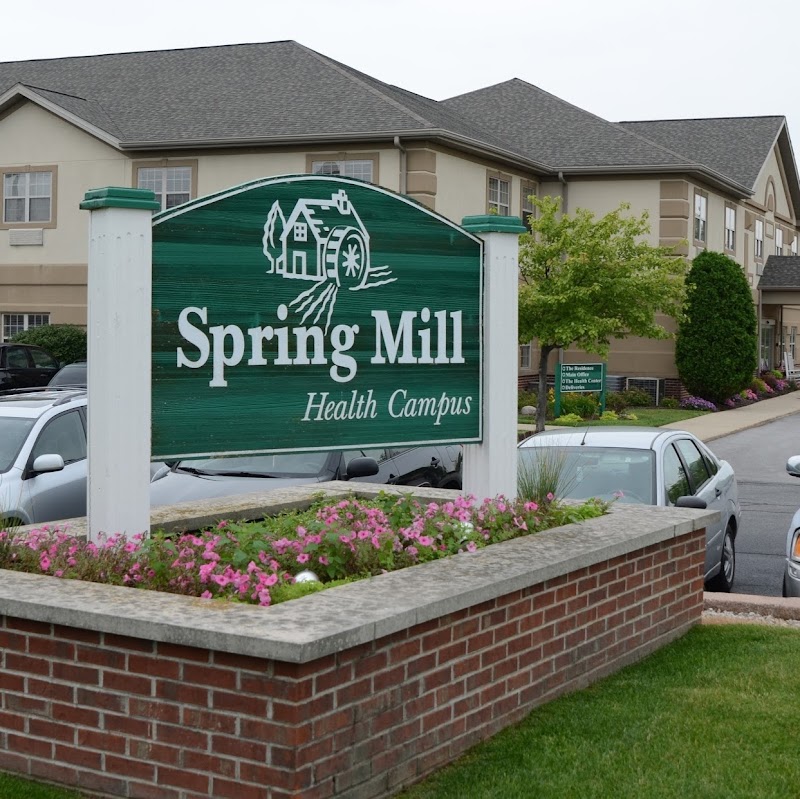
How is Spring Mill Health Campus Staffed?

CMS rates SPRING MILL HEALTH CAMPUS's staffing level at 3 out of 5 stars, which is average compared to other nursing homes. Staff turnover is 66%, which is 19 percentage points above the Indiana average of 46%. High turnover can affect care consistency as new staff learn residents' individual needs.

What Have Inspectors Found at Spring Mill Health Campus?

State health inspectors documented 56 deficiencies at SPRING MILL HEALTH CAMPUS during 2022 to 2025. These included: 2 that caused actual resident harm and 54 with potential for harm. Deficiencies causing actual harm indicate documented cases where residents experienced negative health consequences.

Who Owns and Operates Spring Mill Health Campus?

SPRING MILL HEALTH CAMPUS is owned by a government entity. Government-operated facilities are typically run by state, county, or municipal agencies. The facility is operated by CASA CONSULTING, a chain that manages multiple nursing homes. With 64 certified beds and approximately 54 residents (about 84% occupancy), it is a smaller facility located in MERRILLVILLE, Indiana.

How Does Spring Mill Health Campus Compare to Other Indiana Nursing Homes?

Compared to the 100 nursing homes in Indiana, SPRING MILL HEALTH CAMPUS's overall rating (2 stars) is below the state average of 3.1, staff turnover (66%) is significantly higher than the state average of 46%, and health inspection rating (2 stars) is below the national benchmark.

What Should Families Ask When Visiting Spring Mill Health Campus?

Based on this facility's data, families visiting should ask: "How do you ensure continuity of care given staff turnover, and what is your staff retention strategy?" "Can I visit during a mealtime to observe dining assistance and food quality?" "How do you handle medical emergencies, and what is your hospital transfer rate?" "Can I speak with family members of current residents about their experience?" These questions are particularly relevant given the facility's high staff turnover rate.

Is Spring Mill Health Campus Safe?

Based on CMS inspection data, SPRING MILL HEALTH CAMPUS has a clean safety record: no substantiated abuse findings (meaning no confirmed cases of resident harm), no Immediate Jeopardy citations (the most serious violation level indicating risk of serious injury or death), and is not on the Special Focus Facility watch list (a federal program monitoring the lowest-performing 1% of nursing homes). The facility has a 2-star overall rating and ranks #100 of 100 nursing homes in Indiana. While no facility is perfect, families should still ask about staff-to-resident ratios and recent inspection results during their visit.

Do Nurses at Spring Mill Health Campus Stick Around?

Staff turnover at SPRING MILL HEALTH CAMPUS is high. At 66%, the facility is 19 percentage points above the Indiana average of 46%. High turnover means new staff may not know residents' individual needs, medications, or preferences. It can also be disorienting for residents, especially those with dementia who rely on familiar faces. Families should ask: What is causing the turnover? What retention programs are in place? How do you ensure care continuity during staff transitions?

Was Spring Mill Health Campus Ever Fined?

SPRING MILL HEALTH CAMPUS has no federal fines on record. CMS issues fines when nursing homes fail to meet care standards or don't correct problems found during inspections. The absence of fines suggests the facility has either maintained compliance or corrected any issues before penalties were assessed. This is a positive indicator, though families should still review recent inspection reports for the full picture.

Is Spring Mill Health Campus on Any Federal Watch List?

SPRING MILL HEALTH CAMPUS is not on any federal watch list. The most significant is the Special Focus Facility (SFF) program, which identifies the bottom 1% of nursing homes nationally based on persistent, serious quality problems. Not being on this list means the facility has avoided the pattern of deficiencies that triggers enhanced federal oversight. This is a positive indicator, though families should still review the facility's inspection history directly.