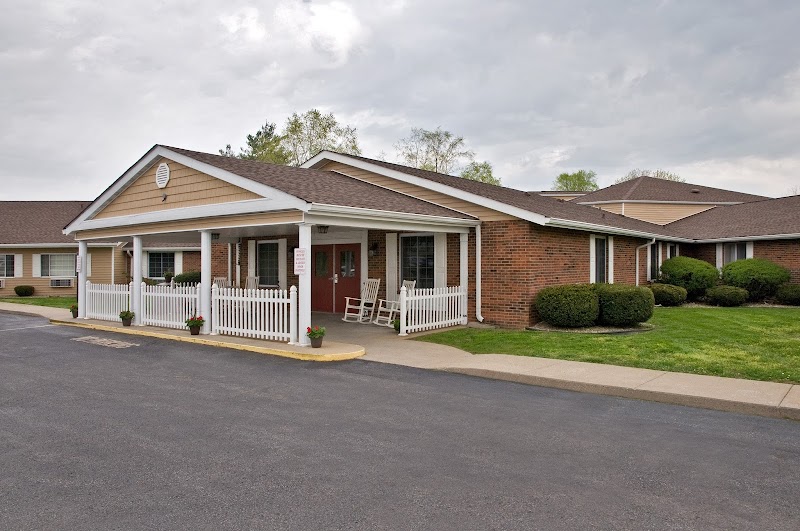
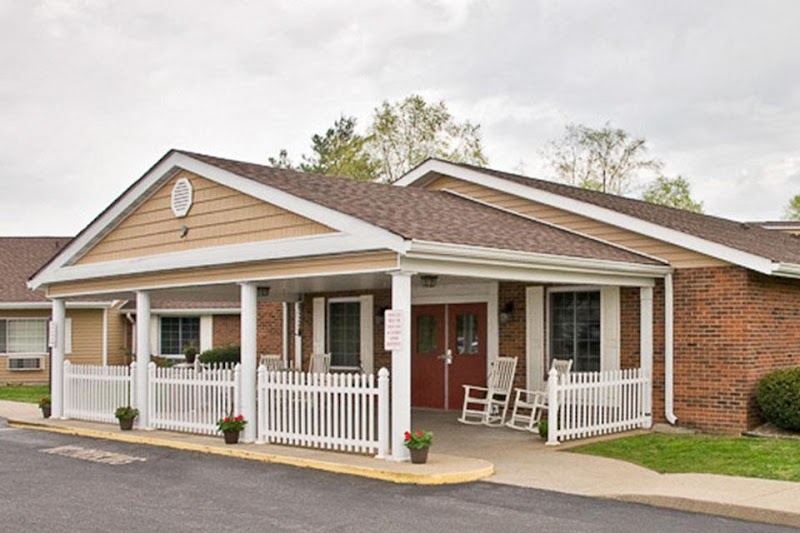
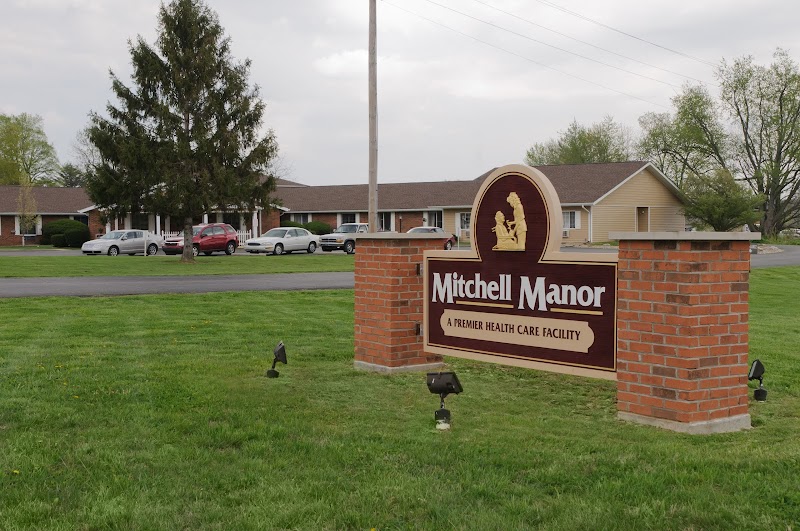
MITCHELL MANOR

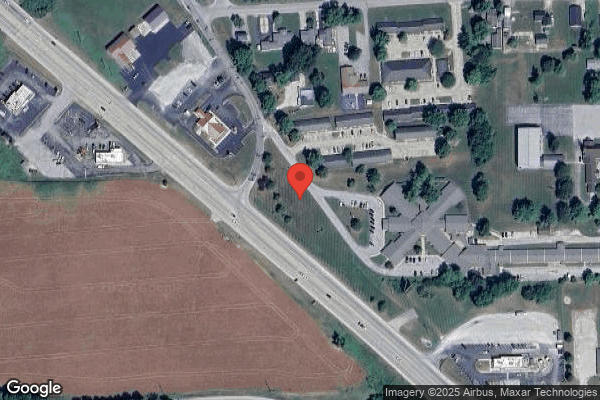
24 TEKE BURTON DR, MITCHELL, IN 47446 (812) 849-2221
Non profit - Corporation 120 Beds LIFE CARE CENTERS OF AMERICA Data: November 2025
Trust Grade
70/100
#169 of 505 in IN
Last Inspection: February 2025

Within standard 12-15 month inspection cycle. Federal law requires annual inspections.

Overview

Mitchell Manor has received a Trust Grade of B, indicating it is a good option for families considering nursing home care, but there is room for improvement. It ranks #169 out of 505 facilities in Indiana, placing it in the top half, and #4 out of 6 in Lawrence County, suggesting there is only one local facility that performs better. The facility is on an improving trend, having reduced issues from six in 2024 to five in 2025. Staffing is rated average with a turnover rate of 68%, which is concerning compared to the state average of 47%. Although there have been no fines, which is a positive sign, the facility has faced issues such as dirty carpets and improper labeling of medications, as well as complaints regarding unappetizing food served to residents. However, the high level of RN coverage indicates that residents are likely receiving good oversight.

Trust Score
B
70/100
In Indiana
#169/505
Top 33%
Safety Record
Low Risk
No red flags
Inspections
Getting Better
6 → 5 violations
Staff Stability
⚠ Watch
68% turnover. Above average. Higher turnover means staff may not know residents' routines.
Penalties
✓ Good
No fines on record. Clean compliance history, better than most Indiana facilities.
Skilled Nurses
✓ Good
Each resident gets 54 minutes of Registered Nurse (RN) attention daily — more than average for Indiana. RNs are trained to catch health problems early.
Violations
⚠ Watch
20 deficiencies on record. Higher than average. Multiple issues found across inspections.
★★★★☆
4.0
Overall Rating
★★★☆☆
3.0
Staff Levels
★★★★★
5.0
Care Quality
★★★☆☆
3.0
Inspection Score
Stable
2024: 6 issues
2025: 5 issues

The Good

  • 5-Star Quality Measures · Strong clinical quality outcomes
  • Full Sprinkler Coverage · Fire safety systems throughout facility
  • No fines on record

Facility shows strength in quality measures, fire safety.

The Bad

Staff Turnover: 68%

22pts above Indiana avg (46%)

Frequent staff changes - ask about care continuity

Chain: LIFE CARE CENTERS OF AMERICA

Part of a multi-facility chain

Ask about local staffing decisions and management

Staff turnover is elevated (68%)

20 points above Indiana average of 48%

The Ugly 20 deficiencies on record

Aug 2025 1 deficiency
CONCERN (D) 📢 Someone Reported This

A family member, employee, or ombudsman was alarmed enough to file a formal complaint

Potential for Harm - no one hurt, but risky conditions existed

Accident Prevention (Tag F0689)

Could have caused harm · This affected 1 resident

Based on interview and record review, the facility failed to ensure a resident was supervised while riding on the facility transportation van during a scheduled doctor's appointment for 1 of 3 residen...

Read full inspector narrative →
Based on interview and record review, the facility failed to ensure a resident was supervised while riding on the facility transportation van during a scheduled doctor's appointment for 1 of 3 residents reviewed for accidents. (Resident B) Findings include: Resident B's clinical record was reviewed on 8/18/25 at 10:48 a.m. The diagnoses included, but were not limited to, chronic obstructive pulmonary disease and depression. A nursing progress note, dated 7/28/25 at 8:32 p.m., indicated the resident's family and physician were notified of an alleged incident. No new orders received. No signs or symptoms of acute distress noted at this time. The clinical record lacked documentation of the alleged incident. A Fall/Accident Interview Statement, dated 7/29/25, indicated on 7/28/25, a staff member took Resident B to a doctor's appointment in the facility transportation van. The staff member bought his wife lunch, took it to her at the hospital, and admitted ly left Resident B in the vehicle with the window rolled down. The staff member indicated he should not have left the resident unattended in the vehicle. During an interview on 8/18/25 at 10:35 a.m., the Administrator indicated the transportation driver drove Resident B to an appointment and on the way back decided to stop at a restaurant drive through and get lunch for himself, his wife, and the resident. He then stopped at the nearby hospital and exited the vehicle to take his wife lunch. The transportation van had air-conditioning, however, Resident B indicated he rolled down the window and turned the van off. After approximately 15 minutes, Resident B left the vehicle and went into the hospital to try and locate the drive. A security guard from the hospital met her, provided a wheelchair, and sat with her until the transportation driver returned. When the transportation driver returned, he asked Resident B not to say anything because he had bought her lunch. The Administrator indicated Resident B did not report the incident for over a week. During an interview on 8/18/25 at 11:20 a.m., the DON indicated she was not sure of the exact date the above incident occurred because Resident B did not report it for over a week. The resident had an appointment on 7/24/25 at 9:15 a.m. and she believed it happened on that date during lunchtime. The Weather Underground website at www.wunderground.com, indicated during the week of 7/24/25 through 7/28/25, the average high temperature was 90 degrees. Resident B was out of the facility and unavailable for interview during the survey period. On 8/18/25 at 10:49 a.m., the Administrator provided the policy titled, Transportation Coordination and Services with a revised date of 5/15/25, and indicated it was the policy currently being used by the facility. A review of the policy indicated, . Procedure: 3. The facility will ensure that safety and infection prevention procedures are followed in accordance to state and federal guidance .This citation relates to Complaint 2574607.3.1-45(a)(2)
Feb 2025 4 deficiencies
CONCERN (D)

Potential for Harm - no one hurt, but risky conditions existed

MDS Data Transmission (Tag F0640)

Could have caused harm · This affected 1 resident

Based on record review and interview, the facility failed to ensure the Discharge MDS (Minimum Data Set) assessment was completed within allotted timeframe for 1 of 4 residents reviewed for resident a...

Read full inspector narrative →
Based on record review and interview, the facility failed to ensure the Discharge MDS (Minimum Data Set) assessment was completed within allotted timeframe for 1 of 4 residents reviewed for resident assessment. (Resident 48) Finding includes: On 2/27/25 at 2:07 p.m., Resident 48's clinical record was reviewed. The diagnoses included, but were not limited to, Alzheimer's disease, anxiety, and major depressive disorder. The MDS assessments indicated there was no Discharge MDS assessment completed. The last MDS assessment completed was the Quarterly MDS Assessment, on 9/10/24. A progress note, dated 10/1/24, indicated the resident was discharged to another facility. A review of the Resident Assessment Instrument (RAI),Version 3.0 User's Manual, 10/2023, on 2/28/25 at 10:00 a.m., indicated the Discharge MDS assessment must be completed within 14 calendar days after the discharge date and must be submitted within 14 days after the MDS completion date. During an interview with the MDS nurse on 2/28/25 at 10:40 a.m., she indicated the Discharge MDS assessment was not completed upon discharge of the resident and should have been completed within 14 calendar days of the discharge date . She indicated the facility did not have a resident assessment policy and they used the RAI tool criteria for timeframe of completion.
CONCERN (D)

Potential for Harm - no one hurt, but risky conditions existed

Assessment Accuracy (Tag F0641)

Could have caused harm · This affected 1 resident

Based on record review and interview, the facility failed to ensure an accurate assessment of active diagnoses for 2 of 4 residents reviewed for resident assessment. (Resident 20, Resident 57) Finding...

Read full inspector narrative →
Based on record review and interview, the facility failed to ensure an accurate assessment of active diagnoses for 2 of 4 residents reviewed for resident assessment. (Resident 20, Resident 57) Findings include: 1. On 2/26/25 at 1:25 p.m., Resident 20's clinical record was reviewed. The diagnoses included, but were not limited to, Parkinson's disease (a chronic brain disorder that causes movement problems), dementia, and benign prostatic hyperplasia (a non-cancerous enlargement of the prostate gland). The Quarterly MDS (Minimum Data Set) assessment, dated 2/10/25, was not marked for a diagnosis of UTI (urinary tract infection) in the last 30 days. The resident's laboratory results, dated 1/23/25, indicated the resident had Aerococcus urinae (Gram-positive bacterium associated with urinary tract infections) present on a urine culture. The resident's MAR (Medication Administration Record), indicated the resident received Ceftriaxone Sodium (a medication used to treat bacterial infections), 1 gram intramuscularly one time only for UTI on 1/24/25. A review of the Resident Assessment Instrument (RAI),Version 3.0 User's Manual, 10/2023, on 2/26/25 at 2:00 p.m., indicated for Item I2300 Urinary tract infection (UTI), the UTI has a look-back period of 30 days for active disease instead of 7 days. During an interview with the MDS nurse on 2/28/25 at 2:00 p.m., she indicated the resident was diagnosed with a UTI on 1/23/25. The MDS nurse indicated the Quarterly MDS assessment, dated 2/10/25, was marked no for a diagnosis of UTI and it should have been marked yes. The MDS nurse indicated the facility did not have a MDS policy and they utilized the RAI tool to complete MDS assessments. 2. On 2/27/25 at 10:02 a.m., Resident 57's clinical record was reviewed. The diagnoses included, but were not limited to, bipolar disorder (a mental illness that involves extreme shifts in mood) and schizophrenia (a disorder that affects a person's ability to think, feel, and behave clearly). admission MDS assessment, dated 12/20/24, indicated bipolar disorder was not marked as an active diagnosis. The resident's MAR indicated, the resident had an active order on 12/16/24 for Depakote Delayed Release Tablet (medication to treat seizures and bipolar disorder) 250 mg (milligrams), for bipolar disorder. A review of the RAI, Version 3.0 User's Manual, 10/2023, on 2/27/25 at 11:00 a.m., indicated for section I5900, Bipolar Disease, Diagnosis status: Active or Inactive is a 7-day look-back period. During an interview with the MDS nurse on 2/28/25 at 2:00 p.m., she indicated the resident had an active diagnosis of bipolar disease on 12/16/24. The MDS nurse indicated the admission MDS assessment, dated 12/20/24, was marked no for diagnosis of bipolar disease and it should have been marked yes. The MDS nurse indicated the facility did not have a MDS policy and they utilized the RAI tool to complete MDS assessments. 3.1-31(d)
CONCERN (D)

Potential for Harm - no one hurt, but risky conditions existed

Comprehensive Care Plan (Tag F0656)

Could have caused harm · This affected 1 resident

Based on interview and record review, the facility failed to develop a care plan for a resident's preference for 2 of 2 residents reviewed for choices. (Resident 24, Resident 49) Findings include: 1. ...

Read full inspector narrative →
Based on interview and record review, the facility failed to develop a care plan for a resident's preference for 2 of 2 residents reviewed for choices. (Resident 24, Resident 49) Findings include: 1. During an interview on 2/24/25 at 11:52 a.m., Resident 24 indicated her shower days were on Tuesday and Friday. On 2/27/25 at 10:52 a.m., Resident 24's clinical record was reviewed. The diagnoses included, but were not limited to, low back pain and muscle weakness. The Resident ADL (Activities of Daily Living) Preferences, dated 12/30/24, indicated Resident 24 preferred showers on Tuesday and Friday. The form lacked documentation of preference updated on the care plan. The admission MDS (Minimum Data Set) assessment, dated 1/3/25, indicated it was very important for Resident 24 to choose between a tub bath, bed bath, and sponge bath. During an interview on 2/27/25 at 11:28 a.m., the MDS nurse indicated Resident 24 should have had a preference care plan after the admission MDS assessment. During an interview on 2/27/25 1:30 p.m., the Director of Nursing (DON) indicated Resident 24's clinical record lacked documentation of a care plan for preferences. 2. During an interview on 2/24/25 at 11:57 a.m., Resident 49 indicated her shower days were on Tuesday and Friday. On 2/27/25 at 11:25 a.m., Resident 49's clinical record was reviewed. The diagnoses included, but were not limited to, chronic obstructive pulmonary disease (COPD) and muscle weakness. The Resident ADL Preferences, dated 1/2/25, indicated Resident 49 had no preference on what shower days, but preferred them on evening shift. The form lacked documentation of preference updated on the care plan. The admission MDS assessment, dated 1/7/25, indicated it was not very important for Resident 49 to choose between a tub bath, bed bath, and sponge bath. During an interview on 2/27/25 at 11:28 a.m., the MDS nurse indicated Resident 49 should have had a preference care plan after the admission MDS assessment. During an interview on 2/27/25 1:30 p.m., the Director of Nursing (DON) indicated Resident 49's clinical record lacked documentation of a care plan for preferences. On 2/28/25 at 3:15 p.m., the DON provided the facility's policy, Comprehensive Care Plans and Revisions, dated 9/11/24, and indicated it was the policy currently being used by the facility. A review of the policy indicated, . (i). Developed within 7 days after completion of the comprehensive assessment . 3.1-35(a)
CONCERN (E)

Potential for Harm - no one hurt, but risky conditions existed

Safe Environment (Tag F0921)

Could have caused harm · This affected multiple residents

Based on observation, interview, and record review, the facility failed to ensure the carpets were not worn and free of stains for 63 of 63 residents residing in the facility and failed to ensure a ho...

Read full inspector narrative →
Based on observation, interview, and record review, the facility failed to ensure the carpets were not worn and free of stains for 63 of 63 residents residing in the facility and failed to ensure a homelike environment for 2 of 16 residents reviewed for environment. (Hallway A, Hallway B, Hallway C, Hallway D, Resident 33 and Resident 16) Findings include: 1. On 2/24/25 at 11:00 a.m., during an initial tour, the carpet on Hallway A, Hallway B, Hallway C, and Hallway D were observed to be worn and to have multiple stains throughout. 2. On 2/26/25 at 10:02 a.m., a sign was observed to be on the wall in Resident 33's room which indicated to put dentures in denture cup before picking up meal tray or stray Kleenex. On 2/28/25 at 12:15 p.m., the above sign was observed to still be on the wall in Resident 33's room. 3. On 2/26/25 at 10:12 a.m., a sign was observed to be on the wall in Resident 16's room which indicated his turning schedule from 8 a.m. until 6 p.m. On 2/28/25 at 2:24 p.m., the above sign was observed to still be on the wall in Resident 16's room. During an interview on 2/28/25 at 12:30 p.m., the Director of Nursing (DON) indicated the hallway carpets were in need of being replaced and the signs in Resident 33 and Resident 16's rooms would need to come down because they listed private information meant for staff convenience only. On 2/28/25 at 1:50 p.m., the DON provided the facility's policy, Housekeeping with a reviewed date of 6/12/2024, and indicated it was the policy currently being used by the facility. A review of the policy indicated, . The resident has a right to a safe, clean, comfortable and homelike environment . 3.1-19(f)
Mar 2024 6 deficiencies
CONCERN (D)

Potential for Harm - no one hurt, but risky conditions existed

Pharmacy Services (Tag F0755)

Could have caused harm · This affected 1 resident

Based on interview and record review, the facility failed to ensure accurate reconciliation and accounting for narcotic medications was implemented for 1 of 1 residents reviewed. (Resident 13) Findin...

Read full inspector narrative →
Based on interview and record review, the facility failed to ensure accurate reconciliation and accounting for narcotic medications was implemented for 1 of 1 residents reviewed. (Resident 13) Findings include: Resident 13's clinical record was reviewed on 3/25/24 at 10:35 a.m. The diagnoses included, but were not limited to, depression and anxiety. Physician orders included, but was not limited to: Clonazepam (anti-anxiety medication) oral tablet 0.5 mg (milligram) give 0.25 mg by mouth two times a day for anxiety . The Controlled Substance Record for Resident 13's clonazepam was reviewed on 3/25/24 at 12:00 p.m. The record indicated 60 tablets were delivered on 3/13/24 at 9:26 a.m. The count indicated the following: - On 3/16/24 at 9:00 a.m., 1 tablet was given making the count 59. - On 3/16/24 at 8:00 p.m., 1 tablet was given making the count 58. - On 3/17/24 at 9:00 a.m., 1 tablet was given making the count 57. - On 3/17/24 at 8:00 p.m., 1 tablet was given making the count 56. - On 3/18/24 at 8:00 a.m., 1 tablet was given making the count 55. - On 3/18/24 at 8:00 p.m., 1 tablet was given making the count 54. - On 3/19/24 at 8:00 a.m., 1 tablet was given making the count 53. On 3/19/24 at 7:00 p.m., during the narcotic count for clonazepam for Resident 13, the count indicated 51 tablets were remaining which indicated 2 tablets were unaccounted for. During an interview on 3/20/24 at 9:51 a.m., the Administrator indicated the clonazepam count for Resident 13 was off on 3/19/24 at the 7:00 p.m. shift change. The nurse had believed she counted wrong because there were usually 6 tablets in a packet and she counted for 6 however, there were only 4 tablets in the packet after all. During an interview on 3/25/24 at 11:04 a.m., Registered Nurse 1 indicated she counted the missing clonazepam for Resident 13 however she believed she had counted wrong. She was not sure what happened exactly. She only gave 1 clonazepam tablet to the resident during her shift and no one else had access to her cart. 3.1-25(e)(2)
CONCERN (D)

Potential for Harm - no one hurt, but risky conditions existed

Infection Control (Tag F0880)

Could have caused harm · This affected 1 resident

Based on observation, interview, and record review, the facility failed to ensure a urinary drainage bag and tubing was positioned off the floor for 1 of 1 residents reviewed for urinary catheter. (Re...

Read full inspector narrative →
Based on observation, interview, and record review, the facility failed to ensure a urinary drainage bag and tubing was positioned off the floor for 1 of 1 residents reviewed for urinary catheter. (Resident 52) Findings include: On 3/19/24 at 12:39 p.m., Resident 52 was observed to be sitting in his wheelchair in the dining room. The urinary drainage tubing was observed to be touching the floor. On 3/21/24 at 1:17 p.m., Resident 52 was observed to be rolling around the hallway in his wheelchair. The urinary drainage tubing was observed to be dragging on the floor. On 3/21/24 at 3:06 p.m., Resident 52 was observed to be sitting in his wheelchair in his room. The urinary drainage tubing was observed to be touching the floor. On 3/22/24 at 12:41 p.m., Resident 52 was observed to be sitting in his wheelchair in his room. The urinary drainage bag and tubing were observed to be touching the floor. On 3/25/24 at 10:26 a.m., Resident 52 was observed to be rolling around the hallway in his wheelchair. The urinary drainage tubing was observed to be dragging on the floor. On 3/25/24 at 1:32 p.m., Resident 52 was observed to be rolling around the hallway in his wheelchair. The urinary drainage tubing was observed to be dragging on the floor. On 3/25/24 at 4:34 p.m., Resident 52 was observed to be sitting in his wheelchair at the end of the hall. The urinary drainage tubing was observed to be touching the floor. Resident 52's clinical record was reviewed on 3/22/24 at 10:20 a.m. The diagnosis included, but was not limited to, benign prostatic hyperpiesia with lower urinary tract symptoms. During an interview on 3/25/24 at 1:19 p.m., Certified Nursing Assistant (CNA) 1 indicated the urinary drainage bag and tubing should be positioned off the floor. During an interview on 3/25/24 at 4:35 p.m., CNA 2 indicated the urinary drainage bag tubing for Resident 52 was currently touching the floor. On 3/25/24 at 2:34 p.m., the Director of Nursing provided the facility's policy,Indwelling Urinary Catheter [Foley] Management with a reviewed date of 8/24/23, and indicated it was the policy currently being used by the facility. A review of the policy indicated, . General Urinary Catheter Maintenance Guidelines . 2. Maintain unobstructed urine flow . b. keep the collecting bag below the level of the bladder at all times. Do not rest the bag on the floor . The policy did not mention the urinary drainage bag tubing. 3.1-18(b)(1)
CONCERN (E)

Potential for Harm - no one hurt, but risky conditions existed

Deficiency F0761 (Tag F0761)

Could have caused harm · This affected multiple residents

Based on observation, interview, and record review, the facility failed to label the Over the Counter (OTC) medications with resident's name for 2 of 2 medications cart observed. (B Wing Back Hall, B ...

Read full inspector narrative →
Based on observation, interview, and record review, the facility failed to label the Over the Counter (OTC) medications with resident's name for 2 of 2 medications cart observed. (B Wing Back Hall, B Wing Front Hall) Findings include: On 3/25/24 at 10:20 a.m., the back hall B wing medication cart was observed to have OTC bottles of calcium tablets, probiotic, fish oil, vitamin B 1, and sodium chloride with no resident's name. At that time, the Director of Nursing (DON) indicated the OTC medication bottles were to have resident name on them. On 3/25/24 at 11:09 a.m., the front hall B wing medication cart was observed to have an OTC bottles of acetaminophen (pain reliever), loperamide (antidiarrheal), and milk of magnesia with no resident's name. At that time, Registered Nurse (RN) 1 indicated the OTC bottles lacked residents name. On 3/25/24 at 2:34 p.m., the DON provided the facility's policy, House Stock Items, revision date of 1/1/22 and indicated it was the policy being used by the facility. A review of the policy lacked documentation of labeling OTC medication bottles. 3.1-25(l)(1)
CONCERN (E)

Potential for Harm - no one hurt, but risky conditions existed

Deficiency F0804 (Tag F0804)

Could have caused harm · This affected multiple residents

Based on observation, interview, and record review, the facility failed to ensure food was served in a palatable and attractive manner for 1 of 1 test tray obtained from a hall cart. (Resident 43, Res...

Read full inspector narrative →
Based on observation, interview, and record review, the facility failed to ensure food was served in a palatable and attractive manner for 1 of 1 test tray obtained from a hall cart. (Resident 43, Resident 5, Resident 23, Resident 13, Resident 14, Resident 33, Resident 44, Resident 35, Resident 30, Resident 24, Resident 7, Resident 25) Findings include: On 3/20/24 at 9:59 a.m., Resident 43 indicated the food did not taste good and the food was often served to her room at a cold temperature. On 3/20/24 at 10:52 a.m., Resident 5 indicated the food did not taste good. On 3/21/24 at 10:49 a.m., Resident 23 indicated the food did not taste good. On 3/21/24 at 11:13 a.m., Resident 13 indicated the food was not good and was served at a cold temperature when they delivered to the room. On 3/21/24 at 11:36 a.m., Resident 14 indicated the meat was tough. On 3/21/24 at 11:41 a.m., Resident 33 indicated the meat was tough. On 3/25/24 at 10:45 a.m., a resident council meeting was held. Resident 44, Resident 35, Resident 30, Resident 24, Resident 7, and Resident 25 were all in attendance. When asked about food palatability, all residents began to shake their heads No, which indicated they did not like the taste of the food. Resident 24 indicated the food was not good and he suggested the kitchen staff needed new recipes and the menus should be changed around to offer more variety. Resident 25 indicated the facility would often serve fish multiple times a week. Resident 7 indicated the meat was very tough. On 3/25/24 at 11:23 a.m., a test tray was obtained from the B hall meal cart. The meal consisted of beef stew poured over a biscuit, cubed potatoes, a side salad, and an apple crisp dessert. The appearance of the meal tray was not immediately identifiable nor attractive to sight. The beef stew meat was gristly making it difficult to cut and chew. The potatoes were hard in texture which indicated they were undercooked. The side salad contained brown, wet, and wilted lettuce, which indicated it was not fresh. The apple crisp had very little flavor and the apples had a mushy texture which indicated they were not fresh. The following resident interviews took place after the test tray was obtained: - On 3/25/24 at 11:33 a.m., Resident 14 indicated the beef stew meat was very tough to cut up. He was able to cut it up into a bunch of pieces and was able to eat it. He further indicated the meat would be easy for someone to choke on. - On 3/25/24 at 11:34 a.m., Resident 33 indicated he sent his food back because it was too tough to eat. - On 3/25/24 at 11:45 a.m., Resident 43 indicated the beef in the beef stew was tough and she could not chew it. - On 3/25/24 at 12:38 p.m., Resident 5 indicated the beef in the beef stuff was tough. - On 3/25/24 at 4:24 p.m., Resident 13 indicated he didn't eat any of the lunch because it looked gross and would not even try to eat it, so he sent it back. Resident 12 indicated he had never seen meatloaf on a biscuit before which was different. He further indicated the meat was too tough to eat, so he ate around it. During an interview on 3/25/24 at 11:35 a.m., the Administrator attempted to cut up the beef stew meet with a fork and indicated the meat on the test tray was difficult to cut and therefore chew. On 3/25/24 at 4:44 p.m., the Director of Nursing provided the facility policy, Resident Satisfaction with Food and Dining, revised on 4/25/23, and indicated it was the current policy being used. A review of the policy indicated, . Each resident receives and the facility provides - Food prepared by methods that conserve . flavor, and appearance . Food and drink that is palatable, attractive . 3.1-21(a)(1) 3.1-21(a)(2)
CONCERN (E)

Potential for Harm - no one hurt, but risky conditions existed

Safe Environment (Tag F0921)

Could have caused harm · This affected multiple residents

Based on observation, interview, and record review, the facility failed to provide a homelike environment free of damage and disrepair for of 7 of 9 residents reviewed for environmental concerns (Resi...

Read full inspector narrative →
Based on observation, interview, and record review, the facility failed to provide a homelike environment free of damage and disrepair for of 7 of 9 residents reviewed for environmental concerns (Resident 19, Resident 23, Resident 14, Resident 33, Resident 28, Resident 36, and Resident 43). Findings include: 1. On 3/20/24 at 10:00 a.m., the light in Resident 43's shower was observed to not function. During an interview on 3/20/24 at 10:01 a.m., Resident 43 indicated the shower was dark and would like to have a light in the shower that worked. 2. On 3/20/24 at 10:05 a.m., an electrical outlet sized hole was observed in the wall behind Resident 36's bed. 3. On 3/20/24 at 11:33 a.m., Resident 19's call light pull was observed to be approximately 1 inch long and difficult to grasp. There were holes in the netting of the privacy curtains observed in the room. 4. On 3/21/24 at 10:48 a.m., the paint on the wall at the head of Resident 23's bed was observed to be scraped, revealing the bare drywall. 5. On 3/21/24 at 11:04 a.m., the door of Resident 28's closet was observed to be off the guide rails. The wall behind the bed was observed to be dirty and scuffed. 6. On 3/21/24 at 11:38 a.m., Resident 14 and Resident 33's room was observed to be missing baseboards, revealing scraped and scuffed drywall. During an interview on 3/25/24 at 12:58 p.m., the Physical Plant Director indicated the aforementioned environmental concerns existed and required repair. On 3/25/24 at 2:55 p.m., the facility Administrator provided the Resident Rights, undated, and indicated these were the Resident Rights currently utilized by the facility. A review of the Resident Rights indicated, .the resident has the right to a safe, clean, comfortable, and homelike environment . 3.1-19(f)
MINOR (C)

Minor Issue - procedural, no safety impact

Staffing Information (Tag F0732)

Minor procedural issue · This affected most or all residents

Based on observation and interview, the facility failed to ensure the staff posting information sheets were posted in a prominent place readily accessible to residents and visitors, presented in a cle...

Read full inspector narrative →
Based on observation and interview, the facility failed to ensure the staff posting information sheets were posted in a prominent place readily accessible to residents and visitors, presented in a clear and readable format, and included actual hours worked for 4 of 4 staff posting sheets reviewed. Finding include: On 3/25/24 at 2:50 p.m., the staff posting information sheet was located behind the nurses' station among other posted papers. The paper was not easily located nor identifiable as it was posted in among past and future staff posting sheets. The posted sheets for the dates of 3/22/24, 3/23/24, 3/24/25, and 3/25/24 did not contain the actual hours worked or the shift times. During an interview on 3/25/24 at 2:55 p.m., the Administrator indicated the staff posting sheets had always been posted behind the nurses station and the actual hours worked were updated in the computer system the next day. She indicated the posted staffing sheets did not contain the actual hours worked or the specific shift times. On 3/25/24 at 4:44 p.m., the Director of Nursing provided the policy, Staffing, revised on 8/7/23, and indicated it was the policy currently being used by the facility. A review of the policy indicated, . The facility must post the following information on a daily basis . actual hours worked by . staff directly responsible for resident care per shift . 2. The facility posts daily staffing information in a clear readable format in a prominent place that is easily accessible to residents and visitors at any time .
Jul 2023 2 deficiencies
CONCERN (D) 📢 Someone Reported This

A family member, employee, or ombudsman was alarmed enough to file a formal complaint

Potential for Harm - no one hurt, but risky conditions existed

Deficiency F0760 (Tag F0760)

Could have caused harm · This affected 1 resident

Based on interview and record review, the facility failed to ensure a resident was free from a significant medication error for 1 of 3 residents reviewed. A resident received the wrong dose of fast ac...

Read full inspector narrative →
Based on interview and record review, the facility failed to ensure a resident was free from a significant medication error for 1 of 3 residents reviewed. A resident received the wrong dose of fast acting insulin. (Resident B, Resident C) Finding includes: During an interview on 7/21/23 at 11:03 a.m., Resident B indicated he received too much insulin from LPN 1 (Licensed Practical Nurse) a few weeks ago. LPN 1 informed Resident B he had administered 30 units of insulin. LPN 1 also told Resident B he administered the wrong insulin. During an interview on 7/21 23 at 1:18 p.m., LPN 1 indicated on 6/29/23 he administered Resident C's fast acting insulin dose to Resident B by mistake. LPN 1 walked past Resident C's room and into Resident B's room by mistake because the power went out during a storm. LPN 1 administered sugary drinks and snacks to help keep Resident B's blood sugar from dropping. The insulin LPN 1 administered to Resident B was from Resident C's insulin pen that was already opened and used for Resident C. LPN 1 took the insulin pen back to the medication cart, removed the needle, replaced the cap, and placed the pen back in the medication cart. The clinical record for Resident B was reviewed on 7/21/23 at 10:31 a.m. The diagnoses included, but were not limited to, diabetes and long term use of insulin. A quarterly MDS (Minimum Data Set) assessment, dated 6/26/23, indicated Resident B was cognitively intact. The Physician's orders included, but were not limited to: - Insulin lispro solution (fast acting insulin that should be administered by injection within 15 minutes before meals or right after eating a meal) 100 units/ml (milliliters). Inject as per sliding scale: if blood sugar is 141-180 give 2 units; 181-220 give 4 units; 221-260 give 6 units; 261-300 give 8 units; 301-340 give 10 units; 341-380 12 units; 381-420 give 14 units; 421-460 give 16 units; 461-482 give 18 units. Administer insulin subcutaneously, before meals, and call the physician if blood sugar is 482 or greater, initiated 3/23/23. The June 2023 Medication Administration Record indicated: On 6/29/23 at 4:30 p.m., Resident B's blood sugar was 234. Resident B should have received 6 units of insulin lispro. A progress note, dated 6/29/23 at 9:12 p.m., indicated Resident B's blood sugar results were reported to the Nurse Practitioner for the evening of 6/29/23. The blood sugar results at 7:00 p.m., 101, at 8:00 p.m., 96, at 9:00 p.m., 62, and at 9:30 p.m., 116. The clinical record for Resident C was reviewed on 7/21/23 at 10:19 a.m. The diagnoses included, but were not limited to, diabetes and cancer. A quarterly MDS assessment, dated 4/21/23, indicated Resident C was cognitively intact. The Physician's orders included, but were not limited to: - Insulin aspart solution (fast acting insulin that should be administered by injection within 10 minutes before eating a meal) pen-injector 100 units/ml. Inject 30 units subcutaneously before meals, initiated 10/27/22. An incident report, dated 6/29/23 at 5:02 p.m., indicated Resident B was given insulin dose in error. Resident B was given sugary snacks to counteract effects. The Director of Nursing educated LPN 1 on 6 rights. On 7/20/23 at 2:30 p.m., the Director of Nursing provided a copy of a facility document, titled Insulin Administration Competency Checklist, dated 6/29/23, and indicated this was the competency that was reviewed with LPN 1. A review of the competency indicated ask permission to enter the resident's room and identify the resident. This Federal Tag relates to Complaint IN00413267. 3.1-48(c)(2)
CONCERN (D) 📢 Someone Reported This

A family member, employee, or ombudsman was alarmed enough to file a formal complaint

Potential for Harm - no one hurt, but risky conditions existed

Infection Control (Tag F0880)

Could have caused harm · This affected 1 resident

Based on interview and record review, the facility failed to ensure infection control practices were followed for 1 of 3 residents reviewed. A resident was administered another resident's used insulin...

Read full inspector narrative →
Based on interview and record review, the facility failed to ensure infection control practices were followed for 1 of 3 residents reviewed. A resident was administered another resident's used insulin pen. (Resident B, Resident C) Finding includes: During an interview on 7/21/23 at 11:03 a.m., Resident B indicated LPN 1 told Resident B he had administered the wrong insulin. During an interview on 7/21 23 at 1:18 p.m., LPN 1 indicated on 6/29/23, he administered Resident C's fast acting insulin dose pen to Resident B by mistake. The insulin pen LPN 1 administered to Resident B was from Resident C's insulin pen that was already opened and used for Resident C. An incident report, dated 6/29/23 at 5:02 p.m., indicated Resident B was given insulin dose in error. Resident B was given sugary snacks to counteract effects. The Director of Nursing educated LPN 1 on 6 rights. On 7/26/23 at 9:30 p.m., the Regional Director of Nursing provided a copy of a facility policy, titled Guidance for Using Insulin Products, dated 2021, and indicated this was the current policy used by the facility. A review of the policy indicated pens and needles should never be used between residents. This Federal Tag relates to Complaint IN00413267. 3.1-18(b)(1)
May 2023 7 deficiencies
CONCERN (D) 📢 Someone Reported This

A family member, employee, or ombudsman was alarmed enough to file a formal complaint

Potential for Harm - no one hurt, but risky conditions existed

Deficiency F0561 (Tag F0561)

Could have caused harm · This affected 1 resident

Based interview and record review, the facility failed to ensure a resident was bathed per their preference for 1 of 1 resident reviewed for choices (Resident B). Findings include: During an intervi...

Read full inspector narrative →
Based interview and record review, the facility failed to ensure a resident was bathed per their preference for 1 of 1 resident reviewed for choices (Resident B). Findings include: During an interview on 5/3/23 at 1:53 p.m., Resident 16 indicated she would like four baths a week but may only get 2 baths a week. On 5/8/23 at 9:41 a.m., Resident B's clinical record was reviewed. The diagnoses included, but were not limited to, left humerus fracture, chronic obstructive pulmonary disease, and diabetes mellitus. The admission Minimum Data Set (MDS) assessment, dated 3/24/23, indicated Resident B was cognitively intact; was very important to choose between a tub bath, shower, bed bath, or sponge bath; and the bathing self-performance indicated the activity did not occur during the entire 7 day period. A Care Plan, initiated on 3/29/23 and current through 6/23/23, indicated Resident B preferred showers 4 times weekly on evening shift. The Shower Schedule indicated Resident B showers were on Tuesday and Friday dayshift. The CNA [Certified Nursing Assistant] Bath / Skin Check sheets indicated the following: - On 4/6/23 (Thursday), a bed bath was performed. - On 4/7/23 (Friday) , a bed bath was performed. - On 4/12/23 (Wednesday), a bed bath was performed. - On 4/13/23 (Thursday), Resident B refused bath. - On 4/18/23 (Tuesday), a shower was performed. - On 4/20/23 (Thursday), a bed bath was performed. - On 4/25/23 (Tuesday), a bed bath was performed. - On 4/27/23 (Thursday), a bed bath was performed. - On 5/3/23 (Wednesday), a bed bath was performed. The CNA Bath / Skin Check sheets lacked documentation of 4 showers per week per the residents preference. During an interview on 5/9/23 at 9:39 a.m., CNA 1 indicated Resident B preferred a shower four times a week. She did not refuse showers. The showers were documented on the CNA Bath / Skin Check sheets. During an interview on 5/9/23 at 2:52 p.m., the Director of Nursing (DON) indicated Resident B was on the shower schedule for twice a week. On 5/9/23 at 2:35 p.m., the DON provided the facility's policy, Activities of Daily Living (ADLs), dated 8/22/22, and indicated it was the policy currently being used by the facility. A review of the policy indicated, .Based on the comprehensive assessment of a resident, the facility must ensure that residents receive treatment and care in accordance the comprehensive person-centered care plan, and the residents' choices . This Federal tag relates to Complaint IN00407502. 3.1-3(u)(1)
CONCERN (D)

Potential for Harm - no one hurt, but risky conditions existed

Transfer Notice (Tag F0623)

Could have caused harm · This affected 1 resident

Based on interview and record review, the facility failed to ensure the written notification required for a transfer and discharge was given to the resident and the resident representative for 3 of 3 ...

Read full inspector narrative →
Based on interview and record review, the facility failed to ensure the written notification required for a transfer and discharge was given to the resident and the resident representative for 3 of 3 residents reviewed for hospitalization. (Resident 28, Resident 39, Resident 12) Findings include: 1. On 5/8/23 at 11:42 a.m., Resident 28's clinical record was reviewed. The diagnosis included, but was not limited to, Parkinson's disease. Resident 28's progress notes indicated the resident was sent to the hospital on 3/22/23 and 4/27/23. The Notice of Transfer or Discharge forms, dated 3/22/23 and 4/27/23, lacked documentation the resident and the resident's representative had been notified of the transfer in writing and provided the appeal rights information in writing including the contact information of the the Office of the State LTC (Long Term Care) Ombudsman, after the resident was sent out to the hospital. 2. On 5/9/23 at 11:07 a.m., Resident 39's clinical record was reviewed. The diagnoses included, but were not limited to, cerebral infarction and chronic obstructive pulmonary disease. Resident 39's progress notes indicated the resident was sent to the hospital on 4/16/23. The Notice of Transfer or Discharge form, dated 4/16/23, lacked documentation the resident and the resident's representative had been notified of the transfer in writing and provided the appeal rights information in writing including the contact information of the the Office of the State LTC (Long Term Care) Ombudsman, after the resident was sent out to the hospital. 3. On 5/9/23 at 12:17 p.m., Resident 12's clinical record was reviewed. The diagnosis included, but was not limited to, chronic kidney disease. Resident 12's progress notes indicated the resident was sent to the hospital on 2/12/23. The Notice of Transfer or Discharge form, dated 2/12/23, lacked documentation the resident and the resident's representative had been notified of the transfer in writing and provided the appeal rights information in writing including the contact information of the the Office of the State LTC (Long Term Care) Ombudsman, after the resident was sent out to the hospital. During an interview on 5/8/23 at 11:56 a.m., the Executive Director indicated the Notice of Transfer or Discharge forms were not sent to the representative in writing. The representative would be notified verbally by phone when a resident was transferred to the hospital. The forms would be sent with the resident when the resident went to the hospital but there was no documentation the resident received it in writing. On 5/9/23 at 2:30 p.m., the Director of Nursing provided the facility policy, Transfers and Discharges, with a review date of 9/1/17, and indicated this was the policy currently being used by the facility. A review of the policy indicated, . Notice of Transfer or Discharge. The facility ensures that systems are implemented to provide written notification to the resident and resident representative prior to transfer. This written notification is provided on the Notice of Discharge or Transfer Form. This information will be presented in a language and manner that the resident/resident representative can understand . 3.1-12(a)(6)(A)(i) 3.1-12(a)(6)(A)(ii)
CONCERN (D)

Potential for Harm - no one hurt, but risky conditions existed

Deficiency F0625 (Tag F0625)

Could have caused harm · This affected 1 resident

Based on interview and record review, the facility failed to ensure the notification of the bed-hold policy required for residents who transferred to the hospital was provided in writing to the reside...

Read full inspector narrative →
Based on interview and record review, the facility failed to ensure the notification of the bed-hold policy required for residents who transferred to the hospital was provided in writing to the resident or the residents representative for 3 of 3 residents reviewed for hospitalization. (Resident 28, Resident 39, Resident 12) Findings include: 1. On 5/8/23 at 11:42 a.m., Resident 28's clinical record was reviewed. The diagnosis included, but was not limited to, Parkinson's disease. Resident 28's progress notes indicated the resident was sent to the hospital on 3/22/23 and 4/27/23. There was no documentation that a written notice that specified the facility's bed-hold policy was provided to the resident or the resident's representative. 2. On 5/9/23 at 11:07 a.m., Resident 39's clinical record was reviewed. The diagnoses included, but were not limited to, cerebral infarction and chronic obstructive pulmonary disease. Resident 39's progress notes indicated the resident was sent to the hospital on 4/16/23. There was no documentation that a written notice that specified the facility's bed-hold policy was provided to the resident or the resident's representative. 3. On 5/9/23 at 12:17 p.m., Resident 12's clinical record was reviewed. The diagnosis included, but were not limited to, chronic kidney disease. Resident 12's progress notes indicated the resident was sent to the hospital on 2/12/23. There was no documentation that a written notice that specified the facility's bed-hold policy was provided to the resident or the resident's representative. During an interview on 5/8/23 at 11:56 a.m., the Executive Director indicated the Bed-Hold policy forms were not sent to the representative in writing. The representative would be notified verbally by phone when a resident was transferred to the hospital. The forms would be sent when the resident goes to the hospital but there was no documentation the resident received it in writing. On 5/9/23 at 2:30 p.m., the Director of Nursing provided the facility policy, Transfers and Discharges, with a review date of 9/1/17, and indicated this was the policy currently being used by the facility. A review of the policy indicated, . Bed Holds: 3. Explain transfer and reason to the resident and/or representative and give copy of signed transfer or discharge notice to the resident and/or representative or person responsible for care. 4. Explain and give copy of bed hold form to the resident and/or representative . 3.1-12(a)(25) 3.1-12(a)(26)
CONCERN (D)

Potential for Harm - no one hurt, but risky conditions existed

Deficiency F0685 (Tag F0685)

Could have caused harm · This affected 1 resident

**NOTE- TERMS IN BRACKETS HAVE BEEN EDITED TO PROTECT CONFIDENTIALITY** Based on interview and record review, the facility failed to ensure staff assisted a resident in gaining access to hearing servi...

Read full inspector narrative →
**NOTE- TERMS IN BRACKETS HAVE BEEN EDITED TO PROTECT CONFIDENTIALITY** Based on interview and record review, the facility failed to ensure staff assisted a resident in gaining access to hearing services by making appointments for 1 of 1 resident reviewed for communication. (Resident 48) Finding includes: During an interview on 5/5/23 at 10:16 a.m., Resident 48 indicated she needed to see a hearing doctor. She did not believe anyone had asked her since admission if she needed these services. On 5/5/23 at 11:00 a.m., Resident 48's clinical record was reviewed. The resident was admitted on [DATE]. A review of the resident's Quarterly MDS (Minimum Data Set) assessment, dated 3/2/23 indicated the resident was cognitively intact. During an interview on 5/9/23 at 9:51 a.m., the Social Services Director (SSD) indicated the admission's office was supposed to assess residents for services and then give her the paperwork if a resident requested audiology, vision, or podiatry services. However, she did not consistently receive the paperwork and it was sometimes missed. During an interview on 5/9/23 at 9:55 a.m., the Admissions Office personnel indicated the resident was relatively new so he was not sure if she had a signed a consent for audiology services. He indicated he would look to see if a consent was signed. During an interview on 5/9/23 at 2:09 p.m., the SSD indicated she was never given the resident's consent for services. On 5/19/23 at 2:30 p.m., the Executive Director indicated the facility had found the resident's consent for services. She provided a signed consent, dated 1/30/23, which indicated the resident had requested audiology services. During that time, the ED provided a copy of the facility's Resident admission Agreement, dated 2022, and indicated it was the policy currently being used at the facility. A review of the admission agreement indicated, . Section 18: Resident Choices for Professional Services . The services listed . are not provided by the Facility as routine care . The Facility has arranged for and recommends providers of these services who have agreed to follow Facility policies and state and federal regulatory requirements . The ED did not provide any additional policies or procedures related to providing ancillary services. 3.1-39(a)(1)
CONCERN (D)

Potential for Harm - no one hurt, but risky conditions existed

Respiratory Care (Tag F0695)

Could have caused harm · This affected 1 resident

Based on observation, interview, and record review, the facility failed to ensure the oxygen tubing and humidification bottle were labeled for 1 of 3 residents reviewed for respiratory care. (Resident...

Read full inspector narrative →
Based on observation, interview, and record review, the facility failed to ensure the oxygen tubing and humidification bottle were labeled for 1 of 3 residents reviewed for respiratory care. (Resident 39) Finding includes: On 5/4/23 at 11:17 a.m., Resident 39 was observed to be lying in bed with an oxygen nasal cannula in her nostrils. The tubing for the oxygen and the humidification bottle were undated. On 5/5/23 at 1:25 p.m., Resident 39 was observed to be sitting in a wheelchair in her room with an oxygen nasal cannula in her nostrils. The tubing for the oxygen and the humidification bottle were undated. On 5/8/23 at 9:56 a.m., Resident 39 was observed to be lying in bed with an oxygen nasal cannula in her nostrils. The tubing for the oxygen and the humidification bottle were undated. On 5/8/23 at 2:44 p.m., Resident 39 was observed to be sitting in a wheelchair in her room with an oxygen nasal cannula in her nostrils. The tubing for the oxygen and the humidification bottle were undated. On 5/9/23 at 9:45 a.m., Resident 39 was observed to be lying in bed with an oxygen nasal cannula in her nostrils. The tubing for the oxygen and the humidification bottle were undated. Resident 39's clinical record was reviewed on 5/9/23 at 11:07 a.m. The diagnosis included, but were not limited to, chronic obstructive pulmonary disease. Physician orders, dated 5/9/23, indicated Resident 39's orders included, but were not limited to: - O2 (oxygen) at 4 liters per minute per nasal cannula. During an interview on 5/9/23 at 9:45 a.m., the Director of Nursing (DON) indicated the oxygen tubing and humidification bottle should be dated. On 5/9/23 at 2:35 p.m., the DON provided the facility policy, Oxygen Administration/Safety/Storage/ Maintenance, dated 12/3/18, and indicated this was the policy currently being used by the facility. A review of the policy indicated, . Infection Control: 1. Change oxygen supplies weekly and when visibly soiled. Equipment should be labeled with patient name and dated when setup or changed out . 2. Humidifier/Aerosol bottles should be dated and replaced every 7 days regardless of H20 [water] level . 3.1-47(a)(6)
CONCERN (E)

Potential for Harm - no one hurt, but risky conditions existed

Deficiency F0761 (Tag F0761)

Could have caused harm · This affected multiple residents

Based on observation, interview, and record review, the facility failed to ensure drugs were stored in locked compartments for 2 of 3 medication treatment carts. (Hall B, Hall A) Findings include: On ...

Read full inspector narrative →
Based on observation, interview, and record review, the facility failed to ensure drugs were stored in locked compartments for 2 of 3 medication treatment carts. (Hall B, Hall A) Findings include: On 5/3/23 at 10:30 a.m., the medication treatment cart on Hall B was observed to be unlocked and unattended by staff as residents were mobile on the hallway. Inside the cart were medications with resident labels on them. On 5/3/23 at 12:15 p.m., the medication treatment cart on Hall B was observed to be unlocked and unattended by staff as residents were mobile on the hallway. Inside the cart were medications with resident labels on them. On 5/3/23 at 2:00 p.m., the medication treatment cart on Hall B was observed to be unlocked and unattended by staff as residents were mobile on the hallway. Inside the cart were medications with resident labels on them. On 5/8/23 at 10:30 a.m., the medication treatment cart on Hall A was observed to be unlocked and unattended by staff as residents and visitors were mobile in the hall. Inside the cart were medications with resident labels on them. During an interview on 5/3/23 at 2:05 p.m., LPN 1 indicated the medication treatment cart was unlocked and was to be locked when unattended by staff. During an interview on 5/8/23 at 10:30 a.m., RN 1 indicated the medication treatment cart was unlocked and was to be locked when unattended by staff. On 5/9/23 at 2:30 p.m., the Director of Nursing provided the Storage and Expiration Dating of Medications, Biologicals Policy, revised 7/21/22, and indicated this was the policy currently used by the facility. A review of the policy indicated, .facility should ensure that all medications and biologicals, including treatment items, are securely stored in a locked cabinet/cart or locked medication room that is inaccessible by residents and visitors . 3.1-25(m)
CONCERN (E)

Potential for Harm - no one hurt, but risky conditions existed

Safe Environment (Tag F0921)

Could have caused harm · This affected multiple residents

Based on observation, interview, and record review, the facility failed to ensure a soiled linen/biohazard room was secured when unattended by staff for 4 of 5 days during the survey. Findings includ...

Read full inspector narrative →
Based on observation, interview, and record review, the facility failed to ensure a soiled linen/biohazard room was secured when unattended by staff for 4 of 5 days during the survey. Findings include: On 5/4/23 at 11:25 a.m., the soiled linen/biohazard room between Hall B and Hall C was found to be unsecured and unattended by staff. Inside the room were 2 red, tied biohazard bags filled with unidentifiable refuse. Also in the room, on a counter was a small refrigerator. There was no lock on the refrigerator. Inside the refrigerator was a specimen cup with a resident name and the date 5/3/23 written on it. Inside the specimen cup was a reddish brown mucous substance. On 5/4/23 at 2:30 p.m., the soiled linen/biohazard room between Hall B and Hall C was found unsecured and unattended by staff. Inside the room were 2 red, tied biohazard bags filled with unidentifiable refuse. Also in the room, on a counter was a small refrigerator. There was no lock on the refrigerator. Inside the refrigerator was a specimen cup with a resident name and the date 5/3/23 written on it. Inside the specimen cup was a reddish brown mucous substance. On 5/8/23 at 2:35 p.m., the soiled linen/biohazard room between Hall B and Hall C was found unsecured and unattended by staff. Inside the room was 1 red, tied biohazard bag filled with unidentifiable refuse. On 5/9/23 at 11:15 a.m., the soiled linen/biohazard room between Hall B and Hall C was found unsecured and unattended by staff. Inside the room was 1 red, tied biohazard bag filled with unidentifiable refuse. During an interview on 5/9/23 at 11:25 a.m., the Director of Nursing and Maintenance Director indicated the door latch was in need of repair and the door was to be locked at all times when unattended by staff. On 5/9/23 at 2:45 p.m., the Executive Director provided the Resident Rights, dated 2022, and indicated these were the Resident Rights currently used by the facility. A review of the Resident Rights indicated, .the resident has a right to a safe, clean, comfortable, and homelike environment . 3.1-19(f)
Understanding Severity Codes (click to expand)
Life-Threatening (Immediate Jeopardy)
J - Isolated K - Pattern L - Widespread
Actual Harm
G - Isolated H - Pattern I - Widespread
Potential for Harm
D - Isolated E - Pattern F - Widespread
No Harm (Minor)
A - Isolated B - Pattern C - Widespread

Questions to Ask on Your Visit

  • "Why is there high staff turnover? How do you retain staff?"
  • "Can I speak with families of current residents?"
  • "What's your RN coverage like on weekends and overnight?"

Our Honest Assessment

Strengths
  • • No major safety red flags. No abuse findings, life-threatening violations, or SFF status.
  • • No fines on record. Clean compliance history, better than most Indiana facilities.
Concerns
  • • 20 deficiencies on record. Higher than average. Multiple issues found across inspections.
  • • 68% turnover. Above average. Higher turnover means staff may not know residents' routines.
Bottom line: Mixed indicators with Trust Score of 70/100. Visit in person and ask pointed questions.

About This Facility

What is Mitchell Manor's CMS Rating?

CMS assigns MITCHELL MANOR an overall rating of 4 out of 5 stars, which is considered above average nationally. Within Indiana, this rating places the facility higher than 99% of the state's 100 nursing homes. This rating reflects solid performance across the metrics CMS uses to evaluate nursing home quality.

How is Mitchell Manor Staffed?

CMS rates MITCHELL MANOR's staffing level at 3 out of 5 stars, which is average compared to other nursing homes. Staff turnover is 68%, which is 22 percentage points above the Indiana average of 46%. High turnover can affect care consistency as new staff learn residents' individual needs.

What Have Inspectors Found at Mitchell Manor?

State health inspectors documented 20 deficiencies at MITCHELL MANOR during 2023 to 2025. These included: 19 with potential for harm and 1 minor or isolated issues.

Who Owns and Operates Mitchell Manor?

MITCHELL MANOR is owned by a non-profit organization. Non-profit facilities reinvest revenue into operations rather than distributing to shareholders. The facility is operated by LIFE CARE CENTERS OF AMERICA, a chain that manages multiple nursing homes. With 120 certified beds and approximately 60 residents (about 50% occupancy), it is a mid-sized facility located in MITCHELL, Indiana.

How Does Mitchell Manor Compare to Other Indiana Nursing Homes?

Compared to the 100 nursing homes in Indiana, MITCHELL MANOR's overall rating (4 stars) is above the state average of 3.1, staff turnover (68%) is significantly higher than the state average of 46%, and health inspection rating (3 stars) is at the national benchmark.

What Should Families Ask When Visiting Mitchell Manor?

Based on this facility's data, families visiting should ask: "How do you ensure continuity of care given staff turnover, and what is your staff retention strategy?" "Can I visit during a mealtime to observe dining assistance and food quality?" "How do you handle medical emergencies, and what is your hospital transfer rate?" "Can I speak with family members of current residents about their experience?" These questions are particularly relevant given the facility's high staff turnover rate.

Is Mitchell Manor Safe?

Based on CMS inspection data, MITCHELL MANOR has a clean safety record: no substantiated abuse findings (meaning no confirmed cases of resident harm), no Immediate Jeopardy citations (the most serious violation level indicating risk of serious injury or death), and is not on the Special Focus Facility watch list (a federal program monitoring the lowest-performing 1% of nursing homes). The facility has a 4-star overall rating and ranks #1 of 100 nursing homes in Indiana. While no facility is perfect, families should still ask about staff-to-resident ratios and recent inspection results during their visit.

Do Nurses at Mitchell Manor Stick Around?

Staff turnover at MITCHELL MANOR is high. At 68%, the facility is 22 percentage points above the Indiana average of 46%. High turnover means new staff may not know residents' individual needs, medications, or preferences. It can also be disorienting for residents, especially those with dementia who rely on familiar faces. Families should ask: What is causing the turnover? What retention programs are in place? How do you ensure care continuity during staff transitions?

Was Mitchell Manor Ever Fined?

MITCHELL MANOR has no federal fines on record. CMS issues fines when nursing homes fail to meet care standards or don't correct problems found during inspections. The absence of fines suggests the facility has either maintained compliance or corrected any issues before penalties were assessed. This is a positive indicator, though families should still review recent inspection reports for the full picture.

Is Mitchell Manor on Any Federal Watch List?

MITCHELL MANOR is not on any federal watch list. The most significant is the Special Focus Facility (SFF) program, which identifies the bottom 1% of nursing homes nationally based on persistent, serious quality problems. Not being on this list means the facility has avoided the pattern of deficiencies that triggers enhanced federal oversight. This is a positive indicator, though families should still review the facility's inspection history directly.