MOUNT VERNON NURSING AND REHABILITATION
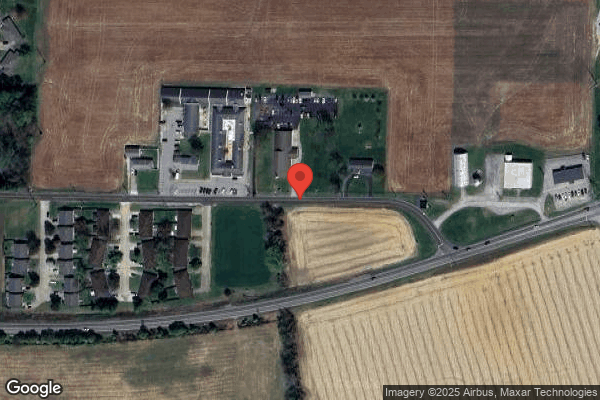

1415 COUNTRY CLUB RD, MOUNT VERNON, IN 47620 (812) 838-6554
Non profit - Other 66 Beds AMERICAN SENIOR COMMUNITIES Data: November 2025
Trust Grade
75/100
#171 of 505 in IN
Last Inspection: August 2024

Within standard 12-15 month inspection cycle. Federal law requires annual inspections.

Overview

Mount Vernon Nursing and Rehabilitation has a Trust Grade of B, which indicates it is a good choice but not without its flaws. Ranking #171 out of 505 facilities in Indiana places it in the top half for the state, and it is the top-ranked facility in Posey County, meaning there is only one other option locally. The facility is improving, with a decrease in reported issues from 5 in 2023 to 4 in 2024. However, staffing is a concern, as it has a lower rating of 2 out of 5 stars, with a 56% turnover rate, which is higher than the state average. On a positive note, the facility has not received any fines, indicating good compliance overall. However, there are significant concerns regarding RN coverage, as it has less RN presence than 91% of Indiana facilities, which can impact the quality of care. Specific incidents noted include a caregiver failing to change gloves during personal care, which poses an infection risk, and issues with food sanitation in the kitchen, where surfaces were observed to be unclean. These weaknesses suggest that while there are strengths at Mount Vernon, families should weigh these concerns carefully when considering care for their loved ones.

Trust Score
B
75/100
In Indiana
#171/505
Top 33%
Safety Record
Low Risk
No red flags
Inspections
Getting Better
5 → 4 violations
Staff Stability
⚠ Watch
56% turnover. Above average. Higher turnover means staff may not know residents' routines.
Penalties
✓ Good
No fines on record. Clean compliance history, better than most Indiana facilities.
Skilled Nurses
⚠ Watch
Each resident gets only 24 minutes of Registered Nurse (RN) attention daily — below average for Indiana. Fewer RN minutes means fewer trained eyes watching for problems.
Violations
⚠ Watch
12 deficiencies on record. Higher than average. Multiple issues found across inspections.
★★★★☆
4.0
Overall Rating
★★☆☆☆
2.0
Staff Levels
★★★★☆
4.0
Care Quality
★★★★☆
4.0
Inspection Score
Stable
2023: 5 issues
2024: 4 issues

The Good

  • 4-Star Quality Measures · Strong clinical quality outcomes
  • Full Sprinkler Coverage · Fire safety systems throughout facility
  • No fines on record

Facility shows strength in quality measures, fire safety.

The Bad

Staff Turnover: 56%

Near Indiana avg (46%)

Frequent staff changes - ask about care continuity

Chain: AMERICAN SENIOR COMMUNITIES

Part of a multi-facility chain

Ask about local staffing decisions and management

Staff turnover is elevated (56%)

8 points above Indiana average of 48%

The Ugly 12 deficiencies on record

Aug 2024 4 deficiencies
CONCERN (D)

Potential for Harm - no one hurt, but risky conditions existed

Deficiency F0761 (Tag F0761)

Could have caused harm · This affected 1 resident

Based on observation, interview, and record review, the facility failed to ensure medications were properly stored and labeled for 4 of 4 medication carts observed and 2 of 2 treatment carts.(Plaza Ca...

Read full inspector narrative →
Based on observation, interview, and record review, the facility failed to ensure medications were properly stored and labeled for 4 of 4 medication carts observed and 2 of 2 treatment carts.(Plaza Cart 101-113, Plaza cart 114-140, Cottage Short Hall, Cottage Long Hall, Plaza Treatment Cart, Cottage Treatment Cart) Findings include: On 7/30/24 at 10:03 A.M., the following was observed in the Plaza medication cart (for rooms 101-113): 3 jars of CBD (Cannabidiol) with Resident 26's name handwritten on it with no other label 1 package of donuts and a drink with no labels. At that time, QMA (Qualified Medicine Aide) 23 indicated they belonged to him. On 7/30/24 at 10:15 A.M., the following loose pill was observed in the Plaza medication cart (for rooms 114-140): 1 white oblong pill with marking ML8 On 7/30/24 at 10:30 A.M., the following loose pills were observed in the Cottage Short Hall medication cart: 1/2 round orange pill 1 white oblong pill with marking ATV 20 On 7/30/24 at 10:40 A.M., the following was observed in the Cottage Long Hall medication cart: 2 daily medication containers with several loose pills that had no name, labels, or identifiers. At that time, QMA 7 indicated the containers belonged to Resident 29 and staff administered medications to the resident from the containers. On 7/31/23 at 7:40 A.M., the treatment cart for Cottage Unit was observed to have the following: 1 tube of antifungal with no label 1 opened tube of Skin Therapy with no label 3 cans of opened deodorant with no labels 1 tube of (name of lotion) with no label On 7/31/24 at 7:58 A.M., the treatment cart on the Plaza Unit was observed to have the following: 1 tube of Triamcinolone cream (Steroid Cream) with no label 1 bottle of antifungal powder with no label During an interview on 7/30/24 at 10:08 A.M., QMA 24 indicated there should be no loose pills or food in the medication carts. During an interview on 7/30/24 at 10:42 A.M., QMA 7 indicated they were unaware that the containers for Resident 29 were not labeled. During an interview on 7/31/24 at 7:45 A.M., LPN (Licensed Practical Nurse) 15 indicated resident names should be on the bottles in the treatment cart, and shaving cream and deodorant should not be in the treatment cart. During an interview on 7/30/24 at 11:10 A.M., the DON (Director of Nursing) indicated Resident 29 was on VA (Veteran Affairs) Respite and would be reimbursed by the VA for medications. She indicated Resident 29's son brought the medications in the containers and did not leave the bottles but that staff had compared the bottles with the orders. At that time, she indicated there should have been a label on the containers. 3.1-25(b)(4) 3.1-25(j)
CONCERN (D)

Potential for Harm - no one hurt, but risky conditions existed

Antibiotic Stewardship (Tag F0881)

Could have caused harm · This affected 1 resident

2. On 8/1/24 at 11:11 A.M., Resident 30's clinical record was reviewed. Diagnoses included, but were not limited to, dementia, chronic kidney disease stage 3, and polyneuropathy. The most current Ann...

Read full inspector narrative →
2. On 8/1/24 at 11:11 A.M., Resident 30's clinical record was reviewed. Diagnoses included, but were not limited to, dementia, chronic kidney disease stage 3, and polyneuropathy. The most current Annual Minimum Data Set (MDS) Assessment, dated 6/7/24, indicated Resident 30 had severe cognitive impairment, required substantial assistance from staff (staff does more than half) for toileting, did not receive antibiotics during the 7-day lookback period, and did not have a UTI (urinary tract infection). Physician orders included, but were not limited to: ceftriaxone (generic form of Rocephin) 1 g - Give 1 g IM x 2 doses every 24 Hours, dated 7/14/24 and completed on 7/15/24. An Infection/Antibiotics Surveillance report, dated 7/12/24, indicated Resident 30 had a UTI confirmed by a culture and sensitivity test that revealed Escherichia Coli (a bacteria) was in the urine. Rocephin (an antibiotic) 1 gram (g) intramuscularly (IM) every 24 hours for 2 days was ordered. A lab report, dated 7/14/24 and signed by the Nurse Practitioner (NP), indicated Resident 30 had E. coli in her urine. The lab report indicated E. coli was resistant to ceftriaxone. On 8/2/24 at 11:00 A.M., the Director of Nursing (DON) indicated the lab report dated 7/14/24 indicated E. coli was resistant to ceftriaxone. She indicated antibiotic use was reviewed monthly during QAPI (quality assurance and performance improvement) meetings and the Infection Preventionist (IP) reviewed newly prescribed antibiotics daily. On 8/2/24 at 11:03 A.M., the IP indicated that she reviewed culture and sensitivity reports daily, and the prescribing physician reviewed them as well. She indicated she would call the physician if the infection did not meet McGeer's criteria or if the antibiotic was found to be resistant to the organism. At that time, she indicated ceftriaxone was resistant to E. coli and she should have called the doctor. On 7/30/24 at 2:00 P.M., the Administrator provided a current Antibiotic Stewardship Program policy, dated 11/2017, that indicated The facility shall establish key elements for antibiotic prescribing and a system to monitor and manage antibiotic use. Antibiotic stewardship is the effort to measure and improve how antibiotics are prescribed by clinicians and used by patients Based on interview and record review, the facility failed to ensure residents who required an antibiotic were prescribed the appropriate antibiotic for 2 of 3 residents reviewed for UTI (urinary tract infection). (Resident 43, Resident 30) Findings include: 1. On 7/30/24 at 12:21 P.M., Resident 43's clinical record was reviewed. Diagnosis included, but were not limited to, anxiety and depression. The most recent Quarterly MDS (Minimum Data Set) Assessment, dated 6/23/24, indicated no cognitive impairment, occasional incontinence of the bladder, and no UTIs in the last 30 days. Physician orders included, but were not limited to: ceftriaxone (an antibiotic) injection, 1 gram, ordered on 7/17/24. Resident 43's MAR (Medication Administration Record) for July 2024 indicated ceftriaxone 1 gram was given on 7/17/24 at 8:00 P.M. A progress note, dated 7/17/24 at 3:01 P.M., indicated Resident report burning upon urination. New orders from MD, UA [urinalysis], CBC [complete blood count], BMP [basic metabolic panel], Rocephin [ceftriaxone] 1 gm [gram] x1 dose IM [intramuscular] . The clinical record lacked an Infection Event for the UTI. On 8/2/24 at 12:40 P.M., the Director of Nursing (DON) indicated Resident 43 did have a UTI on 7/17/24, and the physician treated the resident without the lab results based on a symptom of burning with urination.
CONCERN (E)

Potential for Harm - no one hurt, but risky conditions existed

Infection Control (Tag F0880)

Could have caused harm · This affected multiple residents

4. On 8/2/24 at 10:29 A.M., Certified Nurse Aide (CNA) 14 and CNA 16 were observed performing peri care for Resident 18. CNA 14 put on gloves, hooked Resident 18's lift pad onto the lift, raised up th...

Read full inspector narrative →
4. On 8/2/24 at 10:29 A.M., Certified Nurse Aide (CNA) 14 and CNA 16 were observed performing peri care for Resident 18. CNA 14 put on gloves, hooked Resident 18's lift pad onto the lift, raised up the bed, moved Resident 18 to the bed using the lift, unhooked the pad, pulled down Resident 18's pants, and undid the resident's brief. Without changing gloves, CNA 14 wiped Resident 18's front pubic area by wiping front to back three times using the same wipe. The resident was rolled onto her side and CNA 14 wiped bowel movement off Resident 18's buttocks using 3 wipes. The brief was bundled up and thrown away. Without changing gloves, CNA 14 put a new brief under Resident 18. CNA 14 changed gloves, fastened the new brief, and pulled up Resident 18's pants. At that time, the open wipes contained fell on the floor with a clean wipe sticking out of the container and touching the floor. CNA 14 picked up the wipes and put the exposed wipe that had been touching the floor back into the container and closed the lid. CNA 14 removed her gloves. CNA 14 indicated she needed to go get a new battery for the lift. CNA 14 left the room and went to the closet where the list batteries were stored. CNA 14 was not observed to perform hand hygiene. During an interview on 7/31/24 at 8:05 A.M., the Infection Preventionist indicated the equipment should be cleaned in between residents and as needed. During an interview on 8/5/24 at 9:23 A.M. CNA 9 indicated she would use hand sanitizer instead of washing her hands unless a resident was on transmission based precautions. CNA 16 indicated while performing care she should change gloves between clean and dirty tasks. During an interview on 8/2/24 at 10:32 A.M., IP indicated staff were expected to wash their hands for at least 30 seconds. Hands were supposed to be sanitized/washed when going from dirty to clean tasks. The IP also indicated any wipes that were exposed to the floor should be disposed of.3. On 8/5/24 at 9:12 A.M., CNA (Certified Nurse Aide) 16 and CNA 9 entered Resident 53's room and CNA 16 shut the door. CNA 9 used hand sanitizer and rubbed her hands together for three seconds, and CNA 16 got hand sanitizer and rubbed her hands together for six seconds. CNA 9 pulled the privacy curtain, put gloves on, used the bed remote to lay the resident in a flat position; CNA 16 put gloves on, pulled the resident's blankets back and moved the pillows at the head of bed while CNA 9 began to remove the resident's brief. CNA 16 began wiping the front of the resident with wipes, then rolled the resident on her right side facing CNA 9. CNA 16 then removed the soiled brief out from under the resident and used wipes to clean the resident's bowel movement. CNA 16 put a new brief under the resident, removed her gloves and used hand sanitizer for five seconds and put on new gloves. CNA 9 handed CNA 16 barrier cream and CNA 16 put barrier cream on the resident's bottom. CNA 9 assisted the resident in rolling back to her back and fastened her brief. CNA 16 removed her gloves and rubbed hand sanitizer on her hands for four seconds. CNA 16 and CNA 9 grabbed the residents bedsheets and pulled the resident up in bed. CNA 9 removed her gloves and rubbed hand sanitizer on her hands for five seconds. Based on observation, record review, and interview, the facility failed to ensure a safe, sanitary and comfortable environment to help prevent the development and transmission of disease and infection. Resident use equipment was not cleaned for 2 of 2 random observations of vitals during medication administration, staff did not change gloves during resident care for 3 of 5 residents observed for care, and failed to track all infections for 10 of 10 residents reviewed for infections. (Resident 49, Resident 33, Resident 22, Resident 18, Resident 53, Resident 42, Resident 25, Resident 161, Resident 15, Resident 36, Resident 12, Resident 53, Resident 5, Resident 51, Resident 2, Resident 7)) Findings include: 1. On 7/30/24 at 10:30 A.M. during a medication pass, QMA (Qualified Medication Aide) 23 was observed to take Resident 49's blood pressure, then take Resident 33's blood pressure with the same cuff. The blood pressure cuff was not sanitized prior to or after either resident. 2. On 8/2/24 at 10:04 A.M., CNA (Certified Nurse Aide) 6 and CNA 14 were observed performing incontinence care for Resident 22. Neither CNA washed their hands prior to putting on gloves to start the care. CNA 16 removed the resident's visibly soiled shirt, placed it in the dirty linen, placed a clean shirt on the resident, then assisted the resident into a sit to stand sling without changing gloves. The CNAs raised the lift, and removed the soiled brief. Both CNAs removed their gloves and put on clean gloves without hand hygiene in between, and a clean brief was placed on the resident. Resident 22 was then transferred to a wheelchair, and both CNAs removed their gloves. The sit to stand lift was not cleaned after use. CNA 14 then washed hands for 30 seconds with soap and water, and CNA 16 washed hands for 9 seconds with soap and water. 5. On 8/6/24 at 11:00 A.M., the infection control program's resident infection tracking was reviewed for the months of May 2024, June 2024, and July 2024. At that time, the Infection Preventionist (IP) indicated tracking of infections was completed by reviewing the infection events from the resident's clinical records, and then placed on a map for that month with colors that indicated what type of infection the resident had. The infection event forms as well as the tracking map were completed by month. Review of all infections included, but was not limited to, the following: May 2024 Resident 42's infection event indicated a Urinary Tract Infection (UTI) on 5/10/24. This was not tracked on the facility tracking map. Resident 25's infection event indicated a UTI on 5/6/24. This was not tracked on the facility tracking map. June 2024 Resident 161's infection event indicated a UTI on 6/12/24. This was not tracked on the facility tracking map. Resident 15's infection event indicated a UTI on 6/16/24. This was not tracked on the facility tracking map. Resident 15's infection event indicated cellulitis on 6/2/24. This was not tracked on the facility tracking map. July 2024 Resident 36's infection event indicated pneumonia on 7/31/24. This was not tracked on the facility tracking map. Resident 12's infection event indicated an upper respiratory infection on 7/17/24. This was not tracked on the facility tracking map. Resident 53's infection event indicated pneumonia on 7/31/24. This was not tracked on the facility tracking map. Resident 5's infection event indicated a UTI on 7/13/24. This was not tracked on the facility tracking map. Resident 51's infection event indicated a UTI on 7/23/24. This was not tracked on the facility tracking map. Resident 2's infection event indicated cellulitis/rash that was treated with an antibiotic on 7/30/24. This was not tracked on the facility tracking map. Resident 7's infection event indicated an infection wound on the toe on 7/18/24. This was not tracked on the facility tracking map. During an interview on 8/1/24 at 1:11 P.M., the IP indicated infections were only tracked on the facility tracking map if McGeer's criteria was met. All others were placed on a monthly facility infection surveillance summary report. The McGeer's criteria is a set of surveillance definitions used to identity healthcare-associated infections (HAIs) in long-term care facilities. The criteria are specific to the nursing home population and can be useful for assessing whether antibiotic therapy is appropriate. However, more diagnostic information, such as positive laboratory tests, is often required to meet the criteria for a definitive infection. On 8/6/24 at 10:59 A.M., the Director of Nursing (DON) indicated infections were tracked by reviewing the printed report of infection events, as well as the facility tracking map. At that time, she could not indicate which infection events were active infections, and which were not based on the information printed on the forms. She indicated only those infection events that met McGeer's criteria were listed on the tracking maps, regardless if it was an active infection or not, and not all active infections were indicated on them. On 7/30/24 at 10:00 A.M., the Administrator provided a current Infection Prevention System for Surveillance policy, revised 5/2023 that indicated .the facility shall have a system of surveillance to identify possible communicable diseases or infections before they can spread .monitoring is provided as ongoing tracking to rule out an infection, the development of new/recurrent infections and / or the spread of infections by surveillance log and facility map . On 8/1/24 at 10:30 A.M., the DON (Director of Nursing) provided a current Standard and Transmission- Based Precautions (Isolation) policy, revised 4/24/24 that indicated .always assume that every resident is potentially infected or colonized with an organism that could be transmitted in the healthcare setting .shared equipment should be cleaned and disinfected in-between each resident use On 8/1/24 at 10:30 A.M., the DON provided a current Hand Hygiene policy, revised 12/2021 that indicated .healthcare personnel should use an alcohol-based hand rub or wash with soap and water for the following clinical indications: Immediately before touching a resident .Before moving from work on a soiled body site to a clean body on the same resident, After touching a resident or the resident's immediate environment, After contact with blood, body fluids, or contaminated surfaces, immediately after glove or PPE (Personal Protection Equipment) . 3.1-18(b)(1) 3.1-18(b)(2) 3.1-18(l)
MINOR (C)

Minor Issue - procedural, no safety impact

Staffing Information (Tag F0732)

Minor procedural issue · This affected most or all residents

Based on interview and record review, the facility failed to post accurate actual hours worked for licensed and unlicensed nursing staff directly responsible for resident care per shift daily for 2 of...

Read full inspector narrative →
Based on interview and record review, the facility failed to post accurate actual hours worked for licensed and unlicensed nursing staff directly responsible for resident care per shift daily for 2 of 6 days during the annual survey period. (8/1/24, 8/2/24) Finding includes: On 8/1/24 at 8:05 A.M., a posted staffing sheet was observed sitting on the receptionist desk. The sheet included, but was not limited to: Shift hours for RN (Registered Nurse), LPN (Licensed Practical Nurse) and CNA (Certified Nursing Aide). Total number of RN, LPN, and CNA for each shift. Total hours of RN, LPN, and CNA for each shift. The form indicated that 4.5 CNAs worked the evening shift (2:00 P.M. to 10:00 P.M.) but did not specify which half of the shift worked. On 8/2/24 at 8:10 A.M., a posted staffing sheet was observed sitting on the receptionist desk. The sheet included but was not limited to: Shift hours for RN (Registered Nurse), LPN (Licensed Practical Nurse) and CNA (Certified Nursing Aide). Total number of RN, LPN, and CNA for each shift. Total hours of RN, LPN, and CNA for each shift. The form indicated that 5.5 CNAs worked the evening shift (2:00 P.M. to 10:00 P.M.) but did not specify which half of the shift the CNA worked. During an interview on 8/02/24 at 9:19 A.M., the scheduler indicated she was not aware 1/2 shift coverage hours should have been listed on the posted staffing forms. On 8/2/24 at 11:45 A.M., the Administrator provided a current Posted Nurse Staffing Data policy, dated 7/2019 that indicated .the purpose was to allow public access to posted nursing staffing data per federal regulations .the total hours should be broken by total hours worked by RN, LPN, and CNA .the Posted Nurse Staffing form should also reflect staff absences on each shift due to call-offs and the Total Hours adjusted accordingly .
May 2023 5 deficiencies
CONCERN (D)

Potential for Harm - no one hurt, but risky conditions existed

Accident Prevention (Tag F0689)

Could have caused harm · This affected 1 resident

**NOTE- TERMS IN BRACKETS HAVE BEEN EDITED TO PROTECT CONFIDENTIALITY** Based on observation, interviews, and record review, the facility failed to provide supervision to prevent multiple falls. Super...

Read full inspector narrative →
**NOTE- TERMS IN BRACKETS HAVE BEEN EDITED TO PROTECT CONFIDENTIALITY** Based on observation, interviews, and record review, the facility failed to provide supervision to prevent multiple falls. Supervision and effective interventions were not in place to prevent continued falls for 1 of 5 residents (Resident 52) reviewed for accidents. Findings include: During an interview on 5/8/23 at 9:30 A.M. with RN 1, she indicated that Resident 52 hollers out and becomes combative with staff. Resident was not aware of safety and tries to get out of bed on her own. During observation on 5/8/23 at 11:45 A.M., Resident 52 was observed in a high-back wheelchair at the table in the dining room on the locked unit. Resident called out sporadically help me! help me! On 5/9/23 at 1:52 P.M. Resident 52's clinical records were reviewed. Diagnoses included, but were not limited to: metabolic encephalopathy, type 2 diabetes, COPD (chronic obstructive pulmonary disease), dementia. Significant Change Minimum Data Set (MDS) assessment dated [DATE] indicated resident had severe cognitive impairment. Resident was unable to respond correctly to any of the Brief Inventory of Mental Status (BIMS) questions, and required limited assist of 2 for bed mobility, extensive assist of 2 for transfers and toileting, supervision and assistance of 1 for eating, and total dependence for bathing. Current Physician orders include, but were not limited to: 2/26/23, activity level: up ad lib with assist to standard wheelchair. 4/21/23 Physical therapy to treat 3 x/week for 4 weeks .as indicated to allow for improved and safety with mobility tasks; 2/27/23 low bed for safety; 2/28/23 head of bed elevated to alleviate shortness of breath; 4/15/23 Positioning/Devices Wanderguard for dementia and other behavioral disturbances, check once a day for function Care plan included, but was not limited to: Resident is at risk for falls due to: weakness, dementia, history of falls, advanced age, lack of understanding of one's physical and cognitive limitations, requires assist with mobility, new environment, high risk medication use, altered awareness of immediate physical environment, impulsive, urgency/frequency incontinence, unsteady gait. Most recently updated 4/27/23. Interventions included, but were not limited to, 1. Resident to be directed away from crowded common areas unless being directly supervised. Updated 4/24/23 2. fall mat at bedside Updated 2/28/23 3. low bed. Updated 2/27/23. 4. Keep pathways free of clutter. Updated 2/27/23. 5. Non-skid footwear Updated 2/27/23 6. Call light in reach Updated 2/27/23 Resident has fallen 11 times since her admission of 2/26/23. Falls were: Fall #1 On 2/27/23 at 8:05 A.M., resident was found sitting beside her bed on her buttocks with her back and head leaning against the bed; had been toileted at 5:25 A.M. Resident unable to communicate how fall happened due to advanced dementia. Bed in lowest position, No new orders. Gripper socks and clothing on, non-skid strips in front of bed. Resident had two skin tears to left forearm. Vital signs within normal limits. Neurochecks performed. Physician, resident representative, and Director of Nursing (DON) notified of fall and injury. No new orders. Care plan reviewed and updated interventions. Fall #2 On 3/1/23 at 7:28 A.M., resident was observed to slide off the side of her bed, sitting on buttocks in upright position with back leaning against the bed, on fall mat. No injury. Range of motion performed, no difficulty noted to upper or lower extremities. Vital signs within normal limits and neurochecks continued. Physician, resident representative, DON and nurse practitioner (NP) notified. No new orders. Care plan reviewed. No new interventions added to care plan. Fall #3 On 3/13/23 at 9:13 P.M., resident was found lying on right side on the floor mat beside her bed. Bed in lowest position, gripper socks on; resident had been restless that evening. No injury. Physician, resident representative and DON notified. Event report indicated new orders were received but no new orders noted in orders. No new interventions added to Care plan. Fall #4 On 3/14/23 at 11:01 P.M., resident was found lying on left side on bedside mat, with head against the wall, with laceration to right posterior head. Pressure dressing and wrap applied to control bleeding. Physician notified and ordered transfer to emergency room (ER) for evaluation. New orders obtained. Resident's daughter notified. No new interventions added to care plan. Fall #5 On 4/17/23 at 6:40 P.M., resident was observed walking in the TV lounge and attempted to sit on the sofa and missed the cushion, landing on her buttocks on the floor in front of the couch. No injuries noted. Vital signs within normal limits. Resident assisted off floor by two staff and gait belt applied; staff assisted her back to bed. Physician and daughter notified. No new orders. No new interventions added to Care plan. Fall #6 On 4/18/23 at 5:21 P.M., resident was found lying supine with legs extended behind the nurses' desk, fully clothed without gripper socks on feet. Resident unable to say how the fall happened. No injury noted. Vital signs within normal limits, neurochecks completed. Physician and representative notified. No new orders. No new interventions were added to care plan. Fall #7 On 4/19/23 at 7:35 A.M., resident was found sitting on the floor on buttocks with back against the bed and legs extended out in front of her, fully clothed with no footwear on. No injuries noted. Viral signs within normal limits. Neurochecks initiated. Physician and representative notified. No new orders. No new interventions added to care plan. Fall #8 On 4/22/23 at 11:49 A.M., resident was observed walking on carpeted area in the TV lounge and tripped over another resident's feet, landing on the floor on her left side. Received two skin tears to left elbow and left forearm. Cleansed tears with normal saline and applied dressing. Resident assisted back to wheelchair and taken to nurses station. Vital signs within normal limits, Range of motion performed to upper and lower extremities with no difficulty. Physician and representative notified. No new orders. No new interventions added to care plan. Fall #9 On 4/26/23 at 7:45 A.M., resident was found lying in supine position on the floor next to bed in room [ROOM NUMBER], another resident's room, her legs extended out in front of her with head resting on leg of bedside table. No injuries noted. Resident was fully clothed with no gripper socks. Vital signs within normal limits. Range of motion to all extremities within normal limits. Physician and representative notified. No new orders. No new interventions were added to care plan. Fall #10 During an observation of unit on 5/10/23 at 2:20 P.M., the nursing staff was observed at the nurse's station, a noise was heard, the staff did not respond to the noise. Observed the resident's wheelchair was rocking back and forth as the resident had just fallen on the floor in the carpeted area of the TV lounge. Resident was lying on her right side, crying. There were 3 or 4 other residents in the TV lounge watching a movie. No staff were in the lounge at the time. The nurse at the desk was alerted to the resident on the floor and staff came to her aid. No Wanderguard/position change alarm was observed or heard at that time. Review of the 5/11/23 at 3:00 P.M., the fall event report for the 5/10/23 fall, indicated the resident was found lying on her right side on the floor in front of her wheelchair in the TV lounge, fully clothed without gripper socks on. Resident received skin tear to right hand and right shin. Vital signs within normal limits, range of motion to all extremities within normal limits. Physician and representative notified. No new orders. Care plan reviewed. New interventions were added. Fall #11 On 5/14/23 at 4:50 P.M., a progress note was entered into the chart that indicated the resident was found lying on her left side on the floor. Range of motion for all extremities with no complaint of pain or discomfort. Resident had two hematomas on left forehead and three skin tears on left forearm. Two staff assisted resident up to wheelchair and placed resident in bed to continue a full skin assessment. No further injuries noted. The on-call NP, DON, and representative were notified. Vital signs and neuro checks started per facility policy. There was no documentation in the progress notes regarding whether the resident was sent to the ER for evaluation of the head injury, or whether new orders were received or the care plan reviewed. The event report was not available. On 5/12/23 at 12:30 P.M. the facility policy was received from the Administrator and reviewed at that time. The last revision date was 8/2022. The facility fall policy indicated residents residing within the facility must receive adequate supervision and/or assistance to prevent injury-related falls. A fall event will be initiated as soon as the resident has been assessed and cared for. The report must be completed in full in order to identify possible root causes of the fall and provide immediate interventions. 3.1-45(a)
CONCERN (D)

Potential for Harm - no one hurt, but risky conditions existed

Respiratory Care (Tag F0695)

Could have caused harm · This affected 1 resident

**NOTE- TERMS IN BRACKETS HAVE BEEN EDITED TO PROTECT CONFIDENTIALITY** Based on observation, interviews, and record review, the facility failed to ensure that 1 resident who needed respiratory care, ...

Read full inspector narrative →
**NOTE- TERMS IN BRACKETS HAVE BEEN EDITED TO PROTECT CONFIDENTIALITY** Based on observation, interviews, and record review, the facility failed to ensure that 1 resident who needed respiratory care, did not receive the prescribed amount of oxygen and 2 residents' equipment was not labeled or maintained for 2 of 2 residents (Resident 1 and Resident 43) reviewed for respiratory care. Findings include: 1. During an interview with Resident 1 on 5/8/23 at 9:40 A.M., she said she wears her oxygen when she sleeps. Oxygen was on at 2 liters per minute (lpm) per nasal cannula (nc). Filter on the oxygen concentrator was covered with white lint. On 5/9/23 at 10:00 A.M., observed resident asleep in bed with oxygen on at 2 lpm per nc. Filter on concentrator is covered with white lint. During an interview on 5/11/23 at 9:12 A.M. with RN 1, she indicated a respiratory care company manages their oxygen concentrators. The company is supposed to change the filters and maintain the machines. On 5/11/23 at 9:19 A.M., observed resident's oxygen concentrator while resident was out of the room; the filter was covered with white lint. During an interview with the DON on 5/11/23 at 9:20 A.M., she indicated the respiratory care company comes to the facility monthly and the last time they were here was 5/9/23. On 5/15/23 at 9:15 A.M., observed Resident 1's oxygen concentrator and found the filter was cleaned. Resident was resting in bed with oxygen on at 2 lpm per nc. On 5/9/23 at 11:23 A.M., Resident 1's clinical records were reviewed. Diagnoses included, but were not limited to: COPD (chronic obstructive pulmonary disease), type 2 diabetes, and dementia. Most recent quarterly MDS assessment dated [DATE] indicated resident has severe cognitive impairment and requires supervision and assist of 1 for bed mobility, transfers, and toileting, setup and assist of 1 for eating, physical help in part of bathing. Current physician orders included, but were not limited to: oxygen at 1 lpm per nc continuous at bedtime; change oxygen tubing, humidity and set-up bag, clean concentrator and filter, once a week on Sunday. Care plan included, but was not limited to: Resident is at risk for ineffective tissue perfusion related to COPD, diabetes, hyperlipidemia, dementia, gout, insomnia, vitamin D deficiency, emphysema, edema, anxiety. Lasix daily and wears oxygen at 1 lpm per nc at bedtime. Interventions included, but were not limited to: observe for and document pallor, cyanosis, dizziness, syncope, shortness of breath, bounding/thready pulse, headache, variations in blood pressure, abnormal lung sounds, abnormal oxygen saturation; meds as ordered, observe for and document signs and symptoms of change in mental status, disorientation, increased confusion, anxiety. Notify MD. 2. On 5/9/23 at 8:37 A.M., oxygen tubing was observed in Resident 43's room that was on the floor and unlabelled. There was also a humidifier bottle that was unlabelled. The nebulizer tubing was unlabelled. On 5/11/23 at 2:54 P.M., oxygen tubing and concentrator was observed in Resident 43's room unlabelled. On 5/10 at 2:12 P.M., the clinical record was reviewed. Diagnosis included, but were not limited to, Alzheimer's disease with late onset and COPD (chronic obstructive pulmonary disease), unspecified. A quarterly MDS (Minimum Data Set) dated 4/30/23 indicated the resident was severely cognitively impaired. The resident needs extensive assistance with all activities of daily living. Current physician orders included, but not limited to: Change nebulizer tubing set, once a day on Sunday. A Treatment Administration Record (TAR) dated 5/1/23 to 5/12/23 indicated the tubing was changed on 5/7/23. The start date of 1/23/23 and a discontinuing date of 5/9/23. The Medication Administration Record (MAR) lacked the above. The care plan intervention date 11/30/22 indicated nebulizers treatments are as ordered. During an interview on 5/11/23 at 3:04 P.M., RN 1 indicated the tubing changes appear on the MAR on the night shift and they will change the tubing on Sundays. During an interview on 5/12/23 at 2:08 P.M., the Clinical Support Supervisor indicated the facility lacked a written policy for respiratory care such as changing oxygen tubing, but the policy would be to follow the MD (Medical Doctor) orders On 5/12/23 at 12:30 from the Administrator provided the current policy, it was reviewed at that time. The facility policy was noted dated or have a revision date on the policy. The facility oxygen policy and procedures for concentrators indicated that the respiratory care company's technicians would clean the gross particle filter weekly. They would also check the internal bacteria filter and dispose of it if dirty and replace it with a new filter. The technician must replace the filter each year. The technician must fill out the PM care attached to the unit with the date, filter changes or cleaning performed, oxygen purity level, lpm verification and technician's initials. 3.1-47(a)(6)
CONCERN (D)

Potential for Harm - no one hurt, but risky conditions existed

Deficiency F0761 (Tag F0761)

Could have caused harm · This affected 1 resident

Based on observation, interview, and record review, the facility failed to ensure medications were labeled with open dates for 1 of 3 medication carts observed. ( Plaza Unit Cart) Finding includes: D...

Read full inspector narrative →
Based on observation, interview, and record review, the facility failed to ensure medications were labeled with open dates for 1 of 3 medication carts observed. ( Plaza Unit Cart) Finding includes: During an observation on 5/10/23 at 8:37 a.m., of the Plaza Unit medication cart, the following medications were observed to be open and undated: sulfacetamide sodium drops 10% ; amt : 1 drop; ophthalmic (eye) insulin lispro insulin pen; 100 unit/ml (milliliter); amt; per sliding scale; subcutaneous hyoscyamine sulfate ( anticholinergics/antispasmodics) drops; 0.125 mg/ml (milligram, milliliter); oral refresh P.M. ( white petrolatum-mineral oil) ointment; 57.3- 42.5% ophthalmic (eye) On 5/10/23 at 8:46 a.m., RN 1 indicated if the seal is not broken on a medication it is not dated, when the seal is broken it should be dated, insulin is good for 28 days after it is open, if it is in the medication cart, even if not open, a date it should be applied. On 5/15/23 at 11:30 a.m., the Administrator provided the current LTC facility pharmacy services and procedures policy with a revision date of 7/21/22. The policy included, but was not limited to, .facility staff should record the date opened on the primary medication container( vial, bottle, inhaler) when the medication has a shortened expiration date once opened or opened. Facility staff may record the calculated expiration date based on date opened on the primary medication container. 3.1-25(j)
CONCERN (D)

Potential for Harm - no one hurt, but risky conditions existed

Infection Control (Tag F0880)

Could have caused harm · This affected 1 resident

2. During an observation on 5/9/23 at 9:23 A.M., QMA 3 provided care to Resident 53, who was in isolation for clostridium difficile. QMA 3 donned Personal Protective Equipment (PPE) and gloves, entere...

Read full inspector narrative →
2. During an observation on 5/9/23 at 9:23 A.M., QMA 3 provided care to Resident 53, who was in isolation for clostridium difficile. QMA 3 donned Personal Protective Equipment (PPE) and gloves, entered the room, and provided medications to the resident. Before leaving the room, she removed her PPE and gloves, disposed of them in a plastic bag, removed them from the resident's room and took them to the trash room, then used hand sanitizer instead of soap and water for hand hygiene. Resident 53's diagnoses included, but were not limited to: clostridium difficile, dementia. On 5/12/23 at 10:50 a.m., the Administrator provided the current hand hygiene policy with a revision date of 12/20/21. The policy included, but was not limited to, purpose of policy: To provide a standardized approach to hand hygiene to reduce or minimize the transmission of infection from potential microorganism on the hands of all employees .Indication for hand-rubbing but not limited to: before having direct contact with a resident and/or equipment, before and after removing glove (except Culinary Department staff). 3.1-18(l) Based on observation, interview, and record review, the facility failed to ensure infection control practices were implemented for 2 of 4 observations of personal care. Hand hygiene was not done and gloves not changed. (Resident 12, Resident 53). Findings include: 1. On 5/11/23 at 9:39 a.m., CNA 1 and CNA 2 were observed giving Resident 12 a shower. CNA 1 and CNA 2 entered the shower room pushing Resident 12 on a shower bed and donned gloves. No hand hygiene was observed before donning gloves. CNA 1 was observed to take off gloves, leave the shower room to obtain supplies, enter the shower room and don gloves. No hand hygiene was observed before donning gloves. After the shower, CNA 1 was observed to obtain a denture cup, hand to Resident 12 to put his dentures in, clean the dentures at the sink, hand the dentures back to Resident 12 with gloved hands, pull the shower bed to the doorway, doff gloves and push Resident 12 down the hallway to his room. No hand hygiene was observed after doffing gloves. On 5/12/23 at 10:02 a.m., CNA 1 indicated hands should be washed before gloves are put on, if touch something change gloves, hand sanitizer is used every time before gloves are put on or after taking off.
CONCERN (D) 📢 Someone Reported This

A family member, employee, or ombudsman was alarmed enough to file a formal complaint

Potential for Harm - no one hurt, but risky conditions existed

Safe Environment (Tag F0921)

Could have caused harm · This affected 1 resident

**NOTE- TERMS IN BRACKETS HAVE BEEN EDITED TO PROTECT CONFIDENTIALITY** Based on observation and interview, the facility failed to provide a safe, functional, sanitary, and comfortable environment for...

Read full inspector narrative →
**NOTE- TERMS IN BRACKETS HAVE BEEN EDITED TO PROTECT CONFIDENTIALITY** Based on observation and interview, the facility failed to provide a safe, functional, sanitary, and comfortable environment for residents, staff, and the public for 1 of 5 residents reviewed for environment. Findings include: During an observation on 5/8/23 at 8:45 A.M., the mirror in bathroom of room [ROOM NUMBER] was hanging forward from the wall, with a broken bracket on the right side and the left side of the mirror leaning on the paper towel dispenser. The air conditioning unit had a black mold-like substance underneath it and on the left side of it. Two residents were assigned to room [ROOM NUMBER] and shared the bathroom. During an interview on 5/10/23 at 10:15 A.M. with housekeeper 5, she indicated that if the housekeepers saw anything in resident rooms that required maintenance, they would fill out a work order for the maintenance staff to fix it. During an interview on 5/11/23 at 1:05 P.M. with housekeeper 7, she indicated that if the housekeepers saw anything in resident rooms that required maintenance, they would either fill out a work order or just tell the maintenance staff. During an interview on 5/12/23 at 10:20 A.M. with maintenance supervisor, he indicated he does not keep the work orders after he completes them, but throws them away. During an interview on 5/12/23 at 9:48 AM with the resident in room [ROOM NUMBER], she indicated the tilted mirror in the bathroom is intentional for short people. She is wheelchair-bound and could not see into the mirror otherwise. During an interview on 5/12/23 at 10:30 AM with the maintenance supervisor, the mirror in room [ROOM NUMBER] is a specific mirror for people in wheelchairs. He observed the mirror and found the bracket on the right was missing a bolt. He said he'd fix it right away. This Federal tag relates to complaint IN00408247. 3.1-19(e)
Oct 2019 3 deficiencies
CONCERN (D)

Potential for Harm - no one hurt, but risky conditions existed

Deficiency F0804 (Tag F0804)

Could have caused harm · This affected 1 resident

Based on observation and interview, the facility failed to ensure food was served at an appetizing temperature for 1 of 2 meal observations. (Resident B, Resident C, Unit 100) Finding includes: 1. On ...

Read full inspector narrative →
Based on observation and interview, the facility failed to ensure food was served at an appetizing temperature for 1 of 2 meal observations. (Resident B, Resident C, Unit 100) Finding includes: 1. On 10/7/19 at 8:59 a.m., Resident B indicated the food was not fit to eat, and they didn't like the taste of the food. 2. On 10/9/19 at 10:52 a.m., during the Resident Council meeting , Resident B indicated the food was sometimes served cold. 3. On 10/10/19 at 7: 37 a.m., Resident C's food tray was obtained from the Unit 100 food cart and temperatures were obtained. Resident C's tray was the last one on the cart. The temperature of the oatmeal was 106 degrees Fahrenheit, fried eggs were 80 degrees Fahrenheit, and sausage was 81 degrees Fahrenheit. New food tray was provided to resident. On 10/10/19 at 7:56 a.m., the Administrator indicated the facility was looking at a new system that would also warm the plastic containers that hold the plate. On 10/15/19 at 1: 45 p.m., the Administrator indicated the facility knew there was a problem with food temperatures due to food temperatures had been brought up on previous surveys, and that managers and nursing staff were helping pass the food trays to make the process faster and to help keep the food warm. She further indicated new food carts were asked for last year and the request was denied. On 10/15/19 at 1:27 p.m., the Administrator provided the current policy on food temperatures. The policy had a revision date of 11/17. The policy indicated, but was not limited to, hot foods that are potentially hazardous will leave the kitchen (or steam table) at or above 135 F (Fahrenheit) . all hot and cold food items will be served to the resident at a temperature that is considered palatable at the time the resident receives the food. This Federal tag relates to Complaint IN00308090. 3.1-21(a)(2)
CONCERN (E)

Potential for Harm - no one hurt, but risky conditions existed

Food Safety (Tag F0812)

Could have caused harm · This affected multiple residents

Based on observation, record review, and interview, the facility failed to ensure food was served in a sanitary manner for 2 of 2 kitchen observations. Floors were soiled, refrigerator shelving, and e...

Read full inspector narrative →
Based on observation, record review, and interview, the facility failed to ensure food was served in a sanitary manner for 2 of 2 kitchen observations. Floors were soiled, refrigerator shelving, and equipment were soiled. (Kitchen) Findings include: On 10/7/19 at 8:13 a.m., during the initial observation of the kitchen the following was observed: the floor was soiled, dirt buildup was observed on a knife rack hanging on the wall, a brown sticky substance was under a freezer, a soiled trash can lid was on top of a freezer, refrigerator shelving was soiled on the bottom of the refrigerator, a grill on the front of the refrigerator was soiled. On 10/8/19 at 10:40 a.m., the same was observed, minus the trash can lid on top of the refrigerator. On 10/9/19 at 2:30 p.m., the Dietary Manager indicated that the floors are mopped in the evenings, and a floor cleaning service had come in to clean the floors in the past, but did not do a good job. The Dietary Manager further indicated a different cleaner had been tried on the floors, and the refrigerators are cleaned if there is a spill, and staff follow a cleaning schedule. On 10/15/19 at 1:27 a.m., the Administrator provided the current polices on cleaning and sanitizing equipment and floors. The policies had a revision date of 7/15. The polices included, but were not limited to, kitchen and dining room floors, tables, and chairs will be kept clean and sanitary. Kitchen floors will be swept and cleaned after each meal. Major appliances will be moved in order to facilitate cleaning behind and underneath them at a frequency indicated on the cleaning schedule. The dietary staff will maintain clean and sanitized equipment. 3.1-21(i)(2) 3.1-21(i)(3)
CONCERN (E)

Potential for Harm - no one hurt, but risky conditions existed

Infection Control (Tag F0880)

Could have caused harm · This affected multiple residents

Based on observation, interview, and record review, the facility failed to ensure proper hand hygiene and glove use during care for 2 of 5 residents reserved for personal care, 1 of 4 residents observ...

Read full inspector narrative →
Based on observation, interview, and record review, the facility failed to ensure proper hand hygiene and glove use during care for 2 of 5 residents reserved for personal care, 1 of 4 residents observed during insulin injections, and 2 of 6 residents observed for oral medication administration. (Resident 27, Resident 9, Resident 106, Resident 33) Findings includes: 1. On 10/8/19 at 3:44 p.m., CNA 1 was observed to provide a shower for Resident 27. During the shower, CNA 1 was observed to wear gloves to shower Resident 27. CNA 1 washed Resident 27's buttocks front to back, cleansed BM from the rectal area, and discarded the washcloth. No change of gloves or hand hygiene was observed before continuing shower tasks of rinsing and drying Resident 27. CNA 1 was observed to assist Resident 27 in dressing and transfer to the wheelchair utilizing a gait belt. CNA 1 then removed her gloves, washed her hands, and took Resident 27 to her room to dry her hair. On 10/15/19 at 3:38 p.m., CNA 1 indicated they were to wash their hands and apply gloves before starting the shower, change gloves and wash hands after washing the peri area, and remove gloves and wash hands when completed. 2. On 10/9/19 at 11:31 a.m., LPN 1 was observed to obtain a glucose level for Resident 9. LPN 1 obtained insulin and entered Resident 9's room, without performing hand hygiene and applying gloves. LPN 1 was observed to apply alcohol to Resident 9's right arm and injected insulin as ordered, and returned to the medication cart to put the syringe in the sharps container. LPN 1 then utilized a Clorox wipe to clean the glucometer, wrap the glucometer in paper toweling, and return it to the medication cart drawer. On 10/9/19 at 1:38 p.m., LPN 1 indicated when administering insulin, she was supposed to wear gloves, but don't all the time. She was then supposed to wash her hands when removing gloves or sanitize. 3. On 10/10/19 at 8:30 a.m., LPN 1 was observed to pull medication from the medication cart and pop the pills into a plastic cup. LPN 1 then provided the medication to Resident 106, and took the empty plastic up from Resident 106, and put it in the trash. LPN 1 walked back to the medication cart and indicated there was no hand sanitizer in the drawer and proceeded to obtain medication for Resident 33 from medication cards, holding the medication cup at the upper edges. LPN 1 handed the medication cup to Resident 33 and assisted to hold medication cup to his lips, assisted with sips of water, and assisted to take the rest of the pills in the medication cup, then LPN 1 washed her hands. On 10/10/19 at 9:05 a.m., LPN 1 indicated she was to wash their hands, or sanitize, every time they took their gloves off, before entering resident's room, and before exiting room. 4. On 10/9/19 at 8:49 a.m., CNA 2 was observed to provide a shower to Resident 33. After CNA 2 had completed the shower, she took off her gloves and pushed Resident 33 out of the shower room and down the hall to his room. CNA 2 entered Resident 33's room, pulled the bedside table up to Resident 33, put his call light in reach, went to the bathroom and obtained paper towels, and then laid them on the bedside table. CNA 2 left Resident 33's room and went to the employee lounge. CNA 2 did not wash her hands before leaving the shower room or leaving Resident 33's room. On 10/9/19 at 1:58 p.m., CNA 2 indicated that hands should be washed before and after providing resident care. On 10/15/19 1:30 p.m., the Director of Nursing provided the current facility procedure, Subcutaneous - Injection, dated 9/2012. The Procedure indicated, but was not limited to, . put on gloves, and select the site for administration, cleanse site in a circular motion with alcohol swab .remove gloves and perform hand hygiene. On 10/15/19 at 1:30 p.m., the Director of Nursing provided the current facility policy, Hand Hygiene Policy, dated 3/2108. The Policy indicated, but was not limited to, 5 moments of hand hygiene - term that describes the hand hygiene opportunities that prevent infection transmission linked to healthcare activities. Before touching a patient, before Clean/Aseptic procedure, after body fluid exposure risk, after touching a patient, after touching a patient surroundings .when moving from a contaminated body site to a clean body site during resident care . before and after removing glove. 3.1-18(b) 3.1-18(l)
Understanding Severity Codes (click to expand)
Life-Threatening (Immediate Jeopardy)
J - Isolated K - Pattern L - Widespread
Actual Harm
G - Isolated H - Pattern I - Widespread
Potential for Harm
D - Isolated E - Pattern F - Widespread
No Harm (Minor)
A - Isolated B - Pattern C - Widespread

Questions to Ask on Your Visit

  • "Why is there high staff turnover? How do you retain staff?"
  • "Can I speak with families of current residents?"
  • "What's your RN coverage like on weekends and overnight?"

Our Honest Assessment

Strengths
  • • No major safety red flags. No abuse findings, life-threatening violations, or SFF status.
  • • No fines on record. Clean compliance history, better than most Indiana facilities.
Concerns
  • • 12 deficiencies on record. Higher than average. Multiple issues found across inspections.
  • • 56% turnover. Above average. Higher turnover means staff may not know residents' routines.
Bottom line: Generally positive indicators. Standard due diligence and a personal visit recommended.

About This Facility

What is Mount Vernon Nursing And Rehabilitation's CMS Rating?

CMS assigns MOUNT VERNON NURSING AND REHABILITATION an overall rating of 4 out of 5 stars, which is considered above average nationally. Within Indiana, this rating places the facility higher than 99% of the state's 100 nursing homes. This rating reflects solid performance across the metrics CMS uses to evaluate nursing home quality.
How is Mount Vernon Nursing And Rehabilitation Staffed?

CMS rates MOUNT VERNON NURSING AND REHABILITATION's staffing level at 2 out of 5 stars, which is below average compared to other nursing homes. Staff turnover is 56%, which is 10 percentage points above the Indiana average of 46%. High turnover can affect care consistency as new staff learn residents' individual needs.

What Have Inspectors Found at Mount Vernon Nursing And Rehabilitation?

State health inspectors documented 12 deficiencies at MOUNT VERNON NURSING AND REHABILITATION during 2019 to 2024. These included: 11 with potential for harm and 1 minor or isolated issues.
Who Owns and Operates Mount Vernon Nursing And Rehabilitation?

MOUNT VERNON NURSING AND REHABILITATION is owned by a non-profit organization. Non-profit facilities reinvest revenue into operations rather than distributing to shareholders. The facility is operated by AMERICAN SENIOR COMMUNITIES, a chain that manages multiple nursing homes. With 66 certified beds and approximately 49 residents (about 74% occupancy), it is a smaller facility located in MOUNT VERNON, Indiana.

How Does Mount Vernon Nursing And Rehabilitation Compare to Other Indiana Nursing Homes?

Compared to the 100 nursing homes in Indiana, MOUNT VERNON NURSING AND REHABILITATION's overall rating (4 stars) is above the state average of 3.1, staff turnover (56%) is near the state average of 46%, and health inspection rating (4 stars) is above the national benchmark.

What Should Families Ask When Visiting Mount Vernon Nursing And Rehabilitation?

Based on this facility's data, families visiting should ask: "How do you ensure continuity of care given staff turnover, and what is your staff retention strategy?" "Can you walk me through typical staffing levels on day, evening, and night shifts?" "Can I visit during a mealtime to observe dining assistance and food quality?" "How do you handle medical emergencies, and what is your hospital transfer rate?" These questions are particularly relevant given the facility's high staff turnover rate and the below-average staffing rating.

Is Mount Vernon Nursing And Rehabilitation Safe?

Based on CMS inspection data, MOUNT VERNON NURSING AND REHABILITATION has a clean safety record: no substantiated abuse findings (meaning no confirmed cases of resident harm), no Immediate Jeopardy citations (the most serious violation level indicating risk of serious injury or death), and is not on the Special Focus Facility watch list (a federal program monitoring the lowest-performing 1% of nursing homes). The facility has a 4-star overall rating and ranks #1 of 100 nursing homes in Indiana. While no facility is perfect, families should still ask about staff-to-resident ratios and recent inspection results during their visit.

Do Nurses at Mount Vernon Nursing And Rehabilitation Stick Around?

Staff turnover at MOUNT VERNON NURSING AND REHABILITATION is high. At 56%, the facility is 10 percentage points above the Indiana average of 46%. High turnover means new staff may not know residents' individual needs, medications, or preferences. It can also be disorienting for residents, especially those with dementia who rely on familiar faces. Families should ask: What is causing the turnover? What retention programs are in place? How do you ensure care continuity during staff transitions?

Was Mount Vernon Nursing And Rehabilitation Ever Fined?

MOUNT VERNON NURSING AND REHABILITATION has no federal fines on record. CMS issues fines when nursing homes fail to meet care standards or don't correct problems found during inspections. The absence of fines suggests the facility has either maintained compliance or corrected any issues before penalties were assessed. This is a positive indicator, though families should still review recent inspection reports for the full picture.

Is Mount Vernon Nursing And Rehabilitation on Any Federal Watch List?

MOUNT VERNON NURSING AND REHABILITATION is not on any federal watch list. The most significant is the Special Focus Facility (SFF) program, which identifies the bottom 1% of nursing homes nationally based on persistent, serious quality problems. Not being on this list means the facility has avoided the pattern of deficiencies that triggers enhanced federal oversight. This is a positive indicator, though families should still review the facility's inspection history directly.