CHARLESTOWN PLACE AT NEW ALBANY
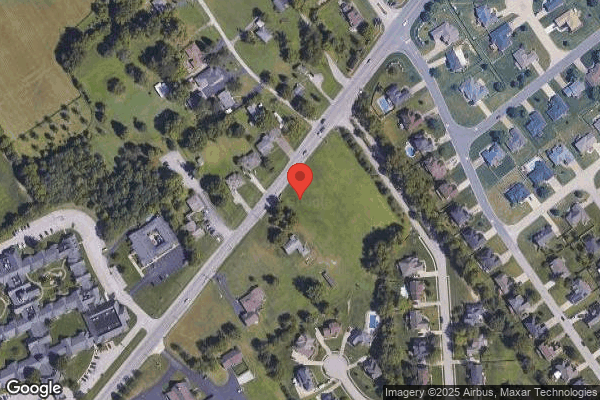
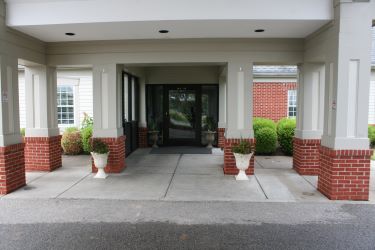
4915 CHARLESTOWN RD, NEW ALBANY, IN 47150 (812) 945-5221
Government - City/county 158 Beds EXCEPTIONAL LIVING CENTERS Data: November 2025
Trust Grade
25/100
#336 of 505 in IN
Last Inspection: September 2024

Within standard 12-15 month inspection cycle. Federal law requires annual inspections.

Overview

Charlestown Place at New Albany has a Trust Grade of F, indicating poor performance with significant concerns about care quality. It ranks #336 out of 505 facilities in Indiana, placing it in the bottom half, and #5 out of 7 in Floyd County, where there are only two better options. While the facility shows an improving trend-dropping from 20 issues in 2024 to 8 in 2025-there are still serious concerns, such as a failure to promptly notify a physician about a resident's rectal bleeding, which led to hospitalization. Staffing is rated average with a turnover of 59%, which is higher than the Indiana average, indicating potential instability. Additionally, the facility has incurred $31,784 in fines, higher than 89% of Indiana facilities, suggesting ongoing compliance problems despite having good quality measures.

Trust Score
F
25/100
In Indiana
#336/505
Bottom 34%
Safety Record
High Risk
Review needed
Inspections
Getting Better
20 → 8 violations
Staff Stability
⚠ Watch
59% turnover. Above average. Higher turnover means staff may not know residents' routines.
Penalties
○ Average
$31,784 in fines. Higher than 67% of Indiana facilities. Some compliance issues.
Skilled Nurses
○ Average
Each resident gets 41 minutes of Registered Nurse (RN) attention daily — about average for Indiana. RNs are the most trained staff who monitor for health changes.
Violations
⚠ Watch
48 deficiencies on record. Higher than average. Multiple issues found across inspections.
★★☆☆☆
2.0
Overall Rating
★★★☆☆
3.0
Staff Levels
★★★★★
5.0
Care Quality
★☆☆☆☆
1.0
Inspection Score
Stable
2024: 20 issues
2025: 8 issues

The Good

  • 5-Star Quality Measures · Strong clinical quality outcomes
  • Full Sprinkler Coverage · Fire safety systems throughout facility
  • No fines on record

Facility shows strength in quality measures, fire safety.

The Bad

2-Star Overall Rating

Below Indiana average (3.1)

Below average - review inspection findings carefully

Staff Turnover: 59%

13pts above Indiana avg (46%)

Frequent staff changes - ask about care continuity

Federal Fines: $31,784

Below median ($33,413)

Moderate penalties - review what triggered them

Chain: EXCEPTIONAL LIVING CENTERS

Part of a multi-facility chain

Ask about local staffing decisions and management

Staff turnover is elevated (59%)

11 points above Indiana average of 48%

The Ugly 48 deficiencies on record

3 actual harm
Aug 2025 2 deficiencies
CONCERN (D) 📢 Someone Reported This

A family member, employee, or ombudsman was alarmed enough to file a formal complaint

Potential for Harm - no one hurt, but risky conditions existed

Resident Rights (Tag F0550)

Could have caused harm · This affected 1 resident

**NOTE- TERMS IN BRACKETS HAVE BEEN EDITED TO PROTECT CONFIDENTIALITY** Based on observation interview and record review, the facility failed to ensure a resident (Resident D) received showers per her...

Read full inspector narrative →
**NOTE- TERMS IN BRACKETS HAVE BEEN EDITED TO PROTECT CONFIDENTIALITY** Based on observation interview and record review, the facility failed to ensure a resident (Resident D) received showers per her preference and failed to ensure a resident (Resident H) received his mail unopened and in a timely manner for 2 of 3 residents reviewed for resident rights.Findings Include:1 The clinical record for Resident D was reviewed on 8/11/25 at 1:08 p.m. The resident's diagnoses included, but were not limited to, depression and anxiety. The annual Minimum Data Set (MDS) assessment, dated 6/3/25, indicated the resident's cognition was intact.On 8/8/25 at 2:40 p.m., the resident was observed sitting up in her wheelchair watching television. The resident's hair was observed to be flat and oily in appearance and her bilateral lower extremities were wrapped with ace wraps. The resident indicated she preferred a shower, but they were bathing her in bed due to her legs being wrapped. She had not had a shower for about a month. She feels so much better when she gets a shower. The resident's shower days were on Wednesdays and Saturdays.The annual MDS assessment, dated 6/3/25, indicated the resident's bathing preference was very important to her.The care plan, dated 8/24/24, indicated the resident required assistance with Activities of Daily Living and staff were to assist with showers twice weekly or per the resident's preference.Review of the resident's bathing record, between 7/13/25 and 8/11/25, indicated the following:-On Wednesday, 7/16/25, the resident received a bed bath-On Saturday, 7/19/25, the resident received a shower-On Wednesday, 7/23/25, the resident received a bed bath-On Saturday, 7/26/25, no bathing documentation-On Wednesday, 7/30/25, the resident received a bed bath-On Saturday, 8/02/25, the resident received a bed bath-On Wednesday, 8/06/25, the resident received a bed bathDuring an interview, on 8/12/25 at 10:30 a.m., Licensed Practical Nurse (LPN) 4 indicated the new Certified Nursing Assistants now were not taught about covering legs that were wrapped. She was unaware that the resident was not getting her showers until just recently. The resident liked to get her showers.The document titled Resident Rights was provided on 8/12/25 by the Clinical Support at 10:28 a.m. It included, but was not limited to, The resident has the right to a dignified existence .The right to receive the services .included in the plan of care 2 The clinical record for Resident H was reviewed on 8/11/25 at 1:40 p.m. The resident's diagnoses included, but were not limited to, asthma, diabetes, chronic obstructive pulmonary disease, chronic pain and depression. The quarterly MDS assessment, dated 6/22/25, indicated the resident's cognition was intact. During an interview, on 8/10/25 at 9:49 a.m., the resident indicated on 7/23/25, a staff member (name unknown) from the front office came into his room and told him his Medicaid application had been denied and provided him with a 30-day discharge notice. He had just called the Medicaid office the week before and was told his application was still pending. He asked the lady how she knew his Medicaid had been denied and it was reported to him that they had received a letter in the mail. He told them he wanted to see the letter. On Monday, 7/28/25, the lady came in and showed him the letter, which had his name on it. He asked her why they opened the letter when it was addressed to him and she told him that anything with FSSA (Family and Social Services Administration) on it, the facility was allowed to open. He asked her to show him where, in the Federal Regulations, that it said they could open someone's mail without their permission. Again, he was told that they were allowed to open any mail with FSSA on it. He was also told on 7/28/25 that he had signed for the representative to receive his information. The only thing he had signed was a form giving permission for the representative from (name of the outside company) that helps individuals navigate the Medicaid application process to assist him with the paperwork for Medicaid. At 9:55 a.m., the resident provided the letter for the surveyor to review. The mailing date was 7/18/25 and the letter was observed to be addressed to the resident only.The progress note, dated 7/23/25 at 3:15 p.m., indicated the Director of Social Services, Business Office Manager and Assistant Business Office Manager visited the resident in his room to present a discharge letter and transfer/discharge notice of and discharge date d of 8/23/25Review of the admission Packet Agreement, signed by Resident H on 11/13/24, included, but was not limited to, the following Section 1: Parties to the Agreement .This admission and Consent to Treat Agreement .is made between the Resident identified above (Resident) and/or by the Resident Representative identified above on behalf of the Resident .and the Facility listed above .Resident Mail .The Resident will receive all mail unopened unless requested otherwise as indicated below .Forward all mail unopened to the Resident Representative The admission Packet Agreement lacked documentation of a resident representative listed for Resident H.On 8/11/25 at 9:55 a.m., the State Form 55386, Authorized Representative for Health Coverage was reviewed. It included, but was not limited to, If you want someone to act on your behalf in applying for benefits and/or act for you on an ongoing basis, this form must be completed. Be sure to select the function(s) that the representative is authorized to do. You can select [NAME] than one representative and choose the same or different functions. The representative may be an individual or an organization. Complete ONE form per authorized representative. Both you and your representative must sign and date this form The form was singed on 4/4/25 by Resident H and the representative from Medicaid Done Right. The clinical record lacked documentation of any other authorized representative forms.On 8/11/25 at 10:53 a.m., the Executive Director indicated that the authorized representative form provided to surveyor was signed by the person from the (name of company) that helps individuals navigate the Medicaid process. The facility had always opened the mail for FSSA for residents so they could scan the information and ensure timeliness of provided information to the outside company. It allowed the (name of company) the ability to follow up with any issues quickly. They are now going to take Resident H the mail and open with him.On 8/12/25 at 1:45 p.m., the Social Services Director indicated the discharge notice was provided to the resident on 7/23/25 really for no reason. The previous notice was overturned by the court, so we were trying to figure out how to move forward.This Citation relates to Complaint 25754913.1-3(a)3.1-3(s)(1)
CONCERN (D) 📢 Someone Reported This

A family member, employee, or ombudsman was alarmed enough to file a formal complaint

Potential for Harm - no one hurt, but risky conditions existed

Quality of Care (Tag F0684)

Could have caused harm · This affected 1 resident

Based on interview and record review, the facility failed to ensure a blood pressure medication was held for a resident (Resident K) with out of parameter blood pressures for 1 of 3 residents reviewed...

Read full inspector narrative →
Based on interview and record review, the facility failed to ensure a blood pressure medication was held for a resident (Resident K) with out of parameter blood pressures for 1 of 3 residents reviewed for quality of care.Findings Include: The clinical record for Resident K was reviewed on 8/11/25 at 2:16 p.m. The resident's diagnosis included, but was not limited to, hypertension.The care plan, dated 6/9/25, indicated the resident had altered cardiovascular status due to hypertension and medications were to be administered as ordered by the physician.The physician's order, dated 4/5/25, indicated the resident was to receive Lisinopril (medication for high blood pressure) 10 mg (milligrams) daily in the morning. The medication was to be held if the resident's systolic blood pressure (SBP) was less than 110.Review of the July 2025 and August 2025 medication administration record indicated the resident received the medication on the following dates:-On 7/08/25, the Lisinopril was administered to the resident with a SBP of 100-On 7/11/25, the Lisinopril was administered to the resident with a SBP of 100-On 7/23/25, the Lisinopril was administered to the resident with a SBP of 106-On 7/28/25, the Lisinopril was administered to the resident with a SBP of 100-On 7/29/25, the Lisinopril was administered to the resident with a SBP of 104-On 8/04/25, the Lisinopril was administered to the resident with a SBP of 106-On 8/05/25, the Lisinopril was administered to the resident with a SBP of 103-On 8/06/25, the Lisinopril was administered to the resident with a SBP of 109During an interview, on 8/12/25 at 10:30 a.m., Registered Nurse (RN) 5 indicated if a resident's blood pressure was out of parameters, the medication should not be given. On 8/12/25 at 12:44 p.m., the Executive Director provided a current, undated copy of the document titled Medication Administration. It included, but was not limited to, Medications will be administered .in accordance to applicable State, Local and Federal laws, consistent with accepted standards of practice .Obtain and record any vital signs as necessary prior to medication administration This Citation relates to Complaint 25809923.1-37
Jul 2025 1 deficiency
CONCERN (D) 📢 Someone Reported This

A family member, employee, or ombudsman was alarmed enough to file a formal complaint

Potential for Harm - no one hurt, but risky conditions existed

Deficiency F0790 (Tag F0790)

Could have caused harm · This affected 1 resident

Based on interview and record review, the facility failed to ensure routine dental services were provided timely for 3 of 4 residents reviewed dental services. Findings Include:1.The clinical record f...

Read full inspector narrative →
Based on interview and record review, the facility failed to ensure routine dental services were provided timely for 3 of 4 residents reviewed dental services. Findings Include:1.The clinical record for Resident B was reviewed on 7/16/25 at 1:13 p.m. The resident's diagnoses included, but were not limited to, iron deficiency anemia, anxiety and chronic pain. The annual Minimum Data Set (MDS) assessment, dated 6/3/25, indicated the resident's cognition was intact.During an interview, on 7/16/25 at 4:25 p.m., the resident indicated she had not been seen by the dentist since she admitted to the facility.The admission paperwork, dated 10/5/23, and signed by the resident, indicated Resident B elected for the facility's third partner provider services for dental.The clinical record lacked documentation of a dental authorization/consent or any dental services provided to the resident since admission.During an interview, on 7/16/25 at 3:49 p.m., the Social Services Director (SSD) indicated she had been with the facility since March of this year. There had not been a great system in place for the dental services, and she had been auditing the consents. Social Services was responsible for the consents for the ancillary services. Residents with the elective services for dental should be seen every 6 months. Resident B had not received dental services at all that she could find. During an interview, on 7/18/25 at 11:58 a.m., the SSD indicated ideally and the best practice for those choosing ancillary services through the facility would be to have authorizations for services completed within 7 days after the admission paperwork was completed. There was no policy for that, but going forward, SSD would be handling all ancillary consents and authorizations. 2. The clinical record for Resident C was reviewed on 7/16/25 at 12:45 p.m. The resident's diagnoses included, but were not limited to, adult failure to thrive and depression. The quarterly MDS assessment, dated 6/17/25, indicated the resident's cognition was intact. During an interview, on 7/16/25 at 11:16 a.m., the resident indicated he had not been seen by the dentist since he admitted to the facility.The admission packet, dated 10/16/24, and signed by the resident, indicated Resident C elected for the facility's third partner provider services for dental.The clinical record lacked documentation of a dental authorization/consent or any dental services provided to the resident since admission. 3. The clinical record for Resident D was reviewed on 7/16/25 at 9:27 a.m. The resident's diagnoses included, but were not limited to, dementia with agitation and dysphagia.During a telephone interview on 7/16/25 at 10:38 a.m., Resident D's Power of Attorney (POA) indicated upon admission to the facility, he had sent messages to the SSD about dental work. When he went to see Resident D in February, he was concerned there was a possible dental issue and spoke to SSD again about his dental concerns. The dentist finally saw the resident 5 months later and she needed a lot of her teeth extracted.The admission paperwork, dated 1/22/25, indicated the resident's POA elected for the facility's third partner provider services for dental.The clinical record indicated the dental authorization was completed on 6/17/25.The ancillary dental services consent, dated 6/27/25, indicated the resident needed a total of 12 teeth extracted.This Citation relates to Complaint 13098303.1-24(a)
Apr 2025 1 deficiency
CONCERN (D) 📢 Someone Reported This

A family member, employee, or ombudsman was alarmed enough to file a formal complaint

Potential for Harm - no one hurt, but risky conditions existed

Deficiency F0620 (Tag F0620)

Could have caused harm · This affected 1 resident

**NOTE- TERMS IN BRACKETS HAVE BEEN EDITED TO PROTECT CONFIDENTIALITY** Based on interview and record review, the facility failed to ensure a resident's (Resident B) admission paper work was completed...

Read full inspector narrative →
**NOTE- TERMS IN BRACKETS HAVE BEEN EDITED TO PROTECT CONFIDENTIALITY** Based on interview and record review, the facility failed to ensure a resident's (Resident B) admission paper work was completed in a timely manner for 1 of 3 residents reviewed for admissions. Findings include: The clinical record for Resident D was reviewed on [DATE] at 12:15 p.m. The resident's diagnoses included, but were not limited to, dementia and cognitive communication deficit. The progress note, dated [DATE] at 8:46 p.m., indicated the resident was admitted to the facility accompanied by family. The clinical record included the following admission paperwork signed by Resident B's Power of Attorney: - Consent to treat was signed on [DATE] - CPR (cardiopulmonary resuscitation) was signed [DATE] - Bed rail consent with recommendations was signed on [DATE] - Digital photography of wounds consent was signed on [DATE] - Psychoactive medication and recommendations consent was signed on [DATE] - Pharmacy enrollment agreement was signed on [DATE] - COVID-19 disclosure and education was signed on [DATE] - Indiana physician orders for scope of treatment (POST form) consent was signed on [DATE] - admission packet/agreement was signed on [DATE] During an interview, on [DATE] at 9:29 a.m., the Admissions Coordinator indicated the admission process for the resident had been an ongoing ordeal. She had not realized the previous admission Assistant had not completed the admission agreement in a timely manner. The admission paperwork was supposed to be completed within 48 to 72 hour of admission. On [DATE] at 9:46 a.m., the Admissions provided a current, undated copy of the document titled admission Agreement. It included, but was not limited to, Policy Interpretation and Implementation .At the time or soon after admission, the resident (or his/her representative) must sign an admission Agreement (contract) The Past noncompliance began on [DATE] at 8:46 p.m. The deficient practice was corrected by [DATE] after the facility implemented a systemic plan that included the following actions: A retrospective audit of all admission from [DATE] through February 29, 2025 was conducted to identify residents with delayed or incomplete admission packets to ensure required forms were completed and appropriately filed ([DATE]); Residents with missing or delayed forms/documents were completed, signed and communication was made with responsible parties to obtain pending consents or acknowledgments ([DATE]); The admission Packet Completion Checklist was revised to include a clear timeframe for document completion and sign-off accountability; a new process was implemented to ensure that the unit nurse and admissions staff conduct a 24-hour follow up review to confirm packet completion ([DATE]); In-service training was provided to the admissions team, unit clerks and licensed staff on admission documentation expectations and regulatory timeframes with emphasis placed on interdepartmental communication and timely follow-through ([DATE]) This Citation relates to Complaint IN00457155
Mar 2025 1 deficiency
CONCERN (E) 📢 Someone Reported This

A family member, employee, or ombudsman was alarmed enough to file a formal complaint

Potential for Harm - no one hurt, but risky conditions existed

Transfer Requirements (Tag F0622)

Could have caused harm · This affected multiple residents

Based on interview and record review, the facility failed the ensure information was provided to the receiving emergency department (Resident B) pending arrival for 1 of 3 residents and failed to ensu...

Read full inspector narrative →
Based on interview and record review, the facility failed the ensure information was provided to the receiving emergency department (Resident B) pending arrival for 1 of 3 residents and failed to ensure the bed hold polices were provided to residents (Resident B, Resident C, Resident D and Resident E) discharged to the hospital for 4 of 4 residents reviewed for transfers/discharges. Findings include: 1. The clinical record for Resident B was reviewed on 3/17/25 at 10:36 a.m. The resident's diagnoses included, but were not limited to, venous insufficiency and diabetes. The progress note, dated 2/25/25 at 10:33 a.m., indicated the resident was transferred to the hospital due to altered mental status. The facility hospital transfer form, dated 2/25/25 at 10:00 a.m., indicated the physician and family were notified of the transfer. The transfer form and clinical record lacked documentation of the hospital notification of the resident's pending arrival and the bed hold documentation was provided to the resident prior to discharge. During an interview, on 3/18/25 at 9:15 a.m., Staff Member 3 indicated if a resident was sent out to the hospital, the report should be call to the hospital and documentation would be in place of whom the report was called to. During an interview, on 3/18/25 at 9:40 a.m., the Director of Nursing indicated if the bed hold policy was given to the resident at the time of discharge to the hospital, there would be documented in the resident's progress notes. During an interview, on 3/18/25 at 10:18 a.m., RN (Registered Nurse) 2 indicated she notified the son of Resident B's discharge, but did not call the emergency department or give a report of the resident's pending arrival. 2. The clinical record for Resident C was reviewed on 3/17/25 at 11:35 a.m. The resident's diagnosis included, but was not limited to, left femur fracture. The progress note, dated 3/1/25 at 12:20 a.m., indicated the resident was found sitting on the floor at the foot of her bed with her wheelchair three feet away. The resident complained of right hip and leg pain. The physician was notified, and a new order was received to send the resident to the emergency department for evaluation. The clinical record lacked documentation of the bed hold information given to the resident and the bed hold being provided to the resident prior to discharge. 3. The clinical record for Resident F was reviewed on 3/18/25 at 10:32 a.m. The resident's diagnoses included but was not limited to benign prostatic hyerplasia and stage 5 kidney disease. The progress note, dated 3/3/25 at 12:35 p.m., indicated the resident's urine was red in color and the resident had coughed up bloody mucus. The physician was notified and a new order was obtained to send the resident to the emergency department for evaluation. The clinical record lacked documentation of the bed hold documentation being provided to the resident prior to discharge. 4. The clinical record for Resident G was reviewed on 3/18/25 at 2:47 p.m. The resident's diagnoses included, but were not limited to, atrial fibrillation and congestive heart failure. The progress note, dated 1/26/25 at 1:53 a.m., indicated the resident spoke to a family member and felt she was in respiratory distress. The family called 911 and the resident was sent to the emergency department. The clinical record lacked documentation of the bed hold documentation being provided to the resident prior to hospital discharge. This Citation relates to Complaint IN00454370 3.1-12(a)25(A) 3.1-12(a)25(B)
Feb 2025 3 deficiencies
CONCERN (D) 📢 Someone Reported This

A family member, employee, or ombudsman was alarmed enough to file a formal complaint

Potential for Harm - no one hurt, but risky conditions existed

Quality of Care (Tag F0684)

Could have caused harm · This affected 1 resident

Based on observation, interview and record review, the facility failed to ensure neurological checks were completed on residents (Resident H and Resident K) with unwitnessed falls for 2 of 4 residents...

Read full inspector narrative →
Based on observation, interview and record review, the facility failed to ensure neurological checks were completed on residents (Resident H and Resident K) with unwitnessed falls for 2 of 4 residents reviewed for quality of care. Findings include: 1. The clinical record for Resident H was reviewed on 2/20/25 at 2:37 p.m. The resident's diagnoses included, but were not limited to, cognitive communication deficit, tremors and paraplegia. The progress note, dated 1/23/25 at 2:56 a.m., indicated the resident was found lying on the floor on his right side faced towards the bed. The resident was assessed and his neurological checks were within normal limits. The resident denied any pain or injury. The clinical record lacked documentation of a completed neurological assessment for the fall on 1/23/25 at 2:56 a.m. 2. The clinical record for Resident K was reviewed on 2/20/25 at 3:11 p.m. The resident's diagnoses included, but were not limited to, muscle weakness, dementia with other behavioral disturbance and cognitive communication deficit. The progress note, dated 1/28/25 at 5:29 p.m., indicated the resident was found lying on the floor with his left lateral side touching the floor. The resident was assessed for injury and the fall protocol initiated. The clinical record lacked documentation of a completed neurological assessment for the fall on 1/28/25 at 5:29 p.m. During an interview on 2/20/25 at 1:52 p.m., LPN (Licensed Practical Nurse) 6 indicated if a resident had an unwitnessed fall, neurological checks should be implemented and fully completed. On 2/20/25 at 3:01 p.m., the Director of Nursing provided a current copy of the document titled Neurological Assessment dated 10/2010. It included, but was not limited to, Purpose .The purpose of this procedure is to provide guidelines for a neurological assessment .when following an unwitnessed fall .subsequent to a fall with a suspected head injury This Citation relates to Complaints IN00453742 and IN00453811. 3.1-37
CONCERN (D) 📢 Someone Reported This

A family member, employee, or ombudsman was alarmed enough to file a formal complaint

Potential for Harm - no one hurt, but risky conditions existed

Respiratory Care (Tag F0695)

Could have caused harm · This affected 1 resident

Based on observation, interview and record review, the facility failed to ensure respiratory assessments were completed for a resident and failed to ensure nebulizer equipment was stored appropriately...

Read full inspector narrative →
Based on observation, interview and record review, the facility failed to ensure respiratory assessments were completed for a resident and failed to ensure nebulizer equipment was stored appropriately for 1 of 3 residents reviewed for respiratory care. (Resident F) Findings include: The clinical record for Resident F was reviewed on 2/18/25 at 1:48 p.m. The resident's diagnoses included, but were not limited to, chronic obstructive pulmonary disease (COPD), obstructive sleep apnea and congestive heart failure. On 2/19/25 at 12:35 p.m., the resident's nebulizer was observed on top of the nebulizer machine unbagged. Resident F indicated she received her last nebulizer treatment on 2/18/25 in the evening. The January 2025 medication administration record (MAR) indicated the resident was to receive Ipratropium-Albuterol (medication used to treat COPD), 3 ml (milliliters) via inhalation four times a day at 2:00 a.m., 8:00 a.m., 1:00 p.m. and 8:00 p.m. The clinical record lacked documentation or a respiratory assessment prior to and after the administration of the nebulizer treatments from 1/1/25 through 1/25/25. During an interview, on 2/19/25 at 12:40 p.m., RN (Registered Nurse) 4 indicated the respiratory equipment should be bagged when not in use. During an interview, on 2/20/25 at 11:07 a.m., RN 3 indicated to ensure a breathing treatment was effective, a respiratory assessment should be completed prior to and after the administration of the nebulizer treatment. The assessment would include monitoring of lung sounds, type of cough, respirations, oxygen saturation and heart rate and documented on the MAR. The facility policy, dated 4/1/2012, and titled Respiratory Infection Control included, but was not limited to, Purpose .To provide infection control guidelines to help prevent infections associated with respiratory therapy equipment and to prevent the transmission of infections to residents and staff .Medication Nebulizers/Continuous Aerosol .Store .in a plastic bag On 2/20/25 at 4:03 p.m., the Director of Nursing provided a current copy of the document titled Medication Administration .Nebulizer Inhalation Administration dated 6/10/22. It included, but was not limited to .Procedure .Obtain and record vital signs necessary prior to medication administration This Citation relates to Complaint IN00453811 3.1-47(a)(6)
CONCERN (D) 📢 Someone Reported This

A family member, employee, or ombudsman was alarmed enough to file a formal complaint

Potential for Harm - no one hurt, but risky conditions existed

Deficiency F0760 (Tag F0760)

Could have caused harm · This affected 1 resident

Based on interview and record review, the facility failed to ensure a significant medication error did not occur for 1 of 3 residents reviewed for medication errors. (Resident C) Findings include: The...

Read full inspector narrative →
Based on interview and record review, the facility failed to ensure a significant medication error did not occur for 1 of 3 residents reviewed for medication errors. (Resident C) Findings include: The clinical record for Resident C was reviewed on 2/18/24 at 11:13 a.m. The resident's diagnoses included, but were not limited to, left-sided hemiparesis/hemiplegia following a cerebral infarction and convulsions. The admission order, dated 2/2/25, indicated the resident was to receive Keppra (anti-convulsant) 2,000 mg (milligrams) twice daily at 3:00 a.m. and 3:00 p.m. The February 2025 medication administration record (MAR) indicated the resident received the Keppra at 3:00 a.m. and 3:00 p.m. The progress note, dated 2/3/25 at 7:47 p.m., indicated the resident was given Keppra 2,000 mg at 8:00 p.m. inadvertently. The progress note, date 2/3/25 at 8:56 p.m., indicated the resident was sent to the hospital for further evaluation. The resident was alert and able to make needs known. The progress note, dated 2/4/25 at 1:55 a.m., indicated the resident was admitted to the hospital for altered mental status and an abnormal CT (computed tomography) of the head. The resident's MAR lacked documentation of an order for the additional dose of Keppra 2,000 mg. During an interview on 2/20/25 at 10:31 a.m., the Director of Nursing indicated that on 2/3/25, Licensed Practical Nurse (LPN) 5, and agency nurse, worked the night shift. The resident received the 3:00 a.m. and 3:00 dose of Keppra. When LPN 5 administered the resident's nighttime medication, pharmacy had an additional Keppra in the rollpack and the LPN administered the additional dose. LPN 5 did not follow the facility policy and check her medication administration record prior to administering the medications. On 2/20/25 at 11:17 a.m., the Director of Nursing provided a current copy of the document titled Medication Administration dated 6/21/2017. It included, but was not limited to, Policy .Medications will be administered .in accordance to applicable State, Local and Federal laws and consistent with accepted standards of practice .Procedure .Open the medication administration book/eMAR to the appropriate resident .Identify the resident before administering any medication .Explain to the resident the type of medication to be administered. The resident has the right to be informed of all medications that are administered The Past noncompliance began on 2/3/25. The deficient practice was corrected on 2/10/25 before the being of the survey. The facility implemented a systemic plan that included the following actions: All licensed nurses and medication aides were educated on medication administration which included the 5 rights of medication administration (2/7/25); All licensed staff and medication aides completed skilled competencies for medication administration (2/7/25); Medication audits were implemented to ensure compliance (2/10/25); Medication audits will be ongoing weekly and reviewed in QAPI. This Citation relates to Complaint IN00452809 3/1-48(a)(1)
Dec 2024 6 deficiencies
CONCERN (D) 📢 Someone Reported This

A family member, employee, or ombudsman was alarmed enough to file a formal complaint

Potential for Harm - no one hurt, but risky conditions existed

Notification of Changes (Tag F0580)

Could have caused harm · This affected 1 resident

Based on interview and record review, the facility failed to ensure the physician was notified of a resident's (Resident K) low blood pressure and continuous complaints of shortness of breath for 1 of...

Read full inspector narrative →
Based on interview and record review, the facility failed to ensure the physician was notified of a resident's (Resident K) low blood pressure and continuous complaints of shortness of breath for 1 of 3 residents reviewed of notification of changes. Findings include: The clinical record for Resident K was reviewed on 12/27/24 at 9:30 a.m. The resident's diagnoses included, but were not limited to, diabetes, acute respiratory failure with hypoxia, congestive heart failure and hypertension. The resident's September 2024 Medication Administration Record indicated staff were to observe the resident for shortness of breath on day shift, evening shift and night shift. The September 2024 Medication Administration Record indicated the resident was short of breath on 9/3/24 during night shift and on 9/4/24 during all three shifts. The progress note, dated 9/4/24 at 2:01 p.m., indicated the resident reported feeling weak. The resident was assessed with a blood pressure of 80/50 while lying and 93/37 while sitting (a standard blood pressure was 120/80). The resident asked to lay down, because she was cold and a bit tired. The resident was assisted by staff to a comfortable position in the bed and her call light was in reach. The progress note, dated 9/4/24 at 6:26 p.m., indicated the resident had an episode where she felt shortness of air. The residents' fan was turned on to cool her and the resident was assisted to reposition. The resident's hand fan and breathing techniques helped her to calm down. The clinical record lacked documentation of a physician's notification related to the resident's low blood pressure and shortness of breath. During an interview on 12/30/24 at 2:55 p.m., RN (Registered Nurse) 4 indicated if a resident had an abnormally low blood pressure and complained of shortness of breath, the physician should be notified immediately. On 12/30/24 at 4:13 p.m., the Director of Nursing provided a current copy of the document titled Change in Condition: When to report to the MD/NP/PA .Vital Sign .Blood Pressure .Systolic BP <90 .Symptom or Sign .Dyspnea (shortness of breath This Citation relates to Complaint IN00449144 3.1-5(a)(2)
CONCERN (D) 📢 Someone Reported This

A family member, employee, or ombudsman was alarmed enough to file a formal complaint

Potential for Harm - no one hurt, but risky conditions existed

Quality of Care (Tag F0684)

Could have caused harm · This affected 1 resident

Based on interview and record review, the facility failed to ensure the licensed staff accurately assessed a residents' (Resident K) vital signs for skilled charting and obtain vital signs daily for 1...

Read full inspector narrative →
Based on interview and record review, the facility failed to ensure the licensed staff accurately assessed a residents' (Resident K) vital signs for skilled charting and obtain vital signs daily for 1 of 3 resident's skilled assessments reviewed for quality of care. Findings include The clinical record for Resident K was reviewed on 12/27/24 at 9:30 a.m. The resident's diagnoses included, but were not limited to, atrial fibrillation, hypertension, congestive heart failure and acute respiratory failure with hypoxia. The daily skilled note, dated 8/30/24 at 12:32 p.m., indicated the resident had the following vital signs: -blood pressure of 113/58 obtained on 8/29/24 at 8:26 p.m. -oxygen saturation of 97% on room air obtained on 8/29/24 at 8:26 p.m. -temperature of 97.9 obtained on 8/29/24 at 8:26 p.m. -heart rate of 68 obtained on 8/29/24 at 8:26 p.m. -respirations 18 obtained on 8/29/24 at 8:26 p.m. The daily skilled note, dated 8/31/24 at 4:51 p.m., indicated the resident had the following vital signs: -blood pressure of 113/58 obtained on 8/29/24 at 8:26 p.m. -oxygen saturation of 97% on room air obtained on 8/29/24 at 8:26 p.m. -temperature of 97.9 obtained on 8/29/24 at 8:26 p.m. -heart rate of 68 obtained on 8/29/24 at 8:26 p.m. -respirations 18 obtained on 8/29/24 at 8:26 p.m. The daily skilled note, dated 9/2/24 at 10:57 a.m., indicated the resident had the following vital signs: -blood pressure of 113/58 obtained on 8/29/24 at 8:26 p.m. -oxygen saturation of 97% on room air obtained on 8/29/24 at 8:26 p.m. -temperature of 97.9 obtained on 8/29/24 at 8:26 p.m. -heart rate of 68 obtained on 8/29/24 at 8:26 p.m. -respirations 18 obtained on 8/29/24 at 8:26 p.m. The daily skilled note, dated 9/3/24 at 2:51 a.m., indicated the resident had the following vital signs: -blood pressure of 137/78 obtained on 9/2/24 at 12:39 p.m. -oxygen saturation of 84% on 9/2/24 at 12:40 p.m. -temperature of 97.9 obtained on 8/29/24 -heart rate of 72 obtained on 9/2/24 at 12:39 p.m. -respirations of 18 obtained on 8/29/24 at 8:26 p.m. The resident's clinical record lacked documentation of vital signs obtained for the resident on 8/30/24, 8/31/24 and 9/1/24. During an interview on 12/30/24 at 2:55 p.m., RN (Registered Nurse) 4 indicated nurses should obtain current vital signs prior to completing skilled charting and never use another nurses previous vital signs. During an interview on 12/30/24 at 4:13 p.m., the Director of Nursing indicated the nursing staff should obtain their own vital signs for the skilled charting. Upon admission, if a skilled resident, vital signs should be obtained each shift for 72 hours and then daily after that. This Citation relates to Complaint IN00449144 3.1-37
CONCERN (D) 📢 Someone Reported This

A family member, employee, or ombudsman was alarmed enough to file a formal complaint

Potential for Harm - no one hurt, but risky conditions existed

Incontinence Care (Tag F0690)

Could have caused harm · This affected 1 resident

Based on observation, interview and record review, the facility failed to ensure staff documented urine output for residents' with indwelling catheters for 3 of 4 residents reviewed for bowel and blad...

Read full inspector narrative →
Based on observation, interview and record review, the facility failed to ensure staff documented urine output for residents' with indwelling catheters for 3 of 4 residents reviewed for bowel and bladder. (Residents B, F and G) Findings include: 1. The clinical record for Resident B was reviewed on 12/27/24 at 10:07 a.m. The resident's diagnosis included, but was not limited to, obstructive and reflux uropathy. The care plan, dated 8/30/24, indicated the resident had an indwelling catheter and to monitor urine output. The physician's order, dated 9/19/24, indicated to document urine output every day shift and every night shift. Review of the October 2024, November 2024 and December 2024 medication administration records lacked documentation of the resident's urine output on the following dates and shifts: -10/04/24 on night shift -10/13/24 on night shift -10/15/24 on night shift -10/22/24 on night shift -11/16/24 on day and night shift -11/17/24 on day shift -11/20/24 on day shift -12/01/24 on night shift -12/08/24 on night shift -12/17/24 on night shift During an interview on 12/30/24 at 2:55 p.m., RN (Registered Nurse) 4 indicated residents with indwelling catheters should have the urine output documented on the treatment administration record every shift. 2. The clinical record for Resident F was reviewed on 12/27/24 at 12:30 p.m. The resident's diagnoses included, but were not limited to, stage 4 kidney disease and uropathy. The care plan, dated 12/26/24, indicated the resident had an indwelling catheter and to obtain the output as ordered. The physician's order, dated 12/16/24, indicated to document the resident's urine output on day shift and night shift. Review of the December 2024 treatment administration record lacked documentation of the resident's urine output on 12/22/24 for night shift. 3. The clinical record for Resident G was reviewed on 12/27/24 at 12:45 p.m. The resident's diagnosis included, but was not limited to, obstructive and reflux neuropathy. The care plan, dated 12/4/24, indicated the resident had an indwelling catheter and to obtain the urine output as ordered. The physician's order, dated 12/5/24, indicated to document the resident's output every day and night shift. The December 2024 treatment administration record lacked documentation of the output for night shift on 12/9/24 and 12/17/24. During an interview on 12/30/24 at 5:02 p.m., the Director of Nursing indicated the facility did not have a policy regarding physician's orders. This Citation relates to Complaint IN00447226
CONCERN (D) 📢 Someone Reported This

A family member, employee, or ombudsman was alarmed enough to file a formal complaint

Potential for Harm - no one hurt, but risky conditions existed

Deficiency F0692 (Tag F0692)

Could have caused harm · This affected 1 resident

Based on interview and record review, the facility failed to ensure staff followed a resident's fluid restriction order from the physician, for 1 of 3 residents reviewed for hydration. (Resident K) Fi...

Read full inspector narrative →
Based on interview and record review, the facility failed to ensure staff followed a resident's fluid restriction order from the physician, for 1 of 3 residents reviewed for hydration. (Resident K) Findings include: The clinical record for Resident K was reviewed on 12/27/24 at 9:30 a.m. The resident's diagnosis included, but was not limited to, congestive heart failure. The physicians' note, dated 9/1/24 at 12:32 p.m., indicated the resident had gained 5 pounds in 24 hours and to limit the resident's fluid intake to 1,500 cc's (cubic centimeters) in a 24 hour period. Review of the September 2024 fluid intake record indicated the resident consumed the following fluid totals in a 24 hour period: - On 9/2/24, the resident's fluid intake was documented as 2,900 cc. - On 9/3/24, the resident's fluid intake was documented as 1,580 cc. - On 9/4/24, the resident's fluid intake was documented as 2,560 cc. The clinical record lacked documentation of the implementation of the order on 9/1/24. During an interview on 12/30/24 at 4:13 p.m., the Director of Nursing indicated she felt the physician did not relay the order to the nursing staff. On 12/30/24 at 4:13 p.m., the Director of Nursing provided a current copy of the document titled Encouraging and Restricting Fluids dated 10/2010. It included, but was not limited to, Purpose .The purpose of this procedure is to provide the resident with the amount of fluids necessary to maintain optimum health. This may include .restricting fluids .General Guidelines .Follow specific instructions concerning fluid intake or restrictions This Citation relates to complaint IN00449144 3.1-46(a)(1)
CONCERN (D) 📢 Someone Reported This

A family member, employee, or ombudsman was alarmed enough to file a formal complaint

Potential for Harm - no one hurt, but risky conditions existed

Respiratory Care (Tag F0695)

Could have caused harm · This affected 1 resident

Based on observation, interview and record review, the facility failed to ensure the physician's orders were in place for weekly maintenance of the nebulizer equipment (Resident B and Resident H); fai...

Read full inspector narrative →
Based on observation, interview and record review, the facility failed to ensure the physician's orders were in place for weekly maintenance of the nebulizer equipment (Resident B and Resident H); failed to ensure a nebulizer face mask was stored appropriately and the tubing was dated (Resident B); and failed to ensure physician's orders were in place for routine oxygen administration (Resident K) for 3 of 4 residents reviewed for respiratory. Findings include: 1. The clinical record for Resident B was reviewed on 12/27/24 at 10:07 a.m. The resident's diagnoses included, but were not limited to, asthma and chronic obstructive pulmonary disease. During an observation on 12/30/24 at 10:34 a.m., the resident's nebulizer face mask was lying on the shelf next to the resident's bed, not bagged and undated. The physician's order, dated 9/7/24, indicated the resident was to receive Ipratropium-Albuterol, 3 ml (milliliters) via nebulizer for times a day for shortness of air. The residents clinical record lacked documentation of daily and weekly maintenance of the resident's respiratory equipment. During an interview on 12/30/24 at 2:55 p.m., RN (Registered Nurse) 4 indicated nebulizer face masks and the nebulizer cup should be rinsed after each use and left to air dry. Once dried, the face mask should be placed in a bag. All nebulizer tubing should be dated and changed out weekly. Any resident with oxygen should have a physician's order in place for the oxygen. 2. The clinical record for Resident H was reviewed on 12/27/24 at 1:34 p.m. The resident's diagnoses included, but were not limited to, chronic obstructive pulmonary disease and chronic respiratory failure. The physician's order, dated 6/20/23, indicated the resident was to receive budesonide inhalation suspension, 3 ml twice daily for chronic obstructive pulmonary disease. The residents clinical record lacked documentation of daily and weekly maintenance of the resident's respiratory equipment. 3. The clinical record for Resident K was reviewed on 12/27/24 at 9:30 a.m. The resident's diagnoses included, but were not limited to, congestive heart failure and acute respiratory failure with hypoxia. The hospital discharge records, dated 8/28/24, indicated on discharge the resident was not using oxygen. The progress note, dated 9/2/24 at 1:03 p.m., indicated the resident was assessed per the family request. The resident's oxygen saturation was 84% on 2 liters of oxygen. The nurse practitioner was notified with a new order to increase the oxygen to help raise the resident's oxygen saturation. The clinical record lacked documentation of any physician's orders for the resident's oxygen administration. During an interview on 12/30/24 at 4:13 p.m., the Director of Nursing indicated the resident was on oxygen and should have had an order in place for the oxygen. On 12/30/24 at 5:30 p.m., the Director of Nursing provided a current copy of the document titled Respiratory Infection Control dated 4/1/2012. It included, but was not limited to, Purpose .To provide infection control guidelines to help prevent infections associated with respiratory therapy equipment and to prevent the transmission of infections to residents and staff .Medication Nebulizers/Continuous Aerosol .Remove nebulizer container .Rinse container and mask or mouth piece with sterile water .Allow to dry on a clean paper towel or gauze sponge .Store .in a plastic bag .Discard administration set-up weekly .Clean and disinfect the nebulizer unit weekly and as needed This Citation relates to Complaints IN00447226 and IN00449144. 3.1-47(a)(6)
CONCERN (D) 📢 Someone Reported This

A family member, employee, or ombudsman was alarmed enough to file a formal complaint

Potential for Harm - no one hurt, but risky conditions existed

Deficiency F0760 (Tag F0760)

Could have caused harm · This affected 1 resident

Based on interview and record review, the facility failed to ensure an order to increase a resident's Lasix (diuretic) was implemented for 1 of 3 residents reviewed for significant medication errors. ...

Read full inspector narrative →
Based on interview and record review, the facility failed to ensure an order to increase a resident's Lasix (diuretic) was implemented for 1 of 3 residents reviewed for significant medication errors. (Resident K) Findings include: The clinical record for Resident K was reviewed on 12/27/24 at 9:30 a.m. The resident's diagnoses included, but were not limited to, congestive heart failure (CHF) and edema. The admission order, dated 8/28/24, indicated the resident was to receive Lasix 20 mg (milligrams) daily for CHF. The physician's note, dated 9/1/24 at 12:32 p.m., indicated the resident had 1+(plus) pitting edema to her bilateral lower extremities and had a five-pound weight gain in a 24-hour period. New orders were given for the resident to start Lasix 20 mg twice daily for three days then return to the 20 mg daily dose on the fourth day. The September 2024 Medication Administration Record indicated the resident received the medication twice daily on 9/1/24, 9/2/24, and on the morning of 9/3/24. The nurse practitioner follow-up note, dated 9/3/24, indicated the resident reported she had been short of breath over the weekend and that her water pill had been increased. The registered dietitian reported the resident had a 13-pound weight gain and the resident had 2+ pitting edema to her lower extremities. The resident was to continue Lasix 40 mg twice daily for two days. The physician's order, dated 9/3/24 at 11:30 p.m., indicated the resident was to start Lasix 40 mg twice daily for two days beginning on 9/4/24. The September 2024 Medication Administration Record lacked documentation of the administration of the resident's increased Lasix on 9/3/24 in the evening and the administration of any Lasix on 9/4/24. During an interview on 12/30/24 at 4:13 p.m., the Director of Nursing indicated the medication should have been implemented and it was not. The facility did not have a policy on medication administration; however, the facility followed the medication administration per the state guidance. On 12/30/24 at 4:13 p.m., the Director of Nursing provided a copy of the document titled Medication Administration Observation dated 11/2017. It included, but was not limited to, General Medication Administration .Medications administered as ordered This Citation relates to Complaint IN00447226 3.1-48(a)
Sept 2024 4 deficiencies
CONCERN (D)

Potential for Harm - no one hurt, but risky conditions existed

Deficiency F0558 (Tag F0558)

Could have caused harm · This affected 1 resident

Based on observation, interview and record review, the facility failed to ensure a resident was provided a bed and mattress that could accommodate his height comfortably for 1 of 69 resident beds obse...

Read full inspector narrative →
Based on observation, interview and record review, the facility failed to ensure a resident was provided a bed and mattress that could accommodate his height comfortably for 1 of 69 resident beds observed for accommodation of needs. (Resident 60). Findings include: During an observation on 9/6/24 at 9:16 a.m., Resident 60 did not have enough room in the bed to move up, and his feet were touching the footboard. His head was all the way to the top of the mattress. During an observation on 9/10/24 at 9:50 a.m., the resident's feet were touching the foot of the bed. The resident indicated he could not even turn over in this bed. RN 5 was present in the resident's room and observed the resident's feet touching the footboard. RN 5 indicated the blisters to the resident's feet were healed and proceeded to uncover the resident's feet and assessed the skin. No blisters were observed. She indicated she did not know if the resident's bed could be extended, but his feet definitely touched the foot board. During an observation on 9/11/24 at 10:46 a.m., the resident's feet were observed touching the foot board of the bed. The record for Resident 60 was reviewed on 9/7/24 at 1:32 p.m. The resident's diagnoses included, but were not limited to, abnormal posture, pain in the right shoulder, muscle weakness, low back pain, abnormal gait and mobility and paraplegia. The Quarterly MDS (Minimum Data Set) assessment, dated 3/17/24, indicated the resident was cognitively intact. The nurse's note, dated 8/15/23 at 3:43 p.m., indicated while staff helped with repositioning the resident there was a discolored area to the resident's outer right foot. The measurements were obtained at 2 cm (centimeters) by 4 cm by 0 cm. The wound appeared to be red and white skin over the area. The wound had a blood blister like appearance. Resident 60's feet were pressed against the foot board of the bed and the resident was all the way up in the bed. Immediately a foam wedge was placed under the resident's knees and lower extremities which raised the foot of the bed to remove his feet off the foot board. The nurse notified the immediate supervisor and the NP (Nurse Practitioner). During an interview on 9/6/24 at 9:18 a.m., Resident 60 indicated his bed was too small and his feet touched the footboard. He had told the staff, but nothing had been done. During an interview on 9/10/24 at 9:45 a.m., the Maintenance Director indicated he thought the resident's bed could be switched out for another bed. He was not aware there was a problem with the size of the bed. 3.1-3(v)(1)
CONCERN (E)

Potential for Harm - no one hurt, but risky conditions existed

Pharmacy Services (Tag F0755)

Could have caused harm · This affected multiple residents

Based on observation, record review, and interview, the facility failed to ensure documentation on the Controlled Drug Receipt/Record/Disposition Form of administered narcotics for 12 of 64 residents ...

Read full inspector narrative →
Based on observation, record review, and interview, the facility failed to ensure documentation on the Controlled Drug Receipt/Record/Disposition Form of administered narcotics for 12 of 64 residents observed for medication storage in the 500, 400, and 800 Hall medication carts. (Residents 32, 76, 96, 45, 20, 58, 219, 87, 218, 43, 15, and 77) Findings include: 1. During an observation on 9/9/24 at 8:56 a.m. of the 500 Hall medication cart, the following were identified: Resident 32's tramadol 50 mg (milligrams) Controlled Drug Receipt/Record/Disposition Form had a count of 6 tablets left. The resident's medication card contained 5 tablets of the tramadol. The last dose signed out on the Controlled Drug Receipt/Record/Disposition Form was on 9/8/24 at 9:15 a.m. The record review on 9/10/24 at 1:20 p.m., the physician's order, dated 8/28/24, indicated the resident received the tramadol 50 mg daily for pain. The review of the resident's September MAR (Medication Administration Record) indicated the resident's last dose of tramadol 50 mg was administered on 9/9/24 at 8:00 a.m., by LPN (Licensed Practical Nurse) 6. During an interview on 9/9/24 at 8:57 p.m., LPN 6 indicated she should sign out narcotics when she pulled them. 2. During an observation on 9/9/24 at 9:09 a.m. of the 400 Hall medication cart, the following was observed: a. Resident 76's oxycodone/APAP (acetaminophen) oxycodone/APAP 10/325 mg Controlled Drug Receipt/Record/Disposition Form had a count of 4 tablets left. The resident's medication card contained 3 tablets of the oxycodone/APAP. The last dose signed out on the Controlled Drug Receipt/Record/Disposition Form was on 9/8/24 at 9:00 p.m. The record review on 9/10/24 at 1:26 p.m., the physician's order, dated 8/26/24, indicated the resident received the oxycodone/APAP 10/325 mg two times daily for back pain. The resident's September MAR indicated the resident's last dose of the oxycodone/APAP 10/325 mg was administered on 9/9/24 at 8:00 a.m., by LPN 4. Resident 76's diazepam 5 mg Controlled Drug Receipt/Record/Disposition Form had a count of 6 tablets left. The resident's medication card contained 5 tablets of the diazepam left. The last dose signed out on the Controlled Drug Receipt/Record/Disposition Form was on 9/8/24 at 9:00 p.m. The record review on 9/10/24 at 1:26 p.m., the physician's order, dated 8/26/24, indicated the resident received the diazepam 5 mg two times daily for anxiety. The resident's September MAR indicated the resident's last dose of the diazepam 5 mg was administered on 9/9/24 at 8:00 a.m., by LPN 4. b. Resident 96's hydrocodone/APAP 5/325 mg Controlled Drug Receipt/Record/Disposition Form had a count of 22 tablets left. The resident's medication card contained 21 tablets of the oxycodone/APAP. The last dose signed out on the Controlled Drug Receipt/Record/Disposition Form was on 9/8/24 at 9:00 p.m. The record review on 9/10/24 at 1:29 p.m., the physician's order, dated 8/30/24, indicated the resident received the oxycodone/APAP two times daily for pain. The resident's September MAR indicated the resident's last dose of the oxycodone/APAP 5/325 mg was administered on 9/9/24 at 8:00 a.m., by LPN 4. c. Resident 45's hydrocodone/APAP 5/325 mg Controlled Drug Receipt/Record/Disposition Form had a count of 30 tablets left. The resident's medication card contained 29 tablets of the oxycodone/APAP. The last dose signed out on the Controlled Drug Receipt/Record/Disposition Form was not documented. The record review on 9/10/24 at 1:34 p.m., the physician's order, dated 8/26/24, indicated the resident received the oxycodone/APAP 5/325 mg two times daily for pain. The resident's September MAR indicated the resident's last dose of the oxycodone/APAP 5/325 mg was administered on 9/8/24 at 9:08 a.m., by LPN 4. d. Resident 20's hydrocodone/APAP 7.5/325 mg Controlled Drug Receipt/Record/Disposition Form had a count of 26 tablets left. The resident's medication card contained 25 tablets of the oxycodone/APAP. The last dose signed out on the Controlled Drug Receipt/Record/Disposition Form was on 9/8/24 at 9:00 p.m. The record review on 9/10/24 at 1:37 p.m., the physician's order, dated 9/6/24, indicated the resident received the oxycodone/APAP 7.5/325 mg two times daily for pain. The resident's September MAR indicated the resident's last dose of the oxycodone/APAP 7.5/325 mg was administered on 9/9/24 at 8:00 a.m., by LPN 4. Resident 20's lacosamide 200 mg Controlled Drug Receipt/Record/Disposition Form had a count of 7 tablets left. The resident's medication card contained 6 tablets of the oxycodone/APAP. The last dose signed out on the Controlled Drug Receipt/Record/Disposition Form was on 9/8/24 at 9:00 p.m. The record review on 9/10/24 at 1:39 p.m., the physician's order, dated 8/9/24, indicated the resident received the lacosamide 200 mg two times daily for seizures. The resident's September MAR indicated the resident's last dose of the lacosamide 200 mg was administered on 9/9/24 at 8:00 a.m., by LPN 4. e. Resident 58's hydrocodone/APAP 10/325 mg Controlled Drug Receipt/Record/Disposition Form had a count of 1 tablet left. The resident's medication card contained 0 tablets of the hydrocodone/APAP. The last dose signed out on the Controlled Drug Receipt/Record/Disposition Form was on 9/6/24 at 8:00 a.m. The record review on 9/10/24 at 1:37 p.m., the physician's order, dated 8/9/24, indicated the resident received the hydrocodone/APAP 10/325 mg every 6 hours as needed for chronic pain. The resident's September MAR indicated the resident's last dose of the hydrocodone/APAP 10/325 mg was discontinued on 8/9/24 and the last dose given was on 9/7/24 at 10:30 a.m., by LPN 11. Resident 58's hydrocodone/APAP 10/325 mg Controlled Drug Receipt/Record/Disposition Form had a count of 25 tablets left. The resident's medication card contained 24 tablets of the hydrocodone/APAP. The last dose signed out on the Controlled Drug Receipt/Record/Disposition Form was on 9/8/24 at 9:00 p.m. The record review on 9/10/24 at 1:40 p.m., the physician's order, dated 8/9/24, indicated the resident received the hydrocodone/APAP 10/325 mg every 6 hours as needed for chronic pain. The resident's September MAR indicated the resident's last dose of the hydrocodone/APAP 10/325 mg was administered on 9/8/24 at 9:11 p.m., by LPN 12. The medication was later discontinued on 9/10/24, but continued to be administered on 9/10/24 at 6:05 a.m., 9/11/24 at 6:00 a.m., and 7:46 p.m. f. Resident 219's tramadol 50 mg (milligrams) Controlled Drug Receipt/Record/Disposition Form had a count of 27 tablets left. The resident's medication card contained 26 tablets of the tramadol. The last dose signed out on the Controlled Drug Receipt/Record/Disposition Form was on 9/8/24 at 8:00 p.m. The record review on 9/10/24 at 1:46 p.m., the physician's order, dated 9/6/24, indicated the resident received the tramadol 50 mg two times daily for pain. The review of the resident's September MAR indicated the resident's last dose of tramadol 50 mg was administered on 9/9/24 at 8:00 a.m., by LPN 4. g. Resident 87's tramadol 50 mg Controlled Drug Receipt/Record/Disposition Form had a count of 8 tablets left. The resident' medication card contained 7 tablets of the tramadol. The last dose signed out on the Controlled Drug Receipt/Record/Disposition Form was on 9/8/24 at 5:00 p.m. The record review on 9/10/24 at 1:48 p.m., the physician's order, dated 7/2/23, indicated the resident received the tramadol 50 mg two times daily for pain. The review of the resident's September MAR indicated the resident's last dose of tramadol 50 mg was administered on 9/9/24 at 8:00 a.m., by LPN 4. h. Resident 218's oxycodone/APAP 7.5/325 mg Controlled Drug Receipt/Record/Disposition Form had a count of 16 tablets left. The resident's medication card contained 15 tablets of the oxycodone/APAP. The last dose signed out on the Controlled Drug Receipt/Record/Disposition Form was on 9/9/24 at 4:00 a.m. The record review on 9/10/24 at 1:51 p.m., the physician's order, dated 9/3/24, indicated the resident received the oxycodone/APAP 7.5/325 mg every 4 hours for pain. The resident's September MAR indicated the resident's last dose of the oxycodone/APAP 7.5/325 mg was administered on 9/9/24 at 8:00 a.m., by LPN 4. i. Resident 43's tramadol 50 mg Controlled Drug Receipt/Record/Disposition Form had a count of 10 tablets left. The resident' medication card contained 8 tablets of the tramadol. The last dose signed out on the Controlled Drug Receipt/Record/Disposition Form was on 9/8/24 at 8:00 p.m. The record review on 9/10/24 at 1:48 p.m., the physician's order, dated 9/19/23, indicated the resident received the tramadol 50 mg two tablets three times daily for pain. The review of the resident's September MAR indicated the resident's last dose of two tablets of tramadol 50 mg was administered on 9/9/24 at 8:00 a.m., by LPN 4. j. Resident 15's tramadol 50 mg Controlled Drug Receipt/Record/Disposition Form had a count of 28 tablets left. The resident' medication card contained 26 tablets of the tramadol. The last dose signed out on the Controlled Drug Receipt/Record/Disposition Form was on 9/8/24 at 8:00 p.m. The record review on 9/10/24 at 1:53 p.m., the physician's order, dated 8/26/24, indicated the resident received the tramadol 50 mg two tablets two times daily for pain. The review of the resident's September MAR indicated the resident's last dose of two tablets of tramadol 50 mg was administered on 9/9/24 at 8:00 a.m., by LPN 4. k. Resident 77's oxycodone 5 mg Controlled Drug Receipt/Record/Disposition Form had a count of 14 tablets left. The resident's medication card contained 13 tablets of the oxycodone/APAP. The last dose signed out on the Controlled Drug Receipt/Record/Disposition Form was on 9/8/24 at 8:00 p.m. The record review on 9/10/24 at 1:51 p.m., the physician's order, dated 8/30/24, indicated the resident received the oxycodone 5 mg two times daily for back pain. The resident's September MAR indicated the resident's last dose of the oxycodone 5 mg was administered on 9/9/24 at 8:00 a.m., by LPN 4. During an interview on 9/9/24 at 9:30 a.m., LPN 4 indicated he had not signed out the narcotics upon administration. He should mark the narcotics as he gave the medications. During an interview on 9/9/24 at 9:53 a.m., QMA (Qualified Medication Aide) 7 indicated she should sign out narcotics as she gave them. During an interview on 9/10/24 at 11:10 a.m., the DON (Director of Nursing) indicated the nurse should sign out the narcotic on the sheet once the medication was given. They do that to keep track of the number of narcotics remaining. The Controlled Substances policy, revised April 2019, included, but was not limited to, . 5. Controlled substances are reconciled upon receipt, administration, disposition, and at the end of each shift . 9. At the End of Each Shift: a. Controlled medications are counted at the end of each shift. The nurse coming on duty and the nurse going off duty determine the count together . 3.1-25(b)(1)(c)
CONCERN (E)

Potential for Harm - no one hurt, but risky conditions existed

Deficiency F0761 (Tag F0761)

Could have caused harm · This affected multiple residents

**NOTE- TERMS IN BRACKETS HAVE BEEN EDITED TO PROTECT CONFIDENTIALITY** Based on observation and interview, the facility failed to ensure discontinued and expired medications were promptly disposed of...

Read full inspector narrative →
**NOTE- TERMS IN BRACKETS HAVE BEEN EDITED TO PROTECT CONFIDENTIALITY** Based on observation and interview, the facility failed to ensure discontinued and expired medications were promptly disposed of during 4 of 7 observations of medication storage. (Medication Carts 300, 400, 800, and Medication room [ROOM NUMBER]) Findings include: 1. During an observation on 9/9/24 at 9:35 a.m. of the 300 Hall medication cart, 2 unused boxes of naloxone hydrochloride with an expiration date of September 2023 were in a drawer in the cart. The boxes had no resident name on them. 2. During an observation on 9/9/24 at 9:09 a.m. of the 400 Hall medication cart, the following concerns were identified: a. Resident 2's discontinued lubricating plus eye drops, with an expiration date of August 2024 were in the drawer. b. Resident 36's Lantus flexpen indicated no open date. There was only 80 units of insulin in the pen. During an interview on 9/9/24 at 9:10 a.m., LPN (Licensed Practical Nurse) 4 indicated the nurse probably forgot to mark the open date, they should write the date on the pen when it was opened. 3. During an observation on 9/9/24 at 10:04 a.m. of the 800 Hall medication cart, the following concerns were identified: a. Resident 80's tiotropium bromide 2.5 mcg (micrograms) per actuation indicated to discard after 10/19/23. b. An unlabeled vial of Spiriva 2.5 mcg was sitting in a drawer without a box. c. An unlabeled vial of Albuterol 2.5 mg (milligrams) was sitting in a drawer without a box. d. An unlabeled vial of Spiriva 2.5 mcg was sitting in a drawer without a box. e. Resident 86's 2 boxes of Symbicort had no label on the box or vial to indicate the expiration date. f. Resident 25's Lispro flexpen indicated an open date of June 2024 on the bag. There was 55 units of insulin left in the pen. The Lispro flexpen was expired 28 days after opening. 4. During an observation on 9/9/24 at 11:24 a.m. of the 900 Hall medication room, the following concerns were identified: a. Resident 47's formoterol inhalant, received November 13, 2023, for 7 days of administration was located in the refrigerator. The medication had an expiration date of July 31, 2024. b. Resident 78's 2 bags of micafungin 150 mg per 100 mL intravenous medication were located in the refrigerator. They were received on 8/30/24 and had a use by date of 9/3/24. The resident no longer received this medication. During an interview on 9/9/24 at 9:10 a.m., LPN 4 indicated expired or discontinued medications were usually taken to the manager and they were picked up by the pharmacy company. During an interview on 9/9/24 at 9:37 a.m., LPN 5 indicated the nurse or QMA (Qualified Medication Aide) should return discontinued medications to the pharmacy before they expired. During an interview on 9/9/24 at 10:07 a.m., QMA 9 indicated she got the RN to administer insulin to the residents. At this time, RN 10 indicated she should look at the open date on the insulin before administering it. During an interview on 9/9/24 at 11:29 a.m., LPN 8 indicated the expired or discontinued medications should be sent back to pharmacy at the time of completion of the medication or the ADON (Assistant Director of Nursing) or DON (Director of Nursing) should be given the medication to destroy if it was expired. During an interview on 9/10/24 at 10:30 a.m., the DON indicated the medication carts, and the medication room refrigerators were checked for expired or discontinued medications two to three times weekly for the need for removal. During an interview on 9/10/14 at 10:45 a.m., the DON indicated the naloxone was dropped off by the health department, so it didn't have a name. They still should have been removed from the medication cart due to the expiration date. The Discarding and Destroying Medications policy, revised April 2019, included, but was not limited to, Medications will be disposed of in accordance with federal, state and local regulations governing management of non-hazardous pharmaceuticals, hazardous waste and controlled substances . 1. All unused controlled substances shall be retained in a securely locked area with restricted access until disposed of . 3 . individual resident medications supplied in sealed unopened containers may be returned to the issuing pharmacy for disposition . 3.1-25(k)(6) 3.1-25(o)
CONCERN (E)

Potential for Harm - no one hurt, but risky conditions existed

Food Safety (Tag F0812)

Could have caused harm · This affected multiple residents

Based on observation and interview, the facility failed to ensure kitchen equipment, ceiling vents and the kitchen floor were free from food debris and grease build up for 3 of 3 kitchen observations....

Read full inspector narrative →
Based on observation and interview, the facility failed to ensure kitchen equipment, ceiling vents and the kitchen floor were free from food debris and grease build up for 3 of 3 kitchen observations. This deficiency had the potential to affect 118 residents who received meal trays from the kitchen. Findings include: 1. During the initial tour with the Dietary Manager and the Regional District Manager on 9/5/24 at 8:55 a.m., the following concerns were identified: - One of two ceiling air vents in the dry storage room had gray substance around the vent. The middle slats of the grate cover of the second air vent had a heavy coating of gray dust on the grate. - The walk-in refrigerator had a container of hot dogs on the shelf had a 9/1/24 open date with a 9/3/24 use by date. A container of baked apples had an open date of 9/1/24 with a use by date of 9/1/24. Two sandwiches on a tray had a date of 9/1/24 when they were made with a use by date of 9/4/24. - There was a heavy build up of yellow grease streaks which ran down both sides of the fryer and left side of the steamer. - The top and front of both steamers and the shelves underneath them had a heavy build up of yellow grease with food particles. - There were multiple burnt black spots inside the bottom of both ovens. - There was a heavy build up of burnt black food particles on the stove top burners and around them. - The toaster had a heavy build up of crumbs in the tray below the wire rack. - The wall behind the fryer had yellow and white streaks which ran half way down the wall to the floor. - There were two floor tiles against the wall by the steamer and the fryer that had a build up of white and black wet substance on the tiles. 2. During an observation at 11:30 a.m. with the Dietary Manager and the Regional District Manager, the following concerns were identified: - the same areas of concerns identified at 8:55 a.m. were again present. 3. During an observation on 9/9/24 at 2:00 p.m. while accompanied by the Regional Dietary Manager, the following concerns were identified: - One of two ceiling air vents in the dry storage room had gray substance around the vent. The middle slats of the grate cover of the second air vent had a heavy coating of gray dust on the grate. - There was a heavy build up of yellow grease streaks, which ran down both sides of the fryer and left side of the steamer. The Regional Dietary Manager indicated that the fryer did make a mess. - The top and front of both steamers and shelves underneath them had a heavy build up of yellow grease with food particles. - There were multiple burnt black spots in the bottom of both ovens. - There was a heavy build up of burnt black food particles on the stove top burners and around them. - The toaster had a heavy build up of crumbs in the tray below the wire rack. - The wall behind the fryer had yellow and white streaks which ran half way down the wall to the floor. - A small pan had hot dogs sitting in water in the closed Hot Box that went to the dementia unit for lunch. During an interview with the Regional Dietary Manager on 9/11/24 at 11:30 a.m., he indicated he had been fighting to get those stove burners clean for a very long time. They were hard to clean. The staff usually would eat the hot dogs for lunch after the residents were finished. On 9/11/24 at 11:15 a.m., the Dietary Manager presented a copy of the cleaning schedule for 8/18/24 through 9/8/24 which indicated the following: - Clean fryer (filter/boil out as needed) marked as completed on 9/1/24. - Clean Oven (doors/top/inside) a name was marked on the schedule but was not completed. - Clean stove (stove eyes and catch tray) a name was on the schedule but was not completed. - Steamer (Delime, Top and Sides) marked as completed on 9/1/24. Review of the facility's current policy dated revised 9/2017 on Equipment, included, but was not limited to, Policy Statement: All food service equipment will be clean, sanitary, and in proper working order. Procedures: 1. All equipment will be routinely cleaned and maintained in accordance with manufacturer's directions and training materials. 2 All staff members will be properly trained in the cleaning and maintenance of all equipment. 3. All food contact equipment will be cleaned and sanitized after every use. 4. All non-food contact equipment will be clean and free of debris . A second current policy on Equipment also dated revised 9/2017, included, but was not limited to, Policy Statement: All food preparation areas, food service areas, and dining areas will be maintained in a clean and a sanitary condition. Procedures: 1. The Dining Services Director will ensure that the kitchen is maintained in a clean and sanitary manner, including floors, walls, ceilings, lighting, and ventilation. 2. The Dining Services Director will ensure that all employees are knowledgeable in the proper procedures for cleaning and sanitizing of all food service equipment and surfaces. 3. All food contact surfaces will be cleaned and sanitized after each use. 4. The Dining Services Director will ensure that a routine cleaning schedule is in place for all cooking equipment, food storage areas, and surfaces . 3.1-21(i)(3)
Aug 2024 4 deficiencies
CONCERN (D) 📢 Someone Reported This

A family member, employee, or ombudsman was alarmed enough to file a formal complaint

Potential for Harm - no one hurt, but risky conditions existed

Safe Environment (Tag F0584)

Could have caused harm · This affected 1 resident

Based on observation, interview and record review, the facility failed to ensure residents (Residents E and H) toilets were clean and sanitary for 2 of 4 residents reviewed for resident rights. Findin...

Read full inspector narrative →
Based on observation, interview and record review, the facility failed to ensure residents (Residents E and H) toilets were clean and sanitary for 2 of 4 residents reviewed for resident rights. Findings include 1. The clinical record for Resident E was reviewed on 8/11/24 at 12:13 p.m. The resident's diagnoses included, but were not limited to, hypertension, anxiety and depression. The quarterly MDS (Minimum Data Set) assessment, dated 6/12/24, indicated the resident's cognition was intact. On 8/11/24 at 9:35 a.m., the resident was observed sitting up in her wheelchair in her room watching television. The resident indicated her toilet bowl had not been cleaned in over a week. The toilet bowl was dirty and had a dark black substance in the bottom of it. On 8/11/24 at 9:41 a.m., the Resident's bathroom toilet bowl was observed with a brown splattered substance to the right side of the upper toilet bowl and a dark gray/black substance covered the bottom of the toilet bowl. On 8/12/24 at 9:05 a.m., the toilet bowl in the resident's bathroom was observed with a brown splattered substance to the right side of the upper toilet bowl and a dark gray/black substance covered the bottom of the toilet bowl. On 8/13/24 at 9:07 a.m., the Resident's bathroom toilet bowl was observed with a brown splattered substance to the right side of the upper toilet bowl and a dark gray/black substance covered the bottom of the toilet bowl. 2. The clinical record for Resident H was reviewed on 8/13/24 at 1:30 p.m. The resident's diagnoses included, but were not limited to, right sided hemiplegia and diabetes. The annual MDS assessment, dated 7/30/24, indicated the resident's cognition was intact. On 8/11/24 at 9:40 a.m., Resident H indicated the bathroom toilet had been like that for over a week because it had not been cleaned. On 8/11/24 at 9:41 a.m., the Resident's bathroom toilet bowl was observed with a brown splattered substance to the right side of the upper toilet bowl and a dark gray/black substance covered the bottom of the toilet bowl. On 8/12/24 at 9:05 a.m., the toilet bowl in the resident's bathroom was observed with a brown splattered substance to the right side of the upper toilet bowl and a dark gray/black substance covered the bottom of the toilet bowl. On 8/13/24 at 9:07 a.m., the Resident's bathroom toilet bowl was observed with a brown splattered substance to the right side of the upper toilet bowl and a dark gray/black substance covered the bottom of the toilet bowl. During an interview on 8/13/24 at 9:17 a.m., the assistant housekeeping supervisor indicated resident bathrooms were cleaned daily. At 9:18 a.m., during an observation of Resident E's toilet bowl with the assistant housekeeping supervisor, he indicated the matter in the toilet bowl looked like it had been there for a while. During an interview on 8/13/24 at 9:20 a.m., the housekeeping supervisor indicated the toilets should be cleaned daily. On 8/14/24 at 11:30 a.m., the Executive Director provided a current copy of the document titled 7-Step Daily Washroom Cleaning dated 1/1/2000. It included, but was not limited to .Purpose .To show Housekeeping employees the proper method to sanitize a .bathroom in long-term care .Clean and Sanitize Commode - The commode includes the tank, the seat, the bowl and the base 3.1-19(4)(f)
CONCERN (D) 📢 Someone Reported This

A family member, employee, or ombudsman was alarmed enough to file a formal complaint

Potential for Harm - no one hurt, but risky conditions existed

Deficiency F0602 (Tag F0602)

Could have caused harm · This affected 1 resident

Based on interview and record review, the facility failed to ensure misappropriation of resident property did not occur for 1 of 3 residents reviewed for misappropriation. (Resident C) Findings includ...

Read full inspector narrative →
Based on interview and record review, the facility failed to ensure misappropriation of resident property did not occur for 1 of 3 residents reviewed for misappropriation. (Resident C) Findings include: The clinical record for Resident C was reviewed on 8/11/24 at 12:03 p.m. The diagnoses included, but were not limited to, Alzheimer's disease, dementia with agitation, anxiety and depression. The incident report, dated 7/20/24 at 7:01 p.m., indicated upon shift change, the off going night shift nurse, LPN (Licensed Practical Nurse) 9, counted with the oncoming day shift nurse, LPN 10 with a correct narcotic count. On shift change from day shift, LPN 10 counted off with the oncoming night shift nurse, LPN 11 and found the narcotic count for Resident C was missing 5 tablets out of the card. The physician's order, dated 6/27/24, indicated the resident was to receive Norco (Hydrocodone-acetaminophen) 5-325 mg (milligrams) twice daily for pain at 8:00 a.m. and 8:00 p.m. On 8/13/24 at 7:30 a.m., review of Resident C's July 2024 controlled drug record indicated on 7/20/24 at 8:00 a.m., LPN 10 signed out the medication for administration as ordered. On 7/20/24 at 8:00 p.m., the drug count was changed to 17 and signed by LPN 11 and RN (Registered Nurse) 13. On 8/13/24 at 7:40 a.m., review of the July 2024 controlled medication shift change log indicated on 7/20/24 at 6:30 a.m., there were no discrepancies. The controlled shift change log was signed by both the off going nurse (LPN 9) and the oncoming nurse (LPN 10). The written statement from LPN 10, dated 7/20/24 and untimed, indicated she went to the bathroom around 3:00 p.m. and was in there around 10 minutes. She did not realize she left the medication cart keys on top of the medication cart until she came out of the bathroom. She would never pop 5 narcotics out knowing her count would be off when the next nurse arrived. On 8/14/24 at 11:33 a.m., during a telephone interview, LPN 9 indicated that when she counted the narcotics with LPN 10, the count was correct. She always, always counts the cart prior to shift start and end with the other nurses. There were no narcotics missing when she and LPN 10 counted on the morning of 7/20/24. During a telephone interview on 8/14/24 at 2:06 p.m., LPN 11 indicated when she got to work the evening on 7/20/24, LPN 10 had given her report on the patients. After giving her report, LPN 10 said, I'll see you later. LPN 11 told her no, that they needed to count the cart. When they got to Resident C, LPN 10 reported a count of 22. LPN 11 told her that was incorrect, there were only 17 in the card. She then told LPN 10 she needed to call the unit manager. LPN 11 called the unit manager who instructed her to check all the cards. LPN 11 and LPN 10 checked and there were no other discrepancies. The unit manager notified the DON (Director of Nursing) who then came in for follow up. During an interview on 8/15/24 at 2:55 p.m., the Director of Nursing indicated she was notified of the missing narcotics and came to the facility. She had spoken to LPN 10 who told her they were just missing. She admitted that she had left her cart key on top of the cart when she went to the restroom and was gone for approximately 10 minutes. The facility paid for the pharmacy to replace the missing medication. They could not prove LPN 10 took the medication. On 8/11/24 at 11:11 a.m., the DON provided a current, undated copy of the document titled Freedom from Abuse and Neglect. It included, but was not limited to, Misappropriation of resident property .deliberate misplacement .wrongful .permanent use of a resident's belongings or money without the residents consent The Past noncompliance began on 7/20/24. The deficient practice was corrected by 7/22/24 after the facility implemented a systemic plan that included the following actions: A 100% audit was completed on all prescribed narcotic medication on all units (7/20/24); Nurses and medication aides were educated on Medication, Administration, medication cart security and narcotic diversion (7/20/24); Medication was re-ordered from the pharmacy and billed to the facility to cover the cost (7/22/24). This Citation relates to Complaint IN00439105 3.1-28(a)
CONCERN (D) 📢 Someone Reported This

A family member, employee, or ombudsman was alarmed enough to file a formal complaint

Potential for Harm - no one hurt, but risky conditions existed

Quality of Care (Tag F0684)

Could have caused harm · This affected 1 resident

Based on interview and record review, the facility failed to follow medication administration hold parameters related to a resident heart rate (Resident C) for 1 of 3 residents reviewed for quality of...

Read full inspector narrative →
Based on interview and record review, the facility failed to follow medication administration hold parameters related to a resident heart rate (Resident C) for 1 of 3 residents reviewed for quality of care. Findings include: The clinical record for Resident C was reviewed on 8/11/24 at 12:03 p.m. The resident's diagnoses included, but were not limited to, palpitations, orthostatic hypotension and syncope. The physician's order, dated 7/26/23, indicated the resident was to receive Digoxin 125 mcg (micrograms) daily for palpitations. The medication was to be held for a heart rate less than 60 and to notify the physician. Review of the July and August 2024 medication administration record indicated the following: On 7/08/24, the resident's HR was 47 and the resident's medication (Digoxin) was administered. On 8/11/24, the resident's HR was 55 and the resident's medication (Digoxin) was administered. The clinical record lacked documentation of the physician's notification related to the resident's heart rate less than 60. On 8/15/24 at 1:55 p.m., LPN (Licensed Practical Nurse) 5 indicated if a resident was on a medication with hold parameters and the resident's heart rate was out of range, the medication should have been held and the physician notified for guidance. The policy titled Administering Medications dated April 2019 included, but was not limited to, Policy Statement .Medications are administered in a safe .manner, and as prescribed .Medications are administered in accordance with prescriber orders 3.1-37
CONCERN (D) 📢 Someone Reported This

A family member, employee, or ombudsman was alarmed enough to file a formal complaint

Potential for Harm - no one hurt, but risky conditions existed

Medical Records (Tag F0842)

Could have caused harm · This affected 1 resident

Based on interview and record review, the facility failed to ensure medication administration records and controlled substance records accurately reflected the administration of narcotic medication fo...

Read full inspector narrative →
Based on interview and record review, the facility failed to ensure medication administration records and controlled substance records accurately reflected the administration of narcotic medication for 3 of 4 residents reviewed for medical records. (Residents C, F, and H) Findings include: 1. The clinical record for Resident C was reviewed on 8/11/24 at 12:03 p.m. The resident's diagnoses included, but were not limited to, depression and osteoporosis. The physician's order, dated 6/27/24, indicated the resident was to receive Norco (Hydrocodone-Acetaminophen) 5-325 mg (milligrams) twice daily for back pain at 8:00 a.m. and 8:00 p.m. The care plan, dated 11/13/20, indicated the resident needed pain management and staff were to administer the resident's pain medication as ordered. Review of the July 2024 and August 2024 Medication Administration Record indicated, on 7/17/24 at 8:00 a.m., 7/22/24 at 8:00 a.m., 8/9/24 at 8:00 a.m. and 8/10/24 at 8:00 a.m., the resident received the twice daily Norco (pain medication). The July 2024 and August 2024 controlled substance record lacked documentation of the resident's medications administration on 7/17/24 at 8:00 a.m., 7/22/24 at 8:00 a.m., 8/9/24 at 8:00 a.m. and 8/10/24 at 8:00 a.m. During an interview on 8/15/24 at 1:55 p.m., LPN (Licensed Practical Nurse) 5 indicated when the resident's narcotics (Norco) were administered, the medication should have been signed off on the controlled substance record and the Medication Administration Record. On 8/14/24 at 12:10 p.m., the Director of Nursing provided a current copy of the document titled Medication Administration dated 6/21/17. It included, but was not limited to, Medication will be administered .in accordance to applicable State, Local and Federal laws and consistent with accepted standards of practice .Procedure .document medication administration with initials on the Medication Administration Record (MAR) immediately after administering medication to each resident 2. The clinical record for Resident F was reviewed on 8/12/24 at 1:44 p.m. The resident's diagnoses included, but were not limited to, anxiety and depression. The physician's order, dated 4/3/24, indicated the resident was to receive Lorazepam (antianxiety medication) 0.25 ml (milliliters) every 4 hours for restlessness at 12:00 a.m., 4:00 a.m., 8:00 a.m., 12:00 p.m., 4:00 p.m. and 8:00 p.m. Review of the June 2024 Medication Administration Record indicated, on 6/18/24 at 4:00 a.m., the resident's medication was not signed out as administered. Review of the August 2024 Medication Administration Record indicated, on 8/10/24 at 4:00 a.m., the resident's medication was not signed out as administered. The physician's order, dated 1/23/24, indicated the resident was to receive Clonazepam (antianxiety medication) 1 mg (milligram) every 8 hours for anxiety at 12:00 a.m., 8:00 a.m. and 4:00 p.m. Review of the July 2024 Medication Administration Record indicated the resident's medications were administered on 7/6/24 at 4:00 p.m., 7/10/24 at 4:00 p.m., 7/14/24 at 4:00 p.m. and 7/26/24 at 4:00 p.m. The July 2024 controlled substance record lacked documentation that the medications were administered on 7/6/24 at 4:00 p.m., 7/10/24 at 4:00 p.m., 7/14/24 at 4:00 p.m. and 7/26/24 at 4:00 p.m. The physician's order, dated 3/14/24, indicated the resident was to receive Morphine Sulfate Oral Solution (pain medication) 0.25 ml six times a day for pain at 2:00 a.m., 6:00 a.m., 10:00 a.m., 2:00 p.m., 6:00 p.m., and 10:00 p.m. Review of the June 2024, July 2024 and August 2024 Medication Administration Records lacked documentation that the medication was administered on the following dates and times: - On 6/11/24 at 6:00 a.m. and 2:00 p.m. - On 6/13/24 at 6:00 a.m. - On 6/14/24 at 6:00 a.m. - On 6/18/24 at 6:00 a.m. - On 6/24/24 at 6:00 a.m. - On 7/09/24 at 6:00 p.m. - On 7/15/24 at 2:00 p.m. and 6:00 p.m. - On 7/16/24 at 6:00 p.m. - On 7/21/24 at 6:00 a.m. - On 7/29/24 at 6:00 a.m. - On 8/03/24 at 6:00 p.m. - On 8/10/24 at 6:00 a.m. 3. The clinical record for Resident H was reviewed on 8/12/24 at 2:07 p.m. The resident's diagnoses included, but were not limited to, neuropathy and osteoporosis. The physician's order, dated 8/3/23, indicated the resident was to receive Tramadol 50 mg twice daily at 8:00 a.m. and 4:00 p.m. The care plan, dated 4/6/23, indicated the resident had pain and staff were to administer the resident's analgesia as ordered. The July 2024 Medication Administration Record indicated the resident received the Tramadol (pain medication), on 7/9/24 at 8:00 a.m. The controlled substance record lacked documentation of the administration of the resident's Tramadol on 7/9/24 at 8:00 a.m. 2. The clinical record for Resident D was reviewed on 8/11/24 at 10:52 a.m. The resident's diagnoses included, but were not limited to, strain of the right achilles tendon and diabetes. The hospital discharge orders, dated 7/11/24, indicated the resident was to receive Humalog sliding scale with meals and at bedtime. The facility admission orders, dated 7/11/24, indicated to check the resident's blood sugar before meals and at bedtime. The clinical record lacked documentation of the sliding scale insulin, refusal of the insulin upon admission or education of the risks of not taking the insulin. During an interview on 8/14/24 at 3:07 p.m., the DON (Director of Nursing) indicated she thought the resident had refused the sliding scale upon admission, but was not for certain. During an interview on 8/15/24 at 1:55 p.m., LPN 5 indicated if a resident was admitted from the hospital on sliding scale insulin and refused, the order should have been put in the system and then staff would notify the NP/MD for guidance. The orthopedic surgeon orders, dated 7/24/23, indicated the resident was to have a wet to dry treatment completed twice daily to the right ankle surgical wound and the resident was to follow up with the surgeon on 7/31/24. The July 2024 Treatment Administration Record indicated the orthopedic surgeon/'s order was discontinued on 7/25/24. The in-house would evaluation summary, dated 7/25/24, indicated staff were to complete a saline moist wet to dry dressing daily. The clinical record lacked documentation of any notification to the orthopedic wound physician prior to the discontinuation of the treatment ordered on 7/24/24. During a telephone interview on 8/14/24 at 10:55 a.m., the in-house wound physician indicated when she first spoke with the resident, there were no specific orders in place for the wound. The resident reported that he had a follow-up appointment with the surgeon. On 7/24/24, he went to his follow-up appointment with the surgeon and returned with orders of a wet to dry and those orders were followed. She indicated she thought the surgeon ordered the treatment daily so that was a mistake on her part; a miscommunication on her part. This Citation relates to Complaints IN00439316, IN00439706 and IN00439663 3.1-50(a)(1) 3.1-50(a)(2)
Jun 2024 1 deficiency
CONCERN (D) 📢 Someone Reported This

A family member, employee, or ombudsman was alarmed enough to file a formal complaint

Potential for Harm - no one hurt, but risky conditions existed

Quality of Care (Tag F0684)

Could have caused harm · This affected 1 resident

Based on interview and record review, the facility failed to ensure the nursing staff followed medication parameters for 1 of 4 residents reviewed for quality of care. (Resident C) Findings include: T...

Read full inspector narrative →
Based on interview and record review, the facility failed to ensure the nursing staff followed medication parameters for 1 of 4 residents reviewed for quality of care. (Resident C) Findings include: The clinical record for Resident C was reviewed on 6/25/24 at 1:38 p.m. The resident's diagnosis included, but was not limited to, hypertension. The care plan, dated 11/14/22, indicated the resident had impaired cardiovascular status due to hypertension and medications were to be administered as ordered by the physician. The physician order, dated 1/23/24, indicated the resident was to receive Lisinopril (medication for high blood pressure) 10 mg (milligrams) daily. The medication was to be held if the resident's SBP (systolic blood pressure) was less than 100 or if the resident's heart rate was less than 60. The April 2024 MAR (medication administration record) indicated the medication was administered as follows: - On 4/03/24, the resident's heart rate was 59 - On 4/04/24, the resident's SBP was 95 - On 4/05/24, the resident's SBP was 85 - On 4/12/24, the resident's SBP was 90 The May 2024 MAR indicated the medication was administered as follows: - On 5/03/24, the resident's SBP was 92 - On 5/05/24, the resident's SBP was 93 During an interview on 6/27/24 at 10:05 a.m., RN (Registered Nurse) 5 indicated if parameters were in place to hold a medication, the medication should be held when out of parameter range. On 6/27/24 at 10:17 a.m., the Director of Nursing provided a current copy of the document titled Administering Medications dated April 2019. It included, but was not limited to, Policy Statement .Medications are administered in a safe .manner, and as prescribed .Medications are administered in accordance with prescriber orders This Citation relates to Complaint IN00435623. 3.1-37
May 2024 2 deficiencies
CONCERN (D) 📢 Someone Reported This

A family member, employee, or ombudsman was alarmed enough to file a formal complaint

Potential for Harm - no one hurt, but risky conditions existed

Notification of Changes (Tag F0580)

Could have caused harm · This affected 1 resident

Based on interview and record review, the facility failed to ensure the physician was notified of a resident's (Resident B) loose stool for 1 of 3 residents reviewed for change of condition. Findings ...

Read full inspector narrative →
Based on interview and record review, the facility failed to ensure the physician was notified of a resident's (Resident B) loose stool for 1 of 3 residents reviewed for change of condition. Findings include: The clinical record for Resident B was reviewed on 5/2/24 at 9:26 a.m. The diagnoses included, but were not limited to, dementia and cognitive communication deficit. Review of the October 2023 bowel record for Resident B indicated the resident did not have any loose stools. Review of the November 2023 bowel record for Resident B indicated the following: - On 11/19/23 at 2:03 p.m., the resident was incontinent with a medium loose/diarrhea stool - On 11/19/23 at 8:52 p.m., the resident was incontinent with a large loose/diarrhea stool - On 11/20/23 at 3:50 p.m., resident was incontinent with a large loose/diarrhea stool - On 11/21/23 - the resident did not have a bowel movement - On 11/22/23 at 2:08 p.m., the resident was continent with a large loose/diarrhea stool The clinical record lacked nursing documentation or any follow up or physician notification on the resident due to Resident B's multiple loose stools. During an interview on 5/3/24 at 10:40 a.m., the Director of Nursing indicated the POC (point of care) system did not flag documented loose stools. The aides should be reporting loose stools to the nurse so they can follow up. During an interview on 5/3/24 at 2:04 p.m., LPN (Licensed Practical Nurse) 3 indicated if a resident had consistent formed stools and then presented with multiple loose stools, it would be a change of condition and the physician should have been notified. On 5/3/24 at 2:10 p.m., the Director of Nursing provided a current copy of the document titled Change in a Resident's Condition or Status dated 2/2021. It included, but was not limited to, Policy Statement .Our facility promptly notifies the .attending physician .of changes in the resident's medical .condition This Citation relates to Complaint IN00430915 3.1-5(a)(2)
CONCERN (D) 📢 Someone Reported This

A family member, employee, or ombudsman was alarmed enough to file a formal complaint

Potential for Harm - no one hurt, but risky conditions existed

Accident Prevention (Tag F0689)

Could have caused harm · This affected 1 resident

Based on observation, interview and record review, the facility failed to ensure a resident's (Resident D) room was free of potential hazards and education was provided to the resident (Resident D) on...

Read full inspector narrative →
Based on observation, interview and record review, the facility failed to ensure a resident's (Resident D) room was free of potential hazards and education was provided to the resident (Resident D) on the risks of negative outcomes secondary to potential hazards for 1 of 3 residents reviewed for accidents. Findings include: The clinical record for Resident D was reviewed on 5/2/24 at 2:04 p.m. The diagnoses included, but were not limited to, diabetes, major depressive disorder and paraplegia. The quarterly MDS (Minimum Data Set) assessment, dated 3/17/24, indicated the resident's cognition was intact. The nurse's note, dated 5/1/24 at 11:04 p.m., indicated Resident D turned his call light on for assistance. The off-going nurse, RN (Registered Nurse) 5 stopped by his room to see what the resident needed. The resident was lying on his phone charger cord, in the bed, which was plugged into an extension cord. The resident stated All I did was move over in the bed and it just stated to burn me. It felt like a bee sting. The resident had a blister formed on his right upper back side. The physician was notified and suggested Silvadene ointment to the area daily. During an interview on 5/2/24 at 11:40 a.m., RN 5 indicated she had clocked out and was walking back down the hall towards the nurses' station when she heard Resident D yelling that something was biting him. She went in the resident's room and could smell something had burned. She moved the resident over and pulled the phone charger cord out from behind him. The end of the phone charger cord was burned and melted. The resident liked to keep things behind him so he could reach them. During an interview on 5/2/24 at 1:29 p.m., the resident was observed resting in bed with his eyes open and his call light in reach. He was well groomed. He indicated he had his phone charger plugged into his heavy duty white extension cord in the electrical socket to his right behind his bed side table. He had the charger under his right side. All of the sudden it felt like bees were stinging him. The nurse came in and took it out from behind him and it had melted. The other nurse came in and told him he could not use his extension cord any more. On 5/2/24 at 1:40 p.m., with the Unit Manager, Resident D's phone charger cord was observed. The cord was approximately 24 inches in length. The plastic around the USB-C connecter (part that inserts into the phone charging port) was observed to be melted and the metal connector was blackened. On 5/2/24 at 1:46 p.m., with the Unit Manager, the residents' burns to his back were observed. There were 3 small areas, grayish in color with redness to all 3 the peri-wound areas. The top wound was dime sized. the middle and bottom wounds were oblong and measured 2 cm (centimeters) in length and 3 cm in width. The clinical record lacked documentation of education provided to the resident related to the risks or danger of the resident lying on his cell phone charger cord, while plugged into an extension cord, and not in use prior to 5/3/24. On 5/3/24 at 10:39 a.m., the Director of Nursing indicated there was documentation of education provided to the resident in April 2024. Upon record review on 5/3/24 at 10:40 a.m., a note was placed in Resident D's record on 5/3/24 at 9:34 a.m., dated 4/24/24 at 9:30 a.m., by RN 5. The note indicated RN 5 noticed the resident, while lying in bed, had the television remote control, cellphone and oxygen tubing behind his back. RN 5 educated the resident that he should not have items tucked into bed with him and that he was obstructing his oxygen by lying on it. The resident acknowledged and understood. A second note was placed in Resident D's record on 5/3/24 at 9:37 a.m., dated 4/25/24 at 12:30 p.m., by the Unit Manager. The note indicated that the Unit Manager had spoken with the resident about his conversation with RN 5 related to possible skin breakdown related to the pressure of lying on tubing and other items. The resident stated that he understood and would put items on his bedside table. During an observation on 5/3/24 at 9:58 a.m., Resident D's refrigerator, Bluetooth system and nebulizer machine were observed to be plugged into a power strip. On 5/3/24 at 10:04 a.m., the Maintenance Director indicated refrigerators and medical devices should not be plugged into a power strip. He had been removing power strips from rooms and missed the one in Resident D's room. They check the rooms once a month and had been removing the power strips that the families had brought in. The power strip in the Resident D's room was not hospital grade. During an interview on 5/3/24 at 10:07 a.m., Resident D indicated he had not ever been educated by the staff on the risk or dangers of him lying on his phone charger cord or other items. On 5/3/24 at 9:18 a.m., the Director of Nursing provided a current copy of the document titled Electrical Safety for Residents, dated 1/2011. It included, but was not limited to, Policy Statement .The resident will be protected from injury associated with the use of electrical devices, including electrocution, burns and fire .Policy Interpretation and Implementation .Power strips may be used for a computer, monitor, and printer .Power strips shall not be used with medical devices in resident-care areas 3.1-45(a)(1)
Feb 2024 2 deficiencies
CONCERN (D) 📢 Someone Reported This

A family member, employee, or ombudsman was alarmed enough to file a formal complaint

Potential for Harm - no one hurt, but risky conditions existed

Comprehensive Care Plan (Tag F0656)

Could have caused harm · This affected 1 resident

Based on interview and record review, the facility failed to ensure a plan of care was in place for a resident's (Resident D) refusal of care for 1 of 3 residents reviewed for for care plans. Findings...

Read full inspector narrative →
Based on interview and record review, the facility failed to ensure a plan of care was in place for a resident's (Resident D) refusal of care for 1 of 3 residents reviewed for for care plans. Findings include: The clinical record for Resident D was reviewed on 2/21/24 at 10:30 a.m. The diagnoses included, but were not limited to, dementia and stage 3 (full thickness tissue loss) pressure ulcers to the coccyx, left buttock and right buttock. The progress note, dated 1/28/24 at 1:47 a.m., indicated the resident had a shearing area to the left and right buttocks. The wound note, dated 1/29/24 at 3:50 p.m., indicated the areas were noted to be Stage 3 pressure ulcers. The wound physician note, dated 2/1/24, indicated the resident had a Stage 3 to the left buttock which measured 2.3 cm (centimeters) in length, 2.4 cm in width with a depth of 0.1 cm ; Stage 3 to the coccyx which measured 1.1 cm in length, 0.5 cm in width with a depth of 0.1 cm; and the Sage 3 to the right buttock which measured 2.5 cm in length, 1.2 cm in width with a depth of 0.1 cm. During an interview on 2/21/24 at 2:20 p.m., the wound nurse indicated the resident refused to turn side to side. Every time the resident was repositioned, she would roll to her back not 30 minutes later. During an interview on 2/21/24 at 3:06 p.m., CNA (Certified Nursing Aide) 6 indicated she typically did not have the resident, but when she did, she was very non-compliant with turning and repositioning. During an interview on 2/22/24 at 9:50 p.m., RN (Registered Nurse) 7 indicated the resident would not let them do anything for positioning. Each time they turned her on her side, 5 to 10 minutes later, she had already turned over to her back. They continue to turn her, but she always puts herself back on her back. She had refused turning for about 2-3 months. During an interview on 2/22/24 at 10:15 a.m., CNA 8 indicated the only time the resident would turn would be when they check and changed her every 2 hours. She preferred to lay on her back. She would not let you turn her side to side and removed pillows placed for off-loading. She had been refusing to turn and reposition for about 2 months. The clinical record lacked documentation of a plan of care for refusal to turn and reposition. During an interview on 2/22/24 at 1:50 p.m., RN 7 indicated if a resident consistently refused to turn and reposition, a care plan should have been in place for the refusal of care. On 2/22/24 at 1:59 p.m., the Director of Nursing provided a current copy of the document titled Comprehensive Care Plan dated 1/13/2018. It included, but was not limited to, Procedure .To ensure that the resident .is included in all aspects of person-centered care planning .Procedure .The Comprehensive Care Planning will describe the following .Any services that would otherwise be required but are not provided due to the resident's exercise of rights including the right to refuse treatment 3.1-35(b)(2)
CONCERN (D) 📢 Someone Reported This

A family member, employee, or ombudsman was alarmed enough to file a formal complaint

Potential for Harm - no one hurt, but risky conditions existed

Pressure Ulcer Prevention (Tag F0686)

Could have caused harm · This affected 1 resident

Based on interview and record review, the facility failed to ensure residents' (Residents D and E) treatments were completed, as ordered by the physician, for 2 of 3 residents reviewed for pressure ul...

Read full inspector narrative →
Based on interview and record review, the facility failed to ensure residents' (Residents D and E) treatments were completed, as ordered by the physician, for 2 of 3 residents reviewed for pressure ulcers. Findings include: 1. The clinical record for Resident D was reviewed on 2/21/24 at 10:30 a.m., The diagnoses included, but were not limited to, stage 3 pressure ulcers (full thickness tissue loss) to the coccyx, left buttock and right buttock. The care plan, dated 8/17/23, indicated the resident was at risk for impaired skin integrity and to perform treatments as ordered by the physician. The February 2024 treatment administration record (TAR) indicated staff were to cleanse the resident's coccyx, left buttock and right buttock wounds with normal saline, apply calcium alginate and cover with a foam dressing daily for wound care. The February 2024 TAR lacked documentation of treatment completion on 2/3/24, 2/6/24, 2/8/24, 2/10/24 and 2/18/24 for the left and right buttocks; and 2/3/24, 2/6/24, 2/8/24 and 2/10/24 for the coccyx. The February 2024 TAR indicated, dated 2/11/24 to discontinue the previous treatment to the coccyx with a new treatment, dated 2/11/24, to cleanse the coccyx pressure ulcer with normal saline, apply calcium alginate with Santyl and cover with a foam dressing daily. The February 2024 TAR lacked documentation of the coccyx wound treatment completion on 2/18/24. During an interview on 2/22/24 at 1:50 p.m., RN (Registered Nurse) 7 indicated once a treatment was completed, it should be signed off on the treatment administration record to show it was completed. 2. The clinical record for Resident E was reviewed on 2/22/24 at 11:16 a.m. The diagnosis included, but was not limited to, Stage 3 pressure ulcer to the coccyx. The care plan, dated 1/9/20, indicated the resident was at risk for altered skin integrity and staff were to complete treatments as ordered by the physician. The February 2024 TAR indicated staff were to clean the coccyx with normal saline, apply calcium alginate and cover with a foam dressing daily. The February 2024 TAR lacked documentation of treatment completion on 2/8/24, 2/9/24 and 2/18/24. The current policy titled Pressure Ulcers/Skin Breakdown dated 4/2018, included, but was not limited to, Treatment/Management .They physician will order pertinent wound treatments 3.1-40(a)(2)
Jan 2024 1 deficiency
CONCERN (D) 📢 Someone Reported This

A family member, employee, or ombudsman was alarmed enough to file a formal complaint

Potential for Harm - no one hurt, but risky conditions existed

Deficiency F0602 (Tag F0602)

Could have caused harm · This affected 1 resident

Based on observation, interview and record review, the facility failed to ensure misappropriation of resident property did not occur for 1 of 3 residents reviewed for abuse. (Resident B) Findings incl...

Read full inspector narrative →
Based on observation, interview and record review, the facility failed to ensure misappropriation of resident property did not occur for 1 of 3 residents reviewed for abuse. (Resident B) Findings include: The clinical record for Resident B was reviewed on 1/23/24 at 2:02 p.m. The diagnoses included, but were not limited to, right shoulder pain, paraplegia, neuropathy and low back pain. On 1/24/24 at 12:45 p.m., the resident was observed resting in bed with his eyes open. He had no signs of pain or discomfort. Resident B indicated he had not missed any doses of his pain medication. The incident report, dated 12/15/23 at 5:01 p.m., indicated staff were unable to locate the resident's pain medication or the controlled drug record. The physician's order, dated 11/30/23, indicated the resident was to receive Oxycodone (narcotic pain medication) 10 mg (milligrams) every for hours for pain. Review of the pharmacy packing slip, dated 12/5/23, indicated 90 tablets of Oxycodone was delivered to the facility and signed for by LPN (Licensed Practical Nurse) 4. The clinical record lacked page 1 of 3 of the December 2023 controlled drug record. During an interview on 1/24/24 at 1:15 p.m., LPN (Licensed Practical Nurse) 4 indicated she had signed in 90 Oxycodone for the resident, which was ordered every 4 hours routinely, on 12/5/23. She called the pharmacy on 12/15/23 to reorder the medication and was told he should have 30 tablets left. She then started trying to figure out what happened. When she signed in the medication on 12/5/23, she labeled the controlled drug record sheets # (number) 1 of 3, # 2 of 3 and # 3 of 3. When she put them in the medication cart, she had them in the order of # 3 of 3, # 2 of 3 and # 1 of 3. On the sheet that she had labeled # 2, she could tell someone wrote over the 2 so it would look like the number one. The #1 sheet was missing as well as the card with the medication. During a telephone interview on 1/25/24 at 11:53 a.m., the Director of Nursing indicated after their investigation was completed, they had narrowed the missing narcotic medication down to either an agency QMA (Qualified Medication Aide) or agency nurse. She could not figure out the exact time the medications had gone missing therefore, could not prove either one had taken the medication. They did put in for the agency QMA and LPN to not work at the facility anymore and have not had any issues since then through their audits. On 1/23/24 at 12:25 p.m., the Executive Director provided a current undated copy of the document titled Freedom from Abuse and Neglect Policy. It included, but was not limited to, Purpose .To prohibit and prevent .misappropriation of resident property .Misappropriation of resident property means the deliberate misplacement, exploitation, or wrongful, temporary, or permanent use of a resident's belongings .without the residents consent The Past noncompliance began on 12/15/233. The deficient practice was corrected by 12/18/23 after the facility implemented a systemic plan that included the following actions: An audit was completed on all prescribed narcotic medication on all units; An audit for narcotics completed for the past 30 days to ensure all controlled drug records were present; A review of all discontinued pain medications completed to ensure they were destroyed or accounted for; Pain assessments were completed on all units by licensed nurses and pain interviews completed by Social Services; All licensed nurses and medication aides were educated on narcotic counting, narcotic sheet/card counts and removal/adding narcotics to the medication cart . This Citation relates to Complaint IN00424248 3.1-28(a)
Aug 2023 1 deficiency
CONCERN (D) 📢 Someone Reported This

A family member, employee, or ombudsman was alarmed enough to file a formal complaint

Potential for Harm - no one hurt, but risky conditions existed

Deficiency F0744 (Tag F0744)

Could have caused harm · This affected 1 resident

Based on record review and interview, the facility failed to implement and update a resident's plan of care after the resident displayed aggressive behaviors and a resident to resident altercation for...

Read full inspector narrative →
Based on record review and interview, the facility failed to implement and update a resident's plan of care after the resident displayed aggressive behaviors and a resident to resident altercation for 1 of 3 residents reviewed for Dementia Care. (Resident D) Findings include: The record for Resident D was reviewed on 8/21/23 at 9:20 a.m. The diagnoses included, but were not limited to, disorientation, dementia with behavioral disturbance, anxiety disorder, altered mental status, depression, and injuries of the head. The Quarterly MDS (Minimum Data Set) assessment, dated 4/17/23, indicated the resident was severely cognitively impaired. The resident's care plan lacked documentation of the resident on resident altercation that occurred on the dementia unit. The behavior note, dated 2/5/23 at 6:22 p.m., indicated the resident was verbally abusive to staff and other residents. He did not want them to sit any where near him in the common area, talk, or want them to watch television. Staff had tried to redirect the resident, but the resident continued to not want them any where around him. The nurse's note, dated 8/6/23 at 1:22 p.m., indicated the resident was displaying aggressive behavior. The resident was redirected successfully. The nurse practitioner was notified and the resident was to be sent out to a local behavioral health hospital. The nurse's note, dated 8/6/23 at 1:37 p.m., indicated Resident D was seen grabbing another resident during lunch. The nurse's note, dated 8/6/23 at 6:08 p.m., indicated the resident arrived back from the local behavioral hospital by EMS (emergency medical services). The resident was placed on every 15 minute safety checks. The nurse's note, dated 8/7/23 at 12:26 p.m., indicated Resident D was transported to the behavioral group for evaluation and treatment related to aggressive behaviors. Resident D was recently sent to the local behavioral hospital for evaluation and treatment, however returned due to no available beds. The nurse's note, dated 8/7/23 at 2:31 p.m., indicated Resident D was placed on 15 minute checks per on-call staff. Awaiting a hospital bed at behavioral health. The resident was transported to the behavioral health facility. The nurse's note, dated 8/16/23 at 3:34 p.m., indicated the resident was re-admitted from the behavioral hospital . During an interview on 8/21/23 at 10:11 a.m., LPN (Licensed Practical Nurse) 4 indicated Resident D's recent behavior toward Resident E was the first incident between the two residents. Resident D was sent out to a behavioral hospital for evaluation and treatment. When Resident D returned, he was started on Depakote. He had not been aggressive since then. The LPN indicated she tried to keep the residents separated and redirect their attention elsewhere. During an interview on 8/21/23 at 11:25 a.m., the Memory Care Facilitator indicated she was not present during the incident between two residents that involved Resident . During an interview on 8/21/23 at 11:47 a.m., Social Services 3 indicated the resident's care plan should have been updated after a resident to resident altercation. The Social Services would be responsible for updating the care plan for behaviors. They would talk about it in clinical and then the care plan would be updated. During an interview on 8/21/23 at 12:05 p.m. the DON (Director of Nursing) indicated the only care plan update was on 8/14/23 for the resident resisting care and participating in therapy. An intervention was for staff to praise the resident. She believed the care plan should have been updated for the altercation. The care plan interventions would change as the disease progressed. The Behavioral Assessment, Intervention, and Monitoring policy, last revised March 2019, included, but was not limited to, . Management 1. The interdisciplinary team will evaluate behavioral symptoms in residents to determine the degree of severity, distress and potential safety risk to the resident, and develop a plan care accordingly. Safety strategies will be implemented immediately if necessary to protect the resident and others from harm . The Comprehensive Care Plans policy, dated January 13, 2018, included, but was not limited to, . 7. The Care Planning/Interdisciplinary Team is responsible for the review and updating of care plans: a. When there has been a significant change in the resident's condition; b. When the desired outcome is not met; c. When the resident had been readmitted to the facility from a hospital stay . This Federal tag relates to Complaint IN00414596. 3.1-37(a)
Jul 2023 10 deficiencies 2 Harm
SERIOUS (G)

Actual Harm - a resident was hurt due to facility failures

Notification of Changes (Tag F0580)

A resident was harmed · This affected 1 resident

Based on record review and interview, the facility failed to ensure prompt notification to the physician of rectal bleeding for a resident on an anticoagulant, which resulted in the resident's hospita...

Read full inspector narrative →
Based on record review and interview, the facility failed to ensure prompt notification to the physician of rectal bleeding for a resident on an anticoagulant, which resulted in the resident's hospitalization for anemia and acute blood loss. The resident had to have a blood transfusion for 1 of 3 resident's reviewed for physician notification. (Resident 82) Findings include: The clinical record for Resident 82 was reviewed on 7/26/23 at 10:16 a.m. The diagnoses included but were not limited to, iron deficiency anemia secondary to blood loss, hemorrhage of anus and rectum, diverticulosis of intestine without perforation or abscess without bleeding, acute posthemorrhagic anemia, presence of cardiac implants and grafts, chronic atrial fibrillation, heart disease, and left ventricular failure. The admission MDS (Minimum Data Set) assessment, dated 6/2/23, indicated the resident was cognitively intact. The care plan, dated 6/5/23, indicated the resident was on anticoagulant therapy related to atrial fibrillation and risk for deep vein thrombosis. The goal was for the resident to be free from extensive bruising or bleeding. The interventions included, but were not limited to; administer medications as ordered by the physician; and monitor for side effects every shift; monitor, document, and report as needed any adverse reactions such as dark or bright red blood in stools. The physician's order, dated 5/27/23, indicated the resident received Eliquis (blood thinner/reduces blood clotting) 5 mg (milligrams) twice daily for congestive heart failure related to left ventricular failure The physician's orders, dated 5/28/23, indicated the resident received aspirin low dose 81 mg daily for coronary artery disease. The physician's order, dated 5/29/23, indicated to observe the resident for bleeding, including black tarry stools, and to chart the appropriate code and notify the physician if any symptoms were observed. The nurse's note, dated 7/15/23 at 3:05 p.m., indicated the resident complained of constipation and rib pain. A laxative was given, the resident had a large bowel movement, and was bleeding from the rectum with the bowel movement. The resident was cleansed, and the bleeding was monitored. The nurse did not see any active bleeding. The NP (Nurse Practitioner) gave new orders for a chest x-ray. The NP note, dated 7/15/23 at 11:50 p.m., indicated the resident was seen by the NP for complaints of rib pain. An order was given for a chest x-ray. The note did not address any symptoms of bleeding. The Resident's MAR (medication administration record) for July 2023 indicated the following: - On 7/15/23 the resident's aspirin and Eliquis were administered as ordered and no bleeding was documented on the resident's anticoagulant symptom monitoring. - On 7/16/23 the resident's aspirin and Eliquis were administered as ordered and no bleeding was documented on the resident's anticoagulant symptom monitoring. - On 7/17/23 in the morning the resident had symptoms of bleeding, as indicated by a Y for yes, however it did not indicate what symptoms the resident displayed and did not indicate any physician notification. The resident's aspirin and Eliquis were administered as ordered. The MAR (electronic medication administration record) note, dated 7/18/23 at 7:23 a.m., indicated the resident's Eliquis 5 mg tablet was held due to rectal bleeding. The Change in Condition note, dated 7/18/23 at 11:15 a.m., indicated the resident had gastrointestinal (GI) bleeding. The nurse was notified by the CNA (Certified Nurse Aide) that the patient had a large amount of dark red blood and blood clots found in her brief. The nurse went to evaluate the resident and she reported she had not voided in two days. The patient was catheterized and 750 mL (milliliters) of amber, cloudy, thick urine was removed. The NP was notified and recommended to send the resident to the hospital. The Hospital note, dated 7/21/23, indicated the resident reported she had begun having red blood clots in her bowel movements. She had been on Eliquis for about 1 year and the bleeding was spontaneous. She reported epigastic pain and urinary hesitancy. She was admitted in consultation with gastroenterology. Her aspirin and Eliquis were held. She was transfused with 2 units of packed red blood cells. She underwent colonoscopy which showed no active bleeding but did show evidence of likely diverticular bleeding recently that was likely exacerbated by the presence of Eliquis therapy. She was instructed to restart her Eliquis on 7/22/23 and her aspirin on 7/25/23. During an interview on 7/25/23 at 8:55 a.m., Resident 82 indicated she had gone to the hospital after two days of bleeding from her rectum. During an interview on 7/26/23 at 12:25 p.m., RN 8 indicated he was the RN on duty when the resident went out to the hospital. She was having large amounts of blood in her stool. He was told in report she had some blood but wasn't showing any symptoms of blood loss, so he waited for the NP to come in because it was morning. Then the CNA had told him there was some blood in her brief. That's when he checked it out. They did not tell him how long it had been going on. He was told in report from the night shift nurse the resident had a few large clots in her brief. He had no clue if they'd reported it to the doctor. He was not aware of any bleeding a few days prior. He held the Eliquis because the night shift nurse said she had blood clots. She had just been changed by night shift before coming in, so he didn't see anything. He took them at their word and the CNA came and got him shortly after pill pass. He didn't actually see the blood, as the CNA had already taken out the trash and she had already tossed it. He did assess her rectum and he didn't see any hemorrhoids. She had a little bit of blood in her brief. It was just spotty at that point. He would notify the physician of bleeding for residents on anticoagulants normally right away. During an interview on 7/28/23 at 11:14 a.m., CNA 11 indicated she had worked with the resident on 7/15/23 for an entire shift. She had observed a very large amount of blood in the resident's brief. It was a lot of blood mixed in with her bowel movement and it filled her brief. It looked like there were clots in it. She immediately let her nurse know but she did not know if the nurse informed the doctor. During an interview on 7/28/23 at 11:35 a.m., NP 9 indicated she saw the resident on 7/15/23 for rib pain. She did not know of any bleeding. That was not the issue she was notified of. She would definitely expect to be notified of bleeding because of her being on a blood thinner. If she had active bleeding, she would have looked at her medications and definitely done some laboratory tests, such as a stool sample or a complete blood count. On 7/15/23 no one informed her of any bleeding, and they definitely did not tell her the resident had blood in her brief. During an interview on 7/28/23 at 2:36 p.m., NP 10 indicated she was the one who sent the resident out and she did observe the bleeding. The brief was saturated with frank blood and there were blood clots which were approximately silver dollar sized. It was concerning. She did not believe she was notified between 7/15/23 and 7/18/23. She'd had concerns of not being notified related to resident concerns since the turnover of the DON (Director of Nursing). The change in a Resident's Condition or Status policy, provided on 7/31/23 at 8:10 a.m. by the DON, last revised 2/2021, included, but was not limited to, . The nurse will notify the resident's attending physician or physician on call when there has been a(an) . c. adverse reaction to medication . d. significant change in the resident's physical/emotional/mental condition . i. specific instruction to notify the physician of changes in the resident's condition . a 'significant change' of condition is a major decline or improvement in the resident's status that . will not normally resolve itself without intervention by staff or by implementing standard disease-related clinical interventions . 3.1-5(a)(2) 3.1-5(a)(3)
SERIOUS (G)

Actual Harm - a resident was hurt due to facility failures

Deficiency F0740 (Tag F0740)

A resident was harmed · This affected 1 resident

Based on record review and interview, the facility failed to ensure residents received behavioral health services as required for 1 of 3 resident's reviewed for behavioral health services. This defici...

Read full inspector narrative →
Based on record review and interview, the facility failed to ensure residents received behavioral health services as required for 1 of 3 resident's reviewed for behavioral health services. This deficient practice resulted in a resident with ineffective behavior interventions and uncontrollable behaviors. (Resident 86) Findings Include: The record for Resident 86 was reviewed on 7/26/23 at 11:37 a.m. The diagnoses included, but were not limited to, developmental disorder of speech and language, anxiety disorder, altered mental status, and lack of expected normal physiological development in childhood. The Quarterly MDS (Minimum Data Set) assessment, dated 6/15/23, indicated the resident was moderately cognitively impaired. The MDS indicated the resident did not exhibit behavioral symptoms such as hitting, kicking, pushing, scratching, and grabbing. The care plan, dated 7/21/21 and last revised on 2/1/23, indicated the resident had behavior problems of expressing frustration, agitation, anxious and restless by throwing items and making disruptive sounds. The interventions included, but were not limited to, administer medications as ordered and monitor and document for side effects and effectiveness. Caregivers were to provide opportunities for positive interaction and attention. Staff were to stop and talk with him when passing by, encourage activities of resident's interest, provide supplies and assistance as needed for self-directed activities and pursuits, encourage family conversations and visits as feasible, explain all procedures to the resident before starting and allow the resident adequate time to adjust to changes, intervene as necessary to protect the rights and safety of others. Approach and speak in a calm manner, divert attention, and remove the resident from the situation and take to an alternate location as needed. Meet the resident's needs, monitor behavior episodes, and attempt to determine underlying cause, consider the location, time of day, persons involved, and situations and document behavior and potential causes. Provide a program of activities that is of interest to the resident and accommodate the resident's status, provide one on one attention, and engage in conversation with the resident, provide redirection as needed and remove from overly stimulating areas and situations. The resident was to deescalate in his room with activities of choice and television programs to help him calm down. The nurse's note, dated 7/20/22 at 4:47 p.m., indicated the resident was yelling out, throwing objects at other residents, and trying to hit the other residents and staff. The nurse's note, dated 8/25/22 at 4:57 p.m., indicated the resident threw a chair and a trash can in the common area. The resident was returned to his room to decrease stimulation. The resident then smacked and kicked the nurse and pinched and smacked the CNA (Certified Nurse Aide) assisting the nurse. Staff decreased bright lighting, offered snacks and a drink, turned on the TV to a show of the his choice, provided perineal care, and gave PRN (as needed) Tylenol in case the resident was in pain and could not communicate it. The interventions were not effective. When asked resident what was upsetting him, he shrugged his shoulders. The DON was notified, and a note was given to social services for possible evaluation from psychiatric services. The nurse's note, dated 9/30/22 at 5:34 p.m., indicated the resident was throwing his cup and dinner plate tray. When asked what was bothering him, he pointed across hallway to another resident's room who was yelling out. The interventions were ineffective. The resident then attempted to hit the nurse. He was not easily redirected at that time. His behavior was unchanged. The nurse's note, dated 10/29/22 at 4:56 p.m., indicated the resident hit another resident in the right arm. She could not get out of the resident's way. Resident 86 had a history of combative behavior towards staff and other residents, throwing objects into the hallway and was currently screaming. He was not easily redirected. Staff provided a less stimulating environment, removed harmful objects he had thrown into the hallway for his and the other residents' safety. The nurse's note, dated 10/30/22 at 3:15 p.m., indicated the resident was witnessed by staff pinching another resident. The CNAs separated Resident 86 from the other residents for safety and the resident scratched and pinched the CNAs right arm and left red marks on the CNAs forearm. The resident was non-compliant with education. The interventions to decrease stimuli, assess for pain, and administer medications were ineffective. The resident was not easily redirected. The on-call NP (Nurse Practitioner), on call manager, and the DON (Director of Nursing) were notified and spoke about sending the resident out to a behavioral facility. The nurse's note, dated 11/17/22 at 5:15 p.m., indicated the resident was throwing objects into the hallway, at staff, and into his roommate's side of the room and hitting staff. The nurse's note, dated 11/25/22 at 9:33 a.m., indicated during morning rounds, staff informed the nurse that the resident had behaviors the night before. The resident had pulled both closet doors off the tracks and threw them, the resident managed to break the bedside table, nightstand, and threw water all over his room. The nurse's note, dated 11/25/22 at 10:48 a.m., indicated a call was placed to the resident's family member related to the resident behaviors. The family member indicated she had been aware and was unsure what the cause or reason for behaviors was. The nurse's note, dated 3/7/23 at 3:35 p.m., indicated the resident was upset due to the ice cream parlor being closed, not being able to get a haircut, and not being able to get fast food for lunch. The resident started grabbing supplies off the nurse's cart and throwing them. The resident was asked to stop and offered snacks and diet pop. The resident continued to throw things and tried to swing at the employee who took him to his room to provide incontinent care. The resident continued to throw all items in his room including trash cans, books, remote, his glasses, and anything that he could grab to throw across the room. The resident hit and pinched two employees. The resident was asked to stop and to talk or write down what was wrong. The resident continued to throw everything. Staff called the resident's family member in hopes of de-escalation of behaviors', and he seemed to deescalate while talking to his family member. The resident was able to calm down and wanted to come back out to the living room. Moments later the resident took off his glasses and threw them across the room. While throwing his glasses they hit another resident in the face. The resident's family member, unit manager and social services was made aware. The nurse's note, dated 3/8/23 at 11:26 a.m., indicated the resident threw ink pens at two residents, pinched another, and tore up the nurse's medication cart. The nurse's note, dated 3/21/23 at 6:35 p.m., indicated the resident was in bed, dry, and watching television at 4:00 p.m. The resident started having behaviors. He started throwing items to the other side of the room. The resident stated he was upset about not having a haircut and wanted one. Staff cleaned his room up. The resident continued to throw his glasses, call light, and other items across the room. The nurse's note, dated 3/22/23 at 4:32 p.m., indicated the resident hit, slapped, and punched a CNA while providing care. The nurse's note, dated 3/29/23 at 6:55 p.m., indicated the resident had behaviors in the living room. He started flipping off the other residents and throwing anything that he could grab, including throwing a remote across the living room. The remote didn't hit anyone. He was taken to his room and put in bed with the call light in reach. He continued to have behaviors in his room. He tore the call light out of the wall and threw everything that he could reach across the room. The nurse's note, dated 4/17/23 at 6:14 p.m., indicated the CNA reported that the resident threw a notepad and pen towards another resident. The nurse took the resident to his room. He hit the nurse and CNA. He was placed in his room alone. He continued to throw anything that he could reach across his room. He then came out into the hallway and continued to throw walkers, canes, bedside commodes, and medical supplies across the hallway. The nurse called the resident's family member in hopes to attempt to de-escalate the resident's behaviors. He calmed down enough to apply the cream and ten minutes later he ate his dinner in his room. He continued to throw items in his room and items in the hallway including his glasses. Nursing management, the night shift nurse, and the resident's family member were made aware. The nurse's note, dated 5/5/23 at 6:43 p.m., indicated the resident was in the common area on the 100/400 unit, and went behind a resident who was sitting in a chair watching television) and tried to hit the CNA. The CNA removed the resident from 100/400 Unit. She took him back to the 600 Unit. He attempted to hit another resident on the way back to the 600 Hall. The nursing management and the resident's family member was made aware of the resident's behaviors. During an interview on 7/26/23 at 11:00 a.m., Social Services indicated her social service notes on follow-up with the residents would be documented in the computer under the general note section. The facility did not have any resident charting on paper form. The clinical record lacked documentation indicating the resident was evaluated and treated at a behavioral health facility for his behaviors or followed up by Social Services for the resident's psychological needs after his behaviors. During an interview on 7/27/23, at 10:30 a.m., QMA 7 indicated Resident 86 was nonverbal. He would make noises, but he could make his needs known. He would write on paper. He did have behaviors. The resident had a difficult time controlling his emotions. The staff used interventions but sometimes they were ineffective. He was mostly destructive with his own personal items. Some interventions that were effective was sitting and talking with the resident. Calling his family member usually calmed him down. When the resident got out of control staff would take him to his room and turn on the television. The QMA indicated he thought how a staff member approached the resident made a difference. The resident could get aggressive with his behavior. He was not sure why there wasn't a follow up on sending the resident to a behavior facility. The nursing staff would report his behavior and received orders to send the resident to a behavioral facility to the Unit Manager and the Social Service Director and they were responsible for making the arrangements and following up. During an interview on 7/27/23 10:45 a.m., LPN (Licensed Practical Nurse) 13 indicated she was aware the resident had behaviors. The Unit Manager, or Social Services should follow-up on the behavioral referrals. Once the nursing staff receive the order to send the resident to a behavioral facility, they would make the arrangements. During an interview on 7/27/23 at 2:08 p.m., VPCO (Vice President of Clinical Operations) indicated a behavioral health facility declined to admit the resident because of his mental disabilities. The resident did need to go to a behavioral health facility. A follow-up should have been done. There were facilities that accepted residents like Resident 86. The resident functioned at a five-year-old level. The resident's MDS indicated he was moderately cognitively impaired, which surprised her because she thought it would be lower. She did not know if other agencies were contacted. The clinical record did not indicate there was documentation indicating a follow-up was done. A reevaluation of the interventions should have been, and Social Services should have followed-up on the resident's behaviors. During an interview on 7/28/23 at 10:18 a.m., the DON indicated staff should follow the residents care plan. Staff should always make attempts to prevent the behaviors. They should be monitoring for agitation and what issues upset the resident. The resident would be taken back to his room for his outburst and to protect the other residents. The private room worked out well for the resident. The DON indicated she could not locate documentation regarding a follow-up. During an interview on 7/28/23 at 10:30 a.m., the ED (Executive Director) indicated staff should identify what triggered the resident and try to prevent the behavior. He indicated the unit could keep ice cream stocked if the ice cream shop was closed. The resident was impatient and wanted things done when he indicated he needed something. He felt like prevention would decrease the resident behaviors. The Behavior Assessment and Manage policy provided on 7/28/23 by the VPCO, included but was not limited to, . It is important to understand causes of behavior problems in our residents . Behaviors may be related to physical discomfort, overstimulation, unfamiliar surroundings, complicated tasks and frustrating interactions. 1. Examine the behavior; What was the behavior? Was it harmful to the individual or others? What happened just before the behavior occurred? Did something trigger it? What happened immediately after the behavior occurred? How did you react? Could something be causing the person pain? Consult a physician to identify any causes related to medications or illness. 2. Explore potential solutions; What are the needs of the resident? Are they being met? Can adapting the surroundings comfort the person? How can you change your reaction or approach to the behavior? Are you responding in a calm and supportive way? 3. Try different responses; Did your new response help? Do you need to explore other potential causes and solutions? If so, what can you do differently? .Understanding the nature of the issue/condition and addressing the underlying causes have the potential to improve the quality of the resident's life and lives of those with whom the resident interacts. Once behaviors have been assessed, the next step is to develop a resident-specific care plan base directly on the conclusion/underlying cause. If behaviors place the resident or others at risk for harm, immediate action is required to prevent any harm. The focus of the care plan should be to address the underlying cause or causes, reversing the daily display of troubling behaviors, and preventing any harm from occurring . 3.1-37(a) 3.1-43(a)(1)
CONCERN (D)

Potential for Harm - no one hurt, but risky conditions existed

Deficiency F0552 (Tag F0552)

Could have caused harm · This affected 1 resident

**NOTE- TERMS IN BRACKETS HAVE BEEN EDITED TO PROTECT CONFIDENTIALITY** Based on record review and interview, the facility failed to inform the resident's family in advance of the treatment risks, ben...

Read full inspector narrative →
**NOTE- TERMS IN BRACKETS HAVE BEEN EDITED TO PROTECT CONFIDENTIALITY** Based on record review and interview, the facility failed to inform the resident's family in advance of the treatment risks, benefits and additional options for psychiatric services and failed to obtain a physician's order for treatment prior to the implementation of psychiatric services for 1 of 24 residents reviewed for resident rights. (Resident 110) Findings include: The clinical record for Resident 110 was reviewed on 7/26/23 at 12:36 p.m. The resident's diagnoses included, but were not limited to, unspecified dementia without behavioral disturbance, psychotic disturbance, mood disturbance and anxiety, delusional disorders, amnesia, anxiety disorder, and major depressive disorder. The admission MDS (minimum data set) assessment, dated 2/20/23, indicated the resident was severely cognitively impaired. The quarterly MDS, dated [DATE], indicated the resident was severely cognitively impaired. A nurse's note, dated 5/15/23 at 1:40 p.m., indicated a call was placed and message left for the resident's family member regarding giving consent for psychiatric services. The resident's record lacked documentation of the family member's response to the phone message or consent given for psychiatric services. The record lacked documentation of the family member being notified of informed reasoning for services, risks versus benefits, and alternative options for the resident. The record indicated the resident was seen by the psychiatrist on 2/24/23, 3/27/23, 5/22/23, 6/19/23, 6/23/23 and 7/17/23. The record laced a physician's order by the primary physician for the resident to be seen by psychiatric services. On 7/28/23 at 11:30 a.m., the VPCO (Vice President of Clinical Operations) presented a copy of a consent form for mental health services signed by the Social Service Assistant and Executive Director dated 2/17/23. The notice indicated the resident's family gave verbal consent over the phone for the resident to be seen for psychiatric services. Review of the admission Agreement signed by the facility and family on 2/10/23 indicated, Facility will arrange for physician visits as authorized under this Agreement and may arrange for the following ancillary services when prescribed by a physician: .(k) Psychiatric or psychological treatment. During an interview with the VPCO on 7/28/23 at 1:30 p.m., she indicated part of the ancillary orders obtained on admission, included the resident being able to see psychiatric services. During an interview with the Social Service Assistant on 7/31/23 at 10:00 a.m., she indicated she was not aware that the resident had not had an order to see the psychiatrist. It was usually part of the standard ancillary orders obtained on admission. On 7/31/23 at 8:05 a.m., the admission Coordinator presented a copy of the facility's new Resident Handbook. Review of this handbook included, but was not limited to, . page 24 Free Choice: The resident shall have the right to: .(b) Be fully informed in advance about care and treatment or any changes in that care or treatment that may affect the resident's well-being . 3.1-3(n)(2) 3.1-4(4)(c)
CONCERN (D)

Potential for Harm - no one hurt, but risky conditions existed

Assessment Accuracy (Tag F0641)

Could have caused harm · This affected 1 resident

Based on record review and interview, the facility failed to ensure the Minimum Data Set assessments were correctly documented for behaviors for 1 of 25 residents reviewed for accuracy of assessment. ...

Read full inspector narrative →
Based on record review and interview, the facility failed to ensure the Minimum Data Set assessments were correctly documented for behaviors for 1 of 25 residents reviewed for accuracy of assessment. (Resident 86) Findings include: The record for Resident 86 was reviewed on 7/26/23 at 11:37 a.m. The diagnoses included, but were not limited to, developmental disorder of speech and language, anxiety disorder, altered mental status, and lack of expected normal physiological development in childhood. The care plan, dated 7/1/21 and revised on 4/29/22, indicated the resident had behavior problems of expressing frustration, agitation, anxious and restless by throwing items and making disruptive sounds. The nurse's note, dated 3/9/23 at 1:39 p.m., indicated Resident 86 had been resting abed, had pulled the call bell out of wall and thrown it across the room, had taken his glasses and thrown them across the room, had hollered out several times, resident yells and had attempted to hit the nurse and CNA (Certified Nursing Aide) while providing incontinent care. He was offered a snack and drink, but all interventions had been non-effective. The Quarterly MDS (Minimum Data Set) assessment, dated 3/15/23, indicated the resident was moderately cognitively impaired and did not exhibit behavioral symptoms such as hitting, kicking, pushing, scratching, and grabbing during the 7-day look back period. During an interview on 7/31/23 at 11:00 a.m., Social Services indicated the resident had been fine when she did her assessments. She had a check list that she went by and auto-populated. She reviewed the nurse's notes for behaviors. She made rounds with the nurse's and went to the morning meetings to discuss any issues of behaviors. She had seen Resident 86 after one of his behaviors. The assessment was not accurate for the, 3/15/23, assessment and the behaviors should have been documented. The Certifying Accuracy of the Resident Assessment policy provided by the Executive Director on 7/31/23 at 2:20 p.m., indicated but was not limited to, . 3. The information captured on the assessment reflects the status of the resident during the observation ('look back') period for that assessment. Different items on the MDS may have different observation periods .
CONCERN (D)

Potential for Harm - no one hurt, but risky conditions existed

Pressure Ulcer Prevention (Tag F0686)

Could have caused harm · This affected 1 resident

Based on observation, record review, and interview, the facility failed to ensure pressure ulcer prevention interventions were provided as indicated in the resident's care plan for a resident with a k...

Read full inspector narrative →
Based on observation, record review, and interview, the facility failed to ensure pressure ulcer prevention interventions were provided as indicated in the resident's care plan for a resident with a known history of pressure ulcers for 1 of 7 residents reviewed for pressure ulcers (Resident 34). Findings include: The record for Resident 34 was reviewed on 7/28/23 at 9:15 a.m. The diagnoses included, but were not limited to, lack of coordination, unsteadiness on feet, muscle weakness, type 2 Diabetes Mellitus, hyperglycemia, dysphagia following cerebral infarction, left flaccid hemiplegia, Stage 3 pressure ulcers, vascular dementia, cognitive communication deficit, osteoarthritis, and the presence of tendon and bone implants. The Quarterly MDS (Minimum Data Set) assessment, dated 7/10/23, indicated the resident was severely cognitively impaired. She required extensive assistance of 2 staff members for bed mobility and transfers. The care plan, dated 8/19/19 and last revised on 7/15/23, indicated the resident had an unstageable pressure area to the sacrum, which was a Stage 3. The interventions included, but were not limited to, turn and reposition the resident every two hours with while in bed to avoid direct pressure to the at-risk areas and bony prominences (dated 5/7/21), apply heel boots while in bed (dated 5/8/23), and apply a pressure reduction wedge while in bed (dated 5/13/20). The nurse's note, dated 2/25/23 at 8:58 a.m., indicated the resident required total assistance with care. The nurse's note, dated 5/3/23 at 2:27 p.m., indicated the CNA (Certified Nurse Aide) called the nurse into the resident's room. The resident had at large blister on the right heel. The blister measured 8 cm (centimeters) long by 5 cm wide. The area was cleansed with normal saline and covered with a 4 by 4 dressing. The Wound Observation Tool, dated 5/5/23, indicated the resident had a facility acquired pressure ulcer to the right heel and was a SDTI (suspected deep tissue injury). The preventative measure was for new heel lift boots. There was 20% (percent) non-granular and 80% intact blister with a small amount of bloody drainage. The wound measured 5 cm long by 3.6 cm wide by 0.1 cm deep. The peri wound was intact, ecchymosis tissue. The current wound was to cleanse the wound with normal saline and apply calcium alginate, place an ABD (abdominal gauze pad) pad, and wrap the heel in kerlix daily on Monday, Wednesday, and Friday. The new order was for new heel lift boots to be obtained and to place the resident on the wound MD consult list. The dietitian and therapy were notified. The nurse's note, dated 5/7/23 at 12:15 p.m., indicated the resident had an area to her right heel and the treatment was to be continued. Heel protectors were to be kept on and the feet elevated related to the area on the heel. The Wound Observation Tool, dated 5/11/23 indicated the wound doctor saw the facility acquired SDTI and classified the heel wound as unstageable. The wound was worsening with necrotic tissue present and measured 8 cm long by 5 cm wide by 0.1 cm deep. There was 10% granulation tissue and 90% eschar. The Wound Observation Tool, dated 5/31/23, indicated the facility acquired unstageable pressure ulcer to the sacrum was first observed on 5/26/23. The preventative measures were a low air loss mattress. The wound had 100% slough tissue present (yellow, tan, white, stringy). The wound measured 2 cm long by 0.7 cm wide by 0.1 cm deep. The new pressure ulcer was noted on the sacrum, a low air loss mattress was ordered, a pressure reduction wedge was obtained for the patient, the Wound MD was to follow up Thursday, and therapy and the dietitian were notified. The Wound Observation Tool, dated 6/8/23, indicated the resident's Stage 3 pressure would to the right heal measured 0.4 cm long by 1.7 cm wide by 0.1 cm deep. There was a new order for treatment to cleanse the wound with normal saline, apply Medi-honey, and place a silicone foam border dressing daily. The wound was stalled. The Wound Observation Tool, dated 6/16/23, indicated the sacral wound was improving and measured 1 cm long by 0.4 cm wide by 0.1 cm deep. There were no new orders and indicated to cleanse the wound with normal saline and to apply Medi-honey, and cover with a 4 by 4 silicone foam border dressing daily. The wound was stalled, and the preventative measures were for low air loss mattress, and pressure reduction wedge. The nurse's note, dated 6/26/23 at 12:59 p.m., indicated the resident's air boots were to be always on, when in bed. The Wound Observation Tool, dated 6/30/23, indicated the Stage 3 wound to the sacrum had 90% granulation tissue and 10% slough. The wound measured 0.7 cm long by 0.2 cm wide by 0.1 cm deep. The wound was healing. The nurse's note, dated 6/30/23 at 10:20 a.m., indicated the resident was continued on the air mattress for healing of the sacral wound to the coccyx and therapy had been involved with e-stim treatment as well. when in bed she wore heel boots from the area to the right heel which had healed and looked good. The Wound Observation Tool, dated 7/7/23, indicated the Stage 3 wound to the sacrum had 100% granulation tissue. The wound measured 0.4 cm long by 0.2 cm wide by 0.1 cm deep. The Wound Observation Tool, dated 7/21/23, indicated the facility acquired pressure ulcer to the sacrum was now a Stage 3 with 100% granulation tissue and measured 0.5 cm long by 0.4 cm wide by 0.1 cm deep. The current treatment orders were to cleanse the wound with normal saline and apply Medi-honey, cover with a 4 by 4 silicone foam border every day and were to be continued. The wound was almost closed. During an observation on 7/27/23 at 1:36 p.m., with the wound nurse and wound doctor, the wound doctor indicated the wound hadn't improved and her orders were for dressing changes daily and as needed, the low air loss mattress, supplements for liquid protein, and Med Pass. The resident had been on e-stim for a little while. The staff turned and repositioned the resident, she could not do it on her own. The wound measured 0.7 cm long by 0.5 cm wide by 0.1 deep. It was a little bigger in size from her previous observation. The new order would be for a cream to be applied daily and left open to air, because it was a little sloughy. A pillow was under the resident's feet with her heels resting directly on the pillow. No lift boots were observed on the resident. An air mattress was on the bed. The resident had a bowel movement, and a CNA was obtained by the wound nurse to clean the resident before the dressing treatment could be applied. The CNA placed the resident's heels back, directly on the pillow and did not float the heel or apply any heel boots. During an observation of incontinence care on 7/27/23 at 1:45 p.m., CNA 16 provided care on the resident. The Wound Nurse assisted the CNA with the care. A brief was placed on the resident. Upon completion of the care, the resident was rolled onto her left side and a wedge was applied behind the resident's back. A blanket was placed between her knees, and her heels were placed directly on the pillow again. No lift boots were observed. During an interview on 7/28/23 at 9:06 a.m., QMA (Qualified Nurse Aide) 17, indicated the resident required a mechanical lift, due to her inability to turn and reposition. She was not able to roll herself. During an observation on 7/28/23 at 9:08 a.m., the resident's right ankle was crossed over her left ankle with her right heel resting directly on the pillow. Her left heel was resting on the mattress. She had no lift boots on. During an interview on 7/28/23 at 10:01 a.m., LPN (Licensed Practical Nurse) 12, indicated the resident would be turned from side to side for pressure ulcers. They would use a wedge pillow to cushion the bony prominences. The heels would be kept elevated above the mattress. The resident had boots available. Her feet rubbed together. During an interview on 7/28/23 at 10:41 a.m., CNA 18 indicated residents with pressure ulcers would be turned from side to side while in bed. During meals, they would be placed on their backs. The heels would be floated with a pillow between the ankles. Their heels would be floated by hanging them over the pillow. The Prevention of Pressure Injuries policy, last revised January 2023, was provided by the Director of Nursing on 7/28/23 at 11:40 a.m. The policy included, but was not limited to, . Prevention . 6. Do not rub or otherwise cause friction on skin that is at risk of pressure injuries . Mobility/Repositioning . 3. Provide devices and assistance as needed . 3.1-40(a)(1)
CONCERN (D)

Potential for Harm - no one hurt, but risky conditions existed

Deficiency F0692 (Tag F0692)

Could have caused harm · This affected 1 resident

**NOTE- TERMS IN BRACKETS HAVE BEEN EDITED TO PROTECT CONFIDENTIALITY** Based on record review and interview, the facility failed to ensure appropriate fluid status management related to administratio...

Read full inspector narrative →
**NOTE- TERMS IN BRACKETS HAVE BEEN EDITED TO PROTECT CONFIDENTIALITY** Based on record review and interview, the facility failed to ensure appropriate fluid status management related to administration of diuretics, clarification of orders for duplicate therapy, and weight monitoring for 1 of 3 residents reviewed for fluid status management. (Resident 26) Findings include: The clinical record for Resident 26 was reviewed on 7/26/23 at 1:07 p.m. The diagnoses included, but were not limited to, COPD (chronic obstructive pulmonary disease), pleural effusion, CHF (congestive heart failure), dyspnea, pneumonia, acute respiratory failure, ischemic cardiomyopathy, chronic atrial fibrillation, nonrheumatic aortic valve insufficiency, Stage 3 chronic kidney disease, presence of automatic cardiac defibrillator, presence of cardiac pacemaker, cardiac arrhythmia, edema, hypertension, chronic pulmonary edema. The care plan, dated 12/31/18 and last revised on 5/22/23, indicated the resident had an alteration in his respiratory status due to COPD, respiratory failure, CHF, pneumonia, shortness of breath when laying flat, chronic respiratory failure, and a history of RSV (respiratory syncytial virus). The interventions included, but were not limited to, administer medications as ordered, observe labs, response to medication and treatments, and report changes or worsening of condition to the physician as warranted. The physician's order, dated 1/28/23, indicated to administer bumetanide 2 mg (milligrams) twice daily for CHF. The physician's order, dated 4/27/23, indicated to administer bumetanide 2 mg twice daily for CHF until 5/1/23. The NP's (Nurse Practitioner) note, dated 5/1/23 at 1:44 p.m., indicated the physician ordered bumetanide 2 mg by mouth twice daily for three days then to continue bumetanide daily as ordered to treat the resident's edema. The clinical record lacked documentation of any orders input into the resident's record to administer the bumetanide twice daily followed by the orders to administer it daily, or any clarification of the orders due to the resident's already receiving bumetanide 2 mg twice daily. The nurse's note, dated 5/6/23 at 8:30 a.m., indicated the nurse noticed the resident's bumetanide 2 mg was missing. The pharmacy was contacted and said the order was discontinued on 5/1/23. The nurse faxed the order for bumetanide and its active status. The pharmacy contacted and ensured that they received the fax. The nurse pulled the 2 mg dose from the emergency drug supply and made the on call manager aware. The nurse's note, dated 5/6/23 at 4:00 p.m., indicated the nurse called the pharmacy to follow up on the resident's bumetanide not being in the medications sent from the pharmacy. The pharmacy stated that they received the order and that the medication would be coming in the night delivery. The nurse's note, dated 5/7/23 at 8:00 a.m., indicated the nurse contacted the pharmacy again because the resident's bumetanide was not in the order from pharmacy. The pharmacy indicated they had a new policy that all orders faxed to the pharmacy had to be signed by a physician or be a verbal order. The nurse printed out the order and signed their name and indicated it was a verbal order. The facility could not provide any delivery slips for the resident's bumetanide for 5/6/23 or 5/7/23 or any additional emergency drug supply dispense receipts to show the resident was provided his 4:00 p.m. dose of bumetanide on 5/6/23, or the 8:00 a.m. dose on 5/7/23. The nurse's note, dated 5/7/23 at 9:14 a.m., indicated the resident's 8:00 a.m. and 4:00 p.m. doses of bumetanide were not in the bags from the pharmacy. The resident was short of air upon assessment, with crackles in his lungs, swollen legs, a distended abdomen, and his groin area was very swollen. His oxygen saturation was 89 to 91% on 4 lpm (liters per minute) of oxygen by nasal cannula. The resident was assisted to sit up in his wheelchair and his symptoms were unrelieved. The physician was notified and gave orders for a dose of furosemide 40 mg/4 mL (milligrams per milliliter) 4 mL immediately. The nurse administered the medication after pulling it from the emergency drug kit. The resident was in bed in Fowler's position and indicated his shortness of breath felt better. The nurse's note, dated 5/7/23 at 9:45 a.m., indicated a new order was received from the physician to send the resident to the hospital for evaluation and treatment if his condition did not improve or he became unstable. The nurse's note, dated 5/7/23 at 10:58 a.m., indicated the resident was sent to the hospital for respiratory distress. His oxygen was 91% on 4 lpm of oxygen, The hospital note, dated 5/12/23, indicated the resident was admitted to the hospital on [DATE]. He had admitting diagnoses of pneumonia of both lungs due to infectious organism, dyspnea, and chest pain. The active hospital problems included acute on chronic systolic CHF, CHF exacerbation, and COPD. He presented to the ER with complaints of dyspnea for weeks which had gotten progressively worse over the last few days. He'd had a nonproductive cough for three days. He had worsening lower extremity edema. He was well enough to return to the facility after a few days. The resident was discharged to the facility on 5/12/23. The physician's order, dated 6/28/23, indicated the resident was to have his weight obtained daily. The July 2023 TAR indicated the following: -The resident's daily weight every day shift was not documented on July 11, 13, 14, 16, 18, or 24, 2023. - On July 5, 2023, the resident weighed 263 lbs (pounds), which was a 8.1 lb gain from his previous weight on July 4, 2023 of 254.9 lbs. During an interview on 7/28/23 at 11:18 a.m., NP 10 indicated in the past she had ordered to increase his bumetanide for a few days. She was not aware of any missed doses, but yes absolutely she would expect them to tell her if he had any missed doses. She had ordered daily weights on him, but it had not been long. She expected to always be notified of any weight gain, shortness of air, anxiety due to the shortness of air, if he was refusing medications, or any noncompliance. She wanted to know if there was a 3 to 5 lb weight gain over night. She just started that because she had to tightly monitor him. There was a couple of times he had been in the hospital related to fluids. Usually if there was a weight gain she would adjust his medications. She had not been notified of any missed weights. During an interview on 7/28/23 at 1:19 p.m., LPN (Licensed Practical Nurse) 12 indicated the aides usually got the weights for them and let them know what they were. They used the mechanical lift scale for him. He usually did get up every day. There was not any reason why they wouldn't get his weight. The nurses that worked would document if he refused, if he didn't get up, or why they didn't get it. It signed off on the medication administration record and if they refused the nurse would document the refusal in a progress note. They would notify the physician immediately of a weight change. He had a lot of CHF issues she monitored. She would tell her immediately because she would likely have to give him medications to address his fluids. If he gained 3 to 5 lbs in a day she would definitely let the NP know. She would document the notification in the progress notes under the daily weight in the block. The holes in the MAR were where they did not obtain or document it. It should be signed off and indicate why it was not obtained. She reviewed the weight gains in July and indicated the nurse practitioner should have been notified. They would usually reweigh to verify the weight and then notify the physician. During an interview on 7/28/23 at 2:11 p.m., NP 10 indicated she had reviewed the resident's clinical record and could not locate documentation for the missing weights on the resident's TAR. She was not notified of any missing weights. She was not notified of his weight gain on 7/5/23. The facility had one mechanical lift that didn't have a scale, but that was not an excuse. The daily weights were very important for the resident because he was very brittle and could exacerbate very fast. He could be fine in the morning and then they got her in the afternoon and he had wheezes and fluids. The bumetanide was important for him as well. She indicated the orders she gave were to administer the bumetanide twice daily for three days, so he should have had it twice a day on 5/1/23, 5/2/23, and 5/3/23, after that it was to go back to one tablet daily. She did not give any order to continue it twice daily. During an interview on 7/31/23 at 11:58 a.m., NP 10 indicated from what she could tell there was a clerical error. Instead of doing the order one time a day they put 2 times daily. It was put in wrong. She had no idea what happened. She didn't know what she looked at that said one time daily. She would think that whoever the nurse was giving the medication daily would recognize it. She had no idea why she would have thought it was once daily. If the resident was already receiving the medication twice daily, and she ordered to increase it to twice daily, she would think someone would have brought it to her attention and told her he already received it twice daily. She would have probably increased the dosage of bumetanide further than the 2 milligrams twice daily. The order to give 2 milligrams twice daily didn't actually modify his treatment plan at all. He could have received it more frequently, up to 10 mg daily. During an interview on 7/31/23 at 12:11 p.m., LPN 13 indicated if she noticed a change she would tell the NP and then whatever orders they gave here she would process. Nurses obtained the orders and put them in the computer. If the order was a duplicate, or the resident was already receiving the medication she call the NP and ask her what she would like to do. She would contact her and let her know there was an error with the order. Maybe she missed it or it would need to be increased permanently or decreased. It was not her call so she would call the NP. During an interview on 7/31/23 at 12:15 p.m., the DON (Director of Nursing) indicated they did not have any other slips from pharmacy for removal of any bumetanide other than the one dose. They would have a record of it if it was pulled. During an interview on 7/31/23 at 12:21 p.m., the VPCO (Vice President of Clinical Operations)indicated the NP herself had been the one who put in an order on 4/28/23 to administer the order for bumetanide. She did not have an explanation for why the NP would have written an order a few days later to increase the dose to twice daily when the resident was already receiving the dose. The Medication and Treatment Orders policy, provided on 7/31/23 at 8:10 p.m. by the DON, last revised July 2016, included, but was not limited to, . 1. Medications shall be administered only upon the written order of a person duly licensed and authorized to prescribe such medications in this state . 7. Verbal orders must be recorded immediately in the resident's chart by the person receiving the order . 9. Orders for medications must include . Name and strength of the drug . Number of doses, start and stop date . Dosage and frequency of administration . Route of administration . clinical symptoms for which the medication is prescribed . Any interim follow-up requirement . 11. Drugs and biologicals that are required to be refilled must be reordered from the issuing pharmacy not less than three (3) days prior to the last dosage being administered to ensure that refills are readily available . 12. Orders not specifying the number of doses, or duration of medication, shall be subject to automatic stop orders . One (1) day prior to the date the stop order is to become effective, the nurse supervisor/charge nurse on duty must contact the prescriber or attending physician to determine if the medication is to be continued . 3.1-46(a)(1)
CONCERN (D)

Potential for Harm - no one hurt, but risky conditions existed

Deficiency F0744 (Tag F0744)

Could have caused harm · This affected 1 resident

Based on interview and record review, the facility failed to adequately implement social services to address the continuous behavior of crying, pacing, agitation, restlessness and adjustment to the se...

Read full inspector narrative →
Based on interview and record review, the facility failed to adequately implement social services to address the continuous behavior of crying, pacing, agitation, restlessness and adjustment to the secured unit for a resident with a diagnosis of dementia for 1 of 3 residents reviewed for Dementia Care. (Resident 110) Findings include: The clinical record for Resident 110 was reviewed on 7/26/23 at 12:36 p.m. The diagnoses included, but were not limited to, unspecified dementia without behavioral disturbance, psychotic disturbance, mood disturbance and anxiety, delusional disorders, amnesia, anxiety disorder, and major depressive disorder. A physician's order, dated 2/10/23, indicated the resident received Ativan 0.5 mg (milligrams) one tablet two times a day for anxiety. The medication was discontinued on 2/12/23 and a new order for Lorazepam 0.5 mg one tablet every 12 hours PRN (as needed) was received. This medication was then discontinued on 2/24/23 by the psychiatrist. A nurse's note, dated 2/10/23 at 1:38 p.m., indicated the resident arrived on the secured unit with family. She appeared to have a short attention span and wandered up and down the hall unsure what to do. A nurse's note, dated 2/10/23 at 6:18 p.m., indicated from the time of admission the resident had been wandering frequently crying out loud, tears down her face, and indicated she did not know if she could do this. When questioned as to what it was she was talking about, the resident was unsure. She was very easily frustrated, anxious and shaky at times. The NP (Nurse Practitioner) spoke with the resident in regards to this behavior, reviewed the medications and medical record and gave a new order for Ativan due to the staff reporting depression, anxiety and agitation. A nurse's note, dated 2/11/23 at 1:57 a.m., indicated the resident was wandering in and out of several residents rooms, but was easily redirected. Exit seeking several times that evening and a wanderguard was placed. The resident was sad and crying at breakfast. A nursing behavior note, dated 2/11/23 at 6:22 a.m., indicated the resident's roommate was heard hollering. Upon entering the room, observed resident climbing into bed with roommate. The resident was able to be redirected. A physician's order, dated 2/13/23, indicated the staff were to document the number of episodes the resident had per shift of target behavior of pacing, agitation, restlessness or none twice a day. An entry into the eMAR system (electronic medication administration system), dated 2/16/23 at 7:47 a.m., indicated the resident was administered the PRN Lorazepam 0.5 mg for anxiety. An entry into the eMAR system, dated 2/17/23 at 8:02 p.m , indicated the resident was administered the PRN Lorazepam 0.5 mg for anxiety. The admission MDS assessment, dated 2/20/23, indicated the resident had severe cognitive impairment; had no mood or behavior issues; and wandered daily with the risk of wandering to a potentially dangerous place. A care plan, initiated on 2/21/23 with a review date of 5/24/23, indicated the resident had altered psychosocial needs related to dementia and anxiety. The goal was for the resident to not have any unidentified problems related to dementia and anxiety. The approaches included, but were not limited to, monitor for behavior every shift; provide non-pharmacological interventions such as offer reassurance and conversation and 1 to 1; and document if noted and arrange for psychiatric consult if needed. A Social Service note, dated 2/24/23 at 3:01 p.m., indicated the psychiatrist saw the resident for an initial visit per facility request. The Ativan was discontinued and a new order for Zoloft was received due to depressed mood. A physician's order, dated 2/25/23, indicated the resident received Zoloft 50 mg daily for depression. A physician's order, dated 2/27/23, indicated the staff were to observe the resident for side effects of the psychotropic medications twice daily. A nurse's note, dated 5/15/23 at 1:40 p.m., indicated the resident's family member was called and a message was left to give consent for psychiatric services to follow. The clinical record lacked a follow-up by nursing or Social Services to indicate if the family gave consent or not. A nurse's note, dated 5/19/23 at 10:22 p.m., indicated the resident was having increased crying spells; walking up and down hallway crying, and several attempts to get out the door. The resident continued to repeat why are you doing this to me? The resident was unable to express what she meant. Staff would redirect often by offering snacks, toilet, fluids, and activities which helped at the time, but behaviors would continue soon after. The resident was experiencing increased difficulty with performing ADL's (Activities of Daily Living) and became very agitated when trying to change clothes, or was assisted in the restroom. She liked to follow staff as they went into other residents rooms and became very agitated when staff tried to redirect her out. A nurse's note, dated 5/20/23 at 10:22 p.m., indicated the resident was very emotional in the evening, pacing up and down the hallway crying and going in and out of rooms as if she was looking for something or someone. The resident was unable to explain what was upsetting her due to cognitive decline. Numerous redirections given such as food, fluids, restroom, and activities which helped for a short time, but the resident went right back to previous behavior. A nurse's behavior note, dated 5/21/23 at 9:01 p.m., indicated the resident was crying a lot this evening, asking why people were doing this to her, and pacing up and down the hall. After 7 attempts, the resident finally took her medications. A psychiatric note, dated 5/22/23, indicated the resident was crying on the unit that people had beaten her up before, she was dying and her baby was out there. Staff reported these distressing delusions had been occurring for the past several weeks. A new order was received to start Risperdal 0.25 mg twice daily for paranoid delusions related to dementia. A nurse's behavior note, dated 5/22/23 at 5:33 p.m., indicated the resident had been pacing up and down the hallways, walked in and out of other residents' rooms and had periods of crying. The Quarterly MDS assessment, dated 5/23/23, indicated the resident had severe cognitive impairment; was ambulatory; had no mood issues except poor appetite; no wandering; and had occasional physical behaviors not directed at others. A care plan, dated 5/24/23, indicated the resident used psychotropic medications related to dementia - anti-psychotic and anti-depressant medications. The goal was for the resident to remain free of psychotropic drug related complications including, but not limited to, movement disorder and cognitive or behavioral impairment. The approaches included, but were not limited to, discuss with physician and family regarding ongoing need for use of medication; review behaviors and interventions and alternate therapies attempted and their effectiveness; monitor and document any adverse reactions to the psychotropic medications including behavior symptoms not usual to the person; and monitor and record occurrence of target behavior symptoms and document. A physician's order, dated 5/24/23, indicated the resident received Remeron 7.5 mg one time daily for anorexia. A nurse's note, dated 6/8/23 8:34 p.m., indicated that when the resident had been given a shower that shift, the resident became very agitated kicking, hitting, and punching which required 3 staff to assist her. Lots of redirection and encouragement was given without success. The resident was very hard to get to change her clothes, change her pull-up, and with overall personal care. A nurse's late entry note, dated 6/19/23 at 8:09 a.m., indicated the psychiatrist was in to see the resident and discontinued the Risperdal due to seizures and wrote a new order for Depakote for behaviors with delusions. Staff were to monitor and update as needed. A physician's order, dated 6/20/23, the resident received for Depakote delayed release tablets 125 mg, one tablet twice daily for dementia with behaviors. A nurse's note, dated 6/27/23 at 9:19 a.m., indicated the resident refused all medications. A nurse's note, dated 7/13/2023 at 10:22 p.m., indicated the resident was anxious and agitated when it was time for a shower. The shower was refused by resident and no other attempts were made to try to get the resident to take a shower, so as not to agitate her even more. A nurse's behavior note, dated 7/15/2023 at 7:32 a.m., indicated the resident was tearful that morning during breakfast as she was sad she had lost her dog. The resident appeared to have increased anxiety. Once the dog was located, the resident calmed down. A physician's progress note, dated 7/15/23 at 11:59 p.m., indicated staff reported the resident had been in tears and voicing she wanted to die. Staff were to continue to monitor. An entry into the eMAR system, dated 7/17/23 between 8:40 a.m. and 8:45 a.m., indicated the resident refused all her morning medications. A psychiatric note, dated 7/17/23, indicated the staff reported the resident to have been in tears and voicing wanting to die as she had misplaced her dog. The resident was to continue her Depakote and staff were to continue to monitor and update accordingly. During an interview with CNA 22 on 7/28/23 at 10:30 a.m., she indicated the resident has good and bad days, especially when family visited and then had to leave. When she had episodes of crying, agitation, etc, staff did refer and let Social Services know so she could follow up with the resident. In an interview with the Social Service Assistant on 7/31/23 at 11:00 a.m., she indicated she did do daily rounds and talked with the nurses everyday to determine if they needed anything or if there were any issues with the residents. The resident's clinical record lacked documentation of any Social Service follow-up after admission to the facility, services for adjusting to the secured unit, or for the continuous behavior of crying, pacing, agitation, and restlessness . On 7/31/23 at 10:55 a.m., the Director of Social Services presented a signed copy of her job description dated effective that day as she forgot to sign it at time of hire. The Regional Support Nurse also presented a copy of the Social Services Assistant's job description signed 5/19/22. Review of these job descriptions included, but were not limited to, Summary: Ensures residents and families are assisted with personal and environmental difficulties which predispose illness or interfere with obtaining maximum benefits from medical care by performing the following duties: Essential Duties and Responsibilities: .1. Regularly oversees and assists with resident evaluation and treatment. This includes but is not limited to: communicating with and evaluating resident (s); providing services to promote optimum resident social and mental health; promote understanding by staff of social and emotional factors of health problems; working cooperatively with interdisciplinary team to develop, implement, and regularly evaluate resident plans of care; communicate resident concerns, preferences, choices, customs, and needs to the interdisciplinary team and direct care staff .3. Regularly communicates with resident (s) and families regarding social services. This includes but is not limited to: evaluating mental and cognitive functioning of residents and social needs; communicating with families regarding resident interests and preferences; as well as importance and purpose of medical recommendations; planning and /or otherwise promoting activities to enhance resident social and mental well-being. 4. Ensures proper documentation is maintained. This may include but is not limited to: update and audit of social services assessments, completion of the MDS information as necessary, ensures reportation of social services matters in progress notes. 5. Performs quality assessment and assurance functions, including but not limited to, daily regulatory compliance rounds; observation of provision of social services, record reviews; implementation of corrective measures, staff members, residents, family interviews . 3.1-37(a)
CONCERN (E)

Potential for Harm - no one hurt, but risky conditions existed

Deficiency F0745 (Tag F0745)

Could have caused harm · This affected multiple residents

Based on record review and interview, the facility failed to ensure appropriate social services follow-up after unwanted and inappropriate behavior interactions from a resident with behavior concerns ...

Read full inspector narrative →
Based on record review and interview, the facility failed to ensure appropriate social services follow-up after unwanted and inappropriate behavior interactions from a resident with behavior concerns for 8 of 9 residents reviewed for Social Services. (Residents 24, 80, 320, 57, 20, 60, and 86) Findings include: 1. The nurse's note, dated 11/25/22 at 9:33 a.m., indicated while rounding on Resident 86 due to his behaviors, the resident's roommate (Resident 24) indicated he felt unsafe in the room with Resident 86 and wanted to be dressed and taken out of room. He did not want to return to the room while his roommate was in the room. He was immediately dressed and removed from room and placed in common area. The resident was mobile in a wheelchair. The Significant Change MDS (Minimum Data Set) assessment, dated 6/26/23, for Resident 24 indicated the resident was moderately cognitively impaired. He required extensive assistance with bed mobility and extensive assistance for transfers. The record lacked documentation of any social services follow-up for Resident 24. 2. The nurse's note, dated 3/7/23 at 3:35 p.m., indicated Resident 86 was upset due to the ice cream parlor being closed, not being able to get a haircut, and not being able to get fast food for lunch. The resident was able to calm down and wanted to come back out to the living room. Moments later the resident took off his glasses and threw them across the room. While throwing his glasses they hit Resident 80 in the face. The Quarterly MDS assessment, dated 5/23/23, for Resident 80 indicated the resident was severely cognitively impaired. She required extensive assistance with bed mobility and transfers. She was mobile in her wheelchair. The record for Resident 80 lacked documentation of any social services follow-up. 3. The nurse's note, dated 5/5/23 at 6:43 p.m., indicated Resident 86 was in the common area on the 100/400 Unit. He went behind Resident 320 who was sitting in a chair watching television and grabbed the resident's hair. The CNA removed the resident from 100/400 Unit. The Annual MDS assessment, dated 6/23/23, for Resident 320 indicated the resident was severely cognitively impaired. She required extensive assistance with bed mobility and transfers. She was mobile in a wheelchair. The record for Resident 320 lacked documentation of any social services follow-up. 4. The incident report, dated 7/10/23, indicated Resident 86 became agitated with staff while in the corridor. Resident 57 had been walking by and Resident 86 reached out and pinched her in the right arm as she went by. Nursing and social services provided support, follow up, and a complete daily assessment for the resident for three days. The Quarterly MDS assessment, 6/28/23, for Resident 57 indicated the resident was severely cognitively impaired. She required supervision with bed mobility and transfers. She was mobile with the assistance of a walker. The record for Resident 57 lacked documentation of any social services follow-up. 5. The incident report, dated 4/18/23, indicated Resident 86 became agitated with staff and began throwing items. Resident 20 was ambulating in her wheelchair in the hallway and Resident 86 hit her in the arm as she went past him. Nursing and social services were to continue providing support, follow up and complete daily assessment. The Annual MDS assessment, dated 6/26/23, for Resident 20 indicated the resident was cognitively intact. She required supervision with bed mobility and independent with transfers. She was mobile in a wheelchair. The record for Resident 20 lacked documentation of any social services follow-up. 6. The nurse's note, dated 10/30/22 at 3:15 p.m., indicated Resident 86 was witnessed by staff pinching Resident 60. The CNA's separated Resident 86 from the other residents for safety. The Annual MDS assessment, dated 7/5/23, for Resident 60 indicated the resident was moderately cognitively impaired. She required extensive assistance with bed mobility and transfers. She was mobile with a wheelchair. The record for Resident 60 lacked documentation of any social services follow-up. 7. The record for Resident 86 was reviewed on 7/26/23 at 11:37 a.m. The diagnoses included, but were not limited to, developmental disorder of speech and language, anxiety disorder, altered mental status, and lack of expected normal physiological development in childhood. The care plan, dated 7/21/21 and last revised on 2/1/23, indicated the resident had behavior problems of expressing frustration, agitation, anxious and restless by throwing items and making disruptive sounds The Quarterly MDS assessment, dated 6/15/23, indicated the residents was moderately cognitively impaired. The MDS indicated the resident did not exhibit behavioral symptoms such as hitting, kicking, pushing, scratching, and grabbing. The clinical record lacked documentation indicating Resident 86 was evaluated for a behavioral health facility for his behaviors or follow up by Social Services for the resident's psychological needs after behavior outburst. During an interview on 7/26/23 at 11:00 a.m., the Social Service Director indicated her social service notes on follow-up with the residents would be documented in the computer under the general note section. The facility did not have any resident charting on paper form. During an interview on 7/27/23, at 10:30 a.m., QMA (Qualified Medication Aide) 7 indicated Resident 86 did have behaviors. The resident had a difficult time controlling his emotions. The resident could get aggressive with his behavior. The nursing staff would report the resident's behaviors. During an interview on 7/27/23 10:45 a.m., LPN (Licensed Practical Nurse) 13 indicated she was aware the resident had behaviors. She indicated the Unit Manager and Social Services should follow-up on the behavioral referrals. During an interview with the Social Service Assistant on 7/31/23 at 11:00 a.m., she indicated she did do daily rounds and talked with the nurses everyday to determine if they needed anything or if there were any issues with the residents. On 7/31/23 at 10:55 a.m., the Director of Social Services presented a signed copy of her job description dated effective that day as she forgot to sign it at time of hire. The Regional Support Nurse also presented a copy of the Social Services Assistant's job description signed 5/19/22. Review of these job descriptions included, but were not limited to, Summary: Ensures residents and families are assisted with personal and environmental difficulties which predispose illness or interfere with obtaining maximum benefits from medical care by performing the following duties: Essential Duties and Responsibilities: .1. Regularly oversees and assists with resident evaluation and treatment. This includes but is not limited to: communicating with and evaluating resident (s); providing services to promote optimum resident social and mental health; promote understanding by staff of social and emotional factors of health problems; working cooperatively with interdisciplinary team to develop, implement, and regularly evaluate resident plans of care; communicate resident concerns, preferences, choices, customs, and needs to the interdisciplinary team and direct care staff .3. Regularly communicates with resident (s) and families regarding social services. This includes but is not limited to: evaluating mental and cognitive functioning of residents and social needs; communicating with families regarding resident interests and preferences; as well as importance and purpose of medical recommendations; planning and /or otherwise promoting activities to enhance resident social and mental well-being. 4. Ensures proper documentation is maintained. This may include but is not limited to: update and audit of social services assessments, completion of the MDS information as necessary, ensures reportation of social services matters in progress notes. 5. Performs quality assessment and assurance functions, including but not limited to, daily regulatory compliance rounds; observation of provision of social services, record reviews; implementation of corrective measures, staff members, residents, family interviews . 3.1-34(a)(1) 3.1-34(a)(2)
CONCERN (E)

Potential for Harm - no one hurt, but risky conditions existed

Food Safety (Tag F0812)

Could have caused harm · This affected multiple residents

Based on observation and interview, the facility failed to ensure the dishwashing equipment was at an appropriate temperature to disinfect dishes. This had to potential to affect all 115 resident resi...

Read full inspector narrative →
Based on observation and interview, the facility failed to ensure the dishwashing equipment was at an appropriate temperature to disinfect dishes. This had to potential to affect all 115 resident residing in the facility. Findings include: During an observation on 7/24/23 at 9:39 a.m., the dishwasher's temperature gauge read 110 degrees F (Fahrenheit) during the wash cycle and the rinse cycle read 109 degrees F. During an interview on 7/24/23 at 9:45 a.m., the Dietary Manager indicated he was not happy with the dishwasher temperature. During an observation on 7/26/23 at 12:53 p.m., the dishwasher's temperature gauge read 110 degrees F on the wash cycle and the rinse cycle read 108 degrees F. During an interview on 7/26/23 at 12:55 p.m., the District Manager indicated the low temperature was due to the staff running the hot water on the dishes, while running the dishwasher. He educated the staff on not using the hot water while using the dishwasher. During an observation on 7/31/23 at 8:27 a.m., the dishwasher label indicated the following: -Water temperature minimum of 120 degrees. -Chlorine Residual 50 ppm minimum. -Minimum wash 56 seconds. Rinse 24 seconds. -The washer was running at 112 degrees F on the wash cycle. The rinse cycle was at 100 degrees F. During an interview on 7/31/23 at 8:30 a.m., the District Manager indicated it would read low when it was running. The machine was chlorine based. He had talked to the dishwasher company, and they indicated it wouldn't read at temperature all the time. The temperature dropped because the wash cycle was running. It was a low temperature washer. The dishwasher company changed out the thermometer over the weekend and they indicated someone had hit it with something. During an interview on 7/31/23 at 9:26 a.m., the Environmental Manager indicated there had been no issues in the kitchen with getting hot water. The boiler was right next to the kitchen, so there shouldn't be an issue with the water temperature getting hot enough. A new thermostat was placed on the dishwasher last week on Wednesday 7/26/23 or Thursday 7/27/23. The dishwasher company's system dishwasher specifications were provided by the District Manager on 7/31/23 at 11:15 a.m. The specifications indicated the . A4 [energy rating] Water Saver Low energy dish machine B. Water Supply Temp (temperature) 120 small circle [degrees] F Minimum . Note: This unit does not produce heat or steam . 3.1-21(i)(3)
CONCERN (E)

Potential for Harm - no one hurt, but risky conditions existed

Deficiency F0883 (Tag F0883)

Could have caused harm · This affected multiple residents

**NOTE- TERMS IN BRACKETS HAVE BEEN EDITED TO PROTECT CONFIDENTIALITY** Based on record review and interview, the facility failed to ensure residents were offered pneumococcal vaccinations as recommen...

Read full inspector narrative →
**NOTE- TERMS IN BRACKETS HAVE BEEN EDITED TO PROTECT CONFIDENTIALITY** Based on record review and interview, the facility failed to ensure residents were offered pneumococcal vaccinations as recommended by the CDC (Centers for Disease Control) for 3 of 5 residents reviewed for pneumococcal immunizations. (Residents 377, 18, and 22) Findings include: 1. The record for Resident 377 was reviewed on 7/28/23 at 8:48 a.m. The record indicated Resident 377 was [AGE] years old and had received PCV13 (pneumococcal conjugate vaccine) on 6/4/22. The record lacked documentation of any offer for the resident to receive the recommended second dose of either PCV20 or PPSV23 (pneumococcal polysaccharide vaccine) after one year as recommended by the current CDC guidance. 2. The record for Resident 18 was reviewed on 7/28/23 at 8:50 a.m. The record indicated Resident 18 was [AGE] years old and had received one dose of PCV13 on 4/2/21. The record lacked documentation of any offer for the resident to receive the recommended second dose of either PCV20 or PPSV23 after one year as recommended by the current CDC guidance. 3. The record for Resident 22 was reviewed on 7/28/23 at 8:52 a.m. The record indicated Resident 22 received 1 dose of PPSV23 on 3/10/21. The record lacked documentation of any offer for the resident to receive the recommended second dose of either PCV20 or PCV15 after one year as recommended by the current CDC guidance. During an interview on 7/27/23 at 2:15 p.m., the [NAME] President of Clinical Operations (VPCO) indicated they had become aware of issues with their pneumococcal vaccines not being up to date a couple of weeks prior, when they did their survey preparation visit. They realized they were deficient and had developed a plan to correct it, but had not yet taken any steps to correct the deficiency. They'd had a change over in management, when the previous Director of Nursing left, the Infection Preventionist had to step up into her role and they had not yet taken steps to offer vaccines per the current CDC guidelines. During an interview on 7/31/23 at 8:31 a.m., the VPCO indicated they had educated the former DON and Unit Manager on utilizing an app to tell them what pneumonia vaccines should be offered, including how to download and utilize it, but did not yet implement its use and had not conducted an audit of the resident's vaccination status. On 7/31/23 at 8:52 a.m., The VPCO provided the facilities most current Pneumococcal Vaccination policy, and indicated it was last revised March 2022 but it did indicate to follow current CDC guidelines for Pneumococcal Vaccinations. Guidance for Pneumococcal Vaccine Timing for Adults was obtained from the CDC's website on 7/31/23. The guidance included, but was not limited to, . Make sure your patients are up to date with pneumococcal vaccination . Adults greater than [AGE] years old Complete pneumococcal vaccine schedules . Prior vaccines . PPSV23 only . Option A . PCV20 . Option B . PCV15 . PCV13 Only . Option A . PCV20 . Option B . PPSV23 . 3.1-13(a)
Jan 2023 3 deficiencies
CONCERN (D) 📢 Someone Reported This

A family member, employee, or ombudsman was alarmed enough to file a formal complaint

Potential for Harm - no one hurt, but risky conditions existed

Pressure Ulcer Prevention (Tag F0686)

Could have caused harm · This affected 1 resident

Based on observation, interview, and record review, the facility failed to ensure treatments were completed, as ordered by the physician, for 2 of 3 residents reviewed for pressure ulcers. (Residents ...

Read full inspector narrative →
Based on observation, interview, and record review, the facility failed to ensure treatments were completed, as ordered by the physician, for 2 of 3 residents reviewed for pressure ulcers. (Residents C and D) Findings include: 1. On 1/26/23 at 11:01 a.m., Resident C was observed resting in bed with his eyes closed, heels offloaded, and positioned on his left side. The resident's wound treatments were in place and dated 1/26/23. The clinical record for Resident C was reviewed on 1/26/23 at 12:08 p.m. The diagnoses included, but were not limited to, Stage 4 pressure ulcer (deep wound that has reached the muscle, ligaments or bone) of the sacrum and unstageable (full thickness tissue loss where the depth of the wound is obscured by slough and/or eschar in the wound bed) pressure ulcer to the left and right hips. The care plan, dated 10/12/22, indicated the resident had an unstageable pressure ulcer (Stage 4 as of 11/30/22) to the coccyx and an unstageable pressure ulcer to the right hip (as of 1/18/23). Treatments were to be completed as ordered. The physician's order, dated 10/12/22 and discontinued on 11/3/22, indicated staff were to cleanse the resident's wound with normal saline, apply medihoney, apply calcium alginate and cover with a sacral silicone foam border dressing daily. The October 2022 treatment administration record indicated the resident's wound treatment was not completed on 10/17/22, The physician's order, dated 11/3/22 and discontinued on 11/16/22, indicated staff were to cleanse the resident's coccyx wound with normal saline, apply santyl, apply calcium alginate and cover with a sacral silicone foam border dressing daily. The November 2022 treatment administration record lacked documentation the resident's wound treatment was completed on 11/5/22. The physician's order, dated 11/16/22 and discontinued on 11/30/22, indicated staff were to cleanse the resident's wound with normal saline, apply santyl anasept mix to outward tissue, pack with mesalt rope and cover with a silicone foam border dressing daily. The November 2022 treatment administration record lacked documentation the resident's wound treatment was completed on 11/17/22, 11/22/22, 11/24/22 and 11/25/22. The physician's order, dated 11/30/22, indicated staff were to cleanse the resident's wound with normal saline, apply Dakins' soaked gauze, apply dry gauze and cover with silicone foam border dressing every day and night shift. The December 2022 and January 2023 treatment administration record lacked documentation the resident's wound treatment was not completed on the following dates and shifts: -12/12/22 on day shift -12/14/22 on day shift -12/15/22 on day shift -12/17/22 on night shift -12/21/22 on day shift -12/22/22 on day shift -12/27/22 on day shift -01/09/23 on day shift -01/13/23 on day shift -01/18/23 on day shift -01/20/23 on night shift The physician's order, dated 1/5/23, indicated staff were to apply alginate to the resident's right hip ruptured blister and cover with a silicone foam border dressing daily. The January 2023 treatment administration record lacked documentation the resident's treatment was completed on 1/7/23, 1/9/23, 1/13/23 and 1/18/23. During an interview on 1/27/23 at 10:35 a.m., LPN (Licensed Practical Nurse) 5 indicated resident's wound treatments should be signed as completed on the treatment administration record. 2. The clinical record for Resident D was reviewed on 1/26/23 at 3:49 p.m. The diagnosis included, but was not limited to, Stage 4 pressure ulcer to the coccyx. The care plan, dated 4/15/22, indicated the resident had a Stage 4 to the coccyx and to complete treatments as ordered. The December 2022 TAR (treatment administration record) indicated staff were to cleanse the resident's wound area with normal saline, apply medihoney and cover with a sterile border gauze daily. The December 2022 TAR lacked documentation of the resident's wound treatment completion on 12/10/22, 12/14/22 and 12/26/22. The January 2023 TAR indicated staff were to cleanse the resident's wound area with normal saline, apply medihoney and cover with a sterile border gauze daily. The January 2023 TAR lacked documentation of the resident's wound treatment completion on 1/8/23, 1/14/23, 1/19/23 and 1/22/23. On 1/27/23 at 2:35 p.m., the Director of Nursing provided a current copy of the document titled Skin Care Guidelines dated July 2018. It included, but was not limited to, Purpose .To provide a system for evaluation of skin risk and identify individual interventions .Pressure Ulcer Flow Diagram .Implement resident specific interventions .Treatment as ordered This Federal tag relates to Complaint IN00399561 3.1-40(a)(2)
CONCERN (D) 📢 Someone Reported This

A family member, employee, or ombudsman was alarmed enough to file a formal complaint

Potential for Harm - no one hurt, but risky conditions existed

Incontinence Care (Tag F0690)

Could have caused harm · This affected 1 resident

Based on observation, interview and record review, the facility failed to ensure catheter care was provided for 2 of 3 residents (Residents C and F) and failed to ensure a resident's (Resident E) cath...

Read full inspector narrative →
Based on observation, interview and record review, the facility failed to ensure catheter care was provided for 2 of 3 residents (Residents C and F) and failed to ensure a resident's (Resident E) catheter was changed per the physician's order for 1 of 3 residents reviewed for Indwelling catheters. Findings include: 1. The clinical record for Resident C was reviewed on 1/26/23 at 12:08 p.m. The diagnoses included, but were not limited to, Stage 4 sacral wound (deep wound that has reached the muscle, ligaments or bone) and neuromuscular dysfunction of the bladder. On 1/26/23 at 11:01 a.m., the resident was observed with an Indwelling catheter with catheter bag hooked on the bed side. The resident's clinical record lacked documentation of any Indwelling catheter care. During an interview on 1/27/23 at 10:35 a.m., LPN (Licensed Practical Nurse) 5 indicated the resident's catheter care should have been completed every shift. The physician's orders should have been followed as well as the resident care plan. 2. The clinical record for Resident E was reviewed on 1/26/23 at 4:35 p.m. The diagnosis included, but was not limited to, obstructive and reflux uropathy. On 1/26/23 at 3:12 p.m., the resident was observed with an Indwelling catheter with the catheter bag hooked on the bed side. The care plan, dated 7/23/21, indicated the resident had an Indwelling catheter and staff were to change the Foley catheter as ordered. The December 2022 treatment administration record (TAR) indicated staff were to change the resident's Foley catheter on the 18th of every month on day shift. The December 2022 TAR lacked documentation the resident's catheter was changed on 12/18/22. 3. The clinical record for Resident F was reviewed on 1/26/23 at 4:43 p.m. The diagnosis included, but was not limited to, Stage 4 pressure ulcer of the sacral region. The care plan, dated 1/17/23, indicated the resident had an alteration in bladder elimination and staff were to provide catheter care every shift. The physician's order, dated 1/6/23, indicated staff were to provide catheter care every shift. The January 2023 treatment administration lacked documentation the resident's catheter care was completed on the following dates and shifts: -1/06/23 on night shift -1/08/23 on night shift -1/11/23 on day shift and night shift -1/12/23 on day shift -1/17/23 on night shift -1/18/23 on evening shift and night shift -1/19/23 on night shift -1/21/23 on day shift -1/22/23 on night shift -1/23/23 on evening shift and night shift 1/25/23 on night shift On 1/27/23 at 3:09 p.m., the Director of Nursing provided a current copy of the document titled Skill 34.2 Care and Removal of an Indwelling Catheter and undated. It included, but was not limited to, Providing regular perineal hygiene .are important interventions to reduce the risk of catheter-associated urinary tract infection This Federal tag relates to Complaint IN00399561 3.1-41(a)(2)
CONCERN (D) 📢 Someone Reported This

A family member, employee, or ombudsman was alarmed enough to file a formal complaint

Potential for Harm - no one hurt, but risky conditions existed

Tube Feeding (Tag F0693)

Could have caused harm · This affected 1 resident

Based on interview and record review, the facility failed to ensure care was provided to a resident's (Resident C) gastrostomy tube site for 1 of 2 residents reviewed for enteral feeding. Findings inc...

Read full inspector narrative →
Based on interview and record review, the facility failed to ensure care was provided to a resident's (Resident C) gastrostomy tube site for 1 of 2 residents reviewed for enteral feeding. Findings include: The clinical record for Resident C was reviewed on 1/26/23 at 12:08 p.m. The diagnosis included, but was not limited to, gastrostomy status (g-tube). The care plan, dated 10/12/22, indicated the resident required tube feedings related to dysphagia and staff were to provide local care to the g-tube. The clinical record lacked documentation of any care provided to the resident's g-tube. During an interview on 1/27/23 at 10:35 a.m., LPN (Licensed Practical Nurse) 5 indicated when treatments were completed, they should be signed off on the treatment administration record and resident care plans should have been followed. This Federal tag relates to Complaint IN00399561 3.1-44(a)(2)
Dec 2022 1 deficiency
CONCERN (D) 📢 Someone Reported This

A family member, employee, or ombudsman was alarmed enough to file a formal complaint

Potential for Harm - no one hurt, but risky conditions existed

Notification of Changes (Tag F0580)

Could have caused harm · This affected 1 resident

Based on interview and record review, the facility failed to notify a resident's family member prior to a hospital transfer for 1 of 3 residents reviewed for notification of change. (Resident D) Findi...

Read full inspector narrative →
Based on interview and record review, the facility failed to notify a resident's family member prior to a hospital transfer for 1 of 3 residents reviewed for notification of change. (Resident D) Findings include: The clinical record for Resident D was reviewed on 12/19/22 at 12:49 p.m. The diagnoses included, but were not limited to, atrial fibrillation, congestive heart failure and cirrhosis of the liver. The progress note, dated 11/7/22 at 5:47 a.m., indicated staff entered the resident's room at 6:00 a.m. The resident was difficult to arouse, opened her eyes with no verbal response and unable to follow commands. She had a twitching motion with her head, eyes opened and no pupil reaction with assessment. The nurse practitioner and unit manager was notified. There was no family listed to notify. The progress note, dated 11/7/22 at 5:54 a.m., indicated the resident report was called to the emergency room nurse and informed the resident was a full code and her own power of attorney with no next of kin listed. Review of the hospital face sheet, faxed to the facility and uploaded to the facilities system on 11/1/22, listed two emergency contacts for Resident D. Both family members and their telephone numbers were listed on the hospital face sheet. This sheet was sent to the facility prior to the resident's admission. During an interview on 12/20/22 at 12:15 p.m., the Director of Nursing indicated it was the responsibility of admissions to ensure all contact information was on the resident face sheets. The resident's contact information was accessible in the resident's clinical record on 11/1/22 prior to the 11/7/22 transfer. During an interview on 12/20/21 at 12:21 p.m., admission Coordinator reviewed the record of Resident D and indicated the spouse and daughter were entered on the resident's face sheet on 11/7/22 after the resident was sent to the hospital. Prior to an admission, she attaches a copy of the hospital face sheet and uploads it in the system under documents. She had not been informed that Resident D had no contacts listed. Any staff member can look up the hospital face sheet for contacts if there are none listed. On 12/20/22 at 2:18 p.m., the Director of Nursing provided a current copy of the document titled Notification of Change in Patient/Resident Health Status dated June 2017. It included, but was not limited to, Purpose .To ensure all interested parties are informed of the .resident's change in health status so that a treatment plan can be developed which is in the best interest of the .resident .Process .The center will .notify the patient representative when there is .a significant change in the resident's physical, mental .status .A decision to transfer .the resident from the center. Notification will be immediate This Federal tag relates to Complaint IN00395587 3.1-5(a)(2)(4)
Jul 2022 5 deficiencies 1 Harm
SERIOUS (G)

Actual Harm - a resident was hurt due to facility failures

Accident Prevention (Tag F0689)

A resident was harmed · This affected 1 resident

**NOTE- TERMS IN BRACKETS HAVE BEEN EDITED TO PROTECT CONFIDENTIALITY** Based on observation, interview, and record review, the facility failed to ensure appropriate fall interventions were implemente...

Read full inspector narrative →
**NOTE- TERMS IN BRACKETS HAVE BEEN EDITED TO PROTECT CONFIDENTIALITY** Based on observation, interview, and record review, the facility failed to ensure appropriate fall interventions were implemented to prevent falls, which resulted in a fall with fracture for 1 of 6 residents reviewed for accidents. (Resident 114) Findings include: During an observation on 7/12/22 at 10:01 a.m., Resident 114 was sitting in her wheelchair by her bed. Her room curtain was pulled and her door was partially closed. She could not be seen from the hallway in passing. Her call light was clipped to the table in front of her. The resident could not indicate when asked what the call light was, she shrugged her shoulders and gave a puzzled look. She indicated she took herself to the restroom. The clinical record for Resident 114 was reviewed on 7/7/22 at 8:18 a.m. The diagnoses included, but were not limited to, fracture of unspecified part of right clavicle, orthopedic surgery, unspecified fall, urinary tract infection, anxiety disorder, major depressive disorder, dementia, osteoarthritis, cerebellar ataxia, chronic fatigue, degenerative disease of nervous system, overactive bladder, and muscle weakness. The Quarterly MDS (Minimum Data Set) assessment, dated 12/9/21, indicated the resident's cognition was severely impaired. The 5-day scheduled MDS assessment, dated 6/23/22, indicated the resident's cognition was severely impaired. The care plan, dated 2/2/22 and last revised on 7/5/22, indicated the resident was at risk for falls related to new environment, dementia, weakness, COPD (chronic obstructive pulmonary disease), cerebral ataxia, pseudobulbar effect, medication use, and fractured clavicle. The goals indicated the resident would not have any unidentified fall related injuries through next review. The interventions dated 2/2/22, included, but were not limited to, bed in low position at all times, call light or personal items available and in easy reach or provide reacher (tool to reach), footwear to prevent slipping; dated 2/23/22, staff to encourage and assist resident to toilet before meals and at bed time; dated 3/22/22, assist to bed late evening per resident preference and toilet prior to bed; dated 4/2/22, encourage resident to lay down after meals to allow for rest periods as desired; dated 4/5/22, refer to urologist related to overactive bladder and presence of bladder stimulator; dated 5/4/22, encourage non-skid socks while abed as resident allowed and encourage to call for and await assist prior to transfer; dated 6/7/22, assist resident to chair prior to meals; dated 6/15/22, perimeter mattress to bed. The nurse's note, dated 1/21/22 at 11:53 p.m., indicated the resident was alert to self, forgetful, aware of city but not name of facility, unaware of month, year, and season. She was calm, pleasant, and her speech was unclear. She had tremors and jerking movements, required assist of 1 for transfers, used a wheelchair for locomotion, was continent of bowel and bladder. Her skin was warm and dry, with no skin issues. Her call bell was changed out for a soft touch call bell due to the resident being unable to push regular call button. The nurse's note, dated 2/23/22 at 5:45 a.m., indicated upon routine rounds the resident was observed sitting on her buttocks near the commode. She stated she did not fall, denied pain or any discomfort, and her vitals were within normal limits. The patient was educated to ask for assistance and verbalized understanding. The post fall assessment, dated 2/23/22 at 5:45 a.m., indicated resident fell from toilet to floor, stated she did not fall but was observed sitting on floor in front of commode, the immediate intervention was to reduce the risk of reoccurrence of fall with patient education encouraging the resident to ask for assistance. The nurse's note, dated 3/9/22 at 2:37 a.m., indicated the resident had multiple requests for staff to take her to the toilet repetitively and would ask again for help within minutes of returning from toilet. Staff observed she had gotten out of bed on her own and had a very large bowel movement on the floor at the foot of her bed. The nurse's note, dated 3/22/22 at 12:30 a.m., indicated the resident was heard yelling and found sitting in the floor right outside of her room. She had fallen trying to get out of bed to go to the bathroom. She had two linear abrasions to the right upper back from the fall. The resident was assisted to the bathroom after assessment and informed to use her call light for assistance with transfers and toileting. She voiced understanding. The post fall assessment, dated 3/22/22 at 12:30 a.m., indicated the resident fell from the bed to the floor trying to get up to go to the restroom. The resident had impaired judgement/ does not call out for assistance. Her last fall was on 2/23/22. The immediate intervention was to place her call light in resident's hand and encourage her to use it if she needed to use the restroom. The care plan was updated with a new intervention to assist the resident to bed in late evening per resident preference, toilet prior to bed. The nurse's note, dated 3/23/22 at 10:35 p.m., indicated the resident's family member stated that she hadn't been acting right that day, that something was off. Staff offered to contact the NP (nurse practitioner), and the family member was ok with that. The family member then assisted resident to bed, and stated that she did not assist in bearing weight, that he had to lift her into bed. After the resident being in bed approximately 10 minutes, the resident was no longer alert, would not open her eyes or answer simple questions, call placed to NP, and a new order was received to send to ER (emergency room) for evaluation and treatment. The nurse's note, dated 3/23/22 at 11:59 p.m., indicated the resident was admitted to the hospital with a urinary tract infection. The nurse's note, dated 4/2/22 at 7:00 p.m., indicated the nurse heard the resident yelling out, entered the resident's room and observed the resident laying on the floor in front of her wheelchair and in front of the bed. She had no injuries noted, and neurological checks were within normal limits. She had not used call bell for assistance. The post fall assessment, dated 4/2/22 at 6:45 p.m., indicated the resident fell from her chair to the floor when going to bed. The care plan was updated with a new intervention to encourage resident to lay down after meals to allow for rest periods as desired. The nurse's note, dated 4/5/22 at 1:53 a.m., indicated the nurse heard the resident grunting and moving around in her room. She walked in to see her take a step away from her bed and sit down hard on the floor. She told this nurse she wanted to go pee! She had no shoes on, a cup in her hand, and denied new pain. She had been very agitated most of the shift, was not easily redirected. She had been screaming at staff to get her cane that she was going for a walk. She refused pain medication. She was assisted to her wheelchair then taken to toilet. Her cup was filled, call light was tied to bedrail within reach. She voiced understanding on use of call light. A fall mat would be added to bedside. The post fall event, dated 4/5/22 at 6:00 p.m., indicated the resident fell from her bed to the floor. No immediate interventions were listed. The care plan was updated with the following interventions: Medication review related to multiple antibiotic treatments, and refer to urologist related to over active bladder and presence of bladder stimulator. The clinical record lacked documentation of any attempts to contact a urologist, communication with the resident's family regarding a urology consult, or any attempts to schedule a urology consult. The nurse's note, dated 4/13/22 at 7:00 p.m., indicated the resident did not use the call light system, but would often start a shrill screaming to get staff attention. The nurse's note, dated 5/4/22 at 2:44 a.m., indicated the resident was found sitting in the floor beside her bed, and stated she sat down too soon after going to restroom. She yelled out to get staff attention, her call light was off and hanging on the bed. Non-skid socks were applied and a night light was turned on. The post fall event, dated 5/4/22 at 2:30 a.m., indicated the resident fell from her bed to the floor. and stated she sat down too soon after going to restroom, it appeared she was pushing her wheelchair. A urinalysis was pending. The resident complained of urgency, her urine looked like pancake syrup with a large amount of grey sediment. the immediate action indicated for staff to turn on nightlight and apply socks, return to bed, assess for pain. The care plan was updated with an intervention to encourage to call for and await assist prior to transfer. The nurse's note, dated 6/6/22 at 11:12 a.m., indicated the resident fell from bed while attempting to self-transfer. The post fall evaluation, dated 6/6/22 at 11:07 a.m., indicated the resident fell from her bed to the floor. The immediate action listed was assess for injury, returned to bed assist of 2 staff. The care plan was updated with an intervention to assist the resident to her chair prior to meals. The nurse's note, dated 6/8/22 at 8:49 p.m., indicated the resident did not use the call light system and often just started a shrill screaming to get staff attention. The nurse's note, dated 6/13/22 at 5:31 a.m., indicated the resident had hollered on and off all night, she had transferred herself numerous times, she was assisted to the bathroom numerous times. Staff encouraged the resident to use her call bell and educated the resident on where her call bell was and how to use it. She stated ok each time, but had not used her call bell to call for assistance. The nurse's note, dated 6/15/22 at 10:23 p.m., indicated the resident was in bed for the evening, she was attempting to self-transfer to her wheelchair. Her call light was not used. The CNA (Certified Nurse Aide) was in her room [ROOM NUMBER] minutes prior. Staff found the resident on floor, and slightly under edge of bed. The nurse's note, dated 6/15/22 at 10:30 p.m., indicated the resident fell in her room unwitnessed and was in an extreme amount of pain. The NP gave orders to send the resident to the hospital. The nurse's note, dated 6/16/22 at 12:43 a.m., indicated the resident would be returning to the facility and was diagnosed with a right clavicle fracture and would need to follow up with an orthopedic surgeon. The nurse's note, dated 6/17/22 at 5:29 a.m., indicated the resident was having increased pain, pain medication was administered. She made one attempt to transfer herself and did not use her call bell. During an interview, on 7/5/22 at 11:14 a.m., the resident's family member indicated if she was left alone long enough she would take herself to the restroom. She was a huge fall risk. They'd done a million things to try and get her to hit the call light. She had good days and bad days. They decided to move her closer to the nurses station so they could keep a better eye on her, but that did not work. A few weeks ago she tried to self-transfer and broke her collarbone. She won't hit the call light. She's supposed to be a 2 hour check and change. All of her falls have been related to her self transferring to the bathroom. During an interview on 7/11/22 at 12:19 p.m., Unit Manager 9 indicated she had tried several times last week to set up a urology appointment and several times that morning. She had been trying since July 5th. She believed the resident had a history of having a lot of urinary tract infections. She had asked the resident's family member before who she saw and he said he would have to look it up and they never did let the facility know. They could have referred her to any urologist for overactive bladder. There were some things she could understand, but as far as any teaching was concerned they had to follow that up with a visual reminder. They couldn't get it through to her that she's supposed to call them. She really didn't think she understand a whole lot of what they were trying to explain to her. She didn't think they let them do fall mats anymore. Sometimes someone may think she would understand things, but other times they thought maybe she didn't understand. They had moved her closer to the nurse's station but she didn't think it helped. Everyone was trying to get her to understand she couldn't transfer by herself. She knew they were supposed to be checking on her every two hours but they hadn't done a one hour toileting schedule. With her cognition it was hard to tell if she understood or not. They were always going to try to educate her, but as far as interventions as far as the fourth or fifth fall they were running short, other than to possibly check on her every hour. They were talking about the bladder stimulator thinking maybe that was the cause of her wanting to go to the bathroom so often. It took a little while to get the doctors name. They tried to do a root analysis, they worked with the MDS coordinator where everyone can bounce it back and forth and see what can be effective for each patient. During an interview on 7/11/22 at 9:52 a.m., LPN (Licensed Practical Nurse) 6 indicated he was familiar with the resident. He had worked with her some. She was alert and oriented fine, but she had neurological deficits that mimicked a stroke. She was understanding but couldn't quite get the words out, her speech wasn't clear. She'd had several falls. She thought she could do it alone. During an interview on 7/11/22 at 9:57 a.m., CNA 10 indicated the resident did not consistently use her call light. They would tell her to use it but she wouldn't, she yelled out. She tried to transfer herself. They had not used a fall mat. Staff were encouraging her to use the call light, but that did not seem to help. During an interview on 7/11/22 at 10:04 a.m., CNA 11 indicated the resident had problems communicating when she needed to use the restroom. She didn't think she'd ever seen the resident's call light turn on. She was encouraged to use it but she had good days and bad days with her memory. She'd asked her multiple times to use a call light and it never seemed to happen. She was not aware of any other fall interventions specific to the resident. During an interview on 7/11/22 an 10:30 a.m., the DON (Director of Nursing) indicated the resident was going to the urologist because she had a bladder stimulator, they moved her closer to the nurse's station but they wanted her to follow up with the urologist. Unit Manager 9 was making the appointment, and the family would take her. During an interview on 7/12/22 at 10:00 a.m., the DON indicated they were waiting on the family to give them the name of the urologist. They didn't know who she had seen. She put a note in the day prior about the appointment. She had several new interventions, but it was their right to fall. The family was responsible for letting them know what doctor they wanted to see. She felt something needed to be done with the resident's bladder stimulator because maybe it was causing her discomfort or making her want to get up. The Falls policy, dated 2/2017, provided on 7/12/22 at 8:15 a.m., by the DON, included, but was not limited to, . Post Fall . The fall evaluation is completed to assist in developing interventions to prevent future falls . The fall event and intervention is recorded on 24 Hour Report, patient's care plan, and caregiver guide . Implement intervention identified . IDT reviews post fall investigation and summarizes the team recommendations for interventions . 3.1-45(a)(1)
CONCERN (D)

Potential for Harm - no one hurt, but risky conditions existed

Respiratory Care (Tag F0695)

Could have caused harm · This affected 1 resident

3. During an observation on 7/5/22 at 1:51 p.m., Resident 7's oxygen concentrator was running at 3 liters per minute via nasal cannula (lpm via nc). The filter to the back of the concentrator was coat...

Read full inspector narrative →
3. During an observation on 7/5/22 at 1:51 p.m., Resident 7's oxygen concentrator was running at 3 liters per minute via nasal cannula (lpm via nc). The filter to the back of the concentrator was coated with a thick, white buildup of dust. The tubing was dated 6/22/22. During an observation on 7/8/22 at 10:33 a.m., the resident's oxygen tubing was dated 7/6/22. The filter was observed to be unchanged, with a thick coating of white buildup accumulated on it. During an observation on 7/11/22 at 9:48 a.m., the resident's oxygen filter remained unchanged, with a thick buildup of white dust coating it. The resident indicated she was having trouble breathing. LPN (Licensed Practical Nurse) 6 indicated the filter did need to be cleaned. The tubing and filters were changed on Wednesday's, but he didn't know if nurse's cleaned the filter, he thought maybe a company did. He removed the filter, and washed it out in the resident's sink. Dust was observed to be going through the entire filter. The clinical record for Resident 7 was reviewed on 7/6/22 at 1:00 p.m. The diagnoses included, but were not limited to, chronic atrial fibrillation, altered mental status, cerebrovascular disease, heart disease, and anxiety disorder. The Quarterly MDS Assessment, dated 4/7/22, indicated the resident was cognitively intact, and received oxygen therapy. The care plan, dated 7/13/22 and last revised 4/20//22, indicated the resident had an alteration in respiratory status related to a history of respiratory failure, and O2 (oxygen) use per nasal cannula. Interventions included, but were not limited to, administer oxygen as needed per physician order, observe oxygen saturation on room air and/or oxygen, and observe oxygen flow rate and response. The physician's order, dated 2/2/22, indicated the resident received oxygen at 2 liters per minute via nasal cannula. The clinical record lacked documentation of any cleaning or changing of the resident's oxygen concentrator filter. During an interview, on 7/11/22 at 12:44 p.m., Unit Manager 9 indicated O2 tubing and filters were changed weekly, the filters usually they kept an eye on them and if they need changing a lot of times they would clean them themselves. She should have orders to change the filter. She didn't know if it should have been combined with the order to change the tubing, but she did not have orders to clean the filters. 3.1-47(a)(6) Based on observation, record review, and interview, the facility failed to ensure oxygen concentrator filters were applied and maintained for 3 of 6 residents reviewed for respiratory care. (Residents 119, 116 and 7). Findings included: 1. During an observation of Resident 119's oxygen concentrator on 7/6/22 at 8:48 a.m., the oxygen machine was observed with no filter in place. The oxygen tubing was dated 6/29/22 as having been last changed. During an observation of the resident's oxygen concentrator on 7/7/22 at 1:35 p.m., no filter was observed in place in the back of concentrator and the red light could be seen inside. The oxygen tubing was labeled 7/6/22 as having been last changed. The resident was observed wearing her oxygen. During an observation of the resident's oxygen concentrator on 7/8/22 at 10:10 a.m., no filter was observed in place in the back of concentrator and the red light could be seen inside. During an observation of the resident's oxygen concentrator on 7/11/22 at 10:15 a.m., no filter was observed in place in the back of concentrator and the red light could be seen inside. The clinical record for Resident 119 was reviewed on 7/7/22 at 9:29 a.m. The diagnoses included, but were not limited to, obstructive sleep apnea, emphysema, chronic obstructive pulmonary disease (COPD) and hypoxemia. The 5 Day Medicare admission MDS (Minimum Data Set) assessment, dated 6/28/22, indicated the resident had confusion and needed cueing for orientation and recall. A care plan, dated 6/30/22, indicated the resident had an alteration in her respiratory status due to COPD. Interventions included, but were not limited to, elevate HOB (head of bed) to alleviate shortness of breath, observe for shortness of breath upon exertion and administer medications as ordered. The physician orders indicated the following: - O2 (oxygen) via Nasal cannula at 3 L (liters)/min (minute) every shift for to keep O2 Saturation >90% (greater than) dated 7/8/22. Although the resident had been observed using oxygen continuously on 7/6/22 and 7/7/22, there was no physician order for use. - O2 tubing to be changed every week on Wednesday dated 7/11/22. - Albuterol Sulfate Aerosol Powder Breath Activated 108 (90 Base) MCG/ACT (micrograms/actuation breath activated) - 2 puff inhale orally every 4 hours as needed for SOA (shortness of air)/ Wheezing dated 6/21/22. 2. During an observation of Resident 116's oxygen concentrator on 7/6/22 at 9:09 a.m., the filter in the back of the machine was completely covered in fuzzy white dust. During an observation of the resident's oxygen concentrator on 7/7/22 at 10:10 a.m., the filter in the back was completely covered in fuzzy white dust. The oxygen tubing was dated as having been last changed on 7/6/22. The left side of the concentrator had a 6 inch in length crack down side with a 3 inch length by 2 inch width piece of missing plastic. The resident indicated at this time that it had been there awhile and thought when they lowered his bed, it came down on top of the concentrator. During an observation of the resident's oxygen concentrator on 7/8/22 at 11:00 a.m., the concentrator machine remained with the broken piece of missing plastic and crack and the filter was completely covered in fuzzy white dust. The Annual Minimum Data Set assessment, dated 6/27/22, indicated the resident was cognitively intact. The clinical record for Resident 116 was reviewed on 7/6/22 at 10:30 a.m. The diagnoses included, but were not limited to, chronic obstructive pulmonary disease and Hemophilus Influenzae. A care plan, dated 7/23/21 with a revision date of 4/12/22, indicated the resident had an alteration in respiratory status due to COPD with inability to lay flat d/t (due to) SOB (shortness of breath), Interventions included, but were not limited to, administer medications as ordered; observe Labs, response to medication and treatments; administer oxygen as needed per Physician order. Observe oxygen saturations on room air and/or oxygen. Observe oxygen flow rate and response; elevate HOB to alleviate shortness of breath; and, observe for shortness of breath upon exertion The Physician Orders indicated the following: - Albuterol Sulfate HFA (hydrofluoroalkane) Aerosol Solution 108 (90 Base) MCG/ACT - 2 puff inhale orally every 4 hours as needed for wheezing dated 11/30/21. - PRN (as needed) oxygen at 2L nasal cannula to keep O2 above 93% - as needed for for low oxygen levels dated 3/30/22 - O2 tubing to be changed weekly on Wednesday dated 7/11/22. - Cefdinir 300 mg - 1 cap BID (twice daily) x 14 days for Hemophilus Influenzae dated 3/30/22 to 4/12/22
CONCERN (D)

Potential for Harm - no one hurt, but risky conditions existed

Pharmacy Services (Tag F0755)

Could have caused harm · This affected 1 resident

**NOTE- TERMS IN BRACKETS HAVE BEEN EDITED TO PROTECT CONFIDENTIALITY** 3. The clinical record for Resident 108 was reviewed on 7/7/22 at 10:47 a.m. The diagnoses included, but were not limited to, ac...

Read full inspector narrative →
**NOTE- TERMS IN BRACKETS HAVE BEEN EDITED TO PROTECT CONFIDENTIALITY** 3. The clinical record for Resident 108 was reviewed on 7/7/22 at 10:47 a.m. The diagnoses included, but were not limited to, acute osteomyelitis of right ankle and right foot, type 2 diabetes, depression, malignant neoplasm of kidney, puncture wound of right foot, and anxiety disorder. The care plan, dated 6/24/22, indicated the resident had an infection related to MRSA (Methicillin-resistant Staphylococcus aureus). The interventions included, but were not limited to, antibotics and treatment as ordered. The physician's order, dated 6/16/22, indicated the resident was to receive Tigecycline Solution Reconstituted 50 milligrams (mg) IV (intravenously) twice daily for a joint infection for 77 administrations. The order was discontinued on 6/29/22. The physician's order, dated 7/24/22, indicated the resident was to receive Tigecycline Solution Reconstituted 50 milligrams (mg) IV (intravenously) twice daily for a joint infection until 7/24/22 for 77 doses. The nurse's note, dated 6/15/22 at 8:15 p.m., indicated the resident arrived via a car with a family member. He was to receive 77 doses of antibiotics and was on contact precautions related to MRSA. The nurse's note, dated 6/16/22 at 2:45 p.m., indicated the facility was awaiting the resident's antibiotic delivery from the pharmacy for his MRSA and gangrene in his toes. The Medication Administration Record (MAR) indicated the resident's Tigecycline Solution Reconstituted 50 MG twice daily IV was not administered on 6/16/22 at 8:00 a.m. or 8:00 p.m., on 6/18/22 and 6/19/22 at 8:00 p.m., on 6/20/22 at 8:00 a.m., or on 6/22/22 at 8:00 p.m. The administration notes indicated the reason of not being administered was Other/ See Progress Notes The orders administration notes indicated the following reasons for the resident's IV antibiotic not being administered: 6/16/22 3:39 p.m.- awaiting pharmacy delivery. 6/18/22 3:29 a.m.- not on hand to administer. 6/19/22 2:41 a.m.- not on hand to administer. 6/20/22 12:50 a.m.- not yet on hand to administer. 6/22/2022 9:46 p.m.- awaiting pharmacy. During an interview on 7/5/22 at 1:04 p.m., Resident 108 indicated he had an infection in his foot. It had taken the facility a week to get his antibiotic. He would have been out of the facility sooner if it wasn't for that and it upset him. It didn't worsen his infection, but it made him have to stay longer. During an interview on 7/11/22 at 8:15 a.m., the DON (Director of Nursing) indicated she was not aware of the resident not receiving his antibiotic, no one ever told her. If they were having some kind of issue she would hope they'd let herself or the unit manager know. Ever since they changed their services from one city to another they'd had issues. They had asked about using an outside pharmacy. If they ordered something stat they expected a four hour turn around, it's an issue they've been working on because they closed the local office. For IV antibiotics, the ideal thing would be if they could get them within the day. The residents got there, then they had to call the doctor, get the orders in, fax them over, then call and follow up with the pharmacist and order them stat, but some things they had in their emergency drug access system. During an interview on 7/11/22 at 8:41 a.m., the Pharmacy Technician and Pharmacist both indicated they didn't receive an order for the resident's IV antibiotics until 6/20/22. They were also not aware of any communications with the facility regarding the medication, and they did not receive the order until 6/20/22, and they sent it as soon as they got it. It doesn't appear any of his IV medications came in until 6/20/22. They were stat ordered on the 20th and they shipped them out. The IV was picked up at the pharmacy at 3:15 p.m. and delivered to the facility at 5:53 p.m. on 6/20/22. During an interview on 7/11/22 at 10:30 a.m., the DON indicated she talked to the pharmacist. The orders were faxed, and the facility received all the medications except the resident's IV antibiotics. Somewhere along the line something happened and they did not arrive until the 20th. The pharmacist was saying when the orders were sent they had to have a fax and go through triage, and then they had an issue with insurance. She would have expected to be aware of the issue, but she was not. She would have to talk to the unit manager. The Reordering, Changing, and Discontinuing Orders policy, dated 12/1/07, was provided by the DON on 7/12/22 at 8:15 a.m. The policy included, but was not limited to, . Reorders can be written and submitted on the Refill Order Form . Refill orders can be submitted verbally . Reorders can be faxed to the Pharmacy, if permitted by Applicable Law, on the Refill Order Form. Authorized Facility staff may use [electronic access] electronically reorder resident medications by using secured, HIPAA-compliant software . 3.1-25(a) 3.1-25(b) 3.1-25(g)(1) 3.1-25(g)(2) 3.1-25(g)(3) Based on record review and interview, the facility failed to ensure residents received medications as ordered and administered in a timely manner for 3 of 4 residents reviewed for pharmacy services. (Residents 14, 42, and 108) Findings include: 1. The clinical record for Resident 14 was reviewed on 7/7/22 at 1:26 p.m. The diagnoses included, but were not limited to, dependence on supplemental oxygen, atrial fibrillation, ventricular fibrillation, fluid overload, chronic respiratory failure with hypoxia, cardiac arrest, pleural effusion, acute respiratory failure with hypoxia, chronic and acute respiratory failure with hypercapnia, dementia with behavioral disturbance, immobility syndrome (paraplegic), aortocoronary bypass graft, obstructive sleep apnea, hypoxemia, heart failure, unstable angina, acute heart failure, COPD (Chronic Obstructive Pulmonary Disease), and obesity. The Significant Change MDS (Minimum Data Set) assessment, dated 2/16/22, indicated the resident was cognitively intact. The care plan, dated 6/16/21 and last revised on 4/21/21, indicated the resident had an alteration in respiratory status due to chronic obstructive pulmonary disease, due to congestive heart failure, hypoxia, obstructive sleep apnea, inability to lay flat due to sob (shortness of breath), respiratory failure, and a history of pneumonia. The interventions, dated 6/16/21, included, but were not limited to, administer medications as ordered, observe Labs, response to medication and treatments, observe oxygen saturations on room air and or oxygen, observe and document vital signs, specifically respiratory pattern, rate, rhythm, effort, and use of accessory muscles. The physician's order, dated 4/12/22, indicated the resident received ipratropium-albuterol Solution 0.5-2.5 (3) mg (milligrams)/3 mL (milliliters) inhale orally three times a day for shortness of air and 3 ml inhale orally every 4 hours as needed for congestive heart failure. The medication was discontinued on 5/13/22. The medication was reordered on 5/20/22 and was discontinued on 6/30/22. The physician's order, dated 4/12/22, indicated the resident received guaifenesin extended-release tablet 12 hour 600 mg. Give 600 mg by mouth two times a day for congestion. The medication was discontinued on 5/13/22. The medication was reordered on 5/20/22 and was discontinued on 6/30/22. The physician's order, dated 4/12/22, indicated the resident received albuterol sulfate HFA (hydrofluoroalkane) aerosol solution 90 mcg/ACT (micrograms per actuation) 2 puff inhale orally every 4 hours for SOA (shortness of air). The medication was discontinued on 5/13/22. The physician's order, dated 4/12/22, indicated the resident received budesonide suspension 0.5 mg/2 mL 2 ml inhale orally two times a day for SOA. The medication was discontinued on 5/13/22. The medication was reordered on 5/20/22 and was discontinued on 6/30/22. The physician's order, dated 4/12/22, indicated the resident received fluticasone propionate suspension 50 mcg/act 2 spray in both nostrils two times a day for allergies 2 sprays each nostril. The medication was discontinued on 5/13/22. The nurse's note, dated 4/12/22 at 4:27 a.m., indicated the resident was to receive albuterol sulfate HFA aerosol solution 90 mcg/ACT 2 puff inhale orally every 4 hours for SOA. The medication was not available. The nurse's note, dated 4/12/22 at 6:47 a.m., indicated the resident was assessed with O2 saturations at 79%. The resident continued to de-saturate to 69%. The resident requested to go out to the hospital, his heart rate was 140 bpm (beats per minute). The resident had a history of a stroke. The report was called to a local hospital ER (Emergency Room). The resident was sent out via a stretcher. The nurse's note, dated 4/12/22 at 9:29 p.m., indicate the resident was to receive albuterol sulfate HFA aerosol solution 90 mcg/ACT 2 puff inhale orally every 4 hours for SOA. The medication was unavailable. The nurse's note, dated 4/12/22 at 9:29 p.m., indicated the resident was to receive budesonide suspension 0.5 mg/2 mL 1 vial inhale orally two times a day for shortness of air. The medication was unavailable. The nurse's note, dated 4/12/22 at 9:30 p.m., indicated the resident was to receive fluticasone propionate suspension 50 mcg/ACT 2 spray in both nostrils two times a day for allergies 2 spays each nostril. The medication was unavailable. The nurse's note, dated 4/12/22 at 9:31 p.m., indicated the resident was to receive ipratropium-albuterol solution 0.5-2.5 (3) mg/3 mL 1 vial inhale orally three times a day for SOA. The medication was unavailable. The nurse's note, dated 4/12/22 at 9:30 p.m., indicated the resident was to receive guaifenesin ER (extended release) tablet 12 hour 600 mg. Give 1 tablet by mouth two times a day for congestion. The medication was unavailable. The nurse's note, dated 4/12/22 at 10:32 a.m., indicated the resident was back from a local hospital with no new orders. Resident O2 saturations were at 99% on O2 nasal cannula. The Pyxis transaction document indicated, on 4/12/22 at 12:17 p.m., 1 Albuterol sulfate HFA 90 mcg was obtained for the resident. The nurse's note, dated 4/16/22 at 10:13 a.m., indicated the resident was to have a Nebulizer Assessment: Document Pre Treatment and Post Treatment heart rate, respiratory rate, lung sounds three times a day for SOA. The nurse's note, dated 5/11/22 at 3:51 p.m., indicated the resident was hospitalized . The nurse's note, dated 5/20/22 at 3:26 a.m., indicated the resident returned from a local hospital on 5/18/22 at 11:10 p.m. The Physician's order, dated 5/20/22 at 3:38 a.m., indicated the resident was to receive ProAir HFA aerosol solution (albuterol) 90 mcg/ACT 2 puff inhale orally every 4 hours for sob. The medications were not at the facility yet. The medication was discontinued on 6/30/22. The Physician's order, dated 5/21/22 at 5:37 a.m., indicated the resident's budesonide suspension 0.5 mg/2 mL inhale orally two times a day for COPD, was awaiting pharmacy delivery. The medication was to be discontinued on 6/30/22. The Physician's order, dated 5/21/22 at 5:38 a.m., indicated the resident's ipratropium-albuterol solution 0.5-2.5 (3) mg/3 ml inhale orally three times a day for COPD, was awaiting pharmacy delivery. The medication was to be discontinued on 6/30/22. The Physician's order, dated 5/21/22 at 5:38 a.m., indicated the resident's guaifenesin tablet, Give 600 mg by mouth two times a day for congestion, was awaiting pharmacy delivery. The medication was discontinued on 6/30/22. The Physician's order, dated 5/21/22 at 5:38 a.m., indicated the resident's fluticasone propionate suspension 50 mcg/ACT 2 spray in both nostrils two times a day for nasal congestion 2 sprays each nare, was awaiting pharmacy delivery. The medication was to be discontinued on 6/30/22. The nurse's note, dated 5/21/22 at 5:39 a.m., indicated the ProAir HFA aerosol solution 90 mcg/ACT 2 puff inhale orally every 4 hours for sob, awaiting pharmacy delivery. The nurse's note, dated 5/23/22 at 11:57 a.m., indicated the resident's guaifenesin tablet, give 600 mg by mouth two times a day for congestion, was not available from the pharmacy. The April 2022 MAR (Medication Administration Record) indicated the ipratropium-albuterol was missed on 4/12/22 at 8:00 p.m. The administration for albuterol sulfate was missed on 4/12/22 at 4:00 a.m. and 8:00 p.m. The administrations for budesonide and fluticasone propionate were missed on 4/12/22 at 8:00 p.m. The May 2022 MAR indicated the ipratropium-albuterol was missed on 5/20/22 at 8:00 p.m. The albuterol sulfate was missed on 5/20/22 and 5/22/22 at 4:00 a.m., and 5/20/22 at 8:00 p.m. The budesonide and fluticasone propionate was missed on 5/20/22 at 8:00 p.m. The guaifenesin tablet was missed on 5/20/22 at 11:00 a.m. and 8:00 p.m., 5/23/22 at 11:00 a.m., 5/26/22 at 10:00 a.m., and 5/30/22 at 8:00 a.m. During an interview on 7/8/22 at 10:56 a.m., QMA (Qualified Medication Aide) 8 indicated medications were sometimes hard to get delivered. She had to fax them to the pharmacy because the computer order didn't always go through on the reorder button. If it wasn't available in one day, she would get it statted over. She would look in the EDK (emergency drug kit). She wasn't sure what to do if it was unavailable. During a phone interview on 7/11/22 at 8:38 a.m., the drug company's Pharmacy Technician indicated the facility was sent the albuterol on 4/12/22, 4/26/22, and 5/12/22. The budesonide 50 mL was sent out on 4/12/22 and 5/20/22. During an interview on 7/11/22 at 11:24 a.m., LPN (Licensed Practical Nurse) 7, indicated if a medication was not available, she would re-order it. She would also check the EDK for the medication. She would try to get the medication sent stat. 2. The clinical record for Resident 42 was reviewed on 07/08/22 at 1:11 p.m. The diagnoses included, but were not limited to, late onset Alzheimer's, non-ST elevation myocardial infarction, dementia with behavior disturbance, transient ischemic attack, chronic diastolic heart failure, anxiety disorder, and mild cognitive impairment. The Significant Change MDS assessment, dated 5/23/22, indicated the resident was severely cognitively impaired. The resident was dependent for transfer into his wheelchair. The care plan, dated 8/27/20, indicated the resident sometimes had behaviors which include agitation and restlessness. The interventions, dated 8/27/20, included, but were not limited to, give the resident medications as ordered by the doctor. Attempt interventions before behaviors begin. Make sure he was not in pain or uncomfortable. Speak to the resident unhurriedly and in a calm voice. The care plan, dated 9/20/19 and last revised on 11/18/20, indicated the need for pain management and monitoring related to chronic pain, gastroesophageal reflux disease, impaired mobility, history of a wound, and neuropathy. The interventions, dated 10/7/19, included, but were not limited to, administer pain medication as ordered. Monitor effectiveness and for any adverse effects. Notify the MD if needed. Evaluate the need for routinely scheduled medications rather than prn (as needed) pain medication administration. Evaluate the need to provide medications prior to treatment or therapy. Notify hospice of increased pain or pain not relieved by current interventions. The physician's order, dated 9/15/21, indicated staff were to monitor the resident for pain every shift. The physician's order, dated 10/26/21, indicated the resident was to receive Methadone hydrochloride tablet 5 mg. Give 1 tablet by mouth two times a day for pain. The physician's order, dated 5/6/22, was for hospice to evaluate and treat the resident. The physician's order, dated 5/24/22, indicated to give the resident Ativan (lorazepam) tablet 0.5 mg. 1 tablet by mouth every 4 hours as needed for anxiety. The nurse's note, dated 2/28/22 at 1:52 p.m., indicated the resident's Ativan tablet 0.5 mg was to be given 0.5 mg by mouth three times a day for anxiety and was on order. The nurse's note, dated 4/11/22 at 9:02 a.m., indicated the Ativan tablet 0.5 mg. was to be given 0.5 mg by mouth three times a day for anxiety and was on order. The nurse's note, dated 4/11/22 at 3:11 p.m., indicated the Ativan tablet 0.5 was to be given 0.5 mg by mouth three times a day for anxiety and was on order. The nurse's note, dated 4/12/22 at 9:26 a.m., indicated the Ativan tablet 0.5 mg was to be given 0.5 mg by mouth three times a day for anxiety and was on order. The nurse's note, dated 4/12/22 at 4:28 p.m., indicated the Ativan tablet 0.5 mg was to be given 0.5 mg by mouth three times a day for anxiety and was on order. The nurse's note, dated 4/14/22 at 1:31 p.m., indicated the Ativan tablet 0.5 mg was to be given 0.5 mg by mouth three times a day for anxiety and was on order. The NP (Nurse Practitioner) was notified. The nurse's note, dated 4/15/22 at 9:26 a.m., indicated the Ativan tablet 0.5 mg was to be given 0.5 mg by mouth three times a day for anxiety and was on order. The nurse's note, dated 4/15/22 at 1:06 p.m., indicated the Ativan tablet 0.5 mg was to be given 0.5 mg by mouth three times a day for anxiety and was on order. The nurse's note, dated 4/1522 at 8:31 p.m., indicated the Ativan tablet 0.5 mg was to be given 0.5 mg by mouth three times a day for anxiety and was not available. The nurse's note, dated 4/16/22 at 7:51 a.m., indicated the Ativan tablet 0.5 mg was to be given 0.5 mg by mouth three times a day for anxiety and was on order. The nurse's note, dated 4/16/22 at 10:43 p.m., indicated the Ativan tablet 0.5 mg was to be given 0.5 mg by mouth three times a day for anxiety and none was available. The nurse's note, dated 4/17/22 at 8:17 a.m., indicated the Ativan tablet 0.5 mg was to be given 0.5 mg by mouth three times a day for anxiety and was on order. The nurse's note, dated 4/17/22 at 2:07 p.m., indicated the Ativan tablet 0.5 mg was to be given 0.5 mg by mouth three times a day for anxiety and was on order. The nurse's note, dated 4/18/22 at 8:54 p.m., indicated the Ativan tablet 0.5 mg was to be given 0.5 mg by mouth three times a day for anxiety and awaiting delivery. The nurse's note, dated 4/19/22 at 7:41 a.m., indicated the Ativan tablet 0.5 mg was to be given 0.5 mg by mouth three times a day for anxiety and .was on order??? . The nurse's note, dated 4/20/22 at 8:06 a.m., indicated the Ativan tablet 0.5 mg was to be given 0.5 mg by mouth three times a day for anxiety and was on order. The nurse's note, dated 4/20/22 at 1:54 p.m., indicated the Ativan tablet 0.5 mg was to be given 0.5 mg by mouth three times a day for anxiety and was on order. The nurse's note, dated 4/20/22 at 9:22 p.m., indicated the Ativan tablet 0.5 mg was to be given 0.5 mg by mouth three times a day for anxiety and was not available, needing prior authorization. The nurse's note, dated 4/21/22 at 8:15 a.m., indicated the Ativan tablet 0.5 mg was to be given 0.5 mg by mouth three times a day for anxiety and was on order. The nurse's note, dated 4/21/22 at 1:20 p.m., indicated the Ativan tablet 0.5 mg was to be given 0.5 mg by mouth three times a day for anxiety and was on order. The nurse's note, dated 4/22/22 at 2:36 p.m., indicated the Ativan tablet 0.5 mg was to be given 0.5 mg by mouth three times a day for anxiety, was unavailable and on order. The nurse's note, dated 4/22/22 at 9:34 p.m., indicated the Ativan Tablet 0.5 mg was to be given 0.5 mg by mouth three times a day for anxiety and was not available. The nurse's note, dated 4/24/22 at 9:10 p.m., indicated the Ativan tablet 0.5 mg was to be given 0.5 mg by mouth three times a day for anxiety and needed prior authorization completed before pharmacy would fill it. The paperwork was requested twice. Pharmacy stated it was sent to the MD. The nurse's note, dated 4/24/22 at 11:00 p.m., indicated the resident was anxiousness at times, would holler out occasionally. The nurse's note, dated 4/25/22 at 8:13 a.m., indicated the Ativan tablet 0.5 mg was to be given 0.5 mg by mouth three times a day for anxiety and was on order. The nurse's note, dated 4/25/22 at 3:01 p.m., indicated the Ativan tablet 0.5 mg was to be given 0.5 mg by mouth three times a day for anxiety and was on order. The nurse's note, dated 4/26/22 at 8:21 a.m., indicated the Ativan tablet 0.5 mg was to be given 0.5 mg by mouth three times a day for anxiety and was on order. The nurse's note, dated 4/26/22 at 1:18 p.m., indicated the Ativan tablet 0.5 mg was to be given 0.5 mg by mouth three times a day for anxiety and was on order. The nurse's note, dated 4/27/22 at 10:15 p.m., indicated the Ativan tablet 0.5 mg was to be given 0.5 mg by mouth three times a day for anxiety and was awaiting prior authorization. The nurse's note, dated 4/28/22 at 12:57 a.m., indicated the resident had been yelling and complaining about simple issues since start of the shift. He pulled his call light out of the wall, turned his oxygen tank off and pulled it over. He wanted staff to sit with him at all times. The nurse's note, dated 4/28/22 at 9:42 a.m., indicated the Ativan tablet 0.5 mg was to be given 0.5 mg by mouth three times a day for anxiety and was not available. A new script was needed. The nurse's note, dated 4/29/22 at 8:10 a.m., indicated the Ativan tablet 0.5 mg was to be given 0.5 mg by mouth three times a day for anxiety and was on order. The nurse's note, dated 4/29/22 at 2:02 p.m., indicated the Ativan tablet 0.5 mg was to be given 0.5 mg by mouth three times a day for anxiety and was on order. The nurse's note, dated 4/30/22 at 9:14 a.m., indicated the Ativan tablet 0.5 mg was to be given 0.5 mg by mouth three times a day for anxiety and was on order. The nurse's note, dated 4/30/22 at 2:20 p.m., indicated the Ativan tablet 0.5 mg was to be given 0.5 mg by mouth three times a day for anxiety and was on order. NEEDS MEDICATION REORDERED! . The nurse's note, dated 4/30/22 at 10:11 p.m., indicated the Ativan tablet 0.5 mg.was to be given 0.5 mg by mouth three times a day for anxiety. THE MEDICATION WAS NOT AVAILABLE, NEEDING PRIOR AUTHORIZATION . The nurse's note, dated 4/30/22 at 11:25 p.m., indicated the resident had been anxious all evening, had been hollering out frequently, at times, had indicated the water was running. She attempted to re-direct and he was probably hearing the oxygen concentrator, but the resident indicated no. He also indicated there were children playing in his room and running out of the window. Attempts to re-direct were unsuccessful. The resident continued to put his call bell on, but denied putting it on and continued to holler out. The nurse's note, dated 5/1/22 at 5:00 a.m., indicated the resident was extremely anxious, asking for random things and worrying why he was here and what should I be doing. He was unable to make his needs known. The call light was within reach. The nurse's note, dated 5/1/22 at 9:56 a.m., indicated the Ativan tablet 0.5 mg was to be given 0.5 mg by mouth three times a day for anxiety and was on order. The nurse's note, dated 5/1/22 at 1:24 p.m., indicated the Ativan tablet 0.5 mg was to be given 0.5 mg by mouth three times a day for anxiety and was on order. The nurse's note, dated 5/2/22 at 5:42 a.m., indicated the resident had been awake all night, anxious and confused, had been hollering, and had pulled his call bell out of the wall numerous times. He had been delusional, had stated there were lights on in his room where there were none, and said there were people on the outside of his room trying to break in. He had attempted to get out of bed several times, but when asked if he wanted to get into his wheelchair, he declined. The Pyxis transaction document indicated, on 5/3/22 at 8:52 a.m., 1 Ativan 0.5 mg tablet was obtained for the resident. On 5/3/22 at 1:58 p.m., 2 tablets of the Ativan 0.5 mg was obtained from the Pyxis. The nurse's note, dated 5/3/22 at 3:41 p.m., indicated Ativan had been pulled from the Pxyis that shift. The pharmacy indicated they needed prior authorization for the medication in order to send it. The unit manager was notified. Staff would need to contact the pharmacy for authorization to pull it from the Pyxis. The nurse's note, dated 5/4/22 at 9:33 p.m., indicated the resident was prescribed methadone hydrochloride tablet 5 mg two times a day for pain. The medication was not available. A call was placed to the pharmacy and indicated the need for a new prescription. The nurse's note, dated 5/5/22 at 7:57 a.m., indicated the resident was prescribed methadone hydrochloride tablet 5 mg two times a day for pain. They needed a new script from the MD. The nurse's note, dated 5/6/22 at 6:12 a.m., indicated the resident had been resting calmly through the night, was restless and anxious after supper last evening. He was hollering out and saying he had to get to the bingo hall. His bedtime medications were administered and the resident calmed down soon afterward. The nurse's note, dated 5/24/22 at 10:26 p.m., indicated the resident reported sleep disturbances, anxiety, memory loss, and dementia but reported no agitation. The nurse's note, dated 6/5/22 at 10:19 p.m., indicated the resident was resting abed, alert and oriented with confusion, anxiousness at times, and hollered out occasionally. The nurse's note, dated 6/19/22 at 10:16 p.m., indicated the resident had anxiousness at times, and yelled out occasionally, usually when pain medications were due. The nurse's note, dated 7/3/22 at 1:36 p.m., indicated the resident was anxious at times, especially when his pain level increased. He had trouble explaining the type of pain and location. The nurse's note, dated 7/4/22 at 9:10 p.m., indicated the resident was to receive Methadone hydrochloride tablet 5 mg, 1 tablet by mouth two times a day for pain, was not available. The pharmacy was called and they indicated the need for a prescription. The April [DATE] indicated the Ativan 0.5 mg was missed on 4/11/22, 4/12/22, 4/14/22, 4/15/22, 4/16/22, 4/17/22, 4/19/22, 4/20/22, 4/21/22, 4/25/22, 4/26/22, 4/27/22, 4/28/22, 4/29/22, and 4/30/22 at 8:00 a.m. It was missed on 4/11/22, 4/12/22, 4/14/22, 4/15/22, 4/17/22, 4/19/22, 4/20/22, 4/21/22, 4/22/22, 4/25/22, 4/26/22, 4/27/22, 4/28/22, 4/29/22, and 4/30/22 at 2:00 p.m. It was missed on 4/15/22, 4/16/22, 4/17/22, 4/18/22, 4/20/22, 4/23/22, 4/24/22, 4/26/22, 4/27/22, and 4/30/22 at 8:00 p.m. The May [DATE] indicated the Ativan 0.5 mg was missed on 5/1/22 at 8:00 a.m. and 2:00 p.m. During an interview on 7/11/22 at 8:16 a.m., the DON (Director of Nursing) indicated the nurse would let the unit manager if a medication was out. The unit manager would let the DON know. She would contact the pharmacy consultant about the issue. They had discussed using another pharmacy or other pharmacies in the area. The pharmacy indicated they had staffing issues. Especially with drivers to deliver medications. The pharmacy would be told it was stat and they had to expect a 4 hour turn around. During a phone interview on 7/11/22 at 8:38 a.m., the drug company's Pharmacy Technician indicated they had no issues with staffing during this time period and had not told the facility of any problems. They had prescriptions for the medication for this resident during the April-May time period. They delivered the 90 tablets of Ativan on 4/1/22 and 90 tablets of Ativan on 5/3/22. They had also sent 60 tablets of Methadone on 4/1/22 and on 60 tablets of Methadone on 5/5/22. During an interview on 7/11/22 at 9:43 a.m., LPN 6, indicated if a medication was out, the Pyxis would be checked for the medication. Narcotics would not be available in the Pyxis. The resident called out a lot with anxiety. He had hallucinated a lot. The methadone was added later and he had always been on some sort of Norco. He had not had a problem with it running out. If it was not available, he would have to get an active prescription. They e-scribe them and it is available within 2 hours for the stat order. If it wasn't a refill problem, it was usually was a prescription problem. He would call the MD and ask them to e-scribe it. During an interview on 7/12/22 at 9:51 a.m., the DON indicated the nursing staff should re-order medication when the sheets had 7 tablets left.
CONCERN (D)

Potential for Harm - no one hurt, but risky conditions existed

Dental Services (Tag F0791)

Could have caused harm · This affected 1 resident

2. During an observation on 7/6/22 1:20 p.m., Resident 7 was provided with a pureed tray. She was not wearing any dentures as she ate. The clinical record for Resident 7 was reviewed on 7/6/22 at 11:...

Read full inspector narrative →
2. During an observation on 7/6/22 1:20 p.m., Resident 7 was provided with a pureed tray. She was not wearing any dentures as she ate. The clinical record for Resident 7 was reviewed on 7/6/22 at 11:16 a.m. The diagnoses included, but were not limited to, vitamin B12 deficiency anemia, dysphagia following cerebrovascular disease, encounter for attention to gastrostomy, type 2 diabetes mellitus, gastro-esophageal reflux disease, morbid obesity due to excess calories, and major depressive disorder. The care plan, dated 7/19/21 and last revised on 4/20/22, indicated the resident was at risk for dental problems related to dentures. The interventions included, but were not limited to, assistance with oral care as needed, denture placement and cleaning as needed, inspect oral cavity for bleeding of gums or other issues, and refer for dental services as needed. The physician's order, dated 2/1/22, indicated the resident may see podiatrist, dentist, audiologist, ophthalmologist. The diet order, dated 3/10/22, indicated the resident was on a regular diet with puree texture. The Quarterly MDS Assessment, dated 4/7/22, indicated the resident was cognitively intact, had anxiety, depression, morbid obesity, dysphagia, GERD, experienced a loss of 5% or more in the last month or loss of 10% or more in last 6 months and was not on a prescribed weight loss regimen, and did not have broken or loose fitting dentures mouth or facial pain or pain or discomfort with chewing. The weights and vitals summary indicated the following: On 7/12/21 the resident weighed 242.4 lbs (pounds) On 12/1/21 the resident weighed 231.6 lbs On 12/8/21 the resident weighed 195.5 lbs On 3/2/22 the resident weighed 175.1 lbs On 6/1/22 the resident weighed 180.5 lbs On 7/3/22 the resident weighed 166.1 lbs The Speech Therapy note, dated 7/21/21, indicated the resident wore dentures for a mechanical soft trial and it was observed the residents upper denture was ill-fitting. Staff applied denture adhesive to create a better fit. The dietary note, dated 8/10/21 at 1:51 p.m., indicated the resident had a weight loss of 8% in one month and had poor intake. She would refuse her tube feeding, and complained of pain which negatively impacted her appetite. The Speech Therapy note, dated 8/19/21, indicated the resident was consuming dysphagia advanced foods and regular thin liquids without any perceived overt signs or symptoms of aspiration or penetration, despite eating without her dentures in place. The resident indicated her dentures were currently uncomfortable and only irritated her when she was eating. The nurse's note, dated 8/25/21 at 1:54 p.m., indicated the resident's gastrostomy tube was removed. The care plan note, dated 9/30/21 at 2:11 p.m., indicated the resident worried about swallowing thinking she might choke. She was working with speech therapy at the time. The weight note, dated 5/31/22 at 4:22 p.m., indicated the resident triggered for a weight loss of 9% over 90 days. She had poor consumption of supplements. She had no difficulty chewing or swallowing. A recommendation to discontinue med pass supplements and initiate house shakes twice daily to aid in weight loss prevention was initiated. The Speech Therapy note, dated 11/11/21, indicated the resident did not have her dentures in during meals. She had upper and lower dentures however did not tolerate wearing them and they needed to be adjusted by her dentist. The weight note, dated 7/6/22 at 4:16 p.m., indicated the resident had a weight loss of 7.3% over 30 days. She had difficulty chewing or swallowing. The resident's representative reported the resident disliked pureed textures. Staff provided education on maintaining pureed textures as ordered and reviewed risks of aspiration/choking. Dentition and swallow study options discussed. Food preferences reviewed and updated on meal ticket. Supplement and additional food options reviewed. She agreed with additional foods at lunch and dinner and increasing supplement to three times daily with meals. The clinical record lacked documentation of any arrangement for dental services on behalf of the resident. During an interview, on 7/5/22 at 1:41 p.m., Resident 7 indicated she had lost weight and it was unintentional. She had been without dentures since she had been at the facility. She wanted to get her teeth and she thought her speech therapist was going to take care of it. Everything she ate was pureed. She wanted to sink her teeth into some food. She did not want to eat pureed food, and it did not look appetizing to her. During an interview, on 7/11/22 at 12:44 p.m., Unit Manager 9 indicated they were in the middle of getting the scale calibrated because there were several residents all from the same hall who had weight loss. She contacted maintenance and they had a company coming out to calibrate and check the scale, and she informed the registered dietician. They met with the dietician once a week and recommended supplements, she had orders to try to get her weight up. They had her on weekly weights, she got a house shake three times a day for the weight loss. They did not currently have speech therapy. Anything to do with speech had been thrown onto nurse management. Anyone who needed a swallow study, they had to fill out the forms and get that all going. If a speech therapist had noticed issues with the resident's dentures she would expect them to let her know so she could notify social services and schedule an appointment with the dentist. She sent her recommendation for a swallow study last week. The dietician spoke to her family, she told her she hated the food and she's trying to get her upgraded. The social services had made her an appointment in August. It was not communicated to her until the last couple of weeks ago about the resident having issues with her dentures. She wasn't aware she didn't have dentures. During an interview on 7/8/22 11:20 a.m., SS 12 indicated neither of the residents had seen the dentist. If the resident had concerns staff would let social services know. Then social services would send in a referral to see the dentist. She was not sure if dentition was concerned when a resident was having a weight loss. She could not speak to whether or not social services had been informed of Resident 50 needing to see the dentist, she was on her training period. She knew hospice did come and tell her in June about getting her signed up for the dentist. She did not have any notes on her. If she was on the list she should have been seen on 6/20/22 when the dentist came. On the dental notes that she received, she was not on that list. She sends the referrals and then the dentist puts them on the list. If I was made aware then a referral should have been made prior to 6/10/22. She talked to Resident 7 the day prior and it was her first time talking to her. Resident 7 told her since her stroke her top and bottom dentures were not fitting and she signed her up for dental services. The loss or damage to resident dentures policy, dated 11/1/16, provided on 7/12/22 at 8:15 a.m. by the DON, included, but was not limited to, . In compliance with Federal and State regulations, when a resident's dentures are lost or damaged, the Center will work aggressively to obtain a referral for dental services, or find a replacement for the lost or damaged dentures within a reasonable time frame . 1. When a resident's dentures are lost or damaged, the center staff with promptly notify the Center Administrator. The Administrator will work aggressively to ensure the resident dentures are repaired or replaced . 3.1-24(a)(3) Based on observation, record review and interview the facility failed to ensure dental appointments were made for 2 of 3 residents reviewed for dental services. (Residents 50 and 7) Findings include: During an observation, on 7/5/22 at 11:59 a.m., Resident 50 had dark (decaying) and broken teeth. The clinical record for the resident was reviewed on 6/6/22 at 10:00 a.m. The diagnoses included, but were not limited to, dementia without behavioral disturbance, anemia, heart disease, Parkinson's disease, weakness, and elevated white blood cell count. The Annual MDS (Minimum Data Set) assessment, dated 5/23/22, indicated the resident was cognitively intact. The resident had no dental issues. The care plan, dated 5/23/22, indicated the resident was at risk for dental problems. The interventions included, but were not limited to, assistance with oral care as needed, inspect oral cavity for bleeding of gums or other issues, medication and/or treatment as ordered and refer for dental services as needed. The physician orders, dated 5/16/22, indicated the resident may see the podiatrist, dentist, audiologist, and ophthalmologist. The nurse's note, dated 5/23/22 at 9:53 a.m., indicated two of the resident's teeth fell out that morning and caused the resident distress. Ativan was given related to anxiety and agitation. The family was notified of the situation and wanted to have her placed on list to see the dentist. The nurse's note, dated 5/23/22 at 11:05 a.m., indicated Social Services was contacted regarding adding the resident to the list to see the dentist. The nurse's note, dated 6/9/22 at 01:37 p.m., indicated a new order for the resident was received for Benzocaine orally for mouth pain. The nurse's note, dated 6/20/22 at 8:34 p.m., indicated upon arrival to her shift the resident complained of tooth pain. The resident thought she had a dental appointment that same day on 6/20/22, but nothing was in the book requesting her to be seen by the dentist. The resident's weights indicated the following: On 5/16/22 the resident weighed 134.0 Lbs (pounds) On 5/17/22 the resident weighed 134.6 Lbs On 5/18/22 the resident weighed 134.2 Lbs On 5/19/22 the resident weighed 134.6 Lbs On 5/22/22 the resident weighed 122.2 Lbs On 5/29/22 the resident weighed 121.6 Lbs On 6/1/22 the resident weighed 121.6 Lbs On 6/5/22 the resident weighed 122.4 Lbs On 6/12/22 the resident weighed 121.7 Lbs On 6/26/22 the resident weighed 122.2 Lbs The dietary progress note, dated 5/31/22 at 4:14 p.m., indicated a weight warning was issued. The resident had a weight loss of 9.3% (percent) from admission weight. The nursing staff indicated the resident had two 2 teeth fall out on 5/23/22. The family was called and weight loss was discussed. The family requested her diet to be downgraded to dysphagia for ease of chewing related to dentition changes. The family requested supplements. Fortified foods and supplement options were discussed. The nurse's note, dated 6/6/22 at 4:39 p.m., indicated the resident and family requested a puree diet until dental problems could be addressed. During an interview, on 7/5/22 at 11:59 a.m., the resident indicated she had difficulty eating. When she chewed her teeth hurt. During an interview, on 7/11/22 at 9:12 a.m., the DON (Director of Nursing) indicated the resident was on NAR (Nutrition at risk). She ate approximately 75 to 100 percent of her meals. She was switched to a pureed diet on 6/6/20. To go to an outside dentist, the insurance and Hospice had to approve the visit. That process took a while. She did have an appointment to go to the dentist in July. During an interview, on 7/11/22 at 9:15 a.m., SS (Social Services) 12 indicated she was not made aware the resident was having dental issues and needed a referral made to the dentist in May. The residents could see an outside dentist. The family and insurance would need to approve the visit. Sometimes the family or resident preferred to wait on the facility dentist. At times there were transportation issues, or the resident had difficulty leaving the facility. If the resident was having dental problems back in May she should have been added to the list to see the dentist.
CONCERN (D)

Potential for Harm - no one hurt, but risky conditions existed

Infection Control (Tag F0880)

Could have caused harm · This affected 1 resident

**NOTE- TERMS IN BRACKETS HAVE BEEN EDITED TO PROTECT CONFIDENTIALITY** 3. During an observation of meal service, on 7/8/22 at 12:19 p.m., CNA 14 donned a gown and gloves, she had on an N95 and goggle...

Read full inspector narrative →
**NOTE- TERMS IN BRACKETS HAVE BEEN EDITED TO PROTECT CONFIDENTIALITY** 3. During an observation of meal service, on 7/8/22 at 12:19 p.m., CNA 14 donned a gown and gloves, she had on an N95 and goggles at the time. She gathered Resident 338's tray and entered his room. The signage on the door indicated the resident was under yellow zone droplet precautions. At 12:20 p.m., she exited the resident's room after doffing her gown and gloves and sanitizing her hands. She did not change her N95, and did not clean her goggles. She raised her goggles up on top of her head, and then grabbed the drinks and meal tray for Resident 48 and entered the room, which was marked as a green zone room, wearing the same mask and goggles, as she delivered the meal tray. Resident 338 was unvaccinated for COVID-19. The physician's order, dated 7/6/22, indicated the resident was placed on yellow zone droplet precaution isolation until 7/16/22. During an interview on 7/8/22 at 12:53 p.m., CNA 14 indicated if a resident had not been vaccinated, they wore a mask, gown, and goggles to go in the room. They put PPE on before entering the room, and upon exiting took off the gown, the gloves and the mask, and should change a mask after leaving the yellow zone rooms. Her goggles, she just slid them up which she indicated she probably shouldn't do, because she should clean them when she went into another room. She forgot to take them off earlier. She took the gown off and the gloves off, but changing the mask and goggles slipped her mind. She knew what she was supposed to do. They had wipes to clean the goggles. 3.1-18(b)(1) Based on observation and interview the facility failed to ensure PPE (Personal Protective Equipment) was donned and doffed per CDC (Centers for Disease Control and Prevention) guidelines upon exit from isolation rooms before entering non-isolation rooms for 2 of 3 random observations. (Hall 300) Findings include: 1. During a continuous observation on 7/5/22 from 12:08 p.m. through 12:30 p.m., of the 300 hall lunch meal delivery the following was observed: -CNA (Certified Nurses Aide) 4 already had on an N-95 mask and goggles. She applied a gown and gloves, obtained a meal tray and entered yellow zone room of Resident 2. She removed the gown and gloves prior to leaving the room. She applied hand sanitizer. -She obtained the tray for yellow zone room of Resident 228 and handed the meal tray to the resident while wearing the same N-95 mask without gloves or a gown. She was within 4 feet from the resident. She used hand sanitizer. -She obtained a meal tray for green zone room of Resident 103 and served the meal tray wearing the same N-95 mask. She applied hand sanitizer. -She applied a gown and gloves and obtained a meal tray for green zone room of Resident 48, while wearing the same N-95 mask. She performed handwashing. She obtained a meal tray. She entered green zone room of Resident 108, while wearing the same N-95 mask. She used hand sanitizer. -She applied a gown and gloves and obtained a meal tray for yellow zone room of Resident 278. She used hand sanitizer. She did not clean the goggles after any of the rooms. -LPN (Licensed Practical Nurse) 5 had on an N-95 mask and goggles. She applied a gown and gloves, leaving the gown untied. She obtained a meal tray and entered the yellow zone room of Resident 119, while wearing one N-95 mask. She performed handwashing. She did not clean the goggles. -She applied a gown, leaving it untied and applied gloves. While wearing the same N-95 mask, she entered the green zone room of Resident 118 to ask their drink preference. She left the room and obtained a meal tray and brought it to the resident. She was wearing the same N-95 mask and goggles and did not clean the goggles. She applied hand sanitizer. Signage was observed on the wall next to the isolation room doors, which indicated the PPE required to enter the rooms and the PPE to be doffed prior to leaving the room. Doffing instructions included removing the N-95 mask. Resident 278 was unvaccinated for Covid. Resident 2 was unvaccinated for Covid. Resident 119 was vaccinated for Covid on 1/28/21 and 2/18/21. Resident 228 was vaccinated for Covid on 3/4/21 and 4/1/21. Resident 103 was vaccinated for Covid on 1/16/21 and 5/30/21. Resident 108 was vaccinated for Covid on 5/18/21 and 4/20/21. Resident 118 was vaccinated for Covid on 3/24/21. Resident 48 was vaccinated for Covid on 6/6/22. Exposure on 6/9/22. 2. During an observation on 7/8/22 at 12:19 p.m., LPN 5 had applied a gown and gloves. She had on the N-95 mask and goggles and was waiting for the tray in Resident 229's yellow zone room. She delivered the meal tray and doffed the gown and gloves. She pulled off her goggles and went into the bathroom to wash her hands. She went behind the desk and used a sanitizing wipe to clean the goggles. Wearing the same N-95 mask, she then entered Resident 108's green zone room to ask what drink he wanted. Other staff brought the meal tray and drink to the resident. Resident 229 admitted to the facility on [DATE]. She was vaccinated for Covid on 1/16/21, 2/6/21, and 9/28/21. During an interview on 7/8/22 at 12:25 p.m. LPN 5 indicated she would wear a gown, gloves, goggles, and an N-95 mask into the Yellow Zone rooms. She would put on a second mask on the outside of her N-95 mask and remove it when she left a room. During an interview on 7/11/22 at 9:04 a.m., the DON (Director of Nursing), indicated staff should not wear the same mask from a yellow zone room into a green zone room. During an interview on 7/11/22 at 11:18 a.m., CNA 4 indicated she should have sanitized her goggles after each room in the yellow zone. She should have worn a blue mask over her N-95 mask or had changed her N-95 mask upon leaving a yellow zone room. She should not have gone from a yellow zone into a green zone room without the removal of her mask and cleaning her goggles. During an interview on 7/12/22 at 8:15 a.m., the Infection Preventionist indicated the facility did not have a policy for PPE donning and doffing, but followed the CDC guidelines for PPE use. She provided the [NAME] and Doff Your PPE Safely sign posted outside of the yellow zone rooms which included, but was not limited to, how to removed the goggles or face shield and how to remove the mask or respirator.
Understanding Severity Codes (click to expand)
Life-Threatening (Immediate Jeopardy)
J - Isolated K - Pattern L - Widespread
Actual Harm
G - Isolated H - Pattern I - Widespread
Potential for Harm
D - Isolated E - Pattern F - Widespread
No Harm (Minor)
A - Isolated B - Pattern C - Widespread

Questions to Ask on Your Visit

  • "Why is there high staff turnover? How do you retain staff?"
  • "Can I speak with families of current residents?"
  • "What's your RN coverage like on weekends and overnight?"

Our Honest Assessment

Strengths
  • • Licensed and certified facility. Meets minimum state requirements.
Concerns
  • • Multiple safety concerns identified: 3 harm violation(s), $31,784 in fines. Review inspection reports carefully.
  • • 48 deficiencies on record, including 3 serious (caused harm) violations. Ask about corrective actions taken.
  • • $31,784 in fines. Higher than 94% of Indiana facilities, suggesting repeated compliance issues.
  • • Grade F (25/100). Below average facility with significant concerns.
Bottom line: Trust Score of 25/100 indicates significant concerns. Thoroughly evaluate alternatives.

About This Facility

What is Charlestown Place At New Albany's CMS Rating?

CMS assigns CHARLESTOWN PLACE AT NEW ALBANY an overall rating of 2 out of 5 stars, which is considered below average nationally. Within Indiana, this rating places the facility higher than 0% of the state's 100 nursing homes. A rating at this level reflects concerns identified through health inspections, staffing assessments, or quality measures that families should carefully consider.
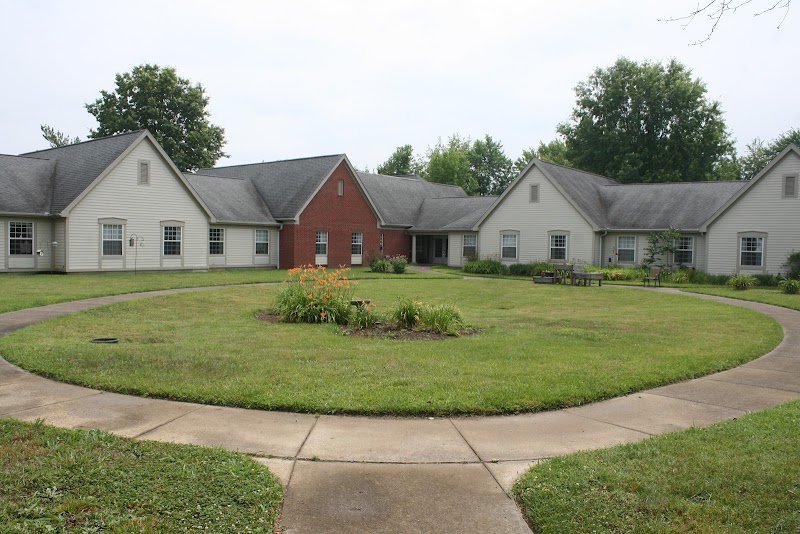
How is Charlestown Place At New Albany Staffed?

CMS rates CHARLESTOWN PLACE AT NEW ALBANY's staffing level at 3 out of 5 stars, which is average compared to other nursing homes. Staff turnover is 59%, which is 13 percentage points above the Indiana average of 46%. High turnover can affect care consistency as new staff learn residents' individual needs.

What Have Inspectors Found at Charlestown Place At New Albany?

State health inspectors documented 48 deficiencies at CHARLESTOWN PLACE AT NEW ALBANY during 2022 to 2025. These included: 3 that caused actual resident harm and 45 with potential for harm. Deficiencies causing actual harm indicate documented cases where residents experienced negative health consequences.
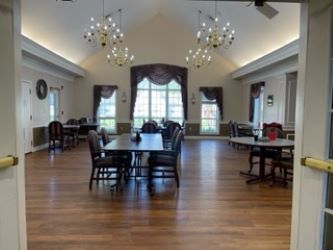
Who Owns and Operates Charlestown Place At New Albany?

CHARLESTOWN PLACE AT NEW ALBANY is owned by a government entity. Government-operated facilities are typically run by state, county, or municipal agencies. The facility is operated by EXCEPTIONAL LIVING CENTERS, a chain that manages multiple nursing homes. With 158 certified beds and approximately 130 residents (about 82% occupancy), it is a mid-sized facility located in NEW ALBANY, Indiana.

How Does Charlestown Place At New Albany Compare to Other Indiana Nursing Homes?

Compared to the 100 nursing homes in Indiana, CHARLESTOWN PLACE AT NEW ALBANY's overall rating (2 stars) is below the state average of 3.1, staff turnover (59%) is significantly higher than the state average of 46%, and health inspection rating (1 stars) is much below the national benchmark.

What Should Families Ask When Visiting Charlestown Place At New Albany?

Based on this facility's data, families visiting should ask: "How do you ensure continuity of care given staff turnover, and what is your staff retention strategy?" "Can I visit during a mealtime to observe dining assistance and food quality?" "How do you handle medical emergencies, and what is your hospital transfer rate?" "Can I speak with family members of current residents about their experience?" These questions are particularly relevant given the facility's high staff turnover rate.

Is Charlestown Place At New Albany Safe?

Based on CMS inspection data, CHARLESTOWN PLACE AT NEW ALBANY has a clean safety record: no substantiated abuse findings (meaning no confirmed cases of resident harm), no Immediate Jeopardy citations (the most serious violation level indicating risk of serious injury or death), and is not on the Special Focus Facility watch list (a federal program monitoring the lowest-performing 1% of nursing homes). The facility has a 2-star overall rating and ranks #100 of 100 nursing homes in Indiana. While no facility is perfect, families should still ask about staff-to-resident ratios and recent inspection results during their visit.

Do Nurses at Charlestown Place At New Albany Stick Around?

Staff turnover at CHARLESTOWN PLACE AT NEW ALBANY is high. At 59%, the facility is 13 percentage points above the Indiana average of 46%. High turnover means new staff may not know residents' individual needs, medications, or preferences. It can also be disorienting for residents, especially those with dementia who rely on familiar faces. Families should ask: What is causing the turnover? What retention programs are in place? How do you ensure care continuity during staff transitions?

Was Charlestown Place At New Albany Ever Fined?

CHARLESTOWN PLACE AT NEW ALBANY has been fined $31,784 across 2 penalty actions. This is below the Indiana average of $33,397. While any fine indicates a compliance issue, fines under $50,000 are relatively common and typically reflect isolated problems that were subsequently corrected. Families should ask what specific issues led to these fines and confirm they've been resolved.

Is Charlestown Place At New Albany on Any Federal Watch List?

CHARLESTOWN PLACE AT NEW ALBANY is not on any federal watch list. The most significant is the Special Focus Facility (SFF) program, which identifies the bottom 1% of nursing homes nationally based on persistent, serious quality problems. Not being on this list means the facility has avoided the pattern of deficiencies that triggers enhanced federal oversight. This is a positive indicator, though families should still review the facility's inspection history directly.