GREEN VALLEY CARE CENTER
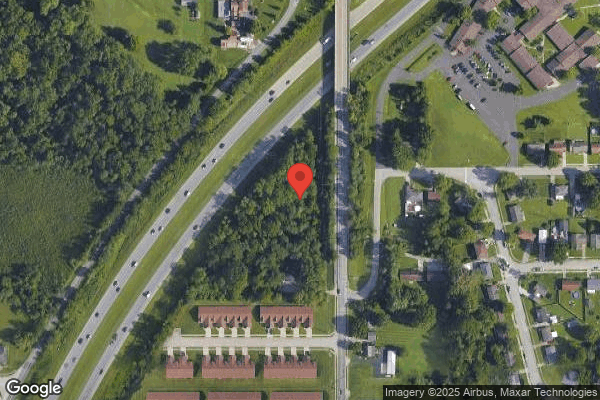
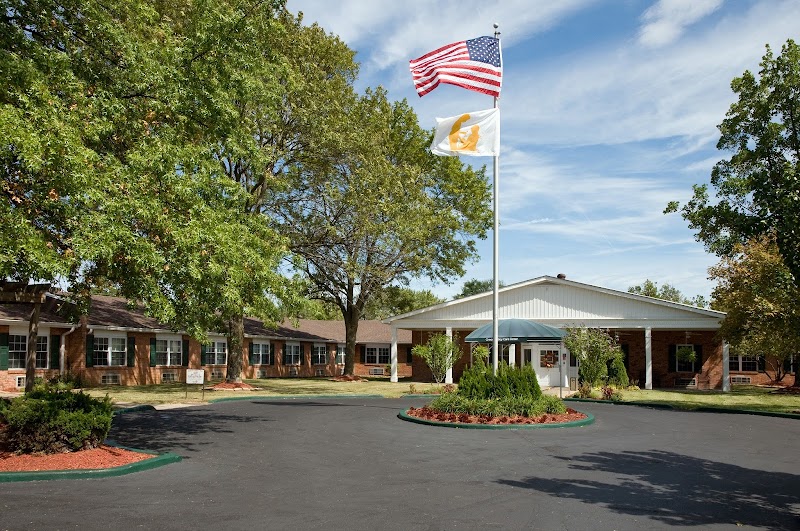
3118 GREEN VALLEY RD, NEW ALBANY, IN 47150 (812) 945-2341
Government - County 141 Beds LIFE CARE CENTERS OF AMERICA Data: November 2025
Trust Grade
40/100
#242 of 505 in IN
Last Inspection: November 2024

Within standard 12-15 month inspection cycle. Federal law requires annual inspections.

Overview

Green Valley Care Center has a Trust Grade of D, which means it is below average and has some concerns that families should consider. It ranks #242 out of 505 in Indiana, placing it in the top half of facilities in the state, and #3 out of 7 in Floyd County, indicating only two local options are better. The facility is improving, having reduced its issues from four in 2024 to three in 2025. Staffing appears to be a strength, with a turnover rate of 36%, which is lower than the state average, but it has concerning RN coverage that is less than 87% of Indiana facilities. While there have been no fines reported, which is positive, there are some serious shortcomings. For instance, a resident was hospitalized after receiving medication they should not have been given, and there were failures in ensuring bed hold policies were communicated to residents being discharged to the hospital. Additionally, the kitchen cleanliness was below standard, with grease and food debris present, posing potential health risks for residents. Overall, while there are strengths, families should weigh these issues carefully when considering this facility.

Trust Score
D
40/100
In Indiana
#242/505
Top 47%
Safety Record
High Risk
Review needed
Inspections
Getting Better
4 → 3 violations
Staff Stability
○ Average
36% turnover. Near Indiana's 48% average. Typical for the industry.
Penalties
✓ Good
No fines on record. Clean compliance history, better than most Indiana facilities.
Skilled Nurses
⚠ Watch
Each resident gets only 24 minutes of Registered Nurse (RN) attention daily — below average for Indiana. Fewer RN minutes means fewer trained eyes watching for problems.
Violations
⚠ Watch
24 deficiencies on record. Higher than average. Multiple issues found across inspections.
★★★☆☆
3.0
Overall Rating
★★★☆☆
3.0
Staff Levels
★★★★★
5.0
Care Quality
★★☆☆☆
2.0
Inspection Score
Stable
2024: 4 issues
2025: 3 issues

The Good

  • 5-Star Quality Measures · Strong clinical quality outcomes
  • Full Sprinkler Coverage · Fire safety systems throughout facility
  • No fines on record
  • Staff turnover below average (36%)

    12 points below Indiana average of 48%

Facility shows strength in quality measures, fire safety.

The Bad

3-Star Overall Rating

Near Indiana average (3.1)

Meets federal standards, typical of most facilities

Staff Turnover: 36%

10pts below Indiana avg (46%)

Typical for the industry

Chain: LIFE CARE CENTERS OF AMERICA

Part of a multi-facility chain

Ask about local staffing decisions and management

The Ugly 24 deficiencies on record

1 actual harm
Aug 2025 1 deficiency
CONCERN (D) 📢 Someone Reported This

A family member, employee, or ombudsman was alarmed enough to file a formal complaint

Potential for Harm - no one hurt, but risky conditions existed

Deficiency F0602 (Tag F0602)

Could have caused harm · This affected 1 resident

**NOTE- TERMS IN BRACKETS HAVE BEEN EDITED TO PROTECT CONFIDENTIALITY** Based on interview and record review, the facility failed to ensure residents were free from misappropriation of medications for...

Read full inspector narrative →
**NOTE- TERMS IN BRACKETS HAVE BEEN EDITED TO PROTECT CONFIDENTIALITY** Based on interview and record review, the facility failed to ensure residents were free from misappropriation of medications for 1 of 4 residents reviewed for misappropriation. (Resident D)Findings included: The record for Resident D was reviewed, on 8/4/25 at 12:37 p.m. The diagnoses included, but were not limited to, anxiety disorder, bipolar disorder, generalized anxiety disorder, unspecified intellectual disabilities, major depressive disorder, front-temporal neurocognitive disorder, and dementia. The Quarterly Minimum Data Set (MDS) Assessment, dated 5/12/25, indicated the resident was severely cognitively impaired. The review of the incident report, dated 7/27/25, indicated a staff member was suspected of taking narcotic medications from the resident for her personal use. The staff member involved was a Licensed Practical Nurse (LPN). During an interview on 8/4/25 10:13 a.m., Certified Nurse aide 4 (CNA) indicated that the resident does not show signs of pain most of the time, but does get agitated from time to time. CNA 4 would let the nurse know if the resident needed something for pain or agitation. The CNA 4 indicated the resident was non-verbal and fully dependent on staff members for assistance. The review of the police report on 8/4/25 at 12:45 p.m., indicated that a police department had been notified of a misappropriation of narcotic medication at the facility. The physicians order dated 4/1/25 indicated on 8/4/25 at 12:47 p.m., the resident was to receive LORazepam Concentrate 2 milligrams/milliliter (MG/ML) 0.25 milliliter by mouth every six hours as needed for anxiety or restlessness. The physician order dated 7/14/25, indicated Morphine Sulfate (Concentrate) Oral Solution 100 MG/5ML Give 0.5 ml by mouth every 2 hours as needed (PRN) for shortness of breath or pain. The record indicated that Morphine Sulfate (Concentrate) Oral Solution 100 MG/5ML 0.5 ml by mouth two times a day for pain.During an observation, on 8/4/25 at 10:00 a.m., the Assistant Director of Nursing (ADON) and Licensed Practical Nurse (LPN) 5 were observed doing a narcotic count on the 100 hall. No discrepancies were observed.During an interview on 8/4/25 at 10:10 a.m., The ADON indicated management would randomly go to the units and do a narcotic count as part of their audit. She indicated they were doing the random counts because a staff nurse was caught stealing narcotics. She indicated on the 200 hall the Qualified Medication Aide 7 (QMA) observed LPN 6 going into resident room [ROOM NUMBER]. When the QMA entered the room, she did not see the LPN 6 in the resident room. After being in the room for 15 to 20 minutes, QMA 7 left the room and walked across the hallway and observed LPN 6 coming out of the resident's bathroom. She indicated LPN 6 was not acting right at that time. At 5:15 p.m., LPN 6 indicated to QMA 7 she accidentally urinated on herself and needed to go home. QMA 7 indicated LPN 6 wanted her to do a narcotic count with her. QMA 7 informed LPN 6 she could not do a narcotic count because she was not a nurse. The LPN 6 had signed out the Ativan tablets for a resident that was not in the building. LPN 6 wanted another nurse to count the narcotics at shift change because she was leaving the facility. The staff members refused to count the narcotics. When the night shift nurse came on duty and did the count the narcotic count was not accurate, and the liquid Ativan was removed, and the container was filled with water. LPN 6 was removed from the facility, and the police and management were notified.The Abuse, Neglect and Exploitation policy, provided on 8/4/25 at 1:20 p.m. by the Executive Director included, but was not limited to, .1. Misappropriate of property.deliberate misplacement, exploitation or wrongful of resident property without their consent.3. Examples of misappropriation.I. Missing prescription medication or diversion of a resident's medication included, but were not limited to controlled substances for staff use. The deficiency cited was past non-compliance, on 7/29/25 when the facility had completed staff education 7/29/25 related to abuse and misappropriation of medication; narcotic count at shift change policy; and education on medication documentation. Additionally, the Director of Nursing/Assistant Director of Nursing will audit narcotic count sheets twice a day for 14 days, and weekly for 2 weeks and report back to the Quality Assurance and Performance Improvement (QAPI) team weekly for 4 weeks.3.1-28 (a)
Jun 2025 2 deficiencies
CONCERN (D) 📢 Someone Reported This

A family member, employee, or ombudsman was alarmed enough to file a formal complaint

Potential for Harm - no one hurt, but risky conditions existed

Respiratory Care (Tag F0695)

Could have caused harm · This affected 1 resident

**NOTE- TERMS IN BRACKETS HAVE BEEN EDITED TO PROTECT CONFIDENTIALITY** Based on observation, interview and record review, the facility failed to ensure the physician's orders were in place for weekly...

Read full inspector narrative →
**NOTE- TERMS IN BRACKETS HAVE BEEN EDITED TO PROTECT CONFIDENTIALITY** Based on observation, interview and record review, the facility failed to ensure the physician's orders were in place for weekly maintenance of nebulizer equipment and failed to ensure nebulizer respiratory assessments were completed prior and after administration for 1 of 3 residents reviewed for respiratory care. Findings include: The clinical record for Resident B was reviewed on 6/4/24 at 9:54 a.m. The resident's diagnosis included, but was not limited to, chronic obstructive pulmonary disease. Review of the December 2024 medication administration record (MAR) indicated the resident received pulmicort 0.5 mg (milligrams)/2 ml (milliliters). The resident was to received 2 ml, via nebulizer, twice daily. The resident's clinical record lacked documentation of the December weekly replacement of the nebulizer respiratory equipment. Review of the January 2025 MAR indicated the resident received pulmicort 0.5 mg (milligrams)/2 ml (milliliters). The resident received 2 ml, via nebulizer, twice daily upon readmission on [DATE]. The resident's clinical record lacked documentation of the January completed respiratory assessments and the weekly replacement of the nebulizer respiratory equipment. During an interview on 6/4/25 at 2:23 p.m., Licensed Practical Nurse (LPN) 3 indicated to ensure the effectiveness of a nebulizer treatment, a respiratory assessment should be completed prior to and after completion of the treatment. The nebulizer equipment should be changed out weekly. On 6/4/25 at 3:09 p.m., the Director of Nursing provided a current, undated copy of the document titled Nebulizer Treatment, small volume. It included, but was not limited to, Please included the following information when completing the procedure .Entire setup should be changed weekly .Implementation .Monitor the patient's heart rate and respiratory status during the procedure .After treatment, turn off the nebulizer, obtain the patients' vital signs, assess the respiratory status This Citation relates to Complaint IN00458882 3.1-47(a)(6)
CONCERN (E) 📢 Someone Reported This

A family member, employee, or ombudsman was alarmed enough to file a formal complaint

Potential for Harm - no one hurt, but risky conditions existed

Deficiency F0628 (Tag F0628)

Could have caused harm · This affected multiple residents

**NOTE- TERMS IN BRACKETS HAVE BEEN EDITED TO PROTECT CONFIDENTIALITY** Based on interview and record review, the facility failed to ensure bed hold polices were provided to residents/resident represe...

Read full inspector narrative →
**NOTE- TERMS IN BRACKETS HAVE BEEN EDITED TO PROTECT CONFIDENTIALITY** Based on interview and record review, the facility failed to ensure bed hold polices were provided to residents/resident representatives ( Resident C, Resident D, Resident F and Resident B) discharged to the hospital for 4 of 4 residents reviewed for transfers/discharges. Findings include: 1. The clinical record for Resident C was reviewed on 6/4/25 at 11:31 a.m. The resident's diagnoses included, but were not limited to, paraplegia and neuromuscular dysfunction of the bladder. The progress note, dated 5/26/25 at 1:00 a.m., indicated the resident was very lethargic and the catheter had blood tinged urine in the catheter bag. The physician was notified and a new order was received to send the resident to the hospital for evaluation. The clinical record lacked documentation of the bed hold documentation provided to the resident or the resident's representative at the time of discharge. 2. The clinical record for Resident D was reviewed on 6/4/25 at 2:49 p.m. The resident's diagnoses included, but were not limited to, dementia and subdural hemorrhage with loss of consciousness. The progress note, dated 5/29/25 at 11:14 a.m., indicated Resident D's son was at the facility and requested the resident be sent to the hospital for evaluation. They physician was notified with a new order to send the resident to the hospital for evaluation. The clinical record lacked documentation of bed hold documentation provided to the resident or the resident's family member at the time of discharge. 3. The clinical record for Resident F was reviewed on 6/4/25 at 2:58 p.m. The resident's diagnoses included, but were not limited to, Parkinson's disease, chronic obstructive pulmonary disease and infection/inflammatory reaction due to joint prosthesis. The progress note, dated 5/27/25 at 8:30 p.m., indicated the resident was found with cyanotic finger tips and the resident's oxygen saturation was not registering. When the oxygen did register, saturation was in the 50's. Oxygen was placed on the resident per nasal cannula at 4 liters per minute. The resident's oxygen came up to 93%. The physician was notified with a new order to send to the hospital for evaluation. The clinical record lacked documentation of bed hold documentation provided to the resident or resident's representative at the time of discharge. 4. The clinical record for Resident B was reviewed on 6/4/25 at 9:54 a.m. The resident's diagnoses included, but were not limited to, cerebral infarction and convulsion. The progress note, dated 12/25/24 at 3:55 p.m., indicated the resident was not responding, eyes were deviated and sternal rubs were ineffective. The family member was at bedside, the physician was notified with a new order to send the resident to the emergency department for evaluation. The transfer form and clinical record lacked documentation of bed hold documentation provided to the resident/resident representative at the time of discharge. The resident readmitted to the facility on [DATE]. The progress note, dated 1/17/25 at 12:57 p.m., indicated the resident's oxygen saturation was very low, ineffective sternal rubs, and breathing with his abdominal muscles. The resident was placed on oxygen. The physician was notified with a new order to send the resident to the emergency department and report was called to the hospital. The clinical record lacked documentation of bed hold documentation being provided to the resident prior to discharge. During an interview on 6/4/25 at 3:10 p.m., the Director of Nursing (DON) indicated she was aware the bed hold had to be sent with the resident, but if there was an emergent situation, it may not be done. On 6/4/25 at 3:28 p.m., the DON provided a current copy of the document titled Discharge Process and Bed Holds dated 1/3/22. It included, but was not limited to, Notice of bed-hold policy and returns .Bed-hold notice upon transfer .At the time of transfer of a resident for hospitalization .a nursing facility must provide to the resident and the resident representative written notice which specifies the duration of the bed-hold policy This Citation relates to Complaint IN00458882 3.1-12(a)25(A) 3.1-12(a)25(B)
Aug 2024 1 deficiency
CONCERN (D) 📢 Someone Reported This

A family member, employee, or ombudsman was alarmed enough to file a formal complaint

Potential for Harm - no one hurt, but risky conditions existed

Free from Abuse/Neglect (Tag F0600)

Could have caused harm · This affected 1 resident

Based on interview and record review, the facility failed to ensure staff to resident abuse did not occur for 1 of 3 residents reviewed for abuse. (Resident B) Findings include: The clinical record fo...

Read full inspector narrative →
Based on interview and record review, the facility failed to ensure staff to resident abuse did not occur for 1 of 3 residents reviewed for abuse. (Resident B) Findings include: The clinical record for Resident B was reviewed on 8/20/24 at 11:43 a.m. The resident's diagnosis included, but was not limited to, dementia. The incident report, dated 6/24/24 at 11:20 p.m., indicated Resident B was being assisted with toileting needs by CNA 4 when Resident B bit the side of CNA 4's arm. CNA 4 reported she made contact with Resident B's facial area in an attempt to stop the biting process. The written statement from CNA 4, dated 6/25/24 at 11:07 a.m., indicated Resident B was sitting in the dining room eating a snack and had been restless. On 6/24/24 at 11:30 p.m., CNA 4 tried to get the resident up to provide incontinent care but the resident was resistant and held onto the chair arms. CNA 4 waited a couple of minutes and tried again. CNA 4 leaned in and put her hand on the resident's waistline to help her up at that time the resident bit her right inner upper arm. Out of reflex, CNA 4 slapped Resident B's face. The written statement from CNA 3, dated 6/25/24 at 11:31 a.m., indicated CNA 3 was sitting in the dining room at another table when CNA 4 attempted to get Resident B up from the chair. Resident B was resistant to getting up. CNA 3 heard CNA 4 yell out and say she bit me and at that time, observed CNA 4 slap the resident. CNA 3 went to the nurses station and reported to RN 5 and both CNA 3 and RN 5 went to the dining room and removed the resident. The written statement from RN 5, dated 6/25/24 at 11:41 a.m., indicated around 11:30 p.m., CNA 3 came to nurses station and stated I need your help, [CNA 4] slapped a resident. They both immediately (CNA 3 and RN 5) removed the resident from the dining room and RN 5 assessed the resident for injury and distress. There were no marks, injury or distress. CNA 4 was instructed to clock out and go home. During a telephone interview on 8/20/24 at 1:43 p.m., CNA 3 indicated CNA 4 was trying to get the resident either changed or lay her down. Resident B was somewhat resistive. CNA 3 heard CNA 4 say ouch, she looked up and witnessed CNA 4 slap B on the left side of the face. Resident B then placed her hand on her left cheek. CNA 3 indicated It was not slap like you would do to a child's hand, it was a slap, slap. She had immediately got up, went to the nurses' station and told RN 5 she needed her help with Resident B because CNA 4 had just slapped her. Both CNA 3 and RN 5 immediately removed Resident B and took her to bed. After that, RN 5 went and spoke with CNA 4. During a telephone interview on 8/20/24 at 9:26 p.m., RN 5 indicated she was at the nurses' station charting. CNA 3 came up to the nurses' station and told her to come with her. RN 5 asked if everything was ok and CNA 3 said no, [CNA 4] had just slapped [Resident B]. Once RN5 entered the dining room, CNA 4 broke down and said it was a reflex. RN 5 and CNA 3 took Resident B to her room, assessed her and together, She and CNA 3 changed her. RN 5 immediately call the Executive Director and sent CNA 4 home. On 8/20/24 at 12:17 p.m., the Executive Director provided a current copy of the document titled Abuse - Prevention dated 10/4/2022. It included, but was not limited to, Policy .It is the policy of this facility to prevent and prohibit all types of abuse .Physical Abuse .includes, but is not limited to .slapping The Past noncompliance began on 6/24/24. The deficient practice was corrected by 6/26/24 after the facility implemented a systemic plan that included the following actions: A one-time review of progress notes over the past 30 days to validate no other issues (6/25/24); A one-time interview process completed with residents with a BIMS (brief interview of mental status) of 10 or higher to validate no other concerns not previously identified (6/25/24); Skin assessments completed for residents with moderately to severely impaired cognition to validate no signs of unreported issues (6/25/24); A one-time review of dementia care training completed to ensure up to date (6/25/24); Regional Director of Clinical Operations provided all staff re-education on abuse prevention, unusual occurrences, Elder Justice Act, reporting criteria and timeliness of reporting, notification to regional/division support, and re-education on behavior management interventions for residents with dementia (6/26/24); All facility staff were re-educated on abuse prevention, definitions of unusual occurrences, reporting immediately to abuse coordinator, and timeliness of reporting (6/25/24). This Citation relates to Complaint IN00439581 3.1-27(a)(1)
Jul 2024 1 deficiency
CONCERN (E) 📢 Someone Reported This

A family member, employee, or ombudsman was alarmed enough to file a formal complaint

Potential for Harm - no one hurt, but risky conditions existed

Food Safety (Tag F0812)

Could have caused harm · This affected multiple residents

Based on observation, record review and interview, the facility failed to ensure the kitchen equipment and floor was clean and free from grease and food particles for 2 of 3 kitchen observations. This...

Read full inspector narrative →
Based on observation, record review and interview, the facility failed to ensure the kitchen equipment and floor was clean and free from grease and food particles for 2 of 3 kitchen observations. This deficient practice had the potential to affect 120 residents currently residing in the facility. Findings Include: During an observation of the facility kitchen the following was observed: - The deep fryer had grease and a brown black substance buildup on the fryer baskets, and the top and sides of the fryer. - The gas stove knobs had a grease and food debris buildup. - The cart sitting beside the stove, had a sheet pan sitting on the shelf with a greasy food buildup on the utensils. - The employee sink had a black substance in the sink bowl, and on the front and sides of the sink. - The kitchen floor felt greasy and was slippery. The floor was dirty with grime and food debris build up. There were various items of trash laying on the floor. - Sitting on a table near the dishwasher there was a large bowl with a brown thick substance inside. The substance was up the sides of the bowl and was dried and crusty. Beside the large bowl was a container of a yellow substance and the top of the yellow substance was dried. - The handle on the refrigerator door was missing. - The refrigerator doors had food debris and smudges. - The stainless steel tables had dark brownish spots, food debris and grease on the shelves. The cleaning schedule was not posted and the Assistant Dietary Manager could not find the schedule. During an interview on 7/25/24 at 9:30 a.m., the Assistant Dietary Manager indicated she did not know where the cleaning schedules were. During an observation and interview on 7/25/24 at 9:40 a.m., Dietary Aide 5 and Dietary Aide 6, indicated they did not know what the brown substance was in the large bowl. They did not know how long the bowl had been sitting on the table. Dietary Aide 5 indicated whatever it was, it looked old to her. During an interview on 7/25/24 at 9:45 a.m., Dietary Aide 5 indicated the Dietary Manager took the cleaning schedules down. She thought he was going to update them. She presented a weekly cleaning schedule that was dated for the months of December 2023 to March 2024. She indicated she tried to clean up after she got done with her duties. She did not know how often the kitchen was deep cleaned and when the kitchen was last cleaned. The Dietary Aide indicated she thought the kitchen was dirty and needed cleaned. The night shift came in from 11:00 a.m. to 8:00 p.m. She indicated the staff was supposed to clean after dinner, but they were not cleaning. She indicated the staff had complained to the Dietary Manager, but nothing had been done about the problem. She indicated the Dietary Manager let the evening staff get away with not cleaning. During a return visit to the kitchen on 7/25/24 at 11:00 a.m., the same issues were observed as well as the following: - A towel was laying on top of the silverware table with a large amount of a light brown substance. The substance appeared to be oatmeal. - Plastic cup lids were laying on the floor beside the tray racks. During an interview on 7/25/24 at 11:30 a.m., the Dietary Manager indicated the kitchen would be cleaned daily. Deep cleaning would be done weekly. If he observed something dirty he would clean it up. The dietary staff had individual cleaning duties and they had to sign off when the job was completed. He indicated the facility used a cleaning service to clean the stove hoods, but he wasn't sure when the last time they were cleaned. The floor would be mopped 2 to 3 times a day especially after meals. The floor was old and it would probably help if they had new flooring. He indicated the second shift came in at 11:00 a.m., until closing around 8:00 p.m., and they were instructed not to leave dishes for the day shift. He could not remember when the last time the kitchen had a deep scrubbing. The Cleaning policy, dated 10/4/19, and revised on 4/30/24 included, but was not limited to, . The director of Food and Nutrition Services develops a cleaning schedule, with assistance from the Registered Dietitian, to ensure that the Food and Nutrition Services department remains clean and sanitary at all times. 1. The Director of Food and Nutrition Services develops a cleaning schedule to include all equipment and areas to be cleaned. 2. Designated cleaning task are assigned to each position. 3. The cleaning schedule is posted in a location where it can be easily read. 4. The Director of Food and Nutrition Services monitors the cleaning schedule to ensure the tasks are completed timely and appropriately . This Citation relates to Complaint IN00437132. 3.1-21(i)(3)
Apr 2024 1 deficiency
CONCERN (D) 📢 Someone Reported This

A family member, employee, or ombudsman was alarmed enough to file a formal complaint

Potential for Harm - no one hurt, but risky conditions existed

Deficiency F0602 (Tag F0602)

Could have caused harm · This affected 1 resident

Based on interview and record review, the facility failed to ensure misappropriation of resident property did not occur for 1 of 3 residents reviewed for misappropriation. (Resident D) Findings includ...

Read full inspector narrative →
Based on interview and record review, the facility failed to ensure misappropriation of resident property did not occur for 1 of 3 residents reviewed for misappropriation. (Resident D) Findings include: The clinical record for Resident D was reviewed on 4/29/24 at 12:21 p.m. The resident's diagnoses included, but were not limited to, depression, anxiety and pain. The physician's order, dated 4/17/24, indicated Resident D was to receive Oxycodone (narcotic pain medication) 5 mg (milligrams), one half of a tablet (2.5 mg) twice a day and every 4 hours as needed for pain. The internal facility incident report, dated 4/23/24 at 4:05 p.m., indicated Resident D was missing one card with 22.5 tablets of Oxycodone and one narcotic count sheet. The Oxycodone was sent to the facility, from the pharmacy on 4/19/24. All statements had been obtained from staff that worked the medication cart except for QMA (Qualified Medication Aide) 9. The State incident report, dated 4/26/24, indicated a narcotic discrepancy had been identified on the Memory Care Unit for Resident D. The pharmacy delivery receipt, dated 4/18/24 at 10:16 p.m., indicated for Resident D there were four cards of Oxycodone 5 mg tablets, with 15 tablets in each card. The medication card were sent out for delivery to the facility and were received by the facility on 4/19/24. On 4/21/24 at 6:00 p.m., the Shift Change Controlled Substance Inventory Sheet indicated at the start of shift, there were 23 cards and 26 narcotic count sheets. One card and one narcotic count sheet were removed with an end of shift total of 22 cards and 25 narcotic count sheets. Resident D had 4 cards and 4 sheets related to her medication, Oxycodone. The resident's count were included in the facility Shift Change Controlled Substance Inventory Sheets total on 4/22/24 at 6:00 p.m. The night shift nurse was LPN 7 and the on-coming day shift nurse on 4/22/24 at 6:00 a.m. was QMA 9. During an interview on 4/30/24 at 2:50 p.m., LPN 7 indicated when she counted the narcotic cards and sheets with QMA 9, on 4/22/24 at 6:00 a.m., there were a total of 22 cards and 25 narcotic count sheets. On 4/30/24 at 11:45 a.m., the facility Shift Change Controlled Inventory Sheets were reviewed. The Shift Change controlled Substance Inventory Sheet, dated 4/22/24 at 6:00 a.m., had 22 cards and 25 narcotic count sheets documented at the start of the shift. One card and one narcotic count sheet were added and subtracted with an end of shift total of 22 cards and 25 narcotic count sheets. There was a single line drawn through the end of shift numbers from 22 cards and 25 narcotic count sheets. A handwritten total was changed to 21 cards and 24 narcotic count sheets written underneath the previous number. The day shift nurse was QMA 9 and the oncoming night shift nurse was LPN 6. During an interview on 4/30/24 at 2:31 p.m., LPN 6 indicated she worked on 4/22/24 from 10:00 p.m. until 6:00 a.m. on 4/23/24. She only counted the narcotics with QMA 9, not the cards or narcotic count sheets. When she came on shift at 10:00 p.m. there were no alteration or handwritten changes on the Shift Change Controlled Inventory Sheets. The LPN indicated she had not administered any Controlled medication to Resident D. There had not been any corrections, changes, or alterations to the Shift Change Controlled Substance Inventory Sheets upon her arrival or at the end of her shift. The Shift Change Controlled Substance Inventory Sheet, dated 4/22/24 at 10:00 p.m., indicated at the start of the shift, there were 22 cards and 25 narcotic count sheets. Those numbers were changed from 22 cards and 25 narcotic count sheets to 21 cards and 24 narcotic count sheets. There was a single line drawn through the end of shift numbers from 22 cards and 25 narcotic count sheets. A handwritten total was changed to 21 cards and 24 narcotic count sheets written underneath the previous number. The night shift nurse was LPN 6 and the oncoming day shift nurse was QMA 9. The Shift Change Controlled Substance Inventory Sheets, dated 4/23/24 at 6:00 a.m., indicated at the start of the shift, there were 21 cards and 24 narcotic count sheets. The night shift nurse was LPN 6 and the oncoming day shift nurse was QMA 9. Review of the April 2024 medication administration record (MAR) indicated the last dose of the Oxycodone that was administered from the missing narcotic count sheet was on 4/22/24 at 8:00 p.m. by QMA 9. On 4/29/24 at 9:25 a.m., the Director of Nursing (DON) indicated, on 4/23/24, once they realized there was a discrepancy she reached out to QMA 9 by telephone and both of the QMA's phone numbers were disconnected. The DON reached out by social media messenger and requested for QMA 9 to return her call. As of 4/29/24, the QMA 9 had not returned her call or reached out to her in any way. The DON spoke with Officer 20, who was over the case, on Saturday evening, 4/27/24. Officer 20 reported to her that he had gotten in touch with QMA 9. He reported QMA 9 told him she would not speak to him without legal counsel. During an interview on 4/30/24 at 2:24 p.m., Unit Manager indicated, on 4/23/24, LPN 8 was going through all the new pharmacy orders to double check and make sure they were correct. LPN 8 noticed the staff were using page two of the narcotic count sheets and should have been using page one for Resident D's Oxycodone. The Unit Manager and LPN 8 could not locate page 1 of the controlled substance record for Resident D's Oxycodone or the medication card that correlated with page one of the controlled substance records. There should have been a card of 22.5 Oxycodone tablets and a sheet that correlated. The resident's medication appeared to be missing. QMA 9 was the last to sign off of the page 1 controlled substance record based on the MAR and she was the first to sign off on the page 2 of the controlled substance record on 4/23/24 at 8:00 a.m. On 4/30/24 at 3:13 p.m., the Director of Nursing indicated an in-service was completed for the QMA's on 3/8/24. They had noticed QMA 9 had been administering more of the as needed narcotic medications to the residents who did not normally request as needed narcotic medications. On 4/30/24 at 12:10 p.m., the Director of Nursing provided a current copy of the document titled Abuse - Identification of Types dated 10/4/22. It included, but was not limited to, Policy .Misappropriation of Resident Property .the deliberate misplacement, exploitation, or wrongful, temporary, or permanent use of a resident property .without the resident's consent .Misappropriation of Property .Examples of misappropriation of resident property include but are not limited to .Missing prescription medications or diversion of resident's medication 3.1-28(a)
Jan 2024 1 deficiency
CONCERN (D) 📢 Someone Reported This

A family member, employee, or ombudsman was alarmed enough to file a formal complaint

Potential for Harm - no one hurt, but risky conditions existed

Deficiency F0804 (Tag F0804)

Could have caused harm · This affected 1 resident

Based on observation and interview, the facility failed to ensure food served was maintained at an appropriate temperature for 1 of 1 Hall tray carts observed for food temperatures. (300 Hall Cart) Fi...

Read full inspector narrative →
Based on observation and interview, the facility failed to ensure food served was maintained at an appropriate temperature for 1 of 1 Hall tray carts observed for food temperatures. (300 Hall Cart) Findings include: On 1/29/24 at 12:58 p.m., during an observation of the lunch meal pass on the 300 Hall with the Dietary Manager, the following food temperatures were observed: - Beef Stew - 110 degrees - Fried tomatoes - 110 degrees - Biscuit - 100 degrees During an interview on 1/29/24 at 2:00 p.m., Resident E indicated that a lot of times, the food served was barely warm. During an interview on 1/29/24 at 2:20 p.m., Resident F indicated that 40 % (percent) of the time, the food was just not warm. Breakfast was the worst because no one wants to eat cold eggs. On 1/29/24 at 2:30 p.m., Resident H indicated she liked her food hot, but when they brought it to her, it had minimal warmth. On 1/29/24 at 2:38 p.m., Resident G indicated she liked her food served hot. The food was not even warm by the time she received it in her room. On 1/29/24 at 3:04 p.m., the Executive Director provided a current copy of the document titled Food Temperature Control dated 10/4/19. It included, but was not limited to, Policy .Food temperatures are maintained during mealtimes to ensure residents receive safe food served at acceptable temperatures .Guidelines .Hot foods are held at a minimum of 135F or per state requirements This Citation relates to Complaint IN00425590 3.1-21(a)(2)
Oct 2023 7 deficiencies
CONCERN (D)

Potential for Harm - no one hurt, but risky conditions existed

Resident Rights (Tag F0550)

Could have caused harm · This affected 1 resident

Based on observation, record review, and interview, the facility failed to provide coverage and odor protection for a resident related to expressed embarrassment for 1 of 5 residents reviewed for dign...

Read full inspector narrative →
Based on observation, record review, and interview, the facility failed to provide coverage and odor protection for a resident related to expressed embarrassment for 1 of 5 residents reviewed for dignity. (Resident 260) Findings include: During an observation, on 10/5/23 at 8:00 a.m., the resident's dressing to her left shoulder was laying in the bed. The malignant tumor was exposed. The resident indicated she wrapped a towel around the tumor to catch the drainage. The pad on the resident's bed was soaked with serosanguineous drainage. The dressing was not dated but the time indicated 6:00 a.m. The resident indicated she did not get out of her room much, but she thought she should. During an observation, on 10/5/23 at 10:00 a.m., the resident was sitting on the side of the bed and her tumor was exposed. The dressing remained in the resident's bed. During an observation, on 10/5/23 at 10:30 a.m., LPN (Licensed Practical Nurse) 12 was providing wound care. She wrapped the tumor in a warm towel and left it on for about 15 minutes. The resident indicated the warm towel felt good to her. The LPN cleansed the tumor with wound cleanser. She patted dry the tumor and applied the antibiotic. The tumor had several small to dime size abrasion areas that were open. The middle of the tumor had olive green tissue and the tumor had some bleeding with serosanguinous drainage. Areas of the tumor had medium to large size nodules. The tumor was vascular and the peri skin around the wound was a bluish color. The tumor was approximately the size of a medium pumpkin and irregular in shape. She indicated the dressing would be changed 3 times a day and prn (as needed). When the resident's dressing became saturated or fell off the staff should have changed or applied a new dressing as needed. The record for Resident 260 was reviewed on 10/4/23 at 9:30 a.m., the diagnoses included, but were not limited to, malignant neoplasm of the connective tissue and soft tissue, hypertension and localized swelling, mass and lump of the left upper limb and thyrotoxicosis. The admission MDS (Minimal Data Set) assessment, dated 10/9/23 indicated the resident was cognitively intact. During an interview on 10/6/23 at 10:34 a.m., the DON (Director of Nursing) indicated if the residents dressing was off, and the tumor was exposed nursing should have replaced the dressing or at least covered it with a temporary dressing until she could do the wound care. The resident should not have to sit there with the tumor exposed and could be observed from the doorway. During an interview on 10/10/23 at 10:35 a.m., Resident 260 indicated she did not like for other people to see her tumor. She preferred to have it covered up or at least the door closed. The Resident Rights policy, dated 11/21/22 included, but was not limited to, . (1) A facility must treat each resident with respect and dignity and care for each resident in a manner and in an environment that promotes maintenance or enhancement of his or her quality of life, recognizing each resident's individuality. The facility must protect and promote the rights of the resident . 3.1-3(a)
CONCERN (D)

Potential for Harm - no one hurt, but risky conditions existed

Quality of Care (Tag F0684)

Could have caused harm · This affected 1 resident

Based on observation, record review and interview, the facility failed to ensure treatment and interventions were provided for 1 of 5 residents reviewed for Quality of Care. (Resident 260) Findings In...

Read full inspector narrative →
Based on observation, record review and interview, the facility failed to ensure treatment and interventions were provided for 1 of 5 residents reviewed for Quality of Care. (Resident 260) Findings Include: During an observation on 10/04/23 at 8:30 a.m., Resident 260's dressing to her left shoulder was saturated with a large amount of serosanguineous drainage, bright red blood, and dried dark colored blood. The dressing was falling off in places. The dressing had a foul odor and the resident indicated her dressing had not been changed. The resident indicated the odor had improved slightly but the wound still had a bad odor. The serosanguinous drainage was observed on the pad in her bed. During an observation on 10/04/23 at 11:00 a.m., Resident 260's dressing to her left shoulder was saturated with a large amount of serosanguineous drainage, bright red blood, and dried dark colored blood. The dressing was loose and was falling off in places. The dressing had a foul odor and the resident indicated her dressing had not been changed yet. During an observation on 10/04/23 at 1:00 p.m., Resident 260's dressing to her left shoulder was saturated with a large amount of serosanguineous drainage, bright red blood, and dried dark colored blood with a whitish colored drainage seeping through the dressing. The dressing was falling off in places. The dressing had a foul odor and the resident indicated her dressing had not been changed yet. The record for Resident 260 was reviewed on 10/3/23 at 9:30 a.m. The diagnoses included, but were not limited to, malignant neoplasm of the connective and soft tissue, hypertension, localized swelling, mass and lump of the left upper limb. The admission MDS (Minimum Data Set) assessment, dated 10/9/23, indicated the resident was cognitively intact. The physician's order, dated 9/30/23, indicated staff were to cleanse the tumor to the left shoulder with normal saline, pat dry, crush the antibiotic and sprinkle directly on the wound, apply Dakin's half strength moist gauze to the area, cover with ABD (Abdominal Pads) and secure with tape. Flagyl 500 mg (milligrams) was to be applied to the resident's left shoulder topically three times a day for the tumor. The care plan, dated 9/28/23, indicated the resident had a break in her skin integrity. The interventions included, but were not limited to, educate the resident and family regarding her skin problem and treatment, a pressure reducing mattress, treatments as ordered by the physician and weekly skin assessments. The wound note, dated 9/28/23, indicated the wound measurements were 38 cm (centimeters) in length and 37 cm in width with 0 depth. The wound was a malignant tumor with slough and necrotic tissue. Drainage included a small amount of serosanguineous drainage and there was a foul odor. The treatment included cleanse with normal saline, pat dry, Alginate to area, cover with abdominal gauze pads and secure with tape every shift and prn (as needed). During an interview on 10/04/23 at 2:07 p.m., LPN (Licensed Practical Nurse) 13 indicated the resident's dressing would be changed 3 times a day. The dressing was last changed between 7:00 and 8:00 am. The resident's dressing had a lot of drainage and the nurses could change the dressing if it became saturated. The dressing had not been changed since the morning. She indicated the dressing was not holding up for 8 hours with all the drainage. During an interview on 10/5/23 at 11:30 a.m., the wound physician indicated she did see the resident per request of the facility. She indicated the tumor was inoperable and the resident's diagnosis was terminal. The tumor would eventually cave in on itself and there would be foul odor and drainage. During an interview on 10/5/23 at 11:35 a.m., LPN 4 indicated the staff tried to give the resident a shower daily due to the odor. The odor had improved but was still there and the resident had to be put in a private room. During an interview on 10/6/23 at 10:34 a.m., the DON (Director of Nursing) indicated if the resident's dressing was saturated, the nurse should have changed the dressing. The dressing change order was for three times a day and prn. The nursing staff should have changed the resident's dressing before it became that saturated. That was the reason the resident had an order for prn dressing changes. 3.1-37(a)
CONCERN (D)

Potential for Harm - no one hurt, but risky conditions existed

Accident Prevention (Tag F0689)

Could have caused harm · This affected 1 resident

Based on observation, record review, and interview, the facility failed to develop and implement appropriate interventions to prevent falls for 1 of 5 residents reviewed for falls. (Resident 55) Find...

Read full inspector narrative →
Based on observation, record review, and interview, the facility failed to develop and implement appropriate interventions to prevent falls for 1 of 5 residents reviewed for falls. (Resident 55) Findings include: The record for Resident 55 was reviewed on 10/5/23 at 8:11 a.m. The diagnoses included, but were not limited to, displaced intertrochanteric fracture of left femur, lack of coordination, muscle weakness, unsteadiness on feet, need for assistance with personal care, cognitive communication deficit, dementia, overactive bladder, history of falling, and pain in right hip. The care plan, dated 5/21/22, indicated the resident had bowel and bladder incontinence at times and was at risk for skin breakdown and infection with ongoing incontinence. The intervention, initiated on 7/14/22, indicated staff were to check the resident every 2 hours and assist with toileting as needed. The Annual MDS (Minimum Data Set) Assessment, dated 4/19/23, indicated the resident was moderately cognitively impaired,usually incontinent of urine and always continent of bowel, and required extensive assistance of one staff member with toileting and personal hygiene. The nurse's note, dated 6/14/23 at 6:40 a.m., indicated the resident was found sitting on the floor next to her bed with her walker in front of her. She indicated she was going to the bathroom and had slippers on. She complained of minimal discomfort to her lower back and she felt fine to go back to bed. The nurse's note, dated 6/14/23 at 7:03 a.m., indicated the nurse went in to follow up on the resident and found her half off the bed with her right leg off and rotated out. The physician was notified with new orders were received to send the resident to the hospital to be evaluated and treated. The nurse's note, dated 6/14/23 at 3:53 p.m., indicated the resident was admitted to the hospital with a fracture of her left hip. On 6/15/23, the resident's risk for falls care plan was updated with a new intervention to provide a scoop mattress. The nurse's note, dated 6/17/23 at 3:07 p.m., indicated the resident was re-admitted to the facility. She required assistance of 2 staff members. She was oriented times 2. She was educated on using her call light for assistance with toileting and any needs. The nurse's note, dated 6/20/23 at 9:50 p.m., indicated the resident was able to make her needs known, required maximum assistance of 2 staff with bed mobility and transfers, was incontinent of bowel and bladder, and staff provided perineal care every 2 hours and as needed. The Social Services note, dated 6/22/23 at 7:47 p.m.,indicated the resident had an assessment and scored a 12 on her BIMS (Brief Interview of Mental Status) assessment which indicated her cognitive functioning was moderately impaired. The nurse's note, dated 7/21/23 at 6:00 a.m., indicated the resident was found sitting on the floor, facing her bed, with her legs stretched out in front of her. The resident indicated she was trying to go to the bathroom. Staff encouraged the resident to use the call light for assistance. The IDT (Interdisciplinary Team) note, dated 7/24/23 at 10:00 a.m., indicated the root cause of the resident's fall was the resident transferring herself without assistance. The new intervention was to encourage the resident to seek out staff for assistance with transfers. The nurse's note, dated 8/12/23 at 2:11 a.m., indicated the resident was found lying on the floor. She had a large contusion of her left forehead that was bleeding. She also had a skin tear to her left arm. She was alert but slow to respond. She said she was going to the bathroom and did not want to bother anyone for help. Her call light was pinned to her blanket where she could reach it. The NP (Nurse Practitioner) ordered to send the resident to the hospital. The nurse's note, dated 8/12/23 at 4:30 a.m., indicated the hospital reported the resident was returning. She had no fractures. The resident's family member spoke to the nurse and voiced concerns over the amount of falls the resident had recently. He asked for a care conference ASAP (as soon as possible) because he felt the resident's needs were not being met when she put her call light on and he would like it addressed immediately. The resident had not put her call light on earlier. The nurse informed the son she would pass the message on to the DON (Director of Nursing) and unit manager. The resident was being toileted before being helped into bed. The IDT note, dated 8/14/23 at 9:49 a.m., indicated the intervention put into place was for staff to offer and assist with toileting every 2 hours throughout the night. The nurse's note, dated 8/19/23 at 6:25 a.m., indicated the nurse heard a noise while sitting at the desk and looked up. The resident was sitting on her buttocks on the floor with her back against the dresser. Her wheelchair was next to her. The resident stated she was getting up to go to the bathroom. Her call light was not on. She had three abrasions to her back and two hematomas. One hematoma was present on her right and between her ring and pinky fingers, and the other one was present to her shin. She was assisted to her wheelchair, toileted and assisted to bed. She was reminded to use her call light to ask for assistance and not self transfer. She was to wear hipsters at all times. The nurse's note, dated 8/23/23 at 3:33 a.m., indicated the nurse looked up and found the resident sitting on the end of her roommate's bed. No call light was on, and her wheelchair was not by her. The resident was toileted and assisted back to bed and encouraged to use her call light. During an observation, on 10/6/23 at 11:02 a.m., Resident 55 was sitting in her wheelchair in her room, in front of her bed. A orange neon sign was on the shelf hanging up reminding her to use her call light. Her call light was sitting on her bed, approximately 4 feet away from her and behind her, well out of her reach. During an observation on 10/6/23 at 2:02 p.m. CNA (Certified Nurse Aide) 15 assisted Resident 55 to toilet. CNA 15 stood by as CNA 15 assisted the resident to stand at the grab bar, removed her brief and pants and onto the toilet. During an interview on 10/6/23 at 2:03 p.m., CNA 15 indicated the resident toileted very well. She was an assist of one. The resident would let them know when she needed to use the resident. She never forgot to use her call light. She was really alert. She would use the restroom about every hour. She had some incontinence, but most of the time she was continent. During an interview on 10/10/23 at 9:21 a.m., RN 17 indicated she was the nurse for Resident 55 and she was somewhat familiar with her. She hadn't been here to see any of her falls or even had to do neurological checks on her. She did know she was a fall risk. The resident knew her name but she had a lot more confusion lately. She was not sure if the resident used her call light anymore. It was usually within reach. She could provide education as best as she could but she was not sure if the resident would retain the education. To her, the resident's memory was not as intact as it was before she had her hospitalization for the broken hip. A couple months ago she was trying to transfer herself and she would not put her call light on. As the nurse, if a resident had a fall, they could make a suggestion on an interventions. With each fall they had to have a intervention. They would look at what had been done in the past and see if something better or new could be done. They usually went off of what happened with the fall and if it was something they could prevent in the future. If a resident was trying to toilet, they should do every two hour checks. The aide needed to be going in there every two hours and asking if they needed to use the restroom and provide education on using the call light During an interview on 10/10/23 at 9:26 a.m., CNA 18 indicated if they did not ask the resident if she wanted to go to the restroom, she would lay there and be soaking wet. In regard to her mentality, she was very confused and it had been like that for a long time, as far as she could recall her being at the facility. She would try to take herself to the bathroom. As long as they asked her, she did really good. She offered the resident to go to the bathroom every two to three hours. She was not aware of any specific interventions for a toileting schedule. She did not think if staff told her to use her call light she would remember to use it. She would not put her call light on. To her knowledge, they had not tried any toileting schedules in the past. During an interview on 10/10/23 at 9:33 a.m., the DON indicated if there was a fall, the floor nurse would call the manager on call and they helped make a new intervention. If the nurse had a problem coming up with it on their own, the IDT would review it. They were supposed to put an intervention that would immediately help with the fall and those interventions were reviewed in morning meeting. They did a root cause analysis. They looked at the BIMs. The resident's BIMs score was not high enough for education. The every two hours intervention on 8/18/23 would not have been an appropriate intervention since it was already on her care plan. The Fall Management Policy, last revised 9/22/23, provided on 10/10/23 at 10:20 a.m. by the DON, included, but was not limited to, . Federal Regulations . The facility must ensure that . Each resident receives adequate supervision and assistance devices to prevent accidents . Avoidable Accident - This means an accident occurred because the facility failed to . Implement interventions, including adequate supervision and assistive devices, consistent with a resident's needs, goals, care plan, and current professional standards of practice in order to eliminate the risk, if possible, and, if not, reduce the risk of an accident . Monitor the effectiveness of the interventions and modify the care plan if necessary . 4. The interdisciplinary team will review and revise the care plan, if indicated . upon a fall event and as needed thereafter . 3.1-45(a)(1)
CONCERN (D)

Potential for Harm - no one hurt, but risky conditions existed

Laboratory Services (Tag F0770)

Could have caused harm · This affected 1 resident

Based on record review and interview, the facility failed to ensure a urine and blood work were sent to the laboratory for testing as ordered by the physician for 1 of 3 residents reviewed for laborat...

Read full inspector narrative →
Based on record review and interview, the facility failed to ensure a urine and blood work were sent to the laboratory for testing as ordered by the physician for 1 of 3 residents reviewed for laboratory testing. (Resident 45) Findings include: The record for Resident 45 was reviewed on 10/4/23 at 9:31 a.m. The diagnoses included, but were not limited to, benign prostatic hyperplagic (BPH) without lower urinary tract symptoms, retention of urine, muscle weakness, rhabdomyolysis, hypertensive ischemic heart disease, and supraventicular tachycardia. The Quarterly Minimum Data Set (MDS) assessment, dated 9/26/23, indicated the resident had severe cognitive impairment; required extensive assist of 2 staff for bed mobility, transfers and toilet use; was non-ambulatory; was frequently incontinent of bladder; and had bilateral lower and upper impairments in functional range of motion. A care plan, initiated on 6/29/19 and revised on 8/3/21, indicated the resident had an altered cardiovascular status related to coronary artery disease and hyperlipidemia. The goal indicated the resident would be free from cardiac complications. The approaches included, but were not limited to, administer medications as ordered and labs as ordered. A care plan, dated 11/8/22, indicated the resident had a history of bladder incontinence and was at risk for complications of infection and had a diagnosis of history of BPH. The goal was for the resident to have a reduced risk for UTI (urinary tract infection). The approaches included, but were not limited to, labs as ordered and notify physician of s/s (signs/symptoms) of a UTI. A nurse's note, dated 9/11/23 at 11:32 a.m., indicated new orders for thyroid function testing (TSH - thyroid stimulating hormone, Free T3, Free T4) and Hepatic function ( CBC - complete blood count and CMP - comprehensive metabolic profile) to be drawn now (for baseline) and every 6 months per pharmacy recommendation related to the use of amiodarone. Documentation was lacking of the resident's laboratory test having been drawn now per order and were not drawn until 9/19/23 - 8 days later. A nurse's note, dated 9/29/23 at 4:15 p.m., indicated new orders for a UA (urinalysis) CS (culture and sensitivity) and a CBC and CMP related to possible UTI. Documentation was lacking in the clinical record of the UA and blood work having been collected. During an interview with QMA (Qualified Medication Aide) 1 on 10/6/23 at 9:55 a.m., she indicated that if a UA was ordered during the week, it would be collected and sent out the next day. If it was the weekend, then it would be collected on Sunday and then sent out Monday morning. Labs were done right away as there was only a limited time the specimen could sit. She had worked on the resident's hall and had not been made aware of that there was an order for a UA or blood work to be done. During an interview with RN 2 on 10/6/23 at 1:50 p.m., she indicated It was human error that the UA was not put into the lab book to be completed as ordered and that the only reason she could find for the nurse to get that order for a UA was because the NP (Nurse Practitioner) noted confusion in the resident. The UA and blood work should have been drawn as ordered. She also indicated that the reason the labs were never drawn until 9/19/23 was because he already had standing orders for those labs scheduled for 9/19, so they were just combined with his routine labs. It was a pharmacy recommendation on 8/31/23 that since he was on the amiodarone, he should have thyroid function tests and hepatic function test done every 6 months. When the pharmacy recommendation was shown to her that it was recommended for a baseline be drawn now and then compared again in 6 months, she indicated she did not see that part of the recommendation. 3.1-49(a)(2)
CONCERN (E)

Potential for Harm - no one hurt, but risky conditions existed

Deficiency F0727 (Tag F0727)

Could have caused harm · This affected multiple residents

Based on record review and interview, the facility failed to schedule 8-hour consecutive RN coverage for 3 of 3 months reviewed. (August, September and October 2023). This had the potential to affect ...

Read full inspector narrative →
Based on record review and interview, the facility failed to schedule 8-hour consecutive RN coverage for 3 of 3 months reviewed. (August, September and October 2023). This had the potential to affect all 113 residents currently residing in the facility. Findings include: The review of the August through October 2023 Licensed Nursing schedule indicated the following days were short of 8 hours consecutive RN coverage: August: Sunday 8/6 = only 6.0 hours Saturday 8/12 = only 6.0 hours Sunday 8/13 = only 6.0 hours Sunday 8/20 = only 6.0 hours Saturday 8/26 = only 6.0 hours Sunday 8/27 = only 6.0 hours September: Saturday 9/2 = only 6.0 hours Sunday 9/3 = only 6.0 hours Saturday 9/9 = only 6.0 hours Sunday 9/10 = only 6.0 hours Saturday 9/16 = only 6.0 hours Sunday 9/17 = only 6.0 hours Saturday 9/23 = only 6.0 hours Sunday 9/24 = only 6.0 hours October: Sunday 10/1 = only 6.0 hours During an interview with the Director of Nursing on 10/5/23 at 3:30 p.m., she indicated she was aware of the RN coverage being short on the weekends and indicated they were trying to add more RNs to cover the daytime too. 3.1-17(b)(3)
CONCERN (E)

Potential for Harm - no one hurt, but risky conditions existed

Deficiency F0761 (Tag F0761)

Could have caused harm · This affected multiple residents

Based on observation, record review, and interview, the facility failed to ensure appropriate storage and labeling of medications for 3 of 4 medication carts observed for medication storage and labeli...

Read full inspector narrative →
Based on observation, record review, and interview, the facility failed to ensure appropriate storage and labeling of medications for 3 of 4 medication carts observed for medication storage and labeling. (100 Hall Front Medication Cart, 100 Hall Back Medication Cart, and 200 Hall Front Medication cart) Findings include: 1. During an observation of the 100 Hall Front Medication Cart on 10/6/23 at 11:05 a.m., the following concerns were observed: a. Resident 58's albuterol sulfate 90 mcg/act (micrograms per actuation) inhaler was stored lying on its side. The medication packaging storage instructions indicated to store the inhaler with the mouthpiece down. The record for Resident 58 was reviewed on 10/6/23 at 11:45 a.m. The diagnoses included, but were not limited to, chronic obstructive pulmonary disease (COPD) and asthma. The physician's order, dated 5/21/23, indicated the resident received albuterol sulfate 108 (90 mcg base) every 6 hours as needed for COPD. b. There were two unlabeled bottles of lidocaine 200 mg/20 mL (milligrams per milliliters) lying in the top drawer. One of the bottles was opened and partially used, with visible puncture marks present on the rubber seal. During an interview on 10/6/23 at 11:07 a.m., LPN (Licensed Practical Nurse) 19 indicated the lidocaine was for Resident 100. She had been on an antibiotic, ceftriaxone, which had required being mixed with lidocaine. She was no longer on the medication. The record for Resident 100 was reviewed on 10/6/23 at 1:00 p.m. The physician's order, dated 9/9/23, indicated the resident received ceftriaxone sodium injection 1 gram reconstituted intramuscularly at bedtime for three days. The order was completed on 9/12/23. The record lacked documentation of any subsequent orders for lidocaine currently in use for the resident. 2. During an observation of the 100 Hall Back Medication Cart on 10/6/23 at 11:10 a.m., Resident 62's insulin aspart flex pen was observed to be opened, with an open date of 6/12/23 written on the pen. The pen had been opened and used, with approximately 100 units left in the pen. During an interview on 10/6/23 at 11:16 a.m., LPN 19 indicated she could see the open date of 6/12/23 written on the pen. She thought the insulin pen was good for 90 days once opened. The record for Resident 62 was reviewed on 10/6/23 at 12:05 p.m. The diagnoses included, but were not limited to, type 2 diabetes mellitus and long term use of insulin. The physician's order, dated 6/12/23, indicated the resident received insulin aspart per sliding scale subcutaneously twice daily for diabetes mellitus. 3. During an observation of the 200 Hall Medication Front Cart on 10/6/23 at 11:18 a.m., the following concerns were observed: a. Resident 62 had a novolog flex pen on the medication cart. The pen was open with approximately 120 units left in the pen. The pen was located in a bag with another resident's name on it. The open date on the insulin pen was 6/1/23. During an interview on 10/6/23 at 11:20 a.m., QMA (Qualified Medication Aide) 1 indicated Resident 62's insulin should not have been on the 200 Hall Front Medication Cart. She was not on her hall and never had been. During an interview on 10/6/23 at 11:33 a.m., LPN 19 indicated Resident 62 was on the 100 Hall and there was no reason why her insulin should be on the 200 Hall medication cart. b. Resident 84's novolog flex pen was opened, with a date of 6/28/23 written on the bag in fading ink pen which was barely legible. During an interview on 10/6/23 at 11:21 a.m., QMA 1 indicated she thought the insulin was good for 30 days once opened and indicated the medication should have been pulled and discarded. She thought they had a reference for how long the medications were good for but she could not locate it. The record for Resident 84 was reviewed on 10/6/23 at 12:10 p.m. The diagnoses included, but were not limited to, diabetes mellitus type 2 and pre-diabetes. The physician's order, dated 11/7/22, indicated the resident received novolog flex pen per sliding scale every morning and at bedtime. c. Resident 53's insulin glargine pen was opened, with approximately 130 units left in the pen. The open date on the pen's bag was 8/21/23. The record for Resident 53 was reviewed on 10/6/23 at 12:15 p.m. The diagnoses included, but were not limited to, diabetes mellitus type 2 and long term use of insulin. The physician's order, dated 7/26/23, indicated the resident received insulin glargine 10 units subcutaneously daily. d. Resident 6's albuterol HFA 90 mcg/act was stored on its side. The medication package indicated to store the inhaler with the mouthpiece down. The record for Resident 6 was reviewed on 10/6/23 at 12:20 p.m. The diagnoses included, but were not limited to, congestive heart failure and obstructive sleep apnea. The physician's order, dated 6/18/23, indicated the resident received albuterol HFA 109 (90 mcg base) every 4 hours as needed for shortness of air. During an interview on 10/6/23 at 11:35 a.m., the DON (Director of Nursing) indicated the staff should have a reference for medication storage dates in their toolbox. The Novolog (insulin aspart) injection storage conditions insert, provided on 10/10/23 at 8:00 a.m. indicated the 3 mL single patient use flex touch pens were to be discarded after 28 days once opened. The insulin Lispro injection storage conditions insert, provided on 10/10/23 at 8:00 a.m. indicated the 3 mL single patient use pens were to be discarded after 28 days once opened. The insulin glargine injection storage conditions insert, provided on 10/10/23 at 8:00 a.m., indicated the 3 mL single patient use pens were to be discarded after 28 days once opened. 3.1-25(j)
CONCERN (E)

Potential for Harm - no one hurt, but risky conditions existed

Deficiency F0943 (Tag F0943)

Could have caused harm · This affected multiple residents

Based on record review and interview, the facility failed to ensure staff completed dementia training for 8 of 10 employee records reviewed. Findings include: The Employee Records were reviewed on 10...

Read full inspector narrative →
Based on record review and interview, the facility failed to ensure staff completed dementia training for 8 of 10 employee records reviewed. Findings include: The Employee Records were reviewed on 10/6/23 and 10/10/23. The following staff had not completed their required initial and/or annual dementia training: - Laundry Aide 3 was hired on 1/30/12. The Laundry Aide's employee record lacked the annual 3 hours dementia training - CNA (Certified Nurse Aide) 4 was hired on 2/15/23. The CNA's employee record lacked the initial 6 hours dementia training - CNA 5 was hired on 10/11/18. The CNA's employee record lacked the annual 3 hours dementia training - CNA 6 was hired on 1/24/23. The CNA's employee record lacked the initial 6 hours dementia training - ADON (Assistant Director of Nursing)/RN 2 was hired on 4/4/23. The ADON's employee record lacked the initial 6 hours dementia training - RN 7 was hired on 12/13/16. The RN's employee record lacked the annual 3 hours dementia training - QMA (Qualified Medication Aide) 9 was hired on 1/21/21. The QMA's employee record lacked the annual 3 hours dementia training. - [NAME] 10 was hired on 1/25/05. The Cook's employee record lacked the annual 3 hours dementia training. During an interview on 10/10/23 at 9:00 a.m., the ED (Executive Director) indicated the staff reviewed had not completed their dementia training. During an interview on 10/10/23 at 9:34 a.m., the Dementia Unit Manager, indicated the ADON, RN 7, CNA 4, CNA 5, and QMA 9, had worked in the dementia unit. On 10/10/23 at 10:39 a.m., the DON (Director of Nursing) indicated they did not have a policy for dementia training, but they did follow the State Guidelines. They required 6 hours of dementia training within 6 months of hire. If a staff was working on the dementia unit the 6 hours would have to be completed within 30 days and the 3 hours of dementia training would have to be completed annually.
Aug 2023 2 deficiencies 1 Harm
SERIOUS (G) 📢 Someone Reported This

A family member, employee, or ombudsman was alarmed enough to file a formal complaint

Actual Harm - a resident was hurt due to facility failures

Deficiency F0760 (Tag F0760)

A resident was harmed · This affected 1 resident

**NOTE- TERMS IN BRACKETS HAVE BEEN EDITED TO PROTECT CONFIDENTIALITY** Based on record review and interview, the facility failed to ensure residents were free of significant medication errors which r...

Read full inspector narrative →
**NOTE- TERMS IN BRACKETS HAVE BEEN EDITED TO PROTECT CONFIDENTIALITY** Based on record review and interview, the facility failed to ensure residents were free of significant medication errors which resulted in Resident D being hospitalized for hypoglycemia after receiving an anti-diabetic medication without a diagnosis of diabetes for 1 of 3 resident's whose medication regimens were reviewed. Findings include: The record for Resident D was reviewed on 8/21/23 at 10:00 a.m. The resident did not have any diagnoses related to or including diabetes. The record lacked documentation of any blood sugar monitoring orders or blood glucose levels in the last 12 months prior to 5/11/23. The physician's order, dated 5/11/23 at 5:42 p.m., indicated RN 4 input an order for the resident to have glipizide (anti-diabetic medication) 5 mg (milligrams) daily for diabetes. NP (Nurse Practitioner) 3 signed off on the order on 5/12/23 at 12:45 p.m. The order note, dated 6/30/23 at 11:52 a.m., indicated the resident was prescribed Bactrim DS (double strength) tablet 800-160 mg 1 tablet daily for a UTI (urinary tract infection) and it had triggered a drug-to-drug interaction. The interaction severity was moderate and indicated the hypoglycemic action of glipizide 5 mg could be increased by the use of Bactrim DS. The record lacked documentation of any notification to the physician of the drug-to-drug interaction or any blood glucose monitoring. The nurse's note, dated 7/3/23 at 12:43 p.m., indicated NP 3 ordered blood tests including a CBC (complete blood count), CMP (complete metabolic panel), and Vitamin D level due to the resident's family member having concerns that his shakiness was getting worse, however the resident did not feel it was. The laboratory report, dated 7/4/23, indicated the resident's blood glucose level was critically low at a value of 40 mg/dL (milligrams per deciliter). The report indicated a normal value for fasting glucose was 65 to 99 mg/dL and normal value for non-fasting glucose was 65 to 125 mg/dL. The nurse's note, dated 7/4/23 at 11:53 a.m., indicated the laboratory called with a critical glucose level of 48 mg/dL. The resident's blood sugar after breakfast was 146 mg/dL and he had no signs or symptoms of hypoglycemia. NP 3 was notified and gave new orders for a CBC, CMP, and Vitamin D in the morning. She would review all labs before making any adjustments. The record lacked documentation of any further glucose monitoring or changes to the resident's medication regimen. The nurse's note, dated 7/6/23 at 9:51 a.m., indicated the resident was up in his wheelchair at the nurse's station and was observed to have involuntary movements and jerking with his head, legs, arms, and eyes. The on-call NP was notified and gave orders for immediate lab testing and to send to the hospital if he got worse or did not get better. The POA (Power of Attorney) was notified. While on the phone the resident had increased movements and confusion and the POA requested he be sent to the hospital. 911 was called. The resident had episodes of movement and jerking for approximately 20 minutes then left via ambulance. The resident's vitals were 128/95 blood pressure, 86 heart rate, 96% O2, and 18 on respirations. A blood sugar level was not documented. The laboratory report from the specimens obtained on 7/5/23 resulted on 7/6/23 after the resident had gone to the hospital. The report indicated the resident's glucose was less than 32 mg/dL, which was flagged as a critical low value. The hospital Discharge summary, dated [DATE], indicated the resident had presenting problems including bradycardia, hypoglycemia, and urinary tract infection. The resident had no documented history of diabetes but was found to have glipizide on his medication list from the facility. His A1C was 5.2. The glipizide was discontinued, and he required D10 (dextrose 5% IV fluids) briefly and D5W (dextrose 5% in water), both of which had been weaned off and the blood glucose had improved. The resident developed bradycardia overnight, which was likely secondary to hypoglycemia and sepsis. He had acute metabolic encephalopathy also likely secondary to hypoglycemia and his Parkinson' disease. He had presented to the emergency department with hypoglycemia. His family confirmed he was not a diabetic. The emergency department found he had a heart rate of 48 and a blood sugar of 28 mg/dL. The lab report from 7/6/23 at 11:35 a.m. indicated the resident's blood glucose was 26 mg/dL. The typed DON's statement indicated, on 7/12/23, she spoke with RN 4 via telephone related to the order for Resident D for glipizide 5 mg daily. RN 4 indicated she did not remember putting the order in. She had no idea where the order came from. She did not remember speaking to the physician or NP and receiving the order. She normally always notified family and put in progress notes with any new orders or changes. During an interview on 8/21/23 at 11:43 a.m., NP 3 indicated she did not order glipizide for the resident, however she would take fault that she signed off on the order. She was only signing orders every month or so, and was not reviewing every single order. She missed it. She would not use glipizide as a first line medication for diabetes, and if she did order something she would document that she was ordering it and why. She did not see the resident and did not order the medication. She did not know how he got it. She was not aware of the drug-to-drug interaction warning for Bactrim and glipizide and should have been made aware. She would have written to monitor his blood sugars. In passing the nurse told here the resident had a critical glucose level and had just rechecked it and it was 168 mg/dL. She ordered to repeat the lab testing. From his record he did not have diabetes. They had not identified issues with the drug-to-drug interactions and that would have to be corrected. During an interview on 8/21/23 at 12:45 p.m., the ED (Executive Director) indicated they were unable to figure out how or why the resident ever received an order for glipizide. They could not locate any documentation to indicate any orders for glipizide for any other residents in the facility for the dates of the original order on Resident D. He did not know what had happened. The Physician Orders policy included, but was not limited to, . A physician, physician assistant, or nurse practitioner must provide orders for the resident's immediate care and ongoing care of the resident . 9. Any orders written by a consulting physician must be reviewed and signed by the resident's attending physician . The LTC Facility's Pharmacy Services and Procedures Manual, included but was not limited to, . 6.3 Orders that may not be accepted by the pharmacy from the electronic medical record system include . Orders with missing diagnoses . 12. Facility should review any Pharmacy communication letters attached to medications dispensed by Pharmacy including . 12.1 Drug-drug interaction monographs providing resident monitoring information and adjust the resident's care plan, if necessary . Moderate Interaction . Assess risk to patient and take action as needed . 13.5 Facility should ensure that the person receiving a verbal order immediately records it in the resident's chart or electronic order system, including the date and time of the order, the name of the Physician/Prescriber, and the signature of the person receiving the orders . 14. Facility should be able to identify the original Physician/Prescriber when the original Physician/Prescriber is someone other than the attending physician . The General Dose Preparation and Medication Administration policy included, but was not limited to, . 4. Prior to administration of medication, Facility staff should take all measures required by facility policy and Applicable Law, including, but not limited to the following . Facility staff should . Verify each time a medication is administered that it is the correct medication, at the correct dose, at the correct route,, at the correct rate, at the correct time, for the correct resident . The deficiency cited was past non-compliance when the facility completed staff education, residents medication order audit, physician order process reviewed and monitored prior to the entrance of the survey. This Federal tag relates to Complaint IN00412769. 3.1-48(c)(2)
CONCERN (E) 📢 Someone Reported This

A family member, employee, or ombudsman was alarmed enough to file a formal complaint

Potential for Harm - no one hurt, but risky conditions existed

Food Safety (Tag F0812)

Could have caused harm · This affected multiple residents

**NOTE- TERMS IN BRACKETS HAVE BEEN EDITED TO PROTECT CONFIDENTIALITY** Based on observation and interview, the facility failed to ensure the kitchen was maintained in a sanitary manner, disposal of e...

Read full inspector narrative →
**NOTE- TERMS IN BRACKETS HAVE BEEN EDITED TO PROTECT CONFIDENTIALITY** Based on observation and interview, the facility failed to ensure the kitchen was maintained in a sanitary manner, disposal of expired food, and maintain repairs for 2 of 2 observations. This deficient practice had the potential to affect all 118 residents currently residing at the facility. Findings include: During the initial tour of the kitchen on 8/21/23 at 9:20 a.m., the following concerns were observed: - The paper towel dispenser was not working and there was no trash can by the sink for disposal of the paper towels. - One knife, two plastic tray lids, and several plastic bowl covers were on the floor under steam table and coffee table. - In the reach in fridge there were several salads dated 8/20, unidentifiable leftovers dated 8/20/23, mashed potatoes dated 8/20/23, and several sandwiches in the bin were dated 8/22. - The Dietary [NAME] 7 indicated the leftovers were dated on the date they were prepared; the sandwiches had the expiration date 8/22/23. - Inside the walk in refrigerator, a container of chicken salad was dated 8/22, a container of macaroni and cheese was dated 8/18/23, strawberry swirl pudding was dated 8/17/23, green jello with pineapples in it was dated 8/18/23, pudding was dated 8/18. None of the dates indicated whether they were preparation dates or expiration dates. - There were 11 cartons of whipping cream with an expiration date of 8/17/23. The cartons were bulging. - There were 10 bunches of celery in a box, starting to [NAME] and turning brown, the date on the box indicated 7/11. - There were 6 moldy wilting cabbages in a box dated 6/27/23. - The walk-in freezer handle was broken off inside the freezer. - The milk refrigerator floor was extremely sticky. There was a puddle of milk on floor, a musty odor, and grime was built up along the walls and corners. - A large container containing approximately 2 quarts of orange juice was dated 8/5 only. There was no indication of open, preparation or expiration date. - In the dry storage area there was Worcestershire sauce in a gallon container which was opened 12/23/22 with an expiration date of 6/9, pancake and waffle syrup, dated 12/18/22 had no expiration date, a jug of soy sauce which had been open and partially used had no open or expiration date, a jug of teriyaki sauce which had been opened and partially used was dated 2/22 with no expiration date. During an interview on 8/21/23 at 9:38 a.m., the Assistant Dietary Manager indicated there was a lot of stuff not dated. He would add the date when the food was received. He would put the date when the food was opened and when the food expired. For the sandwiches he would put the date it went bad. The food should have both the date prepared and the date to use by. He had made the chicken salad himself. He indicated he had started writing the expiration dates on the foods he prepared because one day a lady had gotten a bologna sandwich with a date that was 3 days prior and she thought it was expired, but what was written on the sandwich was the date it was prepared. They were supposed to put both the prepared date and the expiration date on foods. The produce was good for 7 days, and should have been pulled after that. The cabbages were probably horrible. He indicated they should have been pulled. During an interview on 8/21/23 at 10:17 a.m., Resident F indicated the food was not the best. During an interview on 8/21/23 at 10:30 a.m., Resident E indicated she had concerns with the food. The food had been cold. A couple weeks ago she asked for a fried bologna sandwich, and they couldn't do it, the next day she asked for another one, and the kitchen sent her a plain bologna sandwich. She gave the sandwich to her nurse, and the nurse asked her where she got it. The nurse indicated the sandwich was outdated and she took it back to the kitchen. The kitchen staff said no it wasn't outdated, they had seven days from the day they made it before it went bad. The very next day she asked for yogurt, the top was bowed, and the date was expired. During an interview on 8/21/23 at 1:14 p.m., the Dietary Manager indicated the kitchen was cleaned daily and there were assignments made for each employee for cleaning the equipment. A trash can with a foot pedal to raise the lid should have been at the sink so employees didn't need to touch the trash can lid. The fresh produce should be kept for 5 days and then thrown away. He was not sure what was going on with the Worcestershire sauce, syrup, soy sauce and teriyaki sauce containers. He wasn't sure why the date on them indicated December and February of 2022. If the gallon containers were open, they would have expired in 7 days and should have been thrown out. Some of the items were there when he started. When the delivery man brought the milk, he just sat it on the floor in the refrigerator and there was usually a leak. Milk then spilled onto the floor. Staff should be marking both the expiration date and the open dates on the food. They needed a consistent process when it came to dating the foods. The facility could not provide a policy for specific guidance on expiration and open dating of foods or expiration of produce. The Executive Director indicated they would follow State guidance. This Federal tag relates to Complaints IN00415023 and IN00414879. 3.1-21(i)(3)
Jun 2023 1 deficiency
CONCERN (D) 📢 Someone Reported This

A family member, employee, or ombudsman was alarmed enough to file a formal complaint

Potential for Harm - no one hurt, but risky conditions existed

ADL Care (Tag F0677)

Could have caused harm · This affected 1 resident

Based on record review and interview, the facility failed to ensure a resident received the necessary treatment care and services to maintain current level of function related to transfers and persona...

Read full inspector narrative →
Based on record review and interview, the facility failed to ensure a resident received the necessary treatment care and services to maintain current level of function related to transfers and personal hygiene for 1 of 3 residents reviewed for Activities of Daily Living. (Resident F) Findings include: The record for Resident F was reviewed on 6/18/23 at 8:58 a.m. The diagnoses included, but were not limited to, the need for assistance with personal care, type 2 diabetes mellitus, history of a transient ischemic attack, cerebral infarction, difficulty walking, and a fracture of the shaft of the left femur. The MDS (Minimum Data Set) assessment, dated 5/15/23, indicated the resident was moderately cognitively impaired. He required extensive assistance with 2 staff with all Activities of Daily Living (ADLs). The physician's order, dated 5/18/23, indicated the resident required the assistance of 2 staff members with transfers using the sit-to-stand lift and a size large sling on every shift. The physician's order, dated 5/7/23, indicated to encourage the resident to shift his weight from side to side every 2 hours while up in his wheelchair, to prevent skin breakdown every shift for prevention. The care plan, initiated on 2/6/23, indicated the resident had an ADL self-care performance deficit related to the need for hands on assistance and weight bearing staff assistance with ADLs and mobility. The interventions included, but were not limited to, the resident required hands on and weight bearing staff assistance to turn and reposition while in bed and to get to a sitting position on edge of bed, allow sufficient time for dressing and undressing, assist the resident to choose simple comfortable clothing, and make sure his shoes were comfortable and not slippery. Resident F required hands on and weight bearing staff assistance for toileting, incontinence care, and catheter care, and required hands on and weight bearing staff assistance to move between surfaces. The Incident Report, dated 6/11/23 at 9:50 a.m., indicated on 6/12/23 the resident was found in the morning sleeping in his chair. A head-to-toe assessment and a pain assessment was completed. The Incident Report, dated 6/11/23, indicated RN 2 had last observed the resident at 8:15 p.m., on 6/10/23 when she walked past his room. He was sitting up in his wheelchair at that time. She indicated she did not check on the resident throughout the night. His door was closed, and she assumed he was sleeping. The Incident Report, dated 6/11/23, indicated CNA (Certified Nursing Aide) 3 was the CNA on the 200 Hall on 6/10/23 from 6 p.m. to 6 a.m. She thought the QMA (Qualified Medication Aide) put the resident to the bed before she left. The CNA indicated she and the QMA split halls, and the QMA was supposed to help the residents on the long 200 Hall get in bed for the night. The last time she saw the resident was about 7:30 p.m. He was in his room up in the wheelchair visiting with family. She did not check on the resident throughout the night and the resident's door was closed. The Incident Report, dated 6/11/23, indicated QMA 4 did not lay the resident down. The last time she observed the resident was around shift change and he had company visiting. She did not know what time he got laid down. She changed the rest of her residents and went to another hall to provide assistance before leaving. The Incident Report, dated 6/11/23, indicated CNA 5 went into the resident's room around 7:00 a.m., to get him up for the day. The resident was sitting in his wheelchair by the window asleep. He was fully dressed. She asked the nurse if she was aware of anything with the resident as the CNA from the night shift had already left without giving a walk-through report. She hadn't been notified of any issues but assumed the night shift had already gotten him up. Shortly after his family member walked in, she complained about the resident still being in his chair and having on dirty clothes. The resident had on the same clothes he was wearing the day before. He had food in his lap and his catheter bag was filled to the top and had blood in his urine. Staff immediately changed the resident's clothes and drained his catheter bag. The family member did not want the resident assisted back to bed but wanted the cushion in the wheelchair changed. During an interview on 6/28/23 at 12:42 p.m., Resident F's family member indicated on 6/11/23 the resident was left sitting in his wheelchair all night. She arrived at the facility around 8:00 a.m. and found him with the same clothes he had on from the day before. He had food debris in his lap and his shoes were left on. His catheter bag was full of urine and the bag had 2000 cc (cubic centimeters) of urine and it had not been emptied. She questioned the nurse and CNA, and they didn't know anything about it. The nurse indicated maybe therapy got the resident up. She knew that wasn't correct because physical therapy did not dress the resident. She talked to the physical therapist, and she indicated the resident had his therapy at 7:30 a.m. and she returned the resident to his room around 8:00 a.m. The resident had been dressed when she went to get him for his therapy. The resident wanted to go to the church services at the facility at 11:00 a.m. She had informed the staff and they did not come and change his clothes until 10:40 a.m. She indicated there was no reason to leave her family member up in his wheelchair all night. During an interview on 6/28/23 at 1:10 p.m., CNA 6 indicated the residents should be checked and changed every 2 hours. There would be no reason not to check on a resident. During an interview on 6/28/23 at 1:15 p.m., QMA 4 indicated on 6/11/23 she had worked the day shift as a QMA and after her shift she stayed over as a CNA to provide assistance with putting residents to bed on the 200 Hall. When she started her resident care, she started at the end of the 200 Hall. Resident F had family members visiting so she went on to the next resident. She had seen the resident around 7:00 p.m. When she was done, she went to the 100 Hall to provide assistance. She left at 9:00 p.m. She did not let anyone know she skipped Resident F, but she let staff know which residents she had assisted to bed. The residents should be checked and changed every 2 hours, 24 hours a day. The resident required 2 staff members assistance with his ADLs. During an interview on 6/28/23 at 1:30 p.m., LPN (Licensed Practical Nurse) 7 indicated she came in for her shift on 6/12/23. She did not receive anything in report about the resident. He went to therapy early and came back and ate his breakfast. The resident's family member came in and indicated the resident had the same clothes on that he had on yesterday. She did not observe his catheter being full, but the CNA would have emptied it and documented it. Typically, the resident would be checked and repositioned every 2 hours. She would have checked the resident at least that and more often if needed. The Policy and Procedure titled Activities of Daily Living, dated 12/11/18, provided on 6/28/23 at 2:28 p.m., by the DON (Director of Nursing), included, but was not limited to, .The resident will receive assistance as needed to complete activities of daily living (ADL's). Any change in the ability to perform ADL's will be documented and reported to the licensed nurse . A resident who is unable to carry out activities of daily living receives the necessary services to maintain good nutrition, grooming, and personal and oral hygiene . The deficiency cited was past non-compliance when the facility completed staff education related to ADL's, residents skin assessments, validated routine rounding was occurring and employee job descriptions were given to staff members prior to the entrance of the survey. 3.1-38(a)(2)(A) 3.1-38(a)(2)(B)
Mar 2023 1 deficiency
CONCERN (D) 📢 Someone Reported This

A family member, employee, or ombudsman was alarmed enough to file a formal complaint

Potential for Harm - no one hurt, but risky conditions existed

Accident Prevention (Tag F0689)

Could have caused harm · This affected 1 resident

**NOTE- TERMS IN BRACKETS HAVE BEEN EDITED TO PROTECT CONFIDENTIALITY** Based on observation, record review, and interview, the facility failed to ensure fall interventions were in place to prevent in...

Read full inspector narrative →
**NOTE- TERMS IN BRACKETS HAVE BEEN EDITED TO PROTECT CONFIDENTIALITY** Based on observation, record review, and interview, the facility failed to ensure fall interventions were in place to prevent injuries for 2 of 3 residents reviewed for accidents. (Residents C and D) Findings include: 1. The clinical record for Resident C was reviewed on 3/20/23 at 10:00 a.m. The resident's diagnoses included, but were not limited to, Alzheimer's disease with early onset, dementia, and epilepsy. The nurse's note, dated 12/28/22 at 6:40 p.m., indicated the CNA (Certified Nurse Aide) called the nurse to the room. The CNA indicated the resident was in his roommate's bed when she entered the room. He stood up and she noticed blood coming from his head, and blood was on the side of the nightstand and on the side of the bed. He had dried blood on his face, but he had active bleeding coming from the open area on his scalp close to his hairline. The resident was sent to the hospital related to the wound he had on his scalp. The incident report, dated 12/28/22, indicated the resident was found in his room mates bed with blood on his head, on the side of the night stand, and the bed. He refused to wear a padded hat to protect his head. The new intervention was to pad the edges of the bedside tables to prevent injury. The care plan, dated 12/29/22 and last revised on 3/7/23, indicated the resident was at risk for falls. His goal was for the resident to not sustain any serious injury requiring hospitalization through the next review. On 12/28/22, a new intervention, to pad the edges of the bedside table, to prevent injury was added to the resident's care plan. The nurse's note, dated 12/29/2022 at 12:30 p.m., indicated the resident returned from the hospital with 3 staples to his scalp. He had a laceration measuring approximately 2.3 cm in length. The nurse's note, dated 2/12/23 at 6:30 p.m., indicated the resident had a hematoma 2.5 cm round area. It did not have active bleeding, but did have dried blood. The area was cleansed with normal saline and left open to dry. The nurse's note, dated 2/13/23 at 10:41 a.m., indicated the resident was found leaning against the wall in the doorway with his legs extended in front of him. He had blood on the left side of his scalp, with a laceration observed to measure 3.5 cm by 2 cm by 0.2 cm. There was blood on the resident's roommates bed frame and under his roommates bed. The resident was sent to the hospital for evaluation and treatment. The incident report, dated 2/13/23, indicated the new intervention for the resident's fall was the addition of a padded helmet, as he would allow. The hospital Discharge summary, dated [DATE], indicated the resident was treated for a laceration to his scalp. During an observation of the resident's room on 3/20/23 at 11:23 a.m., there as no padding observed to any of the tables in the room, to included a night stand at the foot of the resident's bed, a bedside table against the right wall of the room, and a night stand against the right wall. During an interview on 3/20/23 at 11:55 a.m., RN 4 indicated she had not ever seen any padding to the resident's tables or night stands. During an interview on 3/20/23 at 11:58 a.m., LPN (Licensed Practical Nurse) 5 indicated she did not recall the resident ever having any padding to any of the tables in the resident's room. During an interview on 3/20/23 at 12:45 p.m., the Unit Manager indicated on the 12/28/22 fall they did pad the edges of the bedside table to prevent injury as an intervention. The intervention to pad the tables was referring to the night stand. She assumed the padding was still one of his interventions. It was still on his plan of care. They did not make any decisions to discontinue the padding. The padded hat was tried in the past, and it had failed. The first time, in June, they tried a protective ball cap with padding. He wouldn't keep it on at all. The latest intervention was a padded helmet, and he did better with the helmet. There had not been any attempts to pad the bed frames. During an interview on 3/20/23 at 2:00 p.m., the ED (Executive Director) indicated the Unit Manager for the Dementia Unit told him they had put the padding in place, but at some point it must have come off. They should have a method to ensure they're in place, but they must not have a system in place that's good enough to ensure interventions were in place. 2. The clinical record for Resident D was reviewed on 3/20/23 at 10:58 a.m. The diagnoses included, but were not limited to, paranoid schizophrenia, severe vascular dementia with psychotic disturbance, agitation, mood disturbance, anxiety and behavioral disturbance, muscle wasting and atrophy, and rheumatoid arthritis. The care plan, dated 7/28/21 and last revised 3/17/23, indicated the resident was at risk for falls. The resident had confusion at all times with her dementia diagnosis. The care plan, dated 11/29/21 and last revised on 3/17/23, indicated at times the resident scooted herself from the bed to the floor and scooted herself on the floor. She was also sliding herself from the wheelchair to the floor. The Witnessed Fall note, dated 10/10/22 at 1:46 a.m., indicated the resident leaned forward and rolled herself out of her chair bumping her forehead on the floor. The area was red in color. The Unwitnessed Fall note, dated 10/15/22 at 5:25 a.m., indicated an CNA was doing rounds and found the resident on the floor next to her bed. The nurse was notified and the resident had a 3 cm laceration to the right upper forehead and a small hematoma with purple bruising. The Event note, dated 1/29/23 at 12:30 p.m., indicated the resident was sitting in her wheelchair, in the doorway to the dining room, when she started propelling herself into the dining room yelling and cursing. The resident hit a chair and flung herself onto the floor and hit her head. She developed a hematoma and laceration to the left side of her forehead. The resident indicated repeatedly that she just wanted to die and to let her die. Pressure was applied to the laceration. The nurse asked her why she wanted to die and the resident indicated she did not want to be alive anymore, just let her die. The resident continued to fight with the nurse while she was trying to obtain vital signs. A call was placed to the NP (Nurse Practitioner) with new orders to send the resident to a local hospital for a fall evaluation and psychiatric evaluation. The nurse's note, dated 1/30/23 at 10:30 p.m., indicated the resident had been on one to one (one staff to one resident observation) care related to increased behaviors and being a fall risk. The resident would also propel herself up and down the hall in her wheelchair, bumping into things and staff. The resident fell from her wheelchair to the floor, resulting in a head laceration. The resident exited the facility via stretcher with EMS (Emergency Medical Services). The nurse's note, dated 1/30/23 at 3:46 p.m., indicated the resident had remained on one on one that day. The resident had a previous witnessed fall and neurological checks had been ongoing. The laceration and hematoma to the resident's left side of her forehead continued to heal. The resident continued to have behaviors and needed constant redirection, encouragement, and intervention. The resident continued to be combative with care and needed constant one on one attention. An increase in Paliperidone was ordered on 1/6/23. The resident was also given a one time injection of IM (intramuscular) Ativan on 1/25/23. On 1/31/23, a new intervention to encourage the resident to wear a padded helmet at all times was added to the resident's risk for falls care plan. The incident report, dated 1/31/23, indicated the resident fell from her wheelchair. The immediate action was for the vitals to be obtained and first aid was to rendered. The NP was contacted with orders to send the resident to the ER (emergency room). The resident was place on one on one until EMS arrived. On 2/6/23, the resident returned to the facility with sutures to the top of the scalp. The resident was sent to a local psychiatric hospital for medication management. The investigation indicated the resident was propelling in her wheelchair up and down the hallway and fell face first into the floor resulting in a laceration to the top of the scalp. Pressure was applied to stop the bleeding and neurological checks were restarted. The intervention was to apply a padded helmet at all times. Prior to the fall, the resident had been refusing medications for several days. The resident had a history of pivoting herself in the wheelchair, cussing, yelling, attempting to hit others, hitting, and scratching staff. The nurse's note, dated 1/31/23 at 1:41 a.m., indicated the local hospital called the facility. The resident was returning to the facility with sutures to her head laceration. The admission 5 Day MDS assessment, dated 3/15/23, indicated the resident was severely cognitively impaired. She required extensive assistance of 2 staff members for transfers, personal hygiene, toileting and dressing. She required extensive assistance of one staff member for locomotion on and off unit. During an observation on 3/20/23 between 12:22 p.m. and 1:00 p.m., the resident did not have a soft helmet on. She was asleep in her wheelchair during lunch. She did not wake up during lunch to eat. During an interview on 3/20/23 at 12:58 p.m., RN 4 indicated Resident D would throw herself onto the floor to get attention. The last time she fell she received an injury to her head. They just tried to monitor the resident to keep her in her wheelchair. During an interview on 3/20/23 at 1:19 p.m., CNA 6 and CNA 7 indicated they had never seen a soft helmet for the resident. They did not know the resident had an order for one. During an observation on 3/20/23 at 1:20 p.m., CNA 7 entered the room to look for a soft helmet. She could not locate one in the resident's room. During an interview on 3/20/23 at 1:37 p.m., the DON and the Unit Manager both indicated the resident wouldn't wear the soft helmet. The Unit Manager looked at the nurse's notes and indicated it didn't say the resident refused to wear the soft helmet, but it did say she refused care. If the resident refused to wear the helmet, the helmet would have been taken to be cleaned and reused. She felt she remembered when they tried to place the helmet on the resident and the strap was too big, so they were going to try to adjust the strap. The Fall Management policy, last reviewed on 4/15/19, was provided by the ED on 3/20/23 at 2:05 p.m. The policy included, but was not limited to, . Monitor the effectiveness of the interventions and modify the interventions as necessary, in accordance with current professional standards of practice . This Federal tag relates to Complaint IN00401689. 3.1-45(a)(2)
Sept 2022 6 deficiencies
CONCERN (D)

Potential for Harm - no one hurt, but risky conditions existed

Comprehensive Care Plan (Tag F0656)

Could have caused harm · This affected 1 resident

**NOTE- TERMS IN BRACKETS HAVE BEEN EDITED TO PROTECT CONFIDENTIALITY** Based on record review and interview, the facility failed to develop a care plan with resident centered interventions for nutrit...

Read full inspector narrative →
**NOTE- TERMS IN BRACKETS HAVE BEEN EDITED TO PROTECT CONFIDENTIALITY** Based on record review and interview, the facility failed to develop a care plan with resident centered interventions for nutrition for 1 of 22 residents whose care plans were reviewed. (Resident 33) Findings include: The clinical record for Resident 33 was reviewed on 9/15/22 at 11:48 a.m. The diagnoses included, but were not limited to, type 2 diabetes mellitus, anemia in chronic kidney disease, degenerative disease of the nervous system, Alzheimer's disease, dementia, schizoaffective disorder, dysphagia, hypo-osmolality and hyponatremia, and insomnia. The Significant Change MDS (Minimum Data Set) assessment, dated 7/29/22, indicated the resident was moderately cognitively impaired. The physician's orders, dated 6/16/22, indicated the resident was to have a regular diet, easy to chew texture, thin consistency, house shakes two times a day for poor intake, and med pass 60 ml (milliliter) three times a day. On 9/7/21, the resident weighed 139.9 lbs (pounds). On 4/20/22, the resident weighed 129.5 lbs. The nutrition/dietary note, dated 4/29/22, indicated the resident was readmitted on [DATE] after a hospital stay for fractured right hip. She continued to receive a puree, CCHO (Controlled Carbohydrate) diet. Her admission weight was 129.5 lb (pounds), with a height of 60 inches. The resident had poor consumption at mealtimes. On 5/10/22, the resident weighed 128.3 lbs. On 6/12/22, the resident weighed 116.5 lbs. The nutrition/dietary note, dated 6/15/22, indicated the resident's current weight of 115.3 lbs reflected a 10% (percent) loss x (times) 1 month, 14% loss x 3 months, and 14% loss x 6 months. The diet order was CCHO, easy to chew, thin consistency with po intake of 25 to 75% of meals. The resident received supplement of NSA house shakes 2 times a day. Recommended to liberalize diet to regular diet, easy to chew, thin consistency and Med Plus 60 mL three times a day due to weight loss. The nutrition/dietary note, dated 7/27/22, indicated the resident was readmitted to the facility. The current diet order was CCHO, easy to chew, thin consistency with po intake averaging 60.5% the past 7 days. She received supplements of NSA house shakes 2 times a day and Med Plus 60 mL three times a day due to a history of weight loss. The nutrition/dietary note, dated 8/17/22, indicated, the resident's current weight of 110.9 lbs reflected a 3% loss x 1 month, 14% loss x 3 months, and 17% loss x 6 months. Diet order was regular, easy to chew, thin consistency with po intake varied. The resident received nutritional interventions of NSA (No Sugar Added) shakes 2 times a day and 2 Cal Med Pass 60 mL three times a day which she accepted well. She presented with stage 2 wound to left buttock. Will recommend MVI (Multivitamin) with minerals to aid in wound healing. The nutrition/dietary note, dated 9/15/22, indicated, the resident's current weight of 111.3 pounds (lbs) reflected a stable weight x (times) 1 month, 3% loss x 3 months, and 17% loss x 6 months. Diet order was regular, easy to chew, thin consistency with po (oral) intake of 50 to 75% of meals. On 9/19/22, the resident weighed 111.9 lbs. The clinical record lacked documentation of a nutritional care plan. During an interview on 9/21/22 at 9:30 a.m., LPN (Licensed Practical Nurse) 14 indicated the resident did have a poor appetite. She was taking supplements, was assisted with eating, offered snacks, and staff monitored her weights. She started having a weight loss issue when she broke her first hip. She had a menu selection care plan, but the resident was unable to select the foods as she preferred due to her mental status. She should have had a nutrition at risk care plan, but the resident did not have one. During an interview on 9/21/22 at 9:35 a.m., LPN 13 indicated when a problem was identified with a resident a care plan should be added at that time. The current Area of Focus: Care Planning-Baseline, Comprehensive, and Routine Updates policy, provided on 9/21/22 at 9:07 a.m., by the DON (Director of Nursing), included, but was not limited to, . Comprehensive Care Plan Developed after the MDS Assessment is completed to address the resident's goals and preferences, contain measurable objectives and timeframe, interventions to assist the resident' meets their goals . Monitor of progress . Identify factors that are affecting progress towards achieving goals . Review effectiveness and adverse consequences related to treatments. Adjust interventions as needed . 3.1-35(a)
CONCERN (D)

Potential for Harm - no one hurt, but risky conditions existed

Deficiency F0657 (Tag F0657)

Could have caused harm · This affected 1 resident

Based on record review and interview, the facility failed to ensure timely revision of the care plan to reflect the resident's noncompliance with pressure ulcer interventions for 1 of 22 resident care...

Read full inspector narrative →
Based on record review and interview, the facility failed to ensure timely revision of the care plan to reflect the resident's noncompliance with pressure ulcer interventions for 1 of 22 resident care plan reviews. (Resident 65). Findings include: During an observation on 9/19/22 at 2:20 p.m., Resident 65 received wound care to the stage 4 pressure ulcer on the coccyx by LPN (Licensed Practical Nurse) 5. The soiled dressing was not dated and was not initialed. The resident's heels were resting on a folded sheet/pillow. The left heel was observed to have a small amount of serosanguinous drainage on the sheet. The resident was lying on his back and there was no pillow under the resident's back to offload the coccyx. The wound to the coccyx measured 5 cm (centimeters) long by 4 cm wide by 3.5 cm deep. The tunneling was not visible. The wound bed was beefy red. LPN 7 indicated the tunneling was at 12 o'clock and at 9 o'clock. The clinical record for Resident 65 was reviewed on 9/16/22 at 1:15 p.m. The diagnoses included, but were not limited to, multiple sclerosis (MS), cerebral infarction, hypertensive heart disease with heart failure, type 2 diabetes mellitus, chronic pain syndrome, a history of urinary tract infections, right hand contracture, atherosclerotic heart disease, hospice care, and weakness. The Significant Change in Condition MDS (Minimum Data Set) assessment, dated 8/22/22, indicated the resident was moderately cognitively impaired. He required total dependence of staff for toileting, eating, dressing, personal hygiene, and bed mobility. The care plan, dated 5/5/22, indicated the resident had a pressure ulcer to the coccyx, was incontinent of bowel and bladder, and required hands on assistance by staff with ADLS (Activities of Daily Living), related to a diagnosis of MS. The interventions included, but were not limited to, remind and assist the resident with repositioning at least every two hours and as needed, educate the resident and family as to the causes of skin breakdown, including transfer and positioning requirements, the importance of taking care during mobility, good nutrition and frequent repositioning, and provide pressure relief by routine off loading of affected bony prominence. The care plan, dated 7/15/22 and last revised on 7/27/22, indicated the resident was at risk for a break in skin integrity due to pressure, an MS diagnosis, and being non ambulatory. He needed hands on staff assistance with ADLs and incontinence care. The interventions included, but were not limited to; dated 7/15/21, low air loss mattress to bed and dated 7/27/21, remind and assist with repositioning at least every two hours and as needed. On 3/16/22 a stage 2 pressure ulcer to the right buttock was first observed, measuring 2 cm long by 0.9 cm wide with granulation tissue present. The plan of care note, dated 4/27/22 at 11:12 a.m., for the IDT (Interdisciplinary team) summary, indicated the stage 2 wound to his buttocks showed improvement. The resident was non-compliant with turning at times. The care plan was reviewed and updated. The plan of care note, dated 5/25/22 at 10:34 a.m., for the IDT summary, indicated the resident was non-compliant with turning at times. The care plan was reviewed and updated. The plan of care note, dated 6/29/22 at 11:31 a.m., of the IDT summary, indicated the resident was non-compliant with turning at times. A low air loss mattress and boots were in place. The care plan was reviewed and updated. The nurse's note, dated 8/9/22 at 8:24 a.m., indicated the resident refused to turn from side to side to relieve pressure off his coccyx. The nurse's note, dated 8/16/22 at 3:31 p.m., indicated the resident was non-compliant with side to side repositioning. The plan of care note, dated 8/24/22 at 11:49 a.m., for the IDT (Interdisciplinary team) summary indicated the resident continued to have an unstageable wound to his coccyx. The resident had a stage 2 pressure wound to his left heel with treatment in place. The resident was non-compliant with turning at times. The care plan was reviewed and updated. The plan of care note, dated 9/14/22 at 11:36 a.m., indicated the resident was non-compliant with turning at times. The care plan was reviewed and updated. On 8/29/22, the resident's unstageable pressure ulcer to the coccyx measured 5.2 cm long by 4 cm wide by 2.2 cm deep. There was tunneling 2.4 cm at 9 o'clock and 2.6 cm at 12 o'clock. On 9/19/22, the stage 2 pressure ulcer measurement of the left anterior heel was 2.5 cm long by 3.5 cm wide by 0.1 cm deep. The wound measurement of the left outer heel was 1.5 cm long by 2.5 cm wide. The wound measurement to the right heel was 4.4 cm long by 4 cm wide. The new physician's orders, dated 9/19/22, indicated to apply pressure relieving boots to the bilateral feet and heels at all times except to do skin checks and wound treatments every shift for skin treatments and breakdown prevention. The care plan lacked documentation of his noncompliance with turning and repositioning or wearing the pressure relieving boots. During an interview on 9/21/22 at 9:00 a.m., the QMA (Qualified Medication Aide) 8 indicated the resident might refuse care if it was a new person caring for him, but he would be fine after that. The interventions were to keep him off of his back and feed him while he was on his side. During an interview on 9/21/22 at 9:07 a.m., LPN 7 indicated the resident would stay more off of his back now since he was in more pain . He was more compliant with letting them do interventions of heel boots and staying off of his back recently. During an interview on 9/21/22 at 11:33 a.m., the Regional Nurse indicated the MDS Coordinator updated care plans. The IDT team would identify the need for care plans or revised care plans during the meetings, which were conducted on Fridays. The DON (Director of Nursing) would also update the care plans. The current Area of Focus: Care Planning-Baseline, Comprehensive, and Routine Updates policy, provided on 9/21/22 at 9:07 a.m., by the DON, included, but was not limited to, . Comprehensive Care Plan Developed after the MDS Assessment is completed to address the resident's goals and preferences, contain measurable objectives and timeframe, interventions to assist the resident' meets their goals . Monitor of progress . Identify factors that are affecting progress towards achieving goals . Review effectiveness and adverse consequences related to treatments. Adjust interventions as needed . 3.1-35 (a)(e)
CONCERN (D)

Potential for Harm - no one hurt, but risky conditions existed

Pressure Ulcer Prevention (Tag F0686)

Could have caused harm · This affected 1 resident

**NOTE- TERMS IN BRACKETS HAVE BEEN EDITED TO PROTECT CONFIDENTIALITY** Based on observation, record review, and interview, the facility failed to follow interventions to prevent the worsening of a co...

Read full inspector narrative →
**NOTE- TERMS IN BRACKETS HAVE BEEN EDITED TO PROTECT CONFIDENTIALITY** Based on observation, record review, and interview, the facility failed to follow interventions to prevent the worsening of a coccyx pressure ulcer and the development of Stage 2 heel pressure ulcers for 1 of 9 residents reviewed for pressure ulcers. (Resident 65) Findings include: Observations between 9/15/22 and 9/21/22, for Resident 65, indicated the following: On 9/15/22 at 8:55 a.m., the resident was lying on his back. There was a pillow under his head. He had a contracture of his hand and both hands were on his chest. There was a pillow under his left shoulder. On 9/16/22 at 9:57 a.m., the resident was lying on his back. There was a pillow under his head. There was no pillow to off load his coccyx present. On 9/19/22 at 9:00 a.m., the resident was observed lying on his back in his bed. There was a pillow under his head and left shoulder, but there was no pillow positioned to offload the coccyx. On 9/19/22 at 10:25 a.m., the resident was observed lying on his back in bed. There was a pillow under his head and left shoulder, but there was no pillow positioned to offload the coccyx. On 9/19/22 at 1:10 p.m., the resident was observed lying on his back in bed. His heels were not offloaded and he did not have offloading boots on. On 9/19/22 at 2:20 p.m., the resident received wound care by LPN (Licensed Practical Nurse) 5. The soiled dressing on the resident's coccyx was not dated or initialed. The resident's heels were resting on a folded sheet and pillow. The left heel was observed to have a small amount of serosanguinous drainage on the sheet. The resident was lying on his back and there was no pillow under the resident's back to offload the coccyx. The wound to the coccyx measured 5 cm (centimeters) long by 4 cm wide by 3.5 cm deep. The tunneling was not visible. The wound bed was beefy red and the area around the wound was pink. On 9/20/22 at 8:26 a.m., the resident was observed lying on his back in bed. He was asleep. On 9/20/22 at 10:35 a.m., the resident was observed lying on his back in bed. The head of the bed was elevated. The clinical record for Resident 65 was reviewed on 9/16/22 at 1:15 p.m. The diagnoses included, but were not limited to, multiple sclerosis (MS), cerebral infarction, hypertensive heart disease with heart failure, type 2 diabetes mellitus, chronic pain syndrome, a history of urinary tract infections, right hand contracture, atherosclerotic heart disease, hospice care and weakness. The Significant Change in Condition MDS (Minimum Data Set) assessment, dated 8/22/22, indicated the resident was moderately cognitively impaired. He required total dependence of staff for toileting, eating, dressing, personal hygiene, and bed mobility. The care plan, dated 5/5/22, indicated the resident had a coccyx pressure ulcer, was incontinent of bowel and bladder, and required hands on assistance with ADLS (Activities of Daily Living), related to a diagnosis of MS. On 5/5/2022, slough and eschar were present and the wound was classified as an unstageable wound. On 5/25/22, the wound was classified as a Kennedy terminal ulcer. The resident required Enhanced Barrier precautions related to the wound. The interventions included, but were not limited to, administer treatments as ordered, remind and assist with repositioning at least every two hours and as needed, educate the resident and family as to the causes of skin breakdown, including transfer and positioning requirements, the importance of taking care during mobility, good nutrition and frequent repositioning. Provide pressure relief by routine off loading of affected bony prominence. The care plan, dated 7/15/22 and last revised on 7/27/22, indicated the resident was at risk for break in skin integrity due to pressure. He needed hands on staff assistance with ADLs and incontinence care. The interventions included, but were not limited to, (dated 7/15/21) low air loss mattress to bed and (dated 7/27/21) remind and assist with repositioning at least every two hours and as needed. The care plan lacked documentation of his non-compliance with turning and repositioning or wearing pressure relief boots. The physician's order, dated 2/25/22, indicated to place a low air loss mattress to the bed. On 3/16/22 a stage 2 pressure ulcer to the right buttock was first observed, measuring 2 cm long by 0.9 cm wide with granulation tissue present. The treatment was to cleanse the area with normal saline, pat dry, and apply Venelex, then cover with a clear wound bandage daily and as needed. The physician's order, dated 4/14/22, indicated the resident may be followed by a wound company MD (medical doctor). The skin wound note, dated 4/28/22 at 11:40 a.m., indicated the resident was assessed for the decline of the area to the coccyx. The nurse practitioner was notified with new orders to change the treatment to medihoney and calcium alginate and cover with a dry dressing. The resident had a new deep tissue injury to the left heel. The treatment orders were to paint the wound with betadine and apply skin prep to the right heel for prevention. The blister to top of left foot continued with treatment in place. A referral was sent to a wound care company's wound doctor for evaluation. The plan of care note, dated 5/4/22 at 11:01 a.m., the IDT (Interdisciplinary team) summary indicated the resident had a stage 2 wound to his buttocks. The area had declined since the last IDT meeting. New treatment orders were in place. The resident had fluid filled blisters present to his foot and a deep tissue injury to his heel. The wound doctor was to evaluate this week. The resident was non-compliant with turning at times. The care plan was reviewed and updated. On 5/26/22, the wound was changed to an unstageable pressure ulcer to the coccyx. Slough and eschar tissue were present. The wound measured 7.8 cm long by 6.5 cm wide by 1.5 cm deep. Tunneling/undermining was present at 1.4 cm deep at 2 o'clock. The treatment was to cleanse the area with normal saline, pat dry, apply medihoney/calcium alginate and cover with a foam dressing. The nurse's note, dated 6/1/22 at 9:53 a.m., indicated a new order from the wound nurse to discontinue the previous treatment and to clean the wound with normal saline and gently pat dry. Apply Santyl to the wound bed and pack with Dakins ¼ strength. Cover the wound with a dry dressing every shift. The plan of care note, dated 6/1/22 at 2:54 p.m., indicated the resident's unstageable pressure ulcer to the coccyx was defined as a [NAME] wound by the wound doctor. The area continued to decline. The resident was bedridden and preferred to not get out of bed. The nurse's note, dated 6/29/22 at 4:51 a.m., indicated during treatments to the coccyx and left heel as ordered and a deep tissue injury to the left anterior heel was observed, measuring 4.9 cm long by 2.3 cm wide. A new order was received to cleanse the wound with normal saline, pat dry and paint with betadine and leave open to air. On 6/16/22 the unstageable pressure wound to the coccyx measured, 7 cm long by 5.5 cm wide by 2.3 cm deep. There was tunneling 2.5 cm deep at 2 o'clock. On 7/7/22, the unstageable pressure wound to the coccyx measured, 6 cm long by 4.5 cm wide by 3 cm deep. There was tunneling 2 cm deep at 2 o'clock and 2.5 cm at 9 o'clock. The treatment was to cleanse the wound with normal saline and apply Santyl to the wound bed, and pack the opened wound with Dakins soaked gauze and cover with a foam dressing every shift and as needed. The physician's order, dated 7/26/22, indicated to apply Enhanced Barrier Precautions related to wound every shift, discontinue the order when the wound was healed. The physician's order, dated 8/8/22, indicated a hospice company evaluation and treatment was to be initiated. The plan of care note, dated 8/10/22 at 11:03 a.m., the IDT summary indicated the resident had an unstageable wound to his coccyx and a deep tissue injury to his left heel with treatment in place. He was followed by a wound care company. The resident was non-compliant with turning at times. He had a stage 2 to the left heel with treatment in place. The care plan was reviewed and updated. The nurse's note, dated 8/14/22 at 12:37 p.m., indicated the resident required extensive assistance with adl's and hygiene care and required much encouragement to turn from side to side. He refused to turn and started to yell out after a few minutes, to turn back onto his back. He was educated but refused. The plan of care note, dated 8/24/22 at 11:49 a.m., of the IDT summary, indicated the resident continued to have an unstageable wound to his coccyx. The resident also had a stage 2 to his left heel with treatment in place. The wound care company follow up was discontinued due to the pick up by hospice. The resident was non-compliant with turning at times. A low air loss mattress and boots were in place. The care plan was reviewed and updated. The nurse's note, dated 8/26/22 at 1:11 p.m., indicated the resident received a new order per hospice to discontinue the Dakins, and to clean the wound to the coccyx with normal saline, to gently pat dry, to pack open the area with normal saline moistened gauze, and to cover the area with a dry dressing. On 8/29/22, the unstageable pressure ulcer to the coccyx measured 5.2 cm long by 4 cm wide by 2.2 cm deep. There was tunneling 2.4 cm at 9 o'clock and 2.6 cm at 12 o'clock. The nurse's note, dated 9/8/22 at 2:50 p.m., indicated an order from the wound nurse to change the treatment, to the wound on the coccyx, to cleanse the wound with normal saline and pat dry. Apply collagen powder to the wound bed and pack with alginate rope to the tunneling. Cover the wound with a bordered super absorbent hydrogel bandage daily and as needed. The physician's orders, dated 9/9/22, indicated to cleanse the wound to the coccyx with normal saline, gently pat dry, and apply a collagen powder inside of the wound, then pack the wound with a durafiber rope and cover the wound with a bordered super absorbent hydrogel bandage every day shift for wound treatment. On 9/19/22, the stage 2 pressure ulcer measurement of the left anterior heel was 2.5 cm long by 3.5 cm wide by 0.1 cm deep. The wound measurement of the left outer heel was 1.5 cm long by 2.5 cm wide. The wound measurement to the right heel was 4.4 cm long by 4 cm wide. The nurse's note, dated 9/19/22 at 4:38 p.m , indicated a new order was received for pressure relieving boots at all times except for skin checks and wound care. The new physician's orders, dated 9/19/22, indicated to apply pressure relieving boots to the bilateral feet and heels at all times except to do skin checks and wound treatments every shift for skin treatments and breakdown prevention. The physician's orders, dated 9/19/22, indicated to cleanse the wound to the left outer heel with normal saline, pat dry, and apply triple antibiotic ointment and cover with a clear wound dressing. If the wound became too moist, leave it open to air every shift for wound treatment. During an interview on 9/19/22 at 11:50 a.m., the wound doctor indicated the wound was an advanced stage 4 pressure ulcer to the coccyx. It was advanced when she became the resident's wound doctor. She did not visit the facility and would provide care by telehealth weekly or bi-weekly as needed. She had not seen the resident by telehealth for a month. Her definition of a Kennedy ulcer was a harbinger of death soon. It would be a resident who had not had a pressure ulcer before and one suddenly appeared. Death would be imminent. She didn't feel this wound qualified as a Kennedy ulcer. The wound was due to a decline. When she saw the resident, he seemed to be off-loaded, but he was always in the same position on his back. The staff may be confused as to the difference between advanced and a Kennedy ulcer. The tunneling would improve then backslide. The treatment had stayed the same with either an increase or decrease in the Santyl. The current order was for the Santyl to be used frugally. Her goal for treatment was for comfort and not to expect the wound to heal. She had not talked to hospice. During an interview on 9/19/22 at 1:40 p.m., the resident indicated he did not refuse to turn and reposition. He had not turned himself onto his back. During wound care and an interview on 9/19/22 at 2:30 p.m., LPN 7 indicated the tunneling was at 12 o'clock and at 9 o'clock treatments were performed daily. The resident received pain medication routinely and as needed. She had noticed improvement in the wound. It would go back and forth though. She indicated the previous wound doctor documented that the wound would not heal due to it being a [NAME] wound. The resident had edema to the feet. The heels would develop blisters from time to time and they would open up. During an interview on 9/21/22 at 9:00 a.m., QMA (Qualified Medication Aide) 8 indicated the wound treatments were performed daily. The aide came in also and performed baths, but the facility also gave the resident baths. He did not refuse care or turning. He might refuse care if it was a new person caring for him, but he would be fine after that. The interventions were to keep him off of his back and feed him while on his side. He was rarely on his back. It would be painful for him to be on his bottom. The wound doctor was in monthly and the resident was last seen last week or the week before. She was given in report that the wound was a Kennedy ulcer. During an interview on 9/21/22 at 9:07 a.m., LPN 7 indicated the resident would stay more off of his back now, since he was in more pain. He was just now more compliant with letting them do interventions of heel boots and staying off of his back. The wound doctor indicated it was a [NAME] Ulcer on 5/25/22. For a Kennedy ulcer, they did eventually pass. It had never been classified as a Kennedy ulcer by the facility. The wound was currently an unstageable to the coccyx. The pressure ulcer would be purple on the pressure area. The areas to the heel were now considered a stage 2 pressure ulcer. She provided the measurements for the tunneling of the pressure ulcer to the coccyx. The measurements were 4 cm at 12 o'clock and 3 cm at 9 o'clock. The Skin Integrity and Pressure Ulcer/Injury Prevention and Management policy, last reviewed on 4/19/22, was provided by the DON (Director of Nursing) on 9/21/22 at 9:07 a.m. The policy included, but was not limited to, . (ii) A resident with pressure ulcers receives necessary treatment and services, consistent with professional standards of practice, to promote healing, prevent infection and prevent new ulcers from developing . Upon admission and throughout stay at a minimum a pressure redistribution surface (Group 1 mattress) is in use with turning and repositioning as needed with ADL care/assistance . 5. Measures to protect the resident against the adverse effects of external mechanical factors, such as pressure, friction, and shear are implemented in the plan of care: a) reposition at least every 2-4 hours .b)utilize positioning devices to keep bony prominences from direct contact .d) heel protection/suspension if indicated . 3.1-40(a)(1)
CONCERN (D)

Potential for Harm - no one hurt, but risky conditions existed

Deficiency F0740 (Tag F0740)

Could have caused harm · This affected 1 resident

Based on record review and interview, the facility failed to assess a resident's root cause of behaviors, develop person-centered interventions, and provide appropriate behavior monitoring for a resid...

Read full inspector narrative →
Based on record review and interview, the facility failed to assess a resident's root cause of behaviors, develop person-centered interventions, and provide appropriate behavior monitoring for a resident with verbal behaviors for 1 of 6 residents reviewed for behavioral management. (Resident 18) Findings include: The clinical record for Resident 18 was reviewed on 9/19/22 at 2:43 p.m. The diagnoses included, but were not limited to, dementia with behavioral disturbance, cognitive communication deficit, altered mental status, and major depressive disorder single episode. The admission MDS (Minimum Data Set) assessment, dated 3/31/22, indicated the resident's cognitive assessment was not conducted due to the resident rarely or never being understood. The resident had verbal behavioral symptoms directed toward others, other behavioral symptoms not directed toward others, and physical behaviors directed toward others one to three days during the assessment period. The care plan, initiated on 3/31/22 and last revised on 4/1/22, indicated the resident had the potential to be verbally aggressive and yelling out related to his dementia. The interventions included, but were not limited to, administer medications as ordered, analyze key times, places, circumstances, triggers, and what de-escalated the behavior and document, assess and anticipate the resident's needs including thirst, food, toileting needs, comfort level, body positioning, pain, etc., access resident's coping skills and support system, assess resident's understanding of the situation, allow time for the resident to express himself and feelings toward the situation, provide positive feedback for good behavior, emphasize the positive aspects of compliance, and psychiatric consult as needed. The Social Services note, dated 3/25/22 at 9:26 a.m., indicated the SSD (Social Services Director) attempted to speak to the resident and he indicated he did not want to. He told the SSD to get out. The SSD spoke to the nurse on the floor who stated he would not speak to her either. The SSD would come back and attempt at later time. The nurse's note, dated 3/27/22 at 9:33 a.m., indicated the resident yelled out continuously. The note did not include any assessment of the cause of the yelling, or any interventions attempted to resolve the behavior. The Social Services note, dated 3/31/22 at 11:03 a.m., indicated the SSD attempted to complete another assessment on the resident. The resident pulled a blanket up over his face and refused to answer questions. The SSD previously attempted to complete the assessment unsuccessfully. The resident recognized his family and routine staff. The resident yelled when he wanted out of bed or any other need. The resident continued to be combative with staff while providing care at times. He was referred to psychiatric (psych) services. The SSD would continue to follow and refer as needed. The note did not include any assessment of the cause of the yelling, or any interventions attempted to resolve the behavior. The mood note, dated 3/31/22 at 11:06 a.m., indicated the resident had a short temper with staff while providing care. He refused care and was combative at times. He yelled out when he had needs to be met or wanted to get out of bed. The SSD referred him to psych services. He was unable to answer questions directly to the SSD after multiple attempts. The SSD would continue to follow and refer as needed. The note did not include any assessment of the cause of the yelling, or any interventions attempted to resolve the behavior. The nurse's note, dated 4/4/22 at 4:49 a.m., indicated the resident was on melatonin for insomnia and stayed up most of the night. He was continuously yelling out. The note did not include any assessment of the cause of the yelling, or any interventions attempted to resolve the behavior. The nurse's note, dated 4/4/22 at 4:26 p.m., indicated the resident continued to yell out and be combative with staff during care. Staff were unable to redirect the resident. The note did not include any assessment of the cause of the yelling, or any interventions attempted to resolve the behavior. The nurse's note, dated 4/5/22 at 12:44 a.m., indicated the resident continued to stay up most of the night and he was continuously yelling out. Staff would continue to monitor. The note did not include any assessment of the cause of the yelling, or any interventions attempted to resolve the behavior. The nurse's note, dated 4/5/2022 at 9:30 p.m., indicated the resident continued to frequently yell out to get me out of this d*mn place. Staff would continue to monitor. The note did not include any assessment of the cause of the yelling, or any interventions attempted to resolve the behavior. The nurse's note, dated 4/13/22 at 3:27 p.m., indicated the resident continued to yell out throughout the shift. The note did not include any assessment of the cause of the yelling, or any interventions attempted to resolve the behavior. The nurse's note, dated 4/15/22 at 12:52 a.m., indicated the resident had one episode of yelling out. The note did not include any assessment of the cause of the yelling, or any interventions attempted to resolve the behavior. The nurse's note, dated 4/20/22 at 4:11 a.m., indicated the resident had two episodes of yelling out. The note did not include any assessment of the cause of the yelling, or any interventions attempted to resolve the behavior. The nurse's note, dated 4/22/22 at 10:59 p.m., indicated the resident was up late and was yelling at times. He had insomnia. He would lay in bed for 15 minutes and then want up again. Altered sleep patterns were observed. The note did not include any assessment of the cause of the yelling or insomnia, or any interventions attempted to resolve the behavior. The nurse's note, dated 4/26/22 at 4:40 p.m., indicated the resident had been in the hallway yelling out, cursing at staff that he was tired of them all. Redirection was unsuccessful. The resident would not stay in the dining room or his room. He propelled himself out to the hallways and would begin yelling again. The note did not include any assessment of the cause of the yelling, or any additional interventions attempted to resolve the behavior. The nurse's note, dated 4/27/22 at 2:48 a.m. indicated the resident continued to yell out through the night. Staff would continue to monitor the resident's behaviors. The note did not include any assessment of the cause of the yelling, or any interventions attempted to resolve the behavior. The nurse's note, dated 4/29/22 at 1:32 p.m., indicated a new order was received to increase the resident's Depakote to give three capsules with meals. The nurse's note, dated 4/29/22 at 2:48 p.m., indicated the resident continued to yell out and was verbally abusive to staff. He was hard to redirect. The note did not include any assessment of the cause of the yelling, or any interventions attempted to resolve the behavior. The nurse's note, dated 4/30/22 at 10:55 a.m., indicated the resident was hollering out for unknown reasons, and stated he didn't know why. The note did not include any assessment of the cause of the yelling, or any non-pharmacological interventions attempted to resolve the behavior. The April 2022 Behavior Monitoring log only indicated the resident had behaviors on April 1, 3, 4, 14, and 17. All other days lacked documentation of any behaviors, interventions, or outcomes of the intervention. The nurse's note, dated 5/14/22 at 11:07 p.m., indicated the resident continued to yell out at night and staff would continue to monitor. The note did not include any assessment of the cause of the yelling, or any interventions attempted to resolve the behavior. The Behavior Monitoring log for May 2022 only indicated the resident had behaviors on May 2. All other days lacked documentation of any behaviors, interventions, or outcomes of the intervention. The care plan lacked documentation of the development of any new non-pharmacological, resident specific interventions to address the resident's behaviors. During an interview on 9/21/22 at 8:39 a.m., the SSD indicated they had behavior observation sheets and they also put behavior notes in the electronic chart. The resident liked to holler out hello, especially at night from his room. They had interventions to identify the need and meet the need. Usually, he would call out when he needed something. They also had their psychiatric practitioner come in and see him. Staff should try 3 or 4 interventions and document if the intervention was successful. They should try interventions such as giving a snack, redirection, or one on one. The interventions should be in the progress notes, some of them would be on the behavior sheets. There should be notes that document the behavior, what intervention was used and if it was successful or not. There should be a nurses note for whoever witnessed the behavior. She would expect to see staff documenting interventions. She would expect to see some behaviors documented on his behavior logs. They expect the day the nurse put a note in they would put it on the behavior log sheet. During an interview on 9/21/22 at 10:55 a.m., LPN 10 indicated the resident had not had any behaviors since she had taken care of him. He had maybe hollered out once or twice at night and sometimes during the day, but she didn't feel it was a behavior. She believed he had a history of behaviors, but she also thought it was because he and his prior roommate probably didn't get along. From what she understood they weren't the best match and he'd been quite pleasant. All they had to do was just take care of him. If he hollered out it was usually just because he wanted to get up. He hadn't had any behaviors period since he'd been over on the current hall. If he was having behaviors she would talk to him first, see what was going on, find the root of the behavior and try to fix it. Maybe he was agitated because his brief was wet, and they would change him. Maybe he was agitated because he wanted to get up. If he was hungry, they could offer snacks or offer a drink. They had behavior observation sheets where they would document it in there and in the nurses' notes. She would document the behavior itself, what she did for the behavior and the outcome of what she did for that behavior. If she couldn't take care of it herself, she'd try to find someone he related to, and if it occurred daily, she'd report it to the NP (Nurse Practitioner) and psych. The Behavioral Management policy, last revised 5/9/22, provided on 9/21/22 at 9:00 a.m., by the Executive Director, included, but was not limited to, . Individualized approaches to care are provided as part of a supportive physical, mental, and psychosocial environment, and are directed toward understanding, preventing, relieving, and/or accommodating a resident's behavioral health needs . Facility staff must . monitor the resident closely for expressions or indications of distress . assess and plan care for concerns identified in the resident assessment . accurately document the changes, including the frequency of occurrence and potential triggers in the resident's record Initiate Behavior Monitoring, Behavior Management Care Plan . The facility must provide necessary behavioral health care and services which include . ensuring that the necessary care and services are person-centered and reflect the resident's goals for care . ensuring that pharmacological interventions are only used when non-pharmacological interventions are ineffective or when clinically indicated . The most current, but undated Clinical Leadership Resource Pathway, titled Area of Focus: Behavior Management was provided on 9/21/22 at 9:00 a.m. by the SSD. The document included, but was not limited to, . Individualized approaches to care are provided as part of a supportive physical, mental, and psychosocial environment, and are directed toward understanding, preventing, relieving, and/or accommodating a resident's behavioral health needs . The facility will . Monitor the resident closely for expressions or indications of distress . Assess and plan care for concerns identified in the resident assessment . Accurately document the changes, including the frequency of occurrence and potential triggers in the resident's record . Discuss potential modifications to the care plan . Initiate Behavior Monitoring . 3.1-37(a)
CONCERN (D)

Potential for Harm - no one hurt, but risky conditions existed

Medication Errors (Tag F0758)

Could have caused harm · This affected 1 resident

Based on record review and interview, the facility failed to ensure residents were free from unnecessary psychotropic medications for 1 of 5 residents reviewed for Unnecessary Psychotropic Medication ...

Read full inspector narrative →
Based on record review and interview, the facility failed to ensure residents were free from unnecessary psychotropic medications for 1 of 5 residents reviewed for Unnecessary Psychotropic Medication use. (Resident 18) Findings include: The clinical record for Resident 18 was reviewed on 9/19/22 at 2:43 p.m. The diagnoses included, but were not limited to, dementia with behavioral disturbance, cognitive communication deficit, altered mental status, and major depressive disorder, single episode. The admission MDS (Minimum Data Set) assessment, dated 3/31/22, indicated the resident's cognitive assessment was not conducted due to the resident rarely or never being understood. The resident had verbal behavioral symptoms directed toward others, other behavioral symptoms not directed toward others, and physical behaviors directed toward others 1 to three days during the assessment period. The care plan, initiated on 3/31/22 and last revised on 4/1/22, indicated the resident had the potential to be verbally aggressive and yelling out related to his dementia. The interventions included, but were not limited to, administer medications as ordered, analyze key times, places, circumstances, triggers, and what de-escalated the behavior and document, assess and anticipate the resident's needs including thirst, food, toileting needs, comfort level, body positioning, pain, etc., access resident's coping skills and support system, assess resident's understanding of the situation, allow time for the resident to express himself and feelings toward the situation, provide positive feedback for good behavior, emphasize the positive aspects of compliance, and psychiatric consult as needed. The physician's order, dated 3/25/22, indicated the resident received sertraline (an antidepressant) 50 mg (milligram) one tablet by mouth daily for depression. The Social Services note, dated 3/25/22 at 9:26 a.m., indicated the SSD (Social Services Director) attempted to speak to the resident and he indicated he did not want to. He told the SSD to get out. The SSD spoke to the nurse on the floor who stated he would not speak to her either. The SSD would come back and attempt at later time. The nurse's note, dated 3/27/22 at 9:33 a.m., indicated the resident yelled out continuously. The Social Services note, dated 3/31/22 at 11:03 a.m., indicated the SSD attempted to complete another assessment on the resident, and the resident was again refusing the assessment. He yelled out and continued to be combative with staff while providing care at times. He was referred to psychiatric (psych) services. The mood note, dated 3/31/22 at 11:06 a.m., indicated the resident had a short temper with staff while providing care. He refused care and was combative at times. He yelled out when he had needs to be met or wanted to get out of bed. The SSD referred him to psych services. The clinical record lacked documentation of the implementation of non-pharmacological interventions for the resident's behaviors at this time. The physician's order, dated 4/4/22, indicated the resident received melatonin 5 mg at bedtime for insomnia. The nurse's note, dated 4/4/22 at 4:49 a.m., indicated the resident was on melatonin for insomnia and stayed up most of the night. He was continuously yelling out. The nurse's note, dated 4/4/22 at 4:02 p.m., indicated the resident's melatonin order was increased to 10 mg. The physician's order, dated 4/5/22, indicated the resident received melatonin 10 mg at bedtime for insomnia. The nurse's note, dated 4/4/22 at 4:26 p.m., indicated the resident continued to yell out and be combative with staff during care. Staff were unable to redirect the resident. The nurse's note, dated 4/5/22 at 12:44 a.m., indicated the resident continued to stay up most of the night and he was continuously yelling out. Staff would continue to monitor. The nurse's note, dated 4/5/22 at 9:30 p.m., indicated the resident continued with an increase of 10 mg of Melatonin with no adverse side effects noted at the time. He continued to frequently yell out to get me out of this damn place. Staff would continue to monitor. The clinical record lacked documentation of the implementation of non-pharmacological interventions for the resident's behaviors at this time. The nurse's note, dated 4/7/22 at 10:42 a.m., indicated the Psych NP (Nurse Practitioner) came to see the resident and gave new orders to start Depakote 125 mg three times daily (TID) for major depressive disorder. The nurse's note, dated 4/13/22 at 3:27 p.m., indicated the resident continued to yell out throughout the shift. The nurse's note, dated 4/15/22 at 12:52 a.m., indicated the resident had one episode of yelling out. The nurse's note, dated 4/20/22 at 4:11 a.m., indicated the resident had two episodes of yelling out. The clinical record lacked documentation of the implementation of non-pharmacological interventions for the resident's behaviors at this time. The nurse's note, dated 4/21/22 at 2:00 p.m., indicated the resident was seen by psych and received new orders to increase his Depakote to 250 mg TID, and start Trazodone 25 mg at bedtime for insomnia. The nurse's note, dated 4/22/22 at 10:59 p.m., indicated the resident was up late and was yelling at times. He had insomnia. He would lay in bed for 15 minutes and then want up again. Altered sleep patterns were observed. The nurse's note, dated 4/26/22 at 4:40 p.m., indicated the resident had been in the hallway yelling out, cursing at staff that he was tired of them all. Redirection was unsuccessful. The resident would not stay in the dining room or his room. He propelled himself out to the hallways and would begin yelling again. The nurse's note, dated 4/27/22 at 2:48 a.m. indicated the resident continued to yell out through the night. Staff would continue to monitor the resident's behaviors. The clinical record lacked documentation of the implementation of non-pharmacological interventions for the resident's behaviors at this time. The nurse's note, dated 4/29/22 at 1:32 p.m., indicated a new order was received to increase the resident's Depakote to give three capsules with meals. The nurse's note, dated 4/29/22 at 2:48 p.m., indicated the resident continued to yell out and was verbally abusive to staff. He was hard to redirect. The nurse's note, dated 4/30/22 at 10:55 a.m., indicated the resident was hollering out for unknown reasons, and he indicated he didn't know why. The April 2022 Behavior Monitoring log only indicated the resident had behaviors on April 1, 3, 4, 14, and 17. All other days lacked documentation of any behaviors or non-pharmacological interventions. The nurse's note, dated 5/14/22 at 11:07 p.m., indicated the resident continued to yell out at night and staff would continue to monitor. The Behavior Monitoring log for May 2022 only indicated the resident had behaviors on May 2. All other days lacked documentation of any behaviors, interventions, or outcomes of the intervention. During an interview, on 9/21/22 at 8:39 a.m., the SSD indicated the resident liked to holler out hello, especially at night from his room. They had interventions to identify the need and meet the need. Usually, he would call out when he needed something. They also had their psychiatric practitioner come in and see him. Staff should try 3 or 4 interventions and document if the intervention was successful. They should try interventions such as giving a snack, redirection, or one on one. She would expect to see staff documenting interventions. During an interview, on 9/21/22 at 10:55 a.m., LPN 10 indicated the resident had not had any behaviors since she had taken care of him. He had maybe hollered out once or twice at night and sometimes during the day, but she didn't feel it was a behavior. All they had to do was just take care of him. If he hollered out it was usually just because he wanted to get up. The Unnecessary Medication policy, dated 8/30/22, provided on 9/22/22 at 1:20 p.m. by the ED, included, but was not limited to, . Policy . The facility will ensure only medications required to treat the resident's assessed condition are being used . Procedure . The facility will ensure only medications required to treat the resident's assessed condition are being used, reducing the need for, and maximizing the effectiveness of medications are important considerations for all residents. Therefore, as part of medication management (especially psychotropic medications), it is important for the Interdisciplinary Team (IDT) to implement non-pharmacological approaches designed to meet the individual needs of each resident . The facility will assess the resident's underlying condition, current signs, symptoms, and expressions, and preferences and goals for treatment. This will assist the facility in determining if there are any indications for initiating, withdrawing, or withholding medication(s), as well as the use of non-pharmacological approaches . The facility's medication management process will support and promote . the use of non-pharmacological approaches, unless contraindicated to minimize the need for medications . 3.1-48(b)(2)
CONCERN (D)

Potential for Harm - no one hurt, but risky conditions existed

Deficiency F0849 (Tag F0849)

Could have caused harm · This affected 1 resident

**NOTE- TERMS IN BRACKETS HAVE BEEN EDITED TO PROTECT CONFIDENTIALITY** Based on record review and interview, the facility failed to ensure Hospice was notified for a change in resident condition for ...

Read full inspector narrative →
**NOTE- TERMS IN BRACKETS HAVE BEEN EDITED TO PROTECT CONFIDENTIALITY** Based on record review and interview, the facility failed to ensure Hospice was notified for a change in resident condition for 1 of 2 residents reviewed for hospice services. (Resident 96) Findings include: The clinical record for Resident 96 was reviewed on 9/21/22 at 12:45 p.m. The diagnoses included, but were not limited to, dementia with behavioral disturbance, congestive heart failure, muscle weakness, pain in left hip, unsteadiness on feet, lack of coordination, insomnia, spinal stenosis, alcohol abuse with alcohol-induced mood disorder, back pain, hypertension, and vitamin B12 deficiency anemia. The Quarterly MDS (Minimal Data Set) assessment, dated 8/31/22, indicated the resident was severely cognitively impaired. The care plan, dated 4/2/22, indicated Resident 96 was at risk for pain and discomfort related to a history of back pain. The interventions included, but were not limited to: evaluate effectiveness of pain interventions, notify the physician if interventions are unsuccessful or if current complaint was a significant change from residents past experience of pain. Observe and report changes in usual routine, sleep patterns, decrease in functional abilities, decrease ROM (Range of Motion), and withdrawal or resistance to care. Observe and report to the Nurse any signs and symptoms of non-verbal pain. For example: changes in breathing (noisy, deep or shallow, labored, fast or slow); Vocalizations (grunting, moans, yelling out, silence); Mood or behavior (changes, more irritable, restless, aggressive, constant motion); Face (sad, crying, worried, scared, clenched teeth, or grimacing). The nurse's note, dated 9/14/22 at 7:33 p.m., indicated the resident's condition continued to decline. He had labored breathing and it continued. Routine morphine and Ativan was given to the resident. The nurse's note, dated 9/15/22 at 6:58 a.m., indicated the night shift reported indicated the resident had excessive secretions throughout night. The pain medication was ineffective and he had difficulty with swallowing the Ativan. The night shift CNA (Certified Nursing Aide) reported to the day shift nurse that she reported to the night shift nurse multiple times throughout her shift that the resident was uncomfortable and coughing on his secretions. The day shift nurse placed a call to hospice and received new orders to increase the Ativan to 1 mg po (by mouth) every 4 hours routine and 1 hours as needed, increase the morphine to 0.5 ml every 4 hours routine and 1 hours as needed and Atropine 2 gtts (drops) SL (sublingual) every 1 hours as needed. The physician's orders, dated 9/15/22, indicated the resident was to receive Atropine Sulfate Solution 1% give 2 drops sublingually every 1 hour as needed for excessive secretions; Lorazepam 1 mg (milligrams), give 1 tablet every 4 hours for anxiety or restlessness and give 1 tablet by mouth every 1 hours as needed for SOA (Shortness of Air) or restlessness; and Morphine Sulfate Solution 20 mg per ml (Milliliter), give 0.5 ml orally every 1 hour as needed for pain. During an interview on 9/21/22 at 9:25 a.m., LPN (Licensed Practical Nurse) 13 indicated when she arrived to work the resident looked uncomfortable and he was gurgling. CNA 18 told her the resident had been uncomfortable and gurgling. The CNA indicated she had told the nurse. The resident could have morphine every hour if needed. He had pain medication at 8:00 p.m., 9:15 p.m., 2:30 a.m., and 6:00 a.m. During an interview on 9/21/22, at 10:40 a.m., CNA 18 indicated she worked on 9/13, 9/14 and 9/15/22 at night. The resident did have morphine and Ativan ordered. She informed the night shift nurse 3 to 4 times during the shift that the resident was gurgling. The nurse said he couldn't swallow the secretions and all they could do was to reposition the resident and elevate the head of his the bed. She elevated the resident head of the bed some. She was very concerned about the resident so she checked on him every 45 minutes because of how he was breathing. She indicated the resident could be heard coughing from down the hall. She indicated all she could do was to inform the nurse. During an interview on 9/21/22 at 11:28 a.m., the Regional Nurse indicated the nurse gave the resident pain medication 4 times during the night. If the resident was gurgling she would have expected the nurse to call hospice for orders. The review of the Respiratory Symptoms Screening form, dated 9/14/22 to 9/15/22, indicated a respiratory assessment was completed at 11:24 p.m. and on 9/15/22 at 6:16 a.m. The clinical record lacked documentation of a respiratory assessment being completed after 11:24 p.m. During an interview on 9/21/22 at 12:05 p.m., the Customer Support Nurse for the facility's hospice program indicated a hospice nurse was on call 24 hours and staff could have called for orders. During an interview on 9/21/22 at 12:39 p.m., [NAME] President of Compliance for the facility's hospice program indicated they had 24 hours customer support department that was staffed by nurses that received calls 24 hours a day and were available to help families and facilities. The facility could call if the resident had a change in condition. She would think they would notify of an increase in pain or secretions. If there was a increase in pain they could adjust or change the medication, she would think there would be things they could do for decrease secretions, again they could change medications. During an interview on 9/21/22 at 12:55 p.m., the Chief Medical Officer for the facility's hospice program indicated when there was facility regulations, there needed to be constant collaboration between the hospice and the facility. They would want the facility partners to notify of any changes, physical changes, and new or worsening symptoms, She truly believed any change in condition was when they would expect notification from the facility staff. So if there was truly a change in any symptoms including terminal congestion they would want to be notified so if there was something they could do they had that opportunity, most of the time it would be positioning, but they could do medication as well. That would be a symptom related to the terminal condition and our regulations specify Hospice was responsible for all care treatment and services related to the prognosis. Absolutely would expect to be notified of any increases in pain, breathing, anxiety, restlessness, any of that. The Hospice Services Agreement Contract, dated 6/16/15, provided on 9/17/22 at 1:30 p.m., by the Executive Director, included, but was not limited to, .3.2 Communication Protocol. Prior to the admission of any Facility resident to Hospice, Hospice and Facility shall work together to develop a written communication protocol governing how they will communicate all information needed for the Hospice Patients' care (such as physician orders and medication information), including how such communication will be documented to ensure that the needs of Hospice Patients are addressed and met twenty-four (24) hours a day. The communication between the parties in the event a crises or emergency develops, a change of condition occurs, and/or changes to the Hospice Plan of Care are indicated, and it must address [NAME] Hospice Physicians orders will be communicated to Facility staff. Such protocol shall be distributed to all Hospice and Facility staff involved in the Hospice Patients' care .
Understanding Severity Codes (click to expand)
Life-Threatening (Immediate Jeopardy)
J - Isolated K - Pattern L - Widespread
Actual Harm
G - Isolated H - Pattern I - Widespread
Potential for Harm
D - Isolated E - Pattern F - Widespread
No Harm (Minor)
A - Isolated B - Pattern C - Widespread

Questions to Ask on Your Visit

  • "What safeguards are in place to prevent abuse and neglect?"
  • "Can I speak with families of current residents?"
  • "What's your RN coverage like on weekends and overnight?"

Our Honest Assessment

Strengths
  • • No fines on record. Clean compliance history, better than most Indiana facilities.
  • • 36% turnover. Below Indiana's 48% average. Good staff retention means consistent care.
Concerns
  • • Multiple safety concerns identified: Federal abuse finding, 1 harm violation(s). Review inspection reports carefully.
  • • 24 deficiencies on record, including 1 serious (caused harm) violation. Ask about corrective actions taken.
  • • Grade D (40/100). Below average facility with significant concerns.
Bottom line: This facility has a substantiated abuse finding. Extreme caution advised. Explore alternatives.

About This Facility

What is Green Valley's CMS Rating?

CMS assigns GREEN VALLEY CARE CENTER an overall rating of 3 out of 5 stars, which is considered average nationally. Within Indiana, this rating places the facility higher than 0% of the state's 100 nursing homes. This mid-range rating indicates the facility meets federal standards but may have areas for improvement.
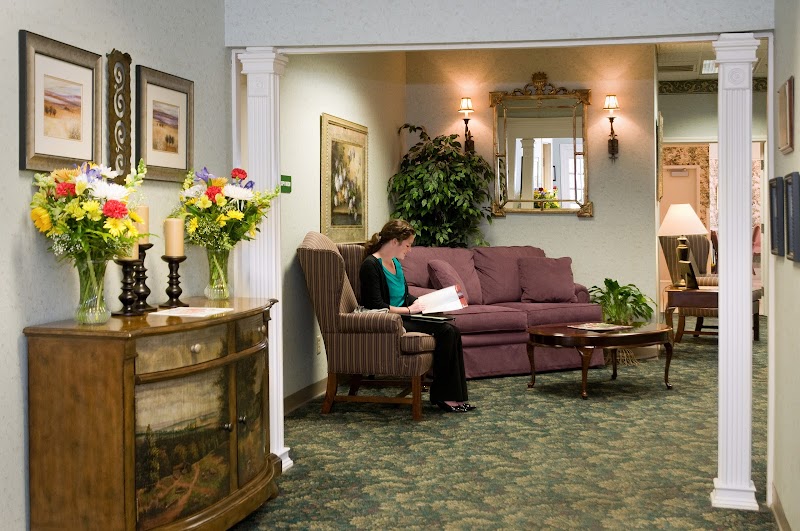
How is Green Valley Staffed?

CMS rates GREEN VALLEY CARE CENTER's staffing level at 3 out of 5 stars, which is average compared to other nursing homes. Staff turnover is 36%, compared to the Indiana average of 46%. This relatively stable workforce can support continuity of care.

What Have Inspectors Found at Green Valley?

State health inspectors documented 24 deficiencies at GREEN VALLEY CARE CENTER during 2022 to 2025. These included: 1 that caused actual resident harm and 23 with potential for harm. Deficiencies causing actual harm indicate documented cases where residents experienced negative health consequences.
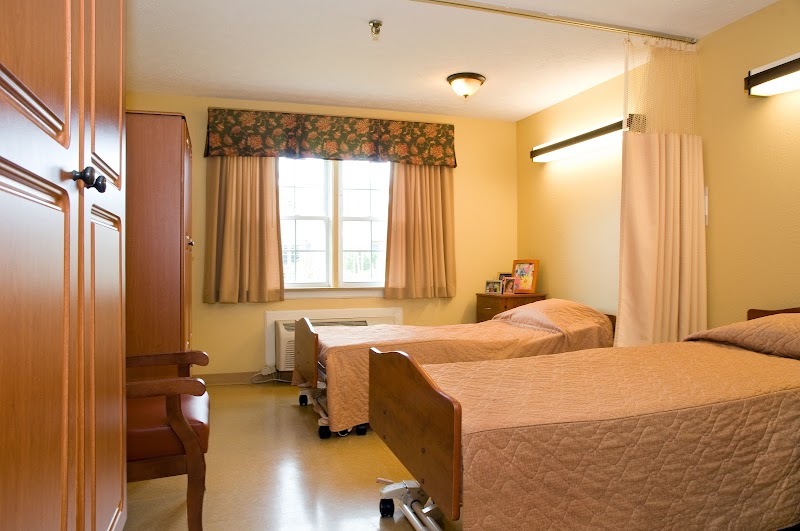
Who Owns and Operates Green Valley?

GREEN VALLEY CARE CENTER is owned by a government entity. Government-operated facilities are typically run by state, county, or municipal agencies. The facility is operated by LIFE CARE CENTERS OF AMERICA, a chain that manages multiple nursing homes. With 141 certified beds and approximately 122 residents (about 87% occupancy), it is a mid-sized facility located in NEW ALBANY, Indiana.
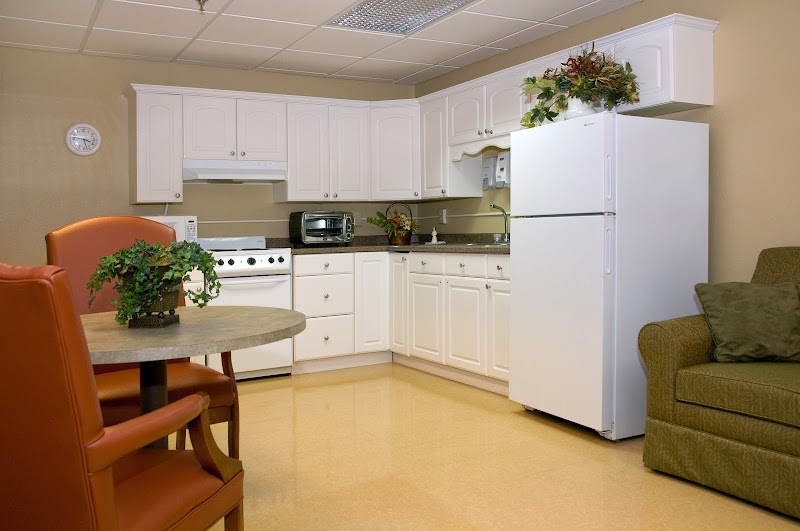
How Does Green Valley Compare to Other Indiana Nursing Homes?

Compared to the 100 nursing homes in Indiana, GREEN VALLEY CARE CENTER's overall rating (3 stars) is below the state average of 3.1, staff turnover (36%) is significantly lower than the state average of 46%, and health inspection rating (2 stars) is below the national benchmark.

What Should Families Ask When Visiting Green Valley?

Based on this facility's data, families visiting should ask: "What safeguards and monitoring systems are in place to protect residents from abuse or neglect?" "Can I visit during a mealtime to observe dining assistance and food quality?" "How do you handle medical emergencies, and what is your hospital transfer rate?" "Can I speak with family members of current residents about their experience?" These questions are particularly relevant given the substantiated abuse finding on record.

Is Green Valley Safe?

Based on CMS inspection data, GREEN VALLEY CARE CENTER has documented safety concerns. The facility has 1 substantiated abuse finding (meaning confirmed case of resident harm by staff or other residents). The facility has a 3-star overall rating and ranks #100 of 100 nursing homes in Indiana. Families considering this facility should ask detailed questions about what corrective actions have been taken since these incidents.

Do Nurses at Green Valley Stick Around?

GREEN VALLEY CARE CENTER has a staff turnover rate of 36%, which is about average for Indiana nursing homes (state average: 46%). Moderate turnover is common in nursing homes, but families should still ask about staff tenure and how the facility maintains care continuity when employees leave.

Was Green Valley Ever Fined?

GREEN VALLEY CARE CENTER has no federal fines on record. CMS issues fines when nursing homes fail to meet care standards or don't correct problems found during inspections. The absence of fines suggests the facility has either maintained compliance or corrected any issues before penalties were assessed. This is a positive indicator, though families should still review recent inspection reports for the full picture.

Is Green Valley on Any Federal Watch List?

GREEN VALLEY CARE CENTER is not on any federal watch list. The most significant is the Special Focus Facility (SFF) program, which identifies the bottom 1% of nursing homes nationally based on persistent, serious quality problems. Not being on this list means the facility has avoided the pattern of deficiencies that triggers enhanced federal oversight. This is a positive indicator, though families should still review the facility's inspection history directly.