LINCOLN HILLS OF NEW ALBANY
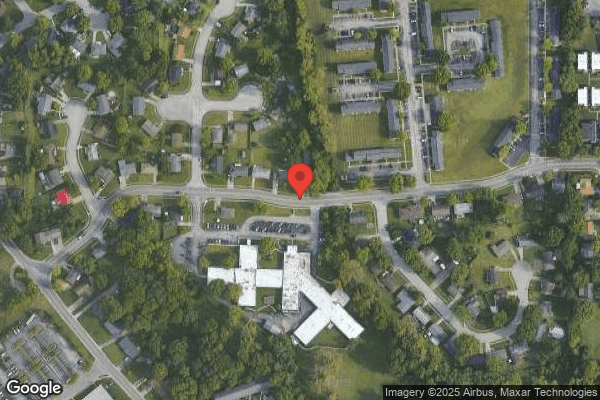

326 COUNTRY CLUB DRIVE, NEW ALBANY, IN 47150 (812) 948-1311
Government - County 156 Beds CARDON & ASSOCIATES Data: November 2025 1 Immediate Jeopardy citation
Trust Grade
33/100
#263 of 505 in IN
Last Inspection: September 2024

Within standard 12-15 month inspection cycle. Federal law requires annual inspections.

Overview

Lincoln Hills of New Albany has received a Trust Grade of F, indicating significant concerns about the quality of care provided. Ranking #263 out of 505 facilities in Indiana places it in the bottom half, and #4 out of 7 in Floyd County means only three local options are worse. The facility is showing an improving trend, having reduced its issues from five in 2024 to just one in 2025. Staffing is rated average with a turnover rate of 51%, which is close to the state average. However, the facility has incurred $68,689 in fines, which is higher than 96% of Indiana facilities and suggests ongoing compliance issues. There are serious concerns regarding resident care. For example, one critical incident involved a resident with respiratory failure who was not monitored properly and was later found unresponsive. Another serious finding noted a failure to prevent a resident's pressure ulcer from worsening to Stage 4, indicating inadequate skin care. Additionally, a resident who required assistance during transfers suffered serious injuries due to improper handling. Despite some strengths, such as average quality measures, these troubling incidents highlight significant weaknesses in care that families should carefully consider.

Trust Score
F
33/100
In Indiana
#263/505
Bottom 48%
Safety Record
High Risk
Review needed
Inspections
Getting Better
5 → 1 violations
Staff Stability
⚠ Watch
51% turnover. Above average. Higher turnover means staff may not know residents' routines.
Penalties
○ Average
$68,689 in fines. Higher than 61% of Indiana facilities. Some compliance issues.
Skilled Nurses
○ Average
Each resident gets 37 minutes of Registered Nurse (RN) attention daily — about average for Indiana. RNs are the most trained staff who monitor for health changes.
Violations
⚠ Watch
20 deficiencies on record. Higher than average. Multiple issues found across inspections.
★★★☆☆
3.0
Overall Rating
★★★☆☆
3.0
Staff Levels
★★★★★
5.0
Care Quality
★★☆☆☆
2.0
Inspection Score
Stable
2024: 5 issues
2025: 1 issues

The Good

  • 5-Star Quality Measures · Strong clinical quality outcomes
  • Full Sprinkler Coverage · Fire safety systems throughout facility
  • No fines on record

Facility shows strength in quality measures, fire safety.

The Bad

3-Star Overall Rating

Near Indiana average (3.1)

Meets federal standards, typical of most facilities

Staff Turnover: 51%

Near Indiana avg (46%)

Higher turnover may affect care consistency

Federal Fines: $68,689

Well above median ($33,413)

Moderate penalties - review what triggered them

Chain: CARDON & ASSOCIATES

Part of a multi-facility chain

Ask about local staffing decisions and management

The Ugly 20 deficiencies on record

1 life-threatening 2 actual harm
Feb 2025 1 deficiency
CONCERN (D) 📢 Someone Reported This

A family member, employee, or ombudsman was alarmed enough to file a formal complaint

Potential for Harm - no one hurt, but risky conditions existed

Comprehensive Care Plan (Tag F0656)

Could have caused harm · This affected 1 resident

Based on interview and record review, the facility failed to ensure a plan of care was in place timely, for a resident's non-compliance with a fall intervention related to the use of hipsters for 1 of...

Read full inspector narrative →
Based on interview and record review, the facility failed to ensure a plan of care was in place timely, for a resident's non-compliance with a fall intervention related to the use of hipsters for 1 of 3 residents reviewed for care plans. (Resident D) Findings include: The clinical record for Resident D was reviewed on 2/27/25 at 9:28 a.m. The resident's diagnoses included, but were not limited to, vascular dementia and abnormalities of the gait. The care plan, dated 7/22/24, indicated the resident was at risk for falls. The resident was to wear hipsters (help reduce the risk of injuries from a fall, such as hip fractures, through impact-absorbing foam pads) at all times as the resident would allow to decrease risk of injury with falls. The progress note, dated 2/20/25 at 9:24 p.m., indicated the resident was walking in the dining room and fell over onto her left hip. The residents' hipsters were not on. The nurse practitioner was notified and a new order received for an x-ray. The progress note, dated 2/21/25 at 1:26 a.m., indicated the resident was sent to the hospital due to a left hip fracture. The Interdisciplinary Team (IDT) note, dated 2/21/25 at 11:59 a.m., indicated the resident's hipsters were on her dresser. Per the staff, the resident does not like the hipsters and may remove them at times. On 2/26/25, a plan of care was implemented for non-compliance with fall interventions. The resident's plan of care lacked documentation of the resident's non-compliance with the fall intervention until 2/26/25. During an interview, on 2/27/25 at 10:53 a.m., Certified Nursing Aide (CNA) 4 indicated the resident frequently removed her hipsters and clothing and had done that for the past 2 to 3 months. The resident was able to dress and undress herself. During an interview, on 2/27/25 at 2:57 p.m., the Director of Nursing indicated the staff were aware the resident was removing her hipsters, but she was not. The resident was care planned for disrobing. During an interview, on 2/27/25 at 3:42 p.m., the Director of Nursing indicated the facility did not have a policy on care plans but they follow the Resident Assessment Instrument (RAI) manual. This Citation relates to Complaint IN00452723 3.1-35(a)
Sept 2024 5 deficiencies 1 Harm
SERIOUS (G)

Actual Harm - a resident was hurt due to facility failures

Pressure Ulcer Prevention (Tag F0686)

A resident was harmed · This affected 1 resident

Based on observation, record review and interview, the facility failed to ensure a resident was provided the care and services to prevent the development of skin breakdown for four areas, to ensure th...

Read full inspector narrative →
Based on observation, record review and interview, the facility failed to ensure a resident was provided the care and services to prevent the development of skin breakdown for four areas, to ensure the skin assessments identified a pressure ulcer prior to it becoming a Stage 3 wound, and the worsening of the Stage 3 pressure ulcer. This resulted in the wound worsening to a Stage 4 pressure ulcer. (Resident 18) Findings include: The record for Resident 18 was reviewed on 9/26/24 at 10:27 a.m. The resident's diagnoses included, but were not limited to, dementia, skin changes, Stage 4 pressure ulcer (full thickness ulcer with the involvement of the muscle or bone) of the left heel, limitation of activities due to disability, abnormalities of gait and mobilities, lack of coordination, Parkinsonism, hallucinations, left foot drop, neuralgia (nerve pain) and neuritis (inflammation of one or more nerves), and type 2 diabetes mellitus with diabetic nephropathy (kidney disease). The nurse's note, dated 10/16/23 at 12:15 p.m., indicated the resident arrived at the facility for admission. The physician's order, dated 10/16/23, indicated to elevate or offload the resident's heels while in bed, as tolerated. The resident was to be turned and repositioned per the plan of care. The care plan, dated 10/17/23, indicated the resident was at risk for skin breakdown related to decreased mobility, incontinence and a diagnosis of diabetes. The interventions, dated 10/26/23, included, but were not limited to, assist the resident with bed mobility as indicated, elevate heels as the resident would allow, monitor skin for signs of skin breakdown, apply a pressure reduction cushion in the wheelchair (if applicable), apply a pressure reduction mattress, turn and reposition for bed mobility, and per the resident's individual needs, and perform weekly skin assessments. The nurse's note, dated 10/18/23 at 8:00 a.m., indicated the resident's skin was assessed with scars to the bilateral knees and lower back, faded bruises on the bilateral shins, and the buttock, peri area, and heels were clean, dry and intact with dry flaky heels and feet. The admission MDS (Minimum Data Set) assessment, dated 10/25/23, indicated the resident was cognitively intact. The resident required substantial to maximal assistance of two staff members for rolling left and right, sitting to a lying position, and lying to a sitting position. The resident had no skin breakdown upon admission or refusal of care. The resident had bilateral lower extremity impairment. The resident was at risk for skin breakdown. The physician's orders, dated 11/29/23, indicated to place a low loss air mattress on the resident's bed and the licensed nurse was to perform weekly head to toe skin inspections. If any new areas were observed, the nurse was to complete a Skin Integrity Event once a day on Wednesdays. The physician's order, dated 11/30/23, indicated staff were to off-load the resident's heels every shift. The resident's clinical record indicated on the following dates the resident acquired four areas of skin breakdown. Three of the four areas had healed, and one area had worsened. a. The Events tab report, dated 11/30/24, indicated the resident had an unstageable wound to the right heel. The wound measured 2 cm (centimeters) long by 3 cm wide by an unmeasurable depth. The wound had healed on 12/21/23. b. The Events tab report, dated 12/26/23, indicated the resident had a Stage 3 (full thickness ulcer that extends to the subcutaneous tissue) open wound to the coccyx. The wound measured 1 cm long by 0.6 cm wide by 0.1 cm deep on 11/20/23. The wound had healed on 12/20/23. c. The Events tab report, dated 11/26/23, indicated the resident had an open area to the left side of the outer ankle. No documentation of a wound or size could be found. Upon observation on 9/26/24 the wound had healed. d. The Events tab report, dated 11/26/23, indicated the resident had an open area to the left heel. The wound management note, dated 11/30/23, indicated a Stage 3 facility acquired pressure ulcer to the resident's left heel was observed, and measured 3 cm long by 3 cm wide by 0.1 cm deep. The surface area measured 9 cm square. There was a moderate amount of serous exudate (clear or pale yellow, watery, thin plasma that leaks from a wound) with granulation tissue (new connective tissue that forms in a healing wound). The dressing order indicated to apply alginate calcium daily for 30 days, cover with an ABD pad, and apply a gauze roll over the dressing. The 12/7/23 Wound Company note indicated the wound to the left heel was improving. The wound management note, dated 12/14/23, indicated the Stage 3 facility acquired pressure ulcer to the resident's left heel measured 2 cm long by 2 cm wide by 0.1 cm deep. There was a light amount of serous exudate with 50% granulation tissue and 50% necrotic tissue. The wound had improved. The care plan, dated 12/14/23, indicated the resident had a Stage 3 pressure ulcer to the left heel. The interventions, dated 12/14/23, included, but were not limited to, provide treatment and monitoring per the physician's orders in the MAR (Medication Administration Record). The nurse's note, dated 12/15/23 at 12:41 p.m., indicated the treatment to the left heel were completed as ordered with no signs or symptoms of infection. The wound management note, dated 12/21/23, indicated the facility-acquired stage three pressure injury deteriorated to an unstageable facility acquired pressure ulcer to the left heel and measured 3 cm long by 3 cm wide by 0.1 cm deep. There was a moderate amount of serous exudate with 100% eschar (dead tissue that eventually sloughs off healthy skin) tissue. The wound physician assessed the wound and indicated the wound was stable, but not at the goal of healing. She would continue to follow weekly. The Wound Company note, dated 1/11/24, indicated a wound evaluation was completed. The wound had improved with a measurement of 1.5 cm long by 1.5 cm wide by 0.1 cm deep. There was 100% thick adherent devitalized necrotic tissue and a moderate amount of serous exudate. The wound management note, dated 1/11/24, indicated the Stage 3 facility acquired pressure ulcer to the resident's left heel had improved and measured 2 cm long by 1.5 cm wide by 0.1 cm deep. There was moderate serous exudate with 80% granulation tissue and 20% necrotic tissue. The physician's order, dated 1/18/24, indicated lift boots were to be placed while the resident was in bed and to check every shift. The wound management note, dated 2/1/24, indicated the Stage 3 facility acquired pressure ulcer to the resident's left heel measured 1.2 cm long by 1 cm wide by 0.1 cm deep. There was a moderate amount of serous exudate with 50% granulation tissue and 50% necrotic tissue and had deteriorated. The wound management note, dated 3/7/24, indicated the Stage 3 facility acquired pressure ulcer to the resident's left heel measured 1.5 cm long by 1 cm wide by 0.1 cm deep. There was light serous exudate with 30% slough, 70% subcutaneous tissue and 30% slough (cast off dead tissue). The wound was improving. The IDT (Interdisciplinary Team) note, dated 3/22/24 at 1:43 p.m., indicated the resident's left heel wound remained. The nurse's note, dated 3/4/24 at 2:56 p.m., indicated wound care was completed to the bilateral heels per the treatment orders. The area was very tender during the dressing change. A small amount of bleeding was observed to the left heel. The area was cleansed as ordered and the dressing was applied as ordered. The resident denied pain when the dressing change was completed. The wound management note, dated 4/4/24, indicated the Stage 3 facility acquired pressure ulcer to the resident's left heel measured 1.5 cm long by 1.5 cm wide. There was a moderate amount of serous exudate with 60% granulation tissue, 20% slough, and 20% necrotic tissue. The wound was declining. The physician's order, dated 4/17/24, indicated to administer 30 mL (milliliters) of Active Critical Care Liquid Protein three times daily and to place the resident in enhanced barrier precautions. The wound management note, dated 5/9/24, indicated the Stage 3 facility acquired pressure ulcer to the resident's left heel measured 1.5 cm long by 1.5 cm wide by 0.1 cm deep. There was a moderate amount of serous exudate with 100% necrotic tissue and was declining. The nurse's note, dated 5/27/24 at 11:44 a.m., indicated the left heel dressing was removed with a moderate amount of yellow drainage, indicating infection. The center of the wound had a small black center surrounded by white tissue. The wound management note, dated 5/30/24, indicated the Stage 3 facility acquired pressure ulcer to the resident's left heel was documented as a deep tissue injury and measured 4 cm long by 4 cm wide by 0.1 cm deep with a moderate amount of serous exudate. There was 100% granulation tissue, and the wound was declining. The nurse's note, dated 6/4/24 at 3:52 p.m., indicated the wound care was completed to the resident's left heel. The old dressing was removed, and a large amount of thin foul smelling yellow drainage was present indicating a wound infection. The wound bed had a small amount of pink and yellow slough. The wound was tender to the touch during the wound care. The nurse's note, dated 6/8/24 at 2:40 p.m., indicated when the resident's wound care was completed to the left heel, the old dressing had a large amount of serous drainage and a slight odor. The wound management note, dated 6/12/24, indicated the unstageable facility acquired pressure ulcer to the resident's left heel measured 5 cm long by 5 cm wide by 0.1 cm deep. There was a moderate amount of serous exudate with 50% granulation tissue and necrotic tissue. The wound was declining. The nurse's note, dated 6/14/24 at 5:56 p.m., indicated when wound care was completed, the old dressing had yellow/greenish drainage, and some odor. There was no change from the assessment on the previous day. The nurse's note, dated 6/17/24 at 4:00 p.m., indicated the dressing change was completed to the resident's left heel, with decreased yellow drainage. The nurse's note, dated 6/20/24 at 11:45 a.m., indicated the resident was seen by the wound physician for the left heel ulcer. The resident indicated she had increased pain due to the procedure being done at bedside. The PRN (as needed) hydrocodone was given for the left heel pain. The dressing change was done to the left heel per the wound nurse and physician. The Wound Company evaluation, dated 6/20/24, indicated the wound to the left heel was staged as unstageable, due to the necrotic tissue. The wound measured 2 cm long by 2 cm wide by 0.1 cm deep. There was 50% thick adherent devitalized necrotic at and 50% granulation tissue. The wound was documented as improved due to the decreased surface area. The dressing was to apply Santyl daily for 9 days and to apply a Mesalt sheet daily for 22 days. Apply a gauze island with border daily for 30 days. Offload the wound and reposition per facility protocol. The wound management note, dated 6/27/24, indicated the resident's wound was now a Stage 4 facility acquired pressure ulcer to the left heel measured 2 cm long by 2 cm wide by 0.1 cm deep with moderate serous exudate. There was 50% granulation tissue and 50% necrotic tissue and was improving. The wound management note, dated 7/18/24, indicated the Stage 4 facility acquired pressure ulcer to the resident's left heel measured 2 cm long by 2.3 cm wide by 0.4 cm deep with a moderate amount of serous exudate. There was 80% granulation tissue and 20% necrotic tissue. The wound was improving. The Wound Company evaluation, dated 7/24/24, indicated the risks and benefits of using human tissue-based skin substitute graft treatment was discussed with the resident's family member. The family member and physician agreed to proceed with the placement during the subsequent wound care visit. The wound nurse's note, dated 8/5/24 at 1:16 p.m., indicated the pressure ulcer to the resident's left heel measured 2 cm long by 2 cm wide by 1 cm deep with 100% granulation and moderate serous drainage. The wound was stable with the skin substitute not intact. The physician's order, dated 8/26/24, indicated to cleanse the left heel wound with normal saline or wound cleanser and pat dry. Apply Mesalt (dressing used to help manage wounds that are discharging heavily or are infected) and cover with an ABD (abdominal pad). Wrap the dressing with rolled gauze and apply tape. Wrap the rolled gauze with an ACE wrap. Provide dressing changes as needed for soiled or dislodged dressing per physician's orders. Do not disturb the wound bed more than 6 times per day as needed. The wound nurse's note, dated 8/27/24 at 1:12 p.m., indicated during a follow-up of the left foot dressing, the dressing had been replaced. The dressing was removed over the weekend and the skin substitute was absent. The wound measured 2 cm long by 2 cm wide and had improved. The Quarterly MDS assessment, dated 7/17/24, indicated the resident had bilateral lower extremity impairment. She used a wheelchair for mobility. She required substantial or maximal assistance for putting on or taking off footwear. The wound management note, dated 8/29/24, indicated the Stage 4 facility acquired pressure ulcer to the left heel, measured 1.9 cm long by 1.5 cm wide by 0.3 cm deep with a moderate amount of serous exudate. There was 100% granulation tissue, and the wound was improving. The physician's order, dated 8/29/24, indicated the left heel wound dressing was to be left intact with the skin substitute left in place. The skin substitute was to only be replaced if soiled or dislodged as needed. Do not disturb the wound bed. The skin substitute was to be changed per the wound physician or wound nurse on Thursdays during wound rounds unless soiled or dislodged. The physician's order, dated 8/29/24, indicated to apply Mesalt to the left heel wound and cover with an ABD, wrap with rolled gauze, and apply tape. Wrap the dressing with ACE wrap. The dressing may be replaced if it became soiled or dislodged as needed. This was to be completed by the wound physician or wound nurse manager on Thursdays with the new skin substitute. The wound management note, dated 9/19/24, indicated the Stage 4 facility acquired pressure ulcer to the resident's left heel, measured 0.9 cm long by 1.2 cm wide by 0.3 cm deep with a moderate amount of serous exudate. There was 100% granulation tissue, and the wound was improving. The wound nurse's note, dated 9/24/24 at 1:35 p.m., indicated a follow-up visit by the wound physician was performed on the left heel pressure ulcer. The dressing was to be kept clean, dry and intact per the physician's orders with a skin substitute in place. The wound management note, dated 9/26/24, indicated the Stage 4 facility acquired pressure ulcer to the resident's left heel, measured 0.8 cm long by 1.2 cm wide by 0.2 cm deep with a moderate amount of serous exudate. There was 100% granulation tissue and was improving. During an interview on 9/26/24 at 8:54 a.m., the wound physician indicated the resident's wound to the left heel wasn't responding well, so a placenta membrane graft was used. After the placenta membrane graft there was a 50% reduction in the wounds size. The wound had been stagnant forever. Pressure was the cause of the wound. The resident had multiple comorbidities of dementia, obesity, and diabetes mellitus. Positioning was a big issue. Even with the boots on the resident, it was hard to get her heels offloaded. She was compliant with turning and repositioning and keeping the boots on. The wound physician had changed treatments over the last year. The skin grafts helped with hormonal stimulation. During an observation and interview on 9/26/24 at 11:00 a.m., the wound physician indicated the resident's left heel wound, measured 1.2 cm x 0.9 cm wide. The resident's oxygen saturations were acceptable now. The wound nurse indicated the resident had her pain medications and she asked the resident if she was experiencing pain. The resident indicated she still had some pain. The wound physician indicated the skin substitute had just been removed, but it would dissolve over time. The wound bed was a beefy red. The skin substitute was ordered weekly for ten weeks. The wound had improved over the last four weeks. The start date of the left heel wound was on 11/23/23. The resident's heels were offloaded, and the preventative measures were in place on 10/26/23. The resident was independent enough and could remove the preventative measures if she wanted to. The wound physician indicated the resident's left heel wound was not unavoidable, since there needed to be more indicators for that diagnosis. The Skin Assessment policy, dated 2/1/19, included, but was not limited to, . Procedure: Residents within a [corporate company] will have a head-to-toe skin assessment completed by a licensed nurse upon admission and weekly thereafter . committed to providing quality care to our residents by implementing clinical guidance and best practices for management of wounds and other skin conditions throughout a resident's stay . 3.1-40(a)(1)
CONCERN (D)

Potential for Harm - no one hurt, but risky conditions existed

Accident Prevention (Tag F0689)

Could have caused harm · This affected 1 resident

Based on observation, record review, and interview, the facility failed to ensure a hot liquid assessment was completed for a resident with a decline in function for 1 of 4 residents reviewed for acci...

Read full inspector narrative →
Based on observation, record review, and interview, the facility failed to ensure a hot liquid assessment was completed for a resident with a decline in function for 1 of 4 residents reviewed for accidents. (Resident 80) Findings include: During an observation on 9/23/24 at 12:30 p.m., Resident 80's lunch tray was sitting on the table within the resident's reach. No staff were in the resident's room. The resident was able to pull the tray close to him and pick up his spoon. He attempted to pick up his peaches. Due to the resident's bilateral hand contractures, he was unable to pick up the small bowl of peaches. He attempted to pick up a peach with his spoon and was unable to do so. The record for Resident 80 was reviewed on 9/24/24 at 11:00 a.m. The resident's diagnoses included, but were not limited to, moderate intellectual disabilities, limitation of activities due to his disability, contracture of the right hand, contracture of the left hand, contracture of muscle on the right hand, contracture of the muscle on the left hand, and abnormal posture. The Quarterly Minimum Data Set (MDS) assessment, dated 7/4/24, indicated the resident was severely cognitively impaired. The resident had functional limitations in range of motion and required moderate assistance with eating. The nurse's note, dated 1/17/24 at 3:49 p.m., indicated Resident 80 was observed to have spilled soup in his lap during lunch. The resident was brought back to his room after lunch for an assessment. The resident had a red and pink area to his right inner thigh. A therapy and nursing interdisciplinary communication form was completed, related to self-feeding difficulties. The physician order, dated 1/17/24, indicated staff were to apply skin prep to the resident's burn area on the right inner thigh every shift twice a day upon rising and before bedtime. The nurse's note, dated 1/18/24 at 9:54 a.m., indicated the resident's skin was assessed by the nurse for a post event follow-up. Redness was observed to the right inner thigh measuring 4.5 cm(centimeters) long by 2.5 cm wide. The nurse's note, dated 1/21/24 at 5:59 p.m., indicated the burn area to the resident's inner thigh had healed at that time. During an interview on 9/30/24 at 9:38 a.m., the DON (Director of Nursing) indicated the resident could feed himself at times. He could pick up finger foods such as sandwiches. Staff encouraged him to eat and if he needed assistance, they would assist him. His hot liquids should be put in a cup with a lid on it. The facility did not do a hot liquid evaluation on the residents and there was no policy for hot liquids. During an interview on 9/30/24, at 10:00 a.m., OT (Occupational Therapy) 2 indicated the resident could handle finger foods. He would use two to three fingers to pick the food up due to his contractures. He had to be positioned straight up in his chair due to the potential for choking. Soups would be difficult for him to handle. The staff should put hot liquids in a cup with a lid. The resident could be impulsive at times and grabbed for his food. She was not aware he received a burn from soup, but she would have concerns giving him anything hot that was not in a cup with a lid on it. 3.1-45(a)
CONCERN (E)

Potential for Harm - no one hurt, but risky conditions existed

Deficiency F0565 (Tag F0565)

Could have caused harm · This affected multiple residents

Based on record review and interview, the facility failed to promptly resolve the grievances made by the Resident Council and discussed the resolutions/responses at the next Resident Council meeting d...

Read full inspector narrative →
Based on record review and interview, the facility failed to promptly resolve the grievances made by the Resident Council and discussed the resolutions/responses at the next Resident Council meeting during 3 of 9 Resident Council meetings. (February, April, and August 2024) Findings include: During the Resident Council meeting on 9/24/24 at 9:55 a.m., with 13 residents whom the Activities Director indicated were alert and oriented. The residents voiced that they had the meetings and voiced their concerns, and then that was the last they heard. They never knew what the outcome was to their concerns. They indicated it was not discussed in the next month's meeting. 1. The Resident Council meeting, held on 2/2/24, indicated the following concerns were not addressed by the responsible department or resolved: - Resident 34 was missing clothes. - Residents were tired of the same menu. The kitchen needed to cut back on the salt in the food. No response to these concerns could be located. During the meeting, the residents voiced concerns about not getting their clothes back. The Director of Laundry responded on 2/2/24, that she would speak with the laundry staff and that as long as things were labeled, they would try to make sure they got to the correct residents. The residents voiced concerns that the third shift CNA (Certified Nursing Aide) on B hall needed to do a better job. On 2/2/24, the Director of Nursing (DON) responded that she would educate and discipline the staff. These concern responses were not signed by the Resident Council President. Documentation was lacking of the departments' responses being discussed in the next month's meeting. 2. The Resident Council meeting, held on 4/5/24, indicated the following concerns were not addressed by the responsible department or resolved: - Resident 34 was missing clothes. - Tired of the same menu. Needed to cut back on the salt in the food. No response to these concerns could be located. 3. The Resident Council meeting, held on 8/2/24, indicated the following concerns were not addressed by the responsible department or resolved: - Resident 62 was missing pants. - Although the food tasted good, residents would like more choices. No response to these concerns could be located. During the meeting, the residents voiced they would like the shower times and days to be the same every time and call lights needed to be answered faster. On 8/2/24, the DON responded that she would educate the staff. Documentation was lacking of the Nursing department's responses being discussed in the next month's meeting. During an interview with the Activities Director on 9/24/24 at 11:20 a.m., he indicated there was no place on the Resident Council Minutes form to write what the old business was, but that he did go over last month's concerns and resolutions with the residents at the next meeting. During an interview with RN 1 on 9/30/24 at 9:40 a.m., she indicated the facility did not have a policy on Resident Council. They followed the State and Federal rules on Resident Rights. During an interview with the Social Services Director on 9/30/24 at 9:45 a.m., she indicated the facility did not have a grievance policy. They followed the Resident Rights. During an interview with the ED (Executive Director) on 9/30/24 at 3:00 p.m., she indicated any issues raised in Resident Council meetings were written on a concern form for the responsible department to address. It was then gone over with the Resident Council President as he signed the concern forms. She was not aware the resolutions (old business) were not being brought to the Resident Council at the next meeting. The old Resident Council forms did have a place to write about old business and if there were resolutions to their concerns or it was still being worked on. She did not know why the new forms did not have this section. 3.1-3(k) 3.1-3(l) 3.1-7(a)(2)
CONCERN (E)

Potential for Harm - no one hurt, but risky conditions existed

Deficiency F0576 (Tag F0576)

Could have caused harm · This affected multiple residents

Based on record review and interview, the facility failed to ensure the residents received their mail on Saturdays when it was delivered to the facility. This deficient practice had the potential to a...

Read full inspector narrative →
Based on record review and interview, the facility failed to ensure the residents received their mail on Saturdays when it was delivered to the facility. This deficient practice had the potential to affect 109 residents currently residing in the facility. Findings include: During the Resident Council meeting on 9/24/24 at 9:55 a.m., with 13 residents whom the Activities Director indicated were alert and oriented. The residents voiced that they were not receiving any mail on Saturdays. They indicated they knew it was being delivered to the facility as they had seen the mailman come in. During an interview with the Activities Director on 9/30/24 at 9:15 a.m., he indicated the mail during the week was passed by him. If the Friday mail came in late in the afternoon, he would go ahead and pass it before he left for the day. The mail was being delivered to the facility on Saturdays, but someone had to sort through it and remove the mail the residents were not supposed to receive such as bills. He did not know who did the sorting on Saturday, but any mail that came in on Saturday was not delivered until Monday when he came in. During an interview with RN 1 on 9/30/24 at 9:40 a.m., she indicated the facility did not have a policy on the mail delivery. The facility followed the State and Federal rules on Resident Rights. During an interview with the Executive Director (ED) on 9/30/24 at 3:00 p.m., she indicated that usually the residents did receive their mail on Saturdays, but they had been short a weekend receptionist on duty for a couple of weeks. The weekend receptionist was responsible for sorting the mail for Activities to then pass to the residents. During this time, the residents did not receive mail on Saturdays. 3.1-3(s)(1)
CONCERN (E)

Potential for Harm - no one hurt, but risky conditions existed

Pharmacy Services (Tag F0755)

Could have caused harm · This affected multiple residents

Based on observation, record review and interview, the facility failed to ensure narcotics were documentated on the Controlled Drug Record of the administered narcotics for 6 of 68 residents observed ...

Read full inspector narrative →
Based on observation, record review and interview, the facility failed to ensure narcotics were documentated on the Controlled Drug Record of the administered narcotics for 6 of 68 residents observed for medication storage on the C and E Hall medication carts. (Residents 104, 21, 60, 26, 3, and 54) Findings include: 1. During an observation on 9/25/24 at 1:53 p.m., of the C Hall medication cart, the following were identified: a. Resident 104's oxycodone 10 mg (milligrams) Controlled Drug Record had a count of 7 tablets left. The resident's medication card contained 6 tablets of the oxycodone. The last dose signed out on the Controlled Drug Record was on 9/25/24 at 2:44 a.m. The clinical record was reviewed on 9/29/24 at 1:20 p.m., the physician's order, dated 9/20/24, indicated the resident received the oxycodone 10 mg every 4 hours as needed for pain. The resident's September MAR (Medication Administration Record) indicated the resident's last dose of oxycodone 10 mg was administered on 9/25/24 at 12:38 p.m., by LPN (Licensed Practical Nurse) 3. b. Resident 21's hydrocodone/APAP (acetaminophen) 5-325 mg Controlled Drug Record had a count of 8 tablets left. The resident's medication card contained 7 tablets of the hydrocodone/APAP. The last dose signed out on the Controlled Drug Record was on 9/24/24 at 9:00 p.m. The clincial record was reviewed on 9/29/24 at 1:24 p.m., the physician's order, dated 9/19/24, indicated the resident received the hydrocodone/APAP 5-325 mg twice a day for pain. The resident's September MAR indicated the resident's last dose of hydrocodone 5-325 mg was administered on 9/25/24 between 7:00 a.m. and 11:00 a.m., by LPN 3. c. Resident 60's Tramadol 50 mg Controlled Drug Record had a count of 18 tablets left. The resident's medication card contained 17 tablets of the Tramadol. The last dose signed out on the Controlled Drug Record was on 9/24/24 at 8:00 p.m. The clinical record was reviewed on 9/29/24 at 1:27 p.m., the physician's order, dated 9/13/24, indicated the resident received the Tramadol 50 mg twice a day for pain. The resident's September MAR indicated the resident's last dose of Tramadol 50 mg was administered on 9/25/24 between 7:00 a.m. and 11:00 a.m., by LPN 3. d. Resident 26's Clonazepam 0.5 mg Controlled Drug Record had a count of 14 tablets left. The resident's medication card contained 13 tablets of the Clonazepam. The last dose signed out on the Controlled Drug Record was on 9/24/24 at 8:00 p.m. The clinical record was reviewed on 9/29/24 at 1:29 p.m., the physician's order, dated 9/18/24, indicated the resident received the Clonazepam 0.5 mg twice a day for anxiety disorder. The resident's September MAR indicated the resident's last dose of Clonazepam 0.5 mg was administered on 9/25/24 between 7:00 a.m. and 11:00 a.m., by LPN 3 e. Resident 3's Clonazepam one half tablet of 0.5 mg (0.25 mg) Controlled Drug Record had a count of 17 tablets left. The resident's medication card contained 16 tablets of the Clonazepam. The last dose signed out on the Controlled Drug Record was on 9/24/24 at 8:00 p.m. The clincial record was reviewed on 9/29/24 at 1:32 p.m., the physician's order, dated 6/6/24, indicated the resident received the Clonazepam one half tablet of 0.5 mg (0.25 mg) three times daily for anxiety disorder. The resident's September MAR indicated the resident's last dose of Clonazepam one half tablet of 0.5 mg (0.25 mg) was administered on 9/25/24 between 7:00 a.m. and 11:00 a.m., by LPN 3. f. Resident 3's Tramadol 50 mg Controlled Drug Record had a count of 14 tablets left. The resident's medication card contained 13 tablets of the Tramadol. The last dose signed out on the Controlled Drug Record was on 9/24/24 at 8:00 p.m. The clincial record was reviewed on 9/29/24 at 1:35 p.m., the physician's order, dated 6/30/23, indicated the resident received the Tramadol 50 mg three times daily for chronic pain. The resident's September MAR indicated the resident's last dose of Tramadol 50 mg was administered on 9/25/24 between 7:00 a.m. and 11:00 a.m., by LPN 3. During an interview on 9/25/24 at 1:58 p.m., LPN 3 indicated she should have signed out each narcotic as she pulled it. 2. During an observation on 9/25/24 at 2:21 p.m., E Hall medication cart, the following was observed: Resident 54's hydrocodone/APAP 5-325 mg Controlled Drug Record had a count of 11 tablets left. The resident's medication card contained 10 tablets of the hydrocodone/APAP. The last dose signed out on the Controlled Drug Record was on 9/24/24 at 8:30 p.m. The clinical record was reviewed on 9/29/24 at 1:40 p.m., the physician's order, dated 8/28/24, indicated the resident received the hydrocodone/APAP 5-325 mg every 6 hours as needed for pain. The resident's September MAR indicated the resident's last dose of hydrocodone 5-325 mg was administered on 9/25/24 at 9:13 a.m., by LPN 4. During an interview on 9/25/24 at 2:25 p.m., LPN 4 indicated she should have signed the narcotic out after it was given. During an interview on 9/26/24 at 8:39 a.m., the DON (Director of Nursing) indicated nurses should sign narcotics out once it was given. Neither of the nurses did that. They needed to show that the count was correct and that there were no narcotic discrepancies. The current Clinical Policy and Procedure for Scheduled Drugs, included but was not limited to, . Step 2: Passing of Scheduled Drugs. Immediately after a dose of a scheduled drug is administered, the licensed nurse administering the schedule drug is to enter all of the following information on the green sheet attached hereto as Exhibit 1: Date and time of administration. Dose administered. Signature of nurse administering the dose. Remaining Doses . 3.1-25(b)(1)(c)
Dec 2023 1 deficiency
CONCERN (D) 📢 Someone Reported This

A family member, employee, or ombudsman was alarmed enough to file a formal complaint

Potential for Harm - no one hurt, but risky conditions existed

Deficiency F0744 (Tag F0744)

Could have caused harm · This affected 1 resident

Based on observation, record review, and interview, the facility failed to ensure appropriate interventions, supervision, and care were provided for a resident with dementia related behaviors for 1 of...

Read full inspector narrative →
Based on observation, record review, and interview, the facility failed to ensure appropriate interventions, supervision, and care were provided for a resident with dementia related behaviors for 1 of 3 residents reviewed for Dementia Care. (Resident B) Findings include: The record for Resident B was reviewed on 12/18/23 at 9:15 a.m. The diagnoses included, but were not limited to, Alzheimer's disease, dementia with other behavioral disturbance, severe with anxiety, colostomy status, need for assistance with personal care, attention and concentration deficit, and mild cognitive impairment of uncertain or unknown etiology. The care plan, dated 11/15/22, indicated the resident required care and assistance for his colostomy with a potential for complications. The interventions included, but were not limited to, change the ostomy as ordered, provide care as ordered, report abdominal distention or discomfort, erythema, edema, tenderness, or drainage to stoma. The Social Services note, dated 1/25/23 at 8:50 a.m., indicated the resident had increased confusion. He was stating he was leaving. He was able to be redirected and had a wander guard in place. He was then found at the doors again with his jacket on and his pictures in his hands. The IDT (Interdisciplinary Team) met with the resident's family and discussed moving him to the Memory Care Unit. The Social Services note, dated 1/25/23 at 9:55 p.m., indicated the resident's family agreed to place him on the secured unit. The Social Services note, dated 1/31/23 at 9:06 p.m., indicated the resident was adjusting well to the Memory Care Unit. He participated in activities, enjoyed listening to live music, and had no exit seeking behaviors. He did flirt with women, but it was not inappropriate. The care plan, dated 1/31/23, indicated the resident had a diagnosis of dementia which negatively impacted his cognition and judgement, causing him to require a locked, structured unit. The interventions included, but were not limited to, educating family of the disease process, encouraging the resident to eat in the dining room, participate in activities, and provide cues and reminders, as necessary. The care plan, dated 1/31/23, indicated the resident frequently liked to compliment women and tell them how beautiful they were. The interventions included, but were not limited to, encouraging outings with the resident's family on Thursday nights for a change in scenery, ensure he was not making the other person uncomfortable, remove him from that person if he was, and keep the resident active in facility life. The care plan had no revision or additional interventions after it's initiation on 1/31/23. The Social Services note, dated 2/9/23 at 3:57 p.m., indicated a care plan meeting was held with the resident's family. The family member stated Resident B liked to flirt with the ladies and asked the facility to please document that he did that because he meant no harm. The nurse's note, dated 2/11/23 at 9:39 p.m., indicated the resident came out of his room without any underwear on and went into another female resident's room. He was asked not to go into anyone's room, and to put on his underwear. He apologized and went back to his room and got back into bed. The care plan, dated 2/23/23, indicated the resident urinated in other resident's rooms in their trash cans and their beds. The interventions included, but were not limited to, remind the resident to go to the restroom frequently and when walking down the hall redirect him to his room. The care plan, dated 2/23/23, indicated the resident masturbated without closing the door or pulling the curtain and would disrobe in public. The interventions included, but were not limited to, attempt to stop him before he leaves with no clothes on and remind him, he needed to wear clothing, encourage family outings for change in scenery, psychiatric services, and pull curtain and shut for the resident as needed. The nurse's note, dated 2/26/23 at 3:04 p.m., indicated the resident was continuously going in female rooms. When staff attempted to redirect him, he began to curse at staff. The resident threatened staff when redirected stating he was going to knock her head off and calling her names. The resident was standing behind staff continuing to call names and curse at her. He refused to move when asked. He eventually walked into the dining area and sat at a table. The resident cursed at two other female residents when sitting at table with them. He had no further behaviors. The nurse's note dated 2/27/23 indicated the Psychiatric NP (Nurse Practitioner) gave new orders for Paxil 20 mg daily for increased agitation and anxiety. The Social Services note, dated 2/27/23 at 8:56 p.m., indicated the MCC (Memory Care Coordinator) spoke with the resident's family concerning the weekend events. The resident had a history of getting confused when finding his room. A picture would be placed on his door to help him find his room to help him not wander into other resident rooms. The resident was very active and attended all activities that day. He was in a pleasant mood with no behaviors. The nurse's note, dated 2/28/23 at 4:50 a.m., indicated the resident was asked several times to stay out of female resident rooms. He was not easy to redirect. He went back in the same rooms again and would get angry and start cursing when asked to come out. The nurse's note, dated 3/21/23 at 10:39 a.m., indicated the resident tried to change his colostomy bag and placed toilet paper on his stoma. The nurse cleaned and changed the colostomy and would continue to monitor. The Social Services note, dated 4/20/23 at 4:58 p.m., indicated the resident was seen by psychiatric services with no new orders. He continued to remain very active in facility life and attended and participated in most activities. He continued to be flirtatious with female staff but had not done anything inappropriate. The Social Services note, dated 4/27/23 at 5:11 p.m., indicated the resident was seen by psychiatric services and started on mirtazapine and Depakote. The Social Services note, dated 5/12/23 at 3:44 p.m., indicated the resident continued to wander around the neighborhood and went into other residents' rooms but was now just focusing in on female residents' rooms. When the nurse attempted to redirect him, he balled his fist up and stated he was not going to move out of the room. Other staff assisted and the resident exited the room. The resident had a flirtatious demeanor since admitting to the neighborhood and usually was easy to redirect but lately he had some underlying anger issues and his focus, even when participating in activities, was on women. The Psychiatric NP was notified and gave orders to start the resident on a Climara patch. Staff had been monitoring closely and redirecting. The nurse's note, dated 5/30/23 at 10:57 a.m., indicated the resident continued to be flirtatious with female staff. He urinated in the dining room that morning and stated, they told him to. The nurse's note, dated 6/6/23 at 10:54 a.m., indicated the resident was redirected several times to his restroom. He was attempting to use the restroom in the hallway and in other resident rooms. The nurse's note, dated 6/9/23 at 1:33 p.m., indicated the resident took his colostomy off and threw it in another resident's room. He was taken to his room and cleaned up and a new colostomy wafer and bag were applied. The resident's care plan was not updated with any interventions or goals related to the resident's behavior of removing his colostomy bag. The nurse's note, dated 6/14/23 at 3:48 p.m., indicated new orders were given to increase the resident's Paxil to 30 mg daily. The nurse's note, dated 6/19/23 at 11:15 a.m., indicated the resident was attempting to push other residents in their wheelchairs and trying to feed residents He became agitated and verbally aggressive when staff attempted to redirect him. He kept stating he wanted something to eat when his plate was in front of him untouched. Staff attempted to show it to him, and he became argumentative. The nurse's note, dated 6/28/23 at 2:05 a.m., indicated the resident's colostomy bad was changed and he was educated on the rationale of keeping his colostomy bag in place. The nurse's note, dated 7/7/23 at 10:27 a.m., indicated the resident removed his colostomy and threw it in the trash. The bag was changed. The Quarterly MDS (Minimum Data Set) assessment, dated 7/12/23, indicated the resident was severely cognitively impaired and had no behaviors. The nurse's note, dated 7/24/23 at 9:00 a.m., indicated the resident was redirected from pushing another resident in her wheelchair and became verbally aggressive stating I will knock you're a** out to the nurse. He was again redirected and put his fists up and stood there stating he was going to hit the nurse. He walked off cussing and went to the dining area to sit at a table with another resident. Staff would continue to monitor. The nurse's note, dated 7/24/23 at 11:00 a.m., indicated the resident was redirected not to push resident's wheelchairs. The resident because verbally aggressive with the nurse and walked over to the nurse's station where another nurse was charting stating he was going to hit the nurse in the mouth. The nurse attempted to redirect the resident, the resident then put up his fists and jumped forward to hit the nurse's hand with his fist. The nurse blocked. The resident then started whispering f**k you several times, stating you're ugly several times while walking down the hall and returning to his room. The nurse's note, dated 7/24/23 at 12:45 p.m., indicated the resident was in the dining room trying to push a female in her wheelchair. The nurse tried to redirect the resident and asked him to go for a walk with her. He stated, Yes I will go for a walk with you outside so I can beat you're a** because you are so ugly! The nurse walked away, as the resident was away from other residents. Therapy took the resident to the gym to help defuse. Social Services and psychiatric services were notified. The Social Services note, dated 7/24/23 at 1:12 p.m., indicated the resident had been agitated most of the day and during report from weekend staff they stated he had been like that all weekend. He liked to push female residents in their wheelchairs even if they did not want pushed. When staff intervened, he would ball up his fists and threaten them. He had struck two nurses on that day. This SSD would speak to him after the incident and due to his cognitive deficits, he did not remember the incident. The SSD also was intervening when he stated, I'm going to have you arrested but before that I am going to kick your a**. The Psychiatric NP was informed and gave new orders to increase his Depakote to 250 mg twice daily with meals. The Social Services note, dated 7/24/23 at 3:24 p.m., indicated the resident on three different occasions was yelling names and threatening to hit female staff when they were redirecting him out of other resident rooms. The resident's family was contacted and they were on the way to speak with him. He was currently with the MCC in one on one. Every time the MCC tried to speak to him he would turn it into an argument. The nurse's note, dated 7/29/23 at 12:58 p.m., indicated the resident tried to take another resident's sweater off her walker earlier in the shift. The resident asked him to leave it alone because it was hers. Resident B got agitated and told the female resident he would take it if he liked. The nurse intervened and was able to redirect the resident. The nurse's note, dated 8/3/23, indicated the psychiatric NP was in and ordered to change the resident's Depakote to 125 mg three times daily. The nurse's note, dated 8/8/23 at 12:55 a.m., indicated the resident was exit seeking, combative, placed his colostomy bag in the refrigerator, spit phlegm in inappropriate areas, forcefully shook the medication cart drawer handles in attempt to gain entry, and was very disruptive and disturbing to other residents. He required constant redirection all shift and did not sleep. He drew back his fists as if he was going to strike staff while exhibiting very angry facial expressions. The refrigerator was emptied, a new colostomy bag was given, the resident was given a snack and encouraged to watch an episode of his favorite show, the X-files, and he was encouraged not to hit staff. Communication was placed in the physician's rounding book. Staff were rounding per the facility protocol. The Social Services note, dated 8/8/23 at 2:05 p.m., indicated when an activities staff member mentioned she was getting hot the resident stated, Take off all your clothes and I will watch. The resident was redirected back into the facility. The care plan, dated 8/8/23, indicated the resident had sexually inappropriate behaviors which required the use of Depakote. The only intervention was when the resident became aggressive, to give him space and allow him to calm down then re-approach him. The care plan did not provide any resident specific interventions for de-escalation of behaviors or safety of the resident and others. The care plan lacked documentation of any revision or new interventions past its initiation on 8/8/23. The nurse's note, dated 8/8/23 at 4:17 p.m., indicated the resident was seen by the NP and received new orders for a CBC (Complete Blood Count), BMP (Basic Metabolic Panel), and a urinalysis with c&s (Culture and Sensitivity). The Social Services Note, dated 8/21/23 at 10:46 a.m., indicated the resident had some increased agitation and cursing noted over the weekend. At times he could be hard to redirect but usually if another staff member came to assist; he would go with that other staff member without incident. He was placed on the list to have Psychiatric services see him. The Social Services note, dated 8/24/23 at 4:08 p.m., indicated the psychiatric NP increased the resident's Depakote for mood stabilization. The Social Services note, dated 8/30/23 at 5:00 p.m., indicated the resident was in the dining room waiting for dinner. He was pushing female residents in their wheelchairs even if they weren't ready to be pushed to a table. The MCC thanked the resident for his help but asked him to please leave the other resident alone. He turned around and stared at the MCC with a furrowed brow and piercing eye expression. She got the resident a cup of coffee and he went and sat with some other ladies. She then noticed arguing coming from that table and the female resident began to yell at the resident and told him to quit talking to her. The resident laughed, pointed his finger, and said things to the female resident who was getting visually upset along with two other ladies sitting there. She offered him to sit at another table with a male resident and to freshen his coffee. He proceeded to tell the MCC what she needed to do and was making fun of other staff members. He was redirected but only lasted a short time before he was up and trying to push other residents again. The nurse's note, dated 9/12/23 at 2:40 a.m., indicated the resident had increased sexual behaviors. The CNA (Certified Nurse Aide) found the resident with barrier cream on his hands, putting it in his anus. The physician was notified through the communication binder. The Social Services note, dated 9/12/23 at 10:53 a.m., indicated the Psychiatric NP was notified and gave orders to send the resident to an inpatient behavioral unit. The resident was accepted to the outside unit, however, was unable to go due to subsequently testing positive for COVID-19. The resident was on 15-minute checks during his isolation period and had no further sexual behaviors during the time. His isolation ended on 9/24/23, and he was seen by Psychiatric NP on 9/25/23 with no new orders given. The nurse's note, dated 10/5/23 at 12:46 a.m., indicated the resident was following the CNAs to other rooms. He was attempting to wake his roommate up. He told the CNA multiple times he wanted to kiss her. He told the nurse, I'm going to take you into my bed tonight, you need a little attention. He had also made references to the CNA going to bed with him. Several snacks were provided, and he was sitting at the nurses station for supervision. The nurse's note, dated 10/10/23 at 10:06 p.m., indicated the resident smacked a CNA on the butt. The CNA explained to the resident that it was inappropriate, but the resident just laughed. Multiple nursing notes, between 11/1/23 and 12/18/23, indicated the resident continued to remove his colostomy bag at night. The nurse's note, dated 11/13/23, indicated the resident had increased insomnia, anxiety, was going in and out of other residents' rooms waking them up, refused to follow simple commands or instruction, was swinging his fists to fight staff, and urinating on the floor. The resident was placed on the physician's rounding log. The nurse's note, dated 11/13/23 at 4:01 p.m., indicated the NP gave new orders for a CBC, BMP, and a urinalysis with C&S. The urinalysis was unable to be obtained due to resident refusal and incontinence and the order was discontinued. The nurse's note, dated 11/25/23 at 5:15 a.m., indicated the resident was found in another female resident's room sitting on the floor. He was naked from the waist down with his legs and genitals facing the female resident who was watching him sitting on the floor. The supervisor and family were notified, and the resident was assisted back to his room. The Social Services note, dated 11/27/23 at 1:30 p.m., indicated the resident toileted himself and had frequent issues with putting his pants on properly and needed assistance from staff. Signs were made bigger that had his name and picture on them and placed next to his name plate to assist him in finding his room. The nurse's note, dated 12/11/23 at 12:41 a.m., indicated the resident was walking in and out of resident rooms, scaring some of the females. When redirected the resident would become aggressive with staff. He was urinating on his floor and was unable to be redirected. He was sitting at the nurse's station and staff would continue to monitor. The physician's note, dated 12/11/23 at 1:45 a.m., indicated the resident had aggressive behavior and was trying to hit staff and wandering into other resident rooms. He had an unspecified injury of the left wrist, hand, and fingers. Orders were given for an x-ray with 3 views of the left wrist and a 1-time dose of Haldol 3 mg intramuscular. The x-ray was negative for fracture. The nurse's note, dated 12/11/23 at 2:37 a.m., indicated the resident became more aggressive with staff and twisted right wrist and hit staff in the arm. The physician was notified, and a new order was given. The Social Services note, dated 12/12/23 at 11:33 a.m., indicated the resident was displaying anxious behaviors. He was asking if people wanted coffee and passed out empty bowls thinking they were coffee cups. When staff would try to redirect, he would stare at them and then continue. He was laying in other resident's beds. He became agitated when staff tried to assist him to the dining room. Psychiatric services would follow up with him on the next visit. The nurse's note, dated 12/17/23 at 10:29 p.m., indicated the resident's left hand had improved, but the knot and discoloration continued. The swelling had decreased. The resident had attempted to go in other resident rooms, was throwing trash in other resident rooms, and became aggravated with CNA redirection. He was hitting the CNA but calmed down when the nurse intervened. She walked him to his room, he stayed for a while but started to go into other rooms again. He was sitting at the nurse's station at the time talking about breasts and stated one of the CNA's had a bunch of d***s inside of her. Staff would continue to monitor. The nurse's note, dated 12/18/23 at 5:18 a.m., indicated the resident was found urinating on another resident's bed. He was redirected back to his room, reminded of where his bathroom was, and made aware that urinating on beds was inappropriate. During an observation on 12/18/23 at 9:30 a.m., Resident B was observed to enter a female resident's room and lie down on the first bed in the room. He was fully clothed with shoes on. During an observation on 12/18/23 at 9:32 a.m., CNA 5 indicated the resident in the female's bed was Resident B. She entered the room and indicated to the resident,, Hey you're in another resident's bed. Let me show you where your bed is. She then assisted the resident to his bed which was down the hall. There were signs and pictures on the door indicating it was his room with his pictures. Upon interview the CNA indicated Resident B sometimes went into the female resident beds. During an observation on 12/18/23 at 11:12 a.m., Resident B was in another room which belonged to two female residents. He was lying in the first bed and the curtain was drawn between him and the second bed. He smiled and waved as he laid in the bed. There were no staff observed to be on the hall. There was a nurse and an aide at the end of the hall behind the nurse's station. During a continuous observation, from 11:12 a.m. to 11:45 a.m., no staff members walked down the hall or checked on Resident B's location. Unit Manager 6 was down the hall providing care for another female resident. During an observation on 12/18/23 at 11:45 a.m., LPN (Licensed Practical Nurse) 7 walked down the hall and observed the resident in bed. She left to obtain assistance. During an observation on 12/18/23 at 11:47 a.m., LPN 7 returned with LPN 8 and indicated she was getting my male patient out of this female bed. Upon entering the room, Resident B was lying abed. He had on no pants. His colostomy bag was removed, with the wafer in place. His abdomen, the stoma, and his brief were covered in brown stool. LPN 7 and LPN 8 assisted the resident to clean up and replace his colostomy wafer and bag. The second bed in the room was occupied by a female resident who was resting with her eyes closed. During an interview on 12/18/23 at 11:50 a.m., LPN 7 indicated it was a mystery where his colostomy bag could be. He removed them all the time. They would have to go and find it when they got done cleaning him up. The bag could be in any room. During an interview on 12/18/23 at 12:01 p.m., LPN 7 indicated she rounded and saw the resident in the female resident's room. She then got help to change him. They rounded on everyone every 2 hours. It was hard to redirect Resident B. He could get verbally and physically aggressive with staff. He went in and out of rooms, but he'd done that a lot. She was not aware of any recent sexual inappropriateness. They tried to redirect him away from women. She knew when he had specific behaviors before, she thought they'd done 15-minute checks on him, but he was not still on them. They did round on him more frequently, but she was not sure if there was a note in there or any orders for increased monitoring. Everybody tried to always keep track of him because of the stuff he did. He urinated in trash cans and took his colostomy bag off. When she had last rounded on the hall probably after breakfast, around 10:15 a.m., he was in his room, and he had clothes on at that time. She had been informed he'd been in another female resident's room prior. They would have to go find his colostomy bag. He threw them in the toilet, in the rooms, he'd put it in his room, he had left them in other rooms and that's where they would end up finding them at. During an observation on 12/18/23 at 12:12 p.m., Resident B was back in the same room from the prior observation, lying in the female resident's bed. LPN 7 redirected him back to his room once more. There was liquid on the floor to the right side of his bed, with yellow staining the edge of his sheet. There was brown matter on his roommate's bed, a stool covered towel in the bathroom, and his roommates drawers were open, appearing rifled through. The nurse could not locate the resident's colostomy bag after searching multiple rooms. During an interview on 12/18/23 at 12:46 p.m., the MCC indicated Resident B had a big cognitive decline over the last few months. He used to be very active in activities and would participate, but recently he was more to himself. He was anxious and agitated with redirection. Usually, he was really good if you came at it with a joking way. He liked to take care of people, so he was always wanting to do things for other people. She'd had him help wipe down and different things like that. She would give him towels, washcloths, he did participate in that. Then would get kind of bored. So, she would take him for walks. Occasionally they went off the unit. That helped him. He would help pass out shirt protectors. She was not typically there on weekend, but they had one activities staff there on day shift. When they weren't there the nursing staff were responsible for intervening with him. They probably had not developed specific care plans with interventions for him. He did not respond well to instructive redirection. He could not be educated and education for him would be inappropriate. He didn't like to hear from women. She did not know about the incident of him urinating on another resident's bed. She knew he did urinate in other areas. She was not aware of a toileting schedule for him. It couldn't hurt. The IDT had conversations, but she had not written a list of his likes and dislikes. They had not implemented more frequent monitoring or supervision interventions. It sounded like he did need to be checked on more frequently than every 2 hours. She didn't know he was still having issues with taking his colostomy off. She thought messing with it was part of his dementia. He'd had it 30 plus years. It wasn't anything new to him. She didn't realize taking it off consistently was a problem. She thought the one instance with the freezer was a behavior like a temper tantrum. She felt she should have a weekly communication with the nursing staff. That had done that in the past and then it just got crazy, but she thought it was something that needed to be started again. During an interview on 12/18/23 at 1:11 p.m., Unit Manager 6 indicated the resident had behaviors that were sexual in nature. He had made comments to female staff about getting naked in his bed. He would walk past and pat the female residents. He had been wandering into other resident rooms for quite a while. He would take off his colostomy bag and throw it in the trash or the toilet. Typically, she didn't go looking for it. It happened more on night shift than day shift. They would ask him to come to the common areas, to not touch other residents, they would redirect him to his room, and call his family. He did not, at the present moment, have increased monitoring. The standard was every 2 hours, but with him people checked on him whenever. With him it appeared as if the sweeter tone for the most part worked better than a firmer tone, but sometimes the firm worked. He didn't understand or he doesn't care when it came to being educated. She didn't know if it was the disease process or him just being defiant. Education was not appropriate and did not help with him. The most current Philosophy of Service and Care policy included, but was not limited to, . Our Cherished Memories program is focused on enriching the lives of residents, loved ones, our associates, and friends of persons with dementia through our activity focused approach to care. Our program allows you the opportunity to listen, love and accept the altered psychological and emotional status of our residents . Values . offers a safe, comfortable place that . maximizes choice, service and care based on the personalized needs of our residents . Meaning and purpose is the framework of our dementia program, empowering the resident's responses and participation with value . Associates will focus on resident's strengths in order to achieve the highest opportunity for success . Throughout the day all associates will be a part of our daily life enrichment programs . We strive to know our residents' likes and dislikes, and teach our associates to allow our residents to make their own choices throughout the day . The most current Behavior Management policy included, but was not limited to, . Some of our residents have medical disabilities that can lead to disruptive behaviors and these behaviors have the potential to create a negative effect on the resident, other residents, visitors and staff. It is [Corporation Name] policy that each community will have a behavior program that: identifies, monitors, manages and disseminates (whenever possible) all behavioral events by utilizing the least invasive approach based on the individual resident affected . [Corporation Name] believes in a person-centered approach and tailors all considerations for the individual affected, including physical and psychosocial aspects of well being when it comes to managing maladies that manifest behavioral disturbances . This citation relates to Complaint IN00422843. 3-1.37(a)
Aug 2023 5 deficiencies 1 Harm
SERIOUS (G)

Actual Harm - a resident was hurt due to facility failures

Accident Prevention (Tag F0689)

A resident was harmed · This affected 1 resident

**NOTE- TERMS IN BRACKETS HAVE BEEN EDITED TO PROTECT CONFIDENTIALITY** Based on record review and interview, the facility failed to ensure interventions were implemented for falls and to ensure safe ...

Read full inspector narrative →
**NOTE- TERMS IN BRACKETS HAVE BEEN EDITED TO PROTECT CONFIDENTIALITY** Based on record review and interview, the facility failed to ensure interventions were implemented for falls and to ensure safe transfer procedures were implemented for a resident that required maximum assistance which resulted in multifocal acute intracranial hemorrhage, right convexity subdural hematoma, small acute subarachnoid hemorrhage in the right sylvian fissure and interhemispheric fissure and small volume acute intraventricular hemorrhage in the right lateral ventricle for 1 of 6 residents reviewed for accidents. (Resident 57) Findings include: 1.a The record for Resident 57 was reviewed on 8/24/23 at 9:30 a.m. The resident's diagnoses included, but were not limited to, traumatic subdural hemorrhage without loss of consciousness, the need for assistance with personal care, reduced mobility, unsteadiness on feet, and contracture of the left hand. The Annual MDS (Minimum Data Set) assessment, dated 5/9/23, indicated the resident was severely cognitively impaired. She required extensive assistance with 2 staff members physical assistance with transfers, personal hygiene, and toileting. The resident had impairment to the upper and lower extremities. The care plan, dated 11/10/19 and last revised on 8/7/23, indicated the resident was at risk for falling and fall related injuries related to impaired cognition, decreased mobility, generalized muscle weakness and some decreased bilateral knee ROM (Range of Motion). The interventions included, but were not limited to, the resident would be in a supervised area while up in her wheelchair, with a start date of 7/10/23; assistance of 2 staff members while providing incontinent care, with a start date of 6/19/23; and a bolster mattress on the resident's bed, with a start date of 6/21/21. The nurse's note, dated 6/17/23 at 4:16 a.m., by LPN 7 (Licensed Practical Nurse) indicated around 3:48 a.m., a staff member came and got her and stated that a resident just rolled out of the bed and hit her head. The CNA (Certified Nursing Aide) indicated she tried to catch her but did not get to the resident in time. The resident was on the side of her bed on her right side and the resident was incontinent of urine. She was able to move all 4 extremities without any groaning or grimacing. The resident had a baseball sized mass on the right size of her head. At 3:51 a.m., the physician was called, and he stated just to do neurological checks. When the residents POA (Power of Attorney) was called at 3:52 a.m., he stated to send her to the hospital to be checked out. The nurse's note, dated 6/17/23 at 2:26 p.m., indicated the resident was admitted to the hospital ICU (Intensive Care Unit) with a diagnosis of subdural hematoma. The Incident Report, dated 6/18/23, indicated the resident rolled out of bed and hit her head. The CNA tried to catch the resident but did not get to the resident in time. The resident was sent to the hospital for evaluation. A written document by CNA 8, dated 6/18/23, indicated the CNA stated she was providing incontinent care for the resident when the incident happened. The hospital Discharge summary, dated [DATE], indicated the resident was on chronic anticoagulation with Eliquis for atrial fibrillation. The CT (Computerized Tomography) scan indicated on admission the resident had a multifocal acute and cranial hemorrhage, right convexity subdural hematoma measuring 1.1 cm (centimeters) as well as small other intracranial hemorrhages. The nurse's note, dated 6/24/23 at 4:21 p.m., indicated the resident's right eye had a bruised hematoma. She was able to open her right eye a little bit with some redness observed to the sclera. When speaking to the resident she was not able to speak back. She would open her eyes to verbal stimuli. During an interview on 8/28/23 at 9:20 a.m., LPN 5 indicated the CNA was assisting the resident with incontinence care. The CNA pulled the resident towards her, and the resident's legs came out of the bed, and she slid out. 1.b. The nurse's note, dated 7/7/23 at 6:08 a.m., indicated the resident fell during care that morning. Staff was transferring the resident to a chair when she leaned forward and went down. The resident often pushed the opposite way during care making it harder and harder to control her body weight. The resident could benefit from a mechanical full body lift where she would have 2 staff available for all transfers. The resident was sent to the hospital for evaluation and treatment. The nurse's note, dated 7/8/23 at 9:40 p.m., indicated the resident had a large bump to her right forehead with steri strips in place. A small amount of bloody drainage was observed. During an interview on 8/28/23 at 10:30 a.m., RN 6 indicated she was the nurse on duty when the resident fell out of her chair. One CNA came to get her indicating the resident had fallen out of her chair. The CNA indicated the resident was transferred to the chair and she leaned forward and went down. The Fall Prevention Policy, dated 5/2016, provided on 8/29/23 at 8:24 a.m. included, but were not limited to, .The components of this fall program include: 1. Fall risk assessment; 2. Fall event assessment; 3. Strategies of prevention; 4. Strategies of intervention; 5. Interdisciplinary guidance; 6. Care planning; and 7. Staff education. As such, the Community must take reasonable steps to ensure it implements, best practices and evidence-based approaches to prevent falls and protect residents who are at risk for falling. Due to the risk associated with falls for older adults living in long-term care facilities, compliance with this policy is essential . 3.1-45(a)(1)
CONCERN (D)

Potential for Harm - no one hurt, but risky conditions existed

Notification of Changes (Tag F0580)

Could have caused harm · This affected 1 resident

Based on record review and interview, the facility failed to ensure the physician was notified when a resident's blood sugar readings fell outside the physician ordered parameters for 1 of 3 residents...

Read full inspector narrative →
Based on record review and interview, the facility failed to ensure the physician was notified when a resident's blood sugar readings fell outside the physician ordered parameters for 1 of 3 residents reviewed for notification of change. (Resident 104) Findings include: The record for Resident 104 was reviewed on 8/25/23 at 11:29 a.m. The diagnoses included, but were not limited to, type 2 diabetes mellitus with hyperglycemia and hypoglycemia, type 1 diabetes without complications, nutritional anemia, and dependence on renal dialysis. A care plan, dated 6/4/23, indicated the resident had the potential for hypoglycemia or hyperglycemia and diabetic complications related to diabetes mellitus. The goal was for the resident to be free of unrecognized hypoperglycemia or hyperglycemia. The approaches included, but were not limited to, administer accu checks (blood sugar checks) and any insulin coverage per physician's order; and to report any signs of hypoglycemia or hyperglycemia. The Quarterly Minimum Data Set (MDS) assessment, dated 6/27/23, indicated the resident was cognitively intact; had frequent appetite issues; and received insulin daily. The resident was admitted to the facility from the hospital on 4/5/23 with the following order: finger stick blood sugar AC (before meals) and HS (at bedtime). Notify the physician if the blood sugar was less than 60 mg/dL (milligrams per deciliter) or greater than 400 mg/dL. On 4/7/23, a new physician's order was received, in addition to the 4/5/23 order, for Insulin lispro insulin pen 100 unit per mL (milliliter); amt (amount): Per Sliding Scale: - If Blood Sugar was less than 60 mg/dL, call physician. If Blood Sugar was greater than 499 mg/dL, call physician. Give subcutaneous four times a day. Indicate (Y=yes or N=no) if physician required notification. Four Times A Day and PRN (as needed) symptoms. The April 2023 Medication Administration Record (MAR), indicated the resident had the following blood sugar reading. - dated 4/30, upon rising the resident's blood sugar reading was high. The June 2023 MAR, indicated the resident had the following blood sugar readings: - dated 6/7, before lunch the resident's blood sugar reading was 422 mg/dL - dated 6/13, before bedtime the resident's blood sugar reading was 413 mg/dL The August 2023 MAR, indicated the resident had the following blood sugar readings: - dated 8/4, before lunch the resident's blood sugar reading was 416 mg/dL - dated 8/9, upon rising the resident's blood sugar reading was 479 mg/dL - dated 8/9, afternoon the resident's blood sugar reading was 450 mg/dL - dated 8/9, before bedtime the resident's blood sugar reading was 479 mg/dL - dated 8/12, before lunch the resident's blood sugar reading was 425 mg/dL Documentation was lacking in the clinical record of the physician having been notified of the blood sugar readings above 400 mg/dL. During an interview with the Director of Nursing (DON) on 8/29/23 at 8:10 a.m., she indicated the facility did not have a diabetic blood sugar monitoring policy. During an interview with LPN (Licensed Practical Nurse) 1 on 8/29/23 at 8:50 a.m., she indicated that she would follow both physician and hospital physician orders. She would give the resident the required amount of sliding scale insulin and then would notify the physician of the high blood sugar reading. During an interview with the Infection Preventionist on 8/29/23 at 9:10 a.m., she indicated the nurses should follow both physician orders until they could get the orders clarified as to which high blood sugar reading the physician wanted to be notified about. During an interview with the ADON (Assistant Director of Nursing) on 8/29/23 at 12:50 p.m., she indicated the days the physician was not notified of the high blood sugars was because the staff were following the sliding scale orders and forgot to discontinue the first order. The resident had one set of orders and then after only a couple of days, nursing realized his blood sugars were not regulated, so new sliding scale orders were obtained. The new orders indicated the physician was to be notified if the resident's blood sugar was above 499 mg/dL. The most current Change in a Resident's Condition or Status policy included, but was not limited to, Our facility shall promptly notify the resident, his or her Attending Physician and representative of changes in the resident's medical/mental condition and/or status .Policy Interpretation: 1. The Nurse Supervisor/Charge Nurse will notify the resident's Attending Physician or the On-Call Physician when there has been: .e. A need to alter the resident's medical treatment significantly; .h. Instructions to notify the physician of changes in the resident's condition .6. The Nurse Supervisor/Charge Nurse will record in the resident's medical record information relative to changes in the resident's medical/mental condition or status . 3.1-5(a)(2) 3.1-5(a)(3)
CONCERN (D)

Potential for Harm - no one hurt, but risky conditions existed

Incontinence Care (Tag F0690)

Could have caused harm · This affected 1 resident

Based on observation, record review, and interview, the facility failed to follow appropriate infection control guidelines related to perineal care for 3 of 6 residents with a history of urinary track...

Read full inspector narrative →
Based on observation, record review, and interview, the facility failed to follow appropriate infection control guidelines related to perineal care for 3 of 6 residents with a history of urinary track infections reviewed for bowel and bladder. (Residents 76, 42, and 35) Findings include: 1. During an observation of perineal care for Resident 76 on 8/29/23 at 9:39 a.m., CNA (Certified Nurse Aide) 9 performed hand hygiene and applied gloves from her pocket. A wet soapy washcloth was obtained and with 4 swipes of the same area of the washcloth the labial area was cleaned. She obtained a wet washcloth and with 3 swipes of the same area of the washcloth she rinsed the creases. She obtained a wet washcloth and with 2 swipes of the same area of the washcloth she rinsed the labial area. The resident was rolled onto her left side and a wet soapy washcloth was obtained. With 11 swipes of the same area of the washcloth she cleaned the buttocks and anal area with a back-and-forth motion. Stool was observed on the washcloth. She obtained a wet soapy washcloth with 5 swipes of the same area of the washcloth she cleaned the buttocks and anal area using a back-and-forth motion. A wet soapy washcloth was obtained and with 4 swipes of the same area of the washcloth she cleaned the anal area using a back-and-forth motion. She obtained a wet washcloth and with 8 swipes of the same area of the washcloth she rinsed the buttocks and anal area using a back-and-forth motion. A clean brief was placed and fastened. The record for Resident 76 was reviewed on 8/24/23 at 1:53 p.m. The resident's diagnoses included, but were not limited to, a personal history of UTI (urinary tract infections), sepsis, muscle weakness, and unsteadiness on her feet. The care plan, dated 11/4/22 and last revised on 8/9/23, indicated the resident was unable to independently perform late loss ADLs (Activities of Daily Living) related to a recent history of sepsis and a UTI with a decline in selfcare, and required assistance and encouragement for toileting. The interventions, dated 11/4/22, indicated staff were to provide incontinence care with toileting as needed. The UA (urinalysis) report, dated 11/23/22, indicated the resident's urine had three plus large leukocytes and one plus blood. The urine was positive for macrolide resistance markers. The nurse's note, dated 2/10/23 at 10:52 a.m., indicated the resident complained of flank pain, foul odor of urine, and confusion. The physician was notified, and a new order was received for a UA with culture and sensitivity as indicated. The UA report, dated 2/13/23, indicated the urine was enterococcus faecalis positive and morganella morganii positive. The urine was positive for ESBL (extended spectrum beta lactamase) and macrolide resistance markers. The Quarterly MDS (Minimum Data Set) assessment, dated 2/15/23, indicated the resident was moderately cognitively impaired. She required extensive assistance of one staff for toileting. The physician's order, dated 2/17/23, indicated the resident was to receive Macrobid 100 mg (milligrams) twice daily until 8/24/23. The physician's order, dated 2/25/23, indicated the resident was to receive nitrofurantoin microcrystal capsule 50 mg at bedtime. The medication was discontinued on 5/24/23. 2. During an observation of perineal care for Resident 42 on 8/28/23 at 9:58 a.m., CNA 10 performed hand hygiene and applied gloves. She filled the two basins with water and let the resident test it. She brought the basin back into the room after getting the temperature to the resident's liking. The CNA obtained a wet washcloth and applied soap. Using 3 swipes with the same area of the cloth the resident's creases were cleaned in a front to back motion. She obtained another wet washcloth and applied soap. Using 2 swipes with the same area of the cloth she cleaned the labia in a front to back motion. She folded the washcloth and with 2 swipes of the same area of the cloth she cleaned the labia again. She obtained a wet washcloth and with 2 swipes of the same area of the washcloth she rinsed the labia and creases. She folded the washcloth and with 2 swipes of the same area of the washcloth she rinsed the labia and creases. She patted the resident dry. The resident was rolled onto her left side and the CNA obtained a wet washcloth. With 5 swipes of the same area of the washcloth the resident's buttocks and anal area were cleaned. The resident had a slight bowel movement. She rinsed the resident and patted the anal area dry. The clean brief was placed under the resident. During an interview on 8/28/23 at 10:23 a.m., CNA 10 indicated during perineal care she would perform hand hygiene, explain the procedure to the resident, test the water in the basin, and lay the resident back. Wiping from front to back, she would clean the labial area, rinse, and dry them. The same process would be conducted on the resident's anal area. She would clean the resident from front to back and using only one wipe of the washcloth, and then change to another washcloth. The record for Resident 42 was reviewed on 8/25/23 at 8:27 a.m. The resident's diagnoses included, but were not limited to, hemiplegia and hemiparesis following a cerebral infarction affecting the left side, urinary tract infection, weakness, and anemia. The care plan, dated 11/29/22 and last revised on 7/8/23, indicated the resident had specific needs related to care. The interventions, dated 11/29/22, indicated the resident was incontinent of bladder and bowel. The Quarterly MDS assessment, dated 1/24/23, indicated the resident was severely cognitively impaired. The resident required extensive assistance of 2 staff for toileting. The UA results, dated 6/7/23, indicated the resident's urine had three plus large leukocytes, positive nitrates, two plus protein, and three plus blood in the urine. The nurse practitioner's note, dated 6/19/23 at 2:29 p.m., indicated the resident was being seen that day in follow-up for dysuria and urinary urgency. The resident began to experience the symptoms on 6/18/23. Staff were unable to get a urine sample for 3 attempts due to sediment. An order was received for Macrobid 100 mg twice daily for 5 days. The Events indicated, on 8/19/23 at 4:48 p.m., the resident was having a burning feeling during urination. The nurse's note, dated 8/20/23 at 4:25 p.m., indicated a sterile in and out procedure was performed. The urine was placed in sterile UA tubes. The specimen was collected around 4:00 p.m. The UA results, dated 8/20/23, indicated the resident's urine had three plus large leukocytes, one plus protein, and trace blood in the urine. 3. During an observation of perineal care for Resident 35 on 8/29/23 at 10:10 a.m., CNA 9 performed hand hygiene and applied gloves. She swiped the labial area 4 times with the same area of the washcloth to rinse. The brief was soaked through and onto the chuck under the resident. The resident was rolled onto her left side and with 10 swipes of the same area of the washcloth the buttocks and anal area were cleaned with a back-and-forth motion. She folded the washcloth and with 2 swipes of the same area of the washcloth she cleaned the buttocks and anal area again from the vagina to the coccyx. She obtained a clean washcloth and with 6 swipes of the same area of the washcloth she rinsed the buttocks and anal area. She folded the washcloth and with 3 swipes of the same area of the washcloth she rinsed the buttocks and anal area. The record for Resident 35 was reviewed on 8/29/23 at 11:07 a.m. The diagnoses included, but were not limited to, urinary tract infection, elevated white blood cell count, muscle weakness, and overactive bladder. The Quarterly MDS assessment, dated 2/13/23, indicated the resident was cognitively intact. The resident required extensive assistance of one staff for toileting. The care plan, dated 8/25/23 and last revised on 8/28/23, indicated the resident had signs and symptoms of a urinary tract infection. The interventions, dated 8/28/23, indicated staff were to administer antibiotics as ordered, assist with incontinence care, encourage fluid per plan of care, report adverse side effects of antibiotic, and report continued or worsening symptoms of a UTI. The nurse's note, dated 8/24/23 at 10:22 a.m., indicated new orders were received from the physician for a UA with culture and sensitivity, a chest x-ray, and 1 gram of Rocephin intramuscularly now. The nurse's note, dated 8/25/23 at 8:21 a.m., indicated a doctor's order to continue intramuscular Rocephin 1 gram daily until the UA results were available. The UA results, dated 8/24/23, indicated the resident's urine had one plus small leukocytes in the urine. The nurse's note, dated 8/29/23 at 7:27 a.m., indicated a new order was received to discontinue the rocephin and to start Ciprofloxacin 250 mg twice daily for 7 days for a diagnosis of a UTI through 9/4/23. The current Incontinence Care Skills Validations included, but was not limited to, . 9. For Females:-Using a warm moistened cloth apply 4 in 1 and; Separate labia. Wash urethral area first. Wash between and outside labia in downward strokes, alternating from side to side and moving outward to thighs. Use different part of washcloth for each stroke . 3.1-41(a)(2)
CONCERN (D)

Potential for Harm - no one hurt, but risky conditions existed

Deficiency F0697 (Tag F0697)

Could have caused harm · This affected 1 resident

**NOTE- TERMS IN BRACKETS HAVE BEEN EDITED TO PROTECT CONFIDENTIALITY** Based on record review and interview, the facility failed to ensure appropriate pain management interventions were implemented f...

Read full inspector narrative →
**NOTE- TERMS IN BRACKETS HAVE BEEN EDITED TO PROTECT CONFIDENTIALITY** Based on record review and interview, the facility failed to ensure appropriate pain management interventions were implemented for 1 of 2 residents reviewed for pain. (Resident 102) Findings include: The record for Resident 102 was reviewed on 8/24/23 at 10:00 a.m. The diagnoses included, but were not limited to, unspecified pain (present on admission on [DATE]), low back pain (added on 7/14/23), and intercostal pain (added on 7/18/23). The physician's order, dated 5/29/23, indicated staff were to administer the resident's hydrocodone-acetaminophen 5/325 mg (milligram) every 4 hours as needed for pain. The physician's note, dated 5/26/23 at 10:31 p.m., indicated the physician was contacted for a controlled substance refill, a bridge supply was ordered until the primary team evaluated the resident. The physician indicated they discussed non-pharmacological pain management options, however, did not indicate what they were. The admission MDS (Minimum Data Set) Assessment, dated 6/2/23, indicated the resident was cognitively intact and in the last five days prior to the assessment, the resident had received as needed pain medication but had not received non-medicated interventions for pain. A pain assessment was conducted, and the resident indicated she had pain frequently. The Quarterly MDS Assessment, dated 6/3/23, indicated the resident was cognitively intact and in the last five days prior to the assessment, the resident had received as needed pain medication but had not received non-medicated interventions for pain. A pain assessment was conducted, and the resident indicated she had pain frequently. The Controlled Drug Record sheet indicated in June the resident received 7 doses of hydrocodone-acetaminophen without any documentation of the administration on the MAR (Medication Administration Record), a pain assessment, or nonpharmacological interventions on the following dates: June 6, 11, 13, 16, 20, 23, and 25, 2023. The physician's note, dated 7/18/23 at 1:48 p.m., indicated the resident was seen due to a recent change in her medication regimen. The resident had a fall since her blood pressure medication had been increased and had left sided rib pain. She took hydrocodone for chronic pain control and could use ice packs. The physician's order, dated 7/19/23, indicated staff were to apply ice packs to the resident's left rib as needed once a morning. The physician's note, dated 7/19/23 at 1:50 p.m., indicated the resident had no fractures on the x-ray and the resident was to have ice packs applied several times daily for 20 minutes, as well as Bio-freeze twice daily for three days and to reassess if no improvement. The Controlled Drug Record sheet indicated in July the resident received 7 doses of hydrocodone-acetaminophen without any documentation of the administration on the MAR (Medication Administration Record), a pain assessment, or nonpharmacological interventions on the following dates: July 3, 5, 6, 13, 14, and twice on July 15, 2023. The Controlled Drug Record sheet indicated in August the resident received 2 doses of hydrocodone-acetaminophen without any documentation of the administration on the MAR (Medication Administration Record), a pain assessment, or nonpharmacological interventions on the following dates: August 2 and 20, 2023. The record lacked documentation of a care plan for pain, including nonpharmacological interventions and an assessment of pain. The MAR lacked documentation of any administrations of ice packs to the resident's ribs in July or August. During an interview on 8/23/23 at 2:08 p.m., Resident 102 indicated she had recently asked the nurse for a pain pill and the nurse would not give it to her. She believed it was on 8/22/23, the day prior. She couldn't recall who it was, but her head was hurting and she had to lay down because it got so bad. It didn't get any better after laying down. During an interview on 8/28/23 at 1:46 p.m., LPN (Licensed Practical Nurse) 1 reviewed the Controlled Drug Record sheet and indicated she had only administered pain medication to the resident one time on 8/1/23. When they administered pain medication, they would document then what the pain level was. She only did pain assessments if the system asked her to. If it popped up to be done, then she would. During an interview on 8/29/23 at 12:40 p.m., MDS Coordinator 3 indicated they developed the long-term care plans for residents. They looked at diagnoses, medications, and got an overall picture. Most of the time everyone got a care plan for pain even if they didn't trigger, because everyone was at risk for pain. The resident should have had a care plan for pain implemented. During an interview on 8/29/23 at 12:54 p.m., MDS Coordinator 4 indicated it was a fluke that Resident 102 did not have a care plan. When her Quarterly MDS assessment triggered, she should have had a care plan for pain initiated. During an interview on 8/29/23 at 12:56 p.m., LPN 2 indicated when administering as needed pain medication to a resident, she would ask their pain rating and ask about their pain, including where it was and what level of pain it was. She would sign it out on both the Controlled Drug Record sheet and the MAR. Documentation on the MAR included what the pain level was, where it was, a description of pain, and if it was effective. She would not sign the medication out on the Controlled Drug Record sheet without signing it also on the MAR. Some of the MAR's did not include nonpharmacological interventions, they were supposed to document those. She did not know why they did not include nonpharmacological interventions. During an interview on 8/29/23 at 1:59 p.m., Resident 102 indicated she had pain at different times. She had chest pain from where she'd had open heart surgery in the past and it still hurt at times. She had been hit by a car when she was younger and had two broken vertebrae. She fell once and broke her hip and had to have surgery on that. Her knees ached all winter and summer from a prior surgery she'd experienced. Staff did not come in and ask her if she was having any pain. She was lucky if she got her pain medicine. The most current Pain Policy included, but was not limited to, . Pain is whatever the person says it is, existing whenever he/she says it does . Pain cannot be managed with analgesics alone, the underlying cause of the pain must be addressed whenever possible. Alternative treatments should be sought such as: lower doses, alternative medications to prevent the risk of adverse consequences . Nursing considerations . Acute pain is assessed by the licensed nurse routinely and reviewed by the clinical team to determine if a pain assessment needs to be performed . It is recommended that residents using PRN [as needed] analgesics routinely be assessed by the physician or practitioner and the clinical team perform a root cause analysis to discover the etiology of the pain . 3.1-37(a)
CONCERN (D)

Potential for Harm - no one hurt, but risky conditions existed

Deficiency F0698 (Tag F0698)

Could have caused harm · This affected 1 resident

Based on record review and interview, the facility failed to ensure the physician was notified when a dialysis resident's weight was above the physician-ordered set parameters for 1 of 7 dialysis resi...

Read full inspector narrative →
Based on record review and interview, the facility failed to ensure the physician was notified when a dialysis resident's weight was above the physician-ordered set parameters for 1 of 7 dialysis residents currently residing in the facility. (Resident 104) Findings include: The record for Resident 104 was reviewed on 8/25/23 at 11:29 a.m. The diagnoses included, but were not limited to, metabolic syndrome, diabetes mellitus with hyperglycemia and hypoglycemia without coma, nutritional anemia, and end stage renal disease with dependence on renal dialysis. A care plan, dated 6/4/23 with a last review date of 8/28/23, indicated the resident was at nutritional risk related to the carbohydrate controlled diet, fluid restricted diet and an altered BMI (body mass index).The goal was for the resident to tolerate the carbohydrate controlled/fluid restricted diet. The approaches included, but were not limited to, monitor/record weight routinely and notify the physician and Registered Dietitian of significant weight changes. A care plan, dated 6/4/23 with a last review date of 8/28/23, indicated the resident received hemodialysis due to end stage renal disease and was at risk for complications. The goal was for the resident to have effective fluid management and be hemodynamically stable, without complications. The approaches included, but were not limited to, monitor vital signs as indicated; provide diet as ordered and encourage compliance; and report fluid excess (wt. gain). The Quarterly Minimum Date Set (MDS) assessment, dated 6/27/23, indicated the resident was cognitively intact; had frequent appetite issues; and received dialysis three times a week. On 4/21/23, a physician's order indicated the resident was to be weighed three times weekly on (Monday, Wednesday, and Friday); and staff were to notify the physician if the resident had a weight gain of 3 pounds daily or 5 pounds in a week. The April 2023 Medication Administration Record (MAR) indicated the resident had the following weights which required physician notification: - On 4/10, the resident's weight was 298.4 pounds. On 4/12, the resident's weight was 302.4 pounds. the Resident had a weight gain of 4 pounds. - On 4/26, the resident's weight was 287.8 pounds. On 4/28, the resident's weight was 297.4 pounds. The resident had a gain of 9.6 pounds. The May 2023 MAR indicated the resident had the following weight which required physician notification: - On 5/3, the resident's weight was 289.6 pounds. On 5/5, the resident's weight was 302.8 pounds. The resident had a weight gain of 13.2 pounds. The June 2023 MAR indicated the resident had the following weight which required physician notification: - On 6/26, the resident's weight was 296 pounds. On 6/28, the resident's weight was 308.4 pounds. The resident had a weight gain of 8.4 pounds. The July 2023 MAR indicated the resident had the following weights which required physician notification: - On 7/3, the resident's weight was 295 pounds. On 7/5, the resident's weight was 305.8 pounds. The resident had a weight gain of 10.8 pounds. - On 7/19, the resident's weight was 280.7 pounds. On 7/21, the resident's weight was 288 pounds. The resident had a weight gain of 7.3 pounds. - On 7/24, the weight was 264.4 pounds. On 7/26, the weight was 290.4 pounds which was a gain of 16 pounds. The August 2023 MAR indicated the resident had the following weights which required physician notification: - On 8/4, the resident's weight was 277.2 pounds. On 8/7, the resident's weight was 282.9 pounds. The resident had a weight gain of 5.7 pounds. - On 8/16, the resident's weight was 276.1 pounds. On 8/18, the resident's weight was 279.8 pounds. The resident had a weight gain of 3.7 pounds. Documentation was lacking in the clinical record of the physician having been notified of the resident's weight gains per his order. A nurse's note, dated 6/9/23 at 3:53 a.m., indicated the resident was requesting fluids to drink. He was advised of being on a 1500 ml (milliliter) fluid restriction. The resident stated he would call his family to share with them regarding fluid restrictions. A nurse's note, dated 6/26/23 at 10:29 a.m., indicated the resident left dialysis earlier than his scheduled time. The nurse contacted the resident's POA (Power of Attorney) to let her know the resident was continuously cutting his treatments short. The Dialysis nurse informed the nurse that the resident was retaining fluid and was educated that he could end up back in the hospital. The resident indicated he was aware. The Nurse Practitioner was also notified. During an interview with the Director of Nursing (DON) on 8/28/23 at 11:14 a.m., she indicated that usually with dialysis residents, the dialysis nurse would let the nephrologist know if the weight fluctuated as they were the ones monitoring pre and post weights. She also indicated the dialysis nurse would let the nurses know through the SBAR (Situation, Background, Assessment, Recommendation) dialysis note. The most current Change in a Resident's Condition or Status included, but was not limited to, Our facility shall promptly notify the resident, his or her Attending Physician and representative of changes in the resident's medical/mental condition and/or status .Policy Interpretation: 1. The Nurse Supervisor/Charge Nurse will notify the resident's Attending Physician or the On-Call Physician when there has been: .e. A need to alter the resident's medical treatment significantly; .h. Instructions to notify the physician of changes in the resident's condition .6. The Nurse Supervisor/Chargé Nurse will record in the resident's medical record information relative to changes in the resident's medical/mental condition or status . 3.1-37(a)
Jul 2023 3 deficiencies 1 IJ
CRITICAL (J) 📢 Someone Reported This

A family member, employee, or ombudsman was alarmed enough to file a formal complaint

Immediate Jeopardy (IJ) - the most serious Medicare violation

Quality of Care (Tag F0684)

Someone could have died · This affected 1 resident

**NOTE- TERMS IN BRACKETS HAVE BEEN EDITED TO PROTECT CONFIDENTIALITY** Based on record review and interview, the facility failed to ensure a resident with a history of respiratory failure and hyperca...

Read full inspector narrative →
**NOTE- TERMS IN BRACKETS HAVE BEEN EDITED TO PROTECT CONFIDENTIALITY** Based on record review and interview, the facility failed to ensure a resident with a history of respiratory failure and hypercapnia, who had recently had a surgical procedure, received appropriate care and monitoring when she experienced a sudden change in condition and had complaints of not being able to breathe. The resident was found with blue discoloration around her mouth and no visible signs of life. (Resident E) The Immediate Jeopardy began on [DATE], when Resident E experienced a change in condition while in the dining room. She became weak and tired and requested to go to bed. The resident was slipping down in her chair. The resident was placed in her room and left in her wheelchair. She was not placed in bed or on her BIPAP (bilevel positive airway pressure, type of ventilator, a device that helps with breathing) machine. She yelled out for help and that she could not breathe for 20 minutes or more before becoming quiet. No staff were observed to enter her room until much later when she was found in her room with blue discoloration around her mouth and no visible signs of life. The ED (Executive Director) and DON (Director of Nursing) were notified of the Immediate Jeopardy at 3:03 p.m. on [DATE]. The Immediate Jeopardy was removed on [DATE], but noncompliance remained at the lower scope and severity level of isolated, no actual harm with potential for more than minimal harm that is not immediate jeopardy. Findings include: During an interview on [DATE] at 9:25 a.m., Resident B indicated on [DATE] they had an incident where one of the other resident's was sitting at the dinner table in the activity room. He identified the resident as Resident E. He indicated her nasal cannula kept coming off. While she was eating, she started falling out. She had her tray on the table and kept tipping it. He tried to find an aide, but he couldn't, so he found two nurses. They sat her up in her chair and took her to her room. A little bit later he kept hearing her holler, I can't breathe! I can't breathe! Somebody help me! I'm dying! He didn't believe anyone went in there. CNA (Certified Nurse Aide) 5 was running up and down the hall, he knew she had to have heard the resident. When someone was hollering like that, they should stop and go in and check on them. He could not remember how long she was hollering, but the next thing he knew, she got quiet. Later he heard them in there hollering the resident's name, telling her to wake up. Resident E had another episode the weekend before where she was physically weak and not herself for a few days. When she had the episodes, they'd put her mask on her, and she would wake up fine. She always complained to him that staff never put her mask on her. They left her sitting in that chair for 2 and a half hours knowing she couldn't breathe, on a nasal cannula. It bothered him that she sat there so long. He was told she didn't have a mask on by both CNA 5 and LPN 6. Several residents had complained about staff not helping Resident E. The Clinical Record for Resident B was reviewed on [DATE] at 12:46 p.m. The most recent Annual MDS (Minimum Data Set) Assessment, dated [DATE], indicated the resident was cognitively intact. During an interview on [DATE] at 11:22 a.m., Resident E's family member indicated LPN 7 told her the resident should have had her BIPAP on or she would die. The resident had been in the activity room eating dinner, and she started having one of her episodes. When she was not responding right it was because she wasn't getting enough oxygen. Staff knew to take her and put her in bed and put her BIPAP machine on her. A couple of hours later she would be back to being coherent. Her friends were in the activity room when the nurses got her. Her friends said she was having trouble, and they assumed staff had put her on her BIPAP machine, but they just left her in her wheelchair sitting in her room. Staff tried to tell her the resident was fine, coherent, and talking, but she never sat in her room in her wheelchair. An hour or so passed and suddenly, the other residents heard her screaming and crying I'm dying! I'm dying! Somebody help me! She was told that a nurse from the other end, thirty minutes later, went in and found her passed away in her chair. She always went to bed and was in bed by 7:30 p.m. She should have been on her machine at that time. During an interview on [DATE] at 11:43 a.m., Resident C indicated on [DATE] they had two new staff members of a nurse and an aide. One aid called in and everybody was busy. They had to wait for things. Resident E had died. She was on oxygen, and she needed to stay on it. The night before they had her on her BIPAP when she was really getting short of breath. On [DATE] she heard her hollering, Help! I'm dying! Somebody come! No one checked on her for a long time, then they went in there. She thought the aide went in there first, and then she came running out and got the nurse and then they were both in there. They shut the door a little bit so she couldn't see anything. When Resident E was yelling out, she was in her room, and she could see Resident E's room through the open door. She was in her wheelchair, and she just had a nasal cannula on. She was screaming out, on and off, the whole 20 minutes. The lights were going off, they pushed their own lights thinking maybe if they saw their lights, they could get her help. It was evening time, after supper and she didn't see any staff go into the room to help her during that time. Resident E was screaming as loud as she could. The record for Resident C was reviewed on [DATE] at 12:52 p.m. The most recent Quarterly MDS assessment, dated [DATE], indicated the resident was cognitively intact. During an interview on [DATE] at 11:49 a.m., Resident D indicated she heard Resident E yelling for help for quite some time, and she didn't see any staff help her during the time. The record for Resident D was reviewed on [DATE] at 12:56 p.m. The most recent Quarterly MDS, dated [DATE], indicated the resident was cognitively intact. During an interview on [DATE] at 11:35 a.m., LPN 7 indicated the night Resident E passed, she was not her nurse when she passed, but she did care for her earlier in the day. She did see the resident at dinner time. She was sliding down in her chair and then Resident B came to get them. She was tired, but she was ok. Her and another nurse sat her up in her chair and brought her to her room. She connected her to the concentrator. She had oxygen on. They did not lay her down. She said she would look for someone to put her back to bed. They were changing shifts. She looked, but there was nobody around (no aides) and she was in the middle of report. The resident had told her she was tired between 6:00 p.m. and 6:10 p.m. She let her nurse know she wanted to go to bed, because the resident said she wanted to go back to bed. She did not know what time she passed; she went to see her after she passed around 9:00 p.m. She had not been put to bed. She did not hear the resident hollering, she worked on a different hall, there was no way she would have heard anything. If she had a BIPAP she would assume she needed to wear it at night During an interview on [DATE] at 11:46 a.m., CNA 5 indicated on [DATE] as she was taking trays to the dining room, Resident E had been yelling and her call light was on. She went in and answered her call light, and the resident indicated she was ready to go to bed. She said to give her a bit and someone would help her. They went ahead and got showers done and started getting other people to bed, and by the time she went to her room the resident had passed. The girl who was supposed to be her aide was on another hall. She did not know how long the resident was yelling, she didn't think it was long, but she could be wrong because she was in a room with other residents. She believed it was around 7:30 p.m. to 8:00 p.m. when she told the resident she would put her to bed. She didn't get back in there to put her to bed until 8:45 p.m. to 9:00 p.m. She did not hear her yelling out anymore. When she heard her yelling, she was yelling help. She just said she was ready to go to bed. She seemed tired but other than that she seemed normal. She was not on her BIPAP. During an interview on [DATE] at 11:59 a.m., LPN 10 indicated she started her medication pass at 7:00 p.m. The resident said she wanted to go to bed soon. She told the resident the CNA was almost to her room. The resident was sitting in her wheelchair. She told her she was tired when she went in there to give her medications, which was probably between 7:30 p.m. and 8:00 p.m. She was told about a procedure to do with her dialysis, that she had something new put in or fixed the Friday before. She was told in report that LPN 7 went in to see her because someone stated she wasn't acting the same earlier in the day. As far as surgery went, she knew they needed to be monitored. She was not given any specific instructions on post-op monitoring. She did not apply the resident's BIPAP that night. Generally, they put them on when they laid down and she was not in bed. During an interview on [DATE] at 10:55 a.m., NP 9 indicated she did recall the resident. She had end stage renal disease (ESRD), COPD (chronic obstructive pulmonary disease) with hypercapnia, respiratory failure, and she had been in and out of the hospital for respiratory issues. She had the BIPAP, which was recently new for her. Her understanding was sometimes she did refuse to wear it, but she had voiced to her as well that some of the nursing staff did not know how to use it appropriately, so she didn't always get to wear it. She was always hypercapnic to some degree, but there were one or two instances where she wound up in the hospital, and at least one instance since she had the BIPAP ordered. There was one episode recently, about 2 weeks prior when she was unresponsive in dialysis. She received a text close to 10:00 p.m. on [DATE] from the DON (Director of Nursing) saying the resident had passed and she didn't want her caught off guard. Post-op monitoring would be up to the hospital to let them know, but if it was general surgery and depending on how soon they sent her back, if someone came back under general anesthesia and they were still sedated somewhat and confused she would say to monitor them more closely, every hour or 2 hours vital signs to make sure their blood pressure was staying up and hold sedating medications. She should have been wearing her BIPAP. Her understanding was to have her wear it when she was napping and when she was sleeping. She had mentioned on stand-down the resident had complaints of staff not assisting to apply her BIPAP. She advised the nurses, supervisors, DON, ADON (Assistant Director of Nursing), and Social Worker of this concern. The clinical record for Resident E was reviewed on [DATE] at 10:00 a.m. The diagnoses included, but were not limited to, arteriovenous fistula, chronic kidney disease (CKD) stage 4, hypertensive heart and chronic kidney disease, end stage renal disease, altered mental status, acute and chronic respiratory failure with hypercapnia and hypoxia, hypotension, hypo-osmolality and hyponatremia, dependence on renal dialysis, hyperkalemia, wheezing, insomnia, hypokalemia, difficulty walking, COPD, CHF (congestive heart failure), HTN (hypertension), and dependence on supplemental oxygen. The care plan, dated [DATE] and last revised [DATE], indicated the resident had a potential for respiratory distress related to COPD/chronic respiratory failure. She had shortness of air while lying flat as evidenced by increased respirations. The goal was for the resident to not exhibit unrecognized signs of respiratory distress such as restlessness, wheezing, dyspnea, difficulty with expectoration, diaphoresis, crackles, bubbling, tachycardia, cyanosis, decreased breath sounds thru her next review. The interventions included, but were not limited to; administer medications and oxygen per physician's order; elevate the head of the bed to alleviate shortness of breath while lying flat; and report signs of respiratory distress. The care plan did not include any interventions specific to the resident's BIPAP usage. The Hospital note, dated [DATE], indicated the resident was admitted with the inability to maintain wakefulness and an elevated CO2 (carbon dioxide) level. BIPAP was initiated with significant improvement and mentation. Pulmonary was consulted. She had severe OSA (obstructive sleep apnea) with pulmonary hypertension. The physician's order, dated [DATE], indicated the resident was to have her BIPAP with 2 lpm (liters per minute) bled in as needed every shift and at and before bedtime to be administered between 7:00 p.m. to 11:00 p.m. with special instructions for nursing to assist and document acceptance or refusal. The nurse's note, dated [DATE] at 10:37 a.m., indicated the nurse went to check the resident's vitals prior to and found the resident in bed with no nasal cannula or BIPAP in place. This nurse applied a nasal cannula and obtained vitals. The resident's vitals included a heart rate of 88/58 mm/Hg (millimeters of mercury), a heart rate of 79 bpm (beats per minute), and an O2 (oxygen saturation) of 95% on 3 lpm. The resident was very confused, and weak. She was unable to stand. The nurse had to crush her morning medications to administer them. The nurse then had the resident lay back down and BIPAP was applied. After 2 hours of wearing BIPAP, the nurse entered to recheck the resident's vitals. The resident's vitals included a BP of 110/57, a heart rate of 84 bpm, a temperature of 97.9, and an O2 of 94% on 3 lpm. The nurse listened to the resident's lung sounds which were diminished. The RLE (right lower extremity) was observed with 2 to 3 plus edema. The resident indicated she was short of air. The nurse asked the resident some questions. She was unable to answer where she was, what month it was, what year it was, and she was unable to name her children. The nurse then put a call in to the on-call physician who ordered stat CBC (complete blood count), CMP (complete metabolic panel),UA (urinalysis), venous doppler on BLE (bilateral lower extremities), and a CXR (chest x-ray) and gave orders to check the resident's vitals every four hours and to call back if the resident worsened. The Hospital note, dated [DATE], indicated the resident was admitted to the hospital on [DATE] complaining of altered mental status. The resident presented due to unresponsiveness and low blood pressure. The resident's family member was present and indicated the resident had experienced worsening mental status since the day prior. She was admitted for an acute exacerbation of COPD. The resident's assessment and plan indicated she had acute metabolic encephalopathy, acute hypoxic hypercapnic respiratory failure, and a UTI (urinary tract infection). The resident was a high risk for further or rapid decline and her family was aware. The NP's note, dated [DATE], indicated the resident's provider was alerted by dialysis RNs that Resident E was not as alert as usual before dialysis and had continued to decompensate. Her BP had been stable, but during their assessment, the resident's BP was low at 77/55 mm/Hg, and it was currently at 124/94 mm/Hg. The NP was unable to awaken the resident with deep, painful stimuli. The NP gave an order to send the resident to the hospital and EMS was called. The EMS call was canceled by the DON who indicated she was able to awaken the patient and she did not want to go to the hospital. The Nurse's note, dated [DATE] at 5:31 a.m., indicated the resident was lethargic most of the shift. The nurse was able to wake the resident after much difficulty to take her medications around 11:30 p.m. Her vital signs were normal, and she was wearing her BIPAP. The resident experienced a fall because she was confused and was trying to get out of bed. The physician ordered for a CBC, CMP, and a UA to be obtained. The resident's family was notified. The hospital Discharge summary, dated [DATE], indicated the resident had a surgical procedure to superficialize her dialysis fistula. The Monitored Anesthesia Care sheet, provided on discharge, indicated to have a responsible adult stay with the resident for the time she was told, and to have someone help take care of her until she was awake and alert. If the resident had sleep apnea, surgery and certain medications could increase her risk for breathing problems. She was to follow instructions from her provider about wearing her sleep device. The instructions included to wear the device any time she was sleeping, including during daytime naps, and while taking prescription pain medications, sleeping medicine or medication that could make her sleepy. She was to get help immediately if she had trouble breathing or a new onset of confusion at home. It was important to have someone help care for her until she was awake and alert. The nurse's note, dated [DATE] at 4:16 a.m., indicated the resident returned from the hospital from her surgery appointment and was alert and oriented. The clinical record lacked documentation of any respiratory, cognitive, or other nursing assessment at the time Resident B alerted LPN 7 to Resident E's condition in the activity room, until an hour and twenty-four minutes later. The vitals report indicated the resident's oxygen saturation, on [DATE] at 7:24 p.m., was 98% and her respirations were 18 breaths per minute. Her blood pressure at 7:26 p.m. was 132/66. There were no documented assessments of the resident's lung sounds or her cognitive status at the time. The clinical record lacked documentation of any further respiratory, cognitive, or other nursing assessment, or any follow-up vitals assessments, on [DATE] from 7:26 p.m., until the time the resident was discovered with no visible signs of life in her room. The Medication Administration Record, indicated LPN 10 had signed off on the resident's order to apply the resident's BIPAP between 7:00 p.m. and 11:00 p.m. on [DATE]. The physician's note, dated [DATE] at 9:49 p.m., indicated the resident had been doing poorly over last several days, according to the nurse's report. The patient died unexpectedly while sitting in her chair and was found already expired when the nurse came back to put the patient to bed. The nurse's note, dated [DATE] at 12:12 a.m., indicated on [DATE] at 9:00 p.m. the resident was found sitting in her wheelchair in her room. She had slight blue discoloration around her mouth. She was non-responsive and all signs of life had ceased as verified by two nurses. The family and physician were notified. The immediate jeopardy, that began on [DATE] was removed on [DATE], when the facility conducted the following: All licensed Nurses and CNA's that worked at the facility were educated regarding respiratory devices, change of condition, post-operative monitoring, and the importance of assisting residents to bed in a timely manner and assisting with the application of respiratory devices if needed; All licensed nurses completed the skills validation for assessing the thorax and lungs and oxygen administration; The facility ensured all licensed nurses and CNAs that were not present to receive the initial education and would be provided education prior to working their next scheduled shift; All residents were reviewed for respiratory devices, change of condition, and post-operative to ensure respiratory devices were in place and they exhibited no signs or symptoms of distress; and All residents in the facility with respiratory devices had a care plan review. The most current Change in a Resident's Condition or Status policy, last revised 10/2010, provided on [DATE] at 2:00 p.m. by the DON, included but was not limited to, . Our facility shall promptly notify the resident, his or her Attending Physician, and representative (sponsor) of changes in the resident's medical/mental condition and/or status . The Nurse Supervisor/Charge Nurse will notify the resident's Attending Physician or On-Call Physician when there has been . d. A significant change in the resident's physical/emotional/mental condition; e. A need to alter the resident's medical treatment significantly; f. A need to transfer the resident to a hospital/treatment center . h. Instructions to notify the physician of changes in the resident's condition . 2. A 'Significant change' of condition is a decline or improvement in the resident's status that: a. Will not normally resolve itself without intervention by staff or by implementing standard disease-related clinical interventions . This Federal Tag relates to Complaint IN00412136. 3.1-37(a)
CONCERN (D) 📢 Someone Reported This

A family member, employee, or ombudsman was alarmed enough to file a formal complaint

Potential for Harm - no one hurt, but risky conditions existed

Notification of Changes (Tag F0580)

Could have caused harm · This affected 1 resident

**NOTE- TERMS IN BRACKETS HAVE BEEN EDITED TO PROTECT CONFIDENTIALITY** Based on record review and interview, the facility failed to ensure prompt physician notification of a resident's change in cond...

Read full inspector narrative →
**NOTE- TERMS IN BRACKETS HAVE BEEN EDITED TO PROTECT CONFIDENTIALITY** Based on record review and interview, the facility failed to ensure prompt physician notification of a resident's change in condition for 1 of 3 residents reviewed for change in condition. (Resident E) Findings include: The clinical record for Resident E was reviewed on 7/7/23 at 10:00 a.m. The diagnoses included, but were not limited to, arteriovenous fistula, chronic kidney disease (CKD) stage 4, hypertensive heart and chronic kidney disease, end stage renal disease, altered mental status, acute and chronic respiratory failure with hypercapnia and hypoxia, hypotension, hypo-osmolality and hyponatremia, dependence on renal dialysis, hyperkalemia, wheezing, insomnia, hypokalemia, difficulty walking, COPD (chronic obstructive pulmonary disease), CHF (congestive heart failure), HTN (hypertension), and dependence on supplemental oxygen. The care plan, dated 1/9/23 and last revised 6/29/23, indicated the resident had a potential for respiratory distress related to COPD/chronic respiratory failure. She had shortness of air while lying flat as evidenced by increased respirations. The goal was for the resident to not exhibit unrecognized signs of respiratory distress such as restlessness, wheezing, dyspnea, difficulty with expectoration, diaphoresis, crackles, bubbling, tachycardia, cyanosis, decreased breath sounds thru her next review. The interventions included, but were not limited to; administer medications and oxygen per physician's order; elevate the head of the bed to alleviate shortness of breath while lying flat; and report signs of respiratory distress. The vitals report indicated, on 6/11/23 at 7:56 a.m., the resident's blood pressure measured as 88/59 mmHg (millimeters of mercury) and was flagged in red as out of range. The acceptable range was indicated to be 100 to 180 mmHg over 60 to 90 mmHg. The clinical record lacked documentation of any notification to the physician until 10:30 a.m. The physician's note, dated 6/11/23 at 10:30 a.m., indicated the physician was contacted for a new onset of mental status. The nurse's note, dated 6/11/23 at 10:37 a.m., indicated the nurse went to check the resident's vitals prior to and found the resident in bed with no nasal cannula or BIPAP in place. This nurse applied a nasal cannula and obtained vitals. The resident's vitals included a blood pressure of 88/58 mm/Hg, a heart rate of 79, an O2 (oxygen) saturation rate of 95% on 3 lpm (liters per minute.) The resident was very confused, and weak. She was unable to stand. The nurse had to crush her morning medications to administer them. The nurse then had the resident lay back down and her BIPAP was applied. After 2 hours of wearing the BIPAP, the nurse entered to recheck the resident's vitals. Her vitals included a blood pressure of 110/57 mm/Hg, a heart rate of 84, a temperature of 97.9, and O2 saturation rate of 94% on 3 lpm. The nurse listened to the resident's lung sounds which were diminished. The RLE (right lower extremity) was observed with 2 to 3 plus edema. The resident indicated she was short of air. The nurse asked the resident some questions. She was unable to answer where she was, what month it was, what year it was, and she was unable to name her children. The nurse then put a call in to the on-call physician who ordered stat CBC (complete blood count), CMP (complete metabolic panel), UA (urinalysis), venous doppler on BLE (bilateral lower extremities), and a CXR (chest x-ray) and gave orders to check the resident's vitals every four hours and to call back if the resident worsened. The nurse's note, dated 6/11/23 at 2:10 p.m., indicated the nurse contacted the on-call physician due to the resident not waking to eat or drink. The nurse was attempting to get the resident to drink and was unsuccessful. The nurse spoke to the physician who ordered to administer 1 liter of IV (intravenous) fluids at a rate of 125 mL/hr (milliliters per hour). The nurse's note, dated 6/11/23 at 3:46 p.m., indicated the nurse administered the resident's IV antibiotic at 2:20 p.m. and went in to run her IV fluids at 3:30 p.m. When the nurse entered, the resident was unresponsive. The nurse contacted her supervisor who came to the resident's room and ordered the nurse to call 911. The emergency transport 911 was called and they arrived at 3:50 p.m. The Hospital note, dated 6/11/23, indicated the resident was admitted to the hospital on [DATE] complaining of altered mental status. The resident presented due to unresponsiveness and low blood pressure. The resident's family member was present and indicated the resident had experienced worsening mental status since the day prior. She was admitted for an acute exacerbation of COPD. The resident's assessment and plan indicated she had acute metabolic encephalopathy, acute hypoxic hypercapnic respiratory failure, and a UTI (urinary tract infection). The resident was a high risk for further or rapid decline and her family was aware. During an interview on 7/7/23 at 10:55 a.m., NP 9 indicated she did recall the resident. She had end stage renal disease, COPD with hypercapnia, respiratory failure, she had been in and out of the hospital for her respiratory issues, and she had the BIPAP, which was fairly new for her. She was always hypercapnic to some degree. There were one or two instances where she wound up in the hospital, and at least one instance since she had the BIPAP. On 6/11/23 there should have been a call to the doctor when the resident had a change in condition. She found out about the change of condition after the fact. She reviewed the note from 6/11/23 at 10:37 a.m., and indicated someone should have been notified immediately, when she was weak and unable to stand, and her blood pressure was that low. They shouldn't have even administered her medications. Knowing her history she would have sent her out to the hospital. During an interview on 7/10/23 at 10:00 a.m., the DON (Director of Nursing) indicated she expected staff to notify the physician of any acute change in condition. There were not certain parameters for blood pressures. If the blood pressure was abnormal from the resident's normal they would notify the physician. She would expect notification if the resident's blood pressure was low and they were symptomatic. If the resident had symptoms and a change in condition she would expect the physician to be notified as soon as staff were able to. It would depend on what was going on with the resident, they would need to do a full assessment and notify the physician. The most current Change in a Resident's Condition or Status policy, last revised 10/2010, provided on 7/7/23 at 2:00 p.m. by the DON, included but was not limited to, . Our facility shall promptly notify the resident, his or her Attending Physician, and representative (sponsor) of changes in the resident's medical/mental condition and/or status . The Nurse Supervisor/Charge Nurse will notify the resident's Attending Physician or On-Call Physician when there has been . d. A significant change in the resident's physical/emotional/mental condition; e. A need to alter the resident's medical treatment significantly; f. A need to transfer the resident to a hospital/treatment center . h. Instructions to notify the physician of changes in the resident's condition . 2. A 'Significant change' of condition is a decline or improvement in the resident's status that: a. Will not normally resolve itself without intervention by staff or by implementing standard disease-related clinical interventions . This Federal Tag relates to Complaint IN00412136. 3.1-5(a)(2) 3.1-5(a)(3)
CONCERN (D) 📢 Someone Reported This

A family member, employee, or ombudsman was alarmed enough to file a formal complaint

Potential for Harm - no one hurt, but risky conditions existed

Deficiency F0658 (Tag F0658)

Could have caused harm · This affected 1 resident

Based on record review and interview, the facility failed to ensure professional standards of care related to implementation of physician orders and provision of medically necessary emergent care for ...

Read full inspector narrative →
Based on record review and interview, the facility failed to ensure professional standards of care related to implementation of physician orders and provision of medically necessary emergent care for 1 of 3 residents reviewed for professional standards of care. (Resident E) Findings include: The clinical record for Resident E was reviewed on 7/7/23 at 10:00 a.m. The diagnoses included, but were not limited to, arteriovenous fistula, chronic kidney disease (CKD) stage 4, hypertensive heart and chronic kidney disease, end stage renal disease (ESRD), altered mental status, acute and chronic respiratory failure with hypercapnia and hypoxia, hypotension, hypo-osmolality and hyponatremia, dependence on renal dialysis, hyperkalemia, wheezing, insomnia, hypokalemia, difficulty walking, COPD (chronic obstructive pulmonary disease), CHF (congestive heart failure), HTN (hypertension), and dependence on supplemental oxygen. The care plan, dated 1/9/23 and last revised 6/29/23, indicated the resident had a potential for respiratory distress related to COPD/chronic respiratory failure. She had shortness of air while lying flat as evidenced by increased respirations. The goal was for the resident to not exhibit unrecognized signs of respiratory distress such as restlessness, wheezing, dyspnea, difficulty with expectoration, diaphoresis, crackles, bubbling, tachycardia, cyanosis, decreased breath sounds thru her next review. The interventions included but were not limited to; administer medications and oxygen per physician's order; elevate the head of the bed to alleviate shortness of breath while lying flat; and report signs of respiratory distress. The nurse's note, dated 6/16/23 at 12:05 p.m., indicated the resident was in dialysis and was not responding to verbal or tactile stimuli for the NP. However, when the DON (Director of Nursing) went in to see the resident her eyes were open, and the resident was mumbling. The DON asked the resident if she wanted to go to hospital and the resident indicated no, and shook her head no. The NP (Nurse Practitioner) was made aware that the resident did not want to go to hospital. A call was placed to the resident's family member and there was no answer. The nurse from dialysis kept stating Resident E's speech was slurred and she needed to go to the hospital. The DON explained to her that the resident had stated that she did not want to go to the hospital. The NP's note, dated 6/16/23, indicated the resident's provider was alerted by dialysis RNs to the resident's status when checking on another resident. The provider was told the patient was not as alert as usual before dialysis and had continued to decompensate. Her BP (blood pressure) had been stable, but during their assessment, the resident's BP was low at 77/55 mm/Hg (millimeters of mercury), and it was currently at 124/94 mm/Hg. The NP was unable to awaken the resident with deep, painful stimuli. The NP gave an order to send the resident to the hospital and EMS (Emergency Medical Services) was called. The EMS call was canceled by the DON who indicated she was able to awaken the patient and she did not want to go to the hospital. Dialysis RNs insisted she needed to go to hospital due to slurred speech and AMS (altered mental status). The NP was concerned that the patient was unable to make decisions at the time due to AMS and likely hypercapnia. The NP was called back to the facility after leaving for the day to sign a POST (physician orders for scope of treatment) form (a form which outlines treatments that a person would like to receive or not receive related to end of life) for the resident to have comfort measure only. The NP discussed what was documented on the form with the resident and what decisions were checked that she elected. The resident indicated she never made those decisions and she wanted to go to the hospital because she wanted to live. The NP did not sign the POST form and informed the unit manager she would not sign the form. The NP indicated the resident likely needed an evaluation for capacity to make medical decisions. During an interview on 7/6/23 at 11:22 a.m., Resident E's family member indicated Resident E was a DNR (Do Not Resuscitate), but she was not opposed to going to the hospital. She went to the hospital many times. Resident E had an episode in dialysis where staff couldn't get her to come around. She was at work and didn't have access to a phone. She didn't know why an ambulance was not called then. Anytime she went to the hospital, they put the BIPAP on her and she would come out of it. They knew it from experience. When she had her episodes, she was not in the capacity to make decisions. She would not be in a state to say she didn't want to go to the hospital. On 7/7/23 at 10:32 a.m., the facility was not able to get a hold of her because she was at work and they had left messages, all they said was they needed her to call them. They did not have any conversations about hospice, she wasn't said to be dying. Nobody had ever mentioned hospice to her, and she had never consented to bringing on hospice services. No one ever talked to her about putting her family member on hospice. During an interview on 7/7/23 at 10:45 a.m., Dialysis RN 8 indicated she was working on 6/16/23 and recalled the incident with Resident E. While she was on dialysis and doing vital signs, she tried to wake her, and she was not waking up. She was pinching and tapping the resident's shoulder, but she wasn't waking up. They called the NP who was just around the corner. The NP did recommend for the resident to go to the hospital. She did believe the resident needed to go to the ER and the NP gave orders for it. She did start to wake up before sending her back to her room, but her speech was slurred, and she was not her normal self. She was saying yes and no, but she was not sure how much she was comprehending and if she was in her right state of mind. She said no to the hospital, but she could not be certain that she was in her full mental capacity. The resident had a history where she could go hypercapnic, and it was a possibility that could alter her mental state. The resident was not waking up and it was not safe for them to do the dialysis in that condition. During an interview on 7/7/23 at 10:55 a.m., NP 9 indicated she did recall the resident. She had end stage renal disease, COPD with hypercapnia, respiratory failure, and she had been in and out of the hospital for respiratory issues. She had the BIPAP, which was recently new for her. There was one episode recently, about 2 weeks prior where she was unresponsive in dialysis. The NP went to round on a different patient and the main Dialysis RN 8 voiced concern that Resident E was less responsive than what she was usually, so she went to see her. She would not open her eyes; she was kind of in and out of it. She did a deep sternal rub on her and she was just barely moving her head. She listened to her lungs, and she was very concerned with her condition. She had the nurse check her sugar, but it wasn't low. When she came back into the room the resident was even less responsive. She did another deep sternal rub, and she wasn't even flickering her eyelids. She made the decision to send her to the hospital. Her nurse went out and called EMS. When she came back, the DON was at the nurses' station and was on the phone. When she walked up to her, she was hanging up the phone and said she canceled EMS. The NP asked her why, and she said because she went in, and the resident was alert and awake and didn't want to go to the hospital. The NP asked if she was awake, the DON said yes, and the NP relayed to the DON that the resident was completely unresponsive when she saw her. She told the DON the resident was likely hypercapnic and confused. And the DON said she's a DNR and she doesn't want to go to the hospital. The resident wasn't on hospice or receiving comfort measures only. She was concerned with that decision to cancel the emergency transport. Dialysis RN 8 had told her she was slurring her speech even when she said she didn't want to go to the hospital, and she felt she wasn't able to make that decision. It was her medical opinion she should have gone to the hospital and she never canceled her order to send the resident to the hospital. During an interview on 7/7/23 at 1:09 p.m., the CEO of Clinical indicated their company provided the NP services for the residents in the building. The NP ordered the resident to be sent out to the hospital and the DON canceled the EMS transport to the hospital. The NP did not reassess the resident at that time. The NP later in the day assessed the resident and she was then considered stable. We have to come from a place of pure medical judgement and that can change. The resident had a right to refuse the order to go to the hospital and a hypercapnic patient can wake up and be back to baseline. If she refused, they rested on the facility. During an interview on 7/10/23 at 10:00 a.m., the DON indicated she expected nurses to follow a physician's orders, as nurses were taught to do that. If a nurse did not agree with a physician's order, then they would go and speak to the provider, and make them aware of what was going on and see if they were in agreement or not. If they were in agreement with the nurse, they would cancel the order. If the NP or the physician did not agree with the nurse they would follow the recommendation or the orders. When the NP ordered to send Resident E to the hospital, she went and talked to the NP. She went to her and let her know the resident did not want to go. The resident was her own person and she did not have a power-of-attorney put in place. She said she did not want to go to the hospital. When she went in to see the resident, she said her name and the resident responded. Previously, the dialysis nurse said she wasn't waking up. She told the resident she fell asleep and they wanted to send her to the hospital and asked her if she wanted to go. The resident said no, and shook her head. She did not do any other assessment to the residents cognitive status. She did not do any education to the risks or benefits of going to the hospital. She did not have the physician come in and reassess the resident, but she notified the physician that she did not want to go. The resident did later indicate she did want to go. Later on, she did say she changed her mind. The physician did not ever give her an order to cancel EMS. She asked the NP verbally if she was ok keeping the resident in the facility and the NP said yes, but she didn't document it and she should have. The Indiana State Board of Nursing Compilation of the Indiana code and Indiana Administrative Code 2013 Edition, included but was not limited to, . IC 25-23-1-1-.1 Additional definitions Sex 1.1 . (b) As used in this chapter, registered nursing means performance of services which include but are not limited to: (1) assessing health conditions; (2) deriving a nursing diagnosis; (3) executing a nursing regimen through the selection, performance, and management of nursing actions based on nursing diagnoses; (4) advocating the provision of health care services through collaboration with or referral to other health professionals; (5) executing regimens delegated by a physician with an unlimited license to practice medicine or osteopathic medicine, a licensed dentist, a licensed chiropractor, a licensed optometrist, or a licensed podiatrist . (7) delegating tasks which assist in implementing the nursing, medical, or dental regimen; or (8) performing acts which are approved by the board or by the board in collaboration with the medical licensing board of Indiana. (c) As used in this chapter, 'assessing health conditions' means the collection of data through means such as interviews, observation, and inspection for the purpose of: (1) deriving a nursing diagnosis; (2) identifying the need for additional data collection by nursing personnel; and (3) identifying the need for additional data collection by other health professionals . IC 25-23 Sec. 2. The registered nurse shall do the following: (1) Function within the legal boundaries of nursing practice based on the knowledge of statutes and rules governing nursing . (3) Communicate, collaborate, and function with other members of the health team to provide safe and effective care . (8) Delegate and supervise only those nursing measures which the nurse knows, or should know, that another person is prepared, qualified, or licensed to perform . Unprofessional conduct Authority . Nursing behaviors (acts, knowledge, and practices) failing to meet the minimal standards of acceptable and prevailing nursing practice, which could jeopardize the health, safety, and welfare of the public, shall constitute unprofessional conduct. These behaviors shall include, but are not limited to, the following: (1) Using unsafe judgment, technical skills, or inappropriate interpersonal behaviors in providing nursing care. (2) Performing any nursing technique or procedure for which the nurse is unprepared by education or experience . This Federal Tag relates to Complaint IN00412136. 3.1-35(g)(1)
Jun 2023 1 deficiency
CONCERN (D) 📢 Someone Reported This

A family member, employee, or ombudsman was alarmed enough to file a formal complaint

Potential for Harm - no one hurt, but risky conditions existed

Accident Prevention (Tag F0689)

Could have caused harm · This affected 1 resident

Based on record review and interview, the facility failed to ensure a hot liquid assessment was completed for a resident with a decline in function for 1 of 3 residents reviewed for accidents. (Reside...

Read full inspector narrative →
Based on record review and interview, the facility failed to ensure a hot liquid assessment was completed for a resident with a decline in function for 1 of 3 residents reviewed for accidents. (Resident G) Finding includes: Review of the Reportable to State incident report, dated 5/23/23, indicated Resident G spilled his coffee in his lap during dinner. The next day, the resident was discovered to have a reddened area with quarter size blister. The record for Resident G was reviewed on 6/8/23 at 11:00 a.m. The diagnoses included, but were not limited to, restlessness and agitation, unspecified pain, need for assistance with personal care, Alzheimer's disease with late onset and generalized anxiety disorder. The Quarterly Minimum Data Set (MDS) assessment, dated 2/9/23, indicated the resident had severe cognitive impairment and required supervision of one staff member's assistance for eating. The Quarterly MDS assessment, dated 5/10/23, indicated the resident had a severe cognitive impairment and required extensive assistance of one staff member for assistance with eating. A care plan, initiated on 3/8/22 with a last reviewed date of 6/8/23, indicated the resident was unable to independently perform late loss ADLs (Activities of Daily Living) R/T (related to) dementia with behaviors, general weakness, and required assistance/encouragement for eating. The goal was for the resident to not experience a decline in level of participation of late loss ADLs. The approaches included, but were not limited to; dated 3/8/22, monitor for any eating/swallowing/meal issues; provide assistance and encouragement as needed and report any issues; and dated 6/8/23, cup with sipper end to assist with independence with drinking. A new care plan was added on 5/25/23 for burn wounds to Right and Left thighs. The goal was for it to heal with no complications and the approach was for treatment, monitoring and healing. A nurse's note, dated 5/24/23 at 2:21 p.m., indicated the resident was assessed by the nurse while in bed and observed superficial open areas to inner right and left thighs and outer left thigh. The Wound Physician was in the building and was asked to assess the resident. The Rash/Lesions Assessment, dated 5/24/23, indicated the resident had an injury to the inner and outer left and right thighs. The blisterlike, generalized widespread, rash/lesions. A nurse's note, dated 5/30/23 at 3:37 p.m., indicated the resident's skin was assessed by this nurse due to possible infection reported post burn wounds. The Wound Care physician was notified and sent pictures and she indicated it was not infected. The resident's record lacked a Hot Liquids assessment to address the decline in eating prior to the accident on 5/23/23 or afterwards. The Nursing Referral for Therapy to Screen, dated 5/31/23, indicated OT (occupational therapy) evaluated the resident due to a fall only and was not referred for a change in feeding skills/adaptive equipment needs after his coffee spill on 5/23/23. During an interview with LPN (Licensed Practical Nurse) 1 on 6/8/23 at 10:25 a.m., she indicated that the resident was only alert to his name. During an interview with Activities Aide on 6/8/23 at 10:33 a.m., she indicated the resident used to use a regular coffee cup with a handle, but since he spilled his coffee on himself, now he used a sippy cup with a lid and handles. During an interview with CNA (Certified Nurse Aide) on 6/8/23 at 10:40 a.m., she indicated the resident had been more tired and required more help in the last couple of weeks and was not really capable of helping himself. During an interview on 6/8/23 at 1:50 p.m., the Executive Director indicated the resident still liked to feed himself when he could and was using a regular coffee cup at that time. He had no injury initially but the next day, he had blistered areas on his thighs. During an interview with the DON on 6/8/23 at 2:00 p.m., she indicated the staff did not notice there was an area on his legs until the next day and since he usually wore dark clothing, it wasn't initially noticed his pants might have been wet. Sometimes he could feed himself and other times he needed help if he would allow it. Staff wanted him to try to maintain what abilities he still had. The aides on the night shift that put him to bed should have noticed if his pants were wet or not. During an interview with CNA 3 on 6/8/23 at 2:25 p.m., she indicated the resident was feeding himself that night as he had good and bad days where he could feed himself independently and other days he needed more help. He was steady with his hands to hold things like a cup until recently. She also indicated she first noticed his burns the next day when she went to lay him down and had pulled his pants down. She did not actually see him spill the coffee on himself that evening and only saw a cup on the floor next to him. During an interview with the OT Therapy Supervisor on 6/8/23 at 2:45 p.m., she indicated the nursing supervisor came to her after the resident spilled his coffee and she gave her some different cups to try. Staff were to let her know if there was anything else that needed to be done. She did not do a formal assessment on him to determine if he was safe with hot liquids by himself and that it depended on the situation if she would do that type of assessment as one was not normally done. He was on her list to evaluate since PT (physical therapy) was getting ready to discharge him due to making no progress. During an interview with the DON on 6/9/23 at 8:10 a.m., she indicated staff had tried to group the residents who needed to be fed together at one table with a nurse or aide there to monitor them. If they saw someone who was having trouble holding their cup, then the resident would get a cup with a lid and handles. She indicated they did not do Hot Liquid assessments on any residents and would have to ask therapy if they did one. During an interview with the Dietary Manager/Cook on 6/9/23 at 8:35 a.m., she indicated the kitchen sent the coffee in a big carafe to the dementia unit and the aides would pour it out to the residents with their meals. The coffee machine maintained a temperature of 160 degrees Fahrenheit. The kitchen was notified the day before (6/8/23) that the resident needed a special cup. The staff kept it back on the unit for him to make sure he had it as it had not come back on his tray yesterday or today. During an interview with the Corporate Nurse on 6/9/23 at 12:30 p.m., she indicated the facility did not have a specific Hot Liquids assessment policy. The MDS was completed quarterly and would reflect any changes the resident had. 3.1-45(a)(1)
Jul 2022 4 deficiencies
CONCERN (D)

Potential for Harm - no one hurt, but risky conditions existed

Incontinence Care (Tag F0690)

Could have caused harm · This affected 1 resident

Based on observation, record review, and interview, the facility failed to ensure proper catheter care and monitoring of the indwelling urinary catheter bag for 3 of 4 residents reviewed for indwellin...

Read full inspector narrative →
Based on observation, record review, and interview, the facility failed to ensure proper catheter care and monitoring of the indwelling urinary catheter bag for 3 of 4 residents reviewed for indwelling urinary catheters. (Residents 110, 121 and 81) Findings include: 1. During an observation on 7/26/22 at 9:00 a.m., Resident 110's indwelling urinary catheter bag was lying flat on the floor, under the bedside table support bar. During an observation on 7/28/22 at 1:27 p.m., CNAs (Certified Nurse Aides) 3 and 4 were performing perineal and catheter care for Resident 110. The indwelling urinary catheter bag was in a pouch, hung under the wheelchair and resting on the floor. As the resident was pushed next to the bed, the pouch was dragging on the floor. CNA 3 filled a basin with multiple washcloths and warm water. He had not added soap onto the washcloths. CNA 4 applied soap from the bathroom onto one washcloth. CNA 3 washed the crease, to the right of the penis, with the wet washcloth. He obtained another wet washcloth without soap and with 2 swipes of the same area of the washcloth he cleaned the left crease. He obtained another wet washcloth without soap and cleaned the scrotum with 3 swipes of the same area of the washcloth. He obtained a wet washcloth and cleaned down the tubing 2 inches without holding the tubing. The penis was not cleaned. The resident was rolled onto his right side and the rectum was cleaned with a wet washcloth with no soap. Another wet washcloth was used on the rectum. The resident was not dried and the clean brief was applied. The urine was drained from the catheter bag, which was half full of orange urine. The clinical record for Resident 110 was reviewed on 7/26/22 at 1:30 p.m. The diagnoses included, but were not limited to, dysuria, abnormal findings in urine, and benign prostatic hyperplasia with lower urinary tract symptoms. The 5 Day MDS (Minimum Data Set) assessment, dated 7/7/22, indicated the resident was moderately cognitively impaired. The care plan, dated 7/20/22 and last revised on 7/21/22, indicated the resident had a urinary tract infection. The interventions, dated 7/20/22, indicated to assist with incontinence care, encourage fluids, and to report continued or worsening symptoms of UTI (urinary tract infection). The care plan, dated 7/5/22 and last revised on 7/7/22, indicated the resident had an indwelling urinary catheter related to urinary retention. The interventions, dated 7/7/22, indicated to avoid tugging of the catheter during transfers and care delivery, catheter care every shift and as needed, do not allow the tubing or any part of the drainage system to touch the floor, and to keep the catheter bag below the level of the bladder. The physician's order, dated 7/20/22, indicated to administer ciprofloxacin hydrochloride tablet, 500 mg (milligrams) twice a day upon rising and before bedtime. The medication was to be discontinued on 7/25/22. The nurse's note, dated 7/16/22 at 11:55 p.m., indicated the resident's foley was patent with dark yellow urine. The physician's note, dated 7/17/22 at 4:25 p.m., indicated the resident had a foley with blood in the urine. The urinalysis indicated blood was in the urine, would send urine culture. The nurse's note, dated 7/20/22 at 8:23 a.m., indicated the resident had complaints of urinary catheter pain. The perineal catheter area was red, inflamed, and irritated. The urine was a concentrated amber red color. A urinalysis was obtained and an antibiotic was ordered. The urinalysis culture note, dated 7/21/22 at 10:39 a.m., indicated greater than 100,000 pseudomonas aeruginosa. There was 3 plus blood, 2 plus protein, and 3 plus leukocytes. During an interview on 7/28/22 at 1:53 p.m., CNA 3 indicated during catheter perineal care, he would clean the inner thighs, then clean the catheter tubing 2 inches downward. He would then clean the resident's backside, front to back, and apply a clean brief. He should dry the resident after wiping and he had not dried the resident during care. 2. During an observation on 7/26/22 at 8:35 a.m., Resident 121's indwelling urinary catheter was folded in half on the floor, with the bed in low position. The catheter bag was one quarter full of yellow urine. The clinical record for Resident 121 was reviewed on 7/26/22 at 2:15 p.m. The diagnoses included, but were not limited to, disorders of electrolyte and fluid balance, benign prostatic hyperplasia without lower urinary tract symptoms, anemia, and malignant neoplasm of the prostate. The Quarterly MDS assessment, dated 7/20/22, indicated the resident was cognitively intact. The care plan, dated 7/12/22 and last revised on 7/12/22, indicated the resident had an indwelling urinary catheter related to a sacral wound. The interventions, dated 7/12/22, indicated to avoid tugging of the catheter during transfers and care delivery, catheter care every shift and as needed, do not allow the tubing or any part of the drainage system to touch the floor and keep the catheter bag below the level of the bladder. The nurse's note, dated 7/7/22 at 8:07 a.m., indicated the resident was diaphoretic and unable to answer questions. His axillary temperature was 99.6 degrees. The nurse's note, dated 7/7/22 at 9:35 a.m., indicated the resident was assessed to be sent to a local hospital emergency room. The nurse's note, dated 7/7/22 at 12:58 p.m., indicated the resident had been admitted to a local hospital for sepsis and a UTI. The nurse's note, dated 7/10/22 at 5:44 p.m., indicated the resident returned to the facility with orders for ceftazidime every 8 hours by IV (intravenous) picc line in the right upper extremity. The physician's order, dated 7/11/22, indicated to flush the foley catheter with 10 mL (milliliters) of normal saline once per day on the 6:00 p.m. to 6:00 a.m. shift. The physician's order, dated 7/11/22, indicated to perform urinary catheter care every shift for both day and night. The physician's order, dated 7/11/22, indicated to administer ceftazidime in D5W (dextrose 5 percent in water) piggyback, 2 grams/50 mL intravenously, 3 times daily. The discontinuation date was 07/18/2022. The nurse's note, dated 7/21/22 at 2:02 a.m., indicated the foley catheter was patent to the bedside drain with amber urine. The urinalysis, dated 7/26/22, indicated greater than 100,000 CFU (colony forming units)/mL pseudomonas aeruginosa. The urine had 3 plus leukocytes, 21 to 50 red blood cells, greater than 50 white blood cells. During an interview on 7/29/22 at 10:55 a.m., LPN (Licensed Practical Nurse) 5 indicated the resident was sent to the hospital due to sepsis from a UTI. It came on suddenly. 3. During an observation on 7/29/22 10:30 a.m., Resident 81's catheter bag was lying on the floor slightly under the recliner footrest. The catheter was half full of yellow urine. The clinical record for Resident 81 was reviewed on 7/29/22 at 11:20 a.m. The diagnosis included, but was not limited to, retention of urine. The 5 Day MDS assessment, dated 6/20/22, indicated the resident was moderately cognitively impaired. The care plan, dated 7/28/22 and last revised on 7/28/22, indicated the resident had an indwelling urinary catheter, urologist to assess use on 8/3/22. The interventions dated 7/28/22 indicated to avoid tugging of catheter during transfers and care delivery, catheter care every shift and as needed, do not allow tubing or any part of the drainage system to touch the floor, keep catheter bag below level of the bladder. The physician's order, dated 6/17/22, indicated urinary catheter care every shift. The order was discontinued on 6/24/22. The physician's order, dated 6/29/22, indicated to flush the foley catheter with 10 mL of normal saline once per day. The nurse's note, dated 7/26/22 at 4:27 p.m., indicated the resident's urine was cloudy and concentrated with sediment, which clogged the catheter tube and she had to flush the tubing. During an interview on 7/29/22 at 12:24 p.m., the DON (Director of Nursing) indicated the catheter bags should not be on the floor. If they were, there was the potential of an infection or contamination to occur. During catheter or perineal care, the foreskin should be pulled back, even if a shower had been conducted that day. They should use soap on the washcloth and dry the area cleaned. The tubing should be cleaned with the washcloth from the resident down the tubing. She would have to check the policy for the distance down the tubing. The current Bed Bath/Perineal Care policy was provided on 7/29/22 at 12:46 p.m. by the Regional Clinical Support. The policy included, but was not limited to, . Perineal Care . 21. Wet and soap folded washcloth. Catheter Care: 22. If resident has catheter, check for leakage, secretions or irritation. Gently wipe four inches of catheter from meatus out . For Males: A. Pull back foreskin if male is uncircumcised. Wash and rinse the tip of penis using circular motion beginning with urethra. B. Continue washing down the penis to the scrotum and inner thighs. Rinse off soap and dry . 25. Gently pat area dry with towel in same direction as when washing . 3.1-41(a)(2)
CONCERN (D)

Potential for Harm - no one hurt, but risky conditions existed

Deficiency F0692 (Tag F0692)

Could have caused harm · This affected 1 resident

2. The clinical record for Resident 77 was reviewed on 7/29/22 at 1:58 p.m. The diagnoses included, but were not limited to, atrial fibrillation, edema, hypertension, and acute on chronic combined sys...

Read full inspector narrative →
2. The clinical record for Resident 77 was reviewed on 7/29/22 at 1:58 p.m. The diagnoses included, but were not limited to, atrial fibrillation, edema, hypertension, and acute on chronic combined systolic and diastolic congestive heart failure. The care plan, dated 9/22/22, indicated the resident had potential for fluid volume excess/exacerbation related to congestive heart failure and the potential for dehydration related to routine diuretic use. The interventions included, but were not limited to, assess and report for fluid excess including weight gain, increased blood pressure, full/bounding pulse, jugular vein distention, and shortness of breath. The physician's order, dated 10/12/21, indicated the resident received lasix 80 mg twice daily. The physician's order, dated 6/16/22, indicated to obtain daily weights once a day upon rising between 7:00 a.m. and 11:00 a.m. The July TAR (Treatment Administration Record) indicated the following: -On 7/4/22 the resident weighed 180.6 lbs (pounds) -On 7/7/22 the resident weighed 193 lbs -On 7/14/22 the resident weighed 191.4 lbs -On 7/15/22 the resident weighed 197.1 lbs -On 7/1722 the resident weighed 192.6 lbs -On 7/19/22 clinical record indicated the resident up in wheelchair and weight was not obtained prior to getting her up. -On 7/20/22 the resident weighed 196.2 lbs -On 7/24/22 the resident weighed 198.9 The order for daily weights was lacking documentation on July 3, 5, 6, 10, 13, 16, 19, 21, 22, 23, 26, and 27. The only documented refusals were on 7/13/22, 7/21/22, and 7/26/22. The nurse's note, dated 7/5/22 at 2:36 p.m., indicated the resident's weights remained within her baseline. She continued with daily weights and reports to the NP for weight increases in excess of 2 lbs within 24 hours. The clinical record lacked documentation of any notification to the physician of any increases in weight greater than 2 lbs within 24 hours. 3. The clinical record for Resident 103 was reviewed on 7/29/22 at 2:00 p.m. The diagnoses included, but were not limited to, generalized edema and hypertension. The physician's progress note, dated 6/18/22 at 4:42 p.m., indicated the resident had a chief complaint of edema with increasing left labial swelling which started a few days back with trace pedal edema. The resident indicated she'd used lasix as a maintenance medication the the past, She had no daily monitoring of her weight. New orders were given to start Lasix 20 mg daily, klor-con 20 meq daily, and daily standing weights. The physician's order, dated 6/18/22 thru 7/12/22, indicated to obtain daily weights while the resident was on Lasix one time daily between 6:00 a.m. and 6:00 p.m. The physician's order, dated 6/18/22 thru 7/11/22, indicated to administer lasix 20 mg 1 tablet daily upon rising. The June TAR indicated the following: -On June 19, 2022 the weight was marked as not completed due to not documented by the prior shift. -On June 24, 25, and 26, 2022, the weight was not completed due to the lift scale being broken. The July TAR indicated the following. -The order for daily weights was not documented as completed on July 2, 3, 4, 5, 10, or 12, 2022. -The only documented refusals were on July 4 and 5, 2022. During an interview, on 7/29/22 at 9:24 a.m., the DON indicated the lift scale was broken on one of them. They educated staff a couple weeks ago if one was broken to use the other one. She was aware on some days they did not document why the weight was not conducted. On 7/28/22 at 4:25 p.m., the DON presented a copy of the facility's current policy titled, Change in a resident's Condition or Status dated October 2010. The policy included, but was not limited to, Policy Statement: Our facility shall promptly notify .his or her Attending Physician .of changes in the resident's medical/mental condition and status .Policy Interpretation and Implementation: 1. The Nurse Supervisor/Charge Nurse will notify the resident's Attending Physician or On-Call Physician when there has been: .h. Instructions to notify the physician of changes in the resident's condition .4. Except in medical emergencies, notifications will be made within twenty-four (24) hours of a change occurring in the resident's medical/mental condition or status . 3.1-46(a)(1) Based on record review and interview, the facility failed to follow the physician order for notification and ensure daily weights were obtained for 3 of 5 residents reviewed for nutrition/hydration. (Residents 120, 77, and 103) Findings include: 1. During an interview on 7/26/22 at 10:57 a.m., Resident 120 indicated she was concerned with her weight gain as she thought she had gained 10 pounds in one day. The clinical record for Resident 120 was reviewed on 7/26/22 at 11:00 a.m. The diagnoses included, but were not limited to, hyperkalemia, hypokalemia, fluid overload, congestive heart failure (CHF), and chronic kidney disease stage 4 (severe). The Significant Change MDS (Minimum Data Set) assessment, dated 6/28/22, indicated the resident was alert and oriented and cognitively intact. The physician's orders indicated the following: - daily weights related to CHF: notify NP/MD (Nurse Practitioner/Medical Doctor) if weight gain of greater than 2 lbs (pounds) in 24 hours once a day, dated 5/25/22 to 6/20/22. - Monitor for increased edema, shortness of breath and lung sounds. Notify MD if condition declines every shift, dated 6/21/22. The vital signs record, between 5/20/22 and 7/26/22, indicated the following days the resident had a weight gain 2 pounds or more in a single day and the physician was not notified: - 5/8 - weight 204 - 5/9 - weight 208.4 = 4.4 pound weight gain from the previous day - 6/4 - weight 216 - 6/5 - weight 220.4 = 4.4 pound weight gain from the previous day - 6/8 - weight 228.6 - 6/9 - weight 231.6 = 3 pound weight gain from the previous day - 6/26 - weight 202 - 6/27 - weight 204 = 2 pound weight gain from the previous day - 7/1 - weight 204 - 7/2 - weight 208.4 = 4.4 pound weight gain from the previous day A care plan, dated 5/23/22, indicated the resident had the potential for fluid volume excess or exacerbation related to congestive heart failure. The interventions included, but were not limited to, administer medications per MD order, assess and report for fluid excess (wt. gain, increased BP (blood pressure); full/bounding pulse, jugular vein distention, SOB (shortness of breath),, moist cough, rales, rhonchi, wheezing, edema, worsening of edema, nausea/vomiting, liquid stools). During an interview with LPN (Licensed Practical Nurse) 7 on 7/28/22 at 1:40 p.m., she indicated that depending on the parameters set by the physician for either 2 or 5 pound daily weight gain in a CHF resident, the physician would be notified. During an interview with the Director of Nursing (DON) on 7/28/22 at 4:25 p.m. she was made aware of the missing notification to physician regarding a weight gain of 2 pounds or more in a single day. She indicated that sometimes the staff would put the notification in a book that was picked up every morning and then given to the NP or MD to address. During a second interview with the DON on 7/29/22 at 9:41 a.m., she indicated she was unable to find any nursing notification in the NP/MD book. The Nurse Practitioner thought it was unrealistic for residents to be weighed daily with orders for the physician to be notified if a weight gain of 2 pounds or greater occurred as the physician would probably be called everyday.
CONCERN (D)

Potential for Harm - no one hurt, but risky conditions existed

Respiratory Care (Tag F0695)

Could have caused harm · This affected 1 resident

Based on observation, record review, and interview, the facility failed to ensure oxygen concentrator filters were applied and maintained for 2 of 3 residents reviewed for respiratory care. (Residents...

Read full inspector narrative →
Based on observation, record review, and interview, the facility failed to ensure oxygen concentrator filters were applied and maintained for 2 of 3 residents reviewed for respiratory care. (Residents 48 and 112) Findings include: 1. During an observation of Resident 48's Oxygen (O2) concentrator on 7/25/22 at 9:20 a.m., the filter in the back was missing. The resident was observed to be utilizing the oxygen continuously at this time. During an observation and interview, on 7/26/22 at 10:05 a.m., Resident 48's Oxygen concentrator filter in the back was missing and was observed to be lying on the floor. The resident was observed to be utilizing the oxygen continuously at this time. She indicated she was not experiencing any difficulties breathing or with the concentrator. During an observation of Resident 48's Oxygen concentrator on 7/27/22 at 11:00 a.m., the filter in the back was missing and was observed to be lying on the floor. The resident was observed to be utilizing the oxygen continuously at this time. During an observation of Resident 48's Oxygen concentrator on 7/28/22 at 11:20 a.m., the filter in the back was missing and was observed to be lying on the floor. Resident was observed to be utilizing the oxygen continuously at this time. The clinical record for Resident 48 was reviewed on 7/27/222 at 8:59 a.m. The diagnoses included, but were not limited to, asthma, obstructive sleep apnea, congestive heart failure, seasonal allergic rhinitis and chronic obstructive pulmonary disease (COPD). A nurses note, dated 7/16/22 at 4:55 p.m., indicated the resident had complained of shortness of breath and required her oxygen to be titrated to 3L (liters). The Minimum Data Set (MDS) assessment, dated 5/30/22, indicated the resident was alert and oriented and cognitively intact. A care plan, dated 2/24/22, indicated the resident had the potential for respiratory distress related to COPD and asthma. The interventions included, but were not limited to, administer medications per MD order, administer oxygen per MD order, report signs of respiratory distress (restlessness, wheezing, dyspnea, difficulty with expectoration, diaphoresis, crackles, bubbling, tachycardia, cyanosis, decreased breath sounds). The physician's orders included the following: - albuterol sulfate aerosol inhaler; 90 mcg (micrograms)/actuation; amt (amount): 2 puffs inhalation; Special Instructions: start 5-30 minutes before activities 6 times per day as needed dated 7/21/22. - Claritin (loratadine) 10 mg (milligrams)1 tablet daily dated 7/21/22. - Oxygen 2 liter/min (minute) continuous per nasal cannula every shift dated 2/19/22. During an interview with the Respiratory Therapist on 7/29/22 at 10:45 a.m., she indicated she came in every Friday and cleaned and wiped down the concentrators, the filters, humidifier bottle and would replace the filters as needed if they became flimsy after so many washes. She further indicated she had just given the resident a new filter last Friday (7/22/22) when she was here. The filters served as a means of protecting the equipment from getting all dusty. The dust on the filter would not compromise the resident receiving his/her oxygen. 2. During an observation of Resident 112's oxygen concentrator on 7/25/22 at 10:00 a.m., the filter on the right side had white fuzzy dust pieces on it. The resident was observed to be utilizing the oxygen continuously at this time. During an observation and interview on 7/26/22 at 10:00 a.m., Resident 112's oxygen concentrator right sided filter had white fuzzy dust pieces on it. The resident was observed to be utilizing the oxygen continuously at this time. The resident indicated at this time she had no problems with her oxygen other than the tubing would not stay in her nose. During an observation of Resident 112's oxygen concentrator on 7/27/22 at 11:05 a.m., the right sided filter had white fuzzy dust pieces on it. Resident was observed to be utilizing the oxygen continuously at this time. The clinical record for Resident 112 was reviewed on 7/27/22 at 9:21 a.m. The diagnoses included, but were not limited to, cerebral palsy and chronic pulmonary edema. 7/11/22 The Quarterly MDS assessment, dated 7/11/22, indicated the resident was moderately impaired. A care plan, dated 3/14/22, indicated the resident was at risk for impaired gas exchange and required oxygen therapy related to Pneumonia. The interventions included, but were not limited to, administer oxygen as ordered; monitor lung sounds as needed; position resident in preferred position for optimal breathing, elevate head of bed to alleviate shortness of breath while lying flat; and report signs of hypoxia (cyanosis, tachypnea, dyspnea, confusion, restlessness, nasal flaring, elevated blood pressure, increased respirations, increased pulse). The physician's orders indicated the following: - Oxygen 3 liter/min) continuous per nasal cannula every shift dated 3/14/22. - 3/14/22 Change and date oxygen tubing, humidifier bottle and nebulizer tubing. Special Instructions: Change weekly per the respiratory company on Thursday. During an interview with the Director of Nursing (DON) on 7/28/22 at 4:30 p.m., she indicated there was a company who came out every week to clean the machine filters and checked the machines to be sure they were working properly. The DON also presented a copy of the facility's current policy from the oxygen company titled Selection of Oxygen Source which indicated, . Maintenance - Clean external filter once per week . 3.1-47(a)(6)
CONCERN (D)

Potential for Harm - no one hurt, but risky conditions existed

Deficiency F0740 (Tag F0740)

Could have caused harm · This affected 1 resident

Based on record review and interview, the facility failed to ensure appropriate care planning and interventions were in place for a resident with a history of resident to resident aggression for 1 of ...

Read full inspector narrative →
Based on record review and interview, the facility failed to ensure appropriate care planning and interventions were in place for a resident with a history of resident to resident aggression for 1 of 3 residents reviewed for behavioral services. (Resident 84) Findings include: The clinical record for Resident 84 was reviewed on 7/26/22 at 1:00 p.m. The diagnoses included, but were not limited to, unspecified dementia with behavioral disturbance, Alzheimer's disease with late onset, mood disorder due to known physiological condition with major depressive-like episode, brief psychotic disorder, unspecified mood affective disorder, anxiety disorder, and attention and concentration deficit. The nurse's note, dated 11/19/21 at 10:00 a.m., indicated the resident was aggressive towards his family member and he was placed on 1 on 1 care (one staff to one resident continuous observations) and referred out to a behavioral health facility. The nurse's note, dated 11/23/21 at 3:23 p.m., indicated the resident was sent to a behavioral unit due to being found on top of his family member choking her and yelling that he was going to k**l her. He showed no aggression toward other residents or staff. The nurse's note, dated 12/13/21 at 6:59 p.m., indicated the resident returned to the facility. He had an agitated tone and had strong negative feelings toward his family member. The nurse's note, dated 12/20/21 at 6:42 a.m., indicated a confused resident made her way into the resident's room and he came out into the hallway, yelling aggressively and cursing at staff to get the resident out of his room. He had aggression directed at staff. The behaviors stopped when the other resident was removed from his room. The nurse's note, dated 12/22/21 at 6:26 p.m., indicated the resident's room was changed to his prior room, which was more familiar and closer to the nurse's station for monitoring. The nurse's note, dated 1/21/22 at 5:44 a.m., indicated yelling was heard in the hallway. Upon investigating, staff discovered the resident's roommate in the hallway, leaning up against the wall. Staff questioned his roommate as to what was wrong. The roommate indicated the resident had shoved him. Staff checked on the resident and he indicated to staff his roommate would not let him get any sleep because he kept turning the lights on, so he shoved him. His roommate's wrist was swollen and a bone appeared to be sticking up on the pinky side. The resident's were separated and placed on every 15 minute checks. The nurse's note, dated 3/8/22 at 9:16 a.m., indicated the resident had shoved another resident out of his room that morning. The other resident hit against the wall and was knocked unconscious. This resident immediately had one on one monitoring and was sent to a behavioral health unit for evaluation and monitoring. The nurse's note, dated 3/25/22 at 3:50 p.m., indicated a care meeting was held with the resident's family member. She had been staying away due to her triggering increased agitation with him. A stop sign was up across his door and was working to deter wandering residents The nurse's note, dated 4/26/22 at 11:01 p.m., indicated at 7:30 p.m. the resident was in his room and another resident was propelling towards his room door. Resident 84 went to the doorway and yelled out, and as staff approached him he swatted at the other resident's left upper arm. The resident was placed on every 15 minute checks. The nurse's note, dated 4/29/22 at 8:29 p.m., indicated due to every intervention that was attempted was not working and keeping wandering residents out of the resident's room. He was moved off the dementia unit to a private room with a private bath which was next to the nurse's station. The clinical record lacked documentation of any care plan, interventions, or behavior monitoring to address the resident's behavior of having resident to resident aggression. During an interview on 7/29/22 at 11:03 a.m., LPN (Licensed Practical Nurse) 15 indicated she was familiar with the resident. She knew he had a history of exit seeking, but she was not aware of him having any issues with other residents. She had not heard of any issues with other residents. She'd heard about altercations with staff before he moved over to the A Hall. There was nothing on his care plan for resident to resident aggression. The only thing anyone had ever told her was he had aggression toward staff. He did not have any orders to monitor for resident to resident aggression. During an interview on 7/29/22 at 12:26 p.m., CNA (Certified Nurse Aide) 16 indicated she was taking care of the resident. She was familiar with him but she was not aware of any behaviors the resident had or any history of behaviors. She had not heard anything about him having any altercations with other residents. The Behavioral management program Policy, dated 10/2013, provided on 7/29/22 at 2:00 p.m. by the CS (Clinical Support) included, but was not limited to, . Some of our residents have medical disabilities that can lead to disruptive behaviors and these behaviors have the potential to create a negative effect on the resident, other residents, visitors and the staff. It is [Name of Corporation] policy that each community will have a behavior program that: identifies, monitors, manages and disseminates (whenever possible) all behavioral events by utilizing the least invasive approach based on the individual resident affected . [Name of corporation] believes in a person-centered care approach and tailors all considerations for the individual affected . 3.1-37(a)
Understanding Severity Codes (click to expand)
Life-Threatening (Immediate Jeopardy)
J - Isolated K - Pattern L - Widespread
Actual Harm
G - Isolated H - Pattern I - Widespread
Potential for Harm
D - Isolated E - Pattern F - Widespread
No Harm (Minor)
A - Isolated B - Pattern C - Widespread

Questions to Ask on Your Visit

  • "What changes have you made since the serious inspection findings?"
  • "Can I speak with families of current residents?"
  • "What's your RN coverage like on weekends and overnight?"

Our Honest Assessment

Strengths
  • • Licensed and certified facility. Meets minimum state requirements.
Concerns
  • • Multiple safety concerns identified: 1 life-threatening violation(s), 2 harm violation(s), $68,689 in fines. Review inspection reports carefully.
  • • 20 deficiencies on record, including 1 critical (life-threatening) violation. These warrant careful review before choosing this facility.
  • • $68,689 in fines. Extremely high, among the most fined facilities in Indiana. Major compliance failures.
  • • Grade F (33/100). Below average facility with significant concerns.
Bottom line: Trust Score of 33/100 indicates significant concerns. Thoroughly evaluate alternatives.

About This Facility

What is Lincoln Hills Of New Albany's CMS Rating?

CMS assigns LINCOLN HILLS OF NEW ALBANY an overall rating of 3 out of 5 stars, which is considered average nationally. Within Indiana, this rating places the facility higher than 0% of the state's 100 nursing homes. This mid-range rating indicates the facility meets federal standards but may have areas for improvement.
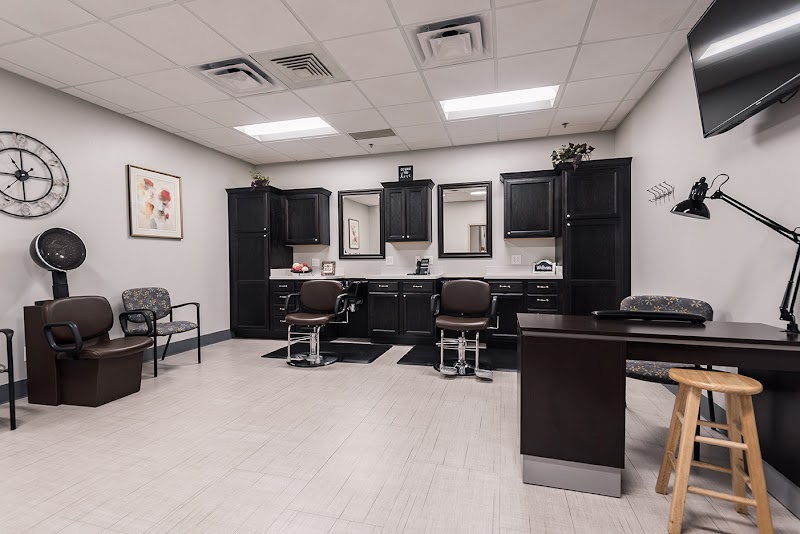
How is Lincoln Hills Of New Albany Staffed?

CMS rates LINCOLN HILLS OF NEW ALBANY's staffing level at 3 out of 5 stars, which is average compared to other nursing homes. Staff turnover is 51%, compared to the Indiana average of 46%.

What Have Inspectors Found at Lincoln Hills Of New Albany?

State health inspectors documented 20 deficiencies at LINCOLN HILLS OF NEW ALBANY during 2022 to 2025. These included: 1 Immediate Jeopardy (the most serious level, indicating potential for serious harm or death), 2 that caused actual resident harm, and 17 with potential for harm. Immediate Jeopardy findings are rare and represent the most serious regulatory concerns. They require immediate corrective action.
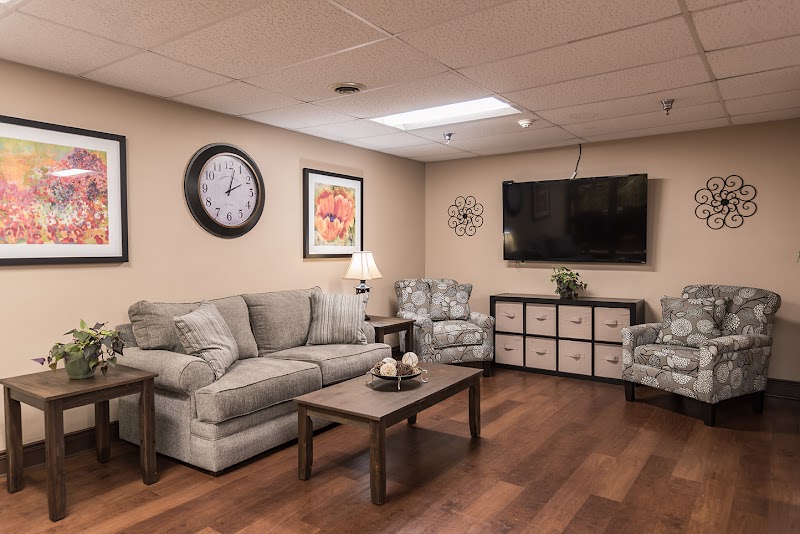
Who Owns and Operates Lincoln Hills Of New Albany?

LINCOLN HILLS OF NEW ALBANY is owned by a government entity. Government-operated facilities are typically run by state, county, or municipal agencies. The facility is operated by CARDON & ASSOCIATES, a chain that manages multiple nursing homes. With 156 certified beds and approximately 124 residents (about 79% occupancy), it is a mid-sized facility located in NEW ALBANY, Indiana.
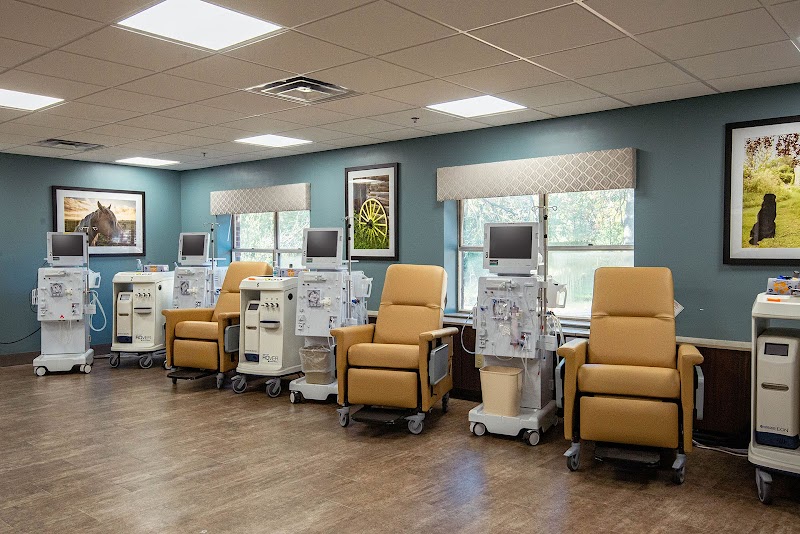
How Does Lincoln Hills Of New Albany Compare to Other Indiana Nursing Homes?

Compared to the 100 nursing homes in Indiana, LINCOLN HILLS OF NEW ALBANY's overall rating (3 stars) is below the state average of 3.1, staff turnover (51%) is near the state average of 46%, and health inspection rating (2 stars) is below the national benchmark.

What Should Families Ask When Visiting Lincoln Hills Of New Albany?

Based on this facility's data, families visiting should ask: "What changes have been made since the serious inspection findings, and how are you preventing similar issues?" "Can I visit during a mealtime to observe dining assistance and food quality?" "How do you handle medical emergencies, and what is your hospital transfer rate?" "Can I speak with family members of current residents about their experience?" These questions are particularly relevant given the facility's Immediate Jeopardy citations.

Is Lincoln Hills Of New Albany Safe?

Based on CMS inspection data, LINCOLN HILLS OF NEW ALBANY has documented safety concerns. Inspectors have issued 1 Immediate Jeopardy citation (the most serious violation level indicating risk of serious injury or death). The facility has a 3-star overall rating and ranks #100 of 100 nursing homes in Indiana. Families considering this facility should ask detailed questions about what corrective actions have been taken since these incidents.

Do Nurses at Lincoln Hills Of New Albany Stick Around?

LINCOLN HILLS OF NEW ALBANY has a staff turnover rate of 51%, which is 5 percentage points above the Indiana average of 46%. Moderate turnover is common in nursing homes, but families should still ask about staff tenure and how the facility maintains care continuity when employees leave.

Was Lincoln Hills Of New Albany Ever Fined?

LINCOLN HILLS OF NEW ALBANY has been fined $68,689 across 2 penalty actions. This is above the Indiana average of $33,766. Fines in this range indicate compliance issues significant enough for CMS to impose meaningful financial consequences. Common causes include delayed correction of deficiencies, repeat violations, or care failures affecting resident safety. Families should ask facility leadership what changes have been made since these penalties.

Is Lincoln Hills Of New Albany on Any Federal Watch List?

LINCOLN HILLS OF NEW ALBANY is not on any federal watch list. The most significant is the Special Focus Facility (SFF) program, which identifies the bottom 1% of nursing homes nationally based on persistent, serious quality problems. Not being on this list means the facility has avoided the pattern of deficiencies that triggers enhanced federal oversight. This is a positive indicator, though families should still review the facility's inspection history directly.