HARBOUR MANOR HEALTH & LIVING COMMUNITY
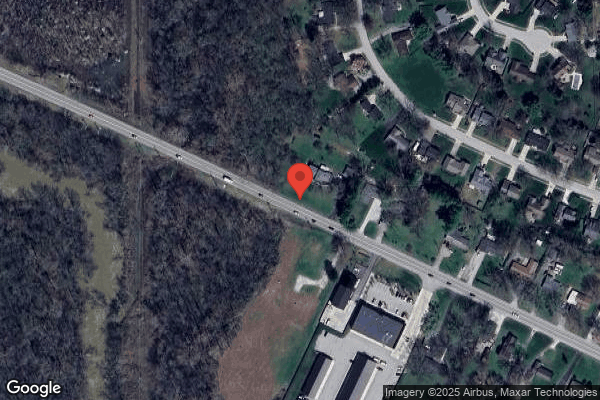
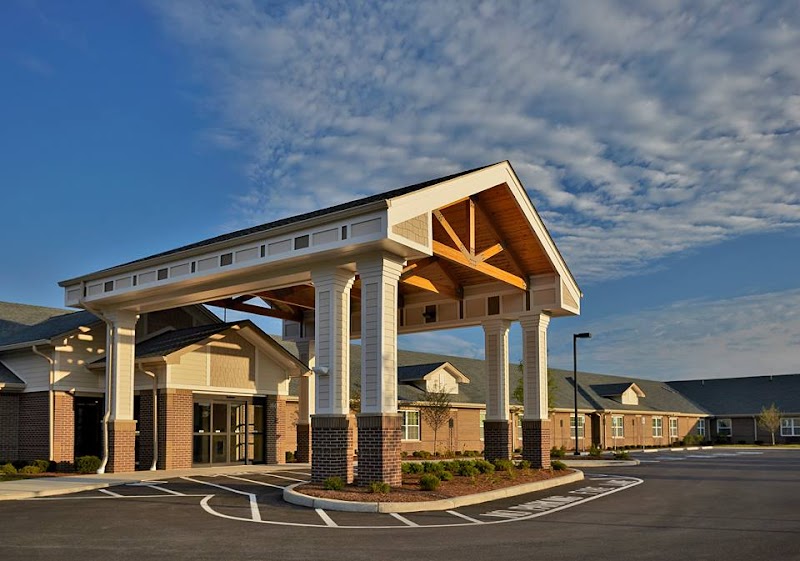
1667 SHERIDAN RD, NOBLESVILLE, IN 46060 (317) 773-9205
For profit - Corporation 129 Beds CARDON & ASSOCIATES Data: November 2025
Trust Grade
45/100
#248 of 505 in IN
Last Inspection: October 2024

Within standard 12-15 month inspection cycle. Federal law requires annual inspections.

Overview

Harbour Manor Health & Living Community has received a Trust Grade of D, indicating below-average quality with some serious concerns. It ranks #248 out of 505 facilities in Indiana, placing it in the top half, but it is #10 out of 17 in Hamilton County, meaning only a few local options are better. The facility's trend appears stable, with three issues reported in both 2024 and 2025. Staffing is decent, with a 3/5 rating and a turnover rate of 43%, which is slightly below the state average. While there have been no fines reported, there are significant concerns, including a serious incident where a nurse restrained a cognitively impaired resident against their will while administering medications, and another where staff failed to intervene during an abuse incident.

Trust Score
D
45/100
In Indiana
#248/505
Top 49%
Safety Record
High Risk
Review needed
Inspections
Holding Steady
3 → 3 violations
Staff Stability
○ Average
43% turnover. Near Indiana's 48% average. Typical for the industry.
Penalties
✓ Good
No fines on record. Clean compliance history, better than most Indiana facilities.
Skilled Nurses
○ Average
Each resident gets 37 minutes of Registered Nurse (RN) attention daily — about average for Indiana. RNs are the most trained staff who monitor for health changes.
Violations
⚠ Watch
13 deficiencies on record. Higher than average. Multiple issues found across inspections.
★★★☆☆
3.0
Overall Rating
★★★☆☆
3.0
Staff Levels
★★★★★
5.0
Care Quality
★★☆☆☆
2.0
Inspection Score
Stable
2024: 3 issues
2025: 3 issues

The Good

  • 5-Star Quality Measures · Strong clinical quality outcomes
  • Full Sprinkler Coverage · Fire safety systems throughout facility
  • No fines on record
  • Staff turnover below average (43%)

    5 points below Indiana average of 48%

Facility shows strength in quality measures, fire safety.

The Bad

3-Star Overall Rating

Near Indiana average (3.1)

Meets federal standards, typical of most facilities

Staff Turnover: 43%

Near Indiana avg (46%)

Typical for the industry

Chain: CARDON & ASSOCIATES

Part of a multi-facility chain

Ask about local staffing decisions and management

The Ugly 13 deficiencies on record

1 actual harm
Jan 2025 3 deficiencies 1 Harm
SERIOUS (G) 📢 Someone Reported This

A family member, employee, or ombudsman was alarmed enough to file a formal complaint

Actual Harm - a resident was hurt due to facility failures

Free from Abuse/Neglect (Tag F0600)

A resident was harmed · This affected 1 resident

Based on interview and record review, the facility failed to protect the resident's right to be free from staff-to-resident abuse perpetrated by RN 2 when the nurse held the hands of a cognitively imp...

Read full inspector narrative →
Based on interview and record review, the facility failed to protect the resident's right to be free from staff-to-resident abuse perpetrated by RN 2 when the nurse held the hands of a cognitively impaired resident and administered medications while the resident was screaming for 1 of 3 residents reviewed for abuse. (Resident B) Using the reasonable person concept, this abuse could result in Resident B feeling dehumanized and anxious related to their hands being physically restrained and being forced to take oral medications. Findings include: Resident B's clinical record was reviewed on 1/2/25 at 9:13 a.m. Diagnoses included encephalopathy, anemia, hypertension, cerebrovascular disease, dysphagia, stage 4 chronic kidney disease, pain, and memory deficit. The most recent admission Minimum Data Set (MDS) assessment, dated 11/29/24, indicated the resident was severely cognitively impaired. An 11/30/24 at 8:20 p.m. progress note authored by RN 2 indicated, while attempting to administer medications to Resident B, the resident became combative. The note indicated RN 2 sat on the resident's bed, held the resident's hands, and put the medication in the resident's mouth while she was screaming. The resident spat the medications and applesauce out of their mouth. RN 2 wiped the applesauce off the bed and out of her hair. CNA 1 was present in the room. During an interview on 1/2/25 at 2:19 p.m., the Director of Nursing (DON) indicated she received a phone call from the facility on 11/30/24 (at an unspecified time). During the call, CNA 1 indicated RN 2 was involved in an incident of poor customer service and had abused Resident B. The DON immediately went to the facility to ensure Resident B was safe and to initiate an investigation into the incident. RN 2 was not in the facility when she arrived. The DON called RN 2 for an interview and RN 2 indicated she was tired and did not feel the facility was the place for her. RN 2 submitted her resignation during that conversation. The DON indicated Resident B required a calm approach due to her behaviors. The resident had a history of combative behaviors since admission to the facility. One-to-one observation was initiated due to the resident's unsafe and combative behaviors. The facility felt Resident B was not safe to be left alone. During an interview on 1/2/25 at 3:35 p.m., CNA 1 indicated, on 11/30/24, she was providing one-to-one observation for Resident B. While in the resident's room, she witnessed RN 2 providing poor customer service to Resident B. The poor customer service was described as RN 2 performed multiple attempts to administer medications to Resident B while the resident was fighting the nurse. CNA 1 felt that RN 2 should have just stopped trying to administer the medication. Resident B was yelling and saying no. The resident was already agitated and combative. RN 2 was escalating her behavior. The incident happened quickly and CNA 1 did not intervene or try to protect the resident, but she did call the Administrator to report the incident afterwards. During an interview on 1/2/25 at 3:55 p.m., the Administrator indicated, during his notification on 11/30/24 following the event, the incident was reported as abuse involving Resident B and RN 2. The DON entered the facility to initiate the investigation upon notification of the incident on the evening of 11/30/24. RN 2 was not available for interview during the survey on January 2, 2025. A current policy, dated 10/4/2014, titled Abuse, Neglect, and Misappropriation Prohibition and Prevention Policy was provided by the DON on 1/2/25 at 10:55 a.m. The policy indicated the following: III. Preventing Resident Abuse 1. Preventing resident abuse is a primary concern for this Community. It is our goal to achieve and maintain an abuse free environment. 2. Our abuse prevention program includes, but is not limited to, the following: c. Rotating staff working with difficult or abusive residents; ensuring staff on each shift is sufficient numbers to meet the needs of the residents and assuring that the staff assigned has knowledge of individual resident care needs. This citation relates to Complaint IN00448256. 3.1-27(a)
CONCERN (D) 📢 Someone Reported This

A family member, employee, or ombudsman was alarmed enough to file a formal complaint

Potential for Harm - no one hurt, but risky conditions existed

Abuse Prevention Policies (Tag F0607)

Could have caused harm · This affected 1 resident

Based on record review and interview, the facility failed to implement their abuse policy when a staff member (CNA 1) failed to intervene when witnessing the abuse of a cognitively impaired resident (...

Read full inspector narrative →
Based on record review and interview, the facility failed to implement their abuse policy when a staff member (CNA 1) failed to intervene when witnessing the abuse of a cognitively impaired resident (Resident B) by a staff member (RN 2) for 1 of 3 residents reviewed for abuse. Findings include: A facility reportable indicated on 11/30/24, CNA 1 reported that RN 2 displayed poor customer service with Resident B. RN 2 was suspended pending investigation and immediately left the facility. Resident B's clinical record was reviewed on 1/2/25 at 9:13 a.m. Diagnoses included encephalopathy, anemia, hypertension, cerebrovascular disease, dysphagia, stage 4 chronic kidney disease, pain, and memory deficit. The most recent admission Minimum Data Set (MDS) assessment, dated 11/29/24, indicated the resident was severely cognitively impaired. An 11/30/24 at 8:20 p.m. progress note authored by RN 2 indicated, while attempting to administer medications to Resident B, the resident became combative. RN 2 sat on the resident's bed, held the resident's hands, and put the medication in the resident's mouth while she was screaming. The resident spat the medications and applesauce out of their mouth. RN 2 wiped the applesauce off the bed and out of her hair. CNA 1 was present in the room. During an interview on 1/2/25 at 2:19 p.m., the DON indicated she received a phone call from the facility on 11/30/24 (at an unspecified time). During the call, CNA 1 indicated RN 2 had been involved in an incident of poor customer service and had abused Resident B. The DON immediately went to the facility to ensure Resident B was safe and to initiate an investigation into the incident. RN 2 was not in the facility when she arrived. The called RN 2 for an interview and RN 2 indicated she was tired and did not feel the facility was the place for her. RN 2 submitted her resignation during that conversation. During an interview on 1/2/25 at 3:35 p.m., CNA 1 indicated, on 11/30/24, she was providing one to one observation for Resident B. While in the resident's room, she witnessed RN 2 providing poor customer service to Resident B. The poor customer service was described as RN 2 performed multiple attempts to administer medications to Resident B while the resident was fighting the nurse. CNA 2 felt that RN 2 should have just stopped trying to administer the medication. The incident happened too quickly and she did not intervene or try to protect Resident B. During an interview on 1/2/25 at 3:55 p.m., the Administrator indicated, during a facility phone call on the evening of 11/30/24, the caller indicated there had been an incident of abuse involving Resident B and RN 2. Upon investigation it was determined that CNA 1 witnessed the alleged abuse and did not, but should have, intervened on behalf of the dependent resident. RN 2 was not available for interview during the survey on January 2, 2025. A current facility policy, dated 10/4/2014, titled Abuse, Neglect, and Misappropriation Prohibition and Prevention Policy was provided by the DON on 1/2/25 at 10:55 a.m. The policy indicated the following: VI. Reporting: 6. Any individual observing an incident of resident abuse or suspecting resident abuse must promptly report such incident to the Administrator, or designee, only after he/she ensures the resident involved is safe from the alleged incident Cross reference F600. This citation relates to Complaint IN00448256. 3.1-28(a)
CONCERN (D) 📢 Someone Reported This

A family member, employee, or ombudsman was alarmed enough to file a formal complaint

Potential for Harm - no one hurt, but risky conditions existed

Comprehensive Care Plan (Tag F0656)

Could have caused harm · This affected 1 resident

Based on interview and record review, the facility failed to follow a care plan intervention of providing care with staff pairs to protect the resident from anxiety related to allegations of inappropr...

Read full inspector narrative →
Based on interview and record review, the facility failed to follow a care plan intervention of providing care with staff pairs to protect the resident from anxiety related to allegations of inappropriate care for 1 of 3 residents reviewed for abuse. (Resident C) Findings include: During an interview on 1/2/25 at 9:35 a.m., Resident C indicated, on 12/26/24 during the night shift, CNA 3 touched him inappropriately during incontinence care. The resident reported the incident to other facility staff. Resident C's clinical record was reviewed on 1/2/25 at 9:39 a.m. Diagnoses included multiple sclerosis, pain, abdominal aortic aneurysm-without rupture, type 2 diabetes mellitus with diabetic polyneuropathy and hyperosmolarity, depressive disorder, and dysphagia following cerebral infarction. Review of the most current quarterly Minimum Data Set (MDS) assessment, dated 11/5/24, indicated the resident was cognitively intact. A current CNA Assignment Sheet, care plan dated 4/28/23, indicated an intervention for care in pairs, initiated 11/7/23 due to resident behaviors as evidenced by making false accusations against staff members. During an interview on 1/2/25 at 10:52 a.m., CNA 4 indicated staff provided care to Resident C in pairs due to his behaviors. During an interview on 1/2/25 at 11:02 a.m., CNA 5 indicated Resident C required two staff members when care was provided. This intervention was listed on the CNA Assignment Sheet. During an interview on 1/2/25 at 2:26 p.m., the DON indicated Resident C came to her to report being physically assaulted by CNA 3. The facility initiated an investigation and sent the resident to the hospital for evaluation. The DON indicated CNA 3 had provided care alone while another CNA was in the hallway. The DON indicated CNA 3 did not follow the intervention to provide care in pairs. Review of a written statement, dated 12/27/24, CNA 3 indicated they did provide care to Resident C on 12/26/24. CNA 3 did not indicate if there had been another staff member present while care had been provided. CNA 3 was not available for interview during the survey on January 2, 2025. This citation relates to Complaint IN00449955 and IN00450213. 3.1-35(b)(1)
Oct 2024 1 deficiency
CONCERN (D)

Potential for Harm - no one hurt, but risky conditions existed

Pharmacy Services (Tag F0755)

Could have caused harm · This affected 1 resident

Based on observation, interview, and record review, the facility failed to ensure shift to shift narcotic count reconciliation was completed for 1 of 3 medication carts reviewed for medication reconci...

Read full inspector narrative →
Based on observation, interview, and record review, the facility failed to ensure shift to shift narcotic count reconciliation was completed for 1 of 3 medication carts reviewed for medication reconciliation. (Rehab 1 cart) Findings include: During a medication storage observation of the Rehab 1 medication cart, on 10/21/24 at 10:29 a.m., accompanied by LPN 2, the Nurse Narcotic Sign in/out Sheet was reviewed and the following dates lacked shift to shift count reconciliation numbers of controlled medications: October 17, 18, 19, and 20, 2024. During an interview, on 10/21/24 at 10:40 a.m., LPN 2 indicated staff was required to sign in and sign out with each change of the medication cart attendant. They needed to record the narcotic count when they signed the log. She indicated the log lacked the count number for October 17, 18, 19, and 20, 2024. The lack of a count number or signatures on the log was a potential opportunity for drug diversion. During an interview, on 10/21/25 at 11:13 a.m., LPN 3 indicated the narcotic sign in sheets should include signatures and count numbers of the in-coming and off-going staff members with every exchange of the medication cart. The Rehab Cart 1 Nurse Narcotic Sign in /out Sheets were not completed as required. Management had been educating staff frequently for incomplete narcotic reconciliation. During an interview, on 10/21/24 at 1:56 p.m., the Rehab Unit Manager indicated the staff completed shift to shift reconciliation every time the cart changes hands. The staff documented the number of narcotic cards present and then signed to confirm the count was correct. She indicated the narcotic card count was missing for October 17, 18, 19, and 20, 2024. During an interview, on 10/21/24 at 2:16 p.m., the DON indicated the Nurse Narcotic Sign in /out Sheets for the Rehab 1 medication cart lacked narcotic count numbers for October 17, 18, 19, and 20, 2024. She indicated there was no way to know if any drug diversion had occurred if the count was not verified for multiple days. An undated, current facility policy, titled, Controlled Substance Reconciliation, provided by the DON, on 10/21/24 at 1:09 p.m., indicated the following: . Each facility should verify the quantity of controlled substances on hand as well as the number of accompanying count sheets at the end of each nursing shift . 3.1-25(b)(3)
Apr 2024 1 deficiency
CONCERN (D) 📢 Someone Reported This

A family member, employee, or ombudsman was alarmed enough to file a formal complaint

Potential for Harm - no one hurt, but risky conditions existed

Investigate Abuse (Tag F0610)

Could have caused harm · This affected 1 resident

Based on interview and record review, the facility failed to complete an investigation of an allegation of verbal abuse for 1 of 3 residents reviewed for abuse. (Resident D) Findings include: During a...

Read full inspector narrative →
Based on interview and record review, the facility failed to complete an investigation of an allegation of verbal abuse for 1 of 3 residents reviewed for abuse. (Resident D) Findings include: During an interview on 4/23/24 at 10:56 a.m., Resident D indicated she had an incident while in an activities group, before a Bingo game. She was seated at a table waiting for another resident to join her and another resident entered the room. She felt the Activities Director (AD) got the idea that Resident D had rejected the resident to sit at her table. The AD began to yell loudly at her that she was not in control and how dare she turn away an old woman. Resident D indicated she was humiliated and embarrassed, and felt very hurt. She cried a lot over the next few days. She indicated the AD had not followed up with her or apologized. She felt that the AD had a bad day, and Resident D had since forgiven the AD and began to attend activities again. Nothing further had been said about the incident. The clinical record for Resident D was reviewed on 4/23/24 at 11:15 a.m. Diagnoses included major depressive disorder and morbid obesity. A quarterly Minimum Data Set (MDS) assessment, dated 4/16/24, indicated the resident was cognitively intact, had no hallucinations, delusions, and no verbal or physical behaviors. She could make herself understood and could understand others. During an interview on 4/23/24 at 1:20 p.m., Physical Therapy staff (PT) 2 indicated Resident D reported the incident in activities to her, and was extremely upset during the conversation. PT 2 reported the incident to her supervisor and felt it had been reported to the Administrator and/or DON. During a telephone interview on 4/23/24 at 2:36 p.m., PT 3 indicated she had informed the DON regarding the resident's allegation as soon as PT 2 had communicated it to her. During an interview on 4/24/24 at 1:45 p.m., the DON indicated she was unaware of an allegation of verbal abuse regarding Resident D and the Activities Director. A current facility policy, edited 8/2016, titled, SNF Reportable Policy and Procedure, provided by the Corporate Nurse Consultant on 4/24/24 at 1:24 p.m., included the following: Purpose .Administrative staff will immediately report the following incidents to the Indiana Department of Health .1. Any/all alleged violation involving mistreatment, neglect or abuse. This citation relates to Complaint IN00431938. 3.1-28(d)
Feb 2024 1 deficiency
CONCERN (D) 📢 Someone Reported This

A family member, employee, or ombudsman was alarmed enough to file a formal complaint

Potential for Harm - no one hurt, but risky conditions existed

Report Alleged Abuse (Tag F0609)

Could have caused harm · This affected 1 resident

Based on record review and interview the facility failed to report allegations of sexual abuse to one or more law enforcement and adult protection agencies for 1 of 1 resident reviewed for abuse. (Res...

Read full inspector narrative →
Based on record review and interview the facility failed to report allegations of sexual abuse to one or more law enforcement and adult protection agencies for 1 of 1 resident reviewed for abuse. (Resident B) Findings include: Review of a State reportable, dated 2/12/24, indicated Resident B reported an allegation of staff to resident sexual abuse. Review of the facility investigation of the allegation, the investigation lacked documentation of law enforcement notification and/or adult protection agency. During an interview on 2/16/24 at 12:29 p.m., Resident B indicated during incontinent care, CNA 1 touched them inappropriately. The resident indicated they felt the interaction was sexual abuse. During an interview on 2/16/24 at 2:55 p.m., the Administrator and Director of Nursing indicated the law enforcement agency was not called due to the family's request to not call the police. During an interview on 2/16/24 at 3:00 p.m., a family member of Resident B indicated they did not request the police not to be called. During an interview on 2/16/24 at 3:06 p.m., the Corporate Consultant indicated the facility did not call the police. A current policy, dated 10/14/2014, titled Abuse, Neglect, and Misappropriation Prohibition and Prevention Policy was provided by the Administrator on 2/16/24 at 2:08 p.m. The policy indicated the following: A. Reporting to Law Enforcement 1. Under the Elder Justice Act. Any individual who has the reasonable suspicion that a resident in one of our Communities has been the victim of a crime, they must report that suspicion to local law enforcement or, if reporting the chain of command, ensure that others have contacted local law enforcement. 2. Any individual who fails to ensure a report to law enforcement of knowledge or suspicion of a crime against a resident may be subject to consequences including loss of employment, loss of professional licensure, registration or certification, a monetary penalty, or criminal prosecution. C. Reporting To State Agencies And Law Enforcement 2. Allegations of mistreatment, neglect, or injury of unknown source that do not result in serious injury will be reported within a reasonable amount off time not to exceed 24 hours to the State licensing/certification agency through the approved method of reporting, Adult Protective Services by fax, and local law enforcement by telephone. This citation relates to Complaint IN00428301. 3.1-28(c)
Oct 2023 3 deficiencies
CONCERN (D)

Potential for Harm - no one hurt, but risky conditions existed

Incontinence Care (Tag F0690)

Could have caused harm · This affected 1 resident

Based on observation, interview, and record review, the facility failed to ensure a resident was scheduled with urology (a specialist), as ordered by the primary care provider, for 1 of 3 residents re...

Read full inspector narrative →
Based on observation, interview, and record review, the facility failed to ensure a resident was scheduled with urology (a specialist), as ordered by the primary care provider, for 1 of 3 residents reviewed for urinary tract infections/catheter care. (Resident 98) Findings include: During an observation and interview on 10/25/23 at 10:43 a.m., Resident 98's catheter tubing and bag were observed to contain large amounts of sediment and amber colored urine. The resident indicated the appearance of the urine in the tubing was typical of what he would see at any given time. During an observation and interview on 10/26/23 at 11:14 a.m., the urinary catheter tubing continued to have sediment present. The resident indicated there was always junk in the tubing. Resident 98's clinical record was reviewed on 10/26/23 at 9:32 a.m. His diagnoses included neurogenic bladder. Current physician orders, dated 10/4/23, indicated urinary catheter care to be provided twice a day, once upon rising and again at night, and the urinary catheter and drainage bag should be changed as needed for occlusion or dislodgement. The order included any change of the bag, catheter, or tubing, should be documented in the resident's progress notes. A progress note, dated 6/8/23, indicated he had difficulty urinating. A bladder scan revealed a large amount of urine, an in-and-out catheterization was performed, and 800 mL (milliliters) of urine was drained. At that time, a urinary catheter was anchored and he was to be closely monitored over the next several days for urine output. A Nurse Practitioner progress note, dated 6/9/23, indicated the urinary catheter should be continued and, if necessary, he should be referred to urology. A Nurse Practitioner progress note, dated 6/12/23, indicated a referral to urology. A Nurse Practitioner progress note, dated 6/15/23, indicated he was started on ciprofloxacin (an antibiotic) for a urinary tract infection. The clinical record lacked indication the referral to urology was completed. A progress note, dated 7/26/23, indicated blood was found in his urine. A progress note, dated 8/9/23, indicated results from the urinalysis was brown, cloudy urine with sediment. It was positive for leukocytes (white blood cells indicative of infection) and protein. A progress note, dated 8/10/23, indicated the resident was experiencing increased confusion. A progress note, dated 8/14/23, indicated the urinary catheter remained and trimethoprim-sulfamethoxazole (an antibiotic) was ordered for seven days. A physician progress note, dated 8/14/23, indicated an appointment should be set-up with urology to assess whether or not the catheter could be removed. The clinical record lacked indication the referral to urology was completed. A physician's progress note, dated 10/23/23, indicated the urinary catheter was still in place. A physician's progress note, dated 10/25/23, indicated an appointment with urology should set-up for evaluation and assessment to determine if the catheter could be removed. The clinical record lacked indication the referral to urology was completed. During an interview with the Unit Manager on 10/27/23 at 2:15 p.m., she indicated any notes given by the nurse practitioner or physician would be found in the resident's electronic chart. Whenever the physician or nurse practitioner indicated an appointment should be scheduled, she would be the one to put in the order. During an interview with the ADON, on 10/30/23 at 11:56 a.m., she indicated there was no formal procedure or policy for referrals, but the facility's Unit Manager would initiate the process after it was indicated by the physician or nurse practitioner. 3.1-41(a)(2)
CONCERN (D)

Potential for Harm - no one hurt, but risky conditions existed

Pharmacy Services (Tag F0755)

Could have caused harm · This affected 1 resident

Based on observation, interview, and record review, the facility failed to ensure narcotics were reconciled per facility policy for 2 of 4 medication carts reviewed for medication storage. (East 1 car...

Read full inspector narrative →
Based on observation, interview, and record review, the facility failed to ensure narcotics were reconciled per facility policy for 2 of 4 medication carts reviewed for medication storage. (East 1 cart and East 2 cart) Findings include: 1. During a medication storage observation of the East 1 cart, accompanied by LPN 3 on 10/30/23 at 9:30 a.m., the Nurse Narcotic Sign In/Out Sheet record was reviewed and the following dates lacked shift to shift reconciliation of controlled medications: In October 2023- 10/3, 10/4, and 10/5 on night shift, 10/6 on all three shifts, 10/7 and 10/8 on day and evening shifts, 10/9 on all three shifts, 10/10 on day and evening shifts, 10/11 on evening shift, 10/12, 10/13, 10/14, and 10/15 on both day and evening shifts, 10/16 on all three shifts, 10/17 and 10/18 on both day and evening shifts, 10/19 on all three shifts, 10/20 and 10/21 on both day and evening shifts, 10/22 on all three shifts, 10/23 and 10/24 on both day and evening shifts, 10/27 on both day and evening shifts, and 10/29 on both day and evening shifts. In November 2023- 11/19 and 11/20 on both day and evening shifts, 11/21 on all three shifts, 11/22 on both day and evening shifts, 11/23 and 11/24 on both night and day shifts, 11/25 on all three shifts, 11/26, 11/27, 11/28, and 11/29 on both day and evening shifts, and 11/30 on both night and day shifts. 2. During a medication cart observation with QMA 4, on 10/30/23 at 9:45 a.m., of the East 2 cart, the Nurse Narcotic Sign In/Out Sheet record, was reviewed and the following dates lacked shift to shift reconciliation of controlled medications: In September 2023- 9/18 on both night and evening shifts, 9/20, 9/21, and 9/22 on night shift, 9/23 on all three shifts, 9/24 on night shift, 9/25 on day shift, 9/28 on both day and evening shifts, 9/29 on night shift, and 9/30 on all three shifts. In October 2023- 10/1 on both night and day shifts, 10/2 on both day and evening shifts, 10/3, 10/4, 10/5, 10/6, and 10/7 on all three shifts, 10/8 on both day and evening shifts, 10/9 on night shift, 10/10 on evening shift, 10/11, 10/12, and 10/13 on day and evening shifts, 10/14 through 10/23 on all shifts, 10/24 and 10/25 on night shift, 10/26 on both day and evening shifts, and 10/27 through 10/30 on all three shifts. During an interview on 10/30/23 at 10:00 a.m., the Infection Preventionist indicated East cart 1 contained medications for 24 residents and East cart 2 contained medications for 23 residents. During an interview on 10/30/23 at 10:06 a.m., the ADON indicated the expectation for staff was every shift completed a count of narcotics at the beginning and end of their shift. Both employees signed the narcotics book to verify the count was correct and the responsibility of the medication cart had been transferred. An undated, current facility policy titled Controlled Substance Reconciliation, provided by the DON on 10/30/23 at 11:12 a.m., indicated the following: .1. Each facility should verify the quantity of controlled substance(s) on hand as well as the number of accompanying count sheets at the end of each nursing shift 4. Quality assurance checks of the centralized log sheet are the responsibility of the nursing department, but may also be done periodically by the consulting pharmacist(s) 3.1-25(b)(3)
CONCERN (D)

Potential for Harm - no one hurt, but risky conditions existed

Deficiency F0849 (Tag F0849)

Could have caused harm · This affected 1 resident

Based on interview and record review, the facility failed to ensure timely communication was maintained between the facility and the hospice provider for 1 of 2 residents reviewed for hospice services...

Read full inspector narrative →
Based on interview and record review, the facility failed to ensure timely communication was maintained between the facility and the hospice provider for 1 of 2 residents reviewed for hospice services. (Resident 31) Findings include: Resident 31's clinical record was reviewed on 10/26/23 at 2:05 p.m. Diagnoses included chronic obstructive pulmonary disease (COPD), pulmonary fibrosis, and vascular dementia. The resident was admitted to hospice services on 7/20/23 with a diagnoses of COPD. A current care plan, initiated 7/20/23, indicated the resident received hospice services. Interventions included coordinate plan of care with hospice to promote comfort with care. During a review of the hospice communication binder on 10/26/23 at 2:38 p.m. with LPN 5, the record lacked a completed plan of care document, CNA visit notes, social worker visit notes, and chaplain visit notes. The binder lacked a visiting schedule for staff to expect services to be provided and the hospice interdisciplinary (IDT) notes section was blank. The nursing notes section contained minimal handwritten information for the following dates: 7/19/23, 8/8/23, 8/11/23, 8/18/23, 8/22/23, 8/24/23, 8/29/23, 9/6/23, 9/20/23. LPN 5 indicated the hospice nurse spoke to staff following her visits. LPN 5 was unsure the last time a nurse or CNA had visited the resident. During an interview on 10/30/23 at 11:29 a.m., the ADON indicated the hospice binder was not updated or current. The plan of care schedule for the provider was not included in the binder. There was no plan of care information, CNA, social services, or chaplain visit notes, and complete nursing notes. The IDT notes section was blank. She had reached out to the provider on 9/18/23, 9/28/23, and 10/11/23, regarding the lack of visit documentation, but had not received a response. A review of a current facility policy, updated July 2020 and titled, Nursing Facility and Hospice Services Agreement, and provided by the DON on 10/30/23 at 11:15 a.m., indicated the following: .3.1 Coordination of Responsibilities Hospice and Facility shall develop a process by which to exchange information between Hospice IDG and Facility staff regarding development and updating of the Coordinated POC and evaluation of care outcomes to insure each Hospice Patient receives necessary and appropriate care and services
Aug 2022 4 deficiencies
CONCERN (D)

Potential for Harm - no one hurt, but risky conditions existed

Quality of Care (Tag F0684)

Could have caused harm · This affected 1 resident

**NOTE- TERMS IN BRACKETS HAVE BEEN EDITED TO PROTECT CONFIDENTIALITY** Based on record review and interview, the facility failed to notify the physician as ordered for daily weights and follow physic...

Read full inspector narrative →
**NOTE- TERMS IN BRACKETS HAVE BEEN EDITED TO PROTECT CONFIDENTIALITY** Based on record review and interview, the facility failed to notify the physician as ordered for daily weights and follow physician orders related to blood pressure medication parameters for 2 of 4 residents reviewed for cardiac interventions. (Resident 49 and 79) Findings include: 1. The clinical record for Resident 49 was reviewed on 8/12/22 at 3:16 p.m. Diagnoses included, but were not limited to, chronic systolic heart failure, hypotension, and chronic obstructive pulmonary disease. Current signed physician's orders for the resident included, but were not limited to, Obtain and record daily weight upon rising before breakfast. Notify MD (Medical Doctor) if weight gain is 2 lbs (pounds) daily or 5 lbs in a week. The order originated on 4/28/22. A review of the residents' electronic administration record for weights, included, but was not limited to, the following: a. On 5/24/22, the resident's weight was 235.9 lbs. On 5/25/22, the resident's weight was 246 lbs., a 10.1 lb weight gain in one day. The record indicated the physician had not been notified. b. On 6/13/22, the resident's weight was 242.2 lbs. On 6/14/22, the resident's weight was 244.6 lbs, a 2.4 lb weight gain in one day. The record indicated the physician had not been notified. c. On 7/10/22, the resident's weight was 241 lbs. On 7/17/22, the resident's weight was 247.9 lbs, a 6.9 lb weight gain in one week. The record indicated the physician had not been notified. d. On 7/16/22, the resident's weight was 245.1 lbs. On 7/17/22, the resident's weight was 247.8 lbs, a 2.7 lb weight gain in one day. The record indicated the physician had not been notified. e. On 8/2/22, the resident's weight was 239 lbs. On 8/3/22, the resident's weight was 242.1 lbs, a 3.1 lb weight gain in one day. The record indicated the physician had not been notified. 2. The clinical record for Resident 79 was reviewed on 8/10/22 at 1:25 p.m. Diagnoses included, but were not limited to, hypertension and history of stroke. Current signed physician's orders for the resident included, but were not limited to, the following: a. Metoprolol succinate extended release 24 hour (to treat high blood pressure) 25 mg (milligram), one tablet daily. Hold for systolic blood pressure (SBP) of less than 115. The order originated on 9/23/20. b. Losartan (to treat high blood pressure) 50 mg, one tablet daily. Hold for SBP less than 115. The order originated on 9/9/21. The resident had a current, updated on 6/28/22, health care plan with the problem of, resident has potential for altered cardiac output related to hypertension. The interventions for this problem included, but were not limited to, administer medications, obtain blood pressures and report signs and symptoms of hypotension (low blood pressure) per physician's order. A review of the residents medication administration record for losartan and metroprolol, included, but was not limited to, the following: a. On 5/19/22, the resident's systolic blood pressure (SBP) was 116. The record indicated the medications were not administered due to condition. b. On 5/25/22, the resident's SBP was 116. The record indicated the medications were not administered due to other with a comment BP is 116/74. c. On 7/14/22, the resident's SBP was 114. The record indicated the medications were administered. d. On 7/16/22, the resident's SBP was 114. The record indicated the medications were administered. e. On 7/17/22, the resident's SBP was 106. The record indicated the medications were administered. f. On 7/18/22, the resident's SBP was 110. The record indicated the medications were administered. g. On 7/30/22, the resident's SBP was 109. The record indicated the medications were administered. h. On 8/9/22, the resident's SBP was 106. The record indicated the medications were administered. i. On 8/16/22, the resident's SBP was 104. The record indicated the medications were administered. During an interview on 8/16/22 at 2:35 p.m., the Corporate Nursing Consultant indicated Resident 79's blood pressure medications should have been held or administered per parameters indicated in the order provided, and the physician should have been notified per physicians order parameters for Resident 49's weights. A current facility policy, dated 4/3/17, titled, Protocol for Following Physician Orders, provided by the Assistant Director of Nursing (ADON) on 8/16/22 at 2:36 p.m., included, but was not limited to, the following: Policy: It is the policy of [NAME] and associates that we will provide appropriate physician prescribed care to residents in our communities. The facility patient care, therapy and pharmacy services will reflect the orders and plan of care of the prescribing physician. 3.1-37(a)
CONCERN (D)

Potential for Harm - no one hurt, but risky conditions existed

Deficiency F0744 (Tag F0744)

Could have caused harm · This affected 1 resident

Based on observation, interview and record review, the facility failed to implement a behavior monitoring and management program for residents who resided on a memory care unit and had a diagnoses of ...

Read full inspector narrative →
Based on observation, interview and record review, the facility failed to implement a behavior monitoring and management program for residents who resided on a memory care unit and had a diagnoses of dementia for 3 of 3 residents reviewed for dementia care (Residents 99, 89 and 66). Findings include: During an interview on 8/12/22 at 1:58 p.m., the Acting Director of Nursing indicated the facility was unable to find additional behavior documentation for Residents 99, 89 or 66. She indicated the facility had identified and issue with their behavior monitoring and management program and was working to correct the identified concern. The staff should be documenting on a new or worsening behavior form and/or a resident progress note when behaviors occurred. During an interview on 8/15/22 at 2:03 p.m., The Acting DON and ADON indicated Residents 99, 89 and 66 all display behavioral symptoms which were not documented. During an interview on 8/15/22 at 3:38 p.m., the Acting DON indicated the facility had no IDT notes and/or behavior management notes to provide regarding Resident 99, 89, and 66's psychoactive medication or behavior management reviews. 1. On 8/08/22 at 2:42 p.m., Resident 99 was observed resting calmly in her room in bed. On 8/10/22 at 1:32 p.m., the resident was resting calmly in her bed. A staff member was present in the room with the resident. She was pleasantly interacting with the staff member. On 8/12/22 at 9:50 a.m., the resident was calmly resting in her room in bed. At no time during the survey process (8/8/22, 8/9/22, 8/10/22, 8/11/22 and 8/12/22) was the resident observed displaying maladaptive behaviors, Resident 99's clinical record was reviewed on 8/11/22 at 10:44 a.m Current diagnoses included, but were not limited to, psychotic disorder with hallucination, depression, and anxiety disorder. The record indicated the resident resided on a secured memory care unit. Review of resident progress notes from 4/28/22 to 8/15/22 ( a period of approximately 3 and a half months 109 days) indicated the resident displayed only 6 documented behaviors during this period of time. Only 2 of the 6 behavioral episodes contained acts of aggression. None of the six documented behaviors contained documented delusions or hallucinations. a. The record contained no documented behaviors in the last month (7/10/22 to 8/10/22). b. A 7/10/2022, 08:02 p.m., resident progress note indicated the resident was wandering into other resident rooms and picking up objects. The resident was easily redirected. c. A 7/05/2022, 12:06 p.m., resident progress note indicated the resident attempted to push another resident's wheelchair and upset the other resident. d. A 6/09/2022, 6:16 a.m., resident progress note indicated the resident was restless, wandered and had difficulty sleeping. e. A 6/07/2022, 2:30 p.m. resident progress note indicated the resident hit a staff member on the shoulder when the staff member attempted to give her a snack. The resident then paced the hallways. Staff attempted to redirect the pacing and the resident became upset and yelled while attempting to hit staff. She was also agitated by staff attempts to give an antianxiety medication. f. A 5/27/2022, 2:17p.m., resident progress note indicated the resident tried to assist another resident to bed. The resident became upset with redirection and yelled at staff not to hit her and tried to hit staff. g. A 4/28/2022, 3:16 p.m., resident progress note indicated the resident slapped a staff member during care. The clinical record indicated the resident tested positive for a urinary tract infection the next day. Although the Acting DON and ADON indicated Resident 99 displayed behavioral symptoms, the clinical record for the 109 days from 4/28/22 to 8/15/22 lacked any new or worsening behavior form documentation, behavioral event documentation, IDT notes related to behavior management, or any other documented maladaptive behaviors other than the 6 events documented above. The resident had a current,8/9/22, care plan problem/need regarding the need for an antipsychotic medication related to a psychotic disorder with symptoms of hallucinations and agitation. Approaches included, but was not limited to, monitor for targeted behaviors, new and worsening behaviors will be monitored, The Medication Management IDT will routinely evaluate reductions in dosing to ensure the resident's ongoing need for this medication. The goal for this need was Resident will have effective management of targeted behaviors. The resident had a current,12/02/21 care plan problem/need regarding an anxiety disorder that requires the use of an antianxiety medication with symptoms of pacing, irritability, and fearfulness. Approaches included , but was not limited to, monitor targeted behaviors, new and worsening behaviors will be monitored, The Medication Management IDT will routinely evaluate reductions in dosing to ensure the resident's ongoing need for this medication. The goal for this need was Resident will have effective management of targeted behaviors. The resident had a current,11/22/21 care plan problem/need regarding insomnia that requires the use of an hypnotic medication with symptoms of trouble falling asleep and/or staying asleep. Approaches included , but was not limited to, monitor targeted behaviors, new and worsening behaviors will be monitored, The Medication Management IDT will routinely evaluate reductions in dosing to ensure the resident's ongoing need for this medication. The goal for this need was Resident will have effective management of targeted behaviors. A 7/14/22, Annual-, Minimum Data Set assessment (MDS) indicated a. The resident was severally cognitively impaired, b. The resident received an antipsychotic medication an antidepressant medication and an antianxiety medication 7 of 7 days of the assessment period, c. The resident had no delusions or hallucinations during the assessment period d. The resident had no physical or verbal aggression during the assessment period. e. The resident wandered and rejected care 1 to 3 days of the assessment period. f. The resident had not had a gradual dose reduction for antipsychotic medication. 3. On 8/08/22 at 2:47 p.m. Resident 89 was observed in the lounge with the activity staff interacting with others. She was calm and displaying no noted agitation. On 8/10/22 at 1:29 p.m., the resident was observed resting in her room in her roommate's bed. On 8/11/22 at 10:37 a.m., the resident was observed in the lounge interacting with others and drinking coffee. She was calm. On 8/12/22 at 9:50 a.m., the resident was observed in the lounge interacting with others and drinking coffee. She was calm. On 8/15/22 at 9:39 a.m., the resident was observed in the lounge interacting with others and drinking coffee. She was calm. At no time during the survey process (8/8/22, 8/9/22, 8/10/22, 8/11/22 and 8/12/22) was the resident observed displaying maladaptive behaviors, Resident 89s clinical record was reviewed on 8/10/22 at 1:38 p.m. Current diagnoses included, but were not limited to, dementia without behavioral disturbances, psychotic behavior with delusions, anxiety, Alzheimer's disease, and insomnia. The record indicated the resident resided on a secured memory care unit. Review of resident progress notes from 3/10/22 to 8/15/22 ( 140 days ) indicated the resident displayed only 7 documented behaviors during this period of time. Five of seven behavioral episodes were refusal of medical care or treatment which involved a needle. None of the seven documented behaviors involved physical aggression. None of the seven documented behaviors contained documented delusions or hallucinations. a. No behaviors were documented for the month from 7/15/22 to 8/15/22. b. A 7/21/2022, 4:03 p.m. , resident progress note indicated the resident yelled and told others to shut up. c. A 7/20/2022, 7:44 p.m., resident progress note indicated the resident refused a TB test. d. A 6/06/2022, 3:01 p.m. resident progress note [Recorded as Late Entry on 06/07/2022 11:02 AM] the resident adamantly refused a vaccine. e. A 4/26/2022, 4:22 p.m., resident progress note indicated the resident refused a blood draw and stated no it hurts. f. A 3/25/2022, 2:32 p.m. resident progress note indicated the resident refused a blood draw. g. A 3/22/2022 ,8:17 p.m. resident progress note indicated the resident refused a blood draw. h. A 3/10/2022, 6:18 p.m., resident progress note indicated the resident yelled, cursed, refused to go to the restroom, and stated she wanted to leave. The resident eventually calmed with one on one interaction. Although the Acting DON and ADON indicated Resident 89 displayed behavioral symptoms, the clinical record for the 140 days from 3/10/22 to 8/15/22 lacked any new or worsening behavior form documentation, behavioral event documentation, IDT notes related to behavior management, or any other documented maladaptive behaviors other than the 7 events documented above. The resident had a current, 8/4/22 care plan problem/need regarding an anxiety disorder that requires the use of an antidepressant medication with symptoms of restlessness and agitation. Approaches included , but was not limited to, monitor targeted behaviors, new and worsening behaviors will be monitored, The Medication Management IDT will routinely evaluate reductions in dosing to ensure the resident's ongoing need for this medication. The goal for this need was Resident will have effective management of targeted behaviors. The resident had a current, 8/31/21, care plan problem/need regarding the need for an antipsychotic medication related to a psychotic disorder with symptoms of irritability, yelling out and aggression. Approaches included, but was not limited to, monitor for targeted behaviors, new and worsening behaviors will be monitored, The Medication Management IDT will routinely evaluate reductions in dosing to ensure the resident's ongoing need for this medication. The goal for this need was Resident will have effective management of targeted behaviors. A 7/1/22, Annual, Minimum Data Set assessment (MDS) indicated: a, The resident was severally cognitively impaired, b. The resident received an antipsychotic medication and an antidepressant medication 7 of 7 days of the assessment period, c. The resident had no delusions or hallucinations during the assessment period d. The resident had no physical or verbal aggression during the assessment period. e. The resident did not wandered and rejected care 7 of 7 days of the assessment period. f. The resident had a gradual dose reduction on 3/2/22. 4. On 8/10/22 at 1:33 p.m. Resident 66 was observed walking with a staff member in the lounge where music was playing. She was calm. On 8/11/22 at 10:39 a.m. the resident was observed in her room in bed. She was calm. On 8/12/22 at 9:52 a.m., the resident was in the lounge drinking from a cup. She was calm and interacting with others. On 8/15/22 at 9:41 a.m., the resident was observed in bed with her eyes closed. At no time during the survey process (8/8/22, 8/9/22, 8/10/22, 8/11/22 and 8/12/22) was the resident observed displaying maladaptive behaviors. Resident 66's clinical record was reviewed on 8/11/22 at 10:46 a.m. Current diagnoses included, but were not limited to, dementia without behavioral disturbances, Alzheimer's disease, and psychosis. The clinical record indicated the resident resided on a secured memory care unit. Review of the resident's progress notes from 5/17/22 to 8/15/22 (87 days) indicated the following: The resident had three (3) documented behaviors in 87 days. None of the 3 behavioral episodes indicated the resident displaying verbal or physical aggression or having delusions or hallucinations. One of the 3 behavioral episode was exhibited while the resident had an infection. a. The clinical record indicated the resident had displayed no maladaptive behaviors during the last month 7/15/22 to 8/15/22. b. A 6/29/2022, 10:04 p.m., resident progress note, indicated the resident had been pacing and refused her evening mediations. c. A 6/26/2022, 7:30 p.m., resident progress note indicated the resident was pacing the hallways. d. A 6/24/2022, 10:40 p.m., resident progress note indicated the resident removed her iv midline which she had been receiving antibiotic through. The record indicated the resident had been receiving iv antibiotics for an infection. Although the Acting DON and ADON indicated Resident 99 displayed behavioral symptoms, the clinical record for the 87 days from 5/17/22 to 8/15/22 lacked any new or worsening behavior form documentation, behavioral event documentation, IDT notes related to behavior management, or any other documented maladaptive behaviors other than the 3 events documented above. The resident had a current,3/31/22, care plan problem/need regarding the need for an antipsychotic medication related to a psychotic disorder with symptoms of verbal and physical aggression Approaches included, but was not limited to, monitor for targeted behaviors, new and worsening behaviors will be monitored, The Medication Management IDT will routinely evaluate reductions in dosing to ensure the resident's ongoing need for this medication. The goal for this need was Resident will have effective management of targeted behaviors. A 6/14/22, Quarterly Minimum Data Set assessment (MDS) indicated: a. The resident was severally cognitively impaired. b. The resident received an antipsychotic medication and an antidepressant medication 7 of 7 days of the assessment period. c. The resident had no delusions or hallucinations during the assessment period d. The resident had no physical or verbal aggression during the assessment period. e. The resident did not wander and rejected care 7 of 7 days of the assessment period. f. The resident did not have any gradual dose reductions for antipsychotic medication. A current October 2013, facility policy titled, Behavior Management Program which was provided by the Assistant Director of Nursing on 8/15/22 at 11:10 a.m. indicated the following: .a behavior program that :identified, monitors, manages and disseminates (whenever possible) all behavioral events by utilizing the least invasive approach based on the individual resident affected . Behavior program in made up of 6 components that are critical to provide our residents, staff and families with necessary tools . Identify residents with behavioral needs Facility documentation guidance Disease management tools/staff education Unnecessary drugs Medication management meeting note(s) Continuous quality improvement (CQI) .Residents who demonstrate any of the following characteristics should be involved in the behavior program: .new or worsening behaviors .Unresolved repetitive behaviors .Currently has a doctor's order to use anti-psychotic, anti-depressant, sedative or anxiolytic [anti-anxiety] medication . .the facility will use the following documents to track behaviors .in order to effectively manage behavioral disturbances . New and worsening behavior reports .behavioral events in the electronic medical records .The IDT will write a note. ,,,the etiology of a residents behavior is thoroughly investigated, documented and care planed to rule out underlying causative factors that may exist outside of a medical diagnosis . 3.1-37(a)
CONCERN (D)

Potential for Harm - no one hurt, but risky conditions existed

Medication Errors (Tag F0758)

Could have caused harm · This affected 1 resident

**NOTE- TERMS IN BRACKETS HAVE BEEN EDITED TO PROTECT CONFIDENTIALITY** Based on observation, interview and record review, the facility failed to ensure residents who received psychoactive medications...

Read full inspector narrative →
**NOTE- TERMS IN BRACKETS HAVE BEEN EDITED TO PROTECT CONFIDENTIALITY** Based on observation, interview and record review, the facility failed to ensure residents who received psychoactive medications had gradual dose reductions and/or statements of contraindication and/or documented targeted behavioral symptoms for the use of medication for 3 of 4 residents reviewed for psychoactive medication use (Residents 99, 89 and 66). Findings include: 1. Resident 99's clinical record was reviewed on 8/11/22 at 10:44 a.m Current diagnoses included, but were not limited to, psychotic disorder with hallucination, depression, and anxiety disorder. Current physician's order for psychoactive medications included following: a. Seroquel/quetiapine 25 mg (an antipsychotic medication) One (1) tablet two (2) times daily. This medication was restarted following a readmission on [DATE]. This order originated March 2022. b. Ativan/ lorazepam 1 mg (an antianxiety medication) One ( 1) tablet two (2) times daily. This medication was restarted following a readmission on [DATE]. This order originated 12/2/21. c. Trazadone 50 mg (an antidepressant used as a sleep aid) one (1) tablet daily at bedtime. The resident had a current,8/9/22, care plan problem/need regarding the need for an antipsychotic medication related to a psychotic disorder with symptoms of hallucinations and agitation. Approaches included, but was not limited to, monitor for targeted behaviors, new and worsening behaviors will be monitored, The Medication Management IDT will routinely evaluate reductions in dosing to ensure the resident's ongoing need for this medication. The goal for this need was Resident will have effective management of targeted behaviors. The resident had a current,12/02/21 care plan problem/need regarding an anxiety disorder that requires the use of an antianxiety medication with symptoms of pacing, irritability, and fearfulness. Approaches included , but was not limited to, monitor targeted behaviors, new and worsening behaviors will be monitored, The Medication Management IDT will routinely evaluate reductions in dosing to ensure the resident's ongoing need for this medication. The goal for this need was Resident will have effective management of targeted behaviors. The resident had a current,11/22/21 care plan problem/need regarding insomnia that requires the use of an hypnotic medication with symptoms of trouble falling asleep and/or staying asleep. Approaches included , but was not limited to, monitor targeted behaviors, new and worsening behaviors will be monitored, The Medication Management IDT will routinely evaluate reductions in dosing to ensure the resident's ongoing need for this medication. The goal for this need was Resident will have effective management of targeted behaviors. Review of resident progress notes from 8/15/22 to 4/28/22 (a period of approximately 3 and a half months, 109 days) indicated the resident displayed only 6 documented behaviors during this period of time. Only 2 of the 6 behavioral episodes contained acts of aggression. None of the six documented behaviors contained documented delusions or hallucinations. a. The record contained no documented behaviors in the last month (7/10/22 to 8/10/22). b. A 7/10/2022, 08:02 p.m., resident progress note indicated the resident was wandering into other resident rooms and picking up objects. The resident was easily redirected. c. A 7/05/2022, 12:06 p.m., resident progress note indicated the resident attempted to push another resident's wheelchair and upset the other resident. d. A 6/09/2022, 6:16 a.m., resident progress note indicated the resident was restless, wandered and had difficulty sleeping. e. A 6/07/2022, 2:30 p.m. resident progress note indicated the resident hit a staff member on the shoulder when the staff member attempted to give her a snack. The resident then paced the hallways. Staff attempted to redirect the pacing and the resident became upset and yelled while attempting to hit staff. She was also agitated by staff attempts to give an antianxiety medication. f. A 5/27/2022, 2:17p.m., resident progress note indicated the resident tried to assist another resident to bed. The resident became upset with redirection and yelled at staff not to hit her and tried to hit staff. g. A 4/28/2022, 3:16 p.m., resident progress note indicated the resident slapped a staff member during care. The clinical record indicated the resident tested positive for a urinary tract infection the next day. The resident had a ,7/6/22, physician's progress note which indicated: At the last visit pat [patient] was having issues with becoming aggressive with the staff. Patient has been stable has had no further incidents. The nurse states she does not want to make any changes at this time. The resident had a, 6/1/22, physician's progress note which indicated: .had an incident where she became aggressive with staff. She had to be redirected. I was contacted and I gave a verbal order for p.r.n. Dose Ativan stat [immediately]. Today she is currently stable and very well controlled. I did discussed (sic) personally with the nurse face to face. She is stable and the nurse does not want to make any further changes at this time. A 7/14/22, Annual-, Minimum Data Set assessment (MDS) indicated a, The resident was severally cognitively impaired, b. The resident received an antipsychotic medication an antidepressant medication and an antianxiety medication 7 of 7 days of the assessment period, c. The resident had no delusions or hallucinations during the assessment period d. The resident had no physical or verbal aggression during the assessment period. e. The resident wandered and rejected care 1 to 3 days of the assessment period. f. The resident had not had a gradual dose reduction for antipsychotic medication. The resident had 7/27/22 Pharmacy Recommendation which indicated the following: [Resident's name] psych-profile is due for review and potential gradual dose reduction (GDR). Per nursing report she has experienced periods of agitation and aggression recently. Lorazepam was recently increased. She currently receives: Trazadone 50 mg qHS [ at bedtime] Lorazepam 1.5 mg BID [two times daily] & PRN [as needed] Quetiapine 25 mg BID [two times daily] Please provide a note below for facility documentation to contraindicate a gradual does reduction. Under Physician/Prescriber Responses at the bottom of the form, the physician checked the box disagree by did not provide a statement of contraindication nor any form of risk benefit analysis for denied GDR for the three medications. On 8/08/22 at 2:42 p.m., the resident was observed resting calmly in her room in bed. On 8/10/22 at 1:32 p.m., the resident was resting calmly in her bed. A staff member was present in the room with the resident. She was pleasantly interacting with the staff member. On 8/12/22 at 9:50 a.m., the resident was calmly rest in her room in bed At no time during the survey process (8/8/22, 8/9/22, 8/10/22, 8/11/22 and 8/12/22) was the resident observed displaying maladaptive behaviors. 2. Resident 89s clinical record was reviewed on 8/10/22 at 1:38 p.m. Current diagnoses included, but were not limited to, dementia without behavioral disturbances, psychotic behavior with delusions, anxiety, Alzheimer's disease, and insomnia. Current physician's order for psychoactive medications included, following: a. Lexapro/escitalopram 20 mg (an antidepressant medication) One (1) tablet daily. This order originated 8/5/21. b. Seroquel/ Quetiapine 50 mg ( an antipsychotic medication) One (1) tablet two (2) times daily. This order originated 2/16/22. The resident had a current, 8/4/22, care plan problem/need regarding an anxiety disorder that requires the use of an antidepressant medication with symptoms of restlessness and agitation. Approaches included , but were not limited to, monitor targeted behaviors, new and worsening behaviors will be monitored, The Medication Management IDT will routinely evaluate reductions in dosing to ensure the resident's ongoing need for this medication. The goal for this need was, Resident will have effective management of targeted behaviors. The resident had a current,8/31/21, care plan problem/need regarding the need for an antipsychotic medication related to a psychotic disorder with symptoms of irritability, yelling out, and aggression Approaches included, but were not limited to, monitor for targeted behaviors, new and worsening behaviors will be monitored, The Medication Management IDT will routinely evaluate reductions in dosing to ensure the resident's ongoing need for this medication. The goal for this need was Resident will have effective management of targeted behaviors. Review of resident progress notes from 8/15/22 to 3/10/22 (140 days) indicated the resident displayed only 7 documented behaviors during this period of time. Five of seven behavioral episodes were refusal of medical care or treatment which involved a needle. None of the seven documented behaviors involved physical aggression. None of the seven documented behaviors contained documented delusions or hallucinations. a. No behaviors were documented for the month from 7/15/22 to 8/15/22. b. A 7/21/2022, 4:03 p.m., resident progress note indicated the resident yelled and told others to shut up. c. A 7/20/2022, 7:44 p.m., resident progress note indicated the resident refused a TB test. d. A 6/06/2022, 3:01 p.m. resident progress note [Recorded as Late Entry on 06/07/2022 11:02 AM] the resident adamantly refused a vaccine. e. A 4/26/2022, 4:22 p.m., resident progress note indicated the resident refused a blood draw and stated no it hurts. f. A 3/25/2022, 2:32 p.m. resident progress note indicated the resident refused a blood draw. g. A 3/22/2022 ,8:17 p.m. resident progress note indicated the resident refused a blood draw. h. A 3/10/2022, 6:18 p.m., resident progress note indicated the resident yelled, cursed, refused to go to the restroom, and stated she wanted to leave. The resident eventually calmed with one on one interaction. The resident had a 6/7/22 psychiatric services note which indicated the resident had a reduction of Seroquel on 3/2/22 and should have no further changes at this time since she continues with intermittent distressful delusions (psychosis). A 7/1/22, Annual, Minimum Data Set assessment (MDS) indicated: a. The resident was severally cognitively impaired, b. The resident received an antipsychotic medication and an antidepressant medication 7 of 7 days of the assessment period, c. The resident had no delusions or hallucinations during the assessment period d. The resident had no physical or verbal aggression during the assessment period. e. The resident did not wandered and rejected care 7 of 7 days of the assessment period. f. The resident had a gradual dose reduction on 3/2/22. On 8/08/22 at 2:47 p.m., the resident was observed in the lounge with the activity staff interacting with others. She was calm and displaying no noted agitation. On 8/10/22 at 1:29 p.m., the resident was observed resting in her room in her roommate's bed. On 8/11/22 at 10:37 a.m., the resident was observed in the lounge interacting with others and drinking coffee. She was calm. On 8/12/22 at 9:50 a.m., the resident was observed in the lounge interacting with others and drinking coffee. She was calm. On 8/15/22 at 9:39 a.m., the resident was observed in the lounge interacting with others and drinking coffee. She was calm. At no time during the survey process (8/8/22, 8/9/22, 8/10/22, 8/11/22 and 8/12/22) was the resident observed displaying maladaptive behaviors. 3. Resident 66's clinical record was reviewed on 8/11/22 at 10:46 a.m. Current diagnoses included, but were not limited to, dementia without behavioral disturbances, Alzheimer's disease, and psychosis. Current physician's order for psychoactive medications included, but were not limited to the following: a. Risperdal/ risperidone 0.25 mg ( an antipsychotic medication) one (1) tablet daily in the morning. This order originated 3/30/22. b. Risperdal/ risperidone 1 mg ( an antipsychotic medication) one (1) tablet daily at bed time. This order originated 3/30/22. The resident had a current, 3/31/22, care plan problem/need regarding the need for an antipsychotic medication related to a psychotic disorder with symptoms of verbal and physical aggression Approaches included, but was not limited to, monitor for targeted behaviors, new and worsening behaviors will be monitored, The Medication Management IDT will routinely evaluate reductions in dosing to ensure the resident's ongoing need for this medication. The goal for this need was, Resident will have effective management of targeted behaviors. Review of resident progress notes from 5/17/22 to 8/15/22 (87 days) indicated the following: The resident had three (3) documented behaviors in 87 days. None of the 3 behavioral episodes indicated the resident displaying verbal or physical aggression or having delusions or hallucinations. One of the 3 behavioral episodes was exhibited while the resident had an infection. a. The clinical record indicated the resident had displayed no maladaptive behaviors during the last month 7/15/22 to 8/15/22. b. A 6/29/2022, 10:04 p.m., resident progress note, indicated the resident had been pacing and refused her evening mediations. c. A 6/26/2022, 7:30 p.m., resident progress note indicated the resident was pacing the hallways. d. A 6/24/2022, 10:40 p.m., resident progress note indicated the resident removed her iv midline which she had been receiving antibiotic through. The record indicated the resident had been receiving iv antibiotics for an infection. The resident had 7/13/22, psychiatric services note which indicated the resident was stable. A 6/14/22, Quarterly, Minimum Data Set assessment (MDS) indicated: a. The resident was severally cognitively impaired, b. The resident received an antipsychotic medication and an antidepressant medication 7 of 7 days of the assessment period. c. The resident had no delusions or hallucinations during the assessment period d. The resident had no physical or verbal aggression during the assessment period. e. The resident did not wandered and rejected care 7 of 7 days of the assessment period. f. The resident did not have any gradual dose reductions for antipsychotic medication. On 8/10/22 at 1:33 p.m., the resident was observed walking with a staff member in the lounge where music was playing. She was calm. On 8/11/22 at 10:39 a.m., the resident was observed in her room in bed. She was calm. On 8/12/22 at 9:52 a.m., the resident was in the lounge drinking from a cup. She was calm and interacting with others. On 8/15/22 at 9:41 a.m., the resident was observed in bed with her eyes closed. At no time during the survey process (8/8/22, 8/9/22, 8/10/22, 8/11/22 and 8/12/22) was the resident observed displaying maladaptive behaviors. During an interview on 8/12/2 at 1:58 p.m., the Acting Director of Nursing indicated the facility was unable to find additional behavior documentation for Residents 99, 89 or 66. She indicated the facility had identified and issue with their behavior monitoring and management program and was working to correct the identified concern. The staff should be documenting on a new or worsening behavior form and/or a resident progress note when behaviors occurred. During an interview on 8/15/22 at 2:03 p.m., The Acting DON and ADON indicated Residents 99, 89 and 66 all display behavioral symptoms which were not documented. During an interview on 8/15/22 at 3:38 p.m., the Acting DON indicated the facility had no IDT notes and/ or behavior management notes to provide regarding Resident 99, 89, and 66's psychoactive medication or behavior management reviews. An untitled facility document, provided by the Acting Director of Nursing on 8/15/22 at 2:04 p.m., indicated Resident 89 had a GDR of Seroquel in March 2022. Resident 66 had a reduction of a antiseizure medication used as a mood stabilizer on 6/24/22 therefore no psychoactive medication would have a gradual dose reduction attempted for 6 more months. Resident 99's family did not desire psychiatric services and desired the general practitioner to oversee psychoactive medications. A current October 2013, facility policy titled, Behavior Management Program which was provided by the Assistant Director of Nursing on 8/15/22 at 11:10 a.m. indicated the following: .a behavior program that :identified, monitors, manages and disseminates (whenever possible) all behavioral events by utilizing the least invasive approach based on the individual resident affected . Behavior program in made up of 6 components that are critical to provide our residents, staff and families with necessary tools . Identify residents with behavioral needs Facility documentation guidance Disease management tools/staff education Unnecessary drugs Medication management meeting note(s) Continuous quality improvement (CQI) .Residents who demonstrate any of the following characteristics should be involved in the behavior program: .new or worsening behaviors .Unresolved repetitive behaviors .Currently has a doctor's order to use anti-psychotic, anti-depressant, sedative or anxiolytic [anti-anxiety] medication . .the facility will use the following documents to track behaviors .in order to effectively manage behavioral disturbances . New and worsening behavior reports .behavioral events in the electronic medical records .The IDT will write a note. ,,,the etiology of a residents behavior is thoroughly investigated, documented and care planed to rule out underlying causative factors that may exist outside of a medical diagnosis . 3.1-48(a)(1)
CONCERN (E)

Potential for Harm - no one hurt, but risky conditions existed

Infection Control (Tag F0880)

Could have caused harm · This affected multiple residents

Based on observation, interview and record review, the facility failed to utilize proper infection prevention and control practices for residents in transmission-based precautions during a facility CO...

Read full inspector narrative →
Based on observation, interview and record review, the facility failed to utilize proper infection prevention and control practices for residents in transmission-based precautions during a facility COVID-19 outbreak for 4 of 8 resident's reviewed for transmission-based precautions. (Residents 7, 9, 58, and 109) Findings include: During an interview at entrance conference on 8/8/22 at 10:15 a.m., the Assistant Director of Nursing (ADON) indicated the facility had 5 COVID positive residents in the facility sheltered in place without a designated COVID-19 unit. During an interview on 8/8/22 at 11:40 a.m., the ADON indicated the facilty had two additional residents positive for COVID-19. This was a total of 7 COVID-19 positive residents in the facility. During an interview on 8/8/22 at 3:41 p.m., the ADON indicated the facility had a handful of staff that were COVID-19 positive. 1. During an observation on 8/9/22 at 11:44 a.m., Resident 58's room was labeled yellow zone isolation. The yellow zone isolation sign indicated required personal protection included the following: N95 mask, gown, gloves, eye protection and hand hygiene. During a continuous observation at the time of interview on 8/10/22 at 1:55 p.m., Registered Nurse (RN) 4 wore a surgical mask, face shield, gown and gloves when she entered Resident 58's yellow zone isolation room and delivered his medication within 3 feet of the resident. As she exited the room, she indicated staff were required to wear a surgical face mask, face shield, gown, and gloves in yellow zone isolation rooms. During an interview on 8/10/22 at 1:57 p.m., RN 4 indicated the yellow zone isolation sign on Resident 58's room listed an N95 mask as required personal protective equipment. She had just provided Resident 58's medication to him and had not changed into an N95 mask prior to delivering his medication. RN 4 was unsure why she was unaware of the proper mask to wear in a yellow isolation zone. She indicated should not have worn a surgical mask. Instead, she should have worn an N95 mask in the resident's yellow isolation room when she delivered his medication. Review of the Resident Vaccination List, provided by RN 7 on 8/11/22 at 3:32 p.m., indicated Resident 58 was unvaccinated for COVID-19 due to refusal of COVID-19 vaccinations. Review of the Yellow Zone Isolation list, provided by the ADON on 8/11/22 at 3:50 p.m., indicated Resident 58 was in transmission-based precautions due to an exposure to COVID-19 identified during contact tracing. Review of the COVID-19 Trace Testing Tool, provided by the ADON on 8/15/22 at 9:45 a.m., indicated Resident 58 was exposed to COVID-19 on 8/1/22 from other residents. 2. During an observation on 8/9/22 at 3:05 p.m., Certified Nurse's Aide (CNA) 6 and CNA 8 wore surgical masks with N95 masks donned over the surgical masks, eye protection, gowns and gloves as they entered Resident 109's yellow zone isolation and provided her care. The room was labeled with a yellow zone contact droplet sign. The sign listed required personal protective equipment as follows: N95 mask, eye protection, gown and gloves. During an interview at the time of observation on 8/9/22 at 3:05 p.m., CNA 6 indicated the resident was in isolation due to an identified exposure to a positive staff member during contact tracing and the isolation would be discontinued on 8/13/22. During an observation on 8/9/22 at 3:11 p.m., CNA 8 doffed her gown and gloves as she exited Resident 109's yellow isolation room with her N95 mask over top of her surgical mask. She continued down the 100 unit hallway towards the Nurse's Station with her N95 mask worn over her surgical mask. During an interview on 8/11/22 at 12:14 p.m., Licensed Practical Nurse (LPN) 3 indicated all staff were required to wear an N95 mask, gown, eye protection, and gloves to provide care in the yellow zone or red zone isolation rooms. It was not appropriate infection prevention practice for staff to wear a surgical mask with an N95 donned over it in yellow or red zone isolation rooms. During an interview on 8/11/22 at 12:22 p.m., LPN 3 indicated staff were all aware which residents in the isolation rooms were on transmission-based precautions by the bed indicator written on the isolation sign attached to the door. Review of the Resident Vaccination List, provided by RN 7 on 8/11/22 at 3:32 p.m., indicated Resident 109 was unvaccinated for COVID-19 due to refusal of COVID-19 vaccinations. Review of the Yellow Zone Isolation List, provided by the ADON on 8/11/22 at 3:50 p.m., indicated Resident 109 was in transmission-based precautions due to an identified exposure to COVID-19 during contact tracing. Review of the COVID-19 Trace Testing Tool, provided by the ADON on 8/15/22 at 9:45 a.m., indicated Resident 109 was exposed to COVID-19 on 8/2/22 from a COVID positive staff member. 3. Review of the Resident Vaccination List, provided by RN 7 on 8/11/22 at 3:32 p.m., indicated Resident 7 was not up to date on the COVID-19 vaccinations. Review of the yellow zone isolation list, provided by the ADON on 8/11/22 at 3:50 p.m., indicated Resident 7 was in transmission-based precautions due to an identified exposure to COVID-19 during contact tracing. During an observation on 8/12/22 at 10:23 a.m., Qualified Medication Aide (QMA) 5 had on a surgical mask and donned an N95 mask over her surgical mask. She donned a gown, gloves and eye protection, then entered Resident 7's yellow zone isolation room with his cup of medication. The yellow zone isolation sign on the resident's door listed required personal protective equipment as follows: N95 mask, eye protection, gown and gloves. During an observation on 8/12/22 at 10:25 a.m., QMA 5 exited Resident 7's room after she doffed her gown gloves and eye protection. Her surgical mask was still covered with an N95 mask. During an interview on 8/12/22 at 10:29 a.m., QMA 5 indicated she had passed medication to Resident 7 with an N95 mask donned over top of her surgical mask. Resident 7 was in yellow zone isolation and it was not appropriate infection control practice to wear an N95 mask over top of a surgical mask in yellow zone isolation during resident care. Review of the COVID-19 Trace Testing Tool, provided by the ADON on 8/15/22 at 9:45 a.m., indicated Resident 7 was exposed to COVID-19 on 8/2/22 from a COVID positive staff member. 4. During an observation on 08/11/22 at 12:39 p.m. Activity Assistant 9 placed an N95 mask over the top of a surgical mask then donned the rest of her PPE. She then entered Resident 9's room and delivered her meal tray. During an observation on 8/11/22 at 12:39 p.m., Resident 9's room was labeled yellow zone isolation. The yellow zone isolation sign indicated required personal protection included the following: N95 mask, gown, gloves, eye protection and hand hygiene. Review of the Yellow Zone Isolation list, provided by the ADON on 8/11/22 at 3:50 p.m., indicated Resident 9 was in transmission-based precautions due to an identified exposure to COVID-19 during contact tracing. Review of the Resident Vaccination List, provided by RN 7 on 8/11/22 at 3:32 p.m., indicated Resident 9 was not up to date on her vaccinations for COVID-19. A document, dated 2/25/22, titled CarDon PPE COVID-19 Quick Reference Guide, provided by the ADON on 8/11/22 at 4:10 p.m., indicated the following: .PPE Category .Known Exposure with Contract Tracing .Door Signage: .Contact Precautions Droplet Precautions Yellow Isolation .Wear standard N95 . A Center for Disease Control (CDC) document, titled HOW TO USE YOUR N95 RESPIRATOR COVID-19, obtained from the Internet on 8/17/22 at 1:40 p.m., indicated the following: Wear your N95 properly so it is effective .N95's must form a seal to the face to work properly 3.1-18(b)(1)
Understanding Severity Codes (click to expand)
Life-Threatening (Immediate Jeopardy)
J - Isolated K - Pattern L - Widespread
Actual Harm
G - Isolated H - Pattern I - Widespread
Potential for Harm
D - Isolated E - Pattern F - Widespread
No Harm (Minor)
A - Isolated B - Pattern C - Widespread

Questions to Ask on Your Visit

  • "What safeguards are in place to prevent abuse and neglect?"
  • "Can I speak with families of current residents?"
  • "What's your RN coverage like on weekends and overnight?"

Our Honest Assessment

Strengths
  • • No fines on record. Clean compliance history, better than most Indiana facilities.
  • • 43% turnover. Below Indiana's 48% average. Good staff retention means consistent care.
Concerns
  • • Multiple safety concerns identified: Federal abuse finding, 1 harm violation(s). Review inspection reports carefully.
  • • 13 deficiencies on record, including 1 serious (caused harm) violation. Ask about corrective actions taken.
  • • Grade D (45/100). Below average facility with significant concerns.
Bottom line: This facility has a substantiated abuse finding. Extreme caution advised. Explore alternatives.

About This Facility

What is Harbour Manor Health & Living Community's CMS Rating?

CMS assigns HARBOUR MANOR HEALTH & LIVING COMMUNITY an overall rating of 3 out of 5 stars, which is considered average nationally. Within Indiana, this rating places the facility higher than 0% of the state's 100 nursing homes. This mid-range rating indicates the facility meets federal standards but may have areas for improvement.
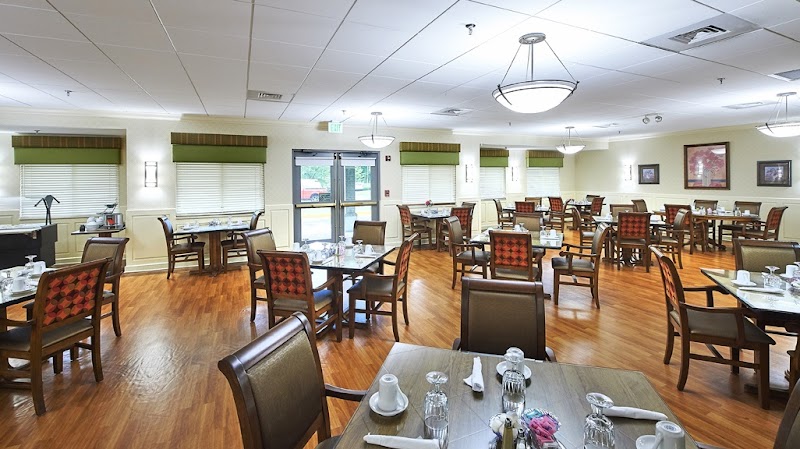
How is Harbour Manor Health & Living Community Staffed?

CMS rates HARBOUR MANOR HEALTH & LIVING COMMUNITY's staffing level at 3 out of 5 stars, which is average compared to other nursing homes. Staff turnover is 43%, compared to the Indiana average of 46%. This relatively stable workforce can support continuity of care.

What Have Inspectors Found at Harbour Manor Health & Living Community?

State health inspectors documented 13 deficiencies at HARBOUR MANOR HEALTH & LIVING COMMUNITY during 2022 to 2025. These included: 1 that caused actual resident harm and 12 with potential for harm. Deficiencies causing actual harm indicate documented cases where residents experienced negative health consequences.
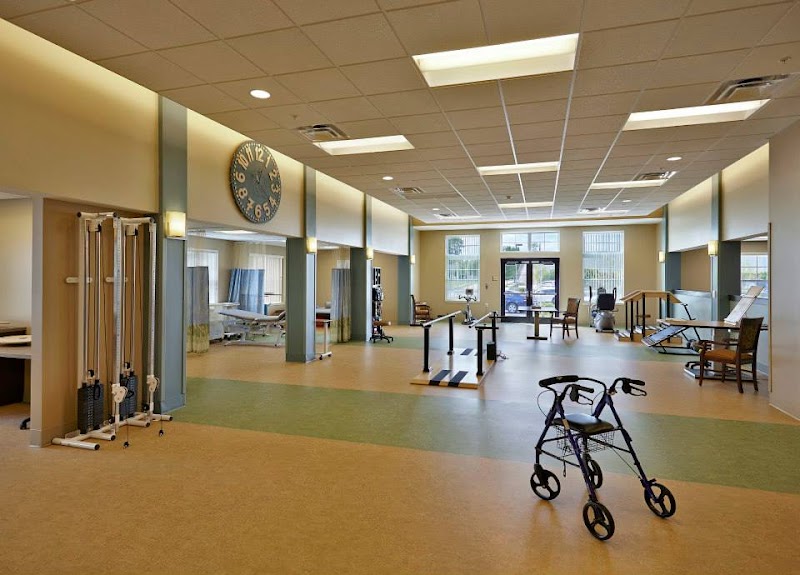
Who Owns and Operates Harbour Manor Health & Living Community?

HARBOUR MANOR HEALTH & LIVING COMMUNITY is owned by a for-profit company. For-profit facilities operate as businesses with obligations to shareholders or private owners. The facility is operated by CARDON & ASSOCIATES, a chain that manages multiple nursing homes. With 129 certified beds and approximately 119 residents (about 92% occupancy), it is a mid-sized facility located in NOBLESVILLE, Indiana.
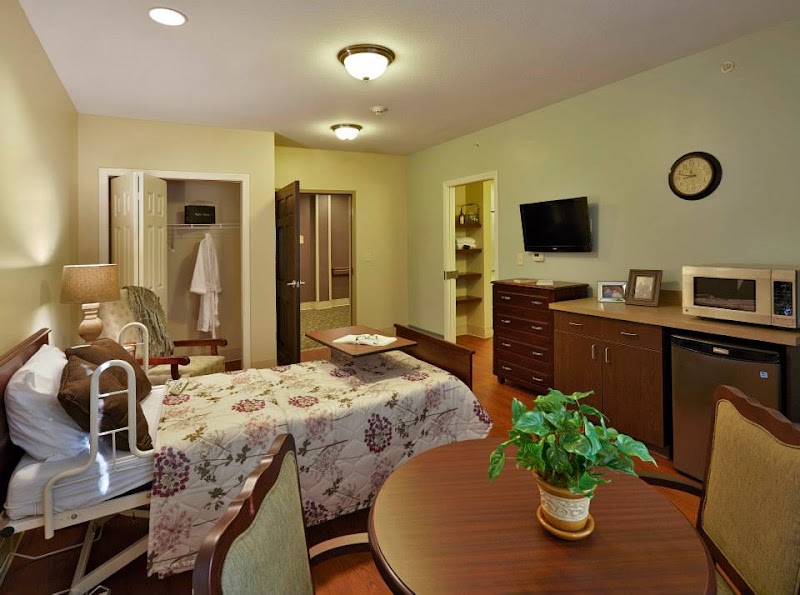
How Does Harbour Manor Health & Living Community Compare to Other Indiana Nursing Homes?

Compared to the 100 nursing homes in Indiana, HARBOUR MANOR HEALTH & LIVING COMMUNITY's overall rating (3 stars) is below the state average of 3.1, staff turnover (43%) is near the state average of 46%, and health inspection rating (2 stars) is below the national benchmark.

What Should Families Ask When Visiting Harbour Manor Health & Living Community?

Based on this facility's data, families visiting should ask: "What safeguards and monitoring systems are in place to protect residents from abuse or neglect?" "Can I visit during a mealtime to observe dining assistance and food quality?" "How do you handle medical emergencies, and what is your hospital transfer rate?" "Can I speak with family members of current residents about their experience?" These questions are particularly relevant given the substantiated abuse finding on record.

Is Harbour Manor Health & Living Community Safe?

Based on CMS inspection data, HARBOUR MANOR HEALTH & LIVING COMMUNITY has documented safety concerns. The facility has 1 substantiated abuse finding (meaning confirmed case of resident harm by staff or other residents). The facility has a 3-star overall rating and ranks #100 of 100 nursing homes in Indiana. Families considering this facility should ask detailed questions about what corrective actions have been taken since these incidents.

Do Nurses at Harbour Manor Health & Living Community Stick Around?

HARBOUR MANOR HEALTH & LIVING COMMUNITY has a staff turnover rate of 43%, which is about average for Indiana nursing homes (state average: 46%). Moderate turnover is common in nursing homes, but families should still ask about staff tenure and how the facility maintains care continuity when employees leave.

Was Harbour Manor Health & Living Community Ever Fined?

HARBOUR MANOR HEALTH & LIVING COMMUNITY has no federal fines on record. CMS issues fines when nursing homes fail to meet care standards or don't correct problems found during inspections. The absence of fines suggests the facility has either maintained compliance or corrected any issues before penalties were assessed. This is a positive indicator, though families should still review recent inspection reports for the full picture.

Is Harbour Manor Health & Living Community on Any Federal Watch List?

HARBOUR MANOR HEALTH & LIVING COMMUNITY is not on any federal watch list. The most significant is the Special Focus Facility (SFF) program, which identifies the bottom 1% of nursing homes nationally based on persistent, serious quality problems. Not being on this list means the facility has avoided the pattern of deficiencies that triggers enhanced federal oversight. This is a positive indicator, though families should still review the facility's inspection history directly.