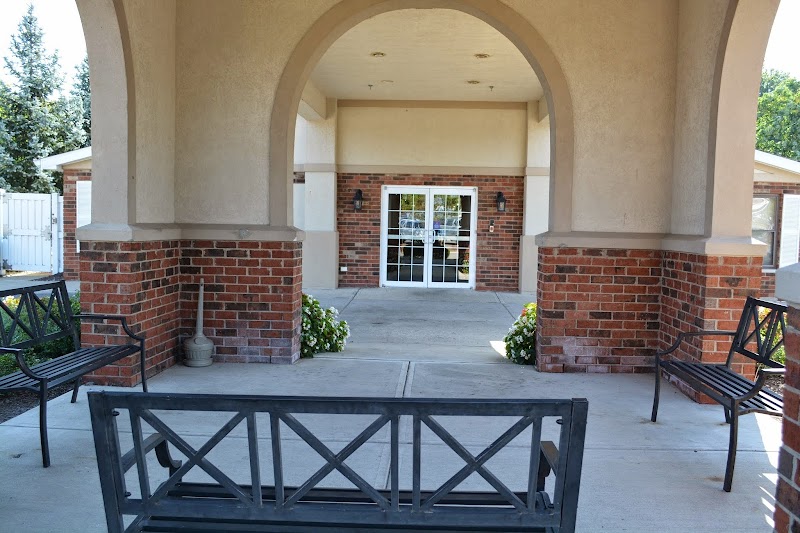
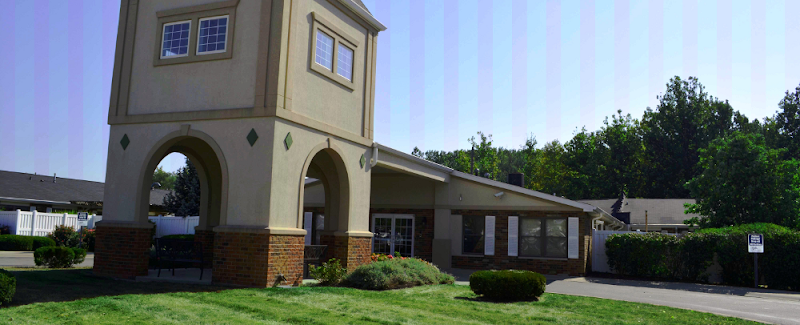
RIVERWALK VILLAGE

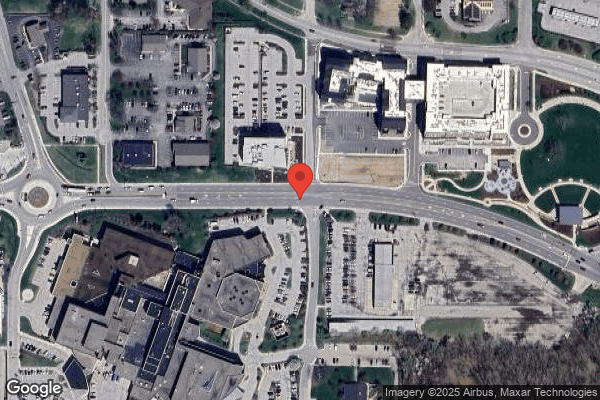
295 WESTFIELD RD, NOBLESVILLE, IN 46060 (317) 773-3760
For profit - Limited Liability company 169 Beds AMERICAN SENIOR COMMUNITIES Data: November 2025
Trust Grade
50/100
#383 of 505 in IN
Last Inspection: October 2024

Within standard 12-15 month inspection cycle. Federal law requires annual inspections.

Overview

Riverwalk Village in Noblesville, Indiana has a Trust Grade of C, indicating it is average compared to other nursing homes, meaning it is neither great nor terrible. It ranks #383 out of 505 facilities in Indiana, placing it in the bottom half, and #16 out of 17 in Hamilton County, suggesting only one local option is better. The facility's performance is worsening, with issues increasing from 8 in 2023 to 13 in 2024. Staffing is a significant concern, earning only 1 out of 5 stars, and the 51% turnover rate is around the state average but still indicates instability. However, the facility has no fines on record, which is positive, and it has more RN coverage than 97% of Indiana facilities, which helps catch potential problems early. Specific incidents of concern include a failure to properly evaluate staffing needs for operating mechanical lifts, which could jeopardize resident safety, and a lack of necessary documentation for narcotic medication counts, posing risks for medication management. While the facility has strengths such as good RN coverage and no fines, the increasing number of issues and poor staffing ratings are significant weaknesses to consider.

Trust Score
C
50/100
In Indiana
#383/505
Bottom 25%
Safety Record
Low Risk
No red flags
Inspections
Getting Worse
8 → 13 violations
Staff Stability
⚠ Watch
51% turnover. Above average. Higher turnover means staff may not know residents' routines.
Penalties
✓ Good
No fines on record. Clean compliance history, better than most Indiana facilities.
Skilled Nurses
⚠ Watch
Each resident gets only 15 minutes of Registered Nurse (RN) attention daily — below average for Indiana. Fewer RN minutes means fewer trained eyes watching for problems.
Violations
⚠ Watch
36 deficiencies on record. Higher than average. Multiple issues found across inspections.
★★☆☆☆
2.0
Overall Rating
★☆☆☆☆
1.0
Staff Levels
★★★★☆
4.0
Care Quality
★★★☆☆
3.0
Inspection Score
Stable
2023: 8 issues
2024: 13 issues

The Good

  • 4-Star Quality Measures · Strong clinical quality outcomes
  • Full Sprinkler Coverage · Fire safety systems throughout facility
  • No fines on record

Facility shows strength in quality measures, fire safety.

The Bad

2-Star Overall Rating

Below Indiana average (3.1)

Below average - review inspection findings carefully

Staff Turnover: 51%

Near Indiana avg (46%)

Higher turnover may affect care consistency

Chain: AMERICAN SENIOR COMMUNITIES

Part of a multi-facility chain

Ask about local staffing decisions and management

The Ugly 36 deficiencies on record

Nov 2024 2 deficiencies
CONCERN (D) 📢 Someone Reported This

A family member, employee, or ombudsman was alarmed enough to file a formal complaint

Potential for Harm - no one hurt, but risky conditions existed

Investigate Abuse (Tag F0610)

Could have caused harm · This affected 1 resident

Deficiency Text Not Available

Read full inspector narrative →
Deficiency Text Not Available
CONCERN (D) 📢 Someone Reported This

A family member, employee, or ombudsman was alarmed enough to file a formal complaint

Potential for Harm - no one hurt, but risky conditions existed

Accident Prevention (Tag F0689)

Could have caused harm · This affected 1 resident

Based on record review and interview, the facility failed to accurately assess for fall risks, to implement fall interventions, and to thoroughly document falls for 1 of 3 residents reviewed for falls...

Read full inspector narrative →
Based on record review and interview, the facility failed to accurately assess for fall risks, to implement fall interventions, and to thoroughly document falls for 1 of 3 residents reviewed for falls with injury. (Resident F) Findings include: Resident F's clinical record was reviewed on 11/26/24 at 4:00 p.m. Diagnoses included unspecified dementia, difficulty walking, and history of falling. A 8/29/24, Geriatric Interim Care Note from Resident F's admission paperwork indicated the following: fall one week ago on 8/21/24, with right hip pain ongoing. The fall one week ago was out of a chair onto right hip, did not hit head, able to get up unassisted. Hip was painful without improvement. He still walked and bore his own weight. Dementia with behavioral disturbances, likely mixed vascular and Alzheimer's Disease. He had been getting more assistance with ADLs and iADLs, which family had been providing. Skilled nursing placement required for wound care. A 9/3/24, admission Fall Assessment document indicated the resident had no falls in the previous six months, was incontinent of bowel and bladder, no tethering equipment, no mobility issues, and had an altered awareness of his surroundings. The fall assessment score was 9, which indicated a moderate fall risk. A new admission care plan, dated 9/3/24, indicated implementation of services to include assistance with activities of daily living. The approaches included the following: Assist with transfers, ambulation, bed mobility, toileting and/or incontinent care, eating/drinking, and bathing/hygiene, including oral/dental care. Provide fall prevention interventions: (call light in reach, area free of clutter, room orientation, non-skid footwear when out of bed, other). A progress note, dated 9/3/24 at 5:00 p.m., indicated the resident arrived with family, ambulated with a walker, was continent of bowel and bladder, and was seen with walker, peering under the bed. Resident F was shown the call light and told to alert staff if something was needed. Resident F was very unsteady on feet and left walker outside of bathroom and would not allow staff to help him. A late entry progress note, dated 9/3/24 at 6:45 p.m., initiated on 9/4/24 at 4:56 p.m., indicated the resident was found on the floor, in the doorway, seated upright with legs extended. Resident F was previously seen in bed. Resident was assessed for injury, assisted to stand, and given his walker. He indicated he fell. A late entry progress note, dated 9/3/24 at 7:16 p.m., initiated on 9/4/24 at 4:57 p.m., indicated the Director of Nursing (DON) and family were notified of fall and a new order to send the resident to the emergency room for assessment. A progress note, dated 9/3/24 at 7:59 p.m., indicated the resident was found lying on the floor, on his left side. There was a large amount of blood and an open area to his head that was larger than when he arrived. Resident F was assessed and assisted into a chair. Resident F was alert and answered questions. Pressure was held to the wound. Physician was notified and an order to send to the emergency room was given. A 9/4/24, Interdisciplinary Team (IDT) Fall note indicated the resident was a new admit and was observed ambulating with a walker. He had an unsteady gait prior to the fall. He was observed lying on his left side in street clothing and non skid shoes. He stated he was unsure what he was attempting to do. Staff earlier reported him attempting to look under furniture. Resident F received a laceration to the head. Resident F was sent to the emergency room for evaluation and treatment. He was admitted to the hospital. Root cause found to be new admission with confusion to immediate surroundings and unsteady gait. Care plan was updated. A 9/3/24 Fall Event, initiated on 9/4/24 at 4:47 p.m., indicated the resident had an unwitnessed fall without injury. The resident was previously seen lying in bed. The immediate intervention was to assess the resident and assist back to standing position. A 9/3/24 Fall Event, initiated on 9/3/24 at 7:59 p.m., indicated the resident had an unwitnessed fall with head pain and a laceration. The resident was up with walker in room. The immediate intervention was to send the resident to the emergency room for evaluation. A progress note dated 9/4/24 at 7:48 a.m., indicated the resident was admitted to the hospital with the diagnosis of a brain bleed. During an interview, on 11/26/24 at 12:23 p.m., RN 7 indicated when a resident fell, the staff needed to immediately assess the resident and the environment before moving them. The electronic medical record had a fall event staff were to complete with as much information as possible. This included vitals signs, the circumstances of the fall, and the new interventions immediately used after the fall. Fall interventions should be specific to each resident and the needs of the resident. The DON and physician should be called immediately. During an interview, on 11/27/24 at 11:14 a.m., the ADON indicated when a new resident admitted to the facility, the nursing staff received an intake referral form and general hospital or physician paperwork. The staff were able to access and review this information about a resident's condition and diagnosis. She was not on staff when Resident F admitted . During an interview, on 11/27/24 at 11:29 a.m., the DON indicated the nurses on staff reported falls to her. At the time of this report, the DON and staff member reviewed the current fall interventions and immediately added new interventions to prevent further falls. The fall interventions were reviewed in the next IDT meeting to ensure they were appropriate or if they should be changed. The DON indicated the staff member working the night Resident F admitted and had two falls did not follow the policies and procedures of the facility. A current facility policy, revised 8/22, titled, Fall Management Policy, provided by the Administrator on 11/27/24 at 12:51 p.m., indicated the following: . 1. Fall risk/fall prevention will be assessed upon admission . 2. All new admission will be considered a fall risk based upon his/her new living arrangements and his/her reasons for being admitted into the nursing facility. 3. A care plan will be developed at the time of admission with specific care plan interventions to address each resident's fall risk factors . 5. Residents who are categorized as moderate to high risk should have fall interventions based on resident specific risk factors .Post Fall . A fall event will be initiated as soon as the resident has been assessed and cared for. The report must be completed in full in order to identify possible root causes of the fall and provide immediate interventions This citation relates to Complaint IN00448034. 3.1-45 (a)(2)
Oct 2024 3 deficiencies
CONCERN (D)

Potential for Harm - no one hurt, but risky conditions existed

Deficiency F0761 (Tag F0761)

Could have caused harm · This affected 1 resident

**NOTE- TERMS IN BRACKETS HAVE BEEN EDITED TO PROTECT CONFIDENTIALITY** Based on observation and interview, the facility failed to appropriately discard expired insulin pens and label medications with...

Read full inspector narrative →
**NOTE- TERMS IN BRACKETS HAVE BEEN EDITED TO PROTECT CONFIDENTIALITY** Based on observation and interview, the facility failed to appropriately discard expired insulin pens and label medications with resident information in 2 of 6 medication carts observed for medication storage. (D and Cottage 2) Findings include: 1. During a medication storage observation of the D hall medication cart, accompanied by RN 3, on [DATE] at 12:15 p.m., the following was observed: One unlabeled 8 milligram (mg) ondansetron (to prevent vomiting) blister packaged pill. One glargine (insulin) pen, with approximately 25 units remaining, with an open date of [DATE]. During an interview, at the time of the observation, RN 3 indicated the ondansetron pill must have fallen out of the bag and the insulin was expired and should not be given to the resident. 2. During a medication storage observation of the Cottage 2 medication cart, accompanied by LPN 4, on [DATE] at 12:24 p.m., the following was observed: One unlabeled bottle of morphine (a narcotic pain reliever) with approximately 14 units remaining. During an interview, at the time of the observation, LPN 4 indicated the bottle had been removed from the facility's medication management system and should have been labeled with resident information. A current facility policy, revised [DATE], titled, Storage and Expiration Dating of Medications and Biologicals, provided by the Administrator on [DATE] at 10:46 a.m., indicated the following: .11. Once a medication or biological package is opened, facility should follow manufacture/supplier guidelines with respect to expiration dates for opened medications .12. Facility should destroy and reorder medications and biologicals with soiled, illegible,worn, makeshift, incomplete, damaged, or missing labels . A current facility document, dated 2022, titled, Dating Medications & Supplies, provided by the Administrator on [DATE] at 11:50 a.m., indicated the following: .Discard expired/undated medications and supplies . 3.1-25 (j) 3.1-25 (k)
CONCERN (E)

Potential for Harm - no one hurt, but risky conditions existed

Pharmacy Services (Tag F0755)

Could have caused harm · This affected multiple residents

**NOTE- TERMS IN BRACKETS HAVE BEEN EDITED TO PROTECT CONFIDENTIALITY** 4. During a medication storage observation of the D hall medication cart, on 10/25/24 at 12:15 p.m., accompanied by RN 3, the Na...

Read full inspector narrative →
**NOTE- TERMS IN BRACKETS HAVE BEEN EDITED TO PROTECT CONFIDENTIALITY** 4. During a medication storage observation of the D hall medication cart, on 10/25/24 at 12:15 p.m., accompanied by RN 3, the Narcotic Count Sheet sheet was reviewed and the following dates lacked shift to shift count and reconciliation signatures of controlled medications: October 2024- lacked a narcotic card count 1st, 2nd, 3rd, 4th, 5th, 6th, 7th, 8th, 9th, 11th, 12th, 13th,14th, 15th, 19th, 20th, 21st, 22nd, and 23rd. October 2024- lacked shift-to-shift narcotic reconciliation signatures 10/1: 6:00 a.m. - 2:00 p.m., 2:00 p.m. - 10:00 p.m., 10:00 p.m. - 6:00 a.m., 10/2: 6:00 a.m. - 2:00 p.m. and 10:00 p.m. - 6:00 a.m., 10/4: 6:00 a.m. - 2:00 p.m. and 2:00 p.m. - 10:00 p.m., 10/9: 2:00 p.m. - 10:00 p.m., 10/17: 10:00 p.m. - 6:00 a.m., 10/21: 6:00 a.m. - 2:00 p.m., 10/23: 6:00 a.m. - 2:00 p.m. 5. During a medication storage observation of the C hall medication cart, on 10/25/24 at 12:15 p.m., accompanied by RN 3, the Narcotic Count Sheet sheet was reviewed and the following dates lacked shift to shift count and reconciliation signatures of controlled medications: October 2024- lacked a narcotic card count 1st, 2nd, 3rd, 4th, 5th, 6th, 7th, 8th, 9th, 11th, 12th, 13th, 14th, 15th, 16th, 19th, 20th, 21st, 22nd, and 23rd. October 2024- lacked shift-to-shift narcotic reconciliation signatures 10/1: 2:00 p.m. - 10:00 p.m. and 10:00 p.m. - 6:00 a.m., 10/2: 10:00 p.m. - 6:00 a.m., 10/6: 6:00 a.m. - 2:00 p.m. and 2:00 p.m. - 10:00 p.m., 10/7: 2:00 p.m.- 10:00 p.m. and 10:00 p.m. - 6:00 a.m., 10/8: 2:00 p.m. - 10:00 p.m. and 10:00 p.m. - 6:00 a.m., 10/9: 10:00 p.m. - 6:00 a.m. During an interview, at the time of the observations, RN 3 indicated her assignment included using both carts to administer medication. The sign in/sign out sheet was to be completed by nurses at the beginning and ending of their shifts. 6. During a medication storage observation of the Cottage 2 medication cart, on 10/25/24 at 12:24 p.m., accompanied by LPN 4, the Narcotic Count Sheet sheet was reviewed and the following dates lacked shift to shift count and reconciliation signatures of controlled medications: October 2024- lacked a narcotic card count 1st, 2nd, 3rd, 4th, 5th, 6th, 7th, 8th, 9th, 10th, 11th, 13th, 16th, 17th, 18th, and 20th. October 2024- lacked shift-to-shift narcotic reconciliation signatures 10/2: 2:00 p.m. - 10:00 p.m., 10/3: 2:00 p.m. - 10:00 p.m. and 10:00 p.m. - 6:00 a.m., 10/4: 10:00 p.m. - 6:00 a.m., 10/5: 6:00 a.m. - 2:00 p.m., 2:00 p.m. - 10:00 p.m., and 10:00 p.m. - 6:00 a.m., 10/7: 10:00 p.m. - 6:00 a.m., 10/10: 6:00 a.m. - 2:00 p.m. and 2:00 p.m. - 10:00 p.m., 10/11: 6:00 a.m. - 2:00 p.m., 2:00 p.m. - 10:00 p.m., and 10:00 p.m. - 6:00 a.m., 10/12: 6:00 a.m. - 2:00 p.m. and 2:00 p.m. - 10:00 p.m., 10/24: 2:00 p.m.- 10:00 p.m. During an interview, at the time of the observations, LPN 4 indicated the sign in/sign out sheet was completed at the beginning and end of each shift to verify the narcotic count was correct. During an interview, on 10/25/24 at 1:43 p.m., the DON indicated she discovered the facility was utilizing the wrong sign in/sign out forms and changed them on October 10th. The expectation for staff was for the sheet to be filled out completely. The oncoming nurse and offgoing nurse count narcotics and sign the count sheets at the beginning and end of every shift to help prevent drug diversion. A current facility policy, revised 8/1/24, titled, Inventory Control of Controlled Substances, provided by the DON on 10/28/24 at 1:49 p.m., indicated the following: . Facility should ensure that the incoming and outgoing nurse count all Schedule II controlled substances and other medications with a risk of abuse or diversion at the change of each shift or at least once daily and document the results on a Controlled Substance Count Verification/Shift Count Sheet. Facility should: Reconcile the total number of controlled medications on hand, add newly received medications to the inventory, and removed medications that are completed or discontinued from the inventory . 3.1- 25(b)(3) Based on record review and interview, the facility failed to ensure shift-to-shift narcotic count and reconciliation was completed for 6 of 7 medication carts reviewed for medication reconciliation. (Carts HI, [NAME], [NAME], C, D, and Cottage 2) Findings include: 1. During a medication storage observation of the HI medication cart, on 10/25/24 at 11:27 a.m., accompanied by LPN 7, the Narcotic Count Sheet was reviewed and the following dates lacked shift-to-shift count and reconciliation signatures of controlled medications: October 2024- lacked a narcotic card count: 1st, 2nd, 3rd, 4th, 5th, 6th, 7th, 8th, 9th, 10th, 11th, and 12th. October 2024- lacked shift-to-shift narcotic reconciliation signatures: 10/2: 6:00 a.m. - 2:00 p.m., 10/5: 6:00 a.m. - 2:00 p.m. and 2:00 p.m. - 10:00 p.m., 10/6: 6:00 a.m. - 2:00 p.m., 10/9: 6:00 a.m. - 2:00 p.m. and 2:00 p.m. - 10:00 p.m., 10/10: 6:00 a.m. - 2:00 p.m., 10/12: 6:00 a.m. - 2:00 p.m. and 10:00 p.m. - 6:00 a.m. 10/25: 6:00 a.m. - 2:00 p.m. During an interview, at the time of observation, LPN 7 indicated no one had signed the narcotic count for the HI cart for days shift on 10/25/24. She had been late that day and LPN 6 completed the shift to shift narcotic count with the night shift nurse prior to her arrival. She had completed a shift to shift narcotic count with LPN 6 upon her arrival but neither of them had completed the reconciliation when the HI cart was transferred from one employee to the next. The shift to shift narcotic counts and signatures were required each time the medication cart was transferred from one employee to the next. 2. During a medication storage observation of the [NAME] medication cart, on 10/25/24 at 10:12 a.m., accompanied by LPN 8, the Narcotic Count Sheet was reviewed and the following dates lacked shift-to-shift count and reconciliation signatures of controlled medications: October 2024- lacked a narcotic card count: 1st, 2nd, 3rd, 4th, 5th, 6th, 7th, 8th, 9th, 10th, 21st, 22nd, 23rd, and 24th. October 2024- lacked shift-to-shift narcotic reconciliation signatures: 10/1: 10:00 p.m. - 6:00 a.m.- 2:00 p.m., 10/7: 2:00 p.m. - 10:00 p.m., 10/8: 2:00 p.m. - 10:00 p.m., 10/9: 6:00 a.m. - 2:00 p.m. 3. During a medication storage observation of the [NAME] medication cart, on 10/25/24 at 11:42 a.m., accompanied by LPN 6, the Narcotic Count Sheet was reviewed and the following dates lacked shift-to-shift count and reconciliation signatures of controlled medications: October 2024- lacked a narcotic card count: 1st, 2nd, 3rd, 4th, 5th, 6th, 7th, 8th, 9th, 10th, 22nd, and 23rd. October 2024- lacked shift-to-shift narcotic reconciliation signatures: 10/1: 2:00 p.m.- 10:00 p.m. and 10:00 p.m. - 6:00 a.m., 10/2: 2:00 p.m. - 10:00 p.m., 10/4: 2:00 p.m. - 10:00 p.m., 10/5: 6:00 a.m. - 2:00 p.m., 2:00 p.m. - 10:00 p.m., 10/6: 6:00 a.m. - 2:00 p.m., 2:00 p.m. - 10:00 p.m., and 10:00 p.m. - 6:00 a.m., 10/9: 2:00 p.m. - 10:00 p.m., 10/10: 6:00 a.m. - 2:00 p.m., 2:00 p.m.- 10:00 p.m., 10:00 p.m. - 6:00 a.m. During an interview, at the time of observation, LPN 6 indicated the narcotic count sheet should have been completed by both staff members when the medication cart was transferred from one staff member to another. A count should have included the number of controlled medication cards and bottles with each transfer of the medication carts.
CONCERN (E)

Potential for Harm - no one hurt, but risky conditions existed

Infection Control (Tag F0880)

Could have caused harm · This affected multiple residents

2. Resident 2's clinical record was reviewed on 10/25/24 at 9:30 a.m. Diagnosis included spastic quadriplegic cerebral palsy, unspecified severe protein-calorie malnutrition, oropharyngeal dysphagia, ...

Read full inspector narrative →
2. Resident 2's clinical record was reviewed on 10/25/24 at 9:30 a.m. Diagnosis included spastic quadriplegic cerebral palsy, unspecified severe protein-calorie malnutrition, oropharyngeal dysphagia, and epilepsy. A physician's order, dated 5/17/24, indicated may crush appropriate medications and administer per gastrostomy tube. Check placement of gastrostomy tube and check residuals (fluid or contents in the stomach). A physician's order, dated 6/4/24, indicated enteral feeding (to provide nutrition), gastrostomy tube, size 18 French (diameter of the tube). An isolation care plan, dated 6/10/24, indicated the resident was at risk of transferring Multidrug-Resistant Organisms (MDROs) and required enhanced barrier precautions related to indwelling medical devices. The approaches included to use standard precautions including hand hygiene and to wear gown and gloves for high-contact resident care activities. During an observation, on 10/23/24 at 9:50 a.m., Resident 2's room had an Enhanced Barrier Precautions sign on the wall directly beside the door. Personal protective equipment (PPE) was in a plastic container directly below the sign. Resident 2 was lying in bed with an enteral tube pump at bedside. During a medication administration observation, on 10/25/24 at 8:21 a.m., RN 3 crushed medications for Resident 2. RN 3 donned gloves and lifted the resident's gown to access the gastrostomy tube to her left abdomen and completed the medication administration. During an interview, on 10/25/24 at 8:51 a.m., RN 3 indicated Resident 2 was in enhanced barrier precautions and she had forgotten to don a gown while providing care to her gastrostomy tube. The enhanced barrier precaution required staff to wear protection when working with resident that have catheters, gastrostomy tubes and wounds or openings in the skin to prevent the spread of infection. 3. Resident 79's clinical record was reviewed on 10/28/24 at 10:08 a.m. Diagnosis included malignant neoplasm of the prostate, type 2 diabetes mellitus, benign prostatic hyperplasia, and a stage 3 (full thickness tissue loss) pressure ulcer to left heel. A physician's order, dated 10/22/24, indicated cleanse left heel wound with Dakin's (an antiseptic) solution, apply Hydrofera Blue (to treat bacteria and protect) to wound bed every 3 days on day shift and as needed. An isolation care plan, dated 4/17/24, indicated Resident 79 was at risk of transferring MDRO's and required enhanced barrier precautions related chronic wounds requiring a dressing. The approaches included to use standard precautions including hand hygiene and to wear gown and gloves for high contact resident care activities. During a wound care observation, on 10/28/24 at 9:47 a.m., Resident 79 was lying in bed. An enhanced barrier precautions sign was taped to the wall at the foot of his bed. His bed was against the wall horizontally. Two nursing staff members performed hand hygiene and donned gloves. The Unit Manager set up a sterile field on the bedside table. LPN 6 was assisting by holding the residents left leg up at the ankle. The Unit Manager removed the bandage to the resident's left leg. The open wound was approximately the size of a quarter. The Unit Manager performed wound care while LPN 6 held the resident's leg. The Unit Manager gathered the used supplies and trash to dispose of and performed hand hygiene. During an interview, at the time of the observation, LPN 6 and the Unit Manager both indicated Resident 79 was on enhanced barrier precautions for his open wound and they had both forgotten to don a gown prior to beginning his wound care treatment. LPN 6 indicated enhanced barrier precautions were to be worn when working with residents that have catheters, feeding tubes, and open wounds. During an interview, on 10/30/24 at 1:51 p.m., the DON indicated it was the expectation for staff to follow all the guideline for enhanced barrier precautions. These precautions assist in preventing the spread of infections. The residents who required enhanced barrier precautions had catheters, feeding tubes, MDRO's, and open wounds requiring a dressing. During an interview, on 10/30/24 at 2:25 p.m., the Infection Preventionist indicated staff were expected to understand the enhanced barrier precautions protocols. She placed signs and PPE at the residents' rooms that required enhanced barrier precautions. All staff should have worn PPE when providing care for an open wound or giving medications through a gastrostomy tube. A current facility policy, revised 4/24/24, titled, Standard Precautions and Transmission- Based Precautions (Isolation) Policy, provided by the DON on 10/28/24 at 1:49 p.m., indicated the following: .Enhanced Barrier Precautions (EBP): An intervention designed to reduce the transmission of resistant organisms that employs targeted use of gown and glove use during high contact resident care activities. EBP expands the use of PPE beyond situations in which exposure to blood and body fluids is anticipated, it refers to the use of gown and gloves during high-contact resident care activities that provide opportunities for transfer of MDROs to staff hands and clothing. Enhanced barrier precautions are used for: Resident(s) with chronic wounds and/or indwelling medical devices, regardless of their MDRO status .Wounds generally include .pressure ulcers . Indwelling medical device examples include .feeding tubes . 3.1-18(l) Based on observation, interview, and record review, the facility failed to implement enhanced barrier precautions (EBP) during high contact care for 3 of 6 residents reviewed for infection control. (Residents 41, 2, and 79) Findings include: 1. During an observation on 10/23/24 at 11:16 a.m., there was no indication of EBP outside of Resident 41's room. A Resident Matrix document, provided by the facility on 10/23/24, indicated Resident 41 had a Stage III (full-thickness skin loss, exposing fat tissue but not muscle, tendon, or bone) pressure ulcer. During an observation on 10/24/24 at 4:29 p.m., the resident was in bed on a low air loss mattress. There was no indication of EBP outside or inside the resident's room. Resident 41's clinical record was reviewed on 10/25/24 at 10:22 a.m. Diagnoses included, dementia, anorexia, unspecified severe protein-calorie malnutrition, and abnormal posture. A current physician order, dated 10/10/24, included Santyl (wound treatment) ointment 250 units per gram - cleanse open area to the sacrum with normal saline and apply Santyl to the wound bed and cover with a foam dressing. The clinical record lacked indication of enhanced barrier precautions. A quarterly Minimum Data Set (MDS) assessment, dated 9/27/24, indicated the resident was cognitively impaired. She was dependent on staff assistance for toileting, dressing, transfers, and personal hygiene. The resident had an unhealed pressure ulcer. The clinical record lacked a care plan for enhanced barrier precautions. During a wound care observation on 10/25/24 from 10:24 a.m. to 10:40 a.m. , upon entry to the room, there was no indication of EBP inside or outside the room. LPN 6 and the ADON performed hand hygiene and donned gloves prior to the wound treatment. Gowns were not readily available for use inside the room. Both staff members walked over to the resident's right side of her bed, which was against the wall, leaned in against the resident's bed linens with their exposed clothing, and assisted the resident onto her left side for wound care on her right buttock near the sacrum. The old dressing was removed from the open right buttock wound, with scant serous drainage noted. Following wound care, LPN 6 and the ADON provided perineal care as they leaned in against the resident's bed linens with their exposed clothing. Gowns were not worn by either staff member during the course of the observation. During an interview on 10/29/24 at 11:59 a.m., CNA 11 indicated staff were required to wear a gown and gloves for high contact care activities when a resident was in enhanced barrier precautions. She was made aware when a resident was in enhanced barrier precautions by the enhanced barrier precaution signs hung outside the residents' doors. Specific precautions were also listed on the CNA assignment sheets. She indicated she was providing care for Resident 41 on this date and had not followed enhanced barrier precautions for her high contact care because the resident was not in enhanced barrier precautions. She had only worn gloves. The resident had a chronic wound, but had not been placed in enhanced barrier precautions. She knew residents with catheters required enhanced barrier precautions, but she was uncertain what other reasons a resident may need enhanced barrier precautions. Review of the provided CNA assignment sheet, at the time of the interview, lacked indication of enhanced barrier precautions. During an interview on 10/29/24 at 12:15 p.m., LPN 6 indicated residents with enhanced barrier precautions had a sign outside their room, above their bed, and an order in their chart for enhanced barrier precautions. Enhanced barrier precautions were required for residents with catheters, open wounds, and ostomies. Resident 41 should have had enhanced barrier precautions implemented by the Infection Preventionist, but it was not implemented. Since the sign was not present, she and the ADON had not followed enhanced barrier precautions during the resident's wound care observation and perineal care on 10/25/24. She should have known to follow enhanced barrier precautions, even though signs were not posted, since the resident had an open wound. A gown and gloves were required during the resident's high-contact care. During an interview on 10/29/24 at 12:31 p.m., the ADON indicated enhanced barrier precautions should have been previously initiated when the resident's open wound was identified.
Apr 2024 2 deficiencies
CONCERN (D) 📢 Someone Reported This

A family member, employee, or ombudsman was alarmed enough to file a formal complaint

Potential for Harm - no one hurt, but risky conditions existed

Deficiency F0760 (Tag F0760)

Could have caused harm · This affected 1 resident

Based on observation, interview, and record review, the facility failed to complete verification of the correct type of insulin prior to administration for 1 of 3 residents reviewed for insulin use, r...

Read full inspector narrative →
Based on observation, interview, and record review, the facility failed to complete verification of the correct type of insulin prior to administration for 1 of 3 residents reviewed for insulin use, resulting in the wrong type of insulin being given. (Resident B) Findings include: Resident B's clinical record was reviewed on 4/4/24 at 9:43 a.m. Diagnoses included type 2 diabetes mellitus without complications. His physicians orders included glargine-yfgn insulin (long-acting insulin) pen 40 units subcutaneously daily in the a.m. (started on 3/11/24) and Levemir (long- acting insulin) 55 units subcutaneously at bedtime (started on 2/20/24 - discontinued on 3/19/24). A 2/9/24 significant change Minimum Data Set (MDS) assessment indicated he was cognitively intact. His blood sugars on 3/16/24 were 180 mg/dL at 8:00 p.m., 184 mg/dL at 8:13 p.m., 150 mg/dL at 8:20 p.m., and 167 mg/dL at 8:33 p.m. A nurses note, dated 3/16/24 at 8:45 p.m. (recorded as a late entry on 3/17/24 at 3:09 p.m.), indicated a medication error was made. He received 55 units of Novolog insulin (short acting insulin) instead of 55 units of Levemir insulin. An accucheck was performed and read 180 mg/dL directly afterwards. He was brought to the nurses station for monitoring. The on-call physician was notified immediately and requested to have him sent to the emergency room (ER). His accuchecks were done frequently until the EMTs arrived. An ER note, dated 3/16/24 at 8:58 p.m., indicated he was transferred to the hospital after a medication error. He was treated with 55 units of subcutaneous Novolog insulin rather than 55 units of Levemir insulin. His blood sugar was 150 mg/dL during transport to the hospital with EMS and 180 mg/dL upon arrival to the ER. He denied feeling like he had low blood sugar, and he was encouraged to eat and drink a soft drink. He was started on 5 % dextrose (solution used to provide your body with extra water and carbohydrates (calories from sugar)), however, his blood sugar continued to drop as low as 66 mg/dL and he was started on 10% dextrose. He had improvement and stability of his blood sugar (around 170's) in the ER. He was also given supplemental potassium for hypokalemia (low blood potassium), likely caused by the insulin. With the resolution of his hypoglycemia (low blood sugar), it was decided that it was safe for him to return to the facility from the ER. He resumed his regular insulin and staff should take caution with which insulin they gave him. A nurses note, dated 3/17/24 at 3:28 a.m., indicated the hospital was called to check his status. He had been admitted to have his blood sugars monitored. A nurses note, dated 3/17/24 at 11:17 a.m., indicated he was admitted to the hospital but there was no bed available, and he remained in the ER. He had dextrose running via IV. If his blood sugar remained within normal limits in the next couple of hours, he would be discharged back to the facility. A nurses note, dated 3/17/24 at 11:24 p.m., indicated he was at the facility, and he had an IV in his left arm. During an interview with RN 14, on 4/4/24 at 11:20 a.m., she indicated it had been her first time working on that medication cart. She went to give Resident B his insulin in his belly. She didn't look at the pen to verify it was his, or the right insulin, prior to administering it to him. As she administered the insulin, she realized the pen was orange (Novolog) rather than green (Levemir). She immediately stopped administering the insulin, went to the computer to look up the insulins and got the other two nurses that were working. They got him up in his wheelchair and rechecked his blood sugar. She thought his blood sugar was 150 mg/dL or 180 mg/dL. They called the on-call physician and they didn't answer, so they called the endocrinologist, who told them to just continue to monitor him. The on-call physician called back and told them to send him to the ER. He was transported to the ER and he stayed stable. The facility provided her education related to the medication error. During an interview with RN 14, on 4/4/24 at 1:00 p.m., she indicated she had grabbed the resident's storage bag containing his insulin from the medication cart. His name was on the storage bag, but someone must have put someone else's insulin pen in his bag. She wasn't sure whose insulin pen she used. During an interview with Resident B, on 4/4/24 at 1:02 p.m., he indicated he was sent to the hospital because a nurse gave him an immediate release insulin when he was supposed to get a long-acting insulin, but she caught it right away. They got him up, put him in his wheelchair and took him to the nurses station. They took his blood sugar, and kept checking on him. A current facility policy, revised on 1/1/22, tilted General Dose Preparation and Medication Administration, provided by the DON on 4/4/24 at 1:18 p.m., indicated the following: .Procedure .3.7 Facility staff should verify that the medication name and dose are correct when compared to the medication order on the medication administration record .4.1 Facility staff should: 4.1.1 Verify each time a medication is administered that it is the correct medication, at the correct dose, at the correct route, at the correct rate, at the correct time, for the correct resident, as set forth in facility's medication administration schedule 3.1-48(c)(2) This citation relates to Complaint IN00430621.
CONCERN (D) 📢 Someone Reported This

A family member, employee, or ombudsman was alarmed enough to file a formal complaint

Potential for Harm - no one hurt, but risky conditions existed

Deficiency F0761 (Tag F0761)

Could have caused harm · This affected 1 resident

Based on observation, interview, and record review, the facility failed to date resident's insulin vials and insulin flex pens after opening in accordance with facility policy (Resident G, C, D, E, F,...

Read full inspector narrative →
Based on observation, interview, and record review, the facility failed to date resident's insulin vials and insulin flex pens after opening in accordance with facility policy (Resident G, C, D, E, F, and H) for 2 of 3 medication carts observed. (H hall and K/I medication carts) During a medication administration observation, on 4/4/24 at 11:55 a.m., with RN 14, she administered 22 units of Lispro (short acting insulin) insulin to Resident G. Neither the insulin vial, nor the container, had an open date on it. RN 14 checked other in-use insulins stored in the H hall medication cart and the following in-use insulins lacked open dates: 1. Resident C's Lispro insulin vial. 2. Resident D's Lispro insulin vial and a glargine-yfgn (long acting insulin) insulin pen with 180 of 300 units used from the pen. 3. Resident E's insulin aspart (short acting insulin) insulin pen with 280 units of 300 units used from the pen. 4. Resident F's glargine-fygn insulin pen with 280 units of 300 units used from the pen. RN 12 indicated they would normally date the insulin vials and pens after opening. During an observation of the K/I hall medication cart, accompanied by LPN 23, on 4/4/24 at 12:45 p.m., Resident H's in-use insulin glargine pen had no open date on it, 160 units of insulin had been used from the 300 unit pen. LPN 23 indicated she would normally date the insulin as soon as she pulled it from the refrigerator. A current facility policy, revised on 1/1/22, tilted General Dose Preparation and Medication Administration, provided by the DON on 4/4/24 at 1:18 p.m., indicated the following: .Procedure .3.12 Facility staff should enter the date opened on the label of medications with shortened expiration dates (e.g., insulins .) 3.1-25(j) This citation relates to Complaint IN00430621.
Mar 2024 2 deficiencies
CONCERN (D) 📢 Someone Reported This

A family member, employee, or ombudsman was alarmed enough to file a formal complaint

Potential for Harm - no one hurt, but risky conditions existed

Free from Abuse/Neglect (Tag F0600)

Could have caused harm · This affected 1 resident

Based on interview and record review, the facility failed to prevent the verbal and mental abuse of a severely cognitively impaired resident (Resident D) by a staff member (QMA 1). Using the reasonabl...

Read full inspector narrative →
Based on interview and record review, the facility failed to prevent the verbal and mental abuse of a severely cognitively impaired resident (Resident D) by a staff member (QMA 1). Using the reasonable person concept, it is likely this deficient practice would lead to chronic anxiety, or fear. Findings include: The clinical record of Resident D was reviewed on 3/6/24 at 12:18 p.m. Diagnoses included dementia with other behavioral disturbance, cognitive social or emotional deficit following cerebral infarction, depressive disorder, disorientation, and hypertension. The resident was living on the secured memory care unit. The most recent annual Minimum Data Set (MDS) assessment, dated 3/4/24, indicated the resident was severely cognitively impaired. Review of a facility self reportable, dated 3/1/24, indicated an allegation of verbal abuse was reported by staff. The reportable documented communication concerns between Resident D and QMA 1. Review of a written statement by Lab Tech 2, dated 3/1/24, indicated on 3/1/24 at 5:40 a.m., Resident D was standing up. The lab tech verbally encouraged the resident to sit down. QMA 1 was sitting at the nurse's station and indicated they were dealing with a fall follow-up. QMA 1 approached the resident to attempt to get them to sit down. Lab Tech 2 indicated as they were leaving the unit, they heard QMA 1 yell, I will call the cops on you. Do not touch me! The lab tech was concerned about what could have happened next and stayed within the line of sight of the resident until another staff member arrived. The lab tech left the unit and reported their concerns. Review of a written statement by CNA 3, dated 3/1/24, indicated they witnessed QMA 1 interact with Resident D. QMA 1 told the resident to sit down when they attempted to stand up from a chair. The resident said no. The resident was not aggressive nor combative towards QMA 1. The resident attempted to stand from the chair again and QMA 1 moved from the nurse's station towards the resident. QMA 1 told the resident they would call the police if the resident hit them. Review of an undated written statement by LPN 4 indicated they heard QMA 1 raise their voice at a resident. LPN 4 was not on the on the memory care unit. The raised voice was heard through double locked doors. Review of an email, dated 3/1/24, indicated QMA 1 denied yelling at the resident; they told the resident they would call the police and get the authorities involved if the resident didn't stop hurting them. QMA 1 indicated the resident had been squeezing their hand and hurting them. During an interview on 3/7/24 at 1:05 p.m., Lab Tech 2 indicated, on 3/1/24, they witnessed Resident D sitting in a common area. The resident attempted to stand and Lab Tech 2 told the resident she needed to sit down and tried to direct the resident back to the chair. QMA 1 was sitting in the nurse's station. The lab tech told QMA 1 staff usually have the resident sit in a recliner with her feet up. QMA 1 said she had to do a fall follow-up. QMA 1 then left the nurses' station and approached the resident. QMA 1 began yelling at the resident in a loud threatening voice. QMA 1 told the resident she was going to call the police if the resident touched them again. Lab Tech 2 did not see the resident touch QMA 1. The resident told QMA 1 responded Well don't touch me like that again. The lab tech did not see any physical contact between Resident D and QMA 1. The lab tech indicated they did not want to leave the resident alone with QMA 1 and waited for another staff member to be present. Lab Tech 2 left the memory care unit and reported the concerns to the night shift nurse. The night shift nurse indicated they had heard the commotion. During an interview on 3/8/24 at 8:20 a.m., CNA 5 indicated, on 3/1/24, QMA 1 had been yelling at Resident D throughout the shift and had been impatient with the resident. CNA 5 felt the verbal interactions were rude and inappropriate. CNA 5 was returning to the memory care unit when CNA 3 said QMA 1 threatened to call the police on the resident. CNA 3 indicated the statement was inappropriate. When they checked on the resident, the resident said they were alright, but appeared distressed. During an interview on 3/8/24 at 9:16 a.m., LPN 6 indicated, on 3/1/24, they arrived early and were at the Desk 1 nurses' station (not memory care unit). LPN 4 told them QMA 1 had told Resident D they were going to call the police on them. LPN 6 told LPN 4 to call the DON and report the incident. The DON instructed them to send QMA 1 home immediately. QMA 1 indicated to LPN 6 the resident became aggressive and no resident was going to lay hands on them. LPN 6 indicated the yelling had been heard through the double locked doors to the memory care unit. During an interview on 3/8/24 at 10:00 a.m., QMA 1 indicated, on 3/1/24, they were working on the memory care unit. Resident D had been sitting in a common area so they could be observed due to being a fall risk. The resident had attempted to stand and QMA 1 told them to sit down. When the resident attempted to stand again, QMA 1 sat her down. The resident grabbed QMA's hand and arm, which caused pain. QMA 1 told the resident they would call the police and authorities. The resident let go. QMA 1 told other staff members they were not a punching bag. QMA 1 indicated staff attempted to normalize this type of behavior by stating they get beat up. During an interview on 3/8/24 at 10:54 a.m., CNA 3 indicated Resident D would try to stand from the chair, but could be re-directed. CNA 4 was assisting in a resident room and QMA 1 was supervising in the dining room, where Resident D was. CNA 3 heard QMA 1 telling Resident D I need you to sit down in a loud aggressive voice. CNA 3 went to intervene. Resident D was assisted to the bathroom and returned to the dining room. CNA 3 left to continue with room checks. Later, QMA 1 was observed standing over Resident D. The resident calmly stood from the chair. The resident was not confrontational. QMA 1 told the resident, in a threatening and intimidating voice, they better not hit them or they would call the police. Resident D was visibly escalating from the interaction with QMA 1. Lab Tech 2 was near by and appeared to be shocked after witnessing the interaction. During an interview on 3/8/24 at 12:18 p.m., CNA 7 indicated they heard QMA 1 yell at Resident D, Don't hit me. I am going to call the police. QMA 1 was loud and agitated. CNA 7 indicated this was not appropriate and could be considered intimidating. A current policy, dated 2/2010, titled Abuse Prohibition, Reporting, and Investigation was provided by the DON on 3/6/24 at 10:07 a.m. The policy indicated the following: Policy: It is the policy of American Senior Communities to provide each resident with an environment that is free from abuse, neglect, misappropriation of resident property, and exploitation. This includes but is not limited to verbal abuse, sexual abuse, physical abuse, mental abuse, corporal punishment, and involuntary seclusion. Definitions/Examples of Abuse: Mental Abuse - Verbal or nonverbal infliction of anguish, pain, or distress that results in psychological or emotional suffering. This includes any episode of staff to resident; and resident to resident if it appears to be willfully directed to a specific resident. Examples of mental abuse include but are not limited to: Harassing a resident Mocking, insulting, ridiculing Yelling or hovering over a resident, with the intent to intimidate . This citation relates to Complaint IN00429561. 3.1-27(a)(1)
CONCERN (D) 📢 Someone Reported This

A family member, employee, or ombudsman was alarmed enough to file a formal complaint

Potential for Harm - no one hurt, but risky conditions existed

Report Alleged Abuse (Tag F0609)

Could have caused harm · This affected 1 resident

Based in record review and interview, the facility failed to ensure staff (QMA 1) reported suspicions of physical abuse of a severely cognitively impaired resident (Resident J) to the Administrator im...

Read full inspector narrative →
Based in record review and interview, the facility failed to ensure staff (QMA 1) reported suspicions of physical abuse of a severely cognitively impaired resident (Resident J) to the Administrator immediately per facility policy for 1 of 4 residents reviewed for abuse. Findings include: The clinical record for Resident J was reviewed on 3/8/24 at 11:27 a.m Diagnoses include dementia, epilepsy, and hypothyroidism. During an interview on 3/8/24 at 10:00 a.m., QMA 1 indicated on 3/1/24, during the night shift, while assisting with a lab draw, several staff members held Resident J down by force. QMA 1 indicated they did not report this incident to the Administrator per policy. During an interview on 3/8/24 at 10:33 a.m., the DON indicated the facility was not aware of the allegations until an unrelated interview was conducted with the QMA, approximately seven days after the incident. A current facility policy, dated 2/2010, titled Abuse Prohibition, Reporting, and Investigation was provided by the DON on 3/6/24 at 10:07 a.m. The policy indicated the following: Policy: It is the policy of American Senior Communities to provide each resident with an environment that is free from abuse, neglect, misappropriation of resident property, and exploitation. This includes but is not limited to verbal abuse, sexual abuse, physical abuse, mental abuse, corporal punishment, and involuntary seclusion. This citation relates to Complaint IN00429561. 3.1-28(e)
Feb 2024 2 deficiencies
CONCERN (D) 📢 Someone Reported This

A family member, employee, or ombudsman was alarmed enough to file a formal complaint

Potential for Harm - no one hurt, but risky conditions existed

Grievances (Tag F0585)

Could have caused harm · This affected 1 resident

Based on observation, record review, and interview, the facility failed to resolve resident grievances by providing adequate laundry services related to the accurate and timely return of personal resi...

Read full inspector narrative →
Based on observation, record review, and interview, the facility failed to resolve resident grievances by providing adequate laundry services related to the accurate and timely return of personal resident clothing. (Resident C and Resident D) Findings include: 1. Review of a grievance form, dated 9/21/23, Resident C indicated missing personal items that included 1 black braided belt, 1 brown braided belt, missing teeth (dentures) costing $5000.00, and a $400.00 comforter. During an interview on 2/5/24 at 3:36 p.m., the DON indicated she had spoken to a family member of Resident C. The family had been able to find 1 missing belt. The teeth (bottom dentures) had been missing since 5/3/23. As of the survey, the missing comforter had not been found. The facility would start working with family to resolve the issue. 2. During an observation of a care conference on 2/2/24 at 1:31 p.m., Resident D and a family member verbalized the resident had been missing several personal clothing items for several months. After the care conference, the resident was allowed to go through the lost and found personal items to look for the missing items. Review of a grievance form, dated 1/23/23, Resident D indicated missing clothes to include black and white pants, flannel pants, shirts, a gold sweater, a black robe, and a gray robe. The facility located all missing items (on 10/25/23), except the gold sweater. The facility replaced the gold sweater on 12/1/23. During an observation of the lost and found room on 2/2/24 at 2:04 p.m., it was observed to be filled with clothing in multiple bins and boxes. There were two large plastic bags of blankets. The DON indicated these items were not tabled and had not been returned to the residents. This citation relates to Complaints IN00426593 and IN00427114. 3.1-7(a)(2)
CONCERN (D) 📢 Someone Reported This

A family member, employee, or ombudsman was alarmed enough to file a formal complaint

Potential for Harm - no one hurt, but risky conditions existed

Quality of Care (Tag F0684)

Could have caused harm · This affected 1 resident

Based on interview and record review, the facility failed to assess a resident (Resident B) after an unwitnessed fall, resulting in an delay of identification and treatment for a fracture of the left ...

Read full inspector narrative →
Based on interview and record review, the facility failed to assess a resident (Resident B) after an unwitnessed fall, resulting in an delay of identification and treatment for a fracture of the left hip for 1 of 3 residents reviewed for change in condition. Findings include: The clinical record for Resident B was reviewed on 2/1/24 at 10:10 a.m. Diagnoses included chronic obstructive pulmonary disease, hypertension, atrial fibrillation, and weakness. The resident was admitted to the hospital and discharged from the facility on 1/25/24. The most recent quarterly Minimum Data Set (MDS) assessment, dated 12/5/24, indicated the resident required supervision and touch assistance for transfers and bed mobility. The resident used a wheelchair and walker for mobility. Review of a facility self-reportable, dated 1/25/24 at 3:43 p.m., indicated on 1/25/24 at 5:01 a.m., Resident B had an unwitnessed fall. Review of a Interdisciplinary Team progress note, dated 1/25/24 at 12:41 p.m., indicated a family member called the facility and stated the resident had fallen and had decrease movement on the left side. Staff went to the resident's room to assess the situation and found the resident in bed. When interviewed, the resident stated he had fallen at 5:03 a.m. and two staff members picked him up and put him back into bed. The resident complained of left hip socket pain. Review of the clinical record lacked documentation of the fall. No resident assessment, including a neurological assessment, was completed until the day shift staff received a call from the resident's family member. Review of a progress note, dated 1/25/24 at 2:05 p.m., indicated the results of an x-ray showed an acute intertrochanteric left femoral (hip) fracture The resident was transferred to the hospital for treatment. Review of a written statement by LPN 2 indicated, during shift report on 1/25/24, there was no information shared about Resident B experiencing a fall. There was no documentation of the fall in the electronic clinical record. At approximately 7:30 a.m. on 1/25/24, Resident B reported he had fallen at 5:03 a.m. that morning. The resident indicated 2 staff members assisted him back to bed. The resident was then assessed and found to have pain in the left hip area. The NP was notified and an x-ray was ordered. Review of a written, 1/26/24, statement by LPN 5 indicated they had been informed of a supposed fall at 5:00 a.m. on 1/25/24. LPN 5 and CNA 1 arrived at the resident's room and got him back into bed. LPN 5 indicated they did not document the incident and did not notify anyone about the incident. LPN 5 was unavailable for interview during the survey. During an interview on 2/1/24 at 3:28 p.m., CNA 2 indicated during the night shift on 1/25/24, LPN 5 asked for help getting Resident B off the floor. When CNA 2 arrived at the room, the resident was observed on the floor. The resident kept repeating he had fallen. CNA 2 and LPN 5 assisted the resident to the wheelchair, then from the wheelchair to the bed. The resident told them he had been trying to get from the bed to his walker, which he used to walk with in his room. During an interview on 2/5/24 at 3:36 p.m., the DON indicated LPN 5 should have documented the incident with Resident B. The physician and family should have been notified, the resident should have been assessed, and a neurological assessment should have been initiated. Review of a current policy, dated 7/01, titled Fall Management Policy and provided by the Administrator on 2/2/24 at 8:31 a.m., indicated the following: Post fall 1. Any resident experiencing a all will be assessed immediately by the charge nurse for possible injuries and necessary treatment will be provided. A neurological assessment will be initiated on all un-witnessed falls 2. If the resident experienced an injury from the fall, contact facility DNS/ED per facility policy. 3. The physician will be contacted immediately, if there are injuries, and orders will be obtained. 4. The family will be notified immediately by the charge nurse of falls with injury. 5. All fall events will be initiated as soon as the resident has been assessed and cared for. The report must be completed in full in order to identify possible root causes of the fall and provide immediate interventions 3.1-37(a)
Jan 2024 2 deficiencies
CONCERN (D) 📢 Someone Reported This

A family member, employee, or ombudsman was alarmed enough to file a formal complaint

Potential for Harm - no one hurt, but risky conditions existed

Food Safety (Tag F0812)

Could have caused harm · This affected 1 resident

Based on observation, interview and record review, the facility failed to ensure meal service was completed in a sanitary manner for 3 of 3 residents reviewed for dietary services. (Residents H, J, an...

Read full inspector narrative →
Based on observation, interview and record review, the facility failed to ensure meal service was completed in a sanitary manner for 3 of 3 residents reviewed for dietary services. (Residents H, J, and K) Findings include: The following was observed on 1/2/24 at 12:26 p.m.: LPN 4 picked up the top bun from Resident H's sandwich, in her ungloved hand, to place tartar sauce on top of the fish. LPN 4 replaced the bun and moved the plate in front of Resident H and returned to the cafeteria window to collect the next tray. LPN 4 picked up the top bun from Resident J's sandwich, in her ungloved hand, to place tartar sauce on top of the fish. LPN 4 replaced the bun on the plate in front of Resident J and returned to the cafeteria window to collect the next tray. LPN 4 picked up the top bun from Resident K's sandwich, in her ungloved hand, to place tartar sauce on top of the fish. LPN 4 replaced the bun on the plate in front of Resident K. 1. Resident H's clinical record was reviewed on 1/3/24 at 10:05 a.m. Diagnosis included type 2 diabetes mellitus, chronic viral hepatitis C, and thrombocytopenia. A current physician's order, dated 5/31/23, indicated Resident H had a regular diet. 2. Resident J's clinical record was reviewed on 1/3/24 at 10:05 a.m. Diagnosis included heart failure, myasthenia gravis and hypertension. A current physician's order, dated 12/3/22, indicated Resident J had a no salt added, ground meat diet. 3. Resident K's clinical record was reviewed on 1/3/23 at 10:05 a.m. Diagnosis included peripheral vascular disease, hypertension and chronic kidney disease. A current physician's order, dated 5/22/23, indicated Resident K had regular diet. During an interview on 1/3/24 at 11:58 a.m., the DON indicated staff had informed her, last night, of the mistakes noted during the lunch observation and her expectation was for staff to not touch food with a bare hand and to don a glove, or to use a fork or napkin, to remove the tops of sandwiches when helping residents at meal times. A current facility policy, revised 6/23, titled General Food Preparation and Handling, provided by the Administrator on 1/3/24 at 2:00 p.m. indicated the following: . 3. Bare hands should never touch raw or ready to eat food directly. Food will be prepared and served with clean tongs, scoops, forks, spoons, spatulas, or other suitable implements to avoid bare hand contact of foods 3.1-21(i)(3)
CONCERN (D) 📢 Someone Reported This

A family member, employee, or ombudsman was alarmed enough to file a formal complaint

Potential for Harm - no one hurt, but risky conditions existed

Infection Control (Tag F0880)

Could have caused harm · This affected 1 resident

Based on observation, interview, and record review, the facility failed to ensure personal protective equipment (PPE) was worn during patient care for 1 of 3 residents with COVID-19 infection reviewed...

Read full inspector narrative →
Based on observation, interview, and record review, the facility failed to ensure personal protective equipment (PPE) was worn during patient care for 1 of 3 residents with COVID-19 infection reviewed for infection control. (Resident E) Findings include: During an observation and interview, on 1/2/24 at 11:57 a.m., the Resident E's door was open and NA 1 was bent over, assisting the resident. NA 1 did not have on a gown, gloves, or face shield. Upon exiting the room, NA 1 indicated the droplet isolation sign located on outside the resident's room instructed what PPE she should have worn before entering the room to assist this resident. Resident E's clinical record was reviewed on 1/3/24 at 10:45 a.m. Diagnosis included chronic obstructive pulmonary disease (COPD), morbid obesity, and COVID-19. Current physician orders, dated 12/28/23 at 11:48 a.m., indicated, due to having an active infection with highly transmissible pathogens, this resident required droplet isolation related to signs and symptoms of COVID-19. During a follow up interview, on 1/3/24 at 11:58 a.m., the DON indicated the expectation was for staff to don PPE prior to entry and doff the PPE upon exiting the resident's room, per the instructions on the droplet isolation sign. Review of a current, revised policy, reviewed September 2023, titled Standard and Transmission- Based Precautions (Isolation) Policy, provided by the Administrator on 1/2/24 at 2:45 p.m., indicated the following: .Droplet Precautions: refers to actions designed to reduce/prevent the transmission of pathogens spread through close respiratory or mucous membrane contact with respiratory secretions.Use of Personal Protective Equipment- Mask and face protection in addition to gown and gloves: . 3.1-18(a)
Oct 2023 7 deficiencies
CONCERN (D)

Potential for Harm - no one hurt, but risky conditions existed

Resident Rights (Tag F0550)

Could have caused harm · This affected 1 resident

Based on interview, observation, and record review, the facility failed to ensure prompt wound care was provided in a manner to promote resident dignity for 1 of 1 residents reviewed for dignity. (Res...

Read full inspector narrative →
Based on interview, observation, and record review, the facility failed to ensure prompt wound care was provided in a manner to promote resident dignity for 1 of 1 residents reviewed for dignity. (Resident 5) Findings include: During an interview on 10/6/23 at 11:37 a.m., Resident 5 indicated when the wound physician came to evaluate his bilateral leg wounds, he would be asked to sit on the edge of the bed, since that position made it easier for the physician to view his bilateral lower extremities. The physician would remove his dressings, take measurements, and advise him a facility nurse would be in shortly to apply new, clean dressings. There were times where he waited 2 to 3 hours, sitting on the edge of the bed, before the nurse had time to do to his dressings. His wounds were open and stung when left uncovered. He was uncomfortable, but unable to climb back into bed as the open wounds were weeping and bloody, which made a mess of his bedding and his clothing. The contractures in his legs prevented other positions from being manageable for the wound dressing treatments or the time he waited for the dressing to be reapplied. He felt this situation was inappropriate and he should not be asked to deal with multiple visits that caused him pain, since the staff were aware of how much pain he was in. The pain caused from his leg wounds, and these situations with the dressing changes made it difficult to do any activities for himself, such as washing his face or hair. During a wound observation on 10/05/23 at 1:42 p.m., Resident 5 moved to hang his legs off the left side of his bed. The MD removed his dressing to the left leg. Resident 5 asked the MD and DON to reapply his dressing on this leg prior to removing the dressing on the other leg. He indicated his pain was extreme. The MD indicated the ADON would do this as he proceeded to visit the other residents needing wound treatments. The MD indicated he would return to do the right leg. The ADON stayed with the resident to reapply the dressing to his left leg. The clinical record for Resident 5 was reviewed on 10/4/23 at 3:39 p.m. Diagnoses included recurrent cellulitis of the bilateral lower extremities, contractures of the muscle at multiple sites, chronic pain due to trauma, and unspecified anxiety disorder. Resident 5's current physician order, dated 10/2/23, indicated to cleanse left lower extremity including foot with Dakins 0.25% solution, (a solution to clean wounds), one application. Apply Versatel (a wound dressing), cut to fit to wound beds, cover with super absorbent dressing and secure with rolled gauze. Change daily between 2:00 p.m. and 10:00 p.m., and cleanse right lower extremity including foot with Dakins 0.25% solution, one application. Apply Versatel, cut to fit to wound beds, cover with superabsorbent dressing, secure with rolled gauze. Change daily between 2:00 p.m. to 10:00 p.m. A current care plan, revised on 10/2/23, indicated he admitted with venous ulcers to his bilateral legs and to top of feet and to encourage resident to elevate lower extremities as often as possible. An Inter Disciplinary Team (IDT) Weekly Wound Review Note, dated 9/29/23 at 3:44 p.m., indicated Resident 5 had arterial ulcers to his bilateral lower extremities and reported a continuous pain rating of 5 to 7 out a scale of 10. A progress note, dated 10/4/23 at 10:31 a.m., indicated Resident 5 had refused to go to dental appointment scheduled for 10/4/23 due to pain. During an interview on 10/4/23 at 2:23 p.m., Resident 5 indicated he was in pain and his dressing had not been changed yet today. Sometimes it was done so late on second shift, it affected his ability to sleep. He felt the nurses were in a rush and sometimes didn't have the correct materials to do his dressing changes. He thought these should have healed by now and he could have been placed into an assisted living facility. He could not take care of himself like this and it was torture. During an interview, at the bedside on 10/5/23 at 10:48 a.m. with Resident 5 and LPN 12, Resident 5 indicated he would like to prevent a repeat of last week where he waited for hours until a nurse was able to come redress his wounds. LPN 12 indicated the wound team did not reapply the dressing, and she or the ADON would come as quickly as possible to redress his wounds. During a follow-up interview on 10/6/23 at 12:36 p.m., the ADON indicated the wound round process was set by the previous provider. The current MD was an interim team following the practice in place, and the facility nursing staff were aware of the residents being visited during these treatment rounds and should be prepared to follow behind and complete dressings applications as needed. Once her duties with the wound team were completed, she would follow up with the residents to ensure dressings had been replaced. The average time she felt a resident waited was no more than 30 minutes. 3.1-3(t)
CONCERN (D)

Potential for Harm - no one hurt, but risky conditions existed

Assessment Accuracy (Tag F0641)

Could have caused harm · This affected 1 resident

Based on observation, interview, and record review, the facility failed to ensure the Minimum Data Set (MDS) assessments were complete and accurate for 1 of 3 residents reviewed for oxygen therapy. (R...

Read full inspector narrative →
Based on observation, interview, and record review, the facility failed to ensure the Minimum Data Set (MDS) assessments were complete and accurate for 1 of 3 residents reviewed for oxygen therapy. (Resident 41) Finding includes: Resident 41's clinical record was reviewed on 10/3/23 at 3:26 p.m. Diagnoses included chronic obstructive pulmonary disease, chronic respiratory failure with hypercapnia, obstructive sleep apnea, and dependence on supplemental oxygen. A current order, dated 9/21/23, indicated the resident required oxygen at two liters per minute via nasal cannula. A current order, dated 5/9/23, indicated the resident required Bi-level Positive Airway Pressure (BiPAP) every shift. A significant change Minimum Data Set (MDS) assessment, dated 8/27/23, lacked indication of specialized treatments for BiPAP and oxygen therapy. An Interdisciplinary Team Note, dated 8/23/23, indicated the resident was dependent on supplemental oxygen. During an interview on 10/4/23 at 3:18 p.m., the resident indicated she had worn continuous oxygen for at least 2 years. She had worn continuous oxygen since she admitted to the facility. Her oxygen therapy was on via nasal cannula during the observation. During an interview on 10/10/23 at 10:58 a.m., MDS Assistant 5 indicated oxygen therapy and BiPAP had been omitted on the above mentioned significant change MDS assessment. During an interview on 10/10/23 at 12:26 p.m., the DON indicated the facility did not have a policy regarding complete and accurate MDS assessments, but followed the Resident Assessment Instrument (RAI) for completion of the MDS assessments. Review of the 2019 RAI manual, retrieved from https://downloads.cms.gov indicated: .Oxygen therapy. Code continuous or intermittent oxygen administered via mask, cannula, etc., delivered to a resident to relieve hypoxia in this item. Code oxygen used in Bi-level Positive Airway Pressure/Continuous Positive Airway Pressure (BiPAP/CPAP) here
CONCERN (D)

Potential for Harm - no one hurt, but risky conditions existed

Incontinence Care (Tag F0690)

Could have caused harm · This affected 1 resident

Based on observation, interview, and record review, the facility failed to ensure proper management of a supra-pubic urinary catheter and infection prevention strategies were utilized during catheter ...

Read full inspector narrative →
Based on observation, interview, and record review, the facility failed to ensure proper management of a supra-pubic urinary catheter and infection prevention strategies were utilized during catheter care for 1 of 5 residents reviewed for catheters. (Resident 85) Finding includes: During an interview on 10/2/23 at 3:35 p.m., Resident 85's representative indicated the resident had problems with sediment and crystallization that clogged his supra-pubic catheter on a frequent basis. The staff had not been flushing his catheter until about one week ago, when he got a urinary tract infection. There were times it had not been flushed for two to three days. They were not completing suprapubic catheter care every shift. He had been receiving pain medication to help with the supra-pubic pain. During the observation, the resident's urinary catheter tubing contained amber urine with moderate sediment. Resident 85's clinical record was reviewed on 10/3/23 at 4:27 p.m. Diagnoses included chronic kidney disease stage three, history of urinary tract infection, obstructive uropathy and benign prostatic hyperplasia. A current order, dated 3/20/23, indicated to change the supra-pubic catheter and urinary drainage bag as needed for dislodgement, leakage, or occlusion. A current order, dated 1/31/23, indicated to use 60 milliliters of sterile water for irrigation of the supra-pubic catheter every 8 hours. An order, dated 9/21/23, indicated to send the resident to the emergency room for evaluation and treatment. An order for ciprofloxacin (antibiotic to treat urinary tract infection) 500 milligrams (mg) by mouth twice daily was discontinued on 9/30/23. An abnormal urinalysis was collected on 10/4/23 at 10:30 p.m. A Urine culture was required and confirmed a urinary tract infection on 10/8/23. An order for ceftriaxone (antibiotic injection for urinary tract infection) reconstituted solution indicated to inject 1 gram once daily. It was ordered on 10/4/23 and discontinued on 10/9/23. A quarterly Minimum Data Set (MDS) assessment, dated 9/14/23, indicated the resident had severe cognitive impairment. He required extensive assistance from staff for toileting and personal hygiene. The resident had an indwelling catheter. He was frequently incontinent of bowels. A care plan, dated 9/22/23, indicated the resident had a urinary tract infection. Interventions included the following: administer antibiotic as ordered, document and notify the provider of any abnormal findings, and observe for continue or worsening signs and symptoms of a urinary tract infection such as suprapubic pain (9/22/23). During a supra-pubic catheter care observation on 10/4/23 at 4:18 p.m., QMA 6 placed washcloths directly on the resident's overbed table, against a package of cookies and other personal items, without a barrier. The insertion site was reddened approximately 1 inch surrounding the insertion site, with brown, dried residue around the insertion site. The QMA washed his hands and donned clean gloves. He reached into his pocket to get a bag to place on the bed for soiled linens. He dropped the roll of bags on the floor, picked it up, and with both gloved hands pulled a bag off of the roll. Hand hygiene was not performed and gloves were not changed. He placed the roll of bags back into this pocket and picked up the washcloths from the overbed table with the contaminated gloves. He entered the bathroom, turned on the sink faucet with his gloved hands, and wet the washcloths. He returned to the resident's bedside with the same gloves on and used the same washcloths to rinse the insertion site of the suprapubic catheter and tubing, and dried the areas using a dry rag. The resident jerked slightly with discomfort upon cleansing the insertion site. The catheter tubing had a significant amount of crystallization in the tube at the junction where the catheter and urinary drainage tube bag connect. The urine in the drainage tube was cloudy amber urine with sediment. The catheter bag was undated. QMA 6 indicated the resident had a fair amount of crystallization in the catheter tubing junction. During an interview on 10/4/23 at 4:46 p.m., QMA 6 indicated the reddened site, brown/crusty residue surrounding the insertion site, and crystallization needed to be reported to the nurse. QMA 6 indicated he should not have used the washcloths, as they were contaminated once placed directly against the overbed table contents to complete catheter care. He should not have used the contaminated gloves to continue catheter care after he picked up the bags off of the floor because of a risk for infection. During an interview on 10/6/23 at 11:52 a.m., the DON indicated the supra-pubic catheter would have indication to be changed if it had gunk in the tubing. Catheter flushing should have been completed as ordered. Contaminated rags placed on a surface without a barrier should not have been used to perform catheter site care. Contaminated gloves should not have been used during catheter site care as it was an infection prevention concern. A current facility policy, dated 2/2012, titled Laundry/Linen, provided by the DON on 10/6/23 at 12:41 p.m., indicated the following: .Policy: The laundry and nursing staff shall handle, store, process, and transport linen appropriately to prevent the spread of infection, in resident-care areas . 2. Resident care areas: clean linen . a. Clean linen must be protected from soiling or contamination A current facility policy, dated 7/2012, titled Suprapubic Catheter Care, provided by the DON on 10/6/23 at 2:45 p.m., indicated the following: Procedure Steps: .Established suprapubic catheter: 1. Apply clean gloves .6. Dressing is not necessary unless drainage is present . 9. Document procedure and pertinent information 3.1-41(a)(2)
CONCERN (D)

Potential for Harm - no one hurt, but risky conditions existed

Respiratory Care (Tag F0695)

Could have caused harm · This affected 1 resident

Based on observation, interview, and record review, the facility failed to manage respiratory equipment and oxygen therapy as ordered for 2 of 3 residents reviewed for oxygen therapy. (Resident 41 and...

Read full inspector narrative →
Based on observation, interview, and record review, the facility failed to manage respiratory equipment and oxygen therapy as ordered for 2 of 3 residents reviewed for oxygen therapy. (Resident 41 and Resident 9) Findings include: 1. During an interview on 10/2/23 at 4:00 p.m., Resident 41 removed her BiPAP mask. She was receiving oxygen via nasal cannula, which was set on 4.5 liters per minute. The resident indicated she required continuous oxygen at five liters per minute. Her nebulizer tubing and canister were on her night stand, next to her bed. The tubing and canister were undated. The resident's nasal cannula tubing and humidity bottle was undated. She indicated the staff used to change the nasal cannula oxygen tubing, humidification, and nebulizer tubing on a regular basis, but they had not been done that in quite some time. The facility no longer changed the oxygen tubing on a routine basis, but instead, changed it when the residents complained because the tubing was hard. Resident 41's clinical record was reviewed on 10/3/23 at 3:26 p.m. Diagnoses included chronic obstructive pulmonary disease (COPD), chronic respiratory failure with hypercapnia, obstructive sleep apnea, and dependence on supplemental oxygen. A current order, dated 9/21/23, indicated the resident required oxygen at two liters per minute via nasal cannula. A current order, dated 5/9/23, indicated to change the nebulizer tubing and set weekly every Sunday. A current order, dated 5/9/23, indicated to change the oxygen tubing and humidity weekly every Sunday. A current order, dated 5/9/23, included albuterol sulfate (respiratory medication) solution for nebulization; 2.5 milligrams (mg)/3 milliliters (ml): administer 1 vial for inhalation via nebulizer every 4 hours. A significant change Minimum Data Set (MDS) assessment, dated 8/27/23, indicated the resident was cognitively intact. A current care plan, dated 6/9/22, indicated the resident was at risk for impaired gas exchange related to COPD, respiratory failure requiring supplemental oxygen, scheduled nebulizer treatments, and obstructive sleep apnea. Interventions included the following: administer oxygen as ordered (6/9/22) and BiPAP as ordered (6/9/22). During an observation on 10/3/23 at 3:41 p.m., the resident was resting in bed with her BiPAP in use. Her nasal cannula oxygen tubing and nebulizer tubing remained undated. During an interview on 10/4/23 at 3:18 p.m., the resident indicated she had worn continuous oxygen at 5 liters per minute for at least 2 years. Staff changed her oxygen humidity bottle on 10/3/23, but they did not change her nasal cannula oxygen tubing or nebulizer tubing because the tubing was not hard. During the interview, her oxygen was set at 4 liters per minute and the humidification was dated 10/3/23. The oxygen tubing and nebulizer tubing lacked dates. During an interview on 10/4/23 at 3:28 p.m., QMA 6 indicated Resident 41's oxygen therapy was set at 4 liters per minute via nasal cannula. He was unaware what the oxygen level setting should have been set on. The nasal cannula tubing and nebulizer tubing and set lacked any dates indicating when they had been changed. The supplies were not stored in a bag. Only the humidity bottle had been dated 10/3/23. During an interview on 10/4/23 at 3:36 p.m., LPN 7 indicated the resident's oxygen via nasal cannula should have been set at 5 liters per minute. Current oxygen orders in the resident's clinical record indicated it should be set at 2 liters per minute. The resident had COPD and had been on continuous oxygen therapy at 5 liters per minute for a very long time. She could not recall a time when the resident wore 2 liters per minute of oxygen via nasal cannula. She thought perhaps the order was changed when she went out to the emergency room. During an interview on 10/6/23 at 11:42 a.m., the DON indicated Resident 41's oxygen therapy order should have been clarified when she returned to the facility because the order was incorrectly entered as 2 liters per minute. Oxygen therapy should have been administered as ordered. 2. During an observation on 10/2/23 at 10:45 a.m., Resident 9 was not in his room. A nasal cannula and tubing lacked a date and was visibly soiled, with distinct pink/orange residue, where the cannula went into each nare and between each nare. The humidification canister attached to his oxygen concentrator was dated 9/21/23. Resident 9's clinical record was reviewed on 10/3/23 at 4:20 p.m. Diagnoses included shortness of breath and end stage renal disease. A current order, dated 1/28/21, indicated to change oxygen tubing and humidity weekly on Sunday. A current order, dated 12/6/22, included oxygen therapy at 2 liter per minute via nasal cannula, as needed, for shortness of breath. Review of the quarterly MDS assessment, dated 8/14/23, indicated the resident was cognitively intact. A current care plan, dated 5/20/21, indicated the resident was at risk for impaired gas exchange related to supplemental oxygen as needed for shortness of breath. Interventions included oxygen therapy at 2 liters per minute via nasal cannula as needed every shift. During an observation on 10/4/23 at 9:42 a.m., Resident 9's nasal cannula remained visibly soiled with a pink/orange residue noted on the tubing that fits in and between the nares. The tubing remained undated and humidity remained dated 9/21/23. During an interview on 10/4/23 at 11:58 a.m., the resident indicated the facility had not been changing his oxygen tubing regularly. Sometimes it was one to two months before they changed his oxygen tubing. He was wearing the soiled oxygen tubing on his face during the interview. During an interview at the time of observation on 10/4/23 at 3:41 p.m., QMA 6 indicated Resident 9's nasal cannula oxygen tubing was visibly soiled at the nares and should not be used when it was soiled. The nurse should have been notified for replacement. The resident's nasal cannula should have been replaced immediately for infection prevention. The oxygen tubing lacked a date when it was last changed and the humidification was last changed on 9/21/23. During an interview on 10/5/23 at 3:25 p.m., LPN 7 indicated oxygen tubing and humidification should have been changed and dated weekly according to the order. Any nasal cannula with a soiled appearance should have been changed out immediately. Though it was a night shift nursing task to change the oxygen tubing, it was a responsibility of all staff to recognize a soiled nasal cannula to prevent any infections. During an interview on 10/6/23 at 11:42 a.m., the DON indicated nasal cannula oxygen tubing, nebulizer tubing and oxygen humidity should have been changed by nursing staff and dated weekly as ordered. Visibly soiled oxygen tubing should have been changed immediately as needed. During an interview on 10/6/23 at 12:20 p.m., LPN 8 indicated nasal cannula oxygen tubing, nebulizer tubing, and oxygen humidification were required to be changed and dated weekly according to the resident's orders. During an interview on 10/6/23 at 12:35 p.m., the DON indicated the facility lacked an oxygen or respiratory equipment policy. Staff were required to follow the physician orders regarding the change of oxygen tubing. 3.1-47(a)(6)
CONCERN (D)

Potential for Harm - no one hurt, but risky conditions existed

Deficiency F0726 (Tag F0726)

Could have caused harm · This affected 1 resident

Based on observation, interview, and record review, the facility failed to ensure the nursing staff were competent to demonstrate skills and techniques necessary to provide care for a resident with Hu...

Read full inspector narrative →
Based on observation, interview, and record review, the facility failed to ensure the nursing staff were competent to demonstrate skills and techniques necessary to provide care for a resident with Huntington's disease for 1 of 30 residents reviewed during the survey. (Resident 38) Findings include: During an observation on 10/6/23 at 11:05 a.m., Resident 38 was seated at a table in the lounge area, in her wheelchair. A staff member was seated at the table and was assisting the resident to eat some chicken. The resident was observed with uncontrolled, quick movements with her arms and legs, and leaning movements with her upper body and head. The clinical record review for Resident 38 was completed on 10/4/23 at 11:43 a.m. Diagnoses included Huntington's disease, dementia, major depressive disorder, chronic pain syndrome, anxiety disorder, and psychotic disorder with delusions. A health care plan, dated 9/15/2023, indicated Resident 38 should be care in pairs for safety related to her involuntary movements due to her diagnoses of Huntington's disease. A goal included Resident 38 would not injure herself or others because of her involuntary movements. A quarterly Minimum Data Set (MDS) assessment, dated 8/9/23, indicated the resident had moderate cognitive impairment and was able to understand and make herself understood. She had no hallucinations, delusions, rejection of care or behaviors during the assessment period. She required extensive assistant of two staff for bed mobility, transferring, and toileting, and extensive assistant of one staff for dressing and eating. A nursing progress note, dated 10/4/23, indicated a CNA had reported resident was having behaviors during care by asking to get up, and then refusing to let the CNA get her up in the wheelchair, when asked why resident was not wanting to get up and she stated she did not like this CNA. A nursing progress note, dated 9/29/23, indicated the resident continued with uncontrolled, aggregated limb and body movements and/or behaviors. Resident requires care in pairs as she is hurting staff with her arms flaying and hitting staff as well as kicking. A nursing progress note, dated 9/28/23, indicated a CNA had reported to the nurse that the resident had scratched and hit staff during morning care. A nursing progress note, dated 9/14/23, indicated the resident had hit and scratched a CNA while receiving care. The resident had yelled and screamed at staff. The resident had also stood from her wheelchair at the nurses station demanding attention, despite numerous staff members giving redirection and asking her to sit down. An Interdisciplinary Team (IDT) Behavior Review Note, dated 9/15/23, reviewing the 9/14/23 nursing progress note, indicated the root cause of the behaviors as Huntington's disease, pain, and toileting. The staff indicated during IDT interview that the resident had not intentionally hurt them. The behavior was most likely due to the resident's involuntary movements related to Huntington's disease. During an interview on 10/6/23 at 11:07 a.m., the ADON indicated during an incident on 9/24/23, staff became frustrated during care and felt the resident was intentionally trying to hit and kick them during care. One of the CNAs indicated she was done providing care and was not going to continue to be abused by the resident. The ADON, assisted by another nurse, completed the resident's care. The resident did strike her on the forehead with her left arm when completing mouth care, but not intentionally. The resident apologized. She had not known the resident to hit or kick purposefully when receiving care. During an interview on 10/5/23 at 9:21 a.m., LPN 7 indicated she had not received education specific to the care for a resident with Huntington's disease. She felt it would be beneficial, as the resident's behaviors could be challenging to manage. During an interview on 10/5/23 at 9:29 a.m., CNA 9 indicated she had not received education or direction on caring for a resident with Huntington's disease. She had assisted other staff to care for Resident 38 before, but had not provided care on her own. She did not realize the resident's uncontrolled movements were due to Huntington's disease. She felt it would be beneficial to receive education regarding Huntington's disease and how best to work with her. During an interview on 10/5/23 at 09:32 a.m., CNA 13 indicated she had assisted Resident 38 to eat, and had no instruction regarding assisting a resident with Huntington's disease. She happened to be around with a physical therapist when the resident had been evaluated while eating and the therapist had shown her some tips when assisting Resident 38 to eat. During a telephone interview on 10/10/23 at 11:30 a.m., CNA 14 indicated she had not received any education for care for a resident with Huntington's disease. The staff did get extensive education regarding working with residents with dementia. She was unsure what the difference would be in caring for a resident affected Huntington's disease. During an interview on 10/5/23 at 11:21 a.m., the DON and Administrator indicated there had been no specific education in regard to caring for a resident with Huntington's disease, but the staff was trained to ask questions if needed. They both indicated the disease specific education would be beneficial in caring for Resident 38. The DON indicated there was no facility policy regarding staff education for specific disease processes. Review of Mayo Clinic education content titled Huntington's disease, dated 5/17/22 and retrieved from www.mayoclinic.org/diseases-conditions/huntingtons-disease/symptoms-causes, indicated the following: .Huntington's disease is a rare, inherited disease .Huntington's disease usually causes movement, cognitive and psychiatric disorders with a wide spectrum of signs and symptoms .The movement disorders associated with Huntington's disease can include both involuntary movement problems and impairments in voluntary movements, such as: Involuntary jerking or writhing movements (chorea) Muscle problems, such as rigidity or muscle contracture (dystonia) Slow or unusual eye movements Impaired gait, posture and balance Difficulty with speech or swallowing Impairments in voluntary movements — rather than involuntary movements — may have a greater impact on a person's ability to work, perform daily activities, communicate and remain independent . Cognitive impairments often associated with Huntington's disease include: Difficulty organizing, prioritizing or focusing on tasks Lack of flexibility or the tendency to get stuck on a thought, behavior or action (perseveration) Lack of impulse control that can result in outbursts, acting without thinking . Lack of awareness of one's own behaviors and abilities 3.1-14(k)(5)
CONCERN (E)

Potential for Harm - no one hurt, but risky conditions existed

Deficiency F0565 (Tag F0565)

Could have caused harm · This affected multiple residents

Based on interview and record review, the facility failed to resolve resident council concerns related to long call light wait times and missing clothing items. (Residents 5, 47, 4, 87, 59) Findings ...

Read full inspector narrative →
Based on interview and record review, the facility failed to resolve resident council concerns related to long call light wait times and missing clothing items. (Residents 5, 47, 4, 87, 59) Findings include: 1. During the Resident Council meeting on 10/4/23 at 11:00 a.m., residents present indicated there were long call light wait times, especially on second shift, and the wait was approximately an hour. There were times when staff members would wear ear buds/headphones while on duty, or turn off the call light without completing care, and this caused continued waiting. Resident 5 indicated during an incident last week, he was left on the toilet for 40 minutes. He could see the clock from the bathroom, since the door was left open. The J Hall staff assigned to his room on H hall were unable to see his call light past the large fire doors. Resident 47 indicated during an incident last week, she was left in a wet brief for approximately one hour. She could see the clock from her bed. Resident 4 indicated during an incident last week, she was left sitting on her bedside commode for approximately one hour. She required staff assistance for this transfer and could see the clock from her bedside commode. During record review on 10/2/23 at 1:47 p.m., the resident council minutes indicated the following: The 6/27/23 minutes indicated residents were concerned about staff use of headphones/ear buds while on duty, agency staff turning call lights off prior to care, and long call light wait times. The included facility follow up, dated 7/3/23, indicated staff education was provided to focus on customer service. The 7/25/23 minutes indicated residents were concerned about agency staff turning call lights off prior to providing care, long call light wait times, and not enough aides on the night shift. The facility follow up, dated 8/1/23, indicated staff education and updating staffing assignment to match census. The 8/30/23 minutes indicated residents were concerned about call lights being turned off prior to care and long call light wait times. The facility follow up record, dated 9/1/23, indicated the facility staff was educated on 8/25/23 and planned additional education on 9/13/23, as well as during daily rounds. The facility would review call light audits and reports. The 9/12/23 and 9/28/23 minutes indicated residents were concerned about staff use of earbuds and cell phones while on duty, call lights being turned off prior to care, and long call light wait times. The facility follow up record, dated 9/13/23, indicated the facility planned to address these issues with a mandatory all staff in-service on 9/13/23. During an interview and record review on 10/6/23 at 3:31 p.m., the Administrator indicated he was new to this facility and he had held a mandatory in-service on 9/13/23. He provided a copy of his outline for this in-service, which included the following main topics: customer care program, survey readiness, abuse/elopement, call light response time, shower sheets, accountability to be increased throughout facility, resident inventory sheets, personal cell phone usage and snacks to be offered to resident's on 2nd shift daily. He provided his contact information to all staff. He provided all the information verbally. A current facility policy, revised 2/20, titled, Resident Council, provided by the Administrator on 10/6/23 at 3:05 p.m., indicated the following: .Policy: The facility will promote and support the residents' right to participate and organize resident council . Procedure: .6. Concerns or suggestions from the meeting will be addressed by the appropriate department. The Executive Director will review all minutes and concerns to ensure through resolution of concerns 2. During the Resident Council meeting on 10/4/23 at 11:00 a.m., members indicated repeated concerns with missing clothing items. Resident 47 indicated she was missing shirts and she was certain her items were labeled. Resident 87 indicated she was missing several labeled shirts. The laundry room had a lost and found where the unlabelled clothing went, but if it was not claimed quickly, the facility donated it or gave it away to other residents. There was to be a special room for only lost and found items, but it had been eliminated due to it being overwhelming. Resident 59 indicated he had spent his own money replacing his shirts lost by the facility. His clothing was labeled and it could take months to see if the facility would reimburse a resident. The 7/25/23 minutes indicated the laundry lost items all the time. The facility follow up, dated 7/26/23, indicated staff were educated to make sure to sort laundry and place unlabelled items into a pile until some one asked for a certain item. The 9/12/23 minutes indicated missing items and wrong clothing placed into wardrobes. The facility follow up, dated 9/12/23, indicated education for laundry staff, labeling instructions, and inventory sheets to be updated. During an interview and record review on 10/6/23 at 3:38 p.m., the Laundry Manager indicated she had completed a laundry employee in-service. She took her staff to an empty room and set up a scenario to test their knowledge on the rules for laundry and return of resident belongings. During an interview on 10/10/23 at 9:14 a.m., Laundry Aide 16 indicated the lost and found was moved from the laundry room onto K Hall last week. She was not aware of this move beforehand. The laundry workers had complained about the labeling of resident clothing and how it should be done with the admission process. During an observation of the lost and found area inside of the K Hall storage room, accompanied by the DON, on 10/10/23 at 9:41 a.m., the DON indicated this was not how the lost and found should be kept and the previous housekeeping manager had made changes that had not worked. The room was a combined storage room with items from multiple departments such as boxes of nursing supplies, wheelchairs, trash cans, toilet risers, a broken toilet, and bed frames. The lost and found clothing was behind the miscellaneous items, in boxes on the floor, under the far left window. During an interview on 10/10/23 at 10:02 a.m., the DON provided a note which indicated the intent to have the resident clothing lost and found moved to an unused office next to the social services office. A current, revised 12/22, facility admission policy, provided by the Administrator on 10/2/23 at 10:00 a.m., indicated the following: .9. Personal Property a. Inventory: Loss or Theft. Resident or Resident Representative agree to furnish, maintain and label clothing and other items .Community is not responsible for items left in Resident's room except to the extent the Community shall exercise reasonable care for the protection of residents property from loss or theft 3.1-3(l)
CONCERN (E)

Potential for Harm - no one hurt, but risky conditions existed

Transfer Notice (Tag F0623)

Could have caused harm · This affected multiple residents

**NOTE- TERMS IN BRACKETS HAVE BEEN EDITED TO PROTECT CONFIDENTIALITY** 3. Resident 27's clinical record was reviewed on 10/3/23 at 3:16 p.m. Diagnoses included vascular dementia, left sided hemiplegi...

Read full inspector narrative →
**NOTE- TERMS IN BRACKETS HAVE BEEN EDITED TO PROTECT CONFIDENTIALITY** 3. Resident 27's clinical record was reviewed on 10/3/23 at 3:16 p.m. Diagnoses included vascular dementia, left sided hemiplegia, dysphasia, and secondary Parkinson's disease. The resident was transferred to the hospital on 8/2/23 and returned to the facility on 8/6/23. The clinical record lacked an Ombudsman notification for a transfer/discharge on the above mentioned date. 4. Resident 77's clinical record was reviewed on 10/6/23 at 9:15 a.m. Diagnoses included unspecified dementia with other behavioral disturbances, heart failure, and type 2 diabetes mellitus with chronic kidney disease. The resident was transferred to the hospital on 9/30/23 and returned to the facility on [DATE]. The clinical record lacked an Ombudsman notification for a transfer/discharge on the above mentioned date. During an interview on 10/10/23 at 11:16 a.m., the SSD indicated he missed sending the August notifications to the Ombudsman at the beginning of September. A current facility policy, revised 4/18, titled, Emergency Transfer Notifications, provided by the SSD on 10/10/23 at 12:38 p.m., indicated the following: .Procedure: .2. Designated facility staff will run the Census Activity Report for Hospital Leave from Matrix at the end of each month. 3. The Census Activity Report will be faxed or mailed to the state Ombudsman each month 3.1-12(a)(6)(A)(iv) 2. Resident 22's clinical record was reviewed on 10/3/23 at 3:58 p.m. Diagnoses included obstructive and reflux uropathy and personal history of urinary tract infections. The resident was transferred to the hospital on 8/29/23 and returned to the facility on 9/2/23. The clinical record lacked an Ombudsman notification for a transfer/discharge on the above mentioned date. Based on record review and interview, the facility failed to provide notice of transfer/discharge to a representative of the Office of the State Long-Term Care Ombudsman for 4 of 4 residents reviewed for hospitalization. (Residents 92, 22, 77, and 27) Findings include: 1. The clinical record for Resident 92 was reviewed on 10/3/23 at 3:02 p.m., Diagnoses included chronic respiratory failure, uropathy, chronic pain and abnormal weight loss. The resident was transferred to the hospital on 8/8/23 and returned to the facility on 8/11/23. The clinical record lacked documentation of the Ombudsman notification for the transfer/discharge.
Aug 2023 1 deficiency
CONCERN (D) 📢 Someone Reported This

A family member, employee, or ombudsman was alarmed enough to file a formal complaint

Potential for Harm - no one hurt, but risky conditions existed

Safe Environment (Tag F0584)

Could have caused harm · This affected 1 resident

Based on observation, interview, and record review, the facility failed to ensure shower rooms were properly cleaned. This deficient practice had the potential to affect 19 of 19 residents who had the...

Read full inspector narrative →
Based on observation, interview, and record review, the facility failed to ensure shower rooms were properly cleaned. This deficient practice had the potential to affect 19 of 19 residents who had the potential to receive care in the shower room. Findings include: During an observation of the H Hall shower room, on 8/2/23 at 1:40 p.m., accompanied by the Administrator and Maintenance Director, the following concerns were observed: a. A strong malodorous smell. b. Dried brown material on the floor and around the drain. This material was the source of the odor. The shower floors and walls were dry, indicating the shower room had not been used recently. c. Missing and broken tiles on the floor and near the drain. d. Dark black substance in the grout between tiles. During an interview at the time of the observation, the Administrator indicated the shower had not been cleaned and it would be addressed immediately. The broken and damaged tiles would also be addressed. The shower room should not have been left in that condition. This Federal Tag relates to complaint IN00413895. 3.1-19(f)(5)
Dec 2022 3 deficiencies
CONCERN (D) 📢 Someone Reported This

A family member, employee, or ombudsman was alarmed enough to file a formal complaint

Potential for Harm - no one hurt, but risky conditions existed

Report Alleged Abuse (Tag F0609)

Could have caused harm · This affected 1 resident

**NOTE- TERMS IN BRACKETS HAVE BEEN EDITED TO PROTECT CONFIDENTIALITY** Based on record review and interview, the facility failed to ensure allegations of abuse were reported to the appropriate State ...

Read full inspector narrative →
**NOTE- TERMS IN BRACKETS HAVE BEEN EDITED TO PROTECT CONFIDENTIALITY** Based on record review and interview, the facility failed to ensure allegations of abuse were reported to the appropriate State agency in a timely manner for 1 of 3 residents reviewed for abuse (Resident B). Findings include: Review of a State reportable made by the resident's hospice provider, dated 12/29/2022, indicated Resident B verbalized an allegation of staff physical and verbal abuse to her hospice provider on 12/26/2022. The hospice provider reported the allegation to the facility on [DATE] at approximately 7:35 p.m. Review of the facility self reportable to the State Agency indicated the report was dated 12/29/2022 at 4:02 p.m., over 24 hours after the allegation was brought to the attention of the facility. Review of a hospice progress note, dated 12/26/2022 at 11:09 p.m., indicated the hospice Administrator spoke with the facility Administrator on 12/26/2022 at 9:30 p.m. about the allegation of abuse. During an interview, on 12/30/2022 at 12:24 p.m., the Executive Director (ED) indicated the facility became aware of the allegation on 12/26/2022. The ED was out of state at the time and attempted to send a report, per regulation, on the reporting system. The ED received and error message and sent the report, via email, to the Indiana Department of Health Long Term Care Division Director on 12/27/2022 at 12:30 a.m. The ED did not direct anyone in the facility to send the reportable in through the regulatory channels while they were out of state. The ED indicated the facility investigation was still open and had not been completed. Review of the instructions for reporting abuse allegations, retrieved from https://www.in.gov/health/long-term-carenursing-homes/incident-reporting-by-long-term-care-facilities, indicated the following steps if the system was not operational: 1. Complete the Incident Reporting Form and email it to incidents@isdh.in.gov. 2. Within 24 hours of Gateway being accessible, report the incident through the incident reporting system. Please attach the incident report form to the incident in Gateway. 3. Reporting an incident via voicemail is available ONLY when the Incident Reporting System and email are not functioning: . This Federal tag relates to complaint IN00398173. 3.1-28(c)
CONCERN (D) 📢 Someone Reported This

A family member, employee, or ombudsman was alarmed enough to file a formal complaint

Potential for Harm - no one hurt, but risky conditions existed

Deficiency F0658 (Tag F0658)

Could have caused harm · This affected 1 resident

Based on observation, interview, and record review, the facility failed to ensure direct observation of a resident who did not self-administer during medication administration during a random observat...

Read full inspector narrative →
Based on observation, interview, and record review, the facility failed to ensure direct observation of a resident who did not self-administer during medication administration during a random observation (Resident E). Findings include: During an interview with Resident E, on 12/30/22 at 11:14 a.m., there were two medication cups sitting on the resident's overbed table, one with two pills in it and the other with a red liquid in it. Resident E indicated the red liquid was protein and she didn't realize there were two pills left in the other medication cup. During an interview with RN 15, on 12/30/22 at 11:20 a.m., she indicated that Resident E normally took her medications right away when they were given to her. She was not working Resident E's hall, and LPN 13 was on break, but they would go in and check on Resident E. RN 15 exited Resident E's room and indicated the resident had taken her medications. During an interview with LPN 13, on 12/30/22 at 1:08 p.m., she indicated she had given Resident E nine pills. She didn't realize she hadn't taken all of them. A Skills Validation form titled, Medication Pass Procedure, provided by the Corporate Consultant, on 12/30/22 at 12:47 p.m., indicated the following: Procedure steps .7. Observed taking medications - not left at bedside This Federal tag relates to complaint IN00397850. 3.1-35(g)(1)
CONCERN (D) 📢 Someone Reported This

A family member, employee, or ombudsman was alarmed enough to file a formal complaint

Potential for Harm - no one hurt, but risky conditions existed

Deficiency F0761 (Tag F0761)

Could have caused harm · This affected 1 resident

Based on observation and interview, the facility failed to ensure infection control protocols were followed during a random medication administration. Findings include: During a random observation, o...

Read full inspector narrative →
Based on observation and interview, the facility failed to ensure infection control protocols were followed during a random medication administration. Findings include: During a random observation, on 12/30/2022 at 10:55 a.m., QMA (Qualified Medication Assistant) 1 was observed preparing medications for Resident B. QMA 1 removed a 10 mg oxycodone (Opioid) tablet from the medication card and allowed the tablet to roll off her hand and into the medication cup. The QMA indicated she had washed her hands, but would discard the tablet. The tablet was placed in a medicine cup on top of the medication cart. The QMA continued with the medication pass and left the oxycodone unattended on top of the medication cart. Review of the clinical record indicated Resident B had an order for Oxycodone 10 mg three times daily. The order was dated 11/29/2022. During an interview on 12/30/2022 at 11:09 a.m., the Unit Manager indicated the medication should not be left on top of the medication cart unattended and assisted the QMA in the destruction of the Oxycodone. Review of a procedure, dated 12/2016, titled Medication Pass Procedure and provided on 12/30/2022 at 12:47 p.m. by the Corporate Consultant, indicated the following: Procedure steps: 1. Medication administration within 60 minutes before and/or after time ordered. 3. Medications opened without contaminating. 17. Wasted or dropped medication destroyed properly and documented per policy. 3.1-25(n)
Aug 2022 12 deficiencies
CONCERN (D)

Potential for Harm - no one hurt, but risky conditions existed

Deficiency F0558 (Tag F0558)

Could have caused harm · This affected 1 resident

Based on observation, interview, and record review, the facility failed to ensure a resident had access to call lights for 2 of 2 residents reviewed for call light access (Residents Q and 59). Finding...

Read full inspector narrative →
Based on observation, interview, and record review, the facility failed to ensure a resident had access to call lights for 2 of 2 residents reviewed for call light access (Residents Q and 59). Findings include: 1. During an observation, on 8/26/22 at 8:54 a.m., Resident Q was sitting in a specialized chair in his room, his call light was on the floor under his room-mates bed. His clinical record was reviewed on 8/24/22 at 10:31 a.m., Diagnoses included, but were not limited to, history of falling and age-related physical debility. An 8/17/22 significant change MDS (Minimum Data Set) assessment indicated he was cognitively intact. He required extensive assistance with dressing and personal hygiene and was totally dependent with bed mobility, transfers and locomotion on and off the unit. A current care plan, dated 4/30/19, indicated he was at risk for falls. Interventions included, but were not limited to, call light in reach. During an interview, on 8/26/22 at 8:57 a.m., CNA 7 indicated he should have his call light within reach. 2. On 8/24/22 at 8:55 a.m., Resident 59 was yelling for help from his bed. He indicated he felt lousy and couldn't find his call light. The cord for the standard button-type call light was running from the wall port and underneath the resident's body, under his head, and then over the pillow behind his head. His breakfast was on an over-bed table, which was leaning heavily to the resident's left, causing the food and a full juice glass to slide toward the edge of the table. He had a whole fried egg laying on his chest and food on his blanket. During an interview, on 8/24/22 at 9:05 a.m., QMA 36 indicated the resident should have his call light in reach at all times. On 8/24/22 at 10:38 a.m., he was in bed and the standard button-type call light on the floor next to his bed. During an interview, immediately following the observation, LPN 37 indicated the resident's call light should be in reach and would be placed near him. On 8/24/22 at 11:02 a.m., the resident was in bed and the call light remained in the same place on the floor. During an interview, on 8/24/22 at 11:05 a.m., CNA 31 indicated the resident should have his call light in reach. She was not sure if he was to have a different type of call light than the standard button type. On 8/25/22 at 1:48 p.m., the resident was sitting up in his wheelchair with the call light on the floor behind the wheelchair. The resident indicated he wanted to move and needed help. He could not locate his call light. During an interview, following the observation, CNA 34 indicated the resident didn't get out of bed daily, so he was probably uncomfortable in the wheelchair. His call light should be kept in reach at all times, but he would throw it at times. Resident 59's clinical record was reviewed on 8/23/22 at 12:18 p.m. Diagnoses included, but were not limited to, urinary tract infection (UTI), chronic systolic heart failure, Friedreich ataxia, dysphagia following TIA, and obstructive and reflux uropathy. He had current physician orders for, but not limited to, soft-touch call light (7/8/22) and regular mechanical soft diet with ground meat, no high potassium foods and fried eggs and prune juice at breakfast (7/28/22). He had a current care plan problem, reviewed 8/19/22, for risk for aspiration related to dysphagia. Review of a current facility document titled Resident Rights ., dated 3/15/17 and provided by the Interim Administrator on 8/25/22 at 2:46 p.m., indicated the following: .You have a right to a dignified existence, self-determination, and communication with and access to the persons and services inside and outside the facility .Receive the services and/or items included in the plan of care .You have the right to be treated with respect and dignity .The right to reside and receive services in the facility with reasonable accommodation of your needs and preferences .You have a right to a safe, clean, comfortable, and homelike environment, including but not limited to receiving treatment and supports for daily living safely 3.1-3(v)(1) This Federal tag relates to Complaints IN00388110 and IN00388161.
CONCERN (D)

Potential for Harm - no one hurt, but risky conditions existed

Deficiency F0578 (Tag F0578)

Could have caused harm · This affected 1 resident

**NOTE- TERMS IN BRACKETS HAVE BEEN EDITED TO PROTECT CONFIDENTIALITY** 2. Resident 3's clinical record was reviewed on 8/24/22 at 1:35 p.m. Diagnoses included, but were not limited to, myocardial inf...

Read full inspector narrative →
**NOTE- TERMS IN BRACKETS HAVE BEEN EDITED TO PROTECT CONFIDENTIALITY** 2. Resident 3's clinical record was reviewed on 8/24/22 at 1:35 p.m. Diagnoses included, but were not limited to, myocardial infarction, atherosclerotic heart disease of native coronary without angina pectoris, essential hypertension and cognitive social or emotional deficit following cerebral infarction. Physician's orders included, but were not limited to, an order dated 5/14/22 for code status: full code (if a person's heart stopped beating and/or they stopped breathing, all resuscitation procedures will be provided to keep them alive). The face sheet indicated the resident was admitted on [DATE] and a full code. The admission agreement, signed by the resident's representative on 5/23/22 at 9:13 a.m., indicated the resident's physician orders for scope of treatment (POST) was provided to the facility for placement in the medical record. An out of hospital do not resuscitate order, signed on 7/26/21 and uploaded to the resident's record on 5/23/22, indicated if the resident experienced cardiac or pulmonary failure in a location other than an acute care hospital, cardiopulmonary resuscitation procedures be withheld or withdrawn and be permitted to die naturally. During an interview, on 8/24/22 at 2:42 p.m., Licensed Practical Nurse (LPN) 72 indicated a resident's code status was listed on their face sheet in the electronic medical record (EMR). During an interview, on 8/24/22 at 3:19 p.m., the SSD indicated she normally readjusts advance directives when a resident is readmitted . She indicated she would typically have a meeting with the family and code status would be addressed. She indicated the family probably decided to make the resident a full code, but she would investigate it further. During an interview, on 8/24/22 at 3:45 p.m., the SSD indicated she looked through the resident's clinical record and the do not resuscitate directive was from the previous stay. She looked over the progress notes and did see where the resident or representative wanted a do not resuscitate order. During an interview, on 8/25/22 at 12:11 p.m., the Floating Director of Nursing Services (DNS) indicated she would check to see with each admission the resident/resident representative should provide updated advance directives. She accessed the EMR and indicated the resident's code status was now do not resuscitate and a POST signed 8/25/22 had been added to the resident's record. A current facility policy, revised 2/2020, titled Advanced Directives Policy and provided by the administrator on 8/29/22 at 9:43 a.m., indicated .If a resident has a valid Advanced Directive, the facility will follow the resident's plan of care to reflect the resident's preferences as expressed in the Directive . 3.1-4(f)(5) Based on interview and record review, the facility failed to ensure a physicians order for code status was in agreement with the residents preference for 2 of 3 residents reviewed for Advanced Directives. (Residents B and 3). Findings include: 1. During an interview, on 8/22/22 at 1:36 p.m., Resident B indicated her preference was not be resuscitated if her heart stopped beating. Her clinical record was reviewed on 8/25/22 at 10:03 a.m. Diagnoses included, but were not limited to, heart failure. A POST (Physician's Order for Scope of Treatment), completed before she had admitted to the facility, indicated a designation of DNR (Do Not Resuscitate). A 7/27/22 quarterly MDS (Minimum Data Set) assessment indicated she was cognitively intact. Her current physician orders included, but were not limited to, a designation of full code. A current care plan, dated 5/23/22, indicated she preferred to be a full code status. The goal indicated her code status would be honored. Interventions included, but were not limited to, advanced directive to be reviewed with resident/legal representative during care conferences and as needed. During an interview, on 8/29/22 at 8:41 a.m., Social Service Director 2 indicted she and the travel DON had met with the resident on 8/26/22 and changed her code status order to reflect her choice to be a DNR.
CONCERN (D)

Potential for Harm - no one hurt, but risky conditions existed

Quality of Care (Tag F0684)

Could have caused harm · This affected 1 resident

Based on observation, interview, and record review, the facility failed to identify and assess a skin impairment for 1 of 3 residents reviewed for skin conditions (Resident K). Findings include: Durin...

Read full inspector narrative →
Based on observation, interview, and record review, the facility failed to identify and assess a skin impairment for 1 of 3 residents reviewed for skin conditions (Resident K). Findings include: During an interview, on 8/23/22 at 9:03 a.m., Resident K was in his room. His hair was greasy and his face was unshaved. He indicated he was supposed to receive a shower every Monday and Thursday. He had wanted his shower and a shave yesterday, which was a Monday, but he had been told the facility was too short-staffed, as there were three CNAs for the whole unit. The last time he had been shaved was the previous Thursday. He was incontinent, and would sit in urine for three to four hours at a time, as well as feces. He told staff around 15 minutes ago that he needed incontinence care and Social Services 44 had indicated she would leave his call light on so someone would come help him. He did not get his teeth brushed regularly. A family member had brushed his teeth the previous Saturday. He also had sores on his buttocks, although he had a cushion in his wheelchair. During an observation, on 8/23/22 at 9:23 a.m., the DON responded to the call light and indicated to the resident to give us a few seconds. He indicated to her he had been incontinent of bowel and needed assistance. She told CNA 34 and the CNA indicated the resident was going to have to give them a few minutes. During an interview, on 8/23/22 at 9:36 a.m., CNA 34 indicated she had not yet gone to get anyone to help the resident with incontinent care, as she was still feeding residents and they were late getting trays. Review of Resident K's clinical record was completed on 8/22/22 at 11:00 a.m. Diagnoses included, but were not limited to, Parkinson's disease, apraxia, right hand contracture, and lymphedema. He had current physician orders for, but not limited to, (6/9/22) hydrophilic wound dressing paste to gluteal fold twice daily for prevention, clean right hand with soap and water, pat dry, and place a rolled up wash cloth in right hand every shift, house moisture barrier cream to buttocks, groin, inner thighs, sacrum, and coccyx every shift, requires assist with ADLs, and transfer with mechanical lift and two staff. A 6/2/22, quarterly, MDS assessment indicated he was cognitively intact and required extensive assistance with ADLs and mobility. He was frequently incontinent of urine and always incontinent of bowel. His range of motion was impaired on one side. He had a current, 8/19/22, care plan problem of requires assistance with ADLs. Interventions included, but were not limited to, assist with bathing as needed per preference, offer showers twice weekly and a partial bath in between, and wash right hand and place rolled up washcloth in right hand. Review of a 8/18/22 weekly skin review indicated redness to his buttocks. Review of a 8/18/22 Braden risk assessment indicated he was at moderate risk for pressure injury. Review of a 8/25/22 weekly skin review indicated redness to his buttocks and no open areas. The clinical record did not include a wound assessment or measurements of a wound to his buttocks. During a wound care observation, on 8/25/22 at 11:34 a.m., accompanied by Unit Manager 39 and CNA 34, the Unit Manager indicated the resident did not receive a wound treatment, but only house skin cream. During the observation of the resident's buttocks, CNA 34 indicated the resident's brief was soiled with urine and would need changed. The wound observation indicated a superficially open red/pink wound with the surface area of skin gone to his inner left buttock. The Unit Manager confirmed it was approximately the size of a large pink eraser. She proceeded to apply a moderate amount of nourishing skin cream to his buttocks and groin area and a clean brief was applied. Neither staff member cleaned the resident's skin during the observation. During an interview, immediately following the care observation, Unit Manager 39 indicated she should have cleansed the resident's skin prior to applying the cream. The measurements and assessment of his wound should be in the wound management section of his clinical record. During an interview, on 8/29/22 at 9:31 a.m., the Float DON indicated wounds and skin impairments were to be documented as a skin event in the clinical record. This was to include measurement and provider notification. The DON or Unit Manager were responsible for following skin impairments. Review of a current facility policy titled SKIN MANAGEMENT PROGRAM, dated 5/2022 and provided by the Interim Administrator on 8/29/22 at 9:43 a.m., indicated the following: .Any skin alterations noted by direct care givers during daily care and/or shower days must be reported to the licensed nurse for further assessment, to include but not limited to, bruises, open areas, redness .The licensed nurse is responsible for assessing all skin alterations .Alterations in skin integrity will be reported to the MD/NP, the resident and/or resident representative as well as to the direct care staff .All newly identified areas after admission will be documented on the New Skin Event .A plan of care will be initiated to include resident specific risk factors and contributing factors with appropriate interventions implemented 3.1-37(a)
CONCERN (D)

Potential for Harm - no one hurt, but risky conditions existed

Deficiency F0688 (Tag F0688)

Could have caused harm · This affected 1 resident

Based on observation, interview, and record review, the facility failed to ensure care of a contracture was completed for 1 of 2 residents reviewed for mobility (Resident K). Findings include: During ...

Read full inspector narrative →
Based on observation, interview, and record review, the facility failed to ensure care of a contracture was completed for 1 of 2 residents reviewed for mobility (Resident K). Findings include: During an interview, on 8/23/22 at 9:03 a.m., Resident K was in his room. His hair was greasy and his face was unshaved. He indicated he was supposed to receive a shower every Monday and Thursday. He had wanted his shower and a shave yesterday, which was a Monday, but he had been told the facility was too short-staffed, as there were three CNAs for the whole unit. The last time he had been shaved was the previous Thursday. He had a splint for his right hand, which was on his refrigerator, but it had not been applied since the previous weekend. During an interview, on 8/24/22 at 10:03 a.m., the resident was seated in his wheelchair in his room. His right hand was in a flaccid fist. He indicated he had a splint in his room but it had not been applied since three days prior, nor did staff place a washcloth in his right hand. He was only able to use his left hand. Review of Resident K's clinical record was completed on 8/22/22 at 11:00 a.m. Diagnoses included, but were not limited to, Parkinson's disease, apraxia, right hand contracture, and lymphedema. He had current physician orders for, but not limited to, clean right hand with soap and water, pat dry, and place a rolled up wash cloth in right hand every shift, requires assist with ADLs, and transfer with mechanical lift and two staff. A 6/2/22, quarterly, MDS assessment indicated he was cognitively intact and required extensive assistance with ADLs and mobility. His range of motion was impaired on one side. He had a current, 8/19/22, care plan problem of requires assistance with ADLs. Interventions included, but were not limited to, assist with bathing as needed per preference, offer showers twice weekly and a partial bath in between, and wash right hand and place rolled up washcloth in right hand. During a confidential interview, a nursing department staff member indicated they were not sure if Resident K was supposed to have a splint of washcloth in his hand, but he could ask staff about it himself. Review of the resident's August Medication and Treatment Records indicated the nursing staff had signed off on completion of the placement of the washcloth. Review of a current facility Skills Validation for Splinting indicated the following: .Apply splint according to therapy recommendations and/or aide assignment sheet 3.1-42(a)(2)
CONCERN (D)

Potential for Harm - no one hurt, but risky conditions existed

Incontinence Care (Tag F0690)

Could have caused harm · This affected 1 resident

Based on observation, interview, and record review, the facility failed to ensure urinary catheters were handled in accordance with professional standards for 1 of 2 residents reviewed for urinary cat...

Read full inspector narrative →
Based on observation, interview, and record review, the facility failed to ensure urinary catheters were handled in accordance with professional standards for 1 of 2 residents reviewed for urinary catheters (Resident 59). Findings include: On 8/24/22 at 8:55 a.m., Resident 59 was yelling for help from his bed. He indicated he felt lousy and couldn't find his call light. His urinary catheter drainage bag was hooked to the foot of the bed with urine and sediment backed up in the tubing. During an interview, on 8/24/22 at 9:05 a.m., QMA 36 indicated his urinary drainage bag should be below the level of his bladder. On 8/25/22 at 1:48 p.m., the resident was sitting up in his wheelchair with the call light on the floor behind the wheelchair. His catheter drainage tubing ran from his right pant leg to the drainage bag, with the tubing touching the floor. During an interview, following the observation, CNA 34 indicated the resident didn't get out of bed daily, so he was probably uncomfortable in the wheelchair. His tubing should absolutely not be on the floor, but it maybe had an inch before it touched. The resident's leg was higher on the foot pedal of the wheelchair during the interview with the CNA. On 8/25/22 at 3:22 p.m., he was in bed, with the frame low to the ground. His urinary drainage bag was hooked to the side of the bed, causing the tubing to coil on the floor. Resident 59's clinical record was reviewed on 8/23/22 at 12:18 p.m. Diagnoses included, but were not limited to, urinary tract infection (UTI), chronic systolic heart failure, Friedreich ataxia, dysphagia following TIA, and obstructive and reflux uropathy. A current, 8/19/22, care plan problem indicated he had a UTI. He had a current care plan problem, reviewed 8/19/22, of urinary catheter use. Interventions included, but were not limited to, avoid obstructions in the drainage bag and position the bag below the bladder. During an interview, on 8/29/22 at 9:43 a.m., the Interim Administrator indicated the facility did not have a policy specific to catheter handling, only a skills check list. Review of a document titled Caring for Your Foley Catheter, dated 3/20/19 and retrieved from www.my.clevelandclinic.org, indicated the following: .The large bag can be hooked on the bed frame. Do not put it on the floor .Always keep the bag below the level of your bladder
CONCERN (D)

Potential for Harm - no one hurt, but risky conditions existed

Deficiency F0761 (Tag F0761)

Could have caused harm · This affected 1 resident

**NOTE- TERMS IN BRACKETS HAVE BEEN EDITED TO PROTECT CONFIDENTIALITY** 2. During a random observation, on 8/25/22 at 3:09 p.m., at Nurses Station 1 a medication cart was observed unlocked with keys h...

Read full inspector narrative →
**NOTE- TERMS IN BRACKETS HAVE BEEN EDITED TO PROTECT CONFIDENTIALITY** 2. During a random observation, on 8/25/22 at 3:09 p.m., at Nurses Station 1 a medication cart was observed unlocked with keys hanging from the lock. No staff members were seen on the unit. During an interview at the time of the observation of her arrival on the unit at 8/25/22 at 3:13 p.m., Registered Nurse 73 indicated she was just coming onto the shift and had not left the keys in the medication cart. She took the keys and locked the cart. During an interview, on 8/25/22 at 3:14 p.m., the Floating Director of Nursing (DNS) indicated the medication cart should have been locked and the keys should not have been left in the cart lock. She indicated she was going to find out who left the keys and speak with him. During an interview, on 8/25/22 at 3:19 p.m., Qualified Medicine Aide (QMA) 74 indicated he had heard a resident yelling and had left the keys in the lock when he went to investigate. He indicated the medication cart contained the medications for the residents in rooms 148 - 159 including insulin. He indicated the narcotic lock box key was among the keys that were left in the medication cart lock. The narcotic box contained oxycodone, tramadol, and hydrocodone with acetaminophen. A current policy, revised 10/31/16, titled Storage and Expiration of Medications, Biologicals, Syringes and Needles, and provided by the Interim Administrator on 8/29/22 at 9:43 a.m., indicated .Facility should ensure that only authorized Facility staff, as defined by Facility, should have possession of the keys, access cards, electronic codes, or combinations which open medication storage areas .Facility should store Schedule ll Controlled Substances and other medications deemed by Facility to be at risk for abuse or diversion in a separate compartment within the locked medication carts and should have a different key or access device .Facility should ensure that all medications and biologicals, including treatment items, are securely stored in a locked cabinet/cart or locked medication room that is inaccessible by residents and visitors .Facility should ensure Schedule ll - V controlled substances are only accessible to licensed nursing, Pharmacy, and other medical personnel designated by Facility . 3.1-25(m) Based on observation, interview, and record review, the facility failed to ensure medications were securely stored for 2 random observations of medication storage (Rehabilitation Unit). Findings include: 1. During a random observation, on 8/24/22 at 12:51 p.m., an unlocked and unattended medication cart was outside of room [ROOM NUMBER]. At 12:55 p.m., the Medical Records nurse went to get the nurse assigned to the cart, who was at the nurses station. LPN 47 indicated the cart should have been locked when not attended. An observation of the medication cart indicated the narcotic storage drawer was unlocked. LPN 47 indicated it should be kept locked when not in use. Resident P's hydrocodone 10-325 mg tablet count was 37 tablets, compared to 38 tablets noted in the narcotic count book. She indicated she had administered a dose and not signed it out. There was no signature on the narcotic shift count document. She confirmed she had not signed for acceptance of the cart and its contents nor completed a medication count prior to accepting the keys.
CONCERN (D)

Potential for Harm - no one hurt, but risky conditions existed

Infection Control (Tag F0880)

Could have caused harm · This affected 1 resident

Based on observation, interview, and record review, the facility failed to ensure appropriate personal protective equipment (PPE) was used in resident rooms of those who required transmission-based pr...

Read full inspector narrative →
Based on observation, interview, and record review, the facility failed to ensure appropriate personal protective equipment (PPE) was used in resident rooms of those who required transmission-based precautions (TBP) to properly prevent and/or contain COVID-19 for 2 of 2 random observations (Resident 127 and Resident 91). Findings include: 1. During a random observation, on 8/25/22 at 8:47 a.m., CNA 46 was observed standing directly in front of Resident 127 while assisting her in the threshold of the bathroom. The CNA was wearing a surgical mask and gloves only. She left the room and entered the hallway, removing her gloves just before she opened the door to the dirty utility closet to discard the gloves. She then opened the clean linen storage closet and removed towels and washcloths. She removed another pair of gloves from the TBP supply cart outside of the resident's door. She did not perform hand hygiene or don additional PPE before donning the gloves and entering the resident's room. During an interview, at the time of the observation, CNA 46 indicated she worked for a staffing agency and it was her first day at the facility. She did not realize the resident was in TBP and hadn't seen the yellow sign on the wall outside of her door. Resident 127's clinical record was reviewed on 8/25/22 at 9:30 a.m. Diagnoses included, but were not limited to, dementia and repeated falls. She had recieved the last of two doses of the COVID-19 vaccine in May 2021 and had not recieved any booster doses. 2. During a random observation, on 8/25/22 at 1:45 p.m., Housekeeper 49 was observed in Resident 91's room, mopping the floor at the side of the bed, where the resident was laying. The housekeeper was wearing a surgical mask and no additional PPE. There were discarded gowns and gloves on the floor near the door, next to the small trashcan. During an interview, on 8/25/22 at 1:53 p.m., Housekeeper 49 indicated he was new to the building and was not aware of needing any additional PPE when entering rooms requiring TBP. The facility was supposed to get him and another housekeeper trained and on-board with procedures as soon as they could. He had not noticed the yellow TBP signage on the wall outside of the resident's door. He was not aware of any additional housekeeping procedures needed for TBP rooms. Resident 91's clinical record was reviewed on 8/23/22 at 9:20 a.m. Diagnoses included, but were not limited to, malignant neoplasm upper lobe left lung, secondary malignant neoplasm of adrenal gland, and type 2 diabetes. She had declined any COVID-19 vaccinations. Review of a current facility policy titled Standard and Transmission-Based Precautions (Isolation) Policy, dated February 2022 and provided by the Interim Adminsitrator on 8/25/22 at 2:46 p.m., indicated the following: .DROPLET/CONTACT PRECAUTIONS .used to designate transmission-based precautions beyond droplet precautions associated with COVID-19, which includes the use of N-95 respirator .wear an N95 or higher-level respirator, eye protection .gloves, and gown when caring for these residents 3.1-18(l)
CONCERN (E)

Potential for Harm - no one hurt, but risky conditions existed

Resident Rights (Tag F0550)

Could have caused harm · This affected multiple residents

Based on observation, interview, and record review, the facility failed to ensure privacy was maintained for a terminal resident (Resident 106), dining was provided in a dignified manner to dependent ...

Read full inspector narrative →
Based on observation, interview, and record review, the facility failed to ensure privacy was maintained for a terminal resident (Resident 106), dining was provided in a dignified manner to dependent residents (Resident 29 and 59), a resident did not wear a security bracelet without indication (Resident 39), and care was provided in accordance with social norms for a dependent resident (Resident G) for 5 of 5 residents reviewed for dignity (Residents 106, 29, 59, 39 and G). Findings include: 1. During an observation, on 8/22/22 at 2:22 p.m., Resident 106's door was open. The resident was lying in her bed with her eyes closed, her nasal cannula was in her hand at her side, and her gown was pulled down around her waist leaving her breasts exposed. The resident's bed was the first bed encountered upon entry to the room. The privacy curtain was pulled halfway between the resident and her roommate, but not between the resident and entry into the room. The resident's roommate was required to pass by the resident to get to her own area of the room. The Floating Director of Nursing Services (DNS) was notified and provided care. The resident's gown and nasal cannula were placed appropriately. Curtain positioning remained unchanged, and the room door remained open following the resident's care. During an observation, on 8/23/22 at 8:41 a.m., the resident's door was open. The resident was lying in her bed, eyes closed, and her breasts were exposed as her gown was around her waist. The privacy curtain was pulled halfway between the resident and her roommate, but not between resident and entry into room. During an observation, on 8/23/22 at 10:46 a.m., the resident's door was open. The resident was lying in her bed with eyes closed, gown down around her waist leaving her breasts exposed. The privacy curtain was pulled halfway between the resident and her roommate, but not between the resident and entry into the room. Certified Nurse Aide 71 was notified and provided care. The resident's gown and blankets were adjusted to cover resident. The privacy curtain positioning remained unchanged. The door to the room remained open. During an observation, on 8/24/22 at 8:49 a.m., the resident's door was open. The privacy curtain was open between the entry into room and the resident. The resident was lying in the bed with eyes closed. The resident's sheet was pulled up over the resident's shoulders The resident's clinical record was reviewed on 8/24/22 at 9:55 a.m. Diagnoses included, but were not limited to, chronic diastolic congestive heart failure, unspecified dementia, need for assistance with personal care, anxiety disorder and pain. The resident was admitted to hospice on 8/11/22 for end stage congestive heart failure. Physician's orders included, but were not limited to, lorazepam intensol (antianxiety) 2 milligram(mg)/milliliter (mL): 0.25 mL every 6 hours (8/12/22), lorazepam intensol 2 mg/mL: 0.5 mL every 4 hours as needed for agitation/anxiety/restlessness (8/12/22), morphine concentrate 100 mg/5 mL: 5 mg as needed every 4 hours as needed for air hunger/pain (8/15/22), and oxygen at 2 liters per minute per nasal cannula to keep oxygen saturation above 90%. A hospice care plan initiated on 8/12/22 indicated the goal was for the resident to experience death with dignity and physical comfort. A progress note, dated 8/17/22 at 4:16 a.m., indicated the resident frequently removed her oxygen and linens. A progress note, dated 8/19/22 at 2:40 a.m., indicated the resident frequently removed her oxygen and clothing. A progress note, dated 8/24/22 at 7:53 a.m., indicated the resident often took off her clothes and oxygen. During an interview, on 8/23/22 at 10:48 a.m., CNA 71 indicated the resident was continually pulling down her gown. She indicated she tried to check on resident frequently to pull up gown. During an interview, on 8/23/22 at 11:12 a.m., CNA 71 indicated the resident pulled down her gown repeatedly. She indicated the son and nurses were all aware of this. She indicated she did not know of anything else that could be done to provide privacy for the resident.2. On 8/23/22 at 8:40 a.m., Resident 39 was at a table in the small dining room, seated in her wheelchair. At 9:49 a.m., she remained in the same place in the dining room. She had a security bracelet on her ankle. On 8/23/22 at 9:58 a.m., she was sitting in her wheelchair in her darkened room. On 8/23/22 at 10:37 a.m., she was asleep in her wheelchair during an exercise activity. On 8/23/22 at 3:03 p.m., she was asleep in her wheelchair in the small dining room. On 8/24/22 at 10:08 a.m., she was asleep in her wheelchair in the small dining room. On 8/25/22 at 10:16 a.m., she was sitting in her wheelchair in the small dining room. She remained there at 10:39 a.m. On 8/25/22 at 1:51 p.m., she was seated in her wheelchair, asleep, during a painting activity. Resident 39's clinical record was reviewed on 8/23/22 at 9:15 a.m. Diagnoses included, but were limited to, Alzheimer's disease and cognitive communication deficit. The clinical record lacked a physician order for a security bracelet. She had a current care plan problem, reviewed 7/26/22, of a history of getting up and wandering down the hall and into other resident rooms. The resident's care plan did not include the use of a security bracelet. During an interview, on 8/26/22 at 11:20 a.m., RN 40 indicated the resident had a security bracelet because she wandered about the unit at times. She was not aware of her ever exit-seeking from the facility. She would expect a need for a physician's order for the use of a security bracelet and it should be added to the care plan. During an interview, on 8/29/22 at 9:34 a.m., the Float DON indicated security bracelet use required a physician order and use should be in the resident's care plan. During an interview, on 8/29/22 at 9:43 a.m., the Interim Administrator indicated she had located in the clinical record where the security bracelet had been discontinued in March 2022, although it had not been removed until 8/26/22. 3. On 8/23/22 at 10:11 a.m., Resident 29 was in her room, seated in her recliner. On 8/24/22 at 8:44 a.m., she was seated in her wheelchair in her room with her breakfast tray covered on table in front of her. On 8/24/22 at 1:06 p.m., she was seated in her room with her covered lunch tray on the table in front of her. She was reaching for the table, and rocking it, repeatedly stating help me, please. On 8/24/22 at 1:13 p.m., CNA 31 was walking down the hallway and indicated to another staff member she was going to go feed Resident 29. On 8/25/22 at 8:49 a.m., she was in bed, awake. On 8/25/22 at 10:35 a.m., she was up in her wheelchair in her room with CNA 31 at her bedside situating her. On 8/25/22 at 11:09 a.m., the resident was seated in the small dining room Activity Aide 33. She asked the aide if she would be able to eat out there in the dining room. The aide indicated she would have to ask but was sure it would be okay. On 8/26/22 at 9:28 a.m., she was in the small dining room for breakfast. She had a palm splint present to her left hand. Her meal was in front of her, with her spoon in the food on the left side. She was asking help me please, help me. One staff member was seated at the table, assisting a resident on the opposite side of the tables. QMA 35 later entered the dining area and stood to the resident's left side and offered a bite of food, then walked away. The QMA returned with a chair and sat to the resident's left side and began assisting her with her meal. Resident 29's clinical record was reviewed on 8/22/22 at 1:45 p.m. Diagnoses included, but were not limited to, cerebrovascular accident with left sided hemiparesis or hemiplegia and dysphasia. Current physician orders included, but were not limited to, regular pureed diet with honey thick/moderately thick liquids and nurse to ensure resident is up in chair and out to dining room for every meal to decrease risk for aspiration. She had a current care plan problem, reviewed 7/7/22, of impaired mobility related to left hand contracture and left hemiplegia. She had a current care plan problem, reviewed 7/19/22, of risk for altered nutritional status due to feeding tube and mechanically altered diet. Interventions included, but were not limited to, (12/30/21) up for meals in the small dining room for assistance. 4. On 8/24/22 at 8:40 a.m., Resident 59 was in bed, eating breakfast. On 8/24/22 at 8:55 a.m., he was yelling for help from his bed. He indicated he felt lousy and couldn't find his call light. The cord for the standard button-type call light was running from the wall port and underneath the resident's body, under his head, and then over the pillow behind his head. His breakfast was on an over-bed table, which was leaning heavily to the resident's left, causing the food and a full juice glass to slide toward the edge of the table. He had a whole fried egg laying on his chest and food on his blanket. His urinary catheter drainage bag was hooked to the foot of the bed with urine and sediment backed up in the tubing. During an interview, on 8/24/22 at 9:05 a.m., QMA 36 indicated the resident should have his call light in reach at all times and his urinary drainage bag should be below the level of his bladder. On 8/24/22 at 10:38 a.m., he was in bed and the standard button-type call light on the floor next to his bed. During an interview, immediately following the observation, LPN 37 indicated the resident's call light should be in reach and would be placed near him. On 8/24/22 at 11:02 a.m., the resident was in bed and the call light remained in the same place on the floor. During an interview, on 8/24/22 at 11:05 a.m., CNA 31 indicated the resident should have his call light in reach. She was not sure if he was to have a different type of call light than the standard button type. On 8/25/22 at 1:48 p.m., the resident was sitting up in his wheelchair with the call light on the floor behind the wheelchair. His catheter drainage tubing ran from his right pant leg to the drainage bag, with the tubing touching the floor. The resident indicated he wanted to move and needed help. He could not locate his call light. During an interview, following the observation, CNA 34 indicated the resident didn't get out of bed daily, so he was probably uncomfortable in the wheelchair. His call light should be kept in reach at all times, but he would throw it at times. His tubing should absolutely not be on the floor, but it maybe had an inch before it touched. The resident's leg was higher on the foot pedal of the wheelchair during the interview with the CNA. On 8/25/22 at 3:22 p.m., he was in bed, with the frame low to the ground. His urinary drainage bag was hooked to the side of the bed, causing the tubing to coil on the floor. Resident 59's clinical record was reviewed on 8/23/22 at 12:18 p.m. Diagnoses included, but were not limited to, urinary tract infection (UTI), chronic systolic heart failure, Friedreich ataxia, dysphagia following TIA, and obstructive and reflux uropathy. He had current physician orders for, but not limited to, soft-touch call light (7/8/22) and regular mechanical soft diet with ground meat, no high potassium foods and fried eggs and prune juice at breakfast (7/28/22). He had a current care plan problem, reviewed 8/19/22, for risk for aspiration related to dysphagia. A current, 8/19/22, care plan problem indicated he had a UTI. He had a current care plan problem, reviewed 8/19/22, of urinary catheter use. Interventions included, but were not limited to, avoid obstructions in the drainage bag and position the bag below the bladder. He had a 8/19/22 care plan problem for risk for altered nutritional status due to readmission to facility, new concerns with confusion, poor intake, and altered texture diet. He required assistance and cuing with meals. A 7/8/22 nutrition note indicated the resident's family requested he receive assistance due to decreased ability to self-feed. 5. On 8/22/22 at 10:37 a.m., Resident G was seated in her room in her wheelchair. She had facial hair present and her hair was disheveled. Activity Aide 33 entered her room and was brushing the resident's hair. She indicated to the resident she needed to have someone shave her facial hair for her and would see if someone could get to it later. On 8/22/22 at 1:28 p.m., she was seated in her wheelchair in her room. She indicated she received a shower maybe once weekly, but couldn't recall the last time she had one. She had no problem with someone shaving her if it was needed. On 8/23/22 at 8:40 a.m., she was in her room with her breakfast tray on the table. She remained in her pajamas and had long facial whiskers and her hair was disheveled and greasy. On 8/23/22 at 10:33 a.m., she was in the main dining room for an activity. She was dressed and the whiskers were still present. On 8/24/22 at 8:40 a.m., she was in her room with her breakfast tray in front of her. Her hearing aids were hanging from her ears, her eyeglasses were dirty, and the facial hair remained. On 8/24/22 at 10:01 a.m., she was in her room in her wheelchair, chin to chest. She had her pajama pants below her knees and a pair of slacks were on the bed. She remained in the same position at 10:39 a.m. On 8/25/22 at 8:53 a.m., she was in her room in her wheelchair, chin to chest. Her hair was disheveled and the facial hair remained. She was not wearing her glasses or hearing aides. On 8/25/22 at 10:11 a.m., Activity Aide 33 was assisting her with brushing her hair. On 8/25/22 at 8:40 a.m., she was in bed. On 8/26/22 at 9:45 a.m., she was seated in her wheelchair, her slacks pulled to her knees and she was wearing her pajama top. She remained in the same position at 11:00 a.m. Resident G's clinical record was reviewed on 8/22/22 at 2:30 p.m. Diagnoses included, but were not limited to, type 2 diabetes, heart failure, cognitive communication deficit, and lack of coordination. She had a current care plan problem, revised 7/28/22, of required assistance with ADLs. Interventions included, but were not limited to, assist with bathing, showers twice weekly, and partial baths in between. A 7/12/22 care plan for preferences indicated she wanted to be up before breakfast. It was very important to her to shower twice weekly in the morning. The resident's preference for facial hair was not included in her care plans. During an interview, on 8/25/22 at 11:34 a.m., Unit Manager 39 indicated the resident would refuse to shave her facial hair, but she was not sure if it was included in her care plan. A lot of the facility's women were adamant they didn't need shaved. During an interview, on 8/26/22 at 11:20 a.m., RN 40 indicated the resident probably could physically dress herself, but didn't and staff assisted her with her personal cares. During an interview, on 8/26/22 at 10:27 a.m., CNA 42 indicated she was from an agency and had not worked at the facility before. She would have to look at the resident's care plans or ask someone about the ADL preferences and needs. During an interview, on 8/26/22 at 10:30 a.m., QMA 43 indicated she worked for an agency. She would know how to care for the residents based on shift report and would ask for care sheets. She would set up a resident's meal on their dominant side. She also would consult with the Unit Manager about care preferences. Review of a current facility document titled Resident Rights . dated 3/15/17 and provided by the Interim Administrator on 8/25/22 at 2:46 p.m., indicated the following: .You have a right to a dignified existence, self-determination, and communication with and access to the persons and services inside and outside the facility .Receive the services and/or items included in the plan of care .You have the right to be treated with respect and dignity .The right to reside and receive services in the facility with reasonable accommodation of your needs and preferences .You have the right to make choices about the aspects of your life in the facility that are significant to you .You have a right to a safe, clean, comfortable, and homelike environment, including but not limited to receiving treatment and supports for daily living safely 3.1-3(t) This Federal tag relates to Complaints IN00382938, IN00388110, and IN00388161.
CONCERN (E)

Potential for Harm - no one hurt, but risky conditions existed

ADL Care (Tag F0677)

Could have caused harm · This affected multiple residents

Based on observation, record review and interview, the facility failed to ensure showers or complete bed-baths were provided, per care planned preferences, for 8 of 9 residents reviewed for ADL's (Act...

Read full inspector narrative →
Based on observation, record review and interview, the facility failed to ensure showers or complete bed-baths were provided, per care planned preferences, for 8 of 9 residents reviewed for ADL's (Activities of Daily Living) (Resident's F, Q, D, C, M, K, G and R). Findings include: 1. During an observation, on 8/22/22 at 2:54 p.m., Resident F's hair was greasy with visible dandruff. His clinical record was reviewed on 8/25/22 at 10:55 a.m. Diagnoses included, but were not limited to, vascular dementia without behavioral disturbance. An 8/9/22 quarterly MDS (Minimum Data Set) assessment indicated he had severe cognitive impairment. He required extensive assistance with transfers and dressing and was totally dependent for personal hygiene and locomotion on and off the unit. A current care plan, dated 2/20/20, indicated he required assistance with ADL's. Interventions included, but were not limited to, assist with bathing as needed per resident preference and offer showers two times per week. Review of a Point of Care History for ADL's, dated 7/1/22 through 7/31/22, indicated out of 93 shifts he had received 32 partial bed-baths, five complete bed-baths, 16 other bed-baths and one shower. Review of a Point of Care History for ADL's, dated 8/1/22 through 8/23/22, indicated out of 69 shifts he had received 23 partial bed-baths, three complete bed-baths, nine other baths and zero showers. During an interview, on 08/25/22 at 9:30 a.m., CNA 20 indicated the resident didn't take showers, wasn't sure why, but he received complete bed-baths. 2. During an interview, on 8/22/22 at 11:01 a.m., Resident Q indicated he didn't know how long it had been since he had a shower. His hair was greasy. His clinical record was reviewed on 8/24/22 at 10:31 a.m. Diagnoses included, but were not limited to, chronic obstructive pulmonary disease and pain. An 8/17/22 significant change MDS assessment indicated he was cognitively intact. He required extensive assistance with dressing and personal hygiene and was totally dependent with transfers and locomotion on and off the unit. A current care plan, dated 4/30/19, indicated he required assistance with ADL's. Interventions included, but were not limited to, he preferred to have showers in the mornings. Review of a Point of Care History for ADL's, dated 7/1/22 through 7/31/22, indicated out of 93 shifts he had received 33 partial bed-baths, two complete bed-baths, 18 other bed-baths and zero showers. Review of a Point of Care History for ADL's, dated 8/1/22 through 8/23/22, indicated out of 69 shifts he had received 18 partial bed-baths, two complete bed-baths, two other bed-baths and zero showers. 3. During an interview, on 8/22/22 at 10:10 a.m., Resident D indicated he wanted to receive showers but only got bed-baths. His clinical record was reviewed on 8/24/22 at 2:02 p.m. Diagnoses included, but were not limited to, congestive heart failure and diabetes mellitus. A 6/14/22 significant change MDS assessment indicated he was cognitively intact. He required extensive assistance with dressing and personal hygiene and was totally dependent with transfers and locomotion on and off the unit. A current care plan, dated 5/24/21, indicated he required assistance with ADL's. Interventions included, but were not limited to, assist with bathing as needed per resident preference, offer showers two times per week. Review of a Point of Care History for ADL's, dated 7/1/22 through 7/31/22, indicated out of 93 shifts he had received 32 partial bed-baths, zero complete bed-baths, 20 other bed-baths and zero showers. Review of a Point of Care History for ADL's, dated 8/1/22 through 8/23/22, indicated out of 69 shifts he had received 22 partial bed-baths, four complete bed-baths, three other bed-baths and zero showers. 4. During an interview, on 8/23/22 at 10:40 a.m., Resident C indicated she was supposed to have showers twice a week but it had been a long time since her last shower. Her clinical record was reviewed on 8/25/22 at 8:26 a.m. Diagnoses included, but were not limited to, dementia. A 6/16/22 quarterly MDS assessment indicated she had moderate cognitive impairment. She required extensive assistance with transfers, locomotion on and off the unit, dressing and with personal hygiene. A current care plan, dated 4/27/21, indicated she required assistance with ADL's. Interventions included, but were not limited to, assist with bathing as needed per resident preference, offer showers two times per week. Review of a Point of Care History for ADL's, dated 7/1/22 through 7/31/22, indicated out of 93 shifts she had received 29 partial bed-baths, zero complete bed-baths, 18 other bed-baths and one shower. Review of a Point of Care History for ADL's, dated 8/1/22 through 8/23/22, indicated out of 69 shifts she had received 21 partial bed-baths, one complete bed-bath, six other bed-baths and one shower. 5. During an interview, on 8/22/22 at 10:37 a.m., Resident M indicated he was supposed to have a shower twice a week but hadn't had one in about a month. His clinical record was reviewed on 8/25/22 at 8:51 a.m. Diagnoses included, but were not limited to, heart failure and diabetes mellitus. An 8/9/22 annual MDS assessment indicated he was cognitively intact. He required limited assistance with locomotion on and off the unit and extensive assistance with dressing and personal hygiene. A current care plan, dated 12/31/17, indicated he required assistance with ADL's. Interventions included, but were not limited to, he preferred showers twice a week. Review of a Point of Care History for ADL's, dated 7/1/22 through 7/31/22, indicated out of 93 shifts he had received nine partial bed-baths, zero complete bed-baths, 16 other bed-baths and zero showers. Review of a Point of Care History for ADL's, dated 8/1/22 through 8/23/22, indicated out of 69 shifts he had received eight partial bed-baths, zero complete bed-baths, three other bed-baths and zero showers. 6. During an interview, on 8/23/22 at 9:03 a.m., Resident K was in his room. His hair was greasy and his face was unshaved. He indicated he was supposed to receive a shower every Monday and Thursday. He had wanted his shower and a shave yesterday, which was a Monday, but he had been told the facility was too short-staffed, as there were three CNAs for the whole unit. The last time he had been shaved was the previous Thursday. He was incontinent, and would sit in urine for three to four hours at a time, as well as feces. He told staff around 15 minutes ago that he needed incontinence care and Social Services 44 had indicated she would leave his call light on so someone would come help him. He did not get his teeth brushed regularly. A family member had brushed his teeth the previous Saturday. He also had sores on his buttocks, although he had a cushion in his wheelchair. During an observation, on 8/23/22 at 9:23 a.m., the DON responded to the call light and indicated to the resident to give us a few seconds. He indicated to her he had been incontinent of bowel and needed assistance. She told CNA 34 and the CNA indicated the resident was going to have to give them a few minutes. During an interview, on 8/23/22 at 9:36 a.m., CNA 34 indicated she had not yet gone to get anyone to help the resident with incontinent care, as she was still feeding residents and they were late getting trays. During an interview, on 8/24/22 at 10:03 a.m., the resident was seated in his wheelchair in his room. His right hand was in a flaccid fist. He indicated he had a splint in his room but it had not been applied since three days prior, nor did staff place a washcloth in his right hand. He was only able to use his left hand. Review of Resident K's clinical record was completed on 8/22/22 at 11:00 a.m. Diagnoses included, but were not limited to, Parkinson's disease, apraxia, right hand contracture, and lymphedema. He had current physician orders for, but not limited to, (6/9/22) hydrophilic wound dressing paste to gluteal fold twice daily for prevention, clean right hand with soap and water, pat dry, and place a rolled up wash cloth in right hand every shift, house moisture barrier cream to buttocks, groin, inner thighs, sacrum, and coccyx every shift, requires assist with ADLs, and transfer with mechanical lift and two staff. A 6/2/22, quarterly, MDS assessment indicated he was cognitively intact and required extensive assistance with ADLs and mobility. He was frequently incontinent of urine and always incontinent of bowel. His range of motion was impaired on one side. He had a current, 8/19/22, care plan problem of natural teeth and risk for impaired dental hygiene. He had a current, 8/19/22, care plan problem of requires assistance with ADLs. Interventions included, but were not limited to, assist with bathing as needed per preference, offer showers twice weekly and a partial bath in between, and wash right hand and place rolled up washcloth in right hand. Review of a 8/23/22 preferences assessment indicated it was very important to him to have a bed bath twice weekly in the morning. Review of shower documentation for July 2022 indicated 26 partial bed baths and five other baths during 93 shifts. Review of shower documentation for August 2022 indicated 30 partial bed baths, 14 other baths, and one complete bed bath over 69 shifts through 8/23/22. 7. On 8/22/22 at 10:37 a.m., Resident G was seated in her room in her wheelchair. She had facial hair present and her hair was disheveled. Activity Aide 33 entered her room and was brushing the resident's hair. She indicated to the resident she needed to have someone shave her facial hair for her and would see if someone could get to it later. On 8/22/22 at 1:28 p.m., she was seated in her wheelchair in her room. She indicated she received a shower maybe once weekly, but couldn't recall the last time she had one. She had no problem with someone shaving her if it was needed. On 8/23/22 at 8:40 a.m., she was in her room with her breakfast tray on the table. She remained in her pajamas and had long facial whiskers and her hair was disheveled and greasy. On 8/23/22 at 10:33 a.m., she was in the main dining room for an activity. She was dressed and the whiskers were still present. On 8/24/22 at 8:40 a.m., she was in her room with her breakfast tray in front of her. Her hearing aids were hanging from her ears, her eyeglasses were dirty, and the facial hair remained. On 8/24/22 at 10:01 a.m., she was in her room in her wheelchair, chin to chest. She had her pajama pants below her knees and a pair of slacks were on the bed. She remained in the same position at 10:39 a.m. On 8/25/22 at 8:53 a.m., she was in her room in her wheelchair, chin to chest. Her hair was disheveled and the facial hair remained. She was not wearing her glasses or hearing aides. On 8/25/22 at 10:11 a.m., Activity Aide 33 was assisting her with brushing her hair. On 8/26/22 at 9:45 a.m., she was seated in her wheelchair, her slacks pulled to her knees and she was wearing her pajama top. She remained in the same position at 11:00 a.m. Resident G's clinical record was reviewed on 8/22/22 at 2:30 p.m. Diagnoses included, but were not limited to, type 2 diabetes, heart failure, cognitive communication deficit, and lack of coordination. A 7/12/22, quarterly, MDS assessment indicated she was moderately cognitively impaired and required extensive assistance with ADLs. She was occasionally incontinent of bladder and frequently incontinent of bowel. She had a current care plan problem, revised 7/28/22, of required assistance with ADLs. Interventions included, but were not limited to, assist with bathing, showers twice weekly, and partial baths in between. A 7/12/22 care plan for preferences indicated she wanted to be up before breakfast. It was very important to her to shower twice weekly in the morning. The resident's preference for facial hair care was not included in her care plans. Review of shower documentation for July 2022 indicated she received 25 partial bed baths, 13 other baths, and one complete bed bath during 93 working shifts. Review of shower documentation for August 2022 indicated she received 20 partial bed baths, four other baths, and two complete bed baths during 69 working shifts. During an interview, on 8/25/22 at 11:34 a.m., Unit Manager 39 indicated the resident would refuse to shave her facial hair, but she was not sure if it was included in her care plan. A lot of the facility's women were adamant they didn't need shaved. During an interview, on 8/26/22 at 11:20 a.m., RN 40 indicated the resident probably could physically dress herself, but didn't and staff assisted her with her personal cares. During an interview, on 8/26/22 at 10:27 a.m., CNA 42 indicated she was from an agency and had not worked at the facility before. She would have to look at the resident's care plans or ask someone about the ADL preferences and needs. During an interview, on 8/26/22 at 10:30 a.m., QMA 43 indicated she worked for an agency. She would know how to care for the residents based on shift report and would ask for care sheets. She would set up a resident's meal on their dominant side. She also would consult with the Unit Manager about care preferences. 8. On 8/22/22 at 11:10 a.m., Resident R left his room and entered the hallway. He was disheveled, his face was soiled, and he was wearing soiled clothing. His pants were below his hips, his feeding tube was hanging out, and his brief was obviously soiled. He was asking passerby if they could help him pull his pants up. The Medical Records Nurse assisted him into his room and into the bathroom. During an observation of the resident's bathroom, on 8/22/22 at 11:20 a.m., his bathroom floor was littered with wet paper towels soaked with brown and yellow stains, near the toilet. The toilet had brown smears and yellow stains on the rim. The bathtub was covered with a sheet of plywood and had, but not limited to, a toilet riser with brown smears and a toilet plunger on it. The room smelled strongly of urine. On 8/24/22 at 8:43 a.m., he was eating breakfast in his room. On 8/24/22 at 10:09 a.m., he was sitting on a sofa near Nurse Station 2, holding a cup. His pants were soiled with food and stains. Resident R's clinical record was reviewed on 8/22/22 at 1:45 p.m. Diagnoses included, but were not limited to, dementia, heart failure, and dysphagia. A 8/2/22, quarterly, MDS assessment indicated he was cognitively intact and required extensive assistance with ADLs. He was occasionally incontinent of bladder and frequently incontinent of bowel. He had a current care plan problem, revised 6/5/22, of resident refused a shower. Interventions included, but were not limited to, offer later, offer by different staff, and offer personal space. He had a current care plan problem, revised 6/5/22, of requires assist with toileting. He had a current care plan problem, revised 6/5/22, of requires assist/monitoring with am/pm care, nutrition, and hydration. Review of an 8/2/22 preferences assessment indicated it was very important for him to have showers twice weekly. During a confidential interview, a nursing department staff member indicated there were three CNAs on day shift for the H, I, J, and K halls (four halls on the south end of the facility) and were unsure if there was a fourth scheduled. The staff member had four showers scheduled to do themselves for the day and were unsure if they would be able to complete them. If showers weren't done, then bed baths would be completed instead. During an interview, on 8/24/22 at 8:49 a.m., CNA 45 indicated they were working with two other CNAs for the H, I, J, and K halls. There was possibly one other CNA working, but they did not know who it was. During an interview, on 8/25/22 8:50 a.m., CNA 31 indicated there were six CNAs working on the south end of the building for day shift. During a confidential interview, Nursing Department Staff Member Z indicated the facility was usually staffed with one CNA per hallway for the H, I, J, and K halls. They tried to get as many residents to the dining room that needed assistance, otherwise, they assisted them in their rooms. They were not always able to give showers, but would try to wash everyone up as much as they could. They would clean the residents' hair while they were on the toilet and getting cleaned up. During a confidential interview, Nursing Department Staff Member T indicated they needed a minimum of five CNAs to provide care to those on the H, I, J, and K halls. The staffing was hit and miss, there were a lot of call offs, including agency staff. There were probably 30 residents who required the use of two people and/or a mechanical lift for transfers. A lot of the residents needed to be up for meals to eat safely. Shower sheets were supposed to be completed by the CNAs with bathing and turned into the Unit Manager. If the resident refused care, the shower sheet would indicate it and the resident would sign for the refusal. They were not sure if Resident K was supposed to have a splint of washcloth in his hand, but he could ask staff about it himself. During an interview, on 8/25/22 at 2:02 p.m., the Interim Administrator indicated she would look into where the shower sheets were for the H, I, J, and K halls. During an interview, on 8/26/22 at 11:05 a.m., the Interim Administrator indicated staffing ratios should address care needs and acuity. A staffing review tool was used by the facility's managing corporation and would be offered for review. Review of a current facility document titled Resident Rights . dated 3/15/17 and provided by the Interim Administrator on 8/25/22 at 2:46 p.m., indicated the following: .You have a right to a dignified existence, self-determination, and communication with and access to the persons and services inside and outside the facility .Receive the services and/or items included in the plan of care .You have the right to be treated with respect and dignity .The right to reside and receive services in the facility with reasonable accommodation of your needs and preferences .You have the right to make choices about the aspects of your life in the facility that are significant to you .You have a right to a safe, clean, comfortable, and homelike environment, including but not limited to receiving treatment and supports for daily living safely The shower sheets and staffing ratio tools were not provided by the facility prior to exit from the facility. Cross reference F550. Cross reference F838. Cross Reference F725. 3.1-38(a)(3) This Federal tag relates to Complaints IN00382938, IN00388110, and IN00388161.
CONCERN (E)

Potential for Harm - no one hurt, but risky conditions existed

Deficiency F0725 (Tag F0725)

Could have caused harm · This affected multiple residents

Based on observations, record reviews and interviews, the facility failed to ensure staffing levels were adequate to ensure showers were provided, per care planned preferences, for 12 of 12 residents ...

Read full inspector narrative →
Based on observations, record reviews and interviews, the facility failed to ensure staffing levels were adequate to ensure showers were provided, per care planned preferences, for 12 of 12 residents reviewed and observed for ADL's (Activities of Daily Living) (Resident's N, L, E, J, F, Q, D, C, M, K, G and R). Findings include: During a confidential interview, on 8/22/22, Confidential N indicated there were not enough staff to meet the needs of the residents. During a confidential interview, on 8/22/22, Confidential L indicated there were not enough staff to meet the needs of the residents, it had been that way for the past 5-6 months. During Resident Council meeting, on 8/23/22 at 11:49 a.m., a resident indicated they sometimes had to wait for an hour for their call light to be answered and would often have an incontinent episode while waiting. During Resident Council meeting, on 8/23/22 at 11:55 a.m., a family member indicated staffing had been an issue, there had been lack of responses to needs and lack of care when responses had occurred. During a confidential interview, on 8/24/22, Confidential H indicated there were not enough staff to meet the needs of the residents, she was doing all she could to try to get care needs completed. During a confidential interview, on 8/25/22, Confidential E indicated there were 30 residents that required two person assist, she washed up residents to the best of her ability, refusals of care are documented. The Unit Manager received shower sheets after shower was completed. During a confidential interview, on 8/25/22, Confidential J indicated she had worked 11 days straight, they had more residents that needed assistance than they used to have. Cross Reference F677, F550 and F883. 3.1-17(a) This Federal tag relates to Complaints IN00388110 and IN00388161.
CONCERN (F)

Potential for Harm - no one hurt, but risky conditions existed

Deficiency F0838 (Tag F0838)

Could have caused harm · This affected most or all residents

Based on record review and interview, the facility failed to comprehensively complete and implement a facility assessment to accurately determine the care and resources needed for resident care. Find...

Read full inspector narrative →
Based on record review and interview, the facility failed to comprehensively complete and implement a facility assessment to accurately determine the care and resources needed for resident care. Findings include: Review of the Facility Assessment, dated 2/25/22 and provided with Entrance Conference documents on 8/22/22, indicated it had been reviewed only by the former Administrator. There were an average of 85 residents on the long term care unit, 36 residents on the secured units, and 42 residents on the short-term/rehabilitation unit. The facility employed 35 CNAs at the time of the assessment. The assessment indicated there were mechanical lifts used in the facility and prompted an evaluation of staff in sufficient number to operate the lifts per policy. The assessment lacked documentation of evaluation of sufficient staffing for this task. There were 110 residents with incontinence and the form prompted evaluation of sufficient number of aides/nurses on each unit to adequately care for the residents. The assessment lacked documentation of evaluation of sufficient staffing for this task. The staffing pattern review section indicated full time positions for non-licensed nursing staff (aides) for each shift as follows: 20 for day shift, 21 for evenings, and seven for nights. The action plan section was left blank. Review of a current facility policy titled Facility Assessment Policy, dated 1/2022 and provided with Entrance Conference documents on 8/22/22, indicated the following: .The facility must conduct and document a facility-wide assessment to determine what resources are necessary to care for the residents competently during both day-to-day operations and emergencies .This assessment is used to make decisions about the direct care staff needs, as well as the capabilities to provide services to the residents in the facility .The facility assessment will be completed annually and reviewed during the monthly QAPI meetings as needed or with significant changes that would warrant review. The Executive Director will complete the Facility Assessment with input provided by all facility disciplines and departments .The Staffing Pattern Review section will be completed to ensure that the facility has an adequate number of competent staff to meet the needs of the residents. The review should include FTEs [full time employees] needed on each shift and each unit of the facility. The Action Area will be filled out if or when changes are made. During an interview, on 8/26/22 at 11:05 a.m., the Interim Administrator indicated staffing ratios should address care needs and acuity. A staffing review tool was used by the facility's managing corporation and would be offered for review. The Facility Assessment should be reviewed at least annually and updated with significant needs changes and should involve the QAPI team, not just the Administrator. Cross Reference F677. Cross Reference F725.
MINOR (C)

Minor Issue - procedural, no safety impact

Staffing Information (Tag F0732)

Minor procedural issue · This affected most or all residents

Based on observation, interview, and record review, the facility failed to ensure nursing staffing information was posted daily to reflect each tour of duty for 5 of 5 days of staffing information pos...

Read full inspector narrative →
Based on observation, interview, and record review, the facility failed to ensure nursing staffing information was posted daily to reflect each tour of duty for 5 of 5 days of staffing information posting reviewed. Findings include: The survey started on 8/22/22, as of 8/26/22 at 2:00 p.m., no daily nurse staffing information had been observed. During an interview, on 8/26/22 at 2:30 p.m., the interim Administrator indicated the DON usually posted staffing information at each hall but had not been at the facility during the survey week to post those. Review of a current facility policy, titled Posted Nurse Staffing Data and Retention Requirements, dated 7/2019 and provided by the interim Administrator on 8/29/22 at 9:57 a.m., indicated .Purpose of Policy: To allow public access to posted nursing staffing data per federal regulations .Procedure: 1. The facility must post the following information at the beginning of each shift. a. The facility name b. The current date c. Resident census d. The total number of actual worked hours by the following categories of licensed and unlicensed nursing staff directly responsible for resident care per shift: i. Registered nurses ii. Licensed practical nurses iii, Certified nurse aides Cross reference F838.
Understanding Severity Codes (click to expand)
Life-Threatening (Immediate Jeopardy)
J - Isolated K - Pattern L - Widespread
Actual Harm
G - Isolated H - Pattern I - Widespread
Potential for Harm
D - Isolated E - Pattern F - Widespread
No Harm (Minor)
A - Isolated B - Pattern C - Widespread

Questions to Ask on Your Visit

  • "Can I speak with families of current residents?"
  • "What's your RN coverage like on weekends and overnight?"

Our Honest Assessment

Strengths
  • • No major safety red flags. No abuse findings, life-threatening violations, or SFF status.
  • • No fines on record. Clean compliance history, better than most Indiana facilities.
Concerns
  • • 36 deficiencies on record. Higher than average. Multiple issues found across inspections.
  • • Grade C (50/100). Below average facility with significant concerns.
Bottom line: Mixed indicators with Trust Score of 50/100. Visit in person and ask pointed questions.

About This Facility

What is Riverwalk Village's CMS Rating?

CMS assigns RIVERWALK VILLAGE an overall rating of 2 out of 5 stars, which is considered below average nationally. Within Indiana, this rating places the facility higher than 0% of the state's 100 nursing homes. A rating at this level reflects concerns identified through health inspections, staffing assessments, or quality measures that families should carefully consider.

How is Riverwalk Village Staffed?

CMS rates RIVERWALK VILLAGE's staffing level at 1 out of 5 stars, which is much below average compared to other nursing homes. Staff turnover is 51%, compared to the Indiana average of 46%. RN turnover specifically is 75%, which is notably high. RNs provide skilled clinical oversight, so turnover in this role can affect medical care quality.

What Have Inspectors Found at Riverwalk Village?

State health inspectors documented 36 deficiencies at RIVERWALK VILLAGE during 2022 to 2024. These included: 35 with potential for harm and 1 minor or isolated issues.

Who Owns and Operates Riverwalk Village?

RIVERWALK VILLAGE is owned by a for-profit company. For-profit facilities operate as businesses with obligations to shareholders or private owners. The facility is operated by AMERICAN SENIOR COMMUNITIES, a chain that manages multiple nursing homes. With 169 certified beds and approximately 123 residents (about 73% occupancy), it is a mid-sized facility located in NOBLESVILLE, Indiana.

How Does Riverwalk Village Compare to Other Indiana Nursing Homes?

Compared to the 100 nursing homes in Indiana, RIVERWALK VILLAGE's overall rating (2 stars) is below the state average of 3.1, staff turnover (51%) is near the state average of 46%, and health inspection rating (3 stars) is at the national benchmark.

What Should Families Ask When Visiting Riverwalk Village?

Based on this facility's data, families visiting should ask: "Can you walk me through typical staffing levels on day, evening, and night shifts?" "Can I visit during a mealtime to observe dining assistance and food quality?" "How do you handle medical emergencies, and what is your hospital transfer rate?" "Can I speak with family members of current residents about their experience?" These questions are particularly relevant given the below-average staffing rating.

Is Riverwalk Village Safe?

Based on CMS inspection data, RIVERWALK VILLAGE has a clean safety record: no substantiated abuse findings (meaning no confirmed cases of resident harm), no Immediate Jeopardy citations (the most serious violation level indicating risk of serious injury or death), and is not on the Special Focus Facility watch list (a federal program monitoring the lowest-performing 1% of nursing homes). The facility has a 2-star overall rating and ranks #100 of 100 nursing homes in Indiana. While no facility is perfect, families should still ask about staff-to-resident ratios and recent inspection results during their visit.

Do Nurses at Riverwalk Village Stick Around?

RIVERWALK VILLAGE has a staff turnover rate of 51%, which is about average for Indiana nursing homes (state average: 46%). Moderate turnover is common in nursing homes, but families should still ask about staff tenure and how the facility maintains care continuity when employees leave.

Was Riverwalk Village Ever Fined?

RIVERWALK VILLAGE has no federal fines on record. CMS issues fines when nursing homes fail to meet care standards or don't correct problems found during inspections. The absence of fines suggests the facility has either maintained compliance or corrected any issues before penalties were assessed. This is a positive indicator, though families should still review recent inspection reports for the full picture.

Is Riverwalk Village on Any Federal Watch List?

RIVERWALK VILLAGE is not on any federal watch list. The most significant is the Special Focus Facility (SFF) program, which identifies the bottom 1% of nursing homes nationally based on persistent, serious quality problems. Not being on this list means the facility has avoided the pattern of deficiencies that triggers enhanced federal oversight. This is a positive indicator, though families should still review the facility's inspection history directly.