GOOD SAMARITAN HOME & REHABILITATIVE CENTER
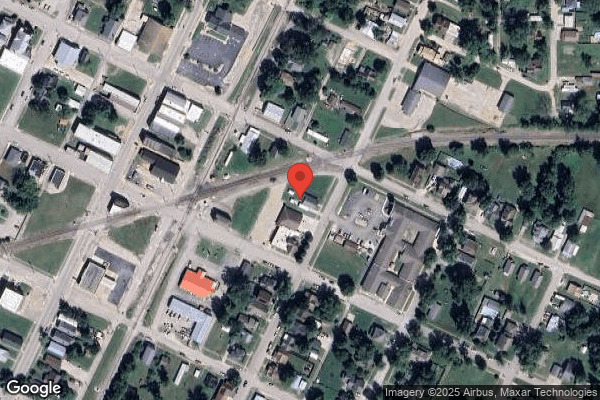
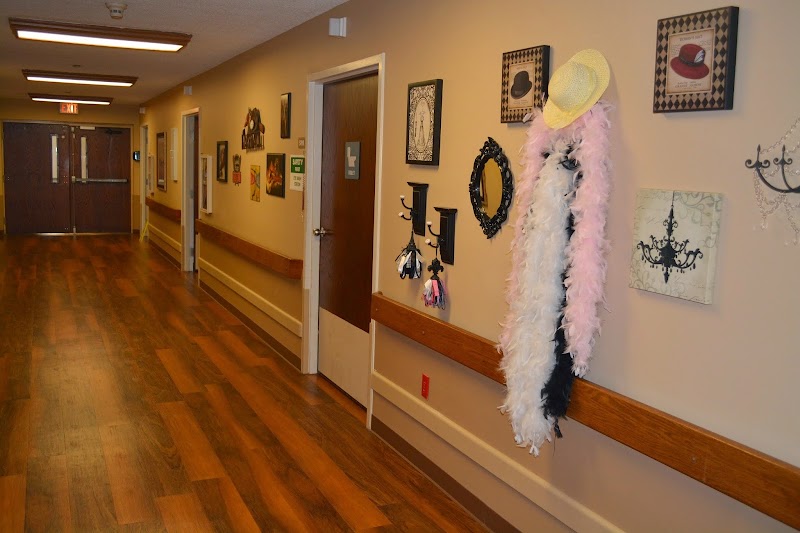
231 N JACKSON ST, OAKLAND CITY, IN 47660 (812) 749-4774
Non profit - Corporation 103 Beds AMERICAN SENIOR COMMUNITIES Data: November 2025
Trust Grade
90/100
#39 of 505 in IN
Last Inspection: January 2025

Within standard 12-15 month inspection cycle. Federal law requires annual inspections.

Overview

Good Samaritan Home & Rehabilitative Center in Oakland City, Indiana has received an excellent Trust Grade of A, indicating a high level of quality care. It ranks #39 out of 505 nursing homes in Indiana, placing it in the top half, and is the best option among the four facilities in Gibson County. However, the facility is facing a worsening trend with an increase in issues from four in 2023 to five in 2025, which is concerning. Staffing is a relative strength, with a rating of 4 out of 5 stars and a low turnover rate of 23%, significantly better than the state average. On the downside, there are notable concerns; for instance, the kitchen had expired food and inadequate labeling, and there were issues with a resident's privacy and maintenance needs that were not addressed promptly. Additionally, the facility has less RN coverage than 86% of Indiana facilities, which may impact care quality.

Trust Score
A
90/100
In Indiana
#39/505
Top 7%
Safety Record
Low Risk
No red flags
Inspections
Getting Worse
4 → 5 violations
Staff Stability
✓ Good
23% annual turnover. Excellent stability, 25 points below Indiana's 48% average. Staff who stay learn residents' needs.
Penalties
✓ Good
No fines on record. Clean compliance history, better than most Indiana facilities.
Skilled Nurses
⚠ Watch
Each resident gets only 27 minutes of Registered Nurse (RN) attention daily — below average for Indiana. Fewer RN minutes means fewer trained eyes watching for problems.
Violations
⚠ Watch
16 deficiencies on record. Higher than average. Multiple issues found across inspections.
★★★★★
5.0
Overall Rating
★★★★☆
4.0
Staff Levels
★★★★★
5.0
Care Quality
★★★★☆
4.0
Inspection Score
Stable
2023: 4 issues
2025: 5 issues

The Good

  • 4-Star Staffing Rating · Above-average nurse staffing levels
  • 5-Star Quality Measures · Strong clinical quality outcomes
  • Low Staff Turnover (23%) · Staff stability means consistent care
  • Full Sprinkler Coverage · Fire safety systems throughout facility
  • No fines on record
  • Staff turnover is low (23%)

    25 points below Indiana average of 48%

Facility shows strength in staffing levels, quality measures, staff retention, fire safety.

The Bad

Chain: AMERICAN SENIOR COMMUNITIES

Part of a multi-facility chain

Ask about local staffing decisions and management

The Ugly 16 deficiencies on record

Jan 2025 5 deficiencies
CONCERN (D)

Potential for Harm - no one hurt, but risky conditions existed

Deficiency F0561 (Tag F0561)

Could have caused harm · This affected 1 resident

**NOTE- TERMS IN BRACKETS HAVE BEEN EDITED TO PROTECT CONFIDENTIALITY** Based on interview and record review, the facility failed to accommodate a resident's choice of funeral home for 1 of 1 resident...

Read full inspector narrative →
**NOTE- TERMS IN BRACKETS HAVE BEEN EDITED TO PROTECT CONFIDENTIALITY** Based on interview and record review, the facility failed to accommodate a resident's choice of funeral home for 1 of 1 residents reviewed for death (Resident 218). A resident's body was released to a funeral home that was not designated as the resident's choice. Finding includes: On [DATE] at 10:37 A.M., Resident 218's clinical record was reviewed. Diagnoses included, but were not limited to, intellectual disabilities. The Death in Facility Minimum Data Set (MDS) Assessment indicated Resident 218 died at the facility on [DATE]. Physician orders included, but were not limited to: May release remains to funeral home of choice, dated [DATE]. Resident 218's facesheet listed (name of Crematorium) as the resident's preferred funeral home. A nursing progress note, dated [DATE] at 5:24 P.M., indicated the resident was found without respirations or pulse in her room, and (name of Crematorium) would be called when the family was ready. A nursing progress note, dated [DATE] at 6:56 P.M., indicated (name of Crematorium) was called. A nursing progress note, dated [DATE] at 8:50 P.M., indicated (name of Crematorium) left the building with Resident 218. The Burial Transit Permit, dated [DATE], indicated authorization was granted to release the remains to (name of Crematorium). It indicated that the individual that picked up the remains at the facility was from (name of Funeral Home). During an interview on [DATE] at 9:20 A.M., Resident 218's Health Care Power of Attorney (POA) indicated that she left the faciity on [DATE] after Resident 218 died and before the resident's remains were picked up. On [DATE], she called (name of Crematorium) to make arrangements for the resident and was told they did not have Resident 218's body and had never received a phone call from the facility to pick up Resident 218's body. The POA called the facility to determine where Resident 218 had gone and they informed her that someone from (name of Crematorium) had picked up Resident 218 the night of [DATE], and they would need to investigate further. Resident 218's POA discovered where the resident had been taken when (name of Funeral Home) called later to make arrangements for Resident 218's body. The POA indicated the facility never noticed or caught that they allowed an unauthorized person to enter the building and to take Resident 218's body to an unapproved location. During an interview on [DATE] at 1:16 P.M., Registered Nurse (RN) 5 indicated that when a resident died, the nurse in charge got the preferred funeral home from the resident's facesheet or from the POA. Staff could look in a binder that contained all the funeral home numbers or search for the funeral home's phone number on the internet. During an interview on [DATE] at 2:51 P.M., the Director of Nursing (DON) indicated that the facility called (name of Crematorium) to pick up Resident 218, but (name of Funeral Home) picked up Resident 218. She indicated staff didn't look to confirm if the person picking up the body was the same person the body was authorized to be released to because Burial Transit Permits got signed as the body was leaving the facility. During an interview on [DATE] at 3:03 P.M., the general manager from (name of Crematorium) indicated they never received a phone call from the facility regarding Resident 218. She also indicated they do not share staff or an answering service with (name of Funeral Home). During an interview on [DATE] at 3:20 P.M., the general manager from (name of Funeral Home) indicated someone from the facility called their after-hours answering service on [DATE] to pick up Resident 218's body. She indicated they do not share staff or an answering service with (name of Crematorium). On [DATE] at 1:19 P.M., the Administrator provided a statement signed by the Administrator, dated [DATE], that indicated The paperwork our team filled out also showed [name of Crematorium] is the funeral home [name of facility] was releasing the body too [sic] and signed off by one of my RN's . The signature of the funeral home that picked up the resident did state he was from [name of Funeral Home] once he signed the paperwork and left with the resident. Our records show [name of Funeral Home] was never contacted nor even part of the resident's face sheet. On [DATE] at 10:40 A.M., the Administrator provided a Resident's Rights policy, dated 11/2015, that indicated The Resident has a right to a dignified existence, self-determination and communication with, and access to, persons and services inside and outside the Facility . 3.1-3(u)(3)
CONCERN (D)

Potential for Harm - no one hurt, but risky conditions existed

Notification of Changes (Tag F0580)

Could have caused harm · This affected 1 resident

Based on interview and record review, the facility failed to ensure notification to family or physician was provided for changes in condition for 2 of 3 residents reviewed for notification of change. ...

Read full inspector narrative →
Based on interview and record review, the facility failed to ensure notification to family or physician was provided for changes in condition for 2 of 3 residents reviewed for notification of change. (Resident 58 and Resident 218) Findings include: 1. On 1/3/25 at 2:53 P.M., Resident 58's clinical record was reviewed. Diagnoses included, but were not limited to, Alzheimer's disease. The most recent Significant Change Minimum Data Set (MDS) Assessment, dated 12/30/24, indicated Resident 58's cognition was too low to assess and was completely dependent on staff (staff do all of the work) for toileting, bathing, and transfers. A nursing progress note, dated 12/31/24 5:50 A.M., indicated staff found a 12 inch piece of cloth in Resident 58's stool while performing incontinence care, that Resident 58 had been eating pieces of his blanket. An Interdisciplinary Team (IDT) Behavior Review Note, dated 12/31/2024 09:22 A.M., indicated the root cause of Resident 58 eating his blanket was possible urinary tract infection (UTI) with increased confusion and labs were to be ordered. The clinical record, including progress notes, events, observations, and documents, from 12/31/24 at 9:22 A.M. until 1/8/24 at 3:15 P.M., lacked notification to family or physician regarding Resident 58 eating his blanket and pieces of blanket found in his stool, and lacked labs completed to rule out a urinary tract infection or intestinal blockage. During an interview on 1/8/25 at 2:20 P.M., the Director of Nursing (DON) indicated a urinalysis was not performed and no further follow up was documented because the blanket was removed from the resident's room. A nursing progress note, dated 1/6/25 at 4:10 A.M., indicated Resident 58 had congested coughing with coarse bilateral breath sounds in the upper lobes, oxygen saturation 90% on room air, and was afebrile. The clinical record, including progress notes, events, observations, and documents, 1/6/24 at 4:10 A.M. to 1/9/24 at 9:30 A.M., lacked notification to family or physician or follow up documented regarding Resident 58's change in condition. 2. On 1/8/25 at 10:37 A.M., Resident 218's clinical record was reviewed. Diagnoses included, but were not limited to, intellectual disabilities. The most recent Quarterly Minimum Data Set (MDS) Assessment, dated 10/16/24, indicated Resident 218 was cognitively intact and required supervision of staff for transferring and toileting and setup assistance for eating. Care plans included, but were not limited to: Resident has been determined to be Intellectually Disabled, dated 5/8/24, with an intervention to involve family in care. Resident experiences short memory deficit with impaired decision making ability. Brief Interview for Mental Status (BIMS) score fluctuates, dated 5/12/24 A New Order Event Report, dated 8/5/24 at 2:20 P.M., indicated a new appointment with (name of Doctor) had been made for 8/19/24 at 9:00 A.M. to evaluate a probable cyst on Resident 218's left armpit. Resident 218's representative was notified of the appointment. A nursing progress note, dated 8/19/24 at 8:20 A.M., indicated the mass on Resident 218's left armpit had popped and was gone. The appointment scheduled for that morning was canceled. The clinical record lacked a progress note or event to indicate Resident 218's representative was notified of the canceled appointment or the change with the resident's mass in the armpit. During an interview on 1/3/25 at 9:20 A.M., Resident 218's representative indicated the facility did not notify her that the cyst in the resident's armpit had ruptured and the appointment was canceled. The representative indicated she found out about the missed appointment when she received a no show message from the Doctor. At that time, she indicated Resident 218 had an intellectual disability that caused the resident to be mentally equivalent to a five-year-old. During an interview on 1/8/25 at 1:16 P.M., Registered Nurse (RN) 5 indicated the nurse in charge would notify families about falls, change in condition, new orders, weight changes, wounds, new roommates, room changes, new appointments, and canceled appointments. All notifications to family were documented in the progress notes. During an interview on 1/9/25 at 1:19 P.M., the Administrator indicated staff would not notify a resident representative about an appointment cancellation if the resident's BIMS score was a 13 or higher (indicating no cognitive impairment) even if the resident's BIMS score fluctuated or the resident had an intellectual disability that hindered the resident's cognitive ability. On 1/9/25 at 10:40 A.M., the Administrator provided a Resident Change of Condition policy, dated 11/2015, that indicated It is the policy of this Community that changes in resident condition will be communicated to the physician and family/responsible party, and that appropriate, timely, and effective intervention occurs . The nurse in charge is responsible for notification of physician and family/responsible party prior to end of assigned shift when a significant change in the resident's condition is noted. If unable to reach the physician or family/responsible party, all calls to physicians or exchanges and family/responsible party requesting callbacks will be documented in the resident care notes. Document resident change of condition and response on the resident care notes and continue in the nursing progress notes if necessary. Documentation will include time and family/physician response. On 1/9/25 at 10:40 A.M., the Administrator provided a Resident's Rights policy, dated 11/2015, that indicated Every resident and the responsible party of his responsible family member of his guardian has the right to be fully informed of the resident's medical condition unless medically contraindicated and documented by a physician in the resident's medical record . The resident's responsible party or family member or his guardian shall be notified immediately of any accident, sudden illness, disease, unexplained absence, or anything unusual involving the resident . 3.1-5(a)(3)
CONCERN (D)

Potential for Harm - no one hurt, but risky conditions existed

Drug Regimen Review (Tag F0756)

Could have caused harm · This affected 1 resident

Based on record review and interview, the facility failed to follow pharmacy recommendations for 1 of 1 residents reviewed for hospice services. (Resident 58) Finding includes: On 1/3/25 at 2:53 P.M.,...

Read full inspector narrative →
Based on record review and interview, the facility failed to follow pharmacy recommendations for 1 of 1 residents reviewed for hospice services. (Resident 58) Finding includes: On 1/3/25 at 2:53 P.M., Resident 58's clinical record was reviewed. Diagnoses included, but were not limited to, Alzheimer's disease. The most recent Significant Change Minimum Data Set (MDS) Assessment, dated 12/30/24, indicated Resident 58 was completely dependent on staff (staff do all of the work) for toileting, bathing, and transfers. Current physician orders included, but were not limited to: lorazepam (antianxiety medication) tablet; 0.5 mg (milligram) oral every 30 minutes as needed, Start date 11/28/24. hyoscyamine sulfate (muscle relaxant) tablet; 0.125 mg oral every two hours as needed, Start date 9/27/24. morphine concentrate (pain medication) solution 10 mg/0.5 mL (milliliter) every 15 minutes as needed, 9/30/24. A nursing progress note dated 12/19/24 at 2:40 P.M., indicated hospice services would be discontinued on 12/23/24. Resident 58 received the following medications after discharge from hospice on the following dates and times: 12/25/24 4:24 A.M. lorazepam tablet 0.5 mg 12/24/24 9:28 A.M. morphine concentrate 0.5 mL 12/26/24 5:05 A.M. morphine concentrate 0.5 mL A pharmacy consultation report, dated 12/24/24, indicated the pharmacist requested clarification on medications currently prescribed to Resident 58, stating if hospice had been discontinued to obtain orders to discontinue hospice related orders for lorazepam, hyoscamine, and morphine. The clinical record lacked physician review of the pharmacist recommendations. During an interview on 1/8/25 at 2:20 P.M., the Director of Nursing indicated Resident 58 no longer received hospice services. On 1/9/25 at 10:38 A.M., the Administrator provided a policy titled Medication Regimen Reviews and Pharmacy Recommendations, revised 10/2018, that indicated The consultant pharmacist recommendations will be reviewed by the Director of Nursing and the attending Physician will be notified promptly of any recommendations needing immediate attention. On 1/9/25 at 10:38 A.M., the Administrator provided a policy titled Psychotropic Management, revised 9/24, that indicated PRN (as needed) orders for psychotropic drugs are limited to 14 days unless it is deemed appropriate to use longer by the physician or prescribing practitioner. The prescriber must document their rationale in the medical record including the duration (this does not apply to PRN anypsychotic medication which must be evaluated every 14 days). 3.1-25(i)
CONCERN (D)

Potential for Harm - no one hurt, but risky conditions existed

Infection Control (Tag F0880)

Could have caused harm · This affected 1 resident

Based on observation and record review, the facility failed to ensure infection control procedures were followed for hand washing technique for 1 of 1 observations of wound care. (Resident 13) Finding...

Read full inspector narrative →
Based on observation and record review, the facility failed to ensure infection control procedures were followed for hand washing technique for 1 of 1 observations of wound care. (Resident 13) Finding includes: On 1/3/25 at 2:16 P.M., Resident 13's clinical record was reviewed. The most recent Quarterly Minimum Data Set (MDS) Assessment, dated 11/22/24, indicated Resident 13 had one stage four pressure ulcer (full-thickness tissue loss with exposed bone, tendon, or muscle). Current physician orders included, but were not limited to: Coccyx Pressure Cleanse with wound cleanser, apply Hydrofera Blue (an antibacterial foam dressing used to pack deep wounds), Leave Hydrofera Blue to wound base for seven days, secure with bordered foam dressing. change foam dressing daily and as needed. Start date 1/3/25 During an observation on 1/8/25 at 9:15 A.M., Licensed Practical Nurse (LPN) 12 entered Resident 13's room and put a protective gown on. LPN 12 washed her hands for nine seconds, and put gloves on. Qualified Medication Aide (QMA) 7 was in room with gown on assisting Resident 13 rolled on her left side. LPN 12 opened packs of gauze and a dressing, sprayed wound cleanser to the coccyx wound, applied the dressing over the coccyx wound, and dated the dressing with a marker. LPN 12 removed her gloves, and washed her hands for seven seconds. QMA 7 removed her gloves and gown, and washed her hands for ten seconds. During an interview on 1/9/25 at 8:59 A.M., the Infection Prevention RN indicated hand hygiene should be performed for at least 20 seconds. On 1/9/25 at 10:38 A.M., the Administrator provided a policy titled Hand Hygiene Policy, revised 12/2021, that indicated American Senior Communities will follow the Center for Disease and Prevention (CDC) guidelines for the standards of hand hygiene. (Scrub your hands for at least 20 seconds) Five moments of hand hygiene - a term that describes the hand hygiene opportunities that prevent infection transmission linked to healthcare activities. Before touching a resident, before clean/aseptic procedure, after body fluid exposure risk, after touching a resident, after touching resident surroundings. 3.1-18(l)
CONCERN (E)

Potential for Harm - no one hurt, but risky conditions existed

Food Safety (Tag F0812)

Could have caused harm · This affected multiple residents

Based on observation, interview, and record review, the facility failed to store and prepare food under sanitary conditions during 2 of 2 kitchen observations. Food was not labeled correctly and expir...

Read full inspector narrative →
Based on observation, interview, and record review, the facility failed to store and prepare food under sanitary conditions during 2 of 2 kitchen observations. Food was not labeled correctly and expired food was not disposed of from the reach in refrigerator. (Kitchen, spice rack, reach-in refrigerator) Findings include: On 1/2/25 at 9:25 A.M., during the initial tour the following were observed in the reach in refrigerator: 1 container of sausage links prepared 12/30/24 with a discard date of 1/1/25 2 containers of cheese with no open date 1 container of chicken soup with no open date 1 jar of grape jelly with no open date 1 container of pasta dated 11/20/24 with expiration date of 11/27/24 1 bag of salad with no open date 1 bag of salad with use by dated of 12/24/24 On 1/2/25 at 9:40 A.M., the following were observed in the dry storage: 2 bags of dry noodles with no open date 1 box of potatoes with no open date 1 empty bread rack on the floor 1 moldy onion in a box with no open date On 1/2/25 at 9:50 A.M., the following was observed on a metal spice rack in the dry storage area: 1 bottle of Karo Syrup with no open date 1 bottle of Soy Sauce with no open date 1 container of Ground Mustard with a use by date of 12/21/24 1 container of Lemon Pepper with no open date 1 jar of Pork Base with no open date 1 container of Basil with no open date 1 bottle of Honey with open date 6/13/21 1 container of Sugar Sprinkles with no open date On 1/3/25 at 11:25 A.M., during a second kitchen observation the following were observed under the metal preparation table in the center of the kitchen: Flour bin with open date 9/1/24 and use by date of 12/15/24 1 container of Leaf Basil with no open date During an interview on 1/2/25 at 9:40 A.M., the dietary manager indicated containers should be dated with open date and there should be no expired items in the refrigerator. On 1/8/25 at 10:30 A.M., the Administrator provided a current policy Food Storage revised 5/204. The policy indicated .Left over prepared food .must clearly be labeled with the name of the product, the date prepare, and marked to indicate the date by which the food shall be consumed .left overs can be held .for no more than 3 days .Dry Storage containers should be labeled on and dated on both the container and the lid . 3.1-21(i)(2) 3.1-21(i)(3)
Nov 2023 3 deficiencies
CONCERN (D)

Potential for Harm - no one hurt, but risky conditions existed

Resident Rights (Tag F0550)

Could have caused harm · This affected 1 resident

Based on observation, interview, and record review, the facility failed to ensure resident dignity was respected during a random dining observation for 1 of 2 dining rooms in use at the time of the su...

Read full inspector narrative →
Based on observation, interview, and record review, the facility failed to ensure resident dignity was respected during a random dining observation for 1 of 2 dining rooms in use at the time of the survey. Findings include: 1. During a random lunchtime observation beginning at 12:10 P.M. in the Chandelier dining room on 11/13/23, Certified Nurse Aide (CNA) 6 placed a clothing protector on a resident and referred to it as your bib. 2. During a random lunchtime observation beginning at 12:10 P.M. in the Chandelier dining room on 11/13/23, CNA 6 stood while she assisted a resident sitting in a regular sized wheelchair to eat. 3. During a random lunchtime observation beginning at 12:10 P.M. in the Chandelier dining room on 11/13/23, CNA 6 answered her personal cell phone while assisting a resident to eat. On 11/16/23 at 10:19 A.M., the Administrator indicated staff should not refer to clothing protectors as a bib due to resident dignity. At that time, she indicated that staff should sit while assisting residents to eat, and that staff should not have their phones out or answer them while caring for residents. On 11/16/23 at 10:41 A.M., the Administrator provided a current Resident Rights, Privacy, Photographs, Cell Phone Usage and Investigation Cooperation policy, undated, that indicated to avoid disruptions and ensure productivity and focus on serving our residents, our facilities' employees are not to use their personal cellular telephone and other communications [sic] devices during working time for non-work purposes unless for emergency reason . Do not have your phone visible or headphones in resident care areas . This further includes .while in dining areas. 3.1-3(a)
CONCERN (D) 📢 Someone Reported This

A family member, employee, or ombudsman was alarmed enough to file a formal complaint

Potential for Harm - no one hurt, but risky conditions existed

Deficiency F0804 (Tag F0804)

Could have caused harm · This affected 1 resident

Based on observation, record review, and interview, the facility failed to ensure that food was served at palatable temperatures for 1 of 1 trays tested for food temperature. Finding includes: On 11/...

Read full inspector narrative →
Based on observation, record review, and interview, the facility failed to ensure that food was served at palatable temperatures for 1 of 1 trays tested for food temperature. Finding includes: On 11/15/23 at 11:56 A.M., the Regional Registered Dietician (RRD) checked the temperatures of the lunch food items that were on the holding table ready to be served. The following temperatures were recorded: Chicken salad sandwich - 32.4 F (Fahrenheit) Pureed chicken salad - 58 F Mashed potatoes - 143.5 F Burgers - 148.6 F Tomatoes - 42.4 F Lettuce - 51.5 F Tomato juice - 40.3 F Cucumber salad - 59.4 F Pudding - 48.2 F At that time, the pureed chicken salad, tomatoes, lettuce, tomato juice, cucumber salad, and pudding were put back in the refrigerator to chill. At 11/15/23 at 12:15 P.M., the RRD re-tested the following foods for temperature: Pureed chicken salad - 36.5 F Tomatoes - 40.8 F Lettuce - 40.4 F Cucumber salad - 40.2 F At that time, the pudding was not re-tested for temperature. At 11/15/23 at 12:33 P.M., [NAME] 3 started plating food to be served to the residents for lunch. At that time, none of the foods were re-tested for temperature. On 11/16/23 at 12:32 P.M., a test tray was obtained. Food temperatures for that meal were: Patty melt - 116.3 F Potato wedges - 108.2 F Watermelon - 62.4 F A filed resident grievance, dated 10/28/23, indicated breakfast was ice cold. On 11/16/23 at 2:00 P.M., Resident S, Resident L, Resident W, and Resident B indicated meals did not come on time and foods were not always hot. On 11/15/23 at 12:45 P.M., the RRD indicated the temperature for food should be below 41 F for cold foods and above 135 F for hot foods when plated. On 11/16/23 at 1:05 P.M., the Administrator provided a current Food Temperatures policy, revised 6/2023, that indicated hot foods that are potentially hazardous will be held for service at or above 135 F, and cold foods at or below 41 F . All hot and cold food items will be served to the residents at a temperature that is considered palatable at the time the resident receives the food. This citation relates to complaint IN00418254. 3.1-21(a)(2)
MINOR (C)

Minor Issue - procedural, no safety impact

Staffing Information (Tag F0732)

Minor procedural issue · This affected most or all residents

Based on observation, interview, and record review, the facility failed to ensure posted nurse staffing sheets contained the correct information daily for 5 of 5 days reviewed during the survey. (11/1...

Read full inspector narrative →
Based on observation, interview, and record review, the facility failed to ensure posted nurse staffing sheets contained the correct information daily for 5 of 5 days reviewed during the survey. (11/13/23, 11/14/23, 11/15/23, 11/16/23, 11/17/23) Findings include: On 11/13/23 at 10:30 A.M., the Posted Nurse Staffing form was observed on Station One's nurse's desk dated 11/13/23. The sheet included, but was not limited to, the following information: Shift hours for RN (Registered Nurse), LPN (Licensed Practical Nurse), and CNA (Certified Nursing Assistant). Total number of RN, LPN, and CNA for each shift. Total hours of RN, LPN, and CNA for each shift The sheet did not specify which actual hours were worked by each discipline during the specified shift when the total hours were not equal to the number of staff or to which station they were assigned. On 11/15/23 at 8:28 A.M., the Administrator provided Daily Staffing Sheets dated 11/13/23, 11/14/23 and 11/15/23. The sheets included, but were not limited to, the following information: Shift hours for RN, LPN, and CNA. Total number of RN, LPN, and CNA for each shift. Total hours of RN, LPN, and CNA for each shift. The sheets did not specify which actual hours were worked by each discipline during the specified shift when the total hours were not equal to the number of staff or to which station they were assigned. During an interview on 11/15/23 at 10:30 A.M., the DON (Director of Nursing) and Scheduler indicated the Home Office will have to update the form since was created by them. It was filled out with the information that was listed on the form. At that time, new Daily Staffing Sheets were provided for 11/13/23, 11/14/23 and 11/15/23. The Daily Staffing Sheet was updated for 11/14/23 to include CNA working 10 A.M. to 2 P.M. on day shift and CNA working 2 P.M. to 6 P.M. on evening shift to explain the 12.5 listed under the Total Number of Unlicensed Nursing Staff on days and the 9.5 on evenings. The Daily Staffing Sheet was not updated to include if an RN or LPN worked a partial shift on evening shift to explain the 3.5 listed under the Total Number of Licensed Nursing Staff. The night shift was not updated to include if an RN or LPN worked a partial shift to explain the 2.5 listed under the Total Number of Licensed Nursing Staff. Daily Staffing Sheets for 11/13/23 and 11/15/23 were not updated. On 11/17/23 at 8:52 A.M., the Administrator provided Daily Staffing Sheets dated 11/16/23 and 11/17/23. The sheets included, but were not limited to, the following information: Shift hours for RN, LPN, and CNA. Total number of RN, LPN, and CNA for each shift. Total hours of RN, LPN, and CNA for each shift. The sheets did not specify which actual hours were worked by each discipline during the specified shift when the total hours were not equal to the number of staff or to which station they were assigned. During an interview on 11/17/23 at 9:06 A.M., the Administrator indicated the Daily Staffing Sheet comes from the Corporate Office and was the form they used. On 11/17/23 at 8:52 A.M., the Administrator provided a Posted Nurse Staffing policy, revised on 7/2023, which indicated .10. The nurse staffing data should be in a clear and readable format .
Jun 2023 1 deficiency
MINOR (C) 📢 Someone Reported This

A family member, employee, or ombudsman was alarmed enough to file a formal complaint

Minor Issue - procedural, no safety impact

Staffing Information (Tag F0732)

Minor procedural issue · This affected most or all residents

Based on observation, interview, and record review, the facility failed to ensure staff posting was accurate for 2 of 2 days observed during the survey. Finding includes: During an observation on 6/7...

Read full inspector narrative →
Based on observation, interview, and record review, the facility failed to ensure staff posting was accurate for 2 of 2 days observed during the survey. Finding includes: During an observation on 6/7/23 at 2:00 p.m., the daily staffing schedule observed at the nurses station, reflected the number of staff members and hours worked, but lacked the resident census. During an observation on 6/8/23 at 2:00 p.m., the daily staffing schedule observed at the nurses station, reflected the number of staff members and hours worked, but lacked the resident census. On 6/8/23 at 11:36 a.m., QMA 1 indicated the daily staff posting is put out every morning, it has how many nurses and CNA's are working and how many hours they are working that day. QMA 1 indicated she did not know the resident census was supposed to be included, she was just told it needed to be included. On 6/8/23 at 11:38 a.m., the Administrator provided the current policy on posted nurse staffing requirements with an original date of 7/2019. The policy included, but was not limited to: 1. The facility must post the following information at the beginning of each shift. b. Resident census. This Federal tag relates to Complaint IN00409945 and IN00405313.
Apr 2022 7 deficiencies
CONCERN (D)

Potential for Harm - no one hurt, but risky conditions existed

Assessment Accuracy (Tag F0641)

Could have caused harm · This affected 1 resident

Based on observation, interview, and record review, the facility failed to ensure MDS (Minimum Data Set) assessments were accurate for 1 of 5 residents reviewed for accidents. A significant change MDS...

Read full inspector narrative →
Based on observation, interview, and record review, the facility failed to ensure MDS (Minimum Data Set) assessments were accurate for 1 of 5 residents reviewed for accidents. A significant change MDS was not completed for a resident who had a significant change after a fall with fracture. (Resident 21) Finding includes: On 4/4/22 at 9:21 A.M., Resident 21 was observed sitting in the common area in a wheelchair. On 4/4/22 at 9:27 A.M., Resident 21 was observed sitting in the common area in a wheelchair. On 4/5/22 at 11:20 A.M., Resident 21's clinical record was reviewed. Diagnosis included, but were not limited to displaced subtrochanteric fracture of right femur, and dementia without behavioral disturbance. The most recent MDS (Minimum Data Set) Assessment, dated 1/20/22, was a quarterly assessment and indicated Resident 21 required limited assistance of one (1) staff for bed mobility, transfers, eating, toileting, and bathing. A fall on 2/12/22 resulting in a femoral fracture included, but was not limited to, the following notes: 2/12/22 2:01 PM Resident yelling for help when staff entered room resident sitting propped against bathroom door. External rotation right leg noted. Resident reported she fell and her right leg hurt. Unable to move resident r/t [related to] to pain. Vitals obtained, physician notified and order gave to send out. [ambulance] transporting to [hospital] 2/14/22 8:46 AM Spoke with family regarding her fall over the weekend. She had surgery yesterday and had been up and walking yesterday. Daughter said they may discharge her Tuesday at the earliest back to the facility. They will keep us updated Resident 21 was readmitted to facility 2/16/22. The admission observation assessment, dated 2/16/22, indicated Resident 21 required a 2 person facility staff assist for transfers, and pain limits independence with at least one (1) ADL (activities of daily living), as well as limits day to to day activities. A functional assessment 5 day, completed 2/22/22, indicated Resident 21 required assist of 2 for toileting and bathing. Progress notes included, but were not limited to, the following: 2/17/22 5:30 AM Resident requires assist of 2 for ADLs/transferring/bathing/grooming/hygiene . Resident was in moderate pain throughout the shift, due to right hip fracture/surgery, especially when moved/moving for care 2/19/22 9:33 AM Resident requires assistance x2 [two person] for ADLs/transferring/bathing/grooming/hygiene . 2/20/22 9:35 AM Resident requires assistance x2 for ADLs/transferring/bathing/grooming/hygiene . 2/23/22 12:33 AM Resident x2 assist for ADLs/transferring/bathing/grooming/hygiene . 3/26/22 04:54 AM Resident requires maximum assist X 2 with transfers and toileting; up in w/c and requires staff to propel w/c [wheelchair] . On 4/6/22 at 8:32 A.M., LPN 4 and RN 9 were observed to assist Resident 21 with toileting. When assisted up from the wheelchair, Resident 21 did not attempt to bear weight on or move the right leg. During an interview on 4/6/22 at 8:43 A.M., LPN 9 indicated Resident 21 wandered a lot before her fall on 2/12/22. She indicated Resident 21 was up by herself all the time walking around. During an interview via phone on 4/7/22 at 9:52 A.M., the Regional Consultant indicated a significant change MDS should be completed after a return from the hospital with a fracture if that resident were to have a decline in two (2) or more areas of functional status such as bed mobility, transfers, or toileting. She indicated the IDT (interdisciplinary team) would determine if there were a change in status, then trigger a significant change MDS to be completed. During an interview on 4/8/22 at 6:25 A.M., the DON (Director of Nursing) indicated a significant change MDS should have been completed for Resident 21 after the fall on 2/12/22. On 4/7/22 at 11:38 A.M., a current Significant Change in Status Assessment policy, dated 10/2019, was provided, and indicated a significant change assessment should be completed by the IDT for any resident that returns from the hospital to establish a new baseline, and may take up to 14 days to determine if criteria are met for a decline in status. 3.1-31(d)(3)
CONCERN (D)

Potential for Harm - no one hurt, but risky conditions existed

Quality of Care (Tag F0684)

Could have caused harm · This affected 1 resident

Based on observation, interview, and record review, the facility failed to ensure treatment and care were provided in accordance with professional standards for 1 of 2 residents reviewed for skin cond...

Read full inspector narrative →
Based on observation, interview, and record review, the facility failed to ensure treatment and care were provided in accordance with professional standards for 1 of 2 residents reviewed for skin conditions. A resident's dressing was not changed per physician's order, resulting in the skin condition to worsen. (Resident 21) Finding includes: On 4/4/22 at 9:21 A.M., Resident 21 was observed sitting in a common area in a wheelchair, wearing a shirt that exposed the arms. A bandage was observed on the left elbow, dated 3/30/22. On 4/5/22 at 9:27 A.M., Resident 21 was observed sitting in a common area in a wheelchair. With the assistance of RN 3, a bandage was observed on the left elbow, dated 4/4/22. At that time, RN 3 indicated she had changed it the previous day. On 4/6/22 at 10:00 A.M., Resident 21's clinical record was reviewed. Diagnosis included, but were not limited to, anxiety disorder and dementia without behavioral disturbance. The most recent quarterly MDS (Minimum Data Set) Assessment, dated 1/20/22, indicated Resident 21 was severely cognitively impaired, and required limited assistance of one (1) staff for bed mobility, transfers, eating, and toileting, and required physical help with part of bathing of one (1) staff. Progress notes included, but were not limited to, the following: 3/30/22 12:01 PM Resident scratched self on the arm inflicting a skin tear inferior to left elbow while in the shower. Area cleansed with wc and covered with opti foam until healed. 4/5/22 9:38 PM This skin tear has healed. A skin event, dated 3/30/22, indicated Resident 21 had a left lateral inferior elbow skin tear that was noticed 3/30/22 when the resident scratched self in shower. The area measured 1.3 cm (centimeters) x 0.06 cm. Current physician orders included, but were not limited to, the following: Cleanse with wound cleaner, apply opti foam q [every] 3 days until healed dated 3/30/22. Cleanse with wound cleaner, apply opti foam if soiled/dislodged PRN [as needed] until healed dated 3/30/22. A current care plan for impaired skin integrity: skin tear to left elbow, dated 3/30/22, indicated, but was not limited to, the following interventions: Assess for pain, treat as ordered. Notify MD of unrelieved/worsening pain Long sleeves Resident 21's MAR (medication administration record) and TAR (treatment administration record) for 3/2022 and 4/2022 indicated the left elbow dressing was changed on 4/2/22 and 4/5/22. No other dressing changes for the left elbow were documented. On 4/6/22 at 8:32 A.M., RN 9 was observed to change Resident 21's dressing on the left elbow. Prior to removing, the dressing was dated 4/4/22. When the dressing was removed, a clear, yellowish drainage was observed on the area surrounding the skin tear. At that time, RN 9 measured the skin tear at 1.9 cm x 0.6 cm [larger than original size]. The area was cleaned with wound cleanser, allowed to dry, and a clean foam dressing was placed. RN 9 dated the dressing 4/6/22. At that time, RN 9 indicated Resident 21's skin was fragile, and staff was supposed to encourage to wear long sleeve sweaters as to not further damage the skin. On 4/8/22 at 6:57 A.M., a current Dressing Change Clean Technique policy, dated 6/2021, was provided and indicated Verify resident and physician's orders . Apply treatment and/or dressing per physician's order and manufacturer's guidelines . Document procedure and any pertinent information 3.1-37(a)
CONCERN (D)

Potential for Harm - no one hurt, but risky conditions existed

Respiratory Care (Tag F0695)

Could have caused harm · This affected 1 resident

Based on observation, interview, and record review the facility failed to ensure residents received necessary respiratory care and services in accordance with professional standards of practice for 1 ...

Read full inspector narrative →
Based on observation, interview, and record review the facility failed to ensure residents received necessary respiratory care and services in accordance with professional standards of practice for 1 of 1 residents reviewed for respiratory care. The facility failed to obtain an oxygen order, date tubing, and routinely service the oxygen concentrator for a resident on oxygen. (Resident 57). Finding includes: On 4/4/22 at 9:10 A.M., Resident 57 was observed sleeping in bed with oxygen on via nasal cannula. On 4/5/22 at 9:03 A.M., Resident 57 was observed in bed with oxygen on at 3 LPM (liters per minute) via nasal cannula. There were no visible dates on the tubing. At that time, the filter on the back of the oxygen concentrator was observed with a layer of dust. The oxygen concentrator lacked a date indicating the last time it was serviced. On 4/6/22 at 8:32 A.M., Resident 57 was observed in bed with oxygen on at 2LPM. On 4/7/22 at 7:11 A.M., Resident 57 was observed in bed with oxygen on at 2LPM, humidification on and dated 4/6, and O2 tubing dated 4/6/22. On 4/5/22 at 11:01 A.M., Resident 57's clinical record was reviewed. Diagnosis included, but were not limited to, atrial fibrillation, chronic heart failure, and hypertension. The most recent admission MDS (minimum data set) Assessment, dated 3/17/22, indicated Resident 57 was severely cognitively impaired, and was not on oxygen. Current physician orders included, but were not limited to, the following: May wear oxygen at 2 liter per NC to keep O2 sats above 90%. dated 4/5/22. Change oxygen tubing and humidity. Clean concentrator and filter. Once A Day on Sun. dated 04/6/22. Resident 57's clinical record lacked a care plan related to oxygen use. Progress notes included, but were not limited to, the following: 3/11/22 2:22 PM res [resident] arrived to facility [sic] via facility transport. res was oriented to room, staff, and cottage. family present. water at bedside. call light within reach. currently sitting in recliner. O2 on at 2L via n/c [nasal cannula]. initial assesments [sic] done. orders confirmed. skin check done. dietary notified of new res. therapy notified of n.o. [new order] to eval [evaluate] and tx [treat]. will cont [continue] to monitor 3/30/22 6:25 PM . Resident SOB [shortness of breath] noted, S O2 [oxygen saturation] 88, PRN verbal order for O2 2L [liters] nasal canula [sic] . 3/31/22 1:32 AM . SpO2 remains in the mid- to upper-nineties on 2L of supplemental O2. Will continue to monitor 4/1/22 12:41 PM .Continues supplemental oxygen at 2LPM per nasal cannula with oxygen saturation 92-95% . 4/2/22 08:14 PM .On supplemental o2 with sats 90-94% . 4/3/22 08:21 AM Upon room entry, pt found lying on his side, awake and talking. Oxygen was not turned off, not using at this time . Resident 57's vitals for oxygen use from 4/4/22 to 4/6/22 included the following: 4/4/22 6:00 AM oxygen in use at 3LPM. 4/4/22 7:54 PM oxygen in use at 3LPM. 4/5/22 3:10 PM oxygen in use at 2LPM. 4/6/22 7:42 PM oxygen in use at 2LPM. Resident 57's MAR (medication administration record) and TAR (treatment administration record) for 3/2022 and 4/2022 lacked documentation that oxygen was received. During an interview on 4/5/22 at 12:47 P.M., RN 3 (Registered Nurse) indicated an order was required for oxygen use. During an interview on 4/5/22 at 12:43 P.M., Resident 57 indicated had been using oxygen for more than one week. During an interview on 4/6/22 at 8:42 A.M., RN 5 indicated something had happened last Thursday (3/31/22) to require oxygen use for Resident 57. RN 5 further indicated oxygen concentrators were cleaned on night shift and nasal cannulas should be dated. RN 5 also indicated oxygen tubing was changed on Thursday nights and PRN, and those changes should have been documented in the resident's medical record. During an interview on 4/7/22 at 8:08 A.M., the Administrator indicated unsure of how often the oxygen concentrators were cleaned and serviced. During an interview on 4/7/22 at 8:37 A.M., the DON (Director of Nursing) indicated night shift cleaned and changed oxygen concentrator filters weekly and charted that in the resident's medical record. The DON further indicated an outside source serviced the oxygen concentrators weekly. On 4/7/22 at 1:15 P.M., an oxygen concentrator maintenance log from (outside source) was provided and indicated it was last serviced on 6/23/21. On 4/8/22 at 8:13 A.M., Resident 57's care plans were provided. A risk for ineffective tissue perfusion related to hypertension and atrial fibrillation careplan was revised on 4/6/22 to include PRN oxygen use. On 4/6/22 at 2:38 P.M., a current, undated, Oxygen Therapy and Devices policy was provided and indicated Oxygen is a drug which must be ordered by a physician .nasal cannula tubing should be changed out weekly and prn. On 4/8/22 at 6:57 A.M., a current General Dose Preparation and Medication Administration policy, dated on 1/1/13, was provided and indicated Document necessary medication administration/ treatment information on appropriate forms. On 4/8/22 at 6:57 A.M., a current Documentation Guidelines for Nursing policy, dated on 7/20, was provided and indicated Nursing to develop a care plan with new physician orders. 3.1-47(a)(6)
CONCERN (D)

Potential for Harm - no one hurt, but risky conditions existed

Unnecessary Medications (Tag F0759)

Could have caused harm · This affected 1 resident

Based on observation, interview, and record review, the facility failed to ensure it was free from a medication error rate greater than 5% for 3 of 26 opportunities observed to administer medications ...

Read full inspector narrative →
Based on observation, interview, and record review, the facility failed to ensure it was free from a medication error rate greater than 5% for 3 of 26 opportunities observed to administer medications correctly, resulting in an error rate of 11.54%. This affected 1 of 6 residents observed during medication administration. (Resident 35) Finding included: On 4/7/22 at 1:52 P.M., LPN 11 (licensed practical nurse) was observed to administer the following medications to Resident 35: Norco 7.5/325mg (milligram), 1 tablet baclofen 20mg, 1 tablet furosemide 20mg, 1 tablet The physician's orders for Resident 35, dated 4/1/22 thru 4/30/22 included, but were not limited to, the following: Norco (hydrocodone-acetaminophen) tablet; 7.5-325 mg; amt: 7.5-325 mg; oral, three times a day at 5:00 AM, 12:00 PM, 8:00 PM, starting 5/23/19 baclofen tablet; 20 mg; amt: 20 mg; oral, three times a day at 5:00 AM, 12:00 PM, 8:00 PM, starting 10/26/20 furosemide tablet; 20 mg; amt: 20 mg; oral, twice a day at 5:00 AM, 12:00 PM, starting 4/25/18 During an interview on 4/7/22 at 2:06 P.M., RN 7 (registered nurse) indicated medications were allowed to be given one (1) hour prior to, and one (1) hour after administration times. On 4/8/22 at 6:47 A.M., a current General Dose Preparation and Medication Administration policy, dated 1/1/13, indicated Verify each time a medication is administered that it is the correct medication, at the correct dose, at the correct route, at the correct rate, at the correct time, for the correct resident . 3.1-48(c)(1)
CONCERN (D)

Potential for Harm - no one hurt, but risky conditions existed

Food Safety (Tag F0812)

Could have caused harm · This affected 1 resident

Based on observation, interview, and record review, the facility failed to ensure food was stored, and served in a sanitary manner for 3 of 3 kitchen observations. Floors were sticky and had debris bu...

Read full inspector narrative →
Based on observation, interview, and record review, the facility failed to ensure food was stored, and served in a sanitary manner for 3 of 3 kitchen observations. Floors were sticky and had debris build up, equipment had debris build up. (Kitchen) Finding includes: On 4/4/22 at 9:03 a.m. during the initial observation of the kitchen, floors were sticky, had debris build up, the dry pantry storage room floor had debris build up, the top of the stove had food and grease build up, the stand ovens and steamer had debris build up around the doors and sides. The stairs leading to the kitchen had debris build up. On 4/6/22 at 11:24 a.m., the same was observed. On 4/7/22 at 10:40 a.m., the same was observed. On 4/7/22 at 10:42 a.m., the Assistant Dietary Manager indicated the kitchen floors are mopped daily, scrubbed once a week. On 4/7/22 at 11:01 a.m., the Assistant Dietary Manager provided the daily kitchen cleaning schedule. The daily schedule included, not limited to, stove/range- burner grates, and plates, surfaces, drip pans, Ovens- steamer wipe exterior, dry store room- sweep & mop floor, kitchen floors-sweep and mop. On 4/8/22 at 8:34 a.m., the Administrator provided the current policy for cleaning and sanitizing with a revision date of 10/17. The policy included, not limited to, cleanliness of kitchen is of utmost importance to ensure safe food handling and meal services. Work areas and floors will be kept clean and orderly. Each person will be responsible for what he or she uses. The food service manager shall post a cleaning schedule in the kitchen and assign cleaning responsibilities to assure timely cleaning of all areas and equipment. The majority of cleaning tasks will be completed by the cooks and food service staff. 3.1-21(i)(2) 3.1-21(i)(3)
CONCERN (D)

Potential for Harm - no one hurt, but risky conditions existed

Infection Control (Tag F0880)

Could have caused harm · This affected 1 resident

**NOTE- TERMS IN BRACKETS HAVE BEEN EDITED TO PROTECT CONFIDENTIALITY** Based on observation, interview, and record review, the facility failed to ensure infection control practices were maintained to...

Read full inspector narrative →
**NOTE- TERMS IN BRACKETS HAVE BEEN EDITED TO PROTECT CONFIDENTIALITY** Based on observation, interview, and record review, the facility failed to ensure infection control practices were maintained to mitigate the spread of COVID-19 for 1 of 2 new admissions reviewed observed in Transmission Based Precautions (TBP). A resident was not initially in isolation precautions according to the facility policy and staff failed to donn required PPE (personal protective equipment) before entering a resident's room on transmission based precautions. (Resident 221) Findings include: 1. During an observation on 4/4/22 at 9:30 A.M., Resident 221's room door was closed and had signage indicating the resident was in isolation and required Transmission Based Precautions (TBP). During an interview on 4/4/22 at 9:35 A.M., RN 16 indicated Resident 221 was in isolation due to being recently admitted and being unvaccinated against COVID-19. During an interview on 4/ 5/22 at 9:05 A.M., Resident 221 indicated they admitted to the facility on [DATE] (Friday) but were not put in isolation until 4/4/22 (Monday). During an interview on 4/6/22 at 11:28 A.M., LPN 11 indicated they worked over the weekend of 4/2/22 and 4/3/22 and that Resident 221 was not in isolation. During an interview on 4/7/22 at 2:30 P.M., the Facility Administrator indicated there was some miscommunication that lead to Resident 221 not initially being placed in isolation with transmission-based precautions. During record review on 4/5/22 at 11:22 A.M., Resident 221's admission Observation, dated 4/1/22, indicated Resident 221 was alert and oriented. Resident 221's vaccination status indicated the resident had refused the COVID-19 vaccine. Resident 221's physician orders included, but was not limited to; droplet plus isolation for 14 days (start 4/1/22) (received 4/4/22). 2. On 4/6/22 at 8:40 a.m., CNA 1 was observed to put on a gown and gloves before entering Resident 221's room which was on droplet transmission based precautions for new admit unvaccinated for COVID-19. CNA 1 had on a surgical mask and face shield. On 4/6/22 at 8:50 a.m., CNA 1 indicated when entering a transmission based precaution yellow room for COVID-19 the required PPE (personal protection equipment), is a face shield, mask, gown and gloves. CNA 1 was queried on what type of mask should be worn. CNA 1 hesitated, looked at the stop sign hanging on the door of Resident 221, and indicated It says N95. On 4/7/22 at 10:00 A.M., the Facility Administrator supplied a facility policy title, COVID-19 Resident Policy, dated 3/23/22. The policy included, 1. New Admissions or Re-admissions to facility . i. New admissions/re-admissions that are not up to date should be observed in TBP, yellow zone for full 10 days even if they have negative test . On 4/7/22 at 10:51 a.m., the Administrator provided the current policy on transmission based precautions with a revision date of February 2022. The policy included, not limited to, droplet/contact precautions (formally known as droplet plus precautions): is used to designate transmission-based precautions beyond droplet precautions for residents who meet the criteria for transmission based precautions associated with COVID-19, which includes the use of N-95 respirator. 3.1-18(b)(1)
CONCERN (E)

Potential for Harm - no one hurt, but risky conditions existed

Safe Environment (Tag F0921)

Could have caused harm · This affected multiple residents

**NOTE- TERMS IN BRACKETS HAVE BEEN EDITED TO PROTECT CONFIDENTIALITY** 6. During an observation on 4/5/22 at 8:15 A.M., in room [ROOM NUMBER], the privacy curtain track was loose and hanging down fro...

Read full inspector narrative →
**NOTE- TERMS IN BRACKETS HAVE BEEN EDITED TO PROTECT CONFIDENTIALITY** 6. During an observation on 4/5/22 at 8:15 A.M., in room [ROOM NUMBER], the privacy curtain track was loose and hanging down from the ceiling, the track had a build up of dust, the ceiling vent had a build up of dust, walls were chipped and scuffed next the to bed and near the room doorway, one light was missing a pull chain and did not function, the other light above the bed had one bulb not functioning, and the restroom floor was spotted with small white paper flecks. During in interview on 4/5/22 at 8:05 A.M., Resident 221 indicated the first evening they were in the room (4/1/22), the commode overflowed and that maintenance had not been in to inspect it. During an observation on 4/7/22 11:27 A.M., in room [ROOM NUMBER], the privacy curtain track was loose and hanging down from the ceiling, the track had a build up of dust, the ceiling vent had a build up of dust, walls were chipped and scuffed next the to bed and near the room doorway, one light was missing a pull chain and did not function, the other light above the bed had one bulb not functioning, and the restroom floor had small white paper flecks remaining. During an interview on 4/7/22 at 2:30 P.M., the Maintenance Director indicated not being aware of every issue in room [ROOM NUMBER], but had a stack of work orders to get to and that they were behind on repairs. On 4/7/22 at 11:13 A.M., a current non-dated cleaning guideline was provided and indicated DAILY Resident rooms: Clean and disinfect restroom, replenish soap paper towels and toilet tissue, clean/disinfect horizontal surfaces including commonly touch items, clean over bed light and bedside table, remove refuse/clean container/replace liner, sweep and mop floor vacuum carpet if applicable On 4/7/22 at 2:39 P.M., a current Maintenance Work Orders policy, dated 11/15, was provided and indicated Work orders for maintenance needs shall be used to maintain effective communication and tracking 3.1-19(f) Based on observation, interview, and record review, the facility failed to ensure a safe, comfortable, and sanitary environment was maintained in 7 of 7 resident halls/rooms. Bedside tables and walls were scratched and scuffed, debris was on the floor of resident rooms, water was observed in a resident bathroom floor, resident bathrooms observed with uncovered briefs and toothbrushes, and paper towels were observed sitting on a sink. (room [ROOM NUMBER], room [ROOM NUMBER], room [ROOM NUMBER], room [ROOM NUMBER], room [ROOM NUMBER], room [ROOM NUMBER], room [ROOM NUMBER]) Findings include: 1. On 4/4/22 at 10:05 A.M., room [ROOM NUMBER] was observed with a bedside table that was scuffed and rough on two of four side edges. Another bedside table was observed with cup marks and a sticky substance on the surface. A baseboard was observed on the floor behind the beds, and a glove was observed wadded up on the floor in between the two beds. On 4/5/22 at 9:34 A.M., room [ROOM NUMBER] was observed with bedside tables and baseboard in the same condition as the day prior. A wadded up glove was observed again on the floor in between the two beds. On 4/6/22 at 12:24 P.M., room [ROOM NUMBER] was observed with the same bedside table that was scuffed and rough on two of the four side edges. The baseboard was observed still on the floor behind the beds, and a wadded up glove was on the floor in between the two beds. 2. On 4/4/22 at 9:07 A.M., room [ROOM NUMBER] was observed with the bed unmade, and a yellow substance on the sheet. The wall rail behind the bed was observed with chipping in three places. The bathroom was observed with paper towels sitting on the sink and the paper towel holder was empty. The toilet base was observed with a thick black substance around it, and a puddle of water was observed behind the right side of the toilet. On 4/6/22 at 12:21 P.M., room [ROOM NUMBER] was observed with the same chipping of the wall rail, and the bathroom was observed with paper towels still sitting on the sink with an empty paper towel holder. The toilet base was observed with the same thick black substance around it, and a larger puddle of water was observed behind the toilet on the right side. 3. On 4/4/22 at 9:28 A.M. room [ROOM NUMBER] was observed with an uncovered and unlabeled toothbrush on the sink in the bathroom. A small hole (about the side of an eraser) was observed in the wall under the toilet paper holder, and the bottom of the bathroom door was scuffed. A handrail in the room was observed with the end covers hanging off, and not attached. On 4/6/22 at 12:23 P.M., room [ROOM NUMBER] was observed with the same hold in the bathroom wall, and the bathroom doors were still scuffed at the bottom. The handrail in the room was still observed with the end covers not attached and hanging. 4. On 4/4/22 at 9:23 A.M., room [ROOM NUMBER] was observed with scuff marks on the bottom of the bathroom doors. On 4/6/22 at 12:22 P.M., room [ROOM NUMBER] was observed with the same scuff marks on the bottom of the bathroom doors. 5. On 4/4/22 at 9:47 A.M., room [ROOM NUMBER] was observed with an incontinence brief sitting on the back of the toilet. Several scratches with pieces of the wall missing were observed behind the recliner. On 4/6/22 at 12:27 P.M., room [ROOM NUMBER] was observed with the same scratches and pieces of wall missing. An incontinence brief was observed sitting on the bathroom sink, as well as an open pack of wipes. On 4/6/22 at 2:40 P.M., Resident Council meeting minutes were provided with the following concerns: 10/7/21: Rooms not getting cleaned on weekends or cleaned good when they do clean them 12/9/21: Resident state their rooms are not getting cleaned 1/6/22: Rooms not getting cleaned or cleaned good During an interview on 4/7/22 at 10:57 A.M., HK 15 (housekeeper) indicated the messiest resident rooms were cleaned every day, and all other rooms were cleaned every other day. She indicated when cleaning the rooms, the trash was emptied, all surfaces wiped down, and floors cleaned. She indicated the bathrooms were wiped down as well, and the bathroom floors swept and mopped as needed. During an interview on 4/7/22 at 11:02 A.M., the Maintenance Supervisor indicated he looked for repairs several times a day. He indicated any time something needed repair, staff filled out a maintenance slip and brought to him. He further indicated he was unaware of any room concerns listed above. During an interview on 4/7/22 at 11:09 A.M., RN 7 (registered nurse) indicated all resident toothbrushes should have been kept in totes in the resident rooms, and should not have been in the bathroom.
Understanding Severity Codes (click to expand)
Life-Threatening (Immediate Jeopardy)
J - Isolated K - Pattern L - Widespread
Actual Harm
G - Isolated H - Pattern I - Widespread
Potential for Harm
D - Isolated E - Pattern F - Widespread
No Harm (Minor)
A - Isolated B - Pattern C - Widespread

Questions to Ask on Your Visit

  • "Can I speak with families of current residents?"
  • "What's your RN coverage like on weekends and overnight?"

Our Honest Assessment

Strengths
  • • Grade A (90/100). Above average facility, better than most options in Indiana.
  • • No major safety red flags. No abuse findings, life-threatening violations, or SFF status.
  • • No fines on record. Clean compliance history, better than most Indiana facilities.
  • • 23% annual turnover. Excellent stability, 25 points below Indiana's 48% average. Staff who stay learn residents' needs.
Concerns
  • • 16 deficiencies on record. Higher than average. Multiple issues found across inspections.
Bottom line: Generally positive indicators. Standard due diligence and a personal visit recommended.

About This Facility

What is Good Samaritan Home & Rehabilitative Center's CMS Rating?

CMS assigns GOOD SAMARITAN HOME & REHABILITATIVE CENTER an overall rating of 5 out of 5 stars, which is considered much above average nationally. Within Indiana, this rating places the facility higher than 99% of the state's 100 nursing homes. This rating reflects solid performance across the metrics CMS uses to evaluate nursing home quality.
How is Good Samaritan Home & Rehabilitative Center Staffed?

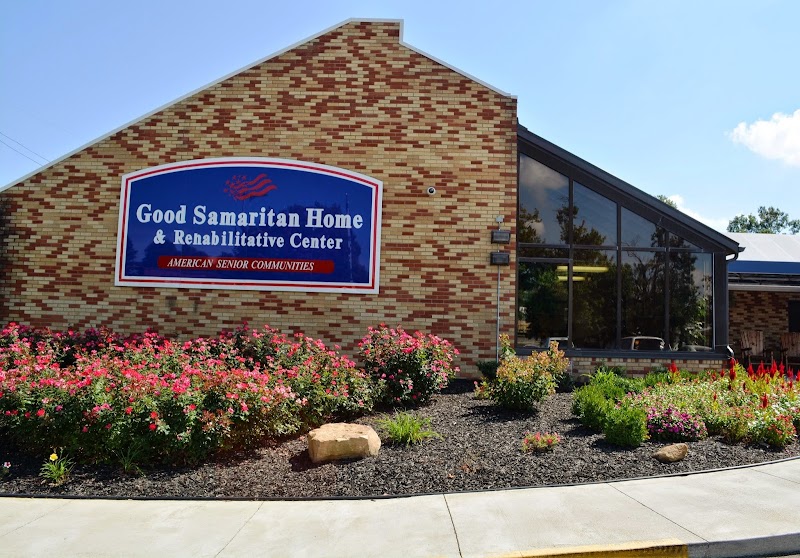
CMS rates GOOD SAMARITAN HOME & REHABILITATIVE CENTER's staffing level at 4 out of 5 stars, which is above average compared to other nursing homes. Staff turnover is 23%, compared to the Indiana average of 46%. This relatively stable workforce can support continuity of care.

What Have Inspectors Found at Good Samaritan Home & Rehabilitative Center?

State health inspectors documented 16 deficiencies at GOOD SAMARITAN HOME & REHABILITATIVE CENTER during 2022 to 2025. These included: 14 with potential for harm and 2 minor or isolated issues.
Who Owns and Operates Good Samaritan Home & Rehabilitative Center?

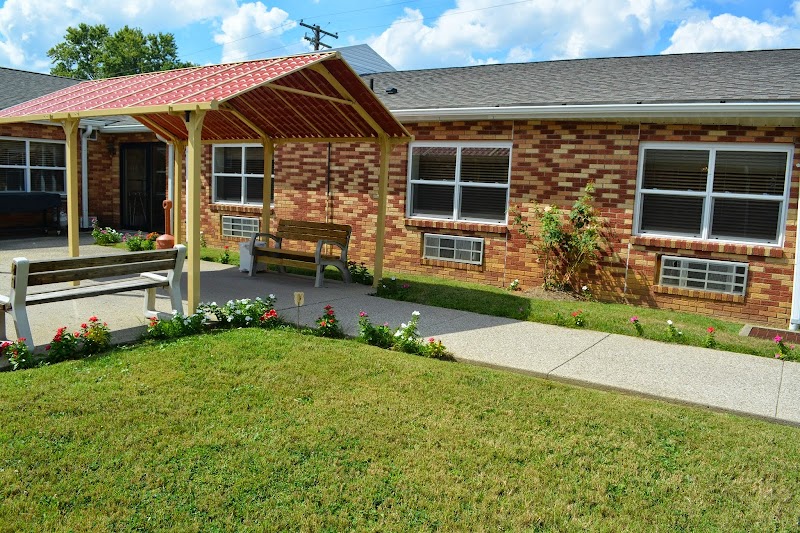
GOOD SAMARITAN HOME & REHABILITATIVE CENTER is owned by a non-profit organization. Non-profit facilities reinvest revenue into operations rather than distributing to shareholders. The facility is operated by AMERICAN SENIOR COMMUNITIES, a chain that manages multiple nursing homes. With 103 certified beds and approximately 70 residents (about 68% occupancy), it is a mid-sized facility located in OAKLAND CITY, Indiana.
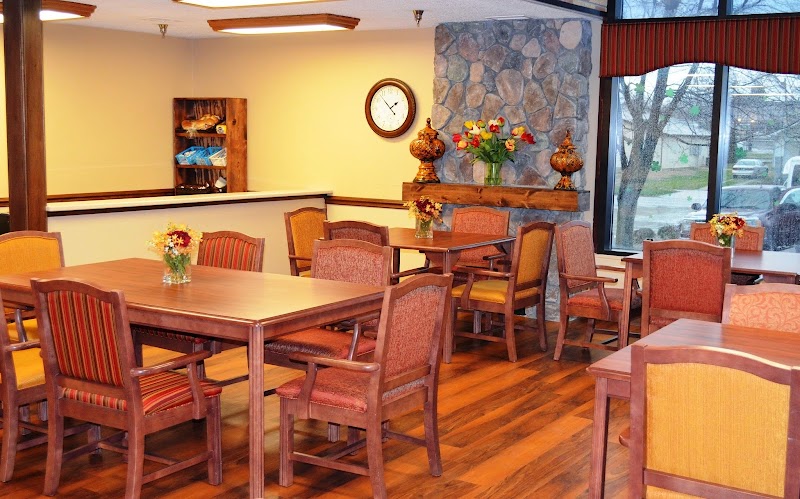
How Does Good Samaritan Home & Rehabilitative Center Compare to Other Indiana Nursing Homes?

Compared to the 100 nursing homes in Indiana, GOOD SAMARITAN HOME & REHABILITATIVE CENTER's overall rating (5 stars) is above the state average of 3.1, staff turnover (23%) is significantly lower than the state average of 46%, and health inspection rating (4 stars) is above the national benchmark.

What Should Families Ask When Visiting Good Samaritan Home & Rehabilitative Center?

Based on this facility's data, families visiting should ask: "Can I visit during a mealtime to observe dining assistance and food quality?" "How do you handle medical emergencies, and what is your hospital transfer rate?" "Can I speak with family members of current residents about their experience?"

Is Good Samaritan Home & Rehabilitative Center Safe?

Based on CMS inspection data, GOOD SAMARITAN HOME & REHABILITATIVE CENTER has a clean safety record: no substantiated abuse findings (meaning no confirmed cases of resident harm), no Immediate Jeopardy citations (the most serious violation level indicating risk of serious injury or death), and is not on the Special Focus Facility watch list (a federal program monitoring the lowest-performing 1% of nursing homes). The facility has a 5-star overall rating and ranks #1 of 100 nursing homes in Indiana. While no facility is perfect, families should still ask about staff-to-resident ratios and recent inspection results during their visit.

Do Nurses at Good Samaritan Home & Rehabilitative Center Stick Around?

Staff at GOOD SAMARITAN HOME & REHABILITATIVE CENTER tend to stick around. With a turnover rate of 23%, the facility is 23 percentage points below the Indiana average of 46%. Low turnover is a positive sign. It means caregivers have time to learn each resident's needs, medications, and personal preferences. Consistent staff also notice subtle changes in a resident's condition more quickly. Registered Nurse turnover is also low at 29%, meaning experienced RNs are available to handle complex medical needs.

Was Good Samaritan Home & Rehabilitative Center Ever Fined?

GOOD SAMARITAN HOME & REHABILITATIVE CENTER has no federal fines on record. CMS issues fines when nursing homes fail to meet care standards or don't correct problems found during inspections. The absence of fines suggests the facility has either maintained compliance or corrected any issues before penalties were assessed. This is a positive indicator, though families should still review recent inspection reports for the full picture.

Is Good Samaritan Home & Rehabilitative Center on Any Federal Watch List?

GOOD SAMARITAN HOME & REHABILITATIVE CENTER is not on any federal watch list. The most significant is the Special Focus Facility (SFF) program, which identifies the bottom 1% of nursing homes nationally based on persistent, serious quality problems. Not being on this list means the facility has avoided the pattern of deficiencies that triggers enhanced federal oversight. This is a positive indicator, though families should still review the facility's inspection history directly.