
OAK VILLAGE

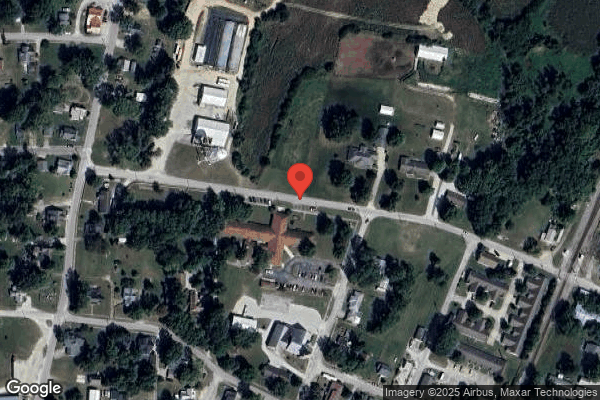
200 W FOURTH ST, OAKTOWN, IN 47561 (812) 745-2360
For profit - Corporation 50 Beds IDE MANAGEMENT GROUP Data: November 2025
Trust Grade
45/100
#375 of 505 in IN
Last Inspection: September 2024

Within standard 12-15 month inspection cycle. Federal law requires annual inspections.

Overview

Oak Village in Oaktown, Indiana has a Trust Grade of D, indicating it is below average with some concerning issues. It ranks #375 out of 505 facilities in Indiana, placing it in the bottom half, and #4 out of 6 in Knox County, meaning only two local options are better. The facility is showing signs of improvement, as the number of issues reported decreased from 11 in 2024 to 2 in 2025. However, staffing is a concern, with a rating of 2 out of 5 stars and a high turnover rate of 64%, which is significantly above the state average of 47%. While the facility has not incurred any fines, there have been specific incidents such as failures in food safety protocols, like storing food improperly and neglecting hand hygiene during meal service, as well as complaints from residents about cold and unappetizing meals. Overall, while Oak Village is making progress, families should weigh these strengths and weaknesses carefully.

Trust Score
D
45/100
In Indiana
#375/505
Bottom 26%
Safety Record
Low Risk
No red flags
Inspections
Getting Better
11 → 2 violations
Staff Stability
⚠ Watch
64% turnover. Above average. Higher turnover means staff may not know residents' routines.
Penalties
✓ Good
No fines on record. Clean compliance history, better than most Indiana facilities.
Skilled Nurses
○ Average
Each resident gets 41 minutes of Registered Nurse (RN) attention daily — about average for Indiana. RNs are the most trained staff who monitor for health changes.
Violations
⚠ Watch
22 deficiencies on record. Higher than average. Multiple issues found across inspections.
★★☆☆☆
2.0
Overall Rating
★★☆☆☆
2.0
Staff Levels
★★☆☆☆
2.0
Care Quality
★★☆☆☆
2.0
Inspection Score
Stable
2024: 11 issues
2025: 2 issues

The Good

  • Full Sprinkler Coverage · Fire safety systems throughout facility
  • No fines on record

Facility shows strength in fire safety.

The Bad

2-Star Overall Rating

Below Indiana average (3.1)

Below average - review inspection findings carefully

Staff Turnover: 64%

18pts above Indiana avg (46%)

Frequent staff changes - ask about care continuity

Chain: IDE MANAGEMENT GROUP

Part of a multi-facility chain

Ask about local staffing decisions and management

Staff turnover is elevated (64%)

16 points above Indiana average of 48%

The Ugly 22 deficiencies on record

May 2025 1 deficiency
CONCERN (E) 📢 Someone Reported This

A family member, employee, or ombudsman was alarmed enough to file a formal complaint

Potential for Harm - no one hurt, but risky conditions existed

Food Safety (Tag F0812)

Could have caused harm · This affected multiple residents

Based on observation, interview, and record review, the facility failed to ensure food was stored and distributed in accordance with professional standards for food service safety during 1 of 1 kitche...

Read full inspector narrative →
Based on observation, interview, and record review, the facility failed to ensure food was stored and distributed in accordance with professional standards for food service safety during 1 of 1 kitchen observations and failed to complete hand hygiene during meal service. Food was stored in a reach in freezer in the kitchen open to air, undated, and unlabeled. The kitchen equipment and spaces contained dust and debris, and the staff failed to complete hand hygiene after coming in contact with residents while assisting in the dining room. (Resident D, Resident F, Resident G) Findings include: 1. During a kitchen observation on 5/8/25 at 10:55 A.M., a standing reach in freezer contained a box of peas that were open to air, a box of broccoli open to air, a box of cookie dough open to air, an undated bag of pancakes open to air, an unlabeled and undated bag of meat patties, and an unlabeled and undated bag of frozen (what appeared to be) hashbrowns. The kitchen floor under the stove and around the base of the walls had a build up of dust an debris, the ceiling vents and panels contained a build up of dust above food prep areas, and the top of the dishwasher had a build up of dust, debris, and what appeared to be food crumbs. During an interview on 5/8/25 at 1:35 P.M., the Dietary Manager (DM) indicated stored frozen food should bed labeled and dated, and should be sealed properly in the freezer. During an interview on 5/8/25 at 2:05 P.M., RN 3 indicated kitchen staff had recently completed a deep clean of the kitchen, but did not document routine cleaning in a cleaning log. 2. During meal service in the main dining room on 5/8/25 at 12:05 P.M., [NAME] 4 was talking with resident D and touched the resident's hair with her right right hand, then touched Resident F's right shoulder with her right hand. [NAME] 4 then attempted to assist Resident G and placed her right hand on the top of Resident G's cup. No hand hygiene was completed between coming in contact with Resident D, Resident F, and Resident G's cup. During an interview on 5/8/25 at 1:45 P.M., CNA 7 indicated while assisting during meal service, staff should perform hand hygiene after delivering each tray of food and complete a hand wash after every third tray. Staff should perform hand hygiene after coming in contact with a resident. On 12/31/24 at 2:10 P.M., RN 3 supplied a facility policy titled, Storage Areas, dated, 11/2024. The policy indicated, .13. Leftover food is stored in covered containers or wrapped carefully and securely. Each item is clearly labeled and dated . All foods should be covered, labeled, and dated . A facility policy titled, Cleaning and Sanitation of Food Services Areas, dated 07/2023, included, The food service staff will maintain the sanitation of the dining and food service areas through compliance with a written, comprehensive cleaning schedule . 1. The food service manager will record all cleaning and sanitation tasks needed for the department . A facility policy titled, Hand Washing, dated 07/2023, included, Staff will wash hands as frequently as needed through out the day . 1. When to wash hands: After touching bare human body parts . 2. After engaging in other activities that contaminate the hands . This citation relates to complaint IN00458070. 3.1-21(i)(2) 3.1-21(i)(3)
Apr 2025 1 deficiency
CONCERN (D) 📢 Someone Reported This

A family member, employee, or ombudsman was alarmed enough to file a formal complaint

Potential for Harm - no one hurt, but risky conditions existed

Pharmacy Services (Tag F0755)

Could have caused harm · This affected 1 resident

Based on interview and record review, the facility failed to ensure accurate and appropriate medication administration practices were in place for 1 of 3 residents reviewed for pharmaceutical services...

Read full inspector narrative →
Based on interview and record review, the facility failed to ensure accurate and appropriate medication administration practices were in place for 1 of 3 residents reviewed for pharmaceutical services. A resident received another resident's medications after the administering nurse preset residents' medications prior to the medication pass. (Resident C) Finding includes: On 4/1/25 at 10:45 A.M., an Indiana Department of Health (IDOH) Facility Reportable Incident (FRI) form, dated 3/23/25 at 1:01 P.M., indicated Resident C was given incorrect medications in error. The follow-up FRI, dated 3/28/25, indicated a RN 4 had set up medications prior to administering them and Resident C received the wrong medications. During record review on 4/1/25 at 11:00 A.M., Resident C's diagnoses included but was not limited to, paraplegia, anemia, depression, and seizures. Resident C's care plan included, but was not limited to, resident had an alteration in gastro-intestinal status (initiated 3/19/25) with an intervention that included, administer medications as ordered. Resident had an alteration in neurological status (initiated 3/19/25) with an intervention that included, administer medications as ordered. Resident C's nurse's progress notes included, but were not limited to: 3/23/25 at 8:00 A.M. - Incident Note - RN 4 accidentally gave resident the incorrect medication. Resident received the following medications: amiodarone 200 (milligrams) mg (antiarrhythmic), amlodipine 5 mg (can treat high blood pressure), aspirin 81 mg, clonidine 0.3 mg (can treat high blood pressure), docusate sodium 100 mg (stool softener), Eliquis 5 mg (anticoagulant), ferrous sulfate 324 mg (iron supplement), furosemide 40 mg (diuretic), isosorbide 30 mg (nitrate, can treat chest pain related to heart disease), metoprolol 25 mg (can treat high blood pressure), potassium 20 milliequivalent (mEq) (supplement), topiramate 25 mg (anticonvulsant), vitamin B 12 50 micrograms (Mcg) (supplement), vitamin C 250 mg (supplement), vitamin D 3 25 Mcg (supplement). Orders were obtained to start fluids and two attempts were made to start intravenous (IV) access without success. Resident was sent to hospital to start IV access site to receive fluids and for further observation. During an interview on 4/1/25 at 11:35 A.M., the Director of Nursing (DON) indicated Resident C had received another resident's medications the morning of 3/23/25 after RN 4 had preset medications prior to the medication pass. After administering medications to Resident C, RN 4 returned to the medication cart and realized that another resident's medications had just been given to Resident C and Resident C's medications were still in the medication cart. The DON indicated nursing staff should not preset medications and should always ensure the correct medications are administered to the correct resident. Resident C's hospital ED (Emergency Department) physician notes, dated 3/23/25 at 9:23 A.M., indicated the resident presented to the ED after she had received incorrect medications. The resident stated that she felt weird and she was hypotensive with a blood pressure of 93/52. Resident received IV fluids and her blood pressure improved. All other labs were within normal limits (WNL). On 4/1/25 at 11:45 A.M., the DON supplied a facility policy titled, Administering Medications, dated 12/2012. The policy included, Medications shall be administered in a safe and timely manner, and as prescribed . 6. The individual administering the medication must verify the right resident, right medications, right dosage, right time, and right method (route) of administration before giving the medication . The deficient practice was corrected on 3/27/2025 after the facility implemented a systemic plan that included the following actions: Ad HOC QAPI meeting was held on 3/24/25, an action plan included inservice review of policy for medication administration with staff, observations of medication pass, assessment of all residents and the on going monitoring of the medication passes. This citation relates to complaint IN00456371. 3.1-25(b)(5) 3.1-25(b)(7)
Dec 2024 3 deficiencies
CONCERN (D) 📢 Someone Reported This

A family member, employee, or ombudsman was alarmed enough to file a formal complaint

Potential for Harm - no one hurt, but risky conditions existed

Pharmacy Services (Tag F0755)

Could have caused harm · This affected 1 resident

**NOTE- TERMS IN BRACKETS HAVE BEEN EDITED TO PROTECT CONFIDENTIALITY** Based on interview and record review, the facility failed to ensure accurate controlled drug records were maintained regarding t...

Read full inspector narrative →
**NOTE- TERMS IN BRACKETS HAVE BEEN EDITED TO PROTECT CONFIDENTIALITY** Based on interview and record review, the facility failed to ensure accurate controlled drug records were maintained regarding the dispensing and administration of controlled drugs for 1 of 3 residents reviewed for pharmaceutical services. Controlled substance count sheets did not match the documented administration of controlled drugs during a 30 day review period. (Resident B) Finding includes: During record review on 12/30/24 at 2:15 P.M., Resident B's diagnoses included but were not limited to cerebral infarction, aphasia, fracture of left arm humurus, Resident B's most recent significant change Minimum Data Set (MDS) dated [DATE] indicated the resident had severe cognitive impairment and received opiod medications. Resident B's physician records included, but were not limited to, Norco Oral Tablet 5-325 milligrams (mg) (hydrocodone 5 mg / acetaminophen 325 mg) 1 tablet by mouth two times a day for 7 days (started 12/6/24) and Norco Oral Tablet 5-325 mg 1 tablet by mouth every 4 hours as needed for pain (started 9/29/24). Resident B's Medication Administration Record (MAR) for the month December, 2024 for physician orders Norco Oral Tablet 5-325 mg 1 tablet by mouth two times a day for 7 days and Norco Oral Tablet 5-325 mg 1 tablet by mouth every 4 hours as needed for pain, did not match Resident B's controlled substance count log on the following dates and times: On 12/5/24 at 7:30 P.M. Norco 5-325 mg was documented as administered in Resident B's MAR. The controlled substance sheet was not signed out for that administration. On 12/8/24 at 12:00 A.M. and 4:00 A.M., Resident B's controlled substance count log was signed out for both times. Resident B's MAR included no administration of Norco 5-325 mg at 12:00 A.M. or 4:00 A.M. on 12/8/24. On 12/13/24 at 4:00 A.M., Resident B's controlled substance count log was signed out with no administration of Norco 5-325 mg at that time. During an interview on 12/31/24 at 11:35 A.M., the Director of Nursing (DON) indicated being unaware of any controlled substance counts being off and that staff count controlled substances at the beginning and end of their shifts. The DON could not supply explanation for the inconsistencies between Resident B's MAR and Resident B's controlled substance count sheet. During an interview on 12/31/24 at 11:40 A.M., LPN 4 indicated that Resident B's Norco 5-325 mg orders were counted off using one controlled substance count sheet for both the as needed (PRN) and routine orders. During an interview on 12/31/24 at 12:00 P.M., LPN 8 indicated that when administering a controlled or narcotic medication, the nurse should document in the record that it was administered and also sign the medication out on a controlled substance count sheet, including the date, time, and signature of the nurse. The MAR and controlled substance count sheet should match. On 12/31/24 at 12:35 P.M., the Facility Administrator supplied a facility policy, titled Charting and Documentation, dated 07/2017. The policy indicated, All services provided to the resident . shall be documented in the resident's medical record . The following information is to be documented in the resident medical record: .b. Medications administered . This citation relates to complaints IN00445197 and IN00445195. 3.1-25(b)(3) 3.1-25(e)(3)
CONCERN (E) 📢 Someone Reported This

A family member, employee, or ombudsman was alarmed enough to file a formal complaint

Potential for Harm - no one hurt, but risky conditions existed

Deficiency F0804 (Tag F0804)

Could have caused harm · This affected multiple residents

Based on observation, interview, and record review, the facility failed to provide appetizing and palatable meals for 1 of 1 lunch trays sampled on 1 of 2 halls. Residents complained of cold food temp...

Read full inspector narrative →
Based on observation, interview, and record review, the facility failed to provide appetizing and palatable meals for 1 of 1 lunch trays sampled on 1 of 2 halls. Residents complained of cold food temperatures and unappetizing food during meals. (100 hall, Resident J, Resident M, Resident P) Finding includes: During an interview on 12/30/24 at 10:40 A.M., Resident J indicated that she disliked the food at the facility. During an interview on 12/30/24 at 10:55 A.M., Resident M indicated at 1:00 P.M., Resident M indicated that the hot food was often served cold. During a review of facility Resident Council minutes on 12/30/24 at 11:10 A.M., a concern was reported to the facility, dated 12/27/24, that the hot food was cold and colder than last month. Resident Council minutes from 11/29/24 indicated, cold bacon every day, hot food has been cold when it comes to the hall rooms, tired of having the same food . chicken strips and French fries three times in 7 days . During an observation on 12/30/24 at 11:45 A.M., a lunch cart arrived on the 100 hall. At 11:45 A.M., the cart door was opened to retrieve a meal tray and left open until 11:50 A.M. At 11:53 A.M., a tray was pulled from the hall cart that contained chicken strips, French fries, slaw, and applesauce. The following temperatures were recorded from the tray: Chicken strips - 80 degrees Fahrenheit (F) French Fries - 90 degrees F Slaw - 70 degrees F Applesauce - 55 degrees F At 11:57 A.M., the same hall tray was sampled for palatability. The chicken strips were palatable but were not hot, the French fries were not hot and many of the fries were very hard and difficult to bite through. The slaw was unappetizing at the serving temperature of 70 degrees F. The applesauce was palatable. During an interview on 12/30/24 at 12:00 P.M., Resident P indicated that the French fries were terrible and were cold and hard. On 12/31/24 at 12:35 P.M. the Facility Administrator supplied a facility policy titled, Temperatures, dated 07/2023. The policy indicated, All hot food items must be cooked to appropriate internal temperatures, held and served at a temperature of at least 135 [degrees] F . All cold food items must be maintained and served at a temperature of 41 [degrees] F or below . This citation relates to complaint IN00447927. 3.1-21(a)(2)
CONCERN (E) 📢 Someone Reported This

A family member, employee, or ombudsman was alarmed enough to file a formal complaint

Potential for Harm - no one hurt, but risky conditions existed

Food Safety (Tag F0812)

Could have caused harm · This affected multiple residents

Based on observation, interview, and record review, the facility failed to ensure food was stored and distributed in accordance with professional standards for food service safety during 1 of 1 kitche...

Read full inspector narrative →
Based on observation, interview, and record review, the facility failed to ensure food was stored and distributed in accordance with professional standards for food service safety during 1 of 1 kitchen observations. Food was stored in a reach in freezer in the kitchen open to air, and refrigerated and frozen foods were not labeled and dated. Findings include: 1. During a kitchen observation on 12/30/24 at 1:35 P.M., a standing reach in freezer contained a box of frozen vegetables that was not sealed and contained a bag that was open to air of frozen vegetables, a bag of what appeared to be frozen fish fillets were not labeled, and a bag of what appeared to be meatballs were unlabeled. A standing reach in refrigerator contained a an unmarked container of what appeared to be pasta salad. During an interview on 12/30/24 at 1:45 P.M., dietary aide 11 indicated that all food items should be labeled and dated and that unlabeled/undated food must be thrown out. dietary aide 11 proceeded to throw out the unlabeled pasta salad. On 12/31/24 at 12:35 P.M., the Facility Administrator supplied a facility policy titled, Storage Areas, dated, 11/2024. The policy indicated, .13. Leftover food is stored in covered containers or wrapped carefully and securely. Each item is clearly labeled and dated . All foods should be covered, labeled, and dated . This citation relates to complaint IN00447927. 3.1-21(i)(2) 3.1-21(i)(3)
Sept 2024 8 deficiencies
CONCERN (D)

Potential for Harm - no one hurt, but risky conditions existed

Comprehensive Care Plan (Tag F0656)

Could have caused harm · This affected 1 resident

**NOTE- TERMS IN BRACKETS HAVE BEEN EDITED TO PROTECT CONFIDENTIALITY** Based on record review and interview, the facility failed to ensure a care plan was created for dementia (the loss of cognitive ...

Read full inspector narrative →
**NOTE- TERMS IN BRACKETS HAVE BEEN EDITED TO PROTECT CONFIDENTIALITY** Based on record review and interview, the facility failed to ensure a care plan was created for dementia (the loss of cognitive functioning, thinking, remembering, and reasoning, to such an extent that it interferes with daily life and activities) for 1 of 1 residents reviewed for Preadmission Screening and Resident Review (PASRR) (Resident 2), and failed to ensure a person-center dementia care plan interventions were in place for 1 of 1 resident reviewed for dementia care (Resident 21). Findings include: 1. During an initial pool record review, on 9/17/24 at 9:41 a.m., a Level I PASRR was observed and indicated that Resident 2 required a Level II evaluation. Further review was required to locate the Level II evaluation information. A record review for Resident 2 was conducted on 9/18/24 at 11:16 a.m. The profile indicated the resident diagnoses included, but were not limited to, dementia with unspecified severity, without behavioral disturbance, psychotic (when you perceive or interpret reality in a very different way from people around you) disturbance, mood disturbance (a category of mental illnesses that affect a person's mood, or emotional state), and anxiety (a feeling of fear, dread, and uneasiness that can be a normal reaction to stress); and mild intellectual disabilities (a condition that affects a person's ability to learn, think, and adapt to their environment). A scanned document, dated 8/11/17, titled, Notice of PASRR Level I Screen Outcome, PASRR Level II Onsite Evaluation Required, indicated the PASRR Level I outcome required a Level II evaluation. The diagnoses evaluation indicated the resident had dementia/neurocognitive (a decrease in mental function caused by a medical disease, rather than a psychiatric illness) disorder, with significant short-term and long-term memory impairment. A scanned document, titled, Inappropriate Referral for PASRR/MI (mental illness) level II, dated 8/16/17, had #2 marked and indicated, Questions #2-5 would trigger a Level II assessment, but the person is excluded from the Level II because there is a diagnosis of dementia .without a primary diagnosis of major mental illness (MI) or any diagnosis of mental retardation/developmental disability A handwritten note below it indicated, dementia is primary impairment in executive functioning, memory impairment, and cognitive impairment A quarterly Minimum Data Set (MDS) Assessment, dated 7/2/24, indicated Resident 2 had a diagnosis of non-Alzheimer's dementia (a group of diseases characterized by progressive deficits in behavior, executive function, or language). During an interview on 9/19/24 at 2:17 p.m., the Regional Director of Clinical Services (RDCS) indicated she was unable to find information related to dementia or cognition in Resident 2's current or resolved/historical care plans. The resident had a diagnosis of dementia and should have had a related care plan. On 9/19/24 at 2:22 p.m., the RDCS provided a policy with a revised date of 7/23/09, titled, Care Planning and Interventions, and indicated it was the policy currently being used by the facility. The policy indicated, .Standard, the interdisciplinary team meets on a scheduled basis and develops an individualized care plan. Interdisciplinary means that professional disciplines, as appropriate, work together to provide the greatest benefit to the resident .Practice Guidelines .interventions for preventing avoidable declines in functioning or functional levels 2. Resident 21's record was reviewed on 9/17/24 at 1:34 p.m. The profile indicated the resident's diagnoses included, but were not limited to, dementia with agitation (a condition where a person with dementia experiences restlessness and worry, and is unable to settle down), dementia with psychotic disturbance (occurs when a person with dementia experiences hallucinations and/or delusions), and anxiety disorder (a mental health condition that involves excessive and persistent feelings of fear, worry, dread, and uneasiness). A quarterly Minimum Data Set (MDS) assessment, dated 7/10/24, indicated the resident had moderate cognitive deficit and experienced behaviors of rejection of care and wandering. A care plan, dated 12/15/23 indicated the resident was at risk for exhibiting behaviors related to dementia diagnosis and had a history of behaviors. Interventions included, but were not limited to, code alert to right wrist and encourage resident to attend activities. The care plan lacked documentation of specific person-centered interventions. A care plan, dated 1/29/24, indicated the resident had behavior monitoring in place due to resident being resistive to care due to dementia. Interventions included, but were not limited to, allow the resident time to verbalize feelings and approach resident in non-threatening manner. The care plan lacked documentation of specific person-centered interventions. A review of the resident's [NAME] (a system for organizing and referencing patient information, typically used by nurses), indicated the form lacked documentation of any person-centered information or interventions for the resident. A review of the staff assignment sheets indicated the sheets lacked documentation of any person-centered information or interventions for the resident. During an interview, on 9/17/24 at 3:08 p.m., the interim Director of Nursing (DON) indicated she had reviewed the resident's care plan, and she was unable to find any information that was specific to the resident. The care plan interventions were generic in nature. On 9/17/24 at 3:17 p.m., the interim DON provided a document, with a revised date of 9/2022, titled, Care Plans, Comprehensive Person-Centered, and indicated it was the policy currently being used by the facility. The policy indicated, .Policy Interpretation and Implementation .7. The care planning process will: .c. Incorporate the resident's personal and cultural preferences. 8 .Incorporate interventions to address cultural needs, psychosocial needs, mitigate/reduce risk for trauma related triggers .10. Identifying .and developing interventions that are targeted and meaningful to the resident 3.1-35(b)(1)
CONCERN (D)

Potential for Harm - no one hurt, but risky conditions existed

Deficiency F0657 (Tag F0657)

Could have caused harm · This affected 1 resident

Based on interview and record review, the facility failed to ensure care plan meetings were conducted quarterly for 3 of 16 residents reviewed for care plan meetings (Residents 3, 6, and 12). Finding...

Read full inspector narrative →
Based on interview and record review, the facility failed to ensure care plan meetings were conducted quarterly for 3 of 16 residents reviewed for care plan meetings (Residents 3, 6, and 12). Findings include: 1. During an interview, on 9/17/24 at 9:58 a.m., Resident 3 indicated she could not remember being invited to or attending a care plan meeting recently. She could not recall when the last one was. Resident 3's record was reviewed on 9/17/24 at 1:28 p.m. A quarterly Minimum Data Set (MDS) assessment, dated 7/29/24, indicated the resident had no cognitive impairment. A care plan note, dated 3/26/24 at 10:30 a.m., indicated a care plan meeting was conducted on this day for Resident 3. Resident 3's record lacked documentation of quarterly care plan meetings being conducted in the last 12 months. The resident only had one care plan meeting in the last year. During an interview, on 9/17/24 at 2:27 p.m., the Social Service Director (SSD) indicated she unable to find any additional documentation of quarterly care plan meetings being conducted for Resident 3. She indicated she had not been in this position long at this facility and she was aware they were behind on the meetings. The SSD indicated the care plan meetings should be conducted quarterly on each resident. 2. During an interview, on 9/16/24 at 10:59 a.m., Resident 6 indicated she was not aware if the facility had care plan meetings because she does not remember being invited to or attending one. Resident 6's record was reviewed on 9/17/24 at 2:52 p.m. A quarterly Minimum Data Set (MDS) assessment, dated 7/31/24, indicated the resident had no cognitive impairment. A care plan note, dated 2/19/24 at 2:23 p.m., indicated a care plan meeting was conducted on this day for Resident 6. A care plan note, dated 11/28/23 at 10:22 a.m., indicated a care plan meeting was conducted on this day for Resident 6. Resident 6's record lacked documentation of quarterly care plan meetings being conducted since 2/19/24. The resident only had two care plan meetings in the last year. During an interview, on 9/17/24 at 2:50 p.m., the Social Service Director (SSD) indicated she was unable to provide documentation of any care plan meetings being conducted since 2/19/24. 3. During an interview, on 9/16/24 at 2:01 p.m., Resident 12 indicated she did not remember being invited to or attend a care plan meeting recently. She indicated she had only remembered being to one the whole time she had been at the facility. Resident 12's record was reviewed on 9/17/24 at 3:04 p.m. A quarterly Minimum Data Set (MDS) assessment, dated 7/3/24, indicated the resident had no cognitive impairment. A care plan noted, dated 12/26/23 at 11:12 a.m., indicated a care plan meeting was conducted on this day for Resident 12. Resident 12's record lacked documentation of quarterly care plan meetings being conducted in the last 12 months. The resident only had one care plan meeting in the last year. During an interview, on 9/17/24 at 3:18 p.m., the Social Service Director (SSD) indicated she was unable to provide documentation of any care plan meetings being conducted since 12/26/23. On 9/17/24 at 3:09 p.m., the Director of Nursing (DON) provided a document, with a revised date of December 2016, titled, Resident Participation- Assessment/Care Plans, and indicated it was the policy currently being used by the facility. The policy indicated, .1. The resident and his or her legal representative are encouraged to attend and participate in the resident's assessment and in the development of the resident's person-centered care plan .7. A seven (7) day advance notice of the care plan conference is provided to the resident and his or her representative. Such notice is made by mail and/or telephone 3.1-35(e)
CONCERN (D)

Potential for Harm - no one hurt, but risky conditions existed

Quality of Care (Tag F0684)

Could have caused harm · This affected 1 resident

Based on record review and interview, the facility failed to ensure there was not a delay in treatment for a resident who had a fall with complaints of pain and discomfort for 1 of 1 resident reviewed...

Read full inspector narrative →
Based on record review and interview, the facility failed to ensure there was not a delay in treatment for a resident who had a fall with complaints of pain and discomfort for 1 of 1 resident reviewed for delay in treatment (Resident 18). Finding includes: Review of matrix form (a form with pertinent information regarding residents' condition provided by the facility) on 9/17/24 at 9:09 a.m., indicated Resident 18 had a fall with injury on 7/4/24. Resident 18's record was reviewed on 9/18/24 at 2:19 p.m. The profile indicated the resident's diagnoses included, but were not limited to, fracture of unspecified a part of neck of left femur (a serious injury that occurs when the top of the leg bone breaks below the hip joint), pressure ulcer of unspecified heel (injury to skin and underlying tissue resulting from prolonged pressure on the skin), and unspecified dementia (mild cognitive impairment as yet to be diagnosed as a specific type of dementia). A significant change in status Minimum Data Set (MDS) assessment, dated 7/16/24, indicated the resident had severe cognitive deficit and had a pain assessment completed with a score of 8 out of 10. The resident was marked yes as having a fall while in the facility. A care plan, dated 2/2/24, indicated the resident had acute/chronic pain. Interventions included, but were not limited to, anticipate the resident's need for pain relief and respond immediately to any complaint of pain and evaluate the effectiveness of pain interventions per policy. A care plan, dated 2/2/24, indicated the resident was a high risk for falls. Interventions included, but were not limited to, 2 staff assist with all transfers, follow facility fall protocol, and anticipate and meet the resident's needs. A nursing note, dated 7/4/24 at 5:22 p.m., indicated Resident 18 was yelling for help and was found to be laying on her left side on the floor. Resident attempted to transfer herself out of her recliner and fell. Resident was assessed for injury, and none noted. The resident was able to move all extremities normally. The resident did complain of left leg pain. The resident was assisted to the bathroom and then to dining room for dinner. A message was left on the on-call phone for MD (Medical Doctor) notification and left a message for Director of Nursing (DON) per note. A nursing note, dated 7/4/24 at 6:24 p.m., indicated Resident 18 was complaining of increased pain to left leg, and were awaiting the physician's response. The record lacked documentation of any new orders. A nursing note, dated 7/5/24 at 3:45 a.m., indicated the resident had denied pain but was favoring her left side while ambulating. The record lacked documentation of the physician being notified. A nursing note, dated 7/5/24 at 12:09 p.m., indicated the resident was resting in bed and had showed signs of pain while assessing her range of motion after recent fall. The resident groaned and stated she was in pain. The resident's pain appeared to be in the left hip. Physician was notified and an order for an x ray obtained. The record lacked documentation of an x-ray being completed on this day. A hospital triage notes, dated 7/6/24 at 12:41 a.m., indicated the resident had arrived to the emergency room from a fall 2 days ago at a facility with complaints of pain to buttocks and had tenderness to palpation to the left hip. An x-ray report, dated 7/6/24 at 2:10 a.m., indicated the resident had a left femoral neck fracture. A nursing note, dated 7/6/24 at 2:26 a.m., indicated the resident was sent to the hospital for a decline in her condition. The physician was notified and gave verbal orders to transfer her out to the hospital. During an interview, on 9/19/24 at 1:32 p.m., Licensed Practical Nurse (LPN) 14 indicated the nursing staff had several different ways they could contact the on-call physician. They had a secure messaging system they could use, and the physician can respond back on the system, there was an on-call cell phone number you could call, and during office hours they can call the physician's office. During an interview on 9/19/24 at 1:49 p.m., the Regional Director of Clinical Services (RDCS) indicated the facility had recently had a mock survey and they had identified a delay in treatment for Resident 18's fall on 7/4/24. They had already started an action plan during their QAPI (Quality Assurance and Performance Improvement) meeting. The licensed and certified nursing staff would be provided with education on fall prevention, post fall assessments, post fall pain management, delay in treatment, and send to emergency room if significant injury was suspected unless declined by physician. During an interview, on 9/19/24 at 3:15 p.m., the RDCS indicated the nursing staff may send out a resident without a physician order in the case of an emergency. On 9/19/24 at 2:02 p.m., the RDCS provided a document, with a revised date of March 2018, titled, Acute Condition Changes-Clinical Protocol, and indicated it was the policy currently being used by the facility. The policy indicated, .8. Nursing staff will contact the physician based on the urgency of the situation. For emergencies they will call or page the physician and request a prompt response (within approximately one-half hour or less). 9. The attending physician (or a practitioner providing backup coverage) will respond in a timely manner to notification of problems or changes in condition and status. a. The nursing staff will contact the medical director for additional guidance and consultation if they do not receive a timely or appropriate response 3.1-37
CONCERN (D)

Potential for Harm - no one hurt, but risky conditions existed

Deficiency F0697 (Tag F0697)

Could have caused harm · This affected 1 resident

Based on observation, interview, and record review, the facility failed to ensure a resident had adequate pain control during a pressure ulcer dressing change for 1 of 1 reviewed for pain management (...

Read full inspector narrative →
Based on observation, interview, and record review, the facility failed to ensure a resident had adequate pain control during a pressure ulcer dressing change for 1 of 1 reviewed for pain management (Resident 18). Finding includes: On 9/20/24 at 9:55 a.m., Resident 18 was observed sitting in her wheelchair in her room. Registered Nurse (RN) 13 and RN 24 were preparing supplies to complete a dressing change to the resident's wounds on her left heel. RN 13 and RN 24 completed a pressure ulcer dressing change to Resident 18's left heel and surrounding areas on 9/20/24 at 9:55 a.m. to 10:20 a.m. RN 24 removed an old dressing from Resident 18's left heel. After she removed the ace wrap and kerlix (gauze) wrap, she went to the bathroom to wash her hands. RN 13 then sat down and began to cleanse the wounds on the resident's left heel. When the nurse began to clean the wound the resident winced in pain, clenched her jaw and began to move her foot back away from the nurse. The resident indicated it was painful by verbalizing to the nurse that it hurt. The nurse continued with the dressing change. RN 13 indicated the resident had prn (as needed) pain medication and was pre-medicated prior to the dressing change with Norco (pain medication). At 10:13 a.m. RN 13 applied a lotion skin prep to the resident's top of her foot. The nurse was massaging her foot with the lotion and the resident winced again in pain, clenched her jaw, and jerked her foot away from the nurse. The resident again verbalized to the nurse that her heel hurt. The nurse indicated to the resident she would stop. RN 24 indicated to the resident that they were almost done with the dressing change, and they proceeded to complete the dressing change. The dressing change was completed at 10:20 a.m. During an interview, on 9/20/24 at 10:30 a.m., Licensed Practical Nurse (LPN) 25 indicated she had just given Resident 18 a pain pill. The pain pill was given after the dressing change was completed. During an interview, on 9/20/24 at 10:37 a.m., RN 13 indicated she had spoken to Resident 18 prior to the dressing change, and she had no complaints of pain, she had misspoken earlier and didn't mean to say the resident was pre-medicated prior to the dressing change. During an interview, on 9/20/24 at 11:14 a.m., Resident 18 indicated her left foot was sore and proceeded to lift it up to show which foot it was. Resident 18's record was reviewed on 9/18/24 at 2:19 p.m. The profile indicated the resident's diagnoses included, but were not limited to, pressure ulcer of unspecified heel (injury to skin and underlying tissue resulting from prolonged pressure on the skin). A significant change in status Minimum Data Set (MDS) assessment, dated 7/16/24, indicated the resident had severe cognitive deficit and had a pain assessment completed with a score of 8 out of 10. A care plan, dated 2/2/24, indicated the resident had acute/chronic pain. Interventions included, but were not limited to, anticipate the resident's need for pain relief and respond immediately to any complaint of pain and evaluate the effectiveness of pain interventions per policy. A physician order, dated 7/9/24, indicated to administer Norco 10/325 mg (milligram) one tablet by mouth every 4 hours as needed for pain. A physician order, dated 7/10/24, indicated to monitor for pain every shift, attempt non- pharmacological interventions for pain management such as, relaxation, light touch, imagery, exercise, music, etc. every shift two times a day. A physician order, dated 9/13/24, indicated to apply Santyl (used to remove damaged tissue from chronic skin ulcers) external ointment 250 unit/GM (gram) to wound beds topically one time a day for healing. Apply Santyl to heel and lateral wound bed of left foot, calcium alginate to wound bed, skin prep to surrounding skin, apply telfa (non-adherent dressing) and kerlix wrap, then ace bandage. A pain assessment completed on 9/18/24 at 10:26 a.m., Resident 18 indicated her pain was a 6 on a numerical scale. A pain assessment completed on 9/20/24 at 10:30 a.m., Resident 18 indicated her pain was a 6 on a numerical scale. The Medication Administration Record (MAR) indicated Resident 18 was given a Norco at 10:30 a.m. for pain. A weekly pressure ulcer evaluation, dated 9/12/24, indicated the resident complained of pain during the wound debridement and dressing change. A weekly pressure ulcer evaluation, dated 9/5/24, indicated the resident complained of pain during the wound debridement and dressing change. A weekly pressure ulcer evaluation, dated 9/29/24, indicated the resident complained of pain during the wound debridement and dressing change. During an interview, on 9/20/24 at 10:42 a.m., the Regional Director of Clinical Services (RDCS) indicated staff would be educated on assessing for pain prior to wound dressing changes. She indicated the nurse should have stopped the dressing change on Resident 18 as soon as she complained of pain and offered her a pain pill. The dressing change then could have been completed after the medication had time to decrease her pain. On 9/20/24 at 11:05 a.m., the RDCS provided a document, with a revised date of March 2015, titled, Level Pain Assessment and Management, and indicated it was the policy currently being used by the facility. The policy indicated, .a. Assessing the potential for pain; b. Effectively recognizing the present of pain; c. Identifying characteristics of pain .4. It is important to recognize cognitive, cultural, familial, or gender-specific influences on the resident's ability or willingness to verbalize pain .2. Possible Behavioral Signs of Pain: a. Verbal expressions such as groaning, crying, screaming; b. Facial expressions such as grimacing, frowning, clenching of the jaw etc; .f. Guarding, rubbing, or favoring a particular part of the body 3.1-37(a)
CONCERN (D)

Potential for Harm - no one hurt, but risky conditions existed

Deficiency F0761 (Tag F0761)

Could have caused harm · This affected 1 resident

Based observation, interview, and record review, the facility failed to ensure expired medications were disposed of properly for 1 of 2 medication carts and 1 of 1 medication storage rooms reviewed fo...

Read full inspector narrative →
Based observation, interview, and record review, the facility failed to ensure expired medications were disposed of properly for 1 of 2 medication carts and 1 of 1 medication storage rooms reviewed for medication storage (Resident 3). Findings include: 1. On 9/19/24 at 9:23 a.m., the long hall medication cart contained an opened vial of Fiasp (medication used to lower blood sugar) insulin. The vial contained a handwritten name on it that indicated it was for Resident 3. The vial had an open date of 8/14/24. During an interview, on 9/19/24 at 9:25 a.m., Licensed Practical Nurse (LPN) 14 indicated the Fiasp insulin vial should have been discarded because it is over 30 days old. She indicated she thought the insulin was good for 30 days once opened. Resident 3's record was reviewed on 9/19/24 at 10:17 a.m. The profile indicated the resident's diagnosis included, but were not limited to, diabetes mellitus with hyperglycemia (a condition in which the level of glucose in the blood is higher than normal). A physician order, dated 2/16/24, indicated to administer Fiasp (insulin medication) injection solution 100unit/ml (milliliter). Inject per sliding scale subcutaneously (under the skin) with meals. Review of the September Medication Administration Record (MAR) indicated Resident 3 had received Fiasp insulin medication daily September 12 through 19, 2024. During an interview, on 9/19/24 at 10:30 a.m., the Regional Director of Clinical Services (RDCS) indicated insulin medication was good for 28 days once opened and the vial in the medication cart should have been disposed of since it was expired. On 9/19/24 at 10:30 a.m., the RDCS provided a document, dated 5/21/18, titled, Insulin Preparation and Administration, and indicated it was the current policy being used by the facility. The policy indicated, .ii. Check insulin vial to ensure correct type and expiration date 2. On 9/19/24 at 9:47 a.m., the medication storage room contained a clear plastic bag of facility stock vaccines. The bag contained a prefilled flu vaccine syringe. The flu vaccine contained a label with an expiration date of 6/30/24. During an interview, on 9/19/24 at 9:50 a.m., Licensed Practical Nurse (LPN) 14 indicated the flu vaccine should have been discarded because it was expired. During an interview, on 9/19/24 at 10:00 a.m., the Director of Nursing (DON) indicated the flu vaccine should have been discarded because it was expired, and she was not sure why it was not noticed by the pharmacy when they had completed their audits. On 9/19/24 at 10:00 a.m., the RDCS provided a document with a revised date of April 2007, titled, Storage of Medications, and indicated it was the policy currently being used by the facility. The policy indicated, .4. The facility shall not use discontinued, outdated, or deteriorated drugs or biologicals. All such drugs shall be returned to the dispensing pharmacy or destroyed 3.1-25(o)
CONCERN (D)

Potential for Harm - no one hurt, but risky conditions existed

Food Safety (Tag F0812)

Could have caused harm · This affected 1 resident

Based on observation and interview, the facility failed to ensure facial hair restraints were used for 2 of 2 kitchen observations. Findings include: During the initial kitchen tour on 9/16/24 at 10...

Read full inspector narrative →
Based on observation and interview, the facility failed to ensure facial hair restraints were used for 2 of 2 kitchen observations. Findings include: During the initial kitchen tour on 9/16/24 at 10:18 a.m., the Dietary Manager (DM) was observed to go into all areas of the kitchen, including the food storage and food preparation areas. He was observed to have facial hair, a visible mustache, without a hair restraint. During a kitchen observation on 9/19/24 at 11:00 a.m., the DM was observed in the food preparation area of the kitchen preparing puree food items. He was observed to have facial hair, a visible mustache, without a hair restraint. During an interview on 9/19/24 at 11:15 a.m., the DM indicated that they had facial hair coverings, but they were located downstairs. Staff were not required to wear facial hair coverings unless they had a full beard. He thought that if they only had a mustache, they were not required to wear facial hair coverings. On 9/19/24 at 11:36 a.m., the DM was observed in the kitchen checking food temperatures in the food preparation area, he was observed to have facial hair, a visible mustache, without a hair restraint. On 9/19/24 at 1:17 p.m., the Administrator (ADM) provided a policy with a revised date of 12/16/21, titled, Associate Conduct and Dress Code, and indicated it was the policy currently being used by the facility. The policy indicated, .Hair Restraints/Jewelry/Nail Polish - Mustaches can't extend more than half an inch from the corner of the mouth, below the jaw line. The lower lip must be visible when the mouth is closed. Dietary staff must wear hair restraints on their head and may need to wear facial coverings if the facial hair is long enough that may get into the food .The Food and Nutrition Services associates wear a hair covering, which covers all unpinned hair. This includes long facial hair 3.1-21(i)(3)
CONCERN (E)

Potential for Harm - no one hurt, but risky conditions existed

Deficiency F0679 (Tag F0679)

Could have caused harm · This affected multiple residents

Based on interview, observation, and record review, the facility failed to provide activities when the Activity Director was out of the building for 6 of 7 residents reviewed for activities (Residents...

Read full inspector narrative →
Based on interview, observation, and record review, the facility failed to provide activities when the Activity Director was out of the building for 6 of 7 residents reviewed for activities (Residents 2, 10, 25, 13, 3, and 12). Findings include: 1. During an interview on 9/16/26 at 11:22 a.m., Resident 2 indicated she liked to play bingo, but nobody was there to do activities and the staff do not work. On 9/17/24 at 1:36 p.m., observed a posted activities calendar in the hallway for the month of September 2024. The posted activities calendar indicated the facility would have the following activities for 9/16/24 at 9:00 a.m. Manic Monday, 10:00 a.m. EZ does it, 11:00 a.m. Devotion, and 2:00 p.m. Fancy Nails. None of the activities were observed to have taken place for 9/16/24. A record review was conducted for Resident 2's on 9/18/24 at 11:16 a.m. The profile indicated the resident diagnoses included, but were not limited to, dementia with unspecified severity, without behavioral disturbance, psychotic (when you perceive or interpret reality in a very different way from people around you) disturbance, mood disturbance (a category of mental illnesses that affect a person's mood, or emotional state), and anxiety (a feeling of fear, dread, and uneasiness that can be a normal reaction to stress); and mild intellectual disabilities (a condition that affects a person's ability to learn, think, and adapt to their environment). A quarterly Minimum Data Set (MDS) Assessment, dated 7/2/24, indicated Resident 2 was cognitively intact. An activities assessment, dated 6/19/24, indicated that it was very important to Resident 2 to do things with groups of people. 2. During an interview on 9/16/24 at 2:25 p.m., Resident 10 indicated that she missed the old staff because they had a new Activity Director now and no longer had activities like they used to. Now, she was bored all the time. On 9/17/24 at 1:36 p.m., observed a board with a posted activities calendar for the month of September 2024. The posted activities calendar indicated the facility would have the following activities for 9/16/24: 9:00 a.m. Manic Monday, 10:00 a.m. EZ does it, 11:00 a.m. Devotion, and 2:00 p.m. Fancy Nails. None of the activities were observed to have taken place for 9/16/24. During an interview on 9/18/24 at 1:24 p.m., Resident 10 indicated that she was interested in participating in the scheduled activities today because they were not what they used to be, and they were no longer fun. A record review was conducted for Resident 10 on 9/20/24 at 11:21 a.m. The profile indicated the resident diagnoses included, but were not limited to, multiple sclerosis (a chronic disease that affects the central nervous system, including the brain and spinal cord), major depressive disorder (a serious mood disorder that can impact a person's daily life), and dependence on wheelchair. A quarterly Minimum Data Set (MDS) assessment, dated 7/26/24, indicated that the resident was cognitively intact. During an interview on 9/20/24 at 12:00 p.m., Resident 10 indicated they did not have activities on the weekends at all. If they did, they would not be worth her time to attend anymore. During an interview on 9/20/24 at 11:38 a.m., Registered Nurse (RN) 13 indicated that when the Activity Director was not there, the facility designated Certified Nursing Assistant (CNA) 11, or someone else, for activities. During an interview on 9/20/24 at 2:22 p.m., CNA 11 indicated she was often assigned to fill in and conduct activities. There had been many times that she was not able to fulfill the activities schedule because she was pulled to the floor to work as a CNA approximately 30% of the time. It was impossible to do both. The facility cut the activity budget and decreased how much staff were compensated for it, now nobody wanted to work doing activities for that kind of money. Due to census, they also cut back how many CNAs they scheduled from 3 per shift down to 2. This morning, she was supposed to fill in for activities, but she was again pulled to the floor instead. The Activity Director was gone twice per week for her schooling, she was going to school to be a Nurse and working on her Administrator's license. A lot of the residents complained about not having activities, it was a big concern for them. Nothing was left out for them to do or have access to on the weekends. The door was always open, and the light would be on, but nobody initiated the activities for them. Unless someone brought the residents to the activities room, they would not do it on their own.3. During an interview, on 9/17/24 at 9:56 a.m., Resident 3 indicated the facility can get boring on the weekends because they do not have activities. She also indicated the Activity Director did not work every day and if she was not here, they did not have activities. No facility activities were observed being conducted during the hours of 9:45 a.m. to 3:15 p.m. on 9/16/24. Resident 3's record was reviewed on 9/17/24 at 1:28 p.m. The profile indicated the resident's diagnoses included, but were not limited to, type 2 diabetes mellitus with hyperglycemia (high blood glucose levels), paroxysmal atrial fibrillation (an irregular, often rapid heart rate that commonly causes poor blood flow), and diverticulosis (a condition in which small, bulging pouches develop in the digestive tract). A quarterly Minimum Data Set (MDS) assessment, dated 7/29/24, indicated Resident 3 had no cognitive impairment. A care plan, dated 4/11/23, indicated the resident wished to participate in group activities of her choosing. Interventions included, but were not limited to, the resident would receive an activity calendar monthly that would allow the resident to choose activities that interest her. A care plan, dated 11/8/23, indicated the resident had personal preferences for activities. Interventions included, but were not limited to, she likes manicures, coffee socials, small, and large group activities. An activity evaluation, dated 6/19/24, the evaluation indicated it was very important to Resident 3 to do things with groups of people. It was also very important to Resident 3 to be involved in her favorite activities. During an interview, on 9/19/24 at 9:38 a.m., Licensed Practical Nurse (LPN) 14 indicated there were days where there were no activities being conducted for the residents. She indicated there was only 1 activity personnel that worked at the facility, and she wasn't there every day. 4. During an interview, on 9/16/24 at 1:58 p.m., Resident 12 indicated the facility didn't have a lot of activities and there were a lot of weekends when they didn't have anything. No facility activities were observed being conducted during the hours of 9:45 a.m. to 3:15 p.m. on 9/16/24. Resident 12's record was reviewed on 9/17/24 at 3:04 p.m. The profile indicated the resident's diagnoses included, but were not limited to, chronic obstructive pulmonary disease (COPD - a group of lung diseases that block airflow and make it difficult to breathe), pneumonia (infection that inflames air sacs in one or both lungs which may fill with fluid), hypertension (high blood pressure), and complete traumatic amputation at knee level, left lower leg (severe injury that results in the complete loss of the lower leg below the knee). A quarterly Minimum Data Set (MDS) assessment, dated 7/3/24, indicated Resident 12 had no cognitive impairment. A care plan, dated 12/23/20, indicated the resident would make her own decisions as to what activities she would like to participate in. Interventions included, but were not limited to, parties/social events, bible/church study, outdoor time, and provide me the opportunity to do things with groups of people. A point of care (poc) response history for the last 30 days indicated Resident 12 had only participated in one social/event party on the weekends. The record lacked any other activity involvement on the weekends for the last 30 days. During an interview, on 9/19/24 at 9:38 a.m., Licensed Practical Nurse (LPN) 14 indicated there were days where there were no activities being conducted for the residents. She indicated there was only 1 activity personnel that worked at the facility, and she wasn't there every day.5. During an interview, on 9/16/24 at 1:48 p.m., Resident 25 indicated the residents were not getting any activities on weekends unless they were self-initiated. They also usually only had one activity 1 per day during the week. No facility activities were observed being conducted during the hours of 9:45 a.m. to 3:15 p.m. on 9/16/24. Resident 25's record was reviewed on 9/18/24 at 8:50 a.m. The profile indicated the resident's diagnoses included, but were not limited to, type 2 diabetes mellitus with neuropathy (high blood sugar levels in the blood which cause nerve damage, also known as neuropathy, over time), Alzheimer's disease (a brain disorder that slowly destroys memory and thinking skills, and eventually the ability to carry out simple tasks), and stage 3 chronic kidney disease (a middle stage of kidney disease where the kidneys are mildly to moderately damaged and are less able to filter waste and fluid from the blood). An admission Minimum Data Set (MDS) assessment, dated 7/11/24, indicated the resident had moderate cognitive deficit. Review of the resident's care plans lacked documentation of an activity related care plan. An activity evaluation, dated 7/9/24, indicated it was somewhat important for the resident to do things with groups of people and to do her favorite activities. Review of the resident's individual activity tasks form, dated 8/20/24 through 9/15/24, indicated the resident had only participated in family visits on the weekends. The form lacked documentation that the resident had participated in any of the activities listed on the September 2024 Activity Calendar. During an interview, on 9/19/24 at 9:22 a.m., the Activity Director indicated the scheduler/Certified Nursing Assistant (CNA) 7 was scheduled to run the activities, during her absence on 9/16/24, but got pulled to work on the floor. CNAs 11 and 12 had been scheduled to run the activities on the weekends, but they also had been pulled to work the floor and have not been able to conduct the weekend activities as scheduled. Shortly after she began her position as Activity Director, the long-time Activity Assistant quit abruptly. She had not had an assistant since that time. 6. During an interview, on 9/17/24 at 9:11 a.m., Resident 13 indicated there were very little activities on the weekends. Anything that was done had to be a self-directed type of activity. They also had not had any activity staff during the evenings. On 9/16/24, the Activity Director was out of the building taking some tests and there was no one available to run the activities. She also had classes every Wednesday, and was not in the building, so the activities on those days were hit-and-miss. No facility activities were observed being conducted during the hours of 9:45 a.m. to 3:15 p.m. on 9/16/24. Resident 13's record was reviewed on 9/19/24 at 9:14 a.m. The profile indicated the resident's diagnoses included, but were not limited to, stage 4 chronic kidney disease (a severe stage of kidney disease that occurs when the kidneys are damaged and can't filter waste from the blood as well as they should) and type 2 diabetes mellitus with neuropathy (high blood sugar levels in the blood which cause nerve damage, also known as neuropathy, over time). An annual Minimum Data Set (MDS) assessment, dated 7/10/24, indicated the resident had no cognitive deficit. A care plan, dated 4/19/21 and revised on 2/7/24, indicated the resident had personal preferences and preferred leisure activities over group activities, but would occasionally participate. Interventions included, but were not limited to, offer the resident the opportunity to participate in her favorite activities, offer her the opportunity to participate in new activities, and provide an activity calendar monthly to allow her to choose activities that interest her. An activity evaluation, dated 9/7/24, indicated it was very important for the resident to keep up with the news, and somewhat important for her to do things with groups of people and participate in her favorite activities. Review of the resident's individual activity tasks form, dated 8/20/24 through 9/15/24, indicated the resident had only participated in listening to her radio. The form lacked documentation that the resident had participated in any of the activities listed on the September 2024 Activity Calendar. During an interview, on 9/19/24 at 9:22 a.m., the Activity Director indicated the scheduler/Certified Nursing Assistant (CNA) 7 was scheduled to run the activities, during her absence on 9/16/24, but got pulled to work on the floor. CNA's 11 and 12 had been scheduled to run the activities on the weekends, but they also had been pulled to work the floor and have not been able to conduct the weekend activities as scheduled. Shortly after she began her position as Activity Director, the long-time Activity Assistant quit abruptly. She had not had an assistant since that time. On 9/19/24 at 10:21 a.m., the Activity Director provided a copy of the September 2024 Activity Calendar and indicated it was the plan of the scheduled activities for the month. The calendar indicated activities had been scheduled for all days during the month, running at 9:00 a.m., 10:00 a.m., 11:00 a.m., 2:00 p.m., and 3:00 p.m., on most days. On 9/19/24 at 10:21 a.m., the Activity Director provided a copy of a document which she indicated was the proposed schedule for activity staff for September 2024. The schedule indicated a staff had been assigned to conduct the events on the activity calendar from 8:00 a.m., to 4:00 p.m., on Mondays and Wednesdays, from 7:00 a.m., to 4:30 p.m., on Tuesdays, Thursdays, and Fridays, and times ranging from as early as 6:00 a.m., and as late as 6:00 p.m., on Saturdays and Sundays. On 9/19/24 at 10:36 a.m., the Regional Director of Clinical Services (RDCS) provided a document, dated 3/2015, titled, Activities/Recreation Administration, and indicated it was the policy currently being used by the facility. The policy indicated, .Policy Interpretation: .11. Perform all recreational activities on the calendar 3.1-33(a) 3.1-33(c)
CONCERN (E)

Potential for Harm - no one hurt, but risky conditions existed

Medical Records (Tag F0842)

Could have caused harm · This affected multiple residents

3. A record review for Resident 2 was conducted on 9/18/24 at 11:16 a.m. The profile indicated the resident diagnoses included, but were not limited to, hyperlipidemia (too much fatty substance in the...

Read full inspector narrative →
3. A record review for Resident 2 was conducted on 9/18/24 at 11:16 a.m. The profile indicated the resident diagnoses included, but were not limited to, hyperlipidemia (too much fatty substance in the blood), type 2 diabetes mellitus (the body doesn't produce enough insulin or doesn't use insulin properly, resulting in high levels of glucose in the blood), hypothyroidism thyroid [gland in the neck] does not create and release enough thyroid hormone into the bloodstream), generalized edema (swelling), iron deficiency anemia (a condition that occurs when the body doesn't have enough iron to produce healthy red blood cells). Review of the resident's August 2024 and September 2024 medication administration records (MARs) indicated the following: a. A physician's order, dated 11/2/21, indicated to administer fenofibrate micronized (lowers fatty substance content in the blood [cholesterol]) capsule, 134 milligrams (mg), give one capsule by mouth one time a day at 5:00 a.m. for diagnosis of hyperlipidemia. The August 2024 MAR lacked documentation of the medication having been administered at 5:00 a.m. on 8/24/24 and 8/31/24. The September 2024 MAR lacked documentation of the medication having been administered at 5:00 a.m. on 9/5/24 and 9/11/24. The record lacked documentation of resident refusal. b. A physician's order, dated 11/2/21, indicated to administer ferrous sulfate (used to replace iron in the blood) 325 (65Fe) mg, give one tablet by mouth one time a day at 5:00 a.m. for diagnosis of iron deficiency anemia. The August 2024 MAR lacked documentation of the medication having been administered at 5:00 a.m. on 8/24/24 and 8/31/24. The September 2024 MAR lacked documentation of the medication having been administered at 5:00 a.m. on 9/5/24 and 9/11/24. The record lacked documentation of resident refusal. c. A physician's order, dated 1/11/23, indicated to administer hydrochlorothiazide (reduces the amount of water in the body [water pill]) 12.5 mg, give one tablet by mouth one time a day at 5:00 a.m. for diagnosis of generalized edema. The August 2024 MAR lacked documentation of the medication having been administered at 5:00 a.m. on 8/24/24 and 8/31/24. The September 2024 MAR lacked documentation of the medication having been administered at 5:00 a.m. on 9/5/24 and 9/11/24. The record lacked documentation of resident refusal. d. A physician's order, dated 5/11/24, indicated to administer synthroid (replaces thyroid hormone in the blood) 112 micrograms (mcg), give one tablet by mouth one time a day at 5:00 a.m. for diagnosis of hypothyroidism. The August 2024 MAR lacked documentation of the medication having been administered at 5:00 a.m. on 8/24/24 and 8/31/24. The September 2024 MAR lacked documentation of the medication having been administered at 5:00 a.m. on 9/5/24 and 9/11/24. The record lacked documentation of resident refusal. e. A physician's order, dated 4/5/22, indicated to administer metformin hydrochloride (reduces glucose [sugar] in the blood) 850 mg, give one tablet by mouth two times a day at 5:00 a.m. for diagnosis of type 2 diabetes mellitus without complications. The August 2024 MAR lacked documentation of the medication having been administered at 5:00 a.m. on 8/24/24 and 8/31/24. The September 2024 MAR lacked documentation of the medication having been administered at 5:00 a.m. on 9/5/24 and 9/11/24. The record lacked documentation of resident refusal. 4. A record review was conducted for Resident 10 on 9/20/24 at 11:21 a.m. The profile indicated the resident diagnoses included, but were not limited to, multiple sclerosis (a chronic disease that affects the central nervous system, including the brain and spinal cord), muscle spasms (involuntary contractions of a muscle), vitamin D deficiency (body does not produce enough vitamin D), and constipation (difficulty passing stool, can be painful). Review of the resident's August 2024 and September 2024 medication administration records (MARs) indicated the following: a. A physician's order, dated 11/2/21, indicated to administer aspirin (used for pain relief and to thin blood to prevent clots) 81 milligrams (mg), give one tablet by mouth one time a day at 5:00 a.m. for prophylactic use. The August 2024 MAR lacked documentation of the medication having been administered at 5:00 a.m. on 8/24/24 and 8/31/24. The September 2024 MAR lacked documentation of the medication having been administered at 5:00 a.m. on 9/11/24. The record lacked documentation of resident refusal. b. A physician's order, dated 9/10/24, indicated to administer docusate sodium (stool softener) 100 mg, give one capsule by mouth one time a day at 5:00 a.m. for diagnosis of constipation. The September 2024 MAR lacked documentation of the medication having been administered at 5:00 a.m. on 9/11/24. The record lacked documentation of resident refusal. c. A physician's order, dated 4/27/24, indicated to administer Mayzent (used to treats multiple sclerosis symptoms) 1 mg, give one tablet by mouth one time a day at 5:00 a.m. for diagnosis of multiple sclerosis. The August 2024 MAR lacked documentation of the medication having been administered at 5:00 a.m. on 8/24/24 and 8/31/24. The September 2024 MAR lacked documentation of the medication having been administered at 5:00 a.m. on 9/11/24. The record lacked documentation of resident refusal. d. A physician's order, dated 5/29/21, indicated to administer vitamin D (supplemental vitamin), give one tablet by mouth one time a day at 5:00 a.m. for diagnosis of vitamin D deficiency. The August 2024 MAR lacked documentation of the medication having been administered at 5:00 a.m. on 8/24/24 and 8/31/24. The September 2024 MAR lacked documentation of the medication having been administered at 5:00 a.m. on 9/11/24. The record lacked documentation of resident refusal. e. A physician's order, dated 7/9/24, indicated to administer Zanaflex (muscle relaxer that treats muscle spasms) 2 mg, give one capsule by mouth two times a day at 5:00 a.m. for diagnosis of muscle spasms. The August 2024 MAR lacked documentation of the medication having been administered at 5:00 a.m. on 8/24/24 and 8/31/24. The September 2024 MAR lacked documentation of the medication having been administered at 5:00 a.m. on 9/11/24. The record lacked documentation of resident refusal. 5. Resident 12's record was reviewed on 9/17/24 at 3:04 p.m. The profile indicated the resident diagnoses included, but were not limited to, chronic obstructive pulmonary disease (COPD - a group of lung diseases that block airflow and make it difficult to breathe), pneumonia (infection that inflames air sacs in one or both lungs which may fill with fluid), hypertension (high blood pressure), and complete traumatic amputation at knee level, left lower leg (severe injury that results in the complete loss of the lower leg below the knee). Review of the resident's August 2024 and September 2024 medication administration records (MARs) indicated the following: a. A physician's order, dated 8/15/24, indicated to administer lisinopril (blood pressure lowering medication) 20 mg (milligram) by mouth one time a day. The August 2024 MAR lacked documentation of the medication having been administered at 5:00 a.m. on 8/24/24 and 8/31/24. The September 2024 MAR lacked documentation of the medication having been administered at 5:00 a.m. on 9/5/24 and 9/11/24. The record lacked documentation of resident refusal. b. A physician's order, dated 8/15/24, indicated to administer vitamin c (water-soluble vitamin found in citrus and other fruits, berries and vegetables) 500 mg by mouth one time a day. The August 2024 MAR lacked documentation of the medication having been administered at 5:00 a.m. on 8/24/24 and 8/31/24. The September 2024 MAR lacked documentation of the medication having been administered at 5:00 a.m. on 9/5/24 and 9/11/24. The record lacked documentation of resident refusal. c. A physician's order, dated 8/15/24, indicated to administer zinc (supplement medication) 50 mg by mouth one time a day. The August 2024 MAR lacked documentation of the medication having been administered at 5:00 a.m. on 8/24/24 and 8/31/24. The September 2024 MAR lacked documentation of the medication having been administered at 5:00 a.m. on 9/5/24 and 9/11/24. The record lacked documentation of resident refusal. d. A physician's order, dated 8/15/24, indicated to administer gabapentin (medication to treat nerve pain) 300 mg by mouth two times a day. The August 2024 MAR lacked documentation of the medication having been administered at 5:00 a.m. on 8/24/24 and 8/31/24. The September 2024 MAR lacked documentation of the medication having been administered at 5:00 a.m. on 9/5/24 and 9/11/24. The record lacked documentation of resident refusal. e. A physician's order, dated 8/14/24, indicated to administer Zanaflex (medication to treat muscle spasms) 4 mg by mouth three times a day. The August 2024 MAR lacked documentation of the medication having been administered at 5:00 a.m. on 8/24/24 and 8/31/24. The September 2024 MAR lacked documentation of the medication having been administered at 5:00 a.m. on 9/5/24 and 9/11/24. The record lacked documentation of resident refusal. During an interview, on 9/18/24 at 9:54 a.m., the Regional Director of Clinical Services (RDCS) indicated the 5:00 a.m. medications should have been documented by the night shift nurse after the administration of the medication. RDCS indicated the night shift nurse was not completing her documentation, and she would be educated on the policy. During an interview, on 9/19/24 at 8:57 a.m., Licensed Practical Nurse (LPN) 14 indicated medications should be documented by the nurse as soon as they are administered. If a resident refused medications, then it would be documented as a refusal. On 9/18/24 at 9:50 a.m., the RDCS provided a document, dated 5/21/18, titled, Medication Administration General Guidelines, and indicated it was the policy currently being used by the facility. The policy indicated, .2. Documentation a. Documentation is completed on the MAR/eMAR (electronic) immediately after medication(s) ingested by resident and completed by licensed personnel who administer the medication(s) i. Initial paper MAR or electronically sign eMAR ii. Initials should be verified with a full signature with initials on the MAR or a master signature log b. After medication administration is completed, licensed personnel reviews the MAR/eMAR to ensure all necessary does were administered and documented i. Do not report off shift without ensuring documentation is complete 3.1-48(a)(3) Based on record review and interview, the facility failed to ensure post dialysis (a medical procedure that removes waste products and excess fluid from the blood when the kidneys are no longer able to function properly) vital signs were documented for 1 of 1 residents reviewed for dialysis (Resident 13), and failed to ensure the administration of medications had been documented in the medication administration records (MAR) for 4 of 12 residents MARs reviewed (Resident 25, 2, 10, and 12). Finding includes: 1. Resident 13's record was reviewed on 9/19/24 at 9:14 a.m. The profile indicated the resident's diagnoses included, but were not limited to, stage 4 chronic kidney disease (a severe stage of kidney disease that occurs when the kidneys are damaged and can't filter waste from the blood as well as they should) and dependence on renal dialysis. An annual Minimum Data Set (MDS) assessment, dated 7/10/24 indicated the resident had no cognitive deficit and received dialysis services. A care plan, dated 4/29/21 and revised on 11/10/22, indicated the resident had end-stage renal disease (final stage of chronic kidney disease) and required dialysis. A physician's order, dated 1/26/24, indicated the resident was to receive dialysis treatment on Monday, Wednesday, and Friday. Review of the resident's dialysis communication forms, dated 4/22/24 to 9/18/24, indicated the pre and post dialysis (return to the facility) vital signs were to be completed and documented. The forms indicated the following: a. The April 2024 dialysis communication forms lacked documentation that the post dialysis vital signs had been obtained on 4/22/24, 4/24/24, and 4/26/24. b. The May 2024 dialysis communication forms lacked documentation that the post dialysis vital signs had been obtained on 5/1/24, 5/3/24, 5/27/24, 5/29/24, and 5/31/24. c. The June 2024 dialysis communication forms lacked documentation that the post dialysis vital signs had been obtained on 6/5/24, 6/7/24, 6/10/24, 6/12/24, 6/14/24, 6/17/24, 6/19/24, 6/24/24, and 6/28/24. d. The July 2024 dialysis communication forms lacked documentation that the post dialysis vital sign had been obtained on 7/3/24, 7/5/24, 7/8/24, 7/10/24, and 7/12/24. e. The September 2024 dialysis communication forms lacked documentation that the post dialysis vital signs had been obtained on 9/4/24, 9/6/24, 9/13/24, 9/16/24, and 9/18/24. During an interview, on 9/19/24 at 1:21 p.m., the Regional Director of Clinical Services (RDCS) indicated she had reviewed all dialysis communication documents scanned into the resident's electronic medical record and could not see where the post dialysis vital signs had been completed on the documents. It was the expectation that the vital signs would be taken when the resident returned to the facility from dialysis. On 9/19/24 at 2:12 p.m., the RDCS provided a document, dated 1/10/18, titled, Hemodialysis, and indicated it was the policy currently being used by the facility. The policy indicated, .Post-dialysis: 1. If pre/post dialysis vital signs not obtained by the dialysis center before and after the treatment, obtain the resident vitals 2. Resident 25's record was reviewed on 9/18/24 at 8:50 a.m. The profile indicated the resident's diagnoses included, but were not limited to, hypothyroidism (a condition where the thyroid gland in the neck doesn't produce enough thyroid hormone), essential hypertension (high blood pressure), and gastro-esophageal reflux disease (GERD- a condition that occurs when stomach contents flow backward into the esophagus, or food pipe). Review of the resident's August 2024 and September 2024 medication administration records (MARs) indicated the following: A physician's order, dated 7/1/24, indicated to administer one 20 milligram (mg) delayed release capsule of omperazole (medication to prevent GERD) by mouth one time a day. The August 2024 MAR lacked documentation of the medication having been administered at 5:00 a.m., on 8/11/24, 8/12/24, and 8/31/24. The September 2024 MAR lacked documentation of the medication having been administered at 5:00 a.m., on 9/11/24. The record lacked documentation of a resident refusal. A physician's order, dated 7/1/24, indicated to administer one 50 mg tablet of metoprolol tartrate (medication to lower blood pressure) by mouth two times a day, at 5:00 a.m., and 4:00 p.m. The August 2024 MAR lacked documentation of the medication having been administered at 5:00 a.m., on 8/11/24, 8/12/24, and 8/31/24. The September 2024 MAR lacked documentation of the medication having been administered at 5:00 a.m., on 9/11/24. The record lacked documentation of a resident refusal. A physician's order, dated 7/9/24, indicated to administer one 175 microgram (mcg) tablet of levothyroxine sodium (medication to increase thyroid hormone) tablet by mouth one time a day. The August 2024 MAR lacked documentation of the medication having been administered at 5:00 a.m., on 8/11/24, 8/12/24, and 8/31/24. The September 2024 MAR lacked documentation of the medication having been administered at 5:00 a.m., on 9/11/24. The record lacked documentation of a resident refusal.
Aug 2023 5 deficiencies
CONCERN (D)

Potential for Harm - no one hurt, but risky conditions existed

Assessment Accuracy (Tag F0641)

Could have caused harm · This affected 1 resident

**NOTE- TERMS IN BRACKETS HAVE BEEN EDITED TO PROTECT CONFIDENTIALITY** Based on interview and record review, the facility failed to ensure an accurate Minimum Data Set (MDS) assessment was completed ...

Read full inspector narrative →
**NOTE- TERMS IN BRACKETS HAVE BEEN EDITED TO PROTECT CONFIDENTIALITY** Based on interview and record review, the facility failed to ensure an accurate Minimum Data Set (MDS) assessment was completed for 2 of 5 residents reviewed for unnecessary medications and 1 of 1 residents reviewed for missing personal property. The MDS failed to indicate one resident received 7 days of an antidepressant, one resident received 7 days of a diuretic and had a bed alarm, and one resident had a bed and chair alarm. (Resident 19, Resident 12, Resident 20) Findings include: 1. On 8/22/23 at 1:20 P.M., Resident 19's clinical records were reviewed. She was admitted on [DATE]. Diagnoses included but were not limited to, Type II Diabetes with neuropathy, dependence on dialysis, major depressive disorder. The most current quarterly MDS assessment, dated 6/14/23, indicated Resident 19 was cognitively intact, required limited assistance of one with transfers and toilet use, and supervision with bed mobility and eating. She was on dialysis. The medications listed were insulin for 7 days, anticoagulant for 7 days, antibiotic for 7 days and diuretic for 7 days. The MDS indicated she received 0 out of 7 days for an antidepressant. Current Physician Orders included but were not limited to the following: Drizalma Sprinkle Capsule Delayed Release Sprinkle 20 MG (Duloxetine HCl) (Hydrochloride) Give 1 capsule by mouth two times a day for chronic pain, dated 12/17/2021 Resident 19 had a care plan that indicated I am currently on antidepressant medication r/t (related to)Depression. Cymbalta 20 mg daily, dated 4/19/2021. Review of the MAR (Medication Administration Record) indicated Resident 19 received duloxetine twice a day from 6/7/23 through 6/14/23 during the 7 day look back period. During an interview on 8/24/23 at 12:17 P.M., the MDS Coordinator indicated that the antidepressant should have been marked. 2. On 8/21/23 at 11:56 A.M., Resident 12 was observed sitting in her bed, wearing a nasal cannula for oxygen, and a bed alarm hanging on the bar on the right upper side of her bed. On 08/22/23 at 11:17 A.M. Resident 12's clinical record was reviewed. Diagnoses included, but were not limited to, congestive heart failure, edema (swelling) and anxiety. The most recent Annual MDS Assessment, dated 7/21/23, indicated Resident 12 was moderately cognitively impaired, an extensive assist of 2 staff for bed mobility, transfers, and toileting, not using any alarms, and took a diuretic (pill to help excrete extra fluid) 0 out of the 7 days in the look back period. Physician's Orders included, but were not limited to, the following: Lasix (a diuretic) 20 mg (milligram) daily for swelling, ordered 3/5/21 Bed alarm on bed to alert staff that resident was attempting to get out of bed, ordered 4/10/21 A current Edema Care Plan revised 6/3/21, included, but was not limited to the following interventions: Lasix as ordered, initiated 1/30/21 A current Bed Alarm Care Plan, revised 11/16/22, included, but was not limited to, the following interventions: Check placement and function of my alarm every shift and PRN (as needed), initiated 4/12/21 Resident 12's July 2023 MAR was reviewed and indicated she received Lasix daily on the following dates: 7/14/23 7/15/23 7/16/23 7/17/23 7/18/23 7/19/23 7/20/23 During an interview on 8/24/23 at 12:17 P.M., the MDS Coordinator indicated Resident 12 was currently taking the diuretic Lasix and had a bed alarm in place. She indicated these were errors on the MDS Assessment and she would correct it. 3. On 8/21/23 at 10:37 A.M., Resident 20 was observed propelling herself down the hallway in her wheelchair with an alarm hanging on the back and a pull tab on a string connected to the alarm attached to the hood of her sweater. On 8/21/23 at 10:51 A.M., Resident 20's bed was observed with the right side pushed against the wall and an alarm hanging on the side of the bed. On 8/24/23 at 10:10 A.M., Resident 20's clinical record was reviewed. Diagnoses included, but were not limited to, cerebral ischemia and history of falls. The most recent Quarterly MDS Assessment, dated 5/24/23 indicated Resident 20 was severely cognitively impaired and an extensive assist of 2 staff for bed mobility, transfers, and toileting, and not using any alarms. Physician's Orders included, but were not limited to, the following: Alarm to chair, pull tab attached while up in chair to alert staff of self transfer, dated 3/15/23 Pressure pad alarm to bed for decreased safety awareness, dated 10/17/22 A current Falls Care Plan, revised 11/10/22, included, but was not limited to, the following interventions: Pull tab alarm in place while up, initiated 1/24/23 and revised 8/3/23 A current Alarm Care Plan, revised on 10/21/22 included but was not limited to, the following interventions: Apply sensor pad alarm to bed, revised 10/21/22 Resident 20's May 2023 TAR (Treatment Administration Record) was reviewed and indicated the chair and bed alarm were monitored during the day and night shifts on the following days: 5/17/23 5/18/23 5/19/23 5/20/23 5/21/23 5/22/23 5/23/23 During an interview on 8/24/23 at 12:17 P.M., the MDS Coordinator indicated Resident 20 used both the bed and chair alarms. She indicated these were errors on the MDS Assessment and she would correct it. On 8/24/23 at 12:17 P.M., a current MDS Assessment policy was requested. The MDS Coordinator indicated they do not have a policy and that they use the RAI (Resident Assessment Instrument) Manual as a policy. 3.1-31(c)(13) 3.1-31(i)
CONCERN (D)

Potential for Harm - no one hurt, but risky conditions existed

Accident Prevention (Tag F0689)

Could have caused harm · This affected 1 resident

Based on observation, interview, and record review, the facility failed to properly assist a resident in a [name of lift] lift and prevent falls for 1 of 4 residents reviewed for hospitalizations. A s...

Read full inspector narrative →
Based on observation, interview, and record review, the facility failed to properly assist a resident in a [name of lift] lift and prevent falls for 1 of 4 residents reviewed for hospitalizations. A staff member failed to use the handles on the lift which caused the lift to tip over with the resident in the lift pad.(Resident 27) Finding includes: On 8/21/23 11:00 A.M., Resident 27 was observed sitting in the common area with a lift pad under him. On 8/21/23 at 1:37 P.M., Resident 27's clinical record was reviewed. Diagnoses included, but were not limited to, heart failure, hypertension, diabetes mellitus, and hemiplegia. The most recent quarterly Minimum Data Set (MDS) Assessment, dated 8/8/23, indicated Resident 27 was moderately cognitively impaired. The MDS indicated Resident 27 required an extensive assist of 2 staff members for bed mobility, transfers, and toileting. Resident 27's care plan included, but was not limited to, The resident has limited physical mobility r/t [related to] CVA [cerebral vascular accident] left hemiplegia [paralysis of one side of the body], revised 7/6/23. Interventions included, but were not limited to, MOBILITY: The resident is totally dependent on staff for ambulation/locomotion ., dated 10/3/22. Resident 27's current Physician Orders included, but was not limited to .Activity Level: Up with [name of lift] lift and assist of 2 . dated 9/30/22. Resident 27's nurses notes included the following: On 6/15/23 at 7:35 A.M., Res [resident] on floor .States his right buttock hurts just alittle [sic] bit, from landing on it . On 6/15/23 at 2:05 P.M., Reported to this nurse that resident had a witnessed fall with [name of lift] lift transfer. Staff report resident was lowered to the ground because the lift was off balance and was tipping . Resident 27 lacked any other nursing assessments related to the fall. Resident 27's hospital notes included the following: .Hemorrhagic pericardial effusion status post pericardiocentesis possibly related to mechanical fall while on anticoagulation .Etiology of tamponade and pleural effusion suspected to be trauma from mechanical fall while on chronic anticoagulation . During an interview on 8/24/23 at 10:07 A.M., Resident 27 indicated he had a hard fall from a lift, but was unsure what caused the fall. During an interview on 8/24/23 at 12:10 P.M., Licensed Practical Nurse (LPN) 8 indicated Resident 27 had been transferred by 2 Certified Nurse Aide's (CNA) and one of the CNA's grabbed the top on the lift instead of using the handles to move it while the resident was in it and the lift tipped over. During an interview on 8/25/23 at 2:19 P.M., the Administrator indicated an assessment should have been completed for 72 hours after Resident 27's fall, and he was unsure if the handles were the only option to move the lift. During an interview on 8/25/23 at 9:37 A.M., CNA 4 indicated that the handles should always be utilized when the lift is moved. She further indicated if you do it any other way, you don't know where they are going to go. On 8/25/23 at 9:15 A.M., the Administrator provided a current Falls Management System policy, revised 2016. The policy indicated, .Follow-up assessment and documentation will be conducted for a minimum of every shift for 72 hours . On 8/25/23 at 2:20 P.M., the Administrator provided a current Safe Lifting and Movement of Residents policy, revised July 2017, that indicated .this facility uses appropriate techniques and devices to lift and move residents . 3.1-45(a)(2)
CONCERN (D)

Potential for Harm - no one hurt, but risky conditions existed

Deficiency F0692 (Tag F0692)

Could have caused harm · This affected 1 resident

**NOTE- TERMS IN BRACKETS HAVE BEEN EDITED TO PROTECT CONFIDENTIALITY** Based on interview and record review, the facility failed to ensure assessments were completed for each resident to evaluate and...

Read full inspector narrative →
**NOTE- TERMS IN BRACKETS HAVE BEEN EDITED TO PROTECT CONFIDENTIALITY** Based on interview and record review, the facility failed to ensure assessments were completed for each resident to evaluate and address nutritional needs on a regular basis for 3 of 3 residents reviewed for nutrition. The Registered Dietitian did not complete evaluations quarterly or with a change of condition. (Resident 18, Resident 27, Resident 28) Findings include: 1. On 8/22/23 at 11:17 A.M., Resident 18's clinical record was reviewed. Diagnosis included, but were not limited to, anxiety, stroke, dysphagia (difficulty swallowing), and depression. The most recent Minimum Data Set (MDS) Assessment, dated 6/14/23, indicated no cognitive impairment, extensive assistance of two staff with bed mobility, transfers and toileting, total dependence of one staff with bathing, and supervision with setup for eating. Resident 18 had not experienced weight loss, and did not have a swallowing disorder. Current physician orders included, but were not limited to, the following: Dietitian to evaluate for nutritional intervention if needed, dated 6/3/20. Regular diet/General diet, regular texture, thin consistency, dated 8/2/22. Monitor signs/symptoms of possible swallowing disorder, dated 2/26/21. Discontinued physician orders included, but were not limited to, the following: Regular/General diet, mechanical soft texture, thin consistency, started 6/29/20 and discontinued 8/2/22. A current risk for nutritional deficits care plan, last revised 11/10/22, indicated in May 2023, the resident expressed a desire to lose weight. Interventions included, but were not limited to, Registered Dietitian to discuss weight loss desire, and mechanical soft diet. Resident 18's Medication Administration Record (MAR) from 3/2023 through 8/2023 indicated, but was not limited to, the following results of monitoring swallowing status: 3/30/23 monitoring not completed (night shift) 4/15/23 coughing or choking during meals or when swallowing meds (day shift) 4/25/23 coughing or choking during meals or when swallowing meds (day shift) 5/9/23 coughing or choking during meals or when swallowing meds (day shift) 5/13/23 coughing or choking during meals or when swallowing meds (day shift) 5/14/23 coughing or choking during meals or when swallowing meds (day shift) 5/19/23 coughing or choking during meals or when swallowing meds (day shift) 6/5/23 coughing or choking during meals or when swallowing meds (day shift) 6/23/23 monitoring not completed (night shift) 6/29/23 monitoring not completed (day shift) A speech therapy note, dated 8/2/22, indicated Patient requesting diet texture upgrade after safely consuming mech soft for years; warrants intervention to ensure safety and improve quality of life for patient A speech therapy note, signed 8/31/22, indicated Patient tolerates regular textured diet with thin liquids, demonstrating no impairment, dated 8/30/23. Dietary progress notes from 8/2023 through 8/2023 included the following: 11/1/22 at 8:44 A.M. Care plan [conference] was held, no dietary changes, [sic] at this time 3/10/23 at 11:33 A.M. Resident feeds self in dr [Dining Room] at lunch and dinner. Takes bkft [breakfast] in her room. Is able to voice food pref [preference].Has a good appetite and will request alternates at times. Wt [weight] at 185 # [pounds],stable with wt in 9/2022. No dietary changes suggested Resident 18's clinical record lacked any other dietary notes. Nutritional Assessments were requested and not provided. On 8/24/23 at 3:38 P.M., Resident 18 indicated she was aware who the Registered Dietitian was, but indicated they had not come to speak with her about diet, or give any other type of dietary education. 2. On 8/23/23 at 1:37 P.M., Resident 27's clinical record was reviewed. admission date was 9/30/22. Diagnosis included, but were not limited to, stroke, dysphagia, diabetes mellitus, and hemiplegia or hemiparesis. The most recent quarterly MDS Assessment, dated 8/8/23, indicated a moderate cognitive impairment, extensive assistance of two staff with bed mobility, transfers, and toileting, total dependence of one staff with bathing, and supervision of one staff with eating. Resident 27 experienced coughing or choking during meals or when swallowing medications during the 7-day look back period. Current physician orders included, but were not limited to: CCHO (Consistent Carbohydrate) diet, mechanical soft texture, thin consistency, aspiration precaution. May use spouted cup. Finger foods for all meals to increase independence with self feeding due to visual deficits, dated 4/17/23. Dietitian to evaluate for nutritional intervention if needed, dated 9/30/22. Monitor signs/symptoms of possible swallowing disorder, dated 10/7/22. Speech Therapy 2-4 times a week for 30 days for dysphagia to include oral pharyngeal exercises, therapeutic feedings, diet texture analysis, develop and train compensatory techniques, dated 7/7/23. Discontinued physician orders included, but were not limited to, the following: CCHO diet, puree texture, nectar consistency, aspiration precaution, ordered 9/30/22 and discontinued 10/10/22. CCHO diet, mechanical soft texture, nectar consistency, aspiration precaution, ordered 10/10/22 and discontinued 10/16/22. CCHO diet, mechanical soft texture, thin consistency, aspiration precaution. May use spouted cup, ordered 10/16/22 and discontinued 4/15/23. CCHO diet, puree texture, thin consistency, aspiration precaution. May use spouted cup. May have mech soft pleasure feeding one on one. Food may be served liquid in a cup, ordered 4/15/23 and discontinued 4/17/23. A current care plan for diabetes mellitus included, but was not limited to, the following interventions: Dietary consult for nutritional regimen and ongoing monitoring, dated 10/22/22. Discuss meal times, portion sizes, dietary restrictions, snacks allowed in daily nutritional plan, compliance with nutritional regimen, dated 10/3/22. A current care plan related to nutritional problem or potential nutritional problem due to diet restrictions, mechanically altered diet related to dysphagia included, but was not limited to, the following interventions: 10/16/22 start thin liquids, dated 10/17/22. Registered Dietitian to evaluate and make diet change recommendations as needed, dated 10/11/22. Resident 27's MAR from July 2023 indicated on 7/19/23, the resident experienced coughing or choking during meals or when swallowing meds. Weight change notes from admission through current included the following: 10/12/22 at 1:06 P.M. [Medical Director name] updated New admit . since admission appetite remains good, ST [speech therapy] seeing and has updraded [sic] diet continues with Nectar thick liquids - will continue weekly weights . 10/17/22 at 3:45 P.M. [Medical Director name] aware of New admit .Appetite remains good, ST seeing and has upgraded diet and changed liquids to thin consistency , feeding self all meals in dining room - will continue weekly weights . Dietary notes from admission through current included the following: 10/14/22 at 1:58 P.M. I SPOKE WITH RESIDENTS MOTHER About [Resident name] diet .blood sugar levels. I SPOKE WITH HER About making his meal times stable each day / discuss following md ordered diet. talked about high calorie foods to avoid . SHE STATED THINGS SHE DONE IN THE PAST to follow his diet . discussed ccho diet with residents mom 7/7/23 at 10:51 A.M. Resident readmitted on [DATE], Diet order is ccho ,mech soft ,Is on aspiration precautions. He uses spouted cups for liqds [liquids] . Has a fair appetite and consuming above 75 % . wt at 225 # on 7/7/23 ,a 20 # wt loss from 6/29/23 .resident had prior wt gain dueto [sic] fluid retention . Is being weighed dly [daily] due to risk of flucuation [sic] in wt . Current wt is stable with prior wts [weights] ,Is not recommended to regain recent wt loss Resident 27's clinical record lacked any other dietary notes. Nutritional Assessments were requested and not provided. 3. On 8/22/23 at 1:16 P.M., Resident 28's clinical record was reviewed. admission was 11/17/22. Diagnosis included, but were not limited to, non-traumatic brain dysfunction, dysphagia, dementia, diabetes mellitus, and depression. The most recent quarterly MDS Assessment, dated 8/10/23, indicated a severe cognitive impairment, required extensive assistance of two staff with bed mobility, transfers, and toileting, was totally dependent on one staff with bathing, and supervision of one staff with eating. Resident 28 had no weight loss or swallowing difficulties during the 7-day look back period. Current physician orders included, but were not limited to, the following: CCHO diet, regular texture, thin consistency, dated 11/17/22. Monitor for signs/symptoms of possible swallowing disorder, dated 11/28/22. Dietitian to evaluate for nutritional intervention if needed, dated 11/17/22. A current nutrition care plan, dated 11/18/22, indicated, but was not limited to, an intervention for the Registered Dietitian to evaluate and make diet change recommendations as needed. Resident 28's MAR from 3/2023 through 8/2023 indicated, but was not limited to, the following results of monitoring swallowing status: 3/30/23 monitoring not completed (night shift) 4/1/23 coughing or choking during meals or when swallowing meds (day shift) 4/7/23 coughing or choking during meals or when swallowing meds (day shift) 4/11/23 coughing or choking during meals or when swallowing meds (day shift) 4/15/23 coughing or choking during meals or when swallowing meds (day shift) 5/5/23 coughing or choking during meals or when swallowing meds (day shift) 5/12/23 coughing or choking during meals or when swallowing meds (day shift) 5/14/23 coughing or choking during meals or when swallowing meds (day shift) 5/21/23 holding food in mouth/cheeks or residual food in mouth after meals (day shift) 6/1/23 coughing or choking during meals or when swallowing meds (day shift) 6/2/23 coughing or choking during meals or when swallowing meds (day shift) 6/6/23 coughing or choking during meals or when swallowing meds (day shift) 6/23/23 monitoring not completed (night shift) 7/4/23 coughing or choking during meals or when swallowing meds (day shift) 7/9/23 coughing or choking during meals or when swallowing meds (day shift) 8/1/23 coughing or choking during meals or when swallowing meds (day shift) 8/18/23 holding food in mouth/cheeks or residual food in mouth after meals (day shift) Dietary progress notes from admission through current included the following: 12/29/22 at 11:13 A.M. There is no diet changes, at this time. Resident 28's clinical record lacked any other dietary notes. Restorative Nursing progress notes included, but were not limited to, the following: 11/28/22 at 12:52 P.M. The resident is on an eating/swallowing restorative nursing program . Eating/Swallowing: The resident participates in this program daily. The resident has shown a decline in eating/swallowing program compared to current goal. Cognitive deficits are creating a barrier to performing this program entirely. Resident has general weakness which isdecreasing [sic] ability to perform this program. Will continue current program as written. Resident encouraged to feed self after set up assistance. Family stated that her husband fed her and she got used to it. She is able to feed self after set up assistance, but need encoragement [sic] to complete. Care plan has been reviewed . 2/7/23 at 12:07 P.M. The resident is on an eating/swallowing restorative nursing program . Eating/Swallowing: The resident participates in this program daily. The resident has shown a decline in eating/swallowing program compared to current goal. Cognitive deficits are creating a barrier to performing this program entirely. Resident has general weakness which isdecreasing [sic] ability to perform this program. Will continue current program as written. Resident encouraged to feed self after set up assistance. She is able to feed self after set up assistance, but need [sic] encouragement to complete. Care plan has been reviewed . 5/9/23 at 12:59 P.M.The resident is on an eating/swallowing restorative nursing program . Eating/Swallowing: The resident participates in this program daily. The resident has shown a decline in eating/swallowing program compared to current goal. Cognitive deficits are creating a barrier to performing this program entirely. Resident has general weakness which isdecreasing [sic] ability to perform this program. Will continue current program as written. Resident encouraged to feed self after set up assistance. She is able to feed self but need [sic] encouragement to complete. Noted to need awaken during meal times to stayon [sic] task. Easily aroused. Care plan has been reviewed . On 8/25/23 at 11:04 A.M., Resident 28's eating functionality was reviewed for the previous 14 days and indicated the following requirements: Independent for 2 days Supervision for 8 days Limited assistance for 7 days Extensive assistance for 2 days Nutritional Assessments were requested and not provided. On 8/25/23 at 11:07 A.M., the MDS Coordinator indicated Resident 28's family were coming to feed her until school started recently. Resident 28 was now being assisted to eat by staff in the dining room because she was unable to feed herself completely. She further indicated the facility did not currently have a Restorative Nursing program for eating/feeding, and was unsure why not. She indicated the tasks were being completed, but not documented as part of a formal program. On 8/24/23 at 10:33 A.M., the Registered Dietitian indicated he was currently acting as the Kitchen Manager and Registered Dietitian for the facility. He indicated he would try and set aside time every week to review resident's charts and would stay over if needed to complete assessments. He indicated assessments needed to be completed on each resident quarterly as per the MDS, and that assessment would be documented in the resident's clinical record. On 8/22/23 at 9:46 A.M., a current non-dated Facility Assessment Tool was provided and indicated . The facility must employ sufficient staff with the appropriate competencies and skills sets to carry out the functions of the food and nutrition service, taking into consideration resident assessments, individual plans of care and the number, acuity and diagnoses of the facility's resident population in accordance with the facility assessment . On 8/25/23 at 10:00 A.M., the Registered Dietitian's employee file was reviewed and included a current non-dated Dietary Manager Job Description, signed by the Registered Dietitian/Kitchen Manager on 6/27/18. At that time, the Administrator indicated the job description served as a policy for the Kitchen Manager. The employee file lacked information related to being a Registered Dietitian. A policy and/or job description for the Registered Dietitian was requested and not provided. 3.1-20(g)
CONCERN (D)

Potential for Harm - no one hurt, but risky conditions existed

Unnecessary Medications (Tag F0759)

Could have caused harm · This affected 1 resident

Based on observation, record review and interview, the facility failed to ensure it was free of a medication error rate of greater than 5 percent (%) for 2 of 6 residents (Residents 11, and Resident 4...

Read full inspector narrative →
Based on observation, record review and interview, the facility failed to ensure it was free of a medication error rate of greater than 5 percent (%) for 2 of 6 residents (Residents 11, and Resident 4) observed during medication pass. Two medication errors were observed during twenty-seven opportunities for error in medication administration. This resulted in a medication error rate of 7.41%. Findings include: 1. On 8/23/23 at 7:21 A.M., QMA (Qualified Medication Aide) 2 was observed to administer 1 pill of Potassium Chloride ER 20 meq (milliequivalent) (for heart) to Resident 11. On 8/23/23 at 9:49 A.M., Resident 11's clinical record was reviewed. Diagnoses included, but were not limited to, congestive heart failure, hypertension, and Diabetes Mellitus type II. The most recent admission MDS (Minimum Data Set) Assessment, dated 6/9/23, indicated resident 11 was moderately cognitively impaired and an extensive assist of 2 staff for bed mobility, transfers, and toileting. The current physician's orders included, but was not limited to, the following medication: Potassium Chloride ER 20 meq tablet; give 2 tablets by mouth two times a day. During an interview on 8/23/23 at 2:30 P.M., the DON (Director of Nursing) indicated Resident 11 should have been administered 2 pills of the Potassium Chloride ER 20 meq. The medication should have been verified with the order before administering the medication. At that time, she indicated the nursing staff should have followed the Physician's Orders. 2. On 8/23/23 at 11:49 A.M., the DON was observed to administer 32 units of novolog insulin to Resident 4 for a blood sugar of 275. On 8/23/23 at 9:22 A.M., Resident 4's clinical record was reviewed. Diagnoses included, but were not limited to Diabetes Mellitus type II. The most recent Quarterly MDS Assessment, dated 7/14/23, indicated Resident 4 was cognitively intact, needed supervision of 1 staff for transfers, and extensive assist of 1 staff for toileting. Physician's Orders included, but were not limited to, the following: Novolog Solution, 100 unit/ml (milliliter); inject 30 units subcutaneously three times a day, dated 8/22/23 Novolog solution 100 unit/ml; inject as per sliding scale subcutaneously three times a day, dated 3/3/23: 150-199 = 3 units 200-249 = 5 units 250-299 = 7 units 300-349 = 9 units 350-399 = 11 units 400-449 = 13 units 450-499 = 15 units 500-549 = 17 units During an interview on 8/23/23 at 2:25 P.M., the DON indicated there was an order discontinued recently for 25 routine units plus the sliding scale dose which would have been 32 units. The routine novolog insulin was increased to the new order of 30 units plus the sliding scale dose of 7 units for blood sugar of 275 which would make the correct dose 37 units. At that time, she indicated nursing staff should verify the current order before giving medications and the physician's order should be followed. On 8/24/23 at 3:40 P.M., a current Administering Medications Policy was received from the Administrator and indicated . 7. The individual administering the medication must check the label THREE [3] times to verify the right resident, right medication, right dosage, right time, and right method [route] of administration before giving the medication . 3.1-48(c)(1)
CONCERN (E)

Potential for Harm - no one hurt, but risky conditions existed

Infection Control (Tag F0880)

Could have caused harm · This affected multiple residents

**NOTE- TERMS IN BRACKETS HAVE BEEN EDITED TO PROTECT CONFIDENTIALITY** 3. On 8/21/23 at 10:34 A.M., Resident 22's bathroom was observed to have two unlabeled denture containers sitting on the sink. H...

Read full inspector narrative →
**NOTE- TERMS IN BRACKETS HAVE BEEN EDITED TO PROTECT CONFIDENTIALITY** 3. On 8/21/23 at 10:34 A.M., Resident 22's bathroom was observed to have two unlabeled denture containers sitting on the sink. He shares the bathroom with his roommate, who is in a wheelchair. On 8/24/23 at 1:14 P.M., Resident 22's bathroom was observed to have two unlabeled denture containers sitting on the sink. On 8/21/23 at 11:16 A.M., Resident 22's clinical records were reviewed. He was admitted on [DATE]. Diagnosis included, but were not limited to, stroke, Type II diabetes, aphasia, hemiplegia and depression. The most current annual MDS Assessment, dated 6/1/23 indicated Resident 22 was cognitively intact and required extensive assistance of two for bed mobility and toilet use, extensive assistance of one for transfers and total dependence of one for bathing. During an interview on 8/25/23 at 12:01 P.M., CNA 36 indicated denture cups should be labeled. 4. During an interview on 8/23/23 at 2:02 P.M., the Maintenance Director, hire date of 4/17/23, indicated he was not aware of the location of a map of the facility's water system, was not aware of the areas where the pathogens can grow and spread, nor was he aware of what Legionella was. He indicated the water was tested annually. Samples were collected here at the facility with the bottles that were sent here and taken to (Name of Analytical Services) to analyze. The results from 6/19/23 were reviewed and indicated one sample had a result of 20 CFU/100 ml (Colony-Forming Unit/milliter) for Legionella pneumophila. At that time, the Maintenance Director indicated when he called about the results, he was told to flush the system 5-10 minutes since it was on the short hall that was not used as much. He indicated he flushed the whole system and the company did not recommend retesting the water at that time. During an interview on 8/24/23 at 9:56 A.M., the Administrator indicated he reached out to the Client Services Manager with (name of Analytical Services) on 8/23/23 at 2:33 P.M., about the water results from 6/19/23. The manager indicated it was probably because the sample was from the hall that was not used often, the system should be flushed 5-10 minutes before collecting the sample, and he would send new bottles to retest the water. During an interview on 8/24/23 at 10:47 A.M., the Administrator indicated the Maintenance Director did not have a process in place to flush the water system routinely. On 8/24/23 at 9:56 A.M., the Administrator provided a copy of The Action Levels following Legionella Sampling in Hot and Cold Water Systems in healthcare premises with susceptible patients emailed to him by the company. The recommended actions for results ND (Not Detected) up to 100 cfu/l (liter) indicated In healthcare, the primary concern is protecting susceptible patients, so any detection of legionella should be investigated and, if necessary, the system resampled to aid interpretation of the results in line with the monitoring strategy and risk assessment. On 8/24/23 at 10:15 A.M., Resident 230's clinical records were reviewed and indicated she was admitted on [DATE] for therapy status post right knee replacement. She has had no signs or symptoms of legionella and vitals have been stable since admission. She resides on the hall that the water tested positive for legionella on 6/19/23. On 8/24/23 at 10:19 A.M., Resident 14's clinical records were reviewed and indicated she was admitted on [DATE] and has had no signs or symptoms of legionella since admission. She resides on the hall that the water tested positive for legionella on 6/19/23. A current Legionella Water Management Program policy, revised 9/22, provided on 8/24/23 at 9:56 A.M., indicated Our facility is committed to the prevention, detection and control of water-borne contaminants, including Legionella. 1. As part of the infection prevention and control program, our facility has a water management program, which is overseen by the water management team. 2. The water management team consists of at least the following personnel: .d. The director of the maintenance .3. The purposes of the water management program are to identify areas in the water system where Legionella bacteria can grow and spread, and to reduce the risk of Legionnaire's disease . On 8/25/23 at 11:20 A.M. a current Bedpan/urinal Policy, revised February 2018, was provided by the MDS Coordinator and indicated . 8. Clean the bedpan . store the bedpan or urinal per facility policy. Do not leave it . on the floor . 3.1-18(b) 3.1-18(b)(5) Based on observation, interview, and record review, the facility failed to ensure a safe and sanitary environment to help prevent the development and transmission of diseases and infections for 7 of 16 residents sampled and lacked preventative measures to keep legionella from forming in the water system for 2 of 2 halls. Denture cups were not labeled in a shared bathroom, 2 unlabeled toothbrushes were turned downward in a cup in a shared bathroom, and 2 uncovered toothbrushes were in a resident's shared bathroom along with an unlabeled and uncovered bedside pans on the floor. (Resident 23, Resident 7, Resident 14, Resident 22, Resident 18, Resident 26, Resident 28, Resident 230) Findings include: 1. On 8/21/23 at 10:11 A.M., the shared bathroom of Resident 23 and Resident 7 was observed to have a pink bed pan on floor to the right of the toilet, a coral bed pan to the right of the sink with the top of the bedpan where the resident would touch facing down on the floor, two yellow emesis basins on the shelf above the sink each containing an uncovered and unlabeled toothbrush. On 8/23/23 at 8:11 A.M., Resident 23's clinical record was reviewed. Diagnoses included, but were not limited to, dementia, schizophrenia, overactive bladder, and urge incontinence. The most recent Quarterly MDS (Minimum Data Set) Assessment, dated 7/14/23, indicated Resident 23 was moderately cognitively impaired, an extensive assist of 1 staff for personal hygiene and dressing, an extensive assist of 2 staff for bed mobility and toileting, and totally dependant on staff for transfers and bathing. 2. On 8/23/23 at 7:41 A.M., Resident 7's clinical record was reviewed. Diagnoses included, but were not limited to, dementia. The most recent annual MDS Assessment, dated 7/14/23, indicated Resident 7 was severely cognitively impaired, an extensive assist of 1 staff for person hygiene, an extensive assist of 2 staff for bed mobility, transfer, toileting, and dressing, and totally dependant on staff for bathing. During an interview on 8/25/23 at 9:55 A.M., CNA (Certified Nurse Aide) 4 indicated Resident 23 would use the bedpan if she was in bed instead of getting up to use the toilet. She used both the coral and pink one. At that time, she indicated last week they took out everyone's bedpans and replaced them with new ones so they should be labeled but at that time they didn't have a marker to do it and and haven't gone back to label them. She indicated once Resident 7 needed to go to the bathroom and she took the smaller pink bed pan over for the resident to use. Resident 7 did not use a bedpan and it ended up both being Resident 23's. She indicated labeling was important in a shared bathroom for that reason and they should always be covered and not laying on the floor. During an interview on 8/25/23 at 11:46 A.M., the DON (Director of Nursing) indicated per facility policy, bedpans should not be on the floor. The bedpans should be cleaned out after use and put in a trash bag to cover them and in a shared bathroom, toothbrushes should be covered, and all items should be labeled to avoid cross contamination.2. On 8/21/23 at 11:02 A.M., the shared bathroom (shared with Resident 18, Resident 26, and Resident 28) between room [ROOM NUMBER] and room [ROOM NUMBER] was observed with two toothbrushes face down in a cup with a tube of toothpaste, all unlabeled. An uncovered emesis basin was observed sitting on the back of the commode, and an uncovered wash basin was observed sitting on the floor under the sink. On 8/25/23 at 11:59 A.M., the same was observed. At that time, Certified Nurse Aide (CNA) 36 indicated the toothbrushes should have been labeled, and was not sure how they should be stored. On 8/22/23 at 11:17 A.M., Resident 18's clinical record was reviewed. Diagnosis included, but were not limited to, anxiety, stroke, and depression. The most recent quarterly Minimum Data Set (MDS) Assessment, dated 6/14/23, indicated no cognitive impairment, and a requirement of extensive assistance of two staff with personal hygiene. On 8/22/23 at 1:16 P.M., Resident 28's clinical record was reviewed. Diagnosis included, but were not limited to, non-traumatic brain dysfunction and dementia. The most recent quarterly MDS Assessment, dated 8/10/23, indicated a severe cognitive impairment, and a requirement of extensive assistance of one staff with personal hygiene. On 8/25/23 at 12:17 P.M., Resident 26's clinical record was reviewed. Diagnosis included, but were not limited to, stroke. The most recent quarterly assessment, dated 8/18/23, indicated no cognitive impairment, and a requirement of supervision with setup for personal hygiene.
Jul 2021 4 deficiencies
CONCERN (D)

Potential for Harm - no one hurt, but risky conditions existed

Deficiency F0582 (Tag F0582)

Could have caused harm · This affected 1 resident

Based on interview and record review, the facility failed to ensure a SNF-ABN (Skilled Nursing Facility-Advanced Beneficiary Notice) Form was provided following the end of Medicare skilled services fo...

Read full inspector narrative →
Based on interview and record review, the facility failed to ensure a SNF-ABN (Skilled Nursing Facility-Advanced Beneficiary Notice) Form was provided following the end of Medicare skilled services for 1 of 1 residents who discharged from Medicare services and remained in the facility. (Resident 228) Finding includes: On 7/28/21 at 1:07 P.M., the SNF (Skilled Nursing Facility) Beneficiary Protection Notification Review Forms were reviewed. The form was blank in response to whether Resident 228 received the SNF-ABN form. Resident 228's representative was provided a Notice of Medicare Non-Coverage (NOMNC) Form which indicated Resident 228's Medicare coverage would end on 4/29/21. The form further indicated that the representative was notified that their financial liability would begin on 4/30/21. On 7/28/21 at 2:15 P.M., the MDS Nurse indicated that Resident 228 remained in the facility on hospice services. The MDS Nurse further indicated that Resident 228 did not receive a SNF-ABN form. On 7/29/21 at 1:27 P.M., the DON provided the current BENEFICIARY NOTICES: SNF ABN & NOTICE OF MEDICARE NON-COVERAGE (NOMNC) policy, dated 4/15/18. The policy included, but was not limited to: A SNF ABN is issued when Part A services end and resident is staying in facility post Medicare stay. 3.1-4(f)(2)
CONCERN (D)

Potential for Harm - no one hurt, but risky conditions existed

Deficiency F0805 (Tag F0805)

Could have caused harm · This affected 1 resident

**NOTE- TERMS IN BRACKETS HAVE BEEN EDITED TO PROTECT CONFIDENTIALITY** Based on observation, interview, and record review, the facility failed to ensure diet orders were followed; a resident did not ...

Read full inspector narrative →
**NOTE- TERMS IN BRACKETS HAVE BEEN EDITED TO PROTECT CONFIDENTIALITY** Based on observation, interview, and record review, the facility failed to ensure diet orders were followed; a resident did not receive a tray containing a mechanical soft diet as ordered by the physician for 1 of 3 residents reviewed for diets. (Resident 16) Findings include: During an interview on 7/28/21 at 12:46 P.M., Resident 16 indicated he was supposed to have a mechanical soft diet, but sometimes the food was ground and sometimes it was not ground. He indicated that some meats and some vegetables were too tough for him to chew. Resident 16 said, Even coleslaw is difficult to eat. Resident 16 indicated he did not have teeth and that he had a medical condition called thrush which made swallowing painful and difficult. The clinical record for Resident 16 was reviewed on 7/28/21 at 10:08 A.M. The record indicated Resident 16 was admitted to the facility on [DATE] and his diagnoses included, but were not limited to, thrush, and malignant neoplasm of the lung. The admission MDS (Minimum Data Set) assessment, dated 6/25/21, indicated Resident 16 had no cognitive impairment. The assessment further indicated Resident 16 required the assistance of one staff for transfers and toileting. Resident 16 did not have natural teeth or dentures. A physician's order dated 7/15/21 read as follows: .Regular diet Mechanical Soft Ground Meat texture . A care plan dated 6/21/21 and titled, The resident has nutritional problems .Newly dx [diagnosed] lung cancer with met [metastatic spread of the cancer], included, but was not limited to, the following Interventions: .Provide and serve diet as ordered .Dated initiated: 6/21/21 .Revised on: 7/29/21 . During an observation on 7/29/21 at 12:10 P.M., CNA removed Resident 16's tray from the warming cart and prepared deliver the tray to the resident's room. A whole fish patty was positioned on the resident's plate. The diet card located on the resident's tray indicated he was supposed to be served a Regular meal tray. No other special directions were observed on the tray documenting the consistency of the resident's food. During an interview on 7/29/21 at 1:10 P.M., the Dietary Manager (DM) indicated that, whenever a resident was supposed to receive a mechanical diet, the DM would have broken the fish or patty into pieces before plating the fish pieces on the resident's plate. The DM reviewed Resident 16's diet order sheet, which the kitchen used to prepare each resident's meal tray. Resident 16's diet order sheet read as follows: .Diet Order: Regular . The DM then indicated that a change to Resident 16's diet order must have occurred. During an interview on 7/29/21 at 1:16 P.M., the Dietary Manager (DM) indicated the physician had changed Resident 16's diet order a few weeks earlier to mechanical soft and that he (the DM) would change the Resident 16's diet order sheet in the kitchen to reflect the new order. A policy dated 3/19/2021, and titled, Physician's Diet Order, was provided by the Director of Nursing on 7/30/21 at 9:30 A.M. and read as follows: 2. The diet order is forwarded to the Culinary & Nutritional Services Department via the Dietary communication form by nursing staff . 4. The Culinary & Nutritional Services Manager . will record the order in the electronic meal tracking system and prepare a diet ticket with the information. The diet ticket is placed on the meal tray for reference and identification when serving meals . 3.1-21(a)(3)
CONCERN (D)

Potential for Harm - no one hurt, but risky conditions existed

Infection Control (Tag F0880)

Could have caused harm · This affected 1 resident

Based on observation, interview, and record review, the facility failed to ensure that infection control practices were implemented for 1 of 10 residents observed for medication administration, and 2 ...

Read full inspector narrative →
Based on observation, interview, and record review, the facility failed to ensure that infection control practices were implemented for 1 of 10 residents observed for medication administration, and 2 of 3 residents observed for urinary catheter use. Gloves were sanitized, hands were not washed between glove changes, water was turned off with bare hands following handwashing, and catheter bags were observed on the floor. (Resident 22, Resident 25, Resident 2) Finding includes: 1. On 7/27/21 at 10:42 A.M., RN 1 was observed to perform a bedside accucheck (blood glucose test) for Resident 22. RN 1 sanitized her hands, obtained supplies, sanitized her hands again, and entered the resident's room. RN 1 donned gloves and performed the accucheck. RN 1 sanitized her left glove and obtained an alcohol wipe to clean the glucometer. RN 1 removed her gloves and sanitized her hands. 2. On 7/27/21 at 10:49 A.M., LPN 7 was observed to administer eye drops to Resident 22. LPN 7 donned clean gloves and administered eye drops to Resident 22's right eye. LPN 7 removed her gloves and donned clean gloves. No hand hygiene was observed. LPN 7 administered eye drops to Resident 22's left eye. LPN 7 removed her gloves, opened the medication cart, and returned to the resident's room to wash her hands. 3. On 7/27/21 at 11:29 A.M., RN 1 was observed to prepare to administer insulin to Resident 22. RN 1 washed her hands and utilized her bare hands to turn off the water faucet. RN 1 dried her hands, donned clean gloves, prepared the insulin, and administered the medication. 4. On 7/28/21 at 10:15 A.M., RN 1 was observed to prepare medications for Resident 22. RN 1 washed her hands and utilized her bare hands to turn off the faucet. During an interview on 7/30/21 at 11:38 A.M., CNA 5 indicated the staff should wash their hands for 30 seconds. On 7/29/21 at 1:48 P.M., the DON provided the current Handwashing/Hand Hygiene policy, revised 8/2014. The policy included but was not limited to; Vigorously lather hands with soap and rub them together, creating friction to all surfaces, for a minimum of 20 seconds under a moderate stream of running water, dry hands thoroughly with paper towels and then turn off faucets with a clean, dry, paper towel. 5. During an observation on 7/28/21 at 11:20 A.M., Resident 2 was sitting up in their wheelchair in their room. The resident's catheter bag was inside a dignity bag and hanging from the wheelchair and touching the floor. During an observation on 7/29/21 at 11:35 A.M., Resident 2 was sitting up in their wheelchair in their room. The resident's catheter bag was inside a dignity bag hanging from the wheelchair and touching the floor. During an observation on 7/29/21 at 11:51 A.M., CNA 3 entered Resident 2's room to provide care. Resident 2's catheter bag was inside of a dignity bag hanging from the wheelchair, resting between the back and front wheelchair wheels. CNA 3 removed the dignity cover, dropped it to the floor, emptied and measured the urine from the catheter, placed the dignity cover back over the catheter bag and hung it from the resident's wheelchair. During record review on 7/29/21 at 1:10 P.M., Resident 2's diagnoses included, but were not limited to obstructive and reflux uropathy, overflow incontinence, and retention of urine. Resident 2's most recent quarterly MDS (Minimum Data Set), dated 4/21/21, indicated the resident had an indwelling urinary catheter and required extensive assistance with toileting. Resident 2's physician orders included, but were not limited to; change Foley catheter bag and tubing monthly, irrigate Foley catheter with 60 mL (milliliters) with normal saline one time a day, and change Foley catheter on the 17th of every month. Resident 2's care plan included but was limited to; Resident had a Foley catheter due to urinary retention. 6. During an observation on 7/27/21 at 10:44 A.M., Resident 25's catheter was observed suspended underneath his wheelchair and the catheter drainage bag was dragging on the floor as he was exiting to smoke. During an observation and interview on 7/27/21 at 11:21 A.M., Resident 25 was observed sitting in his wheelchair in his room. Resident 25's catheter was suspended underneath his wheelchair and the catheter drainage bag was positioned on the floor. During an observation 7/27/21 at 1:50 P.M., Resident 25 was observed in his wheelchair, leaving the nurses' station, while his catheter drainage bag was touching the floor. The clinical record for Resident 25 was reviewed on 7/28/21 at 11:015 A.M. The record indicated Resident 25 was admitted to the facility with a suprapubic catheter on 11/13/20. Resident 25's diagnoses included, but not limited to, paraplegia, neuromuscular dysfunction, and obstructive reflux uropathy. The MDS (Minimum Data Set) assessment, dated 6/25/21, indicated Resident 16 had no cognitive impairment. The assessment further indicated Resident 16 required the assistance of one staff for transfers and toileting. Resident 16 did not have natural teeth or dentures. A physician's order dated 11/13/20 read as follows: .Foley/indwelling: Suprapubic two times a day for care . A care plan last updated 6/15/21 and titled, I currently have a catheter suprapubic due to neuromuscular dysfunction . included but was not limited to, the following: Goal . My catheter will be managed appropriately . Interventions: Keep the catheter system as closed as much as possible . The care plan did not address the necessity of keeping the catheter drainage bag off the floor. During an interview on 7/28/21 at 2:45 A.M., the Director of Nursing (DON) indicated she had asked Resident 25 on 7/27/21 if his catheter drainage bag had been touching the floor. The DON indicated Resident 25 responded that the catheter bag had been touching the floor. The DON asked Resident 25 to notify staff if this happened again. On 7/30/21 at 9:30 A.M., the DON supplied an undated facility policy titled, Urinary Catheter Care. The policy included, Be sure the catheter tubing and drainage bag are kept off the floor. 3.1-18(b)(1) 3.1-18(l) 3.1-41(a)(2)
CONCERN (E)

Potential for Harm - no one hurt, but risky conditions existed

Food Safety (Tag F0812)

Could have caused harm · This affected multiple residents

Based on observation, interview, and record review, the facility failed to ensure that food was served in a sanitary manner for 2 of 2 kitchen observations and 1 of 2 dining observations. Food was sto...

Read full inspector narrative →
Based on observation, interview, and record review, the facility failed to ensure that food was served in a sanitary manner for 2 of 2 kitchen observations and 1 of 2 dining observations. Food was stored on the floor, hand hygiene was not properly completed, and staff handled a residents food with bare hands. Findings include: 1. On 7/27/21 at 9:55 A.M., during a kitchen observation a box of capri vegetable blend and Brussels sprouts were observed to be stored on the floor of the walk in freezer. The Kitchen manager indicated that the food truck had come on the prior Thursday (7/22/21) and due to staffing they had not been able to get everything put away. On 7/29/21 at 11:50 A.M., a box of Brussels sprouts and capri vegetable blend were observed to be stored on the floor of the walk in freezer. 2. On 7/29/21 at 10:57 A.M., [NAME] 1 was observed to wash his hands for 5 seconds and utilized his bare hands to turn the water off. [NAME] 1 was then observed to obtain the food temperature for the mashed potatoes. [NAME] 1 then placed the mashed potatoes on the steam table. [NAME] 1 was then observed to stir the peas, obtain the food temperature and place them on the steam table. [NAME] 1 continued to do the same for the pureed chicken and regular textured chicken. [NAME] 1 pulled the pureed peas out of the oven, obtained a food temperature, and placed them back in the oven. [NAME] 1 performed a ten second hand wash and utilized his bare hands to turn off the water. At 11:21 A.M., [NAME] 1 was observed to exit the kitchen for ice. Cook 1 returned to the kitchen, obtained a bowl, and added sugar to the bowl. No hand hygeine was completed. The air vent was observed to be dripping condensation on the food preparation table. [NAME] 1 was observed to exit the kitchen and obtain a meal cart. Cook 1 returned to the kitchen and was observed to begin setting up trays for the meal service. [NAME] 1 donned a glove to the right hand and set up drinks on three meal trays. [NAME] 1 walked to the clean side of the dish washing machine for utensils and returned to the food service line. [NAME] 1 set up the plates on the meal trays. [NAME] 1 removed the glove from the right hand and made three plates. No hand hygiene was observed. [NAME] 1 took the meal cart out of the kitchen. [NAME] 1 returned to the kitchen and took the drink cart out to the hall. [NAME] 1 returned to the kitchen and placed the fish from the oven into a pan, placed the fish on the steam table, and obtained the food temperature. Cook 1 exited the kitchen and returned to the kitchen with another meal cart. [NAME] 1 obtained the pureed peas from the oven and placed them on the steam table. [NAME] 1 washed their hands for 4 seconds and utilized his bare hands to turn off the water. [NAME] 1 then began to plate food. On 7/29/21 at 1:16 P.M., [NAME] 1 indicated kitchen staff should wash their hands for at least 20 seconds. On 7/29/21 at 1:48 P.M., the DON provided the current Handwashing/Hand Hygiene policy, revised 8/2014. The policy included, but was not limited to: Vigorously lather hands with soap and rub them together, creating friction to all surfaces, for a minimum of 20 seconds under a moderate stream of running water, dry hands thoroughly with paper towels and then turn off faucets with a clean, dry, paper towel. On 7/29//21 at 1:48 P.M., the DON provided the current Food Receiving and Storage policy, revised 7/2014. The policy included, but was not limited to: Foods shall be received and stored in a manner that complies with safe food handling practices. 3. During lunch service on 7/27/21 at 12:15 P.M., CNA 3 was observed to obtain a piece of bread from Resident 6's tray with bare hands to put butter on it. During an interview on 7/30/21 at 11:40 A.M., CNA 6 indicated when buttering bread for a resident, staff should not touch the bread with bare hands. On 7/30/21 at 12:00 P.M., a current Assistance with Meals policy, dated 7/2017, was provided and indicated All employees who provide resident assistance with meals will be trained and shall demonstrate competency in the prevention of foodborne illness, including personal hygiene practices and safe food handling 3.1-21(i)(2) 3.1-21(i)(3)
Understanding Severity Codes (click to expand)
Life-Threatening (Immediate Jeopardy)
J - Isolated K - Pattern L - Widespread
Actual Harm
G - Isolated H - Pattern I - Widespread
Potential for Harm
D - Isolated E - Pattern F - Widespread
No Harm (Minor)
A - Isolated B - Pattern C - Widespread

Questions to Ask on Your Visit

  • "Why is there high staff turnover? How do you retain staff?"
  • "Can I speak with families of current residents?"
  • "What's your RN coverage like on weekends and overnight?"

Our Honest Assessment

Strengths
  • • No major safety red flags. No abuse findings, life-threatening violations, or SFF status.
  • • No fines on record. Clean compliance history, better than most Indiana facilities.
Concerns
  • • 22 deficiencies on record. Higher than average. Multiple issues found across inspections.
  • • Grade D (45/100). Below average facility with significant concerns.
  • • 64% turnover. Above average. Higher turnover means staff may not know residents' routines.
Bottom line: Trust Score of 45/100 indicates significant concerns. Thoroughly evaluate alternatives.

About This Facility

What is Oak Village's CMS Rating?

CMS assigns OAK VILLAGE an overall rating of 2 out of 5 stars, which is considered below average nationally. Within Indiana, this rating places the facility higher than 0% of the state's 100 nursing homes. A rating at this level reflects concerns identified through health inspections, staffing assessments, or quality measures that families should carefully consider.

How is Oak Village Staffed?

CMS rates OAK VILLAGE's staffing level at 2 out of 5 stars, which is below average compared to other nursing homes. Staff turnover is 64%, which is 18 percentage points above the Indiana average of 46%. High turnover can affect care consistency as new staff learn residents' individual needs. RN turnover specifically is 80%, which is notably high. RNs provide skilled clinical oversight, so turnover in this role can affect medical care quality.

What Have Inspectors Found at Oak Village?

State health inspectors documented 22 deficiencies at OAK VILLAGE during 2021 to 2025. These included: 22 with potential for harm.

Who Owns and Operates Oak Village?

OAK VILLAGE is owned by a for-profit company. For-profit facilities operate as businesses with obligations to shareholders or private owners. The facility is operated by IDE MANAGEMENT GROUP, a chain that manages multiple nursing homes. With 50 certified beds and approximately 27 residents (about 54% occupancy), it is a smaller facility located in OAKTOWN, Indiana.

How Does Oak Village Compare to Other Indiana Nursing Homes?

Compared to the 100 nursing homes in Indiana, OAK VILLAGE's overall rating (2 stars) is below the state average of 3.1, staff turnover (64%) is significantly higher than the state average of 46%, and health inspection rating (2 stars) is below the national benchmark.

What Should Families Ask When Visiting Oak Village?

Based on this facility's data, families visiting should ask: "How do you ensure continuity of care given staff turnover, and what is your staff retention strategy?" "Can you walk me through typical staffing levels on day, evening, and night shifts?" "Can I visit during a mealtime to observe dining assistance and food quality?" "How do you handle medical emergencies, and what is your hospital transfer rate?" These questions are particularly relevant given the facility's high staff turnover rate and the below-average staffing rating.

Is Oak Village Safe?

Based on CMS inspection data, OAK VILLAGE has a clean safety record: no substantiated abuse findings (meaning no confirmed cases of resident harm), no Immediate Jeopardy citations (the most serious violation level indicating risk of serious injury or death), and is not on the Special Focus Facility watch list (a federal program monitoring the lowest-performing 1% of nursing homes). The facility has a 2-star overall rating and ranks #100 of 100 nursing homes in Indiana. While no facility is perfect, families should still ask about staff-to-resident ratios and recent inspection results during their visit.

Do Nurses at Oak Village Stick Around?

Staff turnover at OAK VILLAGE is high. At 64%, the facility is 18 percentage points above the Indiana average of 46%. Registered Nurse turnover is particularly concerning at 80%. RNs handle complex medical decisions and coordinate care — frequent RN changes can directly impact care quality. High turnover means new staff may not know residents' individual needs, medications, or preferences. It can also be disorienting for residents, especially those with dementia who rely on familiar faces. Families should ask: What is causing the turnover? What retention programs are in place? How do you ensure care continuity during staff transitions?

Was Oak Village Ever Fined?

OAK VILLAGE has no federal fines on record. CMS issues fines when nursing homes fail to meet care standards or don't correct problems found during inspections. The absence of fines suggests the facility has either maintained compliance or corrected any issues before penalties were assessed. This is a positive indicator, though families should still review recent inspection reports for the full picture.

Is Oak Village on Any Federal Watch List?

OAK VILLAGE is not on any federal watch list. The most significant is the Special Focus Facility (SFF) program, which identifies the bottom 1% of nursing homes nationally based on persistent, serious quality problems. Not being on this list means the facility has avoided the pattern of deficiencies that triggers enhanced federal oversight. This is a positive indicator, though families should still review the facility's inspection history directly.