BERTHA D GARTEN KETCHAM MEMORIAL CENTER
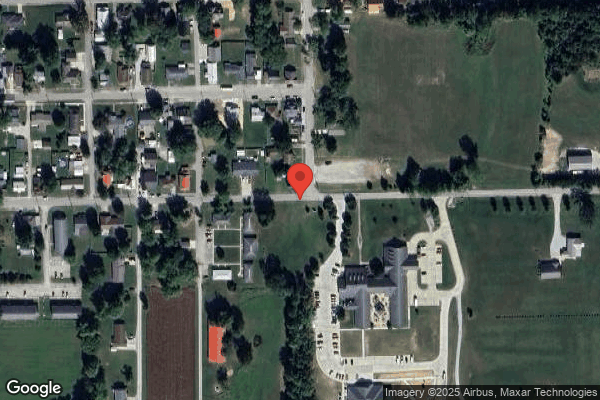
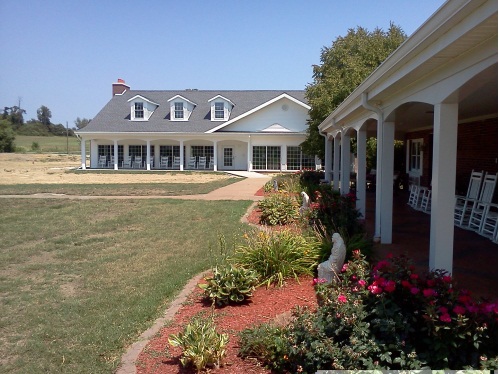
601 E RACE ST, ODON, IN 47562 (812) 636-4920
Non profit - Corporation 84 Beds Independent Data: November 2025
Trust Grade
40/100
#423 of 505 in IN
Last Inspection: October 2024

Within standard 12-15 month inspection cycle. Federal law requires annual inspections.

Overview

The Bertha D Garten Ketcham Memorial Center has received a Trust Grade of D, indicating below-average performance with some concerning issues. Ranked #423 out of 505 facilities in Indiana, they fall into the bottom half of the state, and are #4 out of 5 in Daviess County, meaning only one local facility is rated lower. The facility shows an improving trend, decreasing from 9 issues in 2024 to just 1 in 2025, which is a positive sign. Staffing is average with a rating of 3 out of 5 stars, and a turnover rate of 52%, which is close to the state average of 47%. While there have been no fines reported, indicating compliance with regulations, the RN coverage is concerning as it is less than 93% of other Indiana facilities, potentially affecting care quality. Specific incidents include a failure to prevent falls, resulting in a resident's leg fracture, and issues with medication labeling, suggesting some procedural deficiencies. Overall, while there are strengths in improving trends and no fines, families should be aware of the serious incident of a fall and general concerns regarding RN coverage.

Trust Score
D
40/100
In Indiana
#423/505
Bottom 17%
Safety Record
Moderate
Needs review
Inspections
Getting Better
9 → 1 violations
Staff Stability
⚠ Watch
52% turnover. Above average. Higher turnover means staff may not know residents' routines.
Penalties
✓ Good
No fines on record. Clean compliance history, better than most Indiana facilities.
Skilled Nurses
⚠ Watch
Each resident gets only 26 minutes of Registered Nurse (RN) attention daily — below average for Indiana. Fewer RN minutes means fewer trained eyes watching for problems.
Violations
⚠ Watch
17 deficiencies on record. Higher than average. Multiple issues found across inspections.
★☆☆☆☆
1.0
Overall Rating
★★★☆☆
3.0
Staff Levels
★☆☆☆☆
1.0
Care Quality
★★☆☆☆
2.0
Inspection Score
Stable
2024: 9 issues
2025: 1 issues

The Good

  • Full Sprinkler Coverage · Fire safety systems throughout facility
  • No fines on record

Facility shows strength in fire safety.

The Bad

1-Star Overall Rating

Below Indiana average (3.1)

Significant quality concerns identified by CMS

Staff Turnover: 52%

Near Indiana avg (46%)

Higher turnover may affect care consistency

The Ugly 17 deficiencies on record

1 actual harm
Feb 2025 1 deficiency 1 Harm
SERIOUS (G) 📢 Someone Reported This

A family member, employee, or ombudsman was alarmed enough to file a formal complaint

Actual Harm - a resident was hurt due to facility failures

Accident Prevention (Tag F0689)

A resident was harmed · This affected 1 resident

Based on observation, interview, and record review, the facility failed to prevent falls for 2 of 3 residents reviewed for accidents. Following falls, resident care plans were not updated with interve...

Read full inspector narrative →
Based on observation, interview, and record review, the facility failed to prevent falls for 2 of 3 residents reviewed for accidents. Following falls, resident care plans were not updated with interventions to prevent further falls, and a resident's environment was not free of hazards, which resulted in a fall and leg fracture. (Resident C, Resident D) Findings include: 1. Record review for Resident C was completed on 2/26/25 at 11:15 A.M., Resident C's diagnoses included, but were not limited to, fracture of lower end right femur, cellulitis of left lower limb, type II diabetes, morbid obesity, muscle weakness, need for assistance with personal care, and overactive bladder. Resident C's most recent Significant Change Minimal Data Set (MDS) assessment, dated 2/3/25, indicated the resident had no cognitive impairment, required substantial/maximal assistance with bathing (helper does more than half the effort), required supervision with transfers, had an indwelling catheter, and had no falls since the previous quarterly MDS assessment, dated 11/3/24. Resident C's care plan included, but was not limited to, resident needed help with transfers, walking, and locomotion on/off unit due to diagnoses (revised 5/13/24) and resident was at risk for falls and fall-related injury due to dependence on staff for activities of daily living (ADLs), and diagnoses. The resident's most recent fall score of 6 and most recent fall was on 9/1/23, with minor injury (revised on 11/1/24). A fall intervention included, before leaving my room, monitor that my environment is safe: floors free from spills . (revised 8/5/24). The care plan was last reviewed and continued with previous interventions on 11/1/24. An Indiana Department of Health (IDOH) Facility Reportable Incident (FRI) form, dated 02/08/25 at 12:05 P.M., indicated Resident C slipped in urine on the floor while the CNA tried to assist the resident out of a chair and to the shower. Resident C's progress notes included, but were not limited to: 2/8/25 at 12:58 P.M. - At approximately 12:25 P.M., CNA 6 yelled for help because the resident had fallen to the floor. LPN 2 entered the room to find the resident lying on the floor with the right leg angled outward in an unnatural position. Resident C yelled in pain. CNA 6 indicated that the resident's catheter bag had leaked on the floor and resident slipped while being transferred to the shower. The resident left the facility with Emergency Medical Services (EMS) at 12:41 P.M. 2/9/25 at 8:52 A.M. - The nursing staff called the hospital for an update on the resident. The hospital nurse indicated the resident was having surgical repair of the fractured right femur. 2/20/25 at 10:42 A.M. - Social service note - A social service staff member visited with the resident to see how he was doing since returning from the hospital on 2/18/25. The resident was lying in bed, which was not his norm prior to the hospital stay. During an observation and interview on 2/26/25 at 1:45 P.M., Resident C was lying in bed with a cover pulled over his body. Resident C indicated that he had fallen in his room after his catheter bag had leaked, which resulted in a fractured right leg. The resident indicated at the time of his fall; a CNA was about to give him a shower, but his catheter bag had leaked onto the room floor. The CNA wiped the floor with towels, but the floor was not completely dry. Resident C told the CNA the floor was still wet, but the CNA insisted it was dry and indicated the resident could get up for a shower. Resident C then stood, slipped, and fell to the floor. Resident C indicated the CNA appeared to be in a hurry. A review on 2/26/25 at 2:15 P.M., a facility investigation of Resident C's fall on 2/8/25 included a handwritten description of the fall by CNA 6, dated 2/9/25. The description indicated that Resident C had requested a shower. As CNA 6 walked to Resident C's room, the housekeeper stopped to notify her that Resident C's catheter bag had leaked and needed to be cleaned up. CNA 6 cleaned the mess. Resident C stated the staff had not closed his catheter bag completely. CNA 6 placed Resident C's walker in front of him as he raised his chair to stand. The resident's walker had the catheter bag clipped to the right side. CNA 6 had turned around to open the shower room door, and then turned back around to observe Resident C had stood and his right leg went from underneath him. [Resident C] fell back, landed on the chair (and) slid down chair to floor. CNA 6 notified the nurse of the fall and then observed Resident C's catheter bag clamp was not close. CNA 6 notified (LPN 2) that the catheter bag had leaked. During an interview on 2/26/25 at 2:30 P.M., LPN 2 indicated she was Resident C's nurse on 2/8/25. LPN 2 indicated at that time; Resident C needed assistance with transfers following an overall decline. Following Resident C's fall on 2/8/25, LPN 2 entered the resident's room, knelt to assess the resident, and noticed urine on the floor. During an interview on 2/6/25 at 2:50 P.M., the Facility Administrator indicated CNA 6 had not completely closed Resident C's catheter drain. The CNA later returned to the resident's room to clean the urine from the floor, but did not clean the floor properly. The Facility Administrator indicated CNA 6 should have known to clean the floor with a mop but instead used towels to dry the urine. 2. During record review on 2/26/25 at 11:3 A.M. D's diagnoses included, but were not limited to, urgency of urination, unsteadiness on feet, anxiety, vascular dementia, explosive disorder, cerebral palsy, muscle weakness, history of falling, and repeated falls. Resident D's most recent quarterly MDS assessment, dated 12/1/24, indicated the resident had moderate cognitive impairment and had two or more falls since the previous assessment. Resident D's care plan included, but was not limited to, resident needs help with transfers, walking, and locomotion due to diagnoses (revised 7/11/24) with an intervention, resident requires assist of one staff and use of rolling walker for transfers and walking (12/5/24). Resident at risk for falls and fall-related injury due to diagnoses and easily distracted, resists calling for assistance with transfers (revised 2/19/25) Last fall: 2/14/25. Fall interventions indicated the resident's daily routine had been monitored and the history of falling had no noted patterns other than the resident did not call for assistance with transfers. Perform frequent checks on the resident to watch for attempts to rise unassisted and promptly offer assistance when observed (initiated 2/3/25). Staff verbally remind resident to call for assistance before transfer, and staff promptly respond to all requests for assistance. Staff have put a sign in the resident's room as a reminder of this. (revised 2/3/25) Resident D's progress notes included, but were not limited to: 1/22/25 at 6:00 P.M. - Resident yelled for help from his room at this time. The nurse entered the room and found the resident on his knees in front of his recliner. 1/25/25 at 4:06 P.M. - Staff found the resident sitting in front of wheelchair beside bed on floor. 1/28/25 at 11:34 P.M. - CNA entered the resident room to find resident on knees in between wheelchair and bed holding onto the side rail of the bed. 2/14/25 at 10:30 P.M. - CNA reported resident was on the floor at 6:20 P.M. Resident had just been assisted to recliner. During an interview on 2/26/25 at 1:50 P.M., LPN 9 indicated Resident D often fell near his recliner in his room. The resident often refused to call for assistance or would try to transfer himself just after receiving assistance. LPN 9 indicated the resident was unable to walk and required the assistance of one staff member and the use of his walker for transfers. LPN 9 indicated that following the resident falls, staff should try to implement a new intervention to prevent a further fall. During an interview on 2/6/25 at 2:50 P.M., the Facility Administrator indicated that not all care plans had been updated following resident falls. On 2/26/25 at 2:35 P.M., the admission Coordinator supplied a facility policy titled, Fall Preventions Policy, dated 4/13/22. The policy indicated, Process: To identify risk factors associated with each resident and develop an individualized plan of care that mitigates or removes those risks . Procedure: .4. If a fall should occur . a new appropriate intervention will be put into place . the care plan will be revised based on . new intervention. This citation relates to complaint IN00453338. 3.1-45(a)(1)
Oct 2024 8 deficiencies
CONCERN (D)

Potential for Harm - no one hurt, but risky conditions existed

Notification of Changes (Tag F0580)

Could have caused harm · This affected 1 resident

Based on interview and record review, the facility failed to notify and consult the physician, resident, and/or resident's representative of changes that may require an alteration in the resident's ca...

Read full inspector narrative →
Based on interview and record review, the facility failed to notify and consult the physician, resident, and/or resident's representative of changes that may require an alteration in the resident's care for 2 of 5 residents reviewed for unnecessary medications. The physician, resident, and/or resident's representative were not notified of a resident's missed medication dose and a resident's weight loss. (Resident 4, Resident 15) Findings include: 1. On 10/8/24 at 9:28 A.M., Resident 4's clinical record was reviewed. Diagnoses included, but were not limited to, stroke, hemiplegia left non-dominant side, and anxiety. The most recent Quarterly MDS (Minimum Data Set) Assessment, dated 9/15/24, indicated Resident 4's cognition was not able to be assessed, she was totally dependant on 2 staff for bed mobility, transfers, toileting, and totally dependant on 1 staff for eating. Her height was 62 inches and her weight was 149 lbs (pounds). A current Nutritional Care Plan, revised 10/8/24, included, but was not limited to the following intervention: Keep my MD (Medical Doctor) and RD (Registered Dietitian) informed of any weight gains or losses of 5 lbs or more in 30 days, initiated 9/14/23 Resident 4's weights were reviewed and indicated: On 4/3/24 at 9:06 A.M., 159.1 lbs On 5/5/24 at 5:06 A.M., 153.4 lbs (down 5.7 lbs in 31 days) Progress notes were reviewed from 4/4/24 through 10/8/24 and lacked documentation of the MD, RD, or family being notified of the weight loss that occurred between 4/4/24 and 5/5/24. During an interview on 10/9/24 at 12:27 P.M., the DON (Director of Nursing) indicated notification about the weight loss should have been made to the MD and family, should have been done right away, and documented in a progress note. 2. On 10/9/24 at 9:00 A.M., Resident 15's clinical record was reviewed. Diagnosis included, but were not limited to, dementia with behaviors, anxiety, and depression. The most recent Annual MDS Assessment, dated 7/18/24, indicated a severe cognitive impairment, and required extensive assistance of two staff with bed mobility, transfers, and toileting. Resident 15 was currently taking an antipsychotic. Current physician orders included, but were not limited to: olanzapine (Zyprexa) (an antipsychotic) 10mg (milligrams) one time a day related to vascular dementia with psychotic disturbance and depression, dated 10/9/24. Other physician orders included, but were not limited to: olanzapine 5mg at bedtime related to depression, anxiety, and vascular dementia, dated 1/5/24 and discontinued 10/8/24. A current care plan, revised 9/1/23, indicated Resident 15 took a routine antipsychotic medication as behavioral management related to a diagnosis of depression, anxiety, and dementia with psychotic disturbances. Interventions included, but were not limited to: IDT (Interdisciplinary Team), pharmacy, and my physician to consider dosage reduction when clinically appropriate at least quarterly, dated 7/20/22. A nursing note, dated 10/8/24 at 12:33 P.M., indicated a new order was given by the physician to increase Zyprexa to 10mg. Resident 15's MAR (Medication Administration Record) from October 2024 indicated Zyprexa 5mg had been given daily at bedtime from 10/1/24 through 10/7/24. A new order for Zyprexa 10mg daily had been started on 10/9/24 and given at 8:00 A.M. Resident 15 had not been given a dose of Zyprexa on 10/8/24. The clinical record lacked acknowledgment of the missed dose of Zyprexa on 10/8/24, notification to the physician to clarify the order, or notify of the missed day. On 10/9/24 at 12:10 P.M., the DON indicated staff should clarify medication changes and new orders if need. She indicated when a dosage is changed, the new order would be put in for the same time of day unless the physician indicated specifically that the new dose needed to be given at a different time. She further indicated she did not have an answer for why Resident 15 was not given a dose of Zyprexa on 10/8/24, only that's how it was generated in the computer when the new order was put in. She indicated she was unsure if staff should have put the order in differently, considered it a missed medication dose, and that the physician should have been notified. On 10/9/24 at 12:55 P.M., a current Notification Policy was requested and not provided. 3.1-5(a)(3)
CONCERN (D)

Potential for Harm - no one hurt, but risky conditions existed

Accident Prevention (Tag F0689)

Could have caused harm · This affected 1 resident

Based on observation, interview, and record review, the facility failed to ensure adequate supervision and assistance devices were provided to prevent accidents for 1 of 2 residents reviewed for falls...

Read full inspector narrative →
Based on observation, interview, and record review, the facility failed to ensure adequate supervision and assistance devices were provided to prevent accidents for 1 of 2 residents reviewed for falls. A resident's care plan was not updated timely with a new intervention after her first fall and the resident fell again with the intervention not being in place at the time of the fall. (Resident 15) Finding includes: On 10/9/24 at 9:16 A.M., Resident 15 was observed sitting in the recliner in her room with oxygen on per nasal cannula and a pull tab alarm attached to her left shoulder. On 10/8/24 at 3:17 P.M. Resident 15's clinical record was reviewed. Diagnoses included, but were not limited to, dementia with behaviors, history of falling, and muscle weakness. The most recent Annual MDS (Minimum Data Set) Assessment, dated 7/18/24, indicated Resident 15's cognition was severely impaired and an extensive assist of 2 staff for bed mobility, transfers, toileting, had 2 falls, and no alarms were used. Current Physician's Orders included, but were not limited to, the following: May have pull tab alarm (string attached to resident that triggers alarm alerting staff) in place while in bed and in recliner. Check for placement and proper functioning every day and night shift, dated 8/7/24 May have pressure alarm to bed to alert staff of rising unassisted to be checked every day and night shift for proper functioning, dated 8/27/24 A current Risk for Falls Care Plan, revised 8/7/24, included, but was not limited to, the following interventions: I require a pull tab alarm to be used while I am in bed and up in recliner to ensure my safety and remind me not to get up unassisted, initiated 8/7/24 Fall 1 On 6/1/24 at 4:30 A.M., an Incident Note indicated a CNA (Certified Nurse Aide) heard someone yell for help upon entering room and found resident sitting on buttocks between air conditioner and bed. A pull alarm was placed on resident as a fall intervention at that time. A post fall risk evaluation indicated resident was high risk for falls. The order for the alarm and the care plan were not updated in the resident's chart. Fall 2 On 6/20/24 at 7:45 P.M., a health status note indicated a QMA (Qualified Medication Aide) alerted nurse that resident was lying in the floor and had fallen and hit her head. She had attempted to rise from recliner unassisted and busted her head on the floor resulting in a significant gash to her forehead with moderate amount of blood. At 12:41 A.M., a health status note indicated resident will be returning to facility by family transport. She received 7 sutures to forehead laceration. A post fall risk evaluation indicated resident was high risk for falls. A 72 hour post fall document indicated there was an ordered alarm present, but was not attached to resident at time of fall. Immediate intervention was to make sure alarm was in place and functioning and resident was immediately sent to ED (Emergency Department) for evaluation. The order for the alarm and the care plan were not updated and a new intervention was not put into place after the fall. On 10/3/24 at 11:40 A.M., a current CNA Assignment Sheet, updated 9/27/24, was provided by LPN (Licensed Practical Nurse) 80 and lacked fall prevention measures for Resident 15. During an interview on 10/9/24 at 9:31 A.M., the MDS Coordinator indicated when there was a fall, it was brought up in the morning meeting the next day, or if weekend on Monday for the team to review. The care plans should be revised by the IDT (interdisciplinary team) during morning meeting. She was not sure why the orders were not put in for the alarms and the care plan was not updated sooner then August of 2024 but because of this, the MDS Assessment did not indicate alarm use by the resident accurately. At that time, the DON (Director of Nursing) indicated the floor nurse should immediately assess the resident, do a fall risk assessment, and start documenting on the 72 hour fall follow up document in the clinical record. An immediate intervention would be documented on that and after the IDT team met the next morning they may add to or discontinue that order which would be reflected in the resident's falls care plan. She was unsure why the orders were not in place and the care plan was not updated until August of 2024. On 10/9/24 at 2:12 P.M., a current Fall Prevention Policy, dated 4/13/22, was provided by the DON and indicated . Purpose: to establish a facility wide fall program to identify, evaluate, and provide supervision and assistive devices as appropriate for each resident to prevent falls and fall related injuries . identify risk factors associated with each resident and develop an individualized plan of care that mitigates or remove those risks . to establish a method for communicating interventions to staff to prevent falls and reduce fall related injuries . Procedure: . If a fall should occur, a fall huddle will start immediately involving all available witnesses. These huddles should only take 5-10 minutes and a new intervention will be put into place. Root cause analysis form (5 why's) will be used to determine the cause of the fall and the care plan will be revised based on root cause determination and new intervention . New interventions will be placed on the CNA assignment sheets . 3.1-45(a)(2)
CONCERN (D)

Potential for Harm - no one hurt, but risky conditions existed

Medication Errors (Tag F0758)

Could have caused harm · This affected 1 resident

Based on observation, interview, and record review, the facility failed to ensure residents receiving psychotropic medications were assessed for continued use of the medication for 1 of 5 residents re...

Read full inspector narrative →
Based on observation, interview, and record review, the facility failed to ensure residents receiving psychotropic medications were assessed for continued use of the medication for 1 of 5 residents reviewed for unnecessary medications. A resident's antipsychotic medication was not decreased timely as recommended, and was increased with no indication. (Resident 15) Findings include: On 10/3/24 at 2:40 P.M., Resident 15 was observed sitting in a recliner with her eyes closed. On 10/9/24 at 9:00 A.M., Resident 15's clinical record was reviewed. Diagnosis included, but were not limited to, dementia with behaviors, anxiety, and depression. The most recent Annual MDS (Minimum Data Set) Assessment, dated 7/18/24, indicated a severe cognitive impairment, and required extensive assistance of two staff with bed mobility, transfers, and toileting. Resident 15 was currently taking an antipsychotic with the most recent GDR (Gradual Dose Reduction) on 1/5/24. Current physician orders included, but were not limited to: olanzapine (Zyprexa) (an antipsychotic) 10mg (milligrams) one time a day related to vascular dementia with psychotic disturbance and depression, dated 10/9/24. Monitor for behaviors of itching, picking at skin, restlessness (agitation), hitting, increase in complaints, biting, kicking, spitting, cussing, racial slurs, elopement, stealing, delusions, hallucinations, psychosis, aggression, or refusing care. Document Y if monitored and none of the above observed. N if monitored any of the above was observed, select chart code other/see nurses notes and progress note findings every day and night shift for nursing measure, dated 7/12/22. Other physician orders included, but were not limited to: olanzapine 5mg at bedtime related to depression, anxiety, and vascular dementia, dated 1/5/24 and discontinued 10/8/24. olanzapine 7.5mg at bedtime related to depression, anxiety, and vascular dementia with psychotic disturbance, dated 8/9/23 and discontinued 1/5/24. A current care plan, revised 9/1/23, indicated Resident 15 took a routine antipsychotic medication as behavioral management related to a diagnosis of depression, anxiety, and dementia with psychotic disturbances. Interventions included, but were not limited to: IDT (Interdisciplinary Team), pharmacy, and my physician to consider dosage reduction when clinically appropriate at least quarterly, dated 7/20/22, and monitoring resident and recording occurrence of any behaviors, dated 7/20/22. A Consultant Pharmacist Recommendation to Physician form indicated a pharmacy review had been completed on 12/18/23 with a recommendation to decrease Zyprexa from 7.5mg to 5mg. An agreement from the NP (Nurse Practitioner) was dated 1/5/24 on the same form. A progress note, dated 1/5/24 at 12:16 P.M., indicated Zyprexa was decreased from 7.5mg to 5mg daily at bedtime with approval from the physician as the pharmacy consultant made a federal guideline recommendation. The order was changed (18 days after the pharmacy recommendation) and would be monitored for adverse reactions. A social services note, dated 10/3/24 at 12:55 P.M., indicated a monthly behavior review for the month of September 2024. The resident had two behaviors reported during the month of confusion, agitation, and looking for her late husband. The most recent physician visit note in the clinical record, dated 9/4/24, indicated nursing staff noted a significant overall decline in the resident's status in recent months, and to continue current medications including, but not limited to, Zyprexa at 5mg per day. A nursing note, dated 10/8/24 at 12:33 P.M., indicated a new order was given by the physician to increase Zyprexa to 10mg. Resident 15's progress notes included the following behavior notes from September through October 2024: 9/1/24 at 3:23 A.M. Resident woke up with some confusion and agitation. The resident was attempting to get out of bed to find her late husband, as well as seeing kids in the hall. Resident could not be distracted or redirected. Resident requested to call daughter. Staff called and resident spoke with daughter. 9/1/24 at 3:35 A.M. Resident more calm after speaking with daughter. After speaking with the resident, she understood she needed to stay in bed and not attempt to get up without assistance. Resident 15's TAR (Treatment Administration Record) from September through October 2024 indicated a checkmark for day and night shifts for monitoring of behaviors. The TAR did not include a Y or N to indicate if the resident displayed a behavior or not during the shifts. On 9/25/24 and 9/28/24, behavior monitoring was not marked with anything and left blank on night shift. Resident 15's clinical record lacked any other behavior monitoring documentation. Resident 15's clinical record lacked a rationale for increasing (doubling) the Zyprexa from 5mg to 10mg on 10/8/24. Resident 15's MAR (Medication Administration Record) from October 2024 indicated Zyprexa 5mg had been given daily at bedtime from 10/1/24 through 10/7/24 (the resident's neurologist had ordered to be given at night as it may had contributed to daytime sleepiness). A new order for Zyprexa 10mg daily had been started on 10/9/24 and given at 8:00 A.M. Resident 15 had not been given a dose of Zyprexa on 10/8/24. On 10/9/24 at 10:45 A.M., the DON (Director of Nursing) indicated all behaviors were documented in the progress notes as a behavior note, and were not documented anywhere else in the chart. She indicated the SSD (Social Services Director) would print off the behavior notes to bring daily to the morning meetings to be reviewed. On 10/9/24 at 11:30 A.M., LPN (Licensed Practical Nurse) 28 indicated behavior monitoring in the TAR should not just be checkmarked, and should indicate a Y or N to indicate if there was a behavior that shift or not. If a behavior was indicated, that specific behavior should be documented in a progress note. On 10/9/24 at 12:10 P.M., the DON (Director of Nursing) indicated all pharmacy recommendations were reviewed the following morning during a morning meeting. If the team decided the recommendation was a good idea, it would be submitted to the physician. She indicated Resident 15's physician was coming to the facility about once a month, so pharmacy recommendations were having to be faxed or texted, and the physician was not quick at responding. She indicated after the pharmacy had made a recommendation to decrease Resident's Zyprexa on 12/18/23, a staff member should have followed up with the physician, but that staff member was no longer employed at the facility, and was unsure why it took so long for the order to be put in. The DON indicated physician visits were documented in the clinical record the same day as the visit, and if a medication change was ordered, the physician would tell the nurse and the nurse would put the order in. She indicated if the rationale for changing a dosage of medication was known, it would be entered in the clinical record. All medication changes and new orders were reviewed the following morning at the morning meeting, and if needed, staff would clarify with the physician. She indicated when a dosage is changed, the new order would be put in for the same time of day unless the physician indicated specifically that the new dose needed to be given at a different time. She indicated the TAR should indicate that behaviors were being monitored, and was unable to verbalize why Resident 15's behavior monitoring in the TAR was only checkmarked, and did not indicate a Y or N as ordered. She indicated any behaviors that were monitored would have a progress note. She further indicated she did not have an answer for why Resident 15 was not given a dose of Zyprexa on 10/8/24, only that's how it was generated in the computer when the new order was put in. She indicated she was unsure if staff should have put the order in differently, and thought it was a missed medication dose. On 10/9/24 at 2:12 P.M., the DON provided a current Behavior Monitoring policy, dated 10/2017, that indicated If the resident is being treated for problematic behavior or mood, the staff and physician will obtain and document ongoing assessments of changes (positive or negative) in the individual's behavior, mood, and function. Staff will document (progress notes or behavior assessment) On 10/9/24 at 2:12 P.M., the DON provided a current non-dated Gradual Dose Reduction policy that indicated An interdisciplinary care plan will be established and include person-centered non-pharmacological interventions . The nursing staff will initiate a way to monitor behavior(s) for which the antipsychotic medication was originally prescribed On 10/9/24 at 2:12 P.M., the DON provided a current Psychotropic Medication Change policy, dated 5/4/22, that indicated a Psychotropic Medication Change progress note should be put into the resident's clinical record, at at least once per shift for the following 7 days. On 10/9/24 at 2:12 P.M., the DON provided a current Psychotropic Medication Use policy, dated 7/2022, that indicated When determining whether to initiate, modify, or discontinue medication therapy, the IDT conducts an evaluation of the resident. The evaluation will attempt to clarify whether . other causes for symptoms (including symptoms that mimic a psychiatric disorder) have been ruled out . signs and symptoms are clinically significant enough to warrant medication therapy . a particular medication is clinically indicated to manage the symptoms or condition . the actual or intended benefit of the medication is understood by the resident/representative 3.1-48(a) 3.1-48(b)
CONCERN (D)

Potential for Harm - no one hurt, but risky conditions existed

Infection Control (Tag F0880)

Could have caused harm · This affected 1 resident

2. During an observation of medication pass on 10/07/24 at 8:19 A.M., LPN (Licensed Practical Nurse) 36 was preparing medications for Resident 42. Dicyclomine 20 mg (milligram) was in a bottle from ho...

Read full inspector narrative →
2. During an observation of medication pass on 10/07/24 at 8:19 A.M., LPN (Licensed Practical Nurse) 36 was preparing medications for Resident 42. Dicyclomine 20 mg (milligram) was in a bottle from home. LPN 36 dumped pills from the bottle into the medication cup containing 2 other medications. Two pills went into the cup. She took 1 pill out with her bare hand, put it back into the medication bottle, proceeded to finish putting the other medications into the medication cup, and administer them to the resident. LPN 36 did not sanitize her hands before or after prepping or administering the medications. During an interview on 10/9/24 at 9:34 A.M., the DON (Director of Nursing) indicated staff should sanitize hands in between residents when passing meds and should not touch pills with bare hands. On 10/9/24 at 2:12 P.M., the DON provided a current Briefs/Underpads Policy, revised January 2024, that indicated, Roll the brief from the bottom toward the resident .Remove gloves, sanitize hands and replace gloves . On 10/9/24 at 2:12 P.M., the DON provided a current Handwashing/Hand Hygiene policy, revised October 2023, that indicated, .Hand Hygiene is indicated: .after contact with blood, body fluids .after touching a resident . On 10/9/24 at 2:12 P.M., a current Medication Administration Policy, dated 5/21/18, was provided by the DON and indicated . Hand hygiene is completed before and after every medication preparation or administration . wear disposable gloves if need to touch tablets . 3.1-18(l) Based on observation and interview, the facility failed to ensure a safe, sanitary and comfortable environment to help prevent the development and transmission of disease and infection. Staff did not change gloves or perform hand hygiene during resident care for 1 of 2 residents observed for care. A medication was touched with bare hands for 1 of 8 observations of medication administration, and staff did not perform hand hygiene before or after administering medications. (Resident 39, Resident 22) Findings include: 1. On 10/9/24 at 9:35 A.M., QMA (Qualified Medication Aide) 15 and CNA (Certified Nurse Aide) 34 performed incontinence care on Resident 39. QMA 15 wiped Resident 39's perineal area and buttocks and then failed to change gloves and perform hand hygiene before the clean brief was placed under Resident 39 by QMA 15. Then, QMA 15 and CNA 34 removed gloves and pulled up Resident 39's brief, placed the lift pad under the resident, and then QMA 15 touched the lift with her hands to move it. At that time, QMA 15 went in the restroom to perform hand hygiene. During an interview on 10/9/24 at 10:50 A.M., the Infection Preventionist indicated staff should change gloves and perform hand hygiene between dirty and clean tasks, and items should not be touched with soiled hands after care is performed.
CONCERN (E)

Potential for Harm - no one hurt, but risky conditions existed

Comprehensive Care Plan (Tag F0656)

Could have caused harm · This affected multiple residents

3. On 10/3/24 at 2:32 P.M., Resident 20 was observed sitting in the recliner in his room with a catheter and bandages on his right lower extremity. On 10/8/24 at 1:03 P.M., Resident 20's clinical rec...

Read full inspector narrative →
3. On 10/3/24 at 2:32 P.M., Resident 20 was observed sitting in the recliner in his room with a catheter and bandages on his right lower extremity. On 10/8/24 at 1:03 P.M., Resident 20's clinical record was reviewed. Diagnoses included, but were not limited to, stroke, hemiplegia affecting left non-dominant side, unspecified escherichia coli, pseudomonas, proteus mirabilis, MRSA (Methicillin susceptible staphylococcus aureus), skin infection, and peripheral vascular disease. The most recent Quarterly MDS Assessment, dated 8/3/24, indicated Resident 20 was cognitively intact, had an indwelling catheter, and had wounds. The MDS Assessment did not indicate Resident 20 was taking an Antiplatelet medication. Current Physician's Orders included, but were not limited to, the following: Appointment with urology nurse at (name of office) on 11/5/24 at 10:45 A.M., for catheter change Catheter care: Inspect meatus for redness, irritation, and/or drainage. Assess the catheter at insertion site for encrusted material and drainage. Wash peri (perineal) area and catheter with mild soap and water (make sure to hold catheter in place while cleaning so that it does not become dislodged). Pat dry with sterile cloth/gauze. Monitor that securement device is in place (change if needed). Monitor that catheter is draining adequately and that drainage bag is hanging below bladder every day and night shift, ordered 8/15/24 Clean bilateral legs with wound cleaner, pat dry. Apply Aquaphor ointment to bilateral lower legs and feet. Wrap with kerlix/roller gauze. Apply ACE bandage if resident allows every day shift, ordered 8/21/24 Clean wound to lateral lower left extremity with wound cleanser, pat dry; apply calcium alginate; cover with dressing of choice every day shift, ordered 9/18/24 Clean wounds to lateral right lower extremity with wound cleanser. Pat dry. Apply calcuim alginate wound dressing that absorbs excess moisture to promote healing) and an ABD (abdominal gauze)pad. Wrap with kerlix/roller gauze. May apply ACE wraps if resident allows every day shift, ordered 8/21/24 Cleanse wound to right lateral foot with wound cleanser; allow/pat dry; cover wound bed with calcium alginate; cover with dressing of choice every day shift, ordered 9/13/24 Resident requires contact precautions due to positive wound culture, ordered 10/1/24 Cilostazol 50 mg (milligram) tablet, give 1 tablet by mouth two times a day, ordered 8/15/24 The clinical record lacked a care plan for an antiplatelet medication, need for EBP (Enhanced Barrier Precautions), and contact isolation. During an interview on 10/9/24 at 9:31 A.M., the MDS Coordinator indicated that when new orders were put in for residents, they were discussed the next day at morning meeting and care plans should be added at that time. The diuretic for Resident 16 must have been missed, but there should be a care plan for that. She was unaware the medication, Cilostazol (an antiplatelet), was an antiplatelet and missed putting it on the MDS Assessment and therefore it was not triggered that a care plan was needed; However, there should be one in place. At that time, the DON indicated Resident 20 needed to be on EBP (Enhanced Barrier Precautions) for wound and catheter care, and recently contact isolation because his wound culture came back positive and he should have been care planned for these precautions. On 10/9/24 at 2:12 P.M., a current Care Planning Policy, dated March 2022, was provided by the DON and indicated The interdisciplinary team is responsible for the development of resident care plans . are developed according to the time frames and criteria . On 10/9/24 at 2:12 P.M., a current Comprehensive Care Plan Policy, dated March 2022, was provided by the DON and indicated . The IDT team, in conjunction with the resident and his/her family or legal representative, develops and implements a comprehensive, person-centered care plan for each resident . Assessments of residents are ongoing and care plans are revised as information about the residents and the residents' conditions change . the IDT team reviews and updates the care plan . 3.1-35(a) Based on observation, interview, and record review, the facility failed to develop a person centered comprehensive care plan for 3 of 5 residents reviewed for unnecessary medications and 1 of 2 residents reviewed for accidents. Resident's who were on an antiplatelet medication, a diuretic medication, EBP (Enhanced Barrier Precautions), contact isolation, and a fall did not have care plans developed or revised. (Resident 16, Resident 36, Resident 20) Findings include: 1. On 10/8/24 at 4:37 P.M., Resident 16's clinical record was reviewed. Diagnoses included, but were not limited to, Atrial Fibrillation, hypertension, and coronary artery disease. The most recent Quarterly MDS (Minimum Data Set) Assessment, dated 7/4/24 indicated Resident 16 received a diuretic medication. Physician Orders included, but were not limited to, hydrochlorothiazide tablet (diuretic) 25mg (milligrams), give 1 tablet a day for high blood pressure, start date 10/11/23. Resident 16's clinical record lacked a care plan for a diuretic. 2. On 10/7/24 at 10:15 A.M., Resident 36's clinical record was reviewed. Diagnoses included, but were not limited to, diabetes mellitus, anxiety disorder, and depression. The most recent Quarterly MDS Assessment, dated 8/7/24 indicated Resident 36 was cognitively intact and required a limited assistance of 1 staff member for bed mobility, transfers, and toileting. Care plans included, but were not limited to, an at risk for falls with interventions for the following: --encourage me to wear non skid footwear at all times, dated 12/15/22 --I will use rolling walker while ambulating, dated 10/9/24 --if a fall should occur, complete root cause analysis to alleviate or minimize reason for fall, dated 12/15/22 --keep my bed at safest height for transfer - the top arch of the headboard even with the bottom of the --decal on the wall at head of bed. Decal placed by therapy for optimum transfer height, dated 12/15/22 --keep my call light and frequently used personal item within reach, dated 12/15/22 --my family prefers I wear lace up shoes instead of slip on shoes, dated 7/11/23 --My nurse will perform fall risk assessment upon admission, quarterly, and as needed with any significant changes or with occurrence of any falls, dated 12/15/22 --perform frequent checks for safety, dated 12/15/22 --refer to physical and occupational therapy as needed, dated 12/15/22 On 7/14/24 at 10:13 A.M., an incident note was in Resident 36's progress notes that indicated, CNA [Certified Nurse Aide] stated resident was walking and tripped over her sandals in hallway. CNA only witnessed prior to landing. Nurse (in other building) found resident sitting on her bottom with CNA present. VS [vital signs] and neuro [neurological] checks WNL [within normal limits]. No complaints of pain. During an interview on 10/9/24 at 10:11 A.M., the DON (Director of Nursing) indicated Resident 36's care plan should have been updated after her fall on 7/14/24.
CONCERN (E)

Potential for Harm - no one hurt, but risky conditions existed

Deficiency F0761 (Tag F0761)

Could have caused harm · This affected multiple residents

**NOTE- TERMS IN BRACKETS HAVE BEEN EDITED TO PROTECT CONFIDENTIALITY** Based on observation and interview, the facility failed to ensure medications were labeled in accordance with currently accepted...

Read full inspector narrative →
**NOTE- TERMS IN BRACKETS HAVE BEEN EDITED TO PROTECT CONFIDENTIALITY** Based on observation and interview, the facility failed to ensure medications were labeled in accordance with currently accepted professional principles and the expiration date for 3 of 4 medication carts observed for medication storage and medications for multiple residents' morning medication pass were stored in medication cups with their names on them in the top left drawer of the medication cart for 1 of 4 medication carts observed during medication pass. (Medication Cart 3 on East Hall in the main building, Medication Cart in [NAME] House, Medication Cart in [NAME] House) Finding includes: 1. On 10/3/24 at 10:05 A.M., the following was observed in Medication Cart 3 on the East Hall in the main building: Resident 38's Refresh Tears 0.5% Eye drops and Olopatadine 0.1% Eye Drops, no open date Resident 14's Albuterol 90 mcg (microgram) Inhaler did not have an open date and Genteal Eye Drops with an open date of 12/15/23 Resident 40's Ventolin 90 mcg Inhaler, Genteal Eye Drops, and Anoro Elpta 62.5 -25 mg (milligram) Inhaler did not have open dates, and Flutisone 0.05 % Nasal Spray with an open date of 8/10/24 Resident 159's [NAME] Ellipta 200 mcg/25 mcg Inhaler, Fluticasone 50 mcg Nasal Spray, and Ayr Nasal Gel, and Afrin 0.05% Nasal Spray did not have open dates, and Symbicort 160/4.5 mcg Inhaler with an open date 8/18/24 Resident 20's Flonase 50 mcg Nasal Spray, no open date Resident 160's Xalatan 0.05% Eye Drops, no open date Resident 4's Visine Dry Eye Relief, no open date Resident 17's Latanoprost 0.005% Eye drops and Sucralfate 1 gm (gram) Syrup, no open date 2. During an observation of medication pass on 10/7/24 at 7:25 A.M., RN (Registered Nurse) 5 opened the top left drawer of the Medication Cart 3 on the East Hall and retrieved Resident 13's medication cup. At that time, it was observed there were 3 other medication cups with pills in them and resident names on the cups. 3. On 10/3/24 at 10:52 A.M., the following was observed in the Medication Cart for the [NAME] House: Resident 28's Levimir 100 u/ml (units per milliliter) Insulin and Flonase 0.05 % Nasal spray did not have open dates, and Proair 90 mcg Inhaler, with an open date of 5/12/24 Resident 37's Flonase 0.05 % Nasal Spray with an open date of 8/27/24 Resident 45's Flonase 0.05% Nasal Spray, Combigan 0.2/0.5% Eye Drops, Systane 0.3-0.4% Eye Drops, and Saline Mist 0.65% Nasal Spray, no open dates Resident 47's Flonase 0.05% Nasal Spray, no open date 4. On 10/3/24 at 11:00 A.M., the following was observed in the Medication Cart for the [NAME] House: Resident 31's Prostat, Artificial Tears Eye Drops, Lubricating Ophthalmic Oint, Stye lubricant Eye Ointment, no open dates Resident 42's Fluticasone propionate/salmeterol 250/50 mcg Inhaler and Albuterol HFA (hydrofluoroalkane) inhaler, no open dates Resident 23's Flonase 0.05% Nasal Spray and Deep Sea 0.65% Nasal Spray, no open dates Resident 19's Fluticasone 50 mcg Nasal Spray, no open date A resident's Flonase 0.05% Nasal Spray, no open date During an interview on 10/3/24 at 10:05 A.M., LPN (Licensed Practical Nurse) 42 indicated there should be an open date on all eye drops, inhalers, and insulin. She indicated medications, once opened, were good for 30 days. During an interview on 10/7/24 at 7:31 A.M., RN 5 indicated first thing when she started her shifts, she got the medications ready for the residents' morning medication pass. During an interview on 10/9/24 at 9:34 A.M., the DON (Director of Nursing) indicated medications should not be pre-set and placed in cups, or setup for the day, medications should be labeled when opened, and should be used in so many days but she was not sure how long. On 10/9/24 at 9:50 A.M., a current Medication Expiration Date Policy, dated October 2020, was provided by the DON and indicated . Levimir: 42 days refrigerated or at room temp . Advair [Fluticasone propionate/salmeterol] Inhaler:30 days after removal from foil pouch . Breo Inhaler: 6 weeks after opening . Albuterol /Ventolin Inhalers: 6 weeks after opening . Symbicort Inhaler: 3 months after removal from foil pouch . On 10/9/24 at 2:12 P.M., a Medication Storage Policy, dated 5/21/18, was provided by the DON and indicated Medication storage area conditions are monitored on a monthly basis and corrective action taken if problems identified . some medications have shortened expiration dates . Medication(s) prepared for one person at a time . Medication(s) are administered at time they are prepared . Do not pre-pour or pre-set medication(s) . On 10/9/24 at 2:12 P.M., a Medication Administration Policy, dated 5/21/18, was provided by the DON and indicated . Be sure to read labels at least three (3) times . check expiration dates of medication(s) to be administered . 3.1-25(b)(5) 3.1-25(j)
CONCERN (E)

Potential for Harm - no one hurt, but risky conditions existed

Food Safety (Tag F0812)

Could have caused harm · This affected multiple residents

Based on interview, observation, and record review, the facility failed to ensure food was stored and prepared safely in accordance with professional standards for food service for 2 of 2 kitchen obse...

Read full inspector narrative →
Based on interview, observation, and record review, the facility failed to ensure food was stored and prepared safely in accordance with professional standards for food service for 2 of 2 kitchen observations. Foods were not labeled correctly and a used cooking utensil was dropped into the food to be served. Temperature and dishwasher logs were not filled out daily. (Daisy House, [NAME] House) Findings include: 1. On 10/3/24 at 10:26 A.M., the following was observed in the [NAME] House kitchen refrigerators: tomatoes in a Tupperware bowl-- undated and unlabeled 112 oz (ounce) can of milk chocolate pudding-- undated, unlabeled, and open to air 2. On 10/3/24 at 10:26 A.M., the following was observed in the [NAME] House kitchen freezers: chicken patty's-- undated and unlabeled diced chicken-- undated and unlabeled 3 clear glasses's with a frozen brown substance-- undated and unlabeled 2 bags of biscuits-- undated and unlabeled bag of vegetables-- undated and unlabeled [name of company] cup with brown substance-- undated and unlabeled hash browns-- undated, unlabeled, and open to air 3 cooked eggs-- undated and unlabeled cauliflower florets-- undated and unlabeled 9.5 brown squares-- undated and unlabeled 4 hot dogs-- undated, unlabeled, and open to air 3. On 10/8/24 at 9:45 A.M., the temperature logs were reviewed at the [NAME] House and lacked a temperature recorded for the refrigerator/freezers, 2 door freezer, stock fridge, stock freezer, and the dish machine on the following dates from August through October: August 1--7 August 9--11 August 14--18 August 20 August 23 August 28 August 31 September 1 September 3 September 6 September 10--11 September 14--15 September 17 September 20 September 23--24 September 26 September 28--29 September 31 October 3--4 October 7 4. On 10/8/24 at 9:45 A.M., the temperature logs were reviewed at the [NAME] House and lacked a temperature recorded for the refrigerator/freezers, 2 door freezer, stock fridge, stock freezer, and the dish machine on the following dates from August through October: August 12--13 August 19 August 21--22 August 24--26 August 29--30 September 2 September 4--5 September 7--9 September 12--13 September 16 September 18--19 September 21--22 September 26--27 September 30--31 During an interview on 10/8/24 at 10:23 A.M., the Dietary Manager indicated food should labeled with the item and dated and food should not be stored open to air. At that time, she indicated the temperature logs for the refrigerators, freezers, and dish washers should be filled out daily. On 10/3/24 at 1:22 P.M., the Dietary Manager provided a current, undated To provide proper storage of food policy that indicated, .All opened food that is refrigerated will be labeled with contents, date prepared and used within 3 days or discarded. Items placed in the freezer will be labeled with contents, dated and used within six months . On 10/9/24 at 2:12 P.M., the DON (Director of Nursing) provided a current, undated To ensure food is kept at proper temperature policy that indicated, The dayshift cook will take temperatures of all refrigerators and freezers and record on temperature log . On 10/10/24 at 10:48 A.M., the Dietary Manager provided a current, undated To ensure that dished are sanitized properly policy that indicated, Dish machine will be started, and temperature of rinse water will be recorded on a temperature log daily by dietary personnel . 3.1-21(i)(2) 3.1-21(i)(3)
MINOR (C)

Minor Issue - procedural, no safety impact

Staffing Information (Tag F0732)

Minor procedural issue · This affected most or all residents

Based on observation and interview, the facility failed to post the nurse staffing data sheet on a daily basis at the beginning of each shift for 2 of 5 days (10/3/24, 10/7/24) reviewed for posted nur...

Read full inspector narrative →
Based on observation and interview, the facility failed to post the nurse staffing data sheet on a daily basis at the beginning of each shift for 2 of 5 days (10/3/24, 10/7/24) reviewed for posted nurse staffing data sheet posting. (Main Building and [NAME] House) Findings include: On 10/3/24 at 11:30 A.M., the posted nurse staffing data sheet in the main building was observed with the date of 10/2/24. On 10/3/24 at 11:34 A.M., the posted nurse staffing data sheet in the [NAME] House was observed with the date of 10/2/24. On 10/7/24 at 8:30 A.M., the posted nurse staffing data sheet in the main building was observed with the date of 10/6/24. During an interview on 10/9/24 at 9:34 A.M., the DON (Director of Nursing) indicated night shift should post the nurse staffing data sheet daily by the beginning of the morning shift at 6:00 A.M. On 10/9/24 at 2:12 P.M., a current non dated Posting Direct Care Daily Staffing Numbers Policy, was provided by the DON and indicated . Within two (2) hours of the beginning of each shift, the number . directly responsible for resident care is posted .
Aug 2024 1 deficiency
CONCERN (D) 📢 Someone Reported This

A family member, employee, or ombudsman was alarmed enough to file a formal complaint

Potential for Harm - no one hurt, but risky conditions existed

Deficiency F0744 (Tag F0744)

Could have caused harm · This affected 1 resident

Based on observation, interview, and record review, the facility failed to ensure resident assessments were completed and updates to the plan of care were made following wandering and exit seeking beh...

Read full inspector narrative →
Based on observation, interview, and record review, the facility failed to ensure resident assessments were completed and updates to the plan of care were made following wandering and exit seeking behaviors for 2 of 3 residents reviewed for dementia care and elopement. No post elopement risk assessment was completed after a resident residing on a locked dementia unit pushed an exit door open to exit the facility and two residents with documented exit-seeking and/or wandering behaviors had no plan of care with interventions to address the behavior. (Resident B, Resident C) Findings include: 1. On 8/29/24 at 11:05 A.M., LPN 3 indicated that Resident B was at risk for elopement and that staff kept an elopement binder with Resident B's photograph and information. On 8/29/24 at 11:10 A.M., Resident B was observed ambulating in a wheelchair in a common area of a locked dementia unit and talking with staff. On 8/29/24 at 11:20 A.M., Resident B's diagnoses included, but was not limited to, severe dementia with other behavioral disturbances, muscle weakness, dependence on wheelchair, and nicotine dependence (in remission). Resident B's most recent Quarterly Minimum Data Set (MDS) assessment, dated 6/20/24, indicated the resident had severe cognitive impairment and did not display behaviors including wandering. Resident B's care plan included, but was not limited to, resident has severely impaired cognitive function/impaired thought processes due to diagnosis of dementia. The most recently added interventions included but were not limited to, provide resident cueing, reorientation, and/or supervision as needed (initiated 7/10/24). No wandering or exit seeking behaviors were included in the resident's care plan. Resident B's most recent elopement risk assessment was completed on 6/20/24 and indicated resident was not at risk for elopement. Resident B's nurse's progress notes included the following: 7/20/2024 at 6:00 P.M. Nursing staff notified by aide from locked unit that resident had got out the front door. Nursing staff found resident out on sidewalk in wheelchair going to main building to get her recliner and bird feeders. Nursing staff brought resident back into building with no signs or symptoms of pain or injuries noted. Nursing staff tested front door and it came open and alarm went off. 7/21/2024 at 10:46 P.M. Resident has been looking for a way out of building all evening. 7/22/2024 at 1:14 P.M. Resident continues to be confused and continues to carry clothing on hangers in wheelchair about dayroom stating she is moving them but doesn't know where they need to go. Resident states she found them in my closet. Staff able to redirect patient to place them back in her closet without difficulty. Patient also has been propelling about in facility, monitoring staff and exit door activity. Resident propelled down hallway toward garage doorway, but staff was able to redirect back to the dayroom. 2. On 8/29/24 at 11:05 A.M., LPN 3 indicated that Resident C was at risk for elopement and that staff kept an elopement binder with Resident C's photograph and information. On 8/29/24 at 11:40 A.M., Resident C's diagnoses included, but was not limited to, severe dementia with other behavioral disturbances and conduct disorder. Resident C's most recent admission MDS assessment, dated 8/6//24, indicated the resident had severe cognitive impairment and displayed behaviors of wandering during 1 - 3 days during a seven day review. Resident C's care plan included, but was not limited to, resident has behavior problem related to advanced dementia and conduct disorder as evidenced by combative with care and rejecting care (initiated 8/8/24) and resident has severely impaired cognitive function/impaired thought processes due to diagnosis of dementia. The most recently added interventions included but were not limited to, provide resident cueing, reorientation, and/or supervision as needed (initiated 7/30/24). No wandering or exit seeking behaviors were included in the resident's care plan. Resident C's most recent elopement risk assessment was completed on 7/30/24 and indicated a score of 2 and was at risk for elopement. Resident C's nurse's progress notes included the following: 8/4/2024 at 9:17 A.M. Resident is exit seeking and bothering other residents. Very confused and talking word salad. 8/7/2024 at 10:41 P.M. Resident exit seeking all evening shift. 8/16/2024 at 11:42 P.M. Resident wanders in to other patients rooms and difficult to redirect. Resident expressed want to go home. 8/22/2024 at 9:52 P.M. Resident is experiencing severe anxiety and agitation, wandering through the rooms and yelling loudly. He appears to be very confused and expresses a desire to see his wife. 8/25/2024 at 1:50 P.M. Resident propelling self in wheelchair talking to staff, visitors, and other residents. Interrupting visitors, trying to get into the kitchen, and pushed on front door setting the alarm off. During an interview on 8/29/24 at 11:55 A.M., LPN 7 indicated if a resident was showing new or increased exit seeking behaviors, staff should complete a new elopement risk assessment. If the assessment indicated that the resident was at risk for elopement, the plan of care should be updated to include new interventions for the behavior. During an interview on 8/29/24 at 12:55 P.M., Social Services 4 indicated that it would be appropriate for resident care plans to address specific behaviors including wandering and exit-seeking. On 8/29/24 at 12:55 P.M., Social Services 4 supplied a facility policy titled, Elopement Risk Policy and Procedure dated 12/19/15. The policy included, .Purpose: To ensure that residents at risk for elopement are safe and have the necessary interventions in place to ensure their safety and well-being. On 8/29/24 at 1:10 P.M., the Director of Nursing (DON) supplied a facility policy titled, Behavioral Assessment, Intervention and Monitoring, dated 03/2019. The policy included, Management 1. The interdisciplinary team will evaluate behavioral symptoms in residents to determine the degree of severity, distress and potential safety risk to the resident, and develop a plan of care accordingly. This citation relates to complaint IN00440331. 3.1-37(a)
Dec 2023 3 deficiencies
CONCERN (D) 📢 Someone Reported This

A family member, employee, or ombudsman was alarmed enough to file a formal complaint

Potential for Harm - no one hurt, but risky conditions existed

Deficiency F0635 (Tag F0635)

Could have caused harm · This affected 1 resident

**NOTE- TERMS IN BRACKETS HAVE BEEN EDITED TO PROTECT CONFIDENTIALITY** Based on interview and record review, the facility failed to ensure each resident received physician ordered medications upon ad...

Read full inspector narrative →
**NOTE- TERMS IN BRACKETS HAVE BEEN EDITED TO PROTECT CONFIDENTIALITY** Based on interview and record review, the facility failed to ensure each resident received physician ordered medications upon admission. A resident's medication was not continued after admission for 1 of 2 closed records reviewed. (Resident B) Finding includes: On 11/29/23 at 11:45 A.M., Resident B's clinical record was reviewed. The admission MDS (Minimum Data Set) Assessment, dated, 9/21/23, indicated Resident B had a thyroid disorder. The most recent discharge MDS, dated [DATE], indicated Resident B was sent to the hospital. On 9/15/23 Resident B was admitted to the facility from the hospital. Upon admission to the facility, the hospital discharge orders, dated 9/15/23, included, but were not limited to: continue Synthroid (levothyroxine) 137 mcg by mouth daily. Current Physician's Orders lacked an order for Synthroid (levothyroxine) 137 mcg (micrograms) daily. A current Hypothyroidism Care Plan, dated 9/28/23, included, but was not limited to, the following intervention: Give my thyroid replacement therapy as ordered by my Dr (Doctor). See MAR (Medication Administration Record). Monitor/document/report PRN (as needed) any side effects and effectiveness. Date initiated 9/28/23. Progress notes included, but were not limited to, the following: 9/15/23 1:32 P.M. Medications reviewed and verified with MD. Orders received. 9/15/2023 6:00 P.M. Dr. [name ] here at this time to see and assess resident. 9/18/2023 8:30 A.M. Received Dr. [name] initial physician visit from 8/15/2023. [sic] Progress notes received. Resident evaluated and assessed. admission orders reviewed and signed off. No new orders received. The MAR (Medication Administration Record) indicated Resident B failed to receive Synthroid from 9/15/23 through 10/19/23 when she was discharged . During an interview on 11/29/23 at 2:58 P.M., the Administrator indicated Synthroid should have been ordered and it was human error. On 12/4/23 at 1:15 P.M., an undated, current admission Policy and Procedure was provided by the Administrator and indicated, .1. admission Nurse-- will enter all admitting orders. Floor nurse to go over all orders with admission nurse for accuracy and initial off on medication list as being reviewed . This citation relates to Complaint IN00422200. 3.1-30(a)
CONCERN (D)

Potential for Harm - no one hurt, but risky conditions existed

Assessment Accuracy (Tag F0641)

Could have caused harm · This affected 1 resident

**NOTE- TERMS IN BRACKETS HAVE BEEN EDITED TO PROTECT CONFIDENTIALITY** Based on observation, interview, and record review, the facility failed to accurately complete MDS (minimum data set) Assessment...

Read full inspector narrative →
**NOTE- TERMS IN BRACKETS HAVE BEEN EDITED TO PROTECT CONFIDENTIALITY** Based on observation, interview, and record review, the facility failed to accurately complete MDS (minimum data set) Assessments for 1 of 1 residents reviewed for Resident Assessment. (Resident 28) Finding includes: During an interview on 11/28/23 at 10:10 A.M., Resident 28 indicated she had never been on hospice, dialysis, a ventilator, or had a trach. On 11/28/23 at 2:57 P.M., Resident 28's medical record was reviewed. The most recent annual MDS, dated [DATE], indicated Resident 28 was cognitively intact and that she was on hospice care, received dialysis, had an invasive mechanical ventilator, and received tracheostomy care. During an interview on 11/29/23 at 2:56 P.M., the MDS Coordinator indicated Resident 28 was not on hospice care, dialysis, a ventilator, and she does receive tracheostomy care. At that time, she indicated those were all entered in error. She further indicated that the facility's policy is the follow the RAI (Resident Assessment Instrument) manual.
CONCERN (E)

Potential for Harm - no one hurt, but risky conditions existed

Deficiency F0761 (Tag F0761)

Could have caused harm · This affected multiple residents

**NOTE- TERMS IN BRACKETS HAVE BEEN EDITED TO PROTECT CONFIDENTIALITY** Based on observation and interview, the facility failed to ensure proper storage of medications in 1 of 3 medication storage roo...

Read full inspector narrative →
**NOTE- TERMS IN BRACKETS HAVE BEEN EDITED TO PROTECT CONFIDENTIALITY** Based on observation and interview, the facility failed to ensure proper storage of medications in 1 of 3 medication storage rooms and 2 of 5 medication carts. Narcotic boxes were not locked in the medication carts. Temperatures were not checked daily on a refrigerator storing resident immunizations and medications. Discontinued medications were stored in the storage rooms and not appropriately disposed. (West Hall) Findings include: 1. On 11/30/23 at 10:48 P.M., [NAME] Medication Cart 1 was observed with the narcotic box lid unlocked. The following medications were unlabeled in a drawer: Zinc Aspirin Senna Fruit Juice plus Turmeric Pepcid Magnesium Probiotic At that time, LPN (Licensed Practical Nurse) 16 indicated nursing staff knows those are Resident 99's medications. She brought those from home and they were kept by her other medications in the drawer. On 11/30/23 at 10:55 A.M., [NAME] Medication Cart 2 was observed with the narcotic box lid unlocked. At that time, QMA (Qualified Medication Aide) 5 indicated the narcotic box should be completely locked and she must have forgotten to close the lid. On 11/30/23 at 10:59 A.M., the [NAME] Hall storage room was observed with the following inside: 1 storage box containing 1 blister pack with 30 pills of Melatonin 3 mg (milligram) and 1 blister pack with 11 pills of Lasix 20 mg. At that time, LPN 16 indicated both medications were discontinued and the pharmacy usually comes every night and was supposed to pick them up from staff. 1 bag of medications for Resident 149 included the following: Baclofen Gabapentin Loratadine Oxybutynin Tizanidine Duloxetine Trazadone Simethicone Zofran At that time, LPN 16 indicated Resident 149 was no longer in the facility and was not sure how long the medications had been there. She thought the DON (Director of Nursing) was responsible for disposing of the medications but was not sure. During an interview on 11/30/23 at 11:08 A.M., the DON indicated the son was aware the medications were there but he had not had time to pick them up yet and the facility won't destroy them because they were property of that resident. On 11/30/23 at 2:25 P.M., Resident 149's clinical record was reviewed and progress notes indicated she was discharged [DATE]. 2. On 11/30/23 at 11:01 A.M., the [NAME] Hall Medication Storage Room refrigerator was observed with influenza vaccines and resident medications. On 11/30/23 at 11:08 A.M., the [NAME] Hall Medication Storage Room Refrigerator temperature log was provided by LPN 16 and indicated temperatures were not documented on November 8, 13, 14, 15, 18, 19, 21, 22, 29. At that time, she indicated that the night shift nurses should check it every night and if it was not documented on there, there was no way to know if it was checked or not. On 12/4/23 at 12:00 P.M., a Medication Labeling policy, reviewed 5/12/21, was provided by the Administrator and indicated . the label may be affixed to an outside container or carton, but the resident's name, at minimum, must be maintained directly on the actual product container . On 12/4/23 at 12:00 P.M., a Storage of Controlled Medications Policy, reviewed 5/12/21, was provided by the Administrator and indicated . 4. Store all controlled substances and other medication(s) subject to abuse in a locked/secure cabinet or drawer, separate from all other medication(s). Schedule II controlled medication(s) are maintained within a separately locked, permanently affixed compartment On 12/4/23 at 12:00 P.M., a Discharge Medications Policy, reviewed 5/12/21, was provided by the Administrator and indicated . 8. If medications were brought into the facility by a resident or responsible party and not returned or destroyed, the nurse returns these medications to the resident and documents return of the medications to the resident or responsible party along with other properly (sic) or valuables upon discharge . On 12/4/23 at 12:00 P.M., a Discontinued Medications Policy, reviewed 5/12/21, was provided by the Administrator and indicated . When medications are discontinued by a prescriber, a resident is transferred or discharged and does not take medications with him/her, or in the event of a resident's death, the medications are marked as discontinued and destroyed, or, if the packages are unopened, may be returned to the pharmacy within 48 hours . On 12/4/23 at 1:15 P.M., an undated Taking and Recording Temperatures of Refrigerators Policy was provided by the Administrator and indicated . 1. Evening/night shift nurse is responsible for taking and recording temperatures daily. 2. Temperatures will be recorded in log daily . 3.1-25(m)
Aug 2023 1 deficiency
CONCERN (D) 📢 Someone Reported This

A family member, employee, or ombudsman was alarmed enough to file a formal complaint

Potential for Harm - no one hurt, but risky conditions existed

Report Alleged Abuse (Tag F0609)

Could have caused harm · This affected 1 resident

Based on interview and record review, the facility failed to ensure an allegation of abuse was reported to the state agency for 1 of 1 allegations of abuse reviewed. After being made aware of an alleg...

Read full inspector narrative →
Based on interview and record review, the facility failed to ensure an allegation of abuse was reported to the state agency for 1 of 1 allegations of abuse reviewed. After being made aware of an allegation of abuse the facility failed to report the incident and findings to the state agency. (Resident D) Finding includes: During a review of grievances on 8/3/23 at 11:30 A.M., a written statement, dated 7/7/23, from CNA 4 included, .[CNA 8] pulled me aside upset. She asked that I come in the room to watch and help with [Resident D's] shower and stated she needed a second set of eyes to confirm abuse from [CNA 9] towards the resident.[CNA 9] came to the bed with a wet wash cloth and started scrubbing [Resident D's] behind and private parts very aggressively.She then proceeded to rip [Resident D's] gown off of her breaking [Resident D's] skin on her neck area . During an interview on 8/3/23 at 11:15 A.M., the facility administrator indicated that CNA 4 had complained about the care provided to Resident D by CNA 9. CNA 4 had made multiple allegations regarding staff members for various reasons and the complaint was filed under grievances. The administrator indicated she was out of the building at the time of the incident and that the administrative assistant had dealt with the situation. The administrator was not aware that there was an allegation of abuse. During an interview on 8/3/23 at 11:40 A.M., CNA 9 indicated that her and CNA 4 were assisting Resident D to shower and that CNA 4 had alleged something had happened during care. CNA 9 was sent home, but was able to return to work 2 days later. During an interview on 8/3/23 at 2:00 P.M., LPN 22 indicated that CNA 4 did allege that CNA 9 was abusive towards Resident D during care. On 8/3/23 at 3:10 P.M., the facility administrator supplied a facility policy with a header, Policy Interpretation & Implementation dated 11/28/16. The policy included, Any and all allegations of abuse at the facility shall be reported immediately (not later than 2 hours) to the facility administrator who will then immediately (not later than 2 hours) report the allegation to the Indiana State Department of Health: This Federal tag relates to complaint allegation IN00413261. 3.1-28(c)
Apr 2023 2 deficiencies
CONCERN (D) 📢 Someone Reported This

A family member, employee, or ombudsman was alarmed enough to file a formal complaint

Potential for Harm - no one hurt, but risky conditions existed

Free from Abuse/Neglect (Tag F0600)

Could have caused harm · This affected 1 resident

Based on observation, interview, and record review, the facility failed to ensure residents were free from abuse for 1 of 3 residents reviewed for abuse. Staff flung hand sanitizer gel over a resident...

Read full inspector narrative →
Based on observation, interview, and record review, the facility failed to ensure residents were free from abuse for 1 of 3 residents reviewed for abuse. Staff flung hand sanitizer gel over a resident and treated him roughly during care. (Resident D) Finding includes: During a review of State reportable incidents on 4/10/23 at 10:30 A.M., an incident report indicated that there was an allegation from Resident D that staff had beat him up on 3/20/23. CNA 13 and CNA 15 were questioned about the incident and an investigation took place that same day. During record review on 4/10/23 at 10:45 A.M., Resident D's diagnoses included, but were not limited to; history of traumatic brain injury, hemiplegia affecting right dominant side, anxiety, and major depressive disorder. Resident D's most recent annual MDS (Minimal Data Set), dated 2/5/23, indicated the resident's cognition was severely impaired, the resident required extensive assistance with bed mobility, and was totally dependent when transferring. During an observation on 4/10/23 at 12:45 P.M., Resident D was observed in a wheelchair in front of the East hall nurse's station, along with other residents. Resident D refereed to two staff members as Grandma as they passed by. During an interview on 4/10/23 at 11:00 A.M., LPN 4 indicated that CNA 13 was terminated from employment for being verbally abusive towards Resident D. During an interview on 4/10/23 at 11:30 A.M., CNA 6 indicated they were in the room during an incident on 3/20/23 and witnessed an altercation between Resident D and CNA 13. CNA 6 indicated that Resident D often became agitated with staff during care and would call staff inappropriate names. CNA 6 indicated that CNA 13 flung sanitizer gel over the resident, landing on his shirt and arms. CNA 13 then egged him on as he became more agitated. CNA 13 handled Resident D roughly during care. CNA 6 indicated they had just started working at the facility and didn't know what to make of CNA 13's behavior towards the resident, but did feel as if it was abusive. CNA 6 left for the day, then came forward with the observations the next time they were scheduled to work and alerted the Facility Administrator to what they had witnessed. On 4/10/23 at 1:15 P.M., the Facility Administrator supplied a reportable incident, dated 3/23/23, regarding an abuse allegation involving Resident D and CNA 13. The reportable incident indicated CNA 13 was terminated from employment following another staff member, CNA 6, indicating they had witnessed an incident between Resident D and CNA 13. An undated written statement by CNA 6 included, CNA 13 and I (CNA 6) went in to Resident D's room to administer care. As we are changing the resident, he began to get agitated . I (CNA 6) had him in the Hoyer lift when Resident D called CNA 13 a name. She got frustrated and mad at him and threw hand sanitizer holy water on him. It was all over the resident's hand and shirt. He then began calling her even more names and she kept getting even more mad . CNA 13 is never really nice to Resident D when giving care . CNA 13 was purposely being rough on Resident D when giving care. During an interview on at 1:00 P.M., the Facility Administrator indicated that CNA 13 was called into the facility following the statement given by CNA 6. CNA 13 neither denied or admitted to the accusation of abuse, and did not provide a statement as to what occurred between themselves and Resident D. CNA 13 was terminated from employment at that time. On 4/10/23 at 10:20 A.M., the Facility Administrator supplied a facility policy titled, [Facility] Abuse Policy and Procedure, dated 12/30/22. The policy included, It is the purpose of the [Facility Name] to ensure that all employees, residents, family members, consultants, physicians, and visitors are aware that mistreatment, neglect, abuse, and exploitation of residents, misappropriation of resident property and involuntary seclusion is strictly forbidden by this facility . This Federal tag relates to complaint allegation IN00405347. 3.1-27(b)
CONCERN (D) 📢 Someone Reported This

A family member, employee, or ombudsman was alarmed enough to file a formal complaint

Potential for Harm - no one hurt, but risky conditions existed

Report Alleged Abuse (Tag F0609)

Could have caused harm · This affected 1 resident

Based on interview and record review, the facility failed to ensure staff immediately reported suspected abuse to the administrator for 1 of 1 allegations of abuse reviewed. After witnessing an abusiv...

Read full inspector narrative →
Based on interview and record review, the facility failed to ensure staff immediately reported suspected abuse to the administrator for 1 of 1 allegations of abuse reviewed. After witnessing an abusive incident, staff left the facility at the end of their shift, and did not report what they had witnessed until their next scheduled shift. (Resident D) Finding includes: During a review of State reportable incidents on 4/10/23 at 10:30 A.M., an incident report indicated that there was an allegation from Resident D that staff had beat him up on 3/20/23. CNA 13 and CNA 15 were questioned about the incident and an investigation took place that same day. During an interview on 4/10/23 at 11:00 A.M., LPN 4 indicated that CNA 13 was later terminated from employment for being verbally abusive towards Resident D. During an interview on 4/10/23 at 11:30 A.M., CNA 6 indicated they were in Resident D's room during an incident on 3/20/23, and witnessed an altercation between Resident D and CNA 13. CNA 6 indicated that Resident D often became agitated with staff during care and would call staff inappropriate names. CNA 6 indicated that CNA 13 flung sanitizer gel over the resident, landing on his shirt and arms. CNA 13 then egged him on as he became more agitated. CNA 13 handled Resident D roughly during care. CNA 6 indicated they had just started working at the facility and didn't know what to make of CNA 13's behavior towards the resident, but did feel as if it was abusive. CNA 6 left for the day, then came forward with the observations the next time they were scheduled to work and alerted the Facility Administrator to what they had witnessed. CNA 6 indicated they should have reported what they had witnessed immediately to the Facility Administrator. During an interview on 4/10/23 at 1:15 P.M., the Facility Administrator indicated that CNA 6 was a newer employee and that CNA 13 had intimidated CNA 6. On 4/10/23 at 1:25 P.M., the Facility Administrator supplied employee orientation and training's that CNA 6 had completed. Training's included abuse prevention. On 4/10/23 at 10:20 A.M., the Facility Administrator supplied a facility policy titled, [Facility] Abuse Policy and Procedure, dated 12/30/22. The policy included, Should an allegation of abuse be suspected, it should be reported immediately to the [Facility] Administrator. This Federal tag relates to complaint allegation IN00405347. 3.1-28(c)
Jan 2022 1 deficiency
CONCERN (D)

Potential for Harm - no one hurt, but risky conditions existed

Deficiency F0849 (Tag F0849)

Could have caused harm · This affected 1 resident

Based on interview and record review, the facility failed to ensure coordination of care and communication between the facility and hospice provider for 1 of 3 residents reviewed for hospice services ...

Read full inspector narrative →
Based on interview and record review, the facility failed to ensure coordination of care and communication between the facility and hospice provider for 1 of 3 residents reviewed for hospice services (Resident 4). Finding includes: A clinical record review for Resident 4 was conducted on 1/4/22 at 10:34 A.M., which indicated Resident 4's diagnoses included, but were not limited to, Myoneural disorder, and amyotrophic lateral sclerosis. The Quarterly MDS (Minimum Data Set) assessment, dated 10/6/21, indicated Resident 4 was cognitively impaired. The assessment further indicated Resident 4 was receiving hospice services. A Physician's order dated 6/29/21 indicated hospice services were ordered for Resident 4. A care plan dated 6/29/21 and titled, I have a terminal prognosis. I have chosen to receive hospice services ., indicated that interventions included, but were not limited to, the following: .Coordination of care with hospice .Work cooperatively with hospice team to ensure the [sic] my spiritual, emotional, intellectual, physical, and social needs are met . During an interview on 1/5/22 at 1:30 P.M., LPN 2 indicated no hospice communication binders existed and she did not know how to access hospice medical information for Resident 4. During an interview on 1/5/22 at 1:48 P.M., LPN 3 indicated residents who resided at the facility and received hospice services did not have a communication binder. LPN 3 indicated the hospice nurse informed the facility nurse about any concerns or changes to the resident's plan of care whenever hospice care was completed, and the facility nurse was supposed to record a notation in the resident's facility medical record. During an interview on 1/5/22 at 2:30 P.M., the Assistant Administrator (AA) indicated that Hospice Services used an online portal for residents' hospice information (that facility staff could access online), but the facility staff had not had access to the online hospice charts since November 2021. The AA indicated that Hospice was notified November 2021 the passwords provided to the facility were not working. During an interview on 1/6/22 at 9:31 A.M., the Administrator indicated Hospice Services had been notified in November 2021 that the passwords they were provided did not work and that the facility had not had access to Hospice medical communications since November 2021. The Administrator indicated there had been no follow-up effort to obtain online Hospice medical record access since November 2021. An undated policy titled, Hospice Program, was provided by the Administrator on 1/6/22 at 9:31 A.M. The policy read as follows: .e. The hospice and facility will communicate with each other when any changes are indicated or made to the plan of care .
Understanding Severity Codes (click to expand)
Life-Threatening (Immediate Jeopardy)
J - Isolated K - Pattern L - Widespread
Actual Harm
G - Isolated H - Pattern I - Widespread
Potential for Harm
D - Isolated E - Pattern F - Widespread
No Harm (Minor)
A - Isolated B - Pattern C - Widespread

Questions to Ask on Your Visit

  • "Can I speak with families of current residents?"
  • "What's your RN coverage like on weekends and overnight?"

Our Honest Assessment

Strengths
  • • No fines on record. Clean compliance history, better than most Indiana facilities.
Concerns
  • • 17 deficiencies on record, including 1 serious (caused harm) violation. Ask about corrective actions taken.
  • • Grade D (40/100). Below average facility with significant concerns.
Bottom line: Trust Score of 40/100 indicates significant concerns. Thoroughly evaluate alternatives.

About This Facility

What is Bertha D Garten Ketcham Memorial Center's CMS Rating?

CMS assigns BERTHA D GARTEN KETCHAM MEMORIAL CENTER an overall rating of 1 out of 5 stars, which is considered much below average nationally. Within Indiana, this rating places the facility higher than 0% of the state's 100 nursing homes. A rating at this level reflects concerns identified through health inspections, staffing assessments, or quality measures that families should carefully consider.
How is Bertha D Garten Ketcham Memorial Center Staffed?

CMS rates BERTHA D GARTEN KETCHAM MEMORIAL CENTER's staffing level at 3 out of 5 stars, which is average compared to other nursing homes. Staff turnover is 52%, compared to the Indiana average of 46%.

What Have Inspectors Found at Bertha D Garten Ketcham Memorial Center?

State health inspectors documented 17 deficiencies at BERTHA D GARTEN KETCHAM MEMORIAL CENTER during 2022 to 2025. These included: 1 that caused actual resident harm, 15 with potential for harm, and 1 minor or isolated issues. Deficiencies causing actual harm indicate documented cases where residents experienced negative health consequences.

Who Owns and Operates Bertha D Garten Ketcham Memorial Center?

BERTHA D GARTEN KETCHAM MEMORIAL CENTER is owned by a non-profit organization. Non-profit facilities reinvest revenue into operations rather than distributing to shareholders. The facility operates independently rather than as part of a larger chain. With 84 certified beds and approximately 63 residents (about 75% occupancy), it is a smaller facility located in ODON, Indiana.
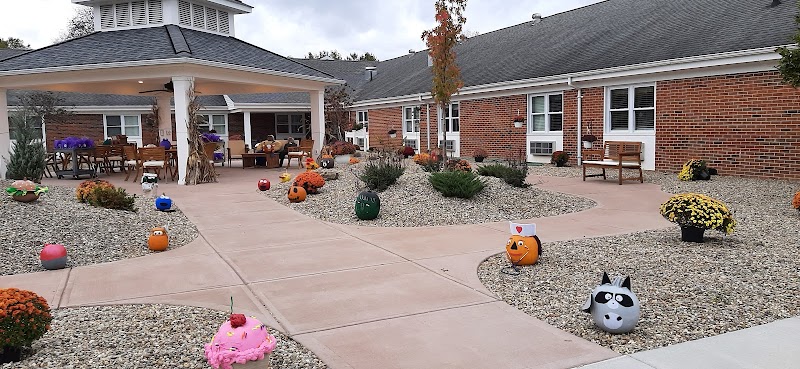
How Does Bertha D Garten Ketcham Memorial Center Compare to Other Indiana Nursing Homes?

Compared to the 100 nursing homes in Indiana, BERTHA D GARTEN KETCHAM MEMORIAL CENTER's overall rating (1 stars) is below the state average of 3.1, staff turnover (52%) is near the state average of 46%, and health inspection rating (2 stars) is below the national benchmark.

What Should Families Ask When Visiting Bertha D Garten Ketcham Memorial Center?

Based on this facility's data, families visiting should ask: "Can I visit during a mealtime to observe dining assistance and food quality?" "How do you handle medical emergencies, and what is your hospital transfer rate?" "Can I speak with family members of current residents about their experience?"

Is Bertha D Garten Ketcham Memorial Center Safe?

Based on CMS inspection data, BERTHA D GARTEN KETCHAM MEMORIAL CENTER has a clean safety record: no substantiated abuse findings (meaning no confirmed cases of resident harm), no Immediate Jeopardy citations (the most serious violation level indicating risk of serious injury or death), and is not on the Special Focus Facility watch list (a federal program monitoring the lowest-performing 1% of nursing homes). The facility has a 1-star overall rating and ranks #100 of 100 nursing homes in Indiana. While no facility is perfect, families should still ask about staff-to-resident ratios and recent inspection results during their visit.

Do Nurses at Bertha D Garten Ketcham Memorial Center Stick Around?

BERTHA D GARTEN KETCHAM MEMORIAL CENTER has a staff turnover rate of 52%, which is 6 percentage points above the Indiana average of 46%. Moderate turnover is common in nursing homes, but families should still ask about staff tenure and how the facility maintains care continuity when employees leave.

Was Bertha D Garten Ketcham Memorial Center Ever Fined?

BERTHA D GARTEN KETCHAM MEMORIAL CENTER has no federal fines on record. CMS issues fines when nursing homes fail to meet care standards or don't correct problems found during inspections. The absence of fines suggests the facility has either maintained compliance or corrected any issues before penalties were assessed. This is a positive indicator, though families should still review recent inspection reports for the full picture.

Is Bertha D Garten Ketcham Memorial Center on Any Federal Watch List?

BERTHA D GARTEN KETCHAM MEMORIAL CENTER is not on any federal watch list. The most significant is the Special Focus Facility (SFF) program, which identifies the bottom 1% of nursing homes nationally based on persistent, serious quality problems. Not being on this list means the facility has avoided the pattern of deficiencies that triggers enhanced federal oversight. This is a positive indicator, though families should still review the facility's inspection history directly.