WATERS OF PERU SKILLED NURSING FACILITY, THE
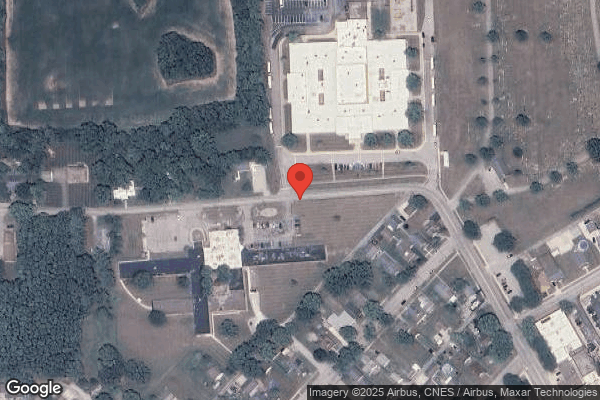

317 BLAIR PIKE, PERU, IN 46970 (765) 473-4426
For profit - Corporation 130 Beds INFINITY HEALTHCARE CONSULTING Data: November 2025
Trust Grade
75/100
#199 of 505 in IN
Last Inspection: June 2025

Inspected within the last 6 months. Data reflects current conditions.

Overview

The Waters of Peru Skilled Nursing Facility has a Trust Grade of B, indicating it is a good choice for care, as it is solidly above average. In terms of rankings, it stands at #199 of 505 in Indiana, placing it in the top half of facilities in the state, and #2 out of 4 within Miami County, suggesting only one local option is better. The facility is improving, with reported issues decreasing from 10 in 2024 to 3 in 2025. Staffing is a concern, rated 2 out of 5 stars, with a turnover rate of 43%, which is below the state average, meaning that while staff retention is better than many facilities, it still indicates some instability. Notably, there have been no fines reported, which is a positive sign of compliance. However, there are specific concerns, such as staff handling food with bare hands and failing to provide thickened liquids to a resident who needed them, which raises questions about compliance with health standards. Overall, while the facility has strengths in its rankings and lack of fines, there are weaknesses in staffing and specific care practices that families should consider.

Trust Score
B
75/100
In Indiana
#199/505
Top 39%
Safety Record
Low Risk
No red flags
Inspections
Getting Better
10 → 3 violations
Staff Stability
○ Average
43% turnover. Near Indiana's 48% average. Typical for the industry.
Penalties
✓ Good
No fines on record. Clean compliance history, better than most Indiana facilities.
Skilled Nurses
○ Average
Each resident gets 41 minutes of Registered Nurse (RN) attention daily — about average for Indiana. RNs are the most trained staff who monitor for health changes.
Violations
⚠ Watch
16 deficiencies on record. Higher than average. Multiple issues found across inspections.
★★★★☆
4.0
Overall Rating
★★☆☆☆
2.0
Staff Levels
★★★★☆
4.0
Care Quality
★★★★☆
4.0
Inspection Score
Stable
2024: 10 issues
2025: 3 issues

The Good

  • 4-Star Quality Measures · Strong clinical quality outcomes
  • Full Sprinkler Coverage · Fire safety systems throughout facility
  • No fines on record
  • Staff turnover below average (43%)

    5 points below Indiana average of 48%

Facility shows strength in quality measures, fire safety.

The Bad

Staff Turnover: 43%

Near Indiana avg (46%)

Typical for the industry

Chain: INFINITY HEALTHCARE CONSULTING

Part of a multi-facility chain

Ask about local staffing decisions and management

The Ugly 16 deficiencies on record

Jun 2025 3 deficiencies
CONCERN (D)

Potential for Harm - no one hurt, but risky conditions existed

Deficiency F0658 (Tag F0658)

Could have caused harm · This affected 1 resident

Based on record review, observation and interview, the facility failed to ensure a resident who required thickened liquids was not given thin liquids for 1 of 1 residents reviewed for professional sta...

Read full inspector narrative →
Based on record review, observation and interview, the facility failed to ensure a resident who required thickened liquids was not given thin liquids for 1 of 1 residents reviewed for professional standards of care. (Resident 7) Finding includes: During a random observation, on 6/26/2025 at 11:35 A.M., R.N. 2 was observed to administer a soufflé' cup of crushed medications mixed with pudding to Resident 7. After administering the medications, RN 2 asked Resident 7 if he wanted a drink of water. The resident did not respond verbally or physically to the nurses's question. Nurse 2 poured a small amount, approximately 60 ml (milliliters) of cold water into a cup and put it up to Resident 7's mouth. Resident 7 was observed drinking the water. He swished it around in his mouth for a few seconds and then swallowed it. Nurse 2 asked the resident if he wanted another drink of water. Resident 7 did not respond verbally or physically to the nurses' question. Nurse 2 again put the cup up to his mouth where he took a drink of the water and swished it around in his mouth and then swallowed it. She then took the resident down to the dining room for lunch. The record for Resident 7 was reviewed on 6/25/2025 at 1:25 P.M. Diagnoses included, but were not limited to paraplegia, dysphagia, diabetes, cerebral infarction, dysfunction of bladder and chronic kidney disease. Current Physician Orders' for Resident 7 included:- Diet: Pudding thick liquid. A Significant Change MDS (Minimum Data Set) assessment, dated 4/16/2025, indicated Resident 7 was severely cognitively impaired, and received a mechanically altered diet and was dependent on staff for all adl's (activities of daily living, including eating). During an interview, on 6/26/2025 mat 11:45 A.M., the Director of Nursing was made aware of the nurse not administering thickened liquids when she had given his medications. The Director of Nursing indicated they were going to order an x-ray of his chest to ensure he had not aspirated any of the unthickened water into his lungs. During an interview, on 6/27/2025 at 7:09 A.M., RN 2 indicated Resident 7's chest x-ray came back negative and provided a copy of the x-ray that had been obtained on 6/26/2025. Nurse 2 indicated she should have not given him the unthickened water and she did not know why she had given him unthickened water. On 6/27/2025 the Director of Nursing provided the policy titled, Thickened Liquids, dated 1/2025, and indicated the policy was the one currently used by the facility. The policy indicated . 5. d. Pudding-Thick - Not pourable; they hold their shape. Comparable to pudding and yogurt. They sit on the prong of a fork. They are consumed with a spoon. 6. The Nutrition services department will have pre thickened beverages and commercial thickeners available The Standards of Professional Nursing Practice are authoritative statements of the actions and behaviors that all registered nurses, regardless of role, population, specialty, and setting, are expected to perform competently. [4] These standards define a competent level of nursing practice based on the critical thinking model known as the nursing process. Article 2 of the Standards for the Competent Practice of Registered and Licensed Nurses indicated . Sec. 1. The registered nurse shall do the following: (1) Assess the patient/client in a systematic, organized manner. (2) Formulate a nursing diagnosis based on accessible, communicable, and recorded data which is collected in a systematic and continuous manner. (3) Plan care which includes goals and prioritized nursing approaches or measures derived from the nursing diagnosis. (4) Implement strategies to provide for patient/client participation in health promotion, maintenance, and restoration. (5) Initiate nursing actions to assist the patient/client to maximize his or her health capabilities. (6) Evaluate with the patient/client the status of goal achievement as a basis for reassessment, reordering priorities, new goal-setting, and revision of the plan of nursing care. (7) Seek educational resources and create learning experiences to enhance and maintain current knowledge and skills for his or her continuing competence in nursing practice and individual professional growth 3.-35(g)(1)
CONCERN (D)

Potential for Harm - no one hurt, but risky conditions existed

Deficiency F0761 (Tag F0761)

Could have caused harm · This affected 1 resident

Based on observation and interview, the facility failed to properly label over the counter medications for 1 of 2 medication carts observed for medication storage. (Memory Care unit) Finding includes:...

Read full inspector narrative →
Based on observation and interview, the facility failed to properly label over the counter medications for 1 of 2 medication carts observed for medication storage. (Memory Care unit) Finding includes: The medication cart for the Memory Care unit was observed on 6/27/2025 at 1:09 P.M. with QMA 4. The following was observed. 1. Resident 31 had 2 boxes of Chlorasepic lozenges, one opened and one sealed. There was no labeling for Resident 31's medication observed on the boxes. 2. Resident 2 had the following over the counter medications without the proper labeling for identification: -One bottle of supplement of Lutein only had Resident 2's initials. -One bottle of B6 vitamins only had Resident 2's initials and an open date on the bottle. -One bottle of Stool Softner, 100 milligram capsules, only had Resident 2's initials on the bottle. -One bottle of Centrum vitamins only had Resident 2's first name on the bottle. -One bottle of Magnesium, 250 milligrams, only had Resident 2's initials on the bottle. -One bottle labeled Allergy Releif, 10 milligrams, only had Resident 2's initials on an open bottle and no identifying information on an unopened bottle. During an interview, on 6/27/2025 at 1:22 P.M., QMA 4 indicated over the counter medication should have had the following identifying information on the bottles: the resident's first and last name, the pharmacy provider, the open date, the name of the drug, the strength of the drug and the directions for use. A policy was provided by the Executive Director, on 6/27/2025 at 1:36 P.M. The policy titled, Prescription Labels, indicated, .Medications are labeled in accordance with State and Federal law as well as facility requirements .5. a. Indiana law for nonprescription labeling requires the following: Resident name, Physician name, Expiration date, Name of drug and Strength 3.1-25(j)
CONCERN (D)

Potential for Harm - no one hurt, but risky conditions existed

Infection Control (Tag F0880)

Could have caused harm · This affected 1 resident

Based on observation, record review and interview, the facility failed to ensure a urinary drainage bag was positioned in a sanitary manner for 1 of 1 resident reviewed for urinary catheter. (Resident...

Read full inspector narrative →
Based on observation, record review and interview, the facility failed to ensure a urinary drainage bag was positioned in a sanitary manner for 1 of 1 resident reviewed for urinary catheter. (Resident 7) Finding includes: During an observation, on 6/24/2025 at 9:50 A.M. and 1:54 P.M., the covered urinary drainage bag for Resident 7 was observed touching the floor at the bedside. During an observation, on 6/27/2025 at 9:18 A.M., the covered urinary drainage bag for Resident 7 was observed touching the floor at the bedside. A record review for Resident 7 was completed on 6/25/2025 at 2:10 P.M. Diagnoses included, but were not limited to: paraplegia, pressure ulcer of sacral stage 3, retention of urine, neuromuscular dysfunction of bladder and chronic kidney disease. A Significant Change Minimum Data Set (MDS) assessment, dated 4/16/2025, indicated Resident 7 had severe cognitive impairment and had an indwelling urinary catheter. A Physician's Order, dated 1/15/2025 indicated a Suprapubic 20 French 10 milliliter balloon catheter for a neurogenic bladder. A Care Plan, initiated on 10/14/2021 and revised on 2/11/2025, indicated Resident 7 required the use of a suprapubic catheter for neurogenic bladder with urinary retention. The goal was for the catheter to be maintained per the care plan. Interventions included, but were not limited to: catheter care every shift and to maintain the urinary drainage bag below the bladder level to facilitate the flow of urine. During an interview, on 6/27/2025 at 9:50 A.M., CNA 3 indicated the covered catheter drainage bag should not have been touching the floor. A policy was provided by the Director of Nursing (DON), on 6/27/2025 at 11:42 A.M. The current policy titled, Catheters, indicated, .Further, that a resident who is incontinent of bladder receives appropriate treatment and services to prevent urinary tract infections 3.1-41(a)(2)
Jul 2024 10 deficiencies
CONCERN (D)

Potential for Harm - no one hurt, but risky conditions existed

Deficiency F0625 (Tag F0625)

Could have caused harm · This affected 1 resident

Based on record review and interview, the facility failed to provide written bed hold information to the resident and/or patient representative upon transfer to a hospital for 1 of 3 residents reviewe...

Read full inspector narrative →
Based on record review and interview, the facility failed to provide written bed hold information to the resident and/or patient representative upon transfer to a hospital for 1 of 3 residents reviewed for hospitalization (Resident 5). Findings include: The record for Resident 5 was reviewed on 7/21/24 at 2:12 PM. Diagnoses included but were not limited to: disorder of central nervous system, diabetes mellitus, violent behavior, insomnia, psychotic disorder with delusions, anxiety disorder, and major depressive disorder. A Quarterly MDS (Minimum Data Set) Assessment, dated 4/17/2024, indicated a BIMS (Brief Interview for Mental Status) score of 6, severe cognitive impairment. A Progress Note, dated 7/15/2024 at 9:55 P.M., indicated the resident was sent to the emergency room for evaluation for abdominal distention and hyperactive bowel sounds. Nursing staff documented the bed hold policy was sent with the emergency medicine technician (EMT) staff. A Progress Note indicated the resident returned to facility on 7/20/2024. The clinical record did not contain documentation of written notification to the patient representative of the facility bed hold policy. During an interview, on 7/24/2024 at 10:47 A.M., the DON (Director of Nursing) indicated the facility had never mailed the bed hold policy to the family and have just notified family or patient representative by phone when the patient is cognitively impaired. She indicated all residents and families are given a copy of the bed hold policy at time of admission. During an interview, on 7/24/2024, at 2:14 P.M., the DON indicated that nurses should send the bed hold notice to the family by mail or email the policy. On 7/24/2024 at 2:12 P.M., the DON provided a document titled The Waters Bed Hold Policy, and indicated it was the policy currently being used by the facility. The policy indicated .facility to provide Resident, Resident's family member, and/or the Resident's legal representative .in written form and/or by a telephone conversation prior to transfer . 3.1-12(a)(25) 3.1-12(a)(26)
CONCERN (D)

Potential for Harm - no one hurt, but risky conditions existed

Comprehensive Assessments (Tag F0636)

Could have caused harm · This affected 1 resident

**NOTE- TERMS IN BRACKETS HAVE BEEN EDITED TO PROTECT CONFIDENTIALITY** Based on record review and interview, the facility failed to complete the resident Care Area Assessment in a timely manner for 1...

Read full inspector narrative →
**NOTE- TERMS IN BRACKETS HAVE BEEN EDITED TO PROTECT CONFIDENTIALITY** Based on record review and interview, the facility failed to complete the resident Care Area Assessment in a timely manner for 1 of 13 residents reviewed for comprehensive assessments. (Resident 30) Finding includes: A record review of Resident 30 was conducted on 7/22/2024 at 11:09 A.M. Diagnoses included, but were not limited to: dementia, history of malignant neoplasm of the bladder, and chronic kidney disease. An admission Minimum Data Set (MDS) assessment, dated 7/2/2024, indicated Resident 30 was cognitively intact, was frequently incontinent of bladder and bowel, required substantial/maximal assistance for transfer and toileting hygiene, had minimal difficulty with hearing, and had broken or loose-fitting denture/partial and obvious or likely cavity or broken natural teeth. The MDS assessment triggered Care Area Assessments (CAA) (identification of problems, strengths and preferences) to be further evaluated and potentially care planned for urinary incontinence, dental care, activities of daily living (ADL) abilities, and communication. The CAA area for ADL's indicated this area was an actual problem/need. Resident 30 had triggered related to ADL's and transfers. Resident 30 was able to participate in ADL's requiring staff assistance up to partial/substantial assist to complete his ADL's. Resident 30 was receiving therapy to help with his strengthening and endurance. The facility will continue to assist residents with ADL's, monitor for changes, and notify the physician as necessary. The facility will proceed to care planning. ADL abilities will be addressed in the care plan to slow or minimize decline, avoid complications, and minimize risks. The CAA area for urinary incontinence indicated and actual problem/need. Resident 30 had triggered for urinary incontinence related to Resident 30 required substantial/max assistance with toileting. Resident 30 was unable to resist voiding at times, requiring staff assistance with cleansing, and changing if incontinent episodes occurred. The facility will continue to assist Resident 30 with ADL's, monitor for changes, and notify the physician as necessary. The facility will proceed to care planning. ADL abilities will be addressed in the care plan to slow or minimize decline, avoid complications, and minimize risks. The CAA area for dental care indicated a potential problem/need. Resident 30 triggered due to having a partial plate, and noted broken natural teeth. The facility will monitor Resident 30 for any further issues and complaints. The facility will continue to monitor Resident 30 for any problems and notify the physician as needed. Dental care will be addressed in the care plan to slow or minimize decline, avoid complications, and maintain current level of functioning. The CAA area for communication indicated an actual problem/need. Resident 30 triggered due to being hard of hearing with minimal difficulty, he wears hearing aids, and had demonstrated no issue with the use of his hearing aids. The facility will continue to address any problems, notify the physician as needed, and proceed to care plan. Communication will be addressed in the care plan to slow or minimize decline, avoid complications, and maintain current level of functioning. During an interview on 7/23/2024 at 3:14 P.M., the MDS Coordinator indicated the comprehensive care plan should be completed within 14 days of the assessment reference date, and Resident 30's comprehensive care plan was not completed. On 7/24/2024 at 8:44 A.M., the MDS Coordinator indicated that Resident 30 was admitted to the facility on [DATE]. The completion of the MDS assessment was on 7/2/2024, and the CAA has 7 days from that date to be completed, and the comprehensive care plan had 14 days from that date to be completed. She indicated all comprehensive care plans should be completed by the 21st day of admission. A policy was provided, on 7/24/2024 at 1:25 P.M., by the Director of Nursing. The policy was from the Resident Assessment Instrument Manual, dated October 2023. The manual indicated, .The CAA[s] completion date must be no later than 14 days [of the admission date]. The care plan completion date must be not later than the 7 days after the CAA[s] completion date 3.1-31(e)
CONCERN (D)

Potential for Harm - no one hurt, but risky conditions existed

Comprehensive Care Plan (Tag F0656)

Could have caused harm · This affected 1 resident

Based on record review and interview, the facility failed to ensure a comprehensive person centered plan of care was created for a resident with behaviors (Resident 5) and for a resident receiving hos...

Read full inspector narrative →
Based on record review and interview, the facility failed to ensure a comprehensive person centered plan of care was created for a resident with behaviors (Resident 5) and for a resident receiving hospice care (Resident 24) for 2 of 17 residents reviewed for comprehensive care plans. Findings include: 1. The record for Resident 5 was reviewed on 7/22/2024 at 8:46 A.M. Diagnoses included but were not limited to disorder of central nervous system, diabetes mellitus, violent behavior, insomnia, psychotic disorder with delusions, anxiety disorder, and major depressive disorder. Resident 5's current medications included Risperidone (anti-psychotic) 0.25 mg (milligram) 1 tablet by mouth at bedtime every Sunday for psychotic disorder and Risperidone 0.25 mg give 1 tablet by mouth two times a day six days a week for psychotic disorder. A current Care Plan, dated 5/7/2024, indicated the resident had agitation and physical behaviors demonstrated as throwing legs over the bed, posturing in the wheelchair/bed, cursing, hitting, pinching, and grabbing staff. Interventions included but were not limited to: administer psych medication as ordered, monitor medication side effects at least daily on psychoactive administration record, notify physician as needed, monitor quarterly for medication GDR (Gradual Dose Reduction) for psychoactive medication through pharmacy consultant and psychiatric services, and social services (SS) to visit as needed. Resident 5's clinical record lacked a person-centered Care Plan for behaviors. During an interview, on 7/24/2024 at 10:33 A.M., the Social Service Director indicated the interventions should have been individualized around the preferences of each resident. She indicated Resident 5 enjoys watching baseball, old movies, and IU, and indicated the Care Plans for Resident 5 were not person-centered. 2. A record review of Resident 24 was completed on 7/22/2024 at 8:33 A.M. Diagnoses included, but were not limited to: fracture of the humerus, wedge compression fracture of thoracic vertebra, and anxiety disorder. A Significant Change Minimum Data Set (MDS) assessment, dated 6/1/2024, indicated Resident 24 was receiving hospice services. A Nurse's Note, dated 5/31/2024 at 10:33 A.M., indicated that the hospice company was at the facility to conduct a face-to-face evaluation, and that Resident 24 met the criteria for hospice services. A Physician's Order, dated 6/3/2024, indicated Resident 24 was admitted to hospice service on 6/1/2024 due to heart failure, COPD (chronic obstructive pulmonary disease), and acute respiratory failure related to terminal prognosis. A Care Plan could not be located in the medical record for hospice care. During an interview, on 7/24/2024 at 8:36 A.M., the MDS Coordinator indicated that Resident 24 should have a care plan for hospice care. During an interview with the MDS coordinator she indicated that the resident should have a hospice care plan that included contact information and coordination of care with the hospice company. A policy was provided on, 7/24/2024 at 1:25 P.M., by the Director of Nursing. The policy titled, Baseline Care Plan Assessment/Comprehensive Care Plans, indicated, .The Comprehensive Care Plan will further expand on the resident's risks, goals and interventions using the Person-Centered' Plan of Care approach for each resident that includes measurable objectives and timetables to meet the resident's medical, nursing, physical functioning, mental and psychosocial needs 3.1-35(b)(1)
CONCERN (D)

Potential for Harm - no one hurt, but risky conditions existed

Deficiency F0657 (Tag F0657)

Could have caused harm · This affected 1 resident

Based on record review an interview, the facility failed to revise and updat care plans for activities, residing on the memory care unit, an eye infection, a pressure ulcer, for 1 of 17 residents whos...

Read full inspector narrative →
Based on record review an interview, the facility failed to revise and updat care plans for activities, residing on the memory care unit, an eye infection, a pressure ulcer, for 1 of 17 residents whose care plans were reviewed (Resident 18) Finding include: The record for Resident 18 was reviewed on 7/22/2024 at 3:07 P.M. Diagnoses included but were not limited to dementia, intellectual disabilities, Down syndrome, depression and congestive heart failure. An Annual MDS (Minimum Data Set) Assessment, dated 5/7/2024, indicated the resident activity preferences were books, magazines, newspapers, listen to music, being around animals. A current Care Plan, dated 1/18/2024 indicated, ACTIVITIES: Although the resident was considered cognitively impaired, is still capable of making decisions about activity involvement and prefer to not attend some group activities. She stays busy watching TV, relaxing, coloring & communicating with staff & occasionally looking at magazines. Know Resident has times where she prefers to stay in her room or stay in the common area of the memory care unit ,color and watch what is going on around her. Interventions included, but were not limited to. She occasionally enjoys listening to music in the common area of the Boulevard (locked unit). A Care Plan, dated 10/21/2021, indicated: MEMORY CARE: The resident resides on the Memory Care unit. I benefit from the programming on this unit. Although it is a locked unit, she is able to come off the unit for special activities I enjoy with staff/family as desired. Secured Unit. Physician has certified resident is appropriate for this unit and programming. Specialized programming provided. The resident does not reside on the locked unit and does not receive specialized programming. A current Care Plan, dated 5/27/2024, indicated the resident had an eye infection and was non compliant with isolation and does not understand the rationale for it. The resident gets agitated and refuses to stay in her room even after multiple attempts from staff to try to make me understand why she needed to be in isolation. The record lacked any documentation of an eye infection at this time. A Care Plan, dated 5/8/2024, indicated the resident had developed an actual pressure injury. The record lacked any documentation of Resident 18 having a pressure injury at this time. During an observation, on 7/23/2024 at 2:18 P.M., of Resident 18's buttocks and thighs were free from pressure injuries. During an interview, on 7/23/2024 at 9:10 A.M., the Director of Nursing indicated the care plans were not updated and should have been revised. During an interview, on 7/23/2024 at 11:44 A.M., the Activity Director indicated the resident care plans were not updated and should have been. On 7/23/2024 at 1:27 P.M., the Social Service Director provided the policy titled,Baseline Care Plan Assessment/Comprehensive Care Plans, undated, and indicated the policy was the one currently used by the facility. The policy indicated.9. The Comprehensive Care Plans will be reviewed and updated every quarter at a minimum. The facility may need to review the care plans more often based on changes in the resident's condition and/or newly developed health/psycho-social issues 3-1.35(d)(2)(B)
CONCERN (D)

Potential for Harm - no one hurt, but risky conditions existed

Deficiency F0679 (Tag F0679)

Could have caused harm · This affected 1 resident

Based on observation, interview and record review the facility failed to implement an activities program that incorporated the resident's interest and hobbies for 1 of 3 resident reviewed for activiti...

Read full inspector narrative →
Based on observation, interview and record review the facility failed to implement an activities program that incorporated the resident's interest and hobbies for 1 of 3 resident reviewed for activities. (Resident 18) Finding includes: During an interview, on 7/21/2024 at 10:51 A.M., Resident 18's family indicated the resident used to like music and TV. During an observation, on 7/21/2024 at 1:44 P.M., Resident 18 was lying in bed with the television on, but unable to see it. The television was positioned above and at the back of her head. During an interview, on 7/22/2024 at 10:47 A.M.,CNA 3 indicated it depended on the resident if she wanted to or not to get out of bed. She indicated we try to encourage her. During an observation, on 7/22/2024 at 3:03 P.M., Resident 18 remained in bed with the bed sheet covering her face. The record for Resident 18 was reviewed on 7/22/2024 at 3:07 P.M. Diagnoses included but were not limited to dementia, intellectual disabilities, Down syndrome, depression, and congestive heart failure. An Annual MDS (Minimum Data Set) Assessment, dated 5/7/2024, indicated the resident had adequate hearing. The activity preferences were documented as books, magazines, newspapers, listen to music, and being around animals. During an observation, on 7/23/2024 at 8:37 A.M., Resident 18 was in bed with a sheet over her face. A current Care Plan, dated 1/18/2024 indicated: ACTIVITIES: The resident is considered cognitively impaired, and still capable of making decisions about activity involvement and prefer to not attend some group activities. She would like her preferences not to attend activities be honored by staff. She stays busy watching TV, relaxing, coloring & communicating with staff & occasionally looking at magazines. Interventions included, but were not limited to: Through past history & staff interview it has been determined that religion is somewhat important to resident. Religious programs are on her TV program list. Staff offer to turn on for her. She occasionally enjoys listening to music in the common area of the Boulevard. Through past history and staff interview it has been determined that resident's favorite activities are: coloring, counting crayons, watching some TV and watching what is going on around her when she is in the common area. A pink care has been placed in the resident's room to assist staff in resident preferences for (TV shows, music, of other activities) resident might enjoy while in room. During an observation, on 7/23/2024 at 8:54 A.M., the residents room lacked a pink card for television preferences and the television was positioned where the resident could not see it. During an observation, on 7/23/2024 at 11:23 A.M., Resident 18 was in bed with coloring book and crayons in her hands. The television was on, but was placed above her bed to the back of her head where she could not see it. During an interview, on 7/23/2024 at 11:44 A.M., the Activity Director indicated the resident should be able to watch TV, but her bed was is in the wrong position and she should have had the pink list in her room. She indicated the resident did not attend the religious service on Sunday. On 7/23/2024 at 1:27 P.M., the Social Service Director provided the policy titled,Activities Program, undated, and indicated the policy was the one currently used by the facility. The policy indicated .It is the policy of this facility to provide an ongoing program of Activities designed to meet, in accordance with the comprehensive assessment, the interests and the physical, mental and psychosocial well-being of the residents. 6. Facility will provide activities that are appropriate for residents related to their interests, culture and background 3.1-33(a)
CONCERN (D)

Potential for Harm - no one hurt, but risky conditions existed

Accident Prevention (Tag F0689)

Could have caused harm · This affected 1 resident

Based on record review and interview, the facility failed to properly use a mechanical lift for 1 of 1 resident reviewed for a facility reported incident, which resulted in a laceration to the scalp. ...

Read full inspector narrative →
Based on record review and interview, the facility failed to properly use a mechanical lift for 1 of 1 resident reviewed for a facility reported incident, which resulted in a laceration to the scalp. (Resident 9) Finding includes: A record review of Resident 9 was completed on 7/23/2024 at 2:03 P.M. Diagnoses included, but were not limited to: paraplegia, obesity, and muscle weakness. A Quarterly MDS assessment, dated 6/11/2024, indicated Resident 9 was cognitively intact, and was dependent for transfers. A Nurse's Note, dated 6/22/2024 at 5:48 P.M., indicated that while transferring Resident 9 to his wheelchair with the Hoyer lift, the Hoyer lift tipped over onto the top of his head causing a 3-centimeter laceration. There was a moderate amount of blood initially, but stopped bleeding when pressure was applied. Neurological checks were within normal limits, but Resident 9 indicated after 10 minutes of the incident he was not feeling right, and complained of neck and head pain. Resident 9 was sent to the emergency room for further evaluation. On 6/22/2024 at 7:10 P.M., Resident 9 arrived back from the emergency room with steri-strips covering the sutures to the frontal skull. He complained of a minor to moderate headache. A Care Plan, dated 1/31/2021, and revised on 4/20/2023, indicated Resident 9 was a total assist for transfers with a mechanical lift. A facility reported incident was sent to the Indiana Department of Health, on 6/23/2024. The report indicated that CNA 12 and CNA 10 were transferring resident 9 with a Hoyer lift (mechanical lift) from his bed to the wheelchair. The Hoyer lift fell over as Resident 9 was being placed in the wheelchair making contact to his head. Resident 9 was immediately disconnected from the Hoyer lift, and an assessment was completed. Resident 9 sustained a 3-centimeter laceration to the top of his head. Resident 9 was transported to the local hospital. During an interview, on 7/23/2024 at 1:24 P.M., CNA 10 indicated that she and CNA 13 were getting Resident 9 up for supper. She indicated CNA 12 was using the Hoyer lift, and she was assisting. She indicated CNA 12 put the Hoyer lift legs in between the front wheels and back wheels of the wheelchair, and that the legs were not extended or locked. She indicated the Hoyer lift tipped over and hit Resident 9's head. She indicated she assisted in pulling the Hoyer lift off Resident 9's head. A review of CNA 12 and CNA 10 employee files indicated CNA 12 had completed the competency checklist for the use of the Hoyer lift on 10/1/2019, and CNA 10 had completed the competency on 4/19/2024. An Annual Skills Checklist was provided by the Executive Director that was completed on 3/20/2024-3/21/2024. CNA 12 completed the annual training which included use of the Hoyer lift. A policy was provided, on 7/24/2024 at 1:25 P.M., by the Director of Nursing. The policy titled, Guidelines for Mechanical Lift Transfer/Usage, indicated, .About the Mechanical Lift .16. Position the lift around the resident's bed/chair/surface. Base legs are usually more stable in the fully open position .Using the Mechanical Lift .32. The mechanical lift should be moved so that the extended legs slide under the bed [for bed transfers]. As stated prior, the mechanical lift legs are able to open and close to accommodate wheelchair transfers. 33. Slide the legs under the bed until the swivel bar hook of the lift is directly over the resident's abdomen. The legs are widened using the shift handle located on the back. Widening the legs is essential in order to get a stable base under the mechanical lift. 34. Apply the wheel lock so it does not move once the mechanical lift is in position 3.1-45(a)(1)
CONCERN (D)

Potential for Harm - no one hurt, but risky conditions existed

Deficiency F0692 (Tag F0692)

Could have caused harm · This affected 1 resident

Based on observation, record review, and interview, the facility failed to provide interventions to prevent significant weight loss for 1 of 3 residents reviewed for nutrition, and failed to provide a...

Read full inspector narrative →
Based on observation, record review, and interview, the facility failed to provide interventions to prevent significant weight loss for 1 of 3 residents reviewed for nutrition, and failed to provide adequate fluids for 1 of 2 residents reviewed for hydration. (Residents 24 & 18) Findings include: 1. During an observation on 7/21/2024 at 1:42 P.M., Resident 24 was observed to appear thin and frail. A record review was completed on 7/22/2024 at 8:33 A.M. Diagnoses included, but were not limited to: fracture of the humerus, wedge compression fracture of thoracic vertebra, and anxiety disorder. A Significant Change Minimum Data Set (MDS) assessment, dated 6/1/2024, indicated Resident 24's nutrition was not assessed. A review of resident 24's weights indicated: - 3/18/24 86.0 (admission weight) - 3/30/24 76.8 - 3/31/24 75.5 - 4/8/2024 76.1 - 5/6/2024 79.6 - 6/4/2024 78.1 Physicians' Orders indicated the following orders: - Ensure Clear two times a day for Supplement 3/21/2024-3/26/2024. - Regular diet 3/30/2024 - admitted to hospice 3/30/2024-4/12/2024. - Ensure Clear two times a day for Supplement 4/3/2024-5/28/2024. - Admit to hospice on 6/1/2024. A Nurse's Note, dated 3/19/2024 at 2:11 P.M., indicated Resident 24's daughter informed the staff that Resident 24 had vomited after she had eaten. The daughter indicated that Resident 24 only had 1/3 of her stomach with multiple surgeries completed, vomiting happened at times after meals, and had a history of weight loss due to not being able to keep down. A Mini Nutritional Assessment, dated 3/20/2024 at 8:16 A.M., indicated Resident 24 was malnourished. A Nutritional Assessment, dated 3/20/2024 at 8:27 A.M., indicated Resident 24 was lactose intolerant, drank one vanilla Ensure a week, and inadequate oral intake even though she reported her appetite as good. Resident 24 indicated her physician wanted her to gain weight to a minimum of 100 pounds. Her body weight index indicated she was underweight. Interventions recommended included Ensure Clear three times a day, and providing lactose-free alternatives. A Nurse's Note, dated 3/22/2024 at 12:07 P.M., indicated to hold the Ensure Clear for 3 days due to awaiting delivery. A Nutritional Assessment, dated 4/3/2024 at 7:15 A.M., indicated 12.2 percent weight loss in approximately 2 weeks. She had been readmitted to the facility from her hospitalization related to a fall and newly found tracheal mass. Her body mass index was 15.8, indicating she was underweight. An Interdisciplinary Note, dated 4/17/2024 at 12:53 P.M., indicated Resident 24 was receiving Ensure Clear 237 milliliters twice daily, and consumed 51-75 percent of her meals and approximately 50 percent of her supplements for 7 days. Continues to receive hospice services with weight loss anticipated and unavoidable as disease processes progress. No new nutritional recommendations were placed. An Interdisciplinary Note, dated 4/17/2024 at 12:53 P.M., indicated Resident 24 was receiving Ensure Clear 237 milliliters twice daily, and consumed 51-75 percent of her meals and approximately 51-75 percent of her supplements for 7 days. Continues to receive hospice services with weight loss anticipated and unavoidable as disease processes progress. No new nutritional recommendations were placed. Resident 24 was discontinued from nutritional monitoring. A Nutritional Assessment, dated 4/24/2024 at 8:21 A.M., indicated a 11.6 percent weight loss in approximately 2 weeks. Resident 24 had good supplement intake on most days, and does not accept snacks. Her body mass index was 15.8, indicating underweight, but closer to her self-reported usual body weight of 78 pounds. Resident 24 to continue with Ensure Clear. A Nurse's Note, dated 5/28/2024 at 3:03 P.M., indicated Ensure Clear was discontinued due to resident refusals and stating the drink makes her sick to her stomach. A Care Plan, dated 3/19/2024, and revised on 7/14/2024, indicated Resident 24 was at nutritional risk. During an interview on 7/24/2024 at 9:03 A.M., the Dietary Manager indicated that interventions should have been put in place when Resident 24 was not on hospice services from 4/13/2024-5/31/2024, and more options to further increase weight should have been put in place. A policy was provided on 7/24/2024 at 1:25 P.M., by the Director of Nursing. The policy titled, Weights, indicated, .Nursing will notify the dietician or designee of any significant weight changes. Significant weight changes is defined as 5% change x [times] 1 month, 7.5% change x 3 months, 10% changes x six months 2. During an observation, on 7/21/2024 at 1:43 P.M., Resident 18 was observed with dry/cracked lips and her tongue had a coating. The residents water pitcher was not in reach of the resident. During an observation, on 7/21/2024 at 2:21 P.M., the resident tried to move the bed side table with the water pitcher on it but was unable to move it. The record for Resident 18 was reviewed on 7/22/2024 at 3:07 P.M. Diagnoses included but were not limited to: dementia, intellectual disabilities, Down syndrome, chronic kidney disease stage 3, dysphagia and congestive heart failure. An Annual MDS (Minimum Data Set) Assessment, dated 5/7/2024, indicated the resident required supervision/touching assistance during for eating. A current care plan, dated 8/26/2022, indicated Late loss ADL (activities of daily living): the resident needs limited assist with eating/drinking, supervision up to extensive assistance with bed mobility due to diagnosis of dementia and Down Syndrome. Interventions included, but were not limited to: assist at meals with tray set-up and meals/eating as needed. During an observation, on 7/23/2024 at 8:36 A.M., the water pitcher was on the over the bed side table not within reach of the resident. During an observation, on 7/23/2024 at 9:38 A.M., Resident 18's water pitcher was on the over the bed side table not within reach of the resident. During an observation, on 7/23/2024 at 11:58 A.M., Resident 18 was observed in bed, leaning to the left with her lunch tray on the over the bedside table. The resident was trying to hold onto a glass of chocolate liquid. Resident 18 drank 1/2 of the chocolate liquid and placed it back on the tray. Resident 18 was observed with dry/cracked lips and a coating on her tongue. There were no staff around the residents room to assist with her meal. On 7/23/2024 at 12:05 P.M., the Social Service Director entered the residents room and started to assist with her lunch meal. The Social Service Director observed the chocolate liquid was spilled on the blanket and indicated she would change the linens and would try to feed the resident. During an interview, on 7/23/2024, at 12:06 P.M., the Social Service Director indicated the residents' lips were dry and cracked and her tongue had a coating on it and she should have more liquids. On 7/23/2024 at 3:40 P.M., the Director of Nursing provided the policy titled,Clinical Nutrition Documentation, dated 4/2017, and indicated the policy was the one currently used by the facility. The policy indicated . Residents will be provided with a sufficient fluid amount and consistency to maintain proper hydration status 3.1-46(a)(1) 3.1-46(b)
CONCERN (D)

Potential for Harm - no one hurt, but risky conditions existed

Respiratory Care (Tag F0695)

Could have caused harm · This affected 1 resident

Based on observation, record review, and interview, the facility failed to follow physician's orders for oxygen use, and store oxygen tubing appropriately for 1 of 2 residents reviewed for oxygen ther...

Read full inspector narrative →
Based on observation, record review, and interview, the facility failed to follow physician's orders for oxygen use, and store oxygen tubing appropriately for 1 of 2 residents reviewed for oxygen therapy. (Resident 24) Finding includes: During an observation on 7/21/2024 at 9:43 A.M. and 10:32 A.M., Resident 24 was observed sleeping in bed, and her wheelchair was outside the room with the nasal cannula draped over the wheelchair seat. On 7/21/2024 at 2:40 P.M., Resident 24 was observed to be connected to the oxygen concentrator via nasal cannula. The oxygen concentrator was not on, and Resident 24 was sleeping, and was pale. On 7/21/2024 at 2:44 P.M., LPN 13 was requested to check Resident 24's oxygen saturations. Resident 24's oxygen saturation was 84 percent. LPN 13 requested Resident 24 to take several deep breaths, and then noted the oxygen concentrator was not on. The oxygen concentrator was placed on, and within several minutes Resident 24's oxygen saturations were 93 percent. LPN 13 stated, There you go. You are pinking up. During an interview on 7/21/2024 at 2:55 P.M., CNA 3 indicated Resident 24 was in bed upon her arrival to the shift at 1:00 P.M. During an interview on 7/21/2024 at 3:01 P.M., LPN 13 indicated she was responsible for the transition of oxygen. She indicated she was not aware resident 24 was in bed, but thought she was in an activity due to asking the CNA's to keep her upright due to previous vomiting. LPN 13 indicated she was not aware of how resident 24 transitioned from the portable oxygen tank to the oxygen concentrator. A record review was completed on 7/22/2024 at 8:33 A.M. Diagnoses included, but were not limited to: chronic respiratory failure, COPD (chronic obstructive pulmonary disease), and anxiety disorder. A Significant Change Minimum Data Set (MDS) assessment, dated 6/1/2024, indicated Resident 24 was cognitively intact, on hospice therapy. The assessment indicated oxygen was not in use. A Physician's Order, dated 3/30/2024, indicated oxygen at 3 liter per minute per nasal cannula continuously. A Nurse's Note, dated 7/21/2024 at 2:50 P.M., indicated a nurse from the State Department of Health asked for an oxygen saturation of Resident 24. LPN 13 was unaware that Resident 24 had been placed in bed related to verbalizing to staff that Resident 24 needed to remain upright until further notice due to vomiting. LPN 13 thought Resident 24 was in an activity, and had not observed Resident 24 return to the unit. The oxygen saturation was obtained and noted to be 84 percent with the nasal cannula in her nares. LPN 13 noted the oxygen concentrator to be off. LPN 13 turned on the oxygen concentrator, and instructed Resident 24 in breathing exercises to increase her oxygen saturation. Resident 24's oxygen saturations recovered to 93 percent on 3 liters of oxygen via nasal cannula, her cheeks pinked up, and was smiling. Resident 24 indicated, I feel better than I did earlier. A Care Plan, dated 3/19/2024, and revised on 3/25/2024, indicated Resident 24 had chronic respiratory disease with the potential for exacerbation related to COPD and chronic respiratory failure. An intervention, dated 3/19/2024, indicated to administer oxygen as ordered. During an observation on 7/23/2024 at 8:34 P.M., the nasal cannula was draped over the back of the wheelchair. During an interview, on 7/24/2024 at 8:38 A.M., CNA 8 indicated that nasal cannulas should be stored in a respiratory bag when not in use. A policy was provided, on 7/24/2024 at 1:25 P.M., by the Director of Nursing. The policy titled, Guidelines for Transporting and Storage of Oxygen, indicated, .Note: Only staff who have been educated on Oxygen storage and Oxygen administration will manage and administer oxygen 3.1-47(a)(6)
CONCERN (D)

Potential for Harm - no one hurt, but risky conditions existed

Infection Control (Tag F0880)

Could have caused harm · This affected 1 resident

Based on observation, interview and record review, the facility failed to ensure staff changes gloves and completed hand hygiene when providing peri care for 1 of 1 resident reviewed for peri care. (R...

Read full inspector narrative →
Based on observation, interview and record review, the facility failed to ensure staff changes gloves and completed hand hygiene when providing peri care for 1 of 1 resident reviewed for peri care. (Resident 14) Finding includes: On 7/22/2024 at 1:25 P.M., CNA 3 and CNA 7 was observed providing peri care to Resident 14. CNA 3 washed her hands and applied gloves. CNA 7 rolled the resident to the right side and pushed the brief under the resident. CNA 3 removed the brief from under the resident. CNA 3 used a soapy washcloth and wiped the residents left groin area, then with the same area of the washcloth,wiped the right groin area. CNA 3 moved the residents penis and wiped underneath it with the same area of the washcloth and then wiped towards the groin area. CNA 3 then dried the areas with a towel. CNA 7 turned the resident to his left side and CNA 3,with her dirty gloves applied a clean brief to the resident. CNA 3 removed the bed sheet and covers due to wetness. CNA 3 & CNA 7 applied clean linens to the bed. CNA 3 was observed to move the residents pillow, adjust his clothes and move his hands with the dirty gloves still on. During an interview, on 7/22/2024 at 1:57 P.M., CNA 3 indicated she did not remove her gloves and wash her hands and should have when she completes peri care for any resident. On 7/24/2024 at 1:30 P.M. the Social Service Director provided the policy titled, Guidelines For Incontinence Care, undated and indicated the policy was the one currently used by the facility. The policy indicated .5. Apply latex free non-sterile gloves .12.Use separate area of cloth for each stroke . 16. Remove and discard gloves. 17. Perform hand hygiene. 18. Apply clean linen or underpad, brief or other incontinent product(s) as needed 3.1-18(a)
CONCERN (E)

Potential for Harm - no one hurt, but risky conditions existed

Food Safety (Tag F0812)

Could have caused harm · This affected multiple residents

2. During a dining observation on 7/21/2024 at 11:49 A.M. through 12:10 P.M., staff was observed removing bread from a sandwich bag with their bare hands for a resident, thumbing dinnerware for 3 resi...

Read full inspector narrative →
2. During a dining observation on 7/21/2024 at 11:49 A.M. through 12:10 P.M., staff was observed removing bread from a sandwich bag with their bare hands for a resident, thumbing dinnerware for 3 residents, and cupping the top of the glassware for 2 residents. On 7/22/2024 at 11:40 A.M. through 11:58 A.M., staff was observed thumbing dinnerware for 6 residents, and cupping the top of glassware for 2 residents. During an interview on 7/24/2024 at 10:58 A.M., the Director of Nursing indicated that the thumb should not be over the edge of the dinnerware, and the glassware should not be cupped. A policy was provided, on 7/24/2024 at 2:08 P.M., by the Director of Nursing. The policy titled, Handling Tableware, indicated, .7. All tableware will be handled appropriately so that the eating surface of the utensil/tableware is not contaminated 3.1-21(2) Based on observation, interview and record review the facility failed to ensure physician ordered snacks were provided for 1 of 1 pantry areas observed and failed to ensure staff did not thumb the eating surface of dinner plates when serving in 1 of 2 dining rooms observed. This had the potential to affect all 34 residents who reside in the facility and who receive food from the kitchen. Findings include: 1. A food storage area on the south hall was observed, on 7/23/2024 at 1:08 P.M. In the refrigerator was a tray with snacks for 6 residents that were dated 7/22/2024, and a hard boiled egg in the side door. During an interview, on 7/23/2024 at 1:14 P.M., the Social Service Director indicated the snacks should have been passed out last night and the hard boiled egg should have been in a container. On 7/23/2024 at 2:12 P.M., the Administrator provided the policy titled,Clinical Nutrition Documentation, dated 4/2017, and indicated the policy was the one currently used by the facility. The policy indicated .The Food & Nutrition department will send snacks to the nursing stations between meals and at HS. The Food & Nutrition department will maintain a system of snack list for labeling and delivering snacks to those residents that receive scheduled snacks as part of their plan of care/preference
Aug 2023 3 deficiencies
CONCERN (D)

Potential for Harm - no one hurt, but risky conditions existed

Quality of Care (Tag F0684)

Could have caused harm · This affected 1 resident

2. During an observation, on 8/21/2023 at 10:35 A.M., Resident 11 was observed without a palm shield on either hand or a heel lift device on right foot. During an observation, on 8/22/2023 at 1:43 P.M...

Read full inspector narrative →
2. During an observation, on 8/21/2023 at 10:35 A.M., Resident 11 was observed without a palm shield on either hand or a heel lift device on right foot. During an observation, on 8/22/2023 at 1:43 P.M., Resident 11 was observed not wearing a palm shield on either hand or a heel lift device on right foot. During an observation, on 8/23/2023 at 1:45 P.M., Resident 11 was observed not wearing a palm shield on either hand or a heel lift device on right foot. A record review was completed on 8/24/2023 at 8:55 A.M. Resident 11's diagnoses included, but were not limited to: traumatic brain dysfunction, non-Alzheimer's dementia, diabetes mellites, anxiety disorder, depression, and psychotic disorder. A Physician's order, dated 7/12/2022, indicated palm shield should be worn on both hands while in bed. A Physician's order, dated 3/28/2023, indicated a heel lift device for lower right extremity should be worn at all times. An August 2023 Treatment Administration Record (TAR) indicated Resident 11 was wearing a palm shield on both hands and wearing a heel lift device on lower right extremity on 8/21/2023, 8/22/2023, and 8/23/2023. During an interview, on 8/25/2023 at 9:02 A.M., LPN 10 indicated the TAR is used to document the use of Resident 11's palm shields and heel lift device, and if the resident refused to wear the palm shields or heel lift device, the treatment should be documented as refused on the TAR. During an interview, on 8/25/2023 at 9:14 A.M., the Director of Nursing indicated Resident 11 should have been wearing the heel lift device and a palm shield on both hands while in bed on 8/21/2023, 8/22/2023, and 8/23/2023. The DON indicated the TAR has an option for staff to code refused when a resident refuses a treatment, and that the heel lift device and palm shield entries on Resident 11's TAR for 8/21/2023, 8/22/2023, and 8/23/2023 were charted incorrectly and should have been charted correctly. An undated policy titled Physician Orders (Following physician orders) was provided by the Administrator on 8/23/2023 at 11:03 A.M. and identified as current. The policy indicated, It is the policy of the facility to follow the orders of the physician . 3.1-37(a) Based on observation, record review and interview, the facility failed to follow Physician orders for administration of a pain medication and the use of palm protectors and offloading boots for 2 of 19 residents whose physician orders were reviewed. (Resident 5 & 11) Findings include: 1. During a medication observation on 8/23/2023 at 4:07 A.M., RN 4 was observed to administer a Percocet (narcotic pain medication) to Resident 5. A record review was completed on 8/23/2023 at 4:25 A.M. Resident 5's diagnoses included, but were not limited to: anxiety, depression, hypertension, pain and insomnia. Resident 5's physician orders included: Oxycodone- Acetaminophen 5/325 mg (milligram). Give 1 tablet by mouth every 4 hours as needed for severe pain (pain related 4-7 on the scale) maximum of 6 doses daily. The Medication Administration Record (MAR), dated August 2023, indicated Resident 5 had received the narcotic pain medication for a pain level of 3 on 8/23/2023 and had received it 14 other times for pain levels of 0 to 3. During an interview, on 8/23/2023 at 4:48 A.M., RN 4 indicated he should not have given the medication to her and he did not follow the physician orders.
CONCERN (D)

Potential for Harm - no one hurt, but risky conditions existed

Respiratory Care (Tag F0695)

Could have caused harm · This affected 1 resident

Based on observation, record review and interview, the facility failed to ensure oxygen concentrators were clean and free from dust for 2 of 2 residents who were reviewed for oxygen use. (Resident 11 ...

Read full inspector narrative →
Based on observation, record review and interview, the facility failed to ensure oxygen concentrators were clean and free from dust for 2 of 2 residents who were reviewed for oxygen use. (Resident 11 & 13) Findings include: 1. During an observation, on 8/21/2023 at 10:24 A.M., Resident 11's oxygen concentrator's vent was covered with dust. During an observation, on 8/23/2023 at 8:57 A.M., Resident 11's oxygen concentrator's vent was covered with dust. During an observation, on 8/24/2023 at 10:30 A.M., Resident 11's oxygen concentrator's vent was covered with dust. During an observation, on 8/25/2023 at 9:39 A.M., Resident 11's concentrator vent covered with a large amount of dust. A record review was completed on 8/25/2023 at 10:01 A.M. Resident 11's diagnoses included, but were not limited to: dementia, diabetes, dysphagia, gastroenteritis, depression, and acute and chronic respiratory failure. Resident 11's current physician orders included: O2: Change oxygen tubing and humidifier and clean concentrator filter weekly every night shift every Sunday. The Treatment Administration Record (TAR), dated August 2023, indicated the concentrator filter had been cleaned on 8/20/2023. During an interview, on 8/25/2023 at 9:40 A.M., the Director of Nursing (DON) indicated the filter was not cleaned and should have been. She indicated that companies will come in and clean their own machines. 2. During an observation, on 8/25/2023 at 9:39 A.M., Resident 13's oxygen concentrator vent was covered with a large amount of dust. A record review was completed on 8/25/2023 at 10:01 A.M. Resident 13's diagnoses included, but were not limited to: dementia, diabetes, delusional disorder, hallucinations, and hypertension. Resident 13's current physician orders included; O2: Change oxygen tubing and humidifier. (concentrator filter cleaned yearly by [name of company] every night shift every Sunday. During an interview, on 8/25/2023 at the 9:40 A.M., the DON indicated the filter was not cleaned and should have been. She indicated the last time the filter was cleaned was sometime in 2022. On 8/25/2023 the DON provided the policy titled, Oxygen Administration Protocol, dated 10/25/2022, and indicated the policy was the one currently used by the facility. The policy indicated .B. Concentrators wipe clean with mild soap and sterile or distilled water as needed. If the concentrator has a visible filter on the back of machine, it must be removed weekly and rinsed with sterile or distilled water until clean, pat dried and replaced. Document filter cleaning on treatment sheet. [Name of Company] will clean all internal filters on concentrators with no visible filter 3.1-47(a)(6)
CONCERN (D)

Potential for Harm - no one hurt, but risky conditions existed

Safe Environment (Tag F0921)

Could have caused harm · This affected 1 resident

**NOTE- TERMS IN BRACKETS HAVE BEEN EDITED TO PROTECT CONFIDENTIALITY** Based on observation, interview, and record review, the facility failed to provide a safe, functional, sanitary, and comfortable...

Read full inspector narrative →
**NOTE- TERMS IN BRACKETS HAVE BEEN EDITED TO PROTECT CONFIDENTIALITY** Based on observation, interview, and record review, the facility failed to provide a safe, functional, sanitary, and comfortable environment for 5 of 18 rooms toured and 1 of 2 lounge areas reviewed for environment, related to wainscoting falling off the wall, peeling paint, unpainted spackle in resident's rooms, and an unattached electrical outlet in lounge area. (room [ROOM NUMBER], room [ROOM NUMBER], room [ROOM NUMBER], room [ROOM NUMBER], room [ROOM NUMBER], Boulevard Unit) Findings include: During a tour with the Director of Maintenance, (DM) on 8/25/2023 at 10:22 A.M., the following was observed: room [ROOM NUMBER]-2 had wainscoting falling off the wall behind bed. room [ROOM NUMBER]-2 had bubbling and peeling paint above the air conditioner unit. room [ROOM NUMBER], 34, and 59 had unpainted spackle areas on the walls. The Boulevard Unit had an outlet not attached to the wall in a lounge room. During an interview, on 8/25/2023 at 10:35 A.M., the Director of Maintenance indicated he was not aware of the wainscoting falling off the wall in room [ROOM NUMBER]-2, bubbling and peeling paint above the air conditioner unit, or an outlet not attached to the wall in a lounge area on the Boulevard Unit. For the unpainted spackle in rooms [ROOM NUMBER], DM indicated that spackle needs to dry for 24 hours before it can be sanded down and determined if it can be painted or if more spackle is needed. Painting spackle generally gets done within a week, but it depends on the urgency of other work orders. When asked how work is prioritized, DM indicated work is prioritize by importance. For example, resident safety comes first, then broken AC/heater, pipes, etc. DM indicated he is the only employee in the maintenance department. DM indicated he tours the facility daily, inspects lights, exit doors, and spot checks resident rooms. Each resident room is toured by maintenance monthly. On 8/25/2023 at 10:37 A.M., a policy was requested for preventative maintenance, but one was not provided. On 8/25/2023 at 10:42 A.M., The DM provided a document titled Monthly Preventative Maintenance Report and indicated that it is currently being used by the facility. HVAC Compressor Operational and Wallpaper/Paint not marked, are listed as monthly checks on the Monthly Preventative Maintenance Report. 3.1-19(f)
Understanding Severity Codes (click to expand)
Life-Threatening (Immediate Jeopardy)
J - Isolated K - Pattern L - Widespread
Actual Harm
G - Isolated H - Pattern I - Widespread
Potential for Harm
D - Isolated E - Pattern F - Widespread
No Harm (Minor)
A - Isolated B - Pattern C - Widespread

Questions to Ask on Your Visit

  • "Can I speak with families of current residents?"
  • "What's your RN coverage like on weekends and overnight?"

Our Honest Assessment

Strengths
  • • No major safety red flags. No abuse findings, life-threatening violations, or SFF status.
  • • No fines on record. Clean compliance history, better than most Indiana facilities.
  • • 43% turnover. Below Indiana's 48% average. Good staff retention means consistent care.
Concerns
  • • 16 deficiencies on record. Higher than average. Multiple issues found across inspections.
Bottom line: Generally positive indicators. Standard due diligence and a personal visit recommended.

About This Facility

What is Waters Of Peru Skilled Nursing Facility, The's CMS Rating?

CMS assigns WATERS OF PERU SKILLED NURSING FACILITY, THE an overall rating of 4 out of 5 stars, which is considered above average nationally. Within Indiana, this rating places the facility higher than 99% of the state's 100 nursing homes. This rating reflects solid performance across the metrics CMS uses to evaluate nursing home quality.

How is Waters Of Peru Skilled Nursing Facility, The Staffed?

CMS rates WATERS OF PERU SKILLED NURSING FACILITY, THE's staffing level at 2 out of 5 stars, which is below average compared to other nursing homes. Staff turnover is 43%, compared to the Indiana average of 46%. This relatively stable workforce can support continuity of care.

What Have Inspectors Found at Waters Of Peru Skilled Nursing Facility, The?

State health inspectors documented 16 deficiencies at WATERS OF PERU SKILLED NURSING FACILITY, THE during 2023 to 2025. These included: 16 with potential for harm.

Who Owns and Operates Waters Of Peru Skilled Nursing Facility, The?

WATERS OF PERU SKILLED NURSING FACILITY, THE is owned by a for-profit company. For-profit facilities operate as businesses with obligations to shareholders or private owners. The facility is operated by INFINITY HEALTHCARE CONSULTING, a chain that manages multiple nursing homes. With 130 certified beds and approximately 41 residents (about 32% occupancy), it is a mid-sized facility located in PERU, Indiana.

How Does Waters Of Peru Skilled Nursing Facility, The Compare to Other Indiana Nursing Homes?

Compared to the 100 nursing homes in Indiana, WATERS OF PERU SKILLED NURSING FACILITY, THE's overall rating (4 stars) is above the state average of 3.1, staff turnover (43%) is near the state average of 46%, and health inspection rating (4 stars) is above the national benchmark.

What Should Families Ask When Visiting Waters Of Peru Skilled Nursing Facility, The?

Based on this facility's data, families visiting should ask: "Can you walk me through typical staffing levels on day, evening, and night shifts?" "Can I visit during a mealtime to observe dining assistance and food quality?" "How do you handle medical emergencies, and what is your hospital transfer rate?" "Can I speak with family members of current residents about their experience?" These questions are particularly relevant given the below-average staffing rating.

Is Waters Of Peru Skilled Nursing Facility, The Safe?

Based on CMS inspection data, WATERS OF PERU SKILLED NURSING FACILITY, THE has a clean safety record: no substantiated abuse findings (meaning no confirmed cases of resident harm), no Immediate Jeopardy citations (the most serious violation level indicating risk of serious injury or death), and is not on the Special Focus Facility watch list (a federal program monitoring the lowest-performing 1% of nursing homes). The facility has a 4-star overall rating and ranks #1 of 100 nursing homes in Indiana. While no facility is perfect, families should still ask about staff-to-resident ratios and recent inspection results during their visit.

Do Nurses at Waters Of Peru Skilled Nursing Facility, The Stick Around?

WATERS OF PERU SKILLED NURSING FACILITY, THE has a staff turnover rate of 43%, which is about average for Indiana nursing homes (state average: 46%). Moderate turnover is common in nursing homes, but families should still ask about staff tenure and how the facility maintains care continuity when employees leave.

Was Waters Of Peru Skilled Nursing Facility, The Ever Fined?

WATERS OF PERU SKILLED NURSING FACILITY, THE has no federal fines on record. CMS issues fines when nursing homes fail to meet care standards or don't correct problems found during inspections. The absence of fines suggests the facility has either maintained compliance or corrected any issues before penalties were assessed. This is a positive indicator, though families should still review recent inspection reports for the full picture.

Is Waters Of Peru Skilled Nursing Facility, The on Any Federal Watch List?

WATERS OF PERU SKILLED NURSING FACILITY, THE is not on any federal watch list. The most significant is the Special Focus Facility (SFF) program, which identifies the bottom 1% of nursing homes nationally based on persistent, serious quality problems. Not being on this list means the facility has avoided the pattern of deficiencies that triggers enhanced federal oversight. This is a positive indicator, though families should still review the facility's inspection history directly.