BRICKYARD HEALTHCARE - PETERSBURG CARE CENTER
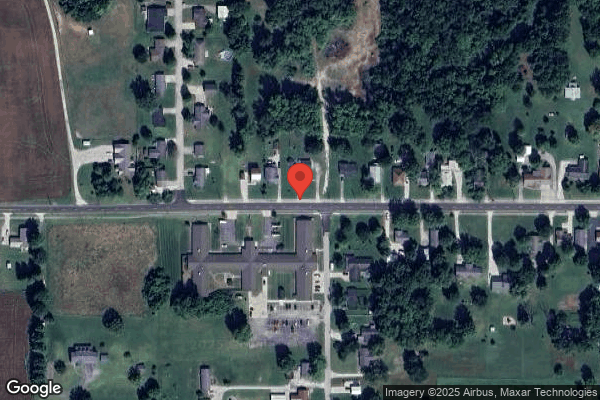
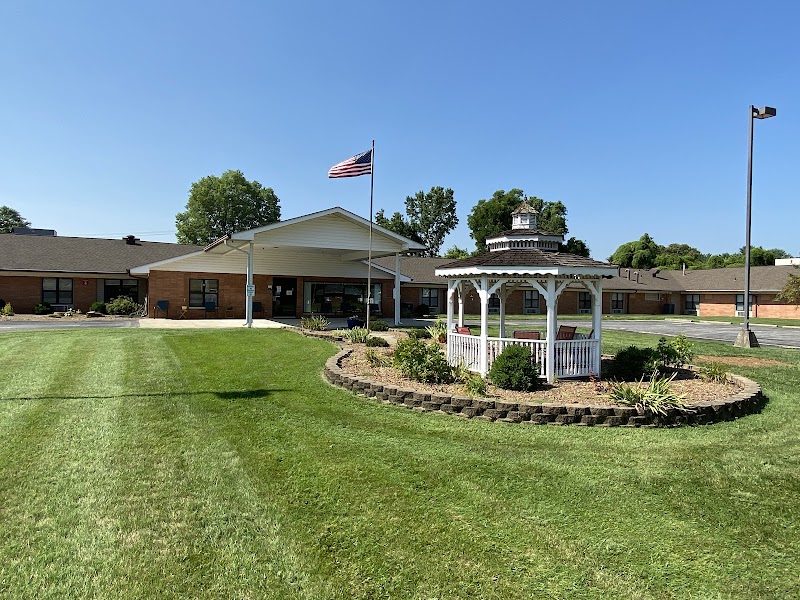
309 W PIKE AVE, PETERSBURG, IN 47567 (812) 354-8833
For profit - Corporation 63 Beds BRICKYARD HEALTHCARE Data: November 2025
Trust Grade
75/100
#125 of 505 in IN
Last Inspection: August 2024

Within standard 12-15 month inspection cycle. Federal law requires annual inspections.

Overview

Brickyard Healthcare - Petersburg Care Center has a Trust Grade of B, indicating it is a good choice among nursing homes but not the best. It ranks #125 out of 505 facilities in Indiana, placing it in the top half, and #2 out of 2 in Pike County, meaning only one other local option is better. The facility is improving, with issues decreasing from 8 in 2023 to 4 in 2024. Staffing is a strength here, with a 4 out of 5-star rating and a turnover rate of 43%, which is below the Indiana average. Notably, the facility has not incurred any fines, leading to a strong reputation for compliance. However, there are some concerning incidents. For instance, six resident rooms and one shower room were found to be unclean, with issues like peeling walls and excessively hot water temperatures. Additionally, staff were observed failing to follow proper infection control practices by not washing hands or changing gloves between tasks, risking the spread of infections. While the facility has strengths, these weaknesses highlight the need for improvement in cleanliness and adherence to safety protocols.

Trust Score
B
75/100
In Indiana
#125/505
Top 24%
Safety Record
Low Risk
No red flags
Inspections
Getting Better
8 → 4 violations
Staff Stability
○ Average
43% turnover. Near Indiana's 48% average. Typical for the industry.
Penalties
✓ Good
No fines on record. Clean compliance history, better than most Indiana facilities.
Skilled Nurses
✓ Good
Each resident gets 47 minutes of Registered Nurse (RN) attention daily — more than average for Indiana. RNs are trained to catch health problems early.
Violations
⚠ Watch
16 deficiencies on record. Higher than average. Multiple issues found across inspections.
★★★★☆
4.0
Overall Rating
★★★★☆
4.0
Staff Levels
★★★★★
5.0
Care Quality
★★★☆☆
3.0
Inspection Score
Stable
2023: 8 issues
2024: 4 issues

The Good

  • 4-Star Staffing Rating · Above-average nurse staffing levels
  • 5-Star Quality Measures · Strong clinical quality outcomes
  • Full Sprinkler Coverage · Fire safety systems throughout facility
  • No fines on record
  • Staff turnover below average (43%)

    5 points below Indiana average of 48%

Facility shows strength in staffing levels, quality measures, fire safety.

The Bad

Staff Turnover: 43%

Near Indiana avg (46%)

Typical for the industry

Chain: BRICKYARD HEALTHCARE

Part of a multi-facility chain

Ask about local staffing decisions and management

The Ugly 16 deficiencies on record

Aug 2024 4 deficiencies
CONCERN (D)

Potential for Harm - no one hurt, but risky conditions existed

Deficiency F0558 (Tag F0558)

Could have caused harm · This affected 1 resident

**NOTE- TERMS IN BRACKETS HAVE BEEN EDITED TO PROTECT CONFIDENTIALITY** Based on observation, interview, and record review the facility failed to accommodate resident needs for 2 of 13 residents revie...

Read full inspector narrative →
**NOTE- TERMS IN BRACKETS HAVE BEEN EDITED TO PROTECT CONFIDENTIALITY** Based on observation, interview, and record review the facility failed to accommodate resident needs for 2 of 13 residents reviewed for call lights within reach. One resident failed to have an available call system in her room and one resident's call light was not within reach. (Resident 26, Resident 38) Findings include: 1. On 8/5/24 at 1:45 P.M., Resident 26 was observed sitting up in a recliner with her call light lying on the floor next to the dresser. On 8/8/24 at 9:47 A.M., Resident 26 was observed sitting up in a recliner with her head covered with a blanket and the call light lying on the floor next to the dresser. On 8/8/24 at 2:45 P.M., Resident 26 was observed sitting in her recliner while the call light was lying on the floor next to the dresser. On 8/9/24 at 11:20 A.M., Resident 26's medical records were reviewed. Diagnosis included, but was not limited to non-Alzheimer's dementia, lymphedema, chronic atrial fibrillation, and heart failure. The most recent Annual and State-Optional MDS (Minimum Data Set) Assessment, dated 7/2/24, indicated Resident 26 was severely cognitively impaired, needed supervision of one for bed mobility, transfers, eating and toilet use. The care plan for potential for physical functioning deficit related to: Mobility impairment due to diagnosis of lymphedema, and morbid obesity. Self care impairment r/t (related to) diagnosis of dementia, unsteady gait, muscle weakness, cognitive communication deficit, dated 4/22/2024. Interventions included, but was not limited to call bell within reach. During an interview on 8/9/24 at 9:31 A.M. CNA (Certified Nurse Aide) 14 indicated Resident 26 was able to use the call light and the call lights should be kept within reach of the residents. 2. On 8/7/24 at 9:32 A.M Resident 38 was observed lying in bed watching TV with no call light in reach. and unable to see a Wander Guard. On 8/7/24 at 9:45 A.M., CNA 14 entered Resident 38's room to locate the Wander Guard on her left ankle and was unable to locate it. At that time, CNA 14 indicated they were unable to keep a call light in her room due to her throwing things at the staff and breaking things like the clock, window and dresser. Due to Resident 38 becoming agitated that she was being disturbed while watching TV, CNA 14 left the room and notified LPN (Licensed Practical Nurse) 26 that the Wander Guard was no longer on Resident 38's ankle. On 8/8/24 at 9:38 A.M., Resident 38 was observed lying in bed watching TV (television) with a Wander Guard on left ankle and no call device in her room. On 8/9/24 at 9:26 A.M. Resident 38 was observed lying in bed watching TV with a Wander Guard on left ankle and no call device in her room. On 8/6/24 at 3:12 P.M., Resident 38's Medical Records were reviewed. She was admitted on [DATE]. Diagnosis included, but were not limited to dementia with behavioral disturbance, delusional disorders, anxiety disorder, and major depressive disorder. The most current Significant Change MDS (Minimum Data Set) Assessment, dated 6/27/24, indicated Resident 38 had a moderate cognitive impairment, needed supervision of one for bed mobility, transfer, eating and extensive assistant of one for toilet use. Behaviors indicated Resident 38 had verbal behavioral symptoms directed toward others on 1-3 days. Resident rejected evaluation or care on 4-6 days. Wander/elopement alarm was used daily. The Physician orders included, but were not limited to the following: Check placement and function of device every shift. Record location of device. Replace device if device is not working. Change device one month prior to expiration date. Wander Guard applied to (Location) left ankle, dated 7/15/24 A current ADL (Activities of Daily Living) Care Plan dated 4/19/24, included, but was not limited to the following intervention: Call bell within reach, dated 4/19/24. A current Wandering/Elopement Care Plan, dated 6/24/24, included, but was not limited to the following intervention: Test my Wander Guard every shift for placement/function. Left ankle, dated 4/19/24. A current Elopement Risk Care plan related to: Anger at placement in living center, attempts to leave Living Center, hx (history) of breaking window trying to escape/leave, dated 6/13/2024, included, but was not limited to, the following intervention: Remove all items that are a potential for breaking glass/window, dated 6/7/24. The TAR (Treatment Administration Record) for August 2024 was reviewed and indicated the placement and function of the Wander Guard had been checked every shift from 8/1/24 through 8/6/24. the placement and function of the Wander Guard had not been checked for the day shift on 8/7/24. During an interview on 8/7/24 at 1:44 P.M., LPN 26 indicated Resident 38 had calmed down and she had a new Wander Guard on her left ankle. LPN 26 indicated Resident 38 used to have a cowbell in her room since they couldn't keep a call light in her room. She was not sure what happened to the cowbell, but Resident 38 was incontinent so they checked her frequently. The clinical record lacked documentation of times Resident 38 was checked on by staff. During an interview on 8/8/24 at 1:28 P.M., LPN 26 indicated the Wander Guard was checked by the nurse with a box that checks the function. She indicated the Wander Guard was checked first thing of the morning when passing medication. This was done every shift. On 8/9/24 at 2:23 P.M., the Administrator provided a Call Lights: Accessibility and Timely Response Policy, dated 2023, which indicated .5. Staff will ensure the call light is within reach of resident and secured . On 8/9/24 at 2:23 P.M., the Administrator indicated they did not have a policy for the Wander Guard or following orders, but indicated it was their policy to follow provider's orders and care plan interventions. 3.1-3(v)(1)
CONCERN (D)

Potential for Harm - no one hurt, but risky conditions existed

Assessment Accuracy (Tag F0641)

Could have caused harm · This affected 1 resident

**NOTE- TERMS IN BRACKETS HAVE BEEN EDITED TO PROTECT CONFIDENTIALITY** Based on interview and record review, the facility failed to ensure Minimum Data Set (MDS) Assessments were completed accurately...

Read full inspector narrative →
**NOTE- TERMS IN BRACKETS HAVE BEEN EDITED TO PROTECT CONFIDENTIALITY** Based on interview and record review, the facility failed to ensure Minimum Data Set (MDS) Assessments were completed accurately for 3 of 8 resident MDS Assessments reviewed (Residents 35, 11, and 43). Findings include: 1. On 8/6/24 at 1:32 P.M., Resident 35's clinical record was reviewed. Diagnosis included, but was not limited to dementia, atherosclerotic heart disease, and chronic systolic heart failure. The most current Quarterly MDS (Minimum Data Set) Assessment, dated 6/25/24, indicated Resident 35 had severe cognitive impairment and administered an antianxiety, antidepressant, anticoagulant and antiplatelet during the 7 day look back period. Current Physician's Orders included, but were not limited to, the following: Aspirin EC (Enteric Coated) Tablet Delayed Release (antiplatelet medication) 81 mg (milligrams), give 1 tablet by mouth one time a day for STEMI (ST-elevation myocardial infarction) related to atherosclerotic heart disease of native coronary artery without angina pectoris, dated 6/17/24 Plavix Oral Tablet (antiplatelet medication) 75 mg, give 1 tablet by mouth one time a day for antiplatelet related to atherosclerotic heart disease of native coronary artery without angina pectoris, dated 6/20/24 alprazolam Oral Tablet (antianxiety medication) 0.25 mg, give 1 tablet by mouth two times a day related to anxiety disorder, dated 6/27/2024 trazodone HCl (hydrochloride) Oral Tablet (antidepressant medication) 50 mg, give 1 tablet by mouth two times a day related to depression, dated 6/26/2024 During an interview on 8/9/24 at 1:46 P.M., the Regional Nurse indicated the MDS Coordinator was out of the building at that time, but would have coded the aspirin as an anticoagulant and Plavix as an antiplatelet medication. 2. On 8/7/24 at 11:13 A.M., Resident 11's clinical record was reviewed. Diagnoses included, but were not limited to, end stage renal disease and dependence on renal dialysis. The most recent admission MDS (Minimum Data Set) Assessment, dated 7/25/24, indicated that the resident was cognitively intact and did not have PTSD. Resident 11's care plans included, but were not limited to, the following: I have a history of trauma related to being robbed at gunpoint. I have PTSD from the event and nightmares. I take psychoactive medication, initiated 7/19/24 During an interview on 8/9/24 at 3:28 P.M., the Regional Nurse indicated Resident 11 should have had PTSD marked on the MDS Assessment if he had a care plan related to it. 3. On 8/7/24 at 3:55 P.M., Resident 43's clinical record was reviewed. Diagnosis included, but were not limited to, chronic obstructive pulmonary disease, anxiety, depression, and schizoaffective disorder. The most recent admission MDS Assessment, dated 6/21/24 indicated Resident 43's cognition was moderately impaired, used tobacco and did not have schizophrenia. Resident 43's care plans included, but were not limited to, the following: I have a level two determination due to diagnosis of Schizoaffective Disorder, Anxiety disorder, Depressive disorder and Polysubstance Abuse . , initiated 6/22/24 During an interview on 8/9/24 at 3:28 P.M., the Regional Nurse indicated schizoaffective disorder was on Resident 43's diagnosis list and it should have been marked on the MDS Assessment. The High-Risk Drug Classes: Use and Indication section of the Long-Term Care Facility Resident Assessment Instrument 3.0 User's Manual, Version 1.18.11, dated October 2023, was reviewed and indicated . Do not code antiplatelet medications such as aspirin/extended release, dipyridamole [[NAME]], or clopidogrel [Plavix] as N0415E, Anticoagulant During an interview on 8/9/24 at 3:28 P.M., the Regional Nurse indicated she would expect the active diagnoses of residents to be accurate and to be reflected on the MDS Assessment accurately. At that time, she indicated there was no policy for an MDS Assessment, but they used the RAI manual.
CONCERN (D) 📢 Someone Reported This

A family member, employee, or ombudsman was alarmed enough to file a formal complaint

Potential for Harm - no one hurt, but risky conditions existed

Deficiency F0698 (Tag F0698)

Could have caused harm · This affected 1 resident

**NOTE- TERMS IN BRACKETS HAVE BEEN EDITED TO PROTECT CONFIDENTIALITY** Based on observation, interview, and record review, the facility failed to ensure necessary care and complete assessments were p...

Read full inspector narrative →
**NOTE- TERMS IN BRACKETS HAVE BEEN EDITED TO PROTECT CONFIDENTIALITY** Based on observation, interview, and record review, the facility failed to ensure necessary care and complete assessments were provided for 1 of 1 residents reviewed for dialysis. The medical record lacked post dialysis assessment documentation. The facility also lacked a current dialysis contract at the time of the survey. (Resident 11) Findings include: On 8/7/24 at 11:13 A.M., Resident 11's clinical record was reviewed. Diagnoses included, but were not limited to, end stage renal disease and dependence on renal dialysis. Resident 11 was admitted [DATE]. The most recent admission MDS (Minimum Data Set) Assessment, dated 7/25/24, indicated that the resident was cognitively intact and on dialysis. Current Physician's Orders included, but were not limited to, the following: Dialysis treatment on Monday, Wednesday, Friday at 11:45 A.M. (Name, address, and phone number of dialysis facility). Complete pre-dialysis form, ordered 7/23/24 Post dialysis assessment. Assess site for signs/symptoms of bleeding, infection, post dialysis complications. Notify MD (Medical Doctor) of any abnormal changes. Every day shift every Monday, Wednesday, Friday for monitoring, ordered 7/19/24 A current Dialysis Care Plan, dated 7/22/24, included, but was not limited to, the following interventions: Observe and document post-dialysis: vital signs, mental status, excessive weight gain between treatments, nausea, vomiting, weakness, headache, severe leg cramps. Report abnormalities to MD. Resident 11's progress notes were reviewed from 7/18/24 through 8/6/24 and lacked documentation of the time the resident returned from dialysis, time of post dialysis vital signs including temperature, HR (pulse/heart rate), BP (blood pressure), and pain. The progress notes lacked post dialysis assessment of the access site, mental status, heart, edema (swelling)/redness/skin concerns, and symptoms post dialysis. Resident 11's vitals were reviewed and lacked documentation of post dialysis vitals including temperature, HR, BP, and pain. Resident 11's MAR (Medication Administration Record) was reviewed from 7/19/24 through 8/6/24 and lacked post dialysis assessment documentation. On 8/8/24 at 11:30 A.M., all dialysis/observation communication forms for Resident 11 were provided by the DON (Director of Nursing) and indicated the following: 7/22 post dialysis assessment section was not completed 7/24/24 post dialysis assessment section was not completed 7/26 post dialysis assessment section was not completed There was no form provided for 7/31/24 7/29/24 post dialysis assessment section was not completed 8/2/24 post dialysis assessment included resident's name, time completed, time returned from dialysis, temperature, HR (pulse/heart rate), BP (blood pressure), and pain but lacked assessment of access site, mental status, heart, edema/redness/skin concerns, and symptoms post dialysis. 8/5/24 post dialysis assessment included the temperature, HR, and BP, but lacked resident's name, time completed, time returned from dialysis, and assessment of pain, access site, mental status, heart, edema/redness/skin concerns, and symptoms post dialysis. 8/6/24 post dialysis assessment section was not completed 8/7/24 post dialysis assessment section was not completed On 8/5/24 at 9:50 A.M., during the entrance conference, a current dialysis contract was requested but not provided. During an interview on 8/7/24 at 2:40 P.M., LPN (Licensed Practical Nurse) 44 indicated staff was to fill out the pre assessment section of the dialysis form with the vitals and pre-assessment, then the form was taken to dialysis with the resident where their staff filled out the middle section of form with vitals and assessment during dialysis period, and sent the form back with the resident. When resident returned to the facility, staff should do post dialysis vitals, assess the fistula site, and fill out the post dialysis assessment section of the form. The form should get scanned into the resident's clinical record after it was completed. During an interview on 8/9/24 at 2:18 P.M. the DON indicated Resident 11 was scheduled for dialysis on Monday, Wednesday, and Friday at around noon and returned around 6:00 P.M. to the facility. At that time, she indicated staff should take the resident's vitals and assessments that were asked for on the dialysis form every time resident went to dialysis. She would expect the post dialysis assessment to be completed within 30 minutes after arriving back to the facility. She indicated ideally they would fill out the dialysis form entirely but it would be ok if they put pre and post vitals and assessments under the vitals section or the progress notes in the clinical record as well as scanned the form into the clinical record when completed. During an interview on 8/7/24 at 2:45 P.M., the Administrator indicated the facility did not have a current contract for (Name of dialysis company). On 8/7/24 at 3:08 P.M., a current non dated Hemodialysis Policy was provided by the Administrator and indicated . The facility will assure that each resident receives care and services for the provision of hemodialysis consistent with professional standards of practice. This will include: the ongoing assessment of the resident's condition and monitoring for complications before and after dialysis treatments received at a certified dialysis facility .documentation requirements are met to assure that treatments are provided .monitor for and identify changes in the resident's behavior that may impact the safe administration of dialysis before and after treatment .5. the licensed nurse will communicate to the dialysis facility via telephonic communication or written format, such as a dialysis communication form, that will include, but not limit itself to, a. timely medication administration (initiated, held or discontinued) . b. physician/treatment orders, laboratory values, and vital signs. c. Advanced directives and code status . d. nutritional/fluid management including documentation of weights, resident compliance with food/fluid restrictions . f. dialysis adverse reactions/complications and/or recommendations for follow up observations and monitoring and/or concerns related to the vascular access site. g. Changes and/or declines in condition unrelated to dialysis . 8. the nurse will monitor and document the status of the resident's access site(s) upon return from the dialysis treatment to observe for bleeding and other complications . 12 . There must be a systematic approach between the facility and the dialysis facility when handling situations where the resident has a condition change and/or becomes ill or unstable during dialysis . 14. The nurse will ensure that the dialysis access site (e.g. Arteriovenous fistula) is checked before and after dialysis treatments and every shift for patency . 3.1-37(a)
CONCERN (E) 📢 Someone Reported This

A family member, employee, or ombudsman was alarmed enough to file a formal complaint

Potential for Harm - no one hurt, but risky conditions existed

Safe Environment (Tag F0921)

Could have caused harm · This affected multiple residents

**NOTE- TERMS IN BRACKETS HAVE BEEN EDITED TO PROTECT CONFIDENTIALITY** Based on observation and interview, the facility failed to ensure a clean and homelike environment for 6 of 13 resident rooms an...

Read full inspector narrative →
**NOTE- TERMS IN BRACKETS HAVE BEEN EDITED TO PROTECT CONFIDENTIALITY** Based on observation and interview, the facility failed to ensure a clean and homelike environment for 6 of 13 resident rooms and 1 of 2 shower rooms observed for environment. Bathrooms had holes in the wall, exposed pipes, a baseboard peeling off, uncovered bedpans, and a floor that was badly scuffed. An air condition unit was falling off the wall in a room. Multiple sink water temperatures were higher then 120 degrees. (Rooms 136, 139, 138, 140, 141, 143, East Shower Room) Findings includes: 1. During an observation on 8/5/24 at 1:39 P.M., room [ROOM NUMBER]'s bathroom was observed with the baseboard behind the toilet peeling off and the floor had multiple scuffs. The water temperature was 120.8 degrees Fahrenheit. At that time, the resident indicated the water was hot but denied being burned. During an observation on 8/9/24 at 11:06 A.M., the same was observed but the water temperature was not rechecked. 2. During an observation on 8/5/24 at 1:50 P.M., room [ROOM NUMBER]'s water temperature was 123.3 degrees Fahrenheit. 3. During an observation on 8/5/24 at 1:52 P.M., room [ROOM NUMBER]'s wheelchair had food debris covering the seat and on the wheels. The water temperature was 122.9 degrees Fahrenheit. At that time, the resident indicated the water was plenty warm but denied being burned. During an observation on 8/9/24, the same was observed but the water temperature was not rechecked. 4. During an observation on 8/5/24 2:05 P.M., room [ROOM NUMBER]'s water temperature was 124.2. At that time, the resident indicated they hardly used it. 5. During an observation on 8/5/24 at 2:07 P.M., room [ROOM NUMBER]'s bathroom had a soap dispenser was not adhered to the stickers by the sink and was sitting on the back of the toilet. An uncovered bed pan was sitting on the floor between the sink and the toilet. In the room, the air conditioner unit was falling off of the wall on the left side. The water temperature was 127.5 degrees Fahrenheit. At that time, the resident indicated they used the sink water sometimes but denied being burned. During an observation on 8/9/24 at 11:05 A.M., the same was observed but the water temperature was not rechecked. 6. During an observation on 8/5/24 at 2:13 P.M., room [ROOM NUMBER]'s bathroom had 2 uncovered graduated cylinders with a syringe in one and multiple cups on the countertop of the sink, a plate and two bowls with silverware were in the sink. There were two holes in the wall behind the toilet with pipes visible and 8 clean uncovered wash cloths on top of the paper towel holder. The water temperature was 123.6 degrees Fahrenheit. At that time, the resident indicated he hardly used the water from the sink, but a visitor with him indicated it gets hot pretty quick. During an observation on 8/9/24 at 10:59 A.M., there were still 2 uncovered graduated cylinders with a syringe in one and multiple cups on the countertop of the sink and two holes in the wall behind the toilet with pipes still visible. The water temperature was not rechecked. 7. During an observation on 8/5/24 at 4:00 P.M., the East Hall Shower Room's water temperature was 120.7. During an interview on 8/5/24 at 3:26 P.M., the Maintenance Assistant indicated he checked the water temperatures in the rooms at the end of the halls around 6:30 A.M. every weekday morning. He expected the room water temperatures to be between 110 and 120 degrees Fahrenheit. At that time, he indicated the water lines were in the attic and with the hot temperatures outside, it could cause the water temperatures to elevate some. The East Hall is closest to the water heater. He hasn't been notified of any concerns with the water temperatures recently from staff or residents. During an observation on 8/5/24 from 3:39 P.M. to 4:00 P.M., the Maintenance Assistant checked the water temperatures on the East Hall and indicated the following: room [ROOM NUMBER] - 119-120 degrees Fahrenheit room [ROOM NUMBER] - 119-120 degrees Fahrenheit room [ROOM NUMBER] - 119-120 degrees Fahrenheit room [ROOM NUMBER] - 120 degrees Fahrenheit room [ROOM NUMBER] - 124 degrees Fahrenheit room [ROOM NUMBER] - 119-120 degrees Fahrenheit room [ROOM NUMBER] - 119 degrees Fahrenheit East Hall Shower Room - 120 degrees Fahrenheit During a resident council meeting on 8/7/24 at 2:12 P.M., 3 random residents from the [NAME] Hall indicated their water was usually cold and took almost 15 minutes to warm up enough sometimes. One random resident from the East Hall indicated his water was pretty hot but he had never burned himself with it. On 8/8/24 at 2:05 P.M., CNA (Certified Nurse Aide) 55 was observed saying That's hot referring to the water when she was washing her hands after performing incontinence care in room [ROOM NUMBER] on the East Hall. During an interview on 8/9/24 at 1:50 P.M., the Maintenance Assistant indicated he had that thermometer about a year and didn't know if it's ever been calibrated. He indicated he did turn up the temperature in the [NAME] Hall a smidge but did nothing to East Hall. On 8/5/24 at 3:35 P.M., the Maintenance Assistant provided the log book documentation from 7/1/24-8/5/24 excluding weekends and in the Steps to Test Water Temperatures, it indicated . the dial thermometer is accurate to 1 to 2 degrees Fahrenheit - however it is not precision instrument and should be calibrated on a regular basis . For burn prevention, federal guidelines advise that you keep domestic water temperatures below 120 degrees Fahrenheit, although this temp can still cause burns if exposure reaches five minutes . On 8/8/24 at 11:30 A.M., a current non dated Safe Water Temperatures Policy was provided by the Director of Nursing (DON) and indicated . Staff will report abnormal findings, such as complaints of water too cold or hot, burns or redness, or any problems with water temperature . to the supervisor and/or maintenance staff . water temperatures will be set to a temperature of no more then 120 degrees Fahrenheit . On 8/9/24 at 3:55 P.M., a current non dated Safe and Homelike Environment Policy was provided by the Regional Nurse and indicated . the facility will provide a safe, clean, comfortable and homelike environment . On 8/9/24 at 3:55 P.M., a current non dated Cleaning and disinfection of Resident Care Equipment Policy was provided by the Regional Nurse and indicated . Reusable resident care equipment will be cleaned and disinfected . Direct care staff are responsible for cleaning single-resident equipment when visibly soiled . This citation relates to Complaint IN00437005. 3.1-19(e)
Nov 2023 1 deficiency
CONCERN (D) 📢 Someone Reported This

A family member, employee, or ombudsman was alarmed enough to file a formal complaint

Potential for Harm - no one hurt, but risky conditions existed

Quality of Care (Tag F0684)

Could have caused harm · This affected 1 resident

**NOTE- TERMS IN BRACKETS HAVE BEEN EDITED TO PROTECT CONFIDENTIALITY** Based on interview and record review, the facility failed to ensure treatment orders were put in place, and weekly wound measure...

Read full inspector narrative →
**NOTE- TERMS IN BRACKETS HAVE BEEN EDITED TO PROTECT CONFIDENTIALITY** Based on interview and record review, the facility failed to ensure treatment orders were put in place, and weekly wound measurements were done for 1 of 3 residents reviewed. A treatment order for wounds was not put in place, wound measurements not documented weekly. (Resident B) Finding includes: On 11/15/23 at 12:15 p.m., Resident B's clinical record was reviewed. They had diagnoses that included, but were not limited to, chronic osteomyelites, left ankle and foot, type 2 diabetes mellitus with foot ulcer. Resident B admitted to the facility on [DATE] and discharged on 8/5/23. An admission MDS (Minimum Data Set), assessment dated [DATE] indicated Resident B's cognition was intact and had diabetic foot ulcers. Care plans were reviewed and included, but were not limited to: I have chronic osteomyelitis to left foot and ankle. I am receiving IV antibiotic therapy date initiated 6/27/23. Interventions included, but not limited to: treatments as ordered, date initiated 6/27/23. I have diabetic foot ulcers to my left foot r/t dx of diabetes, date initiated 6/27/23. Progress notes were reviewed and included, but were not limited to: Date of service: 6/29/23 4:36 p.m., Visit Type: skin and wound note Details: [name of wound care provider] .patient has chronic diabetic foot ulcers to his left foot, patient states these wounds have been present since 2021 and is an established patient with his podiatrist who has been managing his wounds. Patient acutely diagnosed with osteomyelitis in his left great toeand(sic) left fifth toe. Patient under went TMA to right 1-5 toes due to osteomyelitis previously. Patient has a right upper arm picc line and is receiving 6 weeks of IV abx . Wound assessment: . 1. Left planter foot diabetic foot ulcer: calloused periwound, no odor, no drainage, 100% granulation tissue 2 cm L x 3 cm W x 0.2 D. 2. Left lateral fifth toe diabetic foot ulcer: calloused periwound, no odor, no drainage, 100% epithelial tissue 0.8 cm L x 0.5 cm W x 0.1 cm D. 3. Left lateral diabetic foot ulcer #1: calloused periwound, no odor, no drainage, 100% epithelial tissue 1 cm L x 1 cm W x 0.1 cm D. 4. Left lateral foot diabetic ulcer #2 calloused periwound, no odor, no drainage, 100% epithelial tissue 1.5 cm L x 1.0 cm W x 0.1 D. .Plan: Cleanse with wound cleanser. Apply betadine paint to diabetic foot ulcers on left foot daily and apply non-adherent, wrap with kerlix until follow up appointment with patients podiatrist 7/5 . Preventative Measures: The patient has a diabetic ulcer. Wound care discussed with the staff at the time of the visit. The patient needs offloading to the area of foot ulcer, glycemic control, and routine wound dressing management . New Recommendations: The resident has a treatment change listed above. Please reference the recommended orders for updated treatments. Please follow up with podiatrist on 7/5 . A progress note date 7/26/23 at 3:53 p.m., indicated This nurse spoke with [name] clinical manager at [name ] Wound Care Center regarding resident's appointments. She informed this nurse that the resident has not been seen at office since May, 17, 2023. Resident has been making own appointments per his request during his stay and was informed by resident that he had an appointment on July 5, 2023 at wound center. Wound Care Center stated that he has missed multiple appointments during his treatment. Wound Center did inform this nurse that he does have an appointment scheduled for Wed August 2, 2023. Skin evaluation documentation was reviewed and the following dates indicated Resident B was seeing wound care: 7/7/23, 7/14/23, 7/21/23, 7/28/23, 8/2/3, The following skin evaluations did not have recorded measurements: 7/3/23, 7/14/23, 7/21/23, 7/23/23, On 11/16/23 at 11:06 a.m., the DON indicated Resident B refused any care to his feet, he had his own dressings in his room and did his own foot care, he had given his wound clinic appointments to the nurse, they had been put in the appointment book, but the book had been stolen twice during his stay from behind the nurses desk and she had no proof they were put in the book. The MDS Coordinator had told her they put in his care plans his non compliance with letting nursing staff to help with his treatments, but when she looked it was not in the care plans, the MDS Coordinator was no longer employed at the facility. The DON indicated when nursing staff do weekly skin assessments they are supposed to put measurements in weekly of wounds, she had asked the resident when he came back from his appointments if he had any paperwork, he said no, she had called the wound clinic and they did not call her back until 7/26/23 and that is when she found out he missed his 7/5/23 appointment, she had let his physician know he had not been going to his wound clinic appointments but she was unsure what day she notified the physician but she was sure it was that day or close to it. She indicated when a resident has an appointment it is supposed to be put in PCC(Point Click Care), and had not been put in the computer. The DON indicated Resident B left the facility saying he was going to his appointments and had his own transportation. On 11/16/23 at 12:34 p.m., LPN 1 indicated she had only taken care of Resident B for a short time, he only allowed certain nurses to do his foot care, he was very non compliant. On 11/16/23 at 1:23 p.m., the DON indicated the order from the wound care provider evaluation on 6/29/23 must have been missed. There was no documentation in the clinical record of Resident B doing his own treatments, being non compliant with treatments to his wounds, or the DON notifying the physician that Resident B had missed his wound clinic appointments. On 11/16/23 at 1:11 p.m., the DON provided the current policy on wound treatment management with a copyright date of 2022. The policy included, but was not limited to, .1. Wound treatments will be provided in accordance with physician orders, including the cleansing method, type of dressing, and frequency of dressing change . On 11/16/23 at 1:11 p.m., the DON provided the current policy on consulting physician/practitioner orders with a copyright date of 2023. The policy included, but was not limited to, .1. Consulting physician/practitioner orders are those order provided to, the facility by physician/practitioner other than the resident's attending physician or physician/practitioner who is acting on behalf of the attending physician. A consulting physician/practitioner may include, but is not limited to a resident's : .c. wound clinic physician .2. For consulting physician/practitioner orders received in writing or via fax, the nurse in a timely manner will: a. call the attending physician to verify the order. b. Document the verification order by entering the order and the time, date, and signature on the physician order sheet . c. Follow facility procedures for verbal or telephone orders including: noting the order, submitting to pharmacy, and transcribing to medication or treatment administration record . This citation relates to Complaint IN00415321. 3.1-37(a)
Aug 2023 1 deficiency
CONCERN (D) 📢 Someone Reported This

A family member, employee, or ombudsman was alarmed enough to file a formal complaint

Potential for Harm - no one hurt, but risky conditions existed

Deficiency F0659 (Tag F0659)

Could have caused harm · This affected 1 resident

Based on observation, interview, and record review, the facility failed to ensure staff had the skills, experience, and knowledge to provide care related to PICC (peripherally inserted central cathete...

Read full inspector narrative →
Based on observation, interview, and record review, the facility failed to ensure staff had the skills, experience, and knowledge to provide care related to PICC (peripherally inserted central catheter) line services for 2 of 2 residents with PICC lines. Residents did not receive antibiotics as ordered by the physician, lab results were not obtained timely, and staff was not in-serviced to provide PICC line care. (Resident C, Resident D) Findings include: 1. During an observation on 8/2/23 at 9:20 A.M., Resident C was observed in his room with a PICC line placed in his right upper arm. On 8/2/23 at 11:45 A.M., Resident C's clinical record was reviewed. Diagnoses included, but were not limited to osteomyelitis left foot and diabetes mellitus type II. The most recent admission MDS (Minimum Data Set) Assessment, dated 6/20/23, indicated resident was cognitively intact and receiving IV (intravenous) medication. Current physician's orders included, but were not limited to, the following: Vancomycin HCl (antibiotic) IV solution, give 2000 mg (milligrams) IV every morning and at bedtime related to type II diabetes mellitus with foot ulcer until 8/5/23, dated 6/27/23 Vanco (Vancomycin) trough (level) lab to be drawn as directed related to vanco level monitoring, dated 6/27/23 A current PICC line care plan, dated 6/27/23, included, but was not limited to, the following intervention: Administer medications as ordered, observe for side effects and effectiveness, report to MD (medical doctor) adverse effects or ineffectiveness, initiated on 6/27/23 Resident C's July 2023 MAR (Medication Administration Record) indicated resident missed the following doses of Vancomycin: 7/15/23 8:00 A.M. 7/15/23 8:00 P.M. 7/16/23 8:00 A.M. 7/16/23 8:00 P.M. 7/17/23 8:00 A.M. Progress notes were reviewed and included the following: 7/15/23 5:00 A.M. Called [name of lab] to verify order received for vanc trough, bmp [basic metabolic profile lab test] this morning at 0700 [7:00 A.M.] [name of lab] states received order and will be in to draw vanc trough before next scheduled dose of vancomycin 7/16/23 9:40 P.M. Resident's Vanco continues to be on hold due to labs . 7/17/23 8:30 AM. Vanc [Vancomycin] Trough faxed to [name of pharmacy]. [Name of doctor] notified of Vanc Trough results for review 7/17/23 4:09 P.M. Vancomycin 2000 mg BID [twice daily] to be resumed at 2000 per [name of doctor] Vancomycin trough lab tests were reviewed and included, but were not limited to, the following results: Vancomycin trough collection date 7/15/23 at 6:19 A.M. Vancomycin trough received date 7/15/23 at 2:01 P.M. Vancomycin trough reported date 7/15/23 at 2:32 P.M. During an interview on 8/3/23 at 11:05 A.M., RN (Registered Nurse) 4 indicated they were not working the weekend of 7/15/23 and 7/16/23 so they weren't sure why the resident did not get their antibiotic. They indicated the lab results are sent back when completed and the nurses have access to view them. If the lab results were not back timely, they would have called the lab to find out if the results were completed and called the doctor so the resident would not have missed a dose of their antibiotic. During an interview on 8/3/23 at 1:40 P.M., the DON (Director of Nursing) indicated she was not working the weekend of 7/15/23 and 7/16/23 and she wasn't sure why the resident missed doses of their antibiotic. She indicated staff should have called the lab for the results and the doctor if they weren't back when the resident was due for his dose. At that time, she indicated 2 days was too long to wait for vancomycin trough results. 2. During an observation on 8/2/23 at 9:30 A.M., Resident D was observed in his room with a PICC line placed in his right antecubital fossa (inner elbow). On 8/1/23 at 1:30 P.M., Resident D's clinical record was reviewed. Diagnoses included, but were not limited to, osteomyelitis left foot and diabetes mellitus type II. The most recent admission MDS Assessment, dated 7/17/23, indicated resident was cognitively intact and receiving IV medication. Current physician's orders included, but were not limited to, the following: Daptomycin (antibiotic) IV solution, use 900 mg one time a day for wound infection for 28 days, dated 7/11/23 A current PICC line care plan, dated 7/12/23, included, but was not limited to, the following intervention: Administer medications as ordered, observe for side effects and effectiveness, report to MD adverse effects or ineffectiveness, dated 7/12/23 Resident D's July 2023 MAR indicated resident missed doses of Daptomycin on the following dates: 7/15/23 8:00 A.M. 7/16/23 8:00 A.M. Progress notes were reviewed and lacked documentation about missing doses of the antibiotic. On 8/3/23 at 1:35 P.M., in-services for PICC line care were requested. At that time, the DON (Director of Nursing) indicated there were no in-services given to staff for PICC line services. During an interview on 8/3/23 at 11:05 A.M., RN 4 indicated they were not working the weekend of 7/15/23 and 7/16/23 so they weren't sure why the resident did not get their antibiotic. If they are ordered by the physician, then they should be given as ordered. During an interview on 8/3/23 at 1:40 P.M., the DON indicated she was not working the weekend of 7/15/23 and 7/16/23 and she wasn't sure why the resident missed doses of their antibiotic. On 8/3/23 at 2:15 P.M., a current notification of lab results policy was requested. At that time, the DON indicated there was not a specific policy describing timelines that staff were to obtain Vancomycin trough results if they were not provided via the electronic system or getting an order from the physician, but she would expect a Vancomycin trough to be returned at least the same day and if results weren't available on the electronic system, then staff should contact the lab for them and if they didn't hear back from the doctor timely, they should call them for an order. On 8/3/23 at 2:15 P.M., a current following physician orders policy was requested. At that time, the DON indicated there was not a policy but it was the facility policy for staff to follow physician orders. On 8/3/23 at 3:00 P.M., a current qualified staff policy was requested. At that time, the Regional Director indicated there wasn't a specific policy but staff should have been in-serviced on PICC line care if there were residents with PICC lines residing at the facility. This Federal tag relates to complaint IN00413866. 3.1-35(g)(2)
Jun 2023 6 deficiencies
CONCERN (D)

Potential for Harm - no one hurt, but risky conditions existed

Notification of Changes (Tag F0580)

Could have caused harm · This affected 1 resident

Based on interview and record review, the facility failed to ensure significant changes in the resident's health condition were reported 1 of 1 residents reviewed hospice care and 1 of 1 reviewed for ...

Read full inspector narrative →
Based on interview and record review, the facility failed to ensure significant changes in the resident's health condition were reported 1 of 1 residents reviewed hospice care and 1 of 1 reviewed for falls the Medical Doctor/Nurse Practitioner and/or family representative or POA (Power of Attorney) were not notified of the resident's change of condition. (Resident 12, Resident 8) Findings include: 1. On 6/20/23 at 11:00 A.M., Resident 12's clinical record was reviewed. Diagnoses included, but were not limited to, emphysema, arteriosclerotic heart disease, peripheral vascular disease, and hemiplegia of right side following stroke. The most recent significant change MDS (Minimum Data Set) Assessment, dated 4/20/23, indicated the resident was severely cognitively impaired and an extensive assist of 2 staff for bed mobility, transfers, and toileting. Current physician's orders included, but were not limited to, the following: Observe for . change in usual mental status, lethargy . Notify MD [Medical Doctor] is [sic] s/s [signs/symptoms are observed ., dated 1/27/23 A current hemiplegia of right side from a stroke care plan, dated 1/18/23, included, but were not limited to, the following interventions: Notify MD with any changes prn, initiated 1/18/23 A current dementia care plan, dated 1/13/23, included, but was not limited to, the following interventions: Update my DPOA [power of attorney] as indicated, initiated 1/13/23 A current cardiovascular status care plan, dated 1/18/23, included, but was not limited to, the following interventions: Observe for changes in condition, initiated 1/18/23 Observe for abnormal vital signs and report, initiated 1/18/23 A nurse's progress note, dated 3/21/23 at 2:43 P.M., indicated [Resident has] been quiet today. Requested to stay in bed. Color pale . A nurse's progress note, dated 3/21/23 at 10:28 P.M., indicated Res [resident] spent this shift in bed . Res [resident] noted to have refused evening meal. Resting in bed at this time with eyes closed . A Wound Nurse Practitioner's progress note, dated 3/23/23 at 9:07 P.M. indicated . Upon assessment today, patient had slight labored breathing, wet cough, and fatigue. Per nursing, patient has had decreased intake this week. I am recommending a hospice consult at this time . A nurse's progress note, dated 3/24/23 at 7:30 P.M. (late entry) Resident noted to be breathing rapidly through mouth and staring ahead with right eye drooping. Vaguely answered yes when asked if he was ok. Vital signs at this time were: temperature 97.4, pulse 64, respirations 24, blood pressure 100/54, oxygen saturation 81% on room air. Noted resident's hands to be cold. Oxygen given as nursing measure but continued to breathe through his mouth. Vital signs recorded in the medical record lacked documentation of temperature, pulse, blood pressure, respiratory rate and oxygen saturation from 3/14/23 at 3:33 P.M. until 3/24/23 at 7:29 P.M. The medical record lacked documentation of resident's condition being monitored, notification of the physician and POA of the change in his condition until he was sent out to the hospital on 3/24/23. Hospital records were reviewed and included, but were not limited to the following: RN (Registered Nurse) triage assessment, dated 3/24/23 at 10:52 P.M., indicated RN [at facility] just arrived for her shift a few hours ago . she reports that during supper time this evening she noticed that patient was not eating his food and was 'breathing out his mouth like a fish' . She reports that the staff member who took care of the pt [patient] during dayshift [sic] today felt that patient was not acting right but she is unsure why this staff member did not do anything about it . A Physician's progress note, dated 4/11/23, indicated . The patient had an episode of decreased oxygen saturation to 70% and became poorly responsive with the decreased blood pressure of 70 [sic]. The patient was sent to [name of hospital]. It [sic] was found to have bilateral patchy pneumonia greatest on the right it was admitted to [name of hospital] for treatment [sic] . The patient received intravenous antibiotics and respiratory therapy, as well as intravenous fluids for hydration. The patient remained somewhat poorly responsive . the patient returned to [name of facility] for continuation of care, was placed on hospice, and was made comfort measures only by his healthcare power of attorney . During an interview on 6/21/23 at 2:30 P.M., the Nurse Practitioner indicated they had seen him weekly for skin assessment only so they did not do a full resident assessment and had not listened to his lungs. At that time, they did recall seeing the resident on 3/23/23 and that he had somewhat labored breathing, he seemed a little more confused, and he did not look good . 'I thought he looked like he was going to die' During an interview on 6/22/23 at 10:15 A.M., QMA (Qualified Medication Aide) 3 indicated if Resident 12's cognition changed, she would check his O2 (oxygen) saturation, other vitals, and check his color. If he was more lethargic and pale or vitals were different then normal, then those would be reported to the nurse as soon as possible. During an interview on 6/22/23 at 9:48 A.M., RN 5 indicated if the resident had decreased cognition or vitals worsened, they should report the changes to the doctor and POA and it'd be up to the doctor to give orders on what to do. At that time, they indicated when there was a change of shift, concerns that should be discussed with the oncoming nurse would be anything out of ordinary or a change like accucheck readings, time of last pain medication, confusion, lab results, eating or not eating, refusing care or medications. The staff had been documenting these things on a 24 hour reporting sheet that was kept at the nurse's station and then given to the DON who keeps it for so long. RN 5 indicated at the start of each shift, the nurse is responsible for taking an assessment of the residents on their hall. During their assessment, they will listen to lung sounds and bowel sounds, check pain level, and look for edema (swelling). During an interview on 6/22/23 at 10:45 A.M., the DON indicated when staff noticed a decline the family and doctor should have been notified even if the resident was on comfort measures only. Notification would not differ from anyone else. At that time, she indicated the symptoms documented on 3/21/23 should have been reported between nurses during shift change and the 24 hour documentation sheet should have been filled out with new orders, strange vitals, and anything abnormal about the resident. When the DON spoke with the day shift nurse, they indicated the resident was just tired and that he did act a little different, but nothing was out of the ordinary enough to notify the doctor or POA at that time. That afternoon the resident started with breathing difficulty and then they called the MD. The DON indicated the staff should do monthly vitals at least or prn if there is a reason to do vital signs and she would have expected vitals to be done and documented in the clinical record when resident's condition changed. After the resident's hospitalization, the DON did an investigation and it came to her attention that staff hadn't used 24 hour report sheets for approximately 6 months, staff wasn't getting vital signs timely, and things that should have been documented were not being documented in the clinical record. 2. On 6/21/23 at 3:09 P.M. Resident 8's clinical record was reviewed. Diagnosis included, but were not limited to, fracture of the right lower leg, diabetes mellitus, stroke, traumatic brain injury and vascular dementia. The most recent quarterly MDS (minimum data set) Assessment, dated 6/8/23, indicated Resident 8 was severely cognitively impaired and required total dependence from 2 staff members to transfer for all ADLs (activities of daily living). The resident had a total of six falls since February 2023, the clinical record lacked documentation about fall six. An incident report, dated 5/9/23, was reviewed and indicated on 5/7/23 Resident 8 was lowered to the floor by a CNA during a transfer.On 5/8/23, [resident name] complained of R [right] leg pain from his hip to his ankle. On assessment, edema was noted to the right leg. PRN [as needed] pain medication was administered and [name of doctor] was notified. A new order was received to obtain a portable x-ray of the R [right] hip, knee, and ankle. The x-ray indicated mild degenerative change of the R [right] hip. Moderate degenerative changes of the R [right] knee. Displaced fracture of the R [right] medial malleolus and distal fibula. [Resident name] was transferred to [name of hospital] for evaluation and treatment per order from [name of doctor] .He underwent an external fixation of the fracture . There was not a new care plan intervention put into place after the fall. Hospital records were reviewed and indicated on 5/9/23 at 6:27 P.M., a CT (computerized tomography) of the right ankle without contrast indicated Resident 8 suffered from a trimalleolar fracture with disruption of the ankle mortis [tibia, fibula, and foot]. During an interview on 6/22/23 at 3:43 P.M., the DON (director of nursing) indicated Resident 8 would use the call light to notify staff if he needed assistance, and when Resident 8 was in the bathroom staff did not need to supervise the resident while he was using the restroom. After the fall on 4/16/23, the DON indicated the new intervention was to place a Dycem in the wheelchair which was included in the care plan with a date of 4/19/23. At that time, the DON further indicated on 5/8/23, she was notified that Resident 8's foot was swollen and an investigation was started. During the investigation, the DON was told that the resident was lowered to the floor during a transfer in the shower room on 5/7/23, and the nurse did not document the fall because the staff member did not know an assisted fall needed to be documented. The facility failed to notify Resident 8's family, the DON, and the physician after the fall. On 5/8/23, Resident 8 complained of pain from his right hip to right ankle. At that time, an assessment was completed by the DON and Resident 8 had redness to his right lower leg and 2 blood blisters. The doctor was then notified and orders for an x-ray of the right hip, right knee, and right ankle were obtained. When the results were received on May 9, Resident 8 was transferred to [name of hospital] and underwent external fixation due to his foot being broke in 4 places. A current, undated vital signs policy was provided by the DON on 6/21/23 at 3:43 P.M., and indicated . 1. Routine vital signs include temperature, pulse, blood pressure, and respiratory rate . b. Licensed nurses are responsible for knowing the usual range of a resident's vital signs . and notifying the physician of abnormal findings 2. Oxygen saturation and pain are to be obtained and interpreted by licensed nurses 3. Vital signs shall be obtained at least in the following circumstances: . c. at least daily for a resident receiving skilled services .e. when the resident's general condition changes . g. when a resident reports nonspecific symptoms . A current, undated documentation policy was provided by the DON on 6/21/23 at 3:43 P.M., and indicated . Each resident's medical record shall contain an accurate representation of the actual experiences of the resident and include enough information to provide a picture of the resident's progress through complete, accurate and timely documentation . 2. Documentation shall be completed at the time of service, but no later than the shift in which the assessment, observation, or care service occurred . documentation shall be accurate, relevant, and complete, containing sufficient details about the resident's care and/or responses to care . A current, undated 24 hour report policy was provided by the DON on 6/21/23 at 3:43 P.M., and indicated . It is the policy of this facility to record relevant information onto a 24 hour report form . in order to promote continuity of care . A report form will be completed daily for a 24 hour period and maintained on a clipboard . The 24 hour period will begin at midnight . each nurse with responsibility for a resident is also responsible for recording relevant information about each resident onto the shift report form. Examples include, but are not limited to: .unusual behaviors, change in condition of the resident . the unit manager or designee will review 24 hour shift report at the beginning of his/her shift to identify and prioritize resident needs . The paper form 24 hour reports will be kept on the clipboard for at least three days, then forwarded to the Director of Nursing. The reports will be maintained for a specified period of time by the Director of Nursing . A current, undated Notification of Changes policy was provided by the DON on 6/21/23 at 3:43 P.M., and indicated . The purpose of this policy is to ensure the facility promptly informs the resident, consults the resident's physician; and notifies, consistent with his or her authority, the resident's representative when there is a change requiring notification . circumstances requiring notification include: . significant change in the resident's physical, mental or psychosocial condition such as deterioration in health, mental or psychosocial status . On 6/21/23 at 3:43 P.M., the DON provided an undated Documentation in Medical record policy that indicated Each resident's medical record shall contain an accurate representation of the actual experiences of the resident and include enough information to provide a picture of the resident's progress through complete, accurate, and timely documentation .Documentation shall be completed at the time of service, but no later than the shift in which the assessment, observation, or care service occurred 3.1-5(a)(2)
CONCERN (D)

Potential for Harm - no one hurt, but risky conditions existed

Respiratory Care (Tag F0695)

Could have caused harm · This affected 1 resident

**NOTE- TERMS IN BRACKETS HAVE BEEN EDITED TO PROTECT CONFIDENTIALITY** 3. On 6/20/23 at 8:59 A.M., Resident 39 was observed sitting in a recliner in her room wearing O2 (oxygen) at 2.5 LPM per nasal ...

Read full inspector narrative →
**NOTE- TERMS IN BRACKETS HAVE BEEN EDITED TO PROTECT CONFIDENTIALITY** 3. On 6/20/23 at 8:59 A.M., Resident 39 was observed sitting in a recliner in her room wearing O2 (oxygen) at 2.5 LPM per nasal cannula with no date on oxygen tubing or humidification bottle. On 6/21/23 at at 8:36 A.M., Resident 39 was observed sitting at a table in the dining room with portable O2 on, no date on oxygen tubing, playing a game with another resident. On 6/22/23 at 10:30 A.M., Resident 39 was observed at the nurse's station in her wheelchair wearing portable O2 at 3 LPM per nasal cannula. There was no date on the oxygen tubing. On 6/20/23 at 10:59 A.M., Resident 39's clinical record was reviewed. She was admitted on [DATE]. Diagnosis included, but were not limited to, chronic respiratory failure with hypoxia, asthma, and congestive heart failure. The most recent quarterly MDS Assessment, dated 5/13/23, indicated Resident 39 was cognitively intact and required supervision of one for bed mobility, transfers, eating, and toilet use. Oxygen use was marked no. Current physician's orders included, but were not limited to, the following: May have 02, up to 4 LPM per n/c (nasal cannula) if sats (saturations) drop below 90% or c/o (complaint of) shortness of breath; as needed for chronic respiratory failure with hypoxia (J96.11); acute bronchitis, unspecified (J20.9) 3/5/2023 A current care plan for alteration in respiratory status due to asthma, chronic respiratory failure with hypoxia, congestive heart failure, initiated 11/3/22, included, but was not limited to, the following intervention: Administer oxygen as needed per physician order. Monitor oxygen saturations on room air and/or oxygen. Monitor oxygen flow rate and response 11/3/2022 A review of the TAR (treatment administration record) lacked documentation of the prn (as needed) O2 use and oxygen saturations for the months of April, May, and June 2023. A review of the vital signs lacked documentation of oxygen saturations after 4/26/23. Interview on 6/22/23 at 11:30 A.M., the DON indicated it was the facility policy to change O2 tubing every week on Saturday night, tubing should be dated when changed. If the resident was on prn O2, use should be documented on the TAR and O2 saturations should be monitored and recorded. A current non dated Oxygen Administration policy, provided by the DON on 6/22/23 at 11:50 A.M., indicated Oxygen is administered under the orders of a physician .Staff shall document the initial and ongoing assessment of the resident's condition warranting oxygen and the response to oxygen therapy . Change oxygen tubing and mask/cannula weekly . 3.1-47(a)(6) 2. During an observation on 6/19/23 at 8:22 A.M., Resident 12 was observed laying in bed wearing oxygen via nasal cannula. The oxygen concentrator was set between the 3.5 LPM and 4 LPM lines. Observation on 6/20/23 at 9:50 A.M., Resident 12 was laying in bed wearing oxygen via nasal cannula. The oxygen concentration was set between the 3.5 LPM and 4 LPM lines. On 6/21/23 at 10:30 A.M., the same was observed. On 6/20/23 at 11:00 A.M., Resident 12's clinical record was reviewed. Diagnoses included, but were not limited to, emphysema, arteriosclerotic heart disease, peripheral vascular disease, and hemiplegia of right side following stroke. The most recent significant change MDS Assessment, dated 4/20/23, indicated Resident 12 was severely cognitively impaired, on oxygen, and an extensive assist of 2 staff for bed mobility, transfers, and toileting. Current physician's orders included, but were not limited to, the following: Continuous oxygen at 3 LPM via nasal cannula, dated 4/10/23 A current respiratory care plan, initiated on 1/18/23, included, but was not limited to the following intervention: Administer oxygen as needed per Physician order, dated 1/18/23 Interview on 6/22/23 at 9:44 A.M., RN (Registered Nurse) 5 indicated Resident 12's oxygen concentrator should be set at 2 LPM, it is the nurse's responsibility to check the concentrator setting every shift, and the resident would not change the setting. Interview on 6/22/23 at 3:43 P.M., the DON indicated that there was not a policy for following physician's orders, but it was the facility's policy to do so.Based on observation, interview and record review, the facility failed to ensure the residents received the necessary respiratory care and services in accordance with the professional standards of practice for 3 of 3 residents reviewed for respiratory care. The facility failed to follow physician oxygenation orders, date oxygen tubing and humidification bottle, and document oxygen use and oxygen saturations. ( Resident 39, Resident 12, Resident 21) Findings include: 1. During an observation on 6/19/23 at 11:08 A.M., Resident 21 was observed laying in bed with oxygen on 2 LPM (liters per minute) via nasal cannula. Observation on 6/20/23 at 9:25 A.M., Resident 21 was observed laying in bed with oxygen on 2LPM via nasal cannula. Observation on 6/21/23 at 1:08 P.M., Resident 21 was observed laying in bed with oxygen on 2LPM via nasal cannula. On 6/21/23 at 8:57 A.M., Resident 21's clinical record was reviewed. Diagnosis included, but were not limited to, chronic obstructive pulmonary disease, emphysema, Alzheimer's disease. The most recent significant change MDS (minimum data set) Assessment, dated 6/1/23, indicated Resident 21 had a severe cognitive impairment. The MDS did not indicate that Resident 21 was on oxygen. There was not a current order for oxygen use. A current alteration in respiratory status due to chronic obstructive pulmonary disease and emphysema care plan, revised 6/7/23, indicated to administer oxygen as needed per a doctor's order. Interview on 6/22/23 at 11:23 A.M., the DON (Director of Nursing) indicated Resident 21 was on oxygen, but she was unable to find the oxygen order at that time. She further indicated that a doctor's order was needed when a resident was placed on oxygen.
CONCERN (D)

Potential for Harm - no one hurt, but risky conditions existed

Unnecessary Medications (Tag F0759)

Could have caused harm · This affected 1 resident

**NOTE- TERMS IN BRACKETS HAVE BEEN EDITED TO PROTECT CONFIDENTIALITY** Based on observation, record review and interview, the facility failed to ensure it was free of a medication error rate of great...

Read full inspector narrative →
**NOTE- TERMS IN BRACKETS HAVE BEEN EDITED TO PROTECT CONFIDENTIALITY** Based on observation, record review and interview, the facility failed to ensure it was free of a medication error rate of greater than 5 percent (%) for 2 of 4 residents (Residents 8, Resident 25) observed during medication pass. Two medication errors were observed during 28 opportunities for error in medication administration. This resulted in a medication error rate of 7.14 %. Findings include: 1. During an observation on [DATE] at 10:29 A.M., RN (Registered Nurse) 3 was observed to administer 7 units of Novolog 100 units/ml (milliliter) from the FlexPen subcutaneously in the back of Resident 8's right arm. The open date on the Novolog Flexpen was [DATE]. During an interview on [DATE] at 11:20 A.M., the DON (Director of Nursing) indicated after the insulin pen was opened, it was good for 28 days. It should be discarded and another one opened after the 28th day. She indicated the open date should be checked before administering insulin from the pen. A package insert for the Novolog FlexPen, dated January of 2015, indicated once a NovoLog FlexPen was punctured, it should be kept for up to 28 days. 2. During an observation on [DATE] at 7:20 A.M., LPN (Licensed Practical Nurse) 18 was observed to administer 1 capsule of omeprazole 20 mg (milligram) by mouth to Resident 25. On [DATE] at 3:30 P.M., Resident 25's clinical record was reviewed. Current physician's orders included, but were not limited to the following: omeprazole 40 mg capsule by mouth in the morning, dated [DATE]. During an interview on [DATE] at 4:20 P.M., RN 20 indicated Resident 25's physician order was omeprazole 40 mg 1 capsule by mouth daily. The pill packet from the medication cart was labeled 1 x omeprazole 20 mg capsule. They indicated they would contact the physician and pharmacy to double check the order that was given and correct it so the resident would get the correct dosage. During an interview on [DATE] at 4:28 P.M., the DON indicated the current order from the physician was sent to (pharmacy name) and the medications were put in the machine. The DON indicated she was not sure how long the incorrect dose of medication had been administered. At that time, she indicated the day shift is responsible for having the machine get the pill packets ready for each resident for the next day, and night shift was responsible for putting the pill packets into the medication cart. The nurse or QMA (Qualified Medication Aide) administering the medication was responsible for checking that the medication matched the physician's orders. A current undated Insulin Pen policy was provided by the DON on [DATE] at 3:43 P.M., and indicated . 9. Insulin pens should be disposed of after 28 days or according to manufacturer's recommendation . A current undated Medication Administration policy was provided by the ADON (Assistant Director of Nursing) on [DATE] at 3:38 P.M., and indicated Medications are administered . as ordered by the physician and in accordance with professional standards of practice . 11. Compare medication source (bubble pack, vial, etc.) with MAR (Medication Administration Record) to verify resident name, medication name, form, dose, route, and time . 12. Identify expiration date. If expired, notify nurse manager . 3.1-48(c)(1)
CONCERN (D)

Potential for Harm - no one hurt, but risky conditions existed

Deficiency F0804 (Tag F0804)

Could have caused harm · This affected 1 resident

**NOTE- TERMS IN BRACKETS HAVE BEEN EDITED TO PROTECT CONFIDENTIALITY** Based on observation, interview, and record review, the facility failed to provide appetizing and palatable meals on 1 of 1 lunc...

Read full inspector narrative →
**NOTE- TERMS IN BRACKETS HAVE BEEN EDITED TO PROTECT CONFIDENTIALITY** Based on observation, interview, and record review, the facility failed to provide appetizing and palatable meals on 1 of 1 lunch trays sampled. Residents interviewed during the survey complained of unappetizing food with varying temperatures of food. Findings include: During the survey period 6/19/23-6/22/23, the following confidential resident interviews were conducted: a. Sometimes cannot tell what the food is. b. The food taste is not good. c. The temperature varies. On 6/22/23 at 11:40 A.M., a sample lunch tray was provided and included: sloppy joe, tater tots, and carrots. Temperature were as follows: Sloppy [NAME] 116.6 degrees (Fahrenheit) tasted pasty. Carrots 110.1 degrees (Fahrenheit) tasted metallic. Iced tea 42.8 degrees (Fahrenheit) The tater tots were not palatable, cold, and tasted stale. The temperature was unobtainable. During an interview on 6/22/23 at 2:19 P.M., the dietary manager indicated that the internal temp of the meat should be 165 or better based on the meat, and that vegetable has a certain temperature. He provided the temperature log of the serving time: Entree meat 186 degrees (Fahrenheit) Vegetable 191 degrees (Fahrenheit) Starch 178 degrees (Fahrenheit) On 6/22/23 at 4:14 P.M., a current Food Preparation Guidelines, revised 11/2017 was provided and indicated . facility to prepare foods in a manner it preserve or enhance a resident's nutrition and hydration status. 3. Food and drinks shall be palatable, attractive, and at a safe and appetizing temperature . The policy did not include proper serving temperatures. 3.1-21(a)(1) 3.1-21(a)(2)
CONCERN (E)

Potential for Harm - no one hurt, but risky conditions existed

Infection Control (Tag F0880)

Could have caused harm · This affected multiple residents

Based on observation and interview, the facility failed to ensure infection control practices were in place during 2 of 4 resident medication administrations and 2 of 4 residents observed during incon...

Read full inspector narrative →
Based on observation and interview, the facility failed to ensure infection control practices were in place during 2 of 4 resident medication administrations and 2 of 4 residents observed during incontinence care. Staff failed to sanitize hands and change gloves between dirty to clean tasks. Staff did not sanitize hands between residents during medication administration. (Resident 21, Resident 12, Resident 25, Resident 30) Findings include: 1. During an observation on 6/21/23 at 10:17 A.M., QMA (Qualified Medication Aide) 3 and CNA (Certified Nurse Aide) 7 performed incontinence care on Resident 21. Upon entering the room, both aides put gloves on. QMA 3 stood on the left side of bed and CNA 7 on right side of bed. QMA 3 took blankets off resident and placed them on the chair while CNA 7 raised the bed with the controller. QMA 3 opened the bathroom door and went into the bathroom to get a bedpan. Resident 21 was laying on her back and both aides unfastened her incontinence pad then rolled the resident to her right side and CNA 7 held the resident there while QMA 3 placed the bedpan under the resident. QMA 3 took off her gloves and put on new gloves before she raised the head of the bed to make the resident more comfortable then removed her gloves. CNA 7 lowered the head of the bed. QMA 3 and CNA 7 rolled Resident 21 onto her right side again. CNA 7 held the resident on her right side while QMA 3 took the bedpan out from underneath the resident, took it into the bathroom and dumped the urine into toilet, touched the facet handles, rinsed out the bedpan, flushed the toilet, and put bedpan into a bag and under the sink then closed the bathroom door. QMA 3 took off gloves and put on new gloves without sanitizing hands. Resident 21 was rolled to left side and CNA 7 wiped across Resident 21's buttocks only with a wet cloth, took off gloves and put on new gloves without sanitizing. Resident was rolled on her right side and CNA 7 held her while QMA 3 placed a new incontinence pad and bed pad under the resident and applied barrier cream to her buttocks. QMA 3 removed right glove and put on new right glove without sanitizing hands. Resident was rolled to her back. CNA 7 grabbed the new brief out from resident's right side, took off gloves, sanitized hands, and put on new gloves. QMA 3 took a wet cloth, and while CNA 7 held her right leg, QMA 3 wiped across the creases of the legs and lower abdomen. With the same cloth, QMA 3 wiped vaginal area. CNA 7 pulled the incontinence pad up between the resident's legs while QMA 3 applied cream to the left upper leg. Both aides fastened the incontinence brief. Both aides removed their gloves. CNA 7 sanitized her hands. QMA 3 grabbed 2 pillows and blanket from the chair and put the pillows under resident's legs and the blanket back over the resident. CNA 7 lowered the bed. QMA 3 went into the bathroom and washed hands. CNA 7 pulled privacy curtain open and then went into the bathroom to wash her hands with a 15 second lather. 2. During an observation on 6/21/23 at 10:17 A.M., QMA 3 and CNA 30 performed incontinence care on Resident 12. Upon entering the room, both aides put on gloves. QMA 3 closed the door and pulled the privacy curtain. CNA 30 used the controller to raise the bed. The resident was laying on his back in bed. Both aides unfastened the incontinence pad. QMA 3 stood on the right and CNA 30 on the left of the bed. They rolled resident to his left side. The resident had loose BM (bowel movement) in his incontinence pad. QMA 3 wiped backside first with a soapy wet wash cloth folding as she went, put the soiled cloth into trash bag, wiped again in the same manner then took off gloves and put on new gloves without sanitizing hands. QMA 3 placed new bed pad and new incontinence pad under the resident then applied barrier cream to buttocks with right glove, took off that glove put on new glove without sanitizing. The resident was rolled onto back. QMA 3 grabbed a new wet cloth to wipe down penis and scrotum. The cloth was soiled with BM, folded the cloth, and wiped the penis again with the BM touching the head of the penis. QMA 3 removed her gloves. Both aides fastened the incontinence pad. CNA 30 took off gloves and put new gloves on without sanitizing. QMA 3 put on new gloves without sanitizing. Resident was rolled to his right side. CNA 30 pulled the bed pad and incontinence brief out from under the resident and then rolled him to his back. CNA 30 took shirt off and pulled over left shoulder. QMA 3 grabbed the shirt and pulled it over the resident's head, took off O2 (oxygen) tubing pulled off shirt, and put on O2 nasal cannula tubing back into the resident's nose. They put a gown on the resident and CNA 30 took off her gloves and covered the resident up with blanket. QMA 3 dumped pan of water in the bathroom sink and then took off gloves. QMA 3 moved bedside table back to the side of the resident without sanitizing it and placed the call light in the resident's reach. During an interview on 6/22/23 at 10:15 A.M., QMA 3 indicated when doing incontinence care, she would first set up the room by opening and putting trash bags in the room for soiled linens and the soiled incontinence pad, get supplies ready-incontinence brief, wipes or cloths or dishpan and soap if needed. She would tell the resident what she was going to do. She would clean the front side first, get a different cloth then do backside. She would clean the resident, pull the soiled incontinence pad out, put clean incontinence pad and bed pad under the resident, roll them, and pull clean pads through. QMA 3 indicated hands should be sanitized before new gloves are put on and that gloves should be changed anytime they are soiled. Hands should be washed before leaving the resident's room for 20-30 seconds. 3. During an observation on 6/21/23 at 7:05 A.M., LPN (Licensed Practical Nurse) 18 was observed passing medications to Resident 25. After administering 12 medications from the medication cup into the resident's mouth, LPN 18 washed her hands in the resident's bathroom with a 4 second lather. Resident 25 asked LPN 18 to adjust her bed and after doing so, LPN 18 went back into the bathroom and washed her hands with a 12 second lather. She did not sanitize her hands before getting the next resident's medications ready. 4. During an observation on 6/21/23 at 7:20 A.M., LPN 18 was observed passing medications to Resident 30. After administering 5 medications from the medication cup and helping the resident drink 1/2 of her Miralax, LPN 18 washed her hands in the resident's bathroom with a 14 second lather. During an interview on 6/22/23 at 3:30 P.M., the ADON (Assistant Director of Nursing) indicated the nurse was supposed to perform hand hygiene before the start of the medication pass and when leaving the resident's room. During an interview on 6/22/23 at 10:45 A.M., the DON indicated staff need to change gloves between dirty to clean tasks, before and after touching a resident, and before and after medication passes. At that time, she indicated during incontinence care, the front of the resident should be cleaned first and then the backside of the resident. A current undated hand hygiene policy was provided by the DON on 6/22/23 at 11:50 A.M., and indicated . All staff will perform proper hand hygiene procedures to prevent the spread of infection . Staff will perform hand hygiene when indicated, using proper technique consistent with accepted standards of practice . 5. Hand hygiene technique when using soap and water: a. Wet hands with water . b. Apply to hands the amount of soap recommended by the manufacturer. c. Rub hands together vigorously for 20 seconds, covering all surfaces of the hands and fingers d. Rinse hands with water . The use of gloves does not replace hand hygiene. If your task requires gloves, perform hand hygiene prior to donning [putting on] and immediately after removing gloves . A current undated perineal care policy was provided by the DON on 6/22/23 at 11:50 A.M., and indicated . a. Cleanse buttocks and anus, front to back; vagina to anus in females, scrotum to anus in males, using a separate wash cloth or wipes. b. Thoroughly dry 11. Females: . c. Separate the resident's labia with on hand, and cleanse perineum with the other hand by wiping in direction from front to back (from pubic area toward anus). d. Repeat on opposite side using separate section of washcloth or new disposable wipe. e. Clean urethral meatus and vaginal orifice using clean portion of washcloth or new disposable wipe with each stroke. f. Pat dry with towel. g. Turn the resident on her side. h. Clean and dry the anal area, starting at the posterior (back) vaginal opening and wiping from front to back. 12. Males: assist resident to supine position (unless contraindicated). b. Gently raise penis and place bath towel underneath. c. Wet washcloth and apply perineal cleanser . e. hold the shaft of the penis with one hand and was with the other [sic]. Begin cleansing tip of penis at urethral meatus using a circular motion and working outward . g. Cleanse the shaft of the penis, using downward strokes toward the scrotum. Use separate section of wash cloth or new disposable wipe with each stroke. h. Cleanse the scrotum, using a clean portion of the wash cloth, new wash cloth, or new disposable wipe with each stroke. i. Pat dry. j. Turn the resident on his side. k. Clean and dry the bottom of the scrotum and the anal area . Reposition as desired and cover resident. Remove gloves and discard. Perform hand hygiene . A current medication Administration policy was provided by the ADON on 6/22/23 at 3:38 P.M., and indicated . 4. Wash hands prior to administering medication per facility protocol and product . 16. Wash hands after using facility protocol and product . 3.1-18(b) 3.1-18(l)
MINOR (C)

Minor Issue - procedural, no safety impact

Staffing Information (Tag F0732)

Minor procedural issue · This affected most or all residents

Based on observation, interview, and record review, the facility failed to ensure daily posted nurse staffing information was correct for 1 of 4 days during the survey. Findings include: On 6/19/23 at...

Read full inspector narrative →
Based on observation, interview, and record review, the facility failed to ensure daily posted nurse staffing information was correct for 1 of 4 days during the survey. Findings include: On 6/19/23 at 7:45 A.M., a staffing record was observed posted on the front desk in the lobby of the facility dated 6/15/23, four days prior to the survey. On 6/22/23 at 1:30 P.M., the Director of Nursing(DON) indicated the scheduler places the daily direct staffing sheets for Saturday, Sunday, and Monday behind the posted Friday sheet. She also indicated the day shift nurse will change the staffing sheets each morning. On 6/22/23 at 3:22 P.M., the Administrator indicated the facility has no written policy. The staffing is based on facility assessment of daily resident acuity.
Sept 2021 4 deficiencies
CONCERN (D)

Potential for Harm - no one hurt, but risky conditions existed

Deficiency F0582 (Tag F0582)

Could have caused harm · This affected 1 resident

Based on interview and record review, the facility failed to provide required notices to residents being discharged from Medicare services for 1 of 3 residents reviewed. The SNF-ABN (Skilled Nursing F...

Read full inspector narrative →
Based on interview and record review, the facility failed to provide required notices to residents being discharged from Medicare services for 1 of 3 residents reviewed. The SNF-ABN (Skilled Nursing Facility-Advanced Beneficiary Notification) was not provided to a resident who remained in the facility. (Resident 21) Findings include: On at 9/16/21 at 10:00 A.M., Resident 21's discharge from Medicare services was reviewed. Resident 21 was discharge from Medicare services on 8/24/21 and remained in the facility. A copy of the SNF-ABN was not provided by the facility. On 9/16/21 at 10:53 A.M., the BOM 10 (Business Office Manager) indicated a Notice of Medicare Non-Coverage was provided to Resident 21, but that they were not familiar with the SNF-ABN form and could not provide a copy that was issued to Resident 21. On 9/16/21 at 2:45 P.M., the Facility Administrator indicated no policy was available regarding issuing the SNF-ABN forms. 3.1-4(f)(2)
CONCERN (E)

Potential for Harm - no one hurt, but risky conditions existed

Deficiency F0761 (Tag F0761)

Could have caused harm · This affected multiple residents

**NOTE- TERMS IN BRACKETS HAVE BEEN EDITED TO PROTECT CONFIDENTIALITY** 6. During an observation on 9/13/21 at 9:35 A.M., several medications were observed in the East Hall Medication Storage Room cou...

Read full inspector narrative →
**NOTE- TERMS IN BRACKETS HAVE BEEN EDITED TO PROTECT CONFIDENTIALITY** 6. During an observation on 9/13/21 at 9:35 A.M., several medications were observed in the East Hall Medication Storage Room counter with the following resident's names on them: Resident 21, Resident 93, Resident 90, Resident 91, Resident 31, Resident 92, Resident 89, Resident 88. At that time, the Regional Director of Nursing (RDON) indicated some of the residents remained in the facility and some of the residents had discharged from the facility. The RDON indicated that the night shift are responsible for filling out the return form and destroying the medications. An unlocked refrigerator in the Storage Room was observed with the following controlled substances: Morphine (pain medication) belonging to Resident 15, and lorazepam (antianxiety medication) belonging to Resident 2. The refrigerator was also observed with an open bottle of applesauce, a container of chocolate syrup, and an unopened container of yogurt. The RDON indicated that the refrigerator with the narcotics should have been locked, and no food items should have been in the medication refrigerator. The RDON indicated they would fill out the destruction logs at that time, and provide a copy of them. On 9/14/21 at 10:04 A.M., the following Drug Destruction Sheets were provided and reviewed with the RDON: 1. Resident 88: Pantoprazole 40mg quantity 78 discontinued on 8/29/21. 2. Resident 89: Potassium Chloride 20meq quantity 76, and Ipratropium-Albuterol quantity 7. Resident discharged [DATE]. 3. Resident 31: memantine 10mg quantity 2, donezezil 10mg quantity 2, vitamin D3 quantity 1, and arthritis pain 80mg quantity 2. RDON indicated all of these medications were refused on 9/2/21, 9/5/21, 9/12/21, 9/14/21, and 9/15/21, and she was unsure from which dates the medications were placed in the Storage Room. 4. Resident 92: Polyethylene glycol 3350 83oz, Novolog flex pen 15cc, Lantus Solostar 10cc, and Ipratropium-Albuterol quantity 100. Resident discharged [DATE]. 5. Resident 91: Siltussin DM 473ml. Resident discharged [DATE]. 6. Resident 90: Vitamin E 400units quantity 30, Peg 3350 2oz, mirtazapine 7.5mg quantity 4, promethazine 25mg quantity 26, Acet Supp 650 quantity 12, and Hyoscamine 125mg quantity 52. Resident passed away 8/30/21. 7. Resident 21: melatonin 3mg quantity 1. Resident refused medication on 8/23/21. 8. Resident 93: SMZ/TMP [Bactrim] 800/160 quantity 7, discontinued 8/26/21. On 9/14/21 at 11:26 A.M., a current Disposal of Medications and Medication-Related Supplies Medication Destruction policy, dated 12/17, was provided, and indicated All discontinued medications will be immediately removed from the resident's active medication and stored in a separate locked area for up to 90 days or as required by applicable law, and then destroyed by a manner in accordance with applicable state and federal laws. 3.1-25(k) 3.1-25(o) 3.1-25(r) Based on observation, interview and record review, the facility failed to ensure insulin pens were labeled with the prescribing information and the opening date documented on the pen for 3 of 3 medication carts reviewed for medication storage, to ensure expired and/or discontinued medications were properly disposed of, and to ensure scheduled narcotic medications were properly locked for 1 of 2 medication storage rooms observed. (East Unit Medication Storage Room, East and [NAME] Unit Medication Carts, Resident 21, Resident 93, Resident 90, Resident 91, Resident 31, Resident 92, Resident 89, Resident 88, Resident 15, Resident 2, Resident 26, Resident 32, Resident 4, Resident 86) Findings include: 1. During an observation of the Center Hall medication cart on 9/16/21 at 2:30 P.M., a Lantus insulin pen, which LPN 6 indicated belonged to Resident 26, did not have the date the pen was first used documented on the pen. 2. During an observation of the North Hall medication cart on 9/16/21 at 2:48 P.M., A Lantus insulin pen, which LPN 6 indicated belonged to Resident 32, did not have the date the pen was first used documented on the pen. 3. During an observation of the North Hall medication cart on 9/16/21 at 2:48 P.M., small pieces of paper and powdered debris were observed in the medication drawer bottoms, and one loose pill was observed in the medication cart drawer bottom. 4. During an observation of the Hall medication cart on 9/16/21 at 2:48 P.M., a Novolog insulin pen, which LPN 5 indicated belonged to Resident 4, did not have the date the pen was first used documented on the pen and the prescribing information was not on the pen. 5. During an observation of the Hall medication cart on 9/16/21 at 2:48 P.M., a Humalog insulin pen, which LPN 5 indicated belonged to Resident 86, did not have the date the pen was first used documented on the pen. During an interview on 9/16/21 at 2:48 P.M., LPN 6 indicated insulin pens were supposed to have the open date documented and the prescribing information on the insulin pen. On 9/16/21 at 1:00 P.M., the Facility Administrator supplied a policy titled, Insulin Pen and was dated, 2021. The policy included, .2. Insulin pens must be clearly labeled with the resident's name, physician name, date dispensed, type of insulin, amount to be given, frequency, and expiration date. 3. If the label is missing, the pen will not be used; a new pen must be ordered from the pharmacy.9. Insulin pens should be disposed of after 28 days or according to manufacturer's recommendation .
CONCERN (E)

Potential for Harm - no one hurt, but risky conditions existed

Food Safety (Tag F0812)

Could have caused harm · This affected multiple residents

Based on observation, interview, and record review, the facility failed to ensure food was stored or prepared in a sanitary manner in accordance with professional standards for food service safety in ...

Read full inspector narrative →
Based on observation, interview, and record review, the facility failed to ensure food was stored or prepared in a sanitary manner in accordance with professional standards for food service safety in 2 of 2 observations of the kitchen. Food in the freezer was open to air, food items were open and not dated, and staff observed not properly washing hands during food preparation. (Main Kitchen) Findings include: 1. During an observation on 9/13/21 at 10:08 A.M., the following food items were observed in the kitchen: A biscuit and gravy mix open and undated A container of cheese balls open and undated Italian seasoning open and undated Chili powder open and undated Pumpkin spice open and undated Ground cinnamon open and undated Garlic salt open and undated Roasted garlic bread seasoning open and undated A bottle of worcestershire sauce open and undated A bottle of catalina dressing open and undated A bottle of salsa open and undated A cardboard box with hamburger patties in the freezer was open to air A plastic container with potato chips was on the counter undated and unlabeled 2. During an observation on 9/16/21 at 10:30 A.M., the following was observed during lunch preparation: While preparing the puree trays, [NAME] 1 was observed to wash their hands for 7 seconds. While preparing hall trays, [NAME] 9 was observed to wash their hands for 4 seconds. On 9/16/21 at 1:45 P.M., the RDON (Regional Director of Nursing) indicated there was no specific written policy for open containers in the freezer, however, per the corporate office representative, all items in the freezer should have been closed, either in a box or a bag. On 9/16/21 at 1:00 P.M., an undated facility policy titled, Date Marking for Food Safety policy was provided. The policy included, The individual opening or preparing a food shall be responsible for date marking the food at the time the food is opened or prepared. On 9/16/21 at 1:00 P.M., an undated policy titled, Handwashing Guidelines for Dietary Employees was provided. The policy included, Rub [hands] together vigorously for at least 20 seconds. 3.1-21(i)(2) 3.1-21(i)(3)
CONCERN (E)

Potential for Harm - no one hurt, but risky conditions existed

Infection Control (Tag F0880)

Could have caused harm · This affected multiple residents

4. During an observation 9/16/21 at 9:40 A.M., CNA 3 was observed to provide hygiene and incontinence care for Resident 3. CNA 3 entered the Resident's room, put on a pair of gloves, and assisted Resi...

Read full inspector narrative →
4. During an observation 9/16/21 at 9:40 A.M., CNA 3 was observed to provide hygiene and incontinence care for Resident 3. CNA 3 entered the Resident's room, put on a pair of gloves, and assisted Resident 3 to brush teeth in bed. When completed, CNA 3 removed gloves and ran hands under water for 8 seconds without lathering with soap. CNA 3 then put on another pair of gloves, touched the incontinence pad under the residents, and indicated it was wet. CNA 3 then took gloves off and exited the room. Upon returning, CNA 3 was holding a sheet, 2 incontinence pads, and several wash rags against their uniform top. CNA 3 then placed the clean linen on the bedside table, put on another pair of gloves, filled a basin with water and soap, and placed the wash rags in the basin. The basin was then placed on the floor by the resident's bed, CNA 3 rolled all soiled linen halfway under the resident, wiped the soiled mattress, then cleaned their buttocks with the wash rags from the basin. CNA 3 then applied the clean linen to the mattress, tucking the clean linen against the wet soiled linen that was under the resident. CNA 3 then assisted the resident to roll to the other side and removed all of the dirty linen from the bed. That side of the mattress was not cleaned, and visibly wet. The rest of the bed was made, gloves were removed, and hands washed. During care, CNA 3 pushed their goggles on top of their head twice, and did not change her gloves. Following care, CNA 3 indicated hands should be washed with soap and water for 20-30 seconds, and gloves should be changed in between tasks. On 9/16/21 at 1:00 P.M., an undated facility policy titled, Personal Protective Equipment was provided. The policy included, Change gloves and perform hand hygiene between clean and dirty tasks, when moving from one body part to another, when heavily contaminated, or when torn. On 9/16/21 at 1:00 P.M., an undated facility policy titled, Hand Hygiene was provided. The policy included, Apply to hands the amount of soap recommended by the manufacturer. Rub hands together vigorously for at least 20 seconds, covering all surfaces of the hands and fingers. Rinse hands with water. 3.1-18(b) 3.1-18(l) Based on observation, interview, and record review, the facility failed to ensure an insulin pen was properly cleaned for 1 of 1 insulin administrations observed, staff did not change their gloves appropriately during care, and did not wash their hands with soap for 20 seconds during 3 of 4 observations of care. (Resident 4, Resident 6, Resident 3, Resident 28) Findings include: 1. During an observation of medication administration on 9/16/21 at 11:35 A.M., LPN 5 removed an insulin pen from the North Hall medication cart. Resident 4's name was written in black marker on the barrel of a Novolog Flex Pen. LPN 5 indicated she did not know what had happened to the plastic bag that contained the prescription details. Without cleaning the tip of the Novolog flex pen with alcohol, LPN 5 primed the Novolog pen tip and attached the disposable needle. LPN 5 was made aware the tip of the insulin pen had not been cleaned and LPN 5 indicated being unaware it was supposed to be cleaned with alcohol. During an interview on 9/16/21 at 2:45 P.M., the Regional Director of Nursing (RDON) indicated the tip of an Insulin pen was supposed to be cleaned with alcohol before attaching the disposable needle every time an insulin pen was used. The RDON also indicated all insulin pens were supposed to be stored in the bag with the prescription label and the pen was supposed to have the date of first use documented on it. On 9/16/21 at 1:00 P.M., the Facility Administrator supplied a policy titled, Insulin Pen and dated, 2021. The policy included, .g. Attach pen needle: .Wipe the rubber seal with the alcohol pad . screw the pen needle on to the insulin pen . 2. During an observation on 9/14/21 at 10:10 A.M., CNA 2 donned gloves and moistened wash cloths. CNA 2 removed the bed pan, which contained bowel movement, from underneath Resident 28. CNA 2 cleaned Resident 28's peri area, rolled Resident 28 onto their right side, and then rolled and removed the soiled incontinence brief from beneath the resident. After cleaning Resident 28's buttocks, and without changing her gloves, CNA 2 placed a clean depends beneath Resident 28's buttocks, rolled Resident 28 onto their back and secured the depends. CNA 2 took the bed pan to the bathroom where CNA 2 cleaned the pan, removed her gloves, and washed hands for 14 seconds under running water. 3. During an observation on 9/16/21 at 8:25 A.M., CNA 2 was observed wearing gloves when they removed Resident 6's depends and washed their peri area. CNA 2 rolled Resident 6 onto their right side and cleaned bowel movement from between Resident 6's buttocks. CNA 2 rinsed Resident 6's buttocks and then rolled and removed the dirty depends from beneath the resident. Without changing gloves, CNA 2 placed a clean depends beneath the resident and secured the depends tape. CNA 2 then put Resident 6's shirt and pants on and pulled the bed covers up over the resident. CNA 2 gathered the wash pan and took it into the bathroom where they washed it out. CNA removed gloves and washed hands under the water for 10 seconds.
Understanding Severity Codes (click to expand)
Life-Threatening (Immediate Jeopardy)
J - Isolated K - Pattern L - Widespread
Actual Harm
G - Isolated H - Pattern I - Widespread
Potential for Harm
D - Isolated E - Pattern F - Widespread
No Harm (Minor)
A - Isolated B - Pattern C - Widespread

Questions to Ask on Your Visit

  • "Can I speak with families of current residents?"
  • "What's your RN coverage like on weekends and overnight?"

Our Honest Assessment

Strengths
  • • No major safety red flags. No abuse findings, life-threatening violations, or SFF status.
  • • No fines on record. Clean compliance history, better than most Indiana facilities.
  • • 43% turnover. Below Indiana's 48% average. Good staff retention means consistent care.
Concerns
  • • 16 deficiencies on record. Higher than average. Multiple issues found across inspections.
Bottom line: Generally positive indicators. Standard due diligence and a personal visit recommended.

About This Facility

What is Brickyard Healthcare - Petersburg's CMS Rating?

CMS assigns BRICKYARD HEALTHCARE - PETERSBURG CARE CENTER an overall rating of 4 out of 5 stars, which is considered above average nationally. Within Indiana, this rating places the facility higher than 99% of the state's 100 nursing homes. This rating reflects solid performance across the metrics CMS uses to evaluate nursing home quality.
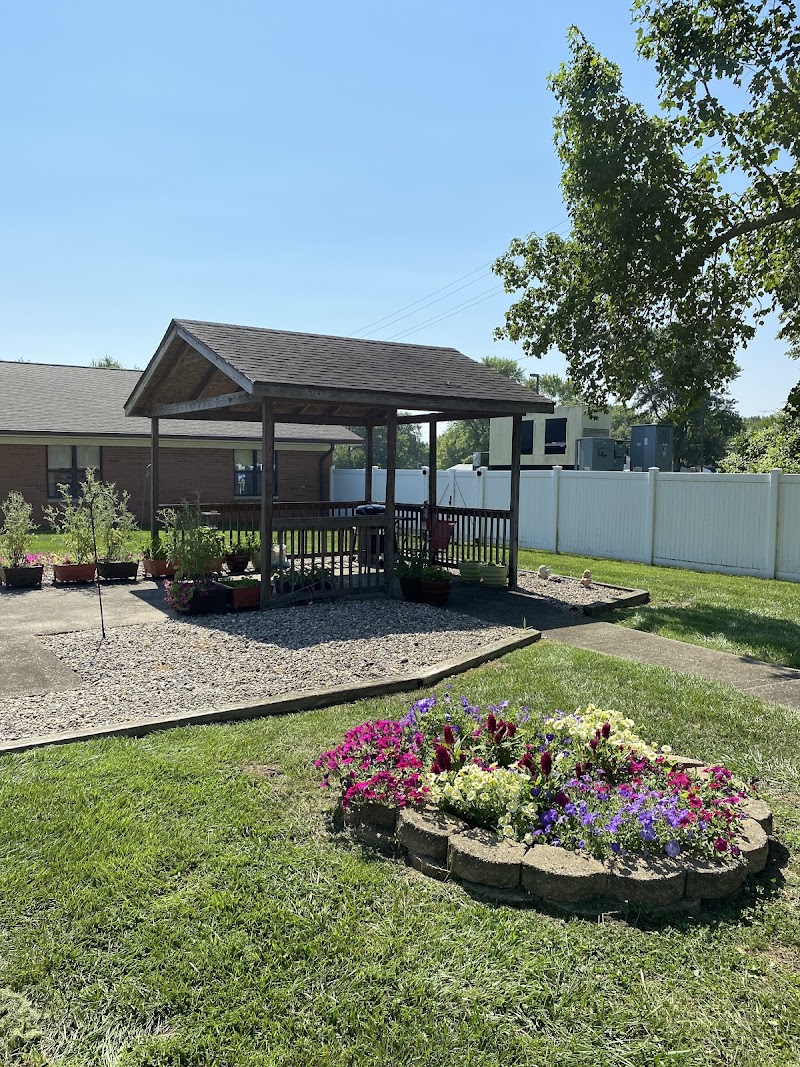
How is Brickyard Healthcare - Petersburg Staffed?

CMS rates BRICKYARD HEALTHCARE - PETERSBURG CARE CENTER's staffing level at 4 out of 5 stars, which is above average compared to other nursing homes. Staff turnover is 43%, compared to the Indiana average of 46%. This relatively stable workforce can support continuity of care.

What Have Inspectors Found at Brickyard Healthcare - Petersburg?

State health inspectors documented 16 deficiencies at BRICKYARD HEALTHCARE - PETERSBURG CARE CENTER during 2021 to 2024. These included: 15 with potential for harm and 1 minor or isolated issues.
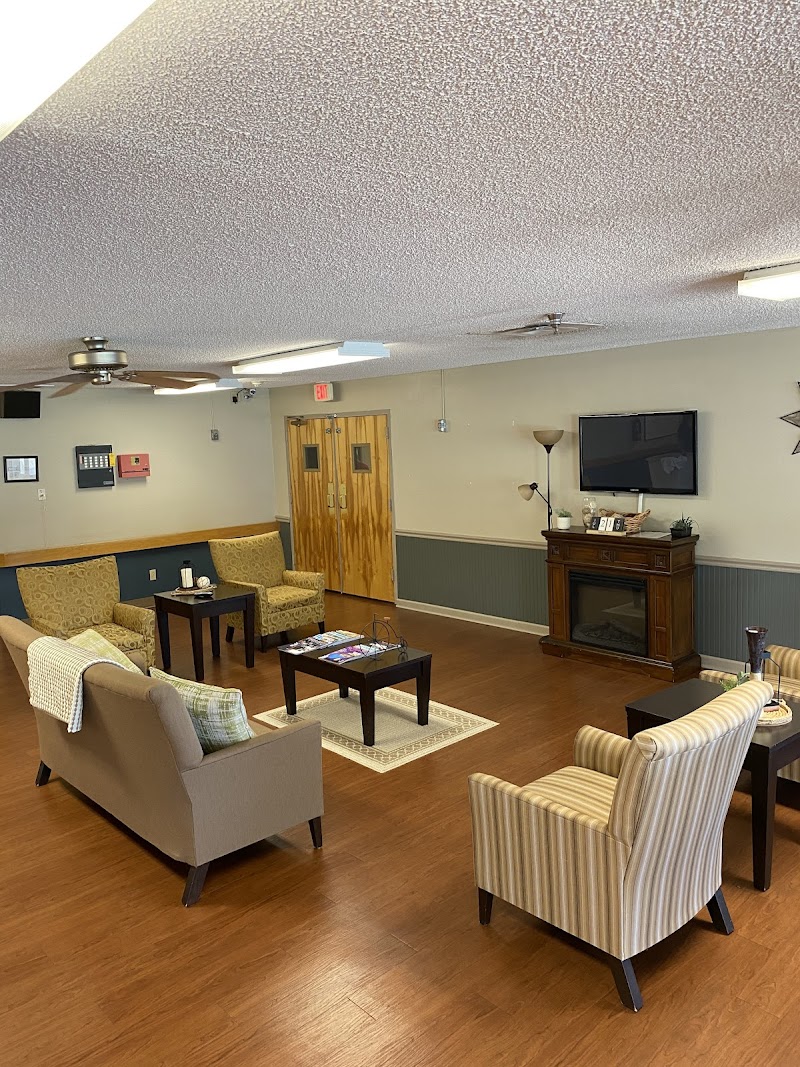
Who Owns and Operates Brickyard Healthcare - Petersburg?

BRICKYARD HEALTHCARE - PETERSBURG CARE CENTER is owned by a for-profit company. For-profit facilities operate as businesses with obligations to shareholders or private owners. The facility is operated by BRICKYARD HEALTHCARE, a chain that manages multiple nursing homes. With 63 certified beds and approximately 42 residents (about 67% occupancy), it is a smaller facility located in PETERSBURG, Indiana.
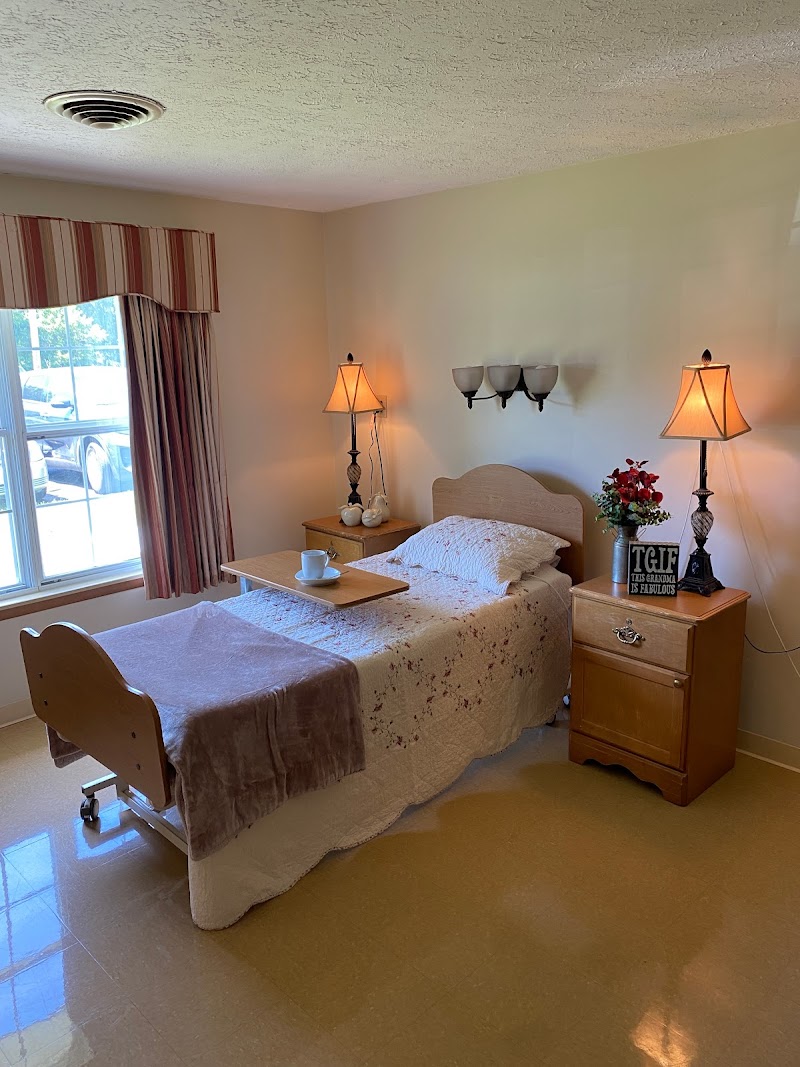
How Does Brickyard Healthcare - Petersburg Compare to Other Indiana Nursing Homes?

Compared to the 100 nursing homes in Indiana, BRICKYARD HEALTHCARE - PETERSBURG CARE CENTER's overall rating (4 stars) is above the state average of 3.1, staff turnover (43%) is near the state average of 46%, and health inspection rating (3 stars) is at the national benchmark.

What Should Families Ask When Visiting Brickyard Healthcare - Petersburg?

Based on this facility's data, families visiting should ask: "Can I visit during a mealtime to observe dining assistance and food quality?" "How do you handle medical emergencies, and what is your hospital transfer rate?" "Can I speak with family members of current residents about their experience?"

Is Brickyard Healthcare - Petersburg Safe?

Based on CMS inspection data, BRICKYARD HEALTHCARE - PETERSBURG CARE CENTER has a clean safety record: no substantiated abuse findings (meaning no confirmed cases of resident harm), no Immediate Jeopardy citations (the most serious violation level indicating risk of serious injury or death), and is not on the Special Focus Facility watch list (a federal program monitoring the lowest-performing 1% of nursing homes). The facility has a 4-star overall rating and ranks #1 of 100 nursing homes in Indiana. While no facility is perfect, families should still ask about staff-to-resident ratios and recent inspection results during their visit.

Do Nurses at Brickyard Healthcare - Petersburg Stick Around?

BRICKYARD HEALTHCARE - PETERSBURG CARE CENTER has a staff turnover rate of 43%, which is about average for Indiana nursing homes (state average: 46%). Moderate turnover is common in nursing homes, but families should still ask about staff tenure and how the facility maintains care continuity when employees leave.

Was Brickyard Healthcare - Petersburg Ever Fined?

BRICKYARD HEALTHCARE - PETERSBURG CARE CENTER has no federal fines on record. CMS issues fines when nursing homes fail to meet care standards or don't correct problems found during inspections. The absence of fines suggests the facility has either maintained compliance or corrected any issues before penalties were assessed. This is a positive indicator, though families should still review recent inspection reports for the full picture.

Is Brickyard Healthcare - Petersburg on Any Federal Watch List?

BRICKYARD HEALTHCARE - PETERSBURG CARE CENTER is not on any federal watch list. The most significant is the Special Focus Facility (SFF) program, which identifies the bottom 1% of nursing homes nationally based on persistent, serious quality problems. Not being on this list means the facility has avoided the pattern of deficiencies that triggers enhanced federal oversight. This is a positive indicator, though families should still review the facility's inspection history directly.