MILLER'S MERRY MANOR
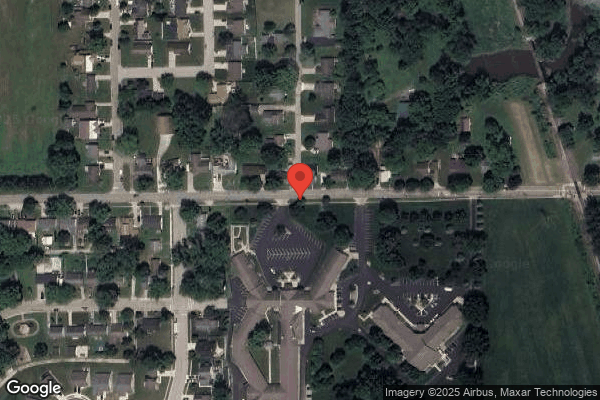
635 OAKHILL AVE, PLYMOUTH, IN 46563 (574) 936-9981
For profit - Corporation 131 Beds MILLER'S MERRY MANOR Data: November 2025
Trust Grade
70/100
#165 of 505 in IN
Last Inspection: February 2025

Within standard 12-15 month inspection cycle. Federal law requires annual inspections.

Overview

Miller's Merry Manor in Plymouth, Indiana has a Trust Grade of B, indicating it is a good choice for families looking for a nursing home. It ranks #165 out of 505 facilities in Indiana, placing it in the top half, and is the top-rated facility in Marshall County, meaning it is the best option locally. The facility is improving, having reduced its issues from 10 in 2024 to 7 in 2025. However, staffing is a concern as they have a turnover rate of 61%, which is higher than the state average of 47%, although they maintain good RN coverage, exceeding 84% of Indiana facilities. Recent inspections revealed some issues, including residents not having access to their trust funds outside of business hours and failure to follow physician orders for daily weights, which indicates potential gaps in care. Overall, while there are strengths in the facility's ranking and RN coverage, families should be aware of the staffing concerns and specific incidents noted in inspections.

Trust Score
B
70/100
In Indiana
#165/505
Top 32%
Safety Record
Low Risk
No red flags
Inspections
Getting Better
10 → 7 violations
Staff Stability
⚠ Watch
61% turnover. Above average. Higher turnover means staff may not know residents' routines.
Penalties
✓ Good
No fines on record. Clean compliance history, better than most Indiana facilities.
Skilled Nurses
✓ Good
Each resident gets 57 minutes of Registered Nurse (RN) attention daily — more than average for Indiana. RNs are trained to catch health problems early.
Violations
⚠ Watch
20 deficiencies on record. Higher than average. Multiple issues found across inspections.
★★★★☆
4.0
Overall Rating
★★★☆☆
3.0
Staff Levels
★★★★★
5.0
Care Quality
★★★☆☆
3.0
Inspection Score
Stable
2024: 10 issues
2025: 7 issues

The Good

  • 5-Star Quality Measures · Strong clinical quality outcomes
  • Full Sprinkler Coverage · Fire safety systems throughout facility
  • No fines on record

Facility shows strength in quality measures, fire safety.

The Bad

Staff Turnover: 61%

15pts above Indiana avg (46%)

Frequent staff changes - ask about care continuity

Chain: MILLER'S MERRY MANOR
Part of a multi-facility chain

Ask about local staffing decisions and management

Staff turnover is elevated (61%)

13 points above Indiana average of 48%

The Ugly 20 deficiencies on record

Feb 2025 7 deficiencies
CONCERN (D)

Potential for Harm - no one hurt, but risky conditions existed

Notification of Changes (Tag F0580)

Could have caused harm · This affected 1 resident

Based on record review and interview, the facility failed to ensure the physician was notified of abnormal blood sugar results for 1 of 1 residents reviewed for physician notification. (Resident 54) F...

Read full inspector narrative →
Based on record review and interview, the facility failed to ensure the physician was notified of abnormal blood sugar results for 1 of 1 residents reviewed for physician notification. (Resident 54) Findings include: 1. The record for Resident 54 was reviewed on 2/6/2025 at 3:57 P.M. Diagnoses included, but were not limited to: hemiplegai, neurogenic bladder, diabetes and cancer. A Quarterly Minimum Data Set (MDS) assessment, dated 1/22/2025, indicated the resident received antidepressant and hypoglycemic medications. Current Physician Orders for Resident 54 included the following: - Humalog Inject 15 units subcutaneously three times a day for diabetes. Give 15 minutes AC (before) meal/snack. Notify MD if BS (blood sugar) less than 100 or greater than 400. If s/s (signs/symptoms) present, follow blood sugar flowchart and document in progress note. Hold if blood sugar is less than 150. - Glargine insulin -Inject 32 units subcutaneously one time a day for diabetes. Hold if BS is less than 100 or greater than 400 and notify the MD. Monitor for s/s of hypo/hyperglycemia and notify MD if present. A current Care Plan, initiated on 6/17/2024, included the following interventions: Give medications as ordered. Monitor blood sugar as ordered. Notify MD of blood sugar readings outside the ordered parameters. The November Medication Administration Record (MAR) indicated the following blood glucose result: - 11/3 the blood sugar result was 71 mg/DL. - 11/4 the blood sugar result was 83 mg/DL. - 11/7 the blood sugar result was 96 x 2 mg/DL. - 11/8 the blood sugar result was 98 x 2 mg/DL. - 11/9 the blood sugar result was 87 mg/DL. - 11/11 the blood sugar result was 91 mg/DL. - 11/17 the blood sugar results were 84 & 96 mg/DL. - 11/21 the blood sugar result was 96 mg/DL. - 11/22 the blood sugar results were 77 x 2 mg/DL. - 11/24 the blood sugar result was 98 mg/DL. - 11/25 the blood sugar result was 82 mg/DL. - 11/29 the blood sugar result was 80 mg/DL. The Nursing Progress Notes for November lacked documentation indicating the physician had been notified of the abnormal blood sugar results. The December MAR indicated the following blood glucose results: - 12/1 the blood sugar result was 84 x 2 mg/DL. - 12/3 the blood sugar result was 88 mg/DL. - 12/6 the blood sugar result was 85 mg/DL. - 12/7 the blood sugar result was 98 mg/DL. - 12/9 the blood sugar results were 97 x 2 mg/DL. - 12/11 the blood sugar result was 96 mg/DL. - 12/13 the blood sugar result was 94 mg/DL. - 12/16 the blood sugar result was 87 mg/DL. - 12/23 the blood sugar result was 93. mg/DL - 12/25 the blood sugar result was 85. mg/DL - 12/27 the blood sugar result was 94 mg/DL. - 12/29 the blood sugar result was 88 mg/DL. - 12/30 the blood sugar result was 80 mg/DL. - 12/31 the blood sugar result was 96 mg/DL. The Nursing Progress Notes for December lacked documentation indicating the physician had been notified of the abnormal blood sugar results. The January 2025 MAR indicated the following blood glucose results: - 1/1 the blood sugar result was 88 mg/DL. - 1/3 the blood sugar results were 98 and 92 x 2 mg/DL. - 1/4 the blood sugar result 74 and 70 mg/DL. - 1/7 the blood sugar result was 75 mg/DL. - 1/8 the blood sugar result was 82 mg/DL. - 1/9 the blood sugar results were 68 and 72 mg/DL. - 1/10 the blood sugar results were 99 and 83 mg/DL. - 1/12 the blood sugar result was 69 mg/DL. - 1/13 the blood sugar result was 92 mg/DL. - 1/15 the blood sugar result was 82 mg/DL. - 1/16 the blood sugar results were 90 x 2 mg/DL. - 1/17 the blood sugar result was 99 mg/DL. - 1/19 the blood sugar result was 80 mg/DL. - 1/24 the blood sugar result was 72 mg/DL. - 1/29 the blood sugar result was 95 mg/DL. - 1/31 the blood sugar result was 88 mg/DL. The Nursing Progress Notes for December lacked documentation indicating the physician had been notified of the abnormal blood sugar results. During an interview, on 2/7/2025 at 1:08 P.M., the Director of Nursing indicated the physician should have been notified. On 2/7/2025 at 1:08 P.M., the Director of Nursing provided the policy titled, Physician & Family Notification of Condition Changes, dated 5/14/2024, and indicated the policy was the one currently used by the facility. The policy indicated . II. Notify the physician of any change in the condition that may or may not warrant a change in the treatment plan. III. Notify the physician when values monitored are outside of ordered parameters 3.1-5(a)(3)
CONCERN (D)

Potential for Harm - no one hurt, but risky conditions existed

Deficiency F0679 (Tag F0679)

Could have caused harm · This affected 1 resident

Based on observations, record review and interview, the facility failed to provide activities for a dependent resident for 1 of 3 residents reviewed for activities. (Resident 40) Finding includes: Dur...

Read full inspector narrative →
Based on observations, record review and interview, the facility failed to provide activities for a dependent resident for 1 of 3 residents reviewed for activities. (Resident 40) Finding includes: During an observation, on 2/4/2025 at 9:46 A.M.,10:56 A.M. and 2:49 P.M., Resident 40 was observed in her room without visual or auditory stimulation. During an observation, on 2/5/2025 at 10:49 A.M., Resident 40 was seated in a reclined position in her Broda chair in her room without visual or auditory stimulation. During an observation, on 2/5/2025 at 3:04 P.M., Resident 40 was observed in her bed sleeping. During an observation, on 2/6/2025 at 11:02 A.M., Resident 40 was observed in her room without visual or auditory stimulation. A record review for Resident 40 was completed on 2/6/2025 at 1:12 P.M. Diagnoses included, but were not limited to: cerebral infarction, hemiplegia, dementia and delirium. A Quarterly Minimum Data Set (MDS) assessment, dated 1/31/2025, indicated Resident 40 was severely cognitively impaired and received hospice care. A current Care Plan, initiated 11/25/2022, indicated Resident 40 enjoyed increased socialization/stimulation received through involvement in group activities. Interventions included, but were not limited to: -Would attend sensory activities. -Make sure Resident 40 received invitations to readings. -Encourage family to bring in radio/tape player for Resident 40 to keep in her room. -Activities would invite to all current events, educational activities and group activities. -Resident 40 enjoyed activities including: small groups, current events, outside, games and possibly arts/crafts. -Resident 40 stated she currently enjoyed watching television shows such as Hallmark types of shows. -Need assist to/from activities. A current Care Plan, dated 5/3/2024, indicated Resident 40 was at risk for feelings of loneliness or feeling self-isolated. Interventions included, but were not limited to: assist Resident 40 in finding services, equipment or activities they enjoy (i.e. books on tape, music lessons, games and stationery) and invite and encourage out-of-room activities. Despite the care planned interventions to address activity preferences and combat lonliness and isolation, Resident 40 was not observed in an activity, nor with visual or auditory stimulation in her room. During an interview, on 2/7/2025 at 9:52 A.M., the Activity Director indicated Resident 40 was involved in sensory activities, passive watching and 1:1 visits. She indicated Resident 40 should have had a visual or auditory activity in her room. A current policy was provided, on 2/7/2025 at 1:25 P.M., by the Director of Nursing. The policy titled, Life Enrichment Program Guidelines, indicated, .To enhance the lives of our residents through activity involvement. Benefits include: decreased behaviors, and increased overall satisfaction, and quality of life 3.1-33(b)(8)
CONCERN (D)

Potential for Harm - no one hurt, but risky conditions existed

Medication Errors (Tag F0758)

Could have caused harm · This affected 1 resident

2. On 2/6/2025 at 9:53 A.M., a record review was completed for Resident 39. Diagnoses included, but were not limited to: anxiety and dementia. A Quarterly MDS (Minimum Data Set), dated 1/3/2025 indica...

Read full inspector narrative →
2. On 2/6/2025 at 9:53 A.M., a record review was completed for Resident 39. Diagnoses included, but were not limited to: anxiety and dementia. A Quarterly MDS (Minimum Data Set), dated 1/3/2025 indicated Resident 39's cognition was significantly impaired and the resident used an antipsychotic medication on a daily basis. Current Physician's Orders, dated 11/28/2024 indicated Resident 39 received Seroquel (antipsychotic) oral tablet 50 mg (milligrams) by mouth at bedtime and quetiapine fumurate 100 mg tablet by mouth one time a day for a diagnosis of anxiety and combative behaviors. Resident 39's record lacked documentation of a medical indication to support the use of Seroquel. During an interview on 2/06/2025 at 1:46 P.M., the DON indicated Resident 39 did not have an appropriate diagnosis for the use of Seroquel. On 2/6/2025 at 2:49 P.M., the DON provided a policy titled, Psychotropic Medication Use, dated 2/18/2019 and indicated it was the policy currently being used by the facility. The policy indicated, Purpose: To ensure that medication regimen helps promote or maintain the residents highest practicable mental, physical, and psychosocial well-being as identified by the resident and/or representative(s) in collaboration with the attending physician/psychiatrist and facility staff; each resident receives only those medications, in doses and for the duration clinically indicated to treat the residents assessed condition(s); 1. The facility will assure that medication therapy is based upon an adequate indication for use by documenting the supporting diagnosis/indication of use at the time the order for psychotropic medication is obtained/received . A current facility policy provided by the DON, on 2/7/2025 at 11:30 A.M., titled Psychotropic Medication Use indicated, .PRN orders will be limited to 14 days, unless the attending physician or prescribing practitioner believes that it is appropriate for the PRN to be extended beyond the 14 days. He/she should document their rationale in the resident's medical record 3.1-48(a)(4) Based on record review and interview, the facility failed to ensure a PRN (as needed) antianxiety medication was not ordered/used for more than 14 days and lacked documentation for the use of an antipsychotic for 2 of 6 residents reviewed for unnecessary medications. (Resident 19 & 39) Findings include: A record review for Resident 19 was completed on 2/6/2025 at 11:36 A.M. Diagnoses included but were not limited to Alzheimer's, psychotic disorder with delusions, and anxiety. A Quarterly Minimum Data Set (MDS) assessment, dated 11/26/2024, indicated Resident 19 had exhibited signs of delusions but had not exhibited any other behaviors. The assessment also indicated Resident 19 had not received any psychotropic medications. A Physician's Order, dated 1/8/2025, and discontinued on 2/4/2025, indicated lorazepam (an anti-anxiety medication) 0.5 milligrams (mg) by mouth every 4 hours as needed (PRN) for anxiety. A Physician's Order, dated 2/4/2025, and with a stop dated of 5/1/2025, indicated lorazepam 0.5mg by mouth every 4 hours PRN for anxiety. A Care Plan, initiated on 1/16/2025, indicated Resident 19 had a PRN anxiolytic (an anti-anxiety medication). A consultant pharmacist communication to the physician, dated 1/30/2025, and signed by the Nurse Practitioner (NP) on 2/5/2025, indicated the mega rule only allows 14 days of PRN anxiolytics: however, physician can document in the medical record why it is needed longer . The NP indicated on the form terminal agitation, with no supportive documentation of the terminal agitation in the medical record for Resident 19. Nursing progress notes, from 12/23/2024 to 2/6/2025, did not indicate Resident 19 had exhibited any behaviors, anxiety or agitation to support the terminal agitation documented by the NP. A Physician's assessment, dated 1/9/2025, did not indicate why the PRN lorazepam was initiated and ordered longer than 14 days. During an interview, with the Director of Nursing ( DON) on 2/7/2025 at 9:43 A.M., she indicated she was unsure why the lorazepam was initiated or why it had been ordered for more than 14 days.
CONCERN (D)

Potential for Harm - no one hurt, but risky conditions existed

Deficiency F0761 (Tag F0761)

Could have caused harm · This affected 1 resident

Based on observation, interview and record review, the facility failed to ensure over the counter medications were labeled properly and failed to ensure opened medications were dated when opened for 1...

Read full inspector narrative →
Based on observation, interview and record review, the facility failed to ensure over the counter medications were labeled properly and failed to ensure opened medications were dated when opened for 1 of 4 medication storage areas observed. (ICF 3 medication cart) Finding includes: On 2/6/2025 at 2:22 P.M., a medication storage observation of the ICF 3 medication cart was completed with RN 5 and the following was observed: - a bottle of ibuprofen 200 mg (milligrams) with no resident label. - an opened and unlabeled bottle of CoQ10. - an opened and unlabeled bottle of Vitamin D 3. - an opened and unlabeled bottle of aspirin 81 mg. - an opened and unlabeled bottle of Ferrosol 325 mg. - an opened and unlabeled bottle of Milk of Magnesia (MOM). - a bottle of Men's multi vitamin with no resident label. - a box of daily probiotic pills with no label. - an opened and undated bottle of Guaifenesin liquid. - 2 opened and undated bottles of MOM. During an interview, on 2/6/2025 at 2:36 P.M., RN 5 indicated the medications should have been labeled and should have had opened dates on them. On 2/7/2025 at 1:08 P.M., the Director of Nursing provided the policy titled, Medication Labels, dated 4/24/2019, and indicated the policy is the one currently used by the facility. The policy indicated . Medications are labeled in accordance with facility requirements and state and federal laws 3.1-25(k)
CONCERN (D)

Potential for Harm - no one hurt, but risky conditions existed

Infection Control (Tag F0880)

Could have caused harm · This affected 1 resident

Based on observation, record review and interview, the facility failed to provide enhanced barrier precautions (EBP) for a resident with a pressure ulcer for 1 of 3 residents reviewed for pressure ulc...

Read full inspector narrative →
Based on observation, record review and interview, the facility failed to provide enhanced barrier precautions (EBP) for a resident with a pressure ulcer for 1 of 3 residents reviewed for pressure ulcers. (Resident 46) Finding includes: During an interview, on 2/4/2025 at 10:28 A.M., Resident 46 indicated he had had a sore on his buttock for the past three weeks. A record review for Resident 46 was completed on 2/6/2024 at 9:45 A.M. Diagnoses included, but were not limited to: heart failure, diabetes mellitus type 2, obesity, polyneuropathy and edema. A Quarterly Minimum Data Set (M.DS) assessment, dated 1/31/2025, indicated Resident 46 was cognitively intact and had a Stage 2 pressure ulcer. A Pressure Injury Note, dated 1/2/2025 at 12:03 P.M., indicated a new in-house stage 2 pressure ulcer was observed to the left mid-buttock. A Physician's Order, dated 1/28/2025, indicated to cover the wound with Duoderm (moisture-resistant wound dressing) every Tuesday and as needed if displaced or soiled. A Care Plan, dated 1/2/2025, indicated Resident 46 had a pressure ulcer. The goal was the wound would not show any signs or symptoms of infection. During an observation, on 2/7/2025 at 10:23 A.M., RN 5 held Resident 46's lower garments and removed his incontinence brief to expose the pressure ulcer. RN 5 had gloves placed on her hands, but was not wearing a gown when this assistance was provided. During an interview, on 2/7/2025 at 10:27 A.M., CNA 4 indicated she was aware of residents in enhanced barrier precautions by the signage on the resident's door. She indicated if a resident had a pressure wound beyond stage 1, enhanced barrier precautions should be in place. During an interview, on 2/7/2025 at 10:36 A.M., RN 5 indicated enhanced barrier precautions should be in place for residents with an indwelling catheter, colostomy bags, wounds and residents with multi drug-resistant organisms. She indicated she would know a resident had enhanced barrier precautions by the sign on the door and by the orders in electronic medical record. However, during an observation, on 2/7/2025 at 10:42 A.M., there was no sign on Resident 46's door to indicate enhanced barrier precautions were needed or a physician's order to indicate enhanced barrier precautions were needed. A current policy was provided by the Director of Nursing, on 2/7/2025 at 1:25 P.M. The policy titled, Enhanced Precautions for the novel and targeted MDRO's [Multi Drug-Resistant Organisms] indicated, .To prevent the spread of multi drug resistant organisms [MDRO] from one resident to another resident via health care workers hands and clothing and to protect vulnerable residents. The use of EBP is intended to interrupt the spread of novel or targeted MDROs. EBP is targeted use of gown and glove use during high contact resident care activities for: Residents with wounds and indwelling devices 3.1-18(a)
CONCERN (E)

Potential for Harm - no one hurt, but risky conditions existed

Deficiency F0567 (Tag F0567)

Could have caused harm · This affected multiple residents

Based on interviews and observation, the facility failed to ensure resident funds were immediately available during non-business hours. This deificent practice had the potential to affect 24 of 24 res...

Read full inspector narrative →
Based on interviews and observation, the facility failed to ensure resident funds were immediately available during non-business hours. This deificent practice had the potential to affect 24 of 24 residents with trust funds. Finding includes: During an interview, on 2/5/2025 at 9:25 A.M., Resident 12 indicated the facility had informed him he could only get his resident trust account funds when the business office was open. During an observation, on 2/7/2025 at 10:43 A.M., a sign at the front receptionist's desk was observed with the following: Resident Trust Funds Availability For those residents who have a Resident Trust Fund account with [facility name]: These funds are available to you seven [7] days a week, during the following times: Business Office Monday-Friday 8:30am-4:30pm ICF 1's Nurse's Station Saturday & Sunday 10:00am-2:00pm During an interview, on 2/7/2025 at 10:45 A.M., the Business Office Manger indicated residents could obtain their money during business hours, Monday through Friday and there was a time perimeter on Saturday and Sunday for residents to obtain resident trust money. She indicated the facility placed a time frame for the access and availability of funds. During an interview, on 2/7/2025 at 1:42 P.M., the Executive Director indicated monies, from Resident Trust funds, were available at the nurse's station after business office hours. He indicated the facility preferred to complete financial transactions during business hours. During an interview, on 2/7/2025 at 1:44 P.M., CNA 10 indicated resident funds were not available outside of the facility's business hours. During an interview, on 2/7/2025 at 1:52 P.M., RN 5, who worked on the ICF (intermediate care facility) hallway, indicated she did not have Resident Trust money available after business hours in her medication cart for the residents to access. A current policy was provided by the Director of Nursing, on 2/7/2025 at 1:25 P.M. The policy titled, Resident Fund Procedures, indicated, .3. Funds should be readily available for residents. It is suggested that the family members and/or the resident be advised of the business office hours at the time of admission. Money is not available when the business office is not open; therefore, money is not available on weekends or evenings
CONCERN (E)

Potential for Harm - no one hurt, but risky conditions existed

Quality of Care (Tag F0684)

Could have caused harm · This affected multiple residents

Based on record review and interview, the facility failed to follow physician orders for daily weights and failed to transcribe physician orders accurately for 2 of 22 residents whose physician orders...

Read full inspector narrative →
Based on record review and interview, the facility failed to follow physician orders for daily weights and failed to transcribe physician orders accurately for 2 of 22 residents whose physician orders were reviewed. (Residents 55 & 267) Findings include: 1. The record for Resident 55 was reviewed on 2/6/2025 at 1:58 P.M. Diagnoses included, but were not limited to: diabetes, dementia, depression and anxiety. A Physician's Order, dated 2/19/2025, indicated an order for daily weight-after voiding and before breakfast/medications with the same clothes every day shift. A current Care Plan for nutrition, dated 1/10/2025, indicated the resident was at nutritional risk related to: Potential for weight fluctuations related to fluid shifts and receives diuretic therapy. Interventions included but were not limited to: Diet is served as ordered. Select my own menus. Monitor weights and intakes. The November weight documentation and Nursing Progress Notes, from 11/1/2024 through 11/30/2024, lacked daily weights and/or documentation of why the daily weight was not obtained for the following dates: 11/9, 11/10, 11/18, 11/23 and 11/28/2024. The December weight documentation and Nursing Progress Notes, from 12/1 through 12/31/2024, lacked daily weights and/or documentation of why the daily weight was not obtained for the following dates: 12/7, 12/12, 12/16, 12/21, 12/22, 12/30 and 12/31/2024. The January weight documentation and Nursing Progress Notes, from 1/1 through 1/31/2025, lacked daily weights and/or documentation of why the daily weight was not obtained for the following dates: 1/1, 1/2, 1/4, 1/5, 1/6, 1/9, 1/13, 1/19 and 1/27/2025. During an interview, on 2/7/2025 at 9:15 A.M., the Director of Nursing indicated the resident should have been weighed daily and on the missed days, the facility should have documented in the Nursing Progress Notes as to why the weights had not been obtained. On 2/7/2025 at 1:08 P.M., the Director of Nursing indicated the facility did not have a policy regarding weights. 2. A record review for Resident 267 was completed on 2/6/2025 at 9:38 A.M. Diagnoses included, but were not limited to: depression, end stage renal disease, dysphagia and diabetes mellitus type two. A Care Plan, initiated on 2/5/2025, indicated Resident 267 had depression and required the use of an antidepressant. A discharge medication order list from [Name of Hospital], dated 1/31/2025, included: sertraline (an antidepressant) 50 milligram (mg) tablet take 0.5 tablet (25 mg) by mouth at bedtime. However, the sertraline order was incurrately transcribed as 50mg 1 tablet by mouth at bedtime on the facility's admission orders. A Medication Administration Record (MAR), dated February 2025, indicated Resident 267 received sertraline 50mg on six of six days, instead of the 25mg by mouth at bedtime as per the medication order list. A Nursing Progress Note, dated 1/31/2025, indicated the Nurse Practioner had clarified a heparin order from the Resident's discharge medication orders, but there was no evidence in Resident 267's medical record the order for the sertraline was reviewed and increased from 25mg to 50mg. During an interview, on 2/7/2025 at 9:11 A.M., RN 9 indicated the facility used the discharge medication list from the hospital. She indicated Resident 267 should have been on sertraline 25mg daily. During an interview, on 2/7/2025 at 10:40 A.M., the ADON indicated she had had a conversation with the NP regarding Resident 267 sertraline. She stated the NP did not feel that sertraline 25 mg would be effective, so she ordered sertraline 50mg. The ADON indicated she did not document this conversation in the medical record. A current facility policy provided by the DON on 2/7/2025 at 11:30 A.M., titled New Order Transcription, indicated: to ensure that physician orders are transcribed and maintained in a manner that ensures safety upon administration. 3.1-37 (a)
Apr 2024 10 deficiencies
CONCERN (D)

Potential for Harm - no one hurt, but risky conditions existed

Safe Environment (Tag F0584)

Could have caused harm · This affected 1 resident

**NOTE- TERMS IN BRACKETS HAVE BEEN EDITED TO PROTECT CONFIDENTIALITY** Based on observation, interview and record review, the facility failed to ensure housekeeping maintained a sanitary room environ...

Read full inspector narrative →
**NOTE- TERMS IN BRACKETS HAVE BEEN EDITED TO PROTECT CONFIDENTIALITY** Based on observation, interview and record review, the facility failed to ensure housekeeping maintained a sanitary room environment related to dust and floors not swept or mopped for 1 of 1 resident reviewed for environment. (Resident 42) Finding includes: During an interview and observation on [DATE] at 11:06 A.M., Resident 42 indicated she did not feel her room was clean. They had one housekeeper that was fantastic but was no longer here. The other housekeepers cleaned the toilet, bathroom sink and took out the trash. They seldom mopped and swept the floors in the bedroom, and they did not dust. The blinds needed to be dusted, it's been at least 2 months. The blinds, picture frames, and shelves in the bathroom with angel figurines were observed to be dusty. During an interview and observation on [DATE] at 1:19 P.M., Resident 42 indicated that staff had cleaned the bathroom and dry mopped the floors, but did not wash the floor. The blinds, picture frames and shelves in the bathroom with angel figurines were observed to be dusty. During an interview and observation on [DATE] at 1:44 P.M., Resident 42 indicated staff had cleaned the bathroom, swept, and mopped the floors, but no one had dusted. The blinds, picture frames and shelves in the bathroom were observed to be dusty. During an interview on [DATE] at 9:54 A.M., Resident 42 indicated no one cleaned her room this weekend, the girls only removed her trash. Today the housekeeper was not in the bathroom long enough to do anything, and the floors had not been swept or mopped. The blinds, picture frames and shelves in the bathroom were observed to be dusty. During an interview on [DATE] at 11:06 A.M., Resident 42 indicated the bathroom was cleaned and dust mopped but was not wet mopped, trash containers were emptied. The blinds, picture frames and bathroom shelves were observed to be dusty. A record review was completed for Resident 42 on [DATE] at 2:38 P.M. Diagnoses included, but were not limited to: chronic obstructive pulmonary disease, type 2 diabetes, hypertension and major depressive disorder. During an interview on [DATE] at 9:30 A.M., Housekeeper 4 indicated when she cleaned a resident's room, she put cleaner in the toilet bowl, sprayed the sink with TB quat solution and waited 3 minutes, so she collected the trash and put it in her bin. Then she would go back to clean the sink and toilet bowl. Then she sprayed a microfiber with quat and wiped down tables, doorknobs, light switches, the sanitizer dispenser, swept the room with a dust mop, restocked toilet paper and paper towel, then used a wet mop and put a wet floor sign out. She dusted twice a week on Mondays and Fridays, including the blinds, light fixtures, windowsills and bathroom corners. She worked on ICF-2 unit. During an interview on [DATE] at 8:50 A.M., Housekeeper 5 indicated that when she cleaned a resident room, she removed the trash, then cleaned the bathroom, door handles, paper towels, soap, hand sanitizer, swept and mopped the floors. She only dusted a room when a resident discharged , died or switched rooms. She worked on ICF-3 unit. During an interview on [DATE] at 11:08 A.M., the Environmental Supervisor indicated she would expect her staff to clean the resident's room daily. The order was up to them, but included spray the toilet & sink with quat solution and let it set for 3 minutes, check the paper towel and toilet paper, then clean the inside and outside of the toilet, sink, & bedside tables, then sweep and mop and put out a wet floor sign. Once a week they should do a more through clean, check refrigerators and clean all high touch areas. On [DATE] at 11:13 A.M., the Administrator provided a policy titled, Resident Room Cleaning, undated, and indicated it is the policy currently used by the facility. The policy indicated . DAILY Procedure: 5) sweep and mop floor. 7) Dust with a clean rag and QUAT spray TV's. 8) Dust with a clean rag and QUAT spray bedside tables. 9) Dust with a clean rag and QUAT spray windowsills. MONTHLY: High dust with a clean rag and QUAT spray the following: Over bed lights, Picture frames on walls, Door's and frame's, Closet's, Curtain rod's, Sprinkler pipes, Switch plates, Closets: Floor's and shelves. Wipe with QUAT spray. Sweep and mop floor . 3.1-19
CONCERN (D)

Potential for Harm - no one hurt, but risky conditions existed

Report Alleged Abuse (Tag F0609)

Could have caused harm · This affected 1 resident

Based on observation, interview, and record review, the facility failed to ensure an allegation of a resident's missing property was reported immediately or within 2 hours after an allegation was made...

Read full inspector narrative →
Based on observation, interview, and record review, the facility failed to ensure an allegation of a resident's missing property was reported immediately or within 2 hours after an allegation was made to the State Survey Agency for 1 of 1 resident reviewed for abuse. (Resident 42) Finding includes: During an interview on 4/17/2024 at 10:51 A.M., Resident 42 indicated she just found out $25.00 was missing from her purse today. The last time she saw it was last Friday, and she had it for about 2 weeks. She has always kept her money in her wallet inside her purse, which was placed in a small area between two dressers. She did not put her money anywhere else. Once a month, activities would order food out from a restaurant and today was gyros. When she went to get her money, it was not there. She planned on telling the Social Services Director and indicated it had happened before. She planned on asking for a lock box from the social worker. During an interview on 4/19/2024 at 9:43 A.M., the resident indicated she had told the social worker, and he was doing an investigation. He did give her a lock box to keep her money it i, which she now kept in the compartment of her walker and carried the key in her pocket. She had not heard any results of the investigation yet. During an interview on 4/22/2024 at 9:52 A.M., the resident indicated she had not heard how the investigation was going. During an interview on 4/23/2024 at 10:56 A.M., the resident indicated the Administrator came in to talk to her yesterday about the missing money and looked through her purse and drawers. He did not find any money. A police officer had not come to talk to her. A record review was completed for Resident 42 on 4/18/2024 at 2:38 P.M. Diagnoses included, but were not limited to: chronic obstructive pulmonary disease, type 2 diabetes, hypertension and major depressive disorder. A Quarterly Minimum Data Set (MDS) assessment, dated 4/10/2024, indicated the resident was cognitively intact. A Progress Notes, dated 4/17/2024, 4/18/2024, 4/19/2024 and 4/22/2024, indicated there was no documentation of the missing money. During an interview on 4/22/2024 at 10:20 A.M., the Social Worker indicated he had a couple of grievances he had been working on. During an interview on 4/22/2024 at 10:22 A.M., the Administrator indicated he had no reportable incidents completed since the survey started During an interview on 4/22/2024 at 10:28 A.M., the Social Worker presented two grievances: 1) dated 4/17/2024 for missing money for Resident 42 and 2) for two missing sweatshirts for another ressident. He indicated the missing money could possibly be misappropriation, but he had not finished looking for the money, he looked in her purse, drawers and with laundry. It potentially would be reported to state if it was not found, but it probably should have been reported and then a follow-up completed. That is what they normally would do. During an interview on 4/22/2024 at 2:15 P.M., the Administrator indicated he reported the missing money today to IDOH and initiated an investigation since the survey team was asking about it. He was not sure what the policy stated, but it should have reported it within 24-48 hours. On 4/22/2024 at 2:30 P.M., the Administrator provided a policy titled, Incident Reporting to the ISDH, dated 11/29/2017, and indicated the policy was the one currently used by the facility. The policy indicated .It is the policy of Miller's Merry Manor to report all incidents (formally known as unusual occurrences) to the Long - Term Care Division of the Indiana State Department of Health. Time frames for reporting: Immediately, but no later than 2 hours - suspicion of a crime with serious bodily injury OR allegation of abuse, Within 24 hours - does not involve abuse and does not result in serious bodily injury. 12. Misappropriation of resident property/exploitation - Examples and not limited to: a. Theft of personal property, such as jewelry . 3.1-28(c)
CONCERN (D)

Potential for Harm - no one hurt, but risky conditions existed

Investigate Abuse (Tag F0610)

Could have caused harm · This affected 1 resident

Based on observation, interview and record review, the facility failed to ensure a thorough investigation was initiated for an allegation of a resident's missing property for 1 of 1 resident reviewed ...

Read full inspector narrative →
Based on observation, interview and record review, the facility failed to ensure a thorough investigation was initiated for an allegation of a resident's missing property for 1 of 1 resident reviewed for abuse. (Resident 42) Finding includes: During an interview on 4/17/2024 at 10:51 A.M., Resident 42 indicated she just found out $25.00 was missing from her purse today. The last time she saw it was last Friday, and she had it for about 2 weeks. She has always kept her money in her wallet inside her purse, which was placed in a small area between two dressers. She did not put her money anywhere else. Once a month, activities would order food out from a restaurant and today was gyros. When she went to get her money, it was not there. She planned on telling the Social Services Director and indicated it had happened before. She planned on asking for a lock box from the social worker. During an interview on 4/19/2024 at 9:43 A.M., the resident indicated she had told the social worker, and he was doing an investigation. He did give her a lock box to keep her money it i, which she now kept in the compartment of her walker and carried the key in her pocket. She had not heard any results of the investigation yet. During an interview on 4/22/2024 at 9:52 A.M., the resident indicated she had not heard how the investigation was going. During an interview on 4/23/2024 at 10:56 A.M., the resident indicated the Administrator came in to talk to her yesterday about the missing money and looked through her purse and drawers. He did not find any money. A police officer had not come to talk to her. A record review was completed for Resident 42 on 4/18/2024 at 2:38 P.M. Diagnoses included, but were not limited to: chronic obstructive pulmonary disease, type 2 diabetes, hypertension and major depressive disorder. A Quarterly Minimum Data Set (MDS) assessment, dated 4/10/2024, indicated the resident was cognitively intact. Progress Notes, dated 4/17/2024, 4/18/2024, 4/19/2024 and 4/22/2024, indicated there was no documentation of the missing money. During an interview on 4/22/2024 at 10:20 A.M., the Social Worker indicated he had a couple of grievances he had been working on. During an interview on 4/22/2024 at 10:22 A.M., the Administrator indicated that he has had no reportable incidents since the survey team entered the building. During an interview on 4/22/2024 at 10:28 A.M., the Social Worker presented two grievances: 1) dated 4/17/2024 for missing money for Resident 42 and 2) for two missing sweatshirts for another resident. He indicated the missing money could possibly be misappropriation, but he had not finished looking for the money, he looked in her purse, drawers and with laundry. It potentially would be reported to state if it was not found, but it probably should have been reported and then a follow-up completed. That is what they normally would do. He spent about a week doing an investigation and did not ask the resident if a crime was committed. He had not interviewed any other residents to see if they had any missing money. He had not done any investigations except for the grievance paper presented. The Administrator may have done an investigation because he was aware of the missing money. During an interview on 4/22/2024 at 2:15 P.M., the Administrator indicated he reported the missing money today to IDOH, and initiated an investigation since the survey team was asking about it. He just started interviewing alert and oriented residents and talking to staff. He left a message with a detective with the local Police Department to report a suspicion of a crime of missing money. On 4/17/2024 at 11:30 A.M., the Administrator provided a policy titled, Abuse Prohibition, Reporting, and Investigation, dated 4/18/2023, and indicated the policy was the one currently used by the facility. The policy indicated . 4. Miller's Health Systems has policies and procedures in place that all alleged violations are thoroughly investigated, and must prevent further potential abuse while the investigation is in progress. 5. Miller's Health Systems has a policy and procedure in place that all reasonable suspicions of crime according to the Elder Justice act are reported to the Indiana Department of Health and the local law enforcement agency. The Reporting Reasonable Suspicions of a Crime against a Resident form located on the ISDH website will be used . 3.1-28(d)
CONCERN (D)

Potential for Harm - no one hurt, but risky conditions existed

Deficiency F0657 (Tag F0657)

Could have caused harm · This affected 1 resident

Based on interview, record review, and interview, the facility failed to update a care plan regarding the use of splints for 1 of 18 residents reviewed for care plans. (Resident 19) Finding includes: ...

Read full inspector narrative →
Based on interview, record review, and interview, the facility failed to update a care plan regarding the use of splints for 1 of 18 residents reviewed for care plans. (Resident 19) Finding includes: A record review for Resident 19 was completed on 4/18/2024 at 1:13 P.M. Diagnoses included, but were not limited to: functional quadriplegia, lobster-claw hand, contracture of muscle right hand, and muscle weakness. A Quarterly Minimum Data Set (MDS) assessment, dated 2/5/2024, indicated upper extremity impairment on both upper extremities. During an observation on 4/18/2024 at 9:27 A.M., Resident 19 was observed to have contracture on both hands, and Resident 19 indicated he wears splints during the nighttime hours. A Physician's Order, dated 2/6/2020, indicated Resident 19 to wear a left palm protector with finger separators during sleeping hours, and indicated Resident 19 to wear a right-handed splint during the night/sleeping hours, dated 4/25/2023. A Care Plan dated 6/2/2020, indicated a splint/brace program with assistance needed for application of the brace to bilateral hands due to lobster-claws. An intervention dated 1/6/2021, indicated the left-hand brace on at 8:30 A.M. and off at 11:30 A.M., and on at 6:30 P.M., and off at 9:30 P.M. Other interventions, dated 9/3/2021, indicated a restorative nursing program for the left-hand brace to be applied at 8:30 A.M. and off at 11:30 A.M., and applied at 6:30 P.M. and removed at 9:30 P.M., and on the right hand to place splint/brace at bedtime and remove in the morning. During an interview on 4/23/2024 at 2:34 P.M., the MDS (Minimum Data Set) Coordinator indicated care plans were updated at least quarterly and with any new medication or new change to the resident's status. She indicated any new orders should be reflected in the care plan. A policy was provided on 4/23/2024 at 3:54 P.M. by the Director of Nursing. The policy titled, Care Plan Development and Review, dated 1/24/2020, indicated, .Purpose A. To assure that a comprehensive care plan for each resident includes measurable objectives and timetables to meet the resident's medical, nursing, mental and psychosocial needs that are identified in the comprehensive assessment process. To assure that the care plan is communicated effectively to the staff and responsible party .3. Care Plan Revisions A: Care plans will be revised daily and PRN [as needed] as changes in the resident's condition dictate. Changes include but are not limited to changes int eh Physician orders, diet changes, therapy changes, behavior changes, ADL [activities of daily living] changes, skin changes, etc. [et cetera] 3.1-35(d)(2)(B)
CONCERN (D)

Potential for Harm - no one hurt, but risky conditions existed

Quality of Care (Tag F0684)

Could have caused harm · This affected 1 resident

**NOTE- TERMS IN BRACKETS HAVE BEEN EDITED TO PROTECT CONFIDENTIALITY** Based on interview and record review, the facility failed to notify the physician of blood sugars outside the ordered parameters...

Read full inspector narrative →
**NOTE- TERMS IN BRACKETS HAVE BEEN EDITED TO PROTECT CONFIDENTIALITY** Based on interview and record review, the facility failed to notify the physician of blood sugars outside the ordered parameters for 1 of 1 resident reviewed for insulin, and weight changes due to heart failure for 1 of 3 residents reviewed for hospitalization. (Resident 19) Finding includes: During an interview on 4/17/2024 at 10:47 A.M., Resident 19 indicated he had high blood sugar and had been recently hospitalized for muscle problems. A record review for Resident 19 was completed on 4/18/2024 at 2:17 P.M. Diagnoses included, but were not limited to: heart failure, diabetes mellitus type 2, chronic kidney disease, atrial fibrillation, and anemia. An admission Minimum Data Set (MDS) assessment, dated 3/12/2024, indicated Resident 19 received insulin for 7 days during the assessment period, and had heart failure and diabetes mellitus as diagnoses. A Physician's Order dated 3/5/2024, indicated to check the blood sugar as needed for signs and symptoms of hypo/hyperglycemia, and to notify the physician for blood sugars less than 70 and greater than 400. A review of the blood sugar record from 3/7/2024 through 4/17/2024 indicated, Resident 19 had the following blood sugars: - 3/11/2024 7:45 A.M. 62 mg/dL (milligrams per deciliter) - 3/13/2024 6:15 A.M. 51 mg/dL - 3/20/2024 6:31 A.M. 68 mg/dL - 4/13/2024 9:14 P.M. 417 mg/dL A Nurse's Note, dated 3/13/2024 at 6:32 A.M., indicated Resident 19's blood sugar at 5:44 A.M. was 72. Resident 19 was given a snack, and the blood sugar was rechecked at 6:15 A.M. with a reading of 51. Resident 19 was given a Nepro protein drink. A Nurse's Note, dated 3/13/2024 at 6:57 A.M., indicated Resident 19 was able to drink approximately 120 milliliters of Nepro, and asked for 2 small pretzel squares from his personal snacks. Resident 19's blood sugar was now 71. After consuming the pretzel squares, Resident 19 indicated he was feeling less fuzzy. A Nurse's Note dated 3/20/2024 at 6:50 A.M., indicated Resident 19 was provided four ounces of orange juice for a blood sugar of 68. A Care Plan, dated 3/5/2024, indicated Resident 19 had diabetes and had the potential for having hyper/hypoglycemia (high and low blood sugars). The goal was to have signs or symptoms of hypo/hyperglycemia. Interventions dated 3/5/2024, indicated to notify the physician of blood sugar readings outside the ordered parameters. On 4/23/2024 at 12:25 P.M., RN 2 reviewed the electronic medical record for notification to the physician for blood sugars outside the ordered range. RN 2 indicated there were no notes for notification to the physician for blood sugars out of range for 3/11/2024, 3/13/2024, 3/20/2024, and 4/13/2024. On 4/8/2024, Resident 19 was readmitted to the facility after being admitted to the hospital on [DATE]. An admission History and Physical, dated 4/5/2024, indicated resident 19 presented to the emergency room after being found more lethargic and shorter of breath. The Internal Medicine Hospitalist Discharge summary, dated [DATE], indicated acute on chronic combined systolic and diastolic congestive heart failure with a discharge recommendation of hospice services. The report indicated Resident 19 had been previously hospitalized for treatment of congestive heart failure. A Physician's Order, dated 4/3/2024, indicated obtain a daily weight after voiding and before breakfast and medication, with the same clothes done each day. The physician was to be notified for a 2-pound weight gain in one day and a four-pound weight gain in five days. Resident 19's weight indicated the following: - 4/14/2024 8:42 A.M. 143.5 pounds - 4/15/2024 no weight was obtained - 4/16/2024 1:24 P.M. 146.0 - 4/18/2024 10:41 A.M. 148.5 pounds (5-pound weight gain in 5 days) - 4/20/2024 10:58 P.M. 145.5 pounds - 4/21/2024 9:50 A.M. 147.5 pounds (2-pound weight gain in 1 day) A Care Plan, dated 4/1/2024, indicated Resident 19 had heart failure. An intervention included following the heart failure protocol as listed on the medication administration record and treatment administration record. During an interview on 4/23/2024 at 11:14 A.M., RN 2 indicated the physician should have been notified if Resident 19 had a weight gain of two pounds in one day or a four-pound weight gain in 5 days. She indicated Resident 19 did not have notification on 4/16/2024, 4/18/2024, and 4/21/2024. The physician was at the facility on 4/18/2024, but the weight gain was not addressed. During an interview on 4/23/2024 at 11:19 A.M., RN 2 indicated the physician should be notified for a blood sugar less than 70 or greater than 400 for Resident 19. She indicated the documentation should be in the progress notes or in the electronic medication administration record notes. A policy was provided on 4/23/2024 at 3:54 P.M. by the Director of Nursing. The policy was titled, Weight Management Program. The Director of Nursing indicated a specific policy was not available for heart failure. A policy was provided on 4/23/2024 at 3:54 P.M. by the Director of Nursing. The policy titled, Blood Glucose Monitoring, indicated, .1. Policy It is the policy of [facility name] to monitor blood glucose per physician's orders and to assess for signs of hypoglycemia or hyperglycemia .4. Procedure C. Each resident shall have specific physician orders for the following: I. Parameters for physician notification both for high and low readings 3.1-37(a)
CONCERN (D)

Potential for Harm - no one hurt, but risky conditions existed

Deficiency F0692 (Tag F0692)

Could have caused harm · This affected 1 resident

Based on observation, record review and interview, the facility failed to provide ordered nutritional supplements for a resident with significant weight loss for 1 of 2 residents reviewed for nutritio...

Read full inspector narrative →
Based on observation, record review and interview, the facility failed to provide ordered nutritional supplements for a resident with significant weight loss for 1 of 2 residents reviewed for nutrition. (Resident 10) Finding includes: During an observation on 4/17/2024 at 10:19 A.M., Resident 10 was observed lying in bed sleeping, and a note on the bedside table indicated to please see the nurse before giving fluids. A record review for Resident 10 was completed on 4/19/2024 at 11:01 A.M. Diagnoses included, but were not limited to: hemiplegia, diabetes mellitus type 2, and dysphagia. A Care Plan, dated 8/1/2019, indicated Resident 10 was at nutritional risk related to a cerebral vascular accident (stroke) and anemia. The interventions included offering replacement foods/beverages if meal consumption was 50 percent less, and monitoring weights and intakes. The weight record indicated on 3/5/2025 at 8:32 A.M., Resident 10's weight was recorded as 154.8 pounds and on 4/8/2024 at 1:06 P.M., her weight was 146.2 pounds. A Nurse's Note, dated 4/8/2024 at 4:03 P.M., indicated the Nurse Practitioner noted the weight loss and gave an order for a Glucerna shake 237 milliliters twice daily. A Progress Note, dated 4/12/2024 at 11:39 A.M., indicated Resident 10 had a 5 percent weight loss in 30 days and a 7.5 percent weight loss in ninety days, and that a Glucerna supplement was added twice daily. The Medication Administration Record for April 2024 indicated Resident 10 did not receive the Glucerna 237 milliliter shake on 4/13/2024 A.M., 4/14/2024 A.M. & P.M., 4/15/2024 P.M., 4/18/2024 P.M., 4/19/2024 P.M., 4/20/2024 P.M., and 4/22/2024 A.M. During an interview on 4/23/2024 12:47 P.M., RN 3 indicated Resident 10 should be receiving the Glucerna shake twice a day. She indicated the shake had not been out of stock, and the resident had not refused the shake for her, and always drinks the entire shake. RN 3 indicated she would notify the physician and/or nurse practitioner if Resident 10 did not receive the shake or she refused to consume the shake. A policy was provided on 4/23/2024 at 3:54 P.M. by the Director of Nursing. The policy titled, Weight Management Program, indicated, .1. Policy All resident's weight status will be monitored by procedure .G. Resident experiencing unplanned weight change will be assessed for interventions .J. Programs utilized by the facility may include .Nutritional Oral Supplements 3.1-46(a)(1)
CONCERN (D)

Potential for Harm - no one hurt, but risky conditions existed

Deficiency F0700 (Tag F0700)

Could have caused harm · This affected 1 resident

Based on observation, record review, and interview, the facility failed to provide safe side rails and complete an assessment for 1 of 2 residents reviewed for environment. (Resident 19) Finding inclu...

Read full inspector narrative →
Based on observation, record review, and interview, the facility failed to provide safe side rails and complete an assessment for 1 of 2 residents reviewed for environment. (Resident 19) Finding includes: During an observation on 04/17/2024 at 9:26 A.M., Resident 19's bed had a side rail in the up position on the left side of the bed when standing at the foot of the bed. The side rail had 3 openings with one opening appearing larger than the recommended dimensions for safety. A record review was completed on 4/18/2024 at 2:17 P.M. Diagnoses included, but were not limited to: bipolar disorder, functional quadriplegia, unspecified dementia, lobster-claw left hand, lack of coordination, contracture of muscle right hand, and delusional disorder. A Quarterly Minimum Data Set (MDS) assessment, dated 2/5/2024, indicated bed rails were not in use, and Resident 19 had no impairment of his extremities. A Physician's Order, dated 4/7/2024, indicated an assistive device of half side rails on both sides of the bed to assist with mobility and safety. A Care Plan, dated 4/7/2024, indicated that Resident 19 had the need for an assistive device of two half side rails to enable Resident 19 to reposition and assist staff while turning in bed. The interventions included completing a bed rail screen on admission, annually, and as needed, and to ensure proper body alignment in bed, and to not be placed too close to either side of the bed rail. A bed rail screen could not be found in the medical record. The Nurse's Note indicated no documentation for the need for side rails. On 4/23/2024 at 1:22 P.M., the Executive Director and the Maintenance Director accompanied the Surveyor to Resident 19's room. The Maintenance Director measured the larger opening of the side rail and indicated it measured 7 inches by 7.5 inches. During an interview on 4/23/2024 at 1:23 P.M., the Executive Director indicated that he did not know the safe measurements for side rails, and these side rails controlled the bed's ability to lift and adjust the head and foot of the bed. He indicated he had been aware that side rails became an issue a while ago. During an interview on 4/23/2024 at 1:37 P.M., Resident 19 indicated that his arms had been caught in the side rails previously when he had jerking movements. On 4/23/2024 1:48 P.M., the Director of Nursing and the Clinical Service Coordinator both looked in the chart for a side rail assessment, both indicated they did not see an assessment completed for side rail use. A policy was provided on 4/23/2024 at 3:54 P.M. by the Director of Nursing. The policy titled, Assistive and Restrictive Devices [Restraint] Use and Application Procedure, indicated, .It is the policy of [company name] that assistive devices may be used to enhance the resident's normal functional abilities, improve positioning, increase independence and promote comfort .Prior to initiation of an assistive device, the licensed nurse will complete an assessment to evaluate the purpose of the device 3.1-45(a)(1)
CONCERN (D)

Potential for Harm - no one hurt, but risky conditions existed

Unnecessary Medications (Tag F0759)

Could have caused harm · This affected 1 resident

Based on observation, record review, and interview, the facility failed to ensure it was free of medication error of greater than 5 percent for 3 of 3 residents (Resident 24, 56, and 60) observed duri...

Read full inspector narrative →
Based on observation, record review, and interview, the facility failed to ensure it was free of medication error of greater than 5 percent for 3 of 3 residents (Resident 24, 56, and 60) observed during medication pass. Three medication error were observed during 31 opportunities for error in medication administration. This resulted in a medication error rate of 9.68 percent. Findings include: 1. During an observation on 4/22/2024 at 10:48 A.M., LPN 7 administered insulin to Resident 56, 8 units of Novolog for a blood sugar result of 313. A record review was completed for Resident 56 on 4/22/2024 at 1:30 P.M. Diagnoses included, but were not limited to: type 2 diabetes. The Physician Order, dated 1/25/2024, indicated Novolog injection solution 100 units/ML (milliliters), inject as per sliding scale: 151-200= 2 units, 201-250= 4 units, 251-300= 6 units, 301-350=8 units, 351-400=10 units. Notify MD if blood sugar >400, subcutaneously four times a day for DM 15 min before meal/snack. During an interview on 4/22/2024 at 11:46 A.M., Resident 56 indicated he had not received a snack or his lunch 15 minutes after the insulin injection. He had a plate with a serving of green beans, potatoes and a few bites out of the sandwich. 2. During an observation on 4/22/2024 at 10:57 A.M., LPN 7 administered insulin to Resident 60, 2 units of Flasp for a blood sugar result of 154. A record review was completed for Resident 60 on 4/22/2024 at 1:35 P.M. Diagnoses included, but were not limited to: type 2 diabetes. The Physician Order, dated 3/13/2024, Flasp injection solution 100 units/ML inject per sliding scale: if 151-200= 2 units, 201-250= 4 units, 251-300= 6 units, 301-350= 8 units, 351-400- 10 units. Subcutaneously three times a day for DM. Give 15 minutes before meal/snack. During an interview on 4/22/2024 at 11:38 A.M., Resident 60 indicated she had not received a snack or her lunch 15 minutes after the insulin injection. She received her meal about 5 minutes ago and had a full plate of green beans and potatoes. 3. During an observation on 4/22/2024 at 11:10 A.M., LPN 7 administered insulin to Resident 24, 8 units of Novolin R for a blood sugar of 340. She did not sign off on the electronic medical record that the insulin was administered when she returned to the med cart. A record review was completed for Resident 24 on 4/22/2024 at 1:40 P.M. Diagnoses included, but were not limited to: type 2 diabetes. The Physician Order, dated 2/29/2024, Novolin R injection solution, inject as per sliding scale: if 151-200= 2 units, 201-250= 4 units, 251-300= 6 units, 301-350= 8 units, 351-400= 10 units. Subcutaneously three times a day for DM. Give 15 minutes before meal/snack. During an interview on 4/22/2024 at 11:57 A.M., Resident 24 indicated she had not received a snack after getting the insulin. She had a full plate of food in front of her with only bites from the sandwich, a full serving of potatoes, does not like green beans, and small portion of soup consumed. On 4/22/2024 at 9:30 A. M., the LPN 7 indicated she checked blood sugars between 10:30 and 11:00 A.M. During an interview on 4/22/2024 at 12:02 P.M., LPN 7 indicated the time frame she should give insulin was 15 minutes before meals or with a snack. She denied offering a snack to Residents 24, 56 & 60, and indicated the meal did not start until 11:30 A.M. On 4/23/2024 at 1:12 P.M., the Director of Nursing indicated the facility did not have a policy for following physician orders. 3.1-48(c)(1)
CONCERN (D)

Potential for Harm - no one hurt, but risky conditions existed

Infection Control (Tag F0880)

Could have caused harm · This affected 1 resident

**NOTE- TERMS IN BRACKETS HAVE BEEN EDITED TO PROTECT CONFIDENTIALITY** Based on observation and interview, the facility failed to ensure infection control practices were followed for 2 of 2 residents...

Read full inspector narrative →
**NOTE- TERMS IN BRACKETS HAVE BEEN EDITED TO PROTECT CONFIDENTIALITY** Based on observation and interview, the facility failed to ensure infection control practices were followed for 2 of 2 residents receiving blood glucose monitoring. (Resident 56 & 60) Findings include: 1. During an observation on [DATE] at 10:42 A.M., LPN 7 checked Resident 56's blood sugar, returned to her cart and cleaned the glucometer with one alcohol prep pad, then set it back down on the medication cart. A record review was completed for Resident 56 on [DATE] at 1:30 P.M. Diagnoses included, but were not limited to: type 2 diabetes. 2. During an observation on [DATE] at 10:54 A.M., LPN 7 proceeded to check Resident 60's blood sugar using the same glucose monitor she had used on Resident 56. LPN 7 cleaned it again with one alcohol prep and proceeded to check the resident's blood sugar. A record review was completed for Resident 60 on [DATE] at 1:35 P.M. Diagnoses included, but were not limited to: type 2 diabetes. During an interview on [DATE] at 10:57 A.M., LPN 7 indicated she did not know what the policy was for the cleaning of the glucometer but would find out. During an interview on [DATE] at 11:07 A.M., the Director of Nursing (DON) indicated alcohol prep was not appropriate to use to clean the glucometer. During an interview on [DATE] at 1:15 P.M., the DON indicated none of the residents who required use of the glucometer had any communicable disease. On [DATE] at 11:25 A.M., the Director of Nursing provided a policy titled, Cleaning of Glucometer, dated [DATE], and indicated the policy was the one currently used by the facility. The policy indicated .2. A. The Glucometer will be disinfected after completing a blood sugar using a commercial disinfectant wipe (Clorox, Lysol, Gulf South etc) and completely wiping down the glucometer so it is visibly wet. Avoid getting the screen wet, as the disinfectant could leak into the internal components and destroy the meter. B. Disinfectant should never be sprayed directly on the machine. Always use a cloth or wipes. C. Follow manufacturer's instructions related to length of time to disinfect before using. Air dry time is typically around 30 seconds, so you must rewet the meter or wrap the wet wipe around the meter after wiping it down to ensure the proper contact time is achieved as directed by the manufacturer. D. Place wrapped Glucometer in covered container and set timer for manufacturer's contact kill time. E. Once contact kill time has expired, wait and allow to air dry before re-using the glucometer . 3.1-18(b)
CONCERN (E)

Potential for Harm - no one hurt, but risky conditions existed

Deficiency F0679 (Tag F0679)

Could have caused harm · This affected multiple residents

Base on observation, interview and record review, the facility failed to ensure staff-directed activities were provided in the evening and on the weekends for 1 of 1 resident reviewed for activities. ...

Read full inspector narrative →
Base on observation, interview and record review, the facility failed to ensure staff-directed activities were provided in the evening and on the weekends for 1 of 1 resident reviewed for activities. (Resident 3). This had the potential to affect 52 out of 70 residents residing in the facility. Finding includes: During an interview on 4/17/2024 at 10:02 A.M., Resident 3 indicated the facility had no activities in the evenings or on the weekend. She would like to attend activities in the evening and on the weekends. They only had holiday type activities on the weekend for days like Easter and Christmas. A record review was completed on 4/19/2024 at 2:34 P.M. Diagnoses included, but were not limited to: end stage renal disease, type 2 diabetes, and heart failure. An Activity Care Plan, dated 11/11/2022, indicated that she enjoyed increased socialization, stimulation received through her involvement in group activities. She was a social person and attended most activities. The Activity Calendar, dated April of 2024, indicated the last activity during the week was scheduled at either 1:30 P.M. or 2 P.M. On every other Saturday, April 13 and 27, a church service was scheduled for 10:00 A.M. There were no activities on the schedule for April 6, 7, 14, 20, 21, and 28th for the long-term care and rehab units. There were 2 activities provided in the dementia unit on Sundays. The Activity Calendar, dated March 2024, indicated the last activity during the week was scheduled either 1:30 P.M. or 2 P.M. On every other Saturday, there was a 10:00 A.M. church service on March 2,16, and 30th, and an Easter egg hunt on Saturday the 23rd. There were no activities scheduled on March 3, 9,10,17, 24, or 31. During an interview on 4/22/2024 at 1:27 P.M., the Activity Director (AD) indicated she only had one full time assistant who worked Monday thru Friday and a part time assistant who worked Tuesday, Wednesday, and Thursday. The AD came in on Saturday for the church service and then socialized with the residents, but had no other scheduled activities unless it was a holiday. As far as evening activities, her entire staff were gone by 4:30 P.M. during the week. She had no one to do evening or weekend activities. On 4/22/2024 at 2:30 P.M., the Administrator provided a policy titled, Activities, dated 10/13/2010, and indicated the policy was the one currently used by the facility. The policy indicated .A. Evaluate the level of functioning for current population. Using the levels of Dementia guide sheet. B. Offer at least 2 activities daily for each of the 3 groups. Some activities may be offered for a specific group, others may appeal to all levels. I. Level 5/-6 (Alert/oriented, typically rehab residents). II. 3/4 (will avoid activities requiring new learning) Provide no fail activities - activities they are comfortable doing - no new learning. III. Level 1/2 (these are your lowest functioning - typically the ones who sleep during activities - they need sensory stem) . 3.1-33(c)
Feb 2023 3 deficiencies
CONCERN (D)

Potential for Harm - no one hurt, but risky conditions existed

Comprehensive Care Plan (Tag F0656)

Could have caused harm · This affected 1 resident

Based on observation, record review, and interview, the facility failed to develop a person-centered care plan for 1 of 22 residents whose care plans were reviewed. (Resident 17) Finding includes: Dur...

Read full inspector narrative →
Based on observation, record review, and interview, the facility failed to develop a person-centered care plan for 1 of 22 residents whose care plans were reviewed. (Resident 17) Finding includes: During an observation, on 2/21/2023 at 9:53 A.M., Resident 17's left right was very edematous, and scratches were noted. Resident 17 indicated his leg itched sometimes and he scratched it earlier that morning. A clinical record review, done on 2/23/2023 at 9:58 A.M., Resident 17's admission MDS (Minimum Data Set) Assessment, dated 2/10/2023, indicated, a BIMS (Brief Interview of Mental Status) was 15, which indicated no impairment. His active diagnoses included, but were not limited to, diabetes mellitus. He required extensive assist of 2 staff for bed mobility, transfers, and toileting, and extensive assist of 1 staff for dressing. He had a surgical wound with wound care due to a knee replacement. No pressure ulcers or other skin conditions were noted. Other diagnoses included, but were not limited to, unspecified edema. Physician orders for Resident 17 included, but were not limited to, on 2/3/2023 bumetanide 1 mg (milligram), a diuretic; on 2/3/2023 hydrochlorothiazide 25 mg, a diuretic; and on 2/6/2023 a moisture barrier cream to his buttocks and perineal area. A care plan problem, dated 2/14/2023, indicated, but was not limited to, edema to his lower extremities. Interventions included, but were not limited to, administer medication as ordered; assist to elevate legs; and observe edema and notify physician as needed. A care plan for the scratches to his right leg was not found. During an interview, on 2/23/2023 at 2:08 P.M., LPN 8 indicated there was no care plan for the scratches but there should have been. A policy titled, Care Plan Development and Review and dated, 1/24/202, was provided by the Director of Nursing on, 2/23/2023 at 4:19 P.M. The policy indicated, but was not limited to, .Show evidence that treatment or services provided are to attain or maintain the resident's highest practicable physical, mental, and psychosocial well-being 3.1-35(d)(1)(2)(A)
CONCERN (D)

Potential for Harm - no one hurt, but risky conditions existed

Deficiency F0657 (Tag F0657)

Could have caused harm · This affected 1 resident

**NOTE- TERMS IN BRACKETS HAVE BEEN EDITED TO PROTECT CONFIDENTIALITY** Based on record review, observation and record review, the facility failed to revise a care plan for the use of an antidepressan...

Read full inspector narrative →
**NOTE- TERMS IN BRACKETS HAVE BEEN EDITED TO PROTECT CONFIDENTIALITY** Based on record review, observation and record review, the facility failed to revise a care plan for the use of an antidepressant medication in 1 of 22 residents whose care plans were reviewed. ( Resident 31)\ Finding includes: A clinical record review was completed on, 2/23/2023 at 9:51 A.M. Resident 31's diagnoses included, but were not limited to: dementia, malnutrition, insomnia, dysphagia, and benign prostate. A Quarterly MDS, dated [DATE], indicated the resident required extensive assist of 2 staff for bed mobility, toilet use, 1 staff for dressing and eating and total assist for transfers. Received antianxiety and antidepressant medications and was receiving Hospice services. A current care plan, dated 12/23/2022, indicated the resident had sleeplessness/insomnia and had a routine medication prescribed for sleep (trazadone). Resident 31's current medication orders indicated the previous order for trazadone was discontinued on 2/7/2023. A NP (Nurse Practitioner) Note, dated 2/7/2023, indicated she did a GDR(gradual dose reduction) for the residents' trazadone. Medication is to be stopped. During an interview, on 2/23/2023 at 10:50 A.M., the Director of Nursing indicated the care plan was not updated and should have been. On 2/23/2023 at 4:19 P.M., the Director of Nursing provided the policy titled, Care Plan Development and Review, dated 1/24/2020, and indicated the policy was the one currently used by the facility. The policy indicated . 3. Care Plan Revision: A. Care plans will be revised daily and PRN as changes in the resident's condition dictate. Changes include but are not limited to changes in Physician orders 3.1-35(d)(2)(b)
CONCERN (D)

Potential for Harm - no one hurt, but risky conditions existed

Quality of Care (Tag F0684)

Could have caused harm · This affected 1 resident

Based on observation, interview, and clinical record review, the facility failed to ensure that 1 out of 22 residents reviewed received treatment and care in accordance with professional standards of ...

Read full inspector narrative →
Based on observation, interview, and clinical record review, the facility failed to ensure that 1 out of 22 residents reviewed received treatment and care in accordance with professional standards of practice and the comprehensive care plan. (Resident 17) Finding includes: During an observation, on 2/21/2023 at 9:53 A.M., Resident 17's right leg was very edematous, and scratches were noted. Resident 17 indicated his leg itched sometimes and he scratched it earlier that morning. During a clinical record review, done on 2/23/2023 at 9:58 A.M., Resident 17's admission MDS (Minimum Data Set) Assessment, dated 2/10/2023, indicated, but was not limited to, a BIMS (Brief Interview of Mental Status) was 15, which indicated no impairment. His active diagnoses included, but were not limited to, diabetes mellitus. He required extensive assist of 2 staff for bed mobility, transfers, and toileting, and extensive assist of 1 staff for dressing. He had a surgical wound with wound care due to a knee replacement. No pressure ulcers or other skin conditions were noted. Other diagnoses included, but were not limited to, unspecified edema. Physician orders for Resident 17 included, but were not limited to, on 2/3/2023 bumetanide 1 mg (milligram), a diuretic; on 2/3/2023 hydrochlorothiazide 25 mg, a diuretic; and on 2/6/2023 a moisture barrier cream to his buttocks and perineal area. No orders were found for scratches on his right leg. A care plan problem, dated 2/14/2023, for Resident 17 indicated, but was not limited to, edema to his lower extremities. Interventions included, but were not limited to, administer medication as ordered; assist to elevate legs; and observe edema and notify physician as needed. Another care plan problem, dated 2/3/2023, for Resident 17 indicated, but was not limited to, skin risk for breakdown. Interventions included but were not limited to, monitor skin daily during care and notify physician and family of any change in skin integrity. Daily nursing assessments for Resident 17, dated 2/21/2023, 2/22/2023, and 2/23/2023, indicated but were not limited to, skin checks with no new skin issues. During an interview on, 2/23/2023 at 2:08 P.M., LPN 8 indicated she was not aware of any skin issues on resident 17's legs. She also indicated that night shift does daily assessments and that a skin assessment would include a head to toe check of resident's skin. An observation of Resident 17's legs with LPN 8 on, 2/23/2023 at 3:25 P.M., indicated his legs were red with several scratches. A policy titled Charting Procedure and dated, 4/15/2014, provided by the Director of Nursing on, 2/24/2023 at 10:30 A.M., indicated, but was not limited to, .Any new physical or emotional symptom or complaint will be documented in the EMR (electronic medical record). Use of the SBAR (Situation, Background, Assessment, and Request) will be used to communicate changes to the physician/nurse practitioner 3.1-37(a)
Understanding Severity Codes (click to expand)
Life-Threatening (Immediate Jeopardy)
J - Isolated K - Pattern L - Widespread
Actual Harm
G - Isolated H - Pattern I - Widespread
Potential for Harm
D - Isolated E - Pattern F - Widespread
No Harm (Minor)
A - Isolated B - Pattern C - Widespread

Questions to Ask on Your Visit

  • "Why is there high staff turnover? How do you retain staff?"
  • "Can I speak with families of current residents?"
  • "What's your RN coverage like on weekends and overnight?"

Our Honest Assessment

Strengths
  • • No major safety red flags. No abuse findings, life-threatening violations, or SFF status.
  • • No fines on record. Clean compliance history, better than most Indiana facilities.
Concerns
  • • 20 deficiencies on record. Higher than average. Multiple issues found across inspections.
  • • 61% turnover. Above average. Higher turnover means staff may not know residents' routines.
Bottom line: Mixed indicators with Trust Score of 70/100. Visit in person and ask pointed questions.

About This Facility

What is Miller'S Merry Manor's CMS Rating?

CMS assigns MILLER'S MERRY MANOR an overall rating of 4 out of 5 stars, which is considered above average nationally. Within Indiana, this rating places the facility higher than 99% of the state's 100 nursing homes. This rating reflects solid performance across the metrics CMS uses to evaluate nursing home quality.
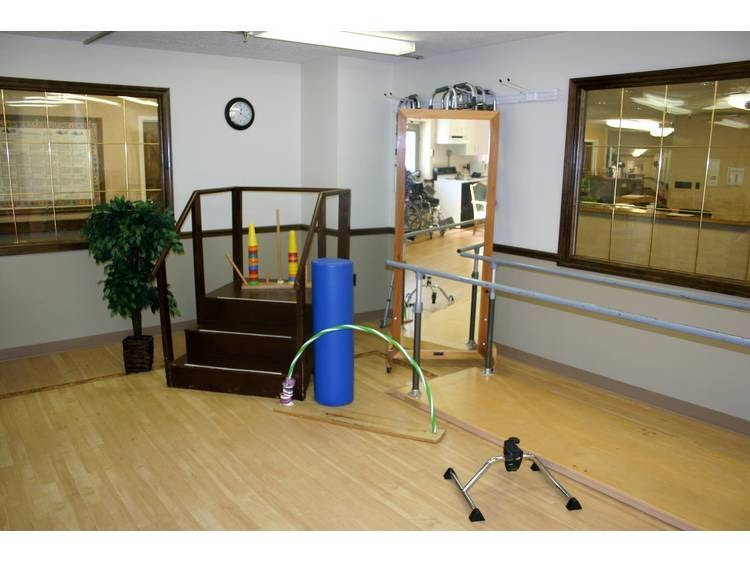
How is Miller'S Merry Manor Staffed?

CMS rates MILLER'S MERRY MANOR's staffing level at 3 out of 5 stars, which is average compared to other nursing homes. Staff turnover is 61%, which is 15 percentage points above the Indiana average of 46%. High turnover can affect care consistency as new staff learn residents' individual needs.

What Have Inspectors Found at Miller'S Merry Manor?

State health inspectors documented 20 deficiencies at MILLER'S MERRY MANOR during 2023 to 2025. These included: 20 with potential for harm.

Who Owns and Operates Miller'S Merry Manor?

MILLER'S MERRY MANOR is owned by a for-profit company. For-profit facilities operate as businesses with obligations to shareholders or private owners. The facility is operated by MILLER'S MERRY MANOR, a chain that manages multiple nursing homes. With 131 certified beds and approximately 72 residents (about 55% occupancy), it is a mid-sized facility located in PLYMOUTH, Indiana.

How Does Miller'S Merry Manor Compare to Other Indiana Nursing Homes?

Compared to the 100 nursing homes in Indiana, MILLER'S MERRY MANOR's overall rating (4 stars) is above the state average of 3.1, staff turnover (61%) is significantly higher than the state average of 46%, and health inspection rating (3 stars) is at the national benchmark.

What Should Families Ask When Visiting Miller'S Merry Manor?

Based on this facility's data, families visiting should ask: "How do you ensure continuity of care given staff turnover, and what is your staff retention strategy?" "Can I visit during a mealtime to observe dining assistance and food quality?" "How do you handle medical emergencies, and what is your hospital transfer rate?" "Can I speak with family members of current residents about their experience?" These questions are particularly relevant given the facility's high staff turnover rate.

Is Miller'S Merry Manor Safe?

Based on CMS inspection data, MILLER'S MERRY MANOR has a clean safety record: no substantiated abuse findings (meaning no confirmed cases of resident harm), no Immediate Jeopardy citations (the most serious violation level indicating risk of serious injury or death), and is not on the Special Focus Facility watch list (a federal program monitoring the lowest-performing 1% of nursing homes). The facility has a 4-star overall rating and ranks #1 of 100 nursing homes in Indiana. While no facility is perfect, families should still ask about staff-to-resident ratios and recent inspection results during their visit.

Do Nurses at Miller'S Merry Manor Stick Around?

Staff turnover at MILLER'S MERRY MANOR is high. At 61%, the facility is 15 percentage points above the Indiana average of 46%. High turnover means new staff may not know residents' individual needs, medications, or preferences. It can also be disorienting for residents, especially those with dementia who rely on familiar faces. Families should ask: What is causing the turnover? What retention programs are in place? How do you ensure care continuity during staff transitions?

Was Miller'S Merry Manor Ever Fined?

MILLER'S MERRY MANOR has no federal fines on record. CMS issues fines when nursing homes fail to meet care standards or don't correct problems found during inspections. The absence of fines suggests the facility has either maintained compliance or corrected any issues before penalties were assessed. This is a positive indicator, though families should still review recent inspection reports for the full picture.

Is Miller'S Merry Manor on Any Federal Watch List?

MILLER'S MERRY MANOR is not on any federal watch list. The most significant is the Special Focus Facility (SFF) program, which identifies the bottom 1% of nursing homes nationally based on persistent, serious quality problems. Not being on this list means the facility has avoided the pattern of deficiencies that triggers enhanced federal oversight. This is a positive indicator, though families should still review the facility's inspection history directly.