BRICKYARD HEALTHCARE - PORTAGE CARE CENTER
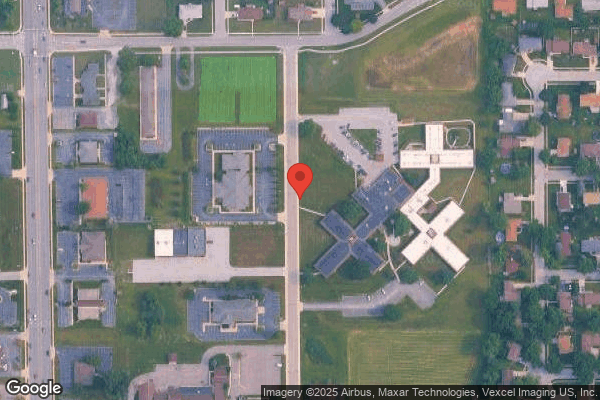
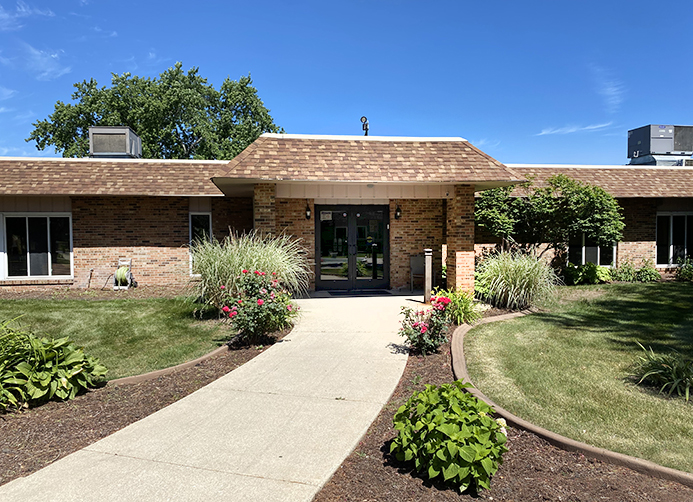
3175 LANCER ST, PORTAGE, IN 46368 (219) 762-9571
For profit - Limited Liability company 186 Beds BRICKYARD HEALTHCARE Data: November 2025
Trust Grade
65/100
#126 of 505 in IN
Last Inspection: August 2024

Within standard 12-15 month inspection cycle. Federal law requires annual inspections.

Overview

Brickyard Healthcare - Portage Care Center has a Trust Grade of C+, indicating it is slightly above average but not without issues. It ranks #126 out of 505 facilities in Indiana, placing it in the top half, and #2 out of 10 in Porter County, suggesting only one local option is better. The facility is improving, as the number of issues decreased from 15 in 2023 to 8 in 2024. Staffing is a weakness with a rating of only 2 out of 5 stars and a turnover rate of 47%, which matches the state average. However, it has had no fines, which is a positive sign, and it provides more RN coverage than many facilities, helping to catch potential problems early. Despite these strengths, there have been concerning incidents, including a serious case in which a resident was not transferred to the hospital in a timely manner after a change in condition, ultimately leading to their passing. Additionally, there were concerns about residents not being invited to care conferences and failure to complete prescribed treatments for skin integrity issues. Families should weigh these strengths and weaknesses carefully when considering this facility for their loved ones.

Trust Score
C+
65/100
In Indiana
#126/505
Top 24%
Safety Record
Moderate
Needs review
Inspections
Getting Better
15 → 8 violations
Staff Stability
⚠ Watch
47% turnover. Above average. Higher turnover means staff may not know residents' routines.
Penalties
✓ Good
No fines on record. Clean compliance history, better than most Indiana facilities.
Skilled Nurses
○ Average
Each resident gets 36 minutes of Registered Nurse (RN) attention daily — about average for Indiana. RNs are the most trained staff who monitor for health changes.
Violations
⚠ Watch
40 deficiencies on record. Higher than average. Multiple issues found across inspections.
★★★★☆
4.0
Overall Rating
★★☆☆☆
2.0
Staff Levels
★★★★★
5.0
Care Quality
★★★☆☆
3.0
Inspection Score
Stable
2023: 15 issues
2024: 8 issues

The Good

  • 5-Star Quality Measures · Strong clinical quality outcomes
  • Full Sprinkler Coverage · Fire safety systems throughout facility
  • No fines on record

Facility shows strength in quality measures, fire safety.

The Bad

Staff Turnover: 47%

Near Indiana avg (46%)

Higher turnover may affect care consistency

Chain: BRICKYARD HEALTHCARE

Part of a multi-facility chain

Ask about local staffing decisions and management

The Ugly 40 deficiencies on record

1 actual harm
Aug 2024 6 deficiencies
CONCERN (D) 📢 Someone Reported This

A family member, employee, or ombudsman was alarmed enough to file a formal complaint

Potential for Harm - no one hurt, but risky conditions existed

Quality of Care (Tag F0684)

Could have caused harm · This affected 1 resident

**NOTE- TERMS IN BRACKETS HAVE BEEN EDITED TO PROTECT CONFIDENTIALITY** Based on record review and interview, the facility failed to ensure medical appointments were completed in a timely manner for 1...

Read full inspector narrative →
**NOTE- TERMS IN BRACKETS HAVE BEEN EDITED TO PROTECT CONFIDENTIALITY** Based on record review and interview, the facility failed to ensure medical appointments were completed in a timely manner for 1 of 1 resident reviewed for a medical referral. (Resident B) Finding includes: The record for Resident B was reviewed on 8/20/24 at 3:40 p.m. Diagnoses included, but were not limited to, stroke, aphasia (a language disorder) following a stroke, hemiplegia and hemiparesis (muscle weakness and paralysis) following a stroke affecting the left non-dominant side, seizures, and altered mental status. The resident was admitted to the facility on [DATE]. The Quarterly Minimum Data Set (MDS) assessment, dated 7/26/24, indicated the resident was cognitively impaired for daily decision making. A Physician's Order, dated 3/8/24, indicated an appointment with the resident's Neurologist was to be scheduled in one month. An appointment was scheduled for 4/16/24 at 9:30 a.m. Nurses' Notes, dated 4/16/24 at 10:41 a.m., indicated the resident's appointment was rescheduled for 5/8/24 at 10:45 a.m. due to transportation did not show up for the appointment. The transportation company indicated the pick up time was entered in the portal at 5:00 p.m. on 4/15/24 and that did not give them enough time to see it. Nurses' Notes, dated 5/8/24 at 11:53 a.m., indicated the resident's daughter was contacted concerning the appointment with the Neurologist had been rescheduled. A transportation request was submitted. A Physician's Order, dated 5/8/24, indicated the resident was to see the Neurologist on 5/14/24 at 12:45 p.m. There was no documentation in the nursing progress notes on 5/14/24 to indicate the resident was seen by the neurologist. A Physician's Order, dated 6/7/24, indicated the resident was to see the Neurologist on 6/11/24 at 1:00 p.m. There was no documentation in the nursing progress notes on 6/11/24 to indicate the resident was seen by the neurologist. A Physician's Order, dated 8/15/24, indicated the resident was to be seen by the Neurologist on 8/19/24 at 9:30 a.m. There was no documentation in the nursing progress notes on 8/19/24 to indicate the resident was seen by the neurologist. Nurses' Notes, dated 8/20/24 at 8:49 a.m., indicated the resident's daughter was contacted to discuss the neurology appointment. An appointment was scheduled for 9/19/24. During an interview on 8/23/24 at 10:19 a.m., the C Wing Unit Manager indicated there had been issues getting the resident seen by the neurologist. For his first scheduled appointment, transportation did not show up. For the next appointment, his wheelchair did not fit through the door at the office, then they changed neurologists. Another time, he couldn't get off the transportation van, and his last appointment on 8/19/24 was supposed to be on 9/19/24. The Unit Manager indicated the resident had not been seen by a neurologist since admission. Facility Calendar Notes, provided by the C Wing Unit Manger, indicated on 4/16/24 transportation was unavailable and the appointment was rescheduled, on 5/14/24 the resident's wheelchair was not able to fit through the office doors and the resident would need to see a different neurologist, on 6/14/24 transport staff were unable to get the resident off of the van and the appointment was rescheduled, and on 8/19/24 there was an error with the appointment date. The resident's appointment was scheduled for 9/19 rather than 8/19/24. During an interview on 8/23/24 at 1:45 p.m., the Executive Director indicated alternative measures should have been attempted to get the resident seen by the neurologist. This citation relates to Complaint IN00441573. 3.1-37(a)
CONCERN (D)

Potential for Harm - no one hurt, but risky conditions existed

Pressure Ulcer Prevention (Tag F0686)

Could have caused harm · This affected 1 resident

Based on record review and interview, the facility failed to ensure residents with pressure ulcers received the necessary treatment and services to promote healing related to offloading heels when in ...

Read full inspector narrative →
Based on record review and interview, the facility failed to ensure residents with pressure ulcers received the necessary treatment and services to promote healing related to offloading heels when in bed for 1 of 5 residents reviewed for pressure ulcers. (Resident D) Finding includes: During random observations on 8/19/24 at 3:00 p.m. and 3:45 p.m., on 8/20/24 at 10:10 a.m., 3:07 p.m., and 3:55 p.m., and on 8/21/24 at 1:39 p.m. and 2:45 p.m., Resident D was observed lying in bed. At those times, the resident's heels were not offloaded while in the bed. The heels were lying directly on the mattress. On 8/22/24 at 2:55 p.m., the Wound Nurse removed the resident's sock so his pressure ulcer could be observed. The wound was located on the left heel and had black and dark maroon intact tissue to the wound bed. The surrounding skin was starting to flake off. There was no drainage noted. The record for Resident D was reviewed on 8/20/24 at 3:15 p.m. Diagnoses included, but were not limited to, urine retention, anemia, high blood pressure, obstructive uropathy (a disorder of the urinary tract that occurred due to obstructed urinary flow), anxiety, schizophrenia, mood disturbance, dementia, and depression. The 8/4/24 Quarterly Minimum Data Set (MDS) assessment indicated the resident was not cognitively intact for daily decision making. The resident had no pressure ulcers during the assessment reference period. A Care Plan, dated 8/12/24, indicated the resident had a pressure ulcer to the left heel. The approaches were to float the heels. A Change of Condition Note, dated 8/11/24 at 2:11 p.m., indicated the resident was noted to have a pressure related area to the right heel measuring 4 centimeters (cm) by 4 cm. The wound nurse was notified. A Wound Nurse Practitioner (NP) Note, dated 8/14/24 at 1:07 p.m., indicated the resident had a deep tissue injury (a form of pressure ulcer) to the left heel that measured 4 cm by 3.5 cm. The wound base had 100% of epithelial tissue (a layer of skin cells) and the wound edges were intact. The treatment recommendations were to apply skin prep to the base of the wound twice daily, leave open to air, and float the heels while in bed with the use of heel boots. Physician's Orders, dated 8/11/24, indicated to off load heels at bedtime for skin integrity. During an interview on 8/22/24 at 11:30 a.m., the Wound Nurse indicated the resident's heels should be offloaded all the time while in bed. During an interview on 8/22/24 at 2:00 p.m., the Executive Director had no additional information to provide. 3.1-40(a)(2)
CONCERN (D) 📢 Someone Reported This

A family member, employee, or ombudsman was alarmed enough to file a formal complaint

Potential for Harm - no one hurt, but risky conditions existed

Accident Prevention (Tag F0689)

Could have caused harm · This affected 1 resident

2. During random observations on 8/19/24 at 3:00 p.m. and 3:45 p.m., and on 8/20/24 at 10:10 a.m., 3:07 p.m., and 3:55 p.m., Resident D was observed lying in bed. At those times, the resident's bed wa...

Read full inspector narrative →
2. During random observations on 8/19/24 at 3:00 p.m. and 3:45 p.m., and on 8/20/24 at 10:10 a.m., 3:07 p.m., and 3:55 p.m., Resident D was observed lying in bed. At those times, the resident's bed was in a high position and there was no floor mat on the ground. The record for Resident D was reviewed on 8/20/24 at 3:15 p.m. Diagnoses included, but were not limited to, urine retention, anemia, high blood pressure, obstructive uropathy (a disorder of the urinary tract that occurred due to obstructed urinary flow), anxiety, schizophrenia, mood disturbance, dementia, and depression. The 8/4/24 Quarterly Minimum Data Set (MDS) assessment indicated the resident was not cognitively intact for daily decision making. The resident had no falls since the last assessment and had a urinary catheter. A Care Plan, initiated on 7/25/24, indicated the resident was at risk for falls related to confusion and poor safety awareness. The approaches were to have a mat beside the bed and keep the bed in a low position. Physician's Orders, dated 11/26/24, indicated a floor mat every shift for fall prevention. The Treatment Administration Record for the month of 8/2024, indicated the floor mat was signed out as being down and in place for the day shift on 8/19-8/20/24. During an interview on 8/22/24 at 9:55 a.m., CNA 1 indicated she was aware the resident was to have a floor mat beside the bed, and it was in the closet. During an interview on 8/22/24 at 10:05 a.m., the ACU Unit Manager indicated she was aware the resident needed a floor mat beside the bed and it was kept in the closet because his roommate was ambulatory and they did not want him to trip over it. During an interview on 8/22/24 at 2:00 p.m., the Executive Director indicated she had no additional information to provide. The current 2023 Accidents and Supervision policy, provided by the Executive Director on 8/22/24 at 11:42 a.m., indicated Implementation of Interventions-using specific interventions to try to reduce a resident's risks from hazards in the environment. The process includes: e. Ensuring that the interventions are put into action. Monitoring and Modifications - Monitoring is the process of evaluation the effectiveness of care plan interventions. - Modification is the process of adjusting interventions as needed to make them more effective in addressing hazards and risks. Monitoring and modification processes include: Ensuring that interventions are implemented correctly and consistently This citation relates to Complaint IN00438937. 3.1-45(a)(2) Based on observation, record review, and interview, the facility failed to ensure a call light was in reach and preventative fall measures were in use for residents who were identified as a fall risk for 2 of 5 residents reviewed for falls. (Residents C and D) Findings include: 1. During a random observation on 8/20/24 at 11:40 a.m., Resident C was in her room in bed. The resident's eyes were closed and her call light was observed on the floor underneath her bed. On 8/20/24 at 3:05 p.m., the resident remained in her bed and was watching television. The call light remained on the floor underneath the bed. At 3:12 p.m., a CNA entered the resident's room. The CNA exited the room after providing care. At 3:25 p.m., the resident was observed in bed and the call light was in reach. The record for Resident C was reviewed on 8/21/24 at 3:32 p.m. Diagnoses included, but were not limited to, repeated falls, anxiety, and dementia without behavior disturbance. The Quarterly Minimum Data Set (MDS) assessment, dated 5/17/24, indicated the resident was cognitively intact. The resident required substantial to maximum assistance with bed mobility and transfers. The resident had not had any falls since the prior assessment. A Care Plan, dated 1/3/23 and reviewed on 6/18/24, indicated the resident was at risk for falls related to a history of falls and weakness. Interventions included, but were not limited to, keep call light or personal items available and in easy reach. The Fall Risk Assessment, dated 8/13/24, indicated the resident was a fall risk. During an interview on 8/23/24 at 2:54 p.m., the Executive Director indicated the resident's call light should have been in reach.
CONCERN (D)

Potential for Harm - no one hurt, but risky conditions existed

Incontinence Care (Tag F0690)

Could have caused harm · This affected 1 resident

Based on observation, record review, and interview, the facility failed to ensure Foley catheter bags and tubing were kept off of the floor for 1 of 1 resident reviewed for catheters. (Resident D) Fi...

Read full inspector narrative →
Based on observation, record review, and interview, the facility failed to ensure Foley catheter bags and tubing were kept off of the floor for 1 of 1 resident reviewed for catheters. (Resident D) Finding includes: During random observations on 8/19/24 at 9:56 a.m. and 11:40 a.m., Resident D was observed sitting in a high back wheelchair. The bottom of the catheter bag was observed on the floor under the wheelchair. During a random observation on 8/21/24 at 1:39 p.m., the resident was observed in bed. The bed was very low to the ground and the catheter bag and tubing was observed laying on the floor mat. On 8/22/24 at 10:00 a.m., the resident was observed sitting in the high back wheelchair. At that time, the catheter bag was hanging right below the arm rest of the wheelchair and not below his waist. The record for Resident D was reviewed on 8/20/24 at 3:15 p.m. Diagnoses included, but were not limited to, urine retention, anemia, high blood pressure, obstructive uropathy (a disorder of the urinary tract that occurred due to obstructed urinary flow), anxiety, schizophrenia, mood disturbance, dementia, and depression. The 8/4/24 Quarterly Minimum Data Set (MDS) assessment, indicated the resident was not cognitively intact for daily decision making. The resident had a urinary catheter. A Care Plan, revised on 7/19/24, indicated the resident had a history of chronic/recurring urinary tract infections. The approaches were to keep the drainage bag of the catheter below the level of the bladder at all times and off the floor. A Care Plan, revised on 7/19/24, indicated the resident had an indwelling catheter related to urine retention and obstructive uropathy. The approaches were to keep the drainage bag of the catheter below the level of the bladder at all times and off the floor. A Physician's Order, dated 5/26/24, indicated Foley catheter, size 14 French and 10 cubic centimeter (cc)balloon. Physician's Orders, dated 8/6/24 and discontinued on 8/14/24, indicated Augmentin (an antibiotic medication) 500-125 milligrams (mg), give 1 tablet by mouth three times a day for ESBL (Extended-Spectrum Beta-Lactamase infection caused by bacteria that produce an enzyme that was resistant to many commonly used antibiotics) for 7 days. During an interview on 8/22/24 at 9:55 a.m., CNA 1 indicated she was aware the catheter bag and tubing were on the floor because the bed had to be in a low position. She was told by the Unit Manager to put the bag and tubing in a basin. During an interview on 8/22/24 at 10:05 a.m., the ACU Unit Manager indicated she observed the catheter bag and tubing on the floor mat and instructed the CNA to put it in a basin. The catheter bag was to be below the resident's waist. The current 2023 Indwelling Catheter Use and Removal policy, provided by the Executive Director on 8/22/24 at 3:00 p.m., indicated If an indwelling catheter is in use, the facility will provide appropriate care for the catheter in accordance with current professional standards of practice and resident care polices and procedures that include but are not limited to: . d. Insertion, ongoing care and catheter removal protocols that adhere to professional standards of practice and infection prevention and control procedures. Additional care practices include: e. Securement of the catheter to facilitate flow of urine, prevention of kinks in the tubing and positioning below the level of the waist . 3.1-41(a)(2)
CONCERN (D)

Potential for Harm - no one hurt, but risky conditions existed

Respiratory Care (Tag F0695)

Could have caused harm · This affected 1 resident

Based on observation, record review, and interview, the facility failed to ensure oxygen was set at the correct flow rate for 1 of 2 residents reviewed for respiratory care. (Resident 90) Finding incl...

Read full inspector narrative →
Based on observation, record review, and interview, the facility failed to ensure oxygen was set at the correct flow rate for 1 of 2 residents reviewed for respiratory care. (Resident 90) Finding includes: During random observations on 8/19/24 at 10:36 a.m. and 3:35 p.m., Resident 90 was observed wearing oxygen per nasal cannula at just under 3 liters per minute. During random observations on 8/22/24 at 9:56 a.m. and 11:12 a.m., the resident was observed wearing oxygen per nasal cannula. The oxygen flow rate was set right under 3 liters. During a random observation on 8/23/24 at 8:46 a.m., the resident was observed awake in bed. The resident was wearing oxygen per nasal cannula. The oxygen flow rate was set directly below 3 liters. The record for Resident 90 was reviewed on 8/19/24 at 10:45 a.m. Diagnoses included, but were not limited to, insomnia (difficulty sleeping), chronic obstructive pulmonary disease (COPD), and high blood pressure. The Quarterly Minimum Data Set (MDS) assessment, dated 7/22/24, indicated the resident was cognitively intact for daily decision making and she wore oxygen. Physician's Orders, dated 4/30/24, indicated the resident was to have continuous oxygen at 2 liters per minute per nasal cannula. The Medication Administration Record (MAR), dated August 2024, indicated the oxygen was signed out as being given at 2 liters on the following dates: 8/19/24, 8/20/24, 8/21/24 and 8/22/24. During an interview on 8/22/24 at 9:35 a.m., the Executive Director (ED) indicated the resident's oxygen should have been on at the correct flow rate. During an interview on 8/22/24 at 10:22 a.m., QMA 1 indicated the oxygen ball should be directly in the middle of the 2 liter line if the resident was on 2 liters of oxygen. She had signed off in Resident 90's MAR that the oxygen was given at 2 liters per nasal cannula on 8/22/24 for the AM shift. 3.1-47(a)(6)
CONCERN (D)

Potential for Harm - no one hurt, but risky conditions existed

Infection Control (Tag F0880)

Could have caused harm · This affected 1 resident

Based on observation, record review, and interview, the facility failed to ensure infection control guidelines were in place and implemented related to not sanitizing and disinfecting multiple residen...

Read full inspector narrative →
Based on observation, record review, and interview, the facility failed to ensure infection control guidelines were in place and implemented related to not sanitizing and disinfecting multiple resident use equipment for a random observation during medication pass. (Residents 71 and 53) Finding includes: During medication administration pass on 8/22/24 at 8:10 a.m., LPN 1 was observed checking Resident 71's blood pressure, pulse, and temperature with reusable instruments. After she had finished, she brought all of the items back to the medication cart and placed them to the side. The LPN did not sanitize the blood pressure machine and cuff, thermometer, or the pulse oximetry device. LPN 1 prepared, poured, and administered the resident's medication and left the room. She moved the medication cart across the hall to Resident 53's room. At 8:27 a.m., she took the blood pressure machine, thermometer, and pulse oximetry device into his room and checked his vital signs. The items had not been sanitized after they were previously used. After checking his vital signs, she brought all of the devices to the medication cart and cleaned them with a germicide wipe. During an interview at that time, LPN 1 was aware the reusable equipment was to be cleaned and sanitized after each use. During an interview on 8/22/24 at 2:00 p.m., the Executive Director had no additional information to provide. The current 2024 Cleaning and Disinfection of Resident-Care Equipment policy, provided by the Executive Director on 8/22/24 at 3:00 p.m., indicated Staff shall follow established infection control principles for cleaning and disinfecting reusable, non critical equipment. General guidelines include: . b. Each user is responsible for routine cleaning and disinfection of multi-resident items after each use, particularly before use for another resident. d. Multiple resident use equipment shall be cleaned and disinfected after each use . 3.1-18(b)
Jan 2024 2 deficiencies
CONCERN (D) 📢 Someone Reported This

A family member, employee, or ombudsman was alarmed enough to file a formal complaint

Potential for Harm - no one hurt, but risky conditions existed

Medical Records (Tag F0842)

Could have caused harm · This affected 1 resident

Based on record review and interview, the facility failed to ensure resident records were complete and accurate related to a lack of documentation regarding edema and laboratory testing for 1 of 3 res...

Read full inspector narrative →
Based on record review and interview, the facility failed to ensure resident records were complete and accurate related to a lack of documentation regarding edema and laboratory testing for 1 of 3 residents reviewed for edema. (Resident D) Findings include: Resident D's record was reviewed on 1/17/24 at 10:00 a.m. Diagnoses included, but were not limited to, muscle wasting and atrophy, schizophrenia, bipolar disorder, autistic disorder and deaf non speaking. The admission Minimum Data Set assessment, dated 9/6/23, indicated the resident required substantial/ maximum assistance for bed mobility and transfers, and was dependent on staff for toileting. A General Note, dated 10/4/23, indicated the resident had completed the Brief Interview for Mental Screening and was cognitively intact. A General Note, dated 10/4/23, indicated a verbal order had been received from the Physician's nurse for Lasix (a diuretic) 40 milligrams daily for 5 days for lower extremity swelling and to obtain a uric acid lab test to rule out the medical diagnosis of gout. The record lacked results of the uric acid lab test. There was no documentation the lab test had been completed or was refused. There were no orders for the uric acid test in Physician Orders in the electronic record. The Skilled Nursing Assessments, dated 10/4, 10/5, 10/6 and 10/7/23, indicated there was no edema and no labs ordered. Progress notes after 10/4/23, lacked any documentation related to lower extremity edema, labs completed or refused, or family or Physician notification. The AIT (Administrator in Training) provided a lab requisition dated 10/4/23 for a uric acid test. A refusal had been circled, it was signed by a nurse and undated. During a telephone interview with a laboratory employee on 1/18/24 at 8:55 a.m., she indicated if a resident refused to have a lab obtained, they would have a record in their system. She indicated there was no order received for Resident D for a uric acid test around 10/4/23 or a refusal of the test. During an interview with RN 1 on 1/18/24 at 8:50 a.m., she indicated when a lab order was received the procedure was to enter the order into the computer, fill out a lab requisition, and call the lab to let them know if it was something unusual. The lab came to the facility 5 days a week. If the resident refused, they would notify the Physician and family and document in a progress note. During an interview with the Physician on 1/18/24, he indicated he was aware the resident had refused the lab test three months ago, but had not documented in the record. This citation relates to Complaint IN00421983. 3.1-50(a)(1)
CONCERN (D) 📢 Someone Reported This

A family member, employee, or ombudsman was alarmed enough to file a formal complaint

Potential for Harm - no one hurt, but risky conditions existed

Infection Control (Tag F0880)

Could have caused harm · This affected 1 resident

Based on observation, record review, and interview, the facility failed to ensure infection control guidelines were in place and implemented, including those specific to properly prevent and/or contai...

Read full inspector narrative →
Based on observation, record review, and interview, the facility failed to ensure infection control guidelines were in place and implemented, including those specific to properly prevent and/or contain COVID-19, related to not having current outbreak status information visibly posted or passive screening completed for visitors during an outbreak. This had the potential to affect all 134 residents in the facility. Findings include: On 1/17/24 at 8:45 a.m., the facility entrance was observed. There were no visible postings in the entrance way that indicated the facility was in COVID-19 outbreak status. There was a reception desk with an employee present. There was a sign-in book that required name, date, time of visit and reason for visit, there were no health screening questions, nor did the receptionist ask any. There was a stand with hand sanitizer and face masks with a sign that indicated to cover your cough, and clean your hands. During tour of the facility on 1/17/24, there were rooms noted to have isolation bins and contact/ droplet isolation signs on the door. A staff member indicated they were for residents with COVID-19 or RSV (Respiratory Syncytial Virus). Staff were not observed to be wearing face masks. During an interview with the AIT (Administrator in Training) on 1/18/24 at 8:58 a.m., she indicated there were currently two residents with COVID-19 in the facility. During an interview with the IP (Infection Prevention) Nurse, on 1/18/24 at 11:05 a.m., she provided a letter she indicated was on the reception desk. The letter was dated 10/24/23 and indicated, Attention all visitors, vendors, and contractors: Due to a COVID-19 outbreak we are back to wearing masks. If you're here to visit a COVID positive resident, please check in at the nurses' station prior to entering for instructions. Thank You. She indicated the facility had been in outbreak status off and on since October 24, and that masks were not required any more. When advised the State Agency staff had not seen the letter, she indicated maybe it had been taken down. She would update the letter to reflect current recommendations. During an interview with the AIT on 1/18/24, she indicated the receptionist would ask visitors if they were having any symptoms when visiting, that was their passive screening. The current Center for Disease Control document, Interim Infection Prevention and Control Recommendations for Healthcare Personnel During the Coronavirus Disease Pandemic, indicated, .Ensure everyone is aware of recommended IPC practices in the facility. Post visual alerts (e.g., signs, posters) at the entrance and in strategic places (e.g., waiting areas, elevators, cafeterias). These alerts should include instructions about current IPC recommendations (e.g., when to use source control and perform hand hygiene). Dating these alerts can help ensure people know that they reflect current recommendations. Establish a process to make everyone entering the facility aware of recommended actions to prevent transmission to others if they have any of the following three criteria: 1) a positive viral test for SARS-CoV-2 2) symptoms of COVID-19, or 3) close contact with someone with SARS-CoV-2 infection (for patients and visitors) or a higher-risk exposure (for healthcare personnel (HCP) 3.1-18(b)
Sept 2023 8 deficiencies
CONCERN (D)

Potential for Harm - no one hurt, but risky conditions existed

Deficiency F0554 (Tag F0554)

Could have caused harm · This affected 1 resident

Based on observation, record review, and interview, the facility failed to ensure a self-medication administration assessment was completed for a resident with medication at the bedside for 1 of 1 res...

Read full inspector narrative →
Based on observation, record review, and interview, the facility failed to ensure a self-medication administration assessment was completed for a resident with medication at the bedside for 1 of 1 residents reviewed for self-administration of medication. (Resident 45) Finding includes: On 9/18/23 at 10:33 a.m., Resident 45 was observed lying in her bed. There was a bottle of Deep-Sea Nasal Spray on top of the bedside table. On 9/20/23 at 10:02 a.m., the bottle of nasal spray was still observed on the bedside table. The record for Resident 45 was reviewed on 9/19/23 at 2:09 p.m. Diagnoses included, but were not limited to, anemia, heart failure, diabetes, anxiety, depression, weakness and cellulitis. The Quarterly Minimum Data Set (MDS) assessment, dated 7/12/23, indicated the resident was cognitively intact and required extensive assistance with 2 staff physical assist for bed mobility, dressing, toileting, personal hygiene, and transfers. A Physician's Order, dated 7/5/23, indicated to give Ocean Nasal Spray (Saline spray), 1 spray in both nostrils every 8 hours as needed. There was no self-medication administration assessment. There was no Physician order to self-administer medications. Interview with the Nurse Consultant and Administrator in Training (AIT) on 9/20/23 at 3:06 p.m., indicated they were unaware the resident had nasal spray at the bedside. Interview with the AIT on 9/20/23 at 5:20 p.m., indicated she was aware the resident should not have had medication at the beside and the nasal spray order was discontinued. There was no additional information provided. 3.1-7(a)(2)
CONCERN (D)

Potential for Harm - no one hurt, but risky conditions existed

ADL Care (Tag F0677)

Could have caused harm · This affected 1 resident

**NOTE- TERMS IN BRACKETS HAVE BEEN EDITED TO PROTECT CONFIDENTIALITY** Based on observation, record review, and interview, the facility failed to ensure dependent residents received assistance with A...

Read full inspector narrative →
**NOTE- TERMS IN BRACKETS HAVE BEEN EDITED TO PROTECT CONFIDENTIALITY** Based on observation, record review, and interview, the facility failed to ensure dependent residents received assistance with ADL's (activities of daily living) related to nail care for 1 of 7 residents reviewed for ADL's. (Resident 118) Finding includes: On 9/18/23 at 11:30 a.m. and 1:52 p.m., on 9/19/23 at 10:30 a.m. and 3:17 p.m., and on 9/20/23 at 10:40 a.m. and 2:14 p.m., Resident 118 was observed with long fingernails to both hands. The record for Resident 118 was reviewed on 9/19/23 at 2:50 p.m. The resident was admitted to the facility on [DATE]. Diagnoses included, but were not limited to, stroke, dysphagia, peg tube, high blood pressure, dementia, altered mental status and neuromuscular dysfunction of the bladder. The admission Minimum Data Set (MDS) assessment, dated 8/10/23, indicated the resident was severely impaired for decision making. The resident had no mood or behavior problems and was totally dependent on staff with a 2 person physical assist needed for personal hygiene. The resident had an indwelling foley (urinary) catheter and received an enteral feeding of 51% or more a day. A Care Plan, dated 8/16/23, indicated the resident had an ADL self care deficit related to a stroke. The CNA task section indicated there was no documentation the resident's nails were clipped. Interview with the Administrator in Training (AIT) on 9/20/23 at 5:20 p.m., indicated the resident's nails were clipped this evening. 3.1-38(a)(3)(E)
CONCERN (D)

Potential for Harm - no one hurt, but risky conditions existed

Deficiency F0688 (Tag F0688)

Could have caused harm · This affected 1 resident

**NOTE- TERMS IN BRACKETS HAVE BEEN EDITED TO PROTECT CONFIDENTIALITY** Based on observation, record review, and interview, the facility failed to ensure palm protectors were in place as ordered for 1...

Read full inspector narrative →
**NOTE- TERMS IN BRACKETS HAVE BEEN EDITED TO PROTECT CONFIDENTIALITY** Based on observation, record review, and interview, the facility failed to ensure palm protectors were in place as ordered for 1 of 1 residents reviewed for limited range of motion (ROM). (Resident 231) Finding includes: On 9/18/23 at 11:15 a.m., 1:20 p.m., and 2:24 p.m., on 9/19/23 at 10:30 a.m., 1:52 p.m., and 3:15 p.m., and on 9/20/23 at 9:40 a.m., Resident 231 was observed in bed. At those times, there were no palm protectors to either one of his hands. The record for Resident 231 was reviewed on 9/19/23 at 2:15 p.m. The resident was admitted to the facility on [DATE]. Diagnoses included, but were not limited to, traumatic subdural hemorrhage, stroke, hemiplegia, dysphagia, peg tube, repeated falls, dementia, depression, and anxiety. The admission Minimum Data Set (MDS) assessment was still in progress. There was no Care Plan for limited range of motion. Physician's Orders, dated 9/12/23, indicated palm protectors to both hands at all times. May remove for bathing and check the placement and skin every shift. The Treatment Administration Record (TAR), dated 9/2023, indicated nursing staff had signed out the palm protectors as being on and in place 9/13-9/20/23. Interview with the Administrator in Training (AIT) on 9/20/23 at 5:20 p.m., indicated the palm protectors were discontinued. 3.1-42(a)(2)
CONCERN (D)

Potential for Harm - no one hurt, but risky conditions existed

Incontinence Care (Tag F0690)

Could have caused harm · This affected 1 resident

**NOTE- TERMS IN BRACKETS HAVE BEEN EDITED TO PROTECT CONFIDENTIALITY** 2. On 9/18/23 at 10:25 a.m. Resident 83 was seated in his wheelchair in his room. His urinary catheter bag was inside a blue clo...

Read full inspector narrative →
**NOTE- TERMS IN BRACKETS HAVE BEEN EDITED TO PROTECT CONFIDENTIALITY** 2. On 9/18/23 at 10:25 a.m. Resident 83 was seated in his wheelchair in his room. His urinary catheter bag was inside a blue cloth bag hanging from the arm rest of his wheelchair. The bag was at waist level and was not below the level of the bladder. On 9/20/23 at 9:06 a.m. the resident was seated in his wheelchair near the Nurse's Station. His urinary catheter bag was inside a blue cloth bag hanging from the arm rest of his wheelchair. The bag was at waist level and was not below the level of the bladder. On 9/20/23 at 12:15 p.m. the resident was seated in his wheelchair in the Main Dining Room. His urinary catheter bag was inside a blue cloth bag hanging from the arm rest of his wheelchair. The bag was at waist level and was not below the level of the bladder. The record for Resident 83 was reviewed on 9/19/23 at 3:03 p.m. Diagnoses included, but were not limited to, chronic kidney disease, hypertension, and heart failure. The Quarterly Minimum Data Set (MDS) assessment, dated 8/26/23, indicated the resident had an indwelling urinary catheter. A Care Plan, dated 6/20/23, indicated the resident had an indwelling urinary catheter. The interventions included, .check catheter tubing for proper drainage and positioning .keep drainage bag of catheter below the level of the bladder at all times and off floor . A Physician's Order, dated 8/2/23, indicated the resident had a suprapubic catheter 16 french with 10 cc (cubic centimeters) balloon for the diagnosis of neuromuscular dysfunction of the bladder. A Progress Note, dated 7/31/23, indicated the resident had a urinalysis completed and was diagnosed with a UTI (urinary tract infection). He was started on Bactrim (an antibiotic) 800-160 mg (milligrams) by mouth twice a day for 10 days. A Physician's Note, dated 7/6/23, indicated the resident had frequent urinary tract infections. Interview with the Administrator in Training and the [NAME] President of Regulatory Compliance on 9/20/23 at 2:49 p.m., indicated the catheter bag should be placed below the level of the bladder. 3. On 9/19/23 at 10:22 a.m. Resident 102 was seated in his wheelchair in his room. His urinary catheter bag was inside a blue cloth bag hanging from the arm rest of his wheelchair. The bag was at waist level and was not below the level of the bladder. The catheter tubing was lying across his lap, and he was holding it in his hands. On 9/20/23 at 9:04 a.m. the resident was seated in his wheelchair in his room. His urinary catheter bag was inside a blue cloth bag hanging from the arm rest of his wheelchair. The bag was at waist level and was not below the level of the bladder. On 9/20/23 at 11:38 a.m. the resident was seated in his wheelchair in his room. His urinary catheter bag was inside a blue cloth bag hanging from the arm rest of his wheelchair. The bag was at waist level and was not below the level of the bladder. The record for Resident 102 was reviewed on 9/21/23 at 2:48 p.m. Diagnoses included, but were not limited to, acute kidney failure, retention of urine, and neuromuscular dysfunction of the bladder. The Quarterly Minimum Data Set (MDS) assessment, dated 8/15/23, indicated the resident had an indwelling urinary catheter. A Care Plan, dated 8/23/23, indicated the resident had a suprapubic urinary catheter. The interventions included, .check catheter tubing for proper drainage and positioning .keep drainage bag of catheter below the level of the bladder at all times and off floor . A Care Plan, dated 9/11/23, indicate the resident was currently being treated for a UTI. A Physician's Order, updated 2/10/23, indicated the resident had a suprapubic catheter 16 french with 10 cc (cubic centimeters) balloon for the diagnosis of neurogenic bladder. A Physician's Order, updated 9/13/23, indicated gentamicin (an antibiotic) 480 mg intravenously for 14 days for UTI. Interview with the Administrator in Training and the [NAME] President of Regulatory Compliance on 9/20/23 at 2:49 p.m., indicated the catheter bag should be placed below the level of the bladder. 3.1-41(a)(2) Based on observation, record review, and interview, the facility failed to ensure an indwelling foley (urinary) catheter was placed below the level of the bladder and not on the floor for 3 of 3 residents reviewed for catheters. (Residents 118, 83, and 102) Findings include: 1. On 9/18/23 at 11:30 a.m., 1:35 p.m., and 2:55 p.m., Resident 118 was observed seated in a wheelchair. At those times, her indwelling foley catheter was wrapped around the arm of the wheelchair and above the level of her bladder. On 9/19/23 at 10:30 a.m., 1:52 p.m., and 3:17 p.m., and on 9/20/23 at 9:42 a.m., the resident was observed in bed. At those times, the bed was very low to the ground and the indwelling foley catheter bag was resting directly on the floor. The record for Resident 118 was reviewed on 9/19/23 at 2:50 p.m. The resident was admitted to the facility on [DATE]. Diagnoses included, but were not limited to, stroke, dysphagia, peg tube, high blood pressure, dementia, altered mental status and neuromuscular dysfunction of the bladder. The admission Minimum Data Set (MDS) assessment, dated 8/10/23, indicated the resident was severely impaired for decision making. The resident had no mood or behavior problems and was totally dependent on staff with a 2 person physical assist for personal hygiene. The resident had an indwelling foley catheter and received an enteral feeding of 51% or more a day. A Care Plan, dated 8/16/23, indicated the resident had an indwelling urinary catheter. The approaches were to check the catheter tubing for proper drainage and positioning and to keep the drainage bag of the catheter below the level of the bladder at all times and off the floor. Physician's Orders, dated 8/3/23, indicated foley catheter 16 French related to bladder dysfunction. Interview with [NAME] President of Regulatory Compliance on 9/21/23 at 8:45 a.m., indicated the catheter bag should not have been on the floor and it should have been below the level of the resident's bladder.
CONCERN (D)

Potential for Harm - no one hurt, but risky conditions existed

Deficiency F0692 (Tag F0692)

Could have caused harm · This affected 1 resident

2. On 9/18/23 at 10:25 a.m., Resident 83 was seated in his wheelchair in his room. He indicated he was sleepy because he hadn't slept well the night before. He was not sure about any fluid restriction...

Read full inspector narrative →
2. On 9/18/23 at 10:25 a.m., Resident 83 was seated in his wheelchair in his room. He indicated he was sleepy because he hadn't slept well the night before. He was not sure about any fluid restrictions he had. The record for Resident 83 was reviewed on 9/19/23 at 3:03 p.m. Diagnoses included, but were not limited to, chronic kidney disease, hypertension, and heart failure. The Quarterly Minimum Data Set (MDS) assessment, dated 8/26/23, indicated the resident was cognitively intact. A current Care Plan indicated the resident was on a therapeutic diet and a fluid restriction per physician's order. A Physician's Order, dated 6/30/23, indicated the resident had a fluid restriction of 1500 ml (milliliters) daily. He was to have 360 ml per meal from dietary and 140 ml per shift from nursing. The Medication Administration Records (MAR) and Treatment Administration Records (TAR), dated 8/2023 and 9/2023, lacked any documentation of the resident's fluid intakes or daily fluid intake totals. The Activities of Daily Living (ADL) Task documentation, dated 8/2023 and 9/2023, lacked any documentation for fluid intakes or daily fluid intake totals. The Fluid Restriction Log Book, dated 9/2023, had intake/output record sheets for each day. The intake/output sheets only kept track of the fluid intakes and daily fluid intake totals provided by nursing. There was lack of any documentation of the fluid intakes provided by dietary. Interview with the Administrator in Training (AIT) and the [NAME] President of Regulatory Compliance on 9/20/23 at 2:49 p.m., indicated they were unsure where the fluid intakes were documented but they would look into it. Interview with an Administrator from a Sister Facility on 9/21/23 at 2:31 p.m., indicated nursing had only documented the fluid intakes provided by nursing. Dietary provided the amount of fluids designated per the fluid restriction Physician's Order but had not documented any fluids intakes. She was unable to provide documentation of any daily fluid intake totals for the resident. A facility policy, titled Fluid Restriction, received as current, indicated, .1. The nurse will obtain and verify the Physician's Order for the fluid restriction and an order written to include the breakdown of the amount of fluid per 24 hours to be distributed between the food and nutrition department and the nursing department, and will be recorded on the medication record or other format as per facility protocol . 3.1-46(a)(1) 3.1-46(b) Based on observation, record review, and interview, the facility failed to ensure residents received the correct diet for double portions and a fluid restriction was monitored for 2 of 3 residents reviewed for nutrition. (Residents 87 and 83) Findings include: 1. An interview with Resident 87's spouse on 9/18/23 at 2:01 p.m., indicated she visited her husband every day and was there during the lunch meal. He was supposed to receive double portions for all meals but had not been getting them. On 9/20/23 at 12:12 p.m. the resident was seated in a broda chair in the lounge next to his wife. At that time, lunch was served to him and he received 1 tuna fish sandwich, 1 can of tomato juice, 1 small piece of cake and 1 bowl of creamed soup. The meal ticket on his tray indicated double portions. On 9/21/23 at 12:00 p.m., the resident was seated in a broda chair in the lounge next to his wife. At that time, lunch was served to him and he received single portions of carrots, potato salad, cake and chopped meat. The record for Resident 87 was reviewed on 9/20/23 at 10:55 a.m. Diagnoses included but were not limited to, adult failure to thrive, repeated falls, major depressive disorder, high blood pressure, Alzheimer's disease, psychosis, anxiety disorder, insomnia The 7/31/23 Significant change Minimum Data Set (MDS) assessment, indicated the resident was not cognitively intact. The resident had no significant weight loss and received a mechanically altered diet. A Care Plan, revised on 8/12/23, indicated the resident received a mechanically altered diet with additional portions for appetite. The approaches were to provide the diet as ordered. Physician's Orders, dated 10/28/22, indicated serve a regular mechanical soft/east to chew diet with double portions. The last Registered Dietitian's (RD) Progress Note was dated 6/12/23. The RD indicated the resident received double portions at meals for appetite. Interview with the Director of Nursing on 9/21/23 at 1:45 p.m., indicated she was unaware the resident should receive double portions for meals.
CONCERN (D)

Potential for Harm - no one hurt, but risky conditions existed

Tube Feeding (Tag F0693)

Could have caused harm · This affected 1 resident

**NOTE- TERMS IN BRACKETS HAVE BEEN EDITED TO PROTECT CONFIDENTIALITY** 3. On 9/20/23 at 2:22 p.m., QMA 1 was observed preparing to administer a medication through Resident 57's peg tube. QMA 1 washed...

Read full inspector narrative →
**NOTE- TERMS IN BRACKETS HAVE BEEN EDITED TO PROTECT CONFIDENTIALITY** 3. On 9/20/23 at 2:22 p.m., QMA 1 was observed preparing to administer a medication through Resident 57's peg tube. QMA 1 washed her hands with soap and water and donned clean gloves to both hands. She checked for placement of the peg tube and for any residual. She attached a piston syringe to the peg tube and administered 15 ml (milliliters) of water. She then opened a package of duloxetine (antidepressant medication) and emptied it with 5 ml of water into a medicine cup. She stirred the mixture with the piston syringe and administered the medication through the peg tub. After administering the medication, she flushed the tubing with 15 ml of water. Interview with LPN 1 on 9/20/23 at 3:30 p.m., indicated QMA 1 was busy remembering the policy and didn't read the flush order correctly. The record for Resident 57 was reviewed on 9/21/23 at 10:45 a.m. A Physician's Order, dated 12/21/22, indicated to flush the peg tube with 30 ml (milliliters) of water before and after medication administration. Interview with the Nurse Consultant on 9/21/23 at 1:42 p.m., indicated she would speak with the QMA about the flush order. Interview with the Nurse Consultant on 9/21/23 at 2:23 p.m., indicated QMA 1 was nervous and had the procedure in front of her and gave the amount that was on the policy rather then what was ordered by the Physician 3.1-47(a)(2) Based on observation, record review, and interview, the facility failed to ensure gastrostomy tube feedings were infusing at the correct time and rate for 2 of 3 residents reviewed for tube feedings and water flushes were administered during medication pass as ordered for 1 of 7 residents observed during medication pass. (Residents 118, 231, and 57) Findings include: 1. On 9/18/23 at 2:55 p.m., Resident 118 was observed seated in a wheelchair in the dining room. At that time, she was not connected to an enteral tube feeding. On 9/19/23 at 1:52 p.m. and on 9/20/23 at 9:42 a.m., the resident was observed in bed and the enteral tube feed was infusing at 55 cubic centimeters (cc) per hour. The record for Resident 118 was reviewed on 9/19/23 at 2:50 p.m. The resident was admitted to the facility on [DATE]. Diagnoses included, but were not limited to, stroke, dysphagia, peg tube, high blood pressure, dementia, altered mental status and neuromuscular dysfunction of the bladder. The admission Minimum Data Set (MDS) assessment, dated 8/10/23, indicated the resident was severely impaired for decision making. The resident had no mood or behavior problems and was totally dependent on staff with a 2 person physical assist for personal hygiene. The resident had an indwelling foley catheter and received an enteral feeding of 51% or more a day. A Care Plan, dated 8/24/23, indicated the resident was dependent on tube feeding. The approaches were to provide enteral formula and feedings as ordered. Physician's Orders, dated 8/8/23, indicated enteral feed two times a day of Jevity 1.5 at 55 cc per hour times 18 hours, on at 2:00 p.m. and off at 8:00 a.m. Interview with the [NAME] President of Regulatory Compliance on 9/21/23 at 8:45 a.m., indicated the enteral tube feeding should have been infusing as ordered by the Physician. 2. On 9/18/23 at 11:15 a.m., 1:20 p.m., and 2:24 p.m., Resident 231 was observed in bed. At those times, an enteral tube feeding was infusing at 55 cubic centimeters (cc) per hour. On 9/19/23 at 10:30 a.m. and 1:52 p.m., the resident was observed in bed and the enteral tube feeding was infusing at 65 cc per hour. At 3:15 p.m., the tube feeding was turned off. On 9/20/23 at 9:40 a.m., the resident was observed in bed and the enteral tube feeding was infusing at 65 cc per hour. The record for Resident 231 was reviewed on 9/19/23 at 2:15 p.m. The resident was admitted to the facility on [DATE]. Diagnoses included, but were not limited to, traumatic subdural hemorrhage, stroke, hemiplegia, dysphagia, peg tube, repeated falls, dementia, depression, and anxiety. The admission Minimum Data Set (MDS) assessment was still in progress. A Care Plan, dated 9/15/23, indicated the resident was dependent on enteral tube feeding for food and beverage. The approach was to provide the enteral feeding as ordered by the Physician. Physician's Orders, dated 9/15/23, indicated enteral tube feeding in the afternoon, start Jevity 1.5 at 65 cc per hour times 20 hours. The enteral tube feeding to come down at 8:00 a.m. or when the total volume was infused. Interview with the [NAME] President of Regulatory Compliance on 9/20/23 at 8:45 a.m., indicated the enteral tube feeding was to be infusing as ordered by the Physician.
CONCERN (D)

Potential for Harm - no one hurt, but risky conditions existed

Respiratory Care (Tag F0695)

Could have caused harm · This affected 1 resident

Based on observation, record review, and interview, the facility failed to provide proper respiratory care and services related to oxygen at the correct flow rate for 1 of 2 residents reviewed for oxy...

Read full inspector narrative →
Based on observation, record review, and interview, the facility failed to provide proper respiratory care and services related to oxygen at the correct flow rate for 1 of 2 residents reviewed for oxygen. (Resident 69) Finding includes: On 9/18/23 at 11:15 a.m. and 2:25 p.m., on 9/19/23 at 10:35 a.m., 1:52 p.m., and 3:15 p.m., and on 9/20/23 at 9:40 a.m., Resident 69 was observed in bed. At those times he was wearing oxygen per nasal cannula. The flow rate on the concentrator was less than 2 liters per minute but greater than 1.5 liters per minute. The record for Resident 69 was reviewed on 9/20/23 at 10:00 a.m Diagnoses included, but were not limited to, peg tube, diabetes, acute kidney failure, stoke, major depressive disorder, and dementia. The resident had just returned from a hospital admission from 8/24/23 to 8/29/23 for sepsis. The 9/5/23 Quarterly Minimum Data Set (MDS) assessment indicated the resident was not cognitively intact. The resident was not using oxygen while a resident. A 9/18/23 Significant Change MDS assessment was in progress due to a change in the resident's condition. There was no Care Plan for the oxygen. A Nurses' Note, dated 9/9/23 at 10:18 p.m., indicated the resident was in bed and under the care of Hospice and oxygen was in place per nasal cannula at 2 liters per minute. A Nurses' Note, dated 9/10/23 at 10:05 p.m., indicated the resident remained in bed this afternoon with oxygen in place at 2 liters per minute. A Nurses' Note, dated 9/14/23 at 7:55 p.m., indicated the resident remained in bed wearing oxygen at 2 liters per minute. Physician's Orders, dated 9/19/23, indicated continuous oxygen at 2 liters per minute via nasal cannula. There were no Physician's Orders prior to 9/19/23 for the oxygen. Interview with the [NAME] President of Regulatory Compliance on 9/20/23 at 3:45 p.m., indicated the oxygen concentrator was from Hospice and it was not working correctly, so they switched it out today. The rate was supposed to be set at 2 liters per minute and there were no orders for the oxygen prior to 9/19/23. 3.1-47(a)(6)
CONCERN (D)

Potential for Harm - no one hurt, but risky conditions existed

Safe Environment (Tag F0921)

Could have caused harm · This affected 1 resident

**NOTE- TERMS IN BRACKETS HAVE BEEN EDITED TO PROTECT CONFIDENTIALITY** Based on observation and interview, the facility failed to maintain a sanitary and safe environment related to marred and gouged...

Read full inspector narrative →
**NOTE- TERMS IN BRACKETS HAVE BEEN EDITED TO PROTECT CONFIDENTIALITY** Based on observation and interview, the facility failed to maintain a sanitary and safe environment related to marred and gouged walls, rusted ceiling vents, and a broken heat register control on 1 of 3 units observed. (100 unit) Findings include: During the Environment Tour on 9/21/23 at 3:33 p.m. with the Maintenance Director, the following was observed: 100 Unit a. The ceiling vent in room [ROOM NUMBER] was rusted. The heat register was rusted, and pieces were broken. There was one resident who resided in the room. b. The floor tile was discolored in room [ROOM NUMBER] under the television. The wall near bed one was gouged and marred. The cover for the heat register was broken. There were two residents who resided in the room. Interview with the Maintenance Director on 9/21/23 at 3:33 p.m., indicated he wasn't aware of the issues and he will fix everything next week. 3.1-19(f)
Jul 2023 3 deficiencies 1 Harm
SERIOUS (G) 📢 Someone Reported This

A family member, employee, or ombudsman was alarmed enough to file a formal complaint

Actual Harm - a resident was hurt due to facility failures

Free from Abuse/Neglect (Tag F0600)

A resident was harmed · This affected 1 resident

**NOTE- TERMS IN BRACKETS HAVE BEEN EDITED TO PROTECT CONFIDENTIALITY** Based on observation, record review and interview failed to ensure a resident was free from neglect related to not being assesse...

Read full inspector narrative →
**NOTE- TERMS IN BRACKETS HAVE BEEN EDITED TO PROTECT CONFIDENTIALITY** Based on observation, record review and interview failed to ensure a resident was free from neglect related to not being assessed and transferred to the hospital in a timely manner after a change in condition, which resulted in a delay of treatment for a resident who later expired, for 1 of 3 residents reviewed for change in condition. (Resident B) The deficient practice involving Resident B was corrected on 7/12/223, prior to the start of the survey, and was therefore past noncompliance. The facility investigated the resident's change of condition and then assessed all residents for change of condition, provided inservice education to all staff and audited assessment skills for licensed nurses. The nurse who did not address the change of condition was disciplined. Finding includes: The closed record for Resident B was reviewed on 7/18/23 at 9:40 a.m. The resident was admitted to the facility on [DATE]. Diagnoses included, but were not limited to, myopathy, spinal stenosis cervical region, polyneuropathy and dysphagia. The resident expired at the hospital on 7/10/23. The Quarterly Minimum Data Set (MDS) assessment, dated 6/6/23, indicated the resident was cognitively intact and required supervision for eating and extensive assist of one for transfers and bed mobility. A General Note, dated 7/9/23 at 5:23 p.m., indicated the resident was assisted to the restroom and had two large bowel movements (BM). There were no notes documented on the midnight shift 7/9 to 7/10/23. A General Note, dated 7/10/23 at 6:45 a.m., documented as a late entry on 7/12/23 at 5:19 p.m. by RN 1, indicated upon rounds with night nurse resident was resting in bed in no distress. Per report resident had emesis previous night around dinner, also had a large BM. A General Note, dated 7/10/23 at 10:19 a.m., documented as a late entry on 7/12/23 at 5:27 p.m. by RN 1, indicated the resident was sitting in his room in a chair with a basin on the bed. Alert and oriented x 2-3 (person, place, time), stated he had an upset stomach yesterday, stated he did not have a BM for several days until yesterday and felt somewhat relieved after BM and throwing up that food they gave me. Vitals noted blood pressure 123/73, temperature 98.5 degree Fahrenheit, respirations 18 per minute and oxygen saturation 92% on room air and heart rate was 108 beats per minute. Resident did not complain of acute pain. A Change of Condition, dated 7/10/23 at 3:44 p.m. by LPN 1, indicated the resident was complaining of abdominal pain with nausea and vomiting since last night. The assessment indicated there was abdominal pain on palpation, nausea and vomiting, oxygen saturation was 77% on room air, unable to get a blood pressure and temperature was 101 degrees Fahrenheit. The Physician was notified and an order received to send to the emergency room. Hospital Emergency Department (ED) Notes indicated the resident arrived on 7/10/23 at 4:45 p.m. via emergency medical services (EMS). An ED admission Physician Note indicated the resident presented for evaluation of nausea and vomiting, though on arrival had extreme shortness of breath. Resident had altered mental status and was unable to give any information. EMS indicated he was short of breath when they arrived and he was placed on a nonrebreather mask (high flow oxygen). Resident with oxygen saturation in the low 80's on the nonrebreather and severe respiratory distress requiring emergent immediate intubation. Differential diagnoses included severe sepsis, septic shock, pneumonia, aspiration pneumonia. Also found to be severely hypotensive with blood pressure in the 40s to 60s systolic. The resident was given antibiotics and fluids intravenously, and vasopressors (medication to increase his blood pressure). Lab results were consistent with septic shock. The resident remained very clinically unstable throughout the ED stay. An ED Physician's Note, dated 7/11/23 at 12:29 a.m., indicated he was called to the bedside by the nurse. Resident was bradycardic (low heart rate) and hypotensive on multiple vasopressors. He was given atropine and shortly after became pulseless. Cardiopulmonary resuscitation was started, advanced cardiovascular life support was started. During the first round family requested to stop heroic measures. Time of death was 11:47 p.m. Telephone interview with CNA 2, on 7/18/23 at 11:10 a.m., indicated she was taking care of the resident during the midnight shift on 7/9-7/10/23. He was nauseated, irritated and couldn't sleep. He had asked her for a basin and threw up 2-3 times in a row. She indicated she reported it to the midnight nurse. Telephone interview with LPN 2, on 7/18/23 at 11:04 a.m., indicated she was working midnight shift on 7/9-7/10/23. The resident had a large BM on arrival then went to bed. He had vomited once. The LPN indicated she asked him if he wanted to go to the hospital but he did not, said he felt better. She had checked if he had Zofran (antiemetic medication) but he did not have an order for it. She indicated she checked his vitals but did not document them, she did not do a physical assessment. Interview with CNA 1, on 7/18/23 at 10:35 a.m., indicated she took care of the resident on the day shift 7/10/23. He had been sick and was vomiting mostly phlegm and spit into the basin. Midnight shift had given her report that he had been sick that night. He also complained of pain to his neck that was common. The Director of Nursing (DON) said to get him some ginger ale and soup, which she did, and to lay him down, which he declined to do. Interview with the DON, on 7/18/23 at 1:25 p.m., indicated on 7/10/23 around lunchtime she had seen the resident seated near the nurses' station holding an emesis basin. He said he wasn't feeling well. She asked him to go back to his room if he wasn't feeling well and offered him ginger ale and broth which he agreed to. CNA 1 took him back to his room. She did not hear anything else about the resident until the next shift. Telephone interview with RN 1, on 7/18/23 at 11:40 a.m., indicated she was the day nurse on 7/10/23. During rounds at 6:45 a.m., he was sleeping and she had received report he had vomited that night. He woke up around 10 or 11 a.m., and indicated his stomach had been upset the previous day and he thought it was something he ate. The resident had asked for his medications to be crushed and put in applesauce. He wasn't complaining of feeling ill that day, just the previous day. She checked his vitals, she did not do a physical assessment. Telephone interview with LPN 1, on 7/19/23 at 10:29 a.m., indicated he was the evening nurse on 7/10/23. He had received report from RN 1 that the resident wasn't feeling well that day, but did not specify what was wrong. After report, around 3:15 p.m., he went to assess the resident. He complained of pain to neck which was common, also complained of abdominal pain. There was a basin next to him with spit in it. The resident wanted to go to the hospital. The LPN called the Physician for an order to send to ED, and then called medical transport. He went back to assess the resident and found his oxygen saturation very low, he was unable to get a blood pressure and his temperature was elevated. The LPN then decided to call 911. He placed oxygen on the resident and awaited transport. During the Exit Conference, on 7/19/23 at 1:08 p.m., the Regional Nurse Consultant indicated they had initiated an investigation and an Action Plan related to Change of Condition policies following the adverse event. The Action Plan was provided at that time for review. This Federal tag relates to Complaint IN00412791. 3.1-27(a)(3)
CONCERN (D) 📢 Someone Reported This

A family member, employee, or ombudsman was alarmed enough to file a formal complaint

Potential for Harm - no one hurt, but risky conditions existed

Quality of Care (Tag F0684)

Could have caused harm · This affected 1 resident

Based on observation, record review, and interview, the facility failed to ensure a resident with a new onset of a rash was assessed and treatment orders were obtained for a random observation of one ...

Read full inspector narrative →
Based on observation, record review, and interview, the facility failed to ensure a resident with a new onset of a rash was assessed and treatment orders were obtained for a random observation of one resident with a non-pressure skin condition. (Resident G) Finding includes: On 7/18/23 at 1:25 p.m., Resident G was observed sitting up in bed, naked with a sheet covering the lower half of his body. The resident's face, neck, and chest had several areas of red raised spots the size of a quarter that presented like a rash or hives. He was actively scratching his neck and face. On 7/18/22 at 2:15 p.m., the B-Wing Unit Manager and the DON (Director of Nursing) went into the resident's room for an assessment of the upper body rash. The resident informed the Unit Manager and DON that the rash/hives had been present for a week. The record for Resident G was reviewed on 7/18/23 at 1:35 p.m. Diagnosis included, but were not limited to, neurogenic bladder (loss of bladder control), quadriplegia (paralysis lower half of the body), anxiety, asthma (restrictive airway disease), stroke and depression. The Quarterly Minimum Data Set (MDS) assessment, dated 6/1/23, indicated the resident was cognitively intact and had an indwelling catheter. Bed mobility, toileting, dressing and personal hygiene required extensive assistance with 1 person physical assist. Transfers required extensive assistance with 2+ person physical assist, and bathing required total dependence. Eating and locomotion off unit required supervision and 1 person physical assist. There was no documentation to indicate the Physician was notified of the the resident's rash or itching. Interview with the B-unit Nurse Manager, on 7/18/23 at 2:25 p.m., indicated she was unaware the resident had itching, or a rash/hives and she would call the Physician immediately to get the resident something for his itching. 3.1-37(a)
CONCERN (D) 📢 Someone Reported This

A family member, employee, or ombudsman was alarmed enough to file a formal complaint

Potential for Harm - no one hurt, but risky conditions existed

Incontinence Care (Tag F0690)

Could have caused harm · This affected 1 resident

Based on observation, record review, and interview, the facility failed to ensure nursing staff provided suprapubic (urinary catheter inserted through a small incision or hole in the abdomen) catheter...

Read full inspector narrative →
Based on observation, record review, and interview, the facility failed to ensure nursing staff provided suprapubic (urinary catheter inserted through a small incision or hole in the abdomen) catheter care every shift as ordered for 1 of 1 residents reviewed for catheters. (Resident G) Finding includes: On 7/18/23 at 1:25 p.m., Resident G was observed sitting up in bed, naked with a sheet covering the lower half of his body. A suprapubic catheter was observed with dried blood that was crusted around the stoma (entry) site. There was no split gauze covering the stoma site and it was left open to air. The sheet covering the resident was observed with multiple dried blood spots. The resident indicated the site had not been cleaned in awhile. On 7/18/22 at 2:15 p.m., the B-Wing Unit Manager and the DON (Director of Nursing) went into the resident's room for an assessment of the resident's stoma, suprapubic catheter and soiled linen. The linens were removed to view the dried blood stains, and the stoma was observed. There was a moderate amount of dried blood and crusty skin surrounding the stoma and catheter, and there was a small amount of fresh blood around the stoma site. The resident informed the Unit Manager and DON that staff only cleaned his catheter when they wanted to, which was not every day. During an interview with the resident, on 7/18/23 at 1:30 p.m., the resident indicated his sheet had been bloody since the previous day and had yet to be changed. The record for Resident G was reviewed on 7/18/23 at 1:35 p.m. Diagnoses included, but were not limited to, neuromuscular dysfunction of bladder (loss of bladder control), quadriplegia (paralysis lower half of the body), anxiety, asthma (restrictive airway disease), stroke and depression. The Quarterly Minimum Data Set (MDS) assessment, dated 6/1/23, indicated the resident was cognitively intact and had an indwelling catheter. Bed mobility, toileting, dressing and personal hygiene required extensive assistance with 1-person physical assist. Transfers required extensive assistance with 2-person physical assist, and bathing required total dependence. Eating and locomotion off unit required supervision and 1-person physical assist. A Care Plan, dated 3/8/23, indicated the resident had a suprapubic catheter related to a diagnosis of neuromuscular dysfunction of bladder. Approaches were to provide indwelling catheter care every shift and as needed, observe for signs and symptoms (s/s) of skin breakdown such as swelling, redness, warm, discharge, odor and notify Physician of significant findings, change catheter as ordered, and provide thorough skin care after incontinent episodes and apply barrier cream as ordered. A Care Plan, dated 4/19/21, indicated the resident was at risk for complications related to anticoagulant use and routine aspirin therapy. Approaches were to observe for signs and symptoms of bleeding i.e., tarry stools, blood in urine, bruising, and petechiae (round spots on the skin). Observe for adverse reaction: fever, skin lesions, anorexia, nausea, vomiting, cramps, diarrhea, hemorrhage, and hemoptysis (coughing up blood). Monitor medication regime for medications which increase effects. A Care Plan, dated 4/27/21, indicated the resident was at risk for complications related to incontinence of bowel, use of supra pubic catheter, and impaired mobility. Approaches were to provide catheter care per staff, kept dry and clean per staff, MD and family notified as needed. A Physician's Order, dated 9/7/22 at 11:48 a.m., indicated to cleanse suprapubic insertion site with soap and water, pat dry and apply split drain sponge daily, every day shift for prophylaxis drainage. A Physician's Order, dated on 8/30/22, indicated suprapubic catheter care every shift and PRN (as needed). A Physician's Order, dated 7/6/22, indicated to observe for signs and symptoms of bleeding i.e., tarry stools, blood in urine, and bruising every shift. Notify MD if s/s bleeding noted, every shift for anticoagulant use. The Treatment Administration Record (TAR) for July 2023 indicated the order to cleanse the suprapubic catheter site with soap and water, pat dry and apply split drain sponge daily was signed out every day for the month of July 2023. Interview with the DON, on 7/18/23 at 2:07 p.m., indicated the resident was on an antibiotic, and had seen the Physician twice for periorbital cellulitis. She did not see any documentation in progress notes or Physician assessment regarding suprapubic catheter bleeding or recent skin conditions. 3.1-41(a)(2)
Feb 2023 4 deficiencies
CONCERN (D) 📢 Someone Reported This

A family member, employee, or ombudsman was alarmed enough to file a formal complaint

Potential for Harm - no one hurt, but risky conditions existed

Deficiency F0676 (Tag F0676)

Could have caused harm · This affected 1 resident

Based on observation, record review, and interview, the facility failed to ensure residents received necessary care and services in a timely manner, related to activities of daily living (ADLs) of toi...

Read full inspector narrative →
Based on observation, record review, and interview, the facility failed to ensure residents received necessary care and services in a timely manner, related to activities of daily living (ADLs) of toileting and incontinent care, and call light response for care needed for 6 of 7 residents interviewed about call light response (Residents G, H, M, N, P, and Q) and 1 of 3 residents reviewed for ADLs/ incontinent care. (Resident G) Findings include: 1. The following residents were interviewed regarding ADLs and assistance on 2/14/23: At 9:33 a.m., Resident M indicated his call light was not answered timely when he needed care and he has had to wait for an hour before the call light was answered. At 10:22 a.m., Resident N indicated she has had to wait 25 minutes if not more for staff to respond to her call light. At 10:24 a.m., Resident P indicated she has had to wait for an hour before staff responded to her call light. At 10:40 a.m., Resident Q indicated staff would answer the call light, then say they would be back, and never come back to help her and she has waited hours to get help. At 11:25 a.m., Resident H indicated she has waited for long periods of time for her call light to be answered when she needed help. 2. During an observation on 2/14/23 at 10:35 a.m., Resident G's call light was activated. The Social Service Coordinator entered the room and turned the call light off and then exited the room. She indicated the resident needed a CNA. On 2/14/23 at 10:40 a.m., CNA 1 entered the room. Resident G indicated she needed her brief changed and was out of briefs. CNA 1 informed the resident she would go get the briefs and would be back and then left the room. After CNA 1 left the room to get the briefs, the resident indicated she had activated her call light an hour ago and informed CNA 5 she had been incontinent, needed changed, and needed briefs. CNA 5 had informed her she would be back for care and had never came back. The resident indicated frequently the call light would be answered, the staff would come in and turn it off and tell her they would be back and then not return to the room. She indicated a few days earlier, she had waited for two hours in the afternoon for someone to answer her call light for care. On 2/14/23 at 10:48 a.m., CNA 1 returned to the room, she removed a saturated brief from the resident and indicated the pad under the brief was wet. The wet pad was removed and there was a large dried light beige stain on the bottom sheet. CNA 1 indicated it as from dried urine. After the care was completed, CNA 1 left the room After CNA 1 left the room, the the resident indicated she was able to feel the urge to void urine, she would put her call light on and the staff would not respond, so she would void in her brief. She would prefer to use the bedpan but voiding in the brief had not bothered her. She indicated the last time someone had provided care after the call light was activated was at 1 a.m., and she had been assisted immediately. She had activated her call light after she had eaten breakfast, she thought around 9:30 a.m. to get help with toileting. CNA 5 answered her call light and had informed her she would be back and never came back to the room. The resident had activated the call light again and CNA 5 returned and informed her she needed to go get the briefs and never returned, she indicated by then she had voided in her brief. She then activated her call light again at 10:35 a.m. and just then had received help. She indicated the brown spot on her sheet had been there for a few days and the pad on her bed had been dry at 1 a.m. CNA 5 was interviewed on 2/14/23 at 2:04 p.m. and indicated the resident had needed more briefs and they had someone else change the resident. She indicated she was probably in the room with another resident. Resident G's record was reviewed on 2/15/23 at 2:11 p.m. The diagnoses included, but were not limited to, epilepsy and depression. An admission Minimum Data Set assessment, dated 1/26/23, indicated an intact cognitive status, no behaviors, required extensive assistance with bed mobility, transfer, and toileting and was frequently incontinent of bowel and bladder. A Care Plan, dated 1/24/23, indicated a assistance was required for ADLs. The interventions included assistance with toileting would be provided as needed. A Care Plan, dated 1/31/23, indicated a risk for pressure ulcers. The interventions included skin care would be provided after incontinence episodes. A Bowel and Bladder Evaluation, dated 1/24/23, indicated there were other, non-documented risk factors for the bowel incontinence and the resident was incontinent of bowels due to the resident was unable to feel urge sensation and recognize the appropriate time/place to defecate for a bowel movement. There was no treatment or management program. The Bladder evaluation indicated the she was currently continent of bladder and then it was marked as currently incontinent of bladder. There were no risk factors, the signs and symptoms of urinary incontinence was not marked. The assessment had not been completed for potential reversible causes and medication that may have been contributing to bladder dysfunction. The Corporate RN was interviewed on 2/15/23 at 3:11 p.m. and indicated the Bowel and Bladder Evaluation had not been completed, the facility had no policy for bowel and bladder assessments and management. An Incontinence Policy, dated 10/2022 and received from the Corporate RN as current, indicated the facility must ensure residents who were continent of bladder and bowel upon admission received appropriate treatment, services, and assistance to maintain continence unless the clinical condition was that continence was not possible to maintain. Residents who were incontinent of bladder or bowel would receive appropriate treatment to prevent infections and continence would be restored to the extent possible. This Federal tag relates to Complaints IN00400064 and IN00401156. 3.1-(a)(2)(A) 3.1-(a)(2)(B) 3.1-(a)(2)(C) 3.1-(a)(3)
CONCERN (D) 📢 Someone Reported This

A family member, employee, or ombudsman was alarmed enough to file a formal complaint

Potential for Harm - no one hurt, but risky conditions existed

Accident Prevention (Tag F0689)

Could have caused harm · This affected 1 resident

Based on record review and interview, the facility failed to ensure a resident's environment remained free of accident hazards, related to a wheelchair not secured in the facility transportation van t...

Read full inspector narrative →
Based on record review and interview, the facility failed to ensure a resident's environment remained free of accident hazards, related to a wheelchair not secured in the facility transportation van to prevent movement of the chair for 1 of 3 residents reviewed for accident hazards. (Resident C) Finding includes: During an interview on 2/14/23 2:12 p.m., Resident C indicated while being transported in his wheelchair in the facility bus, there was an incident in which the wheelchair was not locked down and when the bus stopped, he went flying out of the chair. Resident C's record was reviewed on 2/14/23 at 2:23 p.m. The diagnoses included, but were not limited to, end stage renal disease and vascular dementia. A Quarterly Minimum Data Set assessment, dated 1/23/23, indicated the cognitive status was not assessed, had modified independence for daily decision making skills, required supervision for locomotion, and had no falls. A Facility Grievance Form, dated 1/3/23, indicated on 12/30/22, the wheelchair had not been secured in the facility bus and when the brakes were applied, it yanked the resident very hard and he had to hold onto the seats in the van to keep from, going through the windshield. An Employee Statement, dated 12/30/22, indicated the wheelchair had not been clamped down to secure it from moving. When the van had stopped for a red light, the wheelchair had slid forward until it came to a stop. The resident indicated he had no injuries. The seatbelt also had not been applied to the resident. During an interview on 2/15/23 at 11:10 a.m., the Administrator indicated the resident had not fallen from the wheelchair and he had no complaints about pain upon return to the facility. The wheelchair was to be secured and the seatbelt applied before the resident was transported. The Van Driver was interviewed on 2/15/23 at 11:54 a.m. and indicated the resident had not fallen from the wheelchair. The chair had not been secured and the seatbelt had not been applied. He had made a mistake and not secured the wheelchair that day. A checklist for resident transport, received from the Corporate RN as current on 2/15/23 at 1:10 p.m., indicated all wheelchairs were to be secured using the QRT Restraint system and all residents would be secured with the lap and shoulder restraints before movement of the van. This Federal tag relates to Complaint IN00400064. 4.1-45(a)(1)
CONCERN (D) 📢 Someone Reported This

A family member, employee, or ombudsman was alarmed enough to file a formal complaint

Potential for Harm - no one hurt, but risky conditions existed

Deficiency F0697 (Tag F0697)

Could have caused harm · This affected 1 resident

Based on observations, record review, and interview, the facility failed to ensure pain management was provided to a resident in a timely manner for 1 of 2 residents reviewed for pain management. (Res...

Read full inspector narrative →
Based on observations, record review, and interview, the facility failed to ensure pain management was provided to a resident in a timely manner for 1 of 2 residents reviewed for pain management. (Resident F) Finding includes: The following was observed on 2/14/23: At 9:28 a.m., Resident F was in his room. He was yelling out. He indicated he had head pain, and stated, I have a brain aneurysm. The ADON (Assistant Director of Nursing) entered the room and informed the resident she would report his pain to his nurse. At 9:30 a.m., the ADON approached Nurse 2 and informed her Resident F was in pain, had a head ache, and needed pain medication. Nurse 2 indicated she was unsure what the Physician's Orders were for the pain medications and she would check. The ADON indicated if there were no orders for a pain medication, then let her know and she would notify the Physician. The ADON walked away and Nurse 2 continued with her morning medication administration. At 9:33 a.m., the resident continued to yell out and indicated he was having pain in his head. The ADON entered the room and informed him the Nurse (Nurse 2) was coming. The resident indicated every time he moved his head he had pain and continued yelling out. At 9:35 a.m., Nurse 2's Medication Pass Observation was initiated. At 9:41 a.m., CNA 1 entered the room. She stated she came in to see what the resident needed. The resident continued to yell out in pain. At 9:43 a.m., CNA 1 entered the room again and obtained a cool cloth and placed it on the resident's forehead. She offered to help him back into bed. He indicated he did not want to go back to bed. He continued to moan loudly and voiced that his head was hurting. Nurse 1, who was working on the hallway, was observed exiting a room at the end of the hallway. She then went to the next room on the hall. The nurse had not responded to Resident F's pain. At 9:45 a.m., Nurse 2 prepared and administered medications to a resident whose room was toward the end of the hall. Nurse 3 entered the room and asked for the Medication Cart Keys and indicated she would obtain the pain medication. The pain medication was not located in the Medication Cart and Nurse 3 informed Nurse 2 the medication would be obtained from the Emergency Medication Kit (Pyxis). At 9:49 a.m., Nurse 3 entered the resident's room. He informed Nurse 3 that he felt like his brain was exploding. Nurse 3 indicated she would inform his nurse. She then exited the room. Nurse 3 re-entered the room at 9:52 a.m. and assessed the resident. He indicated his pain was a 10 out of 10. His blood pressure was checked and was 160/92 and the pulse was 116. The resident stated, that is high. Nurse 3 indicated she would get him something for pain and would notify the Physician. At 9:56 a.m., the Director of Nursing (DON) entered the room. Nurse 3 re-entered the room and indicated the nurse on the Hallway was administering the morning medications and then left the room. At 10:01 a.m., the resident continued to yell out and indicated he had a headache. At 10:03 a.m., Nurse 3 re-entered the room and informed the resident she was going to get his pain medication. The resident continued to moan and yell out. The DON remained in the room with the resident. At 10:10 a.m., Nurse 2 entered the room and assessed the resident's pain. He indicated the pain was a 12 out of 10 and it was his ear and radiated down his neck. Nurse 2 reminded the resident he was being treated for an ear infection. The pain medication was administered after the assessment was completed. At 11:08 a.m., the resident remained in his wheelchair and was talking with a visitor. He indicated his headache was, better. Resident F's record was reviewed on 2/15/23 at 12:37 p.m., The diagnoses included, but were not limited to, myopathy and spinal stenosis. An admission Minimum Data Set assessment, dated 1/6/23, indicated an intact cognitive status, no behaviors, and occasional pain rated at a 3. A Care Plan, dated 1/3/23, indicated pain management was required. The interventions indicated pain medication as ordered by the Physician would be administered. The Physician's Orders, dated 1/10/23 indicated Norco (pain medication) 5-325 milligrams every eight hours as needed for pain and on 2/9/23, Levaquin (antibiotic) 500 milligrams was ordered daily for an ear infection. The Progress Notes for 2/14/23 indicated: At 10:10 a.m., he complained of a throbbing pain in his head, rated a 10 out of 10. His blood pressure was 160/92 and the pulse was 115. The Norco was administered as ordered and the Physician was notified. At 10:16 a.m., the resident was yelling out and indicated he was having pain in his head, and the Nurse had administered pain medication. At 11:03 a.m., the situation was documented as complaints of left ear pain, rated at a 10 and radiated down the left side of his neck. Orders were obtained and the resident was transferred to the Emergency Room. At 2:08 p.m., he returned from the emergency room with diagnoses of earache and ear wax build up. A facility pain management policy, dated 2022, received from the Corporate RN as current, indicated pain management was to be provided to the residents consistent with professional standards of practice. The resident's pain would be assessed and would be managed or prevented. 3.1-37(a)
CONCERN (D) 📢 Someone Reported This

A family member, employee, or ombudsman was alarmed enough to file a formal complaint

Potential for Harm - no one hurt, but risky conditions existed

Medical Records (Tag F0842)

Could have caused harm · This affected 1 resident

Based on record review and interview, the facility failed to ensure a medical record was complete related to a resident discharge for 1 of 8 residents whose medical records were reviewed. (Resident E)...

Read full inspector narrative →
Based on record review and interview, the facility failed to ensure a medical record was complete related to a resident discharge for 1 of 8 residents whose medical records were reviewed. (Resident E) Finding includes: Resident E's closed record was reviewed on 2/15/23 at 11:25 a.m. The diagnoses included, but were not limited to, hypertension and Korsakoff's psychosis. The resident had been discharged on 11/18/22. There were no Progress Notes in the record that indicated the resident had been discharged , who and where he had been discharged to, and the condition of the resident when he was discharged . The Corporate RN was interviewed on 2/15/23 at 2:22 p.m. and indicated the nurse on duty should have documented the resident had discharged against medical advise (AMA) and an assessment of the resident at the time of the discharge. The Director of Nursing indicated on 2/15/23 at 2:54 p.m., she had contacted the Agency Nurse on duty on the date the resident discharged . The Nurse indicated the resident's spouse entered the facility and informed her she was taking the resident out of the facility and had refused to sign the AMA papers. The Nurse had not documented the discharge because he had left AMA. This Federal tag relates to Complaint IN00401156. 3.1-50(a)(1)
Jul 2022 17 deficiencies
CONCERN (D)

Potential for Harm - no one hurt, but risky conditions existed

Deficiency F0554 (Tag F0554)

Could have caused harm · This affected 1 resident

**NOTE- TERMS IN BRACKETS HAVE BEEN EDITED TO PROTECT CONFIDENTIALITY** 3. On 7/5/22 at 2:31 p.m., hydrocortisone cream 2.5%, an unlabeled bottle of antacid tablets, and a package of Benadryl capsules...

Read full inspector narrative →
**NOTE- TERMS IN BRACKETS HAVE BEEN EDITED TO PROTECT CONFIDENTIALITY** 3. On 7/5/22 at 2:31 p.m., hydrocortisone cream 2.5%, an unlabeled bottle of antacid tablets, and a package of Benadryl capsules were noted on Resident 263's bedside table. On 7/6/22 at 1:14 p.m., hydrocortisone cream 2.5%, an unlabeled bottle of antacid tablets, and a package of Benadryl capsules were noted on the resident's bedside table. Resident 263's record was reviewed on 7/6/22 at 1:20 p.m. Diagnoses included, but were not limited to, heart failure, high blood pressure, and diabetes mellitus. The admission Minimum Data Set (MDS) assessment, dated 6/24/22, indicated the resident was cognitively intact. A Physician's Order, dated 7/5/22 at 3:00 p.m., indicated hydrocortisone cream 2.5% apply to abdomen topically every shift for rash and resident could keep at bedside. A Physician's Order, dated 7/3/22 at 12:15 p.m., indicated Benadryl allergy capsule 25 milligram (mg), 1 capsule every four hours as needed for itching. The record lacked an order for antacid tablets. The record lacked a self-administration of medications assessment. Interview with the Director of Nursing (DON) on 7/8/22 at 2:48 p.m., indicated the resident should have had a self-administration of medications assessment completed and corresponding orders placed for the resident to self-administer medications. 3.1-11(a) Based on observation, record review, and interview, the facility failed to ensure residents had Physician's Orders for medications and an assessment to self-administer their own medications for 3 of 3 residents reviewed for self-administration of medication. (Residents 44, 60 and 263) Findings include: 1. During a random observation on 7/5/22 at 2:15 p.m., Resident 44 was observed in bed. At that time, he had 2 tubes of ointments on the over bed table. There was a tube of over the counter Aspercreme and a tube of Bacitracin ointment. On 7/722 at 9:45 a.m., both tubes of ointments were observed on the over bed table. The record for Resident 44 was reviewed on 7/7/22 at 9:30 a.m. The resident was admitted to the facility on [DATE]. He was admitted to the hospital on [DATE] and returned back to the facility on 6/1/22. Diagnoses included, but were not limited to, quadriplegia, bacteremia, ESBL in the urine, COPD, neuromuscular dysfunction of the bladder, and major depressive disorder. The 6/8/22 Quarterly Minimum Data Set (MDS) assessment indicated the resident was cognitively intact and had an indwelling catheter. There was no Care Plan for the resident to self-administer any ointments or medications. There were no Physician's Orders for the Aspercreme or the Bacitracin ointments. There was no self- administration of medication assessment noted for the resident. Interview with the B-Wing Unit Manager on 7/7/22, indicated the resident had no orders to self- administer or an assessment to self-administer his own medications. There were no orders for the Aspercreme or Bacitracin ointments. 2. During an interview with Resident 60 on 7/5/22 at 11:16 a.m., a bottle of an over the counter medication of Pepto Bismol was observed on the resident's over bed table. The resident indicated he would take the medication when his stomach was upset. On 7/6/22 11:45 a.m., and 2:00 p.m., the bottle of Pepto Bismol remained on the resident's over bed table while he was at dialysis. On 7/7/22 at 9:45 a.m., the bottle of Pepto Bismol was observed on the resident's over bed table. The record for Resident 60 was reviewed on 7/8/22 at 1:10 p.m. Diagnoses included, but were not limited to, muscle wasting, abdominal pain, end stage renal disease, chronic kidney disease, major depressive disorder, chronic pain, urine retention, stroke, heart failure, anemia, anxiety, and high blood pressure. The Quarterly Minimum Data Set (MDS) assessment, dated 6/30/22 indicated the resident was cognitively intact. There was no Care Plan for the resident to self-administer any medications. There were no Physician's Orders for the Pepto Bismol and there was no self-administration of medication assessment noted for the resident. Interview with the B-Wing Unit manager on 7/7/22 at 10:00 a.m., indicated she was unaware the resident had a bottle of Pepto Bismol on his over bed table. Interview with the Director of Nursing on 7/8/22 at 2:00 p.m., indicated residents were not to have medications at the bedside. If they wanted to self-administer their own medications, they needed an assessment and a Physician's Order to do so.
CONCERN (D)

Potential for Harm - no one hurt, but risky conditions existed

Deficiency F0655 (Tag F0655)

Could have caused harm · This affected 1 resident

**NOTE- TERMS IN BRACKETS HAVE BEEN EDITED TO PROTECT CONFIDENTIALITY** Based on record review and interview, the facility failed to develop an initial plan of care within 48 hours of admission for 1 ...

Read full inspector narrative →
**NOTE- TERMS IN BRACKETS HAVE BEEN EDITED TO PROTECT CONFIDENTIALITY** Based on record review and interview, the facility failed to develop an initial plan of care within 48 hours of admission for 1 of 26 residents whose care plans were reviewed. (Resident 97) Finding includes: Resident 97's record was reviewed on 7/7/22 at 3:31 p.m. The resident was admitted to the facility on [DATE]. Diagnoses included, but were not limited to, paraplegia, heart failure, hypertension, neurogenic bladder, arthritis, osteoporosis, anxiety, depression, and respiratory failure. The admission Minimum Data Set (MDS) assessment, dated 6/2/22, indicated the resident was cognitively intact and required extensive assistance for most activities of daily living including bed mobility, transfer, personal hygiene, and toileting. The record lacked documentation of a baseline Care Plan created within 48 hours of admission. Interview with the Director of Nursing (DON) on 7/8/22 at 2:48 p.m. indicated she could not provide any further documentation regarding the baseline care plan. 3.1-30(a)
CONCERN (D)

Potential for Harm - no one hurt, but risky conditions existed

ADL Care (Tag F0677)

Could have caused harm · This affected 1 resident

3. During an interview on 7/6/22 at 10:35 a.m., Resident 103 indicated she had asked for her nails to be cleaned and cut for the last two weeks, but the staff had not helped her. The resident's nails ...

Read full inspector narrative →
3. During an interview on 7/6/22 at 10:35 a.m., Resident 103 indicated she had asked for her nails to be cleaned and cut for the last two weeks, but the staff had not helped her. The resident's nails were observed to be long and dirty. Resident 103's record was reviewed on 7/7/22 at 10:35 a.m. Diagnoses included, but were not limited to, high blood pressure, heart failure, anxiety, and depression. The admission Minimum Data Set (MDS) assessment, dated 6/1/22, indicated the resident required extensive assistance with personal hygiene and bathing. Interview with the C-Wing Unit Manager on 7/7/22 at 2:54 p.m., indicated nail care was to be completed with showers or bathing, but it was not listed on the shower sheet. The C-Wing Unit Manager indicated she would be addressing the resident's fingernails immediately. A Progress Note, dated 7/7/22 at 3:35 p.m., indicated the resident was provided care to fingernails. 3.1-38(a)(2)(D) 3.1-38(a)(3)(E) Based on observation, record review, and interview, the facility failed to ensure dependent residents received assistance with ADL's (activities of daily living) related to dining and nail care for 3 of 4 residents reviewed for ADL's. (Residents 49, 98, and 103) Findings include: 1. On 7/5/22 at 11:30 a.m., Resident 49 was served her lunch. She was served a pureed diet. She did not receive a magic cup nutritional supplement nor a health shake. At 11:45 a.m., the resident had not eaten any of her food and had not been provided cueing or assistance by staff. On 7/6/22 at 11:34 a.m., the resident was again served a pureed diet for lunch. She did not receive a magic cup nutritional supplement nor a health shake. At 11:45 a.m., the resident had not eaten any or her food and had not been provided cueing or assistance by staff. The record for Resident 49 was reviewed on 7/7/22 at 8:47 a.m. Diagnoses included, but were not limited to, chronic obstructive pulmonary disease (COPD) and dementia without behavior disturbance. The Quarterly Minimum Data Set (MDS) assessment, dated 5/6/22, indicated the resident was severely impaired for daily decision making. She required extensive assist for bed mobility and transfers and supervision with eating. The Care Plan, dated 5/3/22, indicated the resident had a physical functioning deficit related to impaired cognition and weakness. Interventions included, but were not limited to, provide assistance with eating as needed. Provide verbal cues and physical assistance as needed to complete the task. Interview with the Director of Nursing on 7/11/22 at 3:50 p.m., indicated the resident should have received assistance and/or cueing with her meal. 2. On 7/5/22 at 11:30 a.m., Resident 98 was served her lunch. Her meat was cut up by staff at that time. She took a few bites of her food and then proceeded to not eat any more. At 11:45 a.m., the resident had received no cueing and/or assistance from staff. On 7/6/22 at 11:30 a.m., the resident was served her lunch. She took a few bites of her food and then proceeded to not eat anymore. At 11:45 a.m., the resident had received no cueing and/or assistance from staff. The record for Resident 98 was reviewed on 7/11/22 at 8:45 a.m. Diagnoses included, but were not limited to, displaced fracture of the right femur, Alzheimer's disease, and dementia without behavior disturbance. The Significant Change Minimum Data Set (MDS) assessment, dated 6/2/22, indicated the resident was moderately impaired for daily decision making. She required extensive assist with bed mobility, transfers, and eating. The Care Plan, dated 6/1/22, indicated the resident had a physical functioning deficit related to cognitive impairment and recent hip fracture. Interventions included, but were not limited to, provide assistance with eating as needed. Provide verbal cues and physical assistance as needed to complete the task. Interview with the Director of Nursing on 7/12/22 at 9:35 a.m., indicated the resident should have been provided assistance or cueing with her meals.
CONCERN (D)

Potential for Harm - no one hurt, but risky conditions existed

Pressure Ulcer Prevention (Tag F0686)

Could have caused harm · This affected 1 resident

**NOTE- TERMS IN BRACKETS HAVE BEEN EDITED TO PROTECT CONFIDENTIALITY** Based on observation, record review, and interview, the facility failed to ensure a resident with pressure ulcers received the n...

Read full inspector narrative →
**NOTE- TERMS IN BRACKETS HAVE BEEN EDITED TO PROTECT CONFIDENTIALITY** Based on observation, record review, and interview, the facility failed to ensure a resident with pressure ulcers received the necessary treatment and services related to not obtaining a treatment timely and not completing weekly skin assessments for 1 of 2 residents reviewed for pressure ulcers. (Resident 68) Finding includes: On 7/6/22 at 11:44 a.m., Resident 68 was observed sitting in a wheelchair by her bed. There were white ace bandages noted to both lower legs. The right bandage was around her ankle and there were open and red blistered areas all over her shin. The bandage on her left leg was soiled with dried bloody drainage. On 7/7/22 at 3:45 p.m., the resident was seated in her wheelchair in her room. Both lower legs were observed with the same ace bandages as the day before. The right bandage was around her ankle with the same open and red areas. The left leg bandage remained soiled with dried bloody drainage. On 7/8/22 at 7:45 a.m., the resident was observed in bed with her eyes closed. Both lower legs were observed out from under the sheets. The same ace bandages were in place as before. Interview with the B-Wing Unit Manager on 7/12/22 at 10:00 a.m., indicated the resident had refused all of her treatments and would not allow anyone to observe her skin. The record for Resident 68 was reviewed on 7/8/22 at 9:21 a.m. The resident was admitted to the hospital on [DATE] and returned back to the facility on 5/19/22. She had another hospital admission on [DATE] and was readmitted on [DATE]. Diagnoses included, but were not limited to, low back pain, dementia with behaviors, homicidal ideations, psychotic disorder with delusions, atrial fibrillation, type 2 diabetes, osteomyelitis of the right ankle and foot, congestive heart failure, peripheral vascular disease, high blood pressure, cellulitis, chest pain, stroke, anxiety disorder, major depressive disorder, and anemia. The 5/28/22 Minimum Data Set (MDS) assessment, indicated the resident was severely impaired for decision making. The resident was depressed, had a poor appetite, and was easily annoyed. She had rejected care 1 to 3 days during the assessment period. The resident was an extensive assist with 1 person physical assist with bed mobility, dressing, personal hygiene, and toilet use. She had no pressure sores or other vascular ulcers. The Care Plan, dated 6/6/22, indicated pressure ulcer, actual, due to diabetes and peripheral vascular disease. There was a necrotic area to the left heel and a Stage 2 pressure ulcer to the right heel. The Nursing approaches were to monitor for signs and symptoms of infection such as swelling, redness, warm, and discharge, and skin check performed during bathing and treatments as ordered. Weekly Skin Review Assessments indicated the resident refused on 4/26/22. There were no Weekly Skin Reviews for 5/2022. The next documented Weekly Skin Review Assessment was on 6/7/22, which indicated Resident would not allow nurse to assess skin, was only able to see necrotic area to left heel. Resident would not allow this nurse to measure or treat. A Weekly Skin Review Assessment, dated 6/10/22, indicated the resident felt no pain upon palpation of bulla. No redness or irritation surrounding mass. There was no foul odor noted and the area was firm to touch. Staff will continue to monitor for change in size and color. Bulla measured 11.5 centimeters in depth and 13.9 centimeters in length and was filled with clear serous fluid. The next Weekly Skin Review was on 6/24/22 and indicated the resident remained hospitalized at this time. Nurses' Notes, dated 6/3/22 at 4:33 p.m., indicated staff attempted 3 times to assess the resident's feet for open areas with refusal. Staff will continue to encourage the resident to let a nurse assess her. Nurses' Notes, dated 6/5/22 at 2:59 p.m., indicated the resident approached the nurse while counting narcotics, stating she wanted to go to the hospital after breakfast. She was told she could not go without an order from the physician. She became very angry and left the unit. Later, she requested to go to the hospital because her feet were bleeding and had holes in them. Upon examination, the following was noted: left foot had a necrotic area on the heel with no bleeding, the right foot was swollen with no bleeding, but had a small dry red area. Nurses' Notes, dated 6/6/22 at 8:30 a.m., indicated the resident was propelling herself in the hallway with socks and shoes on. The writer approached the resident and asked if she could look at her feet, as the nurses were concerned she had an area to her heels. She responded There is no reason to be looking at my feet. This one was swollen [pointed to her right foot] yesterday but it is much better and that's it. Staff explained if she had an area on her foot, the doctor would need to be notified to get a treatment. The resident again refused an assessment of her feet. The physician was notified and informed that the nurse had identified a necrotic area on her left heel and the resident's declination of an assessment. A new order was obtained and continue to attempt to assess. Nurses' Notes, dated 6/6/22 at 10:08 a.m., indicated therapy attempted to assess the resident for wound care, however, the resident refused. Nurses' Notes, dated 6/6/22 at 12:30 p.m., indicated the Director of Nursing was able to assess and measure the areas on both feet. The left heel had a dark hard necrotic area measuring 3 centimeters (cm) by 4 cm. The heel was intact with no redness noted to the wound bed. The right heel, identified as a Stage 2, had a 1 cm by 1 cm open area surrounded by hard colored peeling skin. There was a 0.5 cm by 0.5 cm scabbed area to the side of the open area. The physician was made aware and new treatments were obtained for the right heel. Physician's Orders, dated 6/6/22, indicated to cleanse the right heel with normal saline or wound cleanser and apply Hydrocolloid every 3 days. Apply skin prep to the wound on the left heel until resolved every shift and document refusals. Monitor for signs and symptoms of infection such as swelling, redness, warm, discharge, odor and notify physician of significant findings every shift. A COMS-Skin Only Evaluation, dated 6/6/22, indicated there was a Deep Tissue Pressure Injury to the left heel that measured 3 cm by 4 cm with necrotic tissue on the heel, and a Stage 2 pressure ulcer to the right heel that measured 1 cm by 1 cm with granulation tissue noted. The heel was firm and warm to touch. There were no other COMS-Skin Only Evaluations completed after 6/6/22 for the pressure ulcers. On 6/10/22 one had been initiated but was incomplete. The resident returned from the Neuropsychiatric hospital on 7/5/22. Nurses' Notes, dated 7/5/22 at 2:53 p.m., indicated the writer tried to do an admission assessment and obtain vitals and the resident refused times 3. The resident was making statements that she did not live here and when she goes back home she will let them look at her. The writer then tried to redirect the resident but the resident still refused all assessments. The Physician and daughter were notified. Nurses' Notes, dated 7/6/22 at 5:45 a.m., indicated the resident had continued to refuse all care and started tearing down her curtains in her room. Her skin was warm and dry to touch, respirations were even and unlabored, with no noted anxiety. The dressing to her bilateral lower extremities remained intact and she refused for the writer to perform a skin check. Nurses' Notes, dated 7/7/22 at 2:07 p.m., indicated the resident was alert with confusion and her skin warm and dry to touch. Antibiotic therapy continued as ordered related to bacterial infection to legs. Treatments were refused. Nurses' Notes, dated 7/8/22 at 4:55 a.m., indicated the resident had refused all care this shift. Nurses' Notes, dated 7/8/22 at 5:30 p.m., indicated the writer attempted to remove the dressings from the resident's bilateral lower legs and assess the areas, as well as apply new dressings. The resident told staff no. Staff explained risks and benefits in layman's terms, for example the possibility of infection, making her sick, and/or losing a limb. The resident stated, you don't know what you were talking about and attempted to kick the writer, stating leave me alone. Nurses' Notes, dated 7/9/22 at 4:40 p.m., indicated the resident was noted with green purulent drainage on both lower extremities with blisters on both lower legs. The resident would not allow the wounds to be measured. The resident was noncompliant with wound care and screamed leave me the f### alone. The resident was encouraged several times to allow staff to clean the wounds and change the dressings, and risk and benefits were explained multiple times. The residents' rights were respected. The family was at the bedside and aware of the resident refusing care. The Physician was notified and awaiting call back. Nurses' Notes, dated 7/10/22 at 5:28 p.m., indicated the resident had blistered areas to bilateral lower legs. A treatment was in place at this time. The doctor was updated on the status of the wounds and current treatment. A new order was received for a wound culture. Nurses' Notes, dated 7/10/22 at 6:14 p.m., indicated the bilateral leg treatment was done via day shift with the daughter present. Physician's Orders, dated 7/10/22 at 9:04 a.m., indicated to cleanse the right heel with normal saline, apply Calcium alginate to the wound and cover every shift for wound care, and document refusals. Cleanse the left heel with normal saline and apply Calcium alginate to the wound and cover every shift and document refusals. The 6/2022 Treatment Administration Record (TAR) indicated the right heel hydrocolloid was refused on 6/7, blank on 6/10 and 6/13, coded as a 7 on 6/19 and refused on 6/22/22. The left heel skin prep for the day shift was blank on 6/19, evening shift was blank on 6/10, 6/13, and 6/23/22, and blank on the midnight shift on 6/9, 6/13, 6/20, and 6/22/22. The 6/2022 TAR indicated to monitor for signs and symptoms of infection such as swelling, redness, warm, discharge, odor notify physician of significant findings every shift assessment was blank on the day shift on 6/19, on the evening shift on 6/10, 6/13, 6/18, 6/23, and on the midnight shift on 6/9, 6/13, 6/20 and 6/22/22. Interview with the Director of Nursing on 7/8/22 at 1:40 p.m., indicated there was no other documentation regarding the pressure sores to the heels after 6/6/22. 3.1-40(a)(2)
CONCERN (D)

Potential for Harm - no one hurt, but risky conditions existed

Incontinence Care (Tag F0690)

Could have caused harm · This affected 1 resident

**NOTE- TERMS IN BRACKETS HAVE BEEN EDITED TO PROTECT CONFIDENTIALITY** Based on observation, record review, and interview, the facility failed to ensure residents with suprapubic foley catheters had ...

Read full inspector narrative →
**NOTE- TERMS IN BRACKETS HAVE BEEN EDITED TO PROTECT CONFIDENTIALITY** Based on observation, record review, and interview, the facility failed to ensure residents with suprapubic foley catheters had them changed on a monthly basis and nursing staff provided foley catheter care every shift for 2 of 2 residents reviewed for catheters. (Residents 44 and 90) Findings include: 1. During an interview on 7/5/22 at 2:11 p.m., Resident 44 indicated foley catheter care was not being done. The resident pulled down the bed sheet and lifted up his abdomen. He was observed with a suprapubic foley catheter. There was a large amount of dried blood and crusty skin around the stoma. The resident indicated it had not been cleaned or changed in a while. During follow up interviews with the resident on 7/7/22 at 9:45 a.m. and on 7/8/22 at 7:43 a.m., he indicated no staff had cleaned the catheter. On 7/8/22 at 12:40 p.m., the B-Wing Unit Manager went into the resident's room for an assessment of the resident's stoma and suprapubic catheter. The linens were removed and the stoma was observed. There was a moderate amount of dried blood and crusty skin surrounding the stoma and catheter. The resident informed the Unit Manager no staff had cleaned it or placed a gauze sponge around it for quite some time. The record for Resident 44 was reviewed on 7/7/22 at 9:30 a.m. The resident was admitted to the facility on [DATE]. He was admitted to the hospital on [DATE] and returned back to the facility on 6/1/22. Diagnoses included, but were not limited to, quadriplegia, bacteremia, ESBL in the urine, COPD, neuromuscular dysfunction of the bladder, and major depressive disorder. The 6/8/22 Quarterly Minimum Data Set (MDS) assessment, indicated the resident was cognitively intact and had an indwelling catheter. A Care Plan, revised on 6/10/22, indicated the resident had suprapubic catheter in place and was at risk for complications. A Care Plan, revised on 6/10/22, indicated the resident was at risk for complications related to use of suprapubic catheter. The nursing approaches were to provide catheter care per staff. An Urinalysis, collected on 5/30/22, indicated large amount of leukocytes and WBC (white blood cells, indicative of infection). The final culture results, on 6/2/22, indicated greater than 100,000 Escherichia Coli ESBL (bacterial organism) and greater than 100,000 of Providencia Stuarti (bacterial organism). Physician's Orders, dated 6/6/22, indicated contact isolation for ESBL in urine. There were no orders for suprapubic foley catheter care or orders when to change the foley catheter. Physician's Orders, dated 6/29/22, indicated Cefdinir (an antibiotic) capsule 300 milligrams (mg). Give 1 capsule by mouth two times a day for infection for 7 days. This was discontinued on 7/7/22. The 6/2022 and 7/2022 Treatment Administration Record (TAR) indicated there was no treatment ordered to do suprapubic catheter care every shift. An Urology consult, dated 5/27/22 while the resident was in the hospital, indicated the resident had a complicated Urinary Tract Infection (UTI) and was on broad spectrum antibiotics with urine cultures pending. The resident's suprapubic catheter was changed this admission and he would need monthly catheter changes as an outpatient. An Infectious Disease Nurse Practitioner Note, dated 6/30/22 at 10:08 a.m., indicated the resident was being seen for a follow-up of UTI/ESBL, recently completed antibiotics as documented previously. No adverse reaction such as loose stools or diarrhea due to Meropenem course of therapy were reported. The patient was currently on Cefdinir by his primary provider, no ESBL reported. The plan was to continue the Cefdinir as ordered by his prior provider and monitor for any adverse reactions to antibiotics. There was no documentation the resident had any follow up appointments to the Urologist's office after his readmission on [DATE]. There was no documentation the resident had the suprapubic catheter changed since 5/27/22. Interview with the Director of Nursing on 7/11/22 at 10:50 a.m., indicated the resident's suprapubic catheter was changed in the hospital during the 5/27-6/1/22 stay. The catheter was to be changed monthly. There were no orders for foley catheter care to be done every shift. 2. During an interview with Resident 90 on 7/6/22 at 11:21 a.m., he indicated the nurses do not clean around his suprapubic catheter. He was supposed to get it replaced every 30 days, and he was having a hard time getting it replaced as he had told the nurses, however, no one had done anything about it. Observation of the catheter and stoma site indicated the area was pink with no gauze sponge around the catheter. The record for Resident 90 was reviewed on 7/7/22 at 10:55 a.m. Diagnoses included, but were not limited to, type 2 diabetes, cellulitis of left lower limb, peripheral vascular disease, high blood pressure, end stage renal disease, congestive heart failure, angina, neuromuscular dysfunction of the bladder, urine retention, anxiety disorder, and major depressive disorder. The 5/31/22 Quarterly Minimum Data Set (MDS) assessment indicated the resident was cognitively intact, had an indwelling catheter and received dialysis. A Care Plan, updated 6/2/22, indicated an alteration in elimination and had a suprapubic catheter for a diagnosis of neuromuscular dysfunction of his bladder and end-stage renal disease. The nursing approaches were to provide treatment to the catheter site as per order. Physician's Orders, dated 6/23/21 and discontinued on 3/3/22, indicated to provide suprapubic catheter care with soap and water every shift and as needed, monitor for signs and symptoms of infection, odor, and color. Staff may irrigate with normal saline every shift and as needed for patency and occlusion. There were no Physician's Orders to monitor or assess the suprapubic catheter site every shift or orders to provide foley cath care every shift at the time of readmission from the hospital on 3/7/22. The Treatment Administration Record (TAR) for 3/2022 from 3/7 to 3/31/22, 4/2022, 5/2022, 6/2022 and 7/1-7/7/22 indicated suprapubic cath care was not completed. The suprapubic catheter was changed in the hospital during the admission in 3/2022. The resident had missed an urologist appointment on 3/11/22 and it was rescheduled for 4/22/22. Nurses' Notes, dated 4/22/22 at 12:30 p.m., indicated the resident left for an appointment. Interview with the Director of Nursing on 7/12/22 at 10:00 a.m., indicated the resident had another appointment with the urologist on 5/27/22 and that was missed as well. There were no other appointments made for the resident to have his suprapubic catheter changed. An appointment was now made for 7/21/22 to have his catheter changed. During the call, the physician's office indicated the catheter was to be changed monthly. There was no documentation of any suprapubic catheter care after readmission on [DATE]. 3.1-41(a)
CONCERN (D)

Potential for Harm - no one hurt, but risky conditions existed

Deficiency F0692 (Tag F0692)

Could have caused harm · This affected 1 resident

Based on observation, record review, and interview, the facility failed to ensure supplements were provided as ordered for 1 of 4 residents reviewed for nutrition. (Resident 49) Finding includes: On 7...

Read full inspector narrative →
Based on observation, record review, and interview, the facility failed to ensure supplements were provided as ordered for 1 of 4 residents reviewed for nutrition. (Resident 49) Finding includes: On 7/5/22 at 11:30 a.m., Resident 49 was served her lunch. She was served a pureed diet. She did not receive a magic cup nutritional supplement nor a health shake. On 7/6/22 at 11:34 a.m., the resident was again served a pureed diet for lunch. She did not receive a magic cup nutritional supplement nor a health shake. On 7/7/22 at 11:28 a.m., the resident was served juice while waiting for her meal. At 11:44 a.m., she was served her lunch. She did not receive a magic cup nor a health shake. The record for Resident 49 was reviewed on 7/7/22 at 8:47 a.m. Diagnoses included, but were not limited to, chronic obstructive pulmonary disease (COPD) and dementia without behavior disturbance. The Quarterly Minimum Data Set (MDS) assessment, dated 5/6/22, indicated the resident was severely impaired for daily decision making. She required extensive assist for bed mobility and transfers and supervision with eating. A Care Plan, dated 5/5/22, indicated the resident had a diet alteration related to receiving a therapeutic, mechanically altered diet. Interventions included, but were not limited to, diet as ordered. A Physician's Order, dated 2/1/22, indicated the resident was to receive 2 cal supplement 120 cubic centimeters (cc's) with meals for supplement. A Physician's Order, dated 4/19/22, indicated the resident was to receive a magic cup with meals for a house supplement. The July 2022 Medication Administration Record (MAR), indicated the 2 cal and the magic cup had been signed out as being given three times a day on 7/5, 7/6, and 7/7/22. Interview with the Director of Nursing on 7/11/22 at 3:50 p.m., indicated the resident should have been receiving her magic cup with her meals and it was supposed to be sent from the kitchen. She also indicated she changed the 2 cal order to be given during med pass instead of meals. 3.1-46(a)(1)
CONCERN (D)

Potential for Harm - no one hurt, but risky conditions existed

Deficiency F0698 (Tag F0698)

Could have caused harm · This affected 1 resident

2. Resident 72's record was reviewed on 7/8/22 at 11:04 a.m. Diagnoses, included but were not limited to, high blood pressure, renal failure, diabetes mellitus, hyperlipidemia, anxiety disorder, and d...

Read full inspector narrative →
2. Resident 72's record was reviewed on 7/8/22 at 11:04 a.m. Diagnoses, included but were not limited to, high blood pressure, renal failure, diabetes mellitus, hyperlipidemia, anxiety disorder, and depression. The admission Minimum Data Set (MDS) assessment, dated 5/13/22, indicated the resident was cognitively intact. Physician's Orders, dated 5/24/22, indicated the resident received dialysis treatments at 8:30 a.m. on Tuesday, Thursday, and Saturday each week. Physician's Orders, dated 5/7/22, indicated to complete a pre-dialysis assessment and assessment of access site for any signs and symptoms of bleeding or infection. Physician's Orders, dated 5/7/22, indicated to complete a post-dialysis assessment including monitoring for bleeding at the access site. The June 2022 Medication Administration Record (MAR), indicated the pre-dialysis assessments were not completed as ordered on 6/18/22, 6/25/22, 6/28/22, and 6/30/22. The June 2022 Medication Administration Record (MAR), indicated the post-dialysis assessments were not completed as ordered on 6/9/22. A policy, received from the Director of Nursing (DON) on 7/5/22 at 11:00 a.m., titled Hemodialysis, indicated the facility would assure residents receiving dialysis treatment would be monitored for complications before and after dialysis treatments. The licensed nurse would communicate to the dialysis facility via telephonic communication or written format including, but not limited to, timely medication administration by the nursing home and/or dialysis facility, and physician/treatment orders, laboratory values, and vital signs. Interview with the DON on 7/8/22 at 2:48 p.m., indicated the pre-dialysis and post-dialysis assessments should have been completed as ordered. 3.1-37(a) Based on record review and interview, the facility failed to complete a pre and post dialysis assessment for 2 of 2 resident's reviewed for dialysis. (Residents 90 and 72) Findings include: 1. The record for Resident 90 was reviewed on 7/7/22 at 10:55 a.m. Diagnoses included, but were not limited to, type 2 diabetes, cellulitis of left lower limb, peripheral vascular disease, high blood pressure, end stage renal disease, congestive heart failure, angina, neuromuscular dysfunction of the bladder, urine retention, anxiety disorder, and major depressive disorder. The 5/31/22 Quarterly Minimum Data Set (MDS) assessment, indicated the resident was cognitively intact, has an indwelling catheter and received dialysis. A Care Plan, updated 6/2/22, indicated the resident had an alteration in kidney function due to end stage renal disease and dialysis. The nursing approaches were to monitor for edema in extremities and report any increase to Physician, pre-dialysis and post-dialysis weights at dialysis center, observe for post-dialysis hang over - vital signs, mental status, excessive weight gain between treatments, nausea, vomiting, weakness, headache, and severe leg cramps. Physician's Orders, dated 3/10/22, indicated monitor post dialysis dressing for bleeding. If bleeding noted, apply pressure dressing for 10 minutes and notify doctor. Physician's Orders, dated 3/10/22, indicated to monitor the bruit and thrill every shift. There was no Physician's Orders for a pre-dialysis assessment. Physician's Orders, dated 3/29/22, indicated Dialysis treatment on Tuesdays, Thursdays and Saturdays. The 6/2022 Medication Administration Record (MAR) indicated the bruit and thrill was blank and not completed for day shift on 6/2, 6/11, 6/16, 6/21, and 6/28/22 Interview with the B-Wing Unit Manager on 7/11/22 at 10:00 a.m., indicated a pre-dialysis assessment was to be completed by nursing staff on the communication forms that were sent with the resident to the dialysis center. The Dialysis Observation Communication Forms indicated an assessment of the resident's status such as fluid intake and output last 24 hours, any order medication changes, vital signs including weight, pain, meal eaten, access site, mental status, heart, lungs, edema, skin, and date of COVID-19 test and results. The form was to be signed and dated by the nurse. The pre-dialysis assessment indicated on 5/26, 6/7, and 6/14/22, the forms were lacking information of weight, meal eaten, access site, mental status, heart, lungs, edema, and skin concerns. On 6/18/22 the assessment was lacking information of access site, mental status, heart, lungs, and edema or skin concerns. The 7/2/22 assessment had no documentation regarding the resident's weight, access site, mental status, heart, edema, and skin. The 7/5/22 assessment had no documentation regarding the resident's temperature, weight, pain, meal eaten, access site, mental status, heart, edema and skin. The 7/7/22 was not completed. Interview with the Director of Nursing on 7/11/22 at 10:30 a.m., indicated the pre and post-dialysis forms were to be completed prior to and after dialysis. The pre-dialysis forms were incomplete.
CONCERN (D)

Potential for Harm - no one hurt, but risky conditions existed

Deficiency F0740 (Tag F0740)

Could have caused harm · This affected 1 resident

Based on record review and interview, the facility failed to follow up with a resident's family regarding the continuation of behavioral health services for a resident with behaviors. (Resident 29) Fi...

Read full inspector narrative →
Based on record review and interview, the facility failed to follow up with a resident's family regarding the continuation of behavioral health services for a resident with behaviors. (Resident 29) Finding includes: Resident 29's record was reviewed on 7/8/22 at 11:44 a.m. Diagnoses included, but were not limited to hemiplegia affecting the left side, high blood pressure, renal insufficiency, non-Alzheimer's dementia, seizure disorder, depression, bipolar disorder, and anxiety disorder. The Quarterly Minimum Data Set (MDS) assessment, dated 4/19/22, indicated the resident was cognitively intact. The resident had physical and verbal behavioral symptoms that occurred 1 to 3 days during the assessment period. Physician's Orders, dated 8/6/20, indicated behavior health services may evaluate and treat. A Social Service Note, dated 5/21/22, indicated the resident was seen by behavioral health services. The facility was unable to provide the behavioral health services note dated 5/21/22. A Nurses' Note, dated 6/2/22 at 10:27 p.m., indicated the resident was in bed yelling and shaking the bed rails. The resident was threatening to harm self without ideation. The resident was placed on 15 minute checks. A Nurses' Note, dated 6/3/22 at 3:58 a.m., indicated this was a follow up on the resident's previous behaviors. A staff member was sitting and talking with the resident as an intervention along with 15 minute interval checks. The resident was offered drinks and snacks. The interventions were ineffective as the resident continued to yell and shout, cuss at staff, shake the bed rails, and an attempt was made to kick the staff member. A Social Service Note, dated 6/7/2022 at 4:42 p.m., indicated social services spoke with the resident's representative regarding the resident resuming behavior health services. The resident's representative voiced wanting to come in to visit and after spending time with him, then he would make the decision regarding the resident receiving behavior health services. A Nurses' Note, dated 6/18/22 at 5:25 p.m., indicated the resident returned to the facility from the hospital with agitation. He refused to take a COVID-19 test, breaking multiple swabs with name calling, and spit on a paramedic. The resident made threats to harm himself and was cursing at staff. A Nurses' Note, dated 6/21/22 at 9:06 a.m., indicated the resident was combative with care and was using inappropriate language. Redirection was attempted, but was unsuccessful as behaviors continued. A Nurses' Note, dated 7/6/22 at 11:34 p.m., indicated the resident was cursing and making inappropriate hand gestures at staff and throwing food and water. The record lacks documentation of a follow up to the resident's representative to resume behavior health services. Interview with the Social Service Director (SSD) on 7/11/22 at 10:36 a.m., indicated the resident's representative had requested the resident no longer see behavioral health services previously, but there were no notes in the chart reflecting that decision. The facility was in the process of getting the resident to see behavioral health services again, but was unsure of where they were at in the process. Interview with the SSD on 7/12/22 at 10:22 a.m., indicated the facility should have reached out to the resident's representative at an earlier time to determine if he would allow the resident to receive behavioral health services. 3.1-43(a)(1)
CONCERN (D)

Potential for Harm - no one hurt, but risky conditions existed

Deficiency F0757 (Tag F0757)

Could have caused harm · This affected 1 resident

2. Resident 72's record was reviewed on 7/8/22 at 11:04 a.m. Diagnoses, included but were not limited to, high blood pressure, renal failure, diabetes mellitus, hyperlipidemia, anxiety disorder, and d...

Read full inspector narrative →
2. Resident 72's record was reviewed on 7/8/22 at 11:04 a.m. Diagnoses, included but were not limited to, high blood pressure, renal failure, diabetes mellitus, hyperlipidemia, anxiety disorder, and depression. The admission Minimum Data Set (MDS) assessment, dated 5/13/22, indicated the resident was cognitively intact. Physician's Orders, dated 5/24/22, indicated the resident received dialysis treatments at 8:30 a.m. on Tuesday, Thursday, and Saturday each week. Physician's Orders, dated 5/7/22, indicated Coreg tablet 25 milligrams by mouth two times a day. Physician's Orders, dated 5/6/22, indicated to hold the morning dose of Coreg (a blood pressure medication) on dialysis days. The June and July 2022 Medication Administration Record (MAR) indicated the resident received a dose of Coreg at 8:00 a.m. on 6/4/22 and 7/2/22, prior to dialysis. Interview with the Director of Nursing (DON) on 7/8/22 at 2:48 p.m. indicated the medication should have been held on dialysis days. 3.1-48(a) Based on record review and interview, the facility failed to ensure insulin and oral medication were administered as ordered 2 of 5 residents reviewed for unnecessary medications. (Residents 90 and 72) Findings include: 1. The record for Resident 90 was reviewed on 7/7/22 at 10:55 a.m. Diagnoses included, but were not limited to, type 2 diabetes, cellulitis of left lower limb, peripheral vascular disease, high blood pressure, end stage renal disease, congestive heart failure, angina, neuromuscular dysfunction of the bladder, urine retention, anxiety disorder, and major depressive disorder. The 5/31/22 Quarterly Minimum Data Set (MDS) assessment, indicated the resident was cognitively intact, had an indwelling catheter and received dialysis. In the last 7 days the resident received insulin 7 times. A Care Plan, updated 6/2/22, indicated the resident had and alteration in blood glucose due to diabetes mellitus. The nursing approaches, initiated 11/4/21, were to administer medications as ordered. Physician's Orders, dated 3/10/22, indicated Novolog Flex Pen Solution Pen-injector 100 Unit/Milliliters (ml) (Insulin Aspart). Inject as per sliding scale: id 71 - 180 = 0 units ; 181 - 230 = 2 units; 231 - 280 = 4 units; 281 - 330 = 6 units; 331 - 350 = 8 units ; 351 - 352 = 8 units subcutaneously (under the skin) three times a day. Physician's Orders, dated 3/10/22, indicated Levemir Solution 100 Unit/ml (Insulin Detemir). Inject 16 unit subcutaneously in the morning. Physician's Orders, dated 3/29/22, indicated dialysis treatment on Tuesdays, Thursdays and Saturdays. The 6/2022 Medication Administration Record (MAR) indicated the Novolog Flex Pen was not administered as ordered on 6/2, 6/11, 6/16, 6/21 6/28 and 6/30 for the 12:00 p.m. dose. All of those days were blank. The 8:00 a.m., dose was blank on 6/11, 6/21, 6/28, and 6/30/22. An X or N/A was in the box for the 8:00 a.m. and 12:00 p.m. doses on 6/4, 6/7, 6/9, 6/13, 6/14, 6/18, 6/22, 6/23, and 6/25/22, all indicating the insulin was not administered. The 6/2022 MAR for the Levemir Insulin indicated the scheduled time to be administered was at 7:00 a.m. There was no documentation on 6/11, 6/16 and 6/21/22. A 5 indicating LOA was coded on 6/7 and 6/18/22. The 7/2022 MAR indicated the 12:00 p.m., Novolog insulin was coded with a N/A on 7/2, 7/5, and 7/7/22. Interview with the Director of Nursing on 7/8/22 at 1:50 p.m., indicated the resident does to go dialysis on Tuesdays, Thursdays, and Saturdays. He was not in the facility for 12:00 p.m. blood sugar and/or the Insulin administration.
CONCERN (D)

Potential for Harm - no one hurt, but risky conditions existed

Deficiency F0760 (Tag F0760)

Could have caused harm · This affected 1 resident

Based on observation, record review, and interview, the facility failed to ensure a resident was free from significant medication errors related to the incorrect administration of insulin for 2 of 6 r...

Read full inspector narrative →
Based on observation, record review, and interview, the facility failed to ensure a resident was free from significant medication errors related to the incorrect administration of insulin for 2 of 6 residents observed during medication pass. (Residents 274 and 26) Findings include: 1. On 07/11/22 at 8:47 a.m., Agency RN 1 was observed preparing to administer insulin to Resident 274. The resident's blood sugar was 285 so he was to receive 9 units of insulin. The RN obtained Lispro Insulin kwik pen from the drawer and walked into the resident's room. She dialed the pen to 9 units and removed the cap from the pen and handed the pen to the resident to administer the insulin into his abdomen. The RN did not prime the needle prior to use. The record for Resident 274 was reviewed on 7/12/22 at 11:00 a.m. Physician's Orders, dated 7/5/22, indicated Insulin Lispro (1 Unit Dial) 100 Unit/milliliter solution pen-injector. Inject as per sliding scale: if 0 - 199 = 3 units; 200 - 250 = 6 units; 251 - 300 = 9 units; 301 - 350 = 12 units; 351+ 351+, Call MD., subcutaneously before meals and at bedtime. 2. On 7/11/22 at 9:09 a.m., Agency RN 1 was observed preparing to administer medications and insulin to Resident 26. She decided to administer the insulin first, as the nurse before already had checked the resident's blood sugar. She removed a Novolog Insulin pen from the medication cart and walked into the resident's room. She dialed the pen to 35 units and indicated she was to receive a standard dose of insulin several times a day. She wiped the resident's thigh with an alcohol pad and administered the insulin. The RN did not prime the needle prior to use. Interview with Agency RN 1 at that time, indicated she had never primed an insulin pen prior to use and was unaware she needed to do so. The record for Resident 26 was reviewed on 7/12/22 at 11:10 a.m. Physician's Orders, dated 12/6/21, indicated Insulin Aspart Solution Pen-injector 100 Unit/Milliliters. Inject 35 unit subcutaneously three times a day. Interview with the Nurse Consultant on 7/11/22 at 1:15 p.m., indicated insulin pens were to be primed before use. The current 2022, Insulin Pen policy, provided by the Nurse Consultant on 7/11/22 at 1:15 p.m., indicated prime the insulin pen: dial 2 units by turning the dose selector clockwise. With the needle pointing up, push the plunger and watch to see that at least one drop of insulin appears on the tip of the needle. If not repeat until at least one drop appears. 3.1-48(c)(2)
CONCERN (D)

Potential for Harm - no one hurt, but risky conditions existed

Infection Control (Tag F0880)

Could have caused harm · This affected 1 resident

Based on random observations, record review, and interview, the facility failed to ensure infection control guidelines were in place and implemented, including those to prevent and/or contain COVID-19...

Read full inspector narrative →
Based on random observations, record review, and interview, the facility failed to ensure infection control guidelines were in place and implemented, including those to prevent and/or contain COVID-19, related to not performing hand hygiene before and after glove use and the incorrect disposal of used lancets for 3 of 9 residents observed during medication pass. (Residents 274, 26, and 275) Findings include: 1. On 7/11/22 at 8:47 a.m., Agency RN 1 donned a pair of clean gloves outside of Resident 274's room. She did not perform hand hygiene. The RN was to going to check the resident's blood sugar by the way of the glucometer and administer insulin if needed. She walked into the resident's room, wiped his finger with an alcohol pad, pricked it with a lancet, and obtained the blood on the strip. She informed the resident he would need insulin and left the room to check to see how much. She walked out of the room wearing the used gloves to both hands. She threw the dirty alcohol pad and used lancet in the small brown paper bag on the side of the cart. She opened up the medication drawer and removed the insulin pen and touched the mouse on the computer with the same gloved hands. She indicated the resident was to receive 9 units of insulin. She walked back into the room still wearing the same gloves and administered the insulin. She walked out of the room and removed her gloves and threw them away in trash can on the side of the medication cart. She touched the computer and the medication cart drawer and still had not performed hand hygiene. At 9:01 a.m., she performed hand hygiene with hand sanitizer. At 9:09 a.m., she donned another pair of clean gloves to both hands whiled standing at the medication cart in the hallway. She removed an insulin pen and inhaler for Resident 26 and walked into the room. With the same gloved hands, she handed the inhaler to the resident to administer herself and then a cup of water to rinse her mouth. Wearing the same gloves, she wiped the resident's thigh with an alcohol wipe and administered the insulin. She walked out of the room wearing the gloves and over to the medication cart. She threw the needle into the sharp's container and removed her gloves and threw them away. She did not perform hand hygiene. Agency RN 1 proceeded to prepare the resident's oral medications at that time, however, she still had not performed hand hygiene. Interview with the Director of Nursing (DON) on 7/11/22 at 4:45 p.m., indicated hand hygiene was to be completed before donning and after doffing gloves. 2. During medication pass on 7/11/22 at 4:30 p.m., Agency LPN 1 was observed preparing and pouring a medication for Resident 275 to be administered through a peg tube (a tube directly inserted into the stomach to provide nutrition). The Agency LPN removed the medication of Propranolol (a blood pressure medication) and crushed it and poured the medication into a plastic cup. She entered the room and identified the resident. The LPN donned a clean pair of gloves to both hands and at that time, one of the gloves tore so she threw it away and walked towards the door and obtained another glove and donned it to her other hand. She did not perform hand hygiene prior to donning the gloves. The LPN administered the medication through the peg tube, removed her gloves and washed her hands with soap and water. Interview with Agency LPN 1 at that time, indicated she thought she did perform hand hygiene prior to donning the gloves, then realized she did not and was in the bathroom to obtain the water for the flush. The current 5/2022 Hand Hygiene policy, provided by the DON on 7/12/22 at 10:00 a.m., indicated hand hygiene was to performed before applying and after removing personal protective equipment, including gloves. Interview with DON on 7/12/22 at 10:00 a.m., indicated there was no policy for disposal of used lancets, however, it was a nursing practice that all used lancets or needles were to be disposed of in the sharp's container. 3.1-18(b)
CONCERN (E)

Potential for Harm - no one hurt, but risky conditions existed

Deficiency F0657 (Tag F0657)

Could have caused harm · This affected multiple residents

**NOTE- TERMS IN BRACKETS HAVE BEEN EDITED TO PROTECT CONFIDENTIALITY** 7. During an interview on 7/5/22 at 11:35 a.m., Resident 16 indicated she had not been invited to care conferences. Resident 16...

Read full inspector narrative →
**NOTE- TERMS IN BRACKETS HAVE BEEN EDITED TO PROTECT CONFIDENTIALITY** 7. During an interview on 7/5/22 at 11:35 a.m., Resident 16 indicated she had not been invited to care conferences. Resident 16's record was reviewed on 7/7/22 at 1:09 p.m. Diagnoses included, but were not limited to, high blood pressure, depression, and non-Alzheimer's dementia. The Quarterly Minimum Data Set (MDS) assessment, dated 6/11/22, indicated the resident was severely cognitively impaired. A Nurses' Note, dated 4/18/22 at 1:10 p.m., indicated the Interdisciplinary Team (IDT) met for a Care Plan meeting to review the resident's plan of care and the resident's family was sent an invitation via mail. A Nurses' Note, dated 6/9/22 at 3:44 p.m., indicated the IDT met for a Care Plan meeting to review the resident's plan of care and the resident's family was sent an invitation via mail. Interview with the Director of Social Services on 7/11/22 at 10:43 a.m., indicated the IDT notes should indicate if the resident and/or resident's representative declined to attend or were present at the meeting. Interview with the Director of Nursing (DON) on 7/11/22 at 11:33 a.m., indicated the Nurses' Notes were generic and did not directly address if the resident or resident representative attended the meeting. 3.1-35(a) 4. During an interview on 7/5/22 at 2:10 p.m., Resident 44 indicated he had not been invited to attend a care planning conference. The record for Resident 44 was reviewed on 7/7/22 at 9:30 a.m. The resident was admitted to the facility on [DATE]. He was admitted to the hospital on [DATE] and returned back to the facility on 6/1/22. Diagnoses included, but were not limited to, quadriplegia, bacteremia, ESBL in the urine, COPD, neuromuscular dysfunction of the bladder, and major depressive disorder. The 6/8/22 Quarterly Minimum Data Set (MDS) assessment, indicated the resident was cognitively intact and had an indwelling catheter. A Social Service Progress Note, dated 8/19/21 at 1:25 p.m., indicated IDT (Interdisciplinary Team) met for care plan meeting to review resident plan of care. Resident family sent invitation via mail. Resident currently planned long term care. Resident code status in place as Full Code. Resident care plans reviewed and updated prn [as needed]. Will follow up prn. (sic) A Social Service Progress Note, dated, 4/21/22 at 4:17 p.m., indicated IDT met for care plan meeting to review resident plan of care. Resident family sent invitation via mail. Resident currently planned long term care. Resident code status in place as FULL CODE. Resident care plans reviewed and updated prn. Will follow up prn. (sic) A Social Service Progress Note, dated 6/2/22 at 2:27 p.m., indicated IDT met for care plan meeting to review resident plan of care. Resident family sent invitation via mail. Resident currently planned long term care. Resident code status in place as FULL CODE. Resident care plans reviewed and updated prn. Will follow up prn. (sic) There was no documentation in the clinical record regarding the Care Plan meeting, if the resident attended, and the content that was reviewed. Interview with the Director of Nursing on 7/11/22 at 11:25 a.m., indicated there was no documentation the resident attended the Care Plan conference. 5. During an interview on 7/5/22 at 11:02 a.m., Resident 60 indicated he had not been invited or attended a care plan conference The record for Resident 60 was reviewed on 7/8/22 at 1:10 p.m. Diagnoses included, but were not limited to, muscle wasting, abdominal pain, end stage renal disease, chronic kidney disease, major depressive disorder, chronic pain, urine retention, stroke, heart failure, anemia, anxiety, and high blood pressure. The Quarterly Minimum Data Set (MDS) assessment, dated 6/30/22 indicated the resident was cognitively intact. A Social Service Progress Note, dated 10/5/21 at 11:57 a.m., indicated IDT (Interdisciplinary Team)met for care plan meeting to review resident plan of care. Resident family sent invitation via mail. Resident currently planned long term care. Resident code status in place as FULL CODE. Resident care plans reviewed and updated prn. Will follow up prn. (sic) A Social Service Progress Note, dated 2/3/22 at 4:05 p.m., indicated IDT met for care plan meeting to review resident plan of care. Resident family sent invitation via mail. Resident currently planned long term care. Resident code status in place as FULL CODE. Resident care plans reviewed and updated prn. Will follow up prn. (sic) There was documentation in the clinical record regarding, the Care Plan meeting, if the resident attended or was invited, and the content that was reviewed. Interview with the Director of Nursing on 7/11/22 at 11:25 a.m., indicated there was no documentation the resident attended the Care Plan conference. 6. During an interview with Resident 90 on 7/6/22 at 11:16 a.m., he indicated he had not been invited to a care conference or attended one in a long time. The record for Resident 90 was reviewed on 7/7/22 at 10:55 a.m. Diagnoses included, but were not limited to, type 2 diabetes, cellulitis of left lower limb, peripheral vascular disease, high blood pressure, end stage renal disease, congestive heart failure, angina, neuromuscular dysfunction of the bladder, urine retention, anxiety disorder, and major depressive disorder. The 5/31/22 Quarterly Minimum Data Set (MDS) assessment, indicated the resident was cognitively intact, had an indwelling catheter and received dialysis. In the last 7 days the resident received insulin 7 times. A Social Service Progress Note, dated 12/14/21 at 4:55 p.m., indicated IDT (Interdisciplinary Team) met for care plan meeting to review resident plan of care. Resident family sent invitation via mail. Resident currently planned long term care. Resident code status in place as DNR. Resident care plans reviewed and updated prn. Will follow up prn. (sic) A Social Service Progress Note, dated 4/14/22 a 1:11 p.m., indicated IDT met for care plan meeting to review resident plan of care. Resident family sent invitation via mail. Resident involved with care plan and decisions regarding care plans. Resident currently planned long term care. Resident code status in place as DNR Resident care plans reviewed and updated prn. Will follow up prn. (sic) There was no documentation in the clinical record regarding the Care Plan meeting, if the resident attended, and the content that was reviewed. Interview with the Director of Nursing on 7/11/22 at 11:25 a.m., indicated there was no documentation the resident attended the Care Plan conference. Interview with the Administrator on 7/11/22 at 12:45 p.m., indicated he had spoken to the Social Service Director, who was new to Long Term Care, and informed her to document who attended the meetings and the content that was reviewed. Based on record review and interview, the facility failed to ensure residents and/or their Responsible Party were invited to attend and participate in care planning conferences for 7 of 7 residents reviewed for participation in care planning. (Residents 10, 39, 84, 44, 60, 90, and 16) Findings include: 1. Interview with Resident 10 on 7/8/22 at 8:28 a.m., indicated he had not participated in any care conferences and he did not remember being invited to a care conference. The record for Resident 10 was reviewed on 7/7/22 at 2:52 p.m. Diagnoses included, but were not limited to, stroke and malignant neoplasm of the head, face, and neck. The Annual Minimum Data Set (MDS) assessment, dated 6/17/22, indicated the resident was cognitively intact for daily decision making. The resident's Quarterly MDS assessments, dated 3/21/22 and 12/21/21, indicated the resident was cognitively intact. A General Note, dated 4/21/22 at 4:15 p.m., indicated the Interdisciplinary Team (IDT) met for a Care Plan meeting to review the resident's plan of care. The resident's family was sent an invitation via mail. The resident's Care Plan was reviewed and updated as needed. The same entry was completed on 1/21/22 and 9/17/21. There was no documentation indicating if the resident and/or his family attended the care conference. Interview with the Director of Nursing on 7/11/22 at 11:35 a.m., indicated the resident should have been invited to his care conference as well, not just his family. 2. Interview with Resident 39 on 7/6/22 at 10:54 a.m., indicated he was not invited to his Care Plan meetings. The record for Resident 39 was reviewed on 7/11/22 at 11:47 a.m. Diagnoses included, but were not limited to, cerebral palsy, low back pain, overactive bladder, and neurogenic bladder. The Quarterly Minimum Data Set (MDS) assessment, dated 6/20/22, indicated the resident was cognitively intact for daily decision making. A General Note, dated 3/18/22 at 5:16 p.m., indicated the Interdisciplinary Team (IDT) met for a Care Plan meeting to review the resident's plan of care. The resident's family was sent an invitation via mail. The resident's Care Plan was reviewed and updated as needed. The same entry was completed on 10/5/21. There was no documentation indicating if the resident and/or his family attended the care conference. Interview with the Director of Nursing on 7/11/22 at 3:50 p.m., indicated the resident should have been invited to his care conference. 3. Interview with Resident 84's wife on 7/5/22 at 1:52 p.m., indicated she was not invited to his care conferences. She did not recall receiving an invitation in the mail or being told in person. Resident 84's record was reviewed on 7/7/22 at 9:51 a.m. Diagnoses included, but were not limited to, dementia without behavior disturbance and adult failure to thrive. The Quarterly Minimum Data Set (MDS) assessment, dated 6/15/22, indicated the resident had a short and long term memory problem and was severely impaired for daily decision making. A General Note, dated 6/9/22 at 2:55 p.m., indicated the Interdisciplinary Team (IDT) met for a Care Plan meeting to review the resident's plan of care. The resident's family was sent an invitation via mail. The resident's Care Plan was reviewed and updated as needed. The same entry was completed on 1/7/22. There was no documentation indicating if the resident's family attended the care conference. Interview with the Director of Nursing on 7/11/22 at 11:35 a.m., indicated documentation should have been completed if the resident's wife had attended the Care Plan meeting.
CONCERN (E)

Potential for Harm - no one hurt, but risky conditions existed

Quality of Care (Tag F0684)

Could have caused harm · This affected multiple residents

**NOTE- TERMS IN BRACKETS HAVE BEEN EDITED TO PROTECT CONFIDENTIALITY** 3. Resident 263's record was reviewed on 7/6/22 at 1:20 p.m. Diagnoses included, but were not limited to, heart failure, high bl...

Read full inspector narrative →
**NOTE- TERMS IN BRACKETS HAVE BEEN EDITED TO PROTECT CONFIDENTIALITY** 3. Resident 263's record was reviewed on 7/6/22 at 1:20 p.m. Diagnoses included, but were not limited to, heart failure, high blood pressure, and diabetes mellitus. The admission Minimum Data Set (MDS) assessment, dated 6/24/22, indicated the resident was cognitively intact. A Care Plan, dated 6/30/22, indicated the resident had altered skin integrity related to an abscess on the right axilla. Interventions included, but were not limited to, complete treatments as ordered. Physician's Orders, dated 6/20/22, indicated to wash abscess to right axilla with soap and water and pat dry with gauze. The Treatment Administration Record (TAR) for June 2022, indicated the treatment to axilla was not signed out as completed on 6/21/22 and 6/25/22. Interview with the Director of Nursing (DON) on 7/8/22 at 2:48 p.m., indicated she could not provide any further information regarding the incomplete treatments to the right axilla. 4. Interview with Resident 106 on 7/5/22 at 3:15 p.m., indicated the resident's heel treatments were not always completed as ordered. Resident 106's record was reviewed on 7/8/22 at 10:25 a.m. Diagnoses included, but were not limited to, high blood pressure, heart failure, diabetes mellitus, anxiety disorder, depression, and cellulitis of the left lower limb. The Quarterly Minimum Data Set (MDS) assessment, dated 6/21/22, indicated the resident was cognitively intact. Physician's Orders, dated 6/14/22, indicated cleanse bilateral heels with normal saline, pat dry, apply kenalog cream, cover with polymem foam, and then wrap with kerlix every day shift every other day. The Treatment Administration Record (TAR) for June 2022, indicated the bilateral heel treatment was not signed out as completed on 6/16/22, 6/22/22 and 6/26/22. Physician's Orders, dated 6/14/22, indicated apply Eucerin cream to bilateral feet every evening shift. The Treatment Administration Record (TAR) for June 2022, indicated the application of Eucerin cream to bilateral feet was not signed out as completed on 6/17/22, 6/21/22 and 6/26/22. Interview with the Director of Nursing (DON) on 7/8/22 at 2:48 p.m., indicated she could not provide any further information regarding the treatments to the bilateral heels and feet. 3.1-37(a) 2. On 7/6/22 at 11:44 a.m. Resident 68 was observed sitting in a wheelchair by her bed. There were white ace bandages noted to both lower legs. The right bandage was down around her ankle and there were open and red blistered areas all over her shin. The bandage on her left leg was soiled with dried bloody drainage. On 7/7/22 at 3:45 p.m., the resident was seated in her wheelchair in her room. Both lower legs were observed with the same soiled ace bandages as the day before. The right bandage was around her ankle with the same open and red areas noted to her leg. The left leg bandage remained soiled with dried bloody drainage. On 7/8/22 at 7:45 a.m., the resident was observed in bed with her eyes closed. Both lower legs were observed out from under the sheets. The same ace bandages were in place as previously observed. Interview with the B-Wing Unit Manager on 7/12/22 at 10:00 a.m., indicated the resident had refused all of her treatments and would not allow anyone to observe her skin. The record for Resident 68 was reviewed on 7/8/22 at 9:21 a.m. The resident was admitted to the hospital on [DATE] and returned back to the facility on 5/19/22. She had another hospital admission on [DATE] and was readmitted on [DATE]. Diagnoses included, but were not limited to, low back pain, dementia with behaviors, homicidal ideations, psychotic disorder with delusions, atrial fibrillation, type 2 diabetes, osteomyelitis of the right ankle and foot, congestive heart failure, peripheral vascular disease, high blood pressure, cellulitis, chest pain, stroke, anxiety disorder, major depressive disorder, and anemia. The 5/28/22 Minimum Data Set (MDS) assessment, indicated the resident was severely impaired for decision making. The resident was depressed, had a poor appetite, and was easily annoyed. She had rejected care 1 to 3 days during the assessment period. The resident was an extensive assist with 1 person physical assist with bed mobility, dressing, personal hygiene, and toilet use. She had no pressure sores or other vascular ulcers. The Care Plan, dated 7/6/22, indicated the resident had an infection related to cellulitis. The nursing approaches were to administer antibiotics and treatments as ordered. Physician's Orders, dated 7/6/22, indicated Bactrim DS (an antibiotic) Tablet 800-160 milligrams (mg). Give 1 tablet by mouth every 12 hours for bacterial infection related to cellulitis. There were no treatment orders for the resident's bilateral lower leg cellulitis. Nurses' Notes, dated 7/5/22 at 2:53 p.m., indicated the writer tried to do an admission assessment and obtain vitals and the resident refused times 3. The resident was making statements that she does not live here and when she goes back home she will let them look at her. The writer then tried to redirect the resident but the resident still refused all assessments. The Physician and daughter were notified. Nurses' Notes, dated 7/6/22 at 5:45 a.m., indicated the resident had continued to refuse all care and started tearing down her curtains in her room. Her skin was warm and dry to touch, respirations were even and unlabored, with no noted anxiety. The dressings to her bilateral lower extremities remained intact and she refused for the writer to perform a skin check. Nurses' Notes, dated 7/7/22 at 2:07 p.m., indicated the resident was alert with confusion and her skin was warm and dry to touch. Antibiotic therapy continued as ordered related to a bacterial infection to her legs. Treatment was refused. Nurses' Notes, dated 7/8/22 at 4:55 a.m., indicated the resident had refused all care this shift. Nurses' Notes, dated 7/8/22 at 5:30 p.m., indicated the writer attempted to remove the dressings from the resident's bilateral lower legs and assess the areas as well as apply new dressings. The resident told the writer no. The writer explained risks and benefits in layman's terms, for example the possibility of infection, making her sick, and/or losing a limb. The resident stated you don't know what you were talking about and attempted to kick the writer, stating to leave her alone. Nurses' Notes, dated 7/9/22 at 4:40 p.m., indicated the resident was noted with green purulent drainage on both lower extremities with blisters on both lower legs. The resident would not allow the wounds to be measured. The resident was noncompliant with wound care and screamed leave me the f### alone. The resident was encouraged several times to let staff clean the wounds and change the dressings, and the risk and benefits were explained multiple times. The residents' rights were respected. The family was at the bedside and aware of the resident refusing care. The Physician was notified and awaiting a call back. Nurses' Notes, dated 7/10/22 at 5:28 p.m., indicated the resident had blistered areas to bilateral lower legs. A treatment was in place at this time. The doctor was updated on the status of the wounds and current treatment. A new order was received for a wound culture. Nurses' Notes, dated 7/10/22 at 6:14 p.m., indicated the bilateral leg treatment was done via day shift with daughter present. Physician's Orders, dated 7/10/22 at 8:47 a.m., indicated to apply Silvadene cream to open areas on bilateral lower legs, cover with non adherent dressing, and wrap with kerlix every shift. There were no Physician's Orders for any type of treatment for the cellulitis prior to 7/10/22 after the resident had been readmitted to the facility. There was no continued documentation regarding nursing staff trying every day and shift to assess and/or treat the resident's cellulitis. The Treatment Administration Record (TAR) for the month of 7/2022 indicated an order, dated 6/6/22, to monitor skin/wounds for signs and symptoms of infection such as swelling, redness, warm, discharge, odor and to notify the physician of significant findings every shift. The assessment was signed out as being completed 7/6-7/10/22. Interview with the B-Wing Unit Manager on 7/12/22 at 10:30 a.m., indicated she had tried so many times during the day shift to assess and/or treat the resident's cellulitis. There were no treatments for the cellulitis when the resident was readmitted . Now, the current treatment must be done every shift, so if the resident refused then the next shift would try. Interview with the Director of Nursing on 7/8/22 at 1:40 p.m., indicated there were no Physician's Orders for the cellulitis, however, the resident had not allowed any nursing staff to assess her legs since she had been back. There was no treatment to assess the area every day or to even look at the resident's lower legs due to the diagnosis of bacterial infection of the lower legs. Based on observation, record review, and interview, the facility failed to ensure areas of bruising and cellulitis were assessed and monitored. The facility also failed to ensure side rails were padded in a timely manner and treatments were completed and signed out as ordered for 4 of 4 residents reviewed for skin conditions (non-pressure related). (Residents 112, 68, 263, and 106) Findings include: 1. On 7/5/22 at 11:04 a.m., Resident 112 was observed with a dressing to her right hand. She had reddish/purple bruising to her left hand and left and right forearms. There was also an area of reddish/purple discoloration to the resident's right temple area. On 7/6/22 at 10:30 a.m., the resident was observed in her wheelchair in the dining area. The discoloration to the resident's arms and temple area remained. She was wearing a short sleeve shirt at that time. On 7/7/22 at 8:33 a.m. and 10:28 a.m., the resident was observed in her room in bed. Her assist rails were not padded. At 11:28 a.m., the resident was slouched down in her wheelchair in the unit dining room. The resident's eyes were closed. She was wearing a short sleeved shirt and the areas of discoloration were visible to her arms and hands. The resident was taken back to her room at 11:30 a.m. At 11:35 a.m., the resident was sleeping in her bed. The assist side rails were now padded with black foam. The record for Resident 112 was reviewed on 7/7/22 at 10:10 a.m. Diagnoses included, but were not limited to, repeated falls, dementia without behavior disturbance, and anxiety. The Quarterly Minimum Data Set (MDS) assessment, dated 6/24/22, indicated the resident was moderately impaired for daily decision making. She required limited assistance with bed mobility and transfers. The resident was also identified as having skin tears and having non-surgical dressings applied. A Change of Condition Note, dated 6/26/22 at 12:46 p.m., indicated the resident was found on the floor on her right side in the Coca Cola room next to her wheelchair with the back of her head touching the wall. No visible injuries were noted. A Change of Condition Note, dated 6/28/22 at 1:30 a.m., indicated the resident was heard calling out for help. She was found lying on her right side on the hallway floor outside of the dining room. The resident was complaining of right hip/thigh pain with movement. The old bruising to her bilateral arms and hands remained. The resident was sent to the emergency room for evaluation. The Weekly Skin Assessment, dated 7/4/22, indicated there was no documentation related to discoloration to the right temple area. A Change of Condition Note, dated 7/6/22 at 2:22 p.m., indicated the resident was noted to have a bruise measuring 3 centimeters (cm) x 2 cm to the right temple. The bruising was noted to be purple and yellow in color. The resident was noted to have had two recent falls. The resident also leaned to the right when in bed. Her grip rails for positioning would be padded for safety. Physician's Orders, dated 7/6/22, indicated the bruise to the resident's right temple was to be monitored every shift and her assist rails were to be padded. Interview with the Director of Nursing on 7/12/22 at 9:39 a.m., indicated an assessment of the bruising to the resident's right temple area should have been completed in a more timely manner and the assist rails should have been padded when the order was received.
CONCERN (E)

Potential for Harm - no one hurt, but risky conditions existed

Deficiency F0804 (Tag F0804)

Could have caused harm · This affected multiple residents

Based on observation and interview, the facility failed to ensure food was served at a palatable temperature for 4 of 6 residents reviewed for food. (Residents 10, 39, 44, and 90) Finding includes: I...

Read full inspector narrative →
Based on observation and interview, the facility failed to ensure food was served at a palatable temperature for 4 of 6 residents reviewed for food. (Residents 10, 39, 44, and 90) Finding includes: Interview with Resident 10 on 7/6/22 at 10:40 a.m., indicated most of the time the food was cold. The resident would eat his meals in his room. Interview with Resident 39 on 7/6/22 at 10:55 a.m., indicated the food was cold. The resident would eat in his room and the main dining room. Interview with Resident 44 on 7/5/22 at 2:15 p.m., indicated the food was always cold. The resident ate in his room. Interview with Resident 90 on 7/6/22 at 11:16 a.m., indicated the food was always cold. The resident ate in his room. On 7/8/22 at 8:00 a.m., the first breakfast cart arrived on the B wing at 8:00 a.m. At 8::06 a.m., a CNA started passing trays as well as serving beverages. At 8:36 a.m., the second cart was delivered. The last tray was passed at 9:00 a.m., and temperatures from the test tray were taken at that time: -scrambled eggs 117 degrees Fahrenheit -hash browns 113 degrees Fahrenheit Interview with the Administrator on 7/11/22 at 12:50 p.m., indicated the units were doing very well the last couple of months at getting the residents up for breakfast and taking them down to the dining room. These past weeks, the staff had not been getting the residents up and taking them down to the dining room. There were many agency staff on both B and C Units and it had been a challenge with making sure the trays were passed right away when they arrived to the unit. Interview with the Dietary Food Manager on 7/11/22 at 12:55 p.m., indicated the eggs and hash browns should have been warmer for the breakfast meal. 3.1-21(a)(2)
CONCERN (E)

Potential for Harm - no one hurt, but risky conditions existed

Food Safety (Tag F0812)

Could have caused harm · This affected multiple residents

Based on observation and interview, the facility failed to serve, store, and prepare food under sanitary conditions related to food not dated when opened in the freezer, dirty ice machine lid, bowls s...

Read full inspector narrative →
Based on observation and interview, the facility failed to serve, store, and prepare food under sanitary conditions related to food not dated when opened in the freezer, dirty ice machine lid, bowls stored improperly on storage rack, and food open to air in the food preparation area. The facility also failed to serve food under sanitary conditions related to touching resident's food with dirty, bare hands. This had the potential to affect 116 residents who received food from the kitchen. (Main Kitchen) Findings include: 1. During the brief kitchen sanitation tour, on 7/5/22 at 9:33 a.m. with the Dietary Food Manager, the following was observed: a. Four large bowls were observed stored upright on a storage rack. b. In the deep freeze, a package of egg rolls were observed with no label or open date. c. In the deep freeze, a package of used butter was observed with no label or open date. d. The ice machine lid contained an unknown brown speckled substance. 2. On 7/7/22 at 9:16 a.m., while observing the staff preparing a puree diet meal, the following was observed: On the food preparation counter, a baking sheet containing pork chops was observed to be uncovered. The staff were not observed to be preparing the pork chops at this time. The pork chops were placed in the oven on 7/7/22 at 9:30 a.m. 3. On 7/7/22 at 11:12 a.m., while observing the staff preparing plates at the tray line, the following was observed: a. Dietary Aide 1 was observed touching her face with bare hands, then grabbing a plate to prepare another meal. She proceeded to set the plate down and reached underneath to a shelf containing lids. She opened a package of lids with her bare hands, reached in the package and grabbed a new lid and then covered a container with the lid. b. Dietary Aide 1 was observed to open a bag of hamburger buns with her bare hands. She proceeded to reach into the bag and retrieve two hamburger buns with her bare hands. She placed the buns on two separate plates, and placed the hamburger patties on the buns with tongs. She proceeded to reach into a container and retrieve two pieces of cheese with her bare hands and placed those onto the hamburgers. 4. On 7/7/22 at 11:45 a.m., the following was observed in the deep freezer: a. A clear bag containing cod fish was observed opened with no label or open date on the package. b. A clear bag of breaded fish filets were observed opened with no label or open date on the package. Interview with the Dietary Food Manager and the Registered Dietician on 7/7/22 at 11:45 a.m., indicated the food products in the freezer should have been properly labeled and dated, food on the preparation counter should be covered when not in use, bowls should be stored upside down to prevent contamination, and the ice machine lid should be cleaned. The Dietary Aid 1 should have performed hand hygiene after touching her face and opening packages and should not have touched food with her bare hands. 3.1-21(i)(3)
CONCERN (E)

Potential for Harm - no one hurt, but risky conditions existed

Safe Environment (Tag F0921)

Could have caused harm · This affected multiple residents

**NOTE- TERMS IN BRACKETS HAVE BEEN EDITED TO PROTECT CONFIDENTIALITY** Based on observation and interview, the facility failed to ensure the residents' environment was clean and in good repair relate...

Read full inspector narrative →
**NOTE- TERMS IN BRACKETS HAVE BEEN EDITED TO PROTECT CONFIDENTIALITY** Based on observation and interview, the facility failed to ensure the residents' environment was clean and in good repair related to dirty floors, marred walls, doors, and heat registers, stained tiles, dusty ceiling vents, dirty light covers, and loose baseboards for 2 of 3 units. (The B wing and ACU unit) Finding includes: During the Environmental Tour with the Maintenance and Housekeeping Supervisors on 7/12/22 at 10:00 a.m., the following was observed: 1. The B Wing a. On 7/7/22 at 9:45 a.m., a large amount of dirt and debris was noted on the side of bed 1 in room [ROOM NUMBER]. At 2:20 p.m., the dirt remained on the side of the resident's bed. A large amount of debris was observed on the floor, underneath the bed, and between the wall and the bed in room [ROOM NUMBER] bed 1. Two residents resided in this room. On 7/8/22 at 7:43 a.m., the dirt remained to the side of the resident's bed. b. The doors and walls were marred in room [ROOM NUMBER]. The floor was dirty in the bathroom. Two residents resided in the room and shared the bathroom. c. The walls were marred in room [ROOM NUMBER] and the floors were dirty. Two residents resided in this room. 2. The ACU Unit a. The heat register in room [ROOM NUMBER] was marred on both sides. The closet door was marred at the top. The base of the bathroom door was scratched and marred. The inside of the toilet bowl was discolored and there was an accumulation of dust on the ceiling vent in the bathroom. Two people resided in the room and used the bathroom. b. The door frame to room [ROOM NUMBER] had areas of chipped paint. The bathroom door frame was scratched and marred. There was adhesive on the floor next to bed one from previous non-skid strips. The floor tile in the bathroom was discolored. Two residents resided in this room and shared the bathroom. c. The inside of the bathroom door in room [ROOM NUMBER] was marred as well as the walls. By the head of bed 1, the wall was scratched and marred. Two residents resided in the room and shared the bathroom. d. The base of the heating unit in room [ROOM NUMBER] was scratched and marred. The wall behind the head of bed 2 was scratched and marred. The baseboard was pulling away from the wall in the bathroom. Two residents resided in this room and shared the bathroom. e. The base of the heat register in room [ROOM NUMBER] had areas of chipped paint. The floor tile was discolored in the bathroom behind the toilet and there was an accumulation of dust on the bathroom ceiling vent. Two residents resided in this room and shared the bathroom. f. The wall next to bed 1 in room [ROOM NUMBER] was scratched and marred. The bathroom floor tile was discolored and the base board was loose. There was an accumulation of dust in the bathroom ceiling vent. Two residents resided in this room and shared the bathroom. g. The walls throughout the unit dining room were scratched and marred. The baseboards were also scratched and marred. The floor was dirty and in need of cleaning. There was also dust in the ceiling vents and debris in the plastic light covers. h. The floor in the Coca Cola room was dusty and dull in appearance. The walls had areas of chipped paint and were marred in sections. A chair in the room had scratched and marred arms and legs and fabric hanging from underneath. Interview with the Maintenance Director at that time, indicated the chair needed to be thrown out. Interview with the Housekeeping Supervisor at the time, indicated all of the above were in need of cleaning and/or repair. 3.1-19(f)
MINOR (B)

Minor Issue - procedural, no safety impact

Transfer Notice (Tag F0623)

Minor procedural issue · This affected multiple residents

**NOTE- TERMS IN BRACKETS HAVE BEEN EDITED TO PROTECT CONFIDENTIALITY** 4. Resident 97's record was reviewed on 7/7/22 at 3:31 p.m. Diagnoses included, but were not limited to, paraplegia, heart failu...

Read full inspector narrative →
**NOTE- TERMS IN BRACKETS HAVE BEEN EDITED TO PROTECT CONFIDENTIALITY** 4. Resident 97's record was reviewed on 7/7/22 at 3:31 p.m. Diagnoses included, but were not limited to, paraplegia, heart failure, hypertension, neurogenic bladder, arthritis, osteoporosis, anxiety, depression, and respiratory failure. The admission Minimum Data Set (MDS) assessment, dated 6/2/22, indicated the resident was cognitively intact and required extensive assistance for most activities of daily living including bed mobility, transfer, personal hygiene, and toileting. A Progress Note, dated 7/6/22 at 8:00 p.m., indicated the resident presented with symptoms of a heavy chest, cough with yellow sputum, and difficulty taking deep breaths. A respiratory assessment was completed, with noted inspiratory wheezes and lung sounds were diminished at the bases. The physician was notified, and an order was received to send to the emergency room for evaluation. A Progress Note, dated 7/6/22 at 8:42 p.m., indicated the resident was transferred to the hospital and report was called to the hospital. The record lacked documentation of the State transfer form being sent in writing with the resident or to the resident's representative. Interview with the Director of Nursing (DON) on 7/8/22 at 2:48 p.m. indicated she could not provide any further documentation regarding the State transfer form. 3.1-12(a)(6)(A)(ii) 3.1-12(a)(6)(A)(iii) 3. The record for Resident 68 was reviewed on 7/8/22 at 9:21 a.m. The resident was admitted to the hospital on [DATE] and returned back to the facility on 5/19/22. She had another hospital admission on [DATE] and was readmitted on [DATE]. Diagnoses included, but were not limited to, low back pain, dementia with behaviors, homicidal ideations, psychotic disorder with delusions, atrial fibrillation, type 2 diabetes, osteomyelitis of the right ankle and foot, congestive heart failure, peripheral vascular disease, high blood pressure, cellulitis, chest pain, stroke, anxiety disorder, major depressive disorder, and anemia. The 5/28/22 Minimum Data Set (MDS) assessment, indicated the resident was severely impaired for decision making. The resident was depressed, had a poor appetite, and was easily annoyed. She had rejected care 1 to 3 days during the assessment period. The resident was an extensive assist with 1 person physical assist with bed mobility, dressing, personal hygiene, and toilet use. Nurses' Notes, dated 5/17/22 at 7:15 p.m., indicated the resident had been complaining of pain to the abdomen and bilateral lower extremities. The resident was crying and indicated she needed to go to hospital because there was something wrong. The resident was sent to the emergency room and was admitted to the hospital. Nurses' Notes, dated 6/23/22 at 3:05 p.m., indicated the resident was being sent to the Neuro Behavioral Hospital as a direct admission. There was no documentation if the State transfer form was completed and sent to the resident's Responsible Party at the time of both discharges. Interview with the Director of Nursing on 7/11/22 at 11:45 a.m., indicated she could not find any of the State transfer forms and was unaware if the form was being sent to the resident's responsible party. Based on record review and interview, the facility failed to ensure a resident and/or their Responsible Party were notified in writing related to a transfer to the hospital for 4 of 5 residents reviewed for hospitalization. (Residents 39, 163, 68, and 97) Findings include: 1. The record for Resident 39 was reviewed on 7/11/22 at 11:47 a.m. Diagnoses included, but were not limited to, cerebral palsy, low back pain, overactive bladder, and neurogenic bladder. The Quarterly Minimum Data Set (MDS) assessment, dated 6/20/22, indicated the resident was cognitively intact for daily decision making. Nurses' Notes, dated 4/7/22 at 8:42 a.m., indicated the resident was complaining of acute pain to the left side and groin area. The resident had a history of urinary issues. The Physician was notified and the resident was transported to the hospital. The resident was readmitted to the facility on [DATE]. There was no documentation indicating the resident received a copy of his transfer form. Interview with the Director of Nursing on 7/11/22 at 4:10 p.m., indicated there was no documentation indicating the resident received a copy of his transfer form when he was sent to the hospital. 2. The record for Resident 163 was reviewed on 7/11/22 at 9:43 a.m. Diagnoses included, but were not limited to, dementia with behavior disturbance and disorganized schizophrenia. The Quarterly Minimum Data Set (MDS) assessment, dated 6/21/22, indicated the resident had short and long term memory problems and was severely impaired for daily decision making. Nurses' Notes, dated 5/27/22 at 4:19 p.m., indicated the resident was walking with staff in the hallway when her legs collapsed and she fell against the wall and slid down. The CNA assisted the resident to the floor. This had occurred at 9:20 a.m., the resident was unresponsive to stimuli for 7 minutes with her eyes not focusing. The resident was transported to the hospital via 911. The resident was transferred to the inpatient psychiatric hospital following her hospital evaluation. She returned to the facility on 6/14/22. There was no documentation indicating the resident's Responsible Party had received written notification of the state transfer form. Interview with the Director of Nursing on 7/11/22 at 11:35 a.m., indicated the state transfer form should have been mailed to the resident's Responsible Party.
Understanding Severity Codes (click to expand)
Life-Threatening (Immediate Jeopardy)
J - Isolated K - Pattern L - Widespread
Actual Harm
G - Isolated H - Pattern I - Widespread
Potential for Harm
D - Isolated E - Pattern F - Widespread
No Harm (Minor)
A - Isolated B - Pattern C - Widespread

Questions to Ask on Your Visit

  • "Can I speak with families of current residents?"
  • "What's your RN coverage like on weekends and overnight?"

Our Honest Assessment

Strengths
  • • No fines on record. Clean compliance history, better than most Indiana facilities.
Concerns
  • • 40 deficiencies on record, including 1 serious (caused harm) violation. Ask about corrective actions taken.
Bottom line: Mixed indicators with Trust Score of 65/100. Visit in person and ask pointed questions.

About This Facility

What is Brickyard Healthcare - Portage's CMS Rating?

CMS assigns BRICKYARD HEALTHCARE - PORTAGE CARE CENTER an overall rating of 4 out of 5 stars, which is considered above average nationally. Within Indiana, this rating places the facility higher than 99% of the state's 100 nursing homes. This rating reflects solid performance across the metrics CMS uses to evaluate nursing home quality.
How is Brickyard Healthcare - Portage Staffed?

CMS rates BRICKYARD HEALTHCARE - PORTAGE CARE CENTER's staffing level at 2 out of 5 stars, which is below average compared to other nursing homes. Staff turnover is 47%, compared to the Indiana average of 46%.

What Have Inspectors Found at Brickyard Healthcare - Portage?

State health inspectors documented 40 deficiencies at BRICKYARD HEALTHCARE - PORTAGE CARE CENTER during 2022 to 2024. These included: 1 that caused actual resident harm, 38 with potential for harm, and 1 minor or isolated issues. Deficiencies causing actual harm indicate documented cases where residents experienced negative health consequences.
Who Owns and Operates Brickyard Healthcare - Portage?

BRICKYARD HEALTHCARE - PORTAGE CARE CENTER is owned by a for-profit company. For-profit facilities operate as businesses with obligations to shareholders or private owners. The facility is operated by BRICKYARD HEALTHCARE, a chain that manages multiple nursing homes. With 186 certified beds and approximately 143 residents (about 77% occupancy), it is a mid-sized facility located in PORTAGE, Indiana.
How Does Brickyard Healthcare - Portage Compare to Other Indiana Nursing Homes?

Compared to the 100 nursing homes in Indiana, BRICKYARD HEALTHCARE - PORTAGE CARE CENTER's overall rating (4 stars) is above the state average of 3.1, staff turnover (47%) is near the state average of 46%, and health inspection rating (3 stars) is at the national benchmark.

What Should Families Ask When Visiting Brickyard Healthcare - Portage?

Based on this facility's data, families visiting should ask: "Can you walk me through typical staffing levels on day, evening, and night shifts?" "Can I visit during a mealtime to observe dining assistance and food quality?" "How do you handle medical emergencies, and what is your hospital transfer rate?" "Can I speak with family members of current residents about their experience?" These questions are particularly relevant given the below-average staffing rating.

Is Brickyard Healthcare - Portage Safe?

Based on CMS inspection data, BRICKYARD HEALTHCARE - PORTAGE CARE CENTER has a clean safety record: no substantiated abuse findings (meaning no confirmed cases of resident harm), no Immediate Jeopardy citations (the most serious violation level indicating risk of serious injury or death), and is not on the Special Focus Facility watch list (a federal program monitoring the lowest-performing 1% of nursing homes). The facility has a 4-star overall rating and ranks #1 of 100 nursing homes in Indiana. While no facility is perfect, families should still ask about staff-to-resident ratios and recent inspection results during their visit.

Do Nurses at Brickyard Healthcare - Portage Stick Around?

BRICKYARD HEALTHCARE - PORTAGE CARE CENTER has a staff turnover rate of 47%, which is about average for Indiana nursing homes (state average: 46%). Moderate turnover is common in nursing homes, but families should still ask about staff tenure and how the facility maintains care continuity when employees leave.

Was Brickyard Healthcare - Portage Ever Fined?

BRICKYARD HEALTHCARE - PORTAGE CARE CENTER has no federal fines on record. CMS issues fines when nursing homes fail to meet care standards or don't correct problems found during inspections. The absence of fines suggests the facility has either maintained compliance or corrected any issues before penalties were assessed. This is a positive indicator, though families should still review recent inspection reports for the full picture.

Is Brickyard Healthcare - Portage on Any Federal Watch List?

BRICKYARD HEALTHCARE - PORTAGE CARE CENTER is not on any federal watch list. The most significant is the Special Focus Facility (SFF) program, which identifies the bottom 1% of nursing homes nationally based on persistent, serious quality problems. Not being on this list means the facility has avoided the pattern of deficiencies that triggers enhanced federal oversight. This is a positive indicator, though families should still review the facility's inspection history directly.