LIFE CARE CENTER OF VALPARAISO
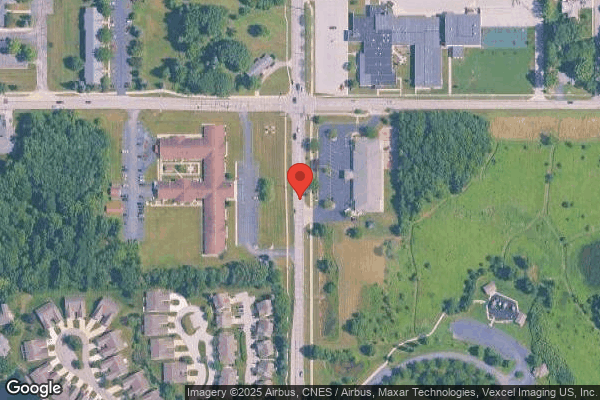
3405 N CAMPBELL RD, VALPARAISO, IN 46385 (219) 462-1023
Government - County 110 Beds LIFE CARE CENTERS OF AMERICA Data: November 2025
Trust Grade
83/100
#61 of 505 in IN
Last Inspection: November 2024

Within standard 12-15 month inspection cycle. Federal law requires annual inspections.

Overview

Life Care Center of Valparaiso has received a Trust Grade of B+, indicating it is above average and recommended for consideration. It ranks #61 out of 505 facilities in Indiana, placing it in the top half of state options, and it is the top facility among 10 in Porter County. The facility's trend appears stable, with 6 reported issues in both 2023 and 2024, showing no increase in concerns. Staffing is a strength, with a rating of 4 out of 5 stars and a turnover rate of only 25%, significantly lower than the state average. There have been no fines reported, which is a positive sign. However, there are some weaknesses. Recent inspections revealed issues with kitchen sanitation, including burnt food debris on the stove and inside the convection oven, which could potentially affect the health of residents receiving meals from that kitchen. Additionally, there was a failure to develop a comprehensive care plan for a resident at risk of multi-drug resistant organisms, which is concerning for their safety. Overall, while the facility shows strong staffing and no fines, attention to sanitation and care planning needs improvement.

Trust Score
B+
83/100
In Indiana
#61/505
Top 12%
Safety Record
Low Risk
No red flags
Inspections
Holding Steady
6 → 6 violations
Staff Stability
✓ Good
25% annual turnover. Excellent stability, 23 points below Indiana's 48% average. Staff who stay learn residents' needs.
Penalties
✓ Good
No fines on record. Clean compliance history, better than most Indiana facilities.
Skilled Nurses
✓ Good
Each resident gets 47 minutes of Registered Nurse (RN) attention daily — more than average for Indiana. RNs are trained to catch health problems early.
Violations
⚠ Watch
21 deficiencies on record. Higher than average. Multiple issues found across inspections.
★★★★★
5.0
Overall Rating
★★★★☆
4.0
Staff Levels
★★★★★
5.0
Care Quality
★★★★☆
4.0
Inspection Score
Stable
2023: 6 issues
2024: 6 issues

The Good

  • 4-Star Staffing Rating · Above-average nurse staffing levels
  • 5-Star Quality Measures · Strong clinical quality outcomes
  • Low Staff Turnover (25%) · Staff stability means consistent care
  • Full Sprinkler Coverage · Fire safety systems throughout facility
  • No fines on record
  • Staff turnover is low (25%)

    23 points below Indiana average of 48%

Facility shows strength in staffing levels, quality measures, staff retention, fire safety.

The Bad

Chain: LIFE CARE CENTERS OF AMERICA

Part of a multi-facility chain

Ask about local staffing decisions and management

The Ugly 21 deficiencies on record

Nov 2024 6 deficiencies
CONCERN (D)

Potential for Harm - no one hurt, but risky conditions existed

Comprehensive Care Plan (Tag F0656)

Could have caused harm · This affected 1 resident

Based on observation, record review, and interview, the facility failed to ensure a comprehensive care plan was developed and in place for a resident with a history of MDROs (multi-drug resistant orga...

Read full inspector narrative →
Based on observation, record review, and interview, the facility failed to ensure a comprehensive care plan was developed and in place for a resident with a history of MDROs (multi-drug resistant organisms) for 1 of 18 resident care plans reviewed. (Resident 71) Finding includes: The record for Resident 71 was reviewed on 10/29/24 at 11:10 a.m. Diagnoses included, but were not limited to, congestive heart failure, fracture of the lower end of tibia with routine healing, and hypertension. The admission Minimum Data Set assessment, dated 9/3/24, indicated the resident was cognitively intact and was dependent on staff for toileting and transfer assistance. A Physician's Order, dated 9/4/24, indicated the resident should be on EBP (Enhanced Barrier Precautions) due to ESBL (extended spectrum beta-lactamase, a bacterial enzyme resistant to many antibiotics) and VRE (Vancomycin Resistant Enterococci, a bacteria resistant to some powerful antibiotics) every shift. There was not a care plan in place related to EBP or the MDROs. During an interview on 10/29/24 at 11:40 a.m., the Infection Prevention Nurse indicated there should be a care plan in place related to the EBP and MDROs. There had been a care plan previously when the resident was on antibiotics, but it had been discontinued. 3.1-35(a)
CONCERN (D)

Potential for Harm - no one hurt, but risky conditions existed

Deficiency F0657 (Tag F0657)

Could have caused harm · This affected 1 resident

2. During an interview on 10/28/24 at 10:59 a.m., Resident 14 indicated she had a cancerous skin lesion on her left upper arm that she had for a long time. She had seen a skin doctor regarding the are...

Read full inspector narrative →
2. During an interview on 10/28/24 at 10:59 a.m., Resident 14 indicated she had a cancerous skin lesion on her left upper arm that she had for a long time. She had seen a skin doctor regarding the area, had it removed, and it came back later on. It did not hurt, but it itched. The staff were putting a cream on it twice daily. During an observation of Resident 14 on 10/31/24 at 10:01 a.m., her left upper arm had a round area, approximately 1.5 inches in diameter with flaky skin noted around the edges. It was reddish-pink in the center. Resident 14's record was reviewed on 10/30/24 at 9:01 a.m. Diagnoses included, but were not limited to, acute kidney failure, respiratory failure, and heart failure. The Quarterly Minimum Data Set assessment, dated 10/8/24, indicated the resident was cognitively intact for daily decision making. She had no skin issues. The October 2024 Physician Order Summary indicated the resident received triamcinolone acetonide external cream 0.1% (steroid cream) application twice daily to the right lower leg and left upper arm lesion. A Weekly Skin Integrity Data Collection, dated 10/17/24 at 3:16 a.m., indicated the resident had a left upper arm lesion. The triamcinolone acetonide cream was applied twice daily. There were no other skin abnormalities. A Weekly Skin Integrity Data Collection, dated 10/24/24 at 12:51 a.m., indicated the resident had redness to the right lower extremity. There were no other skin abnormalities. A Care Plan, dated 5/29/24, indicated the resident had a risk for break in skin integrity related to weakness, decreased mobility, incontinence, and chronic kidney disease. Interventions included, but were not limited to, apply moisturizers as needed, avoid prolonged skin to skin contact, CNA to inspect skin during activities of daily living (ADL) care for reddened or open areas and report to nurse if present, and nurse to perform weekly head to toe assessment and report abnormal findings to the physician as needed. There were no Care Plans related to the left upper arm skin lesion and treatment. During an interview on 10/31/24 at 10:54 a.m., the Director of Nursing indicated the resident's care plan should have been updated to reflect the skin lesion The resident had the lesion since before she arrived to the facility. 3.1-35(c)(1) Based on observation, record review, and interview, the facility failed to ensure care plans were implemented and/or updated for 2 of 21 resident care plans reviewed. (Residents 21 and 14) Findings include: 1. On 10/28/24 at 10:46 a.m., Resident 21 was observed lying in bed. She had a Geri sleeve (protective covering) to her left arm that was pushed down to her wrist area. Multiple small circular purple discolorations were observed to her left outer forearm. On 10/30/24 at 10:42 a.m., Resident 21 was observed sitting in her chair in her room. No Geri sleeves were in place. Multiple small circular purple discolorations were observed to her left outer forearm. On 10/30/24 at 2:48 p.m., Resident 21 was observed sitting in her chair in the Main Dining Room playing bingo. No Geri sleeves were in place. Multiple small circular purple discolorations were observed to her left outer forearm. The record for Resident 21 was reviewed on 10/31/24 at 9:04 a.m. Diagnoses included, but were not limited to, spontaneous ecchymosis, Alzheimer's disease, and chronic kidney disease. The Quarterly Minimum Data Set (MDS) assessment, dated 7/25/24, indicated the resident was cognitively impaired and received antiplatelet medication. A Care Plan, updated 9/4/24, indicated the resident was at risk for abnormal bruising and bleeding due to anticoagulant therapy. There was lack of any documentation related to the diagnosis of spontaneous ecchymosis or the skin discolorations. A Care Plan, updated 11/29/23, indicated the resident was at risk for breaks in skin integrity. There was lack of any documentation related to the diagnosis of spontaneous ecchymosis or the skin discolorations. The Physician Order Summary, dated 10/2024, indicated the resident was to receive Aspirin (an antiplatelet medication) 81 mg (milligrams) daily. The Medication Administration Record (MAR), dated 10/2024, indicated the resident had received the Aspirin medication as ordered. There was monitoring every shift for signs and symptoms of bleeding (black tarry stools, bleeding gums, bruising, or nose bleed) related to anticoagulant use. A negative sign (-) had been documented every shift, to indicate there were no signs and symptoms present. During an interview on 10/31/24 at 11:52 a.m., the Director of Nursing (DON) indicated she had updated the resident's care plan to include the spontaneous echymosis diagnosis.
CONCERN (D)

Potential for Harm - no one hurt, but risky conditions existed

Quality of Care (Tag F0684)

Could have caused harm · This affected 1 resident

2. During an interview on 10/28/24 at 10:59 a.m., Resident 14 indicated she had a skin lesion on her left upper arm that she had for a long time. She had seen a skin doctor regarding the area, had the...

Read full inspector narrative →
2. During an interview on 10/28/24 at 10:59 a.m., Resident 14 indicated she had a skin lesion on her left upper arm that she had for a long time. She had seen a skin doctor regarding the area, had the area removed, and it came back later on. It did not hurt, but it itched. The staff were putting a cream on it twice daily. During an observation of Resident 14 on 10/31/24 at 10:01 a.m., her left upper arm had a round area, approximately 1.5 inches in diameter with flaky skin noted around the edges. It was reddish-pink in the center. Resident 14's record was reviewed on 10/30/24 at 9:01 a.m. Diagnoses included, but were not limited to, acute kidney failure, respiratory failure, and heart failure. The Quarterly Minimum Data Set assessment, dated 10/8/24, indicated the resident was cognitively intact for daily decision making. She had no skin issues. The October 2024 Physician Order Summary indicated the resident received a triamcinolone acetonide external cream 0.1% (steroid cream) application twice daily to the right lower leg and left upper arm lesion. A Weekly Skin Integrity Data Collection, dated 10/10/24 at 8:58 a.m., indicated the resident had no skin abnormalities. A Weekly Skin Integrity Data Collection, dated 10/17/24 at 3:16 a.m., indicated the resident had a left upper arm lesion. The triamcinolone acetonide cream was applied twice daily. There were no other skin abnormalities. A Weekly Skin Integrity Data Collection, dated 10/24/24 at 12:51 a.m., indicated the resident redness to the right lower extremities. There were no other skin abnormalities. A Care Plan, dated 5/29/24, indicated the resident had a risk for break in skin integrity related to weakness, decreased mobility, incontinence, and chronic kidney disease. Interventions included, but were not limited to, apply moisturizers as needed, avoid prolonged skin to skin contact, CNA to inspect skin during activities of daily living (ADL) care for reddened or open areas and report to nurse if present, and nurse to perform weekly head to toe assessment and report abnormal findings to the physician as needed. There were no care plans related to the skin lesion. During an interview on 10/31/24 at 10:54 a.m., the Director of Nursing (DON) indicated the left upper arm skin lesion should have been documented on the weekly skin checks as it was an abnormal skin condition that she had since she came to the facility. The DON was not sure why the nurses did not document the area on each weekly skin assessment. A policy titled Skin Integrity & Pressure Ulcer/Injury Prevention and Management, indicated .A skin assessment/inspection should be performed weekly by a licensed nurse. a. Skin observations also occur throughout points of care provided by CNAs during ADL care. Any changes or open areas are reported to the Nurse. CNAs will also report to nurse if topical dressing is identified as soiled, saturated, or dislodged. Nurse will complete further inspection/assessment and provide treatment if needed. 3.1-37(a) Based on observation, record review, and interview, the facility failed to ensure residents received the necessary treatment and services related to the monitoring and assessment of skin discolorations and a skin lesion for 2 of 3 residents reviewed for non-pressure related skin conditions. (Residents 21 and 14) Findings include: 1. On 10/28/24 at 10:46 a.m., Resident 21 was observed lying in bed. She had a Geri sleeve (protective covering) to her left arm that was pushed down to her wrist area. Multiple small circular purple discolorations were observed to her left outer forearm. On 10/30/24 at 10:42 a.m., Resident 21 was observed sitting in her chair in her room. No Geri sleeves were in place. Multiple small circular purple discolorations were observed to her left outer forearm. On 10/30/24 at 2:48 p.m., Resident 21 was observed sitting in her chair in the Main Dining Room playing bingo. No Geri sleeves were in place. Multiple small circular purple discolorations were observed to her left outer forearm. The record for Resident 21 was reviewed on 10/31/24 at 9:04 a.m. Diagnoses included, but were not limited to, spontaneous echymosis, Alzheimer's disease, and chronic kidney disease. The Quarterly Minimum Data Set (MDS) assessment, dated 7/25/24, indicated the resident was cognitively impaired and received antiplatelet medication. A Care Plan, updated 9/4/24, indicated the resident was at risk for abnormal bruising and bleeding due to anticoagulant therapy. There was no documentation related to the diagnosis of spontaneous echymosis or the skin discolorations. A Care Plan, updated 11/29/23, indicated the resident was at risk for breaks in skin integrity. There was no documentation related to the diagnosis of spontaneous echymosis or the skin discolorations. The Physician Order Summary, dated 10/2024, indicated the resident was to receive Aspirin (an antiplatelet medication) 81 mg (milligrams) daily. The Medication Administration Record (MAR), dated 10/2024, indicated the resident had received the Aspirin medication as ordered. There was monitoring every shift for signs and symptoms of bleeding (black tarry stools, bleeding gums, bruising, or nose bleed) related to anticoagulant use. A negative sign (-) had been documented every shift, to indicate there were no signs and symptoms present. The Weekly Skin Integrity Data Collection assessments, dated 10/1/24, 10/8/24, 10/15/24, 10/22/24, and 10/29/24, lacked any documentation related to spontaneous echymosis or the left forearm skin discolorations. During an interview on 10/31/24 at 11:52 a.m., the Director of Nursing (DON) indicated she had updated the resident's Care Plan to include the spontaneous echymosis diagnosis.
CONCERN (D)

Potential for Harm - no one hurt, but risky conditions existed

Deficiency F0688 (Tag F0688)

Could have caused harm · This affected 1 resident

2. On 10/29/24 at 9:33 a.m., Resident 40 was observed in her room. There were no palm protectors in place to either hand. She indicated she was unable to use her left hand. On 10/29/24 at 1:57 p.m., R...

Read full inspector narrative →
2. On 10/29/24 at 9:33 a.m., Resident 40 was observed in her room. There were no palm protectors in place to either hand. She indicated she was unable to use her left hand. On 10/29/24 at 1:57 p.m., Resident 40 was observed in her room. There were no palm protectors in place to either hand. Her left hand was in a closed fist. Resident 40's record was reviewed on 10/29/24 at 2:37 p.m. Diagnoses included, but were not limited to, hypertension, Parkinson's disease, and epilepsy. The Quarterly Minimum Data Set (MDS) assessment, dated 9/6/24, indicated the resident was moderately cognitively impaired, required staff assistance for all activities of daily living (ADLs), and had impaired range of motion to the upper extremity on one side. A current Care Plan, updated 4/11/23, indicated the resident had a left hand contracture. An intervention, dated 7/12/22, indicated palm protectors to bilateral hands as tolerated. The Physician's Order Summary, dated 10/2024, indicated orders for palm protectors to the left and right hands as tolerated every shift, may remove for bathing and skin assessments. The Medication Administration Record and Treatment Administration Record, dated 10/2024, indicated the palm protectors were in place as ordered. The only documented refusal was 10/29/24 evening shift. The Progress Notes, dated 10/1/24 through 10/29/24, lacked any documentation the resident was not tolerating wearing the palm protectors. During an interview on 10/30/24 at 9:45 a.m., the Administrator was made aware that the resident's palm protectors had not been in place. During an interview on 10/31/24 at 2:25 p.m., the Director of Nursing indicated the palm protector orders indicated to wear as tolerated. She had interviewed the QMA who worked on 10/28/24 and 10/29/24 and she had observed the palm protectors in place when she had completed morning medication administration. She was unsure what time the palm protectors had been removed. 3.1-42(a)(2) Based on observation, record review, and interview, the facility failed to ensure palm protectors and/or splints were in place as ordered for residents with contractures (a shortening of muscles, tendons, skin and nearby soft tissues that causes joints to shorten and become very stiff) for 2 of 2 residents reviewed for range of motion. (Residents 56 and 40) Findings include: 1. On 10/28/24 at 11:05 a.m. and 10/30/24 at 9:42 a.m., Resident 56 was observed in her room. Her right hand was contracted and there was no palm protector in place to her right or left hand. On 10/29/24 at 10:41 a.m., 10/29/24 at 2:54 a.m. and 10/30/24 at 8:43 a.m., the resident was observed in her room. Her left hand was under the covers during these observations and not visible. Her right hand was contracted and there was no palm protector in place. Resident 56's record was reviewed on 10/29/24 at 10:52 a.m. Diagnoses included, but were not limited to, hemiparesis (one sided weakness) and hemiplegia (one sided paralysis) affecting right side, diabetes mellitus, and acute and chronic respiratory failure. The Quarterly Minimum Data Set (MDS) assessment, dated 9/24/24, indicated the resident had significant cognitive impairment and was dependent on staff for bed mobility, toileting, and transfers. A Physician's Order, dated 9/4/24, indicated to apply palm protectors to the right and left hands every shift for protection at all times as tolerated, may remove them for hygiene and skin checks. The October 2024 Treatment Administration Record indicated on 10/28/24 the palm protector was not on the resident's left hand, it was signed out for the right hand. There were no progress notes that indicated the resident was not able to tolerate the palm protectors. During an interview on 10/30/24 at 9:44 a.m., CNA 1 indicated the aides were supposed to apply the palm protectors. She indicated the resident's palm protectors were at the laundry, but she would find another pair.
CONCERN (D)

Potential for Harm - no one hurt, but risky conditions existed

Incontinence Care (Tag F0690)

Could have caused harm · This affected 1 resident

Based on observation, record review, and interview, the facility failed to ensure an indwelling suprapubic (urinary) catheter tubing and collection bag was kept off the floor for 1 of 1 resident revie...

Read full inspector narrative →
Based on observation, record review, and interview, the facility failed to ensure an indwelling suprapubic (urinary) catheter tubing and collection bag was kept off the floor for 1 of 1 resident reviewed for urinary catheters. (Resident 1) Finding includes: Resident 1 was observed on 10/28/24 at 2:39 p.m., 3:19 p.m., 3:54 p.m., and 4:11 p.m. She was asleep in her bed. The catheter tubing and collection bag were lying on the floor. The collection bag was uncovered and could be viewed from the doorway. Resident 1's record was reviewed on 10/29/24 at 10:49 a.m. Diagnoses included, but were not limited to, intellectual disabilities and epilepsy. The Quarterly Minimum Data Set assessment, dated 9/17/24, indicated the resident was severely cognitively impaired for daily decision making. She was dependent on staff for daily care including, but not limited to, toileting, showering, personal hygiene, and transfers. She had an indwelling catheter. The October 2024 Physician Order Summary indicated the resident had a suprapubic catheter and the catheter bag was to be placed below the level of the bladder. A Care Plan, dated 9/12/24, indicated the resident had a suprapubic catheter and was dependent on staff for the care and management of all catheter needs. Interventions included, but were not limited to, catheter care every shift, and position catheter bag and tubing below the level of the bladder. During an interview on 10/29/24 at 9:45 a.m., the Director of Nursing indicated she had no further information to provide. A policy titled, Indwelling Urinary Catheter (Foley) Management, indicated .General Urinary Catheter Maintenance Guidelines .2. Maintain unobstructed urine flow .b. Keep the collecting bag below the level of the bladder at all times. Do not rest the bag on the floor. 3.1-41(a)(2)
CONCERN (D)

Potential for Harm - no one hurt, but risky conditions existed

Infection Control (Tag F0880)

Could have caused harm · This affected 1 resident

Based on observation, record review, and interview, the facility failed to ensure infection control measures were in place and implemented related to a glucometer (blood sugar monitor) used for multip...

Read full inspector narrative →
Based on observation, record review, and interview, the facility failed to ensure infection control measures were in place and implemented related to a glucometer (blood sugar monitor) used for multiple residents and not cleaned and sanitized after each resident use. (RN 1) This had the potential to affect two residents on the 200 hall who received glucometer testing. The facility also failed to ensure a resident with a Multi-Drug Resistant Organism was placed on Enhanced Barrier Precautions (EBP) as ordered. (Resident 71) Findings include: 1. During an observation on 10/30/24 at 11:30 a.m., RN 1 was observed checking Resident 14's blood sugar with a glucometer. The RN did not sanitize the glucometer afterward. She exited the resident's room and indicated another resident was also due to have his blood sugar tested. She gathered the resident's insulin, lancets, alcohol prep pads, and the same glucometer and entered Resident 61's room. She donned gloves and prepared to check the resident's blood sugar. The RN was stopped and asked to step into the hallway. She indicated the glucometer should have been sanitized and she had forgotten to do so. She then reentered Resident 61's room and cleaned the glucometer with an alcohol prep pad and proceeded to test his blood sugar. During an interview with the RN after the observation, she indicated the glucometers were supposed to be cleaned with Sani Wipe germicidal disposable wipes between each resident. The current policy, Glucometer-Assure Prism Quality Control Checks and Cleaning Procedures, indicated, The meter should be cleaned and disinfected after use on each patient . disinfecting procedure is needed to prevent the transmission of blood born pathogens . 2. On 10/28/24 at 1:50 p.m. and 10/29/24 at 11:22 a.m., Resident 71 was observed seated in her room. There was no signage on the door that indicated she was on EBP and there was no Personal Protective Equipment (PPE) present in or near the room. Resident 71's record was reviewed on 10/29/24 at 11:10 a.m. Diagnoses included, but were not limited to, congestive heart failure, fracture of the lower end of tibia with routine healing, and hypertension. The admission Minimum Data Set assessment, dated 9/3/24, indicated the resident was cognitively intact and was dependent on staff for toileting and transfer assistance. A Physician's Order, dated 9/4/24, indicated the resident should be on EBP due to ESBL (extended spectrum beta-lactamase, a bacterial enzyme resistant to many antibiotics) and VRE (Vancomycin resistant enterococci, a bacteria resistant to some powerful antibiotics) every shift. During an interview on 10/29/24 at 11:25 a.m., LPN 1 indicated she did not know if the resident was supposed to be on EBP but would check with the IP (Infection Prevention) Nurse. During an interview on 10/29/24 at 11:30 a.m., the IP Nurse indicated she was aware of the EBP order and thought there was EBP in place for the resident. She later indicated the EBP had been placed on the incorrect room. The current policy, Infection Prevention and Control Program (IPCP) and Plan, indicated, .4. The program includes early detection, management of a potentially infectious, symptomatic resident that requires laboratory testing and/or the implementation of appropriate TBP/PPE . 3.1-18(b)(2)
Oct 2023 6 deficiencies
CONCERN (D)

Potential for Harm - no one hurt, but risky conditions existed

Quality of Care (Tag F0684)

Could have caused harm · This affected 1 resident

Based on observation, record review, and interview, the facility failed to ensure residents received the necessary treatment and services related to the monitoring and assessment of a scabbed area on ...

Read full inspector narrative →
Based on observation, record review, and interview, the facility failed to ensure residents received the necessary treatment and services related to the monitoring and assessment of a scabbed area on the skin for 1 of 3 residents reviewed for non-pressure related skin conditions. (Resident 68) Finding includes: On 10/24/23 at 11:48 a.m., a family interview was conducted for Resident 68. The family member indicated the resident had a scabbed area to her left elbow and was unsure how she received it. The resident was observed sitting in a Broda chair in her room. The left outer elbow had a small black scabbed area. On 10/24/23 at 3:13 p.m., Resident 68 was observed sitting in a Broda chair in her room. The scabbed area was still observed to the resident's outer left elbow. Record review for Resident 68 was completed on 10/24/23 at 2:06 p.m. Diagnoses included, but were not limited to, stroke, hemiplegia right dominant side (paralysis on right side of body), atrial fibrillation, hypertension, anxiety, and depression. The Quarterly Minimum Data Set (MDS) assessment, dated 10/13/23, indicated the resident was severely cognitively impaired. The resident was dependent on staff for bathing, toilet use, dressing and personal hygiene. The resident had an impairment on side of the upper and lower extremities for functional limitation in range of motion. The resident had received an anticoagulant (blood thinning) medication. The Weekly Skin Integrity Data Collection, dated 10/22/23, lacked any documentation related to the scabbed area on the resident's left elbow. Interview with the Director of Nursing on 10/25/23 at 9:50 a.m., indicated she could not provide any documentation the scabbed area was observed, assessed and monitored prior to the day before. She had completed an assessment of the area and notified the family and Physician of the area. 3.1-37(a)
CONCERN (D)

Potential for Harm - no one hurt, but risky conditions existed

Deficiency F0688 (Tag F0688)

Could have caused harm · This affected 1 resident

Based on observation, record review, and interview, the facility failed to ensure a Physician's Order was in place for a palm protector for treatment of limited range of motion for 1 of 1 residents re...

Read full inspector narrative →
Based on observation, record review, and interview, the facility failed to ensure a Physician's Order was in place for a palm protector for treatment of limited range of motion for 1 of 1 residents reviewed for range of motion. (Resident 40) Finding includes: On 10/19/23 at 11:38 a.m., Resident 40 was observed seated in her room working on a puzzle. She had a palm protector in place to her right hand. On 10/23/23 at 2:48 a.m., Resident 40 was observed with the palm protector in place to her right hand. On 10/24/23 at 10:31 a.m., Resident 40 was seated in her wheelchair near the main entrance. The palm protector was in place to her right hand. The resident's record was reviewed on 10/23/23 at 11:31 a.m. Diagnoses included, but were not limited to, right hand contracture and hemiplegia. The Quarterly Minimum Data Set (MDS) assessment, dated 8/30/23, indicated the resident required staff assistance for all activities of daily living (ADLs) and had impaired range of motion on one side to both the upper and lower extremities. The Physician's Order Summary, dated 10/2023, lacked any orders for a right hand palm protector or monitoring of the resident's skin. The ADL self care deficit care plan, updated 8/2/23, lacked documentation of the right hand palm protector as an intervention. Interview with the Assistant Director of Nursing (ADON) on 10/24/23 at 12:01 p.m., indicated there was no order in place for the palm protector. There was a note about it, but the order had not been put in the computer correctly. 3.1-42(a)(2)
CONCERN (D)

Potential for Harm - no one hurt, but risky conditions existed

Respiratory Care (Tag F0695)

Could have caused harm · This affected 1 resident

Based on observation, record review, and interview, the facility failed to ensure residents received proper treatment and care related to oxygen administration flow rate for 1 of 1 residents reviewed ...

Read full inspector narrative →
Based on observation, record review, and interview, the facility failed to ensure residents received proper treatment and care related to oxygen administration flow rate for 1 of 1 residents reviewed for respiratory care. (Resident 1) Finding includes: On 10/20/23 at 9:37 a.m. Resident 1 was observed seated in the dining area at a table. His portable oxygen tank was set at 2.5 liters. On 10/20/23 at 10:55 a.m. Resident 1 was observed seated in the dining area. His oxygen tank was set at 2.5 liters. On 10/23/23 at 11:44 a.m. Resident 1 was observed sitting in the dining area. His oxygen tank was set at 3 liters. Record review for Resident 1 was completed on 10/23/23 at 11:56 a.m. Diagnoses included, but were not limited to, chronic obstructive pulmonary disease and dependence on supplemental oxygen. The Quarterly Minimum Data Set (MDS) assessment, dated 9/22/23, indicated the resident was cognitively impaired. The Physician's Order Summary, dated 10/2023, indicated an order for oxygen 2 liters continuously per nasal cannula. Interview with RN 1 on 10/23/23 at 11:57 a.m., indicated the oxygen flow rate should have been set at 2 liters. A facility policy, titled, Oxygen Administration/Safety/Storage/Maintenance, received from the Assistant Director of Nursing as current, indicated .Oxygen will be administered in accordance with physician orders and current standards of practice . 3.1-47(a)(6)
CONCERN (D)

Potential for Harm - no one hurt, but risky conditions existed

Antibiotic Stewardship (Tag F0881)

Could have caused harm · This affected 1 resident

Based on record review and interview, the facility failed to promote antibiotic stewardship by ensuring the appropriate use of antibiotic therapy and a system of monitoring to improve resident outcome...

Read full inspector narrative →
Based on record review and interview, the facility failed to promote antibiotic stewardship by ensuring the appropriate use of antibiotic therapy and a system of monitoring to improve resident outcomes and reduce antibiotic resistance related to a Physician initiating antibiotic therapy for a non-true infection based on the McGreer's Criteria and prescribing a resistant antibiotic based on urine culture results for 1 of 1 residents reviewed for urinary tract infections. (Resident 28) Finding includes: The record for Resident 28 was reviewed on 10/23/23 at 9:27 a.m. Diagnoses included, but were not limited to, hypertension, heart failure, and Alzheimer's disease. The Significant Change Minimum Data Set (MDS) assessment, dated 9/21/23, indicated the resident was cognitively impaired. A Progress Note, dated 9/28/23 at 5:10 p.m., indicated the Physician had been in to see the resident and reviewed her blood work. Her white blood cell count was elevated so they completed a urine dip test, and it had abnormal results. The Physician then ordered for the urine to be sent to the lab for a urinalysis (UA) with culture and sensitivity (C&S). He ordered Keflex (an antibiotic) 500 mg (milligrams) twice daily for 3 days. The urine specimen was placed in the refrigerator for lab to pick up in the morning. The UA report indicated the urine sample was collected on 9/28/23. The urine was turbid, positive for nitrates, leukocytes and many bacteria were present. The urine culture and sensitivity report indicated 10-50,000 citrobacter freundii complex (under 100,000 not usually considered significant per McGreer's criteria). The organism was resistant to ceftriaxone. A hand written note on the bottom of the UA report, indicated it had been reviewed by the Physician and due to ongoing behavior issues, aggression, and decreased appetite, he had given a new order for ceftriaxone IM (intramuscular). A Physician's Note, dated 10/20/23, indicated on 10/9/23 he had reviewed the previous urine culture. The resident was having a recurrence of urinary symptoms and agitation and IM ceftriaxone was ordered. There was lack of documentation as to why he had chosen a resistant antibiotic based on the urine culture results. A Physician's Order, dated 10/13/23, indicated ceftriaxone (an antibiotic) 1 gram IM (intramuscular injection) every evening for 7 days for UTI (urinary tract infection). The Medication Administration Records (MAR), dated 9/2023 and 10/2023, indicated the resident received the full courses of the Keflex and ceftriaxone antibiotics. Interview with the Assistant Director of Nursing (ADON) on 10/24/23 at 2:20 p.m., indicated the Physician had indicated in his progress note that he had reviewed the urine culture and had ordered the ceftriaxone. She was unsure why he had chosen a resistant antibiotic. Interview with the Director of Nursing (DON) on 10/25/23 at 12:00 p.m., indicated she had spoken with the Physician, and he had ordered the ceftriaxone because it was what had worked for the resident in the past. She was having decreased appetite and some behavior concerns even though she had not met the McGreer's criteria for a urinary tract infection. 3.1-18(b)(1)
CONCERN (E)

Potential for Harm - no one hurt, but risky conditions existed

Food Safety (Tag F0812)

Could have caused harm · This affected multiple residents

Based on observation and interview, the facility failed to ensure a sanitary kitchen related to built up burnt food debris on the stove top and bottom inside of the convection oven. There was a build ...

Read full inspector narrative →
Based on observation and interview, the facility failed to ensure a sanitary kitchen related to built up burnt food debris on the stove top and bottom inside of the convection oven. There was a build up of grease inside the convection oven doors, back splash on the oven, and side of the oven for 1 of 1 kitchens observed (Main Kitchen). This had the potential to affect 96 residents who received food from the kitchen. Findings include: During the initial kitchen tour on 10/19/23 at 9:29 a.m., with the Dietary Manager (DM) the following was observed: a. The stove top had a build up of burnt food debris and a build up of grease on the back splash and side of the stove top. b. The convection oven had a build up of burnt food debris on the bottom inside and a build up of grease on the inside of the doors. Interview during the time of the observation with [NAME] 1 indicated the convection oven had a build up in the bottom for a long time and no elbow grease would be able to clean it. They would need to use a special degreaser for it. Interview during the time of the observation with the DM indicated the convection oven and stove was supposed to be cleaned weekly. He would make sure both were deep cleaned right away. 3.1-21(i)(3)
MINOR (C)

Minor Issue - procedural, no safety impact

Deficiency F0577 (Tag F0577)

Minor procedural issue · This affected most or all residents

Based on observation and interview, the facility failed to have the results of the State survey findings easily accessible for all residents to review. This had the potential to affect the 99 resident...

Read full inspector narrative →
Based on observation and interview, the facility failed to have the results of the State survey findings easily accessible for all residents to review. This had the potential to affect the 99 residents who resided in the facility. Finding includes: On 10/24/23 at 9:14 a.m., a Resident Council Meeting was conducted with six residents. All six residents were unaware of where to find the most recent State survey results. On 10/24/23 at 10:26 a.m., a sign was observed posted by the Secretary's office that indicated the State survey results were located on the Secretary's door. A file folder was observed in a basket towards the top of the door. The folder was out of reach and not easily accessible for residents who were in wheelchairs. Interview with the Activities Director on 10/24/23 at 10:28 a.m., indicated she was new to the position and was unaware where the State survey results were located. Interview with the Administrator on 10/24/23 at 11:23 a.m., indicated they would move the State survey results to an area that was easily accessible to all residents. 3.1-3(b)(1)
Oct 2022 9 deficiencies
CONCERN (D)

Potential for Harm - no one hurt, but risky conditions existed

Deficiency F0679 (Tag F0679)

Could have caused harm · This affected 1 resident

**NOTE- TERMS IN BRACKETS HAVE BEEN EDITED TO PROTECT CONFIDENTIALITY** Based on observation, record review, and interview, the facility failed to ensure a dependent resident was provided activities t...

Read full inspector narrative →
**NOTE- TERMS IN BRACKETS HAVE BEEN EDITED TO PROTECT CONFIDENTIALITY** Based on observation, record review, and interview, the facility failed to ensure a dependent resident was provided activities to meet her interests for 1 of 1 residents reviewed for activities. (Resident 10) Finding includes: On 10/25/22 at 2:32 p.m., 10/27/22 at 11:30 a.m., and 1:23 p.m., Resident 10 was observed in her bed with her eyes closed. On 10/26/22 at 12:54 p.m., 2:18 p.m., and 3:10 p.m., the resident was observed awake in her bed. On 10/26/22 at 8:23 a.m., 10:55 a.m., 10/27/22 at 8:51 a.m., and 10/28/22 at 8:56 a.m. the resident was observed seated in her wheelchair in her room. At no time during the observation days was the resident observed outside her room. The resident's record was reviewed on 10/26/22 at 10:14 a.m. The resident was admitted on [DATE]. Diagnoses included, but were not limited to, Alzheimer's dementia and failure to thrive. The current Activities Care Plan indicated the resident loved activities but needed reminders due to her diagnoses of dementia. She enjoyed bingo, current news, movies, music, games, radio, reading, sing a longs, socials and church. The goal was to have the resident attend at least one activity a week and provide her with blocks, crayons and an activity apron to give her something to do through the next review. The activity calendar posted in the main hallway, indicated there was a movie on 10/26/22 at 1:30 p.m., on 10/27/22 there were manicures at 9:00 a.m., and reading hour at 3:30 p.m. The resident's activity log indicated the resident attended church and had a visit one time in August. In September the resident was visited by a pet one time, and had a visit two times in October 2022. The activity log indicated the resident watched television daily and had a family visit daily. Interview with the resident's family member on 10/25/22 at 11:20 a.m., indicated someone in the family tried to visit her every morning. She said staff would often say they were going to take her to an activity, but she had never seen her go to one. Interview with the Activity Director, on 10/28/22 at 9:13 a.m., indicated they tried to visit the residents daily, but did not record on the resident's activity log. She indicated the events on the activity log were the only events the resident had attended. 3.1-33(a)
CONCERN (D)

Potential for Harm - no one hurt, but risky conditions existed

Quality of Care (Tag F0684)

Could have caused harm · This affected 1 resident

Based on observation, interview, and record review, the facility failed to ensure skin discolorations were assessed and monitored for a resident on anticoagulants and wound dressings were changed as o...

Read full inspector narrative →
Based on observation, interview, and record review, the facility failed to ensure skin discolorations were assessed and monitored for a resident on anticoagulants and wound dressings were changed as ordered. (Resident 39 and 237) Findings include: 1. On 10/24/22 at 11:12 a.m., two areas of discoloration were noted to Resident 39's left forearm. Resident 39's record was reviewed on 10/26/22 at 10:17 a.m. Diagnoses included, but were not limited to, hemiplegia (one-sided paralysis) following cerebral infarction affecting his right dominant side, heart failure, high blood pressure, and atrial fibrillation (irregular heart beat). The Quarterly Minimum Data Set (MDS) assessment, dated 9/2/22, indicated the resident was cognitively intact for daily decision making. The resident required extensive assistance with one person physical assist for bed mobility, transfer, dressing, toilet use, and personal hygiene. A Physician's Order, dated 11/3/21, indicated Eliquis tablet (a blood thinner) 2.5 milligrams two times a day. A Physician's Order, dated 11/3/21, indicated to monitor for signs or symptoms for bleeding including black tarry stools, bleeding gums, bruising, and nose bleeds related to anticoagulant use and document every shift. A Care Plan, revised on 8/18/22, indicated the resident was at risk for abnormal bruising or bleeding related to anticoagulant therapy, Eliquis and aspirin, for management of atrial fibrillation. Interventions included, but were not limited to, observe and report any adverse reactions of anticoagulant therapy such as, blood in urine, black tarry stools, headaches, nausea, vomiting, diarrhea, bruising, or shortness of breath. Weekly Skin Integrity Data Collection assessments were completed on 10/7/22, 10/14/22, and 10/21/22. The assessments indicated the resident's skin was intact and there were no new findings. The resident had a shower completed on 10/26/22 at 1:55 p.m. There was no documentation of any new skin conditions. Interview with the Director of Nursing (DON) on 10/27/22 at 3:54 p.m., indicated she had no further information to provide. Interview with the Medical Director on 10/28/22 at 10:39 a.m., indicated he had just been notified of the discolorations and assessed the resident. He indicated the resident had purpura (purple spots due to small blood vessels leaking blood into the skin) on his left forearm due to the Eliquis that he had been taking for his atrial fibrillation. 2. On 10/24/22 at 11:26 a.m., Resident 237 was noted to have bilateral lower leg dressings dated 10/22/22. The resident indicated the staff did not always get to it every day. Resident 237's record was reviewed on 10/25/22 at 1:45 p.m. Diagnoses included, but were not limited to, cellulitis of the right and left lower limbs, high blood pressure, anxiety disorder, chronic lung disease, and venous insufficiency. The admission Minimum Data Set (MDS) assessment, dated 10/23/22, was still in progress. The Physician's Order, dated 10/20/22, indicated cleanse bilateral lower extremities with wound wash, pat dry, apply Xeroform dressing, abdominal pads, and wrap with Kerlix (woven gauze) every day shift. A Care Plan, dated 10/19/22, indicated the resident had bilateral lower extremity cellulitis. Interventions included, but were not limited to, complete treatment as ordered. Interview with LPN 3 on 10/25/22 at 2:42 p.m., indicated the dressing should have been changed daily as ordered and she was unsure why the treatment was not completed on 10/23/22. Interview with Director of Nursing (DON), on 10/26/22 at 12:59 p.m., indicated she spoke with the resident and she had indicated she refused the treatment on Sunday 10/23/22. This was not documented in the chart as the nurse who was supposed to do the treatment had already checked it off as completed prior to doing the treatment. 3.1-37(a)
CONCERN (D)

Potential for Harm - no one hurt, but risky conditions existed

Pressure Ulcer Prevention (Tag F0686)

Could have caused harm · This affected 1 resident

**NOTE- TERMS IN BRACKETS HAVE BEEN EDITED TO PROTECT CONFIDENTIALITY** Based on observation, record review and interview, the facility failed ensure a resident with a pressure ulcer received appropri...

Read full inspector narrative →
**NOTE- TERMS IN BRACKETS HAVE BEEN EDITED TO PROTECT CONFIDENTIALITY** Based on observation, record review and interview, the facility failed ensure a resident with a pressure ulcer received appropriate care related to accurate measurement, staging and date assessed for 1 of 3 residents reviewed for pressure ulcers. (Resident 46) Finding includes: On 10/27/22 at 10:10 a.m., Resident 46's wound care was observed with LPN 2. The resident had a pressure ulcer on her right heel. The wound was irregular and oval shaped. The wound bed was red and beefy, and there was slough (yellowish avascular tissue) present. The LPN indicated she hadn't seen the wound for a week, but it looked improved. The resident's record was reviewed on 10/25/22 at 2:29 p.m. The resident was admitted on [DATE]. Diagnoses included, but were not limited to, a stage 2 pressure ulcer to the right heel and dementia. A weekly wound assessment, dated 10/27/22, indicated the wound was a stage 2, measured 1.4 centimeters (cm) by 1.0 cm, and was improving. There was no slough present. A weekly wound assessment, dated 10/18/22, indicated the wound was a stage 2, and measured 1 cm x 1 cm. Granulation tissue was present. The wound was observed again on 10/28/22 at 9:30 a.m. with the Director of Nursing (DON). The DON indicated she did the weekly wound assessments. The DON measured the wound and indicated it was 4 cm x 2 cm, and it was a stage 3. She indicated the wound was substantially larger than before. She also indicated she had not assessed the wound on 10/27/22 as documented, but on that Monday instead. 3.1-40
CONCERN (D)

Potential for Harm - no one hurt, but risky conditions existed

Accident Prevention (Tag F0689)

Could have caused harm · This affected 1 resident

Based on observation, record review, and interview, the facility failed to ensure an injury prevention device had a care plan, Physician's order, or any monitoring being completed while in place for a...

Read full inspector narrative →
Based on observation, record review, and interview, the facility failed to ensure an injury prevention device had a care plan, Physician's order, or any monitoring being completed while in place for a resident with a history of falls for 1 of 2 residents reviewed for accidents. (Resident 36) Finding includes: On 10/25/22 at 11:05 a.m., Resident 36 was observed sitting in a wheelchair in the hallway. The resident was wearing a pink helmet with a strap underneath her chin. On 10/25/22 at 2:29 p.m., Resident 36 was observed sitting in a wheelchair in her room with her eyes closed. The resident was wearing a pink helmet with a strap underneath her chin. On 10/26/22 at 9:09 a.m., Resident 36 was observed sitting in a wheelchair in her room with her eyes closed. The resident was wearing a pink helmet with a strap underneath her chin. Record review for Resident 36 was completed on 10/26/22 at 2:35 p.m. Diagnoses included, but were not limited to, depression, and mild intellectual disabilities. The Quarterly Minimum Data Set (MDS) assessment, dated 8/29/22, indicated the resident was severely cognitively impaired. The resident required an extensive 1 person assist for bed mobility, transfers, locomotion, dressing, toilet use, and personal hygiene. A Care Plan, dated 12/23/21 and revised on 9/30/22, indicated the resident had an actual fall without injury and was at risk for further falls related to decreased mobility, weakness, abnormal posture, mild intellectual disabilities, asthma, macular degeneration, and depression. The helmet was not listed on the interventions to be worn as an injury prevention device. A Care Plan, dated 2/18/22, indicated the resident may exhibit behavioral episodes such as agitation, anxiety and irritability due to wanting her personal items in order and set up near her. The resident may exhibit irritability and yelling out if things are not her way even though she was non-verbal in other aspects. The resident does have an intellectual disability, so yelling out, pointing and head nods of yes and no are communication skills. The helmet was not listed on the interventions to be worn as an injury prevention device. The record lacked any documentation there was a Physician's Order or a Care Plan for the helmet to be worn. There was no documentation of when the helmet should be worn and if any monitoring of the helmet was being completed. Interview with the Director of Nursing (DON) on 10/27/22 at 8:59 a.m., indicated she was unsure why the resident wore the helmet. She would assume it was worn as an injury prevention device related to falls. The resident had worn the helmet ever since she was admitted to the facility and prior. The staff removed it when she went to bed. She would look into why there was no Physician's Order or Care Plan in place. Interview with LPN 1 on 10/27/22 at 10:18 a.m., indicated the resident could put on and remove the helmet herself, but the staff would put it on her when she woke up and take it off before she went to bed. Follow up interview with the DON on 10/27/22 at 11:15 a.m., indicated the resident should have had a care plan in place or some documentation as to why the helmet was being worn. There should have been some monitoring completed of when it was put on and taken off. The DON further provided a Physician's Order, dated 10/27/22 at 11:44 a.m., which indicated the resident was to wear the helmet when out of bed, may remove for skin assessment and hygiene. Remove the helmet when in bed every shift for injury prevention due to falls. She indicated the Fall and Behavior Care Plans had also been updated on 10/27/22 to include the helmet and for nursing to check for placement. 3.1-45(a)(2)
CONCERN (D)

Potential for Harm - no one hurt, but risky conditions existed

Tube Feeding (Tag F0693)

Could have caused harm · This affected 1 resident

Based on observation, record review and interview, the facility failed to ensure a resident with a gastronomy tube (G-tube) received appropriate treatment related to checking tube placement prior to u...

Read full inspector narrative →
Based on observation, record review and interview, the facility failed to ensure a resident with a gastronomy tube (G-tube) received appropriate treatment related to checking tube placement prior to use for 1 of 1 residents reviewed for G-tubes. (Resident 10) Finding includes: On 10/27/22 at 1:35 p.m., LPN 2 was observed giving medications to Resident 10 via her G-tube. The LPN attempted to verify the placement of the G-tube by aspirating the contents. She inserted the syringe into the G-tube and pulled back on the plunger. The plunger did not move, nothing was drawn into the syringe. She then removed the plunger and placed the syringe upright to pour water into. The water did not go into the G-tube. The LPN indicated it must be clogged, she then massaged the tubing in several places until the water began to flow into the tubing. She then proceeded to give the medications. The current policy, Enteral tube drug instillation, long-term care, was received from the Director of Nursing on 10/27/22 at 1:53 p.m. The policy indicated, .Aspirate the tube contents and inspect the visual characteristic of the aspirate Interview with the LPN afterwards, she indicated if nothing was drawn into the syringe when the plunger was pulled, it likely meant the tube was clogged. She indicated she should have unclogged the tubing and then checked placement again prior to giving the medications. 3.1-44(a)(2)
CONCERN (D)

Potential for Harm - no one hurt, but risky conditions existed

Deficiency F0744 (Tag F0744)

Could have caused harm · This affected 1 resident

**NOTE- TERMS IN BRACKETS HAVE BEEN EDITED TO PROTECT CONFIDENTIALITY** Based on observation, record review and interview, the facility failed to ensure a resident with dementia was provided activitie...

Read full inspector narrative →
**NOTE- TERMS IN BRACKETS HAVE BEEN EDITED TO PROTECT CONFIDENTIALITY** Based on observation, record review and interview, the facility failed to ensure a resident with dementia was provided activities to meet his interests for 1 of 1 residents reviewed for dementia care. (Resident 59) Finding includes: On 10/26/22 at 8:33 a.m., 3:10 p.m., 10/27/22 at 9:58 a.m., 10:30 a.m., 12:00 p.m., 10/28/22 at 8:56 a.m., Resident 59 was observed seated in his wheelchair in his room. On 10/26/22 at 12:54 p.m., 2:18 p.m., 10/27/22 at 1:23 p.m., and 2:50 p.m., the resident was observed laying in his bed. The resident's record was reviewed on 10/26/22 at 12:57 p.m. The resident was admitted on [DATE]. Diagnoses included, but were not limited to, vascular dementia. The current Activity Care Plan indicated the resident enjoyed animals, current events, educational programs, exercise, movies and watching sports on television. Interventions included to encourage him to attend activities of his interest, give him verbal reminders of activities and transport him to activities. The resident's activity log indicated he attended current events, exercise and had a visit one time in August, in September he had a pet visit and a visit one time, and a visit one time in October 2022. Television and family/friend visits were marked daily. The activity calendar posted in the main hallway indicated there was a movie on 10/26/22 at 1:30 p.m., and exercise at 10:30 a.m., on 10/27/22 there was a reading hour at 3:30 p.m. The resident was not taken to any of these activities. Interview with the Activity Director, on 10/28/22 at 9:13 a.m., indicated if the resident was in the hall, they would take him to activities to provide stimulation. She indicated they tried to visit the residents daily, but did not always record the visits. Interview with the Administrator on 10/28/22 at 10:32 a.m., indicated they were trying to improve dementia care by keeping residents engaged. The resident was often taken to sit near the nurses station in the evenings because he had behaviors. She also indicated the Activity Director should be documenting visits to the residents. 3.1-37
CONCERN (D)

Potential for Harm - no one hurt, but risky conditions existed

Infection Control (Tag F0880)

Could have caused harm · This affected 1 resident

Based on observation, record review and interview, the facility failed to ensure infection control measures were implemented related to incontinence care and hand hygiene during incontinence care for ...

Read full inspector narrative →
Based on observation, record review and interview, the facility failed to ensure infection control measures were implemented related to incontinence care and hand hygiene during incontinence care for 1 of 2 residents reviewed for urinary tract infections. (Resident 46) Finding includes: On 10/26/22 at 11:13 a.m., Resident 46's incontinence care was observed with a CNA and Qualified Medication Aide (QMA) 1. The resident was lying on her back in bed. The QMA was wearing gloves and unfastened her brief. Using wipes, she cleansed the front of her by wiping from the top down towards her perineal area. The resident was then turned on her side. The QMA cleansed her by wiping from the top of her buttocks down toward her perineal area. She then removed the old brief and placed a clean brief on and fastened it. The QMA did not change gloves or complete hand hygiene. The CNA and QMA 1 then retrieved the mechanical lift to transfer the resident from her bed to her wheelchair. Using her same gloved hands, QMA 1 combed the resident's hair, placed her glasses on and held her hand. She then removed her gloves and washed her hands. The current policy, Perineal care of the female patient, was received from the Administrator on 10/26/22 at 12:30 p.m., indicated, .clean from the front to the back of the perineum to prevent intestinal organisms from contaminating the urethra or vagina and, .After cleaning the perineum, perform hand hygiene, apply new gloves Interview with the QMA after the observation, indicated she should have cleansed from the front to the back and changed her gloves when she was done. 3.1-18(b)
CONCERN (D)

Potential for Harm - no one hurt, but risky conditions existed

Antibiotic Stewardship (Tag F0881)

Could have caused harm · This affected 1 resident

Based on record review and interview, the facility failed to promote antibiotic stewardship by ensuring appropriate use of antibiotic therapy and reduce antibiotic resistance by initiating therapy bas...

Read full inspector narrative →
Based on record review and interview, the facility failed to promote antibiotic stewardship by ensuring appropriate use of antibiotic therapy and reduce antibiotic resistance by initiating therapy based on the McGeer Criteria for true infections for 3 resident Infection Reports reviewed. (Residents 33, 42, and 238) Findings include: On 10/27/22 at 2:00 p.m. the Infection Surveillance Line Listing Report was reviewed. The months of July, September, and October 2022 had residents who received antibiotic therapy and did not meet the criteria for a true infection based on the McGeer Criteria. The Infection Report sheets for the residents indicated the following: 1. Resident 33 had an urinary tract infection on 9/28/22. She had increased confusion. The urinalysis (UA) and and urine culture and sensitivity was performed and reported on 9/30/22. The culture report indicated escherichia coli 50-100,000 colonies/milliliter (ml). The infection did not meet the McGeer's criteria for a true infection. The resident was given rocephin daily for two days. Nurses' Note, dated 9/28/22 at 6:30 p.m., indicated the results from the UA and urine culture and sensitivity were reviewed with the Medical Director and there were no new orders. 2. Resident 42 had an urinary tract infection on 7/20/22. She had increased confusion. The urinalysis and urine culture and sensitivity was performed and reported on 7/20/22. The culture report indicated escherichia coli 50-100,000 colonies/ml. The infection did not meet the McGeer's criteria for a true infection. The resident was given macrodantin 50 milligrams two times a day for six days. 3. Resident 238 had an urinary tract infection on 10/24/22. She had symptoms of painful urination and urinary urge. The urinalysis and and urine culture was performed on 10/24/22 at 3:00 p.m. and reported on 10/27/22 at 9:53 a.m. The culture report indicated escherichia coli 50-100,000 colonies/ml. The infection did not meet the McGeer's criteria for a true infection. The resident was given rocephin daily for four days. Interview with the Infection Control Nurse, on 10/28/22 at 10:30 a.m., indicated she was aware many did not meet the criteria for a true infection, but the Medical Director was very resistant to taking residents off of antibiotics even when notified that the infection does not meet the McGeer criteria.
CONCERN (F)

Potential for Harm - no one hurt, but risky conditions existed

Food Safety (Tag F0812)

Could have caused harm · This affected most or all residents

Based on observation and interview, the facility failed to ensure a sanitary kitchen related to built up food debris on the stove top and testing the dishwasher sanitation level with faulty test strip...

Read full inspector narrative →
Based on observation and interview, the facility failed to ensure a sanitary kitchen related to built up food debris on the stove top and testing the dishwasher sanitation level with faulty test strips in 1 of 1 kitchens observed (Main Kitchen). This had the potential to affect all 84 residents who received food from the kitchen. Findings include: 1. During the initial kitchen tour on 10/24/22 at 8:50 a.m. with [NAME] 1 the following was observed: a. The stove top had a build up of food debris. b. The dishwasher was observed and noted to be a low temperature, chemical system. [NAME] 1 obtained a testing strip, dipped it into the dishwasher water and compared it to the results on the side of the testing strip container. The strip did not have a readily discernable color change. The results were unable to be compared as the bottle of test strips had a label that had disintegrated. The expiration date on the bottle was also unable to be read. 2. During the follow-up tour in the kitchen on 10/26/22 at 9:29 a.m., [NAME] 1 indicated whoever was working in the dish cleaning area was to check the temperature and sanitation level of the dishwasher at breakfast, lunch, and dinner shifts. The logs of the temperature and sanitation levels for the month of October were reviewed and indicated the wash temperature was 120 degrees Fahrenheit and 50 parts per million (PPM) for breakfast, lunch, and dinner shifts each day from October 1st thru October 25th, 2022. On 10/26/22 at 10:45 a.m., an employee from the contracted chemical company serviced the dishwasher and indicated the dishwasher had not been altered and the PPM tested appropriately according to his test strips. He would be providing these test strips to the facility to appropriately measure the chemical sanitation levels. He indicated the other strips were not working appropriately. The policy titled, Sanitation and Maintenance provided by the Administrator on 10/28/22 at 11:58 a.m. and identified as current, indicated .Procedure .9. Mechanical Ware Washing .Low Temp Dish Machine .The temperature and parts per million of the sanitizer (50-100 ppm for chlorine) will be recorded on the Low Temperature Dish Machine Log a minimum of three times per day. 3.1-21(i)(3)
Understanding Severity Codes (click to expand)
Life-Threatening (Immediate Jeopardy)
J - Isolated K - Pattern L - Widespread
Actual Harm
G - Isolated H - Pattern I - Widespread
Potential for Harm
D - Isolated E - Pattern F - Widespread
No Harm (Minor)
A - Isolated B - Pattern C - Widespread

Questions to Ask on Your Visit

  • "Can I speak with families of current residents?"
  • "What's your RN coverage like on weekends and overnight?"

Our Honest Assessment

Strengths
  • • Grade B+ (83/100). Above average facility, better than most options in Indiana.
  • • No major safety red flags. No abuse findings, life-threatening violations, or SFF status.
  • • No fines on record. Clean compliance history, better than most Indiana facilities.
  • • 25% annual turnover. Excellent stability, 23 points below Indiana's 48% average. Staff who stay learn residents' needs.
Concerns
  • • 21 deficiencies on record. Higher than average. Multiple issues found across inspections.
Bottom line: Generally positive indicators. Standard due diligence and a personal visit recommended.

About This Facility

What is Life Of Valparaiso's CMS Rating?

CMS assigns LIFE CARE CENTER OF VALPARAISO an overall rating of 5 out of 5 stars, which is considered much above average nationally. Within Indiana, this rating places the facility higher than 99% of the state's 100 nursing homes. This rating reflects solid performance across the metrics CMS uses to evaluate nursing home quality.

How is Life Of Valparaiso Staffed?

CMS rates LIFE CARE CENTER OF VALPARAISO's staffing level at 4 out of 5 stars, which is above average compared to other nursing homes. Staff turnover is 25%, compared to the Indiana average of 46%. This relatively stable workforce can support continuity of care.

What Have Inspectors Found at Life Of Valparaiso?

State health inspectors documented 21 deficiencies at LIFE CARE CENTER OF VALPARAISO during 2022 to 2024. These included: 20 with potential for harm and 1 minor or isolated issues.

Who Owns and Operates Life Of Valparaiso?

LIFE CARE CENTER OF VALPARAISO is owned by a government entity. Government-operated facilities are typically run by state, county, or municipal agencies. The facility is operated by LIFE CARE CENTERS OF AMERICA, a chain that manages multiple nursing homes. With 110 certified beds and approximately 90 residents (about 82% occupancy), it is a mid-sized facility located in VALPARAISO, Indiana.

How Does Life Of Valparaiso Compare to Other Indiana Nursing Homes?

Compared to the 100 nursing homes in Indiana, LIFE CARE CENTER OF VALPARAISO's overall rating (5 stars) is above the state average of 3.1, staff turnover (25%) is significantly lower than the state average of 46%, and health inspection rating (4 stars) is above the national benchmark.

What Should Families Ask When Visiting Life Of Valparaiso?

Based on this facility's data, families visiting should ask: "Can I visit during a mealtime to observe dining assistance and food quality?" "How do you handle medical emergencies, and what is your hospital transfer rate?" "Can I speak with family members of current residents about their experience?"

Is Life Of Valparaiso Safe?

Based on CMS inspection data, LIFE CARE CENTER OF VALPARAISO has a clean safety record: no substantiated abuse findings (meaning no confirmed cases of resident harm), no Immediate Jeopardy citations (the most serious violation level indicating risk of serious injury or death), and is not on the Special Focus Facility watch list (a federal program monitoring the lowest-performing 1% of nursing homes). The facility has a 5-star overall rating and ranks #1 of 100 nursing homes in Indiana. While no facility is perfect, families should still ask about staff-to-resident ratios and recent inspection results during their visit.

Do Nurses at Life Of Valparaiso Stick Around?

Staff at LIFE CARE CENTER OF VALPARAISO tend to stick around. With a turnover rate of 25%, the facility is 21 percentage points below the Indiana average of 46%. Low turnover is a positive sign. It means caregivers have time to learn each resident's needs, medications, and personal preferences. Consistent staff also notice subtle changes in a resident's condition more quickly. Registered Nurse turnover is also low at 14%, meaning experienced RNs are available to handle complex medical needs.

Was Life Of Valparaiso Ever Fined?

LIFE CARE CENTER OF VALPARAISO has no federal fines on record. CMS issues fines when nursing homes fail to meet care standards or don't correct problems found during inspections. The absence of fines suggests the facility has either maintained compliance or corrected any issues before penalties were assessed. This is a positive indicator, though families should still review recent inspection reports for the full picture.

Is Life Of Valparaiso on Any Federal Watch List?

LIFE CARE CENTER OF VALPARAISO is not on any federal watch list. The most significant is the Special Focus Facility (SFF) program, which identifies the bottom 1% of nursing homes nationally based on persistent, serious quality problems. Not being on this list means the facility has avoided the pattern of deficiencies that triggers enhanced federal oversight. This is a positive indicator, though families should still review the facility's inspection history directly.