PERSIMMON RIDGE REHABILITATION CENTRE
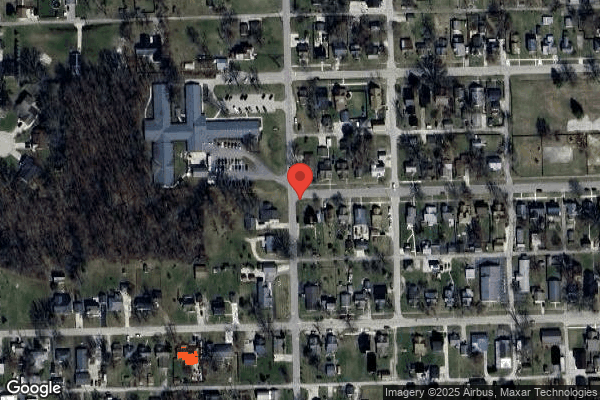
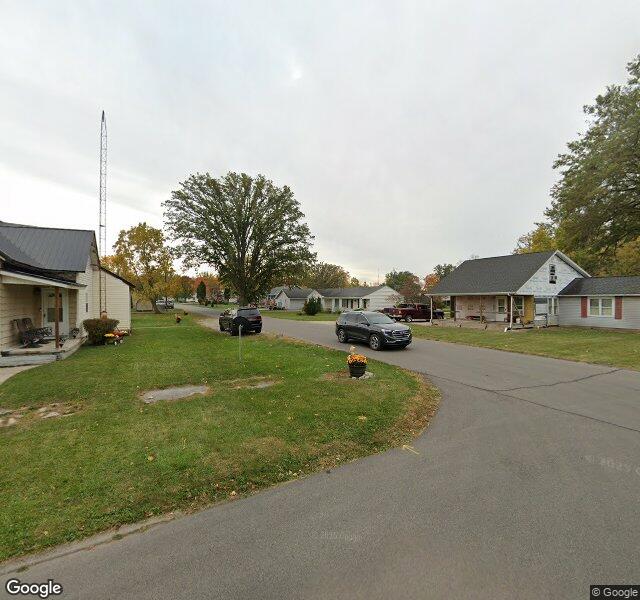
200 N PARK ST, PORTLAND, IN 47371 (260) 726-9355
Non profit - Corporation 100 Beds HCF MANAGEMENT INDIANA Data: November 2025
Trust Grade
68/100
#280 of 505 in IN
Last Inspection: August 2024

Within standard 12-15 month inspection cycle. Federal law requires annual inspections.

Overview

Persimmon Ridge Rehabilitation Centre has a Trust Grade of C+, indicating it is slightly above average but not exceptional. It ranks #280 out of 505 facilities in Indiana, placing it in the bottom half of the state, although it is the best option out of two in Jay County. The facility's performance is worsening, with issues increasing from three in 2024 to four in 2025. Staffing is a relative strength, with a turnover rate of 27%, which is well below the Indiana average, but the overall RN coverage is average. Notably, there have been concerns about the dietary manager lacking required certifications, continued complaints about late meal service, and issues with toilet cleanliness in some resident rooms, highlighting both strengths and weaknesses in the facility's care.

Trust Score
C+
68/100
In Indiana
#280/505
Bottom 45%
Safety Record
Low Risk
No red flags
Inspections
Getting Worse
3 → 4 violations
Staff Stability
✓ Good
27% annual turnover. Excellent stability, 21 points below Indiana's 48% average. Staff who stay learn residents' needs.
Penalties
✓ Good
No fines on record. Clean compliance history, better than most Indiana facilities.
Skilled Nurses
○ Average
Each resident gets 34 minutes of Registered Nurse (RN) attention daily — about average for Indiana. RNs are the most trained staff who monitor for health changes.
Violations
⚠ Watch
15 deficiencies on record. Higher than average. Multiple issues found across inspections.
★★★☆☆
3.0
Overall Rating
★★★☆☆
3.0
Staff Levels
★★★☆☆
3.0
Care Quality
★★★☆☆
3.0
Inspection Score
Stable
2024: 3 issues
2025: 4 issues

The Good

  • Low Staff Turnover (27%) · Staff stability means consistent care
  • Full Sprinkler Coverage · Fire safety systems throughout facility
  • No fines on record
  • Staff turnover is low (27%)

    21 points below Indiana average of 48%

Facility shows strength in staff retention, fire safety.

The Bad

3-Star Overall Rating

Near Indiana average (3.1)

Meets federal standards, typical of most facilities

Chain: HCF MANAGEMENT INDIANA

Part of a multi-facility chain

Ask about local staffing decisions and management

The Ugly 15 deficiencies on record

Jul 2025 2 deficiencies
CONCERN (D) 📢 Someone Reported This

A family member, employee, or ombudsman was alarmed enough to file a formal complaint

Potential for Harm - no one hurt, but risky conditions existed

Free from Abuse/Neglect (Tag F0600)

Could have caused harm · This affected 1 resident

Based on interview and record review, the facility failed to protect the resident's right to be free from sexual abuse by CNA 10 for 1 of 3 residents reviewed for abuse. (Resident C) This deficient pr...

Read full inspector narrative →
Based on interview and record review, the facility failed to protect the resident's right to be free from sexual abuse by CNA 10 for 1 of 3 residents reviewed for abuse. (Resident C) This deficient practice was corrected on 7/19/25, prior to the start of survey, and was therefore past noncompliance. Findings include:Review of a facility reported incident, dated 7/19/25, indicated CNA 10 took a picture, using her personal cell phone, of Resident C's peri-area. The resident had marked herself with a bingo dauber. The CNA said she took the picture to show to the nurse on duty, but it was later discovered she had shown the picture to multiple staff members.Resident C's clinical record was reviewed on 7/30/25 at 10:03 a.m. Diagnoses included Down syndrome, muscle weakness, osteogenesis imperfecta (a condition where bones are fragile and easily broken), cardiac murmur, obstructive and reflux uropathy, and a cognitive communication deficit. An annual Minimum Data Set (MDS) assessment, dated 6/25/25, indicated Resident C was cognitively intact, did not experience hallucinations, delusions, or behaviors, and was dependent on staff for toileting hygiene, showering, dressing, and all transfers. The resident was unable to walk.A current care plan, dated 7/19/25, indicated Resident C had the potential for fear and anxiety due to an incident on 7/19/25. The goal was Resident C would not exhibit any signs or symptoms of increased anxiety. Interventions included: observe for signs and symptoms of anxiety or depressive symptoms, such as crying, a change in eating or sleeping habits, or isolation, provide one to one care as needed, assess for depression as needed, provide mental health services as ordered, encourage the resident to voice all problems or concerns, be an active listener, and provide reassurance as needed. Staff were to contact the physician and the resident representative upon any significant changes.A current care plan, dated 7/19/25, indicated Resident C required one-on-one care with social services due to an incident on 7/19/25. The goal was the resident would exhibit one positive response during the one-on-one session with social services. Interventions included: services one-on-one to be provided as scheduled, refer to mental health services as needed, notify the physician and resident representative upon any significant change in condition, and observe for signs and symptoms of increased mood or behaviors.A progress note, dated 7/19/25 at 5:00 PM, indicated the Administrator, Director of Nursing (DON), Medical Director, and the resident representative were made aware of the incident that occurred on 7/19/25.A review of the facility investigation, provided by the Administrator on 7/30/25 at 12:58 p.m., included the following:The DON, Administrator, resident representative, Medical Director, and the local Police Department were notified of the incident. CNA 10 was suspended pending further investigation and eventually terminated.The Administrator reported the incident to Adult Protective Services and the local ombudsman on 7/21/25.On 7/19/25, a statement by CNA 10 indicated the following: She was unable to locate the nurse at the time she found resident C with bingo dauber all over her body, including her peri- area. CNA 10 stated she took the picture of the peri-area to show the nurse. She thought she deleted the photo, then found it in her deleted photos after showing another employee.A 7/19/25 statement written by CNA 2 indicated she saw a picture of Resident C on CNA 10's phone at 2:00 a.m. Two pictures were seen; one of Resident C's vaginal area (no face) and a second picture with the resident's hand and part of her face seen.A 7/19/25 statement written by CNA 4 indicated she was sitting at the CNA table with CNA 7, CNA 8, and CNA 10. CNA 10 pulled out her phone and showed them a picture of Resident C's vaginal area, with reddish-pink bingo dauber ink on it. No one said anything after CNA 10 showed staff the picture.A 7/19/25 statement written by CNA 3 indicated she saw a picture of Resident C's vaginal area on CNA 10's phone. Resident C's legs were spread, but her face was not visible. A 7/19/25 statement written by CNA 7 indicated she saw a picture on CNA 10's phone of Resident C from below her belly, but her face was not visible. A 7/19/25 statement written by CNA 8 indicated she was charting at the CNA table when CNA 10 started talking about how she found Resident C with bingo dauber all over her chest, hands, face, upper thigh, and genital area. CNA 10 said she had a picture of it and showed the picture of the resident from her neck down. CNA 8 was shocked by CNA 10's behavior. A 7/19/25 statement written by Qualified Medication Aide (QMA) 6 on 7/19/25 indicated she saw photos of Resident C on CNA 10's phone and CNA 10 told QMA 6 she was going to delete the photos.A 7/19/25 statement written by RN 9 indicated she did not see the photo but heard about it and re-educated CNA 10 to not take pictures of residents and she needed to delete the photo.A 7/19/25 statement written by CNA 5 indicated another employee told her that CNA 10 had a picture of Resident C on her phone and was showing staff. CNA 5 said she saw the picture of the resident while CNA 10 was showing QMA 6. The picture contained Resident C's legs, abdomen, and vaginal area. CNA 5 said she immediately reported the information to the charge nurse, RN 9, and the DON to make sure the right steps were taken.During an interview with CNA 7 on 7/31/25 at 12:48 PM, she indicated, around 7:00 or 8:00 p.m. on 7/19/25, during second shift, she and other staff were sitting at a table because they were done with everything. CNA 10 was telling a story about how Resident C had bingo dauber all over her and was making it sound like the resident was touching herself inappropriately with it. CNA 10 thought it was funny and showed everyone the picture. Nobody really said anything. CNA 7 personally did not say anything. CNA 7 did not know if anyone checked on the resident after the picture was taken, because it had happened on the shift before. When the next shift came on, CNA 7 and another CNA mentioned it to the nurse, and at that point, they texted the DON about what had happened. CNA 7 thought it may have been reported to RN 9. The staff received re-education about reporting immediately and if it were to happen again, she would call the Administrator as soon as she saw something inappropriate.During an interview with CNA 8 on 7/31/25 at 12:42 PM, she indicated she saw the pictures in question and was completely stunned. They were all at the CNA table, and CNA 8 was offered to see the pictures. CNA 10 held up the phone with her hand and passed it in front of their faces. There were several others at the table, she thought four or five other CNAs. She was so shocked and floored she just did not know what to do. CNA 8 was educated about reporting immediately. If it were to happen in the future, she would report to the nurse in charge, the DON, or the Administrator. Before she did any of that, she would make sure the resident was okay.During an interview with QMA 6 on 7/31/25 at 1:01 p.m., she indicated CNA 10 approached her about Resident C and proceeded to show a picture of the resident. CNA 10 told QMA 6 more than once she would delete the pictures from the phone. QMA 6 did not assess the resident at that point because she was aware the marks were from a bingo dauber, and she was not concerned about the resident's safety. Since the incident, staff had been educated and, in the future, if something like that were to happen again, she would immediately report to the administrator and if she could not reach the administrator she would contact the DON.During an interview with RN 9 on 7/31/25 at 12:32 p.m., she indicated it was nighttime and she heard one of the aides had a picture on her phone. Another aide approached her and told her about the picture. RN 9 asked CNA 10 to see the pictures, but CNA 10 told her there was nothing there. CNA 10 showed her deleted folder file. There was nothing there and nothing on the camera roll either. RN 9 never actually saw the pictures. The only reason she knew about it was one of the other CNAs said something about it. RN 9 told CNA 10 she could not have things like that on her phone and she could not take pictures of the residents. CNA 10 insisted that she had not saved the picture. CNA 10 did admit she took the picture, and told RN 9 she showed it to some of the other staff, then deleted it. RN 9 did not report it because she had other things happening that night and since she had not seen the picture herself, she did not think she could report it. Since being re-educated, she understood she should have reported it and felt very bad she did not. During an interview with CNA 5 on 7/31/25 at 1:09 p.m., she indicated CNA 10 showed her the picture and told her what happened. CNA 5 was not sure why CNA 10 took the picture. CNA 5 reported it after she saw the picture. She thought CNA 10's reason for taking the picture was to show the resident had marked herself with a bingo dauber while touching her vaginal area with the dauber. CNA 5 thought CNA 10 found it funny because she showed no concerns about Resident C. CNA 5 reported to the DON. During an interview with the DON 7/31/25 at 2:15 p.m., she indicated staff were re-educated on abuse. Everybody should be reporting if they suspected abuse.During an interview with the Administrator on 7/31/25 at 2:22 p.m., she indicated the incident was reported to her on 7/19/25. The incident happened around 12:30 a.m. on 7/19/25. She provided coaching and counseling with each CNA individually.CNA 2 was unavailable for interview during the survey.CNA 4 was unavailable for interview during the survey.CNA 3 was unavailable for interview during the survey. A current facility policy, titled Abuse Prohibition, Reporting and Investigation, provided by the Administrator on 7/31/25 at 2:10 p.m., indicated the following: .This facility shall prohibit and prevent abuse, neglect, misappropriation of resident property, and exploitation. This includes but is not limited to freedom from corporal punishment, involuntary seclusion and any physical or chemical restraint not required to treat the resident's symptoms .Mental Abuse - Includes but is not limited to, humiliation, harassment, threats of punishment or deprivation. Mental abuse includes abuse that is facilitated or enabled through the use of technology, such as smartphones or other personal electronic devices. This would include keeping and/or distributing demeaning or humiliating photographs and recordings through social media or multimedia messaging. If a photograph or recording of a resident, or the manner that it is used, demeans or humiliates a resident(s), regardless of whether the resident provided consent and regardless of the resident's cognitive status, this will be considered abuse .Photographs and recordings - Facility staff is prohibited from taking or using photographs or recordings of a resident. This would include any type of equipment (e.g., cameras, smart phones, and other electronic devices) to take, keep, or distribute photographs and recordings for personal use and/or social media. To do so is considered resident abuse The deficient practice was corrected on 7/19/25 after the facility implemented a systemic plan that included the education of staff regarding the facility's abuse policy, interviewed and/or assessed other residents for abuse, completed an Interdisciplinary Team (IDT) review of the incident, and planned for Quality Assurance activities to mitigate reoccurrence of the deficient practice. This citation relates to Complaint 2566512.3.1-27(a) 3.1-27(b)
CONCERN (D) 📢 Someone Reported This

A family member, employee, or ombudsman was alarmed enough to file a formal complaint

Potential for Harm - no one hurt, but risky conditions existed

Report Alleged Abuse (Tag F0609)

Could have caused harm · This affected 1 resident

Based on interview and record review, the facility failed to ensure staff immediately reported abuse allegations to the Administrator or designee for 1 of 3 residents reviewed for abuse. (Resident C)....

Read full inspector narrative →
Based on interview and record review, the facility failed to ensure staff immediately reported abuse allegations to the Administrator or designee for 1 of 3 residents reviewed for abuse. (Resident C). This deficient practice was corrected on 7/19/25, prior to the start of survey, and was therefore past noncompliance. Findings include:Review of a facility reported incident indicated CNA 10 took a picture using her cell phone of the resident's peri-area where the resident had marked herself with a bingo dauber. The CNA said she took the picture to show to the nurse on duty, but it was later discovered she had shown the picture to multiple staff members.Resident C's clinical record was reviewed on 7/30/25 at 10:03 a.m. Diagnoses included Down syndrome, muscle weakness, osteogenesis imperfecta (a condition where bones are fragile and easily broken), cardiac murmur, obstructive and reflux uropathy, and a cognitive communication deficit. An annual Minimum Data Set (MDS) assessment, dated 6/25/25, indicated the resident was cognitively intact, did not experience hallucinations, delusions, or behaviors, and was dependent on staff for toileting hygiene, showering, dressing, and all transfers. The resident was unable to walk.During an interview with CNA 7 on 7/31/25 at 12:48 PM, she indicated, around 7:00 or 8:00 p.m. on 7/19/25, during second shift, she and other staff were sitting at a table because they were done with everything. CNA 10 was telling a story about how Resident C had bingo dauber all over her and was making it sound like the resident was touching herself inappropriately with it. CNA 10 thought it was funny and showed everyone the picture. Nobody really said anything. CNA 7 personally did not say anything. CNA 7 did not know if anyone checked on the resident after the picture was taken, because it had happened on the shift before. When the next shift came on, CNA 7 and another CNA mentioned it to the nurse, and at that point, they texted the DON about what had happened. CNA 7 thought it may have been reported to RN 9. The staff received re-education about reporting immediately and if it were to happen again, she would call the Administrator as soon as she saw something inappropriate.During an interview with CNA 8 on 7/31/25 at 12:42 PM, she indicated she saw the pictures in question and was completely stunned. They were all at the CNA table, and CNA 8 was offered to see the pictures. CNA 10 held up the phone with her hand and passed it in front of their faces. There were several others at the table, she thought four or five other CNAs. She was so shocked and floored she just did not know what to do. CNA 8 was educated about reporting immediately. If it were to happen in the future, she would report to the nurse in charge, the DON, or the Administrator. Before she did any of that, she would make sure the resident was okay.During an interview with QMA 6 on 7/31/25 at 1:01 p.m., she indicated CNA 10 approached her about Resident C and proceeded to show a picture of the resident. CNA 10 told QMA 6 more than once she would delete the pictures from the phone. QMA 6 did not assess the resident at that point because she was aware the marks were from a bingo dauber, and she was not concerned about the resident's safety. Since the incident, staff had been educated and, in the future, if something like that were to happen again, she would immediately report to the administrator and if she could not reach the administrator she would contact the DON.During an interview with RN 9 on 7/31/25 at 12:32 p.m., she indicated it was nighttime and she heard one of the aides had a picture on her phone. Another aide approached her and told her about the picture. RN 9 asked CNA 10 to see the pictures, but CNA 10 told her there was nothing there. CNA 10 showed her deleted folder file. There was nothing there and nothing on the camera roll either. RN 9 never actually saw the pictures. The only reason she knew about it was one of the other CNAs said something about it. RN 9 told CNA 10 she could not have things like that on her phone and she could not take pictures of the residents. CNA 10 insisted that she had not saved the picture. CNA 10 did admit she took the picture, and told RN 9 she showed it to some of the other staff, then deleted it. RN 9 did not report it because she had other things happening that night and since she had not seen the picture herself, she did not think she could report it. Since being re-educated, she understood she should have reported it and felt very bad she did not. During an interview with CNA 5 on 7/31/25 at 1:09 p.m., she indicated CNA 10 showed her the picture and told her what happened. CNA 5 was not sure why CNA 10 took the picture. CNA 5 reported it after she saw the picture. She thought CNA 10's reason for taking the picture was to show the resident had marked herself with a bingo dauber while touching her vaginal area with the dauber. CNA 5 thought CNA 10 found it funny because she showed no concerns about Resident C. CNA 5 reported to the DON. During an interview with the DON 7/31/25 at 2:15 p.m., she indicated staff were re-educated on abuse. Everybody should be reporting if they suspected abuse.During an interview with the Administrator on 7/31/25 at 2:22 p.m., she indicated the incident was reported to her on 7/19/25. The incident happened around 12:30 a.m. on 7/19/25. She provided coaching and counseling with each CNA individually.A current facility policy, titled Abuse Prohibition, Reporting and Investigation, provided by the Administrator on 7/31/25 at 2:10 p.m., indicated the following: .This facility shall prohibit and prevent abuse, neglect, misappropriation of resident property, and exploitation. This includes but is not limited to freedom from corporal punishment, involuntary seclusion and any physical or chemical restraint not required to treat the resident's symptoms .Mental Abuse - Includes but is not limited to, humiliation, harassment, threats of punishment or deprivation. Mental abuse includes abuse that is facilitated or enabled through the use of technology, such as smartphones or other personal electronic devices. This would include keeping and/or distributing demeaning or humiliating photographs and recordings through social media or multimedia messaging. If a photograph or recording of a resident, or the manner that it is used, demeans or humiliates a resident(s), regardless of whether the resident provided consent and regardless of the resident's cognitive status, this will be considered abuse .Photographs and recordings - Facility staff is prohibited from taking or using photographs or recordings of a resident. This would include any type of equipment (e.g., cameras, smart phones, and other electronic devices) to take, keep, or distribute photographs and recordings for personal use and/or social media. To do so is considered resident abuse The deficient practice was corrected on 7/19/25 after the facility implemented a systemic plan that included the education of staff regarding the facility's abuse policy, including reporting of allegations, interviewed and/or assessed other residents for abuse, completed an Interdisciplinary Team (IDT) review of the incident, and planned for Quality Assurance activities to mitigate reoccurrence of the deficient practice. Cross Reference F600.This citation relates to Complaint 2566512.
Apr 2025 2 deficiencies
CONCERN (D) 📢 Someone Reported This

A family member, employee, or ombudsman was alarmed enough to file a formal complaint

Potential for Harm - no one hurt, but risky conditions existed

Free from Abuse/Neglect (Tag F0600)

Could have caused harm · This affected 1 resident

Based on record review and interview, the facility failed to ensure a cognitively impaired resident was free from staff-to-resident verbal abuse and physical abuse resulting in a skin tear for 1 of 3 ...

Read full inspector narrative →
Based on record review and interview, the facility failed to ensure a cognitively impaired resident was free from staff-to-resident verbal abuse and physical abuse resulting in a skin tear for 1 of 3 residents reviewed for abuse. (Resident B) The deficient practice was corrected on 2/24/25, prior to the start of survey, and was therefore past noncompliance. Finding includes: Review of a facility reported incident, dated 2/18/25 at 10:30 p.m., indicated the following: Brief Description of Incident: On 2/18/25 the DON and Administrator were notified of allegations of abuse to Resident B during a transfer. CNA 3 was suspended pending an investigation. Preventative measures taken included: a resident assessment per the abuse policy and all alert and oriented residents and all staff members were scheduled for interviews. A follow up on 2/24/25 included the following: During an abuse investigation it was noted that there were two witnesses present during the interaction between the resident and CNA 3. The two witness interviews indicated CNA 3 wanted the resident to go to bed when the resident was not ready to go to bed. CNA 3 failed to follow the plan of care for two staff member assistance with transfers when she assisted the resident to bed by herself. During the transfer, the resident bit CNA 3 in the chest. CNA 3 stated, bite me again, I will bite you back, I'll go to jail I don't care. A skin tear was noted on the resident's arm after the transfer was completed. CNA 3 was terminated upon completion of the abuse investigation. Resident B's clinical record was reviewed on 4/15/25 at 12:20 p.m. Diagnoses included unspecified dementia with other behavioral disturbance, other specified anxiety disorders, recurrent depressive disorders, generalized muscle weakness, and unsteadiness on feet. A quarterly Minimum Data Set (MDS) assessment, dated 1/21/25, indicated the resident's cognition was severely impaired. Behaviors included disorganized thinking. The resident used a walker and wheelchair for mobility. He was dependent on staff assistance for toileting and transfers. The resident required maximum assistance from staff for personal hygiene, lower body dressing, and showers. A current care plan, dated 11/21/24, indicated the resident had physical behavioral symptoms directed toward others such as hitting, kicking, pushing, scratching, grabbing, and biting. Interventions included the following: do not begin care with any signs/symptoms of agitation, allow the resident to calm and then reapproach, stop care and ensure safety if the care has started and the resident becomes combative, allow the resident to calm down, talk to the resident throughout care to establish trust and reassurance, and speak slowly in a calm voice. A current care plan, dated 2/4/25, indicated the resident required up to two staff members for assistance with activities of daily living (ADL) due to impaired cognition and impaired balance and mobility. Interventions included the following: provide assistance with ADL as required and allow the resident to choose their own bed time and assist to bed. A current care plan, dated 11/21/24, indicated the resident had a diagnosis of depression. Interventions included provide reassurance and comfort as needed. A current care plan, dated 11/21/24, indicated the resident had a diagnosis of anxiety. Symptoms may include restlessness, irritability, racing thoughts, excessive worry, fear, and poor concentration. Interventions included ensure a calm environment. A skin assessment, dated 2/18/25 at 9:00 p.m., indicated a skin tear was noted to the resident's left wrist after a mobility transfer. The skin tear measured 1.0 centimeter (cm) long by 1.0 cm wide. The physician was notified on 2/18/25 at 9:10 p.m. The legal representative was notified on 2/18/25 at 10:45 p.m. The resident's range of motion was per usual. The resident denied any pain at the time of the assessment. A nurse's note, dated 2/18/25 at 10:35 p.m., indicated after a mobility transfer, a skin tear was noted on the resident's posterior left wrist with the skin separated. The physician, DON, and resident representative were updated. A skin assessment, dated 2/20/25 at 6:00 a.m., indicated the skin tear to the left posterior wrist was left open to air with no signs or symptoms of infection. New bruising surrounded the wound and measured 23 cm long by 9 cm wide. A review of the facility investigation file, provided by the Administrator on 4/15/25 at 3:40 p.m., included the following information: A handwritten statement from QMA 4, dated 2/18/25, indicated when Resident B's light was activated on 2/18/25, QMA 4 and CNA 5 answered it. CNA 3 told them she was going with them. They knocked on the door, entered the resident's room, asked if he was okay, and if he needed anything. CNA 5 went to close the blinds, and the resident started to point at CNA 5. He said, to turn it back on. CNA 3 then started to grab the resident by herself attempting to transfer him out of the chair. The resident kept saying to get off of him. He grabbed the chair and would not let go. QMA 4 said, Maybe just let him stay up for a while. He's not ready to go to bed. CNA 3 did not listen and continued to grab the resident and then threw him on the bed. During the transfer, the resident bit CNA 3. CNA 3 said, bite me again I'll bite back, I'll go to jail I don't care. As CNA 3 was walking out of the room, she said F*** this, this is uncalled for. CNA 3 indicated she was leaving. QMA 4 and CNA 5 immediately reported to the QMA what had just happened. QMA 4 and CNA 5 checked with the resident to ensure he was okay. He showed them a skin tear he got from the transfer. QMA 4 did not touch the resident or the chair while CNA 3 picked up the resident all by herself. A handwritten statement from CNA 5, dated 2/18/25, indicated Resident B's call light was activated on 2/18/25. QMA 4 and CNA 5 got up to answer it when CNA 3 said she would tag along. When they got into his room, CNA 5 had closed the residents blinds for privacy. The resident pointed at CNA 5 and indicated to turn it back on. For a moment, CNA 5 was confused. Then CNA 5 said, I wasn't messing with your heat, I was just closing the blinds. The resident still pointed while CNA 3 cut him off and said, No Sir, we are not pointing fingers in people's faces, that's just rude! The resident got agitated with CNA 3, but calmed down for a moment. CNA 5 then asked the resident if he was ready to get into bed. CNA 3 said, He's going to bed. She tried to transfer him to the bed like a bear hug, but he grabbed onto the wheelchair. This brought the wheelchair off of the ground with them, so she sat him back down. QMA 4 said, We can just keep him up, he's not ready for bed. CNA 3 did not listen and proceeded to try to transfer him again. The resident yelled get this man off of me! CNA 5 felt CNA 3 was offended by that statement. CNA 5 said, Just leave him be, we can come back later. CNA 3 picked him up and body slammed him into bed. The resident was not all the way in bed, so CNA 3 lifted him up again to move him back up. CNA 3 yelled, He bit me! The resident began rambling something, but CNA 5 was unable to understand what he said. CNA 3 said, Bite me again I'll bite you back, I'll go to jail I don't care! CNA 3 looked at QMA 4 and said, F*** this, this is f***ing uncalled for. CNA 3 stormed out of the room still cursing and said, She's f***ing leaving. CNA 5 and QMA 4 stayed in the room with the resident after CNA 3 stormed out. When QMA 4 asked the resident if he was okay, he lifted up his arm and said, Look what that man did to me. That was when CNA 5 and QMA 4 saw the resident's skin tear. Another aide walked in and CNA 5 sent them to get QMA 6 immediately. CNA 3 was the only staff member who touched the resident during the transfer. CNA 5 held the wheelchair for a second. When the resident began fighting CNA 3, CNA 5 let go and said, Just leave him be, we can come back later. A printed text statement from CNA 3, dated 2/18/25 at 11:43 p.m., indicated Resident B had the call light on. CNA 3 offered to assist whichever of the two girls wanted to go, as she usually helped transfer heavier patients due to being tall and strong. All three of them approached the resident's room together. The resident was clearly upset and already yelled at CNA 5 who was on the left side. QMA 4 was on the right side and adjusted the bedding for the transfer. The resident was usually combative during care, especially during transfers or peri care. Originally CNA 5 and QMA 4 were going to use two assist, but this did not work. Since CNA 3 was strong, CNA 3 suggested that QMA 4 hold the chair, and CNA 5 assist with the brief and pants during the transfer. At the same time, CNA 3 supported the resident's back and completed the transfer herself by lifting with her knees. Upon doing this, the resident was combative and threw punches as usual. For the first time, the resident bit CNA 3's left breast. The resident was eased back into the wheelchair and advised that biting was not acceptable and that he needed to be in bed because he had swollen legs. They had a discussion, and QMA 4 suggested letting the resident stay up. Since he needed changed, a second attempt was made with the same set up. Again, the resident resisted and bit CNA 3's breast hard enough it tore the skin. While in mid-transfer to his bed CNA 5 did not have time to remove his pants or brief. QMA 4 had the wheelchair out of the way. The resident was placed on the edge of the bed but was not in a position to be laid down. CNA 3 readjusted him by herself back further onto the bed. Once the resident's feet were up in bed, she mentioned to CNA 5 and QMA 4 that she needed to step out. CNA 5 and QMA 4 remained with the resident to provide care. CNA 3 cursed in pain in the hallway by the service hall. CNA 3 stepped outside with LPN 7 to breathe. A handwritten statement from QMA 6, dated 2/20/25, indicated on 2/18/25 the 300 Unit aides told her that CNA 3 transferred Resident B by bear hugging him. The resident received a skin tear and bit CNA 3. During an interview on 4/15/25 at 3:18 p.m., the Administrator indicated the outcome of the facility investigation determined CNA 3 had been abusive to Resident B on 2/18/25. During a phone interview on 4/15/25 at 4:12 p.m., QMA 4 indicated CNA 3 had been abusive toward Resident B during a transfer on 2/18/25. QMA 4 had worked with CNA 3 in the past but this was the first time she seen her be abusive toward a resident. Between 8:00 p.m. and 10:00 p.m. she had attempted to get the resident in bed for the night, but the resident did not want to go to bed. As a result, QMA 4 and CNA 5 let him remain up in his chair. Later, his call light came on. QMA 4 and CNA 5 were assigned to the resident's unit. They were going to answer the call light, and CNA 3 followed them to the resident's room. They had not requested CNA 3's assistance as she was assigned to a different hallway. When CNA 5 went in the room towards the window, the resident pointed his finger at CNA 5. The resident seemed agitated. When the resident pointed his finger, CNA 3 told the resident not to point his finger at CNA 5. CNA 3 then attempted to pick up the resident from his wheelchair by herself, much like a bear hug. He required assistance of two staff members for transfers. The resident was very agitated and made it known he did not want to go to bed. The resident tried to push CNA 3 away, told her no, and get off of me. When CNA 3 did not stop as the resident requested, he bit her on the chest. Then CNA 3 told the resident, Bite me again. I'll bite back. I'll go to jail. I don't care. QMA 4 tried to tell CNA 3 they should just leave him up in his chair for a while, but CNA 3 continued with the bear hug transfer and threw him into the bed. It was such a struggle, the resident was only halfway into the bed. CNA 3 bear hugged him again to get him the rest of the way into the bed. CNA 3 did this quickly and forcefully. She would not listen to QMA 4, nor the resident's attempts to get her to stop. CNA 3 said, F*** this, while she was still in the resident's room. She stormed out of the room and indicated she was leaving. QMA 4 and CNA 5 stayed with the resident to talk to him calmly since he responded well to calm approaches. When QMA 4 and CNA 5 asked the resident if he was okay, the resident pointed to a new skin tear on his arm and said, look what they done to me. QMA 4 and CNA 5 then saw QMA 6 just outside the resident's door and reported it immediately to QMA 6. It was then reported to RN 8, who notified the DON and the Administrator. She thought CNA 3 had left the building. CNA had not returned to the 300 Unit after she exited the resident's room. During a phone interview on 4/15/25 at 6:44 p.m., CNA 3 indicated she was not a current employee of the facility because she had been terminated for abuse towards Resident B, even though she disagreed with it. On 2/18/25 at approximately 9:30 p.m., she was not scheduled on Resident B's Unit, nor assigned to his care. On 2/18/25 they needed another person to help the other two aides, so CNA 3 entered the resident's room along with QMA 4 and another (unidentified) aide. It was difficult for any staff to provide his care due to his behaviors, but he was cooperative with his family. The resident had dementia and was known to have behaviors. CNA 3 was aware of the following behavior interventions for Resident B: staff were required to approach him in a sweet/calm manner, if he was non-cooperative with care, they were to come back after 15 minutes and reapproach him, and his hat was also used at times for a diversion. QMA 4 and the other aide had attempted to provide care earlier that evening, and the resident refused. They had waited for a period of time and reapproached the resident again. They had not contacted the resident's family to see if they may be able to get a better response from the resident. CNA 3 and the other two aides entered the resident's room. The resident had feces all over him and all over the wheelchair for a very extended period of time and needed to have care. QMA 4 approached the resident first about providing care and the resident was in agreement. QMA 4 and CNA 3 were on each side, and then the resident changed his mind and they put him back down in the wheelchair. CNA 3 and QMA 4 reassessed along with the other aide in the room then they asked to try to transfer him again. CNA 3 was in front of him and lifted him much like a bear hug as she faced the resident, directly in front of him. QMA 4 was behind the wheelchair while CNA 3 did the transfer by herself. When she assisted him to stand, his knees buckled a little, then the resident grabbed her arms and bit her left breast. She sat him down in the chair and said,Sir please don't bite me. CNA 3 then collaborated with the other two aides, and they decided to try one more time with CNA 3 positioned in front of the resident in the same manner doing the transfer, QMA 4 behind the wheelchair. QMA 4 moved the chair and removed the resident's brief but could not complete it because the resident bit CNA 3 again. She lowered, re-emphasized lowered him to the bed by herself. The upper half of his body was on the bed and his feet were off the bed. His bed was in the low position. She told QMA 4 she had to help with his legs. QMA 4, along with the other aide, placed his legs in bed, stayed with the resident, and began providing resident care. As CNA 3 exited the room, she said to the nurse outside the room, Ow what the f*** was that? CNA 3 was unable to identify which staff member was outside the door, but she told them she needed to leave. She went outside and smoked, then returned back into the building and finished her shift. CNA 3 indicated her shift did not end until 1/19/25 at 2:00 a.m. She filled out a behavior note, notified the DON, and provided her statement to the DON that night via text. She was uncertain who notified the Administrator. CNA 3 believed she had not done anything wrong. She was the one who was injured, and her employment was terminated. This information was inconsistent with CNA 3's final timecard punch of 2/18/25 at 9:58 p.m. During a telephone interview on 4/15/25 at 8:44 p.m., CNA 5 indicated she was a witness in Resident B's room when CNA 3 followed CNA 5 and QMA 4 to the resident's room when his call light was activated. The resident was not soiled when they went into the room. CNA 5 and QMA 4 had been in his room and toileted him approximately 30 minutes prior. He had been cooperative with toileting. He was not ready to go to bed when they were in his room before, so they came back and reapproached him after they gave him some time. CNA 5 asked the resident when she entered the room if he was ready to go to bed. He did not respond. She was uncertain if he heard what she said, so she went to the window and closed his blinds so he could get ready for bed. When she closed the blinds, the resident pointed and yelled at her to turn the heat back on. CNA 5 reassured him she did not adjust his heater but instead closed his blinds. CNA 3 interjected, No sir, you are not going to be pointing fingers. That is just rude! QMA 4 asked the resident if he was ready for bed, and he said no. CNA 3 said, Oh, he's going to bed! CNA 3 adjusted the resident's wheelchair closer to the bed and asked CNA 5 to hold onto the wheelchair while she bear hugged him to do his transfer. CNA 5 held onto the wheelchair, and the resident began to yell, Put me down and get this man off of me! The resident held onto the wheelchair as CNA 3 attempted to transfer him by herself. As a result, she was unable to get him fully out of the wheelchair. CNA 5 thought the resident bit CNA 3 on the breast at that time. CNA 3 put the resident back into the wheelchair. CNA 5 let go of the wheelchair, and QMA 4 said, We are going to leave him alone because he does not want to go to bed. CNA 5 reiterated, We are going to leave him alone. Then CNA 3 grabbed the resident's arms, crossed them, and put his arms to his chest in a manner to prevent movement of his arms. CNA 3 picked him up again like a bear hug by herself and, slammed him into the bed. CNA 5 said the bed was slightly lowered when it happened and CNA 3 did not get him fully into the bed. As a result, CNA 3 bear hugged him again to get him repositioned in the bed very forcefully The resident bit CNA 3 again. CNA 3 began to curse and said, Bite me again. I'll go to jail. I don't care. This is f***ing ridiculous! CNA 3 stormed out of the resident's room. resident yelled, Look what that man did to me as he lifted up his left arm sleeve and pointed to a new skin tear with blood on it. During a telephone interview on 4/15/25 at 9:11 p.m., QMA 6 indicated she was assigned to the 300 Unit on 2/18/25, when QMA 4 and CNA 5 notified her of CNA 3's inappropriate bear hug transfer of Resident 6 that resulted in a new skin tear. She immediately entered the resident's room and found his left arm bleeding. The resident typically had behaviors in which he was agitated and yelled at the staff. Since he did not allow her to touch him, she went to get the nurse. The resident should not have been transferred when he expressed he did not want to be transferred. During a telephone interview on 4/15/25 at 9:18 p.m., RN 8 indicated when she arrived at the beginning of her shift on 2/18/25, she replaced QMA 6 on the 300 Unit. Her shift started at 9:00 p.m. QMA 4 and CNA 5 were in the process of reporting what happened with CNA 3 in the resident's room. RN 8 went around and asked some questions of QMA 4, CNA 5, and QMA 6 to obtain more information as she knew this had to be reported immediately to the DON. She assessed the resident who had a skin tear on his left arm with some bleeding. Since the resident would not allow her to immediately address the skin tear, and he had no excessive blood loss, she gave him some time before she came back due to his behaviors. After she collected the information from QMA 4, CNA 5, and QMA 6, and completed the resident's skin assessment, she reported the information to the DON. She was unable to speak with CNA 3, as CNA 3 already clocked out and left the facility by then. During an interview on 4/16/25 at 12:19 a.m., the Administrator indicated the DON notified her of the abuse allegations for CNA 3 on 2/18/25 at 10:30 p.m. They identified they had not been notified timely. With further investigation, they found CNA 5 and QMA 4 had reported an inappropriate transfer resulting in a skin tear, but failed to communication they witnessed abusive behavior to the resident. The resident's skin tear was assessed on 2/18/25 at 9:10 p.m., after CNA 3's transfer of Resident B. During an interview on 4/16/25 at 12:21 p.m., the DON indicated RN 8 notified her of the abuse allegation for CNA 3 on 2/18/25 at 10:30 p.m. She indicated as soon as a staff member was aware of alleged abuse, they were required to immediately protect and secure the resident, immediately remove the staff member from duty, immediately notify the charge nurse, and the charge nurse was to immediately notify the DON and Administrator. A current facility policy, revised 6/2023, titled ABUSE PROHIBITION, REPORTING AND INVESTIGATION, provided by the DON on 4/15/25 at 10:46 a.m., indicated the following: POLICY: This facility shall prohibit and prevent abuse . This includes but is not limited to freedom from corporal punishment, involuntary seclusion and any physical or chemical restraint not required to treat the resident's symptoms. Abuse is the willful infliction of injury, unreasonable confinement, intimidation, or punishment with resulting physical harm, pain or mental anguish. Instances of abuse of a resident, irrespective of any mental or physical condition, cause physical harm, pain or mental anguish. It includes verbal abuse, sexual abuse, physical abuse, and mental abuse . Willful, as used in this definition of abuse, means the individual must have acted deliberately, not that the individual must have intended in inflict injury or harm . 1. This facility shall not permit residents to be subjected to abuse by anyone, including employees . 2. This facility shall ensure that all alleged violations, including mistreatment, neglect or abuse, including injuries of unknown source . are reported immediately to the administrator of the facility . IF RESIDENT ABUSE, OR SUSPICION OF ABUSE, IS REPORTED: 1. The resident(s) involved in the incident shall be removed from the situation at once or facility personnel shall remain with the resident to ensure safety. 2. The individual who witnessed the incident or who was informed of the allegation shall immediately notify a charge nurse assigned to the unit on which the resident resides. If this is not feasible due to circumstances, the individual shall be responsible to notify any other nurse currently on duty. The nurse shall examine the resident(s) involved to determine whether physical injuries have occurred and their extent. This examination shall be documented in the resident's clinical record. 3. The charge nurse is responsible to notify the facility Administrator and Director of Nursing immediately and to ensure no tampering or destruction of evidence, if applicable. 4. Any facility personnel implicated in the alleged abuse shall be immediately removed from resident care and shall remain suspended until an investigation is completed The deficient practice was corrected by 2/24/25 after the facility implemented a systemic plan that included a facility in-service regarding abuse/neglect/exploitation, responses to catastrophic reactions, staff burnout, and an investigation. This citation relates to Complaint IN00453866. 3.1-27(a) 3.1-27(b)
CONCERN (D) 📢 Someone Reported This

A family member, employee, or ombudsman was alarmed enough to file a formal complaint

Potential for Harm - no one hurt, but risky conditions existed

Report Alleged Abuse (Tag F0609)

Could have caused harm · This affected 1 resident

Based on interview and record review, the facility failed to timely report allegations of abuse to the appropriate agencies for 1 of 3 residents reviewed for abuse. (Resident B) Findings include: Revi...

Read full inspector narrative →
Based on interview and record review, the facility failed to timely report allegations of abuse to the appropriate agencies for 1 of 3 residents reviewed for abuse. (Resident B) Findings include: Review of an Indiana State Department of Health facility reported incident, dated 2/18/25 at 11:34 p.m., indicated the facility initiated an investigation for alleged abuse against Resident B. The incident was identified on 2/18/25 at 10:30 p.m. CNA 3 was the staff member involved and suspended pending investigation. Local law enforcement and APS (Adult Protective Services) were not notified. The brief description indicated Resident B was allegedly abused during a transfer. During an interview with the Administrator on 4/15/25 at 3:18 p.m., she indicated she had not notified law enforcement because the resident did not have any serious bodily injury. During a phone interview with QMA 4 on 4/15/25 at 4:12 p.m., she indicated QMA 6 was right outside the room after the incident and she immediately reported it to her, who reported it to RN 8 and subsequently the DON and Administrator. During an interview with the Administrator on 4/16/25 at 9:40 a.m., she indicated she called and suspended CNA 3 on the late evening on 2/18/25 as soon as she was notified. CNA 3 was contacted on her personal phone as she clocked out and left the building for the evening. They received her statement via text the same day. During interview with the Administrator on 4/16/25 at 12:19 p.m., she indicated aides had reported to QMA 6 an inappropriate transfer resulting in a skin tear, but initially did not believe it was abusive until RN 8 questioned them further. The Administrator indicated that was why the employee was not removed immediately and administration was unaware of the alleged abuse until 10:30 p.m. She believed the QMA 4 and CNA 5 were in such shock from what occurred, that communication was delayed. The resident's skin tear was assessed on 2/18/25 at 9:10 p.m. During an interview with the DON on 4/16/25 at 12:21 p.m., she indicated, as soon as they are aware of alleged abuse, staff are to immediately protect and secure the resident, remove the involved employee, and notify the charge nurse, who would notify the DON and Administrator. She indicated the aides should have reported abusive behavior to their charge nurse so Administration would have been notified immediately. A current facility policy, revised 6/2023, titled ABUSE PROHIBITION, REPORTING AND INVESTIGATION, provided by the DON on 4/15/25 at 10:46 a.m., indicated the following: POLICY: This facility shall prohibit and prevent abuse . This includes but is not limited to freedom from corporal punishment, involuntary seclusion and any physical or chemical restraint not required to treat the resident's symptoms. Abuse is the willful infliction of injury, unreasonable confinement, intimidation, or punishment with resulting physical harm, pain or mental anguish. Instances of abuse of a resident, irrespective of any mental or physical condition, cause physical harm, pain or mental anguish. It includes verbal abuse, sexual abuse, physical abuse, and mental abuse . Willful, as used in this definition of abuse, means the individual must have acted deliberately, not that the individual must have intended in inflict injury or harm . 1. This facility shall not permit residents to be subjected to abuse by anyone, including employees . 2. This facility shall ensure that all alleged violations, including mistreatment, neglect or abuse, including injuries of unknown source . are reported immediately to the administrator of the facility. Violations of the aforementioned shall be reported to other officials in accordance with state law through established procedures . IF RESIDENT ABUSE, OR SUSPICION OF ABUSE, IS REPORTED: .7. Local law enforcement shall be notified, if warranted . 14. The Administrator, Director of Nursing, or designee, is responsible to notify the following agencies, as applicable: State Department of Health Adult Protective Services Ombudsman Applicable Licensing Agency Cross reference F600. This citation relates to Complaint IN00453866. 3.1-28(c)
Aug 2024 2 deficiencies
CONCERN (D)

Potential for Harm - no one hurt, but risky conditions existed

Medication Errors (Tag F0758)

Could have caused harm · This affected 1 resident

Based on observation, record review, and interview, the facility failed to ensure non-pharmacological interventions were implemented prior to the PRN (as needed) administration of psychotropic medicat...

Read full inspector narrative →
Based on observation, record review, and interview, the facility failed to ensure non-pharmacological interventions were implemented prior to the PRN (as needed) administration of psychotropic medications for 2 of 6 residents reviewed for unnecessary medications. (Resident 39 and Resident 59) Findings include: 1. During an observation, on 8/14/24 at 10:16 a.m., Resident 39 sat quietly in a tilt-in-space positioning wheelchair in while watching a group activity. During an observation, on 8/15/24 at 8:57 a.m., the resident lay quietly in bed with her eyes closed in her darkened room. During an observation, on 8/16/24 at 8:32 a.m., the resident sat quietly in a tilt-in-space positioning wheelchair in the dining room at a table. Resident 39's clinical record was reviewed on 8/14/24 at 12:01 p.m. Diagnoses included Alzheimer's disease with early onset, psychotic disorder with hallucinations due to known physiological condition, unspecified psychosis not due to a substance or known physiological condition, major depressive disorder, recurrent, mild, generalized anxiety disorder, borderline personality disorder, and dementia. Physician's orders included buspirone (antianxiety) 10 mg three times a day (started 3/21/24), donepezil (for Alzheimer's) 10 mg daily (started 12/21/23), haloperidol lactate (antipsychotic) 2 mg/ml concentrate 5 mg twice a day (started 5/24/24), lorazepam (antianxiety) 0.5 mg three times a day PRN for generalized anxiety disorder (started 4/2/24 and discontinued 4/15/24), memantine (for Alzheimer's) 14 mg extended release daily (started 12/22/23) , and sertraline (antidepressant) 200 mg daily (started 4/19/24). A quarterly Minimum Data Set (MDS) assessment completed on 5/24/24 indicated the resident had no recall of current season, location of room, staff names and faces, or that she was in a nursing home. She had moderately impaired decision-making and made poor decisions. She exhibited physical behavioral symptoms both directed toward others and not directed toward others for one to three days during the assessment period. A current care plan, initiated on 12/21/23 and last revised on 7/3/24, indicated the resident had a diagnosis of anxiety. The goals included the following: episodes of increased anxiety will be successfully addressed, and resident calmed as evident by documented efficacy of interventions listed in the Behavior Memo(s). Interventions will be effective as evidenced by fewer episodes of anxiety as evident by review of documented Behavior Memo(s) denoting number of episodes of anxiety exhibited. The interventions included the following: ensure calm environment, ensure all basic needs have been met, encourage activities of preference such as watching television, encourage resident to express thoughts and feelings, provide reassurance and comfort as needed, provide relaxation techniques as needed, such as visualization, relaxing music, and massage, and administer medication as ordered as needed. The medication administration record (MAR) for 4/5/24 through 4/15/24 indicated the resident had received the PRN lorazepam 0.5 mg on the following days 4/5/24 (twice), 4/6/24, 4/7/24, 4/8/24, 4/9/24 (twice), 4/11/24 (twice), 4/12/24, 4/13/24 (twice), 4/14/24 (twice), and 4/15/24 at 6:54 a.m. The MAR lacked documentation of non-pharmacological interventions attempted prior to the administration of the lorazepam. The Mood and Behavior Communication Memos, for the time span between 1/1/24 and 8/16/24, received from the DON on 8/16/24 at 10:24 a.m., were reviewed. The memos included the description of the resident's behavior, interventions attempted, and the outcome of the interventions used. No memos were completed for 4/9/24, 4/11/24, 4/12/24, 4/13/24, and 4/15/24 when Resident 39 received lorazepam. A nurses note, dated 3/28/24 at 9:25 a.m., indicated the mental health provider had been updated on an increase in the resident's yelling and behaviors. A new order was received (to increase sertraline 100 mg by 25 mg daily until dose reached 200 mg). A nurses note, dated 4/15/24 at 12:20 p.m., indicated the resident was sent to the hospital for increase in agitation and constant yelling and screaming. The nurses notes lacked the resident's behaviors and interventions provided for 4/9/24, 4/11/24, 4/12/24, 4/13/24, and 4/15/24 prior to administration of the PRN lorazepam. During an interview, on 8/16/24 at 4:21 p.m., RN 4 indicated prior to the administration of a PRN psychotropic medication, non-pharmacological interventions were to be provided such as redirecting the resident or offering a snack. She thought the interventions were to be documented on the MAR. During an interview, on 8/16/24 at 4:23 p.m. RN 5 indicated prior to the administration of a PRN psychotropic medication, reasons why giving the medication must be listed, try to redirect the behavior, and do the least invasive things before administering a medication. If the behavior is really bad, then a behavior report should be filled out and the interventions are put on the bottom. The interventions can be documented on the MAR and the nurses notes. During an interview, on 8/16/24 at 5:10 p.m., the DON indicated she was unable to locate documentation of interventions being provided prior to the administration of the lorazepam for Resident 39. 2. During an observation, on 8/12/24 at 10:52 a.m., Resident 59 laid on her bed with her eyes closed. During an observation, on 8/14/24 at 8:52 a.m., the resident laid on her bed watching television. During an observation, on 8/16/24 at 10:00 a.m., the resident laid on her bed and talked on the phone. Resident 59's clinical record was reviewed on 8/14/24 at 2:01 p.m. Diagnoses included depression, generalized anxiety disorder, emphysema, and chronic obstructive pulmonary disease. Physician's orders included lorazepam (antianxiety) 0.25 mg PRN three times a day for generalized anxiety disorder (started 6/19/24 and discontinued 8/8/24) and sertraline (antidepressant) 150 mg daily (started 8/8/24). A quarterly Minimum Data Set (MDS) assessment completed 7/23/24 indicated the resident was cognitively intact. No behaviors were identified. A current care plan (initiated 6/19/24 and last revised 8/5/24) indicated the resident required the use of an antianxiety medication. The goal was the resident would have no signs or symptoms of adverse reaction associated with the use of lorazepam through the next review. The interventions included the following: administer the medication as ordered, monitor for adverse effect, and observe for changes in mood or behavior. The medication administration record (MAR) for 7/21/24 through 7/31/24 indicated the resident had received the PRN lorazepam on the following days: 7/21/24 (twice), 7/22/24 (twice), 7/23/24, 7/24/24 (twice), 7/25/34, 7/26/24, 7/27/24, 7/28/24 (twice), 7/29/24 (twice), 7/30/24, and 7/31/24 (twice). The MAR lacked documentation of interventions given prior to the administration of the lorazepam. The Mood and Behavior Communication Memos, for the time span between 6/19/24 and 8/16/24, received from the DON on 8/16/24 at 2:29 p.m., were reviewed. The memos included the description of the resident's behavior, interventions attempted, and the outcome of the interventions used. No memos were completed for 7/21/24 through 7/29/24 and 7/31/24. A behavior memo concerning the resident's refusal of taking a shower because she was tired was completed on 7/30/24. The nurses notes lacked the resident's behaviors and interventions provided prior to the administration of the PRN lorazepam from 7/21/24 through 7/31/24. During an interview, on 8/16/24 at 2:15 p.m., QMA 2 indicated prior to the administration of a PRN psychotropic medication, non-medication type interventions should be attempted. The nurse would also have to give permission to give the PRN medication prior to a QMA administering the medication. During an interview, on 8/16/24 at 2:17 p.m. the Unit Manager indicated prior to giving a PRN psychotropic medication, a non-pharmacological intervention, should be attempted and documented. During an interview, on 8/16/24 at 4:34 p.m., the DON indicated prior to the administration of lorazepam she expected non-pharmacological interventions to be implemented such as relaxation then reevaluate before giving the medication. During an interview, on 8/16/24 at 5:10 p.m., the DON indicated she was unable to locate documentation of interventions being provided prior to the administration of the lorazepam for Resident 59. A facility policy, revised 9/2017, provided by the DON on 8/16/24 at 5:34 p.m., titled PRN Medications, indicated PURPOSE: To ensure non-pharmacological interventions are attempted, as appropriate, prior to PRN medication administration .Upon resident request or nurse observation indicating potential need for PRN psychoactive medication, the nurse shall be responsible to intervene, as appropriate, and list/code all non-pharmacological approaches attempted to resolve the resident's symptom(s)
CONCERN (D)

Potential for Harm - no one hurt, but risky conditions existed

Deficiency F0761 (Tag F0761)

Could have caused harm · This affected 1 resident

Based on observation, record review, and interview, the facility failed to label over-the-counter medications with resident name and physician name and failed to dispose of expired medications for 1 o...

Read full inspector narrative →
Based on observation, record review, and interview, the facility failed to label over-the-counter medications with resident name and physician name and failed to dispose of expired medications for 1 of 6 medication carts observed. (Medication cart on 300 Hall) Findings include: During a medication storage observation of the 300 Hall medication cart for rooms 310 -317, on 8/16/24 at 2:07 p.m., accompanied by QMA 2, the following medications were observed and lacked a resident name and physician name: one container of melatonin 10 mg strength with initials written on the lid and one container of doxylamine succinate with initials written on the lid. An opened container of antifriction, body powder lacked a resident name, physician name, directions, and an expiration date. A container of psyllium fiber supplement with a last name on the lid lacked a physician name and had expired 8/2020. During an interview at the same time of the observation, QMA 2 indicated over-the-counter medications should have the resident's name, the prescriber's name, and the date opened on them. The expired medication should have been disposed of. During an interview, on 8/16/24 at 2:17 p.m., the Unit Manager indicated over-the-counter medications should be labeled with the resident's name, the prescriber's name, the date opened, and the directions. The container of psyllium fiber supplement belonged to a resident who had admitted from home, and she thought the family had provided the medication. During an interview, on 8/16/24 at 2:26 p.m., the DON indicated expired medications should be disposed of and medications should have resident names and prescriber names on them. A facility policy, dated 4/2021, provided by the DON on 8/16/24 at 2:35 p.m., titled Drug Labels, indicated the following: .Drugs will be labeled in compliance with federal and state laws as well as standards of pharmacy practice A facility policy, dated 4/2021, provided by the DON on 8/16/24 at 2:35 p.m., titled Storing Drugs, indicated the following: .Any outdated, contaminated, or deteriorated drugs, or those that have containers that are cracked, soiled, or without closures must be removed from stock and destroyed according to policy 3.1-25(k)(1) 3.1-25(k)(2) 3.1-25(o)
Jun 2024 1 deficiency
CONCERN (D) 📢 Someone Reported This

A family member, employee, or ombudsman was alarmed enough to file a formal complaint

Potential for Harm - no one hurt, but risky conditions existed

Report Alleged Abuse (Tag F0609)

Could have caused harm · This affected 1 resident

Based on record review and interview, the facility failed to ensure an abuse allegation was reported to the Indiana Department of Health in a timely manner for 1 of 1 abuse allegation reviewed (Reside...

Read full inspector narrative →
Based on record review and interview, the facility failed to ensure an abuse allegation was reported to the Indiana Department of Health in a timely manner for 1 of 1 abuse allegation reviewed (Resident B). Findings include: A facility investigation for an abuse allegation was reviewed on 6/13/24 at 9:43 a.m. The facility reported incident indicated on 5/22/24 at 11:01 p.m., it was reported RN 6 was witnessed by two employees being verbally abusive when interacting with Resident B. Resident B was wheeling himself around the RN 6's medication cart and talking to himself. RN 6 stated to Resident B Go to your f--king room and stay there. Resident B was severely cognitively impaired. The submission confirmation to the Indiana Department of Health for the abuse allegation indicated the actual or identified date and time of the incident was 5/22/24 at 11:01 p.m. The submission date and time was 5/23/24 at 3:35 p.m. During an interview with the Administrator, on 6/13/24 at 1:28 p.m., she indicated she thought she was supposed to report within two hours if the report would have involved serious bodily injury or an injury from an unknown source, she didn't think the allegation needed reported within two hours. A current facility policy, titled Abuse Prohibition, Reporting and Investigation, provided by the DON, on 6/13/24 at 9:30 a.m., indicated the following: .If resident abuse, or suspicion of abuse, is reported . 15. The Administrator is responsible to coordinate the investigation, assure an accurate and complete written record of the incident and investigation, and to file a follow-up report with the State Department of Health. Said reporting of alleged violations shall be conducted immediately but not later than two (2) hours if the alleged violation involves abuse This citation relates to Complaint IN00435241. 3.1-28(c)
Oct 2023 7 deficiencies
CONCERN (D)

Potential for Harm - no one hurt, but risky conditions existed

Deficiency F0578 (Tag F0578)

Could have caused harm · This affected 1 resident

**NOTE- TERMS IN BRACKETS HAVE BEEN EDITED TO PROTECT CONFIDENTIALITY** Based on interview and record review, the facility failed to ensure a resident's advance directives were consistent in the clini...

Read full inspector narrative →
**NOTE- TERMS IN BRACKETS HAVE BEEN EDITED TO PROTECT CONFIDENTIALITY** Based on interview and record review, the facility failed to ensure a resident's advance directives were consistent in the clinical record, and changes were verified, for 1 of 3 residents reviewed for advance directives (Resident 3). Finding includes: Resident 3's record was review on [DATE] at 9:21 a.m. Her diagnoses included hypertension, hypothyroidism, and dementia. Her physician's orders included a code status for DNR (do not resuscitate). The resident's electronic continuity of care document and face sheet indicated do not resuscitate. Her current code status care plan, with the last revision date of [DATE], indicated the resident did not want cardiopulmonary resuscitation (CPR). The advance directives in the resident's paper chart indicated the resident did not want to have CPR performed as a lifesaving measure. The DNR was signed by the resident's representative on [DATE]. An advance directive in the resident's electronic chart (in the admission agreement) indicated the resident did want to have CPR performed, if needed, as a lifesaving measure. The advance directive was signed by the resident's representative on [DATE]. During an interview, on [DATE] at 2:46 p.m., LPN 11 indicated the resident's code status was on the computer main screen for the resident, on the 24-hour sheet, and in the resident's paper chart. During an interview, on [DATE] at 3:19 p.m., RN 12 indicated she would look at the resident's paper chart in the advance directives section to check if a resident wanted CPR. The code status for a resident was also listed on the 24-hour sheet. During an interview, on [DATE] at 4:33 p.m., the DON indicated the admission paperwork had been updated sometime after admission. She was uncertain why the paperwork indicated the resident wanted CPR. During an interview, on [DATE] at 4:44 p.m., the DON indicated she had spoken with the resident representative about the code status of the resident. The resident representative told the DON she remembered signing papers; she did not really pay attention to the papers she was signing. The DON indicated the advance directives in the electronic chart should have matched what was in the paper chart. When the admission paperwork was signed, the facility verified everything on admission. When the admission paperwork was re-signed, the records were not verified. A current policy, dated 1/2015, provided by the DON on [DATE] at 4:45 p.m., titled Advance Directives, indicated .When presented with an Advance Directive document, the facility shall verify the attending physician has a copy of the document and shall place a copy of the Advance Directive in the resident's office file as well as on the resident's clinical record at the nursing station 3.1-4(f)(5)
CONCERN (D)

Potential for Harm - no one hurt, but risky conditions existed

PASARR Coordination (Tag F0644)

Could have caused harm · This affected 1 resident

Based on interview and record review, the facility failed to ensure a Preadmission Screening and Resident Review (PASARR) was submitted for a resident with a new mental health diagnosis (Resident 18)....

Read full inspector narrative →
Based on interview and record review, the facility failed to ensure a Preadmission Screening and Resident Review (PASARR) was submitted for a resident with a new mental health diagnosis (Resident 18). Finding includes: Resident 18's clinical record was reviewed on 10/26/23 at 3:14 p.m. Diagnoses included unspecified dementia, unspecified severity, with other behavioral disturbance (10/3/22), delusional disorders (4/12/22), other recurrent depressive disorders (12/1/20), and generalized anxiety disorder (7/19/22). Her current medication orders included sertraline (anti-depressant) 75 mg daily. A quarterly Minimum Data Set (MDS) assessment, dated 10/9/23, indicated the resident was moderately cognitively impaired. She had an indicator of psychosis with hallucinations. Her active diagnoses included anxiety disorder, depression, and psychotic disorder. A care plan, last updated 7/27/23, indicated the resident had hallucinations as evidenced by seeing men in her room and talking to people who were not there. A care plan, last updated 7/27/23, indicated the resident suffered from delusions due to delusional disorder and dementia. A PASARR Level I screen was completed on 8/7/20. No mental health diagnosis, known or suspected, was listed under the under the mental health diagnoses section. Under the behaviors and symptoms section, the following was indicated: There are no known mental health behaviors which affect interpersonal interactions, there are no known mental health symptoms affecting the individual's ability to think through or complete tasks which she should be physically capable of completing, and there are no known recent or recurrent mental health symptoms. Under the mental health medications section, donepezil (for Alzheimer's disease) 10 mg daily was listed. The outcome indicated no Level II was required. The rational indicated the Level I screen indicated that a PASARR disability was not present because of no evidence of a PASARR condition of an intellectual/developmental disability or a serious behavioral health condition. If changes occurred or new information refuted these finding, a new screen must be submitted. During an interview, on 10/26/23 at 3:52 p.m., the Corporate Social Services Consultant indicated the 8/7/20 was the most recent PASARR for the resident. A new PASARR level I had not been submitted with the addition of the delusional disorder diagnosis. During an interview, on 10/26/23 at 4:13 p.m., the Corporate Social Services Consultant indicated the facility did not have a policy for PASARR level l. They followed the PASARR provider guidelines. The Maximus Indiana PASARR level l and Level of Care Screening Procedures for Long Term Care Services Provider Manual, with the most recent revision on 4/29/20, accessed on 10/30/23 at 3:49 p.m. at maximusclincalservices.com, indicated the following: .The PASRR process must be completed before a person admits and when a person's status significantly changes - referred to as a Status Change review .Persons with Serious Mental Illness (SMI) The Level l screen gathers information about people with SMIs [severe mental illness] .The federal definition for SMI is: Diagnosis of a major mental illness, such as schizophrenia, schizoaffective disorder, major depression, psychotic disorder, panic disorder, obsessive compulsive disorder and any other disorder that could lead to a chronic disability that is not a primary diagnosis of dementia Examples of a mental status change event include: a new mental health diagnosis not listed on previous Level I or Level ll
CONCERN (D)

Potential for Harm - no one hurt, but risky conditions existed

Deficiency F0728 (Tag F0728)

Could have caused harm · This affected 1 resident

Based on observation, interview, and record review, the facility failed to ensure a nurse aide became certified within four months of completing training for 1 of 4 CNA students reviewed. (CNA 7) Find...

Read full inspector narrative →
Based on observation, interview, and record review, the facility failed to ensure a nurse aide became certified within four months of completing training for 1 of 4 CNA students reviewed. (CNA 7) Finding includes: During an interview on 10/26/23 at 10:06 a.m., CNA Student 7 exited a resident's room on the 300 unit after providing care. She indicated she was hired in late April 2023, and continued to work full time for the facility, approximately 36 hours a week. She continued independently with her CNA Student duties each shift, without a CNA certification. She needed to retake her skills test, but she did not have a date scheduled. Review of employee records on 10/26/23 at 1:36 p.m., indicated CNA Student 7 was hired on 4/25/23. During an interview on 10/30/23 at 5:20 p.m., the Human Resources Director indicated CNA Student 7 completed her CNA classroom and clinical training on 5/18/23. She was not currently certified, but should have been certified within 4 months from her training completion date. During an interview on 10/30/23 at 5:27 p.m., the DON indicated she sent an email to the testing entity on 8/2/23 to assist CNA Student 7 to get scheduled for the testing. While CNA Student 7's testing was delayed, she continued to remain full time in her CNA duties from 9/18/23 until 10/26/23 without a certification. The DON indicated she failed to remove CNA Student 7 from her full time CNA Student position after 9/18/23. The facility lacked a policy regarding CNA Student certification timing. They followed the Indiana State guidelines. 3.1-14(b)
CONCERN (D)

Potential for Harm - no one hurt, but risky conditions existed

Deficiency F0883 (Tag F0883)

Could have caused harm · This affected 1 resident

**NOTE- TERMS IN BRACKETS HAVE BEEN EDITED TO PROTECT CONFIDENTIALITY** Based on record review and interview, the facility failed to offer and/or provide updated pneumococcal immunizations based on cu...

Read full inspector narrative →
**NOTE- TERMS IN BRACKETS HAVE BEEN EDITED TO PROTECT CONFIDENTIALITY** Based on record review and interview, the facility failed to offer and/or provide updated pneumococcal immunizations based on current Center for Disease Control (CDC) guidelines for 2 of 5 residents reviewed for infection control. (Residents 4 and 8) Findings include: 1. The clinical record for Resident 4 was reviewed on 10/25/23 at 10:50 a.m. Diagnoses included chronic diastolic congestive heart failure, diabetes mellitus, hypertensive chronic kidney disease, and atherosclerosis of native arteries of extremities with intermittent claudication. The resident had a historical administration of Prevnar 13 (pneumococcal immunization) on 3/18/16 and lacked any additional pneumococcal doses. The resident was last offered and refused a pneumococcal immunization on 8/5/20, during admission. 2. The clinical record for Resident 8 was reviewed on 10/25/23 at 11:17 a.m. She admitted to the facility on [DATE]. Diagnoses included Type 2 diabetes mellitus with chronic kidney disease, unspecified dementia, hypertension, hypothyroidism, and peripheral vascular disease. The resident received Pneumovax 23 (pneumococcal immunization) on 10/2012 outside of the facility. She received Prevnar 13 on 12/14/17. She had not been offered, nor received, any additional doses. During an interview on 10/30/23 at 11:50 a.m., the ADON indicated the above mentioned residents had not been offered, educated, received, or refused the most current pneumococcal immunizations based on CDC recommendations. She had been offering this to new admissions, and should have offered and provided pneumococcal education based on current CDC recommendations to the above mentioned residents when they were eligible for the next dose. She indicated the facility followed CDC guidelines. A current facility policy, reviewed 1/20/23, titled IMMUNIZATION PROGRAM, provided by the DON on 10/23/23 at 2:00 p.m., indicated the following: .PROCEDURE: 1. The facility will attempt to obtain informed consent from the resident or the resident's legal representative . 4. The facility will administer immunizations in accordance with recommendations established by the Centers for Disease Control and Prevention in effect at the time the immunization is administered 3.1-18(b)(5)
CONCERN (E)

Potential for Harm - no one hurt, but risky conditions existed

Deficiency F0565 (Tag F0565)

Could have caused harm · This affected multiple residents

**NOTE- TERMS IN BRACKETS HAVE BEEN EDITED TO PROTECT CONFIDENTIALITY** Based on observation, interview, and record review the facility failed to resolve continued Resident Council concerns regarding ...

Read full inspector narrative →
**NOTE- TERMS IN BRACKETS HAVE BEEN EDITED TO PROTECT CONFIDENTIALITY** Based on observation, interview, and record review the facility failed to resolve continued Resident Council concerns regarding late mealtimes. Finding includes: Resident Council minutes were reviewed on 10/23/23 at 2:49 p.m., and indicated the following concerns: 6/21/23 Old Business - Dietary: The mealtimes have not improved on all meals. They get them late frequently. 6/21/23 New Business - Dietary: The Council feels the mealtimes have not improved. 6/26/23 Resident Council Feedback - Dietary Concerns - The Council feel the mealtimes have not improved. They feel they receive meals later than the scheduled times. Dietary department response - Dietary Supervisor continues to monitor service times and ensures they are on time. The feedback notes lacked evidence of formal monitoring of meal times. 7/24/23 Old Business - Dietary: The mealtimes have not improved. 7/24/23 New Business - Dietary: The mealtimes have not improved. 8/5/23 Resident Council Feedback - Dietary Concerns - The Council all feel the mealtimes have not improved. Dietary department response - Dietary Supervisor continues to monitor mealtimes. They have been appropriate. The feedback notes lacked evidence of formal monitoring of meal times. 8/23/23 Old Business - Dietary: The mealtimes have not changed. 8/23/23 New Business - Dietary: Mealtimes have not improved. 8/25/23 Resident Council Feedback - Dietary Concerns - Mealtimes have not improved. Dietary department response - Mealtimes are being monitored. The feedback notes lacked evidence of formal monitoring of meal times. 9/18/23 Old Business - Dietary: The meals are still not on time and interfere with activity times and other things. 9/18/23 New Business - Dietary: Meals are still not on time. 9/21/23 Resident Council Feedback - Dietary Concerns - Council feels mealtimes still run late. Dietary department response - Mealtimes are being monitored. Staff is being educated about the importance of timely meals in the facility. The feedback notes lacked evidence of formal monitoring of meal times. The nursing department had an audit of how quickly trays were passed after the carts were delivered to the nursing unit, but did not include times. During a meeting with the Resident Council on 10/23/23 at 3:58 p.m., four of the six residents in attendance indicated meals were often late. They sometimes did not get lunch until after 1:30 p.m. With the meals being served late, it ran into their scheduled activities. It was not getting any better. Review of facility mealtimes, provided by the DON on 10/23/23 at 2:00 p.m., indicated they had been updated on 6/23/23. Mealtimes were as follows: Breakfast was at 7:30 am for the North Hall Cart, 8:00 a.m. for the [NAME] Dining Room and 400 Hall Cart, 8:15 a.m. for the 100 Hall Cart, 8:25 a.m. for the 300 Hall Cart, and 8:30 a.m. for the 500 Hall Cart. Lunch was at 12:00 p.m. for the North Hall Cart, 12:30 p.m. for the [NAME] Dining Room and 400 Hall Cart, 12:45 p.m. for the 100 Hall Cart, 12:55 p.m. for the 300 Hall Cart, and 1:00 p.m. for the 500 Hall Cart. During an interview on 10/24/23 at 11:41 a.m., Resident 4 indicated they sometimes got their lunch at 1:45 p.m. which caused them to have to hurry to eat so they could attend bingo at 2:30 p.m. This was one of the activities they did not want to miss. During an observation on 10/25/23 at 8:58 a.m., the 500 Hall Cart for breakfast was announced. During an observation on 10/25/23 at 9:01 a.m. staff began delivering trays to the residents on the 500 Hall with the last tray delivered at 9:09 a.m. During an observation on 10/25/23 at 12:16 p.m., the North Hall cart was announced. During an observation on 10/25/23 at 12:18 p.m., the staff began passing the trays on the North Hall. During an observation on 10/25/23 at 1:16 p.m., the lunch meal cart was delivered to the 300 Hall. During an observation on 10/25/23 at 1:20 p.m., the lunch meal cart was delivered to the 500 Hall. During an observation on 10/25/23 at 1:26 p.m., the last lunch tray on the 500 Hall was delivered to room [ROOM NUMBER]. During an observation on 10/25/23 at 1:28 p.m., the last lunch tray on the 300 Hall was delivered to room [ROOM NUMBER]. During an interview at 10/26/23 at 2:53 p.m., the Dietary Manager indicated since she had become the dietary manager, staffing had been good, but the last month had been rough. During an interview at 10/30/23 at 4:45 p.m., LPN 13 indicated several months ago, breakfast arrived in the main dining room around 9:00 a.m. most mornings. Mealtimes had improved some lately. A current facility policy, dated 5/2018 and provided by the DON on 10/30/23 at 4:50 p.m., titled Meal Hours, indicated .Policy: Resident meals and snacks are served at regularly scheduled times .meal times reflect when the residents should receive their meal NOT when dietary should start setting up trays A current policy, dated 11/2008 and provided by the DON on 10/30/23 at 4:56 p.m., titled Resident Council, indicated .It is the policy of this facility to: . 9. Distribute to each department a record of the resident' concerns in order to provide assistance and response to request from the council. 10. Indicate, in writing, a response, follow-up, or plan regarding any documented concerns from the resident council meetings. 11. Include in the above responses in the resident council minutes to be read at the next resident council meeting in order to determine resolution 3.1-3(l)
CONCERN (E)

Potential for Harm - no one hurt, but risky conditions existed

Safe Environment (Tag F0584)

Could have caused harm · This affected multiple residents

Based on observation and interview, the facility failed to maintain toilets in a clean and homelike manner for 3 of 4 residents reviewed for environment (Residents 4, 25, and 52) of the 15 residents w...

Read full inspector narrative →
Based on observation and interview, the facility failed to maintain toilets in a clean and homelike manner for 3 of 4 residents reviewed for environment (Residents 4, 25, and 52) of the 15 residents who resided on the 500 Unit. Findings include: 1. During an observation of Resident 4's room, on 10/24/23 at 11:41 a.m., the toilet had a thick black and gray residue in the bottom of the toilet bowl. The residue surrounded the entire opening where contents flushed down the toilet, with black debris along the base of the toilet on the right side where the toilet rested against the floor. During an interview on 10/24/23 at 11:41 a.m., Resident 4 indicated the previous Maintenance Director was aware of the black residue on the right side of the toilet at the floor, before the current Maintenance Director started at the beginning of September. During an interview on 10/24/23 at 11:54 a.m., a visitor in Resident 4's room indicated the resident's toilet was not kept in a clean manner because the facility was short on housekeeping staff members. During a observation on 10/25/23 at 3:58 p.m., Resident 4's toilet remained soiled with black residue inside of the toilet bowl. The black residue along the right side of the toilet at the floor remained unchanged from the previous observation. During an observation on 10/27/23 at 10:24 a.m., Resident 4's toilet remained unchanged from the observation on 10/24/23. During an interview on 10/27/23 at 10:46 a.m., the Housekeeping Supervisor indicated high-touch surfaces were cleaned daily for infection prevention, which included toilets. During an observation on 10/27/23 at 11:19 a.m., the Housekeeping Supervisor indicated the inside of Resident 4's toilet was black and heavily soiled. When they cleaned the toilet bowl, black pieces were loosened and made the water in the toilet black. All of the build up was not entirely removed with one cleaning. It was not re-cleaned. She was able to remove nearly all of the black residue from the right side of the toilet with bleach spray. 2. During an interview on 10/23/23 at 3:58 p.m., Resident 25 indicated her toilet stool was absolutely gross because the staff were only sweeping and mopping in her room. No one had cleaned her toilet for sometime. During an observation on 10/25/23 at 3:47 p.m., Resident 25's toilet contained excessive dark brown/black residue in the bottom on the inside of the toilet bowl. Behind the toilet seat, between the seat and the toilet tank, the toilet rim contained moderate dust/debris. Dried yellow debris was on the front of the toilet, from the toilet seat to the floor, with particles of dust collected in it. During an interview on 10/26/23 at 8:35 a.m., Resident 25 indicated her toilet had still not been cleaned. She was uncertain when it was last cleaned because it had been so long. The toilet remained unchanged from the previous observation. During an observation on 10/27/23 at 11:25 a.m., the Housekeeping Supervisor indicated Resident 25's toilet was heavily soiled. As she cleaned the toilet bowl, an excessive amount of dark black flakes were loosened from inside the toilet bowl making the water turn black. All of the build up was not entirely removed with one cleaning. It was not re-cleaned. The dried yellow debris and dust on the outside was able to be removed during cleaning. During an interview on 10/27/23 at 11:25 a.m., the Housekeeping Supervisor indicated the observed toilets were not kept clean and in a homelike manner. This was a result of being short staffed by two team members for the past three to four weeks. The typical staffing for housekeeping was two staff members each day. Review of the Housekeeping and Laundry Schedule from 10/22/23 to 11/4/23 indicated the following: no housekeepers were scheduled on 10/22/23, 10/26/23, and 11/4/23, and only one housekeeper was scheduled on 10/25/23, 10/28/23, 10/29/23, 10/31/23, 11/1/23, and 11/3/23. On 10/22/23 and 11/4/23 the Housekeeping Supervisor was scheduled off. From 10/23/23 through 11/3/23 the Housekeeping Supervisor was scheduled to work every day in laundry. On 10/28/23 and 10/29/23, the Housekeeping Supervisor was scheduled to work both days and nights laundry. 3. During an observation on 10/25/23 at 3:53 p.m., Resident 52's toilet contained dried brown debris scattered about the inside of the toilet bowl. The toilet riser above the toilet contained smeared brown debris on the front of the riser and to the right of center. During an interview on 10/27/23 at 10:27 a.m., Resident 52 indicated she thought the facility was short on housekeepers because the bathroom had not been cleaned since last week. They used to clean it more frequently. During an interview on 10/27/23 at 11:36 a.m., the Housekeeping Supervisor indicated Resident 52's toilet was soiled. All debris was removed from the toilet and riser during cleaning. When she did not have housekeeping staff, there were days she worked a half day in laundry and a half day in housekeeping. 4. During an observation on 10/26/23 at 10:15 a.m., the 500 Unit Shower Room toilet had moderate black/gray residue inside the toilet bowl. During an observation on 10/27/23 at 10:36 a.m., the 500 Unit Shower Room toilet remained soiled. During an interview on 10/27/23 at 10:36 a.m., CNA 6 indicated the condition of the toilets in the following rooms were not clean and homelike for residents' use: 500 Unit Hallway Shower, Resident 4's, Resident 25's, and Resident 52's. The 500 Unit Shower was utilized by all 15 residents on the 500 Unit when they needed to use it at shower time. She had toileted residents on the above mentioned toilets, but failed to recognize the unsanitary condition of the toilets. During an interview and observation on 10/27/23 at 11:02 a.m., the Housekeeping Supervisor indicated the moderate black/gray debris in the 500 Unit Shower Room toilet was nearly all removed when it was cleaned. Some of the cleaning tasks may not be completed each day as a result of short staffing for housekeeping and laundry. During an interview on 10/30/23 at 5:24 p.m., the DON indicated resident rooms and bathrooms should be cleaned on a daily basis. A current facility policy, revised on 9/17, titled RESIDENT RIGHTS, provided by the DON on 10/30/23 at 5:15 p.m., indicated the following: .POLICY: This facility shall treat each resident with respect and dignity and care for each resident in a manner and in an environment that promotes maintenance or enhancement of his or her quality of life, recognizing each resident's individuality. The facility shall protect and promote the rights of the resident 3.1-19(f)(5)
CONCERN (F)

Potential for Harm - no one hurt, but risky conditions existed

Deficiency F0801 (Tag F0801)

Could have caused harm · This affected most or all residents

Based on interview and record review, the facility failed to ensure the dietary manager completed the required education to meet the qualifications for a dietary manager. This deficiency had the poten...

Read full inspector narrative →
Based on interview and record review, the facility failed to ensure the dietary manager completed the required education to meet the qualifications for a dietary manager. This deficiency had the potential to affect 57 of 57 residents who received meals from the facility kitchen. Finding includes: Employee records were reviewed on 10/26/23 at 1:36 p.m. The records lacked documentation of the required certification for the Dietary Manager. During an interview, on 10/26/23 at 2:05 p.m., the Human Resources Director indicated the Dietary Manager began functioning in her role as the Dietary Manager on 10/9/22. She did not have any certifications for the Dietary Manager. During an interview, on 10/26/23 at 2:16 p.m., the Regional Director of Operations indicated the Dietary Manager had enrolled in a dietary manager training course on 2/20/23 to become a certified dietary manager. He was uncertain when she planned to complete the course. During an interview, on 10/26/23 at 2:53 p.m., the Dietary Manager indicated the dietician was not at the facility full time; she visited the facility about every other week. She had been the Dietary Manager for about a year this time and had filled the role in the past for about three years. She did not have any food safety certifications, but was currently enrolled in a dietary manager certification program. An undated policy, titled 410 IAC 16.2-3.1-20 Dietary services provided by the Corporate Nurse Consultant on 10/30/23 at 5:40 p.m., indicated .The food service director must be one (1) of the following: (1) A qualified dietitian. (2) A graduate or student enrolled in and within one (1) year from completing a division approved, minimum ninety (90) hour classroom instruction course that provides classroom instruction in food service supervision who has a minimum of one (1) year experience in some aspect of institutional food service management The Indiana Department of Health Long-term Care Newsletter, dated 10/26/23, retrieved from https://www.in.gov/health/ltc/contact/newsletters/ on 10/30/23 at 2:02 p.m., indicated the following Dietary Manager Qualifications: .Effective Oct. 1, the Centers for Medicare and Medicaid Services requires the following qualifications for the director of food and nutrition services under F801 of the State Operations Manual, §483.60(a)(2). If a qualified dietitian or other clinically qualified nutrition professional is not employed fulltime, the facility must designate a person to serve as the director of food and nutrition services. (i) The director of food and nutrition services must at a minimum meet one of the following qualifications- (A) A certified dietary manager; or (B) A certified food service manager; or (C) Has similar national certification for food service management and safety from a national certifying body; or (D) Has an associate's or higher degree in food service management or in hospitality, if the course study includes food service or restaurant management, from an accredited institution of higher learning; or (E) Has 2 or more years of experience in the position of director of food and nutrition services in a nursing facility setting and has completed a course of study in food safety and management, by no later than October 1, 2023, that includes topics integral to managing dietary operations including, but not limited to, foodborne illness, sanitation procedures, and food purchasing/receiving Certification from ServSafe, or similar national certification for food service management and safety from a national certifying body, meets the requirement for option C, §483.60(a)(2(i)(C). Successful completion of the ServSafe food manager program (or other nationally recognized course of study in food safety and management) by Oct. 1 AND two or more years of experience as a director of food and nutrition services in a nursing facility setting, meets the regulatory requirement of the option E, described in §483.60(a)(2(i)(E) 3.1-20(h)
Dec 2022 1 deficiency
CONCERN (D)

Potential for Harm - no one hurt, but risky conditions existed

Free from Abuse/Neglect (Tag F0600)

Could have caused harm · This affected 1 resident

Based on record review and interview, the facility failed to protect a resident's right to be free from abuse, for 1 of 2 residents reviewed for abuse (Resident 23). Findings include: 1. Resident 46's...

Read full inspector narrative →
Based on record review and interview, the facility failed to protect a resident's right to be free from abuse, for 1 of 2 residents reviewed for abuse (Resident 23). Findings include: 1. Resident 46's closed clinical record was reviewed on 11/30/22 at 11:50 a.m. Diagnoses included, but were not limited to, dementia with behavioral disturbance, anxiety, schizoaffective disorder and major depressive disorder. His medication orders had included risperidone (anti-psychotic) 0.25 mg (milli-gram), twice a day. A 10/18/22, quarterly, MDS assessment indicated he had severe cognitive impairment. He required limited assistance to walk in room and in corridor as well as with locomotion on and off the unit. He received an anti-psychotic medication six days during the assessment period. A 10/22/22, discharge return anticipated, MDS assessment indicated he had discharged to a psychiatric hospital. A care plan, initiated 4/18/22 and revised 7/21/22, indicated he exhibited verbal behavioral symptoms directed towards others, threatening others and screaming at others. The interventions had included attempt to use diversion, distraction and reorientation to calm him. A care plan, initiated 4/18/22 and revised 7/21/22, indicated he exhibited physical behavioral symptoms such as hitting and throwing objects at staff. The interventions had included try to identify the immediate cause for the behavior. A Mood and Behavior Communication Memo, dated 9/23/22 from 6:00 a.m. through 7:00 a.m., indicated he had wandered the hall and entered other resident's rooms, waking them while they were still in bed. A Mood and Behavior Communication Memo, dated 10/17/22 from 10:00 a.m. through 6:00 p.m., indicated he had been going into other resident's rooms and had hit staff when they tried to redirect him. The resident's plan of care did not indicate the development of new interventions for the resident entering others' rooms. A Mood and Behavior Communication Memo, dated 10/22/22 from 7:30 a.m. through 12:00 p.m., indicated he had walked from his room to the dining room, stopped in front of a female resident, smiled and giggled while looking at her, he started to walk towards her and had indicated he was going to kiss her when staff intervened. At noon, he had come back to the hall and talked with another resident and indicated he was going to get her and make her a crip. A nurse progress note, dated 10/22/22 at 4:10 p.m., indicated he had a resident to resident altercation. The note lacked detail of the altercation. A social service progress note, dated 10/22/22, indicated he had went into another resident's room and had put both hands around the other resident's neck. The resident was sent to the emergency room and then transferred to an inpatient psychiatric hospital. He had a 10/24/22 care plan problem of a resident to resident altercation. He had put both hands around another resident's neck. The interventions had included to have the resident placed on 15 checks to ensure safety or one-to-ones as needed, as directed by immediate supervisor on duty. During an interview, on 12/1/22 at 12:38 p.m., the Director of Nursing indicated the resident had originally admitted to the facility from an inpatient psychiatric hospital and had several inpatient stays since. On 10/22/22 staff had heard a noise and responded to find him in Resident 23's room, with his hands around Resident 23's neck. He was placed on one-on-one until the ambulance arrived to transport him to the emergency room. 2. During an observation, on 11/29/22 at 3:35 p.m., Resident 23 was lying in bed with eyes opened. Resident 23's clinical record was reviewed on 11/29/22 at 4:01 p.m. Diagnoses included, but were not limited to, depression, dementia and anxiety. A 10/3/22 annual MDS assessment indicated he had severe cognitive impairment. He required extensive assistance with bed mobility and with transfers and was totally dependent with locomotion on and off the unit. A nurse progress note, dated 10/22/22 at 4:10 p.m., indicated a resident to resident altercation. The note lacked detail of the altercation. A social service progress note, dated 10/23/22, indicated a resident to resident altercation had occurred on 10/22/22 and the resident did not recall the incident. Review of a facility reported incident, dated 10/23/22 at 9:12 a.m., indicated Resident 46 had entered Resident 23's room on 10/22/22, staff responded, and found Resident 46 had both hands around Resident 23's neck. Staff intervened and removed Resident 46's hands. A nurse assessed Resident 23 and no injury had been noted. Review of a current facility policy, titled ABUSE PROHIBITION, REPORTING AND INVESTIGATION, with a revised date of 9/17 and provided by the Director of Nursing on 12/1/22 at 3:19 p.m., indicated .This facility shall not permit residents to be subjected to abuse by anyone 3.1-27(a)
Understanding Severity Codes (click to expand)
Life-Threatening (Immediate Jeopardy)
J - Isolated K - Pattern L - Widespread
Actual Harm
G - Isolated H - Pattern I - Widespread
Potential for Harm
D - Isolated E - Pattern F - Widespread
No Harm (Minor)
A - Isolated B - Pattern C - Widespread

Questions to Ask on Your Visit

  • "Can I speak with families of current residents?"
  • "What's your RN coverage like on weekends and overnight?"

Our Honest Assessment

Strengths
  • • No major safety red flags. No abuse findings, life-threatening violations, or SFF status.
  • • No fines on record. Clean compliance history, better than most Indiana facilities.
  • • 27% annual turnover. Excellent stability, 21 points below Indiana's 48% average. Staff who stay learn residents' needs.
Concerns
  • • 15 deficiencies on record. Higher than average. Multiple issues found across inspections.
Bottom line: Mixed indicators with Trust Score of 68/100. Visit in person and ask pointed questions.

About This Facility

What is Persimmon Ridge Rehabilitation Centre's CMS Rating?

CMS assigns PERSIMMON RIDGE REHABILITATION CENTRE an overall rating of 3 out of 5 stars, which is considered average nationally. Within Indiana, this rating places the facility higher than 0% of the state's 100 nursing homes. This mid-range rating indicates the facility meets federal standards but may have areas for improvement.

How is Persimmon Ridge Rehabilitation Centre Staffed?

CMS rates PERSIMMON RIDGE REHABILITATION CENTRE's staffing level at 3 out of 5 stars, which is average compared to other nursing homes. Staff turnover is 27%, compared to the Indiana average of 46%. This relatively stable workforce can support continuity of care.

What Have Inspectors Found at Persimmon Ridge Rehabilitation Centre?

State health inspectors documented 15 deficiencies at PERSIMMON RIDGE REHABILITATION CENTRE during 2022 to 2025. These included: 15 with potential for harm.

Who Owns and Operates Persimmon Ridge Rehabilitation Centre?

PERSIMMON RIDGE REHABILITATION CENTRE is owned by a non-profit organization. Non-profit facilities reinvest revenue into operations rather than distributing to shareholders. The facility is operated by HCF MANAGEMENT INDIANA, a chain that manages multiple nursing homes. With 100 certified beds and approximately 78 residents (about 78% occupancy), it is a mid-sized facility located in PORTLAND, Indiana.

How Does Persimmon Ridge Rehabilitation Centre Compare to Other Indiana Nursing Homes?

Compared to the 100 nursing homes in Indiana, PERSIMMON RIDGE REHABILITATION CENTRE's overall rating (3 stars) is below the state average of 3.1, staff turnover (27%) is significantly lower than the state average of 46%, and health inspection rating (3 stars) is at the national benchmark.

What Should Families Ask When Visiting Persimmon Ridge Rehabilitation Centre?

Based on this facility's data, families visiting should ask: "Can I visit during a mealtime to observe dining assistance and food quality?" "How do you handle medical emergencies, and what is your hospital transfer rate?" "Can I speak with family members of current residents about their experience?"

Is Persimmon Ridge Rehabilitation Centre Safe?

Based on CMS inspection data, PERSIMMON RIDGE REHABILITATION CENTRE has a clean safety record: no substantiated abuse findings (meaning no confirmed cases of resident harm), no Immediate Jeopardy citations (the most serious violation level indicating risk of serious injury or death), and is not on the Special Focus Facility watch list (a federal program monitoring the lowest-performing 1% of nursing homes). The facility has a 3-star overall rating and ranks #100 of 100 nursing homes in Indiana. While no facility is perfect, families should still ask about staff-to-resident ratios and recent inspection results during their visit.

Do Nurses at Persimmon Ridge Rehabilitation Centre Stick Around?

Staff at PERSIMMON RIDGE REHABILITATION CENTRE tend to stick around. With a turnover rate of 27%, the facility is 18 percentage points below the Indiana average of 46%. Low turnover is a positive sign. It means caregivers have time to learn each resident's needs, medications, and personal preferences. Consistent staff also notice subtle changes in a resident's condition more quickly. Registered Nurse turnover is also low at 27%, meaning experienced RNs are available to handle complex medical needs.

Was Persimmon Ridge Rehabilitation Centre Ever Fined?

PERSIMMON RIDGE REHABILITATION CENTRE has no federal fines on record. CMS issues fines when nursing homes fail to meet care standards or don't correct problems found during inspections. The absence of fines suggests the facility has either maintained compliance or corrected any issues before penalties were assessed. This is a positive indicator, though families should still review recent inspection reports for the full picture.

Is Persimmon Ridge Rehabilitation Centre on Any Federal Watch List?

PERSIMMON RIDGE REHABILITATION CENTRE is not on any federal watch list. The most significant is the Special Focus Facility (SFF) program, which identifies the bottom 1% of nursing homes nationally based on persistent, serious quality problems. Not being on this list means the facility has avoided the pattern of deficiencies that triggers enhanced federal oversight. This is a positive indicator, though families should still review the facility's inspection history directly.