RIVEROAKS HEALTH CAMPUS
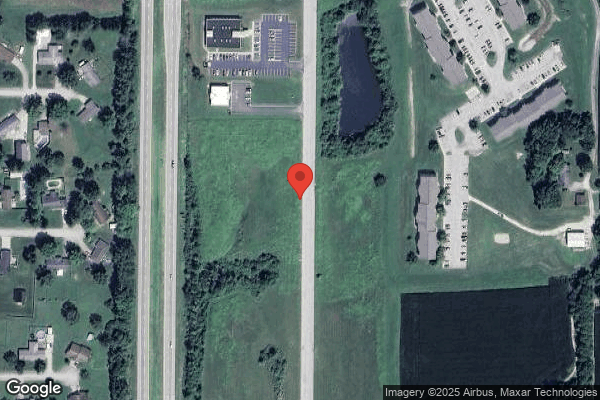
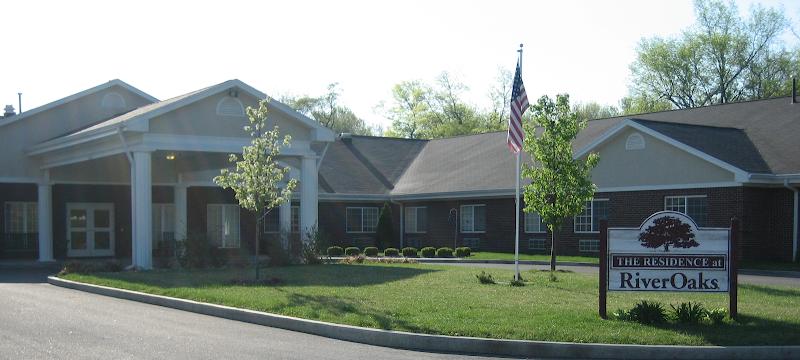
1244 VAIL ST, PRINCETON, IN 47670 (812) 385-0794
Government - County 68 Beds TRILOGY HEALTH SERVICES Data: November 2025
Trust Grade
50/100
#381 of 505 in IN
Last Inspection: October 2024

Within standard 12-15 month inspection cycle. Federal law requires annual inspections.

Overview

RiverOaks Health Campus in Princeton, Indiana has received a Trust Grade of C, which means it is average and sits in the middle of the pack for nursing homes. It ranks #381 out of 505 facilities statewide, placing it in the bottom half, but is #2 out of 4 in Gibson County, indicating it is one of the better local options. However, the facility is worsening, with reported issues increasing from 4 in 2023 to 10 in 2024. Staffing is a relative strength, with a 3/5 star rating and a turnover rate of 43%, which is below the state average, meaning staff are generally stable and familiar with the residents. Notably, there have been no fines, and the facility has more RN coverage than 99% of Indiana facilities, which is excellent for catching potential issues. On the downside, there have been concerns regarding infection control, as the facility failed to designate a certified Infection Preventionist. Additionally, there were observations of staff not following proper precautions while transferring residents with urinary catheters, which is a risk for infection. Moreover, some residents did not receive adequate assistance with daily living activities, such as bathing and oral hygiene, which is concerning for their overall care.

Trust Score
C
50/100
In Indiana
#381/505
Bottom 25%
Safety Record
Low Risk
No red flags
Inspections
Getting Worse
4 → 10 violations
Staff Stability
○ Average
43% turnover. Near Indiana's 48% average. Typical for the industry.
Penalties
✓ Good
No fines on record. Clean compliance history, better than most Indiana facilities.
Skilled Nurses
✓ Good
Each resident gets 64 minutes of Registered Nurse (RN) attention daily — more than 97% of Indiana nursing homes. RNs are the most trained staff who catch health problems before they become serious.
Violations
⚠ Watch
21 deficiencies on record. Higher than average. Multiple issues found across inspections.
★★☆☆☆
2.0
Overall Rating
★★★☆☆
3.0
Staff Levels
★★★★☆
4.0
Care Quality
★★☆☆☆
2.0
Inspection Score
Stable
2023: 4 issues
2024: 10 issues

The Good

  • 4-Star Quality Measures · Strong clinical quality outcomes
  • Full Sprinkler Coverage · Fire safety systems throughout facility
  • No fines on record
  • Staff turnover below average (43%)

    5 points below Indiana average of 48%

Facility shows strength in quality measures, fire safety.

The Bad

2-Star Overall Rating

Below Indiana average (3.1)

Below average - review inspection findings carefully

Staff Turnover: 43%

Near Indiana avg (46%)

Typical for the industry

Chain: TRILOGY HEALTH SERVICES

Part of a multi-facility chain

Ask about local staffing decisions and management

The Ugly 21 deficiencies on record

Oct 2024 8 deficiencies
CONCERN (D)

Potential for Harm - no one hurt, but risky conditions existed

Transfer Notice (Tag F0623)

Could have caused harm · This affected 1 resident

Based on interview and record review, the facility failed to ensure a notice of transfer was completed for 1 of 4 residents reviewed for hospital transfers. (Resident 21) Finding includes: On 10/2/2...

Read full inspector narrative →
Based on interview and record review, the facility failed to ensure a notice of transfer was completed for 1 of 4 residents reviewed for hospital transfers. (Resident 21) Finding includes: On 10/2/24 at 10:34 A.M., Resident 21's clinical record was reviewed. The diagnosis included, but was not limited, to encephalopathy. The most recent Quarterly MDS (Minimum Data Set) assessment, dated 8/28/24, indicated Resident 21 was moderately cognitively intact. A nursing progress note, dated 8/16/24 at 2:04 P.M., indicated Resident 21 had returned from the dentist after oral surgery. On 10/3/24 at 1:51 P.M., Regional Support 27 provided transfer discharge paperwork sent with Resident 21 to his appointment on 8/16/24. Notice of Transfer or Discharge and Notice of Transfer Discharge Request for Hearing were blank and did not include any resident information or reason for transfer. On 10/4/24 at 11:23 A.M., Regional Support 27 provided a document titled Guidelines for Transfer and Discharge, dated 5/3/17, that indicated to record the reason for, the effective date of transfer or discharge, and the location to which the resident is being transferred or discharged in the medical record and on a discharge form. 3.1-12(a)(6)(A)(i)
CONCERN (D)

Potential for Harm - no one hurt, but risky conditions existed

Deficiency F0635 (Tag F0635)

Could have caused harm · This affected 1 resident

**NOTE- TERMS IN BRACKETS HAVE BEEN EDITED TO PROTECT CONFIDENTIALITY** Based on observation, record review, and interview, the facility failed to ensure a newly admitted resident had immediate orders...

Read full inspector narrative →
**NOTE- TERMS IN BRACKETS HAVE BEEN EDITED TO PROTECT CONFIDENTIALITY** Based on observation, record review, and interview, the facility failed to ensure a newly admitted resident had immediate orders for an indwelling urinary catheter for 1 of 1 residents reviewed for urinary catheters. (Resident D) Findings include: On 9/30/24 at 9:40 A.M., staff was observed to be transferring Resident D. Resident D was observed to have a urinary catheter at that time. On 10/1/24 at 3:00 P.M., Resident D's clinical record was reviewed. The diagnoses included, but were not limited to, facial/skull fracture, subdural hemorrhage (type of brain bleed), and subarachnoid hemorrhage (type of brain bleed). Resident D was admitted [DATE] Resident D's clinical record lacked orders for an indwelling urinary catheter and/or catheter care. On 10/3/24 at 10:30 A.M., Resident D's clinical record was reviewed. A Nursing Assessment, dated 10/2/24 at 12:37 A.M., indicated Resident D did not have an indwelling urinary catheter. On 10/3/23 at 12:39 P.M., Regional Support RN indicated catheters would have been assessed upon the initial admission nursing assessment. The orders and care plans were not always put in immediately as the facility allowed time for physician's to assess medical indication for the catheter. A policy provided by the Administrator on 10/3/24 at 12:00 P.M., on indwelling catheter use indicated a resident who enters the campus with an indwelling urinary catheter, or subsequently receives one is assessed for removal as soon as possible unless the resident's clinical condition demonstrates that catheterization is necessary. 3.1-30(a)
CONCERN (D)

Potential for Harm - no one hurt, but risky conditions existed

Deficiency F0657 (Tag F0657)

Could have caused harm · This affected 1 resident

Based on record review and interview, the facility failed to ensure care plans were revised quarterly for 1 of 5 residents reviewed for unnecessary medications. (Resident 36) Findings include: On 10/2...

Read full inspector narrative →
Based on record review and interview, the facility failed to ensure care plans were revised quarterly for 1 of 5 residents reviewed for unnecessary medications. (Resident 36) Findings include: On 10/2/24 at 1:04 P.M., Resident 36's clinical record was reviewed. The diagnoses included, but were not limited to, major depressive disorder, restlessness and agitation, and mild cognitive impairment. The current Annual MDS (Minimum Data Set) assessment, dated 9/18/24, indicated Resident 36 was mildly cognitively impaired and did not receive hypnotic medications during the assessment period. The record lacked an order for a hypnotic medication. A current care plan for psychotropic drug use indicated the resident was at risk for adverse consequences related to receiving a hypnotic medication for insomnia, initiated 11/6/23. During an interview on 10/3/24 at 9:18 A.M., the MDS Coordinator indicated when a medication was discontinued the care plan needed to be updated. On 10/4/24 at 11:23 A.M., the Regional Support Nurse provided a current policy Comprehensive Care Plan Guidelines revised 12/31/18. The policy indicated . the purpose of the comprehensive care plan was to ensure appropriateness of services and communication that will meet the resident's needs, severity/stability of conditions .in accordance with state and federal guidelines .comprehensive care plans should be reviewed no less than quarterly and revised to reflect changes in the resident's condition as they occur. 3.1-35(d)(2)(B)
CONCERN (D)

Potential for Harm - no one hurt, but risky conditions existed

Deficiency F0694 (Tag F0694)

Could have caused harm · This affected 1 resident

Based on interview, observation, and record review, the facility failed to ensure professional standards of practice were implemented for a PICC (Peripherally Inserted Central Catheter) for 1 of 1 res...

Read full inspector narrative →
Based on interview, observation, and record review, the facility failed to ensure professional standards of practice were implemented for a PICC (Peripherally Inserted Central Catheter) for 1 of 1 residents reviewed for a PICC line. Physician orders were not followed and a care plan was not developed. (Resident T) Finding includes: During an interview on 9/30/24 at 10:50 A.M., Resident T indicated he had a PICC line for a while but was unsure why he had it. Resident T pulled back the sleeve of his shirt and revealed a PICC on the right side of his chest. The insertion site of the catheter was distal to the right subclavian and appeared to be in the location of a central venous catheter. On 10/2/24 at 9:53 A.M., Resident T's clinical record was reviewed. The diagnoses included, but were not limited to, bacteremia and diabetes mellitus. The most recent Quarterly MDS (Minimum Data Set) assessment, dated 7/30/24, indicated Resident T was cognitively intact and did not have IV (intravenous) access. Physician orders included, but were not limited to: - Change end caps every 96 hours every four days, start date 7/28/23. - Monitor IV site for signs/symptoms of infiltration twice a day, start date 7/28/23. - PICC line flush five mL (milliters) of normal saline every 12 hours, start date 7/28/23. - PICC dressing change every five days, measure external catheter length, enter in measurement note once a day every five days, start date 11/14/23. The clinical record lacked care plans related to IV/PICC. A nursing progress note, dated 7/28/23 at 5:00 P.M., indicated Resident T returned to the facility from the hospital with a PICC line placed centrally to right clavicle. A nursing progress note, dated 9/8/23 at 1:18 P.M., indicated a call was made to infectious disease regarding future lab work and if the line was to remain in place. No further labs were needed, and the physician indicated the facility could remove the line per infectious disease. A nursing progress note, dated 9/27/24 at 2:04 P.M., indicated Resident T's suture site on PICC line was red, warm, and purulent drainage noted. A nursing progress note, dated 9/30/24 at 4:55 P.M., indicated the nurse attempted to remove the PICC line and met resistance when removing line. A nursing progress note, dated 9/30/24 at 5:16 P.M., indicated the physician was notified with order to arrange an appointment with the hospital for PICC line removal. During an observation on 10/3/24 at 10:38 A.M., Resident T's PICC line insertion site and suture sites were observed to be red. During an interview on 10/3/24 at 1:33 P.M., the DON and Clinical Support 25 indicated Resident T received the PICC line July 2023 for osteomylitis. They indicated a PICC line was typically removed after the course of antibiotics were finished. Resident T should have been marked as having IV access on the MDS assessment and should have had a care plan for the PICC line. During an interview on 10/4/24 at 11:35 A.M., Regional Clinical Support 29 stated there was no documentation of Resident T's refusal to remove the PICC line, education provided after a refusal of removal, or why the physician order to remove the PICC line was not followed. On 10/3/24 at 11:59 A.M., a policy related to IV care and a PICC line care skills check off were requested and were not provided. 3.1-47(a)(2)
CONCERN (D)

Potential for Harm - no one hurt, but risky conditions existed

Unnecessary Medications (Tag F0759)

Could have caused harm · This affected 1 resident

Based on observation, interview, and record review, the facility failed to ensure residents were free of a medication error rate greater than 5 percent for 2 of 35 opportunities, resulting in a medica...

Read full inspector narrative →
Based on observation, interview, and record review, the facility failed to ensure residents were free of a medication error rate greater than 5 percent for 2 of 35 opportunities, resulting in a medication error rate of 5.71 percent. (Resident W) Finding includes: On 10/2/24 at 7:02 A.M., Registered Nurse (RN) 17 was observed administering medication to Resident W. Two and a half milliliters of liquid famotidine (antacid medication) mixed with water was administered via the resident's gastric tube. Carboxymethylcellulose (eye lubricant) eye drops were administered to each of the resident's eyes. RN 17 lifted the upper eyelids with a gloved finger and dropped one drop onto each eye. On 10/2/24 at 8:07 A.M., Resident W's clinical record was reviewed. The diagnoses included, but were not limited to, malignant neoplasm of colon and chronic duodenal ulcer with hemorrhage. The most current Quarterly Minimum Data Set (MDS) assessment, dated 7/10/24, indicated Resident W was not assessed for cognitive ability due to rarely or never being understood and had a feeding tube. Physician orders included, but were not limited to: - Famotidine suspension for reconstitution 40 milligrams (mg)/5 milliliters (ml) - Give 2.5 ml by gastric tube twice a day, dated 8/28/24 and discontinued on 9/24/24. - Lubricant Eye Drops (carboxymethylcellulose sodium) 0.5 percent, give one drop per eye for dry eyes four times a day as needed, dated 9/25/23. A progress note, dated 9/24/24 at 1:34 A.M., indicated that the physician discontinued the famotidine. On 10/3/24 at 11:22 A.M., RN 23 indicated eye drops are administered by pulling down on the lower eyelid and dropping the medication in the pouch in the lower eyelid. At that time, she indicated discontinued medications were removed from the cart and destroyed. On 10/3/24 at 1:34 P.M., the Director of Nursing indicated Resident W's liquid famotidine was discontinued on 9/24/24. On 10/3/24 at 10:53 A.M., Regional Support 27 provided a current Specific Medication Administration Procedures: Eye Drop Administration policy, revised 11/2018, that indicated With a gloved finger, gently pull down lower eyelid to form pouch, while instructing resident to look up . Hold inverted medication bottle between the thumb and index finger, and press gently to instill prescribed number of drops into pouch near outer corner of eye. On 10/4/24 at 12:15 P.M., Regional Support 25 provided a current Disposal of Medications and Medication-Related Supplies policy, revised 11/2018, that indicated Medications are removed from the medication cart or active supply upon receipt of an order to discontinue. 3.1-48(c)(1)
CONCERN (D)

Potential for Harm - no one hurt, but risky conditions existed

Medical Records (Tag F0842)

Could have caused harm · This affected 1 resident

Based on record review and interview, the facility failed to ensure clinical records were accurate and complete for 1 of 1 residents reviewed for falls. Neurological checks were not documented. (Resid...

Read full inspector narrative →
Based on record review and interview, the facility failed to ensure clinical records were accurate and complete for 1 of 1 residents reviewed for falls. Neurological checks were not documented. (Resident 36) Findings include: On 10/2/24 at 1:04 P.M., Resident 36's clinical record was reviewed. The diagnoses included, but were not limited to, unsteadiness on feet, abnormalities of gait and mobility, and history of falling. The current Annual MDS (Minimum Data Set) assessment, dated 9/18/24, indicated Resident 36 was mildly cognitively impaired. Resident 36 needed substantial assistance with transfer and hygiene and had recent falls. An Event Report from an unwitnessed fall on 7/31/24, indicated Resident 36 did not have neurological checks documented after the fall. An Event Report from an unwitnessed fall on 8/11/24, indicated Resident 36 did not have neurological checks documented after the fall. An Event Report from an unwitnessed fall on 8/25/24, indicated Resident 36 did not have neurological checks documented after the fall. During an interview on 10/4/24 at 10:21 A.M., the Regional Support Nurse indicated there were no neurological checks documented after 11:15 A.M. on 7/31/24. There were no order sets initiated for neurological checks initiated for falls on 7/31/24, 8/11/24, and 8/25/24. On 10/4/24 at 11:23 A.M., the Regional Support Nurse provided a current policy Guidelines for Neurological Checks, revised 12/31/23. The policy indicated .neuro-checks for 24 hours should be completed within the Fall Event Form . 3.1-50(a)(1) 3.1-50(a)(2)
CONCERN (E) 📢 Someone Reported This

A family member, employee, or ombudsman was alarmed enough to file a formal complaint

Potential for Harm - no one hurt, but risky conditions existed

Infection Control (Tag F0880)

Could have caused harm · This affected multiple residents

4. On 9/30/24 at 9:40 A.M., staff was observed to be transferring Resident D. Resident had a urinary catheter at that time. No enhanced barrier precaution sign was observed and staff were not wearing ...

Read full inspector narrative →
4. On 9/30/24 at 9:40 A.M., staff was observed to be transferring Resident D. Resident had a urinary catheter at that time. No enhanced barrier precaution sign was observed and staff were not wearing protective gowns. During an observation on 9/30/24 at 2:40 P.M., a staff member was observed assisting Resident D transferring to bed. Resident D was observed to have a urinary catheter. There was no enhanced barrier precaution sign in Resident D's room or on the door and the staff member was not wearing a gown. On 10/1/24 at 3:00 P.M. Resident D's clinical record was reviewed and indicated they had diagnoses that included, but were not limited to facial/skull fracture, subdural hemorrhage (type of brain bleed), and subarachnoid hemorrhage (type of brain bleed). Resident D's clinical record lacked an order for enhanced barrier precautions. On 10/1/24 at 3:40 P.M., an enhanced barrier precaution sign was observed on Resident D's door. Regional Support 27 indicated the precaution was most likely due to a wound because the resident did not have a catheter. On 10/1/24 at 4:45 P.M. the ADON indicated that Resident D was on enhanced barrier precautions due to having a catheter. 5. During an observation on 9/30/24 at 10:43 A.M., there was not an enhanced barrier precaution sign in Resident S's room or on the door and no cart containing gowns or gloves near Resident S's room. On 10/2/24 at 12:59 P.M., Resident S's clinical record was reviewed. The diagnosis included, but was not limited to, dementia. The most recent Quarterly MDS assessment, dated 9/20/24, indicated Resident S was severely cognitively impaired, required substantial assistance (staff does more than half the help) for toileting, bathing, and transfers, and had an unhealed wound. Physician orders included, but were not limited to: - Staff to use enhanced barrier precautions wearing a gown and gloves at minimum during high-contact care activities, started on 10/1/24. 6. During an observation on 9/30/24 at 10:48 A.M., there was not an enhanced barrier precaution sign in Resident T's room or on the door and no cart containing gowns or gloves near Resident T's room. On 10/2/24 at 9:53 A.M., Resident T's clinical record was reviewed. The diagnosis included, but was not limited to, obstructive and reflux uropathy. The most recent Quarterly MDS assessment, dated 7/30/24, indicated Resident T was cognitively intact, required substantial assistance (staff does more than half the help) for bathing, toileting, and transfers, and had a urinary catheter. Physician orders included, but were not limited to: - Staff to use enhanced barrier precautions wearing a gown and gloves at minimum during high-contact care activities, started on 10/1/24. During an interview on 10/4/24 at 9:38 A.M., Regional Clinical Support 29 indicated resident's were missing enhanced barrier precautions and orders because the facility was not consistent. On 10/3/24 at 12:00 P.M., the Administrator provided a document titled Enhanced Barrier Precautions (EBP) Standard Operating Procedure, dated 4/1/24, that indicated EBP would be in place during high-contact care activities for residents with the following conditions, all residents with chronic wounds, including, but not limited to, pressure ulcers, diabetic foot ulcers, unhealed surgical wounds, and venous stasis ulcers and all residents with indwelling medical devices. Personal protective equipment (PPE) should be used even if blood and body fluid exposure is not anticipated. At minimum staff shall wear gloves and gowns during high-contact activities. This citation related to complaint IN00440076. 3.1-18(b)(1) 2. On 9/30/24 at 9:45 A.M., Resident W's door was observed without an EBP sign on the door. During a confidential interview during the survey from 9/30/24 to 10/4/24, it was indicated that staff do not wear gowns while providing care for Resident W. On 10/2/24 at 8:49 A.M., Resident W's clinical record was reviewed. The diagnoses included, but were not limited to, neuromuscular dysfunction of bladder and malignant neoplasm of colon. The most current Quarterly Minimum Data Set (MDS) assessment, dated 7/10/24, indicated Resident W was not assessed for cognitive ability due to rarely or never being understood, was dependent on staff for toileting, and had a feeding tube and an indwelling urinary catheter. Physician orders included, but were not limited to: - Resident requires EBP during high-contact care related to presence of indwelling catheter, dated 5/1/24. - Staff to use EBP, wearing a gown and gloves at minimum during high-contact care activities due to indwelling catheter and g-tube, dated 8/28/24. An EBP care plan, dated 5/1/24, included an intervention to utilize gown and gloves per EBP policy during high contact Activities of Daily Living (ADL) care and during linen changes. 3. On 9/30/24 at 11:50 A.M., Resident V's door was observed without an EBP sign on the door. On 10/2/24 at 6:56 A.M., Resident V indicated that the sign was not there before that morning and was not sure why it was hung up. On 10/1/24 at 2:33 P.M., Resident V's clinical record was reviewed. The diagnosis included, but was not limited to, pressure ulcer of left buttock. The most current Quarterly MDS assessment, dated 7/12/24, indicated Resident V was cognitively intact and had one stage four pressure ulcer. Current physician orders included, but were not limited to: - Staff to use EBP, wearing a gown and gloves at minimum during high-contact care activities, dated 10/1/24. The clinical record lacked physician orders for EBP prior to 10/1/24. A current EBP care plan, dated 5/1/24, included an intervention to utilize gown and gloves per EBP policy during high-contact care related to presence of wound with dressing change and colostomy. Based on observation, record review, and interview, the facility failed to implement infection control practices for 6 of 6 residents reviewed for EBP (Enhanced Barrier Precautions). Signs were not posted, orders were not initiated, and gowns were not worn during high contact activities. (Resident T, Resident S, Resident D, Resident L, Resident W, Resident V) Findings included: 1. On 9/30/24 at 1:48 P.M., during a random observation there was no EBP sign on Resident L's door. On 10/1/24 at 9:00 A.M., during a random observation there was no EBP sign on Resident L's door. On 10/02/24 at 10:28 A.M., during a random observation there was no EBP sign on Resident L's door. On 10/2/24 at 10:11 A.M., Resident L's clinical record was reviewed. The diagnoses included, but were not limited to, anemia, COPD (Chronic Obstructive Pulmonary Disease), and generalized edema. Current Physician included but were not limited to: - Staff to use enhanced barrier precautions, wearing a gown and gloves at minimum during high-contact care activities twice a day, initiated 9/28/24. The Care Plans included, but were not limited to: Enhanced barrier protocol initiated on 9/30/24. The goal was to minimize the transmission of infection from wound by utilizing EBP. Interventions included, but were not limited to: Utilize gown and gloves per EBP policy during wound care/dressing changes, initiated on 9/30/24.
CONCERN (F)

Potential for Harm - no one hurt, but risky conditions existed

Deficiency F0882 (Tag F0882)

Could have caused harm · This affected most or all residents

Based on interview and record review, the facility failed to ensure designation of a certified Infection Preventionist (IP). The IP had not received specialized training in infection prevention and co...

Read full inspector narrative →
Based on interview and record review, the facility failed to ensure designation of a certified Infection Preventionist (IP). The IP had not received specialized training in infection prevention and control when starting as the IP. This had the potential to affect 56 of 56 residents residing in the facility. Finding includes: On 10/4/24 at 9:38 A.M., the Assistant Director of Nursing (ADON) indicated that she was currently responsible for the infection prevention and control program in the facility. She indicated she was able to dedicate approximately 5-10 hours per week on the infection control program. On 10/4/24 at 11:25 A.M., the ADON's employee record was reviewed. The ADON had begun the role as IP on 6/4/24, prior to obtaining her IP certification on 6/17/24. On 7/17/24 the ADON was promoted from IP to ADON. The lack of a dedicated Infection Preventionist resulted in Enhanced Barrier Precautions not being implemented. Cross Reference F880. On 10/4/24 at 12:25 P.M., the Administrator provided a document titled Infection Prevention and Control Program, dated 11/10/17, that indicated the campus shall designate a member of the clinical team to monitor the campus infection prevention and control program.
May 2024 2 deficiencies
CONCERN (E) 📢 Someone Reported This

A family member, employee, or ombudsman was alarmed enough to file a formal complaint

Potential for Harm - no one hurt, but risky conditions existed

ADL Care (Tag F0677)

Could have caused harm · This affected multiple residents

Based on observation, interview, and record review, the facility failed to provide assistance with bathing and oral hygiene for 4 of 7 residents reviewed for activities of daily living (ADLs). Residen...

Read full inspector narrative →
Based on observation, interview, and record review, the facility failed to provide assistance with bathing and oral hygiene for 4 of 7 residents reviewed for activities of daily living (ADLs). Residents did not receive a complete bed bath, shower, and/or daily oral hygiene according to the plan of care and residents preferences. (Resident F, Resident G, Resident H, Resident J) Findings include: 1. During an observation on 5/16/24 at 10:20 A.M., Resident F was sitting up in his room, dressed, with his hair combed back. His hair appeared to be oily. During record review on 5/16/24 at 11:00 A.M., Resident F's diagnoses included, but were not limited to, heart failure, kidney failure, reduced mobility, and weakness. Resident F's most recent admission MDS (Minimum Data Set) assessment, dated 5/8/24, indicated that the resident had moderate cognitive impairment, required an assistive device including a walker or wheelchair for mobility, was dependent for oral hygiene and bathing. Resident F's care plan included, but was not limited to, showers on Wednesdays and Saturdays (first shift) (initiated 5/1/24), Resident has potential for mouth pain due to: natural teeth - offer and provide mouth care as needed (initiated 5/3/24). Resident F's documented bathing and provided mouth care reviewed from the admission date of 5/1/24 through 5/16/25 included no documented showers or complete bed baths and no documentation of daily mouth care. 2. During record review on 5/16/24 at 12:00 P.M., Resident G's diagnoses included, but were not limited to, pulmonary disease, obesity, and obstructive and reflux uropathy. Resident G's most recent admission MDS assessment, dated 5/9/24, indicated that the resident had severe cognitive impairment and was dependent for oral hygiene, toileting, and bathing. Resident G's care plan included, but was not limited to, showers on Wednesdays and Saturdays (second shift) (initiated 5/6/24), Resident has potential for mouth pain due to: wears upper dentures - offer and provide mouth care as needed (initiated 5/6/24). Resident G's documented bathing and provided mouth care reviewed from the admission date of 5/4/24 through 5/10/25 (discharge date ) included no documented showers or complete bed baths and no documentation of daily mouth care. 3. During record review on 5/17/24 at 10:30 A.M., Resident H's diagnoses included, but were not limited to, neurocognitive disorder, dementia, altered mental status, polyneuropathy, and repeated falls. Resident H's most recent admission MDS assessment, dated 4/23/24, indicated that the resident had severe cognitive impairment, used a walker or wheelchair for mobility and was dependent for oral hygiene and bathing. Resident H's care plan included, but was not limited to, showers on Wednesdays and Saturdays (second shift), Resident has potential for mouth pain - offer and provide mouth care as needed. Resident H's documented bathing and provided mouth care reviewed from the admission date of 4/20/24 through 5/16/24 included showers on 4/22/24, 4/27/24, and 5/9/24. No documentation of daily mouth care was found in Resident G's record. 4. During an observation and interview on 5/17/24 at 12:09 P.M., Resident J was sitting up in her room dressed. Resident J's hair appeared to be uncombed. Resident J indicated that she required assistance from staff to stand up and to bathe and that she is not provided at least two showers or complete bed baths per week. During record review on 5/17/24 at 12:30 P.M., Resident J's diagnoses included, but were not limited to, acute kidney failure, heart failure, diabetes, and chronic pain. Resident J's most recent admission MDS assessment, dated 4/30/24, indicated that the resident had no cognitive impairment, used a walker or wheelchair for mobility, and was dependent for bathing. Resident J's care plan included, but was not limited to, showers on Mondays and Thursdays (second shift). Resident J's documented bathing reviewed from 4/23/24 through 5/16/24 included one shower on 4/30/24. 5. During a review of the facility's grievance log on 5/16/24 at 11:45 A.M., the following grievances were made: - On 3/29/24 - [Resident] having issues with nursing not coming to help her with showers and toileting in a reasonable amount of time . - On 4/9/24 - [Resident] is very tearful. Had shower today but was not offered her razor to shave and has facial hair. - On 4/21/24 - .[Resident] is only being [sic] receiving his showers per his requests. - On 5/5/24 - States that [Resident] is not getting showers. Wants showers on (Monday/Thursday) evenings. During an interview on 5/16/24 at 9:25 P.M., CNA 4 indicated that staff are not always able to provide a complete bed bath or shower in the evenings on a resident's scheduled shower day due to being short-staffed. During an interview on 5/17/24 at 11:40 A.M., RN 5 indicated that staff should document provided oral care in the point of care charting system. On 5/17/24 at 3:20 P.M., the Administrator supplied a facility policy titled, Guidelines for Bathing Preference, dated 12/31/22. The policy included, .4. Bathing shall occur at least twice a week unless resident preference states otherwise. On 5/17/24 at 3:45 P.M., the Administrator supplied a facility policy titled, Nursing ADL Documentation Guidelines, dated 12/31/23. The policy included, .2. ADL services will be conducted and documented by the CNA each shift at the 'point of care' or as reasonably possible after care . This citation relates to Complaint IN00434456. 3.1-38(b)(1) 3.1-38(b)(2)
CONCERN (E) 📢 Someone Reported This

A family member, employee, or ombudsman was alarmed enough to file a formal complaint

Potential for Harm - no one hurt, but risky conditions existed

Deficiency F0725 (Tag F0725)

Could have caused harm · This affected multiple residents

**NOTE- TERMS IN BRACKETS HAVE BEEN EDITED TO PROTECT CONFIDENTIALITY** Based on observation, interview, and record review, the facility failed to ensure sufficient nursing staff was provided to maint...

Read full inspector narrative →
**NOTE- TERMS IN BRACKETS HAVE BEEN EDITED TO PROTECT CONFIDENTIALITY** Based on observation, interview, and record review, the facility failed to ensure sufficient nursing staff was provided to maintain residents quality of life and to ensure residents' activities of daily living (ADL's) were completed for 2 of 2 days during the survey. Findings include: On 5/16/24 at 10:00 a.m., the Facility Census Form indicated there were 57 residents residing on the health center. 1. During the survey from 5/16/24 through 5/17/24, the following interviews were conducted. - The staff could use more help. - Call lights take a long time to be answered and it was frustrating. - Waiting 20 minutes for call lights to be answered. - The facility is short staffed. - It was difficult to complete tasks for residents due to staffing. - She needed staff assistance to stand up out of her chair and that staff hardly answered her call light at all. She may have to wait up to an hour or hour and a half to have a call light answered. One night shift she turned her light on at 2:45 A.M. and staff didn't come until 5:00 A.M. Staff had told her when answering her light that they only had two CNA's for 50 people. She didn't receive her showers. Sometimes the supper trays are still in the resident room in the morning. 2. During a review of the facility's grievance log on 5/16/24 at 11:45 A.M., the following grievances were made: - On 3/27/24 - Angry about call light/waiting. - On 3/27/24 - Upset about call light/waiting, waiting for an extended period of time. - On 4/2/24 - Upset about call light/waiting, stated she had a long wait time for call light during evening supper time hours. - On 4/4/24 - Upset about call light/waiting - Resident stated that on Monday night she had to wait too long for staff to answer the call light. When they finally came, she was wet from urine. She was continent but when she had to wait and just needed stand by assist to ambulate to the bathroom, she had an accident. - On 4/2/24 - Angry about call light/waiting - CNA staff left the floor. - On 4/4/24 - Upset about call light/waiting - light was not answered timely on evening shift. - On 4/9/24 - Angry about call light/waiting. - On 4/21/24 - Upset about call light/waiting. - On 4/21/24 - Upset about not having enough help. - On 4/21/24 - Upset about not having enough staff. - On 4/23/24 - Upset about call light/waiting - Resident had to wait long time on someone to answer light for assistance with using restroom. - On 5/3/24 - Upset about call light/waiting - Resident ended up toileting self because no one answered the call light. - On 5/3/24 - Concerned about call light/waiting - Had issues over the weekend with call light not being answered. On 5/16/24 at 8:50 P.M., two licensed nursing staff and three CNAs were working on the 100, 200, and 300 halls. A stack of resident meal trays were on the nursing station desk between the 100 and 200 halls containing dirty dishes and food scraps left over from supper that evening. On 5/16/24 at 8:55 P.M., the 300 hall was observed to have a nurse passing medications from a medication cart and no CNA was observed. A push cart was left in the hall containing three left over supper trays with dirty dishes and food scraps. Rooms 313, 317, 318, 322, and 323 had call lights on. On 5/16/24 at 9:00 P.M., Resident B was observed lying in bed with a bed side table extended out over her lap with a dirty dishes and a plate of leftovers resting on the table. Resident B indicated the plate was from the supper meal. On 5/16/24 at 9:03 P.M., room [ROOM NUMBER] turned their call light on. At 9:04 P.M., CNA 4 was observed on the 300 hall and entered room [ROOM NUMBER]. At 9:14 P.M., CNA 4 was observed to enter room [ROOM NUMBER]. Call lights in Rooms 315, 317, 322, and 323 were still on. On 5/16/24 at 9:25 P.M., CNA 4 indicated that most evening shifts are scheduled with one CNA per hall and two nurses. CNA 4 indicated the goal was to have two CNAs per hall. CNA 4 indicated that the 200 hall had several resident that required an assist of two staff with mechanical lifts for transfers and that she had just came from helping on the 200 hall when she saw the residents lights on the 300 hall. 3. On 5/17/24 at 2:30 P.M., a review of the facility's list of residents requiring two assist or greater for transfers indicated that 8 of 24 residents on the 100 hall needed 2 assist, 7 of 15 residents on the 200 hall required 2 assist, and 4 of 18 resident required 2 assist on the 300 hall. 4. On 5/17/24 at 3:15 P.M., during a review of daily posted staffing from 5/5/24 through 5/15/24 included the following staffing patterns: (Licensed nursing staff worked 12 hour shifts) 5/5/24 - Day shift - 3 licensed nursing staff, 6 nurse aides Evening shift - 3 nurse aides Night shift - 1 licensed nursing staff, 2 nurse aides 5/6/24 - Day shift - 1 licensed nursing staff, 8 nurse aides Evening shift - 4 nurse aides Night shift - 1 licensed nursing staff, 4 nurse aides 5/7/24 - Day shift - 3 licensed nursing staff, 10 nurse aides Evening shift - 4 nurse aides Night shift - 1 licensed nursing staff, 3 nurse aides 5/8/24 - Day shift - 4 licensed nursing staff, 11 nurse aides Evening shift - 4 nurse aides Night shift - 3 licensed nursing staff, 3 nurse aides 5/9/24 - Day shift - 3 licensed nursing staff, 12 nurse aides Evening shift - 6 nurse aides Night shift - 2 licensed nursing staff, 5 nurse aides 5/10/24 - Day shift - 2 licensed nursing staff, 9 nurse aides Evening shift - 7 nurse aides Night shift - 1 licensed nursing staff, 2 nurse aides 5/11/24 - Day shift - 3 licensed nursing staff, 10 nurse aides Evening shift - 2 nurse aides Night shift - 1 licensed nursing staff, 3 nurse aides 5/12/24 - Day shift - 3 licensed nursing staff, 11 nurse aides Evening shift - 2 nurse aides Night shift - 1 licensed nursing staff, 3 nurse aides 5/13/24 - Day shift - 3 licensed nursing staff, 9 nurse aides Evening shift - 5 nurse aides Night shift - 2 licensed nursing staff, 3 nurse aides 5/14/24 - Day shift - 4.5 licensed nursing staff, 9 nurse aides Evening shift - 7 nurse aides Night shift - 2 licensed nursing staff, 3 nurse aides 5/15/24 - Day shift - 4 licensed nursing staff, 9 nurse aides Evening shift - 7 nurse aides Night shift - 1 licensed nursing staff, 2 nurse aides 5. The lack of sufficient nursing staff resulted in the lack of ADL services provided including bathing and oral care. Cross reference F677. On 5/17/23 at 3:45 P.M., the Administrator supplied a facility policy titled, Scheduling Standards Policy, dated 1/2024. The policy included, Each schedule should be developed and planned to ensure adequate staffing levels to meet resident needs, to manage staff efficiently, to align the schedule with a census adjusted staffing budget, and to improve employee engagement and retention . Schedules should be developed in a manner that promotes efficient staffing in each Health Campus area for all shifts, weekdays, and weekends . This citation relates to Complaint IN00434456. 3.1-17(a)
Sept 2023 1 deficiency
CONCERN (D) 📢 Someone Reported This

A family member, employee, or ombudsman was alarmed enough to file a formal complaint

Potential for Harm - no one hurt, but risky conditions existed

ADL Care (Tag F0677)

Could have caused harm · This affected 1 resident

Based on observation, interview, and record review, the facility failed to provide assistance with bathing for 3 of 4 residents reviewed for activities of daily living (ADLs). Residents did not receiv...

Read full inspector narrative →
Based on observation, interview, and record review, the facility failed to provide assistance with bathing for 3 of 4 residents reviewed for activities of daily living (ADLs). Residents did not receive bathing according to their plan of care or resident preferences. (Resident F, Resident G, Resident H) Findings include: 1. During a review of facility grievances on 9/11/23 at 10:30 A.M., Resident F had submitted a grievance on 9/5/23 that she had not received showers. During an observation on 9/12/23 at 10:00 A.M., Resident F was sitting up in their room wearing a night gown. During record review on 9/12/23 at 12:45 P.M., Resident F's diagnoses included, but were not limited to, chronic pain, muscle weakness, unsteadiness on feet, and lack of coordination. Resident F's most recent quarterly MDS (Minimal Data Set) assessment, dated 6/21/23, included that the resident had severe cognitive impairment, required limited assistance with transfers, and physical help in part of bathing. Resident F's care plan included, but was not limited to: Resident requires staff assistance to complete ADL tasks completely and safely (revised 6/23/23). Resident to receive showers on Tuesday and Friday evenings. During review of Resident F's documented bathing from 8/13/23 thru 9/11/23, the following showers/complete bed baths were provided, 9/8/23 (Shower). The record indicated 7 out of 8 showers/complete bed baths were not completed. 2. During an observation and interview on 9/12/23 at 9:45 A.M., Resident G was sitting up in her room. Resident G indicated that she did not always receive her scheduled shower. During record review on 9/12/23 at 12:30 P.M., Resident G's diagnoses included, but were not limited to, heart failure, hemiplegia and hemiparesis affect right dominant side, chronic obstructive pulmonary disease (COPD), and morbid obesity. Resident G's most recent admission MDS assessment, dated 7/28/23, indicated the resident was cognitively intact, required extensive assistance with transfers and bed mobility, and was totally dependent with bathing. Resident G's care plan included, but was not limited to: Resident requires staff assistance to complete ADL tasks completely and safely (revised 7/26/23). Resident to receive showers on Wednesday and Saturday during day shift. During review of Resident G's documented bathing from 8/12/23 thru 9/11/23, the following showers/complete bed baths were provided; 8/12/23 (complete bed bath) and 8/24/23 (shower). The record indicated 7 out of 9 showers/complete bed baths were not completed. 3. During an observation on 9/12/23 at 8:40 A.M., Resident H was sitting up in a recliner in their room sleeping. During record review on 9/11/23 at 11:00 A.M., Resident H's diagnoses included, but were not limited to, fracture of left patella, anemia, muscle weakness, unsteadiness on feet, and lack of coordination. Resident H's most recent admission MDS assessment, dated 6/30/23, indicated the resident's cognition was moderately impaired, required extensive assistance with transfers and bed mobility, and required physical help in part of bathing. Resident H's care plan included but was not limited to; resident requires staff assistance to complete ADL tasks completely and safely (started 6/27/23). Resident to receive showers on Wednesday and Saturday during day shift. During review of Resident H's documented bathing from 6/29/23 thru 9/11/23, the following showers/complete bed baths were provided; 7/1/23 (complete bed bath), 7/8/23 (complete bed bath), 7/12/23 (completed bed bath), 7/15/23 (complete bed bath), 7/29/23 (complete bed bath), 8/12/23 (complete bed bath), and 8/18/23 (complete bed bath). The record indicated 14 out of 21 showers/complete bed baths were not completed. During an interview on 9/12/23 at 9:00 A.M., the Administrator indicated that staff document bathing in point of care (POC) charting and do not use paper shower sheets. During an interview on 9/12/23 at 9:15 A.M., CNA 2 indicated that staff document in the kiosk anytime bathing is done. Residents should receive a partial bath every morning, and at least 2 bed baths or showers per week or according to the shower schedule. CNA 2 indicated staff would document if a resident was refusing their bathing and that she was unsure what the documentation other bath was referring to, but that it likely means a partial bath was given and not documented correctly. During an interview on 9/12/23 at 1:50 P.M., the Administrator indicated the documentation other bath should be considered a shower. During an interview on 9/12/23 at 2:00 P.M., CNA 4 indicated she documented other bath when a resident was washed up while on the commode. On 9/12/23 at 12:00 P.M., the Administrator supplied a facility policy titled, Nursing ADL Documentation Guidelines, dated 12/31/22. The policy included, .2. ADL services will be conducted and documented by the CNA each shift at the 'point of care' or as reasonably possible after care . This Federal tag relates to Complaints IN00416620 and IN00417115. 3.1-38(b)(2)
Jul 2023 3 deficiencies
CONCERN (D)

Potential for Harm - no one hurt, but risky conditions existed

Respiratory Care (Tag F0695)

Could have caused harm · This affected 1 resident

Based on observation, interview, and record review, the facility failed to ensure oxygen services were provided according to physician orders for 1 of 2 residents reviewed for respiratory care. A resi...

Read full inspector narrative →
Based on observation, interview, and record review, the facility failed to ensure oxygen services were provided according to physician orders for 1 of 2 residents reviewed for respiratory care. A resident's humidification bottle was not filled with water. (Resident 34) Finding includes: On 7/24/23 at 8:35 A.M., Resident 34's oxygen concentrator was observed to have no water in the humidification bottle. On 7/25/23 at 9:02 A.M., Resident 34's oxygen concentrator was observed to have no water in the humidification bottle. At that time, the resident indicated she was unsure if it was ever filled with water. On 7/25/23 at 9:51 A.M., Resident 34's clinical record was reviewed. Resident 34's diagnoses included, but were not limited to, acute respiratory failure with hypoxia (low levels of oxygen in body tissue) and COPD (chronic obstructive pulmonary disease). The most recent quarterly MDS (Minimum Data Set) assessment, dated 6/20/23, indicated Resident 34 was cognitively intact, required extensive assistance of 2 staff for transfers and bed mobility, and was on oxygen. Current physician orders included, but were not limited to: - Oxygen at 2L (liters) per nasal cannula continuous, dated 5/30/23. - Add water to humidifier Q (every) HS (night) at bedtime, dated 6/1/23. Current care plans included, but were not limited to: Potential for complications, functional and cognitive status decline related to respiratory disease that included the intervention, but was not limited to, administer oxygen per orders, dated 5/1/21. On 7/26/23 at 8:57 A.M., Resident 34's oxygen concentrator was observed to have no water in the humidification bottle. At that time, RN (Registered Nurse) 5 indicated the oxygen concentrator was supposed to be filled with distilled water nightly by night shift staff. On 7/26/23 at 2:20 P.M., a current Administration of Oxygen policy, dated 12/31/22, indicated be sure there is water in the humidifying jar and that the water level is high enough that the water bubbles as oxygen flows through. 3.1-47(a)(6)
CONCERN (D)

Potential for Harm - no one hurt, but risky conditions existed

Deficiency F0761 (Tag F0761)

Could have caused harm · This affected 1 resident

Based on observation and interview, the facility failed to store medications in a safe manner for 2 of 3 medication carts and 1 of 1 medication rooms. Narcotic medications not locked, loose pills were...

Read full inspector narrative →
Based on observation and interview, the facility failed to store medications in a safe manner for 2 of 3 medication carts and 1 of 1 medication rooms. Narcotic medications not locked, loose pills were in the medication carts, the refrigerator was not within the temperature range, and resident money was stored in the medication carts. (Medication Room, 200 Hall Medication Cart, 300 Hall Medication Cart) Findings include: 1. During an interview with LPN (Licensed Practical Nurse) 9 and observation on 7/24/23 at 8:30 A.M., the medicine refrigerator on the skilled unit was found to have 2 permanently affixed drawers inside that were unlocked. One drawer contained full bottles of liquid morphine sulfate (an opiod pain medication), 30 ml (milliliters) each, labeled for Resident 20 (unopened), Resident 30 (unopened) and Resident 37 (opened). The other drawer contained liquid Lorazepam (an anti-anxiety medication) for Resident 30 (unopened) and Ativan (an anti-anxiety medication) for Resident 27 (unopened). The thermometer in the medicine refrigerator was observed to be 49 degrees F (Fahrenheit). LPN 9 indicated the temperature should be between 36 degrees F and 46 degrees F. During an interview with the DON on 7/24/23 at 8:55 A.M., she indicated the key to the locked narcotic/anxiolytic drawers in the medication room had broken off, so the drawers were unlocked. 2. On 7/26/23 at 10:30 A.M., during an observation of the medication administration with RN 13 on the 200 hall, there were 4 loose pills in the top drawer of the medicine cart - 1 round brown pill, 1 small round pink pill, 1 small round white pill, and 1 oblong white pill. 3. On 7/26/23 at 11:00 A.M., during an observation of medication administration on the 300 hall with RN 14, there were 26 dollars in cash in the bottom of the drawer. There was a 20 dollar bill, which RN 14 indicated had been found in a resident's room and the staff were not sure whose it was. There was a bundle of six, one dollar bills wrapped with a rubber band and a note around it with a resident's name. RN 14 indicated the resident was on the Assisted Living Unit now. During an interview on 7/26/23 at 12:38 P.M., the Business Office Manager indicated that when money was found, the staff were supposed to give it to their supervisor, who took it to the business office. If they knew who it belonged to, they return it. If not, they kept the money for 30 days and if not claimed they donated it to the activities fund. 3.1-25(m) 3.1-25(n)
MINOR (C)

Minor Issue - procedural, no safety impact

Garbage Disposal (Tag F0814)

Minor procedural issue · This affected most or all residents

Based on observation and interview, the facility failed to ensure that waste was properly contained in dumpster's with lids covered for 1 of 1 garbage storage areas observed. Findings include: On 7/2...

Read full inspector narrative →
Based on observation and interview, the facility failed to ensure that waste was properly contained in dumpster's with lids covered for 1 of 1 garbage storage areas observed. Findings include: On 7/23/23 at 9:05 A.M., the garbage storage area was observed with the Food Service Director. There were 2 dumpsters. One was open, surrounded by trash on the ground, 1 large smashed cardboard box was under it, and 3 old mattresses with tears in their coverings were piled on top of each other beside it. The Food Service Director indicated it would be cleaned up. The policy for the garbage storage area was requested and not received. 3.1-21(i)(5)
Jan 2020 7 deficiencies
CONCERN (D)

Potential for Harm - no one hurt, but risky conditions existed

Deficiency F0558 (Tag F0558)

Could have caused harm · This affected 1 resident

**NOTE- TERMS IN BRACKETS HAVE BEEN EDITED TO PROTECT CONFIDENTIALITY** Based on interview, observation, and record review, the facility failed to provide a safe, comfortable, and homelike environment...

Read full inspector narrative →
**NOTE- TERMS IN BRACKETS HAVE BEEN EDITED TO PROTECT CONFIDENTIALITY** Based on interview, observation, and record review, the facility failed to provide a safe, comfortable, and homelike environment for 2 of 2 rooms and 4 of 4 residents reviewed for hot water temperatures . Rooms were observed to have cold water present. (Resident 20, Resident 19, Resident 106, Resident 27, room [ROOM NUMBER], room [ROOM NUMBER]) Findings include: During an interview, on 1/5/2020 at 9:09 a.m., Resident 20 indicated the bathroom sink had cold water. The facility had been having issues with cold water for approximately one month. During an interview, on 1/5/2020 at 10:56 a.m., Resident 19 indicated she had not been receiving her showers as the bathroom water had been cold at times. The staff would give her a good bath, which had been sufficient, but she would like to have a shower. During an interview, on 1/5/2020 at 11:10 a.m., Resident 106 indicated the water had been cold in her bathroom. On 1/5/2020 at 10:51 a.m., the water temperature in room [ROOM NUMBER] was observed to measure 79.3 degrees Fahrenheit. On 1/5/2020 at 11:10 a.m., the water temperature in room [ROOM NUMBER]'s bathroom sink was observed to measure 93.6 degrees Fahrenheit. During an interview, on 1/6/2020 at 11:06 a.m., CNA 1 indicated Resident 27, who resided in room [ROOM NUMBER], had not been given a shower as the water was too cold in the bathroom. The facility had been having issues with the hot water and she would notify the nurse on the unit when she was unable to give the resident a shower. During an interview, on 1/6/2020 at 11:12 a.m., LPN 1 indicated the facility had been having issues with hot water for at least 2 weeks. The issue was not a boiler problem and the company had ordered parts to take care of the problem. During an interview, on 1/6/2020 at 10:47 a.m., the DPO (Director of Plant Operations) indicated he would check only one (1) room a week on the units. He would go into rooms in which the residents were gone, so as to not bother them. He had not documented which rooms he checked, but if a resident had a complaint of cold water, he would not only check that room's water temperature, but would check the water temperature of the resident rooms on each side of that resident's room. On 1/6/2020 at 1:51 p.m., the DPO provided the Daily Data Sheet for the month of December, 2019, and January, 2020. The sheet indicated the Resident Water Supply Temp was checked daily. The sheet lacked documentation of which resident room's water temperature was checked. If a resident complained of cold water, he would check the room on each side of the complaint resident, also. On 1/7/2020 at 9:20 a.m., the Regional Nurse Consultant indicated the facility was aware of the cold water issue and was making the repairs as they appeared. The facility lacked documentation of the cause and plan for repair, of the low water temperatures. The current facility policy, revised date 8/20/18, obtained from the Regional Nurse Consultant on 1/8/2020 at 8:03 a.m., indicated, but was not limited to, the resident room water temperatures should be between 100 to 120 degrees Fahrenheit. 3.1-3(v)(1)
CONCERN (D)

Potential for Harm - no one hurt, but risky conditions existed

Tube Feeding (Tag F0693)

Could have caused harm · This affected 1 resident

**NOTE- TERMS IN BRACKETS HAVE BEEN EDITED TO PROTECT CONFIDENTIALITY** Based on observation, interview, and record review, the facility failed to to monitor a feeding tube for 1 of 1 resident reviewe...

Read full inspector narrative →
**NOTE- TERMS IN BRACKETS HAVE BEEN EDITED TO PROTECT CONFIDENTIALITY** Based on observation, interview, and record review, the facility failed to to monitor a feeding tube for 1 of 1 resident reviewed for feeding tubes. Feeding tube placement was not verified prior to administration of medications and water flush. (Resident 14) Findings include: On 1/7/2020 at 6:36 a.m., RN 1 was observed to prepare medications for administration thru a gastric tube (G/T). RN 1 carried medications and supplies into Resident 14's room and set up on the bed side table. RN 1 washed her hands, put the feeding pump on pause, donned gloves, laid a towel under the G/T, removed the plunger from the [NAME] syringe (large syringe used with G/T utilization), added water to the cups holding crushed and liquid medications. RN 1 cleaned the tip of the [NAME] syringe, opened the stop cock (valve regulating the inflow into the G/T), and inserted the [NAME] syringe into the port. RN 1 administered the medications one at a time, with flushes between medications. RN 1 failed to auscultate for G/T placement prior to administering medications. On 1/7/2020 at 11:51 a.m., RN 1 indicated they were to follow the MD (Medical Doctor) orders for verifying placement. Sometimes they have us auscultate prior to administration with air bolus, or check for residual. On 1/8/2020 at 2:14 p.m., the Director of Nursing (DON) provided the current facility policy, Enteral Tube Medication Administration, revised January 2017. The Policy included, but was not limited to, with gloves on, check for proper placement using air and auscultation only .check gastric content for residual feeding. Return residual volumes to the stomach. Report any residual above 100 ml (milliliters). 3.1-44(a)(2)
CONCERN (D)

Potential for Harm - no one hurt, but risky conditions existed

Deficiency F0761 (Tag F0761)

Could have caused harm · This affected 1 resident

Based on observation, interview, and record review, the facility failed to discard medications that were opened past the recommended date for 1 of 2 medication carts reviewed. (100 Hall Medication Car...

Read full inspector narrative →
Based on observation, interview, and record review, the facility failed to discard medications that were opened past the recommended date for 1 of 2 medication carts reviewed. (100 Hall Medication Cart, Resident 33, Resident 30) Findings include: 1. On 1/6/2020 at 4:07 p.m., the 100 hall medication cart was observed to contain an bottle of eye drops for Resident 33. Latanoprost 1 drop each eye at bedtime, with an opened date of 11/13/19, opened for 54 days. 2. On 1/6/2020 at 4:07 p.m., the 100 hall medication cart was observed to contain a bottle of eye drops for Resident 30. Latanoprost 1 drop in the right eye at bedtime, opened date 10/28/19, opened for 70 days. Interview, at the time of the observations, LPN 1 indicated the eye drops were good for 42 days from date opened and proceeded to reorder the medication. On 1/8/2020 at 9:02 a.m., the Regional Nurse Consultant provided the current facility policy, Medication Storage in the Facility, revised date October 2019. The Policy was reviewed and indicated, but was not limited to, outdated .medications .are immediately removed from inventory, disposed of according to procedures for medication disposal .and reordered from the pharmacy, if a current order exists .No expired medications will be administered to a resident. On 1/8/2020 at 3:45 p.m., the latanoprost eye drop manufacturer's recommendations indicated throw away any unused portion after 6 weeks [42 days]. 3.1-25(j)(6)
CONCERN (D)

Potential for Harm - no one hurt, but risky conditions existed

Infection Control (Tag F0880)

Could have caused harm · This affected 1 resident

Based on observation, interview, and record review, the facility failed to ensure infection control practices were followed for 2 of 2 residents with observations of glucometer cleaning. The glucomete...

Read full inspector narrative →
Based on observation, interview, and record review, the facility failed to ensure infection control practices were followed for 2 of 2 residents with observations of glucometer cleaning. The glucometers were not sanitized according to the manufacturer's recommendations. (Resident 207, Resident 21) Findings include: 1. On 1/6/2020 at 11:19 a.m., RN 1 was observed to perform an accucheck for Resident 207, return to the medication cart, and place the glucometer on a tissue on the medication cart surface. RN 1 obtained a Sani-wipe, and proceeded to wipe the glucometer surfaces 3 times on each side. RN 1 discarded the Sani-wipe and tissue, and laid the glucometer to dry on a clean tissue. Interview, on 1/6/2020 at 11:28 a.m., RN 1 indicated she was to use a Sani-wipe 3 times on all sides of the glucometer, and lay it on a clean tissue. The glucometer has to dry for 3 - 5 minutes. 2. On 1/6/2020 at 4:27 p.m., RN 2 was observed to perform an accucheck for Resident 21 and return to the medication cart. RN 2 obtained a Sani-wipe and wiped the glucometer 3 times on the back, front, back, front, for approximately 30 seconds total. During interview at that time, RN 2 indicated she was to wipe the glucometer 3 times up and down, side to side, and let dry for 2 minutes. On 1/7/2020 at 9:58 a.m., the Regional Nurse Consultant provided the current facility policy, Glucometer Cleaning and Control Test Guidelines, revised date 8/2/17. Review of the Policy included, but was not limited to, the CDC (Center for Disease Control) states the HBV (hepatitis B virus) can survive for at least one week in dried blood on environmental surfaces or on contaminated instruments. The following procedures provide the guidance for cleaning and decontamination of glucometers that may be contaminated with blood and body fluids .if glucometers are used from one resident to another, they should be cleaned and disinfected after each use . see manufacture guidelines for cleaning and disinfecting. On 1/7/2020 at 11:30 a.m., the manufacturer guidelines for the Sani-cloth Germicidal Disposable Wipe indicated allow the treated surface to remain wet for 2 (two) minutes and allow to air dry. 3.1-18(b)(1)
CONCERN (E)

Potential for Harm - no one hurt, but risky conditions existed

Deficiency F0804 (Tag F0804)

Could have caused harm · This affected multiple residents

Based on observation, interview, and record review, the facility failed to ensure food was served at the appropriate temperature for 2 of 2 kitchen observations. Temperature of foods on the steam tabl...

Read full inspector narrative →
Based on observation, interview, and record review, the facility failed to ensure food was served at the appropriate temperature for 2 of 2 kitchen observations. Temperature of foods on the steam table were not obtained. (Resident 20, Resident 33, Main Dining Room, Kitchen) Findings include: During an interview, on 1/5/2020 at 9:02 a.m., Resident 20 indicated the food was often cold when he received it. He usually ate his meals in the main dining room During an interview, on 1/5/2020 at 11:15 a.m., Resident 33 indicated the food was often lukewarm when he received it. He ate his meals in the main dining room. On 1/5/2020 at 12:10 p.m., Dietary Assistant 1 was observed to be obtaining the food temperatures on the steam table in the main dining room. The temperatures of the fortified soup, gravy, fish patties, french fries, and onion rings were not obtained. The fish patties, onion rings, and french fries were observed to be in the same steam table pan. Interview, at that time, Dietary Assistant 1 indicated she did not usually obtain the temperatures of those foods as there was no place to write them on the temperature log. On 1/7/2020 at 12:03 p.m., [NAME] 1 was observed to obtain the temperatures of the foods on the steam table in the kitchen. [NAME] 1 did not obtain the temperatures of the chicken patties or the small bowls of mashed potatoes. During an interview, at that time, [NAME] 1 indicated the kitchen staff usually obtained the temperatures but she had forgot. After obtaining the temperatures, [NAME] 1 was observed to return five (5) of the eight (8) bowls of mashed potatoes to be reheated. On 1/7/2020 at 1:31 p.m., the Director of Food Service Manager 2 indicated the temperatures of any and all foods on the steam table should be obtained prior to serving the foods. She indicated the staff would obtain the temperatures of the foods when they were coming out of the fryer, but had not obtained the temperatures prior to serving the foods from the steam table. The current facility policy, Food Temp Serving Line, effective date 3/30/18, provided by the Regional Nurse Consultant on 1/8/2020 at 8:03 a.m., indicated, but was not limited to, the temperatures of all foods on the serving line would be measured and recorded at every meal and at every service point. 3.1-21(a)(2)
CONCERN (E)

Potential for Harm - no one hurt, but risky conditions existed

Food Safety (Tag F0812)

Could have caused harm · This affected multiple residents

**NOTE- TERMS IN BRACKETS HAVE BEEN EDITED TO PROTECT CONFIDENTIALITY** Based on observation, interview, and record review, the facility failed to provide a safe and sanitary environment for the kitch...

Read full inspector narrative →
**NOTE- TERMS IN BRACKETS HAVE BEEN EDITED TO PROTECT CONFIDENTIALITY** Based on observation, interview, and record review, the facility failed to provide a safe and sanitary environment for the kitchen in 2 of 2 kitchen observations. Hair was observed outside of hairnets, hand hygiene was not performed during the pureeing process, a thermometer was missing from the walk-in freezer, and the floor had dirt and debris on it. (Kitchen) Findings include: During the initial tour of the kitchen on 1/5/2020 from 8:14 a.m. through 8:40 a.m., the following was observed: 1. The kitchen floor had dirt and debris on it. 2. Dietary Assistant 1 was observed to be running the dishwasher and removing the clean dishes. She had hair sprigs hanging out from her ball cap with no hair net on. 3. An open container of ice cream was observed in the white freezer with no date or name on it. During an interview, on 1/5/2020 at 8:40 a.m., the Food Service Manager indicated the ice cream belonged to the facility and should have been labeled with the date the ice cream had been opened. On 1/7/2020 at from 10:36 a.m. - 11:35 a.m., the following was observed in the kitchen: 4. Dirt and debris were observed on the kitchen floor. 5. The walk-in freezer lacked a thermometer. Interview, at that time, the Food Service Manager indicated the thermometer had been in the walk-in freezer earlier and immediately replaced it. 6. Dietary Assistant 2 was observed with her hair net covering only the top of her hair while obtaining food from the walk-in freezer. The front, sides, and back of her hair was uncovered. During an interview, on 1/7/2020 at 11:30 a.m., Dietary Assistant 2 indicated the hair net would not cover her entire head. 7. [NAME] 1 was observed to have a cap on her head with her hair out in the back. [NAME] 1 was observed to puree noodles for the luncheon meal, [NAME] 1 performed hand hygiene and applied gloves. During the pureeing process, [NAME] 1 was observed to touch the recipe in the recipe book with her left gloved hand, turned the processor on, remove her gloves, moved the steamer pans next to the processor while moving a soiled towel out of the way, and apply clean gloves. She moved the base of the processor, removed her gloves, placed her hands on her hips, turned the pages in the recipe binder, and performed hand hygiene. While pureeing the [NAME] vegetables, [NAME] 1 was observed to place the ingredients into the processor, turn on the processor, rest her gloved hands on her apron, add more water to the processor, and place the pureed [NAME] vegetables into a pan. She removed her gloves, performed hand hygiene, and applied clean gloves. While pureeing the salad, [NAME] 1 was observed to place the lettuce mixture and thickener into the processor, and hit her bilateral hip areas with her gloved hands. [NAME] 1 placed the Ranch dressing into the processor and turned the processor on. The pureed salad mixture was placed into a pan. [NAME] 1 removed her gloves, performed hand hygiene, and applied clean gloves, and rested her bilateral hands on the recipe book prior to pureeing the tilapia fish. Interview, on 1/7/2020 at 11:09 a.m., [NAME] 1 indicated gloves should be changed and hand hygiene performed between tasks. 8. While obtaining food for the evening meal preparation, [NAME] 2 was observed with her hair net covering only the top of her hair. The front and back of her hair was uncovered. During an interview on 1/8/2020 at 2:45 p.m., the Food Service Manager indicated she had educated [NAME] 1 and would be educating the kitchen staff regarding covering all their hair. The current facility policy, Guidelines for Handwashing/Hand Hygiene, revised dated 2/9/17, provided by the Regional Nurse Consultant on 1/8/2020 at 8:03 a.m., indicated, but was not limited to, Health Care Workers shall use hand hygiene at times such as: before/after preparing/serving meals, drinks, tube feedings, etc. The current facility policy, Dietary Hair Restraint Policy and Procedures, undated, provided by the Regional Nurse Consultant on 1/8/2020 at 4:25 p.m., indicated, but was not limited to, Food Service employees will wear hair restraints while in all food preparation areas. 3.1-21(i)(2) 3.1-21(i)(3)
MINOR (C)

Minor Issue - procedural, no safety impact

Staffing Information (Tag F0732)

Minor procedural issue · This affected most or all residents

Based on observation, interview, and record review, the facility failed to ensure the daily posted nurse staffing reflected the actual hours worked by staff for 4 of 4 days of daily posted nurse staff...

Read full inspector narrative →
Based on observation, interview, and record review, the facility failed to ensure the daily posted nurse staffing reflected the actual hours worked by staff for 4 of 4 days of daily posted nurse staffing reviewed. Findings include: On 1/5/2020 at 8:14 a.m., the Daily posted nurse staffing for the facility was observed on the wall between the 100 and 200 units. The posted nurse staffing was dated December 31, 2019, 5 days from the date of observation. On 1/6/2020 at 9:03 a.m., the Daily posted nurse staffing, dated 1/6/2020, for the facility was observed on the wall between the 100 and 200 units. The post nurse staffing lacked actual hours worked by staff. On 1/7/2020 at 10:15 a.m., the Daily posted nurse staffing, dated 1/7/2020, for the facility was observed on the wall between the 100 and 200 units. The post nurse staffing lacked actual hours worked by staff. On 1/8/2020 at 10:15 a.m., the Daily posted nurse staffing, dated 1/8/2020, for the facility was observed on the wall between the 100 and 200 units. The post nurse staffing lacked actual hours worked by staff. During an interview, on 1/8/2020 at 3:21 p.m., the Regional Nurse Consultant indicated the facility scheduler usually posted the daily staffing and had recently been off. The daily staff posting had not been posted for 1/5/2020. She was aware the posted staffing hours had not been totaled for number hours and actual hours worked for RNs, LPNs, and CNAs. The current facility policy, Guidelines for Staff Posting, revised 5/11/16, provided by the Director of Nursing on 1/8/2020 at 1:37 p.m., indicated, but was not limited to, the purpose was To ensure compliance with federal regulations requiring posting on a daily basis for each shift, the number of nursing personnel responsible for providing direct resident care . At the beginning of the day the number and amount of hours of licensed nurses (RN and LPN) and the number and hours of unlicensed nursing personnel, per shift, who provide direct care to residents will be posted.
Understanding Severity Codes (click to expand)
Life-Threatening (Immediate Jeopardy)
J - Isolated K - Pattern L - Widespread
Actual Harm
G - Isolated H - Pattern I - Widespread
Potential for Harm
D - Isolated E - Pattern F - Widespread
No Harm (Minor)
A - Isolated B - Pattern C - Widespread

Questions to Ask on Your Visit

  • "Can I speak with families of current residents?"
  • "What's your RN coverage like on weekends and overnight?"

Our Honest Assessment

Strengths
  • • No major safety red flags. No abuse findings, life-threatening violations, or SFF status.
  • • No fines on record. Clean compliance history, better than most Indiana facilities.
  • • 43% turnover. Below Indiana's 48% average. Good staff retention means consistent care.
Concerns
  • • 21 deficiencies on record. Higher than average. Multiple issues found across inspections.
  • • Grade C (50/100). Below average facility with significant concerns.
Bottom line: Mixed indicators with Trust Score of 50/100. Visit in person and ask pointed questions.

About This Facility

What is Riveroaks Health Campus's CMS Rating?

CMS assigns RIVEROAKS HEALTH CAMPUS an overall rating of 2 out of 5 stars, which is considered below average nationally. Within Indiana, this rating places the facility higher than 0% of the state's 100 nursing homes. A rating at this level reflects concerns identified through health inspections, staffing assessments, or quality measures that families should carefully consider.
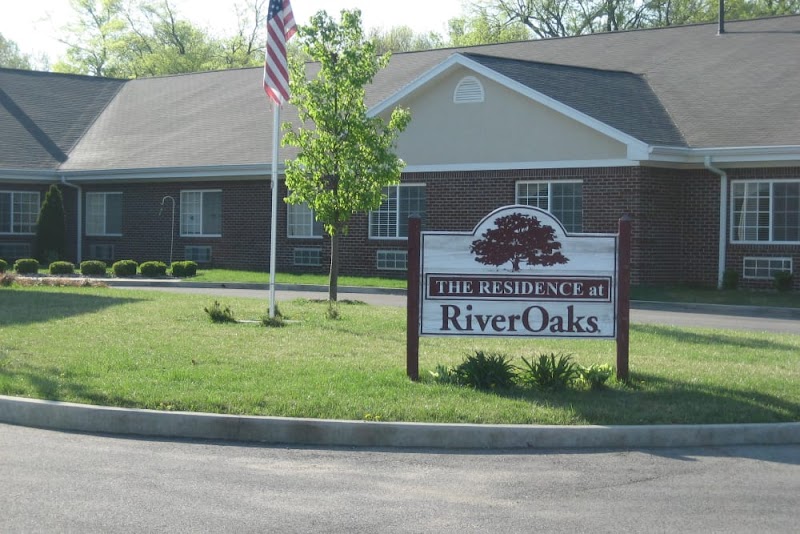
How is Riveroaks Health Campus Staffed?

CMS rates RIVEROAKS HEALTH CAMPUS's staffing level at 3 out of 5 stars, which is average compared to other nursing homes. Staff turnover is 43%, compared to the Indiana average of 46%. This relatively stable workforce can support continuity of care.

What Have Inspectors Found at Riveroaks Health Campus?

State health inspectors documented 21 deficiencies at RIVEROAKS HEALTH CAMPUS during 2020 to 2024. These included: 19 with potential for harm and 2 minor or isolated issues.
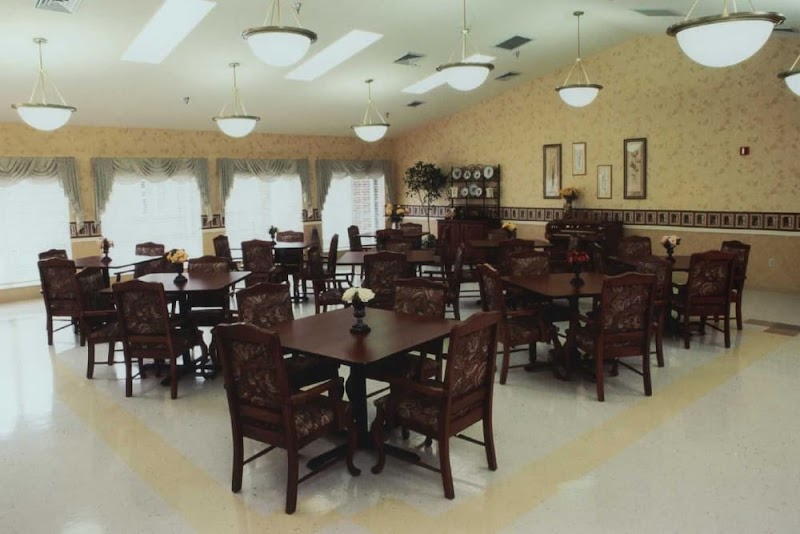
Who Owns and Operates Riveroaks Health Campus?

RIVEROAKS HEALTH CAMPUS is owned by a government entity. Government-operated facilities are typically run by state, county, or municipal agencies. The facility is operated by TRILOGY HEALTH SERVICES, a chain that manages multiple nursing homes. With 68 certified beds and approximately 60 residents (about 88% occupancy), it is a smaller facility located in PRINCETON, Indiana.
How Does Riveroaks Health Campus Compare to Other Indiana Nursing Homes?

Compared to the 100 nursing homes in Indiana, RIVEROAKS HEALTH CAMPUS's overall rating (2 stars) is below the state average of 3.1, staff turnover (43%) is near the state average of 46%, and health inspection rating (2 stars) is below the national benchmark.

What Should Families Ask When Visiting Riveroaks Health Campus?

Based on this facility's data, families visiting should ask: "Can I visit during a mealtime to observe dining assistance and food quality?" "How do you handle medical emergencies, and what is your hospital transfer rate?" "Can I speak with family members of current residents about their experience?"

Is Riveroaks Health Campus Safe?

Based on CMS inspection data, RIVEROAKS HEALTH CAMPUS has a clean safety record: no substantiated abuse findings (meaning no confirmed cases of resident harm), no Immediate Jeopardy citations (the most serious violation level indicating risk of serious injury or death), and is not on the Special Focus Facility watch list (a federal program monitoring the lowest-performing 1% of nursing homes). The facility has a 2-star overall rating and ranks #100 of 100 nursing homes in Indiana. While no facility is perfect, families should still ask about staff-to-resident ratios and recent inspection results during their visit.

Do Nurses at Riveroaks Health Campus Stick Around?

RIVEROAKS HEALTH CAMPUS has a staff turnover rate of 43%, which is about average for Indiana nursing homes (state average: 46%). Moderate turnover is common in nursing homes, but families should still ask about staff tenure and how the facility maintains care continuity when employees leave.

Was Riveroaks Health Campus Ever Fined?

RIVEROAKS HEALTH CAMPUS has no federal fines on record. CMS issues fines when nursing homes fail to meet care standards or don't correct problems found during inspections. The absence of fines suggests the facility has either maintained compliance or corrected any issues before penalties were assessed. This is a positive indicator, though families should still review recent inspection reports for the full picture.

Is Riveroaks Health Campus on Any Federal Watch List?

RIVEROAKS HEALTH CAMPUS is not on any federal watch list. The most significant is the Special Focus Facility (SFF) program, which identifies the bottom 1% of nursing homes nationally based on persistent, serious quality problems. Not being on this list means the facility has avoided the pattern of deficiencies that triggers enhanced federal oversight. This is a positive indicator, though families should still review the facility's inspection history directly.