RENSSELAER CARE CENTER
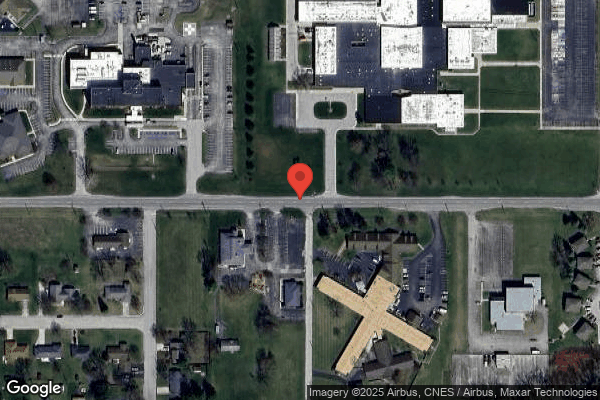
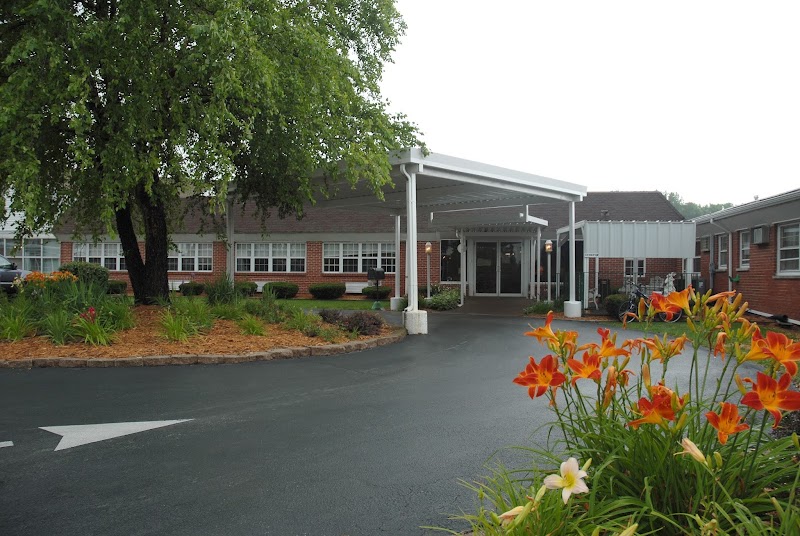
1309 E GRACE ST, RENSSELAER, IN 47978 (219) 866-4181
For profit - Corporation 120 Beds LIFE CARE CENTERS OF AMERICA Data: November 2025 2 Immediate Jeopardy citations
Trust Grade
6/100
#378 of 505 in IN
Last Inspection: February 2025

Within standard 12-15 month inspection cycle. Federal law requires annual inspections.

Overview

Rensselaer Care Center has received a Trust Grade of F, indicating significant concerns about the quality of care provided. With a state rank of #378 out of 505 facilities in Indiana, they fall in the bottom half, making them one of the less favorable options in the state. The facility's trend is worsening, as they went from 13 issues in 2024 to 14 in 2025, signaling ongoing problems. Staffing is a notable weakness, with a rating of 2 out of 5 stars and a turnover rate of 55%, which is higher than the state average. Additionally, the facility has incurred $128,311 in fines, which is concerning and suggests repeated compliance issues, while RN coverage is less than 89% of Indiana facilities, indicating potential gaps in care. Several alarming incidents have been reported, including a critical failure to provide ground meat to a resident on a specialized diet, resulting in the resident's death due to choking. Additionally, another incident highlighted the lack of adequate supervision for a cognitively impaired resident during meals, which also led to a fatal outcome. Furthermore, there were deficiencies in the kitchen regarding food safety, with unclean conditions and improperly stored food observed, potentially affecting many residents. While the quality measures received a perfect score of 5 out of 5, these strengths are overshadowed by serious weaknesses in health inspections and overall care.

Trust Score
F
6/100
In Indiana
#378/505
Bottom 26%
Safety Record
High Risk
Review needed
Inspections
Getting Worse
13 → 14 violations
Staff Stability
⚠ Watch
55% turnover. Above average. Higher turnover means staff may not know residents' routines.
Penalties
✓ Good
$128,311 in fines. Lower than most Indiana facilities. Relatively clean record.
Skilled Nurses
⚠ Watch
Each resident gets only 22 minutes of Registered Nurse (RN) attention daily — below average for Indiana. Fewer RN minutes means fewer trained eyes watching for problems.
Violations
⚠ Watch
39 deficiencies on record. Higher than average. Multiple issues found across inspections.
★★☆☆☆
2.0
Overall Rating
★★☆☆☆
2.0
Staff Levels
★★★★★
5.0
Care Quality
★☆☆☆☆
1.0
Inspection Score
Stable
2024: 13 issues
2025: 14 issues

The Good

  • 5-Star Quality Measures · Strong clinical quality outcomes
  • Full Sprinkler Coverage · Fire safety systems throughout facility
  • No fines on record

Facility shows strength in quality measures, fire safety.

The Bad

2-Star Overall Rating

Below Indiana average (3.1)

Below average - review inspection findings carefully

Staff Turnover: 55%

Near Indiana avg (46%)

Frequent staff changes - ask about care continuity

Federal Fines: $128,311

Well above median ($33,413)

Significant penalties indicating serious issues

Chain: LIFE CARE CENTERS OF AMERICA

Part of a multi-facility chain

Ask about local staffing decisions and management

Staff turnover is elevated (55%)

7 points above Indiana average of 48%

The Ugly 39 deficiencies on record

2 life-threatening
Jul 2025 8 deficiencies
CONCERN (D) 📢 Someone Reported This

A family member, employee, or ombudsman was alarmed enough to file a formal complaint

Potential for Harm - no one hurt, but risky conditions existed

Pressure Ulcer Prevention (Tag F0686)

Could have caused harm · This affected 1 resident

Based on record review and interview, the facility failed to ensure treatments for pressure ulcers were completed as ordered by the physician for 1 of 3 residents reviewed for pressure ulcers. (Reside...

Read full inspector narrative →
Based on record review and interview, the facility failed to ensure treatments for pressure ulcers were completed as ordered by the physician for 1 of 3 residents reviewed for pressure ulcers. (Resident E)Finding includes: During an interview on 7/15/25 at 11:13 a.m. with Resident E and a family member, the resident indicated there had been multiple days when her treatments had not been completed. The treatment had not been completed on the evening shift on 7/14/25 and was reported to the nurse on the night shift, who completed the treatment.Resident E's record was reviewed on 7/15/25 at 2:04 p.m. The diagnoses included, but were not limited to, paraplegia, diabetes mellitus, and stage four (full thickness skin loss) pressure ulcers. A Care Plan, revised on 1/1/25, indicated upon admission there were two stage four pressure ulcers located on the sacrum and right ischium. The interventions indicated the pressure ulcer treatment would be completed as ordered.A Quarterly Minimum Data Set assessment, dated 6/20/25, indicated an intact cognitive status, no behaviors, impairment of both lower extremities, required maximum assistance with bed mobility, had two stage four pressure ulcers on admission, and received pressure ulcer care.A Physician's Order, dated 4/9/25 and discontinued on 7/10/25, indicated zinc oxide external paste 40% was to be applied to the right ischium periwound every day shift. The TAR (Treatment Administration Record), dated 7/2025, indicated the treatment had not been completed on 7/6/25 on the day shift.A Physician's Order, dated 4/16/25 and discontinued on 7/10/25, indicated the right ischium was to be washed with wound wash then place collagen (wound treatment) to the wound wound bed and cover with hydroferablue (foam wound cover). Zinc oxide was to be applied to the periwound then cover the wound with a foam dressing daily and as needed. The TAR, dated 7/2025, indicated the treatment had not been completed on the day shift (no time scheduled).A Physician's Order, dated 4/16/25 and discontinued on 7/10/25, indicated Betamethasone Valerate External ointment 0.1% (help to relieve discomfort caused by skin conditions) was to be applied to the sacral periwound every day shift. The TAR, dated 7/2025, indicated the treatment had not been completed on the day shift on 7/6/25.A Physician's order, dated 6/11/25 and discontinued on 7/10/25, indicated an order to wash the pressure ulcer on the sacrum with wound wash then place collagen to the upper wound bed and calcium alginate (wound treatment) to the lower wound bed and cover with hydroferablue. The TAR, dated 6/25/25, indicated the treatment had not been completed at 8:00 p.m. on 6/22/25 and 6/27/25. The TAR, dated 7/2025, indicated the treatment had not been completed on 7/4/25 at 8:00 p.m. and 7/6/25 at 8:00 a.m.A Physician's Order, dated 7/10/25, indicated BNZ (bacitracin, nystatin, zinc) cream was to be applied to the sacrum periwound twice a day with the dressing changes. The TAR, dated 7/2025 indicated the treatment had not been completed on 7/11/25 at 8:00 a.m.A Physician's Order, dated 7/10/25, indicated the treatment to the sacrum was to be completed twice a day and as needed. The sacral wound was to cleaned with wound wash, collagen was to be placed on the upper wound bed and calcium alginate to the lower wound bed and then covered with hydroferablue. BNZ was to be applied to the periwound and the wound was to be covered with a super absorbent dressing. The TAR, dated 7/2025 indicated the treatment had not been completed on 7/11/25 at 8:00 p.m.The Director of Nursing (DON) was informed of the missed treatments on 7/15/25 at 2:03 p.m. No further information was provided.A facility pressure ulcer policy, dated 6/11/25 and received from the Corporate RN Consultant as current, indicated a resident with pressure ulcers would receive necessary treatment and services to promote healing. A facility wound care policy, dated 6/12/25 and received from the Corporate RN Consultant as current, indicated after a physician's order is received for the wound care, the physician's order would be followed.This citation relates to Complaint 1805786.3.1-40(a)(2)
CONCERN (D) 📢 Someone Reported This

A family member, employee, or ombudsman was alarmed enough to file a formal complaint

Potential for Harm - no one hurt, but risky conditions existed

Respiratory Care (Tag F0695)

Could have caused harm · This affected 1 resident

Based on observation, record review, and interview, the facility failed to ensure a respiratory treatment was monitored for 1 of 3 residents reviewed for oxygen. (Resident B)Finding includes:During ra...

Read full inspector narrative →
Based on observation, record review, and interview, the facility failed to ensure a respiratory treatment was monitored for 1 of 3 residents reviewed for oxygen. (Resident B)Finding includes:During random observations on 7/15/25 at 9:49 a.m., Resident B was observed lying in bed on his right side. There was a nebulizer treatment running but Resident B was not wearing oxygen or a oxygen mask (used for nebulizer treatment). Lying next to the resident's legs was the nebulizer mask which was disconnected from the medication cup. Agency LPN 1 was notified and assisted the resident on putting his nebulizer mask back on. Once the mask was back in place, Agency LPN 1 left the room. At 9:54 a.m., the Agency LPN 1 was observed passing medication to another resident until 9:59 p.m. At 10:01 a.m., Agency LPN 1 returned to Resident B's room to remove the nebulizer treatment. The resident was not wearing the nebulizer mask, it was lying next to him on the bed. The treatment was completed and oxygenation levels were checked. During an interview at the time, Agency LPN 1 indicated she usually sets a timer for fifteen minutes and goes back in to remove the treatment when her alarm goes off. She indicated the resident was confused at times and impulsive at times and would pull his nasal cannula and nebulizer mask off frequently. She had a video monitor sitting on her treatment cart and she would monitor the resident periodically.The record for Resident B was reviewed on 7/14/25 at 9:00 a.m. Diagnoses included, but were not limited to, COPD, dementia, displaced fracture of acetabulum (concave surface of the pelvis), hemiplegia (paralysis on one side of the body) and hemiparesis (weakness on one side of the body).The 6/30/25 Quarterly Minimum Data Set (MDS) assessment indicated the resident was severely impaired for decision making. The resident required substantial to maximum assistance with toileting, bathing, and dressing. The resident used oxygen and had hospice care.A Care Plan, dated 6/10/25, indicated the resident required oxygen therapy.Physician's Orders, dated 6/10/25, indicated to administer 3 milligram/3 milliliter Ipratropium-Albuterol Inhalation Solution (nebulizer treatment) four times a day through inhalation.During an interview on 7/15/25 at 10:43 a.m., the Director of Nursing indicated she understood the respiratory concern and had no additional information to provide.The current Small Volume Nebulizer Therapy policy provided by the Director of Nursing on 7/15/25 at 11:04 a.m., indicated standard of practice was followed by the Lippincott procedure and included a facility approved addendum to the Lippincott procedure. The addendum indicated, .remain with the patient and continue the treatment until the nebulizer begins to sputter.This citation relates to complaint 1805785 and 1805786.3.1-47(a)(6)
CONCERN (D) 📢 Someone Reported This

A family member, employee, or ombudsman was alarmed enough to file a formal complaint

Potential for Harm - no one hurt, but risky conditions existed

Medical Records (Tag F0842)

Could have caused harm · This affected 1 resident

Based on record review and interview, the facility failed to ensure a resident's record was accurate, related to an Agency LPN signing that a treatment had been completed when the treatment had not be...

Read full inspector narrative →
Based on record review and interview, the facility failed to ensure a resident's record was accurate, related to an Agency LPN signing that a treatment had been completed when the treatment had not been completed, for 1 of 7 resident records reviewed. (Resident E and Agency LPN 2)Finding includes: During an interview on 7/15/25 at 11:13 a.m. with Resident E and a family member, the resident indicated the treatment on her pressure areas had not been completed on the evening shift on 7/14/25 and she reported to the nurse on the night shift, who indicated the the evening nurse had signed that the treatment had been completed. She indicated the night nurse then completed the treatment.Resident E's record was reviewed on 7/15/25 at 2:04 p.m. The diagnoses included, but were not limited to, paraplegia, diabetes mellitus, and stage four (full thickness skin loss) pressure ulcers. A Quarterly Minimum Data Set assessment, dated 6/20/25, indicated an intact cognitive status, no behaviors, and was admitted into the facility with two stage four (full thickness of skin loss) pressure ulcers.A Physician's Order, dated 7/10/25, indicated BNZ (bacitracin, nystatin, zinc) cream was to be applied to the sacrum periwound twice a day with the dressing changes. A Physician's Order, dated 7/10/25, indicated the treatment to the sacrum was to be completed twice a day and as needed. The sacral wound was to cleaned with wound wash, collagen (wound treatment) was to be placed on the upper wound bed and calcium alginate (wound treatment) to the lower wound bed and then covered with hydroferablue (foam wound treatment). BNZ was to be applied to the periwound and the wound was to be covered with a super absorbent dressing. The Treatment Administration Record, dated 7/2025, indicated Agency LPN 2 had signed her initials that indicated the treatment had been completed.During an interview on 7/15/25 at 2:00 p.m., Agency LPN 6 indicated the treatment had not been completed by Agency LPN 2. LPN had not passed on in report that the treatment had not been completed. The treatment was completed by Agency LPN 6 after the resident had notified him the treatment had not been completed. He indicated the resident would know if the treatment had not been completed.During an interview on 7/15/25 at 2:03 p.m., the Director of Nursing indicated Agency LPN 2 would not return the facility to work.This citation relates to Complaint 1805785.3.1-(a)(2)
CONCERN (D) 📢 Someone Reported This

A family member, employee, or ombudsman was alarmed enough to file a formal complaint

Potential for Harm - no one hurt, but risky conditions existed

Deficiency F0940 (Tag F0940)

Could have caused harm · This affected 1 resident

Based on record review and interview, the facility failed to ensure contracted staff training requirements were completed for Medication Administration for 3 of 6 Agency Staff reviewed for agency orie...

Read full inspector narrative →
Based on record review and interview, the facility failed to ensure contracted staff training requirements were completed for Medication Administration for 3 of 6 Agency Staff reviewed for agency orientation. (Agency LPN 4, Agency LPN 5, and Agency LPN 6) Finding includes:Agency orientation was reviewed on 7/16/25 at 9:38 a.m.Medication pass competency and understanding of medication management was not completed and signed off on the Agency Competency Checklist for the following contracted employees:Agency LPN 4, Agency LPN 5, and Agency LPN 6.The current policy Education and Training Requirements, dated 10/3/24, and received from the Administrator as current, indicated, . Staff includes all facility staff, (direct and indirect care functions), contracted staff, and volunteers. 8.The facility will need to ensure staff are trained to be able to interact in a manner that enhances the resident's quality of life and quality of care and that they can demonstrate competency in the topic areas of the training program.During an interview on 7/16/25 at 10:49 a.m., the Administrator indicated the checklist should have been signed off. There was no additional information provided.This citation relates to Complaints 1805785 and 1805788.
CONCERN (E) 📢 Someone Reported This

A family member, employee, or ombudsman was alarmed enough to file a formal complaint

Potential for Harm - no one hurt, but risky conditions existed

Grievances (Tag F0585)

Could have caused harm · This affected multiple residents

Based on record review and interview, the facility failed to ensure grievances voiced by the residents were resolved or attempted to be resolved in a timely manner and failed to follow up on the resol...

Read full inspector narrative →
Based on record review and interview, the facility failed to ensure grievances voiced by the residents were resolved or attempted to be resolved in a timely manner and failed to follow up on the resolution to ensure the grievances were resolved, for 8 of 11 residents interviewed for grievances. (Resident H, K, L, M, N,O, P, Q, and E)Findings include: 1.The Grievance forms were reviewed on 7/15/25 at 8 a.m. and indicated:A Grievance form, dated 4/8/25, Resident K had not received the morning medications until 11:35 a.m. and had to ask four times for the medication. The investigation indicated the residents' Medication Administration Records (MARs) were audited and the medications were received during the administration window. The DON explained to the resident the medications were given during the administration window and the Agency Nurse was slower with the medication administration than the facilities nurses. The response from the resident, indicated the resident was still frustrated though accepting.A Grievance form, dated 4/8/25, indicated Resident N indicated she had not received her morning medications. The investigation indicated the resident was interviewed and the MAR was audited. The medications were given within the administration window. The finding indicated the Agency Nurse was slower than the facility nurse and the resident was, angry that the medications were late. An explanation was given to the resident about the four hour window and the resident was pleased with the outcome.The Resident Council Meeting Notes were reviewed, after approval of the Resident Council President, on 7/14/25 at 8:21 a.m. The meeting, dated 5/13/25, indicated concerns were voiced about medications were administered late, meals were served late and the residents were not receiving the food they requested. The notes indicated a Grievance form was filled out.A Grievance form, dated 5/13/25, indicated during the Resident Council Meeting, the residents indicated the lunch and dinner meals were coming 30 minutes to an hour late daily and the meals were served were not what they were requesting. The investigation indicated the Cooks were interviewed and the the carts from the kitchen were observed for how long it took for the nursing staff to pass the meal trays. The nursing staff had not started passing the trays on the East and South Unit for 12 minutes and the [NAME] on evenings had not started preparing the food trays on time. The Nursing staff were educated to pass the meal trays when they arrive on the unit. The Grievance form did not address the residents not receiving the food they requested. There was no response from the residents to the plan of action documented.An Inservice Education Report, dated 5/20/25 and received from the DON, indicated the topic was medication administration. The content of the inservice was left blank. The Resident Council Meeting Notes, dated 6/10/25, indicated the meals and the medication were still not received on time. The notes indicated a Grievance form was filled out.A Grievance form, dated 6/10/25, indicated in the Resident Council Meeting the residents had a concern about the late meals. The lunch meal was 15-20 minutes late daily and the dinner meal was 30-40 minutes late. The aides were late coming into the Dining Room to pass out the meal. The investigation indicated the Administrator had spoken with the Dietary Department and educated them to do their best to serve the meals on time. There was no documentation about the Concerned Party's response to the action plan or the outcome of the action plan.During an interview on 7/14/25 at 8:21 a.m., the Director of Nursing (DON), indicated the medications were not late and there was a four hour window (7:00 a.m. to 11:00 a.m. 3:00 p.m. to 6:00 p.m. and 7:00 p.m. to 11:00 p.m.) for the medication administration. The facility's Nursing Staff know which residents want their medications earlier and moved around. Not all of the Agency Nurses do this and they start on one hall and go down the hall for each resident. She indicated she was going to ask a facility nurse to write out a routine on who wanted their medications earlier but the nurse was vacation. She indicated either herself or the Social Service Director would follow up with the residents to determine if their concern had improved. She indicated there nothing documented for the follow-up of the grievances. During an interview on 7/14/25 at 9:41 a.m., Resident H, the Resident Council President, indicated when certain Agency Nursing Staff work, the medications were administered late. There were days when he never received his morning medications until 12:00 p.m. He indicated he was told there was a four hour window for the medication administration, though there were days when the medications were still received late. He indicated other residents have had concerns with this also. He also indicated the meals were served late also and he has not always received the food he has requested. He indicated the concerns were reported in the Resident Council Meetings and to staff members and he was unaware what the facility has put into place for a correction plan. He indicated he was told he was not allowed to ask what has been put into place to correct the concerns or the outcome of the concerns. No one has followed up with him to ensure anything had improved. During monthly Resident Council Meetings they ask if there has been improvement and that was the only time they asked.The Resident Council President invited the Surveyor to come to the Resident Council Meeting, on 7/14/25 at 10 a.m There were eight residents who attended the meeting and approved this invitation. The residents indicated the meals were still late in the Dining Room and the residents who ate in their rooms received their trays even later. They indicated the medications were still not administered timely. Residents H, K, L, M, N, O, P, and Q, indicated there were no follow-up on their concerns about the late medications and meals. They indicated there had been no improvement with the medication administration and the meal service.During an interview on 7/14/25 at 11:15 a.m., the DON reviewed the grievances from the past Resident Council Meetings and indicated there were not grievances about the medications given to her. She indicated there had been an inservice in May on the medication administration pass. There had been no documentation to ensure there had been improvement with the medication administration. She indicated there had been no follow up to the dietary concerns.2. A Grievance, dated 6/24/25, indicated Resident E voiced a concern about the treatment for her pressure ulcers had not been completed on 6/22/25 on the evening shift. The day shift nurse, who worked on 6/23/25 had acknowledged the treatment had not been completed on the evening shift on 6/22/25. The investigation indicated the Treatment Administration Record had been reviewed and the treatment had not been signed out as completed on 6/22/25. The actions taken to resolve the concern indicated the the times of the treatments had been changed. The resident was pleased with the time change and would let the facility know if there were further concerns.During an interview on 7/15/25 at 11:13 a.m. with Resident E and a family member, the resident indicated there had been multiple days when her treatments had not been completed. The treatment had not been completed on the evening shift on 7/14/25 and was reported to the nurse on the night shift, who completed the treatment. She indicated this concern with others have been reported to the management and she does not feel the management followed up on her concerns. She does not feel there has been improvement with the plan of action put into place after her grievance was reported and no one has followed up with her to ask her if there had been improvement. She indicated she had not been receiving the meal she has requested and that it does no good to report this, as the kitchen, does not listen.Review of the facility's grievance policy, dated 6/15/22, and received by the DON as current, indicated the person voicing the grievance had a right to receive a written decision regarding the grievance. All concerns were to be reported to the Supervisor on duty. The Administrator, DON, and/or other personnel were to be notified as needed by the supervisor. Following up with the resident and family would be completed to communicate the resolution or explanation and to ensure the issue was handled to the resident's and family's satisfaction. The Administrator or Designee wa responsible to ensure all grievances were reviewed and addressed timely. To ensure the individual feels that some type of resolution had been communicated, achieved and maintained.This citation relates to Complaint 1805785.3.1-7(a)(1)3.1-7(b)
CONCERN (E) 📢 Someone Reported This

A family member, employee, or ombudsman was alarmed enough to file a formal complaint

Potential for Harm - no one hurt, but risky conditions existed

Deficiency F0800 (Tag F0800)

Could have caused harm · This affected multiple residents

Based on record review and interview, the facility failed to ensure residents were provided choices and the choices were honored for meals, for 9 of 11 residents interviewed. (Residents H, K, L, M, N,...

Read full inspector narrative →
Based on record review and interview, the facility failed to ensure residents were provided choices and the choices were honored for meals, for 9 of 11 residents interviewed. (Residents H, K, L, M, N, O, P, Q, and E)Findings include:1.The Resident Council Meeting Notes were reviewed on 7/14/25 at 8:21 a.m. The meeting notes, dated 5/13/25, indicated residents were not receiving what they requested for meals. The notes indicated a Grievance form was filled out.A Grievance form, dated 5/13/25, indicated during the Resident Council Meeting, the residents were not receiving the meals they requested. The Grievance form had not addressed the issue about the residents not receiving the meals they requested.During an interview on 7/14/25 at 9:41 a.m., Resident H, the Resident Council President, indicated sometimes the meal menus were not posted and the residents were instructed to give dietary a two hour notice for wanting something that was not on the menu. If the the menu was not posted, they did not know what is being served. The CNA's were supposed to come around in the evening and ask the residents what they would like to eat the following day so the residents could order what they wanted. The CNA's did not do that any more and the residents were served whatever was on the menu.The Resident Council President invited the Surveyor to come to the Resident Council Meeting on 7/14/25 at 10 a.m There were eight residents who attended the meeting and approved this invitation. Residents H, K, L, M, N, O, P, and Q, indicated the menus were not posted timely to decide what they would like to eat. The CNA's were no longer taking the meal orders the night before.During an interview on 7/14/25 at 2 p.m., the Administrator indicated the CNA's were suppose to sit with the residents and help them fill out their menu for the next day and that had not been getting completed. 2. During an interview on 7/15/25 at 11:13 a.m. with Resident E and a family member, the resident indicated she was a diabetic and she is served too many carbohydrates. She did not like scrambled eggs and has told the staff this but she still received scrambled eggs every morning. She indicated it does no good to talk to the kitchen staff, they don't listen.Resident E's record was reviewed on 7/15/25 at 2:04 p.m. The diagnoses included, but were not limited to, paraplegia, diabetes mellitus, and stage four (full thickness skin loss) pressure ulcers. A Physician's Order, dated 11/15/24, indicated a regular diet was ordered, prefers fried eggs and 1 piece of toast for breakfast, requested pork not be served, and double proteins.A Care Plan, revised 2/3/25, indicated a nutritional problem was present. The interventions indicated the diet would be provided as ordered, the Registered Dietician would evaluate and make diet changes as needed.A Quarterly Minimum Data Set assessment, dated 6/20/25, indicated an intact cognitive status, no behaviors, set up help is needed for meals, a significant weight loss while not on a prescribed diet (determined the mechanical lift scale was broken), and was not ordered a therapeutic diet.The Dietary Card, received as current from [NAME] 3, indicated a preference of a fried egg for breakfast and double proteins.During an interview on 7/15/25 at 2:07 p.m., the Director of Nursing indicated the dislike for scrambled eggs was not included on the Dietary Card.A facility food preference policy, dated 4/29/25 and received from the Administrator as current, indicated allergies, dislikes, and special requests, as deemed appropriate, are addressed prior to the meal service to ensure an appropriate alternate(s) are served prior to the meal being received by the resident. This citation relates to Complaint 1805785.3.1-20(a)
CONCERN (E) 📢 Someone Reported This

A family member, employee, or ombudsman was alarmed enough to file a formal complaint

Potential for Harm - no one hurt, but risky conditions existed

Deficiency F0804 (Tag F0804)

Could have caused harm · This affected multiple residents

Based on observation, record review and interview, the facility failed to serve 1 of 2 meals observed at an appetizing temperature, related to a supper meal served with temperatures of the food under ...

Read full inspector narrative →
Based on observation, record review and interview, the facility failed to serve 1 of 2 meals observed at an appetizing temperature, related to a supper meal served with temperatures of the food under 135 degrees. This had the potential to affect 71 residents who are on a regular diet with regular textured foods.Finding includes:A Grievance form, dated 7/10/25, indicated Resident J voiced a concern about cold food. The response to the grievance indicated the resident stated the concern was resolved on 7/14/25.On 7/15/25 at 5:00 p.m., the Administrator was notified a test tray for the supper meal was needed.The supper included BBQ chicken, greens and mashed potatoes. The test tray was received on 7/15/25 at 6:00 p.m., the temperature of the BBQ chicken was 133.6 F, the mashed potatoes was 126.2 F, and the spinach was 90.3 F. The chicken and the mashed potatoes were warm to taste and the spinach was cold to taste.During an interview on 7/15/25 at 6:00 p.m., Dietary Aide 7 indicated the steam table had been shut off for about two minutes prior to the sample tray being received.The Administrator was informed at the time of the sample tray testing of the food temperatures. No further information was received.The food temperature policy, dated 4/28/25, indicated the hot foods were to be held at a minimum of 135 degrees.This citation relates to Complaints 1805785 and 1805787.3.1-21(a)(2)
CONCERN (F) 📢 Someone Reported This

A family member, employee, or ombudsman was alarmed enough to file a formal complaint

Potential for Harm - no one hurt, but risky conditions existed

Food Safety (Tag F0812)

Could have caused harm · This affected most or all residents

**NOTE- TERMS IN BRACKETS HAVE BEEN EDITED TO PROTECT CONFIDENTIALITY** Based on observation, record review, and interview, the facility failed to serve, store, and prepare food under sanitary conditi...

Read full inspector narrative →
**NOTE- TERMS IN BRACKETS HAVE BEEN EDITED TO PROTECT CONFIDENTIALITY** Based on observation, record review, and interview, the facility failed to serve, store, and prepare food under sanitary conditions, related to opened food stored more than 72 hours, dirt/debris/food on the floors of the walk in cooler, dried storage area, and food preparation area, dirty shelves, food stored without opening dates and in dirty containers, dented cans, opened bags of cereal not re-sealed, and a staff member with uncovered open areas on his arm, for 1 of 1 kitchen.(Main Kitchen) This had the potential to affect 85 of 86 residents who reside in the facility.Findings include: The following was observed in the kitchen on 7/14/25 at 5:40 a.m. through 6:20 a.m.: 1.Dietary Aide 4 was emptying out several containers of food into the trash bin. He indicated he was, dumping food because the food needed thrown out. He indicated cooked/opened food can be stored for three days and everyone who worked in the kitchen was responsible for making sure the food was removed after the three days. He indicated there was no Dietary Manager and the [NAME] was in charge.There was a plastic container of cooked chicken breast with the date of 6/29/25 and a pan of potato salad dated 7/1/25 that Dietary Aide 4 was getting ready to discard.2. Walk in cooler:a. The floor was dirty with dirt, debris, food, and dishes and there was a dark black substance in the corner by the door.b. The shelving was dirty with a dark black substance on every shelf.c. There were 30 pitchers of orange juice, fruit juice, tea, and lemonade not dated. There were two large plastic containers of of juices not dated.d. There were two boxes of liquid eggs, one box of pasteurized eggs, two boxes of ham and a box of turkey breast stored on the floor.e. There was a plastic container of tomato soup that was dated 7/9/25.f. There was a plastic container of pears that was dated 7/9/25.g. There was a plastic container of spinach that was dated 7/1/25.h. There were four opened blocks of cheese wrapped in plastic wrap with no date.i. There was an opened container of chicken base, sweet tangy BBQ sauce, sweet and sour sauce, and mustard without a date when they were opened.j. There was a container of Caesar Salad Dressing, dated 7/8/25 with spilled dressing on the outside of the container and around the outside lid.k. There was pickle relish spilled on the tray with ice tea pitchers and on the top storage shelf.l. There was a box of turkey breast stored on the top storage shelf over a bag of lettuce.m. There was a dead fly on the mustard container.n. There was an open non-dated plastic bag with two hot dogs in the bag, stored in a pan on a shelf.2. Food preparation and serving area:a. There was dried food on the base of the Robo-[NAME] (used to puree food). b. There were four drawers which stored cooking utensils that were dirty with debris' and there was a build-up of crumbs and grease on the drawersc. There were two drawers which stored cleaning clothes with dried food, debri and a build-up of crumbs and grease on the drawers.d. The stove had dried spills of food and grease drippings on the doors of the oven.e. There was dried food and dried spilled liquid on top of the prep table. [NAME] 3 indicated the evening shift should have cleaned the kitchen after supper.f. The floor under the prep and serving table was dirty with debri, dried food, and liquids.g. There was dried food on the food rack that stored the cereal in bowls already filled for breakfast.h. There was drippings of liquid and dried food on the plastic protector of the steam table.i. There were two of four food carts with dried food and liquid on the outside and inside of the carts.j. The kitchen floor was dirty with debri,food, and spilled liquids.k. There was a brown dried substance on the side hand washing sink.l. There three of four, three tiered carts that were dirty and stained and had coffee pots and carafe's stored on the carts.m. There was dried food on the inside of the microwave.n. The ice scoop was stored uncovered next to the ice machine.o. The ice machine had a build up of a white substance on the inside ledge where the door comes down.p. There was dried food on the pan covers and the shelf of the steam table.q. There were dried meat particles on the meat slicer and dried food substances on the base of the meat slicer. 3. Freezera. There were nine boxes of food stored on the floor.b. There was one box on the floor that contained an open bag of corn on the cob and there was a box of pork sausage stored on top of the opened bag of corn. 4. Dry storage:a. There were salt and sugar packets and packets of crackers on the floor.b. There was spilled sugar granules on the floor.c. The floor was dirty with debris and garbaged. The plastic sugar container on the shelf was left partially opened.e. The plastic containers for the flour and brown sugar were stored on the floor.f. There was a dented can of pineapple and fruit cocktail stored on in the can holders.g. There were seven of eight bags of opened cereal not closed securely on the shelf.h. There was a box of orange juice mix and chocolate pudding mix stored on the floor. 5. Dietary Aide 5 had uncovered and opened scrapes on his arm. He stated he scraped it on some wood and no one had told him they needed to be covered.Dietary Aide 4 indicated at the time of the observations, the Administrator was in charge of the kitchen. He tries to clean the walk in cooler weekly and it was everyone's responsibility to put orders away when they come in. He indicated the food was to be stored on the shelves or a crate and not the floor.During an interview on 7/14/25 at 5:54 a.m., [NAME] 3 indicated cooked and opened food were kept for three days. She acknowledged the observations of the walk in cooler and indicated the boxes were not to be stored on the floor and the turkey breast was not to be stored above the other food on the top shelf.The kitchen was re-toured with the Director of Nursing (DON) on 7/14/25 at 6:20 a.m. and she acknowledged all of the above observations.A facility food safety policy, dated 5/1/25, and received as current from the DON, indicated food was to be stored and prepared in accordance with professional standards for food service safety. Food is stored at a minimum of six inches off the floor, prepackaged food is placed in a leak proof container that is labeled with the name of the contents and date it was placed in the container. A use by date is noted on the label. Dented cans are returned to the vendor but stored in a designated area away from other food. Raw meats are stored on shelves below the fruits and vegetables or other ready to eat food. Leftovers are dated properly and discarded after 72 hours. All dried storage are to be stored six inches off the floor. Opened packages of food are to be resealed tightly. The shelves are to be kept clean.This citation relates to Complaints 1805787 and 1805788.3.1-21(a)(2)
Feb 2025 6 deficiencies
CONCERN (D)

Potential for Harm - no one hurt, but risky conditions existed

Deficiency F0554 (Tag F0554)

Could have caused harm · This affected 1 resident

Based on observation, record review, and interview, the facility failed to ensure residents had Physician's Orders for medications and an assessment to self-administer their own medications for 1 of 1...

Read full inspector narrative →
Based on observation, record review, and interview, the facility failed to ensure residents had Physician's Orders for medications and an assessment to self-administer their own medications for 1 of 1 resident reviewed for self-administration of medication. (Resident 52) Finding includes: During a random observation on 2/4/25 at 9:42 a.m., Resident 52 was observed sitting in his room. There was a clear medication cup sitting on the table next to him with multiple pills inside. The resident indicated he was going to take them and the nurse had left them in his room this morning. Resident 52's record was reviewed on 2/5/25 at 11:08 a.m. Diagnoses included, but were not limited to, cognitive communication deficit, age-related cognitive decline, and type 2 diabetes mellitus. The Quarterly Minimum Data Set assessment, dated 10/16/24, indicated the resident was moderately impaired for daily decision making. He received insulin injections, antibiotic, diuretic, antiplatelet, and hypoglycemic medications during the 7 day look-back period. A Care Plan, dated 4/16/24, indicated the resident had a diagnosis of cognitive/communication deficit and had a moderately impaired cognitive status. He was able to make simple choices and decisions while requiring cues and reminders from staff at times. Interventions included, but were not limited to, cue, reorient, and supervise as needed. The February 2025 Physician Order Summary indicated Resident 52 received the following medications for the AM medication pass: glimepiride 4 milligram (mg) 2 tablets, acetaminophen 325 mg 2 tablets, allopurinol 100 mg tablet, amlodipine besylate 10 mg tablet, aspirin 81 mg tablet, bisoprolol fumarate 5 mg tablet, cholecalciferol 10 microgram (mcg) tablet, ferrous sulfate 325 mg tablet, lactobacillus capsule, metformin 500 mg 2 tablets, potassium chloride 10 milliequivalents 2 tablets, spironolactone 25 mg tablet, and torsemide 10 mg tablet. There were no self-administration assessments or physician's orders for the self-administration of any medications for Resident 52. During an interview on 2/4/25 at 10:13 a.m., the Director of Nursing (DON) indicated Resident 52 did not self-administer any medications to her knowledge. During a follow-up interview on 2/4/25 at 11:14 a.m., the DON indicated there was no self-administration of medication assessment or orders to self-administer for Resident 52. A policy titled, Self Administration of Medications indicated .2. Facility, in conjunction with the interdisciplinary care team, should assess and determine, with respect to each resident, whether self-administration of medications is safe and clinically appropriate, based on the resident's functionality and health condition .4. Facility should regularly observe the resident self-administering medications to determine if the resident's functional and cognitive skills allow for the safe and appropriate continuation of resident self-administration .5. Facility should ensure that orders for self-administration list the specific medication(s) the resident may self-administer . 3.1-11(a)
CONCERN (D)

Potential for Harm - no one hurt, but risky conditions existed

Deficiency F0676 (Tag F0676)

Could have caused harm · This affected 1 resident

Based on observation, record review and interview, the facility failed to ensure a resident's ADL (activities of daily living) functions were maintained related to walking the resident daily as care p...

Read full inspector narrative →
Based on observation, record review and interview, the facility failed to ensure a resident's ADL (activities of daily living) functions were maintained related to walking the resident daily as care planned for 1 of 1 resident reviewed for rehabilitation and/or restorative care. (Resident 70) Finding includes: On 2/4/25 at 9:28 a.m., Resident 70 was observed in his room with a family member. He was seated in a wheelchair, there was a rollator walker in his room. His daughter indicated the staff were not helping him walk with his walker like they used to. He needed staff assistance to walk with the walker. The resident's record was reviewed on 2/4/25 at 1:20 p.m. Diagnoses included, but were not limited to, acute and chronic respiratory failure, cerebral ischemia and acute kidney failure. The Annual Minimum Data Set assessment, dated 11/14/24, indicated the resident had mild cognitive impairment and needed partial to moderate assistance for bed mobility and transfers. A Functional Goal Care Plan, dated 8/14/24, indicated the resident had limited physical mobility related to a stroke. Intervention was the walking program, to walk the resident using his rollator walker twice daily following with his wheelchair 6-7 days a week, offer safety cues and rest periods as needed. The POC (point of care) tasks for the past 30 days indicated the resident was walked with staff on 1/11/24, 1/22/24, 1/23/24, 1/26/24 and 2/5/24. The remaining dates were marked as activity did not occur. During an interview on 2/5/25 at 12:50 p.m., the Occupational Therapist indicated the resident had received physical therapy January thru April 2024. Therapy would make recommendations to nursing staff on discharge, but she did not know who was responsible to carry out those recommendations. During an interview on 2/5/25 at 1:20 p.m., the Director of Nursing indicated therapy recommendations were in the POC tasks for CNAs to complete and they had no specific restorative nursing program. There was no additional documentation the resident was being walked twice daily. 3.1-38(a)(1)
CONCERN (D) 📢 Someone Reported This

A family member, employee, or ombudsman was alarmed enough to file a formal complaint

Potential for Harm - no one hurt, but risky conditions existed

Quality of Care (Tag F0684)

Could have caused harm · This affected 1 resident

**NOTE- TERMS IN BRACKETS HAVE BEEN EDITED TO PROTECT CONFIDENTIALITY** Based on observation, record review and interview, the facility failed to ensure residents received the necessary care and servi...

Read full inspector narrative →
**NOTE- TERMS IN BRACKETS HAVE BEEN EDITED TO PROTECT CONFIDENTIALITY** Based on observation, record review and interview, the facility failed to ensure residents received the necessary care and services related to a medication not resumed at the correct frequency for 1 of 1 residents reviewed for death (Resident B), lack of a treatment order for a dressing in place, and compression stockings not worn as ordered for 2 of 3 residents reviewed for non-pressure skin issues. (Residents D and C) Findings include: 1. The closed record for Resident B was reviewed on 2/7/25 at 11:43 a.m. Diagnoses included, but were not limited to, paraplegia incomplete, unspecified convulsions, tachycardia and diabetes mellitus. The Quarterly Minimum Data Set (MDS) assessment, dated 11/25/24, indicated the resident was cognitively intact, required partial to moderate assistance for bed mobility and transfers and took an anticoagulant medication. A Physician's Order, dated 12/5/24, indicated to give Eliquis (an anticoagulant medication) 5 milligrams (mg) twice daily until 12/12/24 for chronic pulmonary embolism. The resident was having a suprapubic catheter (urine drainage that is surgically inserted through the skin) inserted and kidney stones removed on 12/16/24. The Eliquis was placed on hold prior to the procedure on 12/12/24. A Health Status Note, dated 12/16/24, indicated the resident had returned from the hospital following the procedures. The resident was to resume Eliquis on 12/18/24. The hospital inpatient discharge instructions, dated [DATE], indicated to resume the Eliquis on 12/18/24, medication was unchanged. An Order Note, dated 12/16/24 and entered by LPN 2, indicated to give Eliquis 5 mg one time daily related to tachycardia. A Health Status Note, dated 12/16/24, indicated the resident was being seen by the Nurse Practitioner(NP) for a post-op visit after having a suprapubic catheter and stent placement for kidney stones. The resident's medications included Eliquis 5 mg one time daily. During an interview on 2/7/25 at 2:25 p.m., LPN 2 indicated she was unsure where the order to resume Eliquis at one time daily had come from, she remembered there had been some confusion about the order. She indicated she needed to talk to the Director of Nursing. No additional information was provided. During an interview on 2/7/25 at 2:40 p.m., the NP indicated she did not change the resident's medications, she had copied them from his medication list. 2. On 2/6/25 at 10:22 a.m. Resident D was observed seated in her wheelchair in the unit dining room. There was a white bandage in place to her left forearm. On 2/6/25 at 2:06 p.m. Resident D was observed seated in her wheelchair in the unit dining room. There was a white bandage in place to her left forearm. Resident D's record was reviewed on 2/6/25 at 9:48 a.m. Diagnoses included, but were not limited to, dementia with behavioral disturbance, osteoporosis, and emphysema. The Quarterly MDS assessment, dated 10/25/24, indicated the resident was cognitively impaired and dependent on staff for assistance with ADLs (activities of daily living). A Progress Note, dated 1/29/25 at 5:31 p.m., indicated the resident had a new skin tear to the left forearm. The Nurse Practitioner was notified, and an order was received to cleanse the area with sterile water and apply steri strips. A Physician's Order, dated 1/29/25, indicated to monitor the left forearm skin tear for redness and drainage two times a day. There were no orders for any bandage to the area. During an interview on 2/6/25 at 3:49 p.m., the DON indicated there were no orders for a dressing to the left forearm. The resident had a skin tear at the end of January and had steri strips in place to the left forearm. 3. During an observation and interview on 2/4/25 at 10:05 a.m., Resident C was seated in his motorized wheelchair. His bilateral lower extremities were both swollen, red in color, and had scattered discolorations. He had a small adhesive bandage located on his right lower leg. Resident C indicated that he was having skin issues with both lower legs and would be going to see a dermatologist soon. He did not have on any compression stockings at the time. On 2/6/25 at 2:23 p.m., Resident C was observed in his wheelchair in the hallway. Both lower legs were covered with compression stockings. On 2/7/25 at 9:43 a.m., 10:12 a.m., and 10:36 a.m., Resident C was observed in a wheelchair. His bilateral lower extremities were red in color and swollen. He had no compression stockings on. Resident C's record was reviewed on 2/5/25 at 1:32 p.m. Diagnoses included, but were not limited to, chronic kidney disease, seborrheic dermatitis (inflammatory skin condition), and heart failure. The Quarterly Minimum Data Set (MDS) assessment, dated 11/22/24, indicated the resident was cognitively intact for daily decision making. He had applications of nonsurgical dressings, and applications of ointments/medications other than to feet and received antibiotic and diuretic medications. A Care Plan, dated 2/5/25, indicated the resident had stasis dermatitis to the bilateral lower extremities. Interventions included, but were not limited to, encourage resident to elevate legs as tolerated and administer treatments as ordered. A Care Plan, dated 9/19/24, indicated the resident had congestive heart failure (CHF) and may experience weight fluctuations related to diuretic medications. He had bilateral lower extremity edema. Interventions included, but were not limited to, administer diuretic medications per orders, encourage him to elevate his legs while sitting, and observe and report any signs or symptoms of CHF such as dependent edema of legs/feet, increased heart rate, or disorientation. The February 2025 Physician Order Summary indicated the resident was to wear compression stockings during the day as tolerated by the resident, and remove compression stockings at bedtime. The February 2025 Treatment Administration Record indicated the compression stockings were marked as administered in the morning on 2/4/25 and 2/7/25. The Weekly Skin Integrity Data Collection, dated 1/7/25, 1/14/25, 1/22/25, and 1/29/25, indicated the resident had chronic edema to the bilateral lower extremities. The Weekly Skin Integrity Data Collection, dated 2/5/25, indicated the resident had stasis dermatitis to bilateral lower extremities with seborrheic keratosis (seen by dermatology). There were no orders or assessment for the area on the right lower leg covered with the adhesive bandage. During an interview on 2/7/25 at 10:30 a.m., the Director of Nursing indicated the resident sometimes rolled down and removed the compression stockings himself and was very independent with his own care. The nurses were supposed to document if the compression stockings were on or off and the CNAs were responsible for putting the compression stockings on with care. The nurses should have documented correctly. During an interview on 2/7/25 at 10:35 a.m., the Assistant Director of Nursing indicated the resident probably had scratched his leg and asked for a bandage. He would remove bandages on his own once an area stopped bleeding. A policy titled, Basic Skin Management, indicated .3. It is the responsibility of the CNAs and therapy department to notify nursing if a change of the resident's skin is identified. Notification may be entered into PCC via eInteract and will alert nurse on the PCC Dashboard. 4. If any new skin alteration/wound is identified, it is the responsibility of the nurse to perform and document an assessment/observation, obtain treatment orders, and notify MD and responsible party. 5. Orders are required for skin and wound care. There are wound care protocol orders in PCC under Orders- TX Template . This citation relates to Complaints IN00452567 and IN00452961. 3.1-37(a)
CONCERN (D)

Potential for Harm - no one hurt, but risky conditions existed

Deficiency F0688 (Tag F0688)

Could have caused harm · This affected 1 resident

**NOTE- TERMS IN BRACKETS HAVE BEEN EDITED TO PROTECT CONFIDENTIALITY** Based on observation, record review and interview, the facility failed to ensure a resident's range of motion (ROM) was maintain...

Read full inspector narrative →
**NOTE- TERMS IN BRACKETS HAVE BEEN EDITED TO PROTECT CONFIDENTIALITY** Based on observation, record review and interview, the facility failed to ensure a resident's range of motion (ROM) was maintained related to not following therapy recommendations for routine ROM exercises for 1 of 2 residents reviewed for limited ROM and/ or positioning. (Resident 21) Finding includes: On 2/3/25 at 3:37 p.m., Resident 21 was observed seated in her recliner, her legs were elevated with the foot rest. She indicated her legs were paralyzed and flaccid and that she used to get range of motion exercises done by the staff, but not recently. The resident's record was reviewed on 2/5/25 at 10:05 a.m. Diagnoses included, but were not limited to, paraplegia, diabetes mellitus and spinal stenosis. The Quarterly Minimum Data Set assessment, dated 12/18/24, indicated the resident was cognitively intact, required substantial to maximum assist for bed mobility and was dependent for transfers and toileting. She had not received restorative nursing services. A Physical Therapy Discharge summary, dated [DATE], indicated restorative range of motion program. Interventions were to complete each range of motion is a slow rhythm motion, encourage resident to assist with the ROM, encourage resident to relax, face the resident to observe for signs of discomfort and never force extremity ranging. During an interview on 2/5/25 at 12:50 p.m., the Occupational Therapist indicated the resident had received physical and occupational therapy January thru March 2024. Therapy would make recommendations to nursing staff on discharge from therapy, but she did not know who was responsible to carry out those recommendations. During an interview on 2/5/25 at 1:20 p.m., the Director of Nursing indicated therapy recommendations were in the POC (point of care) tasks for CNAs to complete and they had no specific restorative nursing program. She indicated she went back to February 2024 and was unable to find where therapy recommendations for ROM had been implemented. 3.1-42(a)(2)
CONCERN (D)

Potential for Harm - no one hurt, but risky conditions existed

Deficiency F0692 (Tag F0692)

Could have caused harm · This affected 1 resident

**NOTE- TERMS IN BRACKETS HAVE BEEN EDITED TO PROTECT CONFIDENTIALITY** Based on record review and interview, the facility failed to monitor nutritional intake for meals for a resident with a history ...

Read full inspector narrative →
**NOTE- TERMS IN BRACKETS HAVE BEEN EDITED TO PROTECT CONFIDENTIALITY** Based on record review and interview, the facility failed to monitor nutritional intake for meals for a resident with a history of weight loss for 1 of 3 residents reviewed for nutrition. (Resident 15) Finding includes: The record for Resident 15 was reviewed on 2/5/25 at 9:54 a.m. Diagnoses included, but were not limited to, multiple sclerosis, protein-calorie malnutrition, and adult failure to thrive. The Quarterly Minimum Data Set, dated [DATE], indicated the resident was cognitively intact for daily decision making. She required setup help only for eating and weighed 84 pounds. The current Care Plan indicated the resident was at risk for weight fluctuations due to her current health status, variable meal intakes and refusals of nutritional supplements. Her weight loss was significant and unavoidable. Interventions included, but were not limited to, administer medications to help stimulate the resident's appetite, supplements to be offered, and serve diet as ordered. A current Physician Order Summary indicated the resident received a regular diet and whole milk and a soft cookie in the afternoon after lunch. The resident's most recent weight on 2/4/25 was 78 pounds. On 1/3/25, the resident weighed 79 pounds. On 8/9/24, the resident weighed 88 pounds. A Nutrition/Dietary Note, dated 1/13/25, indicated the resident received a regular diet and was consuming 1-100% of meals over the past week. The resident was at risk for malnutrition. She had a long list of foods/beverages/fortified foods/nutritional supplements that she refused to consume. She had variable meal intakes and 9% weight loss over the last 180 days. The CNA Task ADL (Activities of Daily Living) - Eating had a frequency of documentation for three times a day at 8:00 a.m., 12:00 p.m., and 5:00 p.m. (mealtimes). The meal consumption log indicated there was no documentation for the breakfast meal on 1/8, 1/10, 1/17, 1/19, 1/21, 1/24, and 1/29/25. The meal consumption log indicated there was no documentation for the lunch meal on 1/19, 1/21, 1/31, and 2/1/25. The meal consumption log indicated there was no documentation for the dinner meal on 1/8, 1/11, 1/19, 1/26, 1/27, and 1/31/25. During an interview on 2/6/25 at 3:59 p.m., the Director of Nursing indicated she had no further information regarding the missing documentation of the meal intakes. The resident may have refused those meals, as she often refused to eat. They had been working with her on finding foods that she would eat to help her gain weight. 3.1-46(a)
CONCERN (D)

Potential for Harm - no one hurt, but risky conditions existed

Respiratory Care (Tag F0695)

Could have caused harm · This affected 1 resident

Based on observation, record review and interview, the facility failed to ensure residents received the necessary respiratory care and treatments related to medications not initiated for a resident wi...

Read full inspector narrative →
Based on observation, record review and interview, the facility failed to ensure residents received the necessary respiratory care and treatments related to medications not initiated for a resident with COVID-19 for 1 of 2 residents reviewed for respiratory infections (Resident 70) and incorrect oxygen flow rates for 2 of 2 residents reviewed for oxygen. (Residents 10 and 65) Findings include: 1. On 2/4/25 at 9:28 a.m., Resident 70 was observed in his room. There were signs on his door that indicated he was on contact and droplet isolation precautions. There was a personal protective equipment bin outside the door with gowns, gloves, masks and faceshields. A family member present indicated he had COVID-19. The resident's record was reviewed on 2/4/25 at 1:20 p.m. Diagnoses included, but were not limited to, acute and chronic respiratory failure, cerebral ischemia and acute kidney failure. The Annual Minimum Data Set assessment, dated 11/14/24, indicated the resident had mild cognitive impairment and needed partial to moderate assistance for bed mobility and transfers. A Health Status Note, dated 1/31/25, indicated new orders were received for Vitamin C, Zinc, Mucinex, Duonebs (breathing treatment) as needed and oxygen as needed for positive COVID-19 diagnoses. The Physician's Orders lacked orders for Vitamin C, Zinc, Mucinex, Duonebs or oxygen. The January and February 2025 Medication Administration Record lacked documentation the medications had been initiated or administered. During an interview on 2/4/25 at 2:47 p.m., the Director of Nursing indicted the orders for the medications had not been entered. She indicated it would be corrected. 2. On 2/4/25 at 10:07 a.m., Resident 10 was observed sitting in a wheelchair in her room. The resident had on oxygen via nasal cannula. The oxygen concentrator was set on 2.5 liters. On 2/5/25 at 10:11 a.m., Resident 10 was observed lying in bed. The resident had on oxygen via nasal cannula. The oxygen concentrator was set on 2.5 liters. Record review for Resident 10 was completed on 2/5/25 at 12:12 a.m. Diagnoses included, but were not limited to, chronic obstructive pulmonary disease, heart failure, and dementia. The Quarterly Minimum Data Set (MDS) assessment, dated 12/6/24, indicated the resident had a memory problem. The resident required a partial moderate assistance with transfers and received oxygen therapy. A Care Plan, dated 10/16/23 and revised 10/19/23, indicated the resident had oxygen therapy related to ineffective gas exchange and shortness of breath due to diagnosis of chronic obstructive pulmonary disease. An intervention included for oxygen via nasal cannula at 2 liters continuously. The February 2025 Physician's Order Summary (POS) indicated an order for oxygen at 2 liters continuously per nasal cannula. During an interview on 2/5/25 at 10:15 a.m., LPN 1 indicated the resident was supposed to be on 2 liters of oxygen and she would adjust the flow rate. 3. On 2/4/25 at 2:02 p.m., Resident 65 was observed lying in bed. The resident had on oxygen via nasal cannula. The oxygen concentrator was set on 1 liter. On 2/5/25 at 10:20 a.m., Resident 65 was observed in her room. The resident had on oxygen via nasal cannula. The oxygen concentrator was set on 1 liter. Record review for Resident 65 was completed on 2/5/25 at 10:22 a.m. Diagnoses included, but were not limited to, stroke, chronic obstructive pulmonary disease, anxiety, hypertension, and hemiplegia. The Quarterly MDS assessment, dated 1/20/25, indicated the resident was cognitively intact. The resident required a partial moderate assistance with transfers and received oxygen therapy. A Care Plan, dated 11/30/23 and revised 9/16/24, indicated the resident had oxygen therapy related to ineffective gas exchange secondary to asthma. An intervention included oxygen at 3 liters via nasal cannula when napping and at night. The February 2025 POS indicated an order for oxygen at 3 liters per nasal cannula when napping and at night. During an interview on 2/5/25 at 10:22 a.m., RN 1 indicated the resident's oxygen should be at 3 liters and she would correct the flow rate on the concentrator. 3.1-47(a)(6)
May 2024 2 deficiencies 2 IJ (1 affecting multiple)
CRITICAL (J) 📢 Someone Reported This

A family member, employee, or ombudsman was alarmed enough to file a formal complaint

Immediate Jeopardy (IJ) - the most serious Medicare violation

Accident Prevention (Tag F0689)

Someone could have died · This affected 1 resident

Based on record review and interview, the facility failed to ensure adequate supervision was provided to prevent a cognitively-impaired resident on the Memory Care Unit with a history of food stuffing...

Read full inspector narrative →
Based on record review and interview, the facility failed to ensure adequate supervision was provided to prevent a cognitively-impaired resident on the Memory Care Unit with a history of food stuffing from ingesting and aspirating a large amount of unchewed food, for 1 of 3 residents reviewed for dining room supervision. This deficient practice resulted in the death of Resident B. The immediate jeopardy began on 4/16/24 when a cognitively impaired resident on the memory care unit with a history of stuffing food into her mouth and swallowing without chewing, was found unresponsive with sausage in her mouth and airway after the dinner meal. The resident had a care plan to be supervised during meals. The staff working did not supervise the resident and failed to ensure the entire dining room was within view of staff during the meal to ensure the resident did not stuff food into her mouth from other residents' plates that were left on the tables. The resident was found unresponsive after the evening meal with a large amount of unchewed sausage in her mouth and airway. The Heimlich Remover and CPR (Cardio Pulmonary Resuscitation) were completed, resulting in more sausage being found in the resident's mouth. The resident was unable to be revived, even after EMS (Emergency Medical Services) arrived and took over care, and was pronounced deceased by EMS. The cause of death provided by the Coroner was aspiration of food. The Executive Director (ED) was notified of the immediate jeopardy at 11:02 a.m. on 5/3/24. The immediate jeopardy was removed on 5/4/24, but noncompliance remained at the lower scope and severity level of isolated, no actual harm with potential for more than minimal harm that is not immediate jeopardy. Finding includes: An Indiana Department of Health (IDOH), Incident Report, dated 4/16/24, indicated at 6:25 p.m., Resident B was observed lying on her bed by Agency CNA 1. The CNA notified Agency LPN 2 and Agency LPN 2 assessed the resident. The resident was unresponsive, and the Agency LPN 2 observed food in the resident's mouth. Agency LPN 2 completed a finger sweep of the resident's mouth and removed visible food. CPR was then initiated, and EMS was notified. EMS arrived at the facility at 6:40 p.m. and took over the care. The resident was pronounced deceased at 7:08 p.m. by the EMS and the Coroner was notified and arrived at the facility at 7:15 p.m. The report did not include sufficient documentation to determine who initiated CPR, who notified EMS, and who or when the Coroner was notified. The facility follow-up investigation on the IDOH Incident Report, dated 4/23/24, indicated the following interviews were completed by the facility: Agency CNA 1 indicated she was in the Dining Room serving food and Resident B was wandering in and out of the Dining Room during the evening meal. At approximately 6:25 p.m., she began rounds to check on the residents and found Resident B lying in bed. She called the resident's name three times and completed a sternal rub and there was no response and reported this to the Nurse immediately. Agency LPN 3 indicated she had been giving report to Agency LPN 2, when Agency CNA 1 reported the resident was unresponsive. She went with Agency LPN 2 and immediately assessed the resident. Agency LPN 2 completed a finger sweep of the resident's mouth and initiated CPR. Agency LPN 3 assisted with suctioning and more food was removed from the resident's mouth. When EMS arrived they took over. Agency LPN 2 indicated Agency CNA 1 came to the desk while she was receiving report from Agency LPN 3 and informed them the resident was unresponsive. Both Nurses responded immediately. She had assessed the resident and observed polish sausage in the resident's mouth. She completed a finger sweep and removed all visible food. She had attempted to do a thrust on the resident's chest and was able to visibly see more sausage, which she removed from the resident's mouth. CPR was initiated beginning with chest compressions. EMS took over the care when they arrived and pronounced the expiration of the resident at 7:08 p.m. CNA 4 indicated Resident B received her evening meal between 5:20 and 5:30 p.m. Resident B only ate some of her mashed potatoes, then left the dining room. Resident B then walked back into the Dining Room and he observed her trying to take food off of other residents' plates who had finished and had left food on their plate. He attempted to redirect Resident B and asked her to sit down and finish her meal. Resident B walked out of the dining room at approximately 5:45 p.m. and that was the last time he saw her. He then cleaned all the tables and took the dishes to the kitchen. Activity Aide 5 indicated she had been feeding another resident in the Dining Room and saw Resident B only for a split second and then the resident left the Dining room. During staff interviews on 5/2/24 at 9:36 a.m., CNA 6, LPN 7, and CNA 8 were at the Nurses' Station. CNA 6 indicated the resident ambulated independently. CNA 6 and LPN 7 indicated Resident B would take anyone's food if no one was watching and cram the food in her mouth. LPN 7 indicated the resident was quiet and sneaky with food. CNA 6 indicated if they saw her taking food, they were to re-direct her back to her own food. Staff would stay with her and cue her to slow down and swallow before taking the next bite. She typically would put the food directly into her mouth and did not carry the food with her. CNA 6 indicated at the time of the incident, the food was served homestyle, so the food was brought down on an open cart and they served the food. CNA 8 indicated the plates could not be removed from the table until after everyone was done eating. Resident B's record was reviewed on 5/2/24 at 10:45 a.m. The diagnoses included, but were not limited to, dementia and psychotic disorder with delusions. The Nurses' Progress Notes indicated: On 1/14/24 at 9:54 a.m., Resident B would fill her mouth with all the food items given to her without chewing the food. She would not accept redirection and continued to rapidly fill her mouth with as much food as it would hold. She then drank fluids to wash the food down. On 1/14/24 at 4 p.m., Resident B continued to put all food items in her mouth at the same time and continued to wash the food down with fluids without chewing. Foods were given one item at a time for resident safety. On 1/18/24 at 4:26 a.m., Resident B ate another resident's food and drank their water. She was redirected and responded aggressively to the staff. On 1/18/24 at 5:30 p.m., Resident B continued to shove food into her mouth in large quantities without chewing then attempted to wash the food down with a drink. She was unable to be redirected. Items were given one at a time with same results. On 1/19/24 at 7:48, Resident B was taking food from other trays. Staff attempted to redirect and were unsuccessful. On 1/23/24 at 8 a.m. Resident B was pacing in the Dining Room and taking food off of other resident's plates. Staff attempted to redirect. She would then take food off of the food cart. After multiple attempts to redirect she sat down and ate her own meal. The Physician and Family were notified. On 2/2/24 at 2:43 p.m., Resident B was observed taking food from other residents' plates. On 2/6/24 at 2:24 p.m., Resident B consumed her food rapidly by placing large amounts of food in her mouth at one time. She had attempted to take food off of other residents' plates. A Quarterly Minimum Data Set (MDS) assessment, dated 2/9/24, indicated Resident B had a severely impaired cognitive status, had physical, verbal, and other types of behaviors 1-3 days per week. She had no impairment of the upper and lower extremities. She required supervision while eating, was independent with bed mobility and transfers, and required supervision with ambulation. She was not on a special diet, received an antipsychotic medication and an anti-anxiety medication. A Care Plan for repetitive requests during mealtime, dated 2/13/24, indicated Resident B put excess amounts of food in her mouth and did not take the time to chew or swallow safely. The plan interventions included, but were not limited to, limiting meals to two helpings, offer food/drink and redirect as needed, offer one food item at a time, and provide supervision. There were no interventions for the behavior added to the care plan after 2/9/24. The comprehensive plan of care did not include documentation to indicate Resident B took food from the plates of other residents. A Nurse's Progress Note, dated 2/23/24 at 5:24 p.m., indicated Resident B continued to place large amounts of food in her mouth and drank fluids to swallow. A Physician's Order, dated 2/28/24, indicated the resident wanted cardiopulmonary resuscitation (CPR) completed if needed, and an order, dated 3/1/24, indicated the resident was to have a regular diet with ground meat. The Nurses' Progress Notes, indicated: On 3/22/24 at 4:18 p.m., Resident B attempted to take other resident's food during the meal. She placed a large amount of food in her mouth and swallowed without chewing. On 4/16/24 at 7 p.m., writer (Agency LPN 2) was receiving report from the off-going Nurse (Agency LPN 3) at 6:25 p.m. when CNA (Agency CNA 1) called writer to the resident's room. Resident B had hot dog bites in her throat and she was absent of vital signs (temperature, pulse, respirations, blood pressure) and pale in color. The off-going Nurse was instructed to call EMS and the crash cart was obtained. Polish sausage was scooped out of the resident's mouth and the Heimlich Maneuver was initiated while the resident laid in bed and the resident's head was turned to the side. More Polish sausage pieces came out at that time. Writer continued to pull more Polish sausage from the resident's mouth. EMS arrived and relieved the Nurse (Agency LPN 2). During an observation on 5/2/24 at 11:37 a.m., there were 17 residents, 2 CNAs, 1 LPN and 1 Activity Aide in the Memory Care Dining Room to assist the residents with the noon meal. During an interview on 5/2/24 at 2:11 p.m., CNA 4 indicated, when the incident occurred, there were two CNAs (CNA 4 and Agency CNA 1) and an Activity Aide/CNA (Activity Aide 5) in the Dining Room. The meals were brought back in metal containers and the CNAs had to serve the food to the residents. CNA 4 started serving the meal about 5:15 p.m. - 5:20 p.m. Resident B's food was first to be served because she was trying to grab the food out of the containers. The Dietary Staff never sent down the dietary cards or the ground meat. CNA 4 asked the nurse (Agency LPN 3) to call the kitchen, but he was not sure if she did. When this had happened before, they were told to cut the meat up into little pieces. The Polish sausage was served to Resident B, the sausage was cut into dime size pieces. Resident B sat down and only ate her mashed potatoes. She did not eat the sausage. She kept getting up. CNA 4 indicated he was unable to re-direct her. He had been attempting to serve the other residents in the Dining Room. Resident B walked out of the dining room, she had only eaten her potatoes. She had not eaten her sausage or vegetable. Every resident received sausage that evening except one. Resident B was wandering in and out of the Dining Room and the staff could not get her to sit down. CNA 4 indicated he never saw her grab any food, though he was sitting with his back to the entry doors into the Dining Room. He indicated when she walked out of the Dining Room, there was nothing in her hands and she always would puff her cheeks out, so he could not tell if she was holding food in her mouth. Resident B had not been chewing. When all the residents were through eating, the plates were picked up and scraped into the garbage can. He then took the items to the kitchen, and clocked out on break around 6:04 p.m. He indicated the resident would hoard food in her room and she never ate any of her own sausage. During an interview on 5/2/24 at 2:30 p.m., Agency CNA 1 indicated the residents were being served supper in the Dining room. She indicated CNA 4 had cut the resident's sausage into small bites. The staff were trying to get Resident B to stay in the Dining Room to eat. Activity Aide 5 was passing drinks out to everyone. Agency CNA 1 then indicated she had sat down to assist two residents with their meals. From where she was sitting, she did not have a clear view of both entry doors. She observed Resident B come in and out of the Dining Room twice. She never saw the resident take food off of another tray. The last time she saw Resident B in the Dining room was about 5:45 p.m. She never saw Resident B with Polish sausage in her mouth and she never ate her own serving of the sausage. During an interview on 5/2/24 at 2:52 p.m., Activity Aide 5 indicated she assisted with passing out the meals and then sat down to feed a resident. She saw Resident B just standing there and then she was gone. She did not have full view of the entry doors. During an interview on 5/3/24 at 8:10 a.m., Agency LPN 2 indicated she was receiving report from Agency LPN 3 when the CNA notified her of Resident B's status. She immediately went to the resident's room. The resident was lying on her back and she saw Polish sausage chunks unchewed on the outside of the resident's mouth. The chunks looked like they would be as if the sausage was cut in sections, though she was unable to approximate the size. The resident was unresponsive. She gave instructions for the CNA to get the crash cart and to call EMS. She performed a finger sweep of the resident's mouth and proceeded to initiate the Heimlich Maneuver and more sausage chunks came out of the mouth. She had not seen any more, so she began CPR and another large amount of sausage came out of her mouth. CPR was stopped and she again completed the Heimlich Maneuver and another finger sweep and had not seen any more food in the mouth or throat and started CPR again. EMS arrived and took over the resident's care. She indicated the meals were always done when she came in to work. She was aware the resident would hold food in her mouth and would try to take fluids and food off of the medication cart. During an interview on 5/3/24 at 9:40 a.m. Agency LPN 3 indicated, during the evening meal, she was passing medications in the Dining room. It was hard to get the residents to sit down. There were 2 CNAs and an Activity Aide. The residents were served their meal and the residents who needed help were being assisted by the CNAs and Activity Aide. She then went back to the Nurses' Desk and indicated she could see the Dining Room from the desk. She stated she could see the residents but not the tables when she looked through the window to the Dining Room from the desk. She had not seen Resident B go in and out of the Dining Room, though that didn't mean the resident wasn't in there, as this was her third time at the facility, and she was trying to get to know the residents. She indicated the staff had reported the resident ate fast and wandered in and out of the room. Agency LPN 3 indicated, on 4/15/24, she administered Resident B's medications between 9 and 10 a.m. and she still had eggs in her mouth from breakfast that was served around 8 a.m. Agency LPN 3 indicated she asked the staff then about the resident and was told she would hold food in her mouth all the time. During an interview on 5/3/24 at 10:00 a.m., the Dietary Manager (DM) indicated the meals were served homestyle. The meal was sent to the memory care unit in covered metal pans for nursing staff to serve on plates, and dietary staff were expected to send properly prepared food and each resident's meal ticket with specialized instructions with the meal. The DM indicated nursing staff were expected to follow the specialized dietary instructions on the meal tickets; however, the dietary staff forgot to send the ground meat and the meal tickets to the unit on 4/16/24. The DM indicated the [NAME] on duty 4/16/24, reported the nursing staff had not alerted the dietary staff that the ground meat and the meal tickets with specialized instructions were not received. The DM indicated cutting the sausage into small bites was not equivalent to the specialized texture of ground meat. During an interview on 5/3/24 at 10:15 a.m., the Director of Nursing (DON) indicated there was no care plan that indicated Resident B took food off of the other resident's plates. She indicated there were always staff in the Dining Room to supervise the residents. During an interview with the County Coroner on 5/3/24 at 11:41 a.m., he indicated the cause of death was due to aspiration of food, dementia, hypertension, and diabetes mellitus. During an interview on 5/6/24 at 1:41 p.m., the DON indicated there was no protocol or policy for a certain staff member to monitor Resident B. All of the staff in the Dining Room were to monitor and supervise the residents. The protocol of not picking up the finished plates had been the procedure for a long time and the Memory Care Unit started homestyle dining in early March of 2024. She educated the staff when this started and she reminded them to not pick up the plates until everyone was finished eating so that the meal time would be more homelike. The DON acknowledged there had not been new interventions added for the behaviors of the resident stuffing her mouth with food and that there was no care plan for the resident taking food off other residents' plates. A facility policy for meal service, dated 8/24/23 and received from the DON as current, indicated the resident was to be positioned appropriately for meals. The residents were to be monitored in case additional assistance was needed. The tray was to be removed when the resident was finished eating. The immediate jeopardy that began on 4/16/24 was removed 5/4/24 when the facility assessed all residents for the need of additional supervision and if at-risk interventions were implemented. Residents in need of additional supervision were reviewed for appropriate care and interventions, and care plans updated. Nursing staff were inserviced regarding supervision and safety during meals. The noncompliance remained at the lower scope and severity level of no actual harm with potential for more than minimal harm that is not immediate jeopardy because of the facility's need for continued monitoring. This citation relates to Complaint IN00432816. 3.1-45(a)
CRITICAL (K) 📢 Someone Reported This

A family member, employee, or ombudsman was alarmed enough to file a formal complaint

Immediate Jeopardy (IJ) - the most serious Medicare violation

Deficiency F0805 (Tag F0805)

Someone could have died · This affected multiple residents

Based on observation, record review and interview, the facility failed to ensure ground meat was provided in accordance with the physician orders and failed to ensure specialized dietary instructions ...

Read full inspector narrative →
Based on observation, record review and interview, the facility failed to ensure ground meat was provided in accordance with the physician orders and failed to ensure specialized dietary instructions were provided to nursing staff for 6 of 6 residents on a memory care unit reviewed for a mechanically altered with ground meat diet. (Residents B, G, H, J, K, and L) This deficient practice resulted in a cognitively impaired resident with a history of food stuffing, ingesting the regular meat, the resident's airway becoming blocked, and the resident expired. (Resident B). The immediate jeopardy began on 4/16/24 when a cognitively impaired resident on the memory care unit with a history of stuffing food into her mouth and swallowing without chewing, was found unresponsive with sausage in her mouth and airway after the evening meal. The resident had an order for a diet with ground meat for meals. There were no dietary cards nor ground meat provided for the evening meal on 4/16/24. The staff working provided the resident with polish sausage cut into pieces. The resident was found unresponsive after the evening meal with a large amount of unchewed sausage in her mouth and airway. The Heimlich Remover and CPR (Cardiopulmonary resuscitation) were completed resulting in more sausage being found in the resident's mouth. The resident was unable to be revived, even after EMS (Emergency Medical Services) arrived and took over care, and was pronounced deceased by EMS. The cause of death provided by the Coroner was aspiration of food. The Executive Director (ED) was notified of the immediate jeopardy at 11:02 a.m. on 5/3/24. The immediate jeopardy was removed on 5/4/24, but noncompliance remained at the lower scope and severity level of isolated, no actual harm with potential for more than minimal harm that is not immediate jeopardy. Finding include: 1. An Indiana Department of Health (IDOH) Incident Report, dated 4/16/24, indicated at 6:25 p.m., Resident B was observed lying on her bed by Agency CNA 1. The CNA notified Agency LPN 2 and Agency LPN 2 assessed the resident. The resident was unresponsive, and the Agency LPN 2 observed food in the resident's mouth. Agency LPN 2 completed a finger sweep of the resident's mouth and removed visible food. CPR was then initiated, and EMS was notified. EMS arrived at the facility at 6:40 p.m. and took over the care. The resident was pronounced deceased at 7:08 p.m. by the EMS and the Coroner was notified and arrived at the facility at 7:15 p.m. The report did not include sufficient documentation to determine who initiated CPR, who notified EMS, and who or when the Coroner was notified. Resident B's record was reviewed on 5/2/24 at 10:45 a.m. The diagnoses included, but were not limited to, dementia and psychotic disorder with delusions. A quarterly Minimum Data Set (MDS) assessment, dated 2/9/24, indicated Resident B had severely impaired cognitive status, had physical, verbal, and other types of behaviors 1-3 days per week. She had no impairment of the upper and lower extremities. She required supervision while eating, was independent with bed mobility and transfers, and required supervision with ambulation. She was not on a special diet, received an antipsychotic medication, and an anti-anxiety medication. A Physician's Order, dated 2/23/24, indicated a regular mechanical soft diet with ground meat. A care plan for repetitive requests during mealtime, dated 2/13/24, indicated Resident B put excess amounts of food in her mouth and did not take the time to chew or swallow safely. The plan included, but was not limited to, interventions of limiting meals to two helpings, offer food/drink and redirect as needed, offer one food item at a time, and provide supervision. A mechanically altered diet with ground meat interventions had not been added to the care plan. During an interview on 5/2/24 at 2:11 p.m., CNA 4 indicated on 4/16/24, the meal was delivered to the memory care unit in metal containers and the CNAs had to serve the food to the residents. The Dietary Staff never sent the dietary cards or the ground meat for the evening meal. CNA 4 asked Agency LPN 3 to call the kitchen, but he was not sure if she did. When this had happened before, they were told to cut the meat up into little pieces. The Polish sausage was served to Resident B. CNA 4 cut the Polish sausage into dime size pieces and served the meal to Resident B. During an interview on 5/3/24 at 10:00 a.m., the Dietary Manager (DM) indicated the meals were served homestyle. The meal was sent to the memory care unit in covered metal pans for nursing staff to serve on plates, and dietary staff were expected to send properly prepared food and each resident's meal ticket with specialized instructions with the meal. The DM indicated nursing staff were expected to follow the specialized dietary instructions on the meal tickets; however, the dietary staff forgot to send the ground meat and the meal tickets to the unit on 4/16/24. The DM indicated the [NAME] on duty 4/16/24, reported the nursing staff had not alerted the dietary staff that the ground meat and the meal tickets with specialized instructions were not received. The DM indicated cutting the sausage into small bites was not equivalent to the specialized texture of ground meat. During an interview on 5/3/24 at 8:10 a.m., Agency LPN 2 indicated she was receiving report from Agency LPN 3 when Agency CNA 1 notified them of Resident B's status. She immediately went to the resident's room. The resident was lying on her back and she saw Polish sausage chunks unchewed on the outside of the resident's mouth. The chunks looked like they would be as if the sausage was cut in sections, though was unable to approximate the size. The resident was unresponsive. Agency LPN 2 gave instructions for Agency CNA 1 to get the crash cart and to call EMS. Agency LPN 2 performed a finger sweep of the resident's mouth and proceeded to initiate the Heimlich Maneuver and more sausage chunks came out of the mouth. She had not seen any more, so she began CPR and another large amount of sausage came out of her mouth. CPR was stopped and the Heimlich Maneuver and another finger sweep was completed and there was no more food observed in the mouth or throat, and started CPR again. EMS arrived and took over the resident's care. Agency LPN 2 indicated the meals were always done when she came in to work. She was aware the resident would hold food in her mouth and would try to take fluids and food off of the medication cart. 2. On 5/3/24 at 11:00 a.m. a list was provided by the DON that indicated there were five residents on the memory care unit who had physician orders for mechanical soft diets with ground meat. a. Resident G's record was reviewed on 5/3/24 at 1:33 p.m. The diagnoses included, but were not limited to dementia and dysphasia. A quarterly MDS assessment, dated 3/30/24, indicated a severely impaired cognitive status and supervision was required for eating. A Care Plan, dated 4/8/24, indicated a diagnosis of dysphasia and a mechanically altered diet was required. A Physician's Order, dated 4/30/24, indicated a mechanically altered diet was to be served. b. Resident H's record was reviewed on 5/3/24 at 1:50 p.m. The diagnoses included, but were not limited to dementia, Parkinson's disease, and dysphagia. A quarterly MDS assessment, dated 2/9/24, indicated a severely impaired cognitive status supervision was required for eating. A Care Plan, dated 2/20/24, indicated a diagnosis of dysphasia and a mechanically altered diet was required. A Physician's Order, dated 2/28/24 indicated a mechanically altered diet was to be served. c. Resident J's record was reviewed on 5/3/24 at 2:06 p.m. The diagnoses included, but were not limited to dementia and dysphasia. A quarterly MDS assessment, dated 3/5/24, indicated a severely impaired cognitive status and supervision with eating was required. A Care Plan, dated 2/9/24, indicated a risk for weight fluctuations. The interventions included to serve a diet as ordered by the physician. There were no care plans for the dysphasia diagnosis and mechanically altered diet. A Physician's Order, dated 2/27/24, indicated a mechanically altered diet was to be served. d. Resident K's record was reviewed on 5/3/24 at 2:29 p.m. The diagnoses included, but were not limited to dementia. A quarterly MDS assessment, dated 3/5/24, indicated a severe impairment for decision making and required moderate assistance with eating. A Care Plan, dated 2/9/24, indicated a risk for weight fluctuations. The interventions included to serve a diet as ordered by the physician. There was no care plan for the mechanically altered diet. A Physician's Order, dated 2/28/24, indicated a mechanically altered diet was to be served 3. During a meal observation on the dementia care unit, on 5/4/24 at 5:01 p.m., Activity Aide/CNA 5 was observed to serve breaded shrimp to Resident L. The breaded shrimp was observed to not be mechanically altered. Activity Aide/CAN 5 cut the breaded shrimp into small pieces and assisted the resident with her meal. Resident L's record was reviewed on 5/3/24 at 2:54 p.m. The diagnoses included, but were not limited to, dementia. An annual MDS assessment, dated 1/19/24, indicated a severe impairment for decision making and supervision was required for eating. A Care Plan, dated 2/2/22, indicated assistance was required for eating. The interventions indicated a diet as ordered by the physician would be served. There was no care plan for the mechanically altered diet. A Physician's Order, dated 4/24/24, indicated a mechanically altered diet was to be served due to difficulty chewing. During an interview, on 5/4/24 at 6 p.m., the Regional Vice-President provided a dietary spreadsheet and indicated it was for the current menu cycle. The spreadsheet indicated the alternate meat to be served for a mechanically altered ground meat diet during the evening meal, on 5/4/24, was ground breaded shrimp. The facility mechanically altered diet policy, dated 3/15/22 and received from the Executive Director as current, indicated the diet consisted of easy to chew and easy to swallow foods. The meats were to be served as ground and moist and foods that were in large chunks and were too hard to chew would be avoided. A facility meal service policy, dated 8/24/23, and received from the Director of Nursing as current, indicated the resident would be identified to verify accuracy of the diet being served. The meal was to be verified to ensure it matched the correct diet that was prescribed for the resident. The immediate jeopardy that began on 4/16/24 was removed 5/4/24 when the facility assessed all residents for their current diet orders, audits to residents' care plans and dietary tray cards were completed, and any discrepancies were corrected. Nursing staff were in-serviced regarding checking resident tray cards when setting up resident trays and removing trays when residents were done eating. Dietary staff were in-serviced on preparing diet consistencies and sending tray cards to the units. The noncompliance remained at the lower scope and severity level of no actual harm with the potential for more than minimal harm that is not immediate jeopardy because of the facility's need for continued monitoring. This citation relates to Complaint IN00432816. 3.1-21(a)(3)
Feb 2024 11 deficiencies
CONCERN (D)

Potential for Harm - no one hurt, but risky conditions existed

Transfer Requirements (Tag F0622)

Could have caused harm · This affected 1 resident

**NOTE- TERMS IN BRACKETS HAVE BEEN EDITED TO PROTECT CONFIDENTIALITY** Based on record review and interview, the facility failed to ensure a resident and/or their responsible party were notified in w...

Read full inspector narrative →
**NOTE- TERMS IN BRACKETS HAVE BEEN EDITED TO PROTECT CONFIDENTIALITY** Based on record review and interview, the facility failed to ensure a resident and/or their responsible party were notified in writing related to a bed hold notice for 1 of 1 residents reviewed for hospitalization. (Resident 71). Finding includes: Resident 71's record was reviewed on 2/24/24 at 1:15 p.m. Diagnosis included, but were not limited to, protein calorie malnutrition, major depressive disorder and psychotic disorder with delusions. condition. The State Optional Minimum Data Set (MDS) assessment, dated 1/30/24, indicated the resident was cognitively impaired. A Progress Note, dated 10/10/23, indicated the resident was referred to the neuro psychiatric hospital for evaluation and treatment due to aggressive behavior. The resident was readmitted to the facility on [DATE]. There was a lack of documentation that any bed hold policy had been completed or provided in writing to the resident or his responsible party. During an interview with the Director of Nursing, on 2/23/24 at 2:00 p.m., she indicated she does not have the bed hold forms for the residents transfer to the neuro psychiatric hospital. 3.1-12(a)(6)(A)
CONCERN (D) 📢 Someone Reported This

A family member, employee, or ombudsman was alarmed enough to file a formal complaint

Potential for Harm - no one hurt, but risky conditions existed

Comprehensive Care Plan (Tag F0656)

Could have caused harm · This affected 1 resident

Based on observation, record review, and interview, the facility failed to develop and implement a care plan for a resident with a history of wandering into other resident's room, for 1 of 21 resident...

Read full inspector narrative →
Based on observation, record review, and interview, the facility failed to develop and implement a care plan for a resident with a history of wandering into other resident's room, for 1 of 21 resident care plans reviewed. (Resident C) Finding includes: On 2/22/24 at 2:25 a.m., Resident C was observed walking down the hallway towards Resident's B room. Resident C was no longer viewed in the hallway and had wandered into Resident B's room. Record review for Resident C was completed on 2/20/24 at 2:00 p.m. Diagnoses included, but were not limited to, dementia, and hypertension. The admission Minimum Data Set assessment, dated 1/12/24, indicated the resident was cognitively impaired. The resident had delusions, physical and verbal behaviors towards others, intrudes on the privacy of others, and significantly disrupted care or living environment. The resident was independent with mobility. A Care Plan, dated 2/2/24, indicated the resident does not allow others personal space. She intrudes on the space of others. Interventions included to encourage as much participation/interaction by the resident as possible during care activities, praise the resident when behavior was appropriate, and provide consistency in care to promote with ADLs. The Care Plan did not have any indication the resident would wander into other resident's room or provide any interventions on what staff were to do if the resident did. During an interview on 2/23/24 at 11:12 a.m., CNA 1 indicated Resident C was always wandering into peoples' rooms and she was known to wander into Resident B's room a few times prior. When she would wander into another resident's room, staff would just direct her out of there. During an interview on 2/23/24 at 11:28 a.m., the Director of Nursing indicated there was no care plan in place for the resident wandering into other residents' rooms. This citation relates to Complaint IN00427056. 3.1-35(a)
CONCERN (D)

Potential for Harm - no one hurt, but risky conditions existed

ADL Care (Tag F0677)

Could have caused harm · This affected 1 resident

Based on record review and interview, the facility failed to ensure ADL (activities of daily living) care was provided to a dependent resident, related to showering as scheduled, for 1 of 3 residents ...

Read full inspector narrative →
Based on record review and interview, the facility failed to ensure ADL (activities of daily living) care was provided to a dependent resident, related to showering as scheduled, for 1 of 3 residents reviewed for ADL care. (Resident 22) Finding includes: During an interview on 2/19/24 at 10:18 a.m., Resident 22 indicated she was not receiving twice weekly showers. Resident 22's record was reviewed on 2/21/24 at 9:11 a.m. Diagnoses included, but were not limited to, paraplegia (leg paralysis), and rheumatoid arthritis. The admission Minimum Data Set (MDS) assessment, dated 1/10/24, indicated the resident was cognitively intact for daily decision making. She had an impairment in functional range of motion to both lower extremities and was dependent on staff for ADL care, including bathing. A Care Plan, dated 1/20/23, indicated the resident needed ADL assistance including, but not limited to, bed mobility, bathing, and personal hygiene. The Task ADL - Bathing indicated the resident was to receive a bed bath every Sunday and Thursday. There were no bed baths documented on 12/7/23, 1/7/24, 1/21/24, 2/1/24, 2/15/24, and 2/18/24 for the months of December 2023 to February 2024. There was no documentation of bed baths offered on days other than Sunday and Thursday. During an interview on 2/22/24 at 2:16 p.m., the Director of Nursing indicated the resident should have received twice weekly bed baths. 3.1-38(a)(2)(A)
CONCERN (D)

Potential for Harm - no one hurt, but risky conditions existed

Quality of Care (Tag F0684)

Could have caused harm · This affected 1 resident

3. On 2/19/24 at 9:51 a.m., a dark purple discoloration was observed on Resident 27's left arm and right hand. On 2/23/24 at 11:45 a.m., Resident 27 was observed with a dark purple mark on the right ...

Read full inspector narrative →
3. On 2/19/24 at 9:51 a.m., a dark purple discoloration was observed on Resident 27's left arm and right hand. On 2/23/24 at 11:45 a.m., Resident 27 was observed with a dark purple mark on the right hand and a dark purple mark on the left arm. The record for Resident 27 was reviewed on 2/19/24 at 10:00 a.m. Diagnoses included, but were not limited to, venous insufficiency, local infection of the skin and subcutaneous tissue and Diabetes Mellitus with other skin ulcer. The State Optional Minimum Data Set (MDS) assessment, dated 11/18/23, indicated the resident was cognitively intact. The Care Plan, dated 7/12/23, indicated the resident was at risk for abnormal bleeding and bruising related to the use of Coumadin (blood thinner medication) for chronic venous insufficiency. The admission Assessment, dated 2/18/24, indicated the resident had bruising to the upper extremities. There were no measurements, description, or specific location of discolorations noted. There was no documentation of the discoloration being monitored or treated. During an interview with the Director of Nursing on 2/23/23 at 3:14 p.m., she indicated the admission Assessment does not properly document the resident's measurements and accurate location of discoloration. 3.1-37(a) Based on observation, record review, and interview, the facility failed to ensure residents received the necessary treatment and services, related to not holding a medication as ordered, for 1 of 1 residents reviewed for constipation, lack of Physician notification of a lab result, for 1 of 7 residents reviewed for accidents, and not assessing or monitoring skin discolorations, for 1 of 1 residents reviewed for non pressure skin conditions. (Residents 13, 67 and 27) Findings include: 1. On 2/19/24 at 10:47 a.m., Resident 13 was observed lying in her bed. She indicated she had been having some issues with constipation, and had recently been sent to the hospital for treatment of constipation. The resident's record was reviewed on 2/21/24 at 9:00 a.m. Diagnoses included, but were not limited to, iron deficiency, congestive heart failure and Diabetes Mellitus. The admission Minimum Data Set (MDS) assessment, dated 1/0/24, indicated the resident had moderate cognitive deficits and required extensive assistance of 2 staff for bed mobility, transfers and toileting. Current Physician's Order indicated the resident received Ferrous Sulfate (iron) 325 milligrams (mg) three times daily. A Care Management Note, dated 2/8/24 at 5:09 p.m., indicated the resident was having some constipation. Physician orders were received to hold iron for one week and start Miralax daily. A Health Status Note, dated 2/8/24 at 8:08 p.m., indicated the resident was complaining of abdominal pain and the family requested she be sent to the hospital for evaluation. The resident was sent out at that time. A Health Status Note, dated 2/8/24 at 10:10 p.m., indicated the resident had returned from the hospital where she had been treated for constipation. The February 2024 Medication Administration Record indicated the resident was administered Ferrous Sulfate 325 mg on the following dates and time when the medication was to be on hold: 2/9/24 evening 2/10/24 morning and evening 2/11/24 morning and midday 2/12/24 midday 2/13/24 morning The remaining doses of Ferrous Sulfate for that week were noted to have been held or refused by the resident. During an interview with the Director of Nursing (DON) on 2/21/24 at 1:45 p.m., she indicated when the resident had returned from the hospital on 2/8/24, all her previous medications had been resumed. She was unsure if the medication had ever been placed on hold as ordered. 2. Resident 67's record was reviewed on 2/21/24 at 1:10 p.m. Diagnoses included, but were not limited to, dementia, protein calorie malnutrition, history of falls and major depression. The Significant Change MDS assessment, dated 1/16/24, indicated the resident was cognitively intact and required extensive assistance of two staff for bed mobility and transfers. An Event Note, dated 1/24/24, indicated the resident had fallen from a mechanical lift. She had a skin tear to her elbow, bruising to her left hand and back and small hematoma on the back of her head. She was sent to the emergency room for evaluation. No further injuries were noted. A Care Management Note, dated 1/25/24, indicated the Medical Director had been updated on the resident's status and new orders had been received to obtain a repeat x-ray of her ribs and a Vitamin D level. A Health Status Note, dated 1/26/24, indicated the Vitamin D level had been drawn and sent to the lab. There were no results of the Vitamin D level in the resident's record or indication the results had been received in the notes. During an interview with the DON on 2/22/24 at 2:10 p.m., she indicated she was able to locate the test results in the computer. She was unable to find the original lab results or documentation the Physician had been notified of the results.
CONCERN (D)

Potential for Harm - no one hurt, but risky conditions existed

Accident Prevention (Tag F0689)

Could have caused harm · This affected 1 resident

Based on observation, record review, and interview, the facility failed to ensure safety measures were in place to prevent accidents, related to fall precautions not implemented for a resident with a ...

Read full inspector narrative →
Based on observation, record review, and interview, the facility failed to ensure safety measures were in place to prevent accidents, related to fall precautions not implemented for a resident with a history of falls, for 1 of 3 residents reviewed for accidents. (Resident 64) Finding includes: Resident 64 was observed asleep in bed on 2/19/24 at 11:30 a.m. She had a regular mattress and the bed was in the lowest position. On 2/20/24 at 11:42 a.m., Resident 64 was observed in her bed, which was in the lowest position with a regular mattress. Resident 64's record was reviewed on 2/20/24 at 2:14 p.m. Diagnoses included, but were not limited to, fracture of the left femur with routine healing, dementia, and visual/auditory hallucinations. The Significant Change Minimum Data Set (MDS) assessment, dated 2/5/24, indicated the resident was severely cognitively impaired for daily decision making. She had an impairment to one lower extremity and used a wheelchair. A Care Plan, revised on 2/9/24, indicated the resident was at risk for falls related to cognitive impairment related to dementia, poor safety awareness and balance, and history of a fall with fracture. Interventions included, but were not limited to, concave mattress to bed, body pillow in bed for comfort and positioning, and frequent rounds while in bed. During an interview on 2/21/24 at 2:13 p.m., the Assistant Director of Nursing indicated the resident had gone to the hospital after a fall, and upon return, they had moved her room closer to the nurses' station. The concave mattress did not get moved during the transition. 3.1-45(a)(2)
CONCERN (D)

Potential for Harm - no one hurt, but risky conditions existed

Incontinence Care (Tag F0690)

Could have caused harm · This affected 1 resident

Based on record review and interview, the facility failed to ensure staff monitored output from a foley catheter every shift per the care plan, for 1 of 1 residents reviewed for catheters. (Resident 2...

Read full inspector narrative →
Based on record review and interview, the facility failed to ensure staff monitored output from a foley catheter every shift per the care plan, for 1 of 1 residents reviewed for catheters. (Resident 22) Finding includes: Resident 22's record was reviewed on 2/21/24 at 9:11 a.m. Diagnoses included, but were not limited to, paraplegia (leg paralysis), neuromuscular dysfunction of bladder, and rheumatoid arthritis. The admission Minimum Data Set (MDS) assessment, dated 1/10/24, indicated the resident was cognitively intact for daily decision making. She had an impairment in functional range of motion to both lower extremities and was dependent on staff for activities of daily living, and had an indwelling catheter. A Care Plan, dated 1/20/23, indicated the resident had an indwelling catheter. Interventions included, but were not limited to, catheter care every shift, observed and document for pain/discomfort due to catheter, and urinary output every shift. There was no documentation in the record related to the urinary output every shift per the resident's care plan for the indwelling catheter. Interview on 2/23/24 at 10:47 a.m., the Director of Nursing indicated they do not document outputs for everyone with a catheter. It was an oversight when the care plans were generated, and it should have not been added. 3.1-41(a)(2)
CONCERN (D) 📢 Someone Reported This

A family member, employee, or ombudsman was alarmed enough to file a formal complaint

Potential for Harm - no one hurt, but risky conditions existed

Deficiency F0744 (Tag F0744)

Could have caused harm · This affected 1 resident

**NOTE- TERMS IN BRACKETS HAVE BEEN EDITED TO PROTECT CONFIDENTIALITY** Based on observation, record review, and interview, the facility failed to ensure continuous effective interventions were implem...

Read full inspector narrative →
**NOTE- TERMS IN BRACKETS HAVE BEEN EDITED TO PROTECT CONFIDENTIALITY** Based on observation, record review, and interview, the facility failed to ensure continuous effective interventions were implemented to prevent known triggers for residents with dementia who were observed with physical behaviors and wandering behaviors, for 2 of 3 residents reviewed for dementia care. (Residents B and C) Findings include: 1. On 2/22/24 at 2:25 a.m., Resident C was observed walking down the hallway towards Resident's B room. Resident C was no longer viewed in the hallway and Resident B was heard yelling get out of here. LPN 1 was observed coming out of a room across the hall and went into Resident B's room. A minute later, Resident C was observed leaving Resident B's room. She walked down the hallway and sat down in a chair by the nurses' station. A few minutes later, Resident B was observed walking down the hallway. She stopped in front of Resident C and yelled at her give me back my glasses. Resident B was then observed grabbing the glasses off of Resident C's face, smacking her on the right side of her face, and then proceeding to grab her on the top of her head and pull downward. At that time, the residents were separated by staff. LPN 1 then came back out of the room she was in previously across from Resident B's room, and was told what had just happened. Record review for Resident B was completed on 2/21/24 at 2:34 p.m. Diagnoses included, but were not limited to, Alzheimer's disease, dementia, anxiety, depression, and psychotic disorder with delusions. The Quarterly Minimum Data Set (MDS) assessment, dated 2/12/24, indicated the resident was moderately cognitively impaired. The resident had inattention behaviors that fluctuated, hallucinations, and behaviors of physical and verbal directed towards others. The resident was independent with her mobility. A Progress Note, dated 2/4/24, indicated on 2/3/24 at 10:10 p.m., a CNA was alerted because resident B was yelling, Get Out. The CNA entered Resident B's room and witnessed Resident B bent over and striking Resident C on her lower back. Resident C was laying belly down and army crawling to get out of the room. The CNA immediately separated the residents and the resident was put on 1 on 1 supervision. A Care Plan, dated 1/26/24 and revised 2/6/24, indicated the resident had been known to have increased agitation when others entered her personal space, and was possessive of her personal space. Interventions included to observe and redirect others away from her doorway/ room, redirect her away from others as needed, stop sign/banner on resident's doorway to deter intrusive wanderers. A Care Plan, dated 1/26/24, indicated Resident B had a resident to resident altercation related to pulling another resident to the ground. Interventions included, when the resident becomes agitated: intervene before agitation escalates; guide away from source of distress; engage calmly in conversation. A Care Plan, dated 1/26/24, indicated Resident B was in a resident to resident altercation where she was noted to slap another resident. An intervention included to guide resident away from stressors, and to observe resident for stressors. A Care Plan, dated 2/5/24 and revised 2/6/24, indicated to guide resident away from stressors. Interventions included to observe resident for stressors, guide the resident away from things that agitate her such as when someone enters her personal space. Observe, evaluate and redirect others away from resident as needed. Observe and listen for signs and symptoms of agitation such as tone and volume of voice, furrowed brow, gestures and intervene immediately. Use a calm but firm approach and redirect others away from the resident. There was no indication when LPN 1 left Resident B's room, that she went and alerted staff what just happened so they were aware to keep an eye on the both of the residents. 2. Record review for Resident C was completed on 2/20/24 at 2:00 p.m. Diagnoses included, but were not limited to, dementia, and hypertension. The admission MDS, dated [DATE], indicated the resident was cognitively impaired. The resident had delusions, physical and verbal behaviors towards others, intrudes on the privacy of others and significantly disrupted care or living environment. The resident was independent with mobility. A Care Plan, dated 2/2/24, indicated the resident does not allow others personal space. She intrudes on the space of others. Interventions included to encourage as much participation/ interaction by the resident as possible during care activities, praise the resident when behavior was appropriate, and provide consistency in care to promote with ADLs. A Care Plan, dated 2/5/24 and revised 2/13/24, indicated the resident had a psychosocial well-being problem related to recent altercation. An intervention included when conflict arises, remove residents to a calm safe environment and allow to vent/share feelings. During an interview on 2/23/24 at 9:35 a.m., the Administrator indicated Resident C had walked into Resident B's room and picked up her glasses. Resident B was yelling at Resident C to get out and give her her glasses. LPN 1 ran into Resident B's room and Resident C was wearing her own glasses and holding Resident B's glasses in her hand. The nurse was able to get the glasses back from Resident C and then noticed one of the lenses was missing from the glasses. The nurse told Resident B they would get her glasses fixed and then she left the room and went back into another resident's room, where she had been providing care previously. The nurse then came out of the room after the altercation in the hallway with the 2 residents and helped separate them. A CNA had found Resident B's broken glass lens in Resident C's pocket. During an interview on 2/23/24 at 11:12 a.m., CNA 1 indicated he and LPN 1 were providing care for a resident across the hall from Resident B's room. They heard Resident B yell get out of here. LPN 1 then left the room. When she returned, she indicated to him that Resident C had gone into Resident B's room and took her glasses from her. LPN 1 had to get Resident B's glasses back from Resident C, and then Resident C left Resident B's room. LPN 1 told him they needed to hurry with providing care so they could go back out and monitor both Resident B and Resident C. The CNA indicated it was approximately 6 minute from the time the nurse came back into the room until the altercation happened in the hallway between the 2 residents. He indicated Resident C was always wandering into peoples' room and she was known to wander into Resident B's room a few times prior. During an interview on 2/23/24 at 11:28 a.m., the Director of Nursing indicated the nurse should have let staff know after the initial incident between Resident B and Resident C happened, so the staff could make sure to keep an eye on them and keep them apart, since they had a history of an altercation in the past. This citation relates to Complaint IN00427056. 3.1-37(a)
CONCERN (D)

Potential for Harm - no one hurt, but risky conditions existed

Deficiency F0761 (Tag F0761)

Could have caused harm · This affected 1 resident

Based on observation, record review, and interview, the facility failed to ensure medications were stored properly and with appropriate labeling, for 1 of 4 medication carts observed. (South Cart 1) F...

Read full inspector narrative →
Based on observation, record review, and interview, the facility failed to ensure medications were stored properly and with appropriate labeling, for 1 of 4 medication carts observed. (South Cart 1) Finding includes: On 2/23/24 at 10:16 a.m., South Cart 1 was observed with the Assistant Director of Nursing (ADON) and the following was observed: - There was a bottle of Cranberry oral 450 milligram (mg) tablets with no labels. - There were 8 unidentified pills found in the bottom of the drawers of the cart. - There were crushed medications found in the bottom of the drawers of the cart. - An insulin glargine 100 unit/milliliter pen was labeled with patient information, but no open date. - An insulin lispro 100 unit/milliliter pen was labeled with patient information, but no open date. - There was a bottle of antacids 500 mg tablets with no labels. The ADON indicated the medication cart needed to be cleaned out, the insulin pens were in use and should always have an open date written on the label, and the medication bottles should have the appropriate labels on them. A policy titled, 5.3 Storage and Expiration Dating of Medications, Biologicals, and noted as current indicated, .2. Facility should ensure that medications and biologicals are stored in an orderly manner in cabinets, drawers, carts, refrigerators/freezers of sufficient size to prevent crowding .5. Once any medication or biological package is opened, Facility should follow manufacturer/supplier guidelines with respect to expiration dates for opened medications. Facility staff should record the date opened on the primary medication container (vial, bottle, inhaler) when the medication has a shortened expiration date once opened or opened. 5.1 Facility staff may record the calculated expiration date based on date opened on the primary medication container .6. Facility should destroy and reorder medications and biologicals with soiled, illegible, worn makeshift, incomplete, damaged, or missing labels or cautionary instructions. 3.1-25(j)
CONCERN (D)

Potential for Harm - no one hurt, but risky conditions existed

Infection Control (Tag F0880)

Could have caused harm · This affected 1 resident

2. On 2/22/24 at 9:37 a.m., the Assistant Director of Nursing (ADON) performed a wound care treatment for Resident 22. The ADON prepared her supplies wearing clean gloves. She removed the gloves, and ...

Read full inspector narrative →
2. On 2/22/24 at 9:37 a.m., the Assistant Director of Nursing (ADON) performed a wound care treatment for Resident 22. The ADON prepared her supplies wearing clean gloves. She removed the gloves, and put on new gloves. She removed the resident's old dressing from her sacral wound, which was dated 2/22/24. She removed her gloves and donned new gloves. She removed a second dressing from the right hip. She removed her gloves, donned clean gloves, and applied a new foam dressing to the right hip wound. She removed her gloves, donned clean gloves, washed the sacral wound with wound wash and patted it dry with sterile gauze. She removed her gloves, donned clean gloves, and applied alginate to the wound. She then covered it with gauze to fill the wound and applied an absorbent dressing over it and taped it down. The ADON did not perform hand hygiene between any glove changes. The ADON indicated she should have performed hand hygiene between glove changes. During an interview on 2/22/24 at 2:16 p.m., the Director of Nursing indicated the ADON should have performed hand hygiene in between donning new gloves. A policy titled, Hand Hygiene, and noted as current, indicated Procedure .2. Associates perform hand hygiene (even if gloves are used) in the following situations: a. Before and after contact with the resident; b. After contact with blood, body fluids, or visibly contaminated surfaces; c. After contact with objects and surfaces in the resident's environment .e. Before performing a procedure such as a an aseptic task (e.g. insertion of an invasive device such as a urinary catheter, manipulation of a central venous catheter, and/or dressing care) . 3.1-18(b) Based on observation, record review, and interview, the facility failed to ensure infection control guidelines were in place and implemented, related to not using hand hygiene in between glove changes during wound care, and touching resident items with gloved hands for 2 of 4 residents observed for pressure ulcers. (Residents 16 and 22) Findings include: 1. On 2/22/24 at 11:53 a.m., Resident 16 was lying in bed. The Assistant Director of Nursing (ADON) was getting ready to complete wound care. The ADON indicated the resident was on enhanced barrier precautions related to a history of MRSA (Methicillin-resistant Staphylococcus aureas) infection. The ADON was wearing a mask, she put on a gown, washed her hands and then applied a pair of gloves. The resident had a wound to his sacrum. The ADON removed the packing out of the wound. She then changed her gloves and cleansed the wound. She changed her gloves and then repacked the wound. With the same gloved hands, she opened the resident's bedside dresser to get out a wet wipe to wipe the resident's bottom because he was starting to have a bowel movement. She wiped the resident's bottom and then changed gloves. She then applied a paste to the resident's bottom surrounding the wound. The ADON did not complete any hand hygiene each time she removed her gloves and applied new gloves. Record review for Resident 16 was completed on 2/22/24 at 11:04 a.m. Diagnoses included, but were not limited to, Alzheimer's, dementia, traumatic brain injury, seizure disorder, and stage 4 pressure ulcer. The Quarterly Minimum Data Set (MDS) assessment, dated 12/20/23, indicated the resident was severely cognitively impaired. The resident required assistance with all his activities of daily living. The resident had a stage 4 pressure ulcer on admission. A Care Plan, dated 1/3/24 and revised 2/7/24, indicated the resident was on enhanced barrier precautions related to wound and history of MRSA. Staff were to wear proper ppe (personal protective equipment) while providing care. The February 2024 Physician's Order Summary indicated orders for: - Cleanse sacral wound with wound cleanser. Skin prep to wound periphery. Lightly pack the wound with collagen and then alginate. Leave the area open to air and apply barrier cream to surrounding wound edges; every shift - Isolation: Enhanced Barrier Precautions Diagnosis: Wound, history of MRSA; every shift related to pressure ulcer of sacral region, stage 4. During and interview on 2/2/24 at 12:08 p.m., the ADON indicated she would normally use hand sanitizer each time she removed her gloves and before putting on a new pair during wound care, but she did not have any. She also should not have opened the resident's drawer to get the wet wipes with her gloved hands.
CONCERN (D)

Potential for Harm - no one hurt, but risky conditions existed

Antibiotic Stewardship (Tag F0881)

Could have caused harm · This affected 1 resident

Based on record review and interview, the facility failed to promote antibiotic stewardship by ensuring appropriate use of antibiotic therapy and reduce antibiotic resistance by only initiating therap...

Read full inspector narrative →
Based on record review and interview, the facility failed to promote antibiotic stewardship by ensuring appropriate use of antibiotic therapy and reduce antibiotic resistance by only initiating therapy based on the McGeer Criteria for true infections, for 1 of 1 residents reviewed for respiratory care. (Resident 2) Finding includes: Resident 2's record was reviewed on 2/22/24 at 9:50 a.m. Diagnoses included, but were not limited to, Parkinson's disease and chronic obstructive pulmonary disease. A Health Status Note, dated 2/15/24, indicated the resident was complaining of a non-productive cough and shortness of breath. His oxygen saturation was within normal limits and he was noted to have some rhonchi (abnormal lung sounds) to the upper lobes. The Physician ordered a chest X-ray, Robitussin and Tessalon pearls (cough medication). The chest X-ray result, dated 2/16/24, was negative for infiltrates. A Physician's Order, dated 2/16/24, indicated to start amoxicillin-pot clavulanate (an antibiotic) 875/125 milligrams every 12 hours for 10 days for infection. During an interview with the Infection Preventionist on 2/22/24 at 1:50 p.m., she provided the antibiotic tracking and indicated the resident did not meet McGeer Criteria for a respiratory infection. During an interview with the Director of Nursing, on 2/22/24 at 2:10 p.m., she indicated she had spoken to the Physician on 2/18/24 with the results of a second x-ray. The second x-ray was unremarkable for infiltrates, but the Physician indicated to continue the antibiotic. There was no indication given why the antibiotic was continued.
CONCERN (F)

Potential for Harm - no one hurt, but risky conditions existed

Food Safety (Tag F0812)

Could have caused harm · This affected most or all residents

Based on observation and interview, the facility failed to ensure a sanitary kitchen, related to boxes of food stored on the freezer floor and clean dishes stored upright on a shelf, for 1 of 1 kitche...

Read full inspector narrative →
Based on observation and interview, the facility failed to ensure a sanitary kitchen, related to boxes of food stored on the freezer floor and clean dishes stored upright on a shelf, for 1 of 1 kitchens observed. (Main Kitchen). This had the potential to affect all 76 residents who received food from the kitchen. Findings include: During the initial kitchen tour on 2/19/24 at 9:38 a.m., with [NAME] 1 the following was observed: a. The walk in freezer had boxes stacked up on the floor. The area was stacked with multiple boxes and not much room to get around them. b. There were multiple bowls, plates, and small plates stored upright on a shelf. During an interview on 2/19/24 at 9:55 a.m., [NAME] 1 indicated the truck had delivered the boxes stored on the freezer floor on 2/15/24. She was on vacation and just returned. She was in the process of trying to put everything away, but someone should have already put everything away. She was unaware the dished needed to be stored inverted versus upright to prevent dust & debris from collecting. 3.1-21(i)(3)
Sept 2023 2 deficiencies
CONCERN (F) 📢 Someone Reported This

A family member, employee, or ombudsman was alarmed enough to file a formal complaint

Potential for Harm - no one hurt, but risky conditions existed

Deficiency F0802 (Tag F0802)

Could have caused harm · This affected most or all residents

Based on record review and interview, the facility failed to ensure there was sufficient qualified dietary staff available to cook meals. This had the potential to affect 66 residents who received mea...

Read full inspector narrative →
Based on record review and interview, the facility failed to ensure there was sufficient qualified dietary staff available to cook meals. This had the potential to affect 66 residents who received meals from the kitchen. (Main Kitchen) Finding includes: The Dietary Schedules as worked, dated 8/28/23-9/28/23, were reviewed on 9/28/23 at 11:25 a.m. On September 14, 2023, the Business Office Manager (BOM) worked in the kitchen as the cook. She cooked breakfast, lunch, and dinner that day. There were 66 residents in the facility who received meals. On September 15, 2023, the BOM worked in the kitchen as the cook. She cooked breakfast, lunch, and dinner that day. There were 65 residents in the facility who received meals. Interview with the Administrator on 9/28/23 at 12:55 p.m., indicated the BOM had volunteered to cook in the kitchen on the above dates. They had one cook on vacation and the other cook was out sick. She would have to look to see if the BOM had completed competencies and skills for food and nutrition services. Interview with the BOM on 9/28/23 at 1:44 p.m., indicated she had been picking up extra shifts a couple evenings a week in the kitchen for the past 2 months. She would help with serving food, drinks, and washing dishes. One of the cooks was on vacation. The other cook who was schedule to work had called her and said she was sick. She asked her if she could cook. The BOM indicated she told her she would and then she notified the Administrator she would be cooking on 9/14/23 and 9/15/23. Since being employed by the facility she had not completed any competencies and skills for food and nutrition services. Follow up Interview with the Administrator on 9/28/23 at 2:21 p.m., indicated prior to September 14th, they had a couple dietary employs quit. The Dietary Manager (DM) had also put in her 2 week resignation notice. The DM was supposed to work the week of 9/10/23, but had quit on 9/10/23. The facility was short staffed do to a COVID-19 outbreak in the facility and did not have anyone else besides the BOM to cook on the 14th and 15th. The BOM had not completed any competencies and skills for food and nutrition services since she had been employed by the facility. Interview with the Regional [NAME] President on 9/28/23 at 2:52 p.m., indicated they had just completed a skills validation with the BOM today so she could be utilized as a cook in the future if need be. The Dietician would be coming in next week to cross train the kitchen staff. The Cook/Server Job Description Primary received as current from the Administrator on 9/28/23, indicated, .Specific Requirements .Must perform proficiently in all competency areas including but not limited to: food preparation responsibilities, administrative responsibilities, planning, patient rights, and safety and sanitation . An Orientation Checklist Cook, received as current from the Administrator on 9/28/23, indicated, .On-the-Job Training .Review of Job Description .Review of Sanitation Procedures .Review of Infection Control Policies .Review of Procedure Manual .Review of Menu Planning .Review of Cleaning Procedures .Orientation of Job Plan .Use of Stove .Use of Sanitizer .Preparing Meals (lunch/supper) .Receiving Deliveries .Standardized Recipes .Loading Food Carts .Waste Control . This Federal tag relates to Complaint IN00418098. 3.1-20(h)
MINOR (C) 📢 Someone Reported This

A family member, employee, or ombudsman was alarmed enough to file a formal complaint

Minor Issue - procedural, no safety impact

Staffing Information (Tag F0732)

Minor procedural issue · This affected most or all residents

Based on observation and interview, the facility failed to have accurate and complete daily nurse staffing postings. This had the potential to affect all 67 residents residing in the facility. Finding...

Read full inspector narrative →
Based on observation and interview, the facility failed to have accurate and complete daily nurse staffing postings. This had the potential to affect all 67 residents residing in the facility. Finding includes: On 9/28/23 at 9:11 a.m., the nursing staffing posting was observed on the wall near the nurse's station. The nurse staffing posting was dated 9/21/23. On 9/28/23 at 9:20 a.m., the nurse staffing posting was still observed dated 9/21/23. Interview with the Director of Nursing (DON) on 9/28/23 at 9:20 a.m., indicated she was not aware the incorrect date was posted. She would update the posting. This Federal tag relates to Complaint IN00418098.
Jul 2023 1 deficiency
CONCERN (E) 📢 Someone Reported This

A family member, employee, or ombudsman was alarmed enough to file a formal complaint

Potential for Harm - no one hurt, but risky conditions existed

Safe Environment (Tag F0921)

Could have caused harm · This affected multiple residents

**NOTE- TERMS IN BRACKETS HAVE BEEN EDITED TO PROTECT CONFIDENTIALITY** Based on observation and interview, the facility failed to ensure the residents' environment was clean and in good repair relate...

Read full inspector narrative →
**NOTE- TERMS IN BRACKETS HAVE BEEN EDITED TO PROTECT CONFIDENTIALITY** Based on observation and interview, the facility failed to ensure the residents' environment was clean and in good repair related to water stains in a light fixture and on the ceilings, cracks in the ceiling, several bugs in a light cover, cracked light covers, dark spots on the ceiling, dust on the air vent, gouged and scraped walls, and holes in the wall for the Core Dining Rooms which serves 3 of 4 units in the facility (East, South, and West), as well as a bathroom cabinet with peeling paint, a loose base board around the bottom of the cabinet, and loose and cracked wall tile in 1 of 4 shower rooms observed (200 Unit). Findings include: During an environment observation on 7/14/23 from 1:39 p.m. through 2:10 p.m. with the Administrator, the following was observed: 1. A ceiling light outside of the Assisted Dining room had a water stain on the inside of the cover and there were water spots on the ceiling around the light. 2. There were water spots with ceiling cracks on the ceiling in the hallway entrance to the Assisted Dining room. The Administrator indicated at the time of the observation the observation of the lights and ceiling should have been part of preventative maintenance. 3. An air vent in the Assistive Dining Room was dusty and there were dark spots, which were darker than the white paint on the ceiling. 4. In the Main Dining Room, there were water spots on the corner and cracks on the ceiling. The Administrator indicated new dry wall had just been completed in the area of the water spots. The east wall was gouged and scraped and there were holes in the wall above 1 of 4 air units. There were dark spots on the ceiling near the front entry door and serving area. There were multiple bugs in a light cover and several light covers were cracked. 5. room [ROOM NUMBER] where two residents reside, there were two water stains with a crack in the ceiling near the window bed. 6. The Shower Room on the 200 Unit had a sink cabinet with peeling paint and a loose baseboard covering the bottom of the cabinet. There was a crack in a wall tile and a loose tile in the shower areas. The Administrator acknowledged the above at the time of the observations. This Federal tag relates to Complaint IN00412405. 3.1-19(f)
Jan 2023 9 deficiencies
CONCERN (D)

Potential for Harm - no one hurt, but risky conditions existed

Notification of Changes (Tag F0580)

Could have caused harm · This affected 1 resident

Based on observation, record review, and interview, the facility failed to notify a resident of ultrasound results for 1 of 1 residents reviewed for notification of change. (Resident 49) Finding inclu...

Read full inspector narrative →
Based on observation, record review, and interview, the facility failed to notify a resident of ultrasound results for 1 of 1 residents reviewed for notification of change. (Resident 49) Finding includes: Interview with Resident 49 on 1/9/23 at 10:40 a.m., indicated he had been having some problems with his man parts recently and might have an infection. He had a scan completed recently on his testicles, but staff had not told him the results yet. Record review for Resident 49 was completed on 1/12/23 at 1:27 p.m. Diagnoses included, but were not limited to, neuromuscular dysfunction of the bladder, hypertension, and chronic pain syndrome. The Quarterly Minimum Data Set (MDS) assessment, dated 12/14/22, indicated the resident was cognitively intact. A Progress Note, dated 12/27/22 at 11:09 a.m., indicated the resident had complained of testicle pain and new orders were received for an ultrasound. A Physician's Order, dated 12/27/22, indicated an order for an ultrasound of the testicles. A Physician's Order, dated 12/30/22, indicated the resident was to take Levaquin (an antibiotic) 500 mg (milligrams) daily for epididymitis (inflammation of the testicle) and left testicle lower pole lesion. There was a lack of documentation the resident had been informed of the new orders. A Social Service Note, dated 1/5/23 at 1:12 p.m., indicated the resident had inquired about the ultrasound results and nursing was notified of his request. Ultrasound of the scrotum and contents results indicated the ultrasound had been completed on 12/28/22 and reported on 12/29/22 at 7:59 a.m. There was lack of documentation the resident had been informed of the results. Interview with the DON on 1/13/23 at 9:47 a.m., indicated she was unable to find documentation that the ultrasound results had been discussed with the resident. She had personally spoken with the resident about the antibiotic but was unable to provide any further documentation. 3.1-5(a)(2) 3.1-5(a)(3)
CONCERN (D)

Potential for Harm - no one hurt, but risky conditions existed

Deficiency F0655 (Tag F0655)

Could have caused harm · This affected 1 resident

**NOTE- TERMS IN BRACKETS HAVE BEEN EDITED TO PROTECT CONFIDENTIALITY** Based on observation, record review and interview, the facility failed to implement a baseline care plan related to skin conditi...

Read full inspector narrative →
**NOTE- TERMS IN BRACKETS HAVE BEEN EDITED TO PROTECT CONFIDENTIALITY** Based on observation, record review and interview, the facility failed to implement a baseline care plan related to skin conditions for 1 of 1 residents reviewed for non-pressure related skin conditions. (Resident 216) Finding includes: On 1/10/23 at 10:43 a.m., Resident 216 was observed lying in bed. The resident had large purple discolorations to the left forearm. The resident indicated she had the same discolorations to her right forearm and had gotten the discolorations from a fall before admission to the facility. On 1/11/23 at 11:12 a.m., Resident 216 was observed lying in bed with her eyes closed. The discolorations were still observed to her left forearm. Record review for Resident 216 was completed on 1/12/23 at 1:52 p.m. Diagnoses included, but were not limited to, humeral fracture (breaking the bone in your upper arm) and left pubic rami fracture (break in one of the bones in the pelvis). The resident was admitted to the facility on [DATE]. The admission Assessment, dated 12/27/22, indicated the resident had a bruise to her left hand, left elbow, right shoulder, right hand, and left lower leg. The Baseline Care Plan, dated 12/27/22, had nothing marked for skin conditions or risk for skin conditions. Interview with the Director of Nursing (DON) on 1/12/23 at 2:46 p.m., indicated the resident's Baseline Care Plan did not have anything marked about the skin discolorations but should have. 3.1-30(a)
CONCERN (D)

Potential for Harm - no one hurt, but risky conditions existed

Quality of Care (Tag F0684)

Could have caused harm · This affected 1 resident

**NOTE- TERMS IN BRACKETS HAVE BEEN EDITED TO PROTECT CONFIDENTIALITY** Based on observation, record review, and interview, the facility failed to ensure residents received the necessary treatment and...

Read full inspector narrative →
**NOTE- TERMS IN BRACKETS HAVE BEEN EDITED TO PROTECT CONFIDENTIALITY** Based on observation, record review, and interview, the facility failed to ensure residents received the necessary treatment and services related to the lack of a Physician's order in place for a resident's arm sling for 1 of 2 residents reviewed for limited range of motion. (Resident 216) Finding includes: On 1/10/23 at 10:43 a.m., Resident 216 was observed lying in bed with her right arm underneath a sheet. The resident indicated she had broken her arm at home and was having a lot of pain. She believed she was suppose to wear an arm sling when she was up out of bed. A black arm sling was observed on a chair across the room. On 1/10/23 at 2:14 p.m., Resident 26 was observed lying in bed with her eyes closed. The black sling was still observed on a chair across the room. On 1/11/23 at 11:12 a.m., Resident 26 was observed lying in bed with her eyes closed. The resident was then observed wearing the black sling on her right arm. Record review for Resident 216 was completed on 1/12/23 at 1:52 p.m. Diagnoses included, but were not limited to, humeral fracture (breaking the bone in your upper arm) and left pubic rami fracture (break in one of the bones in the pelvis). The resident was admitted to the facility on [DATE]. A Progress Note, dated 12/30/22, indicated the resident had a right arm sling in use due to a humeral fracture. A Physical Therapy Note, dated 1/11/23 at 1:41 p.m., indicated the resident verbalized pain 10 out of 10 with movement in the right upper extremity (RUE) upon approach. The resident was seated in a wheelchair without a sling on. The sling was donned by a therapist as requested due to increased pain. The nurse was immediately notified for pain medication per the resident's request. The nurse gave the resident pain medication. The resident indicated the pain was decreased to 6 out of 10 in the RUE after the sling was in place. The resident's record lacked any documentation of a Physician's Order with directions for use for the arm sling. Interview with the Director of Nursing (DON) on 1/12/23 at 2:46 p.m., indicated she could not find a Physician's order for the arm sling but there should have been one. She would clarify with the Physician directions on when the resident should be wearing the arm sling. 3.1-37(a)
CONCERN (D) 📢 Someone Reported This

A family member, employee, or ombudsman was alarmed enough to file a formal complaint

Potential for Harm - no one hurt, but risky conditions existed

Incontinence Care (Tag F0690)

Could have caused harm · This affected 1 resident

Based on interview and record review, the facility failed to ensure a resident with a urinary tract infection (UTI) received the necessary treatment and services related to completing a laboratory tes...

Read full inspector narrative →
Based on interview and record review, the facility failed to ensure a resident with a urinary tract infection (UTI) received the necessary treatment and services related to completing a laboratory test as ordered for 1 of 2 residents reviewed for urinary tract infections. (Resident B) Finding includes: The record for Resident B was reviewed on 1/10/23 at 3:11 p.m. Diagnoses included, but were not limited to, type 2 diabetes mellitus, hypertension, and chronic pain syndrome. A Progress Note, dated 9/15/22 at 11:16 p.m., indicated staff had spoken with the resident's daughter and she requested a urinalysis (UA, urine test) because the resident had been sleeping nonstop and the last time that happened, she had an infection. The resident's urine was cloudy and had sediment and she had slept most of the shift. The Physician was notified. A Progress Note, dated 9/16/22 at 10:48 a.m., indicated a new order was obtained for a urinalysis with culture, CBC (complete blood count, lab test) and CMP (comprehensive metabolic panel, lab test) A Physician's Order, dated 9/16/22, indicated CBC, CMP, and UA on 9/16/22 for increased lethargy. A Progress Note, dated 9/23/22 at 5:39 p.m., indicated the UA was obtained and sent to the lab. There was lack of documentation as to why the UA had not been completed until 9/23/22. A Progress Note, dated 9/26/22 at 10:05 a.m., indicated the UA results had been received and were positive for E. coli (Escherichia coli, bacteria). The culture and sensitivity results were pending. A Progress Note, dated 9/28/22 at 6:39 a.m., indicated there were new orders for Levaquin (an antibiotic) 500 mg (milligrams) daily for 10 days for a UTI. Interview with the DON on 1/13/23 at 9:08 a.m., indicated the CBC and CMP had been completed on 9/16/22. She was unsure why the UA had not been completed until 9/23/22. The UA results had indicated a UTI and the resident was treated with antibiotics. This Federal tag relates to Complaint IN00387907. 3.1-41(a)(2)
CONCERN (D)

Potential for Harm - no one hurt, but risky conditions existed

Deficiency F0697 (Tag F0697)

Could have caused harm · This affected 1 resident

**NOTE- TERMS IN BRACKETS HAVE BEEN EDITED TO PROTECT CONFIDENTIALITY** Based on observation, record review and interview, the facility failed to ensure a resident who had complained of pain during th...

Read full inspector narrative →
**NOTE- TERMS IN BRACKETS HAVE BEEN EDITED TO PROTECT CONFIDENTIALITY** Based on observation, record review and interview, the facility failed to ensure a resident who had complained of pain during therapy received pain medication for 1 of 2 residents reviewed for pain. (Resident 216) Finding includes: On 1/10/23 at 10:40 a.m., Resident 216 was observed lying in bed. The resident was grimacing and indicated she was in pain due to her arm being broken. She had a hard time participating in therapy due to her pain. Record review for Resident 216 was completed on 1/12/23 at 1:52 p.m. Diagnoses included, but were not limited to, humeral fracture (breaking the bone in your upper arm) and left pubic rami fracture (break in one of the bones in the pelvis). The resident was admitted to the facility on [DATE]. A Physician's Order, dated 12/27/22, indicated acetaminophen (Tylenol) 325 mg (milligrams). Give 2 tablets every 4 hours as needed for pain. The December 2022 Medication Administration Record (MAR) indicated the resident had not received any Tylenol. The January 2023 MAR indicated the resident had received Tylenol only one time on 1/3/23 for complaints of pain. Occupational Therapy (OT) Notes indicated the following: - 1/10/23 at 2:42 p.m., the resident reported right shoulder pain with all movement rated 8 out 10. - 1/11/23 at 2:29 p.m., the resident reported Oh yes, there is pain in my arm but no numerical value was provided. - 1/12/23 at 10:53 a.m., the resident reported mild RUE (right upper extremity) pain. Physical Therapy (PT) Notes indicated the following: - 1/10/23 at 12:47 p.m., the resident verbalized pain. The resident indicated a constant sharp pain at rest to the left shoulder and elbow rated at 4 out of 10. The resident indicated a constant sharp intermittent pain with movement rated at 7 out of 10. - 1/11/23 at 1:41 p.m., the resident verbalized pain 10 out of 10 with movement in the RUE upon approach. The resident was seated in a wheelchair without a sling on. The sling was donned by a therapist as requested due to increased pain. The nurse was immediately notified for pain medication per the residents request. The nurse gave the resident pain medication. The resident indicated the pain was decreased to 6 out of 10 in the RUE after the sling was in place. There was no documentation on the January 2023 MAR to indicate the resident received any pain medication on the above dates and times. Interview with the Director of Nursing (DON) on 1/12/23 at 2:46 p.m., indicated the resident had not expressed pain but she would look into it. Interview with OT 1 on 1/12/23 at 2:56 p.m., indicated the resident had been having a hard time participating in therapy due to pain. Therapy had notified nursing to see about administering pain medication prior to therapy. Interview with the DON on 1/13/23 at 9:11 a.m., indicated she had spoken with nursing and the resident had not expressed any pain to them. They had not heard from therapy the resident had been having pain in therapy. She spoke with therapy and they could not tell her what nurses they had told about the residents pain. She had spoken to the Physician and received an order to start scheduled Tylenol three times a day. 3.1-37(a)
CONCERN (D)

Potential for Harm - no one hurt, but risky conditions existed

Deficiency F0757 (Tag F0757)

Could have caused harm · This affected 1 resident

**NOTE- TERMS IN BRACKETS HAVE BEEN EDITED TO PROTECT CONFIDENTIALITY** Based on record review and interview, the facility failed to ensure each resident's medication regimen was managed and monitored...

Read full inspector narrative →
**NOTE- TERMS IN BRACKETS HAVE BEEN EDITED TO PROTECT CONFIDENTIALITY** Based on record review and interview, the facility failed to ensure each resident's medication regimen was managed and monitored to promote or maintain the resident's highest practicable mental, physical, and psychosocial well-being related to a laboratory test not completed as ordered for 1 of 5 residents reviewed for unnecessary medications. (Resident 18) Finding includes: Resident 18's record was reviewed on 1/11/23 at 10:37 a.m. Diagnoses included, but were not limited to, Alzheimer's dementia, Diabetes Mellitus, hypertension and atrial fibrillation. The resident was admitted to the facility on [DATE]. A Physician's Order, dated 4/22/22, indicated to obtain a CBC (complete blood count), BMP (basic metabolic panel) and liver and lipid panel every 6 months in June and December. There were no December 2022 lab results available for review. Interview with LPN 1, on 1/12/23 at 1:31 p.m., indicated the labs had not been completed as ordered, but had been arranged to be completed on the next lab day. 3.1-48(a)(3)
CONCERN (D)

Potential for Harm - no one hurt, but risky conditions existed

Deficiency F0805 (Tag F0805)

Could have caused harm · This affected 1 resident

Based on observation, interview and record review, the facility failed to ensure food was prepared in form to meet individual needs related to incorrectly made pureed food. This had the potential to a...

Read full inspector narrative →
Based on observation, interview and record review, the facility failed to ensure food was prepared in form to meet individual needs related to incorrectly made pureed food. This had the potential to affect 3 residents who received a pureed diet. Finding includes: On 1/12/23 at 11:00 a.m., the [NAME] was observed preparing pureed pork loins with gravy. She had the pork loins and gravy in the blender already, there was not a recipe present. She pureed the food, and poured it into a metal container. The pureed food appeared watery and runny. She then removed the blender to wash. At 11:15 a.m., she was observed preparing pureed green beans. She measured out three portions of green beans. She then added water from the tap, indicating the first line on the blender was two cups. There was no recipe present. She pureed the food, and poured it into a metal container. The pureed food appeared watery and runny. Interview with the [NAME] after the green beans had been finished, indicated they were too thin and needed to be thickened. She added food thickener to the beans. She looked at the pureed pork loins and indicated they were also too thin and needed to be thickened The recipe for pureed green beans was received from the Dietary Manager on 1/12/23, indicated, .2. Drain green beans and place in food processor. 3. Process until smooth and product reaches an applesauce consistency . 3.1-21(a)(3)
CONCERN (E)

Potential for Harm - no one hurt, but risky conditions existed

Safe Environment (Tag F0921)

Could have caused harm · This affected multiple residents

Based on observation and interview, the facility failed to provide a comfortable and homelike environment related to bare walls, lack of personalization and no baseboards on the memory care unit. This...

Read full inspector narrative →
Based on observation and interview, the facility failed to provide a comfortable and homelike environment related to bare walls, lack of personalization and no baseboards on the memory care unit. This had the potential to affect all 21 residents who resided on the memory care unit. (Garden Unit) Finding includes: On 1/9/23 at 10:30 a.m., the Garden Unit was observed. There were three halls on the unit, all halls were painted beige. There were no baseboards on the walls, which exposed rough drywall where the walls met the floors. There were no pictures on the walls. There were no personalized items or name plates on resident doors, only a small tag with the first initial and last name to identify a room. Interview with LPN 1, on 1/11/23 at 9:05 a.m., indicated they had removed the baseboards to paint before the pandemic happened. Interview with the Administrator on 1/12/23 at 11:49 a.m., indicated they had plans to redecorate the Garden Unit but it had been delayed. She indicated the unit lacked personalization and was bland. 3.1-9(e)
CONCERN (F)

Potential for Harm - no one hurt, but risky conditions existed

Food Safety (Tag F0812)

Could have caused harm · This affected most or all residents

Based on observation, record review, and interview, the facility failed to ensure a sanitary kitchen was maintained related to not monitoring the chemical sanitizer level of the low temperature dishwa...

Read full inspector narrative →
Based on observation, record review, and interview, the facility failed to ensure a sanitary kitchen was maintained related to not monitoring the chemical sanitizer level of the low temperature dishwasher. This had the potential to affect all 65 residents who received meals prepared in the kitchen. (Main Kitchen) Finding includes: On 1/12/23 at 11:00 a.m., a follow up visit to the kitchen was made. At 11:05 a.m., the [NAME] was observed using the dishwasher. She indicated it was a low temperature dishwasher. The wash temperature was 120 degrees and the rinse temperature was 135 degrees. When asked about monitoring the chemical sanitizer level of the dishwashing solution, the [NAME] was unsure. Interview with the Dietary Manager at that time, indicated he had been unable to order testing strips. The company that serviced the dishwasher recently gave him a tube of testing strips so they could monitor the chemical levels, but he had not changed the log sheet yet. He indicated the level should be between 50-100 ppm (parts per million). He indicated the Dietary Aide (DA) was monitoring it. Interview with the DA at that time, indicated she was not monitoring the chemical levels and was not aware of how to use the test strips. The January 2023 Dish Machine Temperature Log indicated the wash and rinse temperatures were recorded three times daily, but there were no chemical levels recorded. There was a tube of testing strips next to the dishwashing log. The current policy, Sanitation and Maintenance, was received from the Administrator, on 1/12/23 at 11:48 a.m., indicated, .Low Temp Dish Machine. b. The temperature and parts per million (PPM) of the sanitizer (50-100 ppm for chlorine) will be recorded on the Low Temperature Dish Machine Log a minimum of three times per day. 3.1-21(i)(3)
Understanding Severity Codes (click to expand)
Life-Threatening (Immediate Jeopardy)
J - Isolated K - Pattern L - Widespread
Actual Harm
G - Isolated H - Pattern I - Widespread
Potential for Harm
D - Isolated E - Pattern F - Widespread
No Harm (Minor)
A - Isolated B - Pattern C - Widespread

Questions to Ask on Your Visit

  • "What changes have you made since the serious inspection findings?"
  • "Can I speak with families of current residents?"
  • "What's your RN coverage like on weekends and overnight?"

Our Honest Assessment

Strengths
  • • Licensed and certified facility. Meets minimum state requirements.
Concerns
  • • Multiple safety concerns identified: 2 life-threatening violation(s), $128,311 in fines. Review inspection reports carefully.
  • • 39 deficiencies on record, including 2 critical (life-threatening) violations. These warrant careful review before choosing this facility.
  • • $128,311 in fines. Extremely high, among the most fined facilities in Indiana. Major compliance failures.
  • • Grade F (6/100). Below average facility with significant concerns.
Bottom line: Trust Score of 6/100 indicates significant concerns. Thoroughly evaluate alternatives.

About This Facility

What is Rensselaer's CMS Rating?

CMS assigns RENSSELAER CARE CENTER an overall rating of 2 out of 5 stars, which is considered below average nationally. Within Indiana, this rating places the facility higher than 0% of the state's 100 nursing homes. A rating at this level reflects concerns identified through health inspections, staffing assessments, or quality measures that families should carefully consider.
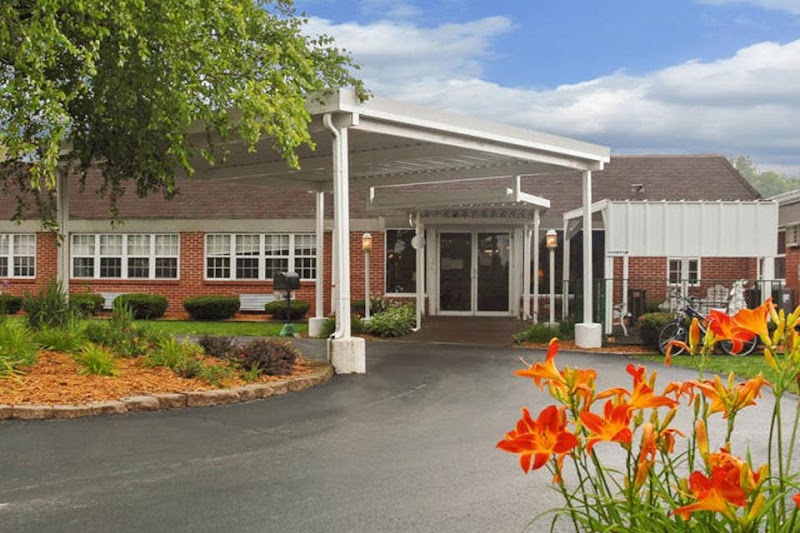
How is Rensselaer Staffed?

CMS rates RENSSELAER CARE CENTER's staffing level at 2 out of 5 stars, which is below average compared to other nursing homes. Staff turnover is 55%, which is 9 percentage points above the Indiana average of 46%. High turnover can affect care consistency as new staff learn residents' individual needs. RN turnover specifically is 56%, which is notably high. RNs provide skilled clinical oversight, so turnover in this role can affect medical care quality.

What Have Inspectors Found at Rensselaer?

State health inspectors documented 39 deficiencies at RENSSELAER CARE CENTER during 2023 to 2025. These included: 2 Immediate Jeopardy (the most serious level, indicating potential for serious harm or death), 36 with potential for harm, and 1 minor or isolated issues. Immediate Jeopardy findings are rare and represent the most serious regulatory concerns. They require immediate corrective action.
Who Owns and Operates Rensselaer?

RENSSELAER CARE CENTER is owned by a for-profit company. For-profit facilities operate as businesses with obligations to shareholders or private owners. The facility is operated by LIFE CARE CENTERS OF AMERICA, a chain that manages multiple nursing homes. With 120 certified beds and approximately 81 residents (about 68% occupancy), it is a mid-sized facility located in RENSSELAER, Indiana.
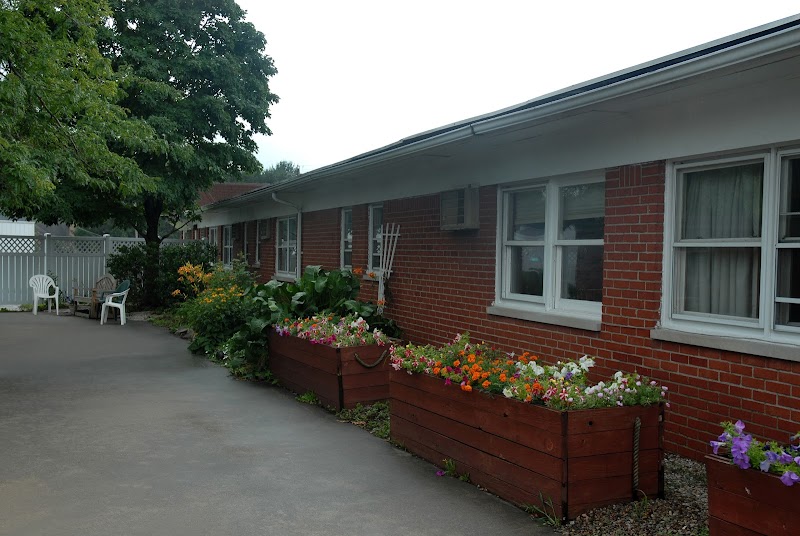
How Does Rensselaer Compare to Other Indiana Nursing Homes?

Compared to the 100 nursing homes in Indiana, RENSSELAER CARE CENTER's overall rating (2 stars) is below the state average of 3.1, staff turnover (55%) is near the state average of 46%, and health inspection rating (1 stars) is much below the national benchmark.

What Should Families Ask When Visiting Rensselaer?

Based on this facility's data, families visiting should ask: "What changes have been made since the serious inspection findings, and how are you preventing similar issues?" "How do you ensure continuity of care given staff turnover, and what is your staff retention strategy?" "Can you walk me through typical staffing levels on day, evening, and night shifts?" "Can I visit during a mealtime to observe dining assistance and food quality?" These questions are particularly relevant given the facility's Immediate Jeopardy citations, the facility's high staff turnover rate, and the below-average staffing rating.

Is Rensselaer Safe?

Based on CMS inspection data, RENSSELAER CARE CENTER has documented safety concerns. Inspectors have issued 2 Immediate Jeopardy citations (the most serious violation level indicating risk of serious injury or death). The facility has a 2-star overall rating and ranks #100 of 100 nursing homes in Indiana. Families considering this facility should ask detailed questions about what corrective actions have been taken since these incidents.

Do Nurses at Rensselaer Stick Around?

Staff turnover at RENSSELAER CARE CENTER is high. At 55%, the facility is 9 percentage points above the Indiana average of 46%. Registered Nurse turnover is particularly concerning at 56%. RNs handle complex medical decisions and coordinate care — frequent RN changes can directly impact care quality. High turnover means new staff may not know residents' individual needs, medications, or preferences. It can also be disorienting for residents, especially those with dementia who rely on familiar faces. Families should ask: What is causing the turnover? What retention programs are in place? How do you ensure care continuity during staff transitions?

Was Rensselaer Ever Fined?

RENSSELAER CARE CENTER has been fined $128,311 across 1 penalty action. This is 3.7x the Indiana average of $34,362. Fines at this level are uncommon and typically indicate a pattern of serious deficiencies, repeated violations, or failure to correct problems promptly. CMS reserves penalties of this magnitude for facilities that pose significant, documented risk to resident health or safety. Families should request specific documentation of what issues led to these fines and what systemic changes have been implemented.

Is Rensselaer on Any Federal Watch List?

RENSSELAER CARE CENTER is not on any federal watch list. The most significant is the Special Focus Facility (SFF) program, which identifies the bottom 1% of nursing homes nationally based on persistent, serious quality problems. Not being on this list means the facility has avoided the pattern of deficiencies that triggers enhanced federal oversight. This is a positive indicator, though families should still review the facility's inspection history directly.