WATERS OF ROCKPORT SKILLED NURSING FACILITY, THE
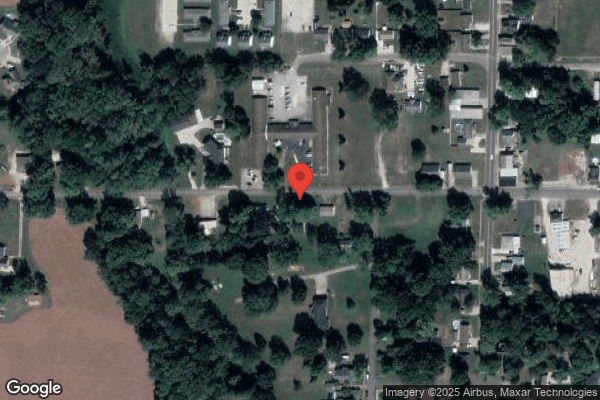

815 W WASHINGTON ST, ROCKPORT, IN 47635 (812) 649-2276
For profit - Corporation 60 Beds INFINITY HEALTHCARE CONSULTING Data: November 2025
Trust Grade
35/100
#497 of 505 in IN
Last Inspection: May 2025

Inspected within the last 6 months. Data reflects current conditions.

Overview

The Waters of Rockport Skilled Nursing Facility has received a Trust Grade of F, indicating significant concerns and a poor overall rating. It ranks #497 out of 505 nursing homes in Indiana, placing it in the bottom half of all facilities in the state, and #3 out of 3 in Spencer County, meaning there are no better local alternatives. The facility is showing an improving trend, with issues decreasing from 17 in 2024 to 11 in 2025. Staffing is rated average with a turnover rate of 31%, which is better than the state average, and they have good RN coverage, exceeding 96% of Indiana facilities, which is a positive aspect. However, there are serious concerns, including a failure to provide proper supervision for a resident, leading to multiple falls and a significant injury, as well as a lack of a certified dietary manager and a qualified infection preventionist, highlighting areas that need urgent attention.

Trust Score
F
35/100
In Indiana
#497/505
Bottom 2%
Safety Record
Moderate
Needs review
Inspections
Getting Better
17 → 11 violations
Staff Stability
○ Average
31% turnover. Near Indiana's 48% average. Typical for the industry.
Penalties
✓ Good
No fines on record. Clean compliance history, better than most Indiana facilities.
Skilled Nurses
✓ Good
Each resident gets 62 minutes of Registered Nurse (RN) attention daily — more than 97% of Indiana nursing homes. RNs are the most trained staff who catch health problems before they become serious.
Violations
⚠ Watch
39 deficiencies on record. Higher than average. Multiple issues found across inspections.
★☆☆☆☆
1.0
Overall Rating
★★★☆☆
3.0
Staff Levels
★★★★☆
4.0
Care Quality
★☆☆☆☆
1.0
Inspection Score
Stable
2024: 17 issues
2025: 11 issues

The Good

  • 4-Star Quality Measures · Strong clinical quality outcomes
  • Full Sprinkler Coverage · Fire safety systems throughout facility
  • No fines on record
  • Staff turnover below average (31%)

    17 points below Indiana average of 48%

Facility shows strength in quality measures, fire safety.

The Bad

1-Star Overall Rating

Below Indiana average (3.1)

Significant quality concerns identified by CMS

Staff Turnover: 31%

15pts below Indiana avg (46%)

Typical for the industry

Chain: INFINITY HEALTHCARE CONSULTING

Part of a multi-facility chain

Ask about local staffing decisions and management

The Ugly 39 deficiencies on record

1 actual harm
May 2025 8 deficiencies 1 Harm
SERIOUS (G)

Actual Harm - a resident was hurt due to facility failures

Accident Prevention (Tag F0689)

A resident was harmed · This affected 1 resident

**NOTE- TERMS IN BRACKETS HAVE BEEN EDITED TO PROTECT CONFIDENTIALITY** Based on observation, interview, and record review, the facility failed to ensure the resident received adequate supervision to ...

Read full inspector narrative →
**NOTE- TERMS IN BRACKETS HAVE BEEN EDITED TO PROTECT CONFIDENTIALITY** Based on observation, interview, and record review, the facility failed to ensure the resident received adequate supervision to prevent falls for 1 of 2 residents reviewed for accidents. The plan of care was not updated, and interventions were not implemented and reviewed for effectiveness for a high risk to fall resident with severely impaired cognition. This deficient practice resulted in multiple falls, one with major injury, where the resident sustained an acute fracture to right hip/pelvis and subacute left hip fracture. (Resident 28) Findings include: On 5/19/25 at 8:51 A.M., Resident 28 was observed sitting in a Broda chair (specialized seating system) in the east lobby in front of the television, hands empty, and trying to pull on his blanket. On 5/20/25 at 9:51 A.M., Resident 28 was observed sitting in a Broda chair in the east lobby in front of the television, hands empty, and trying to pull on his blanket. On 5/20/25 at 10:00 A.M. an Indiana Department of Health (IDOH) incident report, dated 2/9/25, was reviewed. It indicated Resident 28 fell forward out of his wheelchair while attempting to pick something up off the floor, was transferred to the hospital, and the hospital nurse reported to the facility Resident 28 had bilateral hip fractures. On 5/21/25 at 2:15 P.M., Resident 28's clinical record was reviewed. Diagnoses included, but were not limited to, dementia with agitation, unsteadiness on feet, and generalized muscle weakness. Resident 28 was admitted to the facility on [DATE]. The most recent Quarterly MDS (Minimum Data Set) assessment prior to the fall, dated 12/9/24, indicated Resident 28's cognition was severely impaired, had no impairment of his upper or lower extremities, no pain presence, had two or more falls since admission, used a walker and wheelchair, partial to moderate assist (staff performs less than half the effort) for bed mobility and eating, substantial to maximum assist (staff performs more than half the effort) for transfers and showering, and totally dependent on staff for showering. The most recent Significant Change Minimum Data Set (MDS) assessment, dated 3/6/25, indicated Resident 28's cognition was severely impaired, had two or more falls, one with major injury, since the last Quarterly MDS assessment, dated 12/9/24, was partial to moderate assist (staff performs less than half the effort) for bed mobility and eating, substantial to maximum assist (staff performs more than half the effort) for transfers and showering, and totally dependent on staff for showering, on hospice, and receiving an antianxiety and antidepressant medication. A plan of care for falls, initiated on 10/2/24 and last revised 5/20/25, indicated the resident was at risk to fall because of the following risk factors and included the following interventions: confusion/forgetfulness (intermittent or constant), frequently forgot to use assistive device for walking, history of fall(s) in the past 30 days, impaired balance with transfers with or without assistive device, incontinence, pain, required staff physical support to transfer, slow small shuffling gait, unsteady gait with or without assistive device, used assistive device for mobility, and weakness fall on 10/13/24, no injury, initiated 10/13/24 anti rollback device to wheelchair, initiated 2/21/25 and resolved on 5/20/25 bed in low position with safety mat beside bed, initiated 2/26/25 bed wheels must be locked at all times, initiated 10/2/24 brake extenders with bright colored tape in place on wheelchair, initiated 2/10/25 and resolved 2/24/25 call light in reach. Explain use of it upon admission and reinforce as needed, initiated 10/2/24 check oxygen saturation frequently - utilize prn oxygen as needed, initiated 2/24/25 encourage resident to eat meals in the dining room, initiated 2/20/25 fall 2/19/25 intervention: eat all meals in dining room, initiated 2/19/25 fall 2/8/25 immediate intervention: scoop mattress on bed, initiated 2/10/25 fall 2/9/25 immediate intervention sent to Emergency Department (ED) for evaluation, initiated 2/10/25 monitor for changes in gait/positioning, initiated 10/2/24 notify Medical Doctor (MD) of changes in condition, imitated 10/2/24 notify therapy of changes in condition, initiated 10/2/24 Offer to transfer resident from wheelchair to recliner after meals, initiated 1/29/25 rear anti-tippers to wheelchair, initiated 2/21/25 remind to use walker and keep in reach, initiated 10/2/24 and resolved 2/4/25 safety mat to floor beside bed, initiated 2/4/25 and resolved 2/6/25 use overnight briefs to reduce wake times, initiated 10/2/24 Resident was observed in a Broda Chair during all days of the survey which was not included in the plan of care. The most recent Other Fall Risk Assessment prior to the fall, dated 2/8/25, indicated Resident 28 was a high risk to fall. An Occupational Therapy Evaluation and Plan of Treatment Note, for certification period 11/22/24 through 12/19/24, indicated resident goals were to improve transfers/ambulation and help patient be less restless. Patient demonstrates good rehab potential as evidenced by prior level of functioning (PLOF), stable medical status, able to follow one step instructions, strong caregiver/family support, and positive results from previous physical therapy treatment, signed 11/23/24. Progress Notes from admission to present indicated the resident was admitted walking with a walker. The resident was restless, repeatedly getting up on his own to transfer from wheelchair and required 1:1 supervision of staff at times despite staff education on safety, redirection, and antianxiety medications used as needed. On 10/10/24 at 11:08 A.M., a Care Plan Meeting Note indicated there was a meeting with staff and resident's wife. The note lacked discussion about the resident's behaviors of increased confusion, restlessness, and anxiety. No new interventions or recommendations were given. Fall 1 On 10/12/24 at 4:45 P.M., the resident had a witnessed fall getting up from chair in front of nurse's station. The Interdisciplinary Team (IDT) note, dated 10/14/24, indicated immediate intervention implemented after the fall was to have the resident in recliner when in the lobby by the nurse's station, unless family or friends were visiting. The Fall Care Plan was not updated with that intervention. Fall 2 On 10/16/24 at 6:59 A.M., the nurse was called to the resident's room by Certified Nurse Aide (CNA) for fall of resident from his bed onto his buttocks on the floor, near the foot of the bed. Immediate intervention for fall was to place cushion mat on the floor next to his bed. The clinical record lacked IDT notes following the fall. Fall 3 On 10/17/24 at 8:30 A.M., Nursing Note indicated resident was anxious sitting in wheelchair in lobby and had been up and down numerous times. Attention span was nil and would return to what he was doing almost instantly. The nurse was in the hallway passing medications, looked up, and saw the resident standing in front of the wheelchair. The nurse tried to get the resident to sit as she walked over but when the resident tried to sit in his wheelchair, the chair rolled. The resident was able to sit on the edge of the seat. He was not falling, but slid very slowly, controlling how fast he was sliding by using his feet to slow down, finally resting on his buttocks. He then turned and was going to move the chair, but the chair turned over. The clinical record lacked IDT notes following the fall. The Fall Care Plan was not updated with a new intervention put into place at that time. Fall 4 On 10/28/24 at 12:07 P.M., witnessed fall when the resident attempted to get up from the wheelchair in the lobby without assistance. He immediately sat down on the floor on buttocks. He was assisted to the wheelchair with two persons and the resident continued to attempt to stand up from the wheelchair repeatedly. The clinical record lacked IDT notes following the fall. The Fall Care Plan was not updated with a new intervention put into place at that time. Fall 5 On 12/12/24 at 5:23 P.M., unwitnessed fall while resident was sitting in wheelchair in lobby, set up to eat dinner, and tried to stand up unassisted. He slipped and fell on his left side. Neurological checks were initiated, according to the Neurological Checks Form given, every 15 minutes for the first hour, every 30 minutes for two hours, every two hours for 12 hours, every four hours for 12 hours, every eight hours for three days, then daily for four days. These were completed for the first hour after the fall. They were not completed again until 12/13/24 at 7:50 A.M (12 hours between). They continued according to protocol until 12/17/24 but lacked the last 3 days of monitoring. The clinical record lacked IDT notes following the fall. The Fall Care Plan was not updated with a new intervention put into place at that time. Fall 6 On 1/28/25 at 11:00 A.M., resident sitting in wheelchair at nurse's station, leaned forward, and had witnessed fall to the floor hitting left elbow on the edge of the desk causing 5 centimeter (cm) c shaped skin tear. IDT Note, dated 1/29/24, indicated the immediate intervention was to put the resident in the recliner. IDT recommended staff transfer resident out of wheelchair following meals and assist into recliner. The plan of care was updated to Offer to transfer resident from wheelchair to recliner after meals on 1/29/25. Fall 7 On 2/8/25 at 10:30 P.M., the resident had an unwitnessed fall out of his bed in his room. CNAs found the resident on the floor, halfway on the mat and halfway off, laying on his right side, with his head on the floor. The resident had a skin tear to the right elbow. The IDT Note, dated 2/11/25, indicated a new intervention was to put raised perimeter mattress to bed and the care plan was updated. Fall 8 On 2/9/25 at 5:40 P.M., the resident had a witnessed fall, leaned over in wheelchair in the lobby to pick something up off the ground, fell onto the floor striking his head on the floor and laying on his left hip. A Skin Tear was noted to the right hand and pain noted during assessment. Received orders from the physician to send to the Emergency Department (ED) for evaluation. The resident was diagnosed with an acute fracture to right hip/pelvis and subacute left hip fracture. The resident's wife and doctor agreed resident would not have surgery due to age and would come back to the facility with pain medication. The IDT Note, dated 2/11/25, indicated a new intervention was to put brake extenders with bright colored tape to wheelchair until anti-roll back device can be obtained. Fall 9 On 2/19/25 at 5:30 P.M., a nursing note indicated the resident had an unwitnessed fall from the wheelchair in the lobby. He was found sitting on his buttocks in front of the door beside the chair. The table with half eaten food was pushed away from chair. IDT note, dated 2/20/25, indicated a new intervention was to encourage the resident to eat all meals in the dining room. Fall 10 On 2/21/25 at 12:31 P.M., the nursing note indicated the resident was found on the floor in the lobby to the left side of his wheelchair. IDT note, dated 2/24/25, indicated that the resident was found to have low oxygen saturation when assessed by the nurse after the unwitnessed fall. Anti-roll back device was delivered in the afternoon of 2/21/24 and was immediately placed on wheelchair along with anti-tippers. IDT recommends staff check oxygen saturation every four hours and utilize PRN oxygen. No further recommendations at that time. Out of the 10 falls, 8 of them occurred when the resident was sitting in his wheelchair in the lobby. The intervention after the fall 1 was to have the resident sit in the recliner when in the lobby by the nurse's station, unless family or friends were visiting. That intervention was not implemented, and the resident fell seven more times from his wheelchair in the lobby, one of them causing an acute fracture to his right hip/pelvis and a subacute left hip fracture. IDT meetings to discuss the fall and plan of care were not held after all falls, root cause analysis was not found after all falls, new interventions were not implemented after all falls, and the plan of care for Resident 28 was not revised after the falls as indicated by the facility's policy. On 2/21/25, a Nurse Practitioner's Note indicated she saw the resident for routine visit. Staff reported no new concerns. Plan: continue current care for dementia and anxiety. On 2/22/25 at 10:58 P.M., a nursing note indicated the resident was sitting in the recliner in the lobby trying to lean over to pick up things that weren't on the floor. The resident was admitted to the hospice services. On 2/23/25 at 9:56 P.M., the nursing note indicated the resident was brought back from the dining room because he wouldn't stay seated and wouldn't eat while in the dining room. The resident was sitting beside the nurse at the nurse's station. On 2/26/25 at 10:28 A.M., an IDT Note indicated the resident was reviewed for falls. Care plan interventions were in place and no new recommendations were given at that time. During an interview on 5/21/25 at 12:00 P.M., the Director of Nursing (DON) indicated after a fall, the IDT should meet the next business day to discuss the plan of care and update the care plan interventions the same day as the meeting. On 5/22/25 at 10:45 A.M., Resident 28 was asleep sitting in a Broda chair in the east lobby. During an interview on 5/23/25 at 9:25 A.M., the Therapy Services Program Manager indicated Resident 28 was on their caseload initially as a rehab to home resident but after repeatedly falling and increased confusion, he had remained at the facility. During an interview on 5/23/25 at 10:02 A.M., the resident's wife indicated the resident had been in a Broda chair for the last 2-3 weeks and it has worked better for him. Before that, he would see something on the floor and thought he needed to pick it up or he would stand and fall. On 5/23/25 at 10:50 A.M., a current non dated Incidents/Accidents/Falls Policy was provided by the DON and indicated, . residents who have an unwitnessed fall must have neuro checks started and continued per policy . All falls will have a site investigation by appropriate staff in an effort to define the 'root cause' of the fall. This will help provide information to enable staff to roll out interventions to prevent another similar occurrence. Note: each fall needs a new intervention rolled out . based on the results of the incident/accident/fall, the resident's care plan will be addressed to ensure that any needed points of focus have measurable goals with appropriate interventions in place . On 5/23/25 at 10:50 A.M., a current non dated Neuro (Neurological) Checks Policy was provided by the DON and indicated, . always do neuro checks if the fall was unwitnessed by a staff member . vital signs and neurological signs are taken and recorded as follows: BP [blood pressure], pulse, and pupil checks q [every] 15 minutes x [for] 2 hours, BP, pulse, and pupil checks q 30 minutes x 2 hours, BP, pulse, and pupil checks q 60 minutes x 4 hours, complete vital signs and neurological checks q 8 hours x 16 hours, then continue vital signs and neurological checks q 8 hours until 72 hours have lapsed and resident is stable . On 5/23/25 at 10:50 A.M., a current Baseline Care Plan Assessment/Comprehensive Care Plans Policy, last revised 3/23/21, was provided by the DON and indicated, . The comprehensive Care Plan will further expand on the resident's risks, goals, and interventions using the 'Person-Centered' Plan of care approach . the Comprehensive Care Plans will be reviewed and updated every quarter at a minimum. The facility may need to review the care plans more often based on changes in the resident's condition and/or newly developed health/psycho-social issues . staff will attend the morning meetings where in-depth review of the 24 hour report since the prior morning meeting are reviewed and discussed as well as new or changed orders, new admissions, readmissions, falls and other pertinent circumstances regarding the residents. They will then see that the care plans for these residents are revised and updated as necessary . 3.1-45(a)
CONCERN (D)

Potential for Harm - no one hurt, but risky conditions existed

Deficiency F0605 (Tag F0605)

Could have caused harm · This affected 1 resident

**NOTE- TERMS IN BRACKETS HAVE BEEN EDITED TO PROTECT CONFIDENTIALITY** Based on observation, interview, and record review, the facility failed to ensure a resident's medication regimen was free from ...

Read full inspector narrative →
**NOTE- TERMS IN BRACKETS HAVE BEEN EDITED TO PROTECT CONFIDENTIALITY** Based on observation, interview, and record review, the facility failed to ensure a resident's medication regimen was free from chemical restraints for 1 of 5 residents reviewed for unnecessary medications. A resident's confusion increased after initiating Zoloft (antidepressant also used to control anxiety) and Ativan (antianxiety). Staff documented administering Ativan was ineffective for controlling the resident's restlessness and anxiety, the resident was given additional doses. (Resident 28) Findings include: On 5/19/25 at 8:51 A.M., Resident 28 was observed sitting in a Broda chair (specialized seating system) in the East Hall lobby in front of the television, hands empty, and trying to pull on his blanket. On 5/20/25 at 9:51 A.M., Resident 28 was observed sitting in a Broda chair in the East Hall lobby in front of the television, hands empty, and trying to pull on his blanket. On 5/22/25 at 10:45 A.M., Resident 28 was observed asleep sitting in a Broda chair in the East Hall lobby. On 5/21/25 at 2:15 P.M., Resident 28's clinical record was reviewed. Diagnoses included, but were not limited to, dementia with agitation, anxiety, depression, unsteadiness on feet, and generalized muscle weakness. Resident 28 was admitted to the facility on [DATE]. The admission Minimum Data Sheet (MDS) assessment, dated 10/7/24, indicated Resident 28's cognition was severely impaired, had not had any falls in 6 months prior, was partial to moderate assist (staff performs less than half the effort) for bed mobility and eating, substantial to maximum assist (staff performs more than half the effort) for transfers and showering, and totally dependent on staff for showering, and receiving an antianxiety and antidepressant medication. The most recent Significant Change MDS assessment, dated 3/6/25, indicated Resident 28's cognition was severely impaired, had two or more falls, one with major injury, since the last Quarterly MDS assessment, dated 12/9/24, was partial to moderate assist (staff performs less than half the effort) for bed mobility and eating, substantial to maximum assist (staff performs more than half the effort) for transfers and showering, and totally dependent on staff for showering, on hospice, and receiving an antianxiety and antidepressant medication. Physician's Orders included, but were not limited to, the following: 10/2/24 May receive counseling/medication management services as needed 10/2/24 May receive services of psychiatrist and any other specialist as deemed necessary 10/5/24 Zoloft 25 milligram (mg), give one tablet by mouth in the evening for depression 2/2/25 Behavior monitoring every shift for resisting care/medications, sleep difficulties, anxiety, depressive symptoms 10/5/24 Ativan 0.5 mg, give one tablet by mouth every 12 hours PRN (as needed) for anxiety for 14 days and discontinued 10/19/24 10/23/24 Ativan 0.5 mg, give one tablet by mouth BID (twice daily) PRN for behaviors and discontinued 3/31/25 10/24/24 Ativan 0.5 mg, give one tablet by mouth daily at 1:00 P.M. for behaviors and discontinued 3/31/25 2/22/25 Ativan 0.5 mg, give one tablet every 30 minutes as needed for anxiety or restlessness and discontinued 3/31/25 4/1/25 Ativan 0.5 mg, give one tablet by mouth every 12 hours for behaviors and discontinued 4/11/25 4/11/25 Ativan 0.5 mg, give one tablet by mouth every six hours for behaviors and discontinued 5/9/25 5/9/25 Ativan 0.5 mg, give one tablet by mouth two times a day for behaviors 5/19/25 Ativan 0.5 mg, give one tablet by mouth every 30 minutes PRN for increased anxiety or terminal restlessness for 14 days A current Anxiety Care Plan, initiated and last revised 2/4/25, included, but was not limited to, the following interventions: give antianxiety medications ordered by physician, observe for side effects, refer concerns/changes to Medical Doctor (MD) PRN, and refer to psych services PRN. The resident is taking antianxiety medications which are associated with an increased risk of confusion, amnesia, loss of balance, and cognitive impairment that looks like dementia, falls, broken hips and legs. The Anxiety Care Plan did not include resident specific interventions to try for anxiety, restlessness, shortness of breath, or unspecified behaviors before oral medication was administered. The clinical record lacked documentation of Resident 28 having a thorough assessment with a mental health professional. The Medication Administration Record (MAR) from 10/2/24 through 10/31/24 indicated Resident 28 received 14 PRN doses of Ativan 0.5 mg. Of those 14 doses, six doses were documented as ineffective for controlling the resident's anxiety. The MAR from 11/1/24 through 11/30/24 indicated Resident 28 received 29 doses of PRN Ativan 0.5 mg. Of those, one dose was documented as ineffective for controlling behaviors (unspecified) The MAR from 12/1/24 through 12/31/24 indicated Resident 28 received 25 doses of PRN Ativan 0.5 mg. Of those, six doses were documented as ineffective for controlling his behaviors (unspecified). The MAR from 1/1/25 through 1/31/25 indicated Resident 28 received 18 doses of PRN Ativan 0.5 mg. Of those, four doses were documented as ineffective for controlling his behaviors (unspecified). The MAR from 10/24/24 through 3/31/25 for routine Ativan 0.5 mg dose daily at 1:00 P.M. was not routinely assessed for effectiveness of the medication to control behaviors (unspecified). The MAR from 10/5/24 through the survey date Zoloft 25 mg daily at bedtime was not routinely assessed for effectiveness of the medication to control depression. Progress notes as follows: On 10/4/24 at 12:15 P.M. Physician/Practitioner Progress Note indicated the resident was sitting in the common area. Staff reported increased episodes of agitation with exit seeking behavior at times. Reviewed Veteran's Affairs (VA) Note dated August 2024. He was screened for depression, was positive, but medication was not started. Plan: Dementia with behavior/agitation: start Zoloft 25 mg at bedtime, Ativan 0.5 mg BID PRN x 14 days. On 10/8/24 at 5:24 P.M, a Medication Administration Note indicated Ativan 0.5 MG Give 1 tablet by mouth every 12 hours as needed for anxiety was ordered. The Resident is pacing halls. Won't sit still. On 10/10/24 at 11:08 A.M., Care Plan Meeting Note: A meeting was held with staff and resident's wife. The note lacked discussion on new medications ordered and about the resident's behaviors. No new interventions or recommendations were given. On 10/11/24 at 3:13 P.M., the Nursing Progress Note indicated the resident's wife had voiced concern that resident was more tired and not having coherent conversations. On 10/30/24 at 10:16 A.M. the Nurse Practitioner Visit Note indicated the resident had been up out of chair walking without assistance or walker and redirected multiple times by staff. Due to resident's difficulty to control impulse to get out of chair and anxiety, Ativan 0.5 mg daily at 1:00 P.M. was added to the PRN Ativan and Zoloft was continued. On 11/1/24 at 6:55 P.M., a Nursing Progress Note indicated resident had been up and down and had received PRN and routine Ativan. The resident was with activities 1:1 until the activities employee got off work and then seated in the lobby where staff had to attend to resident standing every few seconds. The Ativan administered was ineffective. Progress Notes from admission to 5/20/25 indicated Resident 28 mostly sat in the lobby (common area) of East Hall by the nurse's station, was very spontaneous with getting out of chair without assistance, very confused, and unable to redirect despite use of PRN antianxiety medication, requiring 1:1 staff supervision at times. He attempted to pick up things that weren't there on the floor. Unable to understand speech as it was garbled most of time. Needed constant reminders but seemed unable to comprehend what was being said to him in regard to his safety. A Physical Therapy note, dated 11/22/24 (no time recorded), indicated Resident had been more unsteady on his feet and due to attempts to stand/ambulate on his own nursing had administered Ativan, 1-2 times a day. The note indicated the resident was drowsy, sedated, and presented with a recent functional decline related to adverse effects from increased administration of Ativan. During an interview on 5/23/25 at 10:25 A.M., the Therapy Services Program Manager indicated Resident 28 was on their caseload from 11/22/24 through 12/19/24, due to a fall. At that time, he was more confused and tried to get up a lot. She indicated the resident was fidgeting around and trying to get up due to what she believed was boredom, not anxiousness. On 5/23/25 at 10:00 A.M., the Director of Nursing indicated she would request any psychological consultations for the resident. She was unable to provide any requests or service notes during the duration of the survey. On 5/23/25 at 11:27 A.M., the DON indicated the Resident 28's Zoloft dosage was not adjusted due to the Ativan being adjusted instead related to the behaviors. At that time, she indicated Side effect/behavior monitoring should have been documented every shift on the Medication or Treatment Administration Record (MAR/TAR). Behavior monitoring had not been consistently completed prior to the order starting date on 2/2/25. On 5/23/25 at 10:50 A.M., a current Guidelines for Psychotropic Medication Policy, dated 6/5/23, was provided by the DON and indicated, . Residents will not receive psychotropic medications unless other types of interventions have been attempted to meet the resident's targeted behavioral goals and have failed. These include Behavioral Programming, by a trained Behavioral Therapist . The objective is to ensure that the drug regimen of the residents is monitored and managed to promote and then to maintain each resident's highest practicable mental, physical and psycho-social well-being . Psychotropic medications may be used to treat an enduring condition . Not due to environmental stressors alone [e.g., alteration in the resident's customary location or daily routine, unfamiliar care provider] . Not due to psychological stressors alone [e.g., loneliness], anxiety or fear stemming from misunderstanding related to his/her cognitive impairment . 3.1-3(w) 3.1-48(a)
CONCERN (D)

Potential for Harm - no one hurt, but risky conditions existed

Assessment Accuracy (Tag F0641)

Could have caused harm · This affected 1 resident

Based on interview and record review, the facility failed to ensure an accurate assessment of resident status for 3 of 11 residents reviewed for MDS (Minimum Data Set) assessment accuracy. Preadmissio...

Read full inspector narrative →
Based on interview and record review, the facility failed to ensure an accurate assessment of resident status for 3 of 11 residents reviewed for MDS (Minimum Data Set) assessment accuracy. Preadmission screening, antibiotic use, and UTI (urinary tract infection) diagnoses were incorrectly coded. (Resident 6, Resident 4, Resident 9) Findings include: 1. On 5/20/25 at 9:05 A.M., Resident 6's clinical record was reviewed. The most recent Annual Minimum Data Set (MDS) assessment, dated 1/31/25, indicated a level 2 PASRR (Preadmission Screening and Resident Review) had not been completed for the resident. A level 2 PASRR was completed on 3/7/24. 2. During an interview on 5/19/25 at 10:55 A.M., Resident 9's family member indicated Resident 9 has had several urinary tract infections (UTI's) since she had been in the facility. On 5/20/25 at 11:57 A.M., Resident 9's clinical record was reviewed. Diagnoses included, but was not limited to, osteoporosis and and depression. The most recent Quarterly Minimum Data Set (MDS) assessment, dated 5/13/25, indicated Resident 9 was cognitively impaired and did not have a UTI in the last 30 days. Physicians Orders included, but was not limited to, Macrobid 100 milligrams (mg), give 1 capsule two times a day by mouth for a UTI, completed 5/8/25. 3. On 5/21/25 at 8:11 A.M., Resident 4's clinical record was reviewed. Diagnoses included, but was not limited to, hypertension and hyperlipidemia. The most recent Quarterly Minimum Data Set (MDS) assessment, dated 4/18/25, indicated Resident 4 was cognitively intact and received an antibiotic during the 7 day look back period. Resident 4's Physician's Orders for the 7 day look back period lacked an order for an antibiotic. During an interview on 5/22/25 at 12:46 P.M., the MDS Coordinator indicated the order was for a UTI, but she did not code UTI on the MDS for Resident 9, the PASRR level 2 should have been indicated on the MDS for Resident 6, and the antibiotic was coded in error for Resident 4. During an interview on 5/22/25 at 12:51 P.M., the MDS Coordinator indicated she used the Resident Assessment Instrument (RAI) manual as the facility's policy.
CONCERN (D)

Potential for Harm - no one hurt, but risky conditions existed

Deficiency F0744 (Tag F0744)

Could have caused harm · This affected 1 resident

**NOTE- TERMS IN BRACKETS HAVE BEEN EDITED TO PROTECT CONFIDENTIALITY** Based on observation, interview, and record review, the facility failed to ensure appropriate treatment and services to attain o...

Read full inspector narrative →
**NOTE- TERMS IN BRACKETS HAVE BEEN EDITED TO PROTECT CONFIDENTIALITY** Based on observation, interview, and record review, the facility failed to ensure appropriate treatment and services to attain or maintain the resident's highest practicable physical, mental, and psychosocial well-being of 1 of 2 residents reviewed for dementia care. A resident with dementia that was a high risk to fall was not kept active resulting in increased restlessness and multiple falls. (Resident 28) Finding includes: On 5/19/25 at 8:51 A.M., Resident 28 was observed sitting in a Broda chair (specialized seating system) in the East Hall lobby in front of the television, hands empty, and trying to pull on his blanket. On 5/20/25 at 9:51 A.M., Resident 28 was observed sitting in a Broda chair in the East Hall lobby in front of the television, hands empty, and trying to pull on his blanket. On 5/22/25 at 10:45 A.M., Resident 28 was observed asleep sitting in a Broda chair in the East Hall lobby. On 5/22/25 at 11:16 A.M., Activities staff was observed notifying residents by room of activity but walked past resident seated in lobby without asking if he wanted to join. On 5/21/25 at 2:15 P.M., Resident 28's clinical record was reviewed. Diagnoses included, but were not limited to, dementia with agitation, anxiety, depression, unsteadiness on feet, and generalized muscle weakness. Resident 28 was admitted to the facility on [DATE]. The most recent Significant Change Minimum Data Set (MDS) assessment, dated 3/6/25, indicated Resident 28's cognition was severely impaired, had two or more falls, one with major injury, since the last Quarterly MDS assessment, dated 12/9/24, was partial to moderate assist (staff performs less than half the effort) for bed mobility and eating, substantial to maximum assist (staff performs more then half the effort) for transfers and showering, and totally dependent on staff for showering, on hospice, and receiving an antianxiety and antidepressant medication. The Activity assessment of the MDS identified his likes included music, animals, current events/news, group activities, go outside, religious services, and that doing his favorite activities was important to him. A current Dementia Care Plan, last revised 10/2/24, indicated the resident should be observed for signs and symptoms of increased confusion and complications related to dementia. A current Activities Care Plan, last revised 3/4/25, indicated the resident may be used to a different daily routine. He has a lot of interests like pet visits, exercise, playing games, keeping up with the news, watching TV and going outside. Interventions, all initiated 10/17/24, included: review the monthly calendar with the resident and ask where he/she would like it placed in their room so they may refer to it at their convenience introduce the resident to peers seated near them during activities and meals. Promote discussion and interaction by asking open-ended questions about interests, significant times in history, the old neighborhood, school days, holidays, etc assist during adjustment try to meet needs in timely manner allow to passively observe to familiarize self with activity program The most recent Quarterly Activity Progress Note, dated 4/4/25, indicated Resident 28 had been very active and he really used to enjoy activities but he doesn't come much anymore. He would love going outside and he enjoyed other things. Progress Notes from admission to 5/20/25 indicated Resident 28 mostly sat in the lobby (common area) of East Hall by the nurse's station, was very spontaneous with getting out of chair without assistance, very confused, and unable to redirect despite use of PRN (as needed) antianxiety medication, requiring 1:1 staff supervision at times. He attempted to pick up things that weren't there on the floor, staff was unable to understand speech as it was garbled most of time, and the resident needed constant reminders but seemed unable to comprehend what was being said to him in regards to his safety and included, but were not limited to the following notes: On 11/18/24 at 2:45 P.M., Nursing Note indicated resident's wife was requesting physical therapy for the resident so that he can go on walks because it would wear him out. She thought that would prevent him from having to take Ativan as often as he was. Resident 28 experienced 10 falls from 10/12/2024 through 2/21/25, eight of them taking place in the lobby area on the East Hall by the nurse's station, and one resulting in resident going to the Emergency Department (ED) for evaluation. After the fall the resident was diagnosed with acute fracture to right hip/pelvis and subacute left hip fracture. A Physical Therapy Evaluation Note, dated 11/22/24, indicated Per EMR [Electronic Medical Record]review . He has been more unsteady on his feet and due to his attempts to stand/amb [ambulate] on his own nsg [nursing] has administered Ativan, 1-2 times a day . Today, during eval [evaluation], pt [patient] appeared sedated [with Ativan given last night], but he was able to follow one step instructions . requested PT eval [physical therapy evaluation] to increase patient's activity to reduce his episodes of restlessness . pt presents with recent functional decline, coinciding w/recent and significant wt [weight] loss and the increased administration of Ativan, with adverse side effects . during the eval today, pt was drowsy/sedated. He tired quickly w/assessment. He was unable to tolerate gait/balance testing in standing. Significant atrophy was noted at trunk and extremities consist with inactivity . During an interview on 5/23/25 at 9:23 A.M., the Activities Director indicated Resident 28 participated in the ball and parachute games and liked the move and groove activity. She indicated she had been employed at the facility for approximately three weeks so she was unsure of what he did prior to that. She would like to implement more activities to engage dementia residents such as fidget blankets and sensory activities. During an interview on 5/23/25 at 9:23 A.M., the Director of Nursing (DON) indicated they were not doing anything special for dementia residents that she's aware of. During an interview on 5/23/25 at 10:00 A.M., any psychological consultations the resident had were requested from the Director of Nursing (DON). She indicated if he had any, she would bring them. These were not provided during the duration of the survey. She indicated she was unsure if the resident was able to voice that he refused activities, but he should be offered to go and/or provided with some that interested him. During an interview on 5/23/25 at 10:02 A.M., the resident's wife indicated the resident had been in a Broda chair for the last 2-3 weeks and it has worked better for him. Before that, he would see something on the floor and thought he needed to pick it up or he would stand and fall. During an interview on 5/23/25 at 10:25 A.M., the Therapy Services Program Manager indicated Resident 28 was on their caseload from 10/3/24 through 10/14/24 and was admitted as rehab to home so originally was on physical therapy and occupational therapy (PT/OT) caseload with end goal of going home. He was put on caseload again 11/22/24 through 12/19/24, PT only, due to a fall. At that time, he was more confused and trying to get up a lot. She did work with him personally, and indicated prior to coming to the facility, he had been a construction worker and was always busy. At the facility now, he was fidgeting around and trying to get up due to what she believed was boredom, not anxiousness because if you were talking with him or doing an activity with him 1:1, he was content. He got bored just sitting there. On 5/23/25 at 10:50 A.M., a current Guidelines for Caring for Residents with Alzheimer's and/or Dementia Policy, dated 11/20/24, was provided by the DON and indicated, . This need for assistance is often upsetting and frustrating to these people/residents. It is important to properly address these concerns early on . Plan activities that the person/resident enjoys and try to these activities at approximately the same time each day . Allow the person/resident to keep as much control of their life as possible as far as self participation in their care and making choices and having their preferences honored . speak with them, not at them . Finding ways to keep these people/residents active can become more challenging . Try to do group activities. Add music to activities. videos of various activities can be entertaining . Sitting in a room alone can be conducive to loneliness, isolation, and depression. These people/residents should be evaluated for 1:1 activities as indicated and this should be care planned . The care plan for those with Alzheimer's or dementia must be person-centered and must address concerns associated with any diagnoses, cognitive and/or physical deficits, medication, nutrition/diet/hydration, activities, any related special programming, any psych services to include and behavioral issues or any sleep issues, ADLs [Activities of Daily Living], safety [to include fall risk], skin issues, advanced directives, and any other concerns which are discovered . it is recommended that the care plan includes activities that help the patient/resident stay in touch with their pre-dementia lives . 3.1-37(a)
CONCERN (E)

Potential for Harm - no one hurt, but risky conditions existed

Deficiency F0801 (Tag F0801)

Could have caused harm · This affected multiple residents

Based on interview and record review, the facility failed to ensure employment of kitchen staff with appropriate competencies and skills. The kitchen manager was not certified. (Kitchen Manager) Findi...

Read full inspector narrative →
Based on interview and record review, the facility failed to ensure employment of kitchen staff with appropriate competencies and skills. The kitchen manager was not certified. (Kitchen Manager) Finding includes: On 5/19/25 at 5:50 A.M., the Kitchen Manager indicated she did not have a certification in food service. On 5/22/25 at 10:24 A.M., the Regional Dietary Manager indicated she was certified withy Servsafe, but no one else in the kitchen was yet. She indicated all kitchen staff had been registered to take the certification class on 6/20/25. On 5/22/25 at 1:35 P.M., the Regional Director of Operations provided a current non-dated Dietary Manager Orientation policy that indicated The Dietary Manager shall receive appropriate orientation and training 3.1-20(e)
CONCERN (E)

Potential for Harm - no one hurt, but risky conditions existed

Medical Records (Tag F0842)

Could have caused harm · This affected multiple residents

2. On 5/19/25 at 6:36 A.M., Resident 19's clinical record was reviewed. Diagnosis included, but were not limited to, anxiety, depression, and gastroesophageal reflux disease (GERD). The most recent Qu...

Read full inspector narrative →
2. On 5/19/25 at 6:36 A.M., Resident 19's clinical record was reviewed. Diagnosis included, but were not limited to, anxiety, depression, and gastroesophageal reflux disease (GERD). The most recent Quarterly Minimum Data Set (MDS) assessment, dated 3/18/25, indicated a moderate cognitive impairment. Current physician orders included, but were not limited to: Gas-X extra strength 125mg (milligrams) twice a day, dated 4/1/25. Pantoprazole Sodium 40mg once daily for GERD, dated 4/22/24. Famotidine 40mg once daily for GERD, dated 4/22/24. Levothyroxine Sodium 25mcg (micrograms) once daily for low thyroid hormone, dated 4/22/24. Sodium Chloride 1gm (gram) three times a day for supplement, dated 4/7/25. Guaifenesin ER (extended release) 600mg twice a day for congestion, dated 4/22/25. Wellbutrin 100mg twice a day for depression, dated 4/22/25. The following doses of medication were marked blank on the April 2025 and May 2025 Medication Administration Record (MAR): Gas-X 125mg P.M. dose on 4/12/25. Pantaprozole Sodium 40mg on 4/12/25, 4/13/25, 4/26/25, 5/3/25, 5/5/25, and 5/9/25. Famotidine 40mg on 4/12/25, 4/13/25, 4/26/25, 5/3/25, 5/5/25, and 5/9/25. Levothyroxine Sodium 25mcg on 4/12/25, 4/13/25, 4/26/25, 5/3/25, 5/5/25, and 5/9/25. Sodium Chloride 1gm P.M. dose on 5/2/25. Guaifenesin ER 600mg P.M. dose on 5/2/25. Wellbutrin 100mg P.M. dose on 5/2/25. 3. On 5/21/25 at 1:07 P.M., Resident 30's clinical record was reviewed. Diagnosis included, but were not limited to, dementia and diabetes mellitus. The most recent Quarterly MDS assessment, dated 4/11/25, indicated a severe cognitive impairment. Current physician orders included, but were not limited to: Metformin 500mg twice daily for diabetes mellitus, dated 12/3/24. Cipro 500mg twice daily for urinary tract infection, dated 5/1/25. The following doses of medication were marked blank on the April 2025 and May 2025 MAR: Metformin 500mg P.M. dose on 4/7/25 and 4/12/25. Cipro 500mg P.M. dose on 5/2/25. 4. On 5/20/25 at 12:57 P.M., Resident 9's clinical record was reviewed. Diagnosis included, but were not limited to, atrial fibrillation, osteoporosis, congestive hear failure, and depression. The most recent Quarterly MDS assessment, dated 5/13/25, indicated a severe cognitive impairment. Current physician orders included, but were not limited to: Amoxicillin-Pot Clavulanate 875-125mg twice daily for upper respiratory infection for 10 days, dated 1/17/25 through 1/27/25. The following doses of Amoxicillin were marked blank on the January 2025 MAR: 1/23/25 and 1/24/25 A.M. doses. On 5/22/25 at 10:31 A.M., Registered Nurse (RN) 3 indicated she was unsure what the blanks meant in the MAR. She indicated if a medication was not administered, there were codes to enter for the appropriate circumstance such as medication refused, progress note, in the hospital, etc. On 5/22/25 at 11:43 A.M., the Director of Nursing (DON) indicated she was unsure why the resident MARs were not marked as being administered. She indicated sometimes the computer did not save the entries in the MAR, and sometimes did not recognize the morning entries due to shift change. She indicated any number of things could have happened, but there's was no way to tell. On 5/22/25 at 1:35 P.M., the Regional Director of Operations provided a current Medication Administration policy, last revised 5/17/21, that indicated The resident's MAR is initialed by the person administering a medication 3.1-50(a)(1) 3.1-50(a)(2) Based on interview and record review, the facility failed to ensure accurate documentation for 4 of 11 residents reviewed for clinical record accuracy. Residents medications and treatments were left blank on the Medication Administration Record (MAR) and Treatment Administration Record (TAR). (Resident 136, Resident 19, Resident 30, Resident 9) Findings include: 1. On 5/10/15 at 11:56 A.M., Resident 136's clinical record was reviewed. Diagnoses included, but was not limited to, encephalopathy and acute respiratory failure. The most recent Discharge Minimum Data Set (MDS) assessment, dated 5/8/25 indicated Resident 136's cognitive status was unable to be assessed and she had a tracheostomy. Current Physician's Orders included, but was not limited to: Trach: change inner cannula daily, start date 4/9/25 Trach care every shift, start date 4/9/25 The following doses of medication were marked blank on the April 2025 Treatment Administration Record (TAR): Inner cannula changed on dayshift on 4/16, 4/22, and 4/23 Trach care on nightshift on 4/15 and on dayshift on 4/16, 4/22, and 4/23 During an interview on 5/22/25 at 8:26 A.M., Registered Nurse (RN) 3 indicated the inner cannula and trach care should be performed every shift and documented on the TAR.
CONCERN (E)

Potential for Harm - no one hurt, but risky conditions existed

Deficiency F0912 (Tag F0912)

Could have caused harm · This affected multiple residents

**NOTE- TERMS IN BRACKETS HAVE BEEN EDITED TO PROTECT CONFIDENTIALITY** Based on interview and record review, the facility failed to provide at least 80 square feet (sq. ft) per resident in double occ...

Read full inspector narrative →
**NOTE- TERMS IN BRACKETS HAVE BEEN EDITED TO PROTECT CONFIDENTIALITY** Based on interview and record review, the facility failed to provide at least 80 square feet (sq. ft) per resident in double occupancy rooms and 100 sq. ft. in single occupancy rooms. This was evidenced in 14 of 43 resident rooms in the facility. (room [ROOM NUMBER], room [ROOM NUMBER], room [ROOM NUMBER], room [ROOM NUMBER], room [ROOM NUMBER], room [ROOM NUMBER], room [ROOM NUMBER], room [ROOM NUMBER], room [ROOM NUMBER], room [ROOM NUMBER], room [ROOM NUMBER], room [ROOM NUMBER], room [ROOM NUMBER], room [ROOM NUMBER]) Findings include: During an interview on 5/22/25 10:13 A.M., the Administrator indicated the facility had room size waivers. A list of rooms and sizes was provided and were as follows: 1. room [ROOM NUMBER]: 2 beds with 154.65 total sq. ft. SNF/NF and 77.32 sq. ft. per resident. 2. room [ROOM NUMBER]: 2 beds with 154.65 total sq. ft. SNF/NF and 77.32 sq. ft. per resident. 3. room [ROOM NUMBER]: 2 beds with 154.65 total sq. ft. SNF/NF and 77.32 sq. ft. per resident. 4. room [ROOM NUMBER]: 2 beds with 154.65 total sq. ft. SNF/NF and 77.32 sq. ft. per resident. 5. room [ROOM NUMBER]: 2 beds with 154.65 total sq. ft. SNF/NF and 77.32 sq. ft. per resident. 6. room [ROOM NUMBER]: 2 beds with 154.65 total sq. ft. SNF/NF and 77.32 sq. ft. per resident. 7. room [ROOM NUMBER]: 2 beds with 154.65 total sq. ft. SNF/NF and 77.32 sq. ft. per resident. 8. room [ROOM NUMBER]: 2 beds with 154.65 total sq. ft. SNF/NF and 77.32 sq. ft. per resident. 9. room [ROOM NUMBER]: 2 beds with 154.65 total sq. ft. SNF/NF and 77.32 sq. ft. per resident. 10. room [ROOM NUMBER]: 2 beds with 154.65 total sq. ft. SNF/NF and 77.32 sq. ft. per resident. 11. room [ROOM NUMBER]: 2 beds with 154.65 total sq. ft. SNF/NF and 77.32 sq. ft. per resident. 12. room [ROOM NUMBER]: 2 beds with 154.65 total sq. ft. SNF/NF and 77.32 sq. ft. per resident. 13. room [ROOM NUMBER]: 1 bed with 90.52 sq. ft. per resident, SNF/NF. 14. room [ROOM NUMBER]: 1 bed with 90.52 sq. ft. per resident, SNF/NF. 3.1-19(l)(2)
MINOR (C)

Minor Issue - procedural, no safety impact

Staffing Information (Tag F0732)

Minor procedural issue · This affected most or all residents

Based on observation, interview, and record review, the facility failed to ensure staffing sheets were posted for the correct day for 5 of 5 days during the survey. Findings include: During an observa...

Read full inspector narrative →
Based on observation, interview, and record review, the facility failed to ensure staffing sheets were posted for the correct day for 5 of 5 days during the survey. Findings include: During an observation on 5/19/25 at 5:40 A.M., the posted nurse staffing sheet by the front door was dated 5/16/25. At that time, the posted nurse staffing sheet, dated 5/18/25, was viewed on the back hallway that did not have resident's on the hall. During an observation on 5/19/25 at 7:02 A.M., the posted nurse staffing sheet by the front door was dated 5/16/25. During an observation on 5/20/25 at 8:57 A.M., the posted nurse staffing sheet by the front door was dated 5/19/25. During an observation on 5/21/25 at 8:00 A.M., the posted nurse staffing sheet by the front door was dated 5/20/25. During an observation on 5/22/25 at 8:09 A.M., the posted nurse staffing sheet by the front door was dated 5/21/25. During an observation on 5/23/25 at 8:01 A.M., the posted nurse staffing sheet was dated 5/22/25. During an interview on 5/19/25 at 7:03 A.M., the Director of Nursing (DON) indicated the first shift started at 6:00 A.M. During an interview on 5/23/25 at 8:19 A.M., the Scheduler Coordinator indicated posted nurse staffing is posted at 8:00 A.M. every morning at the front door and the back door. The current day should be posted. At that time, she further indicated staff does not post the posted nurse staffing sheets on the weekends. On 5/23/25 at 9:00 A.M., the DON provided a current Guidelines for Benefits Improvement Protection Act (BIPA) Staffing Posting Requirement, dated 7/24/24 that indicated, It is the policy of the facility .to comply with the requirement of daily posting of nursing staff in the facility .must post daily, at the beginning of each shift .
Feb 2025 1 deficiency
CONCERN (D) 📢 Someone Reported This

A family member, employee, or ombudsman was alarmed enough to file a formal complaint

Potential for Harm - no one hurt, but risky conditions existed

Pressure Ulcer Prevention (Tag F0686)

Could have caused harm · This affected 1 resident

Based on interview and record review, the facility failed to ensure services were provided to prevent the development of pressure ulcers for 1 of 2 residents reviewed for pressure ulcers. A resident's...

Read full inspector narrative →
Based on interview and record review, the facility failed to ensure services were provided to prevent the development of pressure ulcers for 1 of 2 residents reviewed for pressure ulcers. A resident's plan of care was not developed with interventions to prevent new pressure from developing after the resident was assessed to be at risk for pressure, and no documentation in the resident's record indicated the resident was turned or repositioned in accordance with physician orders. (Resident D) Findings include: During record review on 2/3/25 at 10:30 A.M., Resident D's diagnoses included, but were not limited to weakness, Parkinson's disease, unspecified abnormalities of gait and mobility, type 2 diabetes, dementia, and urge incontinence. Hospice started when? admission date? discharge date ? Resident D's most recent admission Minimum Data Set (MDS) assessment, dated 11/27/24, indicated the resident was admitted to the facility with one unhealed Stage I pressure ulcer. (According to the National Pressure Injury Advisory Panel [NPIAP], a Stage I pressure ulcer is defined as: The skin is intact with nonblanchable erythema.) Resident D had moderate cognitive impairment, utilized a wheelchair for mobility, was dependent on two staff for transfers, and required partial assistance to roll from right to left in bed. A Braden scale assessment (tool used to predict the risk for developing pressure ulcers), completed 11/22/24, indicated Resident D was at low risk for developing pressure ulcers. Resident D's physician orders included, but were not limited to, turn and reposition every two hours and as needed (started 11/23/24). A Braden scale assessment, completed 11/30/24, indicated Resident D was at moderate risk for developing pressure injuries. A weekly wound assessment note, dated 12/13/24, indicated Resident D had no skin impairment and no wounds. Resident D's care plan included, but was not limited to, Skin integrity impairment (initiated 1/22/25) due to right heel and coccyx ulcer (revised 1/27/25). Resident D's care plan did not include a focus on the resident's risk for developing pressure ulcers following the Braden scale assessment on 11/30/24, nor did it include interventions to prevent the development of pressure ulcers prior to 1/22/25. Resident D's initial wound note dated 1/22/25 indicated Resident D had a new Stage II wound to the right heel that measured 5 cm x 4 cm x 0.1 cm. Resident D's progress notes included, but were not limited to: 1/23/25 at 1:17 P.M. - New pressure area noted to right heel on 1/22/25 by licensed nurse, during care. 1/25/25 at 12:49 P.M. - Resident has an area to the coccyx. A right-side blister measured 4.2 centimeters (cm)(length) x 6 cm (width). A left-side discolored area measured 4.9 cm x 4.3 cm. 1/28/25 at 3:31 P.M. - (Skin and wound note) - Resident was evaluated for a stage II pressure ulcer to right heel and an unstageable pressure ulcer to bilateral buttock. Education on the importance of frequent turns while in bed and frequent repositioning while in chair was provided. (According to the NPIAP a Stage II pressure ulcer is defined as: partial-thickness skin loss involving the epidermis and dermis. An unstageable pressure ulcer is obscured by slough or eschar which makes depth and extent of tissue damage unable to be determined.) Resident D's wound assessment report, dated 1/28/25, indicated the following: An unstageable pressure ulcer to the bilateral buttock measured 11 cm x 9.5 cm x 0.1 cm (depth). The wound bed was covered by 80% epithelial tissue and 20% slough. Peri wound was intact, fragile, macerated with edema and erythema (redness and swelling). A moderate amount of serosanguineous exudate was present. A stage II pressure ulcer to the right heel measured 4.5 cm x 6 cm x 0.1 cm. The wound bed was covered by 100% epithelial tissue. Peri wound was intact, fragile, and dry. No drainage was present. A review of Point of Care (POC) CNA charting for the month of January 2025 included documentation that Resident D had been turned and repositioned every two hours starting 1/27/25. No documentation of routine turning and repositioning was found in Resident D's record during the month of January 2025 prior to 1/27/25. During an interview on 2/3/25 at 11:15 A.M., LPN 4 indicated she was working as an aide and that the CNA's should document routine turning and repositioning. During an interview on 2/3/25 at 11:25 A.M., the Director of Nursing (DON) indicated that a change from low risk to moderate risk for developing pressure ulcers would typically trigger an update to the resident's care plan that would include interventions to prevent the development of pressure ulcers. On 2/3/25 at 2:40 P.M., the DON supplied a facility policy titled, International Guideline (Prevention and Treatment Pressure Ulcers/Injuries: Clinical Practice Guidelines), dated 10/9/23. The policy included, .Risk Assessment - A risk Assessment is considered the starting point for prevention of pressure injury . an 'at risk' resident can develop a pressure injury within hours of the onset of pressure. For this reason, the 'at risk' resident must be identified, and have specific interventions put promptly in place and care planned in an effort to prevent formation of pressure injury . Positioning and Mobilization . Turn and reposition resident who are 'at risk' for pressure injury often unless contraindicated. At least every 2 (two) hours is recommended . This citation relates to complaint IN00452313. 3.1-40(a)(2)
Jan 2025 1 deficiency
CONCERN (E) 📢 Someone Reported This

A family member, employee, or ombudsman was alarmed enough to file a formal complaint

Potential for Harm - no one hurt, but risky conditions existed

Deficiency F0804 (Tag F0804)

Could have caused harm · This affected multiple residents

Based on observation, interview, and record review, the facility failed to ensure residents received food at safe and appetizing temperatures for 1 of 1 meal trays tested for taste and temperature of ...

Read full inspector narrative →
Based on observation, interview, and record review, the facility failed to ensure residents received food at safe and appetizing temperatures for 1 of 1 meal trays tested for taste and temperature of food. Finding includes: During an observation on 1/23/25 at 7:19 A.M., staff was pushing the enclosed meal tray cart from the kitchen to the [NAME] Hall. During an observation on 1/23/25 at 7:31 A.M., staff was passing the last meal tray for the hall. At that time, a meal tray was obtained to test for the taste and temperatures of the food. The scrambled eggs tested 89.0 degrees Fahrenheit and felt cold. The bacon tested at 76.3 degrees Fahrenheit and felt cold. During an interview on 1/23/25 at 8:06 A.M., Resident H indicated the temperature and variety of food was an ongoing problem. During an interview on 1/23/25 at 8:12 A.M., Resident F indicated the breakfast served to them this morning was barely warm. During an interview on 1/23/25 at 8:19 A.M., Resident J indicated the food was going downhill from when they were first admitted . Meals were either cold, overdone, or raw in the middle. Resident grievances from November 1, 2024 to present were reviewed and indicated the following: On 11/4/24, two residents were upset about lunch served. Chicken was not cooked all the way. During an interview on 1/23/25 at 10:36 A.M., the Administrator indicated she would expect all meals to be served at correct temperatures. On 1/23/25 at 11:40 A.M., a non dated current Food Temperature Policy was provided by the Administrator and indicated, Hot Food: . Hold at 135 degrees Fahrenheit or greater throughout the service process . This citation relates to complaint IN00451740. 3.1-21(a)(2)
Jan 2025 1 deficiency
CONCERN (E) 📢 Someone Reported This

A family member, employee, or ombudsman was alarmed enough to file a formal complaint

Potential for Harm - no one hurt, but risky conditions existed

Pharmacy Services (Tag F0755)

Could have caused harm · This affected multiple residents

Based on interview and record review, the facility failed to ensure adequate pharmaceutical services were available to provide physician prescribed routine medications to 4 of 4 residents reviewed for...

Read full inspector narrative →
Based on interview and record review, the facility failed to ensure adequate pharmaceutical services were available to provide physician prescribed routine medications to 4 of 4 residents reviewed for pharmacy services. After the facility's contracted pharmacy failed to deliver routine medications, residents missed multiple prescribed daily medications. (Resident B, Resident C, Resident D, Resident F) Findings include: 1. During an interview on 1/9/25 at 10:45 A.M., Resident B indicated that he typically receives his ordered medications, but that there was an issue with some of the medications during a recent winter storm. During an interview on 1/9/25 at 11:00 A.M., Registered Nurse (RN) 6 indicated that there was an issue with the facility's contracted pharmacy delivery some of the resident's routine medications a few days prior and that resident went about a day without some of their medications. During record review on 1/9/25 at 11:20 A.M., Resident B's diagnoses included but were not limited to, acquired absence of leg above knee, hypertension, and congestive heart failure. Resident B's physician orders included, but were not limited to, furosemide 20 milligrams (mg) one time a day (started 12/28/24), potassium chloride extended release (ER) 10 milliequivants (mEq) one time a day (started 12/28/24), pravastatin sodium 80 mg one time a day (started 12/28/24), rivaroxaban 10 mg one time a day (started 12/28/24), and carvedilol 6.25 mg two times a day (started 12/27/24). Resident B's Medication Administration Record (MAR) for January 2025 indicated the resident did not receive the prescribed medications; furosemide 20 mg, potassium chloride ER 10 mEq, pravastatin sodium 80 mg, rivaroxaban 10 mg, and one dose of carvedilol 6.25 mg on 1/7/25. Resident B's nurse's progress notes indicated the following on 1/6/25 at 7:21 A.M.: (Blanket note affecting facility) Pharmacy notified nurse around midnight last night that they had canceled the run of medications due to the plane that delivers from their facility being canceled due to weather. This nurse asked what that meant for the medication rolls that were suppose to come during the night for medications on 1/6/25. At this time residents do not have any rolls of routine medication. Pharmacy indicated best they could do is try to get a driver to volunteer to make the drive but since they are under a state of emergency they don't have to work. Facility asked for an arrival time for medications as residents had no medication at all. All medications that can be, will be pulled from emergency kit in facility but not all medications are available and quantities are limited. 2. During record review on 1/9/25 at 11:30 A.M., Resident C's diagnoses included, but were not limited to, hypertension, hyperlipidemia, hypercholesterolemia, and heart disease. Resident C's physician orders included, but were not limited to, aspirin 81 mg one time daily (started 12/12/24), atorvastatin calcium 40 mg once daily (started 12/12/24), and losartan potassium 100 mg one time daily (started 8/29/24). Resident C's MAR for January 2025 indicated the resident did not receive the prescribed medications; aspirin 81 mg, atorvastatin calcium 40 mg, and losartan potassium 100 mg on 1/7/25. 3. During record review on 1/9/25 at 11:40 A.M., Resident D's diagnoses included, but were not limited to, muscle weakness, arthritis, low back pain, major depressive disorder, hypertension, urge incontinence, and chronic pain. Resident D's physician orders included, but were not limited to, ascorbic acid 500 mg one time daily (started 8/13/24), aspirin 81 mg one time a day (started 8/13/24), cetirizine hydrogen chloride (HCl) 10 mg one time daily (started 8/13/24), dilitiazem HCl ER 300 mg one time a day (started 8/13/24), duloxetine HCl delayed release particles 30 mg one time a day (started 8/13/24), duloxetine HCl delayed release particles 60 mg one time a day (started 8/13/24), fexofenandine HCl 180 mg one time a day (started 8/13/24), fluticasone propionate suspension 50 micrograms (mcg) 1 spray in each nostril one time a day (started 8/13/24), montelukast sodium 10 mg one time a day (started 8/12/24), omeprazole delayed release 20 mg (started 8/13/24), tamsulosin HCl 0.4 mg one time a day (started 8/10/24), tizanidine HCl 2 mg one time a day (started 8/26/24), and guaifenesin ER 1200 mg two times a day (started 8/12/24). Resident D's MAR for January 2025 indicated the resident did not receive the prescribed medications; ascorbic acid 500 mg on 1/7/25, aspirin 81 mg on 1/6/25 and 1/7/25, cetirizine HCl 10 mg on 1/6/25 and 1/7/25, dilitiazem HCl ER 300 mg on 1/6/25, duloxetine HCl delayed release particles 30 mg on 1/6/25, duloxetine HCl delayed release particles 60 mg on 1/6/25 and 1/7/25, fexofenandine HCl 180 mg on 1/6/25, fluticasone propionate suspension 50 mcg 1 spray in each nostril on 1/6/25, montelukast sodium 10 mg on 1/6/25, omeprazole delayed release 20 mg on 1/7/25, tamsulosin HCl 0.4 mg on 1/7/25, tizanidine HCl 2 mg on 1/6/25, and one dose of guaifenesin ER 1200 mg on 1/6/25. 4. During record review on 1/9/25 at 11:55 A.M., Resident F's diagnoses included but were not limited to, anxiety, atrial fibrillation, depression, hypertension, hypothyroidism, muscle weakness, Parkinson's disease, and gastro-esophageal reflux disease. Resident F's physician orders included but were not limited to, amiodarone HCl 200 mg one time a day (started 11/23/24), aspirin 81 mg one time a day (started 11/23/24), duloxetine HCl delayed release 30 mg one time a day (started 11/23/24), levothyroxine 50 mcg one time a day (started 11/23/24), magnesium oxide 400 mg one time a day (started 11/23/24), sennosides-docusate sodium 8.6-50 mg one time a day (started 11/23/24), rivastigmine tartrate 3 mg two times a day (started 11/23/24), buspirone HCl 5 mg three times a day (started 12/10/24), hydralazine HCl 25 mg three times a day (started 11/22/24), and carbidopa-levodopa 25-100 mg four times a day (started 11/22/24). Resident F's MAR for January 2025 indicated the resident did not receive the prescribed medications; amiodarone HCl 200 mg on 1/7/25, aspirin 81 mg on 1/6/25 and 1/7/25, duloxetine HCl delayed release 30 mg on 1/6/25 and 1/7/25, levothyroxine 50 mcg on 1/6/25 and 1/7/25, magnesium oxide 400 mg on 1/6/25 and 1/7/25, sennosides-docusate sodium 8.6-50 mg on 1/7/25, rivastigmine tartrate 3 mg two doses on 1/6/25 and one dose on 1/7/25, buspirone HCl 5 mg three doses on 1/6/25 and one dose on 1/7/25, hydralazine HCl 25 mg three doses on 1/6/25 and one dose on 1/7/25, and carbidopa-levodopa 25-100 mg one dose on 1/7/25. On 1/9/25 at 12:30 P.M., the facility's Facility Assessment, dated 1/1/24, indicated, .Resident support/care needs 2.1 List the types of care that your resident population requires and that you provide for your resident population . Medications . On 1/9/25 at 12:35 P.M., the facility emergency preparedness binder was reviewed. An undated document titled, Services Facility Can Provide in an Emergency Event, Continuity of Operations to Collaborators included, .Medications . Awareness of any limitations of administering medications . Administration of medications that residents need . On 1/9/25 at 1:15 P.M., the Facility Administrator supplied a facility policy titled, [Pharmacy Name] Policy and Procedure Manual 2023. A policy titled, 1.5 Pharmacy Services, dated 03/2023 indicated, An agreement is executed between authorized representatives of the facility and [Pharmacy] . [Pharmacy] agrees to perform the following pharmaceutical services, in addition to others that may be stipulated in the agreement: .providing medications packaged in accordance with the facility's needs and equipment requirements . Providing routine and timely pharmacy service 7 days per week and emergency pharmacy service 24 hour per day, seven days per week . This citation relates to complaint IN00450691. 3.1-25(a)
Apr 2024 17 deficiencies
CONCERN (D)

Potential for Harm - no one hurt, but risky conditions existed

Deficiency F0554 (Tag F0554)

Could have caused harm · This affected 1 resident

Based on observation, interview, and record review, the facility failed to ensure residents that were self administering medications were assessed for capability to self administer medications for 1 o...

Read full inspector narrative →
Based on observation, interview, and record review, the facility failed to ensure residents that were self administering medications were assessed for capability to self administer medications for 1 of 1 residents reviewed for self administering medications. A resident did not have a physician's order, care plan, or assessment to self administer medications. (Resident 29) Findings include: During an observation on 4/2/24 at 1:04 P.M., Resident 29 was observed laying in his bed asleep. On 4/3/24 at 8:50 A.M., Resident 29's clinical record was reviewed. Diagnoses included, but were not limited to, congestive heart disease, atrial fibrillation, edema, pain, morbid obesity, depression, and anxiety. The most recent Quarterly MDS (Minimum Data Set) Assessment, dated 1/2/24, indicated Resident 29's cognition was moderately impaired, a limited assist of 1 staff for bed mobility, transfers, toileting, and taking an opiod. Current Physician's Orders lacked an order for Resident 29 to self administer medications. The clinical record lacked a care plan related to self administering medications. The clinical record lacked a self administration medication assessment. Progress Notes included, but were not limited to, the following: On 12/17/23 at 2:55 P.M., Nursing Progress Note: . Res [resident] states he does not have any pain pills in his room and that he should have a whole drawer of them but we took them. Res said that we are taking his pills and giving them to other residents . On 12/17/23 at 4:15 P.M., Nursing Progress Note: . the resident has pain pills that were found earlier this week, in his room, prescribed by [name of nurse practitioner] . the facility does not have a written order for those pain pills . The resident becomes agitated . states he is withdrawing, will soon begin to puke, is having pain and exertion SOB . On 12/17/23 at 5:21 P.M., Nursing Progress Note: . resident is presenting with s/s [signs/symptoms] of detoxing and is to be sent to the ER . On 12/17/23 at 7:00 P.M., Nursing Progress Note: . Spoke with resident regarding keeping medications at his bedside. Pt [patient] had provided 3 bottles of Prestiq [an antidepressant] earlier in the day to the nurse. Resent [sic] stated he had forgotten he had received the medication and had not taken any. Resident stated was unsure if he needed it. Resident denied having any other medications or pain pills at his bedside. Educated resident that any medication provided by [Doctor Name] needs to be given to nurse upon his return and resident voiced understanding . On 12/17/23 at 10:15 P.M., Nursing Progress Note: . questioned where the bottle of pain meds [medications] found came from. Notified of the ARNP [Advanced Registered Nurse Practitioner] who was listed on bottle and that there was 67 [pills left] . On 3/22/24 at 3:49 P.M., Nursing Progress Note: . Res [resident] had 45 QTY [quantity of pills] bottle of Haldol [antipyschotic] 5 mg in his room . During an interview on 4/4/24 at 1:58 P.M., the Director of Nursing (DON) indicated Resident 29 should not self administer his own medications. He received the medications from [Doctor's Name] who was not the one he saw at the facility. The Haldol was ordered for his nerves and he took one the one night. The DON indicated he did not admit to taking the pain pills from the bottle they found on 12/17/23, but they were not sure because they didn't know how many pills were in there to begin with. At that time, she indicated Resident 29 knew he shouldn't keep medications at bedside. She was unaware that he was still getting narcotic pain pills from the PCP (primary care provider). During an interview on 4/5/24 at 8:37 A.M., the Administrator indicated she and the Business Office Manager (BOM) went into Resident 29's room that morning and the resident ultimately admitted that he had another bottle of pain pills in his room at that time. She indicated he had them in a drawer. The bottle of Percocet (pain medications) was filled on 3/27/24 and the resident told her he took 4 pills a day from that bottle. On 4/5/24 at 11:00 A.M., a current nondated Self Administration of Medication Policy was provided by the DON and indicated . If the resident desires to self-administer medications, an assessment is conducted by an interdisciplinary team [IDT] . the results of the IDT assessment are recoded [sic] on the Medication Self-Administration Assessment Form . If the resident demonstrates the ability to safely self-administer medications, a further assessment of the safety of bedside medication storage is conducted . the medications provided to the resident for bedside storage are kept in the locked containers or a locked drawer . the facility nurse is responsible to account for every dose of medication the resident has taken . a physician order is obtained to self-administer medications if the above storage and skill assessment has been approved for the resident by the IDT. The order is recorded on the MAR [Medication Administration Record] . 3.1-11(a)
CONCERN (D)

Potential for Harm - no one hurt, but risky conditions existed

Assessment Accuracy (Tag F0641)

Could have caused harm · This affected 1 resident

**NOTE- TERMS IN BRACKETS HAVE BEEN EDITED TO PROTECT CONFIDENTIALITY** Based on interview and record review, the facility failed to ensure an accurate Minimum Data Set (MDS) Assessment was completed ...

Read full inspector narrative →
**NOTE- TERMS IN BRACKETS HAVE BEEN EDITED TO PROTECT CONFIDENTIALITY** Based on interview and record review, the facility failed to ensure an accurate Minimum Data Set (MDS) Assessment was completed for 1 of 1 residents reviewed for activities of daily living, 1 of 1 residents reviewed for hospice services, and 1 of 5 residents reviewed for unnecessary medications. The MDS inaccurately indicated one resident received a hypoglycemic medication, one resident had a current diagnosis of pneumonia and septicemia, and one resident did not receive hospice services. (Resident 17, Resident 21, Resident 27) Findings include: 1. On 4/1/24 at 11:58 A.M., Resident 21 was observed sitting in her wheelchair eating lunch with her husband in the room who indicated the resident was on hospice care. On 4/2/24 at 12:31 P.M., Resident 21's clinical record was reviewed. Diagnoses included, but were not limited to chronic obstructive pulmonary disease and anxiety. The most recent Significant Change MDS Assessment, dated 2/26/24, indicated Resident 21's cognition was moderately impaired, was not receiving hospice care, and an extensive assist of 2 staff for bed mobility, transfers, and toileting. On 4/4/24 at 9:52 A.M., the MDS Coordinator indicated Resident 21 didn't have an order for hospice and that was why the hospice care was not listed on the 2/26/24 Significant Change MDS Assessment. During an interview on 4/5/24 at 12:03 PM., the Administrator indicated Resident 21 was admitted to hospice on 2/15/24 to the best of her knowledge, so hospice care should have been marked on the 2/26/24 Significant Change MDS Assessment. 2. On 4/2/24 at 11:55 A.M., Resident 17's clinical record was reviewed. Diagnoses included, but were not limited to, Alzheimer's disease and depression. The Quarterly MDS on 11/19/23 failed to indicate that Resident 17 had pneumonia and septicemia. The most recent Quarterly MDS, dated [DATE], indicated Resident 17 had pneumonia and septicemia. A review of hospital records indicated Resident 17 was hospitalized with pneumonia and septicemia on 11/13/23. During an interview on 4/4/24 at 10:50 A.M., the MDS Coordinator indicated the Quarterly MDS on 11/19/23 should have indicated pneumonia and septicemia, and the MDS on 2/18/24 had pneumonia and septicemia marked in error. 3. On 4/3/24 at 8:19 A.M., Resident 27's clinical record was reviewed. Diagnoses included, but were not limited to, non-Alzheimer's dementia and depression. The most recent Annual MDS, dated [DATE], indicated Resident 27 received a hypoglycemic. Resident 27's clinical record lacked an order for a hypoglycemic. During an interview on 4/4/24 at 10:39 A.M., the MDS Coordinator indicated the hypoglycemic was triggered in error. At that time, she indicated their policy is to follow the RAI (Resident Assessment Instrument) manual. 3.1-31(i)
CONCERN (D)

Potential for Harm - no one hurt, but risky conditions existed

Comprehensive Care Plan (Tag F0656)

Could have caused harm · This affected 1 resident

3. On 4/03/24 at 8:54 A.M., Resident 11's clinical records were reviewed. Diagnosis included, but were not limited to, atrial fibrillation, malignant neoplasm of sigmoid colon, supraventricular tachyc...

Read full inspector narrative →
3. On 4/03/24 at 8:54 A.M., Resident 11's clinical records were reviewed. Diagnosis included, but were not limited to, atrial fibrillation, malignant neoplasm of sigmoid colon, supraventricular tachycardia, Alzheimer's disease, bipolar disorder, and anxiety disorder. The most current Annual, State Optional MDS (Minimum Data Set) Assessment, dated 3/6/24, indicated Resident 11 was cognitively moderately impaired, needed extensive assistance of two for bed mobility, transfers, and toilet use. Medications listed included antianxiety, antidepressant, anticoagulant, and diuretic. Physicians orders included, but were not limited to the following: lorazepam Oral Tablet 0.5 MG (milligram) Give 0.5 mg by mouth two times a day for anxiety/restlessness/behavior, dated 9/21/2023 Eliquis Oral Tablet 5 MG Give 1 tablet by mouth two times a day for atrial fibrillation, dated 11/28/2023 buspirone HCl (hydrochloride) Oral Tablet 10 MG Give 1 tablet by mouth two times a day for anxiety/depression, dated 1/20/2024 paroxetine HCl Tablet 40 MG Give 1 tablet by mouth one time a day for Antidepressant, dated 2/24/2022 furosemide Tablet 40 MG Give 40 mg by mouth two times a day for edema, dated 5/26/2022 Aldactone Tablet 25 MG Give 1 tablet by mouth one time a day for heart failure, dated 5/18/2022 The clinical record for Resident 11 lacked a care plan for anticoagulant use. During an interview on 4/05/24 at 12:04 P.M., the DON (Director of Nursing) indicated clinical records should have care plans for residents on different medications including antipsychotics, antidepressants, diuretics and anticoagulants. On 4/4/24 at 11:54 A.M., a Baseline Care Plan Assessment/Comprehensive Care Plans Policy was provided which indicated .The Comprehensive Care Plan will further expand on the resident's risks, goals and interventions using the Person-Centered Plan of Care approach for each resident that includes measurable objectives and timetables to meet the resident's medical, nursing, physical functioning, mental and psychosocial needs . 3.1-35(a) 3.1-35(b)(1) Based on observation, interview and record review the facility failed to develop care plans for 3 of 5 residents reviewed for unnecessary medications and 1 of 1 reviewed for hospice. The facility failed to develop care plans for residents on an anticoagulant, diuretic, antidepressant, risk of opioid overdose, and a resident that received hospice services. (Resident 11, Resident 29, Resident 21) Findings includes: 1. On 4/3/24 at 8:50 A.M., Resident 29's clinical record was reviewed. Diagnoses included, but were not limited to, congestive heart disease, atrial fibrillation, edema, pain, morbid obesity, depression, and anxiety. The most recent Quarterly MDS Assessment, dated 1/2/24, indicated Resident 29's cognition was moderately impaired, a limited assist of 1 staff for bed mobility, transfers, toileting, and taking an opiod, antidepressant, anticoagulant, diuretic, and antiplatelet. Current Physician's Orders included, but were not limited to, the following: oxycodone-acetaminophen (Percocet-pain medication) 10-325 mg (milligram), give 1 tablet by mouth every hours as needed for pain, ordered 12/29/23 by the facility Nurse Practitioner (NP) fluoxetine HCl (hydrochloride) 20 mg (milligram) (antidepressant), give 1 capsule by mouth one time a day for depression, ordered 12/29/2023 apixaban 5 mg (anticoagulant), give 1 tablet by mouth two times a day for atrial fibrillation, ordered 12/29/2023 furosemide 40 mg (diuretic), give 1 tablet by mouth one time a day for edema, ordered 12/31/2023 metolazone 2.5 mg (diuretic), give 1 tablet by mouth one time a day for edema/HF (heart failure), ordered 12/29/2023 Aspirin 81 mg (antiplatelet), give 1 tablet by mouth one time a day for heart, ordered 12/29/2023 Resident 29's clinical record lacked a care plan for taking an antidepressant, anticoagulant, diuretic, antiplatelet, and risk for opiod overdose. 2. On 4/1/24 at 11:58 A.M., Resident 21 was observed sitting in her wheelchair eating lunch with her husband in the room who indicated the resident was on hospice care. On 4/2/24 at 12:31 P.M., Resident 21's clinical record was reviewed. Diagnoses included, but were not limited to chronic obstructive pulmonary disease and anxiety. The most recent Significant Change MDS Assessment, dated 2/26/24, indicated Resident 21's cognition was moderately impaired, was not receiving hospice care, and an extensive assist of 2 staff for bed mobility, transfers, and toileting. The clinical record lacked a care plan related to hospice care. During an interview on 4/4/24 at 1:50 P.M., the Director of Nursing (DON) indicated the facility Nurse Practitioner (NP) was also the Medical Director of (hospice company). She was not sure when the order for hospice care was put into place for Resident 21 exactly, but the DON wouldn't expect the order to be in the clinical record under physician's orders but she would think a care plan related to hospice should be. During an interview on 4/5/24 at 8:17 A.M., Registered Nurse (RN) 5 indicated a resident receiving hospice care should have a physician's order and care plan for hospice in the electronic health record. During an interview on 4/5/24 at 12:03 PM., the Administrator indicated Resident 21 was admitted to hospice on 2/15/24.
CONCERN (D)

Potential for Harm - no one hurt, but risky conditions existed

Deficiency F0741 (Tag F0741)

Could have caused harm · This affected 1 resident

Based on observation, interview, and record review, the facility failed to ensure staff had knowledge of and appropriate training for Narcan administration for 1 of 5 residents reviewed for unnecessar...

Read full inspector narrative →
Based on observation, interview, and record review, the facility failed to ensure staff had knowledge of and appropriate training for Narcan administration for 1 of 5 residents reviewed for unnecessary medications. Staff were not educated and inserviced on the use of Narcan ordered for resident with a history of substance abuse and overdose, the drug was not available for use in the facility. (Resident 29) Finding includes: During an observation on 4/2/24 at 1:04 P.M., Resident 29 was observed laying in his bed asleep. On 4/3/24 at 8:50 A.M., Resident 29's clinical record was reviewed. Diagnoses included, but were not limited to, congestive heart disease, atrial fibrillation, edema, pain, morbid obesity, depression, and anxiety. The most recent Quarterly MDS Assessment, dated 1/2/24, indicated Resident 29's cognition was moderately impaired, a limited assist of 1 staff for bed mobility, transfers, toileting and was taking an opiod. Physician's Orders included, but were not limited to, the following: oxycodone-acetaminophen (Percocet-pain medication) 10-325 mg (milligram), give 1 tablet by mouth every hours as needed for pain, ordered 12/29/23 by the facility Nurse Practitioner (NP) Narcan nasal liquid (medication that reverses opioid overdose) 4mg/0.1ml (milliliter), 1 spray in nostril every 2 minutes as needed for unresponsiveness may be used every 2-3 minutes until patient is responsive, ordered 12/29/23 A current Trauma Care Plan, dated 8/3/23, indicated I have experienced negative events in my lifetime, drug abuse, homeless, lost of spouse, daughter in prison, and included the following intervention: find things of comfort for resident, and encourage resident to use. Things of comfort include:, initiated 8/3/23 A current I have a history of drug abuse Care Plan, dated 8/2/23 included, but was not limited to the following intervention: currently not a problem-continue to monitor and provide positive reinforcement for non use, initiated 8/2/23 The clinical record lacked a care plan for the risk of opioid overdose. During an interview on 4/4/24 at 1:58 P.M., the Director of Nursing (DON) indicated they did not keep Narcan at the facility. During an interview on 4/5/24 at 8:08 A.M., Registered Nurse (RN) 5 indicated Narcan was kept in the Pixis. At that time, Narcan was not observed in the Pixis and she was unaware of where it was and indicated Narcan should be available because they have a few residents with it ordered, but they have not had inservices for it. On 4/5/24 at 11:00 A.M., a current nondated Director of Nursing Job Description was provided by the Administrator and indicated . The person holding this position is delegated the administrative authority, responsibility, and accountability for carrying out the assigned duties and responsibilities in accordance with current existing federal and state regulations and established company policies and procedures to ensure that the highest degree of quality care is maintained at all times . Participates in developing, planning, conduction, and in-service training classes that provide instructions on how to do the job, and ensures a well-educated nursing service department .
CONCERN (D)

Potential for Harm - no one hurt, but risky conditions existed

Pharmacy Services (Tag F0755)

Could have caused harm · This affected 1 resident

Based on interview and record review, the facility failed to maintain an complete, accurate clinical record for 1 of 5 residents reviewed for unnecessary medications. A narcotic pain medication was do...

Read full inspector narrative →
Based on interview and record review, the facility failed to maintain an complete, accurate clinical record for 1 of 5 residents reviewed for unnecessary medications. A narcotic pain medication was documented under the name of the Nurse Practitioner when it was ordered by an outside physician and the clinical record lacked documentation of destroying medications. (Resident 29) Finding includes: On 4/3/24 at 8:50 A.M., Resident 29's clinical record was reviewed. Diagnoses included, but were not limited to, congestive heart disease, atrial fibrillation, edema, pain, morbid obesity, depression, and anxiety. The most recent Quarterly MDS Assessment, dated 1/2/24, indicated Resident 29's cognition was moderately impaired, a limited assist of 1 staff for bed mobility, transfers, toileting and was taking an opiod and antidepressant but not an antipyschotic. Physician's Orders included, but were not limited to, the following: oxycodone-acetaminophen (Percocet-pain medication) 10-325 mg (milligram), give 1 tablet by mouth every hours as needed for pain, ordered 12/29/23 by the facility Nurse Practitioner (NP) Progress Notes included, but were not limited to, the following: On 12/17/23 at 2:55 P.M., Nursing Progress Note: . Res [resident] states he does not have any pain pills in his room and that he should have a whole drawer of them but we took them. Res said that we are taking his pills and giving them to other residents . On 12/17/23 at 4:15 P.M., Nursing Progress Note: . the resident has pain pills that were found earlier this week, in his room, prescribed by [name of nurse practitioner] . the facility does not have a written order for those pain pills . The resident becomes agitated . states he is withdrawing, will soon begin to puke, is having pain and exertion SOB . On 12/17/23 at 5:21 P.M., Nursing Progress Note: . resident is presenting with s/s [signs/symptoms] of detoxing and is to be sent to the ER . On 12/17/23 at 7:00 P.M., Nursing Progress Note: . Spoke with resident regarding keeping medications at his bedside. Pt [patient] had provided 3 bottles of Prestiq [an antidepressant] earlier in the day to the nurse. Resent [sic] stated he had forgotten he had received the medication and had not taken any. Resident stated was unsure if he needed it. Resident denied having any other medications or pain pills at his bedside. Educated resident that any medication provided by [Doctor Name] needs to be given to nurse upon his return and resident voiced understanding . On 12/17/23 at 10:15 P.M., Nursing Progress Note: . questioned where the bottle of pain meds [medications] found came from. Notified of the ARNP [Advanced Registered Nurse Practitioner] who was listed on bottle and that there was 67 [pills left] . On 3/22/24 at 3:49 P.M., Nursing Progress Note: . Res [resident] had 45 QTY [quantity of pills] bottle of Haldol [antipyschotic] 5 mg in his room . The progress notes lacked documentation of destroying the Percocet, Prestiq, and Haldol medications that were found. During an interview on 4/4/24 at 1:58 P.M., the Director of Nursing (DON) indicated the facility NP saw him there and wrote orders for medications, etc and then he went to his Primary Care Provider (PCP) and the PCP had also prescribed him medications they didn't know about. At that point, the Facility NP wouldn't order him more of the pain pills because the PCP was also ordering them. The DON indicated they talked to Resident 29 about only seeing one doctor and he couldn't decide if he was going to stay with the PCP or Facility Nurse Practitioner and went back and forth. The DON indicated she tried to get records from the PCP but she had not been successful. She indicated the resident still saw both providers. The PCP also ordered Haldol (an antipyschotic) for his nerves and he was also getting an injection in his stomach at his office for weight loss. At that time, she indicated neither of these were on his medication list so the pharmacist reviewing his medications was probably not aware he had 2 physicians or some of the medications he was getting. During an interview on 4/5/24 at 10:50 A.M., the DON indicated she was pretty sure the medications that were found were destroyed. During an interview on 4/5/24 at 10:55 A.M., Registered Nurse (RN) 3 indicated she was not sure who prescribed the pain medication in the medication cart. The physician's order in the electronic health record (EHR) indicated Facility NP but she was not certain because there was only room in the EHR to identify a couple providers and if a medication was ordered by a different provider, they would usually put additional directions under that prescription that would indicate who prescribed it, but there wasn't anything saying that. At that time, she indicated there should be documentation of destroying medications in the progress notes, especially the narcotic pain pills. During an interview on 4/5/24 at 10:05 A.M., the Facility NP indicated after Resident 29 was caught with the pain pills in his room that were not prescribed by her, she had the DON try to contact that prescriber and figure out what medications were being prescribed so they would have an accurate medication list, but the DON was unsuccessful. The Facility NP indicated that she spoke with Resident 29 and educated him on only having one provider and she was under the impression he wasn't going to see the other provider anymore. She was not aware that the current physician's order was active under her name but she was not writing the script for his Percocet. The DON was supposed to be working on that so the correct provider was listed. She indicated that she would expect the clinical record to be complete and accurate. On 4/5/24 at 11:00 A.M., a current nondated Controlled Substances policy was provided by the Administrator and indicated . The DON and Consultant Pharmacist are responsible for the control of Schedule II drugs. Both are responsible for periodically auditing the system and records to assure proper control is maintained . Records shall be maintained by authorized nursing personnel . A complete and accurate record of destroyed drugs will be maintained and signed by authorized personnel . 3.1-50(a)(2) 3.1-25(s)
CONCERN (D)

Potential for Harm - no one hurt, but risky conditions existed

Infection Control (Tag F0880)

Could have caused harm · This affected 1 resident

3. On 4/1/24 at 10:26 A.M., Resident 11 was observed sitting in a recliner in the common area next to the East hall nurse's station without a mask on. On 4/1/24 at 11:28 A.M., Resident 11 was observe...

Read full inspector narrative →
3. On 4/1/24 at 10:26 A.M., Resident 11 was observed sitting in a recliner in the common area next to the East hall nurse's station without a mask on. On 4/1/24 at 11:28 A.M., Resident 11 was observed sitting in a recliner in the common area next to the East hall nurse's station without a mask on. On 4/1/24 at 11:55 A.M., Resident 11 was observed sitting in a recliner in the common area next to the East hall nurse's station coughing and without a mask on. On 4/4/24 at 2:15 P.M., Resident 11's call light was on. CNA 27 was observed going down the hall to get a gown (none in container outside of resident's room) and put it on, put on shield, but did not put on gloves before entering room. On 4/03/24 at 8:54 A.M., Resident 11's clinical records were reviewed. Diagnosis included, but were not limited to, Covid-19. The most current Annual, State Optional MDS (Minimum Data Set) Assessment, dated 3/6/24, indicated Resident 11 was cognitively moderately impaired, needed extensive assistance of two for bed mobility, transfers, and toilet use. Physician orders included, but were not limited to the following: COVID-19 Test as needed for COVID 19 Screening Laboratory, dated 3/29/2024 Transmission Based-Droplet Isolation every shift for Suspected w/ S&S (with signs and symptoms) or + (positive) COVID-19, dated 3/29/2024 Care Plan for COVID-19: I have been placed in droplet isolation due to positive COVID 19 test results Revision date 4/1/2024 Interventions: All services brought to the room. Date initiated: 4/2/24 Labs as ordered. Date initiated 4/2/24 Medications as ordered. Date initiated 4/1/24 Nursing Progress Note 3/29/2024 2:14 P.M. Note Text: resident [sic] tested positive for covid. family [sic] and hospice notified. vitals [sic] and neuros WDL [within defined limits]. waiting [sic] on hospice to call back to confirm if resident can have an antiviral. During an interview on 4/1/24 at 1:43 P.M., the Administrator indicated residents who were positive for Covid should be in isolation for 10 days. She indicated if Resident 11 was not in isolation, she should be. During an interview on 4/4/24 at 8:56 A.M., the ADON (Assistant Director of Nursing) indicated residents were placed in isolation as soon as they tested positive or started to show symptoms of Covid. During an interview on 4/4/24 1:43 P.M., the ADON indicated staff should wear a gown, gloves, N95 (Non-oil 95 percent efficiency) mask and shield if going into the room of resident with a positive Covid test. On 4/1/24 at 1:03 P.M., Post Public Health Emergency-Standard and Guidelines Policy, dated 5/16/23, indicated .Personal Protective Equipment [PPE]: HCP [Health Care Provider] who enter the room of a resident with suspected or confirmed SARS-CoV-2 infection will follow Transmission Based Precautions and use a NIOSH [National Institute for Occupational Safety and Health] Approved particulate respirator with N95 filters or higher, gown, gloves, and eye protection .Duration of Transmission-Based Precautions for Residents with SARS-CoV-2 Infection: The following criteria will be used to determine when Transmission-Based Precautions can be discontinued for residents with SARS-CoV-2 .Symptom-based strategy: Residents with mild to moderate illness who are not immunocompromised: At least 10 days have passed since symptoms first appeared and At least 24 hours have passed since last fever without the use of fever-reducing medications and Symptoms have improved . On 4/4/24 at 1:50 P.M., a current, undated Gloves non- sterile policy was provided and indicated, .If for any reason there is a need to remove the gloves and reapply new gloves, Hand Hygiene must occur between the removal of the used pair of gloves and the application of the new pair of gloves. 3.1-18(b) 3.1-18(j) 3.1-18(l) Based on observation, interview, and record review, the facility failed to properly prevent and contain COVID-19 to ensure infection control practices were followed for 1 of 2 residents reviewed for COVID-19. The facility failed to implement infection control practices for 1 of 2 residents during care and 1 random observation. A COVID-19 positive resident was observed sitting in the common area, and the physician was not notified of a resident's temperature status. Hand hygiene was not completed between dirty and clean tasks during perineal care. (Resident 11, Resident 26, Resident 27) Findings include: 1. During an observation of care on 4/4/24 at 10:43 A.M., CNA (Certified Nurse Aide) 27 and RN (Registered Nurse) 5 provided incontinence care on Resident 26. CNA 27 wiped Resident 26's peri area with 3 wipes and used her same gloved hands to place the clean brief on the bed. CNA 27 then placed her soiled gloves on Resident 26's right arm and right leg to assist her to roll over. CNA 27 removed 1 glove and placed a new glove on and wiped stool off of Resident 26's bottom. CNA 27 removed her gloves and failed to perform hand hygiene before she donned new gloves. After she donned new gloves, she placed the clean brief under the resident. During an interview on 4/5/24 at 10:08 A.M., the DON indicated hand hygiene should be performed and gloves should be changed between dirty and clean tasks. 2. On 4/3/24 at 11:26 A.M., Resident 27's clinical record was reviewed. Diagnosis included, but was not limited to, Covid-19 (dated 3/30/24). Current physician orders included, but were not limited to: For COVID-19 + residents record temperature, pulse, respiration, blood pressure, and oxygen saturation every shift (report immediately any temperature 99.1 degrees or higher), dated 4/1/24. Resident 27's Medication Administration Record (MAR) for April 2024 indicated a temperature reading of 100 degrees on 4/2/24 day shift, and a temperature reading of 99.1 degrees on 4/2/24 evening shift. Resident 27's clinical record lacked notification to the physician related to the temperature readings on 4/2/24. On 4/5/24 at 2:30 P.M., the Director of Nursing (DON) and Administrator indicated notification to the physician related to the temperature readings could not be located.
CONCERN (E)

Potential for Harm - no one hurt, but risky conditions existed

Deficiency F0625 (Tag F0625)

Could have caused harm · This affected multiple residents

**NOTE- TERMS IN BRACKETS HAVE BEEN EDITED TO PROTECT CONFIDENTIALITY** 8. On 4/2/24 at 1:26 P.M., Resident 10's clinical records were reviewed. Diagnosis included, but was not limited to, pathologica...

Read full inspector narrative →
**NOTE- TERMS IN BRACKETS HAVE BEEN EDITED TO PROTECT CONFIDENTIALITY** 8. On 4/2/24 at 1:26 P.M., Resident 10's clinical records were reviewed. Diagnosis included, but was not limited to, pathological fracture of right ankle, hypertensive encephalopathy, asthma, chronic obstructive pulmonary disease, pneumonia, seizures, and multiple myeloma. The most current Quarterly, State Optional MDS (Minimum Data Set) Assessment, dated 1/15/24, indicated Resident 10 was cognitively intact, required limited assistance of one with bed mobility and transfers, extensive assistance of 2 for toilet use and supervision for eating. Resident 10 was hospitalized from [DATE] thru 10/2723 for sepsis, and 12/5/23 thru 12/8/23 for aspiration pneumonia. The clinical records lacked bed hold paperwork or documentation that bed hold paperwork was given to Resident 10 when transferred to the hospital. During an interview on 4/4/24 at 2:40 P.M., ADON (Assistant Director of Nursing) indicated when a resident was transferred to the hospital, they were sent with bed hold policy, a transfer discharge record and copy of medication and MAR (Medication Administration Record) of medications given for the day, immunizations, allergies, diagnosis and pertinent lab and x-ray information if needed for the hospitalization, and always send DNR (Do Not Resuscitate) paperwork. This should be sent every time a resident was sent to the hospital. On 4/4/24 at 11:54 A.M., an undated Bed Hold Policy was provided by the Business Office Manager which indicated, It is the policy of the facility to provide the Resident, Resident's family member and /or the Resident's legal representative, if applicable, in written form and/or by a telephone conservation prior to transfer to a hospital or prior to a Resident beginning therapeutic leave, for a duration of 24 hours or longer; certain information regarding the Resident's facility bed status and how the bed will be held. A copy of the Bed Hold policy given to the Resident, Resident's family member and/or the Resident's legal representative will be placed in the resident's record. This will be documented in the resident's record. 3.1-12(a)(25)(26) 3. On 4/4/24 at 1:36 P.M., Resident 8's clinical record was reviewed. Diagnoses included, but were not limited to, Parkinson's disease and atrial fibrillation. The resident's clinical record indicated she was transferred to the hospital on 7/12/23 and 11/30/23. The clinical record lacked documentation that a bed hold policy was provided to the resident or resident representative. 4. On 4/4/24 at 11:04 A.M., Resident 19's clinical record was reviewed. Diagnoses included, but were not limited to, heart failure and pneumonia. The resident's clinical record indicated she was transferred to the hospital on 1/26/24. The clinical record lacked documentation that a bed hold policy was provided to the resident or resident representative. 5. On 4/2/24 at 12:31 P.M., Resident 21's clinical record was reviewed. Diagnoses included, but were not limited to chronic obstructive pulmonary disease and anxiety. The resident's clinical record indicated she was transferred to the hospital 2/2/24 and 2/11/24. The clinical record lacked documentation that a bed hold policy was provided to the resident or resident representative. 6. On 4/3/24 at 8:50 A.M., Resident 29's clinical record was reviewed. Diagnoses included, but were not limited to, chronic obstructive pulmonary disease and congestive heart disease. The resident's clinical record indicated he was transferred to the hospital on [DATE] and 12/23/24. The clinical record lacked documentation that a bed hold policy was provided to the resident or resident representative. 7. On 4/5/24 at 8:21 A.M., Resident 30's clinical record was reviewed. Diagnoses included, but were not limited to, congestive heart failure and renal failure. The resident's clinical record indicated he was transferred to the hospital on [DATE]. The clinical record lacked documentation that a bed hold policy was provided to the resident or resident representative. Based on interview and record review, the facility failed to ensure a bed hold policy was given to residents or resident representatives for 8 of 9 residents reviewed for hospitalizations. The bed hold form was not completed. There was no documentation of a resident or representative receiving a bed hold at the time of hospitalization. (Resident 17, Resident 30, Resident 29, Resident 8, Resident 19, Resident 21, Resident 10, Resident 7) Findings include: 1. On 4/2/24 at 8:44 A.M., Resident 7's clinical record was reviewed and indicated they were admitted from the facility to the hospital on 1/14/24 and returned back to the facility from the hospital on 1/17/24. Resident 7's records lacked a bed hold policy. 2. On 4/2/24 at 11:55 A.M., Resident 17's clinical record was reviewed and indicated they were admitted from the facility to the hospital on [DATE] and returned back to the facility from the hospital on [DATE]. Resident 17's records lacked a bed hold policy.
CONCERN (E)

Potential for Harm - no one hurt, but risky conditions existed

Deficiency F0728 (Tag F0728)

Could have caused harm · This affected multiple residents

2. On 4/5/24 at 9:30 A.M., review of CNA Training Class information indicated the facility was no longer having CNA Training Classes due to the director of the program, the previous ADON (Assistant Di...

Read full inspector narrative →
2. On 4/5/24 at 9:30 A.M., review of CNA Training Class information indicated the facility was no longer having CNA Training Classes due to the director of the program, the previous ADON (Assistant Director of Nursing) and the delegated instructor no longer worked at the facility. The facility lacked an individual file for each of the five students who took the last CNA Training Class in July of 2023. The files lacked documentation of the actual time frames of the classroom portion of the course, documentation of any and all assessment tools (including tests and quizzes) utilized during the course, documentation of PPD (purified protein derivative) testing and physical exams, criminal background checks, documentation of actual time frames and activities during the clinical experience, completed RCP (Resident Care Procedures) assessment tool, copy of testing information, letter or certificate that was issued to the student. During an interview on 4/5/24 at 9:30 A.M., the DON (Director of Nursing) did not know where the supplies for the class were at that time. She indicated she knew they had a blood pressure cuff, pulse oximeter and thermometer. She indicated the room where classes were held was turned into a chapel so there were not any supplies in there. During an interview on 4/5/24 at 10:30 A.M., the Administrator indicated she knew there was a practice mannequin and a synthetic penis that was used for classes. She was not sure what or where the other supplies were located. On 4/4/24 at 1:50 P.M., the Administrator provided a CNA job description, revised April 1, 2023 that indicated, .Must have and maintain an active searchable Certified Nursing Assistant [sic] certification in accordance with the state . 3.1-14(b) Based on interview and record review, the facility failed to ensure staff were completed with the CNA (Certified Nursing Aide) training program and evaluation within 4 months of their hire date for 5 of 5 staff that completed the CNA training program at the facility. The facility lacked information and supplies related to the CNA training program. Findings include: 1. A list of staff that had completed the CNA training program at the facility was provided by the Administrator on 4/2/24 at 11:30 A.M., and indicated the following: On 4/3/24 at 9:47 A.M., employee records were reviewed. Nurse Aide 41 had a start date of 3/23/23 and was not certified. Nurse Aide 43 had a start date of 6/21/23 and was not certified. Nurse Aide 45 had a start date of 8/14/21 and was not certified. Nurse Aide 51 had a start date 9/6/23 and was not certified. Nurse Aide 63 had a start date 6/21/23 and was not certified During an interview on 4/4/24 at 10:45 A.M., Nurse Aide (NA) 45 indicated she performed all CNA duties by herself, but did not take the test to be certified after the CNA class. During an interview on 4/4/24 1:01 P.M., the Administrator indicated that the 5 aides are technically still in training since they were unable to take the test and they should be certified before they worked on the unit by themselves. During an interview on 4/5/24 1:32 P.M., the Administrator indicated the most recent CNA class those students were in started on 7/5/23 and ended on 7/12/23.
CONCERN (E)

Potential for Harm - no one hurt, but risky conditions existed

Deficiency F0757 (Tag F0757)

Could have caused harm · This affected multiple residents

Based on interview and record review, the facility failed to ensure adequate monitoring and supervision was done to keep a resident's drug regimen free from unnecessary drugs for 1 of 5 residents revi...

Read full inspector narrative →
Based on interview and record review, the facility failed to ensure adequate monitoring and supervision was done to keep a resident's drug regimen free from unnecessary drugs for 1 of 5 residents reviewed for unnecessary medications. A resident was getting narcotic pain medications from an outside physician. (Resident 29) Finding includes: On 4/3/24 at 8:50 A.M., Resident 29's clinical record was reviewed. Diagnoses included, but were not limited to, congestive heart disease, atrial fibrillation, edema, pain, morbid obesity, depression, and anxiety. The most recent Quarterly MDS Assessment, dated 1/2/24, indicated Resident 29's cognition was moderately impaired, a limited assist of 1 staff for bed mobility, transfers, toileting, and taking an opiod. Physician's Orders included, but were not limited to, the following: oxycodone-acetaminophen (Percocet-pain medication) 10-325 mg (milligram), give 1 tablet by mouth every hours as needed for pain, ordered 12/29/23 by the facility Nurse Practitioner (NP) The MARs (Medication Administration Record) were reviewed from September 2023 through March 2024 and indicated the resident did not take any Percocet in November 2023 or March 2024. Progress Notes included, but were not limited to, the following: On 12/17/23 at 2:55 P.M., Nursing Progress Note: . Res [resident] states he does not have any pain pills in his room and that he should have a whole drawer of them but we took them. Res said that we are taking his pills and giving them to other residents . On 12/17/23 at 4:15 P.M., Nursing Progress Note: . the resident has pain pills that were found earlier this week, in his room, prescribed by [name of nurse practitioner] . the facility does not have a written order for those pain pills . The resident becomes agitated . states he is withdrawing, will soon begin to puke, is having pain and exertion SOB . On 12/17/23 at 5:21 P.M., Nursing Progress Note: . resident is presenting with s/s [signs/symptoms] of detoxing and is to be sent to the ER . On 12/17/23 at 7:00 P.M., Nursing Progress Note: . Spoke with resident regarding keeping medications at his bedside. Pt [patient] had provided 3 bottles of Prestiq [an antidepressant] earlier in the day to the nurse. Resent [sic] stated he had forgotten he had received the medication and had not taken any. Resident stated was unsure if he needed it. Resident denied having any other medications or pain pills at his bedside. Educated resident that any medication provided by [Doctor Name] needs to be given to nurse upon his return and resident voiced understanding . On 12/17/23 at 10:15 P.M., Nursing Progress Note: . questioned where the bottle of pain meds [medications] found came from. Notified of the ARNP [Advanced Registered Nurse Practitioner] who was listed on bottle and that there was 67 [pills left] . On 3/22/24 at 3:49 P.M., Nursing Progress Note: . Res [resident] had 45 QTY [quantity of pills] bottle of Haldol [antipyschotic] 5 mg in his room . During an interview on 4/4/24 at 1:58 P.M., the Director of Nursing (DON) indicated the facility NP saw him there and wrote orders for medications, etc and then he went to his Primary Care Provider (PCP) and the PCP had also prescribed him medications they didn't know about. At that point, the Facility NP wouldn't order him more of the pain pills because the PCP was also ordering them. She was unaware that he was still getting narcotic pain pills from the PCP. The DON indicated they talked to Resident 29 about only seeing one doctor and he couldn't decide if he was going to stay with the PCP or Facility Nurse Practitioner and went back and forth. The DON indicated she tried to get records from the PCP but she had not been successful. She indicated the resident still saw both providers. The PCP also ordered Haldol (an antipyschotic) for his nerves and he was also getting an injection in his stomach at his office for weight loss. At that time, she indicated neither of these were on his medication list so the pharmacist reviewing his medications was probably not aware he had 2 physicians or some of the medications he was getting. During an interview on 4/5/24 at 10:55 A.M., Registered Nurse (RN) 3 indicated she was not sure who prescribed the pain medication in the medication cart. The physician's order in the electronic health record (EHR) indicated Facility NP but she was not certain because there was only room in the EHR to identify a couple providers and if a medication was ordered by a different provider, they would usually put additional directions under that prescription that would indicate who prescribed it, but there wasn't anything saying that. During an interview on 4/5/24 at 10:05 A.M., the Facility NP indicated after Resident 29 was caught with the pain pills in his room that were not prescribed by her, she had the DON try to contact that prescriber and figure out what medications were being prescribed so they would have an accurate medication list, but the DON was unsuccessful. The Facility NP indicated that she spoke with Resident 29 and educated him on only having one provider and she was under the impression he wasn't going to see the other provider anymore. She was unaware that he was still getting narcotic pain pills from the PCP. On 4/5/24 at 9:45 A.M., the Administrator indicated it would be their policy residents would not receive unnecessary medications. 3.1-48(a)(3)
CONCERN (E)

Potential for Harm - no one hurt, but risky conditions existed

Deficiency F0761 (Tag F0761)

Could have caused harm · This affected multiple residents

Based on observation, interview, and record review, the facility failed to ensure proper storage and disposal of medications for 2 of 3 medications carts and 1 of 1 medication storage rooms observed. ...

Read full inspector narrative →
Based on observation, interview, and record review, the facility failed to ensure proper storage and disposal of medications for 2 of 3 medications carts and 1 of 1 medication storage rooms observed. A bottle of medication in the medication cart was not labeled, expired medications and medications of discharged residents were observed in the medication storage room, and medication carts were observed unlocked. (Resident 86, Resident 87, Resident 21, Resident 88, Resident 33, Resident 11, Resident 5, Resident 2, Resident 22, Resident 8) Findings include: 1. During an observation of the East Hall Medication Cart on 4/5/24 at 8:20 A.M., there was a plastic pill container in the locked narcotic box with 2 tablets inside of it. The label of the container was observed with Resident 29's name, oxy-apap [Percocet] 10/325 mg [milligram], and dated 12-15-23. During an interview on 4/5/24 at 10:55 A.M., RN 3 indicated when a narcotic medication came in a bottle from the resident or pharmacy, the staff would put them into the plastic containers because they were numbered and easier to do narcotic counts. The label on the container should include the resident's name, date of birth , ordering physician, and directions for the medications. 2. On 4/2/24 at 6:20 A.M., three medication carts were observed sitting together by the nurses station on East Hall without staff present. Two of the three carts were unlocked until the following times: The cart facing the nurses station was locked by Qualified Medication Aide (QMA) 37 at 6:39 A.M. The cart in the middle facing the hall was locked by Licensed Practical Nurse (LPN) 7 at 6:42 A.M. At that time, three residents were observed in the common area by the nurses station. 3. On 4/4/24 at 10:35 A.M., the middle medication cart on the East Hall was observed with a bottle of aspirin 81mg (milligrams) with no pharmacy label, and no other markings that indicated who it belonged to, dose to be given, physician name, or date opened. At that time, Registered Nurse (RN) 32 indicated there should have been a label on the bottle. 4. On 4/4/24 at 10:40 A.M., the medication storage room behind the nurses station was observed with the following medications sitting on a shelf: A bottle of metolazone 2.5mg, bumetanide 1mg, and gabapentin 100mg. The label on the bottles indicated they belonged to Resident 86. At that time, RN 32 indicated the resident was deceased . A bottle of bupropion XL 300mg, gabapentin 400mg, furosemide 80mg, levsin 0.125mg, duloxetine 60mg, and metformin 1000mg. The label on the bottles indicated they belonged to Resident 87. At that time, RN 32 indicated the resident was deceased . A bottle of Miralax powder with a label that indicated it belonged to Resident 88. At that time, RN 32 indicated the resident was deceased . A bottle of pantopraz 40mg that expired 2/3/24. A foil pack of Zofran 4mg with 28 pills left. There was no label. A box of azithromycin with 4 pills remaining belonging to Resident 21. At that time, RN 32 indicated Resident 21 had come in with that medication, and when the pharmacy brought them in, the original leftovers were placed in the medication storage room. A card dated 3/7/24 that contained several boxes of loose pills with the name of Resident 33. A sheet that was attached to the card indicated the following medications: Aspirin 81mg Clopidrogel 75mg Eliquis 2.5mg Fluoxetine 10mg Bumetanide 2mg Potassium 20mEq (milliquivelants) Donepezil 5mg Ferrous Sulfate 325mg Vitamin D 5000U (units) Olanzapine 2.5mg RN 32 indicated Resident 33 was discharged . Two cards with Eliquis 5mg belonging to Resident 11. RN 32 indicated the resident was still in the facility. A card with donezepezil 10mg belonging to Resident 5. RN 32 indicated the resident was still in the facility. Two cards of guafenesin 600mg, two cards of garlic 1000mg, a box of albuterol, and a tube of zilactin-B gel 10% belonging to Resident 2. RN 32 indicated the resident was still in the facility. Two individual packs of pantoprazole 40mg, and an individual pack of Calcium 600mg belonging to Resident 22. RN 32 indicated the resident was still in the facility. A black case with a bottle of armodafinil 250mg, a bottle of desvenlafaxine 50mg, a bottle of chlorthalidone 25mg, and a bottle of cyclobenzaprine 5mg belonging to Resident 8. RN 32 indicated the resident was still in the facility. At that time, RN 32 indicated nurses should be disposing of the medications in the medication storage room when they have time, and management would also dispose of them when there was time. She indicated night shift usually disposed of the medications, and policy was for two nurses to dispose of together. She indicated all of the medications in the storage room should have already been disposed of. On 4/5/24 at 11:00 A.M., the Administrator provided a discharge list from 2/1/24 through 4/5/24 that included the following: Resident 86 discharged to funeral home on 3/25/24. Resident 87 discharged to funeral home on 3/29/24. Resident 88 discharged to funeral home on 3/7/24. Resident 33 was discharged to home on 3/29/24. On 4/5/24 at 9:46 A.M., the Administrator indicated the medication carts should be locked at all times when a nurse is not in front of them. On 4/5/24 at 11:00 A.M., a current non-dated Medication Storage in the Facility policy was provided and indicated Medication rooms, carts, and medication supplies are locked or attended by person with authorized access . Outdated, contaminated, or deteriorated drugs and those in containers, which are cracked, soiled or without secure closures will be immediately withdrawn from stock. They will be disposed of according to drug disposal procedures . On 4/5/24 at 2:42 P.M., a current Prescription Labels policy, dated March 2023, was provided and indicated Medications are labeled in accordance with State and Federal laws as well as facility requirements 3.1-25(k) 3.1-25(m) 3.1-25(o) 3.1-25(p) 3.1-25(r)
CONCERN (E)

Potential for Harm - no one hurt, but risky conditions existed

Food Safety (Tag F0812)

Could have caused harm · This affected multiple residents

Based on observation and interview, the facility failed to store, prepare, and serve food in accordance with professional standards for food service safety for 2 of 2 observations of the kitchen. Food...

Read full inspector narrative →
Based on observation and interview, the facility failed to store, prepare, and serve food in accordance with professional standards for food service safety for 2 of 2 observations of the kitchen. Foods were not labeled and open to air. Facial masks were adjusted with hands and food was prepped without sanitizing hands. Plate warmer lids and food containers were held against clothing. Bottom of shoe rested on shelf under table where food serving trays were stored. (Kitchen) Findings include: During the initial tour on 4/1/24 at 8:53 A.M., the following was observed in the kitchen: Refrigerator: Water was on the floor throughout an opened bag of pepperoni, not labeled an opened bag of roast beef meat, with 3/31 wrote on the bag in permanent marker 2 full bags of cabbage, with best if used by dates of 3/11/24 and 3/22/24 a full tray of individually wrapped green colored cake with white icing, not labeled a tray of dessert, not labeled Freezer: a ziploc bag of freezer burnt chicken thighs, with a preparation date of 9/20/23 a full tray of ice cream individually prepped and covered, not labeled Dry storage: an opened bag of elbow macaroni, with 3/21 wrote on the bag in permanent marker an opened bag of spiral pasta, not dated an open box of corn meal, with 7/19 wrote on the box in permanent marker an opened bag of pasta, open to air, not dated an opened gallon of soy sauce, not dated and without a readable manufacturer's expiration date an opened bottle of crystallized honey, not dated During a second observation on 4/3/24 at 10:52 A.M., the following was observed in the kitchen: Dry storage: an opened bag of elbow macaroni, with 3/21 wrote on the bag in permanent marker an opened bag of spiral pasta, not dated an open box of corn meal, with 7/19 wrote on the box in permanent marker an opened bag of pasta, open to air, not dated an opened gallon of soy sauce, not dated and without a readable manufacturer's expiration date During an observation on 4/3/24 at 10:19 A.M., [NAME] 9 and Dietary Aide 21 were wearing hairnets with hair sticking out at the napes of their necks and both temples while they were prepping food for lunch. During the same observation, [NAME] 9 pureed spaghetti sauce, put it in a bowl, covered it with foil, took her gloves off and put oven mitts on to grab food out, and put food back into the steamer. She washed dishes off, ran the dishwasher, grabbed the dishes from the dishwasher rack, and laid the top of the food processor with the mixer that touches the food on the table, then started pureeing green beans without washing her hands and using the mixer of the food processor that was laying on the table. During an observation on 4/3/24 at 11:24 A.M., Dietary Aide 21's mask slipped below her nose. She pulled it up with her left gloved hand then went to the freezer and carried covered, individual styrofoam bowls stacked up and leaning against her shirt with her masked chin holding the top one, and placed them on serving trays. During an observation on 4/3/24 at 11:31 A.M., [NAME] 9 adjusted her mask with her left gloved hand twice and proceeded to grab a plate to serve food on, holding it with her left thumb on top of the plate to hold it. During an observation on 4/3/24 at 11:37 A.M., Dietary Aide 21 held the top of the warmer plates with the inside against her shirt and placed them on top of the food plated on the tray before she put them into the serving cart. At that time, her left shoe was resting up on the bottom of the stainless steel table, on the shelf where the food trays were stored. During an interview on 4/1/24 at 9:15 A.M., the Dietary Manager indicated items should have a label with the date prepped and what it was if it was not in it's original container, meat should not be kept more then 3 months in the freezer, and food items should not be open to air. During an interview on 4/5/24 at 10:08 A.M., the Director of Nursing/Infection Preventionist (DON/IP) indicated after touching a mask with hands to adjust it, she would expect staff to use hand sanitizer or perform hand hygiene, the hairnets should cover all of the hair on all of the sides and back of the head, the food warmer top should never be placed against a shirt and then placed over food, food should not be carried against a shirt and held with their chin, touching the mask they were wearing. Food should be carried away from clothing, and staff should not place the bottom of their shoe on the surface where trays were kept. On 4/4/24 at 8:00 A.M., a current Food Safety and Sanitation Policy, dated April 2017, was provided by the Administrator and indicated . the facility will follow safe handling and storage of Potentially Hazardous food/Time/Temperature Control Safety (PHF/TCS) foods . foods will be stored, dated and labeled . On 4/4/24 at 8:00 A.M., a current Employee Health & Personal Hygiene Policy, dated April 2017, was provided by the Administrator and indicated Food service employees shall maintain good personal hygiene . 3.1-21(i)(2) 3.1-21(i)(3)
CONCERN (E)

Potential for Harm - no one hurt, but risky conditions existed

Deficiency F0883 (Tag F0883)

Could have caused harm · This affected multiple residents

Based on interview and record review, the facility failed to ensure residents were informed of the benefits of influenza and pneumococcal vaccines, consents or refusals were obtained for vaccines, and...

Read full inspector narrative →
Based on interview and record review, the facility failed to ensure residents were informed of the benefits of influenza and pneumococcal vaccines, consents or refusals were obtained for vaccines, and vaccines were offered based on resident preference for 5 of 5 residents reviewed for vaccines. (Resident 1, Resident 15, Resident 3, Resident 23, Resident 26) Findings include: 1. On 4/2/24 at 7:59 A.M., Resident 1's clinical record was reviewed. Diagnosis included, but were not limited to, history of stroke and depression. The most recent Annual MDS (Minimum Data Set) Assessment, dated 3/12/24, indicated no cognitive impairment and no behaviors. A nurses note, dated 11/3/23 at 8:54 P.M., indicated Resident 1 received a flu shot with no adverse reactions. Resident 1's clinical record lacked a consent for the flu vaccine administered on 11/3/23. 2. On 4/2/24 at 9:54 A.M., Resident 15's clinical record was reviewed. Diagnosis included, but were not limited to, history of fracture and osteoarthritis. The most recent Quarterly MDS Assessment, dated 1/4/24, indicated no cognitive impairment and no behaviors. A current care plan for refusal of pneumococcal vaccines indicated to continue to offer vaccines yearly, dated 9/28/23. A pneumococcal vaccine consent form, dated 10/1/21, indicated a refusal of the vaccine per the resident's Power of Attorney (POA). Resident 15's clinical record lacked an offer for the pneumococcal vaccine since 10/1/21. Resident 15's clinical record indicated consent refused for the pneumococcal vaccine with no date for the refusal listed. 3. On 4/3/24 at 9:38 A.M., Resident 3's clinical record was reviewed. Diagnosis included, but were not limited to, Multiple Sclerosis (MS). The most recent Quarterly MDS Assessment, dated 2/2/24, indicated a moderate cognitive impairment, and no behaviors. Resident 3's clinical record indicated the flu vaccine was administered on 11/3/23. A consent form for the flu vaccine, dated 11/2/23, indicated Resident 3's first initial and last name. The handwriting on the form matched another resident's consent form. On 4/5/24 at 8:53 A.M., Resident 3 indicated he did not sign the flu consent form, it was not his signature, and indicated someone else must have signed the form. Resident 3's clinical record indicated the pneumococcal vaccine was administered 5/4/23. The clinical record lacked a signed consent for the vaccine. 4. On 4/3/24 at 9:42 A.M., Resident 23's clinical record was reviewed. Diagnosis included, but were not limited to, hypertension. The most recent Quarterly MDS Assessment, dated 2/21/24, indicated a moderate cognitive impairment and no behaviors. A nurses note, dated 11/2/23, indicated resident did want the flu vaccine. Resident 23's clinical record indicated a flu vaccine was administered on 11/3/23 and a pneumococcal vaccine was administered on 5/4/23. Resident 23's clinical record lacked consent forms for the flu vaccine and pneumococcal vaccine. 5. On 4/3/24 at 9:46 A.M., Resident 26's clinical record was provided. Diagnosis included, but were not limited to, dementia and depression. The most recent Annual MDS Assessment, dated 3/27/24, indicated a moderate cognitive impairment and no behaviors. A nurses note, dated 11/3/23 at 8:55 P.M., indicated Resident 26 received a flu vaccine with no adverse reactions. Resident 26's clinical record lacked a consent form for the flu vaccine administered on 11/3/23. On 4/1/24 at 1:40 P.M., a current Influenza and Pneumococcal Immunization policy, dated 1/1/17, was provided and indicated Inform the resident and/or responsible party that they will need to sign the Immunization Consent or Refusal form 3.1-13(a)
CONCERN (E)

Potential for Harm - no one hurt, but risky conditions existed

Deficiency F0887 (Tag F0887)

Could have caused harm · This affected multiple residents

Based on interview and record review, the facility failed to ensure residents were informed of the benefits of Covid vaccines, or consents and/or refusals were obtained for 4 of 5 residents reviewed f...

Read full inspector narrative →
Based on interview and record review, the facility failed to ensure residents were informed of the benefits of Covid vaccines, or consents and/or refusals were obtained for 4 of 5 residents reviewed for vaccines. (Resident 1, Resident 15, Resident 3, Resident 23) Findings include: 1. On 4/2/24 at 7:59 A.M., Resident 1's clinical record was reviewed. Diagnosis included, but were not limited to, history of stroke and depression. The most recent Annual MDS (Minimum Data Set) Assessment, dated 3/12/24, indicated no cognitive impairment and no behaviors. A Covid 2023-2024 Booster was administered on 11/27/23. Resident 1's clinical record lacked a signed consent form for the Covid vaccine administered on 11/27/23. 2. On 4/2/24 at 9:54 A.M., Resident 15's clinical record was reviewed. Diagnosis included, but were not limited to, history of fracture and osteoarthritis. The most recent Quarterly MDS Assessment, dated 1/4/24, indicated no cognitive impairment and no behaviors. A nurses note, dated 11/9/23, indicated Resident 26 denied wanting a Covid Booster. Resident 26's clinical record lacked a signed refusal for the Covid Booster offered on 11/9/23. 3. On 4/3/24 at 9:38 A.M., Resident 3's clinical record was reviewed. Diagnosis included, but were not limited to, Multiple Sclerosis (MS). The most recent Quarterly MDS Assessment, dated 2/2/24, indicated a moderate cognitive impairment, and no behaviors. A Covid 2023-2024 Booster was administered on 11/27/23. Resident 3's clinical record lacked a signed consent for the Covid Booster administered on 11/27/23. 4. On 4/3/24 at 9:42 A.M., Resident 23's clinical record was reviewed. Diagnosis included, but were not limited to, hypertension. The most recent Quarterly MDS Assessment, dated 2/21/24, indicated a moderate cognitive impairment and no behaviors. A Covid 2023-2024 Booster was administered 11/27/23. A consent form for the Covid Booster, dated 11/2/23, indicated Resident 23's first initial and last name. The handwriting on the form matched another resident's consent form's signature. On 4/5/24 at 8:57 A.M., Registered Nurse (RN) 5 indicated Resident 23 was not cognitively able to provide consent for vaccines, and staff should obtain any consents from her spouse. On 4/1/24 at 1:40 P.M., a current Covid-19 Vaccine policy, dated 10/5/23, was provided and indicated Providers should counsel COVID-19 vaccine recipients, parents, or guardians about expected local and systemic reactions The policy did not indicate when to obtain consent.
CONCERN (E)

Potential for Harm - no one hurt, but risky conditions existed

Deficiency F0912 (Tag F0912)

Could have caused harm · This affected multiple residents

**NOTE- TERMS IN BRACKETS HAVE BEEN EDITED TO PROTECT CONFIDENTIALITY** Based on interview and record review, the facility failed to provide at least 80 square feet (sq. ft) per resident in double occ...

Read full inspector narrative →
**NOTE- TERMS IN BRACKETS HAVE BEEN EDITED TO PROTECT CONFIDENTIALITY** Based on interview and record review, the facility failed to provide at least 80 square feet (sq. ft) per resident in double occupancy rooms and 100 sq. ft. in single occupancy rooms. This was evidenced in 14 of 43 resident rooms in the facility. (room [ROOM NUMBER], room [ROOM NUMBER], room [ROOM NUMBER], room [ROOM NUMBER], room [ROOM NUMBER], room [ROOM NUMBER], room [ROOM NUMBER], room [ROOM NUMBER], room [ROOM NUMBER], room [ROOM NUMBER], room [ROOM NUMBER], room [ROOM NUMBER], room [ROOM NUMBER], room [ROOM NUMBER]) Findings include: During an interview on 4/1/24 at 12:04 P.M., the Administrator indicated the facility had room size waivers. At that time, a list of rooms and sizes was provided and were as follows: 1. room [ROOM NUMBER]: 2 beds with 154.65 total sq. ft. SNF/NF and 77.32 sq. ft. per resident. 2. room [ROOM NUMBER]: 2 beds with 154.65 total sq. ft. SNF/NF and 77.32 sq. ft. per resident. 3. room [ROOM NUMBER]: 2 beds with 154.65 total sq. ft. SNF/NF and 77.32 sq. ft. per resident. 4. room [ROOM NUMBER]: 2 beds with 154.65 total sq. ft. SNF/NF and 77.32 sq. ft. per resident. 5. room [ROOM NUMBER]: 2 beds with 154.65 total sq. ft. SNF/NF and 77.32 sq. ft. per resident. 6. room [ROOM NUMBER]: 2 beds with 154.65 total sq. ft. SNF/NF and 77.32 sq. ft. per resident. 7. room [ROOM NUMBER]: 2 beds with 154.65 total sq. ft. SNF/NF and 77.32 sq. ft. per resident. 8. room [ROOM NUMBER]: 2 beds with 154.65 total sq. ft. SNF/NF and 77.32 sq. ft. per resident. 9. room [ROOM NUMBER]: 2 beds with 154.65 total sq. ft. SNF/NF and 77.32 sq. ft. per resident. 10. room [ROOM NUMBER]: 2 beds with 154.65 total sq. ft. SNF/NF and 77.32 sq. ft. per resident. 11. room [ROOM NUMBER]: 2 beds with 154.65 total sq. ft. SNF/NF and 77.32 sq. ft. per resident. 12. room [ROOM NUMBER]: 2 beds with 154.65 total sq. ft. SNF/NF and 77.32 sq. ft. per resident. 13. room [ROOM NUMBER]: 1 bed with 90.52 sq. ft. per resident, SNF/NF. 14. room [ROOM NUMBER]: 1 bed with 90.52 sq. ft. per resident, SNF/NF. 3.1-19(l)(2)
CONCERN (F)

Potential for Harm - no one hurt, but risky conditions existed

Deficiency F0801 (Tag F0801)

Could have caused harm · This affected most or all residents

Based on interview and record review, the facility failed to ensure the food service department was directed by a supervisor competent in food service management and knowledgeable in sanitation standa...

Read full inspector narrative →
Based on interview and record review, the facility failed to ensure the food service department was directed by a supervisor competent in food service management and knowledgeable in sanitation standards and food handling for 1 of 1 dietary managers reviewed. The dietary manager was not certified. (Dietary Manager) Finding includes: On 4/1/24 at 8:53 A.M., the Dietary Manager's certification and/or qualifications were requested. Employee records were provided and indicated the Dietary Manager's start date was January of 2023. During an interview on 4/4/24 at 8:00 A.M., the Administrator indicated the Dietary Manager was not certified but was enrolled in a class that started in November of 2023 and a goal completion date of November of 2024. On 4/5/24 at 10:43 A.M., the Administrator indicated there was not a policy for the Dietary Manager position requirements, but provided a current Dietary Director Job Description, dated 1/29/24, as a policy which indicated . education/experience: . be a graduate of an accredited course in dietetic training, approved by the American Dietetic Association . must be registered as a Food Service Director in this state . 3.1-20(h)
CONCERN (F)

Potential for Harm - no one hurt, but risky conditions existed

Deficiency F0882 (Tag F0882)

Could have caused harm · This affected most or all residents

Based on interview and record review, the facility failed to employ a qualified Infection Preventionist. The full time Director of Nursing was also completing the Infection Preventionist duties. Findi...

Read full inspector narrative →
Based on interview and record review, the facility failed to employ a qualified Infection Preventionist. The full time Director of Nursing was also completing the Infection Preventionist duties. Finding includes: On 4/3/24 at 1:19 P.M., the Director of Nursing (DON) indicated she was the facility's appointed Infection Preventionist (IP). On 4/5/24 at 10:08 A.M., the DON indicated although she was a full time DON, about 8 hours had been spent earlier in the week on IP duties. At that time, she indicated the amount of hours dedicated to IP duties fluctuated depending on the amount of infections in the facility, and sometimes would stay over her usual hours. Hours spent on DON and IP specific duties were not documented. On 4/1/24 at 2:40 P.M., a current non-dated Infection Prevention and Control policy was provided and indicated There will be an appointed person to spearhead the Infection Prevention and Control Program. This person will be a licensed nurse, usually the DON or ADON [Assistant Director of Nursing] On 4/5/24 at 11:48 A.M., a current non-dated Infection Control job description was provided and indicated the Infection Preventionist reported to the DON.
MINOR (C)

Minor Issue - procedural, no safety impact

Staffing Information (Tag F0732)

Minor procedural issue · This affected most or all residents

Based on observation and interview, the facility failed to ensure nurse staffing forms were posted in an area accessible to residents and visitors, or updated daily during 3 of 5 days of the survey. F...

Read full inspector narrative →
Based on observation and interview, the facility failed to ensure nurse staffing forms were posted in an area accessible to residents and visitors, or updated daily during 3 of 5 days of the survey. Findings include: On 4/1/24 at 8:40 A.M., posted nurse staffing forms were observed in the back hallway. At that time, all residents were located on the other side of the building. The forms were dated 3/18/24 and 3/19/24. On 4/3/24 at 10:00 A.M., the posted nurse staffing forms on the back hallway were dated 4/1/24 and 4/2/24. On 4/5/24 at 9:47 A.M., the posted nurse staffing forms on the back hallway were dated 4/3/24 and 4/4/24. On 4/5/24 at 9:48 A.M., the Administrator indicated the posted nurse staffing forms should be changed prior to the following shift, and by midnight for the next day. At that time, she indicated the back hallway was the only place the forms were posted, and were not located by the front door where visitors entered. On 4/5/24 at 11:00 A.M., a current Staffing Posting Requirement policy, dated 7/24/23, was provided and indicated .must post daily, at the beginning of each shift, the facility specific shift schedule for the 24 hour period . Data must be in a conspicuous prominent location; accessible to residents/visitors
Mar 2023 1 deficiency
CONCERN (D) 📢 Someone Reported This

A family member, employee, or ombudsman was alarmed enough to file a formal complaint

Potential for Harm - no one hurt, but risky conditions existed

Deficiency F0624 (Tag F0624)

Could have caused harm · This affected 1 resident

**NOTE- TERMS IN BRACKETS HAVE BEEN EDITED TO PROTECT CONFIDENTIALITY** Based on interview and record review, the facility failed to ensure a resident had a safe and complete discharge for 1 of 4 resi...

Read full inspector narrative →
**NOTE- TERMS IN BRACKETS HAVE BEEN EDITED TO PROTECT CONFIDENTIALITY** Based on interview and record review, the facility failed to ensure a resident had a safe and complete discharge for 1 of 4 residents reviewed. (Resident B) Finding includes: On 2/27/23 at 9:46 a.m., Resident B's clinical record was reviewed. He had diagnoses that included, but were not limited to, atherosclerotic heart disease of native coronary artery, unspecified protein -calorie malnutrition, generalized abdominal pain, weakness, other abnormalities of gait and mobility, muscle weakness generalized, presence of coronary angioplasty implant and graft, chronic obstructive pulmonary disease, volvulus. An admission MDS (Minimum Data Set), assessment dated [DATE], indicated resident B's cognition was moderately impaired. Bed mobility extensive assistance x two staff, transfer extensive assistance x two, walk in room extensive assistance x two, toileting extensive assistance x two, eating extensive assistance x one, bathing total dependence, walker, and wheelchair for mobility. Care plans were reviewed and included but were not limited to: Discharge care plan: I plan to remain in facility for long term placement. I am satisfied with the decision to stay long term in this facility. I understand my need for long term placement; however, I would want to return to my home if given an option to return to the community. Interventions included, not limited to, I am still interested in hearing about new services in the community that might assist me in returning home and wish the local area agency to be contacted on my behalf, initiated 1/13/23. I am at risk for falls due to my condition and risk factors. Functional impairment (e.g. Difficulty rising from chair, getting on or off the toilet, etc.), Impaired balance with transfers with or without assistive device, Incontinence (sic), lower extremity weakness, unsteady gait with or without assistive device for mobility (walker, cane, w/c, rollator), initiated 1/13/23. Baseline care plan dated 1/13/23- initial admission goals remain in the facility for long term care, Urinary incontinence frequently incontinent, bowel continence frequently incontinent. History of falls-yes. A care plan summary note dated 1/18/23 at 3:14 p.m. was reviewed and included, Note text: meeting was held, Care Plan was reviewed, resident attended. IDT members present. No complaints from resident at this time. Resident is participating in therapy per dr. orders. Resident is due for an update for insurance per his insurance plan. We spoke to resident about his upcoming update. we explained if insurance did not approve his stay he would return to the homeless shelter. Resident voiced he did not want to go back there. Social Services is sending referrals to a few places in the [NAME] area per resident request because that is where he is originally from. A notice of Medicare non-coverage was reviewed. The effective date of the end of skilled services was 1/26/23. Resident B signature was dated 1/24/23. A resident discharge summary date 1/26/23 was reviewed and included, but not limited to, discharge date [DATE], discharge to other .resident declince (sic) home health services. Will be going home to resident's friend in (name of town) .resident declined all home health services and follow up with Doctor . The progress notes did not contain any information of Resident B being discharged on 1/26/23. A progress note dated 1/27/23 at 8:50 p.m., was reviewed and included, Note text: re-admission to facility by personnel vehicle at 2040. HX DX: Protein -calorie malnutrition, weakness, COPD, GERD, HDL, oriented to room, call light, and rest of surroundings. A & O to person, place, and situation. Denies pain. Nursing assessment completed, see initial assessment. The record did not contain any information regarding pre-discharge assessment of living quarters, need for equipment, education or notice to care givers at discharge location, or actual location of discharge location. On 2/27/23 at 11:30 a.m., Regional Nurse Consultant 1 indicated Resident B came from a homeless shelter, the former Administrator no longer works at facility , she drove him to 2 or 3 places, he told her a women said he could stay with her, there was an issue with that and the women said he could not stay long term, the facility went to get him the next day, he was admitted Medicaid pending. On 2/27/23 at 1:22 p.m., the Social Service Coordinator indicated Resident B's discharge was facility initiated because he had no payor source after he was discharged from insurance, he did not want to go back to the homeless shelter, she referred him to two other facilities, but he was denied, she thought it was the former Administrator who was going to start the Medicaid process, but she was not sure it was done. She further indicated the former Administrator talked to the resident on the day of his discharge to tell him it was his last day; she took him home and indicated in the morning meeting she was taking care of it all. On 2/27/23 at 1:32 p.m. the MDS (Minimum Date Set) Coordinator said she thought the Business Office Manager had started the Medicaid pending process before Resident B was discharged on 1/26/23, the former Administrator took care of all the discharge, she had asked the Social Service Coordinator and the Maintenance man to take Resident B to (name of town), to have him dropped off, they refused to do it so she did it herself. She further indicated the friend where he was dropped off did not know Resident B was being discharged to his house, he called the next day and said Resident B had been dropped off at his house and he had not seen him in years, no-one asked him and Resident B had had a bowel movement in his bed in the middle of the night. On 2/27/23 at 1:42 p.m., an anonymous interview indicated the Medicaid process had been started with Resident B before he was discharged on 1/26/23, he was Medicaid pending, since there was no banking account information, they would do a more in depth search and get back with the facility. The Administrator told them to take Resident B to a local town and drop him off on the street corner because he was homeless before, to take someone with them because Resident B would probably not get out of the car. He was transferred in the middle of winter and had wounds on his arm and needed assist. On 2/28/23 at 8:24 a.m., the Maintenance Director indicated in the morning meeting the day Resident B was discharged , the former Administrator said she was handling Resident B's discharge and asked him to transport Resident B to (name of town). he asked is she had an address and she said no, he told her he would like to have an address, she indicated she would do it herself. On 2/28/23 at 8:31 a.m., the ADON (Assistant Director of Nursing) indicated she was new to management, thought Resident B had been previously homeless, and assumed he had Medicaid, she was the discharge nurse for Resident B on 1/26/23. She gave Resident B his discharge papers, gave him his medications in a bag, explained his medications to him, staff got his clothes together, he was a one to two assist, he was able to stand and pivot to his wheelchair, she took him to the former Administrator's car, she assisted him into the car, picked his legs up and put them in the car. On 2/28/23 at 8:45 a.m., Medical Records 1 indicated she had picked Resident B up from an employee's friend's house, she guessed someone had seen him on the street, tried to pick him up, and tried to send him to a sister facility, they ended up calling a corporate nurse or the DON, she was not sure. Medical Records 1 took the DON with her to pick Resident B up, she stayed outside while the DON went and helped him off the couch, it took the guy who lived there and the DON to assist him to walk to the car. In the morning meeting the day he was discharged , the Administrator mentioned his insurance was not covering him anymore, she talked about wanting the maintenance guy to drop him off, he said he was not comfortable doing that, she told him to drive him around until he found the friend's house. The man whose house Resident B was dropped off at, called the next day and was mad, said he had no idea Resident B was being dropped off at his house, Resident B had a bowel movement on his couch he had made Resident B leave, I thought the employee who's friend had found him said he was walking and had fallen when she saw him. On 2/28/23 at 9:10 a.m., CNA 1 indicated her friend called her and said she had found an elderly man in (name of town) had driven him around a few places, he didn't know what he was doing, he was homeless, the facility had dropped him off at a man's house and told him the Resident wanted to go there, the man was trying to help him on the street, he was falling down when her friend saw him. CNA 1 realized who the resident was, her friend indicated she was taking him to her house, and when her husband got home, they would take him to the hospital. CNA 1 called the DON, and the DON asked her if she could bring the resident back to the facility. CNA 1 told the DON she had to be back to work at 6:00 a.m., she could bring him then, the DON indicated he had to come back now. The DON kept calling to get updates on Resident B, her friend said he could stay at her house until the facility picked him up, they called (name of facility) in (name of town) and they gave her the Adult Protective Services phone number. CNA 1 indicated it was freezing outside that night, Resident B had his brief on outside of his pants, she was not sure if he had a coat, she thinks her friends husband gave him a jacket, she asked the facility why he left and was told his insurance was up, it was late when the facility picked him up from her friend's house. A copy of a text message dated 1/30/23 at 9:03 a.m., was provided anonymously. The former Administrators name was above the text message. The text indicated the following, I understand there is a lot of chatter in the building this morning regarding 7, yes, I did take him to multiple places he requested to go and ultimately left him at one of his friends, It did not work out and aps was contacted because his friend decided it was too much care. So (name of DON) and (name of Medical Records 1) went and picked him up Friday evening and brought him back for readmission. Could it have been handled differently, absolutely yes but I did what I thought was best for him at the time. If you have any questions, please feel free to come meet with me, otherwise please do not discuss things you were not there to witness. A copy of an email dated 1/26/23 at 7:22 a.m., from the former Administrator was provided anonymously. It was addressed to the various staff members at the facility. The email indicated (name of staff member), Resident B will need to be driven to (name of town) to discharge to a friend's house. Unfortunately, he doesn't know the address. He will show you which residence it is when you get there. It is very important that once you are at the correct location to write the address down. We need it for his safe discharge planning. Please coordinate with Nursing and Social Services the discharge time. On 3/1/23 at 12:07 p.m., an anonymous interview indicated the former Administrator did not handle Resident B's discharge correctly, she should not have transported him, it should have been handled differently. On 2/28/23 at 10:30 a.m., Regional Nurse Consultant 2 provided the undated, current transfer and discharge policy and procedure. The policy included, but was not limited to, The resident may be transferred from the facility when it's been determined that: e. The resident has failed after reasonable and appropriate notice to pay for a stay at the facility .6. The facility will provide provisions for continuity of care and in non-emergency situations a care plan meeting will be held with the appropriate parties to determine a relocation plan .The facility should determine the need to contact the appropriate State agencies if the resident's safety is a concern .Procedure: .The written notice must include: The reason for the transfer or discharge, the effective date of the transfer or discharge, the location to which the resident will be transferred or discharged , a statement that the resident has the right to appeal the action to the State .Note: these are justifications for involuntary transfer/discharge: .The resident has failed to pay (after Medicaid or third party have stopped considering payment) .The facility must provide sufficient orientation and preparation to ensure a safe and orderly transfer This Fedral tag relates to Complaint IN00401785. 3.1-12 (a)(3) 3.1-12(18) 3.1-12(21)
Jan 2023 10 deficiencies
CONCERN (D)

Potential for Harm - no one hurt, but risky conditions existed

Deficiency F0655 (Tag F0655)

Could have caused harm · This affected 1 resident

**NOTE- TERMS IN BRACKETS HAVE BEEN EDITED TO PROTECT CONFIDENTIALITY** Based on interview and record review, the facility failed to ensure baseline care plans were initiated within forty eight hours ...

Read full inspector narrative →
**NOTE- TERMS IN BRACKETS HAVE BEEN EDITED TO PROTECT CONFIDENTIALITY** Based on interview and record review, the facility failed to ensure baseline care plans were initiated within forty eight hours of admission for 1 of 2 residents reviewed for baseline care plans. (Resident 26) Finding includes: On 1/4/23 at 8:28 A.M., Resident 26's clinical record was reviewed. Resident 26 was admitted on [DATE], went home on [DATE], and was readmitted [DATE]. Diagnoses included, but were not limited to, COPD (chronic obstructive pulmonary disease), chronic respiratory failure with hypoxia, arteriosclerotic heart disease of native coronary artery without angina pectoris, pain in right and left shoulders, cervicalgia, age-related osteoporosis, generalized muscle weakness, angina pectoris, unsteadiness on feet, anxiety, unspecified mood (affective) disorder,personal history of other mental and behavioral disorders, hypothyroidism, hyperlipidemia, essential (primary) hypertension, GERD (gastro-esophageal reflux disease) without esophagitis,wedge compression fracture of T11-T12 (thoracic) vertebra, difficulty walking, and dementia. The most current admission MDS (Minimum Data Set) Assessment, dated 10/19/22 indicated Resident 26 used oxygen, received antipsychotic and anti-anxiety medication, and their cognition was moderately impaired. Current care plans included the following: The resident presents with: Decreased strength, poor balance, impaired ambulation. Symptoms/problems are manifested by: generalized weakness, increased risk for falls, initiated 12/14/22. Activities: I am capable of making decisions about activity involvement, and prefer not to attend group activities. I am able to self initiate activity, am independently mobile or able to verbalize to staff my desire to participate in scheduled activity when I choose. My preference to not attend is due to:current rehab schedule and preference to rest between sessions. I have a long history of not being very social/loner. I prefer independent activity and/or visiting with family/friends, initiated 10/18/22. Restorative Walking Program: Risk for decline in functional mobility due to: Decreased functional mobility. Requires assistive device, initiated 11/7/22. Nutritional risk: I am at nutritional risk related to: BMI<22, insidious weight loss, receiving diuretic therapy, recent hospitalization, therapeutic diet, diagnosis, and pain, initiated 10/13/22. The clinical record lacked any other care plans. During an interview on 1/5/23 at 10:18 A.M., the DON indicated baseline care plans should have been in place about 2-3 days after admission. She further indicated she was shocked that those were the only care plans the resident had and that she should have had more. A current non dated Baseline Care Plan policy provided on 1/9/23 at 10:05 A.M., by the ADON (Assistant Director of Nursing) indicated It is the policy of the facility to ensure that every resident has a Baseline Care Plan completed and implemented within 48 hours of admission . at a minimum, it will address initial goals based on admission orders, physician orders, dietary orders, therapy services, social services . the IDT Team (Interdisciplinary Team) will assist in the completion and implementation of the Baseline Care Plan to ensure compliance of completion within 48 hours per the regulation . 3.1-30(a)
CONCERN (D)

Potential for Harm - no one hurt, but risky conditions existed

Comprehensive Care Plan (Tag F0656)

Could have caused harm · This affected 1 resident

**NOTE- TERMS IN BRACKETS HAVE BEEN EDITED TO PROTECT CONFIDENTIALITY** Based on observation, interview and record review, the facility failed to develop a care plan for 3 of 4 residents reviewed for ...

Read full inspector narrative →
**NOTE- TERMS IN BRACKETS HAVE BEEN EDITED TO PROTECT CONFIDENTIALITY** Based on observation, interview and record review, the facility failed to develop a care plan for 3 of 4 residents reviewed for development of care plans. (Resident 15, Resident 6, Resident 26) Findings include: 1. On 1/3/23 at 2:55 P.M. , Resident 15's clinical record was reviewed. The diagnosis included, but were not limited to, anxiety disorder, unspecified dementia, chronic obstructive pulmonary disease, difficulty walking. The most recent quarterly MDS (minimal data set) Assessment, dated 12/3/22, indicated Resident 15 was severely cognitively impaired. Current physician orders included, but were not limited to: May admit to [name] Hospice, dated 10/27/22 NM (Nursing Measure): May use urine dip stick as needed for s/s (signs and symptoms) infection; if abnormal results may send urine specimen for UA (urinalysis) w/ (with) C&S (culture and sensitivity) as needed for foul smelling urine, urinary pain or dark urine, dated 2/3/22 Bactrim (antibiotic) DS Tablet 800-160 MG (Sulfamethoxazole-Trimethoprim) Give 1 tablet by mouth two times a day for UTI (urinary tract infection) for 10 Days, dated 1/2/2023 The clinical record lacked care plans for hospice services or UTI. During an interview on 1/9/23 at 10:47 A.M., the ADON indicated anytime there was a change in condition or a medication was ordered, it should be added to the care plan right away. 2. On 1/3/23 at 9:42 A.M., Resident 6 was observed laying in bed with an uncovered urinary catheter hanging on the side of the bed closest to the window. On 1/5/23 at 7:58 A.M., Resident 6 was observed laying in bed wearing oxygen per nasal cannula and the machine was set at 2.5 liters per minute. On 1/3/23 at 1:57 P.M., Resident 6's clinical record was reviewed. Diagnoses included, but were not limited to, COPD (chronic obstructive pulmonary disease), peripheral vascular disease, neuromuscular dysfunction of bladder, BPH (benign prostatic hypertrophy), atrial fibrillation, and acquired absence of left leg below knee. The most recent quarterly MDS (Minimum Data Set) Assessment, dated 12/12/22, indicated Resident 6 was cognitively intact, was on oxygen, and had a urinary catheter. Current physician's orders included, but were not limited to, the following: Catheter #16 with 5 ml (milliliter) balloon. Change as needed for leakage or dislodgement. Change catheter drainage bag at the time of catheter change as needed, dated 9/20/22. Oxygen at 2 LPM (liters per minute) per nasal cannula continuously, dated 5/24/22. Resident 6's clinical record lacked a care plan addressing a urinary catheter. A current cardiovascular disease care plan, initiated 2/1/22, included, but was not limited to, the following intervention: Administer oxygen as ordered, initiated 5/25/22. A progress note, dated 9/20/22, indicated the initial urinary catheter was placed on 9/20/22. Resident 6's TAR (treatment administration record) was reviewed from 12/1/22 to 1/5/23 and indicated the resident's oxygen flow rate was checked twice a day by staff. During an interview on 1/4/23 at 10:55 A.M., CNA (Certified Nursing Aide) 4 indicated Resident 6 did have an intact Foley catheter. During an interview on 1/5/23 at 10:18 A.M., the DON (Director of Nursing) indicated that Resident 6 did have a Foley catheter and should have a care plan addressing a Foley catheter in his clinical record. On 1/5/23 at 1:42 P.M., the ADON (Assistant Director of Nursing) observed Resident 6's oxygen flow rate was set at 2.5 LPM. The ADON adjusted the flow rate to 2 LPM as ordered. The ADON indicated Resident 6 would not have changed their flow rate. 3. On 1/5/23 at 7:52 A.M., Resident 26 was observed sitting in the recliner in their room wearing oxygen per nasal cannula and the machine was set at 3.25 LPM. During an interview on 1/3/23 at 11:01 A.M., Resident 26 indicated staff told her they would walk her twice a day since she wasn't getting therapy and they haven't done it. On 1/4/23 at 8:28 A.M., Resident 26's clinical record was reviewed. Diagnoses included, but were not limited to, COPD, anxiety, mood disorder, wedge compression fracture of thoracic 11-12 vertebra, difficulty walking, and dementia. The most current admission MDS (Minimum Data Set) Assessment, dated 10/19/22 indicated Resident 26 used oxygen, received an antipsychotic medication 6 of 7 days of the assessment look back period, and received an anti-anxiety medication 7 of 7 days of the assessment look back period, and their cognition was moderately impaired. Current physician's orders included, but were not limited to, the following: Oxygen at 4 LPM per nasal cannula continuously, dated 10/12/22. Lorazepam tablet 0.5 mg (milligram) 1 (one) tablet by mouth at bedtime for anxiety, dated 10/12/22. Lorazepam tablet 0.5 mg 1 (one) tablet by mouth every 8 (eight) hours as needed for anxiety, dated 10/12/22. Olanzapine tablet 2.5 mg 1 (one) tablet by mouth at bedtime for mood disorder, dated 10/12/22. Resident 26's clinical record lacked care plans including, but not limited to, oxygen, anti-anxiety, and antipsycotic medication use. A current restorative walking care plan, initiated 11/7/22, included a goal of walking 20 feet per day with assist and walker, initiation date on 11/7/22 and the following intervention: Restorative Walking Program, initiated 11/7/22 The resident's clinical record lacked documentation of staff completing the restorative walking program with the resident. During an interview on 1/5/23 at 10:18 A.M., the DON indicated that Resident 26 did have a restorative walking program that she started recently but there was no specific restorative nurse to provide it. She indicated there was no task in the EMR (electronic medical record) associated with the restorative walking program, so staff could not document when it was completed. At that time, the DON was unable to provide documentation that Resident 26 had been getting a restorative walking program. Resident 26's December 2022 and January 2023 was reviewed and indicated the resident's oxygen flow rate was checked twice a day by staff. Resident 26's December 2022 and January 2023 MAR (medication administration record) was reviewed and the resident was currently receiving an anti-anxiety and antipyschotic medication. During an interview on 1/5/23 at 10:18 A.M., the DON indicated that Resident 26 did take a routine and PRN (as needed) anti-anxiety medication, an antipsychotic medication, and used oxygen. She further indicated that there should have been care plans addressing these specific needs in the clinical record. The DON also indicated if the resident had an order for oxygen and a care plan for restorative walking program then it was their policy to follow those orders and interventions. On 1/5/23 at 1:42 P.M., the ADON observed Resident 26's flow rate was set at 3.25 LPM. The ADON adjusted the flow rate to 4 LPM as ordered. The ADON indicated Resident 26 would not have changed their flow rate. During an interview on 1/5/23 at 1:52 P.M., the ADON indicated staff were to check that the oxygen flow rate set on the machine was correct per the current order twice daily and document in the TAR that they did so by initialing under the date and time and if indicated, they would need to list the LPM flow rate. A current non dated Comprehensive Care Plans policy provided by the ADON on 1/9/23 at 10:05 A.M., indicated The Baseline Care Plan will continue to be updated with changes in risk factors, goals and interventions until the Comprehensive Care Plan is complete . The Comprehensive Care Plan will be finalized within 7 days of completion of the Full Comprehensive MDS (minimum data set) Assessment . as the resident remains in the Nursing Home, additional changes will be made to the Comprehensive Care Plan based on the assessed needs of the resident . 3.1-35(a) 3.1-35(d)(2)(B)
CONCERN (D)

Potential for Harm - no one hurt, but risky conditions existed

Respiratory Care (Tag F0695)

Could have caused harm · This affected 1 resident

**NOTE- TERMS IN BRACKETS HAVE BEEN EDITED TO PROTECT CONFIDENTIALITY** Based on observation, interview, and record review, the facility failed to ensure residents who needed respiratory care were pro...

Read full inspector narrative →
**NOTE- TERMS IN BRACKETS HAVE BEEN EDITED TO PROTECT CONFIDENTIALITY** Based on observation, interview, and record review, the facility failed to ensure residents who needed respiratory care were provided such care consistent with professional standards of practice. A resident lacked an order and care plan for a CPAP (continuous positive airway pressure) machine in use, and oxygen was not administered as ordered for 3 of 3 residents reviewed for respiratory care(Resident 23, Resident 26, Resident 6) Findings include: 1. On 1/3/23 at 10:09 A.M., Resident 23 was observed to have a CPAP (Continuous Positive Airway Pressure) machine at bedside was not labeled and the tubing was taped up. On 1/5/23 at 11:20 A.M., Resident 23 was observed to have to have a CPAP (Continuous Positive Airway Pressure) machine at bedside was not labeled and the tubing was taped up. On 1/5/23 at 10:16 A.M., the clinical record was reviewed. Diagnoses included but not limited to, cerebral vascular disease, obstructive sleep apnea, and unspecified atrial flutter. The admission Minimum Data Set (MDS) assessment dated [DATE], indicated that Resident 23 was moderately cognitively impaired and required extensive assistance of 2 persons for mobility, transfer, dressing, and toileting. The MDS further indicated Resident 23 did not use a CPAP machine. An admission inventory form, dated 12/14/22, lacked information related to a CPAP machine. Resident 23's clinical record lacked orders or care plans for use of CPAP machine. During an interview on 01/6/23 at 11:04 A.M., Resident 23 indicated he had used a CPAP for 6 years. At that time, Resident 23's spouse indicated staff had not asked how to clean the machine, and she had brought supplies such as filtered water from home. She further indicated she cleaned the face mask and machine as well. During an interview on 1/6/23 at 12:50 P.M., LPN (Licensed Practical Nurse) 5 indicated the admission nurse would asses the needs of resident upon admission. LPN 5 indicated there were no orders or care plans for the use of Resident 23's CPAP machine at that time. LPN 5 and CNA (Certified Nurses Aide) 7 indicated the resident used the CPAP machine at night and did not know how to clean the machine. During an interview on 1/6/23 at 1:18 P.M., the DON ( Director of Nursing) indicated if a resident brought a CPAP machine from home it should have been documented but sometimes was not. The DON indicated there should have been an order and care plan in place for Resident 23's use of a CPAP machine. The DON indicated CPAP machines must be checked upon admission to make sure the machine was in working order. The DON indicated nursing staff were educated on the use and cleaning of CPAP machines. During an interview on 1/6/23 at 8:33 P.M., RN (Registerd Nurse) 10 indicated staff would sometimes assist Resident 23 with his CPAP machine, but normally he or his spouse would take care of the machine themselves. 2. On 1/5/23 at 7:52 A.M., Resident 26 was observed sitting in the recliner in their room wearing oxygen per nasal cannula and the machine was set at 3.25 LPM (liters per minute). On 1/4/23 at 8:28 A.M., Resident 26's clinical record was reviewed. Diagnoses included, but were not limited to, dementia, difficulty walking, and COPD (chronic obstructive pulmonary disease). The most recent admission MDS (Minimum Data Set) Assessment, dated 10/19/22, indicated Resident 26's cognition was moderately impaired, on oxygen, and they were an extensive assist of 1 (one) staff for bed mobility and transfers. Current physician's orders included, but were not limited to, the following: Oxygen at 4 LPM per nasal cannula continuously, dated 10/12/22. The resident's clinical record lacked a current care plan for oxygen use. On 1/5/23 at 1:50 P.M., the ADON (assistant director of nursing) observed that Resident 26's flow rate was set at 3.25 LPM. The ADON adjusted the flow rate to 4 LPM as ordered. The ADON indicated the resident would not change their flow rate. Resident 26's TAR (treatment administration record) was reviewed from 12/1/22 to 1/5/23 and indicated the resident's oxygen flow rate was checked twice a day by staff. 3. On 1/5/23 at 7:58 A.M., Resident 6 was observed laying in bed wearing oxygen per nasal cannula and the machine was set at 2.5 LPM. On 1/3/23 at 1:57 P.M., Resident 6's clinical record was reviewed. Diagnoses included, but were not limited to, COPD and acquired absence of left leg below the knee. The most recent quarterly MDS Assessment, dated 12/12/22, indicated Resident 6 was cognitively intact, on oxygen, and they were an extensive assist of 2 (two) staff for bed mobility and transfers. Current physician's orders included, but were not limited to, the following: Oxygen at 2 LPM per nasal cannula continuously, dated 5/24/22. A current cardiovascular disease care plan, initiated 2/1/22, included, but was not limited to, the following intervention: Administer oxygen as ordered, initiated 5/25/22. On 1/5/23 at 1:42 P.M., the ADON observed that Resident 6's flow rate was set at 2.5 LPM. The ADON adjusted to flow rate to 2 LPM as ordered. The ADON indicated Resident 6 would not change their flow rate. Resident 6's TAR (treatment administration record) was reviewed from 12/1/22 to 1/5/23 and indicated the resident's oxygen flow rate was checked twice a day by staff. During an interview on 1/5/23 at 1:52 P.M., the ADON indicated staff were to check that the flow rate of oxygen set on the machine was correct per the current order twice daily and document in the TAR that they did so by initialing under the date and time and if indicated, they would need to list the LPM rate. A current non dated Oxygen Administration policy was provided by the Administrator on 1/6/23 at 9:30 A.M., indicated it is the policy of this facility to provide oxygen to maintain levels of saturation to resident and as ordered by attending physician On 1/9/23 at 10:05 A.M., a current undated BIPAP/CPAP policy was provided and indicated . to provide non-invasive breathing support for residents . Residents may bring their own BIPAP/CPAP machine from home. Manufacturer's recommendations should be followed . M.D. order required for use settings. 3.1-47(a)(6)
CONCERN (D)

Potential for Harm - no one hurt, but risky conditions existed

Medication Errors (Tag F0758)

Could have caused harm · This affected 1 resident

**NOTE- TERMS IN BRACKETS HAVE BEEN EDITED TO PROTECT CONFIDENTIALITY** Based on interview and record review, the facility failed to ensure residents were free from unnecessary medications for 1 of 5 ...

Read full inspector narrative →
**NOTE- TERMS IN BRACKETS HAVE BEEN EDITED TO PROTECT CONFIDENTIALITY** Based on interview and record review, the facility failed to ensure residents were free from unnecessary medications for 1 of 5 residents reviewed for unnecessary medications. A resident's as needed anti-anxiety medication was ordered for greater than 14 days. (Resident 26) Finding includes: On 1/4/23 at 8:28 A.M., Resident 26's clinical record was reviewed. Resident 26 was admitted to the facility on [DATE], went home 10/5/22, and was readmitted on [DATE]. Diagnoses included, but were not limited to, dementia and anxiety. The most current admission MDS (Minimum Data Set) Assessment, dated 10/19/22 indicated Resident 26's cognition was moderately impaired and received an anti-anxiety medication 7 of 7 days of the assessment look back period. Current physician orders included, but were not limited to, the following: lorazepam tablet 0.5 mg (milligram) 1 (one) tablet by mouth every 8 (eight) hours as needed for anxiety, dated 10/12/22. Lorazepam 0.5 mg 1 (one) tablet by mouth at bedtime for anxiety dated 10/12/22. The clinical record lacked a care plan addressing the antianxiety medications. Resident 26's MAR (medication administration record) was reviewed from 10/27/22 to 1/5/23 and indicated the resident continued to receive lorazepam multiple times a day. Resident 26's clinical record lacked new orders for lorazepam after the initial 14 day limitation. During an interview on 1/5/23 at 10:18 A.M., the DON (Director of Nursing) indicated Resident 26 was currently taking lorazepam as needed and routinely. She further indicated that a PRN (as needed) anti-anxiety medication should be reviewed and reordered by the provider if necessary every 14 days. On 1/9/23 at 12:25 P.M., a current non-dated Psychotropic Drugs Usage policy was provided by the Administrator and indicated CMS [Centers for Medicare and Medicaid Services] has placed limits on the duration of PRN Psychotropics. They are as follows: 14 [fourteen] day limitation on all PRN orders. Order may be extended beyond 14 [fourteen] days if the attending physician or prescribing practitioner a) Believes it is a) Appropriate to extend the order AND b) Documents clinical rationale for the extension AND c) Provides a specific duration for use 3.1-48(a)(6)
CONCERN (E)

Potential for Harm - no one hurt, but risky conditions existed

Deficiency F0657 (Tag F0657)

Could have caused harm · This affected multiple residents

**NOTE- TERMS IN BRACKETS HAVE BEEN EDITED TO PROTECT CONFIDENTIALITY** Based on interview and record review, the facility failed to ensure the plan of care was revised for 1 of 4 residents reviewed f...

Read full inspector narrative →
**NOTE- TERMS IN BRACKETS HAVE BEEN EDITED TO PROTECT CONFIDENTIALITY** Based on interview and record review, the facility failed to ensure the plan of care was revised for 1 of 4 residents reviewed for care planning and care plan conferences were held timely for 6 of 7 residents reviewed for care plan conferences. A resident's care plan indicated they had a current urinary tract infection but they did not and interventions were not updated. Six residents had not had timely care plan conferences. (Resident 6, Resident 9, Resident 12, Resident 17, Resident 25, Resident 26) Findings include: 1. During an interview on 1/3/23 10:53 A.M., Resident 26 indicated they had not been to or invited to any care plan conferences. On 1/4/23 at 8:28 A.M., Resident 26's clinical record was reviewed. Resident 26 was admitted on [DATE], went home on [DATE], and was readmitted [DATE]. Diagnoses included, but were not limited to, COPD (chronic obstructive pulmonary disease), anxiety, wedge compression fracture of T(Thoracic) 11-T 12 vertebra, and difficulty walking. The most recent admission MDS (Minimum Data Set) Assessment, dated 10/19/22, indicated Resident 26 was moderately cognitively impaired. The clinical record indicated a care plan conference was held on 8/1/22. During an interview on 1/4/23 9:35 A.M., the Social Services Director indicated care plan conferences should be held every 3 months. She provided documentation that Resident 26's only care plan conference date was 8/1/22 since being admitted [DATE]. 2. During an interview on 1/3/23 at 9:42 A.M., Resident 6 indicated they had not been to or invited to any care plan conferences. At that time, Resident 6 was observed lying in bed with an uncovered urinary catheter hanging on the side of the bed closest to the window. On 1/3/23 at 1:57 P.M., Resident 6's clinical record was reviewed. Resident 6 was admitted on [DATE]. Diagnoses included, but were not limited to, COPD (chronic obstructive pulmonary disease), peripheral vascular disease, neuromuscular dysfunction of bladder, BPH (benign prostatic hypertrophy), atrial fibrillation, and acquired absence of left leg below knee. The most recent quarterly MDS (Minimum Data Set) Assessment, dated 12/12/22, indicated Resident 6 was cognitively intact and had a urinary catheter. Current physician's orders included, but were not limited to, the following: Catheter #16 with 5 ml (milliliter) balloon. Change as needed for leakage or dislodgement. Change catheter drainage bag at the time of catheter change as needed, dated 9/20/22. Catheter #16 with 5mL (milliliter) balloon. Change catheter drainage bag at the time catheter change one time a day starting on the 20th and ending on the 20th every month for Neutrogena Bladder, dated 10/20/22. Catheter to be changed on 11-18-22 one time a day starting on the 18th and ending on the 18th every month, dated 10/27/22. A current potential for UTI (urinary tract infection) care plan, initiated on 9/2/22 included but was not limited to the following intervention: Place urinal/bedpan within resident's reach, initiated 9/2/22. A current acute UTI care plan was initiated on 8/2/22. The clinical record lacked a current order for an antibiotic and documentation of a current UTI. The clinical record indicated care plan conferences were held on 2/1/22 and 11/29/22. A progress note, dated 9/20/22, indicated the initial urinary catheter was placed on 9/20/22. During an interview on 1/4/23 9:35 A.M., the Social Services Director indicated care plan conferences should be held every 3 months. She provided documentation that Resident 6's only care plan conference dates were 2/1/22 and 11/29/22 for the last year. During an interview on 1/4/23 at 10:55 A.M., CNA (Certified Nursing Aide) 4 indicated Resident 6 did have an intact urinary catheter. They further indicated that Resident 6 did not currently have a UTI. During an interview on 1/5/23 at 10:18 A.M., the DON (Director of Nursing) indicated that Resident 6 did not have a current UTI and that the intervention to place a urinal/bedpan within reach was old. She further indicated that the care plans should be resolved and updated ideally the day after the antibiotic is completed or a change occurs. 3. On 1/4/23 at 1:57 P.M., Resident 9's clinical record was reviewed. Diagnoses included, but were not limited to, Alzheimer's Disease, atrial fibrillation, muscle weakness and abnormalities of gait and mobility, mixed incontinence, major depressive disorder, and anxiety. Records indicated the most recent care conference occurred on 3/15/22, with no documentation on whether the resident attended. The records indicated that one of the resident's son attended. 4. On 1/4/23 at 2:00 P.M., Resident 12's clinical record was reviewed. Diagnoses included, but were not limited to, malignant neoplasm of sigmoid colon, atrial fibrillation, supraventricular tachycardia, diastolic congestive heart failure, gastroesophageal reflux, weakness, Alzheimer's disease, major depressive disorder, bipolar disorder, generalized anxiety disorder, difficulty in walking, unspecified convulsions. During a review of care conferences, a 6-month gap was observed between care conferences, from 5/30/22 to 11/08/22. 5. On 1/5/23 at 9:40 A.M., Resident 17's clinical record was reviewed. Diagnoses included, but were not limited to, malignant melanoma of the skin, seizures, peripheral vascular disease, muscle weakness, major depressive disorder, diabetes mellitus, cerebral infarction, chronic obstructive pulmonary disease, surgical amputation. The most recent quarterly MDS assessment, dated 12/1/22, indicated the resident had moderate cognitive impairment. Resident required extensive assistance of two with bed mobility, transfers, and toileting, extensive assistance of one for eating, and was total dependent of two staff for bathing. The most recent care conference was dated 2/16/22. The most recent nursing care plan, dated 4/21/22, included active interventions for the tissue injury on left outer foot and left outer ankle, as well as a pressure ulcer on left medial heel. The resident no longer had that foot, as his left leg was amputated above the knee on 7/27/22. There were no active orders for care of the stump in the electronic care plan. On 1/5/22 at 8:30 A.M. the social service director (SSD) produced a paper copy of a care plan that is different from the care plan observed in the electronic chart. A new intervention dated 8/5/22 for care of the surgical stump and revised 1/5/23 was observed in the paper record. The interventions for the tissue injuries on the left outer foot and left outer ankle are no longer there. Other changes include: At risk for COVID 19 revised 1/5/23 At risk for skin irritation on left stump revised 1/5/23 6. 1/3/23 at 1:06 P. M., Resident 25's clinical record was reviewed. Diagnoses included, but were not limited to, hemiplegia and hemiparesis following cerebral infarction affecting left non-dominant side, chronic obstructive pulmonary disease, dysphagia following cerebral infarction, acute respiratory failure with hypoxia, morbid obesity, seizures, atrial fibrillation, neuromuscular dysfunction of bladder, major depressive disorder, anxiety disorder. The most recent MDS assessment, dated 11/2/22, indicated resident had a decline in ability to transfer, from extensive to total assist, and eating from limited to extensive assist. The most recent care conferences were dated 11/7/22 and 5/5/22, indicating a 6-month gap between them. Resident chose not to attend, so staff communicated with his sister via telephone. The most recent nursing care plan, dated 5/23/22, had two revisions dated 1/4/23, including new interventions for risk of skin breakdown and the development of a stage 2 pressure ulcer on the resident's right buttock. During record review of the facility's care plan policy, which was not dated, it was observed that the policy specified the comprehensive care plan will be reviewed and updated every quarter at a minimum. The facility may need to review the care plans more often based on changes in the resident's condition and/or newly developed health/psycho-social issues. A current non dated Comprehensive Care Plans policy provided by the ADON (Assistant Director of Nursing) on 1/9/23 at 10:05 A.M., indicated the Comprehensive Care Plans will be reviewed and updated every quarter at a minimum . A current nondated Comprehensive Care Plans policy provided by the ADON (Assistant Director of Nursing) on 1/9/23 at 10:05 A.M., indicated The Comprehensive Care Plans will be reviewed and updated every quarter at a minimum. The facility may need to review the care plans more often based on changes in the resident's condition and/or newly developed health/psycho-social issues 3.1-35(c)(2)(C)
CONCERN (E)

Potential for Harm - no one hurt, but risky conditions existed

Deficiency F0804 (Tag F0804)

Could have caused harm · This affected multiple residents

Based on interview, observation, and record review, the facility failed to provide food that was palatable, attractive, and at a safe and appetizing temperature for 1 of 2 trays tested. Finding includ...

Read full inspector narrative →
Based on interview, observation, and record review, the facility failed to provide food that was palatable, attractive, and at a safe and appetizing temperature for 1 of 2 trays tested. Finding includes: During an interview on 1/3/23 at 10:22 A.M., Resident 14 and Resident 284, both indicated their food was often cold when they received it in their rooms. On 1/6/23 at 12:28 P.M., the temperatures of the foods on a test tray from the east hall were observed to be: beef and gravy 114.3 degrees Fahrenheit noodles 103.3 degrees Fahrenheit green beans 111.8 degrees Fahrenheit mashed potatoes 113.3 degrees Fahrenheit ice cream 16.3 degrees Fahrenheit peaches 58.8 degrees Fahrenheit Mighty Shake, strawberry 47.2 degrees Fahrenheit During an interview on 1/5/23 at 1:55 P.M. kitchen manager indicated neither she nor the kitchen staff knew what the serving temperature of food served residents' rooms on the unit should be. At that time, Kitchen staff 12 performed an Internet search for temperature serving guidelines, and found that food should be served at 135 degrees F (Fahrenheit). Kitchen staff 14 indicated she did temperature checks on food from test trays as they were being delivered on the units once a week. A food serving temperature policy was requested and not provided. 3.1-21(a)(1) 3.1-21(a)(2)
CONCERN (E)

Potential for Harm - no one hurt, but risky conditions existed

Deficiency F0912 (Tag F0912)

Could have caused harm · This affected multiple residents

**NOTE- TERMS IN BRACKETS HAVE BEEN EDITED TO PROTECT CONFIDENTIALITY** Based on interview and record review, the facility failed to provide at least 80 square feet (sq. ft) per resident in double occ...

Read full inspector narrative →
**NOTE- TERMS IN BRACKETS HAVE BEEN EDITED TO PROTECT CONFIDENTIALITY** Based on interview and record review, the facility failed to provide at least 80 square feet (sq. ft) per resident in double occupancy rooms and 100 sq. ft. in single occupancy rooms. This was evidenced in 14 of 43 resident rooms in the facility. (room [ROOM NUMBER], room [ROOM NUMBER], room [ROOM NUMBER], room [ROOM NUMBER], room [ROOM NUMBER], room [ROOM NUMBER], room [ROOM NUMBER], room [ROOM NUMBER], room [ROOM NUMBER], room [ROOM NUMBER], room [ROOM NUMBER], room [ROOM NUMBER], room [ROOM NUMBER], room [ROOM NUMBER]) Findings include: During an interview on 1/4/23 at 1:45 P.M., the Administrator indicated the facility had room size waivers. At that time, a list of rooms and sizes was provided and were as follows: 1. room [ROOM NUMBER]: 2 beds with 154.65 total sq. ft. SNF/NF and 77.32 sq. ft. per resident. 2. room [ROOM NUMBER]: 2 beds with 154.65 total sq. ft. SNF/NF and 77.32 sq. ft. per resident. 3. room [ROOM NUMBER]: 2 beds with 154.65 total sq. ft. SNF/NF and 77.32 sq. ft. per resident. 4. room [ROOM NUMBER]: 2 beds with 154.65 total sq. ft. SNF/NF and 77.32 sq. ft. per resident. 5. room [ROOM NUMBER]: 2 beds with 154.65 total sq. ft. SNF/NF and 77.32 sq. ft. per resident. 6. room [ROOM NUMBER]: 2 beds with 154.65 total sq. ft. SNF/NF and 77.32 sq. ft. per resident. 7. room [ROOM NUMBER]: 2 beds with 154.65 total sq. ft. SNF/NF and 77.32 sq. ft. per resident. 8. room [ROOM NUMBER]: 2 beds with 154.65 total sq. ft. SNF/NF and 77.32 sq. ft. per resident. 9. room [ROOM NUMBER]: 2 beds with 154.65 total sq. ft. SNF/NF and 77.32 sq. ft. per resident. 10. room [ROOM NUMBER]: 2 beds with 154.65 total sq. ft. SNF/NF and 77.32 sq. ft. per resident. 11. room [ROOM NUMBER]: 2 beds with 154.65 total sq. ft. SNF/NF and 77.32 sq. ft. per resident. 12. room [ROOM NUMBER]: 2 beds with 154.65 total sq. ft. SNF/NF and 77.32 sq. ft. per resident. 13. room [ROOM NUMBER]: 1 bed with 90.52 sq. ft. per resident, SNF/NF. 14. room [ROOM NUMBER]: 1 bed with 90.52 sq. ft. per resident, SNF/NF. 3.1-19(l)(2)
CONCERN (E)

Potential for Harm - no one hurt, but risky conditions existed

Safe Environment (Tag F0921)

Could have caused harm · This affected multiple residents

**NOTE- TERMS IN BRACKETS HAVE BEEN EDITED TO PROTECT CONFIDENTIALITY** 2. Observation of the east and west hallways began on 1/3/2023 at 8:30 A.M., There were splotches of paint peeling or chipped ob...

Read full inspector narrative →
**NOTE- TERMS IN BRACKETS HAVE BEEN EDITED TO PROTECT CONFIDENTIALITY** 2. Observation of the east and west hallways began on 1/3/2023 at 8:30 A.M., There were splotches of paint peeling or chipped observed on the walls. On 1/9/23 at 8:45 A.M., no changes were observed to the splotches of paint peeling or chipped on the walls in the east hall and west halls. 3. Resident 25's room on the east hallway, there were multiple scrapes on the wall behind his bed and wallpaper peeling in the bathroom next to the left of the door, about 2/3 of the way above the floor. On 1/9/23 at 8:45 A.M., multiple scrapes were again observed on the wall behind Resident 25's bed. In Resident 25's bathroom, about 6 of wallpaper is peeling off the bathroom wall to the left of the door where the wallpaper and tile meet. During an observation on 1/9/23 at 10:23 A.M., Resident 25's bathroom was observed to have 9 nail holes in the white tile on the left side of the toilet above the toilet paper holder. No changes were observed to the scrapes on the wall behind his bed and the wallpaper peeling in the bathroom. A 3 chipped paint to left of room [ROOM NUMBER] door. 4. During an observation and interview on 1/4/23 at 8:49 A.M., the sink in Resident 12's bathroom on the east hall drained very slow. During an interview at the same time, Resident 12 indicated she was not aware of the slow-draining sink. During an observation and interview on 1/9/23 10:38 A.M., the sink in Resident 12's room was filled to about one-third full (estimate 1.5 gallons of water); after 10 minutes, only about half the water had drained from the sink. Resident 12 indicated she doesn't use the sink much and had not noticed. 5. During an observation on 1/9/23 at 9:00 A.M. , the nurse station at the center of the east hallway had one nail (about an inch long) and two screw heads sticking out of the wall behind the left-side computer, as well as multiple small holes scattered around the same wall. 6. During an observation on 1/9/23 at 9:59 A.M., multiple scrapes were seen on walls of the employee women's restroom on the west hall. The scrapes looked like someone had pulled wide tape off the wall to the right of and above the sink. There were multiple 3-6 gouges on the wall opposite the toilet as well as multiple 1-2 areas of chipped paint. 7, During an observation on 1/09/23 at 10:23 A.M., a nail was observed sticking about an inch out of the wall on the outside and to the left of the door to room [ROOM NUMBER] about 5 ft above the floor, 1 to 3 pieces of chipped paint around the outer doorframe, and peeling paint above the room number sign. There were 1 to 2 areas of chipped paint on the lower half of the wall across the hall from room [ROOM NUMBER]. Multiple quarter-sized and larger spots of chipped paint on lower half of doorways in the hallways near rooms 13 to 28 in the east hall. Chipped paint on upper half of walls beside room [ROOM NUMBER]'s door (room number sign was ripped off the wall). Long black scrape about 6 inches above the floor on the lower wall in the hallways between rooms 14 to room [ROOM NUMBER]. Chipped paint on both sides of hall by rooms [ROOM NUMBERS] that looks like wide pieces of tape about 10-12 inches long had been pulled off. Quarter-sized chipped paint to the left of room [ROOM NUMBER]. During an interview on 1/9/23 at 10:03 A.M., the maintenance supervisor indicated he was unaware of the flooring was loose in room [ROOM NUMBER]. He indicated there is a preventive maintenance binder and there is a policy. He indicated he is aware of a few rooms and areas that are being prepped for remodeling. During an interview on 1/9/23 at 10:15 A.M., the maintenance supervisor indicated he will leave a message at the nurses station with the concern. He indicated there was a form that the staff would fill out but at that time the form was not available and needed to be re-ordered. On 1/9/23 at 10:16 A.M., a current policy on Physical Plant Monthly Inspections was provided, and specified that all faucets, toilets, and grab bars throughout the facility be tested and cleaned monthly, and any leaking faucets or toilets be repaired. The policy also specified that physical plant will inspect and touch up all resident room and hallway walls, including all doors and door frames monthly. If any wall damage is found, schedule for repairs. A current policy dated 9/18 provided by Maintenance on 1/9/23 at 10:03 A.M., included but not limited to, Physical Plant-Monthly Inspections .Bathroom-Facility/Resident Rooms: Inspect all .throughout the facility for proper operation. Repair . as needed. On 1/09/23 at 10:16 A.M., a current policy on Physical Plant Monthly Inspections was provided, and specified that all faucets, toilets, and grab bars throughout the facility be tested and cleaned monthly, and any leaking faucets or toilets be repaired. The policy also specified that physical plant will inspect and touch up all resident room and hallway walls, including all doors and door frames monthly. If any wall damage is found, schedule for repairs. 3.1-19(f) Based on observation, interview, and record review, the facility failed to ensure a safe, functional, sanitary, and comfortable environment was maintained for 2 of 2 resident halls. Bathroom flooring was loose from the subfloor, a sink was slow to drain, paint was peeling in a resident's room as well as in the hallways, and wallpaper was peeling off the wall. (room [ROOM NUMBER], Resident 25, Resident 12, Resident 28, East Hall, [NAME] Hall) Findings include: 1. On 1/3/23 at 10:14 A.M., the bathroom in room [ROOM NUMBER] was observed with the flooring coming loose from the subfloor near the doorway. During an observation on 1/9/23 at 9:33 A.M., the same was observed in the bathroom of room [ROOM NUMBER].
CONCERN (F)

Potential for Harm - no one hurt, but risky conditions existed

Deficiency F0882 (Tag F0882)

Could have caused harm · This affected most or all residents

Based on interview and record review, the facility failed to designate one or more individual(s) as the Infection Preventionist with qualifying training or certification. The facility did not have a c...

Read full inspector narrative →
Based on interview and record review, the facility failed to designate one or more individual(s) as the Infection Preventionist with qualifying training or certification. The facility did not have a current certified Infection Preventionist for 3 of 5 days of survey. Finding includes: During an interview on 1/3/23 at 8:48 A.M., the Administrator during the Entrance Conference, indicated the Infection Preventionist at this time was only in the facility on an as needed basis. During an interview on 1/6/23 at 8:45 A.M., the Administrator indicated the previous IP (Infection Preventionist) had not worked in the facility since 11/1/22. On 1/6/23 at 9:30 A.M., the Administrator provided a certificate that showed the DON completed the Nursing Home Infection Preventionist Training Course on 1/6/23. On 1/9/23 at 8:14 A.M., the Administrator provided a certificate that showed the ADON completed the Nursing Home Infection Preventionist Training Course on 1/6/23. On 1/9/23 at 10:42 AM, a current, undated Infection Prevention and Control Policy indicated There will be an appointed person to spearhead the Infection Prevention and Control Program. This person will be a licensed nurse, usually the DON or the ADON. This person will be the Infection Preventionist for the facility. At that time, the Administrator indicated the IP was supposed to be a licensed nurse and was usually the DON or ADON, and did not need to be certified.
MINOR (C)

Minor Issue - procedural, no safety impact

Staffing Information (Tag F0732)

Minor procedural issue · This affected most or all residents

Based on observation, interview, and record review, the facility failed to ensure accurate staffing sheets were posted daily for 5 of 5 days during the survey. Findings include: On 1/3/23 at 9:00 A.M...

Read full inspector narrative →
Based on observation, interview, and record review, the facility failed to ensure accurate staffing sheets were posted daily for 5 of 5 days during the survey. Findings include: On 1/3/23 at 9:00 A.M., a staffing sheet was observed on the west hall across from the conference room. The staffing sheet indicated the date, total census, number of staff scheduled, and hours scheduled. Disciplines included were Registered Nurses (RN), Licensed Practical Nurses (LPN), and Certified Nurse Aides (CNA). Actual hours worked were not included in the posting. On 1/6/23 at 10:43 A.M., staff posting sheets were provided for the following dates: 1/3/23 1/4/23 1/5/23 1/6/23 1/9/23 (proposed staffing) The staffing sheet for 1/3/23 indicated: Day shift 6:00 A.M.- 6:30 P.M.- Registered Nurses, number scheduled 2 (two), hours scheduled 24 6:00 A.M.- 6:30 P.M.- Licensed Practical Nurses, number scheduled 1 (one), hours scheduled 4 (four). The form did not indicate which 4 hours the LPN was scheduled to be in the building. 6:00 A.M.- 2:00 P.M.- Certified Nurse Aides, number scheduled 4 (four), hours scheduled 30.5. The specific hours were lacking. Evening shift 6:00 P.M.- 6:30 A.M.- Licensed Practical Nurses, number scheduled 1 (one), hours scheduled 12 2:00 P.M.- 10:00 P.M.- Certified Nurse Aides, number scheduled 4 (four), hours scheduled 17 10:00 P.M.- 6:00 A.M.- Certified Nurse Aides, number scheduled 1 (one), hours scheduled 8 (eight) Total number scheduled: 17 Hours scheduled: 123.5, specific hours were lacking. The bottom left of the staffing form indicated agency staff with a number listed next to it. The form did not indicate meaning of the number. Agency RN- 4 (four) Agency Qualified Medication Aide (QMA)- 12 Agency CNA- 4 Agency CNA-8 The staffing sheet for 1/4/23 indicated: Day shift 6:00 A.M.- 6:30 P.M.- Registered Nurses, number scheduled 1 (one), hours scheduled 4 (four). The form did not indicate which 4 hours the RN was scheduled to be in the building. 6:00 A.M.- 6:30 P.M.- Licensed Practical Nurses, number scheduled 1 (one), hours scheduled 8 (eight). The form did not indicate which 8 hours the LPN was scheduled to be in the building. 6:00 A.M.- 2:00 P.M.- Certified Nurse Aides, number scheduled 5 (five), hours scheduled 34.5. The specific hours were lacking. Evening shift 6:00 P.M.- 6:30 A.M.- Registered Nurses, number scheduled 1 (one), hours scheduled 12 6:00 P.M.- 6:30 A.M.- Licensed Practical Nurses, number scheduled 1 (one), hours scheduled 12 2:00 P.M.- 10:00 P.M.- Certified Nurse Aides, number scheduled 1 (one), hours scheduled 12 10:00 P.M.- 6:00 A.M.- Certified Nurse Aides, number scheduled 1 (one), hours scheduled 8 Total number scheduled: 15 Total hours scheduled: 119.5 The bottom left of the staffing form indicated agency staff with a number listed next to it. The form did not indicate meaning of the number. Agency QMA- 12 Agency CNA- 5 Agency CNA- 4 Agency CNA- 8 The staffing sheet for 1/5/23 indicated: Day shift 6:00 A.M.- 6:30 P.M.- Registered Nurses, number scheduled 2 (two), hours scheduled 16 6:00 A.M.- 6:30 P.M.- Licensed Practical Nurses, number scheduled 1 (one), hours scheduled 12 6:00 A.M.- 2:00 P.M.- Certified Nurse Aides, number scheduled 5 (five), hours scheduled 38.5. The specific hours were lacking. Evening shift 6:00 P.M.- 6:30 A.M.- Registered Nurses, number scheduled 2 (two), hours scheduled 16 6:00 P.M.- 6:30 A.M.- Licensed Practical Nurses, number scheduled 1 (one), hours scheduled 8. The form did not indicate which 8 hours the LPN was scheduled to be in the building. 2:00 P.M.- 10:00 P.M.- Certified Nurse Aides, number scheduled 2 (two), hours scheduled 22 10:00 P.M.- 6:00 A.M.- Certified Nurse Aides, number scheduled 1 (one), hours scheduled 8 Total number scheduled: 16 Total hours scheduled: 142.5, specific hours were lacking. The bottom left of the staffing form indicated agency staff with a number listed next to it. The form did not indicate meaning of the number. Agency CNA- 10 Agency QMA- 12 The staffing sheet for 1/6/23 indicated: Day shift 6:00 A.M.- 6:30 P.M.- Licensed Practical Nurses, number scheduled 2 (two), hours scheduled 16 6:00 A.M.- 2:00 P.M.- Certified Nurse Aides, number scheduled 6 (six), hours scheduled 34.5. The specific hours were lacking. Evening shift 6:00 P.M.- 6:30 A.M.- Registered Nurses, number scheduled 1 (one), hours scheduled 12 6:00 P.M.- 6:30 A.M.- Licensed Practical Nurses, number scheduled 1 (one), hours scheduled 8. The form did not indicate which 8 hours the LPN was scheduled to be in the building. 2:00 P.M.- 10:00 P.M.- Certified Nurse Aides, number scheduled 2 (two), hours scheduled 21 10:00 P.M.- 6:00 A.M.- Certified Nurse Aides, number scheduled 1 (one), hours scheduled 12 Total number scheduled: 16 Total hours scheduled: 128.5, the specific hours were lacking. The bottom left of the staffing form indicated agency staff with a number listed next to it. The form did not indicate meaning of the number. Agency LPN- 8 Agency CNA- 5 Agency QMA- 12 The staffing sheet for 1/9/23 indicated: Day shift 6:00 A.M.- 6:30 P.M.- Registered Nurses, number scheduled 1 (one), hours scheduled 4 (four). The form did not indicate which 4 hours the RN was scheduled to be in the building. 6:00 A.M.- 6:30 P.M.- Licensed Practical Nurses, number scheduled 1 (one), hours scheduled 8 (eight). The form did not indicate which 8 hours the LPN was scheduled to be in the building. 6:00 A.M.- 6:00 P.M.- Qualified Medication Aide, number scheduled 2 (two), hours scheduled 12 6:00 A.M.- 2:00 P.M.- Certified Nurse Aides, number scheduled 6 (six), hours scheduled 40 Evening shift 6:00 P.M.- 6:30 A.M.- Registered Nurses, number scheduled 1 (one), hours scheduled 12 6:00 P.M.- 6:30 A.M.- Licensed Practical Nurses, number scheduled 1 (one), hours scheduled 8. The form did not indicate which 8 hours the LPN was scheduled to be in the building. 2:00 P.M.- 10:00 P.M.- Certified Nurse Aides, number scheduled 5 (five), hours scheduled 28 2:00 P.M.- 10:00 P.M.- Qualified Medication Aide, number scheduled 1 (one), hours scheduled 8. The form did not indicate which 8 hours the QMA was scheduled to be in the building. 10:00 P.M.- 6:00 A.M.- Certified Nurse Aides, number scheduled 1 (one), hours scheduled 8 Total number scheduled: 16 Total hours scheduled: 124 The bottom left of the staffing form indicated agency staff with a number listed next to it. The form did not indicate meaning of the number. Agency QMA- 8 Agency CNA- 8 Agency CNA- 4 Agency QMA- 12 Agency CNA-12 Agency CNA- 8 The form included a column for actual hours worked that was blank on 5 of 5 days provided. During an interview on 1/6/23 at 10:15 A.M., Regional support indicated all of their facilities are posted with the same information and was unaware that it was not correct. On 1/9/23 at 10:25 A.M., a Center for Medicaid and State operations document, dated 1/9/2003, was provided and indicated .This information must include the actual number of licensed and unlicensed nursing staff directly responsible for the care of residents for that particular day on each shift. This may mean that the nursing facility would post each shift staff numbers very close to the beginning of the shift in order to ensure that the posted numbers are the actual staff working the shift .
Understanding Severity Codes (click to expand)
Life-Threatening (Immediate Jeopardy)
J - Isolated K - Pattern L - Widespread
Actual Harm
G - Isolated H - Pattern I - Widespread
Potential for Harm
D - Isolated E - Pattern F - Widespread
No Harm (Minor)
A - Isolated B - Pattern C - Widespread

Questions to Ask on Your Visit

  • "Can I speak with families of current residents?"
  • "What's your RN coverage like on weekends and overnight?"

Our Honest Assessment

Strengths
  • • No fines on record. Clean compliance history, better than most Indiana facilities.
  • • 31% turnover. Below Indiana's 48% average. Good staff retention means consistent care.
Concerns
  • • 39 deficiencies on record, including 1 serious (caused harm) violation. Ask about corrective actions taken.
  • • Grade F (35/100). Below average facility with significant concerns.
Bottom line: Trust Score of 35/100 indicates significant concerns. Thoroughly evaluate alternatives.

About This Facility

What is Waters Of Rockport Skilled Nursing Facility, The's CMS Rating?

CMS assigns WATERS OF ROCKPORT SKILLED NURSING FACILITY, THE an overall rating of 1 out of 5 stars, which is considered much below average nationally. Within Indiana, this rating places the facility higher than 0% of the state's 100 nursing homes. A rating at this level reflects concerns identified through health inspections, staffing assessments, or quality measures that families should carefully consider.

How is Waters Of Rockport Skilled Nursing Facility, The Staffed?

CMS rates WATERS OF ROCKPORT SKILLED NURSING FACILITY, THE's staffing level at 3 out of 5 stars, which is average compared to other nursing homes. Staff turnover is 31%, compared to the Indiana average of 46%. This relatively stable workforce can support continuity of care.

What Have Inspectors Found at Waters Of Rockport Skilled Nursing Facility, The?

State health inspectors documented 39 deficiencies at WATERS OF ROCKPORT SKILLED NURSING FACILITY, THE during 2023 to 2025. These included: 1 that caused actual resident harm, 35 with potential for harm, and 3 minor or isolated issues. Deficiencies causing actual harm indicate documented cases where residents experienced negative health consequences.

Who Owns and Operates Waters Of Rockport Skilled Nursing Facility, The?

WATERS OF ROCKPORT SKILLED NURSING FACILITY, THE is owned by a for-profit company. For-profit facilities operate as businesses with obligations to shareholders or private owners. The facility is operated by INFINITY HEALTHCARE CONSULTING, a chain that manages multiple nursing homes. With 60 certified beds and approximately 33 residents (about 55% occupancy), it is a smaller facility located in ROCKPORT, Indiana.

How Does Waters Of Rockport Skilled Nursing Facility, The Compare to Other Indiana Nursing Homes?

Compared to the 100 nursing homes in Indiana, WATERS OF ROCKPORT SKILLED NURSING FACILITY, THE's overall rating (1 stars) is below the state average of 3.1, staff turnover (31%) is significantly lower than the state average of 46%, and health inspection rating (1 stars) is much below the national benchmark.

What Should Families Ask When Visiting Waters Of Rockport Skilled Nursing Facility, The?

Based on this facility's data, families visiting should ask: "Can I visit during a mealtime to observe dining assistance and food quality?" "How do you handle medical emergencies, and what is your hospital transfer rate?" "Can I speak with family members of current residents about their experience?"

Is Waters Of Rockport Skilled Nursing Facility, The Safe?

Based on CMS inspection data, WATERS OF ROCKPORT SKILLED NURSING FACILITY, THE has a clean safety record: no substantiated abuse findings (meaning no confirmed cases of resident harm), no Immediate Jeopardy citations (the most serious violation level indicating risk of serious injury or death), and is not on the Special Focus Facility watch list (a federal program monitoring the lowest-performing 1% of nursing homes). The facility has a 1-star overall rating and ranks #100 of 100 nursing homes in Indiana. While no facility is perfect, families should still ask about staff-to-resident ratios and recent inspection results during their visit.

Do Nurses at Waters Of Rockport Skilled Nursing Facility, The Stick Around?

WATERS OF ROCKPORT SKILLED NURSING FACILITY, THE has a staff turnover rate of 31%, which is about average for Indiana nursing homes (state average: 46%). Moderate turnover is common in nursing homes, but families should still ask about staff tenure and how the facility maintains care continuity when employees leave.

Was Waters Of Rockport Skilled Nursing Facility, The Ever Fined?

WATERS OF ROCKPORT SKILLED NURSING FACILITY, THE has no federal fines on record. CMS issues fines when nursing homes fail to meet care standards or don't correct problems found during inspections. The absence of fines suggests the facility has either maintained compliance or corrected any issues before penalties were assessed. This is a positive indicator, though families should still review recent inspection reports for the full picture.

Is Waters Of Rockport Skilled Nursing Facility, The on Any Federal Watch List?

WATERS OF ROCKPORT SKILLED NURSING FACILITY, THE is not on any federal watch list. The most significant is the Special Focus Facility (SFF) program, which identifies the bottom 1% of nursing homes nationally based on persistent, serious quality problems. Not being on this list means the facility has avoided the pattern of deficiencies that triggers enhanced federal oversight. This is a positive indicator, though families should still review the facility's inspection history directly.