SALEM CROSSING

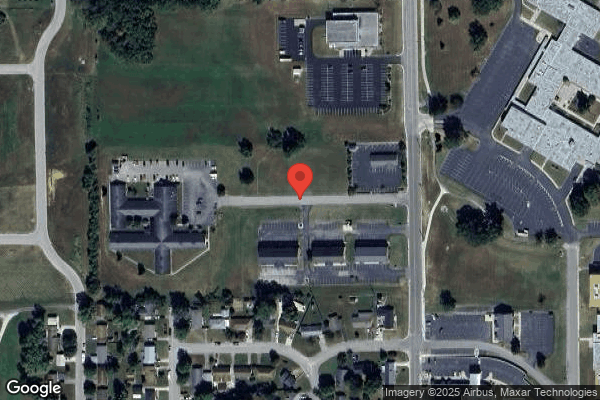
200 CONNIE AVE, SALEM, IN 47167 (812) 883-1877
Non profit - Corporation 92 Beds AMERICAN SENIOR COMMUNITIES Data: November 2025
Trust Grade
90/100
#90 of 505 in IN
Last Inspection: June 2025

Inspected within the last 6 months. Data reflects current conditions.

Overview

Salem Crossing has received a Trust Grade of A, indicating it is an excellent choice for care, highly recommended among nursing homes. It ranks #90 out of 505 facilities in Indiana, placing it in the top half, and #2 out of 2 in Washington County, meaning there is only one other option nearby. The facility is improving, with issues decreasing from four in 2024 to just one in 2025, and has a good staffing turnover rate of 34%, which is below the state average. However, it has concerning RN coverage, being below 88% of other Indiana facilities, which could impact the quality of care. Notably, there were incidents related to medication management, such as improper labeling of insulin pens and discrepancies in narcotic administration records, indicating areas that need attention despite the overall positive environment.

Trust Score
A
90/100
In Indiana
#90/505
Top 17%
Safety Record
Low Risk
No red flags
Inspections
Getting Better
4 → 1 violations
Staff Stability
○ Average
34% turnover. Near Indiana's 48% average. Typical for the industry.
Penalties
✓ Good
No fines on record. Clean compliance history, better than most Indiana facilities.
Skilled Nurses
⚠ Watch
Each resident gets only 24 minutes of Registered Nurse (RN) attention daily — below average for Indiana. Fewer RN minutes means fewer trained eyes watching for problems.
Violations
○ Average
9 deficiencies on record. Average for a facility this size. Mostly minor or procedural issues.
★★★★★
5.0
Overall Rating
★★★☆☆
3.0
Staff Levels
★★★★★
5.0
Care Quality
★★★★☆
4.0
Inspection Score
Stable
2024: 4 issues
2025: 1 issues

The Good

  • 5-Star Quality Measures · Strong clinical quality outcomes
  • Full Sprinkler Coverage · Fire safety systems throughout facility
  • No fines on record
  • Staff turnover below average (34%)

    14 points below Indiana average of 48%

Facility shows strength in quality measures, fire safety.

The Bad

Staff Turnover: 34%

12pts below Indiana avg (46%)

Typical for the industry

Chain: AMERICAN SENIOR COMMUNITIES

Part of a multi-facility chain

Ask about local staffing decisions and management

The Ugly 9 deficiencies on record

Jun 2025 1 deficiency
CONCERN (D)

Potential for Harm - no one hurt, but risky conditions existed

Pharmacy Services (Tag F0755)

Could have caused harm · This affected 1 resident

Based on observation, record review, and interview, the facility failed to ensure residents medication administration records accuretly refleted the administration of narcotics at the time of administ...

Read full inspector narrative →
Based on observation, record review, and interview, the facility failed to ensure residents medication administration records accuretly refleted the administration of narcotics at the time of administration for 2 of 39 residents observed for pharmacy service procedures. (Residents 35 and 8) Findings include: 1. During an observation, on 6/3/25 at 11:20 a.m., of the 300 Hall Medication Cart 2, Resident 35's hydrocodone-acetaminophen 7.5 milligrams (mg)-325 mg medication card indicated 11 tablets were left. The Controlled Substances Record indicated 12 tablets were left. The last documented administration of the hydrocodone-acetaminophen was on 6/2/25 at 8:00 p.m., by Qualified Medication Aide (QMA) 6. The record for Resident 35 was reviewed on 6/6/25 at 11:33 a.m. The resident's diagnoses included, but were not limited to, osteoarthritis of the right shoulder and right wrist, hereditary and idiopathic neuropathy, incomplete rotator cuff tear or rupture of the right shoulder, calcific tendinitis of the right shoulder, sciatica to the right side, and cramp and spasms of the lower extremities. The Annual Minimum Data Set (MDS) assessment, dated 5/13/25, indicated the resident was moderately cognitively impaired. The resident was unable to answer the level of pain, frequency of pain, or location of pain. The care plan, revised 5/27/25, indicated the resident was at risk for pain related to acute cystitis, hypokalemia, dementia, hypertension, urinary incontinence, and left humerus fracture. The interventions, dated 9/23/22, included, but were not limited to, administer medications as ordered, document effectiveness of as needed (prn) medications, and notify the physician if pain was unrelieved and or worsening. The physician's order, dated 4/10/25, indicated to administer hydrocodone-acetaminophen 7.5 mg-325 mg twice daily for moderate pain, not to exceed 4 grams of acetaminophen from all sources in 24 hours. The June 2025 Medication Administration Record (MAR) indicated the resident last received hydrocodone-acetaminophen on 6/3/25 at 8:00 a.m. The medication was administered by Licensed Practical Nurse (LPN) 5. During an interview, on 6/3/25 at 11:32 a.m., LPN 5, indicated she had forgotten to sign out the narcotic after administering it. 2. During an observation, on 6/3/25 at 11:34 a.m., of the 100 Hall Medication Cart 1, the following narcotic counts were identified for Resident 8: - Resident 8's hydrocodone-acetaminophen 10 mg-325 mg medication card indicated 11 tablets were left. The Controlled Substances Record indicated 12 tablets were left. The last documented administration of the hydrocodone-acetaminophen was on 6/2/25 at 9:00 p.m., by LPN 4. - Resident 8's Pregabalin 75 mg medication card indicated 3 capsules were left. The Controlled Substances Record indicated 4 capsules were left. The last documented administration of the pregabalin was on 6/2/25 at 8:00 a.m., by LPN 3. The record for Resident 8 was reviewed on 6/6/25 at 9:22 a.m. The resident's diagnoses included, but were not limited to, right knee replacement surgery, dorsalgia, osteoarthritis, degenerative joint disease, muscle spasm, migraines, cervical disc displacement, spondylosis with radiculopathy to the cervical region, and cervical disc degeneration. The admission MDS assessment, dated 5/15/25, indicated the resident was moderately cognitively impaired. The resident had experienced occasional moderate pain in the last 5 days, which rarely affected his sleep or day to day activities. The care plan, revised on 5/20/25, indicated the resident was at risk for pain, related to being status post right knee replacement surgery. He had an implanted pain pump to the right thigh, dorsalgia, cervical disc degeneration and displacement, degenerative joint disease, and migraines. The interventions, dated 5/10/25, included, but were not limited to, administer medications as ordered, document effectiveness of the prn pain medications, and notify the physician if pain was unrelieved and or worsening. The physician's order, dated 5/9/25, indicated to administer 10 mg-325 mg of hydrocodone-acetaminophen every 6 hours prn for moderate pain, not to exceed 4 grams of acetaminophen in a 24 hour period. The June 2025 MAR indicated the resident last received the hydrocodone-acetaminophen on 6/3/25 at 7:33 a.m. The pain level was documented as a 4 out of 10 (A little more pain) on the Wong-Baker facial pain scale to the right knee. The medication was administered by LPN 3. The physician's order, dated 5/12/25, indicated to administer 75 mg of pregabalin daily for spondylosis with radiculopathy of the cervical region. The June 2025 MAR indicated the resident last received the pregabalin on 6/3/25 at 8:00 a.m. The medication was administered by LPN 3. During an interview on 6/3/25 at 11:38 a.m., LPN 3 indicated she should have signed out the narcotics after she gave them. The policy was to sign the narcotics out upon administration of the medication. The Controlled Substances: Storage, Documentation, Inventory and Destruction (Includes Fentanyl Patch Removal and Destruction) policy, dated November 2024, included, but was not limited to, .Purpose of Policy: To prevent diversion, improper use and accidents related to controlled substances . Documentation 1. When a controlled substance is administered to a resident, it must be recorded in the resident's Medication Administration Record (MAR) as well as in the resident's Controlled Substances Inventory Record at the time of administration . 3.1-25(b)(3)
Dec 2024 1 deficiency
CONCERN (D) 📢 Someone Reported This

A family member, employee, or ombudsman was alarmed enough to file a formal complaint

Potential for Harm - no one hurt, but risky conditions existed

Accident Prevention (Tag F0689)

Could have caused harm · This affected 1 resident

Based on interview and record review, the facility failed to follow procedures, adequately supervise, and ensure a resident's safety while on an outing related to a resident falling and rolling into a...

Read full inspector narrative →
Based on interview and record review, the facility failed to follow procedures, adequately supervise, and ensure a resident's safety while on an outing related to a resident falling and rolling into a lake (Resident B) for 1 of 3 residents reviewed for accident hazards. Findings include: During a telephone interview on 12/03/24 at 11:39 A.M., Certified Nurse Aide (CNA) 3 indicated she worked in the Activities Department and she and Bus Driver (BD) 4 took seven residents from the Memory Care Unit on the facility bus for an outing in October. They drove to a local donut shop and then went to a local lake/park area. They arrived at the lake, got the residents off the bus, and sat them down at some picnic tables. There were residents that were in wheelchairs and residents that were able to walk without assistive devices. While the other residents were sitting at the tables, CNA 3 and BD 4 were walking with Resident B near the water, about 10 feet away from the residents at the table. CNA 3 asked BD 4 to watch Resident B while she walked back towards the other residents. A couple minutes later, BD 4 yelled Help! CNA 3 looked back and saw Resident B in the lake sitting in the water. CNA 3 jumped into the lake. The water was only a couple of feet deep. CNA 3 eased Resident B towards the shore but she couldn't get him out of the water, so she stayed in with him. Someone called 911 and the police and an ambulance came to the park. CNA 3 and a police officer were able to get the resident out of the water. They wrapped a blanket around the resident. The resident refused to go in the ambulance but was assessed by the Emergency Medical Technician (EMT) and was not injured. CNA 3 called the facility and the EMT spoke with Resident B's nurse. CNA 3 was told to bring the residents back, so they loaded everyone up and went back to the facility. CNA 3 indicated she thought BD 4 would watch the resident. CNA 3 turned her back on the resident at the time of him entering the lake. During an interview on 12/03/24 at 11:51 A.M., the Director of Nursing (DON) indicated she was not sure how the incident occurred, and she was not at the facility when it happened. They were just supposed to just go on a bus trip to the bakery and get donuts and take a drive around the lake. She thought BD 4 and CNA 3 took it upon themselves to decide to stop and get the residents off the bus. CNA 3 received disciplinary action for the incident. During a telephone interview on 12/03/24 at 11:59 A.M., CNA 3 indicated before they left for the outing, she told the Memory Care Unit Coordinator she was going to take the residents off the bus. The Unit Coordinator said okay and if she had any problems give her a call. CNA 3 realized after talking with the DON that she shouldn't have had that many residents on the outing. She was thankful that Resident B was okay. During an interview on 12/03/24 at 11:11 A.M., RN 2 indicated Resident B exhibited a lot of behaviors. The resident had been physically and verbally aggressive, and in the past had cursed and slapped at staff and refused care. The resident had recently declined and was using a wheelchair now, but back in October he was up walking without any assistive devices. He wandered a lot; He used to do laps around the unit but was really unsteady. The clinical record for Resident B was reviewed on 12/03/24 at 12:30 P.M. A Quarterly MDS (Minimum Data Set) assessment, dated 08/23/24, indicated the resident was severely cognitively impaired. The resident's diagnoses included, but were not limited to, non-Alzheimer's dementia and anxiety. During an interview on 12/03/24 at 1:09 P.M., the Administrator indicated CNA 3 and BD 4 were just supposed to take the residents on a bus ride. They were instructed to contact the Memory Care Unit Coordinator if the stopped anywhere. They did not call the Memory Care Unit Coordinator when they stopped the bus at the park/lake. A document, titled Employee Communication Form was provided by the Administrator on 12/03/24 at 1:13 P.M. The form indicated CNA 3 violated the Activity Outing Policy on 10/08/24 when she was instructed not to take the residents off the bus unless she contacted the Memory Care Unit Coordinator first so that the Unit Coordinator could drive to the location to be present for supervision. The bus stopped at a local lake and there was an occurrence with a resident falling and rolling into the lake. The employee not only put that resident in a situation where there was inadequate supervision and assistance, but the other six residents that were on the outing as well. An undated document signed by BD 4 was provided by the Administrator on 12/03/24 at 1:40 P.M. The document indicated BD 4 was walking with Resident B on an outing at the lake. She turned away from the resident and looked towards CNA 3 to be sure the CNA was with the other residents. BD 4 turned back around to walk with Resident B and realized the resident was getting ready to fall. The resident fell to the ground and started rolling towards the water. BD 4 ran towards him, and they both got to the edge of the shallow water. BD 4 called out for help while she held on to the resident so he wouldn't panic. With help, they got the resident's hips out of the water and onto the bank of the lake and called 911. The police and an ambulance came. An EMT assessed the resident and said he looked okay. She got a wheelchair off the bus, assisted the resident into the wheelchair, and covered him with a blanket. They loaded all the residents onto the bus and returned to the facility. The current, undated facility policy, titled Outing Checklist was provided by the Administrator on 12/03/24 at 1:13 P.M. The policy indicated, .Supervision always required on an outing .No resident should be left unattended . The current facility policy, titled Activity Outing Policy, dated 07/15, was provided by the Administrator on 12/03/24 at 1:13 P.M. The policy indicated, .it is the policy .to offer both enjoyment and safety during outings coordinated by the facility .Residents will be supervised during the outing at all times . The Past noncompliance began on 10/8/24. The deficient practice was corrected by 10/11/24 after the facility implemented a systemic plan that included the following actions: IDT members met on 10/9/24 and implemented new care plan intervention for resident to ambulate with one assist when outdoors. MD/Responsible Party/ED/DNS were notified of incident; Outing Checklist created by Executive Director; and Activity Department, Memory Care Activity Department and IDT in-serviced on the Activity Outing Policy and Outing Checklist on 10/11/24. This citation relates to Complaint IN00448365. 3.1-45(a)(2)
Jun 2024 3 deficiencies
CONCERN (D) 📢 Someone Reported This

A family member, employee, or ombudsman was alarmed enough to file a formal complaint

Potential for Harm - no one hurt, but risky conditions existed

ADL Care (Tag F0677)

Could have caused harm · This affected 1 resident

2. During an observation, on 5/30/24 at 12:10 p.m., Resident E was laying in her bed. The CNA took her lunch tray to her and explained to the resident her lunch was ready. The resident was in a wet br...

Read full inspector narrative →
2. During an observation, on 5/30/24 at 12:10 p.m., Resident E was laying in her bed. The CNA took her lunch tray to her and explained to the resident her lunch was ready. The resident was in a wet brief and her bed was wet with urine. The resident's top sheet was wet, and the resident was uncovered. The CNA did not check the resident for bladder incontinence, and she did not cover the resident up. The CNA rolled up the head of the resident's bed and sat her lunch tray in front of her. She proceeded to pass the other residents' trays without providing incontinent care. The record for Resident E was reviewed on 6/5/24 at 10:24 a.m. The resident's diagnoses included, but were not limited to, weakness, kidney failure, arthritis and dementia. The Quarterly MDS (Minimum Data Set) assessment, dated 2/29/24, indicated the resident's cognition was severely impaired. The resident required substantial or maximal staff assistance with her ADL's (activities of daily living). The care plan, dated 5/31/24, indicated Resident E needed assistance with her ADLs including bed mobility, transfers, eating and toilet use. The interventions included, but were not limited to, the resident would participate in ADLs to her maximum potential, a touchpad call light, the resident attempted to self transfer without staff assistance, a Hoyer lift with the assistance of 2 staff for transfers to a wheelchair, assistance with toileting and/or incontinent care as needed. The resident was on a toileting plan program. The nurses note, dated 9/25/23 at 10:14 p.m., indicated the resident was alert to self with staff to anticipate the resident's needs. The resident was incontinent of bowel and bladder and staff were to provide perineal care after each episode. The IDT (Interdisciplinary Team) note, dated 5/30/24 at 12:10 p.m., indicated the resident currently had an intervention to be up in her wheelchair for lunch, however the resident preferred to stay in bed at times for lunch. During an interview on 6/4/24 at 9:50 a.m., CNA 9 indicated the residents were checked and changed every 2 hours. If a resident was incontinent when she took a tray in, she would stop and provide incontinent care before she gave the resident their food tray. The most current Certified Nursing Assistant (CNA) position description, included, but was not limited to, .Provides direct care to residents to improve maintain the resident's abilities according to the resident's plan of care. Assist in activities of daily living including bathing, grooming, dressing, mobility, transferring and feeding of assigned residents by providing set-up assistance, verbal prompts, physical support, or more extensive assistance as more fully described below . Elimination/toileting - Promptly assist resident to bathroom according to toileting schedule or promptly brings clean bedpan or urinal. Opens, removes clothing in preparation, cleans a resident if resident is unable to clean self, adjusts clothing, cleans resident's and own hands. Measures and records output as directed by Unit Charge Nurse and plan of care. Provide catheter care according to facility procedures and infection control policies . This citation relates to Complaint IN00434385. 3.1-38(a)(3) Based on observation and interview, the facility failed to ensure staff provided the necessary care and services in a timely manner for 2 of 4 residents observed for Activities of Daily care. (Residents D and E) Findings include: 1. During an observation on 5/30/24 at 9:40 a.m., Resident D's bed sheet had a 2-foot diameter area of urine with a brown ring around the edges that appeared wet. There were multiple brown dotted areas within the ring. During an observation on 5/30/24 at 10:00 a.m., Resident D's bed sheet still had a circular 2-foot diameter area of urine with a brown ring that appeared to be wet. There were multiple brown spots dotted within the ring. During an observation and interview on 5/30/24 at 12:47 p.m., Resident D indicated she changed her own brief and once weekly the bedding was changed by staff. The bedding still had a 2-foot diameter area with a brown ring around the edges. The area appeared drier. During an observation on 05/31/24 at 9:05 a.m., Resident D was lying in bed with a bedspread pulled up over her body. There was a strong smell of urine in her area of the room. The resident indicated she was not wet. During an observation on 5/31/24 at 9:07 a.m., the MDS (Minimum Data Set) Coordinator entered Resident D's room. The MDS Coordinator asked the resident if she wanted to be changed and dressed. The resident indicated she did not want to be dressed and pulled the bedspread up tighter to her body. The MDS Coordinator indicated the resident was supposed to receive assistance to be checked and changed. The MDS Coordinator left the room to get assistance from a CNA (Certified Nurse Aide). During an observation and interview on 5/31/24 at 9:15 a.m., CNA 4 joined the MDS Coordinator in Resident D's room to check and change the resident. The resident indicated she had already been dressed. The MDS Coordinator asked the resident if she could check her brief to see if it was wet. The brief and sheets were dry, but the odor of urine was still observed. The resident was wearing a night gown. CNA 4 indicated she checked and changed the resident every 2 hours. The last time she had checked Resident D was around 6:30 a.m. It was maybe a little longer than the 2 hours then. The resident was not a heavy wetter, but resident would have some days that were worse than others. The record for Resident D was reviewed on 6/3/24 at 2:09 p.m. The diagnoses included, but were not limited to, acute cystitis without hematuria, severe dementia with psychotic disturbance, delusions, hallucinations, functional urinary incontinence, unsteadiness on feet, abnormalities of gait and mobility, and muscle weakness. The care plan, dated 9/23/22, indicated the resident required assistance with toileting and incontinence care due to acute cystitis, dementia, and urinary incontinence. The interventions, dated 9/23/22, included but were not limited to, assess and document skin condition weekly and as needed, assist with incontinent care as needed, and check every 2 hours for incontinence. The Quarterly MDS assessment, dated 3/18/24, indicated the resident was severely cognitively impaired. She required supervision for toileting and hygiene and was frequently incontinent of bladder and bowel. The resident required limited assistance of one staff for transfer, bed mobility, and walking in her room. The nurse's note, dated 3/21/24 at 5:38 p.m., indicated the resident was alert and oriented to self and room environment. The resident was incontinent and continent at times. Staff were to check and change the resident every 2 hours and PRN (as needed), with perineal care completed at this time also. Provide one person assistance with the use of a gait belt for the resident. During an interview on 6/4/24 at 9:30 am., NA (Nurse Aide) 5 indicated she provided perineal care, feeding, bathing, and interactions with residents when she was rounding. She rounded every 2 hours. A heavy wetter would be checked hourly. When a resident took diuretics, staff would check the resident every 30 minutes. Resident D would be checked, and the NA would ask the resident for permission to provide one person assistance to the bathroom. Staff typically wouldn't let the resident go by herself, due to her falls. The resident's bedding was changed at shower time, if it was dirty or if a resident was a heavy wetter. If she smelled the odor of urine on the resident, she would make sure the resident didn't have a wet bed, and if not, she would let the nurse know because the resident most likely had a UTI (urinary tract infection). During an interview on 6/4/24 at 11:09 a.m., CNA 6 indicated when she entered the building for her shift, she would do walking rounds with the outgoing CNA from the night shift. The walking rounds consisted of checking the residents to see if they were wet and doing bed checks. She would then check the residents' briefs every 2 hours. If she observed an odor of urine in a resident room, she would check the resident's brief to see if they were wet. If they were, she would change them. If they weren't wet, she would check back later and leave them be. During an interview on 6/4/24 at 1:15 p.m., CNA 7 indicated she had on occasion found the draw sheets to be wet on heavy wetting residents' beds when she entered for her shift. She would check the residents every 2 hours for the need to change their briefs. During an interview on 6/4/24 at 1:16 p.m., CNA 8 indicated when she entered the building for the start of her shift, she would get a report from the night shift CNA. She would start with bed checks and change the residents if they needed it.
CONCERN (E)

Potential for Harm - no one hurt, but risky conditions existed

Deficiency F0727 (Tag F0727)

Could have caused harm · This affected multiple residents

Based on record review and interview, the facility failed to schedule 8-hour consecutive RN coverage for 4 of 4 months reviewed. (March, April, May, and June, 2024). This had the potential to affect a...

Read full inspector narrative →
Based on record review and interview, the facility failed to schedule 8-hour consecutive RN coverage for 4 of 4 months reviewed. (March, April, May, and June, 2024). This had the potential to affect all 84 residents currently residing in the facility. Findings include: The review of the March to June 2024 licensed nursing schedule indicated the following days were short of 8 consecutive hours in a 24 hour day of RN coverage: March - On March 9 no RN coverage for 6a to 6p and 6p to 6a - On March 24 no RN coverage for 6a to 6p and 6p to 6a - On March 31 no RN coverage for 6a to 6p and only 6 hours of RN coverage for 6p to 6a April - On April 27 no RN coverage for 6a to 6p and only 6 hours of RN coverage for 6p to 6a - On April 28 no RN coverage for 6a to 6p and only 6 hours of RN coverage for 6p to 6a May - On May 12 no RN coverage for 6a to 6p and only 6 hours of RN coverage for 6p to 6a - On May 18 no RN coverage for 6a to 6p and only 6 hours of RN coverage for 6p to 6a - On May 25 no RN coverage for 6a to 6p and only 6 hours of RN coverage for 6p to 6a June - On June 1 no RN coverage for 6a to 6p and 6 hours of RN coverage for 6p to 6a - On June 2 no RN coverage for 6a to 6p and 6 hours of RN coverage for 6p to 6a During an interview on 6/4/24 at 9:15 a.m., the Scheduler indicated she agreed there were some days that did not have RN consecutive coverage. During an interview on 6/5/24 at 8:30 a.m., the ED (Executive Director) indicated she thought she had 8 hours of consecutive RN coverage. She was unaware the coverage started at midnight and ended at midnight. The ED agreed the nursing schedule lacked RN coverage on some days. 3.1-17(b)(3)
CONCERN (E)

Potential for Harm - no one hurt, but risky conditions existed

Deficiency F0761 (Tag F0761)

Could have caused harm · This affected multiple residents

Based on observation, record review, and interview, the facility failed to ensure appropriate pharmacy labeling for 4 of 13 insulin flexpens observed for medication storage. (Residents 19, 31, 85, and...

Read full inspector narrative →
Based on observation, record review, and interview, the facility failed to ensure appropriate pharmacy labeling for 4 of 13 insulin flexpens observed for medication storage. (Residents 19, 31, 85, and 42) Findings include: 1. During an observation of one of the two 100 Hall medication carts on 6/4/24 at 9:55 a.m., Resident 19's lispro flexpen was in a bag marked with her name and the flexpen's open date. There was no pharmacy label. The medication room refrigerator was reviewed with no other lispro flexpens with pharmacy labels for Resident 19. The record for Resident 19 was reviewed on 6/4/24 at 11:00 a.m. The resident's diagnosis included, but was not limited to, type 2 diabetes mellitus with diabetic chronic kidney disease. The physician's order, dated 3/6/24, indicated staff were to administer the resident's lispro per sliding scale subcutaneously three times daily. The Quarterly MDS (Minimum Data Set) assessment, dated 4/24/24, indicated the resident was moderately cognitively impaired. The resident had received 1 injection of insulin during the previous 7 days prior to the assessment. 2. During an observation of one of the two 300 Hall medication carts on 6/4/24 at 10:06 a.m., Resident 31's lispro was in a bag marked with her name and the flexpens' open date. There was no pharmacy label. The medication room refrigerator was reviewed with no other lispro flexpens with pharmacy labels for Resident 31. The record for Resident 31 was reviewed on 6/4/24 at 11:08 a.m. The resident's diagnosis included, but was not limited to, type 2 diabetes mellitus. The physician's order, dated 2/5/24, indicated staff were to administer the resident's lispro per sliding scale subcutaneously three times daily. The Quarterly MDS assessment, dated 3/26/24, indicated the resident was cognitively intact. She received 7 injections of insulin during the 7 previous days prior to the assessment. 3. During an observation of one of the two 300 Hall medication carts on 6/4/24 at 10:07 a.m., Resident 85's glargine flexpen was in a bag marked with her name and the flexpen's open date. There was no pharmacy label. The medication room refrigerator was reviewed with no other glargine flexpens with a pharmacy label for Resident 85. The record for Resident 85 was reviewed on 6/4/24 at 11:10 a.m. The resident's diagnosis included, but was not limited to, type 2 diabetes mellitus. The physician's orders, dated 4/22/24, indicated the staff were to administer the resident's glargine insulin pen 5 units subcutaneously at bedtime. The admission MDS assessment, dated 4/29/24, indicated the resident was severely cognitively impaired. She received 6 injections of insulin during the 7 previous days prior to the assessment. 4. During an observation of one of the two 400 Hall medication carts on 6/04/24 at 10:30 a.m., Resident 42's Levemir flexpen was in a bag marked with his name the flexpen's open date. There was no pharmacy label. The medication room refrigerator was reviewed with no other Levemir flexpens with a pharmacy label for Resident 42. The record for Resident 42 was reviewed on 6/4/24 at 11:16 a.m. The diagnosis included, but was not limited to, type 2 diabetes mellitus. The physician's order, dated 9/26/22, indicated staff were to administer the resident's Levemir U-100 insulin 10 units subcutaneously for type 2 diabetes mellitus daily. The Quarterly MDS assessment, dated 5/16/24, indicated the resident was moderately cognitively impaired. He received 7 injections of insulin during the 7 previous days prior to the assessment. During an interview on 6/4/24 at 10:26 a.m., LPN (Licensed Practical Nurse) 2 indicated the pharmacy label needed to be with the flexpens for cases of power outages, so that the instructions were present. During an interview on 6/5/24 at 9:57 a.m., the DON (Director of Nursing) indicated they could not locate another policy for pharmacy labeling requirements of medications. The LTC [Long Term Care] Facility's Pharmacy Services and Procedures Manual 5.3 Storage and Expiration Dating of Medications, Biologicals LTC Facilities Receiving Pharmacy Products and Services form Pharmacy, revised on 8/7/23, included, but was not limited to, . 6. Facility should destroy and reorder medications and biologicals with soiled, illegible, worn, makeshift, incomplete, damaged or missing labels or cautionary instructions . 4/5/19. 19. Facility should request that Pharmacy perform a routine nursing unit inspection for each nursing station in Facility to assist Facility in complying with its obligations pursuant to Applicable Law relating to the proper storage, labeling, security and accountability of medications and biologicals . 3.1-25(j)
May 2023 3 deficiencies
CONCERN (D)

Potential for Harm - no one hurt, but risky conditions existed

Accident Prevention (Tag F0689)

Could have caused harm · This affected 1 resident

**NOTE- TERMS IN BRACKETS HAVE BEEN EDITED TO PROTECT CONFIDENTIALITY** Based on observation, record review, and interview, the facility failed to ensure the development and implementation of person-c...

Read full inspector narrative →
**NOTE- TERMS IN BRACKETS HAVE BEEN EDITED TO PROTECT CONFIDENTIALITY** Based on observation, record review, and interview, the facility failed to ensure the development and implementation of person-centered interventions to prevent falls for 2 of 8 residents reviewed for accidents. (Residents 65 and 45) Findings include: 1. The clinical record for Resident 65 was reviewed on 5/9/23 at 1:58 p.m. The resident's diagnoses included, but were not limited to, fracture of part of the neck of the right femur, fracture of part of the neck of the left femur, unsteadiness on feet, weakness, abnormalities of gait and mobility, osteopenia, and dementia with behavioral disturbance. The care plan, dated 9/10/22 and last revised 5/8/23 at 11:53 a.m., indicated the resident was at risk for falls due to history of falls, age, urgency/frequency/incontinence, high risk medications, requiring assistance or supervision for mobility, transfer or ambulation, unsteady gait, visual impairment affecting mobility, altered awareness of immediate physical environment, impulsive, lack of understanding of one's physical and cognitive limitations, encephalopathy, anxiety, insomnia, Alzheimer's disease, benign neoplasm of cerebral meninges, dementia, hypertension, atherosclerosis, endocarditis, atrial fibrillation, major depressive disorder, urinary tract infection, pacemaker, vitamin deficiency, aftercare following right hip arthroplasty, and left hip fracture with prosthesis. The resident's goal was to have fall risk factors reduced in an attempt to avoid significant fall related injury. The interventions included, but were not limited to, staff to ensure resident has something to drink while sitting at the dining room table (dated 5/6/23), offer/assist to bed after lunch (dated 4/8/23), assist with toileting every 2 hours (dated 2/11/23), hipsters to be worn at all times (dated 1/26/23), neon tape to wheelchair brakes as a visual cue (dated 1/13/23), non-skid strips on floor next to open side of bed (dated 1/13/23), neon tape to call light as visual cue (dated 1/12/23), reminder sign, Don't get up, call for assistance (dated 1/12/23), staff to assist to dining room for meals (dated 12/27/23), assist resident with toileting prior to meals (dated 12/25/23), scoop mattress at all [NAME] (dated 11/9/22), anti-rollbacks to wheelchair (dated 11/7/22) offer/assist to lie down after supper (dated 11/6/22), bed against the wall to allow open floor plan (dated 10/27/22), bed in lowest position, call light in reach, keep pathways free of clutter, non-skid footwear, and therapy to screen (dated 9/10/22). The nurse's note, dated 9/10/22 at 3:26 p.m., indicated the resident arrived to the facility and required assistance of 2 staff members to stand and pivot from her wheelchair. The nurse's note, dated 10/6/22 at 2:45 p.m., indicated the resident was found lying on the floor in the dining room. Her right leg was rotated outward and had pain with movement. A STAT (immediate) x-ray was ordered. The nurse's note, dated 10/6/22 at 5:59 p.m., indicated the x-ray results showed an acute right femoral fracture. The resident was sent to the emergency room. The IDT (Interdisciplinary Team) note, dated 10/7/22 at 2:45 p.m., indicated the new intervention was to provide the resident with activities of interest when in the dining room. The nurse's note, dated 10/26/22 at 7:38 a.m., indicated the resident was found sitting on the bathroom floor with no injuries. The IDT note, dated 10/27/22 at 10:20 a.m., indicated the root cause of the resident's fall on 10/26/22 was the resident attempting to transfer herself to the restroom. The new interventions were to toilet the resident every 2 hours, bed in the lowest position, and bed against the wall to allow for an open floor plan. The nurse's note, dated 11/9/22 at 3:55 a.m., indicated staff heard a noise from the resident's room and found she had fallen from bed onto her left side, striking her left elbow on the bedside dresser. Her left leg was bent at knee, and the resident stated she could not straighten her leg. Orders were received for a STAT left hip/pelvic x-ray and the resident was placed on hourly checks for her safety. The nurse's note, dated 11/9/22 at 4:04 p.m., indicated the x-ray results showed a fracture of the resident's left hip. The resident was sent to the emergency room. The IDT note, dated 11/10/22 at 9:49 a.m., indicated the root cause of the resident's fall on 11/9/22 was the resident rolling out of her bed. The new interventions were to offer and assist the resident to the toilet every 1 hour and a scoop mattress to the bed at all times. The Quarterly MDS (Minimum Data Set) assessment, indicated the resident was severely cognitively impaired, required extensive assistance of 2 staff with toileting, bed mobility, and transfers, was always incontinent of bladder, and frequently incontinent of bowel. The nurse's note, dated 12/25/22 at 5:58 p.m., indicated the nurse was called to the resident's room. The resident was sitting on the floor in the bathroom. The resident was unable to voice what had happened. She had gotten herself up and walked to the bathroom. The IDT note, dated 12/27/22 at 11:01 a.m., indicated the root cause of the resident's fall on 12/25/22 was the resident ambulating unassisted to the restroom. A new intervention to toilet the resident prior to meals and assist the resident to the dining room for meals was implemented. The nurse's note, dated 1/12/23 at 11:45 p.m., indicated the resident was found lying on her back by her bed. The resident indicated she wet the bed and didn't want to be wet. A sign was placed in the room to remind the resident to call for assistance prior to attempting to get out of bed. The IDT note, dated 1/13/23 at 10:45 a.m., indicated the root cause of the resident's fall on 1/12/23 was the resident not using her call light and attempting to get out of bed without assistance. The new intervention was to place a reminder sign in the room. The nurse's note, dated 1/26/23 at 8:00 p.m., indicated the nurse heard the resident yell for help and found her sitting on her bottom in front of her recliner. She indicated she was trying to get up to use the bathroom and couldn't remember the rest. She was last checked at 6:30 p.m., and last seen at 7:00 p.m. lying in bed. The IDT note, dated 1/27/23 at 11:33 a.m., indicated the root cause of the resident's fall was the resident attempting to toilet herself. The new intervention was for hipsters to be worn at all times. The nurse's note, dated 2/11/23 at 4:06 p.m., indicated the resident was found sitting on her bathroom floor with no injury. She was unable to verbalize how or why she got there. The resident was in her wheelchair, coming out of the main dining area just minutes prior to finding her on her bathroom floor. The IDT note, dated 2/13/23 at 2:47 p.m., indicated the root cause of the resident's fall on 2/11/23 was the resident attempting to toilet herself. The intervention put into place was to assist the resident with toileting every 2 hours. During an interview, on 5/11/23 at 1:23 p.m., CNA (Certified Nurse Aide) 2 indicated the resident had several interventions. She had hipsters on, her bed was low to the ground, and she had the papers that said to put the call light on. She was checked and changed every 2 hours. She didn't think they had any residents who were more frequent, every resident was on an every 2 hours check and change. The resident tried to get up and walk on her own and go to the bathroom on her own. She did try to use the restroom frequently. She was incontinent at times. Usually whenever they first came in she would be wet. So she would be incontinent at night. The resident's care profile sheet indicated to check her every 2 hours. During an interview, on 5/11/23 at 1:57 p.m., LPN (Licensed Practical Nurse) 3 indicated the resident was very impulsive. They toileted her every 2 hours, before and after meals. During an interview, on 5/11/23 at 2:56 p.m., the DON (Director of Nursing) indicated on 10/26/22 they had implemented every 2 hour toileting on the resident as a new fall intervention because she had been trying to go to the restroom. On 11/9/22 they did the every 1 hour because she was trying to go to the restroom again. Then on 1/27/23, they looked at her interventions and discontinued the every hour intervention because she had a decline and was a 2 person assist with transfers and she was a check and change. The intervention to toilet her every 2 hours was not put back into place on her care plan until 2/11/23. She wrote a note saying she should have been on every 2 hours check and change, but did not add the intervention to the care plan. 2. The clinical record for Resident 45 was reviewed on 5/10/23 at 9:04 a.m. The resident's diagnoses included, but were not limited to, Alzheimer's disease, vascular dementia, Parkinson's disease, cognitive communication deficit, lack of coordination, abnormalities of gait and mobility, muscle weakness, age-related physical debility, unsteadiness on feet, hemiplegia and hemiparesis following cerebrovascular event affecting right dominant side, and repeated falls. The care plan, dated 12/21/17 and last revised on 5/1/23, indicated the resident was at risk for falls related to benign prostatic hyperplasia with urgency, incontinence, dementia, right sided hemiplegia, age, two or more high risk medications, history of falls, decreased mobility, Parkinson's, weakness, unsteady gait, requiring assistance with ambulation/transfers/ambulation, altered awareness of immediate physical environment, impulsive, and lack of understanding of one's physical and cognitive limitation. The interventions included, but were not limited to, urinal in reach while in bed (dated 5/3/23), ensure bedside table within reach while up in chair (dated 4/17/23), high back wheelchair with lateral supports while out of bed (dated 4/9/23), bed in lowest position (dated 4/3/23), hospice notified to exchange bedframe for a low bed (dated 4/3/22), mat on floor next to the open side of the bed (dated 3/21/23), wheelchair to be parked and locked at bedside at all times when not in use (dated 1/19/23), bed against the wall to allow an open floor plan (dated 3/3/22), offer to assist to bed after all meals (dated 12/28/20), dycem to wheelchair at all times (9/22/20), remind resident to carry phone in pocket while up to wheelchair (dated 12/11/19), neon tape to wheelchair brakes as visual cue (dated 11/1/19), neon tape to call light as visual cue (dated 5/20/19), scoop mattress to bed (dated 1/16/19), encourage resident to wear non-skid footwear (dated 3/27/18), and call light in reach (dated 12/21/17). The fall event, dated 10/24/22, indicated the resident had a witnessed fall. He was sitting on the edge of the bed and before staff could intervene, he slid to the floor. The IDT note, dated 10/25/22 at 11:26 a.m., indicated the resident had a fall on 10/24/22. The resident was sitting on the edge of his bed in preparation of transfer and before staff could intervene he slid from the bedside into floor. The root cause of fall was the resident sliding from the bed. The IDT reviewed previous fall interventions, and found the fall mat to no longer be appropriate. The fall mat was removed and non-skid strips were placed to open side of bed. The nurse's note, dated 1/19/23 at 3:45 a.m., indicated the nurse heard a noise from the resident room and found him lying on his side on the fall mat. He indicated he was trying to get his shoes on and get ready for work and slipped out of bed. He had ripped his brief off and urinated on the bed. He was assisted onto the bed and changed into clean clothes. Staff informed the resident of the time and that it was too early to get up per his preference. The resident indicated he thought it was later in the morning. The IDT note, dated 1/19/23 at 3:45 a.m., indicated the root cause of the resident's fall was the resident attempting to transfer himself from bed to his wheelchair to go to work. The new intervention was for his wheelchair to be parked and locked at bedside at all times when not in use and fall mat to open side of the bed. The IDT note, dated 1/19/23 at 10:48 a.m., indicated the resident now had a fall mat to his bedside and his non-skid strips were removed. The nurse's note, dated 2/24/23 at 3:32 p.m., indicated the resident was in the floor on his bottom with his back against his bed. The IDT note, dated 2/27/23 at 12:46 p.m., indicated the root cause of the fall was the resident sliding from bed. The new intervention was to remove the fall mat and place down nonskid strips to the resident's bedside. The fall event, dated 3/14/23 at 9:08 p.m., indicated the resident had an unwitnessed fall where he slid from the bed trying to transfer himself. He indicated . I was going to go get that tractor with [Name of family member] . The IDT note, dated 3/15/23 at 11:!4 a.m., indicated the root cause of the resident's fall was the resident's confusion and attempt to transfer himself from his bed to the wheelchair. The new intervention was to obtain a complete blood count to rule out infection. The nurse's note, dated 3/21/23 at 12:10 a.m., indicated the resident was sitting on his bottom on the floor. He indicated he had to go to town to get the tractor. He was assisted back to bed with call light and fluids in place. The IDT note, dated 3/21/23 at 10:10 a.m., indicated the root cause of the fall was the resident's attempt to self transfer without staff assistance. The new intervention was to place a mat to the floor next to the open side of the bed. The nurse's note, dated 4/3/23 at 9:49 p.m., indicated the resident was on the fall mat. He was found lying on his left side with gripper socks and hipsters on and stated he had to go to town as there was too much work to do. The IDT note, dated 4/4/23 at 3:21 p.m., indicated the root cause of the resident's fall was the resident being confused, having dementia, and attempting to transfer himself. His hospice provider was notified and requested to exchange his bed for one with a low bed frame. The Quarterly MDS assessment, dated 4/4/23, indicated the resident was severely cognitively impaired, required extensive assistance of 2 staff with toileting, bed mobility, and transfers, was always incontinent of bladder, and always incontinent of bowel. The nurse's note, dated 5/2/23 at 9:40 p.m., indicated the resident was found in the floor on his fall mat. He indicated he needed to go very badly . Staff checked and changed the resident every 2 hours. The IDT note, dated 5/3/23 at 10:59 a.m., indicated the root cause of the resident's fall was the resident attempting to get out of bed for the bathroom. The new intervention was to place a urinal within reach while in bed. During an observation, on 5/11/23 at 10:30 a.m., Resident 45 was resting in bed. His fall mat was in place and the bed was in the low position, however there was no urinal within reach. During an observation, on 5/11/23 at 2:08 p.m., Resident 45 was resting in bed. His fall mat was in place and the bed was in the low position. There was no urinal observed in the room. During an interview, on 5/11/23 at 1:26 p.m., CNA 2 indicated the resident was to have a floor mat in place. Having the urinal in reach was one of his interventions, but he was not able to use it by himself. He was usually wet when they got to him. He used to be able to use it but could not any longer. They helped him use a urinal when he told them he needed to pee, and they put him on the toilet throughout the day. They assisted him to toilet every 2 hours. During an interview on 5/11/23 at 1:44 p.m., LPN 3 indicated his falls were mainly in the evenings. He was having delusions that prompted him to get up. He was trying to get a tractor. They tried to redirect him with the delusions. He had the strips, then he was still having falls so they went to the mat. He did not transfer himself, but he thought he could. When there was a fall, she would assess the situation to see what was going on as to why they were getting up. She would investigate what happened and then that would be the intervention she put into place. She would go by her investigation of what's happened, to keep that particular incident from happening again. During an interview on 5/11/23 at 3:21 p.m., the DON indicated on 10/25/22 they discontinued the fall mat and did non-skid strips. Then on 1/19/23 he had another fall and they were using a fall mat that night so the IDT met and added it to the care plan. Then on 2/27/23 he slid from his bed, so they removed the floor mat and did non skid strips again because they thought he may have slid from the floor mat. Then on 3/21/23 they added the mat back to the floor because she didn't want a fracture. Non-skid strips were not going to help with that, so she put the fall mat back down. She was aware they had an issue with falls as they were her weakness. The resident's urinal was not in his room. During an interview on 5/12/23 at 9:20 a.m., the DON indicated the resident now had a urinal in his room and they were doing a 3 day bowel and bladder assessment. The resident kept falling at night. She needed to see if they were putting him to bed too early. She had not thought of interventions to address the hallucinations the resident was having at night. The Fall Management Policy, last revised 8/22, provided on 5/11/23 at 2:23 p.m., by the Executive Director, included, but was not limited to, . Facilities must implement comprehensive, resident-centered fall prevention plans for each resident at risk for falls or with a history of falls . Procedure . Post fall . 5. A fall event will be initiated as soon as the resident has been assessed and cared for . The report must be completed in full in order to identify possible root causes of the fall and provide immediate interventions . 6. All falls will be discussed by the interdisciplinary team at the 1st IDT meeting after the fall to determine root cause and other possible interventions to prevent future falls . The care plan will be reviewed and updated as necessary . 3.1-45(a)(1)
CONCERN (D)

Potential for Harm - no one hurt, but risky conditions existed

Incontinence Care (Tag F0690)

Could have caused harm · This affected 1 resident

Based on observation, record review, and interview, the facility failed to ensure proper indwelling urinary catheter care, and handling of the catheter was provided during care for 2 of 4 residents ca...

Read full inspector narrative →
Based on observation, record review, and interview, the facility failed to ensure proper indwelling urinary catheter care, and handling of the catheter was provided during care for 2 of 4 residents catheter care reviewed. (Residents 79 and 52) Findings include: 1. The clinical record for Resident 79 was reviewed on 5/9/23 at 10:24 a.m. The diagnoses included, but were not limited to, acute infarction of spinal cord, hematuria, anemia, proteus mirabilis morganii UTIs (urinary tract infections), personal history of urinary tract infections, chronic retention of the urine, neuromuscular dysfunction of bladder. The nurse's note, dated 10/4/22 at 3:52 p.m., indicated a new order was received to place the catheter related to the resident's wounds. The care plan, dated 10/5/22 and last revised on 2/26/23, indicated the resident required an indwelling urinary catheter due to the neuromuscular dysfunction of his bladder, extensive wounds, paraplegia. The interventions, dated 11/3/22, indicated the resident was at risk for infection related to indwelling catheter; dated 10/5/22, keep the position of the bag below the level of the bladder, and to provide assistance for catheter care. The physician's order, dated 10/5/22, indicated to provide catheter care three times daily and the nurse was to record the output every shift. The order was discontinued on 11/14/22. The admission MDS (Minimum Data Set) assessment, dated 10/6/22, indicated the resident was cognitively intact. The nurse's note, dated 10/6/22 at 6:45 p.m., indicated a CNA (Certified Nurse Aide) notified this nurse to come assess the resident's catheter related to the resident indicating there had not been any urine in the catheter bag since Thursday morning, but his brief was noticeably wet. The catheter was assessed by the nurse, who tried to deflate the balloon to reposition the catheter. The balloon had no fluid in it. Supplies were collected to change the catheter. The old catheter was removed without issue, and the resident urinated. Using sterile technique, the nurse cleaned the head of the penis with 3 iodine swabs. Lubricant was applied to the 16 French catheter. The catheter was inserted with ease with slight resistance met. The catheter tubing was pushed through without incident. Pink urine came out of the catheter. 20 mL (milliliters) of sterile water was applied to balloon. The nurse was unable to push the other 10 mL of fluid in. The catheter was secure at this time and the catheter bag was applied. 800 mL of pink, yellow urine was present. The ADL (Activities of Daily Living) note, dated 10/11/22 at 1:14 p.m., indicated the resident required maximum assistance for ADLs and bed mobility. He required maximum assistance of 2 staff with a lift for transfers. The resident was incontinent of bowel. The physician's order, dated 11/21/22, indicated to provide catheter care three times a day with the nurse to record the output every shift. The order was discontinued on 1/23/23. The nurse's note, dated 11/26/22 at 8:39 p.m., indicated the catheter was changed per sterile procedure, related to urine leakage. The nurse's note, dated 11/27/22 at 10:46 p.m., indicated the catheter was changed once again related to leaking. The nurse's note, dated 11/29/22 at 1:39 p.m., indicated sediment and dark amber colored urine were present. The NP (Nurse Practitioner) was notified, and an order was received to send a specimen over to a local hospital for a urinalysis. The urinalysis report, dated 11/29/22, indicated large occult blood, 100 mg/dL (milligrams per deciliter) of protein, nitrite positive, small leukocytes, 21-50 per HPF (high powered field) of white blood cells, slight bacteria, and 4-10 per HPF of red blood cells. The nurse's note, dated 11/29/22 at 9:27 p.m., indicated a culture was pending on the urinalysis results. The NP was made aware with a new order for Bactrim DS (double strength) twice daily for 7 days. The urine culture and sensitivity results, dated 12/2/22, indicated greater than 100,000 CFU/mL (colony forming units per milliliters) ESBL (Extended Spectrum Beta-Lactamase) E-coli (Escherichia coli). The results were sent to the NP and no new orders were obtained. The nurse's note, dated 12/3/22 at 9:00 a.m., indicated the NP called with new orders for Ciprofloxacin 500 mg (milligrams) twice daily for 14 Days. The nurse's note, dated 12/19/22 at 1:39 a.m., indicated the catheter was leaking. The catheter was irrigated, however, continued to leak. The catheter was removed and an 18 French catheter was placed with no resistance. There was no urine output upon insertion, however, urine was observed a few minutes after insertion. The nurse's note, dated 12/22/22 at 12:44 a.m., indicated the catheter had clear yellow urine with an odor. The resident was incontinent of bowel with peri-care given as needed. The nurse's note, dated 12/23/22 at 1:38 p.m., indicated the catheter was draining dark yellow urine. The nurse's note, dated 12/29/22 at 3:01 p.m., indicated the resident had decreased urine output, which was amber in color. The catheter was irrigated without difficulty. The urine culture results, dated 1/3/23 at 11:33 a.m., indicated the presence of rare streptococci, beta hemolytic group B beta hemolytic streptococci, which were predictably susceptible to penicillin and other beta lactams. The nurse's note, dated 1/18/23 at 5:49 a.m., indicated the catheter was changed related to it leaking urine with green and red discharge. After removing the catheter, a moderate amount of blood was observed coming out of the penis opening. The re-insertion of a new catheter produced a moderate amount of blood into the catheter tubing and bag. The NP was notified and indicated she would look at resident when she entered the facility. The nurse's note, dated 1/18/23 at 10:11 p.m., indicated the resident had been shaky this shift. The catheter had an output of 400 mL of dark tinted bloody urine. The nurse's note, dated 1/18/23 at 12:57 p.m., indicated an appointment was made per the request of the NP with a urologist. An appointment was made for 1/31/23 at 11:20 a.m. The nurse's note, dated 1/21/23 at 10:29 p.m., indicated the resident had a large amount of dark red bloody urine. The NP was called and an order to get a CBC (complete blood cell count) with differential was given. The nurse's note, dated 1/22/23 at 3:21 a.m., indicated the resident continued to have a large amount of dark red blood in the urine. The nurse's note, dated 1/22/23 at 3:53 a.m., indicated the resident was passing a large amount of dark red blood clots. The NP was called and gave an order to send the resident to the ER (emergency room) to evaluate and treat. The hospital records, dated 1/22/23, indicated the discharge diagnosis was gross hematuria due to traumatic catheter pull, morganella morganii UTI, and acute blood anemia due to hematuria. The resident received bladder irrigation. The nurse's note, dated 1/26/23 at 12:55 p.m., indicated the resident returned from the hospital. The physician's order, dated 1/26/23, indicated to provide catheter care three times a day with the nurse to record the output every shift. The physician's order, dated 1/26/23, indicated to administer cefdinir 300 mg every 12 hours for a urinary tract infection. The discontinuation date was 2/2/23. The nurse's note, dated 1/30/23 at 10:53 p.m., indicated the resident continued to receive an antibiotic related to the UTI. The catheter was draining clear yellow urine. The nurse's note, dated 2/2/23 at 11:28 a.m. indicated the resident continued to receive an antibiotic related to the UTI. The catheter was patent and draining dark amber urine. The nurse's note, dated 2/3/23 at 10:30 a.m., indicated a new order to irrigate the catheter with 100 mL of NS (normal saline) as needed was received. The nurse's note, dated 3/10/23 at 12:53 a.m., indicated the catheter was changed related to it leaking. The nurse's note, dated 4/17/23 at 1:26 a.m., indicated the catheter was leaking and had only a 50 mL output. The catheter was changed using a sterile procedure. There was good urine return which was yellow in color. During an interview on 5/9/23 at 8:47 a.m., the resident indicated the staff just emptied the catheter bag, they didn't do catheter care. During an observation of incontinence and catheter care for Resident 79 on 5/9/23 at 1:03 p.m., NA (Nurse Aide) 4 and LPN (Licensed Practical Nurse) 5, entered the room and applied gloves. The resident indicated the catheter bag was just emptied. The NA obtained wipes and the brief was pulled down. The brief was wet with urine. The tubing was cleaned first, with the NA holding the tubing at the junction, but not at the tip of the penis. She removed her gloves and applied hand sanitizer. Clean gloves were applied. She obtained a wipe, and the right crease was cleaned in an upward direction. She obtained a fresh wipe for each swipe, cleaning from the tip down the shaft of the penis. The right and left creases were cleaned downward. She removed her gloves and applied hand sanitizer. Clean gloves were applied. The resident was rolled onto his right side. The NA indicated catheter care was provided daily, but it depended on the day. Depending on the day, different things were done. One time daily or twice. She lifted the catheter bag above the bladder to check it and held it in place ten seconds. She asked the resident if the staff said anything about the odor or color. She lowered the catheter bag onto the bed. She lifted the catheter bag up above the bladder again. The LPN requested for her to lower the catheter bag below the bladder. During an interview on 5/9/23 at 1:24 p.m., LPN 5 indicated the catheter bag should not be lifted above the bladder, so that it wouldn't drain urine back into the bladder. During an interview on 5/9/23 at 1:26 p.m., NA 4 indicated she should hold the catheter tubing at the end and at the penis itself to clean the tubing. The tubing should be held to prevent from being pulled out or it could cause leakage. The catheter tubing had been leaking. During a second observation of catheter care for Resident 79 on 5/11/23 at 8:53 a.m., CNA 6 performed hand hygiene and applied gloves. The urine in tubing was amber to bloody colored. The catheter tubing was cleaned, holding four inches away from the penis. She obtained a wipe and with the same area of the wipe, she swiped 2 times from the tip of the penis down the shaft. She did not dry the penis or the creases. The resident was helped to roll onto his right side. The resident had stool on his bottom. The stool had a dry ring around the edges. The CNA obtained a wipe and with 5 swipes of the same area of the wipe, she cleaned anal area, front to back. She obtained a wipe and with one swipe in a back to front direction, she cleaned the anal area. She obtained a wipe and with 2 swipes of the same area of the wipe, in a back to front direction, the stool was wipes off. She obtained another wipe and with 2 swipes with the same area of the wipe cleaned the anal area, front to back. She obtained another wipe and with 4 swipes with the same area of the wipe, folding and with 2 swipes with the same area of the wipe, cleaned the anal area. She did not pat the anal area dry. The resident was rolled onto his back. She obtained a wipe and in a back to front direction, she cleaned the scrotum. She did not pat the area dry. She removed her gloves and performed hand hygiene. She wasn't sure when the catheter bag was emptied last. The catheter bag was half full of urine. The urine in the catheter bag was emptied and it was amber to bloody colored. During an interview on 5/11/23 at 9:05 a.m., CNA 6 indicated the catheter bag was emptied at the beginning, middle and again at the end of the shift. For catheter perineal care, she would clean the tubing first, cleaning the tube a little way down, and pat it dry after cleaning. She should hold the tubing at the penis because it could pull out, and his tended to pull out easily. She patted the area dry with the wipe. His catheter tended to leak. She checked the resident every 2 hours for stool. He could tell them when he needed changed. His stool was usually dry around the edges of the stool. She should clean his bottom from the top downward and she should not repeat the same area of the wipe to clean. 2. The clinical record for Resident 52 was reviewed on 5/11/23 at 10:37 a.m. The diagnoses included, but was not limited to, Parkinson's disease, dementia, Alzheimer's disease, neuromuscular dysfunction of the bladder, neurogenic bladder, hydronephrosis with a right ureteral stent, and cystitis without hematuria pyocystis. The care plan, dated 1/31/19, indicated the resident required an indwelling catheter related to a neurogenic bladder and obstructive uropathy. The interventions, dated 1/31/19, indicated to manipulate the tubing as little as possible during care, position the bag below the level of the bladder, and provide assistance for catheter care. The nurse's note, dated 5/31/22 at 10:58 p.m., indicated the catheter was draining at the bedside and had milky yellow urine with a foul smell. The physician's order, dated 6/7/22 indicated to provide catheter care three times daily at 5:00 a.m., 1:00 p.m., and 9:00 p.m. The nurse was to record the output every shift. The nurse's note, dated 6/14/22 at 1:38 a.m., indicated the catheter was draining cloudy yellow urine. The nurse's note, dated 6/16/22 at 11:35 p.m., indicated the catheter was draining cloudy yellow urine. The nurse's note, dated 6/25/22 at 3:55 a.m., indicated the urine was obtained for the urinalysis per the MD (medical doctor's) order and taken to the local hospital. The Urinalysis report, completed on 6/25/22, indicated the resident's urine was yellow and turbid, had moderate occult blood, 100 mg/dL, was positive for nitrites, had a large number of leukocytes, greater than 100 per hpf white blood cells, and marked red blood cells. No culture was indicated. The nurse's note, dated 7/7/22 at 10:09 a.m., indicated new orders were received to flush the catheter with 100 ml of normal saline every 8 hours as needed for blockage or a change in urine, color, or clarity. The physician's order, dated 7/8/22, indicated to flush the catheter with 100 ml of normal saline every 8 hours as needed for blockage or a change in urine color or clarity. The nurse's note, dated 8/7/22 at 2:51 a.m., indicated a CNA reported to the nurse that the catheter was leaking. The catheter bag was assessed and was leaking from the bag, but also at the insertion site. The catheter was removed. An 18 French catheter was inserted using sterile technique. A small flash of yellow urine was observed. The Quarterly MDS assessment, dated 8/24/22, indicated the resident was severely cognitively impaired. She required substantial assistance from staff for toileting hygiene. The nurse's note, dated 12/8/22 at 12:03 a.m., indicated the catheter was changed per order. A 18 French 10 mL catheter was anchored via sterile technique. The catheter was patent, draining yellow colored urine. The nurse's note, dated 12/25/22 at 2:17 a.m., indicated the catheter was changed related to leaking. The nurse's note, dated 1/8/23 at 1:53 a.m., indicated a new catheter was anchored via sterile technique. A 16 French 20 mL balloon with immediate urine return was provided. The nurse's note, dated 3/10/23 at 11:54 p.m., indicated the resident required assistance of one staff for ADL's. The catheter was anchored and patent with cloudy yellow urine flowing in line. She was incontinent of bowel and did not make wants and needs known to staff most often. Staff were to anticipate all of the resident's wants and needs. The nurse's note, dated 4/7/23 at 10:50 p.m., indicated the catheter was anchored and patent with amber yellow and somewhat cloudy urine. During an observation of catheter care for Resident 52 on 5/11/23 at 8:38 a.m., by CNA 7 with LPN 5, present, the CNA applied hand sanitizer and gloves. She obtained a wipe and with 3 swipes of the same area of the wipe, she cleaned the crease to the left of the labia. The catheter tubing was not cleaned. As the CNA swiped down the labial area toward the catheter tubing, stool could be seen on the wipe, with each swipe. The CNA removed her gloves and applied hand sanitizer. She applied clean gloves. The resident was rolled onto her left side. The CNA obtained a wipe and with 2 swipes of the same area of the wipe she cleaned the anal area. She folded the wipe and with 2 swipes of the same area of the wipe, cleaned the anal area. She obtained a wipe and with 2 swipes of the same area of the wipe she cleaned the anal area. She folded the wipe and with 2 swipes of the same area of the wipe, cleaned the anal area. She did not dry the anal area. The clean brief was applied. The catheter tubing was still not cleaned. She removed her gloves and applied hand sanitizer. During an interview on 5/11/23 at 8:50 a.m., CNA 7, indicated she had cleaned the tubing before the perineal care, and it was just not in view. She indicated if stool was present, it could have brought the stool back onto the tubing while cleaning. She indicated she cleaned the tubing every 2 hours. The catheter bag was emptied at the end of her shift. The resident was good at drinking fluids. The CNA indicated she pat the resident's perineal area dry after she cleaned with the wipes. She then admitted she didn't do that during the care. During an interview on 5/11/23 at 12:41 p.m., the DON (Director of Nursing) indicated the nurse was supposed to let the CNA know the orders for catheter care. They should clean the resident from front to back, folding the cloth or changing to a new one with each swipe. They should dry the area from front to back when doing perineal care. They should not lift the catheter bag above the bladder and should hold the catheter tubing at the entry site while cleaning. She later indicated she found the area on the policy for drying the resident after cleaning the perineal area. The Perineal Care Skills Competency procedure steps, last reviewed on March 2023, was provided by the DON on 5/11/23 at 12:38 p.m., included, but was not limited to, . 10 . Gently wipe catheter from meatus downward approximately four inches. Do not rewipe catheter. Discard used wash cloth in plastic bag . 12. Separate labia and wash urethral area first . 14. Alternate from side to side wipe from front to back and from center of perineum outward. 15. Use a clean area of the washcloth with each wipe. Do not rewipe area unless using a clean area of the washcloth . 17. Wash and rinse tip of penis in circular motion, starting at urethra moving outward . 19. Continue washing down the penis to the scrotum outward . 21. Gently pat dry area in same direction as washing . 24. Clean anal area from front to back, using a clean area of washcloth with each wipe. Do not rewipe area, unless using a clean area of the washcloth . 26. Gently pat area dry in same direction as when washing . The Indwelling Urinary Catheter Care, Emptying Drainage Bag and Catheter Removal policy, last reviewed December 2012, was provided by the IP (Infection Preventionist) on 5/11/23 at 2:00 p.m. The policy included, but was not limited to, Catheter care and emptying of urinary drainage bag may be done by a licensed nurse or certified nurse aide . 6. Using the non-dominant hand grasp the catheter tubing where it enters the meatus. 7. Using the dominant hand retrieve a wet soaped washcloth, cleanse the catheter in circular motion for about 10 cm [centimeters] (4 inches) . 3.1-41(a)(2)
CONCERN (D)

Potential for Harm - no one hurt, but risky conditions existed

Pharmacy Services (Tag F0755)

Could have caused harm · This affected 1 resident

Based on observation, record review, and interview, the facility failed to ensure accurate documentation in the Controlled Substances Record sheet of the administered narcotics and appropriate storage...

Read full inspector narrative →
Based on observation, record review, and interview, the facility failed to ensure accurate documentation in the Controlled Substances Record sheet of the administered narcotics and appropriate storage and labeling of medications for 1 of 4 medications carts and 1 of 2 medication storage rooms observed. (100 Hall Cart and 100/200/300 Hall Storage Room) Findings include: 1. During an observation on 5/9/23 at 9:12 a.m., of the 100 Hall Medication Cart with LPN (Licensed Practical Nurse) 8 the following concerns were observed: a. Resident 26's lorazepam 2 mg/mL (milligrams per milliliter) bottle was stored in the unrefrigerated narcotic drawer on the medication cart. The medication labeling indicated to store the medication in the refrigerator at a temperature of 36 to 46 degrees Fahrenheit (F). There was approximately 25 mL of the medication in the bottle. The Controlled Substances Record sheet indicated the resident should have 26.25 mL of the medication remaining, with the last dose signed out on 5/9/23 at 4:03 a.m. During an interview on 5/9/23 at 9:14 a.m., LPN 8 indicated the medication was in the drawer because they had been giving it to the resident. It had been in the drawer for at least 2 hours. She had not given it to him, and she had not counted when she took the cart. The Infection Preventionist had counted the cart for her. She had not put the medication in the refrigerator when she took the cart. The medication frequently spilled because of the dropper style lid it had. The clinical record for Resident 26 was reviewed on 5/9/23 at 2:00 p.m. The resident's diagnoses included, but were not limited to, intermittent explosive disorder, bipolar disorder, and major depressive disorder. The physician's order, dated 5/8/23, indicated to administer 0.25 mL of lorazepam intensol 2 mg/mL solution every 2 hours as needed for anxiety. The resident's MAR (Medication Administration Record), indicated the last dose of the medication was administered on 5/9/23 at 4:03 a.m. b. Resident 4's Tramadol 50 mg Controlled Substance Record Sheet, indicated the resident had a count of 8 tablets left. The last dose signed out on the sheet was on 5/9/23 at 7:34 a.m., by LPN 8. There were 9 tablets of the medication on the card. During an interview on 5/9/23 at 9:17 a.m., LPN 8 indicated she had given the medication to the resident that morning. She did not know why the count was not correct. The clinical record for Resident 4 was reviewed on 5/9/23 at 11:10 a.m. The diagnoses included, but were not limited to, spinal stenosis, carpal tunnel syndrome, and chronic pain syndrome. The physician's order, dated 5/5/23, indicated to administer tramadol 50 mg every 8 hours as needed. The resident's MAR indicated the medication had last been given on 5/9/23 at 7:34 a.m. by LPN 8. c. Resident 2's clonazepam 0.5 mg Controlled Substance Record sheet, indicated the resident had a count of 18 tablets remaining, with the last dose signed out on 5/9/23 at 2:00 p.m. The medication card contained a count of 19 tablets. During an interview on 5/9/23 at 9:18 a.m., LPN 8 indicated there were 19 tablets left on the card because she had signed out both the resident's 8:00 a.m. and 2:00 p.m. doses of the medication in advance. She had not yet given the 2:00 p.m. dose. Sometimes she forgot to sign medications out so she signed them out in advance. The clinical record for Resident 2 was reviewed on 5/9/23 at 11:05 a.m. The resident's diagnoses included, but were not limited to, major depressive disorder and generalized anxiety disorder. The physician's order, dated 1/6/23, indicated the resident received clonazepam 0.5 mg three times daily. The resident's MAR indicated the last dose was administered on 5/9/23 at 8:00 a.m. 2. During an observation on 5/9/23 at 9:28 a.m. of the 100/200/300 Hall Medication Storage room, there was an opened bottle of lorazepam 2 mg/mL in the narcotic box in the refrigerator with no pharmacy labeling. The medication lacked any identifying information for whom it belonged to, any prescriptive orders, or directions for use. During an interview on 5/9/23 at 9:30 a.m., LPN 8 indicated she believed the medication belonged to Resident 52 but she was not certain since it did not have a name. It looked to her that it had been pulled from the Pyxis system. When they pulled a medication from the Pyxis, they were supposed to put the name of the resident as well as the date the medication was opened. The clinical record for Resident 52 was reviewed on 5/9/23 at 11:25 a.m. The diagnoses included, but were not limited to, dementia, Alzheimer's disease, major depressive disorder, and anxiety disorder. The physician's order, dated 12/8/22, indicated the resident received 0.5 mL of lorazepam intensol 2 mg/mL every 4 hours as needed for seizure activity, restlessness, anxiety, and agitation. The resident's Controlled Substance Record sheet, indicated the resident had received doses of lorazepam 2 mg/mL on 11/3/22 at 3:03 p.m., and 2/9/23 at 1:23 a.m. The resident's MAR indicated the last dose of lorazepam 2 mg/mL she had received, was on 2/9/23 at 1:23 a.m. During an interview on 5/9/23 at 9:54 a.m., The Infection Preventionist indicated two other nurses had conducted the count on the 100 hall cart that morning and she had taken the keys from one of those nurses until LPN 8 arrived. There had been no count from the hand off from the other nurse, to herself, or herself to LPN 8. She had not opened the medication cart or counted it. During an interview on 5/12/23 at 10:55 a.m., the Infection Preventionist indicated they typically conducted a count when staff handed off the keys. LPN 8 was running late that morning, so she had told the off-going nurse she would take the cart until she got there. She got the keys from the nurse and handed the keys to LPN 8 when she got there. There should have been a count between the night shift nurse and LPN 8. Staff were always to give report and always count the narcotics and sign them off on the book. They always counted any time it changed hands. The Storage and Expiration Dating of Medications, Biologicals policy, last revised 7/21/22, provided on 5/9/23 at 2:10 p.m. by the DON (Director of Nursing), included but was not limited to, . Facility should destroy and reorder medications and biologicals with soiled, illegible, worn, makeshift, incomplete, damaged or missing labels or cautionary instructions . 10. Facility should ensure that medications and biologicals are stored at their appropriate temperatures according to the United states Pharmacopeia guidelines for temperature ranges . 10.2 Refrigeration: 36 - 46 F . 12.3 Facility should ensure that all controlled substances are stored in a manner that maintains their integrity and security . The Inventory Control of Controlled Substances policy, last revised on 1/1/22, provided on 5/9/23 at 2:10 p.m. by the DON, included, but was not limited to, .Procedure .1.1 Facility should maintain separate individual controlled substance records on all Schedule II medications and any medication with a potential for abuse or diversion in the form of a declining inventory using the 'Controlled Substances Declining Inventory Record'. These records should include . Date and time of administration . Quantity remaining .Name and signature of person administering the medication . Facility should ensure that the incoming and outgoing nurses count all Schedule II controlled substances and other medications with a risk of abuse or diversion at the change of each shift or at least daily and document the results on a 'Controlled Substance Count Verification/Shift Count Sheet' . 3.1-25(b)(3)
Mar 2023 1 deficiency
CONCERN (D) 📢 Someone Reported This

A family member, employee, or ombudsman was alarmed enough to file a formal complaint

Potential for Harm - no one hurt, but risky conditions existed

Resident Rights (Tag F0550)

Could have caused harm · This affected 1 resident

Based on record review and interview, the facility failed to ensure residents were treated with dignity and respect for 3 of 5 residents reviewed for resident rights. ( Residents B, D, and C) Finding...

Read full inspector narrative →
Based on record review and interview, the facility failed to ensure residents were treated with dignity and respect for 3 of 5 residents reviewed for resident rights. ( Residents B, D, and C) Findings include: 1. The clinical record for Resident B was reviewed on 3/21/23 at 9:00 a.m. The diagnoses included, but were not limited to, unspecified dementia, unspecified severity, without behavioral disturbance, psychotic disturbance, mood disturbance, anxiety, and major depressive disorder. The Quarterly MDS (Minimum Data Set) assessment, dated 2/15/23, indicated the resident was moderately cognitively intact. He required extensive assistance of two staff members for ADL's (activities of daily living). The review of the in-services education completed on 4/8/22 and 1/6/23, indicated the CNA (Certified Nursing Aide) 1 was educated on Essential of Resident Rights, Nondiscrimination in Healthcare, Elder Justice Act and Abuse Recognition, Prohibition, and Reporting. The incident report, dated 2/13/23, indicated Hospice aide 3 walked into the resident's room and CNA 1 was already in the room. Resident B had his light on and indicated his feet were cold. She heard the CNAs say, well you have socks on. She ask what was going on and CNA 1 indicated the resident was just being an ass, then she walked out of the room mad. The Incident Report, dated 2/23/23, indicated the CNA 1 called Resident B an ass. During an interview on 3/21/23 at 11:27 a.m., CNA 1 indicated on 2/23/23 she was going in to do care on him and the hospice aide was present. Resident B was yelling out and being just a little aggravating. She called him a name and the hospice aide heard her. She got pulled off the hall. She didn't know of him saying anything. She was walking out of the room as she said it. CNA 2 heard CNA 1 call the resident a name. She indicated she was very stressed because there was a lot going on. She was taking care of a lot of people and there was a lot of call lights on. She then went into the resident's room and said it. She wasn't thinking at the time, it just came out. She didn't say it to him, but she said it to the hospice aide. She was in the residents doorway and then she walked out. She said the resident was being an ass. She was telling it to the hospice aide. The hospice aide didn't say anything, she just looked at her. The resident was screaming, yelling out, and he was pressing his call light a lot. His roommate was also pushing his call light a lot. Staff had been in there multiple times that morning. He was yelling out for breakfast and staff asked him if he wanted anything, but he said he didn't want anything else. She should have not said what she said. She should have went into the room more politely and asked him what he needed. She told the other CNA to go in and help the resident. During an interview on 3/21/23 at 11:41 a.m., CNA 2 indicated she was in the resident's room with CNA 1 and getting ready to leave the room They were to the doorway and Hospice Aide 3 was entering. CNA 1 told Hospice Aide 3 the resident was being an ass today. She did not think the resident heard her call him a name. The resident was safe and then she went to the DON (Director of Nursing). When a resident had behaviors, she would inform the resident's nurse, and ask Social Services to talk to the resident. She would be nice to the resident and continue with resident care. During an interview on 3/21/23 at 12:16 p.m., the DON indicated on 2/23/23 she recalled the incident. It was right after morning meeting. Hospice Aide 3 informed her that an aide had come into the resident's room. The resident didn't want to get up for the day and CNA 1 indicated he's being an ass. CNA 1 called the resident a butt. The DON informed CNA 1 she couldn't call the residents names. The resident recalled the incident immediately and could not recall it later. He heard it initially. He wasn't upset. The resident said he heard her say it. He didn't want to get out of bed and was upset about that, but not about her calling him a name. CNA 1 should have stepped away. CNA 1 told her she was frustrated. She educated CNA 1 and told her she should have had another caregiver come in and to walk away. CNA 1 indicated she had a bad weekend and she brought her bad weekend in to work. The resident did not have any issue with either of them providing care. 2. The clinical record for Resident D was reviewed on 3/21/23 at 12:53 p.m. The diagnoses included, but were not limited to, heart failure, anxiety disorder, atrial fibrillation, and chest pain. The incident report, dated 4/25/22, indicated Resident D notified a nurse that NA (Nurse Aide) 4 was verbally abusive during care. The NA was suspended pending the investigation. The care plan, dated 4/25/22 and last revised on 2/14/23, indicated the resident may have an increase in psychosocial distress related to an increase in anxiety symptoms, agitation, and being withdrawn from others. The interventions, dated 4/25/22, indicated the staff was to monitor for psychosocial distress and offer one on one (one staff to one resident) conversation and active listening. The DON interviewed the resident on 4/25/22. The resident indicated NA 4 told the resident that she was mean to her roommate and the resident asked her to repeat what she said. The NA couldn't tell her anything. The resident indicated she informed the NA 4, on 4/25/22, that she felt she had a UTI (urinary tract infection). NA 4 indicated to her that she knew the resident was mean, angry, and very irritable with everyone. The resident indicated she felt degraded by NA 4 and the way she responded to her. NA 4's written report of the incident, dated 4/25/22, indicated she took the resident to the bathroom and the resident wanted to know how someone with a UTI behaved. NA 4 indicated she seemed a little grumpy and irritated. Resident D notified LPN (Licensed Practical Nurse) 5, on 4/25/22, of the incident with the NA 4. The resident indicated the NA told her she was mean to her roommate and she had been mean for a while. The resident abuse questionnaire, dated 4/25/22, indicated the resident was degraded by the staff member by saying she had been grouchy and mean. The resident indicated this occurred on 4/24/22 and 4/25/22. The NA received an in-service on the abuse policy on 4/23/22, 4/24/22, and 4/28/22. Her signature was documented, indicating her attendance on one of these dates. The Social Service Director interviewed the resident on 4/29/22. The resident indicated NA 4 was definitively insensitive. She felt it was teetering on abuse. She felt staff would benefit from additional training. The Quarterly MDS assessment, dated 4/30/22, indicated Resident D was cognitively intact. During an interview on 3/21/23 at 11:45 a.m., CNA 2 indicated Resident D knew what was going on with her care. She seemed fine cognitively to her. She had not declined mentally. She could provide information. She had never complained to her that anything had happened with any other staff. During an interview on 3/21/23 at 12:30 p.m., Resident D indicated NA 4 was suspended and she couldn't come back to her room. She mouthed off at her and said some rude things. The NA told her she was rude to her roommate. It upset her completely. 3. The clinical record for Resident C was reviewed on 3/21/23 at 10:30 a.m. The diagnoses included, but were not limited to, overactive bladder, weakness, repeated falls, and irritable bowel syndrome with diarrhea. The Quarterly MDS assessment, dated 12/30/22, indicated Resident C was moderately cognitively impaired. The incident report, dated 1/4/23, indicated Resident C reported to the Social Service Director that, on 1/3/23, NA 4 was rude, hateful, and cursed at her. The NA was suspended pending the investigation. On the resident abuse questionnaire completed by the Social Service Director. on 1/4/23, indicated the resident indicated she had her call light on and NA 4 entered her room. NA 4 indicated she would no longer come into her room and take care of the resident because she had taken enough sh** off of her. The resident indicated NA 4 was in a bad mood upon entry and she was hateful. During the resident abuse questionnaire conducted by the Social Service Director, on 1/6/23, the resident indicated she could not remember the NA's exact words, but the NA would not come back to see her or her roommate for over an hour. She could tell the NA 4 did not want to be there. The NA's written report, dated 1/5/23, indicated she walked into the resident's room to turn the call light off and was frustrated. The resident indicated she was wet and NA 4 checked her brief and indicated to the resident, the brief was dry. The resident indicated to NA 4 her brief was wet, so NA 4 changed her brief and left the room. The care plan, dated 1/13/23, indicated the resident had urinary tract infections. The interventions, dated 1/13/23, indicated to assist the resident with incontinence care and to observe for continued or worsening symptoms of UTI (worsening incontinence, urgency, frequency). During an interview on 3/21/23 at 10:38 a.m., the Social Service Director indicated Resident C reported the incident to her on 1/4/23. She could not remember the details of the incident, but later indicated that her interview with the resident was documented in the incident report. During an interview on 3/21/23 at 11:19 a.m., the ED (Executive Director) indicated NA 4 was no longer on the schedule. She felt NA 4 had quit, because the documentation showed she was terminated, which could mean she was fired or quit. During an interview on 3/21/23 at 11:52 a.m., the resident indicated she could not remember what happened in January with NA 4. During an interview on 3/21/23 at 12:02 p.m., CNA, QMA (qualified medication assistant), and the Scheduler indicated NA 4 did what was asked of her, but she had been terminated. The employee records, reviewed on 3/21/23 at 12:06 p.m., for NA 4 indicated the NA received resident rights training on 10/18/21, 4/1/22 and 10/1/22. The NA received the facility's Vision, Mission, Values handbook, which indicated . Unacceptable Conduct . 1. Violation of resident rights . 5. Discourteous treatment, horseplay, disruptive or unruly behavior, creation of unreasonable noise, or use of profane language . During an interview on 3/21/23 at 12:21 p.m., the DON indicated NA 4 was a young and she was terminated because there had been other allegations from residents, and it seemed recurring. She was not found to be abusive, but it was time to let her go. The NA had not reported what the resident indicated. Resident C had not made allegations about any other staff. Resident D indicated the NA said something that Resident D, thought was rude and not very nice. She was just terminated recently, no education was provided, but she was lectured. Resident D was alert and oriented. The Resident Rights policy, revised on December, 2022, was provided by the ED (Executive Director) on 3/21/23 at 12:38 p.m. The policy included, but was not limited to, . Respect and Dignity. The resident has the right to be treated with respect and dignity . Freedom from Abuse, Neglect, and Exploitation. The resident had the right to be free from abuse, neglect, misappropriation of resident property, and exploitation . This Federal tag relates to Complaint IN00401566 3.1-3(t)
Understanding Severity Codes (click to expand)
Life-Threatening (Immediate Jeopardy)
J - Isolated K - Pattern L - Widespread
Actual Harm
G - Isolated H - Pattern I - Widespread
Potential for Harm
D - Isolated E - Pattern F - Widespread
No Harm (Minor)
A - Isolated B - Pattern C - Widespread

Questions to Ask on Your Visit

  • "Can I speak with families of current residents?"
  • "What's your RN coverage like on weekends and overnight?"

Our Honest Assessment

Strengths
  • • Grade A (90/100). Above average facility, better than most options in Indiana.
  • • No major safety red flags. No abuse findings, life-threatening violations, or SFF status.
  • • No fines on record. Clean compliance history, better than most Indiana facilities.
  • • 34% turnover. Below Indiana's 48% average. Good staff retention means consistent care.
Concerns
  • • No significant concerns identified. This facility shows no red flags across CMS ratings, staff turnover, or federal penalties.
Bottom line: Generally positive indicators. Standard due diligence and a personal visit recommended.

About This Facility

What is Salem Crossing's CMS Rating?

CMS assigns SALEM CROSSING an overall rating of 5 out of 5 stars, which is considered much above average nationally. Within Indiana, this rating places the facility higher than 99% of the state's 100 nursing homes. This rating reflects solid performance across the metrics CMS uses to evaluate nursing home quality.

How is Salem Crossing Staffed?

CMS rates SALEM CROSSING's staffing level at 3 out of 5 stars, which is average compared to other nursing homes. Staff turnover is 34%, compared to the Indiana average of 46%. This relatively stable workforce can support continuity of care.

What Have Inspectors Found at Salem Crossing?

State health inspectors documented 9 deficiencies at SALEM CROSSING during 2023 to 2025. These included: 9 with potential for harm.

Who Owns and Operates Salem Crossing?

SALEM CROSSING is owned by a non-profit organization. Non-profit facilities reinvest revenue into operations rather than distributing to shareholders. The facility is operated by AMERICAN SENIOR COMMUNITIES, a chain that manages multiple nursing homes. With 92 certified beds and approximately 77 residents (about 84% occupancy), it is a smaller facility located in SALEM, Indiana.

How Does Salem Crossing Compare to Other Indiana Nursing Homes?

Compared to the 100 nursing homes in Indiana, SALEM CROSSING's overall rating (5 stars) is above the state average of 3.1, staff turnover (34%) is significantly lower than the state average of 46%, and health inspection rating (4 stars) is above the national benchmark.

What Should Families Ask When Visiting Salem Crossing?

Based on this facility's data, families visiting should ask: "Can I visit during a mealtime to observe dining assistance and food quality?" "How do you handle medical emergencies, and what is your hospital transfer rate?" "Can I speak with family members of current residents about their experience?"

Is Salem Crossing Safe?

Based on CMS inspection data, SALEM CROSSING has a clean safety record: no substantiated abuse findings (meaning no confirmed cases of resident harm), no Immediate Jeopardy citations (the most serious violation level indicating risk of serious injury or death), and is not on the Special Focus Facility watch list (a federal program monitoring the lowest-performing 1% of nursing homes). The facility has a 5-star overall rating and ranks #1 of 100 nursing homes in Indiana. While no facility is perfect, families should still ask about staff-to-resident ratios and recent inspection results during their visit.

Do Nurses at Salem Crossing Stick Around?

SALEM CROSSING has a staff turnover rate of 34%, which is about average for Indiana nursing homes (state average: 46%). Moderate turnover is common in nursing homes, but families should still ask about staff tenure and how the facility maintains care continuity when employees leave.

Was Salem Crossing Ever Fined?

SALEM CROSSING has no federal fines on record. CMS issues fines when nursing homes fail to meet care standards or don't correct problems found during inspections. The absence of fines suggests the facility has either maintained compliance or corrected any issues before penalties were assessed. This is a positive indicator, though families should still review recent inspection reports for the full picture.

Is Salem Crossing on Any Federal Watch List?

SALEM CROSSING is not on any federal watch list. The most significant is the Special Focus Facility (SFF) program, which identifies the bottom 1% of nursing homes nationally based on persistent, serious quality problems. Not being on this list means the facility has avoided the pattern of deficiencies that triggers enhanced federal oversight. This is a positive indicator, though families should still review the facility's inspection history directly.