HAMPTON OAKS HEALTH CAMPUS
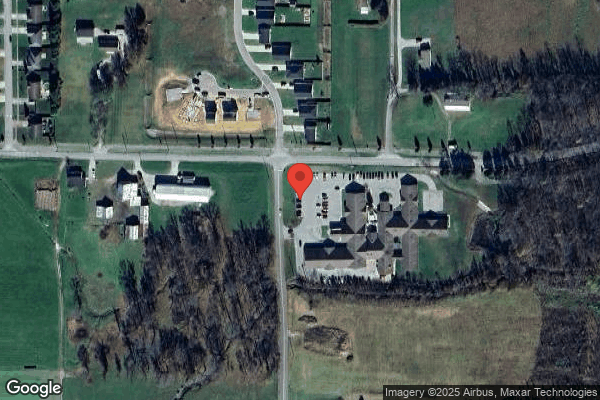
966 N WILSON RD, SCOTTSBURG, IN 47170 (812) 752-2694
For profit - Corporation 71 Beds TRILOGY HEALTH SERVICES Data: November 2025
Trust Grade
90/100
#44 of 505 in IN
Last Inspection: February 2025

Within standard 12-15 month inspection cycle. Federal law requires annual inspections.

Overview

Hampton Oaks Health Campus has received a Trust Grade of A, indicating it is an excellent facility that is highly recommended. It ranks #44 out of 505 nursing homes in Indiana, placing it in the top half of facilities statewide, and it is the best option among the four nursing homes in Scott County. The facility is improving, having reduced the number of issues from three in 2024 to zero in 2025. Staffing is a strength here, with a 4 out of 5 star rating and a turnover rate of 43%, which is below the state average, suggesting that staff are experienced and familiar with the residents. While there have been no fines, there were some concerns noted during inspections, including unsanitary conditions in the kitchen and incidents involving a resident who fell and was not properly documented for transfer, indicating areas for improvement despite the overall positive ratings.

Trust Score
A
90/100
In Indiana
#44/505
Top 8%
Safety Record
Low Risk
No red flags
Inspections
Getting Better
3 → 0 violations
Staff Stability
○ Average
43% turnover. Near Indiana's 48% average. Typical for the industry.
Penalties
✓ Good
No fines on record. Clean compliance history, better than most Indiana facilities.
Skilled Nurses
✓ Good
Each resident gets 55 minutes of Registered Nurse (RN) attention daily — more than average for Indiana. RNs are trained to catch health problems early.
Violations
○ Average
6 deficiencies on record. Average for a facility this size. Mostly minor or procedural issues.
★★★★★
5.0
Overall Rating
★★★★☆
4.0
Staff Levels
★★★★☆
4.0
Care Quality
★★★★★
5.0
Inspection Score
Stable
2024: 3 issues
2025: 0 issues

The Good

  • 4-Star Staffing Rating · Above-average nurse staffing levels
  • 4-Star Quality Measures · Strong clinical quality outcomes
  • Full Sprinkler Coverage · Fire safety systems throughout facility
  • No fines on record
  • Staff turnover below average (43%)

    5 points below Indiana average of 48%

Facility shows strength in staffing levels, quality measures, fire safety.

The Bad

Staff Turnover: 43%

Near Indiana avg (46%)

Typical for the industry

Chain: TRILOGY HEALTH SERVICES

Part of a multi-facility chain

Ask about local staffing decisions and management

The Ugly 6 deficiencies on record

Jan 2024 3 deficiencies
CONCERN (E)

Potential for Harm - no one hurt, but risky conditions existed

Transfer Notice (Tag F0623)

Could have caused harm · This affected multiple residents

4. The record for Resident 12 was reviewed on 1/4/24 at 10:35 a.m. The diagnoses included, but were not limited to, senile degeneration of brain, cardiomegaly, chronic kidney disease stage, Alzheimer'...

Read full inspector narrative →
4. The record for Resident 12 was reviewed on 1/4/24 at 10:35 a.m. The diagnoses included, but were not limited to, senile degeneration of brain, cardiomegaly, chronic kidney disease stage, Alzheimer's disease with late onset, dementia, disorientation, osteoarthritis, fall, palliative care, sepsis, dementia with agitation, encephalopathy, history of falling, fracture of the neck of left femur. The Significant Change in Status MDS assessment, dated 11/17/23, indicated the resident's cognition was severely impaired. The nurse's note, dated 5/12/23 at 9:21 a.m., indicated the nurse was alerted that the resident was on his knees next to the bathroom door. The resident had a laceration to his forehead with complaints of right knee pain. Pressure and ice were applied to the area, and EMS was called. The record lacked documentation of a signed Transfer/Discharge form provided to the resident or representative. The nurse's note, dated 8/21/23 at 4:26 a.m., indicated EMS arrived at the facility and the resident was in severe pain. The local hospital did not have an orthopedic physician in house, so the resident was being taken to another hospital. The nurse's note, dated 8/21/23 at 4:40 a.m., indicated EMS had exited the facility with the resident and was transporting the resident to the other hospital. The record lacked documentation of a signed Transfer/Discharge form provided to the resident or representative. The nurse's note, dated 11/26/23 at 4:34 p.m., indicated a CNA alerted the nurse that the resident was vomiting. Vital signs were taken, and the resident had a temperature of 100.7 Fahrenheit. The resident had fallen with a head injury yesterday. The resident's pupils were evaluated, and the left pupil was in the twos and the right pupil was six (baseline). The hospice company was made aware of the situation and indicated they would send a nurse to evaluate the resident. The hospice nurse called and indicated she could not make it to the facility to assess the resident within a reasonable amount of time and the doctor gave orders to send the resident to ER to be evaluated and treated. EMS were called and a transport was requested. EMS transported the resident to a local hospital for evaluation and treatment. During an interview on 1/8/24 at 10:12 a.m., RN 1 indicated he sent a CCD sheet, the face sheet, physician's progress notes and the Transfer/Discharge form in a packet when a resident went out to the hospital. They had just started making up the packets to send with residents last year. During an interview on 1/8/23 at 9:25 a.m., the DHS (Director of Health Services) indicated she had no documentation of the Transfer/Discharge for the resident. 5. The record for Resident 272 was reviewed on 1/4/24 at 2:18 p.m. The diagnoses included but were not limited to, arthrodesis status, pulmonary embolism, discitis lumbar region, intervertebral disc displacement lumbar region, spinal stenosis, lumbar region with neurogenic claudication. The nurse's note, dated 10/20/23 at 7:40 a.m., indicated the resident had a change in his cognitive status. The resident had been up for breakfast, was talking, and went to the toilet. Approximately 15 minutes later, the resident was diaphoretic, had a heart rate in the 150s, and was not responding. 911 was called and the resident was transferred to the hospital. The admission MDS assessment, dated 10/31/23, indicated the resident was cognitively intact. The record lacked documentation of a signed Transfer/Discharge form provided to the resident or representative. 3.1-12(a)(6)(A) Based on record review and interview, the facility failed to ensure 5 of 6 residents or responsible parties were provided written notice of Transfer/Discharge upon transfer to an acute care facility. (Residents 9, 67, 21, 12, and 272) Findings include: 1. The record for Resident 9 was reviewed on 1/8/24 at 9:08 a.m. The diagnoses included, but were not limited to, altered mental status, hypertensive heart disease with heart failure, acute systolic (congestive) heart failure, fluid overload, and acute pulmonary edema. The admission Minimum Data Set (MDS) assessment, dated 10/25/23, indicated the resident's cognition was severely impaired. A nurse's note, dated 10/21/23 at 1:55 p.m., indicated the resident had a change in condition with increased confusion and lethargy; Labored breathing, shortness of air, and flushed skin. Her colostomy was observed to have bright red tinged substances with a foul odor. The resident was unable to answer questions regarding pain or discomfort. The physician was notified and new orders were received to transfer the resident to the hospital emergency room. The family was made aware of the transfer. Documentation lacked to indicate the resident or the responsible party were given written notice upon the resident's transfer to the hospital, of the reasoning for the resident to be transferred to the hospital or which hospital she was going to. 2. The record for Resident 67 was reviewed on 1/3/24 at 1:46 p.m. The diagnoses included, but were not limited to, pain in left shoulder, generalized muscle weakness, abnormalities of gait and mobility, other symptoms and signs involving cognitive functions and awareness, and Alzheimer's disease. The admission MDS assessment, dated 9/26/23, indicated the resident's cognition was severely impaired. The nurse's note, dated 10/6/23 at 8:01 p.m., indicated the resident had become very aggressive and combative during the shift with multiple requests to go home. All efforts at redirection failed. After the nurse then sat with the resident to give her time to vent her feelings and check for safety, she went back to the nurse's station to call the family to come in. The nurse then heard a loud noise from the resident's room and found the resident laying on her back. She then rolled to her side with her head resting on the bed frame and yelled to go home. Upon assessment, the resident indicated her back was hurting and began vomiting on herself. She further indicated she was unable to have the nurse touch her back and began having labored breathing and feeling dizzy. While another nurse was helping assess the resident, the resident vomited a second time and was combative. The physician was notified and gave new orders for the resident to be sent to a special hospital for evaluation and treatment. While EMS (Emergency Medical Services) was evaluating and assisting the resident to the stretcher, she vomited a third time. Family was notified of the event. Documentation lacked to indicate the resident or the responsible party were given written notice upon transfer to the hospital, of the reasoning for the resident to be transferred to the hospital or which hospital she was going to. During an interview on 1/5/24 at 1:53 p.m., the Regional Director of Clinical Operations indicated she was unable to locate a copy of the Notice of Transfer/Discharge for Resident 67. 3. The record for Resident 21 was reviewed on 1/4/24 at 9:22 a.m. The diagnoses included, but were not limited to, displaced intertrochanteric fracture of left femur, subsequent encounter for closed fracture with routine healing, hemiplegia and hemiparesis following cerebral infarction affecting left non-dominant side, type 2 diabetes mellitus with diabetic neuropathy, unspecified, age-related osteoporosis, unspecified fall, and other abnormalities of gait and mobility. The Quarterly MDS assessment, dated 8/18/23, indicated the resident was alert and oriented. The nurse's note, dated 10/11/23 at 4:00 p.m., indicated that while holding onto the bar in the bathroom in order to be transferred onto the toilet by the CNA (Certified Nurse Aide), the resident's left leg gave out and buckled. The CNA was unable to hold the resident up and the resident fell to the floor and landed on her left hip. The resident was assisted into bed and began to complain of left hip and knee pain. The physician, family and management were notified and new orders were received to obtain an X-ray of the left hip and knee and continue to monitor the resident. A nurse's note, dated 10/11/23 at 5:48 p.m., indicated the resident was in bed resting and administered pain medication as ordered. The X-ray results were pending. A nurse's note, dated 10/11/23 at 11:41 p.m., indicated the X-ray results showed an acute left intertrochanteric hip fracture. Physician was notified and gave an order to send the resident to the hospital. Family was called and informed. Documentation lacked to indicate the resident or the responsible party were given written notice upon transfer to the hospital, of the reasoning for the resident to be transferred to the hospital or which hospital she was going to. During an interview on 1/5/24 at 1:30 p.m. with LPN (Licensed Practical Nurse) 2, she indicated the face sheet, EMS transfer form, list of medications, a copy of the continuity of care form (CCD) and a copy of the Notice of Transfer/Discharge was put into the packet and sent with the resident to the hospital. She did not give the resident or the family a copy of the Notice of Transfer/Discharge.
CONCERN (E)

Potential for Harm - no one hurt, but risky conditions existed

Deficiency F0625 (Tag F0625)

Could have caused harm · This affected multiple residents

4. a. The nurse's note, dated 5/12/23 at 9:21 a.m., indicated the nurse was alerted that Resident 12 was on his knees next to the bathroom door. The resident had a laceration to his forehead with comp...

Read full inspector narrative →
4. a. The nurse's note, dated 5/12/23 at 9:21 a.m., indicated the nurse was alerted that Resident 12 was on his knees next to the bathroom door. The resident had a laceration to his forehead with complaints of right knee pain. Pressure and ice were applied to the area and EMS was called. b. The nurse's note, dated 8/21/23 at 4:40 a.m., indicated EMS had exited the facility with the resident and was transporting the resident to the other hospital. c. The nurse's note, dated 11/26/23 at 4:34 p.m., indicated a CNA alerted the nurse that the resident was vomiting. Vital signs were taken, and the resident had a temperature of 100.7 Fahrenheit. The resident had fallen with a head injury yesterday. The resident's pupils were evaluated, and the left pupil was in the twos and the right pupil was six (baseline). The hospice company was made aware of the situation and indicated they would send a nurse to evaluate the resident. The hospice nurse called and indicated she could not make it to the facility to assess the resident within a reasonable amount of time and the doctor gave orders to send the resident to ER to be evaluated and treated. EMS were called and a transport was requested. EMS transported the resident to a local hospital for evaluation and treatment. The record lacked documentation of a signed Bed Hold form provided to the resident or the resident's representative for all the following resident transfer dates: 5/12, 8/21, and 11/26/23. The record for Resident 12 was reviewed on 1/4/24 at 10:35 a.m. The diagnoses included, but were not limited to, senile degeneration of brain, cardiomegaly, chronic kidney disease, Alzheimer's disease with late onset, dementia, disorientation, osteoarthritis, fall, palliative care, sepsis, dementia with agitation, encephalopathy, history of falling, fracture of the neck of left femur. The Significant Change in Status MDS assessment, dated 11/17/23, indicated the resident was severely cognitively impaired. During an interview on 1/8/23 at 9:25 a.m., the DHS provided a copy of the Bed Hold Notification form. There was no signature of receipt of the document. There was no documentation of the resident or representative receiving a copy of the Bed Hold Notification. During an interview on 1/8/24 at 10:12 a.m., RN 1 indicated he sent a CCD (continuity of care document) sheet and the Bed Hold policy, the face sheet, physician's progress notes and the Transfer/Discharge form in a packet when a resident went out to the hospital. They had just started making up the packets to send with residents last year. During an interview on 1/8/23 at 9:25 a.m., the DON indicated she had no documentation of the Bed Hold for the resident. 5. The nurse's note, dated 10/20/23 at 7:40 a.m., indicated Resident 272 had a change in his cognitive status. The resident had been up for breakfast, was talking, and went to toilet. Approximately 15 minutes later, the resident was diaphoretic, had a heart rate in the 150s, and was not responding. Emergency 911 was called and the resident was transferred to the hospital. The resident's diagnoses included, but were not limited to, arthrodesis status; pulmonary embolism; and discitis lumbar region, intervertebral disc displacement lumbar region, spinal stenosis, lumbar region with neurogenic claudication. The admission MDS assessment, dated 10/31/23, indicated the resident was cognitively intact. The DHS provided a copy of the facility's Bed Hold Notification form for Resident 272 on 1/5/24 at 2:45 p.m. There was no documentation or signature by the resident or representative having received a copy of the Bed Hold Notification. During an interview on 1/5/24 at 1:35 p.m., RN 3 indicated the bed hold was signed by the resident if able or the family if they were present and given a copy. If the resident was not able to sign and no family was present, then just 2 nurses would sign the bed hold as witnesses. During an interview on 1/5/24 at 1:36 p.m., RN 4 indicated the bed hold policy would be signed by 2 nurses only if the resident was unable to sign or no family were present. During an interview on 1/5/24 at 1:40 p.m., LPN 5 indicated she had the resident if able or the family sign the bed hold policy when transferred to the hospital. During an interview on 1/5/24 at 1:53 p.m., the Regional Director of Clinical Operations indicated she had the DHS (Director of Health Services) implement an action plan on what to send with the resident to appointments and the hospital and what to have the resident or family sign. During interview on 1/5/24 also at 1:53 p.m., the DHS indicated she developed an action plan on 12/4/23. She had inserviced the nurses, on 12/5/23, related to the paperwork needed to accompany the resident when going to appointments or the hospital. This included having the resident or family sign the bed hold policy. She then did audits on those residents who went out to the hospital after 12/4/23 for compliance. The facility's current policy on Guidelines for Transfer and Discharge (Including AMA) included, but was not limited to, .Procedures: 5. Notice of Bed-Hold Policy and readmission: .b. Before the facility transfers a resident to a hospital .Nursing staff or other designated staff member should provide written information to the resident and a family member or legal representative of the bed-hold and admission policies. c. In cases of emergency transfers, the notice of the bed-hold policy should be provided to the resident or resident's representative within 24 hours of the transfer .d. Social Services should review the documentation the following business day to assure written information was provided to the resident and a family member or legal representative of the bed-hold and admission policies. Notification of bed-Hold Policy and readmission should be provided via certified mail in the event notification was not provided as part of the discharge process. The facility's current Bed Hold Policy - Policies and Procedures Revenue [NAME] and Collections included, but was not limited to, Policy: The campus will properly inform residents in advance or their option to make bed-hold payments as well as the amount of the facility's charge to hold a bed .Purpose: To establish a policy and procedure following a state and federal guidelines as iot pertains to resident notification and billing procedures for hospital leave therapeutic leave bed-hold . The Past noncompliance began on 12/4/23 and the deficient practice corrected by 1/4/24 after the facility implemented a systemic plan that included the following actions: The facility completed nurse education on the discharge process and Bed-Hold policy (12/5/23) and all residents transferred to the hospital after 12/4/23 were audited to ensure 100% compliance on transfers/discharges to the hospital. 3.1-12(a)(25) 3.1-12(a)(26) Based on record review and interview, the facility failed to ensure 5 of 6 residents or responsible parties were provided written notice of and signed the facility's bed hold policy upon transfer to an acute care facility. (Residents 9, 67, 21, 12, and 272) Findings include: 1. A nurse's note, dated 10/21/23 at 1:55 p.m., indicated Resident 9 was observed to have a change in condition with increased confusion and lethargy. The physician was notified and new orders were received to transfer the resident to the hospital emergency room. The family was made aware of the transfer. Documentation lacked the resident or the responsible party were given the facility's bed hold policy, the policy was explained to them, or had them sign a copy of it. The resident's diagnoses included, but were not limited to, altered mental status, hypertensive heart disease with heart failure, acute systolic (congestive) heart failure, fluid overload, and acute pulmonary edema. The admission Minimum Data Set (MDS) assessment, dated 10/25/23, indicated the resident's cognition was severely impaired. 2. The nurse's note, dated 10/6/23 at 8:01 p.m., indicated Resident 67 had become very aggressive and combative during the shift with multiple requests to go home. The physician was notified and gave new orders for the resident to be sent to a hospital for evaluation and treatment. Documentation lacked to indicated the resident or the responsible party were given the facility's bed hold policy, the policy was explained to them, or had them sign a copy of it. The resident's diagnoses included, but were not limited to, generalized muscle weakness, abnormalities of gait and mobility, other symptoms and signs involving cognitive functions and awareness, and Alzheimer's disease. The admission MDS assessment, dated 9/26/23, indicated the resident's cognition was severely impaired. 3. A nurse's note, dated 10/11/23 at 11:41 p.m., indicated Resident 21's X-ray results showed an acute left intertrochanteric hip fracture. The physician was notified and gave an order to send the resident to the hospital. Family was called and informed. Documentation lacked to indicate the resident or the responsible party were given the facility's bed hold policy, the policy was explained to them, or had them sign a copy of it. The resident's diagnoses included, but were not limited to, displaced intertrochanteric fracture of left femur, subsequent encounter for closed fracture with routine healing, hemiplegia and hemiparesis following cerebral infarction affecting left non-dominant side, type 2 diabetes mellitus with diabetic neuropathy, unspecified, age-related osteoporosis, unspecified fall, and other abnormalities of gait and mobility. The Quarterly MDS assessment, dated 8/18/23, indicated the resident was alert and oriented. During an interview on 1/5/24 at 1:30 p.m., LPN (Licensed Practical Nurse) 2 indicated a copy of the facility's bed hold policy was put into the packet and sent with the resident to the hospital. She did not give the resident or the family a copy of the Bed Hold policy or have them sign it.
CONCERN (F)

Potential for Harm - no one hurt, but risky conditions existed

Food Safety (Tag F0812)

Could have caused harm · This affected most or all residents

Based on observation and interview, the facility failed to ensure the kitchen was maintained in a sanitary manner for 4 of 4 observations. This deficient practice had the potential to affect all 65 re...

Read full inspector narrative →
Based on observation and interview, the facility failed to ensure the kitchen was maintained in a sanitary manner for 4 of 4 observations. This deficient practice had the potential to affect all 65 residents currently residing at the facility. Findings include: 1. During the initial tour of the kitchen on 1/2/24 between 9:10 a.m. and 9:40 a.m. while accompanied by the Director of Food Service, the following concerns were observed: - The shelf below the steamer had a dinner plate size brown puddle on it along with tan food particles. - The top of the dishwasher had a heavy soil of brown and yellow food crumbs and grease. - The grill slats had a heavy coat of dried black crust on them with black crumbs on the tray in front of the grill. The Director of Food Service indicated at this time that the cooks scraped it off after each time they used it. - The left side of the convection oven next to the grill had a heavy coat of yellow/brown grease and food particles. - The right side of the stove next to the grill and the left side of the stove next to the fryer had a heavy coat of yellow and brown grease and food particles. - The entire length of the metal strip of the range hood near the ceiling had a heavy coat of brown grease with gray dust stuck to it. - The shelf under the main prep counter in front of the stove had various small piece of food particles and spots on it. - The Walk-in fridge 2 condenser fan covers, the area surrounding the fans and the ceiling of the walk in had a 2 foot wide section that ran the entire length of the unit with a moderate coating of gray greasy dust. The entire length of silver electric cord to the light fixture above the entrance door was coated with a moderate amount of gray dust. The fans were running at this time and there were open boxes of various produce items on the shelves. - The fryer had a moderate amount of brown food particles in the oil. - The stove burners had a build up of brown food particles on them. 2. During the lunch meal observation in the kitchen on 1/2/24 between 11:20 a.m. and 12: 30 p.m., the following concerns were observed: - The same issues identified at 9:10 a.m. remained. - Inside the sandwich station, there was a moderate amount of brown and yellow food particles on the bottom shelf and the entire outside of the unit had streaks and brown food particles on it. - The toaster unit - there were brown crumbs on the top rack and a heavy build-up of black debris under the 2 chains that propelled the racks was able to be scraped with a paper towel. - Under the fryer and steamer was a piece of frozen fish and fried fish was observed on the steam table for lunch. 3. During a kitchen observation on 1/4/24 between 10:55 a.m. and 11:30 a.m., the following concerns were observed: - The same concerns identified on 1/2/24 at 9:10 a.m. and 11:10 a.m. remained. - The grill grates had a heavy build-up of black debris on them and there were black and yellow food particles in the tray in front of the grates. The Assistant Dietary Manager indicated at this time that the grill was last used the previous evening. - Although the brown puddle on the shelf below the steamer was gone, there was still multiple dried spots. - The piece of fish remained under the fryer along with 4 french fries under the fryer and stove floor. - The toaster remained with a black substance under the chains and a heavy build up of bread crumbs on the bottom ledge and under the toaster. - The front ledge of the range hood remained with heavy yellow/brown grease and the section of the hood below the filters between the stove, grill, and convection oven had a heavy coating of yellow/brown grease on it. - Although a Dietary Aide was observed sweeping the floor under the shelving racks, a creamer and plastic lid remained on the floor under the cereal and microwave counter. 4. During a kitchen observation on 1/8/24 at 1:10 p.m. with the Director and Assistant Director of Food Services, the following concerns were identified: - The same issues identified on 1/2/24 at 9:10 a.m. and 11:10 a.m. and on 1/4/24 at 10:55 a.m. remained. - The shelf under the steamer had multiple dried spots on it. - The sandwich station inside bottom cabinet remained the same. When the cover was lifted, there was yellow and brown food debris along the outside edge of the wells with wilted lettuce inside one of the wells. - The front ledge hood remains with heavy yellow/brown grease, the section of the hood below the filters between the stove, grill and convection oven remains with a heavy coating of yellow/brown grease. - The tops of the flour, sugar and bread crumb bins were soiled with a white powdery substance and the outside of the bins had dirt streaks on them. - The front of the steam table had dried water streaks down the entire front. - The outside of the prep sink had a heavy soil of brown/black dried food particles. - The wall behind the stove, grill and convection oven had a heavy build up of grease and food particles. - The fries and the piece of fish were now gone. During an interview on 1/8/24 at 1:23 p.m., the Assistant Director of Food Services indicated that Maintenance had an outside company who came in to clean the hood, but did not know how often or when the last time the company came in. Maintenance was responsible for cleaning the fans in the walk-in refrigerator. During an interview on 1/8/24 at 1:25 p.m., the Director of Food Services indicated the afternoon cooks and staff had more time to do the cleaning, some of the things, like the stove burners were left to them to do instead of the morning cooks. All the staff should be cleaning the sides of the stove and the convection oven. The cooks were supposed to strain the food crumbs from the oil after using it. During an interview on 1/8/24 at 1:30 p.m., the Maintenance Director indicated he cleaned the walk-in refrigerator fans every six months at the same time as the outside company came in to clean the range hood. They were due to come in this month and that he would take care of cleaning the fans when they came in. The receipt from the outside company indicated they were last in the facility on 7/9/23. On 1/9/24 at 9:00 a.m., the Director of Food Services presented a copy of the as-completed cleaning schedules, dated 12/31/23 to 1/6/24, for the cooks and dietary aides. Review of the schedules indicated the following tasks were signed off as being completed each day during this time period: a. AM [NAME] Cleaning Schedule: - Steamer - wipe down. - Fryer - wiped down and strained. - Charbroiler - grates clean, wiped down including hose. - Charbroiler Drip Tray emptied and relined with foil. - Toaster - clean and free of crumbs. - Convection ovens, including hose. - Back wall behind equipment. - Remove and clean range top burner covers. - Prep table clean - including bottom shelf. - Sweep and Mop floor - including under equipment. b. AM Aide Cleaning Schedule: - Dishwasher cleaned. c. PM [NAME] Cleaning Schedule: - Steamer - wipe down. - Fryer - wiped down and strained. - Charbroiler - grates clean, wiped down including hose. - Charbroiler Drip Tray emptied and relined with foil. - Convection ovens, including hose. - Back wall behind equipment. - Remove and clean range top burner covers. - Prep table clean - including bottom shelf. - Sweep and Mop floor - including under equipment. 3.1-21(i)(3)
Dec 2022 3 deficiencies
CONCERN (D)

Potential for Harm - no one hurt, but risky conditions existed

Report Alleged Abuse (Tag F0609)

Could have caused harm · This affected 1 resident

Based on interview and record review, the facility failed to ensure an allegation of misappropriation of resident funds was reported to the State Agency for 1 of 3 resident's reviewed for reporting of...

Read full inspector narrative →
Based on interview and record review, the facility failed to ensure an allegation of misappropriation of resident funds was reported to the State Agency for 1 of 3 resident's reviewed for reporting of alleged violations. (Resident 40) Findings include: The clinical record for Resident 40 was reviewed on 12/14/22 at 1:00 p.m. The diagnosis included, but was not limited to, depression. The Annual MDS Assessment, dated 9/8/22, indicated the resident was cognitively intact. During an interview on 12/13/22 at 2:06 p.m., Resident 40 indicated two to three months ago someone had taken his wallet out of his drawer and taken the money out of it and then put the wallet back. He told everyone about it and they all said they would keep an eye out, but nothing came of it. He didn't have a lock on his drawer prior, but after the incident happened the maintenance man put a lock on his drawer. He recalled talking to the Executive Director (ED) and one of the aides about it missing. The facility did not replace his money. The concern log, provided on 12/16/22 at 8:00 a.m., by the ED indicated the resident reported a concern on 9/15/22. The nature of the concern was lost property. The resident was missing $65 from his wallet. The resident stated he knew about a month prior he had $65 in his wallet. He had two twenty dollar bills, two ten dollar bills, and one five dollar bill. On 9/15/22, he looked in his wallet and the money wasn't there. He could not pinpoint when it came up missing, but knew it was in his wallet a month prior. The resolution indicated a lock was put on the resident's drawer so he could lock his money up. The facility offered for him to open an account with the business office but he wanted to lock his money up in his room and understood the risks of keeping it there. The facility offered to go buy him the things he needed to compensate for the money he lost but the resident stated he did not need anything, he just liked to have money on hand. The resident's family member was going to bring him $25. The Executive Director discussed the issue and ensured the resident had a way to secure his money and discussed again with him the resident trust. During an interview on 12/15/22 at 2:07 p.m., the ED indicated she did recall the resident saying he was missing money. He had gotten a birthday card. He didn't put it in his bank account with the facility. It had been several months. They could not replace the money. A State reportable for the resident's allegation of missing funds could not be provided by the facility when requested on 12/16/22 at 12:05 p.m. During an interview on 12/16/22 at 12:06 p.m., the ED indicated she had not been reporting every time the resident's said they had missing property. They verified to make sure they didn't have anyone else missing anything. With Resident 40, they asked other residents and no one else had complaints of any money missing. She talked with the staff on the floor to see if they knew if he had money. Nobody was aware of any money that he had. She did not report the resident's allegation. The Reportable Event Guidelines policy, provided on 12/16/22 at 9:00 a.m. by the ED, included, but was not limited to, Procedures . 1. Occurrences to be reported include . d. Misappropriation of funds . 2. The campus shall complete the appropriate 'State Reporting Form' and send to the State Agency within the time set forth in state and federal guidelines . 3.1-28(c)
CONCERN (D)

Potential for Harm - no one hurt, but risky conditions existed

Deficiency F0692 (Tag F0692)

Could have caused harm · This affected 1 resident

**NOTE- TERMS IN BRACKETS HAVE BEEN EDITED TO PROTECT CONFIDENTIALITY** Based on observation, record review, and interview, the facility failed to ensure adequate monitoring of fluid status, including...

Read full inspector narrative →
**NOTE- TERMS IN BRACKETS HAVE BEEN EDITED TO PROTECT CONFIDENTIALITY** Based on observation, record review, and interview, the facility failed to ensure adequate monitoring of fluid status, including daily weights (Residents 3, 36, and 2) and application of compression hose (Resident 3) for 3 of 4 residents reviewed for fluid/hydration status. Findings include: 1. The clinical record for Resident 3 was reviewed on 12/14/22 at 1:58 p.m. The diagnoses included, but were not limited to, hypertensive heart disease with heart failure, chronic diastolic CHF (congestive heart failure), and atrial fibrillation. The care plan, initiated on 7/11/22 and last revised on 11/10/22, indicated the resident had potential for complications related to CHF. The interventions included, but were not limited to, weight as ordered, observe for and report complications as needed. The Physician's note, dated 8/11/22 at 8:56 p.m., indicated the resident had worsening leg edema. A chest x-ray was consistent with pulmonary congestion. She had acute on chronic CHF and was started on lasix 40 mg daily. The physician's order, dated 10/17/22, indicated to obtain the residents weight upon waking for accurate documentation daily between 6:00 a.m. and 12:00 p.m. The order did not specify any parameters for physician notification. The review of the November TAR (Treatment Administration Record) for the resident's daily weight documentation indicated the following: -On 11/11/22 the resident's weight was not obtained and it was not documented why. -On 11/13/22 the resident weighed 188.2 lbs. -On 11/14/22 the resident weighed 192 lbs, which was a 3.8 lbs increase in weight in a day. There was no documentation of notification to the physician of the gain. The IDT note, date 11/21/22 at 9:00 a.m., indicated the resident had an increase in edema and a productive cough. She was COVID and flu tested and was negative. She had just recently recovered from COVID a little over 30 days ago. The IDT note, dated 11/26/22 at 3:03 p.m., indicated the resident had 4+ (plus) edema to the bilateral lower extremities and feet. The physician was notified with new orders to give Lasix 40 mg (milligrams) twice daily for one week. The physician's order, dated 11/28/22, indicated to apply TED (compression) hose to the resident's bilateral lower extremities every morning and remove at bedtime. The review of the December TAR (Treatment Administration Record) for the resident's daily weight documentation indicated the following: -On 12/2/22 the resident weighed 193.8. -On 12/3/22 the resident weighed 197.8 lbs which was a 4 lb weight gain with no documentation of physician notification. -On 12/7/22 the resident weighed 198.4 lbs. -On 12/8/22 the resident weighed 202.4 lbs which was a 4 lb weight gain with no documentation of physician notification. -On 12/13/22 the resident weighed 200 lbs. -On 12/14/22 the resident weighed 205 lbs which was a 5 lb weight gain with no documentation of physician notification. During an observation on 12/16/22 at 11:09 a.m., Resident 3 was sitting up in her wheelchair wearing jeans and socks. Her legs were very edematous with the swelling extending over the cuffs of her socks. She did not have any compression hose in place. The review of the TAR indicated RN 5 had marked the resident's order for compression hose as applied on the morning of 12/16/22. On 12/15/22 they were marked as not applied due to the item being unavailable. During an interview on 12/16/22 at 11:14 a.m., RN 5 indicated they had ordered the resident compression hose but they were the wrong size and they had ordered them again. They had been putting the large on her but they were too tight on her calves. She requested the extra large be ordered earlier last week. She did not have it documented anywhere. She did not know when the last the last time she recalled putting the compression hose on the resident was. She attempted the day prior and the resident hollered they were too tight and painful. She may have documented they were applied that morning, but she did not attempt to apply them because of the previous interaction with her the day prior. It could take a week or longer to get the hose in. She talked to supply about ordering them, she requested it from them a week ago. She did not talk to anyone yesterday when she went to apply them and she had not seen any boxes come in. The central supply and laundry room were toured with the DON (Director of Nursing), on 12/16/22 at 11:20 a.m. There were no extra large compression hose available. During an interview on 12/16/22 at 11:23 a.m., QMA (Qualified Medication Aide) 6 indicated she was in charge of ordering supplies and she had not been asked to order any extra large compression hose and was not aware Resident 3 needed a pair. When she ordered them they could be in usually within one day. During an interview on 12/19/22 at 11:17 a.m., RN 5 indicated for a resident with an order for daily weights she would notify the physician of a weight gain of 3 lbs. within a day or 5 lbs in a week. That was the typical standard. If she noticed a weight gain she would notify the DON, get ahold of the doctor, and see if they had any orders. 2. The clinical record for Resident 36 was reviewed on 12/15/22 at 10:05 a.m. The diagnoses included, but were not limited to, hypertensive heart and chronic kidney disease with heart failure and stage 1 through stage 4 chronic kidney disease and chronic diastolic CHF. The physician's order, dated 5/4/22, indicated to obtain a weight on the resident once daily between 6::00 a.m. and 2:00 p.m. The order lacked documentation of any parameters for physician notification. The care plan, initiated on 5/12/22 and last revised on 12/8/22, indicated the resident had chronic kidney disease related to renal failure. The interventions included, but were not limited to, assess for fluid excess which included weight gain and monitor weight per order. The review of the May TAR (Treatment Administration Record) for the resident's daily weights indicated the following: -On 5/7/22 the resident weight 215 lbs. -On 5/8/22 the resident weighed 220 lbs, which was a 5 lb. weight gain. There was no documentation of physician notification of the gain. -On 5/10/22 the resident weighed 225 lbs. There was no documentation of physician notification of the gain. -On 5/13/22 the resident's weight was not obtained. -On 5/14/22 the resident weighed 229.2 lbs. There was no documentation of physician notification of the gain. The review of the June TAR for the resident's daily weights indicated the following: -On 6/1/22 the resident weighed 213.4 lbs. -On 6/2/22 the resident weighed 218 lbs, which was a 4.6 lb weight gain. There was no documentation of physician notification of the gain. -On 6/5/22 the resident weighed 216.2 lbs. -On 6/6/22 the resident weighed 220.6 lbs, which was a 4.4 lb weight gain. There was no documentation of physician notification of the gain. -On 6/14/22 the resident weighed 210.4 lbs. -On 6/15/22 the resident weighed 214.2 lbs, which was a 3.8 lb weight gain. There was no documentation of physician notification of the gain. -On 6/24/22 the resident weighed 211 lbs. -On 6/25/22 the resident weighed 221.2 lbs, which was a 10.2 lb weight gain. A nurse's note, dated 6/25/22 at 12:16 a.m., indicated the resident had 4+ edema to her right leg and 2+ edema to her left leg. The physician was notified that her medication were not helping with her edema, however the note did not indicated the physician was notified of the resident's weight gain. The review of the July TAR for the resident's daily weights indicated the following: -On 7/3/22 the resident weighed 208.4 lbs. -On 7/4/22 the resident weighed 212.8 lbs., which was a 4.4 lb weight gain. There was no documentation of physician notification of the gain. The review of the August TAR for the resident's daily weights indicated the following: -On 8/6/22 the resident weighed 207.8 lbs. -On 8/7/22 the resident weighed 214.4 lbs, which was a 3.6 lb gain. There was no documentation of physician notification of the gain. -On 8/10/22 the resident weighed 212.8 lbs. -On 8/11/22 the resident weighed 215.8 lbs, which was a 3 lbs weight gain. There was no documentation of physician notification of the gain. The review of the September TAR for the resident's daily weights indicated the following: -On 9/13/22 the resident weighed 213.1 lbs. -On 9/14/22 the resident weighed 217.8 lbs, which was a 4.7 lb weight gain. There was no documentation of physician notification of the gain. -On 9/28/22 the resident weighed 213.5 lbs. -On 9/29/22 the resident weighed 219.2 lbs, which was a 5.7 lb weight gain. There was no documentation of physician notification of the gain. The review of the November TAR for the resident's daily weights indicated the following: -On 11/18/22 the resident weighed 214.2 lbs. -On 11/19/22 the resident weighed 218 lbs, which was a 3.8 lb weight gain. There was no documentation of physician notification of the gain. -On 11/20/22 the resident weighed 217 lbs. -On 11/21/22 the resident weighed 220 lbs, which was a 3 lb weight gain. There was no documentation of physician notification of the gain. -On 11/24/22 the resident's weight was not obtained. 3. The clinical record for Resident 2 was reviewed on 12/13/22 at 11:08 a.m. The diagnoses included, but were not limited to, hypertensive heart disease with heart failure, acute on chronic diastolic CHF, atrial fibrillation, cardiomegaly, hypokalemia, hypomagnesemia, and presence of cardiac pacemaker. The care plan, initiated on 1/7/21 and last revised on 8/15/22, indicated the resident was at risk for malnutrition. Interventions included, but were not limited to, obtain weight as ordered by the physician. The physician's note, dated 9/9/22 at 11:48 a.m., indicated the resident was started on minoxidil for her hypertension. The nurse's note, dated 9/20/22 at 12:13 p.m., indicated the resident was weaker than normal and required assist of 2 for transfers. Her heartrate was running between 74-124. The physician was notified related to the resident being on the new order for minoxidil but she indicated that would not be the cause. She referred the resident to her cardiologist. The BMP result, dated 9/12/22, indicated the resident's potassium was 3.6 mmol/L (millimole per liter) (normal value 3.5 to 5.1). The BMP results, dated 10/5/22, indicated the resident potassium was low at 3.3 mmol/L (normal value 3.5 - 5.1) The nurse's note, dated 10/7/22 at 12:25 a.m., indicated the nurse entered the resident's room and found her talking about a skeleton and laughing to herself. She was having involuntary muscle movements and erratic breathing. Her oxygen was 85% (percent) on room air, her blood pressure was 176/95, and her heartrate was 110. The physician was notified of the resident's condition along with her recent lab values. The physician gave no new orders and indicated to monitor the resident's condition and notify her if it worsened. The nurse's note, dated 10/7/22 at 10:00 a.m., indicated the resident was not acting right, was having difficulty taking medications and shortness of air. She had edema to her upper extremities, bilateral arms, face and neck. Her blood pressure was 170/80, her pulse was 116. The physician ordered to send the resident to the hospital. The nurse's note, dated 10/8/22 at 9:04 p.m., indicated the resident was admitted for observation related to a CHF exacerbation, hypomagnesemia, and hypokalemia. Electrolytes being replaced and and the resident was pleasant at that time. The hospital Discharge summary, dated [DATE], indicated the resident was admitted to the hospital on [DATE] for congestive heart failure, chest pain, and hypomagnesemia. The resident was returning to the facility from the hospital in stable condition with instruction to return to the hospital if symptoms reoccurred. The resident was instructed to weigh herself daily every morning when she got up before she ate. She was to call her doctor when she had a gain of more than 2 lbs in a day or 5 lbs in a week. The nurse's note, dated 10/10/22 at 11:20 a.m., indicated the resident returned to the facility. The nurse's note, dated 10/12/22 at 12:11 a.m., indicated the resident did not seem right. She was in bed with eyes closed and having involuntary jerky arm movements and saying things that didn't make any sense. When asked what her name was and where she was, the resident would just laugh or say something that made no sense. The residents blood pressure was 132/75 and he heart rate was 110. She didn't seem short of air or have any trouble breathing but was very jerky and having what seemed like involuntary muscle spasms in her arms and body. The physician was notified in detail of the resident's current status and said that since she was not in pain or discomfort to just monitor the resident. The nurse's note, dated 10/12/22 at 4:20 a.m., indicated the resident was still having involuntary jerking movements of the face and extremities. She seemed very anxious and was breathing a little more heavy than earlier. When asked if she was in pain the resident said she was hurting all over and in her right arm and shoulder. She seemed to have not gotten any better and maybe even worse than last time The physician was notified and ordered to send the resident to the hospital. The nurse's note, dated 10/12/22 at 7:56 p.m., indicated the emergency room nurse reported the resident's potassium level was 2.7 They were replacing her potassium and were going to recheck her levels soon to see if she needed more. The hospital Discharge summary, dated [DATE], indicated the resident presented to the hospital from the nursing facility with altered mental status. Her assessment and plan indicated she likely had worsening congestive heart failure, hypokalemia, and hypomagnesemia. The heart failure discharge care plan and goals indicated, Weight yourself every morning on the same scale when you get up -- before you eat but after you use the bathroom . write down your weight every day on a chart so that you can keep track of it . She was to call her doctor when she had a gain of more than 2 lbs in a day or 5 lbs in a week. The clinical record lacked documentation of any daily weights or any physician's orders for daily weights upon the resident's return to the facility on [DATE]. During an interview on 12/19/22 at 11:30 a.m., RN 7 indicated if a resident had a gain of more than 5 lbs in a day they would notify the physician. If it was more than 8 to 10 lbs they would reweigh the resident to be certain and then would definitely notify the physician. That was a standard of what to do. If a resident had an order for compression hose and they did not have the right size, he would talk to QMA 6 and get the right size ordered for them. During an interview on 12/19/22 at 12:06 p.m., Resident 3 and Resident 2's physician indicated for CHF patients she did not have standards for weight monitoring. With someone with daily weights, if she ordered daily weight she would give an order for parameters. If a resident had a weight change she would say 5 lbs a day she was sure they would notify her. During an interview on 12/19/22 at 11:38 a.m., the DON indicated if they saw a significant weight change she would expect staff to reweigh the resident and ensure it was an accurate weight. Typically the physician ordered weight parameters. In her own standard she would say if a resident had a weight gain greater than 5 lbs, if they had reweighed and assessed the resident, she would notify the physician. She was not sure offhand why they did not continue the daily weights on Resident 2 upon her return from the hospital. Guidance titled Managing Heart Failure Symptoms was obtained from the American Heart Association website on 12/18/22. The guidance included, but was not limited to, . Your healthcare team will tell you which heart failure symptoms you should track. The most common symptoms to track are . Daily weight Many people are first alerted to worsening heart failure when they notice a weight gain of more than two or three pounds in a 24-hour period or more than five pounds in a week .It's a good idea to track your weight and check in with your doctor if you notice sudden changes. Make sure you know the amount of weight gain your healthcare provider considers to be a problem for you . The Guidelines for Weight Tracking policy, provided on 12/16/22 at 9:00 a.m. by the ED, included, but was not limited to, . Purpose . To ensure resident weight is monitored for weight gain and/or loss to prevent complications arising from compromised nutrition/hydration . 7. Resident's who have a weight that seem out of normal range shall be re-weighed to determine the accuracy of the original weight . 3.1-46(a)(1)
CONCERN (D)

Potential for Harm - no one hurt, but risky conditions existed

Deficiency F0745 (Tag F0745)

Could have caused harm · This affected 1 resident

Based on record review and interview, the facility failed to ensure appropriate social services follow-up and monitoring resident with a feeling of hopelessness and stating they were better off dead f...

Read full inspector narrative →
Based on record review and interview, the facility failed to ensure appropriate social services follow-up and monitoring resident with a feeling of hopelessness and stating they were better off dead for 1 of 5 residents reviewed for social services. (Resident 43) Findings include: The clinical record for Resident 43 was reviewed on 12/13/22 at 1:38 p.m. The diagnoses included, but were not limited to, major depressive disorder, anxiety disorder and altered mental status. The 5-Day MDS (Minimum Data Set) assessment, dated 11/17/22, indicated the resident was moderately cognitively intact. The care plan, dated 11/29/22 and revised on 12/12/22, indicated the resident had a history of a traumatic experience or event. She had experienced the recent death of a child. Interventions included, but were not limited to, assist the resident to identify and avoid triggers from the traumatic experience, provide supportive contacts to the resident as needed, offer the resident choices in daily routine and involve the resident in the plan of care, offer psychiatric and supportive services to the resident and/or the resident representative, and observe for signs and symptoms of re-traumatization (examples given included anxiety, avoidance, depression, disassociation, intrusive thoughts, new or worsening behaviors, and sleep disturbances.) The Social Services note, dated 11/29/22 at 3:48 p.m., indicated the resident came to the social service office to talk and she voiced that she felt like she wanted to go home, but she knew she needed help right now, and the Social Service Director (SSD) explained to the resident about some different options, including assisted living with Medicaid waiver and the facility wasn't going to keep her here against her will. The resident indicated she wanted to give it a little bit longer because she said she loved it at the facility, and it was just a hard adjustment. The resident was open to speaking with talk therapy and have psychiatric care follow her as she felt she may need some medicines adjusted. She did feel anxious at times, and she did feel depressed. The resident indicated her family member committed suicide less than a year ago and that, along with her health issues had affected her. The nurse's note, dated 12/2/22 at 1:32 p.m., indicated the resident was tearful during the am while staff assisted her to the bathroom. Stating so many things were wrong, and she felt out of sorts, and wanted to go home but she knew she couldn't. The resident indicated she was having a tough morning. Staff encouraged the resident to utilize call light for assistance to help avoid falls. The IDT (Interdisciplinary Team) note, dated 12/10/22 at 3:35 p.m., indicated the resident was assessed with depression symptoms on 12-8-22, and was currently receiving Duloxetine 60 mg po (oral) daily for depression. She was not wanting to participate in her usual routine of going dining room. She was staying in bed more and showed no interest. Staff would continue to monitor the resident's mood state and keep the physician aware. The nurse's note, dated 12/10/22 at 8:46 p.m., indicated the resident had been crying most of the shift. The resident's roommate came to the nurse and stated the resident was telling her that she didn't want to be alive anymore and that she wished she could just die. The nurse went in to talk to the resident and asked the resident what was bothering her. The resident indicated she was upset over her family members recent death and that her whole life was gone because she had no more children, and her sister was moving away. The resident was very distraught during the conversation and was stating that she wasn't doing good at the facility and that she felt like she was failing. She was assured that her progress was improving day by day, and the resident calmed down after the conversation and thanked the nurse for talking to her. The clinical record lacked documentation of any psychosocial follow-up by the SSD. During an interview on 12/15/22 at 2:47 p.m., the SSD (Social Service Director) indicated she did a mood assessment for MDS on 12/13/22. She did not see a follow-up for the incident on 12/10/22 when the resident expressed, she wanted to die. There should have been a follow-up with the resident. The nurse should have reached out to the Director of Nursing or the physician. The resident had not seen psychiatric services since 12/3/22. She indicated she did not know if anyone was informed about the incident or not. The policy stated the incident should be reported to the director and a social service follow-up. She would be informed at the morning staff meeting about the incident. During an interview on 12/16/22 at 9:32 a.m., the DON (Director of Nursing) indicated when a resident expressed statements like they want to die they would make sure the resident was safe and interview the resident to see if they had a plan. If the resident had a plan staff would sit with the resident one on one. The resident did not express she had a plan. The nurse would inform the DON of the incident. She indicated the weekend supervisor checked on the resident on 12/11/22 and the incident was discussed in the morning meeting on Monday. She indicated she was not sure when Social Service should follow-up with the resident. Psychiatric services and the therapist would see the resident every 2 weeks. She indicated she heard the resident's son did not commit suicide. Social service follow-up would be in morning meetings every day and they would do weekly clinically at-risk meetings and a follow-up would be done then. The Director of Social Services Job Description, provided on 12/14/22 at 11:00 a.m., indicated the Duties and Responsibilities of the Director of Social Services included, but were not limited to, . 4. Reviews and revises care plans and assessments as necessary . 9. Ensure that social service progress notes are informative and descriptive of the services provide and of the resident's response to the service . The Guidelines for Suicide Threats Policy, provided on 12/14/22 at 11:00 a.m., by the Executive Director, included, but was not limited to, . 1. Resident threats of suicide should be taken seriously and must be reported immediately to the charge nurse . 2. The charge nurse shall notify the resident's attending physician, the Director of Health Services, Director of Social Services, and resident representative of such threats . 8. Social Service staff shall be consulted to discuss the incidents with the resident and provide ongoing assistance to prevent further occurrences of suicidal thoughts . 3.1-34(a)
Understanding Severity Codes (click to expand)
Life-Threatening (Immediate Jeopardy)
J - Isolated K - Pattern L - Widespread
Actual Harm
G - Isolated H - Pattern I - Widespread
Potential for Harm
D - Isolated E - Pattern F - Widespread
No Harm (Minor)
A - Isolated B - Pattern C - Widespread

Questions to Ask on Your Visit

  • "Can I speak with families of current residents?"
  • "What's your RN coverage like on weekends and overnight?"

Our Honest Assessment

Strengths
  • • Grade A (90/100). Above average facility, better than most options in Indiana.
  • • No major safety red flags. No abuse findings, life-threatening violations, or SFF status.
  • • No fines on record. Clean compliance history, better than most Indiana facilities.
  • • 43% turnover. Below Indiana's 48% average. Good staff retention means consistent care.
Concerns
  • • No significant concerns identified. This facility shows no red flags across CMS ratings, staff turnover, or federal penalties.
Bottom line: Generally positive indicators. Standard due diligence and a personal visit recommended.

About This Facility

What is Hampton Oaks Health Campus's CMS Rating?

CMS assigns HAMPTON OAKS HEALTH CAMPUS an overall rating of 5 out of 5 stars, which is considered much above average nationally. Within Indiana, this rating places the facility higher than 99% of the state's 100 nursing homes. This rating reflects solid performance across the metrics CMS uses to evaluate nursing home quality.

How is Hampton Oaks Health Campus Staffed?

CMS rates HAMPTON OAKS HEALTH CAMPUS's staffing level at 4 out of 5 stars, which is above average compared to other nursing homes. Staff turnover is 43%, compared to the Indiana average of 46%. This relatively stable workforce can support continuity of care.

What Have Inspectors Found at Hampton Oaks Health Campus?

State health inspectors documented 6 deficiencies at HAMPTON OAKS HEALTH CAMPUS during 2022 to 2024. These included: 6 with potential for harm.

Who Owns and Operates Hampton Oaks Health Campus?

HAMPTON OAKS HEALTH CAMPUS is owned by a for-profit company. For-profit facilities operate as businesses with obligations to shareholders or private owners. The facility is operated by TRILOGY HEALTH SERVICES, a chain that manages multiple nursing homes. With 71 certified beds and approximately 65 residents (about 92% occupancy), it is a smaller facility located in SCOTTSBURG, Indiana.

How Does Hampton Oaks Health Campus Compare to Other Indiana Nursing Homes?

Compared to the 100 nursing homes in Indiana, HAMPTON OAKS HEALTH CAMPUS's overall rating (5 stars) is above the state average of 3.1, staff turnover (43%) is near the state average of 46%, and health inspection rating (5 stars) is much above the national benchmark.

What Should Families Ask When Visiting Hampton Oaks Health Campus?

Based on this facility's data, families visiting should ask: "Can I visit during a mealtime to observe dining assistance and food quality?" "How do you handle medical emergencies, and what is your hospital transfer rate?" "Can I speak with family members of current residents about their experience?"

Is Hampton Oaks Health Campus Safe?

Based on CMS inspection data, HAMPTON OAKS HEALTH CAMPUS has a clean safety record: no substantiated abuse findings (meaning no confirmed cases of resident harm), no Immediate Jeopardy citations (the most serious violation level indicating risk of serious injury or death), and is not on the Special Focus Facility watch list (a federal program monitoring the lowest-performing 1% of nursing homes). The facility has a 5-star overall rating and ranks #1 of 100 nursing homes in Indiana. While no facility is perfect, families should still ask about staff-to-resident ratios and recent inspection results during their visit.

Do Nurses at Hampton Oaks Health Campus Stick Around?

HAMPTON OAKS HEALTH CAMPUS has a staff turnover rate of 43%, which is about average for Indiana nursing homes (state average: 46%). Moderate turnover is common in nursing homes, but families should still ask about staff tenure and how the facility maintains care continuity when employees leave.

Was Hampton Oaks Health Campus Ever Fined?

HAMPTON OAKS HEALTH CAMPUS has no federal fines on record. CMS issues fines when nursing homes fail to meet care standards or don't correct problems found during inspections. The absence of fines suggests the facility has either maintained compliance or corrected any issues before penalties were assessed. This is a positive indicator, though families should still review recent inspection reports for the full picture.

Is Hampton Oaks Health Campus on Any Federal Watch List?

HAMPTON OAKS HEALTH CAMPUS is not on any federal watch list. The most significant is the Special Focus Facility (SFF) program, which identifies the bottom 1% of nursing homes nationally based on persistent, serious quality problems. Not being on this list means the facility has avoided the pattern of deficiencies that triggers enhanced federal oversight. This is a positive indicator, though families should still review the facility's inspection history directly.