WATERS OF SCOTTSBURG, THE
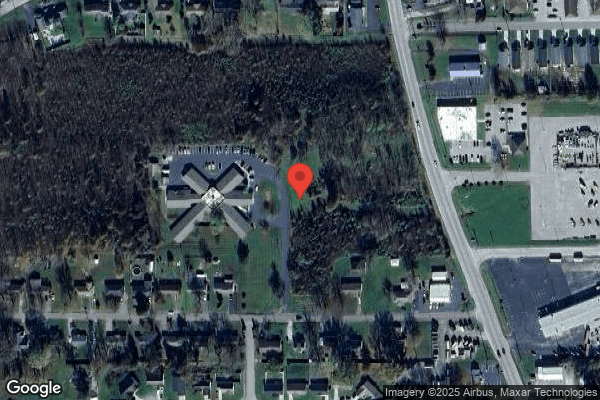
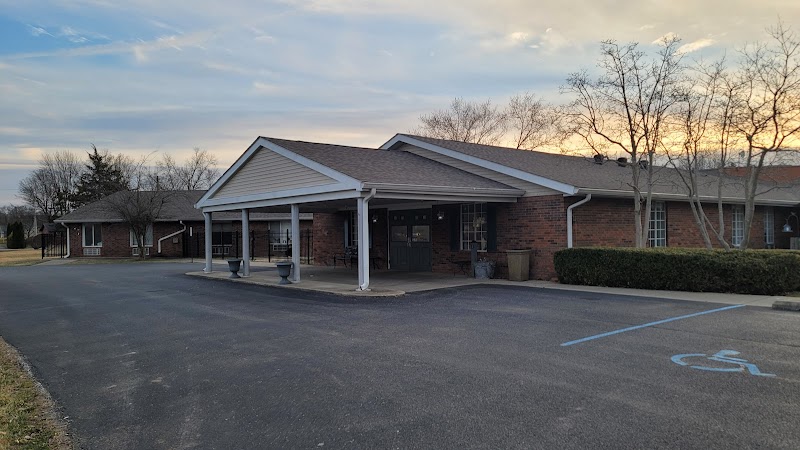
1350 N TODD DR, SCOTTSBURG, IN 47170 (812) 752-5663
For profit - Limited Liability company 99 Beds INFINITY HEALTHCARE CONSULTING Data: November 2025 1 Immediate Jeopardy citation
Trust Grade
23/100
#499 of 505 in IN
Last Inspection: February 2025

Within standard 12-15 month inspection cycle. Federal law requires annual inspections.

Overview

The Waters of Scottsburg nursing home has received a Trust Grade of F, indicating significant concerns and poor overall performance. It ranks #499 out of 505 facilities in Indiana, placing it in the bottom half of state options and #4 out of 4 in Scott County, meaning only one local facility is a better choice. The situation is worsening, with the number of reported issues increasing from 18 in 2024 to 19 in 2025. Staffing is rated poorly at 1 out of 5 stars, with a turnover rate of 48%, which is average, suggesting instability in staff. The facility has also incurred $31,352 in fines, which is higher than 93% of Indiana facilities, raising concerns about repeated compliance issues. Additionally, RN coverage is average, which is not ideal as registered nurses play a crucial role in identifying problems that nursing assistants may miss. Specific incidents of concern include a resident with impaired cognition managing to exit the facility unsupervised, raising serious safety risks. There were also issues with kitchen cleanliness and food availability, as staff reported frequently having to buy snacks for residents due to inadequate provisions from the dietary department. Overall, while there are some strengths in staffing and RN coverage, the significant number of deficiencies and critical incidents overshadow these positives, making this facility a concerning option for families.

Trust Score
F
23/100
In Indiana
#499/505
Bottom 2%
Safety Record
High Risk
Review needed
Inspections
Getting Worse
18 → 19 violations
Staff Stability
⚠ Watch
48% turnover. Above average. Higher turnover means staff may not know residents' routines.
Penalties
✓ Good
$31,352 in fines. Lower than most Indiana facilities. Relatively clean record.
Skilled Nurses
⚠ Watch
Each resident gets only 27 minutes of Registered Nurse (RN) attention daily — below average for Indiana. Fewer RN minutes means fewer trained eyes watching for problems.
Violations
⚠ Watch
53 deficiencies on record. Higher than average. Multiple issues found across inspections.
★☆☆☆☆
1.0
Overall Rating
★☆☆☆☆
1.0
Staff Levels
★★☆☆☆
2.0
Care Quality
★☆☆☆☆
1.0
Inspection Score
Stable
2024: 18 issues
2025: 19 issues

The Good

  • Full Sprinkler Coverage · Fire safety systems throughout facility
  • No fines on record

Facility shows strength in fire safety.

The Bad

1-Star Overall Rating

Below Indiana average (3.1)

Significant quality concerns identified by CMS

Staff Turnover: 48%

Near Indiana avg (46%)

Higher turnover may affect care consistency

Federal Fines: $31,352

Below median ($33,413)

Moderate penalties - review what triggered them

Chain: INFINITY HEALTHCARE CONSULTING

Part of a multi-facility chain

Ask about local staffing decisions and management

The Ugly 53 deficiencies on record

1 life-threatening
Sept 2025 1 deficiency
CONCERN (F) 📢 Someone Reported This

A family member, employee, or ombudsman was alarmed enough to file a formal complaint

Potential for Harm - no one hurt, but risky conditions existed

Food Safety (Tag F0812)

Could have caused harm · This affected most or all residents

Based on observation, interview, and record review, the facility failed to provide a clean and sanitary kitchen for 2 of 2 kitchen observations and failed to store foods appropriately related to snack...

Read full inspector narrative →
Based on observation, interview, and record review, the facility failed to provide a clean and sanitary kitchen for 2 of 2 kitchen observations and failed to store foods appropriately related to snack refrigerators for 2 of 2 snack refrigerators reviewed. This deficient practice had the potential to affect 69 of 70 residents that received foods from the kitchen. Findings include: 1.During an initial tour of the kitchen and the Main Hallway Nourishment Room, on 09/10/25 between 9:35 and 9:50 A.M, with the Dietary Manager (DM) the following was observed:-The main door to the kitchen from the dining room was propped wide open, -A rolling door in front of the steam table was open, and no staff were present serving food, -The floors were scattered with crumbs, under the tables and around the walls, -A plastic spoon and a small butter packet were under the steam table with crumb buildup on floor by the wall, -A serving plate holder had buildup of an unknown substance spilled on the back side of it, and-A plastic cart that held serving lid covers was covered with a layer of crumbs on the bottom of the shelf with a quarter size red substance that appeared sticky, The walk-in refrigerator contained the following:-A mesh bag of about five cabbages that was sitting directly on the floor, -Four milk crates with gallons of milk in them that were sitting on the floor, -A three-tiered cart to the left of the walk-in had a dried red substance on the floor underneath it, and -The floor outside the walk-in fridge had a black buildup on the floor that was basketball size.The dry storage room had crumbs around the exterior walls that were behind wired shelves, and a 50-pound bag of dried oats sat on the floor. The DM indicated the truck had come on Monday. A reach-in refrigerator had unknown substance build-up that felt sticky on the door handles and contained the following:-Two undated bowls of cottage cheese, -One undated plastic container of applesauce,-Two plastic bags of opened and undated potato chips, and-The bottom of the refrigerator had a dried spilled substance that was half dollar size, with crumbs scattered about. The Main Nourishment Snack Refrigerator contained the following:-A tray that sat on the bottom shelf that had three undated cheeseburger sandwiches, and two tuna salad sandwiches, -A large to-go container with salad that belonged to Resident C that was dated 08/29/25, -A large brown cardboard to-go container that belonged to Resident C with food in it, dated 08/28/25, -A fast-food container with food in it that belonged to Resident E, dated 08/24/25, -A plastic bag of about five chicken strips that had no name and were undated, -A pint-size container of pimento cheese that was half full for Resident F that was undated, -Three yogurts for Resident D that were dated 08/01/25, -There were 22 plastic cups of sealed juices. The juices were undated without expiration or best use by dates, and-There was a light brown substance covering the bottom of the refrigerator underneath the drawers. The DM indicated it was the kitchen staff's responsibility to clean out the refrigerators. All foods were good for five days once they were placed in the refrigerator. During an interview, on 09/10/25 at 9:50 A.M., the DM indicated no kitchen cleaning schedules could be provided. They were supposed to be on the corkboard in the kitchen, but they were not there. They must have lost them. The staff had certain things to clean daily and had a deep cleaning schedule. 2. During an observation, on 09/10/25 at 9:58 A.M., the Dementia Unit Nourishment Room Refrigerator was observed with RN 2 contained the following:-A gallon of 2% milk that was half full for Resident G with a use by date of 09/07/25, -An unknown substance in an undated plastic container that was slimy inside, and-A to-go sandwich for Resident H that was undated. 3. During an observation of the Kitchen on 09/10/25 at 10:39 A.M. the following was observed: -The floors were scattered with crumbs, under the tables and around the walls, -A plastic spoon and a small butter packet were under the steam table with crumb buildup on floor by the wall, -A serving plate holder had buildup of an unknown substance spilled on the back side of it, and-A plastic cart that held serving lid covers was covered with a layer of crumbs on the bottom of the shelf with a quarter size red substance that appeared sticky, The walk-in refrigerator contained the following:-A mesh bag of about five cabbages that was sitting directly on the floor, -Four milk crates with gallons of milk in them that were sitting on the floor, -A three-tiered cart to the left of the walk-in had a dried red substance on the floor underneath it, and -The floor outside the walk-in fridge had a black buildup on the floor that was basketball size.The dry storage room had crumbs around the exterior walls that were behind wired shelves, and a 50-pound bag of dried oats sat on the floor. The DM indicated the truck had come on Monday. A reach-in refrigerator had unknown substance build-up that felt sticky on the door handles and contained the following:-Two undated bowls of cottage cheese, -One undated plastic container of applesauce,-Two plastic bags of opened and undated potato chips, and-The bottom of the refrigerator had a dried spilled substance that was half dollar size, with crumbs scattered about.During an interview, on 09/10/25 at 10:56 A.M., the Administrator indicated she had told the kitchen staff to clean the plastic cart with the serving lids yesterday.Cleaning schedules were provided by the DM on 09/10/25 at 2:20 P.M., the cleaning schedules were dated 08/04/25 through 08/25/25. The current, undated, facility policy titled, Cleaning Standards, was provided by the Administrator on 09/10/25 at 11:13 A.M. The policy indicated, .Food contact surfaces, non-food contact surfaces, equipment, pans, and utensils must be kept clean at all times. This includes but not limited to free of grease deposits, food residue, dust and other soil accumulation/debris.The current facility policy titled, Labeling and Dating, with a review date of 07/30/23, was provided by the Administrator on 09/10/25 at 11:13 A.M. The policy indicated, .Leftovers and opened foods shall be clearly labeled with date food item is to be discarded. Food items to be labeled and dated include items prepared in house and food items that are opened and stored for later use.This citation relates to Intake 2583192.3.1-21(i)(3)
Jul 2025 1 deficiency
CONCERN (D) 📢 Someone Reported This

A family member, employee, or ombudsman was alarmed enough to file a formal complaint

Potential for Harm - no one hurt, but risky conditions existed

Deficiency F0604 (Tag F0604)

Could have caused harm · This affected 1 resident

Based on record review and interview, the facility failed to ensure a resident was free from physical restraint for the purpose of convenience for 1 of 3 residents reviewed for restraints. (Resident B...

Read full inspector narrative →
Based on record review and interview, the facility failed to ensure a resident was free from physical restraint for the purpose of convenience for 1 of 3 residents reviewed for restraints. (Resident B)Findings include:The record for Resident B was reviewed on 7/31/25 at 9:48 a.m. The resident's diagnoses included, but were not limited to, chronic obstructive pulmonary disease, asthma, alcohol abuse with alcohol induced mood disorder, muscle weakness, abnormalities of gait and mobility, and anxiety disorder.The care plan, dated 7/8/25 and revised on 7/28/25, indicated Resident B was at risk for falls due to and a history of falls, weakness, impaired mobility, and restlessness. The interventions included, but were not limited to, a high back wheelchair for comfort and positioning as tolerated, staff were to keep the resident's call light in reach, and staff were to keep the resident within sight of staff when he was up in his wheelchair.The incident report, dated 7/28/25, indicated Certified Nursing Aide (CNA) 3 reported to oncoming staff that staff had to use a gait belt in the wheelchair to keep the resident from faceplanting because he kept trying to get up.During an interview, on 7/31/25 at 11:00 a.m., the Administrator indicated the incident with Resident B happened the night before, on 7/27/25 around 8:00 p.m. There was a death in the facility and staff were getting the resident cleaned up for the funeral home. CNA 4 indicated to the next shift that she had to put a gait belt around Resident B and his chair to keep him from falling. The CNA confirmed to the Administrator that she restrained the resident for his safety because they were busy with another resident. The resident was restrained for approximately 15 minutes. She did not restrain the resident because she was upset with the resident, she did it for his safety and indicated she did not know it was considered abuse. The CNA had been educated on abuse and restraints were included in the in-service.During an interview, on 7/31/25 at 11:45 a.m., CNA 4 indicated she was the CNA for the day shift when the incident occurred. CNA 3 approached her and indicated she had to put a gait belt restraint around Resident B so he would not faceplant onto the floor. CNA 4 indicated to CNA 3 she could not restrain the resident for any reason and informed the nurse on duty and the Director of Nursing (DON). During an interview, on 7/31/25 at 12:00 p.m., Licensed Practical Nurse (LPN) 5 indicated she entered the facility at 5:30 a.m., on 7/28/25 for the day shift. She heard the day shift, and the night shift CNAs say something about restraining a resident. She asked the CNAs what they were talking about and CNA 4 indicated the night shift CNA 3 told her that she had to restrain Resident B so he would not faceplant. She informed CNA 3 she could not restrain any resident. CNA 4 returned to the nurse's station with the resident's wheelchair and the gait belt was still attached to the wheelchair in a restraining position. The DON was notified immediately about the incident. She had no knowledge of how long the restraint was on the resident. During an interview, on 7/31/25 at 12:27 p.m., the Social Service Director indicated she was currently working on the 3 day follow up on the incident with the gait belt. She conducted her follow ups on 7/29/25, 7/30/25, and 7/31/25. The care plan was updated on 7/29/25. The resident was pleasantly confused and was verbal, but she couldn't understand what he was saying. When the incident occurred, the staff member was trying to keep the resident from falling, sliding, or leaning by using a gait belt around the resident and the wheelchair. The resident did lean at times. The resident had not shown any signs of effects from the incident. The current abuse prevention policy, dated 10/22, indicated .the willful infliction of injury, unreasonable confinement, intimidation or punishment with resulting physical harm, pain, mental anguish, or deprivation by an individual, including a caretaker, of goods or services that are necessary to attain or maintain physical, mental, and psychosocial well-being .This deficient practice was corrected prior to the start of the survey, on 07/28/25, after the facility assessed residents, educated staff, and had a system of monitoring in place. 3.1-3(w)3.1-26
Jun 2025 5 deficiencies
CONCERN (D) 📢 Someone Reported This

A family member, employee, or ombudsman was alarmed enough to file a formal complaint

Potential for Harm - no one hurt, but risky conditions existed

Quality of Care (Tag F0684)

Could have caused harm · This affected 1 resident

Based on interview and record review, the facility failed to follow the physicians' orders related to medication hold parameters for 2 of 3 residents reviewed for Quality of Care. (Resident B and Resi...

Read full inspector narrative →
Based on interview and record review, the facility failed to follow the physicians' orders related to medication hold parameters for 2 of 3 residents reviewed for Quality of Care. (Resident B and Resident D). Findings include: 1. The clinical record for Resident B was reviewed on 6/16/25 at 11:11 a.m. The resident's diagnosis included, but was not limited to, hypertension. The physician's order, dated 3/8/25, indicated the resident was to receive atenolol 25 mg (milligrams) daily at 8:00 a.m. for hypertension. The resident's medication was to be held for SBP (systolic blood pressure) less than 120. The April 2025 medication administration record (EMAR) indicated the resident received the atenolol when their SBP was less than 120 on the following dates: - On 4/06/25, the resident's SBP was 112. - On 4/07/25, the resident's SBP was 118. - On 4/11/25, the resident's SBP was 118. - On 4/13/25, the resident's SBP was 109. - On 4/14/25, the resident's SBP was 115. - On 4/24/15, the resident's SBP was 102. - On 4/30/25, the resident's SBP was 89. The May 2025 EMAR indicated the resident received the atenolol when their SBP was less than 120 on the following date: - On 5/15/25, the resident's SBP was 98. The June 2025 EMAR indicated the resident received the atenolol when their SBP was less than 120 on the following dates: - On 6/06/25, the resident's SBP was 111. - On 6/07/25, the resident's SBP was 110. During an interview, on 6/17/25 at 2:49 p.m., Licensed Practical Nurse (LPN) 6 indicated blood pressure medication should be held if the resident's blood pressure reading was out of the physician ordered parameters. On 6/17/25 at 1:48 p.m., Clinical Support provided a current copy of the document titled Medication Administration Guideline dated 1/25/19. It included, but was not limited to, Policy .Medications are administered as prescribed, in accordance with good nursing principles and practices .Procedure .Medications are administered in accordance with written orders of the physician 2. The clinical record for Resident D was reviewed on 6/16/25 at 2:01 p.m. The resident's diagnosis included, but was not limited to, hypertension. The physician's order, dated 4/29/25, indicated the resident was to receive metoprolol 12.5 mg twice daily at 8:00 a.m. and 8:00 p.m. for hypertension. The resident's medication was to be held for SBP less than 120. The May 2025 EMAR indicated the resident received the metoprolol when their SBP was less than 120 on the following dates: - On 5/03/25 at 8:00 a.m., the resident's SBP was 118. - On 5/05/25 at 8:00 a.m., the resident's SBP was 111. The June 2025 EMAR indicated the resident received the metoprolol when their SBP was less than 120 on the following dates: - On 6/12/25 at 8:00 a.m., the resident's SBP was 118. - On 6/13/25 at 8:00 a.m., the resident's SBP was 119. 3.1-37(a)
CONCERN (D) 📢 Someone Reported This

A family member, employee, or ombudsman was alarmed enough to file a formal complaint

Potential for Harm - no one hurt, but risky conditions existed

Pharmacy Services (Tag F0755)

Could have caused harm · This affected 1 resident

Based on interview and record review, the facility failed to ensure a physician's order was in place for the administration of an additional dose related to anxiety medication for 1 of 3 resident's re...

Read full inspector narrative →
Based on interview and record review, the facility failed to ensure a physician's order was in place for the administration of an additional dose related to anxiety medication for 1 of 3 resident's reviewed for pharmacy services. (Resident E) Findings include: The clinical record for Resident E was reviewed on 6/17/25 at 1:30 p.m. The resident's diagnosis included, but was not limited to, generalized anxiety. The care plan, dated 1/14/25, indicated the resident was at risk for anxiousness and to administer medications as ordered by the physician. The physician's order, dated 2/10/25, indicated the resident was to receive Lorazepam, 0.5 mg (milligrams) by mouth daily at bedtime (8:00 p.m.). Review of the May 2025 and June 2025 controlled drug records indicated the Lorazepam was administered on the following dates and times: - On 5/05/25 at 8:00 a.m. and 8:00 p.m., the controlled drug records indicated the resident received the Lorazepam twice a day (BID). - On 5/06/25 at 8:00 a.m. and 8:00 p.m., the controlled drug records indicated the resident received the Lorazepam BID. - On 5/12/25 at 8:00 a.m. and 8:00 p.m., the controlled drug records indicated the resident received the Lorazepam BID. - On 5/13/25 at 8:00 a.m. and 8:00 p.m., the controlled drug records indicated the resident received the Lorazepam BID. - On 5/14/25 at 8:00 a.m. and 8:00 p.m., the controlled drug records indicated the resident received the Lorazepam BID. - On 5/16/25 at 8:00 a.m. and 8:00 p.m., the controlled drug records indicated the resident received the Lorazepam BID. - On 5/19/25 at 8:00 a.m. and 8:00 p.m., the controlled drug records indicated the resident received the Lorazepam BID. - On 5/28/25 at 8:00 a.m. and 8:00 p.m., the controlled drug records indicated the resident received the Lorazepam BID. - On 6/09/25 at 8:00 a.m. and 8:00 p.m., the controlled drug records indicated the resident received the Lorazepam BID. The clinical record lacked documentation of a physician's order for the additional doses administered at 8:00 a.m. The May 2025 and June 2025 medication administration records lacked documentation of the additional doses administered. During an interview, on 6/17/25 at 2:49 p.m., Licensed Practical Nurse 6 indicated medications should not be administered without a physician's order in place. On 6/17/25 at 1:48 p.m., the Clinical Support provided a current copy of the document titled Medication Administration Guideline dated 1/25/19. It included, but was not limited to, Policy .Medications are administered as prescribed, in accordance with good nursing principles and practices .Procedure .Medications are administered in accordance with written orders of the physician 3.1-25(b)
CONCERN (D) 📢 Someone Reported This

A family member, employee, or ombudsman was alarmed enough to file a formal complaint

Potential for Harm - no one hurt, but risky conditions existed

Deficiency F0808 (Tag F0808)

Could have caused harm · This affected 1 resident

Based on observation, interview and record review, the facility failed to ensure a resident (Resident E) received double portions, per the meal tickets, for 1 of 3 residents reviewed for dietary servi...

Read full inspector narrative →
Based on observation, interview and record review, the facility failed to ensure a resident (Resident E) received double portions, per the meal tickets, for 1 of 3 residents reviewed for dietary services. Findings include: The clinical record for Resident E was reviewed on 6/16/25 at 2:20 p.m. The resident's diagnoses included, but were not limited to, Parkinson's disease and malignant neoplasm of the prostate. The physician's order, dated 10/10/24, indicated the resident was to receive double portions at all meals. During an observation of the lunch meal service, on 6/17/25 at 12:15 p.m., Resident E did not receive double portions. The resident's meal ticket/card, dated 6/17/25, indicated the resident was to receive double portions, in all capital letters, at the top of the ticket. During an interview, on 6/17/25 at 12:30 p.m., the Dietary Manager indicated the dietary staff should follow the meal tickets when serving meals. On 6/17/25 at 2:00 p.m., the Clinical Support provided a current, undated copy of the document titled Accuracy of Quality of Tray Line Service. It included, but was not limited to, Policy .All meals will be checked for accuracy .prior to serving the meal to the individual .Procedure .Accuracy of following the therapeutic diet extension .proper portion sizes This Citation relates to Complaint IN00461471 3.1-21(b)
CONCERN (D) 📢 Someone Reported This

A family member, employee, or ombudsman was alarmed enough to file a formal complaint

Potential for Harm - no one hurt, but risky conditions existed

Deficiency F0810 (Tag F0810)

Could have caused harm · This affected 1 resident

Based on observation, interview and record review, the facility failed to ensure appropriate assistive device related to a lip plate was in place, per the resident's plan of care, for 1 of 3 residents...

Read full inspector narrative →
Based on observation, interview and record review, the facility failed to ensure appropriate assistive device related to a lip plate was in place, per the resident's plan of care, for 1 of 3 residents reviewed for assistive devices. Findings include: The clinical record for Resident B was reviewed on 6/16/25 at 11:11 a.m. The resident's diagnoses included, but were not limited to, vascular dementia and severe intellectual disorder. The physician's order, dated 3/8/25, indicated the resident was to received an pureed consistent carbohydrate diet and to provide an inner lip plate (divided plate) at meals. The care plan, dated 4/16/23, indicated the resident was on a consistent carbohydrate pureed diet and to provide an inner lip plate for meals. During an observation, on 6/17/25 at 12:25 p.m., the resident was served his lunch meal in individual bowls. The resident's lunch meal ticket, dated 6/17/25, indicated the resident was to have an inner lip plate at meals. During an interview, on 6/17/25 at 12:30 p.m., the Dietary Manager indicated the dietary staff should have followed the resident's meal tickets when serving meals. On 6/17/25 at 2:00 p.m., the Clinical Support provided a current, undated copy of the document titled Accuracy of Quality of Tray Line Service. It included, but was not limited to, Policy .All meals will be checked for accuracy .prior to serving the meal to the individual .Procedure .Accuracy of following the therapeutic diet extension This Citation relates to Complaint IN00461471 3.1-21(h)
CONCERN (E) 📢 Someone Reported This

A family member, employee, or ombudsman was alarmed enough to file a formal complaint

Potential for Harm - no one hurt, but risky conditions existed

Deficiency F0809 (Tag F0809)

Could have caused harm · This affected multiple residents

Based on observation, interview and record review, the facility failed to ensure snacks were provided and were available for residents for 6 of 6 residents reviewed for dietary services (Residents E, ...

Read full inspector narrative →
Based on observation, interview and record review, the facility failed to ensure snacks were provided and were available for residents for 6 of 6 residents reviewed for dietary services (Residents E, F, G, H, K and L). This deficient practice had the potential to affect 63 of 63 residents who consume food from the facility. Findings include: During an anonymous interview, from 6/16/25 to 6/17/25, Staff Member 5 indicated last week she bought coffee, doughnuts and a gallon of milk because the facility was out of snacks. It happened all the time. The nursing staff were always buying snacks because the dietary department would not provide food or drink items, half of the time; and the residents wanted snacks. During an anonymous interview, from 6/16/25 to 6/17/25, Staff Member 7 indicated it was normal for staff to purchase snacks for the residents as dietary almost never has any for them. During an interview with the Dietary Manager, on 6/16/25 at 10:15 a.m., she indicated they had been unable to get pasteurized eggs for the past four weeks due to a shortage. It was a first come, first serve for the residents depending on when you place your order. The facility was currently out of bread since they ran out that morning. The facility was currently out of oatmeal and coffee. The Dietary Manager indicated the items missing should be delivered today. On 6/16/25 between 10:05 a.m. and 11:00 a.m., there were no hydration or snack carts observed on any of the facility hallways. During an observation of the nourishment pantry room, on 6/16/25 at 10:20 a.m., with the Dietary Manager, the following was observed: - There was no bread in the pantry - One small jar of peanut butter - One squeeze container of jelly - No oatmeal pies - Half a box of animal crackers and graham crackers - Multiple containers of apple sauce - One sandwich in the refrigerator with no resident's name - A small bag of deli meat with no date During an interview, on 6/17/25 at 9:00 a.m., Resident G indicated he had asked for a snack multiple times in the evening and was told by the facility staff, they did not have anything to give them. The resident indicated he was a diabetic and was suppose to have a bed time snack. During an interview, on 6/17/25 at 9:04 a.m., Resident F indicated he had purchased his own snacks because the facility was always running out. During an interview, on 6/17/25 at 10:00 a.m., Resident H indicated the facility wound run out of snacks a lot at night. They would have snacks for a short while and then have to tell the residents they were out and did not have any snacks to give them. During an interview, on 6/17/25 at 10:10 p.m., Resident L indicated he was only offered a snack 2 to 3 times a week when they have snacks to give. Most of the time the facility did not have any snacks to give to the residents. During an interview, on 6/17/25 at 11:52 a.m., Resident K indicated snacks served to the residents were hit and miss, mostly miss as the staff were not provided anything from dietary to serve the residents. During an interview, on 6/17/25 at 12:55 p.m., Resident E indicated he was supposed to get a sandwich for a snack every night. Half of the time he did not get it because the facility would run out and have nothing to give him. On 6/17/25 at 2:00 p.m., Clinical Support provided a current, undated copy of the document titled Between Meal Snacks. It included, but was not limited to, Policy .Between meal snacks are available for all patients/residents .Procedure .A variety of snacks of high nutritional value will be stocked in each service area by dining services .Snacks of lesser nutritional value will be stocked occasionally by dining services .Snacks designated for a specific resident are prepared by dining services, labeled with patient's/resident's name and time to be offered This Citation relates to Complaints IN00461471 3.1-21(e)
Feb 2025 5 deficiencies
CONCERN (D)

Potential for Harm - no one hurt, but risky conditions existed

Accident Prevention (Tag F0689)

Could have caused harm · This affected 1 resident

Based on record review and interview, the facility failed to adequately secure residents in the facility van when transporting 1 of 3 residents reviewed for accidents (Resident 66) Findings include: T...

Read full inspector narrative →
Based on record review and interview, the facility failed to adequately secure residents in the facility van when transporting 1 of 3 residents reviewed for accidents (Resident 66) Findings include: The clinical record for Resident 66 was reviewed on 2/19/25 at 1:30 p.m. The resident's diagnoses included, but were not limited to, chronic osteomyelitis with draining sinus to the left radius and ulna, muscle weakness, difficulty in walking, unsteadiness on feet, radiculopathy, lumbosacral region intervertebral disc disorders with radiculopathy, and lack of coordination. The baseline care plan completed on admission to the facility, dated 1/15/25, indicated the resident had no previous history of falls. The Minimum Data Set (MDS) assessment, dated 1/21/25, indicated the resident was cognitively intact. The resident required extensive assistance with two staff members to complete her Activities of Daily Living (ADL's). The ADL care plan, dated 2/7/25, indicated Resident 66 had a risk for falls due to weakness, impaired mobility, lumbosacral radiculopathy, and sacroiliitis. The interventions included, but were not limited to, attempt to keep resident areas free of clutter; keep the call light in resident's reach; notify and update the physician; and resident will have a therapy screen as indicated, quarterly and as needed. The Bus driver/Certified Nurse Aide (CNA) 10 had an in-service on 2/10/25 on the proper technique for securing residents in their wheelchair while on the wheelchair van. This documented training was three days after the incident. A nurse's note, dated 2/7/25, indicated Resident 66 was in the wheelchair on the wheelchair van. The wheelchair van driver rounded a corner, and the resident and wheelchair fell to the right side. The wheelchair van immediately stopped, and the driver assisted Resident 66 and the wheelchair to an upright position. Resident 66 was assessed for injuries and no injuries were noted. The resident was denying pain or discomfort. Resident 66 was transported back to the facility, then brought into the facility to be assessed by a nurse. Her range of motion was normal for the resident. Neurologic assessments were initiated, and her vital signs were obtained. Resident 66 was wheeling about facility in a wheelchair. On the Medication Administration Record (MAR) on 2/7/25, the resident received acetaminophen 1000 milligrams by mouth at 12:49 p.m. due to complaints of pain. A radiology result, dated 2/7/25, for testing on the resident's right hip and right knee, indicated the reason for the testing was pain. An ultrasound report, dated 2/10/25, indicated the abdominal ultrasound was completed due to the abdominal pain the resident had been experiencing since the fall. An Interdisciplinary Team's (IDT) note, dated 2/10/25, indicated the team reviewed the fall on 2/7/25. The IDT determined the root cause for the resident fall was that the Bus driver did not have the resident securely fastened into the wheelchair during transport and this caused the wheelchair to turn over with the resident. A nurse's note, dated 2/17/25, indicated a new order was received for a Computed tomography (CT) of the head (this test used special x-ray equipment to help assess the resident's brain). This test was ordered because of the resident's recent fall and use of blood thinning medication. During an interview, on 2/19/25 at 9:45 a.m., the resident indicated that the wheelchair van driver had strapped her in the wheelchair but when they went around a curve, she was ejected from the wheelchair onto the right side which was her bad side. She had noticed one strap was loose and flew up when she was ejected. The resident indicated that she had a bump on the right side of her head, pain in her right hip and right knee and she had declined in her progress in therapy. The wheelchair van driver did not call 911 and the resident indicated that the wheelchair bus driver had assisted with getting the wheelchair upright. During an interview, on 2/20/25 at 9:00 a.m., the Executive Director (ED) indicated that she was on vacation on 2/7/25 at the time of the incident The corporate ED did not fill out an incident report and the facility ED was unaware she needed to fill out an incident report since she was told the resident was not injured. The ED completed the report today. She knew that the resident had an accident in the wheelchair van and had to then return to the facility. She indicated that she thought the Bus driver had to do an in-service on proper transportation techniques. An initial incident report was completed, on 2/20/25 by the ED, the report indicated Resident 66 had fallen during transport in the facility van. During an interview, on 2/21/25 at 9:00 a.m., the Director of Nursing (DON) indicated that the resident was on the facility wheelchair van when they went around a curve and the wheelchair turned over. It was determined that the bus driver had not strapped the resident in correctly. The wheelchair van driver had to complete a new in-service on 2/10/25. The DON indicated that she did not think the resident was injured but she had complaints of increased pain later on with her right leg and shoulder. Testing was ordered and completed. Then two days after the fall, the resident had complaints of a headache and a bump on her head, so a CT of the head was ordered. During an interview, on 2/21/25 at 9:15 a.m., the Bus driver indicated that she strapped the resident correctly in the wheelchair van. She thought the resident dropped her phone, unlocked the wheelchair to reach it and the wheelchair turned over to the right side when the driver was making a turn. The resident was not ejected from the wheelchair and was still in the wheelchair when the driver assisted her upright. The resident did not have any pain and did not want the driver to tell the facility this had happened. She returned the resident to the facility. She provided the transport calendar, but did not have a transfer log. The tentative facility wheelchair bus schedule for the week of February 3, 2025, showed on 2/7/25 the resident had an 8:30 a.m. appointment with a physician. The most current facility policy titled, Transportation Policy and Procedure manual, last revised 4/1/20 and was provided on 2/19/25 by the Director of Nursing. The policy on Transport Emergency Procedures included, but was not limited to, .The purpose of this policy is to provide a mechanism for assuring that emergency services are available to residents during transport . If a resident fall occurs at any time during transport, call 911 . Do not move the resident or transport resident yourself . The most current facility policy titled, Transportation Policy and Procedure manual, last revised 4/1/20 and was provided on 2/19/25 by the Director of Nursing. The policy on Safety During Transport-Securing Chair included, but was not limited to, . It is the policy of this facility to secure resident wheelchair in transport vehicle to ensure resident safety during transport . 1. Check that you have all the equipment you need for the transport .7. Apply lap/seatbelt around resident .Ensure belt is across lap under wheelchair armrest to fit snuggly .10. All wheelchairs must be secured in the vehicle . 3.1-45(2)
CONCERN (D)

Potential for Harm - no one hurt, but risky conditions existed

Deficiency F0698 (Tag F0698)

Could have caused harm · This affected 1 resident

Based on record review and interview, the facility failed to ensure dialysis site monitoring and assessments were completed for 1 of 3 residents reviewed for dialysis. (Resident 24) Findings include: ...

Read full inspector narrative →
Based on record review and interview, the facility failed to ensure dialysis site monitoring and assessments were completed for 1 of 3 residents reviewed for dialysis. (Resident 24) Findings include: The record for Resident 24 was reviewed on 2/19/25 at 10:15 p.m. The resident's diagnoses included, but were not limited to, dependence on renal dialysis, end stage renal disease, and diabetes mellitus The physician's order, dated 5/13/24, indicated staff were to monitor the resident's AV (arterial vascular) fistula for signs and symptoms of infection, bleeding, bruit/thrill every shift. The order was discontinued on 12/29/24 related to the resident being sent to the hospital. The Quarterly Minimum Data Set (MDS) assessment, dated 9/26/24, indicated the resident's cognition was moderately impaired. The resident required substantial or maximal staff assistance with his Activities of Daily Living (ADL's). The care plan, dated 6/20/23, indicated Resident 24 had end stage renal disease with the need for dialysis. The interventions included, but were not limited to, dialysis per dialysis schedule, monitor shunt for bruit and thrill, no blood pressure or needle sticks in the arm with the shunt, notify the physician and family of noted problems such as: bleeding after removal of dressing, absence of bruit thrill or any decrease in physical or mental function, and observe the shunt site after return from dialysis. The clinical record lacked documentation indicating the dialysis order was continued after the resident returned from the hospital. The resident continued to receive dialysis three times a week. During an interview, on 2/19/25 at 11:00 a.m., Licensed Practical Nurse (LPN) 5 reviewed the resident's physician orders and indicated when the resident returned from the hospital, the physician's order was not put back in the computer and it should have been. The resident received dialysis three times a week and there wasn't any documentation of the fistula was being monitored. During an interview, on 2/19/25 at 11:30 a.m., the Director of Nursing (DON) indicated the order to monitor the fistula post dialysis was in the physician's orders until 12/29/24, when the resident went to the hospital. When the resident returned, the order was not put back in, so the fistula had not been monitored for two months. The staff should have confirmed the resident's dialysis orders. During an interview, on 2/20/25 at 10:00 a.m., LPN 4 indicated staff would obtain the resident's vital signs before and after dialysis. The resident's medication should be sent with the resident to dialysis. Her main concern after a resident returned from dialysis was to make sure the resident received food and fluids. The Care of Resident Receiving Dialysis Treatments policy, dated 9/2009, and revised 3/24/20, included, but was not limited to, . 3. Monitor for infection or clotting of the access area. a. Do not take the blood pressure in the arm with the dialysis access site. B. Monitor for swelling, pain, redness, or drainage of the shunt. C. Monitor bruit as ordered. D. Daily screening to include body temperature, new or worsened cough, shortness of breath, sore throat, vomiting, diarrhea, or loss of sense of taste or smell . 3.1-37(a)
CONCERN (D)

Potential for Harm - no one hurt, but risky conditions existed

Deficiency F0761 (Tag F0761)

Could have caused harm · This affected 1 resident

Based on observation, record review, and interview, the facility failed to store and dispose of discontinued insulin pens appropriately for 1 of 5 medication carts reviewed for medication storage. (Ea...

Read full inspector narrative →
Based on observation, record review, and interview, the facility failed to store and dispose of discontinued insulin pens appropriately for 1 of 5 medication carts reviewed for medication storage. (Eagle Court Hall Medication Cart) Findings include: 1.a. During an observation on 2/18/25 at 10:35 a.m. of the Eagle Court Hall Medication Cart, Resident 18's Humalog kwikpen was lying freely in the drawer without a pharmacy label, but had a sticker on the kwikpen with the resident's name. The Humalog had an open date of 2/17/25. The record for Resident 18 was reviewed on 2/18/25 at 10:40 a.m. The resident's diagnosis included, but was not limited to, type 2 diabetic mellitus with diabetic neuropathy. The physician's order, dated 1/8/25, indicated staff were to administer Lispro (Humalog) subcutaneously, four times daily for diabetes, per sliding scale: if 150 to 199 mg/dL ( milligrams per deciliter) give 4 units ; 200 to 249 mg/dL give 8 units; 250 to 299 mg/dL give 12 units; 300 to 349 mg/dL give 16 units for blood sugar greater than 350 mg/dL give 20 units and notify the physician. The order was discontinued on 1/16/25. The record lacked documentation of a current physician's order for Humalog (Lispro). The January MAR indicated the resident last received 8 units of Humalog (Lispro) on 1/16/25 at 11:00 a.m., by RN 7. The resident's blood sugar was 226. The record lacked documentation in the February MAR for administration of the Humalog to the resident. During an interview, on 2/21/25 at 10:11 a.m., RN 7 indicated Resident 18 was currently on 10 units of Lantus at bedtime. She didn't receive any insulin during the day. She had an order to discontinue the Humalog on 1/8/25. It wouldn't make sense for her to have an open date of 2/17/25 on the Humalog. She did not share resident's medications with other residents and she didn't know of any staff who did that, because medications were available in the emergency medication dispensing machine. b. An illegible name was on a Aspart kwikpen. The kwikpen was dated with an open dated of 1/3/25 and an expiration date of 2/3/25. The kwikpen was lying freely in the Eagle Court Hall Medication Cart. c. An Insulin Aspart kwikpen, with no name on the sticker, no physician's order, or pharmacy label, had an open date of 11/18/24 with an expiration date of 12/18/24 on the pen. The kwikpen was lying freely in the Eagle Court Hall Medication Cart. The Guidelines For Insulin Pens policy, dated 8/10/23, included, but was not limited to, . 7) Insulin pens will never be shared with other residents - even if the other resident has the exact same order related to their insulin requirements per their physician's order. The Medication Storage In The Facility policy, dated March 2023, included, but was not limited to, . 14. Outdated, contaminated, or deteriorated drugs and those in containers, which are cracked, soiled or without secure closures will immediately withdrawn from stock by the facility. They will be disposed of according to drug disposal procedures, and reordered from the pharmacy if a current order exists. 3.1-25(k)(1) 3.1-25(k)(2) 3.1-25(k)(5) 3.1-25(k)(7) 3.1-25(0)
CONCERN (E)

Potential for Harm - no one hurt, but risky conditions existed

Deficiency F0727 (Tag F0727)

Could have caused harm · This affected multiple residents

Based on record review and interview, the facility failed to schedule 8-hour consecutive RN coverage for 6 of 6 months reviewed. (July, August, September, October, November, and December 2024). This h...

Read full inspector narrative →
Based on record review and interview, the facility failed to schedule 8-hour consecutive RN coverage for 6 of 6 months reviewed. (July, August, September, October, November, and December 2024). This had the potential to affect all 60 residents currently residing in the facility. Findings include: The review of the July through December 2024 Licensed Nursing schedule indicated the following days were short of 8 consecutive hours of RN coverage: - On July 6, 2024, there were only 6 hours of consecutive RN coverage. - On July 7, 2024, there were only 6 hours of consecutive RN coverage. - On July 20, 2024, there were only 6 hours of consecutive RN coverage. - On July 21, 2024, there were only 6 hours of consecutive RN coverage. - On August 3, 2024, there were only 6 hours of consecutive RN coverage. - On August 4, 2024, there were only 6 hours of consecutive RN coverage. - On August 17, 2024, there were only 6 hours of consecutive RN coverage. - On August 18, 2024, there were only 6 hours of consecutive RN coverage. - On August 31, 2024, there were only 6 hours of consecutive RN coverage. - On September 1, 2024, there were only 6 hours of consecutive RN coverage. - On September 14, 2024, there were only 6 hours of consecutive RN coverage. - On September 15, 2024, there were only 6 hours of consecutive RN coverage. - On September 28, 2024, there were only 6 hours of consecutive RN coverage. - On September 29, 2024, there were only 6 hours of consecutive RN coverage. - On October 12, 2024, there were only 6 hours of consecutive RN coverage. - On October 13, 2024, there were only 6 hours of consecutive RN coverage. - On October 26, 2024, there were only 6 hours of consecutive RN coverage. - On October 27, 2024, there were only 6 hours of consecutive RN coverage. - On November 9, 2024, there were only 6 hours of consecutive RN coverage. - On November 10, 2024, there were only 6 hours of consecutive RN coverage. - On November 23, 2024, there were only 6 hours of consecutive RN coverage. - On November 24, 2024, there were only 6 hours of consecutive RN coverage. - On December 7, 2024, there were only 6 hours of consecutive RN coverage. - On December 8, 2024, there were only 6 hours of consecutive RN coverage. - On December 21, 2024, there were only 6 hours of consecutive RN coverage. - On December 22, 2024, there were only 6 hours of consecutive RN coverage. During an interview, on 2/19/25 at 11:00 a.m., the Executive Director (ED) indicated she was not aware that the RN hours had to be 8 consecutive hours. She indicated according to the schedules; they did not have the required RN coverage hours. During an interview, on 2/19/25 at 11:15 a.m., the Corporate Nurse Consultant indicated in her 30 years of nursing, she was not aware the RN hours had to be consecutive. Every other weekend there was RN coverage, but not every weekend. During an interview, on 2/20/25 at 9:30 a.m., the Director of Nursing (DON) indicated she was aware the RN coverage had to be consecutive and that every other weekend the facility lacked those RN hours. The review of the Facility Assessment, dated 6/28/24 , indicated the facility required 6 licensed nurses providing direct care and 4 Certified Nursing Aides per 12-hour shifts. 3.1-17(b)(3)
CONCERN (E)

Potential for Harm - no one hurt, but risky conditions existed

Pharmacy Services (Tag F0755)

Could have caused harm · This affected multiple residents

**NOTE- TERMS IN BRACKETS HAVE BEEN EDITED TO PROTECT CONFIDENTIALITY** Based on observation, record review, and interview, the facility failed to ensure narcotic medication counts were properly docum...

Read full inspector narrative →
**NOTE- TERMS IN BRACKETS HAVE BEEN EDITED TO PROTECT CONFIDENTIALITY** Based on observation, record review, and interview, the facility failed to ensure narcotic medication counts were properly documented at the time of administration and expired insulins were removed for 3 of 5 medication carts reviewed. ([NAME] Drive medication cart 1, [NAME] Avenue medication cart 1 and Memory Care medication cart 1). Findings include: 1. During an observation on [DATE] at 10:08 a.m., of the [NAME] Drive Medication Cart 1, the following concerns were identified in the narcotic drawer: a. The Controlled Drug Receipt Record/Disposition sheet indicated that Resident 53 had 3 tablets of the Tramadol left on the sheet. The Tramadol medication card had 2 tablets left. The record for Resident 53 was reviewed on [DATE] at 8:21 a.m. The diagnoses included, but were not limited to, nondisplaced fracture of the right radius of the neck, hereditary and idiopathic neuropathy, gout, diverticulosis, abdominal pain, and irritable bowel syndrome. The physician's order, dated [DATE], indicated to administer 50 mg (milligrams) of Tramadol hydrochloride two times daily for moderate pain. The February Medication Administration Record (MAR) indicated the resident last received her Tramadol on [DATE] at 8:00 a.m., by Licensed Practical Nurse (LPN) 6. During the observation, on [DATE] at 8:41 a.m., of LPN 6's administration of Resident 6's Tramadol, the LPN failed to sign out the resident's Tramadol on the Controlled Drug Receipt Record/Disposition sheet. At 10:08 a.m., Resident 6's Tramadol administered by LPN 6 still lacked documentation on the Controlled Drug Receipt Record as being administered during the 8:41 a.m. observation. b. The Controlled Drug Receipt Record/Disposition sheet indicated that Resident 6 had 16 tablets of the clonazepam left on the sheet. The clonazepam medication card had 15 tablets left. The record for Resident 6 was reviewed on [DATE] at 1:45 p.m. The resident's diagnoses included, but were not limited to, anxiety disorders, obsessive compulsive disorder, and dementia with psychotic disturbance. The physician's order, dated [DATE], indicated staff were to administer 0.5 mg of clonazepam two times daily for anxiety. The February MAR indicated the resident had last received the clonazepam on [DATE] at 8:00 a.m., by LPN 6. c. The Controlled Drug Receipt Record/Disposition sheet indicated that Resident 8 had 21 tablets of the Tramadol left on the sheet. The Tramadol medication card had 20 tablets left. The record for Resident 8 was reviewed on [DATE] at 1:15 p.m. The resident's diagnosis, included, but were not limited to, metabolic encephalopathy, cerebral infarction, rhabdomyolysis, subarachnoid hemorrhage affecting the left non-dominant side, and severe vascular dementia with mood disturbance. The physician's order, dated [DATE], indicated to administer 50 mg of Tramadol three times daily for pain. The February MAR indicated the resident received Tramadol on [DATE] at 8:00 a.m., by LPN 6. d. The Controlled Drug Receipt Record/Disposition sheet indicated that Resident 63 had 8 tablets of the Pregabalin (Lyrica) on the sheet. The Pregabalin medication card had 7 tablets left. The record for Resident 63 was reviewed on [DATE] at 1:10 a.m. The resident's diagnosis included, but was not limited to, type 2 diabetes mellitus with diabetic neuropathy. The February MAR indicated the resident received 100 mg capsule of Lyrica last on [DATE] at 4:00 p.m., by LPN 11. The physician's order, dated [DATE], indicated to administer 100 mg of Pregabalin three times daily for neuropathy. The order was discontinued on [DATE]. During an interview, on [DATE] at 10:33 a.m., LPN 6 indicated he had administered the medication during the morning, but had not signed them out yet on the narcotic sheet. He had found patches the day before that had been administered, but not signed out and the count was off. He should have signed the narcotics out when he had administered them. e. Resident 5's Admelog (Humalog) vial had an open date of [DATE]. No expiration date was documented on the vial. The Admelog expired on [DATE] at 28 days. The record for Resident 5 was reviewed on [DATE] at 2:10 p.m. The resident's diagnosis included, but was not limited to, type 2 diabetes mellitus with hyperglycemia. The physician's order, dated [DATE], indicated to administer Humalog (Admelog) kwikpen subcutaneously per sliding scale: if 200 to 250 mg/dL (milligrams per deciliter) give 4 units; 251 to 300 mg/dL give 8 units; 301 to 350 mg/dL give 12 units; 351 to 400 mg/dL give 16 units; 401 to 450 mg/dL give 20 units If greater than 450 mg/dL give 20 units and notify the physician, subcutaneously four times a day related to type 2 diabetes mellitus. Notify the physician if the resident's blood sugar was less than 60 or greater than 450 mg/dL. The February MAR indicated the resident last received the Humalog (Admelog) on [DATE] at 12:00 p.m. by LPN 6. The resident's blood sugar was 442 and the resident received 20 units. f. Resident 63's Lispro (Humalog) kwikpen had an open date of [DATE] with no written expiration date. The Lispro expired on [DATE] at 28 days. The resident's Humalog vial had an open date of [DATE] with no expiration date. The Humalog expired on [DATE] at 28 days. The record for Resident 63 was reviewed on [DATE] at 1:10 a.m. The resident's diagnosis included, but was not limited to, type 2 diabetes mellitus with diabetic neuropathy. The care plan, dated [DATE], indicated the resident had a diagnosis of diabetic neuropathy. The interventions, dated [DATE], included, but were not limited to, administer medication as ordered for the diagnosis, and notify the physician as needed. The physician's order, dated [DATE], indicated to administer the Humalog (Lispro) per sliding scale, if 200 to 250 mg/dL administer 4 units, if 251 to 300 mg/dL administer 8 units, if 301 to 350 mg/dL administer 12 units, if 351 to 400 mg/dL administer 16 units, if 401 to 450 mg/dL administer 20 units, subcutaneously three times daily related to type 2 diabetes mellitus. The February MAR indicated the resident had last received 12 units of Humalog (Lispro) on [DATE] at 5:00 p.m., for a blood sugar of 305 mg/dL by RN 7. 2. During an observation on [DATE] at 10:25 a.m., of the Memory Care Unit medication cart, the following concerns were identified in the narcotic drawer: a. The Controlled Drug Receipt Record/Disposition sheet indicated that Resident 21 had 11 tablets of the alprazolam left on the sheet. The alprazolam medication card had 10 tablets left. The record for Resident 21 was reviewed on [DATE] at 11:47 a.m. The resident's diagnoses, included, but were not limited to, severe dementia with anxiety and psychotic disturbance, and anxiety disorder. The physician's order, dated [DATE], indicated to administer 0.5 mg of alprazolam two times daily for anxiety and agitation. The February MAR indicated the resident last received her alprazolam on [DATE] at 8:00 a.m., by Qualified Medication Aide (QMA) 9. b. The Controlled Drug Receipt Record/Disposition sheet indicated that Resident 38 had 5 tablets of the Cetirizine/PSE (Pseudoephrine) left on the sheet. The Cetirizine/PSE medication card had 4 tablets left. The record for Resident 38 was reviewed on [DATE] at 10:20 a.m. The resident's diagnoses included, but were not limited to, chronic obstructive pulmonary disease, allergic rhinitis, and sleep apnea. The physician's orders, dated [DATE], indicated to administer 5-120 mg of cetirizine-pseudoephedrine extended release 12-hour medication daily for allergies. The February MAR indicated the resident last received cetirizine PSE on [DATE] at 8:00 a.m., by QMA 9. c. The Controlled Drug Receipt Record/Disposition sheet indicated Resident 13 had 29 tablets of the lorazepam left on the sheet. The lorazepam medication card had 28 tablets left. The record for Resident 13 was reviewed on [DATE] at 10:37 a.m. The resident's diagnoses included, but were not limited to, generalized anxiety disorder, major depressive disorder, reactions to severe stress, and post-traumatic stress disorder. The physician's order, dated [DATE], indicated to administer 0.5 mg of lorazepam two times daily for anxiety. The February MAR, indicated the resident last received the lorazepam on [DATE] at 8:00 a.m., by QMA 9. d. The Controlled Drug Receipt/Record/Disposition sheet indicated that Resident 19 had 13 tablets of the clonazepam left on the sheet. The clonazepam medication card had 12 tablets left. The record for Resident 19 was reviewed on [DATE] at 11:05 a.m. The resident's diagnoses included, but were not limited to, acute and chronic respiratory failure with hypercapnia and hypoxia, obstructive sleep apnea, anxiety disorder, panic disorder, and post traumatic stress disorder. The physician's order, dated [DATE], indicated to administer 0.5 mg of clonazepam two times daily for anxiety. The February MAR indicated the resident last received the clonazepam on [DATE] at 8:00 a.m., by QMA 9. During an interview, on [DATE] at 10:30 a.m., QMA 9 indicated that she had to run out of the building to run an errand and had not signed out her narcotics. Her not signing out the narcotics when she administered them was a bad habit that she had gotten into. 3. During an observation on [DATE] at 10:00 a.m., of the [NAME] Avenue medication cart, Resident 28's Humalog kwikpen had an open date of [DATE]. The Humalog expired on [DATE] at 28 days. The record for Resident 28 was reviewed on [DATE] at 2:18 p.m. The resident's diagnosis included, but was not limited to, type 2 diabetes mellitus with diabetic neuropathy. The physician's order, dated [DATE], indicated to administer 26 units of Humalog kwikpen subcutaneously four times a day for diabetes mellitus. The order was discontinued on [DATE]. The physician's order, dated [DATE], indicated to inject 26 units of Humalog kwikpen subcutaneously four times a day for diabetes mellitus. The order was discontinued on [DATE]. The December MAR indicated the resident last received the Humalog on [DATE] at 11:00 a.m., by LPN 6. During an interview, on [DATE] at 10:21 a.m., LPN 6 indicated he would check the expiration date of the insulin before he administered it. During an interview, on [DATE] at 10:06 a.m., LPN 8 indicated Resident 28 had been in the hospital and came back last week. She would have disposed of the insulin and replaced it, if she knew it was there. She hadn't thought of checking for it in the cart. She would have checked the date before administration of the insulin. The Guidelines for Controlled Substance Medication-an Overview policy, dated [DATE], included, but was not limited to, . Controlled Medication Delivery Manifest: A Controlled Medication Delivery Manifest will accompany all schedule II, III, IV and V medication deliveries. The following information will be present . Quantity dispensed . Individual Charting Record: An Individual Charting Record (Controlled Drug Receipt/Record/Disposition Form) will accompany the controlled substances which are dispensed to the facility from the pharmacy. This record will be maintained by the nursing staff at the time of each administration of the medication as follows . 2) Record each dose at the time of administration . 3. Confirm that the amount of the controlled drug supply is correct prior to, as well as after, assembling the required dose that is being given-Verify the following . Number of doses/quantity remaining . The Guidelines For Insulin Pens policy, dated [DATE], included, but were not limited to, . 3) Upon opening for the first time, the insulin pen will have a date sticker applied. This will be done by the nurse. The date will reflect the date the seal was broken for use . 6) Insulin pens will be considered expired after 28 days and up to 45 days depending on the manufacturer's instructions--after they are opened, no matter of the amount of insulin still remaining in the pen. 7) Insulin pens will never be shared with other residents--even if the other resident has the exact same order related to their insulin requirements per their physician's order. 3.1-25(n)
Feb 2025 7 deficiencies
CONCERN (D) 📢 Someone Reported This

A family member, employee, or ombudsman was alarmed enough to file a formal complaint

Potential for Harm - no one hurt, but risky conditions existed

Deficiency F0552 (Tag F0552)

Could have caused harm · This affected 1 resident

Based on interview and record review, the facility failed to ensure a resident (Resident B) was informed, in a timely manner, of the cancellation of an appointment for 1 of 3 residents reviewed for re...

Read full inspector narrative →
Based on interview and record review, the facility failed to ensure a resident (Resident B) was informed, in a timely manner, of the cancellation of an appointment for 1 of 3 residents reviewed for resident rights. Findings include: The clinical record for Resident B was reviewed on 2/5/25 at 2:11 p.m. The resident's diagnoses included, but were not limited to, end stage heart failure and anxiety. The progress note, dated 1/29/25 at 8:39 a.m., indicated the resident was upset and angry. She had an appointment with pain management and the appointment was canceled. An attempt was made to explain to the resident that once she was picked up by hospice services, hospice would take over her care and manage her pain which was why the appointment was canceled. The clinical record lacked documentation that the resident was notified of the cancellation of the appointment prior to the day of the appointment on 1/29/25. During an interview on 2/5/25 at 12:50 p.m., the resident indicated she had an appointment with pain management on 1/29/25. It was canceled sometime in January by Licensed Practical Nurse (LPN) 16. No one had told her the appointment had been canceled. She was dressed and waiting for her ride and that was when they told her. During an interview on 2/5/25 at 3:55 p.m., LPN 7 indicated prior to the resident going onboard with hospice, the resident had an appointment set up with pain management. The appointment was evidently canceled, and no one told the resident. The resident had gotten up early that day, fixed her hair, put on makeup, and was waiting for Certified Nurse Aide (CNA) 13 to pick her up. Someone should have explained to the reasoning why she would no longer be going to the pain management doctor. Staff should have advised the resident her appointment was canceled prior to the day of the appointment. The resident did not find out about the canceled appointment until the day of the appointment. During an interview on 2/7/25 at 12:30 p.m., CNA 13 indicated she was not aware the resident's appointment had been canceled until the day of the appointment. The original scheduled appointment was still listed on her transportation log. On 2/5/25 at 1:37 p.m., a current, undated copy of the document titled Resident Rights was provided. It included, but was not limited to, Residents have the right to a dignified existence .They have the right to be fully informed of their total health status This Citation relates to Complaint IN00451851 3.1-3(n)(2)
CONCERN (D) 📢 Someone Reported This

A family member, employee, or ombudsman was alarmed enough to file a formal complaint

Potential for Harm - no one hurt, but risky conditions existed

Free from Abuse/Neglect (Tag F0600)

Could have caused harm · This affected 1 resident

**NOTE- TERMS IN BRACKETS HAVE BEEN EDITED TO PROTECT CONFIDENTIALITY** Based on observation, interview and record review, the facility failed to protect the residents' right to be free from verbal ab...

Read full inspector narrative →
**NOTE- TERMS IN BRACKETS HAVE BEEN EDITED TO PROTECT CONFIDENTIALITY** Based on observation, interview and record review, the facility failed to protect the residents' right to be free from verbal abuse by a staff member for 2 of 4 residents reviewed for abuse. (Resident D and Resident L) Findings include: 1. The clinical record for Resident D was reviewed on 2/6/25 at 11:22 a.m. The resident's diagnoses included, but were not limited to, schizoaffective disorder, psychotic disorder with delusions and major depressive disorder. The quarterly Minimum Data Set (MDS) assessment, dated 11/1/24, indicated Resident D was alert and oriented. The incident report, dated 1/16/25, indicated Resident D reported concerns with her care provided by Licensed Practical Nurse (LPN) 14. The follow up report, dated 1/23/25, indicated after an investigation was completed related to concerns with care, the facility was unable to substantiate any allegations of abuse. During an interview on 2/5/25 at 1:25 p.m., Resident D indicated LPN 14 was always argumentative. She had a snotty attitude; the LPN's voice was mean in tone and the LPN was hateful towards her. Resident D showed no signs of any psychosocial distress. The written statement from Registered Nurse (RN) 15 indicated upon clocking in for work on 1/14/25 at 6:00 p.m., LPN 14 was in the middle of the Eagle Hallway. Resident D was standing next to LPN 14 and Resident D was yelling about a resident being out in the hallway naked. LPN 14 kept talking rudely to Resident D which agitated the resident (Resident D). RN 15 walked down the hallway to try and de-escalate the situation between Resided D and LPN 14. LPN 14 told RN 15 not to bother the resident because the resident was cycling. LPN 14 was cursing while talking about Resident D. The incident was so loud it could be heard at the nurse's station. RN 15 was able to get Resident D to her room and talk with her and get her calmed down. LPN 14 had instigated Resident D's escalated behavior. During a telephone interview, on 2/7/25 at 2:30 p.m., RN 15 indicated on 1/14/25 after she clocked in for night shift at 6:00 p.m., she came into the nurses' station. She and everyone else at the nurse's station heard loud talking and a commotion. She walked around and looked down and saw LPN 14 standing at the medication cart in the middle of the Eagle Hallway talking to Resident D and cursing. RN 15 walked down the hallway to de-escalate the situation. LPN 14 told RN 15 there was no sense in talking with Resident D. RN 15 was able to remove Resident D away from the situation. LPN 14 was purposefully upsetting Resident D. Resident D was upset because the gentleman across the hall was sitting in his doorway with only a brief on, which RN 15 did address. She could not hear everything LPN 14 had said to resident D; however, RN 15 did hear LPN 14 use inappropriate language towards Resident D. The LPN kept going at the resident to upset her purposefully. LPN 14 was wrong, and residents have the right to be respected. When LPN 14 gave RN 15 report, LPN 14 said loudly, Resident D was just f*cking cycling and would end up being sent out to behavior. 2. The clinical record for Resident L was reviewed on 2/7/25 at 4:25 p.m. The resident's diagnoses included, but were not limited to, anxiety, chronic respiratory failure with hypoxia and diabetes. The admission MDS assessment, dated 1/15/25, indicated Resident L was alert and oriented. During an interview, on 2/7/25 at 3:33 p.m., Resident L was observed resting in bed with her call light in reach. The resident indicated the things that LPN 14 said to her or about her did not hurt her feelings, but it did make her mad. The resident showed no signs of any psychosocial distress. The written statement from Certified Nurse Aide (CNA) 13 indicated on 1/10/25, CNA 13 had worked the Eagle and [NAME] Hallways with LPN 14. CNA 13 was on her lunch break for 30 minutes. When CNA 13 returned from her lunch break, Resident L had her call light on. LPN 14 was sitting at the desk and stated to CNA 13, Go answer that cry babies light loudly. When she went into the room, Resident L was crying. During an interview, on 2/7/25 at 2:17 p.m., CNA 13 indicated on 1/10/25 she had gone to lunch. Upon her return, Resident L had her call light on, and she could hear the resident yelling help. She went in and the resident asked her if she was the only one working. The CNA told the resident no, that she had been gone on her lunch break and the nurse was here. Resident L reported her light had been on for 30 minutes. The CNA assisted the resident to the bedpan and went over to the Eagle Hallway since the CNA had two other call lights going off over there. The CNA headed back to the [NAME] Hallway and heard LPN 14 say very loudly, Go answer that cry babies light. CNA 13 went to Resident L's room to assist her off the bed pan. The resident asked, why does she [LPN 14] talk about me like that and the resident was tearful. The written statement from RN 5 indicated, on 1/13/25, LPN 14 was on the phone with Resident L's family member. RN 5 heard LPN 14 tell the family member that everything Resident L told her was nothing but lies. LPN 14 went on to tell the family member that Resident L had only needed change for 45 minutes and that per State regulations, the staff were only obligated to toilet the residents every two hours. LPN 14 then screamed down the hallway to the aides and said, shut her [Resident L's] door now because I am not going to listen to her bullsh*t lies and then called the resident a cry baby. During an interview, on 2/7/25 at 2:05 p.m., RN 5 indicated Resident L had called her family member on 1/13/25 about being wet and not being changed timely. On 1/13/25 at the nurse's station around supper time, Resident L's family member called and was talking to LPN 14 related to what her mother reported. LPN 14 told the family member that everything Resident L told her was a bullsh*t lie and that per the State regulations, staff only needed to check the residets every two hours. During LPN 14's conversation with Resident L's family member, Resident L was in her doorway, facing the nurse's station about 20 feet away, and could hear everything being said. After LPN 14 hung up the phone from the residents' family member, she yelled down the hallway shut her f*cking door as she was not going to listen to her bullsh*t lies the rest of the day. On 2/5/25 at 1:37 p.m., a current, undated copy of the document titled Abuse Prevention Program was provided. It included, but was not limited to, Policy .It is the policy of this facility to prevent abuse .Each resident receives care and services in a person-centered environment in which all individuals are treated as human beings .Verbal Abuse .any use of oral, written or gestured language that willfully includes disparaging and derogatory terms to residents or their families, or within their hearing distance .Neglect .meals the failure to provide, or willful withholding of adequate medical care This Citation relates to Complaint IN00452715 3.1-27(a)(3) 3.1-27(b)
CONCERN (D) 📢 Someone Reported This

A family member, employee, or ombudsman was alarmed enough to file a formal complaint

Potential for Harm - no one hurt, but risky conditions existed

Report Alleged Abuse (Tag F0609)

Could have caused harm · This affected 1 resident

**NOTE- TERMS IN BRACKETS HAVE BEEN EDITED TO PROTECT CONFIDENTIALITY** Based on interview and record review, the facility failed to implement policies and procedures for ensuring the reporting of a r...

Read full inspector narrative →
**NOTE- TERMS IN BRACKETS HAVE BEEN EDITED TO PROTECT CONFIDENTIALITY** Based on interview and record review, the facility failed to implement policies and procedures for ensuring the reporting of a reasonable suspicion of a crime in accordance with 1150B of the Act for 2 of 4 residents reviewed for reporting abuse allegations. (Resident D and Resident L) Findings include: The incident report, dated 1/16/25, indicated Resident D reported concerns with her care provided by Licensed Practical Nurse (LPN) 14. The follow up report, dated 1/23/25, indicated after an investigation was completed, the facility was unable to substantiate any allegations of abuse. 1. The clinical record for Resident D was reviewed on 2/6/25 at 11:22 a.m. The resident's diagnoses included, but were not limited to, schizoaffective disorder, psychotic disorder with delusions and major depressive disorder. The quarterly Minimum Data Set (MDS) assessment, dated 11/1/24, indicated Resident D was alert and oriented. During a telephone interview on 2/7/25 at 2:30 p.m., RN 15 indicated on 1/14/25, after she clocked in for night shift at 6:00 p.m., she came into the nurses' station. She and everyone else at the nurse's station heard loud talking and a commotion. She walked around and looked down and saw LPN 14 standing at the medication cart in the middle of the Eagle Hallway talking to Resident D and cursing. RN 15 walked down the hallway to de-escalate the situation. LPN 14 told RN 15 there was no sense in talking with Resident D. RN 15 was able to remove Resident D away from the situation. LPN 14 was purposefully upsetting Resident D. Resident D was upset because the gentleman across the hall was sitting in his doorway with only a brief on, which RN 15 did address. She could not hear everything LPN 14 had said to resident D; however, RN 15 did hear LPN 14 use inappropriate language towards Resident D. The LPN kept going at the resident to upset the resident purposefully. LPN 14 was wrong, and residents have the right to be respected. When LPN 14 gave RN 15 report, LPN 14 said loudly, Resident D was just f*cking cycling and would end up being sent out to behavior. RN 15 indicated she did not report the incident when it occurred, but did place a written statement under the office door of the Director of Nursing (DON). 2. The clinical record for Resident L was reviewed on 2/7/25 at 4:25 p.m. The resident's diagnoses included, but were not limited to, anxiety, chronic respiratory failure with hypoxia and diabetes. The admission MDS assessment, dated 1/15/25, indicated Resident L was alert and oriented. During an interview on 2/7/25 at 2:17 p.m., CNA 13 indicated on 1/10/25 she had gone to lunch. Upon her return, Resident L had her call light was on, and she could hear the resident yelling help. The CNA went in, and the resident asked her if she was the only one working. The CNA told the resident no, that she had been gone on her lunch break and the nurse was here. Resident L reported her light had been on for 30 minutes. The CNA assisted the resident to the bedpan and went over to the Eagle Hallway since the CNA had two call lights going off over there. The CNA headed back to the [NAME] Hallway and heard LPN 14 say very loudly, Go answer that cry babies light. CNA 13 went to Resident L's room to assist her off the bed pan. The resident asked, why does she talk about me like that and the resident was tearful. CNA 13 reported the incident to the DON who asked her to write up a statement. During an interview on 2/7/25 at 2:05 p.m., RN 5 indicated Resident L had called her family member on 1/13/25 about being wet and not being changed timely. On 1/13/25 at the nurse's station around supper time, Resident L's family member called and was talking to LPN 14 about what her mother reported. LPN 14 told the family member that everything Resident L told her was a bullsh*t lie and that per the State regulations, staff only needed to check residents every two hours. During LPN 14's conversation with Resident L's family member, Resident L was sitting in her doorway, facing the nurse's station about 20 feet away, and could hear everything being said. After LPN 14 hung up the phone from the residents' family member, the LPN yelled down the hallway shut her f*cking door as she was not going to listen to her bullshit lies the rest of the day. RN 5 indicated she reported the incident to the DON who instructed her to write a statement. The facility reportables reviewed lacked documentation of the above incidents. On 2/5/25 at 1:37 p.m., a current, undated copy of the document titled Abuse Prevention Program was provided. It included, but was not limited to, Policy .It is the policy of this facility to prevent abuse .Each resident receives care and services in a person-centered environment in which all individuals are treated as human beings .Abuse Reporting .All personnel must promptly report any incident or suspected incident of resident abuse .Additionally, the person(s) observing an incident of resident abuse .must IMMEDIATELY report such incidents to the Charge Nurse .The Charge Nurse will immediately report the incident to the Administrator. This Citation relates to Complaints IN00452715 and IN00453240 3.1-28(c)
CONCERN (D) 📢 Someone Reported This

A family member, employee, or ombudsman was alarmed enough to file a formal complaint

Potential for Harm - no one hurt, but risky conditions existed

Comprehensive Care Plan (Tag F0656)

Could have caused harm · This affected 1 resident

Based on observation, interview and record review, the facility failed to implement a plan of care for a resident (Resident B) after all the resident's teeth were extracted for 1 of 3 residents review...

Read full inspector narrative →
Based on observation, interview and record review, the facility failed to implement a plan of care for a resident (Resident B) after all the resident's teeth were extracted for 1 of 3 residents reviewed for care plans. Finding includes: The clinical record for Resident B was reviewed on 2/5/25 at 2:11 p.m. The resident's diagnoses included, but were not limited to, end stage heart failure and anxiety. On 2/5/25 at 12:50 p.m., the resident was observed without teeth. The resident indicated she was going to be fitted for dentures since she had all of her teeth pulled on 1/10/25. The progress note, dated 1/10/25 at 2:47 p.m., indicated the residents' mouth was packed with gauze. The resident had some bleeding at that time. The physician's order, dated 1/31/25, indicated the resident may have per resident preference: Chicken noodle soup, ice cream, or pudding, related to having all her teeth pulled on 1/10/25. The clinical record lacked documentation of the implementation a plan of care related to the extraction of all the resident's teeth. During an interview, on 2/6/25 at 10:15 a.m., the Director of Nursing indicated she would assume a care plan would be implemented related to the extraction of all the resident's teeth. On 2/7/25 at 3:00 p.m., the RDO (Regional Director of Operations) provided a current copy of the document titled Baseline Care Plan Assessment/Comprehensive Care Plans dated 9/13/24. It included, but was not limited to, Policy .The Comprehensive Care Plan will further expand on the resident's risks, goals, and interventions using the Person-Centered Plan of Care approach .The Comprehensive Care Plans will be reviewed and updated every quarter at minimum .The facility may need to review the care plans more often based on changes in the resident's condition and/or newly developed health .issues This Citation relates to Complaints IN00451851 and IN00452480 3.1-35(a)
CONCERN (D) 📢 Someone Reported This

A family member, employee, or ombudsman was alarmed enough to file a formal complaint

Potential for Harm - no one hurt, but risky conditions existed

Deficiency F0800 (Tag F0800)

Could have caused harm · This affected 1 resident

Based on interview and record review, the facility failed to ensure a resident's (Resident B) diet was changed and implemented in a timely manner for 1 of 3 residents reviewed for dietary. Findings in...

Read full inspector narrative →
Based on interview and record review, the facility failed to ensure a resident's (Resident B) diet was changed and implemented in a timely manner for 1 of 3 residents reviewed for dietary. Findings include: The clinical record for Resident B was reviewed on 2/5/25 at 2:11 p.m. The resident's diagnoses included, but was not limited to, hypertension and end stage heart disease. During an interview, on 2/5/25 at 12:50 p.m., Resident B indicated on 1/10/25, she had all of her teeth extracted so she could be fitted for dentures. The progress note, dated 1/10/25 at 2:47 p.m., indicated the resident's mouth was packed with gauze there was some bleeding observed. The physician's order, dated 1/14/25, indicated the resident was to have chicken noodle soup, ice cream, pudding and milk for meals due to having all her teeth pulled on 1/10/25. The clinical record lacked documentation of a change in the resident's ability to eat on 1/10/25 until 1/14/25. During an interview, on 2/6/25 at 10:15 a.m., the Director of Nursing indicated to her knowledge, the resident did not come back with any paperwork from the dentist when she had her teeth extracted. During an interview, on 2/7/25 at 5:46 p.m., Registered Nurse 5 indicated if a resident had returned from an appointment after having all their teeth extracted, with no orders for a diet change, the dentist should be called to get the new diet clarified. This Citation relates to Complaints IN00451851, IN00452480, IN00453276 and IN00452715 3.1-20(a)
CONCERN (D) 📢 Someone Reported This

A family member, employee, or ombudsman was alarmed enough to file a formal complaint

Potential for Harm - no one hurt, but risky conditions existed

Menu Adequacy (Tag F0803)

Could have caused harm · This affected 1 resident

Based on observation, interview and record reviewed, the facility failed to ensure a resident's (Resident H) therapeutic diet was followed for 1 of 3 residents reviewed for resident meals. Findings in...

Read full inspector narrative →
Based on observation, interview and record reviewed, the facility failed to ensure a resident's (Resident H) therapeutic diet was followed for 1 of 3 residents reviewed for resident meals. Findings include: The clinical record for Resident H was reviewed on 2/7/25 at 11:44 a.m. The resident's diagnoses included, but were not limited to, diabetes, anxiety and major depressive disorder. The physician's order, dated 3/12/24, indicated the resident was to receive prune juice with her lunch every day. During an interview on 2/6/25 at 1:40 p.m., Resident H indicated she had an order from the doctor to have prune juice every day with her lunch. She had never received the prune juice with her lunch tray. During an interview on 2/6/25 at 2:38 p.m., the Regional Director of the dietary service indicated she would have to go out a purchase some prune juice since the facility currently had no prune juice available. The partial contract for dietary management contract was provided by the Regional Director of Operations on 2/27/25 at 5:48 p.m. It included, but was not limited to, Dining Services and Nurtition Services .Preparation Responsibilities .Preparation of food .to be served by the Client to the .residents .on the premises .including Food Preparation Services relating to therapeutic diets for patients This Citation relates to Complaints IN00452715 and IN00453276. 3.1-20(a)
CONCERN (E) 📢 Someone Reported This

A family member, employee, or ombudsman was alarmed enough to file a formal complaint

Potential for Harm - no one hurt, but risky conditions existed

Deficiency F0809 (Tag F0809)

Could have caused harm · This affected multiple residents

**NOTE- TERMS IN BRACKETS HAVE BEEN EDITED TO PROTECT CONFIDENTIALITY** Based on observation, interview and record review, the facility failed to ensure snacks were provided and available for resident...

Read full inspector narrative →
**NOTE- TERMS IN BRACKETS HAVE BEEN EDITED TO PROTECT CONFIDENTIALITY** Based on observation, interview and record review, the facility failed to ensure snacks were provided and available for residents for 8 of 10 residents reviewed for dietary services (Residents B, N, O, H, R, P, Q, and S). This deficient practice had the potential to affect 61 of 62 residents who consume food from the faciliy. Findings include: During an interview, on 2/5/25 at 12:50 p.m., Resident B indicated she and her roommate buy their own snacks, and the kitchen never had any to provide. During an interview, on 2/5/25 at 1:05 p.m., Resident N indicated the kitchen never had any snacks to offer so she had purchased her own. During an interview, on 2/6/25 at 9:28 a.m., Resident O indicated the kitchen always was out of orange juice, grape juice, apple juice as well as milk. There were never snacks passed out at night. On 2/6/25 at 9:30 a.m., Certified Nurse Aide (CNA) 9 was observed passing snacks and drinks on the [NAME] Hallway. CNA 9 indicated she had purchased all the snacks on the snack cart because dietary had not provided them for quite some time. The only thing dietary provided were the four-ounce fruit drinks in the cooler. If you go down and ask the dietary department for snacks, they tell us they do not have anything. During an interview, on 2/6/25 at 9:40 a.m., CNA 10 indicated dietary was supposed to send snacks down for the residents and they don't. It had been a constant battle for staff to have snacks for the residents or to get the bare minimum from the dietary department. The dietary department will serve tea for breakfast rather than juice. During an interview, on 2/6/25 at 11:55 a.m., the Director of Nursing indicated the dietary department had not been providing snacks for the residents. Having snacks for the residents had been a struggle since the new company took over. During an observation of the nourishment panty, on 2/6/25 at 12:01 p.m., with the Director of Nursing, the following was observed: - There were five boxes that contained 12 cups of pudding, in a local food store bag on the pantry counter - There were four jars of 48-ounce applesauce, in a local food store bag, sitting on the pantry counter - There were two unopened loaves of bread on the pantry counter - There were no meats or peanut butter observed in the pantry During an interview, on 2/6/25 at 1:40 p.m., Resident H indicated she was supposed to get prune juice with her lunch meal and a sandwich for her nighttime snack. The resident indicated she had not been receiving either one as her physician ordered. During an interview, on 2/6/25 at 1:46 p.m., Resident R indicated you don't get snacks at night around here. She had asked the nurse one time for a snack and there were only two sandwiches available for the whole hallway. During an interview on 2/6/25 at 2:38 p.m., the Manager of the dietary service company indicated they provide bulk snacks and take them to the pantry. She had been at the facility for two days and the dietary department had taken down the snacks. Since they provide bulk snacks, they do not follow the mid-morning, mid-afternoon or bedtime snacks. There had also been a lot of staff turnover. They did not have prune juice and would purchase some today. She had purchased peanut butter today and supplied those to the pantry. During an interview, on 2/7/25 at 9:45 a.m., Resident P indicated there had been multiple times over the past couple of months that she had requested a snack and was told they did not have anything to give her or nothing was available. During an interview, on 2/7/25 at 9:54 a.m., Resident Q indicated there had been multiple times when he had asked for a snack before bed and was told there was not any available. During an interview, on 2/7/25 at 10:01 a.m., Resident S indicated he had not been offered any snacks and was unaware he could get snacks. Review of the facility meal schedule indicated on the following areas the time resident meals were served: - Hope Springs (memory care) breakfast at 7:00 a.m.; lunch at 11:45 a.m.; dinner at 5:00 p.m. - Dining Room, breakfast at 7:10 a.m.; lunch at 12:00 p.m.; dinner at 5:10 p.m. - [NAME], breakfast at 7:20 a.m.; lunch at 12:15 p.m.; dinner at 5:20 p.m. On 2/7/25 at 3:05 p.m., the Regional Director of Operations provided a current, undated copy of the document titled Floor Stock & Between Meal Snacks. It included, but was not limited to, Policy .Limited supplies of floor stock items will be provided to the nursing stations to patients/residents will have access to a snack 24 hours a day .Procedure .Dining Services will provide stock .Nursing Services will provide snacks to residents as requested throughout the 24-hour day of service This Citation relates to Complaints IN00452715 and IN00453276. 3.1-21(e)
Nov 2024 4 deficiencies
CONCERN (D) 📢 Someone Reported This

A family member, employee, or ombudsman was alarmed enough to file a formal complaint

Potential for Harm - no one hurt, but risky conditions existed

Quality of Care (Tag F0684)

Could have caused harm · This affected 1 resident

Based on observation, interview and record review, the facility failed to ensure dressing changes on residents' (Resident B and Resident D) peripherally inserted central catheter line were completed a...

Read full inspector narrative →
Based on observation, interview and record review, the facility failed to ensure dressing changes on residents' (Resident B and Resident D) peripherally inserted central catheter line were completed as ordered for 2 of 2 residents reviewed for quality of care. Findings include: 1. The clinical record for Resident B was reviewed on 11/2/24 at 5:56 p.m. The resident's diagnosis included, but was not limited to, acute osteomyelitis of the right foot and ankle. The physician's order, dated 10/5/24, indicated to change the peripherally inserted central catheter (PICC) line dressing weekly and as needed. The care plan, dated 10/24/24, indicated the resident had a PICC line to the right upper extremity and to change the dressing per order. During an observation on 11/1/24 at 1:12 p.m., Resident B's PICC line dressing to the right upper extremity was dated 10/24/24. During an observation on 11/2/24 at 4:53 p.m., Resident B's PICC line dressing to the right upper extremity was dated 10/24/24. The November 2024 medication administration record indicated the treatment was completed on 11/1/24. On 11/2/24 at 5:00 p.m., LPN (Licensed Practical Nurse) 6 indicated PICC line dressings should be changed every 7 days. 2. The clinical record for Resident D was reviewed on 11/2/24 at 6:25 p.m. The resident's diagnosis included, but was not limited to, bacteremia. The physician's order, dated 9/26/24, indicated to change the transparent dressing to the PICC line on admission then weekly. The care plan, dated 9/27/24, indicated the resident was receiving IV (intravenous) medication and to change the PICC line dressing as ordered. On 11/1/24 at 2:35 p.m., Resident D's PICC line dressing was dated 10/24/24. On 11/2/24 at 4:51 p.m., Resident D's PICC line dressing was dated 10/24/24. Review of the October 2024 medication administration record indicated the dressing change was completed on 10/31/24. On 11/2/24 at 6:50 p.m., the Director of Nursing provided a current copy of the document titled Dressing Change, Peripherally Inserted Central Catheter (PICC) and dated 1/2012. It included, but was not limited to, Process .Dressing changes using transparent dressings are performed .Every seven (7) days thereafter 3.1-37
CONCERN (D) 📢 Someone Reported This

A family member, employee, or ombudsman was alarmed enough to file a formal complaint

Potential for Harm - no one hurt, but risky conditions existed

Pharmacy Services (Tag F0755)

Could have caused harm · This affected 1 resident

Based on interview and record review, the facility failed to ensure a resident's (Resident E) routine Lorazepam (narcotic antianxiety medication) was administered, as ordered by the physician, for 1 o...

Read full inspector narrative →
Based on interview and record review, the facility failed to ensure a resident's (Resident E) routine Lorazepam (narcotic antianxiety medication) was administered, as ordered by the physician, for 1 of 3 residents reviewed for pharmaceutical services. Findings include: The clinical record for Resident E was reviewed on 11/4/24 at 9:45 a.m. The resident's diagnoses included, but was not limited to, anxiety and chronic obstructive pulmonary disease. During an interview on 11/2/24 at 6:24 p.m., Resident E indicated her anxiety medications were frequently late and sometimes she did not get it at all. The care plan, dated 5/17/24, indicated the resident was at increased risk for anxiousness due to anxiety and to administer the anxiety medication as ordered. The physicians's order, dated 7/26/24, indicated the resident was to receive Lorazepam 1 mg (milligram) routinely at 12:00 a.m., 4:00 a.m., 8:00 a.m., 12:00 p.m., 4:00 p.m. and 8:00 p.m. The October 2024 medication administration record indicated the resident received the Lorazepam 1 mg on the following dates and times: -10/04/24 at 8:00 p.m. -10/05/24 at 8:00 p.m. -10/11/24 at 8:00 p.m. -10/12/24 at 8:00 p.m. -10/16/24 at 8:00 p.m. -10/18/24 at 8:00 p.m. -10/19/24 at 8:00 p.m. -10/24/24 at 4:00 p.m. -10/25/24 at 4:00 p.m. and 8:00 p.m. -10/26/24 at 8:00 p.m. The October 2024 controlled drug record lacked documentation that the Lorazepam was administered on the above dates and times. The November 2024 medication administration record indicated the resident received the Lorazepam on 11/1/24 at 8:00 p.m. and 11/2/24 at 8:00 p.m. The November 2024 controlled drug record lacked documentation that the Lorazepam was administered on the above dates and time. During an interview on 11/4/24 at 12:12 p.m., RN (Registered Nurse) 7 indicated when routine narcotics are administered, the medication should be signed off on the controlled durg record when removed. After the medication was administered, it should be signed out on the medication administration record. On 11/4/24 at 2:35 p.m., the Director of Nursing provided a current copu ot the document titled Medication Administration dated 2/2017. It included, but was not limited to, Purpose .To administer all medications safely and appropriately to aid residents to .relieve and prevent symptoms .and help in diagnosis .Procedure .Give the resident the medication .document medication administration with initials in appropriate spaces 3.1-25(b)
CONCERN (D) 📢 Someone Reported This

A family member, employee, or ombudsman was alarmed enough to file a formal complaint

Potential for Harm - no one hurt, but risky conditions existed

Deficiency F0804 (Tag F0804)

Could have caused harm · This affected 1 resident

**NOTE- TERMS IN BRACKETS HAVE BEEN EDITED TO PROTECT CONFIDENTIALITY** Based on observation, interview and record review, the facility failed to ensure food was served at appropriate temperatures for...

Read full inspector narrative →
**NOTE- TERMS IN BRACKETS HAVE BEEN EDITED TO PROTECT CONFIDENTIALITY** Based on observation, interview and record review, the facility failed to ensure food was served at appropriate temperatures for 1 of 1 observations of food temperatures. ([NAME] Hall) Findings include: On 11/1/24 at 12:00 p.m., upon entrance to the dining room, a meal time sign was observed to be posted which included the following meal times for [NAME] Hall: Lunch - 12:15 p.m. Dinner - 5:20 p.m. Review of the September 2024 resident council minutes, dated 9/19/24 at 2:00 p.m., indicated the residents had concerns of breakfast food being served cold and dinner being served late. Review of the October 2024 resident council minutes, dated 10/24/24 at 2:00 p.m., indicated the residents had concerns of the breakfast food being served cold and dinner was late. On 11/1/24 at 12:58 p.m., the lunch trays were brought to the [NAME] Hall at 12:58 p.m. On 11/1/24 at 1:08 p.m., with the Dietary Manager, the following food temperatures were observed: -Cheesy grits with shrimp - 145 degrees -Collard greens - 126 degrees -Garlic toast - 108.6 degrees On 11/2/24 at 5:46 p.m., the dinner trays were brought to [NAME] Hall. On 11/1/24 at 1:12 p.m., Resident B indicated when he ate in the dining room the food was hot, but whenever he ate on the hall the food was cold and late. He tried to go to the dining room for all his meals. On 11/1/24 at 2:35 p.m., Resident D indicated she liked to go to the dining room. If she ate in her room, the food was late and cold by the time she got it, but it was hot if she ate in the dining room. On 11/4/24 at 10:44 a.m., Resident K indicated the food would be an insult to give to his dogs and was always late by close to an hour and cold by the time it was served. On 11/4/24 at 11:57 a.m., Resident L indicated the food was cold by the time it reached the hall and usually always late. This Citation relates to Complaint IN00446242 3.1-21(a)(2)
CONCERN (D) 📢 Someone Reported This

A family member, employee, or ombudsman was alarmed enough to file a formal complaint

Potential for Harm - no one hurt, but risky conditions existed

Medical Records (Tag F0842)

Could have caused harm · This affected 1 resident

Based on interview and record review, the facility failed to ensure as resident's (Resident E) medication administration record accurately reflected the administration of as needed narcotic pain medic...

Read full inspector narrative →
Based on interview and record review, the facility failed to ensure as resident's (Resident E) medication administration record accurately reflected the administration of as needed narcotic pain medication for 1 of 3 residents reviewed for medical records. Findings include: The clinical record for Resident E was reviewed on 11/4/24 at 9:45 a.m. The resident's diagnoses included, but were not limited to, end stage heart failure, anxiety and chronic obstructive pulmonary disease. The physician's order, dated 8/2/24, indicated the resident was to receive Morphine Sulfate (narcotic pain medication), 0.75 mg (milligrams) every 2 hours as needed for pain. The October 2024 controlled drug record indicated the resident received the medication on the following dates and times: -10/3/24 at 12:02 a.m., 5:30 a.m., 7:30 a.m., 9:30 a.m., 11:30 a.m., 1:30 p.m., 3:30 p.m., 5:30 p.m. and 7:30 p.m. -10/4/24 at 5:00 a.m., 7:45 p.m., and 9:45 a.m. -10/5/24 at 4:00 a.m., 6:00 a.m., 8:00 p.m. and 10:00 p.m. -10/6/24 at 12:00 a.m., 2:00 a.m., 4:00 a.m., 6:00 a.m. and 8:15 p.m. -10/8/24 at 8:30 a.m., 10:35 a.m. and 2:00 p.m. -10/9/24 at 5:00 a.m. -10/11/24 at 7:25 p.m., 9:15 p.m. and 11:15 p.m. -10/12/24 at 1:45 a.m., 3:45 a.m.3:00 p.m. 7:45 p.m. and 9:15 p.m. -10/13/24 at 9:45 a.m. and 6:00 p.m. -10/14/24 at 12:00 a.m.9:30 a.m. and 12:07 p.m. -10/16/24 at 5:30 a.m. 10:15 p.m. -10/17/24 at 12:15 a.m., 2:15 a.m., 4:15 a.m., 6:00 a.m., 6:30 p.m., 8:30 p.m. and 10:00 p.m. -10/18/24 at 1:15 p.m., 6:00 p.m., 9:00 p.m. and 11:00 p.m. -10/19/24 at 1:20 a.m., 4:00 a.m., 6:00 p.m. and 10:00 p.m. -10/22/24 at 4:30 p.m. -10/23/24 at 8:00 p.m. -10/24/24 at 10:40 p.m. -10/26/24 at 8:00 a.m. at 3:45 p.m. -10/28/24 at 4:30 a.m. -10/31/24 at 2:30 p.m. and 4:30 p.m. The October 2024 medication administration lacked documentation of the administered above dates and times. The November 2024 controlled drug record indicated the Morphine was administered on the following dates and times: -11/2/24 at 12:30 a.m. -11/3/24 at 3:00 a.m. The November 2024 medication administration record lacked documentation on the above dates and times. During an interview on 11/4/24 at 12:12 p.m., RN (Registered Nurse) 7 indicated when a PRN (as needed) narcotic is administered, the medication should be signed out on the controlled drug record and, once administered, the medication administration record would be initialed by the nurse. The resident should followed up on after 30 minutes to make sure the pain medication was effective. On 11/4/24 at 2:35 p.m., the Director of Nursing provided a current copu ot the document titled Medication Administration dated 2/2017. It included, but was not limited to, Purpose .To administer all medications safely and appropriately to aid residents to .relieve and prevent symptoms .and help in diagnosis .Procedure .Give the resident the medication .document medication administration with initials in appropriate spaces 3.1-50(a)(2)
Feb 2024 14 deficiencies
CONCERN (D)

Potential for Harm - no one hurt, but risky conditions existed

Deficiency F0561 (Tag F0561)

Could have caused harm · This affected 1 resident

Based on observation, record review, and interview, the facility failed to ensure resident preferences with meals were honored for 2 of 25 residents reviewed for choices. (Resident B and 275) Findings...

Read full inspector narrative →
Based on observation, record review, and interview, the facility failed to ensure resident preferences with meals were honored for 2 of 25 residents reviewed for choices. (Resident B and 275) Findings include: 1. The record for Resident B was reviewed on 2/1/24 at 1:00 p.m. The diagnosis included, but was not limited to, dysphasia. The care plan, dated 8/22/22, indicated the resident had allergies to tomato and tomato products. The interventions included, but were not limited to, do not provide allergen. The nutritional assessment, dated 7/7/22, indicated the resident's food allergies included tomatoes. The resident's meal tray card indicated her allergies included tomatoes and tomato products. During an observation on 2/1/24 at 12:31 p.m., Resident B's tray was uncovered. She was served the main dish, including the beef mostaccioli which had tomato based sauce. The review of her tray card indicated she was allergic to tomatoes and she had selected to have a hamburger for lunch. During an interview on 2/1/24 at 12:32 p.m., CNA (Certified Nurse Aide) 8 indicated she would need an alternate meal. At 12:34 p.m., the resident was provided a cheeseburger. 2. The record for Resident 275 was reviewed on 1/31/24 at 9:30 a.m. The diagnoses included, but were not limited to gastroparesis, hyperglycemia, type 1 diabetes mellitus, and GERD (gastroesophageal reflux disease). The care plan, dated 1/4/24, indicated the resident's nutritional status was compromised secondary to being underweight, gastroparesis, type 1 diabetes mellitus, chronic kidney disease, nausea, vomiting, hypertension, and major depressive disorder. The interventions included, but were not limited to, prepare and serve the resident's nutritional diet as ordered and determine food preferences through one to one interview. The nutritional assessment, dated 12/30/23, indicated for food and beverage dislikes to see the resident's meal tray card. The resident's meal tray card indicated her dislikes included beef, milk, red sauce, rice, salad and greens. During an observation on 1/29/24 at 10:16 a.m., Resident 275's tray card indicated she requested an alternate of chicken or fish. Dietary [NAME] 3 indicated, Oh s**t, I didn't do that. I'm going to cheat and just give her a grilled cheese. If she doesn't want it or that doesn't work I'll fix it later. She placed a grilled cheese on the tray, covered it, and sent it on the cart for lunch. During an interview on 1/30/24 at 10:18 a.m., Resident 275 indicated she had concerns with her meal choices being honored. Her biggest thing was that she couldn't have beef and they would still send her cheeseburgers. When she asked for something different, they would tell her the kitchen staff were gone. On 1/29/24 she asked for chicken or fish and they brought her a grilled cheese. She didn't know why they even let them write in anything. They wouldn't give her anything but grilled cheese. During an interview on 2/1/24 at 1:52 p.m., Resident 275 indicated lunch was bad that day. She had been served beef. They'd served her the main meal that day when she had asked for chicken or fish. During an interview on 2/1/24 at 1:55 p.m., CNA 9 indicated she had passed Resident 275's lunch tray to her that day and she had refused it. It was the main meal which was pasta with cauliflower and the roll. She wasn't aware the resident didn't eat beef. The most current Resident Likes and Dislikes/Food Preferences policy, included, but was not limited to, . Resident's food preferences will be recorded and consistently utilized . Data including resident likes, dislikes, allergies, food preferences will be entered into the computerized tray card system . 3.1-3(u)(3)
CONCERN (D)

Potential for Harm - no one hurt, but risky conditions existed

Deficiency F0657 (Tag F0657)

Could have caused harm · This affected 1 resident

Based on record review and interview, the facility failed to revise a resident's care plan from being at-risk for skin issues to actual skin impairment when the resident developed a rash and wound to ...

Read full inspector narrative →
Based on record review and interview, the facility failed to revise a resident's care plan from being at-risk for skin issues to actual skin impairment when the resident developed a rash and wound to the right ankle and leg for 1 of 19 residents whose care plans were reviewed. (Resident 13) Findings include: The record for Resident 13 was reviewed on 1/29/24 at 1:19 p.m., The diagnoses included, but were not limited to, end stage renal disease with dialysis, hemiplegia and hemiparesis following cerebral infarction affecting right dominant side, type 2 diabetes mellitus, heart failure, and vascular dementia. moderate, without behavioral, psychotic, or mood disturbance, and anxiety. The Interim Payment Minimum Data Set (MDS) assessment, dated 11/20/23, indicated the resident had moderate cognitive impairment, occasionally felt down/depressed, had no behavior issues, required partial to moderate assistance for bed mobility, was dependent for transfers, was non-ambulatory, and had impairment in functional range of motion on one side of his lower extremity. A Skin/Wound note, dated 1/22/24 at 5:08 p.m., indicated the resident presented with a scabbed area to the right anterior ankle on 1/19/24. A silicone border foam was applied for protection as the skin appeared to be irritated from his tennis shoe. The area was assessed again today and redness was observed to be spreading from the ankle top of foot to the middle of the shin. The resident's family member indicated that this was the same situation that led to the amputation of his left leg and requested transfer to the Emergency Department (ED). The physician's progress note, dated 1/23/24 at 9:04 a.m., indicated the resident was being evaluated the day after an overnight visit to the ED for a worsening wound to the right foot. The facility staff had now indicated the open area on the top of his foot had changed drastically in 2 days time and recommended an appointment with the resident's vascular surgeon be scheduled and to apply bacitracin and a nonstick pad to cover the resident's wound. The weekly wound evaluation, dated 1/26/24, indicated the wound was first identified on 1/19/24. It was described as a rash on the right anterior ankle which was scabbed and had erythema with wound margins defined. During an interview with LPN (Licensed Practical Nurse) 6 on 1/29/24 at 10:34 a.m., she indicated the area on the resident's ankle originally looked like an abrasion, but had now developed into something more. During an interview with the Unit Manager 7 on 1/31/24 at 10:15 a.m., she indicated they had been monitoring the resident's wound to his leg and that it started out as an abrasion which progressively got worse within the last 2 to 3 days. The care plan, dated 3/1/16, indicated the resident was at risk for skin breakdown due to diagnosis of chronic kidney disease, immobility and incontinence. The goals were to do the Braden scale quarterly and PRN (as needed) and to keep the area clean and dry. The care plan, dated 10/20/23, indicated the resident had a surgical wound present to the left lower extremity. A care plan, dated 3/1/16, indicated the resident had the potential for skin discoloration related to the use of aspirin. Documentation was lacking to indicate the plan of care was updated to address the new actual skin impairment of a wound to the right ankle and leg which developed on 1/19/24. During an interview with the MDS coordinator on 2/2/24 at 2:25 p.m., she indicated that when a new problem was identified, sometimes the nurses would go ahead and develop or revise the care plan, where as others would leave it to the Interdisciplinary team (IDT) to put it in place. She indicated the resident's care plan should have been updated to address the new open area. The most current Baseline Care Plan Assessment/Comprehensive Care Plans included, but was not limited to, . 9. The Comprehensive Care Plans will be reviewed and updated every quarter at a minimum. The facility may need to review the care plans more often based on changes in the resident's condition and/or newly developed health/psycho-social issues . 3.1-35(a) 3.1-35(c)(2)(B) 3.1-35(d)(2)(B)
CONCERN (D)

Potential for Harm - no one hurt, but risky conditions existed

Respiratory Care (Tag F0695)

Could have caused harm · This affected 1 resident

Based on observation, record review, and interview, the facility failed to ensure appropriate emergency supplies for tracheostomy care were at the bedside for 1 of 1 residents reviewed for tracheostom...

Read full inspector narrative →
Based on observation, record review, and interview, the facility failed to ensure appropriate emergency supplies for tracheostomy care were at the bedside for 1 of 1 residents reviewed for tracheostomy care. (Resident 25) Findings include: During an observation on 1/30/24 at 8:57 a.m., Resident 25 was resting in bed. She had a tracheostomy and was breathing room air. There was no ambu bag (mechanical resuscitation device) or emergency oxygen supply at the bedside or in the room. During an interview on 1/30/24 at 8:59 a.m., LPN (Licensed Practical Nurse) 6 indicated there was not an ambu bag in the resident's room. The closest ambu bag she had access to was at her crash cart. The nurse searched the room and verified there was no ambu bag in the room. To her knowledge they did not keep them in the room for their tracheostomy patients. During an observation on 1/30/24 at 9:02 a.m., LPN 6 walked to the crash cart which was approximately fifteen to twenty feet down hall at the nurse's station. She removed the seal from the crash cart but could not get it open. She tried multiple times to get the latch to open, before finally asking another staff member to help her. During an interview on 1/30/24 at 9:04 a.m., LPN 6 indicated that wouldn't have been good in an emergency situation. During an observation on 2/2/24 at 8:04 a.m., there was no ambu bag or emergency supply of oxygen in Resident 25's room. During an observation on 2/2/24 at 8:05 a.m., LPN 12 indicated for tracheostomy patients they kept all tracheostomy supplies, the cannulas, cleaning kits, the obturator, the ambu bag, oxygen, and nebulizer at the bedside. He then went to Resident 25's room and could not locate an ambu bag or an oxygen supply. She used to have an oxygen concentrator, but it had disappeared. He would expect to have supplies in the room for an emergency situation. During an interview on 2/2/24 at 1:07 p.m., the DON (Director of Nursing) indicated for an emergency situation they should have a concentrator in the room. The ambu bag was on the crash cart. The record for Resident 25 was reviewed on 1/30/24 at 10:00 a.m. The diagnoses included, but were not limited to, malignant neoplasm of the tongue, tracheostomy status, malignant neoplasm of tonsil, and chronic cough. The physician's order, dated 11/9/23, indicated the resident had a #6 extra-large Shiley tracheostomy. The care plan, dated 4/14/23, indicated the resident had a tracheostomy. The interventions included, but were not limited to, tube out procedures, keep extra tracheostomy and obturator at bedside. If tube was coughed out, open stoma with hemostat. If able to breathe spontaneously elevate head of bed 45 degrees and stay with the resident. Obtain medical help immediately. The most current Tracheostomy Emergency Care policy, included, but was not limited to, . Supplies to have at bedside: Ambu-bag, replacement tracheostomy tube in same size as resident is using, obturator, oxygen source, and hemostats . Anticipate your course of action in case of accidental tube removal . use an ambu-bag attached to oxygen over the stoma to oxygenate the resident . Have a suction machine and O2 [oxygen] handy if needed . Administer oxygen if ordered . 3.1-47(a)(4)
CONCERN (D)

Potential for Harm - no one hurt, but risky conditions existed

Deficiency F0740 (Tag F0740)

Could have caused harm · This affected 1 resident

**NOTE- TERMS IN BRACKETS HAVE BEEN EDITED TO PROTECT CONFIDENTIALITY** Based on record review and interview, the facility failed to ensure appropriate behavioral health services were obtained for 1 o...

Read full inspector narrative →
**NOTE- TERMS IN BRACKETS HAVE BEEN EDITED TO PROTECT CONFIDENTIALITY** Based on record review and interview, the facility failed to ensure appropriate behavioral health services were obtained for 1 of 12 residents reviewed for behavioral health services. (Resident 61) Findings include: During an interview on 1/30/24 at 10:25 a.m., Resident 61 indicated she had depression and complicated life circumstances. The facility was well aware of it. Someone came and saw her a month or so ago and was supposed to come back every Thursday, but they hadn't come back yet, and it was over a month ago. She believed she would benefit from therapy. She had no one to talk to. The record for Resident 61 was reviewed on 1/31/24 at 8:21 a.m. The diagnoses included, but were not limited to, alcoholic cirrhosis of liver with ascites, depression, alcohol abuse, and suicidal ideations. The PASRR (Pre-admission Screening and Resident Review) Level 2 outcome, dated 7/27/23, indicated the resident had been hospitalized on [DATE] because she said she wanted to hurt herself. She had personal history that was significant for alcohol dependence, which had resulted in multiple health issues. She had many serious health issues and could not manage her own care or make safe decisions for her treatment. She would need to be provided supportive counseling from nursing facility staff and mental health services including individual therapy. The care plan, dated 8/28/23, indicated the resident had a Level 2 and was mentally ill. The interventions included, but were not limited to, mental health services, one on one therapy for mental health (initiated on 12/20/23) and will receive psychotherapy through next review (initiated on 12/20/23). The Psychiatric NP (Nurse Practitioner) note, dated 8/12/23, indicated the resident was seen for evaluation and treatment. She reported anxiousness at times, feeling depressed, and had a flat affect. The note did not address any one-on-one therapy. The nurse's note, dated 8/29/23 at 2:07 a.m., indicated the resident was yelling at the staff and being aggressive. The behavior note, dated 9/7/23 at 6:47 a.m., indicated staff attempted to go into the resident's room and wake her up for breakfast. The resident was holding the door shut with her foot and was not allowing anyone in or out of the room. The resident also had an ink pen in her hand and was threatening to stab staff and her roommate. She would not let her roommate out of the room, so the resident's roommate exited through the bathroom door and safely made it to the dining area without physical harm. Staff was then able to remove the ink pen from resident's hand and resident was placed one on one. The resident then stated, Someone better give me a shot of something because I am too sober! It was also reported that resident had called 911 a total of three times throughout the night with a cell phone that was given to her the day prior. The change in condition note, dated 9/7/23 at 6:55 a.m., indicated the physician was notified of the resident's behavioral symptoms and recommended for the resident to remain one on one with safety interventions in place, and may consider transferring to a psychiatric behavioral facility if needed. The nurse's note, dated 9/7/23 at 7:10 a.m., indicated the resident's family member reported the resident had called them and was saying people from the woods were out to get her. She was unsure if the resident was hallucinating or having bad dreams, but something was going on. The nurse indicated they would speak to the Psychiatric NP and SSD (Social Services Director) for further plan of care. The psychiatry Initial Consult, dated 11/29/23, indicated the resident was seen for an initial psychiatric visit at the facility to assess and manage her chronic conditions which included alcohol induced dementia, history of suicidal ideation, and depression. The note did not address any referrals for individual therapy. The record lacked documentation of any individual mental health therapy from the time of the resident's admission in August, until the month of December. The Psychotherapy Diagnostic Assessment, dated 12/21/23, indicated the resident was seen by a Licensed Clinical Social Worker. The treatment modality was individual. The modes of intervention included cognitive behavioral, motivational interviewing, and psychosocial education. The initial treatment frequency was bi-weekly. The record lacked documentation of any further visits after the therapist's initial consult in December. During an interview on 2/2/24 at 8:56 a.m., the SSD indicated she thought the resident had admitted for alcohol abuse and cirrhosis,, but wasn't sure. She didn't think she had a history of depression or suicide. She had a history of her and her significant other having issues. The PASRR done on 7/27/23 was prior to her admission. If it's a recommendation on the PASRR they would use it to determine their needs. She did review the PASRR. She did not know if she'd had any individual therapy. She was now receiving therapy. She believed the new talk therapy lady started in January. Prior to January they did not have a talk therapist. She might have known about the suicidal hospitalization, but she didn't remember. She knew the resident had a toxic relationship and addiction issues. She would benefit from talk therapy. At the time of her admission, they were going through transition with the talk therapy provider. The last visit was probably in September or October. They changed providers to another company, and they were having trouble hiring someone to do talk therapy. It probably wouldn't have been appropriate for her to come to the facility because during the time of her admission they didn't have anyone to provide the therapy services. 3.1-37(a)
CONCERN (D) 📢 Someone Reported This

A family member, employee, or ombudsman was alarmed enough to file a formal complaint

Potential for Harm - no one hurt, but risky conditions existed

Deficiency F0741 (Tag F0741)

Could have caused harm · This affected 1 resident

3. The record for Resident C was reviewed on 1/31/23 at 2:21 p.m. indicated the diagnoses included but were not limited to, Alzheimer's, dementia with other behavioral disturbances, senile degeneratio...

Read full inspector narrative →
3. The record for Resident C was reviewed on 1/31/23 at 2:21 p.m. indicated the diagnoses included but were not limited to, Alzheimer's, dementia with other behavioral disturbances, senile degeneration of the brain, alcohol abuse, major depressive disorder, anxiety disorder, insomnia, and delusional disorder. The Quarterly MDS (Minimal Data Set) assessment, dated 12/20/23, indicated the resident was never or rarely understood. The MDS indicated the resident did not exhibit any behaviors. The care plan, dated 1/30/23, indicated the resident was at risk for behavioral disturbances related to diagnoses of dementia with behavioral disturbances. The resident wandered into other resident rooms and areas, took things off the medication cart and around nurses desks, got aggressive when redirected, rejected care, and the resident had a history of alcohol dependency. The nurse's note, dated 4/1/23 at 7:30 p.m., indicated the resident was physically aggressive and defiant. He was going into the other resident's rooms and refused to exit the rooms. The interventions were exhausted, and staff had to stand with the resident to keep him away from the residents for their safety until he eventually either turned around and walked out or allowed a staff member to redirect him by holding his hand. The resident continued his behavior. Staff attempted to redirect him. The resident had hit staff several times during redirection. The nurse's note, dated 4/1/23 at 8:07 p.m., indicated the staff attempted to wash wheelchairs and the resident continued to roam into other resident's rooms and the shower room. He refused to leave, and a staff member tried to hold his hand and explain that he might fall in the shower room because the floor was wet. The resident doubled up his fist and hit the staff member multiple times in her arm. Interventions were pointless at that time. The resident was beyond behavior norms and out of control. Staff continued to attempt to redirect, but the resident was defiant, and concerns progressed regarding his safety and the safety of others. The resident continued his behavior. He would not take his medicine. The nurse's note, dated 4/1/23 at 8:30 p.m., indicated the resident was fighting the nurse and tried to enter a female resident room as she was attempted to administer medication to the female resident. She began yelling at the resident telling him to get out. The resident would not leave the room. The nurse tried to redirect but the resident tried to hit the nurse but failed as the nurse safely moved out of the way and protected the female resident from harm's way. The resident was finally redirected from female resident's room, but the resident continued to go into other rooms, and attempted to take things off the medication cart. The nurse's note, dated 4/16/23 at 9:22 p.m., indicated the resident wandered into a female resident's rooms, was pushing wheelchairs down the halls, and verbally and physically aggressive toward staff when attempting to redirect. The resident required constant one on one observation to keep him from going into other resident's rooms. The nurse's note, on 5/14/23 at 9:41p.m., indicated the resident called a staff member a b---h and tried to hit her because she stood in front of another female resident's room not allowing him to enter. The interventions were exhausted. They were utilizing a one-on-one intervention while staff was available. The resident was still combative and resistant to redirection. Staff continued one on one for his and other resident's safety. The nurse's note, dated 6/17/23 at 10:59 p.m., indicated the resident tried to pull his pants down in dining room. The nurse convinced the resident to go to his room if he wanted to take his pants off. Once directed into his room, the resident decided he didn't want to take his pants down. However, when the nurse left the room, the resident closed the door and took his soiled brief and pants off. He came to his door naked from waist down and started to walk out into the dining room area where other residents and 2 visitors were sitting. The nurse was able to redirect him back into his room where he had smeared feces all over both beds in his room and various other places. The nurse had to chase the resident around the room to get him cleaned up as he was resistant and wanted to sit back down on the soiled beds. The resident had feces on his hand and tried to wipe it on the nurse's face. The nurse managed to get the resident changed without compromising his safety, but the resident began to be defiant and had increased behaviors again and should be reevaluated by psychiatric services. The nurse's notes, dated 12/4/23 at 1:45 p.m., indicated the resident attempted to flip dining room tables over despite redirection and distraction. The resident was punching the staff member while the table was being secured to keep the resident from flipping it over. A call was placed to the resident's family member and she came in to provide one on one observation. During an interview on 1/30/24 11:44 a.m., the resident's family member indicated she thought the activities needed to be more individualized for the residents. She felt like several of the residents were not able to do the activities scheduled. While visiting her family member she stayed 12 hours that day because there wasn't enough staff, and she assisted the other residents in the dining room with activities to keep them occupied. 4. The record for Resident E was reviewed on 2/1/23 at 12:20 p.m. The diagnoses included but were not limited to, dementia with other behavioral disturbance, alcohol abuse, anxiety disorder, major depressive disorder, mood disorder, altered mental status, impulsiveness, violent behavior and wandering. The Quarterly MDS assessment, dated 11/22/23, indicated the resident was never or rarely understood. The MDS indicated the resident exhibited physical behavior symptoms occurred 1 to 3 days. The care plan, dated 12/7/24, indicated the resident was at risk for elopement related to a history of elopement from home prior to admit. On 12/7/2023 the resident eloped from the facility. The resident followed a family member out the front door. Interventions included but were not limited to the resident would remain in a safe and secure environment, 15-minute checks, areas searched, located and returned to the facility, assess the resident for injury, notify the residents family member and physician, secured unit placement, activities as per calendar, check and maintain code device if applicable, elopement risk assessment quarterly and as needed, and secure with a code device and/or secured unit. The care plan, dated 12/20/23 indicated the resident had inappropriate toileting habits. He had a bowel movement in an enclosed courtyard, urinating in closet on his and roommate's clothes, urinating in the floor of room, bathroom floor, bathroom walls, urinating on roommate while he was sleeping, trying to urinate in the heating and air unit, and smearing feces. Interventions included but were not limited to, all episodes of inappropriate toileting will be diffused, assist with toileting or a toileting plan/schedule, clean sanitize and disinfect as needed for any episodes of urinating or defecating, a lock had been placed on the closet, redirect to the bathroom as needed, assist with toileting as needed. The nurse's note, dated 6/10/23 at 1:15 p.m., indicated the resident had been verbally aggressive with the staff when he wanted his allergy medication. Since 9:00 a.m., he had been asking and demanding his allergy medication. He raised his fists and when asked what he was doing, he lowered his fists. He did not swing his fists or hit anyone. The nurse's note, dated 11/10/23 at 5:00 p.m., indicated Resident E ambulated to the doorway of new room and pushed another male resident to the floor. The other male resident was attempting to go into his room. This resident was asked by staff to stay in his room until the nurse could assess the resident on the floor and deescalate the situation. The resident was cooperative with staff and remained in his room until staff completed the assessment and the resident was calm. This resident was placed on 15 minute checks. The nurse's note, dated 11/18/23 at 8:52 p.m., the resident voided on a roommate's face while the roommate was in bed. The nurse's note, dated 11/22/23 at 09:29 a.m., indicated Resident J was in resident E's doorway when he approached resident J and pushed her causing her to fall backwards landing on her buttocks. She did not hit her head and the incident was witnessed by the QMA. The resident was placed on 1 on 1 observation. The nurse's note, dated 12/24/23 at 3:20 p.m., indicated the resident was unprovoked and swung a closed fist at another resident and missed. He swung back a second time and made contact resident's left face with an open hand. During an interview on 1/31/24 at 11:36 a.m., the resident's family member indicated she felt like the unit needed more staff to help with the residents because this caused a lot of problems. 5. During an observation on 2/1/24 at 1:35 p.m., the resident's activity was supposed to be hot chocolate. Ten residents were observed out of their room. Two residents were wandering the hallways, one resident was carrying his pillow and blanket, one resident was assisting another with putting on a coat, one resident was standing beside the door with a smoking apron on, Resident F was trying to exit the courtyard door when it was opened. When the door was closed Resident F started banging on the door with her fists. One staff member was observed trying to assist 4 residents at the same time with difficulty. During an observation on 2/1/24 at 2:10 p.m., the activity for the afternoon was baking. The Activity Director was sitting at a table with one resident mixing up cake batter. Five residents were in the dining room sitting at tables. Four residents were up wandering around the dining room and hallways. The Activity Director had a heated cupcake maker turned on to make cupcakes. There was an odor of something burning. When she had to step away, she had a member from the nursing staff to stand by the table to make sure a resident did not touch the hot cupcake maker. CNA 14 was observed waiting for a staff member to assist her with changing a resident. She had asked for help, but no one was available to assist her. She asked the nurse to assist her, but the nurse stated she could not leave the residents in the dining room alone until the Activity Director returned. The CNA was the only CNA working the unit. The record for Resident F was reviewed on 1/31/23 at 8:52 a.m., indicated the diagnoses included but were not limited to, dementia with other behavioral disturbances, insomnia, and delusional disorder. The Quarterly MDS (Minimal Data Set) assessment, dated 11/7/23, indicated the resident was never or rarely understood and the resident did not exhibit any behaviors. The care plan dated 10/21/22 indicated the resident history had experienced trauma during her lifetime. Specifically, trauma related to impaired cognition and requiring assistance with her daily life and episodes of verbal and physical aggression with her family member at times, she was the aggressor and had mistreated him. The care plan, dated 7/20/23, indicated the resident was at risk for decline in mood related to depression and on antidepressant also to reduce libido, she exhibited flirtatious actions such as shaking her hips, dancing, and reaching out for male peers and insomnia. The nurse's note, dated 5/2/23 at 3:21 p.m., indicated the resident walked into a male resident's room and was snapping her fingers and shaking her hips. A CNA intervened and redirected the resident to the main dining area. The resident then stated, You stupid b---h. The resident was redirected to the main dining area, offered toileting, fluids and snacks and she refused all interventions. Her behaviors continued. The nurse's note, dated 5/14/23 at 1:42 p.m., indicated the resident was running up and down the hall and targeted the first three men's rooms and would not leave them alone. She would get right up in their faces. Redirection, offer drinks and snacks, offer activity, and helped to toilet. The resident continued to do the same behaviors over and over. She would hit herself upon redirection and smacked her stomach or shake her fist at staff upon redirection. The nurse's note, dated 5/19/23 at 9:45 p.m., indicated the resident was going into other resident's rooms. Constant redirection to the best of staff's ability. The resident would come out of the room when told to come out, but then went in the room next to it. The behavior continued until she went to bed. The nurse's note, dated 6/28/23 at 3:54 p.m., indicated the resident was found in the hall where she had another resident pinned to wall. Staff broke the residents apart and Resident F grabbed a staff member by both arms and shook her with a very tight grasp. Staff attempted to calm the resident, but she was very angry. She stated that she felt like everyone was out to get her and that people were stealing from her. She continued to enter other resident's rooms after being told that that was unacceptable. At that point, she got in a staff members face with tight grasps on her arms again and stated that it wouldn't bother her to just kill you too speaking to the staff member. Staff would continue to reassure her that no one was after her or out to get her. The nurse's note, dated 1/8/24 at 12:18 p.m., indicated the resident was in the dining area and a male resident contacted the resident's right cheek with his open left hand after she touched his right arm. The residents were immediately separated. The resident continued 15 minute checks. The facility as worked staff schedules for 1/1/24 to 2/5/24, indicated the following on the Dementia Unit: - On 1/1/24 the unit had one nurse and one CNA - On 1/2/24 the unit had one QMA for the 6:00 a.m. to the 6:00 p.m. day shift, and one CNA from 6:00 a.m., to 12:00 p.m. The night shift had one nurse from 5:00 p.m., to 9:00 p.m., and one CNA from 6:00 p.m. to 6:00 a.m., and the CNA was on another unit was to assist the dementia unit with bed checks. - On 1/4/24 the day shift had one QMA and one CNA. The night shift had one nurse from 5:00 p.m., to 9:00 p.m., and one CNA from 6:00 p.m. to 6:00 a.m., and the CNA was on another unit was to assist the dementia unit with bed checks. - On 1/5/24 The day shift had one QMA and one CNA. The night shift had no nurse due to a call in and one CNA from 6:00 p.m. to 6:00 a.m., and one CNA worked from 6:00 p.m., to 2:00 a.m., and the CNA was on another unit was to assist the dementia unit with bed checks. - On 1/6/24 the dementia unit had a nurse call in. She was replaced with a QMA from 6:00 a.m., to 2:00 p.m., and one CNA. - On 1/7/24 to 1/9/24 the dementia unit for the day shift had one QMA and one CNA. - On 1/10/24 the dementia unit on day shift had one nurse and one CNA. - On 1/11/24 the dementia unit had one QMA and one CNA on the day shift. - On 1/13/24 the dementia had one nurse and one CNA for the day shift and one nurse from 6:00 p.m., to 10:00 p.m., and one CNA form 6:00 a.m. to 6:00 p.m. The CNA from another unit was to assist the dementia with bed checks. 1/14/24 the dementia unit had one nurse from 6:00 p.m., to 10:00 p.m., and one CNA. The CNA from another was to assist the dementia unit with bed checks. - On 1/15/24 the dementia had one QMA and one CNA for the day shift and one nurse from 6:00 p.m., to 10:00 p.m., and one CNA form 6:00 a.m. to 6:00 p.m. The CNA from another unit was to assist the dementia with bed checks. - On 1/17/24 the dementia unit had one nurse and one CNA for the day shift. The MDS coordinator was sent to the kitchen to do dishes. The QMA that was scheduled for the dementia unit was sent to the kitchen to do dishes 6:00 a.m., to 1:30 p.m. The transport assistant assisted on the dementia unit from 1:00 p.m., to 4:00 p.m. - On 1/18/24 the dementia unit had one QMA and one CNA for the day shift. The night shift had one nurse from 6:00 p.m., to 10:00 p.m., and one CNA. The CNA from another unit was to assist the dementia with bed checks. - On 1/19/24 to 1/22/24 the dementia unit had one QMA and one CNA for the day shift. - On 1/25/24 the dementia unit had one QMA from 6:00 a.m., to 2:00 p.m. and one CNA. - On 1/27/24 the dementia unit had one nurse and one CNA for the day shift. - On 1/28/24 the dementia unit had one nurse and one CNA for the day shift. The night shift had one nurse from 6:00 p.m., to 10:00 p.m., and one CNA. The CNA from another unit was to assist the dementia with bed checks. - On 1/29/24 to 2/4/24 the dementia unit had one QMA and one CNA for the day shift. During an interview on 1/30/24 11:44 a.m., the resident's family member indicated she thought the activities needed to be more individualized for the residents. She felt like several of the residents were not able to do the activities scheduled. While visiting her family member she stayed 12 hours that day because there wasn't enough staff, and she assisted the other residents in the dining room with activities to keep them occupied. During an interview on 2/1/24 at 2: 20 p.m., CNA 14 indicated she felt like the unit was short of staff several times a week. Usually there was one nurse, one QMA, and one CNA to take care of 19 residents. Sometimes there were resident to resident altercations. When that happened, a staff member would be pulled from the other residents to sit one-on-one with the aggressive resident. The interventions didn't always work. She indicated the unit needed someone to do activities with them. She did not feel some of the interventions were effective. During an interview on 2/2/24 at 9:00 a.m., QMA 15 indicated there was one QMA and one CNA working the dementia unit. There were 19 residents residing on the unit. If she had to give an as needed medication or the resident needed an assessment she would need to go to another unit and get the nurse. When one staff member left the unit or had to sit one-on-one with an aggressive resident that just left one staff member on the floor to manage the rest of the residents. During an interview on 2/2/24 at 11:05 a.m., the Executive Director indicated the facility staffed the units based on acuity of care and census. The dementia unit would be staffed with 1 nurse, 2 CNAs and an activity aide during the day and evening shifts, days, and afternoon. The night shift would be staffed with one nurse or a QMA and one CNA. This citation relates to Complaint IN00425052. Based on observation, interview, and record review, the facility failed to ensure adequate supervision to prevent falls, wandering and inappropriate behaviors for 5 of 19 residents observed. This deficient practice had the potential to affect 19 residents residing on the dementia unit. (Residents G, B, C, E, and F) Findings include: 1. The record for Resident G was reviewed on 1/30/24 at 2:45 p.m. The diagnoses included, but were not limited to, cerebral infarction, altered mental status, mild cognitive impairment, aphasia, cognitive communication deficit, polyneuropathy, dementia, lack of coordination, weakness, difficulty walking, disorientation, major depression, affective mood disorder, bipolar disorder, and peripheral vascular disease. The Quarterly MDS assessment, dated 12/3/23, indicated the resident was severely cognitively impaired. The IDT (Interdisciplinary Team) note, dated 3/22/23 at 7:18 a.m., indicated the resident's notes were reviewed, and on 3/21/23 the resident was exit-seeking, pacing, and becoming aggressive with staff when redirecting. The behavior note, dated 9/17/23 at 10:39 a.m., indicated the resident was exit seeking. He stood by the exit door until someone came into the unit or left the unit, then he rushed toward the door. The behavior note, dated 9/17/23 at 4:41 p.m., indicated the resident continued to exit seek, setting off the door alarms, and was trying to leave. He had set off the door alarm numerous times by pushing on door. The physician's orders, dated 12/4/23, indicated to monitor for exit seeking and pacing. During an observation on 2/1/24 at 11:19 a.m., there was one nurse, one QMA (Qualified Medication Aide), and a CNA (Certified Nurse Aide) on the unit. Resident G threw his drink on the QMA 3, because she tried to block him from trying to leave the unit as she the other CNA was providing care for another resident. 2. The record for Resident B was reviewed on 1/31/24 at 3:06 p.m. The diagnoses included, but were not limited to, cerebral infarction due to occlusion or stenosis of the small artery, dementia with behavioral disturbance, altered mental status, restlessness and agitation, major depressive disorder, aphasia, cognitive communication deficit, Alzheimer's disease, obsessive compulsive disorder, anxiety disorder, delusional disorders, and delusional disorders. The Quarterly MDS assessment, dated 12/31/23, indicated the resident was moderately cognitively impaired.
CONCERN (D)

Potential for Harm - no one hurt, but risky conditions existed

Dental Services (Tag F0791)

Could have caused harm · This affected 1 resident

Based on observation, record review, and interview, the facility failed to obtain routine dental services for 1 of 2 residents reviewed for dental services. (Resident 39) Findings include: During an ...

Read full inspector narrative →
Based on observation, record review, and interview, the facility failed to obtain routine dental services for 1 of 2 residents reviewed for dental services. (Resident 39) Findings include: During an observation on 1/29/24 at 10:10 a.m., Resident 39 had broken and discolored teeth. Some of the edges of her teeth were jagged. The record for Resident 39 was reviewed on 1/31/24 at 11:14 a.m. The diagnoses included, but were not limited to, aphasia, dementia, and dysphagia. The Quarterly MDS (Minimum Data Set) assessment, dated 11/24/23, indicated the resident was cognitively intact. The physician's order, dated 12/11/23, indicated the resident may be seen by the dentist. During an observation on 2/1/24 at 2:42 p.m., Resident 39 was in bed. Her teeth were stained brown and observed with multiple fractures, darkened areas, and jagged, sharp looking broken edges. During an interview on 2/1/24 at 2:44 p.m., LPN (Licensed Practical Nurse) 13 indicated the resident's teeth were not the greatest. She didn't think the resident had seen a dentist since she'd been working there. She did have several broken or missing teeth, but she did not act like it hurt. The facility could not provide any dental visit notes or consent forms for the resident. During an interview on 2/1/24 at 9:11 a.m., the Social Services Director indicated she could not locate a dental consent form or any dental records for the resident. She did not think she had ever obtained a consent or dental services for the resident. Somehow the resident was missed. 3.1-24
CONCERN (D)

Potential for Harm - no one hurt, but risky conditions existed

Deficiency F0804 (Tag F0804)

Could have caused harm · This affected 1 resident

Based on observation and interview, the facility failed to provide meals that were palatable for 2 of 2 random observations of meal service. This deficient practice had the potential to effect all 67 ...

Read full inspector narrative →
Based on observation and interview, the facility failed to provide meals that were palatable for 2 of 2 random observations of meal service. This deficient practice had the potential to effect all 67 residents currently residing in the facility. Findings include: 1. During the initial tour of the kitchen on 1/29/24 at 12:53 p.m., a test tray was placed on the last cart for Eagle Hall. The cart arrived to the hall at 12:55 p.m. The ED (Executive Director) began serving the trays at 1:00 p.m. and completed at 1:10 p.m. At 1:13 p.m., the test tray was observed with a single beef patty and a scoop of potatoes. There was a large slice of wheat bread placed on top of the potatoes and patty. The bread was soggy and mushy from the gravy on the meat. The cake was dry and crumbly, and the meat patty was dry and tough to chew. During an interview on 1/30/24 at 10:30 a.m., Resident 275 indicated the food was often cold. She stated, It looked like prison food or slop. 2. During an observation on 2/1/24 at 12:40 p.m., a test tray was provided. The Registered Dietician had indicated the meal was beef mostaccioli with parslied cauliflower and a roll. The plate had a large portion of pasta, a portion of cauliflower, and a roll. The appearance of the pasta was unappealing, as the meat, sauce, and cheeses were all mixed together in one conglomeration with no cheese topping. The cheeses were grainy and not completely melted. The pasta was overcooked. The flavor of the cheese overpowered the sauce. Parts of the cauliflower were overcooked and soggy, where others were undercooked, cool to taste, and hard. The parsley and cauliflower were dull in color from overcooking. The roll was sticky and moist from the steam in the hot plate cover. During an interview on 2/1/24 at 1:52 p.m., Resident 275 indicated lunch had been bad that day. They'd brought her the main meal even though she didn't eat beef. What they had brought in was a big pile of slop. She stated, It looked like prison slop. During an interview on 2/1/24 at 10:40 a.m., Resident 31 indicated the food was cold, especially the eggs and the gravy for the biscuits. 3.1-21(a)(1) 3.1-21(a)(2)
CONCERN (E)

Potential for Harm - no one hurt, but risky conditions existed

Deficiency F0565 (Tag F0565)

Could have caused harm · This affected multiple residents

Based on record review and interview, the facility failed to act upon resident concerns of food temperatures, taste of food, no activities on the weekend, drinks not being passed at night, staff compl...

Read full inspector narrative →
Based on record review and interview, the facility failed to act upon resident concerns of food temperatures, taste of food, no activities on the weekend, drinks not being passed at night, staff completed the menus instead of asking the residents for 5 of 13 months of Resident Council meetings (May, July, September, November 2023; and January 2024). This deficient practice had the potential to affect the 67 residents currently residing in the facility. Findings include: 1. The Resident Council Meetings, dated 5/23/23, indicated the residents' concerns were not acted upon or resolved related to Cold food, quality of the food, cheese not melted on burgers, kitchen not following the menus, not getting snacks after 6:00 p.m., not getting milk when requested on ticket, not getting correct eggs being put on tray, more snack choices for the nutrition room, orange juice watered down, and not getting Ensure. The response dated 5/26/23, from the Activity Director, indicated she responded that as of right now, there was an activity aide on Sundays from 8:00 a.m. to 4:30 p.m. The activities that were scheduled on Saturdays could be self-directed and the CNAs (Certified Nurse Aides) were available to assist residents when needed. Activity supplies were also on the Hope Springs Hall which the CNAs had access to. Dated 5/26/23, from the Dietary Manager, indicated she responded to the concerns and indicated a meeting would be set up for the residents with the Dietary Manager and the Executive Director (ED) on 5/31/23 to discuss ongoing dietary issues. Dated 5/30/23, indicated the ED and the Dietary Manager met with the residents to discuss and try to resolve the reported dietary issues. Dated 5/31/23, the Dietary Manager held an in-service with all dietary personnel on following the meal tickets with disciplinary action if problems continued. Staff were educated on how to properly mix orange and apple juice so it was not watered down. Cold food, quality of food and cheese not being melted on the burgers were also discussed. The CNAs were also given a list of residents who were requesting to fill out menu choices daily. 2. The Resident Council meeting, dated 7/20/23, indicated the food in general did not look appealing related to looks, quality, and burned grilled cheese. Dated 7/24/23, the Dietary Manager responded that beginning August 3rd, he would be implementing a Dietary Council to address resident concerns with dietary issues. The meeting would be scheduled monthly. Documentation was lacking as to what had been discussed during these meetings. 3. The Resident Council meeting, dated 9/21/23, indicated the evening staff were not passing hydration. The response, dated 9/21/23, from the Dietary Manager indicated she would educate the evening dietary staff on leaving the hydration cart for the evening staff. The response, dated 9/22/23, from the Director of Nursing (DON) indicated the nursing staff were in-serviced related to passing the hydration cart. 4. The Resident Council meeting, dated 11/16/23, indicated the residents stated the food was cold. On 11/16/23, the Dietary Manager responded and indicated the food was being checked before the trays were loaded on the cart. She would in-service staff on the importance of checking the temperature to make sure the food was covered and stored appropriately until time to serve. On 11/28/23, the dietary staff were in-serviced on the following concerns which included, but were not limited to, recording and checking temperatures, keeping food and using hot plates. 5. The Resident Council meeting, dated 1/18/24, indicated the CNAs were not asking the residents what they wanted on their menus and were filling them out for them. On 1/22/24, the DON responded that the staff were educated to talk with the residents before filling out their menus. 6. During an interview on 1/30/24 at 10:30 a.m., Resident 275 indicated the food was often cold. It looked like prison food or slop. 7. During the Resident Council meeting held on 1/31/24 at 1:00 p.m., the Activities Director indicated the 9 residents in attendance were alert and oriented. The following concerns were voiced: - No activity staff worked on the weekends - there was nothing to do; no activities after 2:00 p.m. during the week either, there used to be someone to do these activities but not anymore. - Need a better cook - the food was just not good and did not have a Dietary Manager for 2-3 weeks since the Dietary Manager went back to the Activities Department. - If residents wrote something on the menu because they didn't like the main course, they did not always get it. - Occasionally what was on the posted menu was not what was being served - they would substitute the menued item and the residents did not know what the change was until they got to the dining room. Then they had to ask for a substitute while the meal was being served if they did not like the new substitution. - Vegetables were not always being served with the meal even though it was on the menu - the staff did not tell the residents why it was eliminated. - The nursing staff were still completing the residents' menus instead of letting them pick what they wanted. - The food was cold - eggs and hot dogs especially. The red bliss potatoes were hard as a rock and the residents all would ask for mashed potatoes if they saw it on the menu. - Since the Dietary Manager went back to the Activities Department, they no longer had a food committee to bring up their concerns and issues. 8. During an interview on 2/1/24 at 10:40 a.m., Resident 31 indicated the food was cold, especially the eggs and the gravy for the biscuits. She indicated since State has come into the building this week, the hot plates that goes under the dinner plate have been used and it has kept the food warmer. When they are not used, the dinner plates feel like they just came out of the freezer and were ice cold. She also indicated the aides would heat her meal up if she asked, but that was not the point. It should have been warm when it arrived to her. 9. During an interview on 2/1/24 at 1:52 p.m., Resident 275 indicated lunch had been bad that day. They'd brought her the main meal even though she didn't eat beef. What they had brought in was a big pile of slop. It had looked like prison slop. During an interview with the Activities Director on 2/2/24 at 3:00 p.m., she indicated she used to have an activity person on the weekends but since she did not have the hours anymore for that person, the weekend activities were now resident centered for them to do on their own. She did leave coloring pages for the residents and a bowling set was on Hope Springs, and there was music and church on the TV. The Resident Council policy included, but was not limited to, . Guidelines: The activity staff will promote the residents' rights to organize and participate in resident groups. Procedure . 8. The Resident Council's complaints and recommendations will be brought to the attention of the appropriate department heads for a response. Responses will be documented and kept with the Resident Council minutes The Administrator will review the Resident Council minutes and all responses. 9. The facility's responses to issues will be reported back to the Resident Council at the next meeting. Cross Reference F803, F804, F809 and F812. 3.1-3(l)
CONCERN (E)

Potential for Harm - no one hurt, but risky conditions existed

Deficiency F0744 (Tag F0744)

Could have caused harm · This affected multiple residents

Based on record review and interview, the facility failed to ensure individualized resident activities were conducted for residents with dementia related to aggressive behaviors, resident to resident ...

Read full inspector narrative →
Based on record review and interview, the facility failed to ensure individualized resident activities were conducted for residents with dementia related to aggressive behaviors, resident to resident altercation, accidents, and inappropriate sexual behaviors for 6 of 19 residents reviewed for dementia care. (Residents C, E, F, G, B, and H) Findings include: 1. The record for Resident C was reviewed on 1/31/23 at 2:21 p.m. The diagnoses included but were not limited to, Alzheimer's disease, dementia with other behavioral disturbances, senile degeneration of the brain, alcohol abuse, major depressive disorder, anxiety disorder, insomnia, and delusional disorder. The Quarterly MDS (Minimal Data Set) assessment, dated 12/20/23, indicated the resident was severely cognitively impaired and was never or rarely understood and did not exhibit any behaviors. The care plan, dated 1/30/23, indicated the resident was at risk for behavioral disturbances related to dementia with behavioral disturbances. He was hard of hearing, had agitation, verbal and physical aggression, toileted in inappropriate places, refused oral medications, wandered into other resident rooms and areas, took things off the medication cart and around nurses' desks, got aggressive when redirected, and rejected care. The resident had a history of alcohol dependency. The interventions included, but were not limited to, move furniture and other items if in the residents reach, antipsychotic and anticonvulsant medications, approach the resident calmly and quietly, assist to toilet as needed, assess for toileting needs, ensure the resident was clean and dry related to the times he was aggressive or wandering related to having a soiled pull up or brief, inform the resident of care prior to, reassure during care, reapproach if he became aggressive, maintain eye contact while talking to him, let the resident know what you are doing during care, notify physician and family member of changes in behaviors, observe the resident for picking up other items up such as walkers, canes, or moving wheelchair, call the resident by his name, ask him to take a walk to redirect, offer activity of choice, offer snacks, offer drinks, offer a change in scenery, psychiatric services per order, therapy cat as needed, when the resident was wandering, pulling and tugging at his pants he may be looking for the bathroom or already soiled self, and assist as needed with toileting and changing. The nurse's note, dated 2/12/23 at 9:09 p.m., indicated the resident wandered into other peer's rooms, and became combative during redirections. He refused to leave both male and female's rooms and hit staff. The care plan was followed, and the interventions were not effective. Staff continued to redirect and execute interventions to provide safety for both residents and peers. The nurse requested psychiatric services to see the resident as soon as practical. The nurse's note, dated 4/1/23 at 7:30 p.m., indicated the resident was physically aggressive and defiant. He was going into the other resident's rooms and refused to exit the rooms. The interventions were exhausted, and staff had to stand with the resident to keep him away from the residents for their safety until he eventually either turned around and walked out or allowed a staff member to redirect him by holding his hand. The resident continued his behavior. Staff attempted to redirect him. The resident had hit staff several times during redirection. The nurse's note, dated 4/1/23 at 8:07 p.m., indicated the staff attempted to wash wheelchairs and the resident continued to roam into other resident's rooms and the shower room. He refused to leave, and a staff member tried to hold his hand and explain that he might fall in the shower room because the floor was wet. The resident doubled up his fist and hit the staff member multiple times in her arm. Interventions were pointless at that time. The resident was beyond behavior norms and out of control. Staff continued to attempt to redirect, but the resident was defiant, and concerns progressed regarding his safety and the safety of others. The resident continued his behavior. He would not take his medicine. The nurse's note, dated 4/1/23 at 8:30 p.m., indicated the resident was fighting the nurse and tried to enter a female resident's room as she was attempting to administer medication to the female resident. She began yelling at the resident telling him to get out. The resident would not leave the room. The nurse tried to redirect, but the resident tried to hit the nurse, but failed as the nurse safely moved out of the way and protected the female resident from harm's way. The resident was finally redirected from the female resident's room, but the resident continued to go into other rooms, and attempted to take things off the medication cart. The nurse's note, dated 4/1/23 at 8:45 p.m., indicated the resident opened the door of a female resident's room and attempted to enter the room. One female resident told him to get out. The resident closed the door and did not fully enter the room. The resident continued his aggressive behavior. Staff members were taking turns trying to get him to calm down and redirecting him. The female resident that he attempted to go into her room on this occasion wanted the police called the next time he tried to enter her room in which she shared with her family member. The nurse's note, dated 4/1/23 at 9:00 p.m., indicated the resident came to the medication cart and began taking cups off it and threw them on the floor. The nurse attempted to administer medication to another resident at the time. As the nurse attempted to head toward the medication cart where the resident was to redirect him, he picked up the laptop computer on the cart and started to throw it on the floor. The nurse was able to get the laptop away from the resident and attempted to talk with him regarding his extreme behavior that evening. Staff members had given the resident many choices and the resident declined. He called staff names and attempted to go right back into another resident's room and continued the same destructive behavior. The nurse had attempted to give the resident his medication multiple times and he had knocked it out of the nurse's hand. The resident continued his behavior. The nurse's note, dated 4/1/23 at 9:26 p.m., indicated the resident continued to enter other resident's rooms and refused to leave. He was hitting staff when they attempted to redirect. The interventions were exhausted. The primary concern at that point was to keep the residents, peers, and staff safe. The nurse highly recommended that the resident be sent to a behavior facility as soon as practical. Although the resident seemed to be getting tired, he continued his behaviors and required constant one on one observations. The nurse's note, dated 4/16/23 at 1:06 p.m., indicated the resident got up and began roaming the halls trying to open other resident's doors. The resident was eventually willing to sit down in the dining room but began to fall asleep in chair. He was combative when staff attempted to help him to his room to lie down. Staff sat one on one with the resident for approximately one hour and were eventually able to redirect him back to bed. The nurse's note, dated 4/16/23 at 9:22 p.m., indicated the resident wandered into a female resident's rooms, was pushing wheelchairs down the halls, and was verbally and physically aggressive toward staff when attempting to redirect. The resident required constant one on one observation to keep him from going into other resident's rooms. The nurse's note, dated 5/12/23 at 7:03 p.m., indicated the resident would not stop trying to push a female resident in her wheelchair. He became combative toward staff when they attempted to redirect him. Staff continued redirection without success. The resident continued his behavior. Staff observed the resident for safety was only option until he decided on his own accord to stop. The resident needed to be seen by psychiatric services again. The nurse's note, dated 5/12/23 at 7:45 p.m., indicated the resident took a bite of medication, grabbed the spoon from the nurse and spit it back in the spoon. The resident was offered a drink, and the resident took the drink and dumped it all over the table. The nurse's note, on 5/14/23 at 9:41 p.m., indicated the resident called a staff member a b---h and tried to hit her because she stood in front of another female resident's room and was not allowing him to enter. The interventions were exhausted and available staff were utilizing one-on-one interventions. The resident was still combative and resistant to redirection. Staff continued one on one for his and other resident's safety. The nurse's note, dated 5/16/23 at 7:44 p.m., indicated the resident spit his medications out on the dining room table. The care plan interventions were not effective. The resident was roaming in and out of other resident's rooms. The nurse's note, dated 6/17/23 at 9:08 p.m., indicated the resident was trying to come behind the nurse's desk multiple times. He was redirected, but the resident was physically aggressive and defiant about moving. Staff offered the resident choices, snacks, and toileting. All interventions were exhausted. The staff blocked entry to the nurse's desk with medication cart. The resident was unable to come back behind the nurse's desk but was pacing back and forth in front of the desk and was getting agitated. The nurse requested the resident be extensively reevaluated by psychiatric services. The nurse's note, dated 6/17/23 at 9:14 p.m., indicated the resident was roaming in and out of other resident's rooms both male and female. One female peer voiced concern that she was afraid of him and wished for him to stay away from her room. She also advised that she sometimes didn't want to come out to common area during mealtimes because he scares her. The resident was redirected, but not easily. The resident was resistant to leaving certain resident's rooms. Staff would continue to redirect and intercept physical contact with other residents. The nurse's note, dated 6/17/23 at 9:18 p.m., indicated the resident was given a sandwich per his request. Along with a drink of milk and some applesauce. The resident refused to eat the snacks anywhere but on the medication cart. He would not move away from the medication cart and began tearing up the sandwich and putting it in the applesauce and started to pour his drink in the mixture. The nurse did intervene once the resident began to pour his drink into the bowl and removed the food from the medication cart. The nurse tried to discuss with the resident what and why he was doing this, but the resident did not respond and had a flat affect (no expression). The resident walked away, then began picking at the arm of one of the dining room chairs. He sat in the dining room but was getting up and down frequently to roam. The nurse's note, dated 6/17/23 at 10:59 p.m., indicated the resident tried to pull his pants down in dining room. The nurse convinced the resident to go to his room if he wanted to take his pants off. Once directed into his room, the resident decided he didn't want to take his pants down. However, when the nurse left the room, the resident closed the door and took his soiled brief and pants off. He came to his door naked from waist down and started to walk out into the dining room area where other residents and two visitors were sitting. The nurse was able to redirect him back into his room where he had smeared feces all over both beds in his room and various other places. The nurse had to chase the resident around the room to get him cleaned up as he was resistant and wanted to sit back down on the soiled beds. The resident had feces on his hand and tried to wipe it on the nurse's face. The nurse managed to get the resident changed without compromising his safety, but the resident began to be defiant and had increased behaviors again and should be reevaluated by psychiatric services. The nurse's note, dated 6/18/23 at 1:10 p.m., indicated the resident had another bowel movement. He refused to let the staff change him. The resident again kept tugging at his pants in the dining room trying to take them off. The CNA (Certified Nursing Aide) and the nurse were able to get him to his room to change him, but he became physically aggressive and very difficult to change. The resident had similar behaviors last night, but the nurse was unable to chart due to time constraints. There was no successful intervention for this type of behavior, other than persistence and time, which was still not usually successful. Per the administrator when the resident returned from behaviors the last time, management was seeking permanent placement at a more suitable psychiatric facility, but this process may take a while. The resident continued with behaviors but appeared to be calming down some at that time. The nurse requested that a follow up be done to check the status of more appropriate placement for the resident, if possible. The nurse's note, dated 6/18/23 at 10:48 p.m., indicated the resident was soiled, staff attempted to change the resident and he became aggressive and tried to punch the CNA several times. At the time of the event the care plan interventions were not effective. Resident C was changed and was fine for a while, but began attempting to go behind the nurse's desk, refused to eat snacks at the dining table, and wanted to stand at the nurse's desk or medication cart to eat and drink. The nurse's note, dated 10/18/23, indicated the resident was in the common area attempting to get into the medication cart behind the desk. He was grabbing at the pill crusher and trying to get the medications cart away from the nurse. He was ambulatory and oriented to self only. He spilled a cup of water on the medication cart, computer, and the nurse's phone. When two staff members attempted to move the resident away from the desk area he started punching and grabbing a staff member by the wrist and twisting it. He then went to a table where several residents were and started taking things from them. The nurse's notes, dated 12/4/23 at 1:45 p.m., indicated the resident attempted to flip the dining room tables over despite redirection and distraction. The resident was punching the staff member while the table was being secured to keep the resident from flipping it over. A call was placed to the resident's family member, and she came in to provide one on one observation. During an interview on 1/30/24 11:44 a.m., the resident's family member indicated she thought the activities needed to be more individualized for the residents. She felt like several of the residents were not able to do the activities scheduled. While visiting her family members she stayed 12 hours that day because there wasn't enough staff, and she assisted the other residents in the dining room with activities to keep them occupied. There was one CNA and a QMA on the unit. During an interview on 2/2/24 at 8:56 a.m., the SSD (Social Services Director) indicated they usually met as a team, and decided if residents needed 1 on 1 observation, or inpatient treatment, 15-minute checks, a psychiatric evaluation, or a medication review. She would follow up that same day or the next day if she was there. She would monitor and indicated she thought it just depended on the resident. She would be checking on residents daily through rounds. There may not be a note there. It's difficult to document everything she did in a day. She indicated there should be a follow up protocol for psychosocial assessment. There should have been daily charting for all residents. 2. The record for Resident E was reviewed on 2/1/23 at 12:20 p.m. The diagnoses included, but were not limited to, dementia with other behavioral disturbances, alcohol abuse, anxiety disorder, major depressive disorder, mood disorder, altered mental status, impulsiveness, violent behavior and wandering. The Quarterly MDS (Minimal Data Set) assessment, dated 11/22/23, indicated the resident was never or rarely understood and exhibited physical behavior symptoms during one to three days. The care plan, dated 12/20/23, indicated the resident had inappropriate toileting habits. He had a bowel movement in an enclosed courtyard, was urinating in closets, on his and his roommate's clothes, urinating on the floor of his room, the bathroom floor, the bathroom walls, urinating on his roommate while he was sleeping, trying to urinate in the heating and cooling unit, and smearing feces. The interventions included, but were not limited to, all episodes of inappropriate toileting will be diffused, assist with toileting or a toileting plan/schedule, clean sanitize and disinfect as needed for any episodes of urinating or defecating, a lock had been placed on the closet, redirect to the bathroom as needed, assist with toileting as needed. The nurse's note, dated 6/10/23 at 1:15 p.m., indicated the resident had been verbally aggressive with the staff when he wanted his allergy medication. Since 9:00 a.m., he had been asking and demanding his allergy medication. He raised his fists and when asked what he was doing, he lowered his fists. No swings or hitting involved. The nurse's note, dated 7/5/23 at 12:26 p.m., indicated the resident went out in an enclosed outdoor yard after eating lunch. He unrobed over by the fence row and was just standing there. The nurse's note, dated 11/10/23 at 5:00 p.m., indicated Resident E ambulated to the doorway of new room and pushed another male resident to the floor. The other male resident was attempting to go into his room. This resident was asked by staff to stay in his room until the nurse could assess the resident on the floor and deescalate the situation. The resident was cooperative with the staff and remained in his room until the staff completed the assessment and the resident was calm. This resident was placed on 15-minute checks. The nurse's note, dated 11/15/23 at 5:00 p.m., indicated the resident was observed to have urinated on roommate while roommate was sleeping in bed. The nurse's note, dated 11/18/23 at 8:52 p.m., indicated the resident voided on a roommate's face while the roommate was in bed. The nurse's note, dated 11/22/23 at 9:29 a.m., indicated Resident J was in resident E's doorway when he approached resident J and pushed her causing her to fall backwards landing on her buttocks. She did not hit her head and the incident was witnessed by a QMA (Qualification Medication Aide). The resident was placed on 1 on 1 observation. The nurse's note, dated 12/24/23 at 3:20 p.m., indicated the resident was unprovoked and swung a closed fist at another resident and missed. He swung back a second time and made contact with the resident's left face with an open hand. During an interview on 1/31/24 at 11:36 a.m., the resident's family member indicated she felt like the unit needed more staff to help with the residents because this caused a lot of problems. She did not want to say any more. The Activity Calendar was located on the wall in the dementia unit dining room with the months activities listed with the times on each day. During an observation on 1/30/24 at 11:35 a.m., Resident F and Resident K were observed walking down the hall. Resident K was pushing her rolling walker and Resident C was on the resident's right side pushing the walker also. When the residents reached the dining room Resident F took Resident K's walker and sat on it. The residents were supposed to have an activity, but no activities were observed. Four residents were in bed, eight residents were in the dining room. One resident had her head laying on the table, five residents were sitting at tables, one resident was sitting alone at a table with a plate in front of him, and two residents were walking in the hallway. During an observation on 1/31/24 at 8:45 a.m., Resident F was observed trying to open the door into the courtyard. No activity was observed at this time. During an observation on 1/31/24 at 1:35 p.m., the activity calendar indicated the residents were supposed to have an activity called game of choice. No activity was observed. Eleven residents were sitting in the dining room at the tables, one resident was sitting in a wheelchair and one resident was watching TV. During an observation on 2/1/24 at 1:35 p.m., the resident's activity was supposed to be hot chocolate. No activity was observed being conducted. Ten residents were observed out of their room. Two residents were wandering the hallways, one resident was carrying his pillow and blanket, one resident was assisting another with putting on a coat, one resident was standing beside the door with a smoking apron on, Resident F was trying to exit the courtyard door when it was opened. When the door was closed Resident F started banging on the door with her fists. One staff member was observed trying to assist four residents at the same time with difficulty. During an observation on 2/1/24 at 2:10 p.m., the activity for the afternoon was baking. The Activity Director was sitting at a table with one resident mixing up cake batter. Only one resident was able to participate in this activity at a time. Five residents were in the dining room sitting at tables. Four residents were up wandering around the dining room and hallways. The Activity Director had a heated cupcake maker turned on to make cupcakes. There was an odor of something burning. When she had to step away, she had a member from the nursing staff to stand by the table to make sure a resident did not touch the hot cupcake maker. 3. The record for Resident F was reviewed on 1/31/23 at 8:52 a.m. The diagnoses included, but were not limited to, dementia with other behavioral disturbances, insomnia, and delusional disorder. The Quarterly MDS (Minimal Data Set) assessment, dated 11/7/23, indicated the resident was never or rarely understood. The MDS indicated the resident did not exhibit any behaviors. The care plan, dated 10/20/22, indicated the resident had experienced trauma during her lifetime. Specifically, trauma related to having impaired cognition and requiring assistance with her daily life and episodes of verbal and physical aggression with her family member, at times she was the aggressor and had mistreated him. The interventions included, but were not limited to, focusing on trauma informed approaches acknowledging the type of mistreatment and maltreatment that the resident experienced, and take steps to avoid retriggering negative memories. Provide psychiatric management evaluation, treatment recommendation, medication management, and counseling sessions as well as referral for psychological therapy to support stabilization, facilitate return to baseline functioning, monitor psychiatric symptoms and support/monitor psycho-active medications, provide culturally competent, sensitive trauma-informed care in accordance with professional standards accounting for the person's experiences and preferences in order to eliminate or mitigate triggers that may cause re-traumatization of the resident. The care plan, dated 7/20/23, indicated the resident was at risk for decline in mood related to depression and being on an antidepressant also to reduce libido. She exhibited flirtatious actions such as shaking her hips, dancing, and reaching out for male peers, and hand insomnia. The interventions included, but were not limited to, antidepressant per order, encourage activities, snacks, drinks, TV, movies, or socializing to redirect from male residents, encourage family involvement, encourage out of room activities, encourage the resident to vent feelings, offer choices, psychiatric services per order, redirect from male peers that are not her family member as needed, redirect if trying to touch or hold hands with male peers that are not her family member, and redirect to her room and out of male peers rooms as needed. The nurse's note, dated 4/25/23 at 9:36 a.m., indicated the resident was fast pacing throughout the dementia unit, exit-seeking, and entering other residents' rooms. She was redirected to the common area and her own room, staff were eliminating overstimulation, providing snacks and drinks, offering activities such as music, sitting with the resident in the common area, and offering toileting. Staff continued to redirect the resident, but she continued to pace throughout the dementia unit and entered other residents' rooms. The nurse's note, dated 5/2/23 at 3:21 p.m., indicated the resident walked into a male resident's room and was snapping her fingers and shaking her hips. A CNA intervened and redirected the resident to the main dining area. The resident then stated, You stupid b---h. The resident was redirected to the main dining area, staff offered toileting, fluids, and snacks. She refused all interventions. Her behavior continued. The nurse's note, dated 5/14/23 at 1:42 p.m., indicated the resident was running up and down the hall and targeted the first three men's rooms and would not leave them alone. She would get right up in their faces. Redirection, offer drinks and snacks, offer activity, and helped to toilet. The resident continued to do the same over and over. She would hit herself, smack her stomach, or shake her fist at staff upon redirection. The nurse's note, dated 5/19/23 at 9:45 p.m., indicated the resident was going into other resident's rooms. Constant redirection was provided to the best of staff's ability. The resident would come out of the room when told to come out, but then went in the room next to it. The behavior continued until she went to bed. The nurse's note, dated 6/22/23 at 3:04 p.m., indicated the resident was verbally and physically aggressive towards staff. She stated that her significant other was cheating on her. She was punching into her hand. She continued pacing the halls despite multiple attempts to redirect. She had been yelling at staff and other residents. She was holding her fists up and pounding into her own hands. The resident had told other residents to get away from her. The nurse's note, dated 6/28/23 at 3:54 p.m., indicated the resident was found in the hall where she had another resident pinned to the wall. Staff broke the residents apart and Resident F grabbed a staff member by both arms and shook her with a very tight grasp. Staff attempted to calm the resident, but she was very angry. She stated that she felt like everyone was out to get her and that people were stealing from her. She continued to enter other residents' rooms after being told that was unacceptable. At that point, she got in a staff member's face with tight grasps on her arms again and stated that it wouldn't bother her to just k*** you too speaking to the staff member. Staff would continue to reassure her that no one was after her or out to get her. The nurse's note, dated 7/19/23 at 2:08 p.m., indicated it was reported by a family member that when the residents were in the dining room for lunch that this resident contacted another female resident's left cheek with a closed fist. The physician and the resident's family member were made aware. Skin and pain assessments were completed. The nurse's note, dated 9/16/23 at 12:47 p.m., indicated the resident was rummaging through other resident's rooms and behind the nurse's desk. Several residents stated that she was going through their drawers in their rooms. Some residents held her hand to remove her from their rooms. Staff had redirected her to other activities in the dining room, and had discouraged her from holding hands with others throughout the unit. The nurse's note, dated 9/17/23 at 11:25 a.m., indicated the resident continued going in one male resident's room and shutting the door behind her. Staff asked her to leave the room and encouraged her to stay in the open dining area. Staff attempted to explain why she shouldn't go into male resident rooms. The resident stated, oh ok, I will go on home then. Staff reoriented the resident to her surroundings. The nurse's note, dated 1/8/24 at 12:18 p.m., indicated the resident was in the dining area and a male resident contacted the resident's right cheek with his open left hand after she touched his right arm. The residents were immediately separated. The resident continued 15-minute checks. The nurse's note, dated 1/24/24 at 9:38 p.m., indicated the resident was pacing up and down the hallway and exit seeking by pushing on the doors, which set off the alarm. The resident was rubbing hands together fast and clapping her hands loudly. She was getting agitated when redirected. During an interview on 2/1/24 at 2: 20 p.m., CNA 14 indicated she felt like the unit was short of staff several times a week. Usually there was one nurse, one QMA, and one CNA to take care of 19 residents. Sometimes there were resident to resident altercations. When that happened, a staff member would be pulled from the other residents to sit one-on-one with the aggressive resident. The interventions didn't always work. She indicated the unit needed someone to do activities with them. She did not feel some of the interventions were effective. During an interview on 2/2/24 at 9:00 a.m., QMA 15 indicated keeping the residents occupied with activities would help decrease the resident-to-resident altercations. The residents loved it when they were able to do activities they liked. When the residents get bored, they focused on each other and then there would be resident to resident altercations. They needed more patient centered activities. 4. The record for Resident G was reviewed on 1/30/24 at 2:45 p.m. The diagnoses included, but were not limited to, cerebral infarction, altered mental status, mild cognitive impairment, aphasia, cognitive communication deficit, polyneuropathy, dementia, lack of coordination, weakness, difficulty walking, disorientation, major depression, affective mood disorder, bipolar disorder, and peripheral vascular disease. The Quarterly MDS assessment, dated 12/3/23, indicated the resident was severely cognitively impaired. The care plan, dated 4/24/21, indicated the resident resided on the secured unit related to dementia and was an elopement risk. The interventions, dated 4/24/21, included, but was not limited to, activities per schedule. The care plan, dated 6/25/21, indicated the resident was at risk for falls due to confusion, incontinence, and weakness. At times the resident would lay and sit on the floor. The interventions, dated 11/13/23, included, but was not limited to, staff were to offer diversional activities when the resident was anxious. The care plan, dated 10/27/21, indicated the resident wandered and was at risk of wandering into other resident's areas related to his dementia diagnosis. The interventions, dated 11/24/21, included but was not limited to let him walk with staff or activity staff supervision. The activity note, dated 2/15/23 at 1:09 p.m., indicated the resident was at risk for a decrease in activity participation due to the dementia diagnosis. The resident enjoyed gardening, outdoors, lawn care and going for walks. The activity staff would continue to invite and encourage the resident to attend group activities, provide sensory stimulation and assist the resident to and from activities. The IDT (Interdisciplinary Team) note, dated 3/22/23 at 7:18 a.m., indicated the resident's notes were reviewed, and on 3/21/23 the resident was exit-seeking, pacing, and becoming
CONCERN (E)

Potential for Harm - no one hurt, but risky conditions existed

Deficiency F0745 (Tag F0745)

Could have caused harm · This affected multiple residents

**NOTE- TERMS IN BRACKETS HAVE BEEN EDITED TO PROTECT CONFIDENTIALITY** Based on observation, record review, and interview, the facility failed to ensure appropriate psychosocial follow-up by social s...

Read full inspector narrative →
**NOTE- TERMS IN BRACKETS HAVE BEEN EDITED TO PROTECT CONFIDENTIALITY** Based on observation, record review, and interview, the facility failed to ensure appropriate psychosocial follow-up by social services, related to aggressive behaviors, resident to resident altercations, accidents, and inappropriate sexual behaviors for 4 of 19 residents reviewed for social services. (Residents 61, C, E, and F) Findings include: 1. During an interview on 1/30/24 at 10:25 a.m., Resident 61 indicated she had depression and complicated life circumstances. The facility was aware of it. She had no one to talk to. The record for Resident 61 was reviewed on 1/31/24 at 8:21 a.m. The diagnoses included, but were not limited to, alcoholic cirrhosis of liver with ascites, depression, alcohol abuse, and suicidal ideations. The PASRR (Pre-admission Screening and Resident Review) Level 2 outcome, dated 7/27/23, indicated the resident had been hospitalized on [DATE] because she said she wanted to hurt herself. She had a personal history that was significant for alcohol dependence which had resulted in multiple health issues. She had many serious health issues and could not manage her own care or make safe decisions for her treatment. She would need to be provided with supportive counseling from the nursing facility staff and mental health services including individual therapy. The care plan, dated 8/14/23, indicated the resident had experienced serious trauma in her lifetime, specifically related to abuse, a controlling significant other, a history of alcohol abuse, factors that increased vulnerability, depression, and suicidal ideation. The interventions included, but were not limited to, provide culturally competent, sensitive trauma-informed care in accordance with professional standards accounting for the person's experiences and preferences to eliminate or mitigate triggers that may cause re-traumatization of the resident. The Psychiatric NP (Nurse Practitioner) note, dated 8/12/23, indicated the resident was seen for evaluation and treatment. She reported anxiousness at times, feeling depressed, and had a flat affect. The behavior note, dated 9/7/23 at 6:47 a.m., indicated staff attempted to go into the resident's room and wake her up for breakfast. The resident was holding the door shut with her foot and was not allowing anyone in or out of the room. The resident also had an ink pen in her hand and was threatening to stab the staff and roommate. She would not let her roommate out of the room, so the resident's roommate exited through the bathroom door and safely made it to the dining area without physical harm. Staff were then able to remove the ink pen from the resident's hand and resident was placed one on one. The resident then stated, Someone better give me a shot of something because I am too sober! It was also reported that resident had called 911 a total of three times throughout the night with a cell phone that was given to her the day prior. The change in condition note, dated 9/7/23 at 6:55 a.m., indicated the physician was notified of the resident's behavioral symptoms and recommended for the resident to remain one on one with safety interventions in place, and may consider transferring to a psychiatric behavioral facility if needed. The nurse's note, dated 9/7/23 at 7:10 a.m., indicated the resident's family member indicated the resident had called them and was saying people from the woods were out to get her. She was unsure if the resident was hallucinating or having bad dreams, but something was going on. The nurse indicated they would speak to the Psychiatric NP and SSD (Social Services Director) for further plan of care. The IDT (Inter-disciplinary note) dated 9/7/23 at 10:32 a.m., indicated the resident was very paranoid, delusional, and told the SSD she was protecting self and roommate from those B******. She also expressed that she heard bottles and cans popping and cracking and was fearful. She had been more on edge since receiving her cell and looking at her significant others photo. She did also call her mother the night before and expressed some paranoia and delusions. She calmed down that morning and gave the staff the ink pen and was in the common area drinking juice. The physician was to be notified to look at any clinical factors. The resident asked the SSD to keep her purse, cell phone, and identification cards in her office, so they didn't disappear. The record lacked documentation of any social services follow-up after 9/7/23 related to the resident's paranoia and delusions. During an interview on 2/2/24 at 8:56 a.m., the SSD indicated she thought the resident had admitted for alcohol abuse and cirrhosis but wasn't sure. She didn't think she had a history of depression or suicide. She had a history of her and her significant other having issues. She initially did not recall the episode on the unit where she was threatening to kill herself, however upon reviewing notes indicated she did recall it. She would follow up that same day or the next day if she was there. She would be checking on her daily through rounds. There may not be a note there. It was difficult to document everything she did in a day. 2. The record for Resident C was reviewed on 1/31/23 at 2:21 p.m. indicated the diagnoses included but were not limited to, Alzheimer's, dementia with other behavioral disturbances, senile degeneration of the brain, alcohol abuse, major depressive disorder, anxiety disorder, insomnia, and delusional disorder. The Quarterly MDS (Minimal Data Set) assessment, dated 12/20/23, indicated the resident was never or rarely understood. The MDS indicated the resident did not exhibit any behaviors. The care plan, dated 1/30/23, indicated the resident was at risk for behavioral disturbances related to diagnoses of dementia with behavioral disturbances. He was hard of hearing, had agitation, verbal and physical aggression, toileted in inappropriate places, refused oral medications, wandered into other resident rooms and areas, took things off the medication cart and around nurses desks, got aggressive when redirected, rejected care, and the resident had a history of alcohol dependency. The Social Service Director notes, dated 12/6/23, indicated she reviewed the nurse's notes for trying to turn the dining table over and agitation. She reviewed the prior notes. She documented the resident had not had any agitation or aggression since 10/21/23. She had observed increased confusion with his meals, playing and dumping his food on the table. The Incident Report, dated 12/24/23, indicated Resident C was ambulating in the hallway when Resident E extended his arm and made contact with an open hand to Resident C's face. The residents were immediately separated. A head to toe and pain assessments were completed on Resident C. Neurological checks were initiated. The physician was notified, and orders were received, and Resident E was to be sent to a behavioral services for evaluation and treatment. The SSD was to monitor Resident C for changes in psychological wellbeing for 3 days. The nurse's note, dated 10/21/23, indicated the resident attempted to hit staff with his open hand when staff attempted to redirect the resident. The resident was removing pictures and decorative signs from the walls on the unit. The nurse's notes, dated 11/5/23, indicated the resident was observed to exhibit inappropriate disrobing in the common area. The clinical record lacked documentation indicating the SSD followed up or monitored the resident for psychological changes. 3. The record for Resident E was reviewed on 2/1/23 at 12:20 p.m. The diagnoses included but were not limited to, dementia with other behavioral disturbance, alcohol abuse, anxiety disorder, major depressive disorder, mood disorder, altered mental status, impulsiveness, violent behavior and wandering. The Quarterly MDS assessment, dated 11/22/23, indicated the resident was never or rarely understood and exhibited physical behavior symptoms which occurred 1 to 3 days. The Incident Report, dated 11/10/23, indicated Resident G entered Resident E's room. Resident E pushed Resident G causing him to fall and hit his head on the floor. A head to toe and pain assessment was completed on both resident's and neurological checks initiated. The physician was notified, and orders were received to send Resident G to the hospital for evaluation due to receiving an anti-coagulant medication. The interventions were for Resident E to be placed on 15-minute checks. Resident's names were placed on the resident room doors in large print. Staff were to assist Resident G with locating his room after mealtimes. The SSD was to monitor the residents daily for 3 days for changes in psychosocial wellbeing and the care plans would be reviewed and revised. The clinical record lacked documentation; the SSD monitored the residents for changes in their psychosocial wellbeing. 4. The record for Resident F was reviewed on 1/31/23 at 8:52 a.m., indicated the diagnoses included but were not limited to dementia with other behavioral disturbances, insomnia, and delusional disorder. The Quarterly MDS assessment, dated 11/7/23, indicated the resident was never or rarely understood and did not exhibit any behaviors. The care plan dated 10/21/22 indicated the resident history had experienced trauma during her lifetime. Specifically, trauma related to having impaired cognition and requiring assistance with her daily life and episodes of verbal and physical aggression with her family member. At times she was the aggressor and had mistreated him. Interventions included but were not limited to focus on trauma informed approaches acknowledging the type of mistreatment and maltreatment that the resident experienced and take steps to avoid retriggering negative memories, provide psychiatric management evaluation, treatment recommendation, medication management and counseling sessions, as well as referral for psychological therapy to support stabilization, facilitate return to baseline functioning, monitor psychiatric symptoms and support/monitor psycho-active medications, provide culturally competent, sensitive trauma-informed care in accordance with professional standards accounting for the person's experiences and preferences in order to eliminate or mitigate triggers that may cause re-traumatization of the resident. The Incident Report, dated 10/30/23, indicated Resident F was observed by staff kissing another female resident on the lips. A head to toe and pain assessment was completed on both residents. Resident F was placed with one on one supervision and SSD was to monitor for changes in psychosocial wellbeing for 3 days. The clinical record lacked documentation indicating the SSD monitored or followed-up on the residents. During an interview on 2/2/24 at 9:00 a.m., QMA (Qualified Medication Aide) 15 indicated she had not seen any social service follow-ups after a resident incident. She indicated it would have been nice to have social services to assess the resident after an altercation. During an interview on 2/2/24 at 8:56 a.m., the SSD (Social Services Director) indicated they usually met as a team, and decided if residents needed 1 on 1 observation, or inpatient treatment, 15-minute checks, a psychiatric evaluation or a medication review. She would follow up that same day or the next day if she was there. She would monitor and indicated she thought it just depended on the resident. She would be checking on residents daily through rounds. There may not be a note there. It was difficult to document everything she did in a day. She indicated there should be a follow up protocol for psychosocial assessment. There should have been daily charting. The Social Services Director Job Description, included, but was not limited to, the Social Service Director is . Responsible for admissions procedures from pre-admission through admission and discharge. Responsible for managing policies and procedures for determining and assessing residents' long range and short-range goals for social, psychological, emotional and financial needs. The person holding this position is delegated the responsibility for carrying out assigned duties and responsibilities in accordance with current existing federal and state regulations and established company policies and procedures . The most current Guidelines for Handling and Addressing Behavioral Emergencies policy included, but was not limited to, . 7. Any interventions implemented for behavior control will be monitored by nursing staff and/or SSD daily until the behavior is considered to be managed . The current Abuse Prevention Program Policy, indicated .Unless otherwise requested by the resident, the Social Service representative will provide the Administrator and the Director of Nursing with a written report of his/her findings in the resident's medical record . 3.1-34(a)(1) 3.1-34(a)(2)
CONCERN (E) 📢 Someone Reported This

A family member, employee, or ombudsman was alarmed enough to file a formal complaint

Potential for Harm - no one hurt, but risky conditions existed

Deficiency F0802 (Tag F0802)

Could have caused harm · This affected multiple residents

Based on observation, record review, and interview, the facility failed to ensure appropriate staffing to maintain the kitchen. This deficient practice had the potential to affect all 67 residents cur...

Read full inspector narrative →
Based on observation, record review, and interview, the facility failed to ensure appropriate staffing to maintain the kitchen. This deficient practice had the potential to affect all 67 residents currently residing in the facility. Findings include: During tours of the kitchen on 1/29/24 at 9:14 a.m., 1/29/24 at 10:16 a.m., 1/31/24 at 1:16 p.m., and 2/1/24 at 10:03 a.m., multiple concerns were observed with the kitchen cleanliness. The kitchen was observed to pans with food debris in them used for multiple meal service times, dirty equipment, utensils, floors, and appliances throughout multiple observations and during non-meal service times throughout the survey. Cross Reference: F812 During an interview on 1/29/24 at 9:30 a.m., Dietary [NAME] 3 indicated they didn't have a dietary manager. They had several staff members quit and it was down to just her and two other staff members for a while. During an interview on 1/30/24 at 1:16 p.m., Dietary [NAME] 5 indicated they didn't have a manager right now and only had three core staff working for a while. Himself, Dietary [NAME] 3 and Dietary [NAME] 4. They did have two new trainees, but they didn't have consistent staff. They did not have enough staff to do the kitchen upkeep. They didn't have any schedules to let them know who was responsible for what tasks and when to do them. It was very hard to handle their tasks, and it was hard to get a day off. Three staff were essential to helping for morning and afternoon. During an interview on 1/30/24 at 1:20 p.m., Dietary [NAME] 4 indicated they barely had enough time to get their stuff done. They used to have eight staff members, and it ran smooth, but they took away the midshift. Having an extra staff member in the morning would be helpful for the day shift. They had three staff for about a month. They didn't know who to go to about the issues because the ED (Executive Director) had been on medical leave. The only person from management who had checked in on them was the Activities Director. She would do the scheduling and help with the truck order. All of the tasks were not being done. During an interview on 2/1/24 at 11:33 a.m., the Activities Director indicated she was the Dietary Manager a few months ago and then someone else took over and then walked out three weeks ago, so she had been back in activities. She had done schedules and ordering for a bit, but wasn't being compensated for it so she quit doing it. When the Dietary Manager left there was only 3 staff back there and it had been hard. No one from corporate had been in there to help with the kitchen. No member of management aside from herself had come in and helped at all. She had told corporate she needed help, to the point she was in tears. She was aware they had no one overseeing menus substitutions and direct staff oversight and cleaning the kitchen. She was doing what she could, but she wasn't being compensated and was still doing her activities role. It had impacted activities because they'd been pulling activities staff including herself to the kitchen at times During an interview on 2/1/24 at 2:02 p.m., the ED indicated she'd just hired a new Dietary Manager on 1/31/24. They had about three weeks without a Dietary Manager. She'd been on leave during that time. They had seven dietary staff members at the moment including the Dietary Manager she'd hired. They ran a cook and an aide for day shift and evening shift. There should be two on days and two on evenings, they did used to have a midshift aide. That was just done away with due to census and budget, but with their census going more towards the 70s they would probably be able to add that back in. The manager would also be in the kitchen working. This citation relates to Complaint IN00425052. 3.1-20(h)
CONCERN (E)

Potential for Harm - no one hurt, but risky conditions existed

Menu Adequacy (Tag F0803)

Could have caused harm · This affected multiple residents

Based on observation, record review, and interview, the facility failed to ensure staff followed menus and recipes for meal services for 3 of 3 random observations of meal service. This deficient prac...

Read full inspector narrative →
Based on observation, record review, and interview, the facility failed to ensure staff followed menus and recipes for meal services for 3 of 3 random observations of meal service. This deficient practice had the potential to affect 65 of the 67 residents currently residing at the facility. Findings include: 1. During an observation on 1/29/24 at 11:35 a.m., Dietary [NAME] 3 poured potato flakes into a pot of boiling water. She did not measure anything and kept adding potatoes until it was thickened. She then temped the foods on the tray service line. She indicated she did not have peppers and onions to temp. They were in the steak. The steak had very few, small green specks which the cook indicated were peppers. Onions could not be distinguished from the rest of the patty if they were present. At 12:05 p.m., a resident came to the kitchen window and asked what was for lunch. Dietary [NAME] 3 told him it was Salisbury steaks and mashed potatoes and that was all they were having. She didn't have a vegetable prepared. The cook began serving. The plates were served with 1 beef patty with gravy, 1 scoop of mashed potatoes, with a large piece of wheat bread placed on top of all the food. There were no vegetables served with the trays. The review of the recipe book on 1/29/24 at 12:15 a.m., indicated the recipe called for a side of sauteed onions and peppers. During an interview on 1/29/24 at 12:30 p.m., Dietary [NAME] 3 indicated she didn't cook the peppers and onions on the side because the residents didn't eat it, plus there were peppers and onions in the Salisbury steaks. She was also running behind, so she didn't make it. She didn't consider making an alternate vegetable, she wasn't sure what she could serve in its place, there really wasn't any nutritional value to peppers and onions. The review of the menu indicated for Monday 1/30/24, the scheduled meal for lunch included a beef pepper patty, mashed potatoes, sauteed peppers and onions, wheat bread, turtle squares, brown gravy, margarine, tea, and coffee. 2. During an observation on 1/29/24 at 12:25 p.m. Dietary [NAME] 4 began to prepare dinner, which she indicated was spinach lasagna rolls. The recipe called for frozen chopped spinach. They didn't have any and they would just have to use canned spinach. She would try to drain it as good as she could. She did not have mozzarella cheese, but they had parmesan. They didn't usually run out of food, but right now they did not have a Dietary Manager so they didn't always have what they needed. During an interview on 1/31/23 at 1:20 p.m., Dietary [NAME] 4 indicated she never did find the mozzarella cheese for her lasagna or any frozen spinach. She'd used Monterey jack and canned spinach. Dietary [NAME] 3 changed the menu a lot. She had made peppers and onions before herself and the residents seemed to like it. She'd experienced a lot of times when she didn't have what she needed. 3. During a follow-up visit to the kitchen on 2/1/24 at 10:20 a.m., Dietary [NAME] 3 began to prepare for the lunch service. She was serving beef mostaccioli and she was going to prepare enough servings for 100 residents. She indicated they didn't have meat sauce so she would have to prepare her own. She gathered three 106 oz (ounce) cans of spaghetti sauce and 10 lbs. (pounds) of beef. She emptied the beef into a large fry pan with water and put on the burner. She indicated she cooked the ground beef in water to keep from burning it. She obtained a large container of pasta labeled penne. She gathered a large box of cauliflower florets and removed four bags from the box. She poured three of the bags into a large, approximately six-inch-deep pan, added a pitcher of water, and poured parsley over the cauliflower. She did not measure anything. At 10:27 a.m. Dietary [NAME] 3 indicated I know I didn't measure. That's a bad habit. She then poured more parsley into the pan without measuring. At 10:32 a.m., Dietary [NAME] 3 obtained two 5 lb. containers of ricotta cheese and one 5 lb. bag of Monterey jack cheese, two containers of dried grated parmesan. She indicated Monterey jack cheese was all they had. She did not have the mozzarella cheese she needed. She mixed the containers of ricotta, 3 and ¼ cup of parmesan, and 1 gallon of Monterey jack. She indicated she needed 1 and ¾ gallon of the Monterey [NAME] cheese, which would probably use the rest of the bag. She poured the remaining Monterey [NAME] into the bowl without measuring. She then poured in one can of tomato sauce and mixed in with cheeses. She indicated she was supposed to mix the meat in with the sauce, but since the meat was hot it would melt the cheese, so she was going to mix the meat with the pasta and pour the sauce over it. She then poured in a second jar of sauce. She would use all three cans, but she could only mix up what she had in the sauce as the bowl was full. She obtained a large baking pan and coated it with cooking spray. She removed the pasta from the boiling water with a large strainer and dumped it into the pan. She then used the same strainer and removed the ground beef from the pan and mixed it in with the pasta. At 10:51 a.m., she then added the last bag of cauliflower on top of the pan of boiling cauliflower, which had already been cooking since 10:25 a.m. She opened the final can of pasta sauce and poured it into the beef and pasta mixture and stirred it together. She then poured the sauce and cheese mixture in a thick layer on top of the meat and pasta. The pan was approximately 7 to 8 inches deep. She covered the dish with foil and placed it into the oven. She indicated it would bake for 15 to 20 minutes at 325 F. During an interview on 2/1/24 at 12:37 p.m., the Registered Dietician indicated she expected staff to follow the menu in terms of preparation and ingredients. The review of the menu for Thursday 2/1/24, indicated the lunch meal included beef mostaccioli, parslied cauliflower, choice of roll, frosted chocolate cake, margarine, coffee, and tea. The recipe for beef mostaccioli as prepared for 100 servings called for 12 pounds and 8 oz (ounces) of mostaccioli pasta, 12 and 1/2 gallons of water, 3 and 1/4 gallons of spaghetti sauce with meat, 1 and 1/4 gallon and 1 cup of ricotta cheese, 1 and 3/4 gallon and 3 cups of feather shredded mozzarella cheese, and 3 and 1/4 cup of grated parmesan cheese. The instructions indicated to cook the pasta in the water, drain it, and reserve 1/2 cup of cooking water. Then mix the cooked spaghetti meat sauce, ricotta cheese, and reserved cooking water in a large bowl. Mix the cooked pasta, 1/2 cup of the mozzarella cheese (based on a yield of 8). Spread the pasta and sauce mixture into a greased 9 by 13 dish. Sprinkle with the remaining mozzarella cheese and parmesan cheese. Cover with foil. Bake at 325 degrees F for 15 to 20 minutes. Final internal cooking temperature must reach a minimum of 135 F and hold for a minimum of 15 seconds. The recipe for cauliflower parslied for 100 servings indicated it called for 17 lbs. of cauliflower, 3/4 cup of margarine, and 3/4 cup of parsley. The instructions indicated to place the vegetable in a pan that was not more than 3 to 4 inches deep and cook the pans in the steamer for 10 to 15 minutes. After cooking to a minimum temperature of 140 degrees for a minimum of 15 seconds, pour melted margarine over cooked cauliflower. Sprinkle with parsley. The most current Standardized Recipes Policy, included but was not limited to, There shall be standardized recipes for all food items . The Registered Dietician will approve recipe changes . 3.1-20(l)(4)
CONCERN (E)

Potential for Harm - no one hurt, but risky conditions existed

Deficiency F0809 (Tag F0809)

Could have caused harm · This affected multiple residents

Based on record review, observation, and interview, the facility failed to ensure residents were offered a nourishing snack at night between dinner and breakfast for 6 of 21 residents related to snack...

Read full inspector narrative →
Based on record review, observation, and interview, the facility failed to ensure residents were offered a nourishing snack at night between dinner and breakfast for 6 of 21 residents related to snacks. This deficient practice had the potential to affect the 65 of the 67 residents currently residing in the facility. Findings include: The review of the 9/21/23 Resident Council meeting, the following concern was identified: - Residents said they were being told by night shift there were no snacks available for them in the nutrition room. They were also requesting oranges and bananas to be available in the nutrition room. On 9/21/23, the Dietary Manager indicated she was stocking the nutrition room daily with bread, peanut butter, jelly, bologna, cheese, applesauce, pudding, and cottage cheese. There were crackers, jello and oatmeal also available. Oranges and bananas would be ordered. During the Resident Council meeting on 1/31/24 at 1:00 p.m. with 9 residents whom the Activities Director indicated were alert and oriented, Residents 9, 5, 54, 32, 50,and 19 indicated the snacks and snack tray were not being passed at night and they would like one. Occasionally if one asked for a snack, the staff might get them something, but if they wanted a snack, they usually had to make sure they kept their own supply on hand in their room. During an observation of the nutrition room with the Maintenance Director on 2/2/24 at 2:15 p.m., bread, peanut butter, cheese, oatmeal, small bags of individual cookies, and juices were observed. Several of the shelves in the nutrition room were filled with individual residents' own personal snacks. During an interview with the Director of Nursing (DON) on 2/2/24 at 2:30 p.m., she indicated the evening and night shift were suppose to pass snacks to all the residents. Review of the facility's Dining Service Pattern and Schedule included, but was not limited to, Guidelines: Meals shall be served regularly, according to the following guidelines, with no more than 14 hours between the evening meal and the breakfast meal. Procedure: .4. An HS (evening) snack must be offered to all residents . 7. Residents may always obtain a meal/snack outside of regularly scheduled meal times . 3.1-21(e)
CONCERN (E)

Potential for Harm - no one hurt, but risky conditions existed

Food Safety (Tag F0812)

Could have caused harm · This affected multiple residents

Based on observation, record review, and interview, the facility failed to ensure cleanliness of the kitchen and appropriate food preparation related to the steam table, handwashing sink, storage cont...

Read full inspector narrative →
Based on observation, record review, and interview, the facility failed to ensure cleanliness of the kitchen and appropriate food preparation related to the steam table, handwashing sink, storage containers, preparation counter, storage cabinet, food processor, and kitchen appliances for 3 of 3 random observations of the kitchen. Findings include: 1. During the initial tour of the kitchen on 1/29/24 at 9:14 a.m., the following concerns were observed: -The handwashing sink had no paper towels or trashcan within reach. - The steam table had brown grime streaking down the front and staining the bottom rack of the table's stainless steel. - Storage containers underneath a preparation counter with packets of ketchup, creamer, salt, and pepper were dirty with food particles and grime. - The cabinet above the preparation counter storing plates and bowls had food particles and crumbs littering the cabinet. - The second preparation counter had food grime caked in the corners and streaking down the front. -The outside of the food processor was coated in food particles and grime. -There were dirty dishes including two sheet pans with parchment paper and copious amounts of grease on the counter. -There were dirty gloves and food particles on the same counter. - There was an open can of caramel topping on the counter with no open date or covering, the can was 3/4 empty. - The stove was observed to have a heavy buildup of black grime on the flat top, the stove burners, and the back splash guard. - One fry pan with food debris and a spatula, one saucepan with a congealed greasy or buttery substance and a very large pot of ground meat covered with foil were on the stove. All the pans were coated in black grime and grease on the exterior surfaces and interior, the grease trap was full of debris and grease. There was rice and eggshells on top of the black grease. - The inside of the stove was coated in black soot and burned on food. - In dry storage room there was littered trash, carboard, and food particles under the racks. - In the walk-in freezer there were multiple containers of sherbet and ice cream under the racks littering the floor. - The exterior surface and handles of the reach in fridge were covered in smears of yellow and white grime. - The inside of the microwave was coated with light brown staining. The outside was coated in a thin layer of food grime and crumbs. -The wire rack the microwave was on was coated in a heavy layer of yellow grime and dust with grime built up on the fixtures and wheels. - There was a dirty pan in the three-compartment sink filled with water and a thick layer of congealed, orange grease. - The floor throughout the entire kitchen was littered with food debris and grime. Grease and grime were settled into the grout between the tiles, especially around the stove. - The exterior surface of the plate warmer had streaks and smears of food grime running down it, settling onto the wheel guards which had dried in place. - There was a very large pot on the stove covered with foil, which had a large amount of ground meat inside it, which had been cooked and was dried out on the stove burner. The burner was not on. - There were three trays of beef patties in the oven which was turned off. The cook temped the meat patties and they measured 179 degrees Fahrenheit. During an interview on 1/29/24 at 9:30 a.m., Dietary [NAME] 3 indicated the paper towels were on another counter and she wasn't tall enough to put them back in place. She then moved the paper towel roll over to the counter. The dishes on the stove had been there since around 7:30 a.m. The meat in the pot was ground beef for the lunch service. She had turned it off around 7:30 a.m. and intended to reheat it and puree it. She temped the meat and it measured 113 degrees Fahrenheit. She would puree it for the mechanical soft beef and would add brown gravy to it and heat it back up. She had just turned off the beef patties in the oven and would turn them back on later around 10:15 a.m. and heat them up. 2. During a follow-up visit to the kitchen on 1/29/24 at 10:16 a.m., the following concerns were observed: - The oven remained turned off with the trays of beef patties inside. - The stove top remained turned off with the pan of ground beef still oven and stove meat remained off. - Staff had washed the dishes and removed the trash from the preparation counter, however the outside of the puree blender remained with food grime coating it. - At 10:37 a.m., Dietary [NAME] 3 turned on the burner for the ground beef. She temped the beef and it measured 100 degrees F. She indicated she wasn't sure when she had first started cooking the beef, but it had been turned off at 7:30 a.m. She knew food was not supposed to be held between 41 F and 135 F, but she was trying to keep from having to throw it away. - At 10:45 a.m. Dietary [NAME] 3 started to dish up bowls of pudding from the container dated 1/17 and 1/18. She indicated those dates were incorrect. The pudding must have been made the day prior because it wasn't there on Saturday when she had last worked, and it was in there today. She continued to serve the bowls of pudding for lunch service. 3. During a follow-up visit to kitchen on 1/31/24 at 1:16 p.m., the concerns as identified in prior observations remained, and the following concerns were observed: - On the stove there was one fry pan with food debris, a dirty spoon, and one sauce pan with a congealed greasy or buttery substance were on the stove. The buttery substance had browned grime caked to the sides of it. During an interview on 1/31/24 at 1:18 p.m., Dietary [NAME] 5 indicated the dirty dishes were left over from Dietary [NAME] 3 and he had not had a chance to wash them yet. She used them for lunch and just left them. They cleaned the butter sauce pan about every other day, it was currently in use for the second day in a row. It was used a lot. He would wash it that night when they left. Dietary [NAME] 3 never cleaned anything and was constantly late. She never came in on time. She would wash her pans, but there was a lot of things she didn't clean. It made it hard on the second shift when she ran late. There would be times she would serve a half hour to an hour late. She blamed the nurses and CNAs for being late, but she was never on time when she served. She would put leftovers in pans and put foil on it and a date and leave it there for 5 days or more. He didn't know how to clean the stove burners, and they probably had never cleaned the grease trap. They didn't have any schedules to let them know who was responsible for what tasks and when to do them. They used to but did not anymore. It was very hard to handle their tasks. There was a dirty dish in the sink that had been there for a week because Dietary [NAME] 3 wouldn't clean it. She had left it and wouldn't clean it. He was tired of doing her work. He pointed out the pan full of water and congealed orange grease in the 3-compartment sink and indicated that it had been there for a week. During an interview on 1/31/24 at 1:20 p.m., Dietary [NAME] 4 indicated they were always cleaning up after Dietary [NAME] 3. She was always making a mess. Dietary [NAME] 3 put them behind and they barely had enough time to get their stuff done. She had their cleaning tasks memorized, but they hadn't had a cleaning schedule in months. All the tasks were not being done. She would clean and organize the kitchen and then come back and it would be a total disaster. Leftover meats were to be used within three days. The pureed pork was leftovers from Dietary [NAME] 3. She would put food in the fridge even if it was just a couple pieces and not worth saving and then she would leave it there. Leftovers were supposed to be discarded within 3 days. The pureed pork should have been pulled. During a follow-up visit to the kitchen on 2/1/24 at 10:03 a.m., the following concerns were observed: - The butter pan had fresh butter in it to be melted however the pan remained with caked on butter to the sides. Dietary [NAME] 3 indicated the butter pan was supposed to be cleaned every night. It had been washed the night before. The brown caking on the sides was from the butter being burned on. When it melted it got a film. During an interview on 2/1/24 at 11:33 a.m., the Activities Director indicated she was the Dietary Manager a few months ago and then someone else took over and then walked out three weeks ago, so she had been back in activities. She was aware they had no one overseeing direct staff oversight and cleaning the kitchen. The facility could not provide any completed cleaning schedules for the month of January. The most current Cleaning Rotation policy, included, but was not limited to, . Equipment will be cleaned according to following guidelines, or manufacturer's instructions . Procedure: 1. Items cleaned after each use: Can opener, Small food preparation equipment (e.g. blended, food processor) . kettles and utensils . work tables and counters . beverage table . pots and pans . dishes . 2. Items cleaned daily . Stove top . Grill . Kitchen and dining room floors . Microwave oven . Steam table . Exterior of large appliances . The Sanitation Guidelines for Open dining policy, included, but was not limited to, To ensure safe handling of food during the extended meal times of opening dining to prevent food dining . 2. All hot food prepared for the steam table will have the internal cooking temperature tested before removing from the oven to ensure that the product has reached the minimum internal cooking temperature . 3. All hot foods are kept on a steam table . 3.1-21(i)(3)
Dec 2023 4 deficiencies 1 IJ
CRITICAL (J) 📢 Someone Reported This

A family member, employee, or ombudsman was alarmed enough to file a formal complaint

Immediate Jeopardy (IJ) - the most serious Medicare violation

Accident Prevention (Tag F0689)

Someone could have died · This affected 1 resident

**NOTE- TERMS IN BRACKETS HAVE BEEN EDITED TO PROTECT CONFIDENTIALITY** Based on observation, interview and record review, the facility failed to ensure adequate supervision was in place when a reside...

Read full inspector narrative →
**NOTE- TERMS IN BRACKETS HAVE BEEN EDITED TO PROTECT CONFIDENTIALITY** Based on observation, interview and record review, the facility failed to ensure adequate supervision was in place when a resident (Resident G) with impaired cognition and risk for elopement exited the front doors without staff supervision. This deficient practice resulted in an Immediate Jeopardy. The Immediate Jeopardy began on 12/7/23. Resident G is a [AGE] year-old male with severely impaired cognition and risk for elopement that had resided on the dementia unit since 7/12/23. The resident was admitted to a psychiatric hospital on [DATE]. He readmitted to the facility on [DATE] at 11:30 a.m., off the dementia unit, as a trial for the safety of the other residents on the dementia unit. The resident exited the facility through the front doors on 12/7/23 between 5:20 p.m. and 5:30 p.m. when a visitor exited the facility. At 5:43 p.m. on 12/7/23, the visitor returned and informed the facility she thought she had let a resident out of the facility. The resident was found by the maintenance director 0.8 miles from the facility. The path the resident took was a busy highway without sidewalks. The resident was returned to the facility and placed on the secured unit. The resident had an abrasion to his right knee and a hematoma to his right hand from a fall while out of the facility unsupervised. The resident was not placed on any increased supervision upon behavioral hospital return until after the elopement. The Executive Director (ED) and Director of Nursing (DON) and Regional Nurse Consultant were notified of the Immediate Jeopardy on 12/11/23 at 4:00 p.m. The Immediate Jeopardy was removed on 12/12/23 at 4:35 p.m., but noncompliance remained at the lower scope and severity level of no actual harm with potential for more than minimal harm, that is not Immediate Jeopardy. On 12/11/23 at 11:30 a.m., Resident G was observed sitting at a table in the dining room of the dementia unit. His right hand was observed to be extremely swollen. The clinical record for Resident G was reviewed on 12/11/23 at 10:11 a.m. The diagnoses included, but were not limited to, dementia with behavioral disturbance, anxiety, violent behavior, wandering, impulsiveness and glaucoma. The quarterly MDS (Minimum Data Set) Assessment, dated 11/22/23, indicated the resident's cognition was severely impaired. Resident G's hospital admission record, dated 5/10/23, indicated the resident admitted from home with a previous diagnosis of dementia, aggressiveness towards his spouse, and eloped from his home. During an interview of 12/11/23 at 9:29 a.m., the ED indicated she had an incident occur last Thursday evening and reported it. Resident G was readmitted back to the facility after a hospital stay from the behavioral hospital. The resident was placed off the dementia unit due to a positive COVID result. There were a lot of things going on as well as the Christmas dinner for the residents. Resident G exited the facility when Visitor 22 let him out the front doors. Visitor 22 notified the building and the maintenance director found him up by the highway. The facility should have placed him on the secured unit, or the resident should have had a wanderguard (alarm bracelet) on. The care plan, dated 6/9/23 and last reviewed on 9/11/23, indicated the resident was a risk for elopement related to a previous elopement from home. The interventions included, but were not limited to, activities per the calendar, check and maintain code device if applicable, elopement risk assessment quarterly and as needed, and secure with a code device and/or secured unit. The progress note, dated 7/6/23 at 12:00 p.m., indicated the staff were alerted that Resident G was naked outside in the courtyard. The resident was then redirected to the shower room and assisted by a CNA in taking a shower. The progress note, dated 7/12/23 at 10:09 a.m., indicated the family member gave consent for the resident to be moved back to the secured unit related to being intrusive, using the bathroom outdoors, disrobing outdoors and more confused. The physician's order, dated 7/12/23, indicated the resident may reside on the secured unit. Review of the resident's census report indicated Resident G had resided on the dementia unit since 7/12/23. The progress note, dated 11/22/23 at 9:29 a.m., indicated the resident had an altercation with another resident and was placed on one staff member to one resident supervision. The progress note, dated 11/22/23 at 2:00 p.m., indicated the resident had been transported to a behavioral hospital. The IDT (Interdisciplinary Team) note, dated 12/7/23 at 9:30 a.m. (created as a late entry on 12/8/23 at 5:52 p.m.) indicated the IDT team met to review Resident G's placement upon return to the facility from the behavioral hospital. The resident had not had exit seeking behaviors prior to placement on the dementia unit or while on the dementia unit. IDT determined to trial the resident on an open unit upon hospital return related to the safety of the residents on the memory care unit as well as not having a history of exit seeking. The admission elopement risk review assessment, dated 12/7/23 at 11:27 a.m., indicated the resident was an elopement risk. The progress noted, dated 12/7/23 at 11:30 a.m., indicated the resident readmitted from the behavioral health hospital, alert to self, recognized the facility, but not the name of the facility. The progress note, dated 12/7/23 at 12:30 p.m., indicated the resident tested positive for COVID-19 and was moved to another room. The police report, dated 12/7/23 at 5:52 p.m., indicated the police responded to the area at a grocery store parking lot in reference to an elderly man lying face down in the roadway. Dispatch advised they had received two to three calls about the male. Upon arrival, the police spoke with the facility Maintenance Director. He advised the police Resident G was a resident at the facility and should have had a device on to alert staff when a resident wandered away. The Maintenance man indicated Resident G did not have an alert device on. The dispatch narrative on the police report indicated on 12/7/23 at 5:53 p.m. included, but was not limited to, Face down .elderly man .in roadway .had to swerve .adv [advised] people were with him . [the resident was wearing] Blue jeans and a dark sweatshirt .5:56 p.m . employee adv that .the male left .and wondered [sic] off The progress note, dated 12/7/23 at 6:57 p.m., indicated at 5:40 p.m. Visitor 22 approached LPN (Licensed Practical Nurse) 3 at the nurse's station to report a person had exited out of the facility at the time she did earlier. When she returned to the building, she had seen the same person walking up by the new pharmacy. At that point, the visitor thought it may have been a resident. A Code Silver (missing resident) was called at that time. The Maintenance Director left the facility to see if he could locate the resident in the area where he was last seen by the visitor. Staff searched the building and perimeter of the building. The resident was unable to be located. The LPN 3 received a call from the Maintenance Director and informed LPN 3 that the resident had been located. The resident was brought back to the facility by the Maintenance Director. The progress note, dated 12/7/23 at 10:46 p.m., indicated Resident G had a small abrasion to his right knee and a hematoma to top of his right hand, approximately 3 cm (centimeters) in diameter. Ice was applied and his hand elevated on a pillow. The physician was notified with a new order to x ray the right hand. The progress note, dated 12/7/23 at 10:52 p.m., indicated Resident G was moved to the dementia unit. The physician's order, dated 12/8/23, indicated the resident may reside on the secured unit. During an interview on 12/11/23 at 11:24 a.m., the Maintenance Director indicated he was told a resident was missing. He got in his truck, sometime between 5:45 p.m. and 6:00 p.m., to go and look for the resident. It was dark outside. He found the resident at the entrance of a grocery store parking lot. When he got there, two other people were talking to the resident and informed the Maintenance Director that the resident had fallen. After that, the police came to find out what was going on. The police then called EMS (emergency medical services) to check Resident G out before he took the resident back to the facility. During an interview on 12/11/23 at 11:26 a.m., LPN 3 indicated he worked Resident G's Hall on 12/7/23. The resident was originally on another hall, tested positive for COVID-19 and was then moved to LPN 3's hall. He had not realized the resident had vanished. A visitor approached him at the desk and told him a gentleman had walked out the front doors with her when she left, and she thought maybe it was a resident. He called a Code Silver and found Resident G was missing. The Maintenance Director went out and found the resident and he was place on the dementia unit. Resident G was not on 15-minute checks until after the elopement. During an interview on 12/11/23 at 3:20 p.m., Visitor 22 indicated she had left the facility between 5:20 p.m. and 5:30 p.m. As she was leaving, the resident was standing off to the side of the door keypad. He did not look like a resident. She opened the door, and he followed her out. She assumed he was going to smoke out front. She left the parking lot to go back home to pick up her kids. She only lived 5 minutes from the facility. On her way back, she noticed the same guy in front of the new pharmacy. She called her mother who recommended that she let someone know at the facility. She got back to the facility at 5:43 p.m. and told the front desk what had happened, and they started to try and figure out who was missing. On 12/12/23 at 2:43 p.m., Visitor 22 indicated there were no staff down the hallway where the front doors were located on the day Resident G exited out the doors behind her. During an interview on 12/12/23 at 3:25 p.m., the Director of Nursing indicated a wanderguard should have been implemented upon readmission. She was unaware there was not a code alert system on the front doors. If known, she would have implemented 15-minute checks. On 12/11/23 at 4:21 p.m., the ED provided a current, undated copy of the document titled Policy and Procedure Regarding Missing Residents and Elopement. It included, but was not limited to, It is the policy of this facility that all residents are provided adequate supervision .Prevention of Missing Residents and Elopements .Resident that are at risk for elopement will be provided at least one of the following safety precautions .staff supervision of facility exits either directly or by video camera .door alarms on facility exits .a personal safety device that notifies facility staff when the resident attempts to or has left the facility without supervision The Immediate Jeopardy, that began on 12/7/23, was removed on 12/12/23 when the facility conducted the following: The facility reviewed the current elopement risk assessment for every resident; the care plans for at risk residents were reviewed; the Director of Nursing, Infection Preventionist and Administrator were re-trained on the Dementia policy and the Dementia Unit policy with attention to re-admission risk assessment and putting safety measures in place immediately upon identification risk; a wanderguard monitor had been ordered for the front door and staff placed at the front door to prevent elopement until the wander guard device is put in place; all families were contacted and educated to check with nursing prior to letting anyone out the exit door; a greeter will be placed at the front door during events to monitor for residents attempting to exit the facility with visitors; the Regional Nurse conducted training with the Administrator, Director of Nursing and Infection Preventionist on the elopement policy, guidelines for alarms, and admission/readmission checklist; and all staff were educated on the elopement policy-missing resident, guidelines for alarms, admission/readmission checklist, and handling and addressing behavioral emergencies. The Immediate Jeopardy was removed on 12/12/23 but remained at the lower scope and severity level of no actual harm with potential for more than minimal harm, that is not Immediate Jeopardy, because not all staff had been educated on the elopement policy-missing resident, guidelines for alarms, admission/readmission checklist, and handling and addressing behavioral emergencies. 3.1-45(a)(2)
CONCERN (D) 📢 Someone Reported This

A family member, employee, or ombudsman was alarmed enough to file a formal complaint

Potential for Harm - no one hurt, but risky conditions existed

Resident Rights (Tag F0550)

Could have caused harm · This affected 1 resident

Based on observation, interview and record review, the facility failed to ensure a staff member did not post photos of a resident on their personal social media account for 1 of 3 residents reviewed f...

Read full inspector narrative →
Based on observation, interview and record review, the facility failed to ensure a staff member did not post photos of a resident on their personal social media account for 1 of 3 residents reviewed for resident rights. Findings include: The clinical record for Resident B was reviewed on 12/8/23 at 9:56 a.m. The diagnoses included, but were not limited to, dementia and cognitive communication deficit. The quarterly MDS (Minimum Data Set) assessment indicated the resident's cognition was severely impaired. Review of Resident B's guardianship paperwork indicated the guardian was appointed for the resident on 7/24/15. On 12/8//23 at 10:00 a.m., seven pictures of Resident B were observed on the Dietary Manager's personal social media page with a posted date of 10/26/23. The pictures were of the resident inside the facility, throughout her time at the facility. The resident's clinical record lacked documentation of consent from Resident B's guardian to post picture on social media. During an interview on 12/8/23 at 10:25 a.m., the Executive Director (ED) indicated per the facility policy, staff are not allowed to post any pictures of residents on social media. Staff are not to take pictures of residents at all. The ED viewed the personal social media post for the Dietary Manager and was unaware the post was out there. During an interview on 12/8/23 at 10:38 a.m., the Dietary Manager indicated the resident had a signed consent for the facility social media. She thought since the resident was no longer a resident at the facility that it would be ok. It was a bad judgement call. On 12/8/23 at 10:30 a.m., the Executive Director provided a current copy of the document titled Social Media Policy dated 7/15/17. It included, but was not limited to, Procedures .What You Should Never Disclose .Photographs .of Residents This Citation relates to Complaint IN00420651 3.1-3(a)
CONCERN (D) 📢 Someone Reported This

A family member, employee, or ombudsman was alarmed enough to file a formal complaint

Potential for Harm - no one hurt, but risky conditions existed

Quality of Care (Tag F0684)

Could have caused harm · This affected 1 resident

Based on observation, interview and record review, the facility failed to ensure a resident's (Resident C) fall intervention was in place, per the resident's plan of care, for 1 of 3 residents reviewe...

Read full inspector narrative →
Based on observation, interview and record review, the facility failed to ensure a resident's (Resident C) fall intervention was in place, per the resident's plan of care, for 1 of 3 residents reviewed for quality of care. Findings include: The clinical record for Resident C was reviewed on 12/8/23 at 12:06 p.m. The diagnosis included, but was not limited to, history of falls. The care plan, dated 4/13/21, indicated the resident was at risk for falls. The interventions included, but were not limited to, non-skid strips to the bathroom floor. During an observation on 12/8/23 at 2:01 p.m., Resident C's bathroom floor did not have non-skid strips in place. During an interview on 12/8/23 at 2:04 p.m., the Director of Nursing indicated they would ensure non-skid strips were placed to the bathroom floor. During an interview on 12/11/23 at 10:05 a.m., the Executive Director indicated the non-skid strips were put down on Friday. She believed that the old strips were scraped up by housekeeping and the maintenance department was not informed to replace them. This Citation relates to Complaint IN00423014 3.1-37
CONCERN (E) 📢 Someone Reported This

A family member, employee, or ombudsman was alarmed enough to file a formal complaint

Potential for Harm - no one hurt, but risky conditions existed

QAPI Program (Tag F0867)

Could have caused harm · This affected multiple residents

Based on record review and interview, the facility failed to identify an unresolved quality deficiency which had been cited on a previous survey, and ensure actions were developed and implemented to a...

Read full inspector narrative →
Based on record review and interview, the facility failed to identify an unresolved quality deficiency which had been cited on a previous survey, and ensure actions were developed and implemented to attempt to correct the deficiency through the quality assessment and assurance (QAA) process, as evidenced by a repeated deficiency for elopements. This deficient practice had the potential to affect 10 of 10 residents residing in the facility who are at a risk for elopement. Finding includes: The Quality Assurance and Performance Improvement (QAPI) plan was a general outline of how to set up a QAPI committee and what the committee should do. The QAPI plan was a data driven, proactive approach for improving the quality of life, care and services in long term care. The activities of QAPI involved members at all levels of the organization to identify opportunities for improvement, address gaps in systems or processes, develop and implement and improvement or corrective plan and continuous monitoring of interventions. The following deficiency was cited on this survey at Immediate Jeopardy with potential for more than minimal harm and had been cited previously: - F689 Free of Accident Hazards/supervision/devices was previously cited on Complaint survey dated 9/26/23. Cross reference F689 Review of the facility QAPI meetings for October 2023 and November 2023 lacked documentation of an ongoing review of elopements. During an interview on 12/12/23 at 3:25 p.m., the Administrator indicated elopements were not addressed on QAPI because it was followed daily in the morning meeting. 3.1-52(b)(2)
Sept 2023 2 deficiencies
CONCERN (D) 📢 Someone Reported This

A family member, employee, or ombudsman was alarmed enough to file a formal complaint

Potential for Harm - no one hurt, but risky conditions existed

Report Alleged Abuse (Tag F0609)

Could have caused harm · This affected 1 resident

Based on interview and record review, the facility management failed to report incidents to the Indiana Department of Health when a resident (Resident F ) exited the facility grounds, without supervis...

Read full inspector narrative →
Based on interview and record review, the facility management failed to report incidents to the Indiana Department of Health when a resident (Resident F ) exited the facility grounds, without supervision, and when a staff member reported an allegation of abuse (Resident C) for 2 of 3 residents reviewed for reportable incidents. Findings include: 1. The clinical record for Resident F was reviewed on 9/25/23 at 3:00 p.m. The diagnoses included, but were not limited to, dementia with behavioral disturbance and cognitive communication deficit. The annual MDS (Minimum Data Set) assessment, dated 8/13/23, indicated the resident's cognition was moderate impaired. The progress note, dated 9/4/23 at 1:20 p.m., indicated Staff Member 2 informed Staff Member 3 that Resident F was seen walking south on the highway towards a liquor store. The police were notified of a resident that had eloped from the facility. Staff Member 2 left the facility to find the resident. The resident was cooperative and brought back to the facility by the police. The resident was assessed and offered fluids. A wander guard was placed on the residents' right wrist. Review of the State reportable's lacked documentation of the incident on 9/4/23. During an interview on 9/25/23 at 3:12 p.m., the Director of Nursing indicated she did not report incidents, but was told it was not reported because the resident's BIMS (brief interview of mental status) was high enough. The resident's BIMS prior to the elopement was moderately impaired, the resident's BIMS upon return from the elopement , on 9/4/23, was assessed to be alert and oriented by the facility. On 9/25/23 at 3:48 p.m., the Director of Nursing provided a current, undated copy of the document titled Policy and Procedure Regarding Missing Residents and Elopement. It included, but was not limited to, Each state reporting guidelines related to elopement will be followed. The reporting guidelines are as follows .Indiana .Elopement of a Resident with cognitive deficits who was found outside the facility and whose whereabouts had been unknown or whose return involves Law Enforcement 2. The clinical record for Resident C was reviewed on 9/25/23 at 5:06 p.m. The diagnoses included, but were not limited to, psychosis, psychotic disorder with delusions, paranoid personality disorder, and anxiety. During a confidential interview from 9/25/23 to 9/26/23, Staff Member 7 indicated, on 9/4/23, Staff Member 8 gave Resident C an Ativan that belonged to Staff Member 9. She did not witness it, but Staff Member 8 told her they gave it because Resident C was wild and off the chain. She wrote a statement and gave it the Executive Director and Director of Nursing. During a confidential interview from 9/25/23 to 9/26/23, Staff Member 10 indicated a conversation was overheard between Staff Member 8 and Staff Member 9 on 9/4/23 about giving Resident C Lorazepam (Ativan). Staff Member 9 carried her personal medications with her. Staff Member 8 told Staff Member 9 to give Resident C one of her Ativan's. She did not witness anyone to have given the resident any medication. During an interview on 9/25/23 at 5:30 p.m., the Director of Nursing indicated Staff Member 7 called her extremely upset. Staff Member 7 reported Resident C had been wild and said she was pretty sure the the resident received an Ativan the belonged to Staff Member 9. From there, the Director of Nursing notified the Executive Director to investigate. Review of the State reportable's lacked documentation of the alleged incident on 9/4/23. On 9/25/23 at 3:48 p.m., the Director of Nursing provided a current, undated copy of the document titled Accident Incident Reporting Policy. It included, but was not limited to, Purpose .To ensure that .incidents that occur with residents are identified, reported, investigated, and resolved .A more extensive investigation procedure is required for the following .alleged abuse This Federal tag relates to Complaint IN00417230 3-1.28(c)
CONCERN (D) 📢 Someone Reported This

A family member, employee, or ombudsman was alarmed enough to file a formal complaint

Potential for Harm - no one hurt, but risky conditions existed

Accident Prevention (Tag F0689)

Could have caused harm · This affected 1 resident

Based on observation, interview and record review, the facility failed to ensure adequate supervision was in place when a resident (Resident F), with impaired cognition, did not exit the facility grou...

Read full inspector narrative →
Based on observation, interview and record review, the facility failed to ensure adequate supervision was in place when a resident (Resident F), with impaired cognition, did not exit the facility grounds and ambulated down the highway six tenths of a mile, without supervision, for 1 of 3 residents reviewed for accidents/supervision. Findings include: On 9/25/23 at 2:36 p.m., Resident F was observed in the dining room participating in an activity. He had a wander guard to his right wrist. The clinical record for Resident F was reviewed on 9/25/23 at 3:00 p.m. The diagnoses included, but were not limited to, dementia with behavioral disturbance and cognitive communication deficit. The annual MDS (Minimum Data Set) assessment, dated 8/13/23, indicated the resident's cognition was moderate impaired. The care plan, dated 10/18/23, indicated the Care plan date was 10/18/22, Resident F's history included, but was not limited to, impaired cognition, poor insight and lack of awareness. The elopement assessment, dated 7/26/23, indicated the resident was not at risk for elopement. The progress note, dated 9/4/23 at 1:20 p.m., indicated Resident F had been seen several times sitting outside in the front parking lot with another resident. Staff Member 2 informed Staff Member 3 that Resident F was seen walking south on the road towards a liquor store. The police were notified of a resident that had eloped from the facility. Staff Member 2 left the facility to find the resident. The resident was cooperative and brought back to the facility by the police. The resident was assessed and offered fluids. A wander guard was placed on the residents' right wrist. The physician's order, dated 9/5/23, indicated the resident was to have a wander guard and to check placement and function every shift. During a confidential interview from 9/25/23 to 9/26/23, Staff Member 2 indicated management allowed the resident to sit out front and sunbathe. On 9/4/23, it was believed the resident was out on the porch sunbathing, which he did after lunch (between 11:40 a.m. and 12:30 p.m.). Staff Member 2 reported she saw the resident ambulating south on the highway heading in the direction of the liquor store. Staff Member 3 and Staff Member 4 exited the facility to look for the resident. The resident was found sitting on the front porch of a business. He was red and sweating. The police came and took him back to the facility. Staff Member 2 was unaware the resident had left the facility grounds. During a confidential interview from 9/25/23 to 9/26/23, Staff Member 3 came to facility right around 1:30 p.m. to drop off pizza, Within 2 minutes, Staff Member 2 reported that the resident was walking down the highway. It was almost 100 degrees outside. Staff Member 4 and Staff Member 3 left and found the resident sitting on the steps on a business. He was sweating pretty bad as it was hot. He rode back to the facility with the police and they put a wander guard on him. He had to have been off the property at least 30 minutes, maybe longer to get that far because he walks very slowly. During a confidential interview from 9/25/23 to 9/26/23, Staff Member 2 indicated on 9/4/23, she saw Resident F walking on the side of the road toward the liquor store. He was walking on the road because there were no sidewalks. Staff Member 2 came straight to the facility and reported to Staff Member 7 and Staff Member 2. They thought he was sitting out front sun bathing and were unaware that he was off the property. On 9/25/23 at 3:48 p.m., the Director of Nursing provided a current, undated copy of the document titled Policy and Procedure Regarding Missing Residents and Elopement. It included, but was not limited to, It is the policy of this facility that all residents are provided adequate supervision This Federal tag relates to Complaint IN00417230 3.1-45(a)(2)
Jul 2023 2 deficiencies
CONCERN (D) 📢 Someone Reported This

A family member, employee, or ombudsman was alarmed enough to file a formal complaint

Potential for Harm - no one hurt, but risky conditions existed

Resident Rights (Tag F0550)

Could have caused harm · This affected 1 resident

Based on observation, interview and record review, the facility failed to ensure a staff member did not videotape a resident, without the resident/resident representative permission, for 1 of 3 reside...

Read full inspector narrative →
Based on observation, interview and record review, the facility failed to ensure a staff member did not videotape a resident, without the resident/resident representative permission, for 1 of 3 residents reviewed for resident rights. (Resident B) Findings include: The clinical record for Resident B was reviewed on 7/17/23 at 10:38 a.m. The diagnoses included, but were not limited to, dementia with other behavioral disturbance, senile degeneration of the brain and Alzheimer's disease. On 7/16/23 at 6:25 p.m., the resident was observed sitting in the dining room finishing his dinner meal. He showed no behaviors or psychosocial distress. The behavior note, dated 7/8/23 at 8:53 p.m., by LPN (Licensed Practical Nurse) 5 indicated Resident B would not move away from the medication cart, he followed the nurse to every resident room during medication pass, put trash from the floor on the medication cart, and paced back and forth in front of the nurse's station and/or medication cart. The resident presented the behaviors more frequently when this nurse was on shift. During an interview on 7/16/23 at 6:31 p.m., CNA (Certified Nursing Aide) 6 indicated she observed LPN 5 point her phone towards the resident, however, she could not tell if the nurse videotaped or took pictures. The resident had a different behavior when LPN 5 was around. The written statement from CNA 6, dated 7/9/23 and untimed, indicated at around 6:30 p.m. on 7/9/23, LPN 5 took her phone out and appeared to video Resident B. The resident was by the nurse's station and within a few minutes, started to strip his pants and brief off. LPN 6 looked to be videotaping him. LPN 5 explained to CNA 6 that it needed to be known exactly how his behaviors were when she worked. On 7/17/23 at 12:15 p.m., LPN 9 indicated she had walked back on the unit to get a trash bag. LPN 5 showed her how she was recording Resident B so it would be known that Resident B was the problem and not her, since management wanted to move her off the unit. The written statement from LPN 9, dated 7/9/23 and untimed, indicated upon exiting the locked unit, LPN 5 walked over to LPN 9. LPN 5's phone was in recording mode. LPN 5 told LPN 9 that she was going to show them that it was the resident and not her and this was proof. The written statement from LPN 4, undated and untimed, indicated LPN 5 told her she recorded the resident on her phone for the purpose of showing management that she'd had enough of the resident's behavior. On 7/17/23 at 1:24 p.m., the Director of Nursing (DON) indicated LPN 13 notified her on 7/9/23 that LPN 5 had videotaped Resident B. She called LPN 5 to ask her about it and tell her she could not do that. When LPN 5 got on the phone, she told her she could not videotape the resident. LPN 5 responded, yes I can. She again told LPN 5 that she could not. LPN 5 again stated yes I can. LPN 5 then handed the to phone to DNA 6 who reported to the DON that it appeared LPN 5 videotaped the resident. She had told LPN 5 that she could work one of the other halls to give her a break from the dementia unit and she declined. During an interview on 7/17/23 at 12:00 p.m., CNA 7 indicated it was against facility policy to videotape or take pictures of residents. On 7/18/23 at 2:30 p.m., the Executive Director provided an undated, current copy of the document titled Resident Rights. It included, but was not limited to, As a resident of this facility, you have the right to ad dignified existence .This facility will protect your rights .Quality of Life .The facility must care for you in a manner .that enhances or promotes your quality of life .Dignity .The facility will treat you with dignity and respect in full recognition of your individuality This Federal tag relates to Complaint IN00412043 3.1-3(a)
CONCERN (D) 📢 Someone Reported This

A family member, employee, or ombudsman was alarmed enough to file a formal complaint

Potential for Harm - no one hurt, but risky conditions existed

Report Alleged Abuse (Tag F0609)

Could have caused harm · This affected 1 resident

Based on interview and record review, the facility administration failed to report an incident to the Indiana Department of Health, in a timely manner, when a staff member videotaped the resident (Res...

Read full inspector narrative →
Based on interview and record review, the facility administration failed to report an incident to the Indiana Department of Health, in a timely manner, when a staff member videotaped the resident (Resident B) without the consent of the resident/resident representative for 1 of 6 facility reported incidents. Findings include: The clinical record for Resident B was reviewed on 7/17/23 at 10:38 a.m. The diagnoses included, but were not limited to, Alzheimer's disease, dementia with behavioral disturbance and senile degeneration of the brain. The incident report, dated 7/17/23, indicated on 7/9/23 at 6:30 p.m. staff reported an allegation that LPN (Licensed Practical Nurse) 5 took videos of a male resident (Resident B). During an interview on 7/16/23 at 6:31 p.m., CNA (Certified Nursing Aide) 6 indicated on 7/9/23, she witnessed LPN 5 with her personal phone pointed towards Resident B. She claimed she did not know how to work the phone, however, LPN 5 said she was doing it so Resident B would change his behavior. The day shift nurse witnessed (LPN 9) the incident and reported it to another nurse (LPN 13). It was against facility policy to videotape or take pictures of any resident. During an interview on 7/17/23 at 12:15 p.m., LPN 9 indicated at the end of her shift on 7/9/23, she walked back on the dementia unit to get a trash bag as that was where they were kept. LPN 5 had her phone on and showed LPN 9 how she was recording Resident B to prove to management that the resident was the problem, not her, since management wanted to move her off the unit. LPN 9 left the unit and reported the incident to LPN 13 who then called the DON (Director of Nursing). During an interview on 7/17/23 at 1:24 p.m., the DON indicated she had received a call from the night shift nurse (LPN 13) and was told LPN 5 videotaped Resident B. She then called LPN 5 and told her she could not do that. LPN 5 told the DON yes I can. The DON again told LPN 5 she could not do that and, again LPN 5 responded yes I can at which time she handed the phone to CNA 6. CNA 6 told her at that time that it appeared as though LPN 5 videotaped the resident. She reported the incident to the ED (Executive Director) on the morning on 7/10/23. During an interview on 717/23 at 1:30 p.m., the ED indicated LPN 5 told her she attempted to take a picture of a soiled brief that the resident had placed on top of the water pitcher on the medication cart. LPN 5 told the ED she did not take a video or picture. At 4:47 p.m., the ED indicated she did not report the incident, as she was told LPN 5 took a picture of a brief and not a resident. She was just informed last night about a possible video. During an interview on 7/18/23 at 3:20 p.m., the Regional Nurse Consultant indicated the facility followed the Indiana Department of Health incident reporting guidelines. On 7/18/23 at 3:23 p.m., the Regional Nurse Consultant provided a current, undated copy of the document titled Accident Incident Reporting Policy. It included, but was not limited to, Purpose .To ensure that .incidents that occur with residents are .reported, investigated, and resolved This Federal tag relates to Complaint IN00412043 3-1.28(c)
Feb 2023 1 deficiency
CONCERN (D) 📢 Someone Reported This

A family member, employee, or ombudsman was alarmed enough to file a formal complaint

Potential for Harm - no one hurt, but risky conditions existed

Deficiency F0558 (Tag F0558)

Could have caused harm · This affected 1 resident

Based on observation, interview, and record review, the facility failed to provide reasonable accommodation of a resident's needs by placing the call light out of reach for 1 of 5 residents reviewed f...

Read full inspector narrative →
Based on observation, interview, and record review, the facility failed to provide reasonable accommodation of a resident's needs by placing the call light out of reach for 1 of 5 residents reviewed for call light placement. (Resident E) Findings include: The clinical record for Resident E was reviewed on 2/14/23 at 10:59 a.m. A Quarterly MDS (Minimum Data Set) assessment, dated 1/12/23, indicated the resident was moderately cognitively impaired. The resident required extensive assistance of two or more staff members for all activities of daily living (ADLs). The active diagnoses included, but were not limited to, dementia with behavior, schizophrenia, and bipolar disorder. A Progress Note, dated 2/14/23 at 9:47 a.m., indicated Resident E had been yelling out all morning long. She would get quiet when staff were present and talking with her. During an observation on 2/14/23 at 11:44 a.m., Resident E was lying in bed and yelling out. The bed was situated with the head of the bed next to the window away from the privacy curtain. Resident E requested help to retrieve her cellphone, which was on the floor next to the bed. The call light was observed to be clipped to the privacy curtain at the foot of the bed out of the resident's reach. During an observation on 2/14/23 at 12:41 p.m., Resident E was observed lying in bed and the call light was clipped to privacy curtain at the foot of the bed out of the resident's reach. During an observation on 2/14/23 at 3:43 p.m., Resident E was observed lying in bed and the call light was clipped to the privacy curtain at the foot of the bed out of the resident's reach. During an observation on 2/15/23 at 10:01 a.m., Resident E was observed lying in bed and yelling out. Both call lights were clipped to the privacy curtain at the foot of the bed out of the resident's reach. During an interview and observation on 2/15/23 at 10:06 a.m., Certified Nursing Aide (CNA) 2 indicated hanging a call light on a privacy curtain out of the resident's reach was not appropriate. The CNA confirmed the call light was clipped to the privacy curtain at the foot of the bed and out of Resident E's reach. During an interview and observation on 2/15/23 at 10:07 a.m., Qualified Medication Aide (QMA) 3 indicated Resident E would get over stimulated and would overuse the call light. The resident would just yell when she needed help. The QMA confirmed the call light was clipped to the privacy curtain at the foot of the bed and out of the resident's reach. The current facility policy, Call Lights, and not dated, was provided by the Regional Administrator on 2/15/23 at 10:25 a.m. The Policy indicated, .It is the policy of this facility to have a system in place to allow the staff to respond promptly to a resident's call for assistance .Procedure: 9.) .Always place the call light in an accessible location to where the resident is located in their room. Tell the resident where it is . This Federal tag relates to Complaint IN00399485. 3.1-3(v)(1)
Jan 2023 4 deficiencies
CONCERN (D)

Potential for Harm - no one hurt, but risky conditions existed

Notification of Changes (Tag F0580)

Could have caused harm · This affected 1 resident

Based on record review and interview, the facility failed to notify the physician for a blood sugar level over 400 for 1 of 2 residents reviewed for Notification of Change. (Resident 39) Findings incl...

Read full inspector narrative →
Based on record review and interview, the facility failed to notify the physician for a blood sugar level over 400 for 1 of 2 residents reviewed for Notification of Change. (Resident 39) Findings include: The clinical record for Resident 39 was reviewed on 1/9/23 at 11:08 a.m. The diagnosis included, but was not limited to, type 2 diabetes mellitus with diabetic neuropathy. The Quarterly MDS (Minimum Data Set) assessment, dated 12/20/22, indicated the resident was cognitively intact. The care plan, dated 11/29/22, indicated the resident had diabetes with the risk of hyper/hypoglycemia. The interventions included, but were not limited to, antidiabetic medications per order, check blood sugars per order, labs per order, monitor for signs and symptoms of hyperglycemia such as but not limited to, flushed, fruity breath, thirst, diaphoretic, monitor for signs and symptoms of hypoglycemia such as pale, clammy, cool, thready pulse, lethargy, notify the physician and family as needed. The physician's orders, initiated on 9/12/22, indicated facility staff must notify the physician for blood sugars less than 60 or greater than 400. Place a progress note in the chart regarding notification of the physician and family. The Blood Sugar Summary indicated the resident's blood sugar level was 408 on 1/8/23 at 11:13 p.m. The clinical record lacked documentation indicating the physician and family was notified and a progress note was placed in the clinical record. The resident's blood sugar was not rechecked until 1/9/21 at 8:46 a.m. During an interview on 1/17/23 at 10:23 a.m., LPN (Licensed Practical Nurse) 9 indicated if a resident's blood sugar was below 60 or above 400 the doctor should be called. She would recheck the resident's blood sugar in 1 hour. During an interview on 1/17/23 at 10:29 a.m., the DON (Director of Nursing) indicated when a blood sugar was below 60 or above 400 the staff should call the doctor for further orders. The blood sugar should be checked again within 30 to 45 minutes. The nurse should document in the clinical record the physician was called and new orders received. The current Blood Glucose Monitoring policy was provided by the Executive Director on 1/17/22 at 10:13 a.m., and included, but was not limited to, ( . Follow the sliding scale parameters for fast acting insulin and any additional orders received from the physician. Note: Immediately notify the physician and the resident's representative any time the resident's blood sugar is outside the ordered parameter range as well as any interventions taken to address a hypoglycemic or hyperglycemic event .Complete all appropriate documentation.) 3.1-5(a)(2)
CONCERN (D)

Potential for Harm - no one hurt, but risky conditions existed

Pressure Ulcer Prevention (Tag F0686)

Could have caused harm · This affected 1 resident

Based on observation, record review, and interview, the facility failed to ensure pressure relief interventions were implemented for 1 of 4 residents reviewed for Pressure Ulcers. (Resident 263) Find...

Read full inspector narrative →
Based on observation, record review, and interview, the facility failed to ensure pressure relief interventions were implemented for 1 of 4 residents reviewed for Pressure Ulcers. (Resident 263) Findings include: The clinical record for Resident 263 was reviewed on 1/11/23 at 10:00 a.m. The diagnoses included, but were not limited to, muscle wasting and atrophy, unsteadiness on feet, difficulty in walking, lack of coordination, weakness, peripheral vascular disease, type 2 diabetes. The admission Assessment, dated 12/31/22, indicated the resident required limited assistance with bed mobility and transfers and was admitted with a pressure area to the left heel. The weekly wound evaluation, dated 1/1/23, indicated the resident had an unstageable pressure injury to the left heel which measured 3 cm (centimeters) in length by 2.8 cm in width with no measurable depth. The wound color was brown and black. A treatment of betadine to left heel and nonadherent dressing was put into place. Preventative interventions included heel boots. The physician's order, dated 1/1/23, indicated to apply an off loading boot to the left heel every shift for wound healing. The weekly wound evaluation, dated 1/1/23, indicated the resident had an unstageable pressure injury to the left heel measuring 3 cm in length by 2.8 cm in width, by 0 cm in depth. The wound color was brown and black. The current treatment was betadine and a non-adherent dressing. The weekly wound assessment, dated 1/5/23, indicated the wound measured 3.72 cm in length by 3.36 cm in width, by 0.1 cm in depth. There was no exudate. The wound was 20% granulation and 80% slough. The order was updated to cleanse the left heel with normal saline, pat dry, apply medihoney to wound bed, and cover with a bordered dressing every 3 days and as needed for soilage. The current preventative interventions included a specific turning and repositioning program and heel boots. The clinical record lacked documentation of any further interventions to relieve pressure from the resident's left heel while out of bed. During an observation on 1/10/23 at 9:04 a.m., the resident was sitting in her chair in her room. She had a dressing to her left heel which was dated 1/9/23. There were no pressure relief boots in place. The resident was resting her heel directly on the floor. She indicated she did not have any boots here at the facility, though she had them at home prior. She received the wound from rubbing her heel on the bed at the last facility she was in. During an observation on 1/12/23 at 9:37 a.m., Resident 263 was resting abed with a dressing in place to her heel which was undated but appeared intact and clean. There was no boot observed in the room. Her heels were resting directly on the bed. The resident indicated she did not have a boot in her room. During an observation on 1/12/23 at 11:18 a.m., Resident 263 was sitting in her wheelchair. She had a sock in place but no boot. Her heel was resting directly on the floor. During an observation on 1/12/23 at 11:35 a.m., The ADON (Assistant Director of Nursing) and Wound Care NP (Nurse Practitioner) provided wound care for the resident. The Wound Care NP indicated the wound was approximately 80% eschar and 20% granulation. The resident had a silver dollar sized wound to the left heel with the majority of the wound being black tissue, and an inner ring of pink to red tissue observed. The edges of the wound were soft and white. The Wound care NP indicated they offloaded the heel. She recommended offloading with a pillow for more ambulatory residents. During an observation on 1/13/23 at 11:24 a.m., the resident was sitting in her chair in her room. She did not have a boot in place. During an observation on 1/13/23 at 11:27 a.m., the DON (Director of Nursing) asked the resident if staff had been putting a boot on her and the resident replied they were not. The DON looked around the room and could not locate a pressure relief boot. During an interview on 1/13/23 a 11:31 a.m., LPN (Licensed Practical Nurse) 6 indicated if a resident had pressure relief boots the aides were to put them on and nurses were to make sure they were on there. They called them off loading boots and she had an order for those to the left heel. She had an area on her left heel. She was to wear them every shift when she was in bed or up, if she didn't have her shoes on. They should be applied by nursing staff. During an interview on 1/13/23 at 11:34 a.m., the ADON indicated the order should say to offload the resident heels and should have been clarified. The resident's heels, the left heel specifically should have been up off the bed. During an interview on 1/13/23 at 11:35 a.m., CNA (Certified Nursing Aide) 7 indicated she usually put the resident's feet up with a pillow under them so her heels were not touching anything. She did not have a boot and she sat in her chair a lot. They needed to find some legs for her wheelchair so they could raise her feet up and put a pillow under her legs. She did not have any interventions specific to when she was up in her chair. The most current, undated Preventative Skin Care policy, provided on 1/13/23 at 2:55 p.m. by the Executive Director, included, but was not limited to, . Procedure . 6) Positioning pillows or specialty devices may be used between two skin surfaces or to slightly elevate bony prominences/pressure areas off the mattress. 7) Heels Up or specialty ordered therapeutic boots may be used to protect heels on those residents identified to be high risk. 9) Pillows may be used to float heels to prevent potential pressure sores on those residents identified to be high risk . 3.1-40(a)(1)
CONCERN (D)

Potential for Harm - no one hurt, but risky conditions existed

Incontinence Care (Tag F0690)

Could have caused harm · This affected 1 resident

Based on record review and interview, the facility failed to ensure interventions to prevent recurrent urinary tract infections (UTIs) were developed for 1 of 3 residents reviewed for bowel and bladde...

Read full inspector narrative →
Based on record review and interview, the facility failed to ensure interventions to prevent recurrent urinary tract infections (UTIs) were developed for 1 of 3 residents reviewed for bowel and bladder. (Resident 19) Findings include: The clinical record for Resident 19 was reviewed on 1/10/23 at 12:56 p.m. The diagnoses included, but were not limited to, chronic kidney disease and urinary tract infection. The nurse's note, dated 10/10/22 at 6:30 a.m., indicated the resident had much confusion. She was sent to the hospital for evaluation and treatment. The nurse's note, dated 10/10/22 at 11:36 a.m., indicated the resident returned to the facility from the hospital with a diagnoses of a urinary tract infection and orders for cephalexin 500 mg (milligrams) three times daily for five days. The nurse's note, dated 10/10/22 at 1:46 p.m., indicated the resident's antibiotic was changed to cipro 250 mg twice daily for five days. The nurse's note, dated 10/17/22 at 4:04 p.m., indicated the physician gave an order to repeat the resident's urinalysis with culture and sensitivity. The physician's note, dated 11/1/22 at 11:11 a.m., indicated the resident had increased confusion. New intervention and orders indicated to increase oral fluids. The clinical record lacked documentation of the implementation of any care plan or orders for additional fluids. The nurse's note, dated 11/23/22 at 1:40 p.m., indicated the resident had increased anxiety and confusion and her urine was cloudy and foul smelling. The physician new orders were to obtain a urinalysis with culture and sensitivity, if indicated via straight cath. The physician's note, dated 11/23/22 at 1:42 p.m., indicated new orders were given for a urinalysis and new intervention orders indicated to increase oral fluids. The clinical record lacked documentation of any new care plan interventions to increase oral fluids. The nurse's note, dated 11/27/22 at 8:10 a.m., indicated the physician was notified of the preliminary urine culture with results indicating greater than 100,000 E-Coli. New orders were given for Keflex 500 mg three times daily for 10 days. The nurse's note, dated 11/28/22 at 9:06 a.m., indicated the physician's new orders were for the resident to have an urinalysis with culture on day 7 of antibiotic treatment, and a CT (computed tomography) scan of the abdomen and pelvis related to recurrent polynephritis. The nurse's note, dated 12/7/22 at 12:15 p.m., indicated the resident's culture showed less than 10,000 colony forming units of bacteria per milliliter of urine. The colony count was not generally considered to be clinically significant. During an interview on 1/13/23 at 12:55 p.m., LPN (Licensed Practical Nurse) 8 indicated the resident had been out to the hospital before with a urinary tract infection and she had one other urinary tract infection since she had been at the facility. She had a history of UTI's. Staff should make sure she was getting good perineal care, encourage toilet use and increase her fluids. She would care plan residents for recurrent UTI's if they had a history of them and include the interventions on their care plan. The resident should have a care plan for recurrent urinary tract infections. They should try and develop a plan of care to monitor and prevent them. She reviewed the resident's care plan at this same time and indicated she could not find one. 3.1-41(a)
CONCERN (E)

Potential for Harm - no one hurt, but risky conditions existed

Food Safety (Tag F0812)

Could have caused harm · This affected multiple residents

2. During a lunch observation in the dementia unit on 1/9/23 at 12:00 p.m., the Social Service Director dropped the lid, covering the plate, into the mashed potatoes and gravy. She pulled the lid from...

Read full inspector narrative →
2. During a lunch observation in the dementia unit on 1/9/23 at 12:00 p.m., the Social Service Director dropped the lid, covering the plate, into the mashed potatoes and gravy. She pulled the lid from the food and served it to Resident 20. She then pressed her knuckle against his cornbread, to apply butter. She had not used hand sanitizer or hand washing during the entire meal service. During a lunch observation in the dementia unit on 1/12/23 at 11:47 a.m., the meal cart arrived, and the following was observed: -The Social Service Director pulled Resident 17's wheelchair up to the table and then obtained and delivered Resident 24's food. No hand sanitizer or hand washing was used. The Social Service Director's thumb was against the toast of Resident 24's plate. -No hand sanitizer was used by her when she obtained Resident 17's food or when she opened his milk carton. -She then obtained Resident 11's tray. She did not use hand sanitizer. -Resident 53 was eating Resident 6's food, while Resident 6 was in the restroom. The Social Service Director was notified, and she covered Resident 6's, plate and pushed it aside on the table. -She rubbed Resident 8's back and obtained a tray for Resident 10 and delivered the tray to her in her room. -She returned to the drink cart and without using hand sanitizer, obtained a drink for Resident 8. -The Activities Director brought Resident 6 back to the table. She placed the covered plate in front of the resident and removed the lid. She was notified of Resident 53 eating a portion of Resident 6's food. The Activities Director took the plate to the dining room and returned with a fresh plate of food for Resident 6. -The Social Service Director adjusted Resident 17's glasses and cut up his spaghetti and fed him. She opened his grilled cheese sandwich foil and touched the bread, before stopping to use a fork, to pull out the grilled cheese sandwich. She then patted Resident 15 on the back and left the dining room. She had not used hand sanitizer during the entire meal service. During an interview on 1/17/23 at 10:56 a.m., the Social Service Director indicated she would use alcohol gel between each tray service, then she would wash her hands. When Resident 53 ate out of the tray, she should have replaced the tray. If a resident was redirected, adjusted or touched, she should have wash her hands. Staff used silverware to hold bread products to apply butter or condiments. During an interview on 1/17/23 at 11:02 a.m., the DON (Director of Nursing) indicated she wasn't sure if there was a policy for how to serve residents. She did not know what the facility policy for hand gel was. The current Glove and Hand Washing Procedures policy was provided by the Regional Nurse on 1/17/23 at 11:34 a.m. The policy included, but was not limited to, . 4. Employees will wash hands before and after handling foods, after touching any part of the uniform, face, or hair, and before and after working with an individual resident . 5. Gloves are to be used whenever direct food contact is required with the following exception: bare hand contact is allowed with foods that not in a ready to eat form, and that will be cooked or baked . 3.1-21(i)(3) 3.1-21(i)(2) Based on record review, observation, and interview, the facility failed to ensure the kitchen, dry storage room, and equipment were clean and in good repair for 3 of 3 kitchen observations and safe food handling was maintained for 2 of 2 meal service observations. Findings included: 1. During the initial tour on 1/9/23 between 9:20 a.m. and 9:50 a.m., while accompanied by [NAME] 10, the following was observed: - The entire stainless steel wall behind and around the dishwasher which extended over to the 3 compartment sink was heavily soiled with whitish streaks and food particles. - The 3 compartment sink was heavily soiled inside and the outside front with a build-up of white substance that was able to be scraped. - The hot water knob to the left sink of the 3 compartment sink was dripping into the sink. - The outside of the dishwasher top had a heavy amount of brown crumbs on it. - The front, sides and 2 equipment boxes connected to the dishwasher had a heavy build-up of soiled material and yellow streaks. - Under the soap dispenser by the dishwasher was an area which measured 4 foot long by 1 foot high of black greasy mold which was able to be scraped. - The soap dispenser by the right side of the 3 compartment sink was dripping blue down from the dispenser, the wall and into the sink. - The wall on the back of the stove and flat top had a heavy build-up of black/brownish grease that was able to be scraped. - The 2 stove doors had blackish/brown streaks down the entire doors that culminated into spots at the bottom of the doors. - There was a heavy build-up of black substance around all the burners on the stove which was flaking - In the dry storage had one foot surrounding the smoke detector in the ceiling was an area of chipping and cracked paint which was directly above the entrance into the walk-in fridge During the lunch meal observation between 11:15 a.m. to 12:30 p.m., the following was observed: - All areas identified at 9:20 a.m. remained the same. - The food processor base was observed to be soiled with tan and orange spots - the cook was then observed to begin to puree the meatloaf; he then proceeded to wash the food processor and replaced it on the soiled base and walk away to another task. - The ceiling above the tray line prep area next to the fluorescent light fixture had an area of cracked ceiling plaster which measured 1 foot by 1 foot. - The hot plate lids rack bottom shelf had a moderate amount of food particles. During a kitchen observation on 1/10/23 at 10:10 a.m., the following was observed: - The same areas identified on 1/9/23 at 9:20 a.m. and 11:15 a.m. remained the same with the exception of the hot plate lid rack which was now clean. During an interview with the Dietary Manager at this time, he indicated maintenance was supposed to come and paint everything in the kitchen, but there was no set time frame. He did not know how long the chipping ceiling had been like that. Review of the November 2022, December 2022, and January 2023 as-completed cleaning schedules presented by the Dietary Manager on 1/13/23 at 11:00 a.m. indicated the following: - Both ovens, the range top and stainless steel back splash and shelf, 3 compartment sink clean and sanitized, food processor were cleaned daily by the A.M. and the P.M. cooks. - The dishwasher was cleaned daily inside and out by the P.M. dietary aide. The aide also deep cleaned the dish room and de-limed the dish machine on a weekly basis. - The P.M. cook deep cleaned the range weekly making sure to remove and clean the range top burners.
Jan 2023 1 deficiency
CONCERN (D) 📢 Someone Reported This

A family member, employee, or ombudsman was alarmed enough to file a formal complaint

Potential for Harm - no one hurt, but risky conditions existed

Free from Abuse/Neglect (Tag F0600)

Could have caused harm · This affected 1 resident

Based on interview and record review, the facility failed to ensure resident to resident (Resident B) sexual abuse did not occur and staff to resident (Resident D) verbal abuse did not occur for 2 of ...

Read full inspector narrative →
Based on interview and record review, the facility failed to ensure resident to resident (Resident B) sexual abuse did not occur and staff to resident (Resident D) verbal abuse did not occur for 2 of 3 residents reviewed for abuse. Findings include: 1 The clinical record for Resident D was reviewed on 1/3/23 at 10:43 a.m. The diagnoses included, but were not limited, acute pulmonary edema, aphasia, diabetes, encephalopathy, diffuse traumatic brain injury, unstageable pressure ulcer, and bilateral above the knee amputations. The admission MDS (Minimum Data Set), dated 12/16/22, indicated the resident's cognition was severely impaired. The progress note, dated 12/23/22 at 9:00 p.m., indicated the resident had swelling, redness, and warmth to his left jaw. A new order was received to send the resident to the emergency room for evaluation. EMS (emergency medical services) was called, and report called to the hospital. The resident was transferred to the stretcher and taken to the hospital. The EMS report, dated 12/23/22 at 9:19 p.m., indicated EMS was dispatched, non-emergent to the facility. RN (Registered Nurse) 6 approached EMS upon entrance and stated she had noticed the mass on Resident D's jaw when her shift began. Resident B was a diabetic, double knee amputation since admission, and does not take care of himself. EMS personnel, RN 6 and CNA (Certified Nurse Assistant) 5 moved the resident to the stretcher. EMS personnel began to move Resident D out of his room at which time RN 6 patted the resident on the head and said, Get help even if you are a dick and then good luck, don't come back to me tonight. EMS personnel moved Resident B out of the facility and into the ambulance. During a telephone interview on 1/4/23 at 1:11 p.m., with EMT (emergency medical technician) 15 and EMT 16 indicated on 12/23/22, they were dispatched to the facility and arrived at the resident's room at 9:10 p.m. Prior to entering the Resident B's room, RN 6 informed EMT 15 and EMT 16 the resident was a drug addict and did not take care of himself. Once in the room, Resident B was transferred with a sheet up onto the stretcher by EMT 15, EMT 16, RN 6 and CNA 5. The CNA exited the room. The EMTs secured the resident on the stretcher. Prior to exiting the resident's room, RN 6 walked up to the resident on the stretcher and tapped the resident on the forehead and said, get help even if you are a dick. They moved the resident to the exit door at which time RN 6 said good luck and don't come back to me tonight. During a telephone interview on 1/4/23 at 2:11 p.m., CNA 5 indicated she could not deal with Resident D by herself, and the resident had punched RN 6 in the face twice that evening (12/23/22). She had assisted with the transfer of the resident from the bed to the stretcher. After transferring the resident with RN 6 and the EMTs she asked RN 6 if she needed anything else. The RN replied no and then the CNA left the room. During an interview on 1/5/23 at 12:24 p.m., RN 6 indicated on 12/23/22, the resident was very confused, seemed off and kept trying to get in the hallway. She then noticed the resident had a swollen left jaw, called the physician, and got an order to send the resident out to the hospital for evaluation. When EMS arrived, Resident B was in the doorway. She got him on a sheet and pulled the resident back over by his bed by herself. 2. a. The clinical record for Resident B was reviewed on 1/3/23 at 1:33 p.m. The diagnosis included, but was not limited to, vascular dementia. The annual MDS assessment, dated 9/27/22, indicated the resident's cognition was moderately impaired. The incident report, dated 12/7/22 at 4:30 p.m., indicated Resident B walked to a table where Resident C was sitting participating in an independent activity. Resident B approached the table in his wheelchair, reached under the table, and touched Resident C's chest. The residents were separated, and Resident B was placed on 1:1 (one staff to one resident) supervision. The progress note, dated 12/7/22 at 4:50 p.m., indicated the resident approached a female resident in his wheelchair and touched the female resident's breast. The incident report, dated 12/9/22 at 11:45 a.m., indicated Resident B was sitting at dining room table with a staff member who was providing 1:1 supervision. Resident C walked up to the table and Resident B reached out and made contact with her breast. The residents were separated, and Resident B was moved off of the dementia unit and placed on 1:1 supervision. The progress note, dated 12/9/22 at 16:30, indicated Resident B was sitting at a dining room table when a resident walked up to the table and Resident B reached out his arm and made contact with the female resident's chest. The residents were immediately separated and Resident B was placed on 1:1 supervision. During an interview on 1/3/23 at 2:10 p.m., QMA (Qualified Medication Aide) 3 indicated she worked on 12/7/22. Resident B kept going over to the table where Resident C was sitting and was redirected. Resident B made contact with the side of Resident C's chest and was trying to rub her breast. The residents were separated, and Resident B was placed on 1:1. During an interview on 1/3/23 at 2:17 p.m., CNA 4 indicated on 12/9/22, Resident B was sitting at a table. Resident C came up the table and sat down. Resident B wheeled his wheelchair closer to Resident C, reached out and grabbed her breast. It was reported to her that Resident B was on 15-minute checks. b. The clinical record for Resident C was reviewed on 1/3/23 at 1:58 p.m. The diagnoses included, but were not limited to, intellectual disabilities, mood disorder and schizoaffective disorder. The incident report, dated 12/7/22 at 4:30 p.m., indicated Resident C was sitting at a table participating in an independent activity. Resident B approached the table in his wheelchair, reached under the table and touched Resident C's chest. The residents were separated, and Resident B was placed on 1:1 supervision. The incident report, dated 12/9/22 at 4:30 p.m., indicated Resident B was sitting at dining room table with a staff member who was providing 1:1. Resident C walked up to the table and Resident B reached out and made contact with her breast. The residents were separated. Resident B was moved off the dementia unit and placed 1:1. The progress note, dated 12/9/22 at 4:45 p.m., indicated Resident C walked up to a male resident sitting at a dining room. The male resident reached his arm out and made contact with this resident's chest. The residents were immediately separated. On 1/3/23 at 10:57 a.m., the Executive Director provided a current, undated copy of the document titled Abuse Prevention Program. It included, but was not limited to, Policy .It is the policy of this facility to prevent resident abuse .Each resident receives care and services in a person-centered environment in which all individuals are treated as human beings .Abuse Reporting .This facility will not tolerate resident abuse .by anyone, including staff member, other residents .Verbal Abuse .Any use of oral .language that willfully includes disparaging and derogatory terms to residents .Sexual Abuse .Including, but not limited to, sexual harassment This Federal tag relates to Complaints IN00396706, IN00398311 and IN00398340 3.1-27(a)(1) 3.1-27(b)
Dec 2022 2 deficiencies
CONCERN (D) 📢 Someone Reported This

A family member, employee, or ombudsman was alarmed enough to file a formal complaint

Potential for Harm - no one hurt, but risky conditions existed

Deficiency F0744 (Tag F0744)

Could have caused harm · This affected 1 resident

Based on interview and record review, the facility failed to ensure non-pharmacological interventions were implemented for a resident (Resident K), prior to a behavioral medication adjustment, for 1 o...

Read full inspector narrative →
Based on interview and record review, the facility failed to ensure non-pharmacological interventions were implemented for a resident (Resident K), prior to a behavioral medication adjustment, for 1 of 3 residents reviewed for dementia care. Findings include: The clinical record for Resident K was reviewed on 12/7/22 at 11:00 a.m. The diagnosis included, but was not limited to, dementia. The care plan, dated 11/9/22, indicated the resident was at risk for behavioral disturbance. The interventions indicated staff were to offer activity of choice, monitor for behaviors, provide psychiatric care as ordered, approach resident calmly, and to provide antipsychotic medications as ordered. The incident report, dated 11/11/22, indicated Resident K lifted his leg up and made contact with Resident H's leg. The residents were separated and 15 minute checks were initiated on Resident K. The care plan, dated 11/14/22, indicated the resident made contact with the leg of Resident H, the residents were separated and 15 minute checks were initiated on Resident K. The progress note, dated 11/14/22 at 6:10 p.m., indicated the behavior hospital would be accepting the resident as a direct admit and at 7:50 p.m., the resident was transferred to the behavior hospital. The progress note, dated 11/23/22 at 6:13 p.m., indicated the resident was readmitted to the facility. The admission order, dated 11/23/22, indicated the resident was to receive Depakote (medication used to treat manic episodes of bipolar) 250 mg (milligrams) at bedtime. The incident report, dated 11/26/22 at 5:15 p.m., indicated Resident K walked over to Resident L, placed his hand under his chin and lifted it up to talk to him. The residents were separated and Resident K was placed one on one (one staff to one resident observation). Resident L was moved to a different room off the dementia unit. The progress note, dated 11/26/22 at 5:41 p.m., indicated staff had taken the resident to his room to use the restroom and had found another staff member cell phone in the resident's brief. After the cell phone had been retrieved, the resident pulled the hair of the staff member, bit the staff member, walked out of the bathroom and ambulated over to his roommates bed, Resident L. Resident K placed his hand under Resident L's chin and lifted it up to talk to him. Resident K was redirected and placed one on one supervision. The physician was notified with a new order to increase Resident K's Depakote from 250 mg at bedtime to twice daily. The clinical record lacked documentation of any non-pharmacological interventions attempted prior to increasing the resident's medication. During an interview on 12/7/22 at 1:00 p.m., the Executive Director indicated the interventions that were implemented included the resident not having a roommate, an increase in the resident's Depakote, and one on one supervision, which was discontinued after 5 days since the resident did not have any more behaviors. On 12/7/22 at 1:27 p.m., the Executive Director provided a current undated copy of the document titled Dedicated Dementia Care Unit Philosophy. It included, but was not limited to, We believe, despite .disease process, every one of our residents have .needs that are equally important .We believe that behaviors displayed by .Dementia residents are caused by a progressive degeneration of the brain that these residents have very little control .Based on this belief .We choose rather to modify the environment .and focus on intervention and redirection This Federal tag relates to Complaint IN00395821 3.1-37
CONCERN (D) 📢 Someone Reported This

A family member, employee, or ombudsman was alarmed enough to file a formal complaint

Potential for Harm - no one hurt, but risky conditions existed

Medical Records (Tag F0842)

Could have caused harm · This affected 1 resident

Based on interview and record review, the facility failed to ensure a resident's (Resident C) medication administration record accurately reflected the administration of an as needed narcotic pain med...

Read full inspector narrative →
Based on interview and record review, the facility failed to ensure a resident's (Resident C) medication administration record accurately reflected the administration of an as needed narcotic pain medication for 1 of 3 residents reviewed for medical records. Findings include: The clinical record for Resident C was reviewed on 12/6/22 at 10:10 a.m. The resident's diagnoses included, but were not limited to, dementia, senile degeneration of the brain, and Alzheimer's disease. The physician's order, dated 9/21/22, indicated the resident was to receive morphine sulfate (narcotic pain medication) 0.5 ml (milliliters) every 2 hours as needed for moderate to severe pain. The physician's order, dated 9/23/22, indicated the resident was to receive Lorazepam (narcotic anti-anxiety medication) 0.5 mg (milligrams) every 2 hours as needed for anxiety. Review of the October 2022 controlled drug receipt record (narcotic count sheet) indicated the resident received the morphine sulfate on the following dates and times: -10/02/22 at 12:00 a.m., 3:00 a.m. and 10:00 p.m. -10/03/22 at 1:00 a.m., 3:00 a.m., 5:00 a.m. and 11:00 p.m. -10/04/22 at 5:00 a.m. -10/06/22 at 4:00 a.m. -10/14/22 at 10:00 p.m. -10/28/22 at 10:00 p.m. -10/29/22 at 1:00 a.m. Review of the October 2022 controlled drug receipt record indicated the resident received the Lorazepam on the following dates and times: -10/02/22 at 11:00 p.m. -10/06/22 at 2:00 a.m. and 4:00 a.m. -10/28/22 at 10:00 p.m. -10/29/22 at 3:00 a.m. -10/30/22 at 11:35 p.m. -10/31/22 at 3:00 a.m. The October 2022 medication administration record lacked documentation of the administration of the medications on the above dates and times. Review of the November 2022 controlled drug receipt record indicated the resident received the morphine sulfate on the following dates and times: -11/05/22 at 3:00 a.m. -11/10/22 at 4:00 a.m. and 6:00 a.m. -11/12/22 at 4:00 a.m. -11/13/22 at 12:00 a.m. and 4:00 a.m. -11/19/22 at 2:00 a.m. and 5:00 a.m. Review of the November 2022 controlled drug receipt record indicated the resident received the Lorazepam on the following dates and times: -11/05/22 at 3:00 a.m. -11/10/22 at 2:00 a.m. The November 2022 medication administration record lacked documentation of the administration of the medications on the above dates and times. During an interview on 12/7/22 at 10:16 a.m., QMA (Qualified Medication Aide) 4 indicated when narcotics were administered, they should be signed off on the narcotic count sheet and the MAR (medication administration record). On 12/7/22 at 1:27 p.m., the Executive Director provided a current undated copy of the document titled Medication Administration. It included, but was not limited to, Purpose .To ensure that resident medications are administered .and documentation is completed to substantiate administration .Medication Administration Record will be signed for each medication administered to the resident This Federal tag relates to Complaint IN00395821 3.1-50(a)(2)
Understanding Severity Codes (click to expand)
Life-Threatening (Immediate Jeopardy)
J - Isolated K - Pattern L - Widespread
Actual Harm
G - Isolated H - Pattern I - Widespread
Potential for Harm
D - Isolated E - Pattern F - Widespread
No Harm (Minor)
A - Isolated B - Pattern C - Widespread

Questions to Ask on Your Visit

  • "What changes have you made since the serious inspection findings?"
  • "Can I speak with families of current residents?"
  • "What's your RN coverage like on weekends and overnight?"

Our Honest Assessment

Strengths
  • • Licensed and certified facility. Meets minimum state requirements.
Concerns
  • • Multiple safety concerns identified: 1 life-threatening violation(s), $31,352 in fines. Review inspection reports carefully.
  • • 53 deficiencies on record, including 1 critical (life-threatening) violation. These warrant careful review before choosing this facility.
  • • $31,352 in fines. Higher than 94% of Indiana facilities, suggesting repeated compliance issues.
  • • Grade F (23/100). Below average facility with significant concerns.
Bottom line: Trust Score of 23/100 indicates significant concerns. Thoroughly evaluate alternatives.

About This Facility

What is Waters Of Scottsburg, The's CMS Rating?

CMS assigns WATERS OF SCOTTSBURG, THE an overall rating of 1 out of 5 stars, which is considered much below average nationally. Within Indiana, this rating places the facility higher than 0% of the state's 100 nursing homes. A rating at this level reflects concerns identified through health inspections, staffing assessments, or quality measures that families should carefully consider.

How is Waters Of Scottsburg, The Staffed?

CMS rates WATERS OF SCOTTSBURG, THE's staffing level at 1 out of 5 stars, which is much below average compared to other nursing homes. Staff turnover is 48%, compared to the Indiana average of 46%. RN turnover specifically is 60%, which is notably high. RNs provide skilled clinical oversight, so turnover in this role can affect medical care quality.

What Have Inspectors Found at Waters Of Scottsburg, The?

State health inspectors documented 53 deficiencies at WATERS OF SCOTTSBURG, THE during 2022 to 2025. These included: 1 Immediate Jeopardy (the most serious level, indicating potential for serious harm or death) and 52 with potential for harm. Immediate Jeopardy findings are rare and represent the most serious regulatory concerns. They require immediate corrective action.

Who Owns and Operates Waters Of Scottsburg, The?

WATERS OF SCOTTSBURG, THE is owned by a for-profit company. For-profit facilities operate as businesses with obligations to shareholders or private owners. The facility is operated by INFINITY HEALTHCARE CONSULTING, a chain that manages multiple nursing homes. With 99 certified beds and approximately 62 residents (about 63% occupancy), it is a smaller facility located in SCOTTSBURG, Indiana.

How Does Waters Of Scottsburg, The Compare to Other Indiana Nursing Homes?

Compared to the 100 nursing homes in Indiana, WATERS OF SCOTTSBURG, THE's overall rating (1 stars) is below the state average of 3.1, staff turnover (48%) is near the state average of 46%, and health inspection rating (1 stars) is much below the national benchmark.

What Should Families Ask When Visiting Waters Of Scottsburg, The?

Based on this facility's data, families visiting should ask: "What changes have been made since the serious inspection findings, and how are you preventing similar issues?" "Can you walk me through typical staffing levels on day, evening, and night shifts?" "Can I visit during a mealtime to observe dining assistance and food quality?" "How do you handle medical emergencies, and what is your hospital transfer rate?" These questions are particularly relevant given the facility's Immediate Jeopardy citations and the below-average staffing rating.

Is Waters Of Scottsburg, The Safe?

Based on CMS inspection data, WATERS OF SCOTTSBURG, THE has documented safety concerns. Inspectors have issued 1 Immediate Jeopardy citation (the most serious violation level indicating risk of serious injury or death). The facility has a 1-star overall rating and ranks #100 of 100 nursing homes in Indiana. Families considering this facility should ask detailed questions about what corrective actions have been taken since these incidents.

Do Nurses at Waters Of Scottsburg, The Stick Around?

WATERS OF SCOTTSBURG, THE has a staff turnover rate of 48%, which is about average for Indiana nursing homes (state average: 46%). Moderate turnover is common in nursing homes, but families should still ask about staff tenure and how the facility maintains care continuity when employees leave.

Was Waters Of Scottsburg, The Ever Fined?

WATERS OF SCOTTSBURG, THE has been fined $31,352 across 1 penalty action. This is below the Indiana average of $33,392. While any fine indicates a compliance issue, fines under $50,000 are relatively common and typically reflect isolated problems that were subsequently corrected. Families should ask what specific issues led to these fines and confirm they've been resolved.

Is Waters Of Scottsburg, The on Any Federal Watch List?

WATERS OF SCOTTSBURG, THE is not on any federal watch list. The most significant is the Special Focus Facility (SFF) program, which identifies the bottom 1% of nursing homes nationally based on persistent, serious quality problems. Not being on this list means the facility has avoided the pattern of deficiencies that triggers enhanced federal oversight. This is a positive indicator, though families should still review the facility's inspection history directly.