MAPLE MANOR CHRISTIAN HOME INC
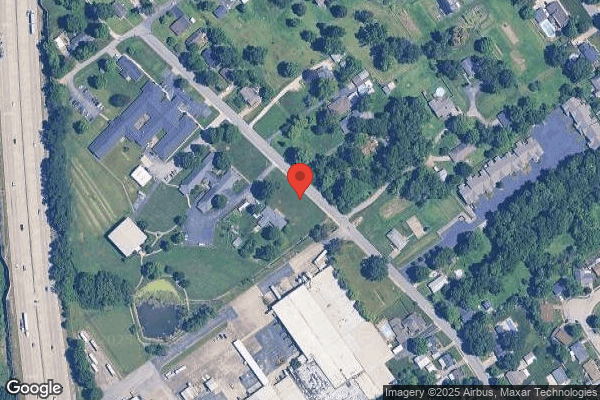
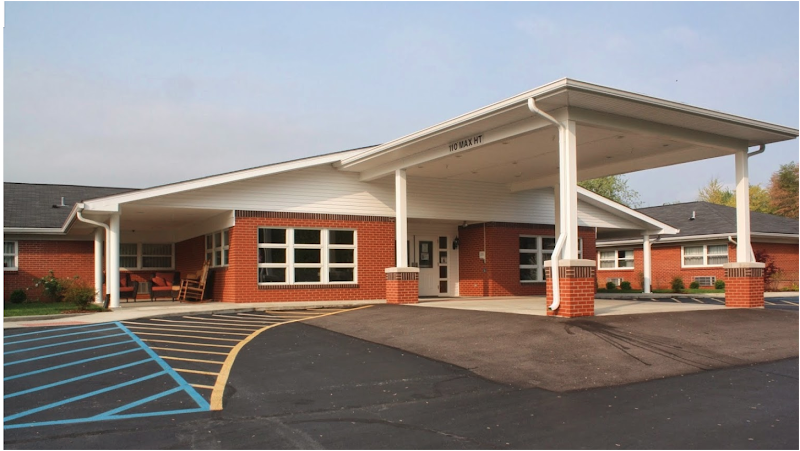
643 W UTICA ST, SELLERSBURG, IN 47172 (812) 246-4866
Non profit - Corporation 57 Beds Independent Data: November 2025
Trust Grade
80/100
#161 of 505 in IN
Last Inspection: January 2025

Within standard 12-15 month inspection cycle. Federal law requires annual inspections.

Overview

Maple Manor Christian Home Inc in Sellersburg, Indiana, has a Trust Grade of B+, indicating it is above average and recommended for families seeking care. It ranks #1 out of 7 facilities in Clark County and #161 out of 505 in Indiana, placing it in the top half of all state facilities. The facility is improving, having reduced its issues from 3 in 2024 to just 1 in 2025, but it does have some weaknesses, including lower RN coverage than 88% of Indiana facilities, which can be concerning since RNs often catch issues that CNAs might miss. Staffing is decent, with a 4 out of 5 stars rating, but the turnover rate of 54% is average. Notably, there have been some concerning incidents, such as medication documentation errors for five residents and a failure to prevent inappropriate staff conduct towards a resident with dementia, highlighting the need for better oversight and adherence to care plans.

Trust Score
B+
80/100
In Indiana
#161/505
Top 31%
Safety Record
Low Risk
No red flags
Inspections
Getting Better
3 → 1 violations
Staff Stability
⚠ Watch
54% turnover. Above average. Higher turnover means staff may not know residents' routines.
Penalties
✓ Good
No fines on record. Clean compliance history, better than most Indiana facilities.
Skilled Nurses
○ Average
Each resident gets 30 minutes of Registered Nurse (RN) attention daily — about average for Indiana. RNs are the most trained staff who monitor for health changes.
Violations
○ Average
8 deficiencies on record. Average for a facility this size. Mostly minor or procedural issues.
★★★★☆
4.0
Overall Rating
★★★★☆
4.0
Staff Levels
★★☆☆☆
2.0
Care Quality
★★★★☆
4.0
Inspection Score
Stable
2024: 3 issues
2025: 1 issues

The Good

  • 4-Star Staffing Rating · Above-average nurse staffing levels
  • Full Sprinkler Coverage · Fire safety systems throughout facility
  • No fines on record

Facility shows strength in staffing levels, fire safety.

The Bad

Staff Turnover: 54%

Near Indiana avg (46%)

Higher turnover may affect care consistency

The Ugly 8 deficiencies on record

Jan 2025 1 deficiency
CONCERN (E)

Potential for Harm - no one hurt, but risky conditions existed

Pharmacy Services (Tag F0755)

Could have caused harm · This affected multiple residents

Based on observation, record review, and interview, the facility failed to follow documentation procedures of dispensed medications on the Controlled Drug Record of administered narcotics for 5 of 24 ...

Read full inspector narrative →
Based on observation, record review, and interview, the facility failed to follow documentation procedures of dispensed medications on the Controlled Drug Record of administered narcotics for 5 of 24 residents observed for pharmacy services. (Residents 16, 15, 13, 49, and 50) Findings include: During an observation on 1/8/25 at 1:42 p.m., of the 300 Hall medication cart, the following concerns were identified: 1. Resident 16's Viberzi had a count of 14 tablets left on the Controlled Drug Record. The resident's medication card contained 13 tablets of Viberzi. The Controlled Drug Record indicated no tablets of Viberzi had been signed out. The physician's order, dated 7/2/24, indicated the nurse was to administer 100 mg (milligrams) of Viberzi one time a day for Irritated Bowel Syndrome (IBS). The January 2025 Medication Administration Record (MAR) indicated the Viberzi was last administered on 1/8/25 between 8:00 a.m. and 11:00 a.m., by Licensed Practical Nurse (LPN) 5. 2. Resident 15's Gabapentin had a count of 14 capsules left on the Controlled Drug Record. The resident's medication card contained 12 capsules of the Gabapentin. The LPN indicated that she had administered two capsules to the resident. The Controlled Drug Record indicated the last dose was administered on 1/7/25 at 9:32 p.m., by LPN 4. The physician's order, dated 11/17/24, indicated the nurse was to administer two capsules of 600 mg Gabapentin three times daily for type 2 diabetes mellitus with diabetic neuropathy. The January 2025 MAR indicated the Gabapentin capsules were last administered on 1/8/25 between 8:00 a.m. and 11:00 a.m., by LPN 5. 3. Resident 13's Gabapentin had a count of 17 capsules left on the Controlled Drug Record. The resident's medication card contained 16 capsules of the Gabapentin. The Controlled Drug Record indicated the last dose was administered on 1/7/25 at 8:18 p.m., by LPN 4. The physician's order, dated 1/13/24, indicated the nurse was to administer one capsule three times daily for pain. The January 2025 MAR indicated the Gabapentin capsule was last administered on 1/8/25 between 8:00 a.m. and 11:00 a.m., by LPN 5. 4. Resident 49's Tramadol had a count of 16 tablets left on the Controlled Drug Record. The resident's medication card contained 15 tablets of the Tramadol. The Controlled Drug Record indicated the last dose was administered on 1/7/25 at 8:17 p.m., by LPN 4. The physician's order, dated 4/3/24, indicated the nurse was to administer one tablet two times daily for chronic pain. The January 2025 MAR indicated the Tramadol tablet was last administered on 1/8/25 between 8:00 a.m. and 11:00 a.m., by LPN 5. 5. Resident 50's Gabapentin had a count of 29 capsules left on the Controlled Drug Record. The resident's medication card contained 27 capsules of the Gabapentin. The Controlled Drug Record indicated the last dose was administered 1/7/25 at 8:20 p.m., by LPN 4. LPN 5 indicated there were two different times that the medication was given during the day. The physician's order, dated 8/28/24, indicated the nurse was to administer one capsule three times daily for pain. The January 2025 MAR indicated the Gabapentin capsule was last administered on 1/8/25 between 8:00 a.m. and 11:00 a.m., and on 1/8/25 between 2:00 p.m. and 4:00 p.m., by LPN 5. During an interview on 1/8/25 at 1:51 p.m., LPN 5 indicated she had not signed out the narcotics because she didn't have a pen. She should have signed them out at the time of administration. The Controlled Substance Monitoring and Administration policy and procedure, last reviewed on 9/3/24, included, but was not limited to, .18. Controlled substances in solid form are to be withdrawn from the area/container they are stored, counted, and recorded on the Narcotic Sign-out Sheet with each administration . Documentation All documentation the Narcotic Sign-out Sheet and MAR/eMAR [electronic Medication Administration Record] are to be legible and clear . 2. When documenting withdrawal of medications from the locked narcotic drawer or medication locker in the refrigerator, the actual date and actual time of the withdrawal is to be documented on the Narcotic Sign-out Sheet . 3.1-25(b)(1)(c)
Nov 2024 1 deficiency
CONCERN (D) 📢 Someone Reported This

A family member, employee, or ombudsman was alarmed enough to file a formal complaint

Potential for Harm - no one hurt, but risky conditions existed

Deficiency F0604 (Tag F0604)

Could have caused harm · This affected 1 resident

Based on observation, interview and record review, the facility failed to ensure a resident (Resident B) was not restrained in place for 1 of 3 residents reviewed for abuse. Findings include: The clin...

Read full inspector narrative →
Based on observation, interview and record review, the facility failed to ensure a resident (Resident B) was not restrained in place for 1 of 3 residents reviewed for abuse. Findings include: The clinical record for Resident B was reviewed on 11/21/24 at 12:16 p.m. The resident's diagnoses included, but were not limited to, dementia, abnormality of the gait and cognitive communication deficit. On 11/21/24 at 12:50 p.m., the resident was observed sitting up on the side of her bed. She was well groomed and pleasantly confused with no signs of any psychosocial distress. On 11/21/24 at 11:45 a.m., the facility video footage, from 10/28/24 between 5:48 a.m. and 5:55 a.m., was observed with the following: On 10/28/24 at 5:48 a.m., CNA (Certified Nursing Aide) 5 was observed to propel Resident B across from the nurse's station and backed the wheelchair up against the wall. Resident B had attempted to propel her wheelchair forward. CNA 5 moved the resident's wheelchair back up against the wall, locked the brakes to the wheelchair and leaned over the resident. CNA 5 had turned to walk away from the resident. The resident placed her hands down towards the wheelchair wheels, at which time, CNA 5 turned back around, walked back towards the resident, and then had placed the residents arms and hands across the resident's chest. The resident placed her right arm back down toward the wheelchair wheel and CNA 5 placed the resident's right arm back crossed the resident's chest. CNA 5 was standing to the right of the resident and the resident then had attempted to scoot forward to move the wheelchair and placed her arms back down on the wheelchair wheels. CNA 5 again, had moved both of the resident's arms back crossed the resident's chest. CNA 5 then checked to ensure wheelchair brakes were locked. The CNA had turned and looked to the right at which time the resident attempted to move her wheelchair. CNA 5 was bent over the resident which obstructed the view of the resident and then CNA 5 had turned and leaned back against the wall. The resident placed her right arm down toward the wheelchair wheel at which time CNA 5 had placed the resident's right arm back across the resident's chest. The resident moved her legs, put both her arms down and unlocked her wheelchair. CNA 5, again, had placed the residents arms back across the resident's chest and locked both brakes on the wheelchair. The resident placed her right arm down towards the wheelchair wheel and CNA 5 had placed the resident's right arm across the resident's chest. The resident moved her body and legs, at which time, CNA 5 locked the left wheelchair brake and checked the right brake to make sure it was still locked. The resident attempted to propel herself and could not due to the wheelchair brakes had been locked. The resident had continued to try to propel herself multiple times. CNA 5 was observed to place her right hand on the resident's right shoulder area to get the resident to sit back in the wheelchair. At 5:53 a.m., the resident tried to propel herself and could not due to the locked wheelchair brakes. CNA 5, again, placed her left hand on the resident's right should area to sit her back in the wheelchair. CNA 5 had assisted Resident B to put her hearing aides in and walked away from the resident. At 5:55 a.m., the resident unlocked her wheelchair brakes and propelled herself around the nurse's station. During an interview on 11/22/24 at 11:38, the Executive Director indicated Resident B wanted to go back to her room and CNA 5 was trying to keep her from going to her room so she would not fall. During an interview on 11/22/24 at 11:41 a.m., Staff Member 6 indicated it was not appropriate to lock a resident's wheelchair to prevent them from moving. On 11/21/24 at 1:20 p.m., the Director of Nursing provided a current copy of the undated document titled If You See Something Say Something. It included, but was not limited to, employees are required to report .all .occurrences of .unreasonable confinement .What constitutes abuse .Physical .Restraints .It is prohibited to .unnecessarily inhibit a resident's freedom of movement or activity The Past noncompliance began on 10/28/24 at 5:48 a.m. The deficient practice was corrected by 10/29/24 after the facility implemented a systemic plan that included the following actions: All staff were interviewed and educated on abuse and neglect which included involuntary seclusion and physical/chemical restraints (10/29/24); Resident interviews and facility wide skin assessments were conducted with no findings (10/28/24). 3.1-3(w) This Citation relates to Complaint IN00446181
Jun 2024 1 deficiency
CONCERN (D) 📢 Someone Reported This

A family member, employee, or ombudsman was alarmed enough to file a formal complaint

Potential for Harm - no one hurt, but risky conditions existed

Free from Abuse/Neglect (Tag F0600)

Could have caused harm · This affected 1 resident

Based on observation, interview and record review, the facility failed to ensure staff to resident abuse did not occur for 1 of 3 residents reviewed for abuse. (Resident B) Findings include: The clini...

Read full inspector narrative →
Based on observation, interview and record review, the facility failed to ensure staff to resident abuse did not occur for 1 of 3 residents reviewed for abuse. (Resident B) Findings include: The clinical record for Resident B was reviewed on 6/3/24 at 9:48 a.m. The resident's diagnoses included, but were not limited to, dementia with behavioral disturbance and mood disorder. The care plan, dated 1/24/24, indicated the resident was at risk for mood changes and verbal aggression. The interventions included, but were not limited to, allow the resident to vent feelings and frustrations, change care givers, ensure the resident's safety and observe from a distance and to leave resident alone to calm down. During an interview on 6/3/24 at 9:13 a.m., LPN (Licensed Practical Nurse) 3 indicated on 5/12/24, CNA (Certified Nursing Aide) 5 reported to her that CNA 9 had spoken inappropriately to Resident B and pointed her finger at him. She did not witness the incident but immediately reported to the Director of Nursing. During an interview on 6/3/24 at 10:25 a.m., the Director of Nursing (DON) indicated after she watched the video, you could tell CNA 9 pointed her finger at the resident and poked him in the chest. The staff member was terminated. The progress note, dated 5/12/24 at 8:45 p.m., indicated it was reported that CNA 9 and Resident B had an altercation in the hallway around 6:00 p.m. after Resident B was removed from another resident's room. Resident B called CNA 9 a bitch and told her to go to hell. CNA 9 responded verbally with her finger pointed at the resident. The resident sat in the hallway for a few minutes and then wheeled himself back to his room. The resident did not display any adverse effects from the interaction. All notifications had been made. On 6/3/24 at 10:45 a.m. , during a video of the incident on 5/12/24 at 6:04 p.m., with the Director of Nursing present, the following was observed: On 5/12/24 at 6:04 p.m., CNA 9 was observed to wheel Resident B out of a resident's room on the left of the hallway. CNA 9 was observed to walk up to the nurse's station and then abruptly stopped, turned around and walked back down the hall towards Resident B. CNA 9 was standing next to Resident B, in conversation and then poked Resident B in the chest area with her finger and then walked back up towards the nurse's station. A conversation was exchanged between CNA 9 and CNA 5 and then CNA 9 exited the camera view. The written statement from CNA 5, dated 5/12/24 and untimed, indicated she was headed to the dining room but then remembered something and turned around and went back towards the nurse's station. CNA 5 heard Resident B yell you can go to hell, she looked down the hall. CNA 9 had walked past Resident B, immediately turned around and approached him. CNA 9 pointed her finger at Resident B and said in a deep, harsh voice, you don't talk to me like that. Resident B asked CNA 9 , what did I say. CNA 9, had her finger pointed at Resident B and scolding him by saying you told me to go down there. On 6/3/24 at 9:18 a.m., a current copy of the document titled Abuse/Neglect/Mistreatment/Exploitation/Misappropriation of Personal Property dated 1/12/18 was provided. It included, but was not limited to, Policy .The facility strictly prohibits resident abuse .physical abuse .includes, but is not limited to, hitting slapping, pinching .mistreatment .inappropriate treatment The Past noncompliance began on 5/12/24 at 6:04 p.m. The deficient practice was corrected by 5/30/24 after the facility implemented a systemic plan that included the following actions: All staff were interview, educated on abuse and neglect and post tests on abuse completed (5/30/24); Resident interviews/assessments were conducted with no findings (5/13/24). This Citation relates to Complaint IN00434474 3.1-27(a)(1)
Feb 2024 1 deficiency
CONCERN (D) 📢 Someone Reported This

A family member, employee, or ombudsman was alarmed enough to file a formal complaint

Potential for Harm - no one hurt, but risky conditions existed

Free from Abuse/Neglect (Tag F0600)

Could have caused harm · This affected 1 resident

Based on observation, interview and record review, the facility failed to ensure staff immediately responded when a resident (Resident B) fell and a full body assessment completed at the time of the f...

Read full inspector narrative →
Based on observation, interview and record review, the facility failed to ensure staff immediately responded when a resident (Resident B) fell and a full body assessment completed at the time of the fall for 1 of 3 residents reviewed for neglect. Findings include: The clinical record for Resident B was reviewed on 2/1/24 at 1:29 p.m. The diagnoses included, but were not limited to, metabolic encephalopathy, osteoarthritis and vascular dementia. The baseline care plan, dated 12/9/23, indicated the resident was a fall risk and the resident was to have a PSA (personal safety alarm) to her bed and chair at all times. During an interview on 2/1/24 at 12:20 p.m., CNA (Certified Nursing Aide) 8 indicated on 12/19/23, she was coming up the 200 hallway and heard a loud thump. RN 4 told her Resident B had just put herself on the floor. She went around the nurse's station and saw the resident on the floor. She told RN 4 it looked like the resident had fallen. Resident B was hollering out and she tried to keep her calm. She asked RN 4 to help her with the resident because she could not move her until RN 4 assessed the resident. RN 4 just sat there. She heard RN 4 call the DON (Director of Nursing) to let her know Resident B had put herself on the floor. RN 4 finally got up to help assist Resident B back up into her wheelchair. RN 4 told Resident B, look what that got you. RN 4 did not even assess Resident B for any injury. Resident B asked RN 4 to call her daughters to let them know she had fallen. RN 4 responded no, you ran them all off as well.CNA 8 looked Resident B over and did not see anything, however she was not allowed to assess the resident since she was a CNA. RN 4 then went outside for a break and she reported the incident to the DON. The progress note from RN 4, dated 12/19/23 at 2:22 p.m., indicated the resident had sat herself down on the floor at the nurse's station. The resident had reported over and over throughout the day that she would put herself on the floor. Her alarm sounded at the nurse's desk and she had put herself on the floor at the foot of her wheelchair. The resident was assessed and no injury found. The progress note, dated 12/19/23 at 5:08 p.m., indicated that upon video review of Resident B's fall at approximately 2:30 p.m., it was observed that the resident was sitting in her wheelchair at the nurse's station. The resident continued to scoot closer and closer to the edge of her wheelchair. The resident fell forward onto the floor and hit the wheel of another resident's wheelchair in front of her. Upon assessment by LPN (Licensed Practical Nurse) 3, there were no injuries or physical concerns observed. Nursing would continue to observe and monitor neurological status. On 2/1/24 at 1:46 p.m., the video of the incident, dated 12/19/23 at 2:18 p.m., was observed with the Executive Director present. The following was observed in the video: On 12/19/23 at 2:18 p.m., Resident B was observed sitting at the nurse's station. RN 4 was observed sitting at the desk behind the nurse's station. Resident B scooted forward towards the edge of her chair. At 2:19 p.m., RN 4 turned her head towards the direction of Resident B. Resident B then fell forward out of the wheelchair and onto the floor, striking her head on the wheel of another residents' wheelchair. RN 4 remained sitting behind the nurse's station and did not look up. At 2:20 p.m., CNA 8 came around the nurse's station and saw Resident B on the floor at which time RN 4 picked up the facility phone to make a call. CNA 8 went behind Resident B's wheelchair and turned off Resident B's alarm. CNA 8 then moved another resident from out of in front of Resident B and bended over the resident. During this time, RN 4 hung up the facility phone and then pulled out her cell phone to make another call. CNA 8 walked down the hall towards the front doors. At 2:20 p.m., CNA 8 walked back down toward Resident B, at which time RN 4 had gotten up from her seat and walked out from behind the nurse station. RN 4 stared at Resident B while she was on the floor. At 2:21 p.m., RN 4 and CNA 8 assisted Resident B up from the floor and placed her back into the wheelchair. RN 4 did not assess Resident B for injury prior to moving her. RN 4 then went back behind the nurse's station, sat down, and picked up the facility phone where she remained until 2:24 p.m. At 2:24 p.m., RN 4 got up and exited out from behind the nurse's station, walked down the hall and exited out the side door. During an interview on 2/1/24 at 1:50 p.m., the Executive Director indicated the nurse in the video was an RN, Resident B's alarm was sounding and RN 4 did not move. RN 4 was no longer employed by the next day. On 2/1/24 at 12:29 p.m., the Director of Nursing provided a current copy of the document titled Abuse/Neglect/Mistreatment/Exploitation/Misappropriation of Personal Property dated 1/12/18. It included, but was not limited to, Abuse .Abuse also includes the deprivation by an individual .of goods or services that are necessary to attain or maintain physical, mental, and psychosocial well-being .Prevention .The facility strictly prohibits .neglect .by employees Neglect .the willful failure of the facility .employees .to provide goods and services that are necessary to avoid physical harm, mental anguish, or emotional distress The Past noncompliance began on 12/19/23. The deficient practice was corrected by 12/21/23 after the facility implemented a systemic plan that included the following actions: All nurses were educated on the importance of fall assessments to include completing the assessment prior to moving a resident; All licensed staff were educated on abuse and neglect, which included providing services necessary to avoid physical harm, mental anguish and emotional distress. This Citation relates to Complaint IN00424481 3.1-27(a)(3)
Sept 2023 1 deficiency
CONCERN (D) 📢 Someone Reported This

A family member, employee, or ombudsman was alarmed enough to file a formal complaint

Potential for Harm - no one hurt, but risky conditions existed

Quality of Care (Tag F0684)

Could have caused harm · This affected 1 resident

**NOTE- TERMS IN BRACKETS HAVE BEEN EDITED TO PROTECT CONFIDENTIALITY** Based on interview and record review, the facility failed to ensure a resident admitted with a history of diabetes received bloo...

Read full inspector narrative →
**NOTE- TERMS IN BRACKETS HAVE BEEN EDITED TO PROTECT CONFIDENTIALITY** Based on interview and record review, the facility failed to ensure a resident admitted with a history of diabetes received blood sugar level cheeks and insulin timely for 1 of 3 residents reviewed for quality of care. (Resident B) Findings include: An Incident Report, dated 8/24/23 at 8:20 p.m., indicated Resident B arrived at the facility on the evening of 8/23/23 around 6:30 p.m. The resident's insulin orders were not put into the system. An admission MDS (Minimum Data Set) assessment, dated 8/24/23, indicated the resident was severely cognitively impaired. The diagnoses included, but were not limited, to diabetes mellitus Type 1 with ketoacidosis and coma, dementia, and cognitive communication deficit. A Hospital Discharge summary, dated [DATE], indicated the resident's discharge medications included, but were not limited to, the following: - Toujeo (a long acting insulin medication), staff were to administer 15 units daily. - Humalog (a fast acting insulin medication), staff were to administer 5 units, three times a day with meals. The August EMAR (Electronic Medication Administration Record) lacked documentation the resident received her insulin (Toujeo 15 units) or accu check (blood sugar level) on 8/23/23 and the resident had not received the fast acting Humalog insulin with breakfast or lunch the following day on 8/24/23. A Progress Note, dated 8/24/23 at 4:10 p.m., indicated the physician saw the resident for the initial admission assessment. All previous records from the hospital were reviewed. New orders were received to discontinue the routine Lispro (insulin medication) and start accu checks with a sliding scale Lispro. A Progress Note, dated 8/24/23 at 4:24 p.m., indicated the resident vomited twice during the shift, approximately 3 hours after a meal. A Progress Note, dated 8/24/23 at 5:17 p.m., indicated staff administered 12 units of Humalog and the nurse was waiting for a call from the physician. A Progress Note, dated 8/24/23 at 6:25 p.m., indicated the resident's family member was notified of the resident vomiting twice and a high accu check reading of 600 mg/dl (normal adult range of blood sugar levels was 80 mg/dl to 120 mg/dl). A Progress Noted, dated 8/24/23 at 7:18 p.m., indicated the resident's accu check reading was high at 600 mg/dl. Staff administered 32 units of Humalog STAT (immediately) per the physician's order. A Progress Note, dated 8/24/23 at 8:00 p.m., indicated the nurse attempted to give the resident her night time medication and the resident was unresponsive. Her blood sugar reading was 600 mg/dl. The physician was contacted and a new order was received to send the resident to the hospital. During an interview on 9/11/23 at 7:42 p.m., RN 2 indicated when there was a new admission to the facility she would get an admission packet, with a hospital discharge summary. She would verify the resident's vitals, complete a head-to-toe assessment, and if they were diabetic, she would obtain blood sugar on them. There was a night shift agency nurse, and she was the one that completed the resident's admission. The night shift nurse should have noted that the resident was diabetic, and reviewed and entered the orders into the system. When she returned the next morning, she only had time to read the resident's history and physical before the administration staff took the chart to finish up the admission. There were no accu checks or insulin orders in the system for the resident. The resident was a diabetic and had not received insulin the night before. There were no accu checks or insulin orders in the system on 8/24/23 until 4:00 p.m. At that time, the RN did get an accu check on Resident B and it was high. The RN gave the ordered dose of insulin and called the physician. The physician gave the order of 20 units STAT and to recheck the blood sugar in 2 to 3 hours. The resident was not cognitively aware but could not answer questions appropriately. During an interview on 9/11/23 at 8:04 p.m., the Director of Nursing (DON) indicated, on 8/23/23, the night shift nurse was an agency nurse. The DON had talked to her prior to leaving the building and instructed her, that if she had any issues, she was to call the DON. That nurse did not call her. The agency nurse did input some medication orders but did not input the insulin or accu check orders. She indicated she did not know how. The system was asking for parameters but there were no parameters given. There were no parameters because the insulin was scheduled. The next morning upon her arrival she retrieved the resident's chart to review the orders with the physician. She did not get all the clarifications and orders inputted until around 1:30 p.m. on 8/24/23. She thought the resident had only been nauseated before dinner and she was aware the resident had received Zofran. The day shift RN told her that the night shift nurse did not put in insulin orders because she did not know the parameters. She had reviewed the hospital EMAR and Resident B had received the Toujeo the night before on 8/22/23. It would be a nursing measure to obtain an accu check on a known diabetic and did not necessarily need a physician order. She had asked the agency nurse if she had taken Resident B's blood sugar and the agency nurse stated she did and it was 101, but she did not know where to document it in the record. The nurse could have documented under progress notes, vitals, or on the admission assessment. The EMAR, dated 8/24/23 at 7:00 p.m., indicated the nurse had administered the resident's Humalog 20-units STAT. The EMAR, dated 8/24/23 at 7:18 p.m., indicated the nurse had administered the resident's Humalog 32-units STAT. During an interview on 9/12/23 at 9:00 a.m., the DON indicated the RN did not go into the system and document the actual times given. The progress notes indicated the 7:00 p.m. dose was given at 5:00 p.m. The DON had started education for staff evolved and had not educated the agency staff that generally work at the facility. The current plan was for her to review all new admission orders the next working day. The current facility policy, titled Abuse/Neglect/Mistreatment/Exploitation/Misappropriation of Personal Property, with a reviewed date of 1/18/2023, was provided by the DON on 9/11/23 at 7:16 p.m. The policy indicated, .2. To ensure that the facility personnel are trained during orientation, and at periodic intervals .Definitions/Background: .Neglect: the willful failure of the facility, its employees, or service providers to provide goods and services that are necessary to avoid physical harm . The current facility policy, titled admission Policy, with a reviewed date of 2/25/2023, was provided by the DON on 9/12/23 at 12:13 p.m. The policy indicated, .The purpose of this facility policy .to establish uniform guidelines for facility staff to following in admitting residents . The current facility policy, titled admission Orders, with a reviewed date of 2/25/2023, was provided by the DON on 9/12/23 at 12:13 p.m. The policy indicated, .The purpose of this policy .to ensure that each resident receives necessary care and services upon admission to the facility .At the time a reside is admitted , the facility will have physician's orders for the resident's immediate care .Procedure: admission orders will be obtained from .discharge summary .admission orders will, at a minimum, .include .medications .and routine care to maintain .the resident's functional abilities .The physician/provider will be notified of the resident's admission, orders will be verified for continuation . The current facility policy, titled Documentation in the Resident's Medical Record, with a reviewed date of 2/8/2023, was provided by the DON on 9/12/23 at 12:13 p.m. The policy indicated, .The purpose of this policy is to ensure accurate, clear, and concise record of the care a resident receives, status of health conditions, .1. The resident's medical record should be .accurate, .and consistent .3. Documentation should be within a timely manner .to enable providers to make informed decision about .continuity of care . The current facility policy, titled Diabetic Care, with a reviewed date of 2/25/2023, was provided by the DON on 9/12/23 at 12:13 p.m. The policy indicated, .The purpose of this policy is to ensure that the facility monitors and provides appropriate care for diabetic residents .A blood glucose check will be performed as a nursing measure . This Federal tag relates to Complaint IN00416292. 3.1-37(a)
Nov 2022 3 deficiencies
CONCERN (D)

Potential for Harm - no one hurt, but risky conditions existed

Assessment Accuracy (Tag F0641)

Could have caused harm · This affected 1 resident

2. The clinical record for Resident 4 was reviewed on 11/1/22 at 10:03 a.m. The diagnoses included, but were not limited to, dementia with behavioral disturbance, traumatic subdural hemorrhage with lo...

Read full inspector narrative →
2. The clinical record for Resident 4 was reviewed on 11/1/22 at 10:03 a.m. The diagnoses included, but were not limited to, dementia with behavioral disturbance, traumatic subdural hemorrhage with loss of consciousness status, laceration with foreign body of the scalp, repeated falls, laceration without foreign body of part of the head, syncope and collapse, and orthostatic hypotension. The clinical record lacked documentation of therapy notes related to an evaluation or fitting for the soft helmet size. The nurse's note, dated 10/10/22 at 6:27 a.m., indicated the resident was found on the floor. She had a laceration to her head and was sent out to the hospital. The resident was diagnosed with a subdural hematoma from the fall. The physician's order, dated 10/11/22, indicated to encourage wearing of the soft helmet every day and night shift for fall risk. The Initial Pressure Wound Assessment, dated 10/29/22, indicated a suspected deep tissue injury to the right outer ear, measuring 0.3 cm long by 0.2 cm wide. The nursing staff were to monitor the skin integrity to the ears, jawline, and neck every shift related to the wearing of the soft helmet. A potential supply of another style of helmet was to be looked into, if available. During an interview on 11/7/22 at 9:27 a.m., the Rehabilitation Manager indicated the facility asked her to measure for the soft helmet. She had to guess on the size, because the resident was in the hospital at that time. She just found a resident with a similar sized head and used that as a guide for the helmet fit. She was not told of the rubbing and suspected deep tissue injury on the resident's ear, from the helmet. The facility had not asked her to find a different helmet. To properly fit a helmet, she would follow the guide book for ordering a helmet. She would measure the circumference of the resident's head usually. During an interview on 11/7/22 at 9:52 a.m., the Wound Nurse indicated therapy was consulted for the helmet to prevent further head injuries. She had assumed that therapy had fitted the helmet. She didn't feel the helmet was tight on the resident. The helmet had a Velcro strap under the chin. She was unsure if another helmet would be ordered. The resident was very demented and was unable to follow direction, and they had exhausted all interventions. The current therapy company's Position Description and Criteria, provided by the DON (Director of Nursing) on 11/7/22 at 12:34 p.m., included, but was not limited to, . 15. Provides/recommends/fabricates adaptive devices, orthotics or prosthetics . 3.1-31(a) 3.1-31(d) 3.1-31(e) Based on observation, record review, and interview, the facility failed to ensure weekly skin assessments accurately reflected the residents current skin status and therapy evaluation for a helmet assessment were document for 2 of 13 residents reviewed for skin impairments. (Residents 6 and 4) Findings include: 1. During an observation of wound care for Resident 6 on 11/3/22 at 11:20 a.m., the Wound Nurse indicated the resident had a scabbed area to the back of her right heel which was being treated for several months. The clinical record for Resident 6 was reviewed on 11/1/22 at 9:35 a.m. The diagnoses included, but were not limited to, Type 2 diabetes mellitus with diabetic chronic kidney disease, unspecified protein-calorie malnutrition, and unsteadiness on feet. The facility Weekly Skin and Edema assessments between August and October 2022 indicated the following assessments were not coded correctly: The Weekly Skin and Edema assessment, dated 8/4/22, indicated the resident's skin integrity was intact/unbroken skin. Resident had no skin issues. The Pressure Wound assessment, dated 8/5/22, indicated the resident had a right heel pressure ulcer, length 1.4 cm (centimeters) by 1 cm by 0.2 cm Stage 3. The Weekly Skin & Edema assessment, dated 8/11/22, indicated the resident had intact/unbroken skin. Staff were to continue with treatment to the left heel and Nystatin powder under the abdominal folds. The Weekly Skin & Edema assessment, dated 8/18/22, indicated the resident had intact/unbroken skin. The resident's right heel treatment was in place to the resident's heel related to skin breakdown. The Weekly Skin & Edema assessment, dated 8/25/22, indicated the resident had intact/unbroken skin. Staff were to apply Nystatin powder under the abdominal folds, facility barrier cream to the buttocks, treatment to the right heel continued. The Weekly Skin & Edema assessment, dated 9/1/22, indicated the resident had intact/unbroken skin. Staff were to apply Nystatin powder under the abdominal folds, facility barrier cream to the buttocks, treatment to the right heel continues. The Weekly Skin & Edema assessment, dated 9/8/22, indicated the resident had intact/unbroken skin. Staff were to continue with treatment to the right heel. The Weekly Skin & Edema assessment, dated 9/15/22, indicated the resident had intact/unbroken skin. Treatment continued to the resident's right heel. The Weekly Skin & Edema assessment, dated 9/22/22, indicated the resident had intact/unbroken skin. Staff were to continue to apply Nystatin powder under the resident's abdominal folds. The Weekly Skin & Edema assessment, dated 9/29/22, indicated the resident had intact/unbroken skin. The Weekly Skin & Edema assessment, dated 10/13/22, indicated the resident had intact/unbroken skin. The Weekly Skin & Edema assessment, dated 10/20/22, indicated the resident had intact/unbroken skin. The resident's treatment to the right heel was intact. The Weekly Skin & Edema assessment, dated 10/27/22, indicated the resident had intact/unbroken skin. Staff were to apply skin prep to the resident's scabbed area on the right heel. The Pressure Wound assessment, dated 10/25/22, indicated the resident's right heel remained Unstageable measuring 0.7 by 0.8 by 0. (Scab at the present site) During an interview with the Wound Nurse on 11/3/22 at 11:20 a.m., she couldn't explain why the weekly skin assessments were indicating intact unbroken skin or why the nurses would also write treatment continues to heel. If treatment continued to the heel it would mean that the skin was not intact. All she could do was educate, educate, educate. During an interview with the Director of Nursing (DON) on 11/3/22 at 2:45 p.m., she indicated she was aware of the assessments not being coded correctly. All she could do was go over with the nurses on completing the weekly skin assessments to make sure they were being filled out correctly.
CONCERN (D)

Potential for Harm - no one hurt, but risky conditions existed

Deficiency F0657 (Tag F0657)

Could have caused harm · This affected 1 resident

Based on record review and interview, the facility failed to ensure timely revision of a resident's care plan to reflect new pressure wound interventions for 1 of 13 residents whose care plans were re...

Read full inspector narrative →
Based on record review and interview, the facility failed to ensure timely revision of a resident's care plan to reflect new pressure wound interventions for 1 of 13 residents whose care plans were reviewed. (Resident 33) Findings include: The clinical record for Resident 33 was reviewed on 11/3/22 at 11:15 a.m., the diagnoses included but were not limited to, fatigue, dyspnea, dementia, chronic kidney disease stage 3, pneumonia, bacterial infection, sepsis, urinary tract infection, abnormal weight loss, abnormality of albumin, history of falling, muscle weakness, difficulty walking, psychotic disturbance, mood disturbance, and anxiety disorder. The Quarterly MDS (Minimum Data Set) assessment, dated 9/19/22, indicated the resident was severely cognitively impaired. She required extensive assistance of two staff members for ADL's (Activities of Daily Living). She was at risk for developing pressure wounds. The physician's orders, with a start date of 10/20/22, indicated an air cell therapy mattress was to be on her bed at all times; palliative skin care; cleanse the wound to her left buttock with wound cleanser; pat dry and apply a hydrocolloid dressing daily, every night shift, for impaired skin integrity and as needed for soilage and dislodgement; nutritional juice; magic cups with meals for supplement; and liquid protein two times a day. The resident's care plan, dated 3/14/18 and revised on 11/1/22, indicated the resident was at risk for skin breakdown. The interventions included, but were not limited to, assist with repositioning (dated 3/14/18), and pressure redistribution mattress in place to the bed (dated 11/1/22). The resident's care plan, dated 8/18/19 and revised on 10/12/22, indicated the resident had the potential for skin integrity breakdown due to a history of chronically picking at her arms and had dry fragile skin. The resident had a Stage 3 pressure wound versus trauma area to her left buttock. The interventions included, but were not limited to, alternating air mattress (dated 11/1/22), complete treatments as ordered (dated 8/18/19), encourage good nutrition (dated 8/18/19) and hydration to promote healthier skin, encourage her to avoid scratching (dated 8/18/19), assist with keeping hands clean and fingernails short (dated 8/18/19), keep her skin clean and dry and use lotion on dry skin. Place pool noodle pieces to her wheelchair to keep her from her hitting legs (dated 9/8/22). The clinical record lacked documentation of any revision to the care plan with the interventions for a Stage 3 pressure wound. The Weekly Skin and Edema assessment, dated 10/10/22, indicated the resident had an abrasion to her left calf. The nurse's note, dated 10/12/22 at 4:21 p.m., indicated while completing incontinent care an area was observed to be open on the resident's left buttock that was pressure versus trauma area and measuring 2 cm (centimeters) x 2 cm x 1 cm. She had no pain, no drainage, no signs, or symptoms of infection. The surrounding area was normal skin tone. The new orders were received and noted to cleanse the wound with wound cleanser, pat dry and apply a hydrocolloid dressing daily and prn (as needed) for soilage or dislodgement. The Wound Assessment Form, dated 10/12/22 at 4:00 p.m., indicated the left buttock pressure wound measured 2 cm by 2 cm by 1 cm and at a Stage 3. No exudate, and the surrounding skin was intact. The Wound Assessment Form, dated 10/27/22, indicated the left buttock pressure wound measured 1 cm by 1 cm by 0.2 cm and was a Stage 3. A scant amount of serous drainage, the wound bed was pink, and the surrounding tissue was intact. During an interview on 11/3/22 at 11:00 a.m., the Wound Nurse indicated when an issue like a pressure wound was identified she would be notified by the staff and interventions would be added at that time. The care plan would be updated or the issue would be added at that time with interventions. If the current interventions were not working, she would reassess the wound and add new interventions. The Wound Management Program policy, dated 8/1/2018, was provided by the DON (Director of Nursing) on 11/1/22 at 10:00 a.m. The policy included, but was not limited to, . F. Documentation and Care Planning 1. The wound management program documentation requirements include: a. Identification of the location and frequency of wound documentation. b. Identification of forms used and format for reporting. c. Required comprehensive description of pressure ulcer weekly, at a minimum. d. Delineation of 'in-house' documentation required (for example, weekly reports to the Director of Nurses) and by whom. e. Goals of the wound care plan collaboratively determined with the resident, family, and interdisciplinary team. f. Assigned responsibility/accountability for the initial care plan and for subsequent updating. g. Determined facility time frames for care plan updating . 3.1-35(d)(2)(B)
CONCERN (D)

Potential for Harm - no one hurt, but risky conditions existed

Pressure Ulcer Prevention (Tag F0686)

Could have caused harm · This affected 1 resident

Based on record review, observation, and interview, the facility failed to ensure thorough skin assessments were conducted to identify pressure wounds prior to the development of a Stage 3 and unstaga...

Read full inspector narrative →
Based on record review, observation, and interview, the facility failed to ensure thorough skin assessments were conducted to identify pressure wounds prior to the development of a Stage 3 and unstagable pressure ulcer and failed to ensure proper procedures were followed for an assistive device which resulted in a suspected deep tissue injury for 3 of 3 residents reviewed for pressure wounds. (Residents 33, 6, and 4) Findings include: 1. The clinical record for Resident 33 was reviewed on 10/31/22 at 10:50 a.m. The resident's diagnoses included, but were not limited to, sepsis, dementia, stage 3 kidney disease, pneumonia, bacterial infection, urinary tract infection, abnormal weight loss, hypoxia, difficulty walking, Alzheimer's, and hypertension. The Quarterly MDS (Minimum Data Set) assessment, dated 9/19/22, indicated the resident was severely cognitively impaired. She required extensive physical assistance of two staff members for ADLs (Activities of Daily Living). She was at risk for developing pressure wounds. The physician's orders, with a start date of 10/20/22, indicated an air cell therapy mattress was to be on her bed at all times; palliative skin care; cleanse the wound to her left buttock with wound cleanser; pat dry and apply a hydrocolloid dressing daily, every night shift, for impaired skin integrity and as needed for soilage and dislodgement; nutritional juice; magic cups with meals for supplement; and liquid protein two times a day. The resident's care plan, dated 3/14/18 and revised 8/18/19, indicated the resident was at risk for skin breakdown. The interventions included, but were not limited to, assist with repositioning and pressure redistribution mattress in place to the bed. The resident's care plan, dated 8/18/19 and revised on 10/12/22, indicated the resident had the potential for skin integrity breakdown due to a history of chronically picking at her arms and had dry fragile skin. The resident had a stage III pressure wound versus trauma area to her left buttock. Interventions included, but were not limited to, alternating air mattress, complete treatments as order, encourage good nutrition and hydration to promote healthier skin, encourage her to avoid scratching, assist with keeping hands clean and fingernails short, keep her skin clean and dry and use lotion on dry skin, and place pool noodle pieces to her wheelchair to keep her from her hitting legs. The Weekly Skin and Edema assessment, dated 10/10/22, indicated the resident had an abrasion to her left calf. The Wound Assessment Form, dated 10/12/22 at 4:00 p.m., indicated the left buttock pressure wound measured 2 cm by 2 cm by 1 cm and at a stage III. No exudate, and the surrounding skin was intact. The nurse's note, dated 10/12/22 at 4:21 p.m., indicated while completing incontinent care an area was observed to be open on the resident's left buttock that was a pressure versus trauma area and measuring 2 cm (centimeters) by 2 cm by 1 cm. She had no pain, no drainage, no signs, and symptoms of infection. The surrounding area was normal skin tone. New orders were received and noted to cleanse the wound with wound cleanser, pat dry and apply a hydrocolloid dressing daily and prn for soilage or dislodgement. The nurse's note, dated 10/17/22 at 1:31 p.m., indicated the treatment to her left buttock was continued and tolerated well. The area showed some improvement with zero signs or symptoms of infection, zero drainage or active bleeding. The Wound Assessment Form, dated 10/19/22, indicated the left buttock pressure wound measured 1.4 cm by 1 cm by 0.2 cm at a stage III. A scant amount of serous drainage, and the surrounding skin was intact. The nurse's note, dated 10/26/22 at 1:38 p.m., indicated the treatment continued to the resident's left buttock with zero signs or symptoms of infection, zero drainage or active bleeding. Pillows were placed to relieve pressure. No signs or symptoms of pain. The Wound Assessment Form, dated 10/27/22, indicated the left buttock pressure wound measured 1 cm x 1 cm x 0.2 cm and was a Stage 3. A scant amount of serous drainage, the wound bed was pink, and the surrounding tissue was intact During an interview on 11/3/22 at 8:35 a.m., LPN (Licensed Practical Nurse) 1 indicated nurses did weekly skin checks usually when the resident received a shower. A pressure wound should have been identified before it was a stage III. The skin should be monitored for redness, edema, pain, no blanchable skin, and breaks in the skin. The residents should be turned and repositioned every 2 hours, low air mattress and float the heels. During an interview on 11/3/22 at 10:00 a.m., the Wound Nurse indicated the resident's wound was facility acquired. Interventions for prevention include a alternating air mattress, pressure reduction cushion to the resident's wheelchair, float the heels with a pillow, turn and reposition every 2 hours and as needed, and dietary consult for nutrition. If a resident developed a pressure area the staff would inform her. The skin assessments were done weekly. A pressure wound should be found before it reached a stage III. There would be signs and symptoms before the wound reached a stage III. She would stage the wound, but staff could and if the wound was staged wrong she wound assess the wound and change the staging. A wound care consultant would come in monthly to assess the wounds. She could them anytime a wound developed or worsened. She would monitor the wounds weekly. During an observation on 11/7/22 at 11:00 a.m., Resident 33's wound was observed. The wound bed had improved with a thin layer of bright pink skin. 3. The clinical record for Resident 4 was reviewed on 11/1/22 at 10:03 a.m. The diagnoses included, but were not limited to, dementia with behavioral disturbance, traumatic subdural hemorrhage with loss of consciousness status, laceration with foreign body (staples) of the scalp, repeated falls, laceration without foreign body of part of the head, syncope and collapse, and orthostatic hypotension. The Quarterly MDS assessment, dated 10/13/22, indicated the resident was severely cognitively impaired. The resident required limited assistance of one staff for transfers and bed mobility. She required extensive assistance of one staff for walking in her room and corridor, locomotion on and off unit, dressing, and toileting. She required supervision for eating and personal hygiene. The care plan, dated 5/4/22 and last revised on 8/3/22, indicated the resident was at risk for falls related to a history of falls, poor safety awareness and decision making related to dementia. She would turn off or take off alarms and try to get up unassisted as times. The interventions included, but were not limited to ask therapy for a recommendation on an appropriate helmet (dated 9/23 and 9/24). A helmet was received (starting 9/27/22), and would implement use upon return (starting 10/11/22). The care plan, dated 5/8/22 and last revised on 10/31/22, indicated the resident was at risk for skin breakdown and UTI (urinary tract infections) due to impaired cognition, incontinence of bowel and bladder and requiring assistance and reminders to turn and reposition. On 10/29/22, the care plan was updated for the Risk for skin breakdown related to the safety helmet and the suspected deep tissue injury of the right outer ear. The interventions included, but were not limited to observe the ears, chin, and jawline every shift for signs of breakdown (starting 10/31/22), observe the skin daily with care and notify the nurse, contact the MD/NP as needed for areas of concern, and document on the skin at least weekly (starting 5/8/22). The clinical record lacked documentation of the monitoring for skin impairment related to the soft helmet prior to the discovery of the deep tissue injury. The clinical record lacked documentation of therapy notes related to an evaluation for the soft helmet size. The physician's order, dated 10/11/22, indicated to encourage the wearing of the soft helmet every day and night shift for the fall risk. The Initial Pressure Wound Assessment, dated 10/29/22, indicated a suspected deep tissue injury to the right outer ear, which measured 0.3 cm long by 0.2 cm wide. The treatment initiated was for the application of skin prep. The nursing staff were to monitor the skin integrity to the ears, jawline, and neck every shift related to the wearing of the soft helmet. A potential supply of another style of helmet was to be looked into, if available. The physician's order, dated 10/29/22, indicated to monitor the skin integrity to the ears, neck, and jawline related to wearing the soft helmet. Notify the physician of any changes in the skin condition every day and night shift for skin integrity. During an interview on 11/7/22 at 9:27 a.m., the Rehabilitation Manager indicated the facility asked her to measure for the soft helmet. She had to guess on the size, because the resident was in the hospital at that time. She just found a resident with a similar sized head and used that as a guide for the helmet fit. She was not told of the rubbing of the soft helmet on the resident's ear. The facility had not asked her to find a different helmet. To properly fit a helmet, she would follow the guide book for ordering a helmet. She would measure the circumference of the head usually. During an interview on 11/7/22 at 9:52 a.m., the Wound Nurse indicated nursing staff would do the daily skin assessments. She was told by a nurse of the discovery of the suspected deep tissue injury to the ear. Therapy was consulted for the soft helmet to prevent further head injuries. The resident was very demented and was unable to follow directions, and they had exhausted all interventions. She had assumed that therapy had fitted the helmet. She didn't feel the helmet was tight on the resident. The helmet had a strap under the chin. The order was for the resident to wear the helmet all of the time. The nurse or CNA (certified nurse aide) could put the helmet on the resident. She was unsure if another helmet would be ordered. The Wound Management Program policy, dated 8/1/2018, was provided by the DON (Director of Nursing) on 11/1/22 at 10:00 a.m. The policy included, but was not limited to, . A. Accountability 1. The Wound Management Program identifies staff participation and accountability to include: a. Persona responsible for program oversight and coordination. b. Staff involved in prevention and treatment (and their roles) c. Expectation of all caregivers to observe resident skin integrity during the daily provision of the resident's personal care during the daily provision of the resident's personal care . 3.1-40(a)(1) 3.1-40(a)(2) 2. The clinical record for Resident 6 was reviewed on 11/1/22 at 9:35 a.m. The diagnoses included, but were not limited to, type 2 diabetes mellitus with diabetic chronic kidney disease, unspecified protein-calorie malnutrition, and unsteadiness on feet. The Quarterly MDS assessment, dated 7/26/22, indicated the resident was cognitively intact with the need for cues for recall and temporal orientation to day of week and month; had no mood or behavior issues; required supervision with one staff member's assistance for bed mobility and transfers; needed limited assistance of one staff for ambulation on/off the unit with a walker; was not steady in balance and required staff assist to stabilize; had no impairment in functional ROM (range of motion); had no present pressure ulcer, and was not at risk for development of a pressure ulcer. The Annual MDS assessment, dated 10/17/22, indicated the resident remained the same, except she currently had a Stage 3 pressure ulcer that was not healed. She remained not at risk for development of a pressure ulcer. On 6/5/22, a physician's order was obtained for an alternating air mattress to her bed at all times and to check it's function every shift, every day and night shift for palliative care. The facility Weekly Skin and Edema assessment, dated 8/4/22, indicated the resident's skin integrity was intact with unbroken skin. The resident had no skin issues. The Pressure Ulcer Assessment, dated 8/5/22, indicated the resident had a Stage 3 right heel ulcer which measured 1.4 cm by 1.0 cm by 0.2 cm. Appeared as if it had been blistered and then ruptured. Treatment ordered. Upon discovering the Stage 3 pressure ulcer, the following new physician's orders were obtained to: - encourage the resident to turn and reposition every 2 to 3 hours or float heels every day and night shift. - Liquid Protein Supplement two times a day for the wound to the right heel 30 ml (milliliters) each administration - 60 ml total. - cleanse wound to the right heel with wound cleanser or soap and water, pat dry. Mix collagen powder with wound gel to make a paste. Apply paste to wound on the right heel and cover with foam dressing at bed time (night). - A multivitamin daily. The Pressure Ulcer Assessment, dated 8/11/22, indicated the right heel measured 1.2 cm by 0.9 cm by 0.2 cm and was a Stage 3. A Nutrition/Dietary Note, dated 8/16/22 at 3:36 p.m., indicated the resident was going to be added to the Nutrition At Risk (NAR) program related to the Stage 3 pressure injury to the left heel. The Pressure Ulcer Assessment, dated 8/18/22, indicated the right heel measured 1.0 cm by 1.0 cm by 0.2 cm and was a Stage 3. The resident was non cooperative with elevating her heel off the bed. She was educated multiple times and encouraged to float her heel with pillows. She independently moved in bed, and in and out of bed. A nursing note, dated 8/23/22 at 12:01 a.m.,. indicated the wound to the right heel continued. The wound bed was yellow with a scant amount yellow drainage. Staff continued to encourage the resident to her float heels to prevent worsening to the area. The Pressure Ulcer Assessment, dated 8/25/22, indicated the wound to the right heel measured 1.0 cm by 1.0 cm by 0 cm and was unstageable. The wound bed had > (greater than) 85% slough. A new treatment ordered due to the presentation of slough to the wound bed. On 8/25/22, a new physician's order was obtained to change the wound treatment to: clean the wound to the right heel with soap and water or wound cleanser. Apply Santyl to the wound bed and cover with a border gauze dressing. A nursing note, dated 8/27/22 at 11:34 p.m., indicated there was no improvement noted to the heel wound. A scant amount yellow/brown drainage was observed on the previous dressing. The resident continued to complain of pain with pressure to the area. No odor was detected . A nursing note, dated 8/30/22 at 1:18 a.m., indicated no changes to the heel wound were noted. The wound bed was yellow with white tissue to the surrounding wound edges with a scant amount yellow drainage. The resident indicated the area only hurt when pressure was applied. A Nutrition/Dietary note, dated 8/30/22 at 2:51 p.m., indicated the resident was to continue to receive liquid protein and multivitamin. The note corrected the previous entry on 8/16/22 to reflect the right heel was impaired, not the left. The diagnosis of type 2 diabetes was present and may delay healing of skin related to poor circulation. Intakes of food and fluid were good. No new recommendations. Continue to follow on NAR for stability. The Pressure Ulcer Assessments, dated 9/1/22 and 9/8/22, indicated the right heel measured 1.0 cm by 1.0 cm by 0 cm and was unstageable. The wound bed was approximately 50 % (percent) slough to 50 % red beefy tissue. The resident not cooperative with floating her heels. The resident was independent with mobility in bed and with transfers. The resident was educated and provided pillows and/or wedge to prop her heels up off the bed. A nurses note, dated 9/4/22 at 11:01 p.m., indicated treatment continued to right heel pressure area. The wound bed was pale yellow; skin around the edges was white with scant amount yellow drainage on the previous dressing. Santyl was applied to wound bed as directed. The resident stated the area was painful only when pressure was applied. The nursing notes, dated 9/5/22 at 10:50 p.m. and the 9/12/22 at 12:56 a.m., both indicated the pressure area to the right heel appeared much the same with no improvement noted. The wound bed was pale yellow and skin at the edges was white with scant or no amount of yellow drainage on the dressing. The resident continued to require frequent reminders to elevate her heels off the mattress. The Pressure Ulcer Assessment, dated 9/15/22, indicated the right heel had the same measurements as last week's assessment, but the wound bed now had 70 % red tissue and 30 % yellow slough. The resident remained non cooperative with floating her heel off the bed. The nursing note, dated 9/22/22 at 5:15 p.m., indicated a new order was received today to change the treatment to the right heel wound. The wound consultant was here today for a monthly visit and recommended to discontinue the Santyl. The wound bed was pink and improving. The Wound Care note, dated 9/22/22, indicated a new order to continue to use Composite to cover the wound and provide bacterial barrier. Daily dressing changes were required due to difficult location due to friction and sheer from the sheets, and clothes that dislodged the dressing within 24 hours. The Pressure Ulcer Assessments, dated 9/22/22 and 9/29/22, indicated the right heel measured 1.0 cm by 1.0 cm by 0.2 cm and was now a Stage 3. The resident continued to be non cooperative with floating her heel. The nursing note, dated 10/1/22 at 2:18 a.m., indicated the area to right heel was closed at this time. The nursing note, dated 10/2/22 at 12:13 a.m., indicated the treatment continued to the right heel. The area was scabbed and surrounding skin area was red with no drainage. The Pressure Ulcer Assessment, dated 10/5/22, indicated the right heel measured 1.0 cm by 1.0 cm by 0.2 cm and was now a Stage 3. The resident continued to be non cooperative with floating her heel. The Pressure Ulcer Assessments, dated 10/12/22 and 10/19/22, both indicated the right heel measured 0.8 cm by 0.8 cm by 0.2 cm and was a Stage 3. The Pressure Ulcer Assessment, dated 10/25/22, indicated the right heel measured 0.7 cm by 0.8 cm by 0 cm and was unstageable due to a scab being present. The new physician's orders, dated 10/25/22, were for skin prep wipes to apply to the right heel topically every day and night shift for the scabbed healing pressure area. If scab comes off and the area re-opens, staff would need to change treatment to the area. A care plan, dated 4/26/21 with a revision date of 8/5/22, indicated the resident had the potential for impaired skin integrity due to a Stage 3 left heel which developed on 8/5/22. The interventions included, but were not limited to, alternating air mattress to bed (dated 8/9/22); document the skin status at least weekly (dated 4/26/21); encourage good nutrition and hydration in order to promote healthier skin (dated 4/26/21); encourage meds/supplements as ordered (dated 8/8/22); encourage to keep the skin clean and dry (dated 8/9/22); encourage to turn side to side and/or float heels (dated 8/9/22); observe skin impairment for delayed healing or signs or symptoms of infection and notify MD/NP (Medical Doctor/Nurse practitioner) as needed (dated 4/26/21); and treatment as ordered (dated 4/26/21). The clinical record indicated the pressure wound was on the right heel, not the left. During a wound observation and interview on 11/3/22 at 11:20 a.m., the Wound Nurse indicated the right heel wound was thought to have started out as a blister and then it broke and was now scabbed over. Staff continued to treat the scab as it was unknown as to what was underneath the scab. She was very surprised when it was discovered as the resident was mobile and although she spent majority of time in bed, she did get up to the bathroom and moved about in her room. The wound consultant informed staff the blister should be coded as a Stage 3. The resident did not always keep her feet elevated like she should. The resident indicated that she forgot sometimes to elevate her feet. During an interview with the Director of Nursing (DON) on 11/3/22 at 2:45 p.m., she indicated nursing debated between the resident's wound being slough or a Stage 3 and it was decided to go with the higher staging of a Stage 3 due to the scab.
Understanding Severity Codes (click to expand)
Life-Threatening (Immediate Jeopardy)
J - Isolated K - Pattern L - Widespread
Actual Harm
G - Isolated H - Pattern I - Widespread
Potential for Harm
D - Isolated E - Pattern F - Widespread
No Harm (Minor)
A - Isolated B - Pattern C - Widespread

Questions to Ask on Your Visit

  • "Can I speak with families of current residents?"
  • "What's your RN coverage like on weekends and overnight?"

Our Honest Assessment

Strengths
  • • Grade B+ (80/100). Above average facility, better than most options in Indiana.
  • • No major safety red flags. No abuse findings, life-threatening violations, or SFF status.
  • • No fines on record. Clean compliance history, better than most Indiana facilities.
Concerns
  • • No significant concerns identified. This facility shows no red flags across CMS ratings, staff turnover, or federal penalties.
Bottom line: Generally positive indicators. Standard due diligence and a personal visit recommended.

About This Facility

What is Maple Manor Christian Home Inc's CMS Rating?

CMS assigns MAPLE MANOR CHRISTIAN HOME INC an overall rating of 4 out of 5 stars, which is considered above average nationally. Within Indiana, this rating places the facility higher than 99% of the state's 100 nursing homes. This rating reflects solid performance across the metrics CMS uses to evaluate nursing home quality.
How is Maple Manor Christian Home Inc Staffed?

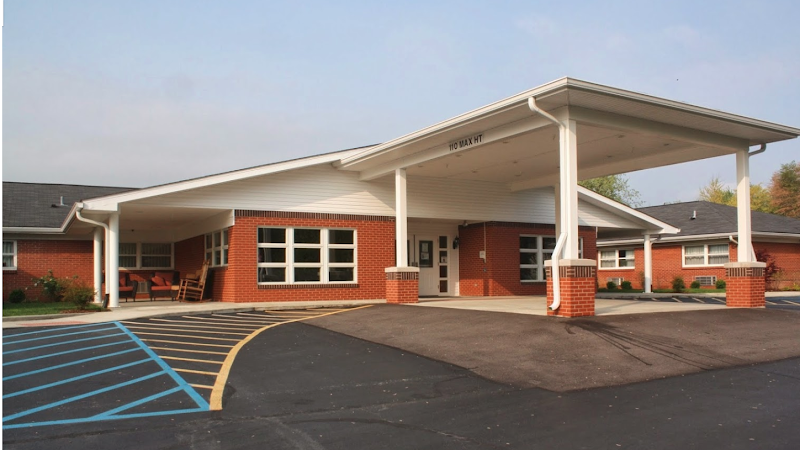
CMS rates MAPLE MANOR CHRISTIAN HOME INC's staffing level at 4 out of 5 stars, which is above average compared to other nursing homes. Staff turnover is 54%, compared to the Indiana average of 46%.

What Have Inspectors Found at Maple Manor Christian Home Inc?

State health inspectors documented 8 deficiencies at MAPLE MANOR CHRISTIAN HOME INC during 2022 to 2025. These included: 8 with potential for harm.
Who Owns and Operates Maple Manor Christian Home Inc?

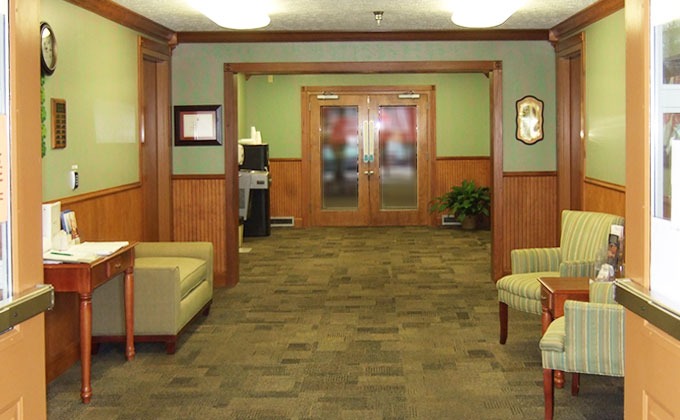
MAPLE MANOR CHRISTIAN HOME INC is owned by a non-profit organization. Non-profit facilities reinvest revenue into operations rather than distributing to shareholders. The facility operates independently rather than as part of a larger chain. With 57 certified beds and approximately 48 residents (about 84% occupancy), it is a smaller facility located in SELLERSBURG, Indiana.

How Does Maple Manor Christian Home Inc Compare to Other Indiana Nursing Homes?

Compared to the 100 nursing homes in Indiana, MAPLE MANOR CHRISTIAN HOME INC's overall rating (4 stars) is above the state average of 3.1, staff turnover (54%) is near the state average of 46%, and health inspection rating (4 stars) is above the national benchmark.

What Should Families Ask When Visiting Maple Manor Christian Home Inc?

Based on this facility's data, families visiting should ask: "Can I visit during a mealtime to observe dining assistance and food quality?" "How do you handle medical emergencies, and what is your hospital transfer rate?" "Can I speak with family members of current residents about their experience?"

Is Maple Manor Christian Home Inc Safe?

Based on CMS inspection data, MAPLE MANOR CHRISTIAN HOME INC has a clean safety record: no substantiated abuse findings (meaning no confirmed cases of resident harm), no Immediate Jeopardy citations (the most serious violation level indicating risk of serious injury or death), and is not on the Special Focus Facility watch list (a federal program monitoring the lowest-performing 1% of nursing homes). The facility has a 4-star overall rating and ranks #1 of 100 nursing homes in Indiana. While no facility is perfect, families should still ask about staff-to-resident ratios and recent inspection results during their visit.

Do Nurses at Maple Manor Christian Home Inc Stick Around?

MAPLE MANOR CHRISTIAN HOME INC has a staff turnover rate of 54%, which is 8 percentage points above the Indiana average of 46%. Moderate turnover is common in nursing homes, but families should still ask about staff tenure and how the facility maintains care continuity when employees leave.

Was Maple Manor Christian Home Inc Ever Fined?

MAPLE MANOR CHRISTIAN HOME INC has no federal fines on record. CMS issues fines when nursing homes fail to meet care standards or don't correct problems found during inspections. The absence of fines suggests the facility has either maintained compliance or corrected any issues before penalties were assessed. This is a positive indicator, though families should still review recent inspection reports for the full picture.

Is Maple Manor Christian Home Inc on Any Federal Watch List?

MAPLE MANOR CHRISTIAN HOME INC is not on any federal watch list. The most significant is the Special Focus Facility (SFF) program, which identifies the bottom 1% of nursing homes nationally based on persistent, serious quality problems. Not being on this list means the facility has avoided the pattern of deficiencies that triggers enhanced federal oversight. This is a positive indicator, though families should still review the facility's inspection history directly.