SELLERSBURG HEALTHCARE CENTER
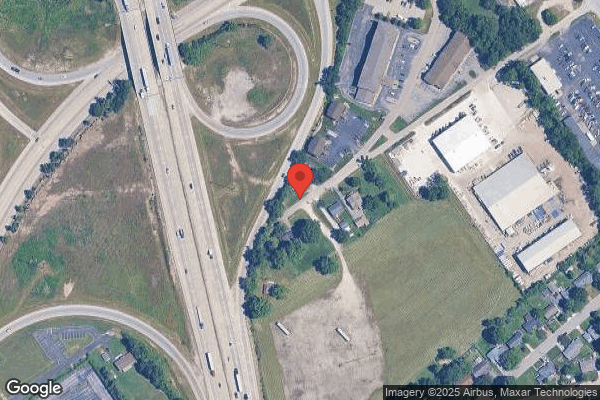

7823 OLD STATE ROAD 60, SELLERSBURG, IN 47172 (812) 246-4272
Non profit - Church related 110 Beds COMMUNICARE HEALTH Data: November 2025 2 Immediate Jeopardy citations
Trust Grade
11/100
#387 of 505 in IN
Last Inspection: October 2024

Within standard 12-15 month inspection cycle. Federal law requires annual inspections.

Overview

Sellersburg Healthcare Center has received a Trust Grade of F, indicating significant concerns about the quality of care provided. Ranking #387 out of 505 facilities in Indiana places it in the bottom half of the state, and #5 out of 7 in Clark County suggests that there are only two local options that are worse. While the facility is showing an improving trend, reducing issues from 10 in 2024 to just 1 in 2025, it has a concerning history with $104,644 in fines, which is higher than 98% of Indiana facilities. Staffing is a mixed bag; although the RN coverage is better than 87% of state facilities, the overall staffing rating is only 2 out of 5 stars, and turnover is average at 49%. There have been serious incidents, including the failure to prevent and treat pressure ulcers in multiple residents, resulting in critical wounds and infections. Additionally, there was a reported incident of staff-to-resident abuse that caused distress for one resident. On a more routine basis, there have been concerns about insulin administration not being carried out as prescribed for some residents, which raises questions about the consistency of care. Families should weigh these strengths and weaknesses carefully when considering this facility for their loved ones.

Trust Score
F
11/100
In Indiana
#387/505
Bottom 24%
Safety Record
High Risk
Review needed
Inspections
Getting Better
10 → 1 violations
Staff Stability
⚠ Watch
49% turnover. Above average. Higher turnover means staff may not know residents' routines.
Penalties
○ Average
$104,644 in fines. Higher than 66% of Indiana facilities. Some compliance issues.
Skilled Nurses
✓ Good
Each resident gets 55 minutes of Registered Nurse (RN) attention daily — more than average for Indiana. RNs are trained to catch health problems early.
Violations
⚠ Watch
29 deficiencies on record. Higher than average. Multiple issues found across inspections.
★★☆☆☆
2.0
Overall Rating
★★☆☆☆
2.0
Staff Levels
★★★★★
5.0
Care Quality
★☆☆☆☆
1.0
Inspection Score
Stable
2024: 10 issues
2025: 1 issues

The Good

  • 5-Star Quality Measures · Strong clinical quality outcomes
  • Full Sprinkler Coverage · Fire safety systems throughout facility
  • No fines on record

Facility shows strength in quality measures, fire safety.

The Bad

2-Star Overall Rating

Below Indiana average (3.1)

Below average - review inspection findings carefully

Staff Turnover: 49%

Near Indiana avg (46%)

Higher turnover may affect care consistency

Federal Fines: $104,644

Well above median ($33,413)

Significant penalties indicating serious issues

Chain: COMMUNICARE HEALTH

Part of a multi-facility chain

Ask about local staffing decisions and management

The Ugly 29 deficiencies on record

2 life-threatening
Jun 2025 1 deficiency
CONCERN (D) 📢 Someone Reported This

A family member, employee, or ombudsman was alarmed enough to file a formal complaint

Potential for Harm - no one hurt, but risky conditions existed

Quality of Care (Tag F0684)

Could have caused harm · This affected 1 resident

Based on interview and record review, the facility failed to ensure a blood pressure medication was held for a resident (Resident E) with blood pressure readings in the physician's ordered hold parame...

Read full inspector narrative →
Based on interview and record review, the facility failed to ensure a blood pressure medication was held for a resident (Resident E) with blood pressure readings in the physician's ordered hold parameters for 1 of 4 residents reviewed for quality of care. Findings include: The clinical record for Resident E was reviewed on 6/24/25 at 2:40 p.m. The resident's diagnosis included, but was not limited to, hypotension. The physician's order, dated 5/27/25, indicated the resident was to receive Midodrine HCl (hydrochloride) 15 mg (milligrams) three times a day at 6:00 a.m., 2:00 p.m. and 10:00 p.m. for hypotension. The medication was to be held if the resident's systolic blood pressure (SBP) was greater than 120. The June 2025 medication administration record indicated the resident's medication was administered when the resident's SBP was greater than 120 on the following dates and times: - On 6/24/25 at 2:00 p.m., the resident's Midodrine was administered with a SBP of 139. - On 6/15/25 at 2:00 p.m., the resident's Midodrine was administered with a SBP of 132. - On 6/20/25 at 2:00 p.m., the resident's Midodrine was administered with a SBP of 141. - On 6/20/25 at 10:00 p.m., the resident's Midodrine was administered with a SBP of 125. - On 6/21/25 at 10:00 p.m., the resident's Midodrine was administered with a SBP of 126. - On 6/22/25 at 2:00 p.m., the resident's Midodrine was administered with a SBP of 132. - On 6/22/25 at 10:00 p.m., the resident's Midodrine was administered with a SBP of 136. During an interview, on 6/24/25 at 2:58 p.m., Qualified Medication Aide 5 indicated if a resident's blood pressure was out of the physician's ordered hold parameters, then the medication should have been held. On 6/24/25 at 3:13 p.m., the Director of Nursing provided a current, undated copy of the document titled Medication Administration. It included, but was not limited to, Policy .It is the policy of this facility to provided resident centered care .Procedure .Administer medication only as prescribed by the provider This Citation relates to Complaint IN00460759 3.1-37
Oct 2024 7 deficiencies
CONCERN (D)

Potential for Harm - no one hurt, but risky conditions existed

ADL Care (Tag F0677)

Could have caused harm · This affected 1 resident

Based on observation, record review and interview, the facility failed to ensure that care was provided related to mobility and mouth care for 2 of 11 residents reviewed for Activities of Daily Living...

Read full inspector narrative →
Based on observation, record review and interview, the facility failed to ensure that care was provided related to mobility and mouth care for 2 of 11 residents reviewed for Activities of Daily Living. (Residents 46 and 250) Findings include, 1. During an observation on 10/8/24 at 11:30 a.m., Resident 46 was observed in the bed. He had a below the knee amputation on the left leg. The resident indicated he did not get up out of the bed and he would like to get up. He wasn't sure why no one got him up. The record for Resident 46 was reviewed on 10/9/24 at 8:25 a.m. The resident's diagnoses included, but were not limited to, orthopedic aftercare following a surgical amputation, acquired absence of the left leg below the knee, and muscle weakness. The Annual Minimum Data Set (MDS) assessment, dated 9/6/24, indicated the resident was moderately cognitively intact. The resident required complete dependence of staff for transfers. The resident required a wheelchair for mobility. The physician's order, dated 5/30/24, indicated to encourage the resident to get out of bed daily, one time a day for mobility. The resident needed to be supervised while he was up in his wheelchair. The care plan, with a start date of 9/3/22 and a revision date of 9/30/24, indicated the resident required assistance's with ADLs. The interventions included, but were not limited to, the resident required staff assistance of two for putting on and taking off footwear, transfers, required the use of a mechanical lift with the assistance of two staff members, and mobility. The Social Service note, dated 9/6/24 at 4:25 p.m., indicated the resident communicated well with staff and used his call light appropriately when needing assistance. The resident indicated that his sleep routine had improved since the last assessment. He added that he does feel tired and experiences some sadness about his mobility limitations. During an interview on 10/10/24 at 2:15 p.m., Certified Nursing Aide (CNA) 4 indicated the resident loved it when he got up. He did refuse if he wasn't feeling good. He was not safe in his wheelchair and needed supervision. She indicated he enjoyed going to the dining room to eat dinner. When dinner was over, she would take him back to the hall lobby and let him watch the big television while she was charting. She indicated she thought physical therapy was going to evaluate the resident for a deeper chair. During an interview on 10/11/24 at 9:15 a.m., the Physical Therapy Director indicated last summer OT (Occupational Therapy) and PT (Physical Therapy) worked several months with the resident. He was evaluated for a different chair and received one that was bigger and deeper. He had to have a leg rest with his left prosthesis leg on for stability. If his feet were on the footrest, he did good. His prosthetic leg was on for sitting in the chair and not for walking. The staff had been educated on getting the resident up in his chair with a Hoyer lift. The resident forgot his left leg had been amputated. He tried to get up and that was why he needed supervision while up in the chair. She indicated OT had educated and monitored the resident and staff from July to November of 2023. She was not sure why the resident wasn't getting up because there was no reason he couldn't get up. Any time the resident needed re-evaluated, they would do that. The resident did tend to refuse getting up out of bed. He had short term memory loss and forgot he agreed to get up then he would refuse. 2. During an observation on 10/10/24 at 11:00 a.m., Resident 250's hair looked greasy and tangled. Her hair had not been combed. The resident's mouth and lips were dry in appearance. Her mouth was dry and had dried mucous around her lips, tongue and the roof of her mouth. During an observation on 10/11/24 at 1:10 p.m., the resident's mouth and lips were dry. The resident's mouth had dried flaky mucous on her teeth. The record for Resident 250 was reviewed on 8/6/22 at 11:22 a.m. The resident's diagnoses included, but were not limited to, acute and chronic respiratory failure with hypoxia, the need for assistance with personal care, tracheotomy, cerebral infarction, other sites of candidiasis, and a carrier of Carbapenem-Resistant Acinetobacter Baumannii (CRAB). The admission MDS assessment, dated 9/3/24, indicated the resident was rarely or never understood. The resident was totally dependent on staff for her ADLs. The physician's order, dated 8/28/24 at 6:00 a.m., indicated staff were to provide mouth care every shift. During an interview on 10/11/24 at 1:15 p.m., RN 6 indicated oral care should be done every two hours and as needed. When Respiratory Therapy did tracheotomy care they would provide oral care. The current Routine Resident Care policy, indicated . i. Assisting or provides for personal care 1. bathing 2. dressing 3. eating and hydration 4. toileting . f. Assisting in techniques of ambulation and in providing exercises as directed by the physical therapist, speech therapist, or occupational therapist between visits . i. Assisting with special devices such as prosthesis, eating devices, other . 3.1-38 (a)(3)
CONCERN (D)

Potential for Harm - no one hurt, but risky conditions existed

Incontinence Care (Tag F0690)

Could have caused harm · This affected 1 resident

Based on observation, record review, and interview, the facility failed to ensure the prevention of Urinary Tract Infections and proper perineal care for 2 of 6 residents reviewed for bowel and bladde...

Read full inspector narrative →
Based on observation, record review, and interview, the facility failed to ensure the prevention of Urinary Tract Infections and proper perineal care for 2 of 6 residents reviewed for bowel and bladder. (Residents 4 and 36) Findings include: 1. The record for Resident 4 was reviewed on 10/10/24 at 2:50 p.m. The resident's diagnoses included, but were not limited to, cerebral palsy, neuromuscular dysfunction of the bladder, muscle weakness, need for assistance with personal care, anemia, and candidiasis. The current care plan, start date 6/28/23, indicated the resident had an indwelling urinary catheter related to a neurogenic bladder. The interventions, dated 6/29/23, indicated to place the resident in Enhanced Barrier Precautions when dressing/bathing/showering/transferring/personal hygiene, changing linens, toileting, and peri-care, providing care to the urinary catheter, and to provide catheter care every shift and PRN (as needed), and to notify the medical provider if the urine was abnormal in color, consistency, or odor. The current physician's order, dated 8/2/23, indicated staff were to provide indwelling catheter care every shift and PRN with soap and water. Secure the straps, if applicable, and document the output every shift. The Quarterly Minimum Data Set (MDS) assessment, dated 4/17/24, indicated the resident was severely cognitively impaired and was dependent on staff for toileting hygiene. The urinalysis results, dated 9/21/24, indicated the resident had one plus bacteria of the urine, three plus leukocyte esterase, and trace amounts of blood and protein. The physician's orders, dated 9/21/24, indicated to administer 1 gram of ceftriaxone (antibiotic) intravenously, every 24 hours for 5 days for leukocytosis (high white blood cell count). The culture and sensitivity, dated 9/26/24, indicated the urine had resulted in greater than 100,000 CFU/mL (colony forming units per milliliter) of providencia stuartii (gram negative bacteria most commonly caused by contact with contaminated persons or objects) with possible extended spectrum beta lactamases (ESBL), which were enzymes indicating resistance to most beta-lactam antibiotics. The physician's order, dated 9/29/24, indicated to administer 300 mg of cefdinir (antibiotic) by way of g-tube, every morning and at bedtime, for 10 days for a UTI (urinary tract infection). During an observation of incontinence care on 10/10/24 at 10:18 a.m., for Resident 4 by CNAs (Certified Nurse Aides) 7 and 8. Both CNAs performed hand hygiene and PPE (personal protective equipment) was applied. The catheter bag was placed at the foot of the bed. The resident's brief was unfastened. CNA 7 used wipes and swiped the left crease 5 times with the same area of the wipe. She obtained a wipe and with 11 swipes with the same area of the wipe, she cleaned the scrotum. She obtained a clean wipe and with 3 swipes of the same area of the wipe, she cleaned the scrotum. She folded the wipe and with 8 swipes with the same area of the wipe, she cleaned the scrotum again. She obtained a clean wipe and swiped down the penis, toward the tip of the penis. She obtained a clean wipe and with 2 pulls down the tubing, she cleaned the tubing. The penis was not cleaned. She sprayed the scrotum and with 13 swipes of the same area of the wipe, she cleaned the scrotum. She obtained another clean wipe and with 6 swipes of the same area of the wipe, she cleaned the scrotum. She obtained a clean wipe, and with 15 swipes with the same area of the wipe, she cleaned the scrotum. The resident was turned onto his left side and the rectal area was cleaned. The CNA applied barrier cream to the rectal area. No redness was observed to the bottom or groin. CNA 7 removed her gloves and used hand sanitizer. She applied fresh gloves. CNA 7 lifted the catheter bag to CNA 8 by lifting it above the resident's bladder and placed it on the left side of the bed. Urine was observed flowing up the tubing, toward the resident. The PPE was removed and hand sanitizer was applied by the CNAs. The trash was removed to the soiled utility room. The trash cans were overflowing onto the floor in the soiled utility room. Both CNAs performed handwashing. During an interview on 10/10/24 at 10:39 a.m., CNA 7 indicated she would clean the creases, then wipe the area under the rectum, on the scrotum. She would then clean the top of the penis and wipe the area around the catheter, by holding the catheter tubing and pulling out away from the tip of the penis. She would then apply cream on the resident. She would turn the resident onto their side and clean their bottom. She would then use hand sanitizer and place clean gloves on. She would finish dressing the resident. When using wipes she would use the wipe once for each swipe, then fold and use. Then a new wipe would be obtained. She felt that during the care on the resident, she didn't change her gloves after the care to apply the cream. 2. The record for Resident 36 was reviewed on 10/11/24 at 11:44 a.m. The resident's diagnoses included, but were not limited to, type 2 diabetes mellitus, severe morbid obesity due to excessive calories, schizophrenia, muscle wasting and atrophy, muscle weakness, metabolic encephalopathy, resistance to beta lactam antibiotics, candidiasis, streptococcus group B, pseudomonas (aeruginosa, pseudo mallei), and anemia. The current care plan, start date of 3/11/21, indicated the resident was incontinent of urine related to impaired mobility. The interventions, dated 5/10/23, included, but were not limited to, apply barrier creams as needed, check the resident for incontinence. Wash, rinse and dry the perineum, and change their clothing PRN after incontinent episodes, observe for signs and symptoms of UTI, and observe and report to the medical provider if one was identified. The Annual MDS assessment from a previous admission, dated 3/1/24, indicated the resident was cognitively intact. The resident required substantial to maximal assistance for toileting hygiene. The urinalysis, dated 5/3/24, indicated the resident's results had a small one plus blood and large three plus leukocyte esterase. The culture and sensitivity, dated 5/3/24, indicated Klebsiella pneumoniae ESBL with a growth of greater than 100,000 CFU/mL. The nurse's note, dated 8/19/24 at 12:15 p.m., indicated the resident arrived to the facility by ambulance with two attendants. The resident would open her eyes occasionally when spoken to and was aroused with physical stimuli. The record indicated, dated 8/19/24, the resident had an infection and was receiving an intravenous antibiotic for a UTI with ESBL. On 8/19/24, an order was received for an intravenous antibiotic for a UTI with ESBL. The physician's note, dated 8/22/24 at 1:00 a.m., indicated the resident's laboratory results resulted in a high blood urea nitrogen (BUN) level of 58 mg/dL (milligrams per deciliter) and a high creatinine level of 1.3 mg/dL. The record indicated on 8/25/24, the resident had an infection and received an intravenous antibiotic for a UTI with ESBL. The admission MDS assessment, dated 8/26/24, lacked documentation of a cognitive status. The physician's note, dated 8/29/24 at 1:00 a.m., indicated the resident was followed by a nephrologist for elevated serum creatinine levels on 8/22/24. The urinalysis culture and sensitivity indicated the urine had resulted in greater than 100,000 CFU/mL of Klebsiella pneumoniae ESBL. The resident had resistance to third generation cephalosporins, monobactams, and cephamycins. The physician's order, dated 10/6/24, indicated the nursing staff were to administer 875-125 mg of Amoxicillin-Potassium Clavulanate by gastrostomy tube every morning and at bedtime for hydronephrosis for 10 days. The current Perineal Care Male and Female policy, included, but was not limited to, . Equipment and Supplies: If using disposable perineum wipes: a) Disposable wipes b) Towel c) Personal Protective Equipment (e.g. gown, gloves, mask, eye protection, etc., as needed) . b) Continue to wash perineum moving from inside outward to the thighs . Male Residents: . 2- Wash perineal area starting with urethra and working outward. 3- If the resident has an indwelling catheter, gently wash the juncture of the tubing from the urethra down the catheter about 3 inches. Gently rinse and dry the area . 5- Wash and rinse urethral area using a circular motion. 6- Continue to wash the perineal area including the penis, scrotum and inner thighs . 9- Gently dry perineum following same sequence . 13- Wash and rinse the rectal area thoroughly, including the area under the scrotum, the anus, and the buttocks. 14- Dry area thoroughly . The current Catheter Care policy, included, but was not limited to, . The risk of bacteremia in residents with indwelling catheters is 3-36 times more likely than residents without an indwelling catheter. Biofilm is the most important cause of bacteriuria in residents with catheters. Reducing the biofilm by performing daily care may help prevent symptomatic infections and incorporate antibiotic stewardship recommendations to reduce unnecessary drugs and antibiotics to reduce resistant strains of infections, as well as maintain the dignity of hygiene of the resident . Cross Reference F880 3.1-41(a)(2)
CONCERN (E)

Potential for Harm - no one hurt, but risky conditions existed

Pharmacy Services (Tag F0755)

Could have caused harm · This affected multiple residents

Based on record review and interview, the facility failed to ensure insulin was administered as ordered by the physician on multiple days for 3 of 7 residents reviewed for pharmacy services. (Resident...

Read full inspector narrative →
Based on record review and interview, the facility failed to ensure insulin was administered as ordered by the physician on multiple days for 3 of 7 residents reviewed for pharmacy services. (Residents 207, 83, and 204) Findings include: 1. The record for Resident 207 was reviewed on 10/15/24 at 8:27 a.m. The resident's diagnoses included, but were not limited to, type 2 diabetes mellitus with diabetic neuropathy and foot ulcer, sepsis, and elevated white blood cell count. The physician's order, dated 9/20/24, indicated staff were to administer Humalog per sliding scale subcutaneously per before meals. Give 4 units for blood sugar readings of 151 - 200 mg/dL (milligrams per deciliter), 6 units for blood sugar readings of 201 - 250 mg/dL, 8 units for blood sugar readings of 251 - 300 mg/dL, 10 units for blood sugar readings of 301 - 350 mg/dL, and give 12 units for blood sugar readings greater than 350 mg/dL and call the physician or nurse practitioner. The physician's order, dated 9/20/24, indicated staff were to administer the resident's 35 units of Lantus SoloStar pen-injector, subcutaneously, two times a day for diabetes mellitus. The physicians' order, dated 9/20/24, indicated staff were to administer the resident's 20 units of Humalog subcutaneously with meals for diabetes mellitus. The care plan, dated 9/24/24, indicated the resident had diabetes with neuropathy and a diabetic ulcer. The interventions, dated 9/24/24, included, but were not limited to, administer insulin injections per orders and to rotate the injection sites. The resident's blood sugar readings ranged from 111 mg/dL on 9/25/24 to 399 mg/dL on 10/8/24. The September 2024 MAR (Medication Administration Record) indicated the following concerns for the twice daily, 35 units of Lantus SoloStar pen-injector: - The resident's Lantus was scheduled (due) on 9/21/24 at 8:00 p.m. The Lantus was administered on 9/21/24 at 10:55 p.m., by RN 13. - Due on 9/24/24 at 8:00 a.m., the Lantus was administered on 9/24/24 at 9:45 a.m., by RN 15. - Due on 9/25/24 at 8:00 p.m., the Lantus was administered on 9/26/24 at 12:13 a.m., by RN 16. - Due on 9/26/24 at 8:00 a.m., the Lantus was administered on 9/26/24 at 9:53 a.m., by LPN (Licensed Practical Nurse) 17. - Due on 9/26/24 at 8:00 p.m., the Lantus was administered on 9/26/24 at 9:34 p.m., by LPN 18. - Due on 9/27/24 at 8:00 a.m., the Lantus was administered on 9/27/24 at 12:37 p.m., by RN 19. - Due on 9/27/24 at 8:00 p.m., the Lantus was administered on 9/28/24 at 2:58 a.m., by LPN 20. - Due on 9/28/24 at 8:00 p.m., the Lantus was administered on 9/28/24 at 11:33 p.m., by LPN 20. - Due on 9/29/24 at 8:00 p.m., the Lantus was administered on 9/29/24 at 11:32 p.m., by RN 13. - Due on 9/30/24 at 8:00 a.m., the Lantus was administered on 9/30/24 at 9:31 a.m., by RN 14. - Due on 9/30/24 at 8:00 p.m., the Lantus was administered on 9/30/24 at 11:40 p.m., by LPN 20. The September 2024 MAR (Medication Administration Record) indicated the following concerns for the Humalog injection per sliding scale before meals: - The resident's Humalog was due on 9/21/24 at 7:00 a.m. The Humalog was administered on 9/21/24 at 8:24 a.m., by RN 21. - Due on 9/22/24 at 7:00 a.m., the Humalog was administered on 9/22/24 at 8:16 a.m. by RN 21. - Due on 9/24/24 at 7:00 a.m., the Humalog was administered on 9/24/24 at 9:43 a.m., by RN 15. - Due on 9/25/24 at 7:00 a.m., the Humalog was administered on 9/25/24 at 9:10 a.m., by RN 36. - Due on 9/26/24 at 7:00 a.m., the Humalog was administered on 9/26/24 at 9:53 a.m., by LPN 17. - Due on 9/27/24 at 7:00 a.m., the Humalog was administered on 9/27/24 at 8:40 a.m., by RN 19. - Due on 9/27/24 at 11:00 a.m., the Humalog was administered on 9/27/24 at 12:37 p.m., by RN 19. - Due on 9/27/24 at 4:00 p.m., the Humalog was administered on 9/27/24 at 5:39 p.m., by RN 19. - Due on 9/28/24 at 7:00 a.m., the Humalog was administered on 9/28/24 at 8:32 a.m., by RN 19. - Due on 9/28/24 at 4:00 p.m., the Humalog was administered on 9/28/24 at 5:47 p.m., by RN 19. - Due on 9/29/24 at 7:00 a.m., the Humalog was administered on 9/29/24 at 8:17 a.m., by RN 19. - Due on 9/29/24 at 4:00 p.m., the Humalog was administered on 9/29/24 at 5:56 p.m., by RN 19. - Due on 9/30/24 at 4:00 p.m., the Humalog was administered on 9/30/24 at 5:49 p.m., by RN 19. The September 2024 MAR (Medication Administration Record) indicated the following concerns for the Humalog Injection 20 units with meals: - The resident's Humalog was due on 9/24/24 at 7:30 a.m. The Humalog was administered on 9/24/24 at 9:45 a.m., by RN 15. - Due on 9/24/24 at 11:30 a.m., the Humalog was administered on 9/24/24 at 4:12 p.m., by RN 15. - Due on 9/24/24 at 4:30 p.m., the Humalog was administered on 9/24/24 at 4:12 p.m., by RN 15. - Due on 9/25/24 at 7:30 a.m., the Humalog was administered on 9/25/24 at 9:11 a.m., by RN 36. - Due on 9/26/24 at 7:30 a.m., the Humalog was administered on 9/26/24 at 9:53 a.m., by LPN 17. - Due on 9/26/24 at 11:30 a.m., the Humalog was administered on 9/26/24 at 1:26 p.m., by LPN 17. - Due on 9/27/24 at 7:30 a.m., the Humalog was administered on 9/27/24 at 12:27 p.m., by RN 19. - Due on 9/27/24 at 11:30 a.m., the Humalog was administered on 9/27/24 at 4:44 p.m., by RN 19. - Due on 9/27/24 at 4:30 p.m., the Humalog was administered on 9/27/24 at 5:57 p.m., by RN 19. - Due on 9/28/24 at 4:30 p.m., the Humalog was administered on 9/28/24 at 5:47 p.m., by RN 19. - Due on 9/29/24 at 11:30 a.m., the Humalog was administered on 9/29/24 at 3:22 p.m., by RN 19. The RN then administered the 4:30 p.m., dose at 5:56 p.m. - Due on 9/30/24 at 4:30 p.m., the Humalog was administered on 9/30/24 at 5:49 p.m., by RN 14. 2. The record for Resident 83 was reviewed on 10/10/24 at 1:14 p.m. The resident's diagnoses included, but were not limited to, type 2 diabetes mellitus, polyneuropathy, morbid obesity due to excess calories, and dependence on renal dialysis. The care plan, dated 9/5/24, indicated the resident had diabetes. The interventions, dated 9/5/24, included, but were not limited to, administer medications per the medical provider's orders, obtain blood sugars per orders, and report abnormal findings to the medical provider, the resident and the resident representative. The physician's order, dated 9/4/24, indicated for staff were to administer the resident's 10 units of insulin glargine pen injector subcutaneously at bedtime for diabetes mellitus. The physician's order, dated 9/4/24, indicated for staff were to administer the resident's 5 units of Humalog subcutaneously, before meals for diabetes mellitus. The review of the resident's blood sugar reading between 9/4/24 and 10/11/24 indicated a range from 123 on admission to 351 mg/dL recently. The September 2024 MAR indicated the following concerns for 10 units of insulin glargine before meals: - The resident's insulin glargine was due on 9/6/24 at 9:00 p.m. The glargine was administered on 9/6/24 at 11:29 p.m., by LPN 20. - Due on 9/7/24 at 9:00 p.m., the glargine was administered on 9/7/24 at 10:45 p.m., by LPN 20. - Due on 9/8/24 at 9:00 p.m., the glargine was administered on 9/9/24 at 12:26 a.m., by RN 16. - Due on 9/9/24 at 9:00 p.m., the glargine was administered on 9/10/24 at 12:09 a.m., by RN 16. - Due on 9/10/24 at 9:00 p.m., the glargine was administered on 9/10/24 at 11:22 p.m., by RN 16. - Due on 9/11/24 at 9:00 p.m., the glargine was administered on 9/12/24 at 2:17 a.m., by RN 16. - Due on 9/12/24 at 9:00 p.m., the glargine was administered on 9/13/24 at 12:51 a.m., by LPN 20. - Due on 9/14/24 at 9:00 p.m., the glargine was administered on 9/14/24 at 11:23 p.m., by LPN 20. - Due on 9/15/24 at 9:00 p.m., the glargine was administered on 9/16/24 at 5:38 a.m., by RN 16. - Due on 9/16/24 at 9:00 p.m., the glargine was administered on 9/17/24 at 12:25 a.m., by RN 16. - Due on 9/17/24 at 9:00 p.m., the glargine was administered on 09/17/24 at 11:55 p.m., by RN 16. - Due on 9/18/24 at 9:00 p.m., the glargine was administered on 9/19/24 at 3:09 a.m., by RN 16. - Due on 9/22/24 at 9:00 p.m., the glargine was administered on 9/22/24 at 11:10 p.m., by RN 25. - Due on 9/23/24 at 9:00 p.m., the glargine was administered on 9/24/24 at 3:40 a.m., by RN 16. - Due on 9/24/24 at 9:00 p.m., the glargine was administered on 9/25/24 at 1:58 a.m., by RN 16. - Due on 9/25/24 at 9:00 p.m., the glargine was administered on 9/26/24 at 3:06 a.m., by RN 16. - Due on 9/27/24 at 9:00 p.m., the glargine was administered on 9/28/24 at 3:36 a.m., by LPN 20. - Due on 9/28/24 at 9:00 p.m., the glargine was administered on 9/28/24 at 10:45 p.m., by LPN 20. - Due on 9/29/24 at 9:00 p.m., the glargine was administered on 9/30/24 at 2:45 a.m., by QMA (Qualified Medication Aide) 22. - Due on 9/30/24 at 9:00 p.m., the glargine was administered on 10/1/24 at 12:29 a.m., by LPN 20. The September 2024 MAR indicated the following concerns 5 units Humalog injection before meals: - The resident's Humalog was due on 9/5/24 at 7:00 a.m. The Humalog was administered on 9/5/24 at 8:50 a.m., by RN 23. - Due on 9/5/24 11:00 a.m., the Humalog was administered on 9/5/24 at 11:55 a.m., by RN 23. - Due on 9/6/24 at 11:00 a.m., the Humalog was administered on 9/6/24 at 12:20 p.m., by RN 14. - Due on 9/8/24 at 7:00 a.m., the Humalog was administered on 9/8/24 at 9:11 a.m., by LPN 17. - Due on 9/9/24 at 7:00 a.m., the Humalog was administered on 9/9/24 at 10:24 a.m., by LPN 17. - Due on 9/10/24 at 7:00 a.m., the Humalog was administered on 9/10/24 at 8:44 a.m., by RN 19. - Due on 9/11/24 at 11:00 a.m., the Humalog was administered on 9/11/24 at 2:05 p.m. by QMA 24. - Due on 9/12/24 at 7:00 a.m., the Humalog was administered on 9/12/24 at 9:38 a.m., by LPN, 17. - Due on 9/14/24 at 7:00 a.m., the Humalog was administered on 9/14/24 at 8:22 a.m., by RN 19. - Due on 9/15/24 at 7:00 a.m., the Humalog was administered on 9/15/24 at 10:06 a.m., by QMA 24. - Due on 9/15/24 at 11:00 a.m., the Humalog was administered on 9/15/24 at 12:13 p.m., by RN 19. - Due on 9/16/24 at 11:00 a.m., the Humalog was administered on 9/16/24 at 1:11 p.m., by LPN 17. - Due on 9/17/24 at 11:00 a.m., the Humalog was administered on 9/17/24 at 12:12 p.m., by RN 19. - Due on 9/17/24 at 4:00 p.m., the Humalog was administered on 9/17/24 at 5:26 p.m., by RN 19. - Due on 9/18/24 at 7:00 a.m., the Humalog was administered on 9/18/24 at 10:23 a.m., by RN 19. - Due on 9/18/24 at 4:00 p.m., the Humalog was administered on 9/18/24 at 5:24 p.m., by RN 19. - Due on 9/19/24 at 7:00 a.m., the Humalog was administered on 9/19/24 at 8:20 a.m., by RN 19. - Due on 9/19/24 at 11:00 a.m., the Humalog was administered on 9/19/24 at 12:25 p.m., by RN 15. - Due on 9/20/24 at 7:00 a.m., the Humalog was administered on 9/20/24 at 9:05 a.m., by RN 37. - Due on 9/20/24 at 4:00 p.m., the Humalog was administered on 9/20/24 at 5:20 p.m., by RN 37. - Due on 9/21/24 at 7:00 a.m., the Humalog was administered on 9/21/24 at 9:29 a.m., by LPN 18. - Due on 9/21/24 at 11:00 a.m., the Humalog was administered on 9/21/24 at 12:55 p.m., by LPN 18. - Due on 9/22/24 at 7:00 a.m., the Humalog was administered on 9/22/24 at 11:25 a.m., by QMA 24. - Due on 9/25/24 at 7:00 a.m., the Humalog was administered on 9/25/24 at 9:33 a.m., by RN 38. - Due on 9/27/24 at 7:00 a.m., the Humalog was administered on 9/27/24 at 9:25 a.m., by RN 19. - Due on 9/28/24 at 7:00 a.m., the Humalog was administered on 9/28/24 at 10:20 a.m., by RN 14. - Due on 9/29/24 at 7:00 a.m., the Humalog was administered on 9/29/24 at 9:18 a.m., by LPN 18. - Due on 9/30/24 at 7:00 a.m., the Humalog was administered on 9/30/24 at 11:57 a.m., by QMA 24. - Due on 9/30/24 at 11:00 a.m., the Humalog was administered on 9/30/24 at 1:29 p.m., by RN 14. - Due on 9/30/24 at 4:00 p.m., the Humalog was administered on 9/30/24 at 5:42 p.m., by QMA 24. The October 2024 MAR indicated the following concerns for 10 units of insulin glargine before meals: - The resident's insulin glargine was due on 10/1/24 at 9:00 p.m. The glargine was administered on 10/1/24 at 11:08 p.m., by LPN 20. - Due on 10/2/24 at 9:00 p.m., the glargine was administered on 10/2/24 at 11:38 p.m., by LPN 20. - Due on 10/4/24 at 9:00 p.m., the glargine was administered on 10/5/24 at 3:30 a.m., by RN 25. - Due on 10/5/24 at 9:00 p.m., the glargine was administered on 10/5/24 at 10:46 p.m., LPN 26. - Due on 10/6/24 at 9:00 p.m., the glargine was administered on 10/7/24 at 1:16 a.m., by RN 16. - Due on 10/7/24 at 9:00 p.m., the glargine was administered on 10/8/24 at 2:59 a.m., by RN 16. - Due on 10/8/24 at 9:00 p.m., the glargine was administered on 10/9/24 at 2:32 a.m., by RN 16. - Due on 10/9/24 at 9:00 p.m., the glargine was administered on 10/10/24 at 2:43 a.m., by RN 16. - Due on 10/10/24 at 9:00 p.m., the glargine was administered on 10/10/24 at 11:03 p.m., by LPN 20. The October 2024 MAR indicated the following concerns 5 units Humalog injection before meals: - The resident's Humalog was due on 10/2/24 at 7:00 a.m. The Humalog was administered on 10/2/24 at 8:52 a.m., by RN 19. - Due on 10/4/24 at 7:00 a.m., the Humalog was administered on 10/4/24 at 10:31 a.m., by RN 14. - Due on 10/7/24 at 7:00 a.m., the Humalog was administered on 10/7/24 at 10:15 a.m., by QMA 24. - Due on 10/7/24 at 11:00 a.m., the Humalog was administered on 10/7/24 at 1:43 p.m., by QMA 24. - Due on 10/7/24 at 4:00 p.m., the Humalog was administered on 10/7/24 at 6:12 p.m., by RN 14. - Due on 10/8/24 at 7:00 a.m., the Humalog was administered on 10/8/24 at 9:13 a.m., by RN 19. - Due on 10/9/24 at 7:00 a.m., the Humalog was administered on 10/9/24 at 8:17 a.m., by RN 19. - Due on 10/9/24 at 11:00 a.m., the Humalog was administered on 10/9/24 at 1:03 p.m., by RN 19. - Due on 10/9/24 at 4:00 p.m., the Humalog was administered on 10/9/24 at 5:16 p.m., by RN 19. - Due on 10/10/24 at 7:00 a.m., the Humalog was administered on 10/10/24 at 8:36 a.m., by RN 14. - Due on 10/10/24 at 11:00 a.m., the Humalog was administered on 10/10/24 at 12:43 p.m., by RN 14. 3. The record for Resident 204 was reviewed on 10/10/24 at 8:29 a.m. The resident's diagnoses included, but were not limited to, acquired absence of the left leg below the knee, type 2 diabetes mellitus with neuropathy, morbid obesity due to excess calories, diabetic ulcers of the right toes and foot. The care plan, dated 10/5/24, indicated the resident had a left below the knee amputation, diabetic foot ulcer to the right heel and great toe. The intervention, dated 10/5/24, included, but was not limited to, administer medications as ordered. The physician's order, dated 10/5/24, indicated staff were to administer the resident's 4 units of Humalog KwikPen subcutaneously before meals for diabetes mellitus. The physician's order, dated 10/5/24 indicated staff were to administer the resident's Humalog per sliding scale subcutaneously if the blood sugar was greater than 400, notify the physician and inject as per sliding scale with 2 units for a blood sugar of 151 - 200 mg/dL, 4 units for a blood sugar of 201 - 250 mg/dL, 4 units for a blood sugar of 251 - 300 mg/dL, 5 units for a blood sugar of 301 - 350 mg/dL, 6 units for a blood sugar of 351 - 400 mg/dL before meals and at bedtime. If the blood sugar was less than 60, notify the physician. The physician's order, dated 10/5/24, indicated staff were to administer the resident's 25 units of Lantus subcutaneously daily for diabetes mellitus. The resident's blood sugar readings indicated the resident ranged between 203 mg/dL to 394 mg/dL. The October 2024 MAR (Medication Administration Record) indicated the following concerns for the twice daily, 25 units of Lantus SoloStar pen-injector: - The resident's Lantus was due on 10/05/24 ordered at 7:00 p.m. The lantus was received on 10/05/24 at 10:56 p.m., by LPN 26. - Due on 10/06/24 at 7:00 p.m., the Lantus was administered on 10/06/24 at 8:49 p.m., by RN 16. - Due on 10/07/24 at 7:00 p.m., the Lantus was administered on 10/07/24 at 8:50 p.m., by RN 16. - Due on 10/08/24 at 7:00 p.m., the Lantus was administered on 10/09/24 at 12:06 a.m., by RN 16. - Due on 10/09/24 at 7:00 p.m., the Lantus was administered on 10/09/24 at 9:30 p.m., by RN 16. The October 2024 MAR indicated the following concerns for the 4 units Humalog Kwikpen injection before meals and per sliding scale before meals and at bedtime if the blood sugar was greater than 400 mg/dL: - The resident's Humalog was due on 10/5/24 at 7:00 a.m. The Humalog was administered on 10/5/24 at 10:46 a.m., by LPN 27. - Due on 10/05/24 at 7:00 a.m., the Humalog was administered on 10/5/24 at 10:45 a.m., by LPN 27. - Due on 10/5/24 at 9:00 p.m., the Humalog was administered on 10/5/24 at 10:56 p.m., by LPN 26. - Due on 10/6/24 at 7:00 a.m., the Humalog was administered on 10/6/24 at 8:46 a.m., by LPN 27. - Due on 10/6/24 at 7:00 a.m., the Humalog was administered on 10/6/24 at 8:47 a.m., by LPN 27. - Due on 10/6/24 at 4:00 p.m., the Humalog was administered on 10/6/24 at 3:46 p.m., by LPN 27. - Due on 10/7/24 at 7:00 a.m., the Humalog was administered on 10/7/24 at 9:21 a.m., by RN 14. - Due on 10/7/24 at 7:00 a.m., the Humalog was administered on 10/7/24 at 9:21 a.m., by RN 14. - Due on 10/7/24 at 11:00 a.m., the Humalog was administered on 10/7/24 at 12:32 p.m., by RN 14. - Due on 10/7/24 at 11:00 a.m., the Humalog was administered on 10/7/24 at 12:33 p.m., by RN 14. - Due on 10/8/24 at 11:00 a.m., the Humalog was administered on 10/8/24 at 12:16 p.m., by RN 19. - Due on 10/8/24 at 11:00 a.m., the Humalog was administered on 10/8/24 at 12:17 p.m., by RN 19. - Due on 10/8/24 at 4:00 a.m., the Humalog was administered on 10/8/24 at 5:21 p.m., by RN 19. - Due on 10/8/24 at 4:00 p.m., the Humalog was administered on 10/8/24 at 5:22 p.m., by RN 19. - Due on 10/8/24 at 9:00 p.m., the Humalog was administered on 10/9/24 at 12:06 a.m., by RN 16. - Due on 10/9/24 at 7:00 a.m., the Humalog was administered on 10/9/24 at 11:20 a.m., then the 11:00 a.m. dose was administered at 11:30 a.m., by RN 19. - Due on 10/9/24 at 9:00 p.m., the Humalog was administered on 10/10/24 at 12:46 a.m., by RN 16. The review of the October MAR on 10/9/24 at 10:15 a.m., the resident had not received his Humalog injection on time. An observation of the resident at this time indicated that breakfast had already been served and removed from the resident's room. During an interview on 10/8/24 at 9:44 a.m., Resident 204 indicated his blood sugars were running high at the facility. During an interview on 10/9/24 at 11:28 a.m., Resident 204 indicated he wasn't sure if he got his insulin this morning or if he got his accu check. He wasn't sure when he got his insulin after he went to sleep the previous night. During an interview on 10/10/24 at 8:35 a.m., Resident 204 indicated he had not received a finger stick, or insulin this morning. The nurse was observed at the beginning of the hall with the medication cart, preparing medications to administer. Breakfast had already been served and removed. The review of the October MAR on 10/10/24 at 8:46 a.m., indicated Resident 204 had still not received his Humalog injection this morning. Breakfast had already been served and removed from the residents' room. During an interview on 10/11/24 at 8:30 a.m., Resident 204 indicated he had just received his insulin. He had already eaten his breakfast when he received his insulin. The nurse performed his accu check just prior to his injection of insulin. The empty breakfast tray was sitting on his bedside table and the nurse was observed preparing to administer medications, two doors down the hall, past the resident's room. During a confidential interview between 10/7/24 and 10/15/24, Staff C indicated it was difficult to complete medication administration due to the number of residents. On occasion there were issues with keeping up with both the accu checks and insulin administration. Those were performed together. There were times that the residents received insulin after the meals were served. If an insulin was administered late, the resident could have hyperglycemia when they ate, or they could have had a low blood sugar and would have needed orange juice or something to raise their blood sugar. During a confidential interview between 10/7/24 and 10/15/24, Staff D indicated it could be hard to get medications completed on the days that were busy. During a confidential interview between 10/7/24 and 10/15/24, Staff E indicated they had no issues with providing medications. They had administered insulin only a few times late but couldn't remember the dates. During a confidential interview between 10/7/24 and 10/15/24, Staff F indicated the blood sugars were obtained and the insulin would be given at the same time. They were late at times if something was going on in the facility. The insulin administration should be documented when they were administered. If an insulin was late, there was the chance of the blood sugar running high. The current Medication Administration policy, included, but was not limited to, . Procedure: I. General Procedures: a. Administer medication only as prescribed by the provider . ff. Medications will be administered within the time frame of one hour before up to one hour after time ordered. i. For medication to be taken around meals: 1. Before Meals: provide medications thirty (30) minutes before meal time . IV. Documentation a. Documentation of medication will be current for medication administration. b. Documentation of medications will follow accepted standards of nursing practice. 3.1-48(a)(6)
CONCERN (E)

Potential for Harm - no one hurt, but risky conditions existed

Menu Adequacy (Tag F0803)

Could have caused harm · This affected multiple residents

Based on observation, record review and interview, the facility failed to make a reasonable effort to meet the preferences of the residents' meal choices in that scheduled menu items were being substi...

Read full inspector narrative →
Based on observation, record review and interview, the facility failed to make a reasonable effort to meet the preferences of the residents' meal choices in that scheduled menu items were being substituted due to unavailability with the same food items being served almost daily during 4 of 4 observations. This deficient practice affected 83 of 100 residents who received meals from the kitchen. Findings include: During confidential interviews with residents, between 10/7/24 and 10/15/24, the following concerns were voiced: - Resident D indicated hamburgers were served 4 days in a row and the wanted the ravioli instead. The broccoli was not completely cooked; the same food was served multiple times a week; and the hot foods were not hot and the cold foods were not cold. - Resident E indicated voiced multiple concerns of never getting the correct meal and the same food was served multiple times per week. -Resident F indicated the food was just not good. - Resident G indicated ice cream was not on the lunch tray; the broccoli was not completely cooked; there was no sauce or butter on the ravioli and it was very dry. The ravioli was dried up on the edges and curled up. - Resident H indicated the food was not good today and that the same food was served multiple times per week. - Resident J indicated there was barely any food on the plate, and small portions were served at times. They often did not follow the menus, the food was cold at times, the potatoes were frequently not done or hard, especially the baked potatoes and hash browns. - Resident K indicated although being a dialysis patient and tomatoes and potatoes were frequently served which were against the renal diet. They indicated that it felt like they were not getting enough to eat due to not eating the potatoes and tomatoes. They were served beef stew the other day which had potatoes and tomatoes in it and were not able eat it. The broccoli served yesterday was too hard to eat; and the plain ravioli was dry and hard around the edges. They could not eat half of it. The review of the menu for 10/7/24, indicated the lunch meal was to be the following: - Bruschetta Chicken - Seasoned [NAME] Beans - Garlic Roasted Red Potatoes During an observation of the lunch meal serviced on 10/7/24 at 11:35 a.m., the items listed on the menu were being served. During a second observation of the lunch meal being served on 10/7/24 at 12:15 p.m., the following was observed: - The Dietary Manager and [NAME] 32 were observed serving teriyaki chicken, stewed tomatoes and mashed potatoes instead of the menu items. [NAME] 32 indicated he had ran out of everything that was supposed to be served and was using whatever he had on hand. He indicated he followed the recipes and the count sheet when preparing all the items and did not know why he ran out. The residents were not informed they were not getting the menu items, nor were they asked if they wanted the teriyaki chicken, stewed tomatoes and mashed potatoes or something else. During an interview with the Regional Dietary Manager on 10/9/24 at 10:45 a.m., she indicated she was not aware that the cook ran out of chicken, green beans and red potatoes as she was only told that they were short two pieces of chicken. Nor was she aware of the items being substituted because they were handy. The review of the menu for 10/9/24, indicated the lunch meal was to be the following: - Cheese Ravioli with marinara sauce - Caesar salad - Garlic bread sticks - Mandarin oranges During the lunch food temperature observation on 10/9/24 at 11:34 a.m., a random temperature check of a bowl of Caesar salad on one of the residents' trays indicated the temperature was 64 degrees Fahrenheit. The Regional Dietary Manager instructed the staff to remove every bowl that was already on the lunch trays which had been set up earlier and to dispose of it. The Dietary Manager was observed to place all the bowls of salad back into the walk in refrigerator. He indicated he thought that he could still use salads if he got them cold again. A decision was made to substitute broccoli as the vegetable instead of the Caesar salad. The review of the evening (supper) menu for 10/14/24, indicated Au Gratin potatoes were scheduled to be served. The review of the scheduled lunch menu for 10/15/24, the following was to be served: - Marinated chicken thighs - Spinach - Oven browned potatoes The review of the posted menu for lunch on 10/15/24, indicated a change had been made from oven roasted potatoes to Au Gratin potatoes which also had been served the night before. During an interview with [NAME] 35 on 10/15/24 at 1:15 p.m., she indicated they had run out of potatoes therefore the oven browned potatoes were substituted with the Au Gratin potatoes. The review of the facility's current policy on Food: Quality and Palatability revised on 2/2023, included, but were not limited to, Policy Statement: Food will be prepared by methods that conserve nutritive value, flavor and appearance. Food will be palatable, attractive, and served at a safe and appetizing temperature .Procedures: 1. The Dining Serviced Director and Cook(s) are responsible for food preparation. Menu items are prepared according to the menu, production guidelines, and standardized recipes. 2. The Cook(s) prepare food in a sanitary manner utilizing the principles of Hazard Analysis Critical Control Point (HACCP) and time and temperature guidelines as outlined in the Federal Food Code .4. The Cook(s) prepare food in accordance with the recipes and season for region and/or ethic preferences, as appropriate. Cook(s) use proper cooking techniques to ensure color and flavor retention . The review of the facility's current policy on Menus revised on 10/2022, included, but was not limited to, Policy Statement: Menus will be planned in advance to meet the nutritional needs of the residents/patients in accordance with established national guidelines. Menus will be developed to meet the criteria through the use of an appropriate planning guide. Procedures: 1. Menu cycles will be developed and tailored to the needs and requirements of the facility. 2. Menus will be periodically presented for resident review, including the resident council, menu review meetings, or other review board as indicated by the center. The menu will identify the primary meal, the alternate meal, and any always offered food and beverage items 6. Menus will be served as written, unless a substitution is provided in response to preference, unavailability of an item, or a special meal. 7. A menu substitution log will be maintained on file. 8. Menus will be posted in the Dining Services department, dining rooms, and resident/patient care areas . Cross Reference F804 3.1-21(a)(1) 3.1-21(a)(2) 3.1-21(a)(4)
CONCERN (E)

Potential for Harm - no one hurt, but risky conditions existed

Deficiency F0804 (Tag F0804)

Could have caused harm · This affected multiple residents

Based on observation and interview, the facility failed to ensure meals were at appropriate temperatures and palatable for residents during 2 of 2 temperature checks and 1 of 1 meal test trays. This h...

Read full inspector narrative →
Based on observation and interview, the facility failed to ensure meals were at appropriate temperatures and palatable for residents during 2 of 2 temperature checks and 1 of 1 meal test trays. This had the potential to affect 83 of 100 residents who ate meals at the facility. Findings include: 1. During confidential interviews with residents while on the initial tour of the facility on 10/7/24 between 9:45 a.m. and 11:00 a.m., the following concerns were voiced: - Resident A indicated the food was cold when it reached them, it looked unappealing, and the taste was worse. If they asked for a substitute, it could be worse than the main meal. Their family member told them it looked like the food they got in prison. They were a diabetic and were not getting enough to eat. - Resident B indicated the food was often cold due to it sitting on the halls when brought from the kitchen. They indicated it was not worth it to ask the staff to heat it up. 2. During the lunch food temperature observation on 10/7/24 at 11:30 a.m., with [NAME] 32, the following food temperatures were obtained by [NAME] 32. The temperatures did not meet the required serving temperatures: - Puree chicken was 150 degrees Fahrenheit - the item was removed and placed back into the steamer; at 11:40 a.m. The item was now 171 degrees Fahrenheit. - Puree green beans were 132 degrees Fahrenheit - the item was removed and placed back into the steamer; at 11:41 a.m., the item was now 163 degrees Fahrenheit. - Potato soup was 133 degrees Fahrenheit - it was decided to not serve the soup. 3. During the lunch food temperature observation on 10/9/24 at 11:34 a.m., the following food temperatures were obtained which did not meet the required serving temperatures: - Caesar salad was 64 degrees Fahrenheit - the Regional Dietary Manager instructed the staff to remove every bowl that was already on the lunch trays which had been set up earlier and dispose of it. The Dietary Manager was observed to place all the bowls of salad back into the walk in refrigerator. He indicated he thought that he could still use salads if he got them cold again. - Mixed vegetable salad was 69 degrees Fahrenheit - Potato salad was 82 degrees Fahrenheit Both items were immediately removed by the cook and the Dietary Manager was informed. At 11:45 a.m., the Dietary Manager put a pan of steamed broccoli into the steam table to be served instead of the Caesar salad. At 11:55 a.m., he indicated the temperature was 171 degrees Fahrenheit when he took it out of the steamer and was now 142 degrees Fahrenheit On 10/9/24 at 12:02 p.m., test tray was placed on the 300 unit meal cart to determine the temperature of the food. A check of the temperature of the food items by the Regional Dietary Director at 12:32 p.m., after the last tray was served, indicated the following temperatures: - Broccoli was 114 degrees Fahrenheit - Ravioli with sauce was 125.8 degrees Fahrenheit - Mandarin oranges were 55 The Regional Dietary Manager indicated at this time, that the food items were not at a temperature that was considered appetizing. A taste of the food items at 12:39 p.m., indicated the ravioli needed more sauce, was sticky as the ravioli was clumped together, and was dry tasting. The broccoli was very undercooked and difficult to chew. The bread stick was soft and easy to chew and the mandarin oranges were cold and sweet. During confidential interviews with residents, between 10/7/24 and 10/15/24, the following concerns were voiced: - Resident D indicated hamburgers were served 4 days in a row and the wanted the ravioli instead. The broccoli was not completely cooked; the same food was served multiple times a week; and the hot foods were not hot and the cold foods were not cold. - Resident E indicated voiced multiple concerns of never getting the correct meal and the same food was served multiple times per week. -Resident F indicated the food was just not good. - Resident G indicated ice cream was not on the lunch tray; the broccoli was not completely cooked; there was no sauce or butter on the ravioli and it was very dry. The ravioli was dried up on the edges and curled up. - Resident H indicated the food was not good today and that the same food was served multiple times per week. - Resident J indicated there was barely any food on the plate, and small portions were served at times. They often did not follow the menus, the food was cold at times, the potatoes were frequently not done or hard, especially the baked potatoes and hash browns. - Resident K indicated although being a dialysis patient and tomatoes and potatoes were frequently served which were against the renal diet. They indicated that it felt like they were not getting enough to eat due to not eating the potatoes and tomatoes. They were served beef stew the other day which had potatoes and tomatoes in it and were not able eat it. The broccoli served yesterday was too hard to eat; and the plain ravioli was dry and hard around the edges. They could not eat half of it. The review of the facility's current policy on Food: Quality and Palatability included, but were not limited to, Policy Statement: Food will be prepared by methods that conserve nutritive value, flavor and appearance. Food will be palatable, attractive, and served at a safe and appetizing temperature .Procedures: 1. The Dining Serviced Director and Cook(s) are responsible for food preparation. Menu items are prepared according to the menu, production guidelines, and standardized recipes. 2. The Cook(s) prepare food in a sanitary manner utilizing the principles of Hazard Analysis Critical Control Point (HACCP) and time and temperature guidelines as outlined in the Federal Food Code .4. The Cook(s) prepare food in accordance with the recipes and season for region and/or ethic preferences, as appropriate. Cook(s) use proper cooking techniques to ensure color and flavor retention . Cross Reference F803 3.1-21(a)(2)
CONCERN (E)

Potential for Harm - no one hurt, but risky conditions existed

Food Safety (Tag F0812)

Could have caused harm · This affected multiple residents

Based on observation and interview, the facility failed to ensure food was served and stored under sanitary conditions during 3 of 3 kitchen observations. This deficiency had the potential to affect 8...

Read full inspector narrative →
Based on observation and interview, the facility failed to ensure food was served and stored under sanitary conditions during 3 of 3 kitchen observations. This deficiency had the potential to affect 83 of 100 residents currently receiving meals from the kitchen. Findings include: 1. During the initial tour of the kitchen while accompanied by the Dietary Manager and the Regional Dietary Manager on 10/07/24 at 9:15 a.m. , the following concerns were observed: - The Dry storage room in the corner next to a shelving unit and the canned goods rack, was a white drain. The inside of this drain, the tiles surrounding the drain, the pipe above the drain, and the wall from the door to the pipe had greenish/gray in color substance. - The floor behind and under the steamer had a heavy accumulation of yellow food particles and a heavy buildup of dirt and food particles brownish/black in color. - The steamer had multiple white streaks which ran down all sides of the unit. The drain tray in front of the steamer had brown and tan food particles and pieces of foil in it. - A blue floor plate, which held the stove wheel in place, as identified by [NAME] 32 and the tiles surrounding the plate had brown and tan food particles on them. - The oven doors had multiple white streaks that ran down the doors. There were areas of black burnt on substances in the bottom of both ovens. - The top of the trash can by the steamer and hand wash sink had heavy soil and food particles on the lid. - The left side of the ice maker had a moderate coating of white/gray substance on the vent. - The stove top had yellow/tan food particles on the top and the burners. There also areas of black burnt on debris. - Four of six tray carts had dark brown liquid, a straw and clear liquid spills inside on the bottoms. [NAME] streaks ran down the length of the carts. - The entire floor edges and corners of the kitchen, dry storage room, wheels of the stove, steamer, preparation tables and convection oven had a build-up of black particles/grime. 2. During an observation of the kitchen while accompanied by the Dietary Manager on 10/7/24 at 11:30 a.m., the following concerns were observed: - The same issues identified at 9:15 a.m. remained an issue. The wall in the dry storage room behind the shelving unit from the door to the pipe was now cleaned with no observed greenish/gray in color substance on the wall. 3. During an observation of the kitchen on 10/9/24 at 10:05 a.m., the following concerns were observed: - The same issues identified on 10/7/24 at 9:15 a.m. and 11:30 a.m. remained a concern. - The outside of the thickener, sugar, flour, and brown sugar canisters were sticky to the touch with crumbs on top. - The double preparation sink was greasy inside to the touch, which was able to be wiped away with a paper towel. - The outside of six of six food carts had brown and white streaks down the length of the carts. A review of the as completed Weekly Cleaning Schedule for 10/6/24 to 10/12/24, indicated the following tasks were signed off as having been completed: Cooks: - Tuesday (10/8/24) Day - Clean Convection Oven - Wednesday (10/9/24) Day - Clean Grill Top. - Thursday (10/10/24) Night - Under Cooks Station - Saturday (10/12/24) Day - Conventional Oven; Nights - Stove Drip Pan AM Aides: - Monday (10/7/24) Day - Underneath Aide Station - Friday (10/11/24) - Clean Trash Can and clean handwashing sinks PM Aides: - Thursday (10/10/24) - Clean Underneath Station - Saturday (10/12/24) - Trash Cans The cleaning schedule failed to address cleaning the Dry Storage Room, the food carts which held the trays, the double preparation sink, the stove, and the floor underneath the equipment. A review of the facility's current policy on Environment last revised on 9/2027 included, but was not limited to : Policy Statement: All food preparation areas, food service areas, .will be maintained in a clean and sanitary condition. Procedure: 1. The Dining Services Director will ensure that the kitchen is maintained in a clean and sanitary manner, including, floors, walls, .2. The Dining Services Director will ensure that all employees are knowledgeable in the proper procedures for cleaning and sanitizing all food service equipment and surfaces .4. The Dining Services Director will ensure that a routine cleaning schedule is in place for all cooking equipment, food storage areas, and surfaces . 3.1-21(i)(3)
CONCERN (E)

Potential for Harm - no one hurt, but risky conditions existed

Infection Control (Tag F0880)

Could have caused harm · This affected multiple residents

**NOTE- TERMS IN BRACKETS HAVE BEEN EDITED TO PROTECT CONFIDENTIALITY** Based on observation, record review and interview, the facility failed to ensure appropriate infection control measures were fol...

Read full inspector narrative →
**NOTE- TERMS IN BRACKETS HAVE BEEN EDITED TO PROTECT CONFIDENTIALITY** Based on observation, record review and interview, the facility failed to ensure appropriate infection control measures were followed during high contact care for 8 of 11 staff observations of infection control. (CNA 39, CNA 40, CNA 9, CNA 8, CNA 7, CNA 29, CNA 30 and CNA 4) Findings include, 1. During the initial tour of the facility on 10/7/24 at 9:15 a.m., observation of the 400 Unit indicated 11 of 15 residents were in enhanced barrier precautions (an infection control techniques to reduce the spread of multidrug resistant organisms) and 1 of 15 residents was in droplet precautions (set of infection control measures to prevent the spread of pathogens that are transmitted through respiratory droplets). During an observation on 10/7/24 between 10:00 a.m. and 10:15 a.m., CNA (Certified Nurse Aide) 39 was walking exited a resident's room with a bag of soiled linen in her right hand. She walked down the 400 Hallway towards the soiled linen room and the bag was transferred to her left hand. The CNA then as a staff member was walking out of the soiled linen room the CNA walked in the doorway and discarded the bag of soiled linens. She then immediately turned around and walked out of the doorway and down the 400 Hall towards another resident's room. No hand washing or hand sanitizing was observed. During an observation of the 400 Hallway on 10/7/24 between 10:15 a.m. and 10:30 a.m., CNA 40 was observed to be holding a bag of soiled linen in her left hand as she walked out of a resident's room. The CNA walked past two residents' rooms and then used hand sanitizer rubbing both hands together while holding the bag in left fingertips. She then walked to the soiled line room and disposed of the bag. After disposing of the bag she turned and walked down the hallway with another CNA towards the residents' rooms. No other hand washing, or hand sanitizing was observed. During an observation of the 400 Hallway on 10/8/24 at 12:00 p.m., two CNA's were observed exiting a resident room with bags of trash and resident care items. CNA 7 carried the bags to the soiled linen room and disposed of the bags. The CNA did not perform hand washing or sanitize her hands. CNA 7 entered another resident's room and CNA 8 went to the nurse's station where she picked up papers and then laid them back on the desk. During an observation on 10/8/24 at 2:00 p.m., CNA 9 was observed exiting a resident's room with a bag of trash. She then proceeded to use the hand sanitizer while holding the bag of trash. a. The record for Resident 91 was reviewed on 10/8/24 at 8:26 a.m. The diagnoses included, but were not limited to, acute respiratory failure with hypoxia, the need for personal assistance with personal care, and tracheotomy care. The Quarterly MDS (Minimum Data Set) assessment, dated 9/24/24, indicated the resident was rarely or never understood as she was unresponsive. She was totally dependent for all her ADLs (Activities of Daily Living) and was unable to assist with these activities. The physician's order, dated 9/23/24, indicated to use enhanced barrier precautions related to open wounds and indwelling medical devices: Gastrointestinal-tube and tracheotomy. When dressing, bathing, showering, transferring in room, therapy, personal hygiene, changing linen, providing hygiene, changing briefs and assisting with toileting every shift. The physician's order, dated Amoxicillin-POT Clavulanate tablet 875-125 mg (milligrams) via G-tube (gastrostomy tube) was to be given every 12 hours times 7 days for pneumonia and UTI (Urinary Tract Infection). The start date was 10/2/24. The nurse's note dated 8/14/24 at 1:00 a.m., Vancomycin HCl (Hydrocloride) intravenous solution reconstituted 1 gm intravenously in the morning for leukocytosis until 08/16/24 at 5:59 a.m., in 100 ml (milliliters) of normal saline over 60 minutes for leukocytosis, from 8/14/24 to 8/16/24. During an interview on 10/8/24 at 9:00 a.m., the RDCO (Regional Director of Clinical Operations) indicated she had observed CNA 9 on 10/7/24 working the ventilation unit and she had used hand sanitizer with the dirty trash bag in her hands. She indicated she had educated the CNAs on 10/6/24 on hand hygiene after she was made aware there was an issue with respiratory and UTI infections on the ventilation/tracheostomy unit. b. The record for Resident 250 was reviewed on 8/6/22 at 11:22 a.m. The diagnoses included, but were not limited to, acute and chronic respiratory failure with hypoxia, the need for assistance with personal care, tracheostomy, cerebral infarction, other sites of candidiasis, and a carrier of CRAB (Carbapenem-Resistant Acinetobacter Baumannii). The admission MDS assessment, dated 9/3/24, indicated the resident was rarely or never understood as she was nonresponsive. The resident was totally dependent on staff for her ADLs. The physician's order, dated 8/27/24, indicated to provide oral and tracheal suction every shift and every two hours as needed and perform oral care every shift and as needed. Enhanced barrier precautions related to a history of Candida Auris, CRAB, colostomy, tracheotomy, gastrointestinal tube, open wounds, a midline and when dressing, or bathing, showering, transferring, therapy, personal hygiene, changing linen, providing hygiene, and changing briefs or assisting with toileting every shift. The physician's order, dated 10/15/24, indicated to administer Ceftazidime intravenous solution reconstituted 1 gm intravenously every 8 hours for Acinetobacter Baumannii Crab in sputum for 7 days. Droplet precautions related to CRAB in sputum. The start date was 10/15/24. During an interview on 10/9/24 at 10:00 a.m., the RT (Respiratory Therapist) indicated hand hygiene was the most important procedure to prevent the spread of infection especially when care for tracheotomy residents. They tried not to break the Heat Moisture Exchange any more than they must. The tracheotomies were moist and warm, and bacteria thrive in that environment. tracheostomy care was provided every 12 hours and as needed. Nurses were allowed to provide trach care and to suction when needed. He indicated 95 percent of the time an RT was in the facility. The infection CRAB was easily transmitted, and the ventilation residents were more susceptible to infections. c. The record for Resident 36 was reviewed on 10/8/24 at 11:21 a.m. The resident's diagnoses included, but were not limited to, acute and chronic respiratory failure with hypoxia, and resistance to other specified Beta Lactam antibiotics, candidiasis, a carrier of carbapenem-resistant Enterobacter [NAME], acute infections, streptococcus group B, other bacterial agents, pseudomonas, and a tracheostomy. The physician's order, dated 10/2/24, indicated Doxycycline Monohydrate Oral Capsule 100 mg give 1 capsule via G-Tube two times a day for pneumonia for 7 days. The physician's order, indicated dated 10/6/24, indicated enhanced barrier precautions related to a history of CRE (Carbapenem-Resistant Enterobacterales), CRAB, CRPA (Carbapenem Resistant Pseudomonas Aeruginosa), Candidas Auris, tracheotomy, g-tube, a right chest IJ (Internal Jugular) dressing, bathing, showering, transferring, therapy, personal hygiene, changing linen, providing hygiene, changing briefs or assisting with toileting every shift. The physician's order, dated 10/6/14, indicated to administer Amoxcillin-Potassium Clavulanate oral tablet 875-125 mg and give 1 tablet via g-Tube every morning and at bedtime for hydronephrosis for 10 administrations. d. The record for Resident 92 was reviewed on 10/8/24 at 8:50 a.m. The resident's diagnoses included, but were not limited to, chronic respiratory failure with hypoxia, methicillin resistant staphylococcus aureus infection, pseudomonas, and Osteomyelitis of the vertebra, sacral and sacrococcygeal region on admission. The Quarterly MDS assessment, dated 9/6/24, indicated the resident was rarely or never understood. The resident required complete dependence on staff for her ADL's. The physician's orders, with a start date of 7/8/24 and dated 10/9/24, indicated enhanced barrier precautions related to a history of Candidas auris and pseudomonas aeruginosa MDRO (Multi Drug Resistant Organisms), indwelling medical device- tracheotomy, gastrointestinal tube, a right chest port, a midline, (IV site) and open wounds. If Vancocin Pulvules (Vancomycin) was ordered orally, change the order to vancomycin slurry. The review of the respiratory surveillance form, dated 10/11/24 at 8:30 a.m., indicated eleven out of fifteen residents residing on the ventilation unit (400 Unit) had been or are currently on antibiotics for an infection. During an interview on 10/11/24 at 9:40 a.m., the IP ( Infection Control Nurse) indicated the 400 Unit was the vent unit and they were very sick residents. Most of the residents had a history of MDRO. When a culture was done it seemed like the MDROs always came up. She would review the cultures and make sure the resident was on the right antibiotic. The IP indicated she did not agree with the observations of the staff not washing their hands. The staff had been educated that they could have one clean and one dirty hand. The ventilation resident do not get showers. They get bed baths with hibiclens and the hibiclens were not rinsed off. The staff had been educated on PPEs and the disposal of the PPEs. The IP indicated currently the residents on the 400 Unit have been treated for their infections and were not currently on antibiotics. During an interview on 10/15/24 at 11:30 a.m., the Respiratory Therapy Director indicated the main way to prevent the spread of infections was handwashing and proper PPEs. He indicated when he saw someone not following infection control procedures he would educate the staff member. He indicated the ventilation unit did have a high number of infections on the unit. He indicated when RT checked the resident's oxygen with a pulse oximeter, they were to clean the pulse oximeter with a bleach wipe before using it on another resident. He indicated he believed handing washing was the most important aspect of preventing the spread of infection. 3. During an observation on 10/10/24 at 1:42 p.m., CNA 4 performed perineal care on the resident. She performed handwashing and applied gloves. Using wipes, the CNA cleaned the groin, then swiped down the right crease with the same area of the wipe. She did not dry the resident. She then had the resident roll onto her left side and with 4 swipes with the same area of the wipe, cleaned the buttocks. The resident rolled onto her back and the brief was fastened. The resident was not dried, and the brief was fastened. The CNA removed her gloves and performed handwashing. During an interview on 10/11/24 at 10:48 a.m., CNA 4 indicated she would clean the resident from front to back. She normally used wipes for perineal care. She didn't dry the resident when using a wipe. If she cleaned the resident with a washcloth, she would dry the resident. When using a wipe, she would use one wipe for each swipe. The record for Resident 60 was reviewed on 10/11/24 at 10:00 a.m. The diagnoses included, but were not limited to, type 2 diabetes mellitus with complications, hypertension, need for assistance with personal care, and herpes viral infection. The current care plan, with a start date of 4/14/23, indicated the resident was incontinent of urine. The interventions, dated 4/14/23, included, but was not limited to, wash, rinse and dry the perineum, and apply barrier creams as needed. The Quarterly MDS assessment, dated 5/30/24, indicated the resident was cognitively intact. The resident required partial to moderate assistance for toileting hygiene. The Infection Control policy, dated 3/9/2000, and last revised on 2/4/22, indicated . The goals of the facility infection prevention program are to: a. Reduce the spread of infectious disease within the facility through implementation of the Stand and Transmission-based Precautions b. Improve antibiotic stewardship as part of the ICIP plan c. Comply with federal, state and local community disease reporting requirements d. Monitor occurrences of infection and implement appropriate control measures e. Investigate outbreaks and report to the QAPI committee f. Identify and correct problems relating to infection prevention practices g. Maintain compliance with state and federal regulations relating to infection prevention . b. Surveillance of Infections ii. Prevention of spread of infections is accomplished by education and implementation for the use of hand hygiene, standard precautions, and transmission-based precautions as appropriate, with treatment and follow-up and employee work restrictions for illness . The current Perineal Care Male and Female policy, included, but was not limited to, . Equipment and Supplies: If using disposable perineum wipes: a) Disposable wipes b) Towel c) Personal Protective Equipment (e.g. gown, gloves, mask, eye protection, etc., as needed) . Female Residents: . 2-Wash perineal area, wiping from front to back. a) Separate labia and wash area downward from front to back . d) Gently dry the perineum . 5- Wash the rectal area thoroughly, wiping from the base of the labia towards and extending over the buttocks. 6- Rinse and dry thoroughly . Cross Reference F690 2. During observation of the 300 Hallway of staff hand hygiene on 10/10/24 between 10:00 a.m. and 10:30 a.m., the following was observed: - CNA 29 was observed coming out of room [ROOM NUMBER] after providing incontinence care. She was carrying a plastic bag of soiled brief and wipes. She was observed to sanitize one hand while holding the soiled bag with the other hand and then transferred the soiled bag to her clean hand while she sanitized the other hand. She then double bagged the soiled items and proceeded to throw it away in the soiled utility room. No hand washing or sanitizing was observed to have occurred either in the soiled utility room nor from the sanitizer unit on the wall outside the soiled utility room. - CNA 30 was observed to enter the soiled utility room carrying a bag of soiled incontinent items to dispose of. No hand washing or sanitizing was observed to have occurred either in the soiled utility room or from the sanitizer unit on the wall outside the soiled utility room. During an interview with the Infection Preventionist on 10/11/24 at 9:40 a.m., she indicated she kept a binder which contained her random observations of staff performing hand sanitizing or washing prior to entrance to a resident's room and upon leaving the room. If she saw staff were doing it wrong, she indicated she would provide education on the spot to them.
Sept 2024 3 deficiencies
CONCERN (D) 📢 Someone Reported This

A family member, employee, or ombudsman was alarmed enough to file a formal complaint

Potential for Harm - no one hurt, but risky conditions existed

Quality of Care (Tag F0684)

Could have caused harm · This affected 1 resident

Based on interview and record review, the facility failed to ensure an increase in free water flushes was implemented (Resident B) and failed to ensure staff followed parameters for blood pressure med...

Read full inspector narrative →
Based on interview and record review, the facility failed to ensure an increase in free water flushes was implemented (Resident B) and failed to ensure staff followed parameters for blood pressure medication administration (Resident D) for 2 of 3 residents reviewed for quality of care. Findings include: 1. The clinical record for Resident B was reviewed on 9/24/24 at 10:08 a.m. The resident's diagnosis included, but was not limited to, gastrostomy status. The physician's order, dated 7/9/24, indicated to flush the resident's feeding tube with 30 ml (milliliters) of free water every hour. The resident's laboratory report, dated 7/15/24, indicated the resident's BUN (blood urea nitrogen) test result was elevated at 31 mg/dl (normal 10 mg/dl to 20mg/dl). A higher than 20 mg/dl suggest that the kidneys may not be functioning at optimal capacity. The nurse practitioner note, dated 7/16/24, indicated to increase the resident's free water flushes to 40 cc's (cubic centimeters) every hour. The clinical record lacked documentation of an order to increase the resident's free water dosage or an increase of the free water flushes to 40 ml. During an interview on 9/26/24 at 1:55 p.m., the Director of Nursing indicated the nurse practitioner was responsible for putting the order in. The order should have been put in the system and the nurse practitioner did not enter them into the system. 2. The clinical record for Resident D was reviewed on 9/25/24 at 10:01 a.m. The diagnosis included, but was not limited to, orthostatic hypotension. The physician's order, dated 7/16/24, indicated the resident was to receive Midodrine HCl (hydrochloride) 10 mg (milligrams) three times a day at 8:00 a.m., 12:00 p.m. and 5:00 p.m. for low blood pressure. The medication was to be held for a systolic blood pressure (SBP) greater than 120. Review of the August 2024 medication administration record indicated the resident received the medication as follows: -8/03/24 at 5:00 p.m. with a SBP of 121 -8/06/24 at 12 p.m. with a SBP of 121 -8/07/24 at 12 p.m. with a SBP of 122 and at 5:00 p.m. with a SBP of 124 -8/08/24 at 8:00 a.m. with a SBP of 126; 12 p.m. with SBP of 123 and 5:00 p.m. with a SBP of 128 -8/11/24 at 12 p.m. with a SBP of 121 and at 5:00 p.m. with a SBP of 129 -8/14/24 at 8:00 a.m. with a SBP of 121 -8/17/24 at 12 p.m. with a SBP of 127 and at 5:00 p.m. with a SBP of 121 -8/21/24 at 8:00 a.m. with a SBP of 121 and at 12 p.m. with a SBP of 129 -8/23/24 at 8:00 a.m. with a SBP of 129 -8/28/24 at 8:00 a.m. with a SBP of 121 -8/29/24 at 5:00 p.m. with a SBP of 121 Review of the the September 2024 medication administration record indicated the resident received the medication as follows: -9/01/24 at 5:00 p.m. with a SBP of 121 -9/02/24 at 12 p.m. with a SBP of 132 -9/06/24 at 8:00 a.m. with a SBP of 122 -9/09/24 at 5:00 p.m. with a SBP of 121 -9/12/24 at 8:00 a.m. with a SBP of 125 -9/14/24 at 12 p.m. with a SBP of 121 and 5:00 p.m. with a SBP of 122 -9/17/24 at 12 p.m. with a SBP of 122 -9/18/24 at 12 p.m. with a SBP of 122 -9/20/24 at 8:00 a.m. with a SBP of 122; 12 p.m. with a SBP of 128; 5:00 p.m. with a SBP of 125 During an interview on 9/26/24 at 2:34 p.m., RN (Registered Nurse) 7 indicated medication parameters should always be followed. On 9/26/24 at 2:45 p.m., the Director of Nursing provided a current, undated copy of the document titled Medication Administration. It included, but was not limited to, Policy .It is the policy of this facility to provide resident centered care .Procedure .Administer medication only as prescribed by the provider This Citation relates to Complaint IN00442515 3.1-37
CONCERN (D) 📢 Someone Reported This

A family member, employee, or ombudsman was alarmed enough to file a formal complaint

Potential for Harm - no one hurt, but risky conditions existed

Incontinence Care (Tag F0690)

Could have caused harm · This affected 1 resident

**NOTE- TERMS IN BRACKETS HAVE BEEN EDITED TO PROTECT CONFIDENTIALITY** Based on interview and record review, the facility failed to implement Indwelling catheter care for a resident (Resident B), upo...

Read full inspector narrative →
**NOTE- TERMS IN BRACKETS HAVE BEEN EDITED TO PROTECT CONFIDENTIALITY** Based on interview and record review, the facility failed to implement Indwelling catheter care for a resident (Resident B), upon readmission, for 1 of 3 residents reviewed for Indwelling catheters. Findings include: The clinical record for Resident B was reviewed on 9/24/24 at 10:08 a.m. The resident's diagnoses included, but were not limited to, cerebral infarction, bacterial meningitis, gastrostomy status and urinary retention. The care plan, dated 7/5/24, indicated the resident had an indwelling catheter and staff were to provide catheter care every shift. The progress noted, dated 8/16/24 at 7:30 p.m., indicated Resident B was sent to the emergency room for evaluation. Resident B was readmitted to the facility on [DATE] at 5:00 p.m. The hospital history and physical, dated 8/16/24, indicated Resident B had chronic urinary retention, an indwelling catheter was in place which was changed. The resident's indwelling catheter was replaced during the resident's hospital stay. The clinical record lacked documentation of the resident's indwelling catheter care on 8/25/24 and 8/26/24, after the resident's readmission to the facility. During an interview on 9/26/24 at 3:00 p.m., RN (Registered Nurse) 5 indicated a resident's indwelling catheter care should be implemented upon admission. The current, undated policy titled Catheter Care included, but was not limited to, Policy .It is the policy of this facility to provide resident care that meets the .physical .needs .of the resident .Catheter care is performed at least twice daily on residents that have indwelling catheters This Citation relates to Complaint IN00442515 3.1-41(a)
CONCERN (D) 📢 Someone Reported This

A family member, employee, or ombudsman was alarmed enough to file a formal complaint

Potential for Harm - no one hurt, but risky conditions existed

Laboratory Services (Tag F0770)

Could have caused harm · This affected 1 resident

Based on interview and record review, the facility failed to implement a laboratory order for a resident (Resident B) for 1 of 3 residents reviewed for laboratory services. Findings include: The clini...

Read full inspector narrative →
Based on interview and record review, the facility failed to implement a laboratory order for a resident (Resident B) for 1 of 3 residents reviewed for laboratory services. Findings include: The clinical record for Resident B was reviewed on 9/24/24 at 10:08 a.m. The resident's diagnoses included, but were not limited to, cerebral infarction, respiratory failure and hypercalcemia. The nurse practitioner note, dated 7/16/24 at 8:00 a.m., indicated to obtain a BMP (basic metabolic panel) on 7/19/24 due to elevated calcium level of 10.9 (normal range was 8.5 to 10.2). The nurse practitioner note, dated 7/19/24 at 8:15 a.m., indicated the BMP needed to be obtained. The clinical record lacked documentation of the BMP requested by the nurse practitioner. During an interview on 9/26/24 at 1:55 p.m., the Director of Nursing indicated the nurse practitioner was responsible for putting the lab order in. The order should have been put in the system and the nurse practitioner did not enter them into the system. On 9/26/24 at 2:45 p.m., the Director of Nursing provided a current, undated copy of the document titled Laboratory and Radiological Services and Results Reporting. It included, but was not limited to, Policy .It is the policy of this facility to provide resident centered care that meets the .physical .needs .of the residents .The facility will secure laboratory .services that meet the needs of the resident This Citation relates to Complaint IN00442515 3.1-49(a)
Nov 2023 2 deficiencies
CONCERN (D) 📢 Someone Reported This

A family member, employee, or ombudsman was alarmed enough to file a formal complaint

Potential for Harm - no one hurt, but risky conditions existed

Quality of Care (Tag F0684)

Could have caused harm · This affected 1 resident

Based on observation, interview, and record review, the facility failed to ensure the treatment for a resident's venous wound was completed, as ordered by the physician, for 1 of 3 residents reviewed ...

Read full inspector narrative →
Based on observation, interview, and record review, the facility failed to ensure the treatment for a resident's venous wound was completed, as ordered by the physician, for 1 of 3 residents reviewed for wound care. (Resident B) Findings include: The clinical record for Resident B was reviewed on 11/20/23 at 10:49 a.m. The diagnosis included, but was not limited to, vascular wounds to the bilateral lower extremities. On 11/20/23 at 12:00 p.m., Resident B was observed sitting up in his wheelchair in his room with an unna boot (special bandage used for the treatment of venous wounds/ulcers) in place to his bilateral lower extremities. The care plan, dated 12/20/21, indicated the resident had impaired skin integrity and to complete treatments as ordered by the medical provider. The November 2023 Treatment Administration Record (TAR) indicated staff were to cleanse the resident's wounds to the right lower extremity with normal saline or wound cleanser, pat dry, apply hydrofera blue to the open areas and cover with an unna boot every day shift on Tuesday and Friday. The November 2023 TAR lacked documentation of the completion of the treatment on 11/10/23. During an interview on 11/21/23 at 12:05 p.m., RN (Registered Nurse) 4 indicated once a treatment was completed, it should be signed off on the TAR. On 11/21/23 at 12:40 p.m., the Director of Nursing provided a current, undated copy of the document titled Skin Care and Wound Management. It included, but was not limited to, Policy .Residents/patients admitted with .skin integrity issues will receive treatment as indicated This Citation relates to Complaint IN00419997 3.1-37
CONCERN (D) 📢 Someone Reported This

A family member, employee, or ombudsman was alarmed enough to file a formal complaint

Potential for Harm - no one hurt, but risky conditions existed

Laboratory Services (Tag F0770)

Could have caused harm · This affected 1 resident

Based on interview and record review, the facility failed to ensure laboratory services were obtained, as ordered by the physician, for 1 of 3 residents reviewed for laboratory services. (Resident B) ...

Read full inspector narrative →
Based on interview and record review, the facility failed to ensure laboratory services were obtained, as ordered by the physician, for 1 of 3 residents reviewed for laboratory services. (Resident B) Findings include: The clinical record for Resident B was reviewed on 11/20/23 at 10:49 a.m. The diagnoses included, but were not limited to, chronic osteomylitis, diabetes and end stage renal disease. The physician's order, dated 10/25/23, indicated to obtain Resident B's weekly creatine level, in the evening, for six weeks. The creatine level was to be drawn once a week on Fridays for six weeks. Review of the November 2023 Treatment Administration Record indicated the resident's creatine level was not obtained on Friday, 11/10/23, as ordered by the physician. During an interview on 11/21/23, the Director of Nursing indicated the lab was not obtained on 11/10/23. On 11/21/23 at 12:40 p.m., the Director of Nursing provided a current, undated copy of the document titled Laboratory and Radiological Services and Results Reporting. It included, but was not limited to, Policy .It is the policy of this facility to provide resident centered care .The facility is responsible for the quality and timeliness of services .The facility will request laboratory .services .when ordered by a physician This Citation relates to Complaint IN00419997 3.1-49(a)
Aug 2023 10 deficiencies
CONCERN (D)

Potential for Harm - no one hurt, but risky conditions existed

Notification of Changes (Tag F0580)

Could have caused harm · This affected 1 resident

Based on record review and interview, the facility failed to notify the physician of a resident's blood sugar levels over 400 mg/dL (milligrams per milliliter) for 1 of 3 residents reviewed for Notifi...

Read full inspector narrative →
Based on record review and interview, the facility failed to notify the physician of a resident's blood sugar levels over 400 mg/dL (milligrams per milliliter) for 1 of 3 residents reviewed for Notification of Change. (Resident 1) Findings include: The record for Resident 1 was reviewed on 8/14/23 at 10:48 a.m. The resident's diagnoses included, but were not limited to, type 2 diabetes and acute kidney failure. The admission MDS (Minimum Data Set) assessment, dated 7/11/23, indicated the resident was rarely or never understood. The physician's order, dated 7/17/23, indicated staff were to administer the resident's Humalog 100 units per mL (milliliters) solution per sliding scale for a blood sugar of 151 to 200 mg/dL, administer 3 units; 201 to 250 mg/dL administer 6 units; 251 to 300 mg/dL administer 9 units; 301 to 350 mg/dL administer 12 units; 351 to 400 mg/dL administer 15 units. If the blood sugar is less than 70 mg/dL or greater than 400 mg/dL contact the physician or NP (Nurse Practitioner). The care plan, dated 7/5/23, indicated the resident had diabetes. The interventions included, but were not limited to, administer insulin injections per orders and rotate injection sites, administer medications per medical provider's orders and observe for side effects and effectiveness, obtain and monitor laboratory or diagnostic studies, obtain blood sugars per orders, report abnormal findings to medical provider, resident, and the resident's representative. The July and August 2023 Blood Sugar Records for Resident 1 indicated on the following days the resident's blood sugars exceeded the set parameter of over 400 mg/dL: - On 7/11/23 at 4:11 p.m., the resident's blood sugar was 500 mg/dL. - On 7/12/23 at 4:37 p.m., the resident's blood sugar was 547 mg/dL. - On 7/13/23 at 10:43 p.m., the resident's blood sugar was 439 mg/dL. - On 7/19/23 at 9:58 a.m., the resident's blood sugar was 453 mg/dL. - On 7/20/23 at 7:49 a.m., the resident's blood sugar was 501 mg/dL. - On 7/26/23 at 7:46 a.m., the resident's blood sugar was 436 mg/dL. - On 8/1/23 at 4:13 p.m., the resident's blood sugar was 500 mg/dL. - On 8/2/23 at 11:29 a.m., the resident's blood sugar was 485 mg/dL. - On 8/8/23 at 11:55 a.m., the resident's blood sugar was 549 mg/dL. - On 8/9/23 at 4:35 p.m., the resident's blood sugar was 505 mg/dL. - On 8/12/23 at 7:43 a.m., the resident's blood sugar was 485 mg/dL. - On 8/12/23 at 11:22 a.m., the resident's blood sugar was 570 mg/dL. - On 8/13/23 at 8:52 a.m., the resident's blood sugar was 500 mg/dL. - On 8/13/23 at 11:46 a.m., the resident's blood sugar was 500 mg/dL. The record lacked documentation to indicate the NP or the physician had been notified of the resident's blood sugars over 400. During an interview on 8/16/23 at 1:41 p.m., RN 7 indicated when a blood sugar was over 400 according to the residents sliding scale, she would give the units according to the sliding scale and call the NP for additional orders. She would recheck the blood sugar according to the NP orders and if the blood sugar was still high, she would call the NP for further orders. She would document in the nurse's notes that the NP was notified. During an interview on 8/16/23 at 2:10 p.m., RN 8 indicated he documented he had given 15 units per the sliding scale and documented per the NP orders. He called the NP and he should have documented that he called her and if additional insulin was given or not. The Notification of Change in Condition policy dated 2017, included but was not limited to, . The attending practitioner is promptly notified of significant changes in condition, and the medical record must reflect the notification, response, and interventions implemented to address the resident's condition . 3.1-5(a)(2)
CONCERN (D)

Potential for Harm - no one hurt, but risky conditions existed

Deficiency F0660 (Tag F0660)

Could have caused harm · This affected 1 resident

Based on record review, observation, and interview, the facility failed to develop and implement an effective discharge planning process that focused on the resident's discharge goals for 1 of 1 resid...

Read full inspector narrative →
Based on record review, observation, and interview, the facility failed to develop and implement an effective discharge planning process that focused on the resident's discharge goals for 1 of 1 resident reviewed for discharge. (Resident 76) Findings Include: During an interview on 8/13/23 at 10:06 a.m., Resident 76 indicated he wanted to get out of the facility and go to his own place. No one was helping him to get out of the facility. The Annual MDS (Minimum Data Set) assessment, dated 7/4/22, indicated the resident's discharge plan was checked yes. The resident's diagnosis included, but were not limited to, hypertension and peripheral vascular disease. The resident required extensive assistance of one staff member for mobility and toileting assistance. He was cognitively alert and oriented and had no behaviors. The resident's expectation was to be discharged . A Quarterly MDS assessment, dated 5/14/23, indicated the resident's active discharge plan was blank and not documented. The resident's expectation goals for discharge were left blank. A Quarterly MDS assessment, dated 7/5/23, indicated the resident's discharge plan was checked yes. The resident was alert and oriented. He required only set up assistance for all activities of daily living. The resident's expectation goals for discharge were left blank. A current Focused Care Plan, dated 7/7/22, indicated Resident 76 had no plans for discharge secondary to being homeless. The goal was for the resident to participate in care decisions for long term stay with a target date of 10/15/23. The resident's record lacked a care plan for discharge planning. The Nursing Note, dated 7/28/23, indicated the resident was to have a right total knee replacement in a couple of weeks. The Pre-op testing was ordered, and the resident was aware. During an interview on 08/14/23 at 11:44 a.m., RN 8 indicated the resident had indicated he wanted to be in an assisted living facility with his own apartment. The current plan was for the resident to continue living in the facility. He was not aware of any planning for the resident to be discharged from skilled long-term care. During an interview on 08/15/23 at 11:01 a.m., SSD (Social Service Director) indicated the resident fixates on things. He came to the facility from an acute hospital, and he was homeless. When he was admitted to the facility the resident had some health concerns of edema. The resident wanted to leave, and the NP (Nurse Practitioner) did not feel he was safe to be alone in an apartment. The facility offered to assist him with assisted living placement, the resident had even toured an assisted living facility. The SSD did not have any documentation of the resident's tour or plan for discharge. The current plan was for the resident to stay at the facility long term. The resident had improved since arrival and the plan was for him to stay at the facility. There was no documented plan of care for discharge. The resident had voiced he wanted to go to his own apartment. He wanted a stove to do his own cooking and he had been deemed unsafe to do his own cooking. The NP wrote a note to indicate the resident was not appropriate for assisted living at this point related to being scheduled for a knee replacement surgery in the future. During an observation and interview on 08/16/23 at 10:33 a.m., the resident was alone walking through the facility. He indicated he wanted to be discharged from the facility, but had no money and nowhere to go. He wanted to live in his own apartment. The Social Service notes were provided on 8/17/23 at 10:15 a.m. and had the following effective dates: - An effective date of 7/5/23, indicated the resident was up daily and ambulated throughout the facility and went to the gym on his own to keep his strength up. He was planning on transitioning to assisted living faculty due to wound needs and a history of not doing well or taking care of himself. - An effective date of 4/20/23, indicated the resident was up daily and ambulated throughout the facility and went to the gym on his own to keep his strength up. He was planning on transitioning to assisted living faculty. They will continue to assist as needed. - An effective date of 10/18/22, indicated the resident was up daily and ambulated throughout the facility and went to the gym on his own to keep his strength up. He was planning on transitioning to assisted living faculty. They will continue to assist as needed. - An effective date of 10/4/22, indicated the resident was up daily and ambulated throughout the facility and went to the gym on his own to keep his strength up. He was planning on transitioning to assisted living faculty. They will continue to assist as needed. The current facility policy, titled Discharge Planning, with an effective date of 7/17/20, indicated the process that generally begins on admission and involves identifying each resident's discharge goals and needs. The procedure was to ensure that the discharge needs of each resident are identified and result in the development of a discharge plan for each resident. to include regular re-evaluation of the resident's, identify changes that require modifications of the discharge plan. 3.1-12(a)(18)
CONCERN (D)

Potential for Harm - no one hurt, but risky conditions existed

ADL Care (Tag F0677)

Could have caused harm · This affected 1 resident

Based on observation, record review, and interview, the facility failed to ensure a dependent resident received assistance with hygiene and bathing for 1 of 3 residents reviewed for activities of dail...

Read full inspector narrative →
Based on observation, record review, and interview, the facility failed to ensure a dependent resident received assistance with hygiene and bathing for 1 of 3 residents reviewed for activities of daily living care. (Resident 91) Findings include: During an observation on 8/13/23 at 9:48 a.m., Resident 91 was lying in bed with his eyes wide open. The resident was non-verbal. There was a white crusty substance on his lips. During an observation on 8/13/23 at 2:01 p.m., Resident 91 was observed lying in bed with his eyes wide open. The resident was non-verbal. There was a crusty white substance on his lips. During an interview on 08/14/23 at 11:34 a.m., the resident's family member indicated the resident was often not bathed. He did not receive his planned baths. The family member would often have to wash him up herself. During an observation on 8/14/23, the resident was lying on a cot to be transferred. The resident's appearance was clean and well groomed. The SSD (Social Service Director) Note, dated 4/27/23, indicated the resident was not able to use the call light and was fully dependent on staff for all his needs and wants. The SSD Note, dated 5/17/23, indicated the resident was not able to respond to any questions asked. He was fully dependent on staff for all needs and wants. The Weekly Care Management Care Note, dated 7/12/23, indicated nursing provided total assistance with all ADLs (activities of daily living). The admission MDS (Minimum Data Set) assessment, dated 4/27/23, indicated the resident required total assistance with ADL's. He had no behaviors. The admission MDS assessment, dated 7/15/23, indicated the resident required total assistance with ADL's. He had no behaviors. The resident's diagnosis included, but were not limited to: Type 2 Diabetes Mellitus, tracheostomy, Anoxic Brain Damage, and muscle weakness. The current 400 Hall Shower Schedule, indicated Resident 91 was to receive two baths a week. He was scheduled to have a bath on second shift Sundays and Thursdays (7/2,/7/6, 7/9, 7/13, 7/16, 7/20, 7/23, 7/27, 7/30, 8/3, 8/6, 8/10, and 8/13). The Bathing Sheets, dated 7/1/23 and 7/8/23, indicated the resident had refused his bed baths or showers. The Bathing Sheets, dated 7/5, 7/12, 7/15, 7/20, 7/27, 7/29, 8/3, 8/9, and 8/12/23 indicated the resident received a bath. Only three of the bathing sheets indicated the resident received a complete bed bath (7/15, 7/29, and 8/2). During an interview with the DON (Director of Nursing) on 8/17/23, she indicated the staff were to follow the electronic shower schedule and not the paper copy. The electronic shower schedule indicated the resident was only scheduled to received one bath a week unless otherwise needed. During a confidential interview from 8/13/23 through 8/17/23, a staff member indicated the resident never refused his baths. He never refused care. The resident was to receive a complete bath twice a week. His normal bathing schedule was for Sundays and Thursdays on second shift. There were times when the resident had not received his scheduled bath. The next shift staff would try to wipe the resident off; however, they did not always have the time to clean him up. During a confidential interview from 8/13/23 through 8/17/23, a staff member indicated she was not aware of any residents that were only scheduled for one bath a week. The residents did not always receive the scheduled baths, several of the residents were larger and it took two staff to position them. There was often only one aide on the hallway and sometimes residents did not get bathed. During a confidential interview from 8/13/23 through 8/17/23, a resident indicated receiving assistance with care was the worst on the weekends or when staff called off work. The staff did not have time to provide incontinence or bathing care. They have had to wait up to two hours for incontinence care. The current facility policy, titled Routine Resident Care, provided on 8/17/23, indicated the policy was to promote resident centered care. The procedure included, but was not limited to, provide care for incontinence with dignity and maintaining skin integrity, routine personal care for bathing, toileting, and medication administration. 3.1-38(a)(2)(A)
CONCERN (D)

Potential for Harm - no one hurt, but risky conditions existed

Respiratory Care (Tag F0695)

Could have caused harm · This affected 1 resident

Based on observation, record review, and interview, the facility failed to ensure emergency respiratory supplies were available for residents with a tracheostomy for 3 of 12 residents reviewed for Res...

Read full inspector narrative →
Based on observation, record review, and interview, the facility failed to ensure emergency respiratory supplies were available for residents with a tracheostomy for 3 of 12 residents reviewed for Respiratory Care. (Residents 7, 79 and 54) Findings include: 1. During an observation on 8/13/23 starting at 11:00 a.m., Resident 7 did not have an AMBU (artificial manual breathing unit) bag at the bedside. The record for Resident 79 was reviewed on 8/15/23 at 11:43 a.m. The diagnoses included but were not limited to chronic respiratory failure with hypoxia, asthma, anxiety disorder, obstructive sleep apnea, malignant neoplasm of the esophagus, and tracheostomy (trach). The Quarterly MDS (Minimum Data Set) Assessment, dated 4/22/23, indicated the resident was cognitively intact and required assistance with oxygen therapy, suctioning, tracheostomy care and ventilator. The care plan initiated on 8/26/22, indicated the resident was currently receiving ventilator care due to respiratory failure. The interventions included, but were not limited to, evaluate changes in the resident's mental status, agitation, restlessness, and confusion; maintain ventilator setting as ordered by RT (Respiratory Therapist) and or the medical provider; and provide ventilation care and suctioning per physician orders. 2. During an observation on 8/13/23 starting at 11:00 a.m., Resident 54 did not have an AMBU bag at the bedside. The record for Resident 54 was reviewed on 8/15/23 at 1:00 p.m. The diagnoses included but were not limited acute respiratory failure with hypoxia, chronic kidney disease stage 3, atelectasis, and tracheostomy. The Quarterly MDS Assessment, dated 7/20/23, indicated the resident was moderately cognitively impaired and required assistance with oxygen therapy, suctioning, tracheostomy care and ventilator. The care plan, initiated on 5/9/22, indicated the resident was currently receiving ventilator care due to respiratory failure. The interventions included, but was not limited to, evaluate changes in the resident's mental status, agitation, restlessness, confusion; maintain ventilator setting as ordered by RT and or the medical provider[; and provide ventilation care and suctioning per physician orders. 3. During an observation on 8/13/23 starting at 11:00 a.m., Resident 79 did not have an AMBU bag at the bedside. The record for Resident 7 was reviewed on 8/15/23 at 11:43 a.m. The diagnoses included but were not limited to cerebral palsy, acute and chronic respiratory failure with hypoxia, tracheostomy, and dependence on a respiratory ventilator. The Quarterly MDS assessment, dated 4/22/23, indicated the resident was severely cognitively impaired and required assistance with oxygen therapy, suctioning, tracheostomy care and ventilator. The physician's order, dated 5/16/23, indicated staff were to verify tracheostomy equipment was in the resident's room which included an AMBU bag and mask every shift. The care plan, dated 6/30/23, indicated Resident 7 had a history of acute respiratory failure with hypoxia. Staff were to elevate the head of the bed as needed, for ease of breathing; monitor vitals; report abnormal findings to medical provider and family representative; observe for signs and symptoms of respiratory distress; oxygen therapy as ordered; and change the tubing per facility policy. During an interview on 8/13/23 at 11:00 a.m., RT 3 indicated all residents with a trach and on a ventilator should always have an AMBU bag available at the bedside. He did not know why the 3 residents did not have one in their rooms. He felt like the housekeepers were throwing them away when they cleaned the resident's rooms. During an interview on 8/16/23 at 2:00 p.m., RT 4 indicated each resident should have their own AMBU bag at the bedside. It was part of the trach kit and supplies that are stocked at the bedside either before the resident arrived or right after they arrived. There would be no resident sharing of the AMBU bags. The supplies would be checked every shift and that included checking for the AMBU bag. During an interview on 8/17/23 at 8:35 a.m., Housekeeper 5 indicated she did not know what an AMBU bag was. After showing the housekeeper what the bag was, she indicated we would never throw one of those away. The housekeepers did not touch anything pertaining to the resident's equipment related to the ventilator or trach. During an interview on 8/17/23 at 8:40 a.m., The Housekeeping District Manager indicated she did not know what an AMBU bag was and what it was for. After observing what an AMBU bag was she indicated the housekeepers were educated on how to clean the vent rooms. The housekeepers would not throw away anything pertaining to the vent equipment. The Respiratory Role in Emergency Preparedness Plan for Ventilator policy included, but was not limited to, . d. The following equipment will be present in the resident room including but not limited to the following: i. suction machine including tubing and appropriate catheters ii. Bag valve mask (also known as Ambu bag) iii oxygen e-cylinder (15 1/m or greater) or liquid base oxygen concentrator iv. Extra appropriately sized tracheostomy tubes . 3.1-47(a)(6)
CONCERN (D)

Potential for Harm - no one hurt, but risky conditions existed

Laboratory Services (Tag F0770)

Could have caused harm · This affected 1 resident

Based on observation, record review, and interview, the facility failed to ensure a sputum culture was sent to the laboratory for testing as ordered by the physician for 1 of 6 resident's reviewed for...

Read full inspector narrative →
Based on observation, record review, and interview, the facility failed to ensure a sputum culture was sent to the laboratory for testing as ordered by the physician for 1 of 6 resident's reviewed for laboratory testing. (Resident 48) Findings include: The clinical record for Resident 48 was reviewed on 8/16/23 02:18 PM. The diagnoses included, but were not limited to, acute and chronic respiratory failure with hypoxia, COPD (Chronic Obstructive Pulmonary Disease), acute on chronic congestive heart failure, streptococcus group B, pseudomonas aeruginosa, resistance to beta lactam antibiotics, and tracheostomy status. The Quarterly MDS (Minimum Data Set) assessment, dated 6/1/23, indicated the resident was cognitively intact and received oxygen therapy, suctioning, and tracheostomy care. The care plan, dated 9/9/21, indicted the resident received tracheostomy care related to her disease process. The interventions included, but were not limited to, obtain and monitor laboratory and diagnostic studies as ordered, report abnormal findings to medical provider, the resident, and her representative. The physician's progress note, dated 8/10/23 at 8:41 p.m., indicated the resident was seen and examined with the respiratory team. The physician ordered to obtain a sputum culture and start empiric (relying on observation or experience) levofloxacin (an antibiotic medication). The physician's order, dated 8/11/23 at 7:00 a.m., indicated to obtain a sputum culture related to possible pneumonia and increased secretions one time on 8/11/23. The Medication Administration Record (MAR) indicated the resident's sputum culture was documented as obtained by RT (Respiratory Therapist) 17 on 8/11/23. The clinical record lacked documentation of the sputum culture being given to the laboratory services provider or any results of the culture. During an observation of the Medication Storage Room on 8/16/23 at 1:55 p.m., with LPN (Licensed Practical Nurse) 14, a specimen collection bag was lying on the draw inside the specimen refrigerator. Inside the bag was a specimen bottle, which contained 10 mL of a whiteish-yellow fluid. The label on the bottle, indicated it was a sputum culture for Resident 48, which was obtained on 8/11/23 at 3:10 p.m. During an interview on 8/16/23 at 1:56 p.m., LPN 14 indicated she did not know why the specimen was still in the refrigerator. During an interview on 8/16/23 at 2:00 p.m., Unit Manager 15 indicated she was unsure when the culture was ordered but it was obtained on 8/11/23. The laboratory services usually picked up the same day or the next day. They picked up specimens daily and it should not still be in the refrigerator. During an interview on 8/16/23 at 2:04 p.m., the RT Director indicated they collected the culture one day last week and immediately put it into the fridge. He didn't think they were good for much more than 24 hours. The specimen should have been picked up. The lab came nightly for specimen pickups. The nurse should have checked the fridge and brought out any samples. During an interview on 8/16/23 at 2:16 p.m., the RT Director indicated the specimen had not been re-obtained. He had contacted the physician to see what he would like to have done. He believed the physician had ordered the sputum culture the week prior to rule out pneumonia. During an interview on 8/16/23 at 2:24 p.m., MD 18 indicated he had ordered a sputum culture and an antibiotic, levofloxacin, the week prior. He was just informed on 8/16/23 they had not obtained the culture. He felt the culture now would not be significant since the patient had already received the antibiotics. He did not feel they needed to get it at this point, but last week she was having more cough, shortness of breath, and increased secretions, which was why he started the antibiotics and the culture. He did want the order obtained when he gave the order. It should have been sent. During an interview on 8/17/23 at 9:11 a.m., RT 17 indicated she had obtained the sputum culture as the MD ordered due to increased secretions. MD 18 had told her he had prescribed an antibiotic, but she did not know what it was. She did not speak to the nurses after obtaining the culture about the results. She had at some point asked the doctor, but he didn't know about the results. During an interview on 8/16/23 at 4:07 p.m., the RDCO (Regional Director of Clinical Operations indicated the resident had not received any doses of the ordered antibiotic. During an interview on 8/16/23 at 4:22 p.m., MD 18 indicated apparently the resident did not get her antibiotic. The orders were not carried out. While he did not feel, as the patient had clinically improved since his initial assessment when he ordered the culture and antibiotics, they should have been more vigilant. He came and rounded late, and someone did not get the report. Nursing put his orders in for him, he thought he should have communicated better. He could not recall if he had told anyone the order. During an interview on 8/16/23 at 4:39 p.m., the Director of Nursing (DON) indicated the physician needed to write his orders on a form like all the other physicians did. He rounded late when no management was in the building. She had expressed to him when he rounded late, he needed to write a physical order. The Interdisciplinary team reviewed the clinical notes in their morning meetings, but did not read every physician's note as they could be lengthy. If she had to read all the notes, she would not have time to get anything done. The most current, but undated, Physician Orders policy, included, but was not limited to, . It is the policy of this facility to provide resident centered care that meets the psychosocial, physical, and emotional needs and concerns of the residents . III. Execution of Order and Notifications a. The nurse that takes the physician order will be responsible for executing the order or provide safe hand-off to the next nurse . i. Contact laboratory services, radiology services, pharmacy services, therapy or other outside vendors as required to execute the medical order . 3.1-49(a)
CONCERN (E)

Potential for Harm - no one hurt, but risky conditions existed

Deficiency F0554 (Tag F0554)

Could have caused harm · This affected multiple residents

Based on observation, record review, and interview, the facility failed to ensure appropriate oversight of medication administration during 5 of 6 random observations. (Residents 32, 37, 11, and 38) F...

Read full inspector narrative →
Based on observation, record review, and interview, the facility failed to ensure appropriate oversight of medication administration during 5 of 6 random observations. (Residents 32, 37, 11, and 38) Findings include: 1. During an observation of Resident 32 on 8/13/23 at 9:03 a.m., there was a medication cup sitting on the resident's bedside table with two round, white tablets, in the cup. The resident indicated she did not know what the tablets were. During an interview on 8/13/23 at 10:11 a.m., RN 9 indicated she had given Resident 32 her medications with water a while ago. She told the resident they were on her left side. She had not stayed to observe the resident taking the medication. The clinical record for Resident 32 was reviewed on 8/13/23 at 10:00 a.m. The resident's diagnoses included, but were not limited to, blindness of the right eye and weakness. The Annual MDS (Minimum Data Set) Assessment, dated 7/4/23, indicated the resident was cognitively intact. The physician's order, dated 6/29/22, indicated the resident received Tylenol 325 mg (milligrams) every 6 hours as needed for pain. The MAR (Medication Administration Record) lacked documentation of any administration of Tylenol to the resident on the morning of 8/13/23. The resident's record lacked documentation of any orders, care plan, or assessments for self-administration of medications, or any orders for the resident's medications to be left at her bedside. 2. During an observation of Resident 37 on 8/13/23 at 10:01 a.m., the resident was lying in bed. There was a medication cup with two white tablets with an imprint of 54/27 and one unmarked white capsule inside of it. The resident indicated she could not reach the tablets to take them. During an interview on 8/13/23 at 10:07 a.m., Resident 37's roommate, Resident 70, indicated they had not yet received their morning medications so the medications on Resident 37's table had to be her medications from the night prior. The Quarterly MDS Assessment for Resident 70, dated 7/3/23, indicated the resident was cognitively intact. During an interview on 8/13/23 at 10:09 a.m., RN 9 indicated she had not taken any medications to Resident 37 yet that morning and they appeared to be her evening medications. She thought they were her Tylenol and another medication she could not identify. There were some residents who wanted staff to leave their medications at the bedside, but she was aware they should stay with the residents until they took their medications. The clinical record for Resident 37 was reviewed on 8/13/23 at 11:30 a.m. The diagnoses included, but were not limited to, unspecified dementia, wedge compression fracture of lumbar vertebra, and need for assistance with personal care. The Annual MDS Assessment, dated 7/4/23, indicated the resident was cognitively intact. The physician's order, dated 5/23/23, indicated the resident received 2 tablets of Tylenol 325 mg every 6 hours as needed for pain. The resident's record lacked documentation of any orders, care plan, or assessments for self-administration of medications, or any orders for the resident's medications to be left at her bedside. 3. During an observation of Resident 11 on 8/16/23 at 8:37 a.m., the resident was resting in bed. There was a medication cup on her bedside table containing several medications. The medications included a small, white, round tablet with an imprint of ZC41 (identified on a pill identifier website as Coreg 12.5 mg); a blue oblong tablet, stamped A on one side and 17 on the other side (identified on a pill identification website as Zoloft 50 mg); one white round tablet with no imprint; one red gel capsule; and 1 white round tablet with scoring down the middle and no imprint. The resident indicated she thought the medications included her pain reliever, a muscle relaxer, a stool softener, and her anti-anxiety medication, but was not certain what they all were. Staff ordinarily stayed with her until she took them. The clinical record for Resident 11 was reviewed on 8/16/23 at 9:00 a.m. The diagnoses included, but were not limited to, rheumatoid arthritis, constipation, hypertension, and depression. The Annual MDS Assessment, dated 6/23/23, indicated the resident was cognitively intact. The physician's orders included, but were not limited to, Coreg 12.5 mg twice daily, Colace 100 mg twice daily, Flexeril 5 mg every 8 hours as needed for pain, and sertraline 50 mg 3 tablets every morning. The MAR indicated the resident's morning medications for 8/16/23 had been marked as administered. The resident's record lacked documentation of any orders, care plan, or assessments for self-administration of medications, or any orders for the resident's medications to be left at her bedside. 4. a. During an observation on 8/13/23 at 11:25 a.m., Resident 38 was taking two pills on her bedside table. The nurse was not near the room. One pill was white and oblong with a score line. The other pill was round and white. The resident indicated they were pain pills and one was a Norco. During and interview on 8/13/23 at 12:24 p.m., RN 9 indicated she had left the medication for Resident 38 and she could take the Norco on her own. She would later check on the resident to make sure she had taken it after leaving the medication. b. During an observation of Resident 38 on 8/16/23 at 8:34 a.m., she had 11 medications in the medication cup, 2 pills were on the bed, and 2 others were under her forearm on her bed. The nurse was not on the hall. The resident indicated she fell asleep. The resident had a blue color substance on the left corner of her mouth. The record for Resident 38 was reviewed on 8/13/23 at 8:18 a.m. The diagnoses included, but were not limited to, chronic pain, neuropathy, GERD (gastro-esophageal reflux disease), RLS (restless leg syndrome), COPD (chronic obstructive pulmonary disease), diabetes mellitus, hyperlipidemia, and atrial fibrillation. The Quarterly MDS (Minimum Data Set) assessment, dated 5/15/23, indicated the resident was cognitively intact. The resident's record lacked documentation of any orders, care plan, or assessments for self-administration of medications, or any orders for the resident's medications to be left at her bedside. The care plan, dated 10/6/20, indicated the resident had chronic pain related to headaches and was at further risk due to GERD, RLS, and neuropathy. The interventions included, but were not limited to, administer medication per physician's orders and observe for side effects of pain medication. During an interview on 8/16/23 at 8:25 a.m., the DON (Director of Nursing) indicated LPN (Licensed Practical Nurse) 14 had administered the medications to her residents and left the building to take her family member to an appointment. She would be back later in the day. During an interview on 8/16/23 at 8:51 a.m., the DON indicated they should stay with the residents while taking their pills. The DON brought the medications to the medication cart where LPN 9 had returned to the nurse's station. The LPN identified the following medications she had provided to Resident 38: -metformin HCL ER 500 mg give 2 tablets in the morning for diabetes. -Colace capsule, 100 mg give 2 capsules in the morning. -Cyclobenzaprine HCL 5 mg give 1 tablet three times daily for muscle spasms. -Meclizine 12.5 mg give 1 tablet two times daily for dizziness. -Carafate 1 gram give 1 tablet before meals for GERD -Gabapentin 600 mg give 1 tablet three times daily for neuropathy. -Fenofibrate 48 mg give 1 tablet in the morning for hyperlipidemia. -Glimepiride 1 mg give 1 tablet in the morning for diabetes. -Reglan 5 mg give 1 tablet before meals and at bedtime for GERD. -Phenergan 12.5 mg every 24 hours as needed for nausea. -Lasix 40 mg 1 tablet daily for edema. -Metoprolol tartrate 25 mg give 1 tablet in the morning for atrial fibrillation. -Norco 5-325 mg give 1 tablet every 4 hours for increased abdominal pain. -Modafinil 200 mg give 1 tablet in the morning for COPD. During an interview on 8/16/23 at 8:52 a.m., LPN 9 indicated she sat with the resident while she took her medication. She guessed she didn't pay attention to her when she gave the resident her the pills. The blue medication was her Keppra. At noon she would have had more than one pill, she did get a pain pill. The procedure was to sit with the resident while they took their medications. The current Medication Administration policy included, but was not limited to, . I. General Procedures . i. Safety and avoiding adverse effects is considered a high priority for medication administration and may preclude some preferences . bb. Do not leave medication at bedside . 3.1-11(a)
CONCERN (E)

Potential for Harm - no one hurt, but risky conditions existed

Deficiency F0725 (Tag F0725)

Could have caused harm · This affected multiple residents

**NOTE- TERMS IN BRACKETS HAVE BEEN EDITED TO PROTECT CONFIDENTIALITY** Based on observation, interview, and record review, the facility failed to ensure there were enough staff to assist residents wi...

Read full inspector narrative →
**NOTE- TERMS IN BRACKETS HAVE BEEN EDITED TO PROTECT CONFIDENTIALITY** Based on observation, interview, and record review, the facility failed to ensure there were enough staff to assist residents with medication administration and activities of daily living in a timely manner. This deficient practice had the potential to affect for 92 of 101 resident reviewed for sufficient staffing. Findings include: Review of the Facility Assessment Tool, dated 11/1/22 through 10/31/23, indicated the purpose of the assessment was to determine what resources were necessary to care for the residents. The tool indicated the average daily census was 97. The facility had 21 residents on ventilators or respirators. The general staffing plan included, but was not limited to, 2 to 8 licensed nurses providing direct care per day, 4 to 14 nurse aides per day, and 1 to 2 respiratory care services staff per day. During a continuous observation on 8/13/23 from 9:40 a.m. until 9:51 a.m., indicated the call lights for rooms [ROOM NUMBERS] were alarming. Two CNAs were removing food trays from other rooms and were walking down the hallway. One of the CNAs walked into room [ROOM NUMBER] at 9:46 a.m. and she walked out at 9:47 a.m. The call light for room [ROOM NUMBER] continued to alarm. The nurse walked by room [ROOM NUMBER] and did not answer the call light. The CNA walked by room [ROOM NUMBER] and walked to the lounge area. The CNA walked out of the lounge area then walked past room [ROOM NUMBER] and 215 without answering the call lights. At 9:51 a.m., the CNA walked back to room [ROOM NUMBER] and walked into the resident's room. During a continuous observation on 8/13/23 from 9:30 a.m. until 10:17 a.m., indicated room [ROOM NUMBER]'s call light was alarming. The RT entered the resident's room at 10:17 a.m. and the resident told her she wanted a bath. She left the light on and told the nurse. The RT checked on the resident again at 11:07 a.m. The CNA indicated she had just gone into the room a few minutes ago and all the resident wanted was her lunch tray. She'd had a bath the night before. She had turned the resident's light off and indicated the resident immediately turned her light back on and would not turn it off. During a confidential interview on 8/13/23, the RN indicated they were short staffed on that day. Normally they had two nurses to split the hall and she had two aides. She was the only nurse that day and only had one aide. It was not enough with one nurse and one aide. The hall had resident who had a tracheostomy (trach) and/or ventilator. They had to turn and reposition most of the patients, the residents needed to be changed, and they had trays to pass. There were times she ran late with medications. During a confidential interview on 8/13/23, the RN indicated he was caring for 33 patients. Usually he had a nurse to split the hall and he had 24 patients. Today things were short staffed. He did not typically have that many patients. If he was alone he struggled to get the passing of medications done. He did not have enough time to do it. About 20% (percent) of the time they did not have a nurse to split the hall. During a confidential interview on 8/13/23, the RT indicated she felt there needed to be two RT's on the hall at all times to provide the care the residents needed. She did not think the amount of work required for a patient load of 12 to 13 ventilators for one RT was safe. They were running the entire time, it created burnout, and she did not feel safe. She could handle the bare minimum care, but was not sure if there was an emergency she could handle it. She was concerned about what could happen if there were more than one ventilator going off at a time, which did happen at times. During an observation and interview on 8/13/23 at 9:23 a.m., CNA (certified nurse aide) 11 indicated she was trying to take care of the residents, but she was trying to get them up for church and all the call lights would have to wait. The 200 Hall had multiple call lights going off. During a continuous observation rooms [ROOM NUMBERS] were flashing at 9:23 a.m., The nurse walked out of another resident's room and walked up to her medication care. She walked past the call lights and stood at her cart. The two alarms continued to alarm at 9:28 a.m., the aide walked into room [ROOM NUMBER] and turned off the light and walked right back out of the room. The CNA then she walked straight into room [ROOM NUMBER], turned off the call light, and walked right back out of the room. During an interview on 8/13/23 at 9:52 a.m., Resident 6 indicated the aide just walked in and turned off her light. She did not help her. The staff do that often and then do not come back for a long time. During a confidential interview on 8/13/23, the nurse indicated she was running behind today with passing medications. The residents would have to wait since she was behind on her medications. During a confidential interview on 8/13/23 through 8/17/23, a resident indicated the facility needed more CNAs. There was often only one aide on the hall and that was not enough, the residents needed more CNAs. The respiratory staff will jump in and help the residents with incontinence care and that took them away from their work. During a confidential interview on 8/13/23 through 8/17/23, a resident indicated the facility was short for CNAs. There was a lot of times there was only one aide on the hall. She had to wait a long time for incontinence care. One time she pushed her call light and had to wait three hours. She just wanted some ice water and was able to see the clock hanging on her wall. She has had to wait longer than an hour over 15 times since she came to the facility. During a confidential interview on 8/13/23 through 8/17/23, a family member indicated the facility seemed short of staff. His family member had pushed her call light on and they had waited over 30 minutes or more before staff would come in. He had even walked out into the hall looking for staff without finding any staff to help her. During a confidential interview on 8/13/23 through 8/17/23, a resident indicated the weekends were the worst for receiving timely care. On one Saturday night she had to wait till 1:00 a.m., to receive her evening medications. During a confidential interview on 8/13/23 through 8/17/23, a resident indicated she has had to wait as long as 45 minutes for care. One day she had a bowel movement in the bed because she could not wait any longer. During a confidential interview on 8/13/23 through 8/17/23, a resident indicated the facility needed some more staff. They could use at least a couple more CNAs. When there was not enough staff, it affects us, like sometimes there was only 4 CNAs for all 4 halls. The staff cannot complete all the needed resident showers, pass trays, and answer call lights timely. It happened often and was on all shifts. Many of the residents required two staff to help them properly. It took a while to get staff to answer your call light. It was not always an hour, but had most definitely been longer than an hour at times. The resident had a clock on her bed side table. She indicated she purposely would look at the clock and had told staff how long she had waited. The staff would often say no way and she would tell them she had been watching her clock. During a confidential interview on 8/13/23 through 8/17/23, a staff member indicated she was usually the only staff member on the hall passing the residents food trays. Once in a while there would be two aides. Before she could get the trays out to all the residents the food would get cold and she would have to reheat a lot of them. We have never had as many staff passing food trays to the residents as there was today. During a confidential interview on 8/13/23 through 8/17/23, a resident indicated staff have not had time to answer the call lights. She observed two CNAs crying on Sunday after their shift because they could not keep up. They normally only had one CNA per hallway. During a confidential interview on 8/13/23 through 8/17/23, a resident indicated she was not getting her showers as scheduled and went four days waiting for a shower. She was told she had to wait since there was no time for the CNAs to get to her. Getting her showers on time were important to her. During a confidential interview on 8/13/23 through 8/17/23, a resident indicated she did not get her showers as scheduled. When she eats she gets food on her clothing and had difficulty getting staff to clean it up. During a confidential interview on 8/13/23 through 8/17/23, a resident indicated staff did not answer the call lights. She was admitted to the facility for therapy. She had been late a few times for her therapy because staff did not have time to get her out of bed. One day staff finally came in her room and got her up at 3:00 p.m. Three hours later they asked her if she was ready to go back to bed. She liked to get up in the morning and stay up during the day until bedtime, but getting up so late she did not want to go back to bed. During a confidential interview on 8/13/23 through 8/17/23, a resident indicated she was sick and tired of not having enough staff. She had seen the nurse's and CNA's leave at the end of their shift crying and exhausted. The residents were the ones who had to suffer because of low staffing. The care does not get done on time and she has had to wait hours just for the staff to answer her call light. During an interview on 08/16/23 at 9:06 a.m., the Resident council president indicated the main problem with staff was long times for call light answering. The residents had to learn they were not in their own home and would often have to wait. There was not enough help to work the floor related to long call light waits. There were many residents that took two staff members to help with care and there was most often only one aide on the floor. Review of the Resident Council minutes, dated January 2023, indicated the call lights on night shift were not being answered in a timely manner and the residents' showers were not offered before 10 to 11 p.m. During an observation and interview on 8/16/23 at 9:27 a.m., CNA 13 needed help to turn a resident. The CNA had the Medical Records staff member to help her to turn a resident. The CNA indicated she was often the only aide on the hall, and it took two staff to turn most of the residents on the hall. Review of the as worked schedule, from 8/2/23 through 8/15/23, indicated the 100 Hall and 400 Hall only had one CNA scheduled, for the 6:00 a.m. to 6:30 p.m. shift, on 10 of 14 days scheduled. The facility had no aide scheduled for the 100/400 Hall split on 5 of the 14 days reviewed. The current Routine Resident Care policy, included but was not limited to, routine Resident Care: care that is not necessarily medically or clinically based but necessary for quality of life promoting dignity and independence, as appropriate .administration of medication .Provide routine daily care .Assisting and teaching activities of daily living .Toileting, providing care for incontinence with dignity and maintaining skin integrity . 3.1-17(a)
CONCERN (E)

Potential for Harm - no one hurt, but risky conditions existed

Deficiency F0761 (Tag F0761)

Could have caused harm · This affected multiple residents

Based on observation, record review, and interview, the facility failed to ensure appropriate storage and labeling of multiple medications for 2 of 4 medication carts observed for medication storage a...

Read full inspector narrative →
Based on observation, record review, and interview, the facility failed to ensure appropriate storage and labeling of multiple medications for 2 of 4 medication carts observed for medication storage and labeling. (300 Hall Back and 300 Hall Back Medication Carts) Findings include: 1. During an observation of the 300 Hall Back Medication Cart with Unit Manager 15 on 8/15/23 at 10:15 a.m., the following concerns were observed: a. Resident 258's insulin glargine injector pen was opened and contained 140 units of insulin. The pen was not marked with an open date. The clinical record for Resident 258 was reviewed on 8/15/23 at 1:00 p.m. The diagnosis included, but was not limited to, Diabetes Mellitus type 2. The physician's order, dated 8/1/23, indicated the resident received Lantus 100 unit/mL (milliliters) 5 units subcutaneously at bedtime. b. Resident 67's Lantus injector pen had a sticker on the outside of it which indicated it had been opened on 7/8/23 and should have been discarded on 8/5/23. During an interview on 8/15/23 at 10:17 a.m., Unit Manager 15 indicated the resident did not have any other Lantus pens in the medication cart and it had to have been used to administer the resident's Lantus that same morning. The clinical record for Resident 67 was reviewed on 8/15/23 at 1:05 p.m. The diagnosis included, but was not limited to, Diabetes Mellitus type 2. The physician's order, dated 7/2/23, indicated the resident received Lantus 100 unit/mL 5 units subcutaneously in the mornings. The resident's MAR (Medication Administration Record) indicated the resident had last received the medication on the morning of 8/15/23. c. Resident 57's Lantus injector pen had been opened as indicated by the tamper evident seal being broken. The insulin pen had not been marked with an open date. The record for Resident 57 was reviewed on 8/15/23 at 1:10 p.m. The diagnosis included, but was not limited to, Diabetes Mellitus type 2. The physician's order, dated 5/9/23, indicated the resident received Lantus 100 unit/mL 25 units subcutaneously at bedtime. 2. During an observation of the 300 Hall Front Medication Cart on 8/15/23 at 11:00 a.m., with LPN (Licensed Practical Nurse) 16, the following concerns were observed: a. Resident 16's albuterol sulfate HFA (hydroflouroalkane) inhaler was lying in the top drawer of the medication cart on its side. The side of the box indicated the inhaler should be stored with the mouthpiece down. During an interview on 8/15/23 at 11:02 a.m., LPN 16 indicated she was not aware some of the inhalers needed to be stored with the mouthpiece down. The record for Resident 16 was reviewed on 8/15/23 at 1:15 p.m. The diagnoses included, but were not limited to, COPD (chronic obstructive pulmonary disease) and congestive heart failure. The physician's order, dated 7/15/23, indicated the resident received albuterol sulfate HFA 90 mcg/act (micrograms per actuation) every 4 hours as needed for wheezing. b. There was an opened albuterol sulfate HFA inhaler lying on its side in the top drawer. There was no pharmacy labeling to identify who the medication belonged to. There was permanent marker smudged on the side of the inhaler. During an interview on 8/15/23 at 11:04 a.m., LPN 16 indicated she did not know who it belonged to and it needed to be thrown out. c. There was a fluticasone proprionate and salmeterol inhalation powder 250 mcg (micrograms)/50 mcg with only 51 out of 60 doses left in it and an Advair diskus inhaler. The medications did not have any pharmacy labeling and were not in the original packaging. During an interview on 8/15/23 at 11:06 a.m., LPN 16 indicated she believed the inhalers belonged to Resident 30 because they had the resident's first name written on them in ink pen. The record for Resident 30 was reviewed on 8/15/23 at 1:20 p.m. The diagnoses included, but were not limited to, history of COVID-19 and COPD. The physician's order included, but were not limited to, albuterol HFA 90 mcg/act every 4 hours as needed for shortness of breath and fluticasone-salmeterol inhalation aerosol powder 250-50 mg 1 puff inhaled every morning for lung health. d. Resident 84's albuterol HFA inhaler was stored lying on its side in a plastic bag. The box indicated the medication should be stored mouthpiece down. Resident 84's Symbicort was in the same plastic bag, with the resident's first name written on the side of the inhaler in black permanent marker, however there was no original pharmacy packaging or label on the medication. The record for Resident 84 was reviewed on 8/15/23 at 1:25 p.m. The diagnoses included, but were not limited to, respiratory failure and pneumonia. The physician's order included, but were not limited to, albuterol sulfate HFA 90 mcg/act inhaler 2 puffs three times daily for wheezing or shortness of breath and Symbicort 160/4.5 mcg/act 2 puffs twice daily for lung health. The Storage of Medication policy, last revised 9/2018, included but was not limited to, . Medications and biologicals are stored safely, securely, and properly, following manufacturers recommendations or those of the supplier . General guidance . 1. The provider pharmacy dispenses medications in containers that meet regulatory requirements, including standards set forth by the United States Pharmacopeia (USP). Medications are kept in these containers. Nurses may not transfer medications from one container to another . 3. All medications dispensed by the pharmacy are stored in the pharmacy container with the pharmacy label . III. Expiration Dating . 3. Certain medications or package types, such as . multiple dose injectable vials . require an expiration date shorter than the manufacturers expiration date once opened to ensure medication purity and potency . 5. When the original seal of a manufacturer's container or vial is initially broken, the container or vial will be dated. a. The nurse shall place a 'date opened' sticker on the medication and record the date opened and the new date of expiration. The expiration date of the vial or container will be 30 days from opening, unless the manufacturer recommends another date or regulations/guidelines require different dating . 6. The nurse will check the expiration date of each medication before administering it. 8. All expired medications will be removed from the active supply and destroyed in accordance with facility policy, regardless of amount remaining . 3.1-25(j)
CONCERN (E)

Potential for Harm - no one hurt, but risky conditions existed

Menu Adequacy (Tag F0803)

Could have caused harm · This affected multiple residents

Based on observation, record review, and interview, the facility failed to make a reasonable effort to meet the preferences of the residents' meal choices in that scheduled menu items were being subst...

Read full inspector narrative →
Based on observation, record review, and interview, the facility failed to make a reasonable effort to meet the preferences of the residents' meal choices in that scheduled menu items were being substituted due to unavailability with the same food items being served almost daily. This deficient practice affected 93 of 101 residents who received meals in the facility. Findings include: During an interview on 8/13/23 at 9:36 a.m., Resident 8 indicated weekends were the worst and the food was the same thing over and over. During an interview on 8/13/23 at 10:08 a.m., Resident 11 indicated the facility served the same food multiple times in one week. During an interview on 8/13/23 at 10:11 a.m., Resident 56 indicated the food was bad. The facility kept running out and portions were small. They have rice and peas for several meals every week. During an interview on 8/13/23 at 11:14 a.m., Resident 58 indicated the food lacked seasoning and quality. Sometimes it tasted or smelled spoiled and they frequently served the same foods every day. On 8/13/23 at 11:50 a.m., the following items were observed to be served at lunch: pork loin slice, peas, and pinto beans. Review of the scheduled menu for that meal indicated the pork loin slice was supposed to be barbequed, seasoned greens and baked beans were supposed to be served. During an interview with the Dietary Manager on 8/14/23 at 11:15 a.m., he indicated why peas and pinto beans were served on yesterday's lunch meal instead of the menu of seasoned greens and baked beans was because they were only allowed to order from the list of available items from their food vendor. They were not allowed to go out and buy anything else. Seasoned greens were not on their order list and he pulled up the list from the computer to verify any type of seasoned green were not on the list. Certain vegetables and rice were constantly on the menu as main entree or as an alternate because of this order issue. Peas, green beans, mixed vegetables, and okra were on the order list so they just substituted unavailable vegetables with those items. During an interview on 8/14/23 at 11:20 a.m. the Registered Dietitian indicated one of their other facilities had the same issue as this facility with the same vegetables being offered so often. The facilities up North had a different list of vegetables they could order from their food vendor than they could down here. The available lists were different depending on the State. During an interview with the Dietary Manager on 8/15/23 at 8:10 a.m., he indicated that if they ran out of food, then they would use the emergency food supply on the shelf. The menus were the same for the whole company, but there were different food vendors for different areas. The menus were repeating the same items every week, but they just tried to mix it up and fix it differently. What was the main course or vegetable one day could be the alternate the next day or so as it was either unavailable or to add it to the food line as an extra alternate. So it was like having the same thing frequently. He was aware that the residents were noticing the same food items being repeated over and over, he could only order what was on the list and not go over budget or he would get a call from Corporate questioning why he went over budget. During an interview on 8/15/23 at 9:36 a.m., Resident 57 indicated the facility kept running out of food and drink. The drink they served was mostly water with a powdered mix and he questioned why would they keep running out of powdered mix. During an interview with the Dietary Manager on 8/15/23 at 11:40 a.m., he indicated he could only serve what was scheduled on the menu. If chicken thighs were on the menu, then the residents could not have a chicken breast. If they did not like the chicken thighs or the alternate, they could have a hamburger patty. The Registered Dietitian also indicated the residents could have a sandwich instead of the meal if they asked. Sandwiches were made daily and put in the refrigerator. The residents could not order a grilled cheese though as a alternate if they did not like the items on the menu. The review of the 4 week cycle of menus indicated the following food items were to be served and did not include when the cook made substitutions in order to add previous food items as alternatives or unavailability: - Week 1: Rice: As the main course = 1 time; As the alternate = 3 times Peas: As the main course = 4; As the Alternate = 2 Green beans: As the main course = 2; As the alternate = 1 - Week 2: Rice: As the main course = 3; As the alternate = 3 Peas: As the Main course = 3; As the alternate = 3 - Week 3: Rice: As the main course = 1; As the alternate: 4 Peas: As the main course = 2; As the alternate = 2 - Week 4: Rice: As the main course = 2; As the alternate = 2 Peas: As the main course = 2; As the alternate = 1 During an observation of the lunch meal being served on 8/15/23 at 11:00 a.m., lima beans and Au gratin potatoes were being served. Review of the menu for that meal indicated sugar snap peas and oven brown potatoes were supposed to be served. The Dietary Manager indicated since the peas were served the other day, he substituted lima beans instead. During the Resident Council meeting on 8/15/23 at 2:10 p.m., the following concerns were voiced: - There were no condiments available for the food and no seasoning. - The facility served too many of the same foods and the cheapest food possible. - The food on the trays was different from the menu. The residents had talked to the dietary staff about the problem and they always had an excuse. 3.1-21(a)(1) 3.1-21(a)(2) 3.1-21(a)(4)
CONCERN (E)

Potential for Harm - no one hurt, but risky conditions existed

Food Safety (Tag F0812)

Could have caused harm · This affected multiple residents

Based on observation and interview, the facility failed to ensure food was served and stored under sanitary conditions and served at the appropriate temperatures during 5 of 5 kitchen observations. Fi...

Read full inspector narrative →
Based on observation and interview, the facility failed to ensure food was served and stored under sanitary conditions and served at the appropriate temperatures during 5 of 5 kitchen observations. Findings include: 1. During an observation of the kitchen on 8/13/23 at 9:15 a.m. while accompanied by [NAME] 20, the following concerns were observed: - The floor under the shelves in dry storage had a build-up of black grime; around the baseboards and corners in the dry storage, there was a heavy build-up of black grime. - The floor, corners and baseboards in the kitchen under all the preparation tables, convection oven, refrigerators and freezers, and ice machine had a heavy build up of black grime. - The floor under the stove had a heavy build up of black grime with a bottle of seasoning half way under the stove. - The ovens had a moderate amount of white and black spills on the bottom of both ovens. - The walk-in refrigerator floor had milk spills under the crates of milk sitting on a stool. - The walk in freezer had one box of chocolate and one box of strawberry shakes that were frozen together inside due to the condenser unit dripping onto them. There was a three inch hanging icicle from the pipe underneath the condenser unit; seven 2 inch wide by 3 inch high frozen drips on the rack under the condenser unit; a five inch high icicle coming up from the left side of the floor by the rack and a 12 inch long by 2 1/2 inch high ice build up under the rack under the condenser unit; a 3 inches high by 2 inches wide ice build up on the right side of the floor under the rack. An interview with [NAME] 20, during the observation, he indicated staff cleaned up the ice every day but it just re-formed again by the next day. The freezer was just fixed but he guessed it was not really fixed. - Both faucets at the 3 compartment sink continued to leak even after the [NAME] tried to turn them off hard. He indicated that it just started to drip last night. During an interview on 8/13/23 at 9:50 a.m., Resident 53 indicated the food was not good and it was cold half the time. During an interview on 8/13/23 at 9:58 a.m., Resident 30 indicated food was cold most of the time. During an interview on 8/13/23 at 10:11 a.m., Resident 56 indicated the food was bad. 2. During an observation 8/13/23 at 11:06 a.m., the ice had been cleaned up in the walk in freezer and the shakes removed. 3. During an observation on 8/14/23 at 11:03 a.m., the same issues identified on 8/13/23 at 9:15 a.m. were observed. No ice was observed on the floor or pipes in the walk-in freezer but the Dietary Manager indicated it was not as bad as it was yesterday, but staff did clean it up this morning. The maintenance staff was able to fix one of the leaky faucets. On 8/14/23 at 10:10 a.m., the Maintenance Director presented a copy of the invoice, dated 7/29/23, to indicated the refrigeration company had come in to check the walk-in freezer. The review of this invoice indicated the freezer was holding at -10 degrees Fahrenheit, refrigerant level was good, and the freezer was operating as designed. 4. During an observation on 8/15/23 at 11: 00 a.m., the following concerns were observed: - The same issues observed on 8/13/23 at 9:15 a.m. and 8/14/23 at 11:03 a.m. remained an issue. Both leaky faucets at the 3 compartment sink were observed to no longer be dripping. - Five half dollar size ice spots on the floor in the walk-in freezer were observed under the condenser unit. The Dietary Manager indicated that they continued to clean it every day and it was not as bad. It was supposed to be fixed, but there was a guy supposed to be coming in to look at it. A temperature of the lunch meal in the main kitchen was obtained on 8/15/23 at 11:35 a.m. by the Dietary Manager. The following temperatures were obtained: Chicken thighs = 153 degrees Fahrenheit (F) lima beans = 176 degrees F Au gratin potatoes = 165 degrees F During a re-check of the food temperatures of a 300 unit tray by the Dietary Manager on 8/15/23 at 12:08 p.m., after all the trays were passed, the following temperatures were obtained: chicken thigh = 133 degrees F lima beans = 126 degrees F Au gratin potatoes = 143 degrees F On 8/15/23 at 12:00 p.m., when the second 300 Unit cart arrived to the floor, there was an additional lunch tray was on top of the closed food tray cart. The Executive Director (ED) indicated that whenever there were additional trays on top of the food cart, as they did not fit inside, staff were to always make sure to serve them first so the food stayed warm. A staff member indicated the staff did not always make sure the tray on top of the food cart was the first to be delivered. During the Resident Council meeting with 14 residents on 8/15/23 at 2:10 p.m., the following concerns were voiced: - Felt like no one knew how to cook. They had served raw meat and the food was usually cold. The facility served the cheapest food possible. - At least 2-3 times a week the meat was not done. 5. During an observation on 8/17/23 at 8:17 a.m., the following concerns were observed: - The same issues identified on 8/13/23 at 9:15 a.m., 8/14/23 at 11:00 a.m., and 8/15/23 at 11:00 a.m. remained an issue. - The milk spills remained under the rack holding the cartons of milk below the condenser unit and were observed to now also be running under the left wall side of the racks. - A three foot wide by two inches long strip of ice with various sized drips in it was under the condenser unit; three 3 inch icicles hung from the pipes under the condenser unit; a dinner plate size ice drip was on the floor which was 3 inches high in the middle and in front of the strip of ice and three 1 inch by 1 inch high ice drips were on the floor. - The right faucet to the 3 compartment sink continued to drip even after being tightened. On 8/17/23 at 9:30 a.m., the Dietary Manager presented a copy of the cleaning schedule that was hung on the wall for the dietary staff to follow daily. He indicated his staff did not sign off on the schedule to indicate they had completed the work daily, but that he did check it daily along with his check off sheet to make sure the cleaning had been done. The review of the cleaning schedule, dated 8/16/23, that the Dietary Manager completed daily indicated all areas were cleaned and in good shape. The Nutrition Services: Quick Rounds dated 8/16/23 presented by the Dietary Manager indicated .#6 General Sanitation: .B. In general, kitchen is clean& free of dust/dirt accumulation, i.e. ceilings, shelving, floors, walls, hoods .#7 Maintenance: .B. All equipment in good working order . In confidential interviews during the survey period between 8/13/23 and 8/17/23, the following concerns were voiced: - If management wasn't here helping to pass trays, she would be doing it by herself. Management was not normally here on the weekend. By the time she would get the food trays passed to every resident on the unit, the food was cold and the residents would ask her to reheat the food. - Only today did any management staff come out on the floor to help. There was usually only one staff member on the hall passing the trays, sometimes there were 2 aides and they never had this many people helping to serve as they did today. 3.1-21(a)(1) 3.1-21(a)(2) 3.1-21(i)(3)
Jul 2023 1 deficiency 1 IJ
CRITICAL (J) 📢 Someone Reported This

A family member, employee, or ombudsman was alarmed enough to file a formal complaint

Immediate Jeopardy (IJ) - the most serious Medicare violation

Free from Abuse/Neglect (Tag F0600)

Someone could have died · This affected 1 resident

Based on observation, interview and record review, the facility failed to ensure a resident (Resident B) was free from staff to resident abuse for 1 of 3 residents reviewed for abuse. This deficient p...

Read full inspector narrative →
Based on observation, interview and record review, the facility failed to ensure a resident (Resident B) was free from staff to resident abuse for 1 of 3 residents reviewed for abuse. This deficient practice resulted in an Immediate Jeopardy. The Immediate Jeopardy began on 7/8/23 when Resident B alleged the Social Services Director (SSD) kissed him. The SSD was banned from the resident's room on 7/8/23. Resident B had new negative behaviors of acting out, thrashing, and hitting his head on his bed mattress on 7/11/23. The SSD had sent the resident explicit photos of herself to an IPAD the resident had in his possession on 7/14/23 and 7/17/23. On 7/18/23, the resident had an increase in behaviors of cursing and yelling at staff with unsuccessful redirection. The Executive Director, Director of Nursing and Regional Director of Clinical Operations were notified of the Immediate Jeopardy on 7/27/23. The Immediate Jeopardy was removed on 7/28/23, but noncompliance remained at the lower scope and severity level of isolated, no actual harm with potential for more than minimal harm that is not Immediate Jeopardy. Findings include: The clinical record for Resident B was reviewed on 7/25/23 at 12:39 p.m. The resident's diagnoses included, but were not limited to, traumatic subdural hemorrhage with loss of consciousness, ventilator dependent, acute and chronic respiratory failure with hypoxia, and fractures of the skull base, right sided zygomatic, right side lateral orbital wall, left tibia, right forearm and cervical. The quarterly MDS (Minimum Data Set) assessment, dated 7/13/23, indicated the resident's cognition was intact. The follow up incident report, dated 7/10/23, indicated during an investigation of an abuse allegation, Resident B alleged a new concern to Staff Member 7 that the SSD would come to his room and kiss him. The progress note, dated 7/11/23 at 2:13 p.m., indicated the resident had continued to display previously observed behaviors such as aggressiveness, yelling, and using profanity towards staff at numerous times throughout the day. (There were no other behavior notes prior to 7/11/23.) The care plan, dated 7/12/23, indicated Resident B had a behavior problem of acting out, thrashing and hitting his head on the mattress when he does not get what he wants; expects staff to spend extended amounts of time with him after care had been provided; attempts to manipulate staff to stay in his room longer; and had made allegations of sexual inappropriateness by staff yet denied the allegations. The interventions included, but were not limited to, approach/speak in a calm manner, consult behavioral health as needed, communicate with resident regarding behaviors, encourage family/girlfriend to visit more often and spend more time with resident to decrease behaviors, intervene as necessary to protect the rights and safety of others, minimize potential for disruptive behaviors by offering tasks that divert attention, encourage to express feelings, and notify physician of increased episodes of behaviors. The progress note, dated 7/18/23 at 7:48 a.m., indicated the resident had increased behaviors, cussed and yelled at the clinical staff. Re-direction of the resident was attempted but was unsuccessful. During an interview of 7/25/23 at 1:55 p.m., Resident B indicated no one had ever abused or mistreated him in any way. He denied any kind of relationship with the SSD. They were rumors and he was not sure why the rumors started. The SSD was better than all the other aides. The resident denied any texting, touching, or intimacy of any kind. The SSD was banned (on 7/8/23) from his room. He was sick of the aides as he had to wait on them. The rumors had upset him. He just felt like people were not listening to him. During a confidential interview on 7/25/23 at 3:58 p.m., the complainant indicated that the SSD and Resident B were having a relationship. It was reported to the complainant that a staff member witnessed Resident B and the SSD kiss. The SSD was in the resident's room a lot, and there was a lot of texting between the two. The SSD texted the resident's ex-girlfriend and the family called and had the SSD banned from his room. The resident received texts from the SSD that stated, I love you and Resident B responded with you make my d*** hard. During an interview on 7/25/23 at 4:10 p.m., Staff Member 7 indicated she had witnessed the text messages between Resident B and the SSD. The resident would ask Staff Member 7 to send texts for him because of the limited use of his hands. She recognized the number as a number she had in her phone, which was the number of the SSD. The resident saved the SSD's number under a different name to hide the communication. Before she realized she had been sending texts to the SSD for the resident, she was told by the resident that it was his wife. The resident texted on the IPAD and the texts are very big and several texts could be seen. There were texts that said I love you back and forth. There was a text with the word masturbating in it. She also saw a text to the resident from the SSD number that said when the SSD was rubbing lotion on his arms and legs, she did not know how she had the self-control to stop. The two were still texting. The resident made it clear to her that they were still in communication. The SSD used to never come down and help feed the residents on the 400 Hall. After Resident B admitted , the SSD would feed the resident at just about every single meal with the door closed. On this hall, the doors are not allowed to be closed due to the tracheotomies. Staff Member 7 had entered the resident's room one day when the door was closed to check on him. The SSD was in there feeding the resident and gave her a hateful look. The staff member did not understand why the SSD would look at her that way. During an interview on 7/25/23 at 4:22 p.m., Staff Member 8 indicated she did observe a number on Resident B's phone and recognized the number as the SSD, because all the staff had that number. She had not ever texted for the resident. During an interview on 7/25/23 at 4:25 p.m., Staff Member 10 indicated she could not say for sure whether there was a relationship between the SSD and Resident B. Resident B had told Staff Member 10 that he and the SSD were still in communication when there was not supposed to be any communication between them. During an interview on 7/25/23 at 4:29 p.m., Staff Member 11 indicated she had spoken with the SSD and asked why she was at the facility late every night. The SSD told her that she was told she had to. She had not seen any texts between Resident B or the SSD. Staff Member 11 told the SSD that if she was doing what she heard, she needed to stop. The staff had an obligation to the residents and that line cannot be crossed. During an interview on 7/26/23 at 11:28 a.m., Staff Member 12 indicated she reported the texting on 7/6/23. Prior to Resident B admitting to the facility the SSD was never on the hall. After Resident B came to the facility the SSD was on the hall and fed the resident breakfast, lunch and dinner. The resident would have Staff Member 12 and Staff Member 15 text for him. He asked Staff Member 15 to text someone for him. When both staff members asked the resident who the someone was, the resident just laughed. Resident B told both staff members that the SSD was not allowed in his room anymore. Staff Member 12 exited the room at that time and asked the DON (Director of Nursing) about the SSD not being allowed in the resident's room and about the texts. The DON asked her to look at the number next time. She did and she and the Unit Manager confirmed the number belonged to the SSD and reported it. Resident B asked Staff Member 12 and Staff Member 15 who they thought the person was the resident was having them text. Staff Member 12 responded with the SSD's name and Resident B stated yes. Resident B had Staff Member 12 send a text to the number that said, stick with the plan and are you coming down for lunch. Staff Member 12 could see previous texts due to the size of the IPAD screen. One text said, I love you and another good night, all from the number of the SSD. There was a message that Resident B had sent to the SSD number which said, you make my d*** so hard. This past Friday (7/21/23), there was a text sent from Resident B to the SSD number that said, you take such good care of daddy and then the response from the SSD number was I love you so much. Not long after that, food was delivered to the resident. Staff Member 12 was not sure if it was a coincidence or not but thought it strange that food was delivered to the resident not long after the text messages. During a telephone interview on 7/26/23 at 1:02 p.m., Staff Member 14 indicated the SSD had purchased clothes for Resident B. A delivery came with the SSD name on the box. Staff Member 14 asked who the clothes were for and was told Resident B. She was not sure whether the SSD had purchased the IPAD for Resident B. During an interview on 7/26/23 at 1:31 p.m., Staff Member 15 indicated that Resident B had called both she and Staff Member 12 to his room. Resident B told them both that he and the SSD had been texting and he had the SSD number saved as another woman. The only name Staff Member 15 had seen was the other woman with a heart emoji next to the name. During an interview on 7/27/23 at 9:45 a.m., the ED (Executive Director) indicated she had the SSD come in for an interview. The SSD let her look at her phone. There were no inappropriate messages that she could see. The SSD told her the IPAD was hers and she had purchased it during COVID for facetime visits with families. The SSD was letting Resident B use the IPAD until he got his cell phone and was better able to work the phone since he only had the use of one hand. Since the IPAD did not belong to the resident, they were going to ask to see the IPAD and give him the chance to delete his personal information in order not to violate his rights. The progress note, dated 7/27/23 at 10:14 a.m., indicated the DON and ED discussed with resident that the IPAD was loaned to him for short term use and that facility needed to retrieve the IPAD related to the ongoing investigation. The resident got upset and stated, No you cannot have it, I have personal stuff in there I do not want anyone to see. It was explained to the resident that he would have adequate time to remove anything personal that he did not want anyone to see. The resident agreed to 1 hour of time to remove his personal information. During an observation of the IPAD on 7/27/23 at 1:35 p.m., with the DON present, the IPAD showed no text messages between the resident and the SSD. Review of the history on the IPAD, under photos, there were 5 explicit photos sent to the resident on 7/14/23 and 7/17/23. The DON identified the person in the photos as the facilities SSD. One of the photos sent to the IPAD by the SSD while the resident had the IPAD in his possession was of the SSD without clothing. On 7/25/23 at 12:15 p.m., the Director of Nursing provided a current, undated copy of the document titled INDIANA Abuse & Neglect & Misappropriation of Properly. It included, but was not limited to, Mistreatment .In Indiana is defined as staff .exploiting a resident .Examples .romantic and/or inappropriate relationship between staff and resident that does not involve physical intimacy .texting romantic notes to a resident .Policy .It is the policy of this facility to provide resident centered care that meets the psychosocial .and emotional needs .of the residents .It is the intent of this facility to prevent abuse, mistreatment .of residents The Immediate Jeopardy, that began on 7/8/23, was removed on 7/28/23, when the facility conducted the following: The DON/Designee completed a full house audit of all interviewable residents for any concerns of abuse (dated 7/27/23); skin assessments were completed on all residents unable to complete interviews and assessed for signs and symptoms of decline in psychosocial well-being (dated 7/27/23); all facility communication devices were reviewed and audited for any inappropriate communication between staff and residents (dated 7/27/23); all staff were educated on abuse with focus on types of abuse, inappropriate communications via in person or electronic communication devices, proper boundaries between staff and resident (dated 7/27/23); resident rights (dated 7/28/23); standard of conduct and cell phone policy (dated 7/27/23); change of condition with focus on behavior notification and follow up with the appropriate psychosocial evaluation and monitoring (dated 7/27/23). This Federal tag relates to Complaints IN00412690 and IN00413727. 3.1-27(a)(1)
Dec 2022 1 deficiency
CONCERN (D) 📢 Someone Reported This

A family member, employee, or ombudsman was alarmed enough to file a formal complaint

Potential for Harm - no one hurt, but risky conditions existed

Quality of Care (Tag F0684)

Could have caused harm · This affected 1 resident

Based on interview and record review, the facility failed to ensure IV (intravenous) antibiotics were available in a timely manner for a resident (Resident C), failed to ensure PICC (peripherally inse...

Read full inspector narrative →
Based on interview and record review, the facility failed to ensure IV (intravenous) antibiotics were available in a timely manner for a resident (Resident C), failed to ensure PICC (peripherally inserted central catheter) line orders were in place (Resident D) and failed to ensure a resident's (Resident E) medication administration record accurately reflected the administration of an IV antibiotic for 3 of 4 residents reviewed for IV antibiotic therapy. Findings include: 1. The clinical record for Resident C was reviewed on 12/12/22 at 11:50 a.m. The diagnoses included, but were not limited to, right humerus fracture, diverticulitis and peritoneal abscess. The admission Initial Evaluation, dated 12/1/22 at 7:30 p.m., indicated the reason for admission was direct nursing care for IV medications. The care plan, dated 12/2/22, indicated the resident was on IV antibiotics for an abscess with diverticulitis and to provide medications as ordered by the medical provider. The admission order, dated 12/1/22, indicated the resident was to receive Piperacillin Sodium-Tazobactam Sodium (antibiotic), 4.5 grams intravenously every 8 hours at 1:00 a.m., 9:00 a.m. and 5:00 p.m. The December 2022 medication administration record indicated the resident received the antibiotic medication at 9:00 a.m. and 5:00 p.m. During a confidential interview on 12/12/22 at 12:33 p.m., Resident C's family member indicated the resident arrived at the facility on 12/1/22 around 7:30 p.m. They transferred the resident to another facility at around 3:45 p.m. on 12/2/22. The resident did not receive any of the IV antibiotic medication during the 18 hours that she was at the facility. The family was told by the hospital staff that they had spoken with the facility and was assured the resident would have her IV antibiotic therapy. During an interview on 12/13/22 at 2:34 p.m., the RDCO (Regional Director of Clinical Operations) indicated Resident C's IV antibiotic medication did not arrive to the facility until after 10:00 p.m. on 12/2/22 and the medication was not retrieved from the EDK (emergency drug kit). The nurse who signed that the antibiotic was given could not have given the medication. She may have not understood what to do when a medication was not available. 2. The clinical record for Resident D was reviewed on 12/12/22 at 11:34 a.m. The diagnosis included, but was not limited to, infection and inflammatory reaction due to internal left knee prosthesis. The admission Initial Evaluation, dated 11/24/22 at 12:19 p.m., indicated the resident was to receive direct nursing care for IV medication and had a PICC line to the right upper arm. The care plan, dated 11/25/22, indicated the resident was on IV antibiotic therapy and to inspect the PICC line site for signs and symptoms of infection every shift. The clinical record lacked documentation for the monitoring of the PICC line, flush orders, or measuring of the external catheter. During an interview on 12/13/22 at 2:15 a.m., LPN 2 indicated if a resident had a PICC line, she would expect to see physician orders for saline and heparin flushes, monitoring the PICC site for signs/symptoms of infection, and measure the external length of the catheter. 3. The clinical record for Resident E was reviewed on 12/13/22 at 10:54 a.m. The diagnosis included, but was not limited to, osteomylitis (bone infection). The progress note, dated 11/11/22 at 4:35 p.m., indicated the wound clinic informed the facility of Resident E's positive results for osteomylitis of the sacral wound and to administer Rocephin (antibiotic) 1 gram intravenously in the morning for 6 weeks. The care plan, dated 11/11/22, indicated the resident had a wound infection and to administer the antibiotic as ordered. The physician's order, dated 11/11/22, indicated the resident was to receive Rocephin, 1 gram intravenously in the morning for 6 weeks. Review of the November 2022 medication administration record indicated the antibiotic was not administered on 11/14/22 or 11/21/22. During an interview on 12/13/22 at 2:15 p.m., LPN 2 indicated when a medication was administered, it should be signed out on the medication administration record when administered. On 12/13/22 at 2:34 p.m., the RDCO provided a current copy of the document titled Medication Administration dated 8/3/2010. It included, but was not limited to, MAR: Medication Administration Record - the legal documentation for medication administration .Policy .It is the policy of this facility to provide resident centered care .Medications will be charted when given .Documentation .Documentation of medication will be current for medication administration .Documentation of medications will follow accepted standards of nursing practice On 12/13/22 at 2:34 p.m., the RDCO provided a current copy of the document titled Infusion Intravenous (IV) Access Line Maintenance Protocol dated February 2020. It included, but was not limited to, Nurses must .Assess IV access patency .Flush Protocols .Site Maintenance .Measure upper arm circumference and exterior catheter length This Federal tag relates to Complaint IN00396135 3.1-37
Aug 2022 4 deficiencies 1 IJ (1 affecting multiple)
CRITICAL (K)

Immediate Jeopardy (IJ) - the most serious Medicare violation

Pressure Ulcer Prevention (Tag F0686)

Someone could have died · This affected multiple residents

Based on observation, record review, and interview, the facility failed to implement interventions to prevent the development and worsening of multiple facility acquired pressure ulcers resulting in t...

Read full inspector narrative →
Based on observation, record review, and interview, the facility failed to implement interventions to prevent the development and worsening of multiple facility acquired pressure ulcers resulting in three unstageable wounds, two Stage 3 pressure ulcers (PU) and a reopened Stage 2 PU. Two of the pressure ulcers worsened to a Stage 4; two of the pressure ulcers developed infections; and one Stage 4 PU worsened with osteomyelitis requiring IV antibiotics for 5 of 10 residents reviewed for Presure Ulcers. (Residents E, D, B, C, and F) The Immediate Jeopardy began on 1/13/22 when the facility failed to identify, prevent, and implement interventions to prevent and worsening of pressure ulcers. The Executive Director, Director of Nursing, and Clinical Director of Clinical Operations were notified of the Immediate Jeopardy on 8/12/22 at 3:30 p.m. The Immediate Jeopardy was removed on 8/16/22, but noncompliance remained at the lower scope and severity level of H. Findings include: 1. The clinical record for Resident E was reviewed on 8/9/22 at 11:08 a.m. The diagnoses included, but were not limited to, chronic respiratory failure, COPD (chronic obstructive respiratory disease), heart failure, anoxic brain injury, severe protein calorie malnutrition, other specified dermatitis, altered mental status, chronic pain syndrome, contracture of unspecified joint, neuromuscular dysfunction of bladder, and tracheostomy status. The Annual MDS (Minimum Data Set) assessment, dated 6/3/22, indicated the resident was cognitively intact, did not exhibit any refusal of care behaviors, required extensive assistance of two staff with bed mobility and personal hygiene, was completely dependent with toileting, was always incontinent of stool, was at risk for developing pressure ulcers, had a stage 3 pressure ulcer which was present on admission, a stage 4 pressure ulcer which was not present on admission, had a pressure reducing device for her bed, but did not have a turning or repositioning program, and received pressure ulcer care. The resident had impairments in functional range of motion to the bilateral upper and lower extremities. The care plan, dated 6/7/21, indicated the resident was at risk for altered skin integrity due to disease process, immobility, incontinence, tracheostomy, and g-tube (feeding tube) status. The interventions included, but were not limited to, administer treatments as ordered, apply appropriate pressure reducing appliances to bed and wheelchair, apply barrier creams post incontinent episodes, apply protective garments as ordered, avoid pressure from drainage tubes, orthotics, braces, and footwear, complete skin at risk assessment upon admission, readmission, quarterly and as needed, complete weekly skin checks, ensure residents are turned and repositioned, evaluate existing wound daily for changes, notify resident or representative and medical provider of any decline in wound healing, nutritional consult on admission, quarterly, and as needed, podiatry consult as ordered, provide appropriate off-loading cushion to chair, provide appropriate off-loading mattress, provide diet as ordered, and PT/OT to evaluate and treat as needed for positioning and wound care. The wound analysis, dated 5/18/21, indicated the resident had an area of MASD (Moisture-Associated Skin Damage) to the sacrum, acquired in house. No measurements were documented. The wound had scant sanguineous drainage, was debrided, and a treatment of daily wound cleanser, zinc paste, and bordered foam was put into place. The wound had been active since 4/27/21, and the clinical record indicated the wound later developed into two stage 3 pressure ulcers to the left ishium and coccyx on 1/13/22. The wound analysis, dated 1/13/22, indicated the resident had a stage 3 pressure ulcer to the coccyx, measuring 3.37 cm in length by 4.07 cm in width by 0.10 cm in depth which was worsening. It had 90% granulation and 10% epithelialization, the peri wound was fragile, there was scant serous drainage. Treatment included to cleanse with wound cleanser three times weekly and dress with medi-honey and bordered foam and ensure compliance with turning and repositioning. The wound analysis, dated 1/13/22, indicated the resident had a new unstageable pressure ulcer to the left ischium, measuring 2.63 cm on length, 2.28 cm in width by 0.1 cm in depth. The wound had 2.71 cm of red tissue, 0.32 cm of pink tissue, and 0.45 cm of black tissue. There was scant serosanguinous drainage. The wound was 100% slough or eschar (dead tissue). The treatment indicated to cleanse with normal saline, apply medihoney, and a bordered foam dressing three times weekly. The clinical record indicated this wound healed on 2/8/22. The wound note, dated 1/13/22 at 9:14 p.m., indicated the resident was seen for a comprehensive skin and wound evaluation for a left ischium ulcer and coccyx pressure ulcer. The resident had a stage 3 pressure ulcer to the left ischium which was new, and a stage 3 pressure ulcer to the coccyx, which was previously MASD. Recommendations included pressure reduction and discussion with staff at the time of the visit of recommendations to include heel protection and pressure reduction to bony prominences, recommendations to provide frequent incontinent care. Due to the patient's comorbidities and risk factors for wound decompensation the patient required turning and repositioning every 1 hour and may consider avoiding sitting or lying directly flat at all times when possible. The care plan lacked documentation of any updates with interventions to turn and reposition the resident every hour. The wound analysis, dated 1/18/22, indicated the resident had a wound to the right ischium, which was first observed on 1/13/22. The wound was classified as an unstageable pressure ulcer. The wound measured 1.40 cm in length, 1.28 cm in width, and 0 cm in depth. The wound was 100% covered with slough or eschar. Treatment indicated to cleanse with normal saline and apply medihoney and a bordered foam dressing every 3 days. The wound analysis, dated 1/18/22, indicated the coccyx wound measured 7.43 cm in length, with a width of 9.69 cm and a depth of 0 cm. The wound was worsening, and had 70% granulation, 30% slough, moderate serosanguinous drainage with no odor, and the treatment was unchanged. Pressure reduction included mattress overlay, specialty bed, ensure compliance with turning protocol, and wedge/foam cushion for offloading. The wound note, dated 1/18/22 at 4:01 p.m., indicated the resident was seen for a comprehensive wound evaluation for left and right ischium ulcers and a pressure ulcer to her coccyx and her right back. The wounds were described as a stage 3 pressure ulcer to her left ischium and a stage 3 pressure ulcer to her coccyx with major overall worsening, which was previously MASD. She had a new area to the right upper back which was classified as a deep tissue injury. The resident had experienced an oral intake decline and often refused meals. The resident was severely contracted in almost every joint. Staff indicated the resident refused to turn many times to relieve pressure. The physician discussed pressure reduction and turning precautions with staff at the time of the visit, including heel protection and pressure reduction to bony prominences. The resident had extensive wound decline, culture and lab results were pending with a potential for diagnosis of opportunistic infection. The resident may need IV medications based on labs or cultures. The resident required turning and repositioning every hour and may consider avoiding sitting or lying directly flat at all times when possible. The wound analysis, dated 1/18/22, indicated the resident had a new suspected DTI to the right back, measuring 12.56 cm in length, 6.08 cm in width, and 0 cm in depth. Treatment included skin prep twice daily. The clinical record indicated this wound was healed on 3/15/22. The lab report, dated 1/19/22, indicated the resident had a basic metabolic panel (BMP) and a complete blood count (CBC). The resident's white blood cell count was high at 13.0 k/cmm with a normal value range of 4.5 to 10.8K/cmm. The resident's absolute neuts were high at 9.90 K/uL with a normal value range of 1.50 to 7.60 K/uL. The resident's monocytes were high at 1.20 K/uL with a normal value range of 0.15 to 1/10 K/uL. The resident's EOS were high at 0.10 K/uL with a normal value range of 0.20 to 0.80 K/uL. The nurse's note, dated 1/19/22 at 2:47 p.m., indicated the NP reviewed the resident's lab results and ordered doxycycline monohydrate 100 mg every morning and at bedtime for a wound infection for 10 days. The wound note, dated 1/26/22 at 8:23 p.m., indicated the resident had multiple scattered pressure ulcers with observed deep tissue injuries. She had increased moisture at the wound site. Staff were encouraged to keep the site always covered and avoid contamination with feces. She required turning and repositioning every hour. The wound analysis, dated 2/22/22, indicated the wound measured 9.13 cm in L x 8.69 cm in width x 0.02 cm in D (depth), improving, 60% granulation, 40% slough. Treatment unchanged. The wound was debrided. The wound note, dated 2/22/22 at 6:29 p.m., indicated the surgical debridement was performed to the resident's ulcer. Devitalized epidermis, dermis and subcutaneous tissue (tissue that impedes healing and acts as an origin for wound infection) including but not limited to biofilm were removed to keep the wound in an active state of healing. Nursing staff were given detailed ulcer care instructions and asked to monitor for any signs of prolonged bleeding or debridement intolerance. The wound note, dated 3/15/22 at 2:30 p.m., indicated the resident's wounds were now joining together. The re-admission skin grid pressure assessment, dated 4/1/22, indicated the resident had a stage 3 pressure ulcer to the sacrum measuring 6.5 cm in L x 6 cm in W x 0 cm in D. The treatment order, dated 4/1/22, indicated to apply calazime-zinc oxide lotion to sacrum twice daily for skin irritation. The wound analysis, dated 4/5/22, indicated the sacrum wound measured 6.48 cm in L, 7.33 cm in W, 0.02 cm in D. The wound was worsening and was now classified as a stage 4 with exposed bone. There was 60% granulation and 40% slough. The treatment for medihoney and a bordered foam was resumed on 4/5/22. The wound analysis, dated 4/5/22, indicated the resident had an unstageable pressure ulcer to the left upper sacrum which was previously grouped with the sacrum and had separated and made as it's own wound. The wound measured 2.62 cm in length, 1.57 cm in width, and 0 cm in depth. The wound was covered with 100% slough or eschar. The wound note, dated 4/5/22 at 9:40 p.m., indicated the resident had a comprehensive skin and wound evaluation for readmission to the facility. She had a stage 4 pressure ulcer to the sacrum which was previously a stage 3 and a stage 3 to the upper sacrum which was previously clustered with the sacrum. She had a right hip unstageable pressure ulcer. The physician recommended to keep the wound dry, to turn and reposition every 1 hour, and a nutrition consult. The nurse's note, dated 5/4/22 at 8:50 p.m., indicated the resident returned to the facility and was refusing all skin assessments, however had a wound to her sacrum. The wound analysis, dated 5/6/22, indicated the wound measured 4.27 cm in L x 5.58 cm in W x 0.01 cm in depth, improving, 90% granulation 10% slough, treatment unchanged. During an observation on 8/10/22 at 10:11 a.m., Resident E was resting abed. Her lower extremities were completely contracted and were positioned on a pillow, with her right foot and heel directly touching the pillow and were not offloaded. Her left heel was floating off the edge of the pillow. The resident did not have any pressure relief boots in place. The Respiratory Therapy Director removed the blanket and observed the resident, however, did not reposition the resident or place any pressure relief boots on her. During an observation on 8/10/22 at 11:47 a.m., LPN 7 and the Wound Nurse entered the resident's room to perform wound care. The blankets were removed and both of the resident's heels were observed to be lying directly on a pillow and were not properly offloaded. There were no pressure relief boots in place. A large portion of the resident's bottom was covered in scar tissue. The wound nurse indicated she believed the resident had a stage 3 pressure ulcer and the facility had a lot of pressure ulcers. Two open areas were observed to the coccyx which appeared to be fully granulating with less than 5% yellow tissue. The wound was cleansed, collagen with silver was applied to the wound bed with a foam border secondary dressing applied. The resident was repositioned with her heels again lying directly on the pillow and not floated. Staff indicated the care was completed and left the room. On 8/11/22, Resident E was observed to be lying turned to her right side in her bed. The resident's heels were resting directly on a pillow, with both heels touching and resting on the surface of the pillow. At 8:33 a.m., a nurse entered the room but did not reposition the resident. At 8:50 a.m., the Wounds Care nurse entered the room but did not reposition the resident. Staff did not reposition the resident until 10:42 a.m., when CNA 5 and CNA 6 entered the room and turned her to the left side. They replaced the pillow under the resident's feet, resting her heels directly on the pillow without allowing them to float. The resident did not appear to be resistive to turning or repositioning and did not refuse to allow staff to turn her. During an interview on 8/11/22 at 10:33 a.m., CNA 5 and CNA 6 indicated they had not turned the resident since before breakfast, which would have been prior to 8:00 that morning. During an interview on 8/11/22 at 10:42 a.m., CNA 5 and CNA 6 indicated they tried to turn the residents every 2 hours but, . we may be a little off . They were not aware of the resident requiring any more frequent turning schedules. They were unaware of the resident every wearing heel protector boots, and they had never seen any in her room. During an interview, on 8/12/22 at 8:42 a.m., the Wound NP indicated when she took over care for the resident, she had a lot of sacral and hip wounds. She at one point had an upper back wound, and now was dealing with a stage 4 wound to her sacrum. She was very contracted and underweight. If she were to put pressure on the pillows, there would be a concern for developing a pressure wound. If the resident had boots, she had not seen them on her. She recommended they off load and float the resident's heels, and she would have recommended heel protectors in the past. 2. The clinical record for Resident D was reviewed on 8/9/22 at 1:13 p.m. The diagnoses included but were not limited to, chronic respiratory failure, type 2 diabetes mellitus, anemia, neuromuscular dysfunction of bladder, peripheral vascular disease, overactive bladder, kidney failure, and chronic pain. The admission skin assessment, dated 5/4/22, indicated the resident had a stage 4 pressure ulcer to the coccyx which measured 10 cm in length, by 7 cm in width, by 0.5 cm in depth. The resident's sensory perception was completely limited, his skin was constantly moist, he was bedfast, he was completely immobile, his nutrition was very poor, and he had an identified problem with friction and shear. His Braden scale scoring was 6, which was classified as a very high risk for developing pressure ulcers. The care plan, dated 5/5/22, Indicated the resident had impaired skin integrity, including pressure ulcers to his coccyx, a stage 3 to his sacrum, a stage 2 pressure ulcer to his left heel, related to immobility. An intervention to elevate the resident's legs as he would allow was initiated on 8/3/22. The care plan indicated to ensure the resident was turned and repositioned but did not specify a schedule or instructions to turn every hour. The wound analysis, dated 5/6/22, indicated the resident had an unstageable pressure ulcer to the sacrum, which was present on admission, which measured 8.39 cm in L x 4.99 cm in W x 0 cm in depth. The treatment indicated to cleanse with normal saline, and dress with medi-honey and bordered foam every 3 days and as needed for soilage. The wound note, dated 5/11/22 at 4:05 p.m., indicated the resident had multiple wounds including an unstageable pressure ulcer to the sacrum, an unstageable pressure ulcer to the left heel and a deep tissue injury to the right heel. Recommendations included, but were not limited to, heel protection and pressure reduction to bony prominences, turning every 1 hours due to the patient's comorbidities and risk factors for wound decompensation and new wound development, avoid sitting or lying flat at all times when possible. A nutrition consult was recommended to optimize wound healing. The Wound Analysis, dated 6/3/22, indicated the resident's wound was worsening. The measurements were 7.63 cm in L x 9.1 cm in W x 0 cm in D. The resident's treatment was unchanged. The admission MDS assessment, dated 6/8/22, indicated the resident was severely cognitively impaired, was totally dependent on staff for bed mobility, toileting, and personal hygiene, did not exhibit any behaviors of rejection of care, was at risk for developing pressure ulcers. The resident had a pressure reducing device for the chair and bed and pressure ulcer care but did not indicate a turning and repositioning program. The wound analysis, dated 6/14/22, indicated the wound was reclassified as a stage 3 pressure ulcer. The wound analysis, dated 7/12/22, indicated the wound measured 6.88 cm in L x 8.51 cm in W x 2.5 cm in D, stable. The measurements were post debridement, treatment unchanged. The wound analysis, dated 7/22/22, indicated the resident developed a new unstageable pressure ulcer to the right elbow, measuring 1.38 cm in length by 1.02 cm in W by 0 cm in D. It was a suspected DTI. Treatment indicated to apply skin prep and leave open to air three times daily. Preventative measures included offloading the elbow on a pillow. The wound analysis, dated 8/5/22, indicated the resident developed a new stage 2 pressure ulcer to the right posterior leg measuring 6.45 cm in L x 4.2 cm in W x 0 cm in depth which was described as having intact epithelium which was serous filled (a blister). Treatment indicated to apply skin prep and leave open to air twice daily. During an observation on 8/10/22 at 11:13 a.m., the wound nurse and LPN 7 provided wound care for Resident D. The wound to the resident's coccyx appeared to be a large open wound with approximately 30% of the wound bed covered with yellow stringy tissue. The wound to the resident's right elbow was scabbed over and indicated as healed by the wound nurse. The wound to the resident's left heel was a superficial pink, healing wound with scant serosanguineous drainage. The wound to the right posterior leg was observed to be healing, with no drainage, there was a dry area of reddish discoloration. A new wound to the resident's right ankle bone was observed at this time which the Wound Nurse estimated was approximately 2 cm in length by 1 cm in width, with 25% of the wound presenting as a red open area, and 75% of the wound with a moist, darkened black-purple area. There was a scant amount of serosanguinous drainage as described by the Wound Nurse to the edge of the wound. The wound nurse indicated the resident often got blisters on his lower extremities. The Skin Grid Pressure note, dated 8/10/22 at 1:00 p.m., indicated the resident had a new area to the right outer ankle, which was classified as a stage one. The measurements of the wound were 2 cm in length by 1 cm in width, by 0.2 cm in depth. The IDT follow up note, dated 8/10/22 at 1:23 p.m., indicated the resident had developed a new stage 1 pressure ulcer to his right outer ankle, the root cause was pressure to the right outer ankle. The intervention put into place was heel lift boots, dietary consult on 8/10/22, and prostat twice daily. Observations of Resident D were conducted on 8/11/22. At 8:20 a.m., the resident was observed to be lying on his right side, with a purple wedge pillow under his right elbow, heel protector boots in place, and a pillow under his left side. At 8:56 a.m., the nurse entered the room and provided medications to the resident. She exited the room at 9:05 a.m., but did not reposition the resident during the time she was in the room. At 9:05 a.m., the Wound Nurse entered the room and administered the resident's tube feeding and replaced his water flush bag but did not turn or reposition the resident. She exited the room at 9:20 a.m. Staff did not enter the resident's room again until 10:20 a.m., when CNA 5 and CNA 6 entered the room to provide care and reposition the resident. They both indicated the last time they repositioned the resident was before 8:00 that same morning. The area to the resident's right ankle was observed to be about nickel sized, with a dark, black hardened tissue covering the wound bed. The surrounding skin was reddened. The wound appeared larger than the day before. The CNA's removed the pillows from the resident's left side, and moved it to his right side, and removed the wedge from the resident's right side and moved it to his left side. The resident was not turned and remained positioned on his right side. The CNAs did not attempt to reposition the resident onto his back or his right side. The resident did not make any independent movement or attempts to reject or resist care. During an interview on 8/11/22 at 9:20 a.m., CNA 5 and CNA 6 both indicated they tried to turn the resident every 2 hours, from his right side to his back, or his left side, however the resident preferred his right side and usually ended up going back there so they moved the pillows and wedges to the opposite side of whatever side they were on. They were not aware of the resident needing to be turned any more frequently than every 2 hours. During an interview on 8/11/22 at 11:24 a.m., the DON indicated usually a stage 1 pressure ulcer was not open. It was a non-blanchable reddened or discolored area. If it were open, it would be a stage 2, 3, or 4. If the wound was moist and dark, it sounded like it would be a DTI. She was informed of the resident developing a new pressure wound on 8/10/22 by the Wound Nurse, who informed her it a stage 1 pressure ulcer and it wasn't opened. She had described it to her as discolored and it was a stage 1. With the resident's comorbidities, things could happen very quickly for him. His skin assessment was due either 8/10/22 or 8/11/22. It had been several days since he'd had a true skin assessment. The Wound Nurse told her it looked like a scab, but she wasn't sure if it was scab. She told the wound nurse if it was opened it was a stage 2, 3, or 4. The Wound NP may change the staging. During an interview on 8/12/22 at 8:40 a.m., the Wound NP indicated she saw the resident on 8/12/22 for a new wound to his ankle. She was not able to stage it and classified it as an unstageable pressure ulcer. The perimeter of the wound had opened. The facility told her they thought it was a DTI, but because the skin had broken open and she could not see the wound bed it was unstageable. The resident had admitted with a wound to his sacrum. He had developed a lot of DTIs since admission to the facility. He was very overweight, and very hard to move in bed. It was hard to get him in a decent position. He liked to cross his legs and ankles so she could see how he got the ankle wound. Staff should be turning him every 2 hours, but if they could do more that would be great. Their system automatically recommended turning every 1 hour, but that was not very feasible. She recommended they turn at least every 2 hours. It was hard for her to say the wounds to either Resident D or Resident E were unavoidable. They were both at a very high risk for developing new wounds. She would have to see both residents daily to know if they were unavoidable. The Wound Analysis, dated 8/12/22, indicated the resident was seen by the Wound NP. He had a new unstageable pressure ulcer to the right lateral ankle. The wound measured 1.68 cm in length, by 1.58 cm in width, by 0.01 cm in depth. There was 1.14 squared cm of black tissue to the wound bed and scant serous drainage. The recommended treatment was to cleanse with normal saline, apply medihoney, and a bordered foam daily. The pressure reduction interventions included to float the resident's heels and apply soft offloading boots. 3.The clinical record for Resident B was reviewed on 8/10/22 at 1:32 p.m. The diagnoses included, but were not limited to, cerebral infarction, history of traumatic brain injury, paraplegia, polyneuropathy, neuromuscular dysfunction of the bladder, blindness in one eye and low vision in the other eye, localized edema, repeated falls, osteoarthritis, muscle weakness, and dysphagia. The Quarterly MDS assessment, dated 10/23/21, indicated the resident had impairments to the bilateral lower extremities. The annual MDS assessment, dated 7/29/22, indicated the resident was cognitively intact, did not exhibit any refusal of care behaviors, required extensive assistance of two staff with bed mobility and personal hygiene, was completely dependent with toileting, was always incontinent of stool, was at risk for developing pressure ulcers, had a stage 4 pressure ulcer which was not present on admission, had a pressure reducing boot for his right heel, but did not have a turning or repositioning program, and received pressure ulcer care. The resident had impairments to the bilateral lower extremities. The care plan, dated 11/24/21 and revised on 6/22/22, indicated the resident had the potential and actual impairment to skin integrity related to impaired mobility with paraplegia. The right heel pressure ulcer was unstageable on 11/23/21 and resolved on 5/18/22. On 6/22/22 the pressure wound reopened at a stage 4. The bottom of the right foot deep tissue injury on 12/14/21 and resolved on 1/4/22. The interventions included, but were not limited to, educate the resident, family and caregivers of causative factors and measures to prevent skin injury, elevate legs and float heels as resident will allow, encourage good nutrition and hydration in order to promote healthier skin, encourage resident to turn and reposition every 1 to 2 hours as resident will allow, followed by wound consult, and identify and document potential causative factors and eliminate or resolve where possible, keep the skin clean and dry. Staff were to monitor and document location, size and treatment of skin injury. Report abnormalities, failure to heal, signs and symptoms of infection, maceration etc. to the physician, use pressure relieving and reducing cushion to protect the skin while the resident was up in the chair. Treatments as ordered. The wound analysis, dated 11/23/21, indicated the resident had a suspected deep tissue injury the right heel. The measurements included length 4.45 cm (centimeters), width 4.35 cm, and depth 0. The pressure wound was acquired in house. The periwound was macerated (when the skin was in contact with moisture for too long). Treatment included betadine dressing with a secondary kling or kerlix dressing. The dressing was to be changed 2 times a day and elevate the resident legs to level of his heart or above for 30 minutes one time a day. Pressure reduction and offloading, elevate legs regularly using a wedge or foam for offloading. The wound analysis, dated 1/25/22, indicated the resident's right heel was a stage 4 with exposed tendons. The measurements included length 4.58 cm, width 4.62 cm, and depth 1.00 cm. The wound had a heavy amount of serosanguinous drainage and had a malodorous odor. The peri wound was erythema. Treatments included cleanse the wound with normal saline, Dakin's moist to dry dressing, and cover with a border dressing. The wound analysis, dated 3/01/22, indicated the right heel wound was a stage 4. The measurements included length 3.84 cm, width 4.07 cm, and depth 0. The wound had 60 % (percent) granulation tissue and 40% slough or eschar. There was a moderate amount of serosanguinous drainage with no odor. The peri wound had erythema. The treatments included cleanse the wound with normal saline and apply a collagen dressing 1 time per day and cover with a boarder dressing. The wound analysis, dated 2/8/22, indicated the resident's right heel was a stage 4 and the wound bed had exposed tendons. Measurements included length 4.84 cm, width 5.88 cm, and depth 0.30 cm. The wound has 90% granulation tissue and 10% slough or eschar. There was a moderate amount of serosanguinous drainage with no odor. The Peri wound had erythema. Treatments included cleanse the wound with normal saline, apply a Santyl dressing and cover with a bordered dressing 1 time a day. The wound analysis, dated 3/8/22, indicated the resident's right heel wound measurements included length 3.98 cm, width 4.26 cm, and depth 0.01 cm. The wound had 80% granulation tissue and 20% slough or eschar. Moderate amount of serous drainage with no odor. The peri wound had erythema. Treatments included a collagen dressing and covered with a secondary bordered gauze 1 time per day. The wound analysis, dated 5/24/22, indicated the residents right heel had heeled. The wound analysis, dated 6/24/22, indicated the right heel pressure wound reopened at a stage 4. Measurements included length 3.25 cm, width 4.35 cm, and depth 0.30 cm. The wound had 20% granulation tissue and 80% slough or eschar. Moderate amount of serosanguinous drainage with no odor. The peri wound was intact. Treatments included cleanse the wound with normal saline and apply a hydrogel dressing covered with a bordered gauze dressing. The NP progress note, dated 7/5/22, indicated she recommend continuation of elevation of legs while in bed as well as floating bilateral heels. Wound culture was ordered by medical nurse practitioner and still awaiting results. The X-ray obtained showed osteomyelitis, but medical provider was awaiting culture for specified antibiotic orders. The labs were reviewed, and the white blood cell count is within normal limits. Additional Recommendations included, the resident had a pressure injury, pressure reduction and turning precautions discussed with staff at time of visit, including heel protection and pressure reduction to bony prominences. The resident was at a moderate to severe risk of significant complications, morbidity and/or mortality due to comorbidities and wound. The culture and lab results are pending with a potential for diagnosis of opportunistic infection. The patient may potentially need IV medications based on pending labs or cultures. The NP progress note, dated 7/13/22, indicated a follow up to the resident's right heel pressure wound osteomyelitis. The right heel x-ray showed possible osteomyelitis on 7/1/22 and the wound culture results. The resident was started on IV (Intravenous) antibiotics for 10 days and a prevalon boot to the right foot. The resident's right heel wound had reopened with drainage and swelling. The resident was paraplegic and could not feel his bilateral lower extremities. During an observation on 8/11/22 at 1:00 p.m., the wound care nurse donned gloves and removed the resident's prevalon boot and old dressing. She cleaned the wound with NS (Normal Saline). She removed her gloves and donned a clean pair of gloves and applied the collagen with silver nitrate dressing. A boarded foam dressing was applied over the collagen dressing. The wound had a scabbed area approximately three and a half inch long. The wound had a small dark area in the middle of the scab. No drainage or foul odor. During an interview on 8/10/22 at 1:32 p.m., Resident B indicated he was paralyzed from the chest down. The only time staff would turn him was when he got a bath. He tried to turn himself by holding onto the handrail and pushing back but was unable to turn himself. During an inter[TRUNCATED]
CONCERN (D)

Potential for Harm - no one hurt, but risky conditions existed

Deficiency F0578 (Tag F0578)

Could have caused harm · This affected 1 resident

**NOTE- TERMS IN BRACKETS HAVE BEEN EDITED TO PROTECT CONFIDENTIALITY** Based on record review and interview, the facility failed to ensure a resident's code status was updated to reflect their choice...

Read full inspector narrative →
**NOTE- TERMS IN BRACKETS HAVE BEEN EDITED TO PROTECT CONFIDENTIALITY** Based on record review and interview, the facility failed to ensure a resident's code status was updated to reflect their choice to become a DNR (do not resuscitate) for 1 of 41 resident's whose advanced directives were reviewed. Findings include: The clinical record for Resident 18 was reviewed on [DATE] at 8:24 a.m. The diagnoses included, but were not limited to, chronic kidney disease, heart disease, diabetes mellitus type 2, and history of COVID-19. The care plan, dated [DATE], indicated the resident was on Hospice services. The physician's order, dated [DATE], indicated the resident was a full code, attempt cardiopulmonary resuscitation (CPR). The care conference note, dated [DATE] at 11:21 a.m., indicated the resident was a full code status and desired CPR. The nurse's note, dated [DATE] at 3:56 p.m., indicated the Nurse Practitioner gave an order to consult hospice services for evaluation and treatment. The resident's Physician Orders for Scope of Treatment (POST) form, dated [DATE], indicated the resident wished to have comfort measures only for medical interventions and wished to be a Do Not Resuscitate (DNR) The social services note, dated [DATE] at 12:19 p.m., indicated the resident was admitted to hospice services. The clinical record lacked documentation of the resident's code status being updated to reflect the resident's wishes to be a DNR. During an interview on [DATE] at 8:25 a.m., Resident 18 indicated she was on hospice services and she did not want CPR, . I just want a natural death . During an interview on [DATE] at 10:06 a.m., the Director of Nursing (DON) indicated code status should be updated as soon as the resident's code status changed. Resident 18 went into hospice services on [DATE]. Her code status should have been updated immediately. The facility had talked about the resident being hospice, but they had not done the audit. Her code status should have been checked. The General Code Status policy and procedure, last reviewed [DATE], provided on [DATE] at 11:00 a.m. by the Executive Director, included, but was not limited to, . It is the intent of this facility to honor the wishes and rights of the resident/representative to make the determination of what, if any, resuscitative measures will be implemented in the event the resident's respirations and/or pulse cease either by natural or unnatural causes . The use of an electronic health record (EHR) provides for fast retrieval to identify and how to appropriately respond to respiratory and cardiac arrest based upon the resident/representative wishes . Procedures . General . c. Code Status is found in the electronic record and will be used by the nurse to validate Code Status before initiating CPR . New admissions and changes in code status will be placed on the 24 hour summary log for review and confirmation at the next daily clinical meeting . Document any changes made to the code status following . The nurse will enter the Code Status in EHR using the two-step validation process . Any changes to DNR status will be entered into the medical record using the 2 Step validation process . 3.1-4(f)(5)
CONCERN (D)

Potential for Harm - no one hurt, but risky conditions existed

Incontinence Care (Tag F0690)

Could have caused harm · This affected 1 resident

Based on observation, record review, and interview, the facility failed to ensure appropriate catheter care for residents with a history of UTIs (Urinary Tract Infections) for 2 of 3 resident's review...

Read full inspector narrative →
Based on observation, record review, and interview, the facility failed to ensure appropriate catheter care for residents with a history of UTIs (Urinary Tract Infections) for 2 of 3 resident's reviewed for UTIs. (Residents E and 92) Findings include: 1. During an observation on 8/11/22 at 10:42 a.m., CNA (Certified Nurse Aide) 5 and CNA 6 entered the room to provide catheter care for Resident E. A moderate amount of dark brown stool was observed on the resident's rectum. CNA 6 indicated the resident had a bowel movement and used a disposable wipe to clean the residents rectum. Dark brown stool was observed on the catheter tubing. The CNA used 6 swipes of the same wipe from the catheter insertion site, down over the rectum, in repeating motions. She grabbed a clean wipe, and again cleansed with 4 swipes of the same side of the wipe. She folded the wipe and then used 9 swipes with the same side of the wipe. She then grabbed a clean wipe and cleansed with 6 swipes of the same wipe down the length of the tubing, stool was observed on the wipe during the passes down the tubing. The care was completed and both CNAs exited the room. The clinical record for Resident E was reviewed on 8/10/22 at 11:00 a.m. The diagnoses included, but were not limited to, altered mental status, anoxic brain injury, and neuromuscular dysfunction of bladder. The Annual MDS (Minimum Data Set) assessment, dated 6/3/22, indicated the resident required extensive assistance of 2 or more staff with personal hygiene, was totally dependent on 2 or more staff for toileting, was always incontinent of bowel, and had an indwelling urinary catheter. The care plan, dated 8/3/20, indicated the resident had a history of ESBL (extended spectrum beta-lactamase) Urinary Tract Infection. The interventions included, but were not limited to, monitor, document, and report to physician as needed signs and symptoms of a UTI. The care plan, dated 10/6/20, indicated the resident had a indwelling catheter due to neurogenic bladder. The goal, dated 6/3/21, was for the resident to show no signs or symptoms of urinary tract infections. Interventions included, but were not limited to, resident has an 18 Fr (French) catheter, position catheter bag and tubing below the left of the bladder and provide privacy bag (6/3/21), observe for and report to MD (Medical Doctor) any signs or symptoms of a UTI including pain, burning, blood tinged urine, cloudiness, no output, deepening of urine color, increased pulse, increased temperature, urinary frequency, foul smelling urine, fever, chills, altered mental status, change in behavior, or change in eating pattern (11/11/20), provide catheter care every shift and as needed, notify MD if urine is of abnormal color, consistency, or odor (11/11/20). The physician's order, dated 7/7/22, indicated the resident had a 20 Fr indwelling urinary catheter related to neurogenic bladder. The physician's order, dated 7/7/22, indicated staff were to provide catheter care for the resident by cleansing with soap and water every shift. The nurse's note, dated 7/5/22 at 4:55 a.m., indicated the resident was admitted to the hospital with a diagnoses of sepsis and urinary tract infection. During an interview on 8/16/22 at 8:39 a.m., CNA 5 indicated the resident had a catheter and they did catheter care when they went in to change her. She was not aware if the resident had a history of any UTIs. When performing catheter care, one would most definitely not want to wipe forward toward the catheter. They would want to make sure the catheter was good and clean and free of any stool. She cleaned all around the resident's perineal area to make sure they were clean. 2. During an observation on 8/12/22 at 9:26 a.m., of catheter care for Resident 92, CNA 11 obtained a basin, washcloths and a towel. The washcloths were placed into the basin of warm water. She applied no rinse soap onto the washcloth as she folded the corners down for each application of the no rinse soap. She pulled the washcloth down the tubing, 1 inch from the labia down the tubing 3 inches, without holding the tubing. The resident moaned as she pulled. A washcloth was obtained and the CNA swiped the labia 2 times with the same area of the washcloth. She folded the washcloth and swiped 3 times with the same area to clean the creases to each side of the labia. She folded the washcloth and swiped down the labia 3 times with the same area of the washcloth. She obtained a clean wet washcloth, applied no rinse soap and swiped down the labia 2 times with the same area of the washcloth. She folded the washcloth and cleaned the creases to each side of the labia. She obtained a dry towel and with 2 swipes, she dried the labial area. She used another area of the towel and with 2 pats with the same area of the towel, dried the labia again. The rectal area was not cleaned. She replaced the same brief, indicating the brief was dry. The bed was lowered and the lower half of the catheter was folded onto the floor. The catheter bag was a quarter full of yellow urine. The clinical record for Resident 92 was reviewed on 8/12/22 at 9:49 a.m. The diagnoses included, but were not limited to, epilepsy, type 2 diabetes mellitus, stage 4 chronic kidney disease, acute cystitis, need for assistance with personal care, bipolar disorder, anemia with chronic kidney disease, acidosis, and dementia. The Quarterly MDS assessment, dated 7/29/22, indicated the resident was moderately cognitively impaired. The resident required extensive assistance of 2 staff for toileting. The care plan, dated 7/5/22 and last reviewed on 8/9/22, indicated the resident had a UTI (urinary tract infection). The interventions (dated 7/5/22) indicated to administer antibiotics and antimicrobials per the medical provider's orders, to observe for side effects and effectiveness, to report abnormal findings to the medical provider, resident, and the resident representative, to educate the resident and the resident representative regarding proper perineal care, to encourage the resident to completely empty her bladder when toileting, and to observe for signs and symptoms of urinary infections, to report abnormal findings to the medical provider, resident and the resident representative, to observe for signs and symptoms of infection, to obtain and monitor labwork and diagnostic studies as ordered, and to report abnormal findings to the medical provider, resident and the resident representative. The care plan, dated 5/3/22, indicated the resident was incontinent of urine. The interventions dated, 5/3/22 indicated to apply a barrier cream as needed, to change the disposable briefs as needed, check the resident for incontinence, wash, rinse and dry the perineum, change clothing as needed after incontinent episodes, observe for signs and symptoms of a UTI, and observe and report to the medical provider if a UTI was identified. The nurse's note, dated 6/21/22 at 4:14 p.m., indicated the NP ordered a urine collection for a urinalysis with culture and sensitivity. The urinalysis report, dated 6/22/22, indicated the urine was turbid amber colored with 2 plus protein, 3 plus leukocytes 6 to 20 per HPF red blood cells, and greater than 50 white blood cells. The culture indicated greater than 10,000 to 50,000 escherichia coli and greater than 100,000 enterococcus faecium. The nurse's note, dated 6/27/22 at 2:51 p.m., indicated the NP ordered Macrobid 100 mg to be administered by g (gastrostomy)-tube the Macrobid 100 mg twice daily for 7 days. The physician's order, dated 8/8/22, indicated to administer one Cefuroxime axetil 500 mg tablet by g-tube every morning and at bedtime for the UTI for 7 days. The physician's order, dated 8/4/22, indicated to change the indwelling catheter and drainage bag as needed unless specified by a physician order for specified medical reasons as needed. The physician's order, dated 8/4/22, indicated to secure the indwelling catheter tubing using an anchoring device to prevent movement and urethral traction. The physician's order, dated 8/4/22, indicated to place the indwelling urinary (foley) catheter in a privacy bag and catheter leg strap on at all times. The physician's order, dated 8/4/22, indicated indwelling urinary (foley) catheter: measure and record output every shift. The physician's order, dated 8/4/22, indicated to cleanse the indwelling urinary (foley) catheter with soap and water every shift. The urinalysis results, dated 8/5/22, indicated the urine was cloudy with 2 plus protein and 3 plus leukocytes. There were 21 to 50 per high power field in the white blood cell count and a moderate amount of bacteria. There was greater than 100,000 colony forming units per milliliter escherichia coli. During an interview on 8/12/22 at 9:39 a.m., CNA 11 indicated for perineal catheter care she would get ready by gathering supplies of a peri spray, a basin of water, and folding the corners of the washcloth. She should clean the catheter tubing first, then clean the perineal area. She would clean the catheter tubing where the catheter goes in, folding the washcloth with each swipe. By folding the washcloth she wasn't contaminating the area. During an interview on 8/15/22 at 2:42 p.m., the DON indicated for perineal catheter care, she would clean the resident's labia, from front to back with a new or clean area of the washcloth or wipe. Obviously if the resident was soiled and stool was on the catheter tubing, they would want to clean the tubing. The staff do this to prevent the spread of bacteria. The CNAs were trained to perform catheter care per the procedure. They should wash down the catheter tubing from the urethra down the tubing 3 inches. The rectal area should be cleaned during perineal catheter care, cleaning from the labia or scrotum back. The catheter bag should not touch the floor. The Catheter Care policy, last reviewed on 4/20/17, was provided by the DON on 8/15/22 at 9:30 a.m. The policy included, but was not limited to, . II. Female or Male Resident with Catheter a. Perform Pericare first following organizational policy for Peri-Care for Male or Female resident as appropriate . f. Securely grasp the catheter tubing nearest the meatal opening to prevent movement or accidental dislodgement. g. Clean around catheter just above entrance to meatus. i. Wipe the catheter from meatus downward approximately 6 inches . V. Check that collection bag is not on the floor and is draining properly and secured allowing for no reflux of urine back to the bladder . 3.1-41(a)(2)
CONCERN (D)

Potential for Harm - no one hurt, but risky conditions existed

QAPI Program (Tag F0867)

Could have caused harm · This affected 1 resident

Based on record review and interview, the facility failed to identify an unresolved deficiency involving pressure ulcers. This deficiency had the potential to affect 95 current residents residing in t...

Read full inspector narrative →
Based on record review and interview, the facility failed to identify an unresolved deficiency involving pressure ulcers. This deficiency had the potential to affect 95 current residents residing in the facility. Findings include: During this recertification survey, from 8/8/22 to 8/16/22, one deficiency was a repeated citation from the last annual survey; F686. The current facility QAPI (Quality Assurance Performance Improvement) Plan with a most recent revision date of May 30, 2019, was provided by the Administrator on 8/8/22. The policy indicated, .QAPI is data-driven. QAPI is a proactive approach to improving quality of life, care and services. The activities of QAPI involve members at all levels of the organization to: identify opportunities for improvement, address gaps in systems or processes; develop and implement an improvement or corrective plan; and continuously monitor effectiveness of interventions . The facility's Quality Assurance Committee did not identify, develop, and implement appropriate measures to correct identified issues or prevent the deficiency as follows: Pressure Ulcers: Based on record review and interview, the facility failed to ensure preventive measures were implemented to prevent the development and worsening of pressure wounds for 5 of 10 residents reviewed for pressure ulcers. (Resident B, C, D, E and F) Cross Reference F686 During an interview on 8/16/22 at 10:09 a.m., the DON (Director of Nursing) she indicated they had submitted the POC (Plan of Correction). We had started the education and made the decision for the RDCO (Regional Director of Clinical Operations) to do the education and she was doing the education. She did start that immediately. She will be working on that until that's completed. The E.D. (Executive Director) and DON were educating and it wasn't valid, the RDCO had to redo it all. From what she was told the education had to be from the corporate level. She had to educate all of the direct care staff including CNA's (certified nursing aides) LPN's (Licensed Practical Nurses) RN's on wounds, turning and repositioning and staging. There are still staff that need to be educated. They don't have a lot of direct care staff. But they would have to educate agency as they come in before the start of their shift. During the POC when she used an agency nurse she would come in on the weekend. She would educate them on what she needed from them. She had done a house wide audit of the Braden Skin assessments and made sure they were done correctly. She made sure the questions were answered appropriately. On the resident's wounds she printed off her sheet and she went through and looked at what the NP (Nurse Practitioner) was advising and recommending and looked through the care plans, they went in teams and went from room to room on each hall and looked at interventions on each resident and compared the information to the care plan to make sure the interventions were in place. If they refused we care planned them for the refusals. They completed staff interviews and audits. She was including education on how to properly offload heels. They ordered more pillows and more heel lift boots. They got a different type of heel lift boot ordered. If a resident does not want the big lift boots they would try those. They had done full room to room where they split and looked for interventions. She didn't feel like they failed on their skin sweep. They did a lot of education over the weekend. She reviewed the pressure ulcers and staging and they did a management huddle and they know they're supposed to be checking rooms. They were developing an audit. 3.1-52(b)(2)
Understanding Severity Codes (click to expand)
Life-Threatening (Immediate Jeopardy)
J - Isolated K - Pattern L - Widespread
Actual Harm
G - Isolated H - Pattern I - Widespread
Potential for Harm
D - Isolated E - Pattern F - Widespread
No Harm (Minor)
A - Isolated B - Pattern C - Widespread

Questions to Ask on Your Visit

  • "What changes have you made since the serious inspection findings?"
  • "Can I speak with families of current residents?"
  • "What's your RN coverage like on weekends and overnight?"

Our Honest Assessment

Strengths
  • • Licensed and certified facility. Meets minimum state requirements.
Concerns
  • • Multiple safety concerns identified: 2 life-threatening violation(s), $104,644 in fines. Review inspection reports carefully.
  • • 29 deficiencies on record, including 2 critical (life-threatening) violations. These warrant careful review before choosing this facility.
  • • $104,644 in fines. Extremely high, among the most fined facilities in Indiana. Major compliance failures.
  • • Grade F (11/100). Below average facility with significant concerns.
Bottom line: Trust Score of 11/100 indicates significant concerns. Thoroughly evaluate alternatives.

About This Facility

What is Sellersburg Healthcare Center's CMS Rating?

CMS assigns SELLERSBURG HEALTHCARE CENTER an overall rating of 2 out of 5 stars, which is considered below average nationally. Within Indiana, this rating places the facility higher than 0% of the state's 100 nursing homes. A rating at this level reflects concerns identified through health inspections, staffing assessments, or quality measures that families should carefully consider.

How is Sellersburg Healthcare Center Staffed?

CMS rates SELLERSBURG HEALTHCARE CENTER's staffing level at 2 out of 5 stars, which is below average compared to other nursing homes. Staff turnover is 49%, compared to the Indiana average of 46%.

What Have Inspectors Found at Sellersburg Healthcare Center?

State health inspectors documented 29 deficiencies at SELLERSBURG HEALTHCARE CENTER during 2022 to 2025. These included: 2 Immediate Jeopardy (the most serious level, indicating potential for serious harm or death) and 27 with potential for harm. Immediate Jeopardy findings are rare and represent the most serious regulatory concerns. They require immediate corrective action.

Who Owns and Operates Sellersburg Healthcare Center?

SELLERSBURG HEALTHCARE CENTER is owned by a non-profit organization. Non-profit facilities reinvest revenue into operations rather than distributing to shareholders. The facility is operated by COMMUNICARE HEALTH, a chain that manages multiple nursing homes. With 110 certified beds and approximately 98 residents (about 89% occupancy), it is a mid-sized facility located in SELLERSBURG, Indiana.

How Does Sellersburg Healthcare Center Compare to Other Indiana Nursing Homes?

Compared to the 100 nursing homes in Indiana, SELLERSBURG HEALTHCARE CENTER's overall rating (2 stars) is below the state average of 3.1, staff turnover (49%) is near the state average of 46%, and health inspection rating (1 stars) is much below the national benchmark.

What Should Families Ask When Visiting Sellersburg Healthcare Center?

Based on this facility's data, families visiting should ask: "What changes have been made since the serious inspection findings, and how are you preventing similar issues?" "Can you walk me through typical staffing levels on day, evening, and night shifts?" "Can I visit during a mealtime to observe dining assistance and food quality?" "How do you handle medical emergencies, and what is your hospital transfer rate?" These questions are particularly relevant given the facility's Immediate Jeopardy citations and the below-average staffing rating.

Is Sellersburg Healthcare Center Safe?

Based on CMS inspection data, SELLERSBURG HEALTHCARE CENTER has documented safety concerns. Inspectors have issued 2 Immediate Jeopardy citations (the most serious violation level indicating risk of serious injury or death). The facility has a 2-star overall rating and ranks #100 of 100 nursing homes in Indiana. Families considering this facility should ask detailed questions about what corrective actions have been taken since these incidents.

Do Nurses at Sellersburg Healthcare Center Stick Around?

SELLERSBURG HEALTHCARE CENTER has a staff turnover rate of 49%, which is about average for Indiana nursing homes (state average: 46%). Moderate turnover is common in nursing homes, but families should still ask about staff tenure and how the facility maintains care continuity when employees leave.

Was Sellersburg Healthcare Center Ever Fined?

SELLERSBURG HEALTHCARE CENTER has been fined $104,644 across 1 penalty action. This is 3.1x the Indiana average of $34,125. Fines at this level are uncommon and typically indicate a pattern of serious deficiencies, repeated violations, or failure to correct problems promptly. CMS reserves penalties of this magnitude for facilities that pose significant, documented risk to resident health or safety. Families should request specific documentation of what issues led to these fines and what systemic changes have been implemented.

Is Sellersburg Healthcare Center on Any Federal Watch List?

SELLERSBURG HEALTHCARE CENTER is not on any federal watch list. The most significant is the Special Focus Facility (SFF) program, which identifies the bottom 1% of nursing homes nationally based on persistent, serious quality problems. Not being on this list means the facility has avoided the pattern of deficiencies that triggers enhanced federal oversight. This is a positive indicator, though families should still review the facility's inspection history directly.