ASHFORD PLACE HEALTH CAMPUS
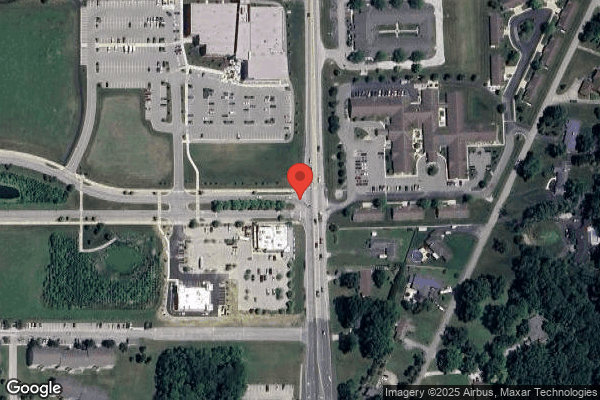
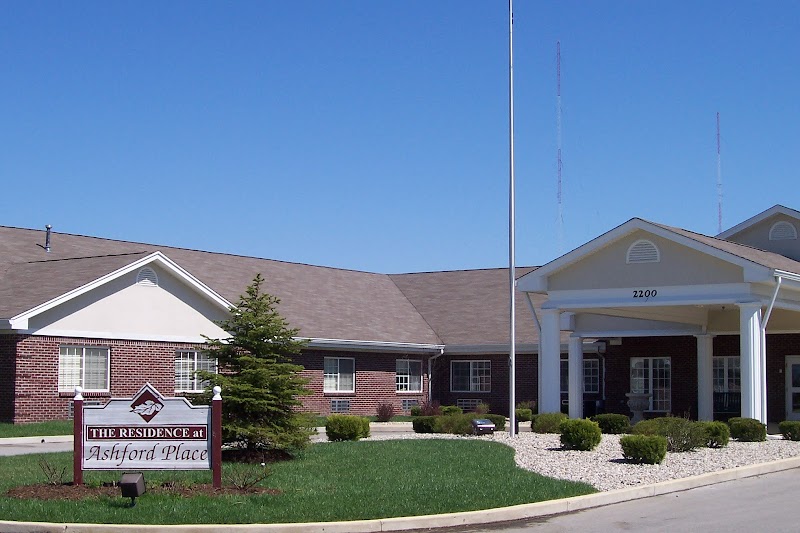
2200 N RILEY HWY, SHELBYVILLE, IN 46176 (317) 398-8422
For profit - Corporation 68 Beds TRILOGY HEALTH SERVICES Data: November 2025 1 Immediate Jeopardy citation
Trust Grade
38/100
#214 of 505 in IN
Last Inspection: May 2024

Within standard 12-15 month inspection cycle. Federal law requires annual inspections.

Overview

Ashford Place Health Campus has received a Trust Grade of F, indicating significant concerns about its operations and care quality. It ranks #214 out of 505 facilities in Indiana, placing it in the top half, but its low grade raises red flags for families. The facility is improving, with incidents decreasing from 8 in 2024 to just 1 in 2025, although it still has a concerning history of fines totaling $28,886, which is higher than 95% of other facilities in the state. Staffing levels are average with a turnover rate of 32%, which is better than the state average, and there is adequate RN coverage. However, there are serious weaknesses, including critical incidents like failed protections against sexual abuse between residents, and a serious incident where a resident fell and sustained fractures due to improper transfer assistance. Additionally, there have been concerns about food safety, as meals were served at unsafe temperatures. Families should weigh these strengths and weaknesses carefully when considering Ashford Place for their loved ones.

Trust Score
F
38/100
In Indiana
#214/505
Top 42%
Safety Record
High Risk
Review needed
Inspections
Getting Better
8 → 1 violations
Staff Stability
○ Average
32% turnover. Near Indiana's 48% average. Typical for the industry.
Penalties
⚠ Watch
$28,886 in fines. Higher than 79% of Indiana facilities, suggesting repeated compliance issues.
Skilled Nurses
○ Average
Each resident gets 35 minutes of Registered Nurse (RN) attention daily — about average for Indiana. RNs are the most trained staff who monitor for health changes.
Violations
⚠ Watch
31 deficiencies on record. Higher than average. Multiple issues found across inspections.
★★★☆☆
3.0
Overall Rating
★★★☆☆
3.0
Staff Levels
★★★★★
5.0
Care Quality
★★☆☆☆
2.0
Inspection Score
Stable
2024: 8 issues
2025: 1 issues

The Good

  • 5-Star Quality Measures · Strong clinical quality outcomes
  • Full Sprinkler Coverage · Fire safety systems throughout facility
  • No fines on record
  • Staff turnover below average (32%)

    16 points below Indiana average of 48%

Facility shows strength in quality measures, fire safety.

The Bad

3-Star Overall Rating

Near Indiana average (3.1)

Meets federal standards, typical of most facilities

Staff Turnover: 32%

14pts below Indiana avg (46%)

Typical for the industry

Federal Fines: $28,886

Below median ($33,413)

Moderate penalties - review what triggered them

Chain: TRILOGY HEALTH SERVICES

Part of a multi-facility chain

Ask about local staffing decisions and management

The Ugly 31 deficiencies on record

1 life-threatening 1 actual harm
Apr 2025 1 deficiency
CONCERN (D) 📢 Someone Reported This

A family member, employee, or ombudsman was alarmed enough to file a formal complaint

Potential for Harm - no one hurt, but risky conditions existed

ADL Care (Tag F0677)

Could have caused harm · This affected 1 resident

**NOTE- TERMS IN BRACKETS HAVE BEEN EDITED TO PROTECT CONFIDENTIALITY** Based on interview and record review, the facility failed to provide bathing, as scheduled, to 1 of 3 residents reviewed for bat...

Read full inspector narrative →
**NOTE- TERMS IN BRACKETS HAVE BEEN EDITED TO PROTECT CONFIDENTIALITY** Based on interview and record review, the facility failed to provide bathing, as scheduled, to 1 of 3 residents reviewed for bathing. (Resident D) Findings include: The clinical record for Resident D was reviewed on 4/4/25 at 10:49 a.m. Her diagnoses included, but were not limited to, depression and diabetes. She was admitted to the facility on [DATE] and discharged on 3/29/25. The 3/21/25 admission MDS (Minimum Data Set) assessment indicated she required substantial, maximal assistance for bathing and was cognitively intact. The 3/18/25 ADL (activities of daily living) care plan indicated she required staff assistance to complete self-care and mobility functional tasks completely and safely. The goal was for her to have her functional needs met safely by staff. An approach was for showers on Wednesdays and Saturdays on the evening shift. A telephone interview was conducted with Resident D on 4/4/25 at 12:38 p.m. She indicated she did not receive baths or showers in the facility twice a week. The first time she asked for a shower, it took about a week and half before she finally received one. The second shower she received was because she had an accident. She only received two showers while there. The Point of Care ADL report indicated she received a bed bath, on 3/18/25, and a shower on 3/25/25. It indicated she received other type of bathing, on 3/23/25 and 3/24/25, both signed off by CNA (Certified Nurse Aide) 4. All the other days indicated a partial bed bath only. An interview was conducted with the DON (Director of Nursing) on 4/4/25 at 11:59 a.m. She indicated residents were scheduled to be bathed twice weekly. She reviewed the CNA assignment sheet and indicated Resident D's shower days were scheduled for Monday and Thursday mornings. She was unsure what other bath meant on the Point of Care ADL report. She was unaware Resident D missed any bathing while at the facility. She didn't see anything in the progress notes about her refusing or therapy providing her with showers. The only verification of bathing was the Point of Care ADL report. An interview was conducted with CNA 4 on 4/4/25 at 12:07 p.m. She indicated Resident D got washed up on the toilet on 3/23/25 and 3/24/25. Resident D did most of it herself, and she didn't know how to chart it, so she documented other. Resident D never refused bathing for her. If a resident refused, they could document refused in Point of Care and inform the nurse. The Guidelines for Bathing Preference policy was provided by the Nurse Consultant on 4/4/25 at 12:54 p.m. It indicated, Bathing shall occur at least twice a week unless the resident preference states otherwise. This citation is related to Complaint IN00456300. 3.1-38(b)(2)
Aug 2024 1 deficiency 1 Harm
SERIOUS (G) 📢 Someone Reported This

A family member, employee, or ombudsman was alarmed enough to file a formal complaint

Actual Harm - a resident was hurt due to facility failures

Accident Prevention (Tag F0689)

A resident was harmed · This affected 1 resident

Based on interview and record review, the facility failed to ensure interventions to prevent falls were effectively implemented when Resident C exhibited signs and symptoms of lethargy, drowsiness, an...

Read full inspector narrative →
Based on interview and record review, the facility failed to ensure interventions to prevent falls were effectively implemented when Resident C exhibited signs and symptoms of lethargy, drowsiness, and sedation and failed to ensure staff used a gait belt during the transfer of a Resident D who required more than limited assistance with transfers for 2 of 3 residents reviewed for falls. This deficient practice resulted in Resident C falling in the shower and sustaining fractures to the left shoulder blade, the left second rib, and the endplate of the third lumbar spinal disc. (Resident C and Resident D) Findings include: 1. The clinical record for Resident C was reviewed on 8/14/24 at 8:30 a.m. The diagnoses included, but were not limited to, dementia, osteoporosis, and insomnia. A quarterly Minimum Data Set (MDS) assessment, dated 5/2/24, indicated Resident C was cognitively impaired. The resident's functional status was dependent of the staff person to provide all the effort for the resident to bathe. The staff was to provide more than half of the effort to assist with transferring in and out of shower. The resident did receive antidepressants and had a history of falling. A care plan, dated 1/16/24, indicated, Resident has impairment in functional status r/t [related to] decreased mobility, weakness, and other comorbidities . A physician order, dated 3/22/24, indicated staff was to monitor Resident C for signs of adverse effects with the usage of hypnotic/sedative/tranquilizer medication. A care plan for fall risk, dated 6/3/24, indicated staff should review the use of a sleep aid medication, change the administration time of a sleep aid medication, encourage activities in common area prior to breakfast, check the resident every two hours during the night shift, encourage resident to sleep in bed at night, use a silent bed alarm on the bed and the recliner, keep wheelchair out of site (sic), offer to get up at 4:00 a.m., utilize a fall mat, utilize a low bed, and staff should assist with transfers as needed. A psychiatric visit note, dated 6/28/24, indicated, The patient's trazodone was reduced per pharmacy recommendation and she has had significant difficulty with sleeping. We are going to increase trazodone from 75 milligrams to 150 milligrams at HS [night] . A physician order, dated 6/28/24, indicated Resident C was to receive 150 milligrams (mg) of trazodone (antidepressant medication) at night for insomnia. The antidepressant was used as a hypnotic medication. The medication was discontinued on 7/27/24. A psychiatric visit note, dated 7/26/24, indicated resident continued to have problems with sleeping. The plan was to increase current trazodone medication dosage from 150 milligrams to 200 milligrams. A physician order, dated 7/27/24, indicated Resident C was to receive 200 mg of trazodone at night. The medication was discontinued on 7/31/24. The July 2024 Medication Administration Record (MAR) indicated the resident was showing signs and symptoms of side effects with the usage of hypnotic/sedative/tranquilizer medication on the following day and shift: 7/31/24 - evening shift - drowsiness. A nursing note written by Director of Nursing (DON), dated 7/31/24 at 1:43 p.m., indicated the resident was more lethargic, had difficulty staying awake during meals, and the psychiatric care provider was notified. A nursing note, dated 8/1/24 at 6:19 a.m., indicated Psych [psychiatric] services gave ok to reduce Trazodone down to previous dose . A physician order, dated 8/1/24, indicated Resident C was to receive 150 mg of trazodone at bedtime. The August 2024 MAR indicated the following days and shifts the resident was showing signs and symptoms of side effects with the usage of hypnotic/sedative/tranquilizer medication: 8/2/24 - evening shift - extreme drowsiness, 8/3/24 - evening shift - drowsiness, 8/4/24 - day shift - drowsiness and evening shift - sedation. Resident C's clinical record reviewed on 8/14/24, did not include additional safety interventions initiated to address the resident's change of condition. A nursing note, dated 8/4/24 at 1:54 p.m., indicated [Resident C's Representative] in to visit resident, states she has noticed resident is sleeping a lot more lately and would like trazodone held this eve [evening]. A nursing note, dated 8/4/24 at 3:13 p.m., indicated, Resident fell in shower while being assisted with shower by nursing assistant . A care plan for fall risk, revision date 8/5/24, indicated the resident was to utilize a shower chair during showers. A nursing note by DON, dated 8/6/24, indicated, IDT [Interdisciplinary team] note: Resident has been more lethargic, [Psych Provider 13] increased Trazodone on 7/26. Since reached out to [Psych Provider 13] to let her know that resident was sleeping all day and not tolerating increased dose. Dose was reduced back down to previous dose. Resident continues to be very lethargic and requiring increased assistance with transfers and mobility. Resident had a fall on 8/4, slipped off bench in shower .IDT recommend staff to use shower chair when giving resident a shower. [Resident C Representative] has requested Trazodone be held on 8/4 and 8/5 due to lethargy and not waking to eat meals. Improvement noted in alertness, continues to have difficulty staying awake for long periods of time. Resident did get up and go down for breakfast this morning. Sent email to [Psych Provider 13] to address concerns with Trazodone . A nursing note, dated 8/6/24, indicated, Res [resident] had x-ray done to left arm with results showing a fx [fracture] to left scapula NP [Nurse Practitioner] here and made nursing aware of results. Res cries out in pain when moving res from recliner to w/c [wheelchair] or when touching area of back shoulder. Res sleeps most of the day but is easy to arouse .Writer talked with [representative] and thought sending her out to the ER [emergency room] would be best. Facility transported res via w/c, report called to [name of hospital] ER . An Episodic Event Report for Resident C, completed on 8/8/24, was provided by the Executive Director on 8/13/24 at 9:59 a.m. It indicated, the date of event 8/4/24, Resident slid off shower bench. Fractures to left scapula [shoulder blade], left 2nd rib fracture, L3 [third lumbar spinal disc] endplate fracture [tearing of the cartilage and bone on the top and bottom of each disc in back] . A nursing progress note, dated 8/11/24, indicated, Resident returned to facility from hospital on 8/9/24 . A statement by Certified Resident Care Assistant (CRCA) 6, dated 8/5/24, indicated the following, .I was taking her to the shower and placed her on the shower bench. I went to warm up the water and had it spraying in the corner. While she was sitting there with the water running, she started to lean or slide off the bench and I attempted to keep her from falling. But she continued to fall to her side . An interview was conducted with the Occupational Program Director on 8/14/24 at 10:39 a.m. She indicated Resident C was a single staff person transfer. The staff utilizing a shower bench or shower chair was fine. The resident could tolerate either one. Prior to the resident fall, it was safe to place her on the shower bench. An interview was conducted with CRCA 6 on 8/14/24 at 1:37 p.m. She indicated, on 8/4/24, Resident C was not drowsy or lethargic that day. CRCA 6 often placed the resident on the shower bench during showers. The resident was able to tolerate sitting on the bench on previous shower days, so she continued to sit the resident on the bench during bathing. She does get report from previous shifts of the condition of the residents for example: when the resident was last toileted and if they are out of the building. Trazodone medication at MedlinePlus drug information at website www.medlineplus.gov, dated 1/15/22, was retrieved on 8/19/24. The website indicated the following, .Trazodone is used to treat depression. Trazodone is in a class of medications called serotonin modulators. It works by increasing the amount of serotonin, a natural substance in the brain that helps maintain mental balance .Trazodone is also sometimes used to treat insomnia .Trazodone may cause side effects .weakness or tiredness .dizziness or lightheadedness 2. The clinical record for Resident D was reviewed on 8/14/24 at 9:20 a.m. The diagnoses included, but were not limited to, stroke and muscle weakness. An annual MDS assessment, dated 7/24/24, indicated Resident D was cognitively intact. The resident's functional status was dependent of the staff person to provide all the effort for the resident to go from a sitting position to a stand position. The staff person was to assist over half of the effort when a resident needed to be transferred from a chair to wheelchair. The risk of falling care plan, dated 9/28/21, indicated, Resident is at risk for falling r/t [related to]: dx [diagnosis] of acute encephalopathy [brain disease], CVA [stroke], weakness, decreased mobility, medication regimen, requires assistance with transfers, incontinent status, pain, and other comorbidities .Encourage resident to assume standing position slowly, Ensure the floor is free of liquids and foreign objects, Keep call light in reach, Encourage to assume standing position slowly, Keep personal items and frequently used items within reach, Provide non-skid footwear . A nursing note written by Registered Nurse (RN) 5, dated 7/26/24, indicated, Res [resident] was being transferred to recliner and was dropped. No sign of injury . A nursing note written by the DON, dated 8/2/24, indicated, .fall on 7/26, staff was assisting resident from recliner to w/c [wheelchair] to go to the bathroom when the CRCA [Certified Resident Care Assistant 6] had difficulty with transfer causing resident to fall. No injuries noted. Resident just startled from fall. IDT [Interdisciplinary team] recommends gait belt with transfers. Resident remains an assist of 1 [one] with [Activities of Daily Living] ADL's and transfers. Able to make needs and wants known. Resident able to ambulate short distance with walker and uses w/c for long distance . An event report, dated 7/26/24, indicated Resident D had a witnessed fall in her room while ambulating with assistance. The resident requires assistance to transfer. The risk of falling care plan, with a revision date 8/6/24, indicated a new intervention, start date of 7/31/24, for the staff to utilize a gait belt when transferring the resident. A typed statement for CRCA 6, dated 7/26/24, indicated the following, Resident [D] needed to use the restroom, so I went to help her transfer. Resident was in her recliner, and I went to assist her into her wheelchair. During the transfer the resident was unsteady, so I lowered her to the floor . An interview was conducted with Physical Therapist 3 and Occupational Program Director on 8/14/24 at 10:32 a.m. They indicated they recommend staff to utilize gait belts for all resident transfers. An interview was conducted with CRCA 4 on 8/14/24 at 11:59 a.m. She indicated gait belts were to be utilized to assist with resident transfers. An interview was conducted with Resident D on 8/14/24 at 1:25 p.m. She indicated she had fallen. She stood up from her recliner to be transferred to her wheelchair. The staff person was too little to transfer me, and lowered her to the floor. She was not hurt. An interview was conducted with RN 6 on 8/14/24 at 1:50 p.m. She indicated she would assume that staff should use gait belts to transfer residents. An interview was conducted with CRCA 6 on 8/14/24 at 1:37 p.m. She indicated she was the staff person that was assisting Resident D with a transfer, on 7/26/24, when she had fallen. She did not utilize a gait belt to assist while transferring the resident at the time of the fall. Staff are required to use gait belts for some residents, but not all. An interview was conducted with the DON on 8/14/24 at 1:55 p.m. She indicated it was optional for staff to utilize gait belts to assist with transferring a resident unless the resident was care planned for gait belt use. A fall management program guidelines policy, revised 5/31/17, was provided by the Executive Director (ED) on 8/13/24 at 9:30 a.m. The policy indicated, .PURPOSE .strives to maintain a hazard free environment, mitigate fall risk factors and implement preventative measures .intensive efforts will be directed toward minimizing or preventing injury .PROCEDURES .b. Care plan interventions should be implemented that address the resident's risk factors .2 .This includes an investigation of the circumstances surrounding the fall to determine the cause of the episode, a reassessment to identify possibly contributing factors, interventions to reduce the risk of repeat episode and a review by the IDT to evaluate thoroughness of the investigation and appropriateness of the interventions .5. The resident care plan should be updated to reflect any new or change in interventions A gait belt policy was provided by the Executive Director on 8/14/24 at 1:20 p.m. The policy indicated, .Purpose .To ensure safety for the resident and staff during transfers and mobility activities. Procedures . 1. Gait belts should be used according to the plan of care for the individual resident. 2. If resident requires use of gait belt, add to resident plan of care that will be communicated to the caregiver. 3. If a resident requires more than limited assists and does not require a lift a gait belt may be used with transfers. 4. An individual campus may designate a gait belt be used during all mobility activities. 5. Gait belts will be provided by the campus and should remain in the campus at all times for use by all staff during transfers. 6. Campus should have various sizes of gait belts available. 7. Failure to use a gait belt as defined in the resident plan of care or as designated by campus protocol may lead to disciplinary action up to and including termination. The Indiana State Department of Health Nurse Aide Curriculum, revised November 19, 2015, indicated the following, .PROCEDURE #24: USING A GAIT BELT TO ASSIST WITH AMBULATION .3. Place belt around resident's waist with the buckle in front and adjust to a snug fit ensuring that you can get your hands under the belt .4. Assist the resident to stand on count of three .6. Stand to side and slightly behind resident while continuing to hold onto belt .PROCEDURE #26: TRANSFER TO WHEELCHAIR .2. Place wheelchair on resident's unaffected side .4. Stand in front of resident and apply gait belt around the resident's abdomen . This citation is related to Complaints IN00440513 and IN00440297. 3.1-45(a)(1) 3.1-45(a)(2)
May 2024 7 deficiencies
CONCERN (D) 📢 Someone Reported This

A family member, employee, or ombudsman was alarmed enough to file a formal complaint

Potential for Harm - no one hurt, but risky conditions existed

Grievances (Tag F0585)

Could have caused harm · This affected 1 resident

Based on interview and record review, the facility failed to timely address a grievance for 1 of 1 resident reviewed for dignity (Resident B). Findings include: The clinical record for Resident B was ...

Read full inspector narrative →
Based on interview and record review, the facility failed to timely address a grievance for 1 of 1 resident reviewed for dignity (Resident B). Findings include: The clinical record for Resident B was reviewed on 4/25/24 at 12:03 p.m. The Resident's diagnosis included, but were not limited to, hypertension. A Quarterly MDS (Minimum Data Set) Assessment, completed 2/5/24, indicated she was cognitively intact, frequently incontinent of bowel and bladder, and needed maximal assistance of staff for toileting. During an interview on 4/25/24 at 12:03 p.m., FM (Family Member) 20 indicated that approximately a week and a half ago, they had filed a grievance because Resident B had been brought to an appointment on the facility bus after being incontinent of bowel. The facility bus driver had gone back to the facility to get new clothing so that FM 20 could clean Resident B before the appointment. FM 20 was concerned that Resident B had not been toileted prior to leaving the facility. During an interview on 4/30/24 at 2:39 p.m., AS (Activity Assistant) 12 indicated that she had been the bus driver that transported Resident B to her appointment on 4/17/24. Resident B had attended an out of facility activity for approximately 30 minutes prior to her the appointment. AS 12 had taken Resident B from the out of facility activity to the appointment. When AS 12 took Resident B into the building for the appointment AS 12 had heard Resident B tell FM 20 that she had not been cleaned up before she left. FM 20 had taken Resident B into the bathroom and then come back and informed AS 12 that Resident B was a complete mess and asked AS12 to go the facility and get Resident B clean clothes. AS 12 had gone to the facility and informed ED (Executive Director) 1 about the incident and taken clean clothing back to the appointment for Resident B. AS 12 had not noted any odors or visible soiling of Resident B's clothing when she transported her to the appointment. During an interview on 4/30/24 at 3:00 p.m., the SSD (Social Services Director) indicated she had found grievance involving Resident B on the grievance log. The grievance was dated 4/17/24 and did not have a resolved date. SSD was unsure why it was not resolved. On 4/30/24 at 3:23 p.m., the SSD provided a grievance, dated 4/17/24, that indicated Resident B had arrived at a doctor's appointment on 4/17/24 covered in BM. AS 12 had been sent back to the facility for a change of clothes. FM 20 was concerned that Resident B was not toileted after lunch or before appointments. The resolution was dated 4/30/24 and indicated the SSD had contacted FM 20 and informed them that education had been provided to the staff on the importance of cleanliness and hygiene prior to going to appointments. On 4/30/24 at 3:26 p.m., ED 3 provided the Resident Concern Process Policy, last reviewed 12/31/23, which read .To provide a process for handling, tracking and resolving customer concerns to provide excellence in customer service .5. Enter the concern using the desktop icon labeled 'Resident Concern Form'. All concerns should be entered electronically .6. Concerns are reviewed in morning meeting, noting new entries and assigning them for follow up and resolution. 7. Follow up from the department leader will occur within 24-48 [sic] with resolution entered in KeyStats . This Federal Tag relates to complaint IN00430913. 3.1-7(a)(2)
CONCERN (D)

Potential for Harm - no one hurt, but risky conditions existed

Transfer Requirements (Tag F0622)

Could have caused harm · This affected 1 resident

Based on interview and record review, the facility failed to ensure the required medical and contact information was sent to the hospital for 1 of 1 resident reviewed for discharge. (Resident 54) Find...

Read full inspector narrative →
Based on interview and record review, the facility failed to ensure the required medical and contact information was sent to the hospital for 1 of 1 resident reviewed for discharge. (Resident 54) Findings include: The clinical record for Resident 54 was reviewed on 4/29/24 at 10:28 a.m. Her diagnoses included, but were not limited to, stage 4 chronic kidney disease and stage 4 pressure ulcer of the sacral region. She was discharged from the facility to the hospital on 1/27/24. The 1/27/24, 10:06 p.m. nurse's note read, Res [Resident] has no output in catheter and was flushed x [times] 2. IV [Intravenous] 1L [liter] finished this morning and has drank fluids this shift. Per [name of physician] and spouse send to ed [emergency department] for eval [evaluation.] The 1/28/24 Clinical Discharge Observation, recorded and completed on 2/2/24, indicated a paper-based reconciled medication list was sent to the hospital with Resident 54. There was no information in the clinical record to indicate the contact information of the practitioner responsible for the care of Resident 54, Resident 54's representative information including contact information, advance directive information, all special instructions or precautions for ongoing care, comprehensive care plan goals, and all other necessary information was sent to the hospital to ensure a safe and effective transition of care. An interview was conducted with the DON (Director of Nursing) on 4/29/24 at 11:20 a.m. She indicated when a resident was sent to the hospital, they sent a bed hold policy, continuity of care documentation, and code status with the resident in a packet given to the EMTs (emergency medical technicians.) Most of the time, nursing documented that in a progress note, but not all of the time. The DON reviewed Resident 54's clinical record and indicated she did not see any documentation to verify that information was sent to the hospital for Resident 54. 3.1-12(a)(3)
CONCERN (D)

Potential for Harm - no one hurt, but risky conditions existed

Deficiency F0657 (Tag F0657)

Could have caused harm · This affected 1 resident

Based on observation, interview and record review, the facility failed to timely revise a resident's care plans for refusal of showers and depression with individualized interventions for 1 of 5 resid...

Read full inspector narrative →
Based on observation, interview and record review, the facility failed to timely revise a resident's care plans for refusal of showers and depression with individualized interventions for 1 of 5 residents reviewed for unnecessary medications (Resident 20). Findings include: The clinical record for Resident 20 was reviewed on 4/26/24 at 9:18 a.m. The Resident's diagnosis included, but were not limited to, depression and anxiety. A care plan, with a start date of 5/5/22 and last reviewed 4/17/24, indicated Resident 20 demonstrates symptoms of depression as evidenced by a score of on the PHQ-9 (depression assessment) sadness and tearfulness. The goal was that the resident will not demonstrate an increase in depressive symptoms. The approaches were GDR (Gradual Dose Reduction) of anti-depressant 4/3/24. Inform psych of an adverse effects noted or any changes in mood/ behavior, initiated 4/8/24, anti-depressant increased 2/5/24 due to failed GDR. Inform psych of any changes in mood/ behavior, initiated 2/5/24, anti-depressant decreased per GDR on 10/20/23 per psych, initiated 10/23/23, assess symptoms of depression with PHQ-9 as needed, initiated 5/5/22, encourage family to visit and participate in the resident's plan of care, initiated 5/5/22, encourage resident to participate in structured group activity and individual leisure activities per choice, initiated 5/5/22, encourage resident to remain actively involved in the plan of care and treatment plan, initiated 5/5/22, meds per order, initiated 5/5/22, observe for overt signs and symptoms of increased depression, initiated 5/5/22, observe mood, affect and behaviors, initiated 5/5/22, provide support and reassurance to resident daily and validate resident's feelings, initiated 5/5/22, provide supportive counseling contacts as needed and refer to psych services as needed, initiated 5/5/22. A care plan, with a start date on 1/17/23 and last reviewed 4/17/24, indicated Resident 20 demonstrated non-compliance with physician orders and/ or plan of care as evidenced by refusing showers at times. The goal was that her preferences will be honored to the extent that non-compliance with physician orders will not result in injury to self or others. The approaches, initiated 1/17/23, were to educate resident regarding physician orders and risk and benefits of compliance, encourage resident to actively participate in care plan and decision making, encourage resident to participate in decision making by offering choices and discussion of advanced directives, observe resident's ability to give informed consent and fluctuations in decision making, and offer alternatives to showers. An Annual MDS (Minimum Data Set) Assessment, completed 1/11/24, indicated she was cognitively intact, needed maximal assistance of staff for showers, and received an anti-depressant daily. A Nursing Home Psychiatric Subsequent Visit Form, dated 3/22/24, indicated that Resident 20's medication history included a reduction on her Lexapro (anti-depressant) to 10 mg (milligram) on 10/20/23 as a GDR. Lexapro was increased to 20 mg on 1/26/24 because the GDR failed. Current psychotropic medications included Lexapro 20 mg each morning. The presenting problem and patient interview on 3/22/24 indicated Resident 20 denied difficulty with sleep at that time. She reported that her depression was no longer a problem. The treatment plan indicated Resident 20 reported her depression had not been a difficulty for her since her Lexapro was increased. She had no side effects with Lexapro. A gradual dose reduction was contraindicated due to her symptoms improving. The March and April 2024 Medication Administration Record indicated she had taken her Lexapro 20 mg daily, as prescribed by the physician, until 4/3/24. A progress note, dated 4/3/24, read .resident refused Lexapro this am, stating it makes her feel weird and is having weird dreams. Resident does not want to take this med anymore. Notified [psychiatric nurse practitioner] and order to d/c Lexapro. During an interview on 04/26/24 at 9:18 a.m., Resident 20 indicated that she did not get her showers as she should. The staff would say that she refused the shower, but she just wanted them right before bed because the shower helped her relax. She went to bed at different times depending on how she felt and what was on television. She felt bad that she couldn't clean up and was having trouble moving around. She had a counselor when she was at home to talk to but did not have one here. She was observed to be tearful during the interview. She was going to go to bingo later in the day, which she really enjoyed. During an interview on 4/30/24 at 10:02 a.m., the DNS (Director of Nursing Services) indicated Resident 20's Lexapro had been discontinued because she had been refusing the medication and said it made her feel funny in the head. Resident 20 was tearful often, even when taking the Lexapro. Resident 20 had multiple health issues, including a large cyst on her left ovary. She saw multiple specialists. She has good days and bad days and was seen by the psychiatric nurse practitioner. Staff tried to get her out of the room as much as they could to the dining room or to bingo. The care plan for symptoms of depression had not been updated to reflect that Resident 20 had requested the Lexapro to be discontinued, multiple health concerns which may affect her depression, or to encourage Resident 20 to go to bingo and the dining room for meals. During an interview on 4/30/24 at 2:49 p.m., CNA (Certified Nursing Assistant) 13 and COTA (Certified Occupational Therapy Assistant) 14 indicated that Resident 20 preferred her showers in the evening. There were 3 or 4 CNA's who Resident 20 really liked to shower her and she would refuse showers at times if she didn't like the CNA who was assigned to her. If one of the CNA's she preferred was working, then staff would have that CNA shower her. COTA 14 indicated that she would also assist Resident 20 with showers sometimes. The care plan for refusal of showers at times had not been updated to offer alternate care givers which Resident 20 preferred. On 4/30/24 at 3:45 p.m., the Regional Nurse Consultant provided the Comprehensive Care Plan Guidelines Policy, dated 5/22/18, which read .To ensure appropriateness of services and communication that will meet the resident's needs, severity/ stability of conditions, impairment, disability, or disease in accordance with state and federal guidelines .Care plan interventions should be reflective of risk area[s] or disease processes that impact the individual resident .Should new identified area of concern arise during the resident's stay, they should be addressed on the care plan . 3.1-35(b)(2)
CONCERN (D)

Potential for Harm - no one hurt, but risky conditions existed

Pharmacy Services (Tag F0755)

Could have caused harm · This affected 1 resident

2. The clinical record for Resident 16 was reviewed on 4/30/24 at 9:31 a.m. Resident 16's diagnoses included, but not limited to, diabetes type II, gout, chronic kidney disease, anxiety disorder, and ...

Read full inspector narrative →
2. The clinical record for Resident 16 was reviewed on 4/30/24 at 9:31 a.m. Resident 16's diagnoses included, but not limited to, diabetes type II, gout, chronic kidney disease, anxiety disorder, and retention of urine. A physician's order dated 4/10/24 for Resident 16 indicated to administer 1 drop of 0.1% Nevanac ophthalmic solution (a nonsteroidal anti-inflammatory medication used to treat eye pain, irritation, and inflammation) into eye twice a day. This order was discontinued on 4/19/24. A copy of Resident 16's April 2024 MAR (medication administration record) provided by DON (Director of Nursing) on 4/30/24 @ 4:15 p.m. indicated, on the following dates and times, Resident 16 did not receive the Nevanac eye medication: 4/11/24 - morning and evening doses 4/12/24 - morning dose 4/14/24 - morning and evening doses 4/15/24 - morning dose 4/16/24- morning and evening doses 4/17/24 - morning dose 4/18/24 - morning dose 4/19/24- morning dose A nursing note dated 4/10/2024 at 10:22 p.m. indicated, Resident 16 was seen by the eye doctor that day and a new order for Nevanac eye drops was received and noted. A nursing note dated 4/17/2024 at 2:36 p.m. indicated, the facility had attempted to reach Resident 16's eye doctor due to the new order for Nevanac eye drops was not covered by Resident 16's insurance. The nursing note also indicated a voicemail was left asking for the eye doctor to return the phone call to facility. A nursing note dated 4/18/2024 at 6:14 p.m. indicated, Resident 16's eye doctor had called the facility back regarding the Nevanac not being covered by the resident's insurance and inquired if another eye medication, Xibrom 0.9% would be covered by Resident 16's insurance as a substitution for the Nevanac. The nursing note indicated, facility's pharmacy was called and was to call the facility back regarding coverage and possible other substitutions that would be covered by the resident's insurance. An interview with the facility's pharmacy conducted on 4/30/24 at 9:44 a.m. with Pharm T (Pharmacy Technician) 6 indicated, they had received the physician's order for Resident 16 for the Nevanac on 4/10/24. They further indicated, that on 4/10/24 at 9:42 p.m., they had sent an unable to send medication communication form regarding Resident 16's Nevanac eye drops not being covered by insurance and that it would be an out of pocket cost of over $300. An interview with DON conducted on 4/30/24 at 10:15 a.m. indicated, when the pharmacy faxes an unable to send medication communication form, it goes to the fax machine at the nursing station and the expectation was for the resident's nurse on duty to contact the physician and get issue with the order addressed. DON indicated, she would have expected the resident's nurse that evening or at least the next day to resolve the pharmacy's unable to fill medication communication. An interview with the facility's pharmacy conducted on 5/1/24 at 10:06 a.m. with Pharm T 7 indicated, Resident 16's eye medication, Nevanac, was never delivered to the facility because of the cost issue. Pharm T 7 indicated, on 4/11/24, they called the facility to inquire about what to do about Resident 16's eye medication, Nevanac, and at that time, the facility indicated, for them (the pharmacy) to place the medication on hold until they speak to the provider. When the pharmacy did not hear back from the facility by 4/16/24, they sent another faxed unable to fill medication communication form to the facility. Pharm T 7 indicated, they still had not heard back from the facility regarding Resident 16's medication issue by 4/19/24 so they faxed another unable to fill medication communication form to the facility. When they hadn't heard back from the facility by 4/24/24, they called the facility and were then notified that the order for Resident 16's eye medication was switched to a medication covered by her insurance. Pharm T 7 verified the Nevanac for Resident 16 was never delivered to the facility. A Guidelines for Medication Orders policy received on 4/30/24 at 4:17 p.m. from ED (Executive Director) 3 indicated, Purpose to establish uniform guidelines in the receiving and recording of medication orders .Telephone/verbal orders .Telephone or verbal orders may be accepted by a licensed nurse only .Telephone or verbal orders shall be recorded in Matrix when received by the nurse receiving the order. 3.1-25(b)(1) 3.1-25(g) 3.1-37(a) Based on observation, interview, and record review, the facility failed to administer a resident's medication, as ordered, and to timely address an issue with a physician's order for a new eye medication for a resident whose insurance did not cover the costs of the medication for 2 of 3 residents reviewed for pharmacy services and medication administration. (Resident E and Resident 16) Findings include: 1. The clinical record for Resident E was reviewed on 4/25/24 at 11:55 a.m. Her diagnoses included but were not limited to, type 2 diabetes mellitus and metastatic bone cancer. She was admitted to the facility from the hospital on 4/19/24. An interview was conducted with Resident E on 4/25/24 at 12:00 p.m. She indicated she was discharged from the hospital on a whole list of medications. Because she was admitted to the facility on a Friday, she did not start getting some of the medications until the following Monday. The 4/19/24 hospital discharge medication list indicated to administer one 75 mg capsule of Glucofunction twice daily and one 950 mg Nutrient capsule twice daily. The April, 2024 MAR (medication administration record) indicated the Nutrient capsule was not administered on the following dates due to the drug/item being unavailable: once on 4/20/24, twice on 4/23/24, and once on 4/26/24. The Glucofunction capsule was not administered on the following dates due to the drug/item being unavailable: once on 4/20/24, once on 4/22/24, twice on 4/23/24, and once on 4/26/24. An interview was conducted with the DON (Director of Nursing) on 4/29/24 at 10:59 a.m. She called the pharmacy during this interview to inquire as to why the Nutrient and Glucofunction were unavailable for administration on the above dates. After speaking with the pharmacy, the DON indicated neither the Glucofunction nor the Nutrient was delivered from pharmacy. The only thing she could think of was that since both items were over the counter, they were in the medication cart on the assisted living side of their facility, where Resident E resided prior to her being hospitalized , and staff literally walked over and got them, but not until after the above administrations were missed. The Admissions Checklist was provided by the RNC (Regional Nurse Consultant) on 4/29/24 at 12:07 p.m. There was a column to check yes or no as to whether medications were delivered and a column to check yes or no as to whether a second check of the orders was completed.
CONCERN (D)

Potential for Harm - no one hurt, but risky conditions existed

Deficiency F0761 (Tag F0761)

Could have caused harm · This affected 1 resident

**NOTE- TERMS IN BRACKETS HAVE BEEN EDITED TO PROTECT CONFIDENTIALITY** Based on observation, interview, and record review, the facility failed to ensure: an ophthalmic (eye) medication was labeled wi...

Read full inspector narrative →
**NOTE- TERMS IN BRACKETS HAVE BEEN EDITED TO PROTECT CONFIDENTIALITY** Based on observation, interview, and record review, the facility failed to ensure: an ophthalmic (eye) medication was labeled with the date it was opened (Resident 24); the timely destruction of medications for an expired resident (Resident 272); and the controlled medication lock box was permanently affixed within the medication refrigerator (Facility) when reviewed for medication storage and labeling. Findings include: A medication storage observation was conducted on 4/30/24 starting at 4:02 p.m. and ending at 4:37 p.m. During the observation, the following was witnessed: 1. In the medication cart on [NAME] hallway with RN (Registered Nurse) 8, inside a drawer was an opened bottle of Timolol eye drops for Resident 24 with an opened date of 3/21. 2. An observation of the medication room on the healthcare side made with RN 9 found inside a cabinet, an opened bottle of Tylenol contained 10 tablets. The Tylenol bottle was labeled for Resident 272 and according to RN 9, Resident 272 was no longer a resident at the facility. Also, inside the medication room, was a medication refrigerator with a metal, locked box which contained controlled medications. The metal locked box was not permanently affixed within the fridge. An observation of the metal lock box for controlled medications inside the refrigerator was made with DON (Director of Nursing) on 4/30/24 at 4:37 p.m. It was observed a metal wire that, according to DON, had been attached to the metal locked medication box was broken and was no longer attached to the metal box. She indicated, she had not been made aware of the controlled medication lock box was no longer tethered to the fridge and was not sure how long it had been like that. A clinical record review for Resident 272 conducted on 5/1/24 at 9:28 a.m. indicated, Resident 272 had expired on 12/24/23. Resident 272's tylenol tablets should have been destroyed/returned in a timely manner. The National Library of Medicine at https://pubmed.ncbi.nlm.nih.gov/Hanssens JM, [NAME]-[NAME] C, [NAME] S, El-Zoghbi N, [NAME] V, [NAME] C, [NAME] JF. Shelf Life and Efficacy of Diagnostic Eye Drops. Optom Vis Sci. 2018 Oct;95(10):947-952. doi: 10.1097/OPX.0000000000001288. PMID: 30234830 last accessed 5/2/24 indicated, pharmaceutical companies recommend discarding ophthalmic drugs 28 days after opening. A Labeling of Medications and Biologicals policy received on 5/1/24 at 11:32 a.m. from RNC (Regional Nurse Consultant) indicated, Facility staff should date the label of any multi-use vial when the vial is first accessed .The staff will check the expiration date of each medication before administering it .No expired medications will be administered to a resident . 3.1-25(k) 3.1-25(n) 3.1-25(o) 3.1-25(r)
CONCERN (D)

Potential for Harm - no one hurt, but risky conditions existed

Laboratory Services (Tag F0770)

Could have caused harm · This affected 1 resident

Based on interview and record review, the facility failed to timely obtain a urinalysis, as ordered by the physician, for 1 of 5 residents reviewed for unnecessary medications (Resident 23). Findings...

Read full inspector narrative →
Based on interview and record review, the facility failed to timely obtain a urinalysis, as ordered by the physician, for 1 of 5 residents reviewed for unnecessary medications (Resident 23). Findings include: The clinical record for Resident 23 was reviewed on 4/29/24 at 10:30 a.m. The Residents diagnosis included, but did were not limited to, diabetes and kidney failure. A Quarterly MDS (Minimum Data Set) Assessment, completed 3/6/24, indicated that she was cognitively intact. A Nurse Practitioner Nursing Home Visit note, dated 4/25/24, indicated that Resident 23 reported urinary frequency, dysuria, and urgency. The plan was to complete a STAT (right away) urinalysis with culture and sensitivity. A physician's order, dated 4/25/24, indicated to obtain a STAT UA with C and S. During an interview on 4/29/24 at 12:44 p.m., the DNS (Director of Nursing Services) indicated that the UA had not been sent to the lab on 4/25/24. It should have been obtained on 4/25/24. On 4/29/24 at 4:01 p.m., the Regional Nurse Consultant provided the current Ordering Lab Test Policy which read . Once the specimen has been collected .Lab Services Customer Care Team to arrange for transport of your STAT specimen[s] to the STAT partner with which we have contracted for you . 3.1-49(a)
CONCERN (D)

Potential for Harm - no one hurt, but risky conditions existed

Infection Control (Tag F0880)

Could have caused harm · This affected 1 resident

Based on observation, interview, and record review, the facility failed to maintain an infection prevention and control policy by not performing hand hygiene prior to glove use and after dropping a pi...

Read full inspector narrative →
Based on observation, interview, and record review, the facility failed to maintain an infection prevention and control policy by not performing hand hygiene prior to glove use and after dropping a pill onto a medication cart, picking up the pill with bare hands and administering it to the resident for 1 of 3 residents reviewed during the medication administration observation. (Residents 9 and 16) Findings include: 1. A medication administration observation with RN (Registered Nurse) 4 was conducted on 4/30/24 at 8:43 a.m. RN 4 was observed while she prepped and administered Resident 16's oral medications. After administering the oral medications, she turned around back to her medication cart; touched the medication cart and her keys to unlock the cart; opened a drawer and retrieved a pill bottle which contained Resident 16's eye drops bottle. RN 4 had, without performing hand hygiene, donned (put on) gloves and administered the eye drops to Resident 16. An interview with RNC (regional Nurse Consultant) conducted on 4/30/24 at 11:53 a.m. indicated, yes, RN 4 should have performed hand hygiene prior to donning clean gloves and administering Resident 16's eye medication since she had administered medication, touched her keys, unlocked the medication cart, and retrieved the medication out of the cart prior to donning the gloves. 2. A medication administration observation with LPN (Licensed Practical Nurse) 5 was conducted on 4/30/24 at 9:10 a.m. LPN 5 was observed preparing the medications for Resident 9. LPN 5 was opening the pill packets with scissors and then dumping them into a medication cup when one tablet from a pill packet had fell onto the medication carts top. LPN 5, with bare hands, quickly picked up tablet from the top of the medication cart and placed the tablet into the medication cup with Resident 9's other tablets and administered the medications to the resident. She had not performed hand hygiene prior to touching the tablet with her bare hands. An interview with LPN 5 was conducted after the medication administrations and when asked why she picked up the medication off the medication cart with her bare hands, she explained that with the pill packets, she didn't have another tablet (of the same medication) which to replace it. LPN 5 identified the medication she dropped as Resident 9's pantoprazole (acid reducing medication)tablet. LPN 5 indicated, she was unsure if the facility's emergency drug supply carried that medication. An Infection Prevention and Control General Guidelines policy received on 5/1/24 at 2:37 p.m. from ED (Executive Director) 3 indicated, the purpose of the policy was To provide guidelines to prevent the spread of infection from one person to another .Hand washing is the most important method of infection prevention and control .Hands should be washed between direct contact with any resident, after doing cleaning tasks, after using the restroom or any other tasks that provides an opportunity for infection .Gloves should be worn when coming in contact with blood or body secretions . The Centers for Diseases and Control website at https://www.cdc.gov/handhygiene/providers/index.html; Last Reviewed: January 8, 2021, Source: Centers for Disease Control and Prevention, National Center for Emerging and Zoonotic Infectious Diseases (NCEZID), Division of Healthcare Quality Promotion (DHQP) last accessed 5/1/24, Glove Use When and Where to use Gloves indicated, Wear gloves, according to Standard Precautions, when it can be reasonably anticipated that contact with blood or other potentially infectious materials, mucous membranes, non-intact skin, potentially contaminated skin or contaminated equipment could occur. Gloves are not a substitute for hand hygiene. If your task requires gloves, perform hand hygiene prior to donning gloves, before touching the patient or the patient environment. Perform hand hygiene immediately after removing gloves. 3.1-18(b) 3.1-18(l)
Jan 2023 12 deficiencies 1 IJ
CRITICAL (J)

Immediate Jeopardy (IJ) - the most serious Medicare violation

Free from Abuse/Neglect (Tag F0600)

Someone could have died · This affected 1 resident

**NOTE- TERMS IN BRACKETS HAVE BEEN EDITED TO PROTECT CONFIDENTIALITY** Based on interview and record review, the facility failed to protect the residents' right to be free from sexual abuse by not ap...

Read full inspector narrative →
**NOTE- TERMS IN BRACKETS HAVE BEEN EDITED TO PROTECT CONFIDENTIALITY** Based on interview and record review, the facility failed to protect the residents' right to be free from sexual abuse by not appropriately determining their capacity to consent to sexual interactions and implementing an effective plan to address the sexual activity between 2 residents for 2 of 2 resident's reviewed for abuse. (Resident 14 and Resident 28). The Immediate Jeopardy started on 5/5/22 when two cognitively impaired residents engaged in a sexual activity. Resident 14 and 28 continued to have sexual encounters after the 5/5/22 incident; resulting in increased falls, initiation of a prophylactic antibiotic, increase in antidepressant medication, initiation of a medication used to suppress sexual desire and emotional distress. The facility was unable to provide evidence an effective plan was in place to address the residents' sexual interactions and determining if Residents 28 and 14 had the mental capacity to consent to sexual activities. The Executive Director (ED), Director of Nursing Services (DNS), Nursing Clinical Support (NC) 3, Nursing Clinical Support 4, Registered Nurse 6, and Registered Nurse 7 were notified of the immediate jeopardy on 1/6/23 at 3:20 p.m. The Immediate Jeopardy was removed, and the deficient practice was corrected by 1/9/23 after the facility implemented a systemic plan that included the following actions: develop and implement a plan to address the residents' sexual interactions, their capacity to consent to such interactions, and ensure all staff are educated on sexual abuse. Findings include: 1a. The clinical record for Resident 14 was reviewed on 1/5/23 at 9:32 a.m. The Resident's diagnosis included, but were not limited to, Parkinson's disease, dementia, cognitive impairment, and depression. A Psychiatric Evaluation/ Follow-up note, dated 1/6/22, indicated Resident 14 was being seen for depression, dementia, and Parkinson's disease. He is alert and oriented to person only. His cognition is fairly declined, with long term memory fair to poor, short term memory and concentration poor. His executive functioning and abstract thinking are very impaired. His MOCA (Montreal Cognitive Assessment Test for Dementia) was 13/30 (10 to 17 points indicate moderate cognitive impairment). A care plan, initiated 1/7/22, indicated Resident 14 had impaired cognition with associated short term memory impairment and risk for confusion, disorientation, altered mood, and impaired or reduced safety awareness related to his dementia. The goal was for him to remain safe and not injure himself secondary to his impaired decision making. The interventions included, but were not limited to, assess his degree of hearing ability, impulsive behavior, and decrease in visual perception, initiated 1/7/22, observe for exit seeking behaviors, wandering into unsafe areas, and entering other resident rooms un-invited, initiated 1/7/22, redirect him when agitated behavior occurs or potential for injury is evident, initiated 1/7/22, determine if his decisions endanger himself or others. Intervene as necessary, initiated 1/7/22, give him feedback when inappropriate decisions are made, initiated 1/7/22, and pay attention to basic needs and provide ADL (Acts of Daily Living) care as required. Provide cues and supervision for decision making, initiated 1/7/22. A Quarterly MDS (Minimum Data Set) Assessment, completed 4/11/22, indicated Resident 14 had moderately impaired cognition. 1b. The clinical record for Resident 28 was reviewed on 1/5/23 at 2:30 p.m. The diagnoses for Resident 28 included, but were not limited to, stroke, major depressive disorder, mild cognitive impairment, and dementia with behavioral disturbance. The resident had previously been living in an assisted living and was transferred to long term care on 11/22/21 in the same facility. A care plan dated 4/3/20 indicated Resident [28] has impaired cognition with associated short term memory impairment and risk for confusion, disorientation, altered mood, impaired or reduce safety awareness .long term goal .Resident will remain safe and not injure self-secondary to impaired decision making Approach .Calm resident if signs or distress develop during the decision making process .Determine if decisions made by the resident endanger the resident or others. Intervene if necessary .Re-direct resident when agitated behaviors are present or potential for injury is evident . A physician order dated 11/22/21 indicated Resident 28 was to receive 30 milligrams of Paxil daily for depression. A Quarterly Minimum Data Set (MDS) assessment dated [DATE] indicated Resident 28 was moderately cognitively impaired. A Quarterly MDS assessment dated [DATE] indicated Resident 28 was cognitively intact. An Annual MDS assessment dated [DATE] indicated Resident 28 was moderately cognitively impaired. A care plan dated 12/1/21 indicated Resident demonstrates physically abusive and resistive behaviors toward staff during hands on care/combative with care .Approach .Approach resident in a calm and unhurried manor to deliver care and provide services .Explain care process prior to delivery of care as needed .Observe for signs and sensory overstimulation and encourage resident to move into less stimulating environment as needed. Offer choices in all hands-on care and contacts. Psych to continue to follow . A physician order dated 5/3/22 indicated Resident 28 was to receive 125 milligrams and 250 milligrams of Depakote to total of 375 milligrams at bedtime for aggression and mood stabilization. A physician order dated 5/3/22 indicated Resident 28 was to receive 250 milligrams of Depakote twice a day for aggression and mood stabilization. A nursing progress note dated 5/4/22 indicated Res [Resident] [28] was in hall with another resident [Resident 14]and put her hand in his lap. Resident were separated at that time. No further action required. A nursing progress note, dated 5/05/22 at 9:00 p.m., indicated Resident 14 was in another resident's (Resident 28) room and the other resident was touching him inappropriately. The families of both residents were notified. A Behavior Event dated 5/5/22 for Resident 28 indicated .Describe behavior exhibited .sexual behavior towards other residents . Does resident's mental function vary over the course of the day? For example: Sometimes better, sometimes worse; behaviors sometimes present, sometimes not. [marked as] Yes .Indicate Non-Pharmacological measures taken - check all that apply . [marked as] redirection and relocated to quite (sic) location . A reportable incident to the Indiana Department of Health was provided by the ED on 1/5/23 at 2:23 p.m. It indicated a sexual interaction had occurred between Resident 28 and 14 on 5/5/22. The .brief description of incident .Both residents were in female resident's room. when staff entered room the observed resident with her hand under his shorts .Preventative Measures Taken .Psych to continue to follow for behaviors and make recommendations as needed .Follow us: No further resident to resident contact made. Psych to continue to follow for behaviors and make recommendations as needed . A Psych visit note for Resident 28 dated 5/5/22 completed by Psych Nurse Practitioner (NP) 1 indicated .Treatment Plan .5/5/22 .Staff reports she had an episode of putting her hand in the pants of a male peer. Writer notes the patient has a male peer in her room with the door shut. Nursing did remove the male from the room. The patient's Depakote was reduced last visit for a GDR. this has failed. The patient has been having behavior issues with being sexually aggressive and preoccupied. Her dose was increased back up to 250 [milligrams] mg bid [twice a day] and 375 mg hs [nightly] 2 days ago. If the patient's symptoms do not improve in 1 week we are going to look at increasing her Paxil from 30 mg to 40 mg daily. The patient was noted today to have a male in her room with the door shut. She is saying that she feels sex is normal and she is going to do what she wants .Her cognition continues to be very declined .The Psychiatric Examination:Appearance and Behavior: .Cooperative: no, .Memory: poor, Attention: fair, Thought Content: .Insight: poor, judgment: poor, .thought process: more confused, Orientation: Person: yes, Place: no, Time: no . An Interdisciplinary Team (IDT) note dated 5/6/22 indicated Last evening [5/5/22] resident [28] was in her room and another male resident [14] came to visit her. When staff entered room the observed resident with her hand under his shorts. Resident separated and skin assessments completed, no findings. Psych informed and had been in to visit resident earlier in day and medication adjustments made. Psych to continue to follow and make recommendations made as needed. A nursing progress note dated 5/6/22 at 8:35 p.m. indicated resident [28] has had sexual comments and behavior towards male resident [14] and staff members this shift . A Quarterly MDS Assessment, completed 5/10/22, indicated Resident 14 had moderately impaired cognition Resident 28's and Resident 14's clinical records did not include a plan of care and/or interventions in place for sexual behaviors at that time. A nursing progress note, dated 5/13/22 at 1:16 a.m., indicated Resident 14 was found in another resident's (Resident 28) room sitting on his knees beside her bed. The wheelchair was positioned in front of the door. He was returned to his own room and instructed to not enter other resident's rooms. A Behavior Event for Resident 28 dated 5/24/22 indicated .Description: inappropriately touching a male resident [Resident 14] . Event details:resident had her hand on male resident leg near privates .where did the behavior occur? resident [28]'s room .who was involved in the behavior? .2. possible triggers (contributing factors) .[marked as] other - expressed feelings toward male resident .3. intervention: [marked as] quieted environment .other resident removed from situation and taken back to room Evaluation notes: resident's monitored for inappropriate behavior and staff intervene as needed . A reportable incident to the Indiana Department of Health was provided by the ED on 1/5/23 at 2:23 p.m. It indicated a sexual interaction had occurred between Resident 28 and 14 on 5/24/22. The .brief description of incident .Resident [14] was found in resident [28]'s room and she was inappropriately touching him .Immediate Action Taken: .Residents were immediately separated. Head to toe assessments completed without injuries noted . Preventative Measures Taken .No further resident to resident contact made. Psych to continue to follow for behaviors and make recommendations as needed .Follow up: Resident's monitored for inappropriate behavior and staff continue to intervene as needed. Family aware and informed of resident's desire to be spend time together and socialize. Care plan updated. Residents continue to be followed by psych services and medications adjusted as needed. A physician order dated 5/25/22 indicated Resident 28 was to receive 2.5 milligrams of Zyprexa at night for sexual aggression. A progress note, dated 5/26/22 at 4:14 p.m., indicated Resident 14 was being monitored for inappropriate behavior and staff continued to intervene as needed. His family was aware and informed of residents' desire to be spend time together and socialize. The family was agreeable to allowing residents to spend time together and aware of their desire to be intimate. Residents continue to be followed by psych services. A progress note for Resident 28, dated 5/26/22, by Executive Director indicated, Resident's monitored for inappropriate behavior and staff continue to intervene as needed. Family aware and informed of resident's desire to spend time together and socialize. Family agreeable to allow resident to spend time together and aware of resident's desire to be intimate. Residents continue to be followed by psych services. A progress note dated 5/29/22 at 9:04 p.m. indicated Resident 14 was agitated when the CRCA (Certified Resident Care Assistant) and QMA (Qualified Medication Assistant) separated him from a female resident (Resident 28). He was sitting in the doorway of the female resident's room. Resident 14 stated that the workers were crows and always watching over him and the female resident. He was educated on why they needed to be separated and did not agree. He expressed that it was like a prison. Resident 14 was easily calmed down and did not attempt to go back into the female's room. A care plan for Resident 28, initiated 5/31/22, indicated Resident demonstrates inappropriate behaviors including: touching another male resident in a sexual manner .long term goal .Residents behaviors will not result in disruption of others environment and resident will remain safe .Approach .Assess for unmet needs such as need for toileting, rest, food, companionship, etc .Assist resident to away from other residents as needed .Determine cause for inappropriate behavior and refer to physician as needed for intervention .Encourage participation in structured activities as appropriate .Observe for triggers of inappropriate behaviors and alter environment as needed . A care plan for Resident 28, initiated 5/31/22, indicated Resident enjoys to[sic] company of another male resident/enjoys visiting with male resident in her room. Family aware of relationship although not 100% supportive .Long term goal .Resident will be safe .Approach .Family aware and consents of resident spending time with and socializing with male resident in her room .Intervene as needed .Psych to continue to follow . A care plan, initiated 5/31/22, indicated Resident 14 enjoyed the company of a female resident and visits with her in her room. The family was aware of the relationship although not 100% supportive. The goal was to keep Resident 14 safe. The approaches, initiated 5/31/22, were to intervene as needed, the family was aware and consented to resident's desire to spend time and socialize with the other resident, and for psychiatric services to continue to follow Resident 14. A care plan, initiated 5/31/22, indicated Resident 14 demonstrated inappropriate behaviors including touching another resident in a sexual manner. The goal was for the behavior not to result in disruption of others environment. The approaches were to determine the cause for the inappropriate behavior and refer to physician as needed for intervention, initiated 5/31/22, psychiatric services would continue to follow, initiated 5/31/22, encourage Resident 14 to participate in structured activities as appropriate, initiated 5/31/22, observe for triggers of inappropriate behaviors and alter the environment as needed, initiated 5/31/22, assess for unmet needs such as need for toileting, rest, food, companionship, etc., initiated 5/31/22, assist resident away from other residents as needed, initiated 5/31/22, and to administer anti-depressant medication as ordered, initiated 6/12/22. The clinical records for Resident 14 and Resident 28 did not contain information of informed consent to sexual activity such as, understanding of risks or benefits of sexual activity and knowledge of when sexual advances are appropriate such as time and place. A Psychiatric Evaluation/ Follow-up note, dated 6/2/22, indicated Resident 14 continued to receive Zoloft (anti-depressant) for depression and had no difficulty with side effects. His cognition remains somewhat confused but stable. He had been visiting a particular female (Resident 28) on his hall and was found allowing her to touch him privately He was provided with information about this being inappropriate and needing to avoid that female which he agreed to. A Psych Visit Note for Resident 28 dated 6/2/22 by Psych NP 1 indicated Interval History .6/2/22 Staff report the patient is continuing to have ongoing difficulty with sexual aggression. She was found fondling a male peer while lying in her bed. She makes frequent sexual comments about him. She was started on Zyprexa 2.5 mg hs to address her difficulty with delusions and sexual aggression .Presenting Problem & Patient Interview .She is fairly loud during our visit. She states nursing staff have been treating her poorly due to her affair. She describes this as something she enjoys, and she feels it is appropriate. She also states there should be no rule against people having sex in the facility. she also tells writer a story where she says that staff had blood on their shirts when they came in her room and they told her that a male peer had been in a motorcycle accident. She found out later this was not true and that he was fine. she says she is angry with staff for making up the story. The patient is illogical with this information. The patient was provided reality feedback. He (sic) also was provided with direction regarding inappropriateness of sexual relations in the facility with male peers. The patient disagrees with this somewhat loudly but is not derogatory during the discussion. Writer is unable to assist the patient to recent due to her level of cognitive decline .Treatment Plan .6/2/22 The patient is continuing significant difficulty with behavior issues and psychosis. Paxil is ordered for sexual aggression. we are going to increase from 30 mg to 40 mg daily due to her ongoing sexual aggression. The patient has fondled a male peer in her room. She continues to seek him out and talk about her relationship with him sexually. We are going to increase Zyprexa for psychosis. she was started on 2.5 [mg] last week and has not had improvement. She is delusional today talking about staff telling her male peer had a motorcycle accident. her cognition continues to be declining slowly . A physician order dated 6/3/22 indicated Resident 28 was to receive 40 mg of Paxil daily for sexual aggression. A physician order dated 6/3/22 indicated Resident 28 was to receive 5 mg of Zyprexa for psychosis with delusions, which was discontinued on 7/5/22. A Behavior Event for Resident 28 date 6/3/22 indicated .Description. med changes: Zyprexa and paxil - monitor behaviors of sexual nature. What behavioral expression was exhibited? behaviors of sexual nature Where did the behavior occur? room [ROOM NUMBER]. Evaluation Possible Triggers (contributing factors): Recent change in Medications - Zyprexa and paxil .3. Interventions: Engaged in a different activity .conversation .called family to talk .psych notified .Evaluation notes: Resident [28] has dx [diagnosis] of dementia with behaviors. Psych services aware and managing medications . A nursing progress note dated 6/4/22 for Resident 28 indicated resident lifting front of dress to male resident [14] x 2 [twice]. staff monitored closely and resident redirected when seen. resident spoke to male resident that she is not supposed to do that. resident monitored closely by staff this shift. A nursing progress note dated 6/7/22 for Resident 28 indicated .One episode of inappropriate talk with a male resident [Resident 14]. staff intervened and separated them. resident did not have any more behaviors after that. A nursing progress note dated 6/8/22 for Resident 28 indicated Resident up in wheelchair, able to move self around hallways. Resident was saying that she wanted a male resident friend [Resident 14] to eat dinner with or to eat in the [NAME] dining hall with her. Resident was easily redirected. Later resident was taking clothes off in hallway. She was wheeled back into her room and dressed 3 different times, each time wheeling back into the hallways and stripping again. A care plan dated 6/9/22 indicated Resident demonstrates inappropriate behaviors AEB [as evidenced by] taking clothes off in hallway/stripping .Approach .Assess for unmet needs such as toileting, rest, food, companionship, etc .Assist resident to away from other residents as needed .Determine cause for inappropriate behavior and refer to physician as needed for intervention .Encourage participation in structured activities as appropriate .Observe for triggers of inappropriate behaviors and alter environment as needed . A nursing progress note dated 6/9/22 for Resident 28 indicated .She was at the HUB [common area] after dinner and was tearful and sad. She was looking for her male companion she stated. She was tearful until she was ready for bed. A nursing progress note dated 6/10/22 for Resident 28 indicated .She was yelling in the hallway outside of her room at staff. She was trying to go into another male resident [14]'s room. When she was redirected away from male resident's room, she started yelling and crying and said she was going to throw a fit like a 2 year old. She wheeled herself out of her room and was talking inappropriately with another resident. Resident then wheeled into her room when asked to not talk like that . An Event Report, dated 6/11/22 at 10:25 p.m., indicated Resident 14 had a fall in another resident's (Resident 28) room. He was sexually active with another patient (Resident 28) at the time of the fall. There were no injuries noted. He was alert and oriented to person and place. He refused to stay out of the other resident's room. The notes include that he was found on his knees next to a recliner. He had his right hand on the other patient's body and his left hand on his penis. He had been incontinent of bladder. We was assisted to the wheelchair and assessed to have no injuries. He was agitated with staff for interrupting with multiple attempts to make care as difficult as possible. He threatened to have his family come to the facility to physically assault the staff. His family and the physician were called and notified. The Director of Health Services was notified. A nursing progress note, dated 6/12/22 at 10:05 a.m., indicated a message was left for the psychiatric nurse practitioner notifying her of Resident 14's behaviors on 6/11/22 with another resident (Resident 28). A nursing progress note, dated 6/12/22 at 11:33 a.m. indicated NP (Nurse Practitioner) 1 had returned call and given a new order for Resident 14 to receive Paxil (anti-depressant) 10 mg(milligram) daily. A care plan for Resident 28, initiated 6/13/22, indicated Resident demonstrates inappropriate behaviors AEB [as evidence by] inappropriate sexual comments in conversing with others .Approach .Assess for unmet needs such as need for toileting, rest, food, companionship, etc .Determine cause for inappropriate behavior and refer to physician as needed for intervention .Encourage participation in structured activities as appropriate .Observe for triggers of inappropriate behaviors and alter environment as needed .Psych to continue to follow . A care plan for Resident 28, initiated 6/13/22, indicated Resident demonstrates verbally abusive behaviors/yelling at staff .Approach .Encourage resident to express wants and needs during hands on care and contacts. Encourage resident to voice feelings constructively to staff as appropriate. Observe for patterns of behaviors that may trigger verbally abusive language. Alter as appropriate. Observe mood, affect, and behaviors with all hands on care and contacts. Psych to continue to follow. Re-direct resident during periods of frustration and anger . An IDT note for Resident 28 dated 6/15/22 indicated Patient continues to be monitored for behaviors. Was noted to yell out at times, have statements and behaviors of a sexual nature toward a male resident [Resident 14] and making inappropriate comments. Patient has a diagnosis of cerebral infarction, Major depressive disorder, Mild cognitive impairment and Unspecified dementia with behavioral disturbance. Is followed by psych with recommendations made as indicated. Patient started on Depakote 5/3 and takes it BID and was started on Paxil and zyprexa 6/3. Will continue to monitor for changes and further behaviors and consult psych as indicated. A nursing progress note for dated 6/16/22 for Resident 28 indicated this resident and a male resident in hallway sitting together. this resident unbutton top and let male resident rub all over her breast. Staff separated residents and took to room. resident sat in room quietly until put to bed. A nursing progress note for Resident 14, dated 6/16/22 at 8:41 p.m., indicated that he was with another resident in the hallway and found rubbing all over her breasts. He was redirected to his room and informed to stay away from the other resident. An Event Report, dated 6/18/22 at 7:30 p.m., indicated Resident 14 had a fall while he was transferring himself. There were no injuries noted from the fall. He was alert and oriented to person, place, time, and situation. He required assistants to transfer and ambulate and refused to comply with safety measures such as call light use, alarms, and appliances. He was taken to his room and assisted to bed after the fall. The notes for the event included, but were not limited to, the following: 6/18/22 at 8:20 p.m., Resident 14 was in Resident 28's room sitting in high fowlers (upright with legs extended in front of him). His wheelchair was on his right side and his back was against the door. It took a lot of encouragement by numerous staff to get him to move far enough away from the door to allow staff to enter the room. Staff entered the room after approximately 15 minutes and assisted him back to his wheelchair. He was fully dressed, and no inappropriate behaviors were noted. 6/23/22 at 1:35 p.m., Resident 14 had a fall while visiting Resident 28 in her room. The door was shut, and he was sitting with his back against the door. An intervention of leaving the door open when visiting was initiated. 6/25/22 at 1:46 p.m., Resident 14 was found in Resident 28's room. He often seeks companionship from this female resident. He was removed from room and returned to his own room. 6/27/22 at 3:06 a.m., Resident 14 was found to be returning to his room at 1:05 a.m. He was noted to have BM (Bowel Movement) on bilateral upper extremities from his fingertips to his elbows. He became agitated when being cleaned up and struck out at staff. A nursing progress note dated 7/1/22 for Resident 28 indicated she was admitted to hospital with urinary tract infection and pneumonia. Resident 28 returned from the acute care hospital on 7/5/22, with a physician's order to receive 300 mg cefdinir twice a day with a discontinuation date of 7/7/22. A Pharmacy Recommendations Event Report for Resident 14, dated 7/5/22 at 9:03 a.m., indicated he had Paxil added on 6/12/22 due to some inappropriate sexual behaviors. He was also receiving sertraline (anti-depressant) 50 mg, which is another SSRI (Selective Serotonin Reuptake Inhibitor). It is not recommended to use both, please review. A physician's order for Resident 14, dated 7/7/22, indicated to discontinue the Zoloft (Sertraline). A Psych Visit note dated 7/7/22 by Psych NP 1 indicated .Interval history .7/7/22 The patient had an episode of inappropriate talk with a male peer and also lifted the front of her dress for him. She also was noted to be undressing in the hall several times. She told staff she has performed sexual acts with the male peer. She has observed allowing him to touch her breast. She was sent to ER [emergency room] 7/1/22. she has been back for 2 days with no sexual behaviors since her return. Her cognition is significantly declined. it is unchanged from last visit. An Event Report, dated 7/17/22 at 3:11 p.m., indicated Resident 14 was displaying sexual gestures to another female resident by attempting to stick his foot into Resident 28's private area while sitting in the open hub area. The possible changes included recent discontinuation of Zoloft and sexual desires. The interventions were that he was assisted to his room and his family was called. The notes for the event included, but were not limited to, the following: 7/17/22 at 3:08 p.m., Resident 14 was sitting in the hub area when noted to have his foot between another female resident's legs. He was educated that this was not appropriate, and he laughed and said heck, let's just screw right here. 7/18/22 at 8:38 p.m., Resident 14 and Resident 28 were in the hallway outside of Resident 28's room. She was manipulating his penis. A family member came to the nursing station to report the incident. The residents were immediately separated, and the Executive Director was informed. 7/21/22 at 8:27 p.m., Resident 14 was visiting Resident 28 with the door shut for a consensual visit. 7/26/22 at 1:30 a.m., Resident 14 was found on his knees in another resident's room without pants or a brief on. He had placed his wheelchair in front of the door to prevent staff from entering. He was assessed and found to have abrasions on both knees and complained of knee pain. The female resident in the room reported that they had engaged in sexual relations. He refused to leave room or let staff assist him off of the floor. The female resident asked him to kiss her and that she was going to bite his lip. Family notified of the incident an appears increasingly frustrated with the situation. A Behavior Event Note for Resident 28 dated 7/17/22 indicated .Description: sexual gestures to another male resident. What behavioral expression was exhibited? exposing herself to male resident who was trying to stick his foot in her private areas .Where did the behavior occur? in hub area. 2. Evaluation possible triggers (contributing factors) . under-stimulation (boredom) - sexual desires. 3.) Intervention: address unmet needs - she just wants [Resident 14]'s penis, assist to different area - away from [Resident 14], call family to talk - no answer Evaluation: IDT note: resident sexual gestures are consensual. staff encouraged to redirect and educate on safe/healthy habits. Encouraged to room for sexual desires for privacy . Resident 14's and 28's medical records did not include an assessment at that time for capacity to consent to sexual activity, nor plan of care plan with interventions in place to ensure safety regarding sexual encounters. A nursing progress note for Resident 28 dated 7/18/22 at 1:38 p.m. indicated resident told male staff member to stick his finger in her belly button after pulling her gown up. She then expressed the desire to stick her finger into a specific male resident [Resident 14]'s belly button. Then stated she was only joking to get a reaction out of writer. A nursing progress note for Resident 28 dated 7/18/22 at 1:42 p.m. indicated resident has been in hallway yelling twice for a specific male resident [Resident 14]. resident was asked to please not yell in the hallway as it disrupts other residents resting. resident got louder and yelled at writer and other staff around to push her up the hallway to this male resident's room. staff encouraged resident to propel her own chair which she did and that the other resident she was seeking was resting in his room. this resident then asked to go sit in the common area, which staff assisted with mobility. A nursing progress note for Resident 28 dated 7/20/22 indicated up in w/c sitting in doorway yelling down hall for male resident [Resident 14] .to get down to her room. No close contact with this resident as of yet today. An IDT note for Resident 28 dated 7/22/22 indicated Resident continues to have intimate relationship with another resident. Both residents enjoy the company of each other. They hand [sic] out in common area and in resident room. Residents are encouraged to go to room when having sexual desires for privacy. Resident educated and agreeable. Resident 28's POA made aware and understands situation, no concerns voiced. Discussed safety concerns with both resident and resident [28's POA]. A nursing progress note dated 7/26[TRUNCATED]
CONCERN (D)

Potential for Harm - no one hurt, but risky conditions existed

Deficiency F0554 (Tag F0554)

Could have caused harm · This affected 1 resident

**NOTE- TERMS IN BRACKETS HAVE BEEN EDITED TO PROTECT CONFIDENTIALITY** Based on interview and record review, the facility failed to have the interdisciplinary team (IDT) determine and document that s...

Read full inspector narrative →
**NOTE- TERMS IN BRACKETS HAVE BEEN EDITED TO PROTECT CONFIDENTIALITY** Based on interview and record review, the facility failed to have the interdisciplinary team (IDT) determine and document that self administration of medications and treatments were clinically appropriate for 1 of 5 residents observed during medication administration. (Resident 40) Findings include: The clinical record for Resident 40 was reviewed on 1/10/23 at 2:23 p.m. The diagnoses for Resident 40 included, but was not limited to, chronic obstructive pulmonary disease. A Quarterly MDS assessment dated [DATE], indicated Resident 40 was cognitive intact. A physician order dated 1/27/22 indicated Resident 40 was to receive 50 micrograms (mcg) of flonase nasal spray. A physician order dated 8/25/22 indicated Resident 40 was to receive 100-25 mcg breo inhaler. An observation was made of a medication administration with License Practical Nurse LPN 15 on 1/10/23 at 9:40 a.m. During the preparing of a medication administration to Resident 40; LPN 15 indicated she had previously provided Resident 40 with his breo inhaler and flonase nasal spray. She had dropped them off to him earlier in the morning to administer himself. The resident was alert and oriented and able to administer the breo inhaler and flonase himself. Resident 40's clinical record did not include documentation the resident was able to self administer his medications. An interview was conducted with the Director of Nursing Services (DNS) on 1/10/23 at 3:17 p.m. She indicated Resident 40 had not had a documented self medication assessment. A Self-Administration of Medications policy was provided by the DNS on 1/10/23 at 3:17 p.m. It indicated .Purpose. To ensure the safe administration of medication for residents who request to self-medicate or when self-medication is a part of their plan of care. Procedures. 1. Residents requesting to self-medicate or has self-medication as part of their plan of care shall be assessed using the observation Trilogy-Self Administration of Medication within the electronic health record. Results of the assessment will be presented to the physician for evaluation and an order for self medication. a. The order should include the type of medication(s) the resident is able to self-medicate. i.e: [that is] all oral meds, oral meds with the exception of ., nebulizer treatment only, all medications including injection, oral, inhalers, drops, etc. 2. The resident and/or family/responsible party will be informed of the results of the assessment and whether the resident has been determined to safely self-administer medications .6. A Self-Medication plan of care will be initiated and updated as indicated . 3.1-11
CONCERN (D)

Potential for Harm - no one hurt, but risky conditions existed

Report Alleged Abuse (Tag F0609)

Could have caused harm · This affected 1 resident

Based on interview and record review, the facility failed to report to the Indiana Department of Health (IDOH) resident to resident sexual activity without the competency to consent for 2 of 2 residen...

Read full inspector narrative →
Based on interview and record review, the facility failed to report to the Indiana Department of Health (IDOH) resident to resident sexual activity without the competency to consent for 2 of 2 residents reviewed for abuse. (Resident 14 and Resident 28) Findings include: 1a. The clinical record for Resident 14 was reviewed on 1/5/23 at 9:32 a.m. The Resident's diagnosis included, but were not limited to, Parkinson's disease, dementia, cognitive impairment, and depression. A Psychiatric Evaluation/ Follow-up note, dated 1/6/22, indicated Resident 14 was being seen for depression, dementia, and Parkinson's disease. He is alert and oriented to person only. His cognition is fairly declined, with long term memory fair to poor, short term memory and concentration poor. His executive functioning and abstract thinking are very impaired. His MOCA (Montreal Cognitive Assessment Test for Dementia) was 13/30 (10 to 17 points indicate moderate cognitive impairment). A care plan, initiated 1/7/22, indicated Resident 14 had impaired cognition with associated short term memory impairment and risk for confusion, disorientation, altered mood, and impaired or reduced safety awareness related to his dementia. The goal was for him to remain safe and not injure himself secondary to his impaired decision making. The interventions included, but were not limited to, assess his degree of hearing ability, impulsive behavior, and decrease in visual perception, initiated 1/7/22, observe for exit seeking behaviors, wandering into unsafe areas, and entering other resident rooms un-invited, initiated 1/7/22, redirect him when agitated behavior occurs or potential for injury is evident, initiated 1/7/22, determine if his decisions endanger himself or others. Intervene as necessary, initiated 1/7/22, give him feedback when inappropriate decisions are made, initiated 1/7/22, and pay attention to basic needs and provide ADL (Acts of Daily Living) care as required. Provide cues and supervision for decision making, initiated 1/7/22. A Quarterly MDS (Minimum Data Set) Assessment, completed 4/11/22, indicated Resident 14 had moderately impaired cognition. A care plan, initiated 5/31/22, indicated Resident 14 demonstrated inappropriate behaviors including touching another resident in a sexual manner. The goal was for the behavior not to result in disruption of others environment. The approaches were to determine the cause for the inappropriate behavior and refer to physician as needed for intervention, initiated 5/31/22, psychiatric services would continue to follow, initiated 5/31/22, encourage Resident 14 to participate in structured activities as appropriate, initiated 5/31/22, observe for triggers of inappropriate behaviors and alter the environment as needed, initiated 5/31/22, assess for unmet needs such as need for toileting, rest, food, companionship, etc., initiated 5/31/22, assist resident away from other residents as needed, initiated 5/31/22, and to administer anti-depressant medication as ordered, initiated 6/12/22. 1b. The clinical record for Resident 28 was reviewed on 1/5/23 at 2:30 p.m. The diagnoses for Resident 28 included, but were not limited to, stroke, major depressive disorder, mild cognitive impairment, and dementia with behavioral disturbance. The resident had previously been living in an assisted living and was transferred to long term care on 11/22/21 in the same facility. A care dated 4/3/20 indicated Resident [28] has impaired cognition with associated short term memory impairment and risk for confusion, disorientation, altered mood, impaired or reduce safety awareness .long term goal .Resident will remain safe and not injure self-secondary to impaired decision making Approach .Calm resident if signs or distress develop during the decision making process .Determine if decisions made by the resident endanger the resident or others. Intervene if necessary .Re-direct resident when agitated behaviors are present or potential for injury is evident . A care plan for Resident 28, initiated 5/31/22, indicated Resident demonstrates inappropriate behaviors including: touching another male resident in a sexual manner .long term goal .Residents behaviors will not result in disruption of others environment and resident will remain safe .Approach .Assess for unmet needs such as need for toileting, rest, food, companionship, etc .Assist resident to away from other residents as needed .Determine cause for inappropriate behavior and refer to physician as needed for intervention .Encourage participation in structured activities as appropriate .Observe for triggers of inappropriate behaviors and alter environment as needed . Resident 14 and Resident 28 had sexual interactions on the following dates: 6/2/22 - Resident 28 fondling a Resident 14 while lying in bed, 6/4/22 - Resident 28 lifting front of dress to Resident 14 twice, 6/11/22 - Resident 14 in Resident 28's room, touching Resident 28 and his penis while she is in bed, 6/16/22 - Resident 28 and Resident 14 sitting in hallway. Resident 28 unbutton top and let Resident 14 rub on her breast, 7/17/22- Resident 28 and Resident 14 sitting in common area. Resident 14's foot was positioned in between her legs while Resident 28's gown was pulled up revealing herself, 7/26/22 - Resident 14 and Resident 28 was in Resident 28's room. Resident 14 had fallen. He was on his knees with brief pulled down next to Resident 28's bed. Resident 28 was naked from waist down. Both residents verbalized sexual interaction took place at that time. 9/4/22 - Resident 28 and Resident 14 in hallway. Resident 28 placed Resident 14's foot in between her legs and unzipped her top exposing her breasts. The facility was unable to provide evidence those incidents were reported to the Indiana Department of Health. Cross Reference F600 During an interview that was conducted on 1/6/23 at 11:50 a.m., with the Executive Director (ED), Director of Health Services (DHS), Nurse Consultant (NC) 3 and NC 4, and the Social Services Director (SSD) were interviewed. The ED indicated that the first known sexual contact between Resident 14 and Resident 28 had occurred on 5/5/22 and a reportable incident was filed with the IDOH at that time. After investigating and looking into the interactions further it had been determined Resident 14 and 28's sexual interactions were consensual. He did not report sexual interactions between Resident 14 and Resident 28 to IDOH after 5/24/22. An abuse policy was provided by the ED on 1/5/23 at 10:56 a.m. It indicated, .Purpose. Trilogy Health Services (THS), LLC, has developed and implemented processes, which strive to ensure the prevention and reporting of suspected or alleged resident abuse and neglect. Procedure. 1. This has implemented processes in an effort to provide a comfortable and safe environment 3. Definitions: Abuse is the willful infliction of injury, unreasonable confinement, intimidation, or punishment with resulting physical harm, pain or mental anguish. Abuse also includes the deprivation by an individual, including a caretaker, of goods or services that are necessary to attain or maintain physical, mental, and psychosocial well-being. Instances of abuse of all residents, irrespective of any mental or physical condition, cause physical harm, pain or mental anguish. It includes verbal abuse, sexual abuse, physical abuse, and mental abuse including abuse facilitated or enabled through the use of technology d. sexual abuse - is non-consensual sexual contact of any type with a resident .g. Reporting/response i. Any staff member, resident, visitor or resident representative may report known or suspected abuse, exploitation, neglect, or misappropriation to local or state agencies. II. Ensure that all alleged violations involving abuse, neglect, exploitation or mistreatment, including injuries of unknown source and misappropriation of resident property, are reported immediately, but not later than 2 hours after the allegation is made, if the events that cause the allegation involve abuse or result in serious bodily injury, or not later than 24 hours if the events that cause the allegation do not involve abuse and do not result in serious bodily injury, to the administrator of the facility and to other officials (including to the State Survey Agency and adult protective services where the state law provides for jurisdiction in long-term care facilities) in accordance with State law through established procedures .Iv. A written report of the investigation outcome, including resident response and/or condition, final conclusion, and actions taken to prevent reoccurrence will be submitted to the applicable State Agencies within five days . 3.1-28(e)
CONCERN (D)

Potential for Harm - no one hurt, but risky conditions existed

Assessment Accuracy (Tag F0641)

Could have caused harm · This affected 1 resident

**NOTE- TERMS IN BRACKETS HAVE BEEN EDITED TO PROTECT CONFIDENTIALITY** Based on observation, interview, and record review, the facility failed to accurately complete an admission Minimum Data Set Ass...

Read full inspector narrative →
**NOTE- TERMS IN BRACKETS HAVE BEEN EDITED TO PROTECT CONFIDENTIALITY** Based on observation, interview, and record review, the facility failed to accurately complete an admission Minimum Data Set Assessment for 1 of 2 residents reviewed for dental services (Resident 21). Findings include: The clinical record for Resident 21 was reviewed on 1/4/22 at 2:24 p.m. The Resident's diagnosis included, but were not limited to, diabetes. An admission MDS (Minimum Data Set) Assessment, completed 4/28/22, indicated Resident 21 was cognitively intact and had no dental concerns. On 1/04/23 at 2:21 p.m., Resident 21 was observed sitting in her wheelchair in her room. She had no natural teeth. She indicated she had recently seen a dentist who had referred her for new dentures. On 1/10/23 at 10:13 a.m., LPN (Licensed Practical Nurse) 20 provided the dental provider Patient Note History, dated 12/12/22, which indicated Resident 21 was seen by the dentist due to being edentulous. The dentures she currently had were [AGE] years old. During an interview on 1/11/23 at 12:15 p.m., the MDSC (Minimum Data Set Coordinator) indicated that Resident 21 being edentulous should have been captured on the admission MDS Assessment.
CONCERN (D)

Potential for Harm - no one hurt, but risky conditions existed

Deficiency F0657 (Tag F0657)

Could have caused harm · This affected 1 resident

Based on observation, interview, and record review, the facility failed to revise a resident's hearing loss care plan to include the use of an amplifier device for 1 of 16 residents whose care plans w...

Read full inspector narrative →
Based on observation, interview, and record review, the facility failed to revise a resident's hearing loss care plan to include the use of an amplifier device for 1 of 16 residents whose care plans were reviewed. (Resident 16) Findings include: The clinical record for Resident 16 was reviewed on 1/4/23 at 2:00 p.m. Her diagnoses included, but were not limited to, dementia without behavioral disturbance. The 10/1/22 Quarterly MDS (Minimum Data Set Assessment) indicated she had a BIMS (brief interview for mental status) score of 14, indicating she was cognitively intact. It indicated she had minimal hearing difficulty with the use of a hearing aide or appliance. The 2/3/21 social services note, written by the SSD (Social Services Director) read, Resident is having increased difficulty with hearing and SS provided resident with a Superear-Personal Sound Amplifier today. SS tested this with resident and resident was able to understand everything that SS said to her and SS was talking in a normal tone. SS showed resident how to use the device and also showed CNA (Certified Nursing Assistant) and told nurse about it. Resident is very happy with this device. The hearing loss care plan, last revised 10/11/22, indicated she demonstrated hearing loss and heard best in a quiet setting. The goal was for to be able to effectively communicate wants and needs and participate in her plan of care daily. There were no interventions regarding the use of a superear-personal sound amplifier referenced in the above social services note. An interview was conducted with Resident 16 on 1/4/23 at 2:05 p.m. She was not wearing any hearing aides or using any hearing appliance during the interview. She had difficulty hearing throughout the interview and requested one repeat themselves multiple times. She would put her hand up to her left ear requesting you speak directly into it. An interview and observation was conducted with Resident 16 on 1/5/23 at 11:15 a.m. She was not wearing any hearing aides or using any hearing appliance. During this interview, one had to speak loudly, directly into her left ear and repeat themselves multiple times. She indicated when she left her room, she couldn't hear what others were saying, so she often remained in her room. If she could hear better, she would go to exercise activities more often. She indicated had different sets of hearing aids, but couldn't get them to work and was uncertain exactly where they were. She couldn't recall the last time she'd worn them, because they didn't help anyway. If they helped her to hear, that would be great. She began rummaging through drawers in a side table, but was unable to locate them. An interview was conducted with CRCA (Certified Resident Care Assistant) 8 on 1/5/23 at 11:23 a.m. She indicated she'd worked at the facility for 5 years and noticed Resident 16's hearing difficulty. She had never known Resident 16 to wear hearing aides or seen any hearing aides in her room. CRCA 8 would speak loudly and clearly when she spoke to her. An interview was conducted with PTA (Physical Therapy Assistant) on 1/11/23 at 10:50 a.m. She indicated Resident 16 began therapy last week. She noticed she was hard of hearing and was unaware she had an amplifier device. She stated, It would be great if she could hear me, so we could communicate better. An interview was conducted with the SSD on 1/5/23 at 12:04 p.m. She reviewed Resident 16's clinical record and indicated she had an amplifier device to assist with her hearing difficulty. It had headphones and was kind of like a Walkman. Resident 16 would hold it, and there was a volume button to adjust the volume. The SSD hadn't used it with her in a few months. It was kept in a little container in her room. She used it to do interviews with her. Resident 16 was receptive to using it, if the SSD initiated it, as Resident 16 wouldn't initiate using it herself. She definitely needed prompts to use it. An interview and observation was conducted with Resident 16 in her room with the SSD on 1/5/23 at 2:25 p.m. Resident 16 indicated she found her hearing aids and pointed to some small boxes on her bed. The SSD opened the boxes. There was a hearing aid in one of the boxes. Another box had an amplifier inside. The SSD took the amplifier and placed the earphones onto Resident 16. The SSD explained how to use the amplifier to Resident 16. Resident 16 thanked the SSD and indicated she could hear well now. Resident 16 informed the SSD she'd been staying in her room, because when she left, and people spoke to her, she couldn't hear them. Resident 16 agreed to leave the amplifier out for staff to use with her. An interview was conducted with the SSD on 1/5/23 at 2:30 p.m. She indicated if the amplifier was left out for use on a routine basis, it could be used more regularly. An interview was conducted with the SSD on 1/10/23 at 10:17 a.m. She reviewed Resident 16's hearing loss care plan and indicated it did not reference her use of the amplifier device, but it should. 3.1-35(d)(2)(B)
CONCERN (D)

Potential for Harm - no one hurt, but risky conditions existed

ADL Care (Tag F0677)

Could have caused harm · This affected 1 resident

Based on interview and record review, the facility failed to provide the necessary services to maintain good grooming and personal hygiene for a resident who was unable to carry out activities of dail...

Read full inspector narrative →
Based on interview and record review, the facility failed to provide the necessary services to maintain good grooming and personal hygiene for a resident who was unable to carry out activities of daily living by not ensuring twice weekly showers/complete bed baths for 1 of 1 residents reviewed for activities of daily living (ADLs). Resident 20 Findings include: The clinical record for Resident 20 was reviewed on 1/10/23 at 9:32 a.m. Resident 20's diagnoses included, but not limited to, COVID-19 infection, atrial fibrillation, major depressive disorder, and acute embolism and thrombosis of unspecified deep veins. Resident 20 tested positive for COVID-19 on 12/26/22 and was subsequently placed into droplet isolation precautions. Resident 20's annual MDS (minimum data set) dated 12/30/22 indicated, Resident 20 was cognitively intact and required extensive assistance of one person for bed mobility, toileting and personal hygiene; physical help in part of one person for bathing; and considered choosing between a tub bath, shower, bed bath or sponge bath very important. An interview with Resident 20 was conducted on 1/04/23 at 3:37 p.m. Resident 20 indicated, she had not received a complete bed bath or shower since she was placed into droplet isolation precautions for COVID-19 infection. An interview with CRCA (certified resident care assistant) 21 was conducted on 1/10/23 at 10:00 a.m. CRCA 21 indicated showers/complete bed baths were to be recorded in Matrix care and residents' shower schedules were also in Matrix care. A review of Resident 20's point of care (POC) task tab was reviewed on 1/10/23 at 9:42 a.m. It indicated, Resident 20 received showers on the following dates: 1/10/23, 1/3/23, and 12/23/22. The POC record did not indicate Resident 20 had received any complete bed baths or refusals during the time she was in isolation. Resident 20's progress notes did not contain documentation regarding any refusals for complete bed baths/showers during that COVID-19 isolation timeframe. A Guidelines for Bathing Preference policy was received on 1/10/23 at 10:42 a.m. from NC (nurse consultant) 4. The policy indicated, 4. Bathing shall occur at least twice a week unless resident preference states otherwise. 3.1-38(a)(3) 3.1-38(b)(2) 3.1- 38(b)(4)
CONCERN (D)

Potential for Harm - no one hurt, but risky conditions existed

Quality of Care (Tag F0684)

Could have caused harm · This affected 1 resident

Based on interview and record review, the facility failed to inform the physician of blood sugar results below 150, as ordered by the physician, for 1 of 1 resident reviewed for insulin (Resident 21)....

Read full inspector narrative →
Based on interview and record review, the facility failed to inform the physician of blood sugar results below 150, as ordered by the physician, for 1 of 1 resident reviewed for insulin (Resident 21). Findings include: The clinical record for Resident 21 was reviewed on 1/4/22 at 2:24 p.m. The Resident's diagnosis included, but were not limited to, diabetes. A care plan, initiated 4/29/22, indicated Resident 21 was at risk for hypoglycemia (low blood sugar) and/or hyperglycemia (high blood sugar) related to having diabetes. The goal was for her to be free of symptoms of hypoglycemia and hyperglycemia. The interventions included, but were not limited to, administering medication as ordered, monitor blood sugars per physician's orders. The interventions were initiated on 4/29/22. A physician's order, dated 10/14/22, indicated to perform accuchecks (blood sugar checks) at bedtime and call if results were greater than 400 or less than 150. A Quarterly MDS (Minimum Data Set) Assessment, completed 10/25/22, indicated she was cognitively intact and received insulin (medication for diabetes) daily. During an interview on 1/4/22 at 2:24 p.m., Resident 21 indicated that she sometimes got her insulin after she ate instead of before. The December 2022 and January 2023 MAR (Medication Administration Records) indicated Resident 21 bedtime blood sugar results were below 150 on the following days: 12/5, 12/6, 12/8, 12/9, 12/10, 12/11, 12/12, 12/13, 12/15, 12/18, 12/19, 12/20, 12/21, 12/22, 12/23, 12/24, 12/26, 12/28, 12/ 29, 12/30, 1/3, and 1/5. The clinical record did not indicate the physician had been notified of the blood sugar results being below 150 on the listed days. During an interview on 1/22/22 at 12:27 a.m., LPN (Licensed Practical Nurse) 10 indicated if a blood sugar was outside of the call parameters, it should be called to the physician. 3.1-37
CONCERN (D)

Potential for Harm - no one hurt, but risky conditions existed

Dental Services (Tag F0791)

Could have caused harm · This affected 1 resident

**NOTE- TERMS IN BRACKETS HAVE BEEN EDITED TO PROTECT CONFIDENTIALITY** Based on observation, interview, and record review, the facility failed to timely address a dental referral for 1 of 2 residents...

Read full inspector narrative →
**NOTE- TERMS IN BRACKETS HAVE BEEN EDITED TO PROTECT CONFIDENTIALITY** Based on observation, interview, and record review, the facility failed to timely address a dental referral for 1 of 2 residents reviewed for dental services (Resident 21). Findings include: The clinical record for Resident 21 was reviewed on 1/4/22 at 2:24 p.m. The Resident's diagnosis included, but were not limited to, diabetes. An admission MDS (Minimum Data Set) Assessment, completed 4/28/22, indicated Resident 21 was cognitively intact and had no dental concerns. On 1/04/23 at 2:21 p.m., Resident 21 was observed sitting in her wheelchair in her room. She had no natural teeth. She indicated she had recently seen a dentist who had referred her for new dentures. She had been told by the facility that they could not transport her to the dental office she had been referred to because they did not go to that town. She was unsure how she was going to obtain her new dentures. On 1/10/23 at 10:13 a.m., LPN (Licensed Practical Nurse) 20 provided the dental provider Patient Note History, dated 12/12/22, which indicated Resident 21 was seen by the dentist due to being edentulous. The dentures she currently had were [AGE] years old and she was referred to a provider to obtain new dental appliances. A copy of the referral form was included with the note. During an interview on 11/11/21 at 10:02 a.m., the SSD (Social Services Director) indicated she had not been made aware of the referral. The outside dental providers would normally send back paperwork if there were referrals made, and she had not received any for Resident 21. The SSD did not normally call the outside providers to check with them about if referrals were needed. An appointment had not yet been set up for Resident 21 to receive new dentures. On 1/11/23 at 12:07 p.m., Nurse Consultant 3 provided the Dental Services Including Repair, Replacement Procedure, effective 11/8/2017, which read .It is the practice of . to assist residents in obtaining routine and emergency dental care, per the resident request. The facility will assist by making appointments and/or by arranging for transportation to and from the dental services location .7. Social Services or their designee will assist with making the dental appointments and arranging transportation, if needed . 3.1-24(b)
CONCERN (D)

Potential for Harm - no one hurt, but risky conditions existed

QAPI Program (Tag F0867)

Could have caused harm · This affected 1 resident

Based on interview and record review, the facility failed to identify and implement an effective corrective plan of action to address two residents that were having sexual interactions. This affected ...

Read full inspector narrative →
Based on interview and record review, the facility failed to identify and implement an effective corrective plan of action to address two residents that were having sexual interactions. This affected 2 of 2 residents reviewed for abuse. (Resident 14 and Resident 28) Findings include: A quality deficiency was identified during a recertification, complaint and residential survey on 1/4/23 to 1/11/23. It was determined the deficiency was an Immediate Jeopardy at F600. Two residents that did not have capacity to consent were having sexual interactions in public and in private settings that occurred in May 2022 through September 2022. The facility did not provide evidence the facility's Quality Assurance & Performance Improvement (QAPI) committee had identified, developed or implemented an appropriate action plan with measures to address the sexual interactions between Resident 14 and Resident 28. Cross reference F600 An interview was conducted with the Executive Director (ED) on 1/11/23 at 12:19 p.m. He indicated QAPI had not reviewed and/or had a plan in place for anything regarding abuse during that time. The Quality Assessment and Assurance Committee/Quality Assurance and Performance Improvement (QAPI) Program policy was provided by the ED on 1/5/23 at 10:06 a.m. It indicated .Purpose. To develop, implement and maintain an effective, comprehensive, data driven QAPI program that focuses on indicators of the outcomes of care and quality of life. To maintain documentation and demonstrate evidence of its ongoing QAPI program, presenting evidence to state agencies, federal surveyor, CMS [Centers for Medicare & Medicaid Services] or other compliance department approved parties upon request. To establish and maintain the integrity of care and services provided at THS campuses and protecting the health and welfare of the residents and staff. It is the expectation of Trilogy Health Services, LLC (THS) to maintain compliance with Federal and State regulations. Procedures Meetings: 1. The Quality Assessment and Assurance Committee shall meet at least quarterly. This will ensure continuous evaluation of campus systems with the objectives: a. Develop and implement appropriate plans of action to assure all systems function satisfactorily. b. Review and analyze data related to the care and services to prevent deviation from acceptable care processes, including data collected under the QAPI program including data resulting from drug regimen reviews; and c. Correct inappropriate care processes by acting on available data to make improvements. Ultimately, the QAA committee is responsible for the development and maintenance of its QAPI program to be on going, comprehensive, and to address the full range of care and services provided by the campus . 3.1-52
CONCERN (D) 📢 Someone Reported This

A family member, employee, or ombudsman was alarmed enough to file a formal complaint

Potential for Harm - no one hurt, but risky conditions existed

Infection Control (Tag F0880)

Could have caused harm · This affected 1 resident

Based on interview and record review, the facility failed to maintain contact isolation precautions for 1 of 6 resident reviewed for infections (Resident 13). Findings include: The clinical record for...

Read full inspector narrative →
Based on interview and record review, the facility failed to maintain contact isolation precautions for 1 of 6 resident reviewed for infections (Resident 13). Findings include: The clinical record for Resident 13 was reviewed on 1/4/22 at 1:37 p.m. The Resident's diagnosis included, but were not limited to, enterocolitis (infection of colon) due to recurrent Clostridium difficile (C-diff). A Quarterly MDS (Minimum Data Set) Assessment, completed 12/2/22, indicated that Resident 13 was cognitively intact. She was frequently incontinent of bowel. An IDT progress note, dated 12/4/22 at 10:36 a.m., indicated that Resident 13 had been sent to the hospital due to abdominal pain and increased temperature. A nursing progress noted, dated 12/7/22 at 3:58 p.m., indicated Resident 13 had been readmitted from the acute care hospital with diagnosis of pancolitis (inflammation of the entire colon) due to persistent C-diff infection. An Infection Event Report, dated 12/7/22 indicated Resident 13 had returned from the acute care hospital with colitis verses C-diff. She was placed in contact isolation precautions. The signs and symptoms of the infection were loose stools and abdominal cramping and pain. A physician's order, dated 12/8/22, indicated she was to receive Vancocin (vancomycin antibiotic) 125 mg (milligram) every 6 hours, which was discontinued on 12/15/22. A nursing progress note, dated 12/10/22, indicated Resident 12 was walking to the bathroom with the assistance of staff when she fell. A physician's order, dated 12/15/22, indicated she was to receive Firvanq (vancomycin antibiotic) 5 ml (milliliters) to equal 125 mg every 6 hours, which was discontinued on 12/24/22. A progress note, dated 12/16/22 at 10:18 a.m., indicated that Resident 13 had fallen on 12/10/22 on the night shift. She was walking to the bathroom with staff when the fall occurred. The intervention was to use a gait belt while assisting resident to walk to the bathroom. A progress note, dated 12/22/22, indicated the intervention of using a gait belt when assisting Resident 13 to ambulate to the bathroom had been effective. She was continuing to receive an antibiotic for C-diff. During an interview on 1/10/23 at 4:03 PM, the DNS (Director of Nursing Services) indicated that Resident 13 had a roommate, who also used the bathroom, during her treatment for C. Diff during December 2022. Resident 13 should have had a bedside commode to use since she was not in a private room while being treated for C-diff and should not have used the bathroom in the room. On 1/10/23 at 4:00 p.m., the DNS provided the Guidelines for Contact Precautions policy, approved 5/22/2018, which read . On 1/11/22 at 1:30 p.m., LPN (Licensed Practical Nurse) 20 provided the Guidelines for Management of Residents with Clostridium Difficile policy, revised 5/11/2016, which read .To prevent the transmission of Clostridium Difficile to other residents and HCW [Health Care Workers] .Contact Precautions should be initiated at the onset of diarrhea .and continue until disease is ruled out or resolved .Staff caring for patients on Contact Precautions should wear a gown and gloves for all interactions .especially those that have been implicated in transmission through environmental contaminations [e.g .C difficile .] This Federal Tag relates to complaint IN00385727. 3.1-18(a)
CONCERN (D)

Potential for Harm - no one hurt, but risky conditions existed

Antibiotic Stewardship (Tag F0881)

Could have caused harm · This affected 1 resident

Based on interview and record review, the facility failed to ensure a resident had a true infection with the usage of an antibiotic prophylactically for the prevention of Urinary Tract infections (UTI...

Read full inspector narrative →
Based on interview and record review, the facility failed to ensure a resident had a true infection with the usage of an antibiotic prophylactically for the prevention of Urinary Tract infections (UTI) for 1 of 5 residents reviewed for unnecessary medications. (Resident 28) Findings include: The clinical record for Resident 28 was reviewed on 1/5/23 at 2:30 p.m. The diagnoses for Resident 28 included, but were not limited to, stroke, major depressive disorder, mild cognitive impairment, and dementia with behavioral disturbance. The resident had previously been living in an assisted living and was transferred to long term care on 11/22/21 in the same facility. A medical NP 2 note for Resident 28 dated 7/29/22 indicated .Details: Patient has the right to a consensual sexual relationship and appears appropriate with her decision making regarding the subject. Facility notes indicate family is aware of the relationship. she is at risk for UTI, spoke with DON [Director of Nursing] about possibly starting a ppx [prophylaxis] atb [antibiotic] and she was in agreement with this plan .1. 100 mg of macrobid daily . An IDT note for Resident 28 dated 7/30/22 indicated Resident seen by NP [2] for increased in sexual desires with male resident. NP stated resident on prophylactic ATB to prevent UTI due to personal hygiene concerns. resident and family aware. resident incontinent of bowel and bladder. staff assist with pericare. A physician order dated 8/1/22 indicated Resident 28 was to receive 100 mg of Macrobid daily for UTI prevention. The August and September 2022 Medication Administration Record indicated Resident 28 had received Macrobid daily from 8/1/22 through 9/16/22. A nursing note for Resident 28 dated 9/16/22 indicated .writer also spoke to np [NP] regarding marcobid which was started with no stop date related to patient and other resident's relationship. relationship seems to have subsided at this time. orders received to dc [discontinue] macrobid . An observation was made with the Assistant Director of Nursing Services (ADNS) of the antibiotic usage tracking binder on 1/10/23 at 2:32 p.m. The ADNS was unable to locate the mapping and tracking of Resident 28's prophylactic Macrobid antibiotic in the binder. She indicated Resident 28's Macrobid antibiotic usage should have been tracked, monitored and documented in the antibiotic usage binder; regardless if it met the Mcgreer's criteria or not. The resident was on the Macrobid antibiotic to prevent a UTI. An Antibiotic Stewardship Guideline policy was provided on 1/4/23 at 1:22 p.m. It indicated, .Purpose. Optimize the treatment of infections by ensuring that residents who require an antibiotic, are prescribed the appropriate antibiotic. Reduce the risk of adverse events, including the development of antibiotic-resistant organisms, from unnecessary or inappropriate antibiotic use. Encompass a facility-wide system to monitor the use of antibiotics. Procedures. 1. Review infections and monitor antibiotic usage patterns. New orders for antibiotic usage will be reviewed during the campus Clinical Care Meeting on regular business days .5. Include a separate report for the number of residents on antibiotics that did not meet criteria (McGeer Criteria) for active infection .
CONCERN (D)

Potential for Harm - no one hurt, but risky conditions existed

Deficiency F0886 (Tag F0886)

Could have caused harm · This affected 1 resident

**NOTE- TERMS IN BRACKETS HAVE BEEN EDITED TO PROTECT CONFIDENTIALITY** Based on interview and record review, the facility failed to test a resident who had symptoms of Covid-19 for Covid-19 for 1 of ...

Read full inspector narrative →
**NOTE- TERMS IN BRACKETS HAVE BEEN EDITED TO PROTECT CONFIDENTIALITY** Based on interview and record review, the facility failed to test a resident who had symptoms of Covid-19 for Covid-19 for 1 of 1 resident reviewed for respiratory care. (Resident 4) Findings include: The clinical record for Resident 4 was reviewed on 1/4/23 at 1:56 p.m. Her diagnoses included, but were not limited to, Alzheimer's disease. On 1/4/23 at 1:22 p.m., the ED (Executive Director) provided a list of residents who were considered Covid positive on 1/4/23. The list included 7 of the 49 residents in the facility. The 12/31/22, 8:49 a.m. nurse's note, recorded as a late entry on 1/1/23 at 8:51 a.m., read, Call to hospice re [regarding] yellow green thick nasal drainage throughout shift, decreased alertness and appearance of increased discomfort, vitals wnl [within normal limits,] awaiting call back. There was no information in the clinical record to indicate Resident 4 was tested for Covid-19 due to her symptoms. An interview was conducted with the IP (Infection Preventionist) on 1/4/23 at 3:20 p.m. She reviewed Resident 4's clinical record and indicated she had nasal drainage and green phlegm. She began having symptoms on 12/31/22. She was last tested for Covid-19 on 12/29/31, and it was negative. Typically they would test residents for Covid-19 once symptoms began, and Resident 4 should have been tested on [DATE], when her symptoms began. Per the Centers for Disease Control and Prevention, possible Covid-19 symptoms include: fever or chills, cough, shortness of breath or difficulty breathing, fatigue, muscle or body aches, headache, new loss of taste or smell, sore throat, congestion or runny nose, nausea or vomiting, and diarrhea. The Mandatory Staff & Resident Testing policy was provided by NC (Nurse Consultant) 4 on 1/10/23 at 10:01 a.m. It read, Residents and staff, with even mild symptoms of Covid-19, should receive a viral test (POC-point of care) for Covid-19 as soon as possible.
Jan 2020 10 deficiencies
CONCERN (D)

Potential for Harm - no one hurt, but risky conditions existed

Safe Environment (Tag F0584)

Could have caused harm · This affected 1 resident

Based on observation, interview, and record review, the facility failed to provide a homelike environment by ensuring a resident had sheets on her bed for 1 of 1 resident reviewed for a homelike envir...

Read full inspector narrative →
Based on observation, interview, and record review, the facility failed to provide a homelike environment by ensuring a resident had sheets on her bed for 1 of 1 resident reviewed for a homelike environment. (Resident 28) Findings include: The clinical record for Resident 28 was reviewed on 1/21/20 at 11:00 a.m. The diagnoses for Resident 28 included, but were not limited to, Parkinson's disease and dementia. The 11/26/19 Significant Change MDS (Minimum Data Set) assessment indicated Resident 28 had a BIMS (brief interview for mental status) score of 5, indicating severe cognitive impairment. An observation of Resident 28 was made on 1/21/20 at 11:06 a.m. She was lying in bed, asleep. Her blue mattress did not have sheets covering the entire mattress. There was a white sheet, folded multiple times, underneath her midsection. The top part of her body, from the chest area upward, was lying directly on the mattress. An observation of Resident 28 was made on 1/22/20 at 1:53 p.m. She was lying in bed, asleep. The mattress did not have sheets covering the entire mattress. She had a blanket and sheet over her, but the top part of her body, from the chest area upward, was lying directly on the mattress. An observation of Resident 28 was made with the DNS (Director of Nursing Services) on 1/23/20 at 10:07 a.m. She was lying in bed, asleep. Her mattress did not have sheets covering the entire mattress. There was a white sheet, folded multiple times, underneath her midsection. The top part of her body, from the chest area upward, was lying directly on the mattress. An interview was conducted with the DNS on 1/23/20 at 10:07 a.m. She indicated Resident 28 had a standard mattress and was unsure why she did not have a fitted sheet for it, as standard mattresses typically do. An interview was conducted with the DNS and CRCA (Certified Resident Care Associate) 3, just outside of Resident 28's room, on 1/23/20 at 10:08 a.m. CRCA 3 indicated she thought Resident 28 was not supposed to have a sheet with her mattress and was unaware she could have one. The DNS informed CRCA 3 that Resident 28 could have a sheet with a standard mattress, unless it was care planned not to have one due to her preference. The DNS reviewed Resident 28's care plans at this time and indicated there was no reference to bed sheets. The DNS stated, She should have a sheet, as far as I know. An observation of Resident 28 was made on 1/24/20 at 10:38 a.m. She was lying in bed, asleep, with a fitted sheet covering her entire mattress. The Resident Rights policy was provided by the DNS on 1/23/20 at 12:25 p.m. It read, Purpose: To ensure resident rights are respected and protected and provide an environment in which they can be exercised Our residents have a right to .Personalize their apartment. 3.1-19(f)(5)
CONCERN (D)

Potential for Harm - no one hurt, but risky conditions existed

Transfer Requirements (Tag F0622)

Could have caused harm · This affected 1 resident

Based on record review and interview the facility failed to ensure that all information necessary to meet the resident's needs was provided to the receiving provider for 1 of 2 residents reviewed for ...

Read full inspector narrative →
Based on record review and interview the facility failed to ensure that all information necessary to meet the resident's needs was provided to the receiving provider for 1 of 2 residents reviewed for hospitalization. (Resident 54) Findings include: A nursing progress note dated 10/27/2019 at 9:30 p.m., indicated Resident 54 was sent to the local hospital's emergency room for altered mental status. The nursing note stated, Vital sign[sic] BP[sic, blood pressure]- 94/59, P[sic, pulse]-75, R[sic, respirations]-18, T[sic, temperature]-97.4 AX[sic, axillary], O2[sic, oxygen] sat[sic, saturation] at 93% 3L[sic, 3 liters of oxygen]. Resident unresponsive to verbal command, eyes close[sic], cold, clammy and sweat[sic] furiously. [sic, Resident 54's wife's name] , was present during this[sic] events happened. [sic, name of staff member] was notified on the situation and suggested to sent out to the hospital. [sic, Resident 54's wife's name]agree to send the resident to the hospital. [sic, name of staff member] weekend manager, called 911 to picked[sic] the resident at 5:05 pm[sic] to [sic, name of local hospital]. A Guidelines for Transfer or Discharge policy received on 1/23/20 at 12:45 p.m., and provided by Nurse Consultant (NC) stated, 1. Emergency Transfers/Discharges Emergency transfers should occur only for medical reasons, or for the immediate safety and welfare of a resident, or there residents. Emergency transfer procedures should include the following: a. Nursing should obtain physicians' orders for emergency transfer or discharge and may include stating the reason the transfer or discharge is necessary on an emergency basis. b. Nursing should contact an ambulance service and provider hospital, or facility, of resident's choice, when possible. for transportation and admission arrangements. c. Nursing should print and sent the resident's CCD (Continuum of Care Document which includes current diagnosis, most recent vital signs, allergies attending physician, current medication, treatments, and Advance Directives. d. A copy of and Advance Directive, Durable Power of Attorney, DNR[sic, Do Not Resuscitate] or Withholding or Withdrawing of Life-Sustaining Treatment forms should be sent with the resident. Copies are retained in the medical record. e. Nursing should document information regarding the transfer in the medical record. An interview conducted on 1/22/20 at 2:51 p.m., with NC indicated when a resident is transferred to the hospital, the facility should send a copy of the resident's CCD, medications and DNR status however, the facility does not use a transfer form but, nursing should document all transfer information given to receiving hospital or facility in the nursing progress notes. The facility could not provide documentation indicating the CCD, medication list or DNR status was provided to the receiving facility 3.1-50
CONCERN (D)

Potential for Harm - no one hurt, but risky conditions existed

Deficiency F0679 (Tag F0679)

Could have caused harm · This affected 1 resident

Based on observation, interview, and record review, the facility failed to provide one on one activities, as care planned, for 1 of 1 resident reviewed for dementia care. (Resident 30) Findings includ...

Read full inspector narrative →
Based on observation, interview, and record review, the facility failed to provide one on one activities, as care planned, for 1 of 1 resident reviewed for dementia care. (Resident 30) Findings include: The clinical record for Resident 30 was reviewed on 1/23/20 at 12:09 p.m. The diagnoses for Resident 30 included, but were not limited to: anxiety, depression, and dementia. An observation of Resident 30 was made on 1/21/20 at 2:59 p.m. He was in his room, lying in bed, with the door shut. An interview was conducted with CRCA (Certified Resident Care Associate) 3 on 1/23/20 at 10:34 a.m. She indicated Resident 30 did not want to come out of the room and usually preferred to stay in his room. Resident 30 was in his room at this time, with the door shut. An interview was conducted with the ADNS (Assistant Director of Nursing Services) on 1/24/20 at 10:38 a.m. She indicated she'd worked in the facility for 4 years and had only seen Resident 30 come out of his room maybe twice. The activities care plan, revised 12/6/19, indicated the goal was for Resident 30 to continue to be social and engage in activities with his wife and 1 on 1 visits. The approach section of the care plan read, I am currently on 1:1 visits twice a week at this time. The December, 2019 to present activity log, printed from the computer, was provided by the AD (Activity Director) on 1/24/20 at 10:13 a.m. The log indicted he was provided six 1:1 activities in December, 2019 and two 1:1 activities thus far in January, 2020. The log indicated, of the eight 1:1 activities provided, he was engaged in 4 and mildly engaged in 4. An observation and interview was conducted with the AD in her office on 1/24/20 at 10:13 a.m. There were weekly 1:1 dry erase sheets posted on the bulletin board in her office. The AD indicated she tried to keep track of the weekly 1:1 log dry erase sheets posted on the bulletin board, but they were sometimes erased, before she had a chance to review them, and had never reviewed the actual logs from the computer until today. The AD reviewed Resident 30's computer printed December, 2019 to present activity log and indicated he should have been provided 1:1 activities at least 8 times in December, 2019 and at least 5 or 6 times thus far in January, 2020. The AD indicated Resident 30 did not participate in group activities, which was why activity staff provided 1:1 activities for him. Resident 30 did not have a specific 1:1 schedule, and they could be provided any 2 days of the week. She had assumed activity staff were providing the 1:1 activities to Resident 30 on the weekend, when she wasn't in the facility. An observation and interview were conducted with Resident 30 on 1/24/20 at 10:34 a.m. He was lying in bed, with his eyes open. He indicated he did not want to get up and come out of his room. The Individual Program Planning policy was provided by the AD on 1/24/20 at 10:47 a.m. It read Goal directed individual programs are provided for residents/patients who prefer not to eave their rooms to participate in group programs Based on the assessed need for interventions, the Life Enrichment Director will establish a schedule of visitation for each resident/patient that provides for consistency of delivery of life enrichment services. This will include for each resident/patient: Days of scheduled interventions .The individual program schedule will be kept in the life enrichment office and available upon request. 3.1-33(b)(8)
CONCERN (D)

Potential for Harm - no one hurt, but risky conditions existed

Quality of Care (Tag F0684)

Could have caused harm · This affected 1 resident

Based on record review and interview, the facility failed to follow a physician's order for daily weights and notification of a physician if weight greater than or less than 2 pounds in a day or 5 pou...

Read full inspector narrative →
Based on record review and interview, the facility failed to follow a physician's order for daily weights and notification of a physician if weight greater than or less than 2 pounds in a day or 5 pounds in a week for 1 of 5 residents reviewed for reviewed for unnecessary medication. (Resident 42) Findings include: A record review for Resident 42 was conducted on 1/23/20 at 9:34 a.m. Resident 42's diagnoses included, but not limited to, chronic congestive heart failure, diabetes type 2, chronic obstructive pulmonary disease, Bullous pemphigoid, morbid obesity and shortness of breath. A physician order placed on 12/23/19 stated, Order Set WT- Daily weight. Call if <>(greater than or less than) 2 lbs in a day or 5 lbs in a week Once A Day. Resident 42's clinical record contained daily weights as follows: 1/11/2020 at 10:29 a.m. Weight: 344 lbs / Routine BMI: 67.18 1/13/2020 at 10:14 a.m. Weight: 337.4 lbs / Routine BMI: 65.89 1/15/2020 at 10:31 a.m. Weight: 334.2 lbs / Routine BMI: 65.26 1/16/2020 at 10:38 a.m. Weight: 344 lbs / Routine BMI: 67.18 1/17/2020 at 1:27 p.m. Weight: 343.2 lbs / Routine BMI: 67.02 1/18/2020 at 8:19 a.m. Weight: 343 lbs / Routine BMI: 66.98 1/20/2020 at 12:34 p.m. Weight: 334.2 lbs / Routine BMI: 65.26 1/21/2020 at 11:14 a.m. Weight: 342.3 lbs / Routine BMI: 66.84 1/22/2020 at 12:10 p.m. Weight: 343.9 lbs / Routine BMI: 67.16 No daily weights were logged for 1/12, 1/14 or 1/19. The clinical record did not contain documentation of physician notification of the > 2 pound increase/decrease on the following dates: 1/13, 1/15, 1/16, 1/20 and 1/21. An interview conducted on 1/23/20 at 11:24 a.m. with Director of Nursing Services (DNS) indicated documentation of calls to the physician to notify them of a weight gain or loss related to daily weights are to be documented in the resident's progress notes. 3.1-37
CONCERN (D)

Potential for Harm - no one hurt, but risky conditions existed

Incontinence Care (Tag F0690)

Could have caused harm · This affected 1 resident

**NOTE- TERMS IN BRACKETS HAVE BEEN EDITED TO PROTECT CONFIDENTIALITY** Based on interview and record review, the facility failed to provide services to maintain or restore continence and to ensure ca...

Read full inspector narrative →
**NOTE- TERMS IN BRACKETS HAVE BEEN EDITED TO PROTECT CONFIDENTIALITY** Based on interview and record review, the facility failed to provide services to maintain or restore continence and to ensure catheter care was provided that included the recording of a resident's urine output for 1 of 1 resident reviewed for bladder continence and 1 of 1 residents reviewed for catheter. (Resident 27 and Resident 155) Findings include: The clinical record for Resident 27 was reviewed on 1/22/2020 at 10:00 a.m. The diagnosis for Resident 27 included, but were not limited to, heart failure and hypertension. The clinical record contained an admission MDS (Minimum Data Set) Assessment, completed 2/22/2019, which indicated Resident 27 was occasionally incontinent of urine, a Quarterly MDS Assessment, completed 5/26/2019, which indicated he was frequently incontinent of urine, and an Annual MDS Assessment, indicating he was cognitively intact and was frequently incontinent of urine. During an interview on 1/22/2020 at 10:04 a.m., Resident 27 indicated he was able to tell when he needed to urinate. He was incontinent of urine at times because he was waiting of staff to assist him to the bathroom. The clinical record contained a CAA (Care Area Assessment) dated 11/26/2019, which indicated Resident 27 was incontinent of bowel and bladder the majority of the time. He had trouble making it to the toilet in time on occasion and that he received a diuretic which increased his need to void. The clinical record contained a care plan, with review date of 12/2/2019, indicated Resident 27 experienced episodes of incontinence related to impaired mobility and diuretic medication use. The goal of the care plan was for him to have not adverse effects of incontinence. The approaches included, but were not limited to, offer and assist with toileting as needed and as requested by the resident, provide incontinent care as needed, and provide incontinent products as needed. During an interview on 1/23/2020 at 11:34 a.m., CRCA (Certified Resident Care Associate) 1 indicated Resident 27 was assisted to the bathroom when he requested and that there was not a program to ask or offer for him to go to the bathroom. During an interview on 1/23/2020 at 2:50 p.m., Resident 27 indicated he often needed to urinate in the middle of the night, but the staff didn't always get there in time when he used his call light. He felt guilty at times using the call light because he knew that the staff were taking care of others who were worse off than him. During an interview on 1/24/2020 at 12:07 p.m., the Corporate MDS Consultant and the MDSC (Minimum Data Set Coordinator) indicated the facility did not have a bladder retraining program and that Resident 27 did not have a scheduled toileting program. On 1/24/2020 at 10:00 a.m., the NC (Nurse Consultant) provided the Bladder Continence policy which read Policy Bladder Continence Purpose To provide measures for a resident who is incontinent to receive appropriate treatment and services to prevent urinary tract infections and to restore as much normal bladder function as possible. Procedures 1. Complete the GI/GU section of the admission Nursing Observation and Data Collection and implement interventions as appropriate. 2. Clinical staff my utilized Care Tracker entries to assist in establishing bowel/bladder patterns. 3. Urinary incontinence is often a symptom of a condition and may be reversible. It is important to understand the cause and address incontinence to the extent possible. 4. If the cause for incontinence is reversible or able to be partially mitigated a Continence program should be established with, routine toileting times as indicated by the patterns established in the Elimination Record or at designated times such as upon rising, before/after meals and at bed time . 8. The elimination care plan should include individualized interventions to maintain or improve continence status .9. The bowel and bladder status and care plan shall be re-evaluated quarterly and PRN [as needed] with changes made as indicated . The clinical record for Resident 155 was reviewed on 1/21/20 at 3:00 p.m. The diagnoses for Resident 155 included, but were not limited to, flaccid (limp) neuropathic bladder (lack bladder control), urinary tract infections and cerebral palsy. Resident was admitted on [DATE]. A physician order dated 1/17/20 indicated to provide foley catheter care every shift. A bowel and bladder care plan dated 1/20/20 for Resident 155 indicated .Resident uses a suprapubic catheter or Foley catheter for dx (diagnosis) of: Flaccid neuropathic bladder (cerebral palsy), BPH (Benign Prostatic Hyperplasia), urine retention .Please record resident urinary output . The following are the dates, times, and urine outputs recorded for Resident 155: 1/17/20 - 1:26 a.m., 1800 milliliter (ml) output, 1/17/20 - 2:30 p.m., 400 ml output, no evening or night shift outputs recorded, 1/18/20 - 2:03 p.m., 200 ml output, 1/18/20 - 8:00 p.m., 300 ml output, no night shift recorded on 1/18/20, 1/19/20 - 1:39 p.m., 200 ml output, no evening shift outputs recorded on 1/19/20, 1/20/20 - 5:29 a.m., 350 ml output, 1/20/20 - 2:12 p.m., 200 ml output, 1/20/20 - 9:26 p.m., 800 ml output, 1/20/20 - 11:47 p.m., 120 ml output, 1/21/20 - 5:02 a.m., 250 ml output, 1/21/20 - 1:49 p.m., 800 ml output, no evening or night shift recorded on 1/21/20, 1/22/20 - 2:01 p.m., 300 ml output, 1/22/20 - 9:28 p.m., 650 ml output, 1/22/20 - 9:28 p.m., 1000 output, and no night shift recorded on 1/22/20 An interview was conducted with the Nurse Consultant on 1/24/20 at 1:39 p.m. She indicated she could not locate any additional outputs recorded for Resident 155. A Suprapubic Catheter Care policy was provided on 1/24/20 at 12:00 p.m. It indicated Overview To prevent irritation around the stoma site and to prevent infection of the resident's urinary tract .1. General Guidelines: g. Maintain an accurate record of the resident's daily output, if indicated .i. Empty the collection bag each shift and PRN (as needed) . 3.1-41(a)(1)(2)
CONCERN (D)

Potential for Harm - no one hurt, but risky conditions existed

Dental Services (Tag F0791)

Could have caused harm · This affected 1 resident

Based on observation, interview, and record review, the facility failed to follow through with a dental recommendation for 1 of 2 residents reviewed for dental status and services. (Resident 30) Findi...

Read full inspector narrative →
Based on observation, interview, and record review, the facility failed to follow through with a dental recommendation for 1 of 2 residents reviewed for dental status and services. (Resident 30) Findings include: The clinical record for Resident 30 was reviewed on 1/23/20 at 12:09 p.m. The diagnoses for Resident 30 included, but were not limited to: anxiety, depression, and dementia. The 11/29/19 Annual MDS (Minimum Data Set) assessment indicated Resident 30 had an obvious or likely cavity or broken natural teeth. It indicated he had a BIMS (Brief Interview for Mental Status) score of 13, indicating he was cognitively intact. An interview was conducted with Resident 30 on 1/21/20 at 3:01 p.m. He indicated he was missing some teeth and would like to see a dentist. An observation of Resident 30's oral cavity was made on 1/21/20 at 3:01 p.m. He was missing several top teeth. The physician's orders for Resident 30 indicated he may see a dentist as needed. The dental care plan for Resident 30 indicated he was at risk for mouth or facial pain related to the presence of some natural teeth with a history of extractions and refused oral/dental care on occasion. An intervention was to consult with a dentist and follow recommendations. The 11/20/19 dental consultation read, General Overview: Heavy accumulations on teeth. Pt [Patient] complains of #12, 13 root tips. Treatment: Oral exam, debride. Recommendations: Refer to oral surgeon for extraction of #12, 13. There was no information in Resident 30's progress notes or care plans referencing follow up to the 11/20/19 recommendation for extractions. An interview was conducted with the SSD (Social Services Director) on 1/23/20 at 10:37 a.m. She indicated she spoke with Resident 30's wife, Family Member 5, who was very involved in his medical care, about the 11/20/19 recommendation for extractions that same week, but did not document it in his clinical record. His wife did not want to use a dentist in Indianapolis for the extractions, so they were just going to wait on it. An interview was conducted with Family Member 5 on 1/23/20 at 11:00 a.m. She indicated she spoke with the SSD about the recommendation for extractions and was informed the facility would look into getting it done. Resident 30 had previous extractions completed in Indianapolis, and would prefer somewhere closer, but if it came down to it, he could go to Indianapolis for the extractions. An interview and observation was conducted with Resident 30 on 1/23/20 at 11:10 a.m. He indicated his teeth hurt. He opened his mouth and pointed to his upper right quadrant, where there were several blackish, decayed root tips. An interview was conducted with the SSD on 1/23/20 at 11:17 a.m. She indicated she hadn't looked into getting the extractions completed in any other nearby town, outside of Indianapolis. The Dental Services Including Repair, Replacement policy was provided by the Nurse Consultant on 1/23/20 at 12:40 p.m. It read, Social Services or their designee will assist with making the dental appointments and arranging transportation, if necessary. 3.1-24(b)
CONCERN (D)

Potential for Harm - no one hurt, but risky conditions existed

Deficiency F0808 (Tag F0808)

Could have caused harm · This affected 1 resident

Based on observation, interview and record review, the facility failed to serve a therapeutic diet as ordered by the physician for 1 of 2 residents reviewed for food (Resident 33) Findings include: Th...

Read full inspector narrative →
Based on observation, interview and record review, the facility failed to serve a therapeutic diet as ordered by the physician for 1 of 2 residents reviewed for food (Resident 33) Findings include: The clinical record for Resident 33 was reviewed on 1/21/2020 at 3:30 p.m. The diagnosis for Resident 33 included, but were not limited to, dysphagia (difficulty swallowing). During an interview on 1/21/2020 at 3:34 p.m., Resident 33 indicated she had told the staff that she needed soft food because she had a hard time chewing and that she couldn't chew the sandwich she had at lunch. The clinical record contained a physician's order, dated 12/26/2019, indicating Resident 33 was to receive a regular diet with ground meat with gravy. On 1/23/2020 at 12:47 p.m., Resident 33 was observed eating in the assist dining room. She was holding a fish plank and biting into it. There was no gravy or sauce on the fish plank and it was not cut or ground in any way. Her meal ticket indicated she was to receive ground meat with gravy or sauce. During an interview on 1/23/2020 at 3:34 p.m., the DM (Dietary Manager) indicated ground meat should be ground in the robo coup (food processer). On 1/24/2020 at 11:14 a.m., the DM provided the Mechanical Soft- Dental/ Dysphagia Chart which read Food Group . Meats and Meat Substitutes .Allowed .Ground meat with gravy or sauce, moist fish .Not allowed . Tough, dry meats, poultry, and fish . 3.1-21(b)
CONCERN (D)

Potential for Harm - no one hurt, but risky conditions existed

Antibiotic Stewardship (Tag F0881)

Could have caused harm · This affected 1 resident

**NOTE- TERMS IN BRACKETS HAVE BEEN EDITED TO PROTECT CONFIDENTIALITY** Based on interview and record review, the facility failed to promote antibiotic stewardship by ensuring the appropriate use of a...

Read full inspector narrative →
**NOTE- TERMS IN BRACKETS HAVE BEEN EDITED TO PROTECT CONFIDENTIALITY** Based on interview and record review, the facility failed to promote antibiotic stewardship by ensuring the appropriate use of antibiotic therapy and a system of monitoring to improve resident outcomes, reduce antibiotic resistance and without adequate indication for use based on the McGeer Criteria for 1 of 5 residents reviewed for antibiotic stewardship. (Resident 27) Findings include: 1. The clinical record for Resident 27 was reviewed on 1/24/20 at 11:39 a.m. Resident 27's diagnoses included, but not limited to, congestive heart failure, dysphagia, chronic obstructive pulmonary disease (COPD), gastro-esophageal reflux disease, chronic respiratory failure and dependence on supplemental oxygen. A nursing note dated 8/08/2019 at 3:24 p.m. stated, New ATB[sic, antibiotic] order received dx[sic, diagnosis] bronchitis. A nursing note dated 8/08/2019 at 11:56 p.m., stated, ABT cont[sic, continued] for URI[sic, upper respiratory infection]. [sic]Was transferring self from w/c[sic, wheelchair] to bed w/[sic, with] no s/sx[sic, signs or symptoms] SOB[sic, shortness of breath] or distress. [sic]Voices no c/o[sic, complaints of] pain or discomfort. An Interdisciplinary Team (IDT) note dated 8/09/2019 at 5:41 p.m., stated, IDT met to review patient for URI. Patient has COPD diagnosis. Has dry cough with congestion observed. Patient started on amoxicillin with stop date 8/14. Continues with duonebs four times a day. Started robitussin four times a day with stop date 8/13. Robitussin also available every 4 hours as needed. Lung sounds clear to diminished in all 5 lobes with mild expiratory wheezes heard in bilateral upper lobes. Patient denies SOB. Continues with O2 at 1 liter. No signs or symptoms of adverse reactions noted. Will continue to follow for changes. Resident 27's clinical record contained oxygen saturation readings as follows: 8/6/2019 at 10:57 p.m. O2 Saturation: 97 % 8/7/2019 at 5:03 a.m. O2 Saturation: 95 % 8/7/2019 at 8:40 a.m. O2 Saturation: 96 % 8/7/2019 at 10:26 a.m. O2 Saturation: 97 % 8/7/2019 at 4:26 p.m. O2 Saturation: 95 % 8/7/2019 at 7:38 p.m. O2 Saturation: 95 % 8/7/2019 at 11:35 p.m. O2 Saturation: 94 % 8/8/2019 at 4:17 a.m. O2 Saturation: 95 % 8/8/2019 at 4:56 p.m. O2 Saturation: 95 % 8/8/2019 at 11:13 p.m. O2 Saturation: 96 % A physician's progress note dated 8/15/19, stated, History of Present Illness: This is a [AGE] year-old male being seen today for an acute visit to evaluate COPD. He was diagnosed with bronchitis or COPD exacerbation last week and placed on antibiotic. Today he states that his is breathing much better. He states he continues to cough. He denies shortness of breath. He is alert and oriented. He is doing well. Edema is about the same, trace. No signs of symptoms of fluid overload. Review of systems: Respiratory: Occasional cough non productive. No wheezing or dyspnea DIAGNOSIS AND ASSESSMENT .Plan: 1. Bronchitis vs COPD exacerbation A. Controlled/resolving B. Amoxicillin 500mg[sic, milligrams] po[sic, by mouth] BID[sic, twice a day] for 1week[sic] to end today . Resident 27's Medication Administration Record (MAR) was reviewed on 1/24/20 at 11:39 a.m. Resident 27 received Amoxicillin 500 mg, by mouth, twice a day on 8/9/19, 8/10, 8/11, 8/12, 8/13 and 8/14. Resident 27 received one dose of Amoxicillin on 8/8. An Antibiotic Stewardship policy received on 1/21/20 at 1:30 p.m., from Executive Director (ED) stated, Purpose Optimize the treatment of infections by ensuring that resident who require an antibiotic, are prescribed the appropriate antibiotic. Reduce the risk of adverse events, including the development of antibiotic-resistant organisms, from unnecessary or inappropriate antibiotic use . An interview with Assistant Director of Nursing (ADON) conducted on 1/24/20 at 2:44 p.m., indicated the facility refers to McGeer's criteria to determine what constitutes a true infection to determine if an antibiotic is appropriate to use. McGeer's criteria states, Lower respiratory tract infections (bronchitis, tracheopbronchitis) MUST HAVE at least 3 of the following: 1. Chest x-ray not performed or negative results for pneumonia pneumonia or new infiltrate 2. At least 2 of respiratory subcriteria above in pneumonia 3. At least 1 of the constitutional criteria (Table 2) NOTE: This diagnosis can be made only if NO Chest x-.ray was done OR if a CXR fails to confirm diagnosis of pneumonia. For both pneumonia and lower RTI, the presence of underlying conditions that could mimic the presentation of a RTI (e.g. congestive heart failure or interstitial lung diseases) should be excluded by a review of clinical records and assessment of s/sx Constitutional Criteria (Fever, ADL, Mental change). Resident 27 did not meet the criteria for bronchitis related to his history of COPD, CHF, did not meet any of the constitutional criteria, and not having at least 2 of the respiratory subcriteria for pneumonia. 2. An Antibiotic Stewardship policy received on 1/21/20 at 1:30 p.m., from Executive Director (ED) stated, Purpose: Optimize the treatment of infections by ensuring that resident who require an antibiotic, are prescribed the appropriate antibiotic. Reduce the risk of adverse events, including the development of antibiotic-resistant organisms, from unnecessary or inappropriate antibiotic use. Encompass a facility-wide system to monitor the use of antibiotics. Procedures 1. Review infections and monitor antibiotic usage patterns. New orders for antibiotic usage will be reviewed during the campus Clinical Care Meeting on regular business days. 2. Obtain and review laboratory reports for campus trends of resistance. 3. Monitor antibiotic resistance patterns .and Clostridium difficile infections. 4. Report on number of antibiotics prescribed (e.g., days of therapy), per prescriber, and the number of residents treated each month. 5. Include a separate report for the number of residents on antibiotics that did not meet criteria (McGeer Criteria) for active infection. 6. Pharmacy provider will assist in review of all antibiotic usage for appropriateness. 7. Antibiotic use will be calculated on a monthly basis for QAPI purposes. 8. Education for prescribing practitioners and nursing staff on antibiotic use may be verbal, written or online. An interview with ADON conducted on 1/24/20 at 2:44 p.m., indicated she was unaware that per the facility's antibiotic stewardship policy, a report for the number of residents on antibiotics and did not meet McGeer Criteria, was required. An interview with Director of Nursing Services (DNS) conducted on 1/24/20 at 2:44 p.m., indicated the facility reviews the antibiotics being prescribed in the facility in the Interdisciplinary Team Meetings but had not directly discussed the residents prescribed an antibiotic but, not meeting McGeer's criteria. The facility had not developed protocols to include leadership accountability with participation of the medical director to address how to ensure only true infections determined by McGeer's criteria are treated with antibiotics. As summarized by the Centers for Disease Control (CDC), antibiotic stewardship program needs to include the development of protocols and a system to monitor antibiotic use. This development should include leadership support and accountability via the participation of the medical director, consulting pharmacist, nursing and administrative leadership, and individual with designated responsibility for the infection control program and establish the frequency and mode or mechanism of feedback (e.g., verbal, written note in record) to prescribing practitioners regarding antibiotic resistance data, their antibiotic use and their compliance with facility antibiotic use protocols. 3.1-18
CONCERN (E)

Potential for Harm - no one hurt, but risky conditions existed

Deficiency F0804 (Tag F0804)

Could have caused harm · This affected multiple residents

Based on observation and interview, the facility failed to serve food at appropriate temperatures with the potential to affect 59 of 59 residents served from kitchen and the main dinning room. Findin...

Read full inspector narrative →
Based on observation and interview, the facility failed to serve food at appropriate temperatures with the potential to affect 59 of 59 residents served from kitchen and the main dinning room. Findings include: 1. On 1/23/2020 at 12:10 p.m., the lunch service for the main dining room and assist dining room was observed. A container of pureed coleslaw was sitting on the end of the steam table in the kitchen. The temperature of the coleslaw was 69 degrees Fahrenheit. During an interview on 1/23/2020 at 12:15 p.m., the DM (Dietary Manager) indicated the pureed coleslaw had been served to residents in the assist dining room and it should have been 40 degrees Fahrenheit or below when served. 2. On 1/23/2020 at 12:20 p.m., the steam table in the main dining room was observed. A container of coleslaw was sitting on the shelf on top of the steam table. The temperature of the coleslaw was 51 degrees Fahrenheit. During an interview on 1/23/2020 at 12:24 p.m., the DM indicated the coleslaw had been served to residents in the main dining room and it should have been 40 degrees Fahrenheit or below when served. On 1/24/2020 at 11:14 a.m., the DM provided the Hot and Cold Temperature Holding Guidelines Policy which read Guidelines: The temperatures of all foods on the serving line will be measured prior to resident service and recorded at every meal. Procedure .3. Cold foods should be 40 degrees or less when the temperature is taken in the kitchen at the time of service 3.1-21(a)(2)
CONCERN (E)

Potential for Harm - no one hurt, but risky conditions existed

Infection Control (Tag F0880)

Could have caused harm · This affected multiple residents

3. On 1/21/2020 at 12:18 p.m., Resident 155 was observed in the assist dining room being assisted to eat by CRCA (Certified Resident Care Associate). She assisted him to take a bite of food and then w...

Read full inspector narrative →
3. On 1/21/2020 at 12:18 p.m., Resident 155 was observed in the assist dining room being assisted to eat by CRCA (Certified Resident Care Associate). She assisted him to take a bite of food and then wiped his mouth and cervical collar, using her gloved hands and a clothing protector. She then got up from assisting Resident 155 and took a plate off of a tray, serving it to Resident 29. She did not remove her gloves or perform hand hygiene prior to serving the plate to Resident 29. She then sat back down by Resident 155 and continued to assist him to eat. During an interview on 1/23/2020 at 3:30 p.m., the DNS (Director of Nursing Services) and NC (Nurse Consultant) indicated hand hygiene should have been performed between assisting to wipe a resident's mouth and serving a meal to another resident. A hand hygiene policy was provided by the Director of Nursing on 1/23/20 at 12:24 p.m. It indicated .Policy. Guideline for Handwashing/Hand Hygiene. Purpose Handwashing is the single most important factor in preventing transmission of infections. Hand hygiene is a general term that applies to either handwashing or the use of an antiseptic hand rub, also known as alcohol-based hand rub (ABHR). 1. All health care workers shall utilize hand hygiene frequently and appropriately .c. Before/after having direct physical contact with residents. d. After After removing gloves, resident equipment . A medication administration procedures policy dated 1/2017, indicated .Procedures .A. Wash hands when beginning a med pass, or when contact with resident is expected or has occurred .H. When finished with each resident, wash hands with soap and water or use facility-approved hand sanitizer . A glucometer cleaning and control test guidelines policy dated 8/2/17, indicated .Policy Glucometer Cleaning and Control Test Guidelines. Purpose. The CDC states that HBV can survive for atleast one week in dried blood on environmental surfaces or on contaminated instruments. The following procedures provided the guidance for cleaning and decontaminated of glucometers that may be contaminated with blood and body fluids. Procedures. 1. If glucometers are used from one resident to another, they should be cleaned and disinfected after each use. 3. See manufacture guidelines for cleaning and disinfecting . 3.1-18(l) Based on observation, interview, record review, the facility failed to ensure infection control was maintained with hand hygiene during medication administrations, to clean and disinfect a glucometer and to assure hand hygiene was performed between assisting a resident to eat and serving food for 2 of 3 residents observed during medication administration, 1 of 1 residents observed for blood sugars, and 2 of 8 residents observed for dinning (Resident 29, 44, 53, 155 and 258). Findings include 1. An observation was made of medication administrations with License Practical Nurse (LPN) 10 on 1/28/20. LPN 10 was observed pulling medication cards out of the medication cart and placing the medications into the cup for Resident 258. There was no hand hygiene observed during that time. After, LPN 10 rolled the dinamap (blood pressure machine) to Resident 258's room. LPN 10 was observed obtaining Resident 258's blood pressure. She then handed the medication cup of pills and a cup of water to Resident 258. During that time, Resident 258 asked for additional medication. LPN 10 left the room and returned back to medication cart. There was no hand hygiene observed prior to administration nor after she returned to medication cart. LPN 10 searched the cart for the requested medication. During that time, she had dropped a medication box on the floor and then picked it up. LPN 10 stopped searching and assisted a resident in a wheelchair from the medication cart. No hand hygiene was observed at that time. LPN 10 then locked the cart and entered the medication supply room. She retrieved Resident 258's medication and then left the supply room. As LPN 10 was leaving the supply room she dropped her keys onto the floor. At that time, she was observed picking up her keys and then returned back to her medication cart with the medication. There was no hand hygiene observed. LPN 10 then prepared Resident 258's medication. During that time, she had placed her hand into a bag of spoons touching the mouth piece of the spoons. She then mixed the medication, and then returned back to Resident 258's room. LPN 10 was observed administering the medication to Resident 258. After, she washed her hands. LPN 10 returned back to the medication cart and was observed pulling Resident 53's medications. During that time, a resident dropped her baby doll on the floor. LPN 10 picked up the doll and returned to the resident. She then went back to pulling Resident 53's medications. There was no hand hygiene observed. After preparing the medication LPN 10 then entered Resident 53's room with her medication cup of pills and donned on gloves. There was no hand hygiene observed. She then assisted Resident 53 with toileting. After, LPN 10 then washed her hands and administered Resident 53's medications. An interview was conducted with LPN 10 on 1/28/20 at 9:58 a.m. She indicated she should have used hand hygiene prior to administrations and after picking up things off the floor. 2. An observation was made of a blood sugar check with LPN 11 for Resident 44 on 1/23/20 at 10:45 a.m. LPN 11 pulled out the glucometer from the cart and was observed cleaning and disinfecting the glucometer with an alcohol pad. She then entered Resident 44's room. After hand hygiene and donning on gloves she was observed obtaining Resident 44's blood sugar using the glucometer. LPN 11 then cleaned and disinfected the glucometer with an alcohol pad. An interview was conducted with LPN 11 and the Assisted Director of Nursing Services (ADON) on 1/23/20 at 11:00 a.m. LPN 11 indicated she always cleans and disinfects the glucometers using alcohol pads. LPN 11 at that time looked through the medication cart and could not locate any other wipes to disinfect the glucometer. The ADON indicated the glucometers are to be disinfected with germicidal wipes not alcohol pads. The ADON provided the germicidal wipes at that time to LPN 11 for the medication cart. A Sani-Cloth Germicidal Disposable Wipe label was provided by the ADON on 1/23/20 at 12:04 p.m. It indicated the germicidal wipe needed to be wet on a surface for 4 minutes to kill bactericidal, fungicidal, tuberculocidal and virucidal.
Understanding Severity Codes (click to expand)
Life-Threatening (Immediate Jeopardy)
J - Isolated K - Pattern L - Widespread
Actual Harm
G - Isolated H - Pattern I - Widespread
Potential for Harm
D - Isolated E - Pattern F - Widespread
No Harm (Minor)
A - Isolated B - Pattern C - Widespread

Questions to Ask on Your Visit

  • "What changes have you made since the serious inspection findings?"
  • "Can I speak with families of current residents?"
  • "What's your RN coverage like on weekends and overnight?"

Our Honest Assessment

Strengths
  • • 32% turnover. Below Indiana's 48% average. Good staff retention means consistent care.
Concerns
  • • Multiple safety concerns identified: 1 life-threatening violation(s), 1 harm violation(s), $28,886 in fines, Payment denial on record. Review inspection reports carefully.
  • • 31 deficiencies on record, including 1 critical (life-threatening) violation. These warrant careful review before choosing this facility.
  • • $28,886 in fines. Higher than 94% of Indiana facilities, suggesting repeated compliance issues.
  • • Grade F (38/100). Below average facility with significant concerns.
Bottom line: Trust Score of 38/100 indicates significant concerns. Thoroughly evaluate alternatives.

About This Facility

What is Ashford Place Health Campus's CMS Rating?

CMS assigns ASHFORD PLACE HEALTH CAMPUS an overall rating of 3 out of 5 stars, which is considered average nationally. Within Indiana, this rating places the facility higher than 0% of the state's 100 nursing homes. This mid-range rating indicates the facility meets federal standards but may have areas for improvement.
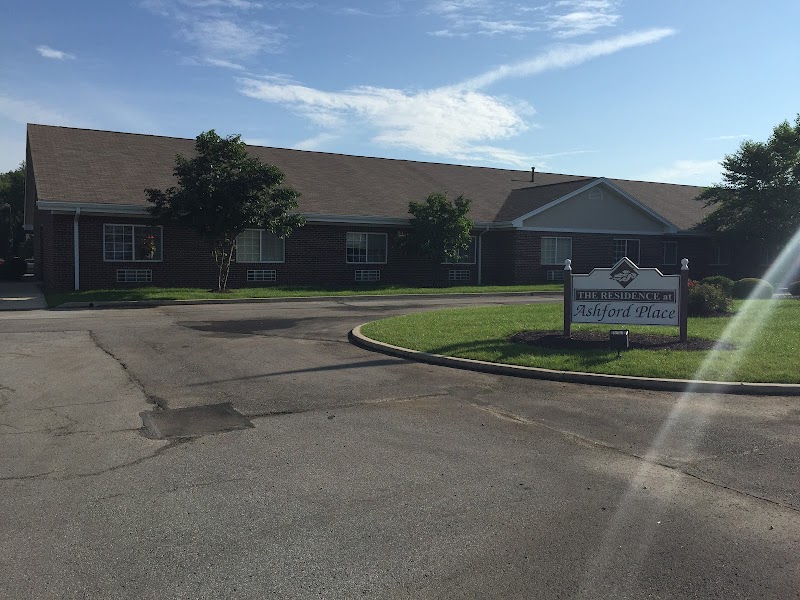
How is Ashford Place Health Campus Staffed?

CMS rates ASHFORD PLACE HEALTH CAMPUS's staffing level at 3 out of 5 stars, which is average compared to other nursing homes. Staff turnover is 32%, compared to the Indiana average of 46%. This relatively stable workforce can support continuity of care.

What Have Inspectors Found at Ashford Place Health Campus?

State health inspectors documented 31 deficiencies at ASHFORD PLACE HEALTH CAMPUS during 2020 to 2025. These included: 1 Immediate Jeopardy (the most serious level, indicating potential for serious harm or death), 1 that caused actual resident harm, and 29 with potential for harm. Immediate Jeopardy findings are rare and represent the most serious regulatory concerns. They require immediate corrective action.
Who Owns and Operates Ashford Place Health Campus?

ASHFORD PLACE HEALTH CAMPUS is owned by a for-profit company. For-profit facilities operate as businesses with obligations to shareholders or private owners. The facility is operated by TRILOGY HEALTH SERVICES, a chain that manages multiple nursing homes. With 68 certified beds and approximately 51 residents (about 75% occupancy), it is a smaller facility located in SHELBYVILLE, Indiana.

How Does Ashford Place Health Campus Compare to Other Indiana Nursing Homes?

Compared to the 100 nursing homes in Indiana, ASHFORD PLACE HEALTH CAMPUS's overall rating (3 stars) is below the state average of 3.1, staff turnover (32%) is significantly lower than the state average of 46%, and health inspection rating (2 stars) is below the national benchmark.

What Should Families Ask When Visiting Ashford Place Health Campus?

Based on this facility's data, families visiting should ask: "What changes have been made since the serious inspection findings, and how are you preventing similar issues?" "Can I visit during a mealtime to observe dining assistance and food quality?" "How do you handle medical emergencies, and what is your hospital transfer rate?" "Can I speak with family members of current residents about their experience?" These questions are particularly relevant given the facility's Immediate Jeopardy citations.

Is Ashford Place Health Campus Safe?

Based on CMS inspection data, ASHFORD PLACE HEALTH CAMPUS has documented safety concerns. Inspectors have issued 1 Immediate Jeopardy citation (the most serious violation level indicating risk of serious injury or death). The facility has a 3-star overall rating and ranks #100 of 100 nursing homes in Indiana. Families considering this facility should ask detailed questions about what corrective actions have been taken since these incidents.

Do Nurses at Ashford Place Health Campus Stick Around?

ASHFORD PLACE HEALTH CAMPUS has a staff turnover rate of 32%, which is about average for Indiana nursing homes (state average: 46%). Moderate turnover is common in nursing homes, but families should still ask about staff tenure and how the facility maintains care continuity when employees leave.

Was Ashford Place Health Campus Ever Fined?

ASHFORD PLACE HEALTH CAMPUS has been fined $28,886 across 1 penalty action. This is below the Indiana average of $33,368. While any fine indicates a compliance issue, fines under $50,000 are relatively common and typically reflect isolated problems that were subsequently corrected. Families should ask what specific issues led to these fines and confirm they've been resolved.

Is Ashford Place Health Campus on Any Federal Watch List?

ASHFORD PLACE HEALTH CAMPUS is not on any federal watch list. The most significant is the Special Focus Facility (SFF) program, which identifies the bottom 1% of nursing homes nationally based on persistent, serious quality problems. Not being on this list means the facility has avoided the pattern of deficiencies that triggers enhanced federal oversight. This is a positive indicator, though families should still review the facility's inspection history directly.