WILLOWS OF SHELBYVILLE
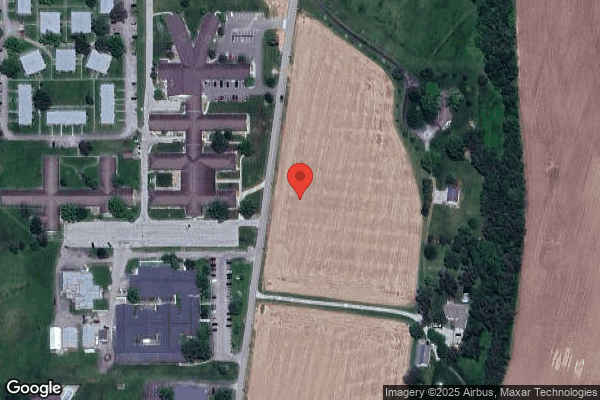

2309 S MILLER ST, SHELBYVILLE, IN 46176 (317) 398-9781
Government - City/county 121 Beds Independent Data: November 2025
Trust Grade
30/100
#505 of 505 in IN
Last Inspection: October 2024

Within standard 12-15 month inspection cycle. Federal law requires annual inspections.

Overview

The Willows of Shelbyville has a Trust Grade of F, indicating significant concerns and a poor overall quality of care. It ranks #505 out of 505 in Indiana, placing it in the bottom tier of facilities statewide. However, it shows a trend of improvement, with issues decreasing from 15 in 2024 to just 1 in 2025. Staffing is a concern due to a high turnover rate of 60%, which is above the state average, and the facility has less RN coverage than 78% of Indiana facilities. Recent inspector findings revealed serious issues, including a failure to implement a resident's behavioral health care plan, which resulted in a physical altercation between residents, as well as concerns about food safety in the kitchen due to improper storage and lack of sanitization measures. While there are no fines on record, the overall staffing and safety issues raise significant red flags for families considering this facility.

Trust Score
F
30/100
In Indiana
#505/505
Bottom 1%
Safety Record
Moderate
Needs review
Inspections
Getting Better
15 → 1 violations
Staff Stability
⚠ Watch
60% turnover. Above average. Higher turnover means staff may not know residents' routines.
Penalties
✓ Good
No fines on record. Clean compliance history, better than most Indiana facilities.
Skilled Nurses
⚠ Watch
Each resident gets only 27 minutes of Registered Nurse (RN) attention daily — below average for Indiana. Fewer RN minutes means fewer trained eyes watching for problems.
Violations
⚠ Watch
34 deficiencies on record. Higher than average. Multiple issues found across inspections.
★☆☆☆☆
1.0
Overall Rating
★☆☆☆☆
1.0
Staff Levels
★★★☆☆
3.0
Care Quality
★☆☆☆☆
1.0
Inspection Score
Stable
2024: 15 issues
2025: 1 issues

The Good

  • Full Sprinkler Coverage · Fire safety systems throughout facility
  • No fines on record

Facility shows strength in fire safety.

The Bad

1-Star Overall Rating

Below Indiana average (3.1)

Significant quality concerns identified by CMS

Staff Turnover: 60%

13pts above Indiana avg (46%)

Frequent staff changes - ask about care continuity

Staff turnover is elevated (60%)

12 points above Indiana average of 48%

The Ugly 34 deficiencies on record

1 actual harm
Mar 2025 1 deficiency
CONCERN (F) 📢 Someone Reported This

A family member, employee, or ombudsman was alarmed enough to file a formal complaint

Potential for Harm - no one hurt, but risky conditions existed

Food Safety (Tag F0812)

Could have caused harm · This affected most or all residents

**NOTE- TERMS IN BRACKETS HAVE BEEN EDITED TO PROTECT CONFIDENTIALITY** Based on observation, interview, and record review, the facility failed to maintain kitchen equipment in a clean manner and ensu...

Read full inspector narrative →
**NOTE- TERMS IN BRACKETS HAVE BEEN EDITED TO PROTECT CONFIDENTIALITY** Based on observation, interview, and record review, the facility failed to maintain kitchen equipment in a clean manner and ensure a sanitizing bucket was at proper sanitization levels. This had the potential to affect 71 of 71 residents who reside in the facility. Findings include: A tour of the kitchen was conducted with the Dietary Manager (DM) on [DATE] at 10:35 a.m. Interviews were conducted with the DM at that time. During the tour, the DM indicated they did not have any test strips to test the stationary sanitization buckets used for wiping cloths. The DM indicated they could not test the solution for proper chemical levels. The DM indicated the facility used Cleanslate Disinfectant and Sanitizer with active ingredients including, dimethyl benzyl ammonium chlorides and ethylbenzyl ammonium chlorides in their sanitization buckets. During an interview with the DM, she indicated the test strips were noted to have been expired the week prior and at that time she notified the Executive Director (ED) that more needed to be ordered. During an interview with the ED on [DATE] at 11:00 a.m., she indicated the test strips for the sanitization buckets were noted to be expired a week ago and had expired in 2023. ED indicated they attempted to order some, but the provider they used for supplies was on back order, so they had to put an order in this week through another provider. The ED indicated the testing strips should be here today or tomorrow. During the tour of the kitchen on [DATE] at 10:35 a.m., an observation of the walk-in refrigerator was made. A brown fuzzy substance was noted to be all over the storage racks. The DM indicated she was aware of the brown fuzzy substance since she took her position on [DATE]. The DM indicated she had attempted scrubbing it, but it would not come off. DM indicated she notified maintenance and the ED and supplies for cleaning had been brought in, but she was waiting until it got warmer to do it and wasn't sure when it would be done. During an interview with the ED on [DATE] at 11:00 a.m., she indicated the DM notified her that there was a brown fuzzy substance in the refrigerator approximately a week after starting her position in February. The ED indicated they have the cleaning supplies and power washer to clean it but have not gotten around to doing it yet. The Dishwasher Policy and Procedure for Chemical Sanitizing Machines was provided by the ED on [DATE] at 11:20 a.m. The policy did not reference sanitization requirements for the sanitary buckets. The Cleaning Equipment Policy and Procedures was provided by the ED on [DATE] at 11:20 a.m. The policy indicated, .not using quat solution in buckets to clean with will spread dirt and bacteria .Walk-in refrigerator and racks are to be cleaned as often as possible. Every day they are to be checked . This citation relates to Complaint IN00454870. 3.1-21(i)(3)
Oct 2024 7 deficiencies
CONCERN (D)

Potential for Harm - no one hurt, but risky conditions existed

Deficiency F0578 (Tag F0578)

Could have caused harm · This affected 1 resident

**NOTE- TERMS IN BRACKETS HAVE BEEN EDITED TO PROTECT CONFIDENTIALITY** Based on interview and record review the facility failed to accurately document a resident's code status in the clinical record ...

Read full inspector narrative →
**NOTE- TERMS IN BRACKETS HAVE BEEN EDITED TO PROTECT CONFIDENTIALITY** Based on interview and record review the facility failed to accurately document a resident's code status in the clinical record for 1 of 1 resident reviewed for advanced directives (Resident 40). Findings include: The clinical record for Resident 40 was reviewed on [DATE] at 12:02 p.m. The resident's Indiana physician orders for scope of treatment (POST) form, dated [DATE], indicated the resident was to receive Cardiopulmonary Resuscitation (CPR) in the event the resident had no pulse and was not breathing. The form was signed by Resident 40 and the physician. The physician recapitulation (recap) orders for Resident 40, dated 9/2024, indicated the resident was not to be resuscitated in the event the resident had no pulse and was not breathing. Review of the record of Resident 40, on [DATE] at 1:44 p.m., indicated the diagnoses included, but were not limited to, cerebral palsy, hypertension, anxiety, anemia, atrial fibrillation, and major depressive disorder. During an interview with the Director of Nursing (DON) on [DATE] at 1:58 p.m., indicated Social Services had an ongoing binder with the POST forms. Medical records were responsible to ensure that the POST form and physician orders matched. During an interview with the Social Service Director on [DATE] at 2:02 p.m., indicated Social Services did not have an ongoing binder with residents' current code status. During an interview with the DON on [DATE] at 10:13 a.m., indicated what she believed happened was when Resident 40 was readmitted back to the facility, on [DATE], the floor nurse had the resident sign the POST form without explaining to him what it really meant. The communication of code status policy provided by the DON, on [DATE] at 10:15 a.m., indicated the facility would adhere to the resident's right to formulate advanced directives and the facility would implement procedures to communicate a resident's code status to those individuals who needed to know this information. The nurse who notates the physician order was responsible for documenting the directions in all relevant sections of the medical record. The Social Services Director shall maintain a list of residents who have Advanced Directives on file. 3.1-4(f)(4)(A)(ii) 3.1-4(f)(5) 3.1-4(f)(7)
CONCERN (D)

Potential for Harm - no one hurt, but risky conditions existed

Assessment Accuracy (Tag F0641)

Could have caused harm · This affected 1 resident

Based on interview and record review, the facility failed to encode minimum data set (MDS) assessments accurately for 2 of 2 residents reviewed for MDS accuracy. (Resident 44 and Resident 53) Finding...

Read full inspector narrative →
Based on interview and record review, the facility failed to encode minimum data set (MDS) assessments accurately for 2 of 2 residents reviewed for MDS accuracy. (Resident 44 and Resident 53) Findings include: 1. The clinical record for Resident 44 was reviewed on 10/1/2024 at 11:00 a.m. The medical diagnoses included benign neoplasm of cerebral meninges (layers of membranous connective tissue that cover and protect the brain and spinal cord). A Quarterly MDS assessment, dated 9/4/2024, indicated Resident 44 had a six month or less life expectancy, but did not receive hospice services. A hospice plan of care, dated 6/20/2024, indicated Resident 44 was admitted to hospice on 7/31/2023. During an interview, on 10/1/2024 at 12:00 p.m., the MDS Coordinator indicated Resident 44 was admitted on hospice care, had received hospice services continuously since admission, and the, 9/4/2024, MDS assessment was coded inaccurately. 2. The clinical record for Resident 53 was reviewed on 9/30/2024 at 1:03 p.m. The medical diagnoses included dementia. An admission MDS assessment, dated 8/13/2024, indicated Resident 53 received an anticoagulant medication in the seven days prior to the admission reference date. The physician orders, provided by the facility on 10/1/2024 at 1:00 p.m., for Resident 53 did not include an order for anticoagulant medication. During an interview with the MDS Coordinator, on 10/1/2024 at 12:00 p.m., they indicated Resident 53 had not been on an anticoagulant during the review period of the admission MDS assessment, on 8/13/2024, and the assessment was coded in error. The facility's expectation was to code the MDS assessments to the most recent standards set forth in the Resident Assessment Instrument Manual. A policy entitled, Conducting an Accurate Resident Assessment, was provided by the DON on 10/1/2024 at 1:00 p.m. The policy indicated, The purpose of this policy is to assure that all residents receive an accurate assessment .
CONCERN (D)

Potential for Harm - no one hurt, but risky conditions existed

Deficiency F0657 (Tag F0657)

Could have caused harm · This affected 1 resident

Based on interview and record review the facility failed to conduct care plan meetings for 1 of 4 residents reviewed for care plans. (Resident 10) Findings include: The clinical record for Resident 10...

Read full inspector narrative →
Based on interview and record review the facility failed to conduct care plan meetings for 1 of 4 residents reviewed for care plans. (Resident 10) Findings include: The clinical record for Resident 10 was reviewed on 9/30/24 at 11:02 a.m. The diagnoses included, but were not limited to, Parkinson's disease, chronic obstructive pulmonary disease, and major depressive disorder. During an interview with Resident 10 on 9/26/24 at 12:17 p.m., indicated they did not recall having care plan meetings. The Quarterly Minimum Data Set (MDS) assessment, dated 8/27/24, indicated Resident 10 was cognitively intact. The EHR (electronic health record) indicated Resident 10 had a comprehensive care plan meeting, on 12/14/23, with no further care plan meetings held until 7/1/24. During an interview with the Social Service Director (SSD) on 10/1/24 at 12:30 p.m., indicated he was unable to find where Resident 10 had a care plan meeting. The SSD indicated social services were responsible to set up care plan meetings and meetings were conducted quarterly and as needed. A Comprehensive Care Plan policy was provided by the Director of Nursing on 10/1/24 at 1:10 p.m. The policy indicated, .This facility supports the resident's right to be informed of, and participate in, his or her care planning and treatment (implementation of care) .10. The facility will discuss the plan of care with the resident and/or representative at regularly scheduled care plan conferences, and allow them to see the care plan 3.1-35(d)(2)(B)
CONCERN (D) 📢 Someone Reported This

A family member, employee, or ombudsman was alarmed enough to file a formal complaint

Potential for Harm - no one hurt, but risky conditions existed

Quality of Care (Tag F0684)

Could have caused harm · This affected 1 resident

Based on interview and record review, the facility failed to ensure neurological checks, that included vital signs, were fully conducted for a resident who experienced an unwitnessed fall for 1 of 4 r...

Read full inspector narrative →
Based on interview and record review, the facility failed to ensure neurological checks, that included vital signs, were fully conducted for a resident who experienced an unwitnessed fall for 1 of 4 residents reviewed for accidents. (Resident B) Findings include: The clinical record for Resident B was reviewed on 9/27/24 at 10:00 a.m. The diagnoses included, but were not limited to, chronic obstructive pulmonary disease, dementia, hypertension, anxiety, weakness, and repeated falls. An admission Minimum Data Set (MDS) assessment, dated 5/24/24, indicated moderate cognitive impairment, impairment to one side of the lower extremity, and substantial/maximal assistance with bathing, toileting, and personal hygiene. Resident B had a history of falls prior to admission to the facility and one fall since admission to the facility. A fall care plan, last revised on 8/5/24, indicated Resident B had a history of falls and required assistance from at least one staff member for safe transfers. The interventions included, but were not limited to, observe for and report changes in mobility and/or range of motion. A health status note, dated 8/2/24 at 11:44 p.m., indicated the following, .Res [Resident B] fell in bathroom and QMA [qualified medication aide] found her on the floor. 2 skin tears received, one on left wrist and one on left leg. Cleaned, non-stick dressing applied and kerlix applied. Family and NP [Nurse Practitioner] notified A document, dated 8/2/24, indicated Resident B had an unwitnessed fall on 8/2/24 at 11:00 p.m. Resident B was laying on her left side with oxygen in place and was incontinent of bowel. There was a skin tear to the left wrist and the left leg. Resident B was documented as being alert to person only, had gait imbalance, and impaired memory. The family member and nurse practitioner were notified. The document was indicative as not being a part of the clinical record. The next consecutive health status note, dated 8/3/24 at 9:15 p.m., indicated the following, .Hoted [sic; Noted] left arm and leg appears weaker. Left hand grip is good. Left leg with poor weight bearing. Denied pain/discomfort. Alert per baseline. Son poa [power of attorney] [name of POA] informed A fall follow up document, dated 8/3/24, indicated not applicable for documentation of physician and/or family notification, a head-to-toe assessment was completed, no new injury was discovered, and vital signs were documented, as obtained, on 8/3/24 at 9:14 p.m. A document titled Neuro Assessment, initiation date of 8/2/24, indicated neurological checks were being conducted after Resident B exhibited the fall on 8/2/24. The document indicated to conduct neurological checks every 15 minutes four times, every 30 minutes two times, every hour two times, every four hours five times, and every eight hours six times. The following was noted: - 8/3/24 at 6:45 p.m. included vital signs, pupil response, pain response, hand grasp, level of consciousness, and motor response, - 8/3/24 at 10:45 p.m. was left blank, and - 8/4/24 at 6:45 a.m. listed Resident B being at the hospital. A fall follow up document, dated 8/4/24, indicated to document physician and/or family notification was left blank, neurological checks continued, a head-to-toe assessment was completed, no new injury was discovered, and vital signs were documented, as the most recent, dated 8/3/24 at 9:14 p.m. There were no vital signs recorded for Resident B after 8/3/24 at 9:14 p.m., in the electronic health record. The next consecutive health status note, dated 8/4/24 at 8:25 a.m., indicated Resident B was sent to the hospital due to being unresponsive. The family and nurse practitioner were notified. A policy titled Fall Management, dated August 1, 2023, was provided by the Director of Nursing on 10/1/24 at 10:15 a.m. The policy indicated, .Post fall .A neurological assessment will be initiated on all un-witnessed falls and or resident with suspected head injuries every 15 minutes/x4 [times 4] = [equal] (1 hour), then every 30 min/x2 [every 30 minutes two times] = (1 hour), then every 1 hour x2 = (2 hour), then every 4 hours x 5, and lastly every 8 hours x 6 .This information will be found on (paper) Neuro Assessment .2. If there are no injuries, notify the physician during normal business hours .5. Fall follow up assessment will be completed and documented by licensed nurse every shift x 72 hours This citation relates to Complaint IN00444117. 3.1-37(a)
CONCERN (E)

Potential for Harm - no one hurt, but risky conditions existed

Deficiency F0744 (Tag F0744)

Could have caused harm · This affected multiple residents

Based on observation, interview, and record review, the facility failed to redirect residents with wandering behaviors from other residents' rooms resulting in a lack of privacy for other residents fo...

Read full inspector narrative →
Based on observation, interview, and record review, the facility failed to redirect residents with wandering behaviors from other residents' rooms resulting in a lack of privacy for other residents for 5 of 8 residents reviewed for dementia care. (Residents 4, 22, 24, 27, 41, 157, 159) Findings include: 1. The clinical record for Resident 22 was reviewed on 10/1/24 at 1:10 p.m. The diagnoses included, but were not limited to, dementia. She resided on the memory care unit of the facility. The 6/16/24 care plan indicated she had alteration in mood and/or behavioral status related to depression, elopement risk, wanders, and history of hallucinations. Three of the five goals were for her to exhibit fewer episodes of physical/verbal behaviors toward others; to be accepting of redirection from triggered episodes of behavioral disturbances; and to be easily redirected and free from injury/adverse outcome related to wandering. Two of the interventions were to assist her with developing coping techniques that diminish/alleviate physical/verbal behaviors toward others and to redirect her from confrontational interactions as necessary. There was no intervention to intervene as necessary to protect the rights and safety of others. 2. The clinical record for Resident 41 was reviewed on 10/1/24 at 1:08 p.m. The diagnoses included, but were not limited to, Alzheimer's disease and anxiety. She resided on the memory care unit of the facility. The 6/10/24 care plan, revised 8/29/24, indicated she had the behavior of intrusive wandering and taking things that did not belong to her. The goal was for her to decrease this behavior. One of the interventions was to intervene as necessary to protect the rights and safety of others; to approach/speak in a calm manner; divert attention; and remove from the situation and take to an alternate location as needed, effective 6/10/24. Another intervention was to provide a program of activities that was of interest and accommodated the resident's status, effective 8/29/24. 3. The clinical record for Resident 27 was reviewed on 10/1/24 at 1:08 p.m. The diagnoses included, but were not limited to, Alzheimer's disease, psychotic disorder with delusions, and bipolar disorder. She resided on the memory care unit of the facility. The 6/10/24 care plan indicated she had the behavior of intrusive wandering in other residents' rooms and pushing objects/staff to get what she wanted. The goal was for her to have no evidence of behavior problems of intrusive wandering or pushing objects/staff to get what she wanted. One of the interventions was to intervene as necessary to protect the rights and safety of others; to approach/speak in a calm manner; divert attention; and remove from the situation and take to an alternate location as needed, effective 6/10/24. Another intervention was to provide a program of activities that was of interest and accommodated resident's status, effective 6/10/24 An observation was conducted on 9/26/24 at 12:26 p.m., Resident 27 was wandering down the hallway and went into an empty room, where she fiddled with the bedside table and bed. No staff intervened to redirect her out of the room, and there were no structured activities on the unit at that time. On 9/26/24 at 12:04 p.m., an interview was conducted with Resident 157, who was admitted to the memory care unit of the facility, on 9/9/24, and her husband was in her room. There was no stop sign for Resident 157's doorway, and there were no structured activities occurring on the unit at that time. Her husband indicated there were two or three different female residents who came in Resident 157's room uninvited and went through her drawers. Some of Resident 157's things went missing. None of the residents were aggressive with Resident 157, that he knew of, but he worried about Resident 157 at night when he wasn't there, that one of them may come in and whack her. An interview was conducted with Resident 157 and her husband in her room on 10/1/24 at 12:10 p.m. There were no structured activities occurring on the unit at this time. Resident 157 indicated the residents who entered her room uninvited came in and out quickly. One, or two, of them would touch her things and it bothered her. Resident 157's husband described Resident 22 as one of the residents who came in Resident 157's room uninvited, at least 15 to 20 times over the past week. Staff did not intervene any of those times, as he was the one who would direct her out of the room, and staff never discussed use of a stop sign in the doorway with them. On 9/30/24 at 2:15 p.m., an interview and observation were conducted with Resident 159, who was admitted to the memory care unit of the facility, on 9/27/24, in her room. During this interview, Resident 22 came into the room holding a cup with a red liquid inside. Resident 22 was repeatedly making statements such as okay, gotta go, going home, excuse me, etc. After leaving the room, Resident 22 went into the room across the hall, then came back into Resident 159's room, but this time she no longer had the cup she was holding. She left the room a second time, then came back into the room a third time. The third time, Resident 22 walked over to Resident 159's bed, touched her pillows and bedspread, and moved things around on Resident 159's bedside table. No staff came to intervene during any of these observations. Resident 159 indicated Resident 22 coming into her room bothered her, because she didn't know her. She stated, Ain't that sad? It's always her, four to five times a day. I don't know what to say to her . just makes me nervous. There was no stop sign for Resident 159's doorway, and there were no structured activities occurring on the unit at that time. An interview was conducted with Licensed Practical Nurse (LPN) 5 on 9/30/24 at 1:55 p.m. She indicated she worked second shift starting at 2:00 p.m. and left at 10:30 p.m. Resident 27 sometimes wandered into other residents' rooms. When she did, LPN 5 tried to redirect her. LPN 5 turned on music, gave her a snack, or danced a bit. Staff tried to keep Resident 27 in the common area until after residents ate their meals. An interview was conducted with LPN 4 on 10/1/24 at 12:20 p.m. There were no structured activities occurring on the unit at that time. She indicated some of the more alert residents, like Resident 24 and Resident 4, have complained to her about residents coming into their rooms. If staff saw it, they took them out of the room and brought them to an activity or gave them a snack. They used stop signs in the past for a resident who no longer resided on the unit, and it helped some. It was usually Resident 22 and Resident 41 who went into other residents' rooms. An interview and observation were conducted with LPN 4, on 10/1/24 at 1:21 p.m., at the nurse's station. During this interview, Resident 22 approached the nurse's desk and asked where to go, stated that she wanted to get going, and didn't know what to do. LPN 4 indicated they didn't currently have a regularly scheduled activity staff person for the unit. They used to have one, but they recently stopped working at the facility, so there were no routine activities scheduled right now. When there were activities, it was things like ball toss, balloon toss, or bubbles in the courtyard. Indoor activities were things like coloring, nails, bingo, card games, cooking activities, decorating cupcakes, etc. Resident 22, Resident 41, and Resident 27 would all participate, but Resident 22 was harder to stay focused. The Elopements and Wandering Residents policy was provided by the Director of Nursing (DON) on 10/1/24 at 10:15 a.m. It read, This facility ensures that residents who exhibit wandering behavior and/or are at risk for elopement receive adequate supervision to prevent accidents, and receive care in accordance with their person-centered plan of care addressing the unique factors contributing to wandering or elopement risk .Monitoring and Managing Residents at Risk for Elopement or Unsafe Wandering .c. Interventions to increase staff awareness of the resident's risk, modify the resident's behavior, or minimize risks associated with hazards will be added to the resident's care plan and communicated to appropriate staff. d. Adequate supervision will be provided to help prevent accidents or elopements. e. Charge nurses and unit managers will monitor the implementation of interventions, response to interventions, and document accordingly. The Dementia Care policy was provided by the DON on 10/1/24 at 10:38 a.m. It read, 1. The facility will assess, develop, and implement care plans through an interdisciplinary team (IDT) approach that includes the resident, their family, and/or resident representative, to the extent possible. 2. The care plan goals will be achievable and the facility will provide resources necessary for the resident to be successful in meeting their goals 4. Care and services will be person-centered and reflect each resident's individual goals while maximizing the resident's dignity, autonomy, privacy, socialization, independence, choice, and safety. 5. Individualized, non-pharmacological approaches to care will be utilized to include meaningful activities aimed at enhancing the resident's well-being. 3.1-37(a)
CONCERN (F)

Potential for Harm - no one hurt, but risky conditions existed

Food Safety (Tag F0812)

Could have caused harm · This affected most or all residents

Based on observation, interview, and record review, the facility failed to store food and silverware properly and wear hair restraints in the kitchen. This had the potential to affect 57 of 57 residen...

Read full inspector narrative →
Based on observation, interview, and record review, the facility failed to store food and silverware properly and wear hair restraints in the kitchen. This had the potential to affect 57 of 57 residents in the facility. Findings include: A tour of the kitchen was conducted with the DS (Dietary Supervisor) on 9/25/24 at 11:15 a.m. Interviews were conducted with the DS at that time. During the tour, an observation of the clean dish racks was made. The silverware was stored in a cylindrical container with the handles facing downward, instead of upward. During the tour, an observation of the dry storage room was made. Masking tape was used to keep an opened package of vanilla wafers, an opened package of vanilla milk shake thickener, and opened package of graham cracker crumbs sealed, but the tape was no longer sticking. There were three bottles of syrup on a rack with opened tops and no lids, exposing the syrup to air. The DS indicated the opened packages of vanilla wafers, graham cracker crumbs, vanilla milk shake thickener, and bottles of syrup with no lids could have saran wrap used to keep them sealed. During the tour, an observation of the walk-in cooler was made. There was an opened bag of celery on a shelf with the celery sticking out of the bag and resting directly on the shelf. During the tour, an observation of and interview with [NAME] 5 near the steam table was made. He just finished serving the lunch meal and was not wearing a beard cover over his beard. [NAME] 5 indicated he normally wore one, but he took it off, because they were done serving. During the tour, an observation of the stove hood was made. There was a large cobweb strung from the front of the stove hood to the back of the stove hood, and there was fuzzy debris hanging from the sprinkler heads. The DS indicated there was a company that was supposed to come to clean the stove hood, on 9/19/24, but they didn't come. During the tour, an observation of the food preparation counters in the back of the kitchen was made. There was debris hanging from the ceiling area surrounding a vent, over the food preparation counters. The ceiling light fixtures over the food preparation counters had a thick amount of debris on the ends of the light covers. Some of the light covers had dead insects resting in them. The DS indicated when they tried to clean the ceiling, parts of the ceiling would flake off. The DS was unsure about cleaning of the light fixtures. On 10/1/24 at 10:15 a.m., the Director of Nursing (DON) provided the Dietary Employee Cleanliness and Dress Code Policy. It read, Hair restraints shall be worn in a way that effectively keeps hair from contracting [sic] exposed food, clean equipment, utensils, linens and unwrapped single-use articles. On 10/1/24 at 10:15 a.m., the DON provided the General Storage Policy. It read, Dishes and Utensils 1.) Spoons, knives, and forks shall be stored in containers with handles upward. On 10/1/24 at 10:15 a.m., the DON provided the Cleaning Equipment Policy and Procedures. It read, Food Prep Areas/Dish Machine/3 Compartment Sink/All Counters/Garbage Disposal: All the areas listed above are to be kept free from dirt and germs. 3.1-21(i)(3)
CONCERN (F)

Potential for Harm - no one hurt, but risky conditions existed

Safe Environment (Tag F0921)

Could have caused harm · This affected most or all residents

Based on observation, interview, and record review, the facility failed to maintain the kitchen in a cleanly manner and in good repair for the potential to affect 57 of 57 residents in the facility. F...

Read full inspector narrative →
Based on observation, interview, and record review, the facility failed to maintain the kitchen in a cleanly manner and in good repair for the potential to affect 57 of 57 residents in the facility. Findings include: A tour of the kitchen was conducted with the DS (Dietary Supervisor) on 9/25/24 at 11:15 a.m. Interviews were conducted with the DS at that time. The wall behind the ice chest was missing baseboard. There was a cracked wall corner cover by the handwashing sink. The dishwasher counter area had four missing tiles underneath it. There was one missing tile underneath the three-compartment sink. The dry storage room had a significant amount of dirt and debris, including macaroni, on the floor against the baseboards underneath the food storage racks. The baseboard under the racks was peeling away from the wall in the corner. There was a solidified brown liquid substance on the floor underneath one of the racks. The DS indicated the brown substance may have been from previous banana boxes. The walk-in cooler had spills all over the floor. The DS indicated one area on the floor may have been old rust with liquid over it. There were cracked and missing floor tiles underneath the steamer. There were three missing tiles directly in front of the back kitchen door. On 9/25/24 at 12:15 p.m., the DS provided the, August 2024 to present, weekly kitchen cleaning logs. The weekly cleaning logs for 8/28/24 to 9/3/24, 9/4/24 to 9/10/24, 9/11/24 to 9/17/24, and 9/18/24 to 9/24/24 were not signed off as having the following areas cleaned: walls and baseboards from the walk in cooler to around the back door; both prep tables in back area-bottom, wall, baseboard, drawers, and legs; the cook's help table on serving line; the walls and baseboards behind all dish carts on clean side of dish area; and the refrigerator/freezer next to the sink. The weekly kitchen cleaning logs for the first three weeks of August 2024 were missing. Cleaning Equipment Policy and Procedures were provided by the Director of Nursing on 10/1/24 at 10:15 a.m. It read, Walk-In Refrigerator .Floor is to be swept and mopped at least once a week. The racks are to be removed and the floors and walls scrubbed with sanitizing agent at least once a year . 3.1-19(f)
May 2024 3 deficiencies 1 Harm
SERIOUS (G) 📢 Someone Reported This

A family member, employee, or ombudsman was alarmed enough to file a formal complaint

Actual Harm - a resident was hurt due to facility failures

Deficiency F0740 (Tag F0740)

A resident was harmed · This affected 1 resident

Based on observation, interview, and record review, the facility failed to ensure a resident's plan of care for behavioral health was implemented and evaluated after having physical behavioral symptom...

Read full inspector narrative →
Based on observation, interview, and record review, the facility failed to ensure a resident's plan of care for behavioral health was implemented and evaluated after having physical behavioral symptoms directed towards staff and other residents, document a resident's behaviors in the clinical record, document interventions in response to such behaviors, document the reasoning for administration of an intramuscular (IM) injection of antianxiety and antipsychotic medications, and ensure other residents' safety was maintained during behavioral episodes to where a resident (Resident E) was found to have their hands around another resident (Resident F's) neck that resulted in redness. Resident F had felt fearful, anxious, and the need to relocate to another nursing facility. Findings include: 1a. The clinical record for Resident E was reviewed on 5/1/24 at 11:00 a.m. The diagnoses included, but were not limited to, Huntington's disease, extrapyramidal and movement disorder, psychosis, anxiety disorder, major depressive disorder, schizophrenia, and insomnia. A significant change minimum data set (MDS) assessment, dated 12/19/23, indicated severe cognitive impairment and physical behavior directed towards others that occurred in 1-3 days. A quarterly MDS assessment, dated 3/19/24, indicated severe cognitive impairment and physical behavior directed towards others that occurred in 1-3 days. An activities care plan, revised 4/25/24, indicated Resident E prefers to engage in independent leisure activities such as playing his X-box, watching TV/movies, listening to music, snacking, daily visits with family. At times, resident chooses to stay awake through the night playing video games and watching TV. The interventions included to encourage/invite Resident E to group activities and provide transportation to and from activities, provide a large activity calendar each month, and provide resident with activities supplies. A care plan, revised on 4/25/24, indicated Resident E has Huntington's disease and may experience: delusions, hallucinations, paranoia, lack of concentration, mental confusion, memory loss, involuntary movements, compulsive behaviors, irritability, lack of restraint, mood swings, and chorea (a symptom that causes involuntary, irregular or unpredictable muscle movements). The interventions included to administer medications as ordered and notify the medical director as needed as the only interventions. There had been no added interventions since 1/15/21. A care plan related to the diagnosis of schizophrenia and depressive disorder, revised 4/25/24, included the interventions to continue current mental health services, family involvement in care, therapy evaluations as needed, socialization/leisure/recreation activities, and supportive counseling from nursing facility staff. There had been no added interventions since 3/18/21. A care plan, revised 4/25/24 but initiated on 7/17/23, indicated Resident E had potential to appear physically aggressive at times with resident wanting to interact with others and due to tremors, it may cause unwanted contact with others. The interventions included administering medications as ordered, give resident choices about care and activities, modify environment, monitor for closeness in dining room with other residents, and psychiatric consult as needed. There had been no added interventions since 7/17/23. A care plan for physical aggression, dated 4/12/24, indicated a history of physical aggression towards others related to Huntington's disease and impulse control deficits. The interventions included, but not limited to, the following: - Administer medications as ordered, - Anticipate and meet the resident's needs, - Discuss the resident's behavior, if reasonable, - Intervene as necessary to protect the rights and safety of others, & - Monitor behavior episodes and attempt to determine underlying cause. A behavior note, dated 12/12/23 at 10:36 a.m., indicated the following, .IDT [interdisciplinary team] note. Resident in dining room for breakfast and left his table and went to another resident's table. Resident states that he was trying to get the attention of the other resident. Resident grabbed other resident's arm to get his attention causing a skin tear to other resident's left hand and bruising to left forearm. Staff with attempted to talk with, remove, redirect and offer care helped behaviors to decrease and eventually stop . A behavior communication form, dated 12/12/23, indicated Resident E grabbed another resident's arm to get their attention and caused a skin tear and bruising. There were interventions listed that were utilized and deemed effective. A behavior note, dated 12/13/23 at 6:12 a.m., indicated the following, .pt [patient] woke up at approx [approximately] 0500 [5:00 a.m.] agitated d/t [due to] unknown cause. pt started getting physically aggressive c [with] other pt in common area. when staff attempted to intervene [name of Resident E] began getting aggressive c [with] staff. staff eventually able to physically pick up patient and take to room. pt keeps attempting to come back out to common area to approach the same patient. poa [power of attorney] contacted, left vm [voicemail]. going to be in touch with hospice per day shift nurse when they open at 0700 [7:00 a.m.] A behavior communication form, dated 12/13/23 at 8:00 a.m., indicated Resident E was extremely agitated with repetitive verbalization and aggressively wheeling himself up and down the hallways. He was persistent with attempting to go up to other residents in an aggressive manner. Staff intervened before Resident E was able to approach any other resident. Resident E was combative with staff. Resident was grabbing arms, hands, and twisting while attempting to bite the staff. The PRN (as needed) intramuscular injection was administered and deemed effective. The two events where Resident E became physical with another resident was not reported to the Indiana Department of Health. There were no further names or description of the other residents that Resident E came into contact with on 12/12/23 and 12/13/23. There were no follow up notes in Resident E's clinical record to indicate if a root cause of the physical contact was discussed or determined. An administration note, dated 12/13/23 at 1:51 p.m., indicated a lorazepam (antianxiety) injection was administered to Resident E's left arm at 8:20 a.m. on 12/13/23 in regards to aggressive behavior. There was no indication of what was occurring with Resident E prior to administration of the antianxiety injection along with attempts that staff made in response to Resident E being aggressive. A physician order, dated 12/13/23, was noted for an intramuscular (IM) injection of Haldol and lorazepam every 6 hours as needed for aggression. A psychotherapy progress note, dated 12/13/23, indicated the following, .Three weeks ago, the patient's antipsychotic medication was increased by the Hospice provider due to behavioral disturbances, including recent physical aggression towards other residents .The patient's perception of reality was impaired, consistent with the psychotic disorder .Insight into mental health needs was poor, and judgement was compromised, as evidenced by the denial of reported behavioral disturbances .Recommendations .you may wish to consider the medical appropriateness of adding Haldol po [by mouth] bid [twice daily] for better control of psychosis resulting in aggression An administration note, dated 12/16/23 at 7:00 a.m., indicated PRN lorazepam injection was administered. There was no documentation on what behavior was occurring, staff response/interventions to any behaviors, and follow up to any behaviors that were occurring. An administration note, dated 12/16/23 at 10:00 a.m., indicated PRN Haldol injection was administered for aggression. There was no documentation on what behavior was occurring, staff response/interventions to any behaviors, and follow up to any behaviors that were occurring. An administration note, dated 12/16/23, indicated the PRN lorazepam and Haldol injections were listed as ineffective. A progress note, dated 12/16/23 at 1:24 p.m., indicated Resident E was sent to the emergency room at 10:45 a.m. due to extreme aggression. They returned to the facility the same day. A behavior communication form, dated 12/20/23, indicated Resident E had to be removed from 2 resident rooms due to him wandering into those rooms. A psychotherapy progress note, dated 12/26/23, indicated the following, .Recommendations .2. Facility staff should re-consult if current condition is exacerbated or new symptoms arise. Will follow up as appropriate An administration note, dated 1/8/24 at 4:00 p.m., indicated a lorazepam injection administration was effective. There were no indications on why the injection was administered or what interventions were attempted prior to the administration of the injection. An administration note, dated 3/17/24 at 9:45 a.m., indicated a lorazepam injection was administered due to aggressive behaviors towards staff and other residents. Resident E grabbed, squeezed, and twisted staff arms. Resident was grabbing belongings to other residents and attempting to hit. Resident E remained aggressive despite being taken to a less stimulating environment. The injection was listed as effective. An administration note, dated 4/4/24 at 12:32 a.m., indicated a lorazepam injection was administered but no indication why the injection was administered and what interventions were attempted prior to administration of the injection. The injection was listed as effective. An administration note, dated 4/11/24 at 5:40 p.m., indicated a lorazepam injection was administered but no indication why the injection was administered and what interventions were attempted prior to administration of the injection. The injection was listed as effective. A psychosocial note, dated 4/12/24 at 10:37 a.m., indicated the following, Resident could not verbalize recall of incident w/ [with] another resident on 4/11/24 An incident note, dated 4/12/24 at 3:54 p.m., indicated Resident E was put on 15-minute checks and redness was noted to Resident F's neck at the time of incident. Resident E's 15-minute checks were stopped on 4/12/24 at 3:15 p.m. Resident E had been pleasant watching video games at that time. An incident reported to the Indiana State Department of Health survey report system, dated 4/11/24 at 2:45 p.m., indicated staff responded to Resident F's room to where Resident E was observed to have his hands around Resident F's neck. The immediate action taken listed Resident E to continue to be followed by the facility psychiatric provider. There were no further psychiatric/psychotherapy notes for Resident E in the clinical record since 12/26/23. An interview conducted with Resident F, on 5/1/24 at 11:38 a.m., indicated she was choked. She indicated she was sitting in the doorway, in her wheelchair, with her back facing the entrance to her room. Resident E proceeded to approach her from behind and placed both of his hands around her neck. Resident F indicated it was very tight and made it difficult to breathe. She was anxious and fearful after the incident and ended up relocating to another nursing facility after the incident involving Resident E. The clinical record for Resident F was reviewed on 5/1/24 at 12:30 p.m. The diagnoses included, but were not limited to, cerebral infarction (damage to tissues in the brain due to loss of oxygen), hemiplegia (paralysis that affects only one side of the body), anemia, and hypertension. An admission MDS assessment, dated 1/17/24, indicated she was cognitively intact. An interview conducted with the Administrator in Training (AIT), on 5/1/24 at 1:25 p.m., indicated the incidents to where Resident E made physical contact with other residents on 12/12/23 and 12/13/23 did not appear to be reported to the Indiana Department of Health. AIT was not working at the facility during that time period. An interview conducted with Social Services Director (SSD), on 5/1/24 at 1:50 p.m., indicated the previous mental health provider went out of business. So, the mental health provider continued to see the residents, but it was Pro bono from January to March of 2024, and the provider did not leave any notes during that time period. We were going to switch to another provider, but we did not receive consents for Resident E to be seen by the new provider. We will be obtaining consent to Resident E can be seen by the current mental health provider. 1b. An observation conducted of Resident E, on 4/30/24 at 10:37 a.m., of him laying in bed with the television on. An interview conducted with Licensed Practical Nurse (LPN) 2, on 4/30/24 at 11:04 a.m., indicated she gets worried about Resident E. He had made contact with other residents in the past. His behaviors come in spurts but it's not an everyday thing. Resident E's behaviors are random, and you never know why he's doing it. It's very difficult to communicate with Resident E due to the difficulty in understanding him. An observation conducted of Resident E, on 4/30/24 at 3:00 p.m., of him up in his wheelchair propelling himself going into the dining room. At 3:05 p.m., he proceeded to propel himself out of the main dining room. There was a female resident sitting in the dining room looking outside. There were no nursing staff within a close distance to Resident E during the observations in the dining room. An observation conducted of Resident E, on 5/1/24 at 1:00 p.m., of him up in his wheelchair sitting in the doorway looking outside of his room. His television was on. There was activities going on in the activity room down the hallway. An observation conducted of Resident E, on 5/1/24 at 1:30 p.m., of him propelling himself in the wheelchair by the common area just outside of the nurses' station. There was activities going on in the activity room down the hallway. An observation conducted of Resident E, on 5/1/24 at 4:30 p.m., of him sitting up in his wheelchair in the common area just outside of the nurses' station. There were no activities going on at that time. Resident E's room was observed with a gaming system located beside his television. A policy titled Behavior Management Policy, dated 11/28/19, was provided by the AIT on 4/30/24 at 2:15 p.m. The policy indicated the following, .It is the policy of this facility that Residents with a need to address Behavioral Health will receive services, receive trauma related care and services from a clinician who has expertise and knowledge of this type of service and referrals will be made .PROCEDURE .3. For Residents who have been identified as having on-going behaviors/mood alterations, a Behavior Tracking should be utilized for all observed issues .4. Social Services Director will use Behavior Documentation to guide in IDT discussion regarding Residents with symptoms and the effectiveness of interventions .5. If behavior/mood interventions were not effective, the IDT will review and determine if new interventions should be initiated .6. Social Services Director will communicate recommended interventions to all staff via the Care Plan .10. At least quarterly interdisciplinary meetings will be held to discuss all Residents on the behavior management program as well as those Residents receiving psychoactive medication who may be due for reduction. During the meeting Behavior Tracking and care plans will be reviewed. Interventions will be discussed and changed if necessary A policy titled Reportable Incidents and Unusual Occurrence, Abuse Prevention, Reporting, and Investigation Policy, revised 8/28/23, was provided by the AIT on 4/30/24 at 2:15 p.m. The policy indicated the following, .3. Physical Abuse .a. Resident to resident. May be considered abuse and an investigation should occur This citation relates to Complaints IN00432416 and IN00432418. 3.1-37(a) 3.1-43(a)(1)
CONCERN (D) 📢 Someone Reported This

A family member, employee, or ombudsman was alarmed enough to file a formal complaint

Potential for Harm - no one hurt, but risky conditions existed

Deficiency F0744 (Tag F0744)

Could have caused harm · This affected 1 resident

Based on interview and record review, the facility failed to ensure a resident with dementia had a care plan with resident-specific interventions in regards to making inappropriate comments towards st...

Read full inspector narrative →
Based on interview and record review, the facility failed to ensure a resident with dementia had a care plan with resident-specific interventions in regards to making inappropriate comments towards staff, monitoring of behaviors and documentation of such behaviors in the clinical record; document interventions in response to such behaviors, and ensure the safety of other residents to where a resident (Resident H) was found to have touched another resident's (Resident G's) breast for 3 out of 5 residents reviewed for behavioral health. (Resident G and Resident H and Resident J) Findings include: 1. The clinical record for Resident G was reviewed on 4/30/24 at 3:00 p.m. The resident's diagnoses included, but were not limited to, dementia, psychotic disturbance, mood disturbance, and neurocognitive disorder with Lewy bodies. The 4/23/24 Quarterly MDS (Minimum Data Set) assessment indicated Resident G was severely cognitively impaired. 2. The clinical record for Resident H was reviewed on 4/30/24 at 2:45 p.m. The resident's diagnoses included, but were not limited to, disorientation, dementia, psychotic disturbance, mood disturbance and anxiety. The 4/10/24 Quarterly MDS (Minimum Data Set) assessment indicated Resident H was moderately cognitively impaired. A care plan date initiated 12/1/22 indicated Resident H has a hx [history] of being sexually inappropriate towards others r/t [related to] dementia and impulse control deficits interventions .Will have no evidence of behavior problems such as sexual comments and grabbing staff in a sexual manner by. Resident H's behavioral care plan developed for sexually inappropriate behaviors did not include interventions to address those behaviors. A care plan dated 10/9/22 indicated Doctor has determined resident needs long term stay d/t [due to] safety awareness .Interventions .Provide resident's services according to care plans in an effort to enhance optimum well-being . A care plan dated 12/13/22 indicated Resident has impaired cognitive function and impaired communication r/t Dementia .Interventions: Administer meds as ordered .Ask simple questions .Present only 1 thought, idea or question at a time .Report changes to MD/NP [medical doctor/Nurse Practitioner] .Try to keep routine consistent when possible. The residents care plan addressing his dementia diagnosis did not include person center interventions to address the resident's dementia. A physician order dated 8/2/23 indicated Resident H was to receive 150 milligrams of Depo-Provera every 14 days for sexual behavior. A behavioral note written by social services for Resident H dated 8/9/23 indicated Resident with 2 episodes of refusing showers and making sexually inappropriate statements to staff. Staff with attempts to talk with and reproach ineffective as behaviors continued. A behavioral note written by social services for Resident H dated 1/10/24 indicated Resident with 2 episodes of making sexually inappropriate comments to staff. Staff with attempts to talk with, redirect and offer space ineffective as behaviors continued. The resident's clinical record did not include behavior monitoring and/or implementation of new interventions to address the resident's sexually inappropriate behaviors. A behavior note written by social services dated 4/18/24 indicated Resident H was witnessed to be touching another resident [G] inappropriately on 4/18/2024. Residents were immediately separated and [Resident H] was put on 1-1 supervision w/ [with] 15 minute checks starting at 6:00 p.m. on 4/18/2024 .[Resident H] was moved off the unit on 4/19/2024 .Once moved [Resident H] settled into his new room and went to lunch in the main dining room A reportable incident dated 4/18/24 indicated .brief description of incident .Male resident [Resident H] was witnessed to be inappropriately touching female resident [Resident G] .Action Taken .Male resident was put on 1:1 .Follow up: 4/23/24 [Resident H] remained 1:1 following incident and then placed on 15-minute checks. Care conference held with [Resident H's Representative] and resident and both parties agreeable to move [Resident H] to an alternative room in the facility, as resident will be able to socialize more with peers. Social services followed up with both residents x [times] 72 hours with no concerns. [Resident G] is unable to recall incident and is participating in normal routine. No adverse psychosocial effects noted. [Resident H] is participating in normal routine and continues to deny that the incident ever occurred The investigation file for the reportable incident between Resident G and Resident H was provided by the Administrator in Training (AIT) on 5/2/24 at 8:41 a.m. The file included the following: An incident physical assessment for Resident H indicated Staff responded to resident [H] inappropriately touching resident [G] once reported by [Resident G Representative] .Resident [H] stated 'He never touched anyone's boobs. An incident physical assessment for Resident G indicated [Resident G's Representative] reported to license nurse that he witnessed resident [H] inappropriately touching [Resident G] . Resident G was unable to provide statement. A 15-minute safety check document indicated Resident H was placed on 15-minute checks. They were started on 4/18/24 at 6:00 p.m. and discontinued on 4/19/24 at 10:45 a.m. A room change document indicated Resident H was moved to a different room in the facility off the memory care unit. Resident H's care plan for sexually inappropriate behaviors was revised on 4/19/24 indicated .interventions .1:1 initiated, and then room move 4/19/24, .administer medications as ordered date initiated 4/10/24, redirect [Resident G] if he is being inappropriate as needed .Redirect w/ [with] games, bible books, phone calls to friends, .refer to psych as needed, .Remove [Resident G] from the situation if he is a harm to himself or others. 3. The clinical record for Resident J was reviewed on 5/1/24 at 1:00 p.m. The resident's diagnoses included, but were not limited to, dementia, psychotic disturbance, mood disturbance, and neurocognitive disorder with Lewy bodies. The 3/19/24 Quarterly MDS (Minimum Data Set) assessment indicated Resident J was severely cognitively impaired. A behavior note written by social services on 4/24/24 indicated .Resident J reported to nursing that [Resident H] touched her inappropriately in the common area. She stated he had attempted to do the same yesterday but was not able. Residents have been separated. [Resident H] is on one-one observation. [Resident H] has a hx [history] of this type of bx [behavior]. He has recently been moved off another unit for touching another female resident [G]. referral has been sent to [name of psych hospital] for placement. A behavior note written by social services on 4/24/24 at 3:47 p.m., indicated Resident H had been transferred to psych hospital. An investigation file regarding the incident between Resident H and Resident J was provided by the AIT on 5/2/24 at 8:41 a.m. The file included the following: A written statement by Activities Director on 4/24/24 indicated Resident [J] came to my office very upset stating that her and a guy where (sic) sitting in the common area on the couch when he tried to touch her boob. I ask her to tell me what the guy looked like and she told me a homeless looking man with a cap on. A statement by Administrator on 4/24/24 indicated Writer interviewed Resident [J]. Writer asked [Resident J] if she had any problems with anyone today. Resident [J] stated yeah 'that homily looking man wanted to touch my boobs.' I asked her if he touched her boobs. She said 'oh no, he brushed my shoulders and I told him to go on and he did.' Writer went and got Director of nursing .to come with and talk to resident again to have resident repeat the conversation. Resident again stated that, 'he did NOT touch her breasts . An interview was conducted with License Practical Nurse (LPN) 3 on 4/30/24 at 11:35 a.m. She indicated Resident H was very complimentary to the staff's appearance. He liked the attractive female staff to care for him. An interview was conducted with the Social Services Director on 4/30/24 at 3:15 p.m. He indicated Resident H had a history of sexually inappropriate behavior toward staff. The intervention implemented after the incident with Resident G on 4/18/24, was to move Resident H out of the memory care unit and place him in a room outside of the unit. Resident H's 15-minute checks had been discontinued prior to the incident that occurred on 4/24/24, but the staff was closely monitoring the resident. After the incident with Resident J on 4/24/24, SSD had made arrangements for Resident H to be transferred to a psych hospital due to his behaviors. Resident H will return on Friday. He has had medication adjustments. An interview was conducted with AIT on 4/30/24 at 2:47 p.m. She indicated the staff should be monitoring and documenting the residents' behaviors. She had witnessed the incident between Resident H and Resident J on 4/24/24. The two residents were in the common area, and the two residents had rubbed shoulders. Resident H had not touched her breasts. A Dementia Care policy was provided by the AIT on 5/2/24 at 8:41 a.m. It indicated .Policy: It is the policy of this facility to provide the appropriate treatment and services to every resident who displays signs of or is diagnosed with dementia, to meet his or her practicable physical, mental, and psychosocial well-being .Policy Explanation and Compliance Guidelines: 1. The facility will assess, develop, and implement care plans through an interdisciplinary team (IDT) approach that includes the resident, their family, and/or resident representative, to the extent possible .3. The care plan interventions will be related to each resident's individual symptomology and rate of dementia (or related disease) progression with the end result being noted improvement or maintained of the expected stable rate of decline associated with dementia and dementia-like illnesses. 4. Care and services will be person-centered and reflect each resident's goals while maximizing the resident's dignity, autonomy, privacy, socialization, independence, choice, and safety .7. The care plan goals and interventions will be monitored on an ongoing basis for effectiveness, and will be reviewed/revised as necessary. 8. Appropriate referrals will be made if current interventions are ineffective or resident shows a decline in psychosocial, mood, or behavioral status (i.e. physician, mental health provider, licensed counselor, pharmacist, social worker) . This citation relates to Complaints IN00433278 and IN00432991. 3.1-37(a)
CONCERN (D) 📢 Someone Reported This

A family member, employee, or ombudsman was alarmed enough to file a formal complaint

Potential for Harm - no one hurt, but risky conditions existed

Pharmacy Services (Tag F0755)

Could have caused harm · This affected 1 resident

Based on interview and record review, the facility failed to ensure narcotic medication was administered per physician orders for 2 of 3 residents reviewed for medication administration. (Resident E a...

Read full inspector narrative →
Based on interview and record review, the facility failed to ensure narcotic medication was administered per physician orders for 2 of 3 residents reviewed for medication administration. (Resident E and Resident D) Findings include: 1. The clinical record for Resident E was reviewed on 5/1/24 at 11:00 a.m. The diagnoses included, but were not limited to, Huntington's disease, extrapyramidal and movement disorder, psychosis, anxiety disorder, major depressive disorder, schizophrenia, and insomnia. A quarterly minimum data set (MDS) assessment, dated 3/19/24, indicated severe cognitive impairment and physical behavior directed towards others that occurred in 1-3 days. A physician order, dated 12/28/23, was noted for diazepam 10 milligrams (mg) twice daily for hyperkinesia due to Huntington's disease. The narcotic log sheets for Resident E's diazepam tablets was reviewed and indicated the following date(s)/time(s) were noted without documentation of the medication administration: 3/4/24 for both doses, 3/5/24 for both doses, 3/14/24 at 8:00 p.m., 3/15/24 at 8:00 p.m., 3/17/24 at 8:00 p.m., 4/13/24 at 8:00 a.m., 4/21/24 for both doses, 4/22/24 for both doses, 4/25/24 at 8:00 p.m., 4/26/24 at 8:00 a.m., & 4/27/24 at 8:00 a.m. 2. The clinical record for Resident D was reviewed on 4/30/24 at 3:15 p.m. The diagnoses included, but were not limited to, heart failure, fibromyalgia, anxiety disorder, and low back pain. A quarterly minimum data set (MDS) assessment, dated 4/9/24, indicated Resident D was cognitively intact. An interview conducted with Resident D, on 4/30/24 at 10:47 a.m., indicated there have been issues with receiving her scheduled pain medication. A physician order, dated 2/3/24 and discontinued on 4/8/24, indicated the use of Norco 5-325 milligrams; give one tablet three times a day at 6:00 a.m., 2:00 p.m., and 10:00 p.m. A physician order, dated 4/8/24, indicated the use of Norco (hydrocodone-acetaminophen) 5-325 milligrams: one tablet three times a day at 8:00 a.m., 2:00 p.m., and 10:00 p.m. The narcotic log sheets were reviewed for Resident D's Norco tablets. The following date(s)/time(s) were noted without the documentation of the medication administration: 4/12/24 at 10:00 p.m., 3/29/24 at 6:00 a.m., 3/11/24 at 10pm 3/9/24 all scheduled doses, 3/8/24 all scheduled doses, 3/7/24 all scheduled doses, 3/6/24 all scheduled doses, & 3/5/24 10:00 p.m. dose. A policy titled Controlled Substance Storage, dated 02/20, was provided by the Administrator in Training (AIT) on 5/2/24 at 2:16 p.m. The policy indicated the following, .F. A controlled substance accountability record is prepared by the pharmacy/facility .I. Current controlled substance accountability records are kept in the MAR [medication administration record], or designated book. Completed accountability records are submitted to the director of nursing and kept on file A policy titled Medication Administration, undated, was provided by the AIT on 5/2/24 at 12:28 p.m. The policy indicated the following, .Medications are administered by licensed nurses, or other staff who are legally authorized to do so in this state, as ordered by the physician and in accordance with professional standards of practice, in a manner to prevent contamination or infection This citation relates to Complaint IN00429302. 3.1-25(b) 3.1-25(e)(2)
Feb 2024 5 deficiencies
CONCERN (D) 📢 Someone Reported This

A family member, employee, or ombudsman was alarmed enough to file a formal complaint

Potential for Harm - no one hurt, but risky conditions existed

Deficiency F0676 (Tag F0676)

Could have caused harm · This affected 1 resident

Based on interview and record review, the facility failed to ensure a resident's preference for frequency of bathing was honored on a regular basis for 1 of 4 residents reviewed for bathing. (Resident...

Read full inspector narrative →
Based on interview and record review, the facility failed to ensure a resident's preference for frequency of bathing was honored on a regular basis for 1 of 4 residents reviewed for bathing. (Resident B) Findings include: The clinical record of Resident B was reviewed on 2-20-24 at 9:42 a.m. Her diagnoses included, but were not limited to chronic obstructive pulmonary (lung) disease (COPD), dementia, diabetes, chronic respiratory failure, unspecified heart failure, fibromyalgia, chronic atrial fibrillation, high blood pressure and glaucoma. Her most recent Minimum Data Set analysis, dated 1-8-24, indicated she is moderately cognitively impaired, requires a walker or wheelchair for mobility and requires substantial assistance with bathing. In an interview on 2-20-24 at 1:41 p.m., with Resident B, she indicated she prefers to receive bedbaths as opposed to a shower or tub bath and is scheduled for Tuesdays and Friday evenings. She indicated in recent weeks, this has only happened once a week with her last bedbath one week ago. A review of Resident B's bathing records for January and February, 2024 were reviewed. It indicated she was scheduled for bathing on Tuesday and Friday evenings. In January, it indicated she did not receive a bedbath on 3 of 4 Fridays, specifically 1-5-24, 1-12-24 or 1-26-24. In February, it indicated she did not receive a bedbath on 1 of 3 Fridays, specifically 2-16-24. A care plan for activities of daily living (ADL) self-care performance deficit, initiated on 1-27-22, and revised most recently on 7-31-23, failed to identify specific bathing needs for Resident B or her preference for bedbaths twice weekly. It identified various care needs, such as eating, dressing, toileting, oral care and sleep location preference,and included level of assistance required, varying from limited to extensive assistance. This Federal tag relates to Complaint IN00427915. 3.1-38(a)(2)(A) 3.1-38(b)(2)
CONCERN (D) 📢 Someone Reported This

A family member, employee, or ombudsman was alarmed enough to file a formal complaint

Potential for Harm - no one hurt, but risky conditions existed

Respiratory Care (Tag F0695)

Could have caused harm · This affected 1 resident

Based on observation, interview and record review, the facility failed to ensure oxygen therapy supplies were maintained in a clean and hygienic manner for 1 of 3 residents reviewed for oxygen therapy...

Read full inspector narrative →
Based on observation, interview and record review, the facility failed to ensure oxygen therapy supplies were maintained in a clean and hygienic manner for 1 of 3 residents reviewed for oxygen therapy services. (Resident F) Findings include: During a care observation on 2-21-24 at 3:30 p.m., Resident F was observed receiving supplemental oxygen via a nasal cannula at 3 liters per minute. Her oxygen concentrator (machine delivering supplemental oxygen) was observed to have oxygen tubing without any identifier as to the date the tubing was replaced. Additionally, there was not a storage bag for oxygen tubing for the concentrator. Her portable oxygen tank tubing had an identifier to indicate it had been most recently changed on 2-18-24, and had a storage bag for the oxygen tubing. This was verified by CNA 4, who was present at that time, due to care provision to Resident F. A review of Resident F's physician orders, dated 1-28-24, indicated, Change O2 [oxygen] tubing and bag weekly and date every day shift every Sun [Sunday]. She was physician-ordered to receive supplemental oxygen at 3 liters per minute continuously, as of 1-23-24. A review of Resident F's February, 2024, treatment administration record indicated facility staff had signed off to indicate the weekly oxygen tubing and bag change had been conducted on 2-4-24, 2-11-24 and 2-18-24. In an interview on 2-22-24 at 12:45 p.m., with the Director of Nursing, she indicated she could not locate a specific policy or procedure for the frequency of changing the oxygen tubing. She added it is her expectation that staff will follow the physician orders to change the oxygen tubing and supply bags at least every 7 days and as needed. She indicated the facility's contracted oxygen company assumes responsibility for replacement of the oxygen concentrator's filters on an annual basis or as needed. Staff are to monitor the oxygen settings for any resident receiving supplemental oxygen therapy. This Federal tag relates to Complaint IN00427915. 3.1-47(a)(6)
CONCERN (D) 📢 Someone Reported This

A family member, employee, or ombudsman was alarmed enough to file a formal complaint

Potential for Harm - no one hurt, but risky conditions existed

Deficiency F0697 (Tag F0697)

Could have caused harm · This affected 1 resident

Based on interview and record review, the facility failed to ensure 1 of 4 residents reviewed for pain medication received pain medications as ordered by their physician. (Resident B) Findings include...

Read full inspector narrative →
Based on interview and record review, the facility failed to ensure 1 of 4 residents reviewed for pain medication received pain medications as ordered by their physician. (Resident B) Findings include: In an interview on 2-20-24 at 1:41 p.m., with Resident B, she indicated her primary concern is getting her pain medication as ordered. She indicated it is ordered routinely at 6:00 a.m., 2:00 p.m., and 10:00 p.m., and also has an as needed order for the same medication that she can receive one tablet every 12 hours as needed for pain. She indicated some staff give her pain medication too early and some administer it late, which can make it hard to keep her pain at bay. The clinical record of Resident B was reviewed on 2-20-24 at 9:42 a.m. Her diagnoses included, but were not limited to, chronic obstructive pulmonary (lung) disease (COPD), dementia, diabetes, chronic respiratory failure, unspecified heart failure, fibromyalgia, chronic atrial fibrillation, high blood pressure and glaucoma. Her most recent Minimum Data Set analysis, dated 1-8-24, indicated she is moderately cognitively impaired, requires a walker or wheelchair for mobility and receives scheduled and as needed (PRN) pain medications. A review of Resident B's narcotic pain medications orders were as follows: -Norco Oral Tablet 5-325 milligram (mg) (Hydrocodone-Acetaminophen), give 1 tablet by mouth every 12 hours as needed for moderate to severe pain was ordered on 2-1-24. -Norco Oral Tablet 5-325 mg (Hydrocodone-Acetaminophen), give 1 tablet by mouth three times a day at 6:00 a.m., 2:00 p.m. and 10:00 p.m., effective 2-1-24. This was a time change order from the previous administration times of 7:00 a.m., 3:00 p.m. and 11:00 p.m. A review of Resident B's January and February, 2024 narcotic logs for her Norco and her medication administration records (MAR) revealed the following: -The routinely scheduled Norco was ordered to be administered at 7:00 a.m., 3:00 p.m., 11:00 p.m. during the month of January. -1-5-24, the 7:00 a.m. dose was given late at 8:30 a.m., but documented on the MAR as given at the scheduled time. -1-5-24, the 11:00 p.m. dose was given early at 9:00 p.m., but documented on the MAR as given at the scheduled time. -1-8-24, the 11:00 p.m. dose was given late on 1-9-24 at 12:06 a.m., but documented on the MAR as given at the scheduled time. -The routinely scheduled Norco administration time was changed on 2-1-24 to 6:00 a.m., 2:00 p.m., and 10:00 p.m. -2-3-24, the 6:00 a.m. and 2:00 p.m. doses were not documented on the narcotic log, but were documented on the MAR as given at the scheduled time. -2-9-24, the 6:00 a.m. dose was not documented on the narcotic log, but was documented on the MAR as given at the scheduled time. -2-17-24 and 2-18-24, the 10:00 p.m. dose was administered too early at 8:00 p.m., but were documented on MAR as given at the scheduled time. Resident B's care plans for pain/discomfort r/t [related to] osteoporosis and chronic left knee pain and fibromyalgia, was initiated on 1-27-21, and most recently revised on 5-9-23, indicated as an intervention, Administer pain medication per MD order. On 2-21-24 at 1:15 p.m., the Director of Nursing provided an undated copy of a policy entitled, Medication Administration. This policy indicated, Medications are administered by licensed nurses, or other staff who are legally authorized to do so in this state, as ordered by the physician and in accordance with professional standards of practice, in a manner to prevent contamination or infection .Administer within appropriate time frame prior to or after scheduled times unless otherwise ordered by physician. In an interview with the Direction of Nursing on 2-22-24 at 8:40 a.m., she clarified the medication administration policy, referring to appropriate time frame. She indicated this means within one hour before or one hour after the scheduled administration time. This Federal tag relates to Complaint IN00427915. 3.1-37(a)
CONCERN (D) 📢 Someone Reported This

A family member, employee, or ombudsman was alarmed enough to file a formal complaint

Potential for Harm - no one hurt, but risky conditions existed

Deficiency F0761 (Tag F0761)

Could have caused harm · This affected 1 resident

Based on observation, interview and record review, the facility failed to ensure an insulin pen was properly labeled for use for 1 of 4 residents observed during 1 of 2 medication pass observations wi...

Read full inspector narrative →
Based on observation, interview and record review, the facility failed to ensure an insulin pen was properly labeled for use for 1 of 4 residents observed during 1 of 2 medication pass observations with 3 staff members with 4 residents. (Resident H, LPN 3) Findings include: During a medication pass observation on 2-19-24 at 7:41 p.m., LPN 3 was observed to obtain a Lispro (type of insulin) Kwikpen from the medication cart. There were no directions for use on the pen and LPN 3 was unable to locate the pen's bag with the label directions for use. Additionally, there was not a date identified in which the insulin pen had been opened. LPN 3 indicated insulin pens should include the date it was opened and should be kept in the bag it was dispensed in as the bag contains the directions for use. LPN 3 attempted to locate another Lispro Kwikpen, but failed to find one, but she was able to obtain an equivalent insulin from the facility's emergency drug kit. At 8:07 p.m., LPN 3 administered 6 units of Humalog insulin subcutaneously (under the skin) for Resident H's blood glucose level of 266. The physician's order for the insulin, dated 2-12-24, indicated, Insulin Lispro (1 Unit Dial) 100 UNIT/ML Solution pen-injector Inject as per sliding scale: of 0 - 150 = 0; 151 - 200 = 2; 201 - 250 = 4; 251 - 300 = 6; 301 - 350 = 8; 351 - 400 = 10, subcutaneously four times a day for Diabetes Mellitus. On 2-21-24 at 1:15 p.m., the Director of Nursing provided a copy of a policy entitled, Infection Control - Blood Glucose Machine Safe Injection Practices to Prevent Resident Transmission of Bloodborne Pathogens. This policy had a revision date of 10-20-22, and was indicated to the current policy utilized by the facility. This policy indicated, Prepare insulin in medication area using the insulin assigned to the individual resident and check the label contains the resident name, date opened and is within the expiration guidelines. 3.1-25(j)(5) 3.1-25(j)(6)
CONCERN (D) 📢 Someone Reported This

A family member, employee, or ombudsman was alarmed enough to file a formal complaint

Potential for Harm - no one hurt, but risky conditions existed

Infection Control (Tag F0880)

Could have caused harm · This affected 1 resident

Based on observation, interview and record review, the facility failed to ensure facility staff appropriately sanitized a glucometer (testing machine for blood sugar levels) utilized for multiple resi...

Read full inspector narrative →
Based on observation, interview and record review, the facility failed to ensure facility staff appropriately sanitized a glucometer (testing machine for blood sugar levels) utilized for multiple residents. (Resident H and QMA 2) Findings include: During 1 of 2 medication pass observations with 3 staff members with 4 residents, QMA 2 was observed to obtain a blood sugar level for Resident H on 2-19-24 at 7:33 p.m. Upon completion of the procedure, QMA 2 was observed to use an alcohol wipe to cleanse the glucometer. She indicated this is how she normally cleans the glucometers after using them. LPN 3 intervened at this time and indicated the facility's policy does not utilize alcohol wipes to sanitize the glucometer, but utilizes a bleach solution product to clean and sanitize the glucometer and to leave it wrapped in the bleach solution product to keep it wet for a designated amount of time. LPN 3 was observed to obtain a bleach solution container from the medication cart and demonstrated to the QMA how to sanitize the glucometer. In interviews conducted on 2-22-24 with QMA 5, QMA 6 and QMA 7, each indicated the facility provides annual, or more often, training on diabetic care, including glucometer use and how to sanitize the glucometer after each use with the bleach solution product. Each QMA indicated all 3 medication carts in the building has a glucometer and is used to check blood sugars to more than one resident. A review of Resident H's physician orders indicated she was ordered, effective 10-19-23, for blood sugar testing at bedtime for diabetes mellitus with result parameters of notifying the physician for results less than 70 or greater than 350. Resident H's results were elevated at 266. In an interview with the Director of Nursing (DON) on 2-22-24 at 10:50 a.m., she provided a listing of 16 of 65 current residents who currently have physician orders to receiving blood glucose testing. She indicated there are currently no residents she is aware of with any type of bloodborne pathogen or diagnoses. She indicated the facility does not have any specific policies or procedures regarding to how to sanitize the glucometer, but provided a copy of the manufacturer's recommendations for disinfecting the glucometer with a product containing a bleach disinfectant. The DON provided documentation of QMA 2's annual training record which identified her most recent documented diabetic testing education occurred March, 2023. On 2-21-24 at 1:15 p.m., the DON provided a copy of a policy entitled, Infection Control - Blood Glucose Machine Safe Injection Practices to Prevent Resident Transmission of Bloodborne Pathogens. This policy had a revision date of 10-20-22, and was indicated to the current policy utilized by the facility. This policy indicated, It is the policy of this facility to prevent the spread of infections and bloodborne pathogens when using blood glucose testing devices .Clean and disinfect blood glucose machine environmental surface with an EPA approved germicide before and after testing the resident's blood glucose and between each resident use . 3.1-18(b)(2) 3.1-18(b)(4)
Jul 2023 10 deficiencies
CONCERN (D) 📢 Someone Reported This

A family member, employee, or ombudsman was alarmed enough to file a formal complaint

Potential for Harm - no one hurt, but risky conditions existed

Resident Rights (Tag F0550)

Could have caused harm · This affected 1 resident

Based on observation, interview, and record review, the facility failed to ensure a dignified environment for 2 of 2 residents reviewed for dignity. (Resident C and Resident D) Findings include: 1. An...

Read full inspector narrative →
Based on observation, interview, and record review, the facility failed to ensure a dignified environment for 2 of 2 residents reviewed for dignity. (Resident C and Resident D) Findings include: 1. An observation conducted of the memory care unit, on 7/24/23 at 12:37 p.m., noted Licensed Practical Nurse (LPN) 8 standing in front of Resident C. Resident C was yelling out loud and LPN 8 commented to Resident C I'm gonna put you down. Resident C continued to yell, and LPN 8 then commented let's put you to bed. Resident C was then assisted to lay down in his bed. An interview conducted with Housekeeping Staff 6, on 7/24/23 at 12:42 p.m., indicated it's common for Resident C to yell. She was unsure if it was related to his dementia or the fact that he was hard of hearing, or both. An interview conducted with LPN 8, on 7/24/23 at 12:50 p.m., indicated she would remove herself and reapproach a resident if they were difficult to redirect and then reapproach. 2. An observation of meal service was conducted on the memory care unit, on 7/25/23 at 12:00 p.m. LPN 8 was observed feeding Resident D his lunch. She was standing while assisting Resident D with his lunch. Resident D was sitting in his wheelchair and was at the height of LPN 8's hips. At 12:05 p.m., LPN 8 continued to stand while feeding Resident D. She would look down at Resident D while standing to his right side in an attempt to communicate with him. The clinical record for Resident D was reviewed on 7/26/23 at 3:10 p.m. The diagnoses included, but were not limited to, dementia, bipolar disorder, anxiety disorder, and arthritis. An admission minimum data set (MDS) assessment, dated 6/17/23, noted severe cognitive impairment and extensive assistance with one staff for eating. An interview conducted with the Director of Nursing (DON), on 7/26/23 at 1:42 p.m., indicated there was no facility policy for dignity. The expectations are for staff to be sitting down while assisting a resident with eating or whatever is comfortable for the resident or staff member. This Federal tag relates to Complaint IN00406333. 3.1-3(t)
CONCERN (D)

Potential for Harm - no one hurt, but risky conditions existed

Deficiency F0582 (Tag F0582)

Could have caused harm · This affected 1 resident

Based on interview and record review, the facility failed to provide beneficiary notices for 1 of 3 residents reviewed. (Resident 8) Findings include: Beneficiary notifications were reviewed on 7/24/2...

Read full inspector narrative →
Based on interview and record review, the facility failed to provide beneficiary notices for 1 of 3 residents reviewed. (Resident 8) Findings include: Beneficiary notifications were reviewed on 7/24/23 at 1:30 p.m. Resident 8's documentation indicated his Medicare part A skilled services began on 4/20/23 and the last day covered, of his part A services was 6/22/23. There was no explanation of how the Medicare part A was terminated. There was no indication a Notice of Medicare Non-Coverage or a Skilled Nursing Facility Advanced Beneficiary Notice of Non-coverage had been provided, or that a two day notice had been given. On 7/24/23, at 2:06 p.m., the Bookkeeper indicated she had taken his letters of the Notice of Medicare Non-Coverage and Skilled Nursing Facility Advanced Beneficiary to him, to explain it, and he was asleep so she never went back to talk to him. He was his own responsible person and he didn't receive either the Notice of Medicare Non-Coverage or a Skilled Nursing Facility Advanced Beneficiary. On 7/24/23 at 3:40 p.m., the Director of Nursing indicated they don't have a policy for providing beneficiary notices, they follow the regulations. 3.1-4(f)(1)(3)
CONCERN (D)

Potential for Harm - no one hurt, but risky conditions existed

Grievances (Tag F0585)

Could have caused harm · This affected 1 resident

Based on interview and record review, the facility failed to file a grievance for a resident voicing missing items for 1 of 2 residents reviewed for missing personal property. (Resident 5) Findings i...

Read full inspector narrative →
Based on interview and record review, the facility failed to file a grievance for a resident voicing missing items for 1 of 2 residents reviewed for missing personal property. (Resident 5) Findings include: The clinical record for Resident 5 was reviewed on 7/24/2023 at 11:15 a.m. The medical diagnosis included glaucoma. A Quarterly Minimum Data Set Assessment, 7/8/2023, indicated that Resident 5 had a cognitive impairment and did not hallucinate or have delusions. An interview with Resident 5 on 7/20/2023 at 11:45 a.m. indicated she had multiple missing items that included three pairs of missing socks and a pair of pajama bottoms. She stated they have been missing for at least a few weeks. She stated she had reported them to the housekeeping staff and during the most recent resident council. Review of resident council minutes, dated 7/3/2023, indicated that multiple residents indicated they had missing clothing items, included Resident 5 reporting she had missing cheetah print pants. This was listed as found 7/6. An interview and observation on 7/24/2023 at 1:55 p.m. with CNA 3 indicated there were no cheetah print pants in Resident 5's room. An interview with Resident 5 on 7/26/2023 at 11:35 a.m. indicated they never found her cheetah print pants and never followed up with her after voicing her concern during the resident council meeting. She was never offered to file a grievance or missing item report, but she would need assistance to do so due to her eyesight being poor from glaucoma. A policy entitled, Concern / Grievance Policy, was provided by the DON on 7/25/2023 at 3:05 p.m. The policy indicated, .If the resident verbally notifies a staff member of their concern/grievance, when possible, the staff will try to resolve the concern/grievance immediately. If due to the nature of the concern/grievance, it may not be resolved immediately by the staff member, the staff member should either fill out a grievance form for the resident or assist the resident in filling out the form . 3.1-7(a)(2)
CONCERN (D)

Potential for Harm - no one hurt, but risky conditions existed

Comprehensive Care Plan (Tag F0656)

Could have caused harm · This affected 1 resident

Based on observation, interview, and record review, the facility failed to ensure a care plan was initiated for the utilization of a splint for 1 of 1 resident reviewed for range of motion. (Resident ...

Read full inspector narrative →
Based on observation, interview, and record review, the facility failed to ensure a care plan was initiated for the utilization of a splint for 1 of 1 resident reviewed for range of motion. (Resident 37) Findings include: An observation was conducted of Resident 37, on 7/20/23 at 12:26 p.m., to where no splint was in place to either hand. An observation, on 7/21/23 at 11:12 a.m., noted a splint to Resident 37's left hand. An observation, on 7/24/23 at 12:44 p.m., noted a splint to Resident 37's left hand. An observation, on 7/24/23 at 3:42 p.m., noted a splint to left hand. An interview conducted with Licensed Practical Nurse (LPN) 9, on 7/24/23 at 3:44 p.m., indicated Resident 37 has had the device on her left hand for a while. Resident 37 wears the device so her hand doesn't close up. The resident would not open her left hand. An observation, on 7/25/23 at 9:24 a.m., noted no splint device to either hand. An observation, on 7/25/23 at 10:10 a.m., noted no splint device to either hand. The clinical record for Resident 37 was reviewed on 7/24/23 at 2:32 p.m. The diagnoses included, but were not limited to, dementia, impulse disorder, anxiety disorder, and delusional disorder. There were no physician orders for the utilization of a splint device for Resident 37's hand. There were no care plans in place for the utilization of a splint device to Resident 37's hand. A quarterly minimum data set (MDS) assessment, dated 6/12/23, indicated no impairment to the upper and lower extremities. An interview conducted with the Director of Nursing (DON), on 7/26/23 at 2:35 p.m., indicated there were no therapy notes for the utilization of a splint device for Resident 37. The device should have been initiated on a care plan. She believed Resident 37 has had the device for a couple of months. A policy titled COMPREHENSIVE CARE PLANNING, REVISED 7/24/19, was provided by the DON on 7/26/23 at 12:08 p.m. The policy indicated the following, .a comprehensive person-centered care plan will be developed for each resident consistent with the Resident Rights .that meets his/her preferences, goals and addresses the resident's medical, physical, mental and psychosocial needs 3.1-35(a) 3.1-35(b)(1)
CONCERN (D)

Potential for Harm - no one hurt, but risky conditions existed

ADL Care (Tag F0677)

Could have caused harm · This affected 1 resident

Based on interview, observation, and record review, the facility failed to provide supervision and/or assistance for 3 of 3 residents observed for eating activities of daily living. (Resident 61, Resi...

Read full inspector narrative →
Based on interview, observation, and record review, the facility failed to provide supervision and/or assistance for 3 of 3 residents observed for eating activities of daily living. (Resident 61, Resident 31, and Resident 33). Findings include: 1. The clinical record for Resident 61 was reviewed on 7/24/2023 at 1:55 p.m. The medical diagnoses included acute kidney failure and obstructive uropathy. An admission Minimum Data Set Assessment, dated 6/8/2023, indicated Resident 61 was cognitively impaired and was supervision for eating task. An activities of daily living care plan, dated for 6/2/2023, indicated that Resident 61 needed limited to extensive assistance of one staff member to eat. An observation on 7/21/2023 at 12:45 a.m. indicated Resident 61 was sitting in the main dining room with his meal tray in front of him. No staff were present in the dining room. He was attempting to eat his lunch, including a taco and ice cream. Resident 61 was trying to eat his taco with a spoon and dropped it on his shirt before attempting to eat his ice cream, which he also dropped upon his shirt. CNA 4 entered the dining room at 12:48 p.m. time and offered help to Resident 61 but he shook his head and began pushing himself away from the table. 2. The clinical record for Resident 31 was reviewed on 7/25/2023 at 11:33 a.m. The medical diagnoses included heart failure and dementia. A Quarterly Minimum Data Set Assessment, dated for 5/24/2023, indicated that Resident 31 was cognitively impaired and needed extensive assistance of one person for eating. An activities of daily living care plan, dated 4/8/2023, indicated that Resident 31 needed extensive assistance of one staff for eating. An observation on 7/21/2023 at 12:45 p.m. indicated Resident 31 was sitting in the back of the main dining room with an over the bed table with his lunch on it. No staff were present in the dining room. Resident 31 was not attempting to eat at this time. At 12:48 p.m., CNA 4 came into the dining room and went to Resident 61 before coming back to Resident 31. CNA 4 asked Resident 31 if he would like assistance eating. He nodded his head slightly and CNA 4 stood to the right of Resident 31 and began to assist him with eating. Resident 31 tolerated over 75% of his meal once he was assisted to eat. During an interview with the Director of Nursing on 7/26/2023 at 3:05 p.m., she indicated that at least one staff member should be in the dining room when residents are eating and residents should receive assistance with eating as needed. 3. An observation was conducted of meal service on 7/24/23 at 12:40 p.m. There were no nursing staff in the dining room and Resident 33 was consuming lunch by herself by utilizing her hands. An interview conducted with Housekeeping Staff 6, on 7/24/23 at 12:42 p.m., indicated she primarily works on the memory care unit. She indicated she will try to keep an eye on the residents during meal service if there are no nursing staff in the dining room. She understood she couldn't do anything hands on but just to lookout. The clinical record for Resident 33 was reviewed on 7/25/23 at 2:21 p.m. The diagnoses included, but were not limited to, dementia, multiple sclerosis, anorexia, and chronic pain. A quarterly minimum data set (MDS) assessment, dated 5/16/23, noted Resident 33 with severe cognitive impairment and the need for extensive assistance of one staff person with eating. An ADL care plan, revised 9/22/22, indicated Resident 33 was limited assist with eating. A nutrition care plan, revised 7/17/23, indicated to assist, as needed, for eating and drinking. An interview conducted with the Director of Nursing (DON), on 7/26/23 at 2:35 p.m., indicated the Activities Director does go to the memory care unit to assist with meals. Her expectations are for someone to be in the dining room when residents are eating. 3.1-38(a)(2)(D)
CONCERN (D)

Potential for Harm - no one hurt, but risky conditions existed

Accident Prevention (Tag F0689)

Could have caused harm · This affected 1 resident

Based on observation, interview, and record review, the facility failed to ensure the utilization of a gait belt during a transfer for 1 of 1 resident randomly observed. (Resident 30) Findings include...

Read full inspector narrative →
Based on observation, interview, and record review, the facility failed to ensure the utilization of a gait belt during a transfer for 1 of 1 resident randomly observed. (Resident 30) Findings include: A random observation was conducted of dining service on 7/24/23 at 12:46 p.m. Licensed Practical Nurse (LPN) 8 and Certified Nursing Assistant (CNA) 10 were present in the dining room. Resident 30 was assisted in her wheelchair to the lounge area, off of the dining room, and was assisted to a standing position by LPN 8 and CNA 10. One staff person had their arm going underneath Resident 30's left arm while the other staff was holding onto the back of Resident 30's pants during the transfer to a recliner. There was no gait belt utilized during the transfer for Resident 30 from wheelchair to bed. The clinical record for Resident 30 was reviewed on 7/26/23 at 11:24 a.m. The diagnoses included, but was not limited to, hypertension, dementia, and diabetes mellitus. A quarterly minimum data set (MDS) assessment, dated 4/20/23, indicated severe cognitive impairment along with extensive assistance for transfers with 2 staff persons. A care plan for fall risk, revised 5/9/23, indicated to assist resident, as needed, with care, transfers, and ambulation. A care plan for activities of daily living (ADLs), revised 5/9/23, indicated Resident 30 was extensive assist with one staff person for transfer status. An interview with the Director of Nursing (DON), on 7/26/23 at 2:35 p.m., indicated nursing staff should utilize a gait belt as needed. A policy titled Gait Belt Policy and Procedure, undated, was provided by the DON on 7/26/23 at 12:08 p.m. The policy indicated the following, .The Gait Belt may be used when lifting, ambulating, or transferring residents. It is not to be used as a restraint in the wheelchair, chairs of any kind or in bed 3.1-45(a)(1) 3.1-45(a)(2)
CONCERN (D)

Potential for Harm - no one hurt, but risky conditions existed

Incontinence Care (Tag F0690)

Could have caused harm · This affected 1 resident

Based on interview and record review, the facility failed to document the outputs as careplanned for a resident with an indwelling urinary catheter for 1 of 1 residents reviewed for urinary catheters....

Read full inspector narrative →
Based on interview and record review, the facility failed to document the outputs as careplanned for a resident with an indwelling urinary catheter for 1 of 1 residents reviewed for urinary catheters. (Resident 61) Findings include: The clinical record for Resident 61 was reviewed on 7/24/2023 at 1:55 p.m. The medical diagnoses included acute kidney failure and obstructive uropathy. An admission Minimum Data Set Assessment, dated 6/8/2023, indicated Resident 61 was cognitively impaired and had an indwelling urinary catheter. A catheter care plan, dated for 6/2/2023, indicated for Resident 61 to have his urinary catheter bag emptied every shift and as needed and to document the output. Review of the outputs for Resident 61 for 7/11/2023 through 7/15/2023, indicated outputs were only documented once on 7/11/2023 for a volume of 400 ml, twice on 7/12/2023 with a combined 900 ml, once on 7/13/2023 with a volume of 100 ml, documented three times for 7/14/2023 for a total of 900 ml, and twice on 7/15/2023 for a total of 2925 ml. An interview with CNA 5 on 7/21/2023 at 2:01 p.m. indicated that they are supposed to empty Resident 61's catheter at the end of every shift and document it. If he doesn't have much output, they are supposed to tell the nurse. She stated they do not always get the chance to document because they are busy with other things like resident care. During an interview with the DON on 7/26/2023 at 1:45 p.m., she indicated they do not have a policy for documenting urinary outputs for a resident with a catheter. 3.1-41(a)(2)
CONCERN (D)

Potential for Harm - no one hurt, but risky conditions existed

Deficiency F0692 (Tag F0692)

Could have caused harm · This affected 1 resident

Based on observation, interview, and record review, the facility failed to ensure water pitchers were available for resident utilization for 2 of 3 residents reviewed for hydration. (Resident 52 and R...

Read full inspector narrative →
Based on observation, interview, and record review, the facility failed to ensure water pitchers were available for resident utilization for 2 of 3 residents reviewed for hydration. (Resident 52 and Resident D) Findings include: 1. The following observations were conducted of Resident 52 not having a water pitcher available for use: 7/20/23 at 11:51 a.m., 7/21/23 at 11:16 a.m., 7/24/23 at 12:40 p.m., 7/24/23 at 3:38 p.m., & 7/25/23 at 10:11 a.m. The clinical record for Resident 52 was reviewed on 7/26/23 at 3:00 p.m. The diagnoses included, but were not limited to, dementia, schizophrenia, edema, major depressive disorder, and cerebrovascular disease. A significant change minimum data set (MDS) assessment, dated 5/17/23, noted Resident 52 with severe cognitive impairment along with the need for extensive assistance with one staff for eating. A constipation care plan, revised 6/5/23, indicated to offer and encourage fluids for an intervention. An activities of daily living (ADL) care plan, revised 6/5/23, indicated Resident 52 required extensive assistance with one staff for eating. 2. The following observations were conducted of Resident D not having a water pitcher available for use: 7/20/23 at 2:30 p.m., 7/21/23 at 11:19 a.m., 7/24/23 at 12:47 p.m., 7/24/23 at 3:40 p.m., & 7/25/23 at 10:12 a.m. The clinical record for Resident D was reviewed on 7/26/23 at 3:06 p.m. The diagnoses included, but were not limited to, dementia, bipolar disorder, anxiety disorder, and arthritis. An admission MDS assessment, dated 6/17/23, noted Resident D with severe cognitive impairment along with the need for extensive assistance with one staff for eating. A nutrition care plan, revised 7/17/23, indicated the intervention for assistance with eating and drinking as needed. A care plan for constipation, revised 7/13/23, indicated the intervention to offer and encourage fluids. An activities of daily living (ADL) care plan, revised 7/13/23, indicated the following, Interventions .Eating: Resident is able to feed self or requires to be fed by staff An interview conducted with Licensed Practical Nurse (LPN) 9, on 7/24/23 at 3:36 p.m., indicated the water pitchers are located in the staff breakroom. The pitchers are cleaned daily and exchanged out every night. There were no residents currently that were on thickened liquids that would be a consideration on not leaving water pitchers in their rooms. An interview conducted with the Director of Nursing (DON), on 7/26/23 at 2:35 p.m., indicated Resident D's family will come in and give certain cups and Resident 52 does take her water pitcher and move it. A policy titled HYDRATION OF RESIDENTS POLICY, undated, was provided by the DON on 7/26/23 at 12:08 p.m. The policy indicated the following, .All residents will be assessed regularly for risk of dehydration. Hydration will be maintained by provision of fluids through meal service, juice and/or what given with administration of medication, replenishing water pitchers on each tour of duty and offering juice or water throughout the day .PROCEDURE .Place water carafe and drinking glass by bedside (unless contraindicated by physician order) and encourage resident to drink frequently 3.1-46(b)
CONCERN (D)

Potential for Harm - no one hurt, but risky conditions existed

Infection Control (Tag F0880)

Could have caused harm · This affected 1 resident

Based on observation, interview, and record review, the facility failed to ensure hand hygiene was performed between contact with multiple residents during dining service. (Resident D and Resident 11)...

Read full inspector narrative →
Based on observation, interview, and record review, the facility failed to ensure hand hygiene was performed between contact with multiple residents during dining service. (Resident D and Resident 11) Findings include: A dining observation was conducted on the memory care unit on 7/25/23 at 12:00 p.m. Licensed Practical Nurse (LPN) 8 was observed assisting Resident D with consuming his lunch. LPN 8 then went to encourage and assist Resident 11 with taking bites of food without performing hand hygiene before or after. LPN 8 then proceeded to return back to Resident D to continue to assist with his lunch by giving him bites of food. No hand hygiene was performed before returning to Resident D to assist with consuming lunch. An interview conducted with the Director of Nursing (DON), on 7/26/23 at 2:35 p.m., indicated the expectations are for nursing staff to perform hand hygiene between contact with other residents. A policy titled HANDWASHING POLICY, undated, was provided by the DON on 7/26/23 at 2:34 p.m. The policy indicated the employee should wash his/her hands routinely after each direct resident contact. 3.1-18(l)
CONCERN (E)

Potential for Harm - no one hurt, but risky conditions existed

Safe Environment (Tag F0584)

Could have caused harm · This affected multiple residents

**NOTE- TERMS IN BRACKETS HAVE BEEN EDITED TO PROTECT CONFIDENTIALITY** Based on observation and interview, the facility failed to ensure overhead light fixtures were free of dead insects for all 4 ha...

Read full inspector narrative →
**NOTE- TERMS IN BRACKETS HAVE BEEN EDITED TO PROTECT CONFIDENTIALITY** Based on observation and interview, the facility failed to ensure overhead light fixtures were free of dead insects for all 4 hallways in the facility. This had the potential to affect all 63 residents who resided in the facility. Findings include: On 7/21/23, at 2:02 p.m., numerous dead insects were observed in 7 of the 8 overhead light fixtures on the [NAME] hall. All 8 light fixtures on the [NAME] hall, and all 8 light fixtures on the [NAME] hall had numerous dead insects on the light covers. On 7/24/23 at 10:02 a.m., all the light fixtures on [NAME], [NAME], and [NAME], continued to have numerous dead insects on the light covers, On 7/25/23, at 10:03 a.m., all 3 halls continued to have numerous dead insects in the light fixtures. On 7/25/23 at 12:17 p.m., all the light fixtures on the memory care hallway had numerous bugs/pests located within each light. On 7/26/23, at 2:13 p.m., the Administrator indicated the light fixtures are typically cleaned when they see something in the light fixtures. On 7/26/23 at 3:40 p.m., the Director of Nursing indicated they don't have a policy for environment, that included cleaning light fixtures. 3.1-19(e)
Apr 2022 8 deficiencies
CONCERN (D)

Potential for Harm - no one hurt, but risky conditions existed

Deficiency F0558 (Tag F0558)

Could have caused harm · This affected 1 resident

Based on observation, interview, and record review, the facility failed to ensure a call light was within reach for a dependent resident for 1 of 17 residents reviewed for call light use. (Resident 19...

Read full inspector narrative →
Based on observation, interview, and record review, the facility failed to ensure a call light was within reach for a dependent resident for 1 of 17 residents reviewed for call light use. (Resident 19) Findings include: An observation conducted of Resident 19, on 4/19/22 at 2:33 p.m., with him lying in bed with appearance of sleep. The call light was on the floor and not within reach. Another observation conducted, on 4/21/22 at 3:20 p.m., with him lying in bed with appearance of sleep. The call light was on the floor beside the bed and not within reach. The clinical record for Resident 19 was reviewed on 4/25/22 at 11:10 a.m. The diagnoses included, but was not limited to, hemiplegia, cerebral infarction, and dementia. A Quarterly Minimum Data Set (MDS) assessment, dated 1/28/22, indicated severe cognitive impairment and total assistance with 1-2 staff members for most activities of daily living. An interview conducted with the Director of Nursing (DON), on 4/25/22 at 12:05 p.m., indicated the call light should be within reach to the resident. 3.1-3(v)(1)
CONCERN (D)

Potential for Harm - no one hurt, but risky conditions existed

Quality of Care (Tag F0684)

Could have caused harm · This affected 1 resident

2. The clinical record for Resident 29 was reviewed on 4/21/2022 at 5:07 p.m. The medical diagnoses included, but were not limited to, Huntington's disease, psychosis, and anxiety. A Significant Chan...

Read full inspector narrative →
2. The clinical record for Resident 29 was reviewed on 4/21/2022 at 5:07 p.m. The medical diagnoses included, but were not limited to, Huntington's disease, psychosis, and anxiety. A Significant Change MDS Assessment, dated 2/9/2022, indicated that Resident 29 was cognitively impaired and needed assistance of one staff member for walking, locomotion, eating, and toileting, he needed assistance of 2 staff members for transferring, and had no skin impairments. An abrasion care plan, dated 10/13/2021, indicated Resident 29 had an abrasion to the back and was resolved on 10/31/2021 with a listed intervention of treatment as ordered. A burn care plan, dated 10/18/2021, indicated Resident 29 had a second degree burn to the right wrist and was resolved on 10/31/2021. Listed interventions included, but were not limited to, weekly treatment documentation to include measurements, changes, and observations. A Weekly Summary assessment, dated 10/16/2021, indicated Resident 29 had no wounds. A nursing progress note, dated 10/17/2021, indicated Resident 29 had an abrasion to the left posterior shoulder. The area was a partial thickness open area with measurements of 2 x 2 x 0.1 centimeters (cm). A nursing progress note, dated 10/18/2021, indicated Resident 29 had a second degree burn to the right wrist with measurements of 0.5 x 0.5 x <0.1 cm. He sustained this injury by accidentally burning himself while on a leave of absence with family. A Weekly Summary assessment, dated 10/23/2021, indicated Resident 29 had no wounds. A nursing progress note, dated 10/24/2021, indicated Resident 29 had an abrasion to the left posterior shoulder. The area was a partial thickness open area with measurements of 2 x 1.5 x <0.1 cm. A nursing progress note, dated 10/24/2021, indicated Resident 29 had a second degree burn to the right wrist with measurements of 0.5 centimeters (cm) x 0.5 x <0.1 cm. A Weekly Summary assessment, dated 10/30/2021, indicated Resident 29 had no wounds. A Weekly Summary assessment, dated 11/6/2021, indicated Resident 29 had no wounds. The Medication Administration Record (MAR) for Resident 29 in the month of October 2021, indicated a treatment of cleanse left posterior should with soap and water, pay dry apply thin layer of hydrogel, and cover with a dry dressing daily until healed. This treatment order was signed as completed form 10/13/2021 through 10/31/2021. The MAR for Resident 29 in the month of October 2021, indicated a treatment of cleanse right wright with normal saline, apply hydrogel, cover with non-adherent dressing, and security tape daily. The treatment order was signed off as completed from 10/18/2021 through 10/31/2021. 3. The clinical record for Resident B was reviewed on 4/20/2022 at 4:05 p.m. The clinical diagnoses included, but were not limited to, chronic obstructive pulmonary disease, unspecified dementia, and chronic kidney disease. A significant change Minimum Data Set (MDS) Assessment, dated on 3/28/2022, indicated Resident B was cognitively impaired and needed assistance of one staff member for dressing. A physician order, dated 2/21/2022, indicated for Resident B to have tubigrips applied from toes to mid thighs every a.m. and off at bedtime. An observation on 4/19/2022 at 2:22 p.m., indicated Resident B was sitting in her recliner at this time. No tubigrips were present on her bilateral legs. An observation on 4/20/2022 at 3:32 p.m., indicated Resident B was sitting in her wheelchair with some yarn in her lap. She was wearing a pair of light green pants that were pulled up to mid-calf. No tubigrips were present on her bilateral lower legs. 4. The clinical record for Resident 27 was reviewed on 4/21/2022 at 3:57 p.m. The medical diagnoses included, but were not limited to, dementia without behavior disturbances and delusions. An Annual MDS Assessment, dated 2/10/2022, indicated Resident 27 was cognitively impaired, needed assistance of one staff for dressing, had one lower extremity impairment, and was at risk for pressure areas but currently had no open skin impairments. A physician order, dated 12/7/2021, indicated for Resident 27 to have knee high tubigrip to the left leg on every a.m. and off at bedtime for edema. A physician order, dated 3/6/2022, indicated for Resident 27 to have a foam dressing on the inner and outer left knee before applying brace every 7 days and as needed for dislodgement. An observation on 4/19/2022 at 1:18 p.m., Resident 27 was lying in bed at this time. Resident 27 had no tubigrip to the left leg at this time and no foam dressing was present to the left knee. An observation on 4/20/2022, Resident 27 was sitting in her wheelchair in her room with a black knee place in place. LPN 4 removed the black brace to assess the area on the left outer leg. A patch of dry skin with dark discoloration was noted where a previous open area was. LPN 4 indicated this area was healed. No tubigrip was present on the left leg and foam dressings were not in place to the inner or outer knee. The Medication Administration Record (MAR) for Resident 27 in the month of April 2022, indicated that a foam dressings to the inner and outer left knee were applied on 4/17/2022 and due to be changed every 7 days or as needed for dislodgement. The MAR for Resident 27 in the month of April 2022, indicated no as needed administration of foam dressing to inner and outer left knee for dislodgement. An interview with the DON on 4/25/2022 at 1:15 p.m., indicated that physicians' orders should eb followed as written. A policy entilted, SKIN CONDITION AND PRESSURE ULCER ASSESSMENT, was provided by the DON on 4/21/2022 at 12:00 p.m. The policy indicated the facility will assess and measure at least weekly all skin problems and that caregivers should notify the charge nurse of skin discolorations. 3.1-37(a) Based on observation, interview, and record review the facility failed to complete neurological assessments after a resident fell and acquired a head injury for 1 of 8 residents reviewed for accidents (Resident 49), and the facility failed to accurately complete skin assessments for a resident with open skin impairment for one resident (Resident 29), failed to apply tubigrips as ordered by a physician (Resident B and 27), and failed to have preventative dressing in place for one resident (Resident 27) for 3 of 4 residents reviewed for non-pressure ulcer skin management. Finding include: 1.) During an observation on 4/19/22 at 4:48 p.m., Resident 49 was observed to have a left black eye. During an observation and interview with Resident 49 and her family member on 4/20/22 at 11:59 a.m., Resident 49 was lying in bed, she had a black, red and purple left eye. The resident's family member indicated the resident had fell out of her wheelchair onto her face and busted her head open. The family member indicated the hospital physician told him the resident had a possible brain bleed. Review of the record of Resident 49 on 4/21/22 at 2:30 p.m., indicated the resident's diagnoses included, but were not limited to, dementia, anxiety, depression, heart failure, coronary artery disease, spinal stenosis, osteoporosis and malignant neoplasm of the uterus. The nursing note for Resident 49, dated 4/14/22 at 6:45 p.m., indicated the resident had a witnessed fall. Staff were pushing the resident down the hallway in her wheelchair. The resident attempted to grab the handrail while leaning forward and fell out of the wheelchair. The resident was unresponsive and pressure held to the resident's forehead laceration. The Emergency personal was called to transport the resident to the hospital. The resident had a deep laceration above the left eye with bleeding. The emergency department record for Resident 4, dated 4/14/22 (no time), indicated the resident had fell forward out of her wheelchair and sustained 3 centimeter laceration to the lateral left eyebrow, widely gaping. The resident had an initial loss of consciousness after the fall therefore it was significantly increased likelihood for concern for epidural hematoma or other intracranial bleeding. The family did not want further test completed due to the resident was receiving end of life care at the facility. The resident had sutures placed and was sent back to the facility. During an interview with the Director Of Nursing (DON) on 4/22/22 at 1:23 p.m., indicated the floor nurse should have implemented neurological assessments for Resident 49 after she fell on 4/15/22 and sustained a head injury. The DON indicated she would look for the neurological assessments. During an interview with the DON on 4/25/22 at 1:15 p.m., indicated Resident 49 did not have neurological assessments completed after falling and sustaining a head injury on 4/15/22. The neurological assessment policy provided by the DON on 4/25/22 at 1:15 p.m., indicated the purpose was to determine a decline in the neurological function for possibility of brain injury. Neurological assessments would be completed and documented every 15 minutes four times, then every 30 minutes two times, then 2 hour two times, then every 4 hours five times and then every 8 hours six times.
CONCERN (D)

Potential for Harm - no one hurt, but risky conditions existed

Deficiency F0685 (Tag F0685)

Could have caused harm · This affected 1 resident

Based on observation, interview and record review the facility failed to provided audiology services for a resident with moderate hearing loss for 1 of 2 residents reviewed for hearing/vision (Residen...

Read full inspector narrative →
Based on observation, interview and record review the facility failed to provided audiology services for a resident with moderate hearing loss for 1 of 2 residents reviewed for hearing/vision (Resident 4). Finding include: During an interview and observation on 4/19/22 at 3:22 p.m., Resident 4 attempted to have a conversation, but indicated she was unable to because she could not hear. The resident became tearful and indicated she loved to talk with people but could not talk with people because of her hearing loss. The resident indicated the facility staff had to take off their surgical mask so she could read their lips to communicate. During an interview with Resident 4's family member on 4/20/22 at 11:56 a.m., indicated she would like the resident to hearing aides. The family member indicated people had to get real close to the resident for her to hear anything. The family member indicated the resident did not hear good at all and she would like the facility to check into hearing aides for the resident. Review of the record of Resident 4 on 4/21/22 at 2:00 p.m., indicated the resident's diagnoses included, but were not limited to, chronic obstructive pulmonary disease, depression and dementia. The record indicated the resident signed a consent to be provided with audiology services. The audiology report for Resident 4, dated 7/28/2020 and 8/24/2020, indicated the resident was suppose to get receive hearing aides. The plan of care for Resident 4, dated 4/14/21, indicated the resident had moderate hearing loss. The resident may require the speaker to speak directly into her ear during a conversation. The interventions included, but were not limited to, offer and provide audiology services as requested or desired. During an interview with the Social Service Director (S.S.D.) on 4/22/22 at 2:00 p.m., indicated the process for getting hearing aides was residents, families and staff would report to her if someone needed or wanted hearing aides. The S.S.D. was responsible to ensure Resident 4 had been referred for audiology services. When queried why Resident 4 had not received audiology services for two years, the S.S.D. indicated she had been employed at the facility for one year and would look into it. The S.S.D. provided a care plan meeting on 4/22/22 a 2:51 p.m., for Resident 4, dated 7/21/2020, that indicated the family wanted hearing aides for the resident. The staff explained that a physician had examined the resident and the resident's hearing loss was to far gone to benefit from hearing aides. During an interview with the Director Of Nursing (DON) on 4/25/22 at 1:15 p.m., indicated there was no documentation that an audiologist examined Resident 4 and indicated she would not benefit from hearing aides. 3.1-39(a)(1)
CONCERN (D)

Potential for Harm - no one hurt, but risky conditions existed

Accident Prevention (Tag F0689)

Could have caused harm · This affected 1 resident

Based on interview, observations, and record review, the facility failed to care plan a fall interventions for Resident 30, failed to implement post fall interventions of a soft touch call light (Resi...

Read full inspector narrative →
Based on interview, observations, and record review, the facility failed to care plan a fall interventions for Resident 30, failed to implement post fall interventions of a soft touch call light (Resident B), and failed to implement midnight blood sugar checks (Resident H) for 3 of 8 residents reviewed for falls. Findings including: 1. The clinical record for Resident 30 was reviewed on 4/21/2022 at 4:37 p.m. The medical diagnoses included, but were not limited to, dementia and schizophrenia. A Quarterly Minimum Data Set (MDS) Assessment, dated 2/16/2022, indicated that Resident 30 needed assistance of 2 staff members for transfers and was unsteady with transfers and only able to stabilize with human assistance. Resident 30 has no extremity impairments, use no mobility devices, and had one fall without injury. An intradisciplinary team Fall/Occurrence Note from 10/4/2021, indicated Resident 30 had a fall in the bathroom with the interventions of staff attempting to keep the bathroom door shut and to place a call don't fall sign on the door. A fall care plan, dated 4/4/2021, for Resident 30 indicated interventions of a concave mattress and staff to assist resident with transfers. The care plan did not indicate the interventions of staff to keep the bathroom door closed and to place the call don't fall sign. 2. The clinical record for Resident B was reviewed on 4/20/2022 at 4:05 p.m. The clinical diagnoses included, but were not limited to, chronic obstructive pulmonary disease, unspecified dementia, and chronic kidney disease. A Significant Change MDS Assessment, dated 3/28/2022, indicated that Resident B needed assistance of 2 staff members for transferring, was unsteady with transfers and only able to stabilize with human assistance, had no extremity impairments, and utilized a wheelchair and walker for mobility. A fall care plan, dated 4/22/2021, indicated the use of a touch pad call light add on 5/3/2021. This intervention was resolved on 4/22/2022. An observation on 4/19/2022 at 2:23 p.m., Resident B was sitting in her recliner at this time. A standard button call light was within reach. No soft touch call light was present in her room. An observation on 4/20/2022 at 3:32 p.m., Resident B was sitting in her wheelchair at this time. A standard button call light was within reach. No soft touch call light was present in her room. 3. The clinical record for Resident H was reviewed on 4/22/22 at 2:15 p.m. The diagnoses included, but were not limited to, cerebral infarction, anxiety disorder, diabetes mellitus, delusional disorder, congestive heart failure, and osteoporosis. A Fall/Occurrence Note, dated 4/7/22, indicated Resident H had a fall incident on 4/7/22. She was found lying on her right side and her blood sugar was noted to be only 24 (very low). She was administered Glucagon and sent to the local hospital. The intervention was to check Resident H's blood sugar at 12:00 a.m. and assist to bed if asleep in wheelchair. The physician orders were reviewed and no physician order for obtaining blood sugar at 12:00 a.m. could be found in Resident H's clinical record. A fall care plan, revised 9/3/21, indicated the intervention to check blood sugar at 12:00 a.m. daily that was initiated on 4/7/22. An interview conducted with the Director of Nursing (DON), on 4/25/22 at 1:15 p.m., indicated she could not find an order to check Resident H's blood glucose at 12:00 a.m. The order should have been inputted after the fall incident. A policy titled Fall Program, dated 11/28/17, was provided by the DON on 4/21/22 at 12:00 p.m. The policy indicated the following, .Treatment .1. Based on the preceding assessment, the staff and physician will identify pertinent interventions to attempt to prevent subsequent falls and to address risks of falling and fall risks .Monitoring .1. The staff will follow up for the next 72 hours of a fall and document into the medical record .2. The staff will monitor and document the resident's response to interventions put into place after the fall 3.1-45(a)(1) 3.1-45(a)(2)
CONCERN (D)

Potential for Harm - no one hurt, but risky conditions existed

Respiratory Care (Tag F0695)

Could have caused harm · This affected 1 resident

4. The clinical record for Resident B was reviewed on 4/20/2022 at 4:05 p.m. The clinical diagnoses included, but were not limited to, chronic obstructive pulmonary disease, unspecified dementia, and ...

Read full inspector narrative →
4. The clinical record for Resident B was reviewed on 4/20/2022 at 4:05 p.m. The clinical diagnoses included, but were not limited to, chronic obstructive pulmonary disease, unspecified dementia, and chronic kidney disease. A physician order, dated 4/21/2022, indicated for Resident B to use oxygen via nasal cannula 2-4 liters per minutes continously for comfort care. There were no physician orders to change the oxygen tubing or bag to contain oxygen tubing when not in use. An observation on 4/19/2022 at 2:22 p.m., indicated Resident B was using her in room concentrator. She had a portable oxygen tank on the floor with a nasal cannula laying on the ground. Her nebulizer mask was sitting on a chair next to her bed with a pair of socks, a pool noodle, and had books covering part of it. No dates were noted on the in room nasal cannula, portable nasal cannula or on the nebulizer mask. No plastic bags for storage were noted in the room. An observation on 4/20/2022 at 3:32 p.m., indicated Resident B was on her in room oxygen concentrator. Her portable tank was sitting on the floor with the nasal cannula tubing draped over her walker with the nose piece contacting the ground. No dates were noted on the in room nasal cannula, portable nasal cannula, or on the nebulizer mask. No plastic bags for storage were noted in the room. 5. The clinical record for Resident D was reviewed on 4/21/2022 at 4:17 p.m. The medical diagnoses included, but were not limited to, chronic obstructive pulmonary disease, unspecified dementia, and cardiac arrhythmia. A physician order, dated 4/16/2021, for Resident D inidicated oxygen via nasal cannula at 2 liters per minute for dyspnea. There were no physician orders to change the oxygen tubing or bag to contain oxygen tubing when not in use. An observation on 4/19/2022 at 2:45 p.m., indicated Resident D was in bed using an in-room oxygen concentrator via nasal cannula. A portable oxygen tank was hanging off the back of her wheelchair with the nasal cannula draped over the back and the nose piece resting in the seat of the wheelchair. There were no dates on either nasal cannula or plastic bags for storage in room. An observation on 4/20/2022 at 3:52 p.m., indicated Resident D was sitting in her wheelchair. Her in room nasal cannula was in the top drawer of her bedside table without a bag. The drawer contained person care items. There were no dates on either nasal cannula. No plastic bags for storage noted in the room. An interview with DON on 4/21/2022 at 3:10 p.m., indicated that when the respiratory items, including nasal cannulas and nebulizers, are not in use then they should be stored in plastic bags as an infection control measure. A policy entitled, Administration of Oxygen, was provided by the DON on 4/21/2022 at 12:00 p.m. The policy indicated that the tubing should indicate the date of initiation and should be changed every 7 days and as needed. This Federal tag relates to complaint IN00375936. 3.1-47(a)(6) Based on interview, observation, and record review, the facility failed to date oxygen tubing for 5 residents (Resident E, G, J, B, and D) reviewed for oxygen tubing and to store nasal cannula in a clean bag for 2 residents (Resident B and D) when not in use for 5 of 5 residents reviewed for oxygen therapy. Findings include: 1. An observation conducted of Resident E, on 4/19/22 at 3:45 p.m., of oxygen in place via nasal cannula with no labeling of the oxygen tubing. No date(s) were present on the tubing nor a bag for the tubing. Another observation conducted, on 4/21/22 at 12:40 p.m., of oxygen in place via nasal cannula with no labeling or date noted on the oxygen tubing. The clinical record for Resident E was reviewed on 4/21/22 at 12:08 p.m. The diagnoses included, but were not limited to, chronic obstructive pulmonary disease, anxiety disorder, and heart failure. A physician order, dated 1/27/21, indicated to change the oxygen tubing and storage bag weekly on Sundays. 2. An observation conducted of Resident G, on 4/19/22 at 3:30 p.m., noted lying in bed with oxygen in place via nasal cannula. No date noted on oxygen tubing or bag that was folded up on the table located next to the bed. An observation conducted, on 4/21/22 at 12:40 p.m., of Resident G lying in bed with oxygen in place via nasal cannula. No date noted on oxygen tubing or the bag that was still folded up on the table located next to the bed. The clinical record for Resident G was reviewed on 4/25/22 at 11:25 a.m. The diagnoses included, but was not limited to, heart failure, respiratory failure, and dependence of supplemental oxygen. A physician order, dated 9/8/21, for the use of oxygen as needed at 2 liters per nasal cannula and may titrate to 4 liters as needed for oxygen saturation less than 90%. There were no physician orders to change the oxygen tubing or bag to contain oxygen tubing when not in use. 3.) During an observation on 4/19/22 at 5:28 p.m., Resident 34 was sitting in her wheelchair with her oxygen tubing and nasal cannula was wrapped around her wheelchair arm rest. The oxygen tubing and nasal cannula was not in a bag. LPN 3 placed the oxygen cannula in the resident's nostrils. Review of the record of Resident 34 on 4/22/22 at 11:35 a.m., indicated the resident's diagnoses included, but were not limited to, acute and chronic respiratory failure and pulmonary disease. The physician recapitulation for Resident 34, dated April 2022, indicated the resident was ordered oxygen at 4-6 liters per nasal cannula continuous every shift. During an observation on 4/22/22 at 11:45 a.m., Resident 34's oxygen tubing and nasal cannula was laying on an incontinence pad in her recliner. The oxygen tubing and nasal cannula was not in a bag.
CONCERN (E)

Potential for Harm - no one hurt, but risky conditions existed

Assessment Accuracy (Tag F0641)

Could have caused harm · This affected multiple residents

Based on interview and record review, the facility failed indicate prognosis of 6 months or less for 4 residents on hospice services (Resident B, D, 29, and 64) and failed to accurately complete fall ...

Read full inspector narrative →
Based on interview and record review, the facility failed indicate prognosis of 6 months or less for 4 residents on hospice services (Resident B, D, 29, and 64) and failed to accurately complete fall severity for 2 residents that had falls with major injuries (Resident 30 and 27) for 6 of 22 residents reviewed for Minimum Data Set Assessments. Findings include: 1. The clinical record for Resident B was reviewed on 4/20/2022 at 4:05 p.m. The clinical diagnoses included, but were not limited to, chronic obstructive pulmonary disease, unspecified dementia, and chronic kidney disease. A significant change Minimum Data Set (MDS) Assessment, dated on 3/28/2022, indicated that Resident B received hospice services but did not have a life expectancy of 6 months or less. A hospice certification and plan of care, dated 3/22/2022, indicated Resident B had a life expectancy of 6 months or less if disease followed natural progression. 2. The clinical record for Resident D was reviewed on 4/21/2022 at 4:17 p.m. The medical diagnoses included, but were not limited to, chronic obstructive pulmonary disease, unspecified dementia, and cardiac arrhythmia. A Quarterly MDS Assessment, dated 1/19/2022, indicated Resident D received hospice services but did not have a life expectancy of 6 months or less. A physician order, dated 4/16/2021, indicated Resident D had a life expectancy of 6 months or less if disease followed natural course. 3. The clinical record for Resident 29 was reviewed on 4/21/2022 at 5:07 p.m. The medical diagnoses included, but were not limited to, Huntington's disease, psychosis, and anxiety. A Significant Change MDS Assessment, dated 2/9/2022, indicated that Resident 29 received hospice services but did not have a life expectancy of 6 months of less. A physician order, dated 1/27/2022, indicated to admit Resident 29 to hospice services with a life expectancy of 6 months or less. 4. The clinical record for Resident 64 was reviewed on 4/21/2022 at 5:00 p.m. The medical diagnoses included, but were not limited to, type 2 diabetes mellitus, peripheral vascular disease, and delusional disorder. A Significant Change MDS Assessment, dated 4/4/2022, indicated that Resident 64 received hospice services but did not have a life expectancy of 6 months or less. A hospice certification and plan of care, dated 3/28/2022, indicated Resident 64 had a life expectancy of 6 months or less if disease followed natural progression. 5. The clinical record for Resident 30 was reviewed on 4/21/2022 at 4:37 p.m. The medical diagnoses included, but were not limited to, dementia and schizophrenia. A Quarterly MDS Assessments, dated 11/17/2021, indicated Resident 30 had two or more falls without injury since the previous assessment. Previous assessment dated as 8/23/2021. A state reportable with the incident number 139, indicated Resident 30 had a fall on 9/12/2021 and sustained a fracture to the clavicle. 6. The clinical record for Resident 27 was reviewed on 4/21/2022 at 3:57 p.m. The medical diagnoses included, but were not limited to, dementia without behavior disturbances and delusions. A Quarterly MDS Assessment, dated 10/13/2021, indicated that Resident 27 had one fall without injury since the previous assessment. The previous assessment dated was 7/16/2021. A state reportable with the incident number 136, indicated Resident 27 had a fall on 8/6/2021 and sustained a fracture to the left tibia. The Resident Assessment Instrument 3.0 User's Manual Version 1.17.1 published by the Centers of Medicare and Medicaid Services Long-Term Care Facilities effective as of 11/1/2019, indicated that a fall with major injury is any fall with fracture, joint dislocations, close head injury with altered conscious, or subdural hematoma. An interview with the DON on 4/25/2022 at 1:15 p.m., indicated that MDS Assessment should be conducted and coded to in accordance to the Resident Assessment Instrument published by the Centers of Medicare and Medicaid Services.
CONCERN (E)

Potential for Harm - no one hurt, but risky conditions existed

Pressure Ulcer Prevention (Tag F0686)

Could have caused harm · This affected multiple residents

Based on interview, observation, and record review, the facility failed to completely assess, including the type and/or staging, of pressure areas for 4 residents (Resident D, 64, 19, and G), failed t...

Read full inspector narrative →
Based on interview, observation, and record review, the facility failed to completely assess, including the type and/or staging, of pressure areas for 4 residents (Resident D, 64, 19, and G), failed to have interventions of prevalon boot in place for Resident 19, and failed to have an appropriate treatments in placed for an unstageable pressure area timely for Resident G, for 4 of 5 residents reviewed for pressure areas. Findings include: 1. The clinical record for Resident D was reviewed on 4/21/2022 at 4:17 p.m. The medical diagnoses included, but were not limited to, chronic obstructive pulmonary disease, unspecified dementia, and cardiac arrhythmia. A Quarterly Minimum Data Set (MDS) Assessment, dated 1/19/2022, indicated that Resident D needed assistance of 2 staff members for bed mobility and transferring. Resident D was at risk for pressure areas but had no open skin impairments, including pressure areas, at that time. A resolved skin care plan, dated 4/10/2022, indicated that Resident D will be free of open area by next review period. The intervention of change and monitor area to right buttock was listed. A wound assessment, dated 4/10/2022, indicated that Resident D had a wound to the right buttock with measurement of 0.6 centimeters (cm) x 0.7 cm x 0.1 cm. The wound had partial thickness loss with a red/pink would bed with slough. No indication of type of wound or stage was present. A skin progress note, dated 4/16/2022, indicated the area to Resident D's right buttocks was resolved. An interview with the DON on 4/25/2022 at 11:55 a.m., indicated the area to Resident D's right buttocks documented on 4/10/2022 was a pressure area. 2. The clinical record for Resident 64 was reviewed on 4/21/2022 at 5:00 p.m. The medical diagnoses included, but were not limited to, type 2 diabetes mellitus, peripheral vascular disease, and delusional disorder. A Significant Change MDS Assessment, dated 4/4/2022, indicated Resident 64 needed assistance of 2 staff members for bed mobility and transfers. Resident 64 was at risk for pressure areas and had 2 stage 2 pressure areas at the time of assessment. A skin care plan, dated 4/18/2022, indicated Resident 64 had documented open area on the right heel, an open area coccyx, and had an area to the left foot. Interventions included weekly skin checks and following treatments as ordered. A wound progress note, dated 4/8/2022, indicated that Resident 64 had an unstageable wound to her right heel measuring 2.5 x 0.9 x 0.1 cm. The wound was a full thickness open area with 50% adherent slough and 50% subcutaneous tissue with a peri wound without redness or complications. A wound press note, dated 4/8/2022, indicated that Resident 64 had a stage 2 pressure area to the coccyx measuring 0.2 x 1 x 0.1 cm. The wound was a partial thickness open area with dermal tissue noted with a pink peri wound that was blanchable with margins being well defined and even. A wound progress note, dated 4/11/2022, indicated Resident 64 had a wound to the right heel, but did not include type or stage. The wound measured 2 x 0.5 x <0.1 cm. with a pink wound bed with a macerated peri wound. A wound progress note, dated 4/11/2022, indicated Resident 64 had a bunion to the right with no further location indicated. Measurements of this areas were 0.7 x 0.7 x <0.1 cm and the wound bed was red with slight macerated peri wound. A wound progress note, dated 4/11/2022, indicated Resident 64 had a wound to the coccyx with no indication of type or stage. The area measured 0.4 x 0.3 x <0.1 cm with a pink wound bed and no redness. A wound progress note, dated 4/16/2022, indicated Resident 64 had a wound to the coccyx with no indication of type or stage. The area measured 0.1 cm x 0.3 cm x <0.1 cm with a pink wound bed and no redness. A wound progress note, dated 4/16/2022, indicated Resident 64 had a right bunion with no further location indicated. The area measured 0.1 cm x 0.8 cm x <0.1 cm. with a pink would bed and well-defined peri wound with slight redness. A wound progress note, dated 4/16/2022, indicated Resident 64 had an area to the right heel with no further indication of type or stage. The area measured 1.8 cm x 0.4 cm x <0.1 cm with a pink wound bed and well defined, slight reddened peri wound. A wound progress note, dated 4/17/2022, indicated Resident 64 had a wound to the left inner heel listed as a deep tissue injury with depth unknown. The measurements were listed as 1.2 cm x 0.5 cm x <0.1 cm. The wound was dark purple black dry area with mushy center not open and peri wound without redness. No further wound progress noted on the chart from 4/17/2022 to 4/25/2022. A physician order, dated 4/9/2022, indicated to cleanse right bunion with normal saline, apply collagen, foam dressing, and wrap with kerlix every night. A physician order, dated 4/11/2022, indicated to cleanse coccyx with normal saline and apply xeroform and foam pressing every night for open area. A physician order, dated 4/17/2022, indicated to cleanse Resident 64's left inner heel with normal saline, apply xeroform and foam dressing every night. A physician order, dated 4/11/2022, indicated to cleanse Resident 64's right heel with normal saline, apply collagen, nonadherent dressing, and wrap with kerlix every night. An interview with the DON on 4/21/2022 at 3:10 p.m. indicated that the wound nurse would do weekly rounding on any open skin alternation, including pressure areas, at least weekly. In the assessment it is expected to have the location, type/measurements, deprecation/appearance, drainage/odor, treatment and any other comments. 3. An observation conducted, on 4/19/22 at 2:33 p.m., of Resident 19 lying in bed with appearance of sleep with no boot located to the bilateral feet. Another observation conducted, on 4/21/22 at 3:20 p.m., of Resident 19 lying in bed with appearance of sleep with no boot located to the bilateral feet. A green boot was located on a chair in the middle of his room. The clinical record for Resident 19 was reviewed on 4/21/22 at 2:32 p.m. The diagnoses included, but was not limited to, hemiplegia, cerebral infarction, and dementia. A Quarterly Minimum Data Set (MDS) assessment, dated 1/28/22, indicated severe cognitive impairment and the need for total assistance with 1 to 2 staff persons for bed mobility, transfers, personal hygiene, toileting, bathing, and dressing. A physician order, dated 1/3/22, indicated the use of a prevalon boot to the right foot every shift. A pressure injury care plan, revised 3/8/22, listed interventions for pressure relieving devices as ordered. 4. The clinical record for Resident G was reviewed on 4/21/22 at 1:26 p.m. The diagnoses included, but were not limited to, heart failure, dementia, and peripheral vascular disease. A Significant Change MDS assessment, dated 3/18/22, indicated severe cognitive impairment and at risk for pressure ulcer development but no current pressure ulcers. A physician order, dated 2/8/22, was implemented for skin prep to sacrum, cover with foam dressing, and change every Tuesday, Thursday, and Saturday for protection. This order was discontinued on 4/11/22. A Wound Assessment, dated 4/8/22, indicated an unstageable pressure injury was noted to Resident G's sacrum. The measurements were 1.5 x 4 x 0.1 centimeters in depth. The treatment was to cleanse with normal saline, apply collagen powder, cover with a foam dressing, and change every 3 days. There was no physician order for collagen powder and a foam dressing for 4/8/22 noted in Resident G's clinical record. The order for skin prep and a foam dressing was still being applied to the documented unstageable pressure injury until 4/11/22. A physician order, dated 4/11/22, was noted for xeroform and a foam dressing to the left of sacrum. A physician order, dated 4/11/22, was noted for silver alginate and a foam dressing to the right of sacrum. A Wound Assessment, dated 4/11/22, indicated a wound to the left of sacrum measuring 0.4 x 0.2 x less than 0.1 centimeters in depth. There was no staging of the wound documented. Another Wound Assessment, dated 4/11/22, indicated a wound to the right of sacrum measuring 3.5 x 1.2 x 0.4 centimeters in depth. There was no staging of the wound documented. Another Wound Assessment, dated 4/16/22, indicated a stage 3 pressure injury to the right of sacrum measuring 3.6 x 1 x 0.4 centimeters in depth. A pressure ulcer care plan, dated 4/8/22, indicated the following, .The resident has unstageable pressure injury to sacrum with potential for complications .Interventions .Administer treatments as ordered .Weekly treatment documentation An interview conducted with the Director of Nursing (DON), on 4/25/22 at 1:15 p.m., indicated Licensed Practical Nurse (LPN) 9 completes the wound assessments but she does not stage the wounds due to being new to the position. When LPN 9 completes the assessment she, DON, goes back to stage the wound and document her assessment. A policy titled Skin Condition and Pressure Ulcer Assessment Policy, undated, was provided by the DON on 4/21/22 at 12:00 p.m. The policy indicated the following, .It is the policy of this facility that pressure and other ulcers and skin problems will be assessed and measured at least weekly by a licensed nurse .11. The resident's care plan will be revised as appropriate, to reflect alteration of skin integrity, approaches, and goals for care. Response to the plan of care shall be documented in the clinical chart 3.1-40(a)(2)
CONCERN (E)

Potential for Harm - no one hurt, but risky conditions existed

Deficiency F0761 (Tag F0761)

Could have caused harm · This affected multiple residents

Based on observation, interview, and record review, the facility failed to ensure medication carts didn't contain expired medications for 4 residents and labeling of an insulin pen in 2 medication car...

Read full inspector narrative →
Based on observation, interview, and record review, the facility failed to ensure medication carts didn't contain expired medications for 4 residents and labeling of an insulin pen in 2 medication carts observed. (Resident C, H, 17 and 42) Findings include: 1. An observation of medication cart 2 with Licensed Practical Nurse (LPN) 14 was conducted on 4/25/22 at 12:35 p.m. There was a vial of Lantus for Resident C with an open date of 3/8/22. 2. An observation of medication cart 1 with Qualified Medication Aide (QMA) 15 was conducted on 4/25/22 at 12:40 p.m. The following was noted: - A vial of Lantus for Resident 17 with an open date of 3/16/22, - A Humalog pen for Resident H with an open date of 3/9/22, - A Basaglar Kwik Pen with no resident name/label or open date, & - A vial of Novolog mix for Resident 42 with an open date of 3/18/22. An interview conducted with the Director of Nursing (DON), on 4/25/22 at 1:16 p.m., indicated the Unit Manager was responsible for auditing the medication carts but they no longer work here so now she was responsible for auditing the carts. A policy titled Pharmacy Services, undated, was provided by the DON on 4/25/22 at 1:44 p.m. The policy indicated the following, .7. Expired medications will be disposed of properly in accordance with the regulation .8. Items such as insulin, eye drops, etc, will be dated when opened. Insulin will be considered expired 28 days after opening 3.1-25(j) 3.1-25(k)(1) 3.1-25(o)
Understanding Severity Codes (click to expand)
Life-Threatening (Immediate Jeopardy)
J - Isolated K - Pattern L - Widespread
Actual Harm
G - Isolated H - Pattern I - Widespread
Potential for Harm
D - Isolated E - Pattern F - Widespread
No Harm (Minor)
A - Isolated B - Pattern C - Widespread

Questions to Ask on Your Visit

  • "Why is there high staff turnover? How do you retain staff?"
  • "Can I speak with families of current residents?"
  • "What's your RN coverage like on weekends and overnight?"

Our Honest Assessment

Strengths
  • • No fines on record. Clean compliance history, better than most Indiana facilities.
Concerns
  • • 34 deficiencies on record, including 1 serious (caused harm) violation. Ask about corrective actions taken.
  • • Grade F (30/100). Below average facility with significant concerns.
  • • 60% turnover. Above average. Higher turnover means staff may not know residents' routines.
Bottom line: Trust Score of 30/100 indicates significant concerns. Thoroughly evaluate alternatives.

About This Facility

What is Willows Of Shelbyville's CMS Rating?

CMS assigns WILLOWS OF SHELBYVILLE an overall rating of 1 out of 5 stars, which is considered much below average nationally. Within Indiana, this rating places the facility higher than 0% of the state's 100 nursing homes. A rating at this level reflects concerns identified through health inspections, staffing assessments, or quality measures that families should carefully consider.
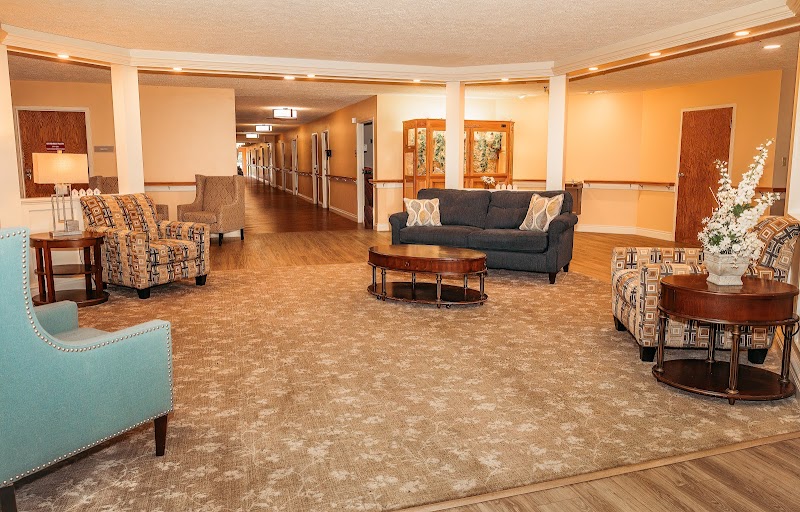
How is Willows Of Shelbyville Staffed?

CMS rates WILLOWS OF SHELBYVILLE's staffing level at 1 out of 5 stars, which is much below average compared to other nursing homes. Staff turnover is 60%, which is 13 percentage points above the Indiana average of 46%. High turnover can affect care consistency as new staff learn residents' individual needs. RN turnover specifically is 71%, which is notably high. RNs provide skilled clinical oversight, so turnover in this role can affect medical care quality.

What Have Inspectors Found at Willows Of Shelbyville?

State health inspectors documented 34 deficiencies at WILLOWS OF SHELBYVILLE during 2022 to 2025. These included: 1 that caused actual resident harm and 33 with potential for harm. Deficiencies causing actual harm indicate documented cases where residents experienced negative health consequences.
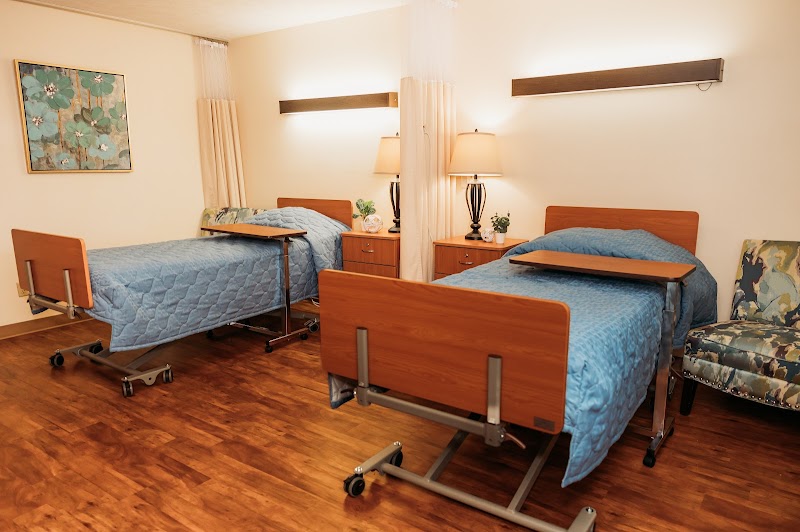
Who Owns and Operates Willows Of Shelbyville?

WILLOWS OF SHELBYVILLE is owned by a government entity. Government-operated facilities are typically run by state, county, or municipal agencies. The facility operates independently rather than as part of a larger chain. With 121 certified beds and approximately 71 residents (about 59% occupancy), it is a mid-sized facility located in SHELBYVILLE, Indiana.
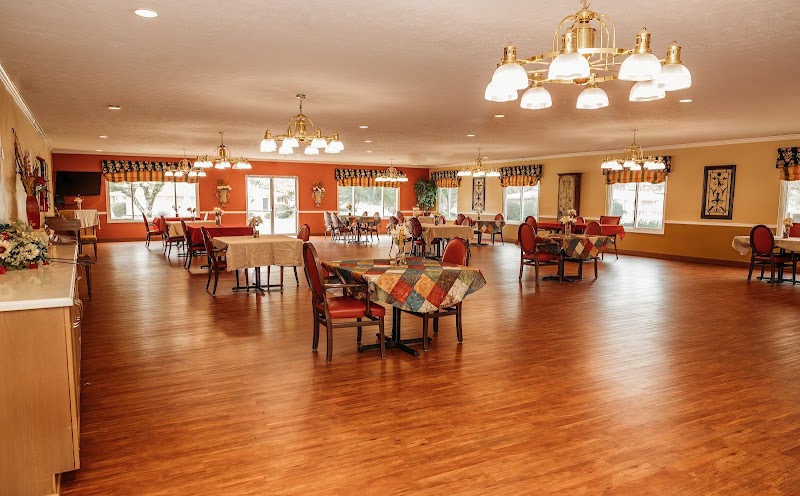
How Does Willows Of Shelbyville Compare to Other Indiana Nursing Homes?

Compared to the 100 nursing homes in Indiana, WILLOWS OF SHELBYVILLE's overall rating (1 stars) is below the state average of 3.1, staff turnover (60%) is significantly higher than the state average of 46%, and health inspection rating (1 stars) is much below the national benchmark.

What Should Families Ask When Visiting Willows Of Shelbyville?

Based on this facility's data, families visiting should ask: "How do you ensure continuity of care given staff turnover, and what is your staff retention strategy?" "Can you walk me through typical staffing levels on day, evening, and night shifts?" "Can I visit during a mealtime to observe dining assistance and food quality?" "How do you handle medical emergencies, and what is your hospital transfer rate?" These questions are particularly relevant given the facility's high staff turnover rate and the below-average staffing rating.

Is Willows Of Shelbyville Safe?

Based on CMS inspection data, WILLOWS OF SHELBYVILLE has a clean safety record: no substantiated abuse findings (meaning no confirmed cases of resident harm), no Immediate Jeopardy citations (the most serious violation level indicating risk of serious injury or death), and is not on the Special Focus Facility watch list (a federal program monitoring the lowest-performing 1% of nursing homes). The facility has a 1-star overall rating and ranks #100 of 100 nursing homes in Indiana. While no facility is perfect, families should still ask about staff-to-resident ratios and recent inspection results during their visit.

Do Nurses at Willows Of Shelbyville Stick Around?

Staff turnover at WILLOWS OF SHELBYVILLE is high. At 60%, the facility is 13 percentage points above the Indiana average of 46%. Registered Nurse turnover is particularly concerning at 71%. RNs handle complex medical decisions and coordinate care — frequent RN changes can directly impact care quality. High turnover means new staff may not know residents' individual needs, medications, or preferences. It can also be disorienting for residents, especially those with dementia who rely on familiar faces. Families should ask: What is causing the turnover? What retention programs are in place? How do you ensure care continuity during staff transitions?

Was Willows Of Shelbyville Ever Fined?

WILLOWS OF SHELBYVILLE has no federal fines on record. CMS issues fines when nursing homes fail to meet care standards or don't correct problems found during inspections. The absence of fines suggests the facility has either maintained compliance or corrected any issues before penalties were assessed. This is a positive indicator, though families should still review recent inspection reports for the full picture.

Is Willows Of Shelbyville on Any Federal Watch List?

WILLOWS OF SHELBYVILLE is not on any federal watch list. The most significant is the Special Focus Facility (SFF) program, which identifies the bottom 1% of nursing homes nationally based on persistent, serious quality problems. Not being on this list means the facility has avoided the pattern of deficiencies that triggers enhanced federal oversight. This is a positive indicator, though families should still review the facility's inspection history directly.