WATERS OF SULLIVAN NURSING FACILITY, THE
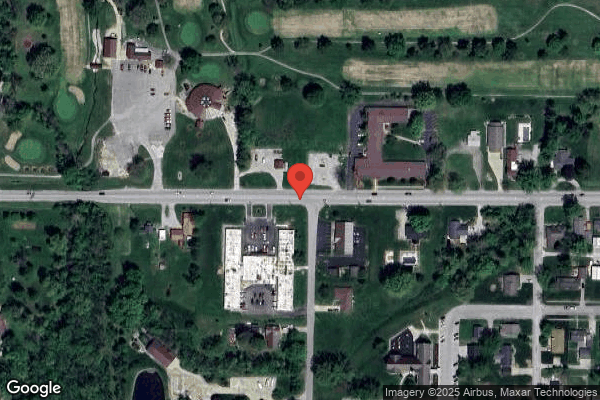

505 W WOLFE ST, SULLIVAN, IN 47882 (812) 268-6361
For profit - Limited Liability company 93 Beds INFINITY HEALTHCARE CONSULTING Data: November 2025
Trust Grade
65/100
#310 of 505 in IN
Last Inspection: June 2024

Within standard 12-15 month inspection cycle. Federal law requires annual inspections.

Overview

The Waters of Sullivan Nursing Facility has a Trust Grade of C+, which indicates they are slightly above average but still have room for improvement. They rank #310 out of 505 facilities in Indiana, placing them in the bottom half, but they are the top option in Sullivan County. The facility is improving, with issues decreasing from 8 in 2024 to just 2 in 2025. Staffing is a mixed bag; they have a 2/5 star rating, indicating below-average staffing levels, but a turnover rate of 35% is better than the state average of 47%, suggesting some staff stability. Notably, there were no fines reported, which is a positive sign. However, there are concerns regarding care practices. For example, there was a failure to serve food at safe temperatures, leading residents to report consistently cold meals. Additionally, there were delays in administering medications for a recently admitted resident, which could impact their health. Lastly, the facility did not properly maintain kitchen sanitation practices, such as failing to discard expired items and complete temperature logs, which poses potential risks. Overall, while there are strengths in staffing stability and a lack of fines, families should be aware of the specific areas of concern that need attention.

Trust Score
C+
65/100
In Indiana
#310/505
Bottom 39%
Safety Record
Low Risk
No red flags
Inspections
Getting Better
8 → 2 violations
Staff Stability
○ Average
35% turnover. Near Indiana's 48% average. Typical for the industry.
Penalties
✓ Good
No fines on record. Clean compliance history, better than most Indiana facilities.
Skilled Nurses
○ Average
Each resident gets 32 minutes of Registered Nurse (RN) attention daily — about average for Indiana. RNs are the most trained staff who monitor for health changes.
Violations
⚠ Watch
18 deficiencies on record. Higher than average. Multiple issues found across inspections.
★★★☆☆
3.0
Overall Rating
★★☆☆☆
2.0
Staff Levels
★★★☆☆
3.0
Care Quality
★★★☆☆
3.0
Inspection Score
Stable
2024: 8 issues
2025: 2 issues

The Good

  • Full Sprinkler Coverage · Fire safety systems throughout facility
  • No fines on record
  • Staff turnover below average (35%)

    13 points below Indiana average of 48%

Facility shows strength in fire safety.

The Bad

3-Star Overall Rating

Near Indiana average (3.1)

Meets federal standards, typical of most facilities

Staff Turnover: 35%

10pts below Indiana avg (46%)

Typical for the industry

Chain: INFINITY HEALTHCARE CONSULTING

Part of a multi-facility chain

Ask about local staffing decisions and management

The Ugly 18 deficiencies on record

Feb 2025 2 deficiencies
CONCERN (D) 📢 Someone Reported This

A family member, employee, or ombudsman was alarmed enough to file a formal complaint

Potential for Harm - no one hurt, but risky conditions existed

Pharmacy Services (Tag F0755)

Could have caused harm · This affected 1 resident

Based on record review and interview, the facility failed to ensure medications were obtained and administered in a timely manner after a resident was admitted to the facility for 1 of 3 residents rev...

Read full inspector narrative →
Based on record review and interview, the facility failed to ensure medications were obtained and administered in a timely manner after a resident was admitted to the facility for 1 of 3 residents reviewed for pharmaceutical services (Resident D). Findings include: Resident D's record was reviewed on 2/27/25 at 2:24 p.m. A Progress Note, dated 12/16/24, indicated the resident was admitted to the facility at 7:32 p.m. Diagnoses on the resident's profile included, but were not limited to, encounter for other specified surgical aftercare and type two diabetes mellitus without complications. A 5-day Minimum Data Set (MDS) Assessment, dated 12/18/24, indicated the resident was cognitively intact. A Physician's Order, start date 12/16/24, indicated enoxaparin (anticoagulant) injection prefilled syringe, 100 milligrams (mg)/milliliters (ml), inject 1 pre-filled syringe subcutaneously (fatty layer underneath skin) (SQ) twice daily for preventative. A Medication Administration Record (MAR), dated 12/16/24 and 12/17/24, indicated the enoxaparin injection was scheduled to be administered, on 12/16/24 at 9:00 p.m. and 12/17/24 at 9:00 a.m., but was not administered. The reason the medication was not administered indicated other/see nurse's notes. Progress Notes, dated 12/16/24 and 12/17/24, lacked documentation regarding the enoxaparin injection. A Physician's Order, start date 12/16/24, indicated Humalog (short-acting insulin) 28 units (u)/ml SQ three times daily before meals. A MAR, dated 12/17/24, indicated the Humalog was scheduled to be administered, on 12/17/24 at 7:30 a.m., but was not. The reason the medication was not administered indicated other/see nurse's notes. A Progress Note, dated 12/17/24 at 11:01 a.m., indicated the Humalog was not available in the Emergency Drug Kit (EDK). A Physician's Order, start date 12/17/24 indicated Lantus (long-acting insulin) 100 u/ml, inject 60 u SQ once daily for diabetes mellitus. A MAR, dated 12/17/24, indicated the Lantus was scheduled to be administered, on 12/17/24 at 9:00 a.m., but was not administered. The reason the medication was not administered indicated other/see nurse's notes. A Progress Note, dated 12/17/24 at 11:02 a.m., indicated the Lantus was not available in the EDK. A care plan, initiated on 12/17/24, indicated the resident received anticoagulant therapy. Interventions included, but were not limited to, administer medications as ordered. A care plan, initiated on 12/17/24, indicated the resident had diabetes with the potential for hyper and hyopglycemia. Interventions included, but were not limited to, administer medications as ordered. An EDK inventory list, dated 2/28/25, indicated two enoxaparin 40 mg/0.4 ml syringes, two enoxaparin 60 mg/0.6 ml syringes, two vials of Humalog 100 u/ml, and one vial of Lantus were included in the EDK. During an interview, on 2/28/25 at 10:59 a.m., the Director of Nursing (DON) indicated if residents did not arrive to the facility with medications, then the staff should have pulled the available medications from the EDK. The EDK was re-stocked with the regular pharmacy runs, but she was not sure if this occurred daily. The pharmacy was automatically notified the EDK needed re-filled when medications were removed. The facility's pharmacy delivered medications to the facility twice daily, in the morning and evening. They were also able to order medications from a local pharmacy if needed. During an interview on 2/28/25 at 11:32 a.m., the DON indicated Humalog and Lantus were normally in the EDK, but they were out of stock on 12/17/24. The doses of enoxaparin injections were lower than what was ordered for the resident. She was not sure if the nurse should have checked with the physician to see if a lower dose could have been administered or if both the 60 mg and 40 mg doses, available in the EDK, could have been administered together to equal 100 mg. On 2/28/25 at 12:00 p.m., the DON provided a document titled, 1.6: Pharmacy Hours and Delivery Schedule, dated March 2023, and indicated it was the policy currently being used by the facility. The policy indicated, [Pharmacy name] is open 24 hours/365 days a year .New orders communicated .after the cut-off time will automatically go into the next regular delivery for the facility. Routine deliveries are made to the facility in accordance with the established time frames for each facility. The medication therapy should be initiated promptly if the new order is a medication contained in the facility convenience box or emergency box supply. If the resident is clinically unstable or the resident is in need of medication as a STAT [immediate] order, the medication soul be started from the emergency dispensing kit if applicable, and/or an emergency delivery must be requested This citation relates to complaint IN00449803. 3.1-25(a)
CONCERN (D) 📢 Someone Reported This

A family member, employee, or ombudsman was alarmed enough to file a formal complaint

Potential for Harm - no one hurt, but risky conditions existed

Deficiency F0804 (Tag F0804)

Could have caused harm · This affected 1 resident

Based on interview, observation, and record review, the facility failed to ensure food was served at a safe and appetizing temperature for 3 of 3 resident's reviewed for dietary services (Residents C,...

Read full inspector narrative →
Based on interview, observation, and record review, the facility failed to ensure food was served at a safe and appetizing temperature for 3 of 3 resident's reviewed for dietary services (Residents C, B, and G). Findings include: 1. During an interview, on 2/26/25 at 11:40 a.m., Resident C indicated the food was always cold and not good. He ate all meals in his room. During an observation, on 2/27/25 at 12:13 p.m., the tray cart arrived to east wing with the Dietary Manager. The trays in the cart had plates directly on the tray with no warmer. They were covered with a plastic cover. The cart was metal and unheated. At the same time, the Dietary Manager indicated she planned to check the temperature of the food on the last resident's meal tray. She had not understood an extra tray was necessary. She returned to the kitchen to retrieve an extra tray. During an observation, on 2/27/25 at 12:16 p.m., the Dietary Manager returned to the hall with the test tray and placed it on the cart. During an observation, on 2/27/25 at 12:25 p.m., the staff on the unit finished passing the meal trays. The Dietary Manager checked the temperature of the food on the test tray and indicated the barbeque sandwich meat was 107.3 degrees Fahrenheit (F), and the baked beans were 117.4 degrees F. The meat was observed to be bright red and not a natural food color. At the same time, the Dietary Manager indicated there were warming pieces to set the plates on, but there was not enough for all the trays. Most of the residents wanted to eat their meals in their rooms so there were not enough of the warming pieces. None of the trays on the east wing had the warming pieces in place for the lunch service. There had been some complaints today about the barbeque sauce being really red. The food should have been 130 degrees when it was served to the residents. Resident C's record was reviewed on 2/28/25 at 11:07 a.m. A quarterly Minimum Data Set (MDS) assessment, dated 1/4/25, indicated the resident was cognitively intact. A Physician's Order, dated 10/22/24, indicated the resident received a consistent carbohydrate diet. 2. During an interview, on 2/26/25 at 11:56 a.m., Resident B's family member indicated the resident had not been eating very well because the food was not good. The resident ate meals in her room. Resident B's record was reviewed on 2/26/25 at 2:21 p.m. A Brief Interview for Mental Status (BIMS) (cognition assessment), dated 2/12/25, indicated the resident had a moderate cognitive impairment. A Physician's Order, dated 2/20/25, indicated the resident received a mechanical soft diet. 3. During an interview, on 2/27/25 at 1:58 p.m., Resident G indicated the food was just OK and was often cold when it arrived. Resident G's record was reviewed on 2/28/25 at 1:48 p.m. An admission Minimum Data Set (MDS) Assessment, dated 2/4/25, indicated the resident was cognitively intact. On 2/27/25 at 2:48 p.m., the Administrator provided an undated document titled, Sanitation and Food Safety, and indicated it was the policy currently being used by the facility. The policy indicated, .Hot Food .Hold food at 135 degrees F or greater throughout the service process This citation relates to complaint IN00452651. 3.1-21(a)(2)
Jun 2024 8 deficiencies
CONCERN (D)

Potential for Harm - no one hurt, but risky conditions existed

Deficiency F0657 (Tag F0657)

Could have caused harm · This affected 1 resident

**NOTE- TERMS IN BRACKETS HAVE BEEN EDITED TO PROTECT CONFIDENTIALITY** 2. On 6/18/24 at 9:43 a.m., during observation and interview Resident 30 indicated he had not participated in a care plan meetin...

Read full inspector narrative →
**NOTE- TERMS IN BRACKETS HAVE BEEN EDITED TO PROTECT CONFIDENTIALITY** 2. On 6/18/24 at 9:43 a.m., during observation and interview Resident 30 indicated he had not participated in a care plan meeting. On 6/19/24 9:59 a.m., the medical record of Resident 30 was reviewed. The resident was admitted to the facility on [DATE]. The record indicated a care plan was established with goals and interventions. The record indicated two care plan meetings were completed from May 2023 to June 2024. The medical record lacked documentation of additional quarterly care plan meeting. A quarterly MDS assessment, dated 4/25/24, indicated the resident was cognitively intact. On //2024 at 0:00 p.m., the Regional Nurse Consultant provided a document, titled, Baseline Care Plan Assessment/Comprehensive Care Plans, dated 9/18/18, and indicated it was the policy currently being used by the facility. The policy indicated, .2. Within 72 hours following the admission of the resident .Social services or designee will schedule a summary of the Base Line Care Plan .c) In the event that the resident and/or representative refuses to participate in the care plan meeting or refuses to sign the summary; the MDS coordinator or designee will document the refusal in the medical record .6. The facility Social Service Director or designee will notify the resident of their scheduled care plan conference and will invite and encourage the resident to attend .These notifications will be documented for reference .9. The Comprehensive Care Plans will be reviewed and updated every quarter at a minimum 3.1-35(e) Based on interview and record review, the facility failed to ensure care plan meetings were conducted quarterly for 2 of 24 residents reviewed for care plan meetings (Residents 19 and 30). Findings include: 1. During an interview, on 6/17/24 at 2:06 p.m., Resident 19 indicated he did not remember being invited to or attending a care plan meeting recently. He indicated it had been a while since he had one. Resident 19's record was reviewed on 6/19/24 at 9:48 a.m. A quarterly Minimum Data Set (MDS) assessment, dated 5/12/24, indicated the resident was cognitively intact. Census information indicated the resident was admitted to the facility on [DATE]. A Care Plan note, dated 3/20/24 at 4:20 p.m. indicated a care plan meeting was conducted on this day for Resident 19. Resident 19's record lacked documentation of additional quarterly care plan meetings being conducted for the last year from June 2023 to June 2024. The resident had one care plan meeting for the entire year. During an interview, on 6/19/24 at 11:07 a.m., the Regional Nurse Consultant indicated she could not find where Resident 19 had additional quarterly care plan meetings for the last year. She indicated the facility did not have a Social Service Director at this time and she wasn't sure how long she had been gone. She indicated the care plan meetings should be conducted quarterly.
CONCERN (D)

Potential for Harm - no one hurt, but risky conditions existed

Quality of Care (Tag F0684)

Could have caused harm · This affected 1 resident

Based on observations, record reviews, and interviews, the facility failed to ensure that a physician was notified of a resident's change in condition related to edema for 1 of 1 resident's reviewed (...

Read full inspector narrative →
Based on observations, record reviews, and interviews, the facility failed to ensure that a physician was notified of a resident's change in condition related to edema for 1 of 1 resident's reviewed (Resident 46). Finding includes: On 6/17/24 at 11:04 a.m., Resident 46 was observed sitting up on the right side of his bed, the resident had edema (swelling) to his bilateral feet and ankles. The resident indicated he had noticed some swelling off and on to his feet and ankles and he tried to elevate his legs in bed as much as he could. The resident indicated he was not taking a diuretic (helps reduce fluid buildup in the body) and wasn't sure if the staff had noticed the swelling. On 6/18/24 at 1:30 p.m., Resident 46 was observed sitting up in his wheelchair in his room. Edema was noted to his bilateral feet and ankles. On 6/19/24 at 2:30 p.m., Resident 46 was observed sitting up in his wheelchair in his room and was watching tv. Edema was noted to his bilateral feet and ankles. On 6/20/24 at 1:56 p.m., Resident 46 was sitting in his wheelchair across from the nurse's station. Edema noted to his bilateral feet and ankles. The resident indicated he was tired, and his legs felt weak from working with physical therapy. Resident 46's record was reviewed on 6/19/24 at 8:57 a.m. The profile indicated the resident's diagnosis included, but were not limited to, malignant neoplasm of prostate (a disease in which malignant [cancer] cells form in the tissues of the prostate), and atrial fibrillation (an irregular, often rapid heart rate that commonly causes poor blood flow). An admission Minimum Data Set (MDS) assessment, dated 4/5/24, indicated the resident was cognitively intact and required assistance of two people for personal hygiene, bed mobility, and transfers. The assessment indicated the resident was not on a diuretic. A care plan, dated 4/15/24, indicated the resident had a diagnosis of atrial fibrillation. Interventions included, but were not limited to, observe for signs and symptoms of atrial fibrillation such as, fatigue, edema, and weight gain. A Hospital discharge note, dated 5/17/24, indicated to notify physician of increased swelling in feet/ankles/legs and consistent weight gain of 2 pounds in one day. The record lacked documentation of the physician being notified of recent weight gain in the last 30 days and lacked documentation of edema to bilateral feet and ankles. A practitioner encounter assessment, dated 5/29/24, indicated the resident had no edema in his extremities. A physician's order, dated 6/3/24, indicated record weekly weight every dayshift on Monday. Review of resident 46's weights were documented as follows: 6/17/24 - 143.6 pounds 6/3/24 - 130.8 pounds 5/22/24 -126.8 pounds 5/16/24 - 121.8 pounds 5/4/24 - 113.3 pounds 4/16/24 - 118.0 pounds 4/3/24 - 117.0 pounds Resident 46's record lacked documentation of a weight being obtained on 6/10/24 as ordered. The record lacked documentation of the physician being notified of recent weight gain in the last 30 days. A dietary progress note, dated 6/13/24 at 4:09 p.m., indicated Resident 46 had gained 15.4% in weight over the last 30 days and it was a desirable outcome due to the resident's low BMI (body mass index). No recommendations given at this time. A physical, medicine, and rehabilitation progress note, dated 6/13/24 at 4:47p.m., indicated the resident had no edema and was receiving physical and occupational therapy. A physical, medicine, and rehabilitation progress note, dated 6/18/24 at 4:49 p.m., indicated the resident had no edema and was receiving physical and occupational therapy. During an interview, on 6/20/24 at 2:12 p.m., the Regional Nurse Consultant indicated the resident had notable edema to his bilateral feet and ankles and she would have the nurse perform an assessment and notify the doctor and family representative of the edema. During an interview, on 6/20/24 at 2:36 p.m., Physical Therapist (PT) 19 indicated she hadn't noticed any swelling to Resident 46's bilateral feet and ankles. She indicated she only sees him once or twice a week for therapy. During an interview, on 6/20/24 at 2:56 p.m., Certified Nurse's Assistant (CNA) 20 indicated she had noticed Resident 46's swelling off and on and would just put him in bed and elevate his legs to help the swelling go down. On 6/20/24 at 2:44 p.m., the Regional Nurse Consultant provided an undated document titled, Change in Resident's Condition or Status, and indicated it was the policy currently being used by the facility. The policy indicated, .It is the policy of the facility to ensure the resident's attending physician and representative are notified of changes in the resident's condition or status .there is a significant change in the resident's physical, mental or psychological status .6. The nurse will record in the record any changes in the resident's medical condition or status 3.1-37(a)
CONCERN (D)

Potential for Harm - no one hurt, but risky conditions existed

Accident Prevention (Tag F0689)

Could have caused harm · This affected 1 resident

Based on observation, record review, and interview, the facility failed to ensure a resident was supervised while administering her medications for 1 of 1 residents reviewed for accidents (Resident 10...

Read full inspector narrative →
Based on observation, record review, and interview, the facility failed to ensure a resident was supervised while administering her medications for 1 of 1 residents reviewed for accidents (Resident 104). Findings include: During the initial pool observation, on 6/17/24 at 11:21 a.m., Resident 104 was observed administering her own medication from her medication cup. The resident's nurse was not present in the room at the time of the observation. At the same time, the resident indicated the nurses often would just leave her medication cup with her medications, in her room for her to take. During a random observation, on 6/18/24 at 8:59 a.m., the resident was observed with an empty medication cup sitting in front of her on her overbed table. At the same time, the resident indicated the nurse had brought her medications to her, again this morning, and had not stayed in the room while she was taking them. She could not remember ever being evaluated for taking her medication without supervision. Resident 104's record was reviewed on 6/19/24 at 11:05 a.m. The profile indicated the resident's diagnoses included, but were not limited to, nonrheumatic aortic valve stenosis (occurs when the aortic valve [allows blood to flow from the heart into the aorta] narrows and blood cannot flow normally), congestive heart failure (a serious condition in which the heart doesn't pump blood as efficiently as it should), chronic kidney disease (when the kidneys are damaged and can't filter blood the way they should), and need for assistance with personal care. An admission Minimum Data Set (MDS) assessment, dated 6/17/24, was still in progress. The assessment lacked documentation of the resident's ability to self-administer her medications. The resident's care plans lacked documentation of the resident's ability to self-administer her medications. The profile lacked documentation of the resident having been assessed for the self-administration of medications. The physician orders lacked documentation of an order for self-administration of medications. The resident's June 2024 Medication Administration Record (MAR) indicated the resident received the following morning medications: a. Allopurinol (used to prevent or lower high uric acid levels in the blood) 300 milligrams (mg) tablet by mouth at 9:00 a.m. daily for Gout (a type of inflammation caused by an elevated amount of uric acid, either because a person's kidneys do not adequately remove uric acid from their body, or because their body simply makes too much of it). b. Amlodipine besylate (used to treat hypertension [high blood pressure]) 5 mg tablet by mouth at 9:00 a.m., daily. c. Bumetanide (used to remove excess fluid from the body) 1 mg tablet by mouth at 9:00 a.m., daily for edema (medical term from swelling). d. Centrum (multivitamin with minerals) 1 tablet by mouth at 9:00 a.m., daily for supplement. e. Clopidogrel bisulfate (medication to prevent formation of blood clots) 75 mg tablet by mouth at 9:00 a.m., daily. f. Cyanocobalamin (to treat and prevent vitamin B12 [keeps body's blood and nerve cells healthy) deficiency anemia 1000 microgram (mcg) tablet by mouth at 9:00 a.m., daily for supplement. g. Cymbalta (used to treat depression) 60 mg capsule by mouth at 9:00 a.m., daily for depression. h. Gemtesa (used to treat overactive bladder) 75 mg tablet by mouth at 9:00 a.m., for urine retention. i. Isosorbide mononitrate (used to treat hypertension) 30 mg tablet by mouth at 9:00 a.m., daily for hypertension. j. Losartan potassium (used to treat hypertension) 25 mg tablet by mouth at 9:00 a.m., daily for hypertension. k. Metoprolol tartrate (used to treat hypertension) 25 mg tablet by mouth at 9:00 a.m., daily for hypertension. l. Montelukas sodium (used to treat allergy symptoms, such as trouble breathing, tight chest, wheezing, coughing, and runny nose) 10 mg tablet by mouth at 9:00 a.m., daily for allergies. m. Oxybutynin chloride ER (used to treat overactive bladder) 10 mg tablet by mouth at 9:00 a.m., daily for overactive bladder. n. Potassium chloride ER (used to treat low potassium) 20 milliequivalent (meq) tablet by mouth daily at 9:00 a.m., for supplement. Review of the June 2024 MAR indicated Licensed Practical Nurse (LPN) 3 had administered the resident's medication on 6/17/24, and LPN 4 had administered the medications on 6/18/24. During an interview, on 6/19/24 at 10:33 a.m., the Regional Nurse Consultant indicated the nurses should never leave medications for a resident to take without supervision. During an interview, on 6/19/24 at 12:22 p.m., LPN 4 indicated she had taken the medications into Resident 104's room and had been notified that the pharmacy had arrived. She left the room to meet the pharmacy representative. She understood that she should have stayed with the resident when she administered her medications. On 6/19/24 at 10:50 a.m., the Regional Nurse Consultant provided a document, dated March 2023, titled, Drug Administration-General Guidelines, and indicated it was the policy currently being used by the facility. The policy indicated, .Procedure: 1. Medications are .administered .only by licensed nursing .3. Residents are allowed to self-administer medications when specifically authorized by the attending physician in accordance with facility procedures for self-administration of medications 3.1-45(a)(2)
CONCERN (D)

Potential for Harm - no one hurt, but risky conditions existed

Respiratory Care (Tag F0695)

Could have caused harm · This affected 1 resident

Based on observation, record review, and interview, the facility failed to ensure respiratory equipment was stored in a plastic bag, and failed to ensure a physician order for continuous positive airw...

Read full inspector narrative →
Based on observation, record review, and interview, the facility failed to ensure respiratory equipment was stored in a plastic bag, and failed to ensure a physician order for continuous positive airway pressure (CPAP) settings was obtained for 1 of 1 resident reviewed for respiratory (Resident 22). Findings include: During initial interviews on 6/18/24 at 10:08 a.m., observed Resident 22's continuous positive airway pressure (CPAP) machine (wearable respiratory device that uses mild air pressure to keep breathing airways open while you sleep) with a partially filled humidification chamber on the bedside table. The tubing and mask were unbagged and undated. Resident 22 indicated she required assistance from staff to put it on and take off, and the equipment had not been bagged since she moved in. During random observation on 6/19/24 at 11:54 a.m., Resident 22's CPAP mask and tubing were observed to be unbagged and undated. During random observation on 6/20/24 at 10:28 a.m., Resident 22's CPAP mask and tubing were observed to be unbagged and undated. On 6/20/24 09:36 a.m., Resident 22's record was reviewed. Her diagnoses included, but were not limited to, Parkinson's disease (a brain disorder that causes unintended or uncontrollable movements, such as shaking, stiffness, and difficulty with balance and coordination) and obstructive sleep apnea (repeated stop and start of breathing when the throat muscles relax and block the airway many times during sleep). A physician order, dated 4/27/24, indicated the CPAP to be worn at bedtime and for naps every shift. The chart lacked documentation of an order for the settings level or humidification. A care plan, dated 5/1/24, indicated resident had obstructive sleep apnea with interventions that included, but were not limited to, observe for signs and symptoms of difficulty breathing, observe for signs and symptoms of low oxygen, and treatment as ordered. An admission Minimum Data Set assessment, dated 5/3/24, indicated Resident 22 was cognitively intact, and used a non-invasive mechanical ventilator (CPAP). During an interview on 6/20/24 at 10:47 a.m., Licensed Practical Nurse (LPN) 21 indicated they were to follow the same protocol for CPAP's as they do oxygen tubing, any tubing should be bagged and dated. She observed Resident 22's CPAP tubing and mask to be unbagged and undated, she indicated no storage bag was in the resident's room. During an interview on 6/20/24 at 11:30 a.m., observed Resident 22's CPAP equipment with LPN 21. She indicated that the mask and tubing were not bagged or labeled, but it should have been. LPN 21 indicated the machine settings read that it was set at four. Resident 22 indicated she thought it was supposed to be set at three. LPN 21 indicated that she was not familiar with the machine and would need to find out what the settings were supposed to be. When she checked the electronic medical record, she indicated that the physician orders only read to put the CPAP on and off at bedtime and when napping, it did not include settings or humidification, so she needed to contact the physician about the orders. On 6/20/24 at 11:20 a.m., the Regional Nurse Consultant provided an undated document, titled, Continuous Positive Airway Pressure (CPAP), and indicated it was the policy currently being used by the facility. The policy indicated, .Purpose: To improve ventilation on patients with obstructive sleep apnea (OSA), airway obstruction and upper airway resistance .Guideline: CPAP therapy must have a written physician's order. The order must include the level of CPAP, FIO2 if needed, and humidifier if needed. 2. The patient should be assessed before and after therapy has been initiated for any hazards or adverse effects such as pneumothorax and gastric distention. 3. Continuous positive airway pressure, CPAP, provides positive pressure to the airways of a spontaneously breathing patient, maintaining a continuous pressure during expiration and inspiration permitting the airways to remain open allowing for improved ventilation .Procedure: 1. Verify physician's order in the patient's chart. The order must include the level of CPAP, e.g. 5cmH2O .15. When that CPAP machine is not in use the face mask is stored in a plastic bag at the bedside 3.1-47(a)(6)
CONCERN (D)

Potential for Harm - no one hurt, but risky conditions existed

Deficiency F0757 (Tag F0757)

Could have caused harm · This affected 1 resident

Based on record review and interview, the facility failed to ensure physician documentation to justify a declination of a pharmacy recommendation for 1 of 5 residents reviewed for unnecessary medicati...

Read full inspector narrative →
Based on record review and interview, the facility failed to ensure physician documentation to justify a declination of a pharmacy recommendation for 1 of 5 residents reviewed for unnecessary medications (Resident 8). Findings include: Resident 8's record was reviewed on 6/18/24 at 2:28 p.m. The profile indicated the resident's diagnoses included, but were not limited to, neuromuscular dysfunction of the bladder (when the nerves and muscles don't work together very well. which results in the bladder may not fill or empty correctly). A pharmacy recommendation, dated 6/11/23, indicated to consider discontinuing the resident's Vesicare (a medication (med) indicated to treat an overactive bladder with urinary incontinence, urgency, and frequency). The physician disagreed with the recommendation and documented Continue med. The form lacked documentation of any further justification. During an interview, on 6/19/24 at 10:33 a.m., the Regional Nurse Consultant indicated she was unable to find any physician documentation to justify the declination for discontinuing the resident's Vesicare. On 6/19/24 at 10:50 a.m., the Regional Nurse Consultant provided an undated document, titled, Distribution of Medication Regimen Review Report, and indicated it was the policy currently being used by the facility. The policy indicated, .Procedure: .4 .If the physician disagrees with the recommendation or no change is being made, the physician must document rationale in the resident's medical record. 5. The Director of Nursing will follow-up with any nursing actions needed relative to the physician's response 3.1-48(a)(3) 3.1-48(a)(4)
CONCERN (D)

Potential for Harm - no one hurt, but risky conditions existed

Deficiency F0773 (Tag F0773)

Could have caused harm · This affected 1 resident

Based on record review and interview, the facility failed to ensure physician ordered lab tests had been completed for 1 of 5 residents reviewed for unnecessary medications (Resident 42). Findings inc...

Read full inspector narrative →
Based on record review and interview, the facility failed to ensure physician ordered lab tests had been completed for 1 of 5 residents reviewed for unnecessary medications (Resident 42). Findings include: Resident 42's record was reviewed on 6/18/24 at 3:11 p.m. The profile indicated the resident's diagnoses included, but were not limited to, congestive heart failure (a serious condition in which the heart doesn't pump blood as efficiently as it should), atrial fibrillation (AFIB-caused by extremely fast and irregular heartbeats), type 2 diabetes (a condition that happens because of a problem in the way the body regulates and uses sugar as a fuel), hypertension (high blood pressure), hyperlipidemia (when the body has too many lipids [fats] in your blood), and gastro-esophageal reflux disease (GERD- a chronic gastrointestinal disorder characterized by the regurgitation of gastric contents into the esophagus). A pharmacy recommendation, dated 12/6/23, indicated to recommend lab testing related to medications ordered, included, but were not limited to: a. A Digoxin (a medication used to manage and treat heart failure and certain arrhythmias) level every 6 months. The physician approved the recommendation. b. Hemoglobin (Hgb) A1C (lab test used to evaluate a person's level of glucose [blood sugar]control) related to insulin (medication to lower glucose) use every 3 months. The physician approved the recommendation. c. A BMP (basic metabolic panel-lab test to check the body's fluid balance and levels of electrolytes, and see how well the kidneys are working), every 6 months. The physician approved the recommendation. d. Magnesium (specific type of electrolyte found in cells and bones) level every 6 months. The physician approved the recommendation. e. Lipid (fats in the blood) profile (measures the amount of lipids in the blood), every 6 months. The physician approved the recommendation. f. CBC (complete blood count- used to test for, diagnose, and monitor many different conditions), every 6 months. The physician approved the recommendation. A physician's order, dated 12/21/23, indicated the following labs were ordered: Hgb A1C and BMP every 4 month(s) starting on the 17th.The record lacked documentation of the order having been completed. A physician's order, dated 12/21/23, indicated the following labs were ordered: CMP, CBC, Magnesium level, and Digoxin level every 6 month(s) starting on the 17th for regular monitoring. The record lacked documentation of the order having been completed. A physician's order, dated 1/17/24, indicated the following labs were ordered: Lipid panel every 12 month(s) starting on the 17th. The record lacked documentation of the order having been completed. A physician's order, dated 1/23/24, indicated the hospital was to draw Digoxin level, BMP, Magnesium level, Lipid profile, and CBC every 6 months (January and June) starting on the 23rd for 1 day(s) for medication monitoring. The record lacked documentation of the order having been completed. A physician's order, dated 1/23/24, indicated the hospital was to draw Hgb A1C every 3 months (January, April, July, October) every 3 month(s) starting on the 23rd for 1 day(s). The record lacked documentation of the order having been completed. A physician's order, dated 3/18/24, indicated draw Hgb A1C every 3 months for medication monitoring, every night shift every 3 month(s) starting on the 18th for 1 day(s). The record lacked documentation of the order having been completed. A physician's order, dated 3/18/24, indicated draw Digoxin level, and CBC every 6 months for medication monitoring, every night shift every 6 month(s) starting on the 18th for 1 day(s). The record lacked documentation of the order having been completed. During an interview, on 6/19/24 at 10:25 a.m., the Regional Nurse Consultant indicated they were unable to locate any documentation of the lab results for the time period of the lab orders. On 6/19/24 at 10:50 a.m., the Regional Nurse Consultant provided an undated document titled, Distribution of Medication Regimen Review Report, and indicated it was the policy currently being used by the facility. The policy indicated, .Procedure: . 5. The Director of Nursing will follow-up with any nursing actions needed relative to the physician's response 3.1-49(f)(1) 3.1-49(g)
CONCERN (D)

Potential for Harm - no one hurt, but risky conditions existed

Infection Control (Tag F0880)

Could have caused harm · This affected 1 resident

Based on observation, record review, and interview the facility failed to maintain infection prevention measures during meal service administration for 2 of 2 meal service observations, failed to main...

Read full inspector narrative →
Based on observation, record review, and interview the facility failed to maintain infection prevention measures during meal service administration for 2 of 2 meal service observations, failed to maintain infection prevention measures for 2 of 2 residents observed during medication administration (Residents 16 and 49), and failed to ensure staff washed hands for at least 20 seconds for 3 of 3 random observations of staff hand hygiene. Findings include: 1. On 6/17/24 at 12:30 p.m., the noon meal dining service was observed in the main dining room. Observed Certified Nurse Aide (CNA) 7 passing ice to the residents. The CNA touched her ear and hair and continued passing ice to a resident. The CNA then placed the ice scoop into the ice bucket. The CNA failed to sanitize her hands after touching her ear and hair. On 6/17/24 at 12:43 p.m., CNA 7 adjusted oxygen tubing for Resident 7 then continued to assist another resident with meal service. The CNA failed to sanitize hands prior to assisting another resident with meal service. On 6/20/24 at 1:31 p.m., during an interview CNA 7 acknowledged the ice scoop was to be placed in a container on the cart. She acknowledged she placed the ice scoop in the ice bucket instead of the designated container. The employee indicated when assisting a resident, she would normally use hand sanitizer or wash hands between residents. On 6/21/2024 at 11:50 a.m., the Regional Nurse Consultant provided an undated document, titled, Policy and Procedure Meal Service, and indicated it was the policy currently being used by the facility. The policy indicated, .Procedure .6. Staff providing direct resident care by passing meals/trays will wash their hands before serving the food .Staff will wash their hands after .assisting another resident with their meal/tray delivery and set up. Those authorized to deliver/serve trays will refrain from touching their own person such as face/hair or clothes during the serving of trays. This action would require hand hygiene prior to serving the next tray On 6/20/2024 at 2:45 p.m., the Regional Clinical Director provided a document, titled, Handling Ice, dated 2/12/15, and indicated it was the policy currently being used by the facility. The policy indicated, .Ice Scoop .The ice scoop should be stored according to state and local regulations 2. On 6/20/24 at 11:25 a.m., Licensed Practical Nurse 8 prepared to check the blood sugar of Resident 16. The LPN washed her hands and applied gloves. She then pricked the finger of the resident to obtain blood sample to check the resident's blood sugar. Once completed she removed and discarded gloves. On 6/20/24 at 11:37 a.m., LPN 7 prepared to check the blood sugar of Resident 49. The LPN applied gloves and pricked the resident's finger, obtained blood sample and completed blood sugar test. The LPN failed to wash her hands between Residents 16 and 49. On 6/20/24 at 11:45 a.m., during an interview LPN 7 acknowledged she did not wash her hands or use hand sanitizer between residents. On 6/21/2024 at 10:41 a.m., the Regional Nurse Consultant provided a document, titled, 5.2 Medication Administration, dated March 2023, and indicated it was the policy currently being used by the facility. The policy indicated, .Before the medication pass .2. Cleanse your hands before beginning and before contact with each resident 3. During a random observation, on 6/17/24 at 11:14 a.m., the Certified Nurse's Assistant (CNA) 7 entered the bathroom (leaving the door open) by the nurses' station and washed her hands for less than 20 seconds and turned off the water faucet with her bare hands. She then left the bathroom and went to the linen closet to obtain linens. She then proceeded into a resident's room to provide care. During a random observation, on 6/17/24 at 11:42 a.m., the Licensed Practical Nurse (LPN) 14 entered the bathroom (leaving the door open) by the nurses' station and washed her hands for less than 20 seconds and turned off the water faucet with her bare hands. She then left the bathroom and went to her medication cart down the hallway. During a dining observation, 6/17/24 at 12:08 p.m., CNA 7 entered the bathroom (leaving the door open) by the nurses' station and washed her hands for less than 20 seconds and turned off the water faucet with her bare hands. She then left the bathroom and went to the beverage cart and prepared an iced tea for a resident. She placed the iced tea on a lunch tray for a resident. She served the tray to a female resident sitting in the small dining area across from the nurse's station. During an interview, on 6/20/24 at 1:35 p.m., LPN 3 indicated staff should scrub their hands with soap and water and never touch the water faucet with their bare hands. The staff should use a dry paper towel to turn off the faucet. During an interview, on 6/20/24 at 1:37 p.m., CNA 18 indicated staff should scrub their hands with soap and water and never touch the water faucet with their bare hands. The staff should use a dry paper towel to turn off the faucet. The entire process should take at least 60 seconds. On 6/20/24 at 2:44 p.m., the Regional Nurse Consultant provided an undated document, titled, Hand Hygiene Guidelines, and indicated it was the policy currently being used by the facility. The policy indicated, .ii. Apply generous amount of soap to hands and run hands together vigorously for at least 20 seconds .iv .dry thoroughly with a disposable towel .v. Use towel to turn off faucet and exit area .vi. The duration of the entire procedure should be approximately 40-60 seconds, per evidenced based practice 3.1-18(l)
CONCERN (E)

Potential for Harm - no one hurt, but risky conditions existed

Food Safety (Tag F0812)

Could have caused harm · This affected multiple residents

Based on observations, interviews, and record reviews, the facility failed to discard expired items, failed to maintain completed temperature logs, failed to maintain and monitor sanitizer concentrati...

Read full inspector narrative →
Based on observations, interviews, and record reviews, the facility failed to discard expired items, failed to maintain completed temperature logs, failed to maintain and monitor sanitizer concentration levels, failed to label and date food items that were received without a manufacturer's expiration date, and failed to store food at a minimum of six inches from the floor for 1 of 2 kitchen observations. Findings include: 1. During an initial kitchen tour with [NAME] 11 on 6/17/24 at 9:48 a.m., observed the walk-in refrigerator temperature logs to lack a.m. and p.m. temperature documentation for 6/16/24. On 6/17/24 at 10:05 a.m., observed the walk-in freezer temperature logs to lack p.m. temperature documentation for 6/14/24, and lacked a.m. and p.m. temperature documentation for 6/15/24 and 6/16/24. [NAME] 11 indicated it was typically the responsibility of the cook to complete the temperature logs and should be completed each shift. On 6/20/24 at 1:23 p.m., the Regional Nurse Consultant provided a document, dated 4/2017, titled, Storage of Refrigerated/Frozen Foods,, and indicated it was the policy currently being used by the facility. The policy indicated, .Monitoring of food temperatures and functioning of the refrigeration/freezer units will be in place 2. During the initial kitchen tour with [NAME] 11 on 6/17/24 at 9:48 a.m., observed thawed raw chicken with a date of 6/8/24. She indicated it should have been thrown out and were normally on top of that but have been short staffed. During an interview on 6/19/24 at 10:28 a.m., the Dietary Director indicated frozen food was to be dated for the day it was pulled from the freezer to be thawed, and believed it thaws for seven days. Staff were expected to check for expired and undated items daily. On 6/18/24 at 8:30 a.m., the Administrator provided an undated document, titled, Policy: Food Safety,, and indicated it was the policy currently being used by the facility. The policy indicated, .Food will be labeled and dated to monitor food safety .Food or beverage items that have exceeded manufactures expiration date will be discarded. Food items that do not have a manufacturer's expiration date will be labeled and dated with a received and use by date. All food items should be consumed or discarded after 3 days On 6/19/24 at 11:24 a.m., the Dietary Director provided an undated document, titled, Refrigerator/Freezer Storage Chart, and indicated it was the policy currently being used by the facility. The policy indicated, .Clean your refrigerator regularly to reduce food odors. Remove spoiled foods immediately so decay cannot pass to other foods .Use foods quickly. Don't depend on maximum storage time On 6/19/24 at 11:24 a.m., the Dietary Director provided a document, dated 4/2017, titled, Food Safety & Sanitation .Policy: First In First Out (FIFO), and indicated it was the policy currently being used by the facility. The policy indicated, .stock must be used before the expiration date. Items not used by the expiration date will be discarded On 6/20/24 at 1:23 p.m., the Regional Nurse Consultant provided a document, dated 4/2017, titled, Storage of Refrigerated/Frozen Foods, and indicated it was the policy currently being used by the facility. The policy indicated, .Foods in the refrigerator will be covered, labeled and dated. Foods will be used by its use-by-date, frozen or discarded 3. During the initial kitchen tour with [NAME] 11, on 6/17/24 at 10:05 a.m., observed the dry storage bread rack. No manufacturer expiration dates or dates items were received located on any of the bread items. She indicated they did not date the bread, but they went through it quickly. She did not know when the bread expired or when it had been received. During an interview on 6/19/24 at 11:08 a.m., the Dietary Director indicated they received bread shipments every week, stored it in the freezer for no longer than two weeks, and pulled bread to thaw the night before use. She indicated the bread should have had an expiration date printed on it, but when she observed the packaging, she indicated none of them had manufactured or expiration dates printed on them like she thought. She was not sure what the related facility policy was. On 6/18/24 at 8:30 a.m., the Administrator provided an undated document, titled, Policy: Food Safety, and indicated it was the policy currently being used by the facility. The policy indicated, .Food will be labeled and dated to monitor food safety .Food or beverage items that have exceeded manufactures expiration date will be discarded. Food items that do not have a manufacturer's expiration date will be labeled and dated with a received and use by date. All food items should be consumed or discarded after 3 days On 6/20/24 at 1:23 p.m., the Regional Nurse Consultant provided a document, dated 4/2017, titled, Storage of Refrigerated/Frozen Foods, and indicated it was the policy currently being used by the facility. The policy indicated, .Foods in the refrigerator will be covered, labeled and dated. Foods will be used by its use-by-date, frozen or discarded 4. During the initial kitchen tour on 6/17/24 at 9:48 a.m. with [NAME] 11, observed a box of broccoli cuts and a box of sheet cakes on the floor of the walk-in freezer, she indicated the boxes should not be on the floor. During an interview on 6/19/24 at 10:28 a.m., the Dietary Director indicated the boxes on the walk-in freezer should not have been there, but staff just put things wherever they wanted. On 6/20/24 1:23 p.m., the Regional Nurse Consultant provided a document, dated 4/2017, titled, Storage of Dry Foods/Supplies and indicated it was the policy currently being used by the facility. The policy indicated, .Foods and goods shall be stored at a minimum of 6 off the floor and 18 from the ceiling and clear of ceiling sprinklers, sewer pipes and vents On 6/20/24 at 1:23 p.m., the Regional Nurse Consultant provided a document, dated 4/2017, titled, Storage of Refrigerated/Frozen Foods, and indicated it was the policy currently being used by the facility. The policy indicated, .Monitoring of food temperatures and functioning of the refrigeration/freezer units will be in place .Foods in the refrigerator will be covered, labeled and dated. Foods will be used by its use-by-date, frozen or discarded. Foods should be stored at a minimum of 6 from the floor 5. During the initial kitchen tour on 6/17/24 at 10:15 a.m., Dietary Assistant 13 indicated they tried to test sanitizing solution concentration levels regularly but did not maintain a testing log. On 6/17/24 at 10:24 a.m., Dietary Assistant 13 tested a bucket of sanitizer solution, she held the strip in the water for thirty seconds, read the result to be 500 ppm, and indicated she believed it should be at 500 ppm. She filled a new bucket with sanitizing solution and read the instructions on the test strip container. The test strip container label indicated to submerge the strip for ten seconds, remove, and read. She submerged the test strip and counted for 10 seconds, looked at it, put it back in the water, and repeated the dipping process 3 times before taking it out to read it at 400 ppm. During an interview on 6/19/24 at 10:28 a.m., the Dietary Director indicated where she worked before had a sanitation chemical testing log, but she had yet to find one for the facility but believed they test throughout the day On 6/19/24 at 10:48 a.m., the Dietary Director provided a document, dated 4/2017, titled, Policy: Sanitizing Buckets, and indicated it was the policy currently being used by the facility. The policy indicated, .The facility will follow manufacturer's recommendation on the amount of sanitizing solution used. Sanitizer concentrations are recommended and use of test strips to monitor accuracy of the sanitizer .Quats .Sanitizer concentration range .150-200 ppm 3.1-21(i)(2) 3.1-21(i)(3)
May 2023 6 deficiencies
CONCERN (D)

Potential for Harm - no one hurt, but risky conditions existed

Transfer Notice (Tag F0623)

Could have caused harm · This affected 1 resident

**NOTE- TERMS IN BRACKETS HAVE BEEN EDITED TO PROTECT CONFIDENTIALITY** Based on interview and record review, the facility failed to ensure the representative of the Office of the State Long-Term Care...

Read full inspector narrative →
**NOTE- TERMS IN BRACKETS HAVE BEEN EDITED TO PROTECT CONFIDENTIALITY** Based on interview and record review, the facility failed to ensure the representative of the Office of the State Long-Term Care Ombudsman was notified of the hospital transfer and/or discharge for 1 of 3 residents reviewed for hospitalization (Residents 39). Finding includes: During an interview, on 5/9/23 at 10:26 a.m., Resident 39 indicated she had been transferred to the hospital a couple of months ago for an UTI (urinary tract infection, a common infection which happened when bacteria, often from the skin or rectum, entered the urethra, and infected the urinary tract). Resident 39's record was reviewed on 5/11/23 at 1:52 p.m. Diagnosis included, but was not limited, urinary tract infection (UTI). An annual Minimum Data Set (MDS) assessment, dated 3/16/23, indicated the resident was cognitively intact and required limited assistance of one person for toilet use. Census information indicated the resident was hospitalized from [DATE] to 3/3/23. A nursing progress note, dated 3/1/23, indicated Resident 39 was admitted into the hospital for a urinary tract infection. The note lacked documentation the representative of the Office of the State Long-Term Care Ombudsman was notified of the transfer to the hospital. A nursing progress note, dated 3/3/23, indicated Resident 39 had returned to the facility from the hospital. The resident was alert and oriented to person, place, and time, with speech clear. The resident transferred per assist of one staff to a chair without difficulty. The note lacked documentation the representative of the Office of the State Long-Term Care Ombudsman was notified of the transfer to the hospital. On 5/12/23 at 1:34 p.m., the Social Services Director (SSD) indicated she was unable to find any March 2023 documentation of notification to the representative of the Office of the State Long-Term Care Ombudsman for the transfer and discharge to the hospital. On 5/12/23 at 8:46 a.m., the Director of Nursing (DON) provided and identified an undated document as a current facility policy titled, The National Long-Term Care Ombudsman Resource Center - Copies of Transfer/Discharge Notices to the Ombudsman Program. The policy indicated, .As of November 28, 2016, according to section 483.15(c)(3)(i) of the new regulations, a facility must send a copy of the written transfer or discharge notification to the representative of the Office of the State Long-Term Care Ombudsman 3.1-12(a)(6)(A)
CONCERN (D)

Potential for Harm - no one hurt, but risky conditions existed

Deficiency F0657 (Tag F0657)

Could have caused harm · This affected 1 resident

Based on observation, record review, and interview the facility failed to revise a care plan for 1 of 12 residents reviewed for care plans (Resident 26). Finding includes: On 5/10/23 at 2:20 p.m., R...

Read full inspector narrative →
Based on observation, record review, and interview the facility failed to revise a care plan for 1 of 12 residents reviewed for care plans (Resident 26). Finding includes: On 5/10/23 at 2:20 p.m., Resident 26 was observed to be asleep in her bed, no floor mat was observed on the floor by her bed. On 5/22/23 at 9:02 a.m., Resident 26 was not observed to be in her room, no floor mat was observed on the floor by her bed and was not seen anywhere in her room. Resident 26's record was reviewed on 5/10/23 at 10:28 a.m. The profile indicated the resident's diagnoses included, but were not limited to, heart failure (a condition in which the heats doesn't pump as well as it should), type II diabetes mellitus (a chronic condition that affects the way the body processes blood sugar), hemiplegia and hemiparesis (these are similar in that they describe weakness on one side of your body), and hypertension (elevated blood pressure). A quarterly Minimum Data Set (MDS) assessment, dated 4/7/23, indicated the resident had severe cognitive deficit and required a 2 person assist with bed mobility, dressing, toileting, and transfers. A care plan, dated 3/30/21 and revised on 02/21/23, indicated the resident was at risk for falls due to her history of falls, due to ambulation with assisted devices, muscle weakness, unsteadiness on feet, and diabetes mellitus. Interventions included, but were not limited to, mat to floor at bedside bed. Review of progress note, dated 2/15/23 at 6:52 a.m., indicated Resident 26 was found lying on the floor in her room. The resident indicated she tried to get to the wall to reach the grab bar at the foot of her bed. Review of interdisciplinary team (IDT) note, dated 2/21/23 at 11:38 a.m., indicated Resident 26 was observed to be lying on the floor at the side of her bed by staff. The resident was trying to reach the grab bar on the wall at the end of her bed. Mats were placed at bedside. During an interview, on 5/10/23 at 3:01 p.m., LPN 4 indicated staff had removed the floor mat to Resident 26's room about month ago, she was unsure as to why it was removed and no longer being used as a fall intervention. During an interview on 5/10/23 at 3:05 p.m., CNA 9 indicated the mat was no longer being used in Resident 26's room as a fall intervention, she indicated it had been about month since it was used, and she was unsure as to why it was removed. During an interview on 5/11/23 at 11:26 a.m., the Director of Nursing (DON) indicated the IDT met and reviewed Resident 26's record and had decided to remove the floor mat as a fall intervention. The DON was unable to provide any documentation of that review. She further indicated the care plan should have been updated to reflect the removal of the floor mat. On 5/11/23 at 1:30 p.m., the Unit Manager 19 provided an undated document titled, Baseline Care Plan Assessment/Comprehensive Care Plans, and indicated it was the policy currently being used by the facility. The policy indicated, .9. The facility may need to review the care plans more often based on changes in the resident's condition and/or newly developed health psycho-social issues. 10. The MDS/Care Plan Coordinator staff will attend the morning meetings where in in-depth review of the 24-hour report(s) are reviewed .they will then see that the care plans for residents are revised and updated as necessary 3.1-35(d)(2)(B)
CONCERN (D)

Potential for Harm - no one hurt, but risky conditions existed

Incontinence Care (Tag F0690)

Could have caused harm · This affected 1 resident

Based on observation, interview, and record review, the facility failed to ensure a suprapubic urinary catheter (a type of indwelling catheter inserted directly into the bladder) drainage bag was prev...

Read full inspector narrative →
Based on observation, interview, and record review, the facility failed to ensure a suprapubic urinary catheter (a type of indwelling catheter inserted directly into the bladder) drainage bag was prevented from contact with the floor for 1of 2 residents reviewed for urinary catheter/urinary tract infection (Resident 8). Findings include: During a random observation, on 5/8/23 at 2:50 p.m., Resident 8 was sitting in his wheelchair in his room. His urinary catheter drainage bag was placed in a dignity bag (a solid color bag used to cover a clear urinary drainage bag) and the bag was observed to be in contact with the floor. The urinary catheter bag had not been secured by the hook onto the resident wheelchair and had been just set inside the dignity bag. During a random observation, on 5/9/23 at 11:23 a.m., the resident was sitting in his wheelchair in his room. His urinary catheter drainage bag was placed in a dignity bag and the bag was observed to be in contact with the floor. The urinary catheter bag had not been secured by the hook onto the resident wheelchair and had been just set inside the dignity bag. As the resident turned his wheelchair, the dignity bag, which contained his urinary catheter drainage bag, was observed to slide on the floor with the movement of the wheelchair. Resident 8's record was reviewed on 5/11/23 at 10:04 a.m. The profile indicated the resident's diagnoses included, but were not limited to, stage 3 chronic kidney disease (mild to moderate damage of the kidneys, which make them less able to filter waste and fluid out of the blood), neuromuscular dysfunction of the bladder (when a person lacks bladder control due to brain, spinal cord or nerve problems), and retention of urine (a condition when urine cannot empty from the bladder). A quarterly Minimum Data Set (MDS) assessment (a standardized, comprehensive assessment of an adult's functional, medical, psychosocial, and cognitive status), dated 4/18/23, indicated the resident had no cognitive deficit and required a indwelling urinary catheter. A care plan, dated 4/25/23, indicated the resident had a suprapubic catheter, with a goal the the catheter would be maintained and the resident would remain free from catheter related complications such as infection. A physician's order, dated 7/16/21, indicated to ensure catheter bag was below the waist, covered and not touching floor. A progress note, dated 5/1/23 at 1:24 p.m., indicated the resident had complained of bladder pain and pressure the previous night. The resident was having clear yellow urine output with some mucus noted. A physician's order, dated 5/3/23, indicated Cipro (Ciprofloxacin HCl) Oral Tablet (an antibiotic medication which works by killing bacteria that cause infections) 500 milligrams (mg), by mouth two times daily, for 14 days, for Urinary Tract Infection (UTI-common infection that happen when bacteria, often from the skin or rectum, enter the urethra [tube through which urine leaves the body], and infect the urinary tract). During an interview, on 5/11/23 at 11:37 a.m., the Director of Nursing (DON) indicated the dignity bag that the urinary catheter bag had been placed in, was torn and, along with the fact that the urinary catheter bag was not hung on the underneath the wheelchair, likely caused the catheter bag to touch the floor. The bag should have been secured to the underneath of the resident's wheelchair. On 5/11/23 at 9:36 a.m., the Regional Nurse Consultant provided an undated document, titled, Policy and Procedure; Indwelling Urinary Catheterization for Male Resident, and indicated it was the policy currently being used by the facility. The policy indicated, .Procedure: .Note: .No component of the system to include the catheter/tubing/urinary drainage bag should come into contact with the floor as the floor is considered contaminated. 3.1-41(a)(1)
CONCERN (D)

Potential for Harm - no one hurt, but risky conditions existed

Respiratory Care (Tag F0695)

Could have caused harm · This affected 1 resident

Based on observation, interview, and record review, the facility failed to ensure a resident's supplemental oxygen concentrator machine was turned on, the oxygen tubing connected to the machine and re...

Read full inspector narrative →
Based on observation, interview, and record review, the facility failed to ensure a resident's supplemental oxygen concentrator machine was turned on, the oxygen tubing connected to the machine and resident was dated, and the portable supplemental oxygen tubing was not outdated for 1 of 1 resident reviewed for respiratory care (Resident 21). Finding includes: During an observation, on 5/8/23 at 2:09 p.m., Resident 21 was observed lying in bed with undated oxygen tubing running from the oxygen concentrator machine underneath a mat on the floor with a bedside table on top of the mat to the resident via nasal canula on the resident, with the oxygen concentrator machine not turned on. The oxygen tubing connected to the portable oxygen concentrator machine on the resident's wheelchair oxygen tank was dated 4/6/23. On 5/8/23 at 3:30 p.m., Resident 21 was observed lying in bed with undated oxygen tubing running from the oxygen concentrator machine underneath a mat on the floor with a bedside table on top of the mat to the resident via nasal canula on the resident with the oxygen concentrator machine not turned on. The oxygen tubing connected to the portable oxygen concentrator machine on the resident's wheelchair was dated 4/6/23. The Director of Nursing (DON), on 5/8/23 at 3:45 p.m., observed Resident 21 lying in bed with the oxygen concentrator machine turned off, the undated oxygen tubing connected to the resident via nasal canula with the tubing underneath the mat and a bedside table on top of the mat, and the portable oxygen tubing dated 4/6/23. She indicated all oxygen tubing should be changed and dated every seven days, the oxygen concentrator should be turned on when in use, and the oxygen tubing should not be underneath the mat and bedside table. Resident 21's record was reviewed on 5/10/23 10:30 a.m. Diagnoses included, but were not limited to, heart failure, shortness of breath (SOB), and chronic respiratory failure (stopped breathing). A quarterly Minimum Data Set (MDS) assessment, dated 2/17/23, indicated the resident had a severe cognitive impairment, required extensive assistance of two persons for bed mobility and toilet use, was a total dependence of two persons for transfer and bathing, and received oxygen therapy. A care plan, initiated on 3/27/21 and revised on 11/3/21, indicated Resident 21 had the potential for exacerbation of shortness of breath due to the diagnoses of heart failure, fluid overload, chronic respiratory failure, and morbid obesity, with an intervention included, but was not limited to, administer oxygen as ordered. A physician's order, dated 3/28/2021, indicated oxygen at 4 liters a minute (L/M) (oxygen flow rate) per nasal canula (NC) continuously for SOB. A physician's order, dated 5/12/22, indicated to change the oxygen tubing, humidifier, and clean concentrator filter weekly. On 5/9/23 at 11:18 a.m., the DON provided 3 policies. The first policy identified as a current facility policy was an undated document , titled Oxygen Therapy. The policy indicated, .Purpose: Oxygen is administered to Residents to improve oxygenation and provide comfort to Residents experiencing respiratory difficulties .Policy: Oxygen therapy is administered by licensed staff only as ordered by a physician or as an emergency measure until an order can be obtained. The physician's order will specify the rate of flow of oxygen .Administering Oxygen: .4. Apply face mask or nasal cannula as order .6. Observe frequently to see that: .Cannula is in proper position and tubing is not kinked The DON provided and identified a second undated document as a current facility policy, titled Oxygen Administration. The policy indicated, .Policy .It is the policy of this facility to provide oxygen to maintain levels of saturation to residents as needed and as ordered by the attending physician .Oxygen concentrators are provided to residents with oxygen orders for the purpose of maximizing overall consistency in regulation of oxygen administration in the resident room. E-tanks are available for extended trips .4. Tubing, humidifier bottles and filters will be changed, cleaned and maintained no less that (sic) weekly and PRN. Each will be labeled with date, time and initiated by staff completing this service to equipment The DON provided and identified a third, undated and untitled, document as a current facility policy. This policy indicated, .When transferring a resident out of their room and using a portable concentrator, a NURSE MUST turn off bedside concentrator and turn on portable concentrator and vice versa All tubing and humidifier bottles need to be dated when changed out. Tubing should be changed every Thursday 3.1-47(a)(4) 3.1-47(a)(5) 3.1-47(a)(6)
CONCERN (D)

Potential for Harm - no one hurt, but risky conditions existed

Deficiency F0740 (Tag F0740)

Could have caused harm · This affected 1 resident

**NOTE- TERMS IN BRACKETS HAVE BEEN EDITED TO PROTECT CONFIDENTIALITY** Based on record review and interview, the facility failed to monitor side effects/behaviors and failed to develop a care plan fo...

Read full inspector narrative →
**NOTE- TERMS IN BRACKETS HAVE BEEN EDITED TO PROTECT CONFIDENTIALITY** Based on record review and interview, the facility failed to monitor side effects/behaviors and failed to develop a care plan for the use of anti-psychotic medication (medication primarily used to manage psychosis) for 1 of 5 residents reviewed for unnecessary medications (Resident 14). Finding includes: Resident 14's record was reviewed on 5/11/23 at 11:43 a.m. The profile indicated the resident's diagnoses included, but were no limited to, type I diabetes mellitus (a chronic condition in which the pancreas [organ with two main functions that helps in digestion and an endocrine function that regulates blood sugar] produces little or no insulin), cerebral infarction (occurs as a result of disrupted blood flow to the brain due to problems with the blood vessels that supply it), recurrent depressive disorders (a mental health disorder characterized by persistently depressed [NAME] or loss of interest in activities causing significant impairment of daily life), and treatment resistant depression (depressive disorder that does not respond satisfactorily to adequate treatment clearly have harder to treat depression). A quarterly Minimum Data Set (MDS) assessment, dated 2/27/23, indicated the resident had moderate cognitive deficit and received antipsychotic and antidepressant (used to treat depressive symptoms) medications. A care plan, dated 5/9/22, indicated the resident had depression. Interventions included, but were not limited to, monitor medication side effects at least daily, provide support and encouragement as needed, and social service to visit as needed. The record lacked a care plan for use of antipsychotic medication. A pharmacy communication form, dated 10/12/22, indicated a need for justification for use of Aripiprazole (antipsychotic medication). The pharmacy indicated the use of a diagnosis of treatment resistant depression was not warranted alone for the use of the antipsychotic medication. The document indicates the clinical condition must also meet the criteria of behavioral symptoms present a danger to the resident or to others. The document was signed and marked agreed by the facility nurse practitioner. A physician order, dated 12/9/22, indicated Aripipazole 10 milligram (mg) one tablet by mouth one time a day. During an interview, on 5/11/23 at 2:50 p.m., Social Service Director (SSD) indicated there should be an order to monitor for side effects related to use of antipsychotic medications. Resident 14's record lacked documentation of an order. She further indicated there should be a care plan in place for the use of antipsychotic medication. She indicated Resident 14 did not have a care plan for the use of antipsychotic medication. SSD indicated there was no behavior tracking for Resident 14 because he did not have behaviors. On 5/11/23 at 2:23 p.m., the SSD provided a document, with a revised date of 3/17/16, titled, Antipsychotic Medication Review, and indicated it was the policy currently being used by the facility. The policy indicated, .review the care plan for the following information: antipsychotic medication; .side effects; behaviors; and suggested interventions .Review that behaviors are being monitored and documented on care tracker and/or behavior sheet that is easily accessible to staff 3.1-37(a) 3.1-43(a)(1)
CONCERN (D)

Potential for Harm - no one hurt, but risky conditions existed

Medication Errors (Tag F0758)

Could have caused harm · This affected 1 resident

2. Resident 6's record was reviewed, 5/11/23 at 9:21 a.m., diagnoses included, but were not limited to, unspecified dementia, (a condition characterized by progressive or persistent loss of intellectu...

Read full inspector narrative →
2. Resident 6's record was reviewed, 5/11/23 at 9:21 a.m., diagnoses included, but were not limited to, unspecified dementia, (a condition characterized by progressive or persistent loss of intellectual functioning, especially with impairment of memory and abstract thinking, and often with personality change, resulting from organic disease of the brain), unspecified severity with behavioral disturbance, age related cognitive decline (concern of or difficulty with a person's thinking, memory, concentration, and other brain functions beyond what was typically expected due to aging), generalized anxiety disorder (a feeling of fear, dread, and uneasiness), major depressive disorder (a mental condition characterized by a persistently depressed mood and long-term loss of pleasure or interest in life) recurrent with psychotic symptoms (a condition of the mind resulting in difficulties determining what is real and what is not real). A quarterly Minimum Data Set (MDS) assessment, dated 2/1/23, indicated the resident had a severe cognitive impairment and received antipsychotic medications on a daily basis. A physician's orders indicated to administer the antipsychotic medication, Depakote 12.5 milligrams (mg) tablet three times daily (TID) for dementia severity with behavioral disturbances and risperidone 0.5 mg tablet two times daily (BID) for unspecified dementia with unspecified severity with behavioral disturbance. A pharmacy recommendation, dated 12/11/22, indicated concerns with the antipsychotic diagnosis and justification for Depakote 125 mg TID. The current diagnosis of restlessness and agitation and was not an acceptable diagnosis per CMS regulations. The pharmacy recommendation was to change the supporting diagnosis to, .Expression or indications of distress/Behavioral and Psychological Symptoms of Dementia . Justification was behavioral symptoms presented a danger to the resident or others and was signed by the physician. The medical record lacked documentation the recommendation was entered into the resident's medical record. A pharmacy recommendation, dated 2/8/23, indicated concerns with the antipsychotic diagnosis and justification for Depakote 125 mg TID. The current diagnosis of dementia with behavior was not acceptable per CMS regulations. The pharmacy recommendation was to change the supporting diagnosis to, .Severe depression refractory to other therapies and or with psychotic features, and was signed by physician. The medical record lacked documentation the recommendation was entered into the resident's medical record. A pharmacy recommendation, dated 2/8/23, indicated the antipsychotic diagnosis and justification for Risperdal 0.5 mg BID of dementia with behaviors was not acceptable per CMS regulations. The pharmacy recommendation was to change the supporting diagnosis to, .expression or indication of distress behavioral and psychological symptoms of dementia. Justification was behavioral symptoms presented a danger to the resident or others. Expressions or indications of distress caused significant distress to the resident. The recommendation was signed by the physician. The medical record lacked documentation the recommendation was entered into the resident's medical record. On 5/11/23 at 10:55 a.m., the Director of Nursing (DON) provided and identified an undated document as a current facility policy titled, Policy and Procedure- Pharmacy Recommendations. The policy indicated, .Policy: It is the policy of the facility to monitor medications by pharmacy regime reviewed conducted monthly or more often of indicated. The objective being to ensure that the residents are receiving medications that are effective and safe .Policy: 1. The consultant pharmacist will review resident medications regimens on a monthly basis and as needed .2. Recommendations as a result of the reviews will be provided to the Director of Nursing upon exit interview by the pharmacy consultant. If the DON is not available, the ADON will exit with the pharmacy consultant .3. The DON will coordinate through the nursing department, the notification of physicians of the recommendations received from the pharmacy consultants report. This process will begin within 72 hours of the receipt of the pharmacy consultant's report .6. A response as to the action to be taken regarding the pharmacy consultant's recommendation will be documented within 7 days of the receipt of the recommendation 3.1-48(b) 3.1-48(b)(1) 3.1-48(b)(2) Based on record review and interview, the facility failed to ensure the pharmacy recommendation was addressed by a physician and the facility failed to ensure the physician's responses to pharmacy recommendations were implemented for 2 of 5 residents reviewed for unnecessary psychotropic medications (Residents 21 and 6). Findings include: 1. Resident 21's record was reviewed on 5/10/23 at 10:30 a.m. The profile indicated the resident's diagnoses included, but was not limited to, depression (persistent sadness and a lack of interest or pleasure in previously rewarding or enjoyable activities). A quarterly Minimum Data Set (MDS) Assessment (part of the federally mandated process for clinical assessment of all residents in Medicare and Medicaid certified nursing homes), dated 2/16/23, indicated the resident had a severe cognitive impairment and received an antidepressant medication on a routine basis for depression. A care plan, initiated on 1/10/21 and revised on 11/3/21, indicated Resident 21 had the diagnosis of depression with the potential for signs and symptoms of persistent feelings of sadness or loss of interest, changes in sleep, appetite, energy, and concentration related to mood with interventions included, but were not limited to, give psych medication as ordered and monitor medication side effects at least daily on the psychotropic medication record. A physician's order, dated 10/23/22, indicated Paxil (antidepressant medication) 20 milligrams (mg) tablet, give 1 tablet by mouth daily at bedtime for depression. A pharmacy recommendation, dated 4/9/23, indicated the resident's order for Paxil 20 mg daily for depression was due for review and a dose reduction attempt, and for the physician to document the resident's current mental and behavior status, review the new dose recommended for Paxil 10 mg tablet daily or provide detailed reason(s) that a dose reduction was contraindicated for Resident 21. The recommendation form lacked documentation of a physician's response and a signature. During an interview, on 5/11/23 at 9:56 a.m., the Director of Nursing (DON) indicated the April 2023 pharmacy recommendation for Resident 21 was not addressed by the physician.
Mar 2022 2 deficiencies
CONCERN (D)

Potential for Harm - no one hurt, but risky conditions existed

Notification of Changes (Tag F0580)

Could have caused harm · This affected 1 resident

Based on record review and interview, the facility failed to ensure a resident's representative was notified of a significant weight loss for 1 of 1 residents reviewed for nutrition (Resident 13). Fin...

Read full inspector narrative →
Based on record review and interview, the facility failed to ensure a resident's representative was notified of a significant weight loss for 1 of 1 residents reviewed for nutrition (Resident 13). Findings include: Resident 13's record was reviewed on 3/2/22 at 2:31 p.m. Diagnoses on the resident's profile included, but were not limited to, unspecified dementia (a group of thinking and social symptoms that interferes with daily functioning) without behavioral disturbance. A quarterly Minimum Data Set (MDS) assessment, dated 12/9/21, indicated the resident had a severe cognitive impairment and had a significant weight loss of five percent or more in the last month or ten percent or more in the last six months, and was not on a physician prescribed weight loss regimen. A weight, dated 9/10/21, indicated 146 pounds. A weight, dated 12/10/21, indicated 134.2 pounds. A weight, dated 3/1/22, indicated 129 pounds A Registered Dietitian (RD) assessment, dated 2/17/22, indicated the resident weighed 128.5 pounds, weight loss of 16.9 percent in 180 days. The assessment lacked documentation the resident's representative was notified of the weight loss. An RD progress note, dated 2/17/22, indicated a resident representative would be contacted to ensure agreement with all interventions, but lacked documentation the resident representative was contacted. Nursing notes, dated 2/17/22 to 3/2/22, lacked documentation the resident's representative was notified of the significant weight loss. During an interview, on 3/3/22 at 1:45 p.m., the Director of Nursing (DON) indicated she was unable to find any documentation the resident's representative was notified of the significant weight loss. On 3/3/22 at 1:48 p.m., the Administrator provided a document titled, .Subject: .Family Notification of Condition Changes, and indicated it was the policy currently being used by the facility. The policy indicated, .Family Notification of Condition Changes: 1. PURPOSE: A. To keep the .family appraised of all condition changes .4. FAMILY NOTIFICATION: A. Notify the .responsible party of any change in condition that may or may not warrant a change in the treatment plan 3.1-5(a)(2)
CONCERN (D)

Potential for Harm - no one hurt, but risky conditions existed

Medication Errors (Tag F0758)

Could have caused harm · This affected 1 resident

Based on record review and interview, the facility failed to ensure a pharmacy request for a gradual dose reduction (GDR) was addressed for 1 of 5 residents reviewed for unnecessary medications (Resid...

Read full inspector narrative →
Based on record review and interview, the facility failed to ensure a pharmacy request for a gradual dose reduction (GDR) was addressed for 1 of 5 residents reviewed for unnecessary medications (Resident 13). Findings include: Resident 13's record was reviewed on 3/2/22 at 2:31 p.m. A quarterly Minimum Data Set (MDS) assessment, dated 12/9/21, indicated the resident had a severe cognitive impairment and received antianxiety medication seven days of the assessment period. Diagnoses on the resident's profile included, but were not limited to, anxiety disorder unspecified. A consultant pharmacist activity report, dated 5/13/21, indicated the resident's lorazepam (antianxiety medication) was reviewed at the last meeting. The resident took 0.5 milligrams (mg) by mouth daily at bedtime, and no dose reduction had been attempted. The pharmacist requested a reduction to lorazepam 0.25 mg by mouth daily at bedtime. The report lacked documentation the physician accepted or declined the recommendation. A consultant pharmacist communication to physician, dated 6/16/21, indicated the resident's lorazepam (antianxiety medication) was reviewed at the last meeting. The resident took 0.5 milligrams (mg) by mouth daily at bedtime, and no dose reduction had been attempted. The pharmacist requested a reduction to lorazepam 0.25 mg by mouth daily at bedtime. The physician accepted the recommendation of the dose reduction, and signed the communication form on 6/23/21. A physician's order, dated 6/24/21, indicated lorazepam 0.5 mg by mouth daily at bedtime was discontinued, and changed to lorazepam 0.5 mg, give 1/2 tablet, by mouth daily at bedtime for anxiety and restlessness. During an interview, on 3/3/22 at 1:45 p.m., the Director of Nursing (DON) indicated she was not sure why the first request for a GDR was not addressed in May 2021. It must have just been missed. It was addressed in June 2021. On 3/3/22 at 1:48 p.m., the Administrator provided a document titled, .Subject: PSYCHOTROPIC MEDICATION USE, and indicated it was the policy currently being used by the facility. The policy indicated .Psychotropic Drug Use: Purpose: To ensure that medication regimen helps promote or maintain the resident's highest practicable mental, physical, and psychosocial well-being as identified by the resident and/or representative(s) in collaboration with the attending physician/psychiatrist and facility staff; each resident receives only those medications in doses and for the duration clinically indicated to treat the resident's assessed condition(s) .Drug: Anxiolytic Medication: .Reduction requirements: If used to manage behavior, stabilize mood, or treat a psychiatric disorder, follow the GDR guidance of: Within 1st year of admission or after initiation, in 2 separate quarters with at least one (1) month between attempts, unless clinically contraindicated. After the first year a GDR must be attempted annually unless clinically contraindicated 3.1-48(a)(2)
Understanding Severity Codes (click to expand)
Life-Threatening (Immediate Jeopardy)
J - Isolated K - Pattern L - Widespread
Actual Harm
G - Isolated H - Pattern I - Widespread
Potential for Harm
D - Isolated E - Pattern F - Widespread
No Harm (Minor)
A - Isolated B - Pattern C - Widespread

Questions to Ask on Your Visit

  • "Can I speak with families of current residents?"
  • "What's your RN coverage like on weekends and overnight?"

Our Honest Assessment

Strengths
  • • No major safety red flags. No abuse findings, life-threatening violations, or SFF status.
  • • No fines on record. Clean compliance history, better than most Indiana facilities.
  • • 35% turnover. Below Indiana's 48% average. Good staff retention means consistent care.
Concerns
  • • 18 deficiencies on record. Higher than average. Multiple issues found across inspections.
Bottom line: Mixed indicators with Trust Score of 65/100. Visit in person and ask pointed questions.

About This Facility

What is Waters Of Sullivan Nursing Facility, The's CMS Rating?

CMS assigns WATERS OF SULLIVAN NURSING FACILITY, THE an overall rating of 3 out of 5 stars, which is considered average nationally. Within Indiana, this rating places the facility higher than 0% of the state's 100 nursing homes. This mid-range rating indicates the facility meets federal standards but may have areas for improvement.

How is Waters Of Sullivan Nursing Facility, The Staffed?

CMS rates WATERS OF SULLIVAN NURSING FACILITY, THE's staffing level at 2 out of 5 stars, which is below average compared to other nursing homes. Staff turnover is 35%, compared to the Indiana average of 46%. This relatively stable workforce can support continuity of care. RN turnover specifically is 67%, which is notably high. RNs provide skilled clinical oversight, so turnover in this role can affect medical care quality.

What Have Inspectors Found at Waters Of Sullivan Nursing Facility, The?

State health inspectors documented 18 deficiencies at WATERS OF SULLIVAN NURSING FACILITY, THE during 2022 to 2025. These included: 18 with potential for harm.

Who Owns and Operates Waters Of Sullivan Nursing Facility, The?

WATERS OF SULLIVAN NURSING FACILITY, THE is owned by a for-profit company. For-profit facilities operate as businesses with obligations to shareholders or private owners. The facility is operated by INFINITY HEALTHCARE CONSULTING, a chain that manages multiple nursing homes. With 93 certified beds and approximately 47 residents (about 51% occupancy), it is a smaller facility located in SULLIVAN, Indiana.

How Does Waters Of Sullivan Nursing Facility, The Compare to Other Indiana Nursing Homes?

Compared to the 100 nursing homes in Indiana, WATERS OF SULLIVAN NURSING FACILITY, THE's overall rating (3 stars) is below the state average of 3.1, staff turnover (35%) is significantly lower than the state average of 46%, and health inspection rating (3 stars) is at the national benchmark.

What Should Families Ask When Visiting Waters Of Sullivan Nursing Facility, The?

Based on this facility's data, families visiting should ask: "Can you walk me through typical staffing levels on day, evening, and night shifts?" "Can I visit during a mealtime to observe dining assistance and food quality?" "How do you handle medical emergencies, and what is your hospital transfer rate?" "Can I speak with family members of current residents about their experience?" These questions are particularly relevant given the below-average staffing rating.

Is Waters Of Sullivan Nursing Facility, The Safe?

Based on CMS inspection data, WATERS OF SULLIVAN NURSING FACILITY, THE has a clean safety record: no substantiated abuse findings (meaning no confirmed cases of resident harm), no Immediate Jeopardy citations (the most serious violation level indicating risk of serious injury or death), and is not on the Special Focus Facility watch list (a federal program monitoring the lowest-performing 1% of nursing homes). The facility has a 3-star overall rating and ranks #100 of 100 nursing homes in Indiana. While no facility is perfect, families should still ask about staff-to-resident ratios and recent inspection results during their visit.

Do Nurses at Waters Of Sullivan Nursing Facility, The Stick Around?

WATERS OF SULLIVAN NURSING FACILITY, THE has a staff turnover rate of 35%, which is about average for Indiana nursing homes (state average: 46%). Moderate turnover is common in nursing homes, but families should still ask about staff tenure and how the facility maintains care continuity when employees leave.

Was Waters Of Sullivan Nursing Facility, The Ever Fined?

WATERS OF SULLIVAN NURSING FACILITY, THE has no federal fines on record. CMS issues fines when nursing homes fail to meet care standards or don't correct problems found during inspections. The absence of fines suggests the facility has either maintained compliance or corrected any issues before penalties were assessed. This is a positive indicator, though families should still review recent inspection reports for the full picture.

Is Waters Of Sullivan Nursing Facility, The on Any Federal Watch List?

WATERS OF SULLIVAN NURSING FACILITY, THE is not on any federal watch list. The most significant is the Special Focus Facility (SFF) program, which identifies the bottom 1% of nursing homes nationally based on persistent, serious quality problems. Not being on this list means the facility has avoided the pattern of deficiencies that triggers enhanced federal oversight. This is a positive indicator, though families should still review the facility's inspection history directly.